
Hoover Institution
500 episodes — Page 7 of 10
What is Trumpism?
Victor Davis Hanson examines the constituent parts of Donald Trump's political beliefs and attempts to deduce the animating principles of Trumpism.
The Drone Memos
The Hoover Institution hosted "The Drone Memos" on Monday, January 9, 2017 from 5:00pm - 7:00pm EST. The Hoover Institution's National Security, Technology and Law Working Group, along with Hoover's Washington, DC office, held a discussion with author of The Drone Memos, Jameel Jaffer. Hoover working group member and senior fellow, Jack Goldsmith interviewed Jaffer, who led the ACLU legal team that secured the release of many of the documents and evaluated the "drone memos" in light of domestic and international law. In an introductory essay, Jaffer provides an overview of the drone campaign and an analysis of some of the legal arguments underlying it. He also offers a first-hand account of lawsuits in which the ACLU and others challenged the targeted killing policies and the secrecy that surrounded them. He argues that Americans invested power in the presidency because they trusted President Obama, and that as a result President Trump will inherit sweeping authority that is not meaningfully constrained by law.

The Future of American Health Care
Richard Epstein breaks down the complicated path to replacing Obamacare without destabilizing America's healthcare system.
Higher Education and the Media: Institutions in Decline
Victor Davis Hanson describes how higher education and the media have eroded -- and provides recommendations for reforming each.
Infrastructure, the Environment, and Regulation
Richard Epstein looks at how the modern regulatory regime has slowed development and hindered infrastructure projects.
What Kind of Threat is Russia?
Victor Davis Hanson looks at the controversies around Donald Trump's relationship with the Russian government and analyzes the trajectory of Washington's relationship with Moscow.
Russia, Foreign Policy, and the Secretary of State
Richard Epstein responds to the controversy over Russia's meddling in the presidential election, Donald Trump's national security team, and the president-elect's skepticism of the One China policy.
Company Confessions: Secrets, Memoirs, And The CIA
The Hoover Institution hosts "Company Confessions: Secrets, Memoirs, and the CIA" on Wednesday, December 7, 2016 from 5:00pm - 7:00pm EST. The Hoover Institution's National Security, Technology and Law Working Group , along with Hoover's Washington, DC office, invite you to a discussion with award-winning author Christopher Moran as he digs deep into the tumultuous relationship between the CIA and former agents who try to go public about their careers. Hoover working group member and senior fellow, Jack Goldsmith will interview Christopher Moran on his new book, Company Confessions. Drawing on interviews; the private correspondence of such legendary spies as Allen Dulles, William Colby, and Richard Helms; and declassified CIA files, Company Confessions examines why America's spies are so willing to share their stories, the damage inflicted when they leak the nation's secrets, and the fine line between censorship on the grounds of security and censorship for the sake of reputation.
Understanding Immigration
Richard Epstein explains why both the legal and policy complexities of immigration make the issue more difficult to tackle than most pundits imagine.
The Dawning of the Trump Era
Victor Davis Hanson provides cultural and historical context for Donald Trump's presidential victory and speculates on what the early days of the new administration may yield.
California's Housing Crisis
Richard Epstein describes how government interventions have driven the Golden State's housing prices to extraordinary heights.
The Trump Transition
Richard Epstein looks at the legal and policy controversies emanating from the office of the president-elect.
Poll Position: An Autopsy of the 2016 Election
Hillary Clinton got close to the same number of votes as Barack Obama in 2012 yet lost. How’d that happen? With the 2016 American election settled, will the populist uprising carry over into 2017 when Europeans go to the polls?
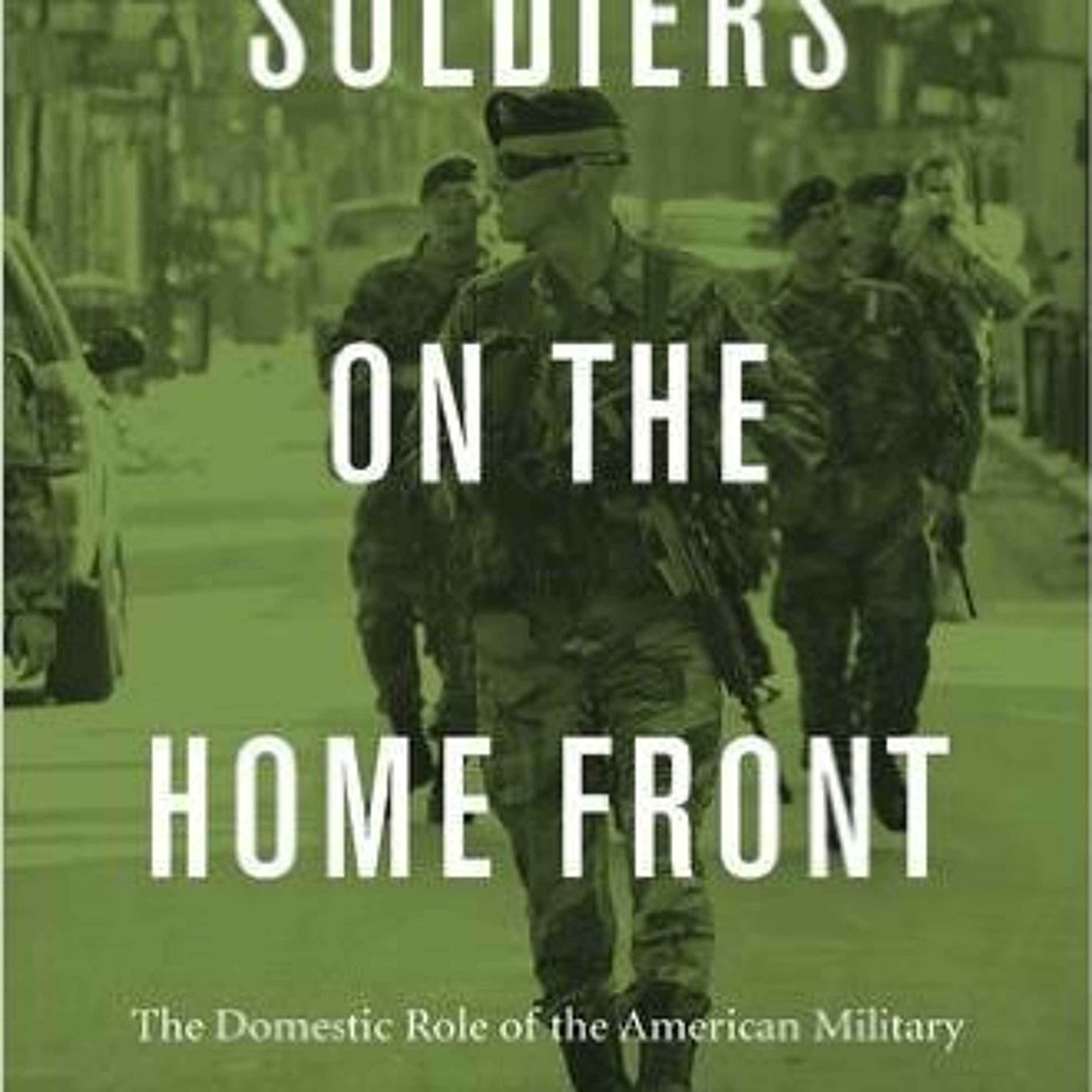
Soldiers On The Homefront: The Domestic Role Of The American Military
The Hoover Institution hosted "Soldiers on the Homefront: The Domestic Role of the American Military" on Monday, November 14, 2016 from 5:00pm - 7:00pm. The Hoover Institution's National Security, and Law Working Group, along with Hoover's Washington, DC office, held a discussion on the legal dynamics that shape the domestic role of the American military. Hoover working group member and senior fellow at the Brookings Institution, Benjamin Wittes interviewed author William C. Banks on his new book, Soldiers on the Homefront. America's military is uniquely able to save lives and restore order in situations that overwhelm civilian institutions. Yet the military has also been called in for more coercive duties at home. At a time when the military's domestic footprint is expanding, how will we establish best practices for military responses to future crises?
The 2016 Presidential Election And The Possibilities For The United States
Victor Davis Hanson talks about the just concluded 2016 presidential election and its implications for the future.
Poll Position: The Aftermath Of The 2016 Elections
With the returns in and the presidency decided, we discuss why the polls didn’t get it right in 2016. How much criticism does the polling industry deserve, or was it just one more victim of one of the most unpredictable elections in American history?
President Trump
Richard Epstein shares his reaction on learning that Donald Trump will be the 45th president and provides recommendations for the new administration's policy agenda.
George H. Nash and Annelise Anderson: Views of Herbert Hoover and Ronald Reagan
Among presidential exponents of American exceptionalism, Presidents Herbert Hoover and Ronald Reagan are in a class by themselves. In his talk George H. Nash discusses the experiences underlying Herbert Hoover’s prescient conviction that the social, economic, and political institutions of the United States were superior to the collectivist systems that were then sweeping the globe. Annelise Anderson explains Ronald Reagan’s vision of the United States as a “city on a hill,” and how that vision guided his foreign and domestic policy.
America the Alienated
Victor Davis Hanson explains why many Americans are increasingly removed from the nation's core political, economic, and cultural institutions.
Poll Position: Predictions for the 2016 Elections
With less than a week to go until Election Day, a conversation about what the polls are suggesting in the way of the late-breaking voters and predictions on who’ll be the next president and which party will control the Senate and the House of Representatives.
New York's Airbnb Controversy
Richard Epstein looks at New York's recent efforts to crack down on the short-term home rentals offered by Airbnb.
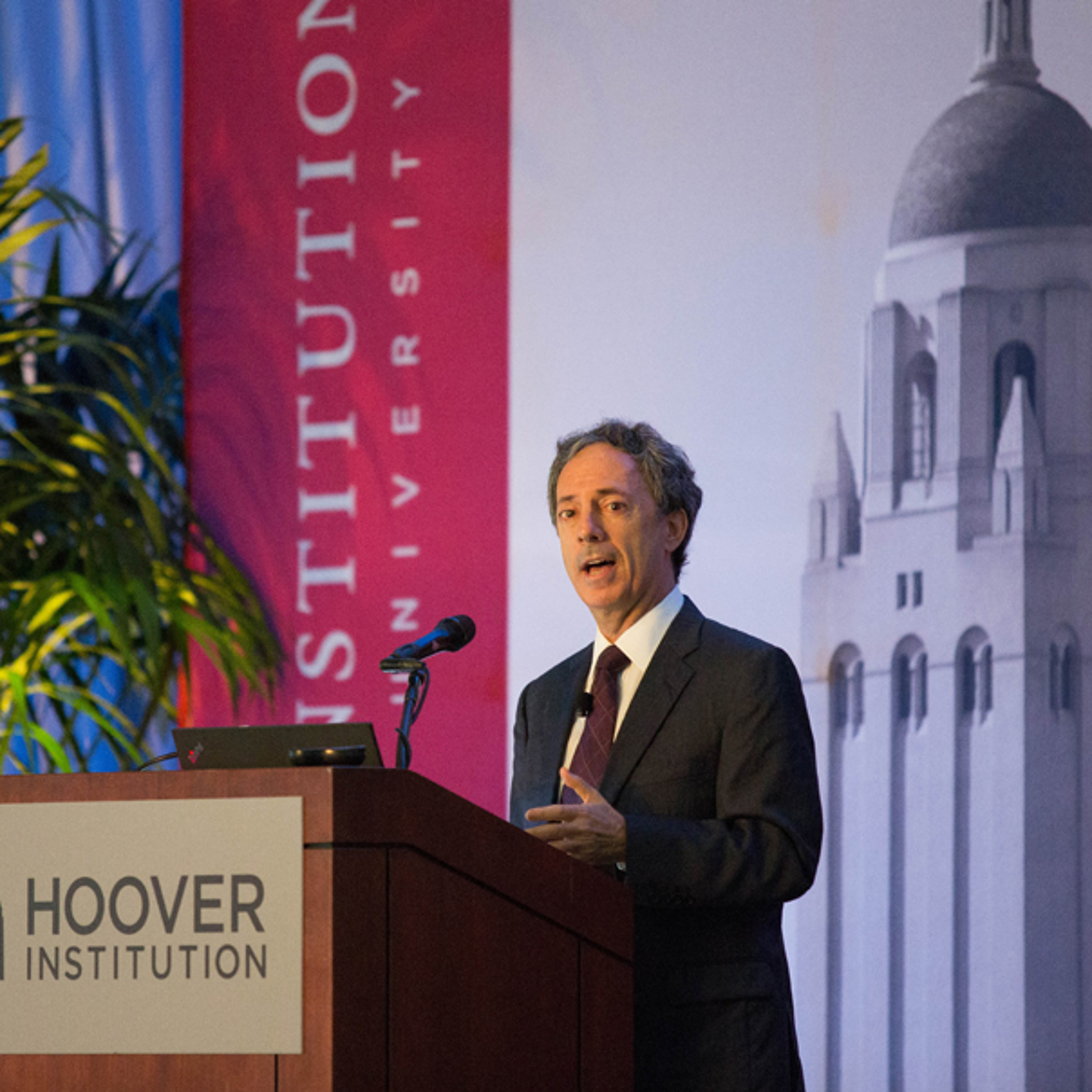
Peter Berkowitz: Preserving Exceptionalism in Domestic Affairs
Constitutional safeguards help protect the United States from bad governance, regardless of who holds office. Those safeguards are predicated, however, on civil, electoral, and educational institutions, all of which are eroding as the result of troubling domestic trends. Our constitutional system and overall political health depend on the reinvigoration of those institutions and restoring our nation’s commitment to classical liberal values.
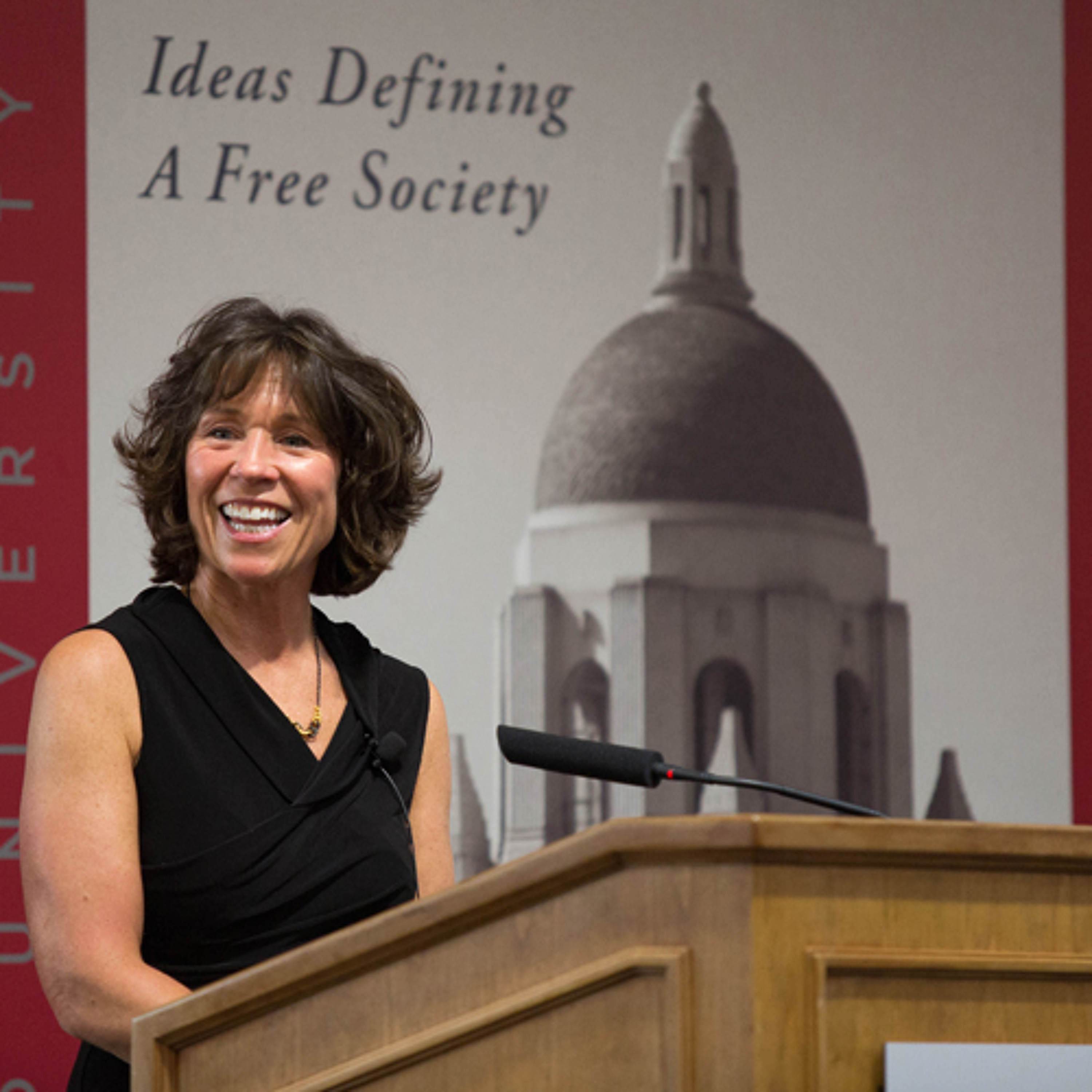
Kori Schake: American Dominance of the International Order
The current international political order, maintained largely through the United States’ exertion of soft power on the world stage, doesn’t simply benefit our allies; it crucially supports our own interests. The alternative to US dominance is a framework of international rules and norms determined by other powerful states. Schake argues that we should strengthen, not abandon, the institutions and alliances that uphold the current international order and maintain the exemplary status of our domestic institutions in the international community.
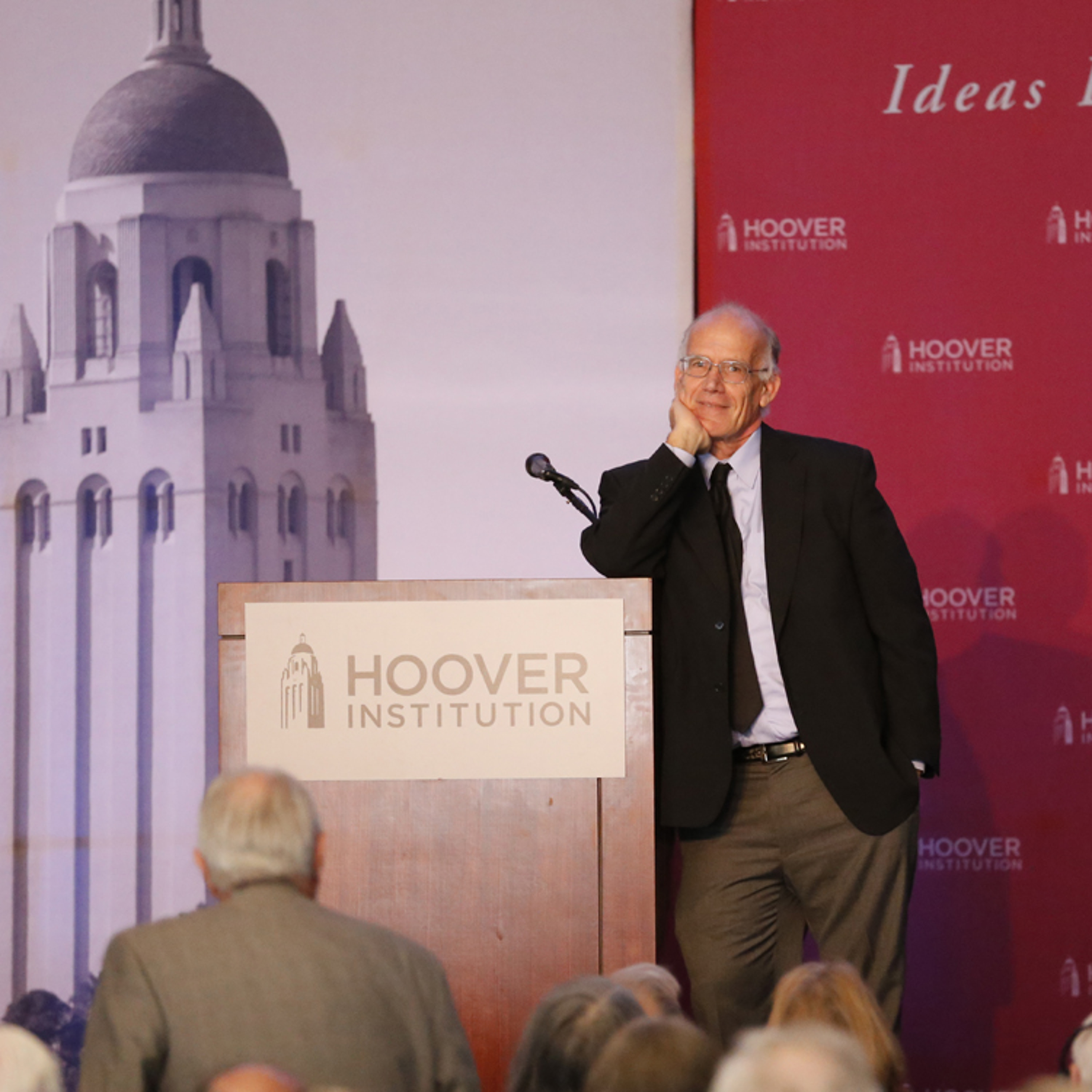
Victor Davis Hanson: America's Exceptional Role in the World
The United States’ unique position in the international order is not preordained. Instead, according to Victor Davis Hanson, it is the result of unique demographic, economic, political, and educational characteristics. As these strengths diminish, so too does our status as a world power. To reverse this trend, we must restore our confidence in the exceptionalism of American institutions.
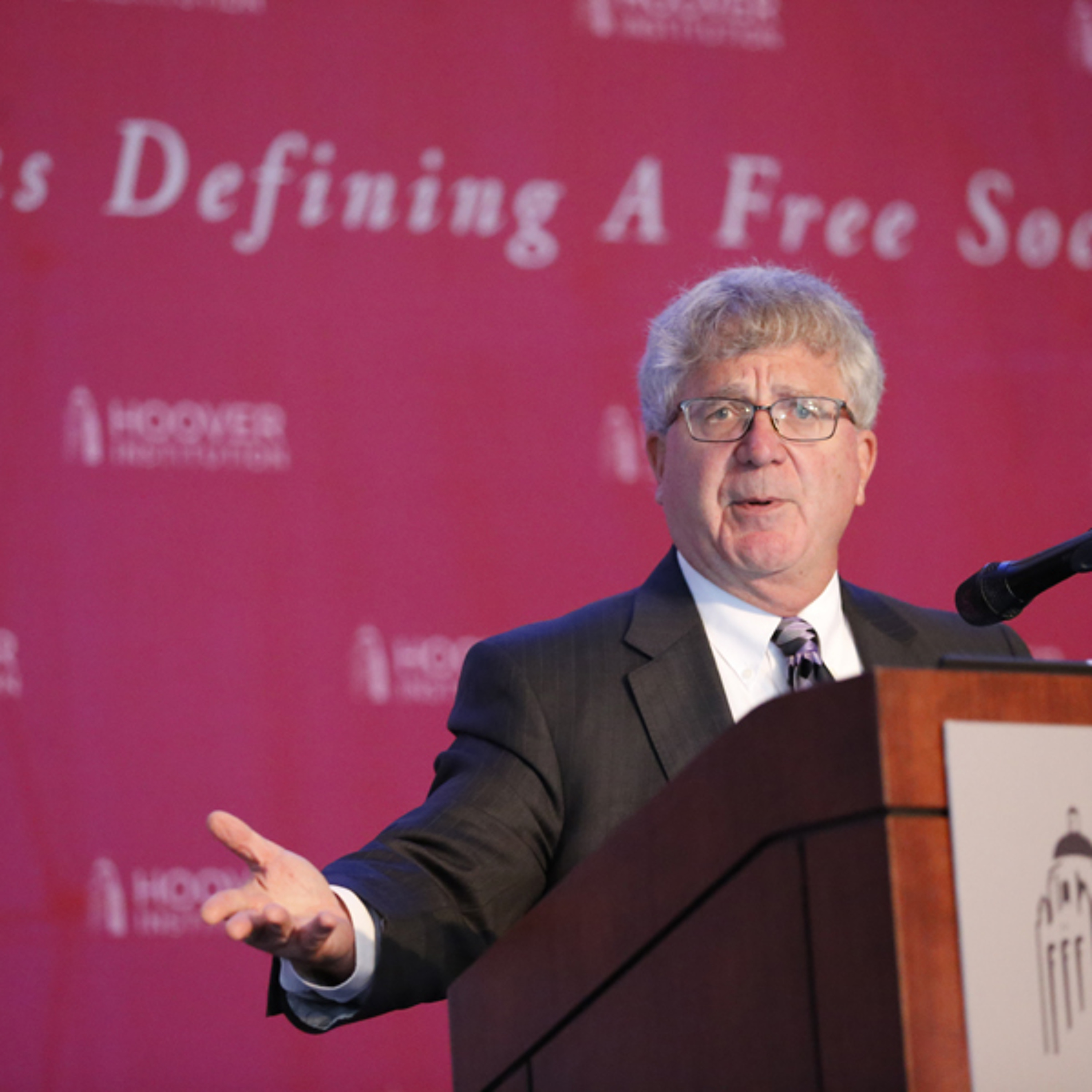
Michael McConnell: Legal Origins of American Exceptionalism
The rule of law is the legal cornerstone of the United States’ economic prosperity and political freedom. Yet the deviation of US law from transparency, equality, and impartiality threatens to unravel a fundamental institution that took centuries to build. Threats to the rule of law should be taken seriously, but potential intellectual and political reforms, and the American electorate’s visible determination to address our political and economic troubles, are cause for optimism.
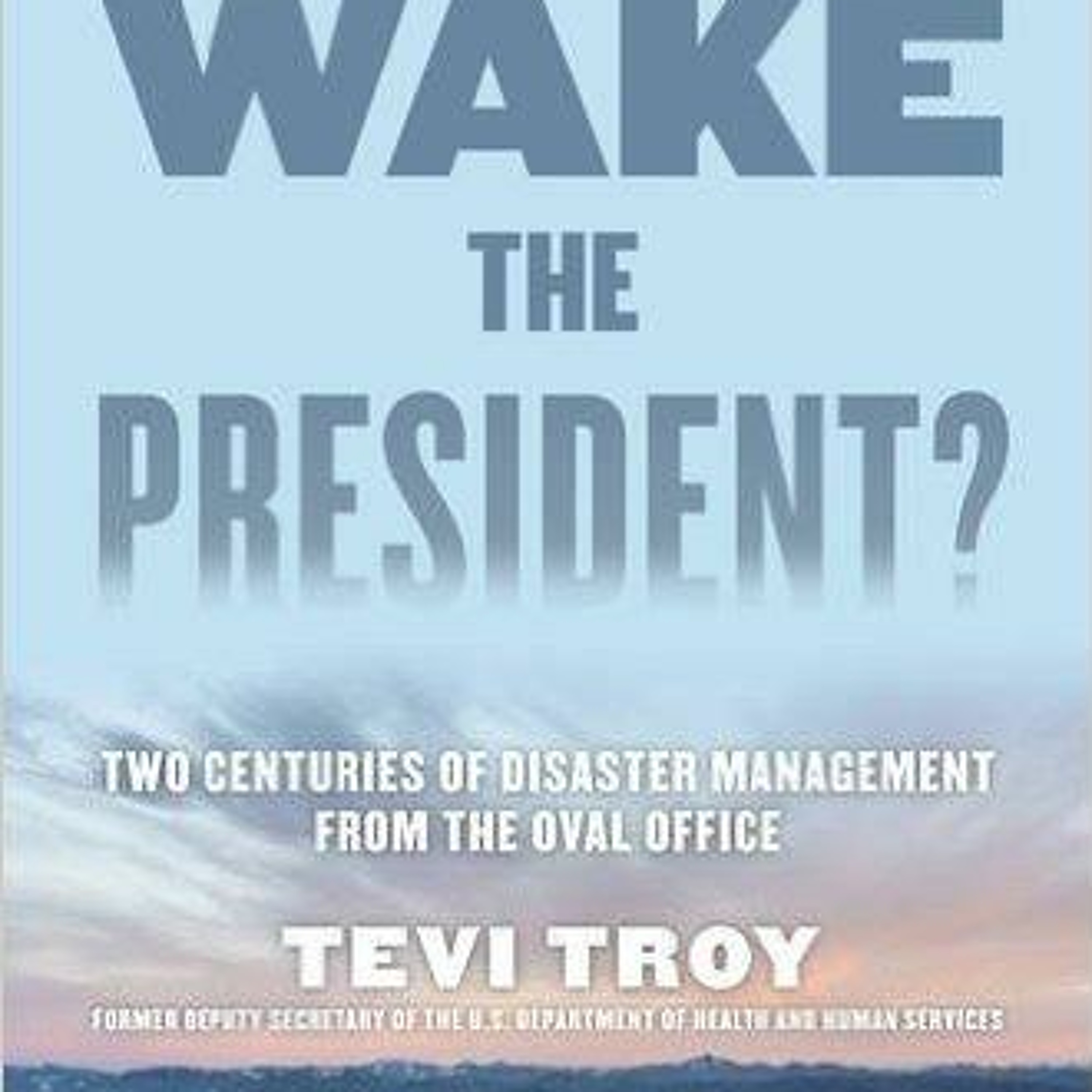
The Presidential Role In Disaster Management
The Hoover Institution hosted "The Presidential Role In Disaster Management" on Tuesday, September 20, 2016 from 12:00pm - 1:30pm. In the Federalist Papers, Alexander Hamilton wrote that constitutional government would benefit from “energy in the executive,” not just in foreign affairs and national defense but also in "essential to the steady administration of the laws.” Today, this “energy” is especially evident in the President’s power and responsibility to respond to unpredictable disasters. From massive storms, to domestic terrorism, to economic turmoil, modern presidents have the power to—and are expected to—assert leadership and control in crises. The Hoover Institution in Washington hosted a discussion featuring Hoover Research Fellow Adam White and Dr. Tevi Troy, a leading scholar of presidential history, on the President's evolving power and duty to respond to domestic disasters and emergencies, dating back to the beginning of our republic. This was the focus of a new book by Dr. Troy: Shall We Wake the President? Two Centuries of Disaster Management from the Oval Office. A limited quantity of complimentary copies were provided. Opening Arguments: Conversations on American Constitutionalism is a new series of interviews with key authors with a background in Constitutionalism and Executive Power.
Poll Position: Golden State Poll
The latest Hoover Institution/Lane Center Golden State Poll reveals the state of the presidential and US Senate races in California. A discussion about how changing generational sensibilities are affecting initiative battles over marijuana legalization, repealing the death penalty, and extending a tax on the wealthiest Californians.
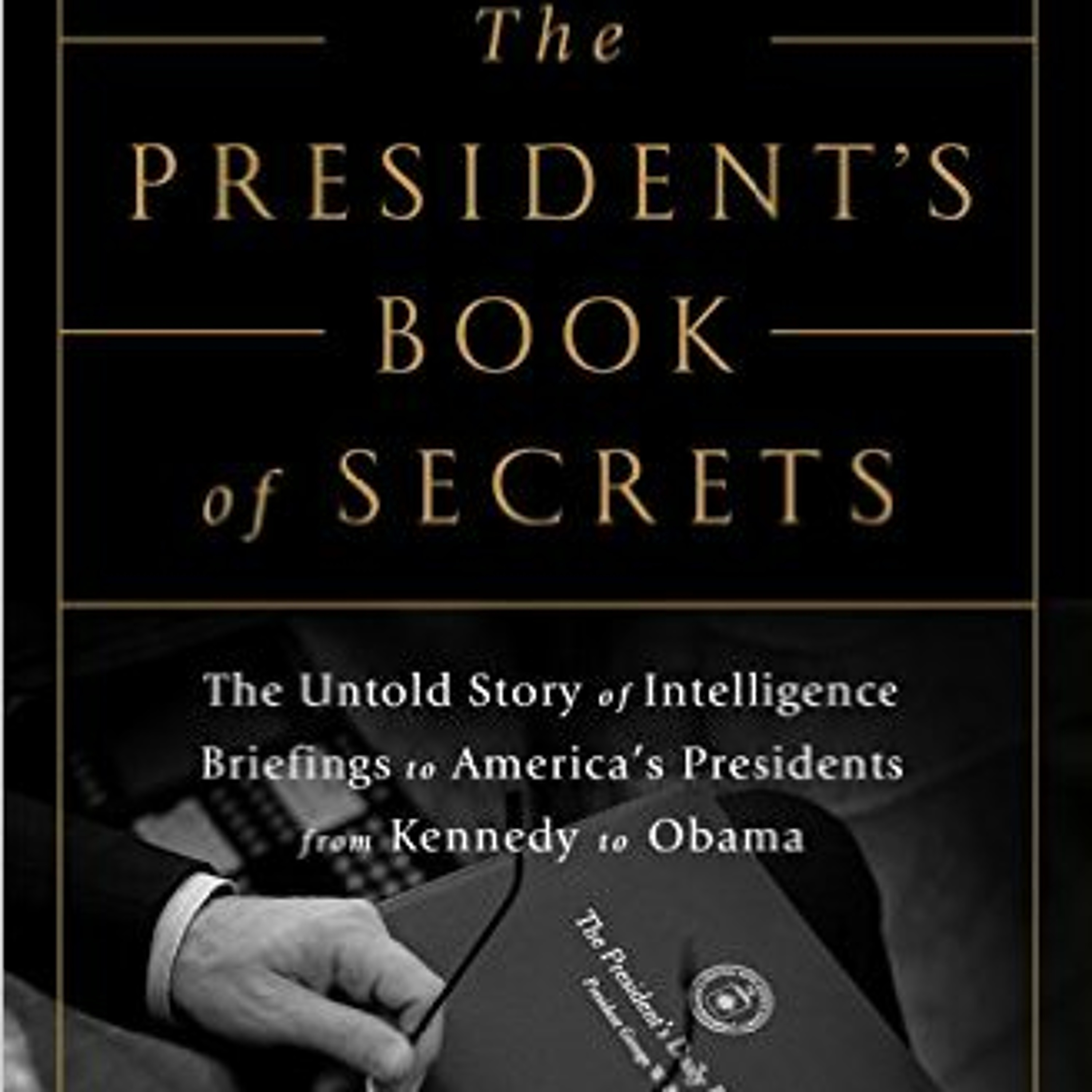
The President's Book Of Secrets
The Hoover Institution hosts "The President's Book of Secrets: The Untold Story of Intelligence Briefings to America's Presidents from Kennedy to Obama" on Thursday, October 13, 2016 from 5:00pm - 7:00pm. The Hoover Institution's National Security, and Law Working Group, along with Hoover's Washington, DC office, invite you to a discussion on the unique relationship between the President and the intelligence community. Hoover working group member and senior fellow at the Hoover Institution, Jack Goldsmith will interview author David Priess on his new book, The President's Book of Secrets. The interview will take an in depth look into the top-secret document known as the President's Daily Brief, or "the Book" as intelligence officials like to call it.
The Neutron Bomb Election
Victor Davis Hanson points to a future in which many of America's key political, social, and media institutions will erode as a consequence of the 2016 election cycle.
Poll Position: The Science of Polling
With twelve days remaining to the election, a conversation about the art and science of polling–with the numbers showing Hillary Clinton in the lead in a race that’s tighter than it was a week ago--and why the notion that polls are rigged or unfairly weighted to one side’s advantage just doesn’t hold up.
Trump or Clinton: Who's Worse?
Richard Epstein weighs the dangers of a Donald Trump presidency against those that would attend a Hillary Clinton Administration.
The Electoral College and Picking Presidents
RIchard Epstein considers the arguments for an against the Electoral College, describes how the process of picking a president has changed over the years, and provides prescriptions for electoral reform.
Strategika: "Empowering Iran: The Weaknesses of the Nuclear Deal," with Tom Donnelly
Tom Donnelly describes how the U.S.'s nuclear deal with Iran opened for the door for the regime in Tehran to strengthen its position in the region and the world.
Strategika: "The Iran Time Bomb," with Kori Schake
Kori Schake explains why the long-term destabilizing effects of the Iran deal likely offset its short-term benefits, and gives advice on how the next president should handle the potential danger.
Poll Position: What The Data Says About The Presidential Race
The aftermath of the second of the three presidential debates: what the data is telling us about the state of the race. Is the contest over after Trump’s bad run of stories; should Hillary Clinton start measuring the Oval Office drapes?
Native Americans and the North Dakota Pipeline Controversy
Richard Epstein probes the legal and policy arguments made by the Standing Rock Sioux Tribe as it attempts to block the development of the Dakota Access Pipeline.
Poll Position: Debates Effects On The Polls
On the eve of the second presidential debate, we look at why Hillary Clinton has taken a lead over Donald Trump since their first onstage encounter. With various polls showing differences in the size and scope of the gender gap, we examine what the candidates have to address in Sunday’s debate and what constituencies they need to bolster.
Poll Position: Journalist Fred Barnes Debates Media Bias
In the middle of the debate portion of the general election, there’s once again a question of media bias. Fred Barnes, cofounder of the Weekly Standard, discusses how political journalism has evolved during his forty years in Washington and recalls his role as one of three journalists asking questions in the first Reagan-Mondale debate in 1984.
How Everything Became War And The Military Became Everything: Tales From The Pentagon
The Hoover Institution hosts "How Everything Became War And The Military Became Everything: Tales From The Pentagon" on Wednesday, September 28, 2016 from 5:00pm - 7:00pm. Hoover working group member and senior fellow at the Brookings Institution, Benjamin Wittes interviews author Rosa Brooks on her new book, How Everything Became War and the Military Became Everything. The interview will took a look at the growing lack of distinction between wartime and peacetime. A limited quantity of complimentary copies will be provided. Security by the Book is a series of interviews of key national security authors conducted in partnership with Lawfare. Visit Security by the Book's website for past podcasts.
Poll Position: The Debates
Donald Trump and Hillary Clinton have had their first debate; in this podcast we discuss that debate’s effects on the polls. Both candidates did their best to appeal to an already angry electorate. Did either candidate sway any votes? We also discuss the October 4 vice presidential debate, including whether either candidate might have an Admiral James Stockdale moment.
The Civil Rights Bullies
Richard Epstein describes the dramatic failure of the federal government's attempts to balance anti-discrimination laws against religious liberty protections.
A Dangerous Four Months
Victor Davis Hanson explains why the waning months of Barack Obama's presidency may turn out to be one of the most volatile periods for national security that America has seen in decades.
Dissecting the Clinton Tax Plan
Richard Epstein analyzes the various components of Hillary Clinton's tax plan -- and proposes a classical liberal alternative.
Taxing Apple
Richard Epstein argues that the European Union's decision to impose heavy tax penalties on Apple may not be quite the disaster that critics suggest.
Security by the Book - The Norms Of National Security Reporting
Benjamin Wittes's interview with Walter Pincus on his recent essay “Reflections on Secrecy and the Press from a Life in Journalism.”
Poll Position: Modern Polling
Hoover Institution fellows Bill Whalen and Douglas Rivers talk about the health of public polling – how political and policy sampling has evolved since the great presidential meltdown in 1948. We discusses how pollsters as well as political scientists make sense of all the statistical data scattered about in this election.
Strategika: "The Legacy of 9/11," with Peter Mansoor
On the fifteenth anniversary of the 9/11 attacks, Peter Mansoor reflects on America's subsequent war on terrorism ... And on what must be done to ultimately emerge victorious.
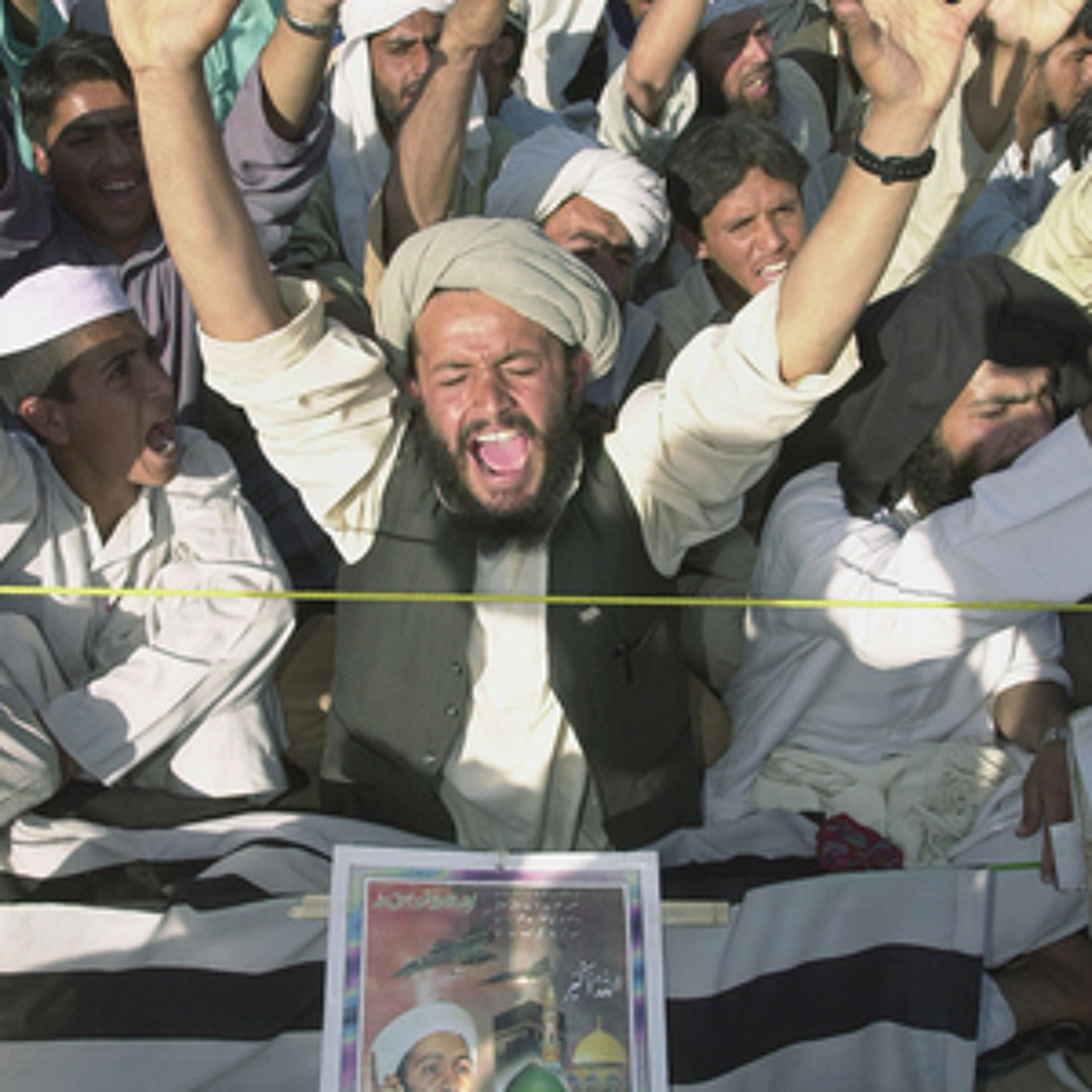
Strategika: "Terrorism, in Perspective,” with Williamson Murray
Military and diplomatic historian Williamson Murray explains why terrorist attacks on the West have grown smaller in scope since 9/11 — but warns of nightmare scenarios that may still remain on the horizon.
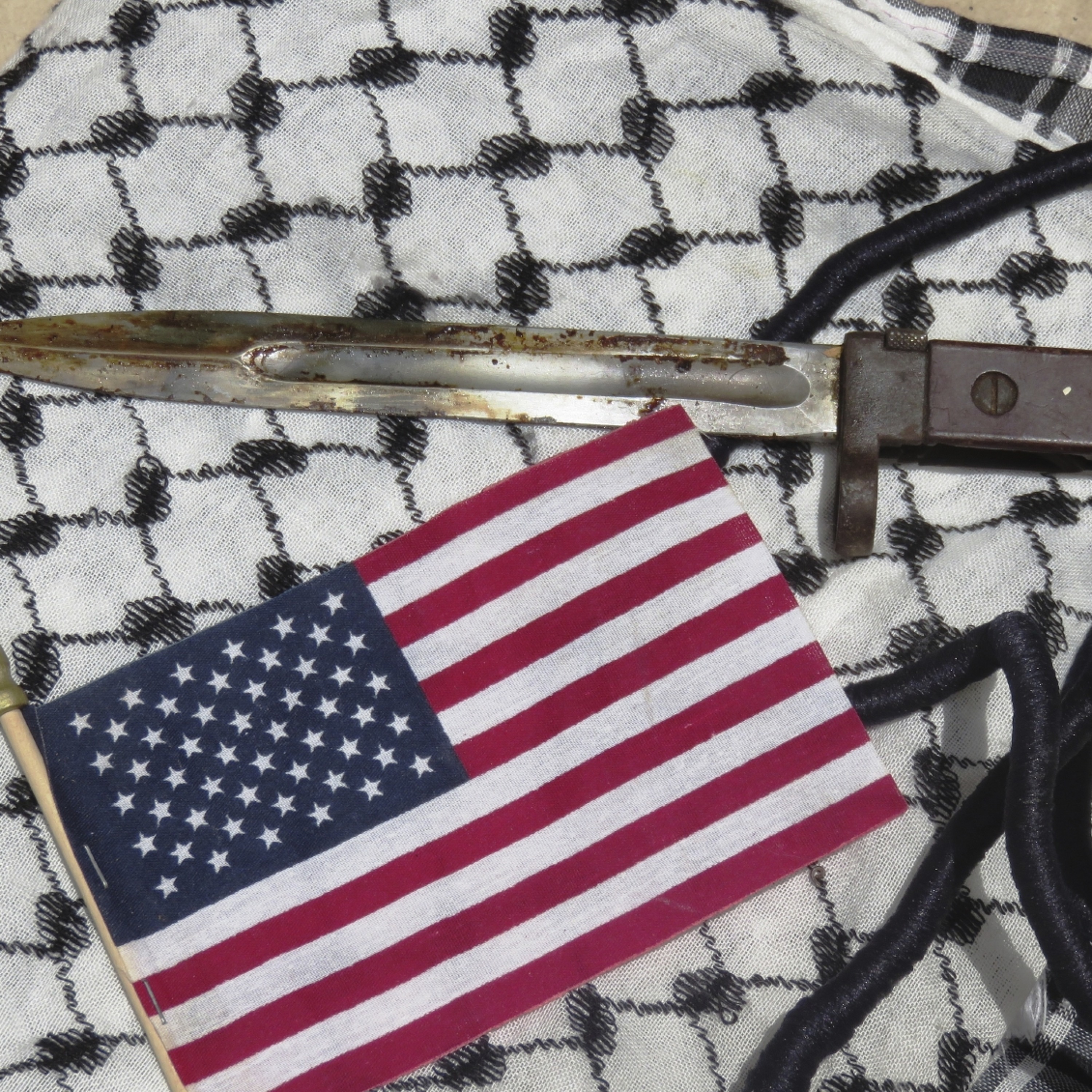
Strategika: “Underestimating Our Enemies,” with Ralph Peters
Ralph Peters warns that the willpower and resolve of Islamic terrorists counterbalance's the West’s material and financial advantages.
The Dangers of the Martin Act
Richard Epstein looks at the uses and abuses of the Martin Act, a New York law that has given activist attorneys general a free pass to persecute their political opponents.