
Hoover Institution
500 episodes — Page 9 of 10
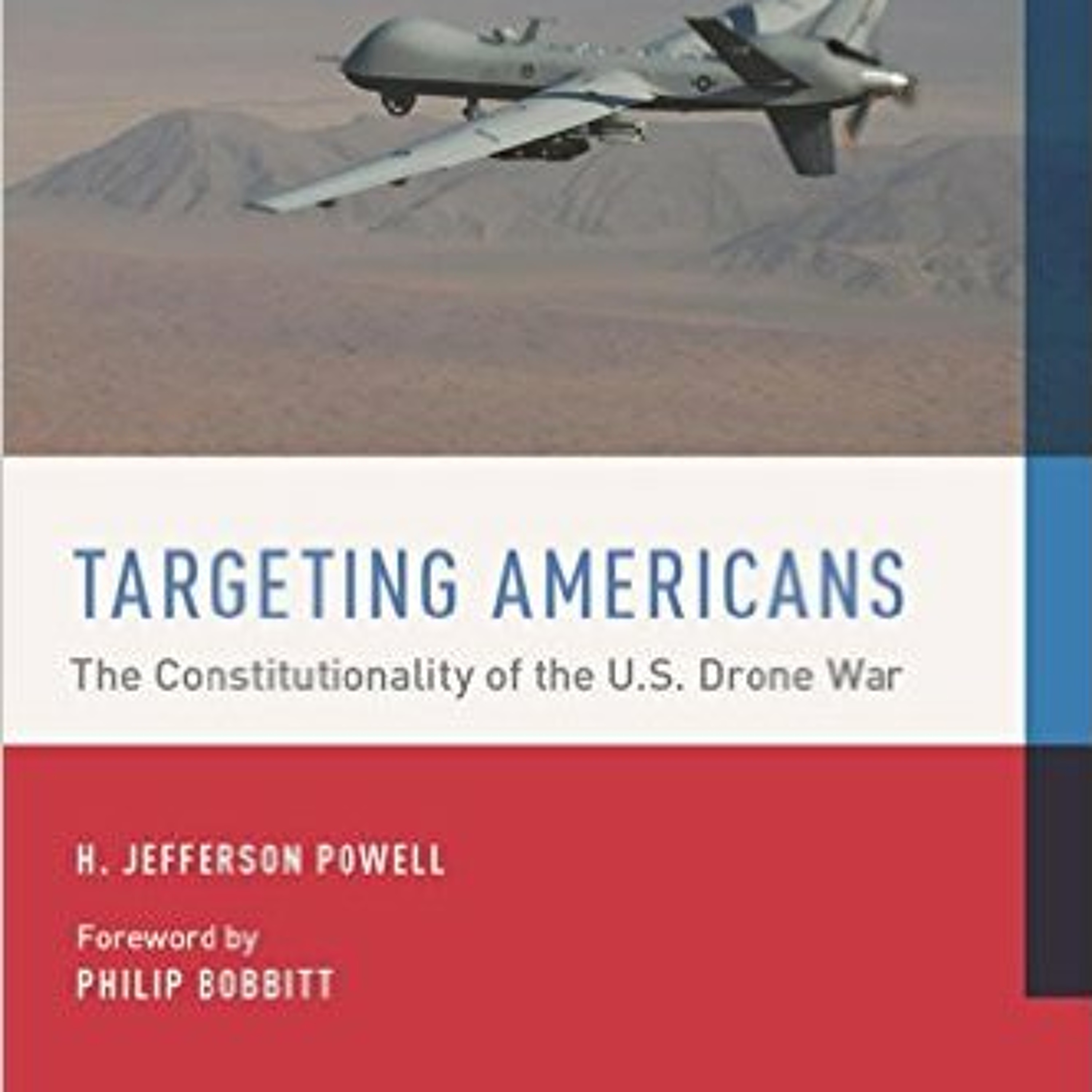
Security by the Book - Targeting Americans: The Constitutionality of the U.S. Drone War
INTERVIEW WITH SPECIAL GUEST: Jefferson Powell Jack Goldsmith’s interview with Jefferson Powell on his new book, Targeting Americans: The Constitutionality of the U.S. Drone War. The interview focuses on the legal debate surrounding drone strikes, the use of which has expanded significantly under the Obama Presidency as part of the continuing war against terror. Despite the political salience of the legal questions raised by targeted killing, the author asserts that there has been remarkably little careful analysis of the fundamental legal question: the constitutionality of the policy.
Should Britain Exit the EU?
Richard Epstein considers the choice facing Britons in June: whether or not the United Kingdom should remain a part of the European Union.
Military Readiness in an Age of Uncertainty, with Thomas Donnelly
Tom Donnelly lays out the first principles of military readiness and analyzes whether America is prepared for the foreign policy challenges ahead.
The Myth of Progress
Victor Davis Hanson describes how progressive clichés like “settled science” and “the right side of history” distort political thought.

Defense Policy Challenges for the Next President
In this informative briefing, Kori Schake discusses the evolving threats to US interests that are waiting for the next presidential administration. Schake raises concerns about continued Iranian hostilities in the Straits of Hormuz, faltering soft US power in Iraq, and mounting civilian casualties from untargeted attacks in Syria. She discusses other developments giving rise to concern in Afghanistan, Russia, China, and North Korea but also points out recent areas of policy improvement. Schake then draws a conclusion with important implications for the next presidential administration: threats to the United States’ international interests are increasing, but the US response is lagging alarmingly behind.
What Happened to Our Campuses?
According to Victor Davis Hanson, calls for trigger warnings, campus diversity programs, and other policies aimed at shielding students from emotional discomfort and divergent opinions are warping the educational mission of US colleges. In addition to compromising educational quality, Hanson points out that those activities divert attention from more serious threats to student well-being, such as skyrocketing educational costs and student loan debt. Aside from youthful naiveté and progressive ideology, he blames a noncompetitive environment among and within colleges for many of the problems. He proposes accountability-based reforms such as university exit exams, academic freedom rankings, and closer donor oversight as possible solutions.
Living with a 4-4 Supreme Court
Richard Epstein looks at tensions resulting from a Supreme Court divided between four Republican appointees and four Democrats.
Military Readiness: The Admiral’s Perspective with James Ellis
Retired Admiral James Ellis describes the principles that are needed to keep America secure at a time of geopolitical uncertainty.
North Carolina and Transgender Rights
Richard Epstein examines the legal and political controversies stemming from North Carolina’s controversial bathroom law.
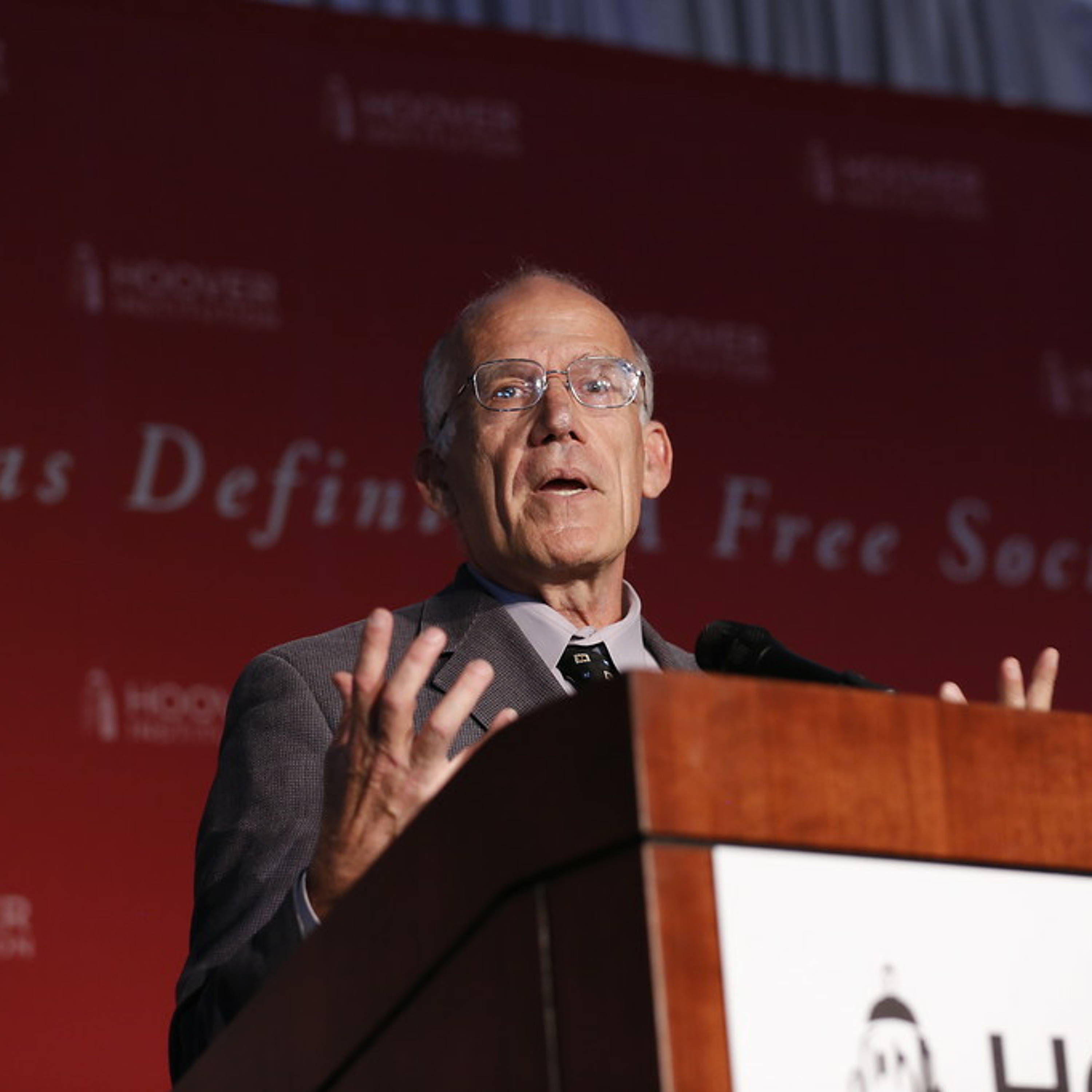
Victor Davis Hanson: Trump, Class, and the 2016 Election
Donald Trump’s rise as a front-runner in the 2016 presidential primaries may be a surprising development, but according to Victor Davis Hanson, it isn’t without explanation. Hanson discusses why Trump’s radical proposals on immigration and trade are finding receptive audiences who are willing to tolerate his inflammatory rhetoric. Hanson closes with an assessment of what Trump’s candidacy will look like should he secure the Republican nomination, describing the 2016 election as a choice not between good and bad but between bad and worse.
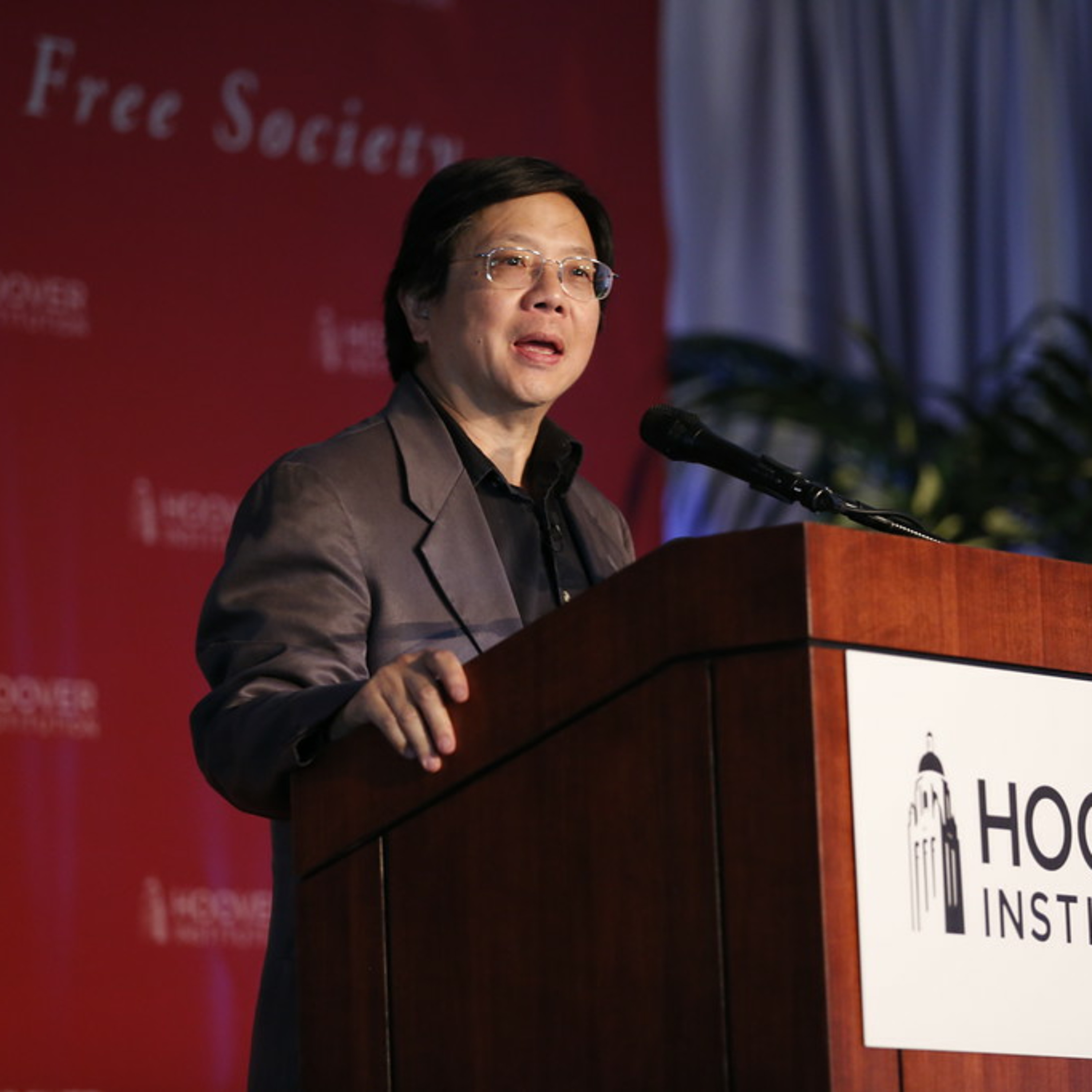
Herbert Lin: Punching Back in Cyberspace
Cyber threats from rogue actors, and the need to secure critical digital infrastructure against attack, have earned a prominent role in the US national security strategy dialogue. Most often, the focus of the conversation is defensive. Herbert Lin, however, adds an interesting dimension to the discussion: the potential use of cyber attacks by US agencies to disrupt the operations of our adversaries. Lin explains a menu of options for offensive deployment of cyber tactics but also points out complex political, legal, and ethical implications surrounding their use.
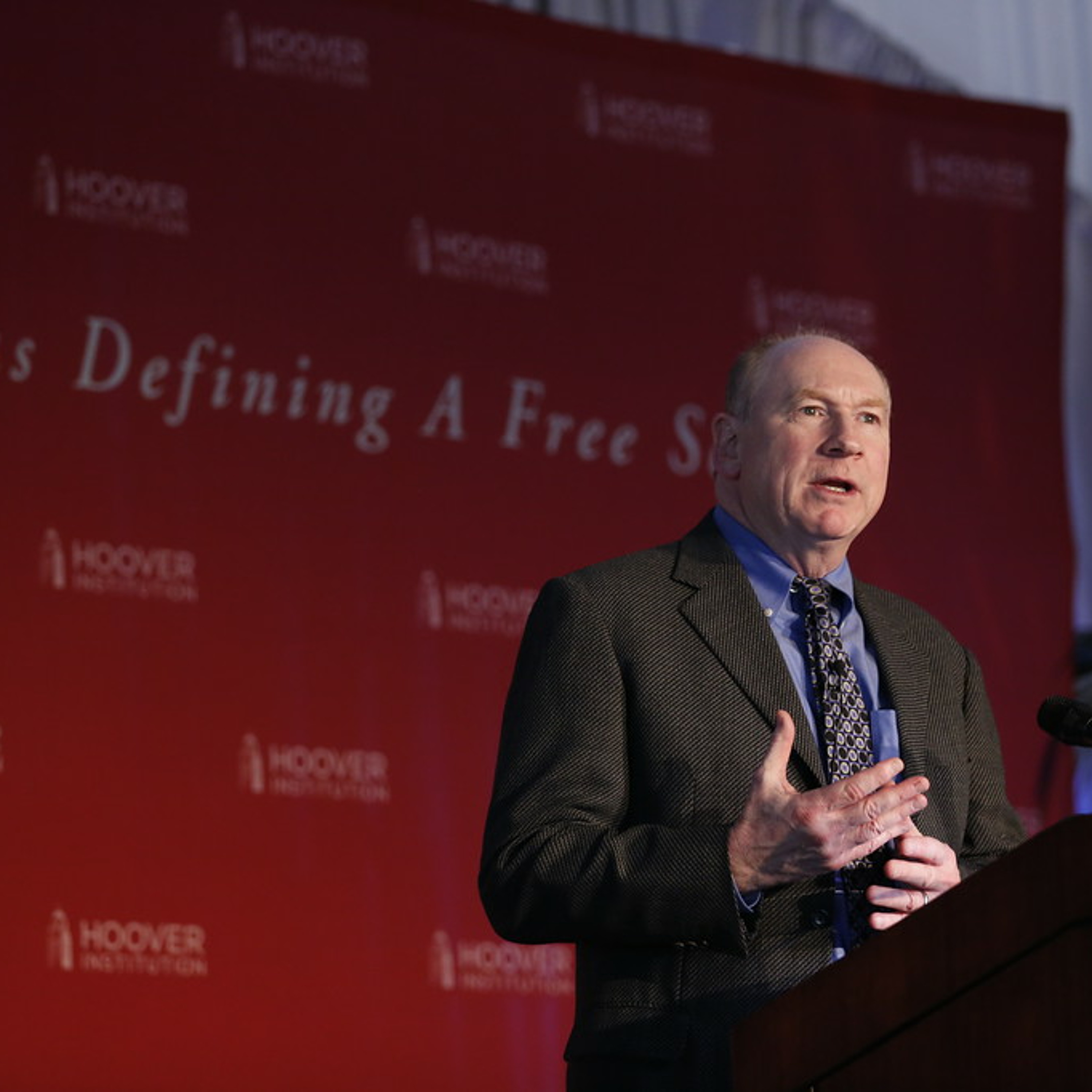
Lee Ohanian: The Economic Policies of the 2016 Presidential Candidates
President Obama often highlights his administration’s success in spurring a robust economic recovery; Lee Ohanian, however, is less optimistic about the state of the US economy under his leadership. Ohanian argues that Obama’s narrative rests on flawed economic logic and blames the lackluster recovery on a departure of US economic policy from free market principles. With this sober assessment of the current US economy in mind, he explores the potential for improvement under each of the leading 2016 presidential candidates and measures their platforms in terms of promoting freedom, enterprise, and the Constitution.
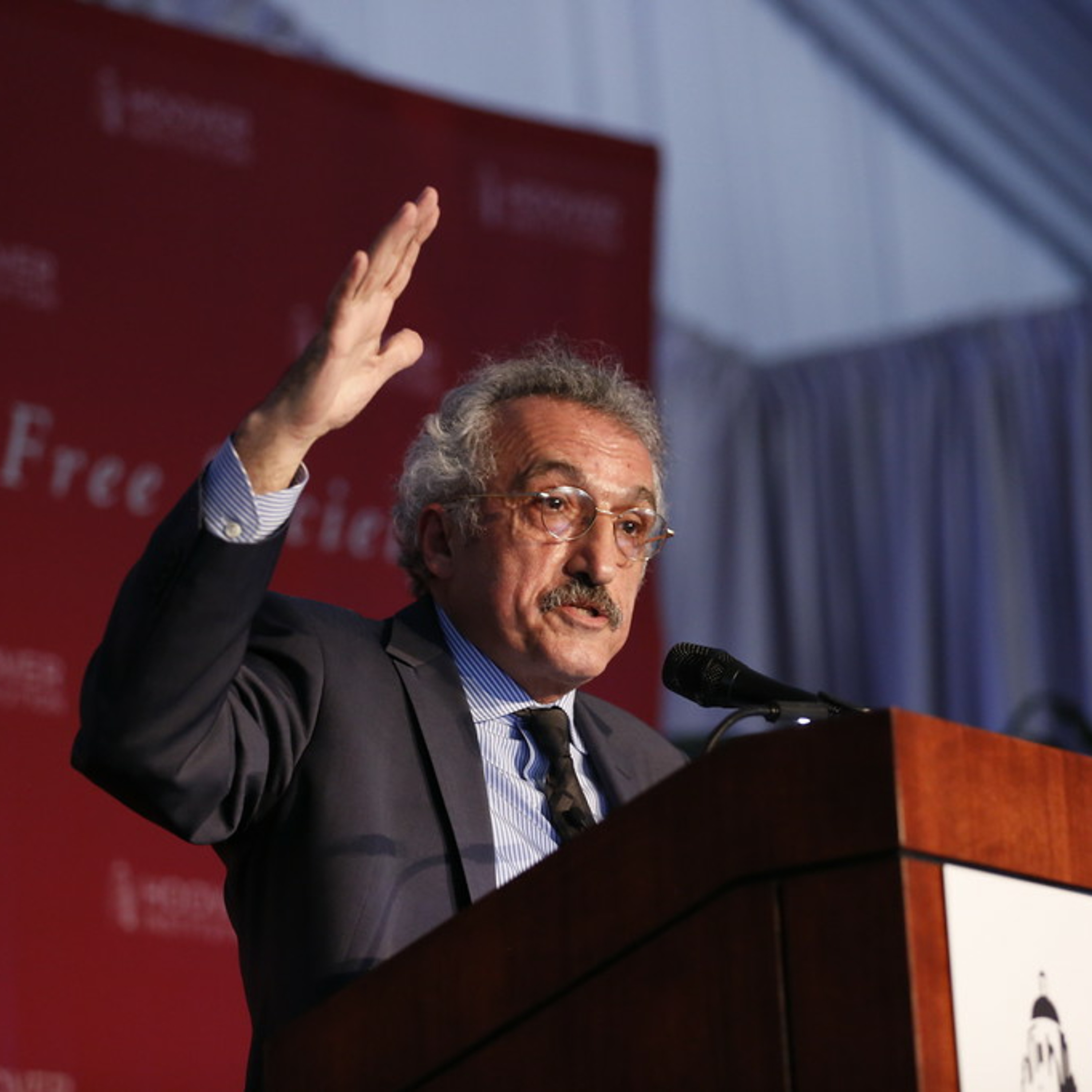
Abbas Milani: ISIS, Iran, and Saudi Arabia
According to Abbas Milani, crafting cohesive policy to deal with instability and threats in the Middle East requires understanding the ideological, social, and regime-based catalysts of unrest. He explains the return of puritanical Islamist ideology as a reaction to the stagnation of Islamic societies relative to their western counterparts. This trend is not new, but such factors as oil wealth, social media, and communications technology have given it unprecedented strength. Milani stresses that this movement is approaching a dangerous crisis point, one that that, unfortunately, policy makers in the west are failing to adequately address.
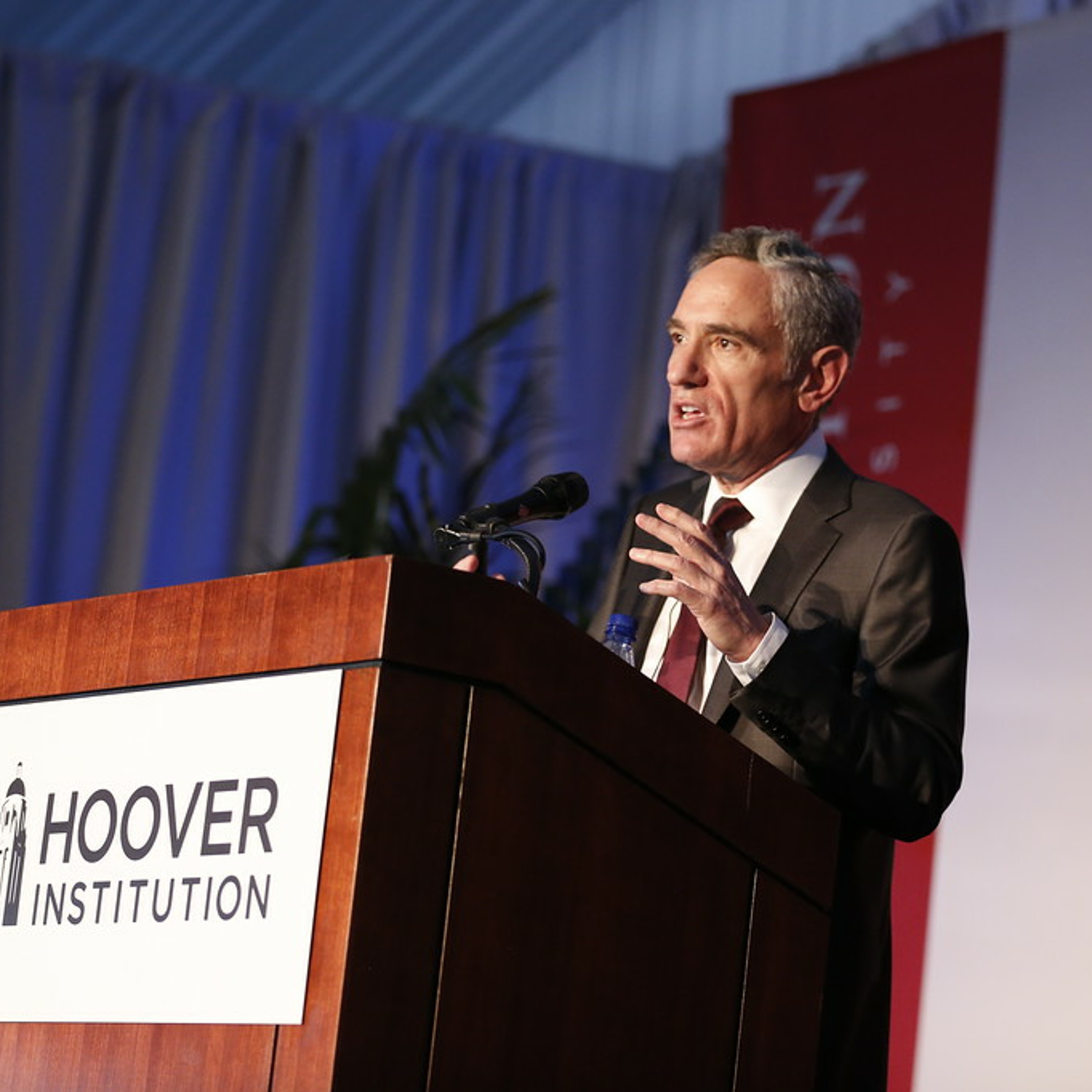
Scott W. Atlas: Cleaning up the Post-Obamacare Mess: Restoring Quality Health Care at Lower Cost
This talk, which comes on the heels of Atlas’s latest book, Restoring Quality Health Care, brings clarity to the increasingly complex topic of US health-care policy in the wake of the Affordable Care Act. Atlas cuts through spurious metrics to reveal the pre-Obamacare US health-care system as a world leader in delivering quality care. He goes on to explain what the fiscal and regulatory impacts of Obamcare mean for patients and doctors and how the reforms proposed in his book can reduce costs, eliminate regulatory burdens, and promote innovation in health care.

Richard Epstein: Originalism as Originally Understood: The Uncertain Legacy of Justice Scalia
Much has been said about the legacy of US Supreme Court justice Antonin “Nino” Scalia since he died in February 2016. Renowned legal theorist Richard Epstein—a longtime colleague and friend of Scalia’s—, however, brings something new to the discussion. Epstein frames Scalia’s jurisprudence in the context of western legal thought going back to the Roman Empire. He explains the influence of Roman legal concepts on the US founding, and their relevance to the modern struggle of constitutional interpretation in which Scalia was an influential participant.
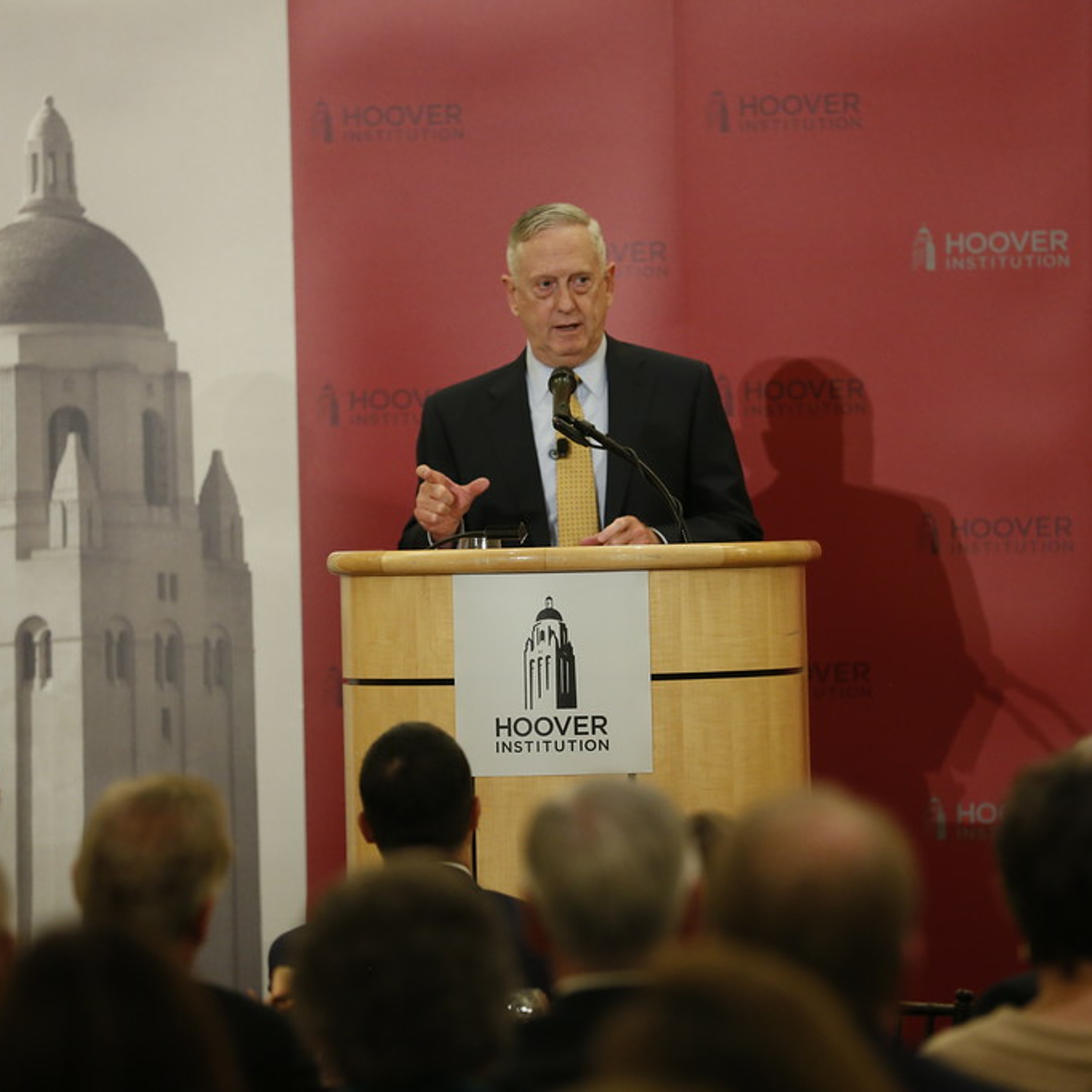
General Mattis: What Should We Do About Iran?
In this talk, General Mattis applies his extensive national security and policy experience to current US-Iranian diplomacy. He centers his remarks on the Joint Comprehensive Plan of Action, commonly known as the Iran nuclear agreement, which he views as a serious misstep in US policy. He explains the political and historical context of the deal, analyzes how the Iranian regime is modifying its behavior in response, and how US policy makers can correct course. Although Mattis is measured in his analysis, he draws a stark conclusion: “the Iranian regime is the single most enduring threat to stability and peace in the Middle East.”
Title IX and College Justice
Richard Epstein describes how the federal government is driving controversies over sexual assault on college campuses.
President 45
Victor Davis Hanson considers the issues that will face the next President of the United States both at home and abroad
Deflategate and the Law
Richard Epstein looks at the Second Circuit’s decision to uphold the NFL’s suspension of New England Patriots quarterback Tom Brady.
The Rise of Liberal Populism
Richard Epstein looks at the leftward lurch of the Democratic Party on economic issues in the era of Hillary Clinton and Bernie Sanders.
Europe’s Warning for the US
Victor Davis Hanson looks at the factors behind European decline – and analyzes whether those factors will soon manifest in the United States as well.

The Threat from Iran with Angelo Codevilla
Angelo Codevilla examines the fallout from the Iranian nuclear deal and predicts how it will affect America national security in the future.
Iran: The Fork in the Road with Kori Schake
Kori Schake examines the variables that will determine whether the nuclear deal with Iran pushes the country towards radicalism or reconciliation.
Wisconsin’s Right-to-Work Battle
Richard Epstein examines the novel legal rationale behind a Wisconsin judge’s decision to overturn the state’s right-to-work law.
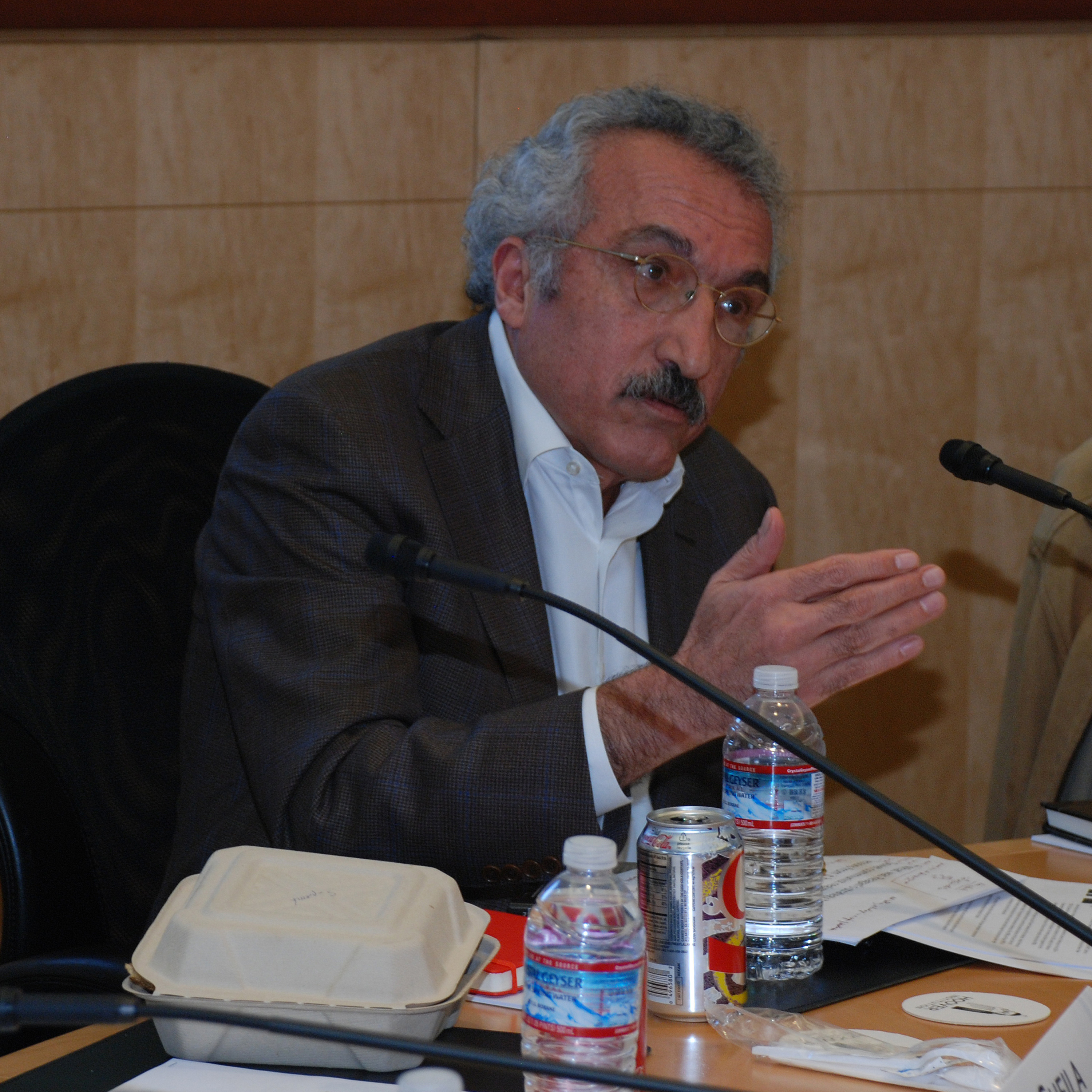
Abbas Milani on Understanding Iran
Milani focuses on Iran but paints a more complex picture of a state divided, with movements toward reform and international engagement clashing against authoritarian elements within the government. Stressing understanding a regime as a crucial prerequisite to effective strategy, Milani calls for targeted US policy toward Iran that bolsters movements for change and undermines support for the status quo.
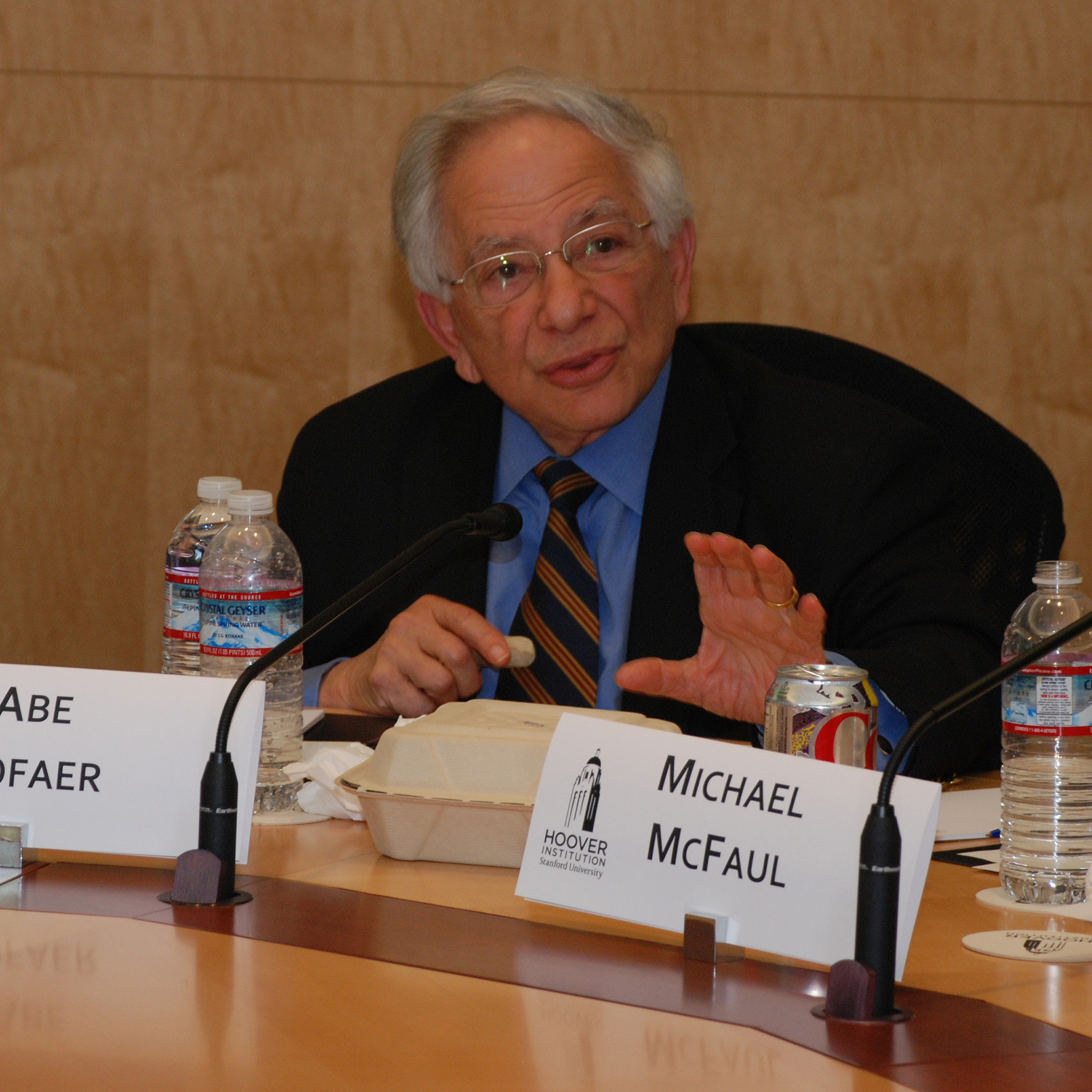
Abraham D. Sofaer on Lessons from Reagan’s Cold War Strategy
Sofaer argues that Reagan’s Cold War strategy offers important lessons for contemporary US policy toward Iran, despite Reagan’s failure to apply those lessons in his own negotiations with the Iranian regime. Recounting five principles from Reagan and Shultz’s diplomatic work with the Soviet Union, Sofaer shows how parties opposite the table can be effectively engaged without losing focus on the US agenda.
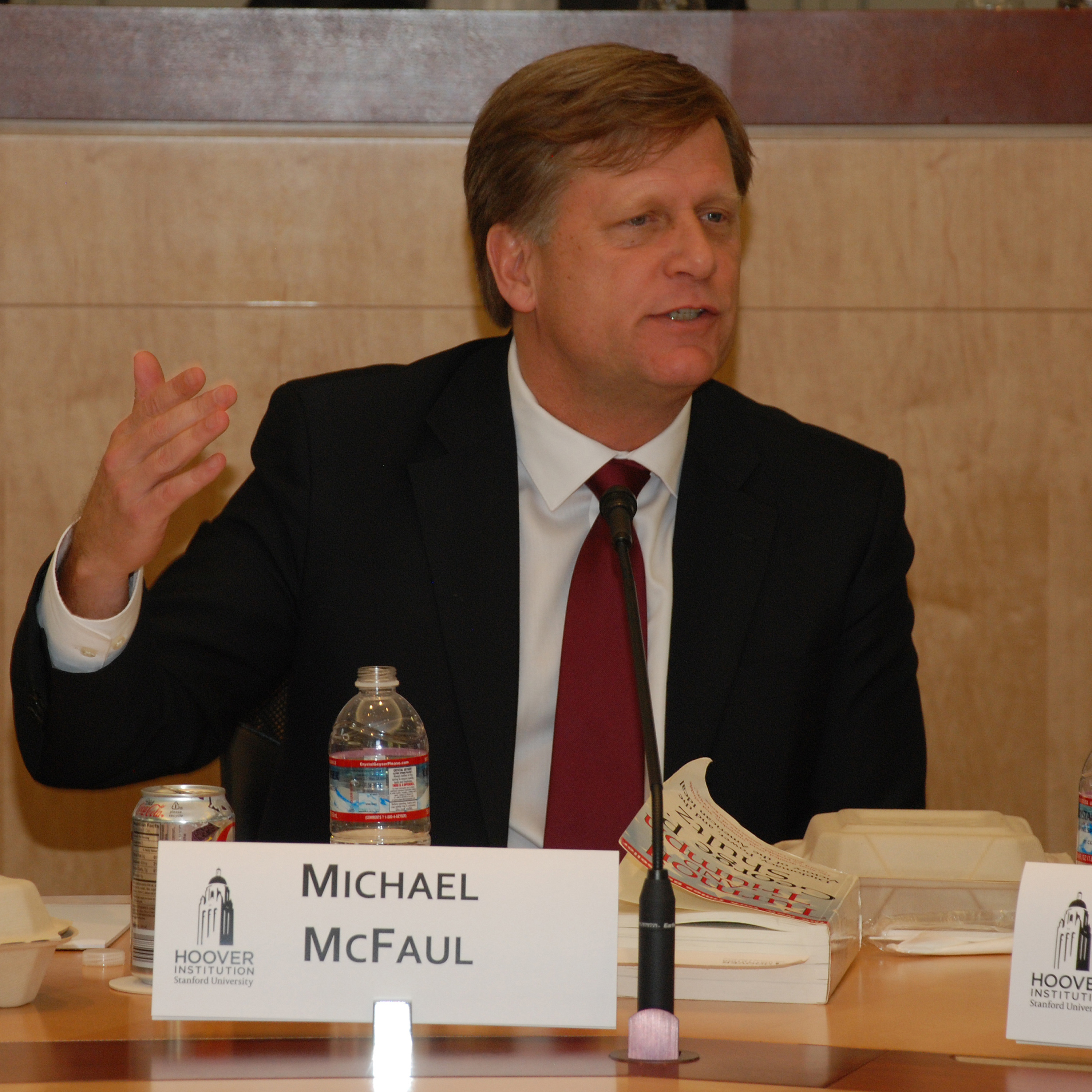
Michael McFaul on Applying Reagan’s Cold War Strategy Today
According to McFaul, some—but not all—of the lessons from Reagan’s Cold War diplomacy are applicable today, although, even under identical circumstances, the same strategy may not produce the same results. Applying this equivocal perspective to current issues in international relations, McFaul’s remarks give an informative overview of the challenging landscape faced by diplomats and strategists.
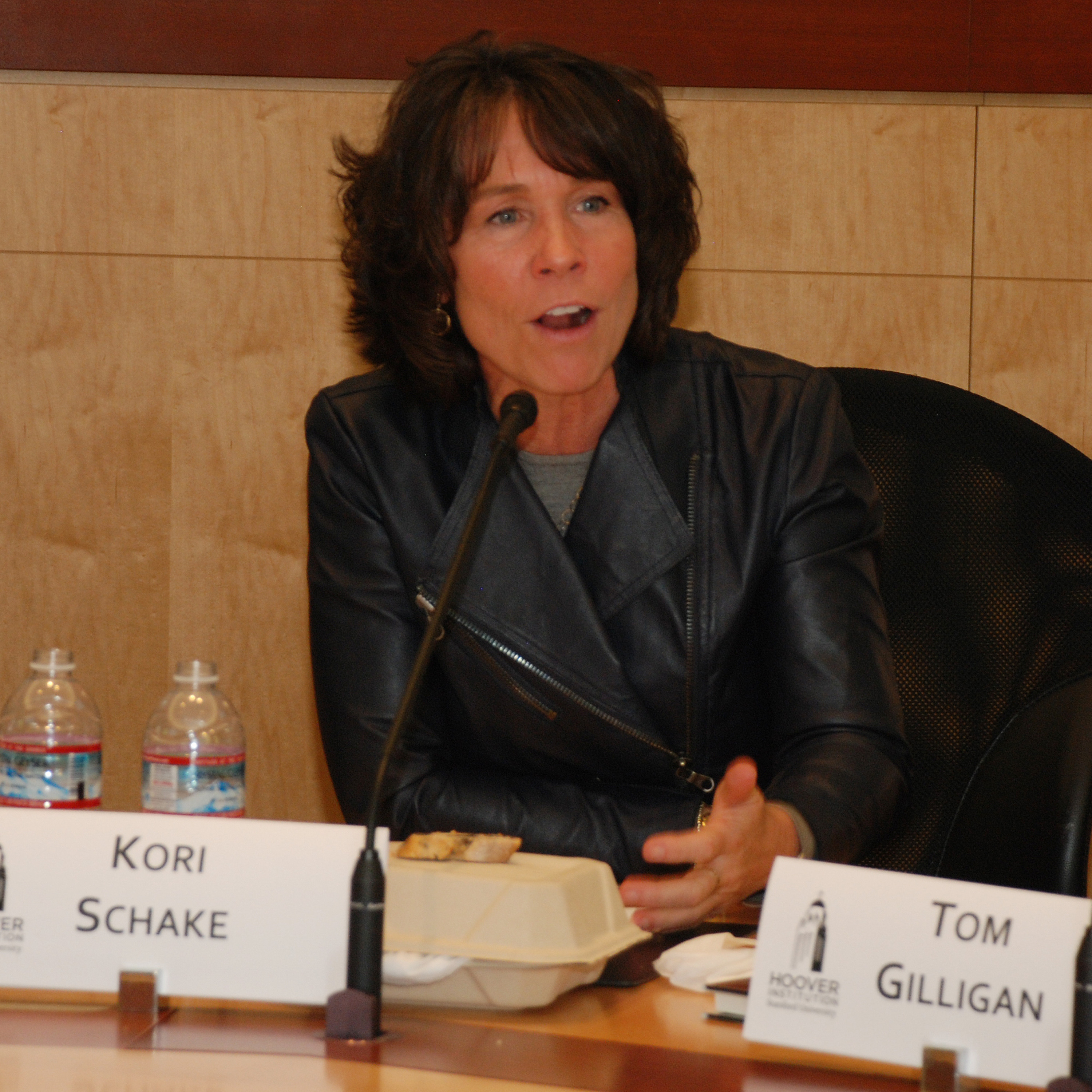
Kori Schake on Using Economics as Targeted Sanctions
Schake introduces economics to the discussion, describing effectively targeted sanctions as one of the most powerful diplomatic tools available to policy makers. She attributes the Reagan administration’s success in Cold War negotiations to pragmatism, including open lines of communication, recognizing opportunities for advancing the US agenda, building partnerships in the international community, and supporting ideological allies within rogue states. She also emphasizes the United States’ soft power as an intellectual influence on the world’s elites as a promising force for change.
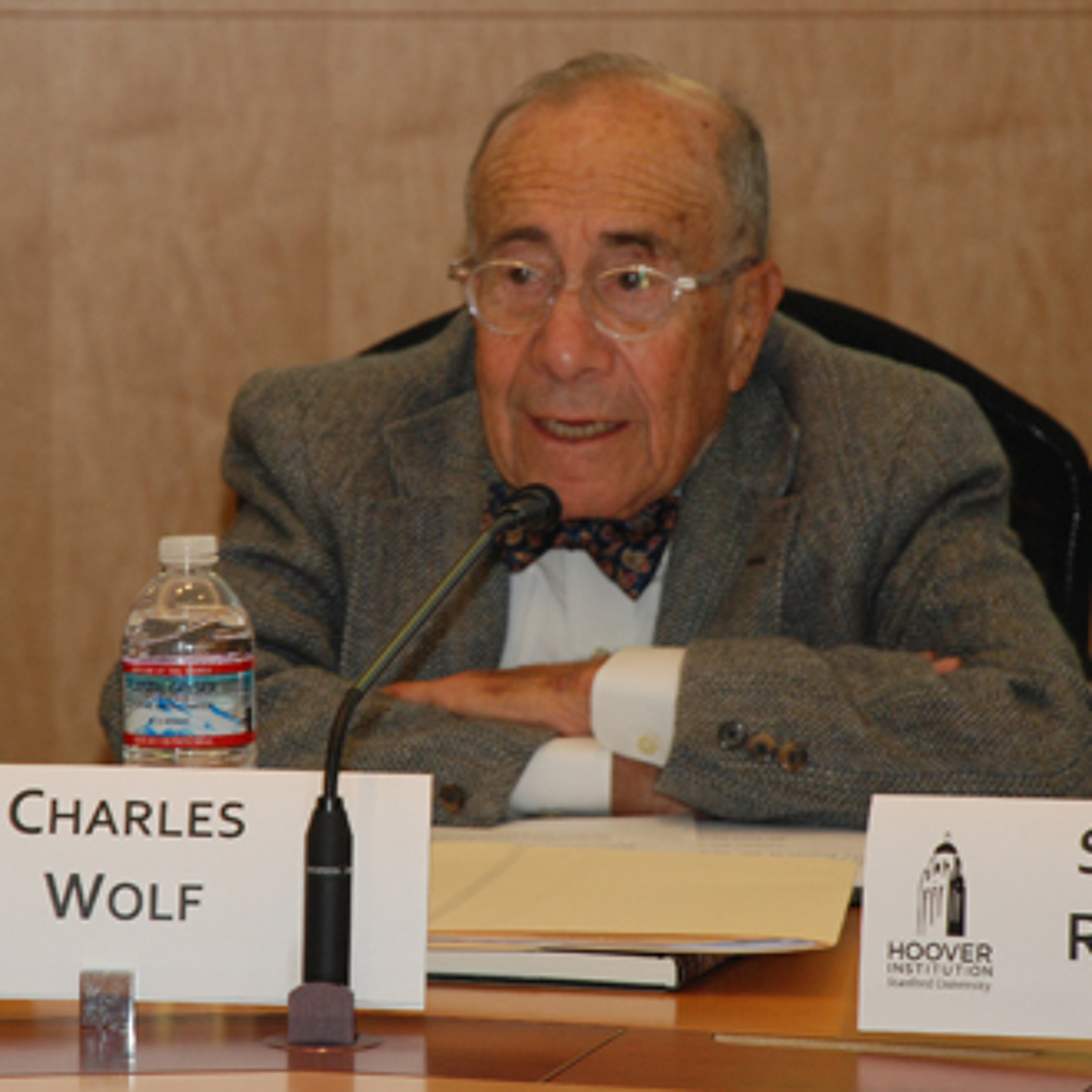
Charles Wolf Jr. on Reform in China
Wolf’s remarks center on fostering reform in China, offering a counterpoint to Yarim-Agaev’s focus on regime change and support for internal dissidents. According to Wolf, several avenues for further democratic evolution, political reform, and marketization exist within the People’s Republic of China’s existing institutional framework. He suggests that stimulating further interaction between professional organizations in the United States and their bureaucratic equivalents in the Chinese Communist Party is the most practical strategy for accelerating such reforms.
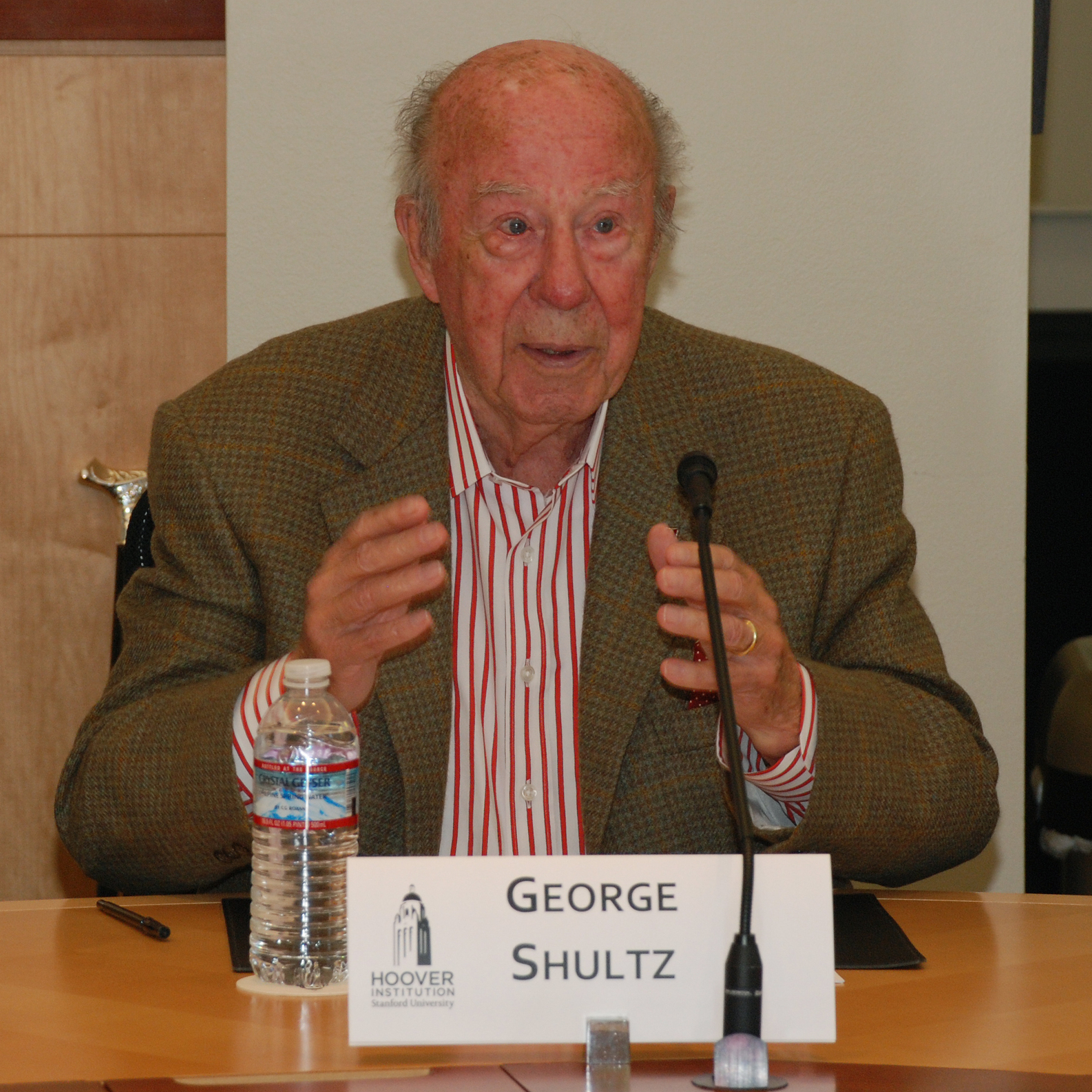
George P. Shultz on Crafting Reagan’s Cold War Strategy
Secretary Shultz’s work alongside Ronald Reagan in crafting Cold War strategy and negotiating with Soviet leaders adds a valuable firsthand dimension to the discussion. Shultz outlines President Reagan’s diplomatic “playbook”: execute against your word, be realistic, lay a strong hand, and know your agenda, illustrated with personal stories from his experience in executive office. He also applies these lessons to current US relations with Iran and China, demonstrating a troubling deviation of today’s diplomacy from tested strategic principles.
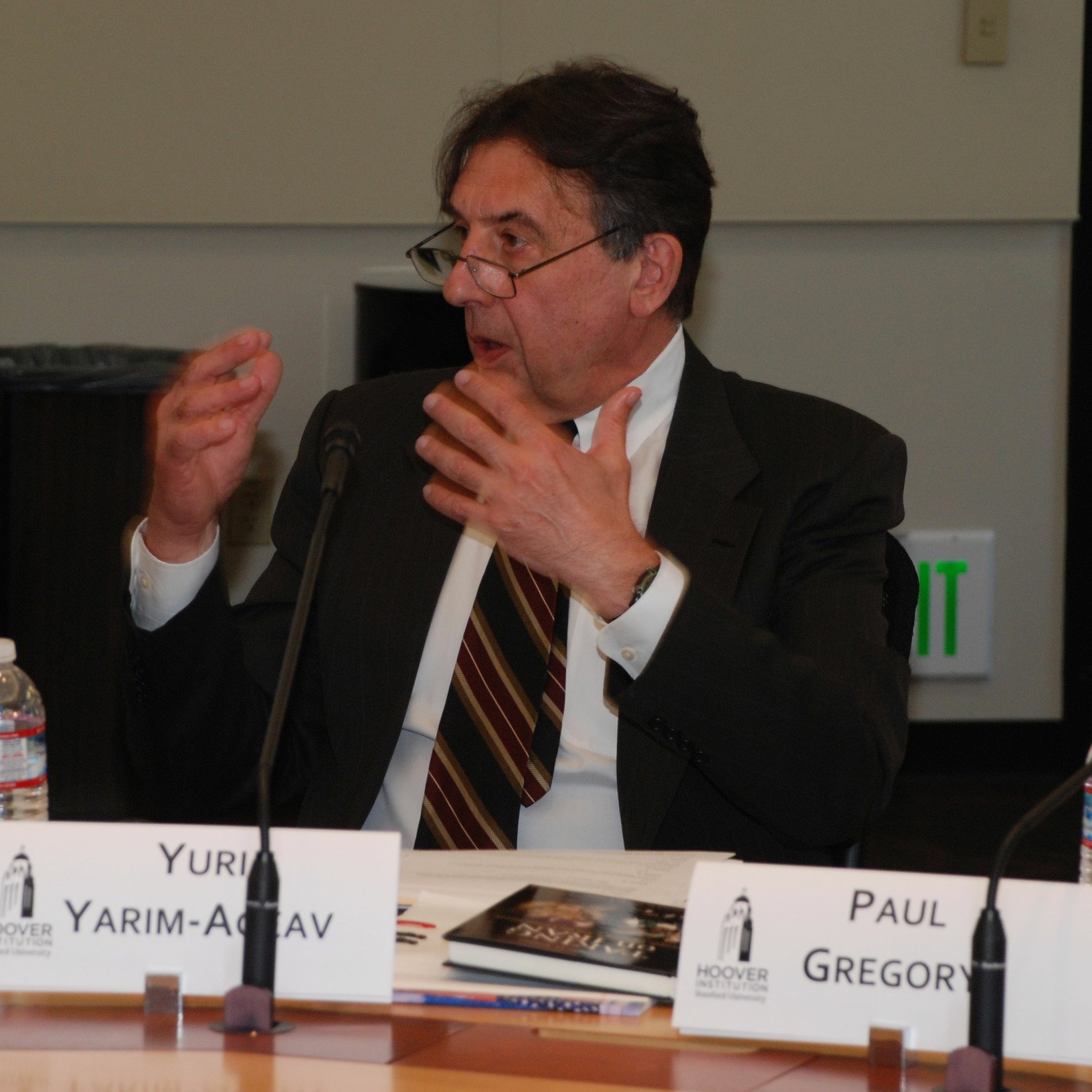
Yuri Yarim-Agaev on Key General Characteristics Common to Authoritarian Regimes
Yuri Yarim-Agaev offers a methodical approach to the topic, explaining key general characteristics common to authoritarian regimes, including intrinsic opposition to US interests. As a result, according to Yarim-Agaev, regime change is the only viable solution to security threats from rogue actors. He argues that Ronald Reagan’s strategy for fostering peaceful change from within was proven effective during the Cold War and is an equally viable strategy for dealing with contemporary authoritarian regimes.
Constitutional Controversies
Richard Epstein analyzes the most bitterly debated provisions of the Constitution and reflects on where the Founding Fathers may have erred.
10 Commandments for the Next President
Victor Davis Hanson presents a decalogue to guide the behavior of the next inhabitant of the Oval Office.
Little Sisters of the Poor
Richard Epstein dissects the newest Supreme Court case aiming to resolve the tension between Obamacare’s contraception mandate and rights of conscience.
Trump v. Hillary: The Lesser of Two Evils?”
Victor Davis Hanson weighs in on the prospect of a contested GOP convention and the decision points in a general election that could pit Donald Trump against Hillary Clinton.
Merrick Garland and the Supreme Court
Richard Epstein discusses the controversy over Senate Republicans’ decision to block Merrick Garland’s Supreme Court nomination and examines the decline of the confirmation process.
Multiculturalism and Immigration
Victor Davis Hanson looks at how a declining respect for the rule of law and a rising tide of multiculturalism combine to exacerbate the problem of illegal immigration.
The Future of Free Trade
Richard Epstein responds to the criticisms of free trade coming from Donald Trump, Bernie Sanders, and Hillary Clinton.
The Iraq War: A Refresher Course
Victor Davis Hanson separates myth from fact in an in-depth discussion of the second Gulf War.
Gun Violence and Legal Liability
Richard Epstein analyzes a lawsuit that seeks to hold gun manufacturers responsible for mass shootings.
Can Republicans Live with Trump?
Victor Davis Hanson considers a future in which it’s increasingly likely Donald Trump will be the Republican presidential nominee.
Choosing the Next Supreme Court Justice
Richard Epstein on the political and legal considerations behind adding a new justice to the Supreme Court.
ISIS and Islam with Raymond Ibrahim
Raymond Ibrahim explains how Islamic history and theology have influenced the development of ISIS.
Understanding ISIS with Mark Moyar
Mark Moyar looks at how ISIS fits into the broader history of terrorism, and examines what it’s ambitions for a caliphate mean for American national security.
Weimar America
From Bernie to Beyonce, a look at the multitude of factors driving America’s cultural instability.
Apple and the FBI
Richard Epstein addresses the controversy around Apple’s attempt to resist a court order that would force them to help the FBI unlock the phone of one of the San Bernardino terrorists.
Chaos in the Middle East
Victor Davis Hanson looks at how three events – the American intervention in Libya, the failure to maintain a military presence in Iraq, and the lack of follow-through on the Syrian “red line" – led to the present instability in the Middle East.
Remembering Antonin Scalia
Richard Epstein recalls his friend and onetime colleague Antonin Scalia – and explains the similarities and differences in their respective legal philosophies.
Higher Education: Anatomy of a Decline
Victor Davis Hanson examines the factors that have led to a decline in the quality – and an increase in the cost – of American higher education over the past several decades.
Ferguson and Consent Decrees
Richard Epstein looks at the legal battle that has led the US Department of Justice to take Ferguson, Missouri to court.