
Hoover Institution
500 episodes — Page 8 of 10
Poll Position: After Labor Day
The presidential race passes Labor Day and the polls tighten. Will the results continue this era of partisanship in Washington and changing control of government?
Trump’s Immigration Pivot
Victor Davis Hanson examines Donald Trump’s shifting tone on immigration — and provides a prescription for what a sensible immigration policy should look like.
EpiPens and Drug Pricing
Richard Epstein responds to the recent controversy over sharp increases in the price of EpiPens and explains the economic dynamics underpinning the larger debate about prescription drug costs.
The Great Regression
Victor Davis Hanson explores the tensions between technological progress and cultural vitality.
Poll Position: Accuracy Of The Polls
As we move toward the end of August and the Labor Day holiday, polling reveals a couple of trends – Hillary Clinton is in the lead and Donald Trump’s disapproval numbers vastly outweigh his approval numbers. Are the polls accurate? Is there a hidden Trump vote not reflected in the polls? And how does this relate to a political urban legend born in California several decades ago – the “Bradley Effect”?
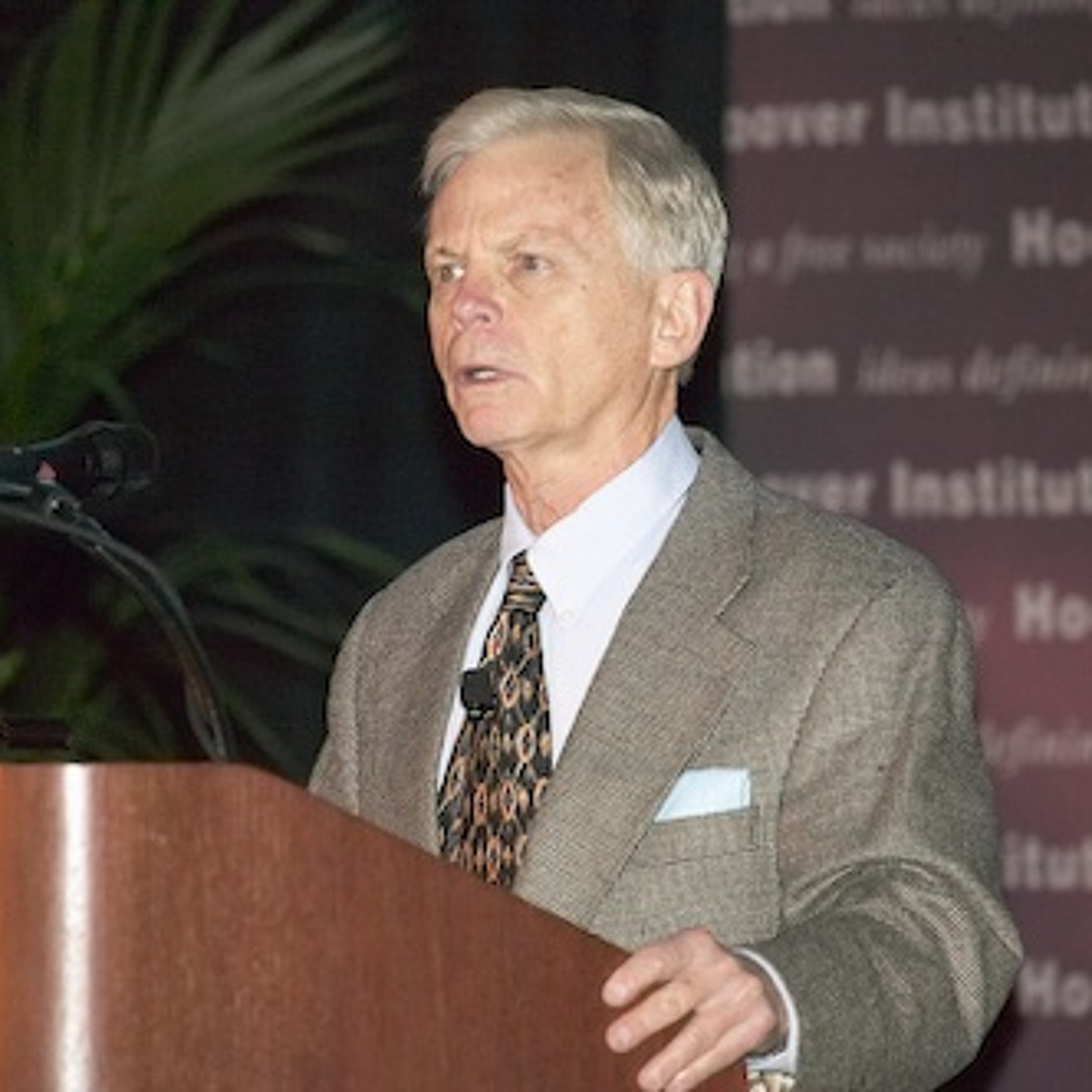
Should We Worry about North Korea?
Hoover Institution fellow Thomas Henriksen discusses the North Korean regime’s aggressive activities, which continue to cause alarm in the international community—but do they truly threaten global security? Placing the regime’s hostile behaviors in both a political and a historical context, Thomas Henriksen argues that North Korean threats are credible and several. The regime’s capabilities for a direct nuclear attack are developing, as evidenced by their increasingly successful nuclear tests. There are also multiple avenues by which they may furnish nuclear components to other rogue regimes. Whether such threats will continue in their current state depends on several factors that are subject to change. Kim Jong-un could reveal himself as an incremental reformer. The next US president may shift our policy toward the regime. Regional conflicts might disrupt the balance of power around the Korean Peninsula. What exactly will unfold, however, and whether changes in the status quo will prove positive or negative, remains uncertain.
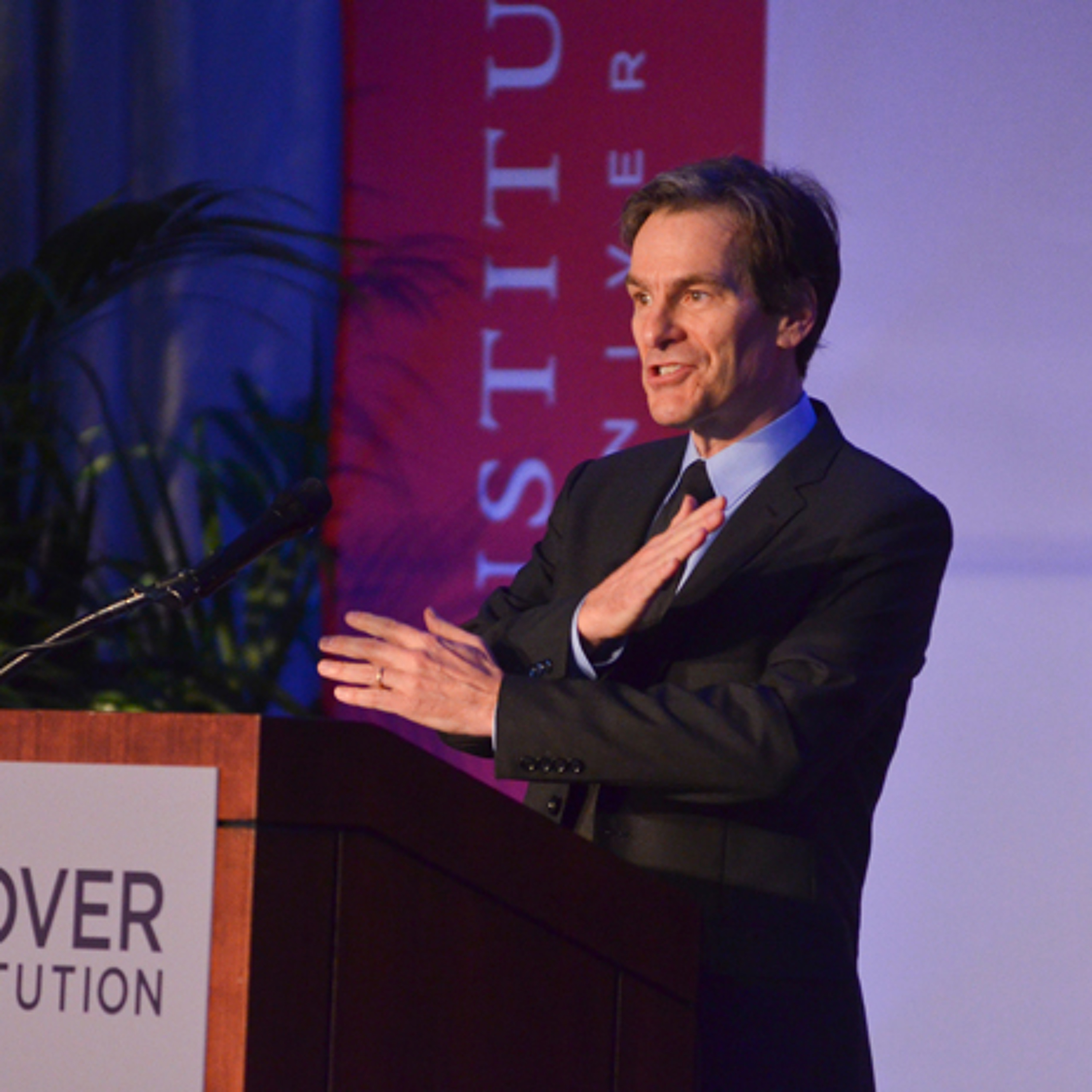
Policies for Economic Growth
Hoover Institution fellow John Cochrane discusses the “new normal” of 2 percent annual growth in GDP, which doesn’t sound far off from the 3.5 percent growth that characterized the US economy from 1950 to 2000. Compounded over decades, however, this seemingly small disparity represents huge amounts of forgone income—for both individuals and the nation. Politicians and media may focus on interest rates, pay equity, or union rights as economic remedies, yet, as John Cochrane shows, economic growth is largely a function of productivity. Unfortunately, burdensome regulations act like “sand in the gears” of the US economy, slowing productivity and throttling economic expansion. Cochrane explains a number of commonsense fiscal and institutional reforms to accelerate economic growth and restore—or even surpass—the upward trajectory of incomes enjoyed in earlier decades.
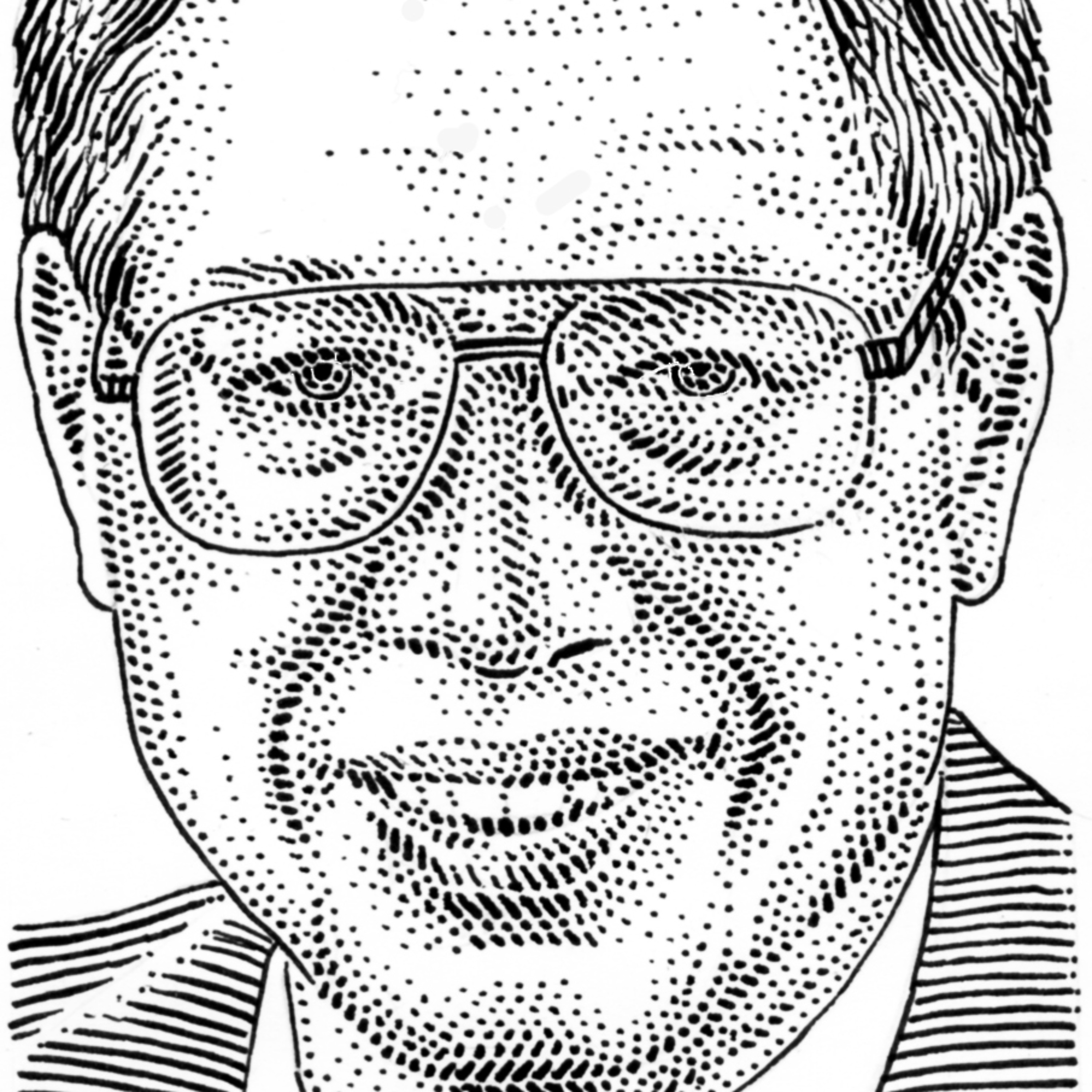
Libertarian Potpourri
In a sampling of recent news stories, Richard Epstein tackles the NLRB's ruling allowing graduate students to unionize, a federal judge's injunction against the Obama Administration's transgender restroom regulations, and a move to restore voting rights for ex-cons in Virginia.
Regulation and the Rule of Law
The following is taken from the Regulation and Rule of Law working group Conference on the Role of Executive Power and Discretion Under the Rule of Law. This recording is a discussion on Issues about Regulation and the Rule of Law featuring Michael Rappaport of the University of San Diego, Ed Rubin of Vanderbilt University and John Yoo of the University of California, Berkeley.
Executive Discretion and the Rule of Law: A positive Analysis of Presidential Signing Statements
The following is taken from the Regulation and Rule of Law working group, Conference on the Role of Executive Power and Discretion Under the Rule of Law. This recording is of Barry Weingast of the Hoover Institution and Stanford University presenting his paper, “Executive Discretion and the Rule of Law: A positive Analysis of Presidential Signing Statements.” The discussant is Nate Persily of Stanford University.

Can the Administrative State be Tamed
The following is taken from the Regulation and Rule of Law working group, Conference on the Role of Executive Power and Discretion Under the Rule of Law. This recording is of Christopher DeMuth Sr. of the Hudson Institute presenting his paper, “Can the Administrative State be Tamed.” The discussant is Michael McConnell of the Hoover Institution.

The Role of Guidance in Modern Administrative Procedure
The following is taken from the Regulation and Rule of Law working group, Conference on the Role of Executive Power and Discretion Under the Rule of Law. This recording is of Richard Epstein of the Hoover Institution and New York University, presenting his paper, “The Role of Guidance in Modern Administrative Procedure.” The discussant is David Freeman Engstrom of Stanford University.

Waiving rules of Law
The following is taken from the Regulation and Rule of Law working group, Conference on the Role of Executive Power and Discretion Under the Rule of Law. This recording is of Zachary Price of the UC Hastings College of Law presenting his paper, “Waiving rules of Law.” The discussant is Michael Azimov of Stanford University.

Prosecuting Beyond the Rule of Law: Corporate Mandates Imposed Through Pretrial Diversion Agreements
The following is taken from the Regulation and Rule of Law working group, Conference on the Role of Executive Power and Discretion Under the Rule of Law. This recording is of Jennifer Arlen of New York University presenting her paper, “Prosecuting Beyond the Rule of Law: Corporate Mandates Imposed Through Pretrial Diversion Agreements.” The discussant is Daniel Richman of Columbia University.
Lessons from World War II
Victor Davis Hanson looks at how the year 1941 transformed World War II from a regional conflict into a global conflagration -- and explains how lessons from that era apply to modern foreign policy challenges.
Poll Position: The Candidates
For the second time this summer, Donald Trump shakes up his campaign’s management team and doubles-down on the same approach that delivered the GOP nomination. What do we know about Trump voters – are there enough of them for Trump to prevail in November?
The Future of Obamacare
Richard Epstein explains what the flight of insurers from Obamacare exchanges means for the program's future -- and describes the steps necessary to reform American health care.
The Epstein Party Platform
With Democrats moving left and Republicans abandoning many of their traditional principles, Richard Epstein proscribes an alternative pro-growth policy platform for 2016.

The Perils of Progressivism
Richard Epstein looks at the policy proposals animating Democrats in 2016 – and explains why they’ll lead to continued economic anemia.
Poll Position: Presidential Polls after the 2016 Conventions
Hoover Institution fellow Morris Fiorina and Stanford professor Bruce Cain note that Donald received a slight bump in the polls after the Republican Convention and that Hillary received a bump after the Democratic Convention, but whom, they ask, will win over the voters during the next few months? Hillary is well known, but it is a close race, with the possibility of the campaigns determining the elections. The numbers/polls after Labor Day will be a better indicator of the eventual winner.
Public Pensions and Public Finance
Richard Epstein looks at the massive financial risk emanating from underfunded public pensions.
Poll Position: Presidential Politics and the 2016 RNC and DNC Conventions
Hoover Institution fellows David Brady and Douglas Rivers note that Trump received a slight bump in the polls after the RNC convention, but the poll numbers need to be checked after the DNC convention. Both Brady and Rivers note that we have a real race on our hands.
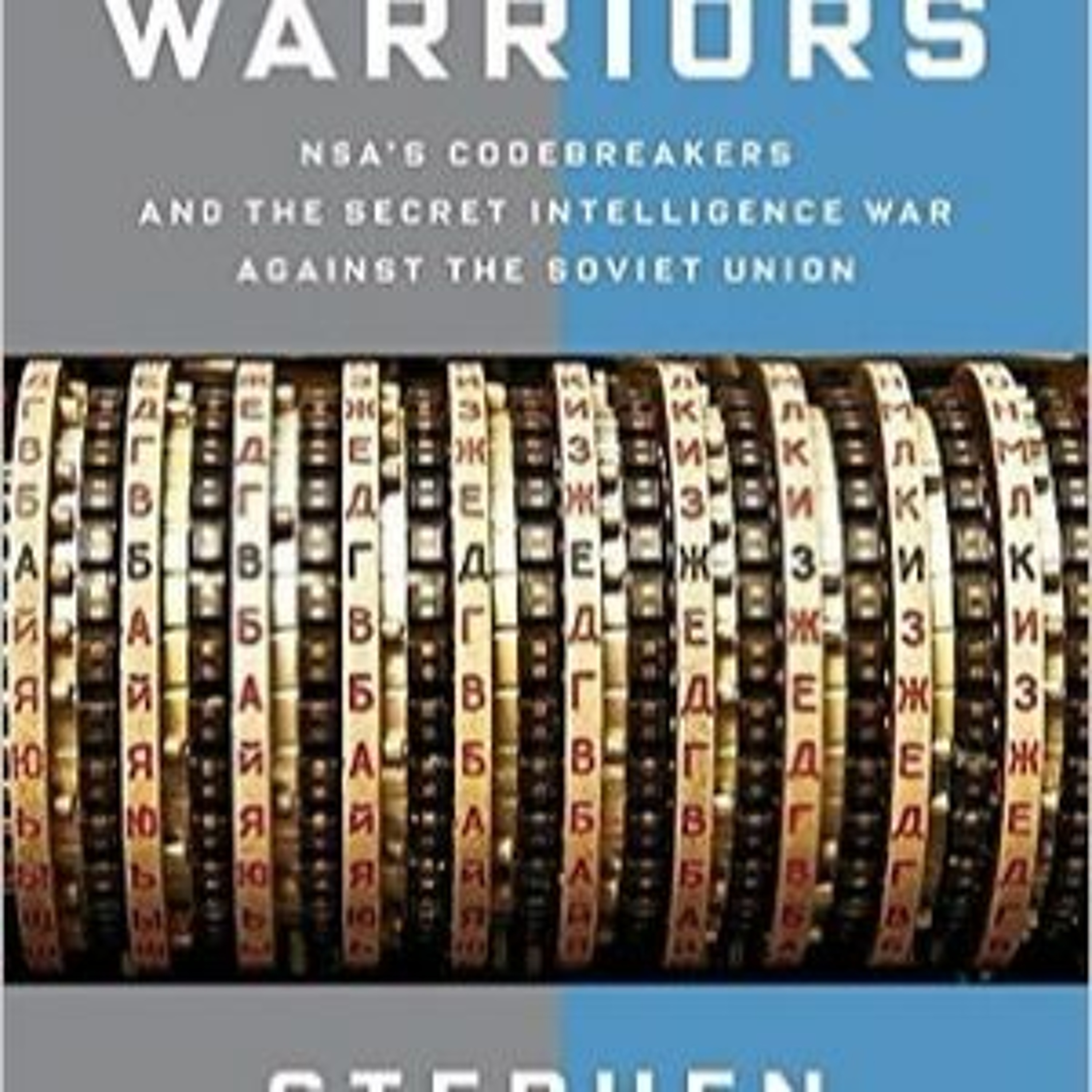
Security by the Book - Code Warriors: NSA's Codebreakers
Benjamin Wittes interviews author Stephen Budiansky on his new book, Code Warriors: NSA's Codebreakers and the Secret Intelligence War Against the Soviet Union. The interview takes a look at the NSA's origins, its war against the Soviet Union and how the war relates to the Edward Snowden revelations.
Poll Position: 2016 GOP Convention in Cleveland
Hoover Institution fellows David Brady and Douglas Rivers note that Trump needs to unify the Party and choosing Pence to be his vice president is a step in the right direction. Brady and Rivers also discuss poll numbers and how Trump can improve his negative numbers.
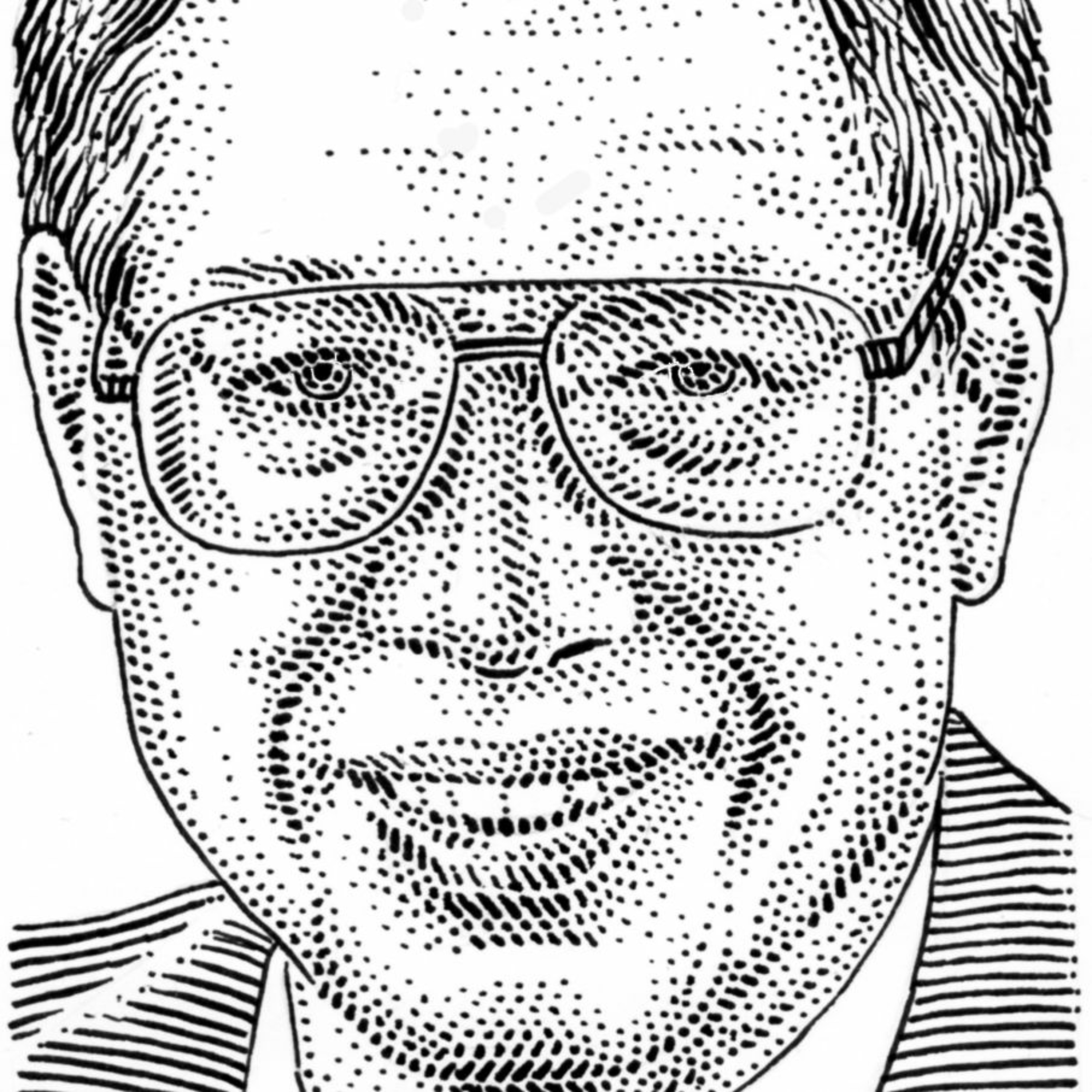
Religious Liberty and Anti-Discrimination
Richard Epstein looks at a controversial judicial ruling in Mississippi limiting conscience protections for religious individuals on LGBT issues.
Poll Position: 2016 matchup with David Brady
Hoover Institution fellow David Brady looks at data and what it means for the election. Brady looks at party identification and how members of the different will vote at this time. Brady uses the YouGov poll. In short, for Republicans to win—then and now—they have to hold their own voters and then get more Democratic voters than they give up or win Independents. In this space we will give you our monthly updates from the YouGov recontact survey, same 5,000 respondents each month so we can track change over time.
The Fraying Order
Victor Davis Hanson considers whether flaring racial tensions throughout the country can be salved – and whether our politicians are up to the task.
We The People: The Supreme Court’s Duty To Enforce The Constitution
The Hoover Institution hosts "We the People: The Supreme Court’s Duty to Enforce the Constitution" on Tuesday, July 12, 2016 from 12:00pm - 1:30pm. Our Constitution vests sovereignty in “We the People.” But what does this mean? And how should it be vindicated in the courts? The Hoover Institution’s Johnson Center in Washington, D.C. invites you to a discussion of these fundamental questions, featuring Randy Barnett, author of eleven books, the most recent being Our Republican Constitution, a reflection on how to “secure the liberty and sovereignty of We the People.” In this new book, Barnett appeals to “the bedrock principle of the Republican Constitution: that governments are instituted among men to secure their natural rights.” And, in drawing lessons from the Supreme Court’s 2013 decision upholding the Affordable Care Act’s individual mandate as a constitutional “tax,” Barnett urges that “it is not enough to debate what the Constitution means … As Chief Justice Roberts’s ruling shows, we also need to debate the proper role of judges in enforcing that meaning.” These arguments are aimed not just at lawyers, but at the public at large—for the Supreme Court’s decisions have a significant gravitational pull on our politics. Professor Barnett will discuss these themes with Hoover Research Fellow Adam White, who reviewed Professor Barnett’s book for the Wall Street Journal.
Black Lives Matter and the Police
Richard Epstein looks at the recent controversies over police shootings of African-American men in Louisiana and Minnesota, and the subsequent attacks on police officers in Dallas.

Pragmatic Engagement Amidst Global Uncertainty: Three Major Challenges
INTERVIEW WITH SPECIAL GUEST: Amy Zegart and Stephen Krasner Benjamin Wittes interviews Amy Zegart and Stephen Krasner on their document, Pragmatic Engagement Amidst Global Uncertainty, which was produced by the Hoover Institution’s Working Group on Foreign Policy and Grand Strategy, presents three key challenges to the future of U.S. security—China, Russia, and unconventional threats—and outlines three principles that should guide the United States’s response, ultimately calling for a pragmatic foreign policy that does not go in search of monsters abroad.
Hillary Clinton and the FBI
Richard Epstein examines FBI Director Jim Comey’s rationale for not leveling charges against Hillary Clinton as a result of her e-mail scandal.
America in Free Fall
Victor Davis Hanson looks at the factors that may predict an irreversible American decline.
The Supreme Court’s Abortion Ruling
Richard Epstein looks at what the Supreme Court’s ruling in a recent case out of Texas means for the future of abortion policy.
Brexit and the Future of Europe
Victor Davis Hanson analyzes what Britain’s exit from the EU means for the future of European culture and international security.
The Exclusionary Rule and the Supreme Court
Richard Epstein examines the Supreme Court’s ruling in Utah v. Strieff, expanding the types of evidence that can be used against suspected criminals.
Security by the Book - Dark Territory: The Secret History Of Cyber War
INTERVIEW WITH SPECIAL GUEST: Fred Kaplan Benjamin Wittes interviews author Fred Kaplan on his new book, Dark Territory: The Secret History of Cyber War. The interview takes a look at the past, present, and future of cyber war.
The Aftermath of Orlando
Richard Epstein looks at the policy disputes that have broken out in the wake of a mass shooting in Florida.
Dark Territory: The Secret History Of Cyber War
The Hoover Institution hosts "Dark Territory: The Secret History Of Cyber War" on Wednesday, June 15, 2016 from 5:00pm - 7:00pm. Hoover working group member and senior fellow at the Brookings Institution, Benjamin Wittes interviews author Fred Kaplan on his new book, Dark Territory: The Secret History of Cyber War. The interview takes a look at the past, present, and future of cyber war. Security by the Book is a series of interviews of key national security authors conducted in partnership with Lawfare. Visit Security by the Book's website for past podcasts.
The Cooling of the Melting Pot
Victor Davis Hanson looks at why America has been the historical exception to the failure of multiethnic societies – and examines the trends threatening to undo that accomplishment.
The Trump Temperament
Richard Epstein considers whether Donald Trump’s behavior – including a gratuitous attack on a Hispanic judge – ought to disqualify him from the presidency.
Security by the Book - The ISIS Apocalypse
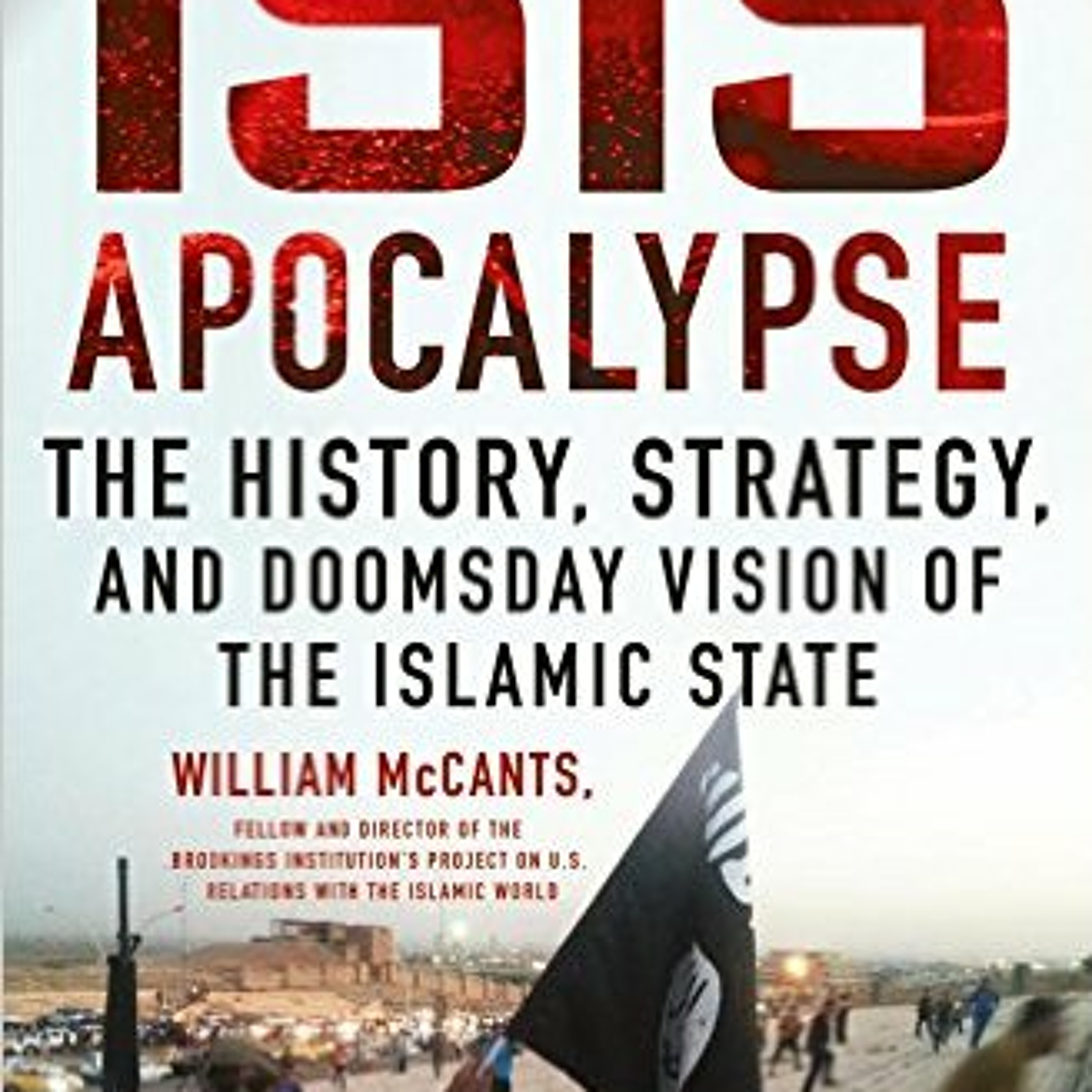
INTERVIEW WITH SPECIAL GUEST: William McCants and Joby Warrick Benjamin Wittes interviews William McCants and Joby Warrick on their new books, The ISIS Apocalypse: The History, Strategy, and Doomsday Vision of the Islamic State and Black Flags: The Rise of ISIS on the Islamic State including its history, the ideas behind it, and the people who made it happen and watched it happen.
Security by the Book - Power Wars: Inside Obama's Post-9/11 Presidency
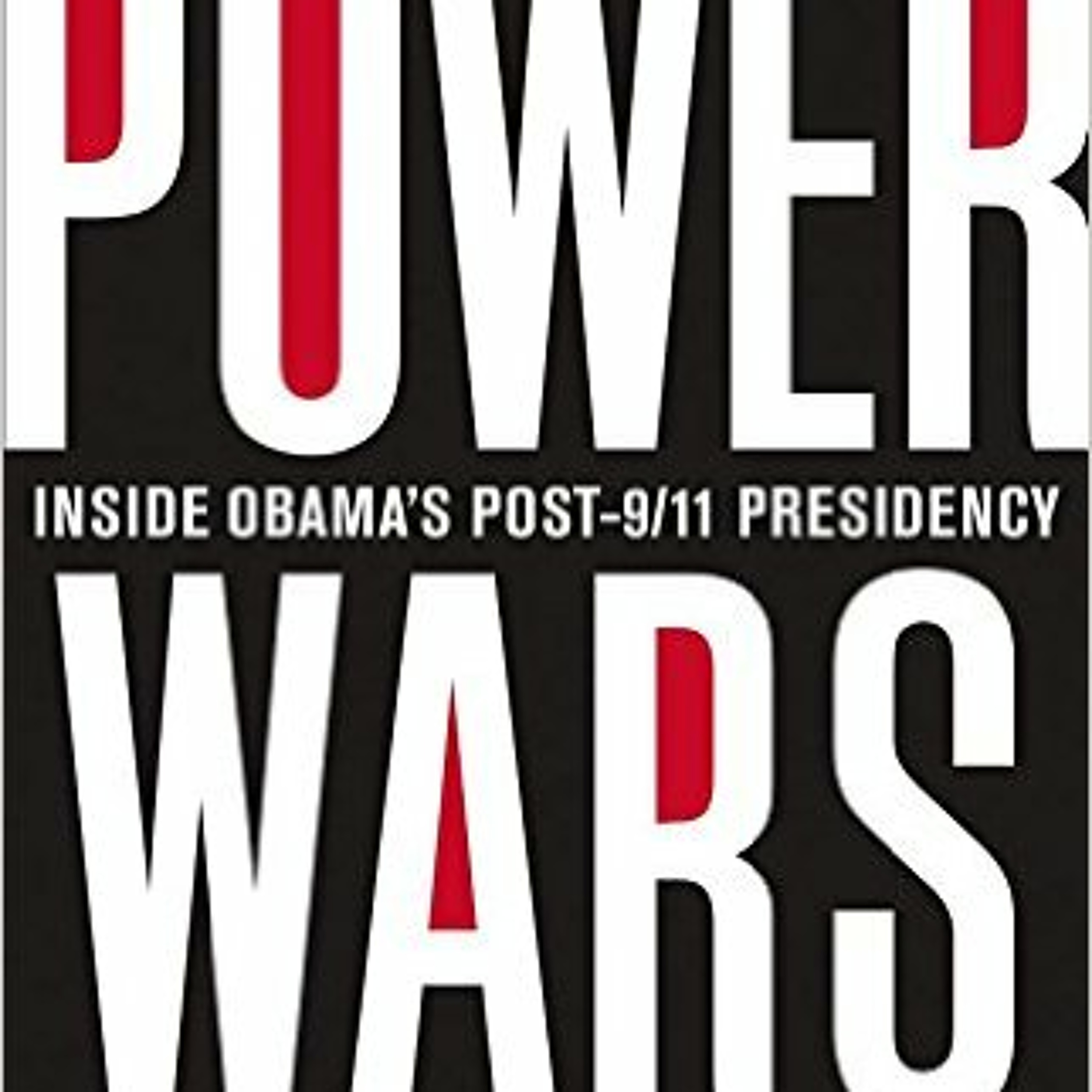
INTERVIEW WITH SPECIAL GUEST: Charlie Savage Jack Goldsmith interviews Charlie Savage on his new book, Power Wars: Inside Obama's Post-9/11 Presidency, for a discussion of the Obama administration’s national security legacy. The conversation is full of insider accounts of just about all of the most important Obama administration legal and policy decisions. Savage discusses how Abdulmutallab’s failed underwear bombing affected President Obama, and the two discuss exactly why a president who came into office critiquing Bush's national security policies ended up keeping so many of them. Savage and Goldsmith even touch on whether he will actually shutter Guantanamo Bay.
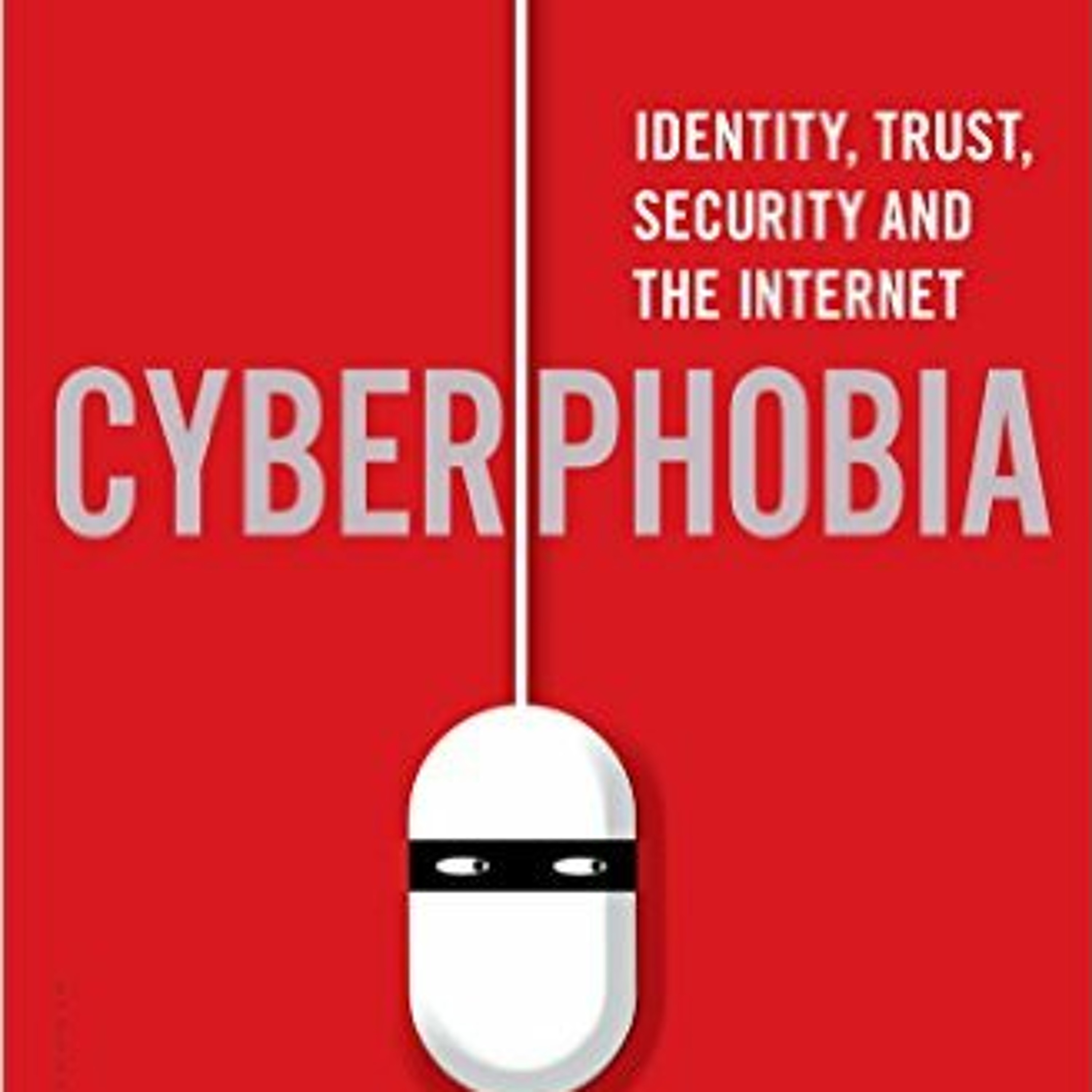
Security by the Book - Cyberphobia: Identity, Trust, Security and the Internet
INTERVIEW WITH SPECIAL GUEST: Edward Lucas Benjamin Wittes interviews Edward Lucas on his new book, Cyberphobia: Identity, Trust, Security and the Internet where Lucas discusses the rapid increase in cybercrime, the difficulties of identity verification on the web, and why, even today, we still do not take cybersecurity seriously enough. Lucas paints a bleak picture of our cybersecurity landscape, but closes with a few recommendations for how we can fix it. It’s a conversation that prompted Ben to digitally betray his country, and the rest of us to grab our dongles and strengthen our passwords.
Whither the Libertarian Party?
Richard Epstein looks at whether the Libertarian Party can capitalize on voters’ distaste for Hillary Clinton and Donald Trump.
Security by the Book - Ashley’s War: The Untold Story of a Team of Women Soldiers in the Special Ops
INTERVIEW WITH SPECIAL GUEST: Gaylor Tzemach Lemmon Benjamin Wittes interviews Gayle Tzemach Lemmon on her new book, Ashley’s War: The Untold Story of a Team of Women Soldiers on the Special Ops Battlefield. Lemmon, a senior fellow at the Council on Foreign Relations, discussed the growing role of women soldiers in special operations and beyond, examining the story of a cultural support team of women hand-picked from the Army in 2011 to serve in Afghanistan alongside Army Rangers and Navy SEALs. Their conversation dives into how the program developed, the lessons learned in the process, and why its success may provide critical insights for future force integration. Former Marine and current Lawfare contributor Zoe Bedell, who served in a similar capacity in Afghanistan, joined them on the panel to discuss her own experiences.
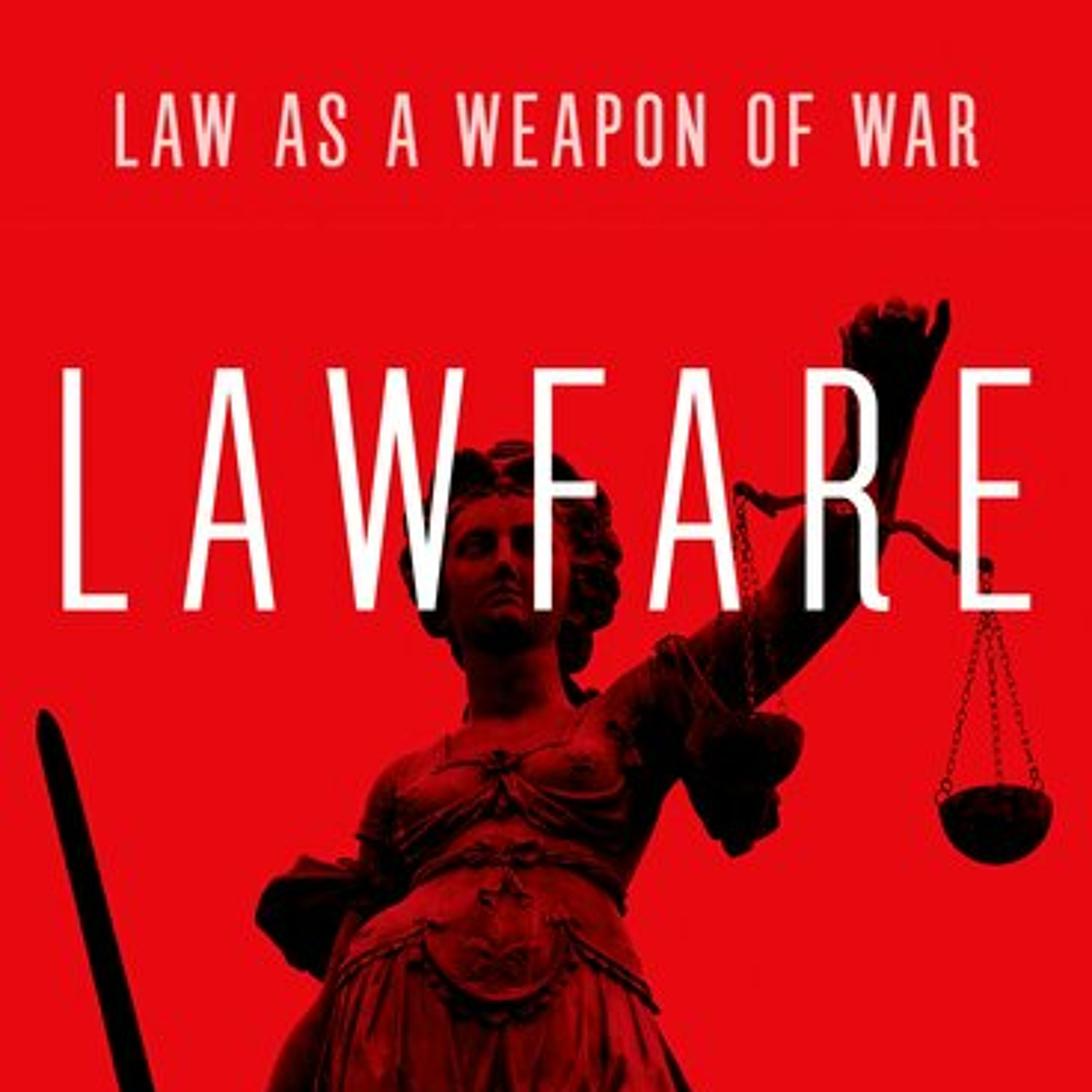
Security by the Book – Lawfare: Law as a Weapon of War
INTERVIEW WITH SPECIAL GUEST: Orde Kittrie Jack Goldsmith interviews Orde Kittrie on his new book, Lawfare: Law as a Weapon of War, examining the deployment and impact of lawfare, the role played by the private sector, and real-world examples of its use by the United States, China, Iran, and Israel.
The Pajama Boy Aristocracy
Victor Davis Hanson describes how a new class of young, entitled, culturally conformist leaders are rising to power in Washington, Hollywood, and Silicon Valley.
Security by the Book - Playing to the Edge: American Intelligence in the Age of Terror
INTERVIEW WITH SPECIAL GUEST: General Michael Hayden Benjamin Wittes interviews General Michael Hayden on his book, Playing to the Edge: American Intelligence in the Age of Terror, where Hayden provides an inside look at some of the most critical intelligence decisions since 9/11, including the CIA’s controversial rendition, detention, and interrogation program, the NSA's Stellarwind program, and the U.S.’s interactions with the intelligence agencies of its allies in the following years. In addition to weighing in on the ongoing FBI vs. Apple battle, Hayden also offers his perspective on the successes of the intelligence community, and outlines the challenges it will face in the coming years.
Security by the Book - Security Mom: An Unclassified Guide to Protecting Our Homeland and Your Home
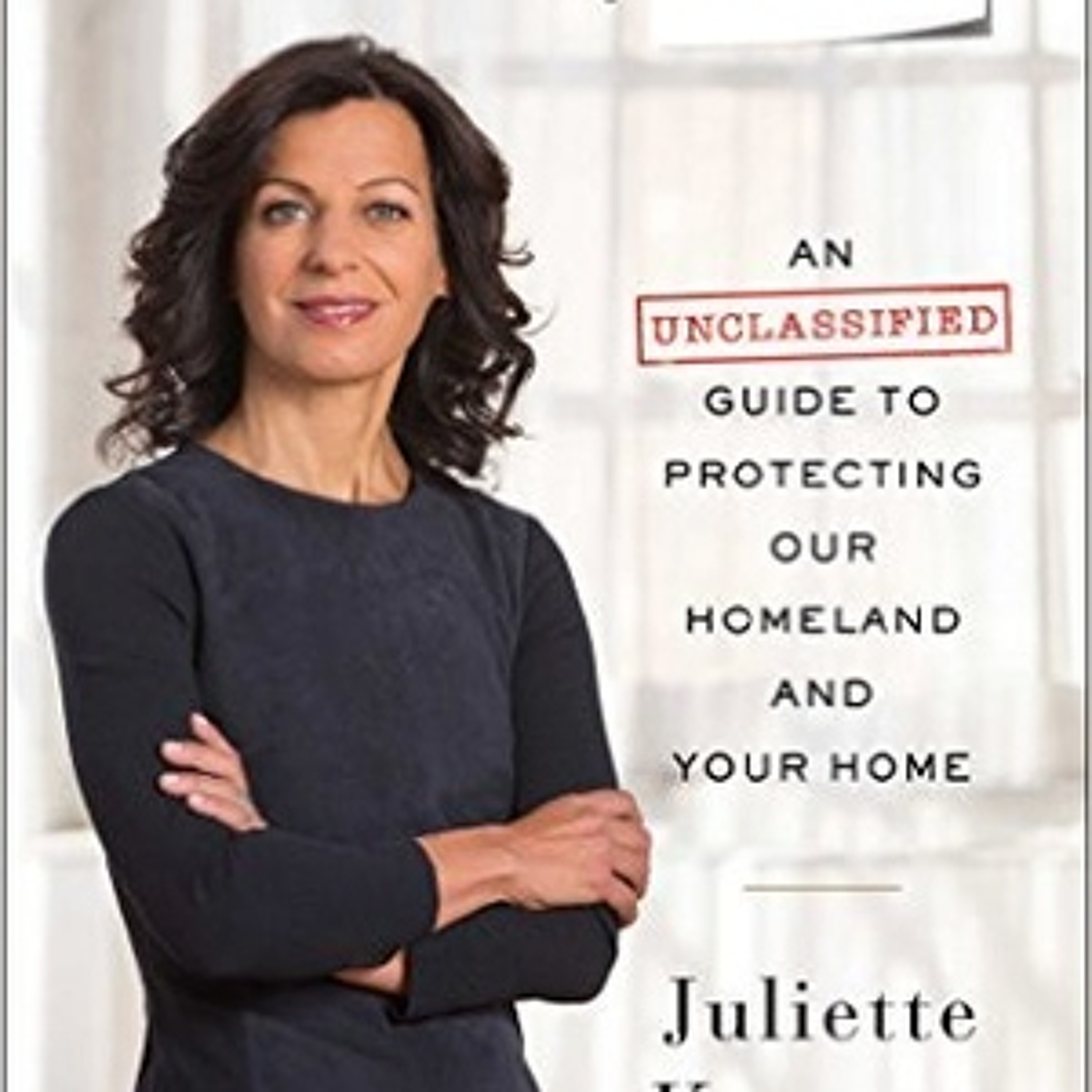
INTERVIEW WITH SPECIAL GUEST: Juliette Kayyem Jack Goldsmith interviews author Juliette Kayyem on her new book, Security Mom: An Unclassified Guide to Protecting Our Homeland and Your Home. The interview examines the smart, measureable guidelines that every American citizen can follow in order to make a more resilient home and a more resilient nation.
Security by the Book - The Hacked World Order
INTERVIEW WITH SPECIAL GUEST: Adam Segal Jack Goldsmith interviews Adam Segal about his new book, The Hacked World Order, which begins at what Segal calls “year Zero”—sometime between June 2012 and June 2013—explaining that the events in that year ushered in a new era of geopolitical maneuvering in cyberspace, with great implications for security, privacy, and the international system. These changes, he suggests, have the potential to produce unintended and unimaginable problems for anyone with an internet connection.