
Hoover Institution
500 episodes — Page 10 of 10
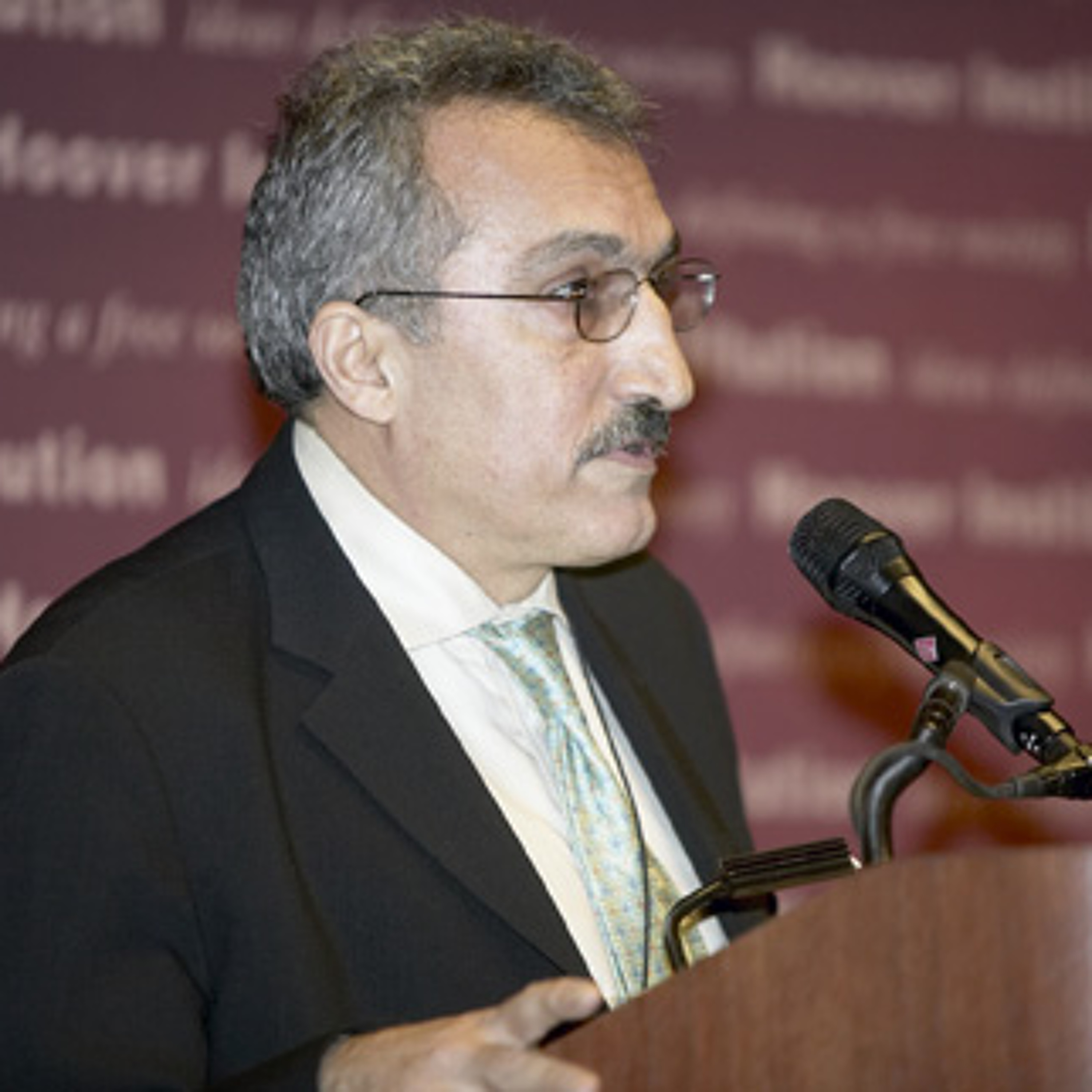
Abbas Milani: ISIS, Iran, Saudi Arabia And The Future
Abbas Milani, a research fellow and codirector of the Iran Democracy Project at the Hoover Institution, discusses ISIS, Iran, Saudi Arabia, and the future of the Middle East. Successive US administrations have declared Iran to be one of America’s most serious national security threats. Yet the last four wars the US has fought in the region — in Afghanistan, in the two wars in Iraq and in the current war with ISIS—have resulted in either removing or containing Iran’s powerful adversaries. In all these cases, Iran has fanned the flames of war — by encouraging anti-Americanism in Afghanistan and elsewhere, and by encouraging Shiite sectarians in Syria and Iraq — but also worked on the same side with the US. The fight against ISIS is the most notable example. Milani is not optimistic about the future of the Middle East, saying he has never seen so much turmoil. The social and cultural systems and boundaries that were implemented after World War I are now coming apart. Seven to ten countries in the Middle East are failed states; then you have nonstate actors such as ISIS. The sand is shifting in the Middle East in profound ways and affecting the whole world. Milani also discusses ways to counter ISIS and help the Middle East.
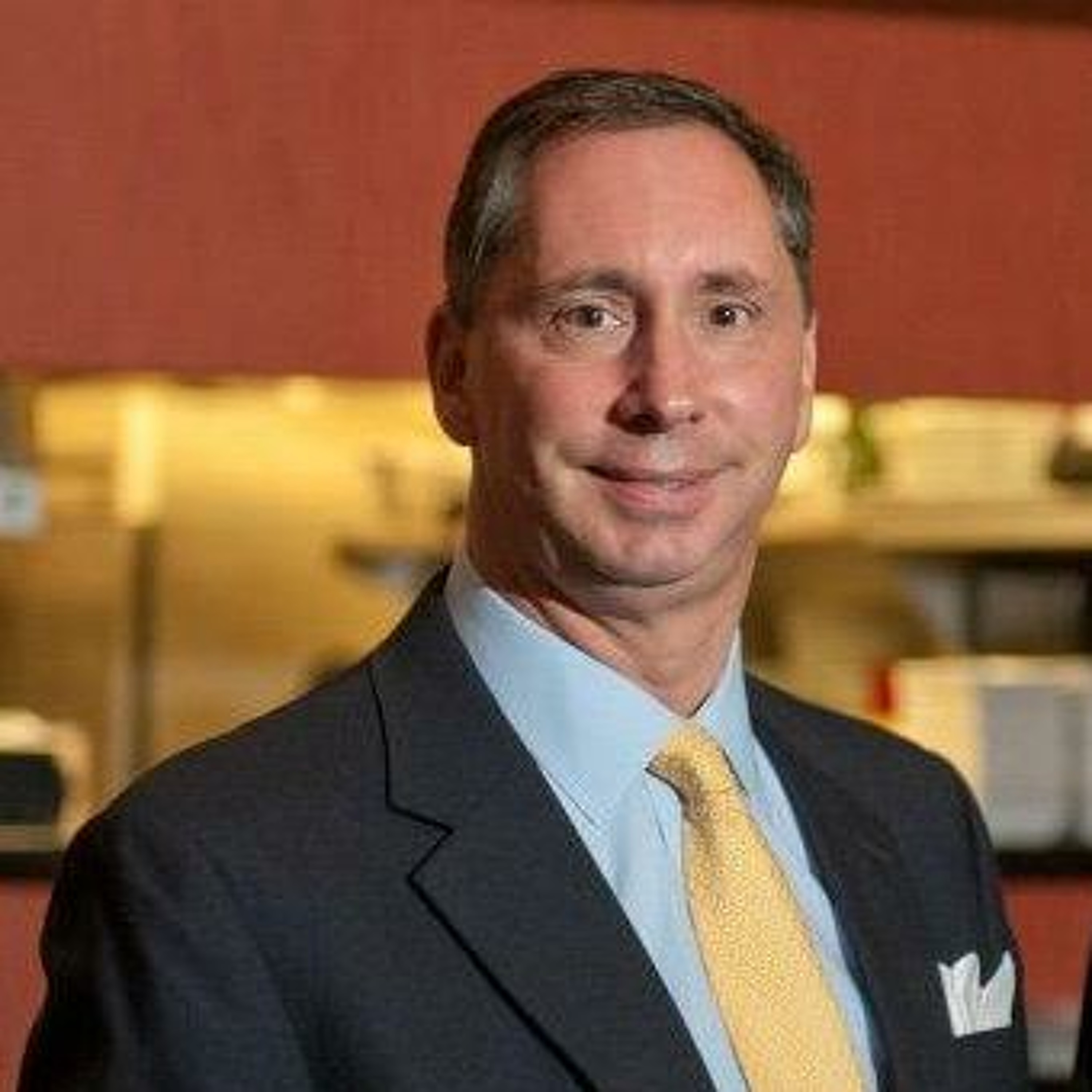
Bill Whalen: Bye-Bye Hawkeye Cauci: How Iowa’s Results Impact The 2016 Election
Hoover Institution fellow Bill Whalen discusses Iowa Caucus Night and that Iowa kept to form on the Republican side: the “one of us” candidate prevailed. It continues a trend among Iowa Republicans dating back to Bob Dole’s takedown of George H.W. Bush in 1988. Dole was an extension of Iowa – a son of Kansas and defender of ag interests. The last three Republican winners – George W. Bush, Mike Huckabee all made their personal faith a larger part of their campaign narratives – a huge plus in a devout state (about three-fourths of Iowans are Protestants; half of those evangelicals). Cruz continues the trend, despite the Trumped-up turnout. To his credit, Trump was gracious in defeat (words rarely if ever written). But in Iowa, he was as successful at changing politics as he was in reshaping the faces of casinos, airlines and professional football. Speaking of tradition, a Trump win in New Hampshire continues the GOP’s habit of changing horses in the first two states. Forget about Groundhog Day: we could be in store for a long Republican winter. On the Democratic side, the woman who’s been at the top of the Democratic pyramid for nearly a quarter of a century couldn’t generate one percentage point of space between herself and a Senate backbencher who’s not even a card-carrying Democrat – in a state where she’s no stranger. Sanders drew crowds; Clinton banked on mechanics. It’ll get Hillary the nomination, but it suggests a very bad “enthusiasm gap” coming her way this fall.
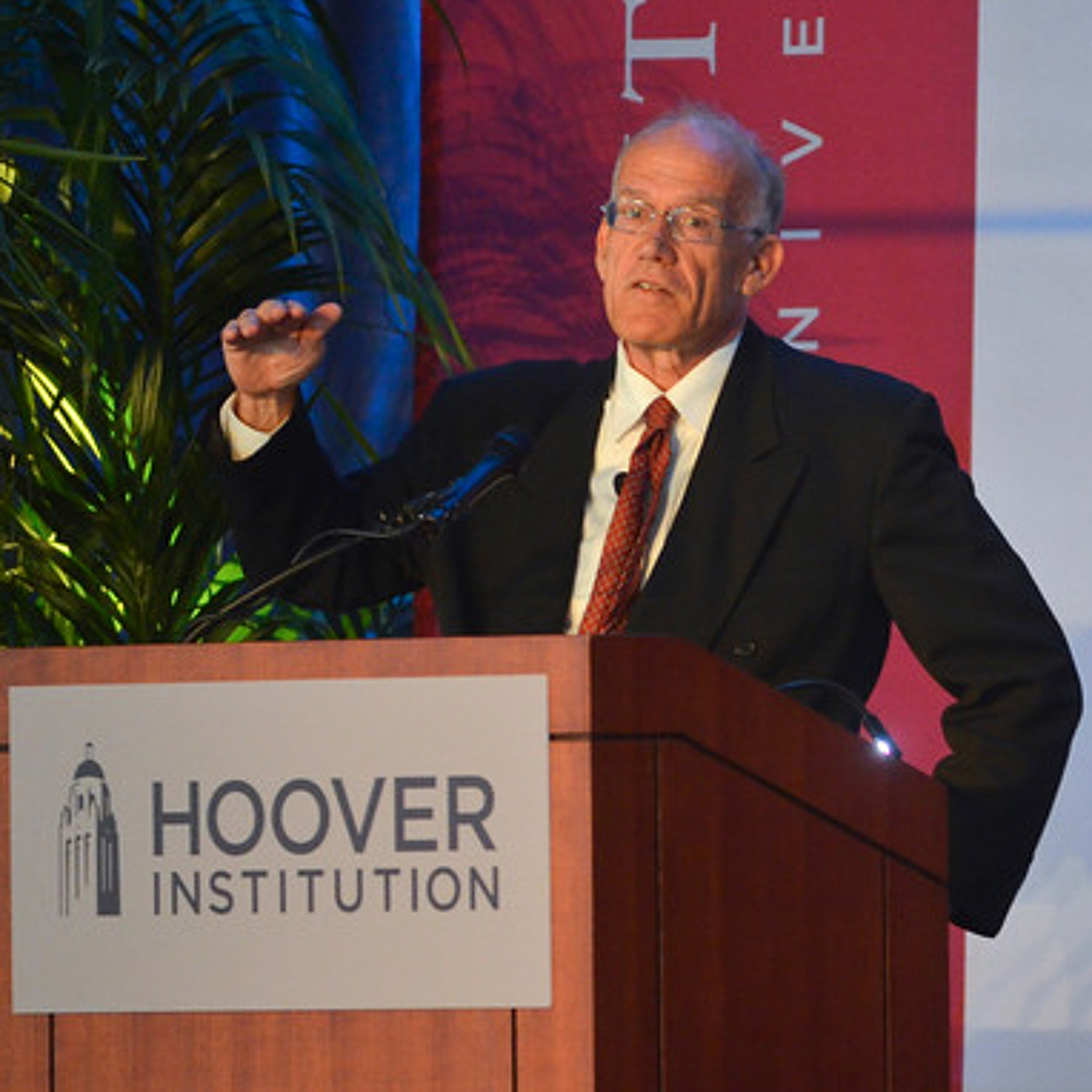
Victor Davis Hanson: At Home And Abroad After Obama
Hoover Institution fellow Victor Davis Hanson discusses deterrence in terms of world affairs and especially after Obama. Deterrence is a clear display of overwhelming military strength, and the real probability of being willing to use it, so it reminds would-be aggressors not to start stupid conflicts — given that the possibility of winning something through war is overshadowed by the risk of losing far more. A world where everyone knows the unspoken rules as well as the moral and material relative strength and weakness of the various nations is a safer place for all involved. To restore the Western-inspired postwar order and hold chaos at bay, the next president will have to restore deterrence, both materially and psychologically. And that will be one difficult and dangerous endeavor — made worse by shrill attacks coming from those who have done so much to lose it. If the Obama administration cannot keep speak softly and carry a big stick, then at least it should keep quiet—and quit egging on those it cannot or will not deter.
The Trump Aftershock
Victor Davis Hanson explains the dangers inherent in Donald Trump’s presidential bid – and why it would also be a mistake for Republicans to ignore his supporters.
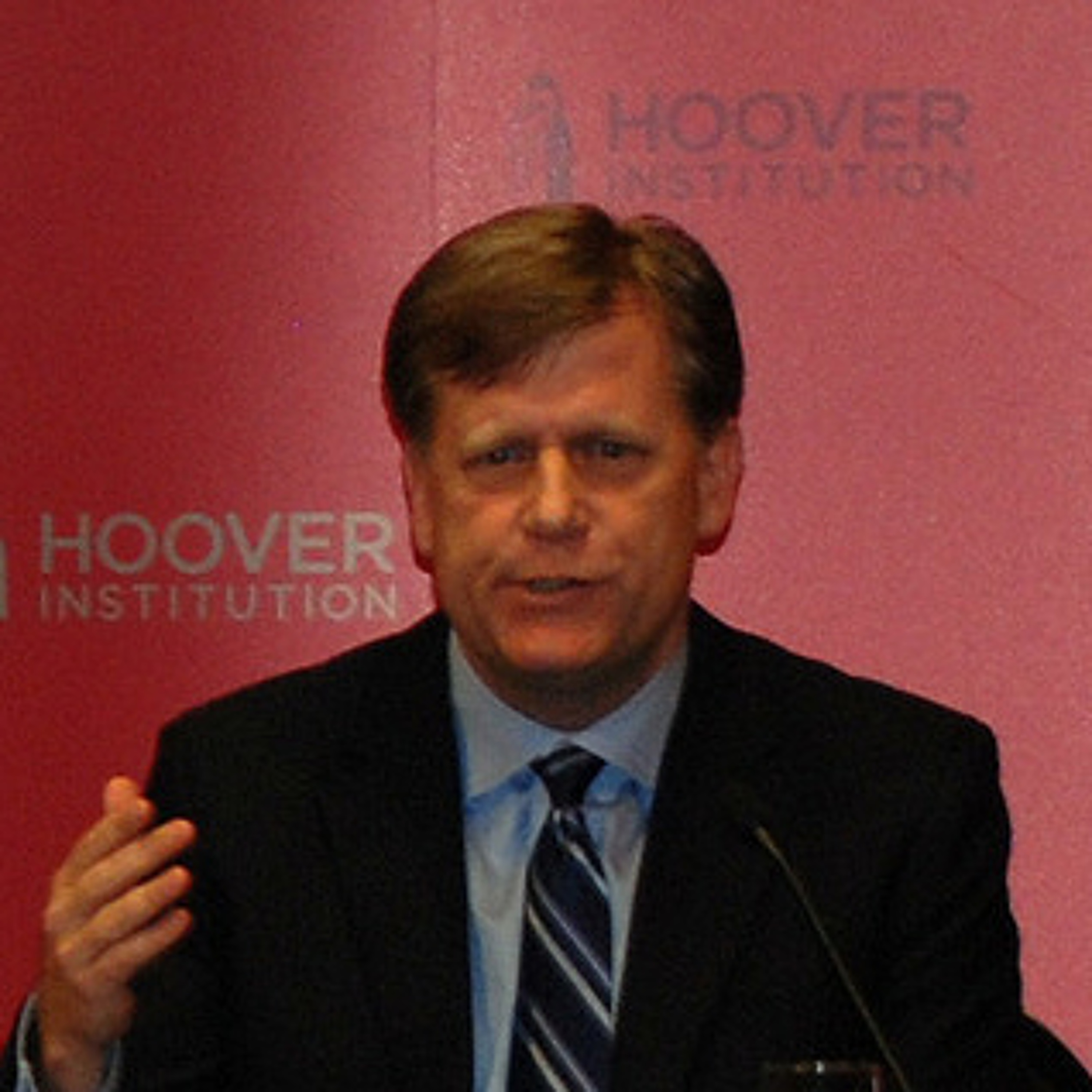
Michael McFaul on Lessons for US-Russia Relations and for the Ukraine Today
Hoover Institution fellow and former United States ambassador to Russia, Michael McFaul shares his thoughts on current US-Russian relations. As there was after Putin’s action in Ukraine last year, there has been a chorus of commentary on his supposed strategic genius. He is acting decisively, seizing the initiative and creating facts on the ground--so the narrative goes--in contrast with the West’s feckless pursuits in Syria. The opposite is true. Five years ago, Russia was in a much stronger position, both at home and in the world. Today, Putin is playing defense, doubling down on bad decisions guided by an outdated theory of international politics. Recognition of Russia’s mistakes, however, does not guarantee future failure. The United States and its allies cannot stand idly by, waiting for Russia to fail. Instead, we must adopt a comprehensive strategy to minimize the negative consequences of Russia’s actions and maximize our positive ones.
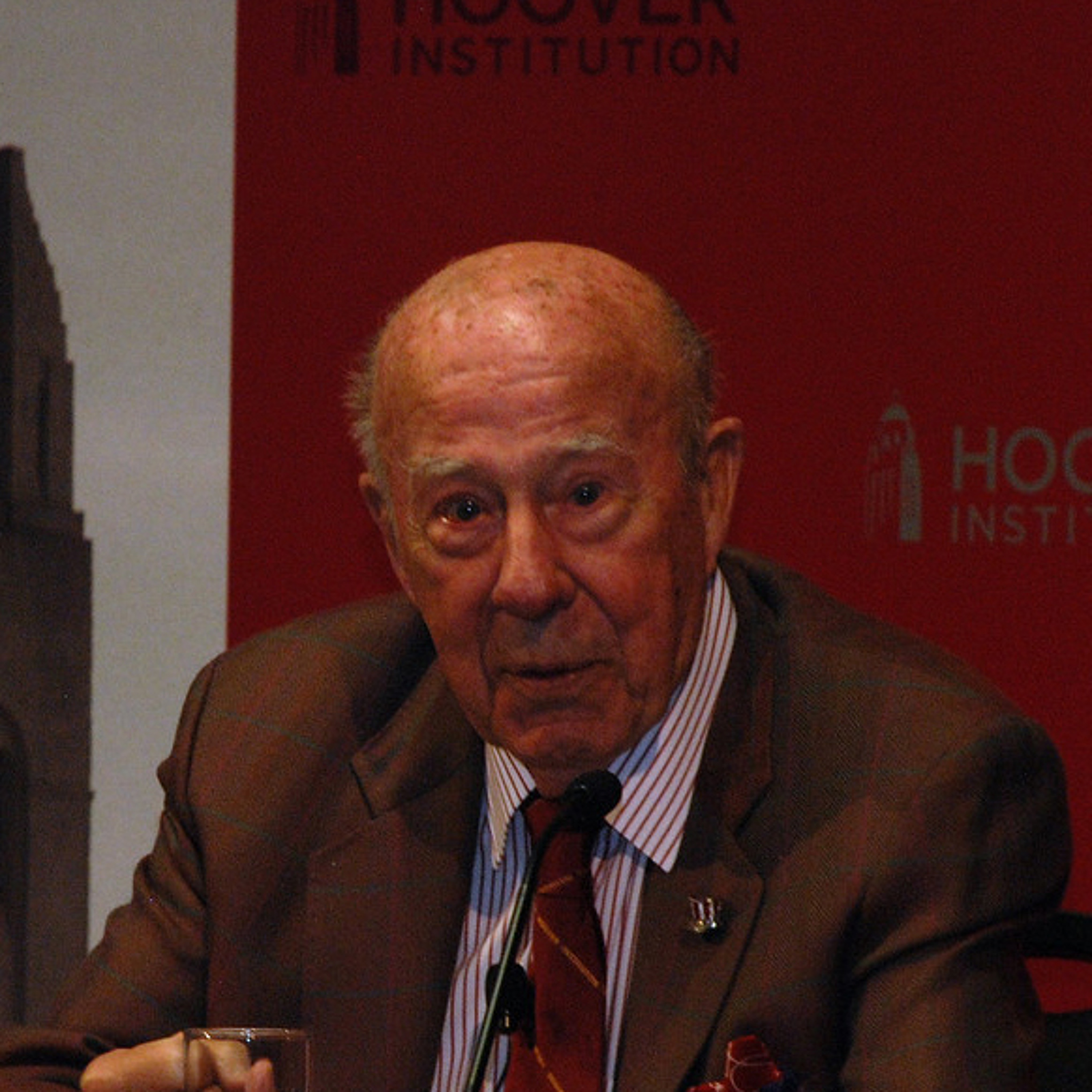
George Shultz on Robert Conquest’s Influence on the Reagan Administration
Hoover Institution fellow and former secretary of state George P. Shultz illuminates Conquest’s far-reaching influence on Ronald Reagan’s administration. Robert Conquest set the gold standard for careful research, total integrity, and clarity of expression about the real Soviet Union and provided guidance about the roots of the USSR's policies around the world.
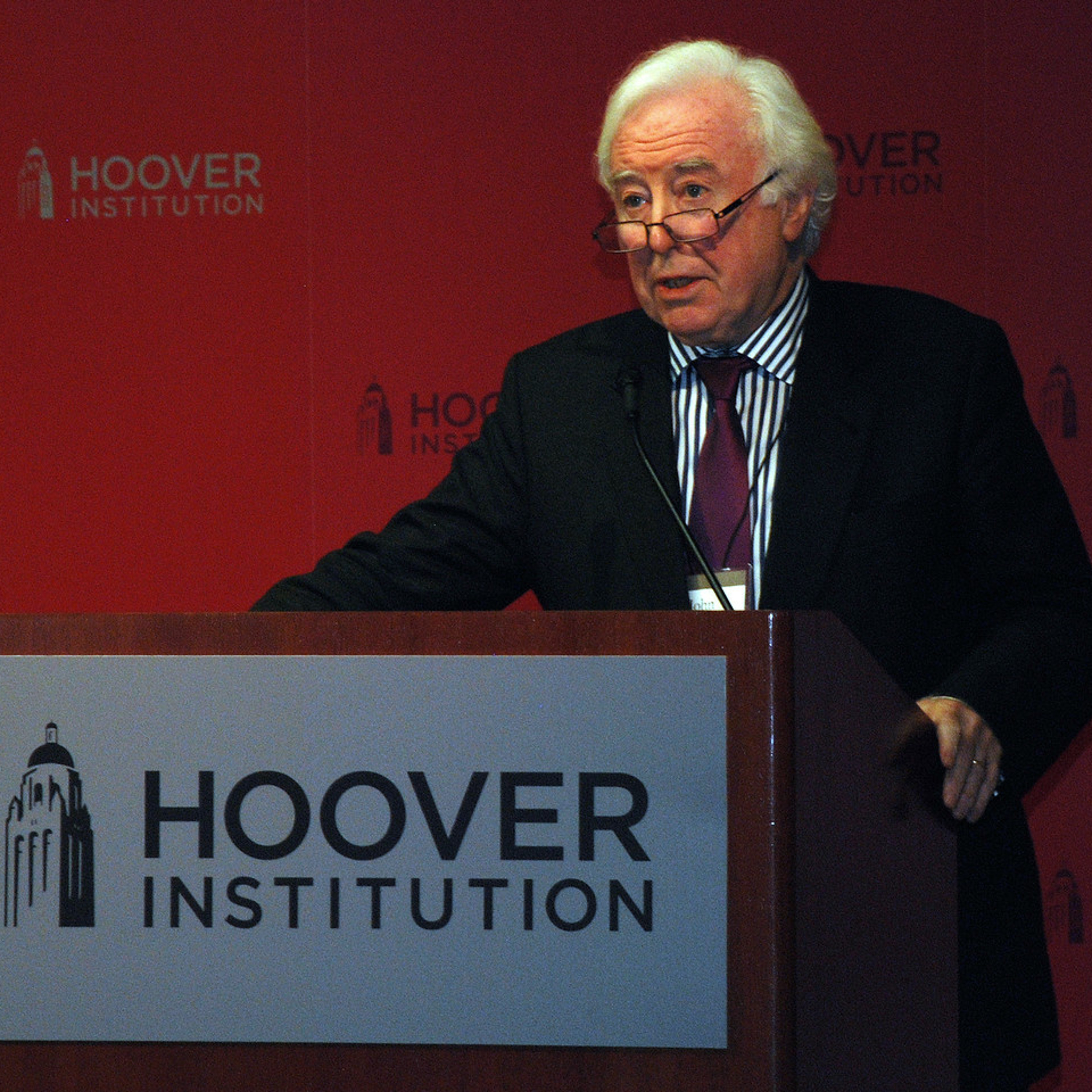
John O’Sullivan Discusses Robert Conquest’s Influence on Margaret Thatcher
Journalist John O’Sullivan investigates Conquest’s influence on Margaret Thatcher’s administration. Firm of conviction and excellently informed, Conquest provided countless politicians, including Ronald Reagan and Margaret Thatcher, with guidance about the roots of the USSR's policies around the world.
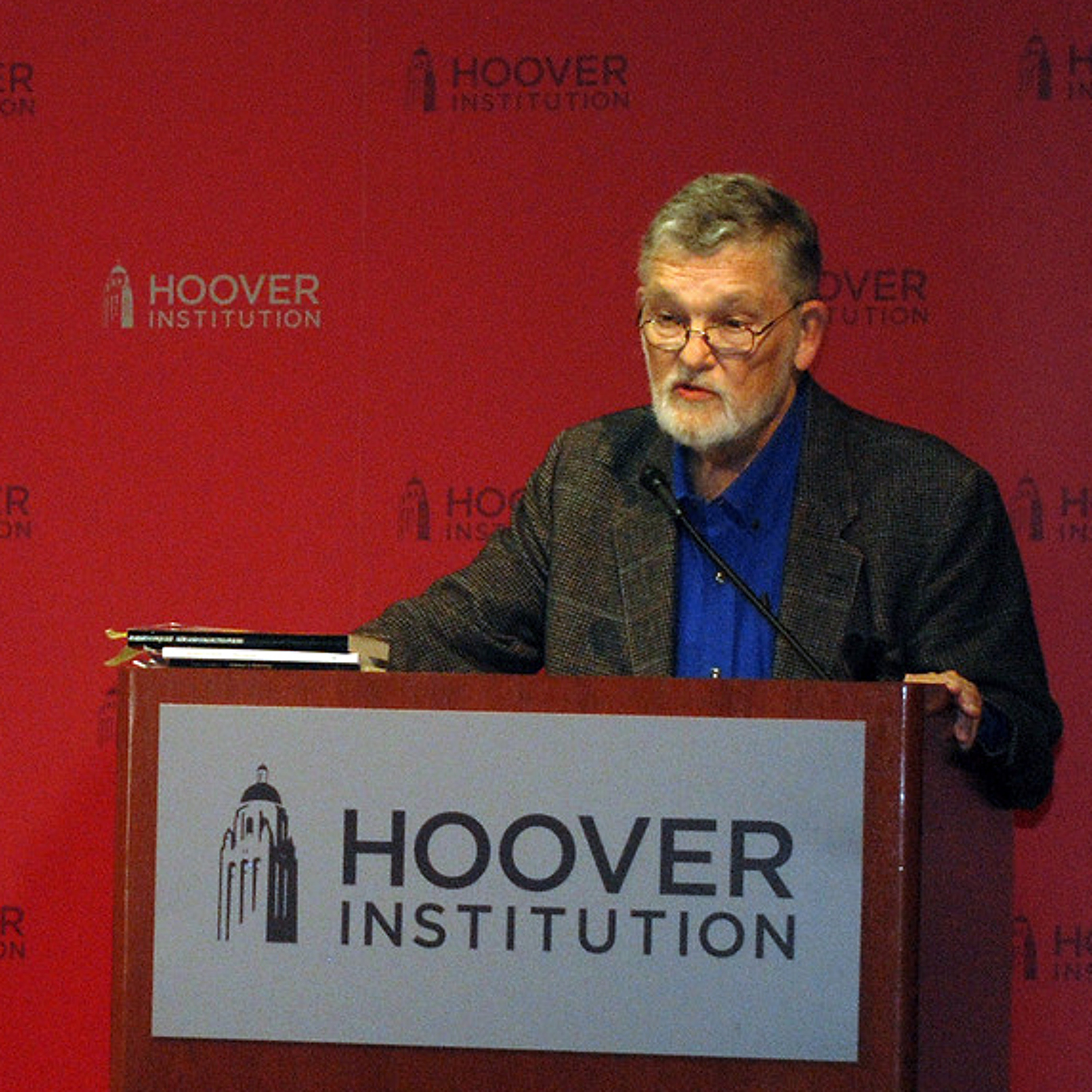
Poet Sam Gwynn on Robert Conquest’s Literary Achievements
Poet Sam Gwynn presents a talk on Conquest’s literary achievements and his relationships with well-known writers such as Kingsley Amis. Among his considerable gifts, Bob was a superb conversationalist. He had a great sense of humor and loved to laugh: the look of playful delight that animated his face as he nailed a punch line is impossible to forget.
Stephen Kotkin on Robert Conquest’s Conquering the Former Soviet Union
Hoover research fellow Stephen Kotkin discusses Conquest’s revelatory work on life behind the Iron Curtain, noting that Conquest definitively established the colossal scale of Soviet horrors, correctly identified their source in Marxist ideas and practices, and underscored the legions of Western dupes who retailed Soviet lies, beginning when Stalin was alive and decades thereafter.
The Flint Water Crisis
Richard Epstein looks at the legal issues emerging from revelations that there are potentially dangerous amounts of lead in the drinking water of Flint, Michigan.
Democrats, Republicans, and 2016
Richard Epstein looks at the recent twists and turns in both the Democratic and Republican Parties’ presidential contests.
Citizenship and the Presidency
Richard Epstein examines the legal issues underpinning Donald Trump’s argument that Ted Cruz may be constitutionally ineligible to be president
Deterrence and International Affairs
Victor Davis Hanson explains the fundamentals of deterrence, looks at historical examples of its failures and successes, and examines how the Obama Administration has failed to use the strategy.
Gun Control and Executive Action
Richard Epstein uses Barack Obama’s recent executive actions on guns as a springboard to discuss the President’s history of exercising unilateral executive power.
VDH’s New Year's Resolutions
Victor Davis Hanson provides a series of New Year’s Resolutions for a politically correct America.
Public Sector Unions and the Supreme Court
Richard Epstein dissects Friedrichs v. California Teachers Association, a case that could dramatically diminish the power of public-sector unions.
Terrorism, National Security, and the Presidential Election
Victor Davis Hanson examines the fallout from the recent terror attack in San Bernardino and how it is shaping the 2016 presidential election.
Affirmative Action and the Supreme Court
Richard Epstein looks at the issues underlying the affirmative action case of Fisher v. University of Texas at Austin, and whether the University of Texas at Austin’s affirmative action program complied with the stringent legal test the court set out in Grutter v. Bollinger (2003).
The Threat from ISIS
Richard Epstein examines the controversies around gun control, immigration, and surveillance that have emerged in the aftermath of the San Bernardino terrorist attack.
Higher Education, Political Correctness, and Woodrow Wilson
Richard Epstein responds to the controversy over Woodrow Wilson’s legacy at Princeton, and examines whether students are justified in wanting to disassociate the university from its former president.
The Future of Missile Defense
Victor Davis Hanson surveys the history of missile defense initiatives and considers how the technology will have to adapt to new national security threats.
A Look at the current administration's war on terror
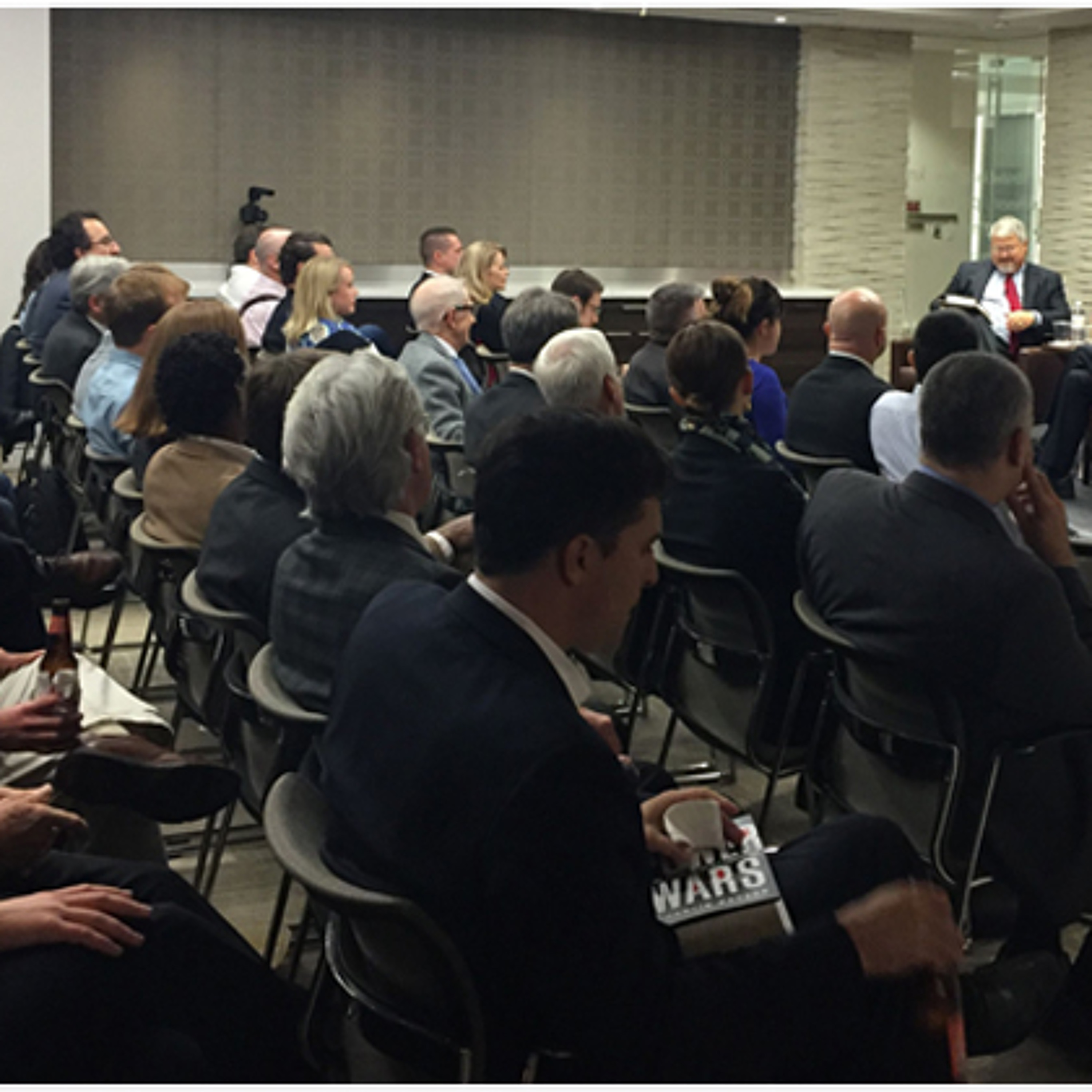
The Hoover Institution's National Security, Technology, and Law Working Group, along with Hoover's Washington, DC office, in partnership with Lawfare host a discussion about the Obama Administration's strategy on The War on Terror. Hoover Institution Senior Fellow and Working Group Member Jack Goldsmith, will interview author Charlie Savage on his new book: Power Wars: Inside Obama's Post-9/11 Presidency.
ISIS, Terrorism, and the Iraq War
Richard Epstein looks at the relationship between the war in Iraq and the current fight against ISIS, analyzing which lessons President Obama has and hasn’t learned.
Radicals on Campus
Victor Davis Hanson looks at the recent controversies attending free speech and political correctness on college campuses.

Yale, Safe Spaces, and Free Speech
Richard Epstein considers what the controversy over political correctness at Yale says about the state of free speech on America’s college campuses.
New York, Global Warming, and ExxonMobil
Richard Epstein looks at the controversial decision by New York’s attorney general to subpoena documents from ExxonMobil relating to the company’s research on global warming.
Decoding Cyber Threats
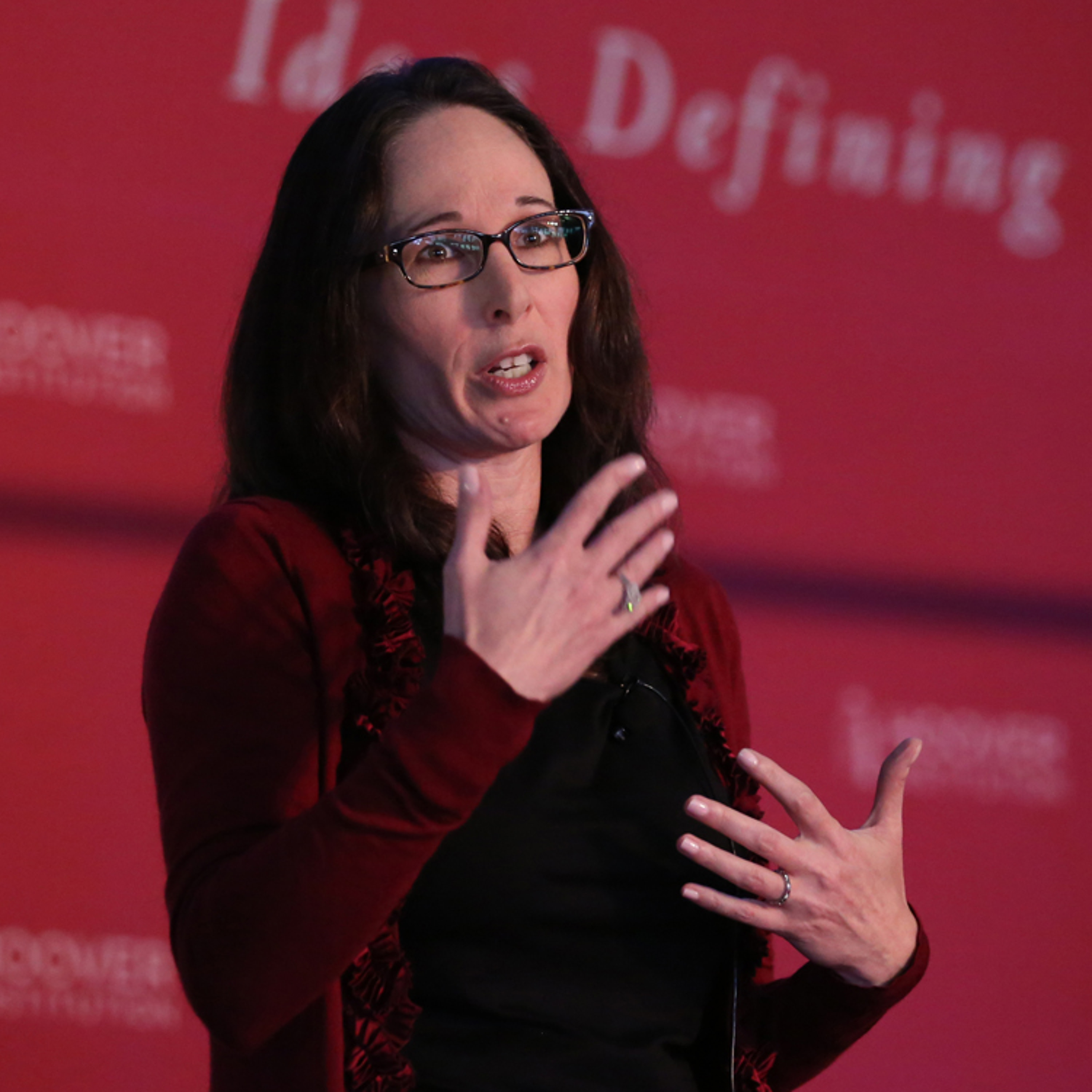
Recorded on October 20, 2015 – Hoover Institution fellow Amy Zegart notes that during the past two years Hoover has conducted a cyber boot camp for senior congressional staff that has already paid dividends in legislation on Capitol Hill. Zegart notes that cyber threats are everywhere and that we need to know about them. The threat environment the United States confronts today is unprecedented. During the Cold War we faced the grave prospect of nuclear Armageddon. But in terms of the threat landscape it was straightforward. We knew who our adversary was and we knew where it was located. Today the threat landscape is more crowded, more uncertain, and more dynamic. The complex threat environment is filled with rising states such as China, declining states such as Russia, weak states, failed states, rogue states like North Korea, non-state actors such as ISIS or Anonymous, transnational threats such as Ebola, global pandemics, global climate change, and so on. There are, however, two big differences in the threat environment today. One, for the first time one of the world’s major powers will be a developing country, China. Two, we live in a dramatic asymmetrical environment where great powers such as the United States are threatened by weak states or nongovernmental actors or by bands of individuals who can wage disproportionate war or damage our society. And, the threat environment is changing rapidly. Every year the director of national intelligence issues a list of threat assessments facing the United States. In 2007, cyber security did not make the list of threats. In 2009, cyber security was on page thirty-eight of a forty-five-page document. Cyber threats did not jump to the top of the list until 2012. Zegart concludes that in the jungle of the Internet it is easier for the bad guys to hide than it is for the good guys to find them; developing good policies is hard, but we must do it to confront and reduce the threats.

Getting Serious about Defense Policy
Recorded on October 19, 2015 – Hoover Institution fellow Kori Schake discusses the importance of defense spending, noting that we have bigger problems than defense spending and are not likely to solve those problems until we can agree on entitlement spending. Such an agreement will make it possible to get the resources for more defense spending. The United States enjoys a wide margin of error in defense policy, but we are playing a strong hand weakly. Geoffrey Blainey wrote that wars are begun by states who believe they can win. It’s not arms buildup, it’s not cultural factors, and it’s not one power being stronger than another; wars begin because a country thinks it can win. We are at risk for war because Obama has abandoned his global responsibility. Schake concludes with a warning that, until we get an agreement on entitlement reform showing we are governable as a society, we are going to be at risk. An entitlement agreement is the canary in the coal mine.
The Urban/Rural Divide
Victor Davis Hanson looks at the increasing tensions between rural Americans and their urban cousins and considers the implications for the nation’s politics and culture.
Game On: The United States and China in the Indo-Pacific
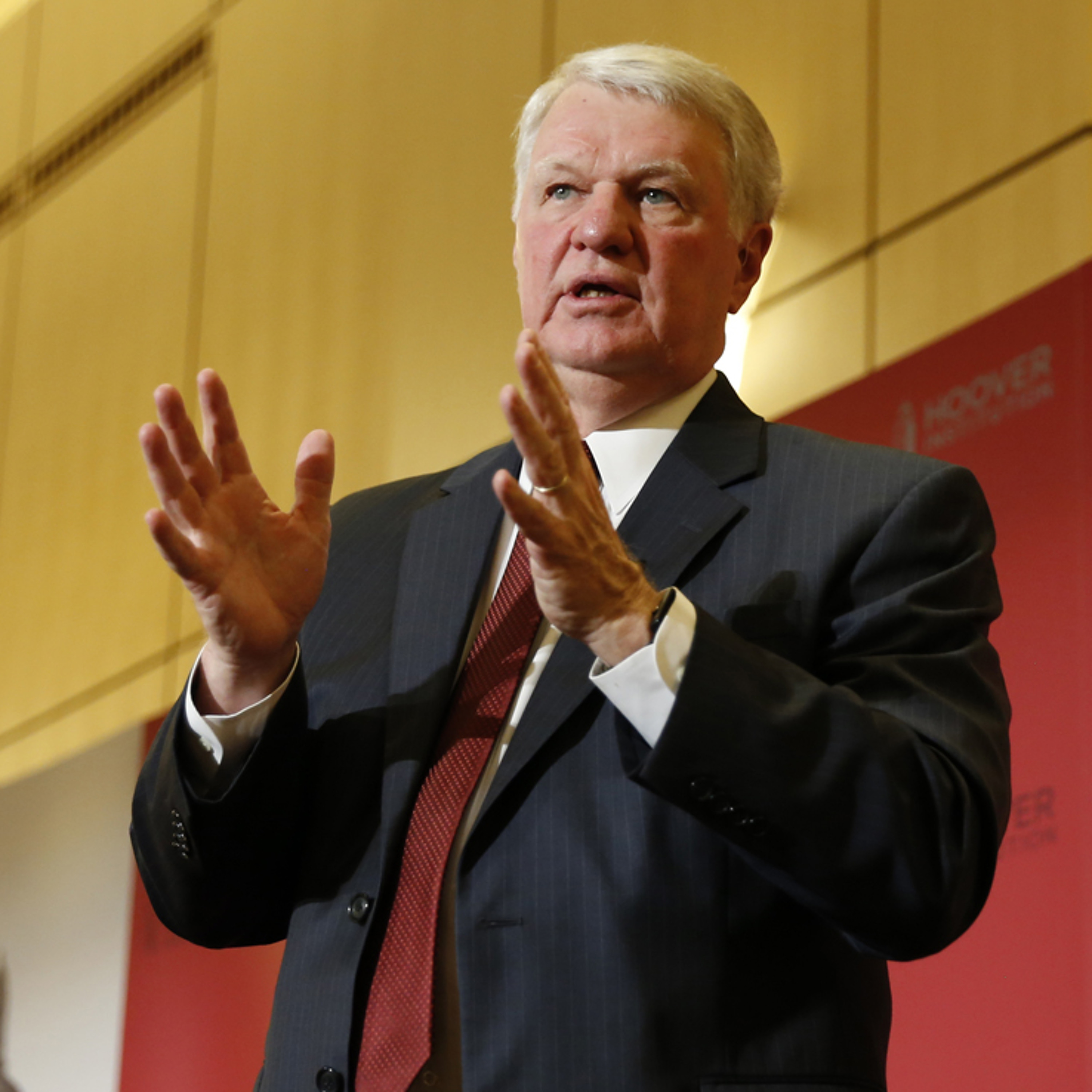
Recorded on October 19, 2015 – Hoover Institution fellow Gary Roughead discusses China’s importance and the strategic competition in the next 100 years between the United States and China. The last transfer of strategic power, between Great Britain and the United States was relatively seamless. We came from similar foundations, similar legal structures, similar ideas on trade, and so on. That is not the case with China, where demography is a problem, meaning, we need to look at the playing field differently. Because China will have a significant role in Asia, we need an interdependent relationship with China and Asia. We need to understand the broader context in which the United States, China, and other countries will be playing and what rules, guidelines, and behaviors we can expect in the coming years. Roughead concludes that we need to have the long view, accept that China and the United States will be interdependent, and think in broader terms of the Indo-Pacific playing field and the countries involved. For the United States to succeed we need to view the whole field and realize it is the next strategic competition.
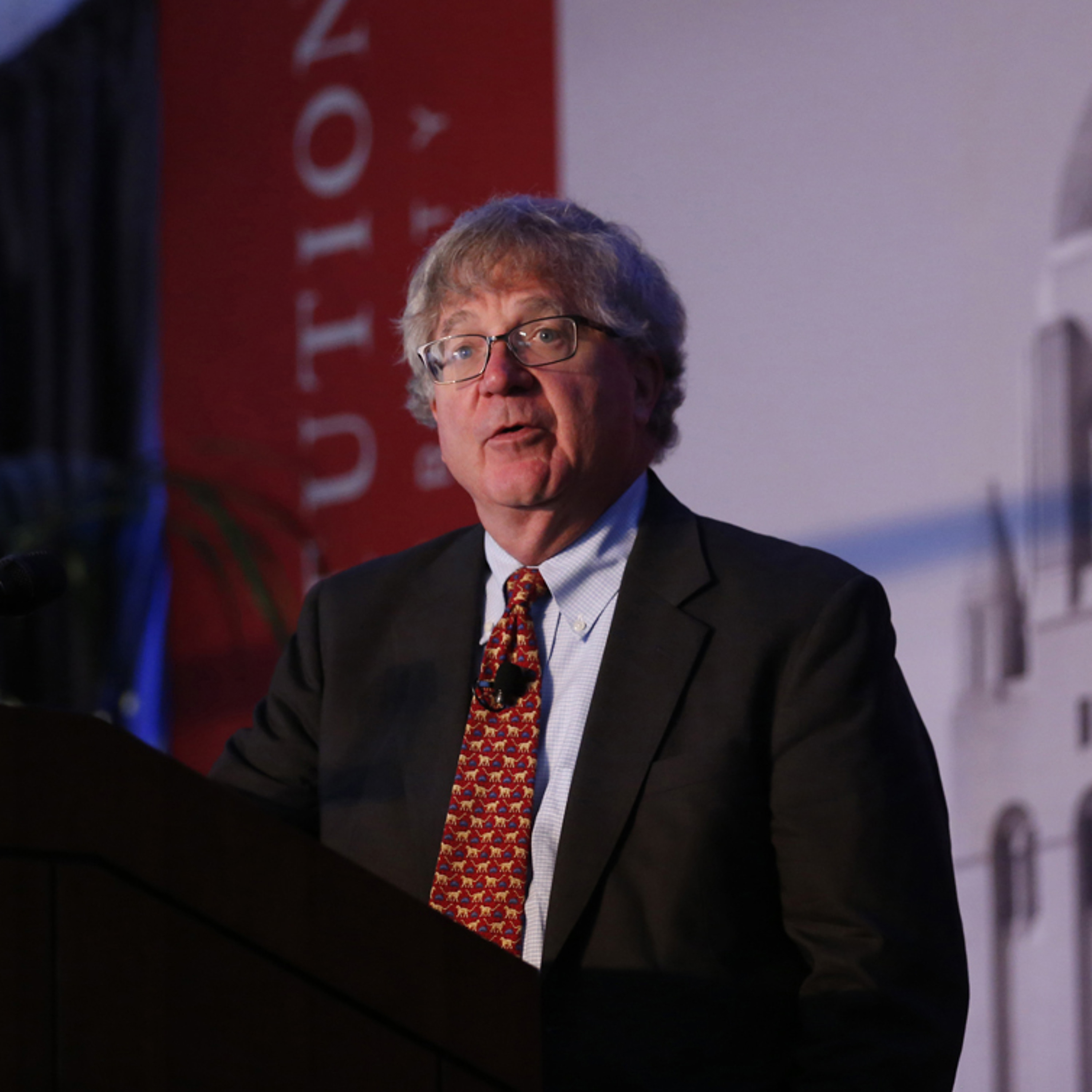
What Will the Supreme Court Think of Next?
Recorded on October 19, 2015 - Hoover Institution fellow Michael McConnell discusses the US Supreme Court, noting that the New York Times refers to the past term as the most liberal term since the Warren Court in the 1960s. During the past term, the justice most often voting with the majority decision was Stephen Breyer; number two was Sonia Sotomayor. It was also a divisive term. Will that be a blip or the new normal for the Court? It is hard to tell because the Supreme Court does not hear that many cases, but its ideological complexion is determined by the issues the justices are addressing. McConnell concludes with two cases he believes are the most important constitutional cases of our time. One concerns Obama giving legal status to more than four million undocumented workers, meaning they are eligible to work, get Social Security, and so on. Can Obama do this even though it goes against laws Congress has passed? The second case concerns whether Obama can use money from the Treasury, which Congress has refused to appropriate, for payments to insurance companies to reimburse them for losses under Obamacare.
Republicans, Democrats, and 2016
Richard Epstein looks at the grassroots/establishment fight in the Republican Party, the prospects for Paul Ryan’s success as Speaker of the House, the ideological shift within the Democratic Party, and what they all might mean for the 2016 elections.
Understanding 2016
Victor Davis Hanson pulls away from the media’s stories du jour and examines the broader trends shaping the 2016 presidential election.
Race, Crime, and Policing
Richard Epstein looks at FBI director James Comey’s claim that police are taking a less proactive approach to crime in the wake of repeated racial controversies.
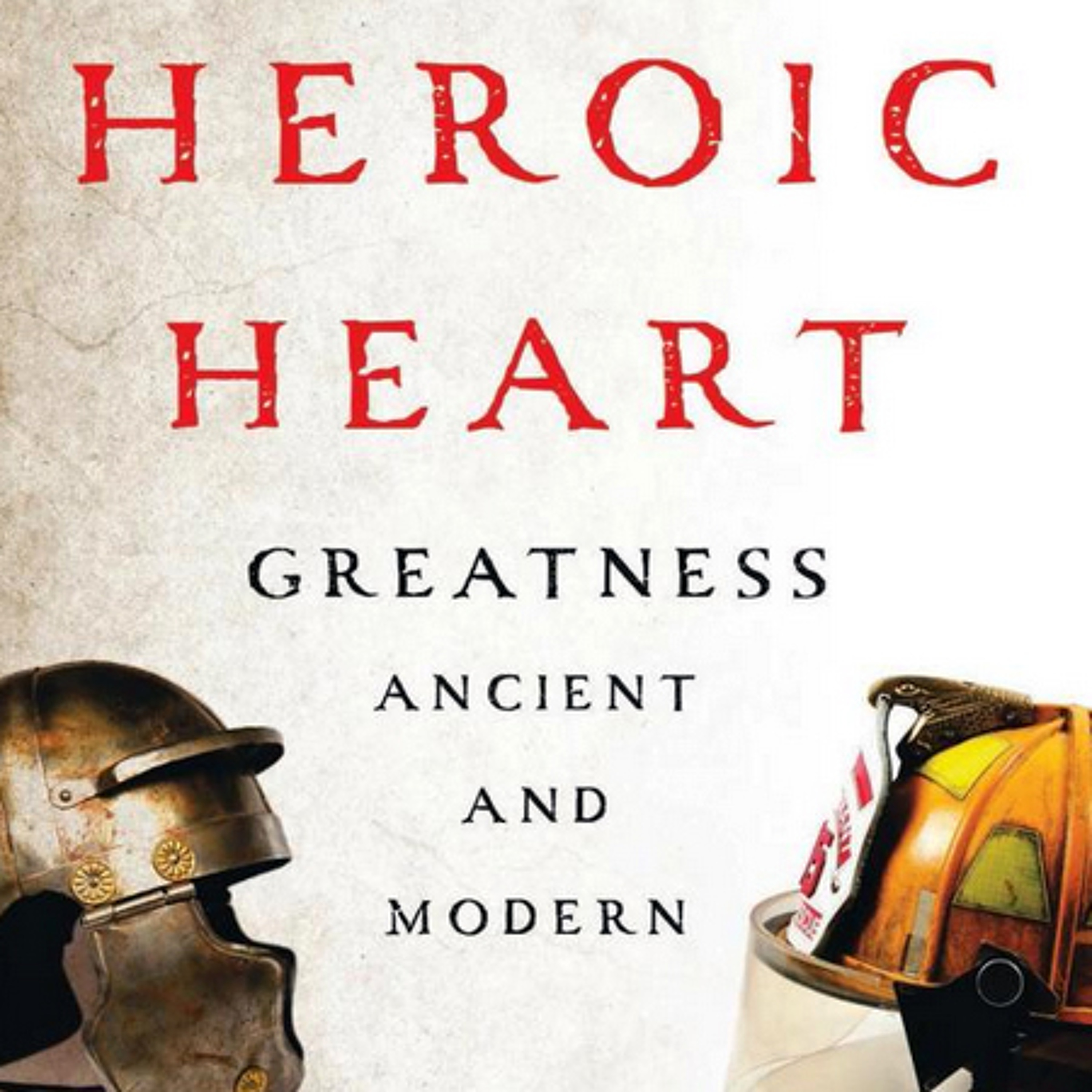
The Heroic Heart Book Launch
In 'The Heroic Heart', Tod Lindberg traces the quality of heroic greatness from its origin in prehistory to the present day.
The Second Amendment and Gun Violence
Richard Epstein analyzes Supreme Court jurisprudence on the Second Amendment and responds to common arguments made by both liberals and conservatives in the fight over gun rights
The Progressive Ten Commandments
Victor Davis Hanson looks at the disjuncture between the values progressives claim to hold and the way they actually lead their lives.
One Man, One Vote
Richard Epstein examines a new Supreme Court case that could upend the way congressional districts are shaped.
Economics, Poverty, and the Pope
Richard Epstein casts a critical eye toward Pope Francis’s pronouncements on economics, income inequality, and poverty.
The Future of Europe
Victor Davis Hanson looks at how current tensions in the European Union could lead to political fissures throughout the continent.
Foreign Policy, Global Warming, and the Pope
Richard Epstein looks at the pronouncements Pope Francis made on Syria, climate change, and organ donations during his recent visit to the United States.
State of the Presidential Race
Victor Davis Hanson analyzes the latest developments in both the Republican and Democratic presidential fields and considers what effect President Obama’s legacy will have on his successor.
California’s Water Crisis
Hoover fellows Carson Bruno and Bill Whalen are joined by Stanford political science professor Bruce E. Cain to discuss a new Golden State Poll examining Californians’ views on what should be done to solve the water crisis occasioned by a massive drought.
Trump and Taxes
Richard Epstein reacts to Donald Trump’s broadside against the hedge fund industry, explores the controversy around carried interest, and examines the merits of various proposals for tax reform.
US Global Leadership and the Refugee Crisis
Richard Epstein looks at how the shortcomings of the Obama administration’s foreign policy have fueled the refugee crisis that’s left Europe reeling.

How Trump Does It
The Hoover Institution’s David Brady and Douglas Rivers look at the results of new polling to examine where Donald Trump’s support comes from and explain the ramifications for the broader GOP presidential field.
9/11: Then and Now
Victor Davis Hanson considers the trajectory of the West’s war with terrorism and radical Islam in the fourteen years since the 9/11 attacks.
The Libertarian’s Guide to Clean Water
Richard Epstein looks at the tangled legal history of the Clean Water Act — and the continued excesses of the EPA — and explains how to construct an alternative consonant with classical liberal principles.
Arms Control, Ancient and Modern with Barry Strauss
Barry Strauss examines the historical track record of arms control agreements and what it means for America’s nuclear deal with Iran.
Why Arms Control Agreements Are Superfluous, with Angelo Codevilla
Angelo Codevilla argues that arms control agreements have little practical worth and that the recent agreement with Iran will actually aid Tehran’s pursuit of a nuclear weapon.