
Hoover Institution
500 episodes — Page 5 of 10

A View from across the Aisle
Representative Ro Khanna, a California Democrat from Silicon Valley and vice chair of the Congressional Progressive Caucus, discusses the feasibility of re-creating the technology economy in other parts of the United States. Is there room for working with the Trump administration, or are his fellow Democrats preoccupied by Russia and impeachment talk? Like Area 45? Please rate, review, and subscribe now!

The Speech That Defined a Presidency
Recorded on July 23, 2017 Thirty years after Ronald Reagan’s famous denouncement of the Berlin Wall, Peter Robinson reflects on writing the Brandenburg Gate speech and why it was so important to include the now memorable words, “Mr. Gorbachev, tear down this wall!” Pat Sajak, host of Wheel of Fortune, turns the tables on Uncommon Knowledge’s host, Peter Robinson, sitting him down in the interview chair to discuss that famous speech and his journey to becoming Ronald Reagan’s speechwriter. Peter Robinson's journey to becoming Ronald Reagan's speechwriter began in Oxford as he was trying his hand at becoming a novelist. After a year of writing a book Peter wasn't thrilled with, William H. Buckley advised him to try to become a speechwriter in Washington, DC. Peter left Oxford and. after a series of interviews, was given the task of speechwriting for then vice president George H. W. Bush and eventually became a speechwriter for President Ronald Reagan. Five years after Peter Robinson became President Reagan's speechwriter it was Peter's turn to write one of the president's important speeches of the year to be delivered in Berlin during the height of the Cold War. To get the speech right, Peter spent a day and half in West Berlin researching the points of view of diplomats and politicians, all of whom all made it seem as though the Berlin Wall was something people hardly noticed any more. This view turned out to not be shared by the citizens of West Berlin, as Peter discovered later that evening when he sat down to dinner with citizens of West Berlin, where the dinner host said if Mr. Gorbachev is serious about perestroika he'd get rid of this wall. Peter’s dinner hosts went on to talk about how much they missed their families whom they hadn’t seen in decades because, though they lived just a mile away, the wall stood between them. That statement and the sentiments of the people of West Berlin struck Peter; after a series of drafts he came up with the now well-known line, "Mr. Gorbachev, tear down this wall!" That line, however, almost didn’t make it into the final draft of the speech as various advisers counseled against it and tried to persuade Peter and President Reagan to remove it. In the end, though, President Reagan insisted, and the line was kept in and remains to this day one of his most famous statements.
Showdown in Charlottesville
In the wake of violent protests in Charlottesville, Richard Epstein looks at the limits on government power to restrict inflammatory speech, considers Donald Trump's rhetorical response to the protests, and weighs in on whether confederate monuments should start coming down.

School of Public Opinion: K–12 Schools in the United States
With schools in session across the country, Hoover senior fellow Paul Peterson details this year’s survey of American education by Education Next. Among the more notable results: teachers are wary of their colleagues’ performance; parents are increasingly dissatisfied with charter schools. Like Area 45? Please rate, review, and subscribe now!

Dunkirk: Film vs. Fact
Victor Davis Hanson places the new film Dunkirk in its full historical context, explaining the events that preceded it, the scope of the challenges facing the British military, and the reason why German forces didn't strike a killing blow despite Allied vulnerability.

President Trump Rolls Past 200 Days
Where does President Trump stand in the opinion polls now that his second hundred days in office are complete? David Brady and Doug Rivers, both Hoover senior fellows and Stanford political scientists, reveal data showing where Republicans and independents stand on this presidency and what if any effect developing news in Charlottesville and North Korea might have on Trump’s popularity. Like Area 45? Please rate, review, and subscribe now!
The Google Controversy
Richard Epstein responds to the controversy around Google's decision to fire an employee for a memo criticizing the company's diversity policy.

Ayaan Hirsi Ali on the West, Dawa, and Islam
Ayaan Hirsi Ali joins Peter Robinson to discuss her new book, The Challenge of Dawa: Political Islam as Ideology and Movement and How to Contain It, and her views on the challenges facing Western civilization in regards to political Islam. She argues that Islam needs to be separated into two different parts, one part of religion and the other part, political philosophy. She concedes that many aspects of the religious part of Islam are peaceful but argues that the political side is much more concerning due to its focus on Dawa, which means “to plead or to call non-Muslims to Islam.” This call to convert people to Islam is what she argues was a driving force behind the spread of Islam throughout history. Hirsi Ali argues that American political philosophy and classical liberalism are young philosophies in comparison to the fourteen centuries of Islamic political doctrine and that its age and layered-ness are often underestimated by Western minds who are more familiar with younger political philosophies. She discusses the critiques of the philosopher Karl Popper of communism and fascism and how they relate directly to the ideologies of Islam. She argues that the language of appeasement often used toward radical Islamic terrorism is too gentle and that discussions of how to deal with Islam need to be considerably franker. Earlier this year Ayaan Hirsi Ali was called before Congress to testify on her book The Challenge of Dawa. She discusses her testimony and that although she was invited by a Democrat senator to speak “about the ideology of radical Islam,” the Democrats present didn’t ask her a single question because they were likely uncomfortable with what she had to say about Islam. She argues that just as Western civilizations have defeated dangerous ideologies in the past, she is optimistic that Western civilization will succeed against political Islam for, as she says, “[Jihadis] can’t destroy us without permission.” She says if we take the fight to the “battlefield of ideas” we can defeat radical Islamic ideologies with Western beliefs.

Understanding North Korea
Victor Davis Hanson looks at the the threat North Korea poses to the US and our Asian allies, explains how 30 years of bipartisan failures led us to this point, and describes the horrors that would accompany a war on the Korean Peninsula.

The Divided States of America
So many of the presumptions going into the November election–Donald Trump swamped by a tidal wave of vengeful women, minorities, and progressives – didn’t pan out. Why? Morris Fiorina, a Hoover Institution senior fellow and Stanford University political scientist, sees a divide: not between red and blue states but between the cultural elites (journalists and academics) and nonelites (the voting public). Like Area 45? Please rate, review, and subscribe now!
No Exit from Obamacare?
Richard Epstein looks at the virtues and vices of the failed congressional plans to repeal and replace Obamacare, explains what comes next, and lays out what meaningful free market reform would look like.

Discovering America One Day at a Time
How do you remedy Americans’ lack of historical knowledge? By picking up a copy of On This Date–from the Pilgrims to Today, Discovering America One Day At a Time. The book’s author, Carl Cannon, is the Real Clear Politics Washington bureau chief and Hoover media fellow. In the book he reflects on his favorite calendar dates and the current state of relations between the Trump White House and the DC press establishment. Like Area 45? Please rate, review, and subscribe now!
Trump, Sessions, and the Pardon Power
Richard Epstein examines the most recent legal questions to emerge from the Trump White House: Could the president pardon himself? Was Jeff Sessions right to recuse himself from the Russia investigation? And could Donal Trump remove Robert Mueller as special counsel?

Is the Legislative Branch Broken?
Six months into the Trump presidency the GOP Congress struggles with the promise of swift and dramatic reforms. Kevin Kosar, the R Street Institute’s vice president of policy and a ten-year veteran of Capitol Hill, discusses how the legislative branch became the weakest of government’s limbs. Like Area 45? Please rate, review, and subscribe now!

Trump’s Executive Orders
One hundred and fifty days into his presidency, Donald Trump is on pace to issue the most executive orders for a first-year president since Harry Truman in 1945. Hoover research fellow Adam White reviews the highs and lows of Trump’s signing flurry–and discusses the need for the Trump White House to pick up the pace for executive and judicial appointments. Like Area 45? Please rate, review, and subscribe now!

The Forgotten Virtues of Physical Labor
In an era of technology and automation, does tough physical work still matter? Victor Davis Hanson says the answer is yes -- and that, in fact, we have an innate desire to do work with our own two hands. Listen as he explores the cultural, intellectual, and psychological reasons that we should be wary of a future that promises the end of manual labor.

Sir Roger Scruton: How to Be a Conservative
Recorded on February 27, 2017 In the latest episode from Uncommon Knowledge, Sir Roger Scruton, a formally trained political philosopher, talks about his life and the events he’s witnessed that led him to conservatism. He first embraced conservatism after witnessing the leftist student protests in France in May 1968. During the ensuing riots in Paris, more than three hundred people were injured. Scruton walked away from this event with a change in worldview and a strong leaning toward conservatism. Visits to communist- controlled Poland and Czechoslovakia in 1979 cemented his preference for conservatism and his distaste for the fraud of communism and socialism, initiating a desire to do something about it. From thereon he dedicated himself to helping organize underground seminars for the young people oppressed behind the iron curtain. Sir Roger examines a brief history of conservatism in the twentieth century of England in regard to Margaret Thatcher and Winston Churchill. Although he appreciates what Margaret Thatcher stood for, he argues that she had many conservative ideals but never used the conservative framework to organize her overall political strategy. Instead she organized around market economics, which was not always effective in the social, cultural, and legal areas. Peter Robinson argues that Winston Churchill did a much better job of organizing around conservative ideals but eventually lost an election because he didn’t have the vocabulary or the focus on free markets. They discuss the tenuous relationship between free markets and conservative ideals that have not mixed well together in British politics. Robinson and Sir Roger discuss the 2016 political upset of Brexit in the United Kingdom and how the political analysts failed to predict the vote outcome, much like what happened in November 2016 in the United States. They deliberate how the issues around immigration from Eastern Europe to the United Kingdom contributed to Brexit, in addition to general dissatisfaction with the European Union. Thus, in the cases of both the United Kingdom and the United States, the media and intellectuals ignored the will of the “indigenous working classes” who made their voices known through their votes. About the Guest: Sir Roger Scruton Sir Roger Scruton is an English writer and philosopher who has published more than fifty books in philosophy, aesthetics, and politics. His book discussed in this episode was How to Be a Conservative; it was published in 2014. He is a fellow of the British Academy and a fellow of the Royal Society of Literature. He teaches in both England and America and is a senior fellow at the Ethics and Public Policy Center, Washington. DC. He is currently teaching an MA in philosophy course for the University of Buckingham. Sir Scruton was knighted in 2016 by Queen Elizabeth II for his “services to philosophy, teaching and public education.”
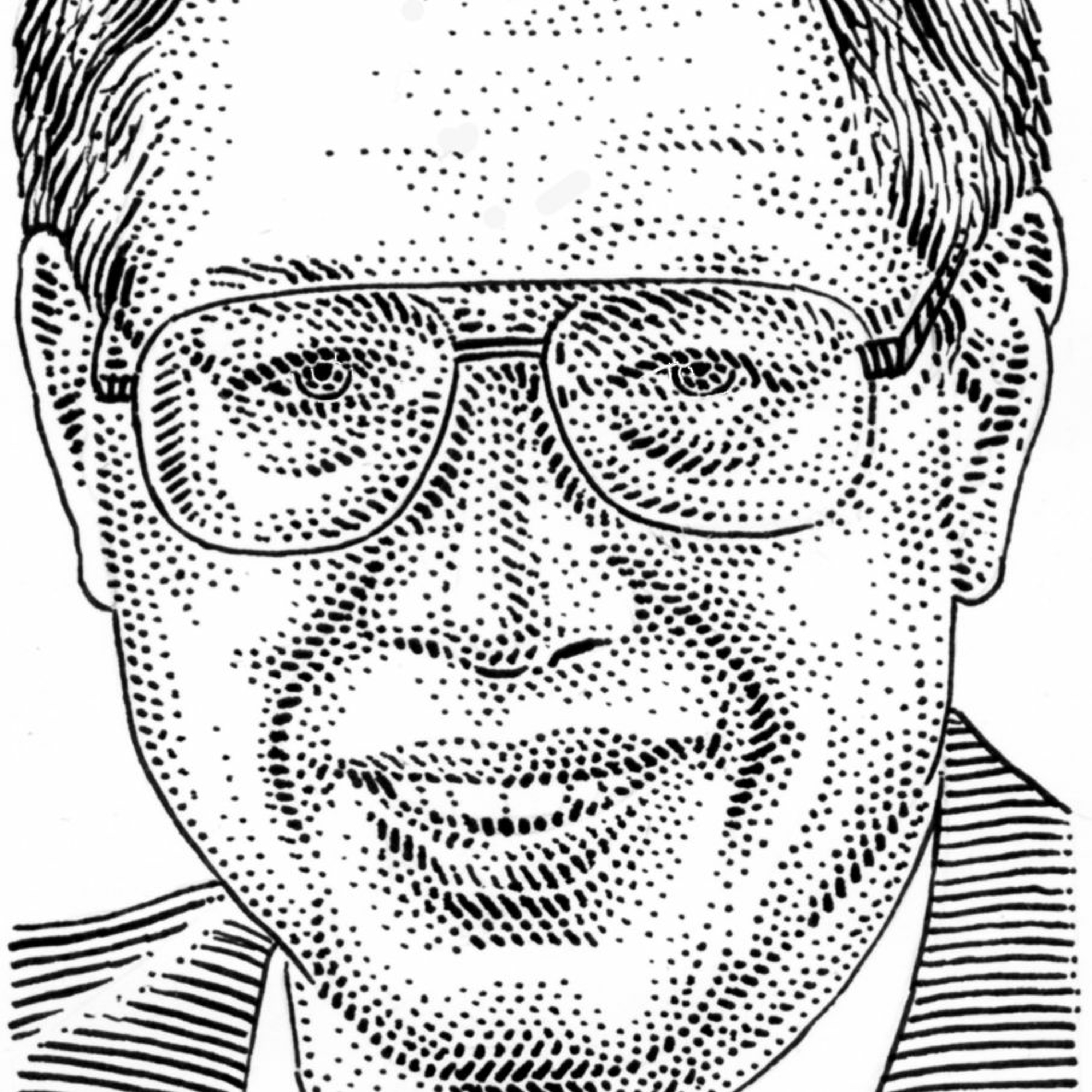
Buy American?
Richard Epstein reacts to the Trump Administration's exhortations to "buy American" and tackles common misperceptions about international trade, NAFTA, trade deficits, and manufacturing.
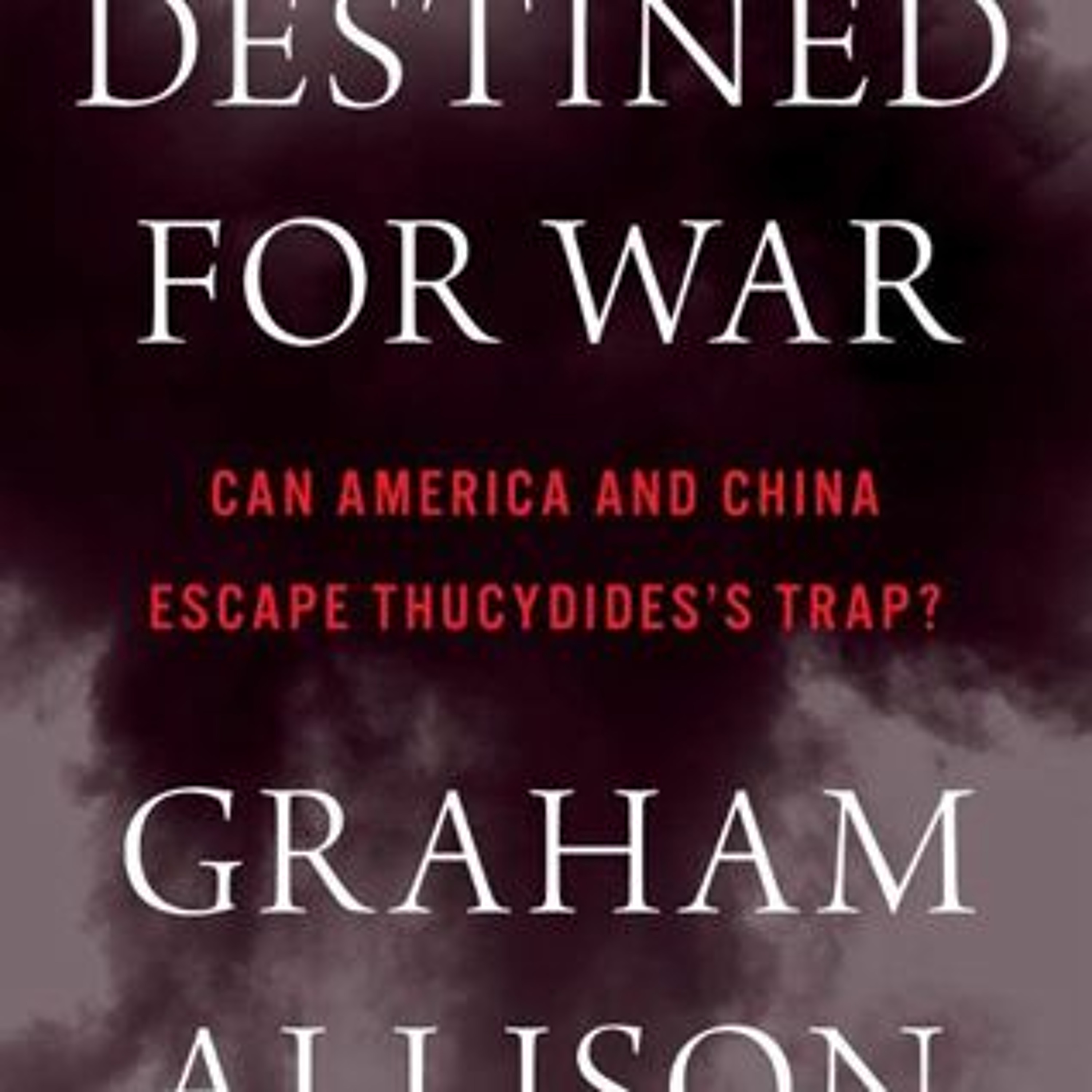
Destined For War: Can America And China Escape Thucydides's Trap?
The Hoover Institution hosted "Destined for War: Can America and China Escape Thucydides's Trap?" on Wednesday, July 12, 2017 from 5:00pm - 7:00pm EST. The Hoover Institution's National Security, Technology and Law Working Group, along with Hoover's Washington, DC office, invite you to a discussion of Destined for War: Can America and China Escape Thucydides's Trap? Jack Goldsmith, working group co-chair and senior fellow at the Hoover Institution, interviewed author Graham Allison about why Thucydides's Trap is the best lens for understanding U.S.-China relations in the twenty-first century.

The Foreign Policy Landscape
Victor Davis Hanson examines the major foreign policy challenges facing the Trump Administration, including how to properly calibrate the US relationship with Russia, how to defang a nuclear North Korea, and how to combat terrorism as ISIS shifts to a new era.
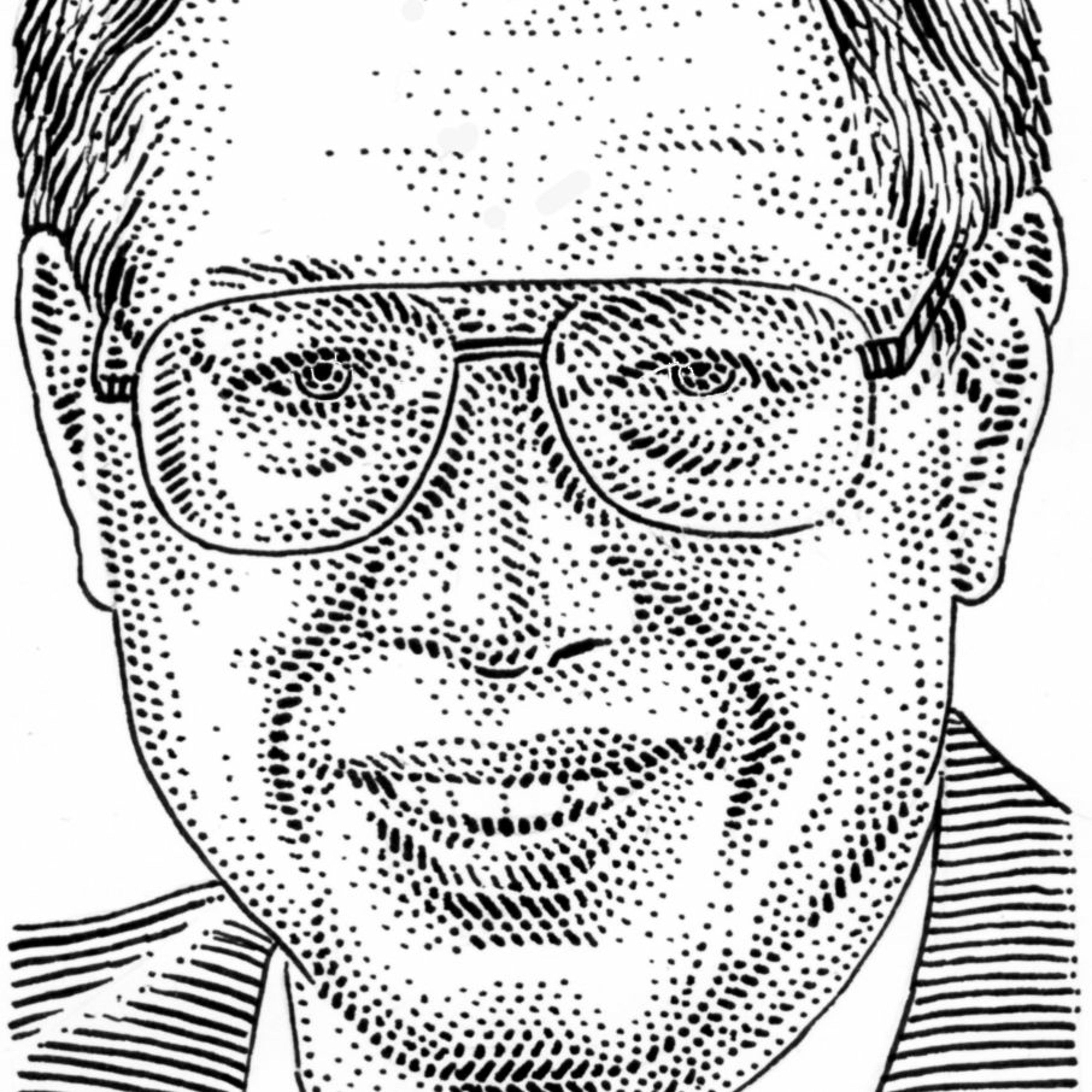
Religion, the First Amendment, and the Supreme Court
Richard Epstein looks at a recent Supreme Court ruling that could have major implications for when and how religious institutions can access public money.

America’s 241st Birthday
As the nation prepares for its Fourth of July celebration, the question arises of where the Trump presidency fits in the mosaic of American leadership. David M. Kennedy, a Stanford University historian and Pulitzer Prize winner, discusses the current state of the Republic and whether Donald Trump is the second coming of Andrew Jackson, as Trump would have us believe, or similar to a more recent Oval Office occupant. Like Area 45? Please rate, review, and subscribe now!
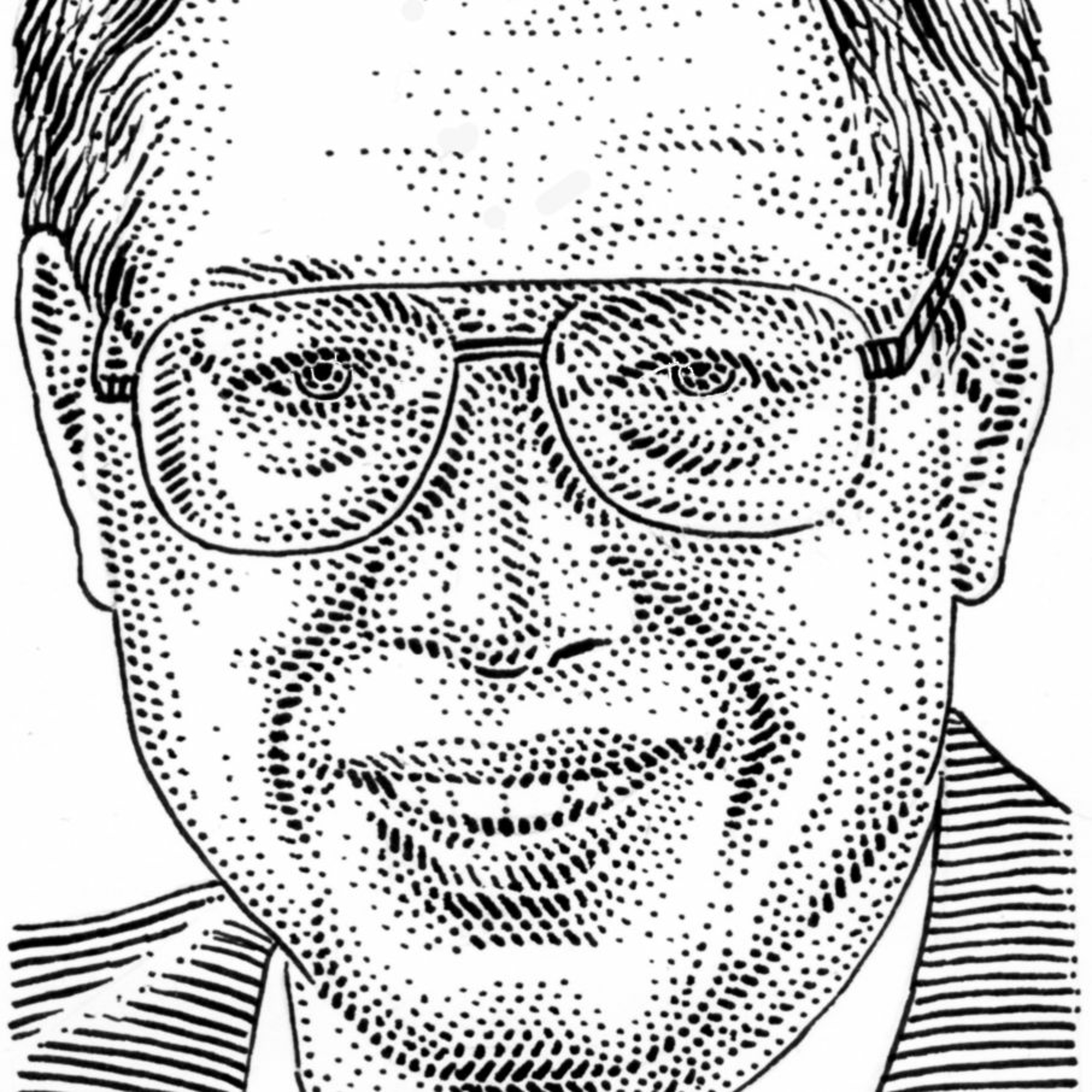
Salvaging Health Care Reform
Richard Epstein looks at the policy changes that would most effectively cure what ails American health care -- and responds to progressives calling for the adoption of a single-payer system.

Making Congress and America Work Again
Recorded on June 10, 2017 Senator Rob Portman sits down with Hoover Institution fellow Peter Robinson to talk about the threats and problems related to Russia's meddling in democratic elections in the United States and around the world. Portman then discusses the complex process of health care reform, noting that the process has been difficult because health care is a complex issue that needs to be handled correctly. In the conversation about health care reform, Portman says that the number-one cause of death in Ohio is opioid overdose and that Medicaid plays an important role in getting addicts the help they need so they don’t end up in jail or in the emergency room. Along with health care, the Senate will take up tax reform; Portman believes this is the most important reform that the Congress and the president can make to help the economy grow. Portman also touches on wages and jobs and helping those who are struggling to make ends meet. Finally, Portman reflects on the fraying of the American fabric and what can get us back to the concepts, values, ideas, and ideals that made the United States one of the most successful and longest-running democracies and a beacon of hope for the world.

The Budget Crisis in the Land of Lincoln
Recorded on June 10, 2017 The forty-second governor of Illinois, Bruce Rauner, joins Peter Robinson on Uncommon Knowledge to discuss Illinois’s budget crisis. With the end of the fiscal year deadline (June 30) looming ever closer Governor Rauner and House majority Democrats will have to come to an agreement to get the budget passed and prevent Illinois’s bond rating from being downgraded to junk, causing Illinois to lose investment-grade status. Peter Robinson and Governor Rauner discuss this financial crisis and Rauner’s goals for the budget. He insists that no budget will be passed unless it is a balanced budget that includes, but is not limited to, term limits, consolidating the government, and pension reform. Governor Rauner talks about why he chose to enter politics after a successful business career and how he plans on fixing the state that is his home. He details out how Illinois has historically dealt with thirty-five years of deficits and how it ended up in the current financial mess. He also discusses the difficult opposition he's facing with a Democrat-controlled state legislature. The GOP governor and the Democrat-controlled legislature have reached an impasse several times during his tenure as governor, as he refuses to pass a budget that will increase the deficit further than in 2015 and 2016. Background on the Illinois Budget Crisis: Illinois has been operating without a budget for two years now, as the state legislature has been unable to pass a budget up that will not increase the deficit and also satisfy the requirements of Governor Rauner. The Illinois legislature has managed to keep the state running through temporary stopgap measures, but as the state’s debts continue to rise to more than $150 billion, stopgap measures and the lack of budget will no longer be able to keep the state running. Illinois has been plagued with financial issues during the last several years, even being unable to provide lottery winners with their winnings. The state has been running a deficit for thirty-five years now. If a new budget isn’t passed by July 1, the start of the new fiscal year, the Illinois bond rating will be downgraded even more than it already has, and Illinois stands to lose millions of dollars in federal funding. To pass a new budget, the plan will have to be passed by a three-fifths majority vote in the Illinois House. As it stands, if Illinois’s bond rating is downgraded, Illinois will be the first state since 1970 to lose investment-grade status.

A Cold Civil War?
Victor Davis Hanson examines the growing political and cultural rifts between Red and Blue America, looks at the historical precedents for such alienation, and provides recommendations for how Americans can once again learn to live with one another.
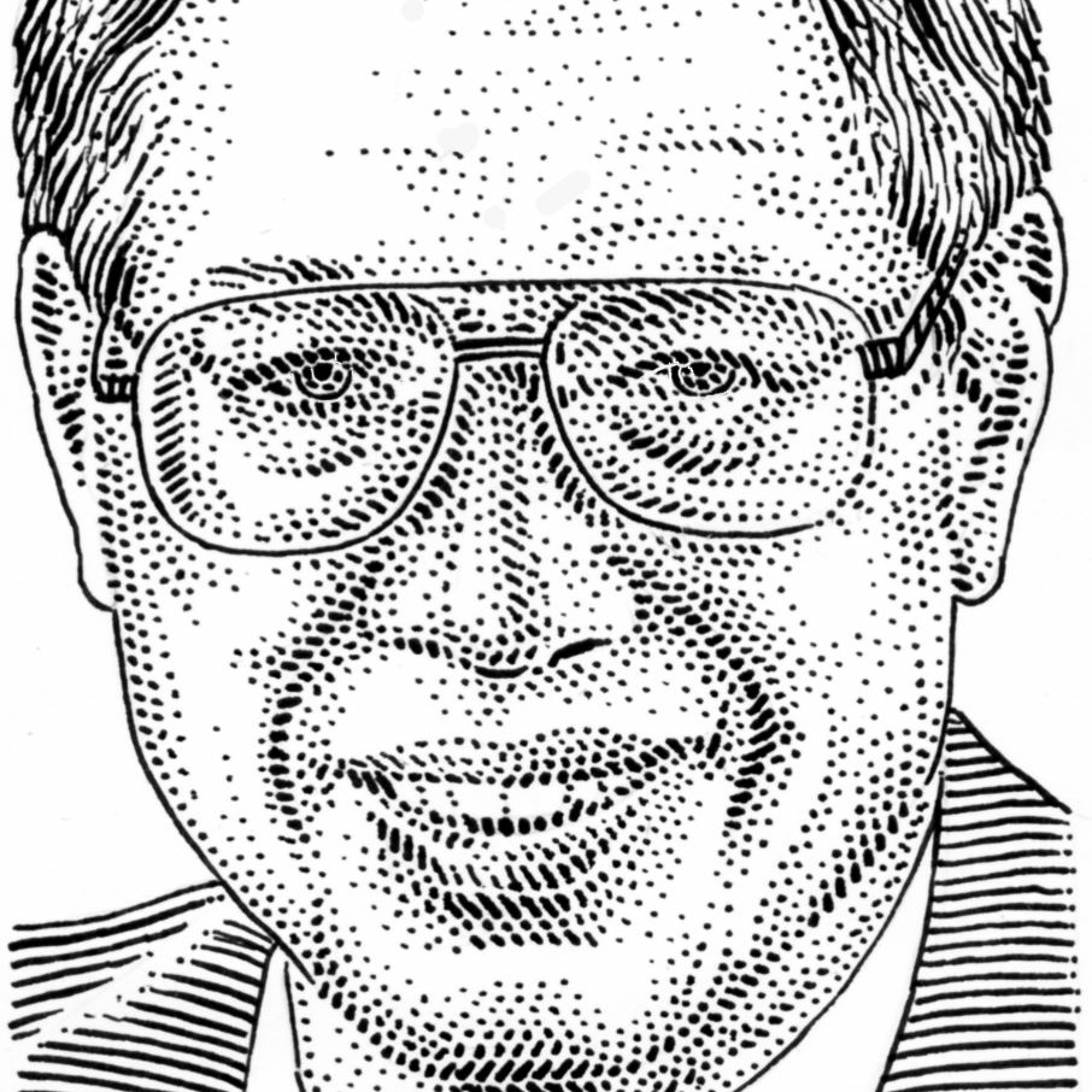
An End to Gerrymandering?
Richard Epstein looks at a case challenging gerrymandering in Wisconsin, which the Supreme Court has agreed to hear in its upcoming term. Because the Court has never previously struck down a redistricting plan on the basis of partisan bias, the ruling to come could be a watershed.

President Trump's Report Card
As Donald Trump’s presidency passes the five-month mark, Hoover senior fellows Dave Brady and Doug Rivers share their polling on Trump’s support from Republicans and independents, plus his policy strengths and weaknesses. We also take a further look at the significance of the United Kingdom’s “snap” election, which Doug Rivers correctly forecasted (words not often said about pollsters these days!). New episodes of Area 45 are released each week. Please rate, review, and subscribe on iTunes, SoundCloud, or RSS on your favorite podcast platform.
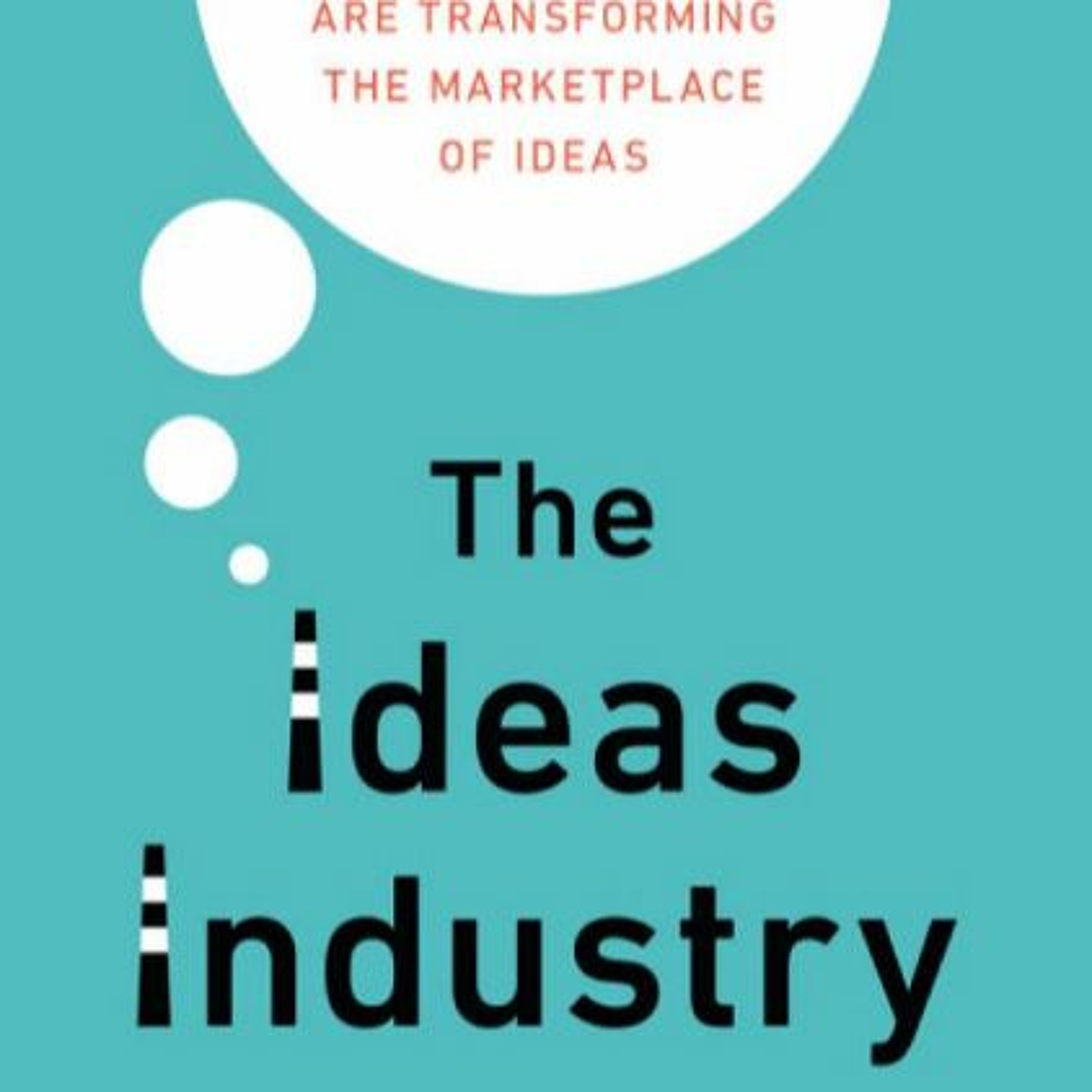
The Ideas Industry
The Hoover Institution hosted "The Ideas Industry: How Pessimists, Partisans, and Plutocrats are Transforming the Marketplace of Ideas" on Thursday, June 15, 2017 from 5:00pm - 7:00pm EST. The Hoover Institution's National Security, Technology and Law Working Group, along with Hoover's Washington, DC office, invite you to a discussion of The Ideas Industry: How Pessimists, Partisans, and Plutocrats are Transforming the Marketplace of Ideas. Jack Goldsmith, working group co-chair and senior fellow at the Hoover Institution, will interview author Daniel Drezner about how political polarization, heightened inequality, and eroding trust in authority have ushered in the change. A limited quantity of complimentary copies of the book will be provided to attendees.
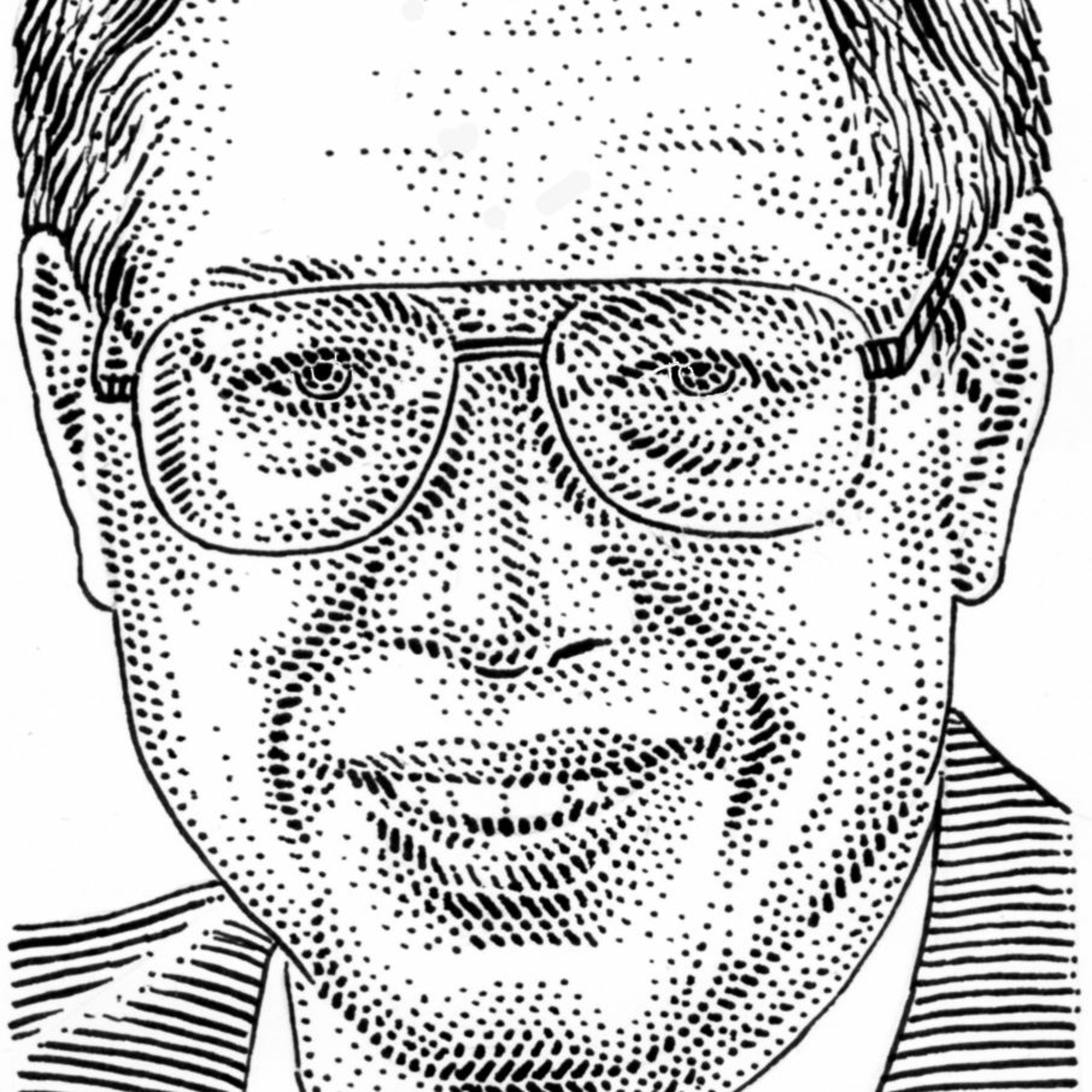
Untangling the Russia Investigation
Richard Epstein analyzes the latest developments surrounding the Trump Administration and the investigation into its potential ties to Russia.

He, Claudius
Victor Davis Hanson traces the parallels between President Trump and the Roman emperor Claudius, explaining what the former can learn from the latter.

The State of the United Kingdom
The drama in Washington? A pittance compared to the upheaval across the pond: British prime minister Theresa May’s disastrous snap election. Hoover Institution senior fellow Niall Ferguson, a native Scot, assesses May’s future and that of Brexit, plus where the Trump presidency stands as it approaches the five-month mark. New episodes of Area 45 are released each week. Please rate, review, and subscribe on iTunes, SoundCloud, or RSS on your favorite podcast platform.

The Vanishing American Adult
Recorded on June 2, 2017 Senator Benjamin Sasse joins Peter Robinson to discuss his book The Vanishing American Adult and the growing crisis in America of prolonged adolescence. Senator Sasse argues that children are growing up, entering adolescence, and becoming stuck in the transitional stage to adulthood as they fail to become financially independent from their parents. He argues that because this generation of children is growing up during a time of relative peace and prosperity, it has allowed millennials to grow up without the issues of previous generations that were raised in war time. In this era of consumption and material surplus, he argues that adolescents are leading age-segregated lives and not developing a work ethic and that both their parents have an obligation to teach their children to grow up. Furthermore, he stresses the importance of intergenerational learning by allowing children to be raised around their grandparents and other adults to help them learn that the trivial trials of youth don’t matter in the long run. Senator Sasse believes that there are certain virtues that American children have to learn to become productive and happy adults. Part of that is by teaching children the distinction between production and consumption and how to find happiness and self-worth through jobs that make one feel like a necessary part of the company/society. This, he argues, will help raise peoples’ self-worth and lead them to happiness and fulfillment in their everyday. Senator Sasse finishes by stressing the importance of building children’s identities as readers to help foster the growth of ideas and active learning over the passive activities of sitting in front of screens. He notes that sedentary life is not fulfilling and that by encouraging people to participate in production over consumption will lead to more fulfilling lives. He ends on the optimistic note, that while our youth may still need guidance, overall America’s best days still lie ahead.
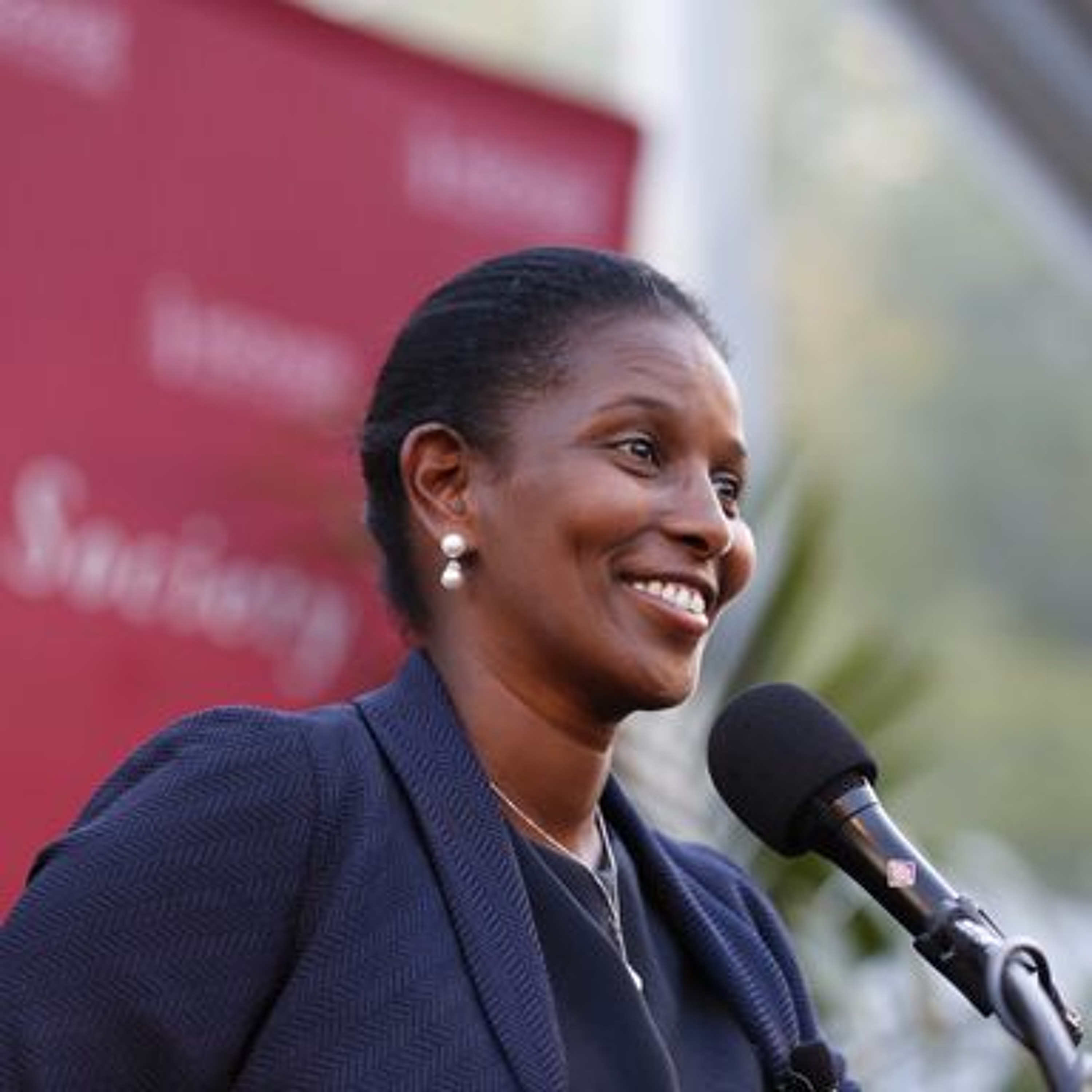
The Challenge of Dawa: Political Islam as Ideology and Movement and How to Counter it
Ayaan Hirsi Ali calls for decoupling political aims from the religion of Islam to combat growing radicalism. She also discusses counterterrorism strategy, which she argues should focus on battling the ideas that spread radicalism rather than the radicals themselves.
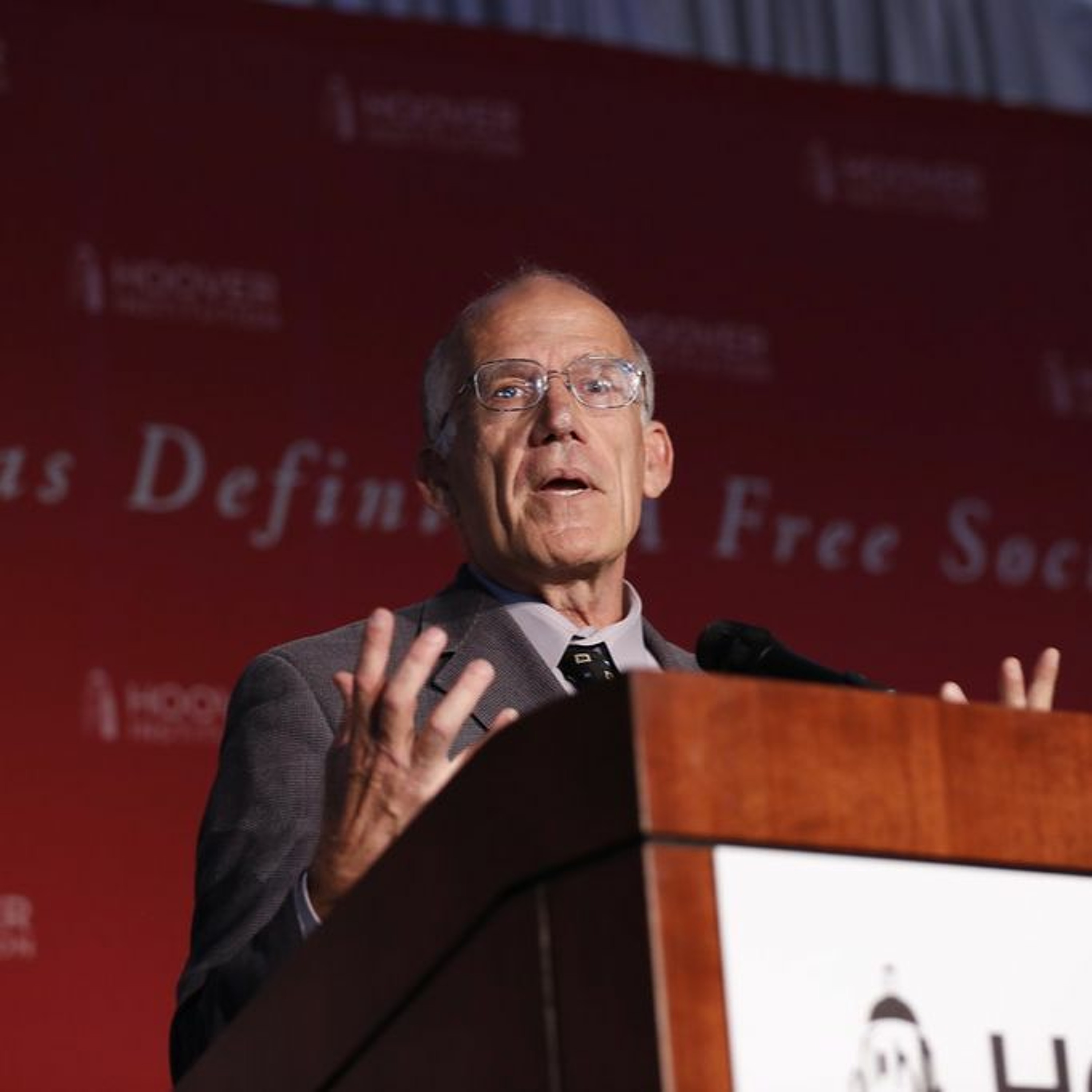
The Trump Report Card: Myths and Realities
Hoover Institution fellow Victor Davis Hanson offers his take on President Trump’s first hundred days, discussing the president’s policy and international impact in the wake of the Obama years, as well as Trump’s complicated relationship with the Republican Party.
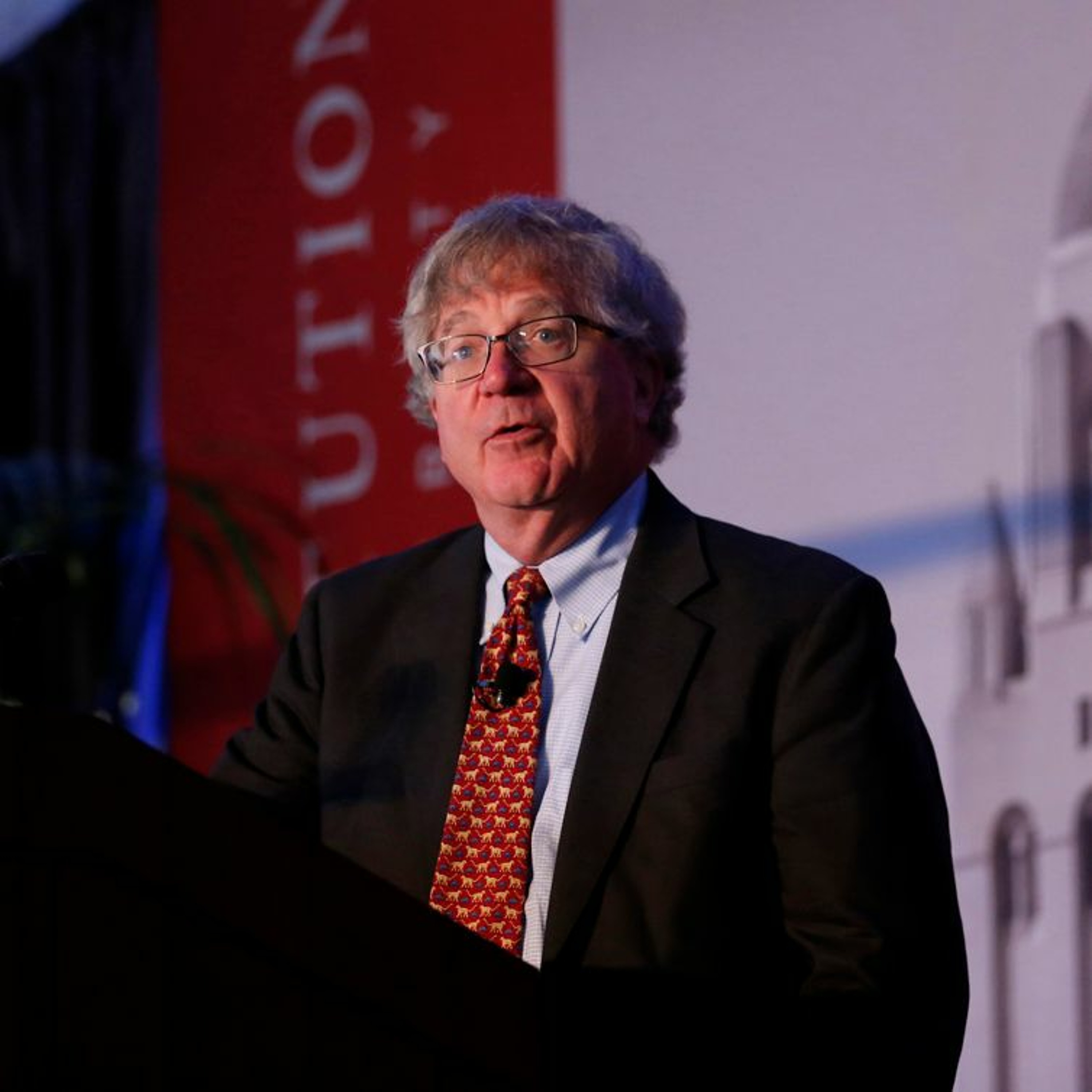
The Supreme Court in Transition
Hoover Institution fellow Michael Mcconnell discusses the interplay between the rule of law and human nature in our legal system and how it affects the independence of our legal institutions.

The Art of Presidential Wordsmithery Featuring Peter Robinson
Today, we’re introducing Area 45, a new political podcast from the team behind Uncommon Knowledge, The Classicist, and the Libertarian. Host Bill Whalen interviews Uncommon Knowledge’s host, Peter Robinson about presidential communication in this age of shock tweets and nonstop news cycles. Presidents are defined by rhetorical moments: Reagan and Kennedy at the Berlin Wall; George W. Bush rallying the nation after the 9/11 attacks. And Donald Trump? So far his presidency hasn’t been one of major addresses. Hoover fellow Peter Robinson, author of Reagan’s famous speech at the Brandenberg Gate, discusses the art of presidential wordsmithery in this age of shock tweets and nonstop news cycles. New episodes of Area 45 are released each week. Subscribe now on iTunes, SoundCloud, or via RSS on your favorite podcast platform.
The Basket Case States
Richard Epstein charts the decline of Illinois -- along with similarly situated states like Connecticut and California -- and demonstrates how bad public policy can drive states into an economic death spiral.
Forget Paris?
Criticizing both the science and the economics, Richard Epstein makes the case for withdrawing from the Paris Agreement on climate change.

The Fate of Obamacare
As far as the fate of Obamacare goes, the ball’s in the Senate’s court: to alter the House’s plan or develop a prescription of its own. Dr. Scott Atlas, the Hoover Institution’s David and Joan Traitel Senior Fellow and a frequent author on Obamacare, discusses the most commonsense path for Congress to take, the chances of a repeal/replacement law emerging in the near future, and California’s ill-advised flirtation with adopting a single-payer universal health care system.
Sowing the Seeds of Growth
Recorded on May 11, 2017 John Michael “Mick” Mulvaney, director of the Office of Budget and Management, sits down with Peter Robinson to discuss the complex process of budget reform by having to blend President Trump's budget proposal with the realities of dealing with Congress. Mulvaney explains the need for bipartisanship in budget negotiations within the Senate to get the budget passed, which means getting at least eight Democrats to vote for the proposed budget (to get to the magic number of sixty votes) and keeping Trump's promises to his base. Mulvaney talks about the unique opportunity for the Republicans to reform the federal budget five months ahead of schedule as a result of the Obama administration’s inability to get a twelve-month budget passed. Furthermore Republicans have been able to invoke old laws that allow them to undo many policies enacted in the late days of the previous administration. That loophole allowed them to confirm several appointments and to pass the proposed budget without the requisite sixty votes but with fifty votes. But the Republicans need sixty votes in the Senate to pass the appropriations bill. The Democrats wanted a shutdown, but the Republicans were able to move money around to satisfy the Democrats and get the votes necessary to pass the appropriations bill and avoid a shutdown. For example, there was/is no money for new bricks and mortar construction of the “Wall,” but Republicans moved money around and funded their priorities for border security via a virtual wall with money already available for technology and surveillance. Mulvaney notes that the budgeting/appropriations system is set up so the House and Senate pass twelve appropriations bills every year. Those are the spending bills, which are the end process of the budget. The budget is the start of the process, authorizations go in the middle, and appropriations go on the end, which is how money gets out to be spent. Mulvaney was in Congress for six years, in which time Congress should have approved seventy-two appropriations bills but only approved three. Mulvaney says that the system is broken because of the sixty-vote rule to approve appropriations bills in the Senate. Therefore instead of small manageable appropriation bills that Congress could negotiate and pass, Congress ends up with large unwieldy bills that no one knows what is in them and thus punts with a resolution to continue with what done earlier. Mulvaney says that the system is not even close to what the Founding Fathers created and/or what is needed for a manageable and functioning government and society. Mulvaney describes his vision for the future of the American economy, noting that the way to reduce the deficit isn't necessarily cutting spending or raising taxes but creating room in the American economy for growth. He argues that the lack of new businesses and jobs, because of regulations and taxes, has prevented the ideal three percent growth necessary to eliminate the deficit and grow the economy. He also argues that regulatory reform can have twice the impact on economic growth that tax policy can. Mulvaney ends the interview saying that he loves his job and loves going to work. The eighty-plus-hour workweeks go by in the blink of an eye because the work is engaging and invigorating and because he feels he has a golden opportunity to change things for the better and get the United States, especially the economy, on a better trajectory. Mulvaney said that he is working at the highest levels on complicated but wonderful ideas, ideals, and issues with the leader of the free world and that President Trump is a great boss.

President Trump, a “Rugged Individualist”?
The American dream rests on the notion on “rugged individualism”: freedom, liberty, and equality of opportunity and a tradition of conquering physical, economic, social, and political frontiers. David Davenport, coauthor of Rugged Individualism: Dead or Alive?, looks at President Trump’s political philosophy, his record to date and suggests ways the new administration can restore this flickering American tradition. The American dream rests on the notion on “rugged individualism”: freedom, liberty, and equality of opportunity and a tradition of conquering physical, economic, social, and political frontiers. David Davenport, coauthor of Rugged Individualism: Dead or Alive?, looks at President Trump’s political philosophy, his record to date and suggests ways the new administration can restore this flickering American tradition. If you like the show, please rate, review, and subscribe!
Drug Decriminalization
Released May 18, 1996 In the 1996 first ever episode of Uncommon Knowledge, Peter Robinson discusses the origins of Uncommon Knowledge before invited guests former US attorney general Edwin Meese III and former San Jose police chief Joseph McNamara. They have a spirited debate about the war on drugs and the best way to handle the drug problem in the United States. According to Peter Robinson, “Ed Meese wants to win the war on drugs; Joe McNamara wants to end it.” Twenty-one years later, we look back as Meese and McNamara debate the merits of marijuana legalization and make predictions about where the United States would be in ten years (2006). Although their predictions were not entirely accurate, their insights into the legalization debate and the war on drugs remain helpful today. They answer questions about how they believe that legalizing marijuana will increase crime and addiction rates, how to beef up educational and prevention programs, and the effect of middle-class drug use in the United States.

The Russia Controversy and Foreign Policy
Victor Davis Hanson describes the Trump Administration's challenges with Russia, North Korea, and China. He also weighs in on the recent debate between Rex Tillerson and John McCain over the proper balance between advancing America's national security interests and advocating for human rights abroad.
The Trump Allegations
Richard Epstein looks at the political and legal fallout from allegations that President Trump may have disclosed classified information to Russian diplomats, and that he may have had an improper conversation with then FBI Director Jim Comey.

Cyber Security
It’s a threat the likes of which America has never faced: the theft of intellectual property, lifestyle disruptions, and attacks tailored to degrade or destroy the nation’s military capabilities. Amy Zegart, the Hoover Institution’s Davies Family Senior Fellow and codirector and senior fellow at Stanford University’s Center for International Security and Cooperation, outlines a strategy for how the United States can gain the upper hand in the global cyber war.

Oppose Any Foe: The Rise Of America's Special Operations Forces
The Hoover Institution's National Security, Technology and Law Working Group, along with Hoover's Washington, DC office, discussion of Oppose Any Foe: The Rise of America's Special Operations Forces. Jack Goldsmith, working group co-chair and senior fellow at the Hoover Institution, interviews author Mark Moyar, a member of the Hoover Working Group on Military History and Conventional Conflict, about this first comprehensive history of America's Special Operations Forces and his recommendations for special operations forces and policymakers. Oppose Any Foe is the epic story of America's most elite warriors: the Special Operations Forces. Born as small appendages to the conventional armies of World War II, the Special Operations Forces have grown into a behemoth of 70,000 troops, including Navy SEALs, Army Special Forces, Air Force Night Stalkers, Special Operations Marines, Rangers, and Delta Force. Weaving together their triumphs and tribulations, acclaimed historian Mark Moyar introduces a colorful cast of military men, brimming with exceptional talent, courage and selflessness.
Carly Fiorina on the Future of the United States
Recorded on March 16, 2017 Although many people have heard of Carly Fiorina, former presidential candidate and first woman to lead a Fortune 20 company as CEO of Hewlett-Packard, few have had the chance to sit down and speak with her. In this special live taping of Uncommon Knowledge, at the National Review Institute’s Idea Summit, with guest host Michael Franc, director of Hoover’s Washington, DC, Programs, Fiorina discusses the 2016 presidential election, her personal path to conservatism, and her beliefs about the future for US and global politics. She opens up about the often-brutal criticisms she received during the election, her choice to become conservative, the loss of her stepdaughter to drug addiction, and the ways in which she believes conservatives are fighting to help people help themselves by giving them the tools and resources necessary to change their own path. Fiorina goes on to analyze the current state of the union, the disenfranchised Americans she’s met, and the solutions she believes in for the future of the United States. Special Guest Host: Michael Franc is the Hoover Institution’s director of DC programs, where he oversees research and outreach initiatives to promote ideas and scholarship in our nation’s capital. He holds a dual appointment as a research fellow. Mike Franc is a longtime veteran of Washington, DC, policy making. Before joining Hoover, Franc served as policy director and counsel for House majority leader Kevin McCarthy. He also served as the vice president of government relations for the Heritage Foundation from 1997 to 2013. During that time, he managed all the think tank’s outreach with Capitol Hill and the Executive Branch. He also completed a tour of duty as communications director for former House majority leader Dick Armey (R-TX) and worked for the US Department of Education and the Office of National Drug Control Policy. He has been quoted widely in the print and broadcast media and was a regular contributor to the National Review Online and other publications. Franc has a BA from Yale University and a JD from Georgetown University.
Trump Fires Comey
Richard Epstein reacts to the news that Jim Comey has been fired as FBI director, grapples with the ensuing criticisms of the Trump Administration, and looks back at Comey's legacy as head of the Bureau.

The French Elections
Hoover senior fellow Russell Berman, a specialist in the study of German literary and cultural politics, takes us through the aftershocks of the French presidential election. Is German chancellor Angela Merkel breathing a sigh of relief or, despite the nationalist setback in France, does her future and that of the European Union remain in doubt?