
Hoover Institution
500 episodes — Page 3 of 10
Scott Pruitt on How the Trump Administration has reoriented the EPA
“Making America toxic again,” as one publication suggested, or a public servant dedicated to paring honest science and environmental stewardship? Scott Pruitt, Administrator of the Environmental Protection Agency, stops by to explain how the Trump Administration has reoriented the EPA, its highlights and priorities, and how a former college baseball player deals with political hardball in the nation’s capital. Did you like the show? Please rate, review, and subscribe!

Senator Portman on Why the New Tax Bill Helps the Middle Class
Recorded on February 25, 2018 “On Election Day in 2016, Donald Trump carried Ohio by eight percentage points. Our guest today carried the state by twenty-one. Senator of Ohio Rob Portman joins Peter Robinson at a special live taping of Uncommon Knowledge. They discuss the 2018 tax bill, the opioid crisis, the Parkland shootings, North Korea, and much more. Senator Portman stands by his decision to vote for the new tax bill as he has seen the benefits right in his home state. He recounts several anecdotes of his constituents who have already seen benefits from the new tax bill. He tells the story of one small-business owner who is finally able to offer health care to her full-time employees because of the tax breaks for small businesses. He also discusses meeting with microbrewers who are now able to expand their facilities and grow their businesses because of the tax cuts. Portman also discusses how the new federal budget helped the Department of Defense and the US military to build out their forces in order to project strength abroad. He explains ways that the Republicans and Democrats were able to compromise on increasing domestic discretionary spending so that they can also spend equally on defense. He recounts examples of bipartisanship in order to help Congress get work done. Senator Portman goes into great detail about the opioid crisis a huge issue in his state. Portman is working hard to increase treatment programs for addicts to end the crisis. He tells a story about one young man he met who will be able to become sober and regain his life back because of the new treatment programs. Peter Robinson takes the interview into a lightning round near the end of the program, asking Senator Portman quick questions for quick answers about his thoughts on the situation with North Korea, the Parkland shootings, conservatives and Donald Trump, and why Portman continues to be in public service. Portman ends the interview by explaining why public service matters to him more than making significantly more money in the private sector. About the Guest: Senator Rob Portman is a junior senator for the state of Ohio. He has served as a senator since 2011. Senator Portman previously served as a US Representative, a United States Trade Representative, and the Director of the Office of Management and Budget (OMB).
Repeal the Second Amendment?
Richard Epstein reacts to former Supreme Court Justice John Paul Stevens’ suggestion that the Second Amendment be repealed — and explains why the constitutional arguments about guns may point in a different direction than the policy arguments.
Trump and Politics in the “Hugh-niverse” with Hugh Hewitt
How’s the Trump presidency faring and what’s its effect on “Victorian Reagan conservatives” and the political chattering class? Hugh Hewitt, a conservative talk-radio and MSNBC host (not to mention the recipient of several Trump barbs as a 2016 GOP debate host), weighs in on the good, the bad and the ugly of Trump’s reign. Did you like the show? Please rate, review, and subscribe!
Trump – Like A Rolling Stone
Donald Trump’s rallies with the Rolling Stone’s “You Can’t Always Get What You Want, But If You Try Sometimes, You Get What You Need.” Is that the prevailing conservative attitude 14 months into his presidency? Rich Lowry, editor of The National Review, discusses the right’s complicated relationship with a President who both delivers for and confounds the Republican base, but do they get what they need? Did you like the show? Please rate, review, and subscribe!
The Public Pension Crisis
Richard Epstein explains how public pensions came to be a ticking time bomb for states and cities throughout the US, what the financial ramifications are, and why the road to reform is so perilous.
Islamism and American Strategy
Russell A. Berman, cochair of Hoover’s Herbert and Jane Dwight Working Group on Islamism and the International Order, looks at the contemporary world stage with a focus on the relationship of Islam, global institutions, and American policy.
Trump’s Agenda—One Year Later
Victor Davis Hanson, chair of Hoover’s Working Group on the Role of Military History in Contemporary Conflict, looks back at the first year of the Trump presidency—including the president’s foreign and domestic policy actions, his supporters and critics, and his unique style of leadership.
Baby Boomers, Millennials, Generation Z and the Power of the Vote
By the 2020 election, America’s “millennial” class will replace Baby Boomers as the nation’s largest age-bloc of voters. David Davenport, a Hoover Institution research fellow specializing in constitution federalism and Americans politics and law, discusses what it will take to get a cynical under-35 crowd to the polls and, in the aftermath of the Parkland shooting, whether the even younger “Generation Z” will emerge as a political force. Did you like the show? Please rate, review, and subscribe!
How to build resilience to catastrophic events with Alice Hill
The latest FEMA “strategic plan” mentions “risking natural hazard risk” but not a peep about global warming, rising sea levels or devastating weather. Alice Hill, a Hoover Institution research fellow focusing on building resilience to catastrophic events, discusses the Trump Administration’s reluctance to utter the phrase “climate change” and where scientific debate stands in 2018. Did you like the show? Please rate, review, and subscribe!
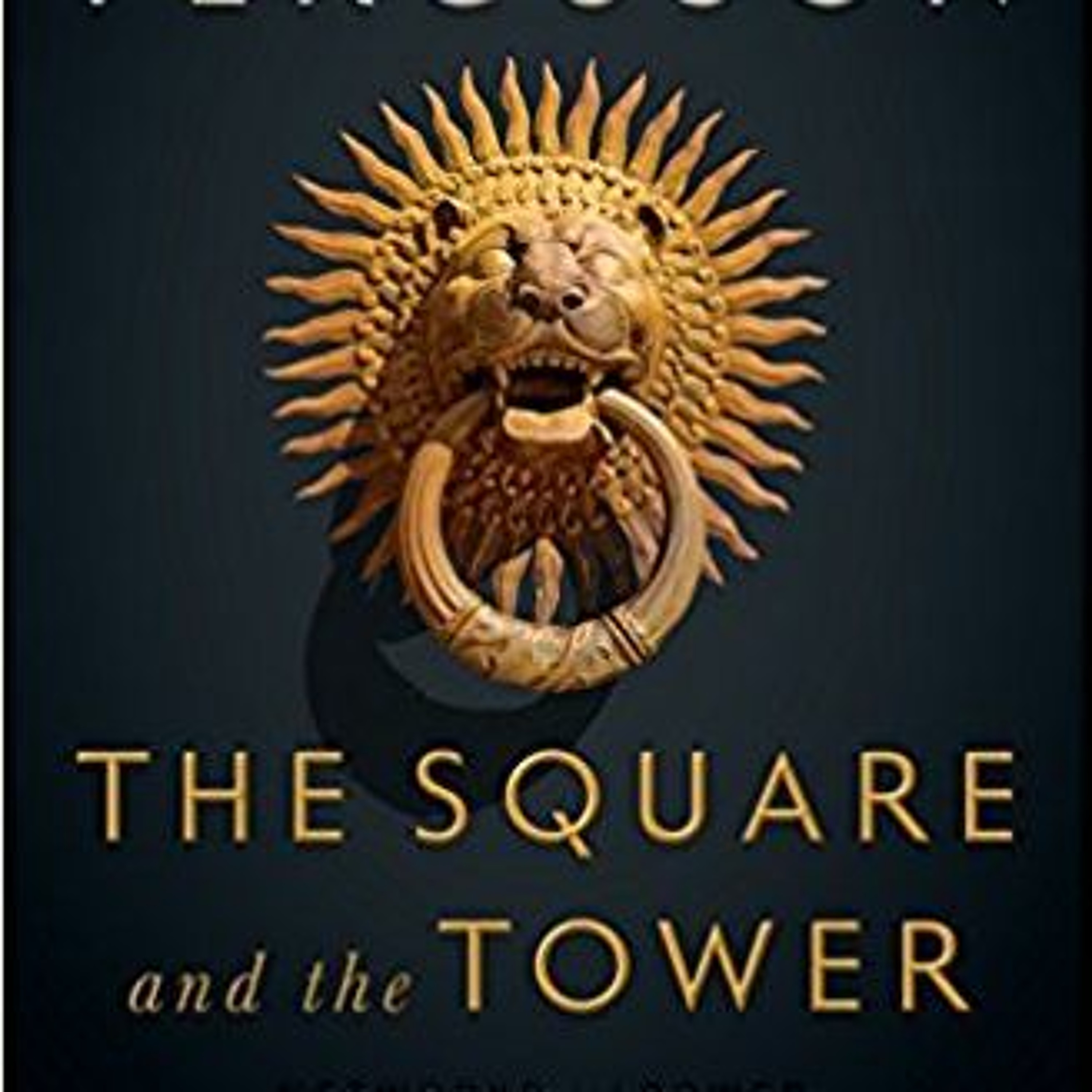
A discussion with Niall Ferguson on The Square and the Tower
The twenty-first century has been hailed as the Age of Networks. However, in new book “The Square and the Tower,” historian and Hoover Institution Senior Fellow Niall Ferguson argues that networks have always been with us. From the cults of ancient Rome to the dynasties of the Renaissance, from the founding fathers to Facebook, “The Square and the Tower” tells the story of the rise, fall and rise of networks, shows how network theory can transform our understanding of both the past and the present, and provides a brilliant recasting of the turning points in world history, including the one we’re living through, as a struggle between old hierarchies and new social networks. Jack Goldsmith and Niall Ferguson sit down for a discussion on the history of social networks. Did you like the show? Please rate, review, and subscribe!
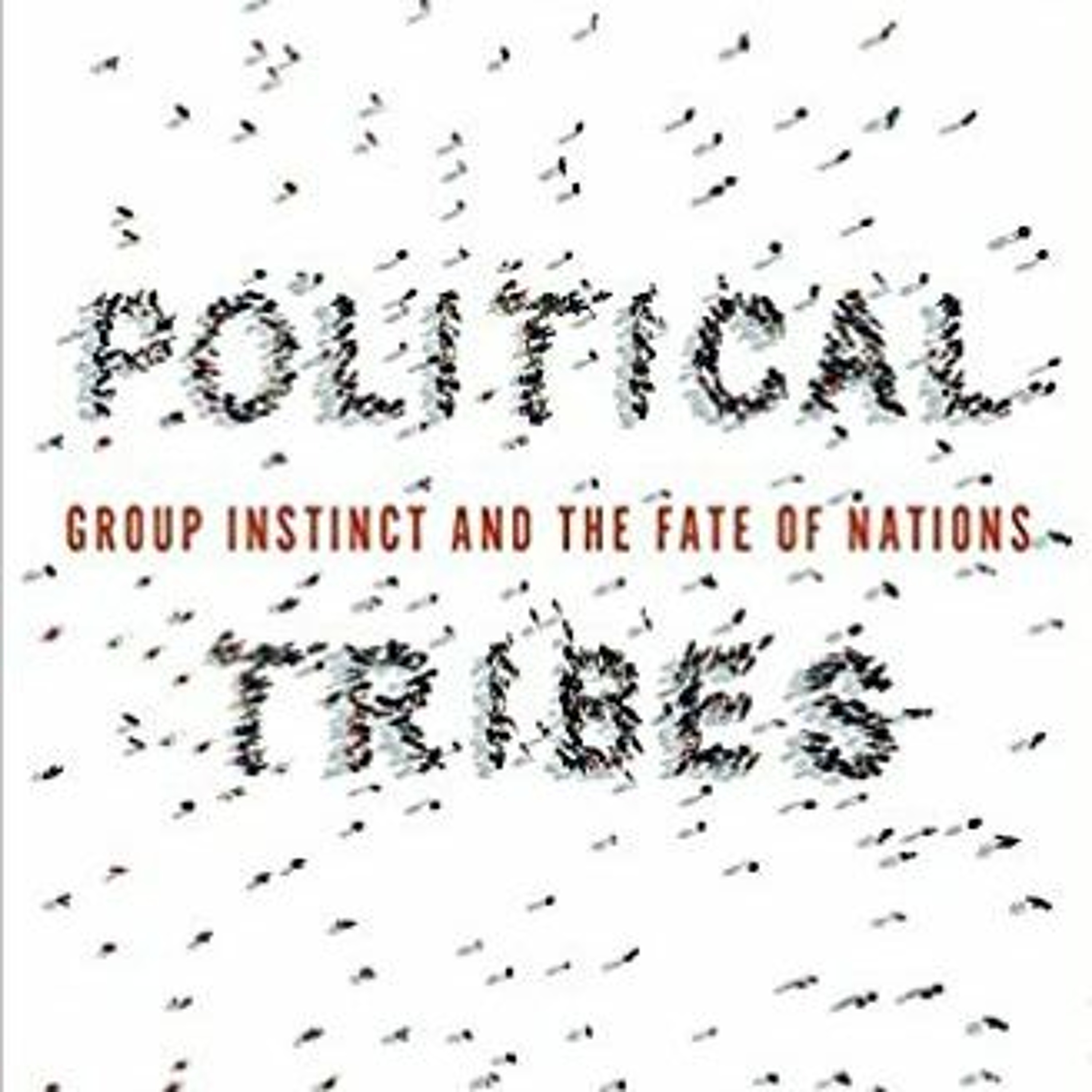
Security By The Book - Featuring Amy Chua
The Hoover Institution hosted "'Security by the Book featuring Amy Chua" on Tuesday, March 13, 2018 from 5:00pm - 7:00pm EST. In her newest book, Chua argues that more successful foreign policy is only possible if the United States government acknowledges, and deals with, the realities of political tribalism. But Chua's analysis isn't limited to foreign political tribalism; she turns the magnifying glass inward to critique our domestic political culture. A successful America is one that overcomes the intense tribalism ripping apart our politics and our country by facing our inequities and differences no matter how difficult that process may be. Amy Chua was interviewed by Jack Goldsmith, Senior Fellow, Hoover Institution. Did you like the show? Please rate, review, and subscribe!
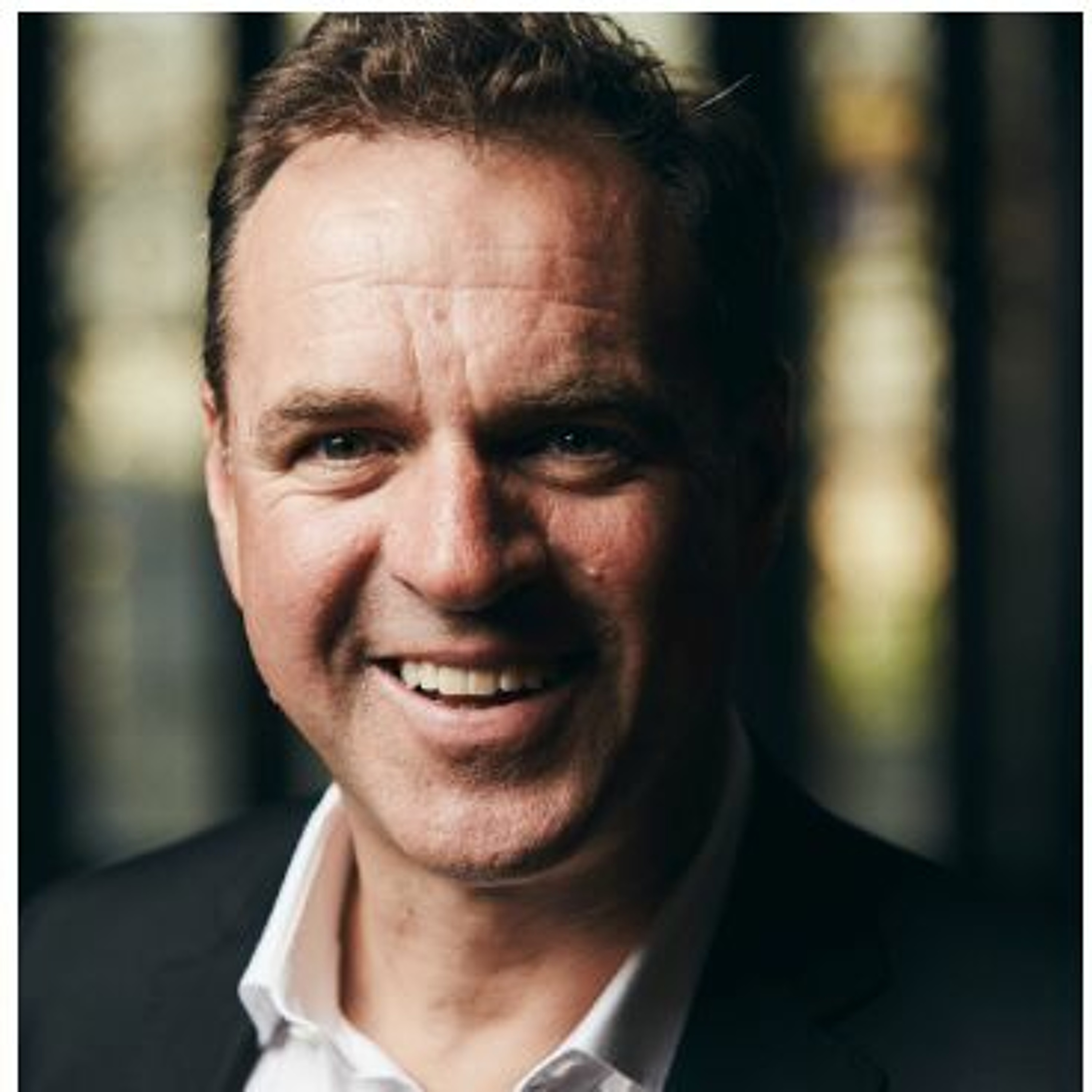
Niall Ferguson Gives a Talk About The Square and the Tower
Niall Ferguson the Milbank Family Senior Fellow at the Hoover Institution, gave a talk titled The Square and the Tower: Networks, Hierarchies, and the Struggle for Global Power from the Freemasons to Facebook Drawing on his new book The Square and the Tower, Ferguson puts social networks in historical context, explaining six key principles that deal with networks and what they imply about policy and governance in the world today.
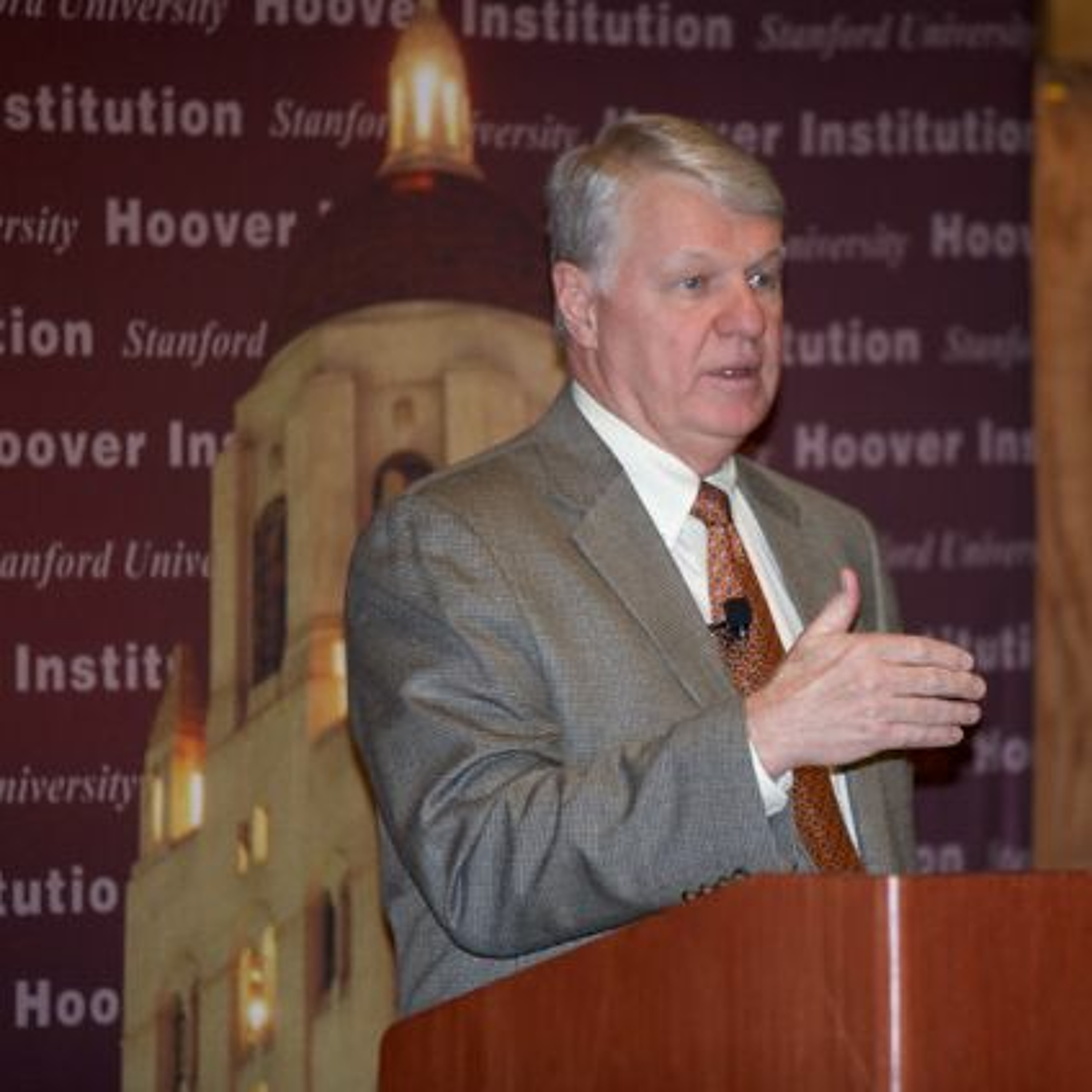
Silk Roads and Bad Maps: China and the US in the Indo-Pacific with Gary Roughead
Admiral Gary Roughead (USN, Ret.)if the Robert and Marion Oster Distinguished Military Fellow at the Hoover Institution. He gave a talk titled Silk Roads and Bad Maps: China and the US in the Indo-Pacific. The twenty-ninth chief of naval operations and one only two officers in the navy’s history to have commanded both the Atlantic and Pacific Fleets, Admiral Roughead discusses the rapidly developing strategic landscape in the Indo-Pacific region and the foreign policy implications of China’s rise as a global power.
The Trump and California Economies with Michael Boskin
Tariffs and the looming threat of a trade war, the White House shaking up its economic team, and the president suggesting another round of tax cuts begs the question: what next in Washington, DC? Dr. Michael J. Boskin, a Hoover Institution senior fellow and the Tully M. Friedman Professor of Economics at Stanford University, discusses what President Trump can do to keep the economy growing and takes a look at the financial health of California—the scene of this week’s visit by President Trump.
Trade, Tariffs, and Trump
Richard Epstein contrasts two recent actions by the Trump Administration — the imposition of tariffs on steel and aluminum, and the blocking of a foreign company’s attempts to take over an American tech firm — to demonstrate when national security concerns justify restrictions on trade ... and when they don’t.

Fear No Evil With Natan Sharansky
Natan Sharansky sits down with Peter Robinson to discuss Soviet communism and its impact on his personal life. He discusses his book Fear No Evil: The Classic Memoir of One Man’s Triumph over a Police State, which details a compelling account of his time in a Soviet prison and the inspiration he found in himself, the Hebrew Bible, and Ronald Reagan’s speeches about freedom. Sharansky realized through KGB interrogations and his time in prison that nobody but himself is responsible for his own human dignity. Sharansky also becomes fully aware of how important freedom is—especially the freedoms included in the US Constitution and that Reagan often refers to in his speeches. Sharansky's interview should open our eyes and minds to the lessons learned from silencing people we disagree with. The examples of silencing dissent, resulting in the empowerment of Stalin and the strengthening of the former Soviet Union, should be a lesson for all of us: to listen to ideas and views we may not agree with, and to speak up when we believe our friends and country are going in the wrong direction. Did you like the show? Please rate, review, and subscribe!
National Security and Trade - China, North Korea, and the United States
China is a big player in economic and geopolitical matters, including trade, global aspirations, and finding a solution to the escalating tensions with North Korea. Michael Auslin, Hoover’s inaugural Williams-Griffis Fellow in Contemporary Asia, discusses North Korea, China, trade wars, tariffs, ICBMs, China’s one belt one road plan to link the infrastructure and trade of Eurasian under Chinese auspices, as well as many other topics including China’s presence in the Arctic. Did you like the show? Please rate, review, and subscribe!
The Price of Peace: A Conversation with Victor Davis Hanson and Peter Robinson
How do we prevent war? How do we maintain peace? These questions have been posed by nations and people throughout history. The insights of historian and Hoover Institution Senior Fellow Victor Davis Hanson guide this documentary investigation of the United States’ successful deterrence of enemy aggression in the past and the efforts to sustain it in an era of rogue nations and nuclear proliferation.
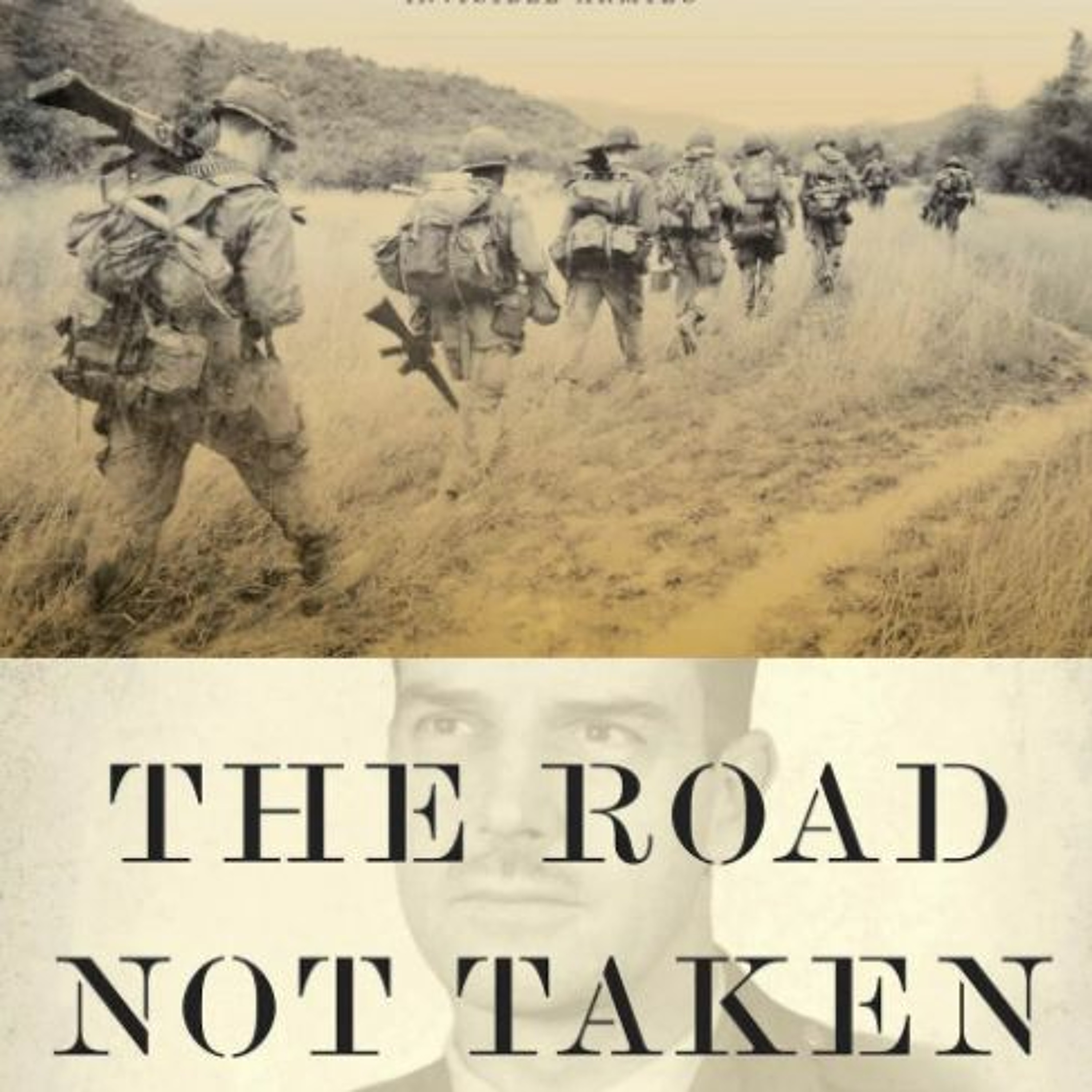
Max Boot's New Book, "The Road Not Taken"
The Hoover Institution hosted "Security by the Book: Max Boot's new book, 'The Road Not Taken,'" on Wednesday, February 28, 2018 from 5:00pm - 7:00pm EST. Max Boot's new book, "The Road Not Taken" chronicles the life of Edward Landsdale, a relatively obscure but crucial figure in American military and foreign policy. In this new biography, Boot reframes Landsdale's legacy to demonstrate his contributions to American diplomacy, from the Philippines to the Vietnam war. While many of Landsdale's policy suggestions were ignored, they were insightful in their recognition of the importance of ideas and ideals in addition to cold and calculating warfare. Benjamin Wittes interviewed Max Boot on the complex role Landsdale played in American military history.
Free Speech on College Campuses
Richard Epstein looks at how attempts to suppress conservative speakers on college campuses intersects with the First Amendment, and calls on 50 years of experience as a university professor to diagnose how liberal activism has changed over the years.
The State Of The US Economy With John Taylor
The state of the US economy in two words: “getting better.” That’s the learned opinion of John Taylor, the Hoover Institution’s George P. Shultz Senior Fellow in Economics and the Mary and Robert Raymond Professor of Economics at Stanford University. He forecasts continued growth thanks to the latest round of tax cuts and regulatory reform – and wishes Washington would address another of his proscribed principles of economic well-being: budget reform. Did you like the show? Please rate, review, and subscribe!
The Supreme Court and Public Sector Unions
Richard Epstein looks at Janus v. AFSCME, a Supreme Court case out of Illinois with the potential to dramatically reduce the power of public sector unions.
On Top Of The World With David Slayton
Though it’s a relatively small expanse (just one-and-a-half times the size of the US), the Arctic Ocean is fraught with global strategic concerns. David Slayton, a Hoover research fellow and co-chair of Hoover’s Arctic Security Initiative, explains the Trump Administration’s options on “the top of the world” regarding military expansion, resource development and maritime passage. Did you like the show? Please rate, review, and subscribe!
The Florida Shooting, Gun Control, and the Second Amendment
In the aftermath of the Parkland shooting, Richard Epstein provides his legal analysis of where Second Amendment jurisprudence went wrong and explains what policy options might actually help to ease gun violence -- and why real solutions are devilishly hard to come by.
Rethinking the Geography of Power
Victor Davis Hanson argues that the best way to upend insular elites is to relocate political institutions out of cosmopolitan settings.
Influencing Influenza with Dr. Henry Miller
A century ago, an American president had little to say while the world was ravaged by a flu pandemic. In 2018, in the midst of yet another flu epidemic, so too is President Trump silent. What are the Trump Administration’s options in terms of offering vaccines, speeding up drug research and raising public awareness? Dr. Henry Miller, the Hoover Institution’s Robert Wesson Fellow in Scientific Philosophy and Public Policy – and a physician and former flu researcher – discusses how to cure what literally ails the nation. Did you like the show? Please rate, review, and subscribe!
Act II: Mitt Romney vs. the White House
Ordinarily, the second-place finisher in a presidential election doesn’t have a second political act. But the times aren’t ordinary and Mitt Romney, the 2012 GOP nominee, is now a US Senate candidate in Utah. Hoover research fellow Lanhee Chen, Romney’s 2012 policy director, discusses what compelled his former boss to make the run and whether Romney will be a Trump White House ally or nemesis. Did you like the show? Please rate, review, and subscribe!
The Future of Obamacare
Richard Epstein describes a potentially groundbreaking healthcare case out of Idaho, where insurers are looking to give consumers more options than are currently allowed under the Affordable Care Act.
The Case for the Trump Presidency
Victor Davis Hanson considers the accomplishments of the Trump Administration's first year, looks at the president's shortcomings, and assesses what's next for both the Democratic opposition and Never Trump Republicans.

Shelby Steele On “How America's Past Sins Have Polarized Our Country”
Shelby Steele, a Hoover Institution senior fellow and author of Shame: How America’s Past Sins Have Polarized Our Country , joins Peter Robinson to discuss race relations in the United States. Steele tells stories about growing up in segregated Chicago and the fights he and his family went through to end segregation in their neighborhood schools. He draws upon his own experiences facing racism while growing up in order to inform his opinions on current events. Steele and Robinson go on to discuss more recent African-American movements, including Steele’s thoughts on the NFL protests, Black Lives Matter, and recent rumors about Oprah Winfrey running for office.
The Nunes Memo and the Mueller Investigation
Richard Epstein parses the memo recently released by Republicans on the House Intelligence Committee, a document that they claim shows impropriety in the FBI's investigation of the Trump campaign.
President Trump, From A Libertarian Perspective
A funny thing happened to America’s libertarian movement – it expected a champion to emerge in the 2016 election; it may or may not have one in Donald Trump. Richard Epstein, the Hoover Institution’s Peter and Kirsten Bedford Senior Fellow and the voice behind “The Libertarian” podcast, grades the Trump presidency from a libertarian vantage. Did you like the show? Please rate, review, and subscribe!
The Tarnishing of the Golden State: How to get California Back on Track
Hoover Institution senior fellow, Lee Ohanian, explains how California’s “tarnished” economic climate departs from a strong and successful history of pro-growth, free-market policy. Discussing regulatory, education, welfare, and other reforms, Ohanian explains how to get the state’s economic policy back on track.
Security, Cybersecurity and Public Policy
Major recent data breaches underscore the cybersecurity vulnerabilities facing both individuals and governments in the online world. In his talk, Herb Lin, the Hank J. Holland Fellow in Cyber Policy, explains the defensive technologies, policies, and practices needed in a world of constantly-evolving digital threats.
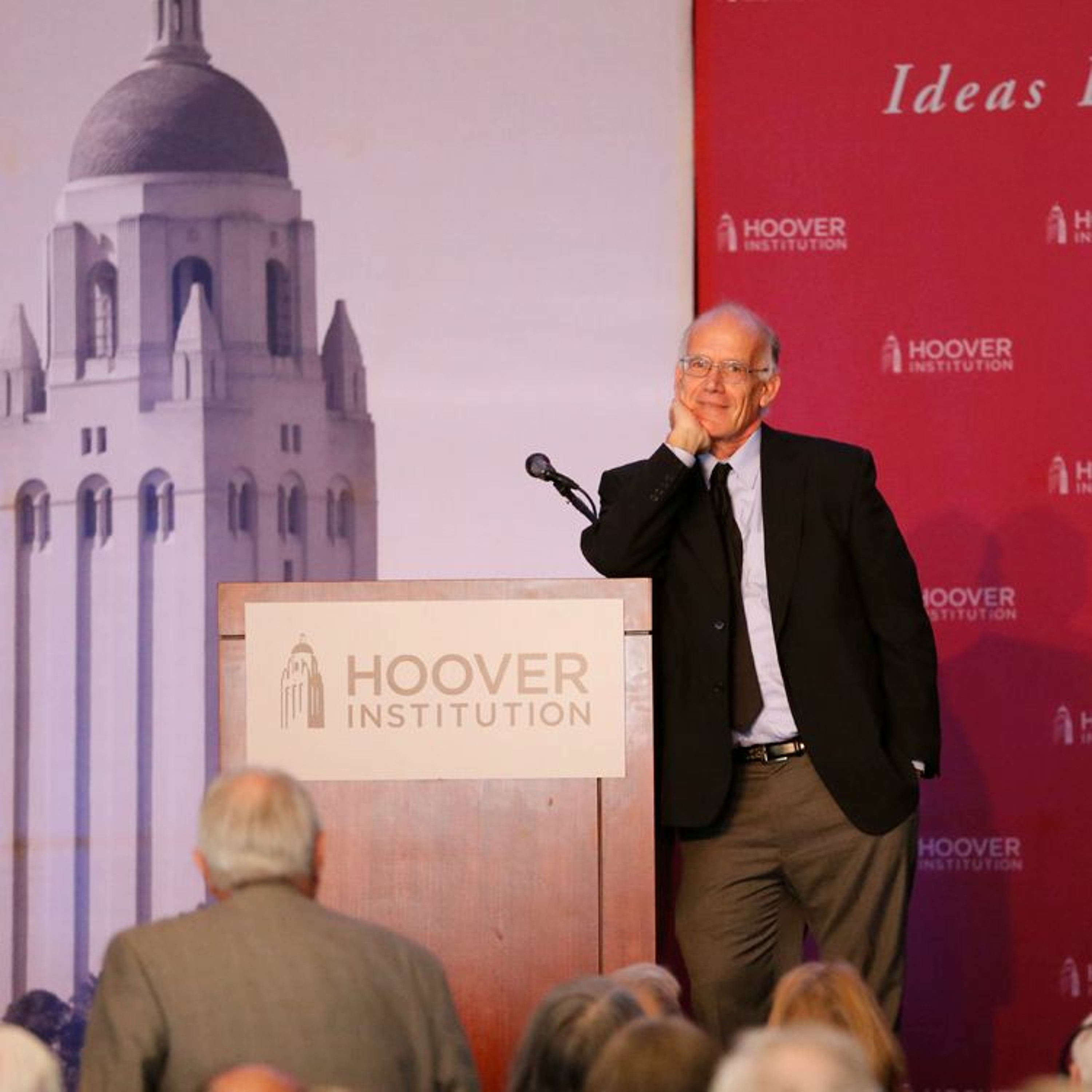
Trump’s Agenda—One Year Later
Just over one year into the Trump presidency, Victor Davis Hanson the Martin and Illie Anderson Senior Fellow, looks back at the policy platform that brought President Trump into office and assesses the accomplishments, challenges, and outlook for the future that characterize his presidency today.
Trump, By The Numbers
With the polling data available, how does the discerning citizen make sense of the Trump presidency and the probabilities in the upcoming midterm election? David Brady, the Hoover Institution’s Davies Family Senior Fellows, offers his viewers’ guide for how to track U.S. politics in the months ahead. Did you like the show? Please rate, review, and subscribe!
The Trump Agenda and the State of the Union
Richard Epstein opines on whether Donald Trump or Barack Obama deserves more credit for the current economic expansion, then tackles the policy agenda the president laid out in his State of the Union address.
What The Post Gets Wrong About Free Speech
Richard Epstein reviews how the new film The Post portrays the Supreme Court's free speech jurisprudence in the Pentagon Papers case.
Donald Trump, President NObama
Victor Davis Hanson describes how Donald Trump is systematically dismantling the legacy of the Obama Administration ... and explains why it's paying such rich dividends for the country.
The State Of The Golden State
California, the land of anti-Trump “resistance”, has its own problems both irresistible and intractable – mounting public pension debt, underfunded schools, and a revenue stream too dependent upon capital gains. David Crane, a Stanford lecturer, past economic aide to Governor Arnold Schwarzenegger and co-founder of Govern for California, weighs the health of the state so bitterly opposed to Trump. Did you like the show? Please rate, review, and subscribe!

Niall Ferguson’s “The Square and the Tower”
Recorded on November 9, 2017 With social networks like Facebook and Twitter in abundance, the effects of networks on society in the twenty-first century are inarguable. However, Niall Ferguson, author of The Square and the Tower, argues that networks are not a new phenomenon and have been impacting human culture from the beginning of history. Niall Ferguson and Peter Robinson discuss networks and hierarchies throughout history in this episode of Uncommon Knowledge. Ferguson breaks down what he means by networks and hierarchies using the imagery of the Piazza Del Campo in Siena, where the Torre del Mangia, representing the hierarchy, casts a long shadow over the Piazza Del Campo, representing the network. Ferguson argues that this powerful imagery invokes the essence of his book and the intertwined nature of networks and hierarchies within society. Ferguson goes on to discuss the importance of networks in social movements throughout history, including Martin Luther and the Reformation, Paul Revere and the American Revolution, Joseph Stalin and the Soviet Union, and social media and Donald Trump. He argues that a networked world is a dangerous world, in that it allows movements and societies to advance in unexpected ways.
Climate Change, the Law, and Economics
Richard Epstein analyzes a lawsuit several major cities are bringing against oil companies over climate change, explains the economic and scientific considerations necessary to seriously grapple with the issue, and describes the libertarian approach to environmental harms.
DACA, DREAMers, and Immigration
Victor Davis Hanson weighs in on efforts to protect children brought into the United States illegally, considers how a humane immigration policy can be reconciled with America's national interests, and explains why paeans to diversity mask some of the most difficult issues surrounding immigration policy.
Tribal America vs. E Pluribus Unum
Victor Davis Hanson explains how identity politics threatens to undue America's standing as one of history's few successful multi-ethnic societies.
Iran on the Brink? with Abbas Milani
Eight years after Iran’s Green Movement and antigovernment protests, will the current unrest in the nation have no lasting impact or is it the beginning of the end for the repressive theocracy? Abbas Milani, a Hoover research fellow and the Hamid and Christina Moghadam Director of Iranian Studies at Stanford University, explains the nature of the uprising, Tehran’s response, and the Trump administration’s options. Did you like the show? Please rate, review, and subscribe!
The Trump Economy
Richard Epstein examines the deregulatory progress being made by the Trump Administration, explains the new tax law's implication for blue states, and imagines the consequences of a world in which the US withdraws from NAFTA.
Battleground Washington: Trump versus DC
Washington, DC, is a complicated town full of competing interests vying to control the federal government. Michael Franc, director of the Hoover Institution’s research and initiatives program in the nation’s capital and a former congressional aide, takes us through the past year’s drama, saying why the town hasn’t adjusted to the Trump presidency and offering a holiday guide as to who’s been naughty and nice in 2017.

Enduring Vietnam with James Wright
Historian James Wright, author of Enduring Vietnam: An America Generation and Its War, joins Peter Robinson on Uncommon Knowledge to discuss the challenges and successes of the Vietnam War. They discuss why the Vietnam War mattered, how the United States entered the war, the changing feelings of Americans at the time of the war, and much more. Wright expands on how the Vietnam War fit into the greater strategy of the United States in the Cold War and why the United States entered it. He argues against the common idea that the baby boomer generation was the “Me Generation” in that 40 percent of them enlisted or were drafted into combat. He argues that we need to recognize that the baby boomer generation served our country in this war because most people today have not had to deal with the challenges faced by many during the draft. Wright interviewed more than one hundred people for the making of this book; in it, he discusses some of the stories he learned from the many soldiers who fought in the war. He tells the story of Hamburger Hill and how the Americans fought to take and then hold the A Sau valley in South Vietnam. He writes how he believes this was an important battle in the Vietnam War even though many professors he’s talked to at West Point and the Army College do not teach it. Wright discusses the changing attitudes of Americans toward the war after four years, and how as the number of people drafted and the number of casualties increased, Americans began turning against the war. He goes into detail about the strategies Nixon began to implement a phase-out for Americans in the war and start handing more combat and control over to the Army of the Republic of Vietnam. In the end, Wright argues that, even though Americans pulled out of the war because communist Vietnam did not prove to be a threat afterward because of their long-standing mistrust of China, the United States didn’t fully lose.
How Housing Got So Expensive
Richard Epstein explores how land use regulations have led to sky-high housing prices in some of America's largest cities.