
Hoover Institution
500 episodes — Page 4 of 10
The Media, the Message, and President Trump, Featuring Debra J. Saunders
For years Hoover media fellow Debra J. Saunders was the San Francisco Chronicle’s token conservative columnist until moving to Washington to cover the Trump White House for the Las Vegas Review–Journal. In this podcast she offers a ringside account of White House daily press briefings, Trump’s contentious attitude toward reporters, and what an unpopular political media can do to restore its prestige. Did you like the show? Please rate, review, and subscribe!
China’s Maritime Silk Road and American Naval Readiness, Featuring Admiral Gary Roughead
As the US Navy carries out high-profile missions in the Persian Gulf and off the Korean coast, China’s navy quietly continues its expansion: a maritime silk road stretching across the Indian Ocean to the Gulf of Aden. Admiral Gary Roughead, former US Navy chief of naval operations and Hoover’s Robert and Marion Oster Distinguished Military Fellow, discusses the stakes in the Middle East and Indo-Pacific theatres and assesses the US Navy’s current operational, maintenance, and shipbuilding needs. Did you like the show? Please rate, review, and subscribe!
Privacy Rights in the Digital Age
Richard Epstein examines Carpenter v. United States, a Supreme Court case testing the limits of the government's ability to engage in digital surveillance, and explains the ideal balance between liberty and security.
Declining Character, Increasing Scandal
Victor Davis Hanson looks at the cultural factors that helped fuel -- and conceal -- widespread misconduct by powerful men in Hollywood and Washington.

Part 2: The Second World Wars with Victor Davis Hanson
Recorded on October 23, 2017 Could the Axis powers have won? What are the counterfactuals for World War II? Find out in part two of this episode as military historian, editor of Strategika, and Martin and Illie Anderson Senior Fellow Victor Davis Hanson joins Peter Robinson to discuss his latest book, The Second World Wars. Victor Davis Hanson explains the counterfactuals of World War II, the “what-ifs” that easily could have changed the outcome of the war. If Hitler had not attacked Russia or the Japanese had not attacked Pearl Harbor, the USSR would have never turned on Germany and the United States would have never entered the war. Hanson argues that the leaders of the Axis powers overreached in their strategies, which ultimately caused their downfall. Hanson also explores the counterfactual surrounding the American commanders and the “what-ifs” that could have prevented American success in the war. Victor Davis Hanson also reflects on his own family history and connections to World War II and how it shaped him as both a person and a scholar in his life today. He talks about his motivations to write his latest book, The Second World Wars, and how his family history and the current political climate inspired him to write it.
Who’s in Charge of the Consumer Financial Protection Bureau? Featuring Adam White
A question over who’s in charge of the Consumer Financial Protection Bureau (CFPB) has led to a standoff between the Trump administration and the Rebel Alliance: independent-minded CFPB staffers who believe they don’t report to the president. Hoover fellow Adam White discusses Trump’s battle with the administrative state, what 2018 could bring in regulatory reform, and whether the pace will pick up on Trump judicial nominees. Did you like the show? Please rate, review, and subscribe!
Remembering Pearl Harbor
Seventy-six years ago, following the Japanese attack on Pearl Harbor, America went to war. Victor Davis Hanson, Hoover senior fellow and author of The Second World Wars: How the First Global Conflict Was Fought and Won, discusses lessons learned from that conflict’s successes and failures and how they apply today. Did you like the show? Please rate, review, and subscribe!
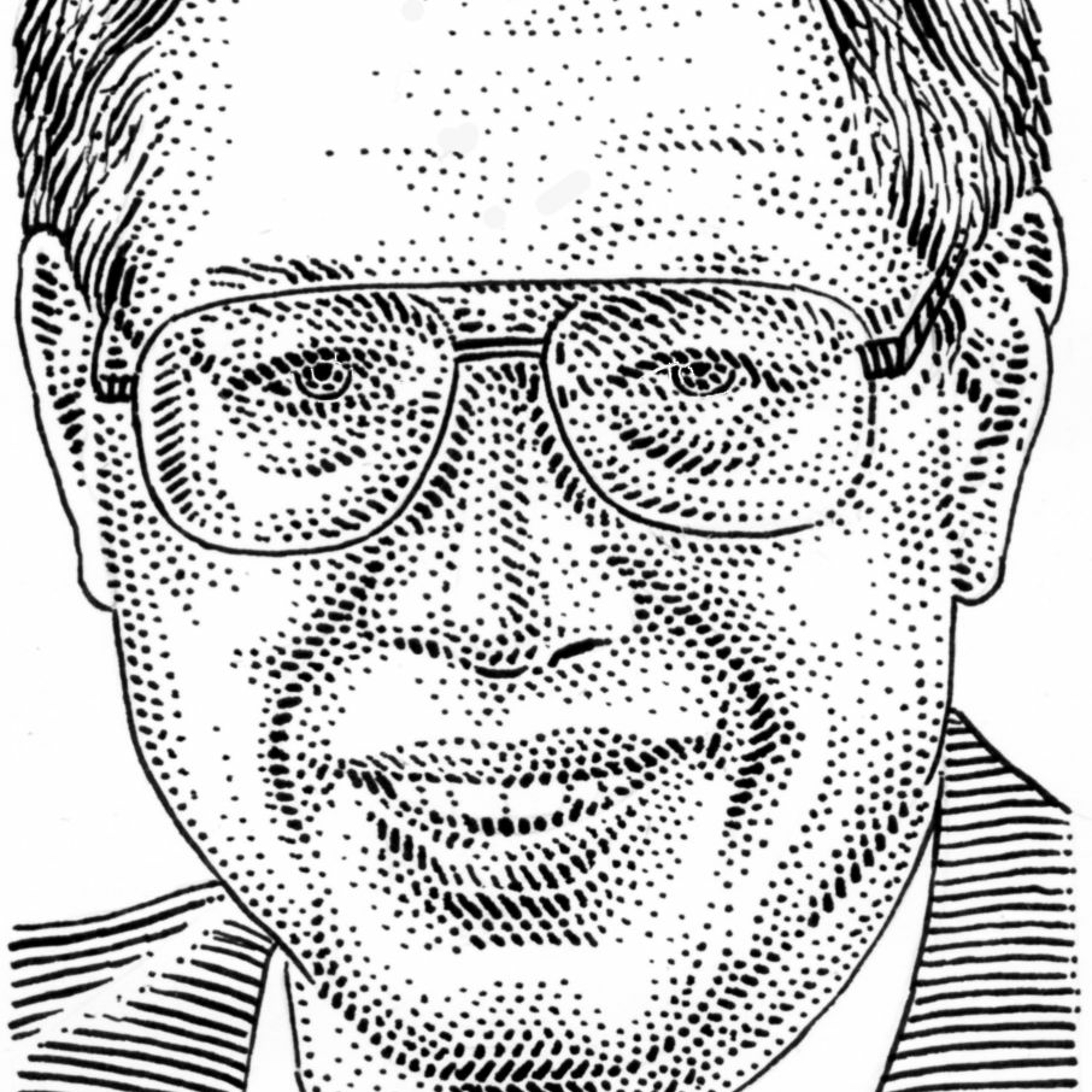
Michael Flynn, Donald Trump, and the Russia Investigation
Richard Epstein considers what Michael Flynn's recent guilty plea means for President Trump and his administration, rebutting many of the misleading claims that have emerged in recent press coverage.
Unstable Majorities: Polarization, Party Sorting, and Political Stalemate Featuring Morris Fiorina
America at its worst divide since the Civil War? Not exactly, says Hoover senior fellow Morris Fiorina, the author of Unstable Majorities: Polarization, Party Sorting, and Political Stalemate. Fiorina contends that voters haven’t abandoned the center but that the two major parties have, the result being continued experimentation with the political order in Washington. Will 2018 see a continuation of the third great stretch of instability in national politics? Did you like the show? Please rate, review, and subscribe!

Part I The Second World Wars with Victor Davis Hanson
Recorded on October 23, 2017 How were the Axis powers able to instigate the most lethal conflict in human history? Find out in part one of this episode as military historian, editor of Strategika, and Martin and Illie Anderson Senior Fellow, Victor Davis Hanson, joins Peter Robinson to discuss his latest book, The Second World Wars. Victor Davis Hanson explains how World War II initially began in 1939 as a multitude of isolated border blitzkriegs that Germany continued to win. In 1941, everything changed when Germany invaded their ally, the Soviet Union, and brought Japan into the war. He argues that because of the disparate nature of World War II, it’s much harder to think about as a monolithic conflict. World War II was the deadliest conflict in human history with approximately sixty million people killed. Victor Davis Hanson argues that World War II and the many lives lost was preventable, but due to a series of missteps by the Allied forces, Germany believed they were stronger and their enemies weaker than the reality. He argues “it took Soviet collusion, American indifference or isolation, and British or French appeasement in 30s” to convince Germany that they had the military capabilities to invade western Europe. In the aftermath of World War I, the allies believed the cost of the Great War had been too high, while Germany bragged about their defeat as no enemy soldiers had set foot on German soil. Great Britain and France both chose appeasement over deterrence, which encouraged rather than deterred Hitler and Germany from moving forward with their plans.
Lee Harvey Oswald Was My Friend Featuring Paul Gregory
In November 1963 Paul Gregory’s family resided in Fort Worth, Texas. As members of the city’s Russian immigrant community, they befriended Lee and Marina Oswald. Gregory recounts his time in the company of JFK’s assassin, possible motivations for Oswald’s committing the crime, and why he doesn’t buy into the many conspiracy theories surrounding the events in Dallas. Paul Gregory is a research fellow at the Hoover Institution. Did you like the show? Please rate, review, and subscribe!
AT&T, Time Warner, and Antitrust
Richard Epstein looks at the law -- and economics -- of the Justice Department's efforts to block AT&T's acquisition of Time Warner.
The Future of Germany Featuring Russell Berman
The good news for Angela Merkel is to be re-elected to a fourth term as German chancellor. The bad news is fashioning a working coalition of political parties divided over taxes, immigration, and climate policy. Hoover Institution senior fellow Russell Berman examines the options available to Germany’s chancellor, including any changes to her roles on the European and world stages. Did you like the show? Please rate, review, and subscribe!

The High Cost of Good Intentions Featuring John Cogan
Recorded on October 24, 2017 How old are entitlement programs in the United States? Entitlement programs are as old as the Republic, according to John Cogan, former deputy director of the US Office of Management and Budget (OMB) and a Hoover Institution senior fellow. Cogan joins Peter Robinson to discuss his latest book, The High Cost of Good Intentions,on the necessity for entitlement reform in the United States.
Another Special Counsel?
Richard Epstein responds to suggestions that the Justice Department may appoint a special prosecutor to probe corruption allegations around Hillary Clinton. Also on the docket: exactly how independent of presidential prerogative should attorneys general be? Is it time for Jeff Sessions to step aside? And are the legal suspicions around both Donald Trump and Hillary Clinton evidence of a decline in America's leadership class -- or proof that, for all its flaws, the system still works?
Hoover Fellow Doug Rivers Breaks Down the Virginia Election
A year after Donald Trump’s improbable win, voters went to the polls in Virginia to elect a new governor—a contest that was, in part, a referendum on Trump’s nascent presidency. Hoover senior fellow and renowned pollster Doug Rivers breaks down the Old Dominion vote and what the results say about the effectiveness of Republican and Democratic messaging on the verge of the 2018 midterm elections.
Analyzing the GOP Tax Plan
Richard Epstein reacts to the tax plan released by congressional Republicans and explains what steps are most essential for jumpstarting economic growth.
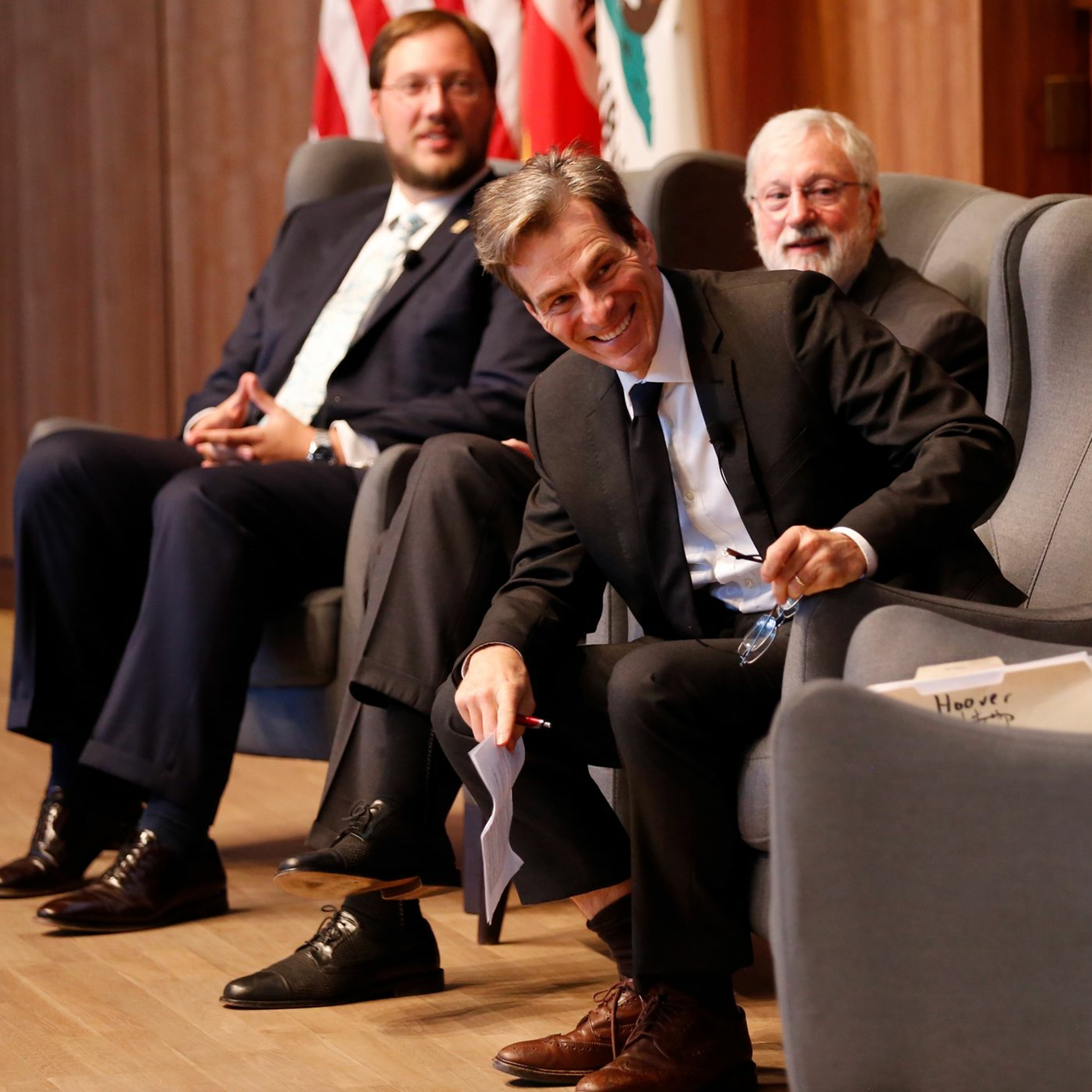
The Need for Regulatory Reform
This panel features Senior Fellow John Cochrane, Robert Wesson Fellow in Scientific Philosophy and Public Policy Henry Miller, and Research Fellow Adam White in discussion of “The Need for Regulatory Reform.” Research Fellow David Henderson moderates the conversation.
Restoring Faith in Prosperity
Russ Roberts, the John and Jean De Nault Research Fellow at Hoover, discusses “Restoring Faith in Prosperity.”
Restoring Prosperity: Contemporary and Historical Perspectives
Peter Berkowitz, the Tad and Dianne Taube Senior Fellow at Hoover, speaks on “Restoring Prosperity: Contemporary and Historical Perspectives.”
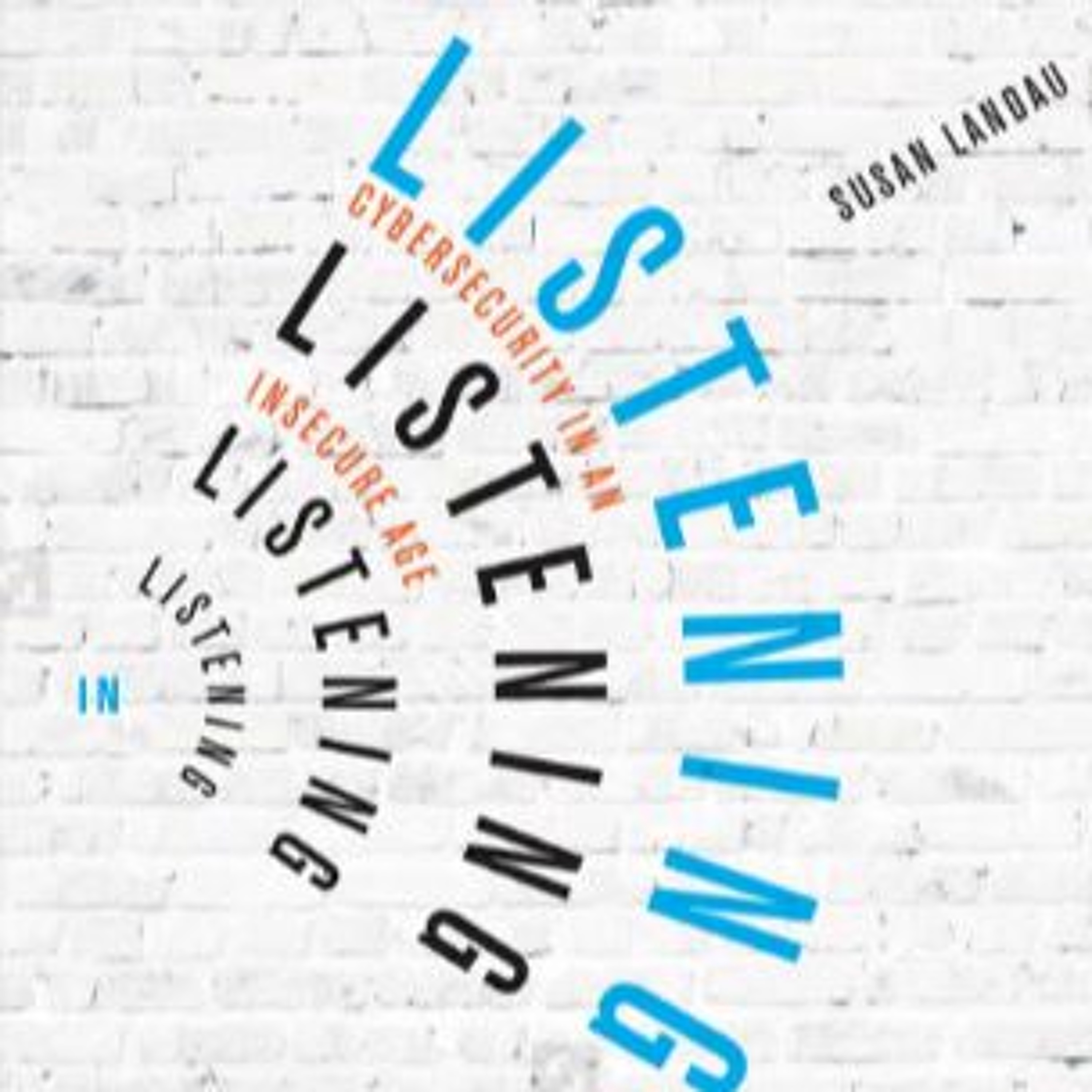
Listening In: Cybersecurity In An Insecure Age
The Hoover Institution hosted "Listening In: Cybersecurity in an Insecure Age" on Wednesday, November 1, 2017 from 5:00pm - 7:00pm EST. Ben Wittes joined author Susan Landau, author of Listening In: Cybersecurity in an Insecure Age, for a book discussion.
Behind the Book: The Second World Wars
Victor Davis Hanson takes listeners on a behind-the-scenes look at his career, including his rise through academia, the decline of military history as a scholarly discipline, the importance of visiting battlefields, and why he felt compelled to write a new book on World War II
Manafort and the Russia Controversy
Richard Epstein reacts to the indictments brought against Paul Manafort and Rick Gates, as well as to a guilty plea from former Trump aide George Papadopoulos.
The Second World Wars
Victor Davis Hanson gives listeners a guided tour of his new book, "The Second World Wars: How the First Global Conflict Was Fought and Won."
Whither NAFTA?
Richard Epstein responds to the Trump Administration's proposals for revising NAFTA, answers some frequent criticisms of free trade, and explains whether a legal challenge to a NAFTA withdrawal would hold up in court.
Scalia Speaks: Collecting The Wit And Wisdom Of Justice Antonin Scalia
The Hoover Institution hosted "Scalia Speaks: Collecting the Wit and Wisdom of Justice Antonin Scalia" on Tuesday, October 10, 2017 from 12:00pm - 1:30pm EST. In all of American history, few judges rival the late Justice Antonin Scalia's abilities as a writer. When he passed away last year, he left behind an immense legacy of judicial opinions, journal articles, essays, and other writings. But in addition to his voluminous published works, Justice Scalia also delivered countless speeches on the law, on life, on faith, and on his friends. Any library of Scalia's writings, limited to just his published judicial opinions and articles, would be incomplete without the speeches that he delivered to audiences fortunate enough to witness in person. To fill the gap, we now also have Scalia Speaks, a collection of many of Scalia's speeches. Edited by Christopher J. Scalia, one of the justice's sons, and Edward Whelan, one of the justice's former clerks, this book collects Scalia's reflections on law, faith, and life well lived. Christopher J. Scalia, the eighth of Justice Scalia's nine children and a former professor of English, works at a public relations firm near Washington, D.C. His book reviews and political commentary have appeared in The Wall Street Journal, The Washington Post, The Weekly Standard, and elsewhere. Edward Whelan, president of the Ethics and Public Policy Center, is a former law clerk to Justice Scalia. He is a leading commentator on the Supreme Court and on issues of constitutional law. They were interviewed by Adam White, a research fellow at the Hoover Institution, and executive director of the Center for the Study of the Administrative State at George Mason University's Antonin Scalia Law School.
Hamilton—the Man, the Myth —the Donald?
Lionized in print and on theater stages, Alexander Hamilton is a curious bookend for a new president who likewise calls Manhattan home, is steeped in capitalism, and uses the media to joust with his rivals. Elizabeth Cobbs, a Hoover Institution senior fellow and author of The Hamilton Affair: A Novel, separates fact from fiction regarding the famed Founding Father. Did you like the show? Please rate, review, and subscribe!
Trump's Health Care Triumph
Richard Epstein explains the contents of President Trump's new executive order on healthcare, explores the controversy around a White House proposal to cut subsidies to insurers, and explains why conservatives who fretted about President Obama's use of executive orders shouldn't be bothered by this exercise of executive power.
Of Patents, Trump, and Trolls Featuring Stephen Haber
The United States is tenth in the world among nations’ protecting intellectual property. In 2016 US patent applications declined by one percent. Stephen Haber, the Hoover Institution’s Peter and Helen Bing Senior Fellow, examines a patent landscape that includes Big Pharma, Big Tech, legal trolls, and Keanu Reeves–like actors. He also offers a few suggestions for how the Trump administration can shield and spur American innovation. Did you like the show? Please rate, review, and subscribe!
Let’s Get This Party Started Featuring Lanhee Chen
America’s GOP dominates at all levels of government—state legislative, gubernatorial, congressional, presidential—yet Republicans have struggled, quite publicly, to come to terms with the party’s direction during the era of Trump. Lanhee Chen, the Hoover Institution’s David and Diane Steffy Research Fellow, discusses the Republican identity crisis, the lingering effects on the GOP brand, and the party’s ability to produce change in Washington. Did you like the show? Please rate, review, and subscribe!
The Trump Tax Plan
Richard Epstein grades the Trump Administration's proposal for tax reform, explains the first principles of effective tax systems, and challenges the notion that progressivity is essential to an equitable tax code.
Trump’s Energy Strategy, the Nuclear Option, featuring Jeremy Carl
Recorded on October 6, 2017 A new administration means a new approach to federal energy approach, in the case of Donald Trump’s presidency, a new look at nuclear energy. Hoover research fellow Jeremy Carl, coauthor of Keeping the Lights on at America’s Nuclear Power Plants, examines the choices available to Trump on clean, green, and fossil energies. Did you like the show? Please rate, review, and subscribe!

“Genocides: A World History” featuring Norman Naimark
Norman Naimark, senior fellow at the Hoover Institution and an expert on Eastern Europe and genocides throughout history, brings his considerable expertise to Uncommon Knowledge to discuss the history of genocides from ancient to modern times. Peter Robinson sits down with Naimark to discuss his latest book, Genocide: A World History. Naimark argues that genocides occur throughout history, from biblical to modern times across the world. He considers genocides to be “the crime of crimes, worse than war crimes or crimes against humanity,” Naimark defines genocide as “intentional killing of a group of people as such,” meaning that the intention is to eliminate that group completely. He stresses the difference of this definition from warfare, as in war two sides are killing each other with the intention of subjugation rather than extermination. He goes into detail about a few incidents that he considers genocides, including but not limited to Nazi Germany, Stalin’s genocide of the kulaks, the Armenian genocide in the early 1900s, the Carthage genocide in 146 BC, the Rwandan genocide in the 1990s, and the Yuki genocide in California in the 1850s. Naimark argues that as genocides occur in contemporary society, sovereign states have a responsibility to protect their citizens; if they fail to do so the international community has a moral and civic obligation to step in to stop those genocides from occurring. Granted, he argues, that the cost of intervention needs to be assessed before stepping in but that overall each country has a national obligation to prevent the systematic extermination of people. Interested in buying Norman Naimark’s latest book, Genocide: A World History? You can buy it here. About the guest Norman M. Naimark is a senior fellow at the Hoover Institution. He is also the Robert and Florence McDonnell Professor of East European Studies and a senior fellow of Stanford's Freeman-Spogli Institute. He currently serves as the Sakurako and William Fisher Family Director of the Stanford Global Studies Division. Naimark is an expert in modern East European and Russian history. His current research focuses on Soviet policies and actions in Europe after World War II and on genocide and ethnic cleansing in the twentieth century. Naimark is author of the critically acclaimed volumes The Russians in Germany: The History of the Soviet Zone of Occupation, 1945–1949 (Harvard, 1995), Fires of Hatred: Ethnic Cleansing in 20th Century Europe (Harvard, 2001), and Stalin's Genocides (Princeton, 2010). He is also author of the volumes Terrorists and Social Democrats: The Russian Revolutionary Movement under Alexander III (Harvard, 1983) and The History of the "Proletariat": The Emergence of Marxism in the Kingdom of Poland, 1870–1887 (Columbia, 1979). Naimark earned a BA (1966), MA (1968), and PhD (1972) in history from Stanford University. Before returning to Stanford in 1988 Naimark was a professor of history at Boston University and a fellow at the Russian Research Center at Harvard. He also held the visiting Kathryn Wasserman Davis Chair of Slavic Studies at Wellesley College.
American Attitudes toward Immigration featuring Tim Kane
As Congress and the White House wrestle over immigration reform—funding for a border wall, protecting Dreamers—what is the public’s attitude? Timothy Kane, the Hoover Institution’s J. P Conte Fellow in Immigration Studies, highlights the findings of a new Hoover/YouGov survey on immigration and which policy ideas enjoy consensus approval. Did you like the show? Please rate, review, and subscribe!
Is Entitlement Reform Possible? Featuring John Cogan
It’s a tradition dating back to the Founding Fathers: the American government financing safeguards, be it retirement (Social Security), health benefits (Medicare), or rewards for military service in the form of federal entitlements. In an age of debt and deficits, when will lawmakers address entitlement reform? John Cogan, Hoover’s Leonard and Shirley Ely Senior Fellow and author of a new book on the long history of federal entitlements, assesses where the Trump administration goes from here. Did you like the show? Please rate, review, and subscribe!
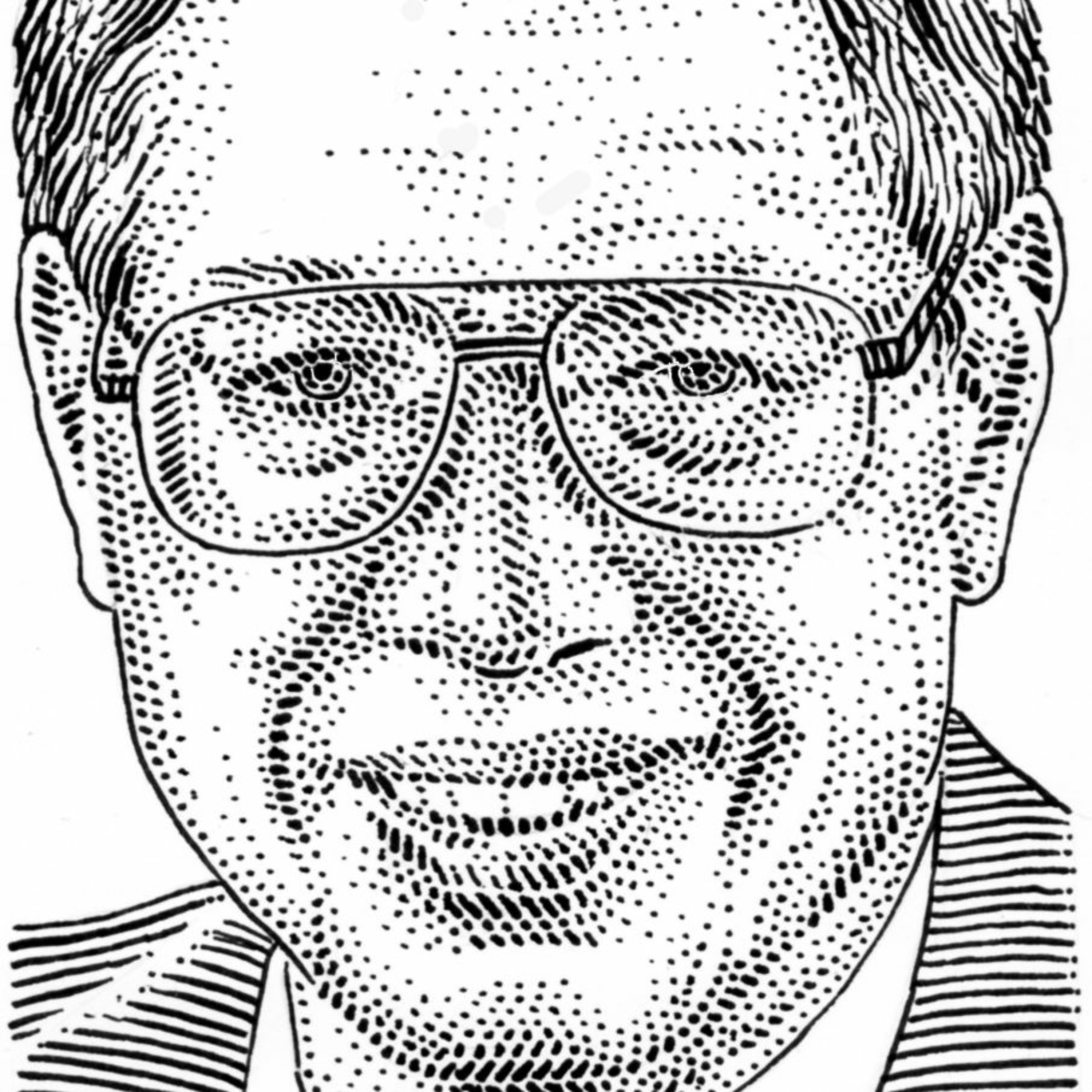
Catalonia and the Secessionist Urge
Richard Epstein uses the recent push for independence in Spain's Catalonia region to consider the question of when separatist movements are justified in pursuing independent statehood -- and how they should go about it.
The Perils of 'Virtual Virtue'
Victor Davis Hanson looks at the hobby horse issues of various identity politics groups -- Black Lives Matter, LGBT advocates, modern feminists, and Hispanic activists -- and explains how each of them are overlooking more dire threats facing their communities.
The Geopolitics of China and North Korea
Recorded on September 26, 2017 The largest nation on the other side of the Pacific Rim plays an outsized role in economic and geopolitical matters, including trade, global aspirations, and finding a solution to the escalating tensions with North Korea. Michael Auslin, Hoover’s inaugural Williams-Griffis Fellow in Contemporary Asia, discusses just how communist China is, decades after Mao and the changed state of US relations with Donald Trump in the White House. Did you like the show? Please rate, review, and subscribe!
The North Korean Conundrum
Recorded on September 26, 2017 After nearly a quarter of a century of the same approach—diplomacy, sanctions, and concessions—the United States seems out of policy options other than a military solution with regard to North Korea . Michael Auslin, Hoover’s inaugural Williams-Griffis Fellow in Contemporary Asia, discusses what scenarios may unfold on the Korean peninsula as well as the possibility of nuclear engagement and nuclear accidents. Did you like the show? Please rate, review, and subscribe!
DACA and the Future of Immigration Policy
Richard Epstein responds to the controversy over an Obama-era policy allowing children brought to the U.S. Illegally to stay in the country and explains why America should embrace a more liberal immigration policy but reject open borders.
The NFL in an Age of Activism
Victor Davis Hanson critiques the recent wave of national anthem protests in the NFL, explains why the league's activism can't be squared with the way it actually does business, and considers the importance of politics-free zones in American life.
The Trump Administration’s Peacemaking Strategy in Israel
“In Israel, in order to be a realist . . . you have to believe in miracles,” observed the late David Ben-Gurion. Peter Berkowitz, the Hoover Institution’s Tad and Dianne Taube Senior Fellow and an expert on Israeli affairs, assesses the Trump administration’s peacemaking strategy, which includes deploying Jared Kushner, Trump’s son-in-law, and taking into account Prime Minister Netanyahu’s fragile political health. Did you like the show? Please rate, review, and subscribe!
The Internationalists: How A Radical Plan To Outlaw War Remade The World
The Hoover Institution hosted "The Internationalists: How a Radical Plan to Outlaw War Remade the World" on Monday, September 11, 2017 from 5:00pm - 7:00pm EST. Jack Goldsmith, working group co-chair, interviewed authors Oona Hathaway and Scott Shapiro, examining the role that war has played in international relations from the sixteenth century to the present -- a role profoundly transformed by the "Internationalists," who created the rules and institutions that gave us seven decades of unprecedented peace between states. Hathaway and Shapiro argue that as the world stands on the brink of rejecting the global legal order the Internationalists built, this is a moment to understand what is at risk.
The Single-Payer Fantasy
Richard Epstein examines the Lefts' push for single-payer health care and explains why such systems are destined for failure.
A House Divided – Can the Conservatives Come Together?
An irony of Donald Trump: in the process of besting Hillary Clinton, he also divided conservatives into three camps. So contends Tevi Troy, a best-selling author and political analyst who worries about the lack of an intellectual presence in the current White House. Did you like the show? Please rate, review, and subscribe!
A Better Strategy for the Next Natural Disaster in Light of Hurricanes Harvey and Irma
Americans watched with forlorn fascination as devastating hurricanes laid waste to stretches of Florida and Texas. Hoover research fellow Alice Hill explains how the nation can better prepare for future natural disasters. The key word is “resilience.” Did you like the show? Please rate, review, and subscribe!

How to Fail at Almost Everything with Scott Adams
The Dilbert comic strip artist and political philosopher Scott Adams sits down with Peter Robinson to discuss his book How to Fail at Almost Everything and Still Win Big. He discusses with Peter his theory of “talent stacking,” the idea that rather than being an expert in one particular skill (i.e., Tiger Woods and golf), one can become successful by stacking a variety of complementary nonexpert skills. Adams demonstrates how talent stacking has been beneficial in his life because he has stacked comic artist skills with his MBA and experience in corporate environments to create a wildly successful comic strip that resulted in spin-off books, a television series, a video game, and merchandise. His business skills gave him the tools to create a business satire comic strip and the skill set to manage the business that evolved from that strip. Adams also discusses how he uses his Dilbert blog to discuss his political philosophies and observations about the Trump administration. He wrote blogposts about the 2016 election and predicted that Donald Trump would win based on President Trump’s talent stack as a media mogul and businessman who had spent significant time in the public eye so was immune to scandals and thick-skinned enough to handle what the media and other politicians would throw at him. Adams argues that President Trump is one of the best branders, influencers, and persuaders he has ever seen, in that the president uses persuasive techniques in debates and on social media as a way to get people to do what he wants. Adams contends that President Trump’s persuasive techniques will help solve the problem of North Korea because he has already set up China to get involved by intimating that it tried and failed. Adams believes this will cause China to get involved to save face. Scott Adams and Peter Robinson finish by chatting about Adams’s views on the story arc of life. Adams says that he believes he started intentionally selfish so that by the end of his life he can give away all of his wealth, knowledge, and wisdom, a process he says he has already begun. They also briefly discuss his new book, Win Bigly, about the persuasive strategies of Donald Trump. Scott Adams is releasing his new book, Win Bigly, in October 2017.
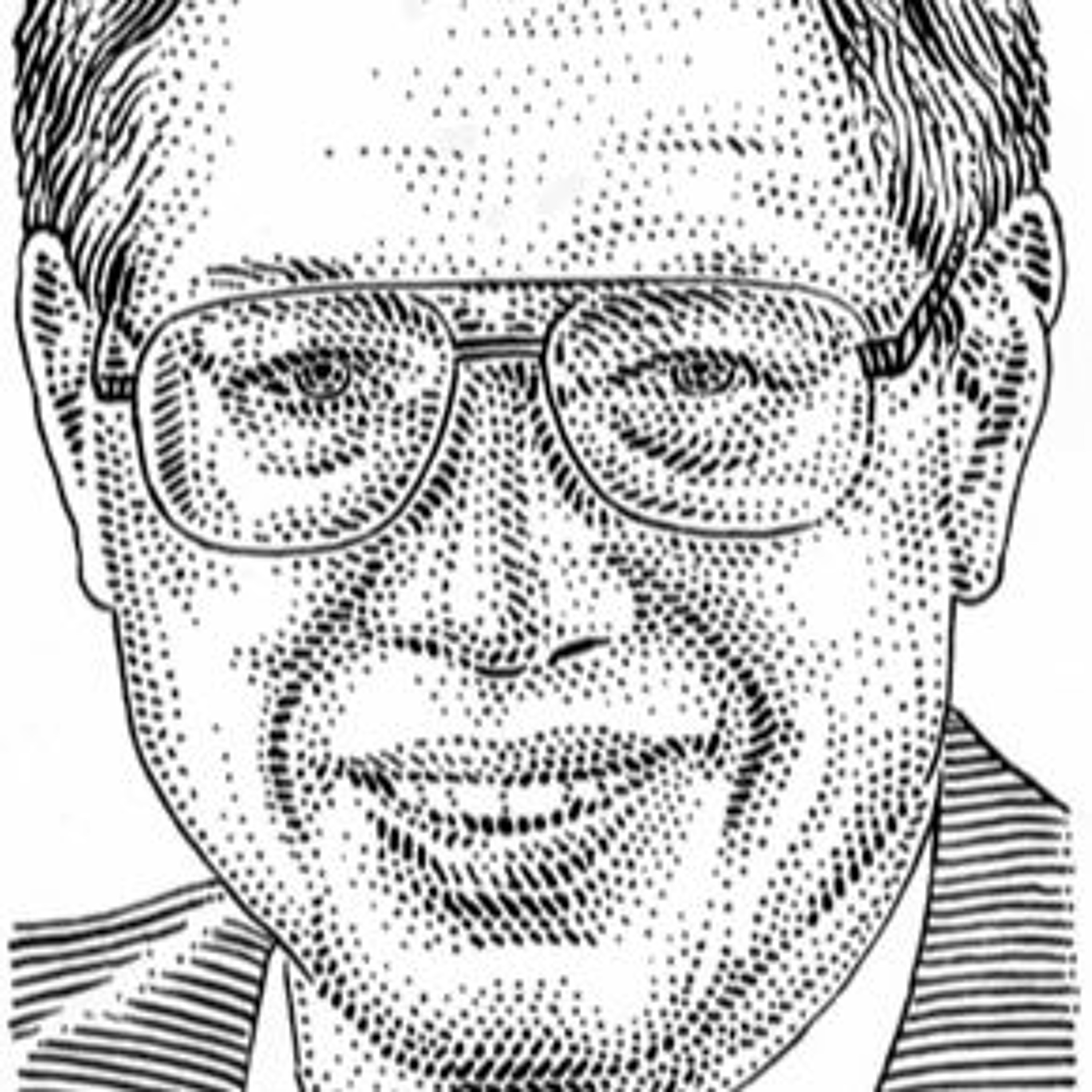
The Accidental Libertarian
Richard Epstein traces the origins and evolution of his libertarian thinking over a half-century in the spotlight.
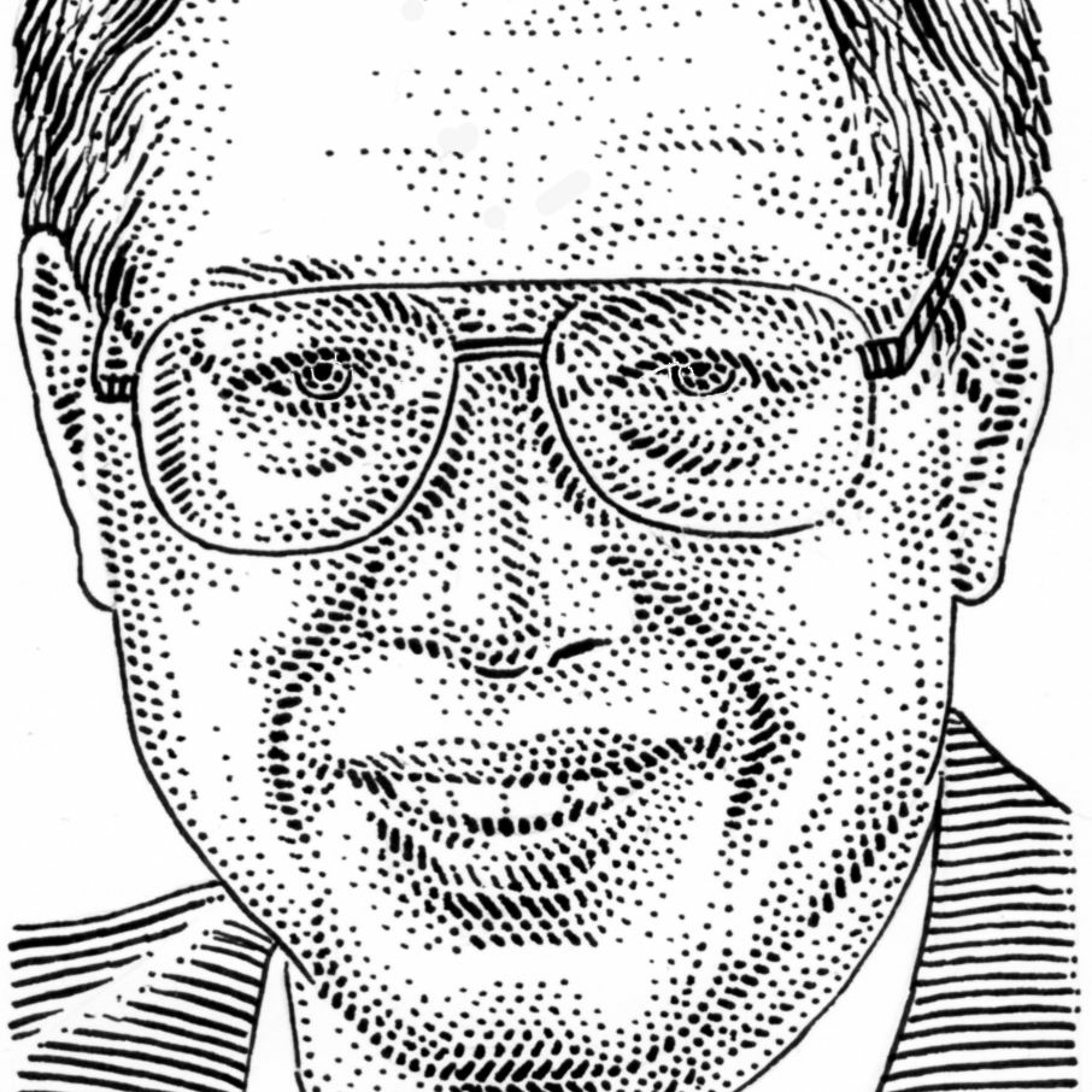
The Arpaio Pardon
Richard Epstein explores the history of the president's pardon power and examines whether former Maricopa County Sheriff Joe Arpaio was a worthy recipient of executive mercy.
Afghanistan and the Trump Foreign Policy
Richard Epstein analyzes President Trump's new plan for Afghanistan, the threat from North Korea, and how the US should respond to trade tensions with China.