Converging Dialogues
508 episodes — Page 5 of 11
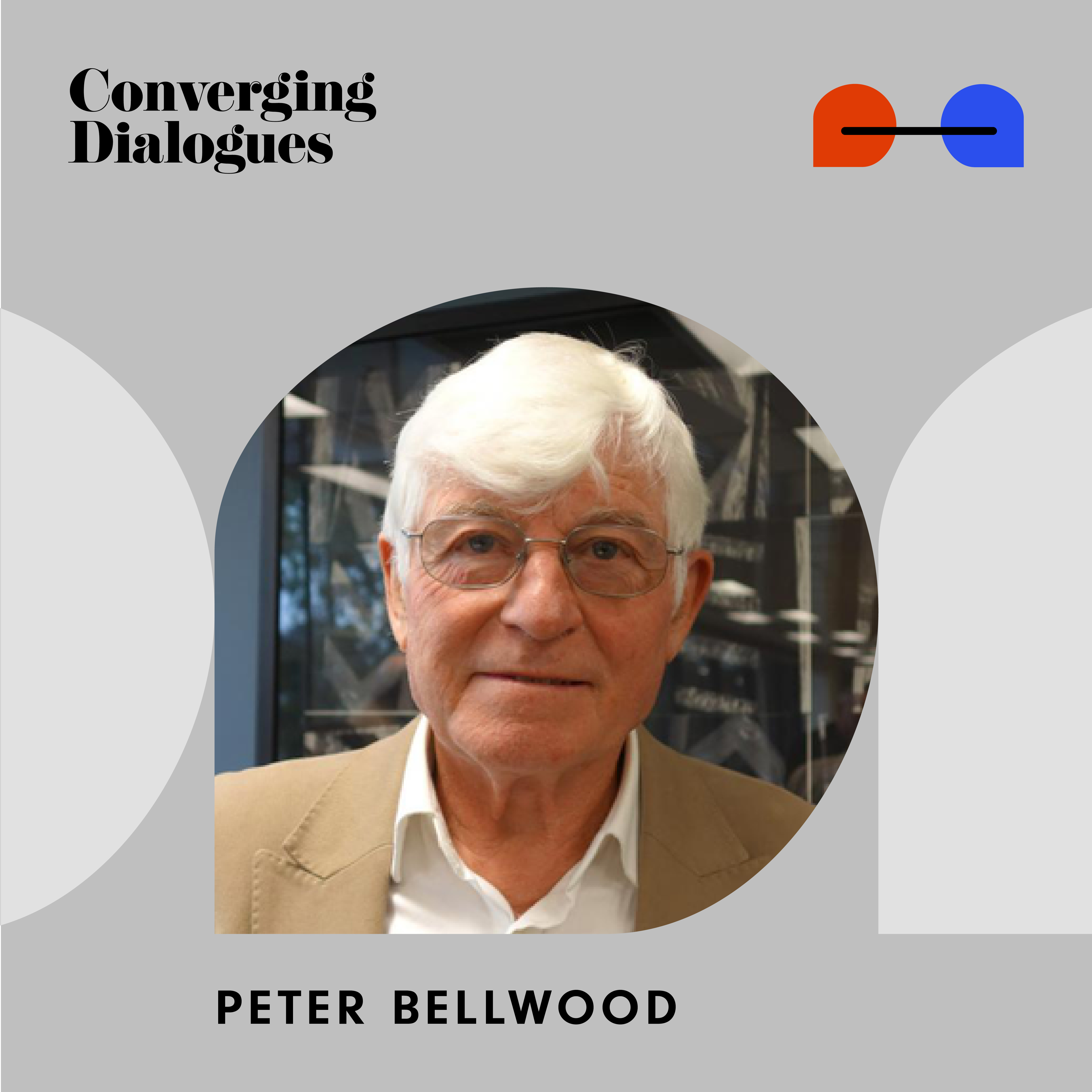
#308 - The Five Million Year History of Humans: A Dialogue with Peter Bellwood
In this episode, Xavier Bonilla has a dialogue with Peter Bellwood about the five million year history of humans. They discuss the genera and species of humans and the different types of humans that lived together at the same time, genes from early human species, and the four acts of human history. They talk about Hominins arising out of the Miocene, distinct features of Australopithecus, humans in the Pleistocene, Homo Erectus walking out of Africa, Homo Floresiensis, and Neanderthals. They discuss domestication and cultivation of plants and animals in the Holocene, rice and corn in the Fertile Crescent and in China, Maize in the Western Hemisphere, Anatolian hypothesis for languages, and many other topics. Peter Bellwood is Emeritus Professor in archaeology at Australian National University. He has his PhD from Kings College-Cambridge. His research areas have focused on population migrations during prehistory eras and the spread of Austronesian languages. He is the author of numerous books, including his most recent book, The Five-Million-Year Odyssey: The Human Journey from Ape to Agriculture. Get full access to Converging Dialogues at convergingdialogues.substack.com/subscribe
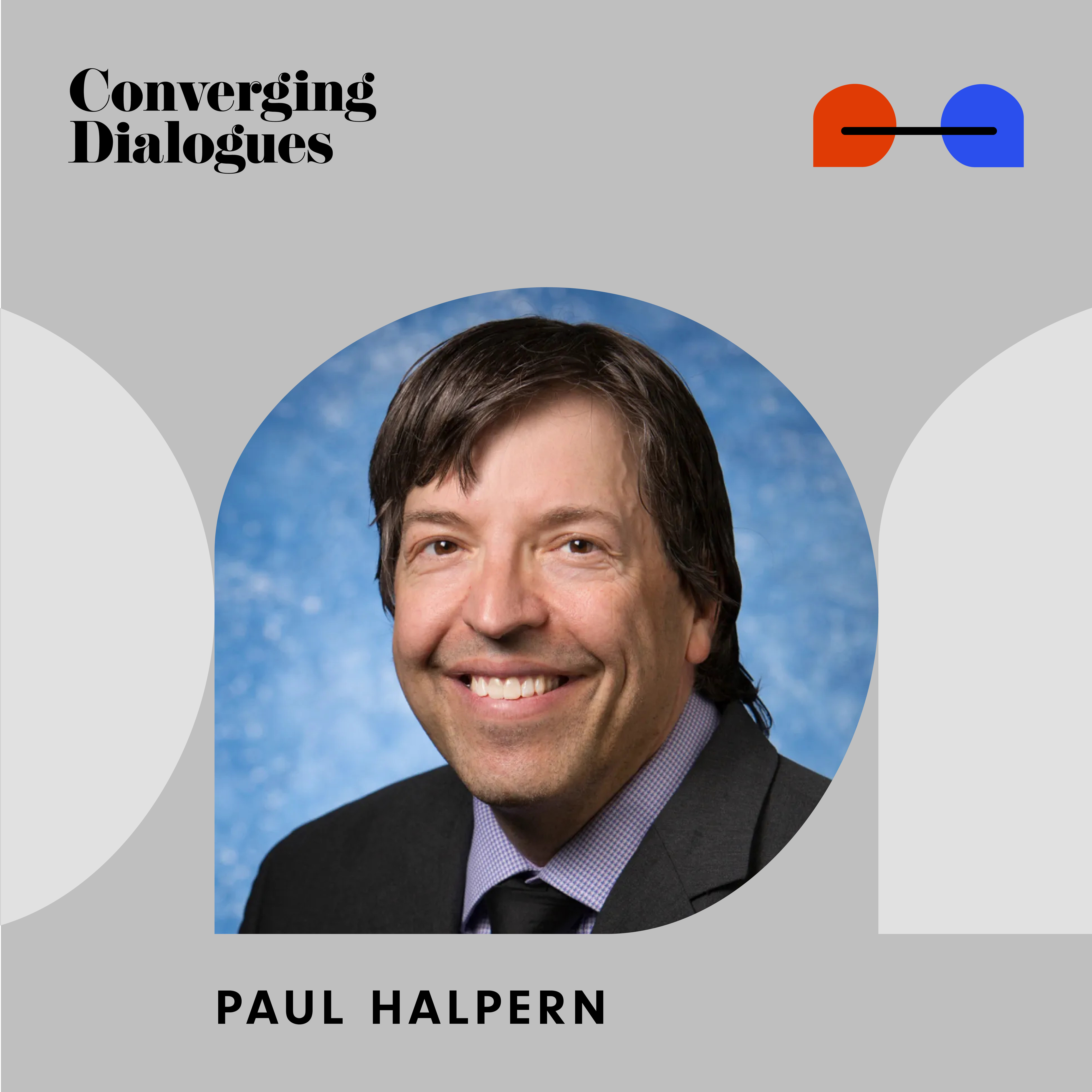
#307 - Many Worlds in the Multiverse: A Dialogue with Paul Halpern
In this episode, Xavier Bonilla has a dialogue with Paul Halpern about the multiverse. They discuss the cosmological multiverse and many worlds interpretation, impact of Newton, Maxwell, and Einstein for general relativity, gravitational waves, and quantum mechanics. They also talk about different dimensions, dark matter, dark energy, string theory, the multiverse in popular culture, and many more topics. Paul Halpern is Professor of Physics at Saint Joseph’s University. He has a Bachelors, Masters, and PhD in physics. He was is the recipient of the 2002 Guggenheim Fellowship and in 1996 received a Fulbright Scholarship. He was also awarded Athenaeum Society Literary Award. He is the author of numerous books including the most recent book, The Allure of the Multiverse: Extra Dimensions, Other Worlds, and Parallel Universes.Twitter: @phalpern Get full access to Converging Dialogues at convergingdialogues.substack.com/subscribe
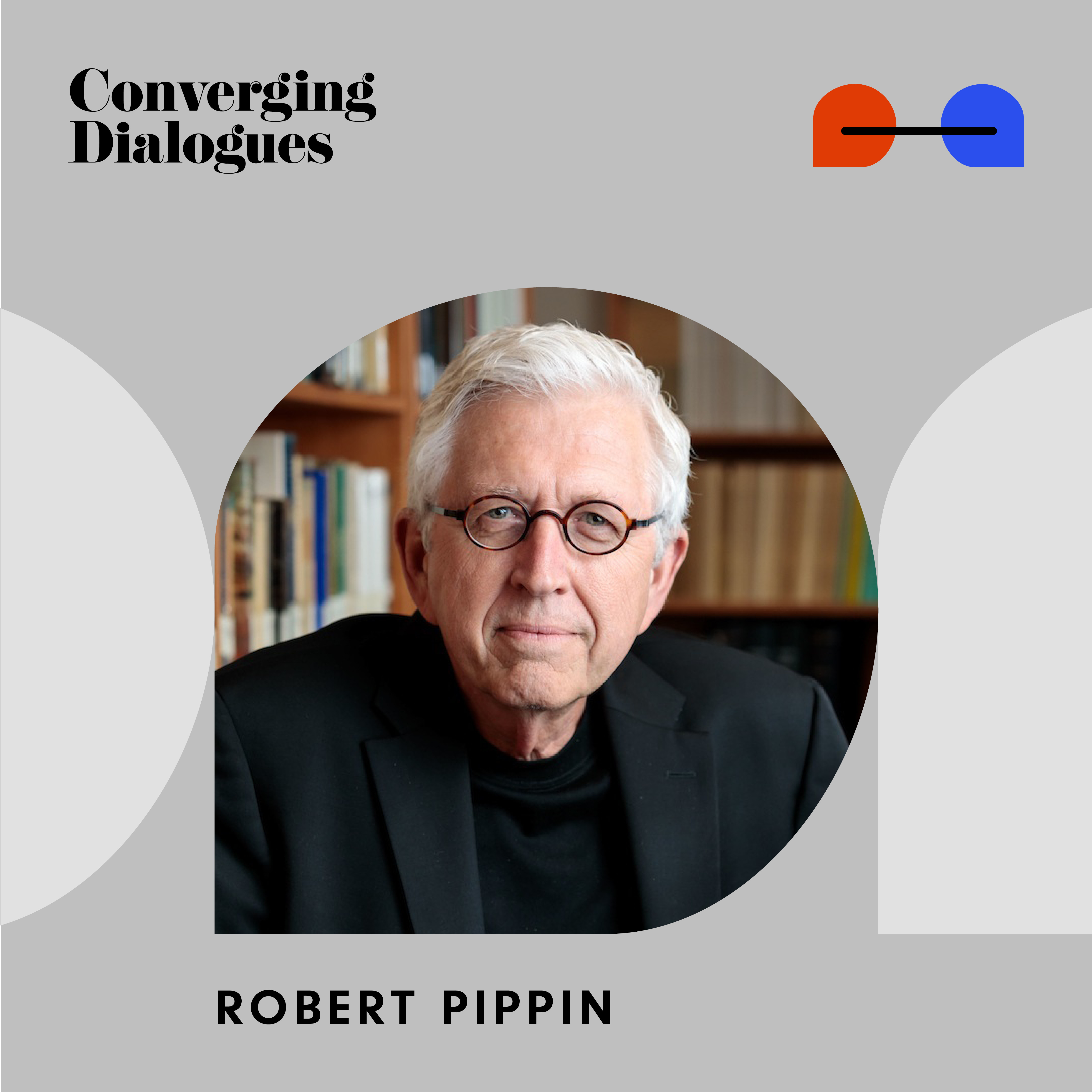
#306 - Heidegger's Culmination of German Idealism: A Dialogue with Robert Pippin
In this episode, Xavier Bonilla has a dialogue with Robert Pippin about Heidegger’s philosophy in connection with German idealism. They discuss Heidegger’s ideas on the culmination of Western philosophy with Hegel, Heidegger’s emphasis on Being, meaningfulness of being, and present-at-hand and ready-to hand. They talk about the impact of Husserl on Heidegger and their different ideas concerning worldhood. They discuss Heidegger’s ideas on standing presence, unveiling and concealment, imagination and intuition, and the juxtaposition of Heidegger’s Dasein with Hegel’s Geist. They talk about Schelling’s ideas on nature, Hegel’s conceptual ideas, Heidegger as the first post-Hegelian European philosopher, poetic thinking, and many more topics. Robert B. Pippin is the Evelyn Stefansson Nef Distinguished Service Professor in the Committee on Social Thought, the Department of Philosophy, and the College at the University of Chicago. He has been awarded a Guggenheim fellowship and was twice an Alexander von Humboldt fellow. He is a winner of the Mellon Distinguished Achievement Award in the Humanities and was recently a fellow at the Wissenschaftskolleg zu Berlin. He is a fellow of the American Academy of Arts and Sciences and is a member of the American Philosophical Society. He is also a member of the German National Academy of Arts and Sciences. He is the author of several books and articles on German idealism and later German philosophy, including his most recent book, The Culmination: Heidegger, German Idealism, and the Fate of Philosophy. Website: https://voices.uchicago.edu/rbp1/ Get full access to Converging Dialogues at convergingdialogues.substack.com/subscribe
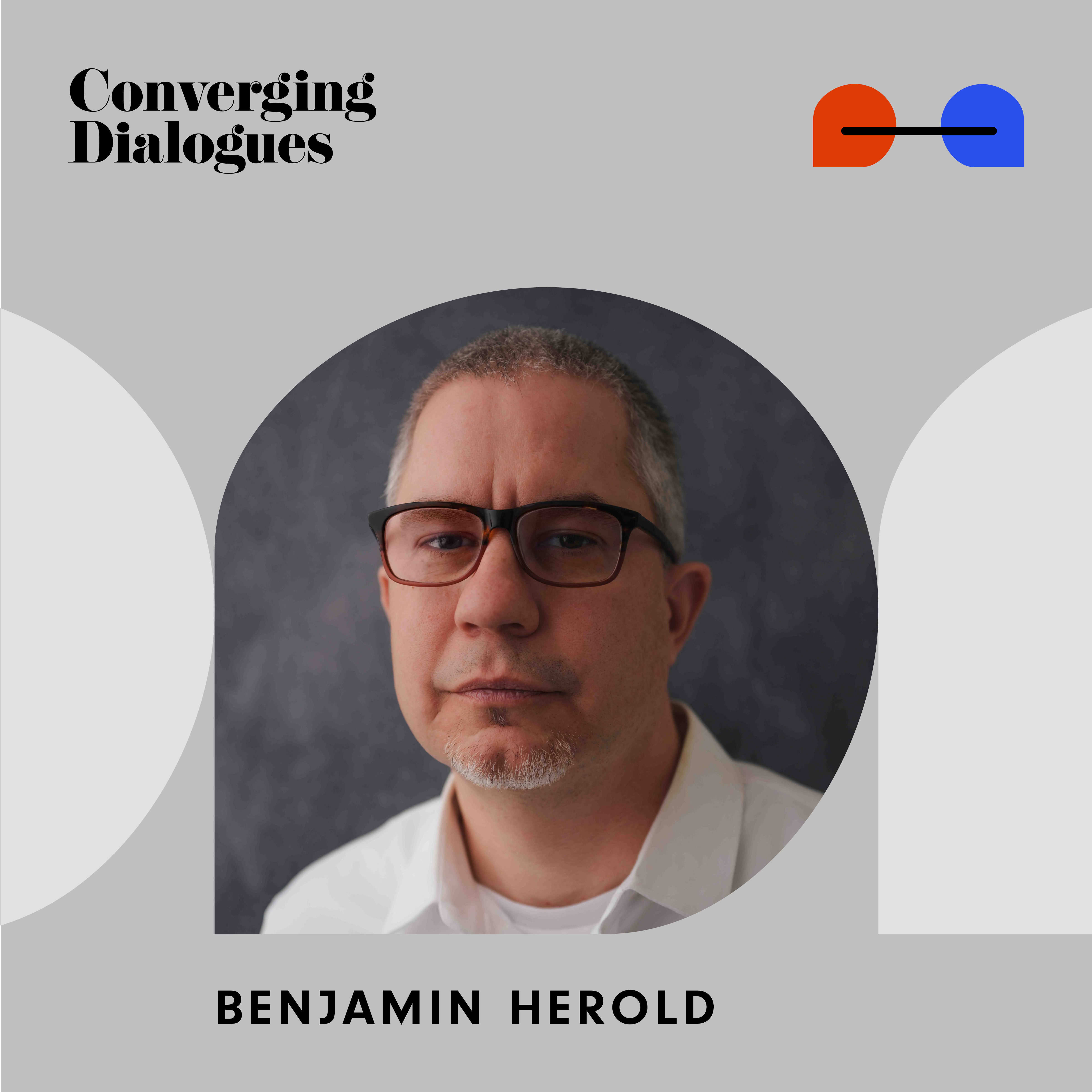
#305 - The Disillusionment of Suburbia: A Dialogue with Benjamin Herold
In this episode, Xavier Bonilla has a dialogue with Benjamin Herold about the evolving state of suburbia. They discuss the fast development in Dallas suburbs, Black Americans in suburbs around Atlanta, Multiethnic heritage in Evanston, Illinois, potential multiple futures in Penn Hills, Pennsylvania, and the founding families and long history of Compton. They talk about culture and history in each of these locations, centrality of schools in suburbia, cultural issues, covid-19 pandemic, the future of suburbia, and many more topics. Benjamin Herold is a journalist and author who primarily has written on urban education. He has a Masters in urban education from Temple University. His work has been heavily featured in Education Week, PBS NewsHour, Huffington Post, NPR, and many other outlets. He is the author of the latest book, Disillusioned: Five Families and the Unraveling of America’s Suburbs. Website: https://www.benjaminherold.com/Twitter: @benjaminbherold Get full access to Converging Dialogues at convergingdialogues.substack.com/subscribe
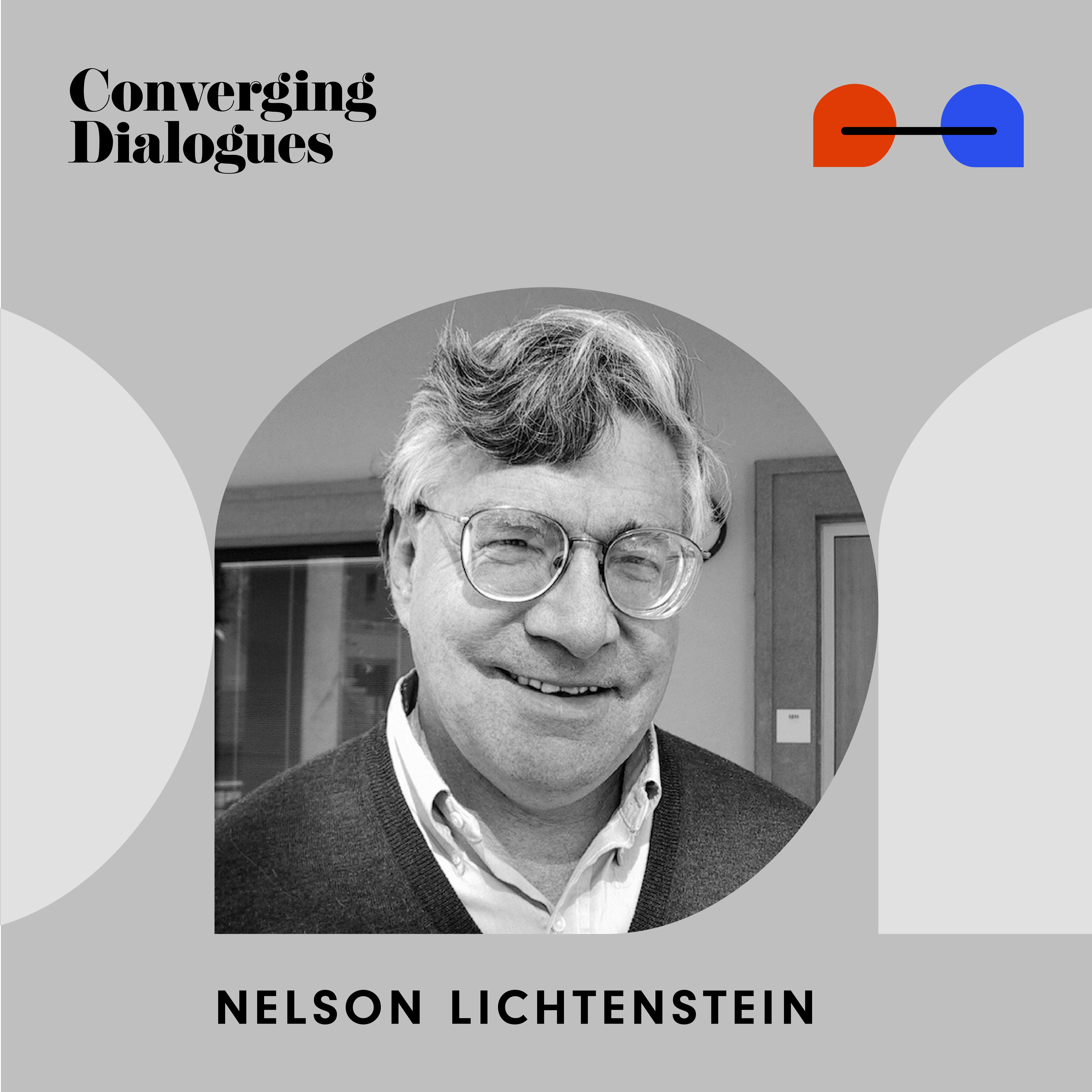
#304 - Failures of the Clinton Presidency: A Dialogue with Nelson Lichtenstein
In this episode, Xavier Bonilla has a dialogue with Nelson Lichtenstein about the failures of the Clinton presidency. They discuss his collaboration with Judith Stein for the book, why Clinton focused on economic issues, Al From, Democratic Leadership Council (DLC), and the impact of Ross Perot on the 1992 Presidential election. They talk about important figures in Clinton’s economic team, failures of healthcare, economic negotiations with Japan and NAFTA. They also talk about the 1994 Crime Bill, repealing Glass-Steagall, legacy of the Clinton presidency, and many more topics. Nelson Lichtenstein is Research Professor in the Department of History at University of California-Santa Barbara (UCSB), where he directs the Center for the Study of Work, Labor, and Democracy. He has his Bachelors from Dartmouth College and Ph.D. from the University of California, Berkeley. He has held fellowships from the National Endowment for the Humanities, the Rockefeller and Guggenheim Foundations, the University of California, and from the Fulbright Commission and the Oregon Center for the Humanities. He has also been elected to the Society of American Historians and received the Sidney Hillman Foundation’s Sol Stetin Award for lifetime achievement in labor history. He is the author of numerous books including his most recent book (co-authored with Judith Stein), A Fabulous Failure: The Clinton Presidency and the Transformation of American Capitalism. Twitter: @nelsonlichtens1 Get full access to Converging Dialogues at convergingdialogues.substack.com/subscribe

#303 - The Science of Mental Health: A Dialogue with Camilla Nord
In this episode, Xavier Bonilla has a dialogue with Camilla Nord about the neuroscience of mental health. They define mental health and how the brain is central to mental health, measuring subjective vs. objective well-being, and chronic pain. They discuss depression, anhedonia, dopamine networks, behaviorism for motivation, and reward and valence. They talk about various emotional theories, gut microbiome, Bayesian brain and predictive processing, placebos, homeopathy, antidepressants, and many other topics. Camilla Nord is a neuroscientist and Associate Professor and MRC Investigator at Cambridge University. She has a degree in physiology, psychology, and philosophy from Magdalen College-Oxford. She has her PhD from the Institute of Cognitive Neuroscience from University College, London. Her primary focus is on the physiology and neuroscience around mental health disorders. She is the author of the book, The Balanced Brain: The Science of Mental Health. Twitter: @camillalnord Get full access to Converging Dialogues at convergingdialogues.substack.com/subscribe
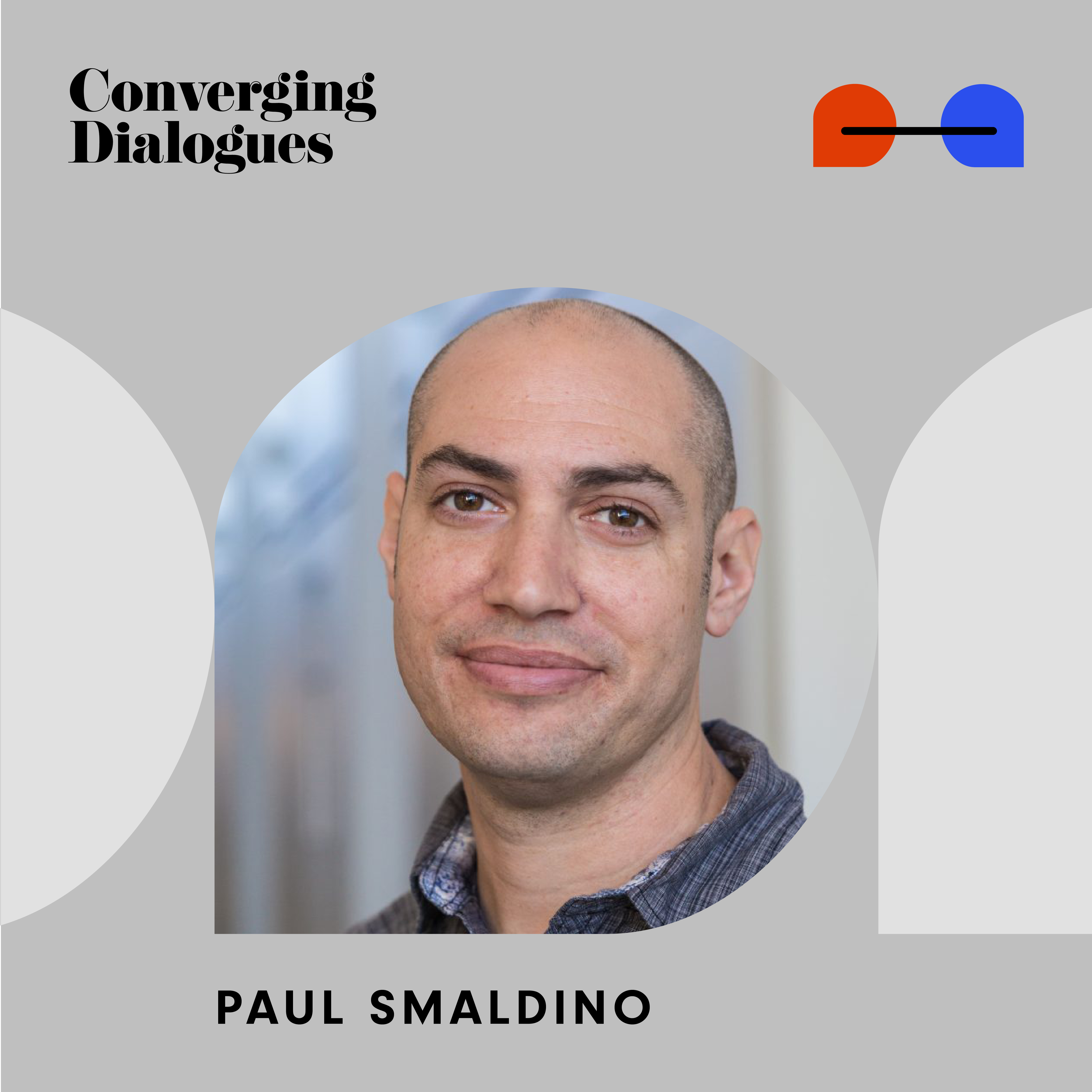
#302 - Modeling Social Behavior: A Dialogue with Paul Smaldino
In this episode, Xavier Bonilla has a dialogue with Paul Smaldino about agent-based models of social dynamics. They discuss why modeling in social sciences are important, quantitative and qualitative data, models and how we define them, and decomposition with complexity science. They also discuss modeling with multivariate questions, importance of theory, modeling with COVID19, modeling in politics, and many more topics. Paul Smaldino is an Associate Professor of Cognitive & Information Sciences and faculty in the Quantitative and Systems Biology graduate program at UC Merced, where he is also affiliated with the Center for Analytic Political Engagement and the Center for Interdisciplinary Neuroscience. He is also an External Professor at the Santa Fe Institute. His primary interests are how behaviors emerge and evolve in response to social, cultural, and ecological pressures, as well as how those pressures can themselves evolve. He also has broad interests related to cultural evolution, cooperation, and complex systems. He is the author of the book, Modeling Social Behavior: Mathematical and Agent-Based Models of Social Dynamics and Cultural Evolution.Website: https://smaldino.com/wp/Twitter: @psmaldino Get full access to Converging Dialogues at convergingdialogues.substack.com/subscribe
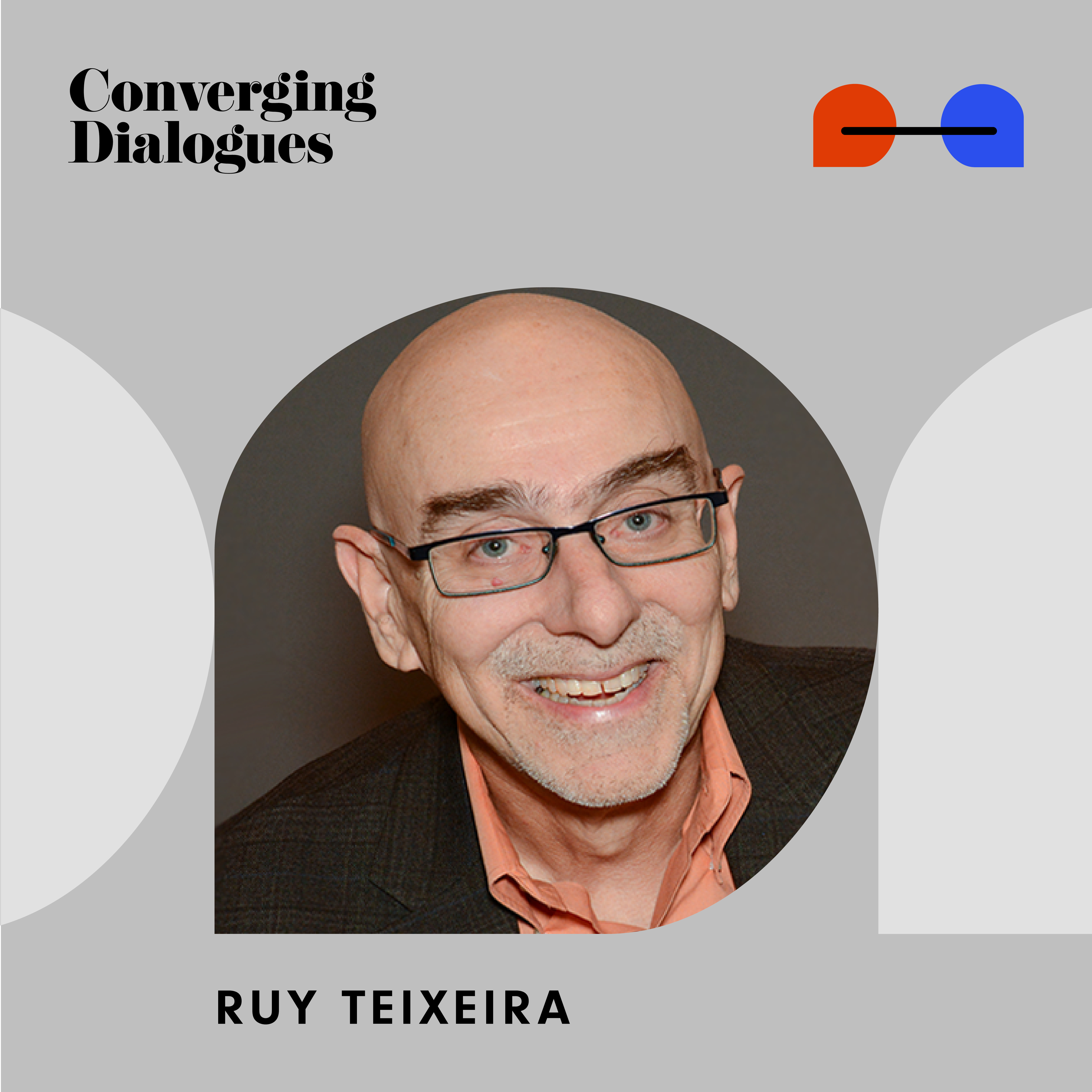
#301 - Directionless Democrats: A Dialogue with Ruy Teixeira
In this episode, Xavier Bonilla has a dialogue with Ruy Teixeira about the current state of the Democratic party. They discuss how Democrats are running in 2024, why Democrats have abandoned the working class voters, and why they have pivoted to college educated voters. They talk about immigration challenges with Democrats, impact of populism on the Right and the Left, Latinos shifting to the Republican Party, cultural issues, and many more topics. Ruy Teixeira is a sociologist and political commentator who writes on issues of party coalitions and American politics. He is nonresident senior fellow at the American Enterprise Institute (AEI) and was previously senior fellow at the Center for American Progress from 2003 to 2022. He has a MS and PhD in Sociology from the University of Wisconsin-Madison. He is the coauthor of The Emerging Democratic Majority and his latest book, Where Have All the Democrats Gone?Substack: Ruy Teixeira The Liberal Patriot Get full access to Converging Dialogues at convergingdialogues.substack.com/subscribe
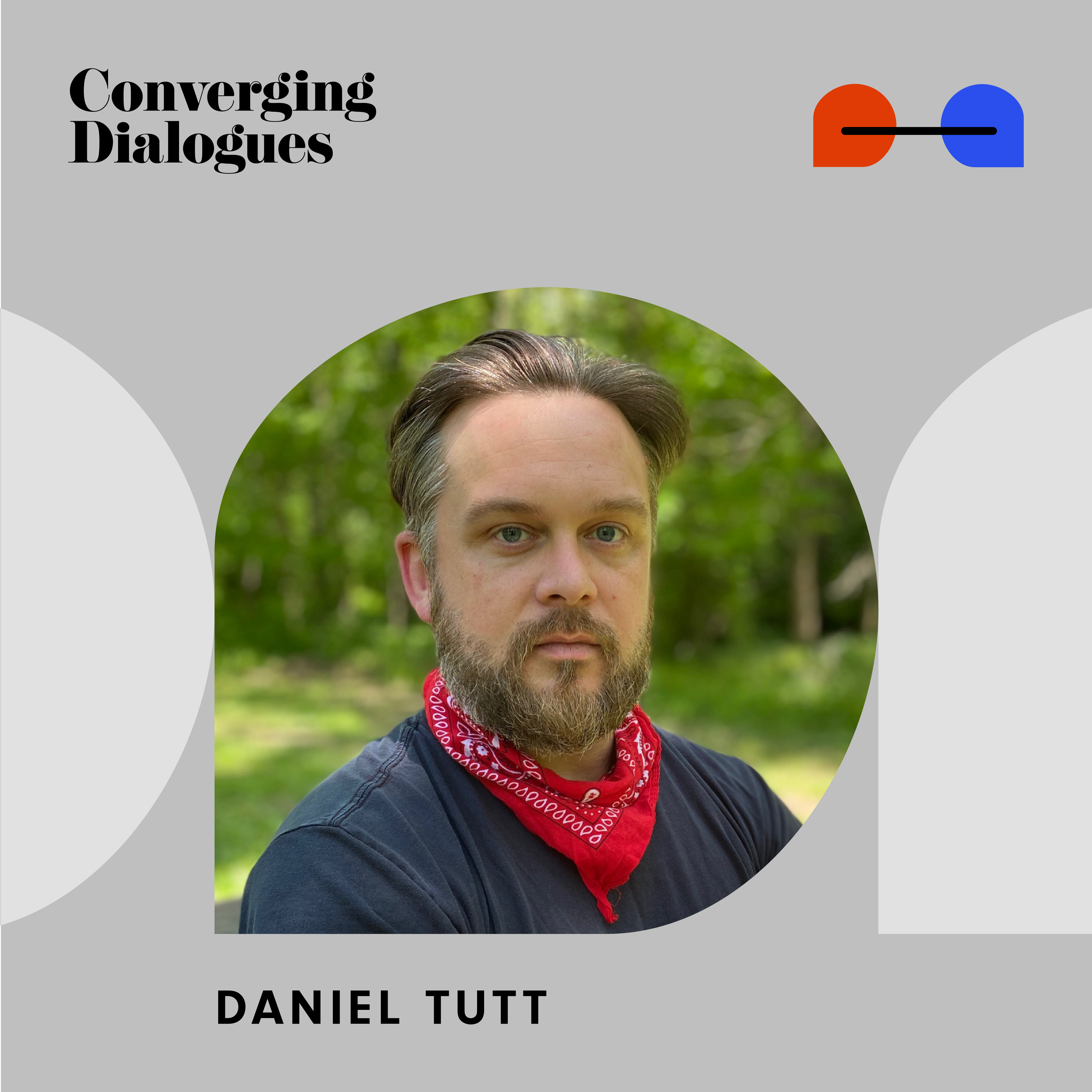
#300 - A Leftist Reading of Nietzsche: A Dialogue with Daniel Tutt
In this episode, Xavier Bonilla has a dialogue with Daniel Tutt about the importance of the political left reading Nietzsche seriously. They talk about Nietzsche vs. Nietzscheanism, prolepsis and prophetic/esoteric and exoteric readings, and the Janus face of Nietzschean philosophy. They discuss building culture, caste and class, current leftist readings of Nietzsche, and Losurdo’s four stages of Nietzsche. They also talk about Nietzsche and Marx on religion, reading Nietzsche as a parasite, and many more topics.Daniel Tutt is a philosopher and writer and has been trained in philosophy and psychoanalytic practice. He has taught philosophy at George Washington University and Marymount University. His interest areas and writing are focused on Marxist thought, Nietzsche’s philosophy, and social power of the intellectual. He is the author of Psychoanalysis and the Politics of the Family: The Crisis of Initiation and, his most recent book, How to Read Like A Parasite: Why the Left Got High on Nietzsche.Website: https://danieltutt.com/Twitter: @danieltutt Get full access to Converging Dialogues at convergingdialogues.substack.com/subscribe
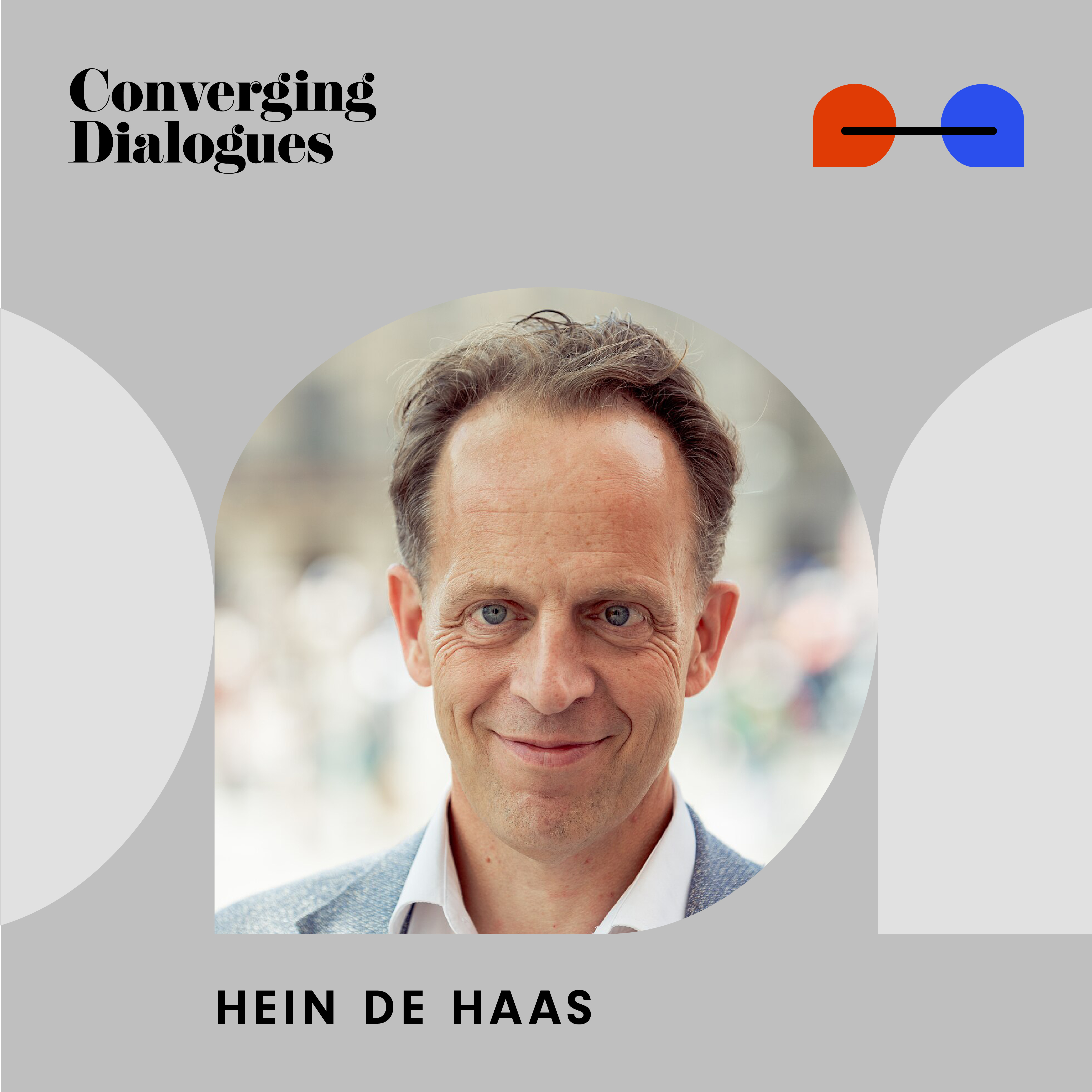
#299 - Myths of Migration: A Dialogue with Hein de Haas
In this episode, Xavier Bonilla has a dialogue with Hein de Haas about migration and many of the myths surrounding immigration. They discuss why immigration is a major issue globally and its connection with nationalism, distinctions between immigration, emigration, asylum seekers, and refugees, and how migration is not at an all-time high. They also talk about internal/external migration, borders, labor demand in the USA, low-skilled vs. high-skilled workers, refugee crisis, hypocrisy on the political left and right, future of migration, and many more topics. Hein de Haas is a sociologist and a geographer who has lived and worked in the Netherlands, Morocco and the United Kingdom. He is currently Professor of Sociology at the University of Amsterdam (UvA). He has a Bachelor’s in cultural anthropology and Master’s degree in social and environmental geography from the University of Amsterdam and a PhD in social sciences from the University of Nijmegen. He has worked as a researcher at the University of Amsterdam and as a researcher and lecturer at the University of Nijmegen. He was visiting scholar at Bilkent University in Ankara (Turkey) the Program of Forced Migration and Refugee Studies at the American University of Cairo (AUC Egypt). He has been part of the International Migration Institute (IMI) at the University of Oxford and played a central role in lecturing and directing the newly established MSc in Migration Studies at the Oxford Department of International Development (ODID). He was also a fellow at the Oxford Martin School and governing body fellow at Wolfson College. He is lead author of The Age of Migration: International Population Movements in the Modern World, a seminal text book in the field of migration studies. He is the author of the new book, How Migration Really Works: The Facts About the Most Divisive Issue in Politics. Website: https://heindehaas.org/Blog: https://heindehaas.blogspot.com/Twitter: @heindehaas Get full access to Converging Dialogues at convergingdialogues.substack.com/subscribe
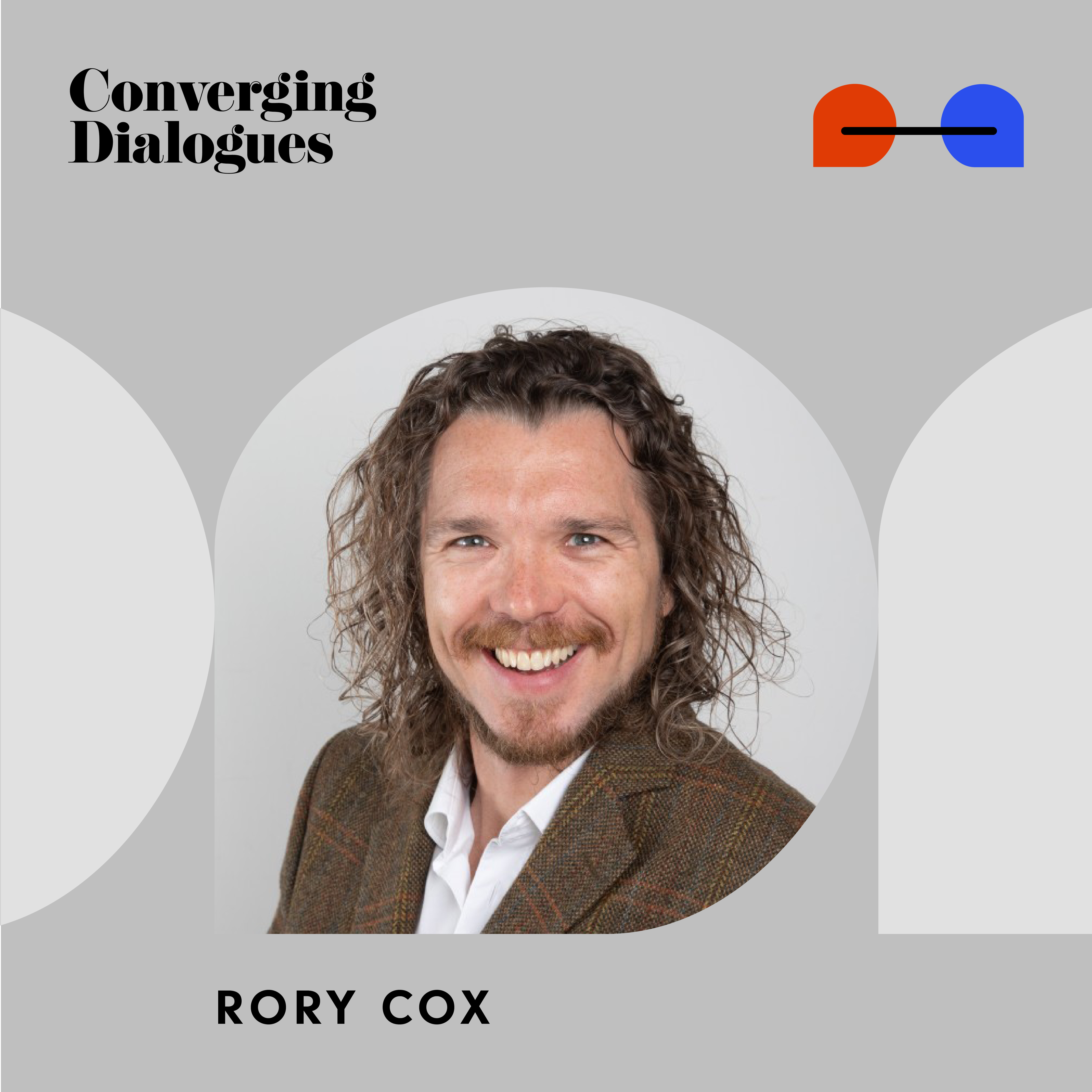
#298 - Origins of the Just War: A Dialogue with Rory Cox
In this episode, Xavier Bonilla has a dialogue with Rory Cox about the multiple origins of the just war concept. They give an overview of the Egyptian empire, nile river and its importance for the Egyptian kingdom, and the three major kingdom periods with a central monarchy. They also talk about the Hittites, boundaries of their kingdom, and why they were so short lived. They discuss the Israelites, problems with the Hebrew Bible as a primary source, and the legacy of the Israelites. They also define just war, ius ad bellum, ius ad bello, ius post bellum, and describe what war looked like in the ancient Near East. They talk about authority and divine appointment for going to war with these three kingdoms, self-defense, military ethics, culture and identity, treatment of combatants and non-combatants, importance of Deuteronomy 20 for the Israelites, violence and genocide, just war theory up to the modern era, and many more topics. Rory Cox is Senior Lecturer in History at the University of St. Andrews. He has held two international research fellowships: a Wallenberg Research Fellowship at the Stockholm Centre for the Ethics of War and Peace (University of Stockholm) in 2016; and a Humanities Collaboration Research Fellowship at the California Institute of Technology (Caltech) and the Huntington Library, Los Angeles, in 2017-18. He has his Bachelors in Ancient History and a Masters in Medieval Studies from University College London. He has a DPhil in history from the University of Oxford. His main focus areas are on the ethics of war, history of violence, and intellectual history. He is the author of the book, Origins of the Just War: Military Ethics and Culture in the Ancient Near East. Twitter: @drrorycox Get full access to Converging Dialogues at convergingdialogues.substack.com/subscribe
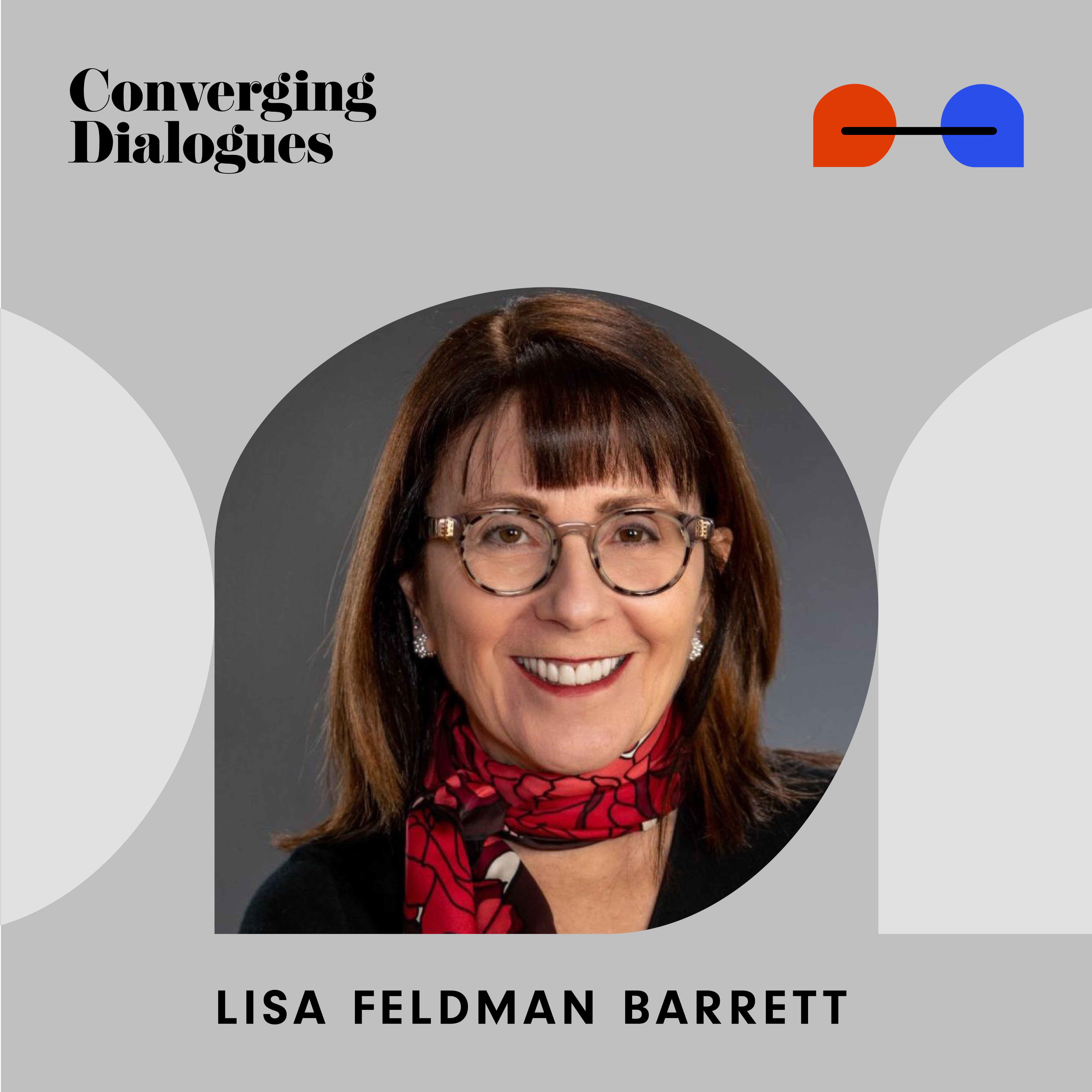
#297 - Social Construction of Our Emotions: A Dialogue with Lisa Feldman-Barrett
In this episode, Xavier Bonilla has a dialogue with Lisa Feldman-Barrett about emotions. They discuss what emotions are and how they are different from affect and feelings. They also discuss the social construction model of emotions with discussion on interoception, exteroception, allostasis and homeostasis. They talk about predictive processing, Bayesian brain, emotions as heuristics, nature of reality, discrete emotions, emotions in relationships, and many more topics.Lisa Feldman Barrett is Distinguished Professor of Psychology and Director of the Interdisciplinary Affective Science Laboratory (IASLab) at Northeastern University. She also holds research appointments at Massachusetts General Hospital (MGH)/Harvard Medical School in the Psychiatric Neuroimaging Program in the Department of Psychiatry, and at the Martinos Center for Biomedical Imaging in the Department of Radiology. She is among the top 0.1% of the most-cited scientists in the world with more than 275 peer-reviewed scientific papers across several fields. Her research focuses on how the human brain, in continual conversation with the human body and the world, regulates the body and creates mental events, such as episodes of emotion.Dr. Barrett has also received numerous awards for service to the field of psychology, including the Distinguished Scientific Contribution Award in Psychology (2021) and the Award for Distinguished Service to Psychological Science (2013), both from the American Psychological Association. She also received the Mentor Award for Lifetime Achievement from the Association for Psychological Science (2018) and a Guggenheim Fellowship (2019). She has served on the editorial boards of psychology’s most important journals, including Psychological Science (since 2007), Psychological Review (2007-2012) and Current Directions in Psychological Science (2020-2023). She also served as president of the Association for Psychological Science (APS) in 2019–2020. She is the author of How Emotions Are Made: The Secret Life of the Brain and 7 1/2 Lessons About The Brain. She has also edited five scientific volumes, including the 3rd and 4th editions of the Handbook of Emotion. Website: https://lisafeldmanbarrett.com/Lab: https://www.affective-science.org/Twitter: @lfeldmanbarrett Get full access to Converging Dialogues at convergingdialogues.substack.com/subscribe
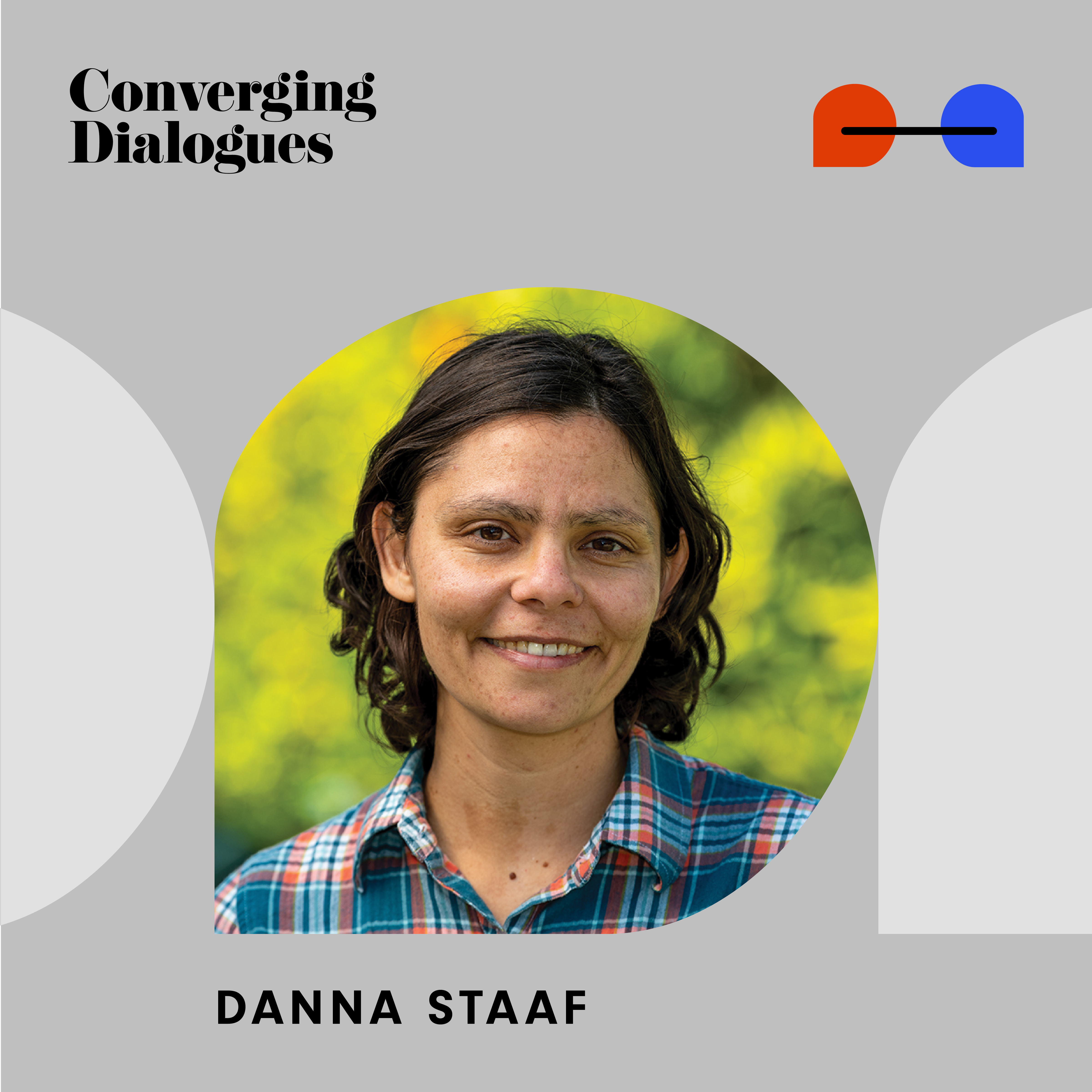
#296 - A Natural History of Cephalopods: A Dialogue with Danna Staaf
In this episode, Xavier Bonilla has a dialogue with Danna Staaf about the natural history of cephalopods. They discuss the family of cephalopods and their anatomy along with some of the behaviors, intelligence and consciousness with cephalopods, and what convergent evolution tells us about cephalopods. They talk about how cephalopods are able to live outside water, how they live in all bodies of water, impact of climate change, and many more topics. Danna Staaf holds a PhD in invertebrate biology from Stanford university and is an expert on cephalopods. She continues to do research on cephalopods and has had her writing published in the Journal of Experimental Biology and numerous textbooks. She is the author of, Monarchs of the Sea: The Extraordinary 500-Million-Year History of Cephalopods and her latest book, The Lives of Octopuses and Their Relatives: A Natural History of Cephalopods. Website: https://www.dannastaaf.com/p/home.html Get full access to Converging Dialogues at convergingdialogues.substack.com/subscribe
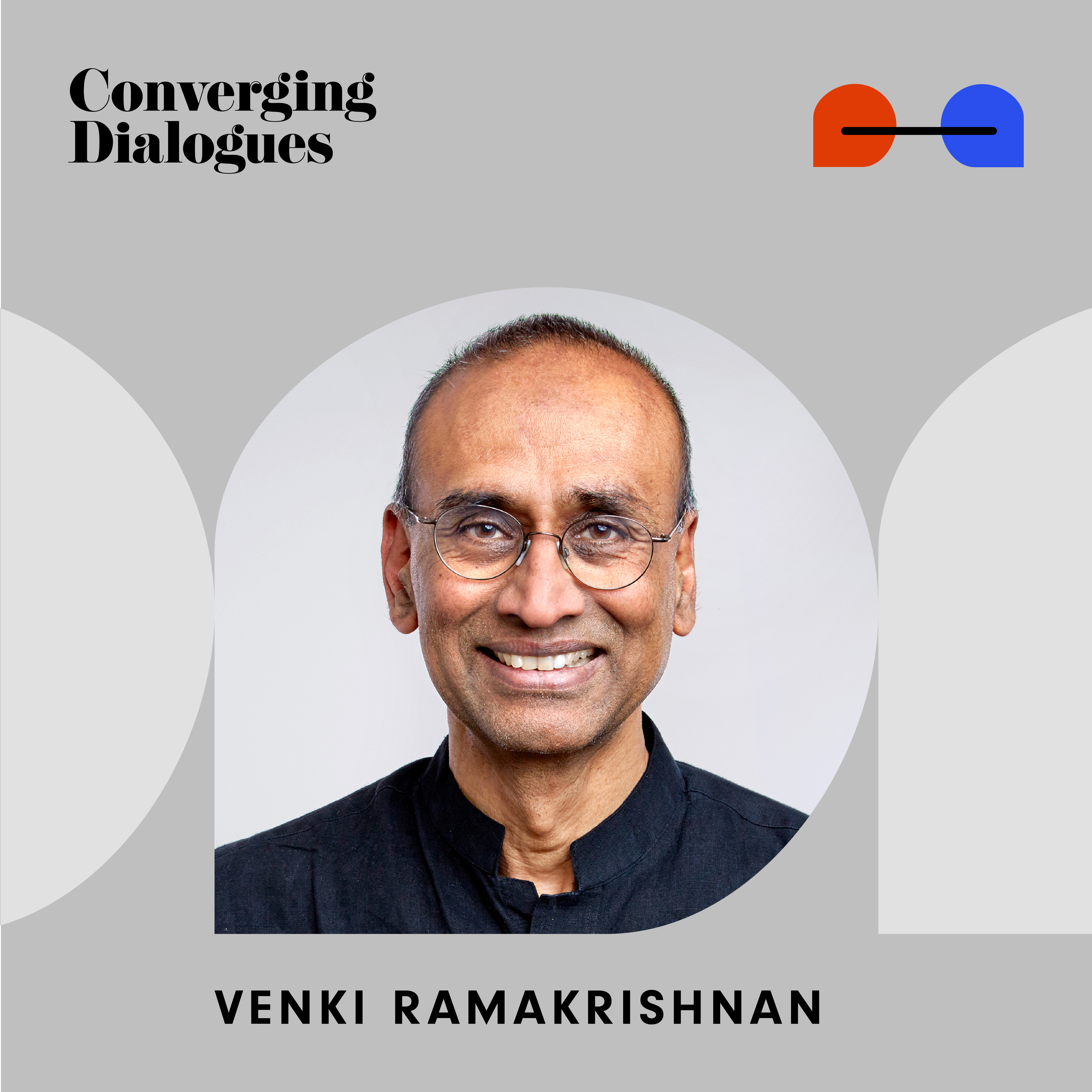
#295 - Discovering the Ribosome Structure: A Dialogue with Venki Ramakrishnan
In this episode, Xavier Bonilla has a dialogue with Venki Ramakrishnan about his discovering and mapping the ribosome structure. They discuss his background in coming from India to study physics and then biology, layout of ribosome, DNA, RNA, mRNA, and proteins, what we have learned about the ribosome over the past 50+ years, x-ray crystallography, and his trip to the LMB. They also discuss his experience of seeing atomic subunits of ribosomes for the first time, winning the Nobel Prize, and the future of ribosome research. Venki Ramakrishnan is a biologist and group leader of the Medical Research Center (MRC) Laboratory of Molecular Biology and is a fellow of Trinity College, Cambridge. He was President of the Royal Society from 2015 to 2020. He was awarded the Nobel Prize in Chemistry in 2009 for his work on the sequence of the ribosome structure. He is also a member of the Order of Merit since 2012. He is the author of, Gene Machine: The Race to Decipher the Secrets of the Ribosome. Get full access to Converging Dialogues at convergingdialogues.substack.com/subscribe
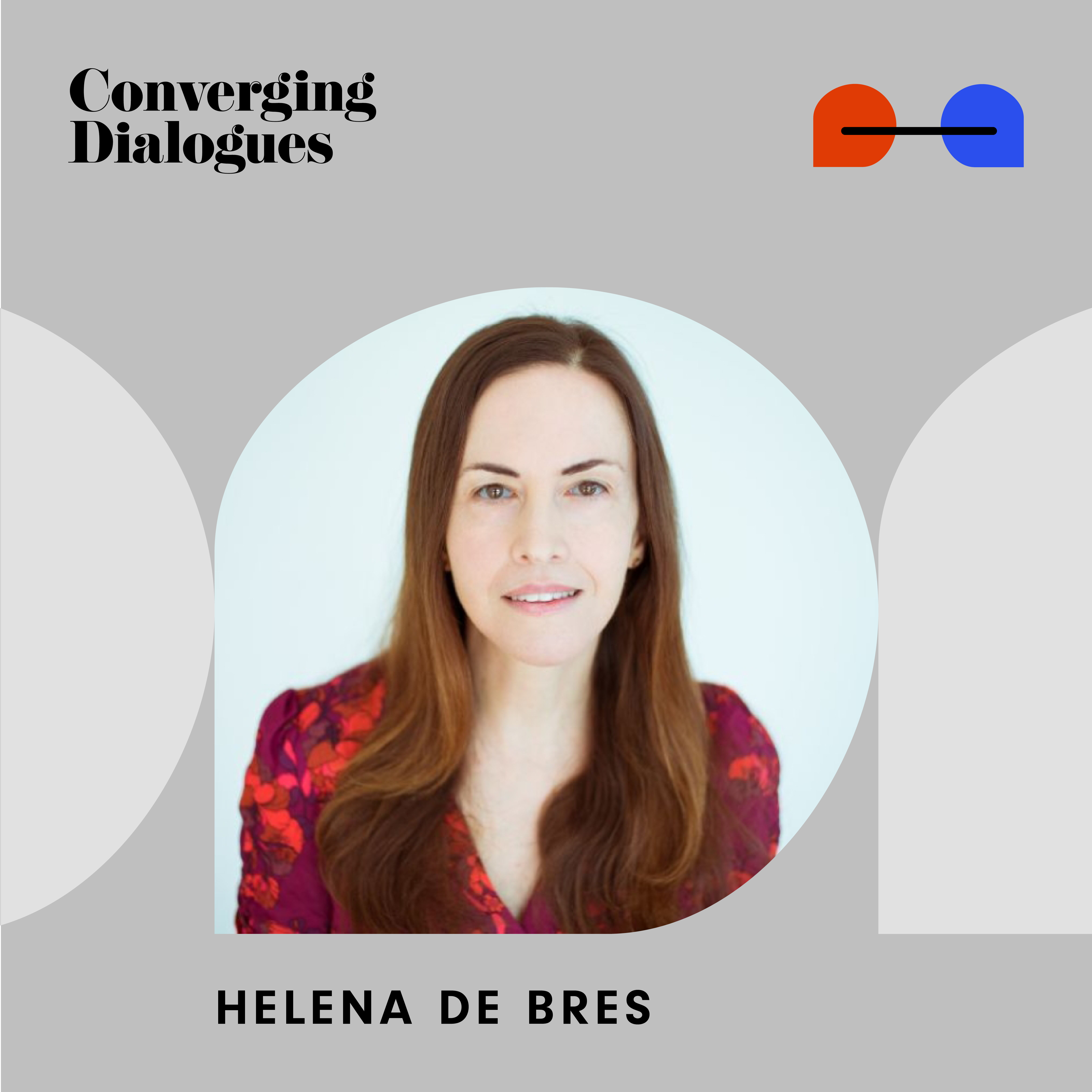
#294 - The Philosophy of Twins: A Dialogue with Helena de Bres
In this episode, Xavier Bonilla has a dialogue with Helena de Bres about the philosophy of twins. They talk about why people are fascinated by twins, binarizing twins, definitions of selfhood, twins and individuality, and the extended mind. They also talk about twins and love, twins and dating, what twins teach people about objectification, and many more topics. Helena de Bres is Professor of Philosophy at Wellesley College. Her main interests are on philosophy of literature, specifically the nature of memoir. She also works with themes of creative writing, public philosophy, and distributive justice. She is the author of Artful Truths: The Philosophy of Memoir and her most recent book, How to be Multiple: The Philosophy of Twins.Website: https://sites.google.com/wellesley.edu/helenadebres/home?authuser=0 Get full access to Converging Dialogues at convergingdialogues.substack.com/subscribe
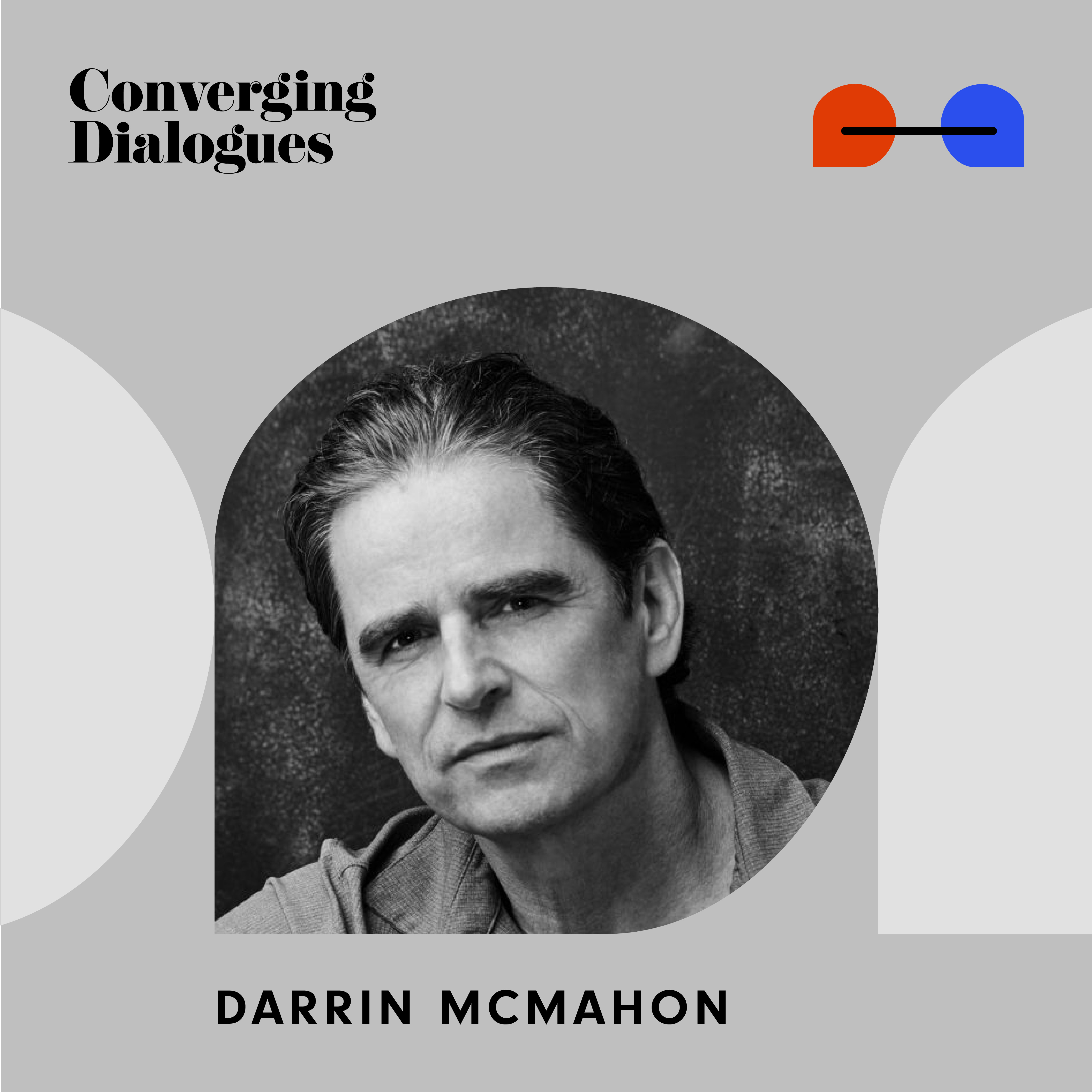
#293 - The History of Equality: A Dialogue with Darrin McMahon
In this episode, Xavier Bonilla has a dialogue with Darrin McMahon about the history of equality. They define equality and inequality, hierarchies, equality not being sameness, equality as a value, and equality in other animals. They also talk about the origins of equality, reverse hierarchy dominance theory for equality, cooperation, slavery, religion, the Greeks complicated history with equality, complexity of enlightenment values, equality in the future, and many more topics.Darrin McMahon is David W. Little Class of 1944 Professor and Chair of the Department of History at Dartmouth College. He has his PhD from Yale University. He is the recipient of major fellowships from the Mellon and Guggenheim Foundations and has been visiting scholar at Columbia University, New York University, Yale University, the University of Rouen, the École Normale Supérieur, the École des Hautes Études, and the University of Potsdam. His writings have appeared in such publications as the New York Times, the Boston Globe, the New York Times Book Review, the Washington Post, the Wall Street Journal, Time Magazine, the New Republic, and Slates. He writes regularly for the Literary Review in London. He is the author of numerous books including the most recent, Equality: The History of an Elusive Idea. Website: https://darrinmcmahon.com/ Get full access to Converging Dialogues at convergingdialogues.substack.com/subscribe
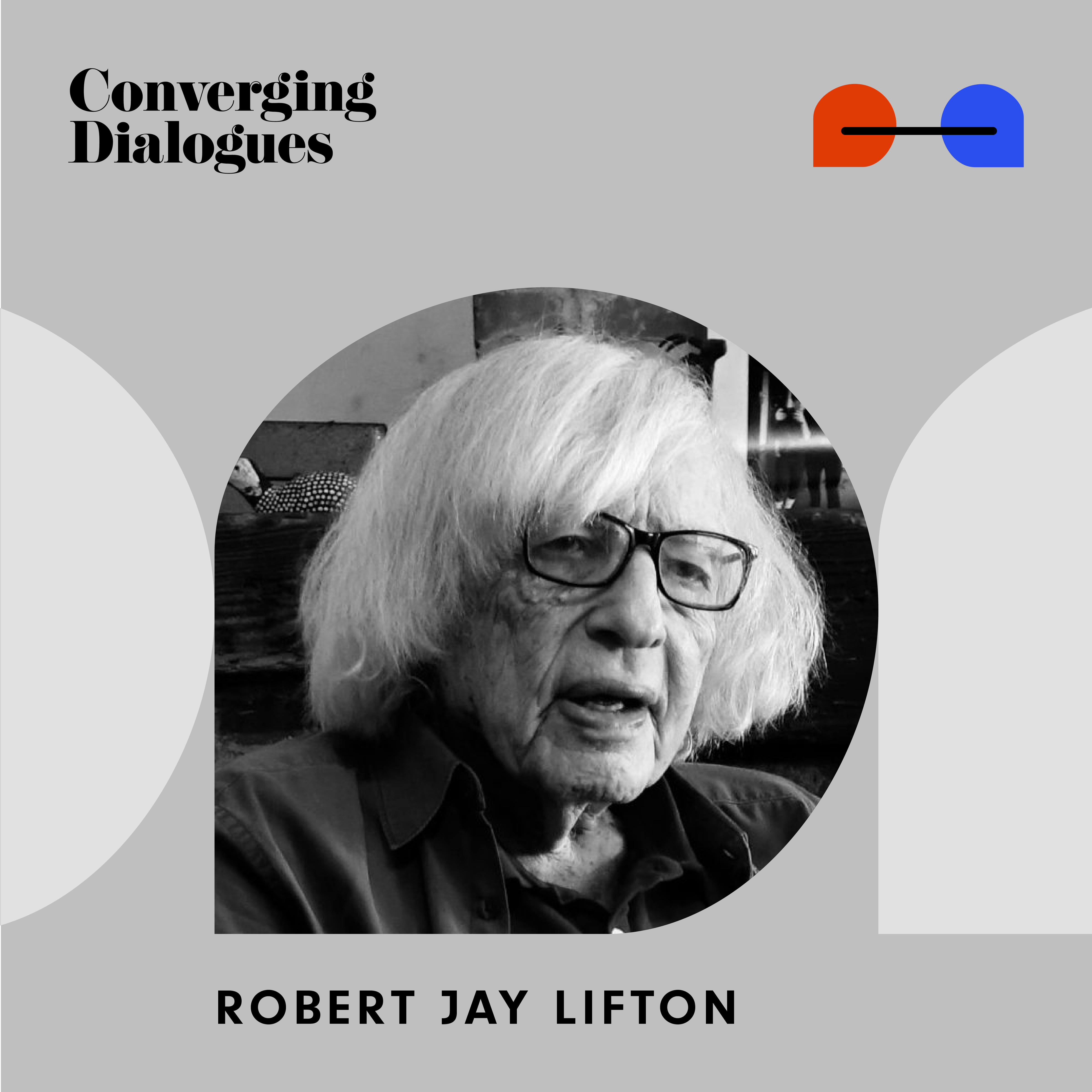
#292 - Surviving Our Catastrophes: A Dialogue with Robert Jay Lifton
In this episode, Xavier Bonilla has a dialogue with Robert Jay Lifton about resilience, catastrophe, and survival. They discuss psychohistory, his work with survivors of Hiroshima, the death imprint for survivors and his work with Erik Erikson. They talk about Freud’s death drive and differences and similarities to the death imprint. They discuss understanding resilience and surviving COVID-19, individual and collective mourning, surviving the effects of climate change, protean self, survivor power, the realities of catastrophe, and many other topics. Robert Jay Lifton is a psychiatrist and pioneer of psychohistory. He has been a professor at the Washington School of Psychiatry, Yale University, Harvard University, the City University of New York, and Columbia University. Together with Erik Erikson, he convened the Wellfleet Psychohistory Group in 1966. He is the author of numerous books including the most recent, Surviving our Catastrophes: Resilience and Renewal from Hiroshima to the COVID-19 Pandemic.Website: https://www.robertjaylifton.com/ Get full access to Converging Dialogues at convergingdialogues.substack.com/subscribe
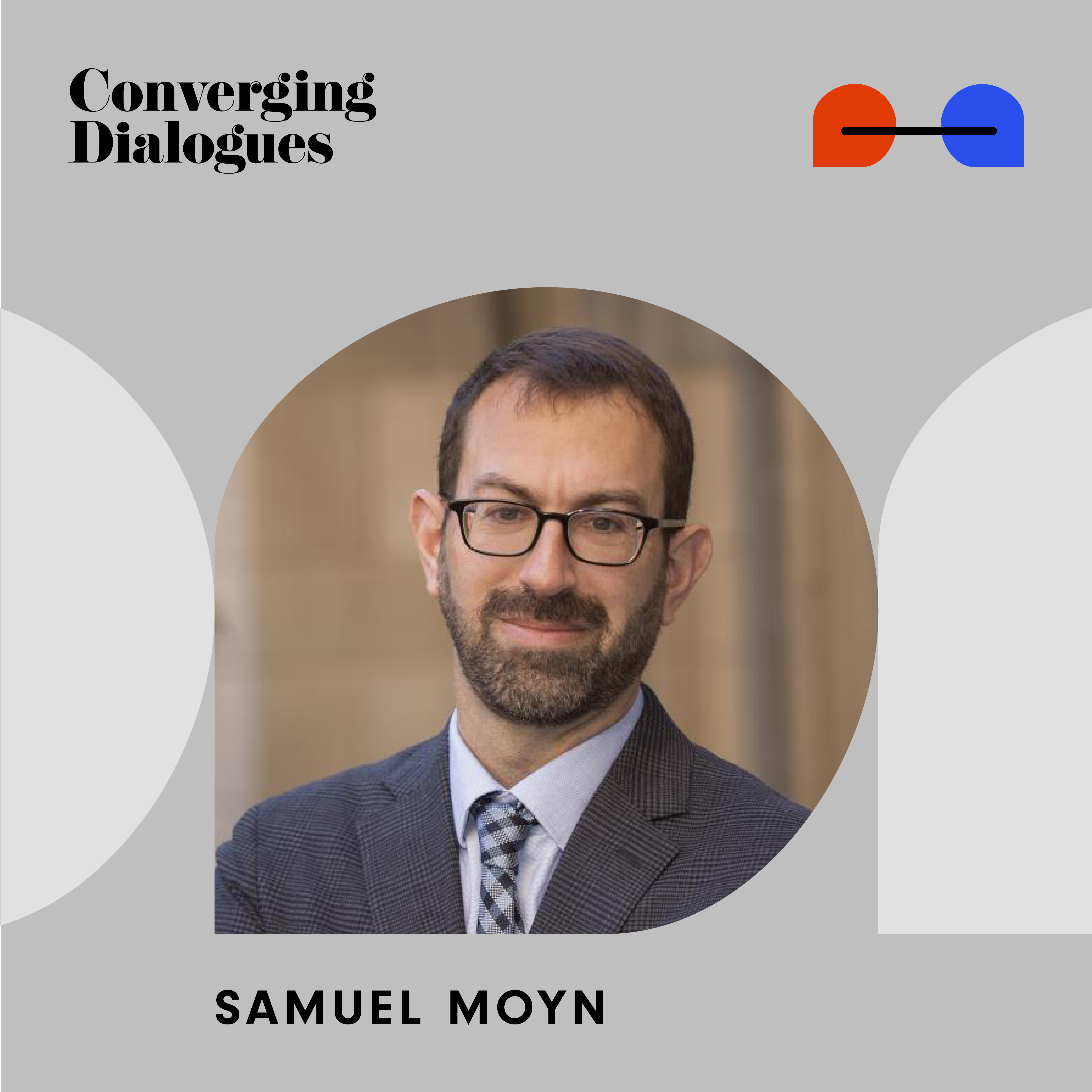
#291 - Cold War Liberalism: A Dialogue with Samuel Moyn
In this episode, Xavier Bonilla has a dialogue with Samuel Moyn about cold war liberalism. They provide a definition of liberalism, cold war liberalism, and some of the differences between these two forms of liberalism. They discuss some of the lessons from Cold War liberals for liberals today and the rise of neoliberalism and neoconservatism. They discuss the work of Judith Shklar, romanticism for Shklar and Isaiah Berlin, Karl Popper and historicism, Hannah Arendt on liberalism, Lionel Trilling on Freud and Cold War liberalism, the future of liberalism, and many more topics. Samuel Moyn is Chancellor Kent Professor of Law and History at Yale University. He has his law degree from Harvard University and his PhD in modern European history from University of California, Berkeley. He is fellow at Quincy Institute for Responsible Statecraft and has received fellowships from the American Council of Learned Societies, the Berggruen Institute, and the John Simon Guggenheim Memorial Foundation. His main interests are in international law, human rights, and 20th century European moral and political theory. He was recently named one of Propsect Magazine’s top thinkers in the world for 2024. He is the author of numerous books including his most recent, Liberalism Against Itself: Cold War Intellectuals and the Making of our Times. Website: https://campuspress.yale.edu/samuelmoyn/Twitter: @samuelmoyn Get full access to Converging Dialogues at convergingdialogues.substack.com/subscribe
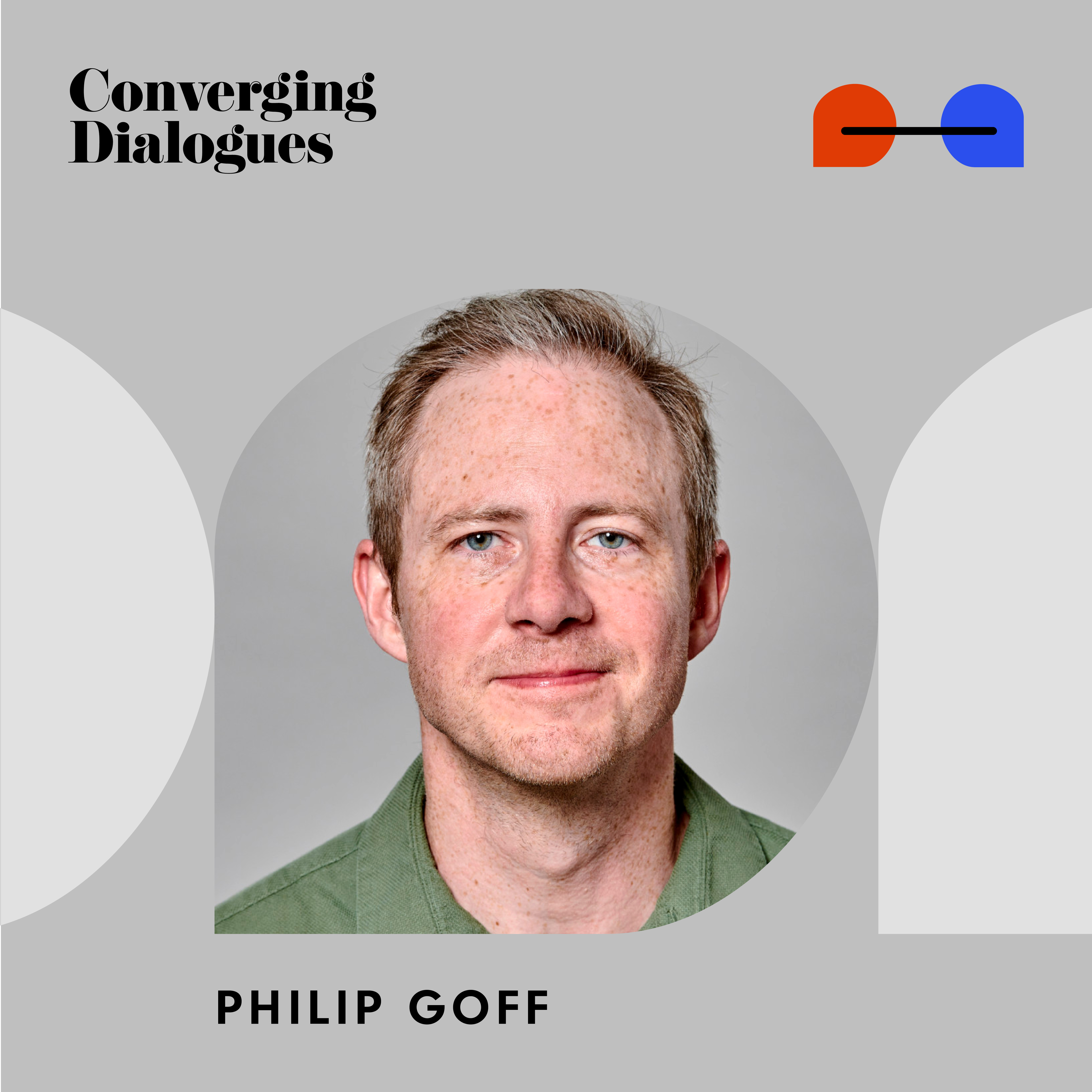
#290 - Finding Meaning In Our Universe: A Dialogue with Philip Goff
In this episode, Xavier Bonilla has a dialogue with Philip Goff about the big questions of the universe. They discuss questions such as “why are we here” and “what is the purpose of living?” They talk about how much meaning could we possibly receive from life, value nihilism and value fundamentalism, and where do morals originate? They also discuss panpsychism, consciousness, Integration Information Theory, implications of panpsychism, and many more topics. Philip Goff is a philosopher and professor at Durham University, UK. His main focus areas are on the nature of reality and he is well-published on panpsychism. He has a podcast, Mind Chat, and is the author of several books including the most recent, Why?:The Purpose of the Universe.Website: https://philipgoffphilosophy.com/Twitter: @philip_goff Get full access to Converging Dialogues at convergingdialogues.substack.com/subscribe
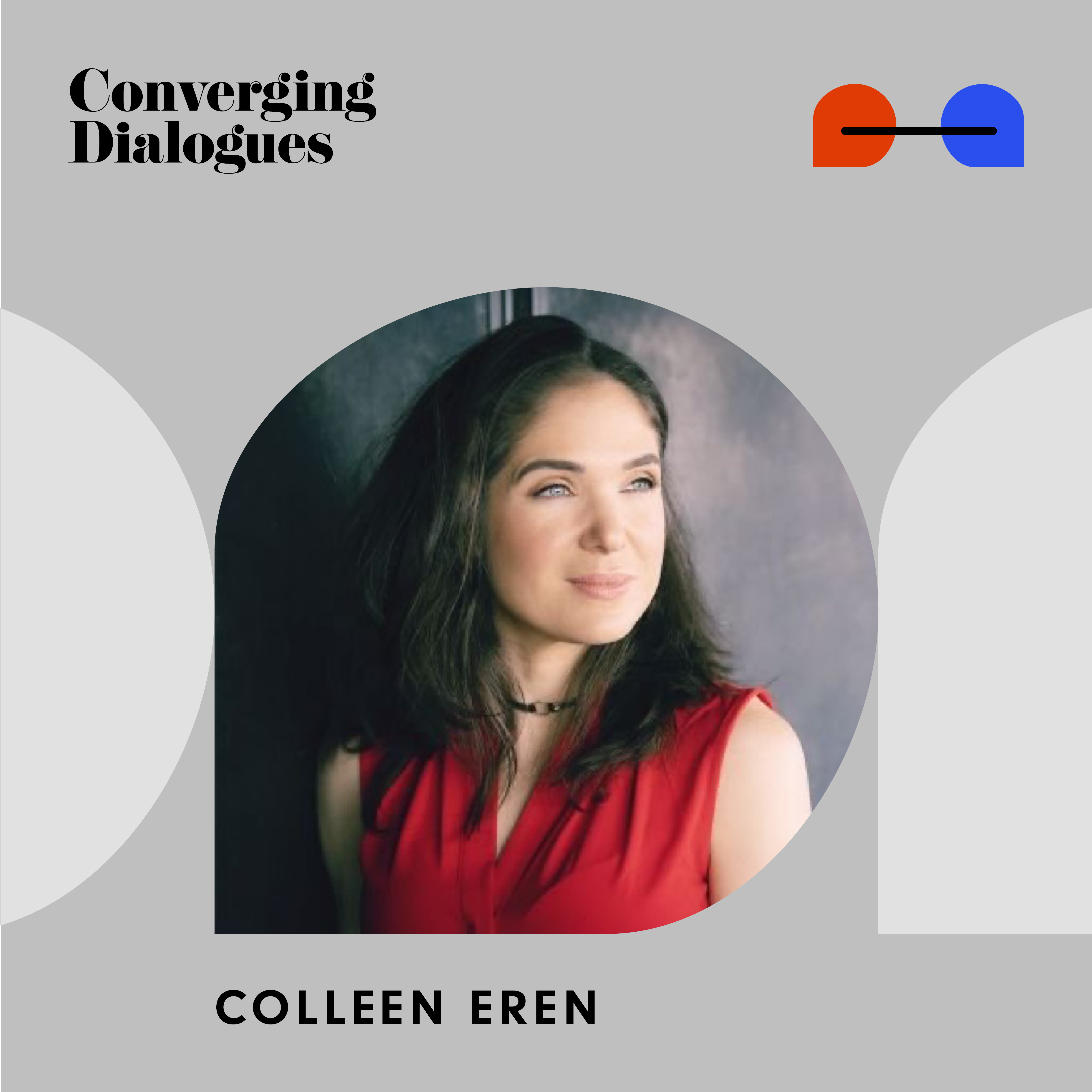
#289 - First Steps Towards Ending Mass Incarceration: A Dialogue with Colleen Eren
In this episode, Xavier Bonilla has a dialogue with Colleen Eren about mass incarceration and the First Step Act. They discuss the current landscape of mass incarceration, jail and prison, and why people have started caring about mass incarceration. They discuss the First Step Act, bipartisan support, ‘94 crime bill, and the history of legislation on incarceration since LBJ. They talk about “mainstreamization,” billionaire involvement, celebrity involvement, impact of the First Step Act, and where future legislation goes on mass incarceration. Colleen Eren is Associate Professor and the Criminology and Criminal Justice Program Director at William Paterson University. She has her PhD in Sociology from City University of New York, The Graduate Center. She is a member of the Crime and Justice Research Alliance of the American Society of Criminology. She has written three books including her most recent book, Reform Nation: The First Step Act and The Movement to End Mass Incarceration. Twitter: @colleeneren Get full access to Converging Dialogues at convergingdialogues.substack.com/subscribe
#288 - Mass Incarceration and The Death of Rehabilitation: A Dialogue with Vincent Schiraldi
In this episode, Xavier Bonilla has a dialogue with Vincent Schiraldi about mass incarceration, probation, and parole. They discuss the current landscape of mass incarceration, probation, and parole, why there are high rates of incarceration and probation, history of probation and parole, and the impact of Nixon’s war on drugs. They talk about the Martinson report, bias, stereotypes, and racism, and the case example of Meek Mill and high incarceration rates in Philadelphia. They talk about alternative methods for improving probation and parole, future of probation, and many other topics. Vincent Schiraldi is the Secretary of the Maryland Department of Juvenile Services. He previously served as Commissioner of New York City’s Department of Correction, and before that Columbia University, where he served as Senior Research Scientist at the Columbia School of Social Work and co-Director of the Columbia Justice Lab. While Commissioner of New York City’s Department of Correction, he attempted to close Riker’s Island and end the practice of solitary confinement. He also served as director of juvenile corrections in Washington DC, as Commissioner of the New York City Department of Probation, and as Senior Policy Adviser to the NYC Mayor’s Office of Criminal Justice. He is the author of the book, Mass Supervision: Probation, Parole, and the Illusion of Safety and Freedom. Get full access to Converging Dialogues at convergingdialogues.substack.com/subscribe
#287 - The Blue machine: A Dialogue with Helen Czerski
In this episode, Xavier Bonilla has a dialogue with Helen Czerski about the Ocean on the Earth. They talk about how there is one ocean on planet Earth, why we ignore the ocean, makeup of the ocean with temperature, salinity, and wetness, and how much salt is in the ocean. They discuss the layers of the ocean, the Mediterranean sea, the shape of water, impact of wind and gravity, the moon’s relationship with ocean tides, 5 gyres, the ocean floor, impact of climate change, and many more topics. Helen Czerski is a physicist and oceanographer who conducts research in the Department of Mechanical Engineering at University College London. She has her PhD in physics from Cambridge and completed a postdoc in oceanography. She has presented on many BBC science documentaries and her research is spent studying the atmosphere and ocean surface. She is the author of the new book, The Blue Machine: How the Ocean Works. Website: https://www.helenczerski.net/Twitter: @helenczerskiInstagram: @Helen_czerski Get full access to Converging Dialogues at convergingdialogues.substack.com/subscribe
#286 - Gender Performativity in Biology: A Dialogue with Richard Prum
In this episode, Xavier Bonilla has a dialogue with Richard Prum about sex, gender, and biology. They talk about why sex and gender are sometimes controversial, defining sex, and sex as history. They discuss the materialist-feminist framework, gender as an extended phenotype, gender performativity, genes and chromosomes, Wolffian and Müllerian ducts, the role of hormones, the future of gender, and many more topics. Richard Prum is an Evolutionary Ornithologist at Yale University. His research interests are avian biology, behavioral evolution, sexual selection, and mate choice. He has been a main contributor to the theropod dinosaur origins of birds and the evolution of avian plumage coloration. He is the Curator of Ornithology and Head Curator of Vertebrate Zoology at the Yale Peabody Museum of Natural History. Previously, he was the Chair of the Department of Ecology and Evolutionary Biology at Yale. He is the author of, The Evolution of Beauty: How Darwin’s Forgotten Theory of mate Choice Shapes the Animal World—and Us, and his latest book, Performance All the Way Down: Genes, Development, and Sexual Difference. You can find his scholarly publications here. Get full access to Converging Dialogues at convergingdialogues.substack.com/subscribe
#285 - Polyvagal Theory: A Dialogue with Stephen Porges
In this episode, Xavier Bonilla has a dialogue with Stephen Porges about polyvagal theory. They discuss the importance of safety, the vagus nerve and polyvagal theory, and why the Respiratory Sinus Arrhythmia (RSA) is important. They discuss the various branches, the social engagement system, neuroplasticity, and how the polyvagal theory works with trauma and co-regulation. They discuss the practical and clinical uses of the polyvagal theory, criticisms of the theory, future of the theory, and many more topics. Stephen Porges is Distinguished University Scientist at Indiana University where he is the founding director of the Traumatic Stress Research Consortium. He is Professor of Psychiatry at the University of North Carolina, and Professor Emeritus at both the University of Illinois at Chicago and the University of Maryland.He was president of the Society for Psychophysiological Research and the Federation of Associations in Behavioral & Brain Sciences and was a recipient of National Institute of Mental Health Research Scientist Development Award. He has published more than 400 peer-reviewed papers across several disciplines and is the founder of the polyvagal theory. He is the author of numerous books, including the most recent book (co-authored with Seth Porges), Our Polyvagal World: How Safety and Trauma Change Us. Website: https://www.stephenporges.com/Paper 1: https://www.sciencedirect.com/science/article/pii/S2666497621000436?via%3DihubPaper 2: https://www.frontiersin.org/articles/10.3389/fnint.2022.871227/fullPaper 3: https://www.sciencedirect.com/science/article/pii/S2666497623000346?via%3Dihub Get full access to Converging Dialogues at convergingdialogues.substack.com/subscribe
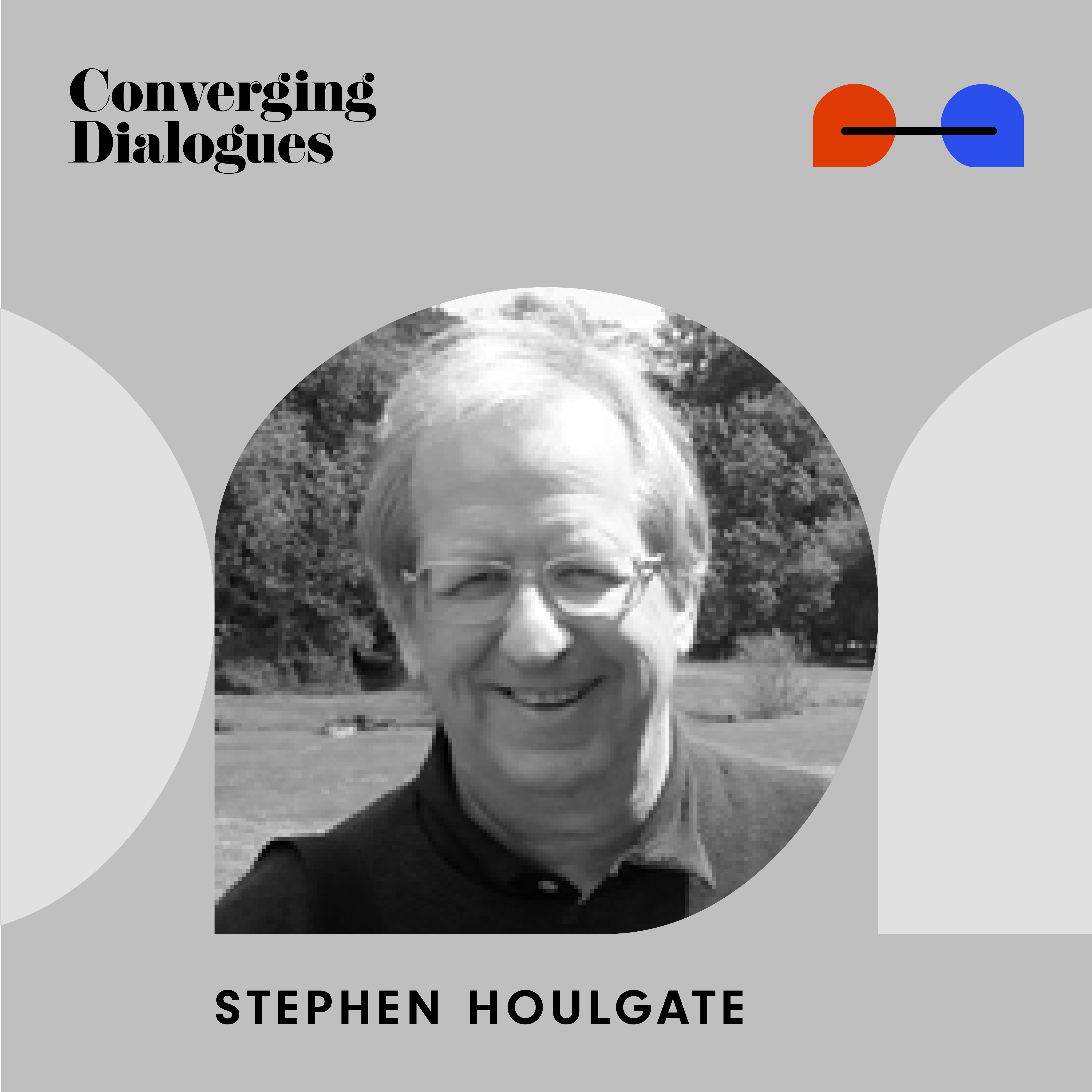
#284 - Hegel on Being: A Dialogue with Stephen Houlgate
In this episode, Xavier Bonilla has a dialogue with Stephen Houlgate on Hegel’s Logic and his philosophy of being. They discuss the main aims of Hegel’s Logic and the use of categories, why Hegel believed Kant’s Logic is not critical enough, categories of thought and natural kinds, and separating thinking and being. They discuss Hegel and Heidegger on being, Hegel on objectivity and being presuppositionless, and pure being, becoming, and nothing. They discuss Nietzsche and Hegel on becoming, Dasein, Hegel and Frege on quantity, differential calculus, linking the Phenomenology of Spirit and Logic, and many more topics. Stephen Houlgate is professor of philosophy at the University of Warwick. He has his PhD from the University of Cambridge and his main interest is the work of Hegel. He has published numerous books, including the most recent two volume, Hegel on Being. Get full access to Converging Dialogues at convergingdialogues.substack.com/subscribe
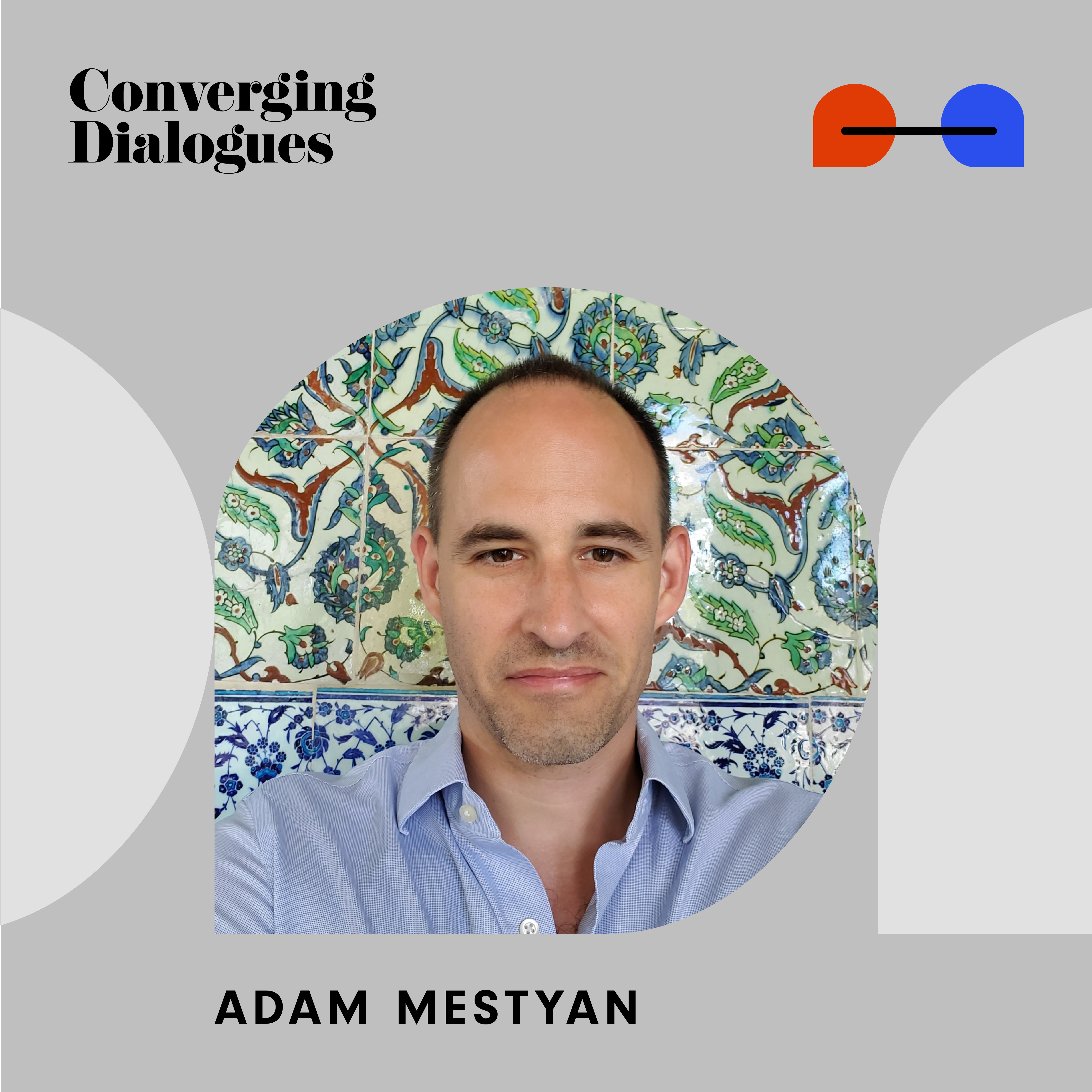
#283 - Recycling Empire: A Dialogue with Adam Mestyan
In this episode, Xavier Bonilla has a dialogue with Adam Mestyan about the post-Ottoman Middle East. They discuss nation states, recycling empire, international imperialism, and sovereignty. They talk about political order rather than governance, local states, nation states or federations, republics or monarchies, constitutive fictions, British and Ottoman involvement in Egypt, Egyptian sovereignty and the Muslim Brotherhood, the kingdom of Syria, and many more topics. Adam Mestyan is Associate Professor in the History Department at Duke University. He has previously taught at Harvard University and was a Junior Fellow at the Harvard Society of Fellows. His main interests are in natural history and Islamic law, urban history, the history of taxation, and Arab state formation (especially federations) in the nineteenth and twentieth centuries. He is the author of a handful of books including the most recent book, Modern Arab Kingship: Remaking the Ottoman Political Order in the Interwar Middle East. Website: https://adammestyan.com/Twitter: @adammestyan Get full access to Converging Dialogues at convergingdialogues.substack.com/subscribe
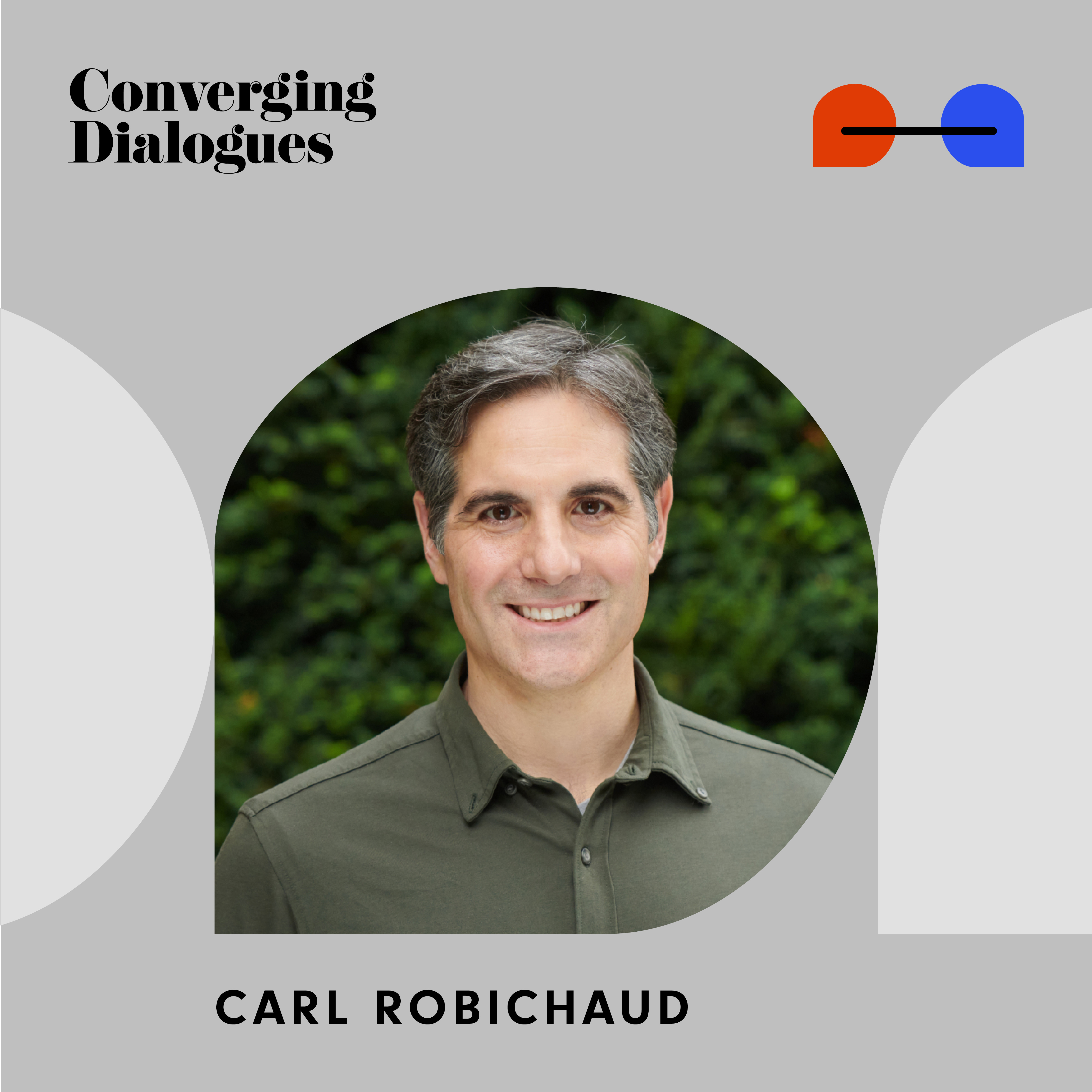
#282 - Nuclear Doomsday Pending: A Dialogue with Carl Robichaud
In this episode, Xavier Bonilla has a dialogue with Carl Robichaud about past and present nuclear risks. They discuss why nuclear weapons are still relevant, creation of the atomic bomb, Oppenheimer, and attempts at regulation after Hiroshima and Nagasaki. They discuss Bay of pigs, SALT I & II, START I & II, and the nuclear arms race during the Cold War. They talk about the nine countries that currently have nuclear weapons, nuclear taboo, India-Pakistan tensions with nuclear weapons, Iran deal during the Obama administration, and nuclear energy. They also discuss the Russia-Ukraine conflict, Israel and their nuclear weapons, China’s nuclear program, nuclear testing, and hypersonic missiles. They talk about the process of launching a nuclear weapon, Ai and nuclear weapons, a future with no nuclear weapons, and many more topic.Carl Robichaud co-leads Longview Philanthropy’s programme on nuclear weapons policy, and co-manages Longview’s Nuclear Weapons Policy Fund. He holds an MPA in public policy and international affairs from Princeton University. Carl previously worked with The Century Foundation and the Global Security Institute, where his extensive research spanned arms control, international security policy, and nonproliferation. He is also on the Council for Foreign Relations. Website: https://www.longview.org/Twitter: @carlrobichaud Get full access to Converging Dialogues at convergingdialogues.substack.com/subscribe
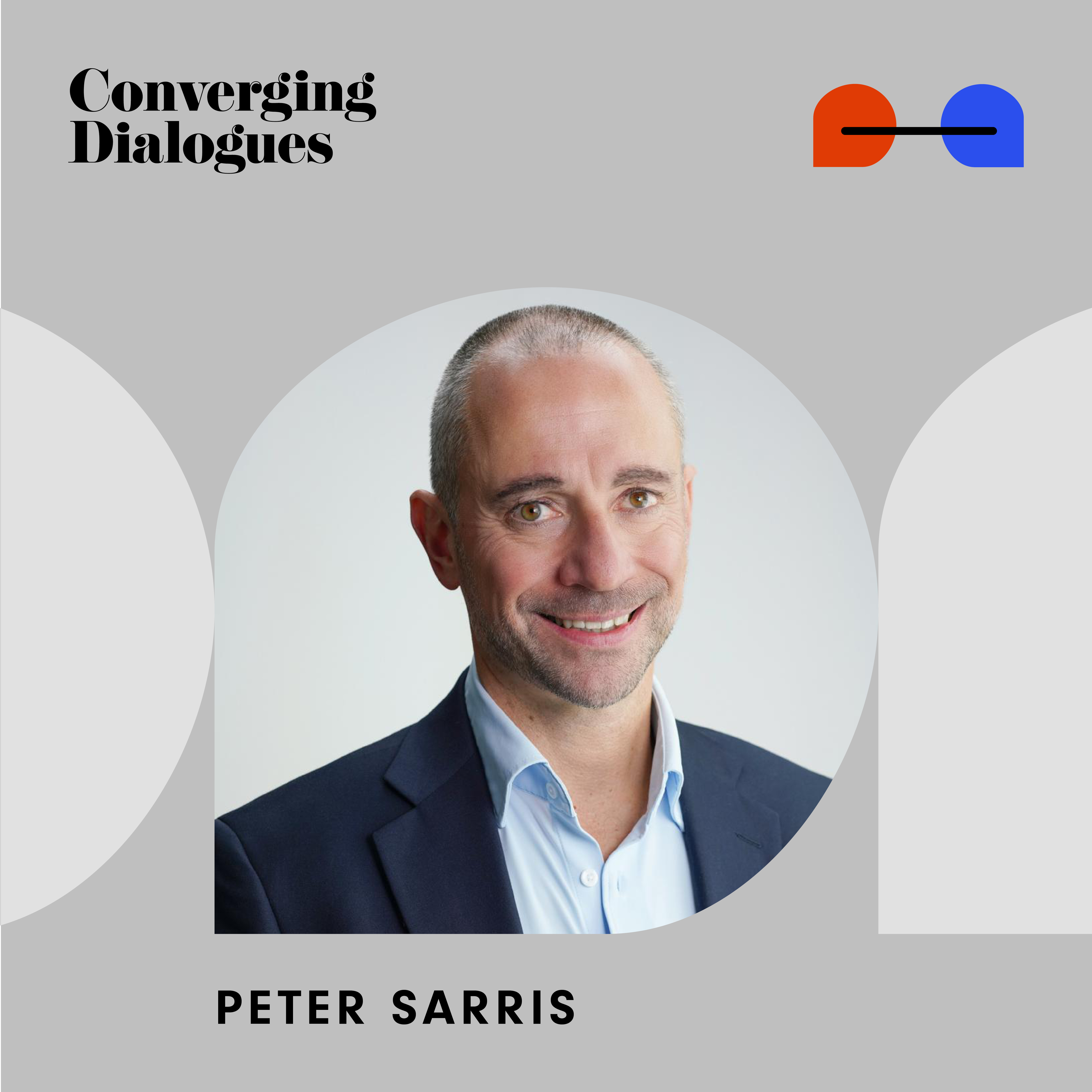
#281 - Justinian: Emperor, Soldier, Saint: A Dialogue with Peter Sarris
In this episode, Xavier Bonilla has a dialogue with Peter Sarris about the Roman emperor, Justinian. They give an overview of Justinian, provide the context of the Roman Empire, discuss the rise of Justin and him adopting Justinian and Justinian’s succession. They talk about the lessons Justinian learned from Justin’s reign, urgency and energy early in Justinian’s reign and his emphasis on religious law. They discuss the importance of Armenia, zealous nature of Justinian with his religious laws, the Hagia Sofia and other religious sites, military campaigns, and the impact of his religious laws. They talk about the relationship dynamics with his wife, how he handled pandemics and disease, the legacy of Justinian, and many other topics.Peter Sarris is Professor of Late Antique, Medieval, and Byzantine studies and Fellow of Trinity College at the University of Cambridge. He has been Visiting Fellow at Rice University and Dumbarton Oaks Research Library, Washington, DC (Harvard University). His research has focused on the social, economic and legal history of Late Antiquity, the Early Middle Ages and Byzantium, with a particular focus on the political economy of the East Roman Empire from the fourth to sixth centuries. He is the author of many publications, including the most recent book, Justinian: Emperor, Soldier, Saint. Twitter: @peter_sarris Get full access to Converging Dialogues at convergingdialogues.substack.com/subscribe
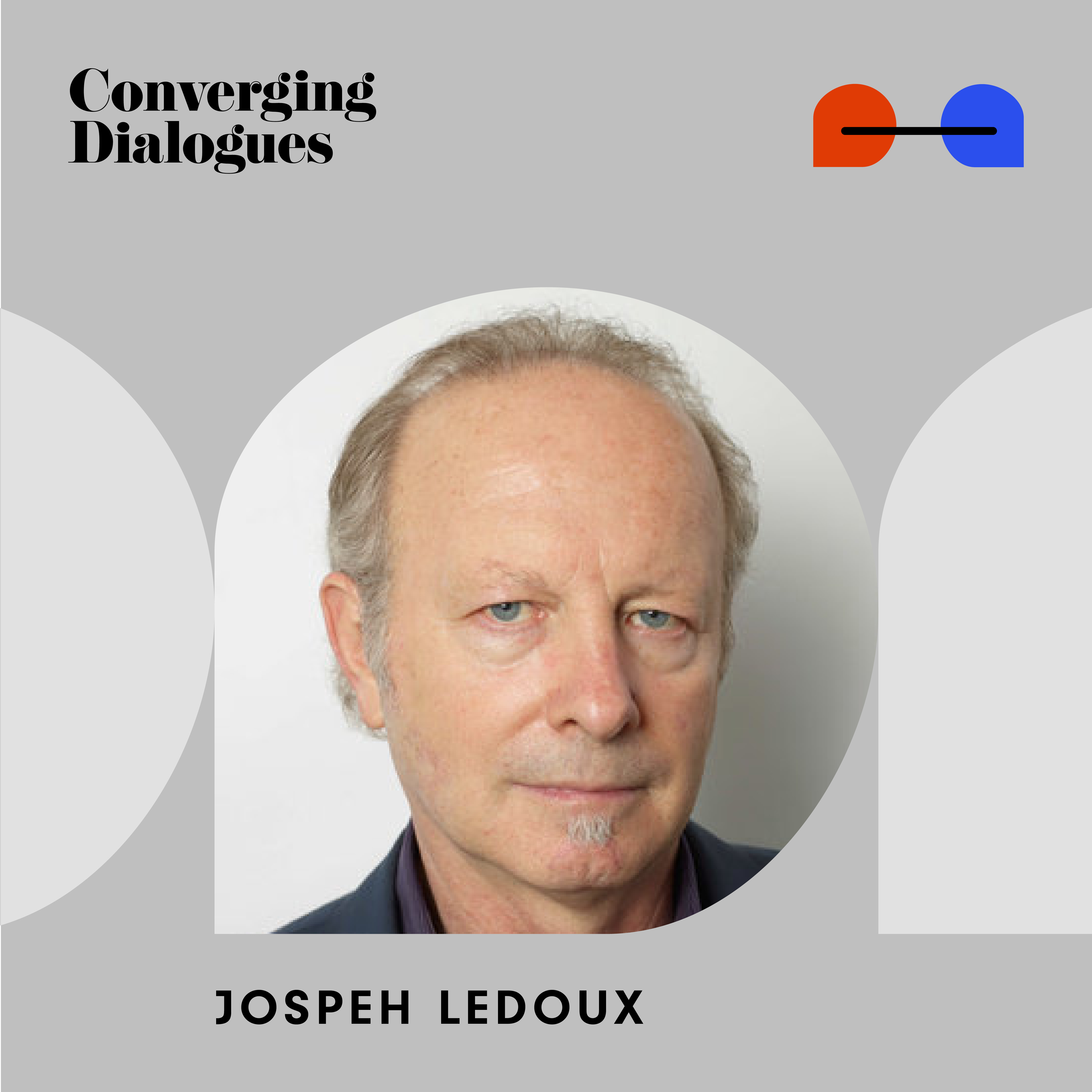
#280 - The Four Realms of Existence: A Dialogue with Joseph LeDoux
In this episode, Xavier Bonilla has a dialogue with Joseph LeDoux about human cognition, consciousness, and existence. They discuss his work with Michael Gazzaniga on split brain patients, the four realms of existence, idea of the self, personality and temperament, and integration information theory. They talk about the extended mind, habits and goal direct behaviors, granular and sub-granular areas of the prefrontal cortex for consciousness, and Tulving’s 3 layers of consciousness. They also discuss cognition as a psychological concept, fear, first order and higher order theory, AI and consciousness, and many more topics. Joseph LeDoux is the Henry and Lucy Moses Professor of Science at NYU in the Center for Neural Science, and he is the director of the Emotional Brain Institute at NYU. He also a Professor of Psychiatry and Child and Adolescent Psychiatry at NYU Langone Medical School. His work is focused on the brain mechanisms of memory and emotion and he is the author of numerous books including his most recent book, The Four Realms of Existence. He has received numerous awards and he is a Fellow of the American Academy of Arts and Sciences, the New York Academy of Sciences, and the American Association for the Advancement of Science, and a member of the National Academy of Sciences. He is also the lead singer and songwriter in the rock band, The Amygdaloids.Website: https://joseph-ledoux.com/ Get full access to Converging Dialogues at convergingdialogues.substack.com/subscribe
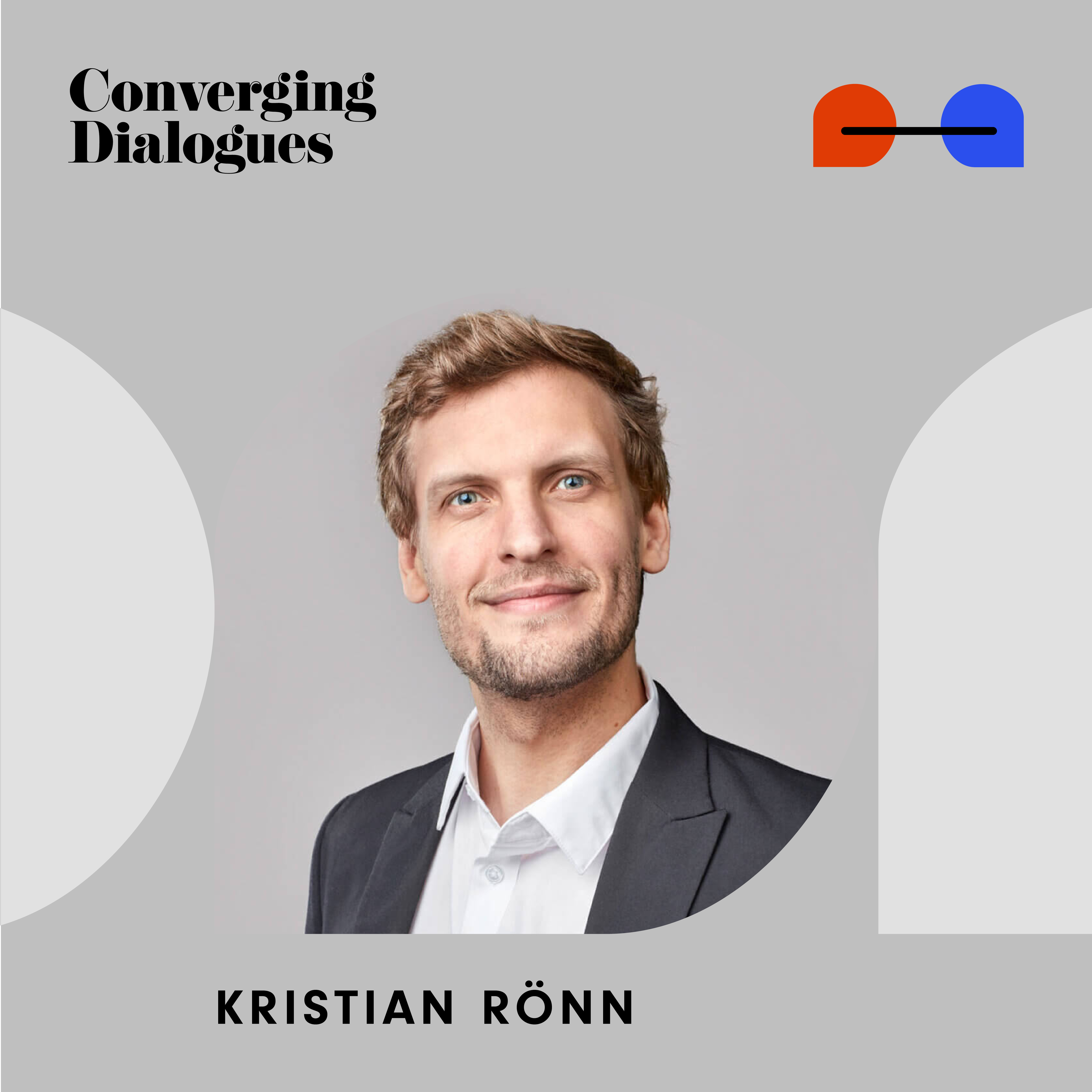
#279 - Carbon Accounting and Climate Change: A Dialogue with Kristian Rönn
In this episode, Xavier Bonilla has a dialogue with Kristian Rönn about carbon accounting and climate change. They talk about his work with Future for Humanity and how he created Normative. They discuss the landscape of climate change at the moment, his company Normative, and the differences between net zero and carbon neutral. They discuss carbon offsets, carbon accounting, and ton-year accounting. They talk about scopes 1, 2, & 3, global regulations, cap and trade, greenwashing, impact of AI on carbon accounting, and many more topics. Kristian Rönn is the CEO and Co-founder of Normative. He has previously worked at the University of Oxford’s Future for Humanity analyzing global catastrophic risks. His background is in mathematics, philosophy, computer science, and artificial intelligence. Website: https://normative.io/ Get full access to Converging Dialogues at convergingdialogues.substack.com/subscribe
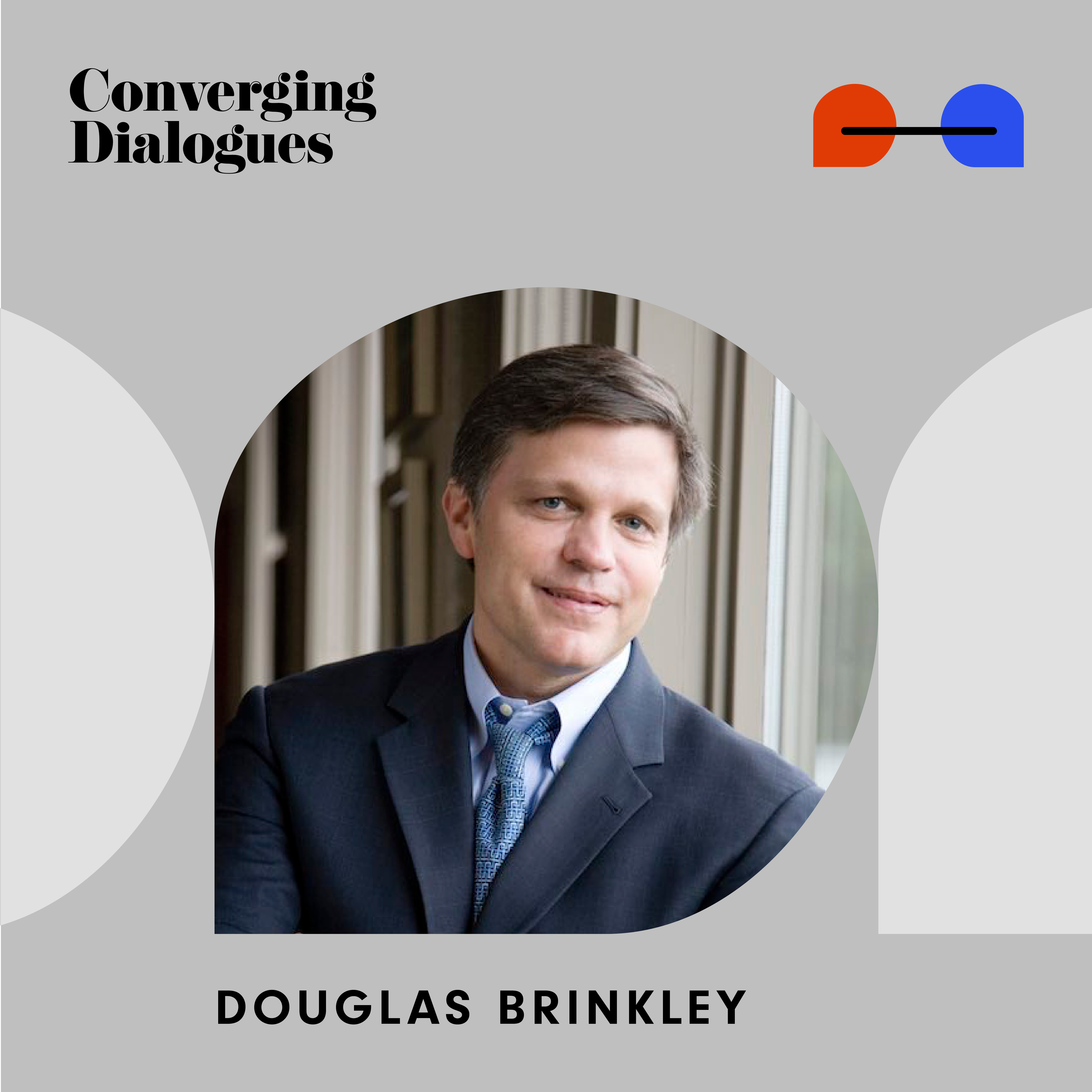
#278 - Conservation Presidents in the 20th Century: A Dialogue with Douglas Brinkley
In this episode, Xavier Bonilla has a dialogue with Douglas Brinkley about various conservation presidents in the 20th century. They discuss his process for how he wrote his conservation trilogy, understanding the psychology of Theodore Roosevelt (TR’s) and how conservation was important to him, and TR’s complex relationship with animals that included preservation and hunting. They talk about how TR used the Federal Government to protect natural land, his relationship with Native Americans, and his overall legacy. They discuss Franklin D. Roosevelt (FDR) using the Federal Government for enacting policies to protect forests, building dams, and creating recreation areas, and how he tied conservation with economic growth. They discuss the impact of Rachel Carson and John F. Kennedy (JFK) for the environmental wave in the 60s, the environmental justice movement, Richard Nixon seizing the moment of environmental activism, climate change in the present moment, and many more topics. Douglas Brinkley is the Katherine Tsanoff Brown Chair in Humanities and Professor of History at Rice University, a CNN Presidential Historian, and a contributing editor at Vanity Fair. He is the author of numerous books including the conservation trilogy which include, The Wilderness Warrior: Theodore Roosevelt and the Crusade for America, Righteous Heritage: Franklin D. Roosevelt and the Land of America, and Silent Spring Revolution: John F. Kennedy, Rachel Carson, Lyndon Johnson, Richard Nixon, and the Great Environmental Awakening. Six of his books have been named New York Times “Notable Books of the Year” and seven became New York Times bestsellers. He received a Grammy Award in 2017 as co-producer of Presidential Suite: Eight Variations on Freedom (Best Jazz Ensemble). The New-York Historical Society selected Brinkley in 2017 as their official U.S. Presidential Historian. He is on the Board of Trustees at Brevard College and the Franklin D. Roosevelt Presidential Library. He is a member of the Century Association, Council of Foreign Relations and James Madison Council of the Library of Congress. Website: https://douglasbrinkley.com/ Get full access to Converging Dialogues at convergingdialogues.substack.com/subscribe
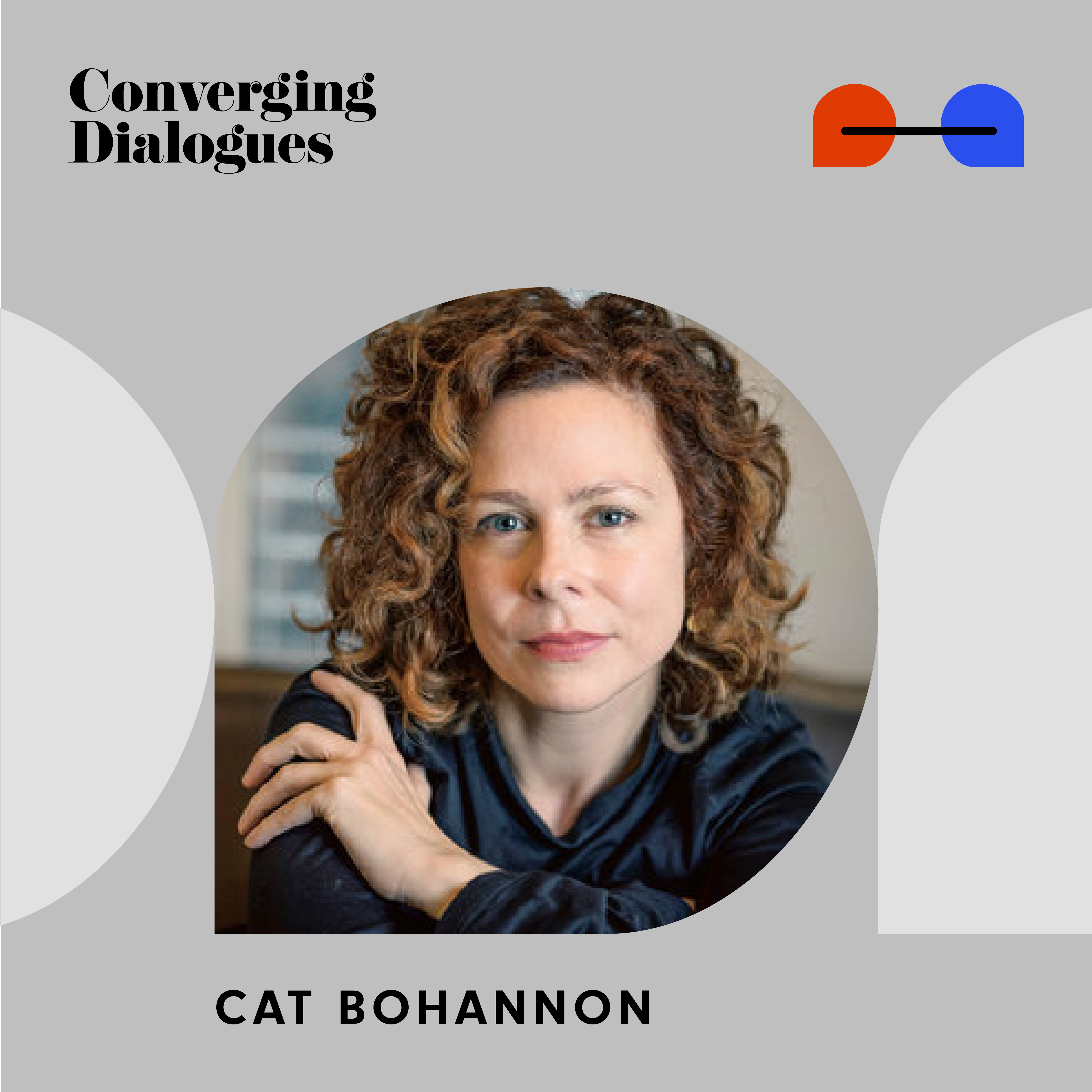
#277 - The 200 Million Year History of Eves: A Dialogue with Cat Bohannon
In this episode, Xavier Bonilla has a dialogue with Cat Bohannon about the evolutionary history of females. They discuss her background, limited female subjects in many research papers, “morgie” and how milk became important, other features of milk such as bonding, attachment, and the “let-down” reflex. They also talk about the different types of wombs for monotremes, marsupials, and placentals, placenta and the menstrual cycle, and risks of pregnancy. They also talk about the grandmother hypothesis, future of females, and many more topics. Cat Bohannon is a research and author with her PhD from Columbia University. She has studied the evolution of narrative and cognition. Her writing has appeared in Scientific American, Science magazine, The Best American Nonrequired Reading, Lapham’s Quarterly, and other outlets. She is the author of the book, Eve: How the Female Body Drove 200 Million Years of Human Evolution. Website: https://www.catbohannon.com/Twitter: @catbohannon Get full access to Converging Dialogues at convergingdialogues.substack.com/subscribe
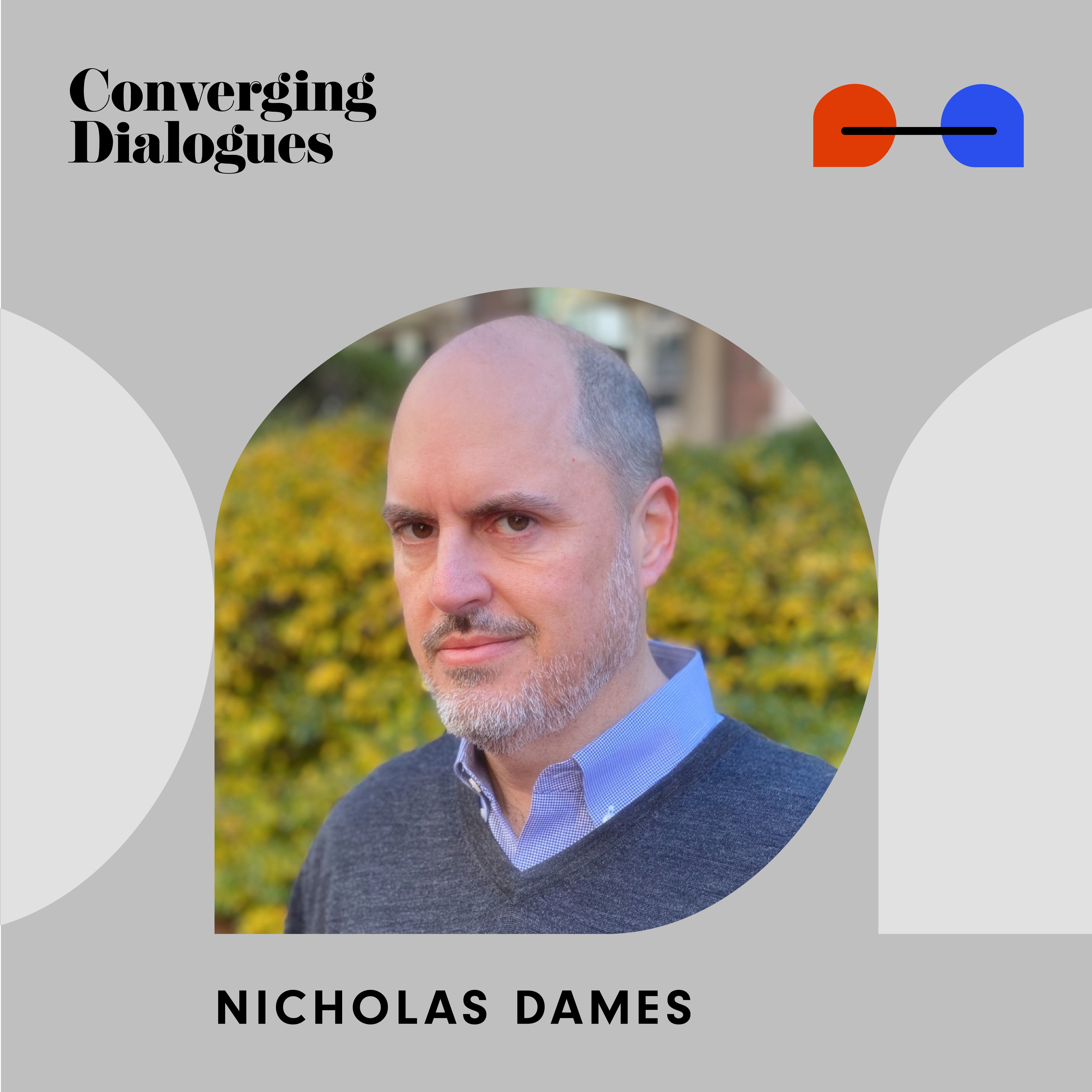
#276 - A Segmented History of The Chapter: A Dialogue with Nicholas Dames
In this episode, Xavier Bonilla has a dialogue with Nicholas Dames about the history of the chapter. They discuss how chapters have boundaries, define what is a chapter, and talk about literacy form. They also talk about the chapter as temporal units or scenes, Tabula Bembina and the first chapter, capitulation and Augustine, and how the chapter evolved with the history of the Bible. They also discuss the chapter in the 15th century, Locke’s anti-chapter theory, Jane Austen and the significance of chapter word count, Tolstoy and episodes, and Dickens and Eliot with diurnal time. They also discuss Machado’s inbetweenness, the Antique-Diminutive Model, chapter in film, the future of the chapter, and many more topics. Nicholas Dames is the Theodore Kahan Professor of Humanities in the Department of English and Comparative Literature at Columbia University. He has been a recipient of Columbia’s Presidential Teaching Award (2005), a Charles Ryskamp Fellowship from the American Council of Learned Societies (2005-6), the Lenfest Distinguished Faculty Award (2008), and the Mark Van Doren Award for Teaching (2013). In 2009-2010 he was chair of the MLA’s Division on Prose Fiction Executive Committee. From 2011-2014 he was chair of the Department of English and Comparative Literature. His main interests are in the history and theory of the novel, the hsitory of reading, and 19th century fiction. He is the author of the most recent book, The Chapter: A Segmented History from Antiquity to the Twenty-First Century. Website: https://nicholasdames.org/Twitter: @n_j_dames Get full access to Converging Dialogues at convergingdialogues.substack.com/subscribe
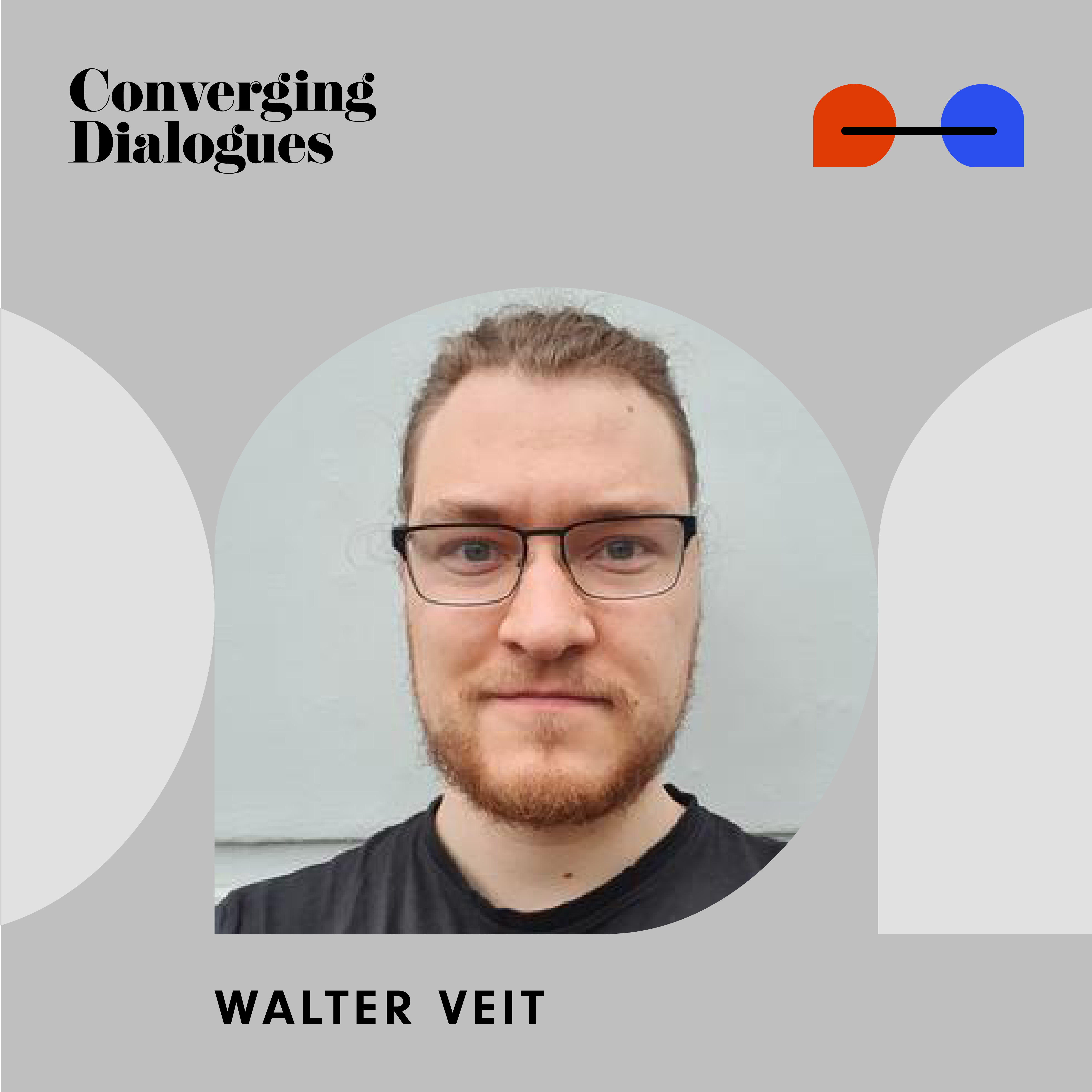
#275 - Animal Consciousness: A Dialogue with Walter Veit
In this episode, Xavier Bonilla has a dialogue with Walter Veit about animal consciousness. They talk about various frameworks for understanding consciousness, the naturalist approach, cognitive ethology, and pathological complexity thesis. They discuss consciousness arising in the Cambrian period, defining consciousness, free will, consciousness profile, Integrated Information Theory, interacting with animals, and many more topics. Walter Veit is a lecturer in philosophy at the University of Reading. He is also the Director of the PPE Program and the Philosophy MA Program. He is also an external member of the Munich Center for Mathematical Philosophy at the University of Munich. He has his PhD from the School of History and philosophy of Science at the University of Sydney. His research interests have been on animal ethics, welfare, and evolution. He is the author of the book, A Philosophy for the Science of Animal Consciousness. Website: https://walterveit.com/Twitter: @wrwveit Get full access to Converging Dialogues at convergingdialogues.substack.com/subscribe
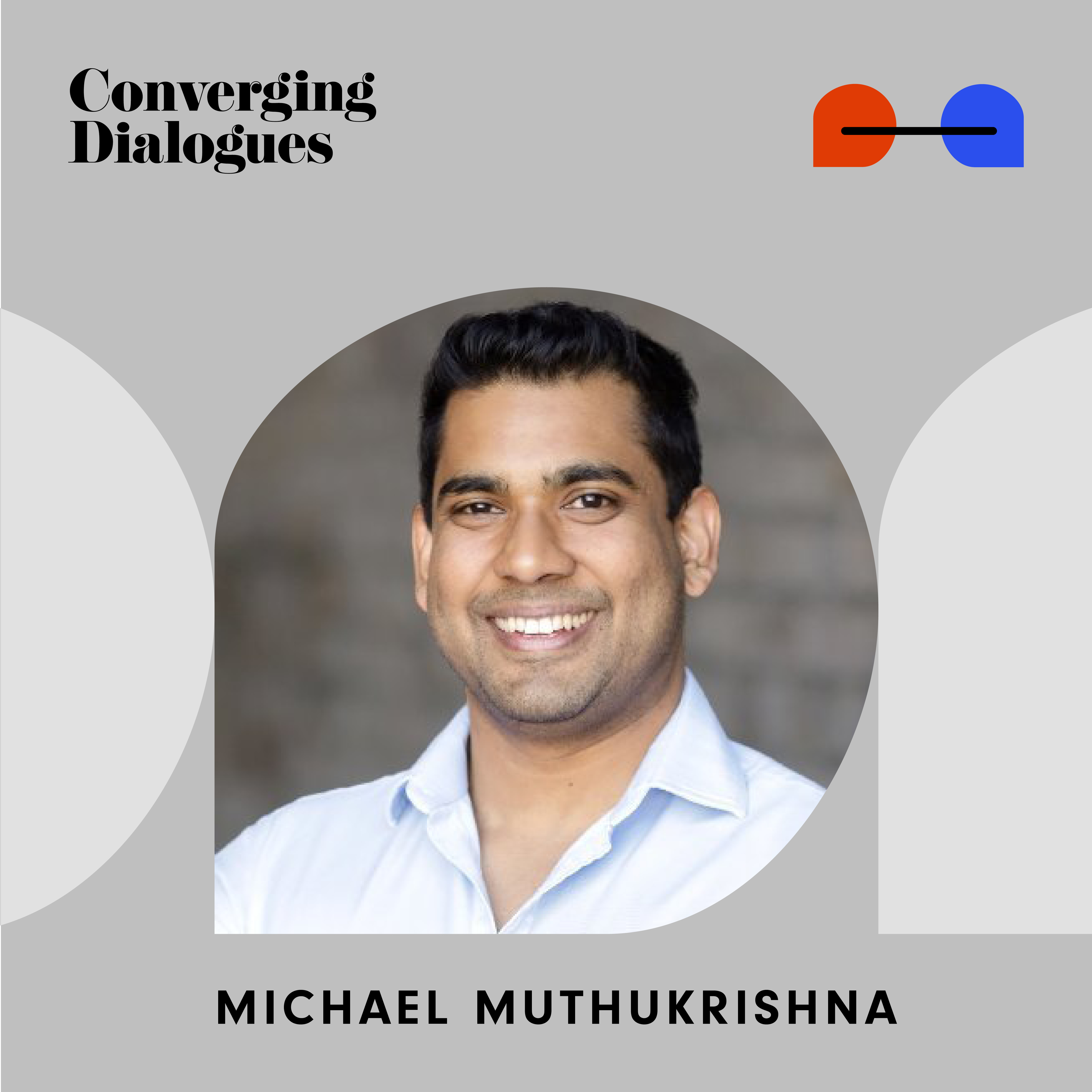
#274 - A Theory of Everyone: A Dialogue with Michael Muthukrishna
In this episode, Xavier Bonilla has a dialogue with Michael Muthukrishna about energy, cooperation, and global themes. They discuss the broad scope of the book, importance of theory, energy being essential for cooperation, corruption and cooperation, laws of life, cooperation fueling human growth, and some of the negative aspects of cooperation. They also talk about intelligence, immigration, wealth inequality, meritocracy, and many other topics. Michael Muthukrishna is Associate Professor of economic psychology in the Department of Psychological and Behavioural Science at the London School of Economics and Political Science. He has his PhD in psychology from the University of British Columbia and his main interests are in cooperation, cross-cultural differences, and corruption. He is the author of the latest book, A Theory of Everyone: The New Science of Who We Are, How we got here, and Where we are going. Website: https://www.michael.muthukrishna.com/Twitter: @mmuthukrishnaBook Website: https://www.atheoryofeveryone.com/Substack: Michael Muthukrishna 2019 paper on theory: https://www.nature.com/articles/s41562-018-0522-1You might also like: Get full access to Converging Dialogues at convergingdialogues.substack.com/subscribe
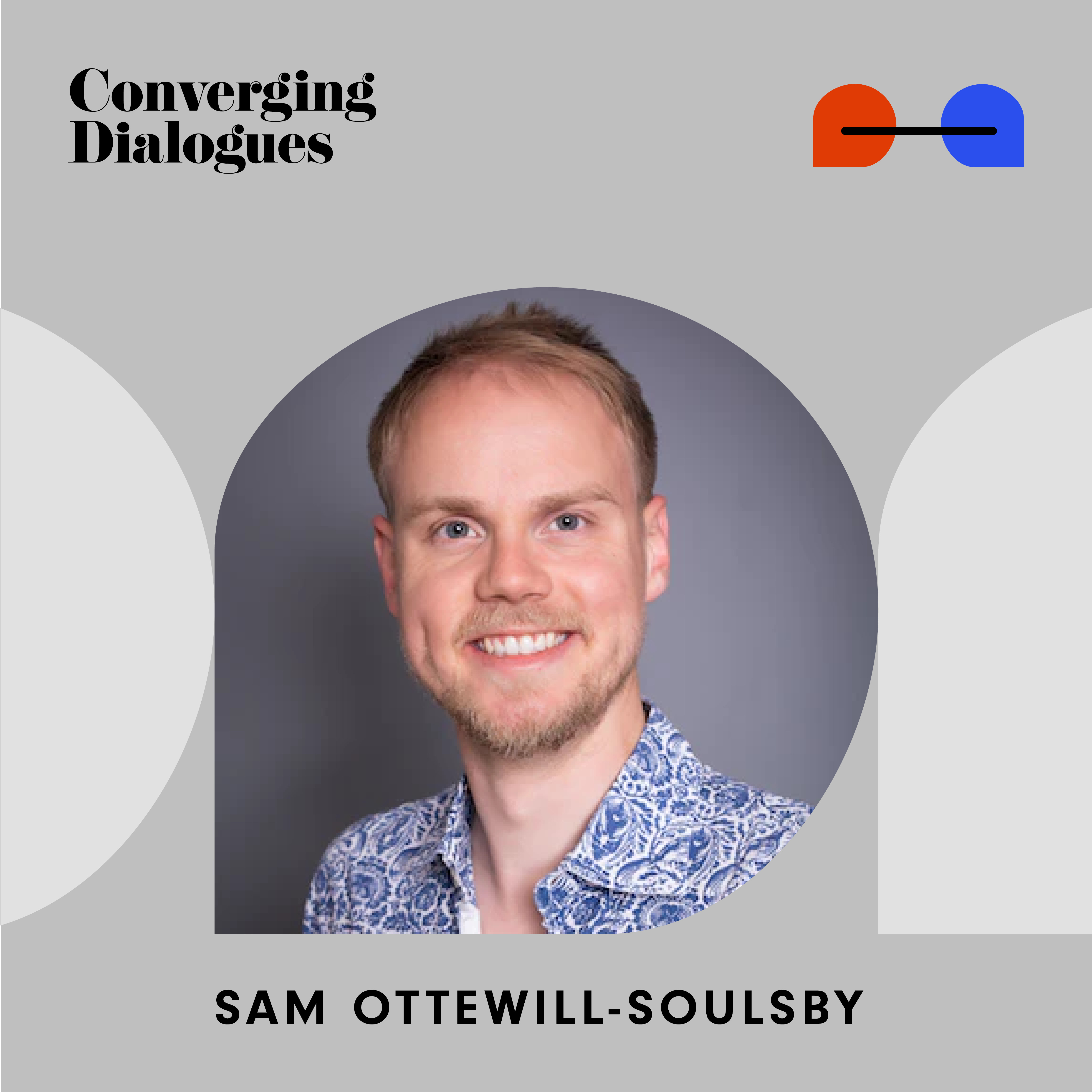
#273 - Christians and Muslims in the Age of Charlemagne: A Dialogue with Sam Ottewill-Soulsby
In this episode, Xavier Bonilla has a dialogue with Sam Ottewill-Soulsby about Christians and Muslims relationships during the age of Charlemagne. They discuss Charlemagne and his context, the viewpoint of the Muslim world, and the landscape of the Abbasid and Umayyad empires. They discuss prestige diplomacy, frontier diplomacy, importance of Islam and Christianity, four legal schools of Islam, and Carolingian religious values. They also discuss the dynamics with the Abbasid, gift giving, war and peace with the Umayyads in the 9th century, and many more topics. Sam Ottewill-Soulsby is a researcher at the University of Oslo. He has a Bachelors in History from the University of York, Masters in Medieval History and PhD in History from the University of Cambridge. He has been a Research Associate for the Impact of the Ancient City project at the University of Cambridge. He was also Visiting Research Fellow at the Migration and Mobility in Late Antiquity and the Early Middle Ages Center for Advanced Studies at the University of Tübingen. He is the author of the book, The Emperor and the Elephant: Christians and Muslims in the Age of Charlemagne. Twitter: @sottewillsoulsb Get full access to Converging Dialogues at convergingdialogues.substack.com/subscribe
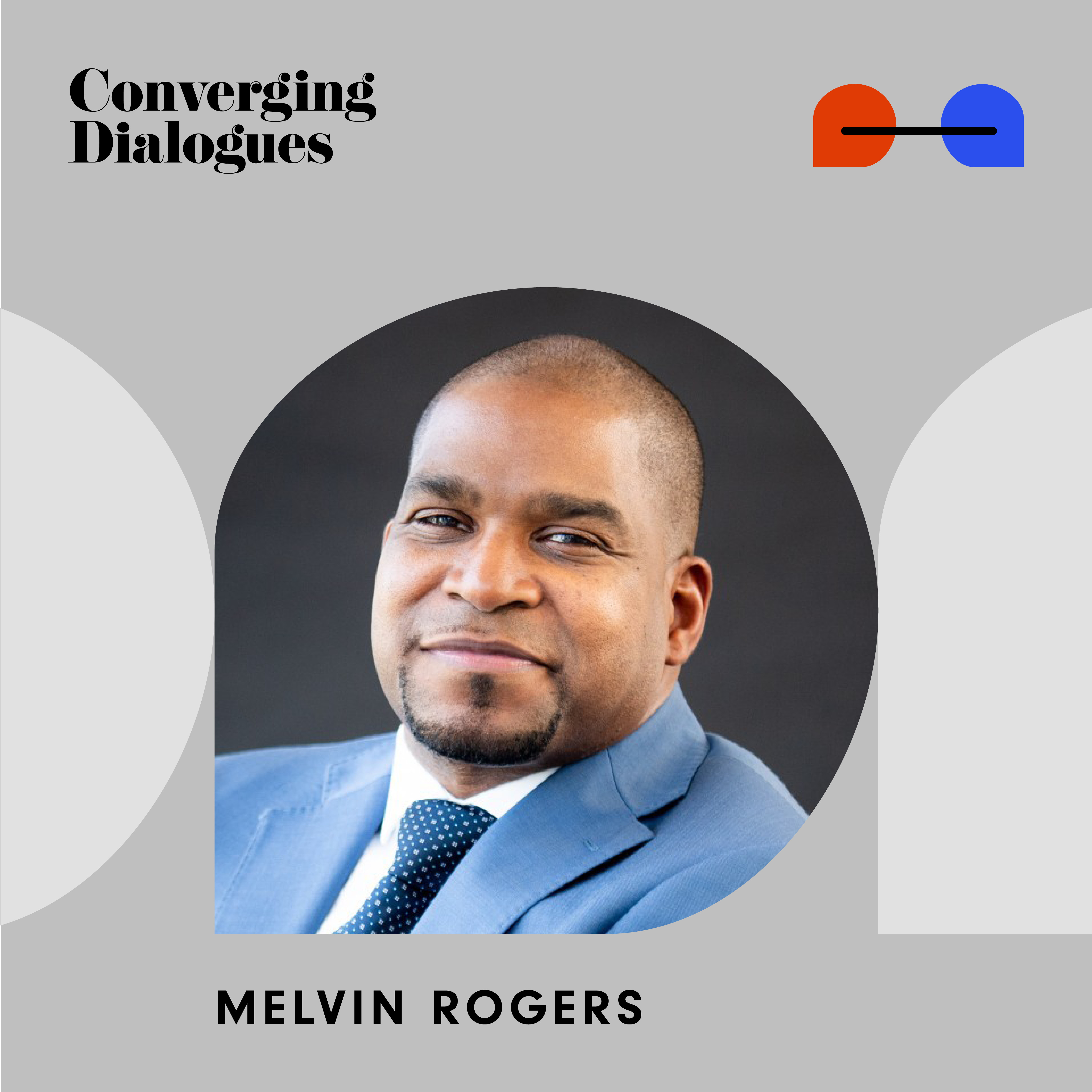
#272 - The Darkened Light of Democracy: A Dialogue with Melvin Rogers
In this episode, Xavier Bonilla has a dialogue with Melvin Rogers about Black American thought and democracy. They discuss the two visions/stories of democracy in America, utility of rhetoric, and whether white supremacy is still a relevant term in present-day America. They discuss Walker’s use of appeal, on freedom, Jefferson on we the people, political loss, Baldwin and race relations, how we move forward, and many more topics. Melvin Rogers is the Associate Director of the Center for Philosophy, Politics, and Economics and Professor of Political Science at Brown University. He has his MPhil in Political Thought and Intellectual History from Cambridge and his PhD in Political Science from Yale University. His main interests are in democratic theory, American, and African-American political thought. He is the author of numerous books, including the most recent, The Darkened Light of Faith. Website: https://www.melvinrogers.site/Twitter: @mrogers097 Get full access to Converging Dialogues at convergingdialogues.substack.com/subscribe
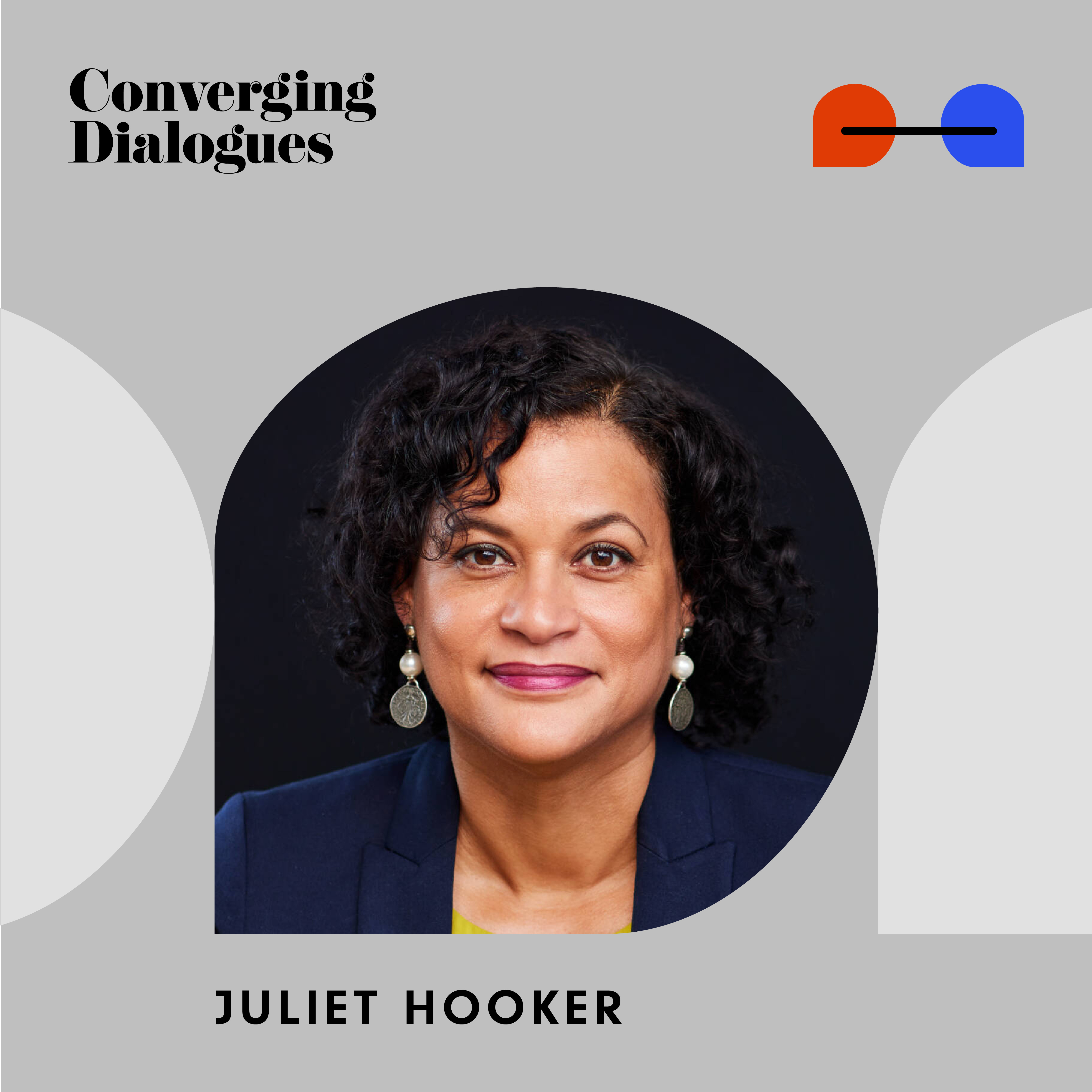
#271 - Black Grief/White Grievance: A Dialogue with Juliet Hooker
In this episode, Xavier Bonilla has a dialogue with Juliet Hooker about the politics of loss and the racial themes connected with loss. They discuss how racial justice is a prominent theme in today’s society, they define loss and how it is political, and discuss anticipatory loss. They also talk about white Americans with Anticipatory loss, symbolic vs. material loss, democracy and political loss, and class and inequality. They also discuss Civil Rights today, Black Maternal health, public grievance, and many other topics. Juliet Hooker is the Royce Family Professor of Teaching Excellence in Political Science at Brown University. She is a political theorist that teaches and covers topics of racial justice, Latin American political thought and Black political thought. She has her PhD in government from Cornell University. She is the author of numerous books including the most recent book, Black Grief/White Grievance: The Politics of Loss. Website: https://juliethooker.com/Twitter: @creoleprof Get full access to Converging Dialogues at convergingdialogues.substack.com/subscribe

#270 - From Kant to Kink: Demystifying Sexual Consent: A Dialogue with Manon Garcia
In this episode, Xavier Bonilla has a dialogue with Manon Garcia about sexual consent. They define what is consent, legal and moral consent, qualitative sex and consensual sex, and where power and responsibility fit within sexual consent. They discuss gender norms, consent out of politeness, reciprocal pleasure, consent in marriage, sex as a conversation, and many more topics. Manon Garcia is a philosopher, author, and Junior Professor of practical philosophy at Freie Universitat in Berlin, Germany. She has a PhD in philosophy from the Université Paris 1 Panthéon-Sorbonne. She has completed fellowships at Harvard, University of Chicago, and was an Assistant Professor of philosophy at Yale University. Her main interests are in political philosophy, feminist philosophy, and moral philosophy. She is the author of two books which are, We Are Not Born Submissive: How Patriarchy Shapes Women’s Lives, and her most recent book, The Joy of Consent: A Philosophy of Good Sex. Website: https://www.manon-garcia.com/Twitter: @manongarciafr Get full access to Converging Dialogues at convergingdialogues.substack.com/subscribe
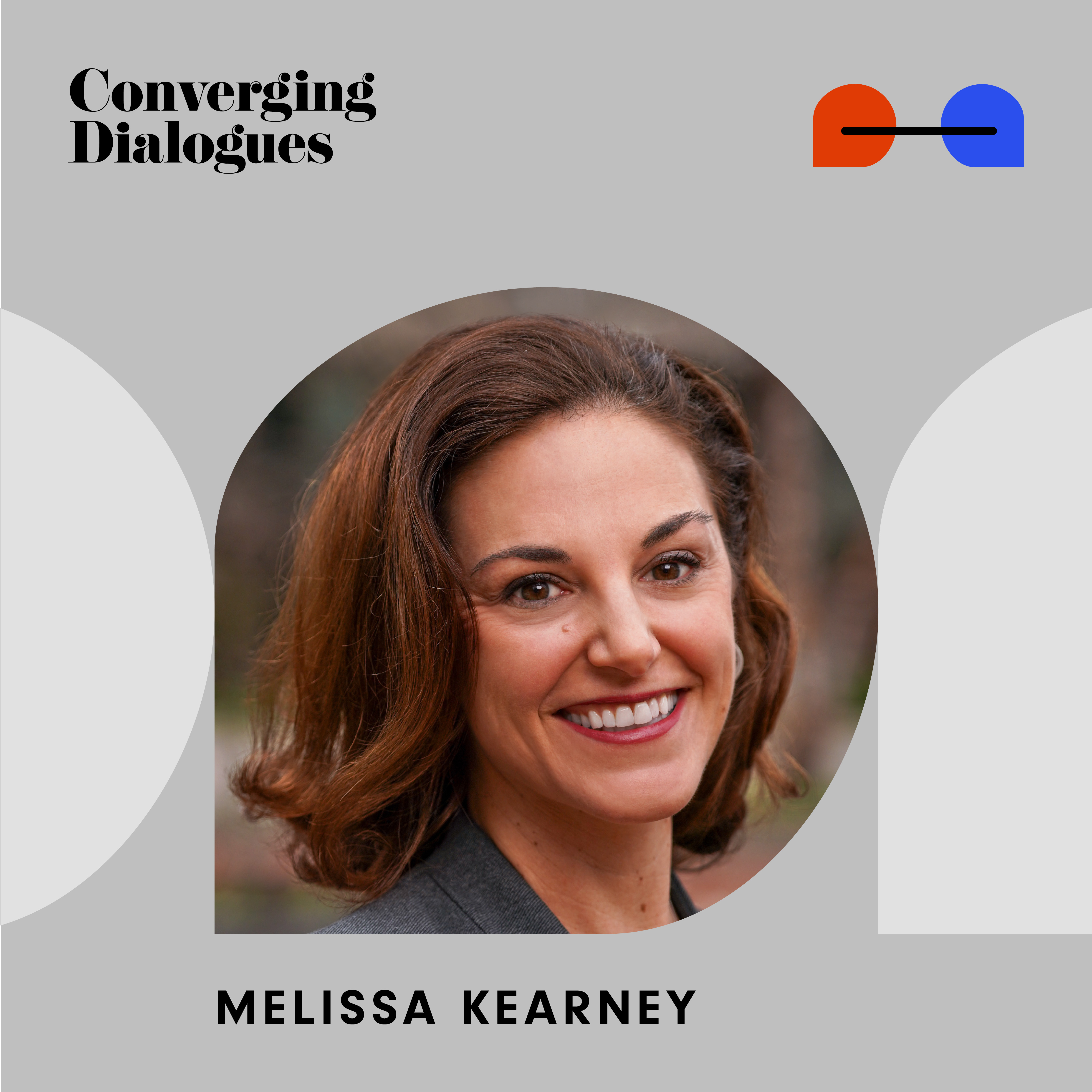
#269 - Two Much Privilege: Marriage, Parenting, and Economics: A Dialogue with Melissa Kearney
In this episode, Xavier Bonilla has a dialogue with Melissa Kearney about the two-parent privilege. They define what is the two-parent privilege, the class gap in families and importance of college educated parents. They talk about conservative family values and views on two-parent households, two parents working outside of the home, working moms, stay-at-home moms, and single moms. They talk about the child tax credit, childhood poverty, birth rates, and many more topics. Melissa S. Kearney is the Neil Moskowitz Professor of Economics at the University of Maryland and Director of the Aspen Economic Strategy Group. She is a Research Associate at the National Bureau of Economic Research (NBER); a non-resident Senior Fellow at Brookings; a scholar affiliate and member of the board of the Notre Dame Wilson-Sheehan Lab for Economic Opportunities (LEO); and a scholar affiliate of the MIT Abdul Jameel Poverty Action Lab (J-PAL). She is an editorial board member of the American Economic Journal: Economic Policy and Journal of Economic Literature, and a former co-editor of the Journal of Human Resources and Senior Editor of Future of Children. She holds a BA in Economics from Princeton University and a PhD in Economics from the Massachusetts Institute of Technology. She is the author of the book, The Two-Parent Privilege: How Americans Stopped Getting Married and Started Falling Behind. Website: http://econweb.umd.edu/~kearney/melissa_website/index.htmlTwitter: @kearney_melissa Get full access to Converging Dialogues at convergingdialogues.substack.com/subscribe
#268 - An Evolutionary Journey of Free Will: A Dialogue with Kevin Mitchell
In this episode, Xavier Bonilla has a dialogue with Kevin Mitchell about the evolutionary story of free will. They discuss why biology and genetics help understand free will, different levels of determinism, reacting vs. choosing at the cellular level, and choice with ion channels in the cell. They also discuss dimensions of free will, vision and choice, decision making at cortical levels of the brain, creativity, and metacognition. They engage on personality theories, notion of the self, AI and free will, and many more topics. Kevin Mitchell is an Associate Professor of Genetics and Neuroscience at Trinity College Dublin. He has his BA in Genetics from Trinity College Dublin and his PhD in Neurobiology from the University of California at Berkeley. His current research focuses on genetics and wiring of the brain specifically as it relates to neuropsychiatric disorders. He is the author of Innate: How the wiring of our brains shapes who we are and his latest book, Free Agents: How Evolution Gave Us Free WillWebsite: https://www.kjmitchell.com/Blog: http://www.wiringthebrain.com/Twitter: @wiringthebrainYou might also like: Get full access to Converging Dialogues at convergingdialogues.substack.com/subscribe
#267 - A Portrait of the Suicidal Mind: A Dialogue with Clancy Martin
In this episode, Xavier Bonilla has a dialogue with Clancy Martin about suicide. They talk about his personal experiences and why he wrote the book in such an honest manner. They discuss why suicide is such a taboo topic, why gratitude for life isn’t always enough, practical ways to help when feeling suicidal, and the imminence of death. They talk about freedom and burden of living, assisted suicide, treatment, and many more topics.Clancy Martin is a philosopher and author. He is a professor of philosophy at the University of Missouri in Kansas City and Ashoka University in New Delhi. His writing has appeared in The New Yorker, New York, The Atlantic, Harper’s, Esquire, and The Paris Review. He is the author of the book, How Not To Kill Yourself: A Portrait of the Suicidal Mind. If you or someone you know feels suicidal, please contact the National Suicide Hotline 24/7: 988You might also like: Get full access to Converging Dialogues at convergingdialogues.substack.com/subscribe
#266 - The Identity Trap: A Dialogue with Yascha Mounk
In this episode, Xavier Bonilla has a dialogue with Yascha Mounk about the cultural wars and how identity has become central for society today. They discuss his motivations for writing the book and his perspective on identity and cultural issues. They talk about the lure of the identity trap, the history of the identity synthesis from Foucault, to Said, to Spivack, to Bell, to Crenshaw, and the links between these figures. They discuss the impact of social media, institutional capture, how to engage with identity issues, and many more topics.Yascha Mounk is a writer and academic. He has a Bachelors in history from Trinity College, Cambridge and PhD in government from Harvard University. He is a Professor of the Practice of International Affairs at Johns Hopkins University, where he holds appointments in both the School of Advanced International Studies and the SNF Agora Institute. He is also a Contributing Editor at The Atlantic, and Senior Fellow at the Council on Foreign Relations. He is the Founder of Persuasion, the host of The Good Fight podcast, and serves as a publisher (Herausgeber) at Die Zeit. He is the author of five books, including the most recent book, The Identity Trap: A Story of Ideas and Power in Our Time. Website: https://www.yaschamounk.com/Substack: Yascha Mounk Podcast: The Good FightTwitter: @yascha_mounk Get full access to Converging Dialogues at convergingdialogues.substack.com/subscribe
#265 - 700 years of Rivalry Between Rome and Persia: A Dialogue with Adrian Goldsworthy
In this episode, Xavier Bonilla has a dialogue with Adrian Goldsworthy about the 700 years of rivalry between the Roman and Persian Empires. They discuss the importance of studying past empires, overview of the rivalry, and the Roman and Persia Empires in this 700 year period. They discuss the differences in governing and peaceful co-existing, complexities of Armenia, greatness of Augustus, and the silk road. They also discuss Constantine, Justinian’s reign, the Arab armies and how they quelled the Roman and Persian rivalry, and many more topics. Adrian Goldsworthy is a historian and author. He has his DPhil from Oxford University and has conducted research at Cardiff University and taught at King’s College London and University of Notre Dame. He is the author of numerous books on Roman history, including his latest book, Rome and Persia: The Seven Hundred Year Rivalry.Website: http://www.adriangoldsworthy.com/ Get full access to Converging Dialogues at convergingdialogues.substack.com/subscribe
#264 - The Golden Age of the Roman Empire: A Dialogue with Tom Holland
In this episode, Xavier Bonilla has a dialogue with Tom Holland about the Golden Age of the Roman empire. They provide an overview of Pax Romana, greatness of Augustus, and Nero as a tyrant. They talk about the chaotic year of AD 69 with four emperors, Judean revolt, and Vespasian’s peacemaking abilities. They discuss the importance of Pliny, environmental contexts for peace, the five good emperors and the rule of Trajan and Hadrian, legacy of the Roman empire, and many more topics. Tom Holland is a historian and author. He has adapted Homer, Herodotus and Virgil for the BBC. He is the presenter of BBC 4’s Making History series and is the co-host of the podcast, The Rest Is History. He is the author of numerous books such as Dominion, Dynasty, Rubicon, and his latest book, Pax. Website: https://www.tom-holland.org/Twitter: @holland_tom Get full access to Converging Dialogues at convergingdialogues.substack.com/subscribe
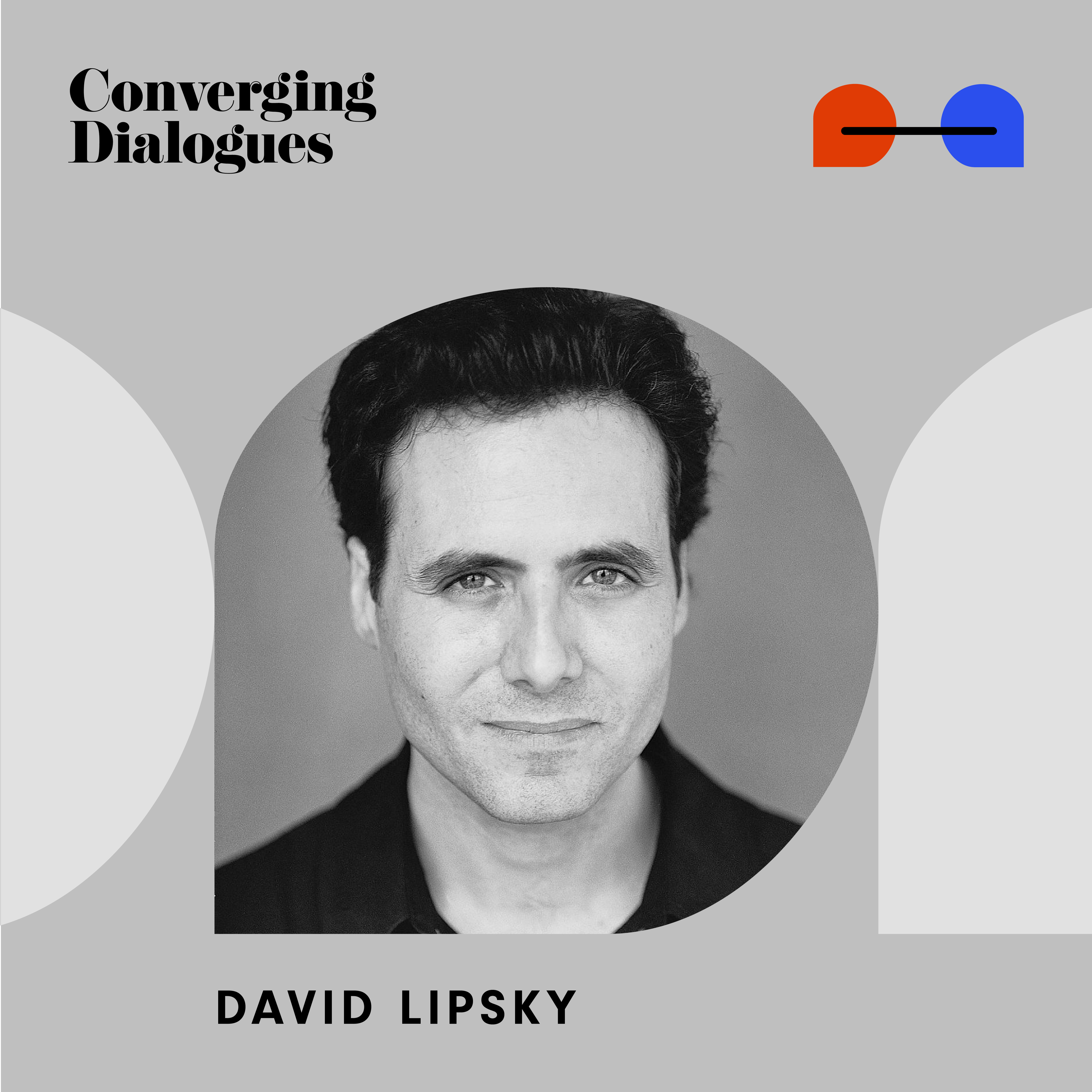
#263 - Climate and the Science of Denial: A Dialogue with David Lipsky
In this episode, Xavier Bonilla has a dialogue with David Lipsky about the history of climate science denial. They discuss how he wrote this book, origins of discovering climate change, Edison and Westinghouse, and the influence of Einstein. They discuss the history of scientists observing climate changes, Nixon and the Clean Air Act and EPA, and Fred Singer and his involvement with the Unification church. They also talk about believing pseudoscience, PR campaigns for science denial for smoking and climate, and many more topics. David Lipsky is an author, editor, and teacher. He teaches writing and literature at New York University. He is the author of numerous books including Absolutely American, Although Of Course You End Up Yourself, and his latest book, The Parrot and The Igloo: Climate and the Science of Denial. He is work has appeared in The New Yorker, Harper’s Magazine, The Best American Short Stories, and The New York Times Book Review. He is also the recipient of the GLAAD award and National Magazine award. Get full access to Converging Dialogues at convergingdialogues.substack.com/subscribe
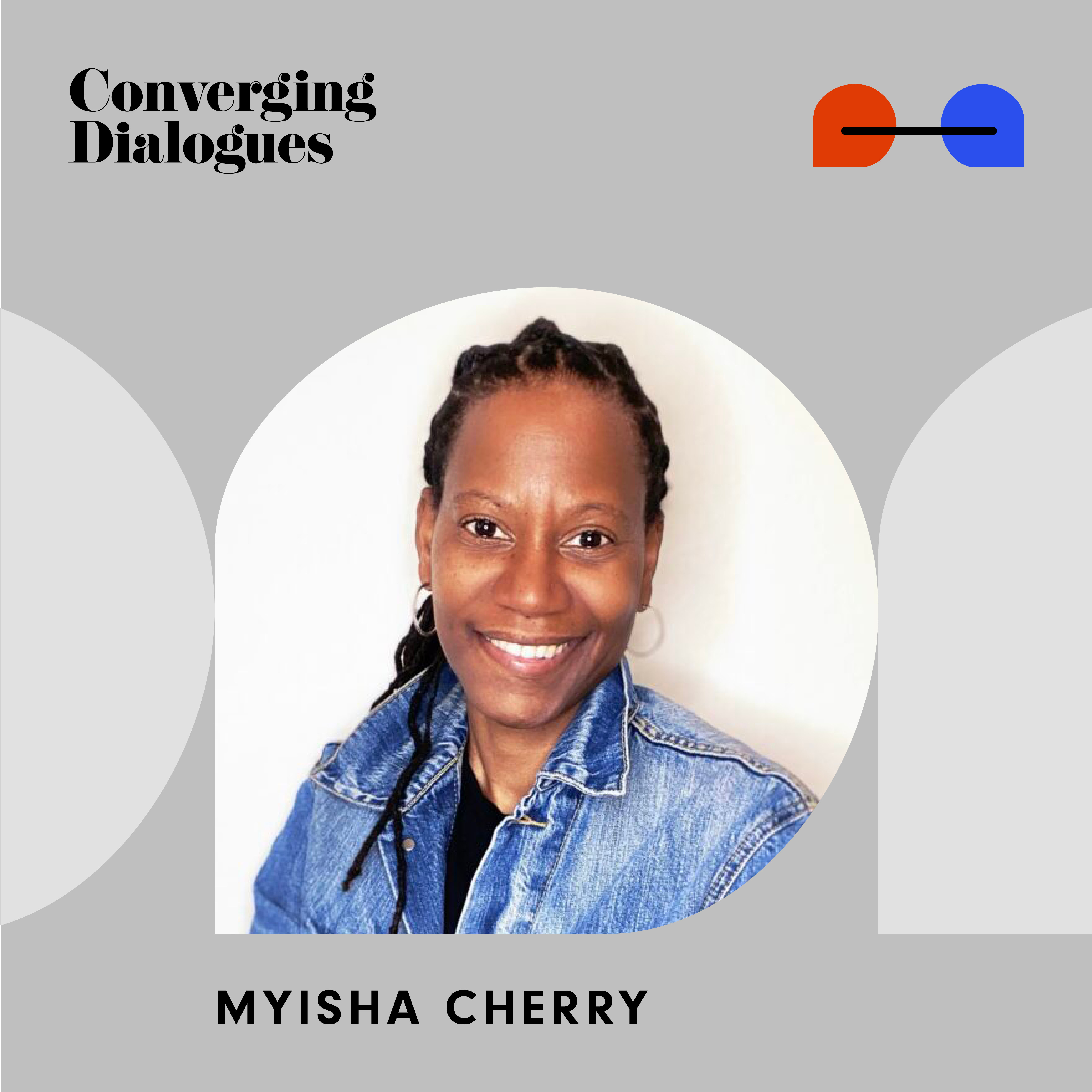
#262 - Failures of Forgiveness: A Dialogue with Myisha Cherry
In this episode, Xavier Bonilla has a dialogue with Myisha Cherry about forgiveness. They define forgiveness, discuss how moral systems are important for forgiveness, and discuss the narrow view and the broad view of forgiveness. They also talk about emotions and behaviors, what we do with bitterness, actions or the person, different capacities for different people, canceling others and forgiving public figures, forgiving one’s self, and many other topics. Myisha Cherry is associate professor of philosophy at the University of California, Riverside. She is the Director of the Emotion and Society Lab with her research areas being in moral psychology, emotions, and social and political philosophy. She has a Bachelors in philosophy from Morgan State University, a Masters of Divinity from Howard University, and a PhD in philosophy from University of Illinois, Chicago. She is the author of The Moral Psychology of Anger (Co-edited with Owen Flanagan), The Case for Rage, and her newest book, Failures of Forgiveness. Website: https://www.myishacherry.org/Substack: Myisha Cherry Podcast: https://unmutetalk.podbean.com/Twitter: @myishacherryInstagram: @myishacherryYou might also like: Get full access to Converging Dialogues at convergingdialogues.substack.com/subscribe
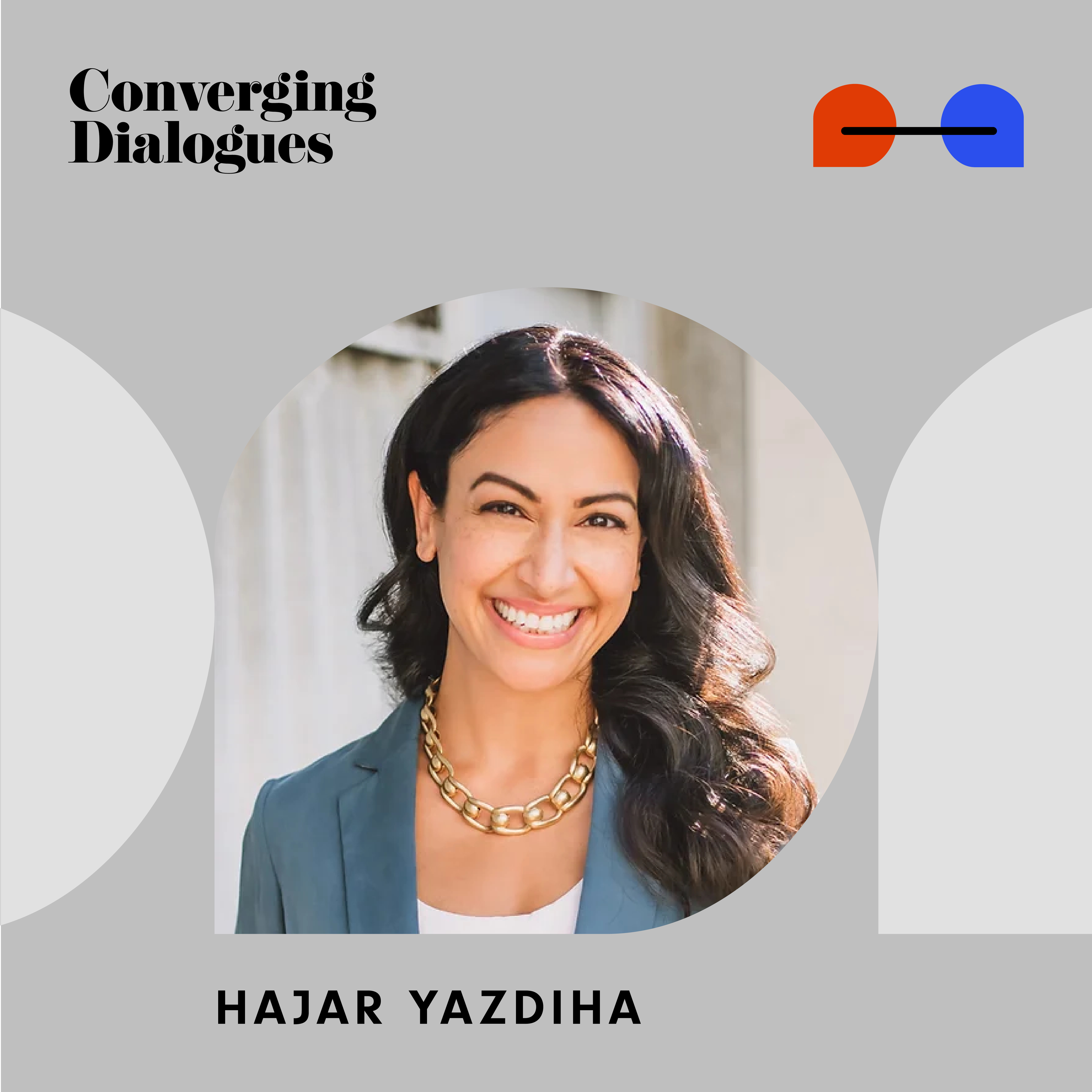
#261 - Collective Memory and Civil Rights: A Dialogue with Hajar Yazdiha
In this episode, Xavier Bonilla has a dialogue with Hajar Yazdiha about collective memory and the legacy of Dr. Martin Luther King Jr. They discuss how we can accruately understand Dr. King’s message and legacy, how we reckon with history, and what a multicultural coalition looks like today. They discuss collective memory, creating culture, primary audience of Dr. King’s message, various groups using Dr. King’s message, and many more topics. Hajar Yazdiha is a sociologist and writer. She is an Assistant Professor of Sociology and faculty affiliate of the Equity Research Institute at the University of Southern California. She has her PhD in Sociology from the University of North Carolina, Chapel Hill. Her main research areas are on social movements, race and ethnicity, immigration, and collective memory. She is the author of, The Struggle for the People’s King: How Politics Transforms the Memory of the Civil Rights Movement. Website: https://www.hajaryazdiha.com/Twitter: @hajyazdiha Get full access to Converging Dialogues at convergingdialogues.substack.com/subscribe
#260 - Power and Progress: A Dialogue with Daron Acemoglu
In this episode, Xavier Bonilla has a dialogue with Daron Acemoglu on technology, inequality, and power. They discuss how technological progress is a choice, defining progress, power of persuasion, and needs and innovations. They also talk about innovation, globalization, and automation in the post World War II era, AI and culture, fixing the challenges of technological inequality, and many more topics. Daron Acemoglu is an economist and Institute Professor of Economics in the Department of Economics at the Massachusetts Institute of Technology (MIT) and is part of the National Bureau Economic Research and Center for Economic Policy Research. He has his Bachelors in economics from the University of York, a Masters in mathematical economics and econometrics from the London School of Economics, and a PhD in economics from the London School of Economics. He is the author of six books including, Why Nations Fail: The Origins of Power, Prosperity, and Poverty, The Narrow Corridor: States, Societies, and the Fate of Liberty (with James A. Robinson), and his most recent book, Power and Progress: Our Thousand-Year Struggle Over Technology and Prosperity (with Simon Johnson). Website: https://mitsloan.mit.edu/faculty/directory/daron-acemogluTwitter: @dacemoglumit Get full access to Converging Dialogues at convergingdialogues.substack.com/subscribe
#259 - Nietzsche's Great Politics: A Dialogue with Hugo Drochon
In this episode, Xavier Bonilla has a dialogue with Hugo Drochon about Nietzsche’s political thought. They talk about why Nietzsche’s political thought has been ignored, Nietzsche’s great politics, Nietzsche’s emphasis on culture, Plato and political philosophy, and how to build a culture. They also talk about philosophy of state, democracy, slavery, caste systems, Nietzsche’s politics in modernity, and many other topics. Hugo Drochon is a political theorist and historian. He has his PhD from Cambridge and completed his postdoctoral fellowship there as well. He has also had fellowships at Yale, Princeton, and Royal Historical Society. His main interests are in Nietzsche’s politics, democratic theory, and liberalism. He is the author of, Nietzsche’s Great Politics. Website: https://www.hugodrochon.com/Twitter: @hdrochon Get full access to Converging Dialogues at convergingdialogues.substack.com/subscribe