Converging Dialogues
508 episodes — Page 4 of 11
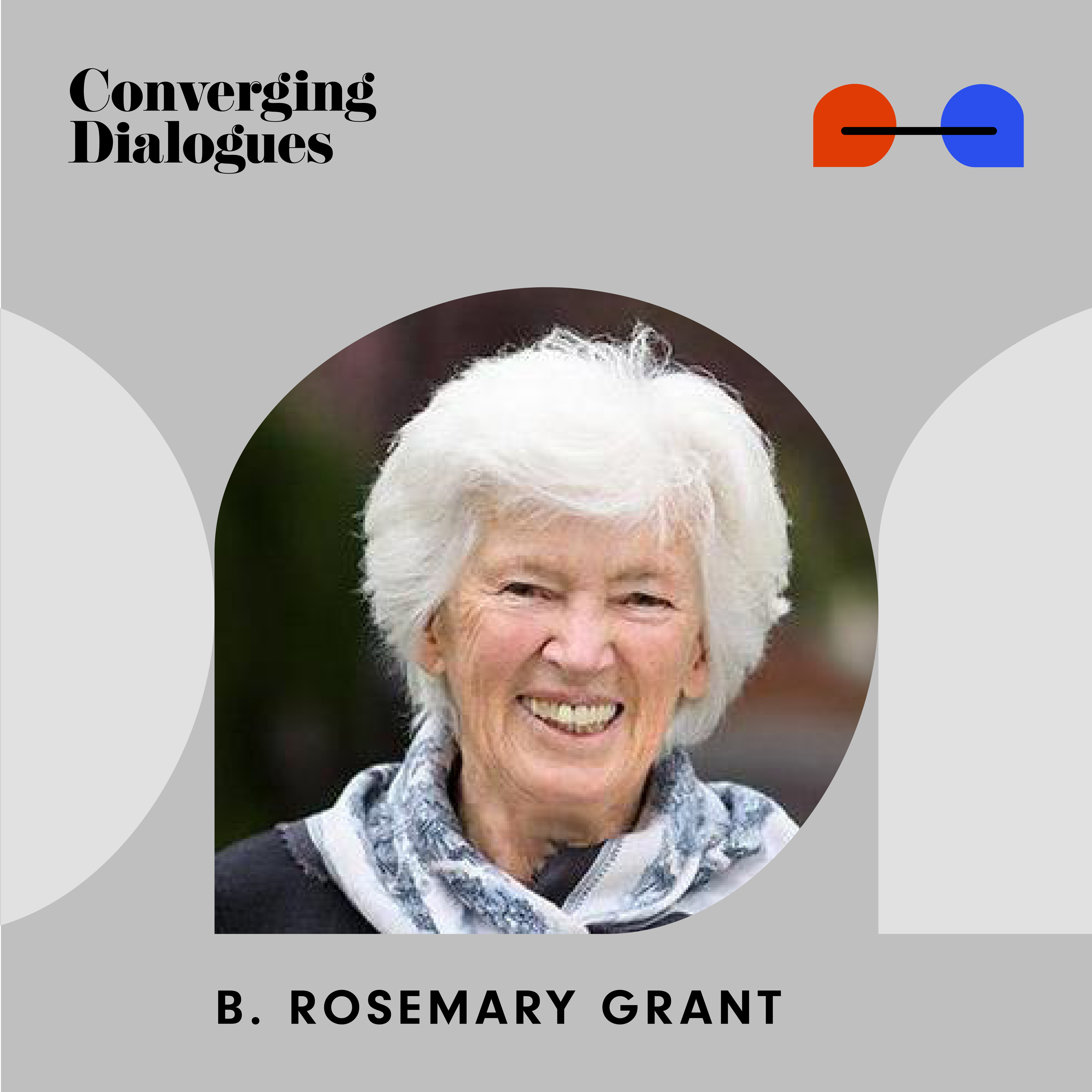
#358 - Observing Evolutionary Change: A Dialogue with B. Rosemary Grant
In this episode, Xavier Bonilla has a dialogue with B. Rosemary Grant on her life and work on genetics and evolutionary change. They discuss an overview of her life and research, her childhood and being raised in England in WWII, her interest in genetics, and moving to Canada and meeting her husband. They discuss how she balanced raising a family and her career, her work over 40 years in the Galapagos Islands, retirement and continued research, her legacy, and many other topics. B. Rosemary Grant is an evolutionary biologist and Emeritus Professor at Princeton University. Her research focuses on phenotypic variation and the process of speciation in natural environments. She is well-known for the research done with her husband (Peter Grant) on Darwin’s Finches on the Galapagos Islands for over 40 years. She is a Fellow of the Royal Society and received many awards for her research. She is the author numerous books, including her recent memoir, One Step Sideways, Three Steps Forward: One Woman’s Path to Becoming a Biologist. Get full access to Converging Dialogues at convergingdialogues.substack.com/subscribe
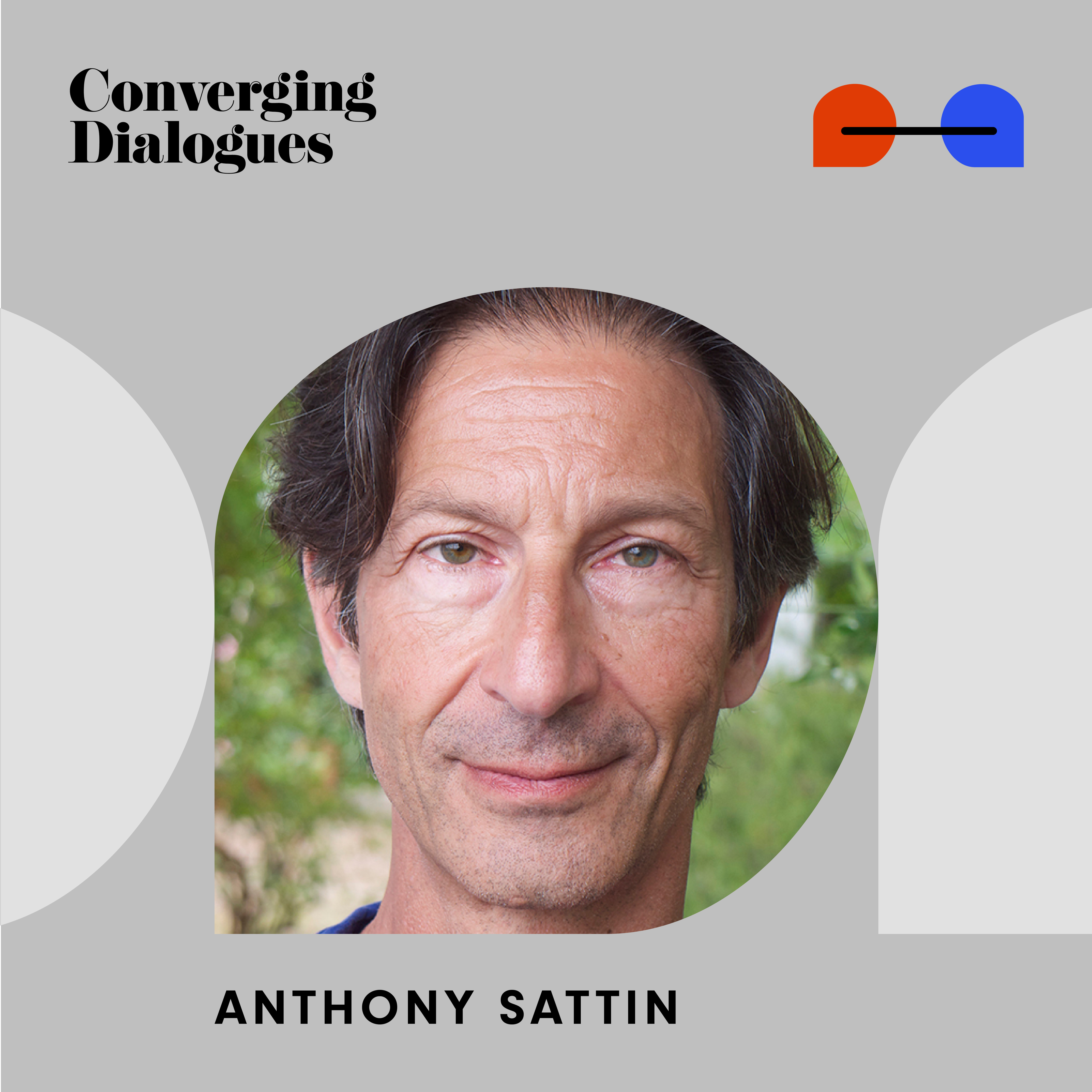
#357 - A History of Nomads: A Dialogue of Anthony Sattin
In this episode, Xavier Bonilla has a dialogue with Anthony Sattin about the history of Nomads on our planet. They discuss humans as naturally nomadic, Göbekli Tepe, Çatalhöyük and early settlements, Uruk and the epic of Gilgamesh, and domestication of horses. They talk about the Persian empire, Scythian empire, and nomadic identity. They discuss the impact of Islam, Chinggis Khan and the Mongol empire, Ottoman empire, Native Americans, future of nomads, and many more topics.Anthony Sattin is a writer and broadcaster who has written a fiction and non-fiction works. He is a Fellow of the Royal Geographical Society, editorial advisor on Geographical Magazine, founder-member of Travel Intelligence and ASTENE (the Association for the Study of Travel in Egypt and the Near East). He is the author of the latest book, Nomads: The Wanderers who Shaped our World. Website: https://www.anthonysattin.com/ Get full access to Converging Dialogues at convergingdialogues.substack.com/subscribe
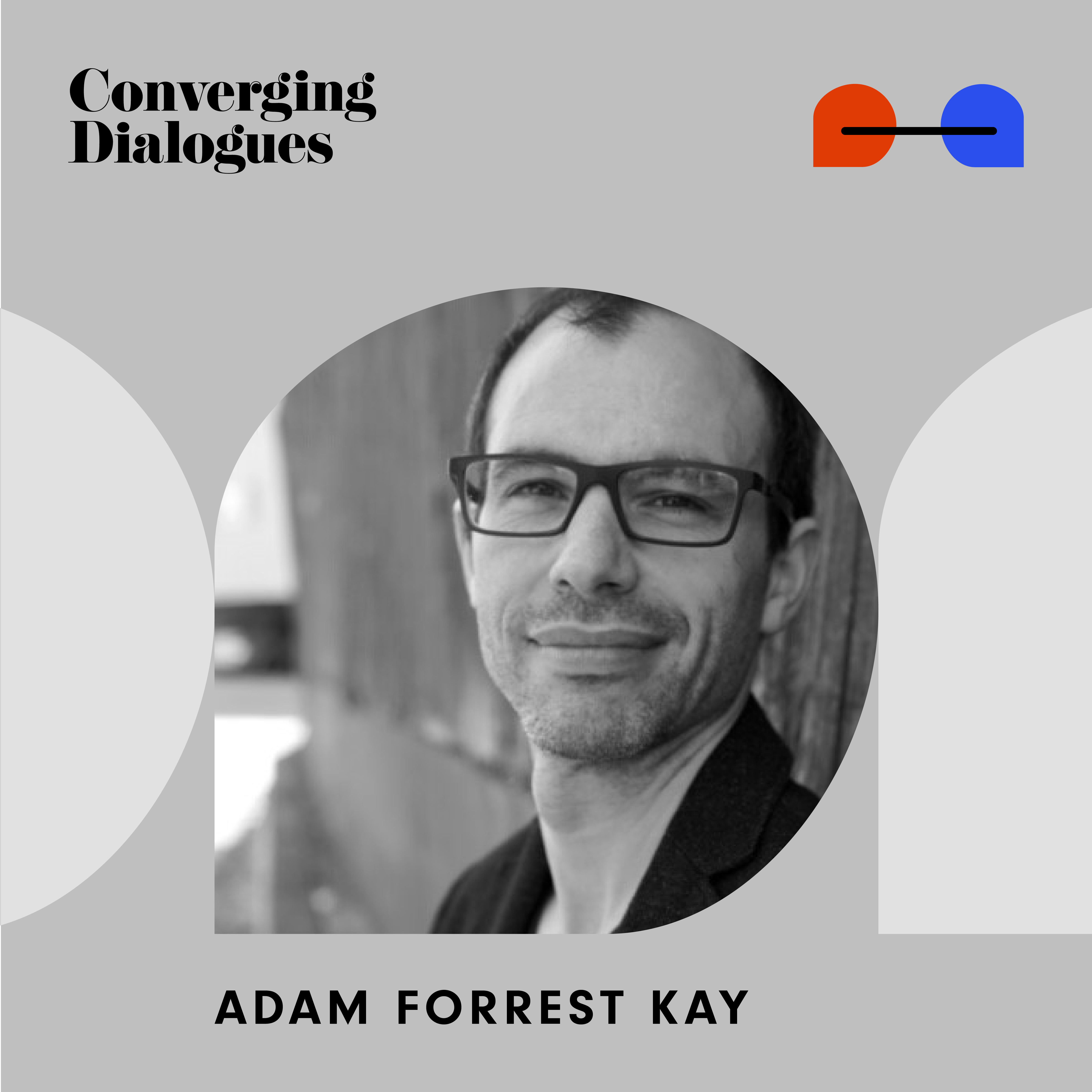
#356 - Ending the Dark Ages of Quantum Theory: A Dialogue with Adam Forrest Kay
In this episode, Xavier Bonilla has a dialogue with Adam Forrest Kay about the history and current state of quantum mechanics. They discuss the current state of quantum mechanics, overview of modern physics, and the impact of Niels Bohr. They also talk about light and vision, double slit experiment, Fourier analysis, Schrödinger’s equation, Bell’s theorem, and many other topics. Adam Forrest Kay is a postdoctoral associate in mathematics at the Massachusetts Institute of Technology. He has two PhDs, one in literature from the University of Cambridge and the other in Mathematics from the University of Oxford. His interests and research have centered around Hydrodynamic Quantum Analogies (HQA), quantum mechanics, relativity theory, and variable coefficient wave equations. He is the author of, Escape From Shadow Physics: The quest to end the dark ages of quantum theory. Get full access to Converging Dialogues at convergingdialogues.substack.com/subscribe
#355 - Nomadic Empires of the Steppes: A Dialogue with Kenneth Harl
In this episode, Xavier Bonilla has a dialogue with Kenneth Harl about the various nomadic empires of the steppes. They discuss the origins of nomadic peoples, Tocharian texts, and why language is essential for understanding nomadic peoples. They talk about the Turkish language, nomadic spread over 35 centuries, the Steppe, and nomadic identity. They discuss the Scythians, impact of China, Kublai Khan, Uyghurs, administrative might of the Mongols, Orkhon valley and Mongolia, legacy of the Nomadic peoples, and many more topics. Kenneth Harl is Professor Emeritus of Classical and Byzantine history at Tulane University. He has his Bachelors in history from Trinity College, Masters in history from Yale University, and PhD in history from Yale University. He specializes in ancient history, specifically in classical Anatolia and on Imperial Roman Coinage. He is the author of many books including, Empires of the Steppes: A History of the Nomadic Tribes Who Shaped Civilization. Get full access to Converging Dialogues at convergingdialogues.substack.com/subscribe
#354 - Liberalism As A Way Of Life: A Dialogue with Alexandre Lefebvre
In this episode, Xavier Bonilla has a dialogue with Alexandre Lefebvre about the many facets of liberalism. They discuss morals and values from liberalism, Christianity’s impact on liberalism and Western society, defining liberalism, and the differences between liberalism and conservatism. They also talk about the philosophy of Rawls, swearing, fairness, spiritual exercises, public dialogue, liberalism as a way of life, and many more topics. Alexandre Lefebvre is Professor of Politics and Philosophy at The University of Sydney. He has his PhD from Johns Hopkins University and his teaching and his research are in political theory, the history of political thought, modern and contemporary French philosophy, and human rights. He is the author of the latest book, Liberalism As A Way Of Life. Website: https://www.alexlefebvre.com/ Get full access to Converging Dialogues at convergingdialogues.substack.com/subscribe
#353 - A History of the Muslim World: A Dialogue with Michael Cook
In this episode, Xavier Bonilla has a conversation with Michael Cook about the history of the Muslim world. They discuss Islamic civilization from origins to modernity, early antecedents before Islam, genesis of Islam, and the Prophet Muhammad and his creation of a monotheistic religion and state. They discuss succession after the death of Muhammad and the caliphate, the Umayyid dynasty, the Abbasid dynasty, and how important Islam and the Arabic language were for an Islamic civilization. They talk about the origin of the Turks, Bilga Qaghan, Turks being pagan and interacting with Islam, and the three ways the Turks spread out of the Steppe. They discuss the Mongols and their relationship with Islam, the Seljuk dynasty, the Safawid dynasty and the impact of Shiism. They also talk about the Ottoman Empire and their administration and integration of other cultures. They discuss the spread of Islam into India by conquest and merchants, Islam in Southeast Asia and around the Indian Ocean, Sahara and central Africa, and conflict between Christians and Muslims in Ethiopia. They also discuss Arab identity, Islam’s spread through conquest, Islam juxtaposed with other religions and cultures, Islam in the modern period, future of Islam, and many other topics. Michael Cook is the Class of 1943 University Professor of Near Eastern Studies at Princeton University. He was educated at Cambridge studying English and European history and learned Turkish and Persian. He was also educated at the School of Oriental and African Studies in the University of London, emphasizing research into Ottoman population history in the fifteenth and sixteenth centuries. He spent many years teaching and researching Islamic history at the School of Oriental and African Studies. He is the author of numerous books, including the most recent book, A History of the Muslim World: From its Origins to the Dawn of Modernity. Get full access to Converging Dialogues at convergingdialogues.substack.com/subscribe
#352 - Our Bayesian Priors: A Dialogue with Tom Chivers
In this episode, Xavier Bonilla has a dialogue with Tom Chivers about Bayesian probability and the impact Bayesian priors have on ourselves. They define Bayesian priors, Thomas Bayes, subjective aspects of Bayes theorem, and the problematic elements of statistical figures such as Galton, Pearson, and Fisher. They talk about the replication crisis, p-hacking, where priors come from, AI, Friston’s free energy principle, and Bayesian priors in our world today. Tom Chivers is a science writer. He does freelance science writing and also writes for Semafor.com’s daily Flagship email. Before joining Semafor, he was a science editor at UnHerd, science writer for BuzzFeed UK, and features writer for the Telegraph. He is the author of several books including the most recent, Everything Is Predictable: How Bayesian Statistics Explain Our World. Website: https://tomchivers.com/ Get full access to Converging Dialogues at convergingdialogues.substack.com/subscribe
#351 - RNA as Catalyst: A Dialogue with Thomas Cech
In this episode, Xavier Bonilla has a dialogue with Thomas Cech about RNA as a major catalyst in organic systems. They discuss why RNA does not get discussed as much as DNA, basics of DNA, RNA as a catalyst, and the splicing capabilities of RNA. They also talk about transcription, translation, and splicing, RNA as internal catalyst and external catalyst, and the origins of life. They talk about telomeres and extended life, different types of RNA, mRNA vaccines, CRISPR, and many more topics. Thomas Cech is distinguished professor of chemistry and biochemistry at the University of Colorado-Boulder. He has been an Investigator at the Howard Hughes Medical Institute (HHMI) since 1988 and was President of HHMI in 2000-2009. He has his PhD from the University of California-Berkeley and completed his postdoctorate at MIT. His main interests are in RNA and telomeres. He received the Nobel Prize in Chemistry (with Sidney Altman) in 1989 and the National Medal of Science in 1995. He is the author of the latest book, The Catalyst: RNA and the Quest to Unlock Life’s Deepest Secrets. Get full access to Converging Dialogues at convergingdialogues.substack.com/subscribe
#350 - Voices From The New Syrian Diaspora: A Dialogue with Wendy Pearlman
In this episode, Xavier Bonilla has a dialogue with Wendy Pearlman about the voices from the new Syrian Diaspora. They discuss the various reasons for telling Syrian stories, protests around the world, the ongoing Syrian conflict, concept of home and internal displacement. They also talked about leaving Syria and rebuilding elsewhere, maintaining culture, future of the Syrian diaspora, and many other topics. Wendy Pearlman is Crown Professor of Middle East Studies and Interim Director of Middle East and North Africa Studies Program at Northwestern University. Her main interests are comparative politics of the Middle East. She has her Bachelors from Brown University and her PhD from Harvard University. She is the author of numerous books, including the most recent, The Home I Worked to Make: Voices from the new Syrian Diaspora. Get full access to Converging Dialogues at convergingdialogues.substack.com/subscribe
#349 - A Damascus Massacre: A Dialogue with Eugene Rogan
In this episode, Xavier Bonilla has a dialogue with Eugene Rogan about the 1860 Damascus massacre. They discuss why the 1860 Damascus massacre is still relevant, relationship between Egypt and the Ottomans, Mishaqa as US Vice-Consulate in Damascus, Ottoman Tanzimat Reforms, Druzes and Maronites with rising tensions in Lebanon and Damascus. They also talk about al-Qadir’s influential role, events about the Damascus massacre, defining genocide, aftermath of the massacre, rebuilding Damascus, impact on the modern Middle East, and many more topics. Eugene Rogan is Professor of modern Middle Eastern History at the University of Oxford and a Fellow of the British Academy. He has a Bachelors in economics from Columbia University and Masters and PhD in Middle Eastern history from Harvard. His main interests are the Arab world from the 18th to 20th century. He is the author of numerous books including the most recent, The Damascus Events: The 1860 Massacre and the Making of the Modern Middle East. Get full access to Converging Dialogues at convergingdialogues.substack.com/subscribe
#348 - Parliamentary America: A Dialogue with Maxwell Stearns
In this episode, Xavier Bonilla has a dialogue with Maxwell Stearns about potential changes to the Constitution. They discuss the general narrative about the US Constitution, overview of his proposed reforms, third parties as spoilers, generational shifting of parties, and history of political parties in the 19th century. They also talked about positive vs. negative rights, gerrymandering, Germany’s Mixed Member Proportionality, problems with ranked choice voting, and many more topics. Maxwell Stearns is Venable, Baetjer & Howard Professor of Law at the Francis King Carey School of Law at the University of Maryland. His main interests are in Constitutional law and law & economics. He has his Bachelors from the University of Pennsylvania and his JD from the University of Virginia. He is the author of numerous books including the most recent, Parliamentary America: The Least Radical Means of Radically Repairing Our Broken Democracy.Website: https://www.blindspotblog.us/ Get full access to Converging Dialogues at convergingdialogues.substack.com/subscribe
#347 - Failures of the Constitution: A Dialogue with Aziz Rana
In this episode, Xavier Bonilla has a dialogue with Aziz Rana about the failures of the US Constitution. They discuss the timeframe of 1887-1987, why people resist criticisms of the US Constitution, and creedal constitutionalism. They discuss the positive aspects of the Constitution, empire settlerism and the US state in post-reconstruction era. They discuss the Socialist Party of America, WWI and pro-constitutionalism, the New Deal, and government elites post WWII. They talk about justices with more authority over the Constitutionalism, originalism, Black Panther movement, the future of the Constitution, and many other topics. Aziz Rana is professor of Law at Boston College Law School where his main interests are American Constitutional law and political development. He has his Bachelors from Harvard College, JD from Yale Law School, and PhD in political science from Harvard University. He has written for The Washington Post, The New York Times, The Guardian, The Chronicle of Higher Education, and The Law and Political Economy Project. He is the author of the latest book, The Constitutional Bind: How Americans came to idolize a document that fails them. Website: https://www.azizrana.com/ Get full access to Converging Dialogues at convergingdialogues.substack.com/subscribe
#346 - Rethinking the End of Empire: A Dialogue with Lynn Tesser
In this episode, Xavier Bonilla has a dialogue with Lynn Tesser about the various ways of thinking about empire. They discuss moving from empire to nation states, define nationalism vs. nation states, and sovereignty and modular nationalism. They talk about rebellions in the Americas as being more mixed, the Greek revolution as performed by elites, the Balkans and Anatolia in the post-Ottoman period, Armenia, empire today, and many more topics. Lynn Tesser is an Associate Professor of International Relations at Marine Corps University with a focus on comparative politics, international relations, and history. She has Bachelors in political science from Reed College and her Masters and PhD in political science from the University of Chicago. She has received fellowships from the Social Science Research Council, Fulbright Commission, and the MacArthur and Mellon Foundations. She was a Visiting Fellow at the European University Institute (2019), a Research Fellow at the University of Helsinki’s Aleksanteri Institute for Russian and Eastern European Studies (2011), and an Assistant Professor of Political Science at the International University of Sarajevo (2008-10) as well as at the American University, Girne-Cyprus (2011-12). She is the author of her latest book, Rethinking the End of Empire: Nationalism, State Formation, and Great Power Politics. Get full access to Converging Dialogues at convergingdialogues.substack.com/subscribe
#345 - How Culture Creates Emotions: A Dialogue with Batja Mesquita
In this episode, Xavier Bonilla has a dialogue with Batja Mesquita about the impact of culture on emotions. The discuss the distinctions between emotions, feelings, and affect, universalist vs. social constructionist theories, and the expression of emotions. They discuss the MINE vs. OURS framework, emotions in other cultures, shame and how it presents differently in other countries, emotionally acculturating to a new environment, and many other topics. Batja Mesqutia is a is a social psychologist, an affective scientist, and a pioneer of cultural psychology. She is a professor of psychology at the University of Leuven, Belgium, and director of the Center for Social and Cultural Psychology at the University of Leuven. Previously, she was affiliated to Wake Forest University, the University of Michigan, Stanford University, and the University of Amsterdam. Mesquita is one of the world’s leading authorities on the psychological study of cultural differences in emotions. Her most recent research focuses on the role of emotions in multicultural societies. She studies how emotions affect the belonging of minorities in middle schools, and the social and economic integration of “newcomers” (i.e. newly arrived immigrants). She has been a consultant for UNICEF and the WHO, and most recently, she was a member of the core group of scientific advisors for the Happiness and Well-being (SEH) Project, and initiative of the Vatican in partnership with the UN Sustainable Development Solutions Network (SDSN). She is the author of the book, Between Us: How Cultures Create Emotions. Website: https://www.batjamesquita.com/ Get full access to Converging Dialogues at convergingdialogues.substack.com/subscribe
#344 - Economic Guarantees: A Dialogue with Natalie Foster
In this episode, Xavier Bonilla has a dialogue with Natalie Foster about the guarantee framework for economic stability for all Americans. They discuss what is the guarantee and why government involvement is essential, FDR and basic rights, the rise of neoliberal and neoconservative policies, and the features of the guarantee over the past 15 years. They discuss the importance of community organizing, the great recession and bank bailouts, the rise of right-wing and left-wing populism, debt and inflation, the Affordable Care Act (ACA), and the future of the guarantee framework. Natalie Foster is the President and co-founder of the Economic Security Project and a senior fellow at the Aspen Institute Future of Work Initiative. Previously, she was the CEO and co-founder of Rebuild the Dream, a platform for people–driven economic change, with Van Jones. She served as digital director for President Obama’s Organizing for America (OFA) and the Democratic National Committee. She built the first digital department at the Sierra Club and served as the deputy organizing director for MoveOn.org. She’s been awarded fellowships at the Institute for the Future, Rockwood Leadership Institute and New America California, and is a board member of the California Budget and Policy Center, the Change.org global foundation and Liberation in a Generation, a project to close the racial wealth gap. She is the author of the latest book, The Guarantee: Inside the Fight for America’s Next Economy. Website: https://nataliefoster.me/ Get full access to Converging Dialogues at convergingdialogues.substack.com/subscribe
#343 - Metaracism: A Dialogue with Tricia Rose
In this episode, Xavier Bonilla has a dialogue with Tricia Rose about systemic racism in the United States. They discuss why and how racism persists, how it looks different from decades past, and how it evolves in institutions. They define metaracism, discuss individuals vs. institutions, understanding systems theory, colorblindness, and many more topics. Tricia Rose is Chancellor’s Professor of Africana Studies, Associate Dean of the Faculty for Special Initiatives, and Director of the Center for the Study of Race and Ethnicity in America. She has her Bachelors in Sociology from Yale and her PhD in American Studies from Brown University. She has received numerous scholarly fellowships including from the Ford Foundation, the Rockefeller Foundation, the Schomburg Center for Research in Black Culture, the Robert Wood Johnson Foundation, the Mellon Foundation and the American Association of University Women. She is the author of the latest book, Metaracism: How Systemic Racism Devastates Black Lives—And How We break Free.Website: https://www.triciarose.com/ Get full access to Converging Dialogues at convergingdialogues.substack.com/subscribe
#342 - The Presidency of James Polk: A Dialogue with Robert Merry
In this episode, Xavier Bonilla has a dialogue with Robert Merry about the Presidency of James Polk. They give and overview of James Polk, influence of Andrew Jackson, Polk’s personality and trajectory, and the four major issues he tackled as President. They discuss Polk’s expansionism, the Mexican-American War, Polk’s one-term deal, legacy, and many more topics. Robert W. Merry has an extensive background as a reporter, newsroom manager, and publishing CEO. He has both his Bachelor’s and Master’s in Journalism. Currently, he is the author of numerous books on American history and foreign policy, including, A Country of Vast Designs: James K. Polk, the Mexican War, and the Conquest of the American Continent. Website: https://www.robertwmerry.com/ Get full access to Converging Dialogues at convergingdialogues.substack.com/subscribe
#341 - How NOT To Do Your Own Research: A Dialogue with Alex Edmans
In this episode, Xavier Bonilla has a dialogue with Alex Edmans about misinformation and the role of human biases. They discuss how to look at data, confirmation bias, statements not facts, facts not data, and the value and limits of the scientific method. They also discuss data mining and ethics with stats, correlation not being causation, data with social issues, and many more topics.Alex Edmans is Professor of Professor of Finance at London Business School. He has a degree from Oxford University and a PhD in Finance from MIT Sloan as a Fulbright Scholar. Prior to teaching at LBS, he taught at Wharton and became tenured in 2013. He is a Director of the American Finance Association, Vice President-Elect of the Western Finance Association, Fellow, Director, and Chair of the Ethics Committee of the Financial Management Association, and a Fellow of the Academy of Social Sciences. From 2017-2022, he was Managing Editor of the Review of Finance, the leading academic finance journal in Europe. Alex’s research interests are in corporate finance, responsible business and behavioral finance. He is a Director of the American Finance Association, Vice President-Elect of the Western Finance Association, Fellow, Director, and Chair of the Ethics Committee of the Financial Management Association, and a Fellow of the Academy of Social Sciences. From 2017-2022 he was Managing Editor of the Review of Finance, the leading academic finance journal in Europe. Alex has spoken at the World Economic Forum in Davos, testified in the UK Parliament, presented to the World Bank Board of Directors as part of the Distinguished Speaker Series, and given the TED talk What to Trust in a Post-Truth World and the TEDx talks The Pie-Growing Mindset and The Social Responsibility of Business. He has written for the Wall Street Journal, Financial Times, Harvard Business Review and World Economic Forum and been interviewed by Bloomberg, BBC, CNBC, CNN, ESPN, Fox, ITV, NPR, Reuters, Sky News, and Sky Sports. He is the author of the latest book, May Contain Lies: How Stories, Statistics, and Studies Exploit Our Biases – And What We Can Do About It.Website: https://alexedmans.com/ Get full access to Converging Dialogues at convergingdialogues.substack.com/subscribe
#340 - How the American Heartland Turned Red: A Dialogue with Stephanie Ternullo
In this episode, Xavier Bonilla has a dialogue with Stephanie Ternullo about the political shift from liberal to conservative in the American heartland over the 20th century. They discuss how she constructed her study, makeup of the three Midwest cities used in the study, New Deal coalition, place-based partisanship, role of unions, and many more topics. Stephanie Ternullo is Assistant Professor in Government at Harvard University. She has her PhD in Sociology from the University of Chicago. Her research uses multiple methods to explore the bidirectional relationship between place and politics – both how politics shape places, and how places shape political identity and behavior. She is the author of the book, How the Heartland Went Red: Why Local Forces Matter in an Age of Nationalized Politics. Website: https://stephanieternullo.com/ Get full access to Converging Dialogues at convergingdialogues.substack.com/subscribe
#339 - Planta Sapiens: A Dialogue with Paco Calvo
In this episode, Xavier Bonilla has a dialogue with Paco Calvo about the intelligence of plants. They discuss plant blindness, plant intelligence, sun tracking and internal representations, predictive processing, and what is it like to be a plant. They discuss domesticated and wild plants, time, individuality of plants, ethics, and many more topics. Paco Calvo is a cognitive scientist and philosopher of biology, known for his groundbreaking research in the field of plant cognition and intelligence. He is a professor at the University of Murcia in Spain, where he leads the Minimal Intelligence Lab (MINT Lab), focusing on the study of minimal cognition in plants. Calvo’s interdisciplinary work combines insights from biology, philosophy, and cognitive science to explore the fascinating world of plant behavior, decision-making, and problem-solving. He is the author of the book (with Natalie Lawrence), Planta Sapiens: The New Science of Plant Intelligence. Website: https://www.um.es/mintlab/ Get full access to Converging Dialogues at convergingdialogues.substack.com/subscribe
#338 - Victim: A Dialogue with Andrew Boryga
In this episode, Xavier Bonilla has a dialogue with Andrew Boryga about his novel on victimhood. They discuss how he approaches writing novels vs. non-fiction pieces, choosing themes for the novel, personal influence on fictional characters, evolution of characters, and using tragedy and victimhood for clout. They also discuss dealing with social justice themes, shaped by environment, stereotypes, talking about experiences honestly, and many more topics. Andrew Boryga is a writer, editor, and author who’s writing has appeared in The New York Times, The New Yorker, The Atlantic, The Paris Review, The Daily Beast, and many other outlets. He has also taught fiction and non-fiction writing to elementary school students, college students, and incarcerated men in Florida. He is the author of the new novel, Victim. Website: https://www.andrewboryga.com/Substack: Andrew Boryga Get full access to Converging Dialogues at convergingdialogues.substack.com/subscribe
#337 - Wahhābism: A Dialogue with Cole Bunzel
In this episode, Xavier Bonilla has a dialogue with Cole Bunzel about the Islamic branch of Wahhābism. They talk about the current landscape of Wahhābism, extreme and non-extreme uses of Wahhābism and some of the differences between terrorists groups that use Wahhābism. They discuss Ibn Abd al-Wahhab and how he started a movement, modeling himself after the Prophet Muhammad, being against polytheism and the cult of saints, and why Wahhābism was designed to be aggressive. They discuss the critics of Wahhābism, role of Sufism, major doctrines, three Saudi states, legacy of Wahhābism, and many other topics. Cole Bunzel is a historian and fellow at the Hoover Institution, Stanford University. He studies the history and contemporary affairs of the Islamic Middle East, with a particular focus on violent Islamism and the Arabian Peninsula. He has his MA in international relations from the Johns Hopkins School of Advanced International Studies and his BA and PhD in Near Eastern Studies from Princeton University. He has been a research fellow in Islamic law and civilization at the Yale Law School, and is a nonresident fellow at the George Washington University Program on Extremism. He is the editor of the blog Jihadica and has written widely on the ideology of Sunni jihadism, including his most recent book, Wahhābism: The History of A Militant Islamic Movement. Twitter: @colebunzel Get full access to Converging Dialogues at convergingdialogues.substack.com/subscribe
#336 - The Secular Gospel of Ralph Waldo Emerson: A Dialogue with James Marcus
In this episode, Xavier Bonilla has a dialogue with James Marcus about the life and work of Ralph Waldo Emerson. They discuss how the book is formed and how themes are pulled from Emerson’s life, his religious background and relationship with religion over his lifetime, unitarianism, and when do we find our identity. They talk about first and second marriages, self-reliance and individualism, nature, slavery, his legacy, and many more topics. James Marcus is an editor, translator, critic and writer. He was editor-in-chief at Harper’s Magazine and worked at Columbia Journalism Review. He is the author of the latest book, Glad to the Brink of Fear: A Portrait of Ralph Waldo Emerson. Twitter: @jamesamarcus Get full access to Converging Dialogues at convergingdialogues.substack.com/subscribe
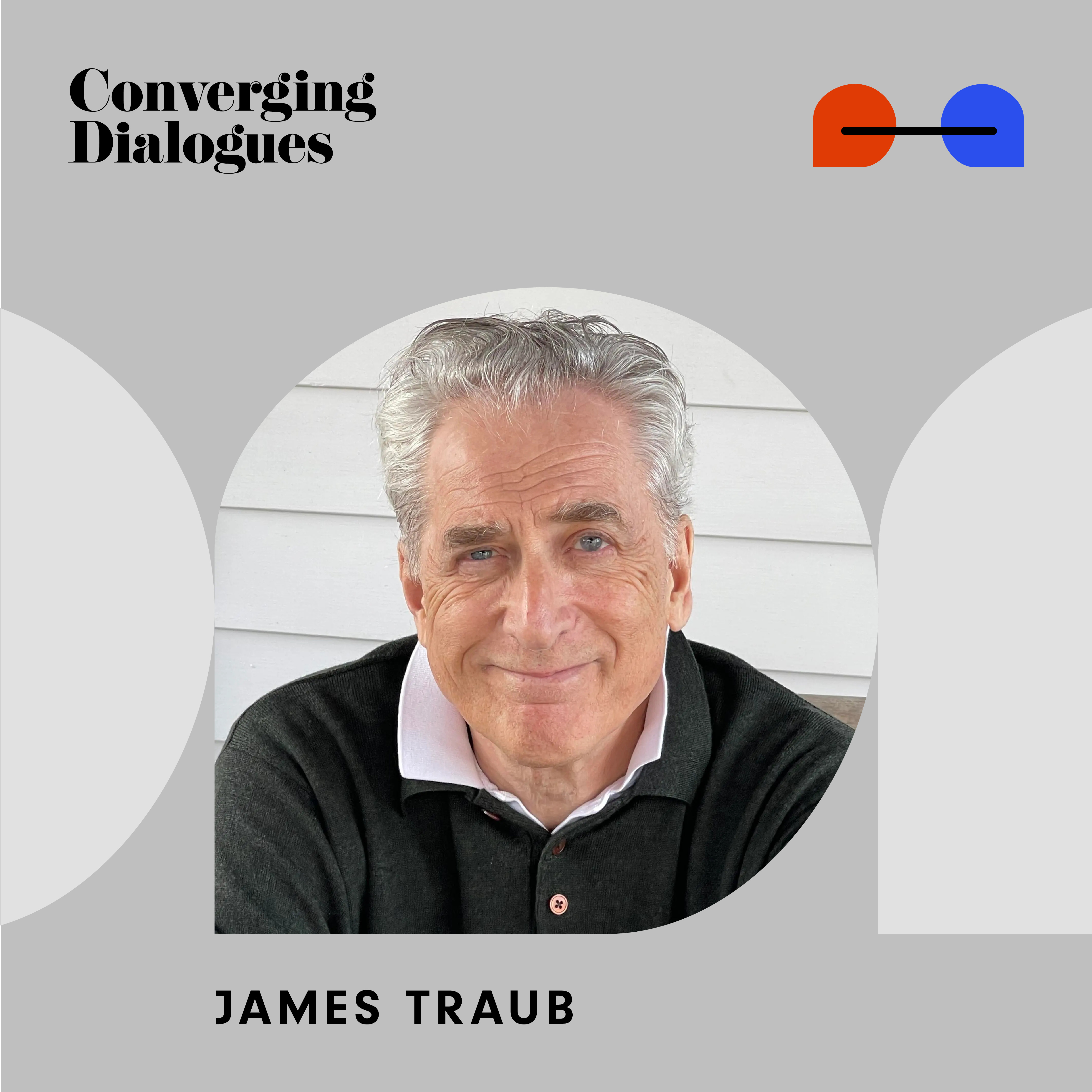
#335 - Hubert Humphrey: Giant of Liberalism: A Dialogue with James Traub
In this episode, Xavier Bonilla has a dialogue with James Traub about Hubert Humphrey. They define liberalism, background and context of Humphrey and his internal motivations, how he governed as mayor in Minneapolis, and how he was a liberal and a progressive. They talk about his time as a U.S. Senator, a cold war liberal, and his relationship with Lyndon Johnson. They discuss Humphrey’s foreign affairs work, his time as Vice President of the U.S., Senate years post-Vice Presidency, legacy of Humphrey, and many more topics. James Traub is a journalist and scholar specializing in international affairs. He is a columnist and contributor to the website foreignpolicy.com. He worked as a staff writer for The New Yorker from 1993 to 1998 and as a contributing writer to The New York Times Magazine from 1998 to 2011. He has also written extensively about national politics, urban affairs, and education. He has written many books, including the most recent, True Believer: Hubert Humphrey’s Quest For A More Just America. He teaches classes on American foreign policy and on the history of liberalism at NYU Abu Dhabi and at NYU. He is a fellow of the Center on International Cooperation and a member of the Council on Foreign Relations.Website: https://www.traubjames.com/Substack: James Traub Get full access to Converging Dialogues at convergingdialogues.substack.com/subscribe
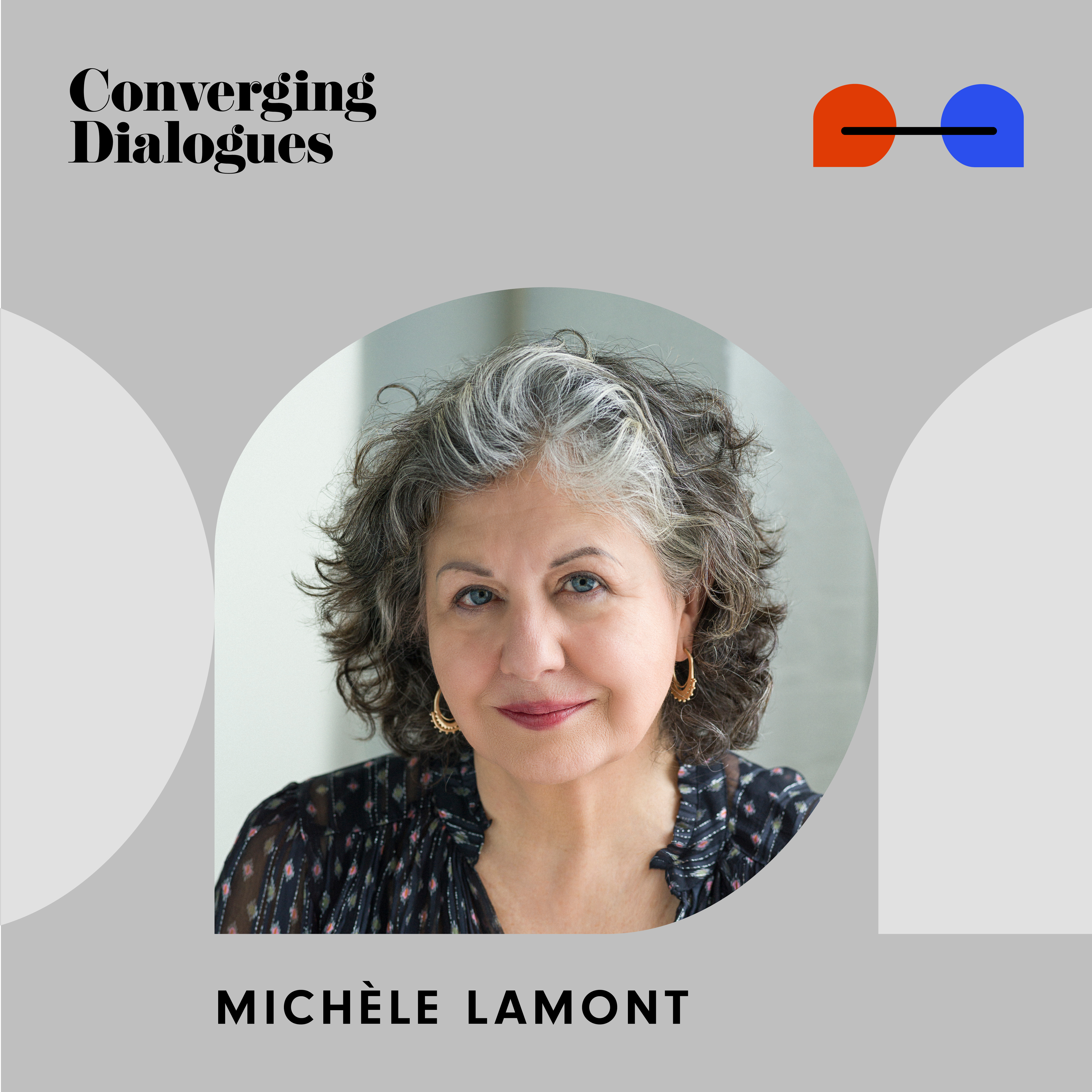
#334 - Recognizing Others: A Dialogue with Michèle Lamont
In this episode, Xavier Bonilla has a dialogue with Michèle Lamont about recognition and interpersonal dynamics. They define recognition and worth, the three avenues of building recognition and ordinary universalism, and what blocks change. They talk about inequality, individualism/collectivism, and challenges of the American dream. They also discuss using media, role of institutions, how we can recognize others, and many more topics. Michèle Lamont is Professor of Sociology and of African and African American Studies and the Robert I. Goldman Professor of European Studies at Harvard University. An influential cultural sociologist who studies boundaries and inequality, she has tackled topics such as dignity, respect, stigma, racism, class and racial boundaries, and how we evaluate social worth across societies. She served as President of the American Sociological Association in 2016, was a Carnegie Fellow in 2021-2022, and is a member of the American Academy of Arts & Sciences, the Royal Society of Canada, and the British Academy. She is the author of numerous books, including her most recent, her most recent book is Seeing Others: How Recognition Works and How It Can Heal a Divided World. Website: https://www.michelelamont.org/ Get full access to Converging Dialogues at convergingdialogues.substack.com/subscribe
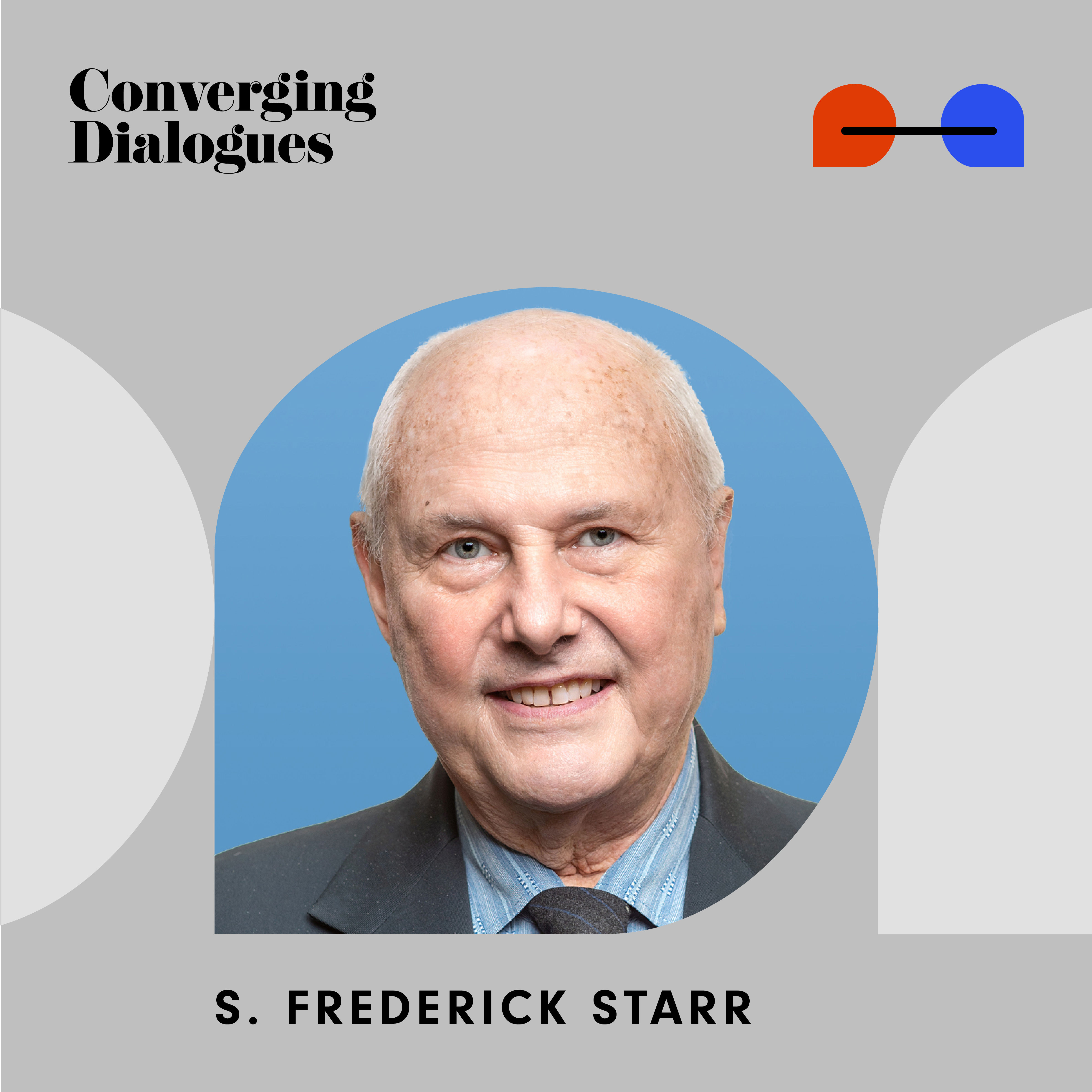
#333 - The Genius of Ibn Sina and Biruni: A Dialogue with S. Frederick Starr
In this episode, Xavier Bonilla has a dialogue with S. Frederick Starr about the lives and work of Ibn Sina and Biruni. They discuss who were Ibn Sina and Biruni, their time and context, and the correspondence between Ibn Sina and Biruni. They discuss their interactions in the Muslim world, Ibn Sina as vizier, the canon of Ibn Sina and the canon of Biruni. They also discuss work post-canon, how their works were preserved, legacy of both thinkers, and many more topics.S. Frederick Starr is the founding chairman of the Central Asia -Caucasus Institute and Silk Road Studies Program, a joint transatlantic research and policy center affiliated with the American Foreign Policy Institute (AFPC) in Washington and the Institute for Security and Development Policy in Stockholm. Dr. Starr is Distinguished Fellow for Eurasia at AFPC. Starr is author of the widely acclaimed Lost Enlightenment: Central Asia's Golden Age from the Arab Conquest to Tamerlane. In this book on the history of the region between the 8th and 11th centuries, he argues that Central Asia was the center of the world. Lost Enlightenment has been translated into 20 languages, and received widespread praise by regional leaders, including Uzbek President Shavkat Mirziyoyev and former Afghan President Ashraf Ghani. Starr has focused on the challenge of reopening continental-wide transport passing through Central Asia and Afghanistan. This issue was the subject of a series of articles between 2000 and 2008 and of a book, The New Silk Roads, published in 2007. He is a frequent commentator on the affairs of the region, and the author of numerous articles in journals including Foreign Affairs and op-eds in various leading American and international newspapers. Starr was the founding Chairman of the Kennan Institute in Washington, and served as Vice President of Tulane University and President of Oberlin College (1983-94). He was closely involved in planning the University of Central Asia and the Azerbaijan Diplomatic Academy and is a trustee of the Nazarbayev University in Kazakhstan. He earned his PhD in History at Princeton, MA at King’s College, Cambridge, and his BA at Yale, and holds five honorary degrees. Starr is also a founding member of the Louisiana Repertory Jazz Ensemble of New Orleans and founded the Greater New Orleans Foundation, the single largest non-governmental sponsor of post-Katrina recovery in that city. He has written four books on New Orleans, including New Orleans Unmasqued, Southern Comfort, and Inventing New Orleans: The Writings of Lafcadio Hearn. Get full access to Converging Dialogues at convergingdialogues.substack.com/subscribe
#332 - Nostalgia: A Dialogue with Clay Routledge
In this episode, Xavier Bonilla has a dialogue with Clay Routledge about nostalgia. They define nostalgia, nostalgia being forward thinking, nostalgia with positive and negative memories, and the downsides of nostalgia in pop culture. They discuss nostalgia with self-concept, self-continuity, and self-esteem, nostaglia for understanding existential anxiety and death, best ways to use nostalgia, and many more topics. Clay Routledge is an existential psychologist, writer, and consultant. He is Vice President of Research and Director of the Human Flourishing Lab at Archbridge Institute and co-editor of Profectus, a magazine on human progress and flourishing. He has published more than 100 academic papers, co-edited three books, authored three books, and received numerous awards for his scholarly research and student mentorship. He is the author of his most recent book, Past Forward.Website: https://www.clayroutledge.com/ Get full access to Converging Dialogues at convergingdialogues.substack.com/subscribe
#331 - Making Sense of Our Delusions: A Dialogue with Lisa Bortolotti
In this episode, Xavier Bonilla has a dialogue with Lisa Bortolotti about delusions. They talk about why we should think about delusions, delusions as emotional and rational beliefs, defining delusions, clinical and non-clinical delusions, and why we believe delusions. They talk about when delusions cause harm, can people change their delusional beliefs, and many more topics. Lisa Bortolotti is a philosopher and Professor of Philosophy at the University of Birmingham. She is Editor in Chief of Philosophical Psychology. She has her PhD in philosophy and her main interests are in philosophy of science, irrational beliefs, and epistemic injustice. Website: https://lisabortolotti.blogspot.com/ Get full access to Converging Dialogues at convergingdialogues.substack.com/subscribe
#330 - Deceiving Ourselves: A Dialogue with Ajit Varki
In this episode, Xavier Bonilla has a dialogue with Ajit Varki about the evolutionary origins of denial and self-deception. They discuss the evolutionary perspective of human origins, self-awareness in humans, theory of mind, and how false beliefs and denial evolved. They also discuss lying, self-deception, religion, positive uses of deception, climate change, future of Mind Over Reality theory, and many more topics. Ajit Varki received training in physiology, medicine, biology, and biochemistry at the Christian Medical College, Vellore, The University of Nebraska, Omaha, and Washington University, St. Louis. He was trained and board-certified in internal medicine, hematology, and oncology. He joined the faculty of the University of California, San Diego (UCSD) in 1982.Dr. Varki is an elected member of the American Academy of Arts & Sciences, National Academy of Medicine, American Society for Clinical Investigation, Association of American Physicians, and of Sigma Xi. He has been a recipient of a MERIT award from the NIH, the American Cancer Society Faculty Research Award, as well as three of the highest honors in the field: the Karl Meyer Award (2005), the International Glycoconjugate Organization Award (2007), the Rosalind Kornfeld Award for Lifetime Achievement in Glycobiology (2020), and the ASBMB Herbert Tabor Research Award (2023). He was also elected President of the American Society for Clinical Investigation (1998–1999), President of the Society for Glycobiology (1996) and served Editor-In-Chief of the Journal of Clinical Investigation (1992–1997). He is recognized for creating the first major open access research journal, The Journal of Clinical Investigation, JCI (1996), as well as the first major open access textbook, Essentials of Glycobiology (2008). Dr. Varki was honored with the Old Cottonian of Eminence Award at the 150th Anniversary of Bishop Cotton Boy's School in Bangalore, India (2015) and he was also honored with the Annual Research Day Distinguished Faculty Medal and Oration at his medical school alma mater, the Christian Medical College, Vellore, India (2020). Dr. Varki's interests in human evolution also led him to propose a novel Mind Over Reality Transition theory about human origins, in the book, Denial.Link to paper: https://cmm.ucsd.edu/research/labs/varki/_files/publications/b200.pdf Get full access to Converging Dialogues at convergingdialogues.substack.com/subscribe
#329 - Fighting for Women's Rights Around the World: A Dialogue with Sima Samar
In this episode, Xavier Bonilla has a dialogue with Sima Samar about her life and work for women’s rights. They discuss her reasoning for writing her memoirs, history of modern Afghanistan, impact of Islam, and the rule of the Taliban. They talk about her work in medicine and human rights advocacy, women’s rights in Afghanistan, becoming Vice President and Minister of Women’s Affairs of Afghanistan. They also discuss her work on the human rights commission, being nominated for the Nobel Peace Prize in 2009, women’s rights around the world, the future of Afghanistan, and many more topics. Sima Samar is a human rights advocate, Nobel Peace Prize nominee, and global influential female figure. She received her MD from Kabul University Medical College. Since 2002 she has been the Chairperson of the Afghanistan Independent Human Rights Commission (AIHRC) which holds human rights violators accountable and sets the human rights agenda in Afghanistan. She is also the Chairperson of the Commission for the Prevention of Torture and was the Chairperson of the Asia Pacific Forum of National Human Rights Institutions (APF).Prior to her appointment as the chair of AIHRC, she was the Vice President of the Interim Administration of Afghanistan and the first Minister of Women’s Affairs. She served as the United Nations Special Rapporteur on the situation of human rights in the Sudan between 2005 and 2009 and has been appointed as a member of the United Nation’s Secretary-General’s High-Level Advisory Board on Mediation. Samar also served as member of High Level Panel for Internal Displacement.Her commitment to her community is evident through her NGO Shuhada Organization’s work in operating 55 middle and high schools for girls and boys in Afghanistan, and three schools in Quetta, Pakistan for Afghan refugees. In addition to this Shuhada operates 12 clinics and three hospitals in Afghanistan and one hospital in Quetta for refugees, dedicated to providing education and healthcare, particularly focusing on women and girls. Website: https://shuhada.org.af/ Get full access to Converging Dialogues at convergingdialogues.substack.com/subscribe
#328 - Listening to Prozac: A Dialogue with Peter Kramer
In this episode, Xavier Bonilla has a dialogue with Peter Kramer about Prozac. They talk about the 30th anniversary of Listening To Prozac and antidepressants, origins of antidepressants, classes of antidepressants, selfhood, criticisms of SSRIs and the serotonin hypothesis, risk of suicide with Prozac, future of SSRIs, and more more topics. Peter Kramer is a psychiatrist who practiced and taught psychiatry for over 40 years. He is Emeritus Professor of Psychiatry and Human Behavior at Brown University. He has done extensive research on depression and anti-depressants. He is the author of numerous books including the bestseller, Listening to Prozac. Website: https://www.peterdkramer.com/Twitter: @peterdkramer Get full access to Converging Dialogues at convergingdialogues.substack.com/subscribe
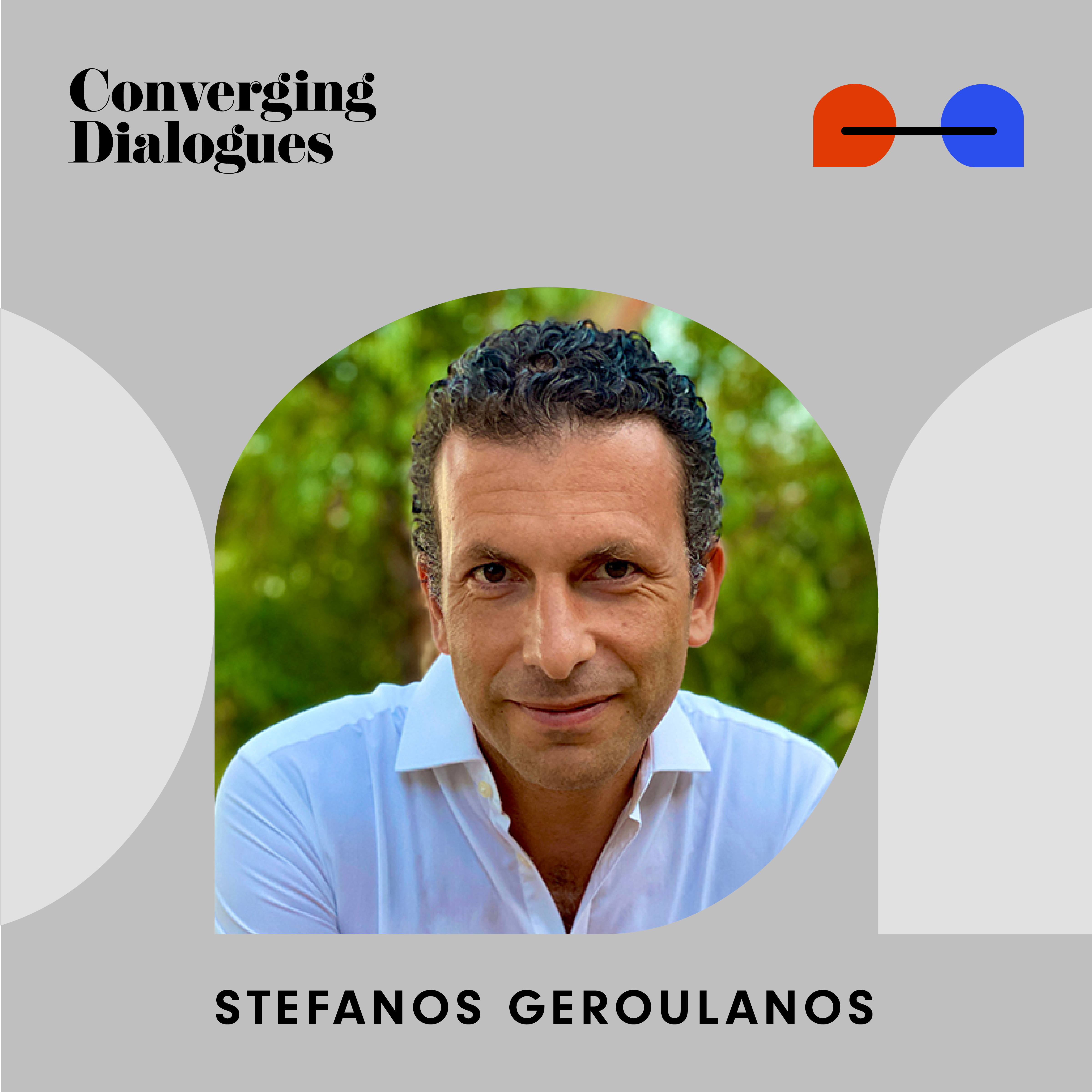
#327 - The Invention of Prehistory: A Dialogue with Stefanos Geroulanos
In this episode, Xavier Bonilla has a dialogue with Stefanos Geroulanos about the history of prehistory. They talk about why studying history is important and why it is not final, the emphasis on the nature of man, why Rousseau and Hobbes’ ideas still persist, human nature and equality, and the impact of Darwin. They also talk about the impact of Marx, Neanderthals, thin veneer, and the instincts, Freud’s contribution, Nazi party, how we continue to understand history, and many more topics.Stefanos Geroulanos is Director of the Remarque Institute and a professor of history at New York University. He has his BA from Princeton and his PhD from Johns Hopkins. From 2015-2017, he was Director of the Center for International Research in the Humanities and Social Sciences at NYU. His research focuses on histories of the concepts that weave together understanding of the human, of time, and of the body. He has written many books, including the most recent book, The Invention of Prehistory: Empire, Violence, and Our Obsession with Human Origins. Website: https://www.stefanos-geroulanos.com/ Get full access to Converging Dialogues at convergingdialogues.substack.com/subscribe
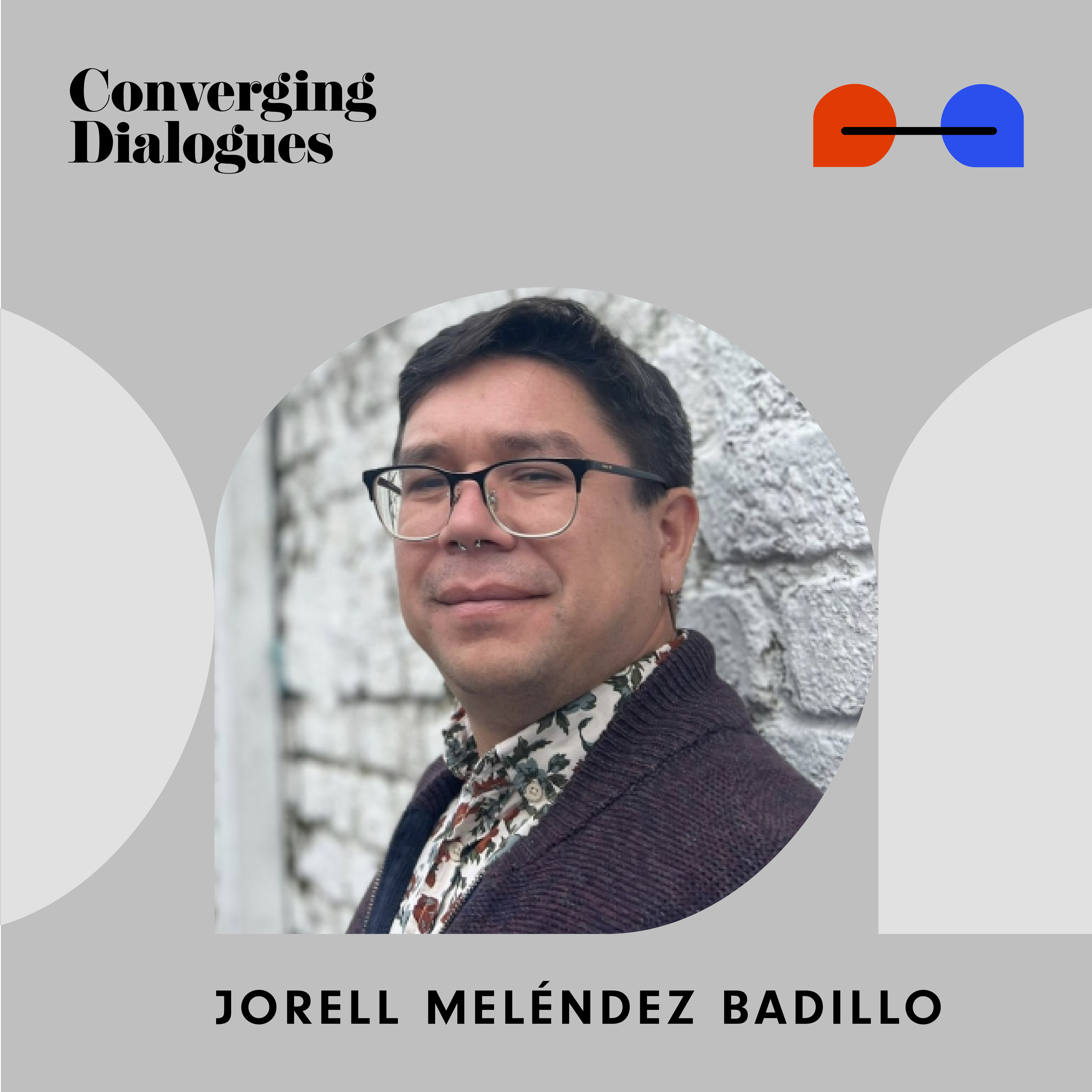
#326 - Puerto Rico: A Natural History: A Dialogue with Jorell Meléndez Badillo
In this episode, Xavier Bonilla has a dialogue with Jorell Meléndez Badillo about the history of Puerto Rico. They talk about the origins of the island of Puerto Rico, Taino peoples, reasons for Columbus coming to Puerto Rico, and indigenous peoples fighting back. They talk about enslaved peoples in the mid 16th century, origins of the term “Puertorriqueños,” impact of race and colorism, and hardship in Puerto Rico in the 19th century. They discuss the Lares revolution, coming to New York, Spanish-American war and the United States acquiring Puerto Rico, cultural shifts from Spanish colony to American colony, the great migration in the mid 20th century, history of parties, status of Puerto Rico, and the future of Puerto Rico. Jorell Meléndez Badillo is a historian of Puerto Rico, the Caribbean, and Latin America. He is currently Assistant Professor of Latin American and Caribbean History at the University of Wisconsin-Madison. Before arriving at UW-Madison, he was a Mellon Faculty Fellow and Assistant Professor of History at Dartmouth College. His work focuses on the global circulation of radical ideas from the standpoint of working-class intellectual communities. He is the author of the book, Puerto Rico: A Natural History. Website: https://www.jorellmelendezbadillo.com/ Get full access to Converging Dialogues at convergingdialogues.substack.com/subscribe
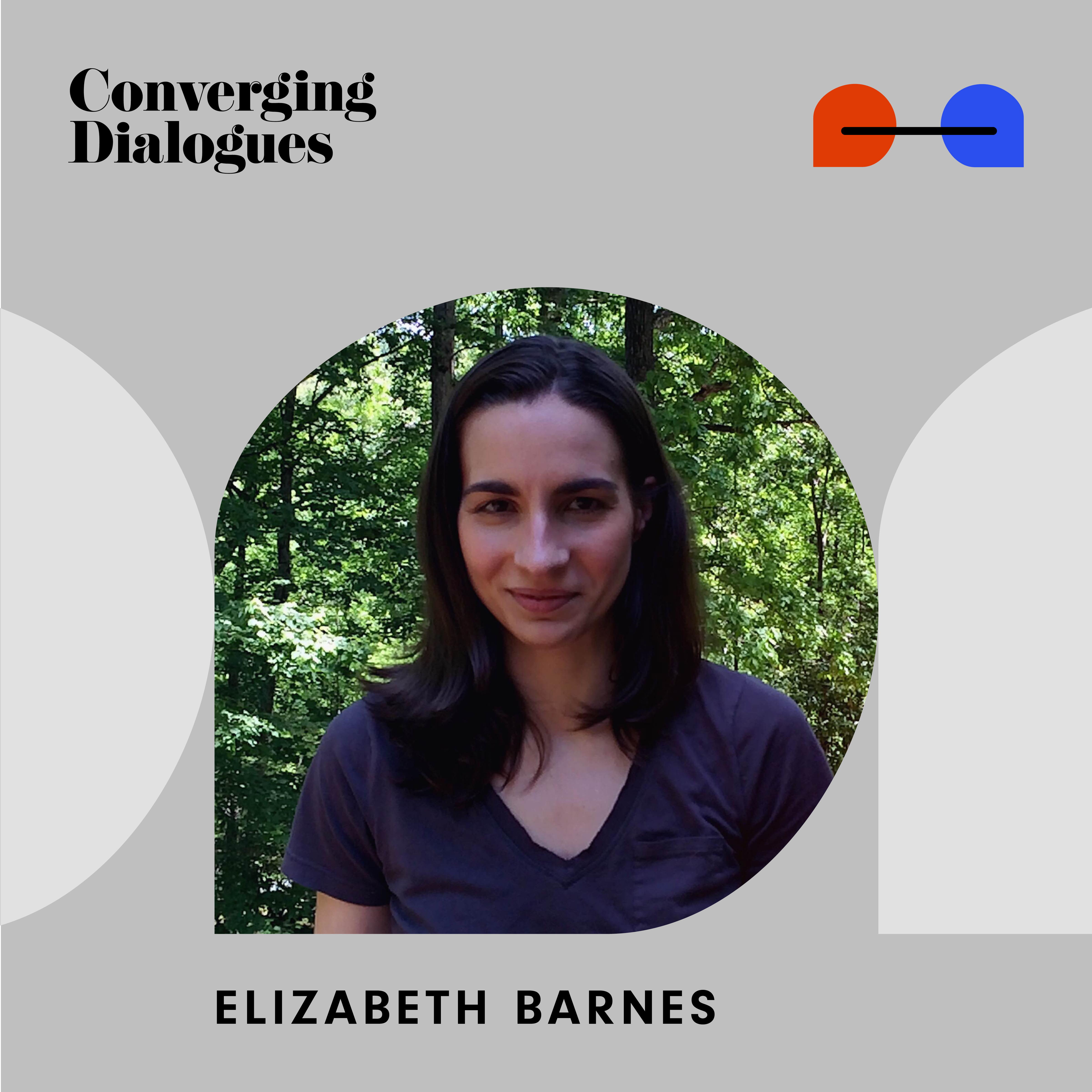
#325 - Health Problems: A Dialogue with Elizabeth Barnes
In this episode, Xavier Bonilla has a dialogue with Elizabeth Barnes about the ideas surrounding health. They discuss why we care about health and how we define health, social impact of health, and discussing health publicly. They also talk about shame and stigma with health, disability and health differences, ameliorative skepticism, and many more topics. Elizabeth Barnes is Professor of Philosophy at the University of Virginia. Her research interests are divided between metaphysics, political philosophy, feminist philosophy, and ethics. She has written a handful books, including her most recent book, Health Problems.Website: https://elizabethbarnesphilosophy.weebly.com/ Get full access to Converging Dialogues at convergingdialogues.substack.com/subscribe
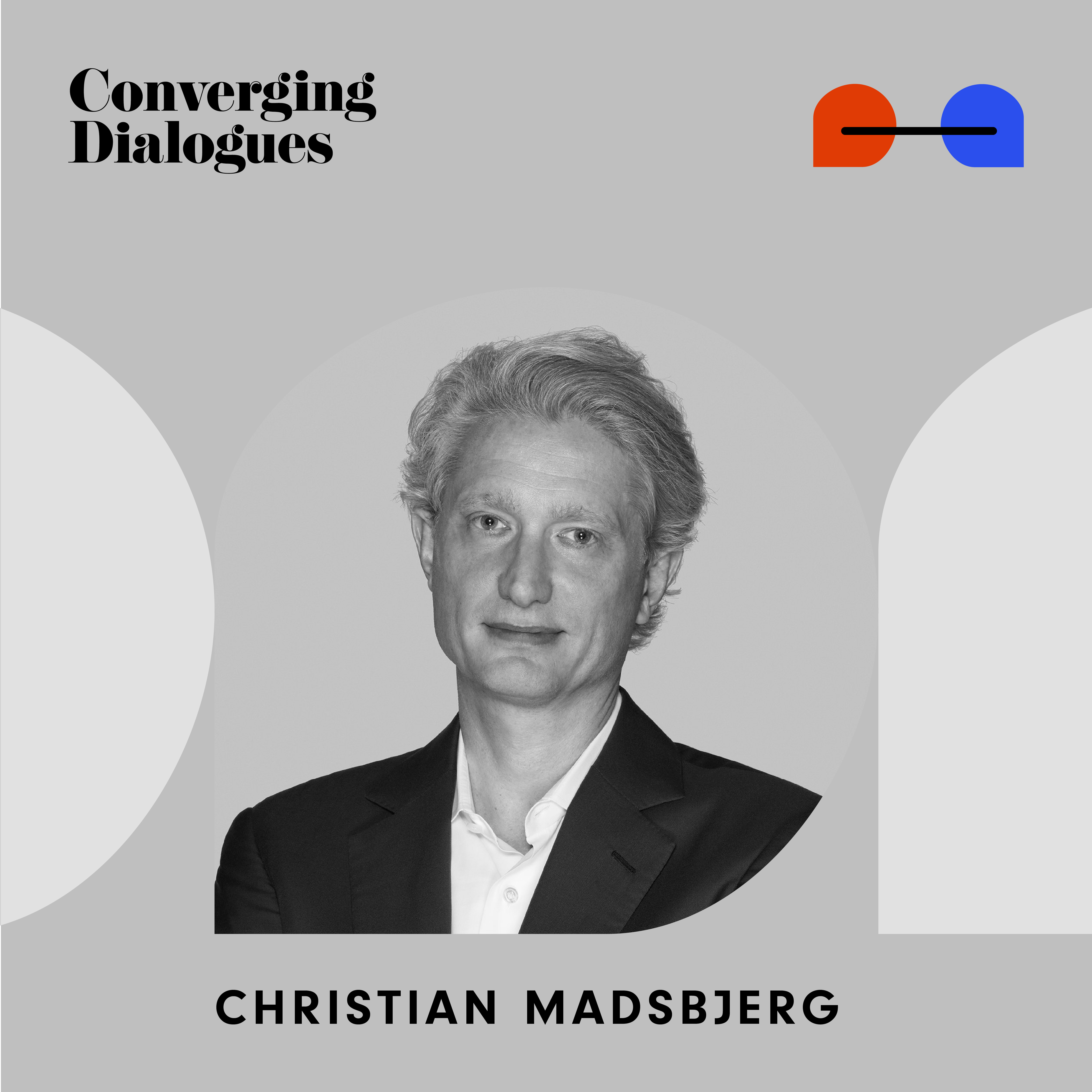
#324 - Paying Attention In A Distracted World: A Dialogue with Christian Madsbjerg
In this episode, Xavier Bonilla has a dialogue with Christian Madsbjerg about perception in the world. They discuss why perception and observation are important, the work of Merleau-Ponty, perception being reality, and intersubjectivity. They discuss the role of the body in phenomenology, phenomenology of space, the “other,” practical ways of paying attention in the world, and many more topics. Christian Madsbjerg is an author, entrepreneur, and academic who focuses on the practical and commercial application of the Human Sciences. He is the co-founder of the global consulting firm Red Associates which addressing strategy questions through empirical, organized observations of the human world. He also serves as the Chairman of the Board at the world-class architectural firm Bjarke Ingels Group, holds a non-executive director position at Fritz Hansen A/S, is an independent Director and Chair of the Nomination and Governance Committee at The Metals Company (Nasdaq: TMC), and is a member of the US board of Kvadrat A/S. He also serves as a director of the Revs Institute, a design museum and research institute. He has held the Professor of Applied Humanities position at The New School in New York City. He is the author of several books, including the most recent book, Look: How to Pay Attention in a Distracted World. Website: https://madsbjerg.com/ Get full access to Converging Dialogues at convergingdialogues.substack.com/subscribe
#323 - Wonderstruck: A Dialogue with Helen De Cruz
In this episode, Xavier Bonilla has a dialogue with Helen De Cruz about wonder and awe. They define awe and wonder as distinct emotions, awe in other animals, social and cultural aspects of awe, and philosophy being born in wonder. They discuss the history of awe and wonder from ancient Greece to the Enlightenment, theories of emotions, magic and wonder, religion and wonder, Merleau-Ponty and habits, spiritual naturalism, and many more topics. Helen De Cruz holds the Danforth Chair in the Humanities at Saint Louis University. She holds a PhD in philosophy from the University of Groningen and a PhD in archaeology and art sciences from the Free University of Brussels. Her work examines why and how humans engage in pursuits that seem remote from the immediate concerns of survival and reproduction, such as theology, mathematics, and science. She is the author of many books including the most recent, Wonderstruck: How Awe and Wonder Shape the Way We Think.Website: https://helendecruz.net/ Get full access to Converging Dialogues at convergingdialogues.substack.com/subscribe
#322 - Democracy Birthed in Darkness: A Dialogue with Katlyn Carter
In this episode, Xavier Bonilla has a dialogue with Katlyn Carter about the origins of the United States during the revolutionary period. They discuss the concern about secrecy and transparency in government, representative government and representative democracy, pros and cons of democracy, and how democracy is different from 1776. They also talk about shifting from colonies to states, reasons for secrecy in the founding, comparisons with France, Madison’s speed bumps for democracy, how we see transparency now in government, and many more topics. Katlyn Carter is a historian and Assistant Professor in History at the University of Notre Dame. Her research focuses on the origins of modern representative democracy through the study of political practices and institutions. She has a Bachelors in History from the University of California, Berkeley and a PhD in History from Princeton University. She is the author of, Democracy In Darkness: Secrecy and Transparency in the Age of Revolutions. Get full access to Converging Dialogues at convergingdialogues.substack.com/subscribe
#321 - Homer and His Iliad: A Dialogue with Robin Lane Fox
In this episode, Xavier Bonilla has a dialogue with Robin Lane Fox about Homer and his Iliad. They discuss how to best read the Iliad, structure of the poem, and the use of speeches, language, and movement. They talk about the location of Troy, Homer’s authorship, Homer’s description of the Trojan war, Homer’s illiteracy, Iliad’s transcription, genius of Homer, and many more topics. Robin Lane Fox is a historian and Emeritus Fellow of New College, Oxford, and taught Ancient History at Oxford University from 1977 to 2014. He has taught on Greek and Latin literature and Islamic history for many years. He has written many books on classical history, including his most recent book, Homer and His Iliad. Get full access to Converging Dialogues at convergingdialogues.substack.com/subscribe
#320 - The Art of Public Conversation: A Crossover Episode with Where We Go Next
In this episode, Xavier Bonilla and Michael Callahan have a discussion about their respective podcasts. They discuss why they decided to do this crossover episode, how Converging Dialogues started, how Where We Go Next started, and how they treat guests. They discuss their process for asking questions, motivations for interviews, importance of active listening, their process for each episode, legacy of the podcast, and many more topics. Where We Go Next is a podcast focused on in-depth conversations with the people changing the ways we think, create, and live. Host Michael Callahan engages with visionary founders, best-selling writers, award-winning journalists, acclaimed educators, and innovative artists. Website: https://wherewegonext.com/Instagram: @wwgnpodcast Get full access to Converging Dialogues at convergingdialogues.substack.com/subscribe
#319 - Somebody's Gotta Win the 2024 US Presidential Election: A Dialogue with Tara Palmeri
In this episode, Xavier Bonilla has a dialogue with Tara Palmeri about the 2024 US Presidential election. They discuss why there is rematch of the 2020 US Presidential election between Joe Biden and Donald Trump, Biden’s challengers, Biden’s age, and the Democrats “bench.” They talk about feelings mattering more than policy, immigration, predictions, and many more topics. Tara Palmeri is a Senior political correspondent at Puck and host of the Ringer’s election podcast, “Somebody’s Gotta Win.” Previously, she has worked as a journalist for Politico and ABC News. Twitter: @tarapalmeri Get full access to Converging Dialogues at convergingdialogues.substack.com/subscribe
#318 - Virtues and the Founding Fathers: A Dialogue with Jeffrey Rosen
In this episode, Xavier Bonilla has a dialogue with Jeffrey Rosen about the impact of Classical Writers on the founding fathers. They discuss why studying the influences of the founding fathers is important, pursuit of happiness, Franklin and the impact of Pythagoras, Adams on humility, and Jefferson as a complicated figure. They discuss Washington’s self-mastery, Hamilton and Madison on moderation, and many more topics.Jeffrey Rosen is President and CEO of the National Constitution Center, where he hosts We the People, a weekly podcast of constitutional debate. He is also a professor of law at the George Washington University Law School and a contributing editor at The Atlantic. Rosen is a graduate of Harvard College, Oxford University, and Yale Law School. His essays and commentaries have appeared in The New York Times Magazine; on NPR; in The New Republic, where he was the legal affairs editor; and in The New Yorker, where he has been a staff writer. He is the author of seven previous books, including the most recent book, The Pursuit of Happiness: How Classical Writers on Virtue Inspired the Lives of the Founders and Defined America. Get full access to Converging Dialogues at convergingdialogues.substack.com/subscribe
#317 - The Five-Year Presidency: A Dialogue with Christopher Liddell
In this episode, Xavier Bonilla has a dialogue with Christopher Liddell about the five-year presidency. They discuss what is year zero and why presidential transitions are important, filling the government, and design, plan, and execution phases of year zero. They discuss the Romney transition, Trump transition, and Biden transition, standardization and flexibility with different presidents, Office of POTUS, first 200 days, the 2024 Presidential election, and many more topics. Christopher Liddell has held senior roles in politics, the private sector, and philanthropy. He was White House Deputy Chief of Staff during the Trump Administration, and has been involved in three presidential transition cycles, including the White House operational head of transition to the Biden Administration, where he played a key role. In the private sector, he has been Chief Financial Officer of several major companies, including Microsoft and General Motors. He is also active in philanthropic projects, having been Chairman of New Zealand’s largest foundation focused on environmental preservation. He graduated with a Bachelor of Engineering from Auckland University and a Master of Philosophy from the University of Oxford. He is the author of the book, Year Zero: The Five-Year Presidency.Website: https://chrisliddell.com/ Get full access to Converging Dialogues at convergingdialogues.substack.com/subscribe
#316 - The Brain From the Inside-Out: A Dialogue with György Buzsáki
In this episode, Xavier Bonilla has a dialogue with György Buzsaki about the inside out framework of the brain. They discuss the outside-in vs. inside-out framework for understanding the brain, causation as problematic for self-organizing systems, and perception and action on thought. They mention the Bayesian brain model, reinforcement and reward, brain systems and neural syntax, space and time within the hippocampus, the future of using the inside-out framework, and many more topics. György Buzsáki is a neuroscientist and Biggs Professor of Neuroscience at the NYU School of Medicine. He has his MD and PhD in neuroscience from the University of Pecs in Hungary. His main interest areas are on neural syntax and hippocampal networks. He is the author of numerous books including the most recent book, The Brain From Inside Out. Website: https://buzsakilab.com/wp/ Get full access to Converging Dialogues at convergingdialogues.substack.com/subscribe
#315 - Regulating AI Systems: A Dialogue with Robert Trager
In this episode, Xavier Bonilla has a dialogue with Robert Trager about international governance of AI systems. They discuss why questions of AI are important, defining intelligence and machine learning, and provide an overview of the current landscape of AI systems. They talked about the ethics and governance for AI systems, how other governance models have been used, controlling the creativity of AI, civilian AI, military AI, and enforcement rules with military AI. They also mention the alignment problem, how to discuss AI in public life, and many more topics. Robert Trager is Professor of Political Science at the University of California, Los Angeles, and International Governance Lead at the Centre for the Governance of AI. He is a recognized expert in the international governance of emerging technologies, diplomatic practice, and institutional design. His research also focuses on economic models of technology races, and regulation and industry cooperation for the public benefit in safety-critical industries. He has written two books and numerous articles in leading social science journals, including the American Political Science Review, International Organization, International Security, Foreign Affairs and many others. Website: https://robertftrager.com/ Get full access to Converging Dialogues at convergingdialogues.substack.com/subscribe
#314 - A Central American Exodus and the Reshaping of America: A Dialogue with Jonathan Blitzer
In this episode, Xavier Bonilla has a dialogue with Jonathan Blitzer about Central American immigrants coming to the United States and the evolving relationship in the region. They talk about the emphasis on Central America and, more specifically, El Salvador, when discussing immigration. They discuss the many narrative accounts of immigrants from El Salvador and some of the background information on El Salvador. They provide some of the history of El Salvador and the many brutal aspects of the 12+ years civil war. They also talk about the cyclical nature of US involvement with Central America, future goals, and many more topics. Jonathan Blitzer is a journalist and writer who currently is a staff writer at The New Yorker. His work has appeared in The New York Times, The New Yorker, The Atlantic, and many other publications. He is the recipient of the 2018 Immigration Journalism Prize from French-American foundation and the Media Leadership Award from the American Immigration Lawyers Association. He is the author of the new book, Everyone Who Is Gone Is Here: The United States, Central America, and the Making of A Crisis.Twitter: @jonathanblitzer Get full access to Converging Dialogues at convergingdialogues.substack.com/subscribe
#313 - The Mongol Storm: A Dialogue with Nicholas Morton
In this episode, Xavier Bonilla has a dialogue with Nicholas Morton about the Mongol empire. They discuss the background overview of Seljuck Turks, Karwazman Empire, and how the Mongols conquered and governed administratively. They talk about the environmental scope of the Mongols, religious tolerance, centralized hierarchy, the fifth crusade, how the Mongols splintered, and many more topics. Nicholas Morton is Associate Professor of History at Nottingham Trent University. He is a member of the Centre for the Study of Religion and Conflict. His main research areas are on the Crusades and Medieval Near East between the 10th and 14th centuries. He is the author of numerous books including the most recent book, The Mongol Storm: Making and Breaking Empires in the Medieval Near East. Website: https://www.ntu.ac.uk/staff-profiles/arts-humanities/nicholas-mortonTwitter: @nicholasmorto11 Get full access to Converging Dialogues at convergingdialogues.substack.com/subscribe
#312 - Empire of Refugees: North Caucasian Muslims and Late Ottoman State: A Dialogue with Vladimir Hamed-Troyansky
In this episode, Xavier Bonilla has a dialogue with Vladimir Hamed-Troyansky about North Caucasian Muslims in the late Ottoman period. They discuss the landscape of the Caucasus, the Ottoman Empire, and the Russian Empire in the late 19th century. They talk about the diversity of ethnic groups in the Caucasus, the Ottoman Empire as a land of refugees, and why Russian troops perpetrated an ethnic cleansing. They discuss the term muhajir, four major migrations from the Caucasus, the Ottoman Empire as a refugee regime, 1857 immigration law, 1858 land laws, 1860 refugee commission, what happened to Circassian refugees in the Balkans, and Ottoman slavery. They discuss Circassians moving to the levant, the importance of Amman, resettlement in central Anatolia, return migration to Russia, and many other topics. Vladimir Hamed-Troyansky is Assistant Professor of Global Studies at the University of California, Santa Barbara. He has his Ph.D. in History from Stanford University and was a postdoctoral fellow at Columbia University. His main interest areas are in global migration and forced displacement, with expertise in the Ottoman and Russian empires and their successor states. He is the author of Empire of Refugees: North Caucasian Muslims and the Late Ottoman State. Website: https://www.vladimirhamedtroyansky.com/ Get full access to Converging Dialogues at convergingdialogues.substack.com/subscribe
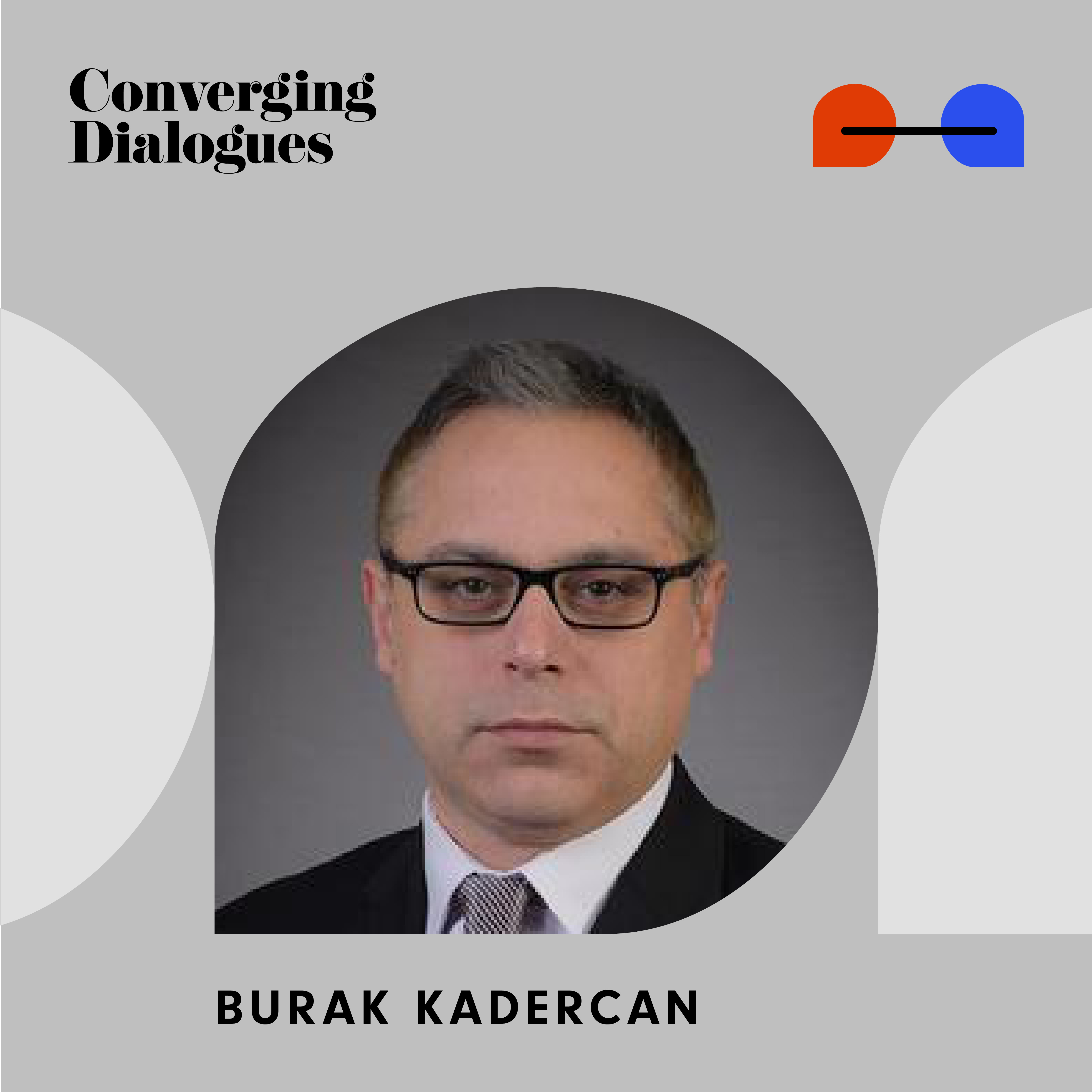
#311 - Shifting Grounds: Territory, Society, and Conflict: A Dialogue with Burak Kadercan
In this episode, Xavier Bonilla has a dialogue with Burak Kadercan about territory and nation states. They define territory and nation states, discuss empire, healthy nationalism, and ethnic groups in territories. They also define borders and discuss Westphalia, mosaic and monolithic order, Ottoman empire, war and conflict, Russia and Ukraine conflict, and many more topics. Burak Kadercan is Associate Professor of Strategy and Policy at the United States Naval War College in Newport, Rhode Island. He has his Ph.D. in Political Science from the University of Chicago. He was an inaugural fellow at the Center for Strategic Studies, The Fletcher School, Tufts University. He was also a Lecturer in International Relations at the University of Reading (UK) and Assistant Professor in International Relations and coordinator for the Master Program in International Security at Institut Barcelona D’Estudis Internacionals (IBEI). He is also Senior Associate at the Center on Irregular Warfare and Armed Groups (CIWAG). His main interest are in territoriality, international security, and state-formation. He is the author of Shifting Grounds: The Social Origins of Territorial Conflict.Website: http://www.burakadercan.com/ Get full access to Converging Dialogues at convergingdialogues.substack.com/subscribe
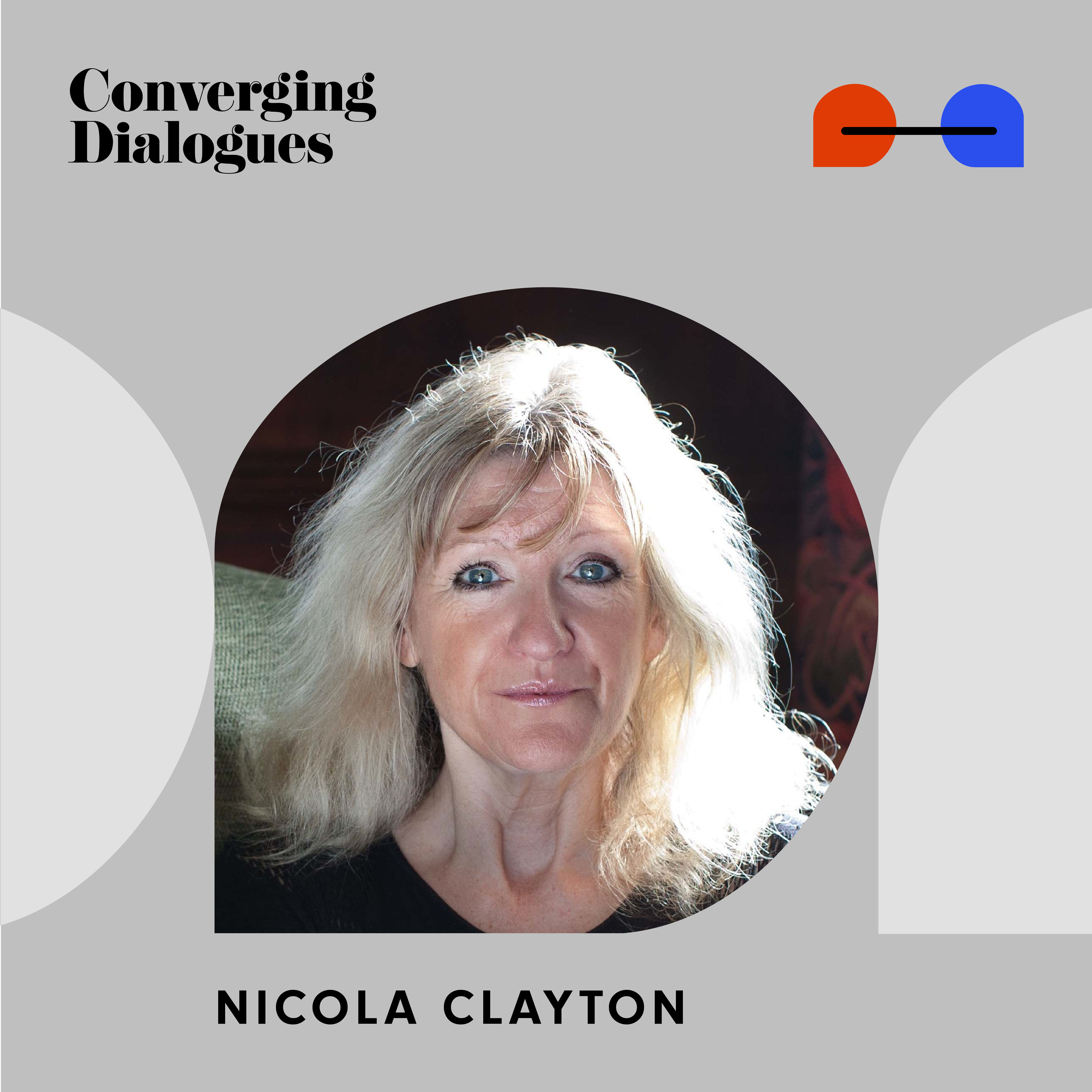
#310 - Comparative Cognition: A Dialogue with Nicola Clayton
In this episode, Xavier Bonilla has a dialogue with Nicola Clayton about cognition across many animals. They define cognition in humans and in animals, intelligence, using magic to understand cognition in animals, embodied mind in animals, and comparative cognition as a type of convergent evolution. They discuss difficulties in using human measures for evaluating animal cognition, New Caledonian crows and their intelligence, consciousness, the future of comparative cognition research, and many more topics.Nicola Clayton is Professor of Comparative Cognition in the Department of Psychology at the University of Cambridge, a Fellow of Clare College and a Fellow of the Royal Society. Her main interests areas are comparative cognition and the evolution and development of intelligence in non-verbal animals and pre-verbal children. She is currently President of the British Science Association Psychology Section. She is also in residence at Rambert Dance Company. Website: https://www.psychol.cam.ac.uk/people/nsc22%40cam.ac.uk Get full access to Converging Dialogues at convergingdialogues.substack.com/subscribe
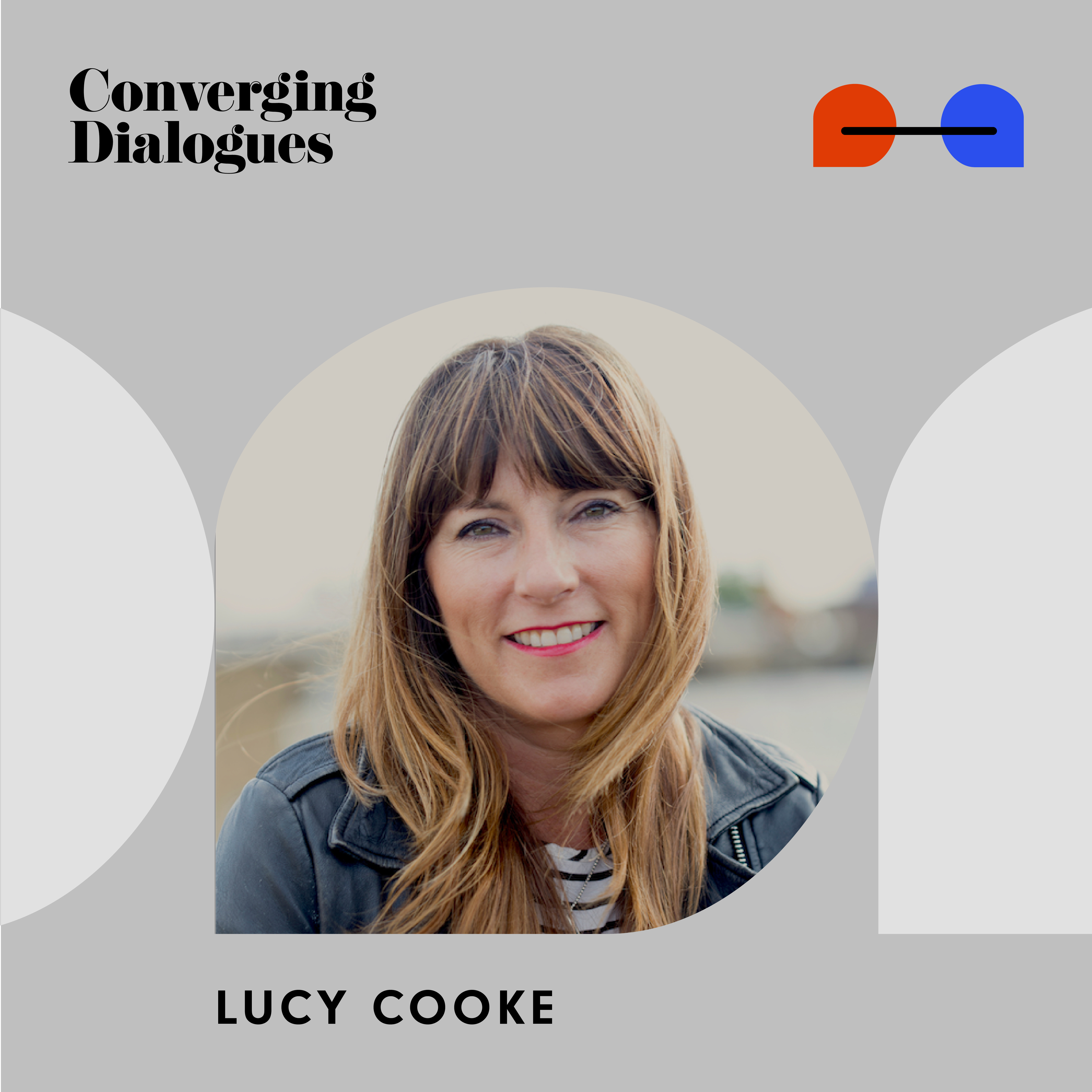
#309 - Sex, Evolution, and the Female Animal: A Dialogue with Lucy Cooke
In this episode, Xavier Bonilla has a dialogue with Lucy Cooke about the female animals across many species. They discuss why the female species were neglected in Darwin’s studies, binary model of sex, female choice in sexual selection and the social and sexual monogamy in birds and sexual coercion with ducks. They talk about hierarchies with males and females, female dominance in lemurs, menopause, female bonding, and many more topics. Lucy Cooke is a Zoologist, broadcaster, filmmaker, and author. She has a Masters Degree in Zoology from New College-Oxford. She has been a regular guest on Radio 4 and presented on BBC, ITV, and National Geographic. She is the author of numerous books, including her most recent book, Bitch: On the Female of the Species. Website: http://www.lucycooke.tv/ Get full access to Converging Dialogues at convergingdialogues.substack.com/subscribe