Converging Dialogues
508 episodes — Page 6 of 11
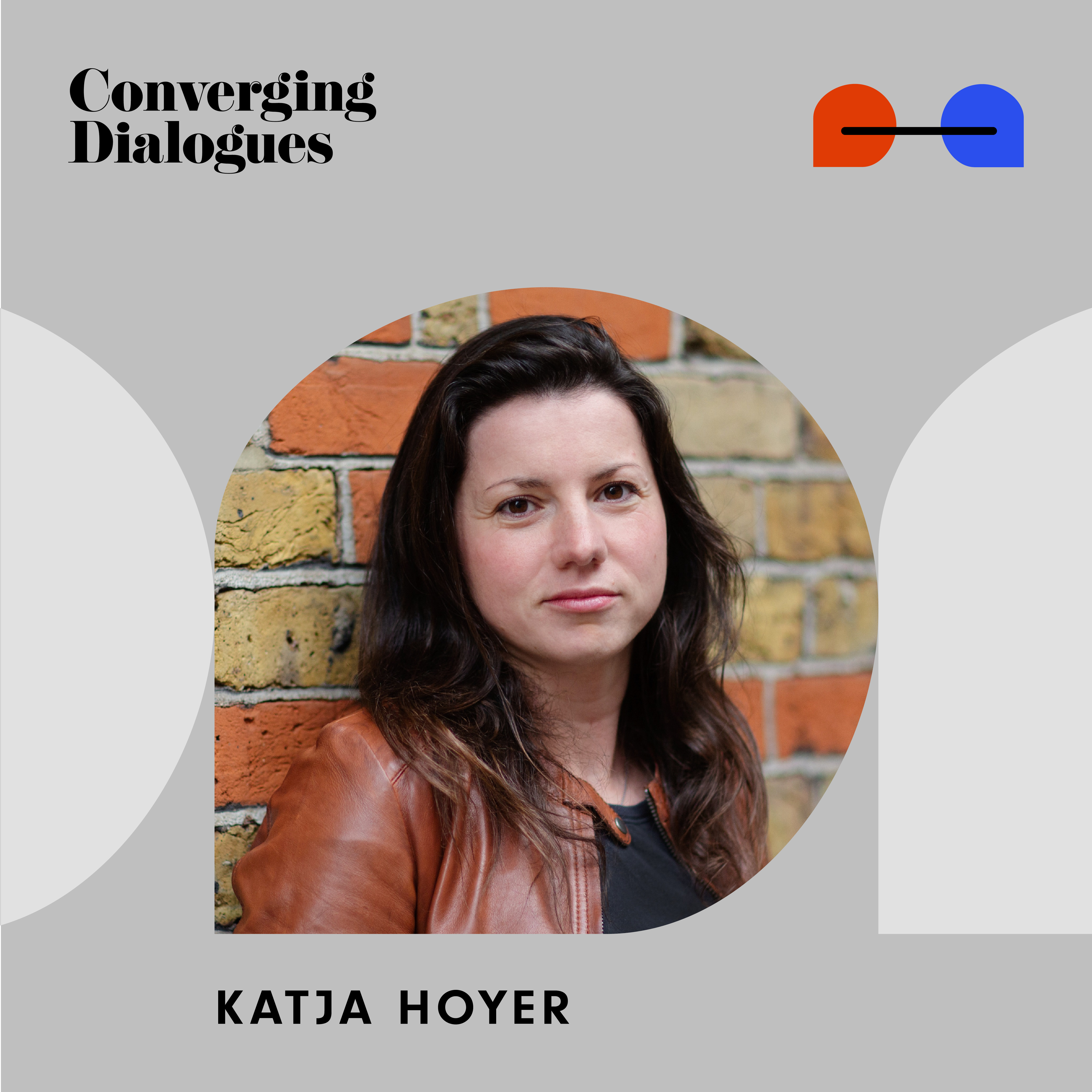
#258 - Beyond the Wall: A Dialogue with Katja Hoyer
In this episode, Xavier Bonilla has a dialogue with Katja Hoyer about the history of East Germany. They discuss the culture of East and West Germany and how East Germany originated, East Germany and the relationship with the Soviet Union, and the political makeup of East Germany. They also talk about the significance of Ulbrecht and socialism, creation of the Berlin Wall, and the Stasi in East Germany. They discuss the failed economics in East Germany in the 1980s, similarities between unification in 1871 and reunification in 1990, Angela Merkel’s time in office, and how a unified Germany moves forward. Katja Hoyer is a historian and journalist who is visiting research fellow at King’s College London and a Fellow of the Royal Historical Society. She is also Global Opinions contributing columnist for The Washington Post. Her main research area is the history of modern Germany. She is the author of Blood and Iron: The Rise and Fall of the German Empire 1871-1918 and Beyond the Wall: A History of East Germany. Twitter: @hoyer_katYou might also like: Get full access to Converging Dialogues at convergingdialogues.substack.com/subscribe
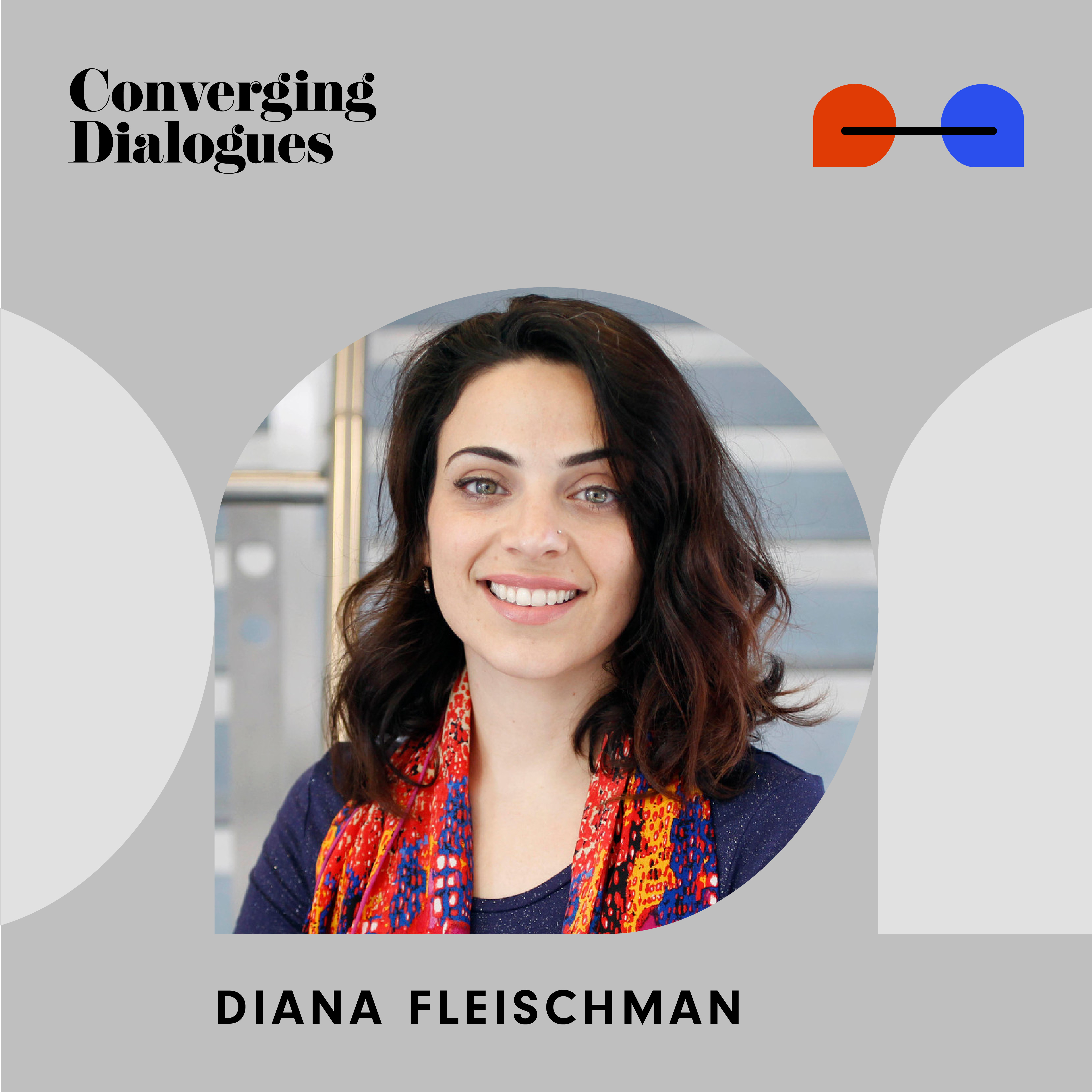
#257 - Polyamory and Eugenics: A Dialogue with Diana Fleischman
In this episode, Xavier Bonilla has a dialogue with Diana Fleischman about a wide range of topics including polyamory and eugenics. They talk about how evolutionary psychology is a good framework for understanding relationships, patriarchal and matriarchal societies, history of monogamous and polyamorous relationships and jealousy and polyamory. They also talk about the difficult history of eugenics, decoupling bad from the good, polygenic scores, governmental differences with prenatal care, GWAS, and many more topics. Diana Fleischman is an evolutionary psychologist and Associate Research professor at the University of New Mexico. Her research has focused on evolutionary psychology, disgust research, sex differences, animal rights, and eugenics. Website: https://www.dianafleischman.com/Substack: Dissentient Twitter: @sentientistYou might also like: Get full access to Converging Dialogues at convergingdialogues.substack.com/subscribe
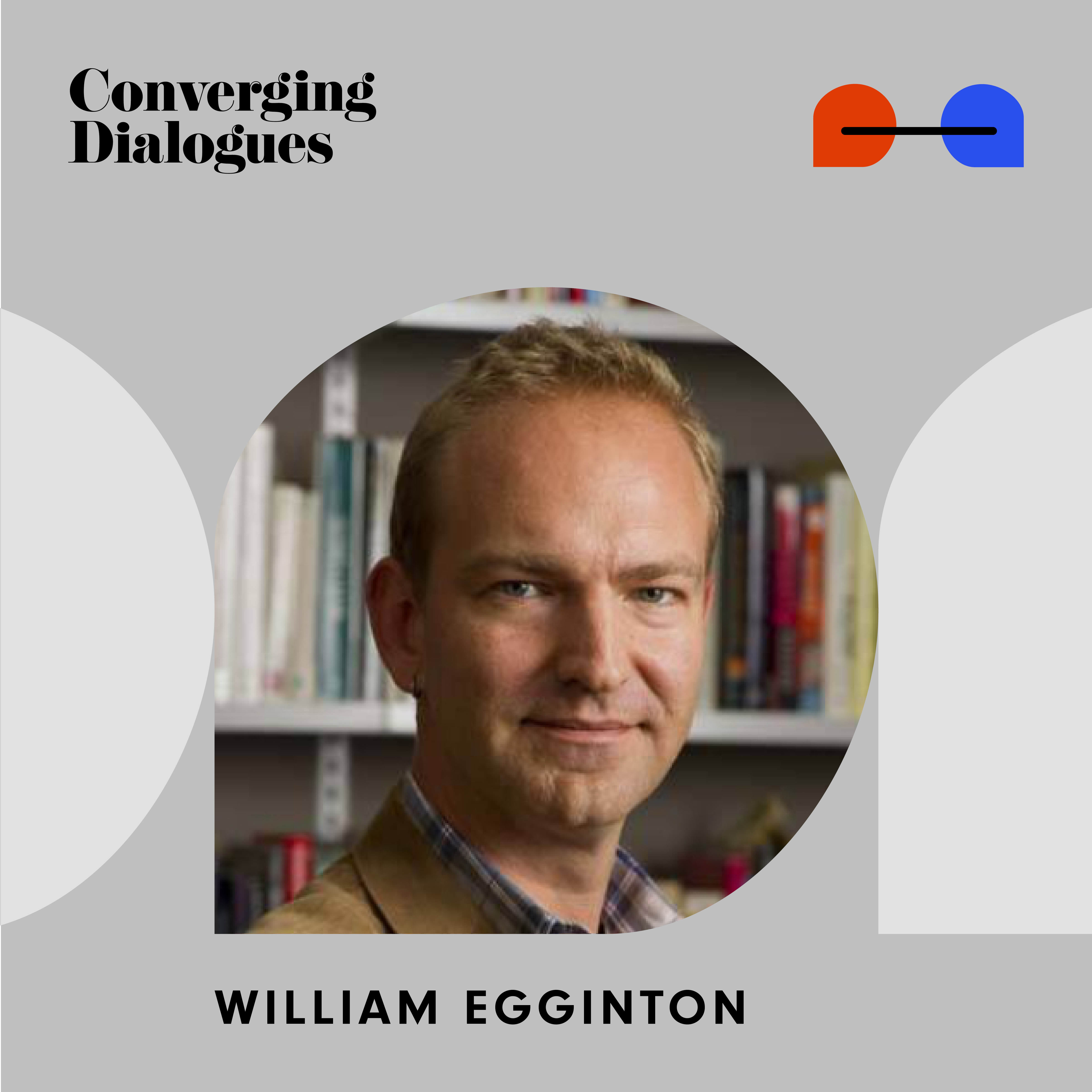
#256 - The Rigor of Angels: A Dialogue with William Egginton
In this episode, Xavier Bonilla has a dialogue with William Egginton about the nature of reality through the work by Borges, Heisenberg, and Kant. They discuss what connects these three men, role of interpretation, and different tools to ask big questions about space, time, and reality. They also talk about the origins of reality, change, Hume’s impact on Kant’s thinking, power of theory for understanding science, existence, and many more topics.William Egginton is an author, literary critic, and Decker Professor in the Humanities and Director of the Alexander Grass Humanities Institute at Johns Hopkins University. His main interests are in poetry, literature, philosophy, history of science. He is the author of numerous books including his latest book, The Rigor of Angels: Borges, Heisenberg, Kant, and the Ultimate Nature of Reality. Website: https://www.williamegginton.com/Twitter: @williameggintonYou might also like: Get full access to Converging Dialogues at convergingdialogues.substack.com/subscribe
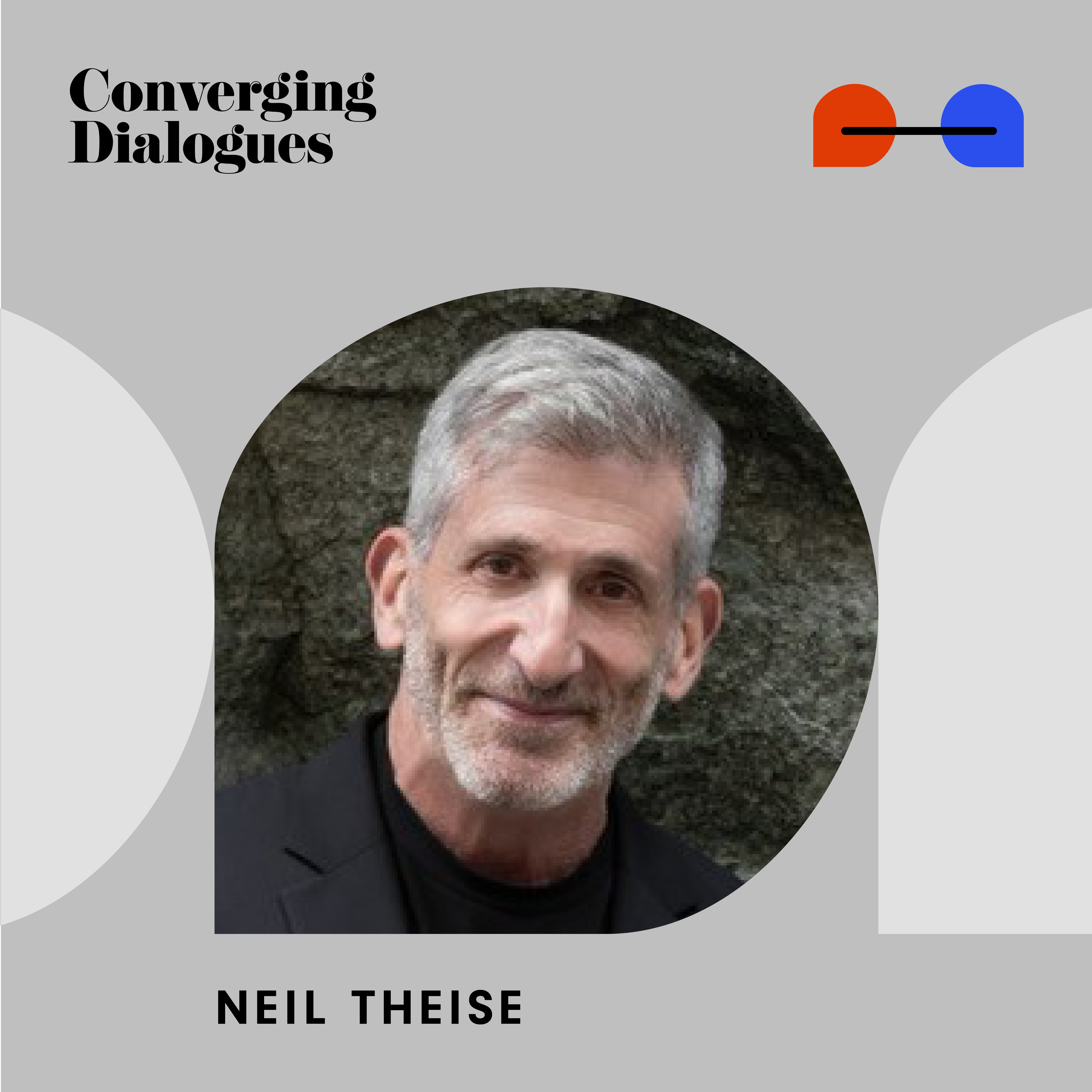
#255 - Notes on Complexity: A Dialogue with Neil Theise
In this episode, Xavier Bonilla has a dialogue with Neil Theise about complexity in biology, physics, and consciousness. They talk about complexity with general systems theory, chaos theory, and fractals. They discuss complementarity with cellular biology and quantum mechanics. They also discuss consciousness, what it means to be human, and many more topics. Neil Theise is a professor of pathology at the NYU Grossman School of Medicine. His main research interests are on adult stem cells and the anatomy of the human interstitium. He is the author of the book, Notes on Complexity: A Scientific Theory of Connection, Consciousness, and Being. Website: https://www.neiltheiseofficial.com/You might also like: Get full access to Converging Dialogues at convergingdialogues.substack.com/subscribe
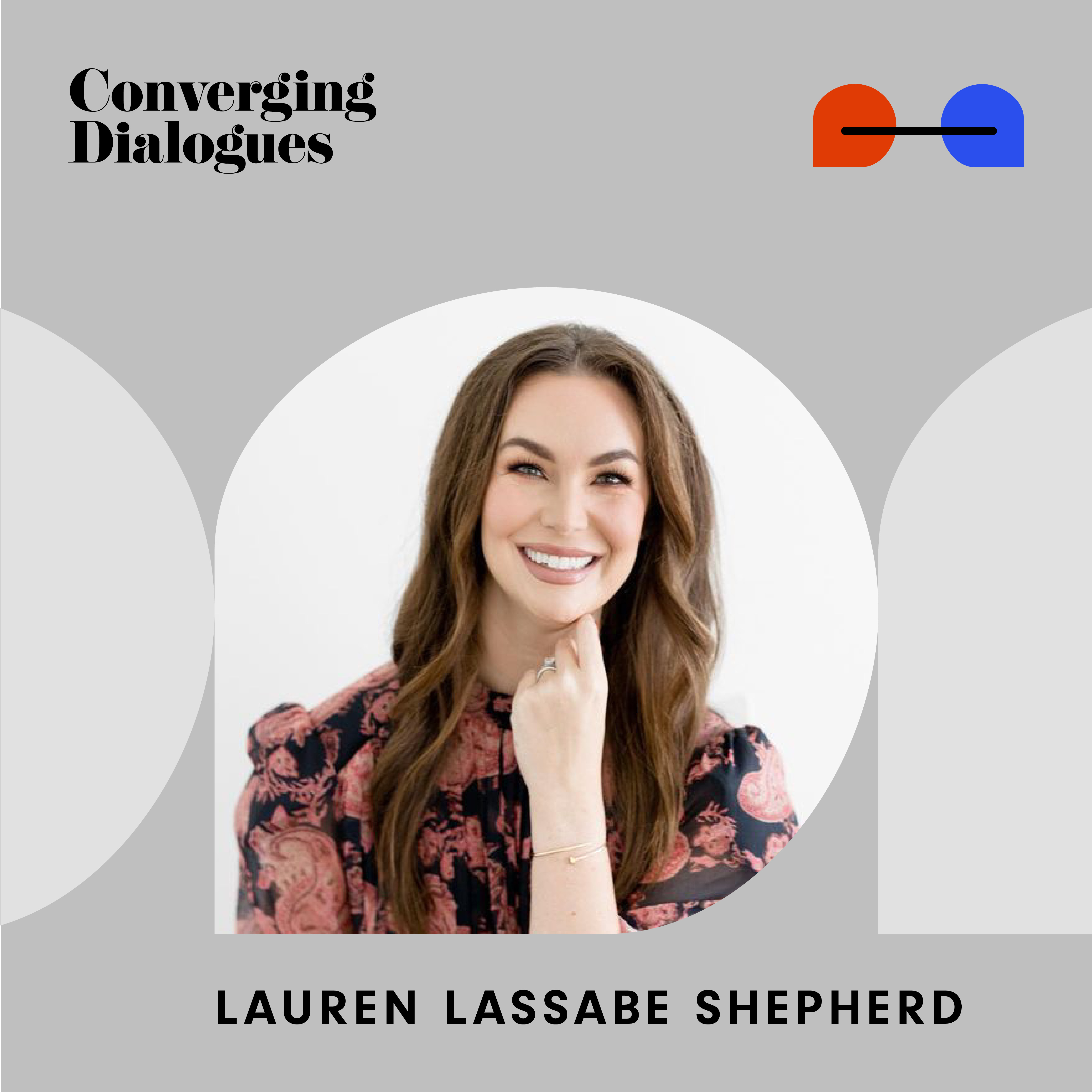
#254 - Trying To "Own the Libs" Since 1967: A Dialogue with Lauren Lassabe Shepherd
In this episode, Xavier Bonilla has a dialogue with Lauren Lassabe Shepherd about conservatives on colleges campuses in the 1960s. They talked about the organization of the book, presentism, the New Right being exported to mass media and politics, and how the New Right was very “Anti.” They discuss Young Americans for Freedom (YAF), movement from college campuses to politics, Libertarians split from conservatives, and the impact on current politics. Lauren Lassabe Shepherd is a historian, writer, and teacher. She teaches in the Department of Education and Human Development at the University of New Orleans. Her research focuses on the history of higher education in the United States during the 20th century. She is the author of her first book, Resistance from the Right: Conservatives and the Campus Wars. Website: laurenlassabe.comTwitter: @llassabe You might also like: Get full access to Converging Dialogues at convergingdialogues.substack.com/subscribe
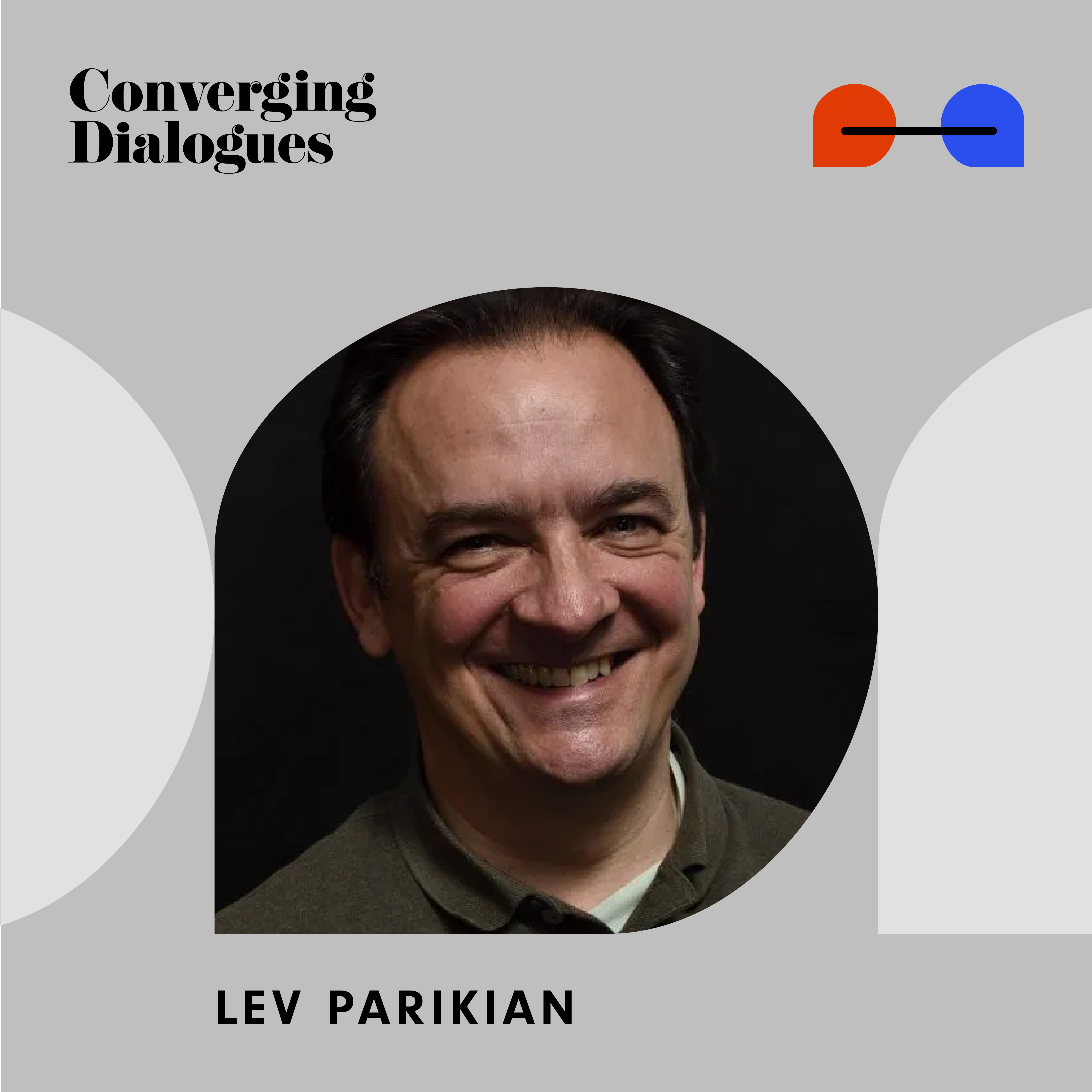
#253 - Taking Flight: A Dialogue with Lev Parikian
In this episode, Xavier Bonilla has a dialogue with Lev Parikian about flight in animals. They discuss convergent evolution for flight, four forces of flight, and early flight with mayflies and dragonflies. They talk about vision in dragonflies, beetles, bees and their different uses of their wings and pterosaurs. They talk about birds, flightless birds, speed of hummingbirds, bats, and many more topics. Lev Parikian is an author and conductor. He has written for many publications on birds. He is the author of six books including the most recent book, Taking Flight. His orchestral work has been on BBC and he has put out two albums and various orchestral work. Website: https://levparikian.com/Substack: Lev Parikian Twitter: @levparikianYou might also like: Get full access to Converging Dialogues at convergingdialogues.substack.com/subscribe
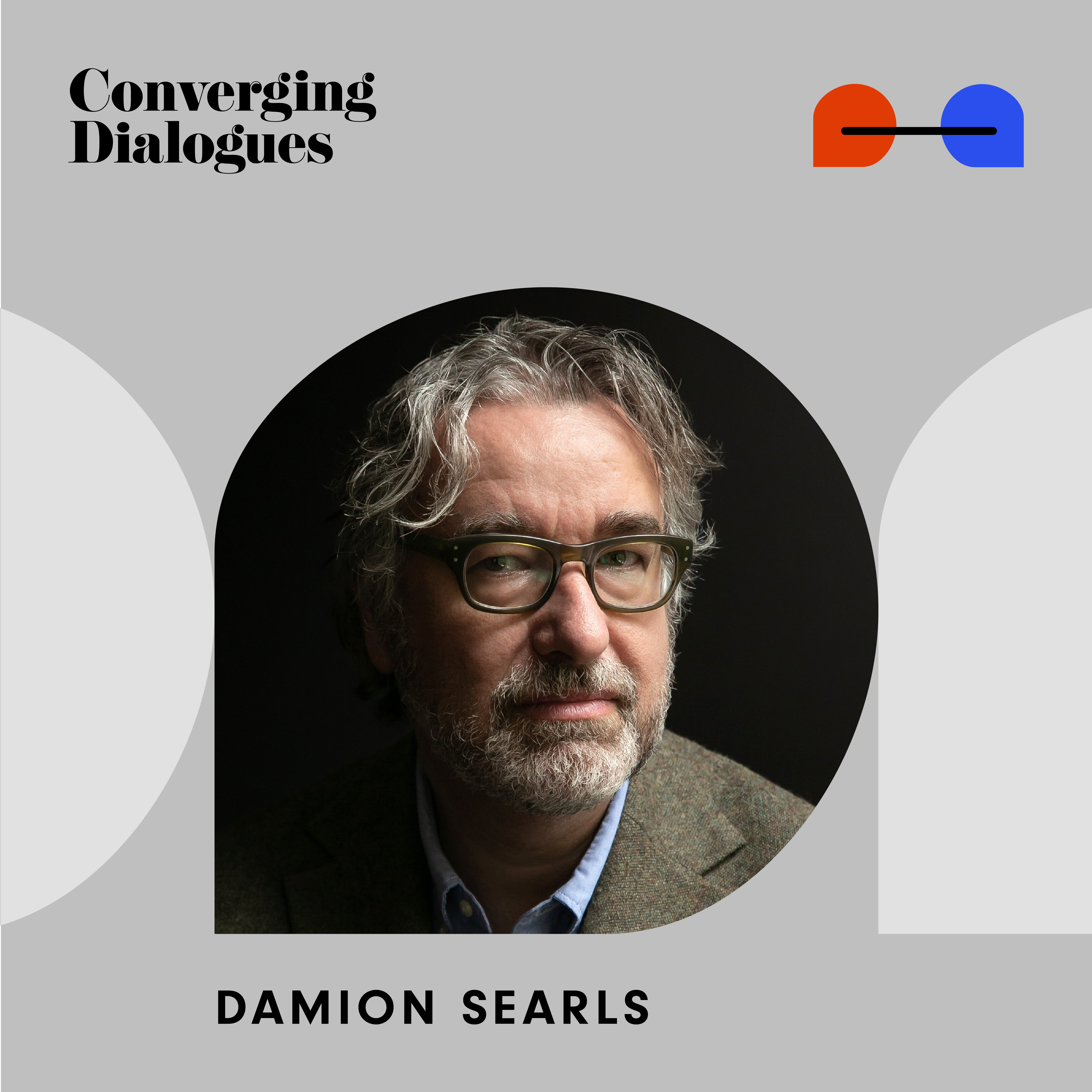
#252 - The Philosophy of Translation: A Dialogue with Damion Searls
In this episode, Xavier Bonilla has a dialogue with Damion Searls about the philosophy of translation. They talk about decisions in translation, primacy of reading, and trusting the translator. They discuss language proficiency, fluency, dead vs. modern languages, and translating various authors. They also talk about translating Wittgenstein, translation process, how to select a translation, and many more topics. Damion Searls is a translator, author, and philosopher. He has translated works by Proust, Rilke, Nietzsche, Thomas Mann, Jon Fosse, and many others. He is author of, The Inkblots, and is currently working on his latest book on the philosophy of translation. Website: https://www.damionsearls.com/You might also like: Get full access to Converging Dialogues at convergingdialogues.substack.com/subscribe
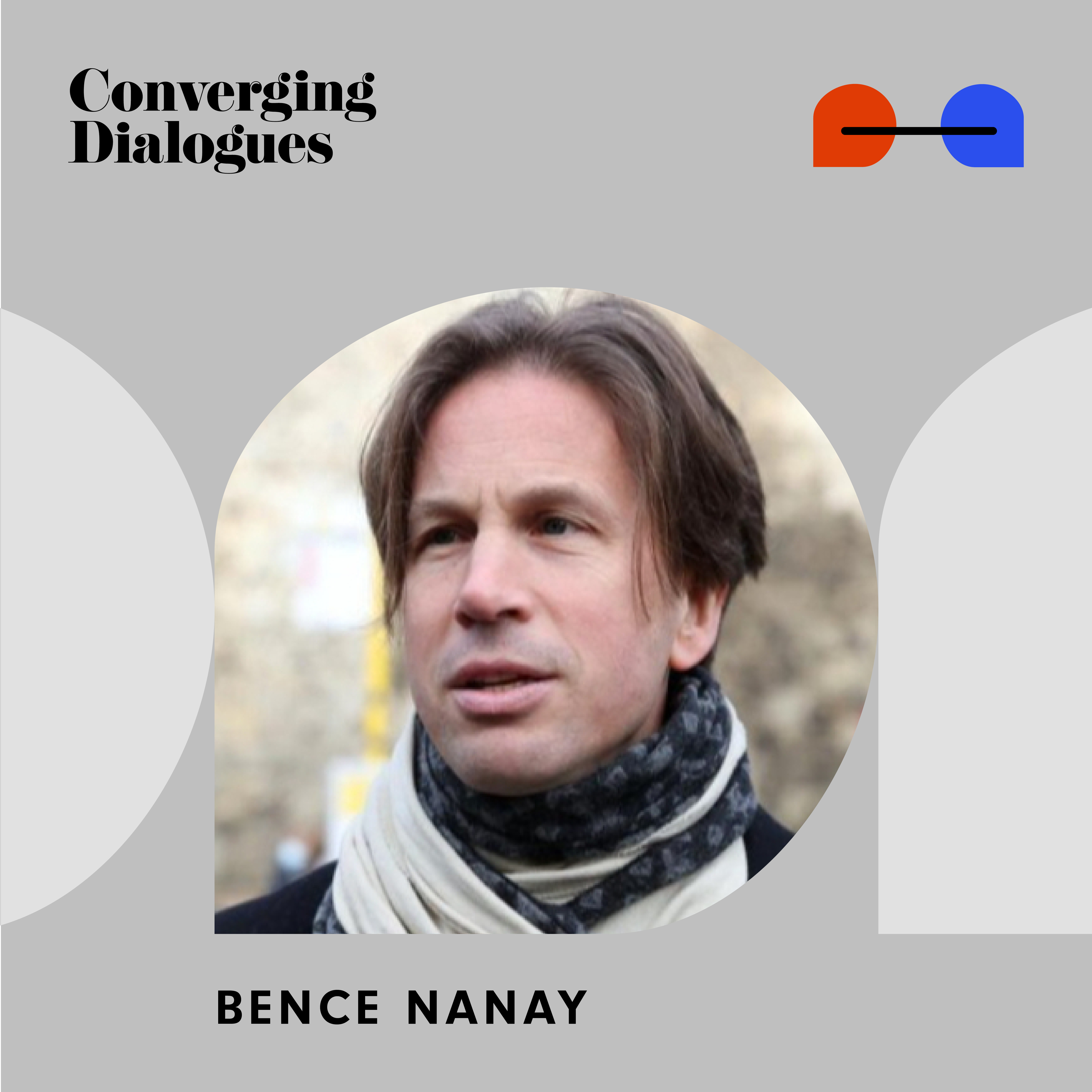
#251 - Mental Imagery: A Dialogue with Bence Nanay
In this episode, Xavier Bonilla has a dialogue with Bence Nanay about mental imagery. They define mental imagery, hyperaphantasia and aphantasia, mental imagery as unconscious, predictive processing and representations. They discuss the role of the body, multimodal dimensions, EMDR, metaphysics, phenomenology of perception, and many more topics. Bence Nanay is a philosopher and BOF Research Professor of philosophical psychology at the University of Antwerp. His main interests are on the philosophy and psychology of perception. He is well published with many peer-reviewed articles and is the author of numerous books, including the most recent book, Mental Imagery. Website: https://bencenanay.com/Twitter: @bencenanay You might also like: Get full access to Converging Dialogues at convergingdialogues.substack.com/subscribe
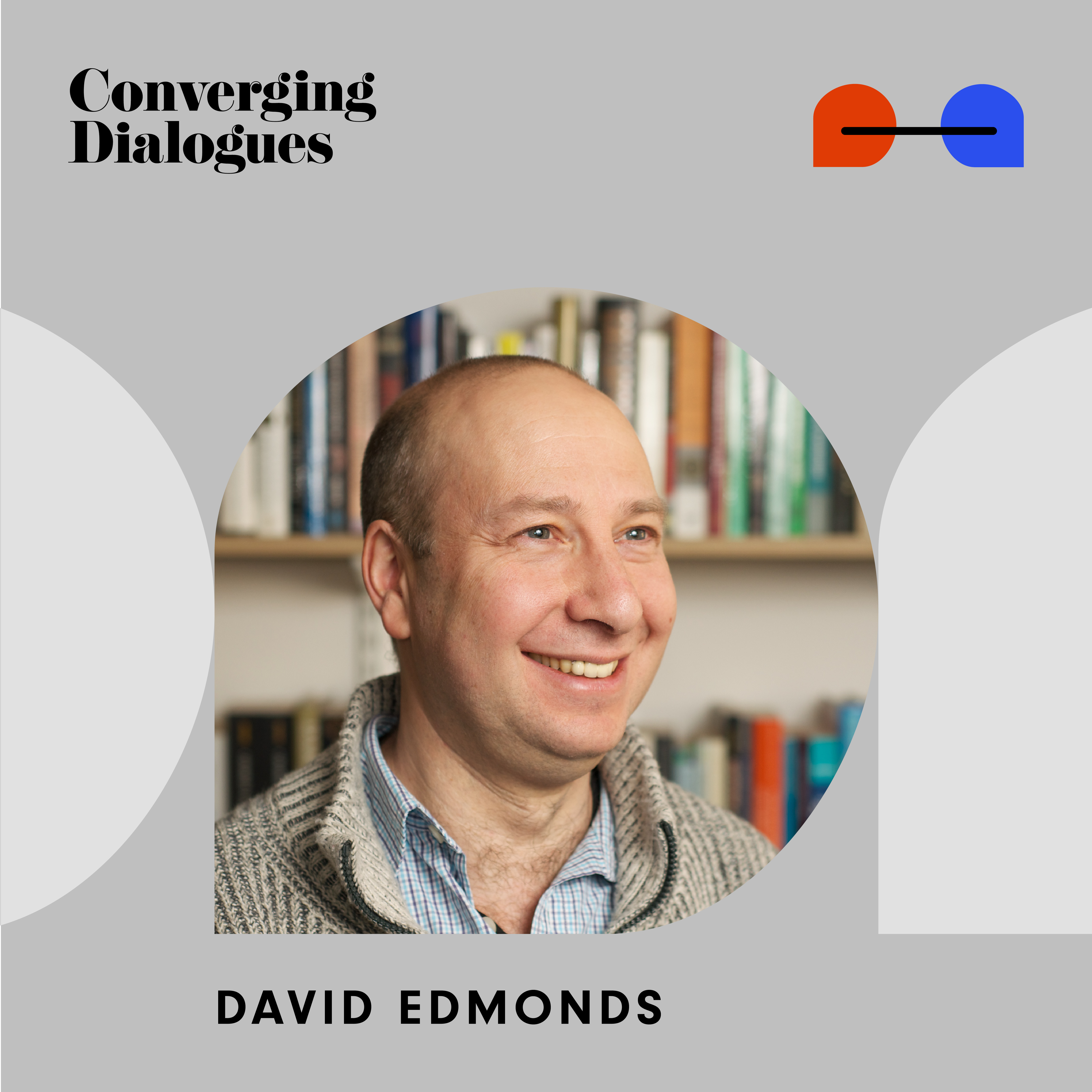
#250 - Parfit: A Dialogue with David Edmonds
In this episode, Xavier Bonilla has a dialogue with David Edmonds about the life and philosophy of Derek Parfit. They discuss the enigma of Derek Parfit, impact of his religious family, his work with poetry, journalism, and photography, and his time in the USA and Oxford. They talk about personal identity and the self, Reasons and Persons, utilitarianism, non-identity, equality, On What Matters, and many more topics. David Edmonds is a philosopher and author. He is Distinguished Research Fellow at Oxford University. His main interests are in moral philosophy and ethics. He is also the co-host (with Nigel Warburton) of the popular podcast, Philosophy Bites. He is the author of numerous books including the most recent book, Parfit: A Philosopher and His Mission to Save Morality. Website: http://www.davidedmonds.info/Twitter: @davidedmonds100 You might also like: Get full access to Converging Dialogues at convergingdialogues.substack.com/subscribe
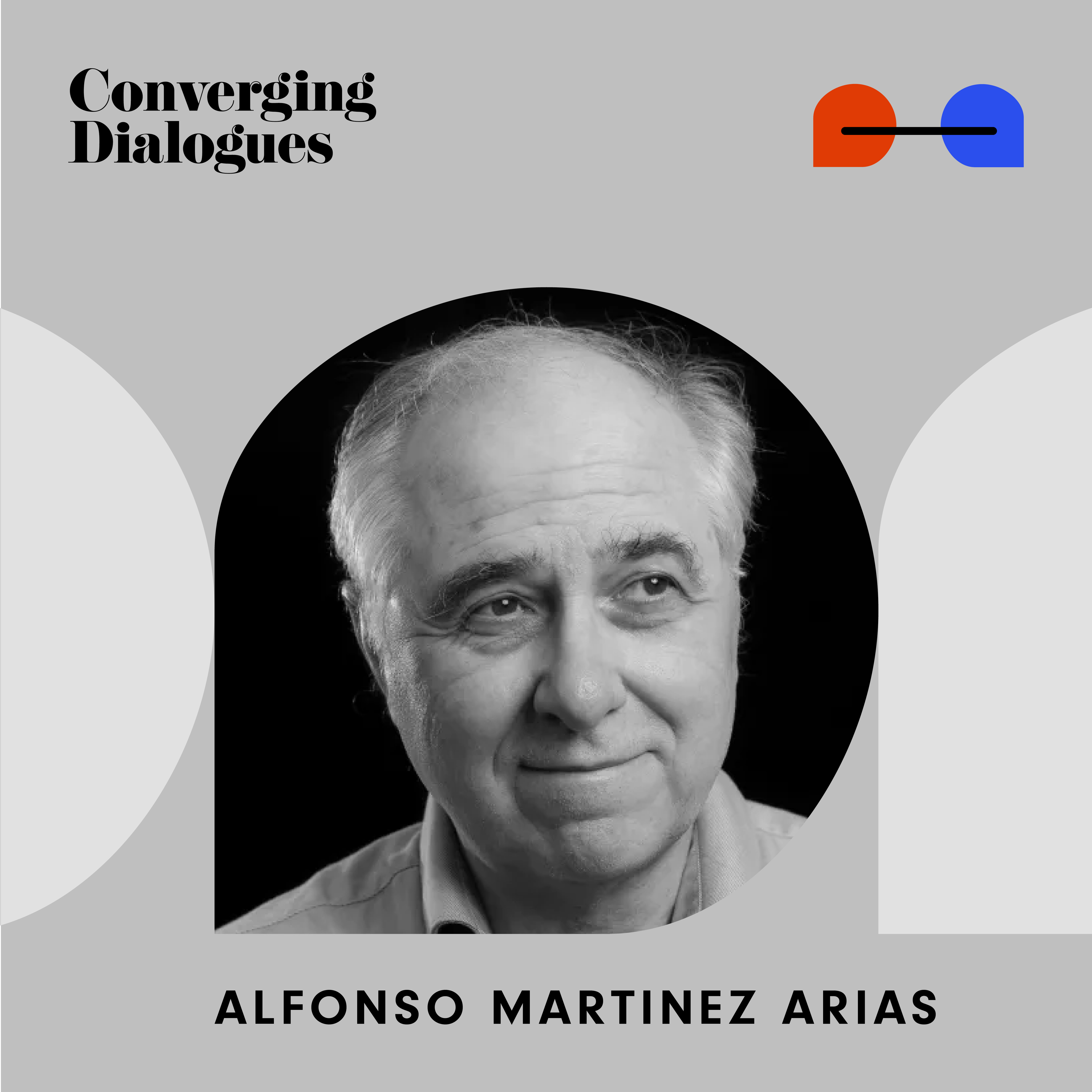
#249 - A Cellular Story of Life: A Dialogue with Alfonso Martinez Arias
In this episode, Xavier Bonilla has a dialogue with Alfonso Martinez Arias about the cell and its importance for organisms. They talk about why many people overemphasize genes and underemphasize cells, provide a basic overview of the cell, and discuss the role of gametes. They talk about cells and embryos, embryonic stem cells, bioethics, science communication, polygenic index scores, cancerous cells, and many more topics.Alfonso Martinez Arias is a developmental biologist and ICREA Research Professor at Universitat Pompeu Fabra. He is the leader of the Martinez Arias Lab where his research is focused on embryonic stem cells. He is the author of a handful of books including the most recent book, The Master Builder: How the New Science of the Cell is Rewriting the Story of Life. Website: https://amapress.upf.edu/Twitter: @amartinezarias Get full access to Converging Dialogues at convergingdialogues.substack.com/subscribe
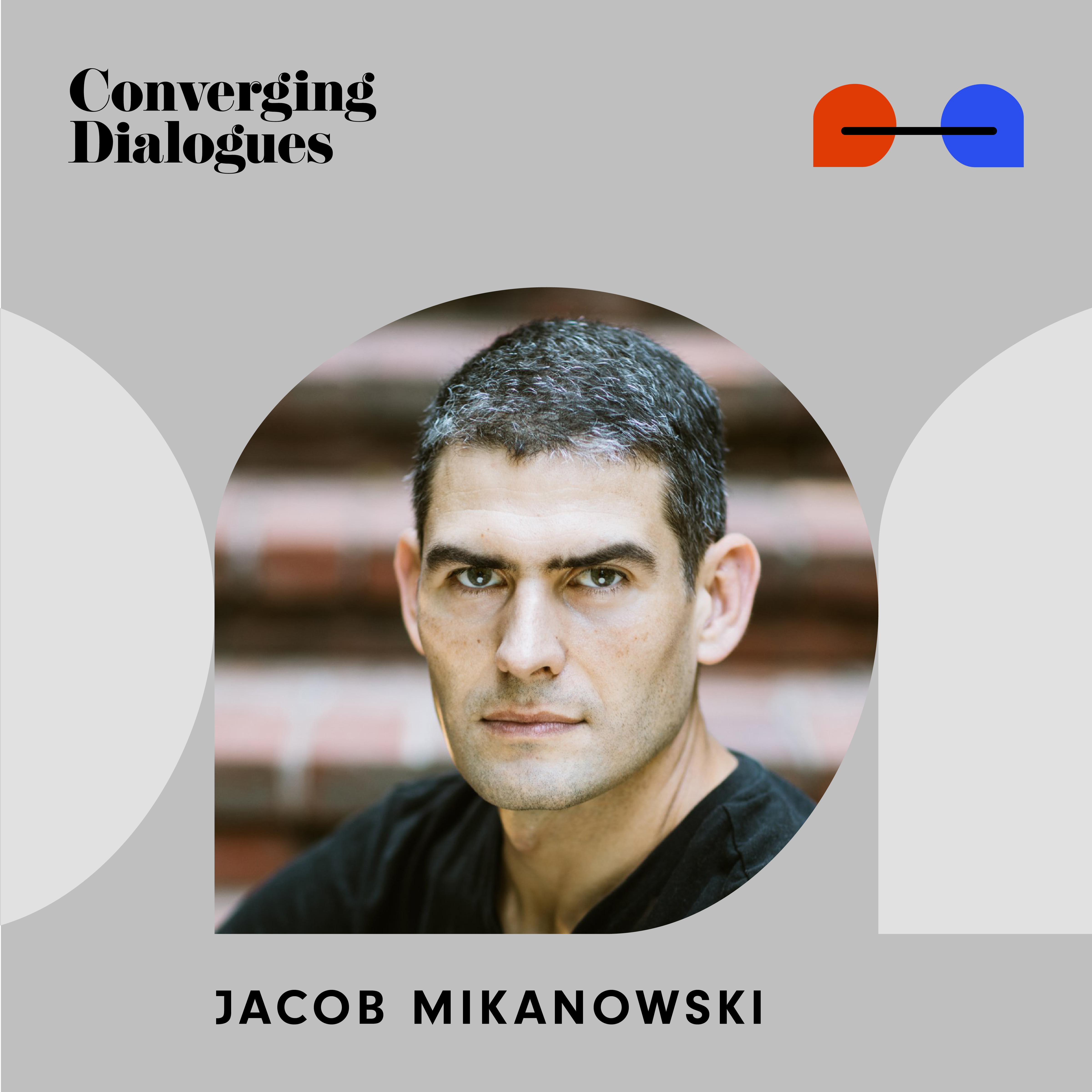
#248 - Eastern Europe: An Intimate History of A Divided Land: A Dialogue with Jacob Mikanowski
In this episode, Xavier Bonilla has a dialogue with Jacob Mikanowski about the past and present history of Eastern Europe. They define the contours of Eastern Europe and why this region is often forgotten. They talk about the Slavs possibly originating from Romania, Ashkenazi Jews, Paganism, Christianity, and Judaism in Eastern Europe. They talk about Muslim majority countries in Eastern Europe, impact of the Ottoman Empire, the “almost empire” of Poland-Lithuania, and Transylvania. They also discuss language and nationalism, modernization in the 20th century, communism, and many more topics.Jacob Mikanowski is a writer and journalist who focuses on on many topics within art, anthropology, and history. He has been studying the history of Eastern Europe for many years and his writing has appeared in The Atlantic, The New York Times, and many other places. He is the author of the latest book, Goodbye Eastern Europe: An Intimate History of A Divided Land. Website: https://jacob-mikanowski.com/Twitter: @jmikanowski Get full access to Converging Dialogues at convergingdialogues.substack.com/subscribe
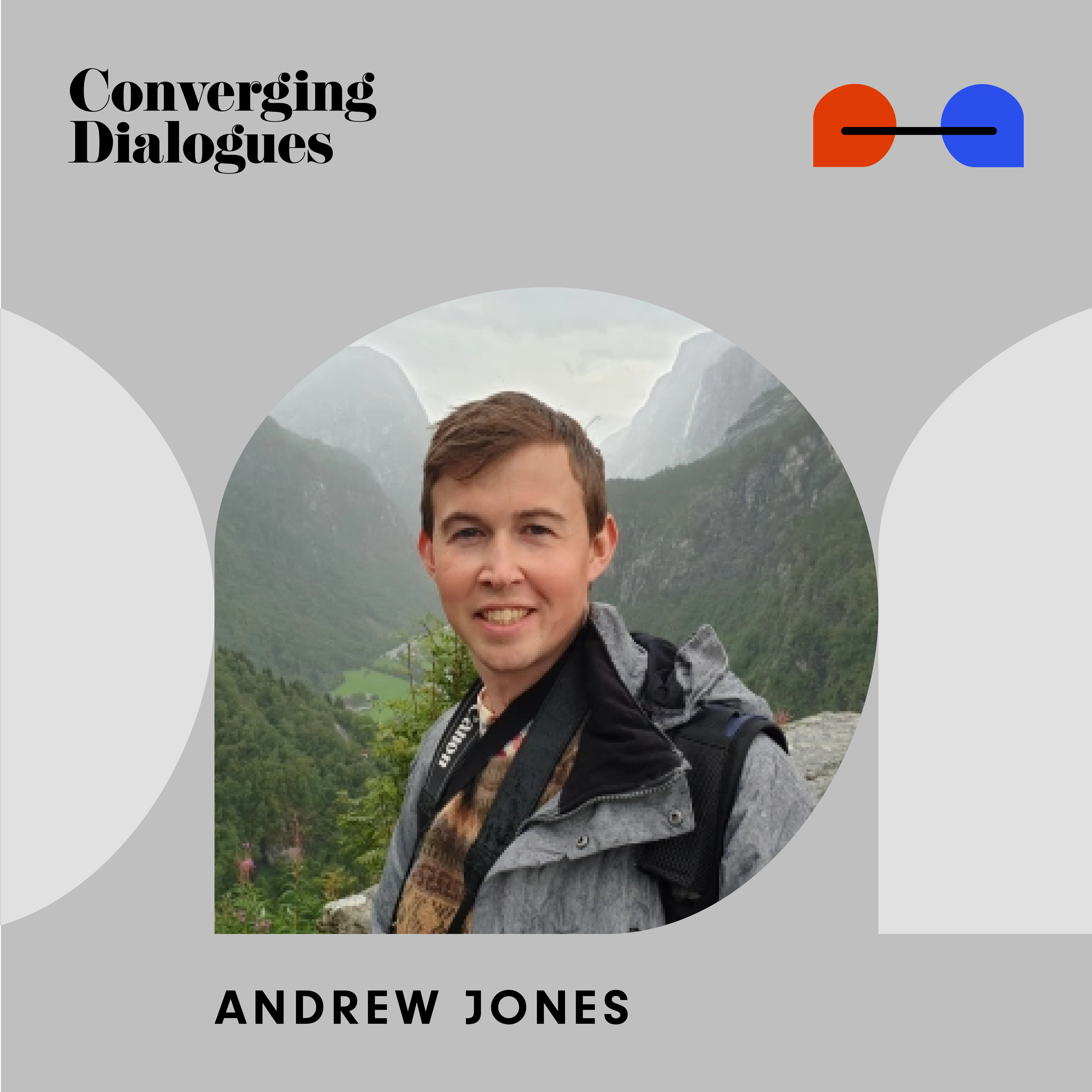
#247 - Kant's Influence on Biology: A Dialogue with Andrew Jones
In this episode, Xavier Bonilla has a dialogue with Andrew Jones about the impact that Kant had on biology. They discuss philosophy of science, Kant’s influence on biology, and how transcendental idealism of Kant impacts biology. They talk about Kant’s idea of the natural world and reality, Straussian interactions with Kant, the need for distinct disciplines, and some spiritualism in biology. They also talk about the impact of judgement on science, Kant and Hume, Kant’s relevance on Darwin, on biological organisms, and many more topics. Andrew Jones is a philosopher and Postdoctoral Impact Fellow at the University of Exeter. He has a variety of interests in philosophy, interdisciplinary research, theology, and biology. He is the author of the book, How Kant Matters for Biology.Website: https://andyjonesphilosophy.wordpress.com/Twitter: @andyjonesphd Get full access to Converging Dialogues at convergingdialogues.substack.com/subscribe
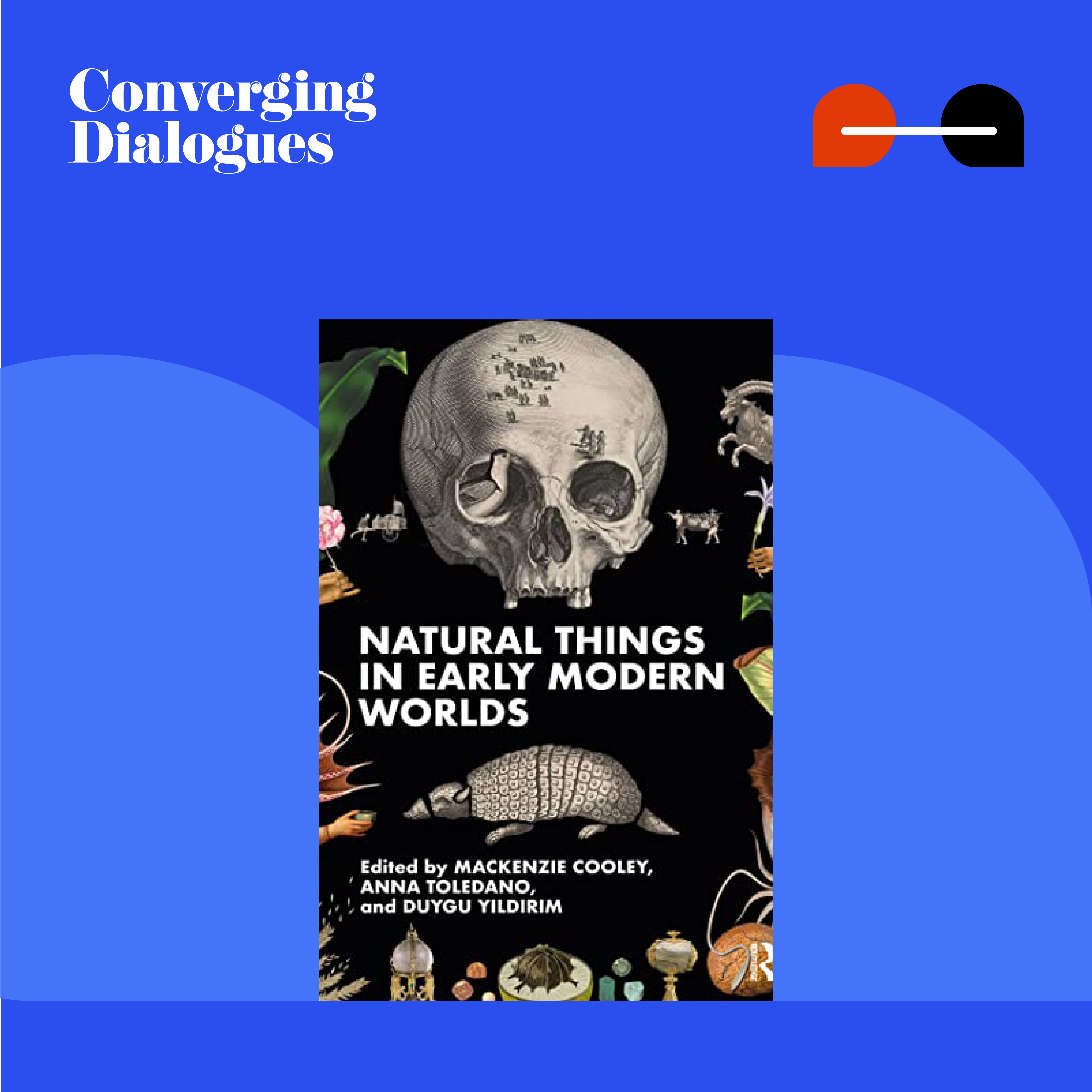
#246 - Natural Things in Early Modern Worlds: A Dialogue with Mackenzie Cooley, Anna Toledano, & Duygu Yildirim
In this episode, Xavier Bonilla has a dialogue with Mackenzie Cooley, Anna Toledano, & Duygu Yildirim about natural things in early modern worlds. They discuss how they wrote and edited their book together, Bezoar stones and their medicinal purposes, and ambergris and its medicinal purposes along with aesthetic uses. They also talk about coffee in the middle Ottoman Empire and the relationship of coffee with the body. They discuss Felix de Azara as an engineer turned naturalist, use of local terms and labels, how we see natural things in the past and present, and many more topics. Mackenzie Cooley is a historian and Assistant Professor of History and Director of Latin American Studies at Hamilton College. She has her PhD from Stanford University and completed her postdoc fellowship from Cornell University. Her main interests are uses and abuses of the natural world in early modern science. She is the author of The Perfection of Nature and co-editor of Natural Things in Modern Worlds. You can find her work here. Twitter: @newworldnature1Anna Toledano is a historian and museum professional studying objects in early modern science. She is completing her PhD in History of Science from Stanford University. You can find her work here. Twitter: @annatoledanoDuygu Yildirim is a historian of science and medicine and Assistant Professor The University of Tennessee. She has her PhD in history from Stanford University. Her main interests are in the early Modern Mediterranean and Ottoman Empire. You can find her work here. Twitter: @historiandiary Get full access to Converging Dialogues at convergingdialogues.substack.com/subscribe
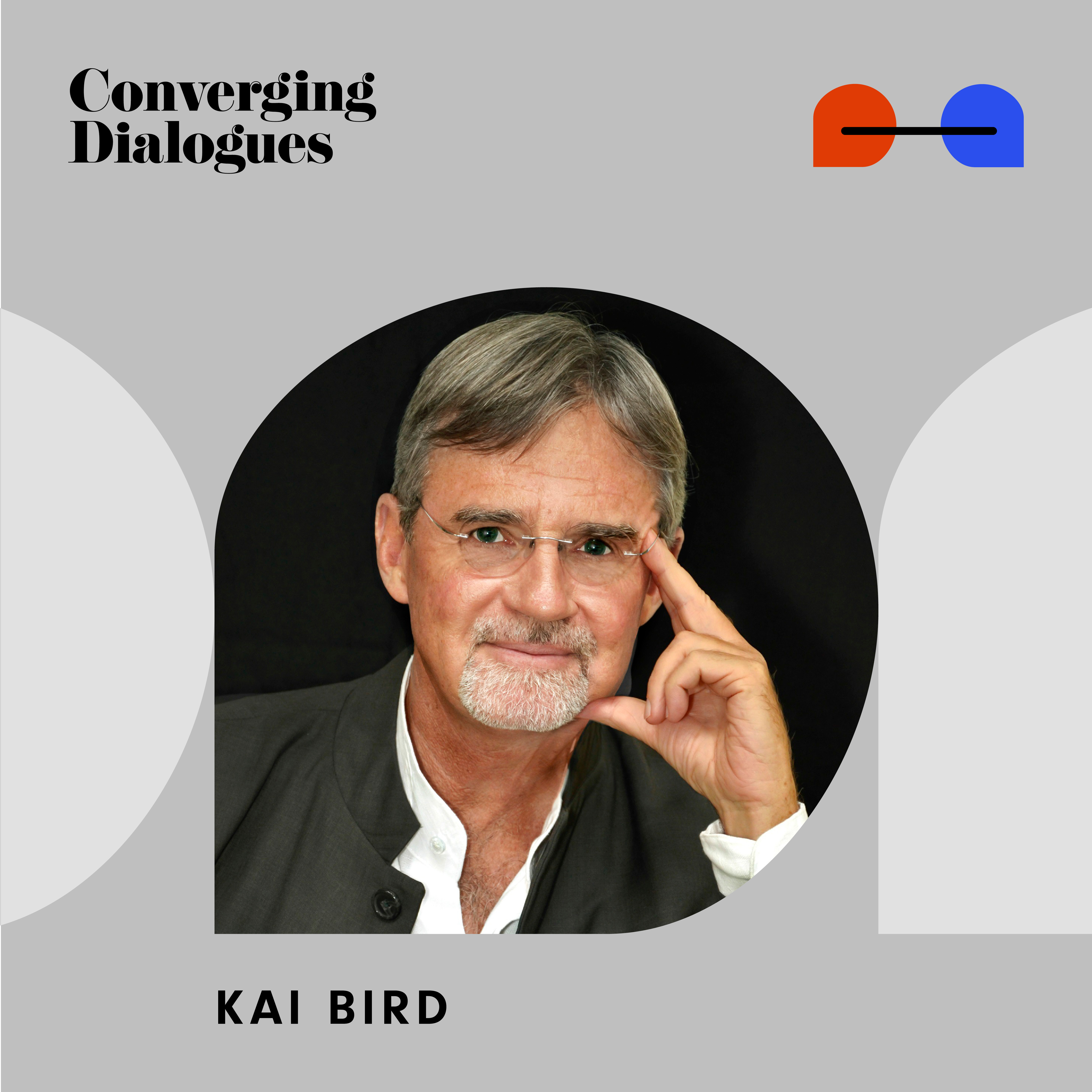
#245 - Oppenheimer: A Dialogue with Kai Bird
In this episode, Xavier Bonilla has a dialogue about the life and impact of J. Robert Oppenheimer. They talk about the elusive nature of Oppenheimer, how he became involved with theoretical physics, and the creation of the atomic bomb. They discuss his involvement with communism, AEC hearings, his last years, the legacy of Oppenheimer, and many more topics. Kai Bird is a historian, journalist, and writer. He is executive director and distinguished lecturer at CUNY Graduate Center's Leon Levy Center for Biography in New York City. He is the author of numerous books and is the recipient (along with co-author Martin J. Sherwin) of the 2005 National Book Critics Circle Award, the 2006 Pulitzer Prize for Biography or Autobiography, and the 2008 Duff Cooper Prize for American Prometheus: The Triumph and Tragedy of J. Robert Oppenheimer. He is also the author of The Outlier: The Unfinished Presidency of Jimmy Carter. Website: https://www.kaibird.com/Twitter: @kaibird123 Get full access to Converging Dialogues at convergingdialogues.substack.com/subscribe
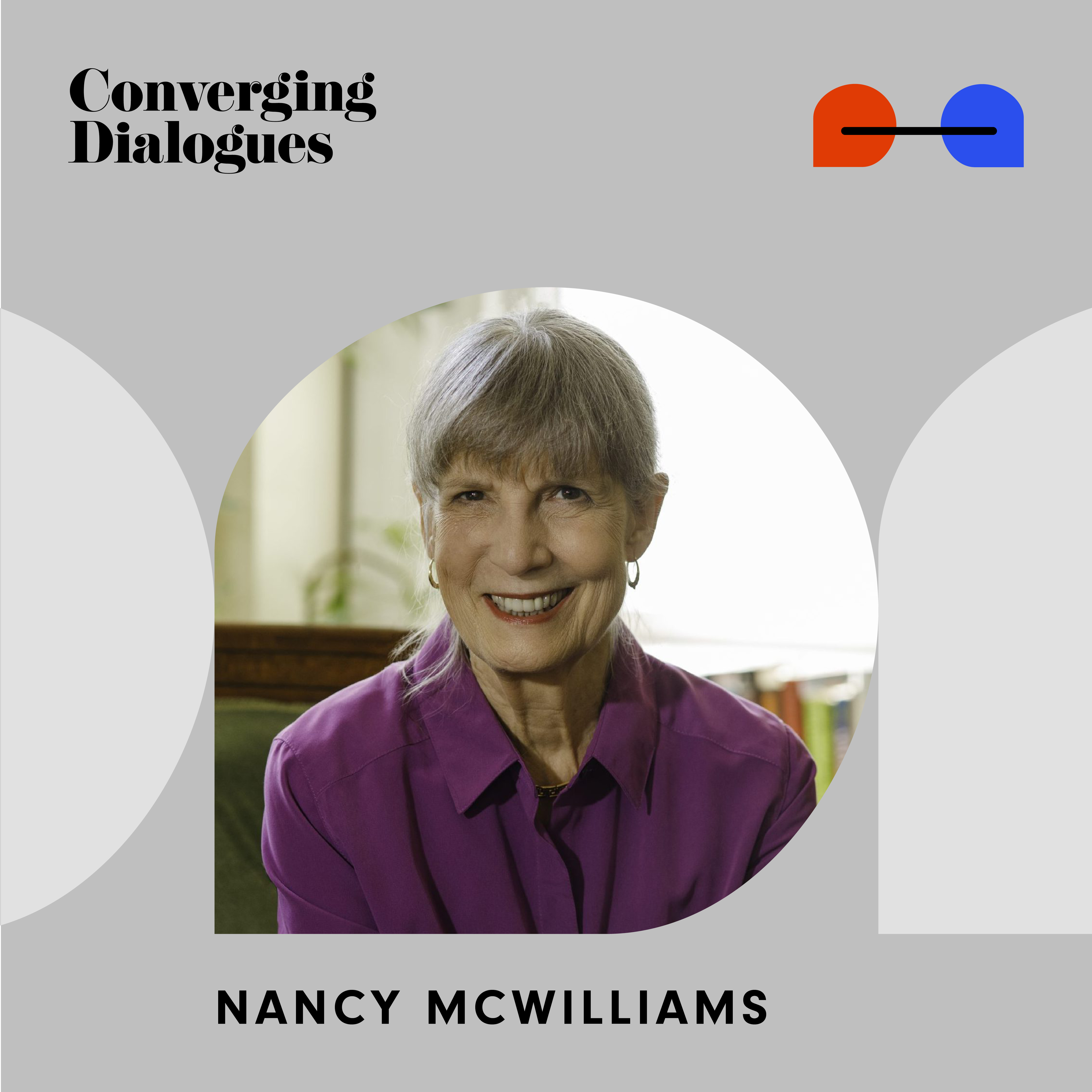
#244 - Psychoanalysis: Past and Present: A Dialogue with Nancy McWilliams
In this episode, Xavier Bonilla has a dialogue with Nancy McWilliams about psychoanalysis and the evolution of psychoanalytic theory and practice. They discuss the origins of psychoanalysis and misconceptions about Freud and the evolution of psychoanalytic theory from drive theory to object relations to self psychology to relational theory. They talk about the strengths and areas of improvement for psychoanalytic clinicians, case conceptualization, level of personality organization, defenses, transference, and countertransference. They also discuss psychoanalytic training for graduate students, clients looking for psychoanalytic clinicians, and many more topics. Nancy McWilliams is Visiting Professor at Rutgers University and is a psychoanalytic clinician in private practice. She is a former president of the Division of Psychoanalysis (39) of the American Psychological Association. She is a specialist in psychoanalytic psychotherapy and supervision. She is the author of numerous books including, Psychoanalytic Diagnosis, Psychoanalytic Case Formulation, and Psychoanalytic Psychotherapy. Website: https://nancymcwilliams.com/ Get full access to Converging Dialogues at convergingdialogues.substack.com/subscribe
#243 - Heidegger's Destruction of Aristotle: A Dialogue with Sean Kirkland
In this episode, Xavier Bonilla has a dialogue with Sean Kirkland about Heidegger’s destruction of Aristotle. They discuss how he came to write on Heidegger and Aristotle together, destruction of the philosophical tradition, and the differences between positive and negative destruction. They provide and overview of Heidegger’s philosophy and provide an overview of Aristotle’s philosophy. They talk about the threefold aspects of Nietzsche, Aristotle’s idea of concepts, and three tactics of the destructive method. They also talk about the phenomenological reduction, construction, and destruction, truth and art, and many more topics. Sean Kirkland is a philosopher and associate professor of philosophy at DePaul University. He has his PhD in philosophy from State University of New York, Stony Brook. His main research interests are in Greek philosophy and contemporary continental philosophy. He is the author of the recent book, Heidegger and the Destruction of Aristotle: On How to Read the Tradition. Get full access to Converging Dialogues at convergingdialogues.substack.com/subscribe
#242 - Roots of The Black Working Class: A Dialogue with Blair LM Kelley
In this episode, Xavier Bonilla has a dialogue with Blair LM Kelley about the roots of the Black working class in the United States. They discuss why she wrote the book with some biographical content along with the historical events, class and race for Black Americans, and the impact of slavery for Black working class folks. They talk about the role of the church for building and organizing community, history of Black washerwomen and their involvement with unions, and the great migration. They also discuss the Porter union, Black maids, current themes with the Black working class, and many more topics. Blair LM Kelley, Ph.D. is an award-winning author, historian, and scholar of the African American experience. Currently, she is the Joel R. Williamson Distinguished Professor of Southern Studies at the University of North Carolina-Chapel Hill and the incoming director of the Center for the Study of the American South. She has her B.A. from the University of Virginia in History and African and African American Studies. She also has her M.A. and Ph.D. in History, and graduate certificates in African and African American Studies and Women’s Studies at Duke University. She is the author of two books, Right to Ride: Streetcar Boycotts and African American Citizenship, and the latest, Black Folk: The Roots the Black Working Class. Website: https://www.profblmkelley.com/Twitter: @profblmkelleyInstagram: @profblmkelley Get full access to Converging Dialogues at convergingdialogues.substack.com/subscribe
#241 - States of Being: A Dialogue with Frank Putnam
In this episode, Xavier Bonilla has a dialogue with Frank Putnam about our various states of being. They discuss states of being, the continuous self, and states of being in development. They also talk about different states of being in rapid cycling with those that have Bipolar Disorders, importance of memory, and how critical is personality and the Big-5. They discuss mental disorders within a state model, the fragmented self and therapy, trauma and PTSD, Dissociative Identity Disorder (DID), psychedelics, and many more topics. Frank Putnam is a Physician and Professor of Clinical Psychiatry at the University of North Carolina School of Medicine. He was formerly a Professor of Pediatrics and Child Psychiatry at Children’s Hospital Medical Center, University of Cincinnati College of Medicine. He is an esteemed research on topics of violence, abuse, DID, and trauma. He is the author numerous books including, The Way We Are: How States of Mind Influence Our Identities, Personality, and Potential for Change. Get full access to Converging Dialogues at convergingdialogues.substack.com/subscribe
#240 - The Life and Presidency of James Garfield: A Dialogue with C.W. Goodyear
In this episode, Xavier Bonilla has a dialogue with C.W. Goodyear about the life and presidency of James Garfield. They provide an overview of Garfield and talk about the background context and temperament of Garfield. They discuss how he rose to being a General in the Civil War very quickly, his tenure in the US House of Representatives, and his emphasis on Civil Service reform and a Department of Education. They discuss the moderate platform he ran on for President, his assassination, his legacy, and many more topics. C.W. Goodyear is a historian and author who has a degree in Global Affairs from Yale University. He has worked as a ghostwriter for various projects. He is the author of the new book, President Garfield: From Radical To Unifier. Website: https://www.cwgoodyearbooks.com/Instagram: @cwgoodyear Get full access to Converging Dialogues at convergingdialogues.substack.com/subscribe
#239 - On Being Moderately Undefined: A Dialogue with Salomé Sibonex
In this episode, Xavier Bonilla has a dialogue with Salomé Sibonex about identity, creation, and embracing the ambiguity of life. They share immigration stories, shifting political sides, and being incentivized for being “anti.” They discuss why people believe in their belief systems so hard, being undefined, broad spectrum of opinions, and many more topics. Salomé Sibonex is an artist, writer, and critic. She has written numerous articles on the self, identity, and spans topics in psychology and philosophy. She is also the Content Manager at the Foundation for Economic Education. Substack: Salomé Sibonex Website: https://www.salomesibonex.com/Twitter: @salomesibonexInstagram: @salomesibonex Get full access to Converging Dialogues at convergingdialogues.substack.com/subscribe
#238 - The Dark Side of Martin Heidegger: A Dialogue with Richard Wolin
In this episode, Xavier Bonilla has a dialogue with Richard Wolin about the dark side of Martin Heidegger. They discuss the black notebooks of Heidegger and what are the nature and intentions of these black notebooks. They dialogue about reading the antisemitic and Nazi themes in these notebooks with Heidegger’s philosophy. They talk about Heidegger being a member of the Nazi party, editing and re-editing his works, his views on race, and the impact these views have on his philosophy. They also talk about the New Right, Dugin, reading Heidegger in the 21st century, and many more topics. Richard Wolin is a Distinguished Professor of Comparative Literature, History, & Political Science at The City University of New York. He has a PhD in Social and Political Thought from York University. His main interests are on 20th century French and German political thought. He is the author of numerous books including the most recent, Heidegger In Ruins: Between Philosophy and Ideology. Website: https://www.gc.cuny.edu/people/richard-wolin Get full access to Converging Dialogues at convergingdialogues.substack.com/subscribe
#237 - Evolutionary Psychiatry: A Dialogue with Randy Nesse
In this episode, Xavier Bonilla has a dialogue with Randy Nesse about evolutionary psychiatry. They define evolutionary psychiatry, critics of evolutionary psychiatry, and how we define disorders. They also discuss emotions mood regulation, disease model of addiction, and many more topics. Randy Nesse is Research Professor of Life Sciences, and Founding Director of The Center for Evolution and Medicine, Arizona State University. He is also Professor Emeritus, Departments of Psychiatry and Psychology, and Institute for Social Research, The University of Michigan. He is the founding President of The International Society for Evolution, Medicine, and Public Health. He is the author of many books including, Good Reasons for Bad Feelings. Website: https://www.randolphnesse.com/homepageTwitter: @randynesse Get full access to Converging Dialogues at convergingdialogues.substack.com/subscribe
#236 - Being Human On Earth: A Dialogue with Lewis Dartnell
In this episode, Xavier Bonilla has a dialogue with Lewis Dartnell about his triptych of books on the earth and humanity. They talked about how he came to write his trilogy of books, our essentials for survival, and diversification of hominids. They also discuss plate tectonics, fertile crescent, and East African rift. They talk about the differences and similarities of different human species, importance of the oceans through time, and different materials for different civilizations. They also discuss the impact of wind on colonization and exploration, cooperation for humans, pair bonding, royal families, disease, war, and many more topics. Lewis Dartnell is a research scientist, presenter, and author. He has a degree in Biological Sciences from Oxford University and PhD from University College London. Currently, he is a professor of science communication at the University of Westminster. His current research is on astrobiology. He has written numerous books including, The Knowledge, Origins, and his latest book, Being Human. Website: lewisdartnell.com/en-gb/ Twitter: @lewis_dartnell Get full access to Converging Dialogues at convergingdialogues.substack.com/subscribe
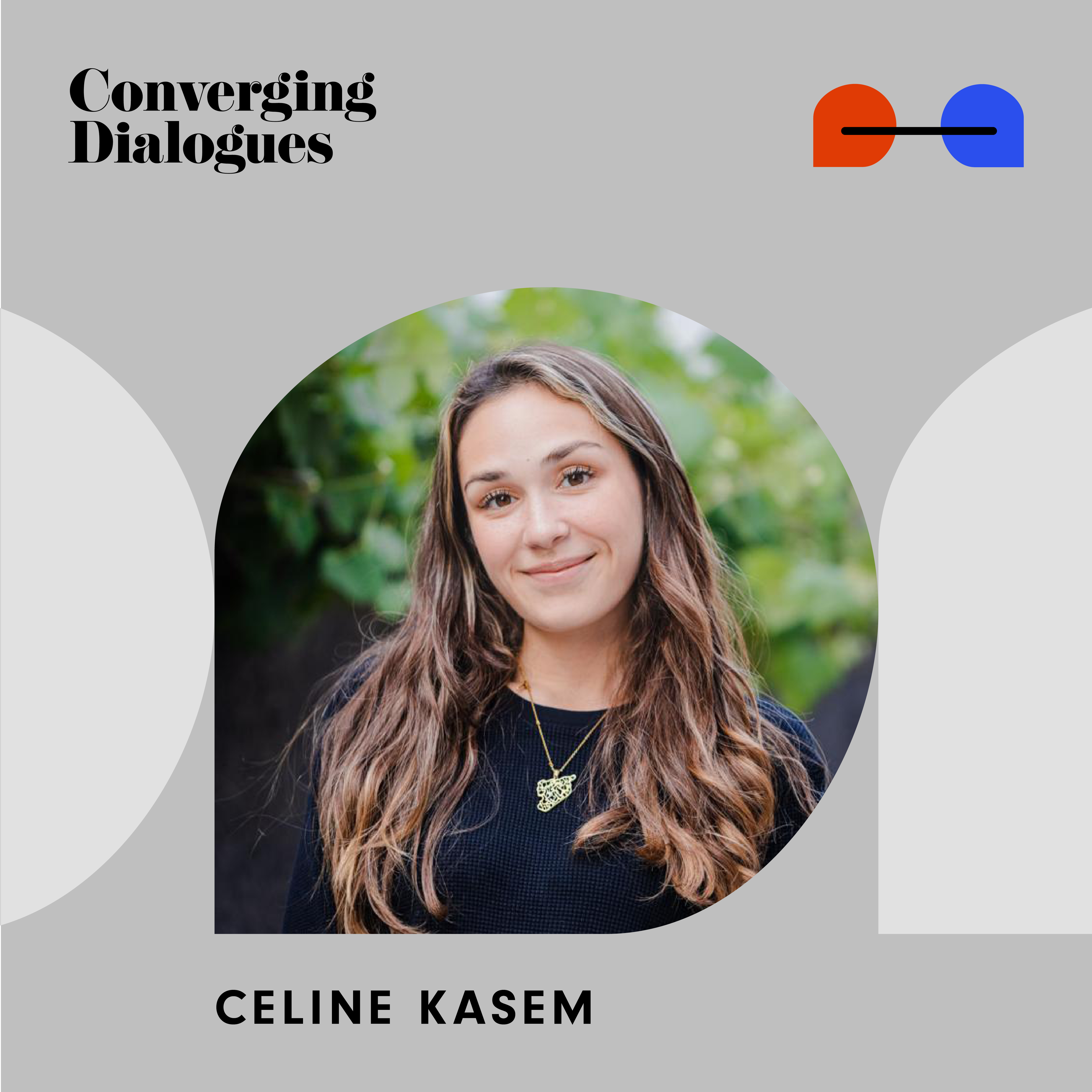
#235 - Syria, Identity, and Activism: A Dialogue with Celine Kasem
In this episode, Xavier Bonilla has a dialogue with Celine Kasem about the various ways she culturally identifies, her work in Syria, and activism in our current age. They begin by discussing how she became involved in activism and political work in Syria, and Gen Z’s use of digital media tools to spread awareness about issues. They also talk about the various places she has lived, concept of home, ethnic and cultural identities, Circassians, and the various ethnic groups in Syria. They discuss the history of the Syrian conflict and the Arab Spring, how the conflict escalated and failed attempts at peace, the recent Assad Anti-normalization bill, and refugees. They mention the recent Turkish election, activism in the 21st century, and many more topics. Celine Kasem is a human rights activist and public speaker. Currently, she is the Director of media at the Syrian Emergency Task Force. She has her Bachelors in Political Science and will continue her education in Qatar for her Masters in Intercultural Communication. She has Syrian, Circassian, Canadian, and Armenian backgrounds and has a deep passion for Syrians around the world. Website: https://setf.ngo/Twitter: @celinekasemInstagram: @celinekasem Get full access to Converging Dialogues at convergingdialogues.substack.com/subscribe
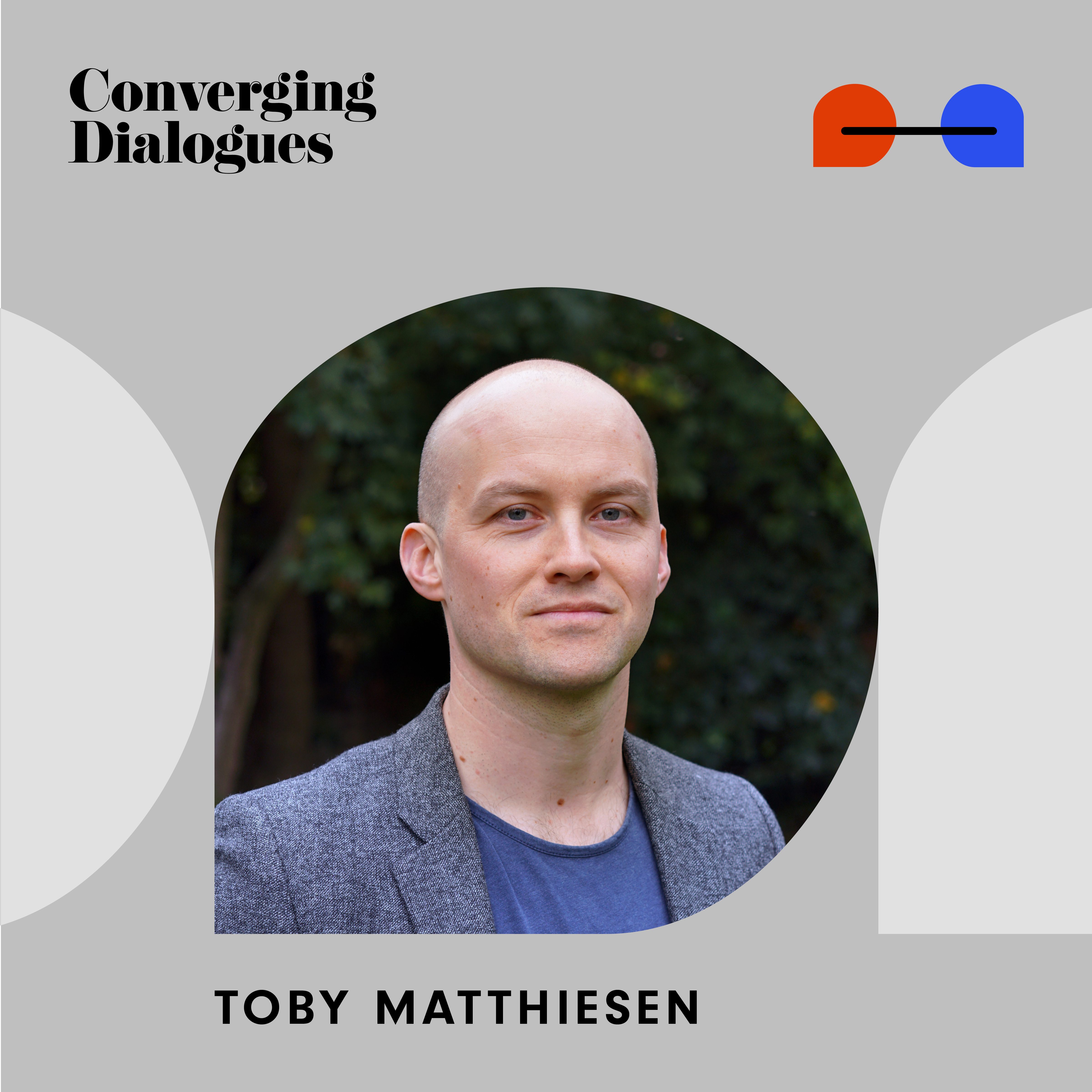
#234 - The Making and Re-making of Sunnism and Shiism: A Dialogue with Toby Matthiesen
In this episode, Xavier Bonilla has a dialogue with Toby Matthiesen about Sunni and Shiism within the Islamic religion. They talk about the “divide” between Sunni and Shia Muslims and how this is not an accurate framing of these groups. They discuss the origins of Islam with the prophet Mohammad and the role of succession, school of jurisprudence, and the Shia century and interactions with the crusades. They also talk about the role of the Ottoman Empire and impact of the Safavids with the Ottomans. They talk about the rise of Wahaabism, British rule in India, modernization of the Ottoman Empire, pan-Islam and nationalism in the 20th century, and Turkey becoming more modern in the 20th century. They discuss Baathism, Muslim brotherhood, US involvement in the Middle East, the Arab Spring, Syrian conflict, and many more topics. Toby Matthiesen is a historian and political scientist on Middle East studies and Global Islam. He is the Marie Curie Global Fellow at Stanford University and Ca’Foscari University in Venice, Italy. Starting in Fall 2023, he is Senior Lecturer in Global Religious Studies/Global Islam at the University of Bristol. He remains an Associate Member of Oxford University’s Department of Politics and International Relations. He is the author of numerous books including the most recent, The Caliph and The Imam: The Making of Sunnism and Shiism. Website: tobymatthiesen.com/wp/Twitter: @tobymatthiesen Get full access to Converging Dialogues at convergingdialogues.substack.com/subscribe
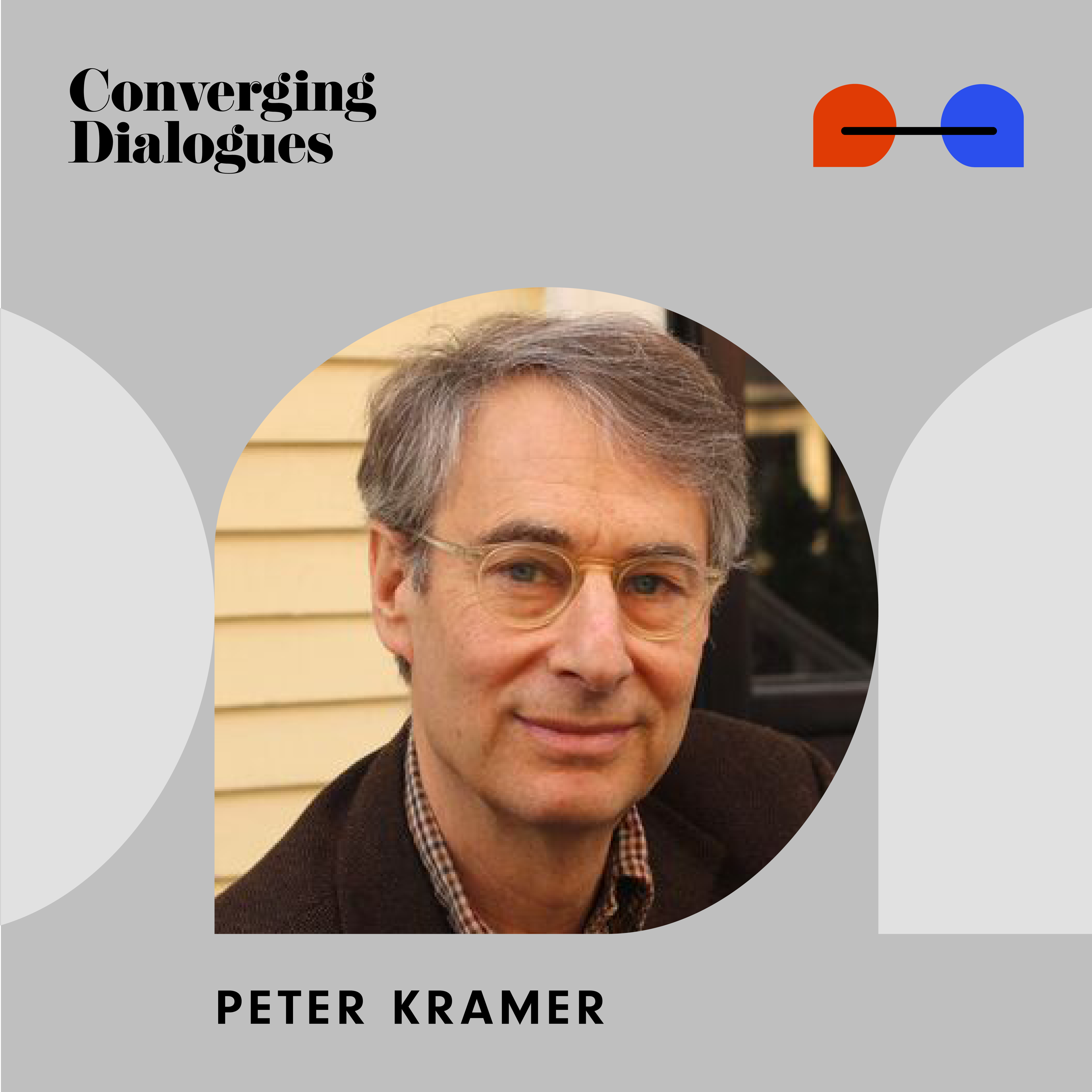
#233 - Psychiatry and Anti-Depressants: A Dialogue with Peter Kramer
In this episode, Xavier Bonilla has a dialogue with Peter Kramer about psychiatry and the role of anti-depressants. They discuss the inspiration for his new book and some of the major themes, the Goldwater rule and role of diagnosis, and the importance of truth. They discuss whether therapy is always valued for everyone, past and current depression research, anti-depressants, and many more topics. Peter Kramer is a psychiatrist who practiced and taught psychiatry for over 40 years. He is Emeritus Professor of Psychiatry and Human Behavior and Brown University. He has done extensive research on depression and anti-depressants. He is the author of numerous books including the most recent novel, Death of the Great Man. Website: https://www.peterdkramer.com/Twitter: @peterdkramer Get full access to Converging Dialogues at convergingdialogues.substack.com/subscribe
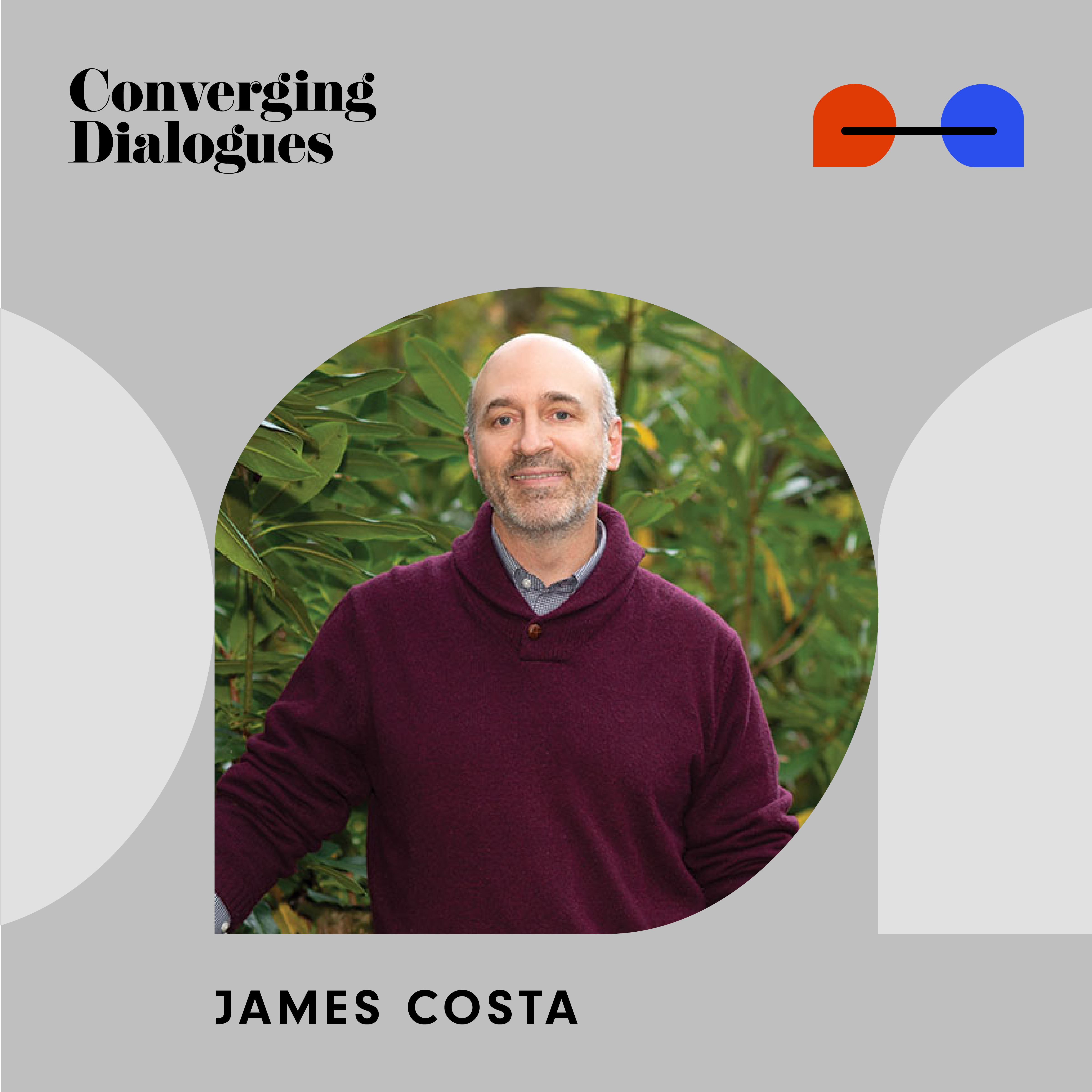
#232 - Radical and Revolutionary: Alfred Russel Wallace: A Dialogue with James Costa
In this episode, Xavier Bonilla has a dialogue with James Costa about the life of Alfred Russel Wallace. They discuss the radical and revolutionary nature of Wallace, his inquisitiveness about nature since an early age, apprenticeship, trip to the Amazon, and scientific publications. They also talk about his trip to Asia, the interactions with Darwin, spiritualism, social justice, his legacy, and many more topics.James Costa is an entomologist and evolutionary biologist who is professor of biology and executive director Western Carolina University-Highlands Biological Station. He has co-taught in Harvard’s summer Darwin program at the University of Oxford and has been a long-time Research Associate in entomology at Harvard’s Museum of Comparative Zoology. His main interests and research are on Darwin, Wallace, and the history of evolutionary thinking. He is the author of numerous books including the most recent book, Radical By Nature: The Revolutionary Life of Alfred Russel Wallace. Website: https://jamestcosta.com/Twitter: @jimcostahbs Get full access to Converging Dialogues at convergingdialogues.substack.com/subscribe
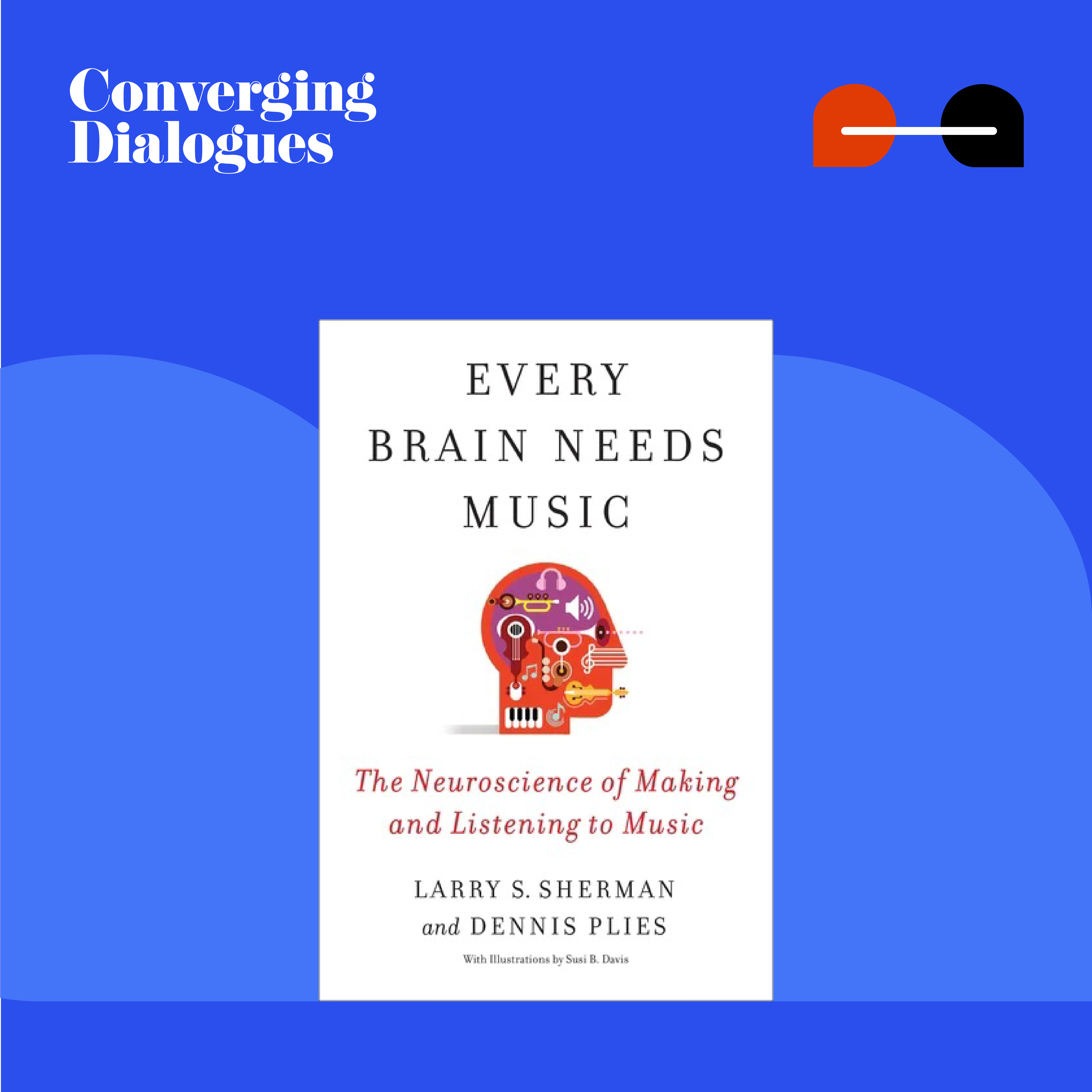
#231 - The Neuroscience of Music: A Dialogue with Lawrence Sherman & Dennis Plies
In this episode, Xavier Bonilla has a dialogue with Lawrence Sherman and Dennis Plies about the neuroscience of music. They discuss how they wrote the book together, define music, discuss the different parts of the brain involved in music, and the different elements of music. They also discuss musical preferences, differences between composing and improvising, curiosity, memory, truth in art, and many more topics. Lawrence Sherman is a neuroscientist and professor of neuroscience at the Oregon Health and Science University where he also runs a lab. His widely published on brain development and disease and has investigated the neuroscience connections with music. You can find his work here. Dennis Plies is a musician and music professor at Warner Pacific University. He has played the marimba and has recorded albums in various genres such as jazz and classical. They are the author of the book, Every Brain Needs Music. Get full access to Converging Dialogues at convergingdialogues.substack.com/subscribe
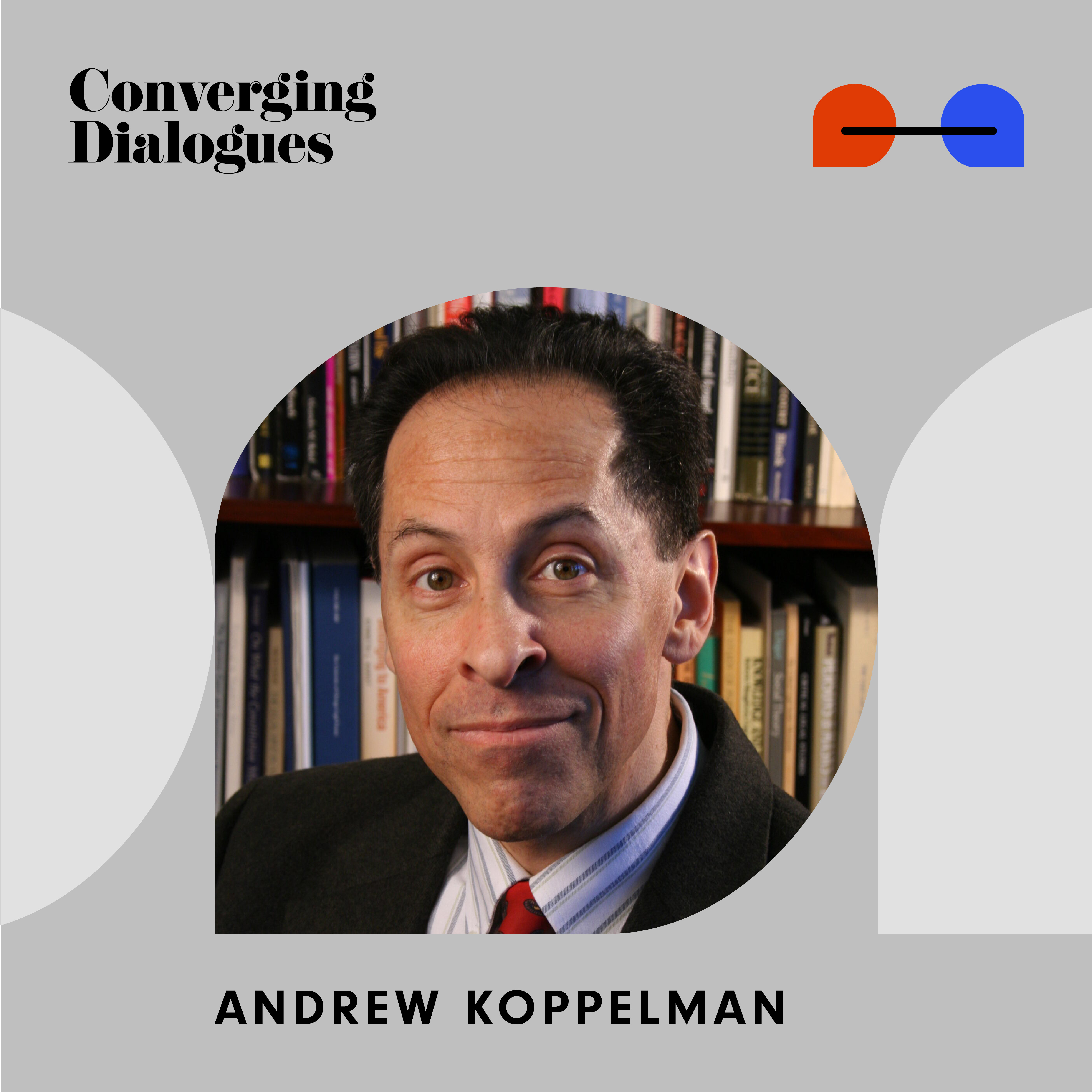
#230 - Unmasking Libertarianism: A Dialogue with Andrew Koppelman
In this episode, Xavier Bonilla has a dialogue with Andrew Koppelman about Libertarianism. They discuss why Libertarianism is so popular, how it is a mutated form of liberalism, Hayek and his views, and on rights. They also talk about taxation, the philosophy of Ayn Rand, role of regulation, Liberalism today, Obamacare, and many more topics. Andrew Koppelman is the John Paul Stevens Professor of Law, Professor (by courtesy) of Political Science, and Philosophy Department Affiliated Faculty at Northwestern University. His research focuses on issues at the intersection of law and political philosophy. He has received numerous awards and has written more than 100 scholarly articles and numerous books, including the most recent, Burning Down the House: How Libertarian Philosophy was Corrupted by Delusion and Greed. Website: https://andrewkoppelman.com/Twitter: @andrewkoppelman Get full access to Converging Dialogues at convergingdialogues.substack.com/subscribe
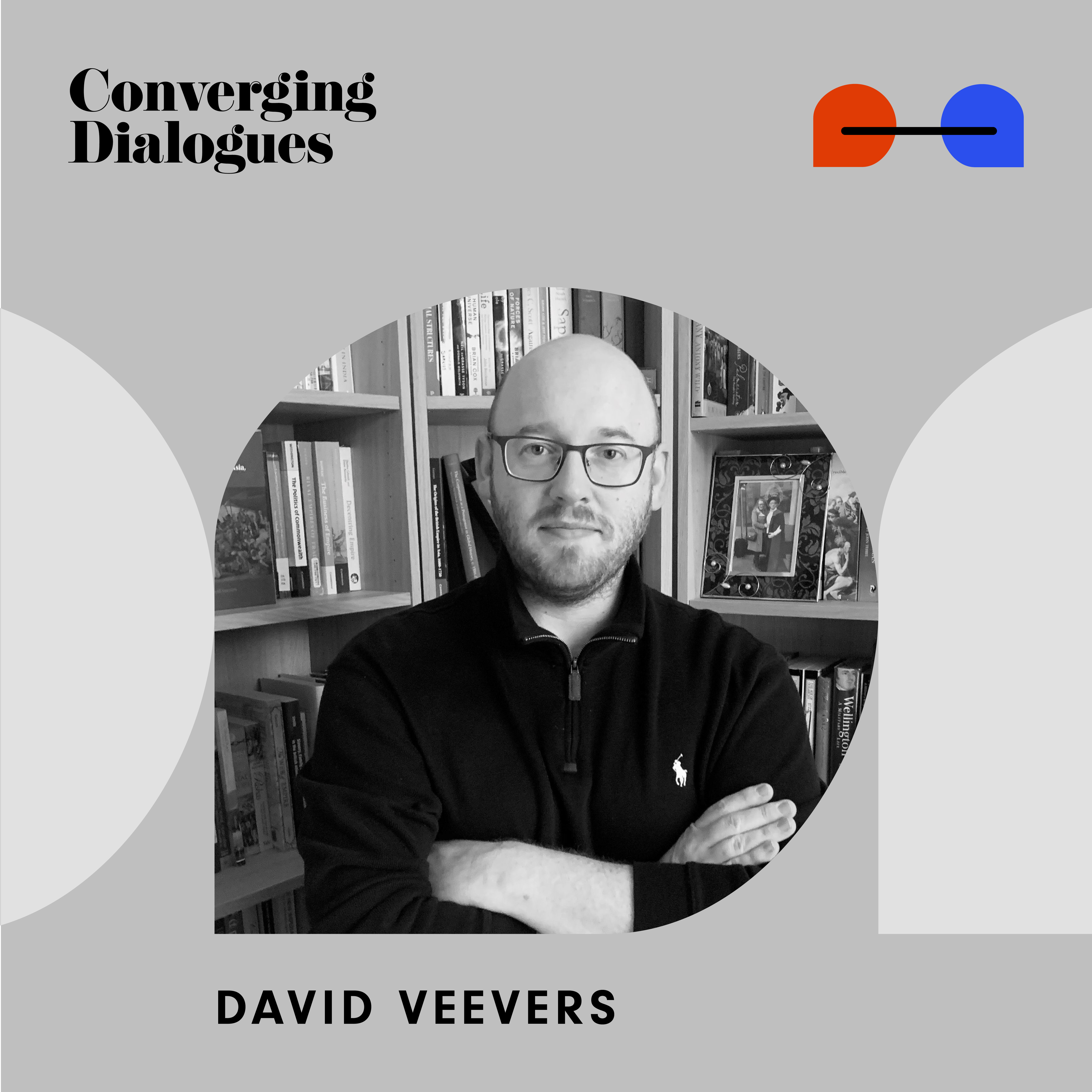
#229 - Defying the British Empire: A Dialogue with David Veevers
In this episode, Xavier Bonilla has a dialogue with David Veevers about the various perspectives around the British Empire. They talk about why people ignore some parts of history but emphasize others, Irish resistance, how the British colonized North America, and their interactions with various Native peoples. They discuss the British empire and the hegemony in Asia, meeting resistance in Africa, and having a full and complete picture of the history of the British Empire.David Veevers is an award-winning historian and Lecturer in Early Modern History at the University of Bangor. His holds a PhD from the University of Kent. His research areas are on the international role of the British Empire. He is the author of the latest book, The Great Defiance: How the World Took on the British Empire. Twitter: @davidveevers1 Get full access to Converging Dialogues at convergingdialogues.substack.com/subscribe
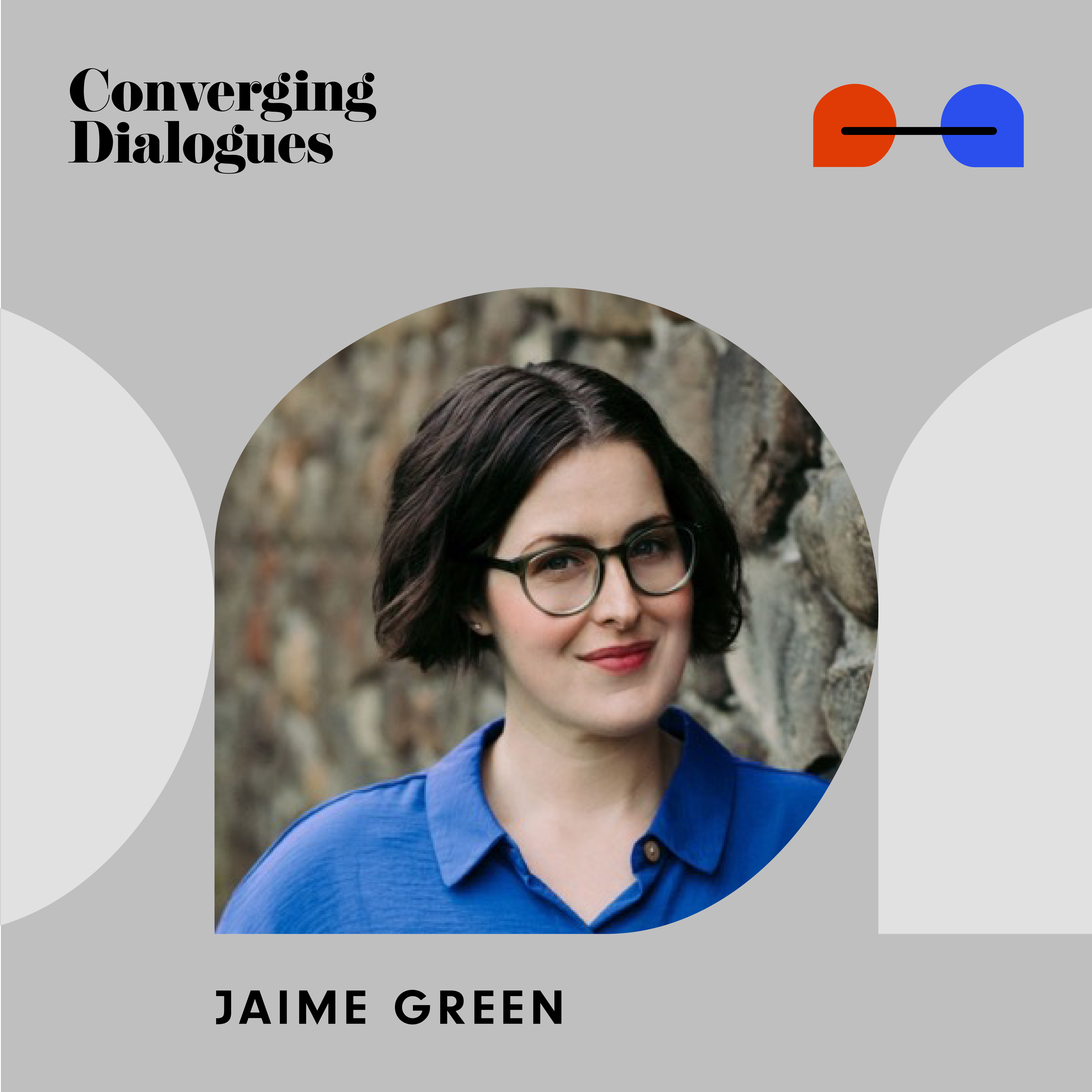
#228 - The Possibility of Life: A Dialogue with Jaime Green
In this episode, Xavier Bonilla has a dialogue with Jaime Green about the origins of life, other planets, and meaning. They discuss the origins of life on earth, why humans ask the big questions of life, and life on other planets. They talk about AI, machine learning, utility of sci-fi films, UFOs and many more topics.Jaime Green is a writer, editor, and essayist. She is the series editor for The Best American Science and Nature Writing. She is also a lecturer at Smith College. She is the author of the latest book, The Possibility of Life: Science, Imagination, and Our Quest for Kinship in the Cosmos.Website: https://www.jaimegreen.net/Twitter: @jaimealyse Get full access to Converging Dialogues at convergingdialogues.substack.com/subscribe
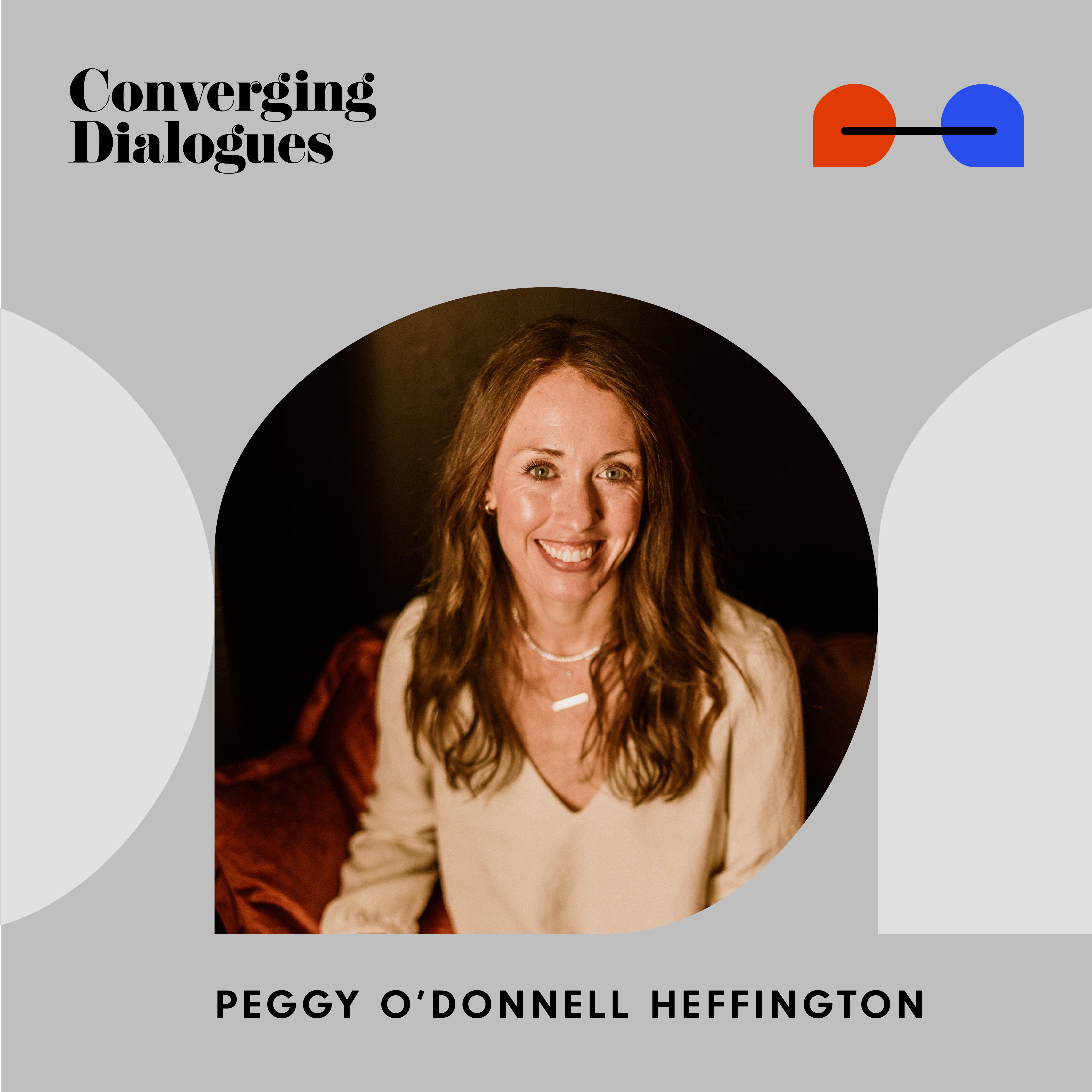
#227 - Without Children: A Dialogue with Peggy O'Donnell Heffington
In this episode, Xavier Bonilla has a dialogue with Peggy O’Donnell Heffington about women’s rights, choice, and children. They talk about some of the reasons why women don’t have children, Millennials having children later, and structural aspects of choice. They discuss the history of abortion, contraception laws, Roe V. Wade, Dobbs ruling, the history and origins of the nuclear family, grandmother hypothesis, public perceptions of people without children, and many more topics. Peggy O’Donnell Heffington is an Assistant Instructional Professor in the Department of History at the University of Chicago. Her interests are on historical research, gender, and women’s history. She is the author of the latest book, Without Children: The Long History of Not Being A Mother. Website: http://poheffington.com/Twitter: @peggyohdonnell Get full access to Converging Dialogues at convergingdialogues.substack.com/subscribe
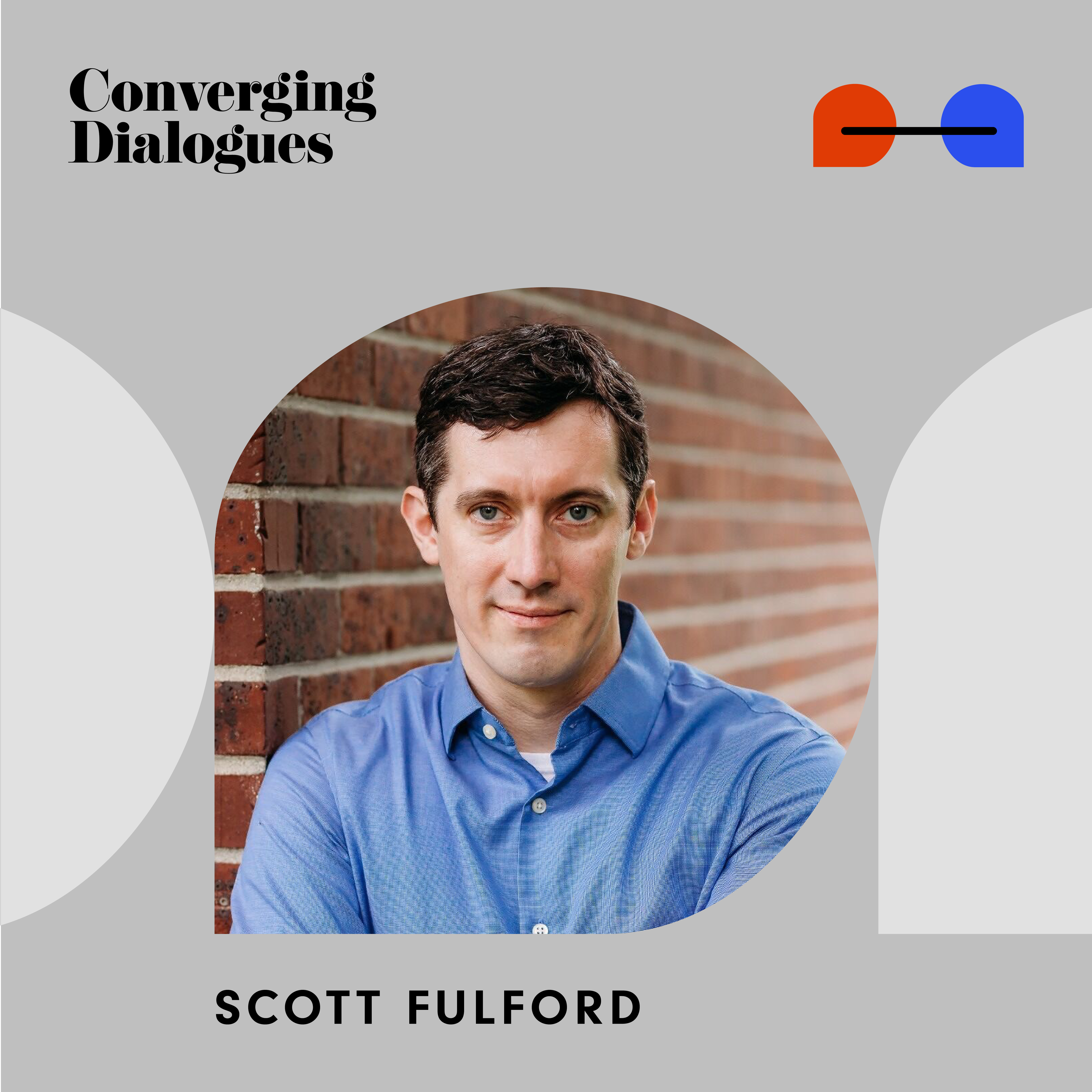
#226 - The Pandemic Paradox: A Dialogue with Scott Fulford
In this episode, Xavier Bonilla has a dialogue with Scott Fulford about the economical paradox during the COVID-19 pandemic. They discuss what is the pandemic paradox ( spending less and saving more), income vs. wealth, state of the economy pre-pandemic, and the economy during the beginning of the pandemic. They talk about the CARES act, subsequent acts after the CARES act, the American Rescue Plan, childhood poverty, childcare and women’s labor, the work revolution, inflation, and many more topics. Scott Fulford is Senior Economist at the Consumer Financial Protection Bureau (CFPB). He was also Assistant Professor of Economics and International Studies at Boston College. He holds a BA in Economics and a BS in Mathematics from Stanford University. He has a MA and PhD in Economics from Princeton University. He is the author of numerous economics papers and of the new book, The Pandemic Paradox: How the COVID Crisis Made Americans More Financially Secure. Website: https://www.scott-fulford.com/ Get full access to Converging Dialogues at convergingdialogues.substack.com/subscribe
#225 - Making the Rational Decisions: A Dialogue with Lionel Page
In this episode, Xavier Bonilla has a dialogue with Lionel Page about rational decision-making and behavioral economics. They discuss the history and contours of behavioral economics, work of Kahneman and Tversky, and why an evolutionary framework is important for behavioral economics. They also talk about heuristics, cognitive biases, gains and loses, game theory, Nash equilibrium, cooperation, belief systems, and many more topics. Lionel Page is an economist and Professor of economics at The University of Queensland in Australia. His research interests are in decision-making, game theory, and economics. He has been widely-published in economic journals and is the author of the book, Optimally Irrational. Substack: Optimally Irrational Twitter: @page_eco Get full access to Converging Dialogues at convergingdialogues.substack.com/subscribe
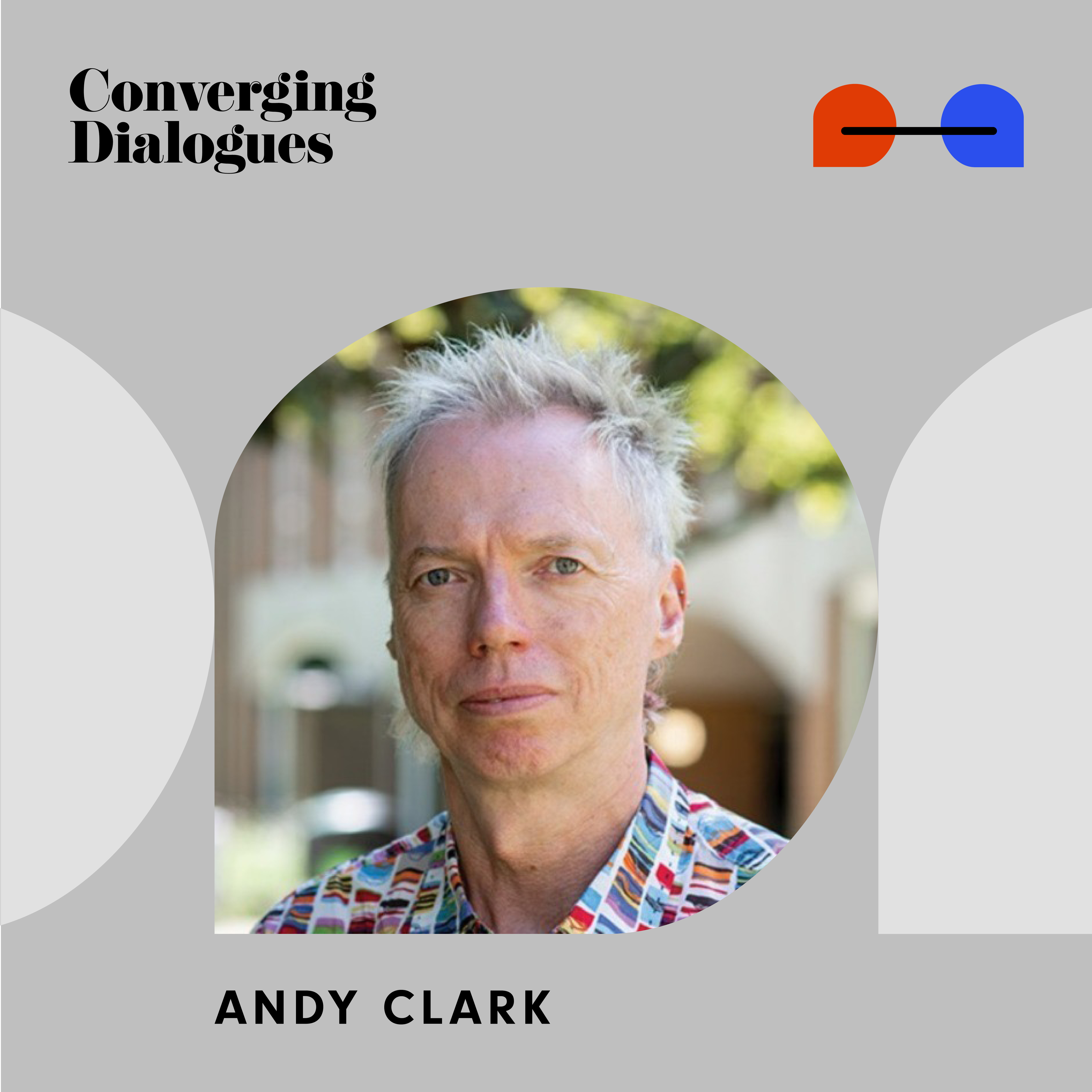
#224 - Brains As Prediction Machines: A Dialogue with Andy Clark
In this episode, Xavier Bonilla has a dialogue with Andy Clark about prediction processing, embodiment, and reality. They discuss the predictive processing model, Bayesian brain, and the role of human growth and development for the brain. They question what is reality, Friston’s Free Energy Principle, controlled hallucinations, and computational psychiatry. They also talk about reward vs. salience, prediction error, body budget, consciousness, the extended mind, and many other topics.Andy Clark is a Philosopher and Professor of Cognitive Philosophy at the University of Sussex. His main research interests are embodied cognition, computational neuroscience, and artificial intelligence. He is the author of numerous books including his most recent book, The Experience Machine. You can find his work here.Twitter: @cogsandy Get full access to Converging Dialogues at convergingdialogues.substack.com/subscribe
#223 - The Legacy of Sultan Süleyman: A Dialogue with Kaya Sahin
In this episode, Xavier Bonilla has a dialogue with Kaya Sahin about Sultan Süleyman and the Ottoman Empire. They provide an overview of the Ottoman Empire and how Süleyman was a critical leader, his upbringing, succession, and spreading the boundaries of the Empire. They also talk about the importance of the Grand Vizier, conflicts with the Hungarians and Hapsburgs, his legacy, and many more topics. Kaya Sahin is a Historian and Associate Professor of History at Indiana University, Bloomington. His major research areas are focused with the early Ottoman Empire and the spread of governance, religion, and political and economic challenges. He has written a handful of books including the most recent, Peerless Among Princes. You can find his work here. Get full access to Converging Dialogues at convergingdialogues.substack.com/subscribe
#222 - Cats: An Evolutionary Story: A Dialogue with Jonathan Losos
In this episode, Xavier Bonilla has a dialogue with Jonathan Losos about the evolutionary story of cats. They discuss how cats are semi-domesticated and similar around the world. They talk about how cats meow and purr to humans and less so with other cats. They discuss the sociality of cats, feral cats, and the evolutionary history of cats. They talk about the five different groups of cats, where cats originate from, different breeds of cats, genetics, where they roam, the future of cats and many other topics. Jonathan Losos is an evolutionary ecologist who studies rapid evolution, ecology, and phylogenetics. He has his PhD from the University of California and taught at Harvard University for over 10 years. Currently, he is a professor at Washington University (St. Louis) and is the founder of the Living Earth Collaborative. He is the recipient of the Daniel Giraud Elliot Medal, the Theodosius Dobzhansky Prize, the Edward O. Wilson Naturalist Award, and the David Starr Jordan Prize. He is the author of numerous books including the most recent book, The Cat’s Meow. Website: https://biology.wustl.edu/people/jonathan-lososTwitter: @jlosos Get full access to Converging Dialogues at convergingdialogues.substack.com/subscribe
#221 - The Earth Transformed: A Dialogue with Peter Frankopan
In this episode, Xavier Bonilla has a dialogue with Peter Frankopan about a natural history of climate change on the earth. They discuss how the climate was different on earth for billions of years and the impact the past climate has on earth today. They discuss the evolution of Hominids in the Holocene, formation of early cities, trading, domestication of horses in the Steppe, industrial age and fossil fuels, Rachel Carson and the rise of environmentalists, and many more topics. Peter Frankopan is a Historian and Professor of global history at Oxford University. He is also the Director of the Oxford Centre for Byzantine Research and Senior Research Fellow at Worcester College, Oxford. His main areas of research are on the history and politics of the Mediterranean, Central Asia, climate, and natural resources. He has won numerous awards for his books which include, The Silk Roads, The New Silk Roads, and his most recent book, The Earth Transformed.Website: https://www.peterfrankopan.com/Twitter: @peterfrankopan Get full access to Converging Dialogues at convergingdialogues.substack.com/subscribe
#220 - Generations: A Dialogue with Jean Twenge
In this episode, Xavier Bonilla has a dialogue with Jean Twenge about the current generations in our society. They discuss how we define generations and why its important, technological changes being central to generational changes, and the ranges of generations. They talk about upcoming trends for Polars/alphas, Gen Z and the connection between increased mental health with increased social media use, and the changing social, economic, and educational dynamics with Millennials. They discuss Gen X as the middle child of generations and their emphasis on toughness, Boomers centrality and the ripple effects of the deaths of despair. They talk about the bipartisan nature of Silents, future generations, and many more topics. Jean Twenge is a social psychologist and professor of psychology at San Diego State University. She is an expert on generational differences and technology from a dataset of 39 million people. She is the author of over 180 scientific publications and books which include Generation Me, iGen, and her latest book, Generations. Website: http://www.jeantwenge.com/Twitter: @jean_twenge Get full access to Converging Dialogues at convergingdialogues.substack.com/subscribe
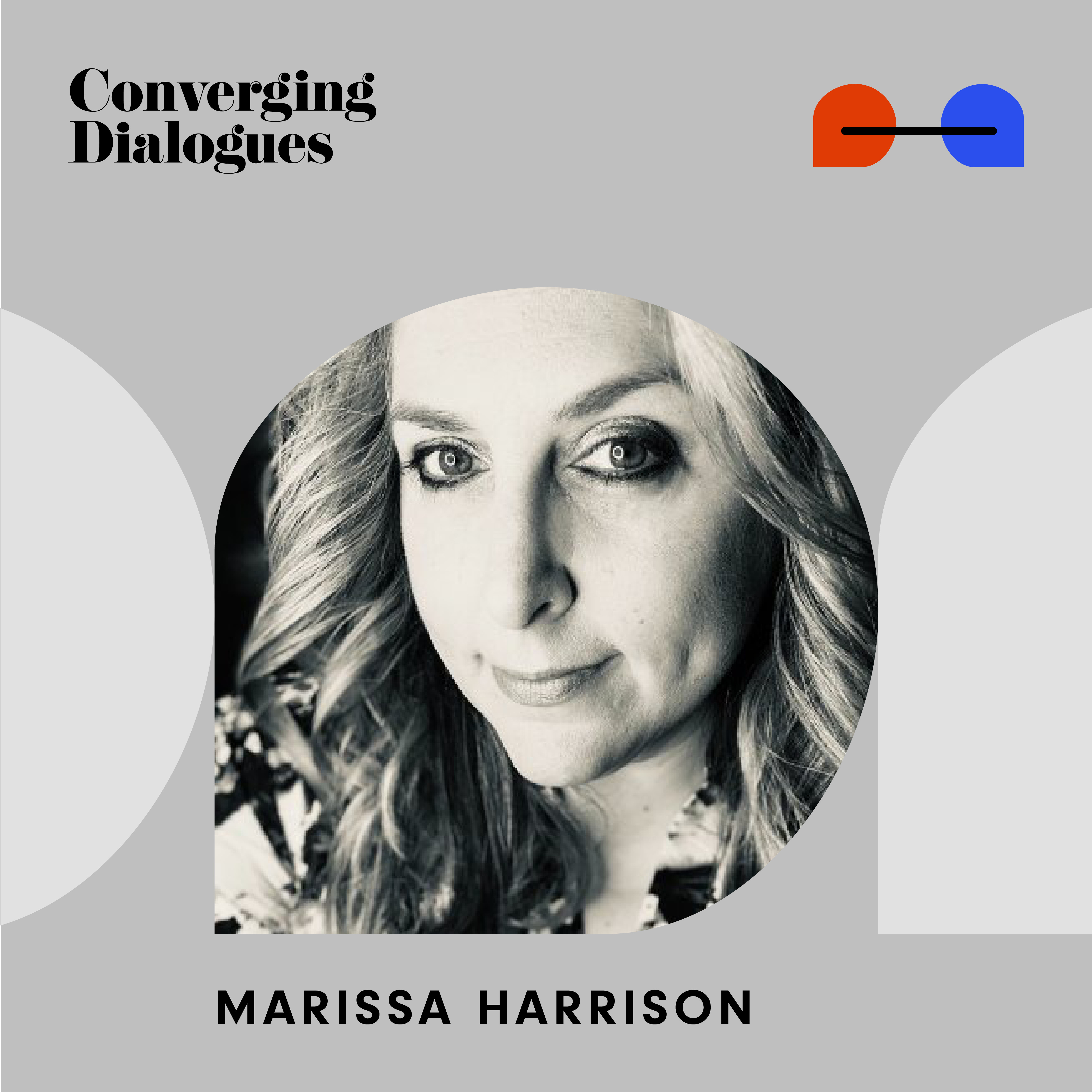
#219 - Women Who Kill: A Dialogue with Marissa Harrison
In this episode, Xavier Bonilla has a dialogue with Marissa Harrison about female serial killers. They discuss media sensationalizing serial killers, morbid curiosity, and defining serial killers. They talk about the average profile of a female serial killer, motives for female serial killers, and mental illness. They discuss psychopathy, PCL-R, and the need for improved mental health services. They also talk about neurobiology of serial killers, future research, and many other topics. Marissa Harrison is a research psychologist and Associate Professor of psychology at Penn State Harrisburg. She has her PhD in Biopsychology (Evolutionary Psychology) from the University of Albany. Her primary research areas are in serial murder and human sexuality. She is the author of the book, Just As Deadly: The Psychology of Female Serial Killers.Website: https://www.justasdeadly.com/Twitter: @mharrisonpsu Get full access to Converging Dialogues at convergingdialogues.substack.com/subscribe
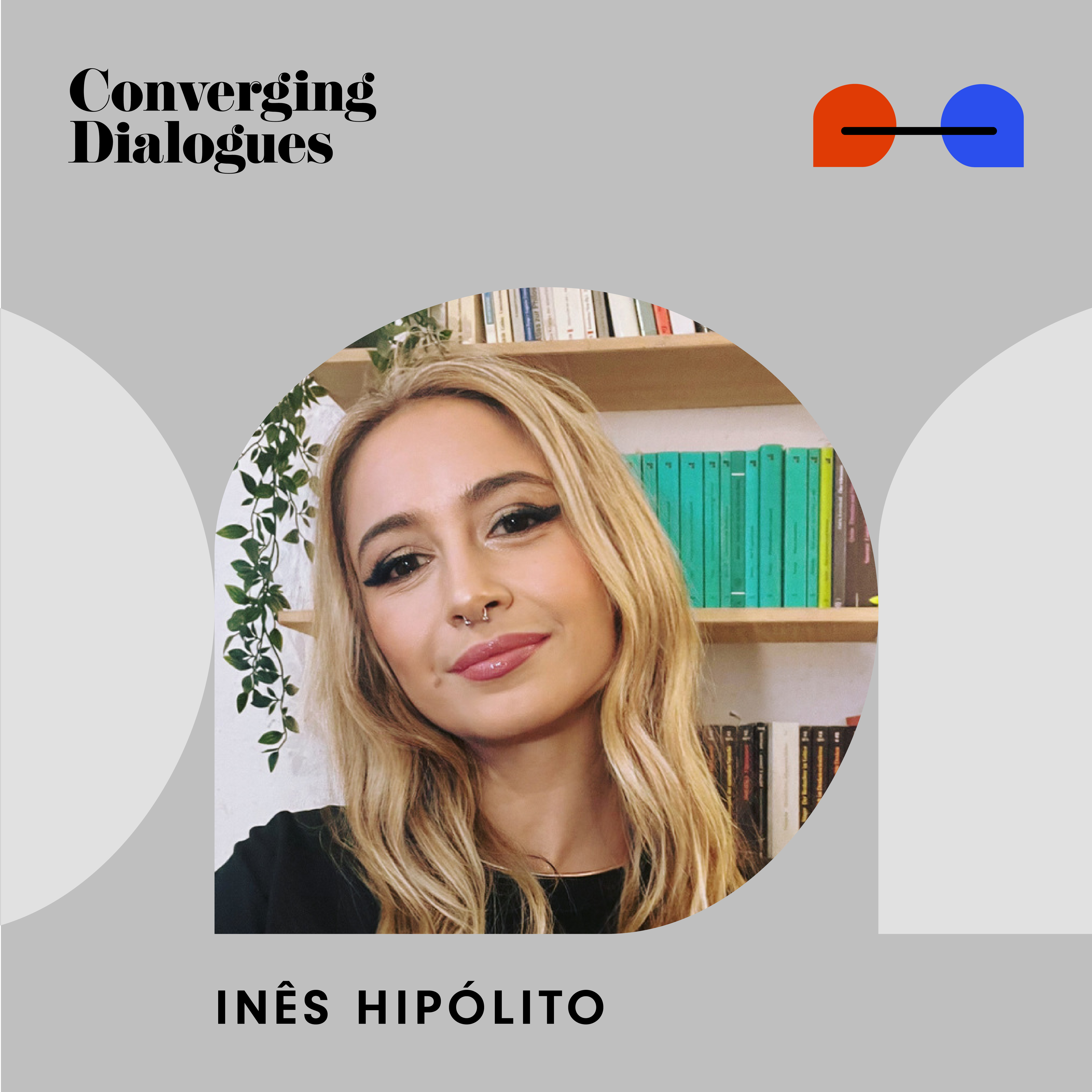
#218 - Neuroscience and Embodiment: A Dialogue with Inês Hipólito
In this episode, Xavier Bonilla has a dialogue with Inês Hipólito about neuroscience and embodiment. They talk about the different models of the brain, the embodied mind, and Free Energy Principle. They discuss Artificial Intelligence as a living system, Merleau-Ponty’s work on the phenomenology of embodiment, the role of perception, the self, and many more topics. Inês Hipólito is a philosopher, researcher, and lecturer at Berlin School of Mind and Brain. Her research focuses on topics in cognitive neuroscience such as complexity, E-cognition, and Free Energy Principle. She has a BPhil, MPhil, MSc, and DPhil. She is also the co-founder and vice-president of the International Society of the Philosophy of the Sciences of the Mind. Website: https://ineshipolito.my.canva.site/Twitter: @ineshipolito Get full access to Converging Dialogues at convergingdialogues.substack.com/subscribe
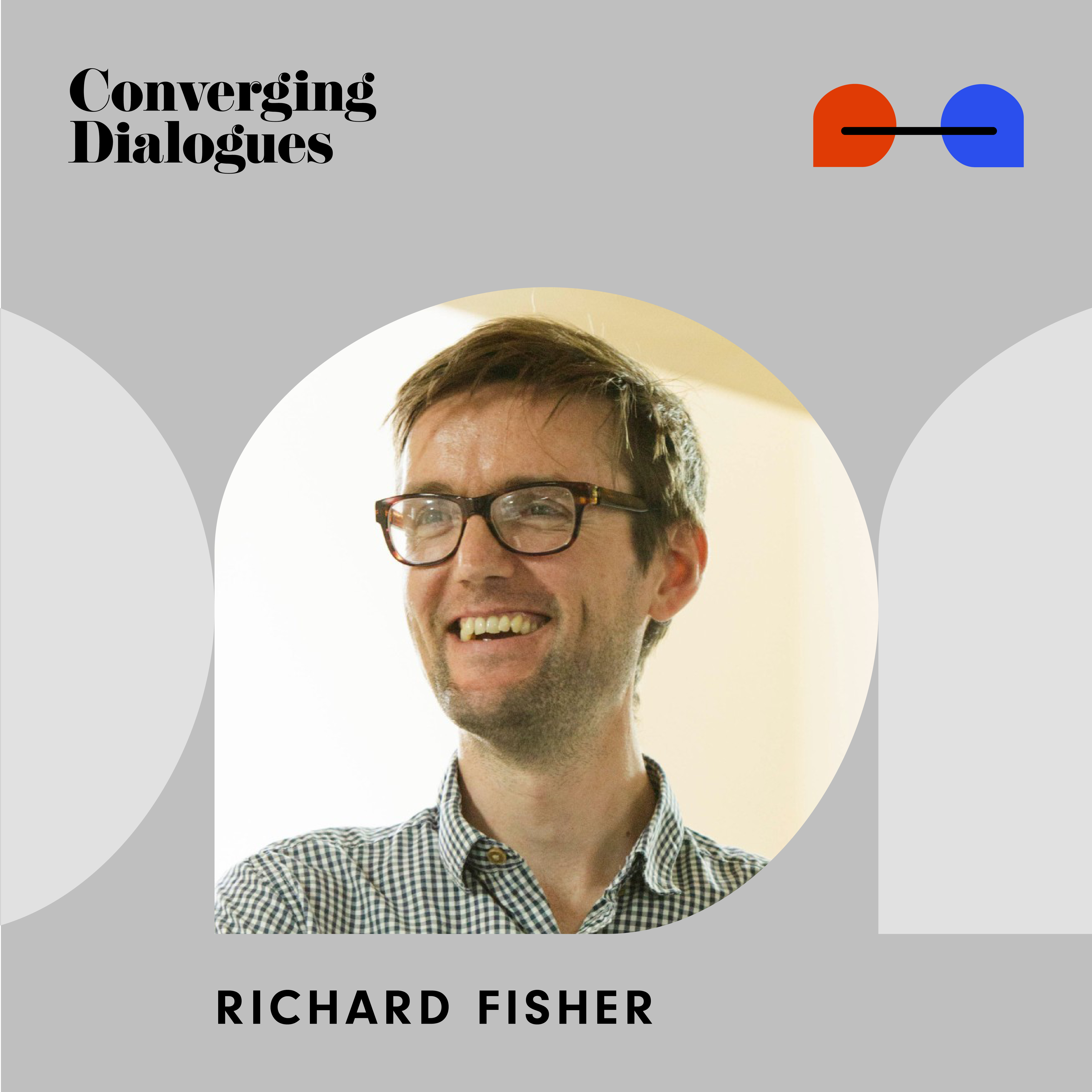
#217 - Longtermism and Our Future: A Dialogue with Richard Fisher
In this episode, Xavier Bonilla has a dialogue with Richard Fisher about the long view and our future. They talk about how society started thinking more short-term and not long-term. They discuss the historical aspects of longtermism, positive outlooks for different futures, longtermism and capitalism, and how our politics has become more short-term. They talk about the evolutionary framework for foresight and longtermism, deep time both past and future, climate change, and many more topics.Richard Fisher is a senior journalist with the BBC-London. He is an Honorary Research Associate at University College, London. He has also been a fellow at MIT. His work covers science, technology history, health, and philosophy. He is the author of the book, The Long View. Website: https://richardfisher.carrd.co/Substack: The Long View: A Field Guide Twitter: @Rifish Get full access to Converging Dialogues at convergingdialogues.substack.com/subscribe
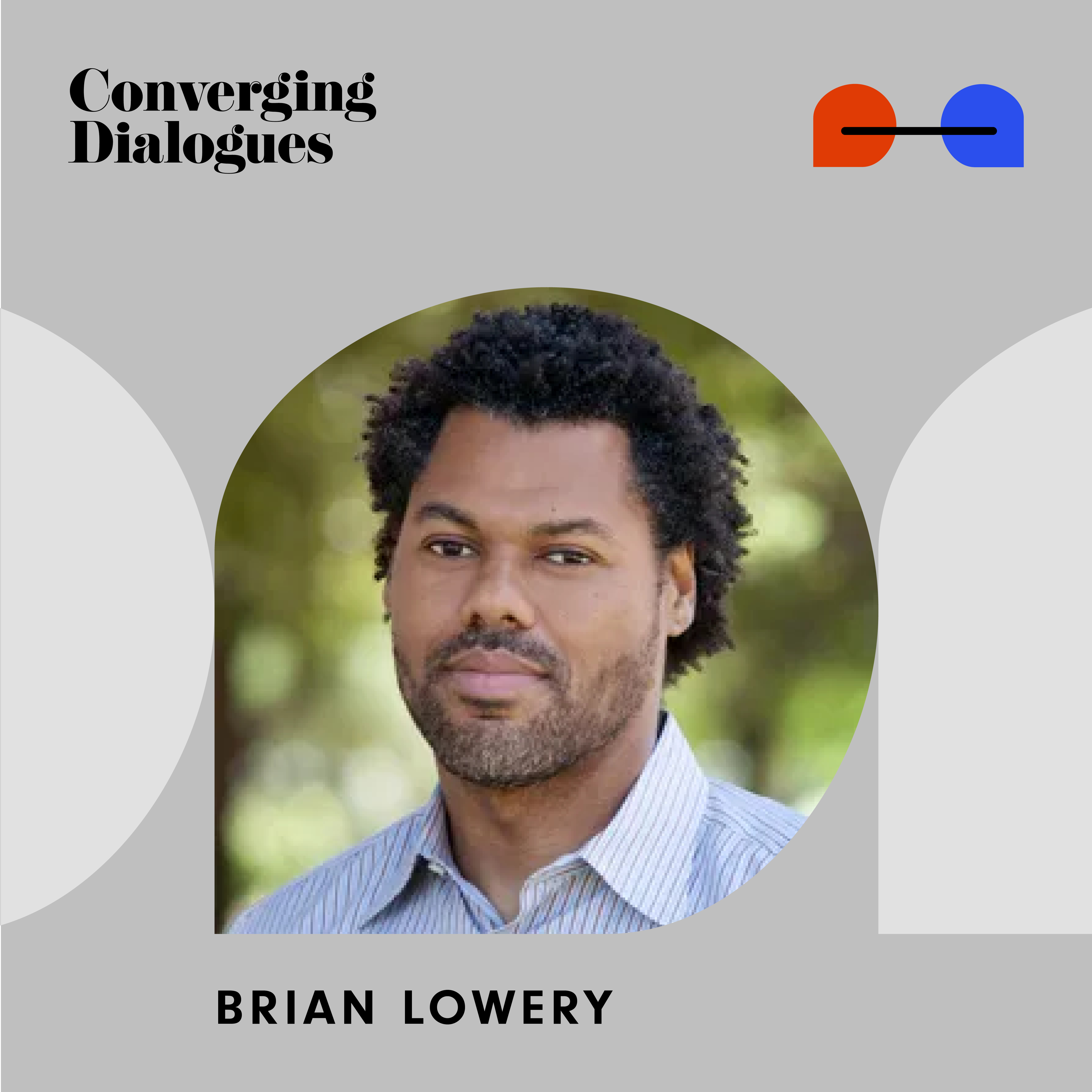
#216 - Social Constructions of The Self: A Dialogue with Brian Lowery
In this episode, Xavier Bonilla has a dialogue with Brian Lowery about the social construction of the self. They provide a definition of the “self,” how the self is only understood in the context of others, self as autonomous, and why the self is an illusion. They discuss the idea of a core self, different identities with different communities, switching identities, freedom and free will, and many other topics. Brian Lowery is the Walter Kenneth Kilpatrick Professor of Organizational Behavior at Stanford University. He is a social psychologist and is the director of many leadership groups. His research focuses on racial attitudes, perception of inequality, and the social context. He is the author of the book, Selfless: The Social Creation of You. He is also the host of Know What You See podcast. You can find his work here. Twitter: @brianloweryphd Get full access to Converging Dialogues at convergingdialogues.substack.com/subscribe
#215 - The Triumphant Spread of Christianity: A Dialogue with Peter Heather
In this episode, Xavier Bonilla has a dialogue with Peter Heather about the spread of Christianity. They discuss how the spread of Christianity is a story of conversion, the religious landscape at the end of the Roman empire, and the four phases of Constantine’s conversion. They talk about the essential aspects of the Council of Nicea, Augustine’s legacy, and Homoean Christianity. They also discuss the arrival of Islam in the 5th Century, the spread of Christianity to the Anglo-Saxon world, Charlemagne and the papacy, and the Great Schism of 1054. They also talk about the Crusades, Christianity’s spread, and many more topics. Peter Heather is a historian of Medieval history and Late Roman Empire. He is Professor and Chair of Medieval History at King’s College, London. His primary interests are in the later Roman Empire and is published on the Goth and Visgoth kingdoms of the Medieval period. He has written numerous books including the most recent, Christendom: The Triumph of A Religion-A.D. 300-1300. You can find his work here. Get full access to Converging Dialogues at convergingdialogues.substack.com/subscribe
#214 - Assyria: The World's First Empire: A Dialogue with Eckart Frahm
In this episode, Xavier Bonilla has a dialogue with Eckart Frahm about the Assyrian Empire. They give an overview of the various Assyrian periods, discuss the importance of the “fertile crescent,” and talk about the impact of language in Assyria. They talk about the importance of Ashur as a god and as a city, the initial rulers in the old Assyrian period, the middle Assyrian period, and the distinctions between Assyrian and Babylon. They also discuss the fall of Nineveh, Biblical accounts of the Assyrian empire, the second destruction of Assyrian artifacts by ISIS, and many other topics. Eckart Frahm is Professor of Assyriology in the Near Eastern Languages and Civilizations department at Yale University. He is one of the world’s leading expert on the Assyrian Empire. He has written or co-written over six books including the most recent book, Assyria: The Rise and Fall of the World’s First Empire. Get full access to Converging Dialogues at convergingdialogues.substack.com/subscribe
#213 - The Reopening of The Western Mind: A Dialogue with Charles Freeman
In this episode, Xavier Bonilla has a dialogue with Charles Freeman about the history of intellectualism in the West. They discuss the preservation of texts after the fall of the Roman Empire, Charlemagne and his interactions with the Papacy, the importance of Augustine on Western thought, and the Great Schism of 1054. They also talk about rationality in the Middle Ages, impact of Islam, importance of Thomas Aquinas incorporating Greek philosophy into Christian theology, and the rise of Humanism. They also discuss impact of colonialism and conversion, the Reformation and the figures of Calvin and Luther, the reopening of the Western mind, and many more topics. Charles Freeman is an independent historian and author. He is a Fellow of the Royal Society of Arts and has written over half a dozen books. He has wide spanning interests in the history of European culture and thought. He is the author of the last book, The Reopening of The Western Mind. Get full access to Converging Dialogues at convergingdialogues.substack.com/subscribe
#212 - The World Through Our Senses: A Dialogue with Ashley Ward
In this episode, Xavier Bonilla has a dialogue with Ashley Ward about the senses and understanding our world. They define what a “sense” is and why we focus on the five senses. They question whether we can know reality outside of our senses and discuss the complexity of the human eye and how they human eye is different from other eyes. They talk about the role of beauty and aesthetics, impact of sound and music, taste and how it evolves over time, smell, the importance of touch, and many other topics. Ashley Ward is a biologist and professor of animal behavior in the School of Life and Environmental Sciences at The University of Sydney. He studies a wide range of animals and researches learning, communication, and decision-making in many animals. He is the author of the book, The Social Lives of Animals, and the most recent book, Where We Meet The World. You can find his work here and here. Twitter: @ashleyjwward Get full access to Converging Dialogues at convergingdialogues.substack.com/subscribe
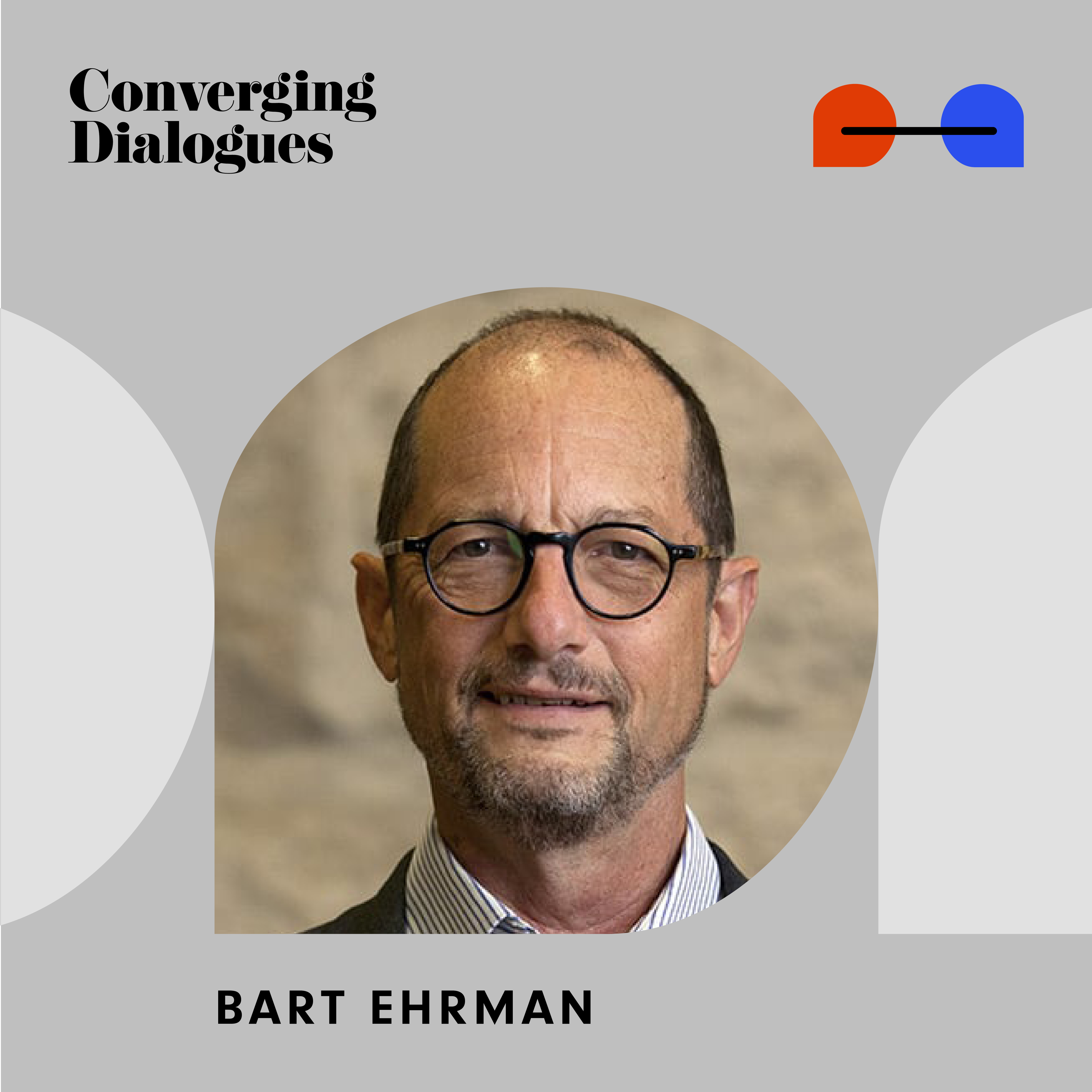
#211 - Armageddon: A Dialogue with Bart Ehrman
In this episode, Xavier Bonilla has a dialogue with Bart Ehrman about armageddon and the apocalypse as detailed in the Bible. They discuss why many people have a fascination with the end times and many of the things detailed in the book of Revelation. They talk about the role of interpretation, various views of the tribulation, and where the idea of the rapture originated. They discuss the importance of genre in the Bible, the historical view of Revelation, negative messaging of Revelation, and many more topics. Bart Ehrman is James A. Gray Distinguished Professor at the University of North Carolina at Chapel Hill. He has both his M. Div and PhD from Princeton University. He has served as President of the Southeast Region of the Society of Biblical literature and chair of the New Testament textual criticism section of the Society. He has served as associate editor for the Journal of Early Christian Studies, book review editor of the Journal of Biblical Literature, and editor of the monograph series The New Testament in the Greek Fathers (Scholars Press). He currently serves as co-editor of the series New Testament Tools, Studies, and Documents (E. J. Brill), co-editor-in-chief for the international journal of early Christian studies, Vigiliae Christianae, and area editor (early Christianity) for the Encyclopedia of Ancient History. An expert on the New Testament and the history of Early Christianity, has written or edited thirty books, numerous scholarly articles, and dozens of book reviews. He is the author of numerous books including his new book, Armageddon. Website: https://www.bartehrman.com/Blog: https://ehrmanblog.org/Twitter: @bartehrman Get full access to Converging Dialogues at convergingdialogues.substack.com/subscribe
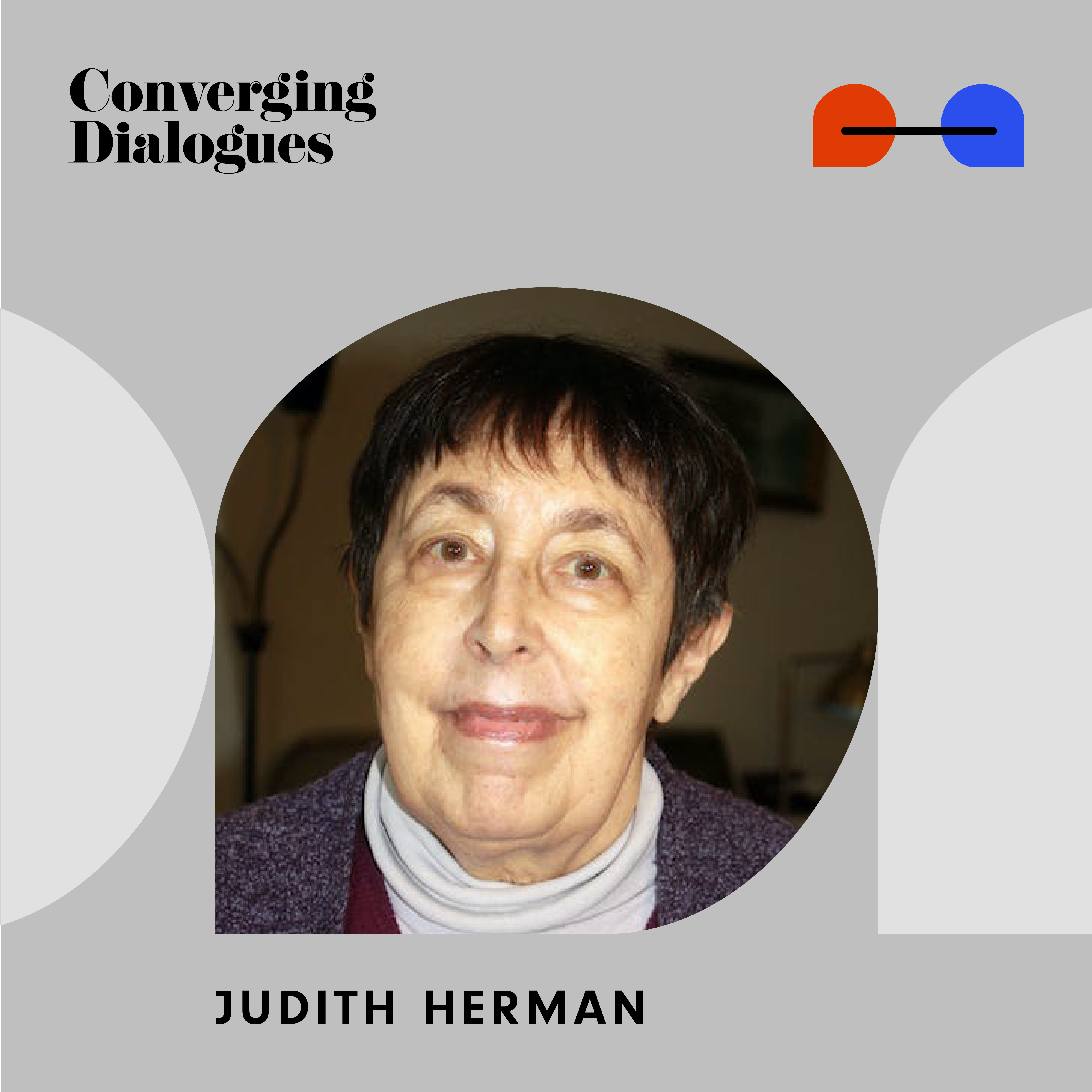
#210 - Trauma and Justice: A Dialogue with Judith Herman
In this episode, Xavier Bonilla has a discussion with Judith Herman about trauma and justice. They discuss how her new book on trauma is connected to her previous book on trauma. They define trauma and its potential overuse, role of dominance and submission before violence in intimate partner violence (IPV), and the role of patriarchy in our society. They talk about modern feminism working for trauma work, acknowledgement, apology, and forgiveness in trauma work, and restorative justice. They also talk about resilience, exposure therapy, and many other topics. Judith Herman is the clinical professor of psychiatry at Harvard Medical School and Director of Training at the Victims of Violence Program at Cambridge Hospital. She obtained her MD from Harvard Medical School. She has received numerous honors such as a Guggenheim Foundation fellowship, a Bunting Institute fellowship at Radcliffe, a Manfred S. Guttmacher Award from the American Psychiatric Association and American Academy of Psychiatry and Law, and a Women in Science Award from the American Medical Women’s Association. She is the author of three books including the classic, Trauma and Recovery and her latest book, Truth and Repair. You can find her work here. Get full access to Converging Dialogues at convergingdialogues.substack.com/subscribe
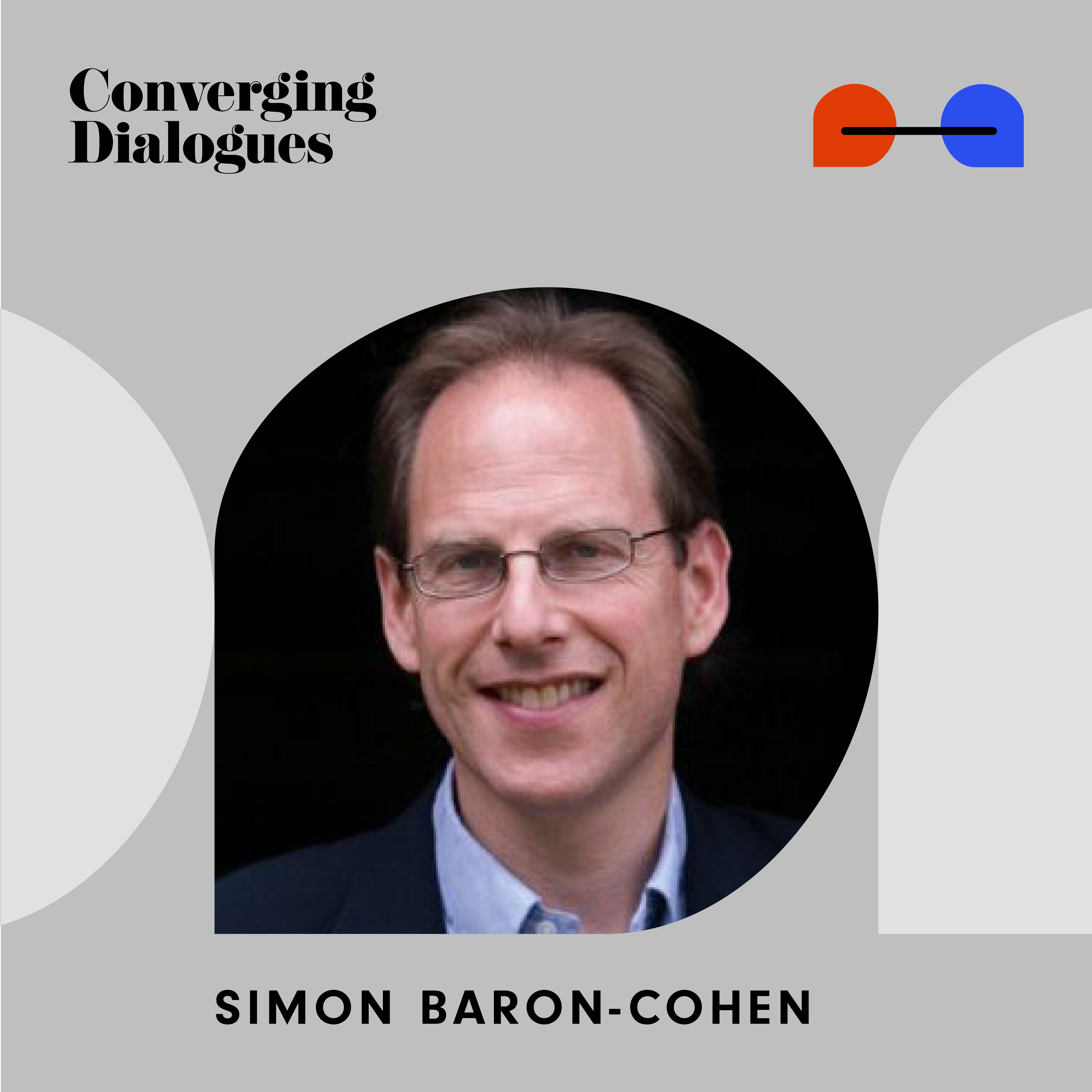
#209 - Autism: Difference and Disability: A Dialogue with Simon Baron-Cohen
In this episode, Xavier Bonilla has a dialogue with Simon Baron-Cohen about various components of autism. They define autism, discuss the systematizing mechanism and the if-and-then logic, and talk about the empathy circuit. They discuss how the systematizing quotient (SQ) and the empathy quotient (EQ) correspond with research on Big-5 personality and intelligence research. They mention some of the sex differences between between the SQ and EQ, evolutionary elements of invention, autism in present times, and many other topics.Simon Baron-Cohen is a Professor in the Departments of Psychology and Psychiatry University of Cambridge and Fellow at Trinity College, Cambridge. He is Director of the Autism Research Centre in Cambridge, which he set up in 1997. He is a Fellow of the British Psychological Society, the British Academy, the Academy of Medical Sciences, and the American Psychological Association. He is Vice-President of the National Autistic Society, and was President of the International Society for Autism Research (INSAR, 2017-19). He was Chair of the NICE Guideline Development Group for Autism (Adults) and was Chair of the Psychology Section of the British Academy. He is coeditor in chief of the journal Molecular Autism which has the highest impact factor of all autism research journals. He received a knighthood in the New Year’s Honors List 2021. He has published over 700 peer reviewed scientific articles, which have made contributions to many aspects of autism research. He is also the author of five books including the most recent, The Pattern Seekers. You can find his work at his website. Twitter: @sbaroncohen Get full access to Converging Dialogues at convergingdialogues.substack.com/subscribe