Converging Dialogues
508 episodes — Page 7 of 11
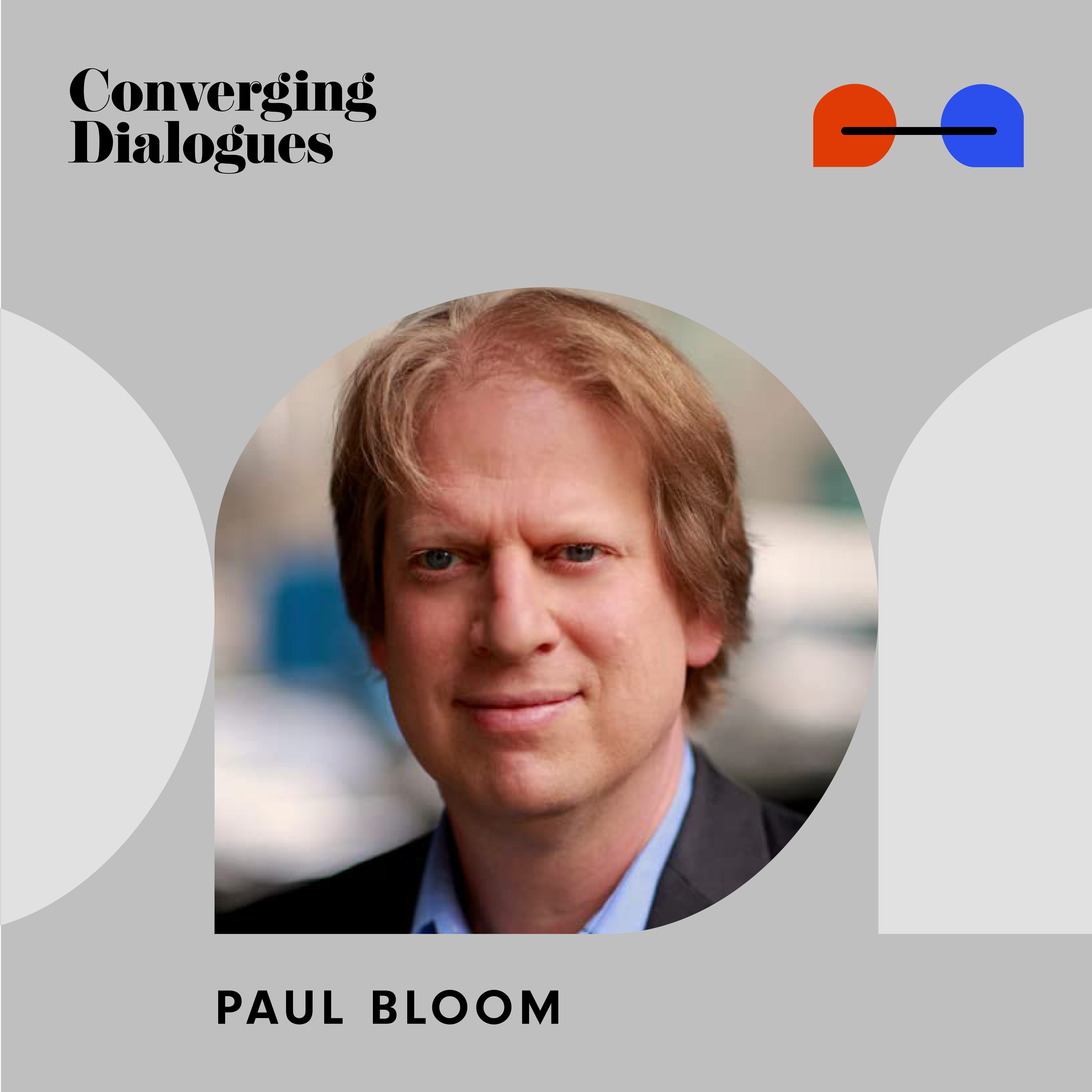
#208 - Introduction to Psychology: A Dialogue with Paul Bloom
In this episode, Xavier Bonilla has a dialogue with Paul Bloom about major themes in psychology. They discuss how he wrote his latest book, Psych, and some of the origins of the book. They talk about dualism and understanding the brain, consciousness, and why we should still study Freud. They also discuss Piaget’s contributions to psychology, how serious is the replication crisis, core personality, the future of psychology and many more topics. Paul Bloom is a Professor of Psychology at the University of Toronto and the Brooks and Suzanne Ragen Professor Emeritus of Psychology at Yale University. Paul's interests are on morality, pleasure, and development. He is the past president of the Society for Philosophy and Psychology and co-editor of Behavioral and Brain Sciences. He has written for The New York Times, The Guardian, The New Yorker, and The Atlantic. He is the author of numerous books such as Against Empathy, The Sweet Spot, and his latest book, Psych, which you can purchase here. You can find much of his research and writing at his website. Twitter: @paulbloomatyale. Bonus: Make sure you read Nicole’s fantastic review below and subscribe to her excellent Bookmarked Reads📚. Get full access to Converging Dialogues at convergingdialogues.substack.com/subscribe
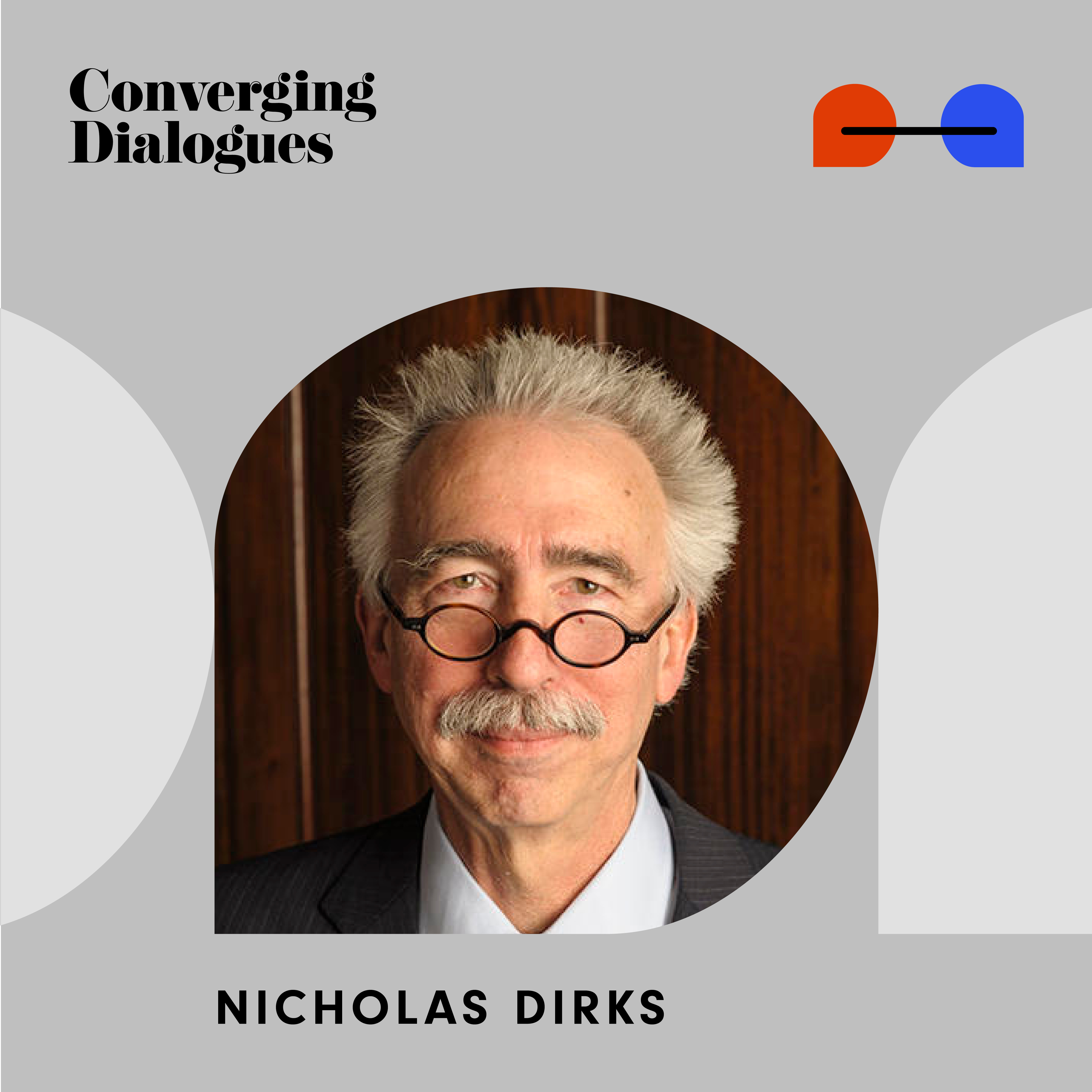
#207 - Science Communication and Free Speech in Academia: A Dialogue with Nicholas Dirks
In this episode, Xavier Bonilla has a dialogue with Nicholas Dirks about science communication and various issues in academia. They discuss his background as chancellor and dean of various academic institutions, problems and solutions for higher education, and why liberal arts are still needed. They also cover free speech and culture wars issues, COVID-19, science communication, and many other topics. Nicholas Dirks is President and CEO of the New York Academy of Sciences. He was the 10th Chancellor of the University of California, Berkeley and was also Dean of faculty at Columbia University. He has a background in history and anthropology and has written numerous books. You can find his work here. Twitter: @nickdirks Get full access to Converging Dialogues at convergingdialogues.substack.com/subscribe
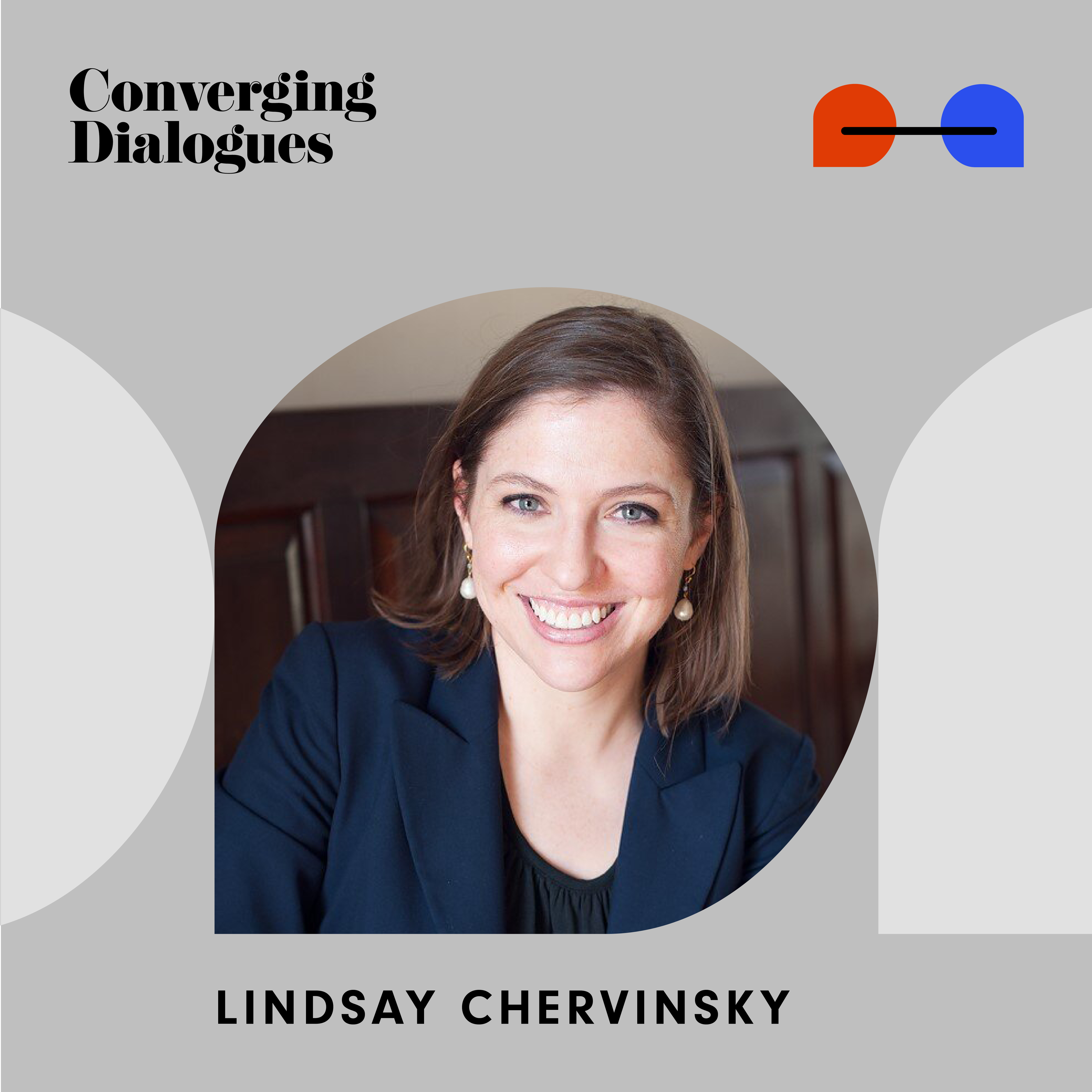
#206 - Mourning the Presidents: A Dialogue with Lindsay Chervinsky
In this episode, Xavier Bonilla has a dialogue with Lindsay Chervinsky about death and mourning of U.S. Presidents. They discuss how the book came about and how certain essays were chosen for the volume. They talk about the themes of race, political party, and family. They discuss the ideas of legacy, and how U.S. presidential funerals compare with other global heads of state. They talk about Washington and his private funeral, Jefferson and his descendants, Taylor and his mixed legacy, and the global impact of Lincoln. They also discuss Theodore Roosevelt through a current lens, generational impact of FDR and JFK, the long goodbye of Reagan, the bipartisan mourning of H.W. Bush, and many other topics. Lindsay M. Chervinsky is a historian, author, and speaker. She obtained her PhD in history from the University of California, Davis and is a fellow at the Kluge Center at the Library of Congress and a Senior Fellow at the Center for Presidential History at Southern Methodist University. She has also been a professor at the School of Media and Public Affairs at George Washington University. She is the author of The Cabinet: George Washington and The Creation of An American Institution and co-editor (with Matthew R. Costello) of Mourning The Presidents: Loss and Legacy in American Culture. You can find her work at her website and on her substack, Imperfect Union. Twitter: @lmchervinsky Get full access to Converging Dialogues at convergingdialogues.substack.com/subscribe
#205 - A Philosophy of Protest: A Dialogue with Clayton Bohnet
In this episode, Xavier Bonilla has a dialogue with Clayton Bohnet about protest through a philosophical lens. They discuss what a montage is and why he used it for his book, defining protest, and the functionality of protest. They talk about protest as spectacle, differences between protests and mobs/riots, Kant’s contribution to understanding critique, and many more topics. Clayton Bohnet is a philosopher, writer, and professor. He has Master’s in Psychology from the University of West Virginia and a PhD in Philosophy from Duquesne University. He has taught at Fordham University, Gonzaga University, and Central Washington university. Currently, he is pursing a law degree from Cleveland Marshall College of Law. He is the author of the book, Toward a Philosophy of Protest. Get full access to Converging Dialogues at convergingdialogues.substack.com/subscribe
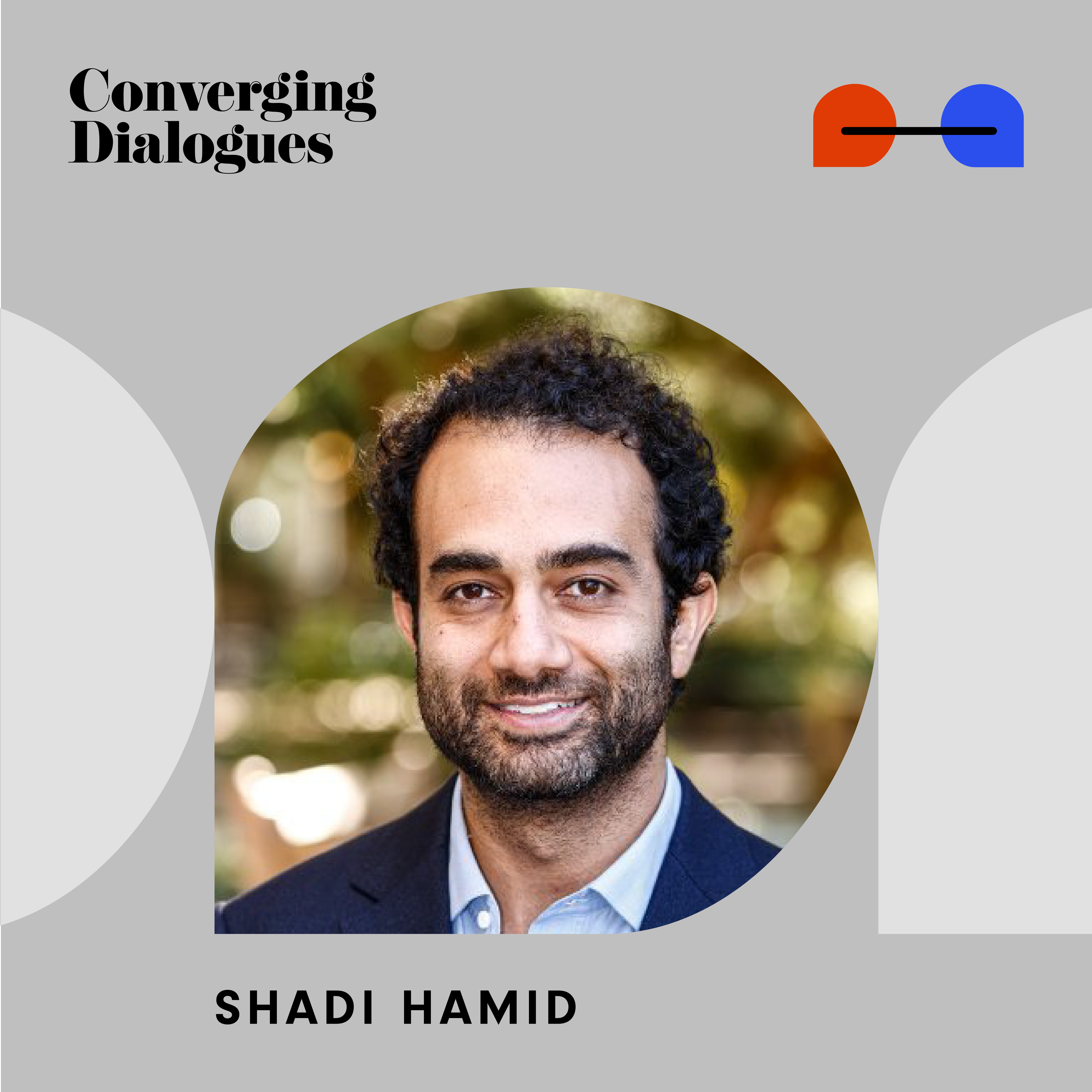
#204 - The Problem of Democracy: A Dialogue with Shadi Hamid
In this episode, Xavier Bonilla has a dialogue with Shadi Hamid about democracy, liberalism, and foreign policy. They discuss democracy and how it is usually defined, what constitutes a “real” democracy, and the differences between liberalism and democracy. They discuss Islam and its various strands, challenges with democracy during the Arab spring, and why the United States chooses to get involved in some countries and not others. They also talk about positive examples of democracy abroad, the future of democracy in the Middle East, and many more topics.Shadi Hamid is a Senior Fellow in the Center for Middle East Policy at Brookings. He is also the Assistant Professor of Islamic Studies at Fuller Seminary. He is the Contributing Writer at The Atlantic. He has his Bachelors and Masters from Georgetown University and his DPhil in Politics from Oxford University. He is the author of numerous books including the most recent, The Problem of Democracy: America, the Middle East, and the Rise and Fall of an Idea. You can find his work here and here. Twitter: @shadihamid Get full access to Converging Dialogues at convergingdialogues.substack.com/subscribe
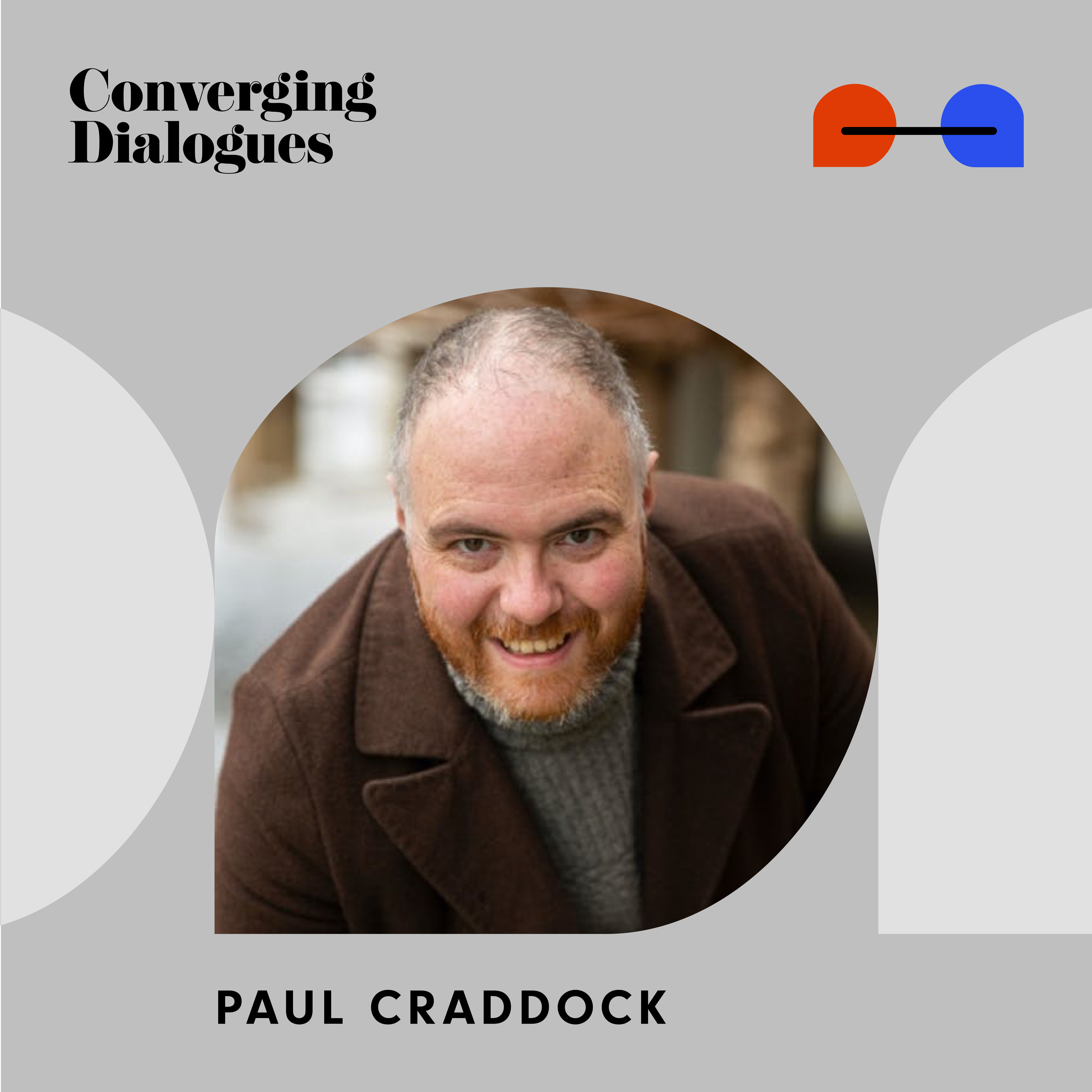
#203 - A History of Transplant Surgery: A Dialogue with Paul Craddock
In this episode, Xavier Bonilla has a dialogue with Paul Craddock about the history of transplant surgery. They discuss the overarching movement of transplant surgery, skin grafting, and blood transfusions. They also talk about the long history of teeth and their various surgeries through time. They talk about vascular surgery, first organ transplants, advances in medical technology and future transplants, and many more topics.Paul Craddock is a cultural historian and award-winning author. He is a Science Museum Group Senior Research Associate, Honorary Senior Research Associate of UCL’s Division of Surgery, and Visiting Lecturer at Imperial College London. He is the author of Spare Parts: A Surprising History of Transplants. You can find him at his website. Twitter: @pwcraddock1984 Get full access to Converging Dialogues at convergingdialogues.substack.com/subscribe
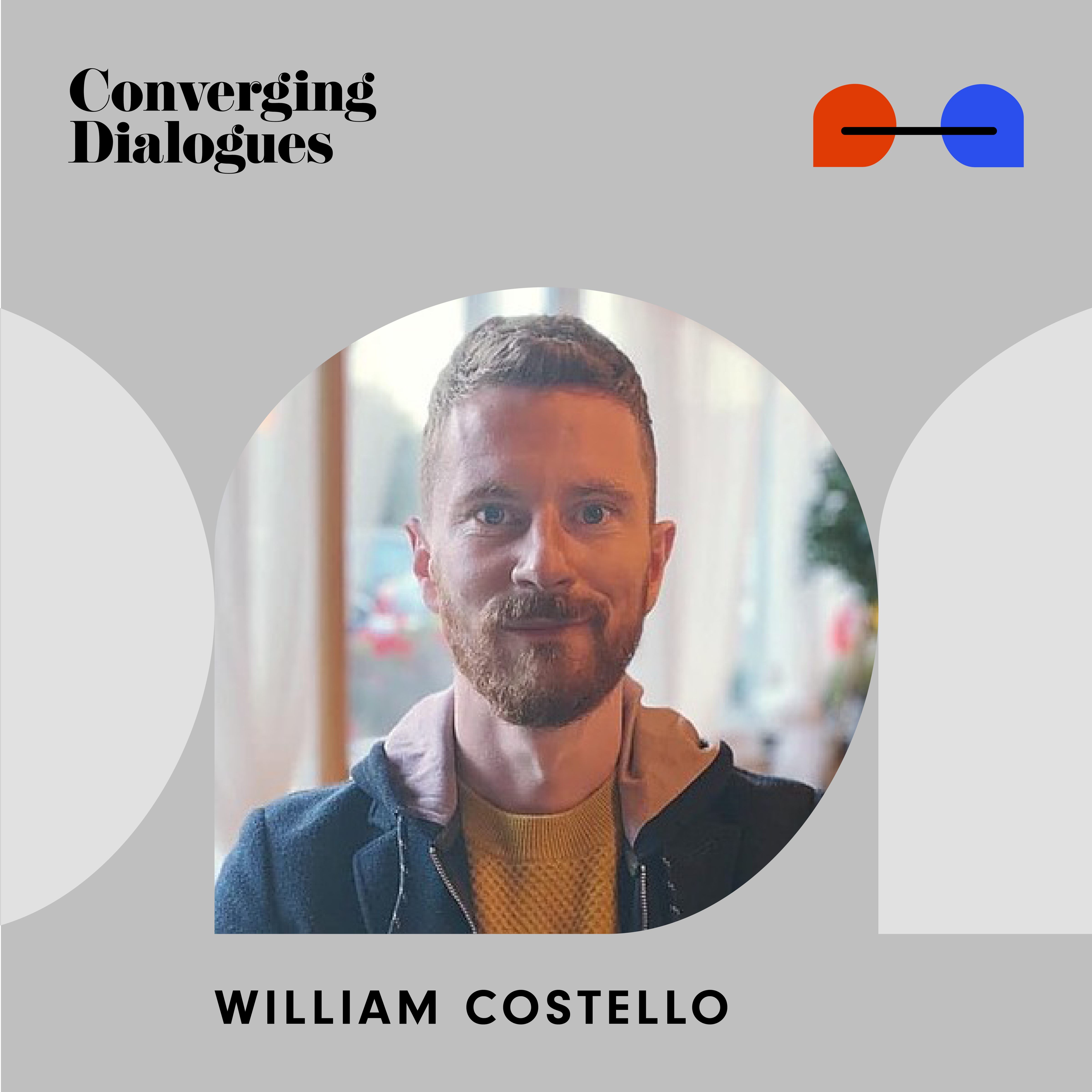
#202 - The Culture of Incels: A Dialogue with William Costello
In this episode, Xavier Bonilla has a discussion with William Costello about incels. They define sexuality more broadly and define incels and some of the features of incels. They discuss the importance of sexual selection and how incels are part of online culture and also outside of online culture. They talk about the “manosphere,” modern masculinity, and the different messages that men receive from society. They discuss the cultural perceptions of incels, violence, clinical treatment for incels, and many more topics.William Costello is a current PhD student in evolutionary psychology in David Buss’ lab at the University of Texas, Austin. He has his MSc in psychology: evolution and culture from Brunel University, London. His research focuses on incels, individual differences and evolutionary psychology. You can find his work here. Twitter: @costellowilliam Get full access to Converging Dialogues at convergingdialogues.substack.com/subscribe
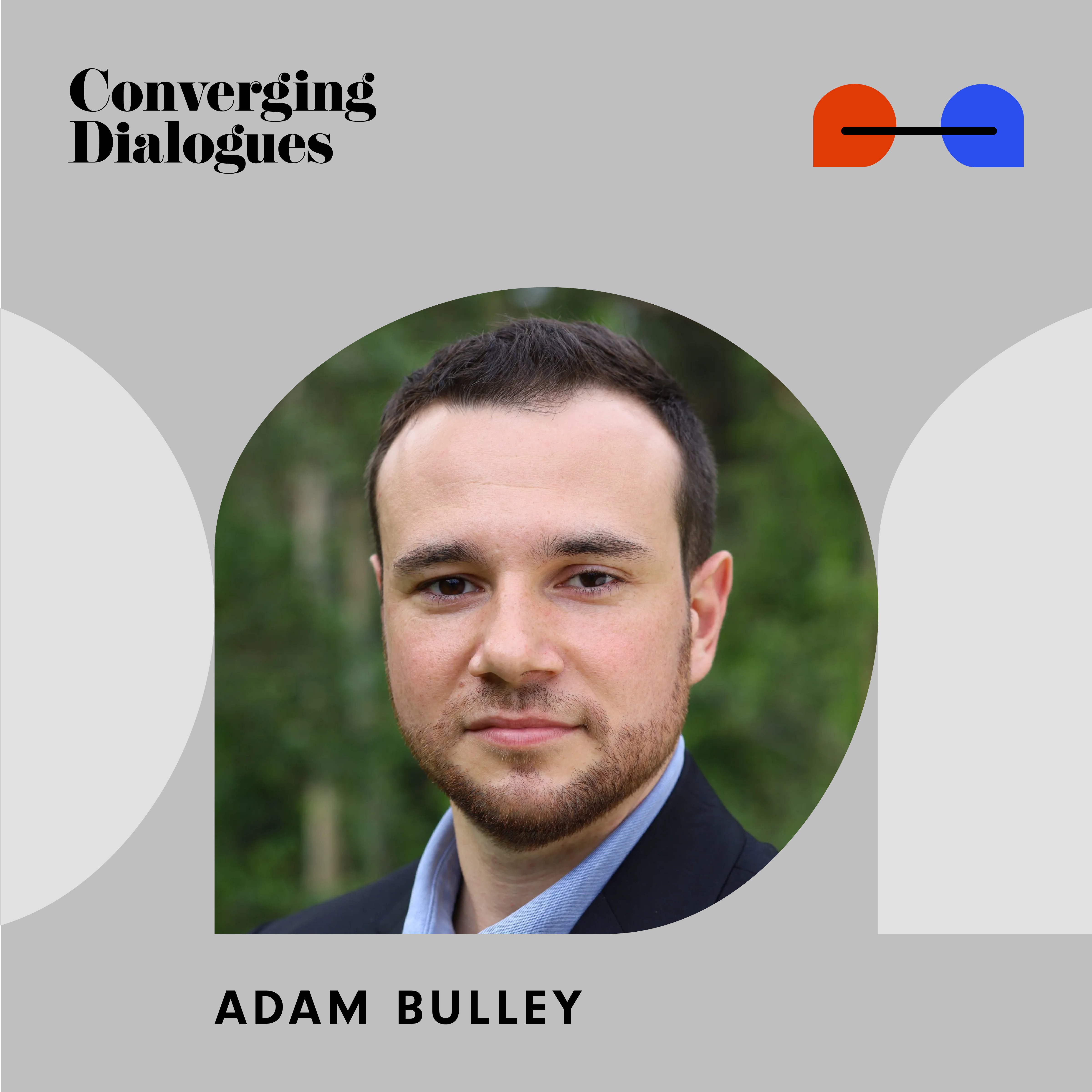
#201 - The Invention of Tomorrow: A Dialogue with Adam Bulley
In this episode, Xavier Bonilla has a dialogue with Adam Bulley about foresight and its evolutionary history. They define what foresight is and how it is different from prospective memory. They discuss how much executive functioning is involved, episodic foresight, abstraction, and theory of mind. They talk about the evolutionary history of foresight, cultural evolution, human development, and predictive models and perception. They also talk about brain systems involved with foresight, new technology, social dynamics, clock time, and many more topics. Adam Bulley is a postdoctoral fellow at the Brain and Mind Centre and School of Psychology, The University of Sydney and the Department of Psychology at Harvard University. His primary research areas are in the evolution, mechanism, and psychology of imagination, foresight, and decision-making. He is the co-author (with Thomas Suddendorf & Jon Redshaw) of the book, The Invention of Tomorrow: A Natural History of Foresight. You can find his research here. Twitter: @adamdbulley Get full access to Converging Dialogues at convergingdialogues.substack.com/subscribe
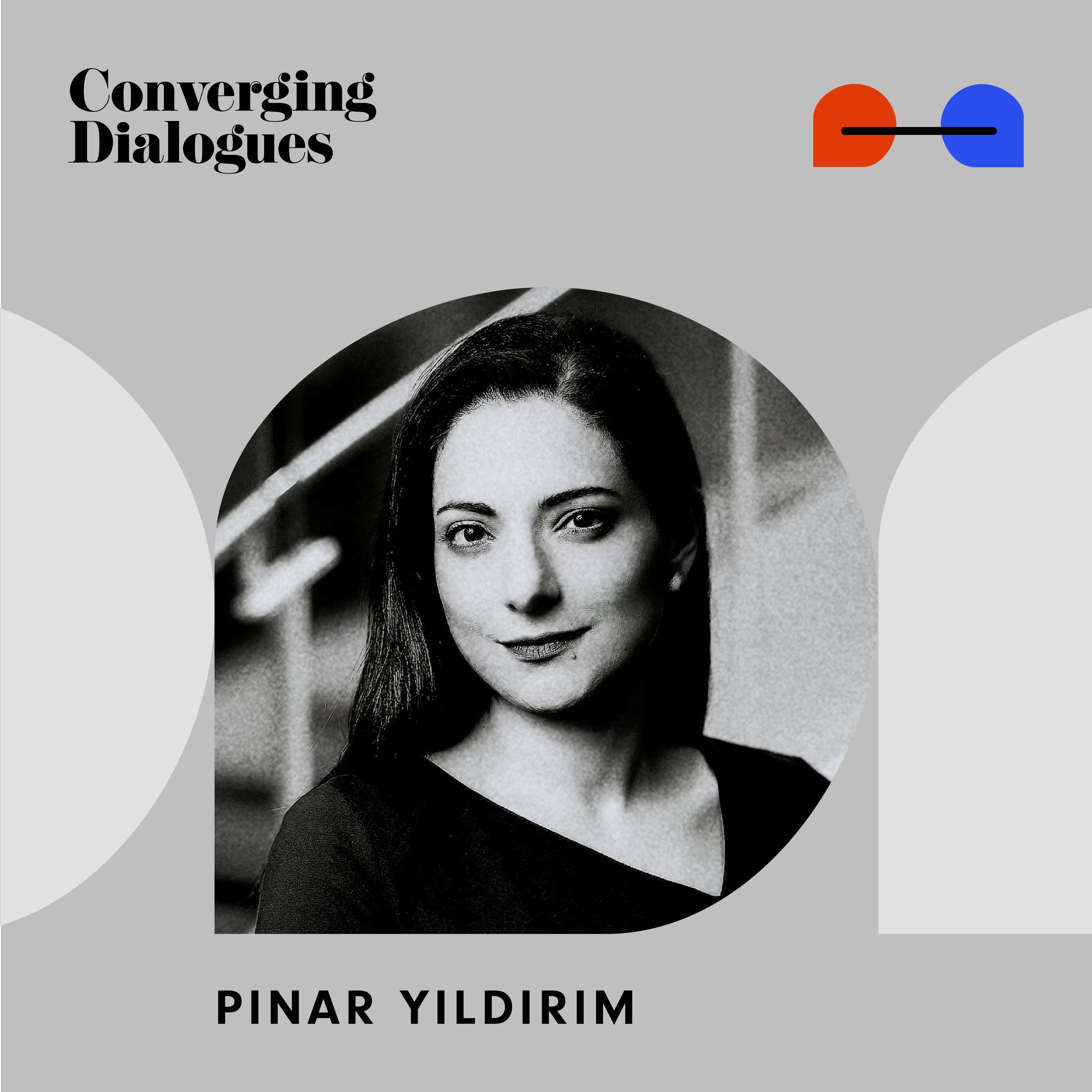
#200 - Marketing in the 21st Century: A Dialogue with Pinar Yildirim
In this episode, Xavier Bonilla has a dialogue with Pinar Yildirim about marketing in our current society. They begin by defining marketing, how marketing influences consumers, and the importance of design and branding in marketing. They also discuss consumer loyalty within marketing and global marketing. They talk about content moderation within social media, public vs. private organizations, Tik Tok and data privacy, and many other topics. Pinar Yildirim is Associate Professor of Marketing at the Wharton School, Associate Professor by courtesy at the Penn Department of Economics, NBER Faculty Fellow, Senior Fellow at the Center for Technology and Innovation at the University of Pennsylvania Law School, and Senior Fellow at the Leonard Davis Institute at the University of Pennsylvania. She holds a PhD degree in Marketing and Business Economics and a PhD in Engineering, both from the University of Pittsburgh.Pinar’s research areas are technology, media and information economics. She focuses on applied theory and applied-economics of online platforms, advertising, networks, media, and politics. Her research appeared in leading management, marketing journals including Marketing Science, Journal of Marketing Research, Management Science, and Journal of Marketing. She has received numerous grants and honors including, Marketing Science Institute Scholar, and earlier the Young Scholar, Awards, Seenu Srinivasan Young Scholar Award in Quantitative Methodology and the Erin Anderson Award for Emerging Mentor and Scholar. Her research has been covered by numerous media outlets such as CNN, Wall Street Journal, New York Times, Washington Post, NPR, Forbes, Politico, Vox, San Francisco Chronicle, among others. She is on the Editorial Board of Marketing Science and Journal of Marketing Research, two leading academic journals of marketing.Website: www.pinaryildirim.comTwitter: @prof_yildirim Get full access to Converging Dialogues at convergingdialogues.substack.com/subscribe
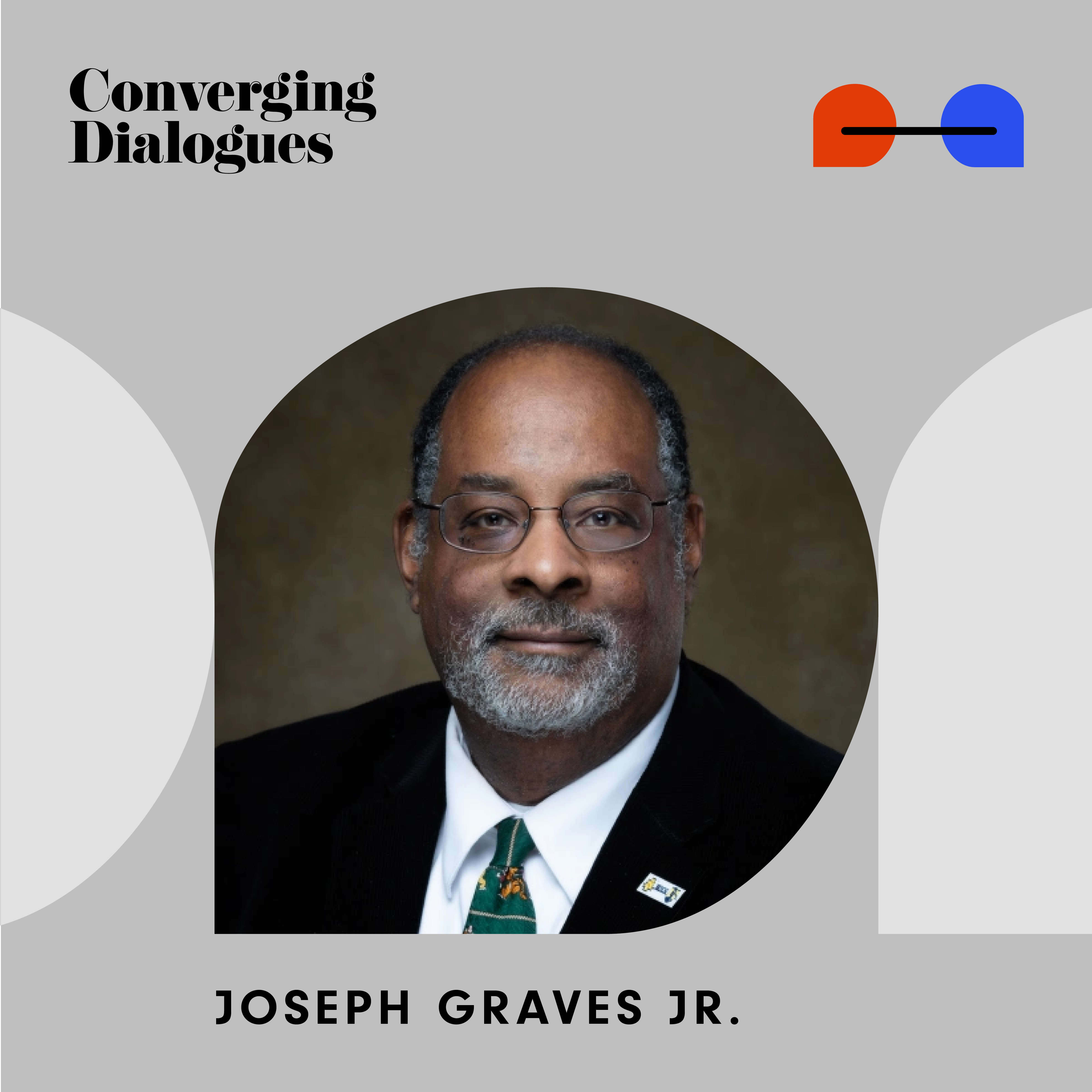
#199 - Breaking Barriers in Biology: A Dialogue with Joseph Graves Jr.
In this episode, Xavier Bonilla has a dialogue with Joseph Graves Jr. about his life experiences and research in evolutionary biology. They talk about why he wrote his most recent book as half memoir/half popular science book, his early beginnings in the Jim Crow South, and how he became interested in the biological sciences. They talk about his work on Drosophila and broader research areas in evolutionary biology, his work on race and IQ, and many other topics.Joseph Graves Jr. is an evolutionary biologist and Professor of Nanoengineering at North Carolina A&T State University. He has his BA in Biology from Oberlin College and his PhD from Wayne State University. He has studied the evolutionary theory of aging and race and IQ. He is the author of the most recent book, Voice In The Wilderness. You can find his work here. Twitter: @gravesjl55 Get full access to Converging Dialogues at convergingdialogues.substack.com/subscribe
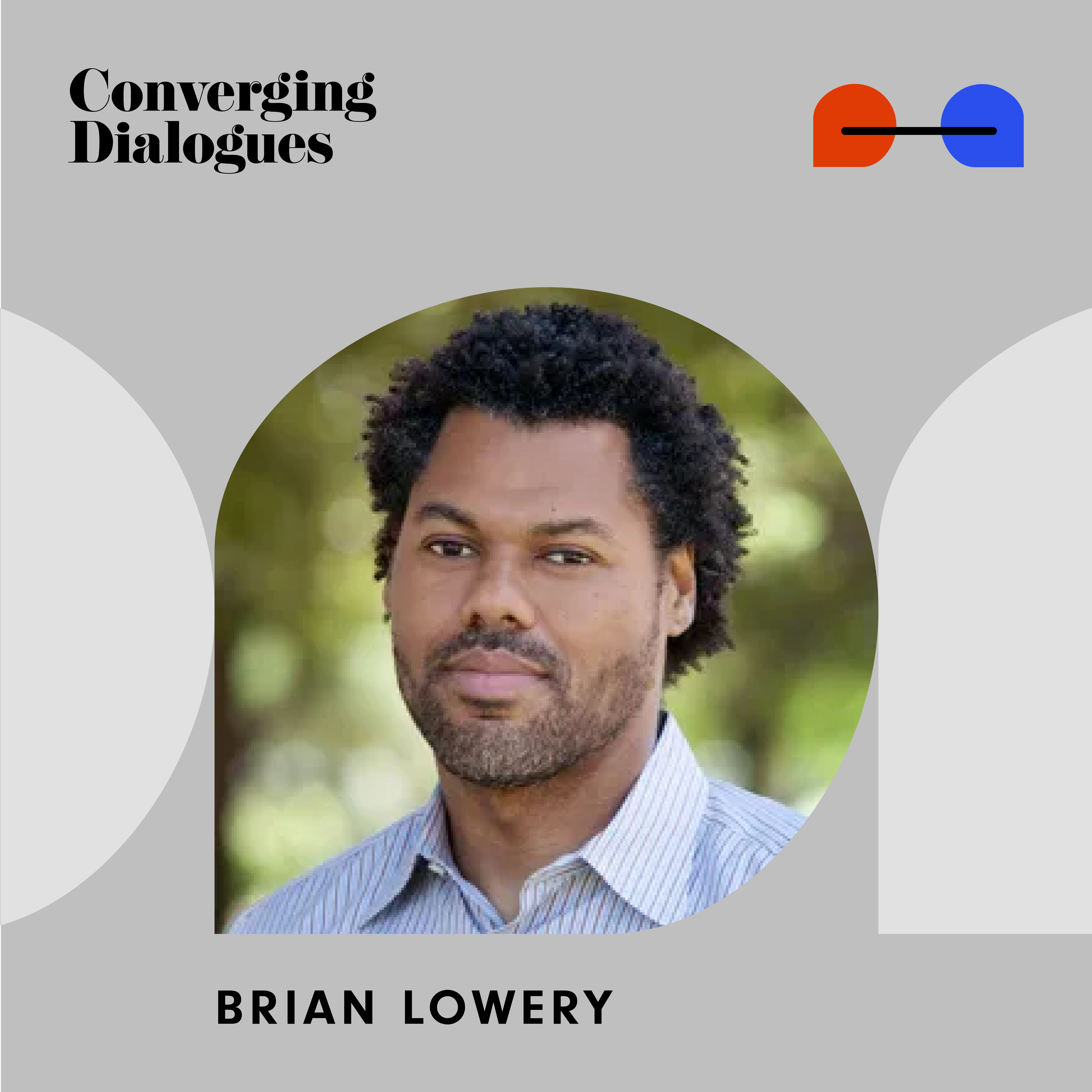
#198 - Racial Equity and Selfhood: A Dialogue with Brian Lowery
In this episode, Xavier Bonilla has a dialogue with Brian Lowery about racial equality and equity, privilege, and selfhood. They discuss the major data points and reasons for continued racial inequities, systemic racism, and different types of privilege. They also talk about the differences between equity, equality, and equality of opportunity. They also discuss the efficacy of Diversity, Equity, and Inclusion (DEI) departments in academia and in the workforce. They also discuss the self and how one defines the self, why a social context is important, the uniqueness of individuals, and many more topics.Brian Lowery is the Walter Kenneth Kilpatrick Professor of Organizational Behavior at Stanford University. He is a social psychologist and is the director of many leadership groups. His research focuses on racial attitudes, perception of inequality, and the social context. He is also the host of Know What You See podcast. You can find his work here. Twitter: @brianloweryphd Get full access to Converging Dialogues at convergingdialogues.substack.com/subscribe
#197 - Freely Determined: A Dialogue with Ken Sheldon
In this episode, Xavier Bonilla has a dialogue with Ken Sheldon about free will, determinism, the self, and positive psychology. They talk about why studying free will is important, the three horsemen of determinism, grand hierarchy of human interaction, and the illusion of free will. They also talk about the self, self-determination theory, the symbolic self, and many more topics. Ken Sheldon is the Curator’s Distinguished Professor at the University of Missouri. He is well-established in the Positive Psychology field and is well-published in the scientific literature. His main interests are in motivation, well-being, personality, and values. He is the author or editor of numerous books, including the most recent book, Freely Determined. You can find his work here. Get full access to Converging Dialogues at convergingdialogues.substack.com/subscribe
#196 - Wagnerism: A Dialogue with Alex Ross
In this episode, Xavier Bonilla has a dialogue with Alex Ross about Richard Wagner and his legacy. They discuss why he wrote a book on Wagner and what is Wagnerism, Wagner’s relationship with Nietzsche, and the many interpretations of Wagner. They talk about Wagner’s antisemitism, alternative Wagnerisms, Wagner’s impact on literature, Nazi Germany, and cinema. Alex Ross is a writer and music critic who has been writing for The New Yorker for over 25 years. He writes on classical music from opera to avant-garde and has published pieces on literature, history, and film. He is the author of the Pulitzer prize winning, The Rest Is Noise: Listening to the Twentieth Century. He is also the author of the latest book, Wagnerism: Art and Politics in the Shadow of Music. You can find his work here and here. Twitter: @alexrossmusic Get full access to Converging Dialogues at convergingdialogues.substack.com/subscribe
#195 - Healthcare and Public Health: A Dialogue with Michael Stein
In this episode, Xavier Bonilla has a dialogue with Michael Stein about healthcare vs. public health. They talk about the narratives around healthcare and public health, biopsychosocial model, and progress of health in the USA. They talk about how to get people to care about the health of their fellow citizens, global health vs. USA public health. They talk about preventative vs. reactionary care, pandemic issues, public health as process and practice, and many more topics. Michael Stein is a physician and health policy researcher in public health. He is the current Chair and Professor of Health, Law, Policy, and Management at Boston University School of Public Health. He has done research for over three decades on sleep, pain addiction, HIV/AIDS, and health care access. He is the author of eleven books including the more recent, Me Vs. Us. You can find his work here. Get full access to Converging Dialogues at convergingdialogues.substack.com/subscribe
#194 - Stories & Culture: A Dialogue with Kat Rosenfield
In this episode, Xavier Bonilla has a dialogue with Kat Rosenfield about stories and culture. They discuss her process for writing novels and essays, writing a gothic mystery novel, and how she writes strong female protagonists. They also talk about the stories we tell in our society, outrage culture, and many more topics. Kat Rosenfield is a freelance pop culture writer. She is a former reporter for MTV News and has written articles for Entertainment Weekly, Unherd, Vulture, Wired, and many other places. She is the author of many books including Alliances: A Trick of Light with Stan Lee. Her newest novel is You Must Remember This and can be purchased here. You can find her at her website. Twitter: @katrosenfield Get full access to Converging Dialogues at convergingdialogues.substack.com/subscribe
#193 - Digital Sovereignty's Elusiveness: A Dialogue with Aynne Kokas
In this episode, Xavier Bonilla has a dialogue with Aynne Kokas about digital sovereignty and our data in the digital world. They discuss the US-China relationship with the tech industry. They define digital sovereignty and data trafficking, discuss ownership and management of personal data, and what are the three risks of data trafficking and three limitations of the US system for data. They also talk about China’s cyber sovereignty and China’s use of military for data surveillance. They discuss digital sovereignty and social media, the dangers of Tik Tok, and many more topics. Aynne Kokas is the C.K. Yen Professor at the Miller Center and associate professor of media studies at the University of Virginia. She is also a non-resident scholar at Rice University’s Baker Institute of Public Policy, a life member of the Council on Foreign Relations, and a fellow in the National Committee on United States-China Relations’ Public Intellectuals Program. Her work mostly focuses on US media and technology relations. She is the author of Hollywood Made in China and her latest release, Trafficking Data: How China is Winning the Battle for Digital Sovereignty. Website: https://www.aynnekokas.com/ Twitter: @aynnekokas Get full access to Converging Dialogues at convergingdialogues.substack.com/subscribe
#192 - Transfer of Power: A Dialogue with David Marchick
In this episode, Xavier Bonilla has a dialogue with David Marchick about the presidential transfer of power. They discuss the podcast he hosted on the transfer of power and how the book was developed. They talk about presidential transitions, the importance of the Office of Presidential Personnel, and importance of the General Services Administration. They discuss four key features of leading in crisis and discuss the presidential transitions of Presidents Carter, Reagan, and other presidents. They talk about the importance of Chris Liddell, presidential transitions for the future, and many more topics. David Marchick is the Dean of the Kogard School of Business at American University. He has served as the Chief Operating Officer of the United States Development Finance Cooperation for the Biden Administration. He also held several positions in the Clinton Administration. He was also Director of the Center for Presidential Transition. He is the co-author of the book, The Peaceful Transition of Power: An Oral History of Presidential Transitions based on conversations he had on the podcast, Transition Lab. You can find his work here. Get full access to Converging Dialogues at convergingdialogues.substack.com/subscribe
#191 - Masculinity, Homelessness, and Mental Health: A Dialogue with Christopher Ferguson
In this episode, Xavier Bonilla has a dialogue with Christopher Ferguson about masculinity, homelessness, and mental health. They discuss his APA resignation letter and APA’s guidelines for boys and men. They also discuss the challenges and potential solutions for homelessness and institutionalization. They also review some of the political progress over the past two years and many other topics. Christopher Ferguson is a clinical psychologist, professor, and writer. He teaches psychology at Stetson University and continues to conduct research on mass media violence. He is the author of two non-fiction books. He is the author of a handful of books including the most recent book, Catastrophe! How Psychology Explains Why Good People Make Bad Decisions Worse. You can find many links to his various publications and articles at his website. Twitter: @cjferguson1111 Get full access to Converging Dialogues at convergingdialogues.substack.com/subscribe
#190 - Deconstructing Derrida: A Dialogue with Peter Salmon
In this episode, Xavier Bonilla has a dialogue with Peter Salmon about the life and philosophy of Jacques Derrida. They discuss Derrida’s place in philosophy and within deconstructionism, the culture and identity in Derrida’s upbringing, and the impact of Husserl, Heidegger, and Levinas on Derrida’s philosophical thought. They talk about Derrida’s emphasis on language, his interactions with Nietzsche’s thought, how he was received in society, his social circle and his enduring legacy.Peter Salmon is a writer and has taught at schools in Liverpool and Cambridge. His work has appeared in The Guardian, The Tablet, and Sydney Review of Books. He is the author of the biography on Jacques Derrida entitled, An Event, Perhaps. You can find his work at his website. Twitter: @petesalmon Get full access to Converging Dialogues at convergingdialogues.substack.com/subscribe
#189 - The Death of God and The Importance of Appreciation: A Dialogue with David Hoinski
In this episode, Xavier Bonilla has a dialogue with David Hoinski about different philosophical ideas and the importance of appreciation. They discuss the philosophy of the pre-socratics, logos, and the nature and role of philosophy. They also talk about immanence vs. transcendence, reality and the metaphysical, and the emotions of guilt and shame. They discuss Nietzsche’s idea about the death of god, universal and political implications of Nietzsche’s philosophy, capitalism, why appreciation is important and many more topics. David Hoinski is a philosopher and writer. He is an Assistant Professor of philosophy at West Virginia University where he emphasizes ancient philosophy, modern German philosophy, and ethical/political philosophy. David is an esteemed bibliophile and speaks German and Ancient Greek. Twitter: @davidfahoinski Get full access to Converging Dialogues at convergingdialogues.substack.com/subscribe
#188 - The Supreme Value of Literary Criticism: A Dialogue with Merve Emre
In this episode, Xavier Bonilla has a dialogue with Merve Emre about literary criticism and how to engage with literature. They discuss what literary criticism is and why it is important. They talk about different ways of reading, author’s intent, and the contours of literary genre. They also discuss various forms of interpretation, themes of “becoming” in the philosophy of Nietzsche and writing of Mieko Kawakami, and many more topics. Merve Emre is a professor of literature at Oxford University, Critic at The New Yorker, and the Shaprio-Silverberg Distinguished Writer-in-Residence at Wesleyan University. She has her BA from Harvard University and her PhD from Yale University. Her essays have appeared in Harper’s, The Atlantic, and The New York Review of Books. She is the author of numerous books including Paraliterary and The Personality Brokers. You can find her work at her website. Twitter: @mervatim Get full access to Converging Dialogues at convergingdialogues.substack.com/subscribe
#187 - If Nietzsche Were A Narwhal: A Dialogue with Justin Gregg
In this episode, Xavier Bonilla has a dialogue with Justin Gregg about animal intelligence. They discuss how one defines intelligence, g, and what intelligence means for humans and animals. They talk about animal minds, communication in animals, and concepts of deception. They discuss theory of mind, minimal concept of death, morality and norms in animals, torture and pain in animals, and many other topics. Justin Gregg is a science writer and communicator. He is Adjunct Professor at Saint Francis Xavier University and Senior Research Associate with the Dolphin Communication Project. He has a PhD from Trinity College, Dublin and has studied dolphin social cognition. He is the author of a few books including his most recent, If Nietzsche Were A Narwhal. You can find his work here. Twitter: @justindgregg Get full access to Converging Dialogues at convergingdialogues.substack.com/subscribe
#186 - Inside the Mind of A Bee: A Dialogue with Lars Chittka
In this episode, Xavier Bonilla has a dialogue with Lars Chittka about the cognitive abilities of bees. They discuss the individuality and evolutionary history of bees. They talk about the various aspects of vision in bees such as polarization, sun compass, and phylogenetic analysis. They discuss the antennae of bees and how they use this sense. They talk about the sociality of bees, the brains of bees, intelligence, and their personality. They also discuss robot bees, bee conservation, and many more topics. Lars Chittka is a zoologist and ecologist who is the founder of the research centre for psychology at Queen Mary, University of London. He is an editor of PLoS Biology, fellow of the Linnean Society, the Royal Entomological Society, and Royal Society of Biology. He is a well-established researcher on sensory physiology and cognition of bees. He is the author of The Mind of A Bee. You can find his work here. Twitter: @lchittka Get full access to Converging Dialogues at convergingdialogues.substack.com/subscribe
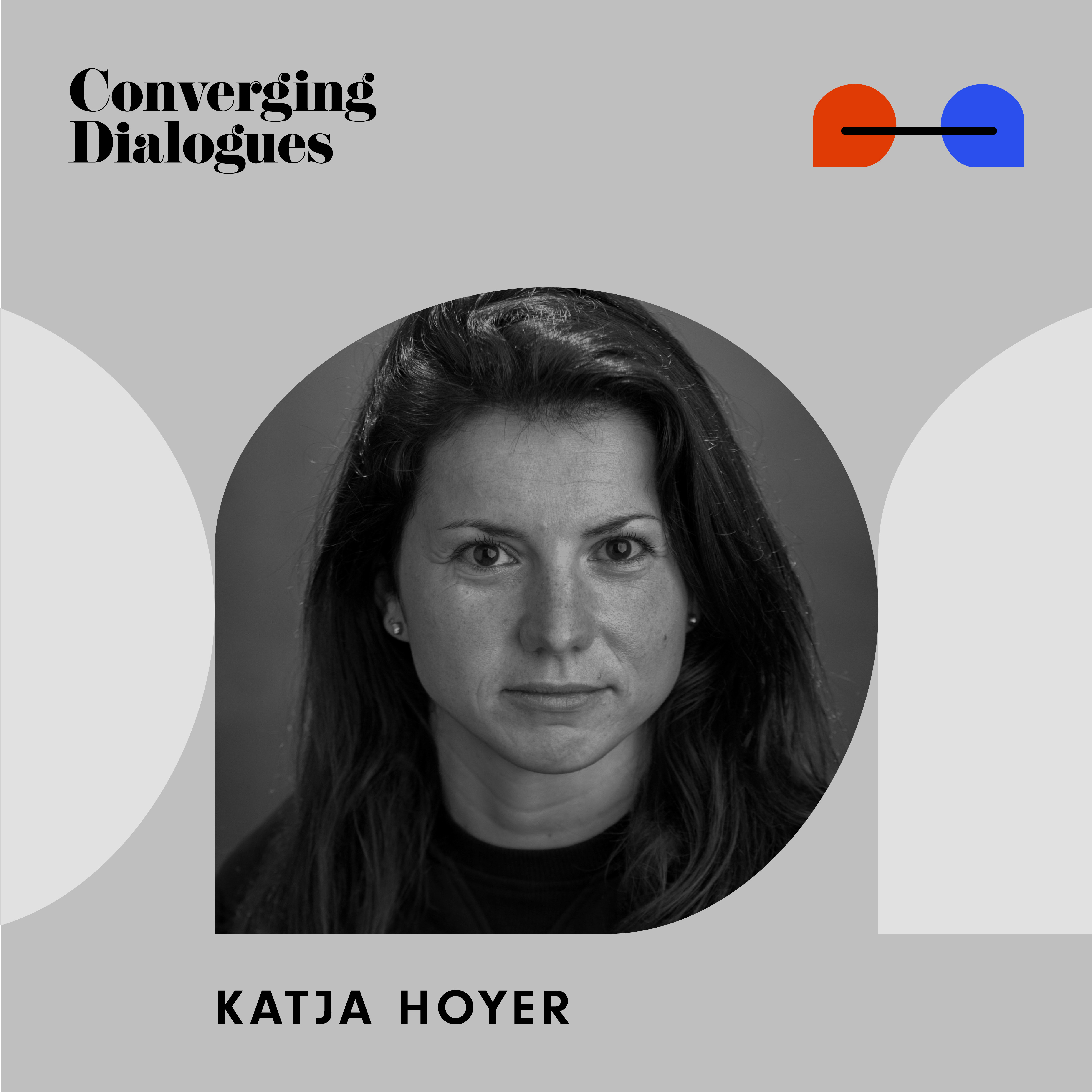
#185 - Blood & Iron: A History of The German Empire: A Dialogue with Katja Hoyer
In this episode, Xavier Bonilla has a dialogue with Katja Hoyer about the history of the German Empire. They discuss what it means to be German, Prussia and its boundaries, and the importance of the German revolution in 1848. They talk about the character and rule of Otto Von Bismarck, the unification of Germany in 1871, and how the industrial revolution was economically important. They also talk about the changing of the Kaisers, Germany’s involvement in WWI and the aftermath, and many other topics. Katja Hoyer is a historian and journalist who is visiting research fellow at King’s College London and a Fellow of the Royal Historical Society. She is also Global Opinions contributing columnist for The Washington Post. Her main research area is the history of modern Germany. She is the author of Blood and Iron: The Rise and Fall of the German Empire 1871-1918. Twitter: @hoyer_kat Get full access to Converging Dialogues at convergingdialogues.substack.com/subscribe
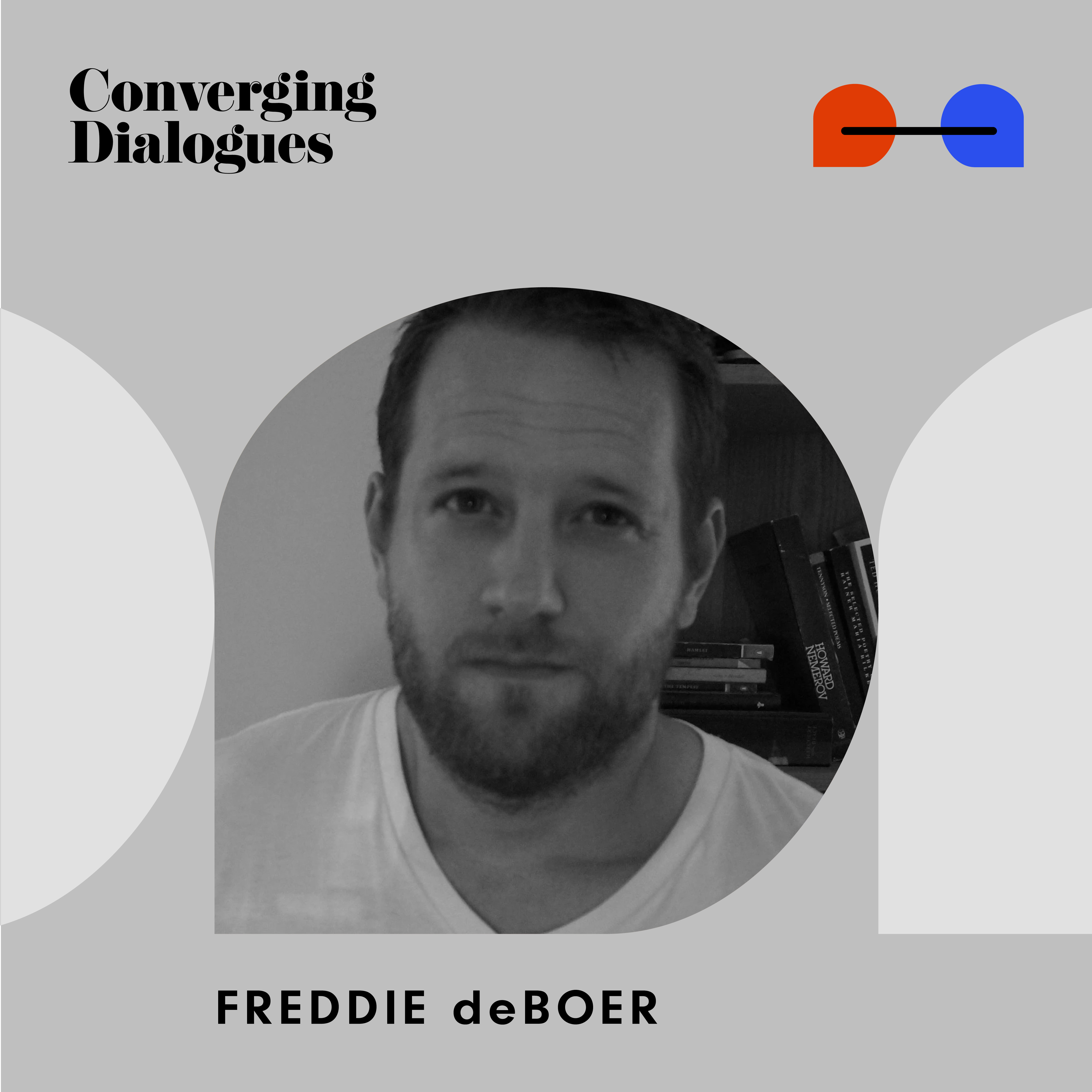
#184 - The Cult of Smart: A Dialogue with Freddie deBoer
In this episode, Xavier Bonilla has a dialogue with Freddie deBoer about marxism, education and society. They define marxism, how marxism works today and how it is connected with communism and socialism. They discuss the evolution of the cult of smart, manufacturing and technical jobs, and how educational systems globally are compared to the United States. They talk about capacity and achievement, genetics and the “hereditarian left,” equality and equity, and lack of quality of education. They also discuss No Child Left Behind, Common Core, charter schools, solutions for our education system, and many more topics. Freddie deBoer is a academic and writer. He has a Masters in writing and rhetoric from the University of Rhode Island and a PhD in english from Perdue University. He is the author of The Cult of Smart and writes consistently on his substack. Get full access to Converging Dialogues at convergingdialogues.substack.com/subscribe
#183 - Science Fictions Within The Social Sciences: A Dialogue with Stuart Ritchie
In this episode, Xavier Bonilla has a dialogue with Stuart Ritchie about fraud, bias, and hype within the social sciences. They talk about “trust the science” and some of the challenges of science during the COVID-19 pandemic. The discuss how the scientific method work and some of the dynamics within the scientific publishing world. They talk about how certain campaigns can promote what does and does not get accepted into scholarly journals, the replication crisis, and various fads within psychology. They also talk about the challenges of priming studies, censorship in journals, the Wakefield MMR vaccine study, p-hacking, growth mindset, and many more topics. Stuart Ritchie is a psychologist and Lecturer at the Institute of Psychiatry, Psychology, and Neuroscience at King’s College, London. His research interests are human intelligence and challenges within the social sciences. He is the author of Science Fictions: How Fraud, Bias, Negligence, and Hype Undermine the Search for Truth. You can follow his substack. Twitter: @stuartjritchie Get full access to Converging Dialogues at convergingdialogues.substack.com/subscribe
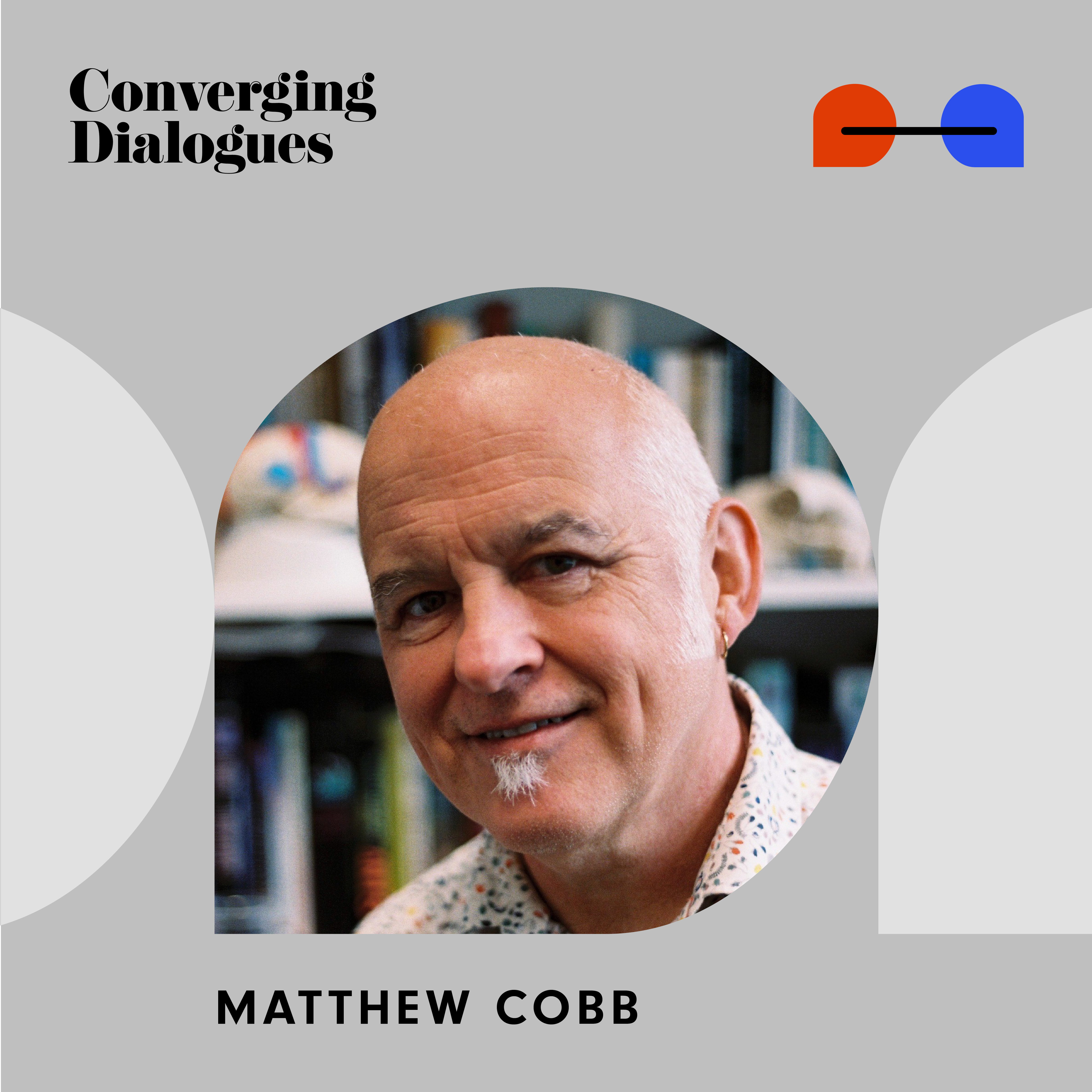
#182 - The Moral History of Genetic Engineering: A Dialogue with Matthew Cobb
In this episode, Xavier Bonilla has a dialogue with Matthew Cobb about the moral history of genetic engineering. They discuss his reasons for writing the book and why one should be worried about genetic engineering. They define genetic engineering and some of the precursor tools before the advent of recombinant DNA. They discuss recombinant DNA, Paul Berg, and Asilomar. They also talk about the genetic history of GMOs, gene editing/CRISPR, the future of genetic engineering, and many more topics. Matthew Cobb is Professor of Zoology at the University of Manchester. He has interests in human and animal behavior and is a well-established science communicator. He is the author of numerous books including the most recent, As Gods: A Moral History of The Genetic Age. Twitter: @matthewcobb Get full access to Converging Dialogues at convergingdialogues.substack.com/subscribe
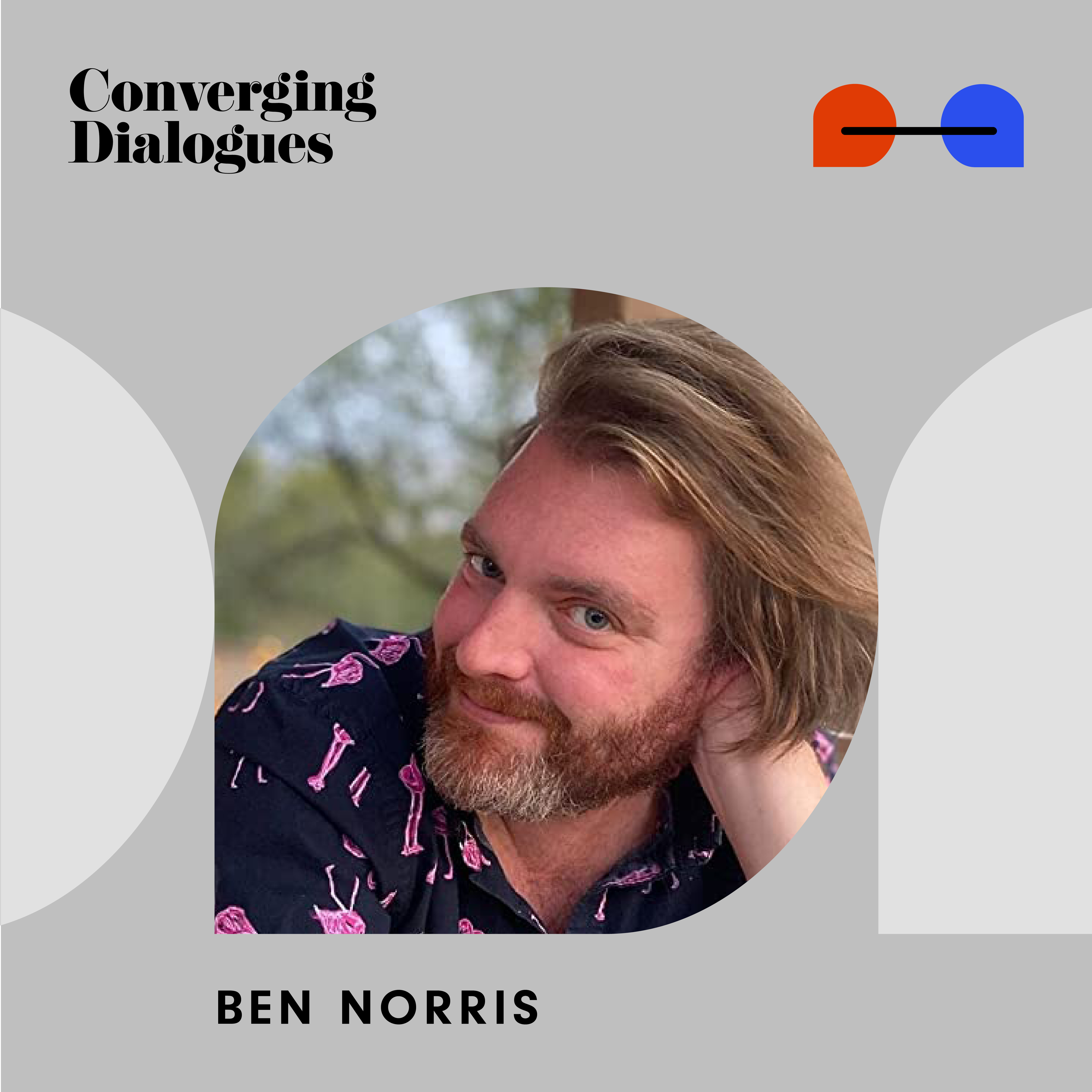
#181 - Schelling's Idealism: A Dialogue with Ben Norris
In this episode, Xavier Bonilla has a dialogue about the philosophy of Schelling, Spinoza, idealism, and realism. They talk about how he came to write his book on Schelling and Spinoza and how one can define idealism and realism. They talk about the three claims of idealism, Spinoza’s ethics, and the importance of Jacobi’s critiques on German idealism. They also talk about Spinoza’s god, the infinite and finite, modes and attributes of substance, principle of sufficient reason, and Kant’s synthetic judgements. They talk about Schelling’s philosophy of nature and his shift from philosophy of nature to philosophy of identity. They also mention the absolute, blotobjectivism, Kant’s antinomies, the problem of evil, and Schelling’s notion of potencies. They also mention Žižek’s three phases of Schelling’s philosophy, Schelling’s tripartite-tripartite soul, and many more topics. Benjamin Norris is a philosopher and professor at Rowan University. He has his PhD in philosophy from the New School for Social Research. His main interests are German idealism, history of philosophy, and social and political philosophy. He is the author of the book, Schelling and Spinoza: Realism, Idealism, and the Absolute. You can find his work here. Twitter: @absoluteorgan Get full access to Converging Dialogues at convergingdialogues.substack.com/subscribe
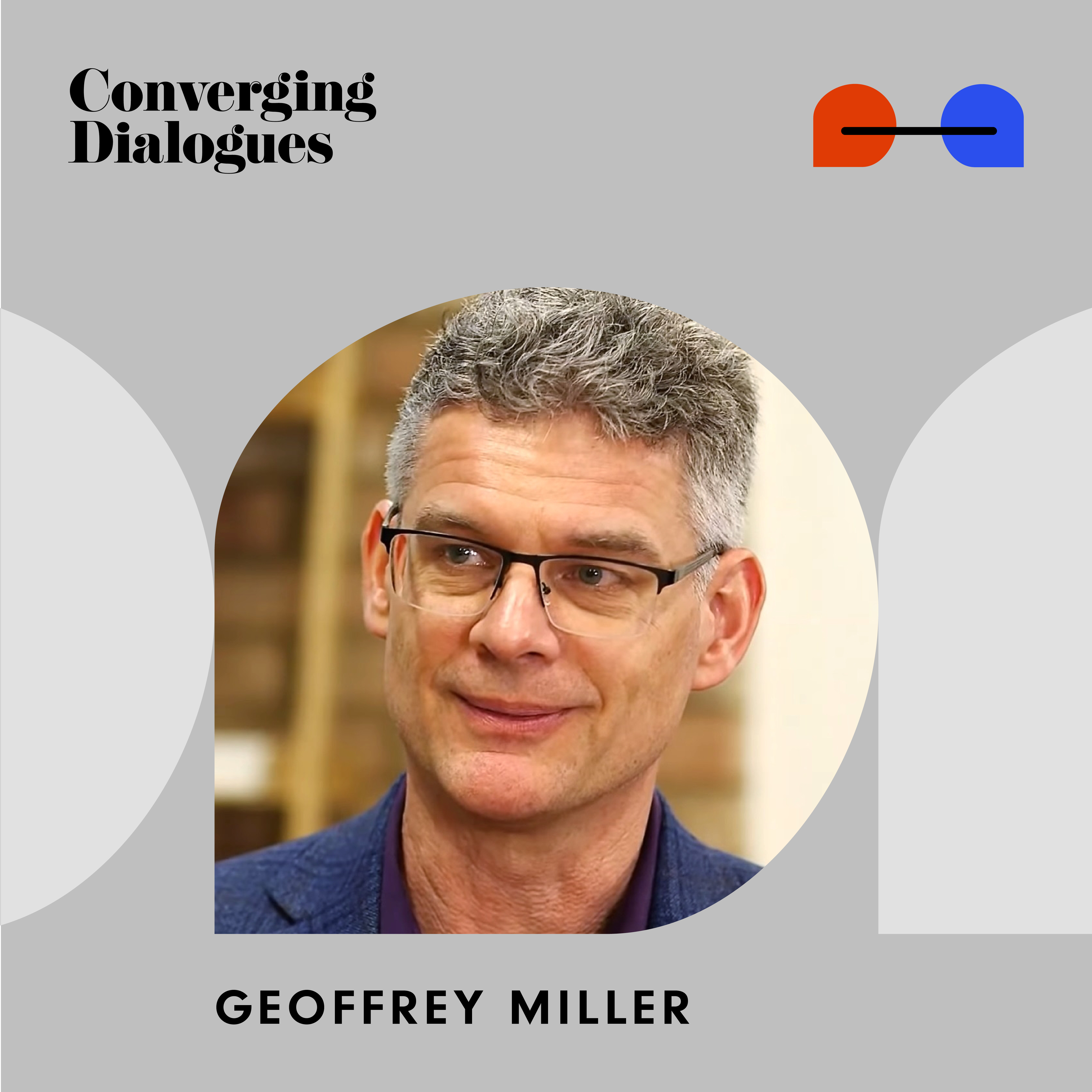
#180 - Sexual Selection, Polyamory, and AI: A Dialogue with Geoffrey Miller
In this episode, Xavier Bonilla has a dialogue with Geoffrey Miller about evolution, polyamory, and artificial intelligence (AI). They give an overview of natural selection and sexual selection and explain why sexual selection was lost to history for many years. They discuss mate choice, pair-bonding, cold and hot choosers, sexual ornamentation, the ornamental mind, and mate retention. They also discuss polyamorous relationships, the moral and ethical implications of polyamorous relationships, and the role of commitment. They also talk about effective altruism and its connection with AI, the alignment problem of AI, libertarianism, and many more topics.Geoffrey Miller is an evolutionary psychologist and associate professor at the University of New Mexico. He has a Bachelors in biology and psychology from Columbia university and a PhD in cognitive psychology from Stanford University. He is well cited in the scientific literature and has appeared in many mainstream outlets. His main research areas are in sexual selection, mate choice, creativity, and consumer behavior. He is the author of numerous books which can be found at his website. Twitter: @primalpoly Get full access to Converging Dialogues at convergingdialogues.substack.com/subscribe
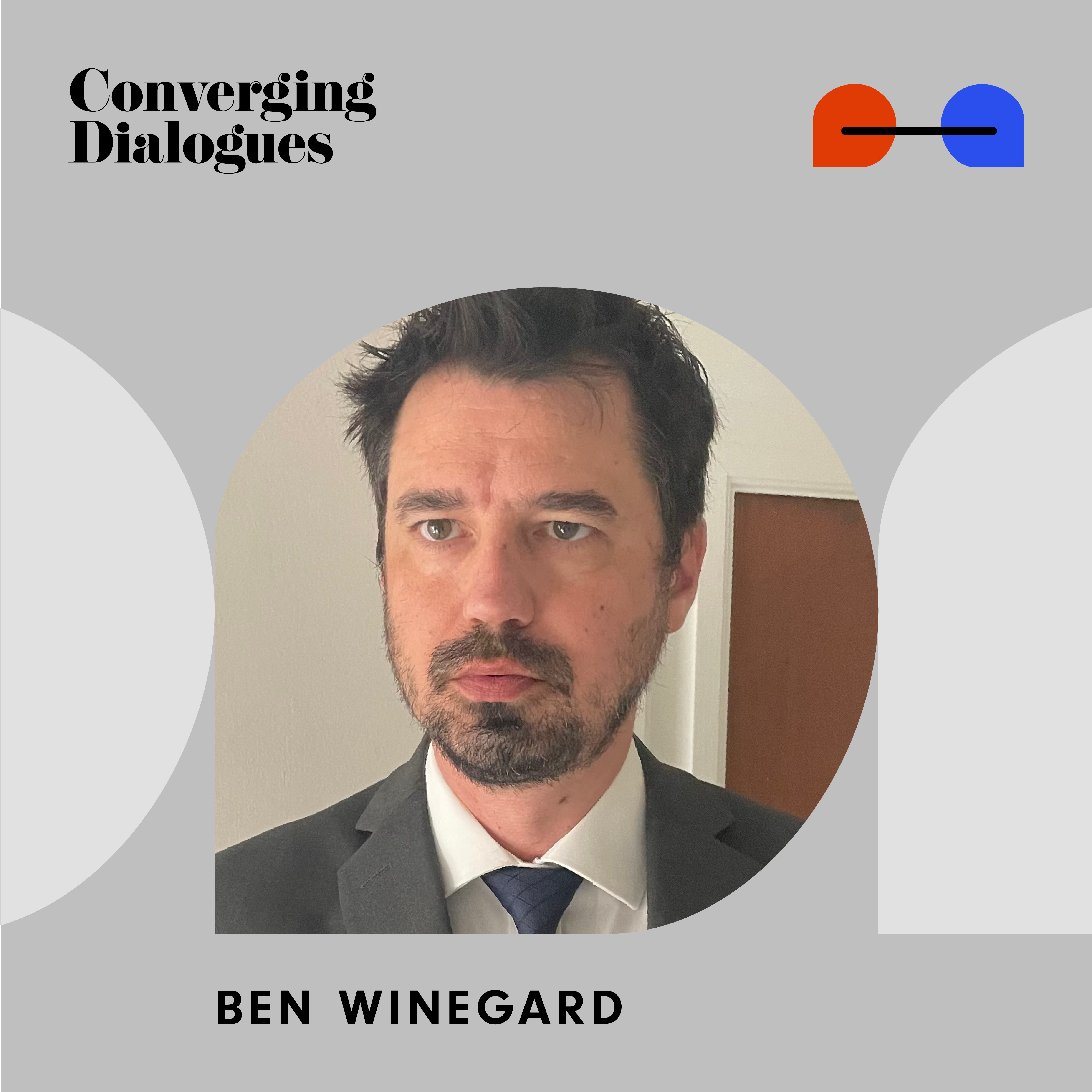
#179 - Red Wave?: Thoughts on the 2022 US Midterm Elections: A Dialogue with Ben Winegard
In this episode, Xavier Bonilla has a dialogue with Ben Winegard about the 2022 US midterm elections. They discuss the main takeaways and why there was no “red wave” for the republicans. They talk about the Desantis juggernaut and whether abortion was as big of an issue for people to get to the voting polls. They also discuss the importance of the midwest states such as Michigan and Wisconsin. They also talk about the ballot measures, the Senate, House, and Governorships, looking ahead to 2024, and many other topics. Ben Winegard is currently an independent scholar who writes on many topics. He holds a Ph.D. in Developmental Psychology with an emphasis on evolution. His current interests are on human progress, polarization, and political issues. Twitter: @winega2benjamin Get full access to Converging Dialogues at convergingdialogues.substack.com/subscribe
#178 - The Good, The Bad, and The Pathological Nature of Narcissism: A Dialogue with W. Keith Campbell
EIn this episode, Xavier Bonilla has a dialogue with W. Keith Campbell about the research on narcissism. They define narcissism and explain the three types: grandiose, vulnerable, and narcissistic personality disorder (NPD). They talk about state vs. traits vs. disorder and the three theoretical models of narcissism along with the 4 major models of narcissism. They discuss general personality traits such as the big-5 and some of the personality measures. They discuss NPD, dark triad, light triad, and energetic triad, and how narcissism can present in relationships, dating, leadership, and on social media. They also talk about the adaptive aspects of narcissism, managing narcissism, and many other topics. W. Keith Campbell is a professor of psychology at the University of Georgia and is a leading expert on narcissism. He is widely published in scientific journals and has appeared in many major outlets. He is the author of The New Science of Narcissism. You can find his work here. Get full access to Converging Dialogues at convergingdialogues.substack.com/subscribe
#177 - Masculinity In The 21st Century: A Dialogue with Richard Reeves
EIn this episode, Xavier Bonilla has a dialogue with Richard Reeves about the current issues for boys and men. They discuss how to talk about men's issues next to women's issues. They talk about the structural issues against men such as in education and in the workforce. They mention the gender pay gap, challenges for Black and Latino men, and failures of the political right and political left to provide answers for men's issues. They also talk about HEAL and some of the solutions for men's issues and many other topics. Richard Reeves is senior fellow and theJohn C. and Nancy D. Whitehead Chair for economic studies at Brookings. He is the Director of the Future of the Middle Class Initiative. He is a contributing writer at The Atlantic, The Wall Street Journal, and The New York Times. He is the author of several books including the most recent, Of Boys and Men: Why the Modern Male Is Struggling, Why It Matters, and What to Do about It. You can find his work here. Twitter: @richardvreeves Get full access to Converging Dialogues at convergingdialogues.substack.com/subscribe
#176 - A Minimal Concept of Death: A Dialogue with Susana Monsó
EIn this episode, Xavier Bonilla has a dialogue with Susana Monsó about animal minds. They talk about how animal minds are defined and why there is an emphasis on cognition. They also talk about a minimal concept of death and why this is important to understand animal minds. They talk about whether consciousness is essential for understanding animal minds and some of the arguments for and against moral individualism. They also talk about the ethics of eating farmed animals, how to treat domesticated animals, and many other topics. Susana Monsó is a philosopher who has a Bachelors in philosophy, Masters in ethics and human Values and a PhD in philosophy. She is also the co-founder of the Philosophy of Animal Minds and Behavior Association. Her main interest areas are on animal minds and animal ethics. You can find all of her published research at her website. Get full access to Converging Dialogues at convergingdialogues.substack.com/subscribe
#175 - A Natural History of The Future: A Dialogue with Rob Dunn
EIn this episode, Xavier Bonilla has a dialogue with Rob Dunn about the natural history of the future of earth. They discuss the two laws of ecological diversity and how increased ecological diversity is helpful for growth. They also talk about the anthropocentric view of the world and different islands for diverse populations. They discuss the inadvertent ark and how corridors play a role here. They also talk about how humans stay concentrated in certain regions with GDP and violence being contributing factors. They also talk about biodiversity, gut microbiome, and the role of climate change for the future of the earth. Rob Dunn is a biologist and professor of applied ecology at North Carolina State University. His research focuses on the world around people in their local environments and his lab examines species, organs, cells, genes, and various ecosystems of everyday life. He is the author of numerous books including the most recent, A Natural History of The Future. You can find his work at his lab. Twitter: @rrobdunn Get full access to Converging Dialogues at convergingdialogues.substack.com/subscribe
#174 - The Art of Living and Dying: A Dialogue with Kevin Aho
EIn this episode, Xavier Bonilla has a dialogue with Kevin Aho about existentialism, life, and death. They discuss his background and heart attack which was the motivation for him writing his most recent book. They discuss the inevitability of death, existentialism and its major concepts, and authenticity. They also talk about "the herd" and negative impact of social media. They also discuss various ideas on disorders and neuroscience, Nietzsche's ideas on suffering well, and many other topics. Kevin Aho is a professor of philosophy at Florida Gulf Coast University. He has Bachelors, Masters, and Doctorate in philosophy. He teaches and writes on existentialism, phenomenology, and hermeneutics. He is the author of numerous books including the most recent, One Beat More: Existentialism and The Gift of Mortality. You can find his work here. Twitter: @kevinaho17 Get full access to Converging Dialogues at convergingdialogues.substack.com/subscribe
#173 - The Scientific Race to Defeat COVID-19: A Dialogue with David Quammen
EIn this episode, Xavier Bonilla has a dialogue with David Quammen about the origins and treatments for SARS-CoV-2. They discuss the lack of preparedness and missed warnings of SARS 2003. They talk about the two main schools of though on the origins of SARS-CoV-2, the 2 lineages, variants, and future variants. They also talk about herd immunity, drug therapies, and vaccines. They mention gain-of-function research, preparedness for future pandemics, and many other topics. David Quammen is a well-renowned science writer and has received a Rhodes Scholarship, Guggenheim Fellowship, and numerous awards for his writing. He is the author of sixteen books including, The Song of the Dodo, Spillover, The Tangled Tree, and his latest, Breathless: The Scientific Race to Defeat A Deadly Virus. You can find his work here. Twitter: @davidquammen Get full access to Converging Dialogues at convergingdialogues.substack.com/subscribe
#172 - Virtues and Character: A Dialogue with Massimo Pigliucci
EIn this episode, Xavier Bonilla has a dialogue with Massimo Pigliucci about the nature of virtues and character. They define virtue and why people seek virtue. They describe the differences between virtues and morals and discuss moral relativism. They talk about daemons and how they are important for moral character. They also talk about Plato's five ways of governing, trusting institutions, aspects of character, and many more topics.Massimo Pigliucci is the K.D. Irani Professor of Philosophy at City College of New York. He has a PhD in biology, a PhD in philosophy, and a doctorate in genetics. His main interests are philosophy of science, nature of pseudoscience, and stoicism. He is widely published in scientific journals and in mainstream outlets. He is the author of 16 books including his most recent book, The Quest for Character: What the Story of Socrates and Alcibiades Teaches Us About Our Search for Good Leaders. You can find his work here. Get full access to Converging Dialogues at convergingdialogues.substack.com/subscribe
#171 - A Cellular Symphony: A Dialogue with Siddhartha Mukherjee
EIn this episode, Xavier Bonilla has a dialogue with Siddhartha Mukherjee about cellular biology. They define what a cell is and talk about the importance of Leeuwenhoek and Hooke in observing and discovering the cell. They talk about the five basic principles of cell biology and explore the anatomy of a cell. They explain how important B cells and T cells are for the innate immune system and the adaptive immune system for fighting diseases such as SARS-CoV-2 and HIV. They also talk about the potential of stem cells for human medicine and many other topics. Siddhartha Mukherjee is an assistant professor of medicine at Columbia University and a cancer researcher and physician. He has his Bachelors in biology from Stanford University. As a Rhodes Scholar, he has a DPhil in immunology from Oxford University and an MD from Harvard University. He has published articles in journals such as Nature and The New England Journal of Medicine and in mainstream outlets such as The New York Times. He is the author of the 2011 Pulitzer Prize winning, The Emperor of All Maladies: A Biography of Cancer, The New York Times best-Seller, The Gene: An Intimate History, and the author of the new book, The Song of The Cell: An Exploration of Medicine and The New Human. You can find his work here. Twitter: @drsidmukherjee Get full access to Converging Dialogues at convergingdialogues.substack.com/subscribe
#170 - Navigating Friendship: A Dialogue with Hannah Bradshaw
EIn this episode, Xavier Bonilla has a dialogue with Hannah Bradshaw about same-sex friendships, opposite-sex friendships, and relationships in society. They discuss some of her background and research, dynamics of male friendships, and dynamics of female friendships. They discuss opposite sex friendships, different levels of friendship, boundaries in friendships, and intrasexual female competition. They also discuss men and women in the workforce together, potential careers for younger generations, and sex differences in disgust research. Hannah Bradshaw is an Associate Professor of Psychology at Washington and Jefferson College. She has her PhD in experimental psychology and her main interests include a multidisciplinary approach examining disgust sensitivity, women's sociality, and consumer behavior. You can find her work here. Twitter: @hkbradshaw Get full access to Converging Dialogues at convergingdialogues.substack.com/subscribe
#169 - Hidden Motives, Norms, and The Sacred: A Dialogue with Robin Hanson
EIn this episode, Xavier Bonilla has a dialogue with Robin Hanson about hidden motives, norms, and the sacred. They discuss how one understands motives and why they are hidden. They also talk about bias and not violating norms, free will, status and signaling and why dominance and prestige are important. They also talk about some aspects of cancel culture, large and small norms, and self-deception. They spend some time discussing the sacred, futarchy, and many other topics. Robin Hanson is an Associate Professor of Economics at George Mason University. He has degrees in physics and a PhD in social sciences from Caltech. His interests include economics, philosophy, political theory, healthy policy, and regulation. He has many articles published in various scientific journals and is the author of many books, including the most recent (co-authored with Kevin Simler), The Elephant In The Brain. He is also the co-host (with Agnes Callard) of the podcast, Minds Almost Meeting. You can find his work at his personal website. Twitter: @robinhanson Get full access to Converging Dialogues at convergingdialogues.substack.com/subscribe
#168 - An Economy of Promises: A Dialogue with Bruce Carruthers
EIn this episode, Xavier Bonilla has a dialogue with Bruce Carruthers about credit, trust, and the American economic system. They discuss the point of emphasis on promise and trust when discussing credit and finances in the United States. They talk about why people willingly go into debt to be part of an American economic system. They spend time talking about the history and current use of the credit rating scale and its expanding evolution for society. They also talk about the national bank of the United States, student loans, and many other topics. Bruce Carruthers is a sociologist and John D. MacArthur Professor of Sociology at Northwestern University. His research focuses on the history of credit in the United States. He is the author of five books including the most recent book, The Economy of Promises: Trust, Power, and Credit in America. You can find his work here. Get full access to Converging Dialogues at convergingdialogues.substack.com/subscribe
#167 - Being and Worldhood: The Philosophy of Martin Heidegger: A.Dialogue with Richard Polt
EIn this episode, Xavier Bonilla has a dialogue with Richard Polt about the philosophy of Martin Heidegger. They define and discuss Dasein, 3 forms of Dasein, and how it is different from other types of being. They talk about authenticity and inauthenticity, being as metaphysics, and the role of Aristotle's philosophy on Heidegger's thought. They discuss Heidegger's "turn" in the 1930s, being-in-the-world, 4 senses of the world, and what a shared world means. They also talk about environment, present-at-hand, and ready-to-hand. They engage on Heidegger's concepts of care, thrownness, and anxiety. They also mention Heidegger's thoughts on language and technology, along with his involvement in the Nazi party, and many other topics. Richard Polt is Associate Dean of the College of Arts and Sciences and Professor of philosophy at Xavier University. He has a Bachelors in philosophy from the University of California, Berkeley and a PhD from the Committee on Social Thought from the University of Chicago. His major interests are in Greek and German philosophy and he has translated and written over seven books, mostly on German philosophy, namely Heidegger's philosophical thought. You can find his work here. Get full access to Converging Dialogues at convergingdialogues.substack.com/subscribe
#166 - Infant Cognition and Plants: A Dialogue with Annie Wertz
EIn this episode, Xavier Bonilla has a dialogue with Annie Wertz about her research on infant cognition and the interactions with plants. They discuss her background and how she came to study infant cognition and plants. They discuss infant development and cognition including object permanence, theory of mind, and various cognitive domains. They also talk about different types of plants such as toxic vs. non-toxic plants. They discuss the co-evolution of plants with humans and how infants can discriminate between edible and non-edible plants. They also discuss her PLANT experiment and the cross-cultural differences with infant cognition with plants.Annie Wertz is a research psychologist who researches infant cognition and infants’ interactions with plants. She has her bachelor’s in psychology from Boston University and PhD in Psychology from the University of California, Santa Barbara. She completed her postdoc research at Yale University and is currently a lead researcher in the MPRG Naturalistic Social Cognition Lab at the Max Planck Institute for Human Development, Berlin. You can find her work here. Twitter: @anniewertz Get full access to Converging Dialogues at convergingdialogues.substack.com/subscribe
#165 - Platypus, Echidna, and The Magnificent Mammals of Australia: A Dialogue with Jack Ashby
EIn this episode, Xavier Bonilla has a dialogue with Jack Ashby about the wonderful mammals of Australia. They talk about the distinctions between monotremes, marsupials, and placentals and where they are located around the world. They mention the ways in which the rest of the world discusses Australian mammals. They describe the features of the platypus, along with their mating and reproduction characteristics. They also talk about the features of the echidna including the males four-headed penis. They talk about the features of marsupials and some of the reproductive features of Tasmanian Devils. They mention the extinct Australian animals and the recent discussion of some trying to "resurrect" the thylacine. They talk about working in tandem with various Indigenous people groups in Australia and how to best understand Australian mammals. Jack Ashby is a scientist and author. Currently, he is the Assistant Director of the University Museum of Zoology at the University of Cambridge. He has his PhD in Zoology from the University of Cambridge and was previously the museum manager at the Grant Museum of Zoology at University College London. He is a trustee of the Natural Sciences Collections Association, an Honorary Research Fellow in UCL Science and Technology Studies, and sits on the Council of the Society for the History of Natural History. He is the author of the latest book, Platypus Matters: The Extraordinary Story of Australian Mammals. You can find his work here. Twitter: @jackdashby Get full access to Converging Dialogues at convergingdialogues.substack.com/subscribe
#164 - A Natural History of The Red Planet: A Dialogue with Simon Morden
EIn this episode, Xavier Bonilla has a dialogue with Simon Morden about the natural history of Mars. They talk about the current data concerning Mars, origins of the universe and how Mars formed. They talk about the importance of the great dichotomy, features of Mars during the pre-Noachian period, and the 2 moons of Mars. They discuss the Noachian period and how water was on Mars. They talk about the change of climate and atmosphere in the Hesperian period, rust and how Mars became red, the Amazonian period, the difficulty of getting humans to Mars and many more topics.Simon Morden is a scientist and author. He has a bachelor’s in Geology and his PhD in Geophysics. He has spent much of his career writing science-fiction novels and has written over 10 novels and novellas. He has won the Philip K. Dick Award and been a judge for the Arthur C. Clarke Awards. He has returned to writing about the sciences with his latest book, The Red Planet: A Natural History of Mars. You can find him at his website. Twitter: @comrademorden Get full access to Converging Dialogues at convergingdialogues.substack.com/subscribe
#163 - The Power of Our Influence: A Dialogue with Vanessa Bohns
EIn this episode, Xavier Bonilla has a dialogue with Vanessa Bohns about her research on influence. They define influence and how it has a reciprocal nature. They discuss who we are influenced by and what are the social norms for influence. They talk about why it is hard to make requests and hard to say no. They mention the negative aspects of influence, influence in dating and romantic relationships, the role of power with influence, and many other topics.Vanessa Bohns is a social psychologist and professor of organizational behavior at Cornell University. She has an undergraduate degree from Brown University and PhD in Psychology from Columbia University. She has previously taught at New York University’s Stern School of Business and University of Toronto’s Rotman School of Management. Her work as been featured in The New York Times, The Wall Street Journal, and The Atlantic. She is the author of her first book, You Have More Influence Than You Think: How We Underestimate Our Power of Persuasion, and Why It Matters. You can find her work at her website. Twitter: @profbohns Get full access to Converging Dialogues at convergingdialogues.substack.com/subscribe
#162 - Expansionism and Tariffs: The Presidency of William McKinley: A Dialogue with Robert Merry
EIn this episode, Xavier Bonilla has a dialogue with Robert W. Merry about the life and presidency of William McKinley. They discuss the character and temperament of McKinley, his Ohio upbringing, impact of the Civil War, and why tariffs were a huge part of his policies. They talk about the brilliance of the 1896 election and his vision for his 1st term focusing on economic prosperity. They discuss the annexation of Hawaii, the Spanish-American war, and how he managed the Philippines acquisition. They also talk about why he ran for a 2nd term, impact of Theodore Roosevelt, trade reciprocity, assassination, and the unfinished legacy of McKinley.Robert W. Merry has an extensive background as a reporter, newsroom manager, and publishing CEO. He has both his Bachelor’s and Master’s in Journalism. Currently, he is the author of numerous books on American history and foreign policy. His book, President McKinley: Architect of the American Century is now available everywhere. You can find his work at his website. Get full access to Converging Dialogues at convergingdialogues.substack.com/subscribe
#161- The State of Our Culture: A Dialogue with William Deresiewicz
EIn this episode, Xavier Bonilla has a dialogue with William Deresiewicz about wokeness, academia, generational shifts, and the state of our culture. They talk about where one should place their energy and attention to events in society. They talk about how serious wokeness is and the misadventures of the extreme left in academia. They mention how society should progress towards balance, reforming/creating institutions, and the role of the internet and social media. They also talk about the various generational shifts and many more topics.William Deresiewicz is a writer, cultural critic, and speaker. He has published over 300 essays and reviews in places such as The New York Times, The Atlantic, and Harper’s. He has previously taught at English Yale University and Columbia University and is now a full-time writer. He is the author of numerous books including the most recent, The End of Solitude: Selected Essays on Culture and Society. Find him at his website. Twitter: @wderesiewicz Get full access to Converging Dialogues at convergingdialogues.substack.com/subscribe
#160 - Iron Will: The Presidency of Grover Cleveland: A Dialogue with Troy Senik
EIn this episode, Xavier Bonilla has a dialogue with Troy Senik about the life and presidency of Grover Cleveland. They discuss how one defines a successful president and why this is important to consider when evaluating a presidential legacy. They talk about the philosophy and worldview in which Grover Cleveland governed, his temperament and contextual background, his absence from the civil war, and his time as mayor of Buffalo and governor of New York. They spend time discussing the case of Maria Halpin, his first term as president, his relationship with Frances Folsom, and his 2nd term as president along with what his legacy is as the 22nd and 24th president of the United States. Troy Senik is an author and former White House speechwriter. He has worked at various think tanks and has published many pieces in mainstream publications such as The Wall Street Journal and Los Angeles Times. He is the co-founder of the digital media company, Kite & Key. He is the author of the book, A Man of Iron: The Turbulent Life and Improbable Presidency of Grover Cleveland. Twitter: @troy_senik Get full access to Converging Dialogues at convergingdialogues.substack.com/subscribe
#159 - Our Need to Belong: A Dialogue with Geoffrey Cohen
EIn this episode, Xavier Bonilla has a dialogue with Geoffrey Cohen about the science around the concept of belonging. They discuss Kurt Lewin's work on social psychology, specifically on his idea of situation building and the importance of the environment. They talk about the individual vs. collective dichotomy, five vital resources, belonging uncertainty, and belonging with identity. They also discuss us vs. them, interpersonal dynamics and perception, the negative side of belonging and fundamental attribution error. They talk about stereotypes and biases and how to foster belonging in schools, workforce, and in society. Geoffrey Cohen is a social psychologist and James G. Marsh Professor of Organizational Studies in Education and Business, Professor of Psychology at Stanford University. He has a bachelors in psychology from Cornell University and PhD from Stanford University. His main research areas are the psychology of the self and belonging. He is the author of the new book, Belonging: The Science of Creating Connection and Bridging Divides. Visit his website here. Twitter: @geoffcohen Get full access to Converging Dialogues at convergingdialogues.substack.com/subscribe