Converging Dialogues
508 episodes — Page 2 of 11
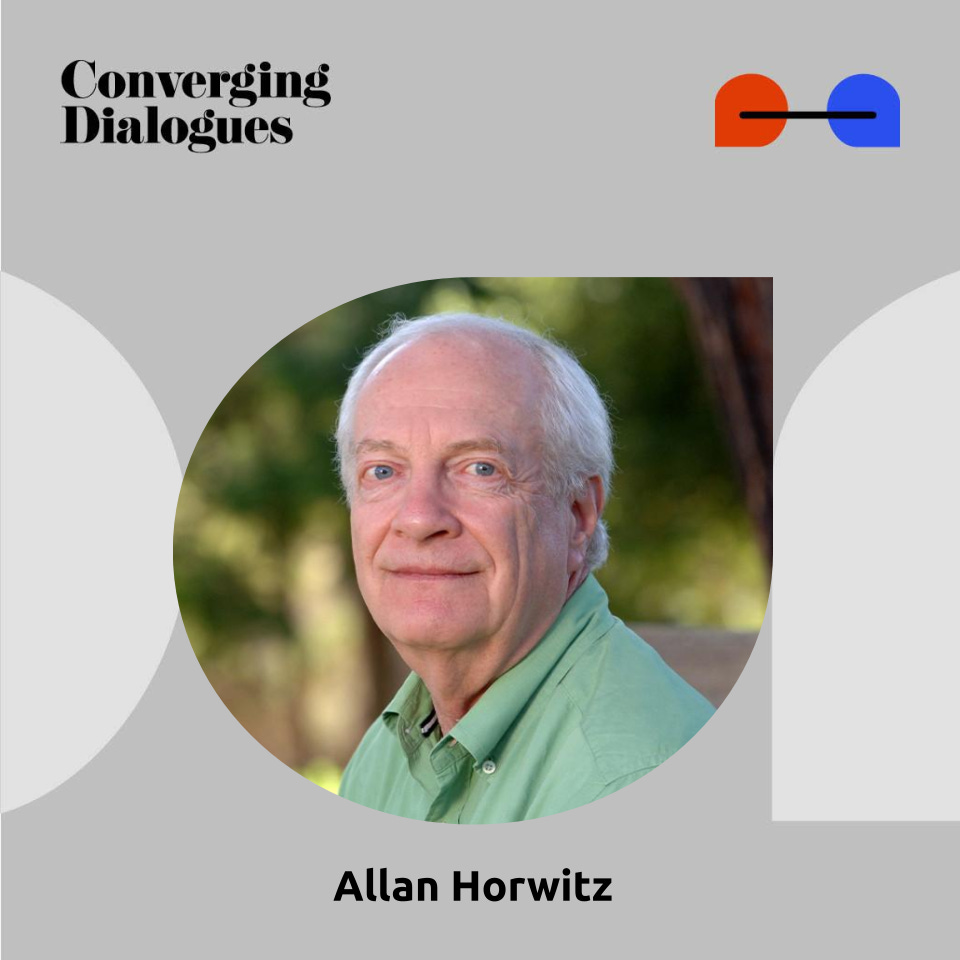
#458 - A History of the DSM: A Dialogue with Allan Horwitz
In this episode, Xavier Bonilla has a dialogue with Allan Horwitz about a history of the DSM. They discuss the origins of the DSM, DSM I & II, DSM III and its big changes, DSM-V and its massive overhaul, the future of the DSM, and many other topics. Allan Horwitz is the Board of Governors and Distinguished Professor Emeritus in the Department of Sociology and the Institute for Health, Health Care Policy, and Aging Research at Rutgers University. He is the author of many books including, DSM: A History of Psychiatry’s Bible. Get full access to Converging Dialogues at convergingdialogues.substack.com/subscribe
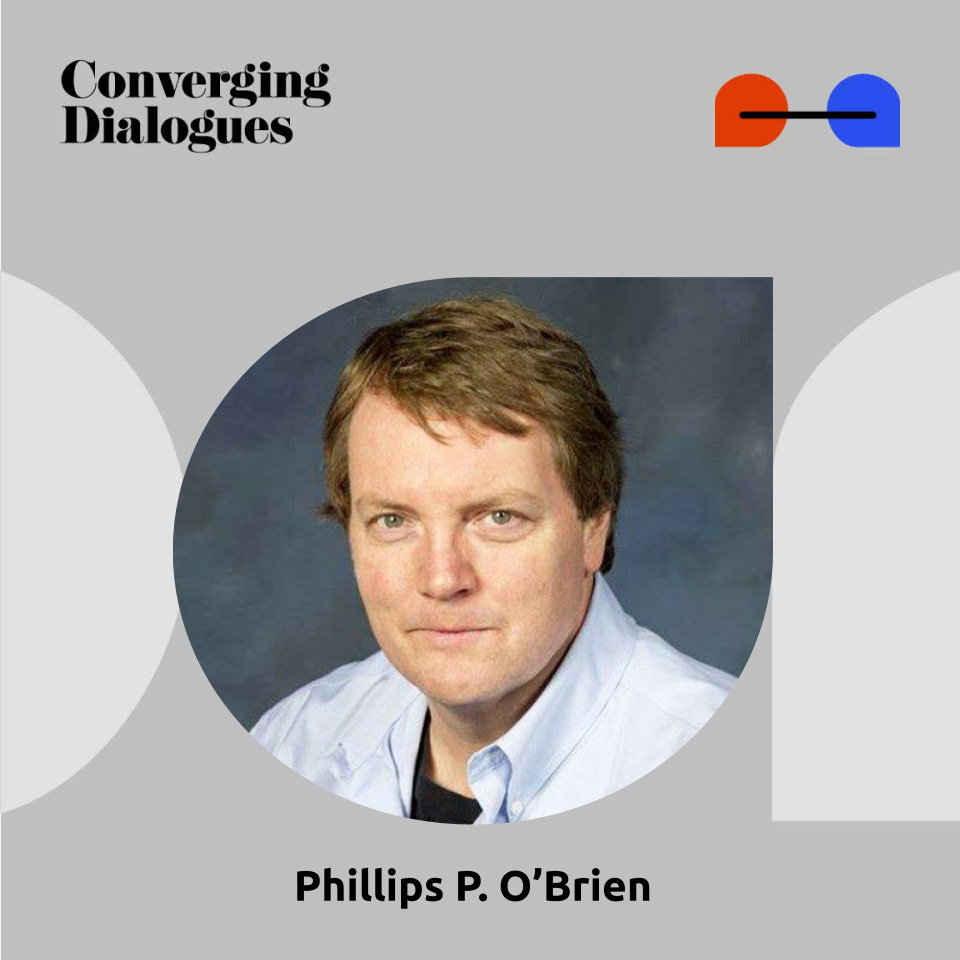
#457 - Who Wins Wars?: A Dialogue with Phillips P. O'Brien
In this episode, Xavier Bonilla. has a dialogue with Phillips O’Brien about war, peace, and power. They discuss the idea of great powers, why short, clinical wars do not really happen, size and population of countries, economics and materials, societal and structural elements for power, leadership, allies, and many more topics. Phillips Payson O’Brien is a professor of strategic studies and head of the School of International Relations at the University of St. Andrews in Scotland. He is a regular contributor to Foreign Affairs and The Atlantic. He is the author of six books, including the most recent book, War and Power: Who Wins Wars and Why. Get full access to Converging Dialogues at convergingdialogues.substack.com/subscribe
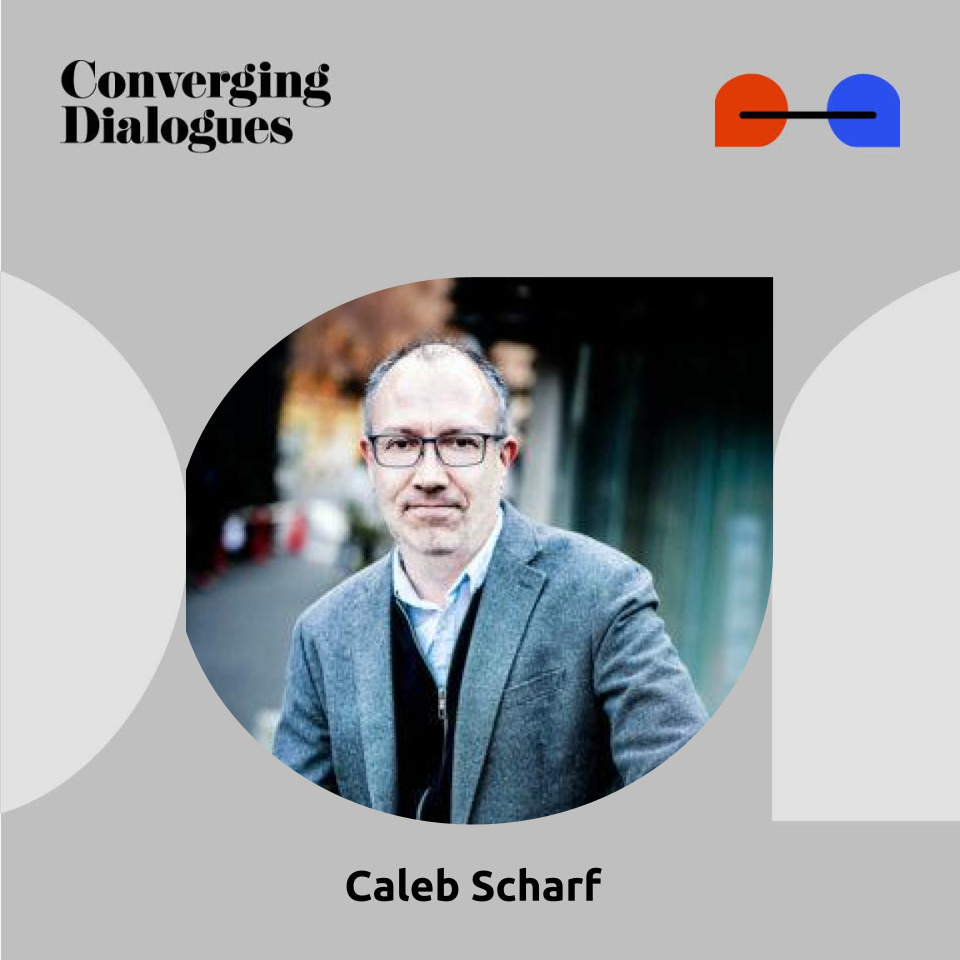
#456 - The Future of Space Exploration: A Dialogue with Caleb Scharf
In this episode, Xavier Bonilla has a dialogue with Caleb Scharf about the past and future dynamics of space exploration. They discuss astrobiology, why look for life in space, dispersal, how we got to the moon (and why we haven’t gone back?!), major obstacles for space travel, going to Mars, Jupiter, Venus, the Sun, the future of space exploration, and many more topics. Caleb Scharf received the 2022 Carl Sagan Medal while director of astrobiology at Columbia University and is currently the senior scientist for astrobiology at NASA’s Ames Research Center. He has written several previous trade books and is a frequent contributor to Scientific American and Nautilus magazine. He is the author of the book, The Giant Leap: Why space is the next frontier in the evolution of life. Get full access to Converging Dialogues at convergingdialogues.substack.com/subscribe
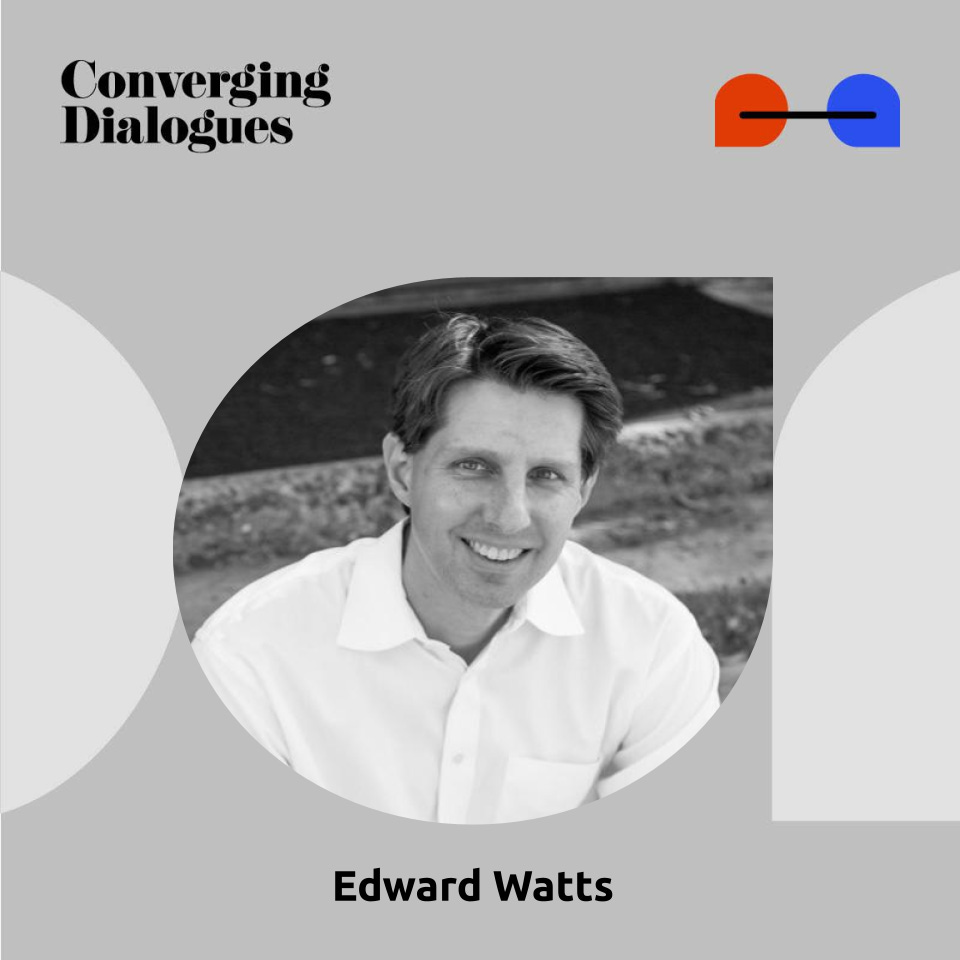
#455 - 2,000 Years of the Roman Empire: A Dialogue with Edward Watts
In this episode, Xavier Bonilla has a dialogue with Edward Watts about the 2,000 years of the Roman Empire. They provide an overview of the Roman Empire and the origins of the Romans, Greek influence and building institutions, Roman citizenship and identity, and the transition from Roman monarchy to Republic. They also talk about Cincinnatus, Carthage, transition from Republic to Empire, Marcus Aurelius, succession and Constantine, along with Christianity and rise of Islam. They also discuss Charlemagne, Macedonia, collapse of the Roman Empire, and many more topics. Edward Watts is an author and historian and holds the Alkiviadis Vassiliadis Endowed Chair and is professor of history at the University of California, San Diego He has BAs in Classics and Ancient and Medieval Culture at Brown University, and received his PhD in History from Yale University in 2002. His research interests center on the intellectual, political, and religious history of the Roman Empire and the early Byzantine Empire. He is the author of seven books, including the most recent, The Romans: A 2,000-Year History. Get full access to Converging Dialogues at convergingdialogues.substack.com/subscribe

#454 - A Global History of Capitalism: A Dialogue with Sven Beckert
In this episode, Xavier Bonilla has a dialogue with Sven Beckert about a global history of capitalism. They discuss how capitalism has always been global, positive and negative aspects of capitalism, origins and trading from a distance, capitalism within the state and in the countryside, slavery, working class, wealth and income inequality, capitalism in the 21st century, and many more topics. Sven Beckert is Laird Bell Professor of History at Harvard University. His research and teaching center on the history of the United States in the nineteenth century, with a particular emphasis on the history of capitalism, including its economic, social, political and global dimensions. He is co-chair of the Program on the Study of Capitalism at Harvard University , co-chair of the Weatherhead Initiative on Global History (WIGH) and co-editor of a series of books at Princeton University Press on “America in the World.” His work has been supported by the Guggenheim Foundation, the American Council of Learned Societies, the Humboldt Foundation, the Netherlands Institute for Advanced Studies, and the New York Public Library’s Center for Scholars and Writers, among others. He is the author of the latest book, Capitalism: A Global History. Get full access to Converging Dialogues at convergingdialogues.substack.com/subscribe

#453 - The Allure of Charlatans: A Dialogue with Quico Toro
In this episode, Xavier Bonilla has a dialogue with Quico Toro about the current trends with modern charlatans. They talk about how charlatans have become more mainstream in present society, who is their audience, infamous charlatans, astrology, belief, social media, Trump, and many more topics. Quico Toro is a writer and editor who serves as the global opinion columnist for the Washington Post. He is based in Tokyo, Japan. He is the co-author (with Moises Naim) of the book, Charlatans: How Grifters, Swindlers, and Hucksters Bamboozle the Media, the Markets, and the Masses. Get full access to Converging Dialogues at convergingdialogues.substack.com/subscribe
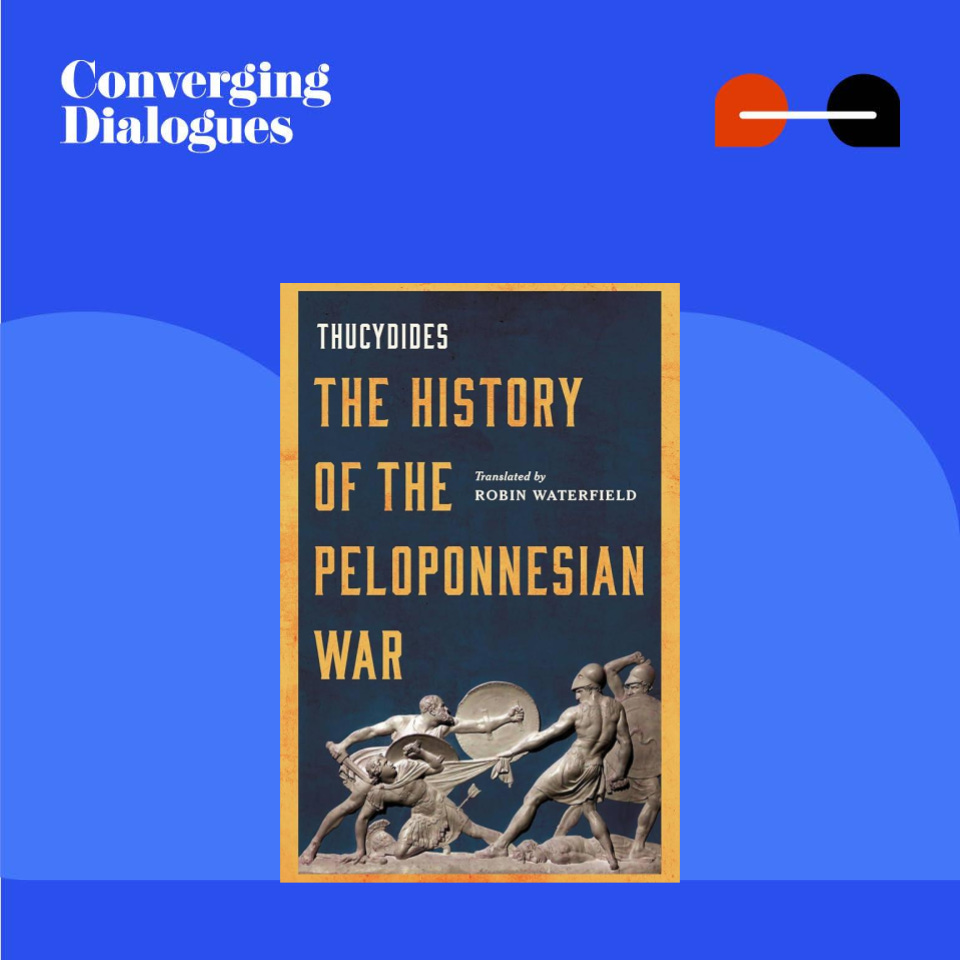
#452 - Thucydides's History of the Peloponnesian War: A Dialogue with Robin Waterfield and Polly Low
In this episode, Xavier Bonilla has a dialogue with Robin Waterfield and Polly Low about the new translation of Thucydides’s History of the Peloponnesian War. They talk about the various plot points of the history, historical writing, inspiration from Herodotus, Polis city-states, and ethnicities and people groups. They also talk about authorship, oral vs. written history, translating from Attic Greek to English, translation choices, and many more topics. Robin Waterfield is a British classical scholar, translator, and editor, specializing in Ancient Greek philosophy. He has written and/or translated many works, including the recent English translation of Thucydides’s History of the Peloponnesian War. Polly Low is a historian of ancient Greece, with particular interests in the political history of the Classical Greek World, and in the history (and ideology) of Greek interstate relations. Get full access to Converging Dialogues at convergingdialogues.substack.com/subscribe
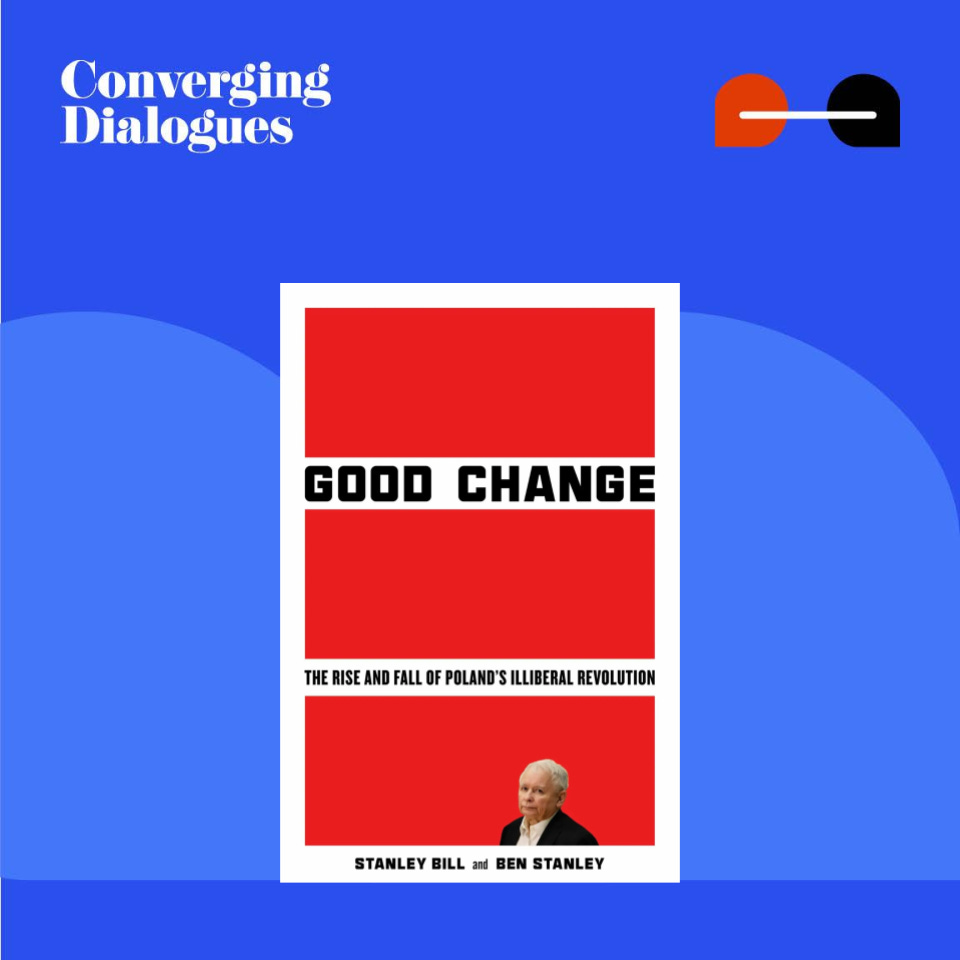
#451 - The Rise and Fall of Poland's Illiberal Revolution: A Dialogue with Stanley Bill and Ben Stanley
In this episode, Xavier Bonilla has a dialogue with Stanley Bill and Ben Stanley about the modern political themes of Poland. They discuss the rise of the Law and Justice party (PiS) and neoliberalism, Poland post-1989 and liberalism, and the impact of globalization and Western influence on Poland. They also talk about “Poland A” and “Poland B” and the rural and urban regions, cultural issues and backlash, institutional challenges, Poland’s current economics, future of Poland, and many more topics. Stanley Bill is Professor of Polish Studies, University of Cambridge. He is Chair of the Cambridge Committee for Russian and East European Studies (CamCREES). Ben Stanley is Associate Professor at the Centre for the Study of Democracy, SWPS University. They are the authors of the book, Good Change: The Rise and Fall of Poland’s Illiberal Revolution. Get full access to Converging Dialogues at convergingdialogues.substack.com/subscribe
#450 - Prague: The Heart of Europe: A Dialogue with Cynthia Paces
In this episode, Xavier Bonilla has a dialogue with Cynthia Paces about the history of Prague. They talk about Prague as the heart of Europe, cultural diversity, and origins of Prague. They discuss Charles IV, Rudolph II, Maria Theresa, and Frantisek Palacky as major figures in developing Prague as a modern and cosmopolitan city. They talk about Prague throughout the 20th and 21st centuries, and many more topics. Cynthia Paces is a historian and professor of history at The College of New Jersey. Her main interests are in East-Central Europe and an interdisciplinary approach to history, incorporating art, architecture, film, gender, religion, and medicine into her teaching and research. She is the author of the book, Prague: The Heart of Europe. Get full access to Converging Dialogues at convergingdialogues.substack.com/subscribe
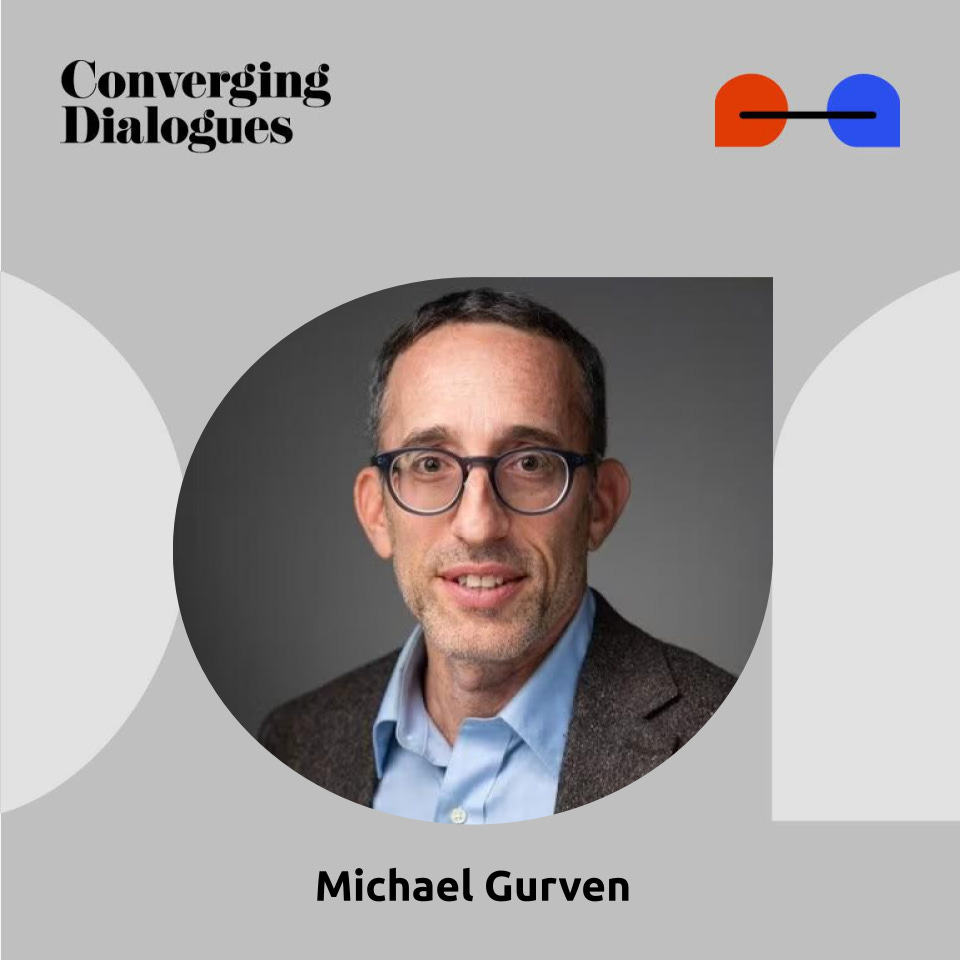
#449 - Living for Seven Decades: A Dialogue with Michael Gurven
In this episode, Xavier Bonilla has a dialogue with Michael Gurven about humans living for seven decades. They discuss our evolution for seven decades, post-reproductive life, healthspan vs. lifespan, subsistence populations, multigenerational cooperation, older age, seven decades in the future, and many more topics. Michael Gurven is an evolutionary anthropologist and professor at University of California-Santa Barbara. He has conducted fieldwork for two decades with South American indigenous populations, and his work takes an evolutionary perspective on behavior, health, physiology and psychology. Since 2002, he has co-directed the Tsimane’ Health and Life History Project to better understand how aspects of environment and lifestyle affect health and lifespan in subsistence-level societies. His research applies an evolutionary lens to help inform our understanding of today’s complex diseases. He is the author of the book, Seven Decades: How We Evolved to Live Longer. Get full access to Converging Dialogues at convergingdialogues.substack.com/subscribe
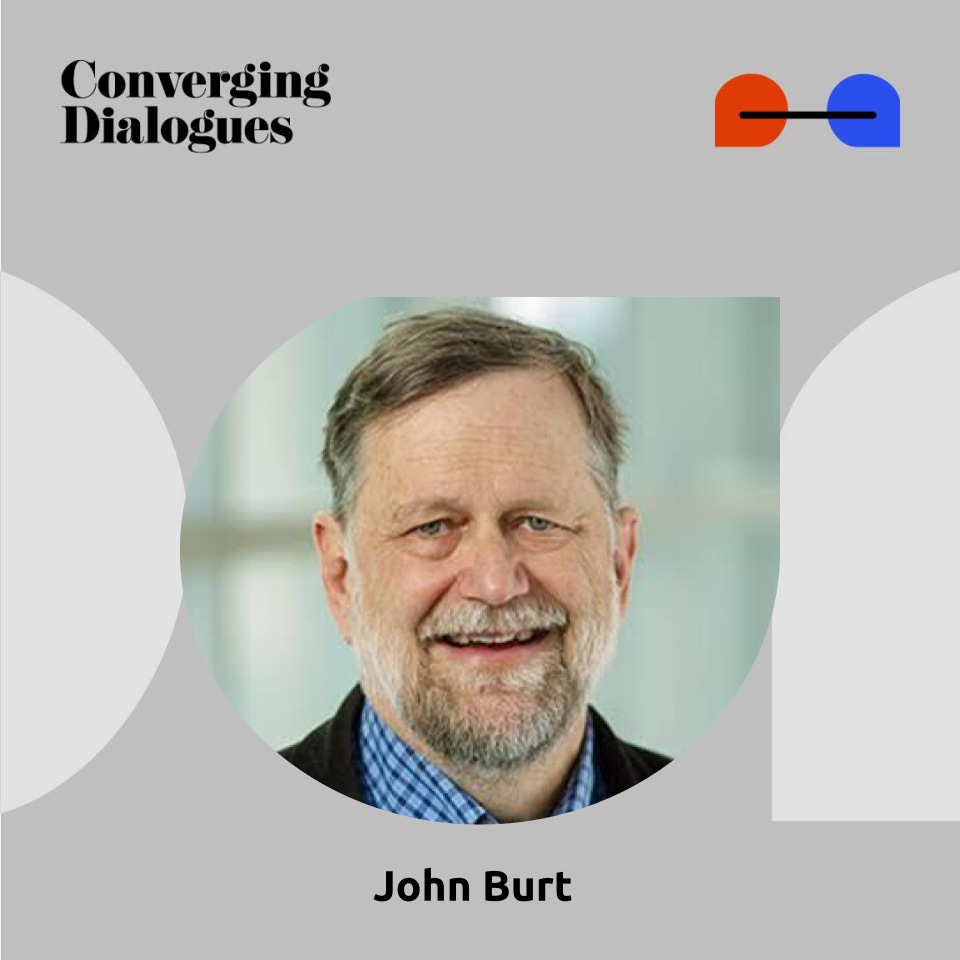
#448 - Lincoln's Tragic Pragmatism: A Dialogue with John Burt
In this episode, Xavier Bonilla has a dialogue with John Burt about Lincoln and moral conflict. They discuss Lincoln’s tragic pragmatism for morals and public engagement, on slavery and emancipation, implicit concepts, freedom, moral obsessions, and liberalism. They also talk about morals and violence, popular sovereignty, cultural shifts, the Whig party, Rawls, modern comparisons, America as an idea, and many other topics. John Burt is a professor of American literature at Brandeis University. His main research interests are 19th-century American literature, 20th-century American literature (especially poetry), Southern Gothic fiction, American romantic fiction, composition, and rhetoric. He is the author of the book, Lincoln’s Tragic Pragmatism: Lincoln, Douglas, and Moral Conflict. Get full access to Converging Dialogues at convergingdialogues.substack.com/subscribe
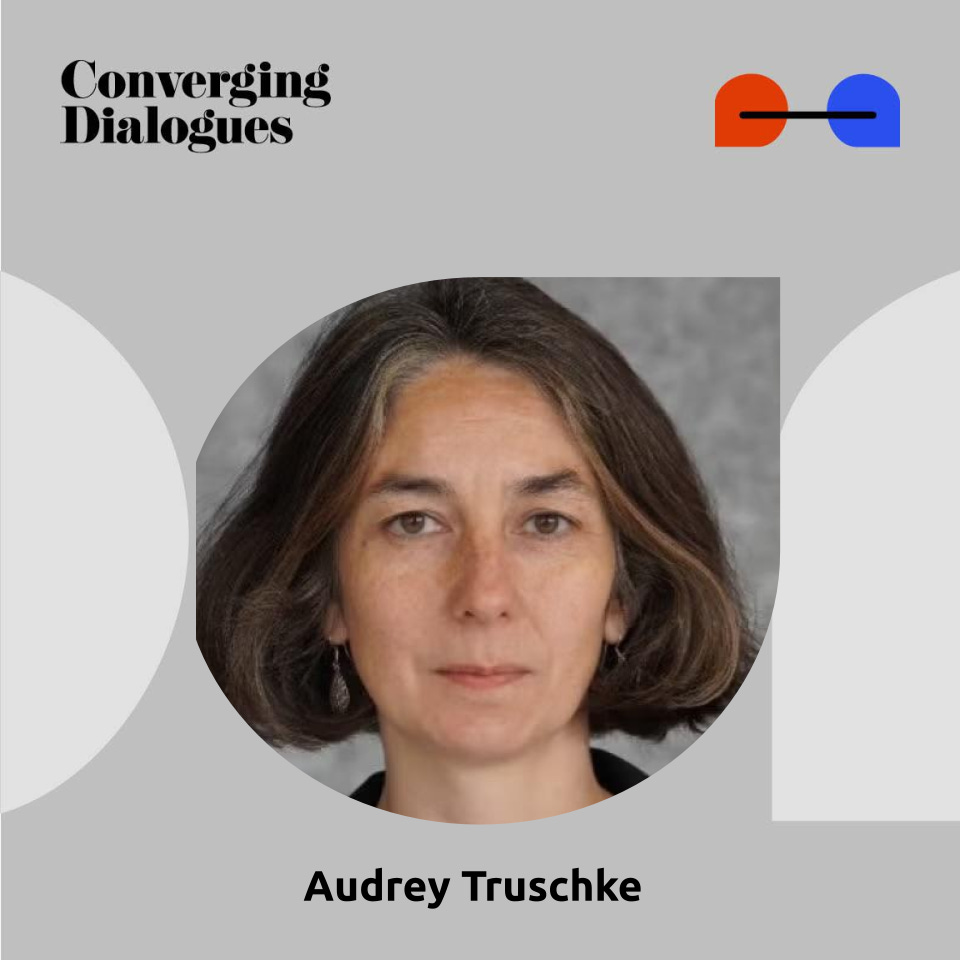
#447 - 5,000 Years of India: A Dialogue with Audrey Truschke
In this episode, Xavier Bonilla has a dialogue with Audrey Truschke about the history of India. They discuss India as a subcontinent, the Indus Valley civilization, nomadic to cities and empires, trade, Indo-European language and Sanskrit, Vedas and Hinduism, and development of other religions. They also talk about Ashoka, the caste system, Muslims, Ghurids, Sikhism, the Mughal Empire, British Raj, India today and the future of India. Audrey Truschke is Professor of South Asian History at Rutgers University in Newark, New Jersey. She is the author of four books, including the most recent book, India: 5,000 Years of History on the Subcontinent. Get full access to Converging Dialogues at convergingdialogues.substack.com/subscribe
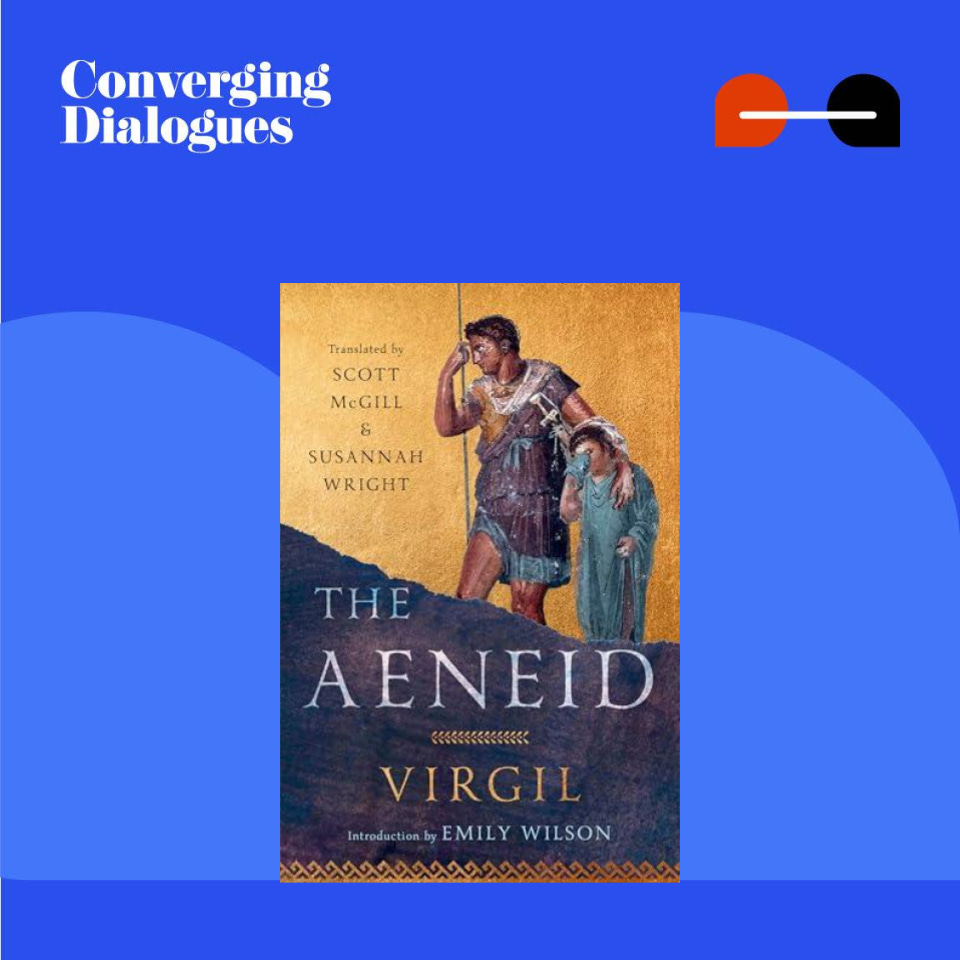
#446 - Translating The Aeneid: A Dialogue with Scott McGill & Susannah Wright
In this episode, Xavier Bonilla has a dialogue with Scott McGill and Susannah Wright about their new English translation of The Aeneid. They discuss past English translations of The Aeneid, plot of The Aeneid, and comparisons with Homer’s epics. They discuss authorship of Virgil, The Aeneid as Roman propaganda, translating from Latin into English and the oral vs. written tradition. They also talked about the Iambic vs. Dactylic meter, relationship between humans and gods, why The Aeneid is still relevant for the 21st century, and many more topics. Scott McGill is Deedee McMurtry Professor in Humanities at Rice University. work focuses on Latin poetry, Roman history and culture, and on the reception of classical antiquity. He is an expert on Virgil and the Latin poetry of late antiquitySusannah Wright is an assistant professor of classical studies and Roman history at Rice University. Her research centers on Greco-Roman literature, history, and culture and its medieval and modern receptions, as well as Latin and Greek epic texts of all periods, women and gender in antiquity, politics and literature in late republican and imperial Rome, and ancient and medieval histories of the Trojan War. They are the co-translators of the new English translation of The Aeneid. Get full access to Converging Dialogues at convergingdialogues.substack.com/subscribe
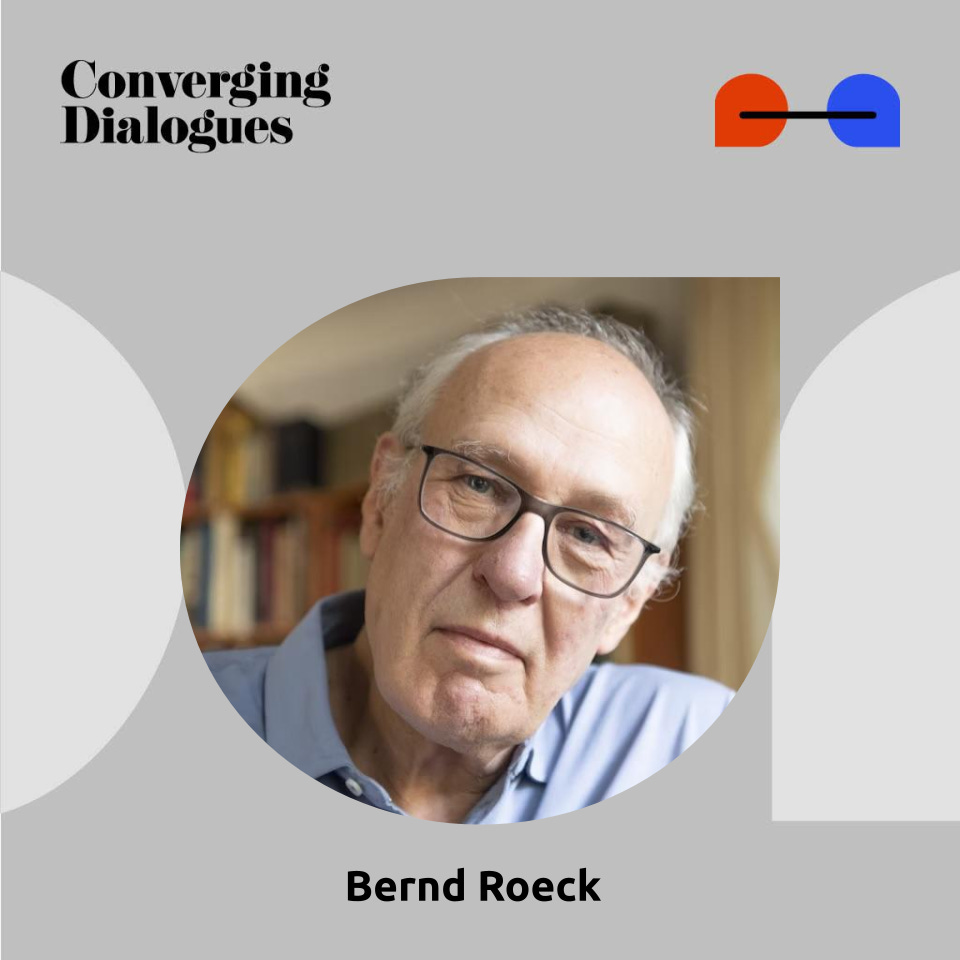
#445 - A New History of the Renaissance: A Dialogue with Bernd Roeck
In this episode, Xavier Bonilla has a dialogue with Bernd Roeck about the Renaissance. They discuss what the Renaissance gave to the modern world, the Renaissance and the West, seven pillars of modernity, and the impact of other civilizations on the Renaissance. They discuss the level of impact that Ancient Greece and Ancient Rome deserve on the Renaissance, Christianity and the West, Islamic impact on the Renaissance, Western European marriage pattern, feudalism, origins of the University and the importance of art during the Renaissance. They also discuss the Gutenberg Press, New World discoveries, the high Renaissance, Socratic dialogue in the Renaissance, the Ottoman Empire, Martin Luther and the Reformation, the Habsburgs, post-Renaissance, the Renaissance’s impact on the future, and many more topics. Bernd Roeck was appointed to the Chair of General and Swiss History of Modern Times at the University of Zurich/ Switzerland in 1999. He served his University from 2009 to 2011 as Dean of the Faculty of Philosophy. He has been made emeritus since 2019. He was director of the German Study Centre in Venice, Italy and has taught at the University of Augsburg and the University of Bonn. In addition, he received the Knight's Cross of the Order of Merit of the Italian republic in 1996 and was awarded the Merit Medal of the city of Augsburg (Bavaria/Germany). He is the author of numerous books, including the most recent, The World at First Light: A New History of the Renaissance. Get full access to Converging Dialogues at convergingdialogues.substack.com/subscribe
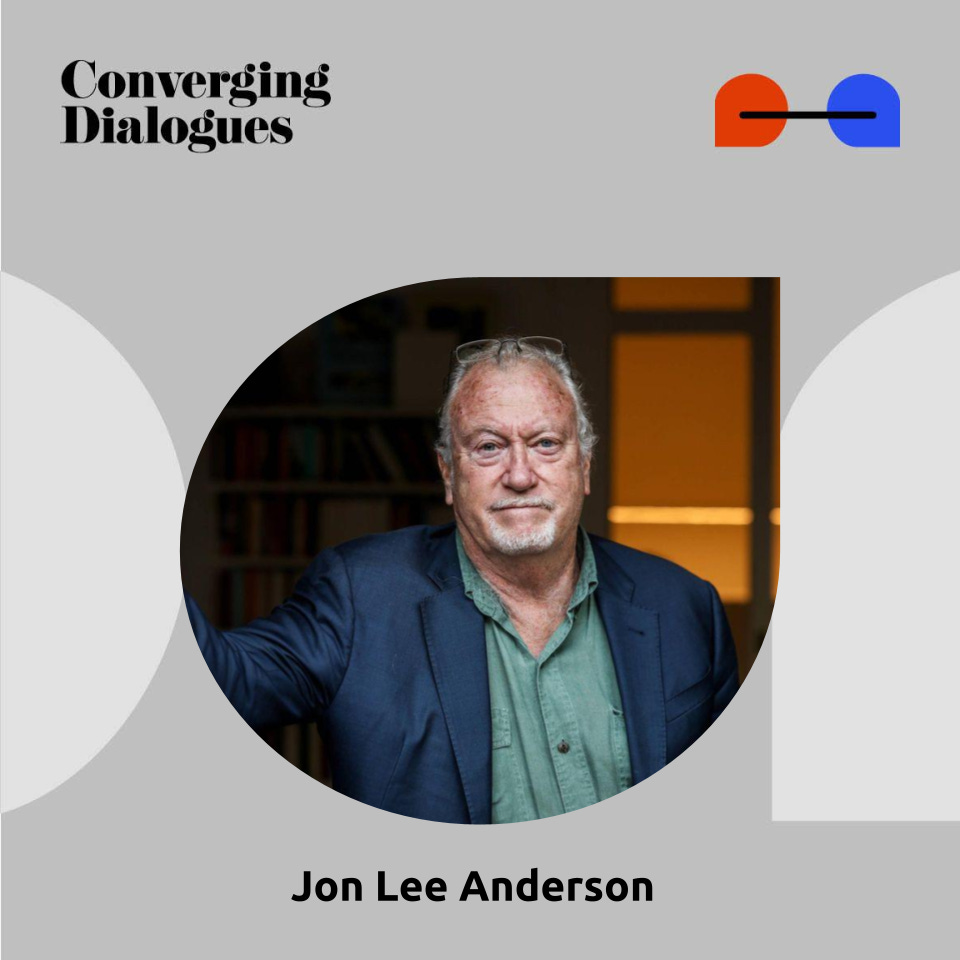
#444 - The Fall and Rise of the Taliban: A Dialogue with Jon Lee Anderson
In this episode, Xavier Bonilla has a dialogue with Jon Lee Anderson about the Taliban in Afghanistan over the past 20 years. They provide an overview of Afghanistan, how the Taliban came to power, makeup of the Taliban, their intentions for an Islamic state, Hamid Karzai, Taliban resurgence in 2012, US withdrawal, Taliban reign at present, the future of Afghanistan, and many more topics. Jon Lee Anderson is an author and a staff writer for The New Yorker. As a longtime observer of political violence and revolutionary movements, he has reported from many war zones over the years, including Afghanistan, Iraq, Syria, Lebanon, Libya, Angola, Somalia, Mali, and Liberia. He has reported frequently from Latin America and profiled political leaders such as Augusto Pinochet, Fidel Castro, Hugo Chávez, and Nicolás Maduro. Anderson also wrote a celebrated biography of the late Argentine revolutionary Ernesto “Che” Guevara. He is the author of the latest book, To Lose A War: The Fall and Rise of the Taliban. Get full access to Converging Dialogues at convergingdialogues.substack.com/subscribe
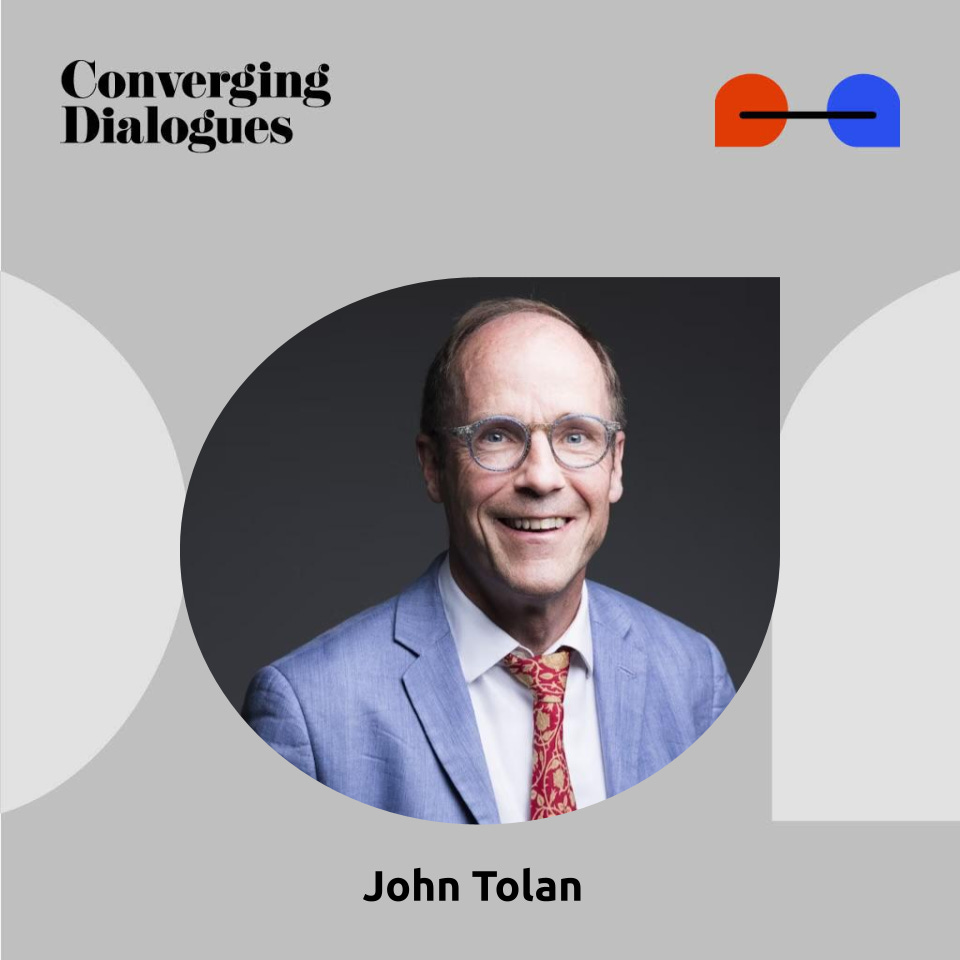
#443 - A Concise History of Islam: A Dialogue with John Tolan
In this episode, Xavier Bonilla has a dialogue with John Tolan about the history of Islam. The give an overview of Islam, discuss the Prophet Muhammad, succession and split after his death, Umayyad caliphate, Abbasid Caliphate, and 3 caliphates of 1000 AD. They talk about the Turks and Ottoman empire, Wahhabism, Arab nationalism, Islam in the 21st century, and many more topics. John Tolan is Professor of History at Université de Nantes and works on the history of religious and cultural relations between the Arab and Latin worlds in the Middle Ages and on the history of religious interaction and conflict between Jews, Christians and Muslims. He studied at Yale (BA classics), University of Chicago (MA & PhD history) and the Ecole des Hautes Etudes en Sciences Sociales (HDR). He has taught in various universities in North America, Europe, Africa and the Middle East; he is currently professor of History at the University of Nantes and member of the Academia Europæa and the Reial Acadèmia de Bones Lletres de Barcelona. he is the author of numerous books, including the most recent book, Islam: A New History from Muhammad to the Present. Get full access to Converging Dialogues at convergingdialogues.substack.com/subscribe
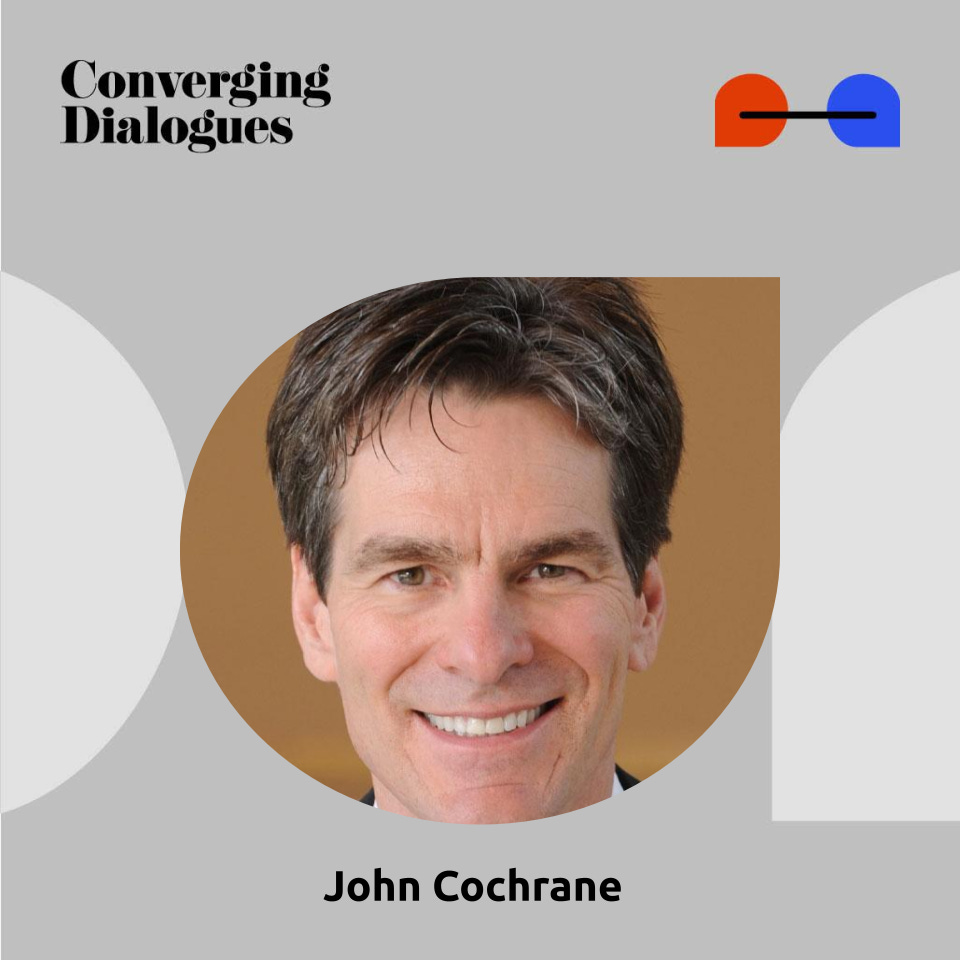
#442 - The Future of the Euro: A Dialogue with John Cochrane
In this episode, Xavier Bonilla has a dialogue with John Cochrane about the Euro. They talk about the Euro, European Central Bank (ECB), inflation and price stability, and the differences between the US Federal Reserve and the ECB. They talked about the creation of the Euro, joining the EU, debates about “end the Fed,” Greek crisis, covid-19 pandemic and inflation, future of the Euro, and many more topics. John H. Cochrane is the Rose-Marie and Jack Anderson Senior Fellow of the Hoover Institution at Stanford University. He earned a Bachelor’s degree in Physics at MIT, and earned his Ph.D. in Economics at the University of California at Berkeley. He was at the Economics Department of the University of Chicago before joining the Booth School in 1994, and visited UCLA Anderson School of Management in 2000-2001. Before coming to Hoover, Cochrane was the AQR Capital Management Distinguished Service Professor of Finance at the University of Chicago Booth School of Business, where he taught the MBA class “Advanced Investments” and a variety of PhD classes in Asset Pricing and Monetary Economics.He is also a Senior Fellow of the Stanford Institute for Economic Policy Research (SIEPR), Professor of Finance and Economics (by Courtesy) at Stanford GSB, a Research Associate of the National Bureau of Economic Research, and an Adjunct Scholar of the CATO Institute. He is a past President and Fellow of the American Finance Association, and a Fellow of the Econometric Society. He has been an Editor of the Journal of Political Economy, and associate editor of several journals including the Journal of Monetary Economics, Journal of Business, and Journal of Economic Dynamics and Control. He was a director of the NBER asset pricing program. Awards include the Bradley Prize, the APEE Adam Smith award, the TIAA-CREF Institute Paul A. Samuelson Award for Asset Pricing, the Chookaszian Endowed Risk Management Prize, the Faculty Excellence Award for MBA teaching and the McKinsey Award for Outstanding Teaching. He is the author of numerous books, including the most recent book (with co-authors Luis Garicano & Klaus Masuch), Crisis Cycle: Challenges, Evolution, and Future of the Euro. Get full access to Converging Dialogues at convergingdialogues.substack.com/subscribe
#441 - What is Ancient History?: A Dialogue with Walter Scheidel
In this episode, Xavier Bonilla has a dialogue with Walter Scheidel about ancient history. They ask what is ancient history, why Ancient Greece and Ancient Rome are heavily emphasized, globalism, and classicism. They discuss some of the evolutionary history of humans, nomadic to stationary, human writing, The West, future of the classics, and many more topics. Walter Scheidel is a historian and author and is the Dickason Professor of the Humanities and Professor of History at Stanford University. He has his MPhil and PhD in Ancient History from the University of Vienna. He is one of the most cited Roman historians in an active faculty position. He has written over 270 articles, chapters, and reviews and is the author of over 22 books, including the most recent, What Is Ancient History? Get full access to Converging Dialogues at convergingdialogues.substack.com/subscribe
#440 -Ancient Mesopotamia: A Dialogue with Moudhy Al-Rashid
In this episode, Xavier Bonilla has a dialogue with Moudhy Al-Rashid about ancient Mesopotamia. They discuss the uniqueness of Mesopotamia and the Fertile Crescent, importance of cuneiform, Sumerian to Akkadian writing, importance of clay for writing, ancient astronomy, and many more topics. Moudhy Al-Rashid is an Assyriologist and Honorary Fellow at Wolfson College at the University of Oxford. She has a Bachelors in Philosophy from Columbia University’s Columbia College, an MPhil in Cuneiform Studies, and a DPhil in Oriental Studies at the University of Oxford (Wolfson College), where she now researches the use of metaphor in descriptions of mental distress in cuneiform medical texts. She teaches Akkadian text classes and modules in the history of science in Mesopotamia at the Oriental Institute.Research interests include the history of science, medicine, and technology; science and medicine in the ancient Middle East; Iraq; cuneiform; Akkadian language; ancient North Arabian languages and scripts; archaeology; Assyriology; and historiography of Assyriology.She is the author of the latest book, Between Two Rivers: Ancient Mesopotamia and the Birth of History. Get full access to Converging Dialogues at convergingdialogues.substack.com/subscribe
#439 - The Imperfection of Evolution: A Dialogue with Laurence Hurst
In this episode, Xavier Bonilla has a dialogue with Laurence Hurst about the imperfection of evolution. They discuss mutation, selection, and adaptation, DNA and waste, larger and smaller populations, sickle cell anemia, embryology, gene editing and CRISPR, and many more topics. Laurence Hurst is Professor of Evolutionary Genetics in The Milner Centre for Evolution, at the University of Bath, UK. He has his DPhil in Zoology from Oxford University. His research interests cover a broad span of evolution, genetics and genomics, predominantly using computational and mathematical techniques to understand the way genes and genomes evolve. He is the author of the latest book, The Imperfection of Evolution: The science of why we aren’t and can’t be perfect. Get full access to Converging Dialogues at convergingdialogues.substack.com/subscribe
#438 - Truth In Politics: A Dialogue with Michael P. Lynch
In this episode, Xavier Bonilla has a dialogue with Michael P. Lynch about truth and politics. They discuss local and national politics, defining truth, “Twitbookians,” liberal pluralism, role of institutions, Rawls and morals, truth in politics, and many more topics. Michael P. Lynch is Provost Professor of the Humanities and Board of Trustees Distinguished Professor of Philosophy at the University of Connecticut. He has his PhD in philosophy from Syracuse University. His work mostly centers around truth, ethics, democracy, and epistemology of technology. He is the author of numerous books, including the most recent, On Truth In Politics: Why Democracy Demands It. Get full access to Converging Dialogues at convergingdialogues.substack.com/subscribe
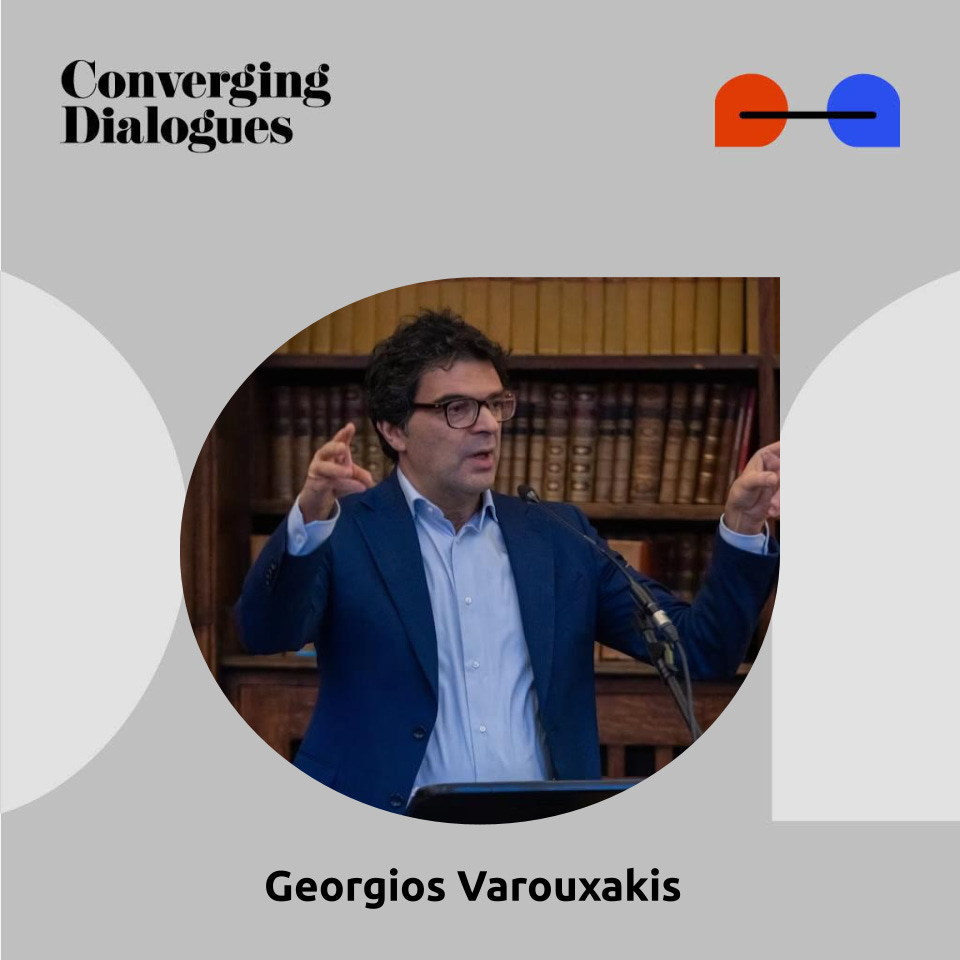
#437 - How We Got "The West:" A Dialogue with Georgios Varouxakis
In this episode, Xavier Bonilla has a dialogue with Georgios Varouxakis about “the West.” They define the west, discuss different meanings and ideas about the west, and how western ideas came from the east. They also talk about “L’Occident,” impact of Christendom, separating Russia from the West, and Comte. They talk about whether Western values can exist without Christianity, WWI and WWII, the cold war, decline of the West, future of the West, and many other topics. Georgios Varouxakis is Professor of the History of Political Thought and Co-Director of the Centre for the Study of the History of Political Thought and Intellectual History at Queen Mary-University of London. He has a Masters in Legal and Political Theory at University College London (UCL) and a PhD in History at UCL. His work has concentrated on the nineteenth and twentieth-century history of political thought and intellectual history with a particular emphasis on international political thought, political thought on nationalism, patriotism and cosmopolitanism, empire, and the intellectual history of ideas of “Europe” and “the West”, as well as of attitudes towards the EEC/EU. He is the author of numerous books including the most recent, The West: The History of An Idea. Get full access to Converging Dialogues at convergingdialogues.substack.com/subscribe
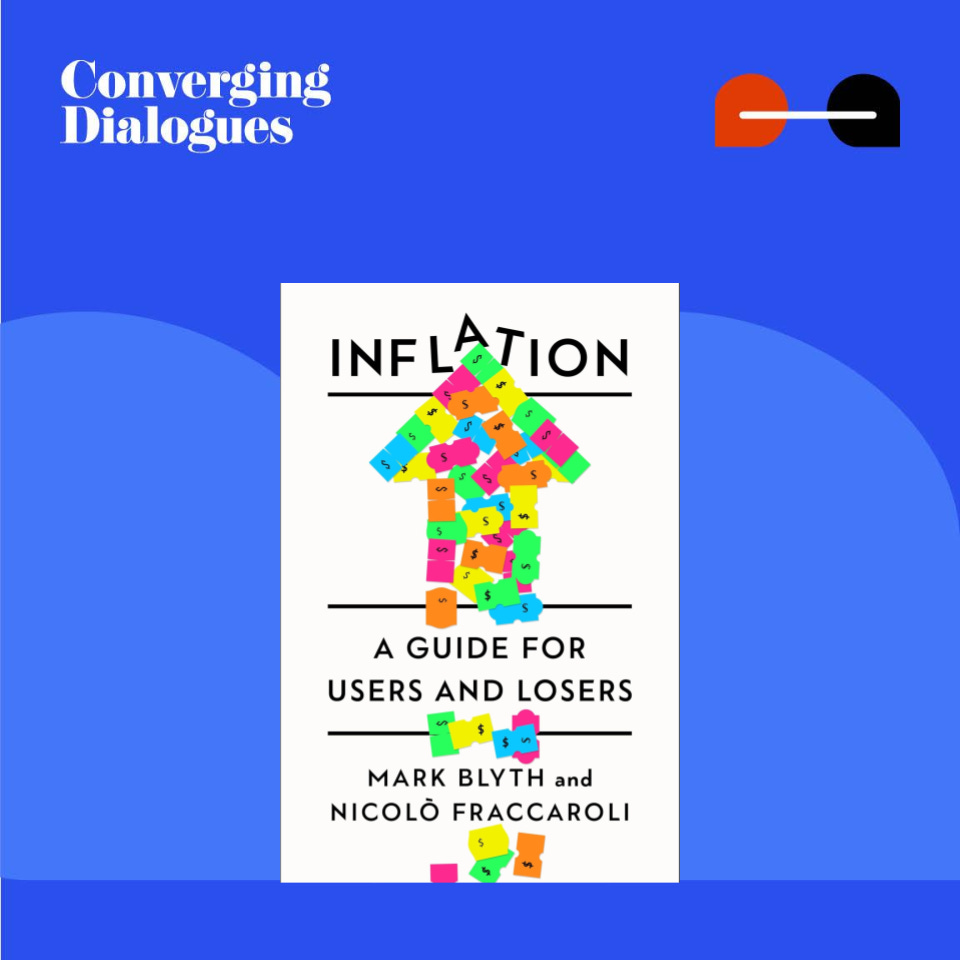
#436 - All About Inflation: A Dialogue with Mark Blyth and Nicolò Fraccaroli
In this episode, Xavier Bonilla has a dialogue with Mark Blyth and Nicolò Fraccaroli on inflation. They define inflation, provide positive and negative of inflation, and how prices are measured. They talk about housing interest rates, Federal Reserve, inflation in the 70s, Biden stimulus, Hyperinflation in Turkey and Argentina, Trump’s tariffs, and many more topics. Mark Blyth is the William R. Rhodes ’57 Professor of International Economics and the Director of the Rhodes Centre for International Economics and Finance at the Watson Institute for International and Public Affairs at Brown University. He holds a joint appointment in the department of political science. He studies the politics of growth, distribution and decarbonization and why people continue to believe dubious economic ideas despite buckets of evidence to the contrary. He is the author of many award-winning books including his most recent (co-authored with Nicolò Fraccaroli), Inflation: A Guide for Users and Losers. Nicolò Fraccaroli is an Economist at the World Bank and Visiting Scholar at Brown University. He has an MSc in Political Economy of Europe from the London School of Economics and PhD in Economics from the University of Rome Tor Vergata. Before joining the World Bank, he was a Postdoctoral Research Associate and Adjunct Professor at Brown University. He has also worked at the European Central Bank, the Bank of England, and the Inter-American Development Bank. His work focuses on political economy with data-driven applications to the topics of central banking, populism, and finance. His work has featured on the Financial Times, the Guardian, and other outlets, and in the speeches of various policymakers including Mario Draghi and Christine Lagarde. Get full access to Converging Dialogues at convergingdialogues.substack.com/subscribe
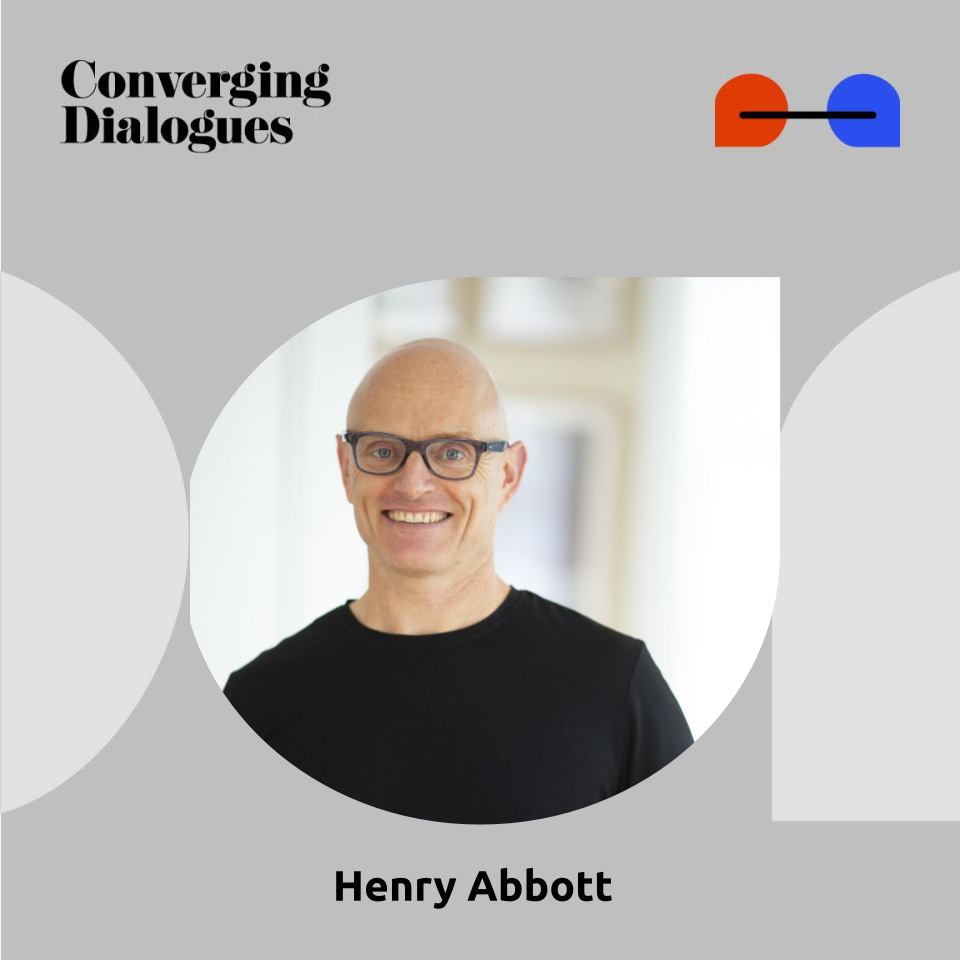
#435 - The Ballistic Movement Within Sports Medicine: A Dialogue with Henry Abbott
In this episode, Xavier Bonilla has a dialogue with Henry Abbott on the Peak Performance Project (P3) within sports medicine. They discuss the landscape of injuries in the U.S., P3, chronic injuries, healthy movement and hip rotation, landing and ACL injuries, prevention and recovery, mental endurance, and many more topics. Henry Abbott is an award-winning journalist and founder of TrueHoop. He led ESPN’s 60-person NBA digital and print team, which published several groundbreaking articles and won a National Magazine Award. He is the author of the book, Ballistic: The New Science of Injury-Free Athletic Performance. Get full access to Converging Dialogues at convergingdialogues.substack.com/subscribe
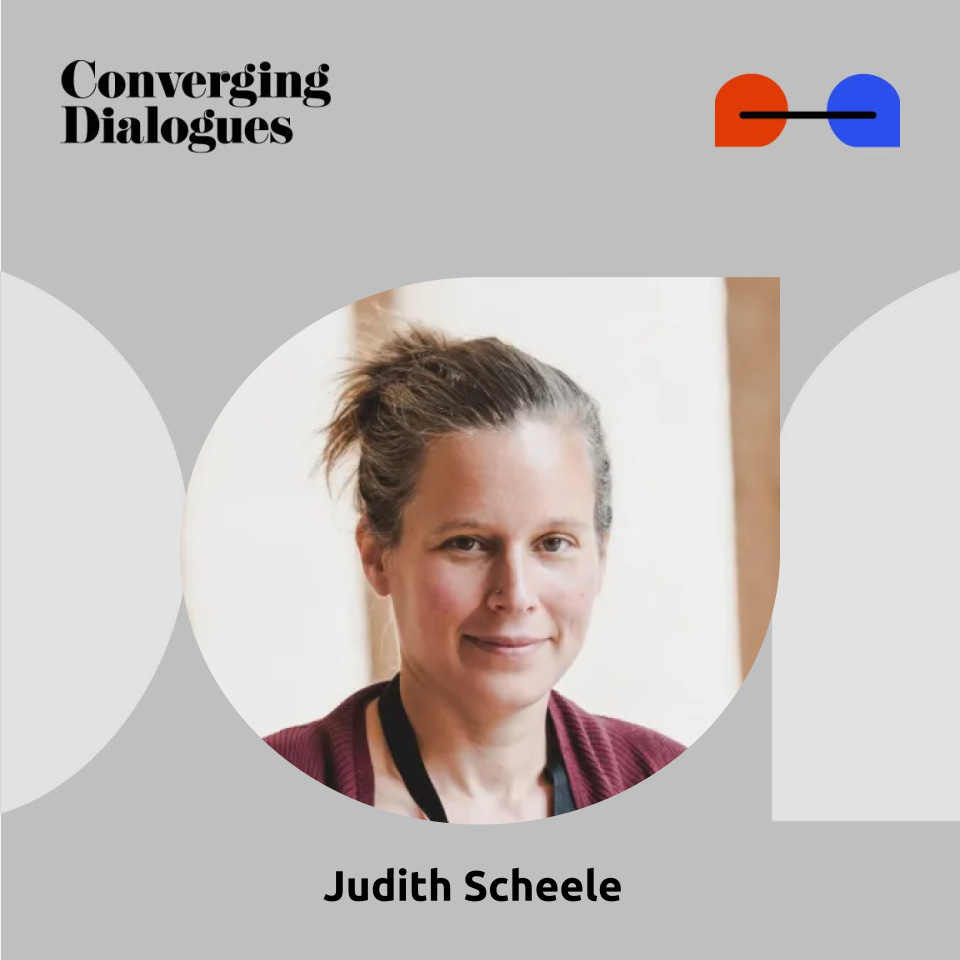
#434 - Shifting Sands of the Sahara: A Dialogue with Judith Scheele
In this episode, Xavier Bonilla has a dialogue with Judith Scheele about the human history of the Sahara. They discuss the perceptions of the Sahara, landscape of the Sahara, sand and freshwater, multiple uses of camels, peoples of the Sahara, Slavery and race in the Sahara, Islam, contemporary Sahara, and many more topics. Judith Scheele is professor of social anthropology at the École des hautes études en sciences sociales (School for Advanced Studies in the Social Sciences, EHESS). She has spent almost two decades living in and researching Saharan societies. She is the author of three previous books and is the author of the recent book, Shifting Sands: A Human History of the Sahara. Get full access to Converging Dialogues at convergingdialogues.substack.com/subscribe
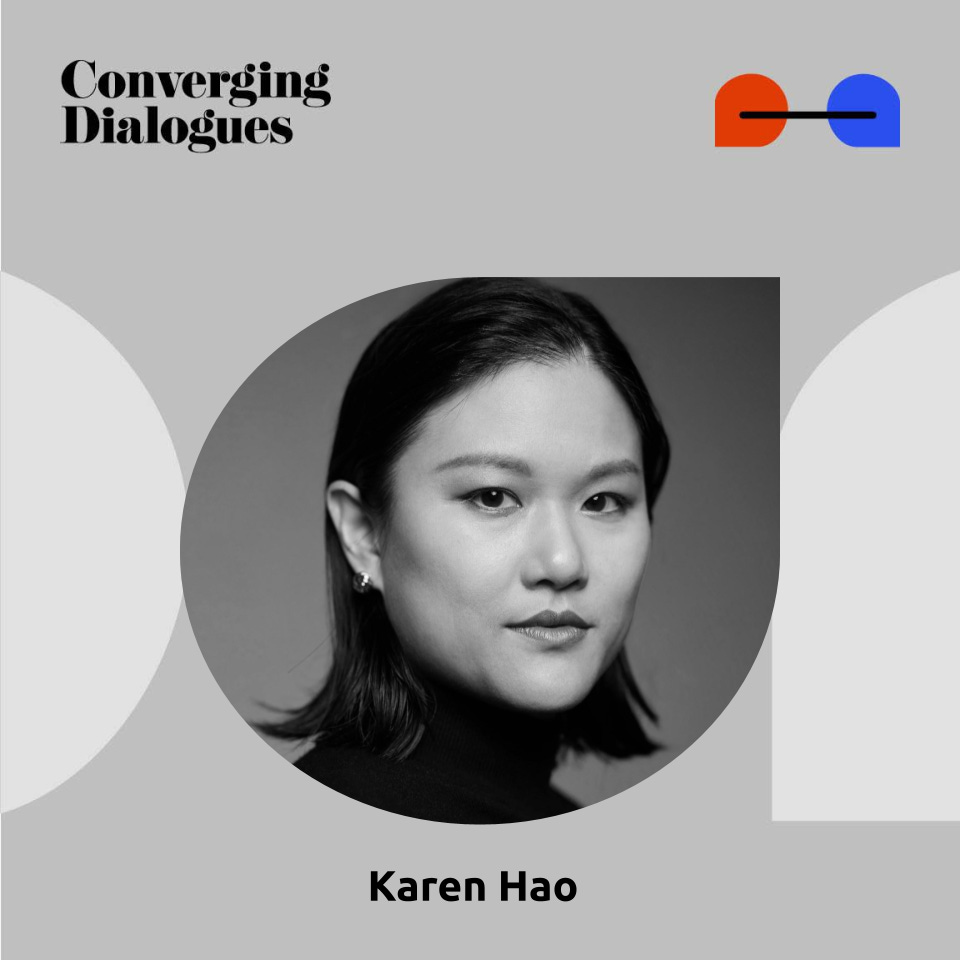
#433 - Empire of AI: A Dialogue with Karen Hao
In this episode, Xavier Bonilla has a dialogue with Karen Hao about OpenAI and the current landscape about AI. They discuss the origins of OpenAI, Sam Altman and his motivations, his relationships with Elon Musk and Peter Thiel, using cheap labor in Venezuela and Kenya for AI, supercomputers and mega campuses for data centers, and many more topics. Karen Hao is a bestselling author and award-winning reporter covering artificial intelligence. She was an application engineer at the first startup to spin out of Google[x]. She received a B.S. in mechanical engineering and minor in energy studies from MIT. She has written for many publications such as The Atlantic and others. Previously, she was a foreign correspondent for The Wall Street Journal focused on AI & China, and a senior editor at MIT Technology Review, where she wrote about the latest AI research & its social impacts. She has been a fellow with the Harvard Technology and Public Purpose program, the MIT Knight Science Journalism program, and the Pulitzer Center’s AI Accountability Network. She was the first journalist to profile OpenAI and author of the book, Empire of AI: Dreams and Nightmares in Sam Altman’s OpenAI. Get full access to Converging Dialogues at convergingdialogues.substack.com/subscribe
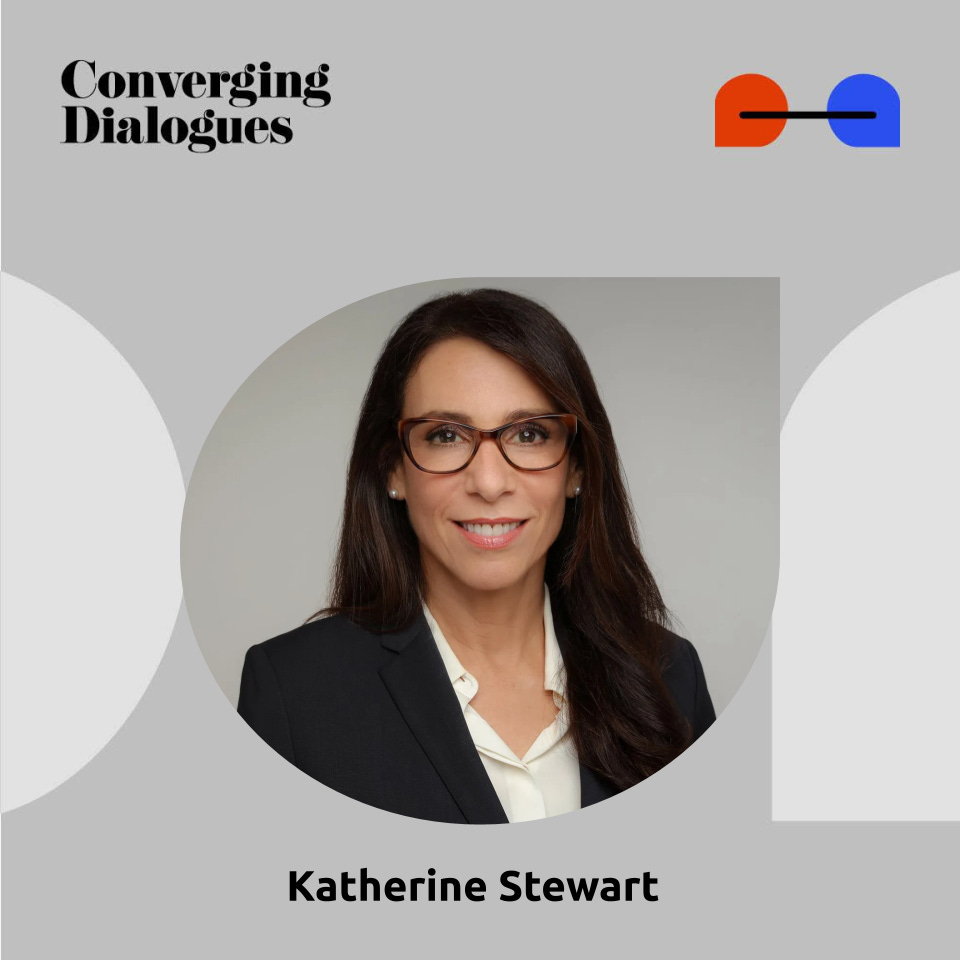
#432 - American Authoritarianism and Erosion of Democracy: A Dialogue with Katherine Stewart
In this episode, Xavier Bonilla has a dialogue with Katherine Stewart about democracy and American authoritarianism. They discuss the evolution of conservatives to the Far Right, critiques of the Far Right, reactionary nihilism and the anti-woke. They discuss issues such as abortion, conservative conventions, religion, and many more topics. Katherine Stewart is a journalist and author who has been covering the rise of the anti-democratic movement for over 16 years. Her writing appears in The New York Times op ed, New Republic, Religion News Service and others. Her 2012 book, The Good News Club: The Christian Right’s Stealth Assault on America’s Children, focused on the religious right’s efforts to undermine public education. Her previous book, The Power Worshippers: Inside the Dangerous Rise of Religious Nationalism (Bloomsbury 2020), won First Place in the Nonfiction Books category from the Religion News Association, as well as a Morris B. Forkosch Best Book award. The Power Worshippers formed the basis of the documentary feature God & Country, produced by Rob Reiner and Michele Reiner; Stewart served as executive producer. Her latest book, Money, Lies, and God: Inside the Movement to Destroy American Democracy (Bloomsbury 2025), is an instant New York Times bestseller. Get full access to Converging Dialogues at convergingdialogues.substack.com/subscribe

#431 - Western Meddling and Betrayal in the Middle East: A Dialogue with Fawaz Gerges
In this episode, Xavier Bonilla has a dialogue with Fawaz Gerges about continuous Western involvement in the Middle East. They discuss misconceptions of the Middle East, role of colonialism, Iran and Turkey being exceptions to foreign colonial involvement, Arab Nationalism, Civilizations and colonialism, political Islam, and many more topics. Fawaz A. Gerges is Professor of International Relations at the London School of Economics and Political Science (LSE), and holder of a Professorship in Contemporary Middle East Studies. He was also the inaugural Director of the LSE Middle East Centre from 2010 until 2013.He earned a doctorate from Oxford University and M.Sc. from the London School of Economics. He has taught at Oxford, Harvard, and Columbia, and was a research scholar at Princeton and the chairholder of the Christian A. Johnson Chair in Middle Eastern Studies and International Affairs at Sarah Lawrence College, New York.His special interests include Islam and the political process, social movements, including mainstream Islamist movements and jihadist groups (like the Muslim Brotherhood and Al Qaeda), Arab politics and Muslim politics in the 20th century, the international relations of the Middle East, the Arab-Israeli conflict, state and society in the Middle East, American foreign policy towards the Muslim world, the modern history of the Middle East, history of conflict, diplomacy and foreign policy, and historical sociology.His recent books include Making the Arab World: Nasser, Qutb, and the Clash That Shaped the Arab World, ISIS: A History, Contentious Politics in the Middle East: Popular Resistance and Marginalized Activism beyond the Arab Uprisings, The New Middle East: Protest and Revolution in the Arab World , Obama and the Middle East: The End of America’s Moment? and The Rise and Fall of Al-Qaeda. He is also the author of several recently acclaimed books: Journey of the Jihadist: Inside Muslim Militancy, and The Far Enemy: Why Jihad Went Global. He is the author of the latest book, The Great Betrayal: The struggle for freedom and democracy in the Middle East. Get full access to Converging Dialogues at convergingdialogues.substack.com/subscribe
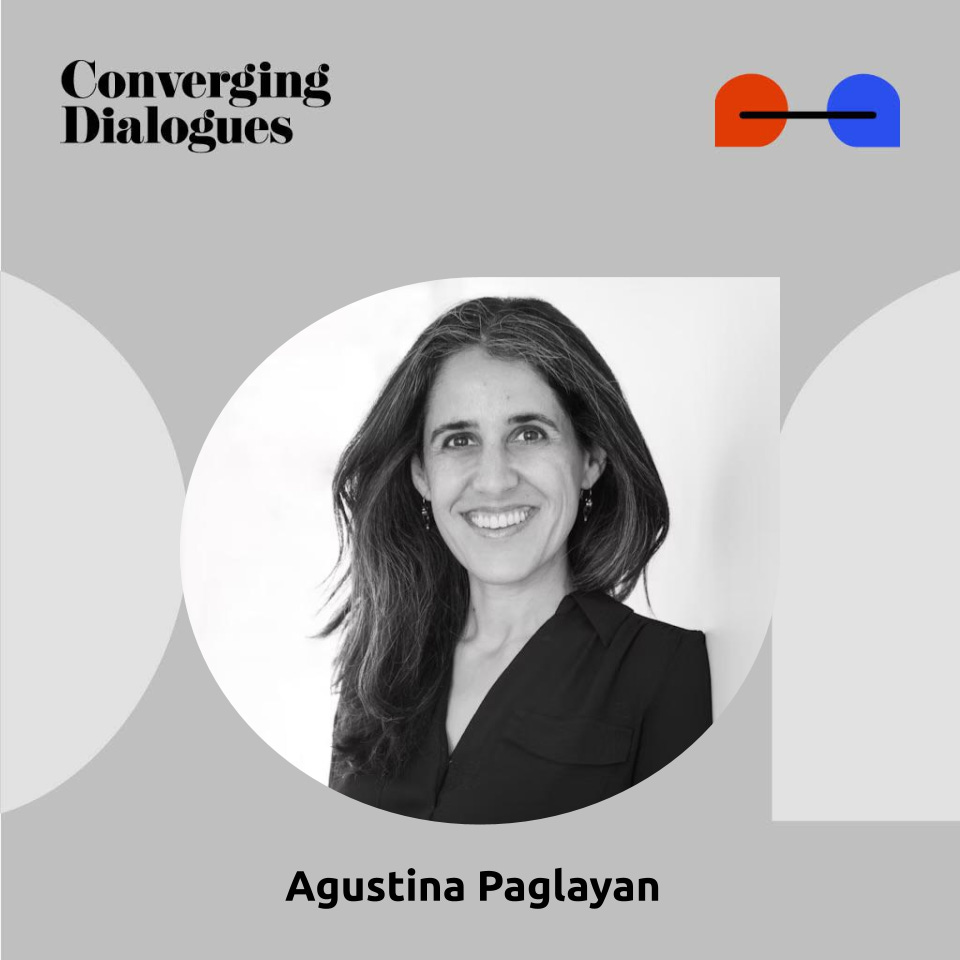
#430 - The Rise and Spread of Mass Education: A Dialogue with Agustina Paglayan
In this episode, Xavier Bonilla has a dialogue with Agustina Paglayan about mass education around the world. They discuss education as a tool for political and social order, theories of education, and explicit aims of government education. They also talk about early critical thinking, nationalism, and education worldwide. They discuss mass education and violence, indoctrination, curriculums, teachers and quality education, and many more topics. Agustina S. Paglayan is a political science and public policy professor at the University of California, San Diego, and a nonresident fellow at the Center for Global Development. She is an expert in the interplay between politics and education. She holds a PhD in political science from Stanford University, an MA in education policy (Stanford), an MPP (Georgetown University) and a Licenciatura en Economia (Universidad de San Andres, Argentina). During 2020-21, she served as the Founding President of the Education Politics and Policy Section within the American Political Science Association. Her research has received numerous awards from the American Political Science Association for deepening our understanding of democracy, autocracy, political economy, political history, public policy, and labor politics. She has consulted for the United Nations, the World Bank, and the Inter-American Development Bank. Her findings have been featured in The Economist, NPR, the Washington Post, and other media. She is the author of the new book, Raised to Obey: The Rise and Spread of Mass Education. Get full access to Converging Dialogues at convergingdialogues.substack.com/subscribe
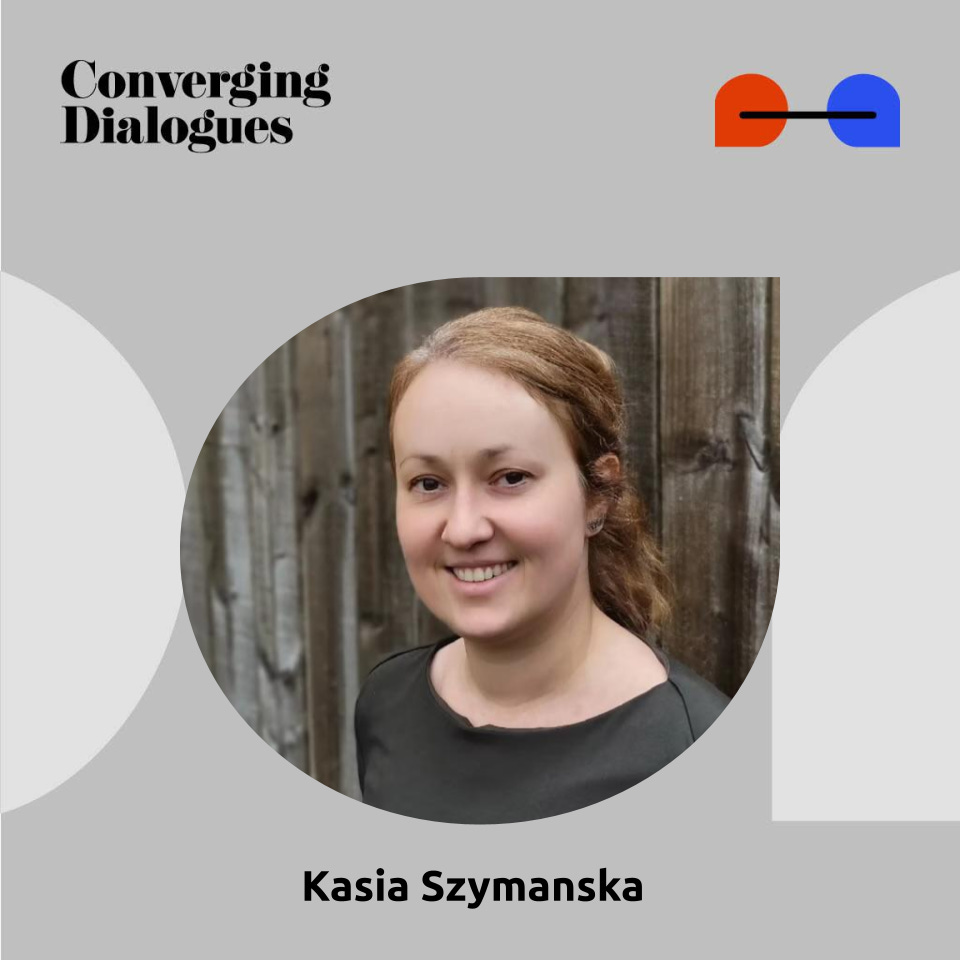
#429 - Translation Multiples: A Dialogue with Kasia Szymanska
In this episode, Xavier Bonilla has a dialogue with Kasia Szymanska about translation of texts. They discuss how many translations can diverge from one source, translating into English, post-1989 Poland and translation, ethics of translation, the poem VIA, A Clockwork Orange translations, and many more topics. Kasia Szymanska is Lecturer in translations studies at the University of Manchester. Her research is in translation and comparative literature, literary translation, translation politics, and multilingual writing — especially with reference to the East European context. Her work to date has appeared in, among others, PMLA, Contemporary Literature, Slavic and East European Journal, the volume Prismatic Translation and other books on the intersection between translation, literature, and politics. She was named the 2022 Martha Cheung Award winner for the best English article in Translation Studies by an early career scholar. She hold a BA/MA from the University of Warsaw, MPhil in European Literature and Culture from the University of Cambridge, and a DPhil in Modern Languages from the University of Oxford. She is the author of the latest book, Translation Multiples: From Global Culture to Post-Communist Democracy. Get full access to Converging Dialogues at convergingdialogues.substack.com/subscribe

#428 - Iran's Grand Political Strategy: A Dialogue with Vali Nasr
In this episode, Xavier Bonilla has a dialogue with Vali Nasr about the recent political history of Iran. They give an overview of Iran’s political motives and strategy, impact of the Persian empire and Shia Islam, and Reza Khan and Iranian nationalism. They talk about the impact of “Kemalism,” the 1979 Iranian revolution, the Iran-Iraq war, rise of Supreme Leader Ayatollah Khamenei, Iran’s relationship with Syria, Nuclear power, future of Iran, and many more topics. Vali Nasr is the Majid Khadduri Professor of International Affairs and Middle East Studies at the Johns Hopkins University School of Advanced International Studies (SAIS). He served as the eighth Dean of Johns Hopkins SAIS between 2012 and 2019 and served as Senior Advisor to U.S. Special Representative for Afghanistan and Pakistan, Ambassador Richard Holbrooke between 2009 and 2011. He received his BA from Tufts University in International Relations summa cum laude and was initiated into Phi Beta Kappa in 1983. He earned his master's from the Fletcher School of Law in and Diplomacy in international economics and Middle East studies in 1984, and his PhD from MIT in political science in 1991. He serves as the co-director of the SAIS Rethinking Iran Initiative at Johns Hopkins University, the leading hub for fostering a comprehensive and nuanced understanding of contemporary Iran and its regional influence within academia and the public sphere. He is a member of the International Board of Advisors of the Blavatnik School of Government at Oxford University, the International Board of Advisors at the American University of Beirut, the Global Board of Trustees of Asia Society, and he is on the Board of Advisors of Rajaratnam School of International Studies in Singapore. He has been the recipient of grants from the John D. and Catherine T. MacArthur Foundation, the Harry Frank Guggenheim Foundation, and the Social Science Research Council, and was named a 2006 Carnegie Scholar, and holds the 2024-25 Henry Alfred Kissinger Chair in Foreign Policy and International Relations at The John W. Kluge Center at the Library of Congress. He has advised senior American policymakers, world leaders, and businesses, including the President, Secretary of State, senior members of the Congress, and presidential campaigns. He has written for New York Times, Foreign Affairs, Financial Times, Wall Street Journal, and The Washington Post. He is the author of numerous books including the most recent, Iran’s Grand Strategy: A Political History. Get full access to Converging Dialogues at convergingdialogues.substack.com/subscribe
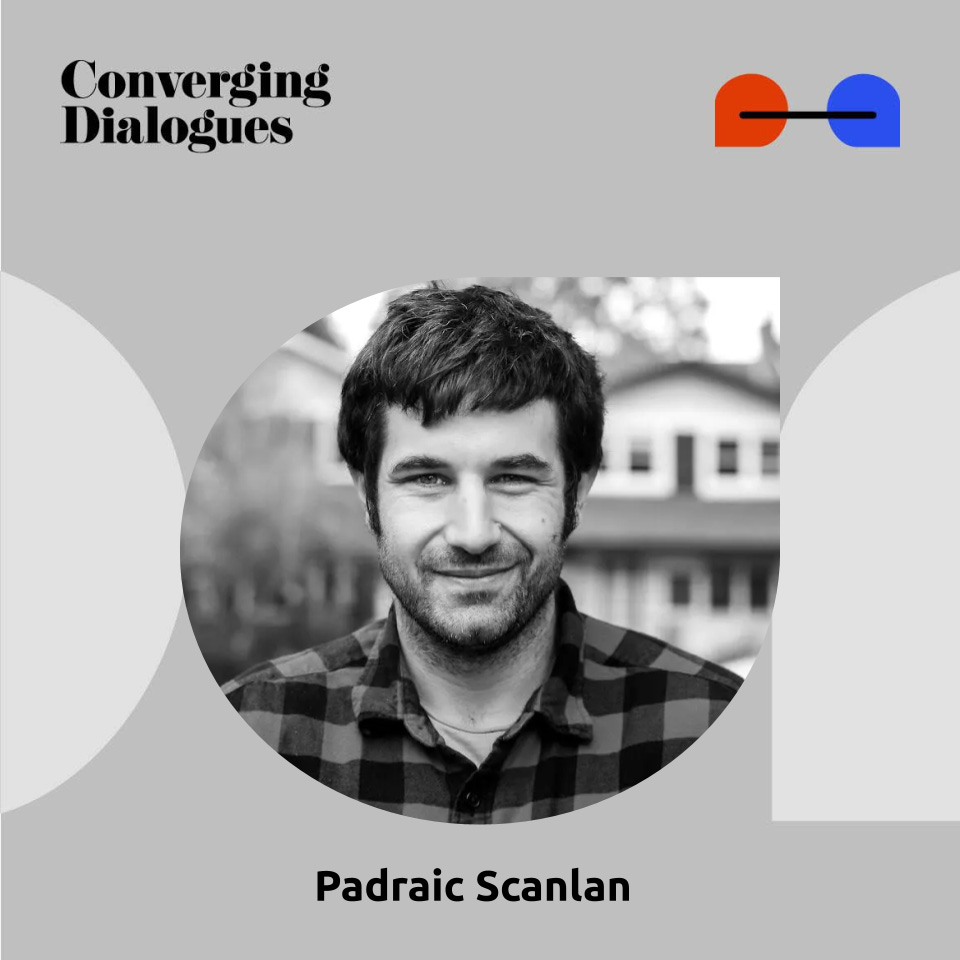
#427 - A History of the Irish Famine: A Dialogue with Padraic Scanlan
In this episode, Xavier Bonilla has a dialogue with Padraic Scanlan about the Irish famine. They provide an overview of the Irish famine, discuss the relationship between Ireland and Britain and how British colonialism impacted the Irish famine. They talk about potatoes in Ireland, formation of the United Kingdom, variables leading up to the Irish famine, potato blight, exiting the famine, generational impact, and many more topics. Padraic Scanlan is Associate Professor at the Centre for Industrial Relations and Human Resources, cross-appointed to the Centre for Diaspora and Transnational Studies at the University of Toronto. He is also a Research Associate at the Center for History and Economics at Harvard University and the University of Cambridge, and a fellow of St. Michael’s College. He has his BA in history from McGill University and PhD in history from Princeton University. His research focuses on the history of labor, enslaved and free, in Britain and the British empire during the eighteenth and nineteenth centuries. He is the author of the latest book, Rot: An Imperial History of the Irish Famine. Get full access to Converging Dialogues at convergingdialogues.substack.com/subscribe

#426 - A History of Free Speech: A Dialogue with Jacob Mchangama
In this episode, Xavier Bonilla has a dialogue with Jacob Mchangama about the history of free speech. They discuss free speech in Europe, defining free speech, limits of free speech and ethics of free speech. They also talk about the free speech recession, origins of free speech, Athenian and Roman empires, Abbasid Caliphate, ancient India, printing press and enlightenment, John Stuart Mill, free speech in the 21st century, and many more topics. Jacob Mchangama is the founder and Executive Director of The Future of Free Speech. He is also a research professor at Vanderbilt University and a Senior Fellow at The Foundation for Individual Rights and Expression (FIRE). Jacob has written and commented extensively on free speech and human rights in international media outlets including the Economist, L.A. Times, Washington Post, BBC, CBS News, NPR, CNN, Foreign Affairs, Foreign Policy, The Wall Street Journal, Politico as well as top-tier academic and peer-reviewed journals. Jacob is the producer and narrator of the podcast, Clear and Present Danger: A History of Free Speech and author of the critically acclaimed book, Free Speech: A History From Socrates to Social Media. Get full access to Converging Dialogues at convergingdialogues.substack.com/subscribe
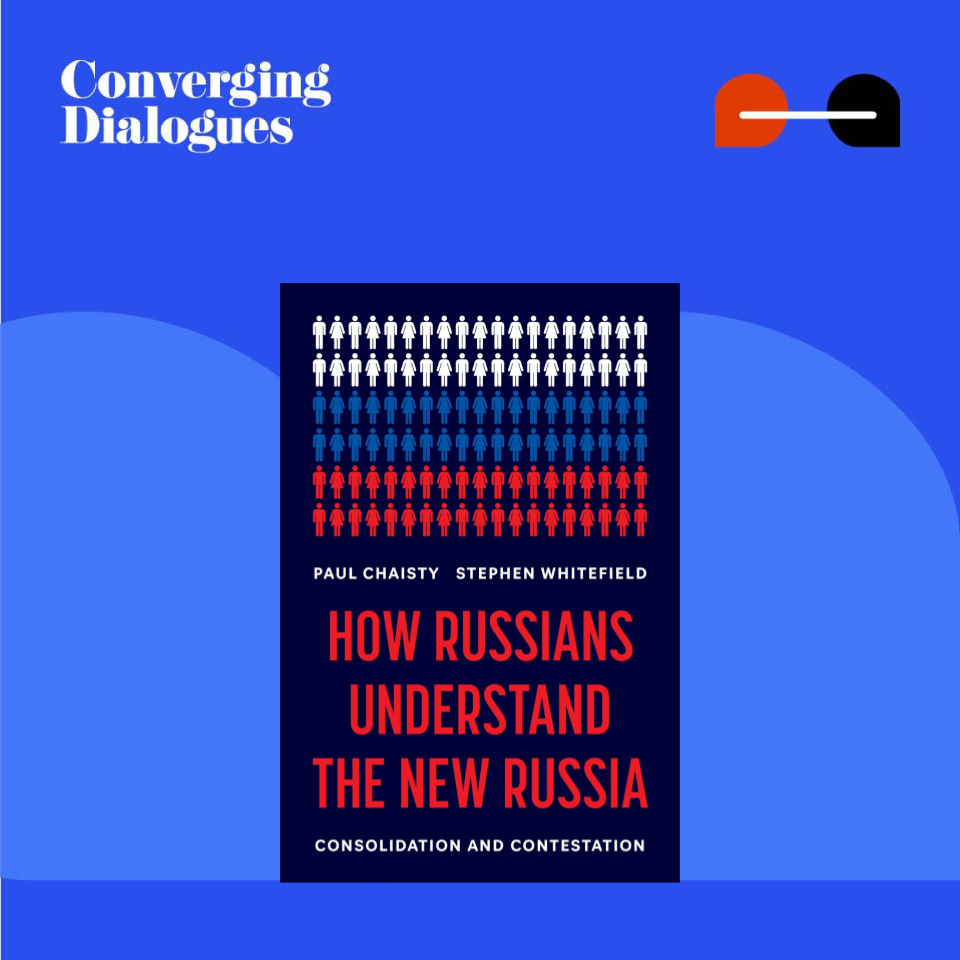
#425 - What Russians Believe About Russia: A Dialogue with Paul Chaisty & Stephen Whitefield
In this episode, Xavier Bonilla has a dialogue with Paul Chaisty and Stephen Whitefield about public opinion in Russia. They discuss Russia’s transformation since the fall of the Soviet Union, Consolidation and contestation within Russia’s hybrid political economy, and generational changes under Putin. They talk about authoritarianism, collecting public data in Russia, changes in Russian public opinion, social media, propaganda, how Russians vote, identity, Russia-Ukraine war, post-Putin Russia, and many other topics. Paul Chaisty is professor of Russian and East European politics in the Department of Politics and International Relations, the Oxford School of Global and Area Studies and St Antony’s College, University of Oxford. He is the author of Legislative Politics and Economic Power in Russia and the coauthor of Coalitional Presidentialism in Comparative Perspective: Minority Presidents in Multiparty Systems. Stephen Whitefield is professor of comparative Russian and East European politics in the Department of Politics and International Relations and fellow in politics at Pembroke College, University of Oxford. He is the author of Industrial Power and the Soviet State and coauthor of The Strain of Representation: How Political Parties Represent Diverse Voters in Western and Eastern Europe. Both Paul and Stephen are co-authors of the book, How Russians Understand the New Russia: Consolidation and Contestation. Get full access to Converging Dialogues at convergingdialogues.substack.com/subscribe
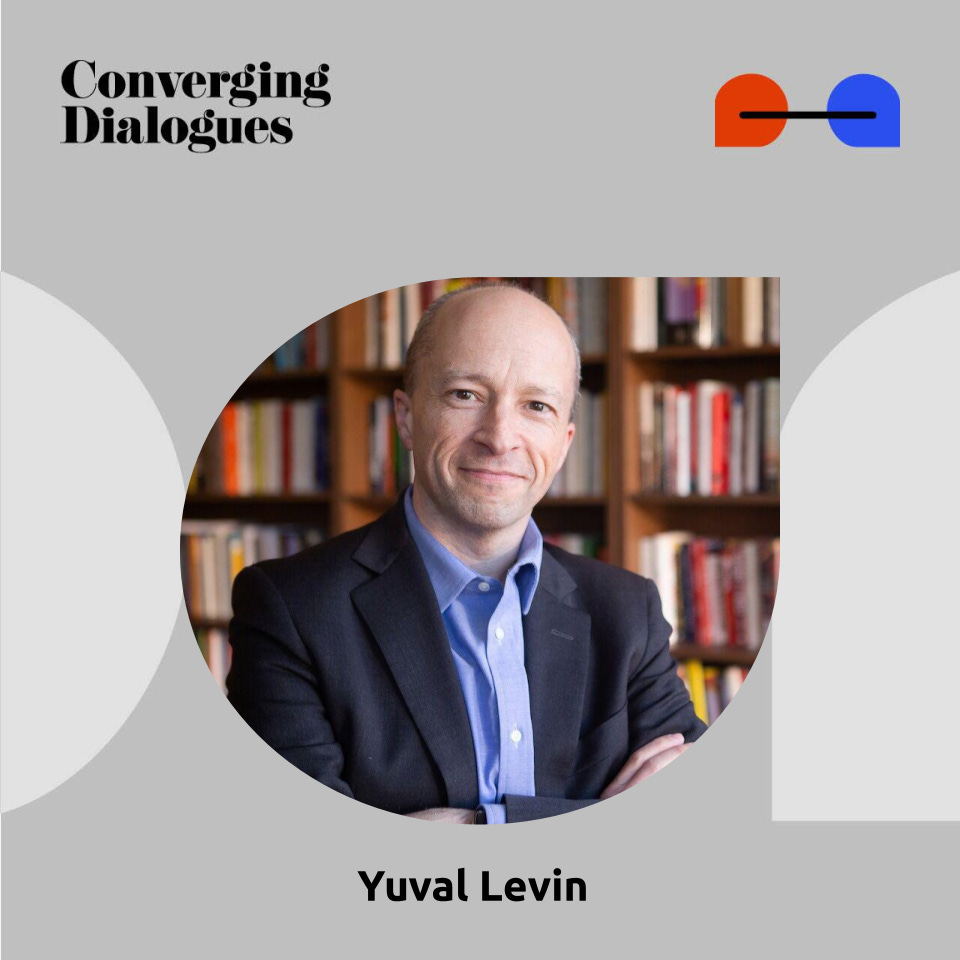
#424 - Reforming Our Institutions: A Dialogue with Yuval Levin
In this episode, Xavier Bonilla has a dialogue with Yuval Levin about the importance of reforming our institutions. They discuss why institutions are important, individuals and institutions, slow change with institutions, and the mistrust and dislike of institutions. They also make the case for elites, building broad political coalitions, Trump’s 2nd first 100 days, reforming journalism, family in the 21st century, and many more topics. Yuval Levin is the director of Social, Cultural, and Constitutional Studies at the American Enterprise Institute (AEI), where he also holds the Beth and Ravenel Curry Chair in Public Policy. The founder and editor of National Affairs, he is also a senior editor at The New Atlantis, a contributing editor at National Review, and a contributing opinion writer at New York Times. He has his MA and PhD from the committee on Social Thought at the University of Chicago. Dr. Levin served as a member of the White House domestic policy staff under President George W. Bush. He was also executive director of the President’s Council on Bioethics and a congressional staffer at the member, committee, and leadership levels.In addition to being interviewed frequently on radio and television, Dr. Levin has published essays and articles in numerous publications, including Wall Street Journal, Washington Post, The Atlantic, and Commentary. He is the author of several books on political theory and public policy, including the title, A Time to Build. Get full access to Converging Dialogues at convergingdialogues.substack.com/subscribe
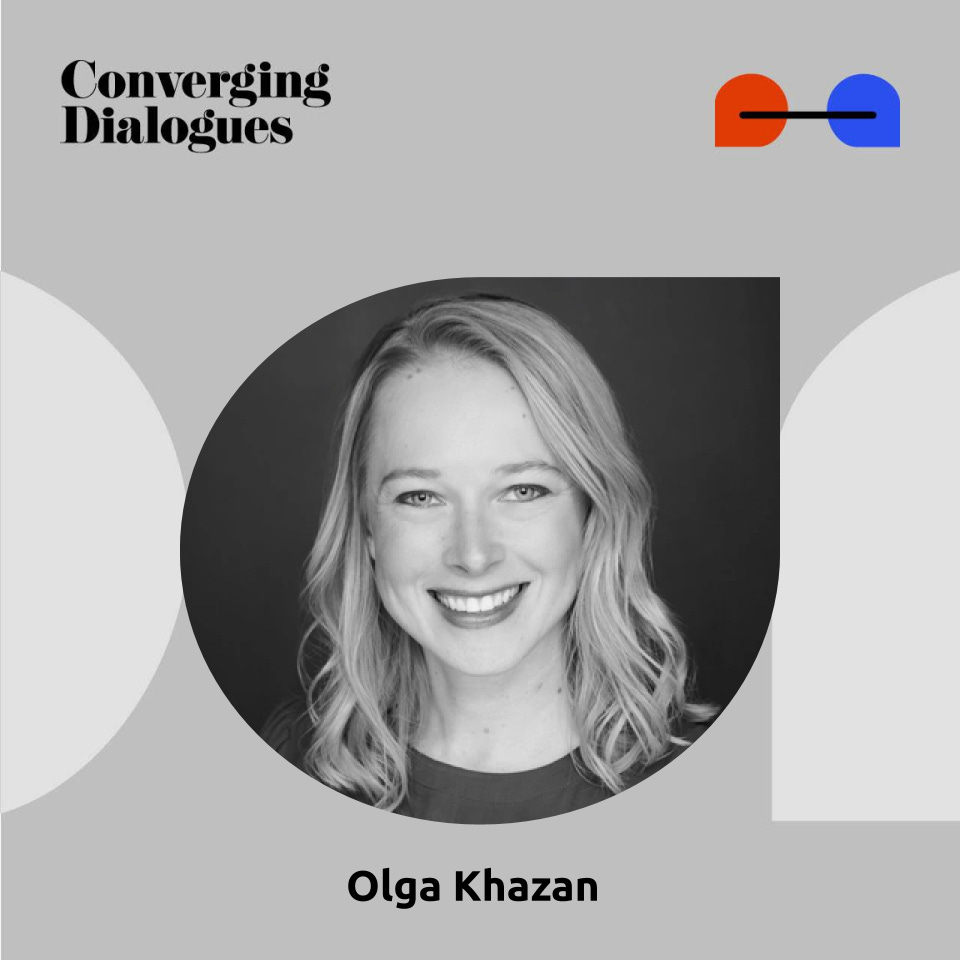
#423 - Changing Personality: A Dialogue with Olga Khazan
In this episode, Xavier Bonilla has a dialogue with Olga Khazan on whether one could change their personality. They discuss why someone would want to change their personality, constancy over the lifespan, and why she used the BIG-5. They talk about extroversion and connection, neuroticism and mindfulness, openness to experience, conscientiousness, agreeableness, values, and many more topics. Olga Khazan is a staff writer for The Atlantic. Prior to that, she was The Atlantic’s Global editor. She has also written for the New York Times, the Los Angeles Times, the Washington Post, Forbes, and other publications. She is the author of Me, But Better: The Science and Promise of Personality Change and Weird: The Power of Being an Outsider in an Insider World. Get full access to Converging Dialogues at convergingdialogues.substack.com/subscribe
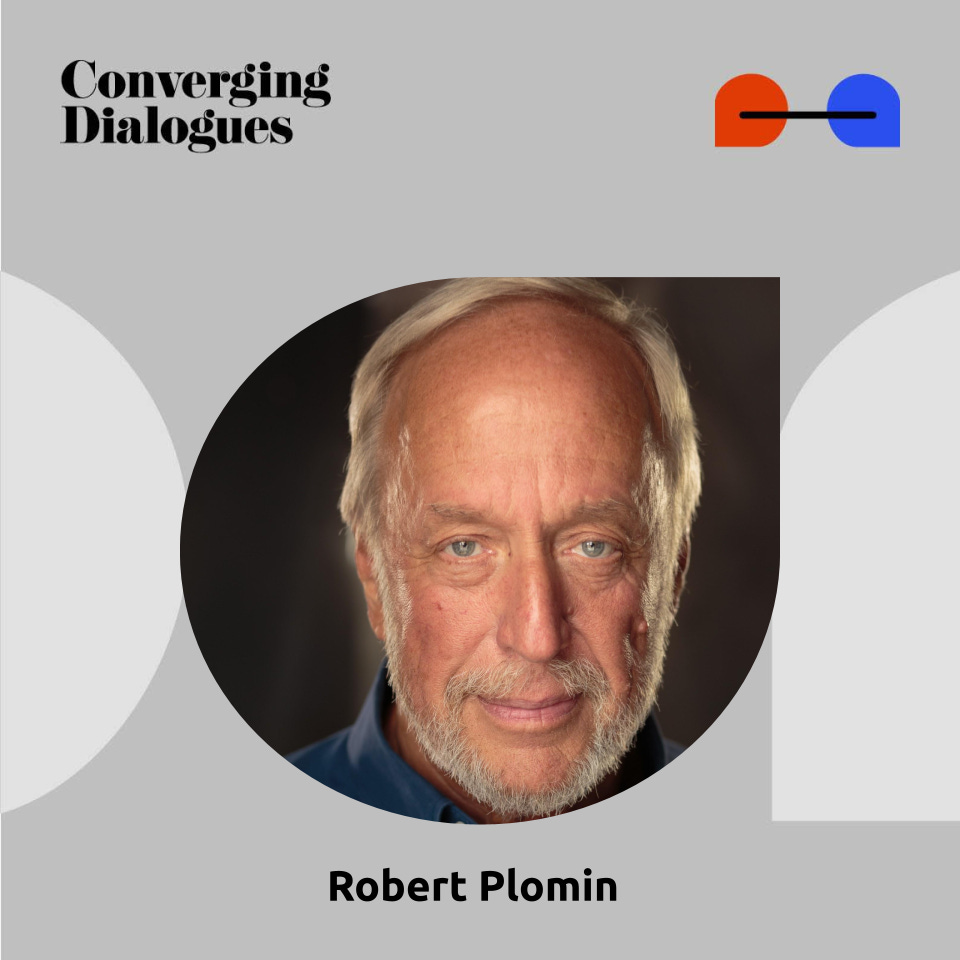
#422 - The Power of Behavioral Genetics: A Dialogue with Robert Plomin
In this episode, Xavier Bonilla has a dialogue with Robert Plomin on behavioral genetics. They discuss why behavioral genetics has explanatory power, heritability, genetics and psychological research, SNPs, GWAS, and epigenetics. They also talk about shared and non-shared environments, twin models and adoption models, heritability and cognitive abilities, heritability and personality, psychopathology, and many other topics. Robert Plomin is MRC Research Professor in Behavioral Genetics at the Institute of Psychiatry, Psychology & Neuroscience, King’s College London. He helped launch the Social, Genetic and Developmental Psychiatry Research Centre, which brings together genetic and environmental strategies to understand individual differences in behavioral development. In 1995, Professor Plomin began the Twins Early Development Study (TEDS), which has followed 10,000 pairs of UK twins from infancy through early adulthood and has been continuously funded for 25 years as a program grant from the Medical Research Council. He was the youngest elected President of the international Behavior Genetics Association and has received lifetime research achievement awards from the major associations related to his field (Behavior Genetics Association, Association of Psychological Science, Society for Research in Child Development, International Society for Intelligence Research), as well as being made Fellow of the American Academy of Arts and Sciences, British Academy, American Academy of Political and Social Science, and Academy of Medical Sciences (UK). He has published more than 800 papers and is the author of the best-selling textbook in the field as well as a dozen other books, including, Blueprint: How DNA Makes Us Who We Are. Get full access to Converging Dialogues at convergingdialogues.substack.com/subscribe
#421 - Beauty and the gods: A Dialogue with Hugo Shakeshaft
In this episode, Xavier Bonilla has a dialogue with Hugo Shakeshaft about ancient greeks ideas about beauty and the gods. They discuss beauty in ancient Greece and its impact on modern times, architecture and beauty, beauty and aesthetics, and the gods and beauty. They talk about the relationship between humans and the gods, superficial and deeper beauty, beauty and nature, beauty as power, role of religion, and many more topics. Hugo Shakeshaft is a classicist, art historian, and artist. He is a specialist in the cultural history of ancient Greece and its legacy. His research ranges across ancient literature, history, philosophy, art, and archaeology. At the heart of his work is a fascination with aesthetics, with how people in antiquity perceived the world. The place of beauty in ancient Greek culture has been a focus of his research to date.He has a degree in Classics from Emmanuel College, University of Cambridge. After a year at Harvard as a Herchel Smith Scholar, he completed a Masters in Classical Archaeology and then a doctorate in Ancient History at Lincoln College, University of Oxford. Since 2018 he has held research fellowships at Christ Church College, Oxford, and the Kunsthistorisches Institut in Florence. He is currently A.W. Mellon postdoctoral fellow at the Center for Advanced Study in the Visual Arts at the National Gallery of Art, Washington D.C. He is the author of the book, Beauty and the Gods: A History from Homer to Plato. Get full access to Converging Dialogues at convergingdialogues.substack.com/subscribe
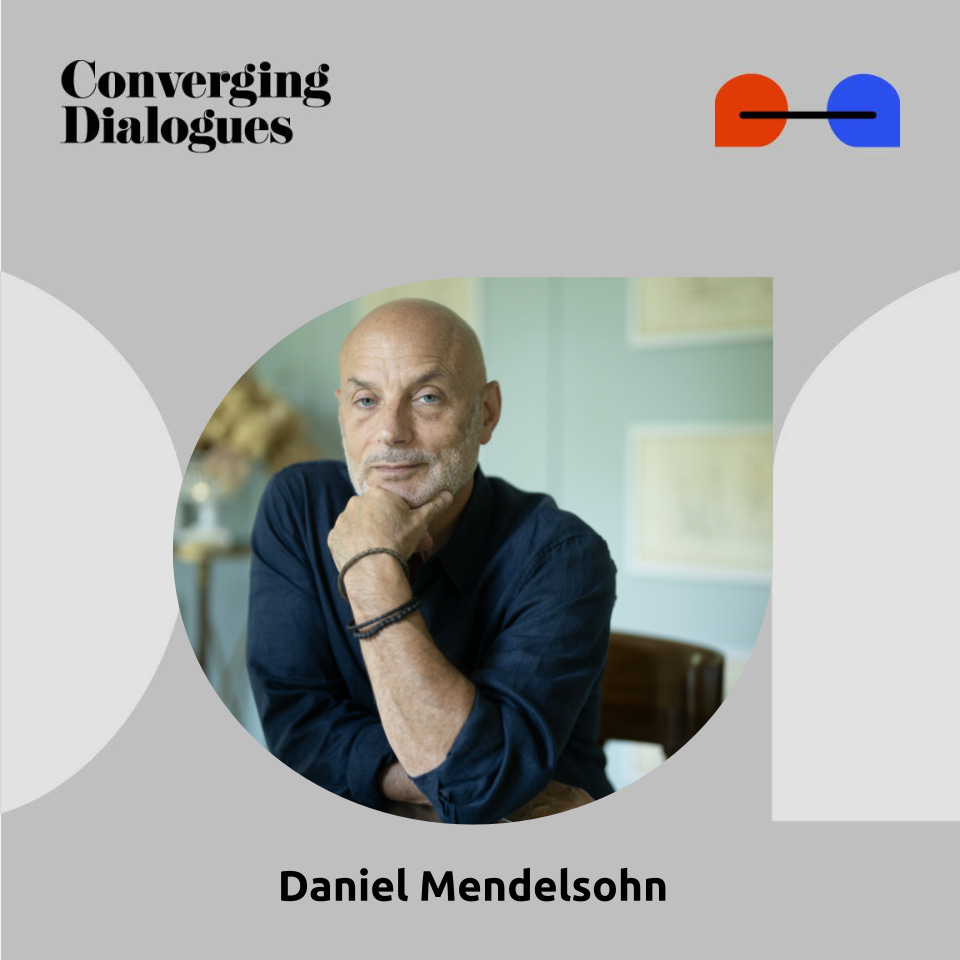
#420 - Translating Homer's The Odyssey: A Dialogue with Daniel Mendelsohn
In this episode, Xavier Bonilla has a dialogue with Daniel Mendelsohn on his new English translation of Homer’s The Odyssey. They discuss the massive impact of The Odyssey, major themes in the Odyssey, authorship, and translation for our time. They talk about the lines and meter of the Odyssey in English, oral to written form, adapting the Odyssey, relevance for the 21st century, and many more topics. Daniel Mendelsohn is an internationally bestselling author, critic, essayist, and translator. He is a professor of literature at Bard College. He has degrees in Classics from the University of Virginia and Princeton. He has been a prolific contributor of essays, reviews, and articles in many publications, most frequently The New Yorker and The New York Review of Books. He has also been a contributing editor at Travel + Leisure and a columnist for The New York Times Book Review, Harper’s, and New York magazine, where he was the weekly book critic. In February 2019, he was named Editor-at-Large of the New York Review of Books and the Director of the Robert B. Silvers Foundation, a charitable trust that supports writers of nonfiction, essay, and criticism.He has received many honors including the American Academy of Arts and Letters Harry Vursell Prize for Prose Style, a Guggenheim Fellowship, a Barnes and Noble Discover Prize, the NBCC Citation for Excellence in Book Reviewing, the George Jean Nathan Prize for Drama Criticism, and Princeton University’s James Madison Medal. In 2022, he was made a Knight of the Order of Arts and Letters by the Republic of France, and received the Premio Malaparte, Italy’s highest honor for foreign writers. He is a member of both the American Academy of Arts and Sciences and the American Philosophical Association. He is also the author of many books including the new translation of, Homer’s The Odyssey. Get full access to Converging Dialogues at convergingdialogues.substack.com/subscribe
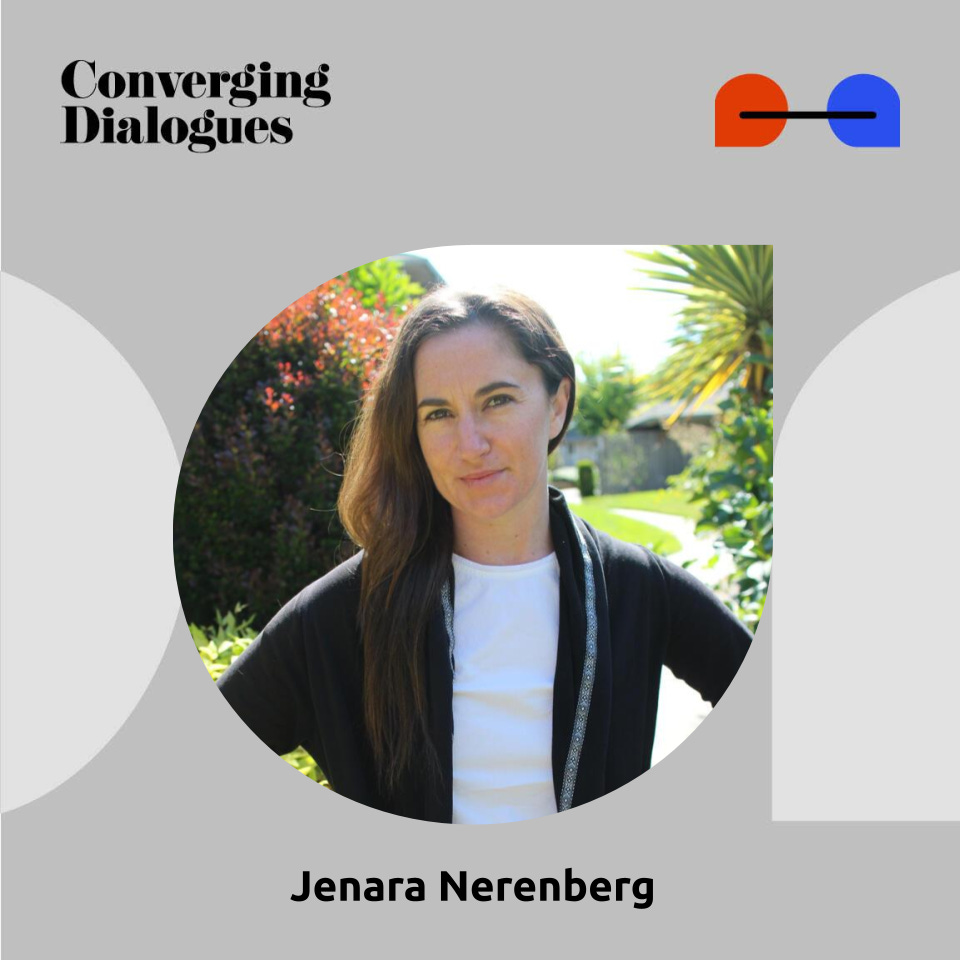
#419 - Resisting Groupthink, Embracing Nuance: A Dialogue with Jenara Nerenberg
In this episode, Xavier Bonilla has a dialogue with Jenara Nerenberg about the importance of nuance thinking and healthy dialogue with others. They discuss self-censoring, groupthink, rise of gurus, podcasters, and influencer culture. They also talk about heterodox thinking, ethics of speaking to a larger audience, healthy dialogue with others, and many other topics. Jenara Nerenberg is a journalist, author, and founder of The Neurodiversity Project. She has interdisciplinary training from Harvard in public health, business, and government. She is the author of the latest book, Trust Your Mind: Embracing Nuance in a World of Self-silencing. Get full access to Converging Dialogues at convergingdialogues.substack.com/subscribe
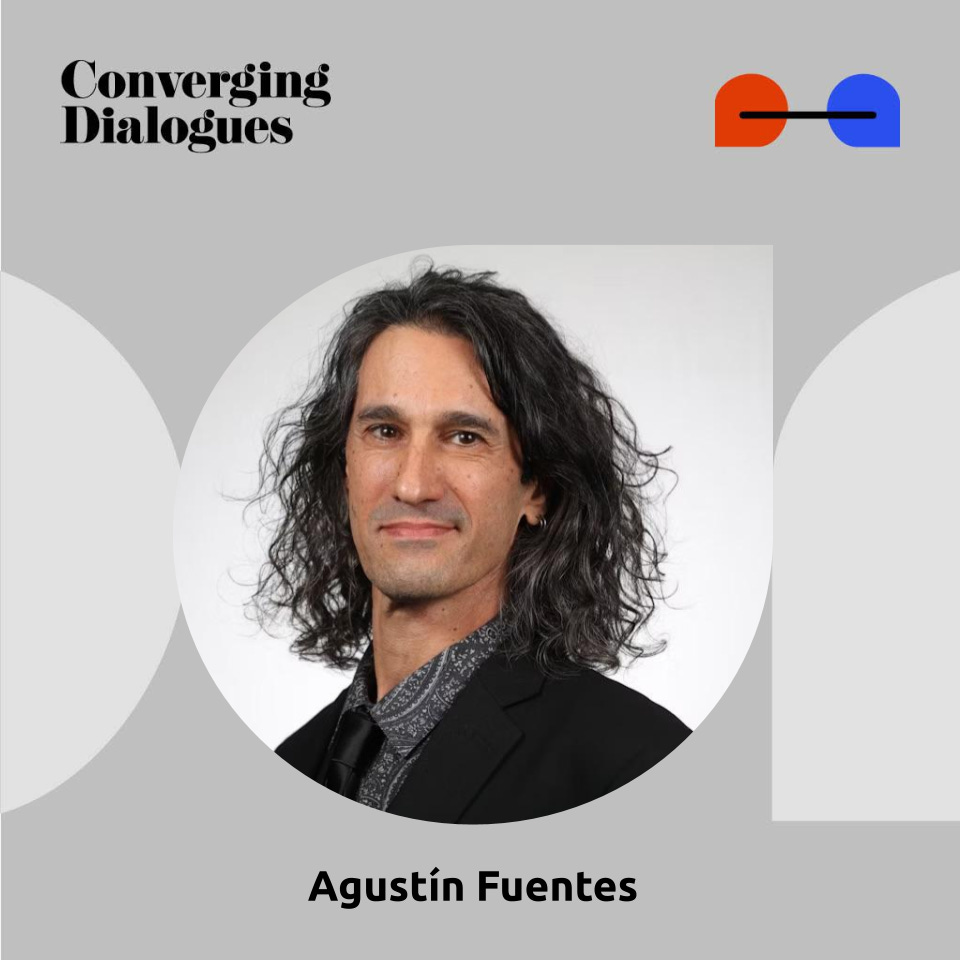
#418 - Sex Is A Spectrum: A Dialogue with Agustín Fuentes
In this episode, Xavier Bonilla has a dialogue with Agustín Fuentes about biological sex. They talk about the history of sex evolution, the importance of gametes, intersex individuals, and history of sex binary. They talk about gonads and hormones, sex variation in the animal kingdom, spectrum question, gender, gender and sports, gender and bathrooms, and many other topics. Agustín Fuentes is an anthropologist and professor of anthropology at Princeton University. His research focuses on the entanglement of biological systems with the social and cultural lives of humans, our ancestors, and a few of the other animals with whom humanity shares close relations. He has his BA/BS in Anthropology and Zoology and his MA and PhD in Anthropology from UC Berkeley. He has conducted research across four continents, multiple species, and two-million years of human history. His current projects include exploring cooperation, creativity, and belief in human evolution, multispecies anthropologies, evolutionary theory and processes, and engaging race and racism. Fuentes is an active public scientist, a well-known blogger, lecturer, tweeter, and an explorer for National Geographic. Fuentes was recently awarded the Inaugural Communication & Outreach Award from the American Association of Physical Anthropologists, the President’s Award from the American Anthropological Association, and elected to the American Academy of Arts and Sciences. He is the author of numerous books including the most recent, Sex Is A Spectrum: The Biological Limits of the Binary. Get full access to Converging Dialogues at convergingdialogues.substack.com/subscribe

#417 - The Golden Road: Ancient India and the World: A Dialogue with William Dalrymple
In this episode, Xavier Bonilla has a dialogue with William Dalrymple about India and the Golden Road. They define the Golden Road of ancient India, discuss evidence other cultures interacted with India, and discuss the spread of Buddhism out of India. They talk about similarities and differences with the Silk Road, Kushans and Scythians, Hinduism, Islam, the Golden Road’s impact on modern India, and many more topics. William Dalrymple is a Historian, Journalist, and Broadcaster. He is a fellow of the Royal Society of Literature, the Royal Asiatic Society and the Royal Society of Edinburgh, and has held visiting fellowships at Princeton, Brown and Oxford. In 2018, he was the recipient of the prestigious President’s Medal by the British Academy for his outstanding literary achievement. He is the author of numerous award-winning books including, The Anarchy: The East India Company, Corporate Violence, and the Pillage of an Empire and his latest book, The Golden Road: How Ancient India Transformed the World. Get full access to Converging Dialogues at convergingdialogues.substack.com/subscribe

#416 - A New History of the Americas: A Dialogue with Greg Grandin
In this episode, Xavier Bonilla has a dialogue with Greg Grandin about a new history of the Americas. They discuss the term “American,” landscape of the Americas in pre-colonial years, Spanish colonialism, British colonialism, and the American and French Revolutions. They talk about Bolívar and Gran Colombia, the Monroe Doctrine, FDR’s new deal in Latin America, the future of America, and many other topics. Greg Grandin is a historian and professor of history at Yale University. He has his Bachelors from Brooklyn College and PhD from Yale University. He has been a member of the American Academy of Arts and Sciences since 2010. He is an expert on Latin American politics, the Cold War, and U.S. Foreign Policy. He is the author of numerous books including the Pulitzer prize winning, The End of the Myth, and his latest book, America, América. Get full access to Converging Dialogues at convergingdialogues.substack.com/subscribe

#415 - Off The Spectrum: Autism and Females: A Dialogue with Gina Rippon
In this episode, Xavier Bonilla has a dialogue with Gina Rippon about autism in females. They discuss the increase in autism cases, defining autism, and origins of autism. They also talk about the history of the autism diagnosis, identity, current diagnostic criteria, specific presentations in females, neurological features, eating disorders, future of autism research, and many more topics. Gina Rippon is Professor Emeritus of Cognitive NeuroImaging at Aston University in the UK. Her research involves the use of state-of-the-art brain imaging techniques to investigate developmental disorders such as autism, profiling different patterns of brain activity in autistic children and adults. Her current research explores the under-recognition of autism in women and girls, especially in neuroscience research. She is the author of the latest book, Off the Spectrum. Get full access to Converging Dialogues at convergingdialogues.substack.com/subscribe

#414 - Death and the Afterlife in the Ancient World: A Dialogue with Robert Garland
In this episode, Xavier Bonilla has a dialogue with Robert Garland about death in the ancient world. They talk about how ancient cultures considered death, beginnings of understanding death, process of dying, funerals, different cultural beliefs about the afterlife, caring for the bodies of the deceased, afterlife for non-believers, and many more topics. Robert Garland is Emeritus Professor at Colgate University. He has his PhD from University College, London. His main interests have been in ancient histories and classics. He is the author of numerous books including the most recent book, What To Expect When You’re Dead: An Ancient Tour of Death and the Afterlife. Get full access to Converging Dialogues at convergingdialogues.substack.com/subscribe

#413 - Single Motherhood Since 1980: A Dialogue with Nicholas Wolfinger & Matthew McKeever
In this episode, Xavier Bonilla has a dialogue with Nicholas Wolfinger and Matthew McKeever about single motherhood since 1980. They discuss major causes of single motherhood, income, workforce change, teenage mothers, and low fertility rates. They also talk about the differences between divorced vs. non-married mothers, income and family size, race, 1979 longitudinal cohort, single motherhood in the 21st century, and many other topics. Nicholas Wolfinger is professor of family and consumer studies and sociology at the University of Utah. He has a Ph.D. in Sociology from UCLA. He is widely published and cited within academia and has written for The Atlantic, National Review, Huffington Post, and other outlets. He is the author of numerous books on marriage, family, and divorce, including the most recent book (co-authored with Matthew McKeever), Thanks For Nothing: The Economics of Single Motherhood Since 1980. Matthew McKeever is Professor of Sociology and Department Chair of sociology at Haverford College. He has also taught at Rice University, University of Houston, University of Kentucky, and Yale University. He received his Ph.D. from UCLA, and his B.A. from Haverford. His research focuses on the structure of social inequality within a variety of institutional, cultural, and regional contexts, from the U.S. and Europe to South Africa and Asia. Get full access to Converging Dialogues at convergingdialogues.substack.com/subscribe

#412 - The Neuroscience of Choice and Change: A Dialogue with Emily Falk
In this episode, Xavier Bonilla has a dialogue with Emily Falk about the neuroscience of choice and change. They discuss studying values, strengths and limits of fMRIs, value system in the brain, reward system, making choices, the self, making future choices, values with others, and many more topics. Emily Falk is professor of Communication, Psychology, Marketing, and OID (Operations, Information, and Decisions) at the University of Pennsylvania. She is also the director of the Communication Neuroscience Lab, the vice dean of the Annenberg School for Communication, and the director of the Climate Communication Division of the Annenberg Public Policy Center. She has a bachelors in Neuroscience from Brown University and PhD in Psychology from the University of California, Los Angeles. Her research uses tools from psychology, neuroscience, and communication to examine what makes messages persuasive, why and how ideas spread, and what helps people get on the same page when communicating. Her research has been recognized by numerous awards, including early career awards from the International Communication Association, the Society for Personality and Social Psychology Attitudes Division, a Fulbright grant, Social and Affective Neuroscience Society, a DARPA Young Faculty Award, and the NIH Director’s New Innovator Award. She was named a Rising Star by the Association for Psychological Science. She is the author of the latest book, What We Value: The Neuroscience of Choice and Change. Get full access to Converging Dialogues at convergingdialogues.substack.com/subscribe

#411 - A History of the Female Body: A Dialogue with Helen King
In this episode, Xavier Bonilla has a dialogue with Helen King about the history of the female body. The give an overview of the four parts (breasts, clitoris, hymen, womb) of the female body and discuss how medicine shaped positive and negative ideas about the female body. They talk about breasts, clitoris, female genital mutilation, hymen, womb, and many more topics. Helen King is Professor Emerita of Classical Studies at The Open University. She is an elected member of the General Synod of the Church of England, where she is vice chair of Together, which campaigns on a range of discrimination issues including discrimination on the grounds of gender or sexuality. She is the author of the latest book, Immaculate Forms: A History of the Female Body in Four Parts. Get full access to Converging Dialogues at convergingdialogues.substack.com/subscribe

#410 - The Social Genome: A Dialogue with Dalton Conley
In this episode, Xavier Bonilla has a dialogue with Dalton Conley about the social genome. They discuss the nature/nurture debate, polygenic index (PGI), and ethics of PGI and Genome Wide Association Studies (GWAS) studies. They give some critiques of The Bell Curve, three major Gene-Environmental interactions (active, passive, reactive), epigenetics, the social genome, and many more topics. Dalton Conley is a sociologist and professor of sociology at Princeton University. He is also a Research Associate at the National Bureau of Economic Research and faculty affiliate at the New York Genome Center. He has his Bachelors from the University of California-Berkeley, MPA in Public Policy and PhD in Sociology from Columbia University as well as a Masters and PhD in Biology from New York University. His research has focused on the intergenerational transmission of socioeconomic and health status from parents to children, the impact of parental wealth in explaining racial attainment gaps; the causal impact of birthweight on later health and educational outcomes; sibling differences that appear to reflect the triumph of achievement over ascription; and, finally, genetics as a driver of both social mobility and reproduction. He has been the recipient of Guggenheim, Robert Wood Johnson Foundation and Russell Sage Foundation fellowships as well as a CAREER Award and the Alan T. Waterman Award from the National Science Foundation. He is an elected fellow of the American Academy of Arts and Sciences and the American Association for the Advancement of Science as well as a member of the National Academy of Sciences. He is the author of numerous books including the most book, The Social Genome: The New Science of Nature and Nurture. Get full access to Converging Dialogues at convergingdialogues.substack.com/subscribe

#409 - Animals as Doctors of Nature: A Dialogue with Jaap de Roode
In this episode, Xavier Bonilla has a dialogue with Jaap de Roode about how animals heal themselves. They discuss whether animals intentionally or unintentionally seek out medicinal plants, four ways animals fight infection, Monarch butterflies and treating against parasites, chimps and their gut health. They also talk about birds using cigarettes in their nests, ants and rezin, goats and sheep having preferences, cats and dogs eating grass, and many other topics. Jaap de Roode is a biologist and professor of biology at Emory University. He has a MSc in Population Biology from Wageningen University in the Netherlands and PhD in Evolutionary Biology from the University of Edinburgh in Scotland. He is interested in the ecology and evolution of infectious diseases, and currently studies infectious diseases of monarch butterflies, honey bees and humans. He is the author of the book, Doctors by Nature: How Ants, Apes, and Other animals Heal Themselves. Get full access to Converging Dialogues at convergingdialogues.substack.com/subscribe