Classic Poetry Aloud
609 episodes — Page 9 of 13
Piano by DH Lawrence
Lawrence read by Classic Poetry Aloud: http://www.classicpoetryaloud.com/ Giving voice to the poetry of the past. --------------------------------------------- Piano by DH Lawrence (1885 – 1930) Softly, in the dusk, a woman is singing to me; Taking me back down the vista of years, till I see A child sitting under the piano, in the boom of the tingling strings And pressing the small, poised feet of a mother who smiles as she sings. In spite of myself, the insidious mastery of song Betrays me back, till the heart of me weeps to belong To the old Sunday evenings at home, with winter outside And hymns in the cosy parlour, the tinkling piano our guide. So now it is vain for the singer to burst into clamour With the great black piano appassionato. The glamour Of childish days is upon me, my manhood is cast Down in the flood of remembrance, I weep like a child for the past.
Loveliest of Trees by AE Housman
Housman read by Classic Poetry Aloud: http://www.classicpoetryaloud.com/ Giving voice to the poetry of the past. --------------------------------------------- Loveliest of Trees by AE Housman (1859 – 1936) Loveliest of trees, the cherry now Is hung with bloom along the bough, And stands about the woodland ride, Wearing white for Eastertide. Now, of my threescore years and ten, Twenty will not come again, And take from seventy springs a score, It only leaves me fifty more. And since to look at things in bloom Fifty springs are little room, About the woodlands I will go To see the cherry hung with snow.
The Dalliance Of The Eagles by Walt Whitman
Whitman read by Classic Poetry Aloud: http://www.classicpoetryaloud.com/ Giving voice to the poetry of the past. --------------------------------------------- The Dalliance Of The Eagles by Walt Whitman (1819 – 1892) Skirting the river road, (my forenoon walk, my rest,) Skyward in the air a sudden muffled sound, the dalliance of the eagles, The rushing amorous contact high in space together, The clinching interlocking claws, a living, fierce, gyrating wheel, Four beating wings, two beaks, a swirling mass tight grappling, In tumbling turning clustering loops, straight downward falling, Till o'er the river pois'd, the twain yet one, a moment's lull, A motionless still balance in the air, then parting, talons loosing, Upward again on slow-firm pinions slanting, their separate diverse flight, She hers, he his, pursuing.
The Moon by Percy Bysshe Shelley
Shelley read by Classic Poetry Aloud: http://www.classicpoetryaloud.com/ Giving voice to the poetry of the past. --------------------------------------------- The Moon by Percy Bysshe Shelley (1792 – 1822) I And, like a dying lady lean and pale, Who totters forth, wrapp'd in a gauzy veil, Out of her chamber, led by the insane And feeble wanderings of her fading brain, The mood arose up in the murky east, A white and shapeless mass. II Art thou pale for weariness Of climbing heaven and gazing on the earth, Wandering companionless Among the stars that have a different birth, And ever changing, like a joyless eye That finds no object worth its constancy?
The Rhodora by Ralph Waldo Emerson
Emerson read by Classic Poetry Aloud: http://www.classicpoetryaloud.com/ Giving voice to the poetry of the past. --------------------------------------------- The Rhodora by Ralph Waldo Emerson (1803 – 1882) On Being Asked Whence Is the Flower In May, when sea-winds pierced our solitudes, I found the fresh Rhodora in the woods, Spreading its leafless blooms in a damp nook, To please the desert and the sluggish brook. The purple petals, fallen in the pool, Made the black water with their beauty gay; Here might the red-bird come his plumes to cool, And court the flower that cheapens his array. Rhodora! if the sages ask thee why This charm is wasted on the earth and sky, Tell them, dear, that if eyes were made for seeing, Then Beauty is its own excuse for being: Why thou wert there, O rival of the rose! I never thought to ask, I never knew: But, in my simple ignorance, suppose The self-same Power that brought me there brought you.
Milton! by William Wordsworth
Wordsworth read by Classic Poetry Aloud: http://classicpoetryaloud.podomatic.com/ Giving voice to the poetry of the past. --------------------------------------------------- London, 1802, Sonnet CCXIII by William Wordsworth Milton! thou shouldst be living at this hour: England hath need of thee: she is a fen Of stagnant waters: altar, sword, and pen, Fireside, the heroic wealth of hall and bower, Have forfeited their ancient English dower Of inward happiness. We are selfish men: O raise us up, return to us again; And give us manners, virtue, freedom, power. Thy soul was like a Star, and dwelt apart: Thou hadst a voice whose sound was like the sea, Pure as the naked heavens, majestic, free; So didst thou travel on life's common way In cheerful godliness; and yet thy heart The lowliest duties on herself did lay. First read on Classic Poetry Aloud: 21 May, 2007
Opportunity by James Elroy Flecker
Flecker read by Classic Poetry Aloud: http://www.classicpoetryaloud.com/ Giving voice to the poetry of the past. --------------------------------------------- Opportunity by James Elroy Flecker (1884 – 1915) From Machiavelli "But who art thou, with curious beauty graced, O woman, stamped with some bright heavenly seal Why go thy feet on wings, and in such haste?" "I am that maid whose secret few may steal, Called Opportunity. I hasten by Because my feet are treading on a wheel, Being more swift to run than birds to fly. And rightly on my feet my wings I wear, To blind the sight of those who track and spy; Rightly in front I hold my scattered hair To veil my face, and down my breast to fall, Lest men should know my name when I am there; And leave behind my back no wisp at all For eager folk to clutch, what time I glide So near, and turn, and pass beyond recall." "Tell me; who is that Figure at thy side?" "Penitence. Mark this well that by decree Who lets me go must keep her for his bride. And thou hast spent much time in talk with me Busied with thoughts and fancies vainly grand, Nor hast remarked, O fool, neither dost see How lightly I have fled beneath thy hand."
His Books by Robert Southey
Southey read by Classic Poetry Aloud: http://www.classicpoetryaloud.com/ Giving voice to the poetry of the past. --------------------------------------------- His Books by Robert Southey (1774 – 1843) My days among the Dead are past; Around me I behold, Where'er these casual eyes are cast, The mighty minds of old: My never-failing friends are they, With whom I converse day by day. With them I take delight in weal And seek relief in woe; And while I understand and feel How much to them I owe, My cheeks have often been bedew'd With tears of thoughtful gratitude. My thoughts are with the Dead; with them I live in long-past years, Their virtues love, their faults condemn, Partake their hopes and fears; And from their lessons seek and find Instruction with an humble mind. My hopes are with the Dead; anon My place with them will be, And I with them shall travel on Through all Futurity; Yet leaving here a name, I trust, That will not perish in the dust.
The Way Through The Woods by Rudyard Kipling
Kipling read by Classic Poetry Aloud: http://classicpoetryaloud.podomatic.com/ Giving voice to classic poetry. --------------------------------------------------- The Way Through The Woods by Rudyard Kipling They shut the road through the woods Seventy years ago. Weather and rain have undone it again, And now you would never know There was once a road through the woods Before they planted the trees. It is underneath the coppice and heath, And the thin anemones. Only the keeper sees That, where the ring-dove broods, And the badgers roll at ease, There was once a road through the woods. Yet, if you enter the woods Of a summer evening late, When the night-air cools on the trout-ringed pools Where the otter whistles his mate. (They fear not men in the woods, Because they see so few) You will hear the beat of a horse's feet, And the swish of a skirt in the dew, Steadily cantering through The misty solitudes, As though they perfectly knew The old lost road through the woods... But there is no road through the woods. First aired 16 July 2007
The Seven Ages of Man (All the World’s a Stage) by William Shakespeare
Shakespeare read by Classic Poetry Aloud: http://www.classicpoetryaloud.com/ Giving voice to the poetry of the past. --------------------------------------------- The Seven Ages of Man from As You Like It by William Shakespeare (1564 – 1616) All the world's a stage, And all the men and women merely players: They have their exits and their entrances; And one man in his time plays many parts, His acts being seven ages. At first the infant, Mewling and puking in the nurse's arms. And then the whining school-boy, with his satchel And shining morning face, creeping like snail Unwillingly to school. And then the lover, Sighing like furnace, with a woeful ballad Made to his mistress' eyebrow. Then a soldier, Full of strange oaths and bearded like the pard, Jealous in honour, sudden and quick in quarrel, Seeking the bubble reputation Even in the cannon's mouth. And then the justice, In fair round belly with good capon lined, With eyes severe and beard of formal cut, Full of wise saws and modern instances; And so he plays his part. The sixth age shifts Into the lean and slipper'd pantaloon, With spectacles on nose and pouch on side, His youthful hose, well saved, a world too wide For his shrunk shank; and his big manly voice, Turning again toward childish treble, pipes And whistles in his sound. Last scene of all, That ends this strange eventful history, Is second childishness and mere oblivion, Sans teeth, sans eyes, sans taste, sans everything.
Sonnet 29 by William Shakespeare
Shakespeare read by Classic Poetry Aloud: http://www.classicpoetryaloud.com/ Giving voice to classic poetry. --------------------------------------------------- Sonnet 29 by William Shakespeare (1564 – 1616) When in disgrace with fortune and men’s eyes I all alone beweep my outcast state, And trouble deaf heaven with my bootless cries, And look upon myself, and curse my fate, Wishing me like to one more rich in hope, Featur’d like him, like him with friends possess’d, Desiring this man’s art, and that man’s scope, With what I most enjoy contented least; Yet in these thoughts myself almost despising, Haply I think on thee,—and then my state, Like to the lark at break of day arising From sullen earth, sings hymns at heaven’s gate; For thy sweet love remember’d such wealth brings That then I scorn to change my state with kings. First aired 7 September, 2007
Sonnet 18: Shall I compare thee to a summer's day by William Shakespeare
Shakespeare read by Classic Poetry Aloud: http://classicpoetryaloud.podomatic.com/ Giving voice to classic poetry. --------------------------------------------------- Sonnet 18 by William Shakespeare Shall I compare thee to a summer's day? Thou art more lovely and more temperate: Rough winds do shake the darling buds of May, And summer's lease hath all too short a date: Sometime too hot the eye of heaven shines, And often is his gold complexion dimm'd; And every fair from fair sometime declines, By chance, or nature's changing course, untrimm'd; But thy eternal summer shall not fade, Nor lose possession of that fair thou owest; Nor shall Death brag thou wander'st in his shade, When in eternal lines to time thou growest; So long as men can breathe, or eyes can see, So long lives this, and this gives life to thee. First aired 9 June 2007.
Mark Anthony’s Funeral Speech from Julius Caesar by William Shakespeare
Shakespeare read by Classic Poetry Aloud: http://www.classicpoetryaloud.com/ Giving voice to the poetry of the past. --------------------------------------------- Mark Anthony’s Funeral Speech from Julius Caesar by William Shakespeare (1564 – 1616) Friends, Romans, countrymen, lend me your ears; I come to bury Caesar, not to praise him. The evil that men do lives after them; The good is oft interred with their bones; So let it be with Caesar. The noble Brutus Hath told you Caesar was ambitious: If it were so, it was a grievous fault, And grievously hath Caesar answer'd it. Here, under leave of Brutus and the rest-- For Brutus is an honourable man; So are they all, all honourable men-- Come I to speak in Caesar's funeral. He was my friend, faithful and just to me: But Brutus says he was ambitious; And Brutus is an honourable man. He hath brought many captives home to Rome Whose ransoms did the general coffers fill: Did this in Caesar seem ambitious? When that the poor have cried, Caesar hath wept: Ambition should be made of sterner stuff: Yet Brutus says he was ambitious; And Brutus is an honourable man. You all did see that on the Lupercal I thrice presented him a kingly crown, Which he did thrice refuse: was this ambition? Yet Brutus says he was ambitious; And, sure, he is an honourable man. I speak not to disprove what Brutus spoke, But here I am to speak what I do know. You all did love him once, not without cause: What cause withholds you then, to mourn for him? O judgment! thou art fled to brutish beasts, And men have lost their reason. Bear with me; My heart is in the coffin there with Caesar, And I must pause till it come back to me.
Sonnet 116 by William Shakespeare
Shakespeare read by Classic Poetry Aloud: http://www.classicpoetryaloud.com/ Giving voice to the poetry of the past. --------------------------------------------- Sonnet 116 by William Shakespeare (1564 – 1616) Let me not to the marriage of true minds Admit impediments. Love is not love Which alters when it alteration finds, Or bends with the remover to remove: O no! it is an ever-fixed mark That looks on tempests and is never shaken; It is the star to every wandering bark, Whose worth's unknown, although his height be taken. Love's not Time's fool, though rosy lips and cheeks Within his bending sickle's compass come: Love alters not with his brief hours and weeks, But bears it out even to the edge of doom. If this be error and upon me proved, I never writ, nor no man ever loved.
Introduction to Shakespeare Week
Shakespeare read by Classic Poetry Aloud: http://www.classicpoetryaloud.com/ Giving voice to the poetry of the past. --------------------------------------------- On Quoting Shakespeare by Bernard Levin (1928 – 2004) If you cannot understand my argument, and declare ``It's Greek to me'', you are quoting Shakespeare; if you claim to be more sinned against than sinning, you are quoting Shakespeare; if you recall your salad days, you are quoting Shakespeare; if you act more in sorrow than in anger; if your wish is farther to the thought; if your lost property has vanished into thin air, you are quoting Shakespeare; if you have ever refused to budge an inch or suffered from green-eyed jealousy, if you have played fast and loose, if you have been tongue-tied, a tower of strength, hoodwinked or in a pickle, if you have knitted your brows, made a virtue of necessity, insisted on fair play, slept not one wink, stood on ceremony, danced attendance (on your lord and master), laughed yourself into stitches, had short shrift, cold comfort or too much of a good thing, if you have seen better days or lived in a fool's paradise -why, be that as it may, the more fool you , for it is a foregone conclusion that you are (as good luck would have it) quoting Shakespeare; if you think it is early days and clear out bag and baggage, if you think it is high time and that that is the long and short of it, if you believe that the game is up and that truth will out even if it involves your own flesh and blood, if you lie low till the crack of doom because you suspect foul play, if you have your teeth set on edge (at one fell swoop) without rhyme or reason, then - to give the devil his due - if the truth were known (for surely you have a tongue in your head) you are quoting Shakespeare; even if you bid me good riddance and send me packing, if you wish I was dead as a door-nail, if you think I am an eyesore, a laughing stock, the devil incarnate, a stony-hearted villain, bloody-minded or a blinking idiot, then - by Jove! O Lord! Tut tut! For goodness' sake! What the dickens! But me no buts! - it is all one to me, for you are quoting Shakespeare. from Macbeth by William Shakespeare (1564 – 1616) To-morrow, and to-morrow, and to-morrow, Creeps in this petty pace from day to day To the last syllable of recorded time, And all our yesterdays have lighted fools The way to dusty death. Out, out, brief candle! Life's but a walking shadow, a poor player That struts and frets his hour upon the stage
The Retreat by Henry Vaughan
Vaughan read by Classic Poetry Aloud: http://www.classicpoetryaloud.com/ Giving voice to the poetry of the past. --------------------------------------------- The Retreat by Henry Vaughan (1621 – 1695) Happy those early days, when I Shin'd in my Angel-infancy! Before I understood this place Appointed for my second race, Or taught my soul to fancy aught But a white celestial thought: When yet I had not walk'd above A mile or two from my first Love, And looking back—at that short space— Could see a glimpse of His bright face: When on some gilded cloud, or flow'r, My gazing soul would dwell an hour, And in those weaker glories spy Some shadows of eternity: Before I taught my tongue to wound My Conscience with a sinful sound, Or had the black art to dispense A several sin to ev'ry sense, But felt through all this fleshly dress Bright shoots of everlastingness. O how I long to travel back, And tread again that ancient track! That I might once more reach that plain Where first I left my glorious train; From whence th' enlightned spirit sees That shady City of Palm-trees. But ah! my soul with too much stay Is drunk, and staggers in the way! Some men a forward motion love, But I by backward steps would move; And when this dust falls to the urn, In that state I came, return.
An Epitaph by Andrew Marvell
Marvell read by Classic Poetry Aloud: http://www.classicpoetryaloud.com/ Giving voice to the poetry of the past. --------------------------------------------- An Epitaph by Andrew Marvell (1621 – 1678) Enough; and leave the rest to Fame! 'Tis to commend her, but to name. Courtship which, living, she declined, When dead, to offer were unkind: Nor can the truest wit, or friend, Without detracting, her commend. To say—she lived a virgin chaste In this age loose and all unlaced; Nor was, when vice is so allowed, Of virtue or ashamed or proud; That her soul was on Heaven so bent, No minute but it came and went; That, ready her last debt to pay, She summ'd her life up every day; Modest as morn, as mid-day bright, Gentle as evening, cool as night: —'Tis true; but all too weakly said. 'Twas more significant, she's dead.
Immortality by Matthew Arnold
Arnold read by Classic Poetry Aloud: http://www.classicpoetryaloud.com/ Giving voice to the poetry of the past. --------------------------------------------- Immortality by Matthew Arnold (1822 – 1888) (Mathew Arnold died on this day – 15 April – in 1888.) Foil'd by our fellow-men, depress'd, outworn, We leave the brutal world to take its way, And, Patience! in another life, we say The world shall be thrust down, and we up-borne. And will not, then, the immortal armies scorn The world's poor, routed leavings? or will they, Who fail'd under the heat of this life's day, Support the fervours of the heavenly morn? No, no! the energy of life may be Kept on after the grave, but not begun; And he who flagg'd not in the earthly strife, From strength to strength advancing - only he, His soul well-knit, and all his battles won, Mounts, and that hardly, to eternal life.
Claire de Lune by Paul Verlaine
Verlaine read by Classic Poetry Aloud: http://www.classicpoetryaloud.com/ Giving voice to the poetry of the past. --------------------------------------------- Claire de Lune by Paul Verlaine (1844 – 1896) Votre âme est un paysage choisi Que vont charmant masques et bergamasques Jouant du luth et dansant et quasi Tristes sous leurs déguisements fantasques. Tout en chantant sur le mode mineur L'amour vainqueur et la vie opportune Ils n'ont pas l'air de croire à leur bonheur Et leur chanson se mêle au clair de lune, Au calme clair de lune triste et beau, Qui fait rêver les oiseaux dans les arbres Et sangloter d'extase les jets d'eau, Les grands jets d'eau sveltes parmi les marbres. Claire de Lune by Paul Verlaine (1844 – 1896) Your soul is a chosen landscape Where charming masked and costumed figures go Playing the lute and dancing and almost Sad beneath their fantastic disguises. All sing in a minor key Of all-conquering love and careless fortune They do not seem to believe in their happiness And their song mingles with the moonlight. The still moonlight, sad and beautiful, Which gives the birds to dream in the trees And makes the fountain sprays sob in ecstasy, The tall, slender fountain sprays among the marble statues.
How Sweet it is to Love by John Dryden
Dryden read by Classic Poetry Aloud: http://www.classicpoetryaloud.com/ Giving voice to the poetry of the past. --------------------------------------------- How Sweet it is to Love by John Dryden (1631 – 1700) (John Dryden became Poet Laureate on this day – 13 April – in 1668.) Ah, how sweet it is to love! Ah, how gay is young Desire! And what pleasing pains we prove When we first approach Love's fire! Pains of love be sweeter far Than all other pleasures are. Sighs which are from lovers blown Do but gently heave the heart: Ev'n the tears they shed alone Cure, like trickling balm, their smart: Lovers, when they lose their breath, Bleed away in easy death. Love and Time with reverence use, Treat them like a parting friend; Nor the golden gifts refuse Which in youth sincere they send: For each year their price is more, And they less simple than before. Love, like spring-tides full and high, Swells in every youthful vein; But each tide does less supply, Till they quite shrink in again: If a flow in age appear, 'Tis but rain, and runs not clear.
from the vault: To His Coy Mistress by Andrew Marvell
(first aired July 2007) Marvell read by Classic Poetry Aloud: http://classicpoetryaloud.podomatic.com/ Giving voice to classic poetry. --------------------------------------------------- To His Coy Mistress by Andrew Marvell Has we but world enough, and time, This coyness, Lady, were no crime We would sit down and think which way To walk and pass our long love's day. Thou by the Indian Ganges' side Shouldst rubies find: I by the tide Of Humber would complain. I would Love you ten years before the Flood, And you should, if you please, refuse Till the conversion of the Jews. My vegetable love should grow Vaster than empires, and more slow; An hundred years should go to praise Thine eyes and on thy forehead gaze; Two hundred to adore each breast, But thirty thousand to the rest; An age at least to every part, And the last age should show your heart. For, Lady, you deserve this state, Nor would I love at lower rate. But at my back I always hear Time's wingèd chariot hurrying near; And yonder all before us lie Deserts of vast eternity. Thy beauty shall no more be found, Nor, in thy marble vault, shall sound My echoing song: then worms shall try That long preserved virginity, And your quaint honour turn to dust, And into ashes all my lust: The grave 's a fine and private place, But none, I think, do there embrace. Now therefore, while the youthful hue Sits on thy skin like morning dew, And while thy willing soul transpires At every pore with instant fires, Now let us sport us while we may, And now, like amorous birds of prey, Rather at once our time devour Than languish in his slow-chapt power. Let us roll all our strength and all Our sweetness up into one ball, And tear our pleasures with rough strife Thorough the iron gates of life: Thus, though we cannot make our sun Stand still, yet we will make him run.
His Winding Sheet by Robert Herrick
Herrick read by Classic Poetry Aloud: http://www.classicpoetryaloud.com/ Giving voice to the poetry of the past. --------------------------------------------- His Winding Sheet by Robert Herrick (1591 – 1674) Come thou, who are the wine and wit Of all I've writ: The grace, the glory, and the best Piece of the rest. Thou art of what I did intend The all and end; And what was made, was made to meet Thee, thee, my sheet. Come then and be to my chaste side Both bed and bride: We two, as reliques left, will have Once rest, one grave: And hugging close, we will not fear Lust entering here: Where all desires are dead and cold As is the mould; And all affections are forgot, Or trouble not. Here, here, the slaves and prisoners be From shackles free: And weeping widows long oppress'd Do here find rest. The wronged client ends his laws Here, and his cause. Here those long suits of Chancery lie Quiet, or die: And all Star-Chamber bills do cease Or hold their peace. Here needs no Court for our Request Where all are best, All wise, all equal, and all just Alike i' th' dust. Nor need we here to fear the frown Of court or crown: Where fortune bears no sway o'er things, There all are kings. In this securer place we'll keep As lull'd asleep; Or for a little time we'll lie As robes laid by; To be another day re-worn, Turn'd, but not torn: Or like old testaments engross'd, Lock'd up, not lost. And for a while lie here conceal'd, To be reveal'd Next at the great Platonick year, And then meet here.
Gravis Dulcis Immutabilis by James Elroy Flecker
Flecker read by Classic Poetry Aloud: http://www.classicpoetryaloud.com/ Giving voice to the poetry of the past. --------------------------------------------- Gravis Dulcis Immutabilis by James Elroy Flecker (1884 – 1915) Come, let me kiss your wistful face Where Sorrow curves her bow of pain, And live sweet days and bitter days With you, or wanting you again. I dread your perishable gold: Come near me now; the years are few. Alas, when you and I are old I shall not want to look at you: And yet come in. I shall not dare To gaze upon your countenance, But I shall huddle in my chair, Turn to the fire my fireless glance, And listen, while that slow and grave Immutable sweet voice of yours Rises and falls, as falls a wave In summer on forgotten shores.
Love by George Herbert
Herbert read by Classic Poetry Aloud: http://www.classicpoetryaloud.com/ Giving voice to the poetry of the past. --------------------------------------------- Love by George Herbert (1593 – 1632) Love bade me welcome; yet my soul drew back, Guilty of dust and sin. But quick-eyed Love, observing me grow slack From my first entrance in, Drew nearer to me, sweetly questioning If I lack'd anything. 'A guest,' I answer'd, 'worthy to be here:' Love said, 'You shall be he.' 'I, the unkind, ungrateful? Ah, my dear, I cannot look on Thee.' Love took my hand and smiling did reply, 'Who made the eyes but I?' 'Truth, Lord; but I have marr'd them: let my shame Go where it doth deserve.' 'And know you not,' says Love, 'Who bore the blame?' 'My dear, then I will serve.' 'You must sit down,' says Love, 'and taste my meat.' So I did sit and eat.
The Pilgrimage by Sir Walter Raleigh
Raleigh read by Classic Poetry Aloud: http://www.classicpoetryaloud.com/ Giving voice to the poetry of the past. --------------------------------------------- The Pilgrimage by Sir Walter Raleigh (1552 – 1618) Give me my scallop-shell of quiet, My staff of faith to walk upon, My scrip of joy, immortal diet, My bottle of salvation, My gown of glory, hope's true gage; And thus I'll take my pilgrimage. Blood must be my body's balmer; No other balm will there be given: Whilst my soul, like quiet palmer, Travelleth towards the land of heaven; Over the silver mountains, Where spring the nectar fountains; There will I kiss The bowl of bliss; And drink mine everlasting fill Upon every milken hill. My soul will be a-dry before; But, after, it will thirst no more.
Evening on Calais Beach by William Wordsworth
Wordsworth read by Classic Poetry Aloud: http://www.classicpoetryaloud.com/ Giving voice to the poetry of the past. --------------------------------------------- Evening on Calais Beach by William Wordsworth (1770 – 1850) It is a beauteous evening, calm and free, The holy time is quiet as a Nun Breathless with adoration; the broad sun Is sinking down in its tranquillity; The gentleness of heaven broods o'er the sea: Listen! the mighty Being is awake, And doth with his eternal motion make A sound like thunder—everlastingly. Dear Child! dear Girl! that walkest with me here, If thou appear untouch'd by solemn thought, Thy nature is not therefore less divine: Thou liest in Abraham's bosom all the year; And worshipp'st at the Temple's inner shrine, God being with thee when we know it not.
from the vault: Ode on a Grecian Urn by John Keats
First aired June 28, 2007 Keats read by Classic Poetry Aloud: http://classicpoetryaloud.podomatic.com/ Giving voice to classic poetry. --------------------------------------------------- Ode on a Grecian Urn by John Keats Thou still unravish'd bride of quietness, Thou foster-child of Silence and slow Time, Sylvan historian, who canst thus express A flowery tale more sweetly than our rhyme: What leaf-fringed legend haunts about thy shape Of deities or mortals, or of both, In Tempe or the dales of Arcady? What men or gods are these? What maidens loth? What mad pursuit? What struggle to escape? What pipes and timbrels? What wild ecstasy? Heard melodies are sweet, but those unheard Are sweeter; therefore, ye soft pipes, play on; Not to the sensual ear, but, more endear'd, Pipe to the spirit ditties of no tone: Fair youth, beneath the trees, thou canst not leave Thy song, nor ever can those trees be bare; Bold Lover, never, never canst thou kiss, Though winning near the goal—yet, do not grieve; She cannot fade, though thou hast not thy bliss, For ever wilt thou love, and she be fair! Ah, happy, happy boughs! that cannot shed Your leaves, nor ever bid the Spring adieu; And, happy melodist, unwearièd, For ever piping songs for ever new; More happy love! more happy, happy love! For ever warm and still to be enjoy'd, For ever panting, and for ever young; All breathing human passion far above, That leaves a heart high-sorrowful and cloy'd, A burning forehead, and a parching tongue. Who are these coming to the sacrifice? To what green altar, O mysterious priest, Lead'st thou that heifer lowing at the skies, And all her silken flanks with garlands drest? What little town by river or sea-shore, Or mountain-built with peaceful citadel, Is emptied of its folk, this pious morn? And, little town, thy streets for evermore Will silent be; and not a soul, to tell Why thou art desolate, can e'er return. O Attic shape! fair attitude! with brede Of marble men and maidens overwrought, With forest branches and the trodden weed; Thou, silent form! dost tease us out of thought As doth eternity: Cold Pastoral! When old age shall this generation waste, Thou shalt remain, in midst of other woe Than ours, a friend to man, to whom thou say'st, 'Beauty is truth, truth beauty,—that is all Ye know on earth, and all ye need to know.' You can find more readings of Keats' poetry at: http://classicpoetryaloud.wordpress.com/category/John-Keats/
Nightingales by Robert Bridges
Bridges read by Classic Poetry Aloud: http://www.classicpoetryaloud.com/ Giving voice to the poetry of the past. --------------------------------------------- Nightingales by Robert Bridges (1844 – 1930) Beautiful must be the mountains whence ye come, And bright in the fruitful valleys the streams, wherefrom Ye learn your song: Where are those starry woods? O might I wander there, Among the flowers, which in that heavenly air Bloom the year long! Nay, barren are those mountains and spent the streams: Our song is the voice of desire, that haunts our dreams, A throe of the heart, Whose pining visions dim, forbidden hopes profound, No dying cadence nor long sigh can sound, For all our art. Alone, aloud in the raptured ear of men We pour our dark nocturnal secret; and then, As night is withdrawn From these sweet-springing meads and bursting boughs of May, Dream, while the innumerable choir of day Welcome the dawn.
Spring by Gerard Manley Hopkins
Hopkins read by Classic Poetry Aloud: http://www.classicpoetryaloud.com/ Giving voice to the poetry of the past. --------------------------------------------- Spring by Gerard Manley Hopkins (1844 – 1889) Nothing is so beautiful as spring— When weeds, in wheels, shoot long and lovely and lush; Thrush’s eggs look little low heavens, and thrush Through the echoing timber does so rinse and wring The ear, it strikes like lightnings to hear him sing; The glassy peartree leaves and blooms, they brush The descending blue; that blue is all in a rush With richness; the racing lambs too have fair their fling. What is all this juice and all this joy? A strain of the earth’s sweet being in the beginning In Eden garden.—Have, get, before it cloy, Before it cloud, Christ, lord, and sour with sinning, Innocent mind and Mayday in girl and boy, Most, O maid’s child, thy choice and worthy the winning.
Upon Some Distemper of Body by Anne Bradstreet
Bradstreet read by Classic Poetry Aloud: http://www.classicpoetryaloud.com/ Giving voice to the poetry of the past. --------------------------------------------- Upon Some Distemper of Body by Anne Bradstreet (1612 – 1672) In anguish of my heart replete with woes, And wasting pains, which best my body knows, In tossing slumbers on my wakeful bed, Bedrenched with tears that flowed from mournful head, Till nature had exhausted all her store, Then eyes lay dry, disabled to weep more; And looking up unto his throne on high, Who sendeth help to those in misery; He chased away those clouds and let me see My anchor cast i' th' vale with safety. He eased my soul of woe, my flesh of pain, and brought me to the shore from troubled main.
The Send-off by Wilfred Owen
Owen read by Classic Poetry Aloud: http://www.classicpoetryaloud.com/ Giving voice to the poetry of the past. --------------------------------------------- The Send-off by Wilfred Owen (1893 – 1918) Down the close, darkening lanes they sang their way To the siding-shed, And lined the train with faces grimly gay. Their breasts were stuck all white with wreath and spray As men's are, dead. Dull porters watched them, and a casual tramp Stood staring hard, Sorry to miss them from the upland camp. Then, unmoved, signals nodded, and a lamp Winked to the guard. So secretly, like wrongs hushed-up, they went. They were not ours: We never heard to which front these were sent. Nor there if they yet mock what women meant Who gave them flowers. Shall they return to beatings of great bells In wild trainloads? A few, a few, too few for drums and yells, May creep back, silent, to still village wells Up half-known roads.
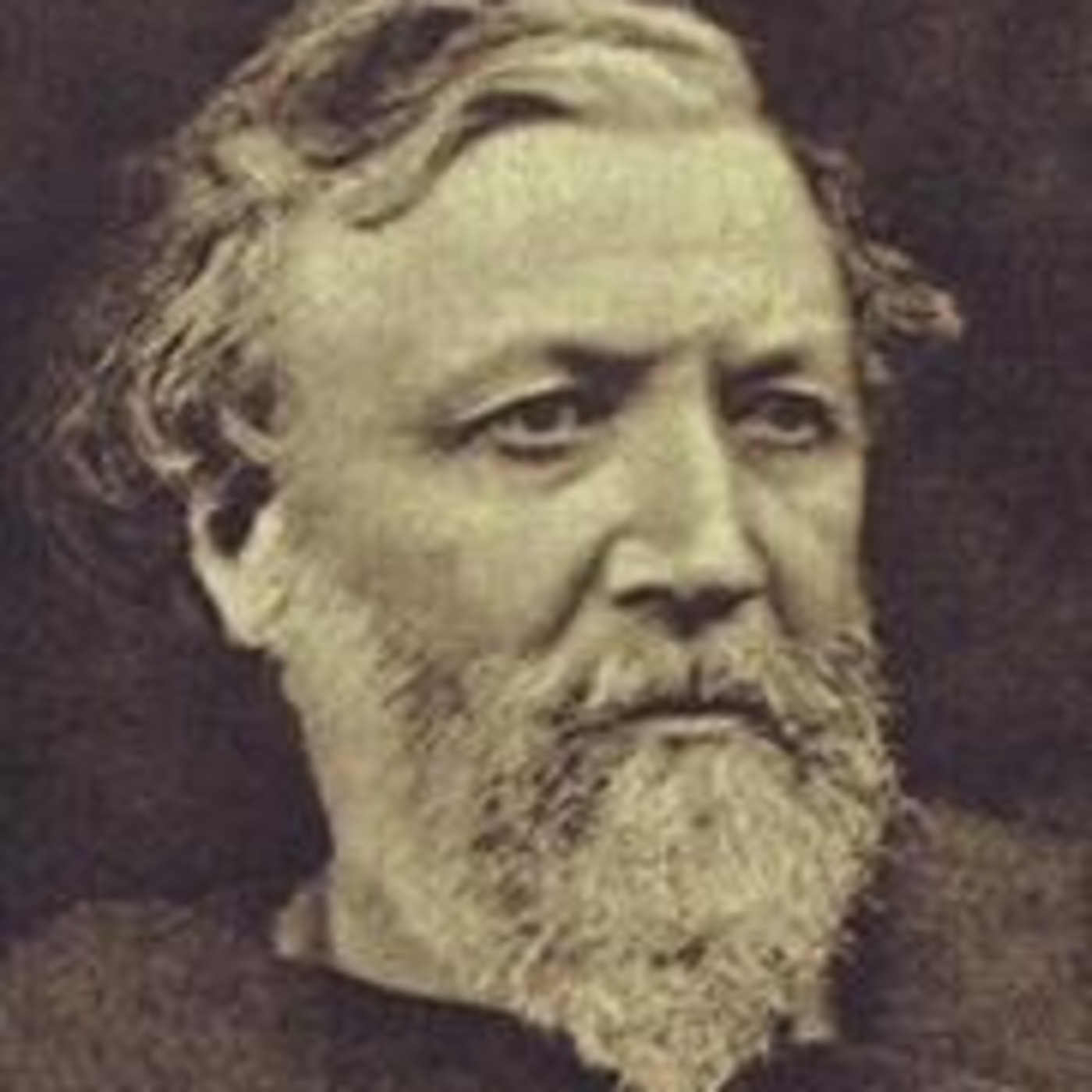
Home Thoughts from Abroad by Robert Browning
Browning read by Classic Poetry Aloud: http://www.classicpoetryaloud.com/ Giving voice to the poetry of the past. --------------------------------------------- Home Thoughts, from Abroad by Robert Browning (1812 – 1889) O, to be in England Now that April 's there, And whoever wakes in England Sees, some morning, unaware, That the lowest boughs and the brushwood sheaf Round the elm-tree bole are in tiny leaf, While the chaffinch sings on the orchard bough In England—now! And after April, when May follows, And the whitethroat builds, and all the swallows! Hark, where my blossom'd pear-tree in the hedge Leans to the field and scatters on the clover Blossoms and dewdrops—at the bent spray's edge— That 's the wise thrush; he sings each song twice over, Lest you should think he never could recapture The first fine careless rapture! And though the fields look rough with hoary dew, All will be gay when noontide wakes anew The buttercups, the little children's dower —Far brighter than this gaudy melon-flower!
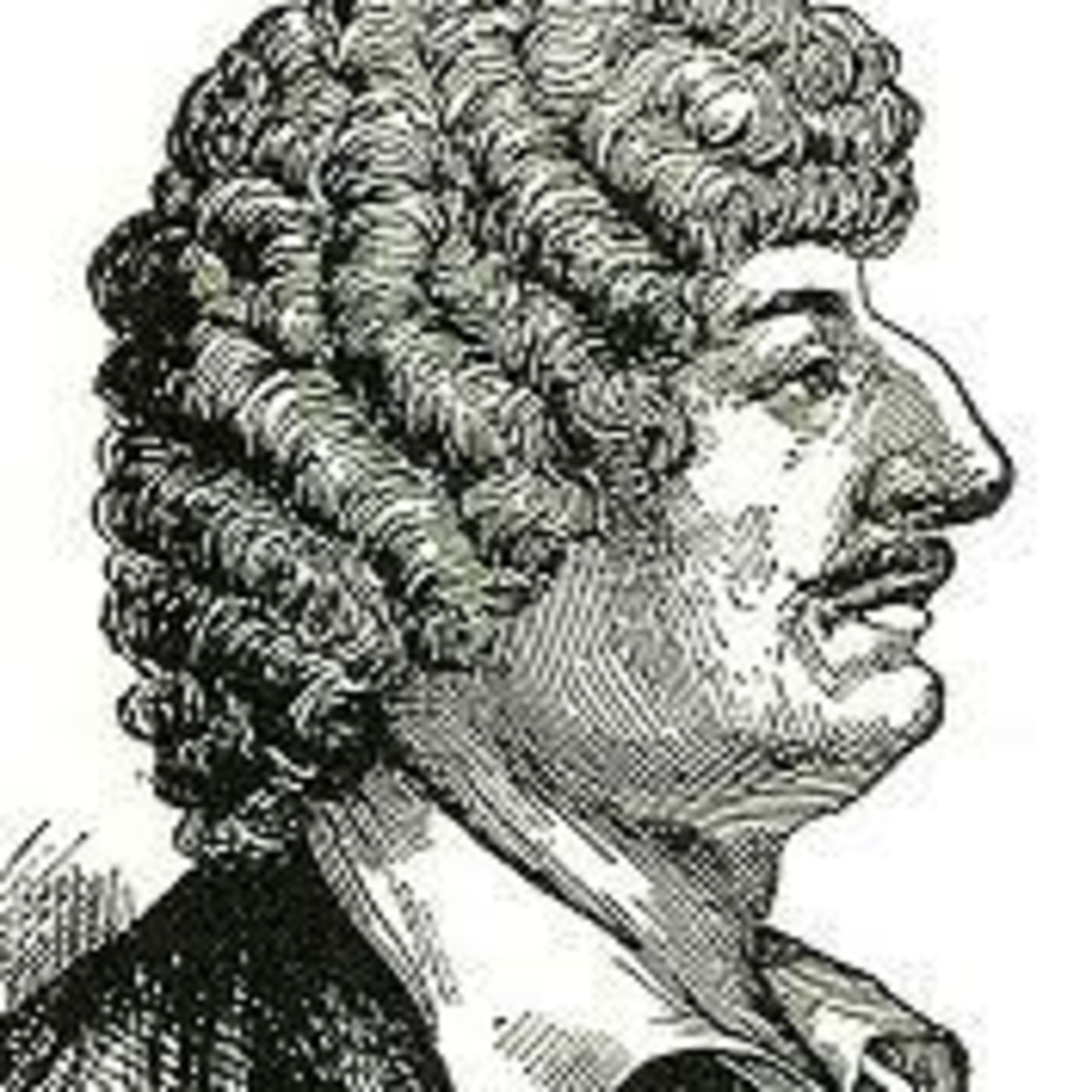
To Daffodils by Robert Herrick
Herrick read by Classic Poetry Aloud: http://www.classicpoetryaloud.com/ Giving voice to the poetry of the past. --------------------------------------------- To Daffodils by Robert Herrick (1591 – 1674) Fair daffodils, we weep to see You haste away so soon; As yet the early-rising sun Has not attain'd his noon. Stay, stay Until the hasting day Has run But to the evensong; And, having pray'd together, we Will go with you along. We have short time to stay, as you, We have as short a spring; As quick a growth to meet decay, As you, or anything. We die As your hours do, and dry Away Like to the summer's rain; Or as the pearls of morning's dew, Ne'er to be found again.
From the vault: The Quiet Life by Alexander Pope
This poem was first broadcast on 31 May 2007, and is part of a new series of 'From the Vault', which focuses on poetry 'lost in the archives'. Pope read by Classic Poetry Aloud: http://classicpoetryaloud.podomatic.com/ Giving voice to classic poetry. --------------------------------------------------- The Quiet Life by Alexander Pope Happy the man whose wish and care A few paternal acres bound, Content to breathe his native air In his own ground. Whose herds with milk, whose fields with bread, Whose flocks supply him with attire; Whose trees in summer yield him shade, In winter fire. Blest who can unconcern'dly find Hours, days, and years slide soft away In health of body, peace of mind, Quiet by day, Sound sleep by night; study and ease Together mixt, sweet recreation, And innocence, which most does please With meditation. Thus let me live, unseen, unknown; Thus unlamented let me die; Steal from the world, and not a stone Tell where I lie.
We Are the Music Makers by Arthur O’Shaughnessy
O’Shaughnessy read by Classic Poetry Aloud: http://www.classicpoetryaloud.com/ Giving voice to the poetry of the past. --------------------------------------------- Ode ‘We Are the Music Makers’ by Arthur O'Shaughnessy (1844 – 1881) We are the music-makers, And we are the dreamers of dreams, Wandering by lone sea-breakers, And sitting by desolate streams; World-losers and world-forsakers, On whom the pale moon gleams: Yet we are the movers and shakers Of the world for ever, it seems. With wonderful deathless ditties We build up the world's great cities, And out of a fabulous story We fashion an empire's glory: One man with a dream, at pleasure, Shall go forth and conquer a crown; And three with a new song's measure Can trample an empire down. We, in the ages lying In the buried past of the earth, Built Nineveh with our sighing, And Babel itself with our mirth; And o'erthrew them with prophesying To the old of the new world's worth; For each age is a dream that is dying, Or one that is coming to birth.

Sleep by Sir Philip Sidney
Sidney read by Classic Poetry Aloud: http://www.classicpoetryaloud.com/ Giving voice to the poetry of the past. --------------------------------------------- Sleep by Sir Philip Sidney (1554 – 1586) Come, Sleep; O Sleep! the certain knot of peace, The baiting-place of wit, the balm of woe, The poor man's wealth, the prisoner's release, Th' indifferent judge between the high and low; With shield of proof shield me from out the prease Of those fierce darts Despair at me doth throw: O make in me those civil wars to cease; I will good tribute pay, if thou do so. Take thou of me smooth pillows, sweetest bed, A chamber deaf to noise and blind of light, A rosy garland and a weary head; And if these things, as being thine by right, Move not thy heavy grace, thou shalt in me, Livelier than elsewhere, Stella's image see.
The Oak by Alfred Lord Tennyson
Tennyson read by Classic Poetry Aloud: http://www.classicpoetryaloud.com/ Giving voice to the poetry of the past. --------------------------------------------- The Oak by Alfred Lord Tennyson (1809 – 1892) Live thy Life, Young and old, Like yon oak, Bright in spring, Living gold; Summer-rich Then; and then Autumn-changed Soberer-hued Gold again. All his leaves Fall'n at length, Look, he stands, Trunk and bough Naked strength.
Written in March by William Wordsworth
Wordsworth read by Classic Poetry Aloud: http://www.classicpoetryaloud.com/ Giving voice to the poetry of the past. --------------------------------------------- Written in March by William Wordsworth (1770 – 1850) The Cock is crowing, The stream is flowing, The small birds twitter, The lake doth glitter The green field sleeps in the sun; The oldest and youngest Are at work with the strongest; The cattle are grazing, Their heads never raising; There are forty feeding like one! Like an army defeated The snow hath retreated, And now doth fare ill On the top of the bare hill; The plowboy is whooping – anon – anon There’s joy in the mountains; There’s life in the fountains; Small clouds are sailing, Blue sky prevailing; The rain is over and gone!
Broken Friendship by Samuel Taylor Coleridge
Coleridge read by Classic Poetry Aloud: http://www.classicpoetryaloud.com/ Giving voice to the poetry of the past. --------------------------------------------- Broken Friendship by Samuel Taylor Coleridge (1772 – 1834) Alas! they had been friends in youth, But whispering tongues can poison truth! And constancy lives in realms above! And life is thorny, and Youth is vain! And to be wroth with one we love, Doth work like madness in the brain! They parted -- ne'er to meet again! But never either found another To free the hollow heart from paining! They stood aloof, the scars remaining; Like cliffs which had been rent asunder! A dreary sea now flows between; But neither heat, nor frost, nor thunder, Shall wholly do away, I ween, The marks of that which once had been.
Easter Week by Charles Kingsley
Kingsley read by Classic Poetry Aloud: http://www.classicpoetryaloud.com/ Giving voice to the poetry of the past. --------------------------------------------- Easter Week by Charles Kingsley (1819 – 1875) See the land, her Easter keeping, Rises as her Maker rose. Seeds, so long in darkness sleeping, Burst at last from winter snows. Earth with heaven above rejoices; Fields and gardens hail the spring; Shaughs and woodlands ring with voices, While the wild birds build and sing. You, to whom your Maker granted Powers to those sweet birds unknown, Use the craft by God implanted; Use the reason not your own. Here, while heaven and earth rejoices, Each his Easter tribute bring- Work of fingers, chant of voices, Like the birds who build and sing.
The Old Ships by James Elroy Flecker
Flecker read by Classic Poetry Aloud: http://www.classicpoetryaloud.com/ Giving voice to the poetry of the past. --------------------------------------------- The Old Ships by James Elroy Flecker (1884 - 1915) I have seen old ships like swans asleep Beyond the village which men call Tyre, With leaden age o'ercargoed, dipping deep For Famagusta and the hidden sun That rings black Cyprus with a lake of fire; And all those ships were certainly so old Who knows how oft with squat and noisy gun, Questing brown slaves or Syrian oranges, The pirate Genoese Hell-raked them till they rolled Blood, water, fruit and corpses up the hold. But now through friendly seas they softly run, Painted the mid-sea blue or shore-sea green, Still patterned with the vine and grapes in gold. But I have seen, Pointing her shapely shadows from the dawn And image tumbed on a rose-swept bay, A drowsy ship of some yet older day; And, wonder's breath indrawn, Thought I - who knows - who knows - but in that same (Fished up beyond Ææa, patched up new - Stern painted brighter blue -) That talkative, bald-headed seaman came (Twelve patient comrades sweating at the oar) From Troy's doom-crimson shore, And with great lies about his wooden horse Set the crew laughing, and forgot his course. It was so old a ship - who knows, who knows? - And yet so beautiful, I watched in vain To see the mast burst open with a rose, And the whole deck put on its leaves again.
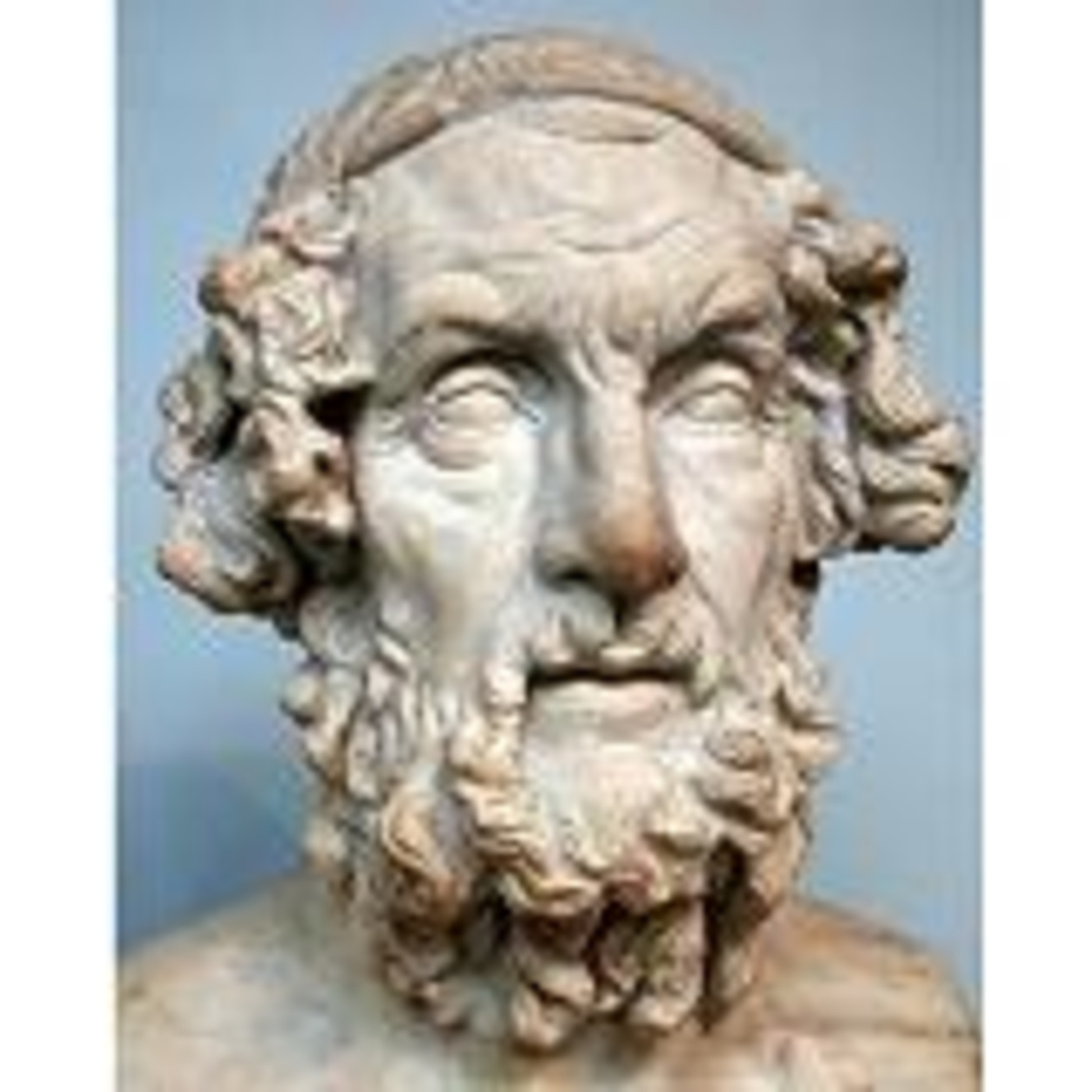
The World's Favourite Poem
Classic Poetry Aloud Reveals the World's Favourite Poems To see the world's 10 most popular poems, visit: http://classicpoetryaloud.wordpress.com/worlds-most-popular-poems/
Snow in the Suburbs by Thomas Hardy
Hardy read by Classic Poetry Aloud: http://www.classicpoetryaloud.com/ Giving voice to the poetry of the past. --------------------------------------------- Snow in the Suburbs by Thomas Hardy (1840 – 1928) Every branch big with it, Bent every twig with it; Every fork like a white web-foot; Every street and pavement mute: Some flakes have lost their way, and grope back upward when Meeting those meandering down they turn and descend again. The palings are glued together like a wall, And there is no waft of wind with the fleecy fall. A sparrow enters the tree, Whereon immediately A snow-lump thrice his own slight size Descends on him and showers his head and eye And overturns him, And near inurns him, And lights on a nether twig, when its brush Starts off a volley of other lodging lumps with a rush. The steps are a blanched slope, Up which, with feeble hope, A black cat comes, wide-eyed and thin; And we take him in.
To Music to Becalm his Fever by Robert Herrick
Herrick read by Classic Poetry Aloud: http://www.classicpoetryaloud.com/ Giving voice to the poetry of the past. --------------------------------------------- To Music to Becalm his Fever by Robert Herrick (1591 – 1674) Charm me asleep, and melt me so With thy delicious numbers, That, being ravish'd, hence I go Away in easy slumbers. Ease my sick head, And make my bed, Thou power that canst sever From me this ill, And quickly still, Though thou not kill My fever. Thou sweetly canst convert the same From a consuming fire Into a gentle licking flame, And make it thus expire. Then make me weep My pains asleep; And give me such reposes That I, poor I, May think thereby I live and die 'Mongst roses. Fall on me like the silent dew, Or like those maiden showers Which, by the peep of day, do strew A baptim o'er the flowers. Melt, melt my pains With thy soft strains; That, having ease me given, With full delight I leave this light, And take my flight For Heaven.
Jerusalem by William Blake
Blake read by Classic Poetry Aloud: http://www.classicpoetryaloud.com/ Giving voice to the poetry of the past. --------------------------------------------- ‘Jerusalem’ from ‘Milton’ by William Blake (1757 – 1827) And did those feet in ancient time Walk upon England’s mountains green? And was the holy Lamb of God On England’s pleasant pastures seen? And did the Countenance Divine Shine forth upon our clouded hills? And was Jerusalem builded here Among these dark Satanic Mills? Bring me my bow of burning gold! Bring me my arrows of desire! Bring me my spear! O clouds, unfold! Bring me my chariot of fire! I will not cease from mental fight, Nor shall my sword sleep in my hand, Till we have built Jerusalem In England’s green and pleasant land.
Because I Liked you Better by AE Housman
Housman read by Classic Poetry Aloud: http://www.classicpoetryaloud.com/ Giving voice to the poetry of the past. --------------------------------------------- Because I liked you better by A. E. Housman (1859 – 1936) Because I liked you better Than suits a man to say, It irked you, and I promised To throw the thought away. To put the world between us We parted, stiff and dry; "Good-bye," said you, "forget me." "I will, no fear," said I. If here, where clover whitens The dead man's knoll, you pass, And no tall flower to meet you Starts in the trefoiled grass, Halt by the headstone naming The heart no longer stirred, And say the lad that loved you Was one that kept his word.
The Gods of the Copybook Headings by Rudyard Kipling
The Gods of the Copybook Headings by Rudyard Kipling (1865 – 1936) As I pass through my incarnations in every age and race, I make my proper prostrations to the Gods of the Market Place. Peering through reverent fingers I watch them flourish and fall, And the Gods of the Copybook Headings, I notice, outlast them all. We were living in trees when they met us. They showed us each in turn That Water would certainly wet us, as Fire would certainly burn: But we found them lacking in Uplift, Vision and Breadth of Mind, So we left them to teach the Gorillas while we followed the March of Mankind. We moved as the Spirit listed. They never altered their pace, Being neither cloud nor wind-borne like the Gods of the Market Place, But they always caught up with our progress, and presently word would come That a tribe had been wiped off its icefield, or the lights had gone out in Rome. With the Hopes that our World is built on they were utterly out of touch, They denied that the Moon was Stilton; they denied she was even Dutch; They denied that Wishes were Horses; they denied that a Pig had Wings; So we worshipped the Gods of the Market Who promised these beautiful things. When the Cambrian measures were forming, They promised perpetual peace. They swore, if we gave them our weapons, that the wars of the tribes would cease. But when we disarmed They sold us and delivered us bound to our foe, And the Gods of the Copybook Headings said: "Stick to the Devil you know." On the first Feminian Sandstones we were promised the Fuller Life (Which started by loving our neighbour and ended by loving his wife) Till our women had no more children and the men lost reason and faith, And the Gods of the Copybook Headings said: "The Wages of Sin is Death." In the Carboniferous Epoch we were promised abundance for all, By robbing selected Peter to pay for collective Paul; But, though we had plenty of money, there was nothing our money could buy, And the Gods of the Copybook Headings said: "If you don't work you die." Then the Gods of the Market tumbled, and their smooth-tongued wizards withdrew And the hearts of the meanest were humbled and began to believe it was true That All is not Gold that Glitters, and Two and Two make Four And the Gods of the Copybook Headings limped up to explain it once more. As it will be in the future, it was at the birth of Man There are only four things certain since Social Progress began. That the Dog returns to his Vomit and the Sow returns to her Mire, And the burnt Fool's bandaged finger goes wabbling back to the Fire; And that after this is accomplished, and the brave new world begins When all men are paid for existing and no man must pay for his sins, As surely as Water will wet us, as surely as Fire will bum, The Gods of the Copybook Headings with terror and slaughter return.
October by Edward Thomas
Edward Thomas read by Classic Poetry Aloud: http://www.classicpoetryaloud.com/ Giving voice to the poetry of the past. --------------------------------------------- October by Edward Thomas (1878 – 1917) The green elm with the one great bough of gold Lets leaves into the grass slip, one by one, – The short hill grass, the mushrooms small milk-white, Harebell and scabious and tormentil, That blackberry and gorse, in dew and sun, Bow down to; and the wind travels too light To shake the fallen birch leaves from the fern; The gossamers wander at their own will. At heavier steps than birds' the squirrels scold. The rich scene has grown fresh again and new As Spring and to the touch is not more cool Than it is warm to the gaze; and now I might As happy be as earth is beautiful, Were I some other or with earth could turn In alternation of violet and rose, Harebell and snowdrop, at their season due, And gorse that has no time not to be gay. But if this be not happiness, – who knows? Some day I shall think this a happy day, And this mood by the name of melancholy Shall no more blackened and obscured be.
A Contemplation Upon Flowers by Henry King
King read by Classic Poetry Aloud: http://www.classicpoetryaloud.com/ Giving voice to the poetry of the past. --------------------------------------------- A Contemplation upon Flowers by Henry King, Bishop of Chichester (1592 – 1669) Brave flowers—that I could gallant it like you, And be as little vain! You come abroad, and make a harmless show, And to your beds of earth again. You are not proud: you know your birth: For your embroider'd garments are from earth. You do obey your months and times, but I Would have it ever Spring: My fate would know no Winter, never die, Nor think of such a thing. O that I could my bed of earth but view And smile, and look as cheerfully as you! O teach me to see Death and not to fear, But rather to take truce! How often have I seen you at a bier, And there look fresh and spruce! You fragrant flowers! then teach me, that my breath Like yours may sweeten and perfume my death.

Sonnet 75 by Edmund Spenser
Spenser read by Classic Poetry Aloud: http://www.classicpoetryaloud.com/ Giving voice to the poetry of the past. --------------------------------------------- Sonnet 75 by Edmund Spenser (1552 – 1599) One day I wrote her name upon the strand, But came the waves and washed it away: Again I wrote it with a second hand, But came the tide, and made my pains his prey. Vain man, said she, that dost in vain assay A mortal thing so to immortalize! For I myself shall like to this decay, And eek my name be wiped out likewise. Not so (quoth I), let baser things devise To die in dust, but you shall live by fame: My verse your virtues rare shall eternize, And in the heavens write your glorious name; Where, whenas death shall all the world subdue, Our love shall live, and later life renew.