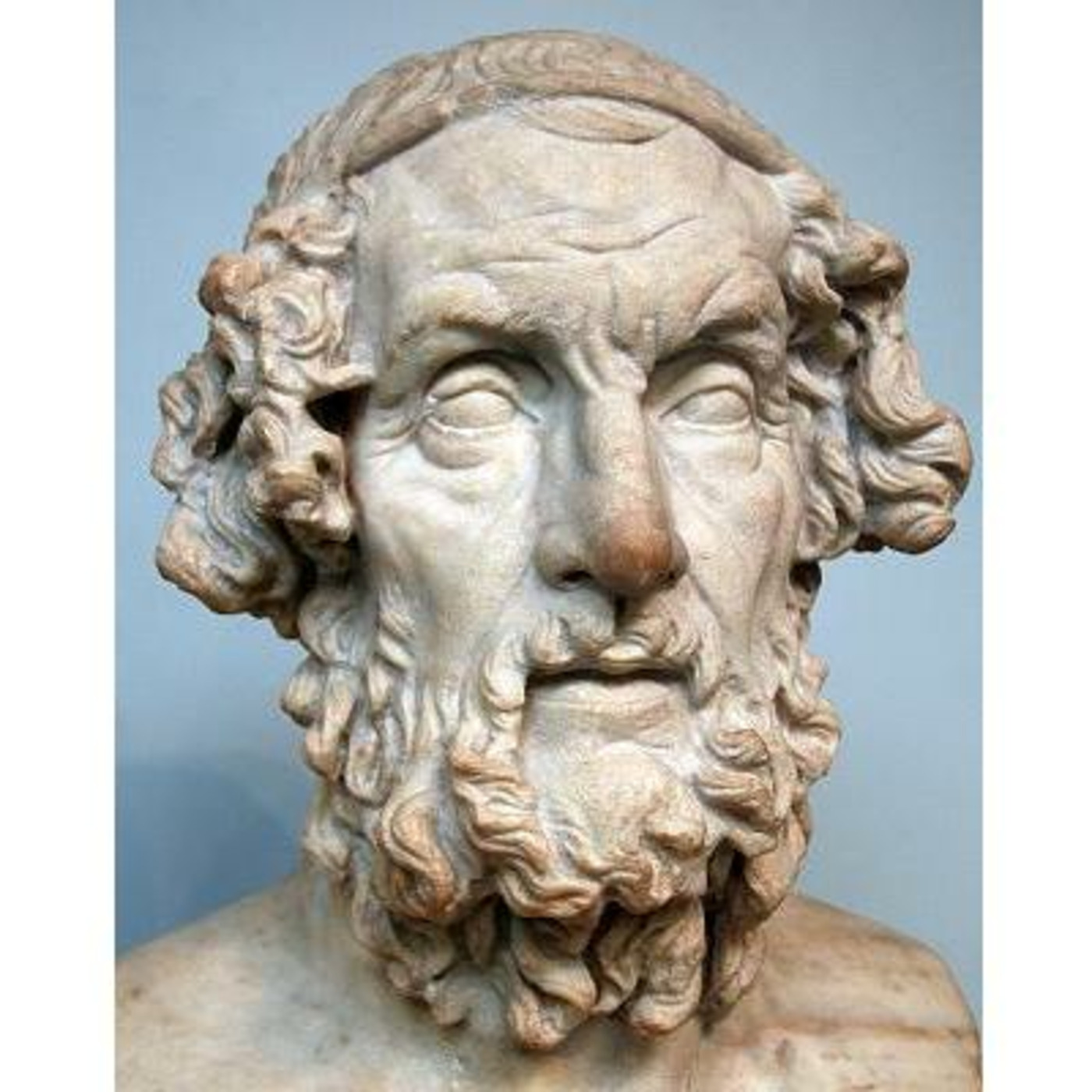
Classic Poetry Aloud
609 episodes — Page 11 of 13
When I was One-and-Twenty by A E Housman
A. E. Housman read by Classic Poetry Aloud: http://www.classicpoetryaloud.com/ Giving voice to the poetry of the past. ------------------------------------------------- When I was one-and-twenty by A. E. Housman (1859 – 1936) When I was one-and-twenty I heard a wise man say, ‘Give crowns and pounds and guineas But not your heart away; Give pearls away and rubies But keep your fancy free.’ But I was one-and-twenty, No use to talk to me. When I was one-and-twenty I heard him say again, ‘The heart out of the bosom Was never given in vain; ’Tis paid with sighs a plenty And sold for endless rue.’ And I am two-and-twenty, And oh, ’tis true, ’tis true.
Invictus by William Ernest Henley
William Ernest Henley read by Classic Poetry Aloud: http://www.classicpoetryaloud.com/ Giving voice to the poetry of the past. ------------------------------------------------- Invictus by William Ernest Henley (1849 – 1903) Out of the night that covers me, Black as the Pit from pole to pole, I thank whatever gods may be For my unconquerable soul. In the fell clutch of circumstance I have not winced nor cried aloud. Under the bludgeonings of chance My head is bloody, but unbowed. Beyond this place of wrath and tears Looms but the Horror of the shade, And yet the menace of the years Finds, and shall find, me unafraid. It matters not how strait the gate, How charged with punishments the scroll, I am the master of my fate: I am the captain of my soul.
Count That Day Lost by George Eliot
George Eliot read by Classic Poetry Aloud: http://www.classicpoetryaloud.com/ Giving voice to the poetry of the past. ------------------------------------------------ Count That Day Lost by George Eliot (Mary Ann Evans) (1819 – 1880) If you sit down at set of sun And count the acts that you have done, And, counting, find One self-denying deed, one word That eased the heart of him who heard, One glance most kind That fell like sunshine where it went - Then you may count that day well spent. But if, through all the livelong day, You've cheered no heart, by yea or nay - If, through it all You've nothing done that you can trace That brought the sunshine to one face- No act most small That helped some soul and nothing cost - Then count that day as worse than lost.
Sonnet on the Sea by John Keats
Keats read by Classic Poetry Aloud: http://www.classicpoetryaloud.com/ Giving voice to the poetry of the past. ------------------------------------------------- Sonnet on the Sea by John Keats (1795 – 1821) It keeps eternal whisperings around Desolate shores, and with its mighty swell Gluts twice ten thousand caverns, till the spell Of Hecate leaves them their old shadowy sound. Often 'tis in such gentle temper found, That scarcely will the very smallest shell Be moved for days from whence it sometime fell, When last the winds of heaven were unbound. Oh ye! who have your eye-balls vexed and tired, Feast them upon the wideness of the Sea; Oh ye! whose ears are dinned with uproar rude, Or fed too much with cloying melody, Sit ye near some old cavern's mouth, and brood Until ye start, as if the sea-nymphs choired! Comments You can find more readings of Keats' poetry at: http://classicpoetryaloud.wordpress.com/category/John-Keats/ For more on Keats, visit http://www.john-keats.com/ http://englishhistory.net/keats/chronology.html
The Snow-Storm by Ralph Waldo Emerson
Emerson read by Classic Poetry Aloud: http://www.classicpoetryaloud.com/ Giving voice to the poetry of the past. The Snow-Storm by Ralph Waldo Emerson (1803 – 1882) Announced by all the trumpets of the sky, Arrives the snow, and, driving o'er the fields, Seems nowhere to alight: the whited air Hides hills and woods, the river, and the heaven, And veils the farm-house at the garden's end. The sled and traveller stopped, the courier's feet Delayed, all friends shut out, the housemates sit Around the radiant fireplace, enclosed In a tumultuous privacy of storm. Come see the north wind's masonry. Out of an unseen quarry evermore Furnished with tile, the fierce artificer Curves his white bastions with projected roof Round every windward stake, or tree, or door. Speeding, the myriad-handed, his wild work So fanciful, so savage, nought cares he For number or proportion. Mockingly, On coop or kennel he hangs Parian wreaths; A swan-like form invests the hidden thorn; Fills up the farmer's lane from wall to wall, Maugre the farmer's sighs; and at the gate A tapering turret overtops the work. And when his hours are numbered, and the world Is all his own, retiring, as he were not, Leaves, when the sun appears, astonished Art To mimic in slow structures, stone by stone, Built in an age, the mad wind's night-work, The frolic architecture of the snow. Students and those interested in knowing more should visit: http://www.etsu.edu/writing/amlit_s04/anthology/snowstorm.htm
Forget Not Yet by Sir Thomas Wyatt
Wyatt read by Classic Poetry Aloud: http://www.classicpoetryaloud.com/ Giving voice to the poetry of the past. --------------------------------------------------- Forget Not Yet by Sir Thomas Wyatt (1503 – 1542) The Lover Beseecheth his Mistress not to Forget his Steadfast Faith and True Intent Forget not yet the tried intent Of such a truth as I have meant; My great travail so gladly spent, Forget not yet! Forget not yet when first began The weary life ye know, since whan The suit, the service, none tell can; Forget not yet! Forget not yet the great assays, The cruel wrong, the scornful ways, The painful patience in delays, Forget not yet! Forget not! O, forget not this!— How long ago hath been, and is, The mind that never meant amiss— Forget not yet! Forget not then thine own approved, The which so long hath thee so loved, Whose steadfast faith yet never moved: Forget not this!
The Means to attain Happy Life by Henry Howard Earl of Surrey
Howard read by Classic Poetry Aloud: http://www.classicpoetryaloud.com/ Giving voice to the poetry of the past. --------------------------------------------------- The Means to attain Happy Life by Henry Howard (1516 – 1547) Martial, the things that do attain The happy life be these, I find:— The richesse left, not got with pain; The fruitful ground, the quiet mind; The equal friend; no grudge, no strife; No charge of rule, nor governance; Without disease, the healthful life; The household of continuance; The mean diet, no delicate fare; True wisdom join'd with simpleness; The night dischargèd of all care, Where wine the wit may not oppress. The faithful wife, without debate; Such sleeps as may beguile the night: Contented with thine own estate Ne wish for death, ne fear his might. Alternative wording, in modern English: My friend, the things that do attain The happy life be these, I find: The riches left, not got with pain; The fruitful ground; the quiet mind; The equal friend; no grudge; no strife; No charge of rule, nor governance; Without disease, the healthy life; The household of continuance; The mean diet, no dainty fare; Wisdom joined with simpleness; The night discharged of all care, Where wine the wit may not oppress: The faithful wife, without debate; Such sleeps as may beguile the night; Content thyself with thine estate, Neither wish death, nor fear his might.
The Bracelet: To Julia by Robert Herrick
Herrick read by Classic Poetry Aloud: http://www.classicpoetryaloud.com/ Giving voice to the poetry of the past. --------------------------------------------------- The Bracelet: To Julia by Robert Herrick (1591 – 1674) Why I tie about thy wrist, Julia, this silken twist; For what other reason is 't But to show thee how, in part, Thou my pretty captive art? But thy bond-slave is my heart: 'Tis but silk that bindeth thee, Knap the thread and thou art free; But 'tis otherwise with me: —I am bound and fast bound, so That from thee I cannot go; If I could, I would not so.
Oxford Canal by James Elroy Flecker
Flecker read by Classic Poetry Aloud: http://www.classicpoetryaloud.com/ Giving voice to the poetry of the past. --------------------------------------------------- Oxford Canal by James Elroy Flecker (1884 – 1915) When you have wearied of the valiant spires of this County Town, Of its wide white streets and glistening museums, and black monastic walls, Of its red motors and lumbering trains, and self-sufficient people, I will take you walking with me to a place you have not seen — Half town and half country—the land of the Canal. It is dearer to me than the antique town: I love it more than the rounded hills: Straightest, sublimest of rivers is the long Canal. I have observed great storms and trembled: I have wept for fear of the dark. But nothing makes me so afraid as the clear water of this idle canal on a summer's noon. Do you see the great telegraph poles down in the water, how every wire is distinct? If a body fell into the canal it would rest entangled in those wires for ever, between earth and air. For the water is as deep as the stars are high. One day I was thinking how if a man fell from that lofty pole He would rush through the water toward me till his image was scattered by his splash, When suddenly a train rushed by: the brazen dome of the engine flashed: the long white carriages roared; The sun veiled himself for a moment, and the signals loomed in fog; A savage woman screamed at me from a barge: little children began to cry; The untidy landscape rose to life: a sawmill started; A cart rattled down to the wharf, and workmen clanged over the iron footbridge; A beautiful old man nodded from the first story window of a square red house, And a pretty girl came out to hang up clothes in a small delightful garden. O strange motion in the suburb of a county town: slow regular movement of the dance of death! Men and not phantoms are these that move in light. Forgotten they live, and forgotten die.
An Answer by Ella Wheeler Wilcox
Wilcox read by Classic Poetry Aloud: http://www.classicpoetryaloud.com/ Giving voice to the poetry of the past. --------------------------------------------------- An Answer by Ella Wheeler Wilcox (1850 – 1919) If all the year was summer time, And all the aim of life Was just to lilt on like a rhyme, Then I would be your wife. If all the days were August days, And crowned with golden weather, How happy then through green-clad ways We two could stray together! If all the nights were moonlit nights, And we had naught to do But just to sit and plan delights, Then I would wed with you. If life was all a summer fete, Its soberest pace the "glide," Then I would choose you for my mate, And keep you at my side. But winter makes full half the year, And labor half of life, And all the laughter and good cheer Give place to wearing strife. Days will grow cold, and moons wax old. And then a heart that's true Is better far than grace or gold-- And so, my love, adieu! I cannot wed with you. From Poems of Passion The full book can be read at Project Gutenberg: http://infomotions.com/etexts/gutenberg/dirs/1/6/7/7/16776/16776.htm
Can Life be a Blessing by John Henry Dryden
Dryden read by Classic Poetry Aloud: http://www.classicpoetryaloud.com/ Giving voice to the poetry of the past. --------------------------------------------------- Can Life be a Blessing by John Henry Dryden (1631 – 1700) Can life be a blessing, Or worth the possessing, Can life be a blessing if love were away? Ah no! though our love all night keep us waking, And though he torment us with cares all the day, Yet he sweetens, he sweetens our pains in the taking, There's an hour at the last, there's an hour to repay. In ev'ry possessing, The ravishing blessing, In ev'ry possessing the fruit of our pain, Poor lovers forget long ages of anguish, Whate'er they have suffer'd and done to obtain; 'Tis a pleasure, a pleasure to sigh and to languish, When we hope, when we hope to be happy again.
Summer And Winter by Percy Bysshe Shelley
Shelley read by Classic Poetry Aloud: http://www.classicpoetryaloud.com/ Giving voice to the poetry of the past. --------------------------------------------------- Summer And Winter by Percy Bysshe Shelley (1792 – 1822) It was a bright and cheerful afternoon, Towards the end of the sunny month of June, When the north wind congregates in crowds The floating mountains of the silver clouds From the horizon--and the stainless sky Opens beyond them like eternity. All things rejoiced beneath the sun; the weeds, The river, and the cornfields, and the reeds; The willow leaves that glanced in the light breeze, And the firm foliage of the larger trees. It was a winter such as when birds die In the deep forests; and the fishes lie Stiffened in the translucent ice, which makes Even the mud and slime of the warm lakes A wrinkled clod as hard as brick; and when, Among their children, comfortable men Gather about great fires, and yet feel cold: Alas, then, for the homeless beggar old!
I Told You by Ella Wheeler Wilcox
Wilcox read by Classic Poetry Aloud: http://www.classicpoetryaloud.com/ Giving voice to the poetry of the past. --------------------------------------------------- I Told You by Ella Wheeler Wilcox (1850 – 1919) I told you the winter would go, love, I told you the winter would go, That he'd flee in shame when the south wind came, And you smiled when I told you so. You said the blustering fellow Would never yield to a breeze, That his cold, icy breath had frozen to death The flowers, the birds, and trees. And I told you the snow would melt, love, In the passionate glance o' the sun; And the leaves o' the trees, and the flowers and bees, Would come back again, one by one. That the great, gray clouds would vanish, And the sky turn tender and blue; And the sweet birds would sing, and talk of the spring And, love, it has all come true. I told you that sorrow would fade, love, And you would forget half your pain; That the sweet bird of song would waken ere long, And sing in your bosom again; That hope would creep out of the shadows, And back to its nest in your heart, And gladness would come, and find its old home, And that sorrow at length would depart. I told you that grief seldom killed, love, Though the heart might seem dead for awhile. But the world is so bright, and full of warm light That 'twould waken at length, in its smile. Ah, love! was I not a true prophet? There's a sweet happy smile on your face; Your sadness has flown - the snow-drift is gone, And the buttercups bloom in its place.
from Frost at Midnight by Samuel Taylor Coleridge
Coleridge read by Classic Poetry Aloud: http://www.classicpoetryaloud.com/ Giving voice to the poetry of the past. --------------------------------------------------- from Frost at Midnight by Samuel Taylor Coleridge (1772 – 1834) The Frost performs its secret ministry, Unhelped by any wind. The owlet's cry Came loud, -and hark, again! loud as before. The inmates of my cottage, all at rest, Have left me to that solitude, which suits Abstruser musings: save that at my side My cradled infant slumbers peacefully. 'Tis calm indeed! so calm, that it disturbs And vexes meditation with its strange And extreme silentness. Sea, hill, and wood, With all the numberless goings-on of life, Inaudible as dreams! the thin blue flame Lies on my low-burnt fire, and quivers not; Only that film, which fluttered on the grate, Still flutters there, the sole unquiet thing. Methinks its motion in this hush of nature Gives it dim sympathies with me who live, Making it a companionable form, Whose puny flaps and freaks the idling Spirit By its own moods interprets, every where Echo or mirror seeking of itself, And makes a toy of Thought.
Spirits by Robert Bridges
Bridges read by Classic Poetry Aloud: http://www.classicpoetryaloud.com/ Giving voice to the poetry of the past. --------------------------------------------------- Spirits by Robert Bridges (1844 – 1930) Angel spirits of sleep, White-robed, with silver hair, In your meadows fair, Where the willows weep, And the sad moonbeam On the gliding stream Writes her scatter'd dream: Angel spirits of sleep, Dancing to the weir In the hollow roar Of its waters deep; Know ye how men say That ye haunt no more Isle and grassy shore With your moonlit play; That ye dance not here, White-robed spirits of sleep, All the summer night Threading dances light?
Christmas Bells by Henry Wadsworth Longfellow
Longfellow read by Classic Poetry Aloud: http://www.classicpoetryaloud.com/ Giving voice to the poetry of the past. --------------------------------------------------- Christmas Bells by Henry Wadsworth Longfellow (1807 – 1882) I heard the bells on Christmas Day Their old, familiar carols play, And wild and sweet The words repeat Of peace on earth, good-will to men! And thought how, as the day had come, The belfries of all Christendom Had rolled along The unbroken song Of peace on earth, good-will to men! Till, ringing, singing on its way The world revolved from night to day, A voice, a chime, A chant sublime Of peace on earth, good-will to men! Then from each black, accursed mouth The cannon thundered in the South, And with the sound The Carols drowned Of peace on earth, good-will to men! And in despair I bowed my head; ‘There is no peace on earth,’ I said; ‘For hate is strong, And mocks the song Of peace on earth, good-will to men!’ Then pealed the bells more loud and deep: ‘God is not dead; nor doth he sleep! The Wrong shall fail, The Right prevail, With peace on earth, good-will to men!’
A Birthday by Christina Rossetti
Rossetti read by Classic Poetry Aloud: http://www.classicpoetryaloud.com/ Giving voice to the poetry of the past. --------------------------------------------------- A Birthday by Christina Rossetti by Christina Rossetti (1830 – 1894) My heart is like a singing bird Whose nest is in a water'd shoot; My heart is like an apple-tree Whose boughs are bent with thick-set fruit; My heart is like a rainbow shell That paddles in a halcyon sea; My heart is gladder than all these, Because my love is come to me. Raise me a daïs of silk and down; Hang it with vair and purple dyes; Carve it in doves and pomegranates, And peacocks with a hundred eyes; Work it in gold and silver grapes, In leaves and silver fleurs-de-lys; Because the birthday of my life Is come, my love is come to me.
Occasional Miscellany 4: Wendy Cope Copyright and Librarians
This episode marks the 100th reading on Classic Poetry Aloud. We look at Wendy Cope and copyright, and dedicate the episode to librarians and those that use libraries. We feature (with the poet's permission) a reading of '30th December'. For Wendy Cope's comments on copyright, see: http://books.guardian.co.uk/comment/story/0,,2223830,00.html For her own readings of her verse: http://www.poetryarchive.org/poetryarchive/singlePoet.do?poetId=5677 Wendy Cope’s books include: If I Don't Know, Faber & Faber, 2001 Serious Concerns, Faber & Faber, 1992 Making Cocoa for Kingsley Amis, Faber & Faber, 1986 Thanks for listening. Comments and requests to: classicpoetryaloud [at] yahoo.co.uk
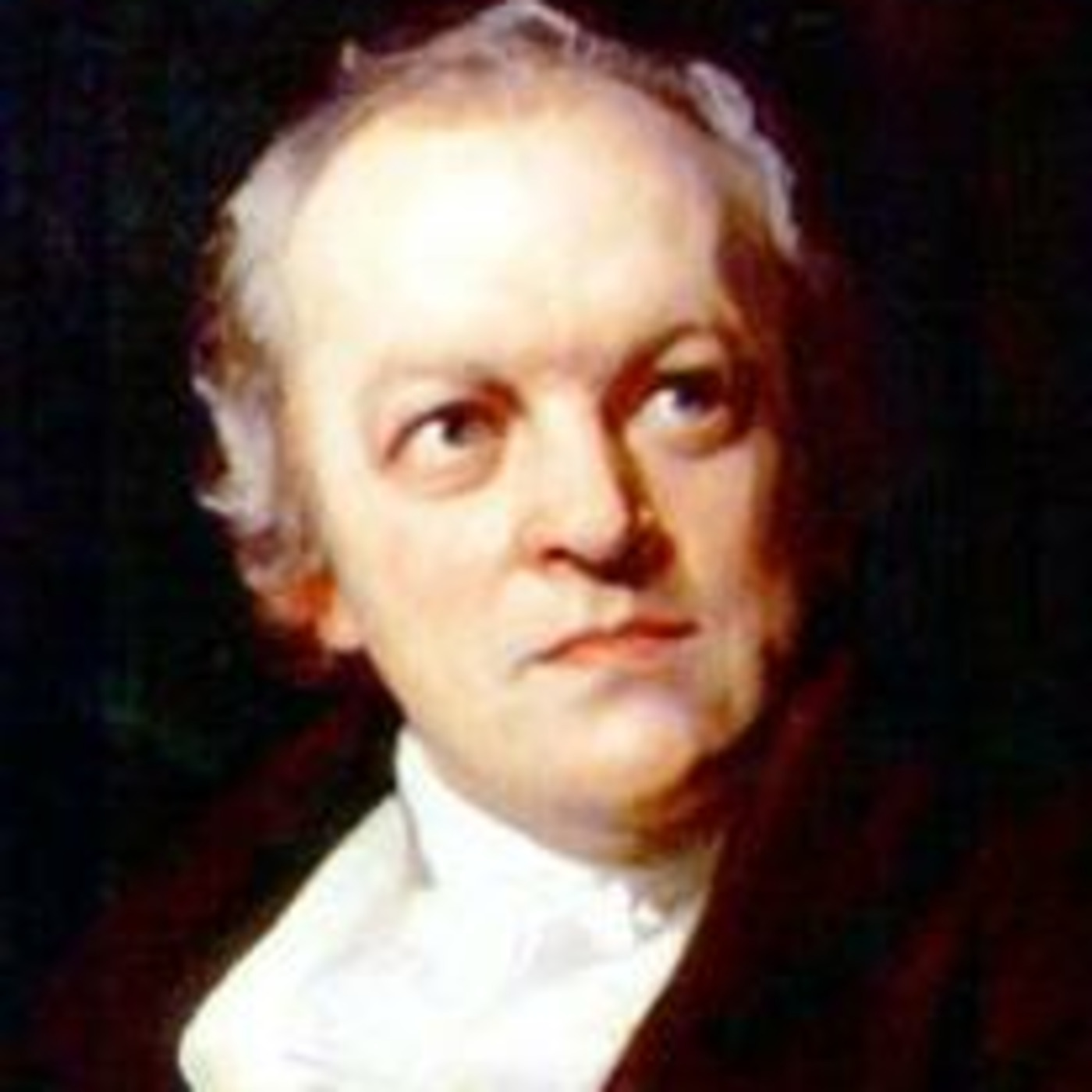
A Poison Tree by William Blake
Blake read by Classic Poetry Aloud: http://www.classicpoetryaloud.com/ Giving voice to the poetry of the past. --------------------------------------------------- A Poison Tree by William Blake (1757 – 1827) I was angry with my friend: I told my wrath, my wrath did end. I was angry with my foe: I told it not, my wrath did grow. And I watered it in fears, Night and morning with my tears; And I sunned it with smiles, And with soft deceitful wiles. And it grew both day and night, Till it bore an apple bright. And my foe beheld it shine. And he knew that it was mine, And into my garden stole When the night had veiled the pole; In the morning glad I see My foe outstretched beneath the tree.
Hope is the Thing with Feathers by Emily Dickinson
Dickinson read by Classic Poetry Aloud: http://www.classicpoetryaloud.com/ Giving voice to the poetry of the past. --------------------------------------------------- Hope is the Thing with Feathers by Emily Dickinson (1830 – 1886) "Hope" is the thing with feathers— That perches in the soul— And sings the tune without the words— And never stops—at all— And sweetest—in the Gale—is heard— And sore must be the storm— That could abash the little Bird That kept so many warm— I've heard it in the chillest land— And on the strangest Sea— Yet, never, in Extremity, It asked a crumb—of Me.
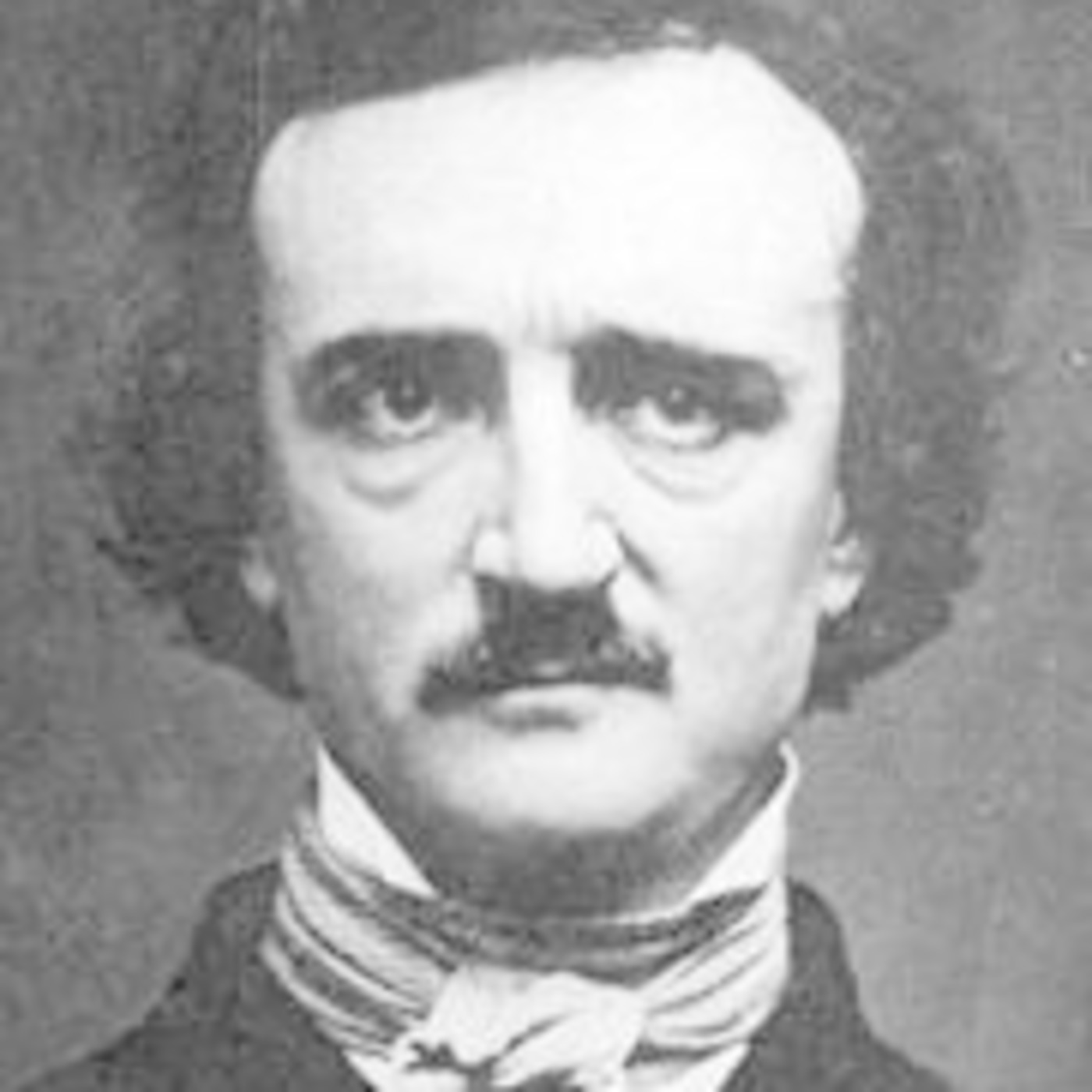
Alone by Edgar Allan Poe
Poe read by Classic Poetry Aloud: http://www.classicpoetryaloud.com/ Giving voice to the poetry of the past. --------------------------------------------------- Alone by Edgar Allan Poe (1809 – 1849) From childhood's hour I have not been As others were; I have not seen As others saw; I could not bring My passions from a common spring. From the same source I have not taken My sorrow; I could not awaken My heart to joy at the same tone; And all I loved, I loved alone. Then- in my childhood, in the dawn Of a most stormy life- was drawn From every depth of good and ill The mystery which binds me still: From the torrent, or the fountain, From the red cliff of the mountain, From the sun that round me rolled In its autumn tint of gold, From the lightning in the sky As it passed me flying by, From the thunder and the storm, And the cloud that took the form (When the rest of Heaven was blue) Of a demon in my view.
Love Lives Beyond The Tomb by John Clare
Clare read by Classic Poetry Aloud: http://www.classicpoetryaloud.com/ Giving voice to the poetry of the past. --------------------------------------------------- Love Lives Beyond The Tomb by John Clare (1793 – 1864) Love lives beyond the tomb, And earth, which fades like dew! I love the fond, The faithful, and the true. Love lives in sleep: 'Tis happiness of healthy dreams: Eve's dews may weep, But love delightful seems. 'Tis seen in flowers, And in the morning's pearly dew; In earth's green hours, And in the heaven's eternal blue. 'Tis heard in Spring When light and sunbeams, warm and kind, On angel's wing Bring love and music to the mind. And where's the voice, So young, so beautiful, and sweet As Nature's choice, Where Spring and lovers meet? Love lives beyond the tomb, And earth, which fades like dew! I love the fond, The faithful, and the true.

The Ecstasy by John Donne
Donne read by Classic Poetry Aloud: http://www.classicpoetryaloud.com/ Giving voice to the poetry of the past. --------------------------------------------------- The Ecstasy by John Donne (1572 – 1631) Where, like a pillow on a bed, A pregnant bank swell'd up, to rest The violet's reclining head, Sat we two, one another's best. Our hands were firmly cemented By a fast balm which thence did spring; Our eye-beams twisted, and did thread Our eyes upon one double string. So to engraft our hands, as yet Was all the means to make us one; And pictures in our eyes to get Was all our propagation. As 'twixt two equal armies Fate Suspends uncertain victory, Our souls—which to advance their state Were gone out—hung 'twixt her and me. And whilst our souls negotiate there, We like sepulchral statues lay; All day the same our postures were, And we said nothing, all the day.
The Instinct Of Hope by John Clare
Clare read by Classic Poetry Aloud: http://www.classicpoetryaloud.com/ Giving voice to the poetry of the past. --------------------------------------------------- The Instinct Of Hope by John Clare (1793 – 1864) Is there another world for this frail dust To warm with life and be itself again? Something about me daily speaks there must, And why should instinct nourish hopes in vain? 'Tis nature's prophesy that such will be, And everything seems struggling to explain The close sealed volume of its mystery. Time wandering onward keeps its usual pace As seeming anxious of eternity, To meet that calm and find a resting place. E'en the small violet feels a future power And waits each year renewing blooms to bring, And surely man is no inferior flower To die unworthy of a second spring?
To the Virgins to make much of Time by Robert Herrick
R Herrick read by Classic Poetry Aloud: http://www.classicpoetryaloud.com/ Giving voice to the poetry of the past. --------------------------------------------------- To the Virgins to make much of Time by Robert Herrick (1591 – 1674) Gather ye rosebuds while ye may, Old Time is still a-flying: And this same flower that smiles to-day To-morrow will be dying. The glorious lamp of heaven, the sun, The higher he's a-getting, The sooner will his race be run, And nearer he's to setting. That age is best which is the first, When youth and blood are warmer; But being spent, the worse, and worst Times still succeed the former. Then be not coy, but use your time, And while ye may, go marry: For having lost but once your prime, You may for ever tarry. First aired: 11 December 2007 For hundreds more poetry readings, visit the Classic Poetry Aloud index. Reading © Classic Poetry Aloud 2008

On a certain Lady at Court by Alexander Pope
Pope read by Classic Poetry Aloud: http://www.classicpoetryaloud.com/ Giving voice to the poetry of the past. --------------------------------------------------- On a certain Lady at Court by Alexander Pope (1688 – 1744) I know a thing that 's most uncommon; (Envy, be silent and attend!) I know a reasonable woman, Handsome and witty, yet a friend. Not warp'd by passion, awed by rumour; Not grave through pride, nor gay through folly; An equal mixture of good-humour And sensible soft melancholy. 'Has she no faults then (Envy says), Sir?' Yes, she has one, I must aver: When all the world conspires to praise her, The woman's deaf, and does not hear.
The Lotos-Eaters by Alfred Lord Tennyson
Tennyson read by Classic Poetry Aloud: http://www.classicpoetryaloud.com/ Giving voice to the poetry of the past. --------------------------------------------------- The Lotos-Eaters by Alfred, Lord Tennyson (1809 – 1892) “Courage!” he said, and pointed toward the land, “This mounting wave will roll us shoreward soon.” In the afternoon they came unto a land In which it seemed always afternoon. All round the coast the languid air did swoon, Breathing like one that hath a weary dream. Full-faced above the valley stood the moon; And, like a downward smoke, the slender stream Along the cliff to fall and pause and fall did seem. A land of streams! some, like a downward smoke, Slow-dropping veils of thinnest lawn, did go; And some thro’ wavering lights and shadows broke, Rolling a slumbrous sheet of foam below. They saw the gleaming river seaward flow From the inner land; far off, three mountain-tops, Three silent pinnacles of aged snow, Stood sunset-flush’d; and, dew’d with showery drops, Up-clomb the shadowy pine above the woven copse. The charmed sunset linger’d low adown In the red West; thro’ mountain clefts the dale Was seen far inland, and the yellow down Border’d with palm, and many a winding vale And meadow, set with slender galingale; A land where all things always seem’d the same! And round about the keel with faces pale, Dark faces pale against that rosy flame, The mild-eyed melancholy Lotos-eaters came. Branches they bore of that enchanted stem, Laden with flower and fruit, whereof they gave To each, but whoso did receive of them And taste, to him the gushing of the wave Far far away did seem to mourn and rave On alien shores; and if his fellow spake, His voice was thin, as voices from the grave; And deep-asleep he seem’d, yet all awake, And music in his ears his beating heart did make. They sat them down upon the yellow sand, Between the sun and moon upon the shore; And sweet it was to dream of Fatherland, Of child, and wife, and slave; but evermore Most weary seem’d the sea, weary the oar, Weary the wandering fields of barren foam. Then some one said, “We will return no more;” And all at once they sang, “Our island home Is far beyond the wave; we will no longer roam.” CHORIC SONG I There is sweet music here that softer falls Than petals from blown roses on the grass, Or night-dews on still waters between walls Of shadowy granite, in a gleaming pass; Music that gentlier on the spirit lies, Than tir’d eyelids upon tir’d eyes; Music that brings sweet sleep down from the blissful skies. Here are cool mosses deep, And thro’ the moss the ivies creep, And in the stream the long-leaved flowers weep, And from the craggy ledge the poppy hangs in sleep. II Why are we weigh’d upon with heaviness, And utterly consumed with sharp distress, While all things else have rest from weariness? All things have rest: why should we toil alone, We only toil, who are the first of things, And make perpetual moan, Still from one sorrow to another thrown; Nor ever fold our wings, And cease from wanderings, Nor steep our brows in slumber’s holy balm; Nor harken what the inner spirit sings, “There is no joy but calm!”— Why should we only toil, the roof and crown of things? III Lo! in the middle of the wood, The folded leaf is woo’d from out the bud With winds upon the branch, and there Grows green and broad, and takes no care, Sun-steep’d at noon, and in the moon Nightly dew-fed; and turning yellow Falls, and floats adown the air. Lo! sweeten’d with the summer light, The full-juiced apple, waxing over-mellow, Drops in a silent autumn night. All its allotted length of days The flower ripens in its place, Ripens and fades, and falls, and hath no toil, Fast-rooted in the fruitful soil. IV Hateful is the dark-blue sky, Vaulted o’er the dark-blue sea. Death is the end of life; ah, why Should life all labor be? Let us alone. Time driveth onward fast, And in a little while our lips are dumb. Let us alone. What is it that will last? All things are taken from us, and become Portions and parcels of the dreadful past. Let us alone. What pleasure can we have To war with evil? Is there any peace In ever climbing up the climbing wave? All things have rest, and ripen toward the grave In silence—ripen, fall, and cease: Give us long rest or death, dark death, or dreamful ease. V How sweet it were, hearing the downward stream, With half-shut eyes ever to seem Falling asleep in a half-dream! To dream and dream, like yonder amber light, Which will not leave the myrrh-bush on the height; To hear each other’s whisper’d speech; Eating the Lotos day by day, To watch the crisping ripples on the beach, And tender curving lines of creamy spray; To lend our hearts and spirits wholly To the influence of mild-minded melancholy; To muse and brood and live again in memory, With those old faces of our infancy Heap’d over with a mound of grass, Two handfuls of white dust, shut in an urn of brass! VI Dear is the memory of our wedded lives, And dear the last embra
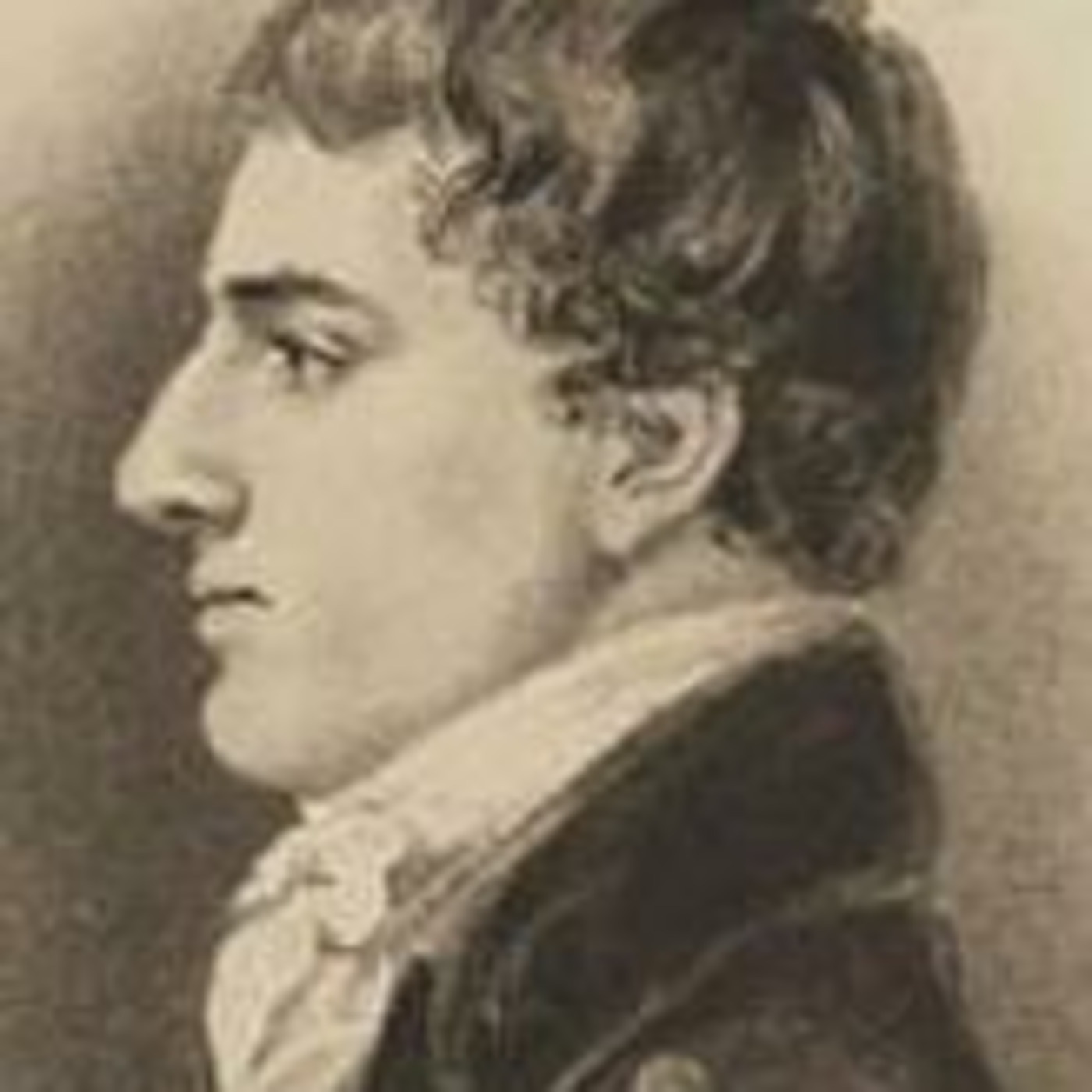
The Old Familiar Faces by Charles Lamb
Lamb read by Classic Poetry Aloud: http://www.classicpoetryaloud.com/ Giving voice to the poetry of the past. --------------------------------------------------- The Old Familiar Faces by Charles Lamb (1775–1834) I have had playmates, I have had companions, In my days of childhood, in my joyful school-days - All, all are gone, the old familiar faces. I have been laughing, I have been carousing, Drinking late, sitting late, with my bosom cronies - All, all are gone, the old familiar faces. I loved a Love once, fairest among women: Closed are her doors on me, I must not see her - All, all are gone, the old familiar faces. I have a friend, a kinder friend has no man: Like an ingrate, I left my friend abruptly; Left him, to muse on the old familiar faces. Ghost-like I paced round the haunts of my childhood, Earth seem'd a desert I was bound to traverse, Seeking to find the old familiar faces. Friend of my bosom, thou more than a brother, Why wert not thou born in my father's dwelling? So might we talk of the old familiar faces - How some they have died, and some they have left me, And some are taken from me; all are departed - All, all are gone, the old familiar faces.
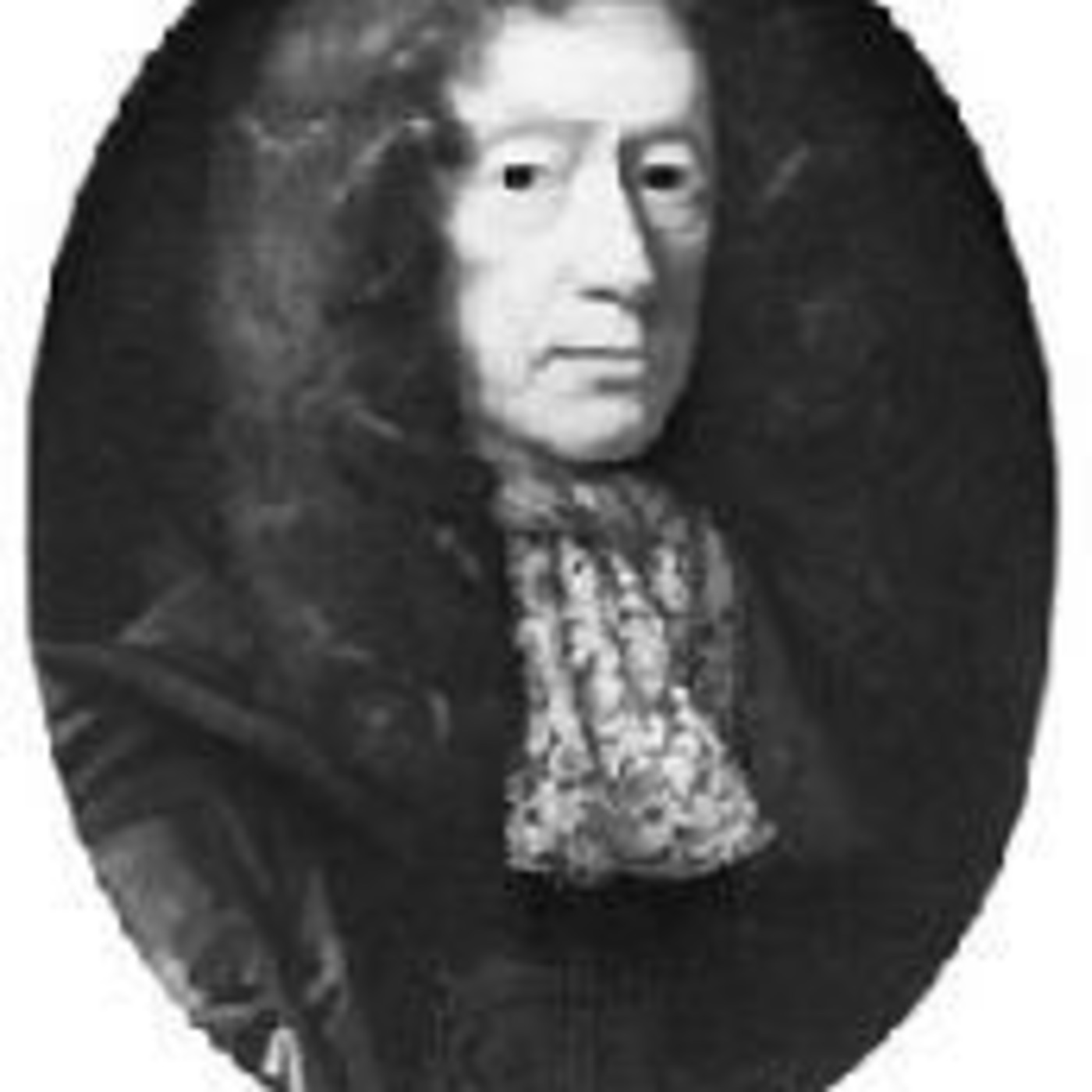
Go Lovely Rose by Edmund Waller
Waller read by Classic Poetry Aloud: http://www.classicpoetryaloud.com/ Giving voice to the poetry of the past. --------------------------------------------------- Go, lovely Rose by Edmund Waller (1606 – 1687) Go, lovely Rose— Tell her that wastes her time and me, That now she knows, When I resemble her to thee, How sweet and fair she seems to be. Tell her that 's young, And shuns to have her graces spied, That hadst thou sprung In deserts where no men abide, Thou must have uncommended died. Small is the worth Of beauty from the light retired: Bid her come forth, Suffer herself to be desired, And not blush so to be admired. Then die—that she The common fate of all things rare May read in thee; How small a part of time they share That are so wondrous sweet and fair!
My Delight and Thy Delight by Robert Bridges
Bridges read by Classic Poetry Aloud: http://www.classicpoetryaloud.com/ Giving voice to the poetry of the past. --------------------------------------------------- My Delight and Thy Delight by Robert Bridges (1844 – 1930) My delight and thy delight Walking, like two angels white, In the gardens of the night: My desire and thy desire Twining to a tongue of fire, Leaping live, and laughing higher: Thro' the everlasting strife In the mystery of life. Love, from whom the world begun, Hath the secret of the sun. Love can tell, and love alone, Whence the million stars were strewn, Why each atom knows its own, How, in spite of woe and death, Gay is life, and sweet is breath: This he taught us, this we knew, Happy in his science true, Hand in hand as we stood 'Neath the shadows of the wood, Heart to heart as we lay In the dawning of the day.
Crossing the Bar by Alfred Lord Tennyson
Tennyson read by Classic Poetry Aloud: http://www.classicpoetryaloud.com/ Giving voice to the poetry of the past. --------------------------------------------------- Crossing the Bar by Alfred, Lord Tennyson (1809 – 1892) SUNSET and evening star, And one clear call for me! And may there be no moaning of the bar, When I put out to sea, But such a tide as moving seems asleep, Too full for sound and foam, When that which drew from out the boundless deep Turns again home. Twilight and evening bell, And after that the dark! And may there be no sadness of farewell, When I embark; For tho’ from out our bourne of Time and Place The flood may bear me far, I hope to see my Pilot face to face When I have crossed the bar.
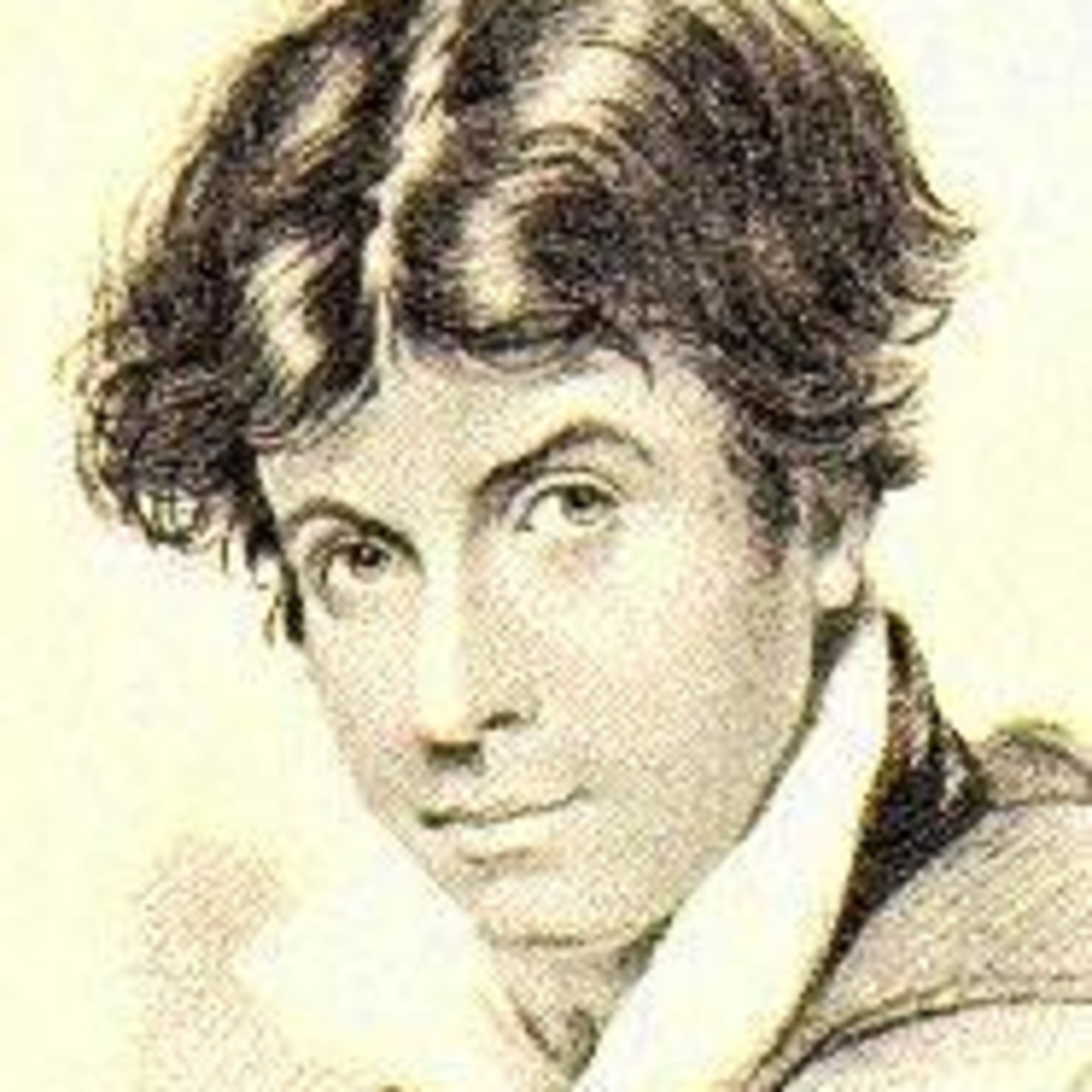
The Nile by Leigh Hunt
Leigh Hunt read by Classic Poetry Aloud: http://www.classicpoetryaloud.com/ Giving voice to the poetry of the past. --------------------------------------------------- The Nile by James Henry Leigh Hunt (1784 – 1859) It flows through old hushed Egypt and its sands, Like some grave mighty thought threading a dream, And times and things, as in that vision, seem Keeping along it their eternal stands,-- Caves, pillars, pyramids, the shepherd bands That roamed through the young world, the glory extreme Of high Sesostris, and that southern beam, The laughing queen that caught the world's great hands. Then comes a mightier silence, stern and strong, As of a world left empty of its throng, And the void weighs on us; and then we wake, And hear the fruitful stream lapsing along Twixt villages, and think how we shall take Our own calm journey on for human sake.
Say not the Struggle Naught Availeth by Arthur Hugh Clough
Clough read by Classic Poetry Aloud: http://www.classicpoetryaloud.com/ Giving voice to the poetry of the past. --------------------------------------------------- Say not the Struggle Naught Availeth by Arthur Hugh Clough (1819 – 1861) Say not the struggle naught availeth, The labour and the wounds are vain, The enemy faints not, nor faileth, And as things have been they remain. If hopes were dupes, fears may be liars; It may be, in yon smoke conceal'd, Your comrades chase e'en now the fliers, And, but for you, possess the field. For while the tired waves, vainly breaking, Seem here no painful inch to gain, Far back, through creeks and inlets making, Comes silent, flooding in, the main. And not by eastern windows only, When daylight comes, comes in the light; In front the sun climbs slow, how slowly! But westward, look, the land is bright!
Winter Nightfall by Robert Bridges
Bridges read by Classic Poetry Aloud: http://www.classicpoetryaloud.com/ Giving voice to the poetry of the past. --------------------------------------------------- Winter Nightfall by Robert Bridges (1844 - 1930) The day begins to droop,— Its course is done: But nothing tells the place Of the setting sun. The hazy darkness deepens, And up the lane You may hear, but cannot see, The homing wain. An engine pants and hums In the farm hard by: Its lowering smoke is lost In the lowering sky. The soaking branches drip, And all night through The dropping will not cease In the avenue. A tall man there in the house Must keep his chair: He knows he will never again Breathe the spring air: His heart is worn with work; He is giddy and sick If he rise to go as far As the nearest rick: He thinks of his morn of life, His hale, strong years; And braves as he may the night Of darkness and tears
The Conqueror Worm by Edgar Allan Poe
Poe read by Classic Poetry Aloud: http://www.classicpoetryaloud.com/ Giving voice to the poetry of the past. --------------------------------------------------- The Conqueror Worm by Edgar Allan Poe (1809 – 1849) Lo! 't is a gala night Within the lonesome latter years. An angel throng, bewinged, bedight In veils, and drowned in tears, Sit in a theatre to see A play of hopes and fears, While the orchestra breathes fitfully The music of the spheres. Mimes, in the form of God on high, Mutter and mumble low, And hither and thither fly; Mere puppets they, who come and go At bidding of vast formless things That shift the scenery to and fro, Flapping from out their condor wings Invisible Woe. That motley drama—oh, be sure It shall not be forgot! With its Phantom chased for evermore By a crowd that seize it not, Through a circle that ever returneth in To the self-same spot; And much of Madness, and more of Sin, And Horror the soul of the plot. But see amid the mimic rout A crawling shape intrude: A blood-red thing that writhes from out The scenic solitude! It writhes—it writhes!—with mortal pangs The mimes become its food, And over each quivering form In human gore imbued. Out—out are the lights—out all! And over each quivering form The curtain, a funeral pall, Comes down with the rush of a storm, While the angels, all pallid and wan, Uprising, unveiling, affirm That the play is the tragedy, "Man," And its hero, the Conqueror Worm.
To One Who has been Long in City Pent by John Keats
Keats read by Classic Poetry Aloud: http://www.classicpoetryaloud.com/ Giving voice to the poetry of the past. --------------------------------------------------- To One Who has been Long in City Pent by John Keats (1795 – 1821) To one who has been long in city pent, ’Tis very sweet to look into the fair And open face of heaven,—to breathe a prayer Full in the smile of the blue firmament. Who is more happy, when, with hearts content, Fatigued he sinks into some pleasant lair Of wavy grass, and reads a debonair And gentle tale of love and languishment? Returning home at evening, with an ear Catching the notes of Philomel,—an eye Watching the sailing cloudlet’s bright career, He mourns that day so soon has glided by: E’en like the passage of an angel’s tear That falls through the clear ether silently. Comments You can find more readings of Keats' poetry at: http://classicpoetryaloud.wordpress.com/category/John-Keats/ For more on Keats, visit http://www.john-keats.com/
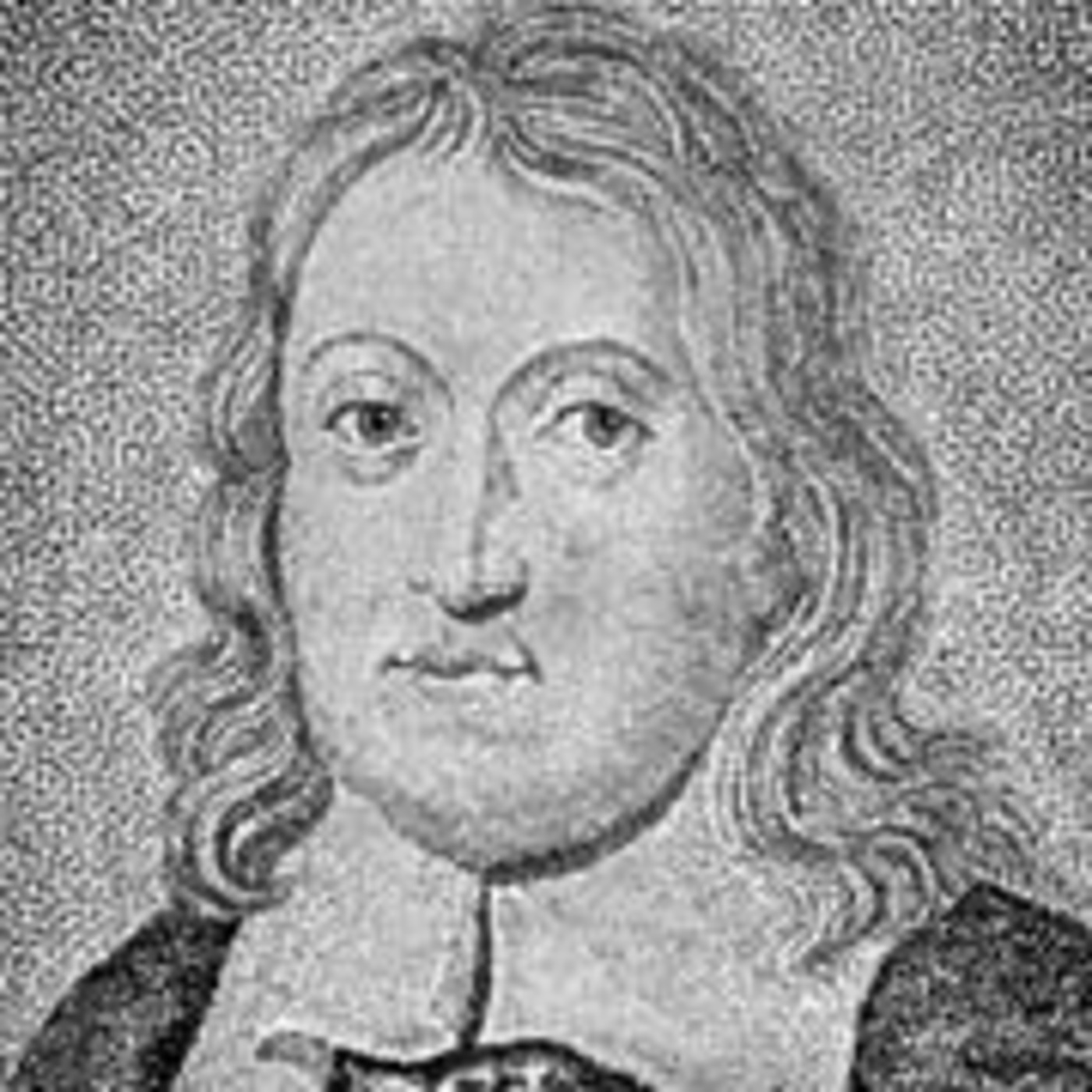
On His Blindness by John Milton
Milton read by Classic Poetry Aloud: http://classicpoetryaloud.podomatic.com/ Giving voice to the poetry of the past. --------------------------------------------------- On His Blindness by John Milton (1608 – 1674) When I consider how my light is spent E're half my days, in this dark world and wide, And that one Talent which is death to hide, Lodg'd with me useless, though my Soul more bent To serve therewith my Maker, and present My true account, least he returning chide, Doth God exact day-labour, light deny'd, I fondly ask; But patience to prevent That murmur, soon replies, God doth not need Either man's work or his own gifts, who best Bear his milde yoak, they serve him best, his State Is Kingly. Thousands at his bidding speed And post o're Land and Ocean without rest: They also serve who only stand and waite.
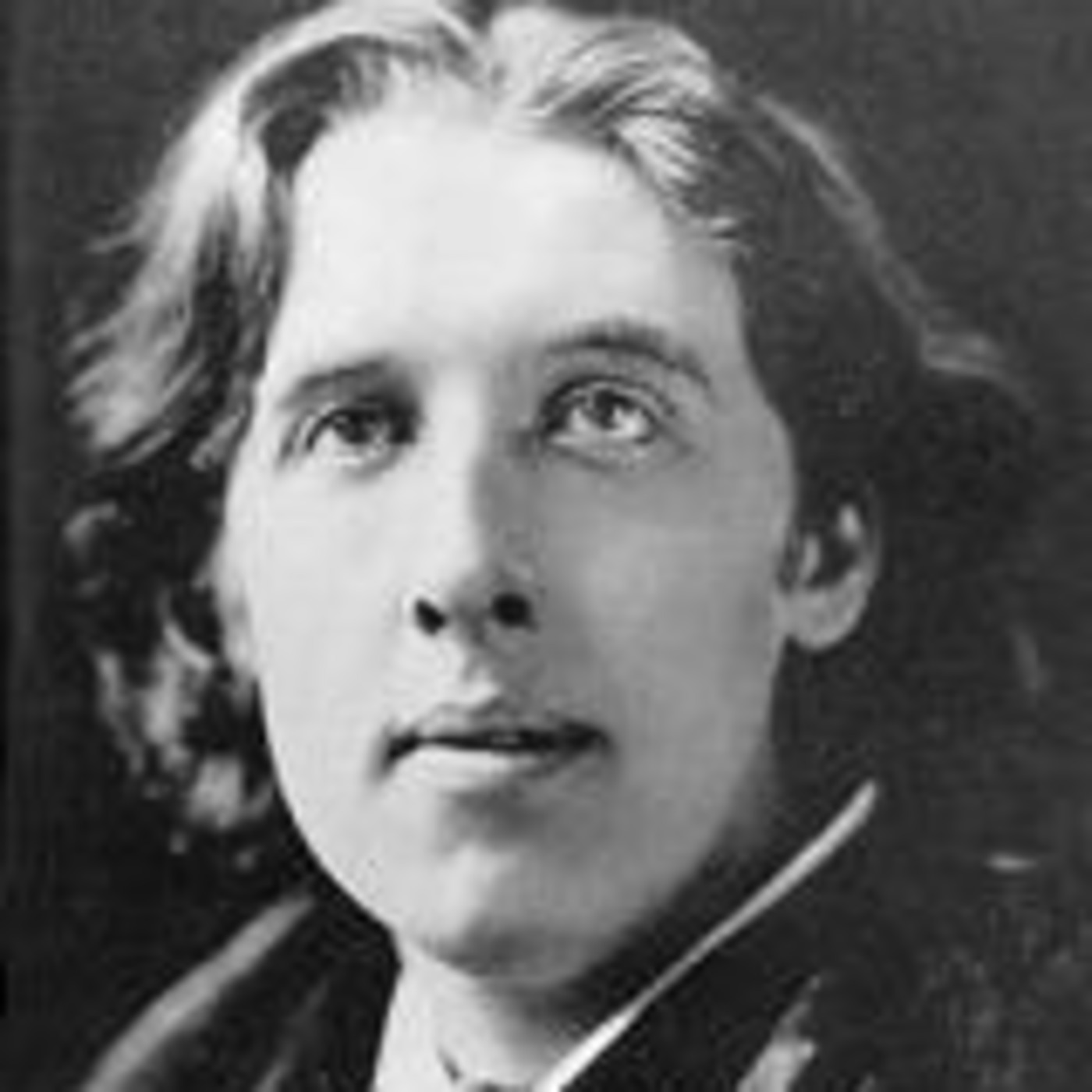
To Milton by Oscar Wilde
Wilde read by Classic Poetry Aloud: http://www.classicpoetryaloud.com/ Giving voice to the poetry of the past. --------------------------------------------------- To Milton by Oscar Wilde (1854 – 1900) Milton! I think thy spirit hath passed away From these white cliffs and high-embattled towers; This gorgeous fiery-coloured world of ours Seems fallen into ashes dull and grey, And the age changed unto a mimic play Wherein we waste our else too-crowded hours: For all our pomp and pageantry and powers We are but fit to delve the common clay, Seeing this little isle on which we stand, This England, this sea-lion of the sea, By ignorant demagogues is held in fee, Who love her not: Dear God! is this the land Which bare a triple empire in her hand When Cromwell spake the word Democracy!
The Darkling Thrush by Thomas Hardy
Hardy read by Classic Poetry Aloud: http://www.classicpoetryaloud.com/ Giving voice to the poetry of the past. --------------------------------------------------- The Darkling Thrush by Thomas Hardy (1840 – 1928) I leant upon a coppice gate When Frost was spectre-gray, And Winter’s dregs made desolate The weakening eye of day. The tangled bine-stems scored the sky Like strings of broken lyres, And all mankind that haunted nigh Had sought their household fires. The land’s sharp features seem’d to be The Century’s corpse outleant, His crypt the cloudy canopy, The wind his death-lament. The ancient pulse of germ and birth Was shrunken hard and dry, And every spirit upon earth Seem'd fervourless as I. At once a voice arose among The bleak twigs overhead In a full-hearted evensong Of joy illimited; An aged thrush, frail, gaunt, and small, In blast-beruffled plume, Had chosen thus to fling his soul Upon the growing gloom. So little cause for carollings Of such ecstatic sound Was written on terrestrial things Afar or nigh around, That I could think there trembled through His happy good-night air Some blessèd Hope, whereof he knew And I was unaware.
Annabel Lee by Edgar Allan Poe
Poe read by Classic Poetry Aloud: http://www.classicpoetryaloud.com/ Giving voice to the poetry of the past. --------------------------------------------------- Annabel Lee by Edgar Allan Poe (1809 – 1849) It was many and many a year ago, In a kingdom by the sea, That a maiden there lived whom you may know By the name of Annabel Lee; And this maiden she lived with no other thought Than to love and be loved by me. I was a child and she was a child, In this kingdom by the sea, But we loved with a love that was more than love, I and my Annabel Lee; With a love that the wingèd seraphs of heaven Coveted her and me. And this was the reason that, long ago, In this kingdom by the sea, A wind blew out of a cloud, chilling My beautiful Annabel Lee; So that her highborn kinsmen came And bore her away from me, To shut her up in a sepulchre In this kingdom by the sea. The angels, not half so happy in heaven, Went envying her and me; Yes! that was the reason (as all men know, In this kingdom by the sea) That the wind came out of the cloud by night, Chilling and killing my Annabel Lee. But our love it was stronger by far than the love Of those who were older than we, Of many far wiser than we; And neither the angels in heaven above, Nor the demons down under the sea, Can ever dissever my soul from the soul Of the beautiful Annabel Lee: For the moon never beams, without bringing me dreams Of the beautiful Annabel Lee; And the stars never rise, but I feel the bright eyes Of the beautiful Annabel Lee; And so, all the night-tide, I lie down by the side Of my darling—my darling—my life and my bride, In her sepulchre there by the sea, In her tomb by the sounding sea.
I Stood Musing in a Black World by Stephen Crane
Crane read by Classic Poetry Aloud: http://www.classicpoetryaloud.com/ Giving voice to the poetry of the past. --------------------------------------------------- I Stood Musing in a Black World by Stephen Crane (1871 – 1900) I stood musing in a black world, Not knowing where to direct my feet. And I saw the quick stream of men Pouring ceaselessly, Filled with eager faces, A torrent of desire. I called to them, "Where do you go? What do you see?" A thousand voices called to me. A thousand fingers pointed. "Look! look! There!" I know not of it. But, lo! In the far sky shone a radiance Ineffable, divine -- A vision painted upon a pall; And sometimes it was, And sometimes it was not. I hesitated. Then from the stream Came roaring voices, Impatient: "Look! look! There!" So again I saw, And leaped, unhesitant, And struggled and fumed With outspread clutching fingers. The hard hills tore my flesh; The ways bit my feet. At last I looked again. No radiance in the far sky, Ineffable, divine; No vision painted upon a pall; And always my eyes ached for the light. Then I cried in despair, "I see nothing! Oh, where do I go?" The torrent turned again its faces: "Look! look! There!" And at the blindness of my spirit They screamed, "Fool! fool! fool!"
I Love You by Ella Wilcox
Wilcox read by Classic Poetry Aloud: http://www.classicpoetryaloud.com/ Giving voice to the poetry of the past. --------------------------------------------------- I Love You by Ella Wheeler Wilcox (1850 – 1919) I love your lips when they're wet with wine And red with a wild desire; I love your eyes when the lovelight lies Lit with a passionate fire. I love your arms when the warm white flesh Touches mine in a fond embrace; I love your hair when the strands enmesh Your kisses against my face. Not for me the cold calm kiss Of a virgin's bloodless love; Not for me the saint's white bliss, Nor the heart of a spotless dove. But give me the love that so freely gives And laughs at the whole world's blame, With your body so young and warm in my arms, It sets my poor heart aflame. So kiss me sweet with your warm wet mouth, Still fragrant with ruby wine, And say with a fervour born of the South That your body and soul are mine. Clasp me close in your warm young arms, While the pale stars shine above, And we'll live our whole young lives away In the joys of a living love.
Last Lines by Emily Bronte
Emily Bronte read by Classic Poetry Aloud: http://www.classicpoetryaloud.com/ Giving voice to the poetry of the past. --------------------------------------------------- Last Lines by Emily Bronte (1818 – 1848) No coward soul is mine, No trembler in the world’s storm-troubled sphere: I see Heaven’s glories shine, And faith shines equal, arming me from fear. O God within my breast, Almighty, ever-present Deity! Life—that in me has rest, As I—undying Life—have power in Thee! Vain are the thousand creeds That move men’s hearts: unutterably vain; Worthless as wither’d weeds, Or idlest froth amid the boundless main, To waken doubt in one Holding so fast by Thine infinity; So surely anchor’d on The steadfast rock of immortality. With wide-embracing love Thy Spirit animates eternal years, Pervades and broods above, Changes, sustains, dissolves, creates, and rears. Though earth and man were gone, And suns and universes cease to be, And Thou were left alone, Every existence would exist in Thee. There is not room for Death, Nor atom that his might could render void: Thou—Thou art Being and Breath, And what Thou art may never be destroyed.
Band of Brother speech from Henry V by William Shakespeare
Shakespeare read by Classic Poetry Aloud: http://www.classicpoetryaloud.com/ Giving voice to the poetry of the past. --------------------------------------------------- from Henry V by William Shakespeare KING. What's he that wishes so? My cousin Westmoreland? No, my fair cousin; If we are mark'd to die, we are enow To do our country loss; and if to live, The fewer men, the greater share of honour. God's will! I pray thee, wish not one man more. By Jove, I am not covetous for gold, Nor care I who doth feed upon my cost; It yearns me not if men my garments wear; Such outward things dwell not in my desires. But if it be a sin to covet honour, I am the most offending soul alive. No, faith, my coz, wish not a man from England. God's peace! I would not lose so great an honour As one man more methinks would share from me For the best hope I have. O, do not wish one more! Rather proclaim it, Westmoreland, through my host, That he which hath no stomach to this fight, Let him depart; his passport shall be made, And crowns for convoy put into his purse; We would not die in that man's company That fears his fellowship to die with us. This day is call'd the feast of Crispian. He that outlives this day, and comes safe home, Will stand a tip-toe when this day is nam'd, And rouse him at the name of Crispian. He that shall live this day, and see old age, Will yearly on the vigil feast his neighbours, And say 'To-morrow is Saint Crispian.' Then will he strip his sleeve and show his scars, And say 'These wounds I had on Crispian's day.' Old men forget; yet all shall be forgot, But he'll remember, with advantages, What feats he did that day. Then shall our names, Familiar in his mouth as household words- Harry the King, Bedford and Exeter, Warwick and Talbot, Salisbury and Gloucester- Be in their flowing cups freshly rememb'red. This story shall the good man teach his son; And Crispin Crispian shall ne'er go by, From this day to the ending of the world, But we in it shall be remembered- We few, we happy few, we band of brother; For he to-day that sheds his blood with me Shall be my brother; be he ne'er so vile, This day shall gentle his condition; And gentlemen in England now-a-bed Shall think themselves accurs'd they were not here, And hold their manhoods cheap whiles any speaks That fought with us upon Saint Crispin's day!
Ball’s Bluff by Herman Melville
Melville read by Classic Poetry Aloud: http://www.classicpoetryaloud.com/ Giving voice to the poetry of the past. --------------------------------------------------- Ball’s Bluff by Herman Melville (1819 – 1891) One noonday, at my window in the town, I saw a sight - saddest that eyes can see - Young soldiers marching lustily Unto the wars, With fifes, and flags in mottoed pageantry; While all the porches, walks, and doors Were rich with ladies cheering royally. They moved like Juny morning on the wave, Their hearts were fresh as clover in its prime (It was the breezy summer time), Life throbbed so strong, How should they dream that Death in rosy clime Would come to thin their shining throng? Youth feels immortal, like the gods sublime. Weeks passed; and at my window, leaving bed, By nights I mused, of easeful sleep bereft, On those brave boys (Ah War! thy theft); Some marching feet Found pause at last by cliffs Potomac cleft; Wakeful I mused, while in the street Far footfalls died away till none were left.
The Man with the Wooden Leg by Katherine Mansfield
Mansfield read by Classic Poetry Aloud: http://www.classicpoetryaloud.com/ Giving voice to the poetry of the past. --------------------------------------------------- The Man with the Wooden Leg by Katherine Mansfield (1888 - 1923) There was a man lived quite near us; He had a wooden leg and a goldfinch in a green cage. His name was Farkey Anderson, And he'd been in a war to get his leg. We were very sad about him, Because he had such a beautiful smile And was such a big man to live in a very small house. When he walked on the road his leg did not matter so much; But when he walked in his little house It made an ugly noise. Little Brother said his goldfinch sang the loudest of all birds, So that he should not hear his poor leg And feel too sorry about it.
Fears in Solitude by Samuel Taylor Coleridge
Coleridge read by Classic Poetry Aloud: http://www.classicpoetryaloud.com/ Giving voice to the poetry of the past. --------------------------------------------------- Fears in Solitude by Samuel Taylor Coleridge Thankless too for peace, (Peace long preserved by fleets and perilous seas) Secure from actual warfare, we have loved To swell the war-whoop, passionate for war! Alas! for ages ignorant of all Its ghastlier workings, (famine or blue plague, Battle, or siege, or flight through wintry snows,) We, this whole people, have been clamorous For war and bloodshed; animating sports, The which we pay for as a thing to talk of, Spectators and not combatants! No guess Anticipative of a wrong unfelt, No speculation on contingency, However dim and vague, too vague and dim To yield a justifying cause; and forth, (Stuffed out with big preamble, holy names, And adjurations of the God in Heaven,) We send our mandates for the certain death Of thousands and ten thousands! Boys and girls, And women, that would groan to see a child Pull off an insect's leg, all read of war, The best amusement for our morning meal! The poor wretch, who has learnt his only prayers From curses, who knows scarcely words enough To ask a blessing from his Heavenly Father, Becomes a fluent phraseman, absolute And technical in victories and defeats, And all our dainty terms for fratricide; Terms which we trundle smoothly o'er our tongues Like mere abstractions, empty sounds to which We join no feeling and attach no form! As if the soldier died without a wound; As if the fibres of this godlike frame Were gored without a pang; as if the wretch, Who fell in battle, doing bloody deeds, Passed off to Heaven, translated and not killed; As though he had no wife to pine for him, No God to judge him! Therefore, evil days Are coming on us, O my countrymen! And what if all-avenging Providence, Strong and retributive, should make us know The meaning of our words, force us to feel The desolation and the agony Of our fierce doings?
Occasional Miscellany: War Poetry Week
War Poetry Week on Classic Poetry Aloud will include: • From fears in solitude – Coleridge • The man with the wooden leg – Mansfield • Balls Bluff – Herman Melville • A speech from Henry V – Shakespeare • The Soldier – Rupert Brooke • Strange Meeting – Wilfred Owen • And, on Sunday, From ‘for the fallen’ by Lawrence Binyon. To begin with, two poems taken from Kipling’s ‘Epitaphs of the Great War’, compiled after the war, and one letter, from his son. A Dead Statesman I could not dig: I dared not rob: Therefore I lied to please the mob. Now all my lies are proved untrue And I must face the men I slew. What tale shall serve me here among Mine angry and defrauded young?" The Last Letter of John Kipling Dear F - Just a hurried line as we start off tonight. The front line trenches are nine miles off from here so it wont be a very long march. This is THE great effort to break through & end the war. The guns have been going deafeningly all day, without a single stop. We have to push through at all costs so we won't have much time in the trenches, which is great luck. Funny to think one will be in the thick of it tomorrow. One's first experience of shell fire not in the trenches but in the open. This is one of the advantages of a Flying Division, you have to keep moving. We marched 18 miles last night in the pouring wet. It came down in sheets steadily. They are staking a tremendous lot on this great advancing movement as if it succeeds the war won't go on for long. You have no idea what enormous issues depend on the next few days. This will be my last letter most likely for some time as we won't get any time for writing this next week, but I will try & send Field post cards. Well so long old dears. Dear love John Epitaph If any question why we died, Tell them, because our fathers lied.
Believe Me If All Those Endearing Young Charms by Thomas Moore
Thomas Moore read by Classic Poetry Aloud: http://www.classicpoetryaloud.com/ Giving voice to the poetry of the past. --------------------------------------------------- Believe Me, If All Those Endearing Young Charms by Thomas Moore (1779 – 18f2) Believe me, if all those endearing young charms, Which I gaze on so fondly to-day, Were to change by to-morrow, and fleet in my arms, Live fairy-gifts fading away, Thou wouldst still be adored, as this moment thou art, Let thy loveliness fade as it will, And around the dear ruin each wish of my heart Would entwine itself verdantly still. It is not while beauty and youth are thine own, And thy cheeks unprofaned by a tear, That the fervour and faith of a soul can be known, To which time will but make thee more dear! No, the heart that has truly loved never forgets, But as truly loves on to the close, As the sunflower turns on her god when he sets The same look which she turned when he rose!
The Song of the Shirt by Thomas Hood
Thomas Hood read by Classic Poetry Aloud: http://www.classicpoetryaloud.com/ Giving voice to the poetry of the past. --------------------------------------------------- The Song of the Shirt by Thomas Hood (1799 – 1845) With fingers weary and worn, With eyelids heavy and red, A woman sat in unwomanly rags, Plying her needle and thread— Stitch! stitch! stitch! In poverty, hunger, and dirt, And still with a voice of dolorous pitch She sang the “Song of the Shirt!” “Work! work! work! While the cock is crowing aloof! And work—work—work, Till the stars shine through the roof! It ’s Oh! to be a slave Along with the barbarous Turk, Where woman has never a soul to save, If this is Christian work! “Work—work—work Till the brain begins to swim; Work—work—work Till the eyes are heavy and dim. Seam, and gusset, and band, Band, and gusset, and seam, Till over the buttons I fall asleep, And sew them on in a dream! “Oh, Men, with Sisters dear! Oh, Men, with Mothers and Wives! It is not linen you ’re wearing out, But human creatures’ lives! Stitch—stitch—stitch, In poverty, hunger, and dirt, Sewing at once, with a double thread, A Shroud as well as a Shirt. “But why do I talk of Death? That Phantom of grisly bone, I hardly fear his terrible shape, It seems so like my own— It seems so like my own, Because of the fasts I keep; Oh, God! that bread should be so dear, And flesh and blood so cheap! “Work—work—work! My labor never flags; And what are its wages? A bed of straw, A crust of bread—and rags. That shatter’d roof—and this naked floor— A table—a broken chair— And a wall so blank, my shadow I thank For sometimes falling there. “Work—work—work! From weary chime to chime, Work—work—work, As prisoners work for crime! Band, and gusset, and seam, Seam, and gusset, and band, Till the heart is sick, and the brain benumb’d, As well as the weary hand. “Work—work—work, In the dull December light, And work—work—work, When the weather is warm and bright, While underneath the eaves The brooding swallows cling As if to show me their sunny backs And twit me with the spring. “Oh! but to breathe the breath Of the cowslip and primrose sweet, With the sky above my head, And the grass beneath my feet, For only one short hour To feel as I used to feel, Before I knew the woes of want And the walk that costs a meal, “Oh, but for one short hour! A respite however brief! No blessed leisure for Love or Hope, But only time for Grief! A little weeping would ease my heart, But in their briny bed My tears must stop, for every drop Hinders needle and thread!” With fingers weary and worn, With eyelids heavy and red, A woman sat in unwomanly rags, Plying her needle and thread— Stitch! stitch! stitch! In poverty, hunger, and dirt, And still with a voice of dolorous pitch, Would that its tone could reach the Rich! She sang this “ Song of the Shirt!”