Classic Poetry Aloud
609 episodes — Page 10 of 13
Darkness by Lord Byron
Byron read by Classic Poetry Aloud: http://www.classicpoetryaloud.com/ Giving voice to the poetry of the past. --------------------------------------------- Darkness by George Gordon, Lord Byron (1788 – 1824) I had a dream, which was not all a dream, The bright sun was extinguish’d, and the stars Did wander darkling in the eternal space, Rayless, and pathless; and the icy earth Swung blind and blackening in the moonless air Morn came and went—and came, and brought no day, And men forgot their passions in the dread Of this their desolation: and all hearts Were chill’d into a selfish prayer for light: And they did live by watchfires—and the thrones, The palaces of crowned kings—the huts, The habitations of all things which dwell, Were burnt for beacons; cities were consumed, And men were gathered round their blazing homes To look once more into each other’s face Happy were those who dwelt within the eye Of the volcanoes, and their mountain-torch: A fearful hope was all the world contained; Forests were set on fire—but hour by hour They fell and faded—and the crackling trunks Extinguish’d with a crash—and all was black. The brows of men by the despairing light Wore an unearthly aspect, as by fits The flashes fell upon them; some lay down And hid their eyes and wept; and some did rest Their chins upon their clenched hands and smiled; And others hurried to and fro, and fed Their funeral piles with fuel, and look’d up With mad disquietude on the dull sky, The pall of a past world; and then again With curses cast them down upon the dust, And gnash’d their teeth and howl’d: the wild birds shriek’d, And, terrified, did flutter on the ground. And flap their useless wings; the wildest brutes Came tame and tremulous; and vipers crawl’d And twined themselves among the multitude, Hissing, but stingless—they were slain for food: And War, which for a moment was no more, Did glut himself again:—a meal was bought With blood, and each sate sullenly apart Gorging himself in gloom: no love was left; All earth was but one thought—and that was death Immediate and inglorious; and the pang Of famine fed upon all entrails—men Died, and their bones were tombless as their flesh; The meagre by the meagre were devour’d, Even dogs assail’d their masters, all save one, And he was faithful to a corse, and kept The birds and beasts and famish’d men at bay, Till hunger clung them, or the dropping dead Lured their lank jaws; himself sought out no food, But with a piteous and perpetual moan, And a quick desolate cry, licking the hand Which answer’d not with a caress—he died. The crowd was famish’d by degrees; but two Of an enormous city did survive, And they were enemies: they met beside The dying embers of an altar-place, Where had been heap’d a mass of holy things For an unholy usage; they raked up, And shivering scraped with their cold skeleton hands The feeble ashes, and their feeble breath Blew for a little life, and made a flame Which was a mockery; then they lifted up Their eyes as it grew lighter, and beheld Each other’s aspects—saw and shriek’d, and died— Ev’n of their mutual hideousness they died, Unknowing who he was upon whose brow Famine had written Fiend. The world was void, The populous, and the powerful was a lump, Seasonless, herbless, treeless, manless, lifeless, A lump of death—a chaos of hard clay. The rivers, lakes, and ocean all stood still, And nothing stirr’d within their silent depths; Ships sailorless lay rotting on the sea, And their masts fell down piecemeal; as they dropp’d, They slept on the abyss without a surge— The waves were dead; the tides were in their grave, The Moon, their mistress, had expired before; The winds were wither’d in the stagnant air, And the clouds perish’d; Darkness had no need Of aid from them—She was the Universe!
For Those Who Fail by Joaquin Miller
For Those Who Fail by Joaquin Miller (1841? – 1913) "All honor to him who shall win the prize," The world has cried for a thousand years; But to him who tries and who fails and dies, I give great honor and glory and tears. O great is the hero who wins a name, But greater many and many a time, Some pale-faced fellow who dies in shame, And lets God finish the thought sublime. And great is the man with a sword undrawn, And good is the man who refrains from wine; But the man who fails and yet fights on, Lo! he is the twin-born brother of mine!
Genius Loci by Margaret Woods
Woods read by Classic Poetry Aloud: http://www.classicpoetryaloud.com/ Giving voice to the poetry of the past. --------------------------------------------- Genius Loci by Margaret Woods Peace, Shepherd, peace! What boots it singing on? Since long ago grace-giving Phoebus died, And all the train that loved the stream-bright side Of the poetic mount with him are gone Beyond the shores of Styx and Acheron, In unexplorèd realms of night to hide. The clouds that strew their shadows far and wide Are all of Heaven that visits Helicon. Yet here, where never muse or god did haunt, Still may some nameless power of Nature stray, Pleased with the reedy stream's continual chant And purple pomp of these broad fields in May. The shepherds meet him where he herds the kine, And careless pass him by whose is the gift divine.
He Lived a Life by H Fifer
Fifer read by Classic Poetry Aloud: http://www.classicpoetryaloud.com/ Giving voice to the poetry of the past. --------------------------------------------- He Lived a Life by H Fifer What was his creed? I do not know his creed; I only know That here below, he walked the common road And lifted many a load, lightened the task, Brightened the day for others toiling on a weary way: This, his only meed; I do not know his creed. What was his creed ? I never heard him speak Of visions rapturous, of Alpine peak Of doctrine, dogma, new or old: But this I know, he was forever bold To stand alone, to face the challenge of each day, And live the truth, so far as he could see The truth that evermore makes free. His creed? I care not what his creed; Enough that never yielded he to greed, But served a brother in his daily need; Plucked many a thorn and planted many a flower ; Glorified the service of each hour; Had faith in God, himself, and fellow-men; Perchance he never thought in terms of creed; I only know he lived a life, in deed!
Sonnets from the Portuguese V When our two souls by Elizabeth Barrett Browning
EB Browning read by Classic Poetry Aloud: http://www.classicpoetryaloud.com/ Giving voice to the poetry of the past. --------------------------------------------- Sonnets from the Portuguese V by Elizabeth Barrett Browning (1806 – 1861) When our two souls stand up erect and strong, Face to face, silent, drawing nigh and nigher, Until the lengthening wings break into fire At either curving point,—what bitter wrong Can the earth do us, that we should not long Be here contented? Think! In mounting higher, The angels would press on us, and aspire To drop some golden orb of perfect song Into our deep, dear silence. Let us stay Rather on earth, Belovèd—where the unfit Contrarious moods of men recoil away And isolate pure spirits, and permit A place to stand and love in for a day, With darkness and the death-hour rounding it.
The Lover's Appeal by Thomas Wyatt
Wyatt read by Classic Poetry Aloud: http://www.classicpoetryaloud.com/ Giving voice to the poetry of the past. --------------------------------------------- The Lover’s Appeal by Sir Thomas Wyatt (1503 – 1542) And wilt thou leave me thus! Say nay! say nay! for shame! To save thee from the blame Of all my grief and grame. And wilt thou leave me thus? Say nay! say nay! And wilt thou leave me thus, That hath loved thee so long In wealth and woe among: And is thy heart so strong As for to leave me thus? Say nay! say nay! And wilt thou leave me thus, That hath given thee my heart Never for to depart Neither for pain nor smart: And wilt thou leave me thus? Say nay! say nay! And wilt thou leave me thus, And have no more pity Of him that loveth thee? Alas! thy cruelty! And wilt thou leave me thus? Say nay! say nay!
Nature and Art by Alexander Pope
Pope read by Classic Poetry Aloud: http://www.classicpoetryaloud.com/ Giving voice to the poetry of the past. --------------------------------------------- Nature and Art from An Essay on Criticism: Part 1 by Alexander Pope (1688 – 1744) First follow Nature, and your judgment frame By her just standard, which is still the same: Unerring Nature, still divinely bright, One clear, unchang'd, and universal light, Life, force, and beauty, must to all impart, At once the source, and end, and test of art. Art from that fund each just supply provides, Works without show, and without pomp presides: In some fair body thus th' informing soul With spirits feeds, with vigour fills the whole, Each motion guides, and ev'ry nerve sustains; Itself unseen, but in th' effects, remains. Some, to whom Heav'n in wit has been profuse, Want as much more, to turn it to its use; For wit and judgment often are at strife, Though meant each other's aid, like man and wife. 'Tis more to guide, than spur the Muse's steed; Restrain his fury, than provoke his speed; The winged courser, like a gen'rous horse, Shows most true mettle when you check his course. Those Rules of old discover'd, not devis'd, Are Nature still, but Nature methodis'd; Nature, like liberty, is but restrain'd By the same laws which first herself ordain'd.
Waikiki by Rupert Brooke
Brooke read by Classic Poetry Aloud: http://www.classicpoetryaloud.com/ Giving voice to the poetry of the past. --------------------------------------------- Waikiki by Rupert Brooke (1887 – 1915) Warm perfumes like a breath from vine and tree Drift down the darkness. Plangent, hidden from eyes, Somewhere an eukaleli thrills and cries And stabs with pain the night’s brown savagery. And dark scents whisper; and dim waves creep to me, Gleam like a woman’s hair, stretch out, and rise; And new stars burn into the ancient skies, Over the murmurous soft Hawaian sea. And I recall, lose, grasp, forget again, And still remember, a tale I have heard, or known, An empty tale, of idleness and pain, Of two that loved—or did not love—and one Whose perplexed heart did evil, foolishly, A long while since, and by some other sea.
The Raven by Edgar Allan Poe
Poe read by Classic Poetry Aloud: http://www.classicpoetryaloud.com/ Giving voice to the poetry of the past. --------------------------------------------- The Raven by Edgar Allan Poe (1809 – 1849) Once upon a midnight dreary, while I pondered, weak and weary, Over many a quaint and curious volume of forgotten lore,— While I nodded, nearly napping, suddenly there came a tapping, As of some one gently rapping, rapping at my chamber door. "'T is some visitor," I muttered, "tapping at my chamber door; Only this and nothing more." Ah, distinctly I remember it was in the bleak December And each separate dying ember wrought its ghost upon the floor. Eagerly I wished the morrow;—vainly I had sought to borrow From my books surcease of sorrow—sorrow for the lost Lenore, For the rare and radiant maiden whom the angels name Lenore: Nameless here for evermore. And the silken sad uncertain rustling of each purple curtain Thrilled me—filled me with fantastic terrors never felt before; So that now, to still the beating of my heart, I stood repeating "'T is some visitor entreating entrance at my chamber door, Some late visitor entreating entrance at my chamber door: This it is and nothing more." Presently my soul grew stronger; hesitating then no longer, "Sir," said I, "or Madam, truly your forgiveness I implore; But the fact is I was napping, and so gently you came rapping, And so faintly you came tapping, tapping at my chamber door, That I scarce was sure I heard you"—here I opened wide the door:— Darkness there and nothing more. Deep into that darkness peering, long I stood there wondering, fearing, Doubting, dreaming dreams no mortals ever dared to dream before; But the silence was unbroken, and the stillness gave no token, And the only word there spoken was the whispered word, "Lenore?" This I whispered, and an echo murmured back the word, "Lenore:" Merely this and nothing more. Back into the chamber turning, all my soul within me burning, Soon again I heard a tapping somewhat louder than before. "Surely," said I, "surely that is something at my window lattice; Let me see, then, what thereat is, and this mystery explore; Let my heart be still a moment and this mystery explore: 'T is the wind and nothing more." Open here I flung the shutter, when, with many a flirt and flutter, In there stepped a stately Raven of the saintly days of yore. Not the least obeisance made he; not a minute stopped or stayed he; But, with mien of lord or lady, perched above my chamber door, Perched upon a bust of Pallas just above my chamber door: Perched, and sat, and nothing more. Then this ebony bird beguiling my sad fancy into smiling By the grave and stern decorum of the countenance it wore,— "Though thy crest be shorn and shaven, thou," I said, "art sure no craven, Ghastly grim and ancient Raven wandering from the Nightly shore: Tell me what thy lordly name is on the Night's Plutonian shore!" Quoth the Raven, "Nevermore." Much I marvelled this ungainly fowl to hear discourse so plainly, Though its answer little meaning—little relevancy bore; For we cannot help agreeing that no living human being Ever yet was blessed with seeing bird above his chamber door, Bird or beast upon the sculptured bust above his chamber door, With such name as "Nevermore." But the Raven, sitting lonely on the placid bust, spoke only That one word, as if his soul in that one word he did outpour. Nothing further then he uttered, not a feather then he fluttered, Till I scarcely more than muttered,—"Other friends have flown before; On the morrow he will leave me, as my Hopes have flown before." Then the bird said, "Nevermore." Startled at the stillness broken by reply so aptly spoken, "Doubtless," said I, "what it utters is its only stock and store, Caught from some unhappy master whom unmerciful Disaster Followed fast and followed faster till his songs one burden bore: Till the dirges of his Hope that melancholy burden bore Of 'Never—nevermore.' But the Raven still beguiling all my fancy into smiling, Straight I wheeled a cushioned seat in front of bird and bust and door; Then, upon the velvet sinking, I betook myself to linking Fancy unto fancy, thinking what this ominous bird of yore, What this grim, ungainly, ghastly, gaunt, and ominous bird of yore Meant in croaking "Nevermore." This I sat engaged in guessing, but no syllable expressing To the fowl whose fiery eyes now burned into my bosom's core; This and more I sat divining, with my head at ease reclining On the cushion's velvet lining that the lamplight gloated o'er, But whose velvet violet lining with the lamp-light gloating o'er She shall press, ah, nevermore! Then, methought, the air grew denser, perfumed from an unseen censer Swung by seraphim whose foot-falls tinkled on the tufted floor. "Wretch," I cried, "thy God hath lent thee—by these angels he hath sent thee Respite—respite and nepenthe from thy memories of Lenore!" Quaff, oh quaff this kind nepenthe, and forget this lost Lenore." Quoth the Raven,
Vitae Summa Brevis Spem Nos Vetat Incohare Longam by Ernest Dowson
Vitae Summa Brevis Spem Nos Vetat Incohare Longam (The brief sum of life forbids us the hope of enduring long - Horace) by Ernest Dowson (1867 – 1900) They are not long, the weeping and the laughter, Love and desire and hate: I think they have no portion in us after We pass the gate. They are not long, the days of wine and roses: Out of a misty dream Our path emerges for a while, then closes Within a dream.

Two Poems by John Wilmot
Wilmot read by Classic Poetry Aloud: http://www.classicpoetryaloud.com/ Giving voice to the poetry of the past. --------------------------------------------- To My More Than Meritorious Wife by John Wilmot 2nd Earl of Rochester (1647 – 1680) I am, by fate, slave to your will And shall be most obedient still. To show my love, I will compose ye, For your fair finger's ring, a posy, In which shall be expressed my duty, And how I'll be forever true t'ye. With low-made legs and sugared speeches, Yielding to your fair bum the breeches, I'll show myself, in all I can, Your faithful, humble servant, John.
The Timber by Henry Vaughan
Vaughan read by Classic Poetry Aloud: http://www.classicpoetryaloud.com/ Giving voice to the poetry of the past. --------------------------------------------- The Timber by Henry Vaughan (1621 – 1695) Sure thou didst flourish once! and many springs, Many bright mornings, much dew, many showers, Pass'd o'er thy head; many light hearts and wings, Which now are dead, lodg'd in thy living bowers. And still a new succession sings and flies; Fresh groves grow up, and their green branches shoot Towards the old and still enduring skies, While the low violet thrives at their root. But thou beneath the sad and heavy line Of death, doth waste all senseless, cold, and dark; Where not so much as dreams of light may shine, Nor any thoughts of greenness, leaf, or bark. And yet—as if some deep hate and dissent, Bred in thy growth betwixt high winds and thee, Were still alive—thou dost great storms resent Before they come, and know'st how near they be. Else all at rest thou liest, and the fierce breath Of tempests can no more disturb thy ease; But this thy strange resentment after death Means only those who broke—in life—thy peace.
Libertatis Sacra Fames by Oscar Wilde
Wilde read by Classic Poetry Aloud: http://www.classicpoetryaloud.com/ Giving voice to the poetry of the past. --------------------------------------------- Libertatis Sacra Fames by Oscar Wilde(1854 – 1900) Albeit nurtured in democracy, And liking best that state republican Where every man is Kinglike and no man Is crowned above his fellows, yet I see, Spite of this modern fret for Liberty, Better the rule of One, whom all obey, Than to let clamorous demagogues betray Our freedom with the kiss of anarchy. Wherefore I love them not whose hands profane Plant the red flag upon the piled-up street For no right cause, beneath whose ignorant reign Arts, Culture, Reverence, Honour, all things fade, Save Treason and the dagger of her trade, And Murder with his silent bloody feet.
The Lost Mistress by Robert Browning
Browning read by Classic Poetry Aloud: http://www.classicpoetryaloud.com/ Giving voice to the poetry of the past. --------------------------------------------- The Lost Mistress by Robert Browning (1812 – 1889) All 's over, then: does truth sound bitter As one at first believes? Hark, 'tis the sparrows' good-night twitter About your cottage eaves! And the leaf-buds on the vine are woolly, I noticed that, to-day; One day more bursts them open fully —You know the red turns gray. To-morrow we meet the same then, dearest? May I take your hand in mine? Mere friends are we,—well, friends the merest Keep much that I resign: For each glance of the eye so bright and black, Though I keep with heart's endeavour,— Your voice, when you wish the snowdrops back, Though it stay in my soul for ever!— Yet I will but say what mere friends say, Or only a thought stronger; I will hold your hand but as long as all may, Or so very little longer!
from Village Life - As It Is by George Crabbe
Crabbe read by Classic Poetry Aloud: http://www.classicpoetryaloud.com/ Giving voice to the poetry of the past. --------------------------------------------- from Village Life - As It Is by George Crabbe (1754 – 1832) I grant indeed that fields and flocks have charms For him that grazes or for him that farms; But when amid such pleasing scenes I trace The poor laborious natives of the place, And see the mid-day sun, with fervid ray, On their bare heads and dewy temples play; While some with feebler heads and fainter hearts, Deplore their fortune, yet sustain their parts: Then shall I dare these real ills to hide In tinsel trappings of poetic pride? No; cast by Fortune on a frowning coast, Which neither groves nor happy valleys boast; Where other cares than those the Muse relates, And other shepherds dwell with other mates; By such examples taught, I paint the Cot, As Truth will paint it, and as Bards will not: Nor you, ye poor, of letter'd scorn complain, To you the smoothest song is smooth in vain; O'ercome by labour, and bow'd down by time, Feel you the barren flattery of a rhyme? Can poets soothe you, when you pine for bread, By winding myrtles round your ruin'd shed? Can their light tales your weighty griefs o'erpower Or glad with airy mirth the toilsome hour? Lo! where the heath, with withering brake grown o'er, Lends the light turf that warms the neighbouring poor; From thence a length of burning sand appears, Where the thin harvest waves its wither'd ears; Rank weeds, that every art and care defy, Reign o'er the land, and rob the blighted rye: There thistles stretch their prickly arms afar, And to the ragged infant threaten war; There poppies nodding, mock the hope of toil; There the blue bugloss paints the sterile soil; Hardy and high, above the slender sheaf, The slimy mallow waves her silky leaf; O'er the young shoot the charlock throws a shade, And clasping tares cling round the sickly blade; With mingled tints the rocky coasts abound, And a sad splendour vainly shines around. So looks the nymph whom wretched arts adorn, Betray'd by man, then left for man to scorn; Whose cheek in vain assumes the mimic rose, While her sad eyes the troubled breast disclose; Whose outward splendour is but folly's dress, Exposing most, when most it gilds distress. Here joyous roam a wild amphibious race, With sullen woe display'd in every face; Who, far from civil arts and social fly, And scowl at strangers with suspicious eye. http://www.gradesaver.com/classicnotes/titles/crabbe/essay1.html About George Crabbe: http://infomotions.com/etexts/gutenberg/dirs/1/1/0/8/11088/11088.htm
The Reaper by William Wordsworth
Wordsworth read by Classic Poetry Aloud: http://www.classicpoetryaloud.com/ Giving voice to the poetry of the past. --------------------------------------------- The Reaper by William Wordsworth (1770 – 1850) Behold her, single in the field, Yon solitary Highland Lass! Reaping and singing by herself;— Stop here, or gently pass! Alone she cuts and binds the grain, And sings a melancholy strain; O listen! for a vale profound Is overflowing with the sound. No nightingale did ever chant More welcome notes to weary bands Of travellers in some shady haunt Among Arabian sands; No sweeter voice was ever heard In springtime from the cuckoo-bird, Breaking the silence of the seas Among the farthest Hebrides. Will no one tell me what she sings?— Perhaps the plaintive numbers flow For old, unhappy, far-off things, And battles long ago, Or is it some more humble lay, Familiar matter of to-day? Some natural sorrow, loss, or pain, That has been, and may be again! Whate’er the theme, the maiden sang As if her song could have no ending; I saw her singing at her work, And o’er the sickle bending;— I listen’d till I had my fill; And, as I mounted up the hill, The music in my heart I bore Long after it was heard no more.
To Anthea who may command him Anything by Robert Herrick
Herrick read by Classic Poetry Aloud: http://www.classicpoetryaloud.com/ Giving voice to the poetry of the past. --------------------------------------------- To Anthea, who may command him Anything by Robert Herrick (1591 – 1674) Bid me to live, and I will live Thy Protestant to be; Or bid me love, and I will give A loving heart to thee. A heart as soft, a heart as kind, A heart as sound and free As in the whole world thou canst find, That heart I'll give to thee. Bid that heart stay, and it will stay To honour thy decree: Or bid it languish quite away, And 't shall do so for thee. Bid me to weep, and I will weep While I have eyes to see: And, having none, yet will I keep A heart to weep for thee. Bid me despair, and I'll despair Under that cypress-tree: Or bid me die, and I will dare E'en death to die for thee. Thou art my life, my love my heart, The very eyes of me: And hast command of every part To live and die for thee.
Unfolded Out of the Folds by Walt Whitman
Whitman read by Classic Poetry Aloud: http://www.classicpoetryaloud.com/ Giving voice to the poetry of the past. --------------------------------------------- Unfolded Out of the Folds by Walt Whitman (1819 – 1892) Unfolded out of the folds of the woman, man comes unfolded, and is always to come unfolded; Unfolded only out of the superbest woman of the earth, is to come the superbest man of the earth; Unfolded out of the friendliest woman, is to come the friendliest man; Unfolded only out of the perfect body of a woman, can a man be form’d of perfect body; Unfolded only out of the inimitable poem of the woman, can come the poems of man—(only thence have my poems come; ) Unfolded out of the strong and arrogant woman I love, only thence can appear the strong and arrogant man I love; Unfolded by brawny embraces from the well-muscled woman I love, only thence come the brawny embraces of the man; Unfolded out of the folds of the woman’s brain, come all the folds of the man’s brain, duly obedient; Unfolded out of the justice of the woman, all justice is unfolded; Unfolded out of the sympathy of the woman is all sympathy: A man is a great thing upon the earth, and through eternity — but every jot of the greatness of man is unfolded out of woman, First the man is shaped in the woman, he can then be shaped in himself.
Unsolved by John McCrae
McCrae read by Classic Poetry Aloud: http://www.classicpoetryaloud.com/ Giving voice to the poetry of the past. --------------------------------------------- Unsolved by John McCrae (1872 – 1918) Amid my books I lived the hurrying years, Disdaining kinship with my fellow man; Alike to me were human smiles and tears, I cared not whither Earth's great life-stream ran, Till as I knelt before my mouldered shrine, God made me look into a woman's eyes; And I, who thought all earthly wisdom mine, Knew in a moment that the eternal skies Were measured but in inches, to the quest That lay before me in that mystic gaze. "Surely I have been errant: it is best That I should tread, with men their human ways." God took the teacher, ere the task was learned, And to my lonely books again I turned.
I am as I am by Sir Thomas Wyatt
Wyatt read by Classic Poetry Aloud: http://www.classicpoetryaloud.com/ Giving voice to the poetry of the past. --------------------------------------------- I am as I am by Sir Thomas Wyatt (1503 – 1542) I am as I am and so will I be But how that I am none knoweth truly, Be it evil be it well, be I bond be I free I am as I am and so will I be. I lead my life indifferently, I mean nothing but honestly, And though folks judge diversely, I am as I am and so will I die. I do not rejoice nor yet complain, Both mirth and sadness I do refrain, And use the mean since folks will fain Yet I am as I am be it pleasure or pain. Divers do judge as they do true, Some of pleasure and some of woe, Yet for all that no thing they know, But I am as I am wheresoever I go. But since judgers do thus decay, Let every man his judgement say: I will it take in sport and play, For I am as I am who so ever say nay. Who judgeth well, well God him send; Who judgeth evil, God them amend; To judge the best therefore intend, For I am as I am and so will I end. Yet some that be that take delight To judge folks thought for envy and spite, But whether they judge me wrong or right, I am as I am and so do I write. Praying you all that this do read, To trust it as you do your creed, And not to think I change my weed, For I am as I am however I speed. But how that is I leave to you; Judge as ye list, false or true; Ye know no more than afore ye knew; Yet I am as I am whatever ensue. And from this mind I will not flee, But to you all that misjudge me, I do protest as ye may see, That I am as I am and so will I be.
from The Ballard of Reading Gaol by Oscar Wilde
Wilde read by Classic Poetry Aloud: http://www.classicpoetryaloud.com/ Giving voice to the poetry of the past. --------------------------------------------- from The Ballard of Reading Gaol by Oscar Wilde (1854 – 1900) He did not wear his scarlet coat, For blood and wine are red, And blood and wine were on his hands When they found him with the dead, The poor dead woman whom he loved, And murdered in her bed. He walked amongst the Trial Men In a suit of shabby grey; A cricket cap was on his head, And his step seemed light and gay; But I never saw a man who looked So wistfully at the day. I never saw a man who looked With such a wistful eye Upon that little tent of blue Which prisoners call the sky, And at every drifting cloud that went With sails of silver by. I walked, with other souls in pain, Within another ring, And was wondering if the man had done A great or little thing, When a voice behind me whispered low, "That fellow’s got to swing." Dear Christ! the very prison walls Suddenly seemed to reel, And the sky above my head became Like a casque of scorching steel; And, though I was a soul in pain, My pain I could not feel. I only knew what hunted thought Quickened his step, and why He looked upon the garish day With such a wistful eye; The man had killed the thing he loved And so he had to die. Yet each man kills the thing he loves By each let this be heard, Some do it with a bitter look, Some with a flattering word, The coward does it with a kiss, The brave man with a sword! Some kill their love when they are young, And some when they are old; Some strangle with the hands of Lust, Some with the hands of Gold: The kindest use a knife, because The dead so soon grow cold. Some love too little, some too long, Some sell, and others buy; Some do the deed with many tears, And some without a sigh: For each man kills the thing he loves, Yet each man does not die. He does not die a death of shame On a day of dark disgrace, Nor have a noose about his neck, Nor a cloth upon his face, Nor drop feet foremost through the floor Into an empty place.
I have a Rendezvous with Death by Alan Seeger
Seeger read by Classic Poetry Aloud: http://www.classicpoetryaloud.com/ Giving voice to the poetry of the past. --------------------------------------------- I have a Rendezvous with Death by Alan Seeger (1888 – 1916) I have a rendezvous with Death At some disputed barricade, When Spring comes back with rustling shade And apple-blossoms fill the air – I have a rendezvous with Death When Spring brings back blue days and fair. It may be he shall take my hand And lead me into his dark land And close my eyes and quench my breath – It may be I shall pass him still. I have a rendezvous with Death On some scarred slope of battered hill, When Spring comes round again this year And the first meadow-flowers appear. God knows 'twere better to be deep Pillowed in silk and scented down, Where love throbs out in blissful sleep, Pulse nigh to pulse, and breath to breath, Where hushed awakenings are dear... But I've a rendezvous with Death At midnight in some flaming town, When Spring trips north again this year, And I to my pledged word am true, I shall not fail that rendezvous.
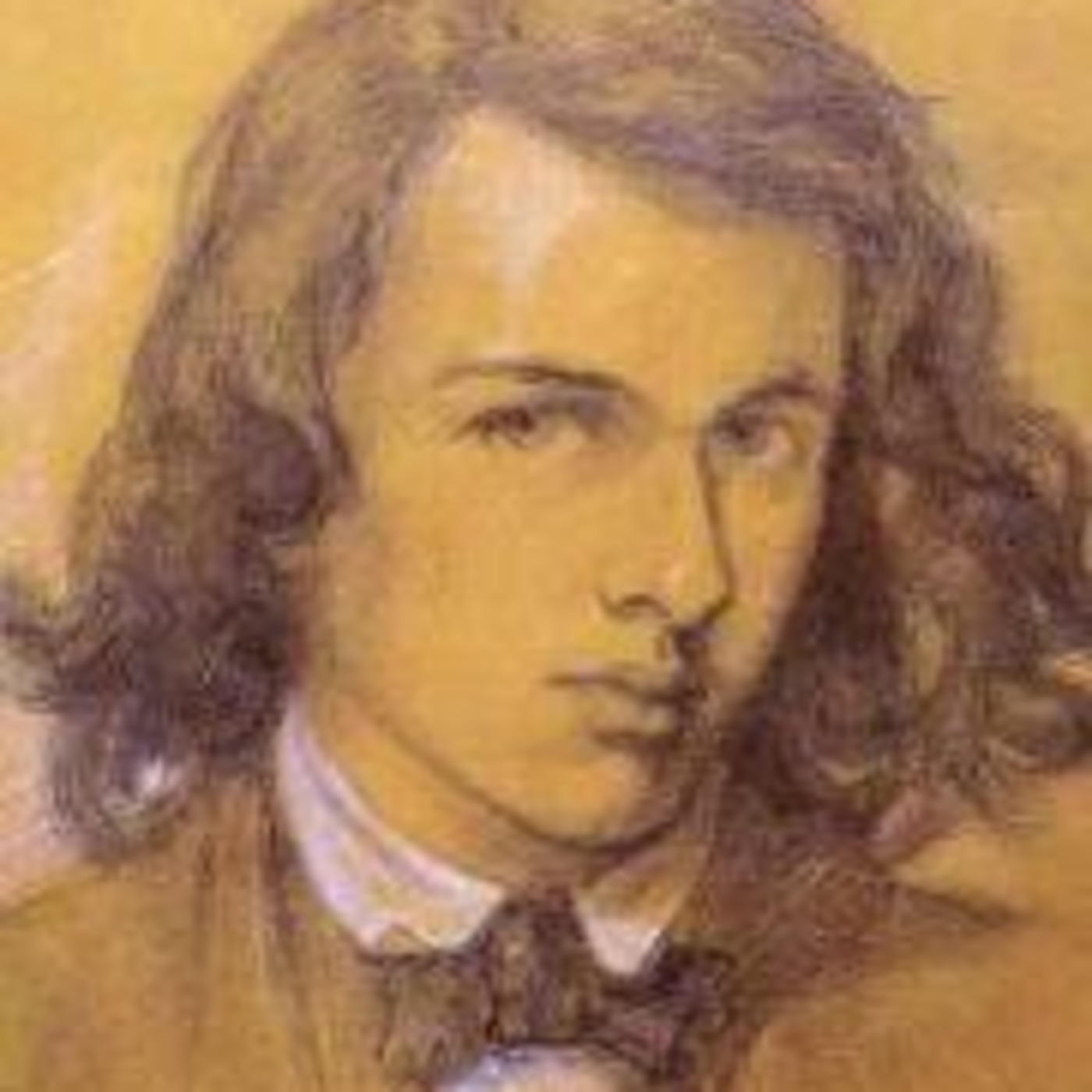
Sudden Light by Dante Gabriel Rossetti
Rossetti read by Classic Poetry Aloud: http://www.classicpoetryaloud.com/ Giving voice to the poetry of the past. --------------------------------------------- Sudden Light by Dante Gabriel Rossetti (1828 – 1882) I have been here before, But when or how I cannot tell: I know the grass beyond the door, The sweet keen smell, The sighing sound, the lights around the shore. You have been mine before,— How long ago I may not know: But just when at that swallow’s soar Your neck turn’d so, Some veil did fall,—I knew it all of yore. Has this been thus before? And shall not thus time’s eddying flight Still with our lives our love restore In death’s despite, And day and night yield one delight once more?
Reunited by Ella Wheeler Wilcox
Wilcox read by Classic Poetry Aloud: http://www.classicpoetryaloud.com/ Giving voice to the poetry of the past. --------------------------------------------- Reunited by Ella Wheeler Wilcox (1855 – 1919) Let us begin, dear love, where we left off; Tie up the broken threads of that old dream, And go on happy as before, and seem Lovers again, though all the world may scoff. Let us forget the graves which lie between Our parting and our meeting, and the tears That rusted out the gold-work of the years, The frosts that fell upon our gardens green. Let us forget the cold, malicious Fate Who made our loving hearts her idle toys, And once more revel in the old sweet joys Of happy love. Nay, it is not too late! Forget the deep-ploughed furrows in my brow; Forget the silver gleaming in my hair; Look only in my eyes! Oh! darling, there The old love shone no warmer then than now. Down in the tender deeps of thy dear eyes I find the lost sweet memory of my youth, Bright with the holy radiance of thy truth, And hallowed with the blue of summer skies. Tie up the broken threads and let us go, Like reunited lovers, hand in hand, Back, and yet onward, to the sunny land Of our To Be, which was our Long Ago.
My True Love Hath My Heart And I Have His by Sir Philip Sidney
Sidney read by Classic Poetry Aloud: http://www.classicpoetryaloud.com/ Giving voice to the poetry of the past. --------------------------------------------- My True Love Hath My Heart And I Have His by Sir Philip Sidney (1554 – 1586) My true-love hath my heart, and I have his, By just exchange one for the other given. I hold his dear, and mine he cannot miss: There never was a bargain better driven. His heart in me keeps me and him in one; My heart in him his thoughts and senses guides: He loves my heart, for once it was his own; I cherish his because in me it bides. His heart his wound received from my sight; My heart was wounded with his wounded heart; For as from me on him his hurt did light, So still, methought, in me his hurt did smart: Both equal hurt, in this change sought our bliss, My true love hath my heart and I have his.
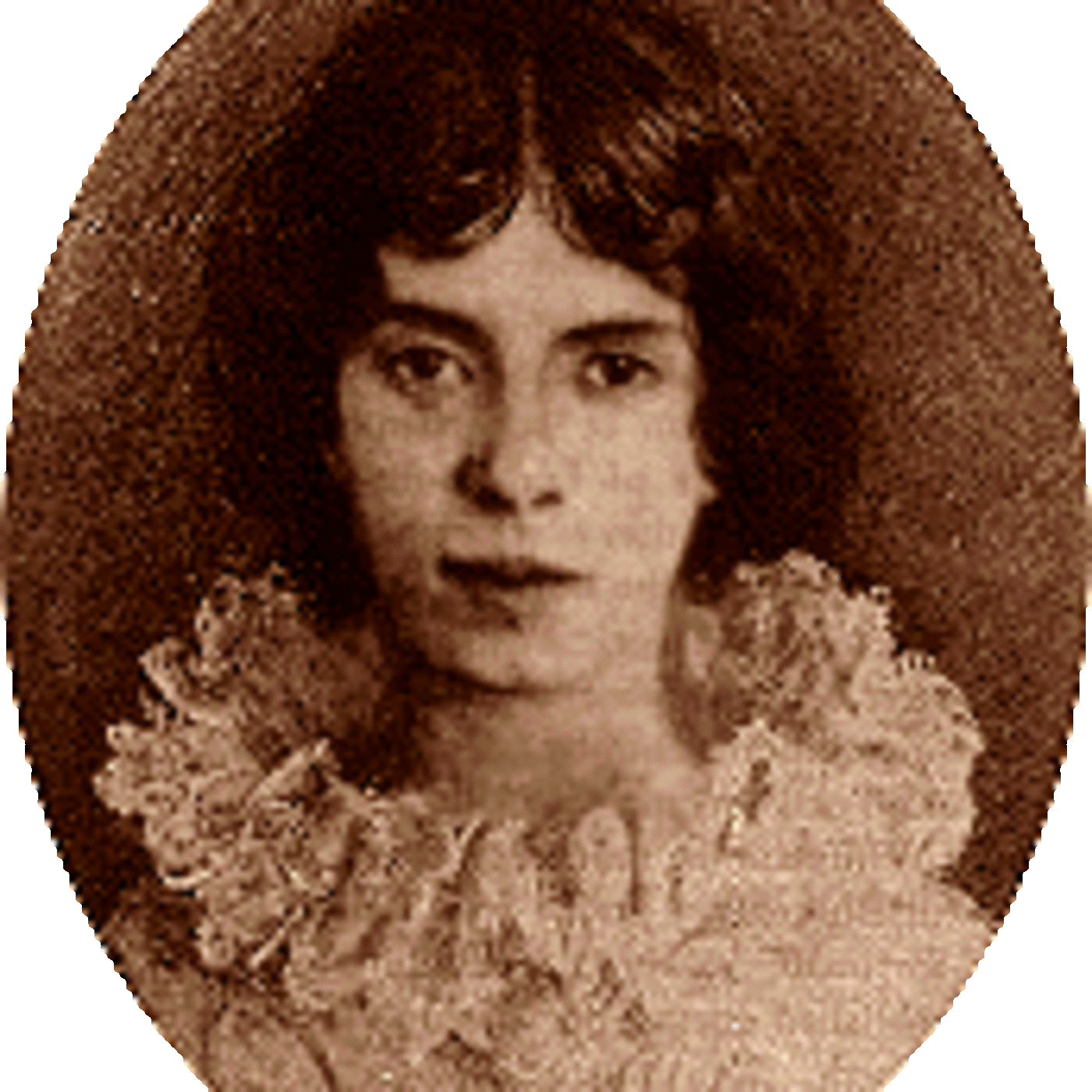
Surrender by Emily Dickinson
Dickinson read by Classic Poetry Aloud: http://www.classicpoetryaloud.com/ Giving voice to the poetry of the past. --------------------------------------------- Surrender by Emily Dickinson (1830 – 1886) Doubt me, my dim companion! Why, God would be content With but a fraction of the love Poured thee without a stint. The whole of me, forever, What more the woman can, -- Say quick, that I may dower thee With last delight I own! It cannot be my spirit, For that was thine before; I ceded all of dust I knew, -- What opulence the more Had I, a humble maiden, Whose farthest of degree Was that she might, Some distant heaven, Dwell timidly with thee!
The Fair Singer by Andrew Marvell
Marvell read by Classic Poetry Aloud: http://www.classicpoetryaloud.com/ Giving voice to the poetry of the past. --------------------------------------------- The Fair Singer by Andrew Marvell (1621 – 1678) To make a final conquest of all me, Love did compose so sweet an enemy, In whom both beauties to my death agree, Joining themselves in fatal harmony; That, while she with her eyes my heart does bind, She with her voice might captivate my mind. I could have fled from one but singly fair ; My disentangled soul itself might save, Breaking the curlèd trammels of her hair ; But how should I avoid to be her slave, When subtle art invisibly can wreathe My fetters of the very air I breathe ? It had been easy fighting in some plain, Where victory might hang in equal choice, But all resistance against her is vain, Who has the advantage both of eyes and voice; And all my forces needs must be undone, She having gained both the wind and sun.
Revelation by Sir Edmund Gosse
Gosse read by Classic Poetry Aloud: http://www.classicpoetryaloud.com/ Giving voice to the poetry of the past. --------------------------------------------- Revelation by Sir Edmund Gosse (1849–1928) Into the silver night She brought with her pale hand The topaz lanthorn-light, And darted splendour o'er the land; Around her in a band, Ringstraked and pied, the great soft moths came flying, And flapping with their mad wings, fann'd The flickering flame, ascending, falling, dying. Behind the thorny pink Close wall of blossom'd may, I gazed thro' one green chink And saw no more than thousands may,— Saw sweetness, tender and gay,— Saw full rose lips as rounded as the cherry, Saw braided locks more dark than bay, And flashing eyes decorous, pure, and merry. With food for furry friends She pass'd, her lamp and she, Till eaves and gable-ends Hid all that saffron sheen from me: Around my rosy tree Once more the silver-starry night was shining, With depths of heaven, dewy and free, And crystals of a carven moon declining. Alas! for him who dwells In frigid air of thought, When warmer light dispels The frozen calm his spirit sought; By life too lately taught He sees the ecstatic Human from him stealing; Reels from the joy experience brought, And dares not clutch what Love was half revealing.
Absence by Robert Bridges
Bridges read by Classic Poetry Aloud: http://www.classicpoetryaloud.com/ Giving voice to the poetry of the past. --------------------------------------------- Absence by Robert Bridges (1844–1930) When my love was away, Full three days were not sped, I caught my fancy astray Thinking if she were dead, And I alone, alone: It seem'd in my misery In all the world was none Ever so lone as I. I wept; but it did not shame Nor comfort my heart: away I rode as I might, and came To my love at close of day. The sight of her still'd my fears, My fairest-hearted love: And yet in her eyes were tears: Which when I question'd of, 'O now thou art come,' she cried, ''Tis fled: but I thought to-day I never could here abide, If thou wert longer away.' This poem is part of Love Poetry Week on Classic Poetry Aloud. For the week's introductory podcast, visit: http://classicpoetryaloud.podomatic.com/entry/2008-02-07T08_04_59-08_00
Occasional Miscellany 5: Love Poetry
Love Poetry read by Classic Poetry Aloud: http://www.classicpoetryaloud.com/ Giving voice to the poetry of the past. --------------------------------------------- Poetry in the lead up to Valentine’s Day will include: 8th February: New love – Absence by Robert Bridges 9th February: The need for love – Revelation by Sir Edmund Gosse 10th February: Love as conquest – The Fair Singer by Andrew Marvell 11th February: Love as surrender – Surrender by Emily Dickinson 12th February: Love of friendship – My True-Love Hath my Heart by Sir Philip Sidney 13th February: Love after many years – Reunited by Ella Wheeler Wilcox 14th February: The promise of future love – Sudden Light by Dante Gabriel Rossetti Love’s Secret by William Blake (1757 – 1827) Never seek to tell thy love, Love that never told can be; For the gentle wind does move Silently, invisibly. I told my love, I told my love, I told her all my heart; Trembling, cold, in ghastly fears, Ah! she did depart! Soon as she was gone from me, A traveller came by, Silently, invisibly He took her with a sigh. Love Hate Poem by Ellen P. Allerton (1835 – 1893) Although a thousand leagues two hearts divide, That love has joined, the gulf is not so great As that twixt two, who, dwelling side by side Behold between, the black abyss of Hate. Jenny Kissed Me by James Leigh Hunt (1784 – 1859) Jenny kiss'd me when we met, Jumping from the chair she sat in; Time, you thief, who love to get Sweets into your list, put that in! Say I'm weary, say I'm sad, Say that health and wealth have miss'd me, Say I'm growing old, but add, Jenny kiss'd me.
Go From Me by Elizabeth Barrett Browning
browning read by Classic Poetry Aloud: http://www.classicpoetryaloud.com/ Giving voice to the poetry of the past. --------------------------------------------- Go From Me, Sonnets from the Portuguese iii by Elizabeth Barrett Browning (1806 – 1861) Go from me. Yet I feel that I shall stand Henceforward in thy shadow. Nevermore Alone upon the threshold of my door Of individual life I shall command The uses of my soul, nor lift my hand Serenely in the sunshine as before, Without the sense of that which I forbore— Thy touch upon the palm. The widest land Doom takes to part us, leaves thy heart in mine With pulses that beat double. What I do And what I dream include thee, as the wine Must taste of its own grapes. And when I sue God for myself, He hears that name of thine, And sees within my eyes the tears of two.
The Loveliness of Love by George Darley
Darley read by Classic Poetry Aloud: http://www.classicpoetryaloud.com/ Giving voice to the poetry of the past. --------------------------------------------- The Loveliness of Love by George Darley (1795–1846) It is not Beauty I demand, A crystal brow, the moon’s despair, Nor the snow’s daughter, a white hand, Nor mermaid’s yellow pride of hair: Tell me not of your starry eyes, Your lips that seem on roses fed, Your breasts, where Cupid tumbling lies Nor sleeps for kissing of his bed:— A bloomy pair of vermeil cheeks Like Hebe’s in her ruddiest hours, A breath that softer music speaks Than summer winds a-wooing flowers, These are but gauds; nay, what are lips: Coral beneath the ocean-stream, Whose brink when your adventurer slips Full oft he perisheth on them. And what are cheeks but ensigns oft That wave hot youth to fields of blood? Did Helen’s breast, though ne’er so soft, Do Greece or Ilium any good? Eyes can with baleful ardour burn; Poison can breathe, than erst perfumed; There’s many a white hand holds an urn With lovers’ hearts to dust consumed. For crystal brows there’s nought within; They are but empty cells for pride; He who the Syren’s hair would win Is mostly strangled in the tide. Give me, instead of Beauty’s bust, A tender heart, a loyal mind Which with temptation I would trust, Yet never link’d with error find,— One in whose gentle bosom I Could pour my secret heart of woes, Like the case-burthen’d honey-fly That hides his murmurs in the rose— My earthly Comforter! whose love So indefeasible might be That, when my spirit wonn’d above Hers could not stay, for sympathy.
The Character of a Happy Life by Sir Henry Wooton
Wooton read by Classic Poetry Aloud: http://www.classicpoetryaloud.com/ Giving voice to the poetry of the past. --------------------------------------------- The Character of a Happy Life by Sir Henry Wooton (1568 – 1639) How happy is he born and taught That serveth not another's will; Whose armour is his honest thought, And simple truth his utmost skill! Whose passions not his masters are; Whose soul is still prepared for death, Untied unto the world by care Of public fame or private breath; Who envies none that chance doth raise, Nor vice; who never understood How deepest wounds are given by praise; Nor rules of state, but rules of good; Who hath his life from rumours freed; Whose conscience is his strong retreat; Whose state can neither flatterers feed, Nor ruin make oppressors great; Who God doth late and early pray More of His grace than gifts to lend; And entertains the harmless day With a religious book or friend; —This man is free from servile bands Of hope to rise or fear to fall: Lord of himself, though not of lands, And having nothing, yet hath all.
Strange Meeting by Wilfred Owen
Owen read by Classic Poetry Aloud: http://www.classicpoetryaloud.com/ Giving voice to the poetry of the past. --------------------------------------------- Strange Meeting by Wilfred Owen (1893 – 1918) It seemed that out of the battle I escaped Down some profound dull tunnel, long since scooped Through granites which Titanic wars had groined. Yet also there encumbered sleepers groaned, Too fast in thought or death to be bestirred. Then, as I probed them, one sprang up, and stared With piteous recognition in fixed eyes, Lifting distressful hands as if to bless. And by his smile, I knew that sullen hall; With a thousand fears that vision's face was grained; Yet no blood reached there from the upper ground, And no guns thumped, or down the flues made moan. "Strange, friend," I said, "Here is no cause to mourn." "None," said the other, "Save the undone years, The hopelessness. Whatever hope is yours, Was my life also; I went hunting wild After the wildest beauty in the world, Which lies not calm in eyes, or braided hair, But mocks the steady running of the hour, And if it grieves, grieves richlier than here. For by my glee might many men have laughed, And of my weeping something has been left, Which must die now. I mean the truth untold, The pity of war, the pity war distilled. Now men will go content with what we spoiled. Or, discontent, boil bloody, and be spilled. They will be swift with swiftness of the tigress, None will break ranks, though nations trek from progress. Courage was mine, and I had mystery; Wisdom was mine, and I had mastery; To miss the march of this retreating world Into vain citadels that are not walled. Then, when much blood had clogged their chariot-wheels I would go up and wash them from sweet wells, Even with truths that lie too deep for taint. I would have poured my spirit without stint But not through wounds; not on the cess of war. Foreheads of men have bled where no wounds were. I am the enemy you killed, my friend. I knew you in this dark; for so you frowned Yesterday through me as you jabbed and killed. I parried; but my hands were loath and cold. Let us sleep now..." For other readings of Wilfred Owen's work, visit: http://classicpoetryaloud.wordpress.com/category/Wilfred-Owen/ This was taken off Classic Poetry Aloud in November, after technical difficulties. Here are the other poems of War Poetry Week: The Soldier by Rupert Brooke http://classicpoetryaloud.podomatic.com/entry/2008-02-02T04_04_52-08_00 Band of Brother Speech by William Shakespeare http://classicpoetryaloud.podomatic.com/entry/2007-11-08T00_05_27-08_00 Ball's Bluff by Herman Melville http://classicpoetryaloud.podomatic.com/entry/2007-11-07T00_09_58-08_00 The Man with the Wooden Leg by Katherine Mansfield http://classicpoetryaloud.podomatic.com/entry/2007-11-05T23_57_21-08_00 Fears In Solitude by Samuel Taylor Coleridge http://classicpoetryaloud.podomatic.com/entry/2007-11-04T23_21_47-08_00
The Soldier by Rupert Brooke
Brooke read by Classic Poetry Aloud: http://www.classicpoetryaloud.com/ Giving voice to the poetry of the past. --------------------------------------------- The Soldier by Rupert Brooke (1887 – 1915) If I should die, think only this of me: That there’s some corner of a foreign field That is for ever England. There shall be In that rich earth a richer dust concealed; A dust whom England bore, shaped, made aware, Gave, once, her flowers to love, her ways to roam, A body of England’s, breathing English air, Washed by the rivers, blest by suns of home. And think, this heart, all evil shed away, A pulse in the eternal mind, no less Gives somewhere back the thoughts by England given; Her sights and sounds; dreams happy as her day; And laughter, learnt of friends; and gentleness, In hearts at peace, under an English heaven. This was taken off Classic Poetry Aloud in November, after technical difficulties. Here are the other poems of War Poetry Week: Band of Brother Speech by Shakespeare http://classicpoetryaloud.podomatic.com/entry/2007-11-08T00_05_27-08_00 Ball's Bluff by Melville http://classicpoetryaloud.podomatic.com/entry/2007-11-07T00_09_58-08_00 The Man with the Wooden Leg by Mansfield http://classicpoetryaloud.podomatic.com/entry/2007-11-05T23_57_21-08_00 Fears In Solitude by Coleridge http://classicpoetryaloud.podomatic.com/entry/2007-11-04T23_21_47-08_00
The Cell by John Thelwall
Thelwall read by Classic Poetry Aloud: http://www.classicpoetryaloud.com/ Giving voice to the poetry of the past. --------------------------------------------- The Cell by John Thelwall (1764 – 1834) Within the Dungeon's noxious gloom The Patriot still, with dauntless breast, The cheerful aspect can assume— And smile—in conscious Virtue blest! The damp foul floor, the ragged wall, And shattered window, grated high; The trembling Ruffian may appal, Whose thoughts no sweet resource supply. But he, unaw'd by guilty fears, (To Freedom and his Country true) Who o'er a race of well-spent years Can cast the retrospective view, Looks inward to his heart, and sees The objects that must ever please. For more about Thelwall, see: http://www.lib.rochester.edu/CAMELOT/auth/thelwall.htm
Show me the Way by Ella Wheeler Wilcox
Wilcox read by Classic Poetry Aloud: http://www.classicpoetryaloud.com/ Giving voice to the poetry of the past. --------------------------------------------- Show me the Way by Ella Wheeler Wilcox Show me the way that leads to the true life. I do not care what tempests may assail me, I shall be given courage for the strife; I know my strength will not desert or fail me; I know that I shall conquer in the fray: Show me the way. Show me the way up to a higher plane, Where body shall be servant to the soul. I do not care what tides of woe or pain Across my life their angry waves may roll, If I but reach the end I seek, some day: Show me the way. Show me the way, and let me bravely climb Above vain grievings for unworthy treasures; Above all sorrow that finds balm in time; Above small triumphs or belittling pleasures; Up to those heights where these things seem child's-play: Show me the way. Show me the way to that calm, perfect peace Which springs from an inward consciousness of right; To where all conflicts with the flesh shall cease, And self shall radiate with the spirit's light. Though hard the journey and the strife, I pray, Show me the way.
Peace by Henry Vaughan
Vaughan read by Classic Poetry Aloud: http://www.classicpoetryaloud.com/ Giving voice to the poetry of the past. --------------------------------------------- Peace by Henry Vaughan. (1621 – 1695) My soul, there is a country Far beyond the stars, Where stands a wingèd sentry All skilful in the wars: There, above noise and danger, Sweet Peace sits crown'd with smiles, And One born in a manger Commands the beauteous files. He is thy gracious Friend, And—O my soul, awake!— Did in pure love descend To die here for thy sake. If thou canst get but thither, There grows the flower of Peace, The Rose that cannot wither, Thy fortress, and thy ease. Leave then thy foolish ranges; For none can thee secure But One who never changes— Thy God, thy life, thy cure.
The Poplar Field by William Cowper
Cowper read by Classic Poetry Aloud: http://www.classicpoetryaloud.com/ Giving voice to the poetry of the past. --------------------------------------------- The Poplar Field by William Cowper (1731 – 1800) The poplars are fell'd! farewell to the shade And the whispering sound of the cool colonnade; The winds play no longer and sing in the leaves, Nor Ouse on his bosom their image receives. Twelve years have elapsed since I last took a view Of my favourite field, and the bank where they grew; And now in the grass behold they are laid, And the tree is my seat that once lent me a shade! The blackbird has fled to another retreat Where the hazels afford him a screen from the heat, And the scene where his melody charm'd me before Resounds with his sweet-flowing ditty no more. My fugitive years are all hasting away, And I must ere long lie as lowly as they, With a turf on my breast and a stone at my head, Ere another such grove shall arise in its stead. The change both my heart and my fancy employs, I reflect on the frailty of man and his joys; Short-lived as we are, yet our pleasures, we see, Have a still shorter date, and die sooner than we. You may wish to compare this with Binsey Poplars, by Gerard Manley Hopkins: http://classicpoetryaloud.podomatic.com/entry/2007-10-03T00_26_53-07_00
Sonnet 30: My Love is Like to Ice by Edmund Spenser
Spenser read by Classic Poetry Aloud: http://www.classicpoetryaloud.com/ Giving voice to the poetry of the past. --------------------------------------------- Sonnet 30 by Edmund Spenser (1552 – 1599) My love is like to ice, and I to fire: How comes it then that this her cold so great Is not dissolved through my so hot desire, But harder grows the more I her entreat? Or how comes it that my exceeding heat Is not allayed by her heart-frozen cold, But that I burn much more in boiling sweat, And feel my flames augmented manifold? What more miraculous thing may be told, That fire, which all things melts, should harden ice, And ice, which is congealed with senseless cold, Should kindle fire by wonderful device? Such is the power of love in gentile mind, That it can alter all the course of kind. For commentary, see: http://www.wcs.edu/chs/RobKAPSpencer.htm
The Choice by Dante Gabriel Rossetti
Rossetti read by Classic Poetry Aloud: http://www.classicpoetryaloud.com/ Giving voice to the poetry of the past. --------------------------------------------- The Choice by Dante Gabriel Rossetti (1828 – 1882) Think thou and act; to-morrow thou shalt die. Outstretch'd in the sun's warmth upon the shore, Thou say'st: "Man's measur'd path is all gone o'er: Up all his years, steeply, with strain and sigh, Man clomb until he touch'd the truth; and I, Even I, am he whom it was destin'd for." How should this be? Art thou then so much more Than they who sow'd, that thou shouldst reap thereby? Nay, come up hither. From this wave-wash'd mound Unto the furthest flood-brim look with me; Then reach on with thy thought till it be drown'd. Miles and miles distant though the last line be, And though thy soul sail leagues and leagues beyond,- Still, leagues beyond those leagues, there is more sea.
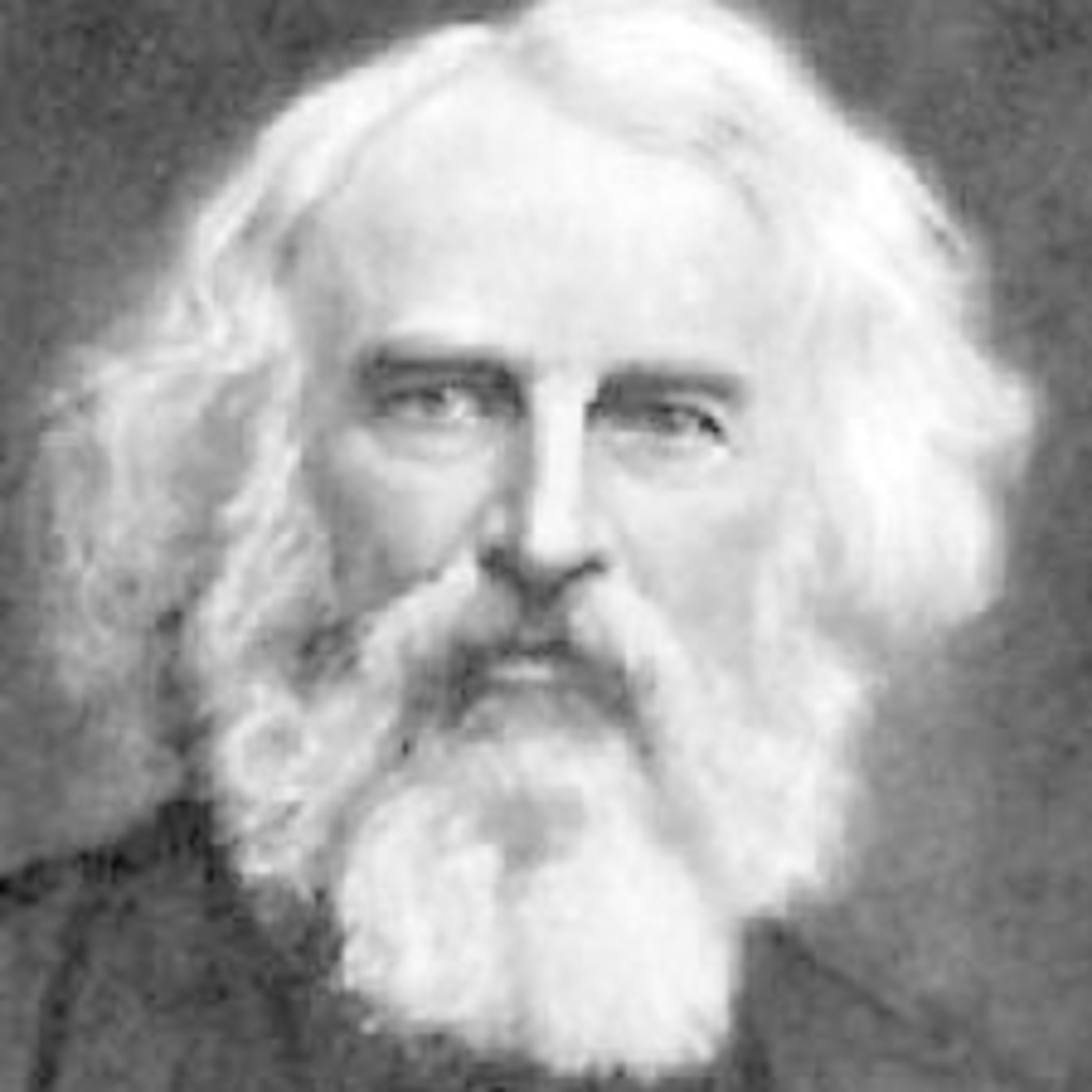
The Tide Rises The Tide Falls by Henry Wadsworth Longfellow
Longfellow read by Classic Poetry Aloud: http://www.classicpoetryaloud.com/ Giving voice to the poetry of the past. --------------------------------------------- The Tide Rises, The Tide Falls By Henry Wadsworth Longfellow (1807 – 1882) The tide rises, the tide falls, The twilight darkens, the curlew calls; Along the sea-sands damp and brown The traveller hastens toward the town, And the tide rises, the tide falls. Darkness settles on roofs and walls, But the sea, the sea in the darkness calls; The little waves, with their soft, white hands, Efface the footprints in the sands, And the tide rises, the tide falls. The morning breaks; the steeds in their stalls Stamp and neigh, as the hostler calls; The day returns, but nevermore Returns the traveller to the shore, And the tide rises, the tide falls. Comments For more readings of Longfellow's work, visit: http://classicpoetryaloud.wordpress.com/category/Henry-Wadsworth-Longfellow/
Spleen by Ernest Dowson
Dowson read by Classic Poetry Aloud: http://www.classicpoetryaloud.com/ Giving voice to the poetry of the past. --------------------------------------------- Spleen by Ernest Dowson (1867 – 1900) I was not sorrowful, I could not weep, And all my memories were put to sleep. I watched the river grow more white and strange, All day till evening I watched it change. All day till evening I watched the rain Beat wearily upon the window pane I was not sorrowful, but only tired Of everything that ever I desired. Her lips, her eyes, all day became to me The shadow of a shadow utterly. All day mine hunger for her heart became Oblivion, until the evening came, And left me sorrowful, inclined to weep, With all my memories that could not sleep.
Love's Philosophy by Percy Bysshe Shelley
Shelley read by Classic Poetry Aloud: http://www.classicpoetryaloud.com/ Giving voice to the poetry of the past. --------------------------------------------- Love's Philosophy by Percy Bysshe Shelley (1792 – 1822) The fountains mingle with the river And the rivers with the ocean, The winds of heaven mix for ever With a sweet emotion; Nothing in the world is single, All things by a law divine In one another's being mingle – Why not I with thine? See the mountains kiss high heaven, And the waves clasp one another; No sister-flower would be forgiven If it disdain'd its brother; And the sunlight clasps the earth, And the moonbeams kiss the sea – What are all these kissings worth, If thou kiss not me?
Blow Bugle Blow by Alfred Lord Tennyson
Tennyson read by Classic Poetry Aloud: http://www.classicpoetryaloud.com/ Giving voice to the poetry of the past. --------------------------------------------- Blow, Bugle, Blow by Alfred, Lord Tennyson (1809 – 1892) The splendour falls on castle walls And snowy summits old in story: The long light shakes across the lakes, And the wild cataract leaps in glory. Blow, bugle, blow, set the wild echoes flying, Blow, bugle; answer, echoes, dying, dying, dying. O hark, O hear! how thin and clear, And thinner, clearer, farther going! O sweet and far from cliff and scar The horns of Elfland faintly blowing! Blow, let us hear the purple glens replying: Blow, bugle; answer, echoes, dying, dying, dying. O love, they die in yon rich sky, They faint on hill or field or river: Our echoes roll from soul to soul, And grow for ever and for ever. Blow, bugle, blow, set the wild echoes flying, And answer, echoes, answer, dying, dying, dying. You can find more readings of Tennyson's work at: http://classicpoetryaloud.wordpress.com/category/Alfred-Lord-Tennyson/
The Garden of Love by William Blake
Blake read by Classic Poetry Aloud: http://www.classicpoetryaloud.com/ Giving voice to the poetry of the past. --------------------------------------------------- The Garden of Love by William Blake (1757 – 1827) I went to the Garden of Love, And saw what I never had seen; A Chapel was built in the midst, Where I used to play on the green. And the gates of this Chapel were shut, And 'Thou shalt not' writ over the door; So I turned to the Garden of Love That so many sweet flowers bore. And I saw it was filled with graves, And tombstones where flowers should be; And priests in black gowns were walking their rounds, And binding with briars my joys and desires.
The Voice by Thomas Hardy
Hardy read by Classic Poetry Aloud: http://www.classicpoetryaloud.com/ Giving voice to the poetry of the past. --------------------------------------------------- The Voice by Thomas Hardy (1840 – 1928) Woman much missed, how you call to me, call to me, Saying that now you are not as you were When you had changed from the one who was all to me, But as at first, when our day was fair. Can it be you that I hear? Let me view you, then, Standing as when I drew near to the town Where you would wait for me: yes, as I knew you then, Even to the original air-blue gown! Or is it only the breeze, in its listlessness Travelling across the wet mead to me here, You being ever consigned to existlessness, Heard no more again far or near? Thus I; faltering forward, Leaves around me falling, Wind oozing thin through the thorn from norward And the woman calling.
Platonic Love by Abraham Cowley
Cowley read by Classic Poetry Aloud: http://www.classicpoetryaloud.com/ Giving voice to the poetry of the past. --------------------------------------------------- Platonic Love by Abraham Cowley (1618 – 1667) Indeed I must confess, When souls mix 'tis an happiness, But not complete till bodies too do join, And both our wholes into one whole combine; But half of heaven the souls in glory taste Till by love in heaven at last Their bodies too are placed. In thy immortal part Man, as well as I, thou art. But something 'tis that differs thee and me, And we must one even in that difference be. I thee both as a man and woman prize, For a perfect love implies Love in all capacities. Can that for true love pass When a fair woman courts her glass? Something unlike must in love's likeness be: His wonder is one and variety. For he whose soul nought but a soul can move Does a new Narcissus prove, And his own image love. That souls do beauty know 'Tis to the body's help they owe; If when they know't they straight abuse that trust And shut the body from't, 'tis as unjust As if I brought my dearest friend to see My mistress and at th' instant he Should steal her quite from me.
Give Me Leave to Rail at You by John Wilmot
Wilmot read by Classic Poetry Aloud: http://www.classicpoetryaloud.com/ Giving voice to the poetry of the past. --------------------------------------------- Give Me Leave to Rail at You by John Wilmot (1647 – 1680) Give me leave to rail at you, - I ask nothing but my due: To call you false, and then to say You shall not keep my heart a day. But alas! against my will I must be your captive still. Ah! be kinder, then, for I Cannot change, and would not die. Kindness has resistless charms; All besides but weakly move; Fiercest anger it disarms, And clips the wings of flying love. Beauty does the heart invade, Kindness only can persuade; It gilds the lover's servile chain, And makes the slave grow pleased again.
Ozymandias by Horace Smith
Horace Smith read by Classic Poetry Aloud: http://www.classicpoetryaloud.com/ Giving voice to the poetry of the past. --------------------------------------------- Ozymandias by Horace Smith (1779-1849) In Egypt's sandy silence, all alone, Stands a gigantic Leg, which far off throws The only shadow that the Desart knows:— "I am great OZYMANDIAS ," saith the stone, "The King of Kings; this mighty City shows "The wonders of my hand."— The City's gone,— Nought but the Leg remaining to disclose The site of this forgotten Babylon. We wonder,—and some Hunter may express Wonder like ours, when thro' the wilderness Where London stood, holding the Wolf in chace, He meets some fragment huge, and stops to guess What powerful but unrecorded race Once dwelt in that annihilated place.