Classic Poetry Aloud
609 episodes — Page 7 of 13
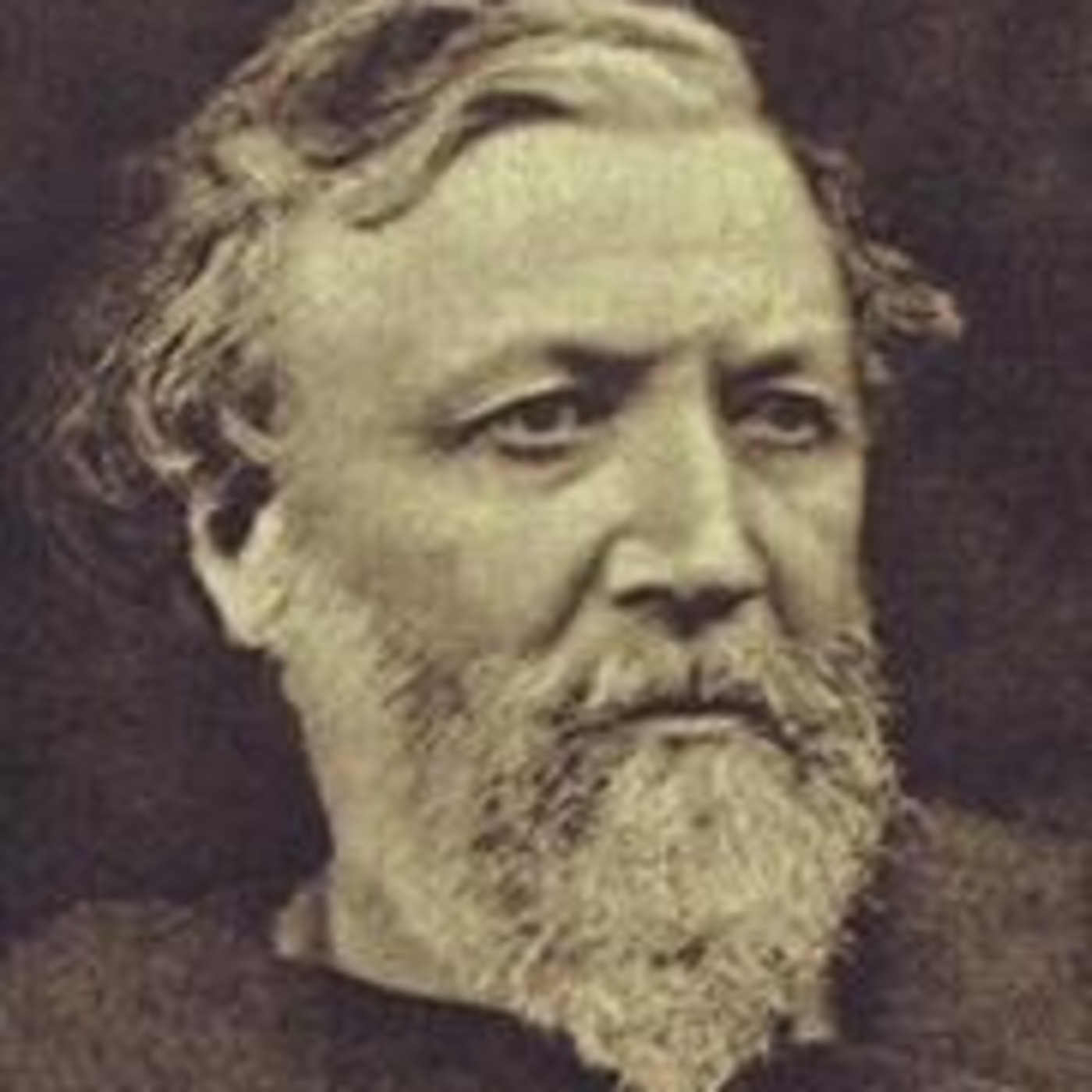
316. Meeting at Night & Parting at Morning by Robert Browning
R Browning read by Classic Poetry Aloud: http://www.classicpoetryaloud.com/ Giving voice to the poetry of the past. --------------------------------------------------- Meeting at Night by Robert Browning (1812 – 1889) The grey sea and the long black land; And the yellow half-moon large and low; And the startled little waves that leap In fiery ringlets from their sleep, As I gain the cove with pushing prow, And quench its speed i' the slushy sand. Then a mile of warm sea-scented beach; Three fields to cross till a farm appears; A tap at the pane, the quick sharp scratch And blue spurt of a lighted match, And a voice less loud, thro' its joys and fears, Than the two hearts beating each to each! Parting at Morning by Robert Browning (1812 – 1889) Round the cape of a sudden came the sea, And the sun look'd over the mountain's rim: And straight was a path of gold for him, And the need of a world of men for me. First aired: 25 September 2007 For hundreds more poetry readings, visit the Classic Poetry Aloud index. Reading © Classic Poetry Aloud 2008
315. Sonnet 10 by William Shakespeare
W Shakespeare read by Classic Poetry Aloud: http://www.classicpoetryaloud.com/ Giving voice to the poetry of the past. --------------------------------------------- Sonnet 10 by William Shakespeare(1564 – 1616) Then hate me when thou wilt; if ever, now: Now, while the world is bent my deeds to cross, Join with the spite of fortune, make me bow, And do not drop in for an after loss: Ah! do not, when my heart hath ’scaped this sorrow, Come in the rearward of a conquer’d woe; Give not a windy night a rainy morrow, To linger out a purposed overthrow. If thou wilt leave me, do not leave me last, When other petty griefs have done their spite, But in the onset come: so shall I taste At first the very worst of fortune’s might; And other strains of woe, which now seem woe, Compared with loss of thee will not seem so! First aired: 9 August For hundreds more poetry readings, visit the Classic Poetry Aloud index. Reading © Classic Poetry Aloud 2008
314. Silence by Thomas Hood
T Hood read by Classic Poetry Aloud: http://www.classicpoetryaloud.com/ Giving voice to the poetry of the past. --------------------------------------------- Silence by Thomas Hood (1798 – 1845) There is a silence where hath been no sound, There is a silence where no sound may be, In the cold grave—under the deep, deep sea, Or in wide desert where no life is found, Which hath been mute, and still must sleep profound; No voice is hush'd—no life treads silently, But clouds and cloudy shadows wander free, That never spoke, over the idle ground: But in green ruins, in the desolate walls Of antique palaces, where Man hath been, Though the dun fox or wild hyaena calls, And owls, that flit continually between, Shriek to the echo, and the low winds moan— There the true Silence is, self-conscious and alone. First aired: 8 August 2008 For hundreds more poetry readings, visit the Classic Poetry Aloud index. Reading © Classic Poetry Aloud 2008

313. The Passionate Shepherd to His Love by Christopher Marlowe
C Marlowe read by Classic Poetry Aloud: http://www.classicpoetryaloud.com/ Giving voice to the poetry of the past. --------------------------------------------------- The Passionate Shepherd to His Love by Christopher Marlowe (1564 – 1593) Come live with me and be my Love, And we will all the pleasures prove That hills and valleys, dale and field, And all the craggy mountains yield. There will we sit upon the rocks And see the shepherds feed their flocks, By shallow rivers, to whose falls Melodious birds sing madrigals. There will I make thee beds of roses And a thousand fragrant posies, A cap of flowers, and a kirtle Embroider'd all with leaves of myrtle. A gown made of the finest wool Which from our pretty lambs we pull, Fair linèd slippers for the cold, With buckles of the purest gold. A belt of straw and ivy buds With coral clasps and amber studs: And if these pleasures may thee move, Come live with me and be my Love. Thy silver dishes for thy meat As precious as the gods do eat, Shall on an ivory table be Prepared each day for thee and me. The shepherd swains shall dance and sing For thy delight each May-morning: If these delights thy mind may move, Then live with me and be my Love. First aired: 20 September 2007 For hundreds more poetry readings, visit the Classic Poetry Aloud index. Reading © Classic Poetry Aloud 2008
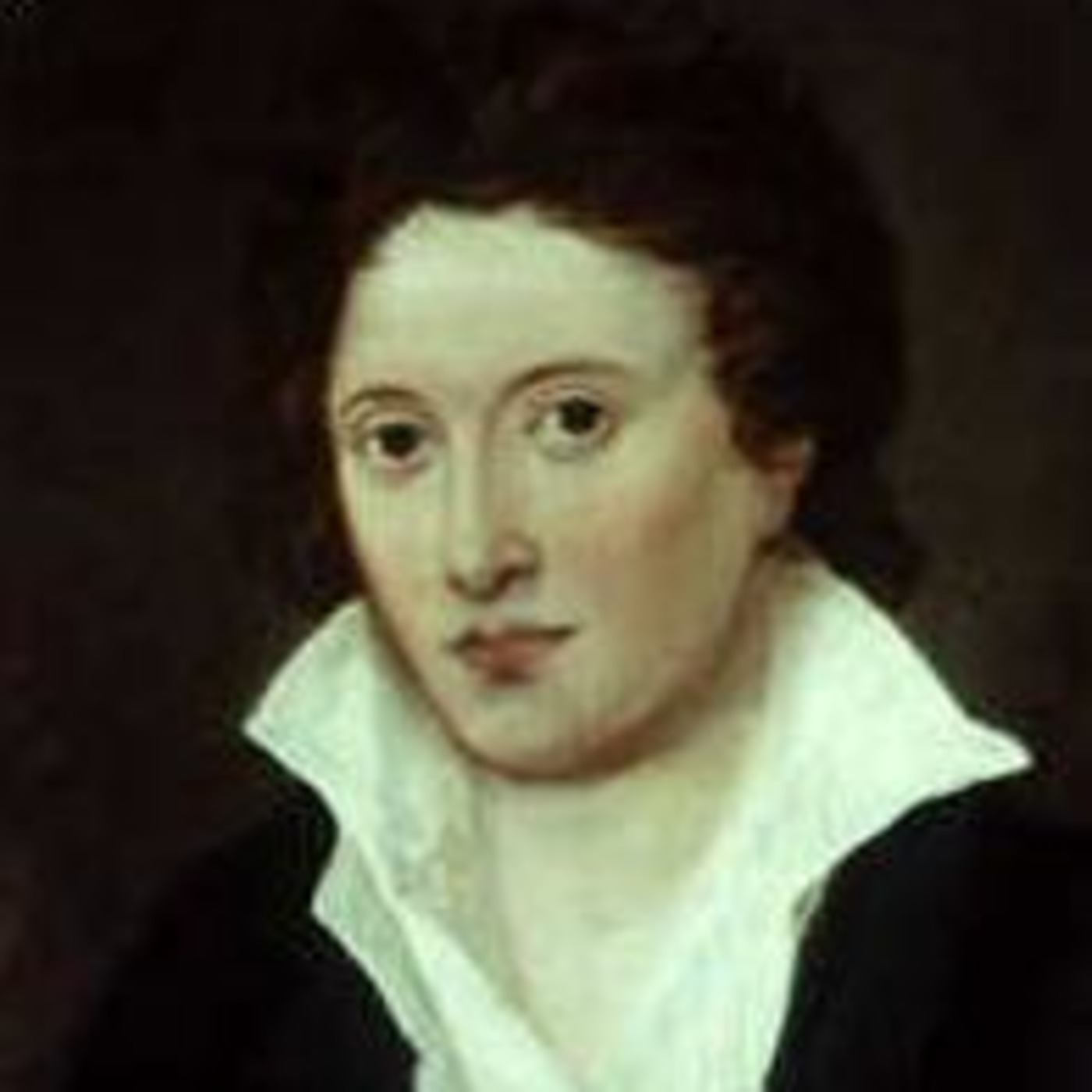
312. Night by Percy Bysshe Shelley
PB Shelley read by Classic Poetry Aloud: http://www.classicpoetryaloud.com/ Giving voice to the poetry of the past. --------------------------------------------- Night by Percy Bysshe Shelley (1792 – 1822) Swiftly walk o'er the western wave, Spirit of Night! Out of the misty eastern cave,— Where, all the long and lone daylight, Thou wovest dreams of joy and fear Which make thee terrible and dear,— Swift be thy flight! Wrap thy form in a mantle grey, Star-inwrought! Blind with thine hair the eyes of Day; Kiss her until she be wearied out. Then wander o'er city and sea and land, Touching all with thine opiate wand— Come, long-sought! When I arose and saw the dawn, I sigh'd for thee; When light rode high, and the dew was gone, And noon lay heavy on flower and tree, And the weary Day turn'd to his rest, Lingering like an unloved guest, I sigh'd for thee. Thy brother Death came, and cried, 'Wouldst thou me?' Thy sweet child Sleep, the filmy-eyed, Murmur'd like a noontide bee, 'Shall I nestle near thy side? Wouldst thou me?'—And I replied, 'No, not thee!' Death will come when thou art dead, Soon, too soon— Sleep will come when thou art fled. Of neither would I ask the boon I ask of thee, beloved Night— Swift be thine approaching flight, Come soon, soon! First aired: 6 August 2008 For hundreds more poetry readings, visit the Classic Poetry Aloud index. Reading © Classic Poetry Aloud 2008
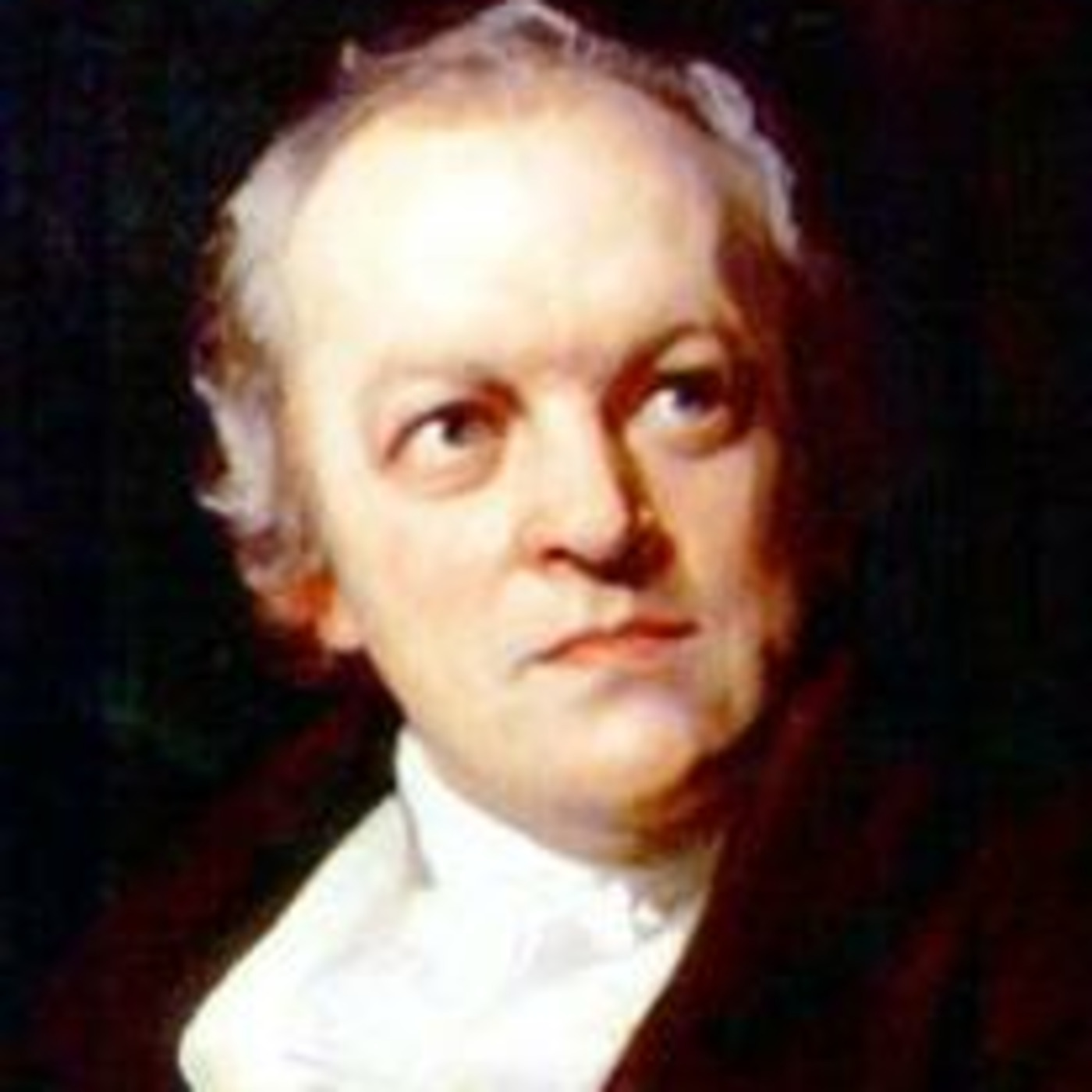
311. Night by William Blake
W Blake read by Classic Poetry Aloud: http://www.classicpoetryaloud.com/ Giving voice to the poetry of the past. --------------------------------------------- Night by William Blake (1757 – 1827) The sun descending in the west, The evening star does shine; The birds are silent in their nest. And I must seek for mine. The moon, like a flower In heaven's high bower, With silent delight Sits and smiles on the night. Farewell, green fields and happy grove, Where flocks have took delight: Where lambs have nibbled, silent move The feet of angels bright; Unseen they pour blessing And joy without ceasing On each bud and blossom, And each sleeping bosom. They look in every thoughtless nest Where birds are cover'd warm; They visit caves of every beast, To keep them all from harm: If they see any weeping That should have been sleeping, They pour sleep on their head, And sit down by their bed. When wolves and tigers howl for prey, They pitying stand and weep, Seeking to drive their thirst away And keep them from the sheep. But, if they rush dreadful, The angels, most heedful, Receive each mild spirit, New worlds to inherit. And there the lion's ruddy eyes Shall flow with tears of gold: And pitying the tender cries, And walking round the fold: Saying, 'Wrath, by His meekness, And, by His health, sickness, Are driven away From our immortal day. 'And now beside thee, bleating lamb, I can lie down and sleep, Or think on Him who bore thy name, Graze after thee, and weep. For, wash'd in life's river, My bright mane for ever Shall shine like the gold As I guard o'er the fold.' First aired: 5 August 2008 For hundreds more poetry readings, visit the Classic Poetry Aloud index. Reading © Classic Poetry Aloud 2008
310. Ubique by Joshua Sylvester
J Sylvester read by Classic Poetry Aloud: http://www.classicpoetryaloud.com/ Giving voice to the poetry of the past. --------------------------------------------- Ubique by Joshua Sylvester (1561 – 1618) Were I as base as is the lowly plain, And you, my Love, as high as heaven above, Yet should the thoughts of me, your humble swain, Ascend to heaven in honour of my love. Were I as high as heaven above the plain, And you, my Love, as humble and as low As are the deepest bottoms of the main, Wheresoe'er you were, with you my love should go. Were you the earth, dear Love, and I the skies, My love should shine on you like to the Sun, And look upon you with ten thousand eyes, Till heaven wax'd blind, and till the world were done. Wheresoe'er I am,—below, or else above you— Wheresoe'er you are, my heart shall truly love you. First aired: 4 August 2008 For hundreds more poetry readings, visit the Classic Poetry Aloud index. Reading © Classic Poetry Aloud 2008
309. From To a Skylark by Percy Bysshe Shelley
PB Shelley read by Classic Poetry Aloud: http://classicpoetryaloud.podomatic.com/ Giving voice to the poetry of the past. --------------------------------------------------- from To a Skylark by Percy Bysshe Shelley (1792–1822) Hail to thee, blithe spirit! Bird thou never wert— That from heaven or near it Pourest thy full heart In profuse strains of unpremeditated art. Higher still and higher From the earth thou springest, Like a cloud of fire; The blue deep thou wingest, And singing still dost soar, and soaring ever singest. In the golden light'ning Of the sunken sun, O'er which clouds are bright'ning, Thou dost float and run, Like an unbodied joy whose race is just begun. First aired: 21 August 2007 For hundreds more poetry readings, visit the Classic Poetry Aloud index. Reading © Classic Poetry Aloud 2008
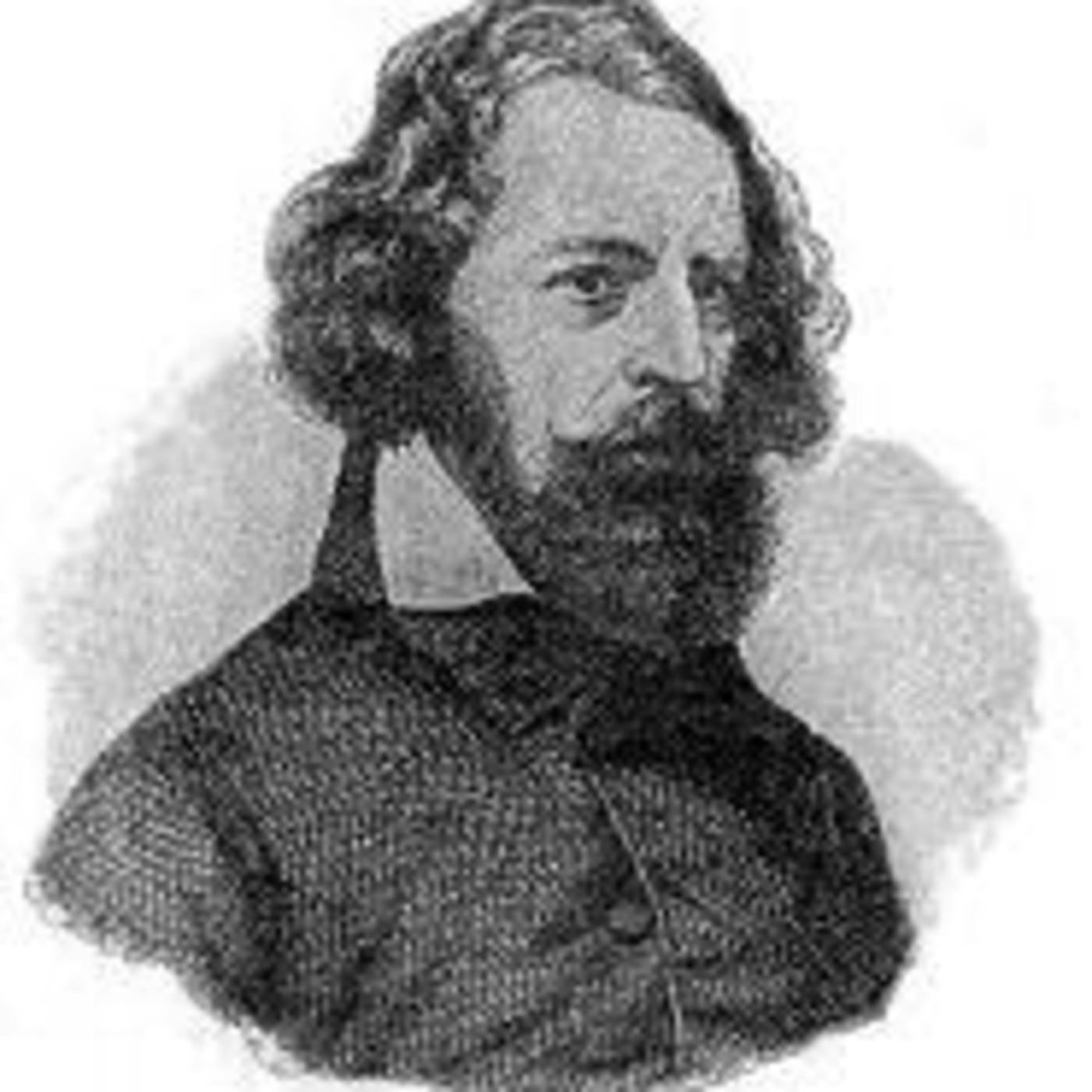
308. The Lady of Shalott by Alfred Lord Tennyson
Lord Tennyson read by Classic Poetry Aloud: http://www.classicpoetryaloud.com/ Giving voice to the poetry of the past. --------------------------------------------- The Lady of Shalott by Alfred, Lord Tennyson (1809 – 1892) 1842 edition Part I. On either side the river lie Long fields of barley and of rye, That clothe the wold and meet the sky; And thro' the field the road runs by To many-tower'd Camelot; And up and down the people go, Gazing where the lilies blow Round an island there below, The island of Shalott. Willows whiten, aspens quiver, Little breezes dusk and shiver Thro' the wave that runs for ever By the island in the river Flowing down to Camelot. Four gray walls, and four gray towers, Overlook a space of flowers, And the silent isle imbowers The Lady of Shalott. By the margin, willow-veil'd Slide the heavy barges trail'd By slow horses; and unhail'd The shallop flitteth silken-sail'd Skimming down to Camelot: But who hath seen her wave her hand? Or at the casement seen her stand? Or is she known in all the land, The Lady of Shalott? Only reapers, reaping early In among the bearded barley, Hear a song that echoes cheerly From the river winding clearly, Down to tower'd Camelot: And by the moon the reaper weary, Piling sheaves in uplands airy, Listening, whispers "'Tis the fairy Lady of Shalott." Part II. There she weaves by night and day A magic web with colours gay. She has heard a whisper say, A curse is on her if she stay To look down to Camelot. She knows not what the curse may be, And so she weaveth steadily, And little other care hath she, The Lady of Shalott. And moving thro' a mirror clear That hangs before her all the year, Shadows of the world appear. There she sees the highway near Winding down to Camelot: There the river eddy whirls, And there the surly village-churls, And the red cloaks of market girls, Pass onward from Shalott. Sometimes a troop of damsels glad, An abbot on an ambling pad, Sometimes a curly shepherd-lad, Or long-hair'd page in crimson clad, Goes by to tower'd Camelot; And sometimes thro' the mirror blue The knights come riding two and two: She hath no loyal knight and true, The Lady of Shalott. But in her web she still delights To weave the mirror's magic sights, For often thro' the silent nights A funeral, with plumes and lights And music, went to Camelot: Or when the moon was overhead, Came two young lovers lately wed; "I am half-sick of shadows," said The Lady of Shalott. Part III. A bow-shot from her bower-eaves, He rode between the barley-sheaves, The sun came dazzling thro' the leaves, And flamed upon the brazen greaves Of bold Sir Lancelot. A redcross knight for ever kneel'd To a lady in his shield, That sparkled on the yellow field, Beside remote Shalott. The gemmy bridle glitter'd free, Like to some branch of stars we see Hung in the golden Galaxy. The bridle-bells rang merrily As he rode down to Camelot: And from his blazon'd baldric slung A mighty silver bugle hung, And as he rode his armour rung, Beside remote Shalott. All in the blue unclouded weather Thick-jewell'd shone the saddle-leather, The helmet and the helmet-feather Burn'd like one burning flame together, As he rode down to Camelot. As often thro' the purple night, Below the starry clusters bright, Some bearded meteor, trailing light, Moves over still Shalott. His broad clear brow in sunlight glow'd; On burnish'd hooves his war-horse trode; From underneath his helmet flow'd His coal-black curls as on he rode, As he rode down to Camelot. From the bank and from the river He flash'd into the crystal mirror, "Tirra lirra," by the river Sang Sir Lancelot. She left the web, she left the loom, She made three paces thro' the room, She saw the water-lily bloom, She saw the helmet and the plume, She look'd down to Camelot. Out flew the web and floated wide; The mirror crack'd from side to side; "The curse is come upon me," cried The Lady of Shalott. Part IV. In the stormy east-wind straining, The pale-yellow woods were waning, The broad stream in his banks complaining, Heavily the low sky raining Over tower'd Camelot; Down she came and found a boat Beneath a willow left afloat, And round about the prow she wrote The Lady of Shalott. And down the river's dim expanse-- Like some bold seër in a trance, Seeing all his own mischance-- With a glassy countenance Did she look to Camelot. And at the closing of the day She loosed the chain, and down she lay; The broad stream bore her far away, The Lady of Shalott. Lying, robed in snowy white That loosely flew to left and right-- The leaves upon her falling light-- Thro' the noises of the night She floated down to Camelot: And as the boat-head wound along The willowy hills and fields among, They heard her singing her last song, The Lady of Shalott. Heard a carol, mournful, holy, Chanted loudly, chanted lowly, Till her blood was frozen slowly, And her eyes were darken'd wholly, Turn'd to tower'd Camelot; For ere she reach'd upon the tide The first house by the wate
307. Eventide by John McCrae
J McCrae read by Classic Poetry Aloud: http://www.classicpoetryaloud.com/ Giving voice to the poetry of the past. --------------------------------------------- Eventide by John McCrae (1872 – 1918) The day is past and the toilers cease; The land grows dim 'mid the shadows grey, And hearts are glad, for the dark brings peace At the close of day. Each weary toiler, with lingering pace, As he homeward turns, with the long day done, Looks out to the west, with the light on his face Of the setting sun. Yet some see not (with their sin-dimmed eyes) The promise of rest in the fading light; But the clouds loom dark in the angry skies At the fall of night. And some see only a golden sky Where the elms their welcoming arms stretch wide To the calling rooks, as they homeward fly At the eventide. It speaks of peace that comes after strife, Of the rest He sends to the hearts He tried, Of the calm that follows the stormiest life — God's eventide. First aired: 1 August 2008 For hundreds more poetry readings, visit the Classic Poetry Aloud index. Reading © Classic Poetry Aloud 2008
306. The Drum by John Scott
J Scott read by Classic Poetry Aloud: http://www.classicpoetryaloud.com/ Giving voice to the poetry of the past. --------------------------------------------------- The Drum by John Scott (1731 – 1783) I hate that drum's discordant sound, Parading round, and round, and round: To thoughtless youth it pleasure yields, And lures from cities and from fields, To sell their liberty for charms Of tawdry lace and glitt'ring arms; And when Ambition's voice commands, To fight and fall in foreign lands. I hate that drum's discordant sound, Parading round, and round, and round: To me it talks of ravaged plains, And burning towns and ruin'd swains, And mangled limbs, and dying groans, And widow's tears, and orphans moans, And all that Misery's hand bestows, To fill a catalogue of woes. First aired: 17 September 2007 For hundreds more poetry readings, visit the Classic Poetry Aloud index. Reading © Classic Poetry Aloud 2008
305. The Owl and the Pussycat by Edward Lear
E Lear read by Classic Poetry Aloud: http://www.classicpoetryaloud.com/ Giving voice to the poetry of the past. --------------------------------------------- The Owl and the Pussycat by Edward Lear (1812 – 1888) The Owl and the Pussy-cat went to sea In a beautiful pea green boat, They took some honey, and plenty of money, Wrapped up in a five pound note. The Owl looked up to the stars above, And sang to a small guitar, 'O lovely Pussy! O Pussy my love, What a beautiful Pussy you are, You are, You are! What a beautiful Pussy you are!' Pussy said to the Owl, 'You elegant fowl! How charmingly sweet you sing! O let us be married! too long we have tarried: But what shall we do for a ring?' They sailed away, for a year and a day, To the land where the Bong-tree grows And there in a wood a Piggy-wig stood With a ring at the end of his nose, His nose, His nose, With a ring at the end of his nose. 'Dear pig, are you willing to sell for one shilling Your ring?' Said the Piggy, 'I will.' So they took it away, and were married next day By the Turkey who lives on the hill. They dined on mince, and slices of quince, Which they ate with a runcible spoon; And hand in hand, on the edge of the sand, They danced by the light of the moon, The moon, The moon, They danced by the light of the moon. First aired: 30 July 2008 For hundreds more poetry readings, visit the Classic Poetry Aloud index. Reading © Classic Poetry Aloud 2008
304. Parable of the Old Men and the Young by Wilfred Owen
W Owen read by Classic Poetry Aloud: http://www.classicpoetryaloud.com/ Giving voice to the poetry of the past. --------------------------------------------- Parable of the Old Men and the Young by Wilfred Owen (1893 – 1918) So Abram rose, and clave the wood, and went, And took the fire with him, and a knife. And as they sojourned both of them together, Isaac the first-born spake and said, My Father, Behold the preparations, fire and iron, But where the lamb for this burnt-offering? Then Abram bound the youth with belts and straps, And builded parapets and trenches there, And stretchèd forth the knife to slay his son. When lo! an angel called him out of heaven, Saying, Lay not thy hand upon the lad, Neither do anything to him. Behold, A ram caught in a thicket by its horns; Offer the Ram of Pride instead of him. But the old man would not so, but slew his son... First aired: 29 July 2008 For hundreds more poetry readings, visit the Classic Poetry Aloud index. Reading © Classic Poetry Aloud 2008

303. Love's Emblems by John Fletcher
J Fletcher read by Classic Poetry Aloud: http://www.classicpoetryaloud.com/ Giving voice to the poetry of the past. --------------------------------------------- Love's Emblems by John Fletcher (1579 – 1625) Now the lusty spring is seen; Golden yellow, gaudy blue, Daintily invite the view: Everywhere on every green Roses blushing as they blow, And enticing men to pull, Lilies whiter than the snow, Woodbines of sweet honey full: All love's emblems, and all cry, 'Ladies, if not pluck'd, we die.' Yet the lusty spring hath stay'd; Blushing red and purest white Daintily to love invite Every woman, every maid: Cherries kissing as they grow, And inviting men to taste, Apples even ripe below, Winding gently to the waist: All love's emblems, and all cry, 'Ladies, if not pluck'd, we die.' First aired: 28 July 2008 For hundreds more poetry readings, visit the Classic Poetry Aloud index. Reading © Classic Poetry Aloud 2008
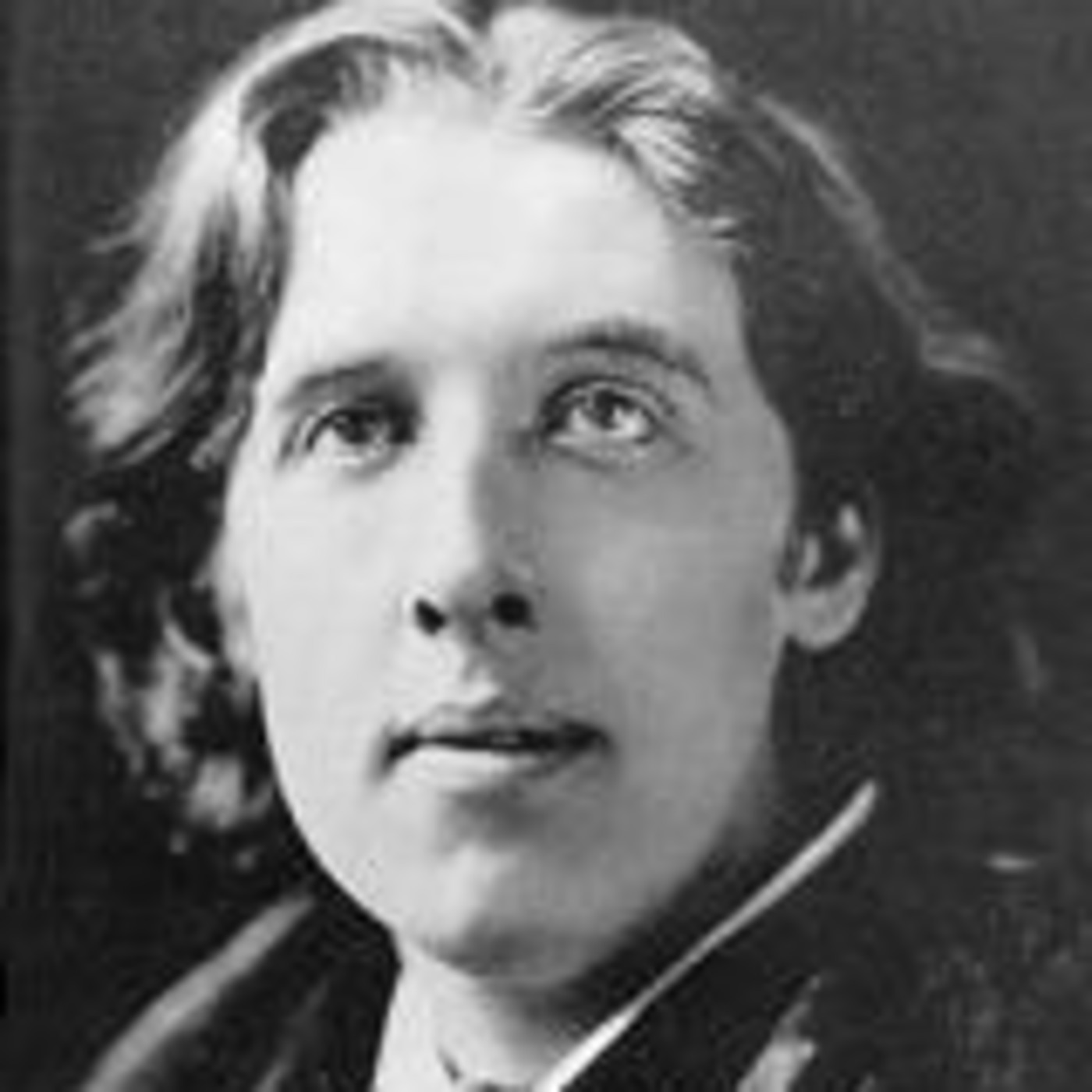
302. Her Voice by Oscar Wilde
O Wilde read by Classic Poetry Aloud: http://www.classicpoetryaloud.com/ Giving voice to the poetry of the past. --------------------------------------------------- Her Voice by Oscar Wilde (1854 – 1900) The wild bee reels from bough to bough With his furry coat and his gauzy wing. Now in a lily-cup, and now Setting a jacinth bell a-swing, In his wandering; Sit closer love: it was here I trow I made that vow, Swore that two lives should be like one As long as the sea-gull loved the sea, As long as the sunflower sought the sun, — It shall be, I said, for eternity ’Twixt you and me! Dear friend, those times are over and done, Love’s web is spun. Look upward where the poplar trees Sway and sway in the summer air, Here in the valley never a breeze Scatters the thistledown, but there Great winds blow fair From the mighty murmuring mystical seas, And the wave-lashed leas. Look upward where the white gull screams, What does it see that we do not see? Is that a star? or the lamp that gleams On some outward voyaging argosy, — Ah! can it be We have lived our lives in a land of dreams! How sad it seems. Sweet, there is nothing left to say But this, that love is never lost, Keen winter stabs the breasts of May Whose crimson roses burst his frost, Ships tempest-tossed Will find a harbour in some bay, And so we may. And there is nothing left to do But to kiss once again, and part, Nay, there is nothing we should rue, I have my beauty,—you your Art, Nay, do not start, One world was not enough for two Like me and you. First aired: 14 September 2007 For hundreds more poetry readings, visit the Classic Poetry Aloud index. Reading © Classic Poetry Aloud 2008
301. Pater Filio by Robert Bridges
R Bridges read by Classic Poetry Aloud: http://www.classicpoetryaloud.com/ Giving voice to the poetry of the past. --------------------------------------------- Pater Filio by Robert Bridges (1844 – 1930) Sense with keenest edge unused, Yet unsteel'd by scathing fire; Lovely feet as yet unbruised On the ways of dark desire; Sweetest hope that lookest smiling O'er the wilderness defiling! Why such beauty, to be blighted By the swarm of foul destruction? Why such innocence delighted, When sin stalks to thy seduction? All the litanies e'er chaunted Shall not keep thy faith undaunted. I have pray'd the sainted Morning To unclasp her hands to hold thee; From resignful Eve's adorning Stol'n a robe of peace to enfold thee; With all charms of man's contriving Arm'd thee for thy lonely striving. Me too once unthinking Nature, —Whence Love's timeless mockery took me,— Fashion'd so divine a creature, Yea, and like a beast forsook me. I forgave, but tell the measure Of her crime in thee, my treasure. First aired: 26 July 2008 For hundreds more poetry readings, visit the Classic Poetry Aloud index. Reading © Classic Poetry Aloud 2008
300. Gratiana Dancing by Richard Lovelace
R Lovelace read by Classic Poetry Aloud: http://www.classicpoetryaloud.com/ Giving voice to the poetry of the past. --------------------------------------------- Gratiana Dancing by Richard Lovelace (1618 – 1658) She beat the happy pavement— By such a star made firmament, Which now no more the roof envìes! But swells up high, with Atlas even, Bearing the brighter nobler heaven, And, in her, all the deities. Each step trod out a Lover's thought, And the ambitious hopes he brought Chain'd to her brave feet with such arts, Such sweet command and gentle awe, As, when she ceased, we sighing saw The floor lay paved with broken hearts. First aired: 25 July 2008 For hundreds more poetry readings, visit the Classic Poetry Aloud index. Reading © Classic Poetry Aloud 2008
299. Dover Beach by Matthew Arnold
T Arnold read by Classic Poetry Aloud: http://www.classicpoetryaloud.com/ Giving voice to the poetry of the past. --------------------------------------------------- Dover Beach by Matthew Arnold (1822 – 1888) The sea is calm to-night. The tide is full, the moon lies fair Upon the straits; on the French coast the light Gleams and is gone; the cliffs of England stand; Glimmering and vast, out in the tranquil bay. Come to the window, sweet is the night-air! Only, from the long line of spray Where the sea meets the moon-blanched land, Listen! you hear the grating roar Of pebbles which the waves draw back, and fling, At their return, up the high strand, Begin, and cease, and then again begin, With tremulous cadence slow, and bring The eternal note of sadness in. Sophocles long ago Heard it on the A gaean, and it brought Into his mind the turbid ebb and flow Of human misery; we Find also in the sound a thought, Hearing it by this distant northern sea. The Sea of Faith Was once, too, at the full, and round earth's shore Lay like the folds of a bright girdle furled. But now I only hear Its melancholy, long, withdrawing roar, Retreating, to the breath Of the night-wind, down the vast edges drear And naked shingles of the world. Ah, love, let us be true To one another! for the world, which seems To lie before us like a land of dreams, So various, so beautiful, so new, Hath really neither joy, nor love, nor light, Nor certitude, nor peace, nor help for pain; And we are here as on a darkling plain Swept with confused alarms of struggle and flight, Where ignorant armies clash by night. First aired: 13 September 2007 For hundreds more poetry readings, visit the Classic Poetry Aloud index. Reading © Classic Poetry Aloud 2008

298. The Lover’s Resolution by George Wither
G Wither read by Classic Poetry Aloud: http://www.classicpoetryaloud.com/ Giving voice to the poetry of the past. --------------------------------------------- The Lover’s Resolution by George Wither by George Wither (1588-1667) Shall I, wasting in despair, Die because a woman 's fair? Or make pale my cheeks with care 'Cause another's rosy are? Be she fairer than the day, Or the flow'ry meads in May, If she think not well of me, What care I how fair she be? Shall my silly heart be pined 'Cause I see a woman kind? Or a well disposed nature Joined with a lovely feature? Be she meeker, kinder, than Turtle-dove or pelican, If she be not so to me, What care I how kind she be? Shall a woman's virtues move Me to perish for her love? Or her well-deservings known Make me quite forget my own? Be she with that goodness blest Which may merit name of Best, If she be not such to me, What care I how good she be? 'Cause her fortune seems too high, Shall I play the fool and die? She that bears a noble mind, If not outward helps she find, Thinks what with them he would do That without them dares her woo; And unless that mind I see, What care I how great she be? Great, or good, or kind, or fair, I will ne'er the more despair; If she love me, this believe, I will die ere she shall grieve; If she slight me when I woo, I can scorn and let her go; For if she be not for me, What care I for whom she be? First aired: 23 July 2008 For hundreds more poetry readings, visit the Classic Poetry Aloud index. Reading © Classic Poetry Aloud 2008
297. Time of Roses by Thomas Hood
T Hood read by Classic Poetry Aloud: http://www.classicpoetryaloud.com/ Giving voice to the poetry of the past. --------------------------------------------- Time of Roses by Thomas Hood (1798 – 1845) It was not in the Winter Our loving lot was cast; It was the time of roses— We pluck'd them as we pass'd! That churlish season never frown'd On early lovers yet: O no—the world was newly crown'd With flowers when first we met! 'Twas twilight, and I bade you go, But still you held me fast; It was the time of roses— We pluck'd them as we pass'd! For hundreds more poetry readings, visit the Classic Poetry Aloud index. Reading © Classic Poetry Aloud 2008
296. Scorn not the Sonnet by William Wordsworth
W Wordsworth read by Classic Poetry Aloud: http://www.classicpoetryaloud.com/ Giving voice to the poetry of the past. --------------------------------------------- Scorn not the Sonnet by William Wordsworth (1770 – 1850) Scorn not the Sonnet; Critic, you have frowned, Mindless of its just honours; with this key Shakespeare unlocked his heart; the melody Of this small lute gave ease to Petrarch's wound; A thousand times this pipe did Tasso sound; With it Camöens soothed an exile's grief; The Sonnet glittered a gay myrtle leaf Amid the cypress with which Dante crowned His visionary brow: a glow-worm lamp, It cheered mild Spenser, called from Faery-land To struggle through dark ways; and, when a damp Fell round the path of Milton, in his hand The Thing became a trumpet; whence he blew Soul-animating strains--alas, too few! For hundreds more poetry readings, visit the Classic Poetry Aloud index. Reading © Classic Poetry Aloud 2008
295. London by William Blake
W Blake read by Classic Poetry Aloud: http://www.classicpoetryaloud.com/ Giving voice to the poetry of the past. --------------------------------------------------- London by William Blake (1757 – 1827) I wander thro' each charter'd street, Near where the charter'd Thames does flow And mark in every face I meet Marks of weakness, marks of woe. In every cry of every Man, In every Infants cry of fear, In every voice: in every ban, The mind-forg'd manacles I hear How the Chimney-sweepers cry Every blackning Church appalls, And the hapless Soldiers sigh Runs in blood down Palace walls. But most thro' midnight streets I hear How the youthful Harlots curse Blasts the new-born Infants tear, And blights with plagues the Marriage hearse. For hundreds more poetry readings, visit the Classic Poetry Aloud index. Reading © Classic Poetry Aloud 2008
294. San Miniato by Oscar Wilde
O Wilde read by Classic Poetry Aloud: http://www.classicpoetryaloud.com/ Giving voice to the poetry of the past. --------------------------------------------- San Miniato by Oscar Wilde (1854 - 1900) See, I have climbed the mountain side Up to this holy house of God, Where once that Angel-Painter trod Who saw the heavens opened wide, And throned upon the crescent moon The Virginal white Queen of Grace, - Mary! could I but see thy face Death could not come at all too soon. O crowned by God with thorns and pain! Mother of Christ! O mystic wife! My heart is weary of this life And over-sad to sing again. O crowned by God with love and flame! O crowned by Christ the Holy One! O listen ere the searching sun Show to the world my sin and shame. For hundreds more poetry readings, visit the Classic Poetry Aloud index. Reading © Classic Poetry Aloud 2008
293. The Child by Sara Coleridge
S Coleridge read by Classic Poetry Aloud: http://www.classicpoetryaloud.com/ Giving voice to the poetry of the past. --------------------------------------------- The Child by Sara Coleridge (1802 – 1850) See yon blithe child that dances in our sight! Can gloomy shadows fall from one so bright? Fond mother, whence these fears? While buoyantly he rushes o'er the lawn, Dream not of clouds to stain his manhood's dawn, Nor dim that sight with tears. No cloud he spies in brightly glowing hours, But feels as if the newly vested bowers For him could never fade: Too well we know that vernal pleasures fleet, But having him, so gladsome, fair, and sweet, Our loss is overpaid. Amid the balmiest flowers that earth can give Some bitter drops distil, and all that live A mingled portion share; But, while he learns these truths which we lament, Such fortitude as ours will sure be sent, Such solace to his care. For hundreds more poetry readings, visit the Classic Poetry Aloud index. Reading © Classic Poetry Aloud 2008
292. Anthem for Doomed Youth by Wilfred Owen
W Owen read by Classic Poetry Aloud: http://www.classicpoetryaloud.com/ Giving voice to the poetry of the past. --------------------------------------------------- Anthem for Doomed Youth by Wilfred Owen (1893 – 1918) What passing-bells for these who die as cattle? Only the monstrous anger of the guns. Only the stuttering rifles' rapid rattle Can patter out their hasty orisons. No mockeries now for them; no prayers nor bells; Nor any voice of mourning save the choirs, – The shrill, demented choirs of wailing shells; And bugles calling for them from sad shires. What candles may be held to speed them all? Not in the hands of boys but in their eyes Shall shine the holy glimmers of goodbyes. The pallor of girls' brows shall be their pall; Their flowers the tenderness of patient minds, And each slow dusk a drawing-down of blinds. First aired: 6 September 2007 For hundreds more poetry readings, visit the Classic Poetry Aloud index. Reading © Classic Poetry Aloud 2008
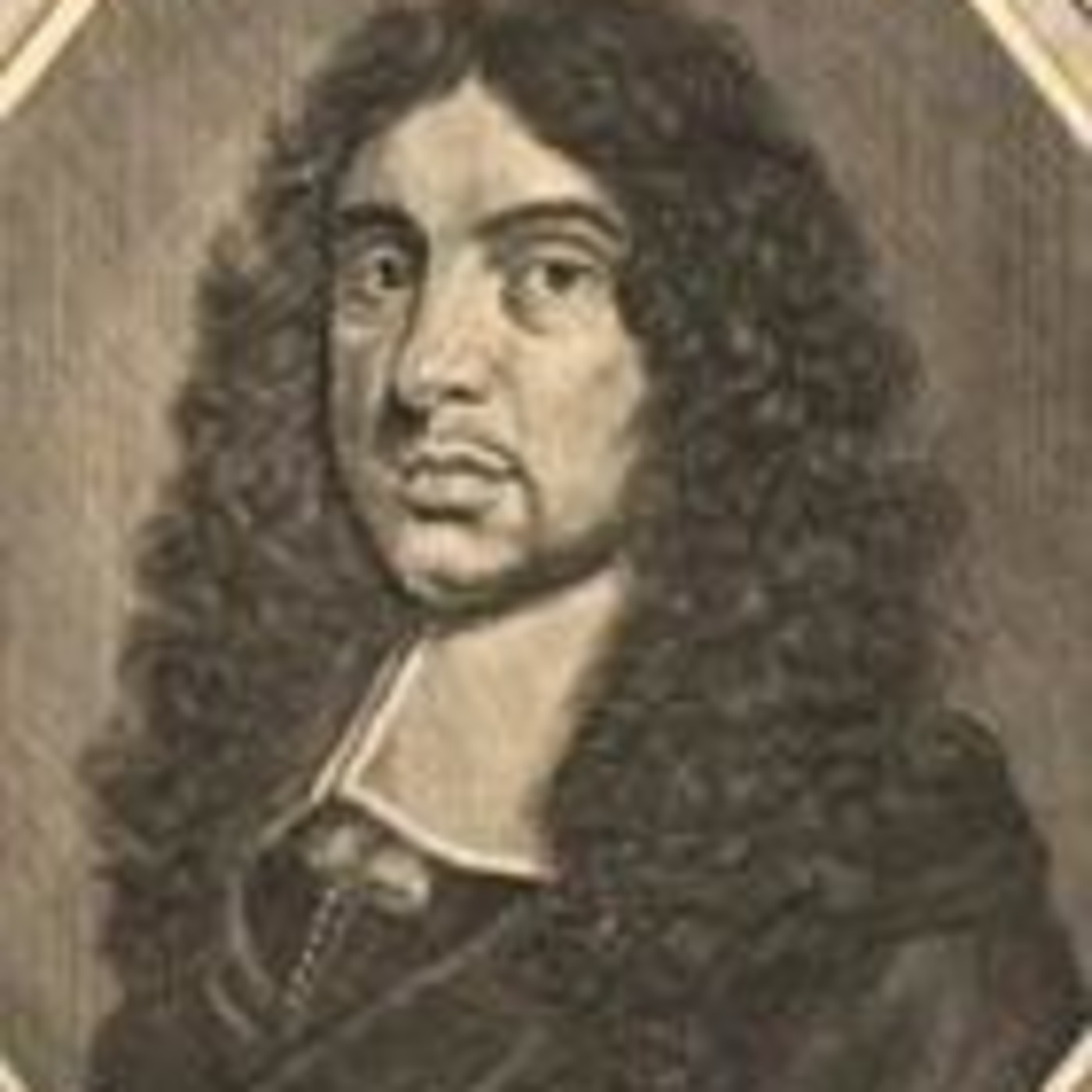
291. A Garden: Written after the Civil Wars by Andrew Marvell
A Marvell read by Classic Poetry Aloud: http://www.classicpoetryaloud.com/ Giving voice to the poetry of the past. --------------------------------------------- A Garden: Written after the Civil Wars by Andrew Marvell (1621 – 1678) See how the flowers, as at parade, Under their colours stand display'd: Each regiment in order grows, That of the tulip, pink, and rose. But when the vigilant patrol Of stars walks round about the pole, Their leaves, that to the stalks are curl'd, Seem to their staves the ensigns furl'd. Then in some flower's beloved hut Each bee, as sentinel, is shut, And sleeps so too; but if once stirr'd, She runs you through, nor asks the word. O thou, that dear and happy Isle, The garden of the world erewhile, Thou Paradise of the four seas Which Heaven planted us to please, But, to exclude the world, did guard With wat'ry if not flaming sword; What luckless apple did we taste To make us mortal and thee waste! Unhappy! shall we never more That sweet militia restore, When gardens only had their towers, And all the garrisons were flowers; When roses only arms might bear, And men did rosy garlands wear? For hundreds more poetry readings, visit the Classic Poetry Aloud index. Reading © Classic Poetry Aloud 2008
290. The Toys by Coventry Patmore
C Patmore read by Classic Poetry Aloud: http://www.classicpoetryaloud.com/ Giving voice to the poetry of the past. --------------------------------------------- The Toys by Coventry Patmore (1823 – 1896) My little Son, who look'd from thoughtful eyes And moved and spoke in quiet grown-up wise, Having my law the seventh time disobey'd, I struck him, and dismiss'd With hard words and unkiss'd, — His Mother, who was patient, being dead. Then, fearing lest his grief should hinder sleep, I visited his bed, But found him slumbering deep, With darken'd eyelids, and their lashes yet From his late sobbing wet. And I, with moan, Kissing away his tears, left others of my own; For, on a table drawn beside his head, He had put, within his reach, A box of counters and a red-vein'd stone, A piece of glass abraded by the beach, And six or seven shells, A bottle with bluebells, And two French copper coins, ranged there with careful art, To comfort his sad heart. So when that night I pray'd To God, I wept, and said: Ah, when at last we lie with trancèd breath, Not vexing Thee in death, And Thou rememberest of what toys We made our joys, How weakly understood Thy great commanded good, Then, fatherly not less Than I whom Thou hast moulded from the clay, Thou'lt leave Thy wrath, and say, 'I will be sorry for their childishness.' For hundreds more poetry readings, visit the Classic Poetry Aloud index. Reading © Classic Poetry Aloud 2008
289. from the Daughter of Herodias by Arthur O’Shaughnessy
A. O’Shaughnessy read by Classic Poetry Aloud: http://www.classicpoetryaloud.com/ Giving voice to the poetry of the past. --------------------------------------------- from the Daughter of Herodias by Arthur O’Shaughnessy (1844 – 1881) Her long black hair danced round her like a snake Allured to each charmed movement she did make; Her voice came strangely sweet; She sang: “ O, Herod, wilt thou look on me – Have I no beauty thy heart cares to see ?” And what her voice did sing her dancing feet Seemed ever to repeat. She sang:” O, Herod, wilt thou look on me ? What sweet I have, I have it all for thee”. And through the dance and song She freed and floated on the air her arms Above dim veils that hid her bosom’s charms: The passion of her singing was so strong It drew all hearts along. Her sweet arms were unfolded on the air, They seemed like floating flowers the most fair – White lilies the most choice; And in the gradual bending of her hand There lurked a grace that no man could withstand; Yea, none knew whether hands, or feet, or voice, Most made his heart rejoice. For hundreds more poetry readings, visit the Classic Poetry Aloud index. Reading © Classic Poetry Aloud 2008
288. Sonnet 130 My Mistress' Eyes by William Shakespeare
W Shakespeare read by Classic Poetry Aloud: http://www.classicpoetryaloud.com/ Giving voice to the poetry of the past. --------------------------------------------- Sonnet 130 My Mistress' Eyes by William Shakespeare My mistress' eyes are nothing like the sun; Coral is far more red than her lips' red: If snow be white, why then her breasts are dun; If hairs be wires, black wires grow on her head. I have seen roses damask'd, red and white, But no such roses see I in her cheeks; And in some perfumes is there more delight Than in the breath that from my mistress reeks. I love to hear her speak,--yet well I know That music hath a far more pleasing sound; I grant I never saw a goddess go, My mistress when she walks, treads on the ground; And yet, by heaven, I think my love as rare As any she belied with false compare. For hundreds more poetry readings, visit the Classic Poetry Aloud index. Reading © Classic Poetry Aloud 2008
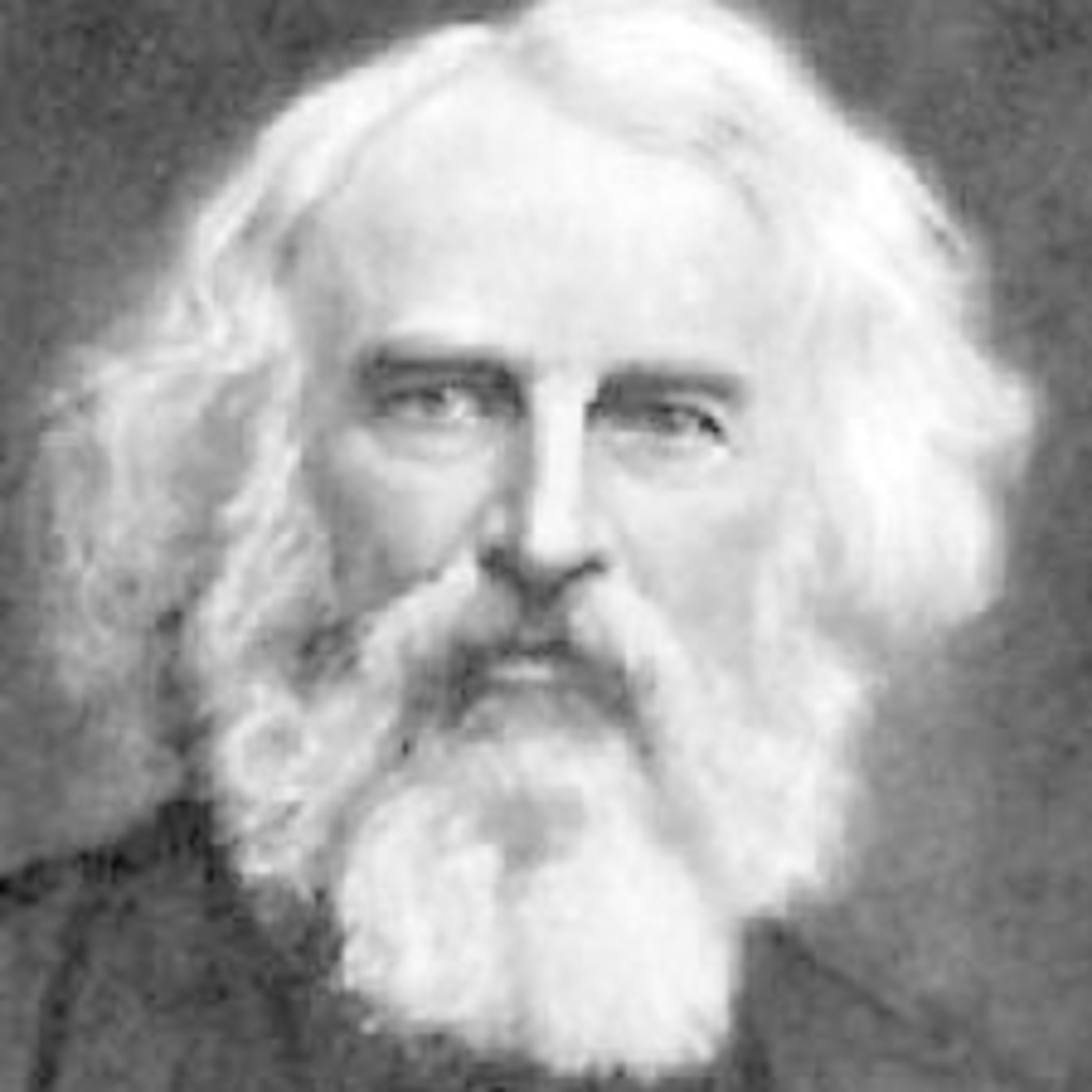
287. The Day is Done by Henry Wadsworth Longfellow
HW Longfellow read by Classic Poetry Aloud: http://www.classicpoetryaloud.com/ Giving voice to the poetry of the past. --------------------------------------------- The Day is Done by Henry Wadsworth Longfellow (1807 – 1882) The day is done, and the darkness Falls from the wings of Night, As a feather is wafted downward From an eagle in his flight. I see the lights of the village Gleam through the rain and the mist, And a feeling of sadness comes o’er me That my soul cannot resist: A feeling of sadness and longing, That is not akin to pain, And resembles sorrow only As the mist resembles the rain. Come, read to me some poem, Some simple and heartfelt lay, That shall soothe this restless feeling, And banish the thoughts of day. Not from the grand old masters, Not from the bards sublime, Whose distant footsteps echo Through the corridors of Time. For, like strains of martial music, Their mighty thoughts suggest Life’s endless toil and endeavor; And to-night I long for rest. Read from some humbler poet, Whose songs gushed from his heart, As showers from the clouds of summer, Or tears from the eyelids start; Who, through long days of labor, And nights devoid of ease, Still heard in his soul the music Of wonderful melodies. Such songs have power to quiet The restless pulse of care, And come like the benediction That follows after prayer. Then read from the treasured volume The poem of thy choice, And lend to the rhyme of the poet The beauty of thy voice. And the night shall be filled with music, And the cares, that infest the day, Shall fold their tents, like the Arabs, And as silently steal away. For hundreds more poetry readings, visit the Classic Poetry Aloud index. Reading © Classic Poetry Aloud 2008
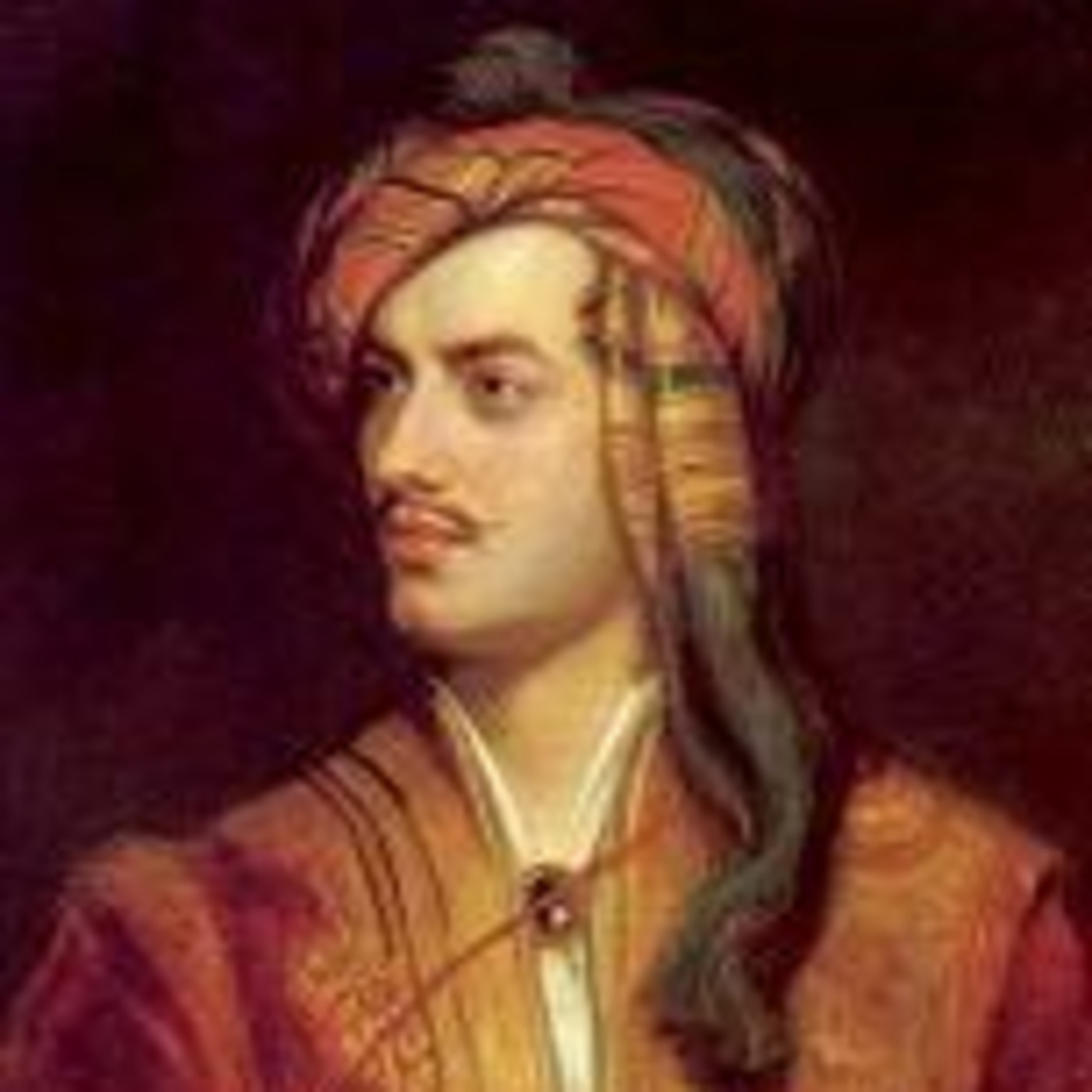
286. All for Love by Lord Byron
Lord Byron read by Classic Poetry Aloud: http://www.classicpoetryaloud.com/ Giving voice to the poetry of the past. --------------------------------------------- All for Love by Lord Byron (1788 – 1824) O talk not to me of a name great in story; The days of our youth are the days of our glory; And the myrtle and ivy of sweet two-and-twenty Are worth all your laurels, though ever so plenty. What are garlands and crowns to the brow that is wrinkled? 'Tis but as a dead flower with May-dew besprinkled: Then away with all such from the head that is hoary - What care I for the wreaths that can only give glory? O Fame! if I e'er took delight in thy praises, 'Twas less for the sake of thy high-sounding phrases, Than to see the bright eyes of the dear one discover She thought that I was not unworthy to love her. There chiefly I sought thee, there only I found thee; Her glance was the best of the rays that surround thee; When it sparkled o'er aught that was bright in my story, I knew it was love, and I felt it was glory. First aired: 2 September 2007 For hundreds more poetry readings, visit the Classic Poetry Aloud index. Reading © Classic Poetry Aloud 2008
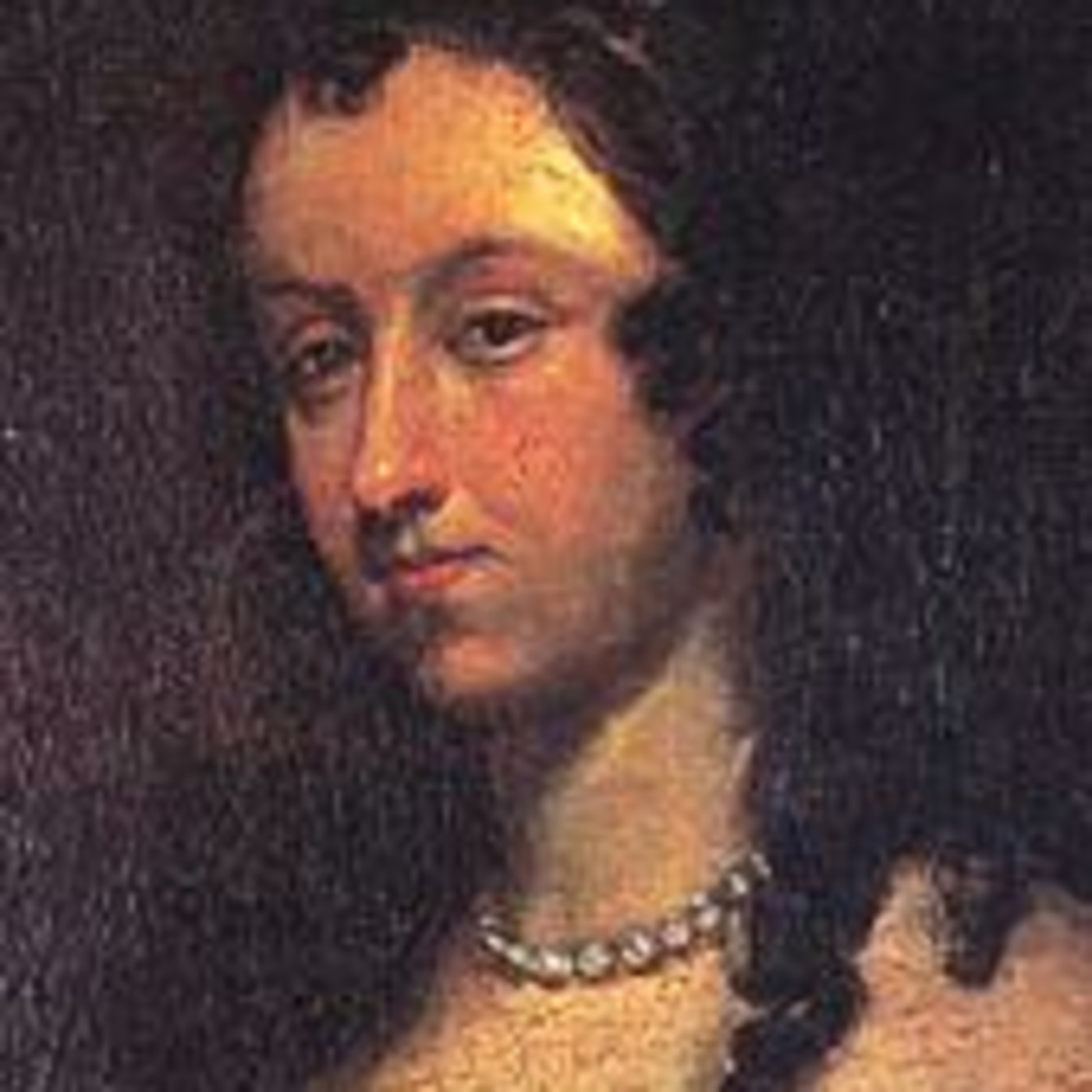
285. Song from Abdelazar by Aphra Behn
A Behn read by Classic Poetry Aloud: http://www.classicpoetryaloud.com/ Giving voice to the poetry of the past. --------------------------------------------- Song from Abdelazar by Aphra Behn (1640 - 1689) To celebrate the birthday of Aphra Behn on this day - 10 July - in 1640. Love in fantastic triumph sat, Whilst bleeding hearts around him flow'd, For whom fresh pains he did create, And strange tyrannic power he shew'd; From thy bright eyes he took his fire, Which round about in sport he hurl'd; But 'twas from mine he took desire Enough to undo the amorous world. From me he took his sighs and tears, From thee his pride and cruelty; From me his languishments and fears, And every killing dart from thee; Thus thou and I the God have arm'd, And set him up a Deity; But my poor heart alone is harm'd, Whilst thine the victor is, and free. For hundreds more poetry readings, visit the Classic Poetry Aloud index. Reading © Classic Poetry Aloud 2008
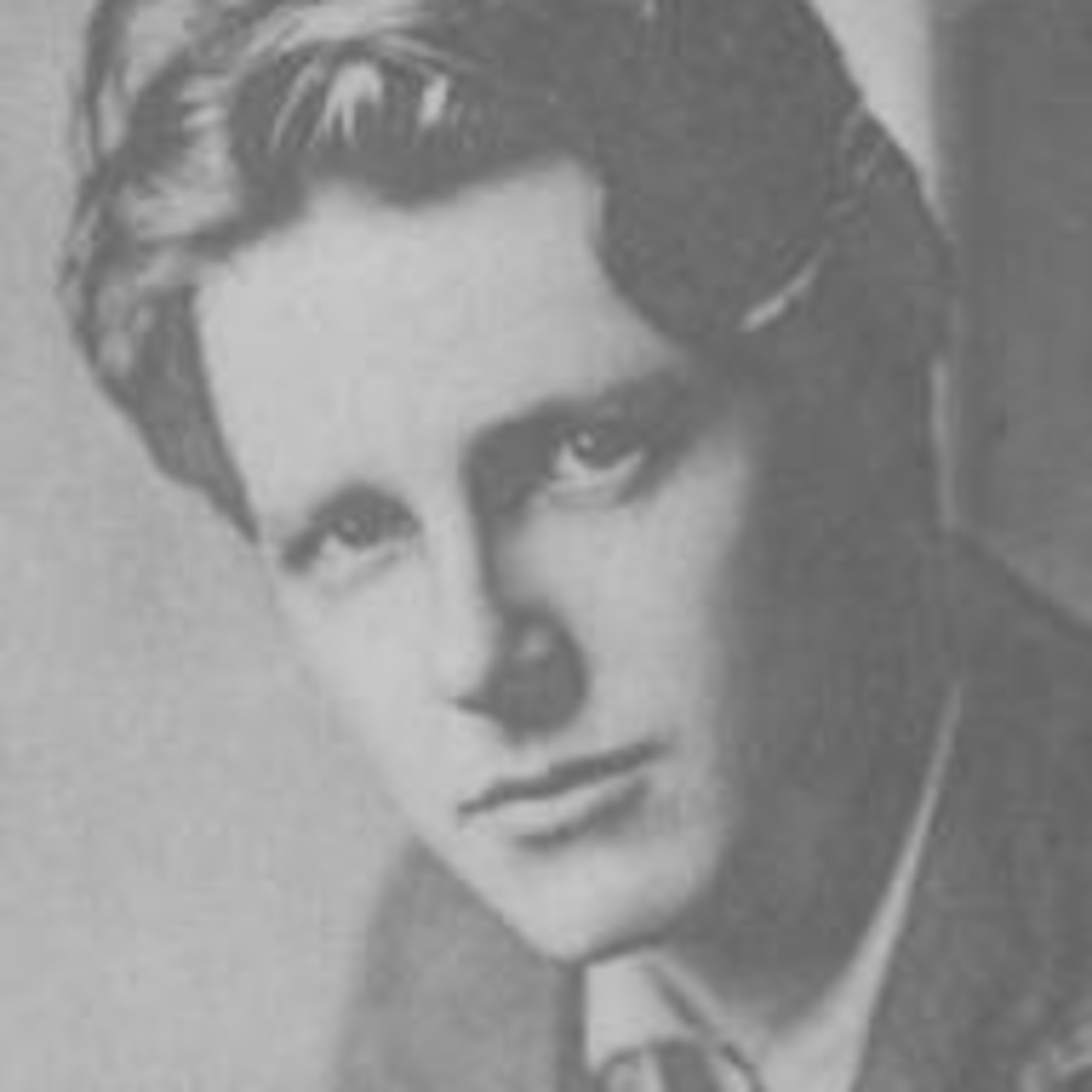
284. The Hill by Rupert Brooke
R Brooke read by Classic Poetry Aloud: http://www.classicpoetryaloud.com/ Giving voice to the poetry of the past. --------------------------------------------- The Hill by Rupert Brooke (1887 – 1915) Breathless, we flung us on the windy hill, Laughed in the sun, and kissed the lovely grass. You said, "Through glory and ecstasy we pass; Wind, sun, and earth remain, the birds sing still, When we are old, are old. . . ." "And when we die All's over that is ours; and life burns on Through other lovers, other lips," said I, -- "Heart of my heart, our heaven is now, is won!" "We are Earth's best, that learnt her lesson here. Life is our cry. We have kept the faith!" we said; "We shall go down with unreluctant tread Rose-crowned into the darkness!" . . . Proud we were, And laughed, that had such brave true things to say. -- And then you suddenly cried, and turned away. First aired: 30 July 2007 For hundreds more poetry readings, visit the Classic Poetry Aloud index. Reading © Classic Poetry Aloud 2008
283. The Indian Serenade by Percy Bysshe Shelley
PB Shelley read by Classic Poetry Aloud: http://www.classicpoetryaloud.com/ Giving voice to the poetry of the past. --------------------------------------------- The Indian Serenade by Percy Bysshe Shelley (1792 – 1822) Read in memory of Percy Bysshe Shelley, who died of drowning, 8th July 1822. I arise from dreams of thee In the first sweet sleep of night, When the winds are breathing low, And the stars are shining bright. I arise from dreams of thee, And a spirit in my feet Hath led me—who knows how? To thy chamber window, Sweet! The wandering airs they faint On the dark, the silent stream— And the champak's odours fail Like sweet thoughts in a dream; The nightingale's complaint, It dies upon her heart, As I must on thine, O belovèd as thou art! O lift me from the grass! I die! I faint! I fail! Let thy love in kisses rain On my lips and eyelids pale. My cheek is cold and white, alas! My heart beats loud and fast: O press it to thine own again, Where it will break at last! For hundreds more poetry readings, visit the Classic Poetry Aloud index. Reading © Classic Poetry Aloud 2008
282. She was a Phantom of Delight by William Wordsworth
W Wordsworth read by Classic Poetry Aloud: http://www.classicpoetryaloud.com/ Giving voice to the poetry of the past. --------------------------------------------- She was a Phantom of Delight by William Wordsworth (1770 – 1850) She was a Phantom of delight When first she gleamed upon my sight; A lovely Apparition, sent To be a moment's ornament: Her eyes as stars of twilight fair; Like twilight's, too, her dusky hair; But all things else about her drawn From May-time and the cheerful dawn; A dancing shape, an image gay, To haunt, to startle, and waylay. I saw her upon nearer view, A Spirit, yet a Woman too! Her household motions light and free, And steps of virgin liberty; A countenance in which did meet Sweet records, promises as sweet; A creature not too bright or good For human nature's daily food, For transient sorrows, simple wiles, Praise, blame, love, kisses, tears, and smiles. And now I see with eye serene The very pulse of the machine; A being breathing thoughtful breath, A traveller between life and death: The reason firm, the temperate will, Endurance, foresight, strength, and skill; A perfect Woman, nobly plann'd To warn, to comfort, and command; And yet a Spirit still, and bright With something of an angel light. For hundreds more poetry readings, visit the Classic Poetry Aloud index. Reading © Classic Poetry Aloud 2008
281. Adelstrop by Edward Thomas
E Thomas read by Classic Poetry Aloud: http://www.classicpoetryaloud.com/ Giving voice to the poetry of the past. --------------------------------------------------- Adelstrop by Edward Thomas ((1878 – 1917) Yes. I remember Adlestrop — The name, because one afternoon Of heat the express-train drew up there Unwontedly. It was late June. The steam hissed. Some one cleared his throat. No one left and no one came On the bare platform. What I saw Was Adlestrop — only the name And willows, willow-herb, and grass, And meadowsweet, and haycocks dry, No whit less still and lonely fair Than the high cloudlets in the sky. And for that minute a blackbird sang Close by, and around him, mistier, Farther and farther, all the birds Of Oxfordshire and Gloucestershire. First aired 9 September 2007 For hundreds more poetry readings, visit the Classic Poetry Aloud index. Reading © Classic Poetry Aloud 2008
280. Sonnet 57 Being your Slave by William Shakespeare
W Shakespeare read by Classic Poetry Aloud: http://www.classicpoetryaloud.com/ Giving voice to the poetry of the past. --------------------------------------------- Sonnet 57 Being your Slave by William Shakespeare (1564 – 1616) Being your slave, what should I do but tend Upon the hours and times of your desire? I have no precious time at all to spend, Nor services to do, till you require. Nor dare I chide the world-without-end hour Whilst I, my sovereign, watch the clock for you, Nor think the bitterness of absence sour When you have bid your servant once adieu; Nor dare I question with my jealous thought Where you may be, or your affairs suppose, But, like a sad slave, stay and think of nought Save, where you are how happy you make those! So true a fool is love, that in your Will, Though you do any thing, he thinks no ill. For hundreds more poetry readings, visit the Classic Poetry Aloud index. Reading © Classic Poetry Aloud 2008
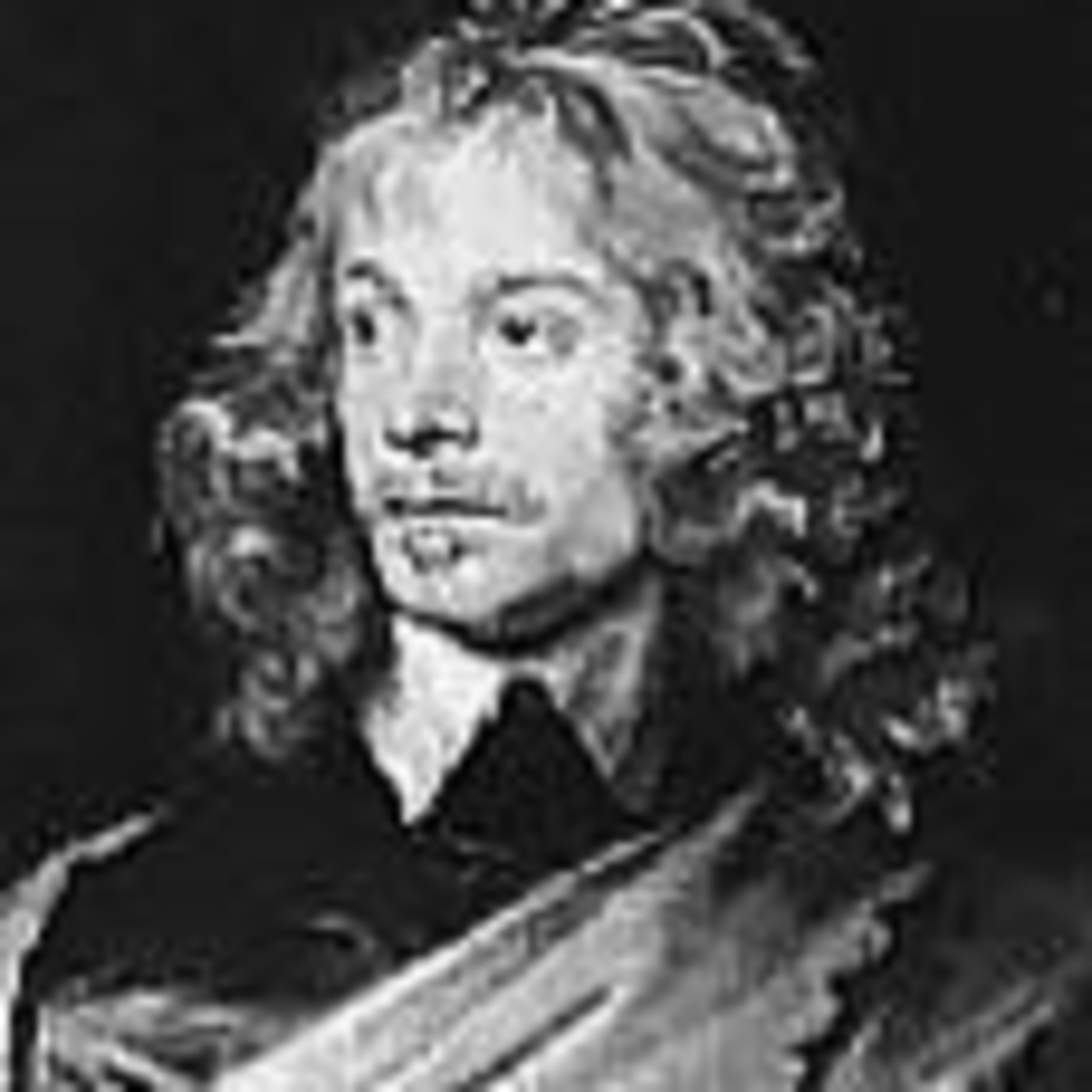
279. Dost see how unregarded now by Sir John Suckling
Sir J Suckling read by Classic Poetry Aloud: http://www.classicpoetryaloud.com/ Giving voice to the poetry of the past. --------------------------------------------- Dost see how unregarded now by Sir John Suckling (1609 – 1642) read to mark the death of Sir John Suckling on 3rd July 1642 Dost see how unregarded now That piece of beauty passes? There was a time when I did vow To that alone; But mark the fate of faces; The red and white works now no more on me Than if it could not charm, or I not see. And yet the face continues good, And I have still desires, Am still the selfsame flesh and blood, As apt to melt And suffer from those fires; Oh some kind pow'r unriddle where it lies, Whether my heart be faulty, or her eyes? She ev'ry day her man does kill, And I as often die; Neither her power then, nor my will Can question'd be. What is the mystery? Sure beauty's empires, like to greater states, Have certain periods set, and hidden fates. For hundreds more poetry readings, visit the Classic Poetry Aloud index. Reading © Classic Poetry Aloud 2008
278. Break Break Break by Alfred Lord Tennyson
A Lord Tennyson read by Classic Poetry Aloud: http://www.classicpoetryaloud.com/ Giving voice to the poetry of the past. --------------------------------------------- Break, Break, Break by Alfred, Lord Tennyson (1809 – 1892) Break, break, break, On thy cold gray stones, O Sea! And I would that my tongue could utter The thoughts that arise in me. O well for the fisherman's boy, That he shouts with his sister at play! O well for the sailor lad, That he sings in his boat on the bay! And the stately ships go on To their haven under the hill: But O for the touch of a vanish'd hand, And the sound of a voice that is still! Break, break, break, At the foot of thy crags, O Sea! But the tender grace of a day that is dead Will never come back to me. First aired: 28 August 2007 For hundreds more poetry readings, visit the Classic Poetry Aloud index. Reading © Classic Poetry Aloud 2008
277. To Night by Joseph Blanco White
JB White read by Classic Poetry Aloud: http://www.classicpoetryaloud.com/ Giving voice to the poetry of the past. --------------------------------------------- To Night by Joseph Blanco White (1775 – 1841) Mysterious Night! when our first parent knew Thee from report divine, and heard thy name, Did he not tremble for this lovely frame, This glorious canopy of light and blue? Yet 'neath a curtain of translucent dew, Bathed in the rays of the great setting flame, Hesperus with the host of heaven came, And lo! Creation widened in man's view. Who could have thought such darkness lay concealed Within thy beams, O Sun! or who could find, Whilst fly and leaf and insect stood revealed, That to such countless orbs thou mad'st us blind! Why do we then shun death with anxious strife? If Light can thus deceive, wherefore not Life? For hundreds more poetry readings, visit the Classic Poetry Aloud index. Reading © Classic Poetry Aloud 2008
276. Jabberwocky by Lewis Carroll
L Carroll read by Classic Poetry Aloud: http://www.classicpoetryaloud.com/ Giving voice to the poetry of the past. --------------------------------------------- Jabberwocky by Lewis Carroll (1832 – 1898) ’T was brillig, and the slithy toves Did gyre and gimble in the wabe; All mimsy were the borogoves, And the mome raths outgrabe. “Beware the Jabberwock, my son! The jaws that bite, the claws that catch! Beware the Jubjub bird, and shun The frumious Bandersnatch!” He took his vorpal sword in hand: Long time the manxome foe he sought — So rested he by the Tumtum tree, And stood awhile in thought. And as in uffish thought he stood, The Jabberwock, with eyes of flame, Came whiffling through the tulgey wood, And burbled as it came! One, two! One, two! And through and through The vorpal blade went snicker-snack! He left it dead, and with its head He went galumphing back. “And hast thou slain the Jabberwock? Come to my arms, my beamish boy! O frabjous day! Callooh! Callay!” He chortled in his joy. ’T was brillig, and the slithy toves Did gyre and gimble in the wabe; All mimsy were the borogoves, And the mome raths outgrabe. For hundreds more poetry readings, visit the Classic Poetry Aloud index. Reading © Classic Poetry Aloud 2008
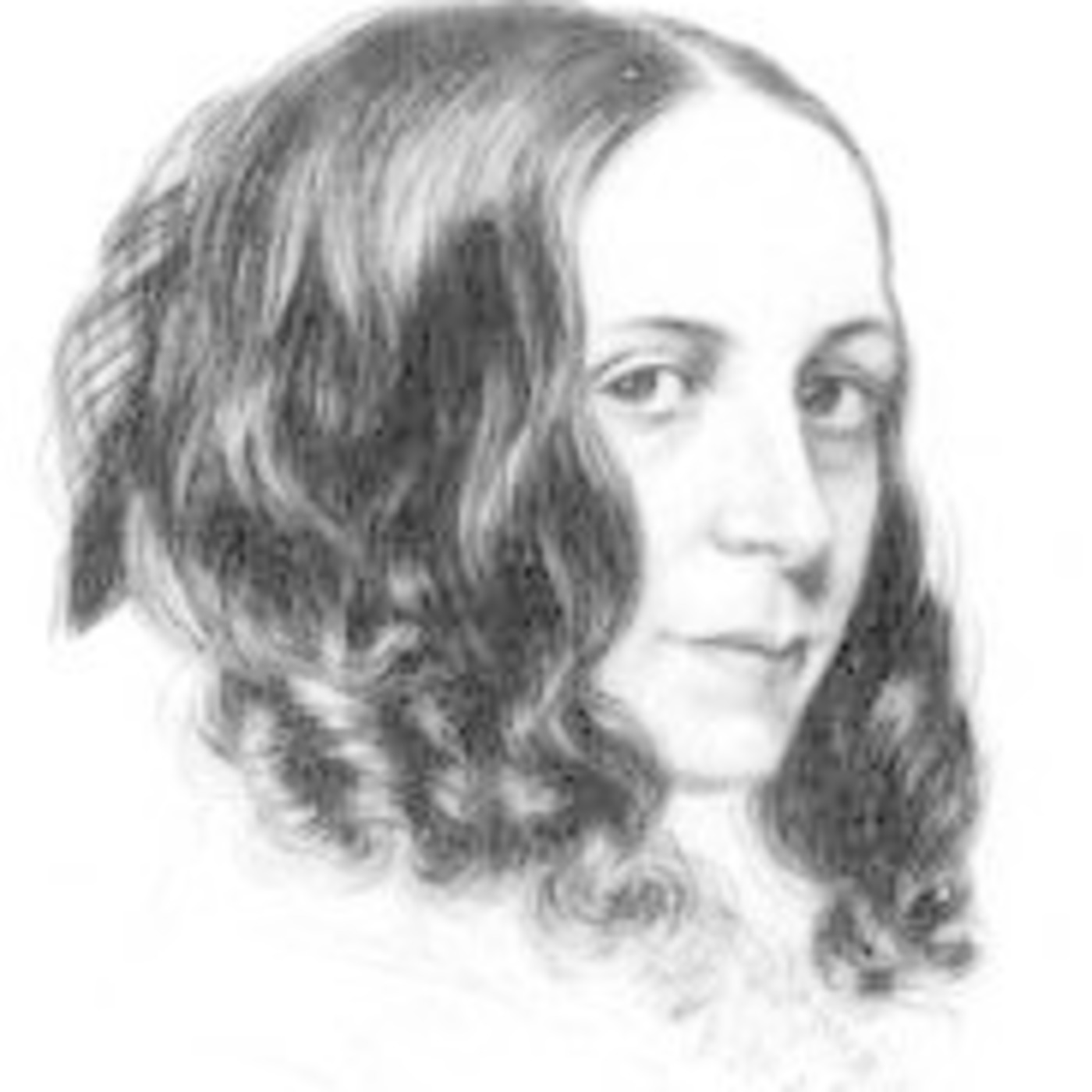
275. If Thou Must Love Me by Elizabeth Barrett Browning
EB Browning read by Classic Poetry Aloud: http://www.classicpoetryaloud.com/ Giving voice to the poetry of the past. --------------------------------------------------- If Thou Must Love Me by Elizabeth Barrett Browning (1806 – 1861) Sonnets from the Portuguese iv If thou must love me, let it be for naught Except for love's sake only. Do not say, 'I love her for her smile — her look — her way Of speaking gently,— for a trick of thought That falls in well with mine, and certes brought A sense of pleasant ease on such a day' — For these things in themselves, Belovèd, may Be changed, or change for thee — and love, so wrought, May be unwrought so. Neither love me for Thine own dear pity's wiping my cheeks dry: A creature might forget to weep, who bore Thy comfort long, and lose thy love thereby! But love me for love's sake, that evermore Thou mayst love on, through love's eternity. In memory of Elizabeth Barrett Browning, who died this day, 30 June, in 1861. First aired: 12 October 2007 For hundreds more poetry readings, visit the Classic Poetry Aloud index. Reading © Classic Poetry Aloud 2008
274. The Daffodils by William Wordsworth
W Wordsworth read by Classic Poetry Aloud: http://www.classicpoetryaloud.com/ Giving voice to the poetry of the past. --------------------------------------------- The Daffodils by William Wordsworth (1770 - 1850) I wander'd lonely as a cloud That floats on high o'er vales and hills, When all at once I saw a crowd, A host of golden daffodils, Beside the lake, beneath the trees, Fluttering and dancing in the breeze. Continuous as the stars that shine And twinkle on the Milky Way, They stretch'd in never-ending line Along the margin of a bay: Ten thousand saw I at a glance, Tossing their heads in sprightly dance. The waves beside them danced, but they Outdid the sparkling waves in glee:— A poet could not but be gay In such a jocund company! I gazed, and gazed, but little thought What wealth the show to me had brought: For oft, when on my couch I lie In vacant or in pensive mood, They flash upon that inward eye Which is the bliss of solitude; And then my heart with pleasure fills, And dances with the daffodils. First aired: 17 October 2007 For hundreds more poetry readings, visit the Classic Poetry Aloud index. Reading © Classic Poetry Aloud 2008
273. My Mind to Me a Kingdom Is by Sir Edward Dyer
Sir E Dyer read by Classic Poetry Aloud: http://www.classicpoetryaloud.com/ Giving voice to the poetry of the past. --------------------------------------------- My Mind to Me a Kingdom by Sir Edward Dyer (d. 1607) My mind to me a kingdom is; Such present joys therein I find, That it excels all other bliss That earth affords or grows by kind: Though much I want that most would have, Yet still my mind forbids to crave. No princely pomp, no wealthy store, No force to win the victory, No wily wit to salve a sore, No shape to feed a loving eye; To none of these I yield as thrall; For why? my mind doth serve for all. I see how plenty surfeits oft, And hasty climbers soon do fall; I see that those which are aloft Mishap doth threaten most of all: They get with toil, they keep with fear: Such cares my mind could never bear. Content I live, this is my stay; I seek no more than may suffice; I press to bear no haughty sway; Look, what I lack my mind supplies. Lo, thus I triumph like a king, Content with that my mind doth bring. Some have too much, yet still do crave; I little have, and seek no more. They are but poor, though much they have, And I am rich with little store; They poor, I rich; they beg, I give; They lack, I leave; they pine, I live. I laugh not at another’s loss, I grudge not at another’s gain; No worldly waves my mind can toss; My state at one doth still remain: I fear no foe, I fawn no friend; I loathe not life, nor dread my end. Some weigh their pleasure by their lust, Their wisdom by their rage of will; Their treasure is their only trust, A cloakèd craft their store of skill; But all the pleasure that I find Is to maintain a quiet mind. My wealth is health and perfect ease, My conscience clear my chief defence; I neither seek by bribes to please, Nor by deceit to breed offence: Thus do I live; thus will I die; Would all did so as well as I! For hundreds more poetry readings, visit the Classic Poetry Aloud index. Reading © Classic Poetry Aloud 2008
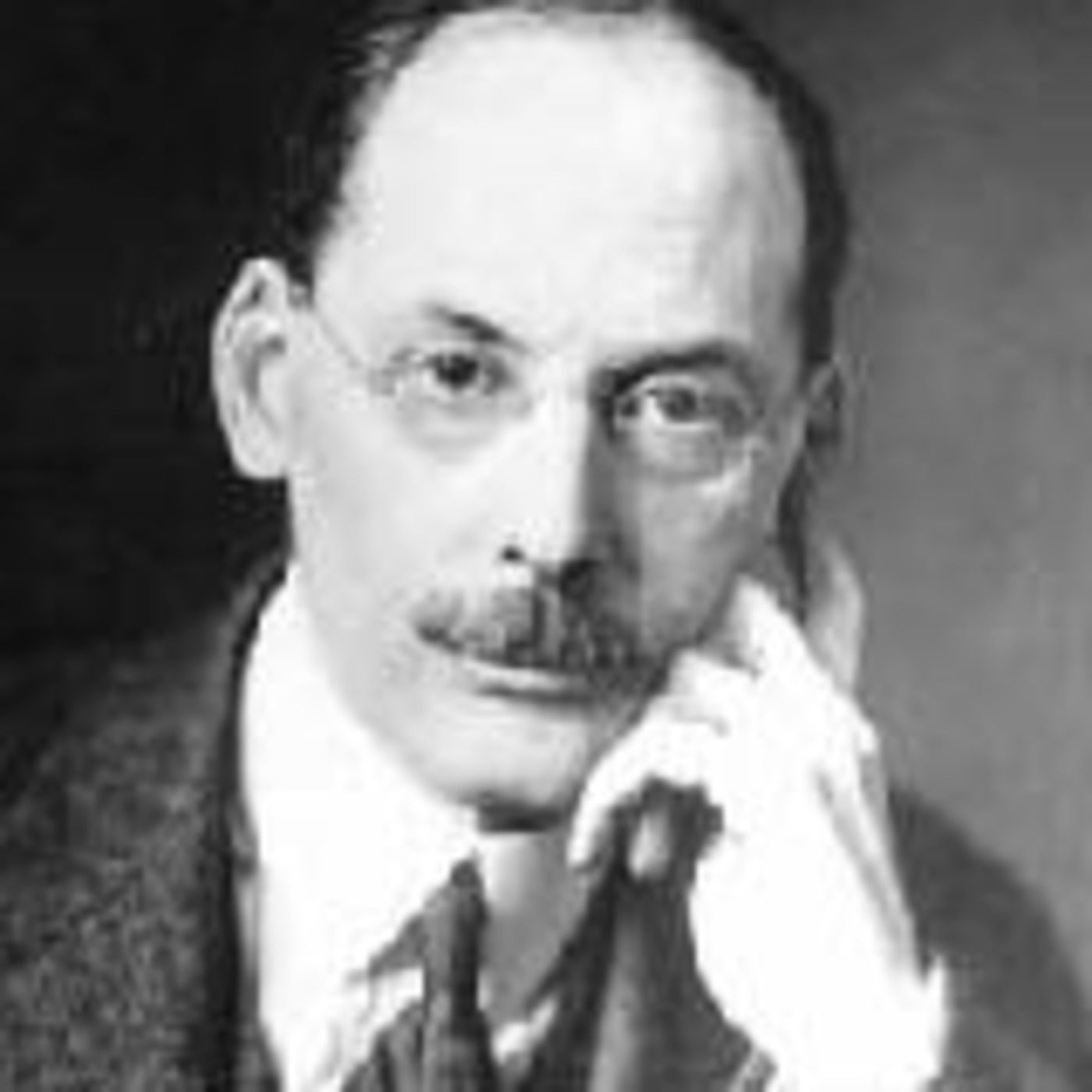
272. Eros Turannos by Edwin Arlington Robinson
EA Robinson read by Classic Poetry Aloud: http://www.classicpoetryaloud.com/ Giving voice to the poetry of the past. --------------------------------------------- Eros Turannos by Edwin Arlington Robinson(1869 – 1935) She fears him, and will always ask What fated her to choose him; She meets in his engaging mask All reasons to refuse him; But what she meets and what she fears Are less than are the downward years, Drawn slowly to the foamless weirs Of age, were she to lose him. Between a blurred sagacity That once had power to sound him, And Love, that will not let him be The Judas that she found him, Her pride assuages her almost, As if it were alone the cost.— He sees that he will not be lost, And waits and looks around him. A sense of ocean and old trees Envelops and allures him; Tradition, touching all he sees, Beguiles and reassures him; And all her doubts of what he says Are dimmed with what she knows of days— Till even prejudice delays And fades, and she secures him. The falling leaf inaugurates The reign of her confusion; The pounding wave reverberates The dirge of her illusion; And home, where passion lived and died, Becomes a place where she can hide, While all the town and harbor side Vibrate with her seclusion. We tell you, tapping on our brows, The story as it should be,— As if the story of a house Were told, or ever could be; We’ll have no kindly veil between Her visions and those we have seen,— As if we guessed what hers have been, Or what they are or would be. Meanwhile we do no harm; for they That with a god have striven, Not hearing much of what we say, Take what the god has given; Though like waves breaking it may be, Or like a changed familiar tree, Or like a stairway to the sea Where down the blind are driven. For hundreds more poetry readings, visit the Classic Poetry Aloud index.
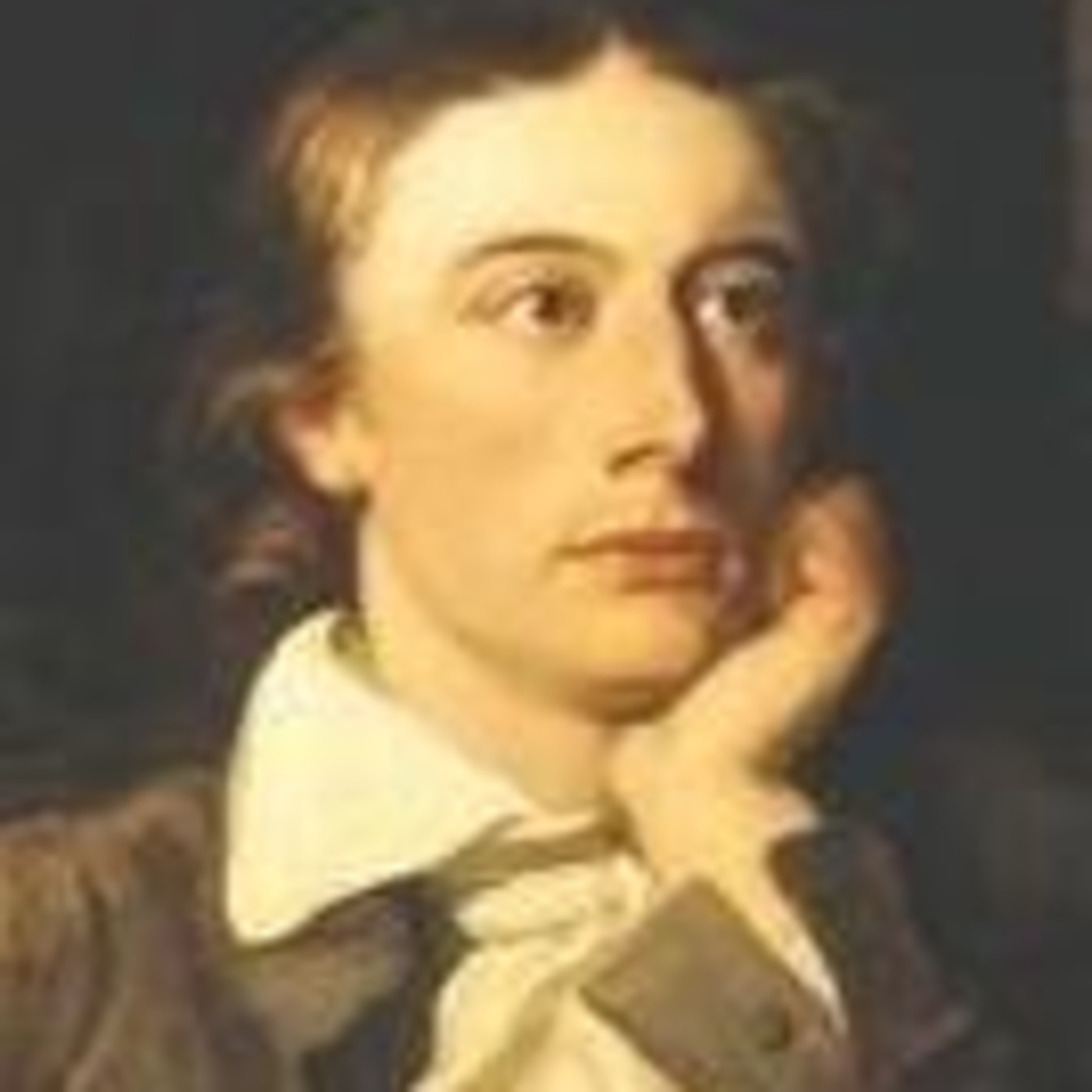
271. When I Have Fears That I May Cease To Be by John Keats
J Keats read by Classic Poetry Aloud: http://classicpoetryaloud.podomatic.com/ Giving voice to the poetry of the past. --------------------------------------------------- When I Have Fears That I May Cease To Be by John Keats (1795 - 1821) When I have fears that I may cease to be Before my pen has glean'd my teeming brain, Before high pil'ed books, in charact'ry, Hold like rich garners the full-ripen'd grain; When I behold, upon the night's starr'd face, Huge cloudy symbols of a high romance, And feel that I may never live to trace Their shadows, with the magic hand of chance; And when I feel, fair creature of an hour! That I shall never look upon thee more, Never have relish in the faery power Of unreflecting love;—then on the shore Of the wide world I stand alone, and think, Till Love and Fame to nothingness do sink. First aired: 28 July 2007 For hundreds more poetry readings, visit the Classic Poetry Aloud index. Reading © Classic Poetry Aloud 2008
270. To Althea from Prison by Richard Lovelace
R Lovelace read by Classic Poetry Aloud: http://www.classicpoetryaloud.com/ Giving voice to the poetry of the past. --------------------------------------------- To Althea from Prison by Richard Lovelace (1618 – 1657) When Love with unconfined wings Hovers within my gates, And my divine Althea brings To whisper at the grates; When I lie tangled in her hair, And fetter'd to her eye, The gods, that wanton in the air, Know no such liberty. When flowing cups run swiftly round With no allaying Thames, Our careless heads with roses bound, Our hearts with loyal flames; When thirsty grief in wine we steep, When healths and draughts go free, Fishes, that tipple in the deep, Know no such liberty. When (like committed linnets) I With shriller throat shall sing The sweetness, mercy, majesty, And glories of my king; When I shall voice aloud how good He is, how great should be, Enlarged winds, that curl the flood, Know no such liberty. Stone walls do not a prison make, Nor iron bars a cage; Minds innocent and quiet take That for an hermitage; If I have freedom in my love, And in my soul am free, Angels alone that soar above, Enjoy such liberty. For hundreds more poetry readings, visit the Classic Poetry Aloud index. Reading © Classic Poetry Aloud 2008
269. Summer by John Clare
J Clare read by Classic Poetry Aloud: http://www.classicpoetryaloud.com/ Giving voice to the poetry of the past. --------------------------------------------- Summer by John Clare(1793 – 1864) Come we to the summer, to the summer we will come, For the woods are full of bluebells and the hedges full of bloom, And the crow is on the oak a-building of her nest, And love is burning diamonds in my true lover's breast; She sits beneath the whitethorn a-plaiting of her hair, And I will to my true lover with a fond request repair; I will look upon her face, I will in her beauty rest, And lay my aching weariness upon her lovely breast. The clock-a-clay is creeping on the open bloom of May, The merry bee is trampling the pinky threads all day, And the chaffinch it is brooding on its grey mossy nest In the whitethorn bush where I will lean upon my lover's breast; I'll lean upon her breast and I'll whisper in her ear That I cannot get a wink o'sleep for thinking of my dear; I hunger at my meat and I daily fade away Like the hedge rose that is broken in the heat of the day. For hundreds more poetry readings, visit the Classic Poetry Aloud index. Reading © Classic Poetry Aloud 2008
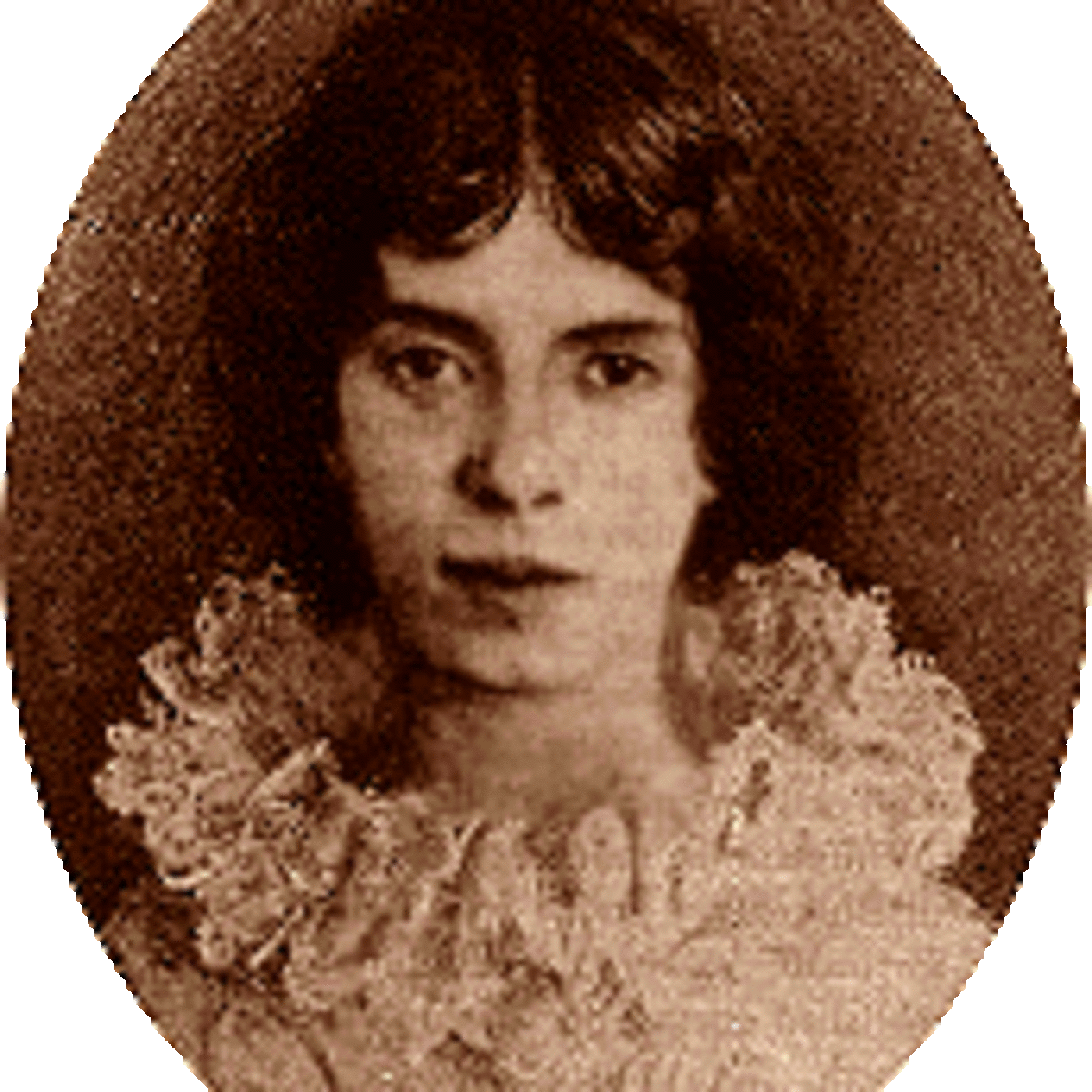
268. After Great Pain by Emily Dickinson
E Dickinson read by Classic Poetry Aloud: http://www.classicpoetryaloud.com/ Giving voice to the poetry of the past. --------------------------------------------- After Great Pain by Emily Dickinson (1830 – 1886) After great pain, a formal feeling comes – The Nerves sit ceremonious, like Tombs – The stiff Heart questions was it He, that bore, And Yesterday, or Centuries before? The Feet, mechanical, go round – A Wooden way Of Ground, or Air, or Ought – Regardless grown, A Quartz contentment, like a stone – This is the Hour of Lead – Remembered, if outlived, As Freezing persons, recollect the Snow – First – Chill – then Stupor – then the letting go – For hundreds more poetry readings, visit the Classic Poetry Aloud index. Reading © Classic Poetry Aloud 2008
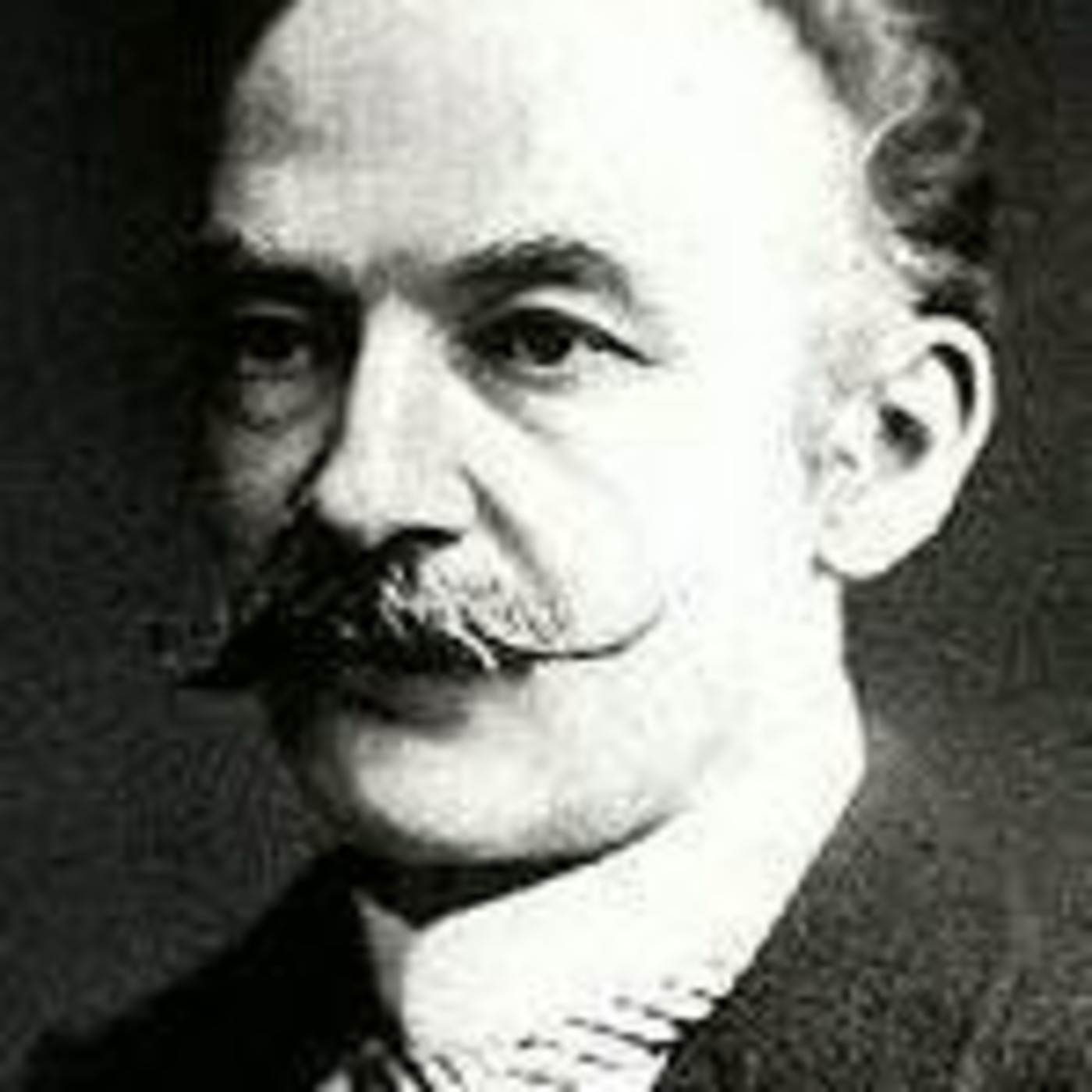
267. I Look Into My Glass by Thomas Hardy
T Hardy read by Classic Poetry Aloud: http://www.classicpoetryaloud.com/ Giving voice to the poetry of the past. --------------------------------------------- I Look Into My Glass by Thomas Hardy (1840 – 1928) I look into my glass, And view my wasting skin, And say, "Would God it came to pass My heart had shrunk as thin!" For then I, undistrest By hearts grown cold to me, Could lonely wait my endless rest With equanimity. But Time, to make me grieve, Part steals, lets part abide; And shakes this fragile frame at eve With throbbings of noontide. First aired: 15 June 2007 For hundreds more poetry readings, visit the Classic Poetry Aloud index. Reading © Classic Poetry Aloud 2008