Classic Poetry Aloud
609 episodes — Page 4 of 13
470. Sleep by Sir Philip Sidney
P Sidney read by Classic Poetry Aloud: http://www.classicpoetryaloud.com/ Giving voice to the poetry of the past. --------------------------------------- Sleep by Sir Philip Sidney (1554 – 1586) Come, Sleep; O Sleep! the certain knot of peace, The baiting-place of wit, the balm of woe, The poor man's wealth, the prisoner's release, Th' indifferent judge between the high and low; With shield of proof shield me from out the prease Of those fierce darts Despair at me doth throw: O make in me those civil wars to cease; I will good tribute pay, if thou do so. Take thou of me smooth pillows, sweetest bed, A chamber deaf to noise and blind of light, A rosy garland and a weary head; And if these things, as being thine by right, Move not thy heavy grace, thou shalt in me, Livelier than elsewhere, Stella's image see. First aired: 28 March 2008 For hundreds more poetry readings, visit the Classic Poetry Aloud index. Reading © Classic Poetry Aloud 2009
469. The Dilettante by Paul Laurence Dunbar
PL Dunbar read by Classic Poetry Aloud: http://www.classicpoetryaloud.com/ Giving voice to the poetry of the past. --------------------------------------- The Dilettante: A Modern Type by Paul Lawrence Dunbar (1872 – 1906) He scribbles some in prose and verse, And now and then he prints it; He paints a little,--gathers some Of Nature's gold and mints it. He plays a little, sings a song, Acts tragic roles or funny; He does, because his love is strong, But not, oh, not for money! He studies almost everything From social art to science; A thirsty mind, a flowing spring, Demand and swift compliance. He looms above the sordid crowd, At least through friendly lenses; While his mama looks pleased and proud, And kindly pays expenses. First aired: 26 April 2009 For hundreds more poetry readings, visit the Classic Poetry Aloud index. Reading © Classic Poetry Aloud 2009
468. The Valley of Unrest by Edgar Allan Poe
EA Poe read by Classic Poetry Aloud: http://www.classicpoetryaloud.com/ Giving voice to the poetry of the past. --------------------------------------- The Valley of Unrest by Edgar Allan Poe (1809 – 1849) Once it smiled a silent dell Where the people did not dwell; They had gone unto the wars, Trusting to the mild-eyed stars, Nightly, from their azure towers, To keep watch above the flowers, In the midst of which all day The red sun-light lazily lay. Now each visiter shall confess The sad valley's restlessness. Nothing there is motionless — Nothing save the airs that brood Over the magic solitude. Ah, by no wind are stirred those trees That palpitate like the chill seas Around the misty Hebrides! Ah, by no wind those clouds are driven That rustle through the unquiet Heaven Uneasily, from morn till even, Over the violets there that lie In myriad types of the human eye — Over the lilies there that wave And weep above a nameless grave! They wave: — from out their fragrant tops Eternal dews come down in drops. They weep: — from off their delicate stems Perennial tears descend in gems. First aired: 25 April 2009 For hundreds more poetry readings, visit the Classic Poetry Aloud index. Reading © Classic Poetry Aloud 2009
467. England in 1819 by Percy Bysshe Shelley
PB Shelley read by Classic Poetry Aloud: http://www.classicpoetryaloud.com/ Giving voice to the poetry of the past. --------------------------------------- England in 1819 by Percy Bysshe Shelley (1792 – 1822) An old, mad, blind, despised, and dying king,– Princes, the dregs of their dull race, who flow Through public scorn, mud from a muddy spring,– Rulers who neither see, nor feel, nor know, But leech-like to their fainting country cling, Till they drop, blind in blood, without a blow,– A people starved and stabbed in the untilled field,– An army which liberticide and prey Makes as a two-edged sword to all who wield,– Golden and sanguine laws which tempt and slay; Religion Christless, Godless, a book sealed,– A Senate–Time's worst statute unrepealed,– Are graves from which a glorious Phantom may Burst to illumine our tempestuous day. First aired: 24 April 2009 For hundreds more poetry readings, visit the Classic Poetry Aloud index. Reading © Classic Poetry Aloud 2009

466. Nature and Art by Alexander Pope
A Pope read by Classic Poetry Aloud: http://www.classicpoetryaloud.com/ Giving voice to the poetry of the past. --------------------------------------- Nature and Art from An Essay on Criticism: Part 1 by Alexander Pope (1688 – 1744) First follow Nature, and your judgment frame By her just standard, which is still the same: Unerring Nature, still divinely bright, One clear, unchang'd, and universal light, Life, force, and beauty, must to all impart, At once the source, and end, and test of art. Art from that fund each just supply provides, Works without show, and without pomp presides: In some fair body thus th' informing soul With spirits feeds, with vigour fills the whole, Each motion guides, and ev'ry nerve sustains; Itself unseen, but in th' effects, remains. Some, to whom Heav'n in wit has been profuse, Want as much more, to turn it to its use; For wit and judgment often are at strife, Though meant each other's aid, like man and wife. 'Tis more to guide, than spur the Muse's steed; Restrain his fury, than provoke his speed; The winged courser, like a gen'rous horse, Shows most true mettle when you check his course. Those Rules of old discover'd, not devis'd, Are Nature still, but Nature methodis'd; Nature, like liberty, is but restrain'd By the same laws which first herself ordain'd. First aired: 3 March 2008 For hundreds more poetry readings, visit the Classic Poetry Aloud index. Reading © Classic Poetry Aloud 2009
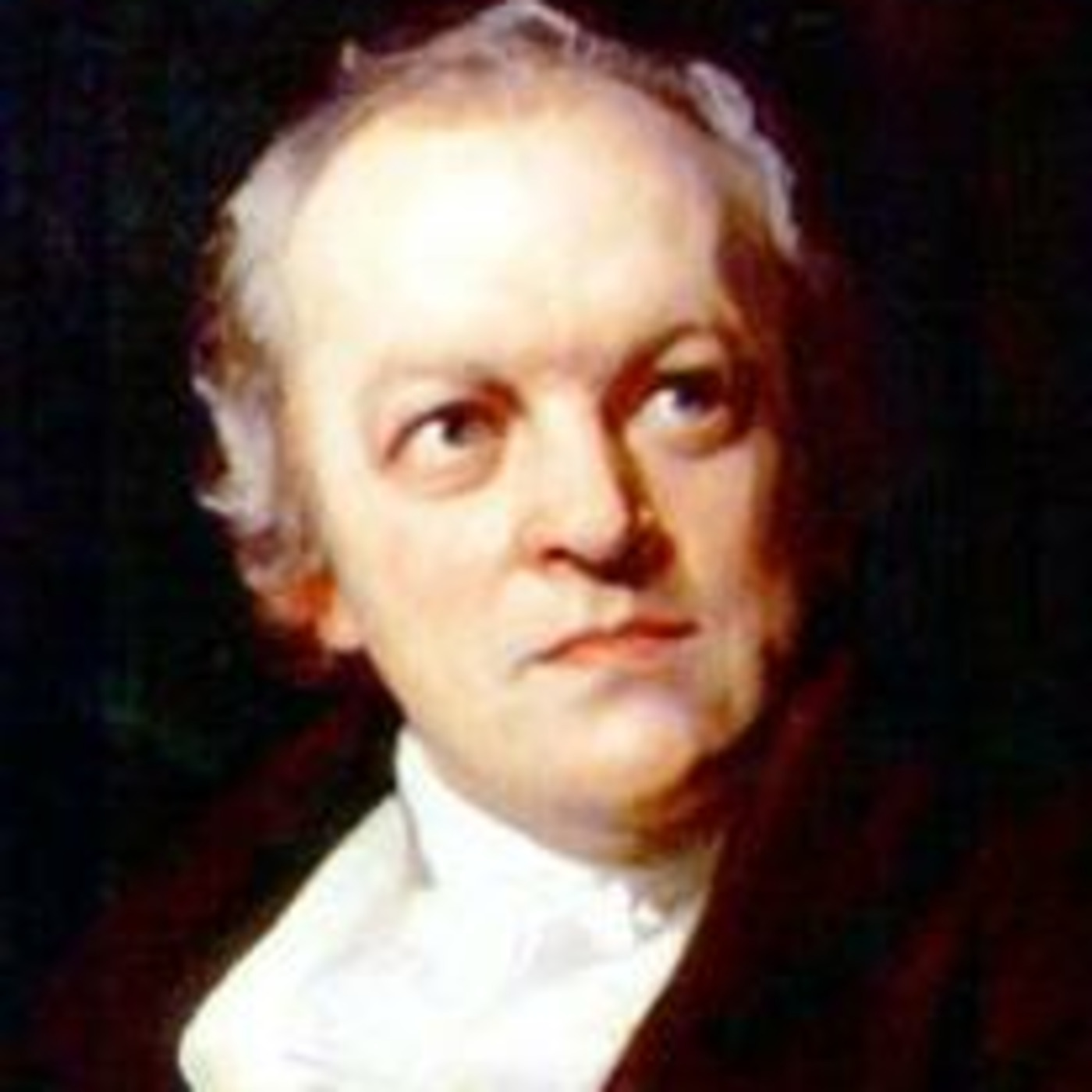
465. Jerusalem by William Blake
W Blake read by Classic Poetry Aloud: http://www.classicpoetryaloud.com/ Giving voice to the poetry of the past. --------------------------------------- ‘Jerusalem’ from ‘Milton’ by William Blake (1757 – 1827) And did those feet in ancient time Walk upon England’s mountains green? And was the holy Lamb of God On England’s pleasant pastures seen? And did the Countenance Divine Shine forth upon our clouded hills? And was Jerusalem builded here Among these dark Satanic Mills? Bring me my bow of burning gold! Bring me my arrows of desire! Bring me my spear! O clouds, unfold! Bring me my chariot of fire! I will not cease from mental fight, Nor shall my sword sleep in my hand, Till we have built Jerusalem In England’s green and pleasant land. First aired: 18 March 2008 For hundreds more poetry readings, visit the Classic Poetry Aloud index. Reading © Classic Poetry Aloud 2009
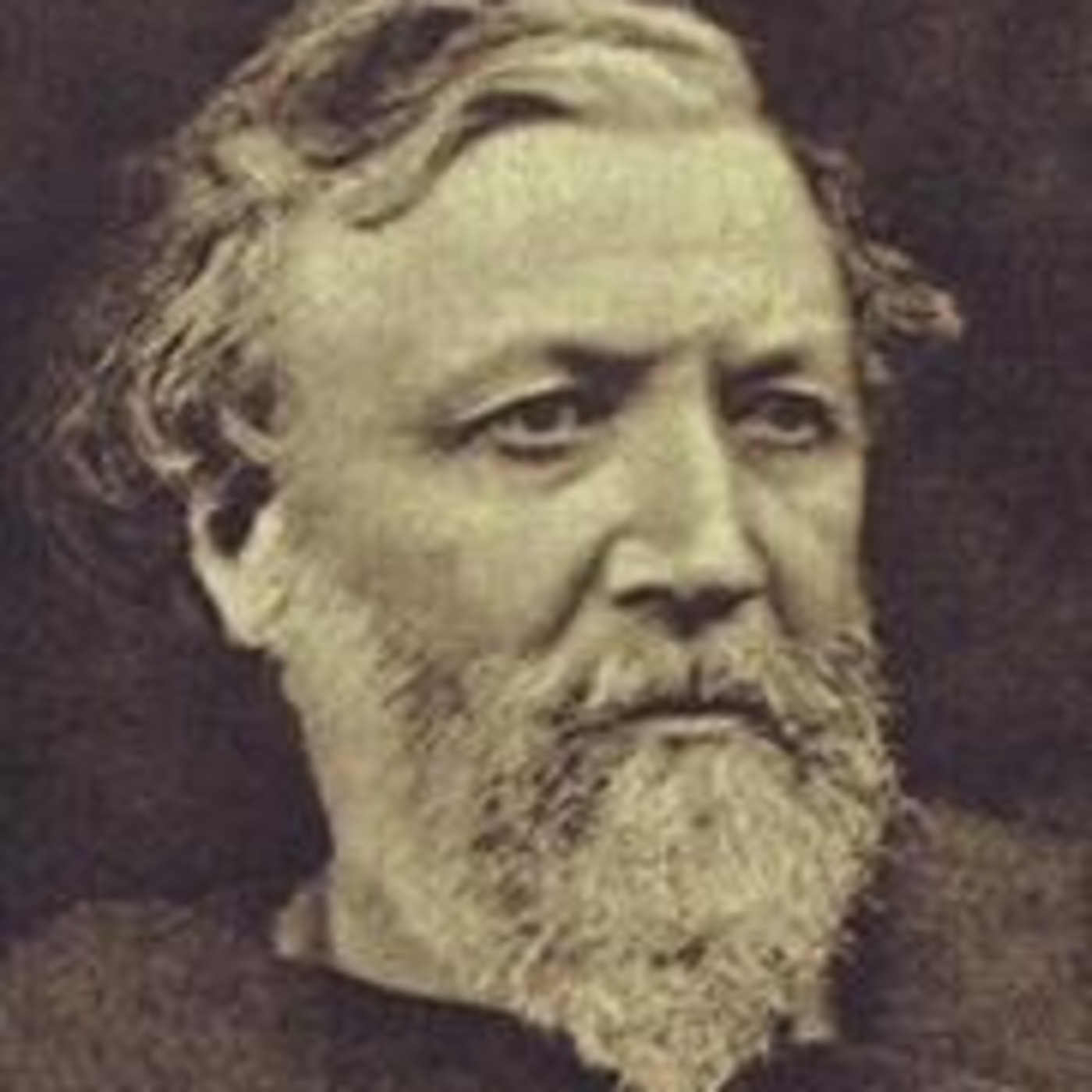
464. Home Thoughts from Abroad by Robert Browning
R Browning read by Classic Poetry Aloud: http://www.classicpoetryaloud.com/ Giving voice to the poetry of the past. --------------------------------------- Home Thoughts, from Abroad by Robert Browning (1812 – 1889) O, to be in England Now that April 's there, And whoever wakes in England Sees, some morning, unaware, That the lowest boughs and the brushwood sheaf Round the elm-tree bole are in tiny leaf, While the chaffinch sings on the orchard bough In England—now! And after April, when May follows, And the whitethroat builds, and all the swallows! Hark, where my blossom'd pear-tree in the hedge Leans to the field and scatters on the clover Blossoms and dewdrops—at the bent spray's edge— That 's the wise thrush; he sings each song twice over, Lest you should think he never could recapture The first fine careless rapture! And though the fields look rough with hoary dew, All will be gay when noontide wakes anew The buttercups, the little children's dower —Far brighter than this gaudy melon-flower! First aired: 1 April 2008 For hundreds more poetry readings, visit the Classic Poetry Aloud index. Reading © Classic Poetry Aloud 2009
462. The Raven by Edgar Allan Poe
EA Poe read by Classic Poetry Aloud: http://www.classicpoetryaloud.com/ Giving voice to the poetry of the past. --------------------------------------- The Raven by Edgar Allan Poe (1809 – 1849) Once upon a midnight dreary, while I pondered, weak and weary, Over many a quaint and curious volume of forgotten lore,— While I nodded, nearly napping, suddenly there came a tapping, As of some one gently rapping, rapping at my chamber door. "'T is some visitor," I muttered, "tapping at my chamber door; Only this and nothing more." Ah, distinctly I remember it was in the bleak December And each separate dying ember wrought its ghost upon the floor. Eagerly I wished the morrow;—vainly I had sought to borrow From my books surcease of sorrow—sorrow for the lost Lenore, For the rare and radiant maiden whom the angels name Lenore: Nameless here for evermore. And the silken sad uncertain rustling of each purple curtain Thrilled me—filled me with fantastic terrors never felt before; So that now, to still the beating of my heart, I stood repeating "'T is some visitor entreating entrance at my chamber door, Some late visitor entreating entrance at my chamber door: This it is and nothing more." Presently my soul grew stronger; hesitating then no longer, "Sir," said I, "or Madam, truly your forgiveness I implore; But the fact is I was napping, and so gently you came rapping, And so faintly you came tapping, tapping at my chamber door, That I scarce was sure I heard you"—here I opened wide the door:— Darkness there and nothing more. Deep into that darkness peering, long I stood there wondering, fearing, Doubting, dreaming dreams no mortals ever dared to dream before; But the silence was unbroken, and the stillness gave no token, And the only word there spoken was the whispered word, "Lenore?" This I whispered, and an echo murmured back the word, "Lenore:" Merely this and nothing more. Back into the chamber turning, all my soul within me burning, Soon again I heard a tapping somewhat louder than before. "Surely," said I, "surely that is something at my window lattice; Let me see, then, what thereat is, and this mystery explore; Let my heart be still a moment and this mystery explore: 'T is the wind and nothing more." Open here I flung the shutter, when, with many a flirt and flutter, In there stepped a stately Raven of the saintly days of yore. Not the least obeisance made he; not a minute stopped or stayed he; But, with mien of lord or lady, perched above my chamber door, Perched upon a bust of Pallas just above my chamber door: Perched, and sat, and nothing more. Then this ebony bird beguiling my sad fancy into smiling By the grave and stern decorum of the countenance it wore,— "Though thy crest be shorn and shaven, thou," I said, "art sure no craven, Ghastly grim and ancient Raven wandering from the Nightly shore: Tell me what thy lordly name is on the Night's Plutonian shore!" Quoth the Raven, "Nevermore." Much I marvelled this ungainly fowl to hear discourse so plainly, Though its answer little meaning—little relevancy bore; For we cannot help agreeing that no living human being Ever yet was blessed with seeing bird above his chamber door, Bird or beast upon the sculptured bust above his chamber door, With such name as "Nevermore." But the Raven, sitting lonely on the placid bust, spoke only That one word, as if his soul in that one word he did outpour. Nothing further then he uttered, not a feather then he fluttered, Till I scarcely more than muttered,—"Other friends have flown before; On the morrow he will leave me, as my Hopes have flown before." Then the bird said, "Nevermore." Startled at the stillness broken by reply so aptly spoken, "Doubtless," said I, "what it utters is its only stock and store, Caught from some unhappy master whom unmerciful Disaster Followed fast and followed faster till his songs one burden bore: Till the dirges of his Hope that melancholy burden bore Of 'Never—nevermore.' But the Raven still beguiling all my fancy into smiling, Straight I wheeled a cushioned seat in front of bird and bust and door; Then, upon the velvet sinking, I betook myself to linking Fancy unto fancy, thinking what this ominous bird of yore, What this grim, ungainly, ghastly, gaunt, and ominous bird of yore Meant in croaking "Nevermore." This I sat engaged in guessing, but no syllable expressing To the fowl whose fiery eyes now burned into my bosom's core; This and more I sat divining, with my head at ease reclining On the cushion's velvet lining that the lamplight gloated o'er, But whose velvet violet lining with the lamp-light gloating o'er She shall press, ah, nevermore! Then, methought, the air grew denser, perfumed from an unseen censer Swung by seraphim whose foot-falls tinkled on the tufted floor. "Wretch," I cried, "thy God hath lent thee—by these angels he hath sent thee Respite—respite and nepenthe from thy memories of Lenore!" Quaff, oh quaff this kind nepenthe, and forget this lost Lenore." Quoth the Raven, "N
463. Vitae Summa Brevis Spem Nos Vetat Incohare Longam by Ernest Dowson
E Dowson read by Classic Poetry Aloud: http://www.classicpoetryaloud.com/ Giving voice to the poetry of the past. --------------------------------------- Vitae Summa Brevis Spem Nos Vetat Incohare Longam (The brief sum of life forbids us the hope of enduring long - Horace) by Ernest Dowson (1867 – 1900) They are not long, the weeping and the laughter, Love and desire and hate: I think they have no portion in us after We pass the gate. They are not long, the days of wine and roses: Out of a misty dream Our path emerges for a while, then closes Within a dream. First aired: 1 March 2008 For hundreds more poetry readings, visit the Classic Poetry Aloud index. Reading © Classic Poetry Aloud 2009
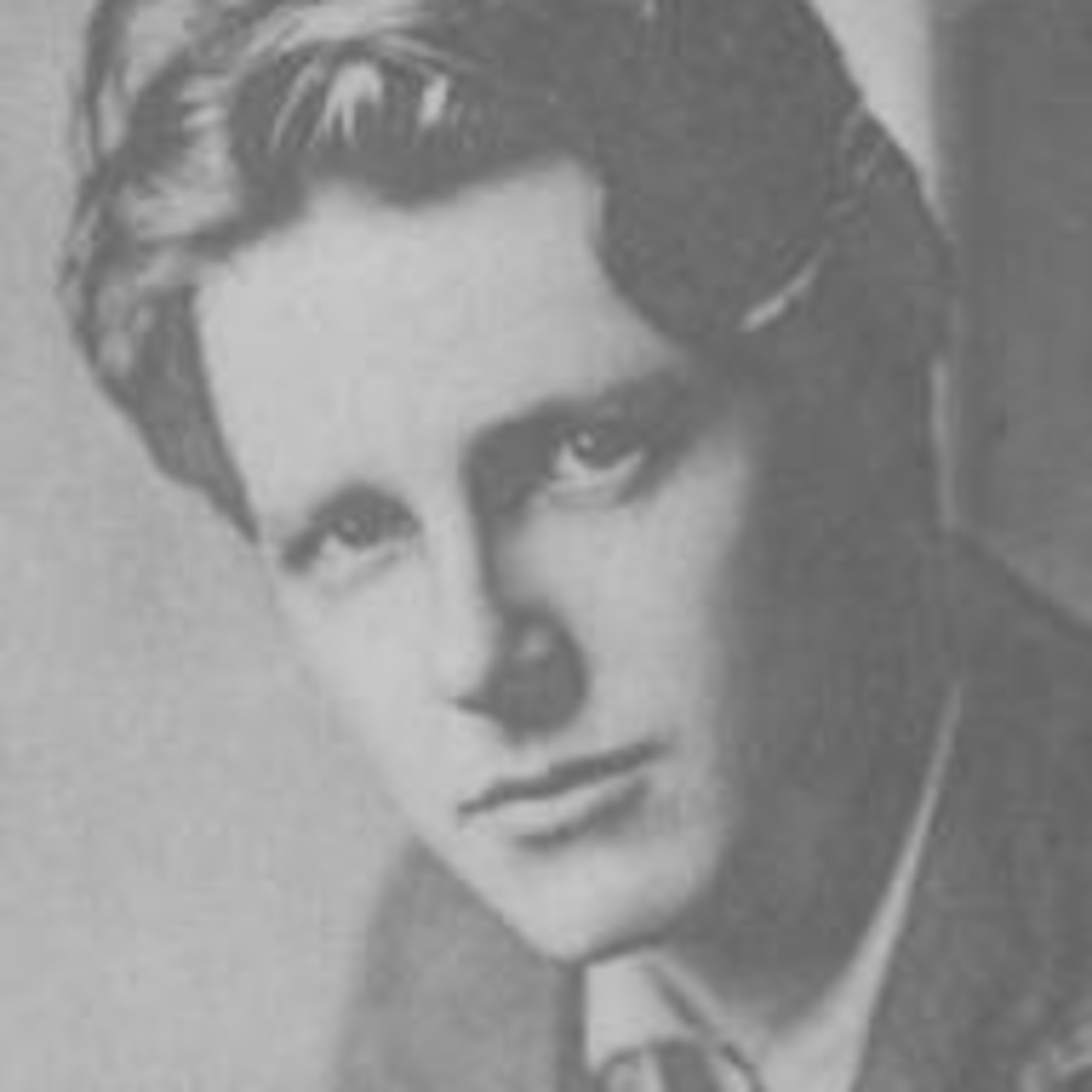
461. Waikiki by Rupert Brooke
R Brooke read by Classic Poetry Aloud: http://www.classicpoetryaloud.com/ Giving voice to the poetry of the past. --------------------------------------- Waikiki by Rupert Brooke (1887 – 1915) Warm perfumes like a breath from vine and tree Drift down the darkness. Plangent, hidden from eyes, Somewhere an eukaleli thrills and cries And stabs with pain the night’s brown savagery. And dark scents whisper; and dim waves creep to me, Gleam like a woman’s hair, stretch out, and rise; And new stars burn into the ancient skies, Over the murmurous soft Hawaian sea. And I recall, lose, grasp, forget again, And still remember, a tale I have heard, or known, An empty tale, of idleness and pain, Of two that loved—or did not love—and one Whose perplexed heart did evil, foolishly, A long while since, and by some other sea. First aired: 3 March 2008 For hundreds more poetry readings, visit the Classic Poetry Aloud index. Reading © Classic Poetry Aloud 2009
459. The Timber by Henry Vaughan
H Vaughan read by Classic Poetry Aloud: http://www.classicpoetryaloud.com/ Giving voice to the poetry of the past. --------------------------------------- The Timber by Henry Vaughan (1621 – 1695) Sure thou didst flourish once! and many springs, Many bright mornings, much dew, many showers, Pass'd o'er thy head; many light hearts and wings, Which now are dead, lodg'd in thy living bowers. And still a new succession sings and flies; Fresh groves grow up, and their green branches shoot Towards the old and still enduring skies, While the low violet thrives at their root. But thou beneath the sad and heavy line Of death, doth waste all senseless, cold, and dark; Where not so much as dreams of light may shine, Nor any thoughts of greenness, leaf, or bark. And yet—as if some deep hate and dissent, Bred in thy growth betwixt high winds and thee, Were still alive—thou dost great storms resent Before they come, and know'st how near they be. Else all at rest thou liest, and the fierce breath Of tempests can no more disturb thy ease; But this thy strange resentment after death Means only those who broke—in life—thy peace. First aired: 27 February 2008 For hundreds more poetry readings, visit the Classic Poetry Aloud index. Reading © Classic Poetry Aloud 2009
460. Easter Week by Charles Kingsley
C Kingsley read by Classic Poetry Aloud: http://www.classicpoetryaloud.com/ Giving voice to the poetry of the past. --------------------------------------- Easter Week by Charles Kingsley (1819 – 1875) See the land, her Easter keeping, Rises as her Maker rose. Seeds, so long in darkness sleeping, Burst at last from winter snows. Earth with heaven above rejoices; Fields and gardens hail the spring; Shaughs and woodlands ring with voices, While the wild birds build and sing. You, to whom your Maker granted Powers to those sweet birds unknown, Use the craft by God implanted; Use the reason not your own. Here, while heaven and earth rejoices, Each his Easter tribute bring- Work of fingers, chant of voices, Like the birds who build and sing. First aired: 22 March 2008 For hundreds more poetry readings, visit the Classic Poetry Aloud index. Reading © Classic Poetry Aloud 2009
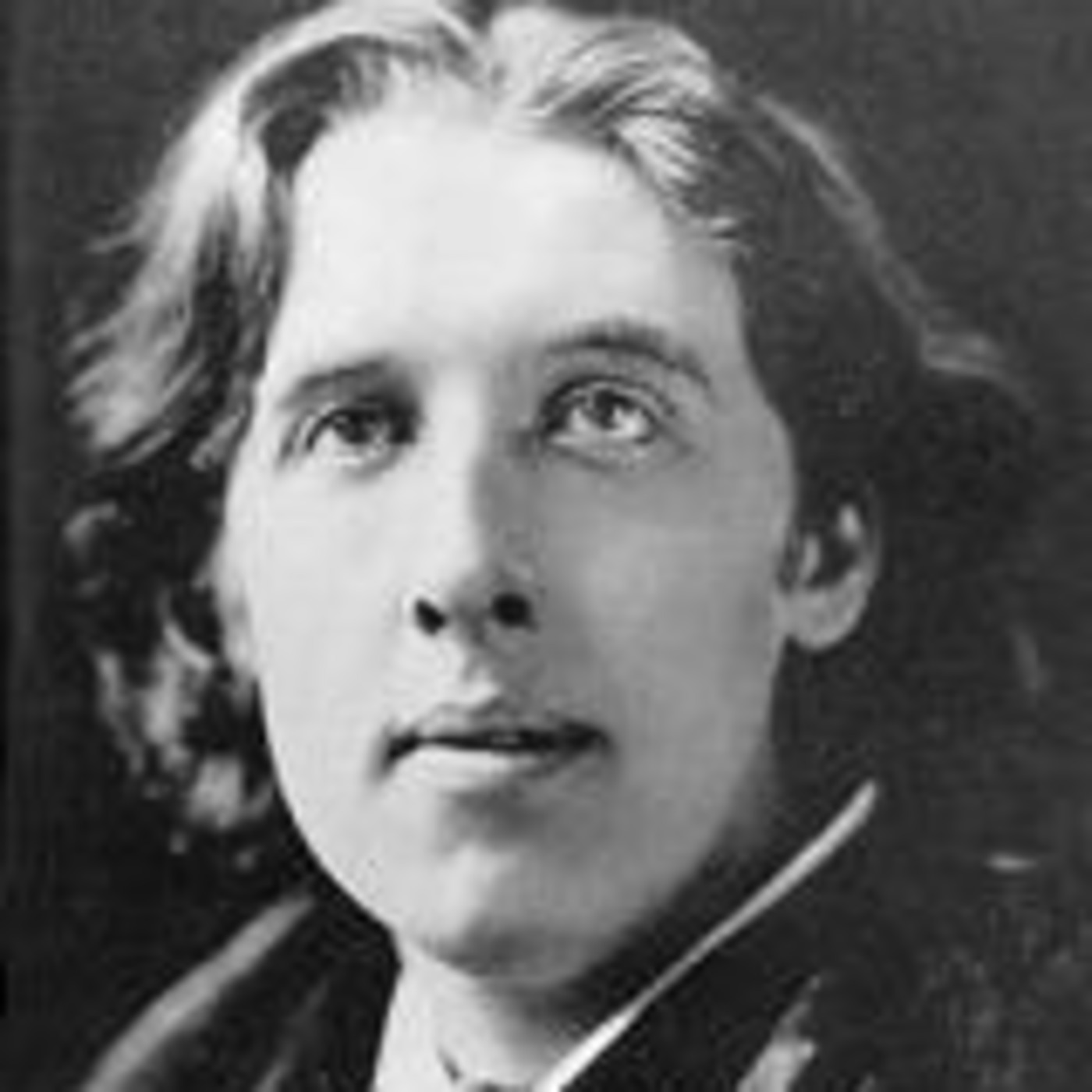
458. Libertatis Sacra Fames by Oscar Wilde
O Wilde read by Classic Poetry Aloud: http://www.classicpoetryaloud.com/ Giving voice to the poetry of the past. --------------------------------------- Libertatis Sacra Fames by Oscar Wilde(1854 – 1900) Albeit nurtured in democracy, And liking best that state republican Where every man is Kinglike and no man Is crowned above his fellows, yet I see, Spite of this modern fret for Liberty, Better the rule of One, whom all obey, Than to let clamorous demagogues betray Our freedom with the kiss of anarchy. Wherefore I love them not whose hands profane Plant the red flag upon the piled-up street For no right cause, beneath whose ignorant reign Arts, Culture, Reverence, Honour, all things fade, Save Treason and the dagger of her trade, And Murder with his silent bloody feet. First aired: 26 Feb 2008 For hundreds more poetry readings, visit the Classic Poetry Aloud index. Reading © Classic Poetry Aloud 2009
457. The Lost Mistress by Robert Browning
R Browning read by Classic Poetry Aloud: http://www.classicpoetryaloud.com/ Giving voice to the poetry of the past. --------------------------------------- The Lost Mistress by Robert Browning (1812 – 1889) All 's over, then: does truth sound bitter As one at first believes? Hark, 'tis the sparrows' good-night twitter About your cottage eaves! And the leaf-buds on the vine are woolly, I noticed that, to-day; One day more bursts them open fully —You know the red turns gray. To-morrow we meet the same then, dearest? May I take your hand in mine? Mere friends are we,—well, friends the merest Keep much that I resign: For each glance of the eye so bright and black, Though I keep with heart's endeavour,— Your voice, when you wish the snowdrops back, Though it stay in my soul for ever!— Yet I will but say what mere friends say, Or only a thought stronger; I will hold your hand but as long as all may, Or so very little longer! First aired: 25 February 2008 For hundreds more poetry readings, visit the Classic Poetry Aloud index. Reading © Classic Poetry Aloud 2009
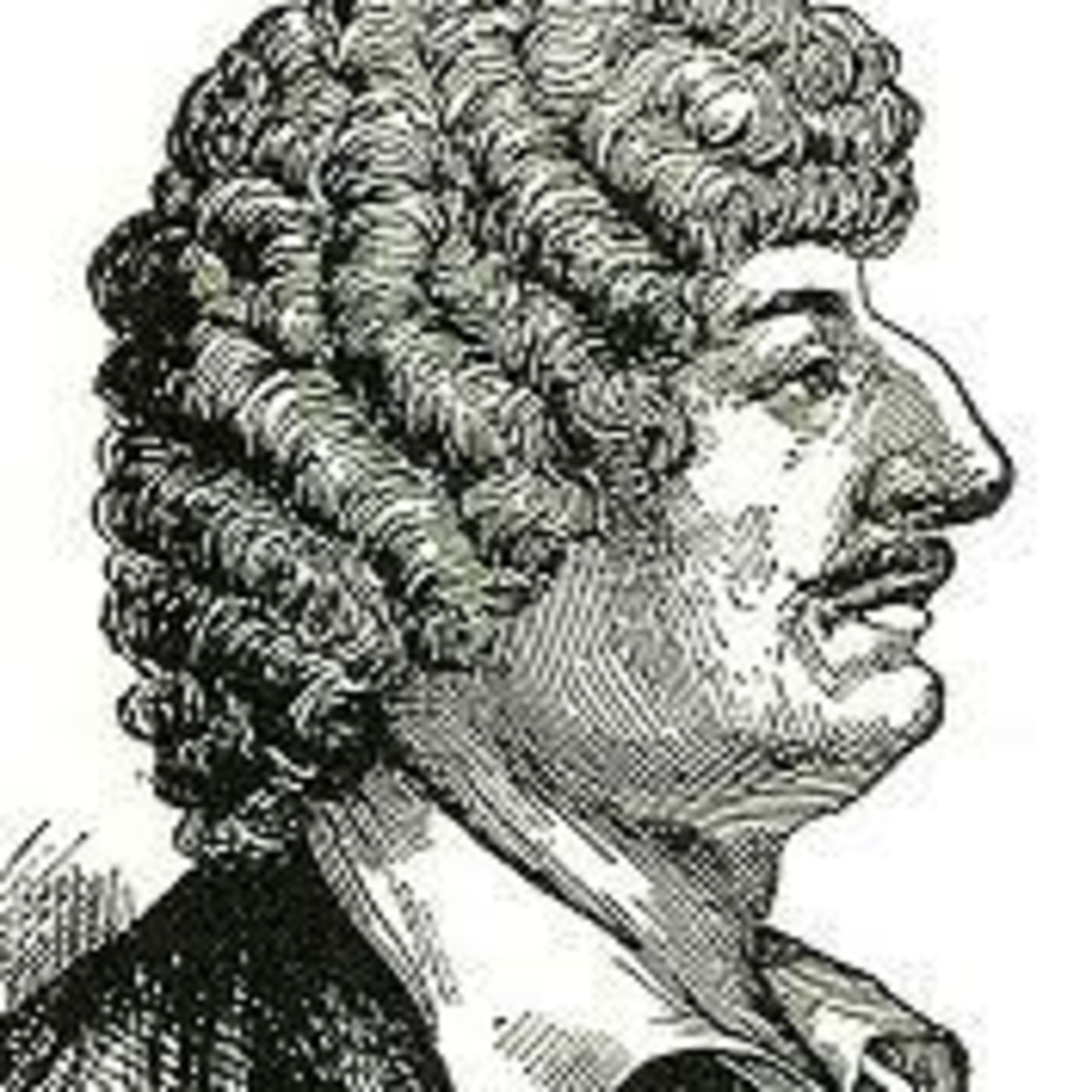
456. To Anthea who may command him Anything by Robert Herrick
R Herrick read by Classic Poetry Aloud: http://www.classicpoetryaloud.com/ Giving voice to the poetry of the past. --------------------------------------------- To Anthea, who may command him Anything by Robert Herrick (1591 – 1674) Bid me to live, and I will live Thy Protestant to be; Or bid me love, and I will give A loving heart to thee. A heart as soft, a heart as kind, A heart as sound and free As in the whole world thou canst find, That heart I'll give to thee. Bid that heart stay, and it will stay To honour thy decree: Or bid it languish quite away, And 't shall do so for thee. Bid me to weep, and I will weep While I have eyes to see: And, having none, yet will I keep A heart to weep for thee. Bid me despair, and I'll despair Under that cypress-tree: Or bid me die, and I will dare E'en death to die for thee. Thou art my life, my love my heart, The very eyes of me: And hast command of every part To live and die for thee. First aired: 20 February 2008 For hundreds more poetry readings, visit the Classic Poetry Aloud index. Reading © Classic Poetry Aloud 2009
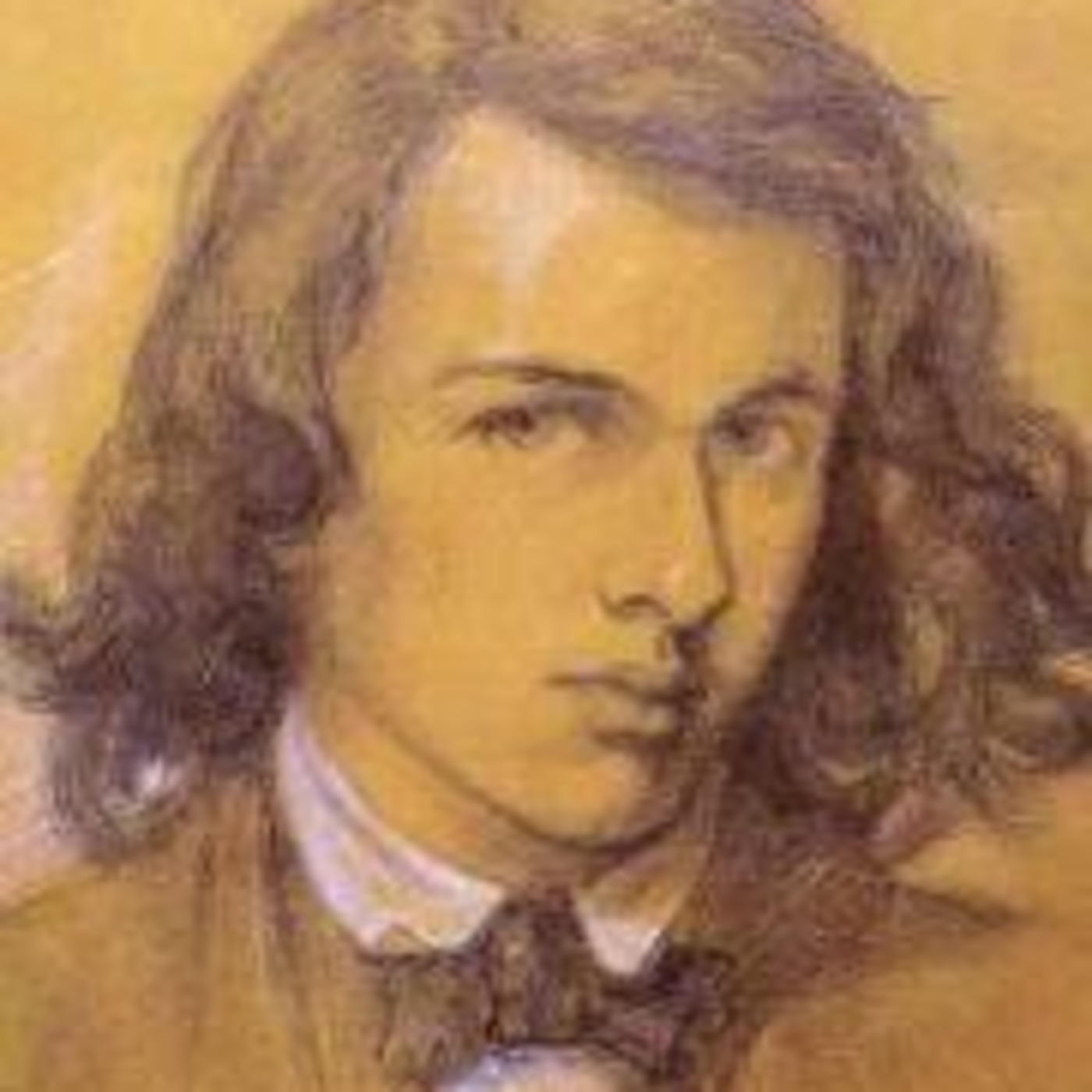
455. Sudden Light by Dante Gabriel Rossetti
DG Rossetti read by Classic Poetry Aloud: http://www.classicpoetryaloud.com/ Giving voice to the poetry of the past. --------------------------------------------- Sudden Light by Dante Gabriel Rossetti (1828 – 1882) I have been here before, But when or how I cannot tell: I know the grass beyond the door, The sweet keen smell, The sighing sound, the lights around the shore. You have been mine before,— How long ago I may not know: But just when at that swallow’s soar Your neck turn’d so, Some veil did fall,—I knew it all of yore. Has this been thus before? And shall not thus time’s eddying flight Still with our lives our love restore In death’s despite, And day and night yield one delight once more? First aired: 14 February 2008 For hundreds more poetry readings, visit the Classic Poetry Aloud index. Reading © Classic Poetry Aloud 2009
454. A Dream within a Dream by Edgar Allan Poe
EA Poe read by Classic Poetry Aloud: http://www.classicpoetryaloud.com/ Giving voice to the poetry of the past. --------------------------------------------- A Dream within a Dream by Edgar Allan Poe (1809 – 1849) Take this kiss upon the brow! And, in parting from you now, ThIs much let me avow – You are not wrong, who deem That my days have been a dream: Yet if hope has flown away In a night, or in a day, In a vision or in none, Is it therefore the less gone? All that we see or seem Is but a dream within a dream. I stand amid the roar Of a surf-tormented shore, And I hold within my hand Grains of the golden sand— How few! yet how they creep Through my fingers to the deep While I weep--while I weep! O God! can I not grasp Them with a tighter clasp? O God! can I not save One from the pitiless wave? Is all that we see or seem But a dream within a dream? First aired: 3 April 2009 For hundreds more poetry readings, visit the Classic Poetry Aloud index. Reading © Classic Poetry Aloud 2009
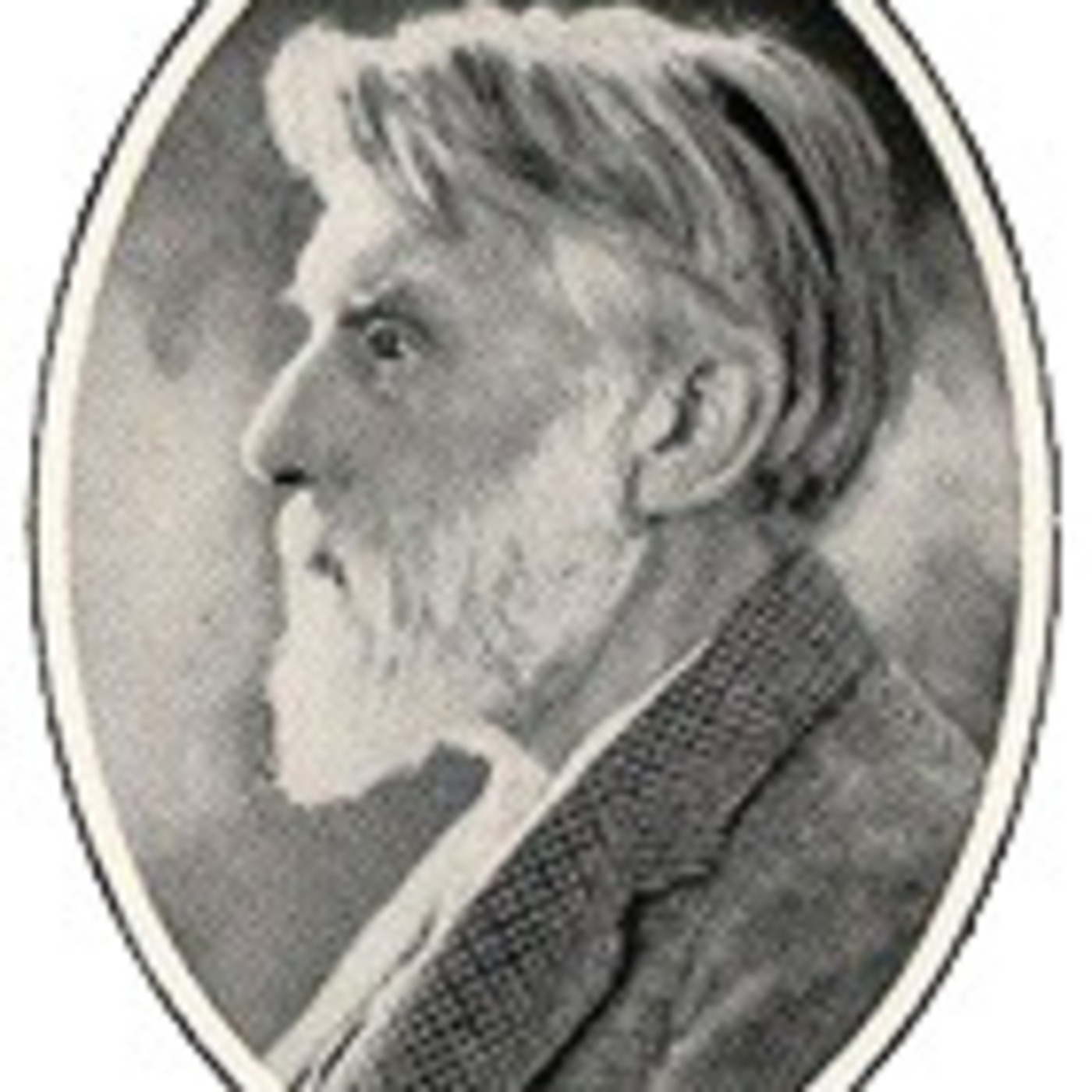
453. Absence by Robert Bridges
R Bridges read by Classic Poetry Aloud: Giving voice to the poetry of the past. www.classicpoetryaloud.com -------------------------------------------- Absence by Robert Bridges (1844–1930) When my love was away, Full three days were not sped, I caught my fancy astray Thinking if she were dead, And I alone, alone: It seem'd in my misery In all the world was none Ever so lone as I. I wept; but it did not shame Nor comfort my heart: away I rode as I might, and came To my love at close of day. The sight of her still'd my fears, My fairest-hearted love: And yet in her eyes were tears: Which when I question'd of, 'O now thou art come,' she cried, ''Tis fled: but I thought to-day I never could here abide, If thou wert longer away.' First aired: 8 February 2008 For hundreds more poetry readings, visit the Classic Poetry Aloud index. Reading © Classic Poetry Aloud 2009
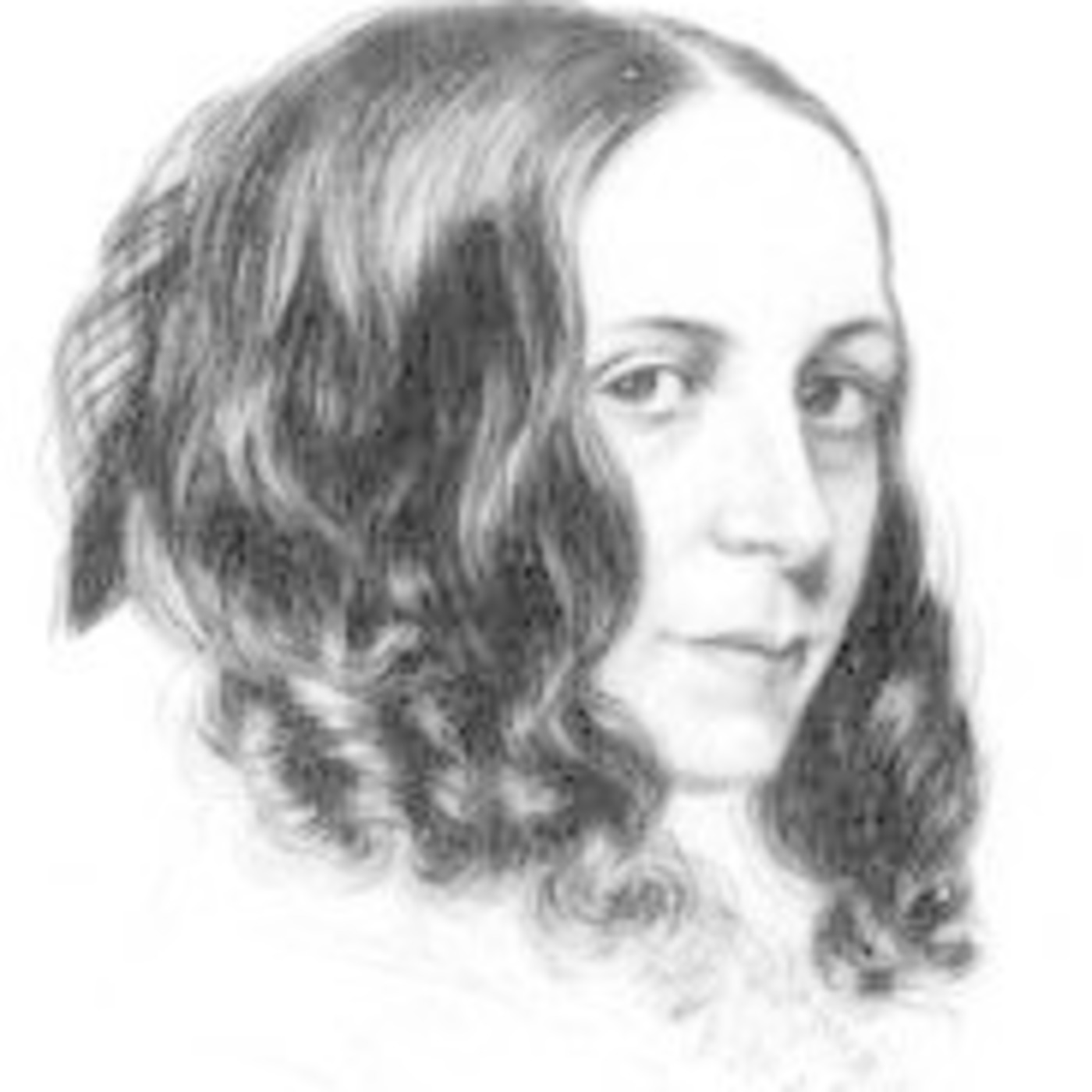
452. Go From Me by Elizabeth Barrett Browning
EB Browning read by Classic Poetry Aloud: Giving voice to the poetry of the past. www.classicpoetryaloud.com -------------------------------------------- Go From Me, Sonnets from the Portuguese iii by Elizabeth Barrett Browning (1806 – 1861) Go from me. Yet I feel that I shall stand Henceforward in thy shadow. Nevermore Alone upon the threshold of my door Of individual life I shall command The uses of my soul, nor lift my hand Serenely in the sunshine as before, Without the sense of that which I forbore— Thy touch upon the palm. The widest land Doom takes to part us, leaves thy heart in mine With pulses that beat double. What I do And what I dream include thee, as the wine Must taste of its own grapes. And when I sue God for myself, He hears that name of thine, And sees within my eyes the tears of two. First aired: 6 February 2008 For hundreds more poetry readings, visit the Classic Poetry Aloud index. Reading © Classic Poetry Aloud 2009
451. The Loveliness of Love by George Darley
G Darley read by Classic Poetry Aloud: Giving voice to the poetry of the past. www.classicpoetryaloud.com -------------------------------------------- The Loveliness of Love by George Darley (1795–1846) It is not Beauty I demand, A crystal brow, the moon’s despair, Nor the snow’s daughter, a white hand, Nor mermaid’s yellow pride of hair: Tell me not of your starry eyes, Your lips that seem on roses fed, Your breasts, where Cupid tumbling lies Nor sleeps for kissing of his bed:— A bloomy pair of vermeil cheeks Like Hebe’s in her ruddiest hours, A breath that softer music speaks Than summer winds a-wooing flowers, These are but gauds; nay, what are lips: Coral beneath the ocean-stream, Whose brink when your adventurer slips Full oft he perisheth on them. And what are cheeks but ensigns oft That wave hot youth to fields of blood? Did Helen’s breast, though ne’er so soft, Do Greece or Ilium any good? Eyes can with baleful ardour burn; Poison can breathe, than erst perfumed; There’s many a white hand holds an urn With lovers’ hearts to dust consumed. For crystal brows there’s nought within; They are but empty cells for pride; He who the Syren’s hair would win Is mostly strangled in the tide. Give me, instead of Beauty’s bust, A tender heart, a loyal mind Which with temptation I would trust, Yet never link’d with error find,— One in whose gentle bosom I Could pour my secret heart of woes, Like the case-burthen’d honey-fly That hides his murmurs in the rose— My earthly Comforter! whose love So indefeasible might be That, when my spirit wonn’d above Hers could not stay, for sympathy. First aired: 5 February 2008 For hundreds more poetry readings, visit the Classic Poetry Aloud index. Reading © Classic Poetry Aloud 2009
450. The Cell by John Thelwall
J Thelwall read by Classic Poetry Aloud: Giving voice to the poetry of the past. www.classicpoetryaloud.com -------------------------------------------- The Cell by John Thelwall (1764 – 1834) Within the Dungeon's noxious gloom The Patriot still, with dauntless breast, The cheerful aspect can assume— And smile—in conscious Virtue blest! The damp foul floor, the ragged wall, And shattered window, grated high; The trembling Ruffian may appal, Whose thoughts no sweet resource supply. But he, unaw'd by guilty fears, (To Freedom and his Country true) Who o'er a race of well-spent years Can cast the retrospective view, Looks inward to his heart, and sees The objects that must ever please. First aired: 31 January 2008 For hundreds more poetry readings, visit the Classic Poetry Aloud index. Reading © Classic Poetry Aloud 2009
449. The Choice by Dante Gabriel Rossetti
DG Rossetti read by Classic Poetry Aloud: Giving voice to the poetry of the past. www.classicpoetryaloud.com -------------------------------------------- The Choice by Dante Gabriel Rossetti (1828 – 1882) Think thou and act; to-morrow thou shalt die. Outstretch'd in the sun's warmth upon the shore, Thou say'st: "Man's measur'd path is all gone o'er: Up all his years, steeply, with strain and sigh, Man clomb until he touch'd the truth; and I, Even I, am he whom it was destin'd for." How should this be? Art thou then so much more Than they who sow'd, that thou shouldst reap thereby? Nay, come up hither. From this wave-wash'd mound Unto the furthest flood-brim look with me; Then reach on with thy thought till it be drown'd. Miles and miles distant though the last line be, And though thy soul sail leagues and leagues beyond,-- Still, leagues beyond those leagues, there is more sea. First aired: January 2008 For hundreds more poetry readings, visit the Classic Poetry Aloud index. Reading © Classic Poetry Aloud 2009
448. The Poplar Field by William Cowper
W Cowper read by Classic Poetry Aloud: Giving voice to the poetry of the past. www.classicpoetryaloud.com -------------------------------------------- The Poplar Field by William Cowper (1731 – 1800) The poplars are fell'd! farewell to the shade And the whispering sound of the cool colonnade; The winds play no longer and sing in the leaves, Nor Ouse on his bosom their image receives. Twelve years have elapsed since I last took a view Of my favourite field, and the bank where they grew; And now in the grass behold they are laid, And the tree is my seat that once lent me a shade! The blackbird has fled to another retreat Where the hazels afford him a screen from the heat, And the scene where his melody charm'd me before Resounds with his sweet-flowing ditty no more. My fugitive years are all hasting away, And I must ere long lie as lowly as they, With a turf on my breast and a stone at my head, Ere another such grove shall arise in its stead. The change both my heart and my fancy employs, I reflect on the frailty of man and his joys; Short-lived as we are, yet our pleasures, we see, Have a still shorter date, and die sooner than we. First aired: 27 January 2008 For hundreds more poetry readings, visit the Classic Poetry Aloud index. Reading © Classic Poetry Aloud 2009
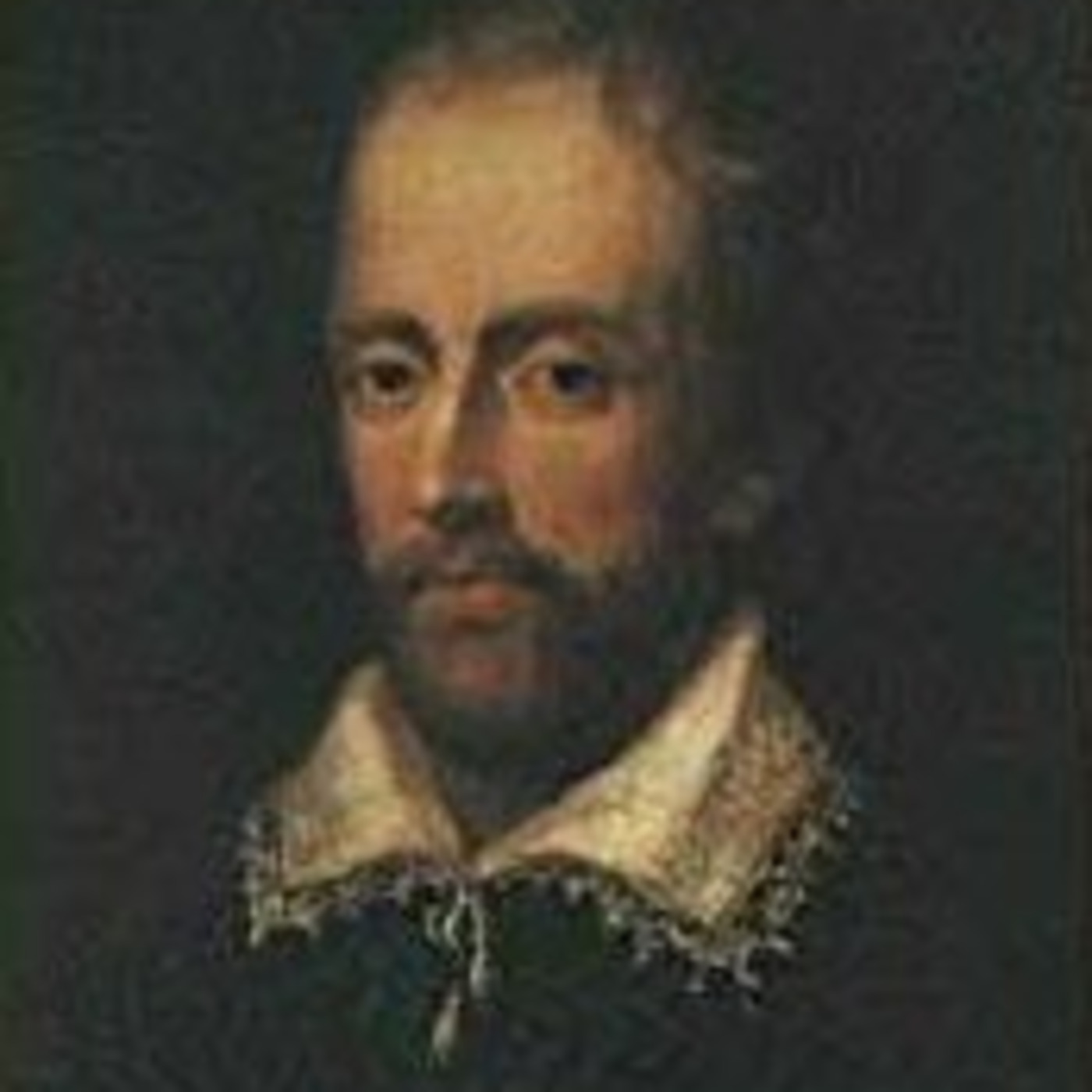
447. Sonnet 30 by Edmund Spenser (My love is like to ice and I to fire)
E Spenser read by Classic Poetry Aloud: Giving voice to the poetry of the past. www.classicpoetryaloud.com -------------------------------------------- Sonnet 30 by Edmund Spenser (1552 – 1599) My love is like to ice, and I to fire: How comes it then that this her cold so great Is not dissolved through my so hot desire, But harder grows the more I her entreat? Or how comes it that my exceeding heat Is not allayed by her heart-frozen cold, But that I burn much more in boiling sweat, And feel my flames augmented manifold? What more miraculous thing may be told, That fire, which all things melts, should harden ice, And ice, which is congealed with senseless cold, Should kindle fire by wonderful device? Such is the power of love in gentile mind, That it can alter all the course of kind. First aired: 26 January 2008 For hundreds more poetry readings, visit the Classic Poetry Aloud index. Reading © Classic Poetry Aloud 2009
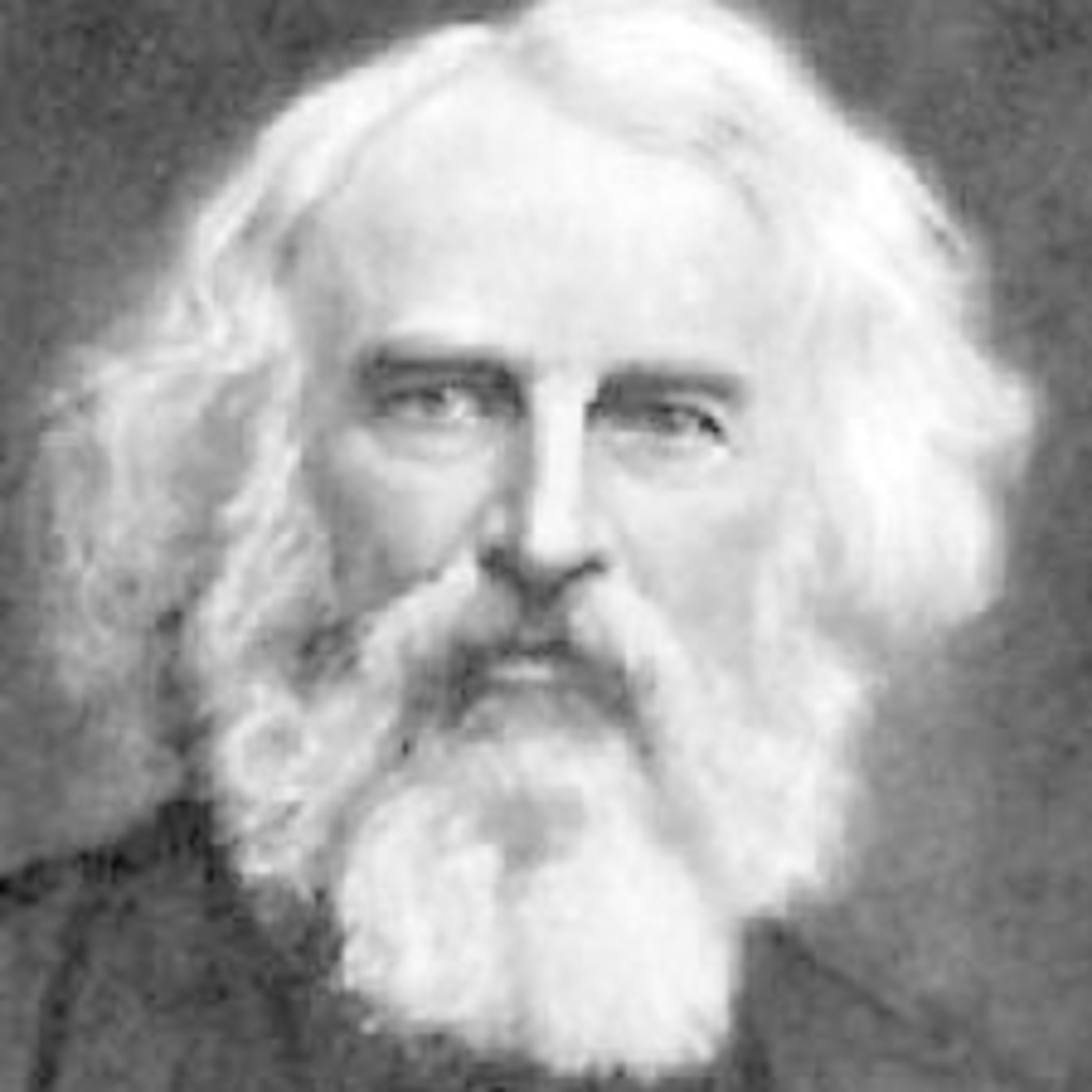
446. The Tide Rises The Tide Falls by Henry Wadsworth Longfellow
HW Longfellow read by Classic Poetry Aloud: Giving voice to the poetry of the past. www.classicpoetryaloud.com -------------------------------------------- The Tide Rises, The Tide Falls by Henry Wadsworth Longfellow (1807 – 1882) The tide rises, the tide falls, The twilight darkens, the curlew calls; Along the sea-sands damp and brown The traveller hastens toward the town, And the tide rises, the tide falls. Darkness settles on roofs and walls, But the sea, the sea in the darkness calls; The little waves, with their soft, white hands, Efface the footprints in the sands, And the tide rises, the tide falls. The morning breaks; the steeds in their stalls Stamp and neigh, as the hostler calls; The day returns, but nevermore Returns the traveller to the shore, And the tide rises, the tide falls. First aired: 25 January 2009 For hundreds more poetry readings, visit the Classic Poetry Aloud index. Reading © Classic Poetry Aloud 2009
445. Spleen by Ernest Dowson
E Dowson read by Classic Poetry Aloud: Giving voice to the poetry of the past. www.classicpoetryaloud.com -------------------------------------------- Spleen by Ernest Dowson (1867 – 1900) I was not sorrowful, I could not weep, And all my memories were put to sleep. I watched the river grow more white and strange, All day till evening I watched it change. All day till evening I watched the rain Beat wearily upon the window pane I was not sorrowful, but only tired Of everything that ever I desired. Her lips, her eyes, all day became to me The shadow of a shadow utterly. All day mine hunger for her heart became Oblivion, until the evening came, And left me sorrowful, inclined to weep, With all my memories that could not sleep. First aired: 24 January 2008 For hundreds more poetry readings, visit the Classic Poetry Aloud index. Reading © Classic Poetry Aloud 2009
444. Love's Philosophy by Percy Bysshe Shelley
PB Shelley read by Classic Poetry Aloud: Giving voice to the poetry of the past. www.classicpoetryaloud.com -------------------------------------------- Love's Philosophy by Percy Bysshe Shelley (1792 – 1822) The fountains mingle with the river And the rivers with the ocean, The winds of heaven mix for ever With a sweet emotion; Nothing in the world is single, All things by a law divine In one another's being mingle – Why not I with thine? See the mountains kiss high heaven, And the waves clasp one another; No sister-flower would be forgiven If it disdain'd its brother; And the sunlight clasps the earth, And the moonbeams kiss the sea – What are all these kissings worth, If thou kiss not me? First aired: 21 January 2008 For hundreds more poetry readings, visit the Classic Poetry Aloud index. Reading © Classic Poetry Aloud 2009
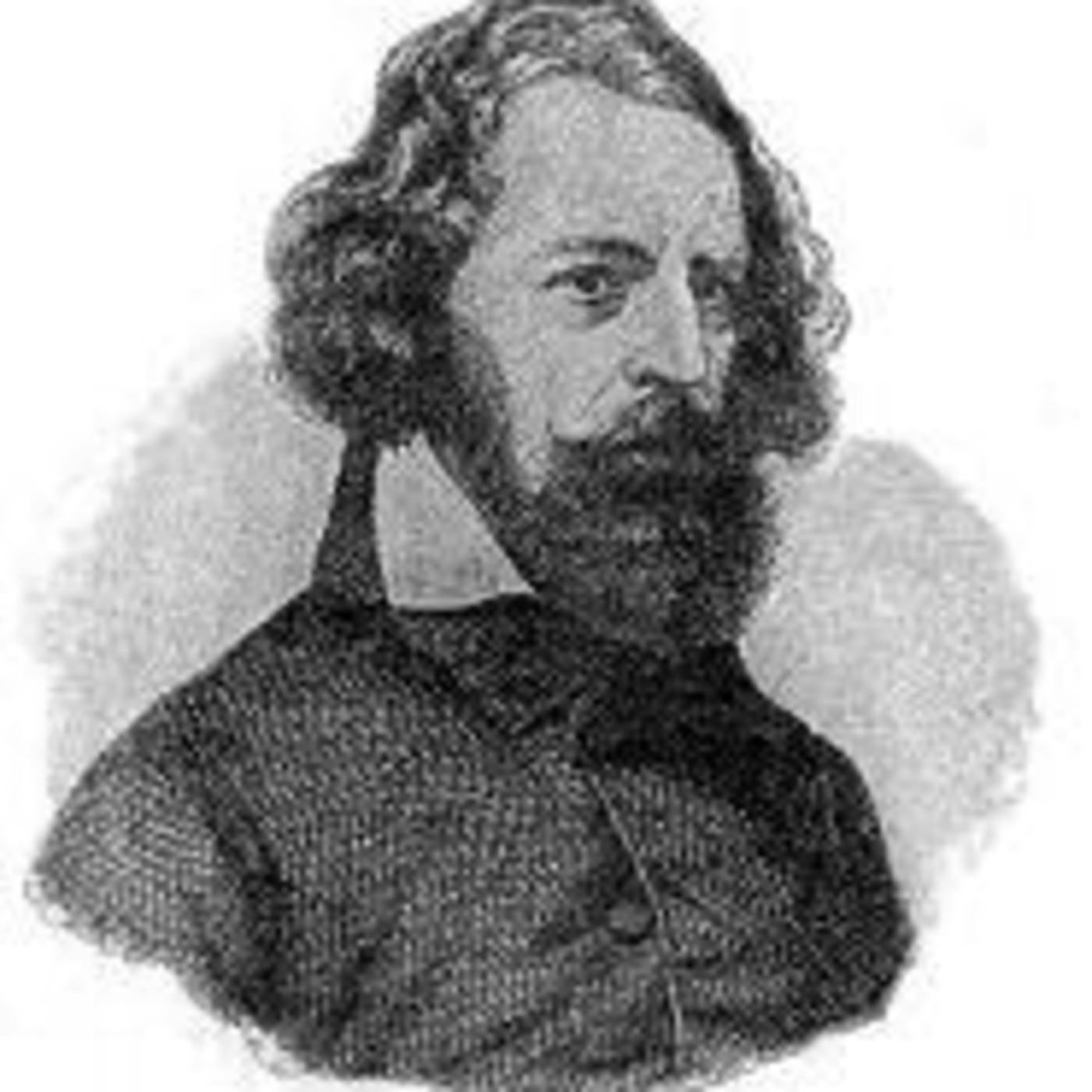
443. Blow Bugle Blow by Alfred Lord Tennyson
Lord Tennyson read by Classic Poetry Aloud: Giving voice to the poetry of the past. www.classicpoetryaloud.com -------------------------------------------- Blow, Bugle, Blow by Alfred, Lord Tennyson (1809 – 1892) The splendour falls on castle walls And snowy summits old in story: The long light shakes across the lakes, And the wild cataract leaps in glory. Blow, bugle, blow, set the wild echoes flying, Blow, bugle; answer, echoes, dying, dying, dying. O hark, O hear! how thin and clear, And thinner, clearer, farther going! O sweet and far from cliff and scar The horns of Elfland faintly blowing! Blow, let us hear the purple glens replying: Blow, bugle; answer, echoes, dying, dying, dying. O love, they die in yon rich sky, They faint on hill or field or river: Our echoes roll from soul to soul, And grow for ever and for ever. Blow, bugle, blow, set the wild echoes flying, And answer, echoes, answer, dying, dying, dying. First aired: 22 January 2008 For hundreds more poetry readings, visit the Classic Poetry Aloud index. Reading © Classic Poetry Aloud 2009
442. Platonic Love by Abraham Cowley
A Cowley read by Classic Poetry Aloud: Giving voice to the poetry of the past. www.classicpoetryaloud.com -------------------------------------------- Platonic Love by Abraham Cowley (1618 – 1667) Indeed I must confess, When souls mix 'tis an happiness, But not complete till bodies too do join, And both our wholes into one whole combine; But half of heaven the souls in glory taste Till by love in heaven at last Their bodies too are placed. In thy immortal part Man, as well as I, thou art. But something 'tis that differs thee and me, And we must one even in that difference be. I thee both as a man and woman prize, For a perfect love implies Love in all capacities. Can that for true love pass When a fair woman courts her glass? Something unlike must in love's likeness be: His wonder is one and variety. For he whose soul nought but a soul can move Does a new Narcissus prove, And his own image love. That souls do beauty know 'Tis to the body's help they owe; If when they know't they straight abuse that trust And shut the body from't, 'tis as unjust As if I brought my dearest friend to see My mistress and at th' instant he Should steal her quite from me. First aired: 18 January 2008 For hundreds more poetry readings, visit the Classic Poetry Aloud index. Reading © Classic Poetry Aloud 2009
441. The Garden of Love by William Blake
W Blake read by Classic Poetry Aloud: Giving voice to the poetry of the past. www.classicpoetryaloud.com -------------------------------------------- The Garden of Love by William Blake (1757 – 1827) I went to the Garden of Love, And saw what I never had seen; A Chapel was built in the midst, Where I used to play on the green. And the gates of this Chapel were shut, And 'Thou shalt not' writ over the door; So I turned to the Garden of Love That so many sweet flowers bore. And I saw it was filled with graves, And tombstones where flowers should be; And priests in black gowns were walking their rounds, And binding with briars my joys and desires. First aired: 21 January 2008 For hundreds more poetry readings, visit the Classic Poetry Aloud index. Reading © Classic Poetry Aloud 2009

440. Give Me Leave to Rail at You by John Wilmot
J Wilmott read by Classic Poetry Aloud: Giving voice to the poetry of the past. www.classicpoetryaloud.com -------------------------------------------- Give Me Leave to Rail at You by John Wilmot (1647 – 1680) Give me leave to rail at you, - I ask nothing but my due: To call you false, and then to say You shall not keep my heart a day. But alas! against my will I must be your captive still. Ah! be kinder, then, for I Cannot change, and would not die. Kindness has resistless charms; All besides but weakly move; Fiercest anger it disarms, And clips the wings of flying love. Beauty does the heart invade, Kindness only can persuade; It gilds the lover's servile chain, And makes the slave grow pleased again. First aired: January 2008 For hundreds more poetry readings, visit the Classic Poetry Aloud index. Reading © Classic Poetry Aloud 2009
439. Ozymandias by Horace Smith
H Smith read by Classic Poetry Aloud: Giving voice to the poetry of the past. www.classicpoetryaloud.com -------------------------------------------- Ozymandias by Horace Smith (1779 - 1849) In Egypt's sandy silence, all alone, Stands a gigantic Leg, which far off throws The only shadow that the Desart knows:— "I am great OZYMANDIAS ," saith the stone, "The King of Kings; this mighty City shows "The wonders of my hand."— The City's gone,— Nought but the Leg remaining to disclose The site of this forgotten Babylon. We wonder,—and some Hunter may express Wonder like ours, when thro' the wilderness Where London stood, holding the Wolf in chace, He meets some fragment huge, and stops to guess What powerful but unrecorded race Once dwelt in that annihilated place. First aired: 16 January 2008 For hundreds more poetry readings, visit the Classic Poetry Aloud index. Reading © Classic Poetry Aloud 2009
437. We'll Go No More A-Roving by Lord Byron
Lord Byron read by Classic Poetry Aloud: Giving voice to the poetry of the past. www.classicpoetryaloud.com -------------------------------------------- We'll Go No More A-Roving by Lord Byron (1788 – 1824) So, we'll go no more a-roving So late into the night, Though the heart be still as loving, And the moon be still as bright. For the sword outwears its sheath, And the soul wears out the breast, And the heart must pause to breathe, And love itself have rest. Though the night was made for loving, And the day returns too soon, Yet we'll go no more a-roving By the light of the moon. First aired: 27 February 2009 For hundreds more poetry readings, visit the Classic Poetry Aloud index. Reading © Classic Poetry Aloud 2009
436. Rain by Edward Thomas
E Thomas read by Classic Poetry Aloud: Giving voice to the poetry of the past. www.classicpoetryaloud.com -------------------------------------------- Rain by Edward Thomas (1878 – 1917) Rain, midnight rain, nothing but the wild rain On this bleak hut, and solitude, and me Remembering again that I shall die And neither hear the rain nor give it thanks For washing me cleaner than I have been Since I was born into this solitude. Blessed are the dead that the rain rains upon: But here I pray that none whom once I loved Is dying to-night or lying still awake Solitary, listening to the rain, Either in pain or thus in sympathy Helpless among the living and the dead, Like a cold water among broken reeds, Myriads of broken reeds all still and stiff, Like me who have no love which this wild rain Has not dissolved except the love of death, If love it be towards what is perfect and Cannot, the tempest tells me, disappoint. First aired: 27 February 2009 For hundreds more poetry readings, visit the Classic Poetry Aloud index. Reading © Classic Poetry Aloud 2009
435. What if a Day by Thomas Campion
T Campion read by Classic Poetry Aloud: Giving voice to the poetry of the past. www.classicpoetryaloud.com -------------------------------------------- What if a Day by Thomas Campion (1567 – 1620) What if a day, or a month, or a year Crown thy delights with a thousand sweet contentings? Cannot a chance of a night or an hour Cross thy desires with as many sad tormentings? Fortune, honor, beauty, youth Are but blossoms dying; Wanton pleasure, doting love Are but shadows flying. All our joys are but toys, Idle thoughts deceiving; None have power of an hour In their lives’ bereaving. Earth’s but a point to the world, and a man Is but a point to the world’s compare´d centure; Shall then the point of a point be so vain As to triumph in a sely point’s adventure? As is hazard that we have, There is nothing biding; Days of pleasure are like streams Through fair meadows gliding. Weal and woe, time doth go, Time is never turning; Secret fates guide our states, Both in mirth and mourning. First aired: 25 February 2009 For hundreds more poetry readings, visit the Classic Poetry Aloud index. Reading © Classic Poetry Aloud 2009
434. When I was One-and-Twenty by AE Housman
AE Housman read by Classic Poetry Aloud: Giving voice to the poetry of the past. www.classicpoetryaloud.com -------------------------------------------- When I was One-and-Twenty by AE Housman (1859 – 1936) When I was one-and-twenty I heard a wise man say, ‘Give crowns and pounds and guineas But not your heart away; Give pearls away and rubies But keep your fancy free.’ But I was one-and-twenty, No use to talk to me. When I was one-and-twenty I heard him say again, ‘The heart out of the bosom Was never given in vain; ’Tis paid with sighs a plenty And sold for endless rue.’ And I am two-and-twenty, And oh, ’tis true, ’tis true. First aired: 15 January 2008 For hundreds more poetry readings, visit the Classic Poetry Aloud index. Reading © Classic Poetry Aloud 2009
434. Count That Day Lost by George Eliot
G Eliot (Mary Ann Evans)read by Classic Poetry Aloud: Giving voice to the poetry of the past. www.classicpoetryaloud.com -------------------------------------------- Count That Day Lost by George Eliot (Mary Ann Evans) (1819 – 1880) If you sit down at set of sun And count the acts that you have done, And, counting, find One self-denying deed, one word That eased the heart of him who heard, One glance most kind That fell like sunshine where it went - Then you may count that day well spent. But if, through all the livelong day, You've cheered no heart, by yea or nay - If, through it all You've nothing done that you can trace That brought the sunshine to one face- No act most small That helped some soul and nothing cost - Then count that day as worse than lost. First aired: 12 January 2008 For hundreds more poetry readings, visit the Classic Poetry Aloud index. Reading © Classic Poetry Aloud 2009
433. from the Eve of St Agnes by John Keats
J Keats read by Classic Poetry Aloud: Giving voice to the poetry of the past. www.classicpoetryaloud.com -------------------------------------------- fromThe Eve of St. Agnes by John Keats (1795 – 1821) XXXIII Awakening up, he took her hollow lute,— Tumultuous,—and, in chords that tenderest be, He play’d an ancient ditty, long since mute, In Provence call’d, “La belle dame sans mercy:” Close to her ear touching the melody;— Wherewith disturb’d, she utter’d a soft moan: He ceased—she panted quick—and suddenly Her blue affrayed eyes wide open shone: Upon his knees he sank, pale as smooth-sculptured stone. XXXIV Her eyes were open, but she still beheld, Now wide awake, the vision of her sleep: There was a painful change, that nigh expell’d The blisses of her dream so pure and deep At which fair Madeline began to weep, And moan forth witless words with many a sigh; While still her gaze on Porphyro would keep; Who knelt, with joined hands and piteous eye, Fearing to move or speak, she look’d so dreamingly. XXXV “Ah, Porphyro!” said she, “but even now “Thy voice was at sweet tremble in mine ear, “Made tuneable with every sweetest vow; “And those sad eyes were spiritual and clear: “How chang’d thou art! how pallid, chill, and drear! “Give me that voice again, my Porphyro, “Those looks immortal, those complainings dear! “Oh leave me not in this eternal woe, “For if thou diest, my Love, I know not where to go.” XXXVI Beyond a mortal man impassion’d far At these voluptuous accents, he arose, Ethereal, flush’d, and like a throbbing star Seen mid the sapphire heaven’s deep repose; Into her dream he melted, as the rose Blendeth its odour with the violet,— Solution sweet: meantime the frost-wind blows Like Love’s alarum pattering the sharp sleet Against the window-panes; St. Agnes’ moon hath set. First aired: 20 February 2009 For hundreds more poetry readings, visit the Classic Poetry Aloud index. Reading © Classic Poetry Aloud 2009
432. Forget Not Yet by Sir Thomas Wyatt
Sir T Wyatt read by Classic Poetry Aloud: Giving voice to the poetry of the past. www.classicpoetryaloud.com -------------------------------------------- Forget not yet by Sir Thomas Wyatt (1503 – 1542) The Lover Beseecheth his Mistress not to Forget his Steadfast Faith and True Intent Forget not yet the tried intent Of such a truth as I have meant; My great travail so gladly spent, Forget not yet! Forget not yet when first began The weary life ye know, since whan The suit, the service, none tell can; Forget not yet! Forget not yet the great assays, The cruel wrong, the scornful ways, The painful patience in delays, Forget not yet! Forget not! O, forget not this!— How long ago hath been, and is, The mind that never meant amiss— Forget not yet! Forget not then thine own approved, The which so long hath thee so loved, Whose steadfast faith yet never moved: Forget not this! First aired: 9 January 2008 For hundreds more poetry readings, visit the Classic Poetry Aloud index. Reading © Classic Poetry Aloud 2009
431. The Bracelet: To Julia by Robert Herrick
R Herrick read by Classic Poetry Aloud: Giving voice to the poetry of the past. www.classicpoetryaloud.com -------------------------------------------- The Bracelet: To Julia by Robert Herrick (1591 – 1674) Why I tie about thy wrist, Julia, this silken twist; For what other reason is 't But to show thee how, in part, Thou my pretty captive art? But thy bond-slave is my heart: 'Tis but silk that bindeth thee, Knap the thread and thou art free; But 'tis otherwise with me: —I am bound and fast bound, so That from thee I cannot go; If I could, I would not so. First aired: 6 January 2008 For hundreds more poetry readings, visit the Classic Poetry Aloud index. Reading © Classic Poetry Aloud 2009
430. Oxford Canal by James Elroy Flecker
JE Flecker read by Classic Poetry Aloud: Giving voice to the poetry of the past. www.classicpoetryaloud.com -------------------------------------------- Oxford Canal by James Elroy Flecker (1884 – 1915) When you have wearied of the valiant spires of this County Town, Of its wide white streets and glistening museums, and black monastic walls, Of its red motors and lumbering trains, and self-sufficient people, I will take you walking with me to a place you have not seen — Half town and half country—the land of the Canal. It is dearer to me than the antique town: I love it more than the rounded hills: Straightest, sublimest of rivers is the long Canal. I have observed great storms and trembled: I have wept for fear of the dark. But nothing makes me so afraid as the clear water of this idle canal on a summer's noon. Do you see the great telegraph poles down in the water, how every wire is distinct? If a body fell into the canal it would rest entangled in those wires for ever, between earth and air. For the water is as deep as the stars are high. One day I was thinking how if a man fell from that lofty pole He would rush through the water toward me till his image was scattered by his splash, When suddenly a train rushed by: the brazen dome of the engine flashed: the long white carriages roared; The sun veiled himself for a moment, and the signals loomed in fog; A savage woman screamed at me from a barge: little children began to cry; The untidy landscape rose to life: a sawmill started; A cart rattled down to the wharf, and workmen clanged over the iron footbridge; A beautiful old man nodded from the first story window of a square red house, And a pretty girl came out to hang up clothes in a small delightful garden. O strange motion in the suburb of a county town: slow regular movement of the dance of death! Men and not phantoms are these that move in light. Forgotten they live, and forgotten die. First aired: January 2008 For hundreds more poetry readings, visit the Classic Poetry Aloud index. Reading © Classic Poetry Aloud 2009
428. Can Life be a Blessing by John Henry Dryden
JH Dryden read by Classic Poetry Aloud: Giving voice to the poetry of the past. www.classicpoetryaloud.com -------------------------------------------- Can Life be a Blessing by John Henry Dryden (1631 – 1700) Can life be a blessing, Or worth the possessing, Can life be a blessing if love were away? Ah no! though our love all night keep us waking, And though he torment us with cares all the day, Yet he sweetens, he sweetens our pains in the taking, There's an hour at the last, there's an hour to repay. In ev'ry possessing, The ravishing blessing, In ev'ry possessing the fruit of our pain, Poor lovers forget long ages of anguish, Whate'er they have suffer'd and done to obtain; 'Tis a pleasure, a pleasure to sigh and to languish, When we hope, when we hope to be happy again. First aired: 31 December 2007 For hundreds more poetry readings, visit the Classic Poetry Aloud index. Reading © Classic Poetry Aloud 2009
427. Summer And Winter by Percy Bysshe Shelley
PB Shelley read by Classic Poetry Aloud: Giving voice to the poetry of the past. www.classicpoetryaloud.com -------------------------------------------- Summer And Winter by Percy Bysshe Shelley (1792 – 1822) It was a bright and cheerful afternoon, Towards the end of the sunny month of June, When the north wind congregates in crowds The floating mountains of the silver clouds From the horizon--and the stainless sky Opens beyond them like eternity. All things rejoiced beneath the sun; the weeds, The river, and the cornfields, and the reeds; The willow leaves that glanced in the light breeze, And the firm foliage of the larger trees. It was a winter such as when birds die In the deep forests; and the fishes lie Stiffened in the translucent ice, which makes Even the mud and slime of the warm lakes A wrinkled clod as hard as brick; and when, Among their children, comfortable men Gather about great fires, and yet feel cold: Alas, then, for the homeless beggar old! First aired: 28 December 2007 For hundreds more poetry readings, visit the Classic Poetry Aloud index. Reading © Classic Poetry Aloud 2009
426. Sonnets from the Portuguese V When our two souls by Elizabeth Barrett Browning
EB Browning read by Classic Poetry Aloud: Giving voice to the poetry of the past. www.classicpoetryaloud.com -------------------------------------------- Sonnets from the Portuguese V by Elizabeth Barrett Browning (1806 – 1861) When our two souls stand up erect and strong, Face to face, silent, drawing nigh and nigher, Until the lengthening wings break into fire At either curving point,—what bitter wrong Can the earth do us, that we should not long Be here contented? Think! In mounting higher, The angels would press on us, and aspire To drop some golden orb of perfect song Into our deep, dear silence. Let us stay Rather on earth, Belovèd—where the unfit Contrarious moods of men recoil away And isolate pure spirits, and permit A place to stand and love in for a day, With darkness and the death-hour rounding it. First aired: 6 March 2008 For hundreds more poetry readings, visit the Classic Poetry Aloud index. Reading © Classic Poetry Aloud 2009
425. Unfolded Out of the Folds by Walt Whitman
W Whitman read by Classic Poetry Aloud: Giving voice to the poetry of the past. www.classicpoetryaloud.com -------------------------------------------- Unfolded Out of the Folds by Walt Whitman (1819 – 1892) Unfolded out of the folds of the woman, man comes unfolded, and is always to come unfolded; Unfolded only out of the superbest woman of the earth, is to come the superbest man of the earth; Unfolded out of the friendliest woman, is to come the friendliest man; Unfolded only out of the perfect body of a woman, can a man be form’d of perfect body; Unfolded only out of the inimitable poem of the woman, can come the poems of man—(only thence have my poems come; ) Unfolded out of the strong and arrogant woman I love, only thence can appear the strong and arrogant man I love; Unfolded by brawny embraces from the well-muscled woman I love, only thence come the brawny embraces of the man; Unfolded out of the folds of the woman’s brain, come all the folds of the man’s brain, duly obedient; Unfolded out of the justice of the woman, all justice is unfolded; Unfolded out of the sympathy of the woman is all sympathy: A man is a great thing upon the earth, and through eternity — but every jot of the greatness of man is unfolded out of woman, First the man is shaped in the woman, he can then be shaped in himself. First aired: 19 February 2008 For hundreds more poetry readings, visit the Classic Poetry Aloud index. Reading © Classic Poetry Aloud 2009
424. Unsolved by John McCrae
J McCrae read by Classic Poetry Aloud: Giving voice to the poetry of the past. www.classicpoetryaloud.com -------------------------------------------- Unsolved by John McCrae (1872 – 1918) Amid my books I lived the hurrying years, Disdaining kinship with my fellow man; Alike to me were human smiles and tears, I cared not whither Earth's great life-stream ran, Till as I knelt before my mouldered shrine, God made me look into a woman's eyes; And I, who thought all earthly wisdom mine, Knew in a moment that the eternal skies Were measured but in inches, to the quest That lay before me in that mystic gaze. "Surely I have been errant: it is best That I should tread, with men their human ways." God took the teacher, ere the task was learned, And to my lonely books again I turned. First aired: 19 February 2008 For hundreds more poetry readings, visit the Classic Poetry Aloud index. Reading © Classic Poetry Aloud 2009
423. I am as I am by Sir Thomas Wyatt
T Wyatt read by Classic Poetry Aloud: Giving voice to the poetry of the past. www.classicpoetryaloud.com -------------------------------------------- I am as I am by Sir Thomas Wyatt (1503 – 1542) I am as I am and so will I be But how that I am none knoweth truly, Be it evil be it well, be I bond be I free I am as I am and so will I be. I lead my life indifferently, I mean nothing but honestly, And though folks judge diversely, I am as I am and so will I die. I do not rejoice nor yet complain, Both mirth and sadness I do refrain, And use the mean since folks will fain Yet I am as I am be it pleasure or pain. Divers do judge as they do true, Some of pleasure and some of woe, Yet for all that no thing they know, But I am as I am wheresoever I go. But since judgers do thus decay, Let every man his judgement say: I will it take in sport and play, For I am as I am who so ever say nay. Who judgeth well, well God him send; Who judgeth evil, God them amend; To judge the best therefore intend, For I am as I am and so will I end. Yet some that be that take delight To judge folks thought for envy and spite, But whether they judge me wrong or right, I am as I am and so do I write. Praying you all that this do read, To trust it as you do your creed, And not to think I change my weed, For I am as I am however I speed. But how that is I leave to you; Judge as ye list, false or true; Ye know no more than afore ye knew; Yet I am as I am whatever ensue. And from this mind I will not flee, But to you all that misjudge me, I do protest as ye may see, That I am as I am and so will I be. First aired: 18 February 2008 For hundreds more poetry readings, visit the Classic Poetry Aloud index. Reading © Classic Poetry Aloud 2009
422. Ode to a Nightingale by John Keats
J Keats read by Classic Poetry Aloud: Giving voice to the poetry of the past. www.classicpoetryaloud.com -------------------------------------------- Ode to a Nightingale by John Keats. (1795–1821) My heart aches, and a drowsy numbness pains My sense, as though of hemlock I had drunk, Or emptied some dull opiate to the drains One minute past, and Lethe-wards had sunk: 'Tis not through envy of thy happy lot, But being too happy in thine happiness, That thou, light-wingèd Dryad of the trees, In some melodious plot Of beechen green, and shadows numberless, Singest of summer in full-throated ease. O for a draught of vintage! that hath been Cool'd a long age in the deep-delvèd earth, Tasting of Flora and the country-green, Dance, and Provençal song, and sunburnt mirth! O for a beaker full of the warm South! Full of the true, the blushful Hippocrene, With beaded bubbles winking at the brim, And purple-stainèd mouth; That I might drink, and leave the world unseen, And with thee fade away into the forest dim: Fade far away, dissolve, and quite forget What thou among the leaves hast never known, The weariness, the fever, and the fret Here, where men sit and hear each other groan; Where palsy shakes a few, sad, last grey hairs, Where youth grows pale, and spectre-thin, and dies; Where but to think is to be full of sorrow And leaden-eyed despairs; Where beauty cannot keep her lustrous eyes, Or new Love pine at them beyond to-morrow. Away! away! for I will fly to thee, Not charioted by Bacchus and his pards, But on the viewless wings of Poesy, Though the dull brain perplexes and retards: Already with thee! tender is the night, And haply the Queen-Moon is on her throne, Cluster'd around by all her starry Fays But here there is no light, Save what from heaven is with the breezes blown Through verdurous glooms and winding mossy ways. I cannot see what flowers are at my feet, Nor what soft incense hangs upon the boughs, But, in embalmèd darkness, guess each sweet Wherewith the seasonable month endows The grass, the thicket, and the fruit-tree wild; White hawthorn, and the pastoral eglantine; Fast-fading violets cover'd up in leaves; And mid-May's eldest child, The coming musk-rose, full of dewy wine, The murmurous haunt of flies on summer eves. Darkling I listen; and, for many a time I have been half in love with easeful Death, Call'd him soft names in many a musèd rhyme, To take into the air my quiet breath; Now more than ever seems it rich to die, To cease upon the midnight with no pain, While thou art pouring forth thy soul abroad In such an ecstasy! Still wouldst thou sing, and I have ears in vain— To thy high requiem become a sod. Thou wast not born for death, immortal Bird! No hungry generations tread thee down; The voice I hear this passing night was heard In ancient days by emperor and clown: Perhaps the self-same song that found a path Through the sad heart of Ruth, when, sick for home, She stood in tears amid the alien corn; The same that ofttimes hath Charm'd magic casements, opening on the foam Of perilous seas, in faery lands forlorn. Forlorn! the very word is like a bell To toll me back from thee to my sole self! Adieu! the fancy cannot cheat so well As she is famed to do, deceiving elf. Adieu! adieu! thy plaintive anthem fades Past the near meadows, over the still stream, Up the hill-side; and now 'tis buried deep In the next valley-glades: Was it a vision, or a waking dream? Fled is that music:—do I wake or sleep? First aired: 7 February 2009 For hundreds more poetry readings, visit the Classic Poetry Aloud index. Reading © Classic Poetry Aloud 2009
421. Cards and Kisses by John Lyly
Cards And Kisses by: John Lyly J Lyly read by Classic Poetry Aloud: Giving voice to the poetry of the past. www.classicpoetryaloud.com -------------------------------------------- Cards And Kisses by John Lyly (1553-1606) Cupid and my Campaspe play'd At cards for kisses--Cupid paid: He stakes his quiver, bow, and arrows, His mother's doves, and team of sparrows; Loses them too; then down he throws The coral of his lips, the rose Growing on's cheek (but none knows how); With these, the crystal of his brow, And then the dimple of his chin: All these did my Campaspe win. At last he set her both his eyes-- She won, and Cupid blind did rise. O Love! has she done this for thee? What shall, alas! become of me? First aired: 6 February 2009 For hundreds more poetry readings, visit the Classic Poetry Aloud index. Reading © Classic Poetry Aloud 2009
420. On the Grasshopper and Cricket by John Keats
J Keats read by Classic Poetry Aloud: Giving voice to the poetry of the past. www.classicpoetryaloud.com -------------------------------------------- On the Grasshopper and the Cricket by John Keats (1795–1821) The poetry of earth is never dead: When all the birds are faint with the hot sun, And hide in cooling trees, a voice will run From hedge to hedge about the new-mown mead; That is the Grasshopper’s—he takes the lead In summer luxury,—he has never done With his delights; for when tired out with fun He rests at ease beneath some pleasant weed. The poetry of earth is ceasing never: On a lone winter evening, when the frost Has wrought a silence, from the stove there shrills The Cricket’s song, in warmth increasing ever, And seems to one in drowsiness half lost, The Grasshopper’s among some grassy hills. December 30, 1816. First aired: 4 February 2009 For hundreds more poetry readings, visit the Classic Poetry Aloud index. Reading © Classic Poetry Aloud 2009