Classic Poetry Aloud
609 episodes — Page 5 of 13
419. from The Ballard of Reading Gaol by Oscar Wilde
O Wilde read by Classic Poetry Aloud: Giving voice to the poetry of the past. www.classicpoetryaloud.com -------------------------------------------- fromThe Ballard of Reading Gaol by Oscar Wilde (1854 – 1900) He did not wear his scarlet coat, For blood and wine are red, And blood and wine were on his hands When they found him with the dead, The poor dead woman whom he loved, And murdered in her bed. He walked amongst the Trial Men In a suit of shabby grey; A cricket cap was on his head, And his step seemed light and gay; But I never saw a man who looked So wistfully at the day. I never saw a man who looked With such a wistful eye Upon that little tent of blue Which prisoners call the sky, And at every drifting cloud that went With sails of silver by. I walked, with other souls in pain, Within another ring, And was wondering if the man had done A great or little thing, When a voice behind me whispered low, "That fellow’s got to swing." Dear Christ! the very prison walls Suddenly seemed to reel, And the sky above my head became Like a casque of scorching steel; And, though I was a soul in pain, My pain I could not feel. I only knew what hunted thought Quickened his step, and why He looked upon the garish day With such a wistful eye; The man had killed the thing he loved And so he had to die. Yet each man kills the thing he loves By each let this be heard, Some do it with a bitter look, Some with a flattering word, The coward does it with a kiss, The brave man with a sword! Some kill their love when they are young, And some when they are old; Some strangle with the hands of Lust, Some with the hands of Gold: The kindest use a knife, because The dead so soon grow cold. Some love too little, some too long, Some sell, and others buy; Some do the deed with many tears, And some without a sigh: For each man kills the thing he loves, Yet each man does not die. He does not die a death of shame On a day of dark disgrace, Nor have a noose about his neck, Nor a cloth upon his face, Nor drop feet foremost through the floor Into an empty place. First aired: 16 February 2008 For hundreds more poetry readings, visit the Classic Poetry Aloud index. Reading © Classic Poetry Aloud 2009
418. I Have a Rendezvous with Death by Alan Seeger
A Seeger read by Classic Poetry Aloud: Giving voice to the poetry of the past. www.classicpoetryaloud.com -------------------------------------------- I Have a Rendezvous with Death by Alan Seeger (1888 – 1916) I have a rendezvous with Death At some disputed barricade, When Spring comes back with rustling shade And apple-blossoms fill the air – I have a rendezvous with Death When Spring brings back blue days and fair. It may be he shall take my hand And lead me into his dark land And close my eyes and quench my breath – It may be I shall pass him still. I have a rendezvous with Death On some scarred slope of battered hill, When Spring comes round again this year And the first meadow-flowers appear. God knows 'twere better to be deep Pillowed in silk and scented down, Where love throbs out in blissful sleep, Pulse nigh to pulse, and breath to breath, Where hushed awakenings are dear... But I've a rendezvous with Death At midnight in some flaming town, When Spring trips north again this year, And I to my pledged word am true, I shall not fail that rendezvous. First aired: 15 February 2008 For hundreds more poetry readings, visit the Classic Poetry Aloud index. Reading © Classic Poetry Aloud 2009
417. Reunited by Ella Wheeler Wilcox
EW Wilcox read by Classic Poetry Aloud: Giving voice to the poetry of the past. www.classicpoetryaloud.com -------------------------------------------- Reunited by Ella Wheeler Wilcox (1855 – 1919) Let us begin, dear love, where we left off; Tie up the broken threads of that old dream, And go on happy as before, and seem Lovers again, though all the world may scoff. Let us forget the graves which lie between Our parting and our meeting, and the tears That rusted out the gold-work of the years, The frosts that fell upon our gardens green. Let us forget the cold, malicious Fate Who made our loving hearts her idle toys, And once more revel in the old sweet joys Of happy love. Nay, it is not too late! Forget the deep-ploughed furrows in my brow; Forget the silver gleaming in my hair; Look only in my eyes! Oh! darling, there The old love shone no warmer then than now. Down in the tender deeps of thy dear eyes I find the lost sweet memory of my youth, Bright with the holy radiance of thy truth, And hallowed with the blue of summer skies. Tie up the broken threads and let us go, Like reunited lovers, hand in hand, Back, and yet onward, to the sunny land Of our To Be, which was our Long Ago. First aired: 13 February 2008 For hundreds more poetry readings, visit the Classic Poetry Aloud index. Reading © Classic Poetry Aloud 2009
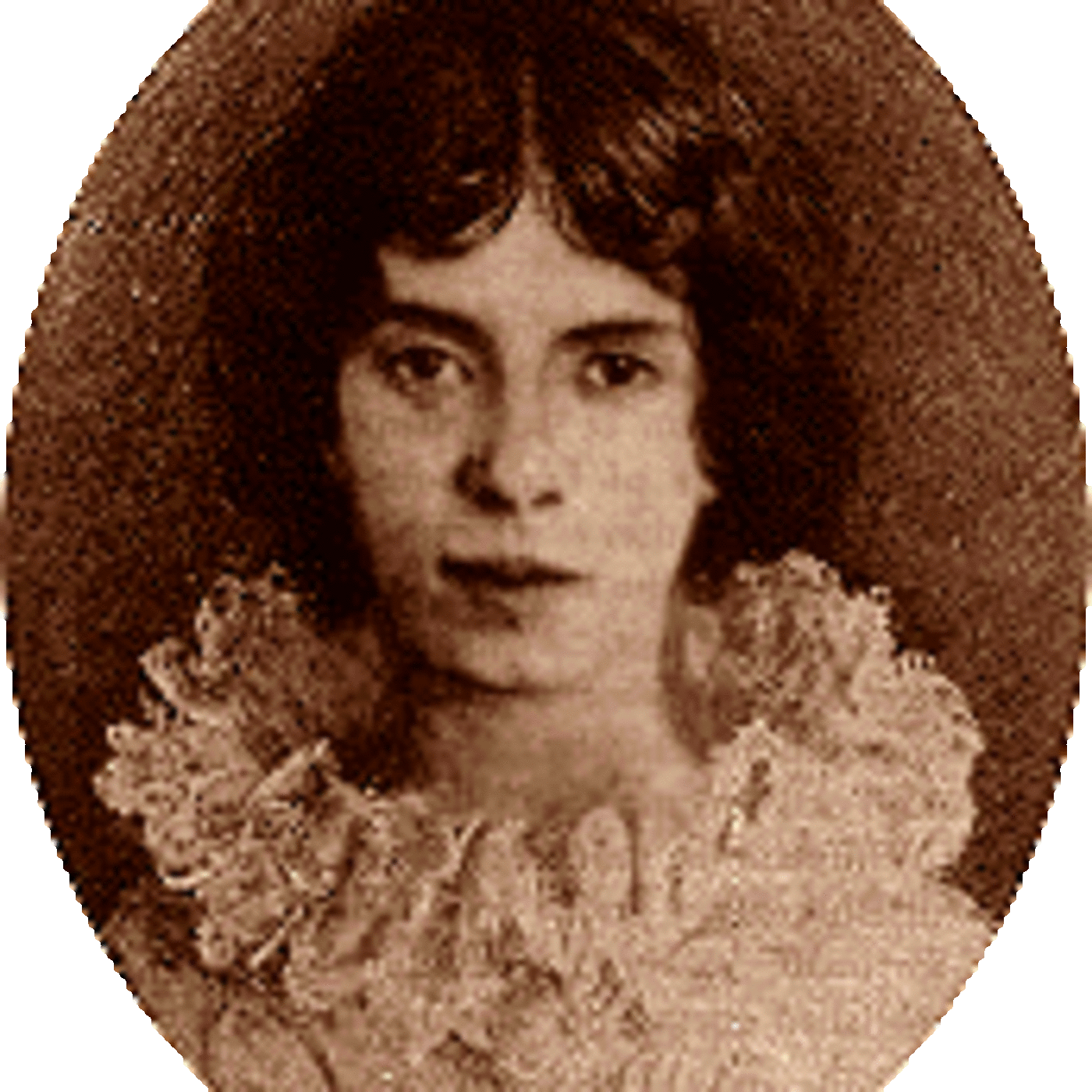
416. Surrender by Emily Dickinson
E Dickinson read by Classic Poetry Aloud: Giving voice to the poetry of the past. www.classicpoetryaloud.com -------------------------------------------- Surrender by Emily Dickinson (1830 – 1886) Doubt me, my dim companion! Why, God would be content With but a fraction of the love Poured thee without a stint. The whole of me, forever, What more the woman can, -- Say quick, that I may dower thee With last delight I own! It cannot be my spirit, For that was thine before; I ceded all of dust I knew, -- What opulence the more Had I, a humble maiden, Whose farthest of degree Was that she might, Some distant heaven, Dwell timidly with thee! First aired: 11 February 2008 For hundreds more poetry readings, visit the Classic Poetry Aloud index. Reading © Classic Poetry Aloud 2009
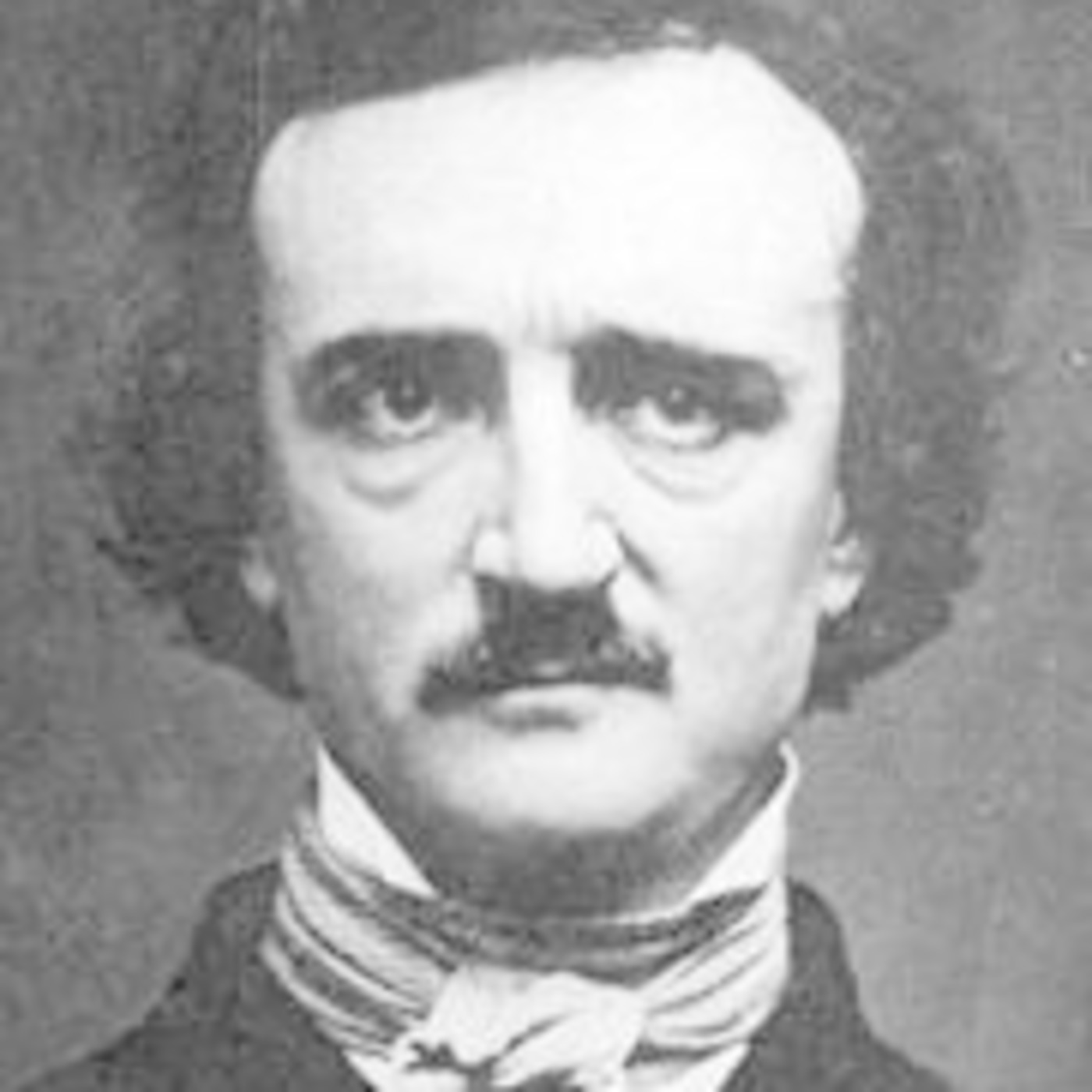
414. To Science by Edgar Allan Poe
EA Poe read by Classic Poetry Aloud: Giving voice to the poetry of the past. www.classicpoetryaloud.com -------------------------------------------- To Science by Edgar Allan Poe (1809-1849) Science! True daughter of Old Time thou art! Who alterest all things with thy peering eyes. Why preyest thou thus upon the poet's heart, Vulture, whose wings are dull realities? How should he love thee? or how deem thee wise, Who wouldst not leave him in his wandering To seek for treasure in the jewelled skies, Albeit he soared with an undaunted wing? Hast thou not dragged Diana from her car? And driven the Hamadryad from the wood To seek a shelter in some happier star? Hast thou not torn the Naiad from her flood, The Elfin from the green grass, and from me The summer dream beneath the tamarind tree? First aired: 27 January 2009 For hundreds more poetry readings, visit the Classic Poetry Aloud index. Reading © Classic Poetry Aloud 2009
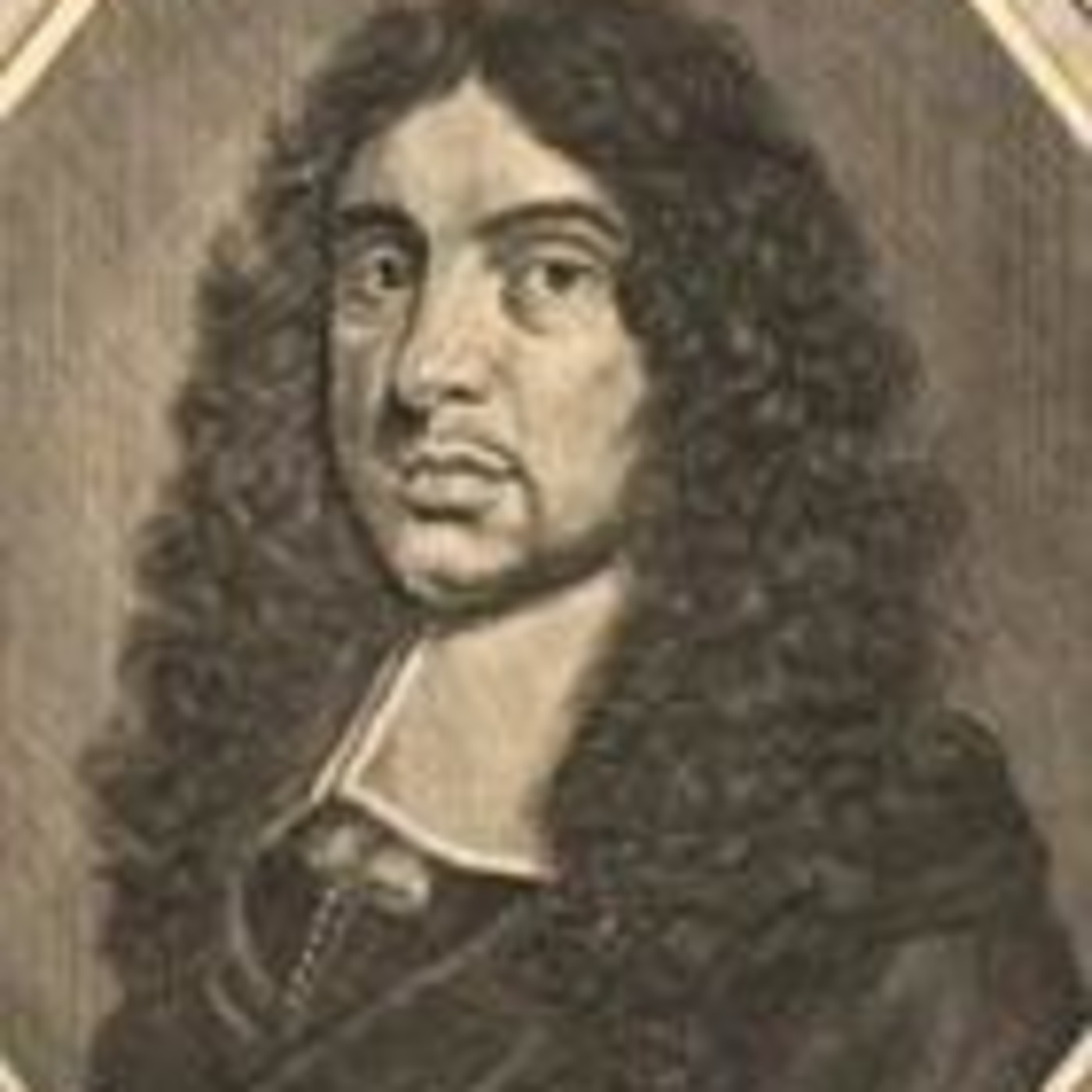
413. The Fair Singer by Andrew Marvell
A Marvell read by Classic Poetry Aloud: Giving voice to the poetry of the past. www.classicpoetryaloud.com -------------------------------------------- The Fair Singer by Andrew Marvell (1621 – 1678) To make a final conquest of all me, Love did compose so sweet an enemy, In whom both beauties to my death agree, Joining themselves in fatal harmony; That, while she with her eyes my heart does bind, She with her voice might captivate my mind. I could have fled from one but singly fair ; My disentangled soul itself might save, Breaking the curlèd trammels of her hair ; But how should I avoid to be her slave, When subtle art invisibly can wreathe My fetters of the very air I breathe ? It had been easy fighting in some plain, Where victory might hang in equal choice, But all resistance against her is vain, Who has the advantage both of eyes and voice; And all my forces needs must be undone, She having gained both the wind and sun. First aired: 9 February 2008 For hundreds more poetry readings, visit the Classic Poetry Aloud index. Reading © Classic Poetry Aloud 2009
412. My Luve's Like a Red, Red Rose by Robert Burns
R Burns read by Classic Poetry Aloud: Giving voice to the poetry of the past. www.classicpoetryaloud.com -------------------------------------------- My Luve's Like a Red, Red Rose by Robert Burns (1759 –1896) My luve's like a red, red rose, That's newly sprung in June. My luve's like the melodie, That's sweetly play'd in tune. As fair art thou, my bonie lass, So deep in luve am I, And I will luve thee still, my Dear, Till a' the seas gang dry. Till a' the seas gang dry, my Dear, And the rocks melt wi' the sun! O I will luve thee still, my Dear, While the sands o' life shall run. And fare-thee-weel, my only Luve, And fare-thee-weel a while! And I will come again, my Luve, Tho' it were ten thousand mile! First aired: 25 January 2009 For hundreds more poetry readings, visit the Classic Poetry Aloud index. Reading © Classic Poetry Aloud 2009
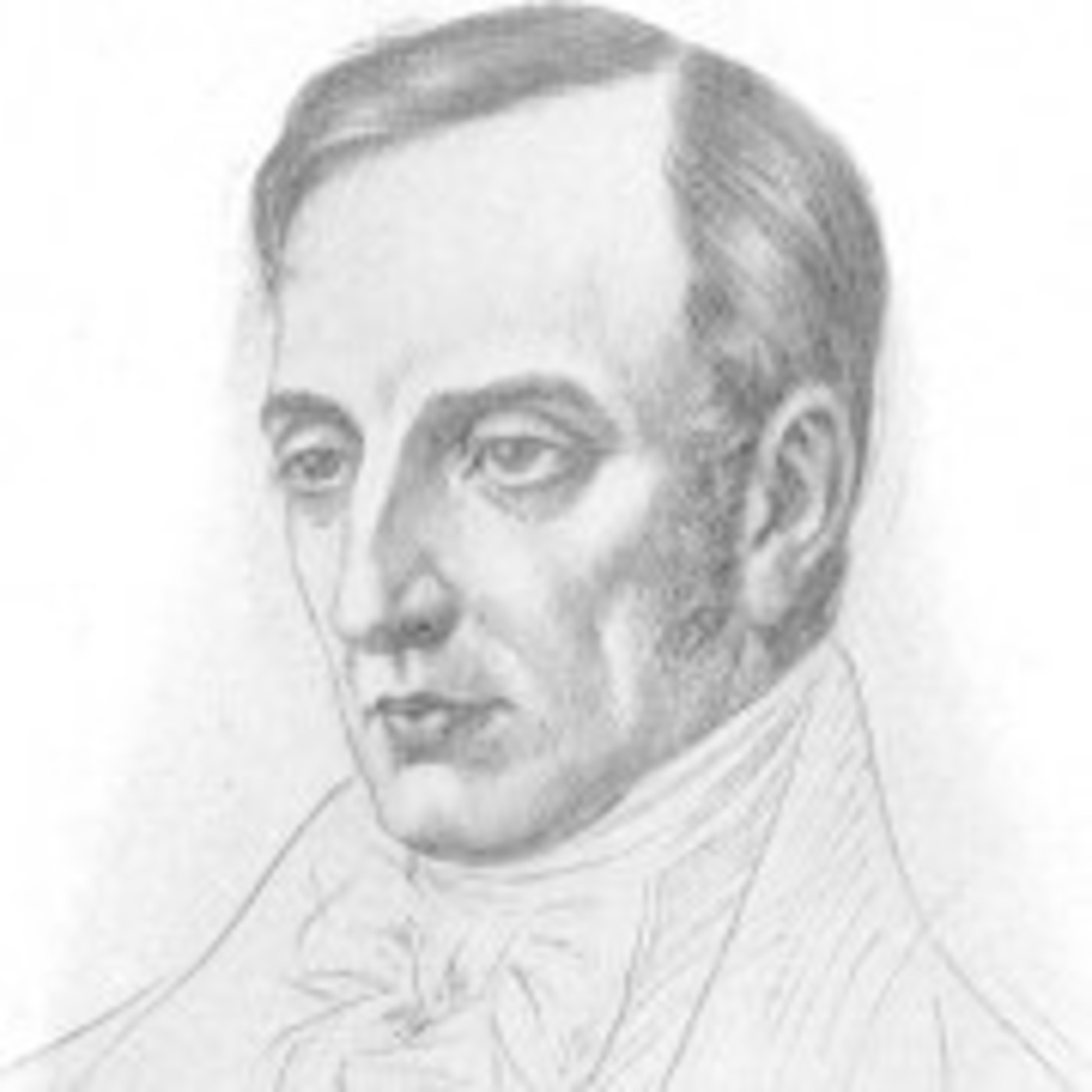
411. She Dwelt Among the Untrodden Ways by William Wordsworth
W Wordsworth read by Classic Poetry Aloud: Giving voice to the poetry of the past. www.classicpoetryaloud.com -------------------------------------------- She Dwelt Among the Untrodden Ways by William Wordsworth (1770 –1850) She dwelt among the untrodden ways Beside the springs of Dove, A Maid whom there were none to praise And very few to love: A violet by a mossy stone Half hidden from the eye! --Fair as a star, when only one Is shining in the sky. She lived unknown, and few could know When Lucy ceased to be; But she is in her grave, and, oh, The difference to me! First aired: 24 January 2009 For hundreds more poetry readings, visit the Classic Poetry Aloud index. Reading © Classic Poetry Aloud 2009
410. Revelation by Sir Edmund Gosse
Sir E Gosse read by Classic Poetry Aloud: Giving voice to the poetry of the past. www.classicpoetryaloud.com -------------------------------------------- Revalation by Sir Edmund Gosse (1849–1928) Into the silver night She brought with her pale hand The topaz lanthorn-light, And darted splendour o'er the land; Around her in a band, Ringstraked and pied, the great soft moths came flying, And flapping with their mad wings, fann'd The flickering flame, ascending, falling, dying. Behind the thorny pink Close wall of blossom'd may, I gazed thro' one green chink And saw no more than thousands may,— Saw sweetness, tender and gay,— Saw full rose lips as rounded as the cherry, Saw braided locks more dark than bay, And flashing eyes decorous, pure, and merry. With food for furry friends She pass'd, her lamp and she, Till eaves and gable-ends Hid all that saffron sheen from me: Around my rosy tree Once more the silver-starry night was shining, With depths of heaven, dewy and free, And crystals of a carven moon declining. Alas! for him who dwells In frigid air of thought, When warmer light dispels The frozen calm his spirit sought; By life too lately taught He sees the ecstatic Human from him stealing; Reels from the joy experience brought, And dares not clutch what Love was half revealing. First aired: 9 February 2008 For hundreds more poetry readings, visit the Classic Poetry Aloud index. Reading © Classic Poetry Aloud 2009
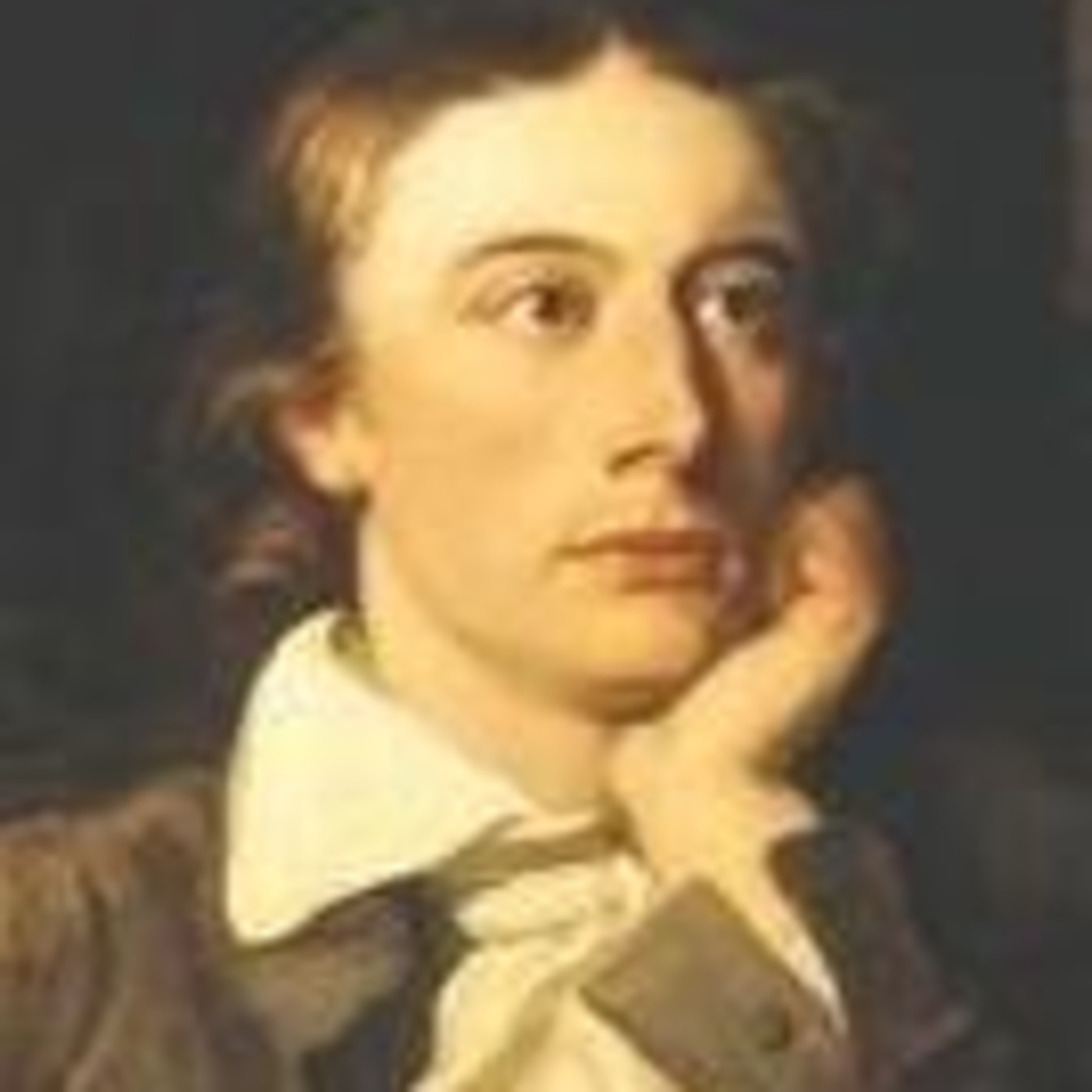
409. To One Who has been Long in City Pent by John Keats
J Keats read by Classic Poetry Aloud: Giving voice to the poetry of the past. www.classicpoetryaloud.com -------------------------------------------- To One Who has been Long in City Pent by John Keats (1795 – 1821) To one who has been long in city pent, ’Tis very sweet to look into the fair And open face of heaven,—to breathe a prayer Full in the smile of the blue firmament. Who is more happy, when, with hearts content, Fatigued he sinks into some pleasant lair Of wavy grass, and reads a debonair And gentle tale of love and languishment? Returning home at evening, with an ear Catching the notes of Philomel,—an eye Watching the sailing cloudlet’s bright career, He mourns that day so soon has glided by: E’en like the passage of an angel’s tear That falls through the clear ether silently. First aired: 22 November 2007 For hundreds more poetry readings, visit the Classic Poetry Aloud index. Reading © Classic Poetry Aloud 2009
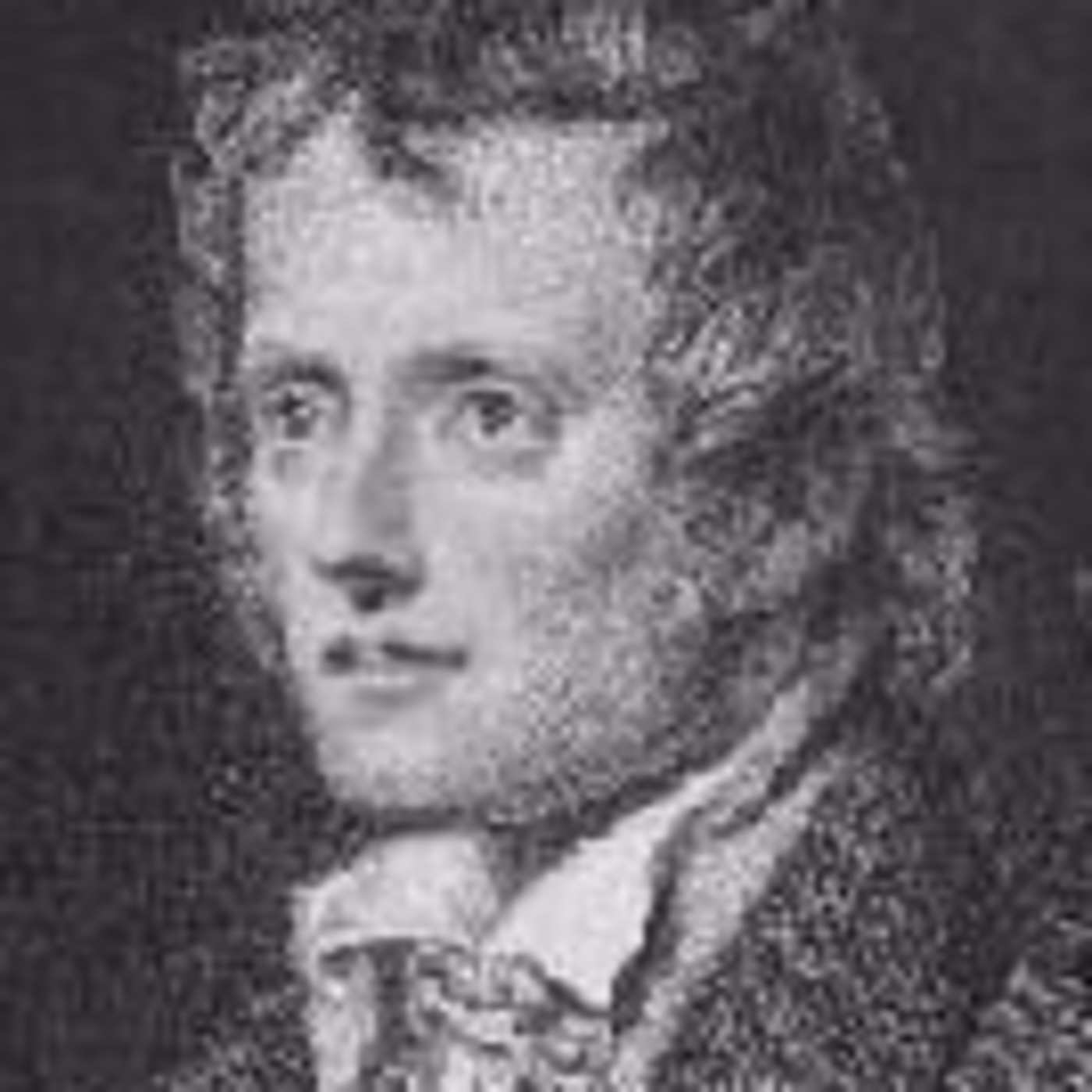
408. First Love by John Clare
J Clare read by Classic Poetry Aloud: Giving voice to the poetry of the past. www.classicpoetryaloud.com -------------------------------------------- First Love by John Clare (1793 – 1864) I ne'er was struck before that hour With love so sudden and so sweet, Her face it bloomed like a sweet flower And stole my heart away complete. My face turned pale as deadly pale. My legs refused to walk away, And when she looked, what could I ail? My life and all seemed turned to clay. And then my blood rushed to my face And took my eyesight quite away, The trees and bushes round the place Seemed midnight at noonday. I could not see a single thing, Words from my eyes did start -- They spoke as chords do from the string, And blood burnt round my heart. Are flowers the winter's choice? Is love's bed always snow? She seemed to hear my silent voice, Not love's appeals to know. I never saw so sweet a face As that I stood before. My heart has left its dwelling-place And can return no more First aired: 21 January 2009 For hundreds more poetry readings, visit the Classic Poetry Aloud index. Reading © Classic Poetry Aloud 2009
407. Inauguration Day Poem: The Call Of Brotherhood by Corinne Roosevelt Robinson
CR Robinson read by Classic Poetry Aloud: Giving voice to the poetry of the past. www.classicpoetryaloud.com -------------------------------------------- The Call Of Brotherhood by Corinne Roosevelt Robinson (1861 - 1933) Have you heard it, the dominant call Of the city’s great cry, and the thrall And the throb and the pulse of its Life, And the touch and the stir of its Strife, As, amid the dread dust and the din It wages its battle of Sin? Have you felt in the crowds of the street The echo of mutinous feet As they march to their final release, As they struggle and strive without peace? Marching how, marching where, and to what! Oh! by all that there is, or is not, We must march too and shoulder to shoulder. If a frail sister slip, we must hold her, If a brother be lost in the strain Of the infinite pitfalls of pain, We must love him and lift him again. For we are the Guarded, the Shielded, And yet we have wavered and yielded To the sins that we could not resist. By the right of the joys we have missed, By the right of the deeds left undone, By the right of our victories won, Perchance we their burdens may bear As brothers, with right to our share. The baby who pulls at the breast With its pitiful purpose to wrest The milk that has dried in the vein, That is sapped by life’s fever and drain The turbulent prisoners of toil, Whose faces are black with the soil And scarred with the sins of the soul, Who are paying the terrible toll Of the way they have chosen to tread, As they march on in truculent dread, And the Old, and the Weary, who fall Oh! let us be one with them all! By the infinite fear of our fears, By the passionate pain of our tears, Let us hold out our impotent hands, Made strong by Jehovah s commands, The God of the militant poor, Who are stronger than we to endure, Let us march in the front of the van Of the Brotherhood valiant of Man! First aired: 20 January 2009 For hundreds more poetry readings, visit the Classic Poetry Aloud index. Reading © Classic Poetry Aloud 2009
406. Sonnet 130 by William Shakespeare (My mistress eyes are nothing like the sun)
W Shakespeare read by Classic Poetry Aloud: Giving voice to the poetry of the past. www.classicpoetryaloud.com -------------------------------------------- Sonnet 130 by William Shakespeare (1564 – 1616) My mistress' eyes are nothing like the sun; Coral is far more red than her lips' red: If snow be white, why then her breasts are dun; If hairs be wires, black wires grow on her head. I have seen roses damask'd, red and white, But no such roses see I in her cheeks; And in some perfumes is there more delight Than in the breath that from my mistress reeks. I love to hear her speak,--yet well I know That music hath a far more pleasing sound; I grant I never saw a goddess go, My mistress when she walks, treads on the ground; And yet, by heaven, I think my love as rare As any she belied with false compare. First aired: 18 January 2009 For hundreds more poetry readings, visit the Classic Poetry Aloud index. Reading © Classic Poetry Aloud 2009
405. The New House by Edward Thomas
E Thomas read by Classic Poetry Aloud: Giving voice to the poetry of the past. www.classicpoetryaloud.com -------------------------------------------- The New House by Edward Thomas (1878 – 1917) Now first, as I shut the door, I was alone In the new house; and the wind Began to moan. Old at once was the house, And I was old; My ears were teased with the dread Of what was foretold, Nights of storm, days of mist, without end; Sad days when the sun Shone in vain: old griefs and griefs Not yet begun. All was foretold me; naught Could I foresee; But I learnt how the wind would sound After these things should be First aired: 17 January 2009 For hundreds more poetry readings, visit the Classic Poetry Aloud index. Reading © Classic Poetry Aloud 2009
404. To Milton by Oscar Wilde
O Wilde read by Classic Poetry Aloud: Giving voice to the poetry of the past. www.classicpoetryaloud.com -------------------------------------------- To Milton by Oscar Wilde (1854 – 1900) Milton! I think thy spirit hath passed away From these white cliffs and high-embattled towers; This gorgeous fiery-coloured world of ours Seems fallen into ashes dull and grey, And the age changed unto a mimic play Wherein we waste our else too-crowded hours: For all our pomp and pageantry and powers We are but fit to delve the common clay, Seeing this little isle on which we stand, This England, this sea-lion of the sea, By ignorant demagogues is held in fee, Who love her not: Dear God! is this the land Which bare a triple empire in her hand When Cromwell spake the word Democracy! First aired: 19 November 2007 For hundreds more poetry readings, visit the Classic Poetry Aloud index. Reading © Classic Poetry Aloud 2009
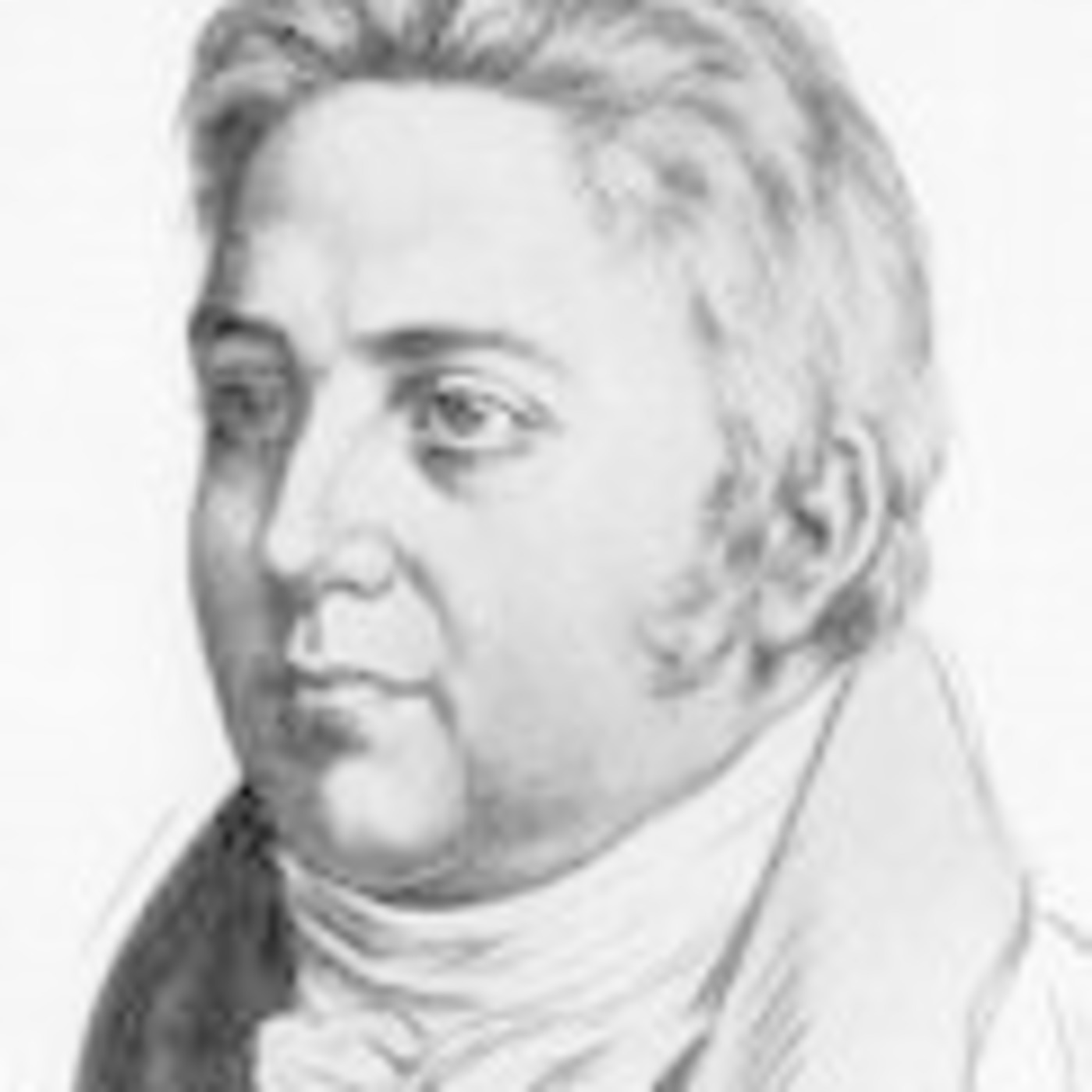
403. Fears in Solitude by Samuel Taylor Coleridge
ST Coleridge read by Classic Poetry Aloud: Giving voice to the poetry of the past. www.classicpoetryaloud.com -------------------------------------------- from Fears in Solitude by Samuel Taylor Coleridge (1772 - 1834) Thankless too for peace, (Peace long preserved by fleets and perilous seas) Secure from actual warfare, we have loved To swell the war-whoop, passionate for war! Alas! for ages ignorant of all Its ghastlier workings, (famine or blue plague, Battle, or siege, or flight through wintry snows,) We, this whole people, have been clamorous For war and bloodshed; animating sports, The which we pay for as a thing to talk of, Spectators and not combatants! No guess Anticipative of a wrong unfelt, No speculation on contingency, However dim and vague, too vague and dim To yield a justifying cause; and forth, (Stuffed out with big preamble, holy names, And adjurations of the God in Heaven,) We send our mandates for the certain death Of thousands and ten thousands! Boys and girls, And women, that would groan to see a child Pull off an insect's leg, all read of war, The best amusement for our morning meal! The poor wretch, who has learnt his only prayers From curses, who knows scarcely words enough To ask a blessing from his Heavenly Father, Becomes a fluent phraseman, absolute And technical in victories and defeats, And all our dainty terms for fratricide; Terms which we trundle smoothly o'er our tongues Like mere abstractions, empty sounds to which We join no feeling and attach no form! As if the soldier died without a wound; As if the fibres of this godlike frame Were gored without a pang; as if the wretch, Who fell in battle, doing bloody deeds, Passed off to Heaven, translated and not killed; As though he had no wife to pine for him, No God to judge him! Therefore, evil days Are coming on us, O my countrymen! And what if all-avenging Providence, Strong and retributive, should make us know The meaning of our words, force us to feel The desolation and the agony Of our fierce doings? First aired: 4 November 2007 For hundreds more poetry readings, visit the Classic Poetry Aloud index. Reading © Classic Poetry Aloud 2009
402. The Song of the Shirt by Thomas Hood
T Hood read by Classic Poetry Aloud: Giving voice to the poetry of the past. www.classicpoetryaloud.com -------------------------------------------- The Song of the Shirt by Thomas Hood (1799 – 1845) With fingers weary and worn, With eyelids heavy and red, A woman sat in unwomanly rags, Plying her needle and thread— Stitch! stitch! stitch! In poverty, hunger, and dirt, And still with a voice of dolorous pitch She sang the “Song of the Shirt!” “Work! work! work! While the cock is crowing aloof! And work—work—work, Till the stars shine through the roof! It ’s Oh! to be a slave Along with the barbarous Turk, Where woman has never a soul to save, If this is Christian work! “Work—work—work Till the brain begins to swim; Work—work—work Till the eyes are heavy and dim. Seam, and gusset, and band, Band, and gusset, and seam, Till over the buttons I fall asleep, And sew them on in a dream! “Oh, Men, with Sisters dear! Oh, Men, with Mothers and Wives! It is not linen you ’re wearing out, But human creatures’ lives! Stitch—stitch—stitch, In poverty, hunger, and dirt, Sewing at once, with a double thread, A Shroud as well as a Shirt. “But why do I talk of Death? That Phantom of grisly bone, I hardly fear his terrible shape, It seems so like my own— It seems so like my own, Because of the fasts I keep; Oh, God! that bread should be so dear, And flesh and blood so cheap! “Work—work—work! My labor never flags; And what are its wages? A bed of straw, A crust of bread—and rags. That shatter’d roof—and this naked floor— A table—a broken chair— And a wall so blank, my shadow I thank For sometimes falling there. “Work—work—work! From weary chime to chime, Work—work—work, As prisoners work for crime! Band, and gusset, and seam, Seam, and gusset, and band, Till the heart is sick, and the brain benumb’d, As well as the weary hand. “Work—work—work, In the dull December light, And work—work—work, When the weather is warm and bright, While underneath the eaves The brooding swallows cling As if to show me their sunny backs And twit me with the spring. “Oh! but to breathe the breath Of the cowslip and primrose sweet, With the sky above my head, And the grass beneath my feet, For only one short hour To feel as I used to feel, Before I knew the woes of want And the walk that costs a meal, “Oh, but for one short hour! A respite however brief! No blessed leisure for Love or Hope, But only time for Grief! A little weeping would ease my heart, But in their briny bed My tears must stop, for every drop Hinders needle and thread!” With fingers weary and worn, With eyelids heavy and red, A woman sat in unwomanly rags, Plying her needle and thread— Stitch! stitch! stitch! In poverty, hunger, and dirt, And still with a voice of dolorous pitch, Would that its tone could reach the Rich! She sang this “ Song of the Shirt!" First aired: 1 November 2007 For hundreds more poetry readings, visit the Classic Poetry Aloud index. Reading © Classic Poetry Aloud 2009
401. To Sleep by John Keats
J Keats read by Classic Poetry Aloud: Giving voice to the poetry of the past. www.classicpoetryaloud.com -------------------------------------------- To Sleep by John Keats (1795 – 1821) O soft embalmer of the still midnight! Shutting with careful fingers and benign Our gloom-pleased eyes, embower'd from the light, Enshaded in forgetfulness divine; O soothest Sleep! if so it please thee, close, In midst of this thine hymn, my willing eyes, Or wait the amen, ere thy poppy throws Around my bed its lulling charities; Then save me, or the passèd day will shine Upon my pillow, breeding many woes; Save me from curious conscience, that still lords Its strength for darkness, burrowing like a mole; Turn the key deftly in the oilèd wards, And seal the hushèd casket of my soul. First aired: 25 October 2007 For hundreds more poetry readings, visit the Classic Poetry Aloud index. Reading © Classic Poetry Aloud 2009
399. Show me the Way by Ella Wheeler Wilcox
EW Wheeler read by Classic Poetry Aloud: Giving voice to the poetry of the past. www.classicpoetryaloud.com -------------------------------------------- Show me the Way by Ella Wheeler Wilcox (1850 – 1919) Show me the way that leads to the true life. I do not care what tempests may assail me, I shall be given courage for the strife; I know my strength will not desert or fail me; I know that I shall conquer in the fray: Show me the way. Show me the way up to a higher plane, Where body shall be servant to the soul. I do not care what tides of woe or pain Across my life their angry waves may roll, If I but reach the end I seek, some day: Show me the way. Show me the way, and let me bravely climb Above vain grievings for unworthy treasures; Above all sorrow that finds balm in time; Above small triumphs or belittling pleasures; Up to those heights where these things seem child's-play: Show me the way. Show me the way to that calm, perfect peace Which springs from an inward consciousness of right; To where all conflicts with the flesh shall cease, And self shall radiate with the spirit's light. Though hard the journey and the strife, I pray, Show me the way. First aired: 31 January 2008 For hundreds more poetry readings, visit the Classic Poetry Aloud index. Reading © Classic Poetry Aloud 2009
398. from Childe Harolds Pilgrimage by Lord Byron
Lord Byron read by Classic Poetry Aloud: Giving voice to the poetry of the past. www.classicpoetryaloud.com -------------------------------------------- from Childe Harold's Pilgrimage by George Gordon, Lord Byron (1788 – 1824) There is a pleasure in the pathless woods, There is a rapture on the lonely shore, There is society, where none intrudes, By the deep sea, and music in its roar: I love not man the less, but Nature more, From these our interviews, in which I steal From all I may be, or have been before, To mingle with the Universe, and feel What I can ne'er express, yet cannot all conceal. And I have loved thee, Ocean! and my joy Of youthful sports was on thy breast to be Borne, like thy bubbles, onward; from a boy I wantoned with thy breakers,--they to me Were a delight; and if the freshening sea Made them a terror, 'twas a pleasing fear; For I was as it were a child of thee, And trusted to thy billows far and near, And laid my hand upon thy mane,--as I do here. First aired: 8 January 2009 For hundreds more poetry readings, visit the Classic Poetry Aloud index. Reading © Classic Poetry Aloud 2009

397. from an Essay on Criticism by Alexander Pope
EW Wheeler read by Classic Poetry Aloud: Giving voice to the poetry of the past. www.classicpoetryaloud.com -------------------------------------------- from an Essay on Criticism by Alexander Pope (1688 – 1744) Of all the causes which conspire to blind Man's erring judgment, and misguide the mind, What the weak head with strongest bias rules, Is Pride, the never failing vice of fools. Whatever Nature has in worth denied She gives in large recruits of needful Pride: For as in bodies, thus in souls, we find What wants in blood and spirits swell'd with wind: Pride, where Wit fails, steps in to our deference, And fills up all the mighty void of Sense: If once right Reason drives that cloud away, Truth breaks upon us with resistless day. Trust not yourself; but your defects to know, Make use of ev'ry friend--and ev'ry foe. A little learning is a dangerous thing; Drink deep, or taste not the Pierian spring: There shallow draughts intoxicate the brain, And drinking largely sobers us again. First aired: 7 January 2009 For hundreds more poetry readings, visit the Classic Poetry Aloud index. Reading © Classic Poetry Aloud 2009
396. Echo by Christina Rossetti
CG Rossetti read by Classic Poetry Aloud: Giving voice to the poetry of the past. www.classicpoetryaloud.com -------------------------------------------- Echo by Christina Georgina Rossetti (1830 – 1894) Come to me in the silence of the night; Come in the speaking silence of a dream; Come with soft rounded cheeks and eyes as bright As sunlight on a stream; Come back in tears, O memory, hope and love of finished years. O dream how sweet, too sweet, too bitter-sweet, Whose wakening should have been in Paradise, Where souls brim-full of love abide and meet; Where thirsting longing eyes Watch the slow door That opening, letting in, lets out no more. Yet come to me in dreams, that I may live My very life again though cold in death; Come back to me in dreams, that I may give Pulse for pulse, breath for breath: Speak low, lean low, As long ago, my love, how long ago. First aired: 6 January 2009 For hundreds more poetry readings, visit the Classic Poetry Aloud index. Reading © Classic Poetry Aloud 2009
395. The Lost Chord by Adelaide Anne Procter
AA Procter read by Classic Poetry Aloud: Giving voice to the poetry of the past. www.classicpoetryaloud.com -------------------------------------------- The Lost Chord by Adelaide Anne Procter (1825 – 1864) Seated one day at the organ, I was weary and ill-at-ease; And my fingers wandered idly Over the noisy keys. I know not what I was playing Or what I was dreaming then, But I struck one chord of music Like the sound of a great Amen. It flooded the crimson twilight Like the close of an angel's psalm, And it lay on my fevered spirit With a touch of infinite calm. It quieted pain and sorrow Like love overcoming strife; It seemed the harmonious echo From our discordant life. It linked all perplexèd meanings Into one perfect peace, And trembled away into silence As if it were loth to cease. I have sought, but I seek it vainly, That one lost chord divine, Which came from the soul of the organ And entered into mine. It may be that death's bright angel Will speak in that chord again; It may be that only in heav'n I shall hear that grand Amen. First aired: 5 January 2009 For hundreds more poetry readings, visit the Classic Poetry Aloud index. Reading © Classic Poetry Aloud 2009
394. Invictus by William Ernest Henley
WE Henley read by Classic Poetry Aloud: Giving voice to the poetry of the past. www.classicpoetryaloud.com -------------------------------------------- Invictus by William Ernest Henley (1849 – 1903) Out of the night that covers me, Black as the Pit from pole to pole, I thank whatever gods may be For my unconquerable soul. In the fell clutch of circumstance I have not winced nor cried aloud. Under the bludgeonings of chance My head is bloody, but unbowed. Beyond this place of wrath and tears Looms but the Horror of the shade, And yet the menace of the years Finds, and shall find, me unafraid. It matters not how strait the gate, How charged with punishments the scroll, I am the master of my fate: I am the captain of my soul. First aired: 14 January 2008 For hundreds more poetry readings, visit the Classic Poetry Aloud index. Reading © Classic Poetry Aloud 2009
393. The Character of a Happy Life by Sir Henry Wooton
H Wooton read by Classic Poetry Aloud: Giving voice to the poetry of the past. www.classicpoetryaloud.com -------------------------------------------- The Character of a Happy Life by Sir Henry Wooton (1568 – 1639) How happy is he born and taught That serveth not another's will; Whose armour is his honest thought, And simple truth his utmost skill! Whose passions not his masters are; Whose soul is still prepared for death, Untied unto the world by care Of public fame or private breath; Who envies none that chance doth raise, Nor vice; who never understood How deepest wounds are given by praise; Nor rules of state, but rules of good; Who hath his life from rumours freed; Whose conscience is his strong retreat; Whose state can neither flatterers feed, Nor ruin make oppressors great; Who God doth late and early pray More of His grace than gifts to lend; And entertains the harmless day With a religious book or friend; — This man is free from servile bands Of hope to rise or fear to fall: Lord of himself, though not of lands, And having nothing, yet hath all. First aired: 4 February 2008 For hundreds more poetry readings, visit the Classic Poetry Aloud index. Reading © Classic Poetry Aloud 2009
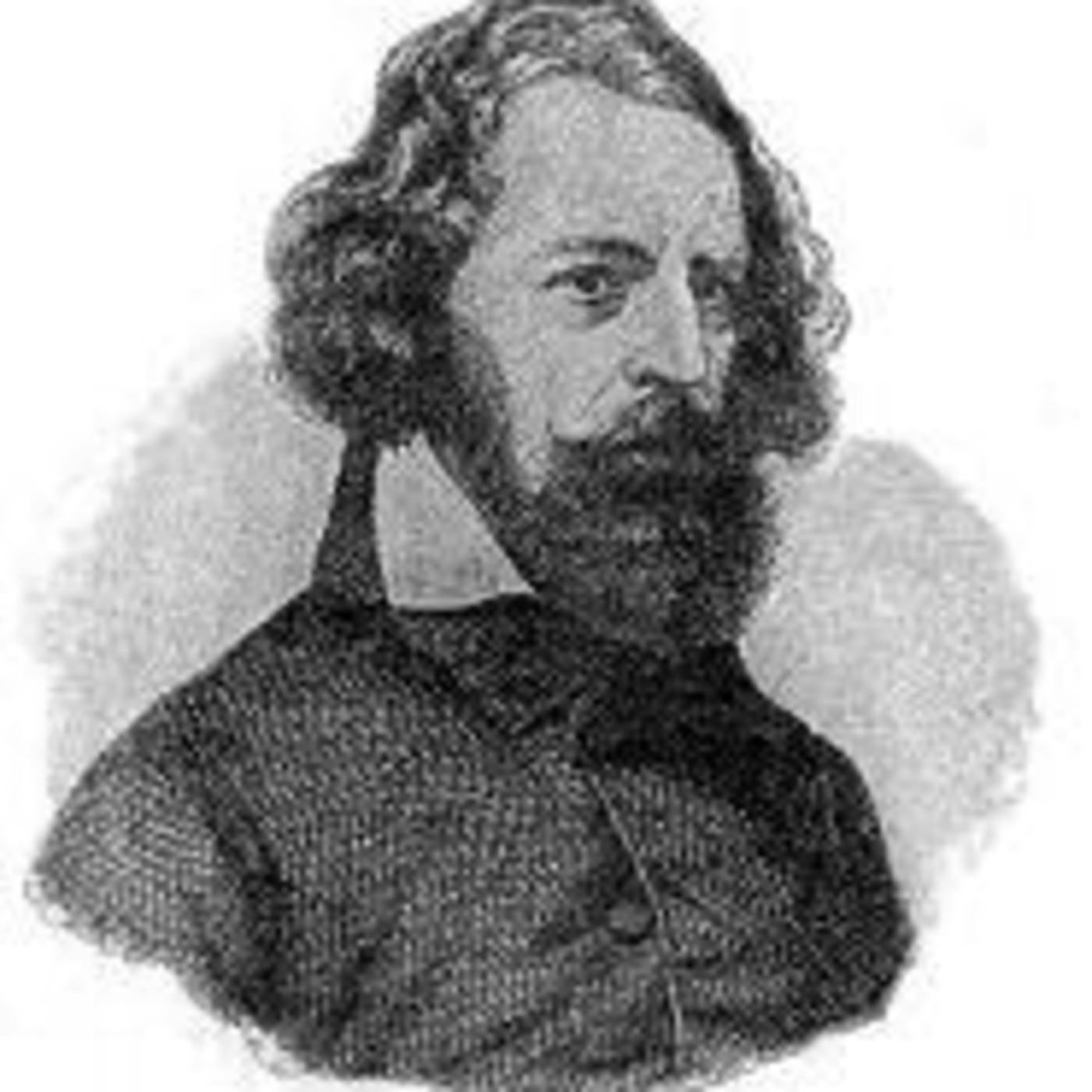
392. I Stood on a Tower by Alfred Lord Tennyson
A Tennyson read by Classic Poetry Aloud: Giving voice to the poetry of the past. www.classicpoetryaloud.com -------------------------------------------- I Stood on a Tower by Alfred, Lord Tennyson (1809 – 1892) I stood on a tower in the wet, And New Year and Old Year met, And winds were roaring and blowing; And I said, 'O years that meet in tears, Have ye aught that is worth the knowing? 'Science enough and exploring Wanderers coming and going Matter enough for deploring But aught that is worth the knowing?' Seas at my feet were flowing Waves on the shingle pouring, Old Year roaring and blowing And New Year blowing and roaring. First aired: 2 January 2009 For hundreds more poetry readings, visit the Classic Poetry Aloud index. Reading © Classic Poetry Aloud 2008
391. The Quiet Life by Alexander Pope
A Pope read by Classic Poetry Aloud: Giving voice to the poetry of the past. www.classicpoetryaloud.com -------------------------------------------- The Quiet Life by Alexander Pope (1688 - 1744) Happy the man whose wish and care A few paternal acres bound, Content to breathe his native air In his own ground. Whose herds with milk, whose fields with bread, Whose flocks supply him with attire; Whose trees in summer yield him shade, In winter fire. Blest who can unconcern'dly find Hours, days, and years slide soft away In health of body, peace of mind, Quiet by day, Sound sleep by night; study and ease Together mixt, sweet recreation, And innocence, which most does please With meditation. Thus let me live, unseen, unknown; Thus unlamented let me die; Steal from the world, and not a stone Tell where I lie. First aired: 31 May 2007 For hundreds more poetry readings, visit the Classic Poetry Aloud index. Reading © Classic Poetry Aloud 2008
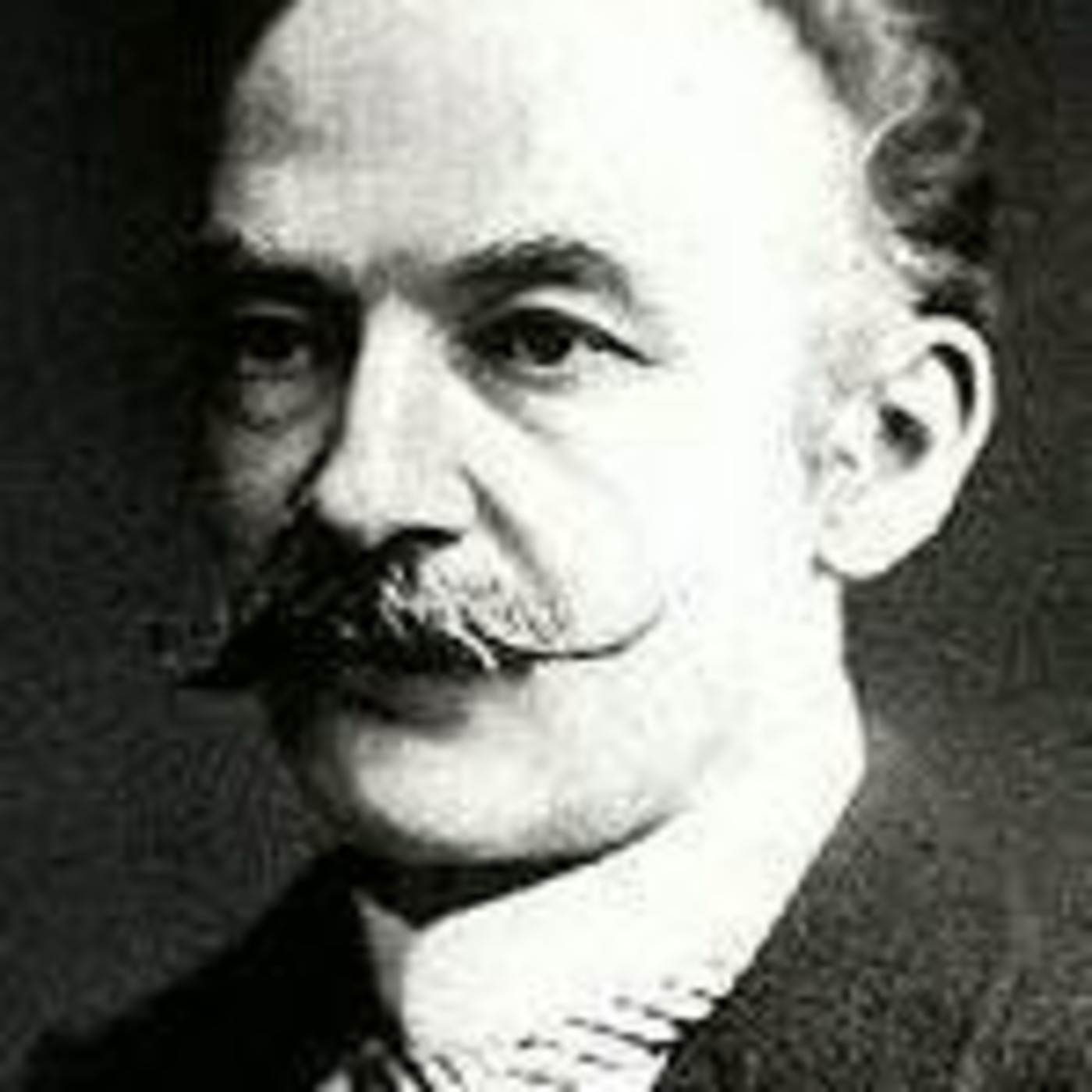
390. The Darkling Thrush by Thomas Hardy
T Hardy read by Classic Poetry Aloud; Giving voice to the poetry of the past. www.classicpoetryaloud.com -------------------------------------------- The Darkling Thrush by Thomas Hardy (1840 – 1928) I leant upon a coppice gate When Frost was spectre-gray, And Winter’s dregs made desolate The weakening eye of day. The tangled bine-stems scored the sky Like strings of broken lyres, And all mankind that haunted nigh Had sought their household fires. The land’s sharp features seem’d to be The Century’s corpse outleant, His crypt the cloudy canopy, The wind his death-lament. The ancient pulse of germ and birth Was shrunken hard and dry, And every spirit upon earth Seem'd fervourless as I. At once a voice arose among The bleak twigs overhead In a full-hearted evensong Of joy illimited; An aged thrush, frail, gaunt, and small, In blast-beruffled plume, Had chosen thus to fling his soul Upon the growing gloom. So little cause for carollings Of such ecstatic sound Was written on terrestrial things Afar or nigh around, That I could think there trembled through His happy good-night air Some blessèd Hope, whereof he knew And I was unaware. First aired: 17 November 2007 For hundreds more poetry readings, visit the Classic Poetry Aloud index. Reading © Classic Poetry Aloud 2008
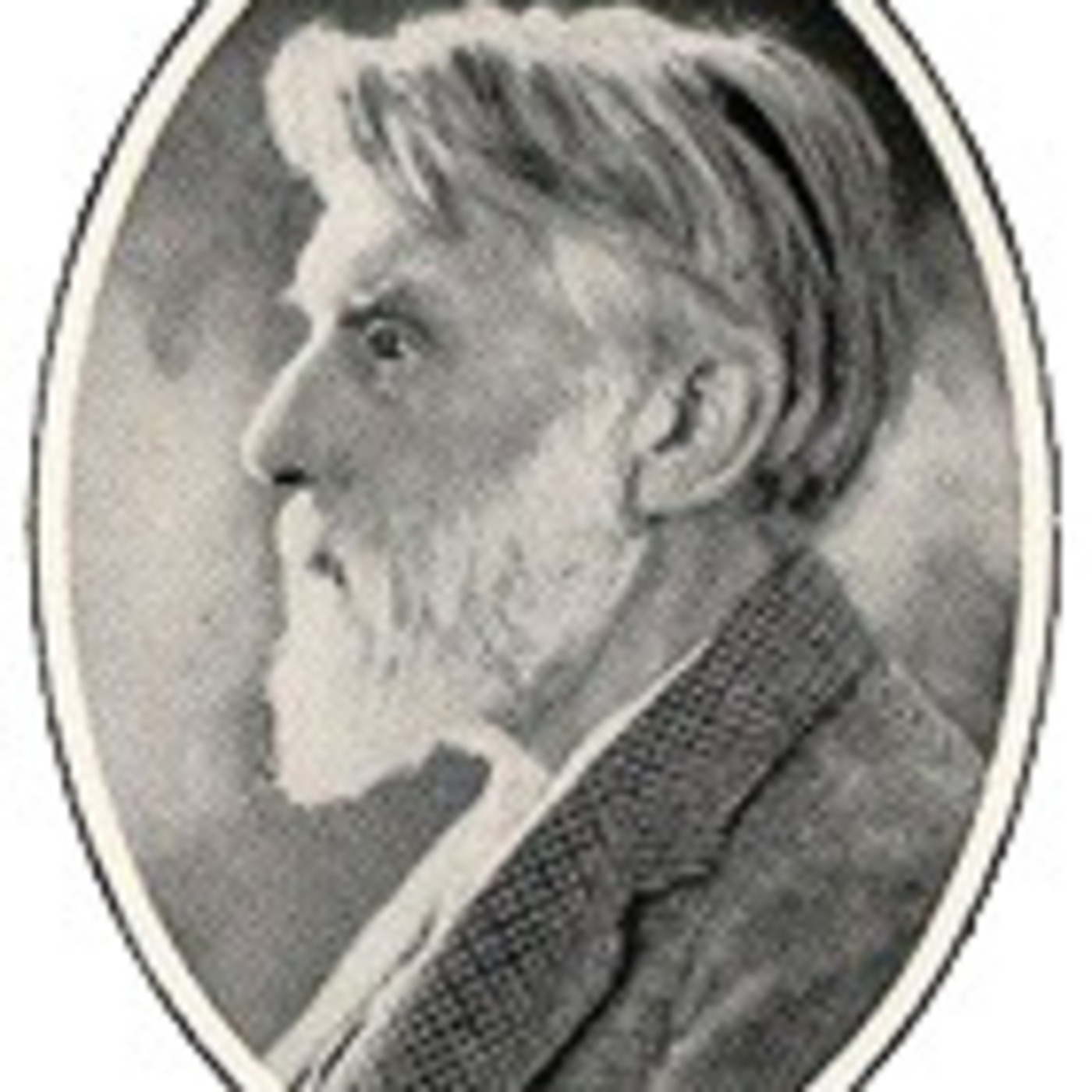
389. London Snow by Robert Bridges
R Bridges read by Classic Poetry Aloud: Giving voice to the poetry of the past. www.classicpoetryaloud.com -------------------------------------------- London Snow by Robert Bridges (1844 – 1930) When men were all asleep the snow came flying, In large white flakes falling on the city brown, Stealthily and perpetually settling and loosely lying, Hushing the latest traffic of the drowsy town; Deadening, muffling, stifling its murmurs failing; Lazily and incessantly floating down and down: Silently sifting and veiling road, roof and railing; Hiding difference, making unevenness even, Into angles and crevices softly drifting and sailing. All night it fell, and when full inches seven It lay in the depth of its uncompacted lightness, The clouds blew off from a high and frosty heaven; And all woke earlier for the unaccustomed brightness Of the winter dawning, the strange unheavenly glare: The eye marvelled - marvelled at the dazzling whiteness; The ear hearkened to the stillness of the solemn air; No sound of wheel rumbling nor of foot falling, And the busy morning cries came thin and spare. Then boys I heard, as they went to school, calling, They gathered up the crystal manna to freeze Their tongues with tasting, their hands with snowballing; Or rioted in a drift, plunging up to the knees; Or peering up from under the white-mossed wonder!' 'O look at the trees!' they cried, 'O look at the trees!' With lessened load a few carts creak and blunder, Following along the white deserted way, A country company long dispersed asunder: When now already the sun, in pale display Standing by Paul's high dome, spread forth below His sparkling beams, and awoke the stir of the day. For now doors open, and war is waged with the snow; And trains of sombre men, past tale of number, Tread long brown paths, as toward their toil they go: But even for them awhile no cares encumber Their minds diverted; the daily word is unspoken, The daily thoughts of labour and sorrow slumber At the sight of the beauty that greets them, for the charm they have broken. First aired: 30 December 2007 For hundreds more poetry readings, visit the Classic Poetry Aloud index. Reading © Classic Poetry Aloud 2008
388. Out in the Dark by Edward Thomas
E Thomas read by Classic Poetry Aloud: http://www.classicpoetryaloud.com/ Giving voice to the poetry of the past. Out in the Dark by Edward Thomas (1878 – 1917) Out in the dark over the snow The fallow fawns invisible go With the fallow doe ; And the winds blow Fast as the stars are slow. Stealthily the dark haunts round And, when the lamp goes, without sound At a swifter bound Than the swiftest hound, Arrives, and all else is drowned ; And star and I and wind and deer, Are in the dark together, - near, Yet far, - and fear Drums on my ear In that sage company drear. How weak and little is the light, All the universe of sight, Love and delight, Before the might, If you love it not, of night. First aired: 28 December 2007 For hundreds more poetry readings, visit the Classic Poetry Aloud index. Reading © Classic Poetry Aloud 2008
387. Bleak Weather by Ella Wheeler Wilcox
EW Wheeler read by Classic Poetry Aloud, giving voice to the poetry of the past. www.classicpoetryaloud.com/ -------------------------------------------- Bleak Weather by Ella Wheeler Wilcox (1850 – 1919) Dear love, where the red lilies blossomed and grew, The white snows are falling; And all through the woods, where I wandered with you, The loud winds are calling; And the robin that piped to us tune upon tune, Neath the oak -- you remember, Over hill-top and forest has followed the June, And left us -- December. Has left, like a friend who is true in the sun, And false in the shadows. He has found new delights, in the land where he's gone, Greener woodlands and meadows. Let him go! What care we? let the snow shroud the lea, Let it drift on the heather! We can sing through it all; I have you -- you have me, And we'll laugh at the weather. The old year may die, and a new year be born That is bleaker and colder; It cannot dismay us; we dare it -- we scorn, For our love makes us bolder. Ah Robin! sing loud on your far-distant lea, You friend in fair weather; But here is a song sung, that's fuller of glee, By two warm hearts together. First aired: 28 December 2007 For hundreds more poetry readings, visit the Classic Poetry Aloud index. Reading © Classic Poetry Aloud 2008
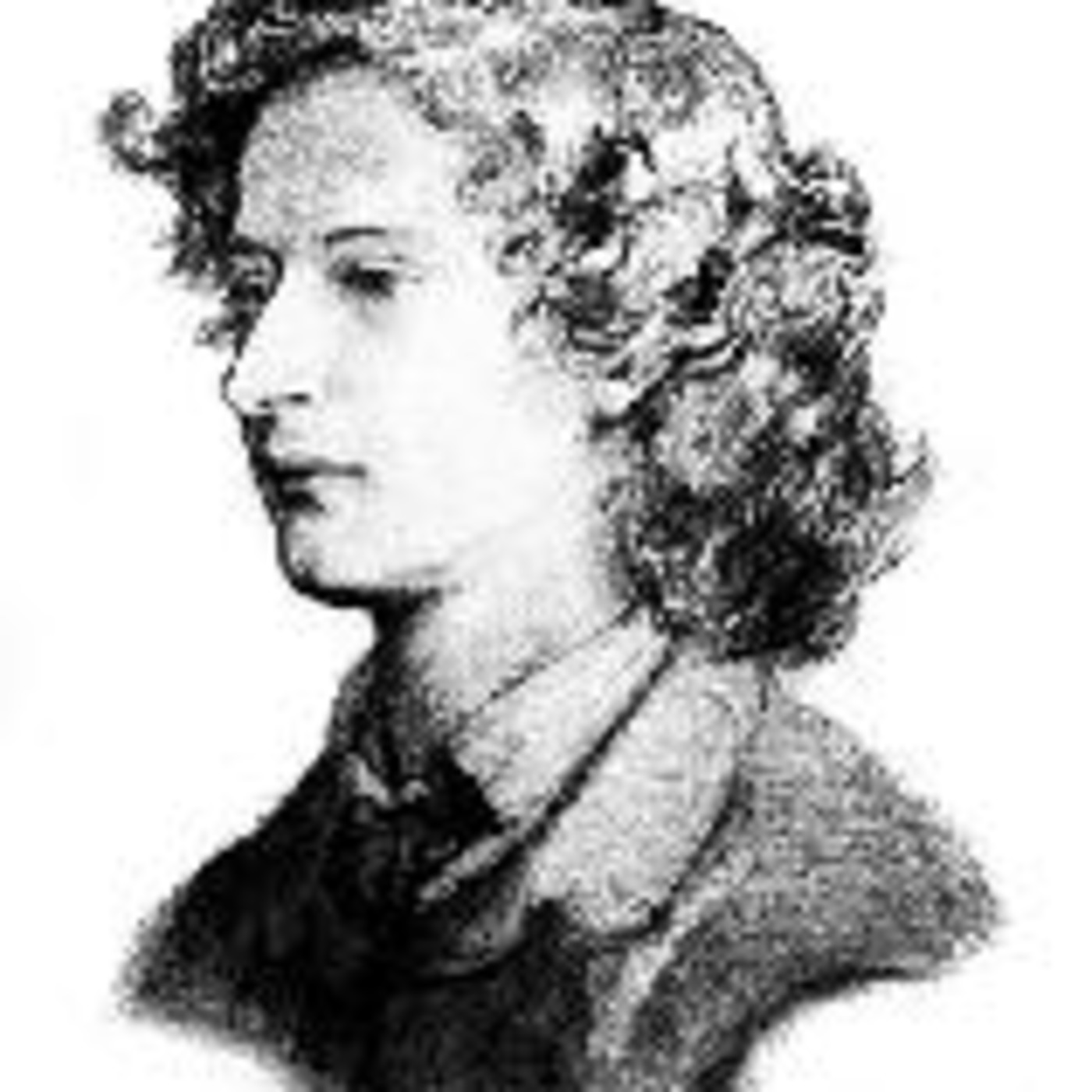
386. from A Forsaken Garden by Algernon Charles Swinburne
AC Swinburne read by Classic Poetry Aloud: http://www.classicpoetryaloud.com/ Giving voice to the poetry of the past. from A Forsaken Garden by Algernon Charles Swinburne (1837 – 1909) In a coign of the cliff between lowland and highland, At the sea-down's edge between windward and lee, Walled round with rocks as an inland island, The ghost of a garden fronts the sea. A girdle of brushwood and thorn encloses The steep square slope of the blossomless bed Where the weeds that grew green from the graves of its roses Now lie dead. The fields fall southward, abrupt and broken, To the low last edge of the long lone land. If a step should sound or a word be spoken, Would a ghost not rise at the strange guest's hand? So long have the grey bare walks lain guestless, Through branches and briers if a man make way, He shall find no life but the sea-wind's, restless Night and day. First aired: 27 December 2007 For hundreds more poetry readings, visit the Classic Poetry Aloud index. Reading © Classic Poetry Aloud 2008
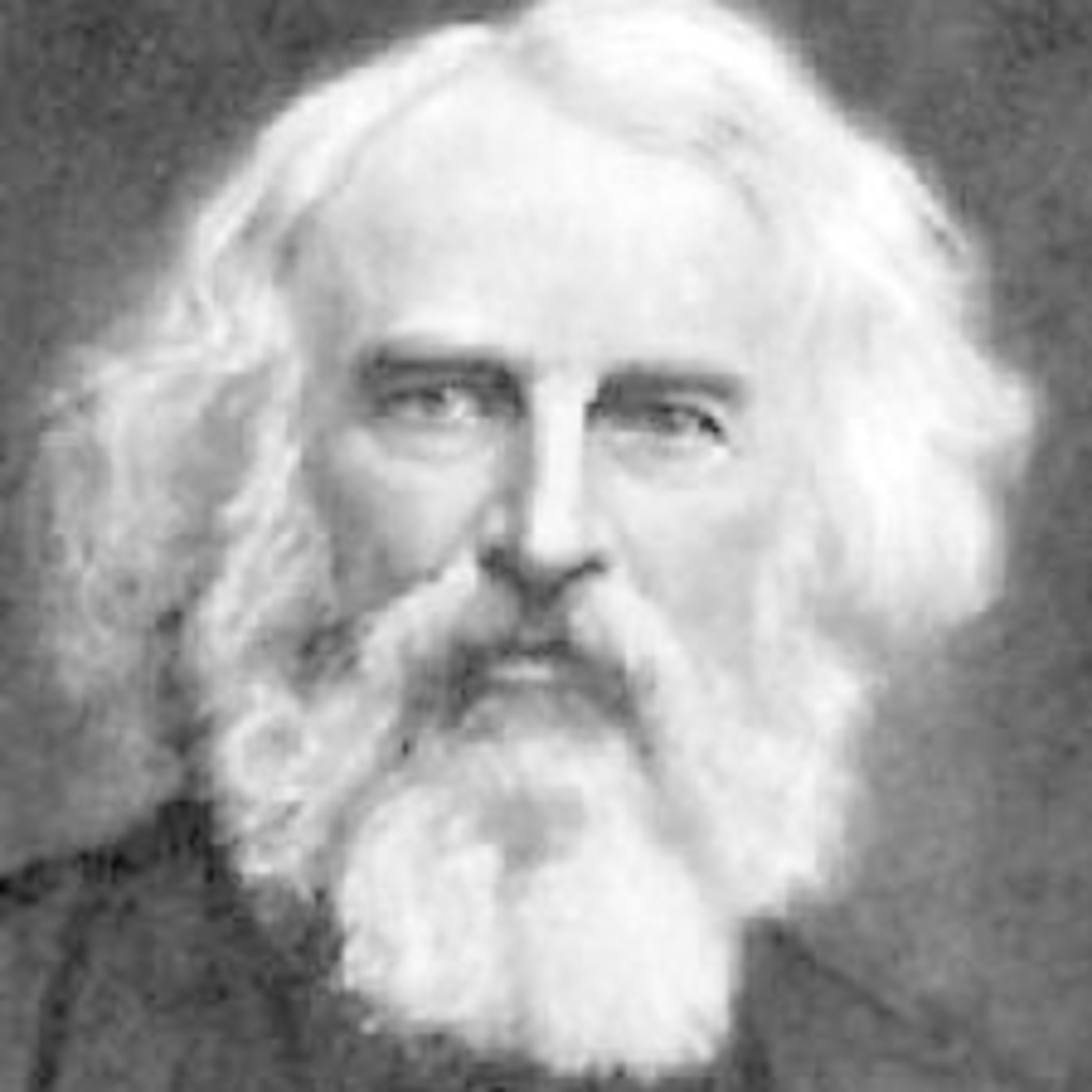
385. Christmas Bells by Henry Wadsworth Longfellow
HW Longfellow read by Classic Poetry Aloud: http://www.classicpoetryaloud.com/ Giving voice to the poetry of the past. --------------------------------------------------- Christmas Bells by Henry Wadsworth Longfellow (1807 – 1882) I heard the bells on Christmas Day Their old, familiar carols play, And wild and sweet The words repeat Of peace on earth, good-will to men! And thought how, as the day had come, The belfries of all Christendom Had rolled along The unbroken song Of peace on earth, good-will to men! Till, ringing, singing on its way The world revolved from night to day, A voice, a chime, A chant sublime Of peace on earth, good-will to men! Then from each black, accursed mouth The cannon thundered in the South, And with the sound The Carols drowned Of peace on earth, good-will to men! And in despair I bowed my head; ‘There is no peace on earth,’ I said; ‘For hate is strong, And mocks the song Of peace on earth, good-will to men!’ Then pealed the bells more loud and deep: ‘God is not dead; nor doth he sleep! The Wrong shall fail, The Right prevail, With peace on earth, good-will to men!’ First aired: 25 December 2007 For hundreds more poetry readings, visit the Classic Poetry Aloud index. Reading © Classic Poetry Aloud 2008
384. Peace by Henry Vaughan
H Vaughan read by Classic Poetry Aloud: http://www.classicpoetryaloud.com/ Giving voice to the poetry of the past. --------------------------------------------- Peace by Henry Vaughan (1621 – 1695) My soul, there is a country Far beyond the stars, Where stands a wingèd sentry All skilful in the wars: There, above noise and danger, Sweet Peace sits crown'd with smiles, And One born in a manger Commands the beauteous files. He is thy gracious Friend, And—O my soul, awake!— Did in pure love descend To die here for thy sake. If thou canst get but thither, There grows the flower of Peace, The Rose that cannot wither, Thy fortress, and thy ease. Leave then thy foolish ranges; For none can thee secure But One who never changes— Thy God, thy life, thy cure. First aired: 29 January 2008 For hundreds more poetry readings, visit the Classic Poetry Aloud index. Reading © Classic Poetry Aloud 2008
383. A Birthday by Christina Georgina Rossetti
CG Rossetti read by Classic Poetry Aloud: http://www.classicpoetryaloud.com/ Giving voice to the poetry of the past. --------------------------------------------------- A Birthday by Christina Rossetti by Christina Georgina Rossetti (1830 – 1894) My heart is like a singing bird Whose nest is in a water'd shoot; My heart is like an apple-tree Whose boughs are bent with thick-set fruit; My heart is like a rainbow shell That paddles in a halcyon sea; My heart is gladder than all these, Because my love is come to me. Raise me a daïs of silk and down; Hang it with vair and purple dyes; Carve it in doves and pomegranates, And peacocks with a hundred eyes; Work it in gold and silver grapes, In leaves and silver fleurs-de-lys; Because the birthday of my life Is come, my love is come to me. First aired: 21 December 2007 For hundreds more poetry readings, visit the Classic Poetry Aloud index. Reading © Classic Poetry Aloud 2008
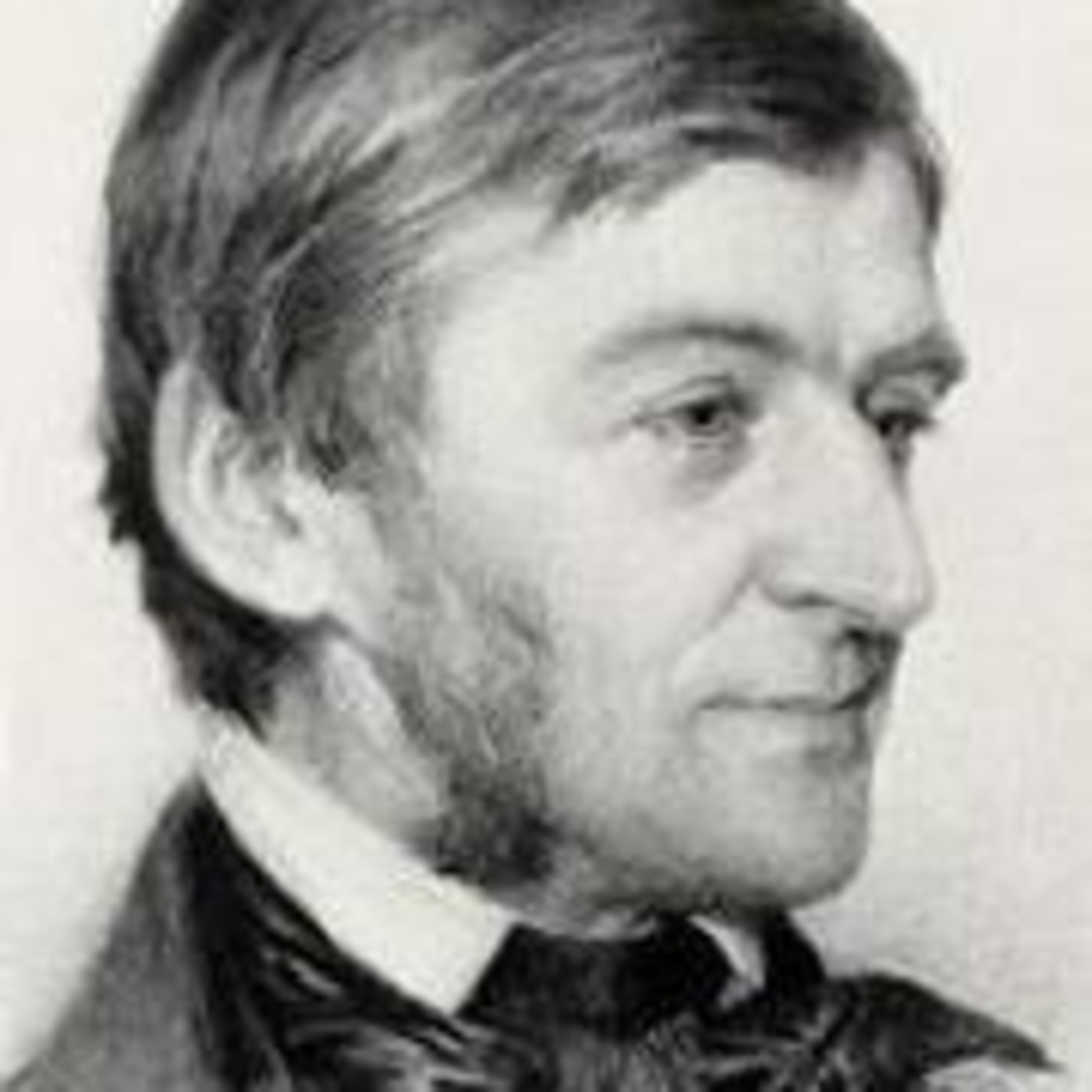
382. The Snow-Storm by Ralph Waldo Emerson
RW Emerson read by Classic Poetry Aloud: http://www.classicpoetryaloud.com/ Giving voice to the poetry of the past. The Snow-Storm by Ralph Waldo Emerson (1803 – 1882) Announced by all the trumpets of the sky, Arrives the snow, and, driving o'er the fields, Seems nowhere to alight: the whited air Hides hills and woods, the river, and the heaven, And veils the farm-house at the garden's end. The sled and traveller stopped, the courier's feet Delayed, all friends shut out, the housemates sit Around the radiant fireplace, enclosed In a tumultuous privacy of storm. Come see the north wind's masonry. Out of an unseen quarry evermore Furnished with tile, the fierce artificer Curves his white bastions with projected roof Round every windward stake, or tree, or door. Speeding, the myriad-handed, his wild work So fanciful, so savage, nought cares he For number or proportion. Mockingly, On coop or kennel he hangs Parian wreaths; A swan-like form invests the hidden thorn; Fills up the farmer's lane from wall to wall, Maugre the farmer's sighs; and at the gate A tapering turret overtops the work. And when his hours are numbered, and the world Is all his own, retiring, as he were not, Leaves, when the sun appears, astonished Art To mimic in slow structures, stone by stone, Built in an age, the mad wind's night-work, The frolic architecture of the snow. Students and those interested in knowing more should visit: http://www.etsu.edu/writing/amlit_s04/anthology/snowstorm.htm First aired: 10 January 2008 For hundreds more poetry readings, visit the Classic Poetry Aloud index. Reading © Classic Poetry Aloud 2008
381. from Frost at Midnight by Samuel Taylor Coleridge
ST Coleridge read by Classic Poetry Aloud: http://www.classicpoetryaloud.com/ Giving voice to the poetry of the past. --------------------------------------------------- from Frost at Midnight by Samuel Taylor Coleridge (1772 – 1834) The Frost performs its secret ministry, Unhelped by any wind. The owlet's cry Came loud, -and hark, again! loud as before. The inmates of my cottage, all at rest, Have left me to that solitude, which suits Abstruser musings: save that at my side My cradled infant slumbers peacefully. 'Tis calm indeed! so calm, that it disturbs And vexes meditation with its strange And extreme silentness. Sea, hill, and wood, With all the numberless goings-on of life, Inaudible as dreams! the thin blue flame Lies on my low-burnt fire, and quivers not; Only that film, which fluttered on the grate, Still flutters there, the sole unquiet thing. Methinks its motion in this hush of nature Gives it dim sympathies with me who live, Making it a companionable form, Whose puny flaps and freaks the idling Spirit By its own moods interprets, every where Echo or mirror seeking of itself, And makes a toy of Thought. First aired: 26 December 2007 For hundreds more poetry readings, visit the Classic Poetry Aloud index. Reading © Classic Poetry Aloud 2008
380. Spirits by Robert Bridges
R Bridges read by Classic Poetry Aloud: http://www.classicpoetryaloud.com/ Giving voice to the poetry of the past. --------------------------------------------------- Spirits by Robert Bridges (1844 – 1930) Angel spirits of sleep, White-robed, with silver hair, In your meadows fair, Where the willows weep, And the sad moonbeam On the gliding stream Writes her scatter'd dream: Angel spirits of sleep, Dancing to the weir In the hollow roar Of its waters deep; Know ye how men say That ye haunt no more Isle and grassy shore With your moonlit play; That ye dance not here, White-robed spirits of sleep, All the summer night Threading dances light? First aired: 24 December 2007 For hundreds more poetry readings, visit the Classic Poetry Aloud index. Reading © Classic Poetry Aloud 2008
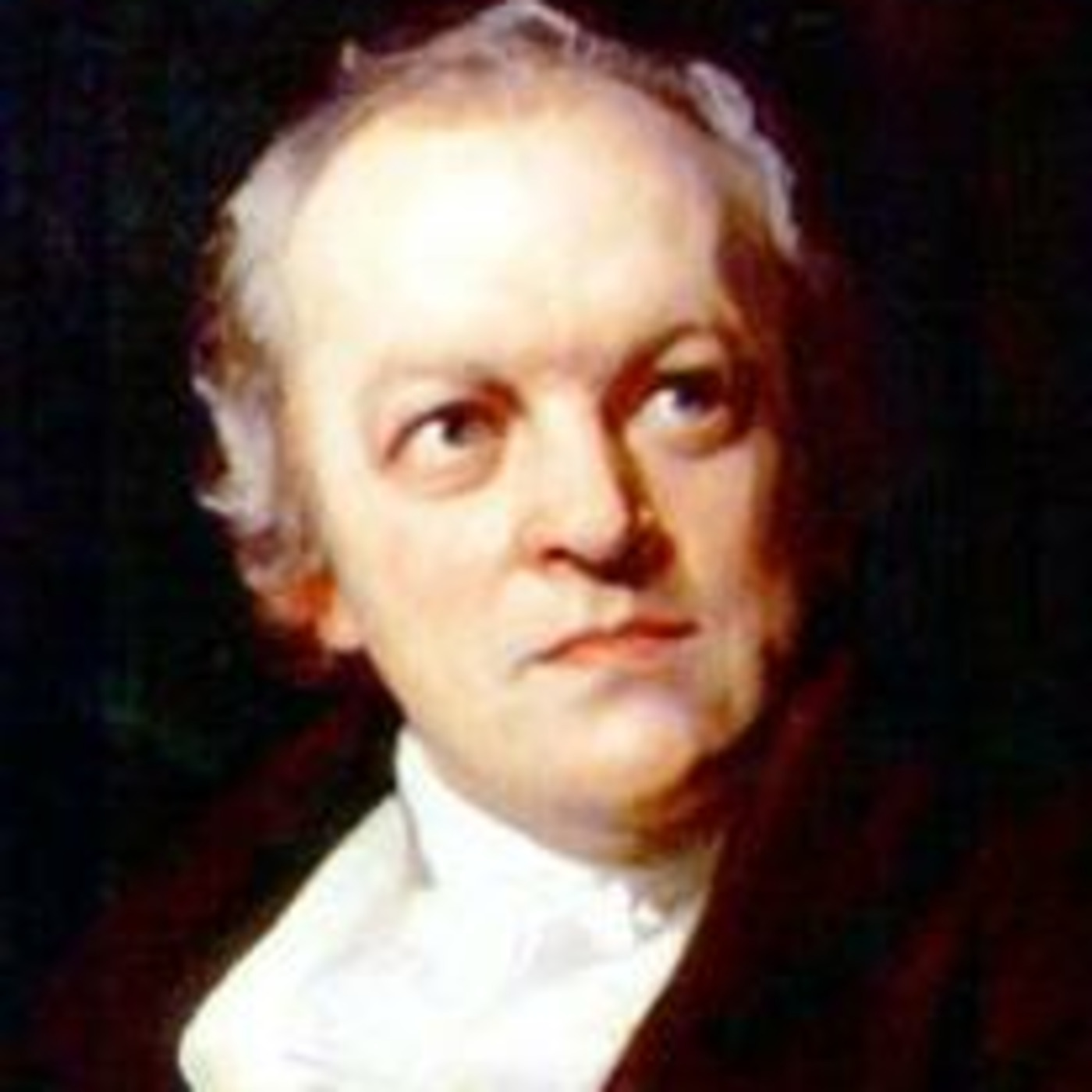
379. A Poison Tree by William Blake
W Blake read by Classic Poetry Aloud: http://www.classicpoetryaloud.com/ Giving voice to the poetry of the past. --------------------------------------------------- A Poison Tree by William Blake (1757 – 1827) I was angry with my friend: I told my wrath, my wrath did end. I was angry with my foe: I told it not, my wrath did grow. And I watered it in fears, Night and morning with my tears; And I sunned it with smiles, And with soft deceitful wiles. And it grew both day and night, Till it bore an apple bright. And my foe beheld it shine. And he knew that it was mine, And into my garden stole When the night had veiled the pole; In the morning glad I see My foe outstretched beneath the tree. First aired: 20 December 2007 For hundreds more poetry readings, visit the Classic Poetry Aloud index. Reading © Classic Poetry Aloud 2008
378. Oh thou whose face hath felt the Winter's wind by John Keats
J Keats read by Classic Poetry Aloud: http://www.classicpoetryaloud.com/ Giving voice to the poetry of the past. --------------------------------------------------- Oh thou whose face hath felt the Winter's wind by John Keats (1795 – 1821) Oh thou whose face hath felt the Winter's wind, Whose eye has seen the snow-clouds hung in mist, And the black elm tops, 'mong the freezing stars, To thee the spring will be a harvest-time. O thou, whose only book has been the light, Of supreme darkness which thou feddest on Night after night when Phoebus was away, To thee the Spring shall be a triple morn. O fret not after knowledge - I have none, And yet my song comes native with the warmth. O fret not after knowledge - I have none, And yet the Evening listens. He who saddens At thought of idleness cannot be idle, And he's awake who thinks himself asleep. First aired: 15 December 2008 For hundreds more poetry readings, visit the Classic Poetry Aloud index. Reading © Classic Poetry Aloud 2008
377. Hope is the Thing with Feathers by Emily Dickinson
E Dickinson read by Classic Poetry Aloud: http://www.classicpoetryaloud.com/ Giving voice to the poetry of the past. --------------------------------------------------- Hope is the Thing with Feathers by Emily Dickinson (1830 – 1886) "Hope" is the thing with feathers — That perches in the soul — And sings the tune without the words — And never stops — at all — And sweetest — in the Gale — is heard — And sore must be the storm — That could abash the little Bird That kept so many warm — I've heard it in the chillest land — And on the strangest Sea — Yet, never, in Extremity, It asked a crumb — of Me. First aired: 18 December 2007 For hundreds more poetry readings, visit the Classic Poetry Aloud index. Reading © Classic Poetry Aloud 2008
376. Alone by Edgar Allan Poe
EA Poe read by Classic Poetry Aloud: http://www.classicpoetryaloud.com/ Giving voice to the poetry of the past. --------------------------------------------------- Alone by Edgar Allan Poe (1809 – 1849) From childhood's hour I have not been As others were; I have not seen As others saw; I could not bring My passions from a common spring. From the same source I have not taken My sorrow; I could not awaken My heart to joy at the same tone; And all I loved, I loved alone. Then- in my childhood, in the dawn Of a most stormy life- was drawn From every depth of good and ill The mystery which binds me still: From the torrent, or the fountain, From the red cliff of the mountain, From the sun that round me rolled In its autumn tint of gold, From the lightning in the sky As it passed me flying by, From the thunder and the storm, And the cloud that took the form (When the rest of Heaven was blue) Of a demon in my view. First aired: 17 December 2007 For hundreds more poetry readings, visit the Classic Poetry Aloud index. Reading © Classic Poetry Aloud 2008
375. Love Lives Beyond The Tomb by John Clare
J Clare read by Classic Poetry Aloud: http://www.classicpoetryaloud.com/ Giving voice to the poetry of the past. --------------------------------------------------- Love Lives Beyond The Tomb by John Clare (1793 – 1864) Love lives beyond the tomb, And earth, which fades like dew! I love the fond, The faithful, and the true. Love lives in sleep: 'Tis happiness of healthy dreams: Eve's dews may weep, But love delightful seems. 'Tis seen in flowers, And in the morning's pearly dew; In earth's green hours, And in the heaven's eternal blue. 'Tis heard in Spring When light and sunbeams, warm and kind, On angel's wing Bring love and music to the mind. And where's the voice, So young, so beautiful, and sweet As Nature's choice, Where Spring and lovers meet? Love lives beyond the tomb, And earth, which fades like dew! I love the fond, The faithful, and the true. First aired: 17 December 2007 For hundreds more poetry readings, visit the Classic Poetry Aloud index. Reading © Classic Poetry Aloud 2008
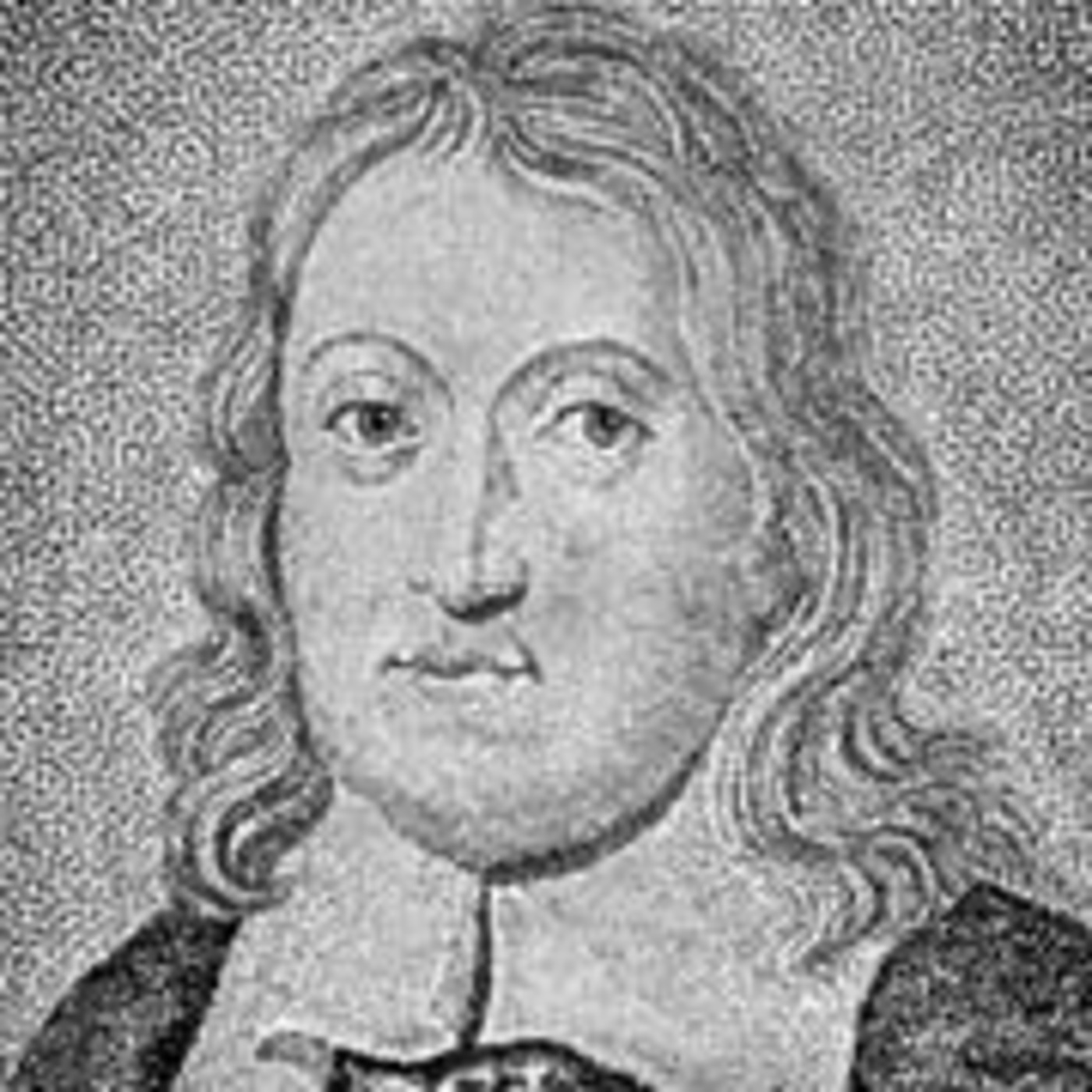
374. Psalm 4 by John Milton
J Milton read by Classic Poetry Aloud: http://www.classicpoetryaloud.com/ Giving voice to the poetry of the past. --------------------------------------------------- Psalm 4 translated by John Milton (1608 – 1674) Answer me when I call God of my righteousness; In straights and in distress Thou didst me disinthrall And set at large; now spare, Now pity me, and hear my earnest prai'r. Great ones how long will ye My glory have in scorn? How long be thus forborn Still to love vanity, To love, to seek, to prize Things false and vain and nothing else but lies? Yet know the Lord hath chose, Chose to himself a part The good and meek of heart (For whom to chuse he knows) Jehovah from on high Will hear my voyce what time to him I crie. Be aw'd, and do not sin, Speak to your hearts alone, Upon your beds, each one, And be at peace within. Offer the offerings just Of righteousness and in Jehovah trust. Many there be that say Who yet will shew us good? Talking like this worlds brood; But Lord, thus let me pray, On us lift up the light, Lift up the favour of thy count'nance bright. Into my heart more joy And gladness thou hast put Then when a year of glut Their stores doth over-cloy And from their plenteous grounds With vast increase their corn and wine abounds. In peace at once will I Both lay me down and sleep For thou alone dost keep Me safe where ere I lie: As in a rocky Cell Thou Lord alone in safety mak'st me dwell. First aired: 10 December 2008 For hundreds more poetry readings, visit the Classic Poetry Aloud index. Reading © Classic Poetry Aloud 2008

373. The Ecstasy by John Donne
J Donne read by Classic Poetry Aloud: http://www.classicpoetryaloud.com/ Giving voice to the poetry of the past. --------------------------------------------------- The Ecstasy by John Donne (1572 – 1631) Where, like a pillow on a bed, A pregnant bank swell'd up, to rest The violet's reclining head, Sat we two, one another's best. Our hands were firmly cemented By a fast balm which thence did spring; Our eye-beams twisted, and did thread Our eyes upon one double string. So to engraft our hands, as yet Was all the means to make us one; And pictures in our eyes to get Was all our propagation. As 'twixt two equal armies Fate Suspends uncertain victory, Our souls—which to advance their state Were gone out—hung 'twixt her and me. And whilst our souls negotiate there, We like sepulchral statues lay; All day the same our postures were, And we said nothing, all the day. First aired: 14 December 2007 For hundreds more poetry readings, visit the Classic Poetry Aloud index. Reading © Classic Poetry Aloud 2008
372. To the Virgins to make much of Time by Robert Herrick
Herrick read by Classic Poetry Aloud: http://www.classicpoetryaloud.com/ Giving voice to the poetry of the past. --------------------------------------------------- To the Virgins to make much of Time by Robert Herrick (1591 – 1674) Gather ye rosebuds while ye may, Old Time is still a-flying: And this same flower that smiles to-day To-morrow will be dying. The glorious lamp of heaven, the sun, The higher he's a-getting, The sooner will his race be run, And nearer he's to setting. That age is best which is the first, When youth and blood are warmer; But being spent, the worse, and worst Times still succeed the former. Then be not coy, but use your time, And while ye may, go marry: For having lost but once your prime, You may for ever tarry.
371. The Lotos-Eaters by Alfred Lord Tennyson
A Tennyson read by Classic Poetry Aloud: http://www.classicpoetryaloud.com/ Giving voice to the poetry of the past. --------------------------------------------------- The Lotos-Eaters by Alfred, Lord Tennyson (1809 – 1892) “Courage!” he said, and pointed toward the land, “This mounting wave will roll us shoreward soon.” In the afternoon they came unto a land In which it seemed always afternoon. All round the coast the languid air did swoon, Breathing like one that hath a weary dream. Full-faced above the valley stood the moon; And, like a downward smoke, the slender stream Along the cliff to fall and pause and fall did seem. A land of streams! some, like a downward smoke, Slow-dropping veils of thinnest lawn, did go; And some thro’ wavering lights and shadows broke, Rolling a slumbrous sheet of foam below. They saw the gleaming river seaward flow From the inner land; far off, three mountain-tops, Three silent pinnacles of aged snow, Stood sunset-flush’d; and, dew’d with showery drops, Up-clomb the shadowy pine above the woven copse. The charmed sunset linger’d low adown In the red West; thro’ mountain clefts the dale Was seen far inland, and the yellow down Border’d with palm, and many a winding vale And meadow, set with slender galingale; A land where all things always seem’d the same! And round about the keel with faces pale, Dark faces pale against that rosy flame, The mild-eyed melancholy Lotos-eaters came. Branches they bore of that enchanted stem, Laden with flower and fruit, whereof they gave To each, but whoso did receive of them And taste, to him the gushing of the wave Far far away did seem to mourn and rave On alien shores; and if his fellow spake, His voice was thin, as voices from the grave; And deep-asleep he seem’d, yet all awake, And music in his ears his beating heart did make. They sat them down upon the yellow sand, Between the sun and moon upon the shore; And sweet it was to dream of Fatherland, Of child, and wife, and slave; but evermore Most weary seem’d the sea, weary the oar, Weary the wandering fields of barren foam. Then some one said, “We will return no more;” And all at once they sang, “Our island home Is far beyond the wave; we will no longer roam.” CHORIC SONG I There is sweet music here that softer falls Than petals from blown roses on the grass, Or night-dews on still waters between walls Of shadowy granite, in a gleaming pass; Music that gentlier on the spirit lies, Than tir’d eyelids upon tir’d eyes; Music that brings sweet sleep down from the blissful skies. Here are cool mosses deep, And thro’ the moss the ivies creep, And in the stream the long-leaved flowers weep, And from the craggy ledge the poppy hangs in sleep. II Why are we weigh’d upon with heaviness, And utterly consumed with sharp distress, While all things else have rest from weariness? All things have rest: why should we toil alone, We only toil, who are the first of things, And make perpetual moan, Still from one sorrow to another thrown; Nor ever fold our wings, And cease from wanderings, Nor steep our brows in slumber’s holy balm; Nor harken what the inner spirit sings, “There is no joy but calm!”— Why should we only toil, the roof and crown of things? III Lo! in the middle of the wood, The folded leaf is woo’d from out the bud With winds upon the branch, and there Grows green and broad, and takes no care, Sun-steep’d at noon, and in the moon Nightly dew-fed; and turning yellow Falls, and floats adown the air. Lo! sweeten’d with the summer light, The full-juiced apple, waxing over-mellow, Drops in a silent autumn night. All its allotted length of days The flower ripens in its place, Ripens and fades, and falls, and hath no toil, Fast-rooted in the fruitful soil. IV Hateful is the dark-blue sky, Vaulted o’er the dark-blue sea. Death is the end of life; ah, why Should life all labor be? Let us alone. Time driveth onward fast, And in a little while our lips are dumb. Let us alone. What is it that will last? All things are taken from us, and become Portions and parcels of the dreadful past. Let us alone. What pleasure can we have To war with evil? Is there any peace In ever climbing up the climbing wave? All things have rest, and ripen toward the grave In silence—ripen, fall, and cease: Give us long rest or death, dark death, or dreamful ease. V How sweet it were, hearing the downward stream, With half-shut eyes ever to seem Falling asleep in a half-dream! To dream and dream, like yonder amber light, Which will not leave the myrrh-bush on the height; To hear each other’s whisper’d speech; Eating the Lotos day by day, To watch the crisping ripples on the beach, And tender curving lines of creamy spray; To lend our hearts and spirits wholly To the influence of mild-minded melancholy; To muse and brood and live again in memory, With those old faces of our infancy Heap’d over with a mound of grass, Two handfuls of white dust, shut in an urn of brass! VI Dear is the memory of our wedded lives, And dear the last emb
370. Psalm 1 by John Milton
J Milton read by Classic Poetry Aloud: http://www.classicpoetryaloud.com/ Giving voice to the poetry of the past. --------------------------------------------------- Psalm 1 translated by John Milton (1608 – 1674) Done into Verse, 1653 Bless'd is the man who hath not walk'd astray In counsel of the wicked, and ith'way Of sinners hath not stood, and in the seat Of scorners hath not sate. But in the great Jehovahs Law is ever his delight, And in his law he studies day and night. He shall be as a tree which planted grows By watry streams, and in his season knows To yield his fruit, and his leaf shall not fall. And what he takes in hand shall prosper all. Not so the wicked, but as chaff which fann'd The wind drives, so the wicked shall not stand In judgment, or abide their tryal then Nor sinners in th'assembly of just men. For the Lord knows th'upright way of the just And the way of bad men to ruine must. First aired: 27 November 2008 For hundreds more poetry readings, visit the Classic Poetry Aloud index. Reading © Classic Poetry Aloud 2008
369. The Old Familiar Faces by Charles Lamb
C Lamb read by Classic Poetry Aloud: http://www.classicpoetryaloud.com/ Giving voice to the poetry of the past. --------------------------------------------------- The Old Familiar Faces by Charles Lamb (1775–1834) I have had playmates, I have had companions, In my days of childhood, in my joyful school-days - All, all are gone, the old familiar faces. I have been laughing, I have been carousing, Drinking late, sitting late, with my bosom cronies - All, all are gone, the old familiar faces. I loved a Love once, fairest among women: Closed are her doors on me, I must not see her - All, all are gone, the old familiar faces. I have a friend, a kinder friend has no man: Like an ingrate, I left my friend abruptly; Left him, to muse on the old familiar faces. Ghost-like I paced round the haunts of my childhood, Earth seem'd a desert I was bound to traverse, Seeking to find the old familiar faces. Friend of my bosom, thou more than a brother, Why wert not thou born in my father's dwelling? So might we talk of the old familiar faces - How some they have died, and some they have left me, And some are taken from me; all are departed - All, all are gone, the old familiar faces. First aired: 4 December 2007 For hundreds more poetry readings, visit the Classic Poetry Aloud index. Reading © Classic Poetry Aloud 2008
368. Go Lovely Rose by Edmund Waller
E Waller read by Classic Poetry Aloud: http://www.classicpoetryaloud.com/ Giving voice to the poetry of the past. --------------------------------------------------- Go, lovely Rose by Edmund Waller (1606 – 1687) Go, lovely Rose— Tell her that wastes her time and me, That now she knows, When I resemble her to thee, How sweet and fair she seems to be. Tell her that 's young, And shuns to have her graces spied, That hadst thou sprung In deserts where no men abide, Thou must have uncommended died. Small is the worth Of beauty from the light retired: Bid her come forth, Suffer herself to be desired, And not blush so to be admired. Then die—that she The common fate of all things rare May read in thee; How small a part of time they share That are so wondrous sweet and fair! First aired: 4 December 2007 For hundreds more poetry readings, visit the Classic Poetry Aloud index. Reading © Classic Poetry Aloud 2008