Classic Poetry Aloud
609 episodes — Page 3 of 13
522. I Wake and Feel The Fell Of Dark Not Day by Gerard Manley Hopkins
GM Hopkins read by Classic Poetry Aloud: http://www.classicpoetryaloud.com/ Giving voice to the poetry of the past. --------------------------------------- I Wake and Feel The Fell Of Dark, Not Day by Gerard Manley Hopkins (1844 – 1889) I wake and feel the fell of dark, not day, What hour, O what black hours we have spent This night! What sights you, heart, saw; ways you went! And more must, in yet longer light's delay, – With witness I speak this. But where I say Hours I mean years, mean life. And my lament Is cries countless, cries like dead letters sent To dearest him that lives alas! away. – I am gall, I am heartburn. God's most deep decree Bitter would have me taste: my taste was me; Bones built in me, flesh filled, blood brimmed the cures. – Selfyeast of spirit a dull dough sours. I see The lost are like this, and their scourge to be As I am mine, their sweating selves; but worse. First aired: 4 June 2008 For hundreds more poetry readings, visit the Classic Poetry Aloud index. To learn a little more about the poems and poets on each poetry reading, join the mailing list. Reading © Classic Poetry Aloud 2009
521. Snake by DH Lawrence
DH Lawrence read by Classic Poetry Aloud: http://www.classicpoetryaloud.com/ Giving voice to the poetry of the past. --------------------------------------- Snake by DH Lawrence (1885 – 1930) A snake came to my water-trough On a hot, hot day, and I in pyjamas for the heat, To drink there. In the deep, strange-scented shade of the great dark carob tree I came down the steps with my pitcher And must wait, must stand and wait, for there he was at the trough before me. He reached down from a fissure in the earth-wall in the gloom And trailed his yellow-brown slackness soft-bellied down, over the edge of the stone trough And rested his throat upon the stone bottom, And where the water had dripped from the tap, in a small clearness, He sipped with his straight mouth, Softly drank through his straight gums, into his slack long body, Silently. Someone was before me at my water-trough, And I, like a second-comer, waiting. He lifted his head from his drinking, as cattle do, And looked at me vaguely, as drinking cattle do, And flickered his two-forked tongue from his lips, and mused a moment, And stooped and drank a little more, Being earth-brown, earth-golden from the burning bowels of the earth On the day of Sicilian July, with Etna smoking. The voice of my education said to me He must be killed, For in Sicily the black, black snakes are innocent, the gold are venomous. And voices in me said, If you were a man You would take a stick and break him now, and finish him off. But must I confess how I liked him, How glad I was he had come like a guest in quiet, to drink at my water-trough And depart peaceful, pacified, and thankless, Into the burning bowels of this earth? Was it cowardice, that I dared not kill him? Was it perversity, that I longed to talk to him? Was it humility, to feel so honoured? I felt so honoured. And yet those voices: If you were not afraid, you would kill him! And truly I was afraid, I was most afraid, But even so, honoured still more That he should seek my hospitality From out the dark door of the secret earth. He drank enough And lifted his head, dreamily, as one who has drunken, And flickered his tongue like a forked night on the air, so black, Seeming to lick his lips, And looked around like a god, unseeing, into the air, And slowly turned his head, And slowly, very slowly, as if thrice adream, Proceeded to draw his slow length curving round And climb again the broken bank of my wall-face. And as he put his head into that dreadful hole, And as he slowly drew up, snake-easing his shoulders, and entered farther, A sort of horror, a sort of protest against his withdrawing into that horrid black hole, Deliberately going into the blackness, and slowly drawing himself after, Overcame me now his back was turned. I looked round, I put down my pitcher, I picked up a clumsy log And threw it at the water-trough with a clatter. I think it did not hit him, But suddenly that part of him that was left behind convulsed in undignified haste, Writhed like lightning, and was gone Into the black hole, the earth-lipped fissure in the wall-front, At which, in the intense still noon, I stared with fascination. And immediately I regretted it. I thought how paltry, how vulgar, what a mean act! I despised myself and the voices of my accursed human education. And I thought of the albatross, And I wished he would come back, my snake. For he seemed to me again like a king, Like a king in exile, uncrowned in the underworld, Now due to be crowned again. And so, I missed my chance with one of the lords Of life. And I have something to expiate: A pettiness. First aired: 30 May 2008 For hundreds more poetry readings, visit the Classic Poetry Aloud index. Reading © Classic Poetry Aloud 2009
520. November by Edward Thomas
E Thomas read by Classic Poetry Aloud: http://www.classicpoetryaloud.com/ Giving voice to the poetry of the past. --------------------------------------- November by Edward Thomas (1878 – 1917) November's days are thirty: November's earth is dirty, Those thirty days, from first to last; And the prettiest things on ground are the paths With morning and evening hobnails dinted, With foot and wing-tip overprinted Or separately charactered, Of little beast and little bird. The fields are mashed by sheep, the roads Make the worst going, the best the woods Where dead leaves upward and downward scatter. Few care for the mixture of earth and water, Twig, leaf, flint, thorn, Straw, feather, all that men scorn, Pounded up and sodden by flood, Condemned as mud. But of all the months when earth is greener Not one has clean skies that are cleaner. Clean and clear and sweet and cold, They shine above the earth so old, While the after-tempest cloud Sails over in silence though winds are loud, Till the full moon in the east Looks at the planet in the west And earth is silent as it is black, Yet not unhappy for its lack. Up from the dirty earth men stare: One imagines a refuge there Above the mud, in the pure bright Of the cloudless heavenly light: Another loves earth and November more dearly Because without them, he sees clearly, The sky would be nothing more to his eye Than he, in any case, is to the sky; He loves even the mud whose dyes Renounce all brightness to the skies. First aired: 25 November 2009 For hundreds more poetry readings, visit the Classic Poetry Aloud index. Reading © Classic Poetry Aloud 2009
519. Into My Heart by AE Housman (Poem 40 from A Shropshire Lad by AE Housman)
Poem 40 from A Shropshire Lad (Into My Heart) by AE Housman (1859 – 1936) Into my heart on air that kills From yon far country blows: What are those blue remembered hills, What spires, what farms are those? That is the land of lost content, I see it shining plain, The happy highways where I went And cannot come again. First aired: 24 November 2009 For hundreds more poetry readings, visit the Classic Poetry Aloud index. Reading © Classic Poetry Aloud 2009
518. A Quoi Bon Dire by Charlotte Mew
Charlotte Mew read by Classic Poetry Aloud: http://www.classicpoetryaloud.com/ Giving voice to the poetry of the past. --------------------------------------------- A Quoi Bon Dire by Charlotte Mew(1869 – 1928) Seventeen years ago you said Something that sounded like Good-bye; And everybody thinks that you are dead, But I. So I, as I grow stiff and cold To this and that say Good-bye too; And everybody sees that I am old But you. And one fine morning in a sunny lane Some boy and girl will meet and kiss and swear That nobody can love their way again While over there You will have smiled, I shall have tossed your hair. First aired: 28 May 2008 For hundreds more poetry readings, visit the Classic Poetry Aloud index. Reading © Classic Poetry Aloud 2009
516. Pied Beauty by Gerard Manley Hopkins
GM Hopkins read by Classic Poetry Aloud: http://www.classicpoetryaloud.com/ Giving voice to the poetry of the past. --------------------------------------- Pied Beauty by Gerard Manley Hopkins (1844 – 1889) Glory be to God for dappled things— For skies of couple-colour as a brinded cow; For rose-moles all in stipple upon trout that swim; Fresh-firecoal chestnut-falls; finches’ wings; Landscape plotted and pieced—fold, fallow, and plough; And áll trádes, their gear and tackle and trim. All things counter, original, spare, strange; Whatever is fickle, freckled (who knows how?) With swift, slow; sweet, sour; adazzle, dim; He fathers-forth whose beauty is past change: Praise him. First aired: 21 November 2009 For hundreds more poetry readings, visit the Classic Poetry Aloud index. Reading © Classic Poetry Aloud 2009
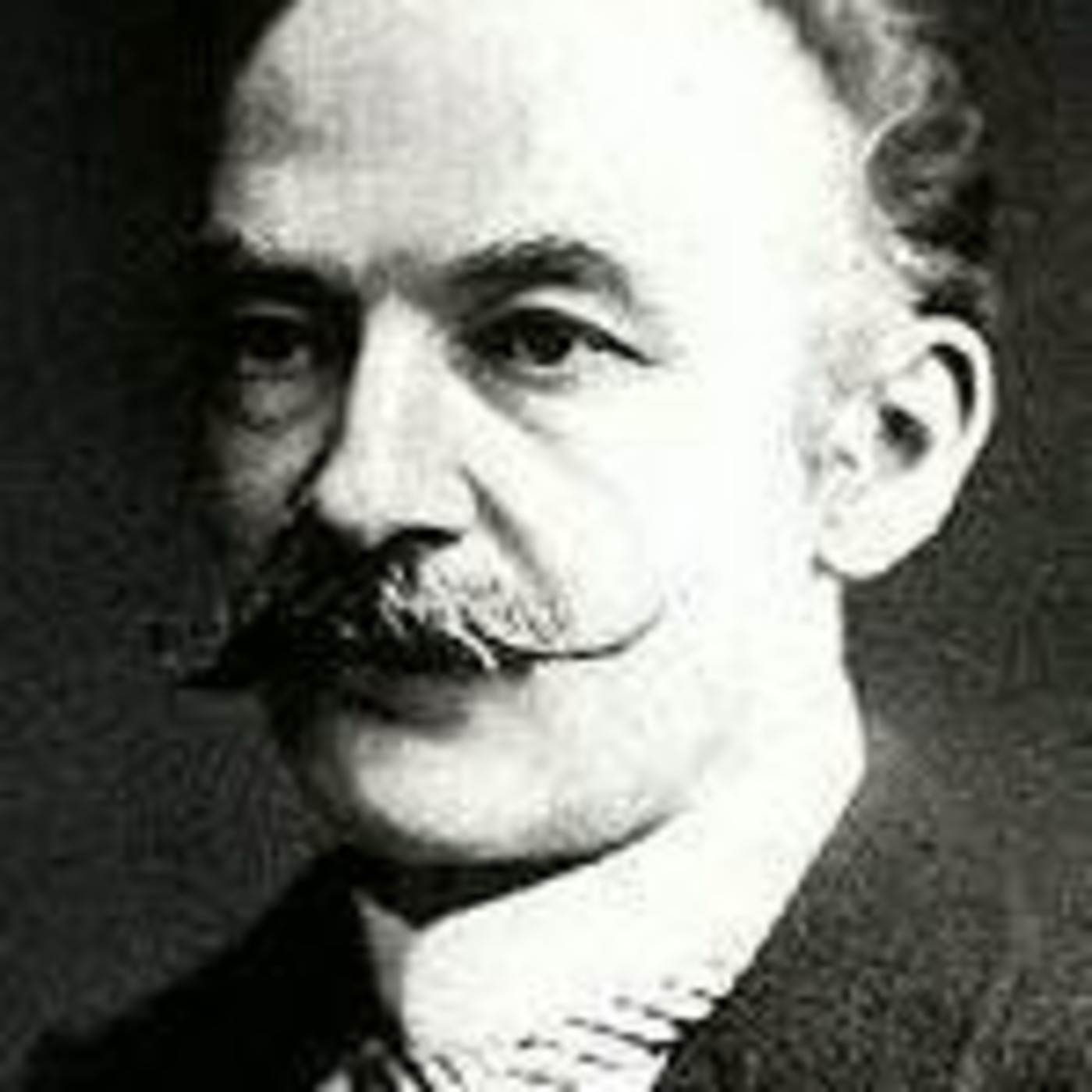
515. The Darkling Thrush by Thomas Hardy
T Hardy read by Classic Poetry Aloud: http://www.classicpoetryaloud.com/ Giving voice to the poetry of the past. --------------------------------------- The Darkling Thrush by Thomas Hardy (1840 – 1928) I leant upon a coppice gate When Frost was spectre-gray, And Winter's dregs made desolate The weakening eye of day. The tangled bine-stems scored the sky Like strings of broken lyres, And all mankind that haunted nigh Had sought their household fires. The land's sharp features seemed to be The Century's corpse outleant, His crypt the cloudy canopy, The wind his death-lament. The ancient pulse of germ and birth Was shrunken hard and dry, And every spirit upon earth Seemed fervourless as I. At once a voice arose among The bleak twigs overhead In a full-hearted evensong Of joy illimited; An aged thrush, frail, gaunt, and small, In blast-beruffled plume, Had chosen thus to fling his soul Upon the growing gloom. So little cause for carolings Of such ecstatic sound Was written on terrestrial things Afar or nigh around, That I could think there trembled through His happy good-night air Some blessed Hope, whereof he knew And I was unaware. First aired: 17 November 2007 For hundreds more poetry readings, visit the Classic Poetry Aloud index Reading © Classic Poetry Aloud 2009
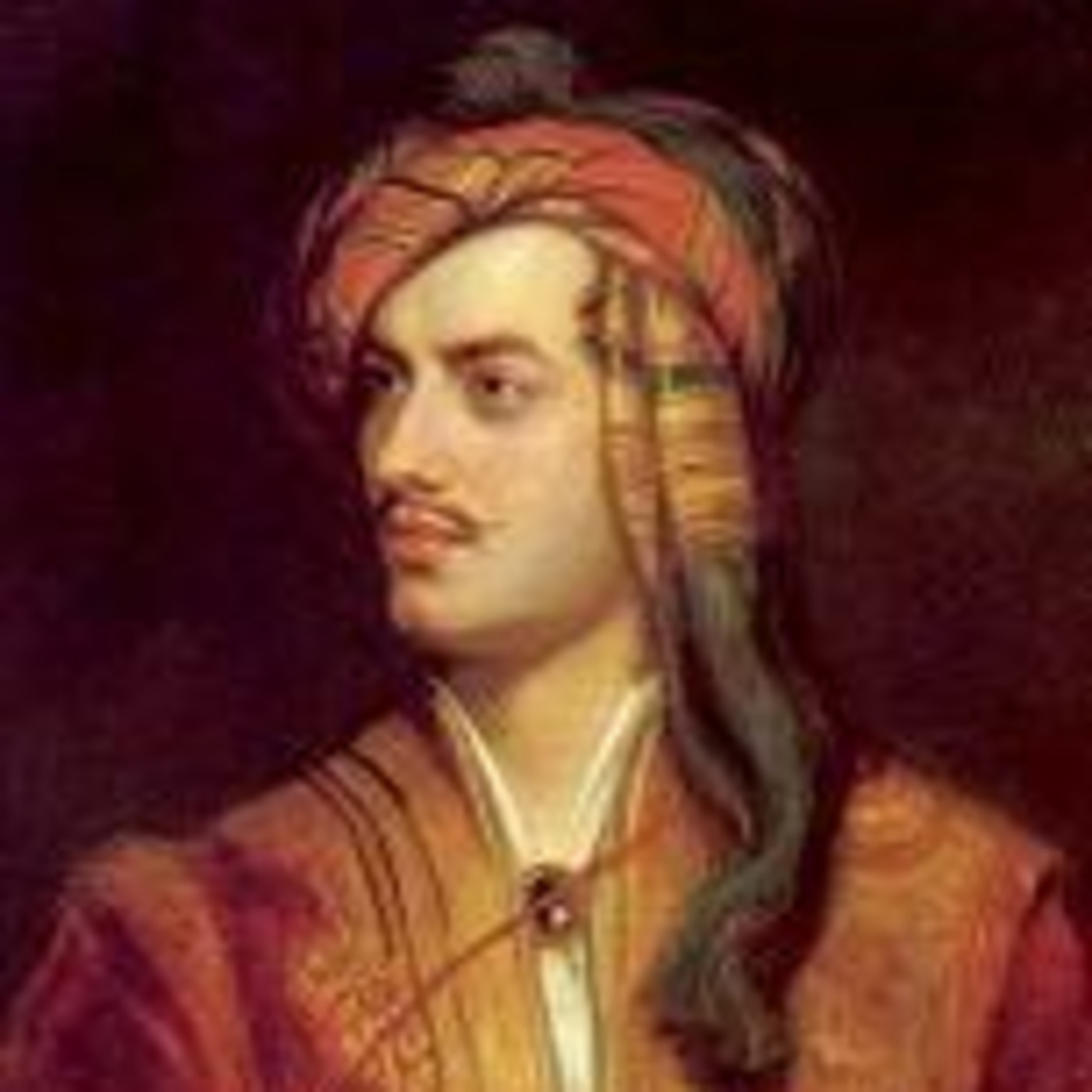
514. Stanzas to Augusta by Lord Byron
Lord Byron read by Classic Poetry Aloud: http://www.classicpoetryaloud.com/ Giving voice to the poetry of the past. --------------------------------------- Stanzas to Augusta by Lord Byron (1788 – 1824) When all around grew drear and dark, And reason half withheld her ray— And hope but shed a dying spark Which more misled my lonely way; In that deep midnight of the mind, And that internal strife of heart, When dreading to be deemed too kind, The weak despair—the cold depart; When fortune changed—and love fled far, And hatred's shafts flew thick and fast, Thou wert the solitary star Which rose, and set not to the last. Oh, blest be thine unbroken light! That watched me as a seraph's eye, And stood between me and the night, For ever shining sweetly nigh. And when the cloud upon us came, Which strove to blacken o'er thy ray— Then purer spread its gentle flame, And dashed the darkness all away. Still may thy spirit dwell on mine, And teach it what to brave or brook— There's more in one soft word of thine Than in the world's defied rebuke. Thou stood'st as stands a lovely tree That, still unbroke though gently bent, Still waves with fond fidelity Its boughs above a monument. The winds might rend, the skies might pour, But there thou wert—and still wouldst be Devoted in the stormiest hour To shed thy weeping leaves o'er me. But thou and thine shall know no blight, Whatever fate on me may fall; For heaven in sunshine will requite The kind—and thee the most of all. Then let the ties of baffled love Be broken—thine will never break; Thy heart can feel—but will not move; Thy soul, though soft, will never shake. And these, when all was lost beside, Were found, and still are fixed in thee;— And bearing still a breast so tried, Earth is no desert—e'en to me. First aired: 20 November 2009 For hundreds more poetry readings, visit the Classic Poetry Aloud index. Reading © Classic Poetry Aloud 2009
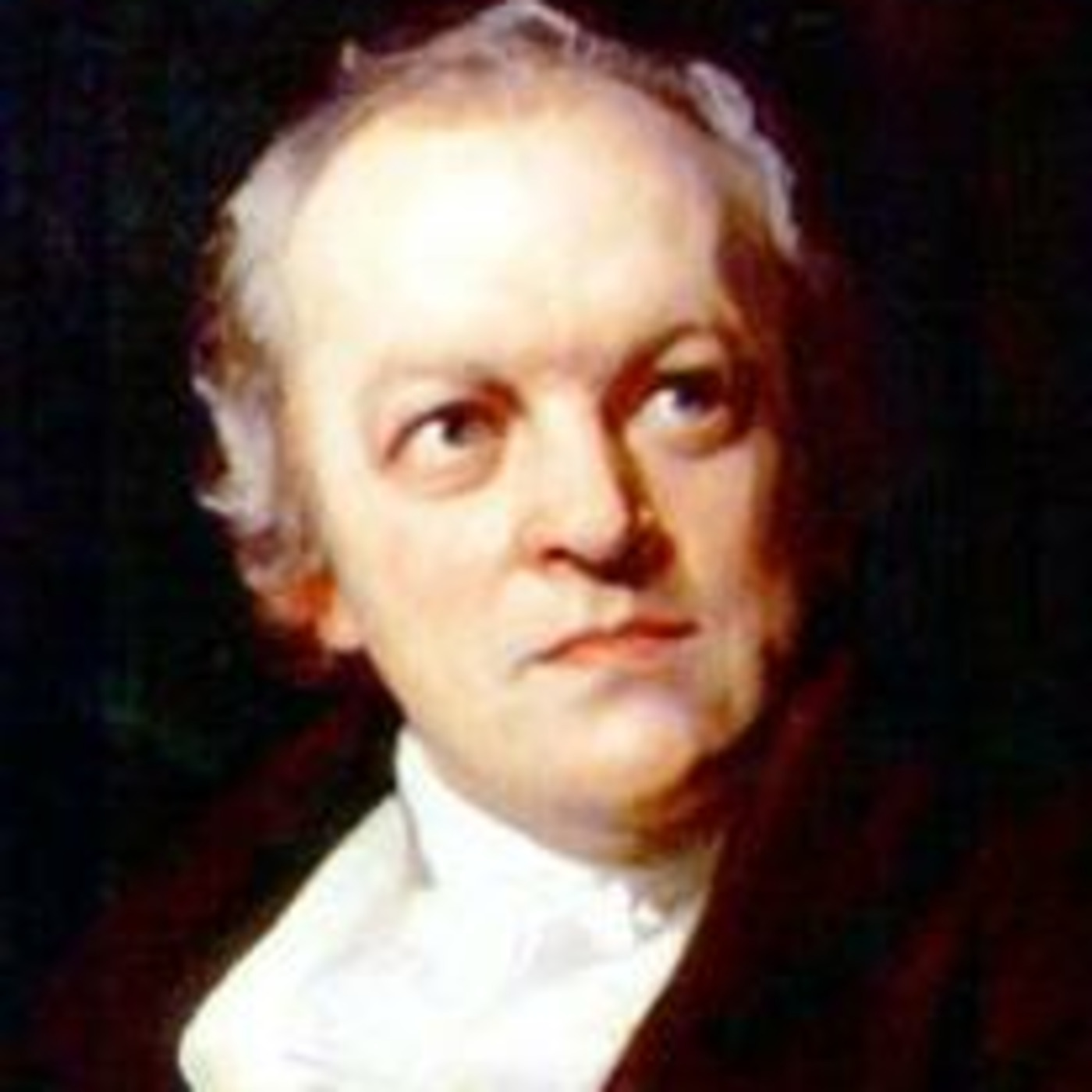
513. Lullaby by William Blake
W Blake read by Classic Poetry Aloud: http://www.classicpoetryaloud.com/ Giving voice to the poetry of the past. --------------------------------------- Lullaby A prologue to King Edward the Fourth by William Blake (1757 – 1827) O for a voice like thunder, and a tongue To drown the throat of war! - When the senses Are shaken, and the soul is driven to madness, Who can stand? When the souls of the oppressed Fight in the troubled air that rages, who can stand? When the whirlwind of fury comes from the Throne of God, when the frowns of his countenance Drive the nations together, who can stand? When Sin claps his broad wings over the battle, And sails rejoicing in the flood of Death; When souls are torn to everlasting fire, And fiends of Hell rejoice upon the slain, O who can stand? O who hath caused this? O who can answer at the throne of God? The Kings and Nobles of the Land have done it! Hear it not, Heaven, thy Ministers have done it! First aired: 19 November 2009 For hundreds more poetry readings, visit the Classic Poetry Aloud index. Reading © Classic Poetry Aloud 2009
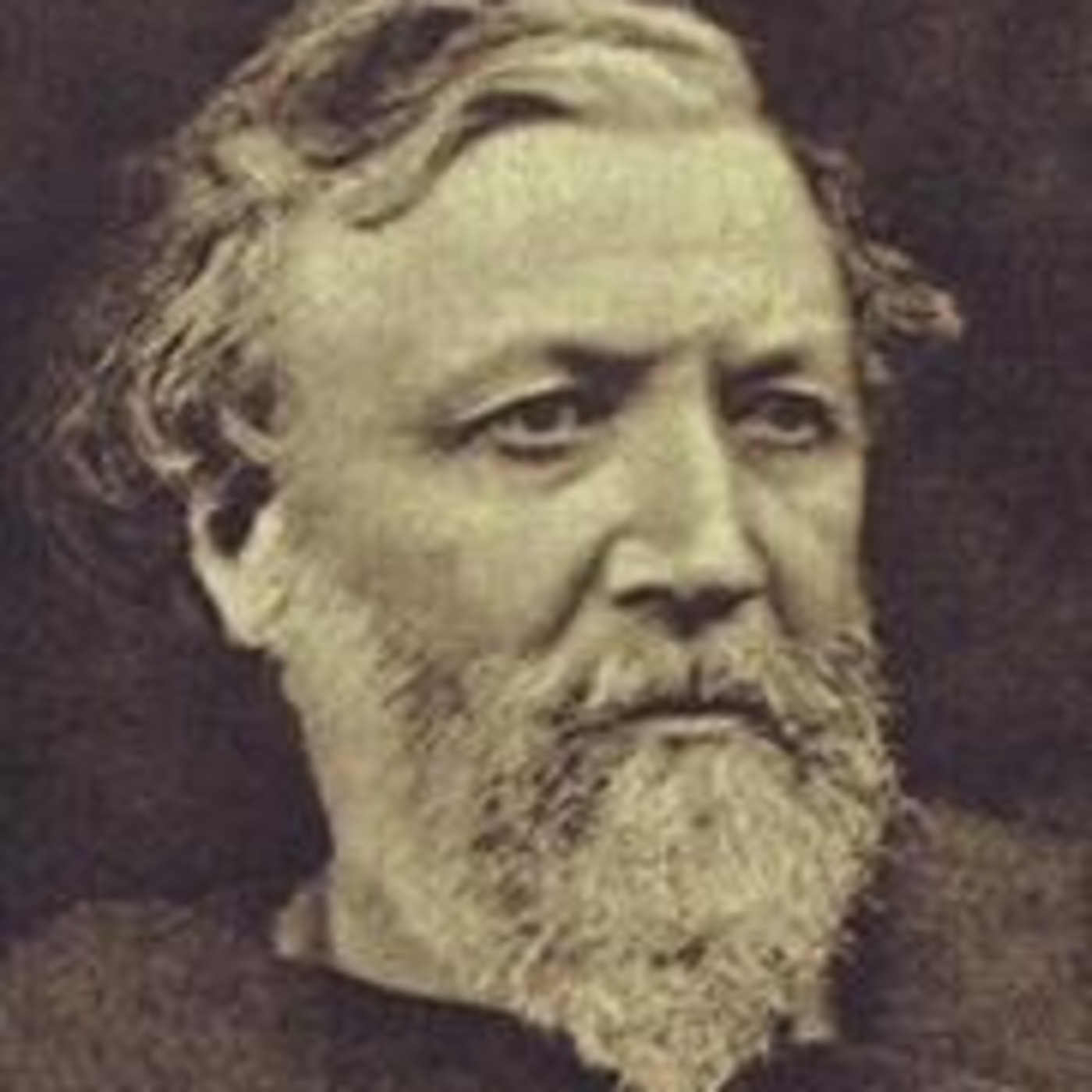
512. One Way of Love by Robert Browning
R Browning read by Classic Poetry Aloud: http://www.classicpoetryaloud.com/ Giving voice to the poetry of the past. --------------------------------------- One Way of Love by Robert Browning (1812 – 1889) All June I bound the rose in sheaves. Now, rose by rose, I strip the leaves And strow them where Pauline may pass. She will not turn aside? Alas! Let them lie. Suppose they die? The chance was they might take her eye. How many a month I strove to suit These stubborn fingers to the lute! To-day I venture all I know. She will not hear my music? So! Break the string; fold music’s wing: Suppose Pauline had bade me sing! My whole life long I learn’d to love. This hour my utmost art I prove And speak my passion - heaven or hell? She will not give me heaven? ’T is well! Lose who may - I still can say, Those who win heaven, bless’d are they! First aired: 2 June 2008 For hundreds more poetry readings, visit the Classic Poetry Aloud index. Reading © Classic Poetry Aloud 2009
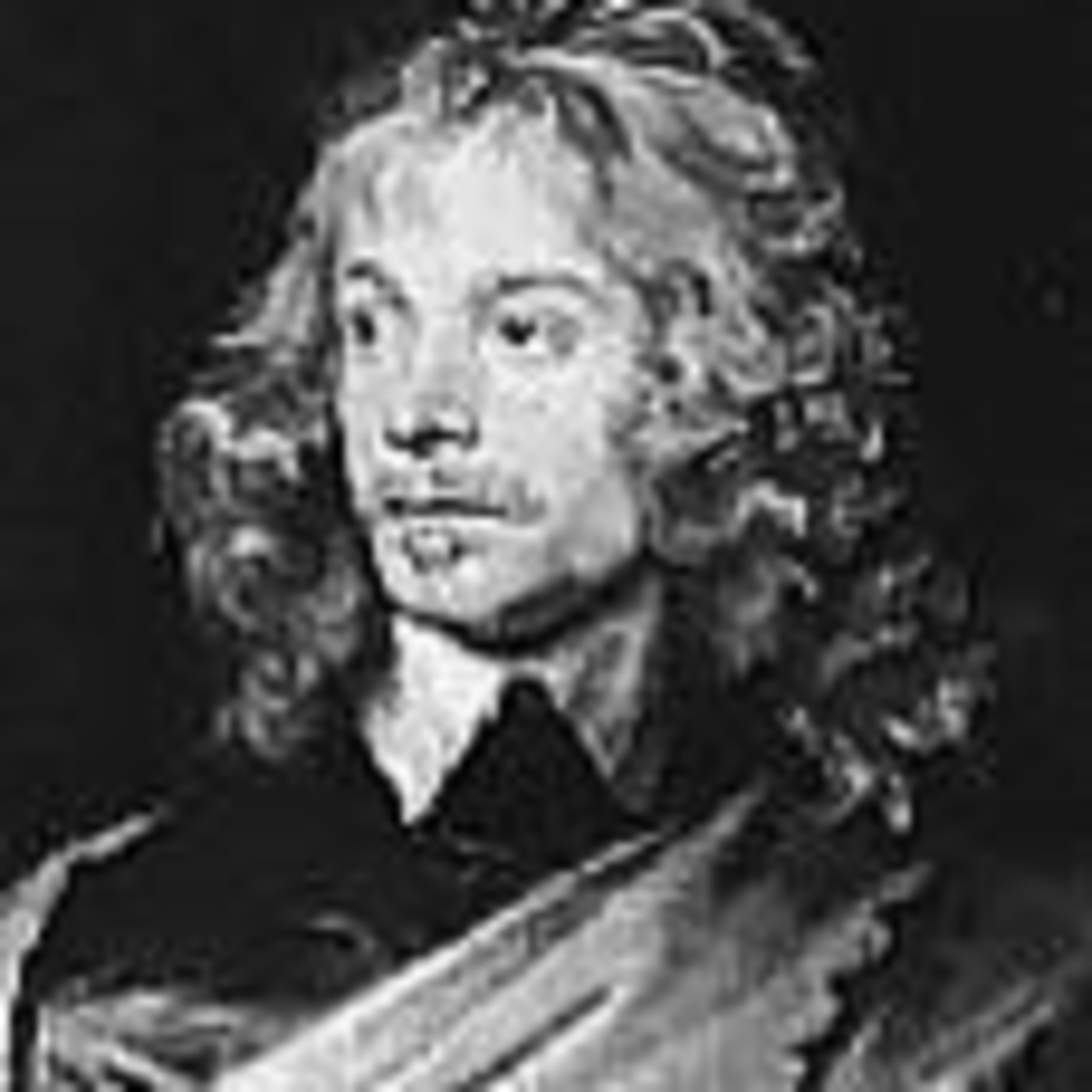
511. Why So Pale and Wan? by Sir John Suckling
J Suckling read by Classic Poetry Aloud: http://www.classicpoetryaloud.com/ Giving voice to the poetry of the past. --------------------------------------- Why so Pale and Wan? by Sir John Suckling (1609 – 1642) Why so pale and wan, fond lover? Prithee, why so pale? Will, when looking well can't move her, Looking ill prevail? Prithee, why so pale? Why so dull and mute, young sinner? Prithee, why so mute? Will, when speaking well can't win her, Saying nothing do 't? Prithee, why so mute? Quit, quit for shame! This will not move; This cannot take her. If of herself she will not love, Nothing can make her: The devil take her! First aired: 22 May 2008 For hundreds more poetry readings, visit the Classic Poetry Aloud index. Reading © Classic Poetry Aloud 2009
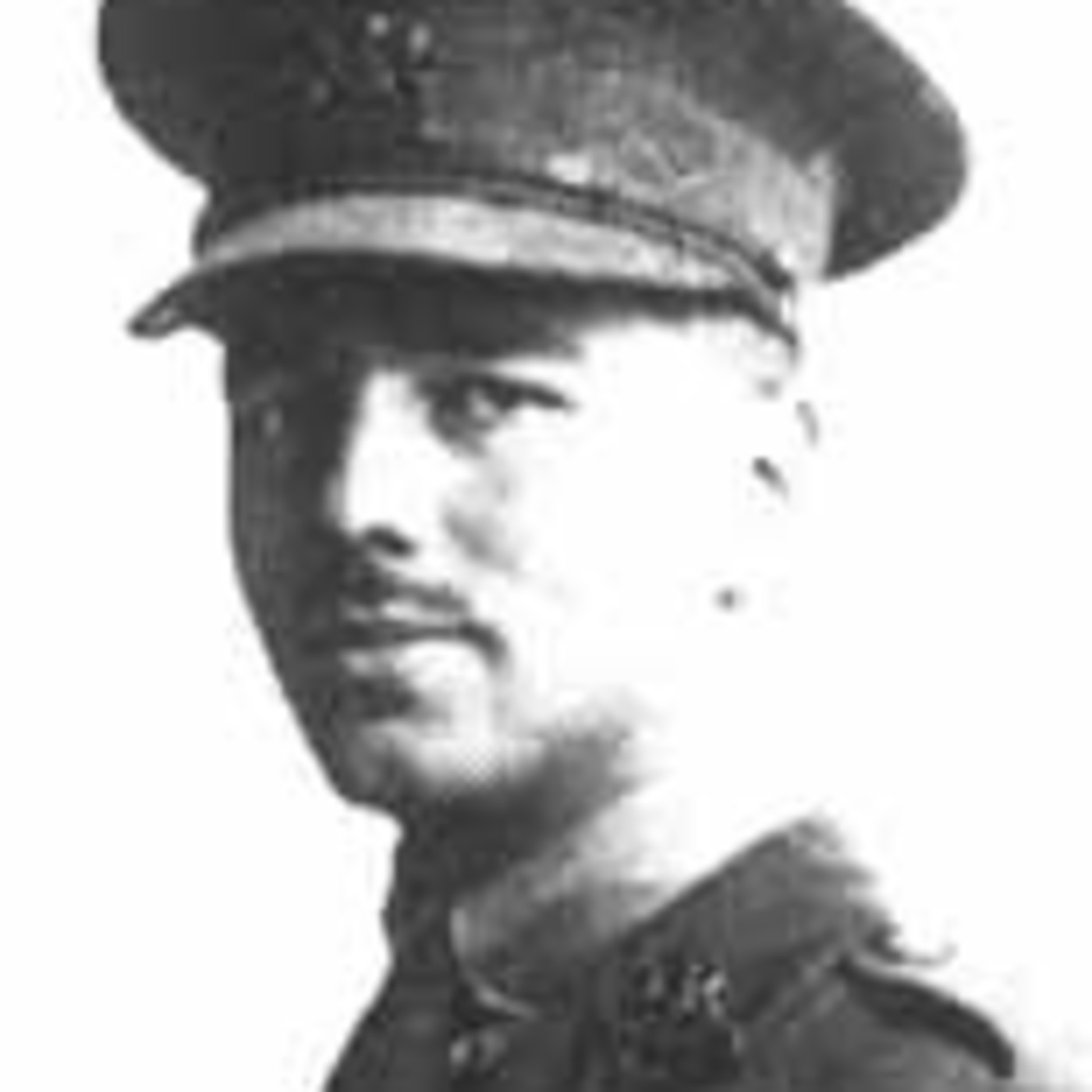
510. Disabled by Wilfred Owen
W Owen read by Classic Poetry Aloud: http://www.classicpoetryaloud.com/ Giving voice to the poetry of the past. --------------------------------------- Disabled by Wilfred Owen (1893 – 1918) He sat in a wheeled chair, waiting for dark, And shivered in his ghastly suit of grey, Legless, sewn short at elbow. Through the park Voices of boys rang saddening like a hymn, Voices of play and pleasure after day, Till gathering sleep had mothered them from him. About this time Town used to swing so gay When glow-lamps budded in the light-blue trees And girls glanced lovelier as the air grew dim, — In the old times, before he threw away his knees. Now he will never feel again how slim Girls' waists are, or how warm their subtle hands, All of them touch him like some queer disease. There was an artist silly for his face, For it was younger than his youth, last year. Now he is old; his back will never brace; He's lost his colour very far from here, Poured it down shell-holes till the veins ran dry, And half his lifetime lapsed in the hot race, And leap of purple spurted from his thigh. One time he liked a bloodsmear down his leg, After the matches carried shoulder-high. It was after football, when he'd drunk a peg, He thought he'd better join. He wonders why . . . Someone had said he'd look a god in kilts. That's why; and maybe, too, to please his Meg, Aye, that was it, to please the giddy jilts, He asked to join. He didn't have to beg; Smiling they wrote his lie; aged nineteen years. Germans he scarcely thought of; and no fears Of Fear came yet. He thought of jewelled hilts For daggers in plaid socks; of smart salutes; And care of arms; and leave; and pay arrears; Esprit de corps; and hints for young recruits. And soon, he was drafted out with drums and cheers. Some cheered him home, but not as crowds cheer Goal. Only a solemn man who brought him fruits Thanked him; and then inquired about his soul. Now, he will spend a few sick years in Institutes, And do what things the rules consider wise, And take whatever pity they may dole. To-night he noticed how the women's eyes Passed from him to the strong men that were whole. How cold and late it is! Why don't they come And put him into bed? Why don't they come? First aired: 8 November 2009 For hundreds more poetry readings, visit the Classic Poetry Aloud index. Reading © Classic Poetry Aloud 2009
509. Envoy by Francis Thompson
F Thompson read by Classic Poetry Aloud: http://www.classicpoetryaloud.com/ Giving voice to the poetry of the past. --------------------------------------- Envoy by Francis Thompson (1859 – 1907) Go, songs, for ended is our brief, sweet play; Go, children of swift joy and tardy sorrow: And some are sung, and that was yesterday, And some unsung, and that may be to-morrow. Go forth; and if it be o'er stony way, Old joy can lend what newer grief must borrow: And it was sweet, and that was yesterday, And sweet is sweet, though purchas-ed with sorrow. Go, songs, and come not back from your far way: And if men ask you why ye smile and sorrow, Tell them ye grieve, for your hearts know To-day, Tell them ye smile, for your eyes know To-morrow. First aired: 5 May 2008 For hundreds more poetry readings, visit the Classic Poetry Aloud index. Reading © Classic Poetry Aloud 2009
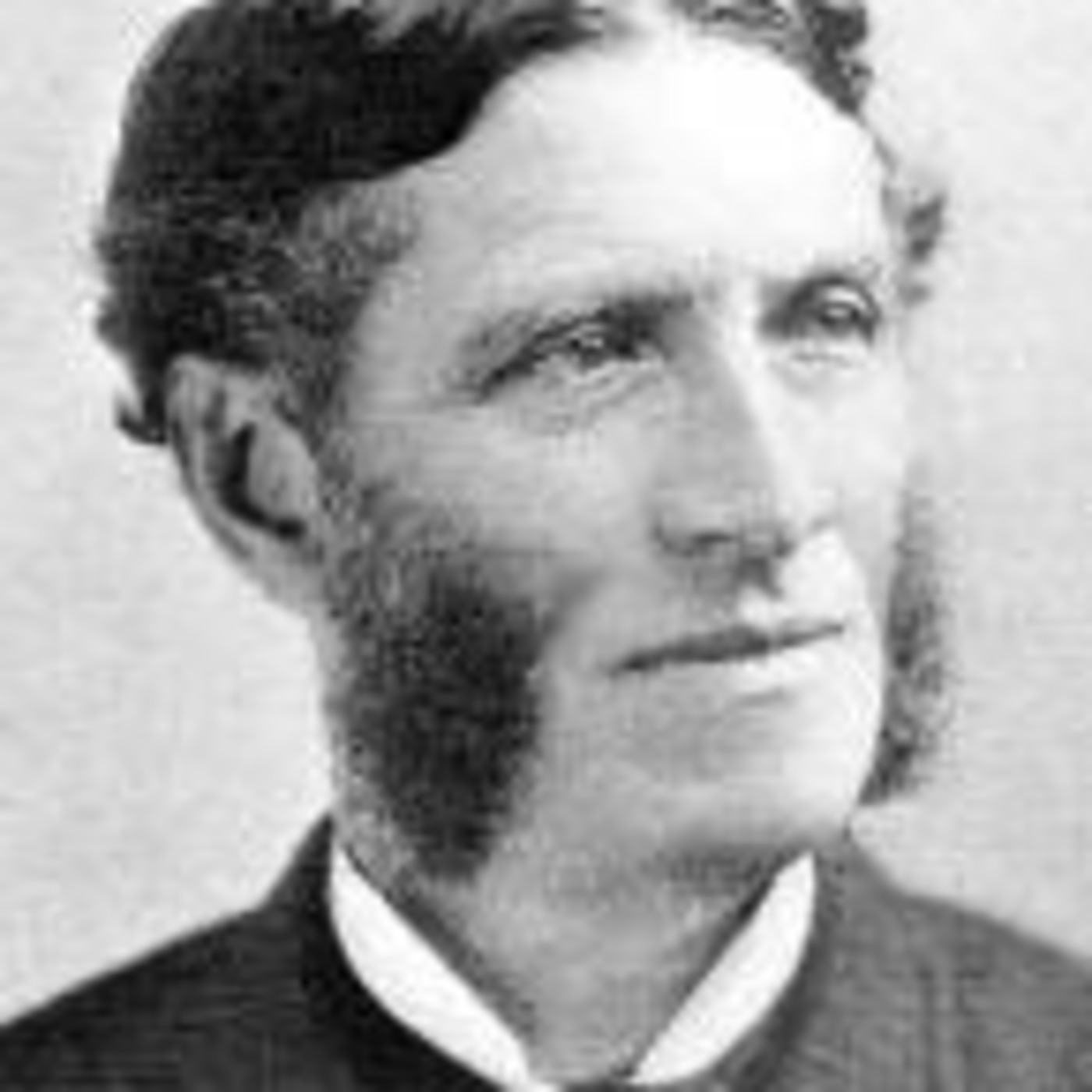
508. Immortality by Matthew Arnold
Arnold read by Classic Poetry Aloud: http://www.classicpoetryaloud.com/ Giving voice to the poetry of the past. --------------------------------------------- Immortality by Matthew Arnold (1822 – 1888) (Mathew Arnold died on this day – 15 April – in 1888.) Foil'd by our fellow-men, depress'd, outworn, We leave the brutal world to take its way, And, Patience! in another life, we say The world shall be thrust down, and we up-borne. And will not, then, the immortal armies scorn The world's poor, routed leavings? or will they, Who fail'd under the heat of this life's day, Support the fervours of the heavenly morn? No, no! the energy of life may be Kept on after the grave, but not begun; And he who flagg'd not in the earthly strife, From strength to strength advancing - only he, His soul well-knit, and all his battles won, Mounts, and that hardly, to eternal life.
507. Sonnet 2 When forty winters shall besiege thy brow by William Shakespeare
W Shakespeare read by Classic Poetry Aloud: http://www.classicpoetryaloud.com/ Giving voice to the poetry of the past. --------------------------------------- Sonnet 2 When forty winters shall besiege thy brow by William Shakespeare (1564 – 1616) When forty winters shall besiege thy brow, And dig deep trenches in thy beauty's field, Thy youth's proud livery so gazed on now, Will be a tattered weed of small worth held. Then being asked, where all thy beauty lies, Where all the treasure of thy lusty days, To say within thine own deep sunken eyes, Were an all-eating shame, and thriftless praise. How much more praise deserved thy beauty's use, If thou couldst answer, "This fair child of mine Shall sum my count, and make my old excuse," Proving his beauty by succession thine. This were to be new made when thou art old, And see thy blood warm when thou feel'st it cold. First aired: 13 September 2009 For hundreds more poetry readings, visit the Classic Poetry Aloud index. Reading © Classic Poetry Aloud 2009
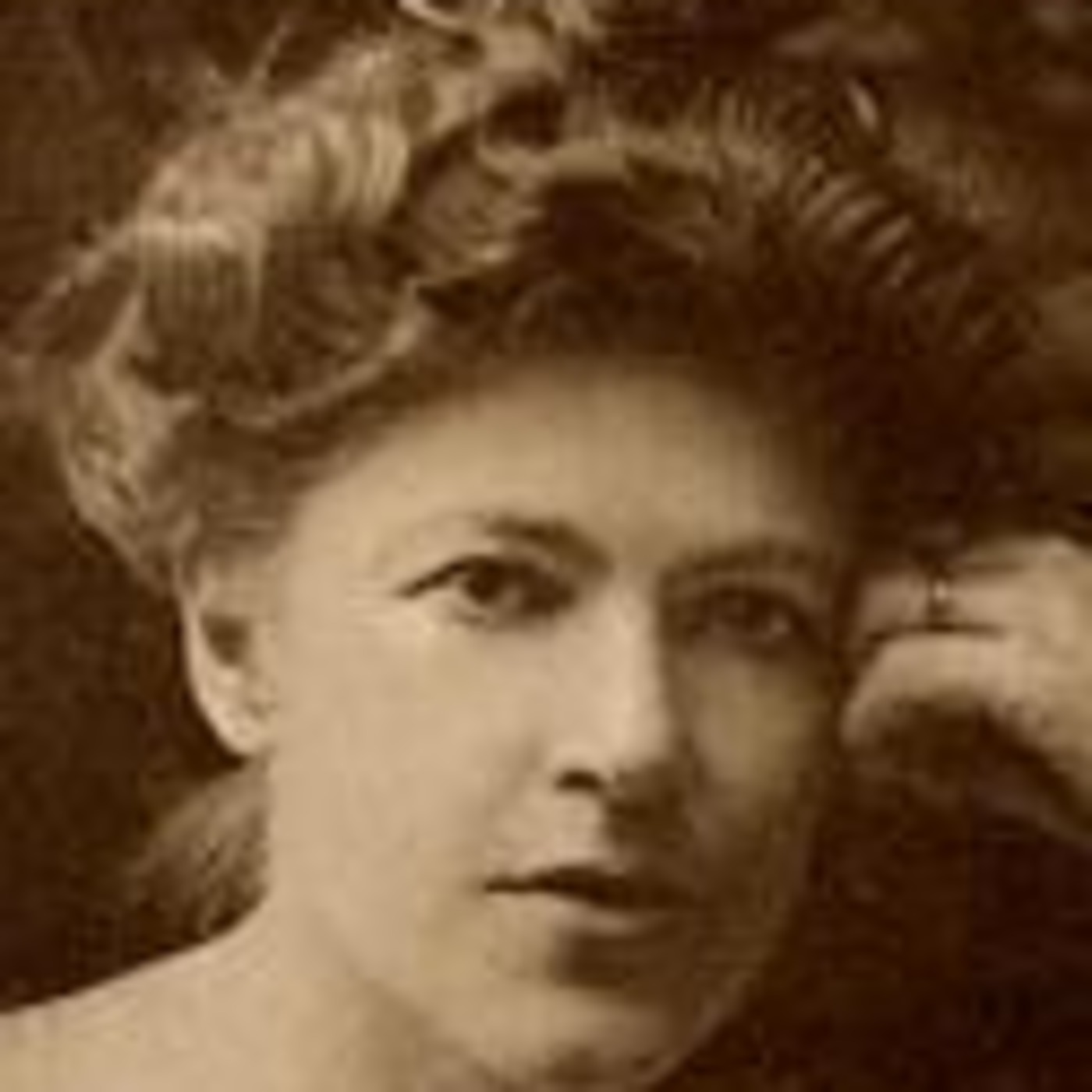
506. I Told You by Ella Wheeler Wilcox
Ella Wheeler Wilcox read by Classic Poetry Aloud: http://www.classicpoetryaloud.com/ Giving voice to the poetry of the past. --------------------------------------------------- I Told You by Ella Wheeler Wilcox (1850 – 1919) I told you the winter would go, love, I told you the winter would go. That he'd flee in shame when the south wind came, And you smiled when I told you so. You said the blustering fellow Would never yield to a breeze, That his cold, icy breath had frozen to death The flowers, and birds, and trees. And I told you the snow would melt, love, In the passionate glance o' the sun; And the leaves o' the trees, and the flowers and bees, Would come back again, one by one. That the great, gray clouds would vanish, And the sky turn tender and blue; And the sweet birds would sing, and talk of the spring, And, love, it has all come true. I told you that sorrow would fade, love, And you would forget half your pain; That the sweet bird of song would waken ere long, And sing in your bosom again; That hope would creep out of the shadows, And back to its nest in your heart, And gladness would come, and find its old home, And that sorrow at length would depart. I told you that grief seldom killed, love, Though the heart might seem dead for awhile, But the world is so bright, and so full of warm light That 'twould waken at length, in its smile. Ah, love! was I not a true prophet? There's a sweet happy smile on your face; Your sadness has flown - the snow-drift is gone, And the buttercups bloom in its place. First aired: 27 Dec 2007 For hundreds more poetry readings, visit the Classic Poetry Aloud index. Reading © Classic Poetry Aloud 2009
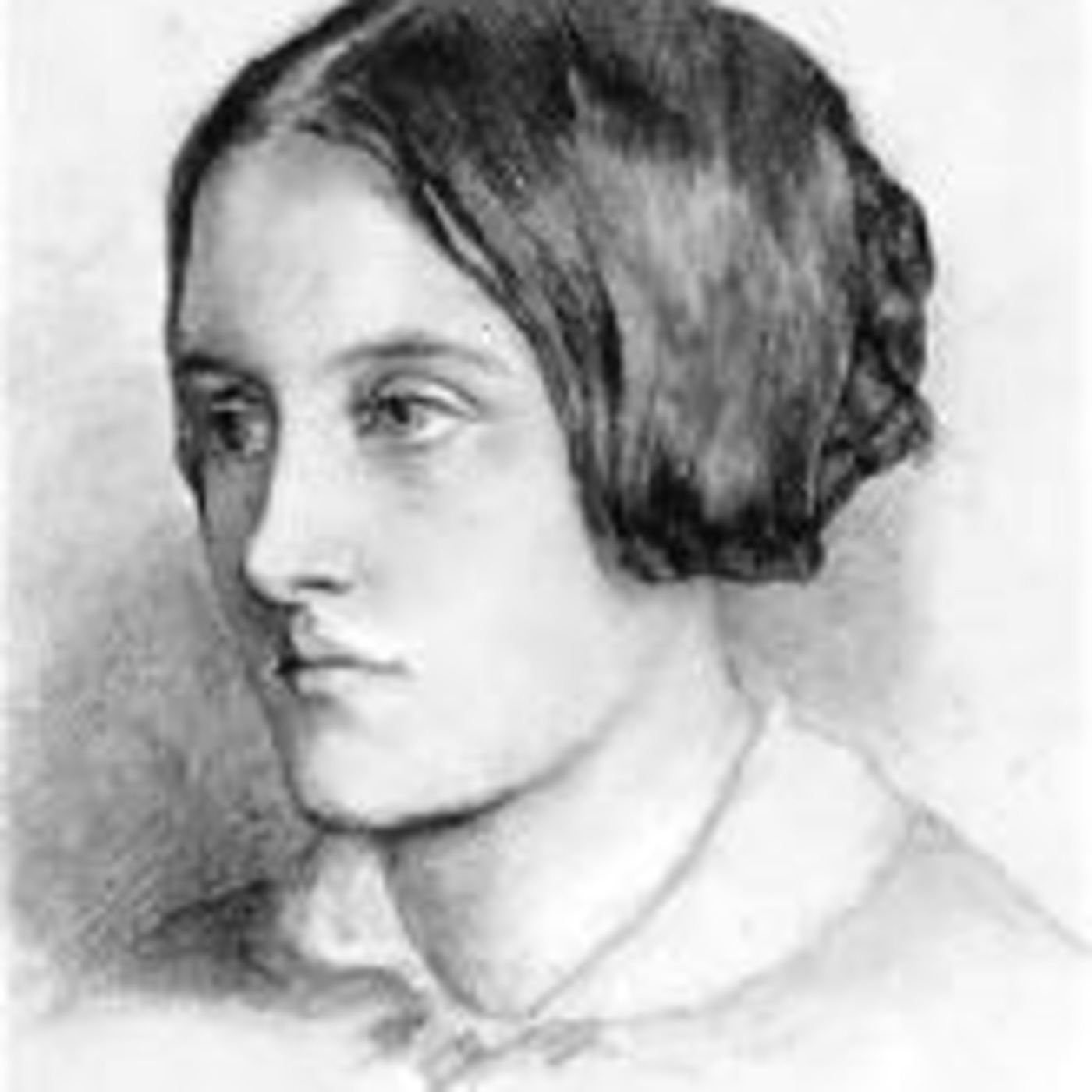
505. Song by Christina Georgina Rossetti
CG Rossetti read by Classic Poetry Aloud: http://www.classicpoetryaloud.com/ Giving voice to the poetry of the past. --------------------------------------- Song by Christina Georgina Rossetti (1830 – 1894) When I am dead, my dearest, Sing no sad songs for me; Plant thou no roses at my head, Nor shady cypress tree: Be the green grass above me With showers and dewdrops wet; And if thou wilt, remember, And if thou wilt, forget. I shall not see the shadows, I shall not feel the rain; I shall not hear the nightingale Sing on, as if in pain: And dreaming through the twilight That doth not rise nor set, Haply I may remember, And haply may forget. First aired: 27 May 2008 For hundreds more poetry readings, visit the Classic Poetry Aloud index. Reading © Classic Poetry Aloud 2009
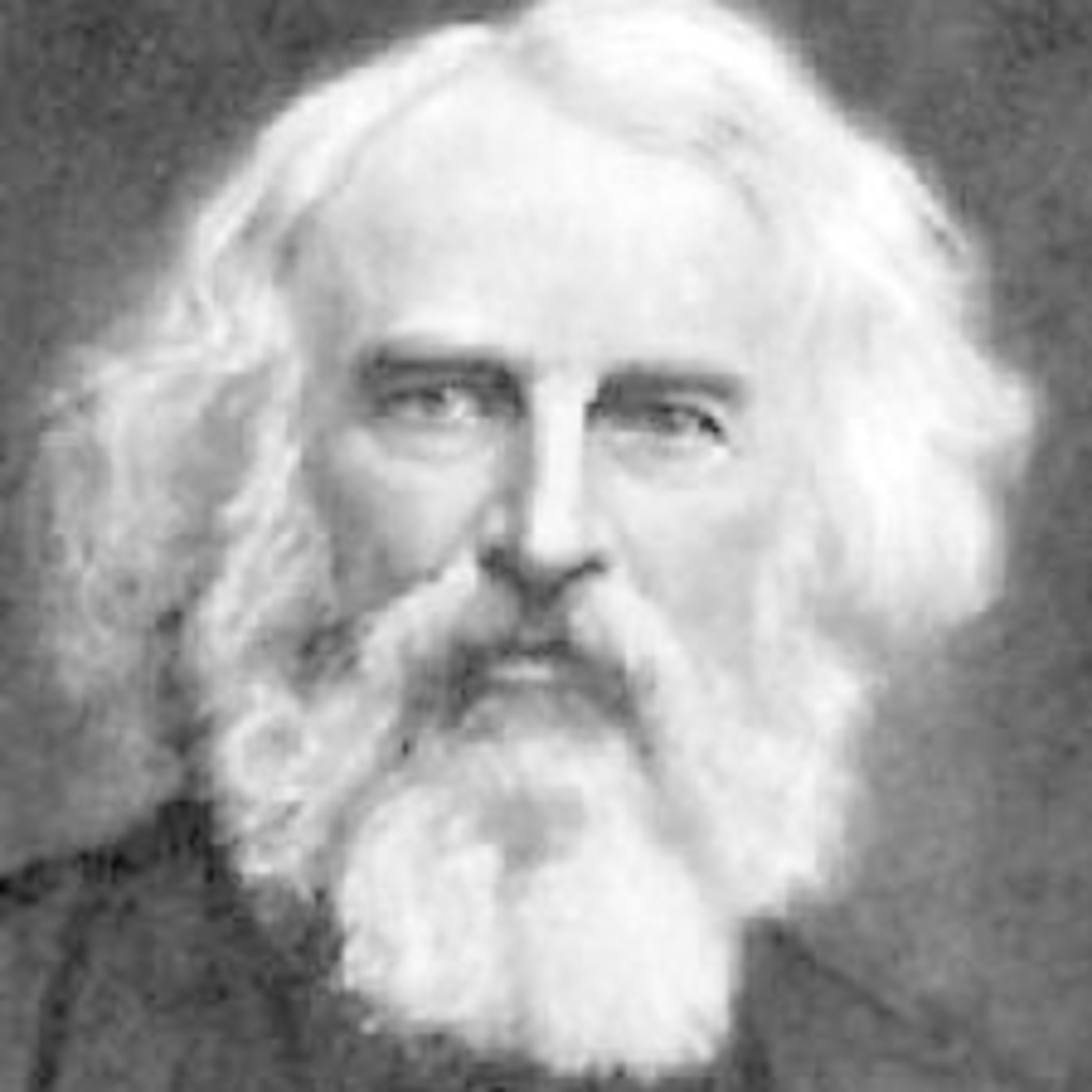
504. The Arrow and the Song by Henry Wadsworth Longfellow
HL Longfellow read by Classic Poetry Aloud: http://www.classicpoetryaloud.com/ Giving voice to the poetry of the past. --------------------------------------- The Arrow and the Song by Henry Wadsworth Longfellow (1807 – 1882) I shot an arrow into the air, It fell to earth, I knew not where; For, so swiftly it flew, the sight Could not follow it in its flight. I breathed a song into the air, It fell to earth, I knew not where; For who has sight so keen and strong That it can follow the flight of song? Long, long afterward, in an oak I found the arrow, still unbroke; And the song, from beginning to end, I found again in the heart of a friend. First aired: 23 May 2008 For hundreds more poetry readings, visit the Classic Poetry Aloud index. Reading © Classic Poetry Aloud 2009
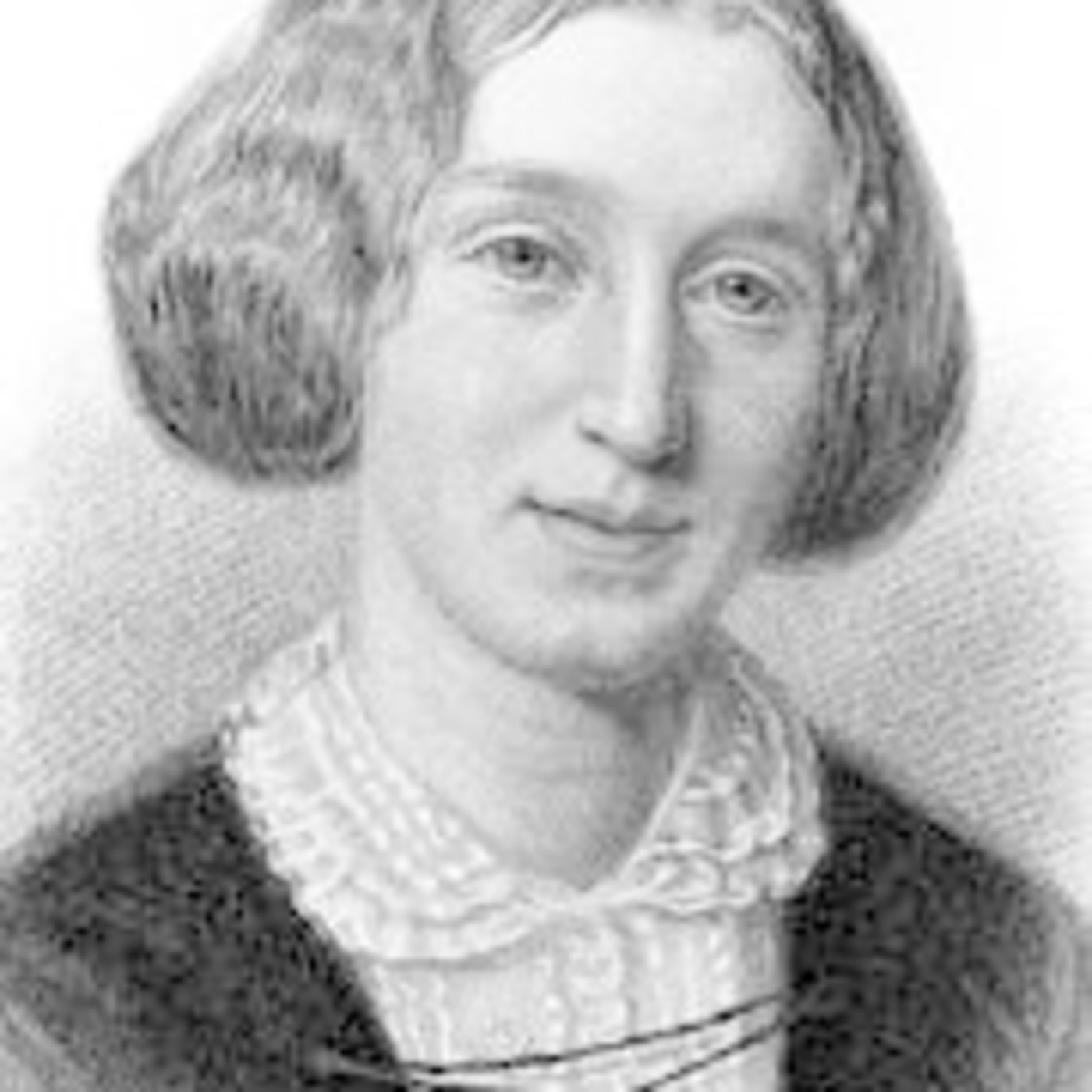
503. I am Lonely by George Eliot
G Eliot read by Classic Poetry Aloud: http://www.classicpoetryaloud.com/ Giving voice to the poetry of the past. --------------------------------------- I am Lonely by George Eliot (1819 – 1880) From "The Spanish Gypsy" The world is great: the birds all fly from me, The stars are golden fruit upon a tree All out of reach: my little sister went, And I am lonely. The world is great: I tried to mount the hill Above the pines, where the light lies so still, But it rose higher: little Lisa went And I am lonely. The world is great: the wind comes rushing by. I wonder where it comes from; sea birds cry And hurt my heart: my little sister went, And I am lonely. The world is great: the people laugh and talk, And make loud holiday: how fast they walk! I'm lame, they push me: little Lisa went, And I am lonely. First aired: 19 May 2008 For hundreds more poetry readings, visit the Classic Poetry Aloud index. Reading © Classic Poetry Aloud 2009
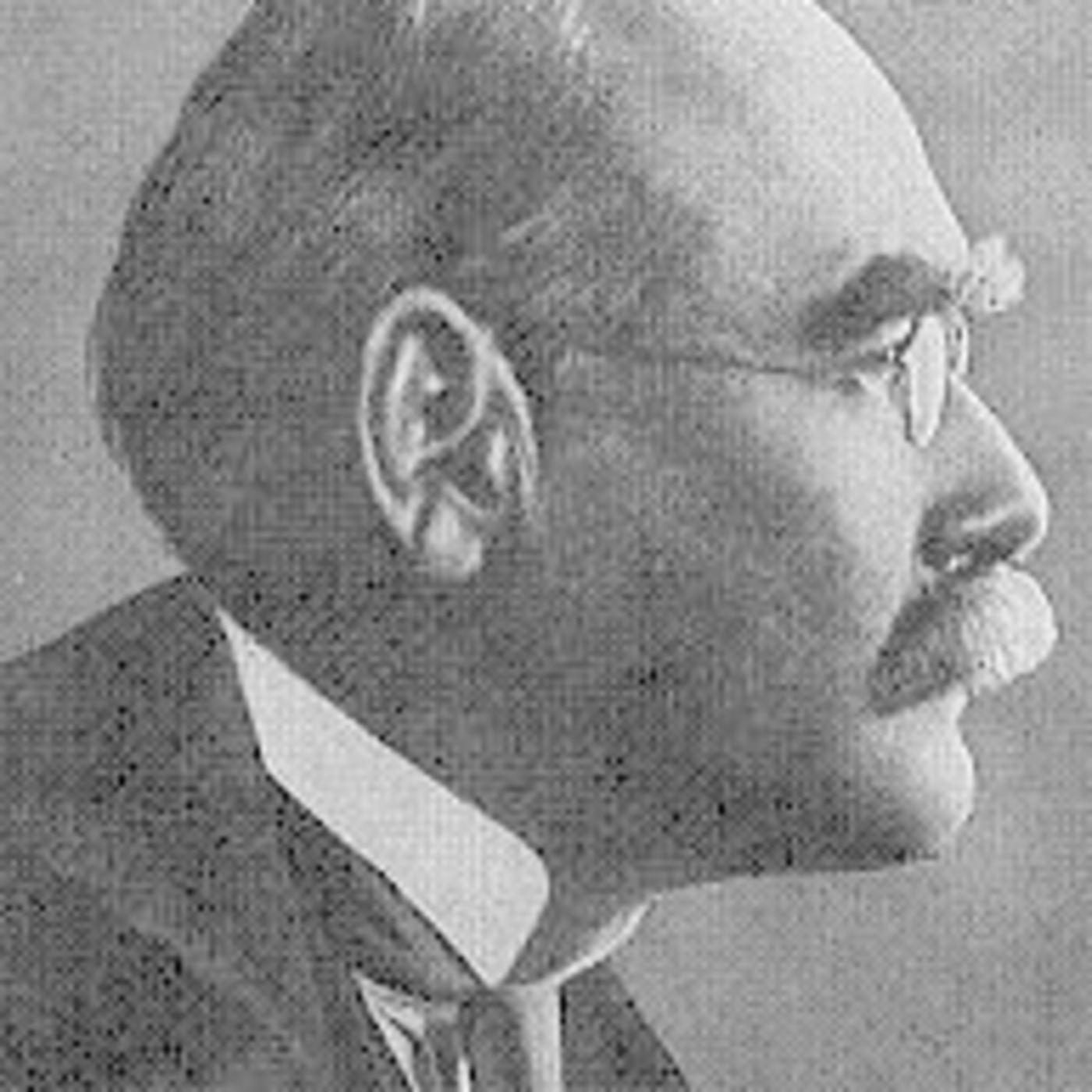
502. Recessional by Rudyard Kipling
R Kipling read by Classic Poetry Aloud: http://www.classicpoetryaloud.com/ Giving voice to the poetry of the past. --------------------------------------- Recessional by Rudyard Kipling (1865 – 1936) God of our fathers, known of old – Lord of our far-flung battle-line – Beneath whose awful Hand we hold Dominion over palm and pine – Lord God of Hosts, be with us yet, Lest we forget, lest we forget! The tumult and the shouting dies – The captains and the kings depart – Still stands Thine ancient sacrifice, An humble and a contrite heart. Lord God of Hosts, be with us yet, Lest we forget, lest we forget! Far-call'd our navies melt away – On dune and headland sinks the fire – Lo, all our pomp of yesterday Is one with Nineveh and Tyre! Judge of the Nations, spare us yet, Lest we forget, lest we forget! If, drunk with sight of power, we loose Wild tongues that have not Thee in awe – Such boasting as the Gentiles use Or lesser breeds without the Law – Lord God of Hosts, be with us yet, Lest we forget, lest we forget! For heathen heart that puts her trust In reeking tube and iron shard – All valiant dust that builds on dust, And guarding calls not Thee to guard – For frantic boast and foolish word, Thy Mercy on Thy People, Lord! First aired: 16 May 2008 For hundreds more poetry readings, visit the Classic Poetry Aloud index. Reading © Classic Poetry Aloud 2009
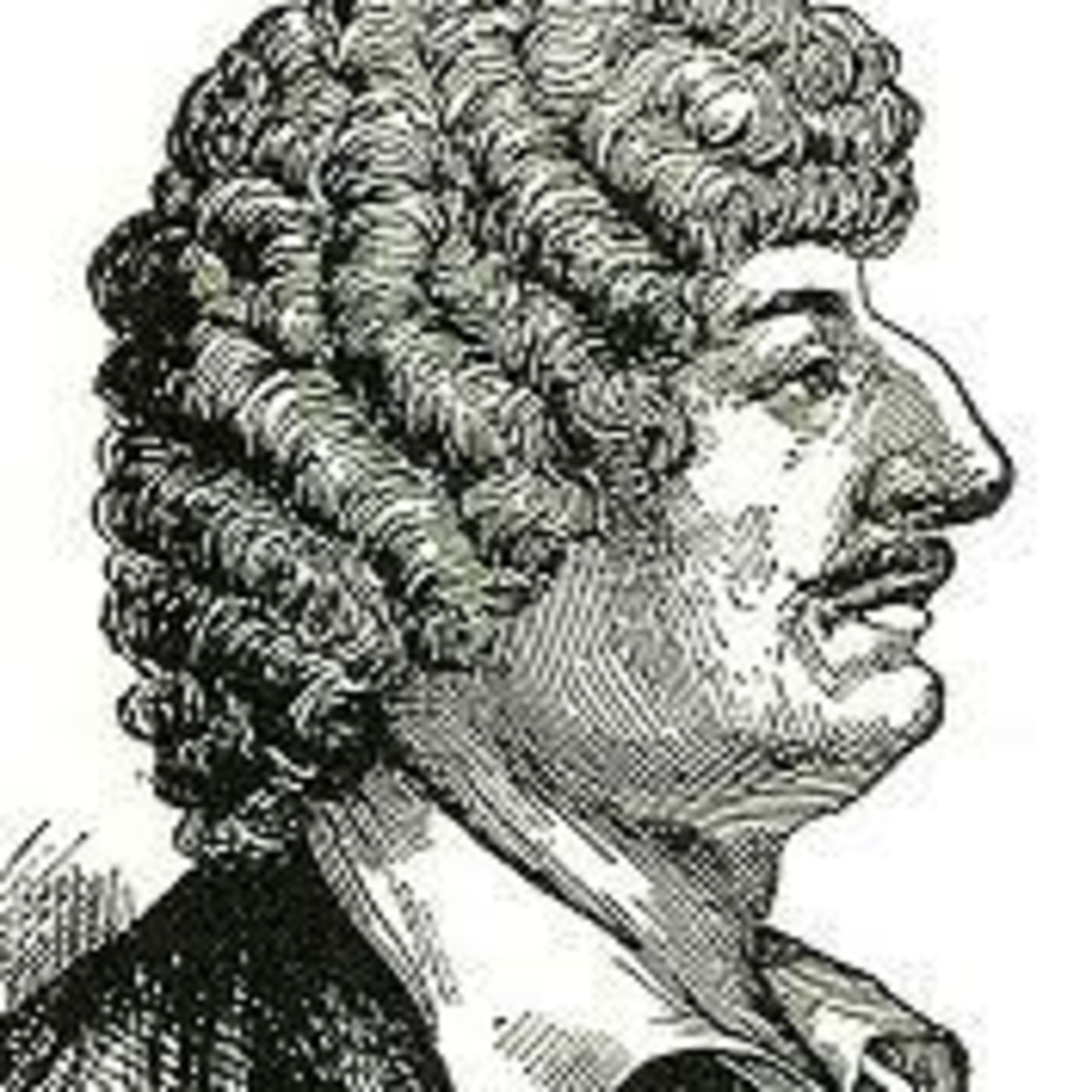
501. Delight in Disorder by Robert Herrick
R Herrick read by Classic Poetry Aloud: http://www.classicpoetryaloud.com/ Giving voice to the poetry of the past. --------------------------------------- Delight in Disorder by Robert Herrick (1591–1674) A sweet disorder in the dress Kindles in clothes a wantonness:– A lawn about the shoulders thrown Into a fine distractión,– An erring lace, which here and there Enthrals the crimson stomacher,– A cuff neglectful, and thereby Ribbands to flow confusedly,– A winning wave, deserving note, In the tempestuous petticoat,– A careless shoe-string, in whose tie I see a wild civility,– Do more bewitch me, than when art Is too precise in every part. First aired: 15 May 2008 For hundreds more poetry readings, visit the Classic Poetry Aloud index. Reading © Classic Poetry Aloud 2009
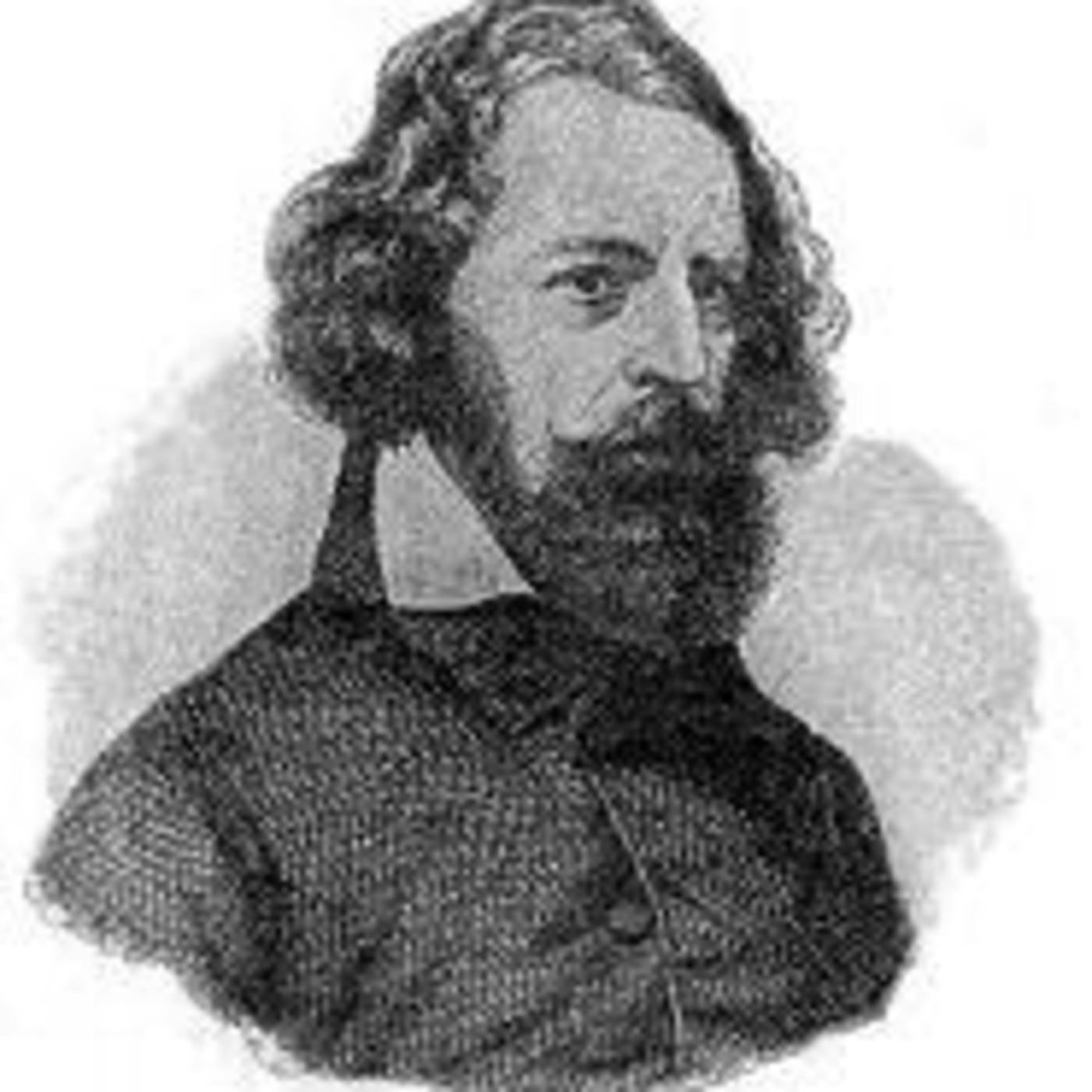
499. Tears Idle Tears by Alfred Lord Tennyson
A Tennyson read by Classic Poetry Aloud: http://www.classicpoetryaloud.com/ Giving voice to the poetry of the past. --------------------------------------- Tears Idle Tears by Alfred, Lord Tennyson (1809 – 1892) Songs from “The Princess.” IV. Tears, Idle Tears Tears, idle tears, I know not what they mean, Tears from the depth of some divine despair Rise in the heart, and gather to the eyes, In looking on the happy Autumn-fields, And thinking of the days that are no more. Fresh as the first beam glittering on a sail, That brings our friends up from the underworld, Sad as the last which reddens over one That sinks with all we love below the verge; So sad, so fresh, the days that are no more. Ah, sad and strange as in dark summer dawns The earliest pipe of half-awaken’d birds To dying ears, when unto dying eyes The casement slowly grows a glimmering square; So sad, so strange, the days that are no more. Dear as remember’d kisses after death, And sweet as those by hopeless fancy feign’d On lips that are for others; deep as love, Deep as first love, and wild with all regret; O Death in Life, the days that are no more. First aired: 13 May 2008 For hundreds more poetry readings, visit the Classic Poetry Aloud index. Reading © Classic Poetry Aloud 2009
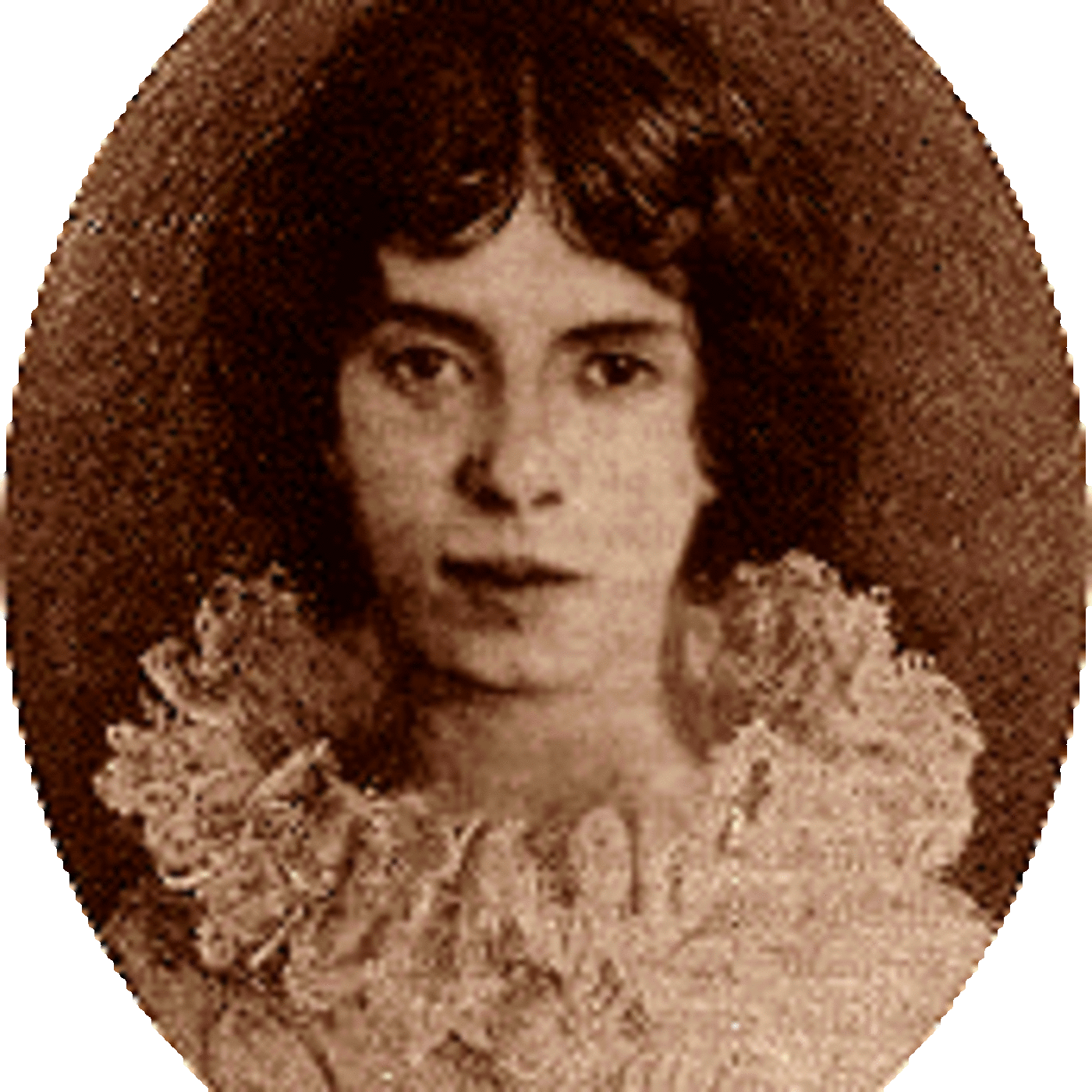
498. The Grass so little has to do by Emily Dickinson
E Dickinson read by Classic Poetry Aloud: http://www.classicpoetryaloud.com/ Giving voice to the poetry of the past. --------------------------------------- The Grass so little has to do by Emily Dickinson (1830 – 1886) The Grass so little has to do – A Sphere of simple Green – With only Butterflies to brood And Bees to entertain – And stir all day to pretty Tunes The Breezes fetch along – And hold the Sunshine in its lap And bow to everything – And thread the Dews, all night, like Pearls – And make itself so fine A Duchess were too common For such a noticing – And even when it dies – to pass In Odors so divine – Like Lowly spices, lain to sleep – Or Spikenards, perishing – And then, in Sovereign Barns to dwell – And dream the Days away, The Grass so little has to do I wish I were a Hay – First aired: 7 May 2008 For hundreds more poetry readings, visit the Classic Poetry Aloud index. Reading © Classic Poetry Aloud 2009
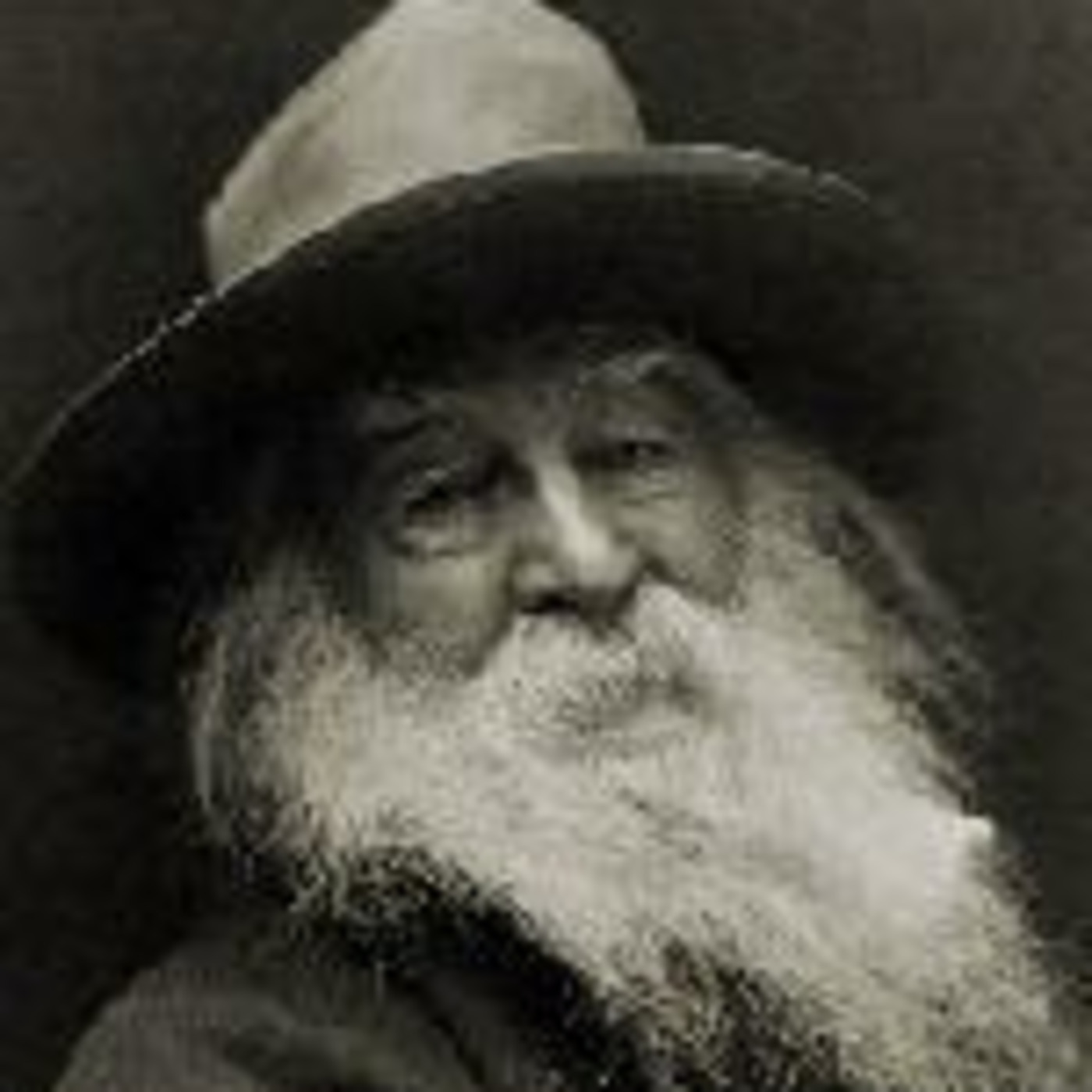
497. The Dalliance Of The Eagles by Walt Whitman
W Whitman read by Classic Poetry Aloud: http://www.classicpoetryaloud.com/ Giving voice to the poetry of the past. --------------------------------------- The Dalliance Of The Eagles by Walt Whitman (1819 – 1992) Skirting the river road, (my forenoon walk, my rest,) Skyward in the air a sudden muffled sound, the dalliance of the eagles, The rushing amorous contact high in space together, The clinching interlocking claws, a living, fierce, gyrating wheel, Four beating wings, two beaks, a swirling mass tight grappling, In tumbling turning clustering loops, straight downward falling, Till o'er the river pois'd, the twain yet one, a moment's lull, A motionless still balance in the air, then parting, talons loosing, Upward again on slow-firm pinions slanting, their separate diverse flight, She hers, he his, pursuing. First aired: 3 May 2008 For hundreds more poetry readings, visit the Classic Poetry Aloud index. Reading © Classic Poetry Aloud 2009
496. The World is too Much With Us by William Wordsworth
W Wordsworth read by Classic Poetry Aloud: http://www.classicpoetryaloud.com/ Giving voice to the poetry of the past. --------------------------------------- The World is too Much With by William Wordsworth (1770 – 1850) The world is too much with us; late and soon, Getting and spending, we lay waste our powers: Little we see in Nature that is ours; We have given our hearts away, a sordid boon! The Sea that bares her bosom to the moon; The winds that will be howling at all hours, And are up-gathered now like sleeping flowers; For this, for everything, we are out of tune; It moves us not.--Great God! I'd rather be A Pagan suckled in a creed outworn; So might I, standing on this pleasant lea, Have glimpses that would make me less forlorn; Have sight of Proteus rising from the sea; Or hear old Triton blow his wreathed horn. First aired: 4 May 2008 For hundreds more poetry readings, visit the Classic Poetry Aloud index. Reading © Classic Poetry Aloud 2009
495. Mattins by George Herbert
G Herbert read by Classic Poetry Aloud: http://www.classicpoetryaloud.com/ Giving voice to the poetry of the past. --------------------------------------- Mattins by George Herbert (1593 – 1633) I cannot ope mine eyes, But thou art ready there to catch My morning-soul and sacrifice: Then we must needs for that day make a match. My God, what is a heart? Silver, or gold, or precious stone, Or star, or rainbow, or a part Of all these things or all of them in one? My God, what is a heart? That thou should'st it so eye, and woo, Pouring upon it all thy art, As if that thou hadst nothing else to do? Indeed man's whole estate Amounts (and richly) to serve thee: He did not heav'n and earth create, Yet studies them, not him by whom they be. Teach me thy love to know; That this new light, which now I see, May both the work and workman show: Then by a sun-beam I will climb to thee. First aired: 1 August 2009 For hundreds more poetry readings, visit the Classic Poetry Aloud index. Reading © Classic Poetry Aloud 2009
494. Life by Charlotte Bronte
C Bronte read by Classic Poetry Aloud: http://www.classicpoetryaloud.com/ Giving voice to the poetry of the past. --------------------------------------- Life by Charlotte Bronte (1816 – 1855) Life, believe, is not a dream So dark as sages say; Oft a little morning rain Foretells a pleasant day. Sometimes there are clouds of gloom, But these are transient all; If the shower will make the roses bloom, O why lament its fall? Rapidly, merrily, Life's sunny hours flit by, Gratefully, cheerily, Enjoy them as they fly! What though Death at times steps in And calls our Best away? What though sorrow seems to win, O'er hope, a heavy sway ? Yet hope again elastic springs, Unconquered, though she fell; Still buoyant are her golden wings, Still strong to bear us well. Manfully, fearlessly, The day of trial bear, For gloriously, victoriously, Can courage quell despair! First aired: 31 July 2009 For hundreds more poetry readings, visit the Classic Poetry Aloud index. Reading © Classic Poetry Aloud 2009
493. Be Still, My Soul, Be Still by AE Housman
AE Housman read by Classic Poetry Aloud: http://www.classicpoetryaloud.com/ Giving voice to the poetry of the past. --------------------------------------- Be Still, My Soul, Be Still by AE Housman (1859 – 1936) Be still, my soul, be still; the arms you bear are brittle, Earth and high heaven are fixt of old and founded strong. Think rather, - call to thought, if now you grieve a little, The days when we had rest, O soul, for they were long. Men loved unkindness then, but lightless in the quarry I slept and saw not; tears fell down, I did not mourn; Sweat ran and blood sprang out and I was never sorry: Then it was well with me, in days ere I was born. Now, and I muse for why and never find the reason, I pace the earth, and drink the air, and feel the sun. Be still, be still, my soul; it is but for a season: Let us endure an hour and see injustice done. Ay, look: high heaven and earth ail from the prime foundation; All thoughts to rive the heart are here, and all are vain: Horror and scorn and hate and fear and indignation- Oh why did I awake? when shall I sleep again? First aired: 29 July 2009 For hundreds more poetry readings, visit the Classic Poetry Aloud index. Reading © Classic Poetry Aloud 2009
492. The Call by Charlotte Mew
C Mew read by Classic Poetry Aloud: http://www.classicpoetryaloud.com/ Giving voice to the poetry of the past. --------------------------------------- The Call by Charlotte Mew (1869 – 1928) From our low seat beside the fire Where we have dozed and dreamed and watched the glow Or raked the ashes, stopping so We scarcely saw the sun or rain Above, or looked much higher Than this same quiet red or burned-out fire. To-night we heard a call, A rattle on the window-pane, A voice on the sharp air, And felt a breath stirring our hair, A flame within us: Something swift and tall Swept in and out and that was all. Was it a bright or a dark angel? Who can know? It left no mark upon the snow, But suddenly it snapped the chain Unbarred, flung wide the door Which will not shut again; And so we cannot sit here any more. We must arise and go: The world is cold without And dark and hedged about With mystery and enmity and doubt, But we must go Though yet we do not know Who called, or what marks we shall leave upon the snow. First aired: 3 May 2008 For hundreds more poetry readings, visit the Classic Poetry Aloud index. To learn a little more about the poems and poets on Classic Poetry Aloud, join the mailing list. Reading © Classic Poetry Aloud 2009
491. Piano by DH Lawrence
DH Lawrence read by Classic Poetry Aloud: http://www.classicpoetryaloud.com/ Giving voice to the poetry of the past. --------------------------------------- Piano by DH Lawrence (1885 – 1930) Softly, in the dusk, a woman is singing to me; Taking me back down the vista of years, till I see A child sitting under the piano, in the boom of the tingling strings And pressing the small, poised feet of a mother who smiles as she sings. In spite of myself, the insidious mastery of song Betrays me back, till the heart of me weeps to belong To the old Sunday evenings at home, with winter outside And hymns in the cosy parlour, the tinkling piano our guide. So now it is vain for the singer to burst into clamour With the great black piano appassionato. The glamour Of childish days is upon me, my manhood is cast Down in the flood of remembrance, I weep like a child for the past. First aired: 1 May 2008 For hundreds more poetry readings, visit the Classic Poetry Aloud index. Reading © Classic Poetry Aloud 2009
490. Loveliest of Trees by AE Housman
AE Housman read by Classic Poetry Aloud: http://www.classicpoetryaloud.com/ Giving voice to the poetry of the past. --------------------------------------- Loveliest of Trees by AE Housman (1859 – 1936) Loveliest of trees, the cherry now Is hung with bloom along the bough, And stands about the woodland ride, Wearing white for Eastertide. Now, of my threescore years and ten, Twenty will not come again, And take from seventy springs a score, It only leaves me fifty more. And since to look at things in bloom Fifty springs are little room, About the woodlands I will go To see the cherry hung with snow. First aired: 30 April 2008 For hundreds more poetry readings, visit the Classic Poetry Aloud index. Reading © Classic Poetry Aloud 2009
489. The Rhodora by Ralph Waldo Emerson
RW Emerson read by Classic Poetry Aloud: http://www.classicpoetryaloud.com/ Giving voice to the poetry of the past. --------------------------------------- The Rhodora by Ralph Waldo Emerson (1803 – 1882) On Being Asked Whence Is the Flower In May, when sea-winds pierced our solitudes, I found the fresh Rhodora in the woods, Spreading its leafless blooms in a damp nook, To please the desert and the sluggish brook. The purple petals, fallen in the pool, Made the black water with their beauty gay; Here might the red-bird come his plumes to cool, And court the flower that cheapens his array. Rhodora! if the sages ask thee why This charm is wasted on the earth and sky, Tell them, dear, that if eyes were made for seeing, Then Beauty is its own excuse for being: Why thou wert there, O rival of the rose! I never thought to ask, I never knew: But, in my simple ignorance, suppose The self-same Power that brought me there brought you. First aired: 28 April 2008 For hundreds more poetry readings, visit the Classic Poetry Aloud index. Reading © Classic Poetry Aloud 2009
488. Opportunity by James Elroy Flecker
JE Flecker read by Classic Poetry Aloud: http://www.classicpoetryaloud.com/ Giving voice to the poetry of the past. --------------------------------------- Opportunity by James Elroy Flecker (1884 – 1915) From Machiavelli "But who art thou, with curious beauty graced, O woman, stamped with some bright heavenly seal Why go thy feet on wings, and in such haste?" "I am that maid whose secret few may steal, Called Opportunity. I hasten by Because my feet are treading on a wheel, Being more swift to run than birds to fly. And rightly on my feet my wings I wear, To blind the sight of those who track and spy; Rightly in front I hold my scattered hair To veil my face, and down my breast to fall, Lest men should know my name when I am there; And leave behind my back no wisp at all For eager folk to clutch, what time I glide So near, and turn, and pass beyond recall." "Tell me; who is that Figure at thy side?" "Penitence. Mark this well that by decree Who lets me go must keep her for his bride. And thou hast spent much time in talk with me Busied with thoughts and fancies vainly grand, Nor hast remarked, O fool, neither dost see How lightly I have fled beneath thy hand." First aired: 25 July 2007 For hundreds more poetry readings, visit the Classic Poetry Aloud index. Reading © Classic Poetry Aloud 2009
487. The Way Through the Woods by Rudyard Kipling
R Kipling read by Classic Poetry Aloud: http://www.classicpoetryaloud.com/ Giving voice to the poetry of the past. --------------------------------------- The Way Through the Woods by Rudyard Kipling (1865 – 1936) They shut the road through the woods Seventy years ago. Weather and rain have undone it again, And now you would never know There was once a road through the woods Before they planted the trees. It is underneath the coppice and heath, And the thin anemones. Only the keeper sees That, where the ring-dove broods, And the badgers roll at ease, There was once a road through the woods. Yet, if you enter the woods Of a summer evening late, When the night-air cools on the trout-ringed pools Where the otter whistles his mate. (They fear not men in the woods, Because they see so few) You will hear the beat of a horse's feet, And the swish of a skirt in the dew, Steadily cantering through The misty solitudes, As though they perfectly knew The old lost road through the woods. . . . But there is no road through the woods. First aired: 16 July 2007 For hundreds more poetry readings, visit the Classic Poetry Aloud index. Reading © Classic Poetry Aloud 2009
486. Sonnet 116 by William Shakespeare
W Shakespeare read by Classic Poetry Aloud: http://www.classicpoetryaloud.com/ Giving voice to the poetry of the past. --------------------------------------- Sonnet 116 by William Shakespeare (1564 – 1616) Let me not to the marriage of true minds Admit impediments. Love is not love Which alters when it alteration finds, Or bends with the remover to remove: O no! it is an ever-fixed mark That looks on tempests and is never shaken; It is the star to every wandering bark, Whose worth's unknown, although his height be taken. Love's not Time's fool, though rosy lips and cheeks Within his bending sickle's compass come: Love alters not with his brief hours and weeks, But bears it out even to the edge of doom. If this be error and upon me proved, I never writ, nor no man ever loved. First aired: 19 April 2008 For hundreds more poetry readings, visit the Classic Poetry Aloud index. Reading © Classic Poetry Aloud 2009
485. Claire de Lune by Paul Verlaine
P Verlaine read by Classic Poetry Aloud: http://www.classicpoetryaloud.com/ Giving voice to the poetry of the past. --------------------------------------- Claire de Lune by Paul Verlaine (1844 – 1896) Votre âme est un paysage choisi Que vont charmant masques et bergamasques Jouant du luth et dansant et quasi Tristes sous leurs déguisements fantasques. Tout en chantant sur le mode mineur L'amour vainqueur et la vie opportune Ils n'ont pas l'air de croire à leur bonheur Et leur chanson se mêle au clair de lune, Au calme clair de lune triste et beau, Qui fait rêver les oiseaux dans les arbres Et sangloter d'extase les jets d'eau, Les grands jets d'eau sveltes parmi les marbres. Claire de Lune by Paul Verlaine (1844 – 1896) Your soul is a chosen landscape Where charming masked and costumed figures go Playing the lute and dancing and almost Sad beneath their fantastic disguises. All sing in a minor key Of all-conquering love and careless fortune They do not seem to believe in their happiness And their song mingles with the moonlight. The still moonlight, sad and beautiful, Which gives the birds to dream in the trees And makes the fountain sprays sob in ecstasy, The tall, slender fountain sprays among the marble statues. First aired: 14 April 2008 For hundreds more poetry readings, visit the Classic Poetry Aloud index. Reading © Classic Poetry Aloud 2009
484. Gravis Dulcis Immutabilis by James Elroy Flecker
JE Flecker read by Classic Poetry Aloud: http://www.classicpoetryaloud.com/ Giving voice to the poetry of the past. --------------------------------------- Gravis Dulcis Immutabilis by James Elroy Flecker (1884 – 1915) Come, let me kiss your wistful face Where Sorrow curves her bow of pain, And live sweet days and bitter days With you, or wanting you again. I dread your perishable gold: Come near me now; the years are few. Alas, when you and I are old I shall not want to look at you: And yet come in. I shall not dare To gaze upon your countenance, But I shall huddle in my chair, Turn to the fire my fireless glance, And listen, while that slow and grave Immutable sweet voice of yours Rises and falls, as falls a wave In summer on forgotten shores. First aired: 9 April 2008 For hundreds more poetry readings, visit the Classic Poetry Aloud index. Reading © Classic Poetry Aloud 2009
483. Love by George Herbert
G Herbert read by Classic Poetry Aloud: http://www.classicpoetryaloud.com/ Giving voice to the poetry of the past. --------------------------------------- Love by George Herbert (1593 – 1632) Love bade me welcome; yet my soul drew back, Guilty of dust and sin. But quick-eyed Love, observing me grow slack From my first entrance in, Drew nearer to me, sweetly questioning If I lack'd anything. 'A guest,' I answer'd, 'worthy to be here:' Love said, 'You shall be he.' 'I, the unkind, ungrateful? Ah, my dear, I cannot look on Thee.' Love took my hand and smiling did reply, 'Who made the eyes but I?' 'Truth, Lord; but I have marr'd them: let my shame Go where it doth deserve.' 'And know you not,' says Love, 'Who bore the blame?' 'My dear, then I will serve.' 'You must sit down,' says Love, 'and taste my meat.' So I did sit and eat. First aired: 9 April 2008 For hundreds more poetry readings, visit the Classic Poetry Aloud index. Reading © Classic Poetry Aloud 2009
482. Evening on Calais Beach by William Wordsworth
W Wordsworth read by Classic Poetry Aloud: http://www.classicpoetryaloud.com/ Giving voice to the poetry of the past. --------------------------------------- Evening on Calais Beach by William Wordsworth (1770 – 1850) It is a beauteous evening, calm and free, The holy time is quiet as a Nun Breathless with adoration; the broad sun Is sinking down in its tranquillity; The gentleness of heaven broods o'er the sea: Listen! the mighty Being is awake, And doth with his eternal motion make A sound like thunder—everlastingly. Dear Child! dear Girl! that walkest with me here, If thou appear untouch'd by solemn thought, Thy nature is not therefore less divine: Thou liest in Abraham's bosom all the year; And worshipp'st at the Temple's inner shrine, God being with thee when we know it not. First aired: 7 April 2008 For hundreds more poetry readings, visit the Classic Poetry Aloud index. Reading © Classic Poetry Aloud 2009
481. Nightingales by Robert Bridges
R Bridges read by Classic Poetry Aloud: http://www.classicpoetryaloud.com/ Giving voice to the poetry of the past. --------------------------------------- Nightingales by Robert Bridges (1844 – 1930) Beautiful must be the mountains whence ye come, And bright in the fruitful valleys the streams, wherefrom Ye learn your song: Where are those starry woods? O might I wander there, Among the flowers, which in that heavenly air Bloom the year long! Nay, barren are those mountains and spent the streams: Our song is the voice of desire, that haunts our dreams, A throe of the heart, Whose pining visions dim, forbidden hopes profound, No dying cadence nor long sigh can sound, For all our art. Alone, aloud in the raptured ear of men We pour our dark nocturnal secret; and then, As night is withdrawn From these sweet-springing meads and bursting boughs of May, Dream, while the innumerable choir of day Welcome the dawn. First aired: 4 April 2008 For hundreds more poetry readings, visit the Classic Poetry Aloud index. Reading © Classic Poetry Aloud 2009
480. The Pilgrimage by Sir Walter Raleigh
W Raleigh read by Classic Poetry Aloud: http://www.classicpoetryaloud.com/ Giving voice to the poetry of the past. --------------------------------------- The Pilgrimage by Sir Walter Raleigh (1552 – 1618) Give me my scallop-shell of quiet, My staff of faith to walk upon, My scrip of joy, immortal diet, My bottle of salvation, My gown of glory, hope's true gage; And thus I'll take my pilgrimage. Blood must be my body's balmer; No other balm will there be given: Whilst my soul, like quiet palmer, Travelleth towards the land of heaven; Over the silver mountains, Where spring the nectar fountains; There will I kiss The bowl of bliss; And drink mine everlasting fill Upon every milken hill. My soul will be a-dry before; But, after, it will thirst no more. First aired: 7 April 2008 For hundreds more poetry readings, visit the Classic Poetry Aloud index. Reading © Classic Poetry Aloud 2009
479. To Daffodils by Robert Herrick
R Herrick read by Classic Poetry Aloud: http://www.classicpoetryaloud.com/ Giving voice to the poetry of the past. --------------------------------------- To Daffodils by Robert Herrick (1591 – 1674) Fair daffodils, we weep to see You haste away so soon; As yet the early-rising sun Has not attain'd his noon. Stay, stay Until the hasting day Has run But to the evensong; And, having pray'd together, we Will go with you along. We have short time to stay, as you, We have as short a spring; As quick a growth to meet decay, As you, or anything. We die As your hours do, and dry Away Like to the summer's rain; Or as the pearls of morning's dew, Ne'er to be found again. First aired: 31 March 2008 For hundreds more poetry readings, visit the Classic Poetry Aloud index. Reading © Classic Poetry Aloud 2009
478. We Are the Music Makers by Arthur O’Shaughnessy
A O'Shaughnessy read by Classic Poetry Aloud: http://www.classicpoetryaloud.com/ Giving voice to the poetry of the past. --------------------------------------- Ode ‘We Are the Music Makers’ by Arthur O'Shaughnessy (1844 – 1881) We are the music-makers, And we are the dreamers of dreams, Wandering by lone sea-breakers, And sitting by desolate streams; World-losers and world-forsakers, On whom the pale moon gleams: Yet we are the movers and shakers Of the world for ever, it seems. With wonderful deathless ditties We build up the world's great cities, And out of a fabulous story We fashion an empire's glory: One man with a dream, at pleasure, Shall go forth and conquer a crown; And three with a new song's measure Can trample an empire down. We, in the ages lying In the buried past of the earth, Built Nineveh with our sighing, And Babel itself with our mirth; And o'erthrew them with prophesying To the old of the new world's worth; For each age is a dream that is dying, Or one that is coming to birth. First aired: 28 March 2008 For hundreds more poetry readings, visit the Classic Poetry Aloud index. Reading © Classic Poetry Aloud 2009
477. The Oak by Alfred Lord Tennyson
A Tennyson read by Classic Poetry Aloud: http://www.classicpoetryaloud.com/ Giving voice to the poetry of the past. --------------------------------------- The Oak by Alfred, Lord Tennyson (1809 – 1892) Live thy Life, Young and old, Like yon oak, Bright in spring, Living gold; Summer-rich Then; and then Autumn-changed Soberer-hued Gold again. All his leaves Fall'n at length, Look, he stands, Trunk and bough Naked strength. First aired: 26 March 2008 For hundreds more poetry readings, visit the Classic Poetry Aloud index. Reading © Classic Poetry Aloud 2009
476. Broken Friendship by Samuel Taylor Coleridge
ST Coleridge read by Classic Poetry Aloud: http://www.classicpoetryaloud.com/ Giving voice to the poetry of the past. --------------------------------------- Broken Friendship by Samuel Taylor Coleridge (1772 – 1834) Alas! they had been friends in youth, But whispering tongues can poison truth! And constancy lives in realms above! And life is thorny, and Youth is vain! And to be wroth with one we love, Doth work like madness in the brain! They parted -- ne'er to meet again! But never either found another To free the hollow heart from paining! They stood aloof, the scars remaining; Like cliffs which had been rent asunder! A dreary sea now flows between; But neither heat, nor frost, nor thunder, Shall wholly do away, I ween, The marks of that which once had been. First aired: 25 March 2008 For hundreds more poetry readings, visit the Classic Poetry Aloud index. Reading © Classic Poetry Aloud 2009
475. The Old Ships by James Elroy Flecker
R Herrick read by Classic Poetry Aloud: http://www.classicpoetryaloud.com/ Giving voice to the poetry of the past. --------------------------------------- The Old Ships by James Elroy Flecker (1884 - 1915) I have seen old ships like swans asleep Beyond the village which men call Tyre, With leaden age o'ercargoed, dipping deep For Famagusta and the hidden sun That rings black Cyprus with a lake of fire; And all those ships were certainly so old Who knows how oft with squat and noisy gun, Questing brown slaves or Syrian oranges, The pirate Genoese Hell-raked them till they rolled Blood, water, fruit and corpses up the hold. But now through friendly seas they softly run, Painted the mid-sea blue or shore-sea green, Still patterned with the vine and grapes in gold. But I have seen, Pointing her shapely shadows from the dawn And image tumbed on a rose-swept bay, A drowsy ship of some yet older day; And, wonder's breath indrawn, Thought I - who knows - who knows - but in that same (Fished up beyond Ææa, patched up new - Stern painted brighter blue -) That talkative, bald-headed seaman came (Twelve patient comrades sweating at the oar) From Troy's doom-crimson shore, And with great lies about his wooden horse Set the crew laughing, and forgot his course. It was so old a ship - who knows, who knows? - And yet so beautiful, I watched in vain To see the mast burst open with a rose, And the whole deck put on its leaves again. First aired: 21 March 2008 For hundreds more poetry readings, visit the Classic Poetry Aloud index. Reading © Classic Poetry Aloud 2009
474. To Music to Becalm his Fever by Robert Herrick
R Herrick read by Classic Poetry Aloud: http://www.classicpoetryaloud.com/ Giving voice to the poetry of the past. --------------------------------------- To Music to Becalm his Fever by Robert Herrick (1591 – 1674) Charm me asleep, and melt me so With thy delicious numbers, That, being ravish'd, hence I go Away in easy slumbers. Ease my sick head, And make my bed, Thou power that canst sever From me this ill, And quickly still, Though thou not kill My fever. Thou sweetly canst convert the same From a consuming fire Into a gentle licking flame, And make it thus expire. Then make me weep My pains asleep; And give me such reposes That I, poor I, May think thereby I live and die 'Mongst roses. Fall on me like the silent dew, Or like those maiden showers Which, by the peep of day, do strew A baptim o'er the flowers. Melt, melt my pains With thy soft strains; That, having ease me given, With full delight I leave this light, And take my flight For Heaven. First aired: 18 March 2008 For hundreds more poetry readings, visit the Classic Poetry Aloud index. Reading © Classic Poetry Aloud 2009
473. Because I Liked you Better by AE Housman
AE Housman read by Classic Poetry Aloud: http://www.classicpoetryaloud.com/ Giving voice to the poetry of the past. --------------------------------------- Because I liked you better by AE Housman (1859 – 1936) Because I liked you better Than suits a man to say, It irked you, and I promised To throw the thought away. To put the world between us We parted, stiff and dry; "Good-bye," said you, "forget me." "I will, no fear," said I. If here, where clover whitens The dead man's knoll, you pass, And no tall flower to meet you Starts in the trefoiled grass, Halt by the headstone naming The heart no longer stirred, And say the lad that loved you Was one that kept his word. First aired: 17 March 2008 For hundreds more poetry readings, visit the Classic Poetry Aloud index. Reading © Classic Poetry Aloud 2009
472. Sonnet 75 by Edmund Spenser
E Spenser read by Classic Poetry Aloud: http://www.classicpoetryaloud.com/ Giving voice to the poetry of the past. --------------------------------------- Sonnet 75 by Edmund Spenser (1552 – 1599) One day I wrote her name upon the strand, But came the waves and washed it away: Again I wrote it with a second hand, But came the tide, and made my pains his prey. Vain man, said she, that dost in vain assay A mortal thing so to immortalize! For I myself shall like to this decay, And eek my name be wiped out likewise. Not so (quoth I), let baser things devise To die in dust, but you shall live by fame: My verse your virtues rare shall eternize, And in the heavens write your glorious name; Where, whenas death shall all the world subdue, Our love shall live, and later life renew. First aired: 11 March 2008 For hundreds more poetry readings, visit the Classic Poetry Aloud index. Reading © Classic Poetry Aloud 2009
471. The Lover's Appeal by Thomas Wyatt
T Wyatt read by Classic Poetry Aloud: http://www.classicpoetryaloud.com/ Giving voice to the poetry of the past. --------------------------------------- The Lover’s Appeal by Sir Thomas Wyatt (1503 – 1542) And wilt thou leave me thus! Say nay! say nay! for shame! To save thee from the blame Of all my grief and grame. And wilt thou leave me thus? Say nay! say nay! And wilt thou leave me thus, That hath loved thee so long In wealth and woe among: And is thy heart so strong As for to leave me thus? Say nay! say nay! And wilt thou leave me thus, That hath given thee my heart Never for to depart Neither for pain nor smart: And wilt thou leave me thus? Say nay! say nay! And wilt thou leave me thus, And have no more pity Of him that loveth thee? Alas! thy cruelty! And wilt thou leave me thus? Say nay! say nay! First aired: 5 March 2008 For hundreds more poetry readings, visit the Classic Poetry Aloud index. Reading © Classic Poetry Aloud 2009