Classic Poetry Aloud
609 episodes — Page 2 of 13
When We Two Parted by Lord Byron
Byron read by Classic Poetry Aloud: http://classicpoetryaloud.podomatic.com/ Giving voice to classic poetry. --------------------------------------------------- When We Two Parted by Lord Byron WHEN we two parted In silence and tears, Half broken-hearted To sever for years, Pale grew thy cheek and cold, Colder thy kiss; Truly that hour foretold Sorrow to this. The dew of the morning Sunk chill on my brow— It felt like the warning Of what I feel now. Thy vows are all broken, And light is thy fame: I hear thy name spoken, And share in its shame. They name thee before me, A knell to mine ear; A shudder comes o'er me— Why wert thou so dear? They know not I knew thee, Who knew thee too well: Long, long shall I rue thee, Too deeply to tell. In secret we met— In silence I grieve, That thy heart could forget, Thy spirit deceive. If I should meet thee After long years, How should I greet thee? With silence and tears.
Her Voice by Oscar Wilde
O Wilde read by Classic Poetry Aloud: http://www.classicpoetryaloud.com/ Giving voice to the poetry of the past. --------------------------------------------------- Her Voice by Oscar Wilde (1854 – 1900) The wild bee reels from bough to bough With his furry coat and his gauzy wing. Now in a lily-cup, and now Setting a jacinth bell a-swing, In his wandering; Sit closer love: it was here I trow I made that vow, Swore that two lives should be like one As long as the sea-gull loved the sea, As long as the sunflower sought the sun, — It shall be, I said, for eternity ’Twixt you and me! Dear friend, those times are over and done, Love’s web is spun. Look upward where the poplar trees Sway and sway in the summer air, Here in the valley never a breeze Scatters the thistledown, but there Great winds blow fair From the mighty murmuring mystical seas, And the wave-lashed leas. Look upward where the white gull screams, What does it see that we do not see? Is that a star? or the lamp that gleams On some outward voyaging argosy, — Ah! can it be We have lived our lives in a land of dreams! How sad it seems. Sweet, there is nothing left to say But this, that love is never lost, Keen winter stabs the breasts of May Whose crimson roses burst his frost, Ships tempest-tossed Will find a harbour in some bay, And so we may. And there is nothing left to do But to kiss once again, and part, Nay, there is nothing we should rue, I have my beauty,—you your Art, Nay, do not start, One world was not enough for two Like me and you.
573. Anthem for Doomed Youth by Wilfred Owen
Owen read by Classic Poetry Aloud: http://www.classicpoetryaloud.com/ Giving voice to classic poetry. --------------------------------------------------- Anthem for Doomed Youth by Wilfred Owen (1893 – 1918) What passing-bells for these who die as cattle? Only the monstrous anger of the guns. Only the stuttering rifles' rapid rattle Can patter out their hasty orisons. No mockeries now for them; no prayers nor bells; Nor any voice of mourning save the choirs, – The shrill, demented choirs of wailing shells; And bugles calling for them from sad shires. What candles may be held to speed them all? Not in the hands of boys but in their eyes Shall shine the holy glimmers of goodbyes. The pallor of girls' brows shall be their pall; Their flowers the tenderness of patient minds, And each slow dusk a drawing-down of blinds.
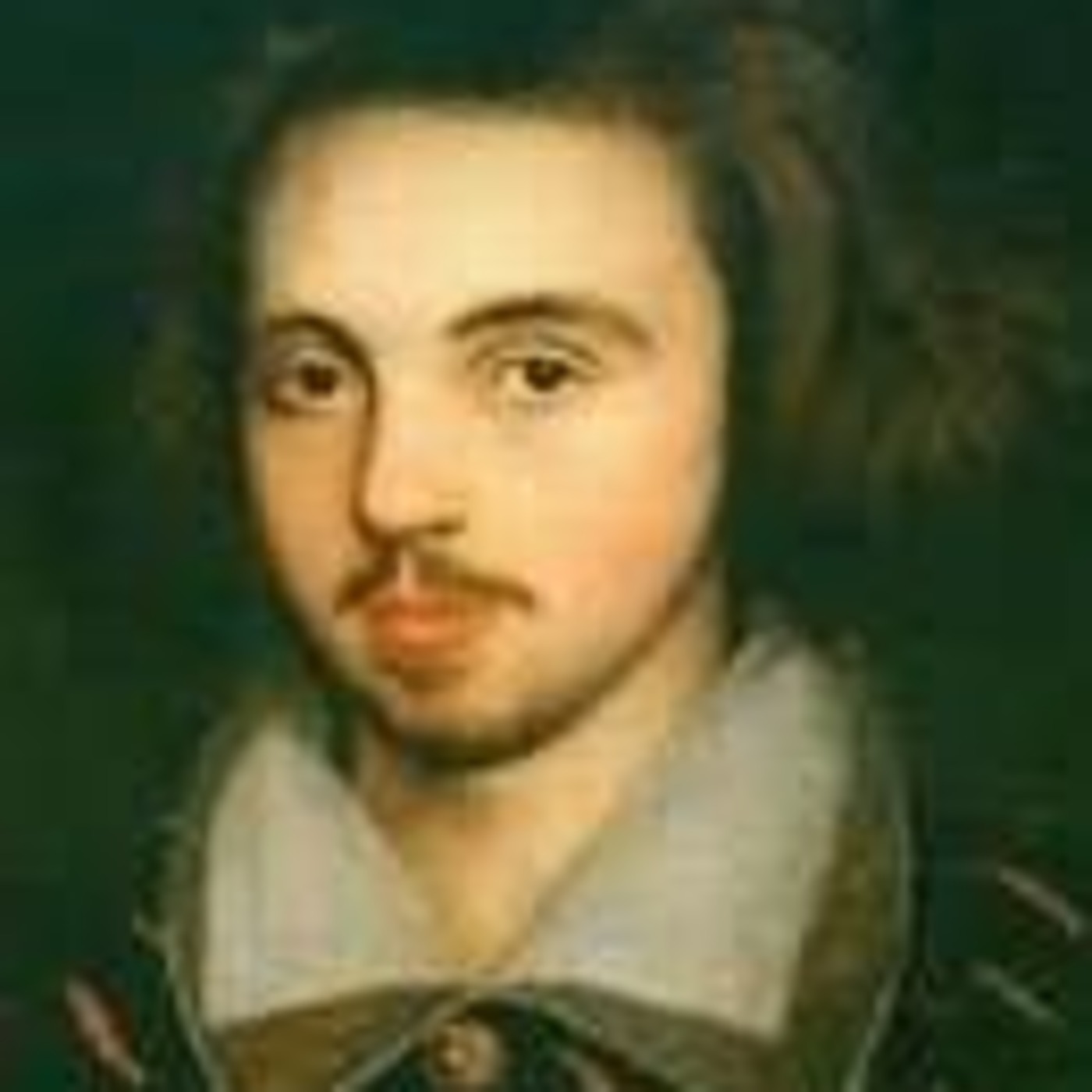
572. The Passionate Shepherd to His Love by Christopher Marlowe
C Marlowe read by Classic Poetry Aloud: http://www.classicpoetryaloud.com/ Giving voice to the poetry of the past. --------------------------------------------------- The Passionate Shepherd to His Love by Christopher Marlowe (1564 – 1593) Come live with me and be my Love, And we will all the pleasures prove That hills and valleys, dale and field, And all the craggy mountains yield. There will we sit upon the rocks And see the shepherds feed their flocks, By shallow rivers, to whose falls Melodious birds sing madrigals. There will I make thee beds of roses And a thousand fragrant posies, A cap of flowers, and a kirtle Embroider'd all with leaves of myrtle. A gown made of the finest wool Which from our pretty lambs we pull, Fair linèd slippers for the cold, With buckles of the purest gold. A belt of straw and ivy buds With coral clasps and amber studs: And if these pleasures may thee move, Come live with me and be my Love. Thy silver dishes for thy meat As precious as the gods do eat, Shall on an ivory table be Prepared each day for thee and me. The shepherd swains shall dance and sing For thy delight each May-morning: If these delights thy mind may move, Then live with me and be my Love. First aired: 20 September 2007 For hundreds more poetry readings, visit the Classic Poetry Aloud index. Reading © Classic Poetry Aloud 2007
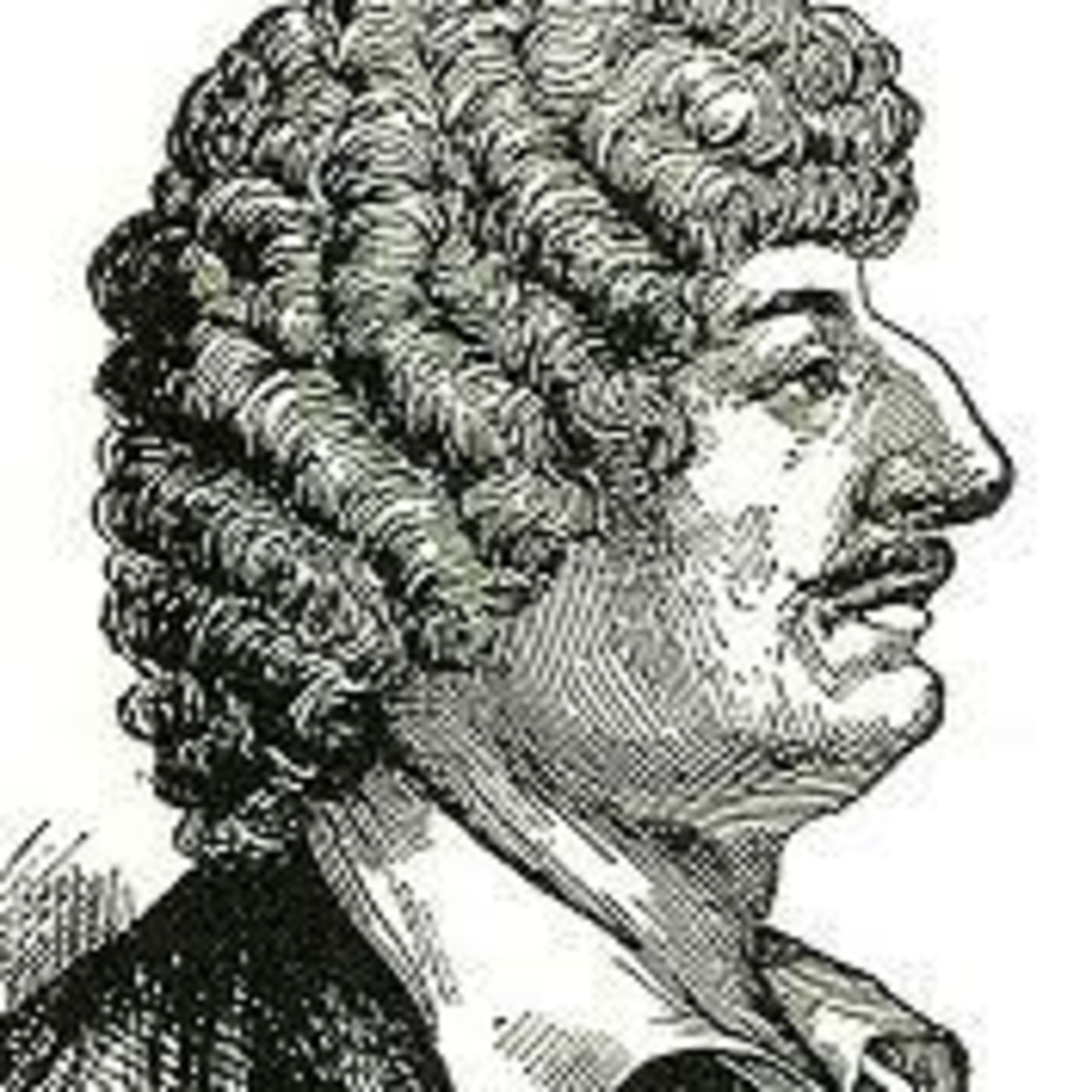
571. Delight in Disorder by Robert Herrick
R Herrick read by Classic Poetry Aloud: http://www.classicpoetryaloud.com/ Giving voice to the poetry of the past. --------------------------------------- Delight in Disorder by Robert Herrick (1591–1674) A sweet disorder in the dress Kindles in clothes a wantonness:– A lawn about the shoulders thrown Into a fine distractión,– An erring lace, which here and there Enthrals the crimson stomacher,– A cuff neglectful, and thereby Ribbands to flow confusedly,– A winning wave, deserving note, In the tempestuous petticoat,– A careless shoe-string, in whose tie I see a wild civility,– Do more bewitch me, than when art Is too precise in every part. First aired: 15 May 2008 For hundreds more poetry readings, visit the Classic Poetry Aloud index. Reading © Classic Poetry Aloud 2009
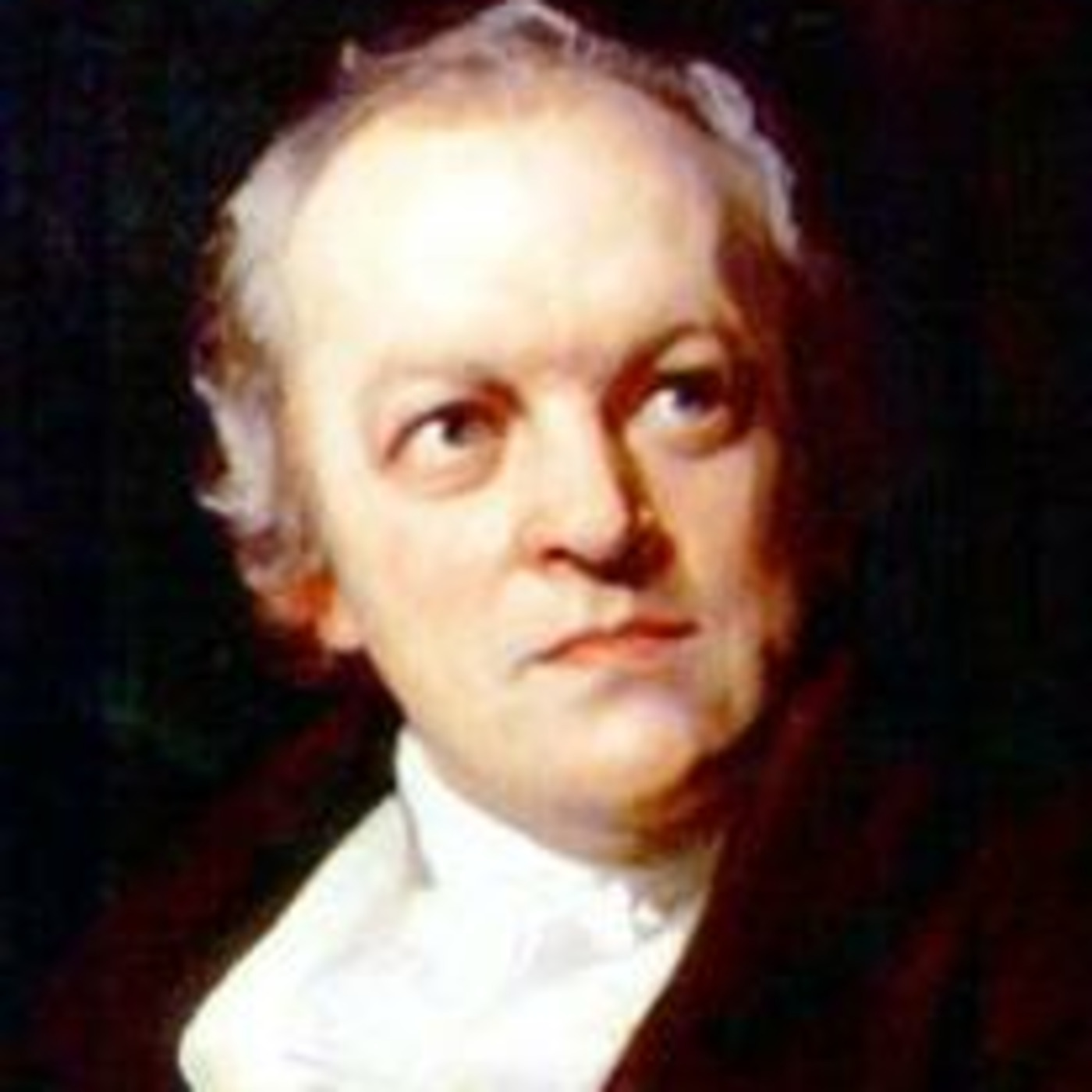
570. Night by William Blake
W Blake read by Classic Poetry Aloud: http://www.classicpoetryaloud.com/ Giving voice to the poetry of the past. --------------------------------------------- Night by William Blake (1757 – 1827) The sun descending in the west, The evening star does shine; The birds are silent in their nest. And I must seek for mine. The moon, like a flower In heaven's high bower, With silent delight Sits and smiles on the night. Farewell, green fields and happy grove, Where flocks have took delight: Where lambs have nibbled, silent move The feet of angels bright; Unseen they pour blessing And joy without ceasing On each bud and blossom, And each sleeping bosom. They look in every thoughtless nest Where birds are cover'd warm; They visit caves of every beast, To keep them all from harm: If they see any weeping That should have been sleeping, They pour sleep on their head, And sit down by their bed. When wolves and tigers howl for prey, They pitying stand and weep, Seeking to drive their thirst away And keep them from the sheep. But, if they rush dreadful, The angels, most heedful, Receive each mild spirit, New worlds to inherit. And there the lion's ruddy eyes Shall flow with tears of gold: And pitying the tender cries, And walking round the fold: Saying, 'Wrath, by His meekness, And, by His health, sickness, Are driven away From our immortal day. 'And now beside thee, bleating lamb, I can lie down and sleep, Or think on Him who bore thy name, Graze after thee, and weep. For, wash'd in life's river, My bright mane for ever Shall shine like the gold As I guard o'er the fold.' First aired: 5 August 2008 For hundreds more poetry readings, visit the Classic Poetry Aloud index. Reading © Classic Poetry Aloud 2008
569. Sonnet 116 by William Shakespeare
W Shakespeare read by Classic Poetry Aloud: http://www.classicpoetryaloud.com/ Giving voice to the poetry of the past. --------------------------------------- Sonnet 116 by William Shakespeare (1564 – 1616) Let me not to the marriage of true minds Admit impediments. Love is not love Which alters when it alteration finds, Or bends with the remover to remove: O no! it is an ever-fixed mark That looks on tempests and is never shaken; It is the star to every wandering bark, Whose worth's unknown, although his height be taken. Love's not Time's fool, though rosy lips and cheeks Within his bending sickle's compass come: Love alters not with his brief hours and weeks, But bears it out even to the edge of doom. If this be error and upon me proved, I never writ, nor no man ever loved. First aired: 19 April 2008 For hundreds more poetry readings, visit the Classic Poetry Aloud index. Reading © Classic Poetry Aloud 2008
568. Opportunity by James Elroy Flecker
JE Flecker read by Classic Poetry Aloud: http://www.classicpoetryaloud.com/ Giving voice to the poetry of the past. --------------------------------------- Opportunity by James Elroy Flecker (1884 – 1915) From Machiavelli "But who art thou, with curious beauty graced, O woman, stamped with some bright heavenly seal Why go thy feet on wings, and in such haste?" "I am that maid whose secret few may steal, Called Opportunity. I hasten by Because my feet are treading on a wheel, Being more swift to run than birds to fly. And rightly on my feet my wings I wear, To blind the sight of those who track and spy; Rightly in front I hold my scattered hair To veil my face, and down my breast to fall, Lest men should know my name when I am there; And leave behind my back no wisp at all For eager folk to clutch, what time I glide So near, and turn, and pass beyond recall." "Tell me; who is that Figure at thy side?" "Penitence. Mark this well that by decree Who lets me go must keep her for his bride. And thou hast spent much time in talk with me Busied with thoughts and fancies vainly grand, Nor hast remarked, O fool, neither dost see How lightly I have fled beneath thy hand." First aired: 25 July 2007 For hundreds more poetry readings, visit the Classic Poetry Aloud index. Reading © Classic Poetry Aloud 2007
567. Mattins by George Herbert
G Herbert read by Classic Poetry Aloud: http://www.classicpoetryaloud.com/ Giving voice to the poetry of the past. --------------------------------------- Mattins by George Herbert (1593 – 1633) I cannot ope mine eyes, But thou art ready there to catch My morning-soul and sacrifice: Then we must needs for that day make a match. My God, what is a heart? Silver, or gold, or precious stone, Or star, or rainbow, or a part Of all these things or all of them in one? My God, what is a heart? That thou should'st it so eye, and woo, Pouring upon it all thy art, As if that thou hadst nothing else to do? Indeed man's whole estate Amounts (and richly) to serve thee: He did not heav'n and earth create, Yet studies them, not him by whom they be. Teach me thy love to know; That this new light, which now I see, May both the work and workman show: Then by a sun-beam I will climb to thee. First aired: 1 August 2009 For hundreds more poetry readings, visit the Classic Poetry Aloud index. Reading © Classic Poetry Aloud 2009
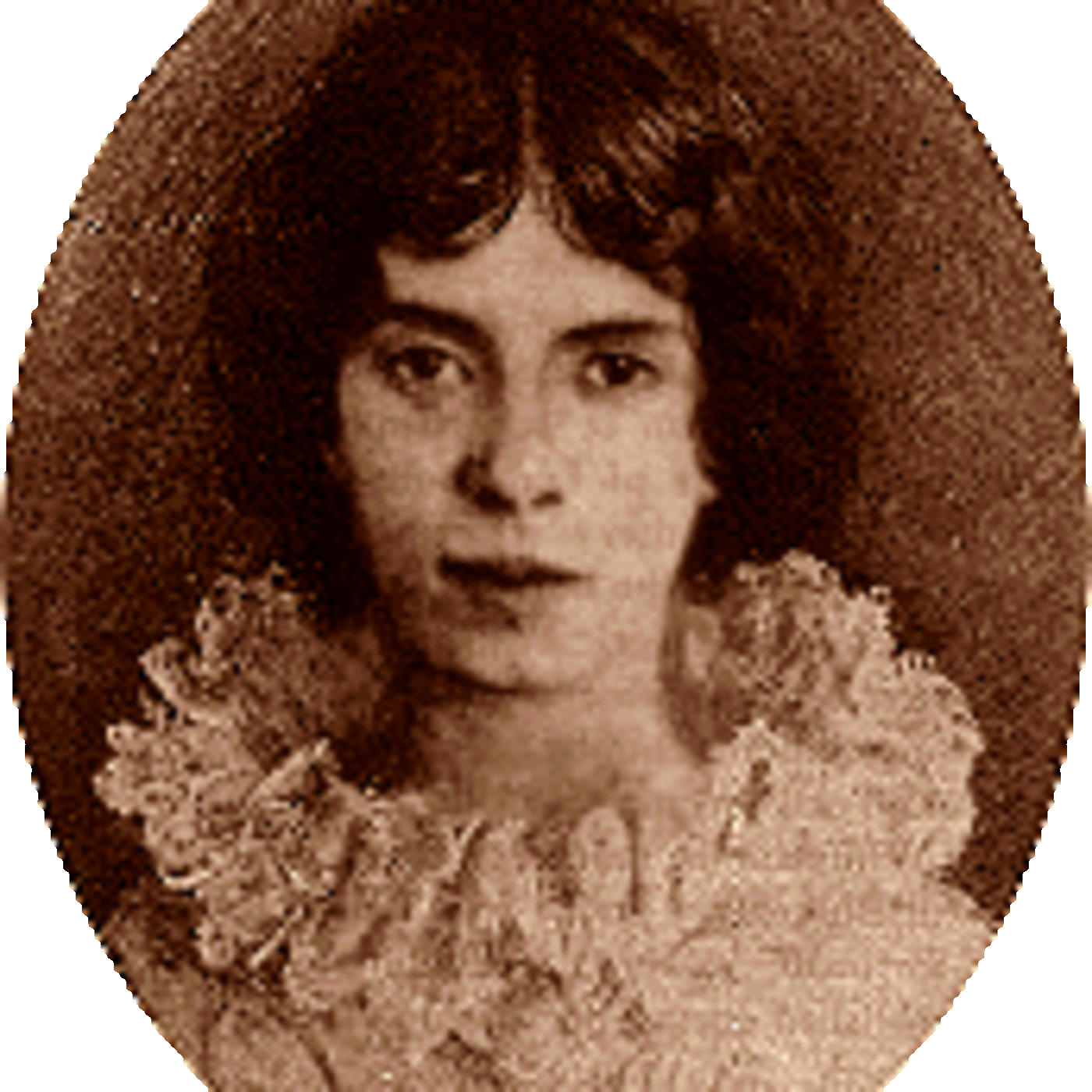
566. The Grass so Little has to do by Emily Dickinson
E Dickinson read by Classic Poetry Aloud: http://www.classicpoetryaloud.com/ Giving voice to the poetry of the past. --------------------------------------- The Grass so little has to do by Emily Dickinson (1830 – 1886) The Grass so little has to do – A Sphere of simple Green – With only Butterflies to brood And Bees to entertain – And stir all day to pretty Tunes The Breezes fetch along – And hold the Sunshine in its lap And bow to everything – And thread the Dews, all night, like Pearls – And make itself so fine A Duchess were too common For such a noticing – And even when it dies – to pass In Odors so divine – Like Lowly spices, lain to sleep – Or Spikenards, perishing – And then, in Sovereign Barns to dwell – And dream the Days away, The Grass so little has to do I wish I were a Hay – First aired: 7 May 2008 For hundreds more poetry readings, visit the Classic Poetry Aloud index. Reading © Classic Poetry Aloud 2008
565. From To a Skylark by Percy Bysshe Shelley
PB Shelley read by Classic Poetry Aloud: http://classicpoetryaloud.podomatic.com/ Giving voice to the poetry of the past. --------------------------------------------------- from To a Skylark by Percy Bysshe Shelley (1792–1822) Hail to thee, blithe spirit! Bird thou never wert— That from heaven or near it Pourest thy full heart In profuse strains of unpremeditated art. Higher still and higher From the earth thou springest, Like a cloud of fire; The blue deep thou wingest, And singing still dost soar, and soaring ever singest. In the golden light'ning Of the sunken sun, O'er which clouds are bright'ning, Thou dost float and run, Like an unbodied joy whose race is just begun. First aired: 21 August 2007 For hundreds more poetry readings, visit the Classic Poetry Aloud index. Reading © Classic Poetry Aloud 2008
564. The Lady of Shalott by Alfred Lord Tennyson
Lord Tennyson read by Classic Poetry Aloud: http://www.classicpoetryaloud.com/ Giving voice to the poetry of the past. --------------------------------------------- The Lady of Shalott by Alfred, Lord Tennyson (1809 – 1892) 1842 edition Part I. On either side the river lie Long fields of barley and of rye, That clothe the wold and meet the sky; And thro' the field the road runs by To many-tower'd Camelot; And up and down the people go, Gazing where the lilies blow Round an island there below, The island of Shalott. Willows whiten, aspens quiver, Little breezes dusk and shiver Thro' the wave that runs for ever By the island in the river Flowing down to Camelot. Four gray walls, and four gray towers, Overlook a space of flowers, And the silent isle imbowers The Lady of Shalott. By the margin, willow-veil'd Slide the heavy barges trail'd By slow horses; and unhail'd The shallop flitteth silken-sail'd Skimming down to Camelot: But who hath seen her wave her hand? Or at the casement seen her stand? Or is she known in all the land, The Lady of Shalott? Only reapers, reaping early In among the bearded barley, Hear a song that echoes cheerly From the river winding clearly, Down to tower'd Camelot: And by the moon the reaper weary, Piling sheaves in uplands airy, Listening, whispers "'Tis the fairy Lady of Shalott." Part II. There she weaves by night and day A magic web with colours gay. She has heard a whisper say, A curse is on her if she stay To look down to Camelot. She knows not what the curse may be, And so she weaveth steadily, And little other care hath she, The Lady of Shalott. And moving thro' a mirror clear That hangs before her all the year, Shadows of the world appear. There she sees the highway near Winding down to Camelot: There the river eddy whirls, And there the surly village-churls, And the red cloaks of market girls, Pass onward from Shalott. Sometimes a troop of damsels glad, An abbot on an ambling pad, Sometimes a curly shepherd-lad, Or long-hair'd page in crimson clad, Goes by to tower'd Camelot; And sometimes thro' the mirror blue The knights come riding two and two: She hath no loyal knight and true, The Lady of Shalott. But in her web she still delights To weave the mirror's magic sights, For often thro' the silent nights A funeral, with plumes and lights And music, went to Camelot: Or when the moon was overhead, Came two young lovers lately wed; "I am half-sick of shadows," said The Lady of Shalott. Part III. A bow-shot from her bower-eaves, He rode between the barley-sheaves, The sun came dazzling thro' the leaves, And flamed upon the brazen greaves Of bold Sir Lancelot. A redcross knight for ever kneel'd To a lady in his shield, That sparkled on the yellow field, Beside remote Shalott. The gemmy bridle glitter'd free, Like to some branch of stars we see Hung in the golden Galaxy. The bridle-bells rang merrily As he rode down to Camelot: And from his blazon'd baldric slung A mighty silver bugle hung, And as he rode his armour rung, Beside remote Shalott. All in the blue unclouded weather Thick-jewell'd shone the saddle-leather, The helmet and the helmet-feather Burn'd like one burning flame together, As he rode down to Camelot. As often thro' the purple night, Below the starry clusters bright, Some bearded meteor, trailing light, Moves over still Shalott. His broad clear brow in sunlight glow'd; On burnish'd hooves his war-horse trode; From underneath his helmet flow'd His coal-black curls as on he rode, As he rode down to Camelot. From the bank and from the river He flash'd into the crystal mirror, "Tirra lirra," by the river Sang Sir Lancelot. She left the web, she left the loom, She made three paces thro' the room, She saw the water-lily bloom, She saw the helmet and the plume, She look'd down to Camelot. Out flew the web and floated wide; The mirror crack'd from side to side; "The curse is come upon me," cried The Lady of Shalott. Part IV. In the stormy east-wind straining, The pale-yellow woods were waning, The broad stream in his banks complaining, Heavily the low sky raining Over tower'd Camelot; Down she came and found a boat Beneath a willow left afloat, And round about the prow she wrote The Lady of Shalott. And down the river's dim expanse-- Like some bold seër in a trance, Seeing all his own mischance-- With a glassy countenance Did she look to Camelot. And at the closing of the day She loosed the chain, and down she lay; The broad stream bore her far away, The Lady of Shalott. Lying, robed in snowy white That loosely flew to left and right-- The leaves upon her falling light-- Thro' the noises of the night She floated down to Camelot: And as the boat-head wound along The willowy hills and fields among, They heard her singing her last song, The Lady of Shalott. Heard a carol, mournful, holy, Chanted loudly, chanted lowly, Till her blood was frozen slowly, And her eyes were darken'd wholly, Turn'd to tower'd Camelot; For ere she reach'd upon the tide The first house by the wate
563. The World is too Much With Us by William Wordsworth
W Wordsworth read by Classic Poetry Aloud: http://www.classicpoetryaloud.com/ Giving voice to the poetry of the past. --------------------------------------- The World is too Much With by William Wordsworth (1770 – 1850) The world is too much with us; late and soon, Getting and spending, we lay waste our powers: Little we see in Nature that is ours; We have given our hearts away, a sordid boon! The Sea that bares her bosom to the moon; The winds that will be howling at all hours, And are up-gathered now like sleeping flowers; For this, for everything, we are out of tune; It moves us not.--Great God! I'd rather be A Pagan suckled in a creed outworn; So might I, standing on this pleasant lea, Have glimpses that would make me less forlorn; Have sight of Proteus rising from the sea; Or hear old Triton blow his wreathed horn. First aired: 4 May 2008 For hundreds more poetry readings, visit the Classic Poetry Aloud index. Reading © Classic Poetry Aloud 2008
562. The Drum by John Scott
J Scott read by Classic Poetry Aloud: http://www.classicpoetryaloud.com/ Giving voice to the poetry of the past. --------------------------------------------- The Drum by John Scott (1731 – 1783) I hate that drum's discordant sound, Parading round, and round, and round: To thoughtless youth it pleasure yields, And lures from cities and from fields, To sell their liberty for charms Of tawdry lace and glitt'ring arms; And when Ambition's voice commands, To fight and fall in foreign lands. I hate that drum's discordant sound, Parading round, and round, and round: To me it talks of ravaged plains, And burning towns and ruin'd swains, And mangled limbs, and dying groans, And widow's tears, and orphans moans, And all that Misery's hand bestows, To fill a catalogue of woes. First aired: 17 September 2007 For hundreds more poetry readings, visit the Classic Poetry Aloud index. Reading © Classic Poetry Aloud 2008
561. Eventide by John McCrae
J McCrae read by Classic Poetry Aloud: http://www.classicpoetryaloud.com/ Giving voice to the poetry of the past. --------------------------------------------- Eventide by John McCrae (1872 – 1918) The day is past and the toilers cease; The land grows dim 'mid the shadows grey, And hearts are glad, for the dark brings peace At the close of day. Each weary toiler, with lingering pace, As he homeward turns, with the long day done, Looks out to the west, with the light on his face Of the setting sun. Yet some see not (with their sin-dimmed eyes) The promise of rest in the fading light; But the clouds loom dark in the angry skies At the fall of night. And some see only a golden sky Where the elms their welcoming arms stretch wide To the calling rooks, as they homeward fly At the eventide. It speaks of peace that comes after strife, Of the rest He sends to the hearts He tried, Of the calm that follows the stormiest life — God's eventide. First aired: 1 August 2008 For hundreds more poetry readings, visit the Classic Poetry Aloud index. Reading © Classic Poetry Aloud 2008
560. Life by Charlotte Bronte
C Bronte read by Classic Poetry Aloud: http://www.classicpoetryaloud.com/ Giving voice to the poetry of the past. --------------------------------------- Life by Charlotte Bronte (1816 – 1855) Life, believe, is not a dream So dark as sages say; Oft a little morning rain Foretells a pleasant day. Sometimes there are clouds of gloom, But these are transient all; If the shower will make the roses bloom, O why lament its fall? Rapidly, merrily, Life's sunny hours flit by, Gratefully, cheerily, Enjoy them as they fly! What though Death at times steps in And calls our Best away? What though sorrow seems to win, O'er hope, a heavy sway ? Yet hope again elastic springs, Unconquered, though she fell; Still buoyant are her golden wings, Still strong to bear us well. Manfully, fearlessly, The day of trial bear, For gloriously, victoriously, Can courage quell despair! First aired: 31 July 2009 For hundreds more poetry readings, visit the Classic Poetry Aloud index. Reading © Classic Poetry Aloud 2009
558. To a Poet a Thousand Years Hence by James Elroy Flecker
JE Flecker read by Classic Poetry Aloud: http://classicpoetryaloud.podomatic.com/ Giving voice to the poetry of the past. --------------------------------------------- To a Poet a Thousand Years Hence by James Elroy Flecker (1884 – 1915) I who am dead a thousand years, And wrote this sweet archaic song, Send you my words for messengers The way I shall not pass along. I care not if you bridge the seas, Or ride secure the cruel sky, Or build consummate palaces Of metal or of masonry. But have you wine and music still, And statues and a bright-eyed love, And foolish thoughts of good and ill, And prayers to them who sit above? How shall we conquer? Like a wind That falls at eve our fancies blow, And old Moeonides the blind Said it three thousand years ago. O friend unseen, unborn, unknown, Student of our sweet English tongue, Read out my words at night, alone: I was a poet, I was young. Since I can never see your face, And never shake you by the hand, I send my soul through time and space To greet you. You will understand. First aired: 30 July 2007 For hundreds more poetry readings, visit the Classic Poetry Aloud index. Reading © Classic Poetry Aloud 2007
556. Be Still, My Soul, Be Still by AE Housman
AE Housman read by Classic Poetry Aloud: http://www.classicpoetryaloud.com/ Giving voice to the poetry of the past. --------------------------------------- Be Still, My Soul, Be Still by AE Housman (1859 – 1936) Be still, my soul, be still; the arms you bear are brittle, Earth and high heaven are fixt of old and founded strong. Think rather, - call to thought, if now you grieve a little, The days when we had rest, O soul, for they were long. Men loved unkindness then, but lightless in the quarry I slept and saw not; tears fell down, I did not mourn; Sweat ran and blood sprang out and I was never sorry: Then it was well with me, in days ere I was born. Now, and I muse for why and never find the reason, I pace the earth, and drink the air, and feel the sun. Be still, be still, my soul; it is but for a season: Let us endure an hour and see injustice done. Ay, look: high heaven and earth ail from the prime foundation; All thoughts to rive the heart are here, and all are vain: Horror and scorn and hate and fear and indignation- Oh why did I awake? when shall I sleep again? First aired: 29 July 2009 For hundreds more poetry readings, visit the Classic Poetry Aloud index. Reading © Classic Poetry Aloud 2009
555. Parable of the Old Men and the Young by Wilfred Owen
W Owen read by Classic Poetry Aloud: http://www.classicpoetryaloud.com/ Giving voice to the poetry of the past. --------------------------------------------- Parable of the Old Men and the Young by Wilfred Owen (1893 – 1918) So Abram rose, and clave the wood, and went, And took the fire with him, and a knife. And as they sojourned both of them together, Isaac the first-born spake and said, My Father, Behold the preparations, fire and iron, But where the lamb for this burnt-offering? Then Abram bound the youth with belts and straps, And builded parapets and trenches there, And stretchèd forth the knife to slay his son. When lo! an angel called him out of heaven, Saying, Lay not thy hand upon the lad, Neither do anything to him. Behold, A ram caught in a thicket by its horns; Offer the Ram of Pride instead of him. But the old man would not so, but slew his son... First aired: 29 July 2008 For hundreds more poetry readings, visit the Classic Poetry Aloud index. Reading © Classic Poetry Aloud 2008
554. When I Have Fears That I May Cease To Be by John Keats
J Keats read by Classic Poetry Aloud: http://classicpoetryaloud.podomatic.com/ Giving voice to the poetry of the past. --------------------------------------------- When I Have Fears That I May Cease To Be by John Keats (1795 – 1821) When I have fears that I may cease to be Before my pen has glean'd my teeming brain, Before high pil`d books, in charact'ry, Hold like rich garners the full-ripen'd grain; When I behold, upon the night's starr'd face, Huge cloudy symbols of a high romance, And feel that I may never live to trace Their shadows, with the magic hand of chance; And when I feel, fair creature of an hour! That I shall never look upon thee more, Never have relish in the faery power Of unreflecting love;—then on the shore Of the wide world I stand alone, and think, Till Love and Fame to nothingness do sink. First aired: 28 July 2007 For hundreds more poetry readings, visit the Classic Poetry Aloud index. Reading © Classic Poetry Aloud 2007
552. Her Voice by Oscar Wilde
O Wilde read by Classic Poetry Aloud: http://www.classicpoetryaloud.com/ Giving voice to the poetry of the past. --------------------------------------------- Her Voice by Oscar Wilde (1854 – 1900) The wild bee reels from bough to bough With his furry coat and his gauzy wing. Now in a lily-cup, and now Setting a jacinth bell a-swing, In his wandering; Sit closer love: it was here I trow I made that vow, Swore that two lives should be like one As long as the sea-gull loved the sea, As long as the sunflower sought the sun, — It shall be, I said, for eternity ’Twixt you and me! Dear friend, those times are over and done, Love’s web is spun. Look upward where the poplar trees Sway and sway in the summer air, Here in the valley never a breeze Scatters the thistledown, but there Great winds blow fair From the mighty murmuring mystical seas, And the wave-lashed leas. Look upward where the white gull screams, What does it see that we do not see? Is that a star? or the lamp that gleams On some outward voyaging argosy, — Ah! can it be We have lived our lives in a land of dreams! How sad it seems. Sweet, there is nothing left to say But this, that love is never lost, Keen winter stabs the breasts of May Whose crimson roses burst his frost, Ships tempest-tossed Will find a harbour in some bay, And so we may. And there is nothing left to do But to kiss once again, and part, Nay, there is nothing we should rue, I have my beauty,—you your Art, Nay, do not start, One world was not enough for two Like me and you. First aired: 14 September 2007 For hundreds more poetry readings, visit the Classic Poetry Aloud index. Reading © Classic Poetry Aloud 2008
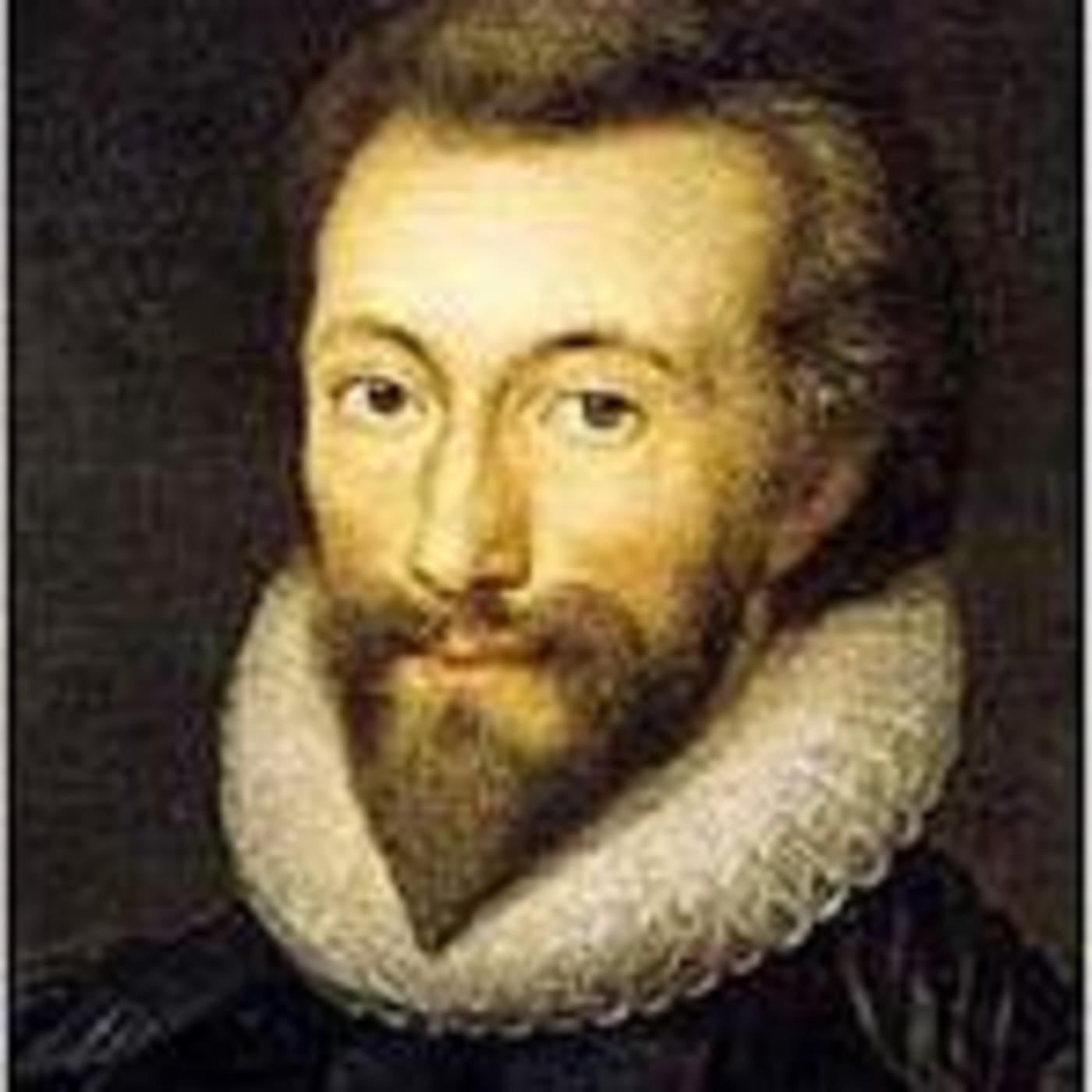
551. Death by John Donne
J Donne read by Classic Poetry Aloud: http://classicpoetryaloud.podomatic.com/ Giving voice to the poetry of the past. --------------------------------------------- Death by John Donne (1572 - 1631) Death be not proud, though some have called thee Mighty and dreadfull, for, thou art not so, For, those, whom thou think'st, thou dost overthrow, Die not, poore death, nor yet canst thou kill me. From rest and sleepe, which but thy pictures bee, Much pleasure, then from thee, much more must flow, And soonest our best men with thee doe goe, Rest of their bones, and soules deliverie. Thou art slave to Fate, Chance, kings, and desperate men, And dost with poyson, warre, and sicknesse dwell, And poppie, or charmes can make us sleepe as well, And better then thy stroake; why swell'st thou then; One short sleepe past, wee wake eternally, And death shall be no more; death, thou shalt die. First aired: 26 July 2007 For hundreds more poetry readings, visit the Classic Poetry Aloud index. Reading © Classic Poetry Aloud 2007
550. Gratiana Dancing by Richard Lovelace
R Lovelace read by Classic Poetry Aloud: http://www.classicpoetryaloud.com/ Giving voice to the poetry of the past. --------------------------------------------- Gratiana Dancing by Richard Lovelace (1618 – 1658) She beat the happy pavement— By such a star made firmament, Which now no more the roof envìes! But swells up high, with Atlas even, Bearing the brighter nobler heaven, And, in her, all the deities. Each step trod out a Lover's thought, And the ambitious hopes he brought Chain'd to her brave feet with such arts, Such sweet command and gentle awe, As, when she ceased, we sighing saw The floor lay paved with broken hearts. First aired: 25 July 2008 For hundreds more poetry readings, visit the Classic Poetry Aloud index. Reading © Classic Poetry Aloud 2008
549. Pater Filio by Robert Bridges
R Bridges read by Classic Poetry Aloud: http://www.classicpoetryaloud.com/ Giving voice to the poetry of the past. --------------------------------------------- Pater Filio by Robert Bridges (1844 – 1930) Sense with keenest edge unused, Yet unsteel'd by scathing fire; Lovely feet as yet unbruised On the ways of dark desire; Sweetest hope that lookest smiling O'er the wilderness defiling! Why such beauty, to be blighted By the swarm of foul destruction? Why such innocence delighted, When sin stalks to thy seduction? All the litanies e'er chaunted Shall not keep thy faith undaunted. I have pray'd the sainted Morning To unclasp her hands to hold thee; From resignful Eve's adorning Stol'n a robe of peace to enfold thee; With all charms of man's contriving Arm'd thee for thy lonely striving. Me too once unthinking Nature, —Whence Love's timeless mockery took me,— Fashion'd so divine a creature, Yea, and like a beast forsook me. I forgave, but tell the measure Of her crime in thee, my treasure. First aired: 26 July 2008 For hundreds more poetry readings, visit the Classic Poetry Aloud index. Reading © Classic Poetry Aloud 2008
548. How Sweet it is to Love by John Dryden
J Dryden read by Classic Poetry Aloud: http://www.classicpoetryaloud.com/ Giving voice to the poetry of the past. --------------------------------------------- How Sweet it is to Love by John Dryden (1631 – 1700) Ah, how sweet it is to love! Ah, how gay is young Desire! And what pleasing pains we prove When we first approach Love's fire! Pains of love be sweeter far Than all other pleasures are. Sighs which are from lovers blown Do but gently heave the heart: Ev'n the tears they shed alone Cure, like trickling balm, their smart: Lovers, when they lose their breath, Bleed away in easy death. Love and Time with reverence use, Treat them like a parting friend; Nor the golden gifts refuse Which in youth sincere they send: For each year their price is more, And they less simple than before. Love, like spring-tides full and high, Swells in every youthful vein; But each tide does less supply, Till they quite shrink in again: If a flow in age appear, 'Tis but rain, and runs not clear. For hundreds more poetry readings, visit the Classic Poetry Aloud index. Reading © Classic Poetry Aloud 2008
547. The Good-morrow by John Donne
J Donne read by Classic Poetry Aloud: http://www.classicpoetryaloud.com/ Giving voice to the poetry of the past. --------------------------------------------- The Good-morrow by John Donne (1572 – 1631) I wonder by my troth, what thou, and I Did, till we lov'd? were we not wean'd till then? But suck'd on countrey pleasures, childishly? Or snorted we in the seaven sleepers den? T'was so; But this, all pleasures fancies bee. If ever any beauty I did see, Which I desir'd, and got, t'was but a dreame of thee. And now good morrow to our waking soules, Which watch not one another out of feare; For love, all love of other sights controules, And makes one little roome, an every where. Let sea-discoverers to new worlds have gone, Let Maps to other, worlds on worlds have showne, Let us possesse one world, each hath one, and is one. My face in thine eye, thine in mine appeares, And true plaine hearts doe in the faces rest, Where can we finde two better hemispheares Without sharpe North, without declining West? What ever dyes, was not mixt equally; If our two loves be one, or, thou and I Love so alike, that none doe slacken, none can die. For hundreds more poetry readings, visit the Classic Poetry Aloud index. Reading © Classic Poetry Aloud 2008
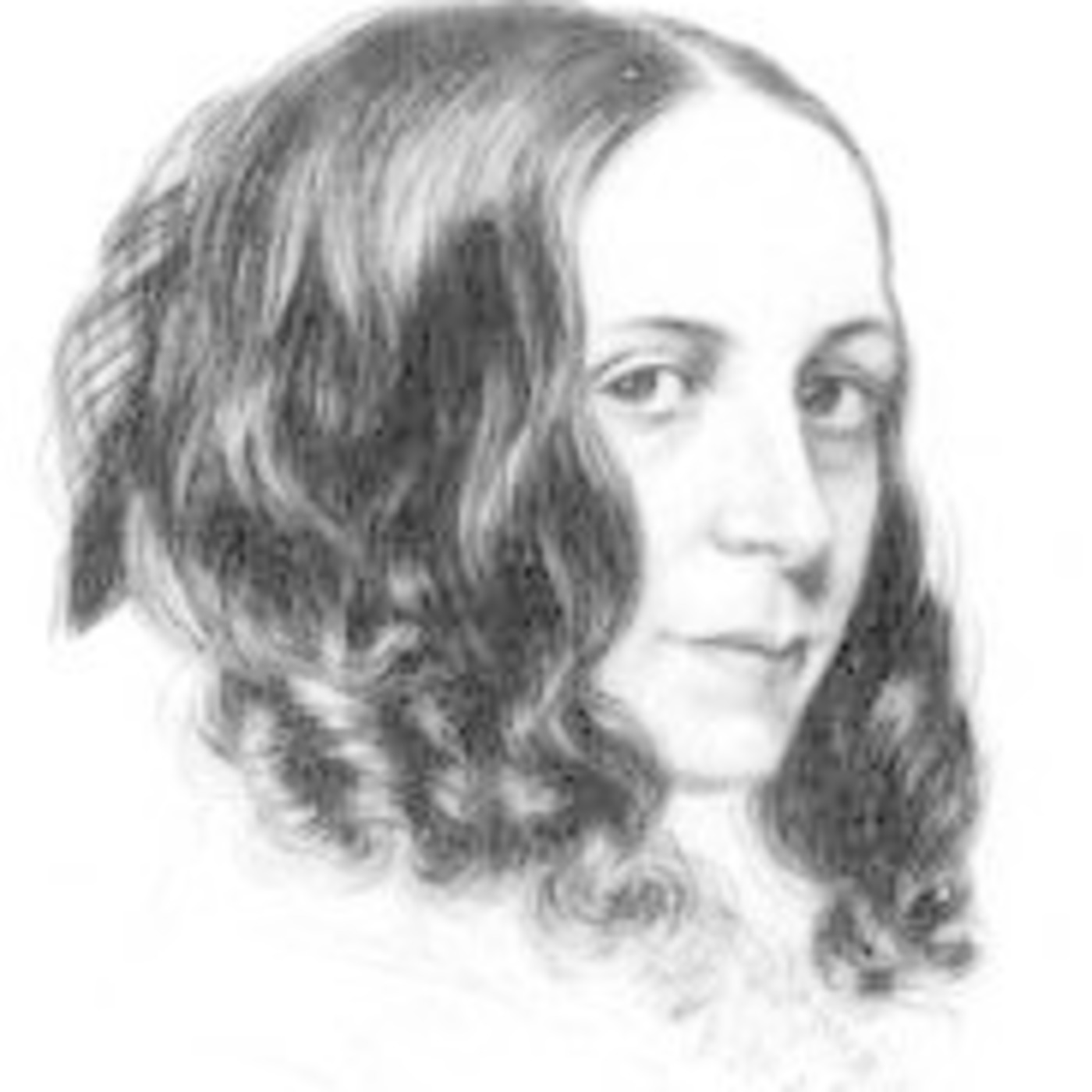
546. How Do I Love Thee? by Elizabeth Barrett Browning
EB Browning read by Classic Poetry Aloud: http://www.classicpoetryaloud.com/ Giving voice to the poetry of the past. --------------------------------------------- How Do I Love Thee? by Elizabeth Barrett Browning (1806–1861) How do I love thee? Let me count the ways. I love thee to the depth and breadth and height My soul can reach, when feeling out of sight For the ends of Being and ideal Grace. I love thee to the level of everyday’s Most quiet need, by sun and candle-light. I love thee freely, as men strive for Right; I love thee purely, as they turn from Praise. I love thee with the passion put to use In my old griefs, and with my childhood’s faith. I love thee with a love I seemed to lose With my lost saints,—I love thee with the breath, Smiles, tears, of all my life!—and, if God choose, I shall but love thee better after death. For hundreds more poetry readings, visit the Classic Poetry Aloud index. Reading © Classic Poetry Aloud 2008
545. Sonnet 57 Being your Slave by William Shakespeare
W Shakespeare read by Classic Poetry Aloud: http://www.classicpoetryaloud.com/ Giving voice to the poetry of the past. --------------------------------------------- Sonnet 57 Being your Slave by William Shakespeare (1564 – 1616) Being your slave, what should I do but tend Upon the hours and times of your desire? I have no precious time at all to spend, Nor services to do, till you require. Nor dare I chide the world-without-end hour Whilst I, my sovereign, watch the clock for you, Nor think the bitterness of absence sour When you have bid your servant once adieu; Nor dare I question with my jealous thought Where you may be, or your affairs suppose, But, like a sad slave, stay and think of nought Save, where you are how happy you make those! So true a fool is love, that in your Will, Though you do any thing, he thinks no ill. For hundreds more poetry readings, visit the Classic Poetry Aloud index. Reading © Classic Poetry Aloud 2008

544. The Lover’s Resolution by George Wither
G Wither read by Classic Poetry Aloud: http://www.classicpoetryaloud.com/ Giving voice to the poetry of the past. --------------------------------------- The Lover’s Resolution by George Wither by George Wither (1588-1667) Shall I, wasting in despair, Die because a woman 's fair? Or make pale my cheeks with care 'Cause another's rosy are? Be she fairer than the day, Or the flow'ry meads in May, If she think not well of me, What care I how fair she be? Shall my silly heart be pined 'Cause I see a woman kind? Or a well disposed nature Joined with a lovely feature? Be she meeker, kinder, than Turtle-dove or pelican, If she be not so to me, What care I how kind she be? Shall a woman's virtues move Me to perish for her love? Or her well-deservings known Make me quite forget my own? Be she with that goodness blest Which may merit name of Best, If she be not such to me, What care I how good she be? 'Cause her fortune seems too high, Shall I play the fool and die? She that bears a noble mind, If not outward helps she find, Thinks what with them he would do That without them dares her woo; And unless that mind I see, What care I how great she be? Great, or good, or kind, or fair, I will ne'er the more despair; If she love me, this believe, I will die ere she shall grieve; If she slight me when I woo, I can scorn and let her go; For if she be not for me, What care I for whom she be? First aired: 23 July 2008 For hundreds more poetry readings, visit the Classic Poetry Aloud index. Reading © Classic Poetry Aloud 2008
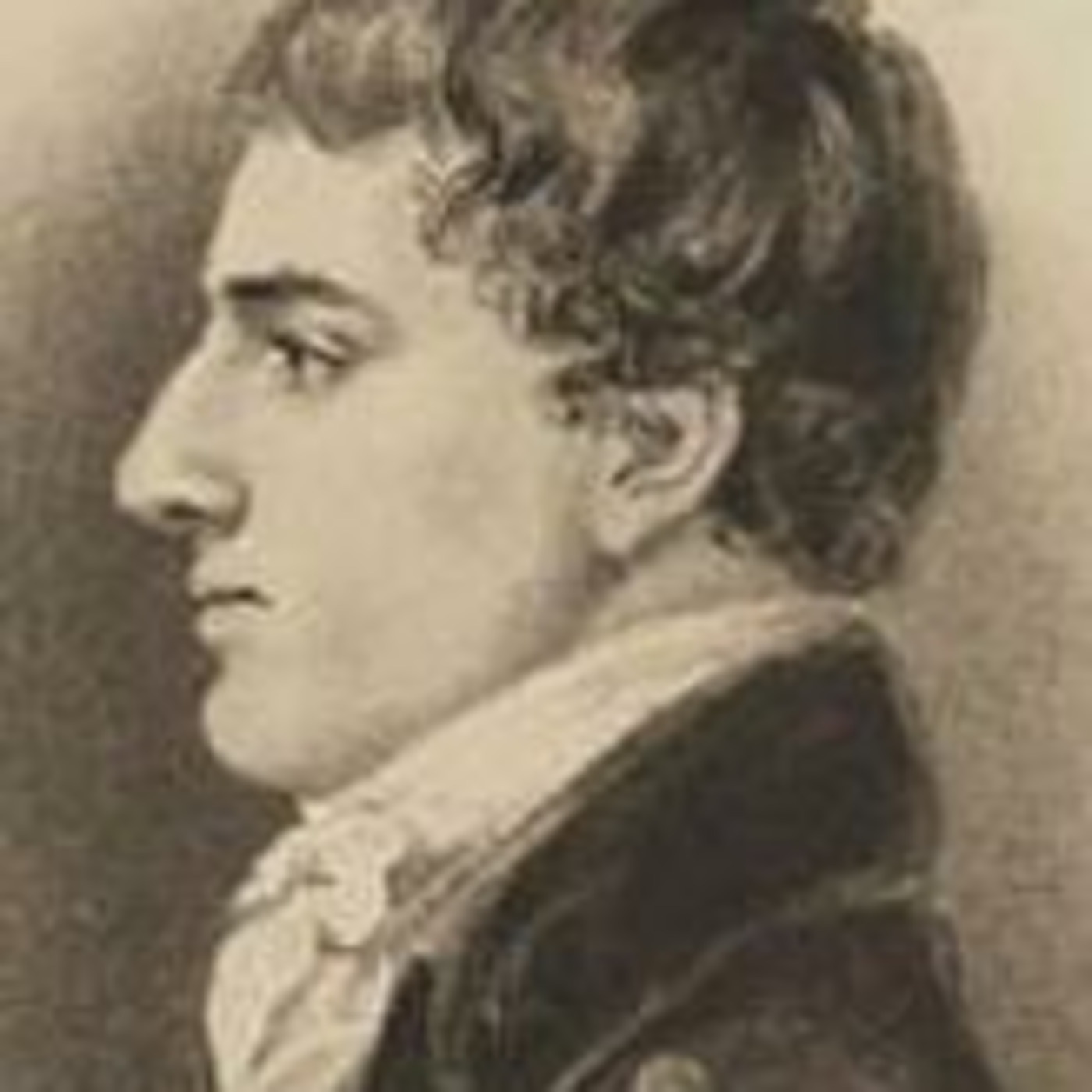
543. The Old Familiar Faces by Charles Lamb
C Lamb read by Classic Poetry Aloud: http://www.classicpoetryaloud.com/ Giving voice to the poetry of the past. ---------------------------------------- The Old Familiar Faces by Charles Lamb (1775–1834) I have had playmates, I have had companions, In my days of childhood, in my joyful school-days - All, all are gone, the old familiar faces. I have been laughing, I have been carousing, Drinking late, sitting late, with my bosom cronies - All, all are gone, the old familiar faces. I loved a Love once, fairest among women: Closed are her doors on me, I must not see her - All, all are gone, the old familiar faces. I have a friend, a kinder friend has no man: Like an ingrate, I left my friend abruptly; Left him, to muse on the old familiar faces. Ghost-like I paced round the haunts of my childhood, Earth seem'd a desert I was bound to traverse, Seeking to find the old familiar faces. Friend of my bosom, thou more than a brother, Why wert not thou born in my father's dwelling? So might we talk of the old familiar faces - How some they have died, and some they have left me, And some are taken from me; all are departed - All, all are gone, the old familiar faces. First aired: 4 December 2007 For hundreds more poetry readings, visit the Classic Poetry Aloud index. Reading © Classic Poetry Aloud 2007
542. The Passionate Shepherd to His Love by Christopher Marlowe
C Marlowe read by Classic Poetry Aloud: http://www.classicpoetryaloud.com/ Giving voice to the poetry of the past. --------------------------------------------------- The Passionate Shepherd to His Love by Christopher Marlowe (1564 – 1593) Come live with me and be my Love, And we will all the pleasures prove That hills and valleys, dale and field, And all the craggy mountains yield. There will we sit upon the rocks And see the shepherds feed their flocks, By shallow rivers, to whose falls Melodious birds sing madrigals. There will I make thee beds of roses And a thousand fragrant posies, A cap of flowers, and a kirtle Embroider'd all with leaves of myrtle. A gown made of the finest wool Which from our pretty lambs we pull, Fair linèd slippers for the cold, With buckles of the purest gold. A belt of straw and ivy buds With coral clasps and amber studs: And if these pleasures may thee move, Come live with me and be my Love. Thy silver dishes for thy meat As precious as the gods do eat, Shall on an ivory table be Prepared each day for thee and me. The shepherd swains shall dance and sing For thy delight each May-morning: If these delights thy mind may move, Then live with me and be my Love. First aired: 20 September 2007 For hundreds more poetry readings, visit the Classic Poetry Aloud index. Reading © Classic Poetry Aloud 2008
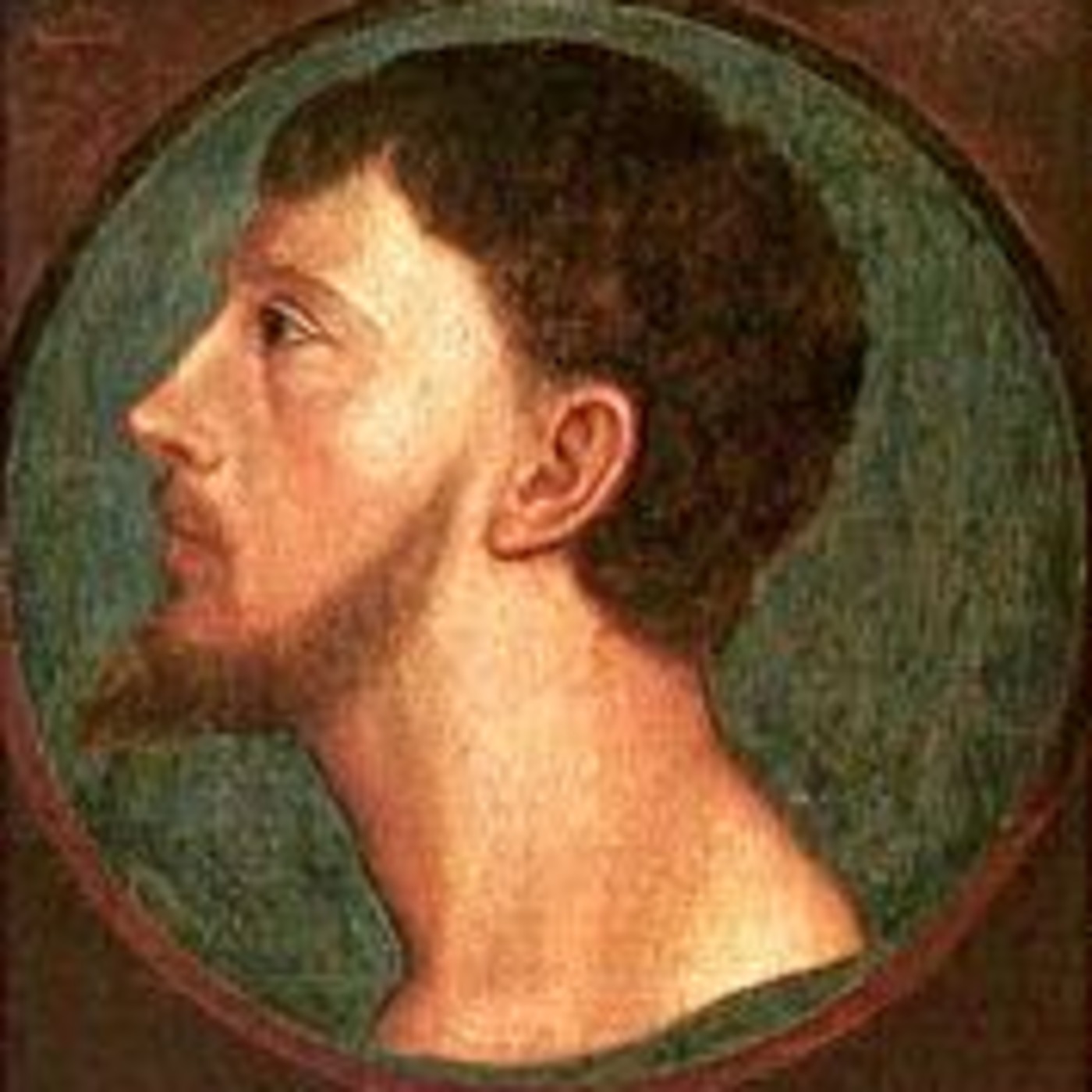
541. I am as I am by Sir Thomas Wyatt
T Wyatt read by Classic Poetry Aloud: www.classicpoetryaloud.com Giving voice to the poetry of the past. --------------------------------------- I am as I am by Sir Thomas Wyatt (1503 – 1542) I am as I am and so will I be But how that I am none knoweth truly, Be it evil be it well, be I bond be I free I am as I am and so will I be. I lead my life indifferently, I mean nothing but honestly, And though folks judge diversely, I am as I am and so will I die. I do not rejoice nor yet complain, Both mirth and sadness I do refrain, And use the mean since folks will fain Yet I am as I am be it pleasure or pain. Divers do judge as they do true, Some of pleasure and some of woe, Yet for all that no thing they know, But I am as I am wheresoever I go. But since judgers do thus decay, Let every man his judgement say: I will it take in sport and play, For I am as I am who so ever say nay. Who judgeth well, well God him send; Who judgeth evil, God them amend; To judge the best therefore intend, For I am as I am and so will I end. Yet some that be that take delight To judge folks thought for envy and spite, But whether they judge me wrong or right, I am as I am and so do I write. Praying you all that this do read, To trust it as you do your creed, And not to think I change my weed, For I am as I am however I speed. But how that is I leave to you; Judge as ye list, false or true; Ye know no more than afore ye knew; Yet I am as I am whatever ensue. And from this mind I will not flee, But to you all that misjudge me, I do protest as ye may see, That I am as I am and so will I be. First aired: 18 February 2008 For hundreds more poetry readings, visit the Classic Poetry Aloud index. Reading © Classic Poetry Aloud 2008
540. Can Life be a Blessing by John Henry Dryden
JH Dryden read by Classic Poetry Aloud Giving voice to the poetry of the past: www.classicpoetryaloud.com --------------------------------------- Can Life be a Blessing by John Henry Dryden (1631 – 1700) Can life be a blessing, Or worth the possessing, Can life be a blessing if love were away? Ah no! though our love all night keep us waking, And though he torment us with cares all the day, Yet he sweetens, he sweetens our pains in the taking, There's an hour at the last, there's an hour to repay. In ev'ry possessing, The ravishing blessing, In ev'ry possessing the fruit of our pain, Poor lovers forget long ages of anguish, Whate'er they have suffer'd and done to obtain; 'Tis a pleasure, a pleasure to sigh and to languish, When we hope, when we hope to be happy again. First aired: 31 December 2007 For hundreds more poetry readings, visit the Classic Poetry Aloud index. Reading © Classic Poetry Aloud 2010
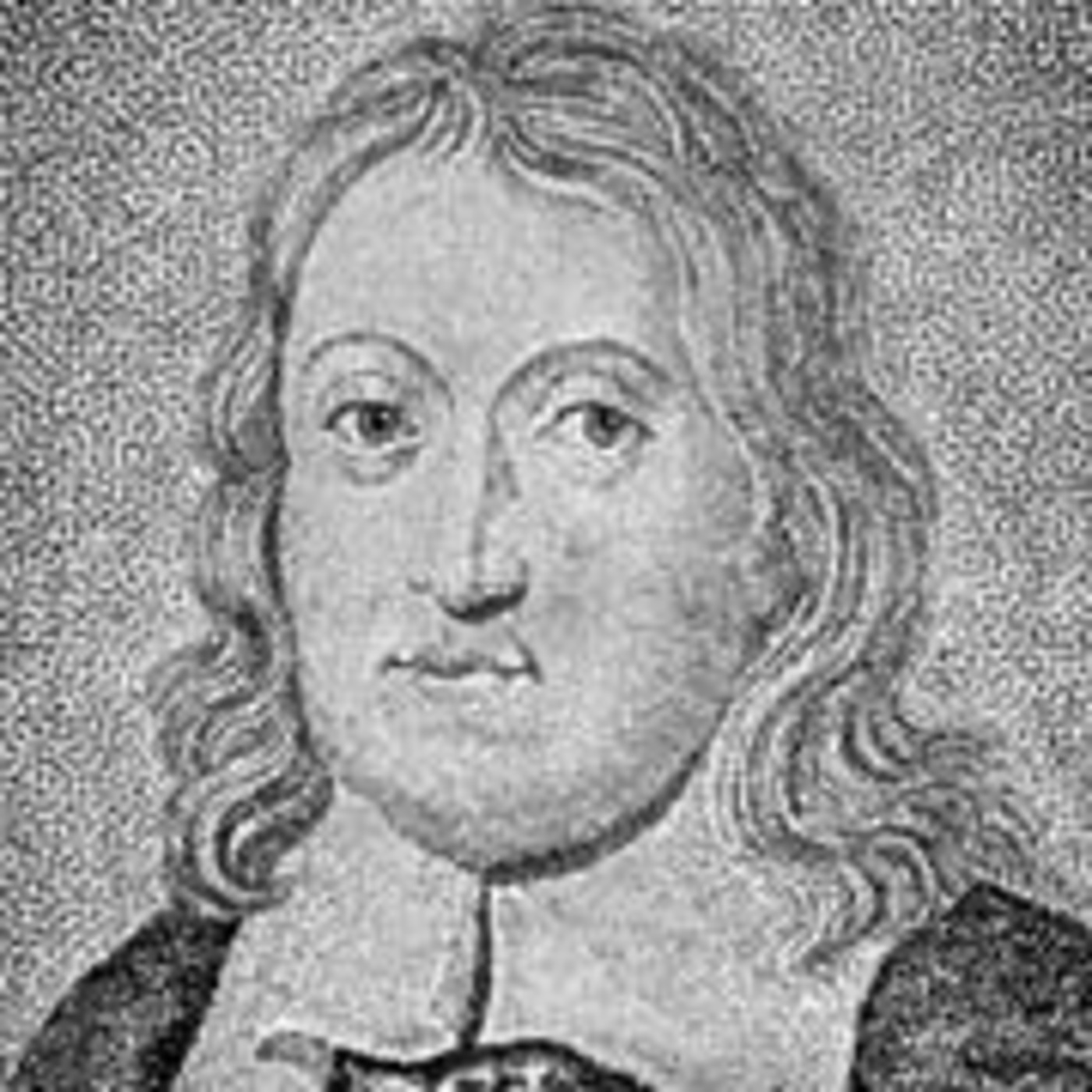
539. On His Blindness by John Milton
J Milton read by Classic Poetry Aloud: http://classicpoetryaloud.podomatic.com/ Giving voice to the poetry of the past. --------------------------------------- On His Blindness by John Milton (1608 – 1674) When I consider how my light is spent E're half my days, in this dark world and wide, And that one Talent which is death to hide, Lodg'd with me useless, though my Soul more bent To serve therewith my Maker, and present My true account, least he returning chide, Doth God exact day-labour, light deny'd, I fondly ask; But patience to prevent That murmur, soon replies, God doth not need Either man's work or his own gifts, who best Bear his milde yoak, they serve him best, his State Is Kingly. Thousands at his bidding speed And post o're Land and Ocean without rest: They also serve who only stand and waite. First aired: 20 November 2007 For hundreds more poetry readings, visit the Classic Poetry Aloud index. To learn a little more about the poems and poets on Classic Poetry Aloud, join the mailing list. Reading © Classic Poetry Aloud 2008
538. The Call by Charlotte Mew
C Mew read by Classic Poetry Aloud: http://www.classicpoetryaloud.com/ Giving voice to the poetry of the past. --------------------------------------- The Call by Charlotte Mew (1869 – 1928) From our low seat beside the fire Where we have dozed and dreamed and watched the glow Or raked the ashes, stopping so We scarcely saw the sun or rain Above, or looked much higher Than this same quiet red or burned-out fire. To-night we heard a call, A rattle on the window-pane, A voice on the sharp air, And felt a breath stirring our hair, A flame within us: Something swift and tall Swept in and out and that was all. Was it a bright or a dark angel? Who can know? It left no mark upon the snow, But suddenly it snapped the chain Unbarred, flung wide the door Which will not shut again; And so we cannot sit here any more. We must arise and go: The world is cold without And dark and hedged about With mystery and enmity and doubt, But we must go Though yet we do not know Who called, or what marks we shall leave upon the snow. First aired: 3 May 2008 For hundreds more poetry readings, visit the Classic Poetry Aloud index. To learn a little more about the poems and poets on Classic Poetry Aloud, join the mailing list. Reading © Classic Poetry Aloud 2009
537. Summer And Winter by Percy Bysshe Shelley
PB Shelley read by Classic Poetry Aloud: www.classicpoetryaloud.com Giving voice to the poetry of the past. --------------------------------------- Summer And Winter by Percy Bysshe Shelley (1792 – 1822) It was a bright and cheerful afternoon, Towards the end of the sunny month of June, When the north wind congregates in crowds The floating mountains of the silver clouds From the horizon--and the stainless sky Opens beyond them like eternity. All things rejoiced beneath the sun; the weeds, The river, and the cornfields, and the reeds; The willow leaves that glanced in the light breeze, And the firm foliage of the larger trees. It was a winter such as when birds die In the deep forests; and the fishes lie Stiffened in the translucent ice, which makes Even the mud and slime of the warm lakes A wrinkled clod as hard as brick; and when, Among their children, comfortable men Gather about great fires, and yet feel cold: Alas, then, for the homeless beggar old! First aired: 28 December 2007 For hundreds more poetry readings, visit the Classic Poetry Aloud index. To learn a little more about the poems and poets on Classic Poetry Aloud, join the mailing list. Reading © Classic Poetry Aloud 2009
536. Hope is the Thing with Feathers by Emily Dickinson
E Dickinson read by Classic Poetry Aloud: http://www.classicpoetryaloud.com/ Giving voice to the poetry of the past. --------------------------------------------------- Hope is the Thing with Feathers by Emily Dickinson (1830 – 1886) "Hope" is the thing with feathers — That perches in the soul — And sings the tune without the words — And never stops — at all — And sweetest — in the Gale — is heard — And sore must be the storm — That could abash the little Bird That kept so many warm — I've heard it in the chillest land — And on the strangest Sea — Yet, never, in Extremity, It asked a crumb — of Me. First aired: 18 December 2007 For hundreds more poetry readings, visit the Classic Poetry Aloud index. To learn a little more about the poems and poets on Classic Poetry Aloud, join the mailing list. Reading © Classic Poetry Aloud 2008
535. Winter Nightfall by Robert Bridges
R Bridges read by Classic Poetry Aloud: http://www.classicpoetryaloud.com/ Giving voice to the poetry of the past. --------------------------------------- Winter Nightfall by Robert Bridges (1844 - 1930) The day begins to droop,— Its course is done: But nothing tells the place Of the setting sun. The hazy darkness deepens, And up the lane You may hear, but cannot see, The homing wain. An engine pants and hums In the farm hard by: Its lowering smoke is lost In the lowering sky. The soaking branches drip, And all night through The dropping will not cease In the avenue. A tall man there in the house Must keep his chair: He knows he will never again Breathe the spring air: His heart is worn with work; He is giddy and sick If he rise to go as far As the nearest rick: He thinks of his morn of life, His hale, strong years; And braves as he may the night Of darkness and tears First aired: 24 November 2007 For hundreds more poetry readings, visit the Classic Poetry Aloud index. To learn a little more about the poems and poets on Classic Poetry Aloud, join the mailing list. Reading © Classic Poetry Aloud 2009
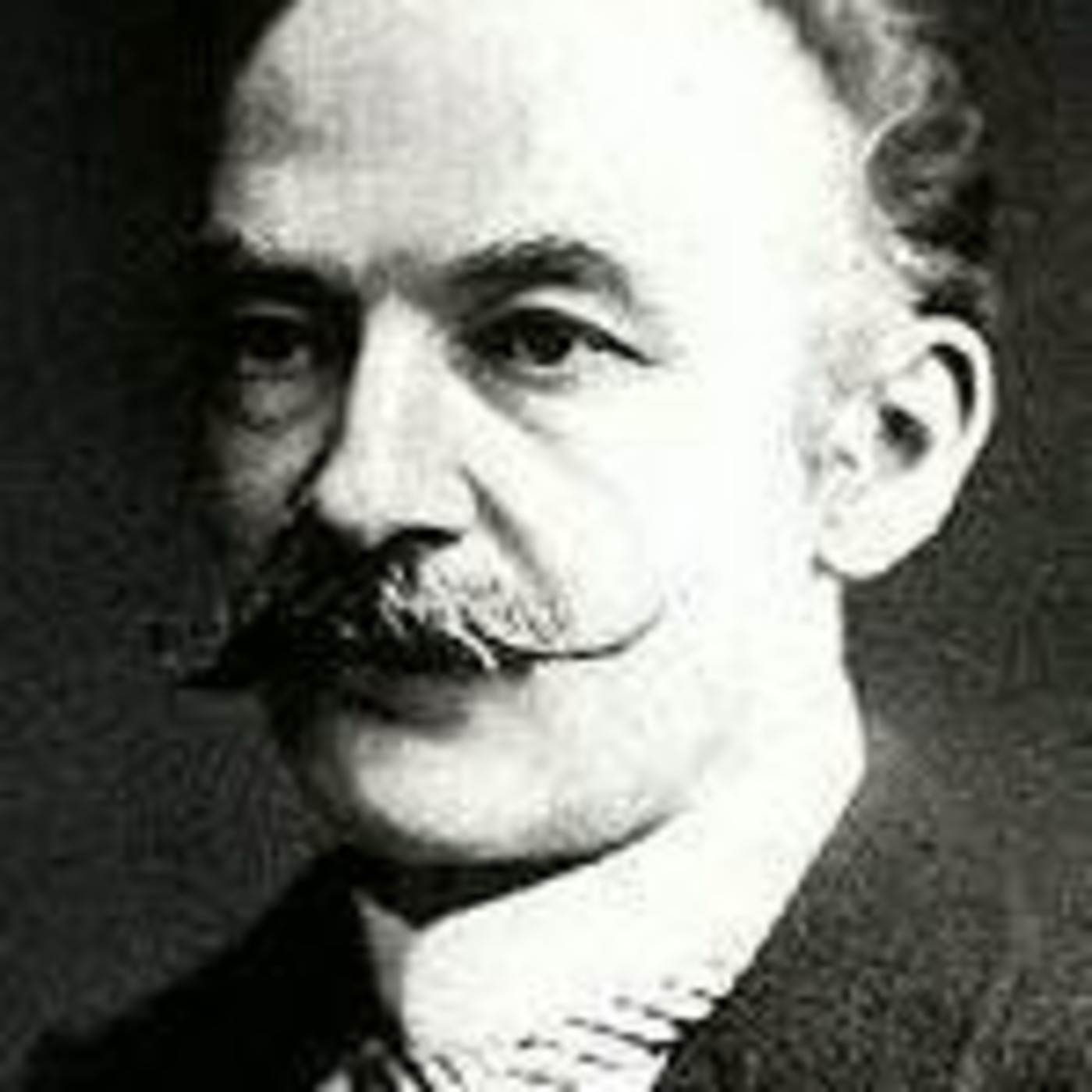
534. Snow in the Suburbs by Thomas Hardy
T Hardy read by Classic Poetry Aloud: http://www.classicpoetryaloud.com/ Giving voice to the poetry of the past. --------------------------------------- Snow in the Suburbs by Thomas Hardy (1840 – 1928) Every branch big with it, Bent every twig with it; Every fork like a white web-foot; Every street and pavement mute: Some flakes have lost their way, and grope back upward when Meeting those meandering down they turn and descend again. The palings are glued together like a wall, And there is no waft of wind with the fleecy fall. A sparrow enters the tree, Whereon immediately A snow-lump thrice his own slight size Descends on him and showers his head and eye And overturns him, And near inurns him, And lights on a nether twig, when its brush Starts off a volley of other lodging lumps with a rush. The steps are a blanched slope, Up which, with feeble hope, A black cat comes, wide-eyed and thin; And we take him in. First aired: 15 March 2008 For hundreds more poetry readings, visit the Classic Poetry Aloud index. To learn a little more about the poems and poets on Classic Poetry Aloud, join the mailing list. Reading © Classic Poetry Aloud 2009
533. from Frost at Midnight by Samuel Taylor Coleridge
ST Coleridge read by Classic Poetry Aloud: http://www.classicpoetryaloud.com/ Giving voice to the poetry of the past. --------------------------------------- from Frost at Midnight by Samuel Taylor Coleridge (1772 – 1834) The Frost performs its secret ministry, Unhelped by any wind. The owlet's cry Came loud, -and hark, again! loud as before. The inmates of my cottage, all at rest, Have left me to that solitude, which suits Abstruser musings: save that at my side My cradled infant slumbers peacefully. 'Tis calm indeed! so calm, that it disturbs And vexes meditation with its strange And extreme silentness. Sea, hill, and wood, With all the numberless goings-on of life, Inaudible as dreams! the thin blue flame Lies on my low-burnt fire, and quivers not; Only that film, which fluttered on the grate, Still flutters there, the sole unquiet thing. Methinks its motion in this hush of nature Gives it dim sympathies with me who live, Making it a companionable form, Whose puny flaps and freaks the idling Spirit By its own moods interprets, every where Echo or mirror seeking of itself, And makes a toy of Thought. First aired: 26 December 2007 For hundreds more poetry readings, visit the Classic Poetry Aloud index. To learn a little more about the poems and poets on Classic Poetry Aloud, join the mailing list. Reading © Classic Poetry Aloud 2008
532. The Snow-Storm by Ralph Waldo Emerson
RW Emerson read by Classic Poetry Aloud: http://www.classicpoetryaloud.com/ Giving voice to the poetry of the past. --------------------------------------- The Snow-Storm by Ralph Waldo Emerson (1803 – 1882) Announced by all the trumpets of the sky, Arrives the snow, and, driving o'er the fields, Seems nowhere to alight: the whited air Hides hills and woods, the river, and the heaven, And veils the farm-house at the garden's end. The sled and traveller stopped, the courier's feet Delayed, all friends shut out, the housemates sit Around the radiant fireplace, enclosed In a tumultuous privacy of storm. Come see the north wind's masonry. Out of an unseen quarry evermore Furnished with tile, the fierce artificer Curves his white bastions with projected roof Round every windward stake, or tree, or door. Speeding, the myriad-handed, his wild work So fanciful, so savage, nought cares he For number or proportion. Mockingly, On coop or kennel he hangs Parian wreaths; A swan-like form invests the hidden thorn; Fills up the farmer's lane from wall to wall, Maugre the farmer's sighs; and at the gate A tapering turret overtops the work. And when his hours are numbered, and the world Is all his own, retiring, as he were not, Leaves, when the sun appears, astonished Art To mimic in slow structures, stone by stone, Built in an age, the mad wind's night-work, The frolic architecture of the snow. Students and those interested in knowing more should visit: http://www.etsu.edu/writing/amlit_s04/anthology/snowstorm.htm First aired: 10 January 2008 For hundreds more poetry readings, visit the Classic Poetry Aloud index. To learn a little more about the poems and poets on Classic Poetry Aloud, join the mailing list. Reading © Classic Poetry Aloud 2008
531. Peace by Henry Vaughan
H Vaughan read by Classic Poetry Aloud: http://www.classicpoetryaloud.com/ Giving voice to the poetry of the past. --------------------------------------------- Peace by Henry Vaughan (1621 – 1695) My soul, there is a country Far beyond the stars, Where stands a wingèd sentry All skilful in the wars: There, above noise and danger, Sweet Peace sits crown'd with smiles, And One born in a manger Commands the beauteous files. He is thy gracious Friend, And—O my soul, awake!— Did in pure love descend To die here for thy sake. If thou canst get but thither, There grows the flower of Peace, The Rose that cannot wither, Thy fortress, and thy ease. Leave then thy foolish ranges; For none can thee secure But One who never changes— Thy God, thy life, thy cure. First aired: 29 January 2008 For hundreds more poetry readings, visit the Classic Poetry Aloud index. Reading © Classic Poetry Aloud 2008
530. Abou ben Adhem by Leigh Hunt
L Hunt read by Classic Poetry Aloud: http://classicpoetryaloud.podomatic.com/ Giving voice to classic poetry. ---------------------------------------- Abou ben Adhem by Leigh Hunt (1784 - 1859) Abou ben Adhem (may his tribe increase!) Awoke one night from a deep dream of peace, And saw—within the moonlight in his room, Making it rich and like a lily in bloom— An angel, writing in a book of gold. Exceeding peace had made Ben Adhem bold, And to the presence in the room he said, ‘What writest thou?’—The vision raised its head, And, with a look made of all sweet accord, Answered, ‘The names of those who love the Lord.’ ‘And is mine one?’ said Abou. ‘Nay, not so,’ Replied the angel. Abou spoke more low, But cheerly still, and said, ‘I pray thee, then, Write me as one that loves his fellow men.’ The angel wrote and vanished. The next night It came again with a great wakening light, And showed the names whom love of God had blessed, And lo! Ben Adhem’s name led all the rest. First aired: 15 August 2007 For hundreds more poetry readings, visit the Classic Poetry Aloud index. To learn a little more about the poems and poets on Classic Poetry Aloud, join the mailing list. Reading © Classic Poetry Aloud 2009
529. The Mahogany Tree by William Makepeace Thackeray
WM Thackeray read by Classic Poetry Aloud: http://www.classicpoetryaloud.com/ Giving voice to the poetry of the past. --------------------------------------- The Mahogany Tree by William Makepeace Thackeray (1811 – 1863) Christmas is here: Winds whistle shrill, Icy and chill, Little care we: Little we fear Weather without, Shelter about The Mahogany Tree. Once on the boughs Birds of rare plume Sang, in its bloom; Night-birds are we: Here we carouse, Singing like them, Perched round the stem Of the jolly old tree. Here let us sport, Boys, as we sit; Laughter and wit Flashing so free. Life is but short – When we are gone, Let them sing on Round the old tree. Evenings we knew, Happy as this; Faces we miss, Pleasant to see. Kind hearts and true, Gentle and just, Peace to your dust! We sing round the tree. Care, like a dun, Lurks at the gate: Let the dog wait; Happy we'll be! Drink, every one; Pile up the coals, Fill the red bowls, Round the old tree! Drain we the cup. – Friend, art afraid? Spirits are laid In the Red Sea. Mantle it up; Empty it yet; Let us forget, Round the old tree. Sorrows, begone! Life and its ills, Duns and their bills, Bid we to flee. Come with the dawn, Blue-devil sprite, Leave us to-night, Round the old tree. First aired: 24 December 2009 For hundreds more poetry readings, visit the Classic Poetry Aloud index. To learn a little more about the poems and poets on Classic Poetry Aloud, join the mailing list. Reading © Classic Poetry Aloud 2009
528. Answer to an Invitation to Dine at Fishmongers Hall by Sydney Smith
S Smith read by Classic Poetry Aloud: http://www.classicpoetryaloud.com/ Giving voice to the poetry of the past. --------------------------------------- Answer to an Invitation to Dine at Fishmongers Hall by Sydney Smith (1771 – 1845) Much do I love, at civic treat, The monsters of the deep to eat; To see the rosy salmon lying, By smelts encircled, born for frying; And from the china boat to pour, On flaky cod, the flavour'd shower. Thee, above all, I much regard, Flatter than Longman's flattest bard, Much honour'd turbot! sore I grieve Thee and thy dainty friends to leave. Far from ye all, in snuggest corner, I go to dine with little Horner: He who, with philosophic eye, Sat brooding o'er his Christmas pie: Then, firm resolv'd, with either thumb, Tore forth the crust-envelop'd plum, And, mad with youthful dreams of future fame, Proclaim'd the deathless glories of his name. First aired: 23 December 2009 For hundreds more poetry readings, visit the Classic Poetry Aloud index. To learn a little more about the poems and poets on Classic Poetry Aloud, join the mailing list. Reading © Classic Poetry Aloud 2009
527. December by Dollie Radford
D Radford read by Classic Poetry Aloud: http://www.classicpoetryaloud.com/ Giving voice to the poetry of the past. --------------------------------------- December by Dollie Radford (1858 – 1920) No gardener need go far to find The Christmas rose, The fairest of the flowers that mark The sweet Year's close: Nor be in quest of places where The hollies grow, Nor seek for sacred trees that hold The mistletoe. All kindly tended gardens love December days, And spread their latest riches out In winter's praise. But every gardener's work this month Must surely be To choose a very beautiful Big Christmas tree, And see it through the open door In triumph ride, To reign a glorious reign within At Christmas-tide. First aired: 22 December 2009 For hundreds more poetry readings, visit the Classic Poetry Aloud index. To learn a little more about the poems and poets on Classic Poetry Aloud, join the mailing list. Reading © Classic Poetry Aloud 2009
526. Grenadier by AE Housman
AE Housman read by Classic Poetry Aloud: http://www.classicpoetryaloud.com/ Giving voice to the poetry of the past. --------------------------------------- Grenadier by AE Housman(1859 – 1936) The Queen she sent to look for me, The sergeant he did say, `Young man, a soldier will you be For thirteen pence a day?' For thirteen pence a day did I Take off the things I wore, And I have marched to where I lie, And I shall march no more. My mouth is dry, my shirt is wet, My blood runs all away, So now I shall not die in debt For thirteen pence a day. To-morrow after new young men The sergeant he must see, For things will all be over then Between the Queen and me. And I shall have to bate my price, For in the grave, they say, Is neither knowledge nor device Nor thirteen pence a day. First aired: 9 June 2008 For hundreds more poetry readings, visit the Classic Poetry Aloud index. Reading © Classic Poetry Aloud 2008
525. The Sunne Rising by John Donne
J Donne read by Classic Poetry Aloud: http://www.classicpoetryaloud.com/ Giving voice to the poetry of the past. --------------------------------------- The Sunne Rising by John Donne (1572 - 1631) Busie old foole, unruly Sunne, Why dost thou thus, Through windowes, and through curtaines call on us? Must to thy motions lovers seasons run? Sawcy pedantique wretch, goe chide Late schoole boyes, and sowre prentices, Goe tell Court-huntsmen, that the King will ride, Call countrey ants to harvest offices; Love, all alike, no season knowes, nor clyme, Nor houres, dayes, moneths, which are the rags of time. Thy beames, so reverend, and strong Why shouldst thou thinke? I could eclipse and cloud them with a winke, But that I would not lose her sight so long: If her eyes have not blinded thine, Looke, and to morrow late, tell mee, Whether both the'India's of spice and Myne Be where thou leftst them, or lie here with mee. Aske for those Kings whom thou saw'st yesterday, And thou shalt heare, All here in one bed lay. She'is all States, and all Princes, I, Nothing else is. Princes doe but play us; compar'd to this, All honor's mimique; All wealth alchimie. Thou sunne art halfe as happy'as wee, In that the world's contracted thus; Thine age askes ease, and since thy duties bee To warme the world, that's done in warming us. Shine here to us, and thou art every where; This bed thy center is, these walls, thy spheare. First aired: 12 July 2007 For hundreds more poetry readings, visit the Classic Poetry Aloud index. Reading © Classic Poetry Aloud 2008
524. Love of Country by Sir Walter Scott
W Scott read by Classic Poetry Aloud: http://www.classicpoetryaloud.com/ Giving voice to the poetry of the past. --------------------------------------------- Love of Country by Sir Walter Scott (1771 - 1832) Breathes there the man, with soul so dead, Who never to himself hath said, This is my own, my native land! Whose heart hath ne'er within him burn'd, As home his footsteps he hath turn'd, From wandering on a foreign strand! If such there breathe, go, mark him well; For him no Minstrel raptures swell; High though his titles, proud his name, Boundless his wealth as wish can claim; Despite those titles, power, and pelf, The wretch, concentred all in self, Living, shall forfeit fair renown, And, doubly dying, shall go down To the vile dust, from whence he sprung, Unwept, unhonor'd, and unsung. For hundreds more poetry readings, visit the Classic Poetry Aloud index. First aired: 7 June 2008 Reading © Classic Poetry Aloud 2008
523. When We Two Parted by Lord Byron
Byron read by Classic Poetry Aloud: http://classicpoetryaloud.podomatic.com/ Giving voice to the poetry of the past. --------------------------------------- When We Two Parted by Lord Byron (1788 - 1824) When we two parted In silence and tears, Half broken-hearted To sever for years, Pale grew thy cheek and cold, Colder thy kiss; Truly that hour foretold Sorrow to this. The dew of the morning Sunk chill on my brow— It felt like the warning Of what I feel now. Thy vows are all broken, And light is thy fame: I hear thy name spoken, And share in its shame. They name thee before me, A knell to mine ear; A shudder comes o'er me— Why wert thou so dear? They know not I knew thee, Who knew thee too well: Long, long shall I rue thee, Too deeply to tell. In secret we met— In silence I grieve, That thy heart could forget, Thy spirit deceive. If I should meet thee After long years, How should I greet thee? With silence and tears. First aired: 28 July 2007 on Classic Poetry Aloud For hundreds more poetry readings, visit the Classic Poetry Aloud index. To learn a little more about the poems and poets on Classic Poetry Aloud, join the mailing list. Reading © Classic Poetry Aloud 2009