Classic Poetry Aloud
609 episodes — Page 6 of 13
367. Sonnet 21 Say Over Again by Elizabeth Barrett Browning
EB Browning read by Classic Poetry Aloud: http://www.classicpoetryaloud.com/ Giving voice to the poetry of the past. --------------------------------------------------- Sonnet XXI by Elizabeth Barrett Browning(1806 – 1861) Say over again, and yet once over again, That thou dost love me. Though the word repeated Should seem "a cuckoo-song," as thou dost treat it, Remember, never to the hill or plain, Valley and wood, without her cuckoo-strain Comes the fresh Spring in all her green completed. Belovèd, I, amid the darkness greeted By a doubtful spirit-voice, in that doubt’s pain Cry, "Speak once more—thou lovest!" Who can fear Too many stars, though each in heaven shall roll, Too many flowers, though each shall crown the year? Say thou dost love me, love me, love me—toll The silver iterance!—only minding, Dear, To love me also in silence with thy soul. First aired: 20 November 2008 For hundreds more poetry readings, visit the Classic Poetry Aloud index. Reading © Classic Poetry Aloud 2008
366. My Delight and Thy Delight by Robert Bridges
R Bridges read by Classic Poetry Aloud: http://www.classicpoetryaloud.com/ Giving voice to the poetry of the past. --------------------------------------------------- My Delight and Thy Delight by Robert Bridges (1844 – 1930) My delight and thy delight Walking, like two angels white, In the gardens of the night: My desire and thy desire Twining to a tongue of fire, Leaping live, and laughing higher: Thro' the everlasting strife In the mystery of life. Love, from whom the world begun, Hath the secret of the sun. Love can tell, and love alone, Whence the million stars were strewn, Why each atom knows its own, How, in spite of woe and deat, Gay is life, and sweet is breath: This he taught us, this we knew, Happy in his science true, Hand in hand as we stood 'Neath the shadows of the wood, Heart to heart as we lay In the dawning of the day. First aired: 2 December 2007 For hundreds more poetry readings, visit the Classic Poetry Aloud index. Reading © Classic Poetry Aloud 2008
365. Crossing the Bar by Alfred Lord Tennyson
A Tennyson read by Classic Poetry Aloud: http://www.classicpoetryaloud.com/ Giving voice to the poetry of the past. --------------------------------------------------- Crossing the Bar by Alfred, Lord Tennyson (1809 – 1892) Sunset and evening star, And one clear call for me! And may there be no moaning of the bar, When I put out to sea, But such a tide as moving seems asleep, Too full for sound and foam, When that which drew from out the boundless deep Turns again home. Twilight and evening bell, And after that the dark! And may there be no sadness of farewell, When I embark; For tho’ from out our bourne of Time and Place The flood may bear me far, I hope to see my Pilot face to face When I have crossed the bar. First aired: 27 November 2007 For hundreds more poetry readings, visit the Classic Poetry Aloud index. Reading © Classic Poetry Aloud 2008
364. Say not the Struggle Naught Availeth by Arthur Hugh Clough
AH Clough read by Classic Poetry Aloud: http://www.classicpoetryaloud.com/ Giving voice to the poetry of the past. --------------------------------------------------- Say not the Struggle Naught Availeth by Arthur Hugh Clough (1819 – 1861) Say not the struggle naught availeth, The labour and the wounds are vain, The enemy faints not, nor faileth, And as things have been they remain. If hopes were dupes, fears may be liars; It may be, in yon smoke conceal'd, Your comrades chase e'en now the fliers, And, but for you, possess the field. For while the tired waves, vainly breaking, Seem here no painful inch to gain, Far back, through creeks and inlets making, Comes silent, flooding in, the main. And not by eastern windows only, When daylight comes, comes in the light; In front the sun climbs slow, how slowly! But westward, look, the land is bright! First aired: 24 November 2007 For hundreds more poetry readings, visit the Classic Poetry Aloud index. Reading © Classic Poetry Aloud 2008
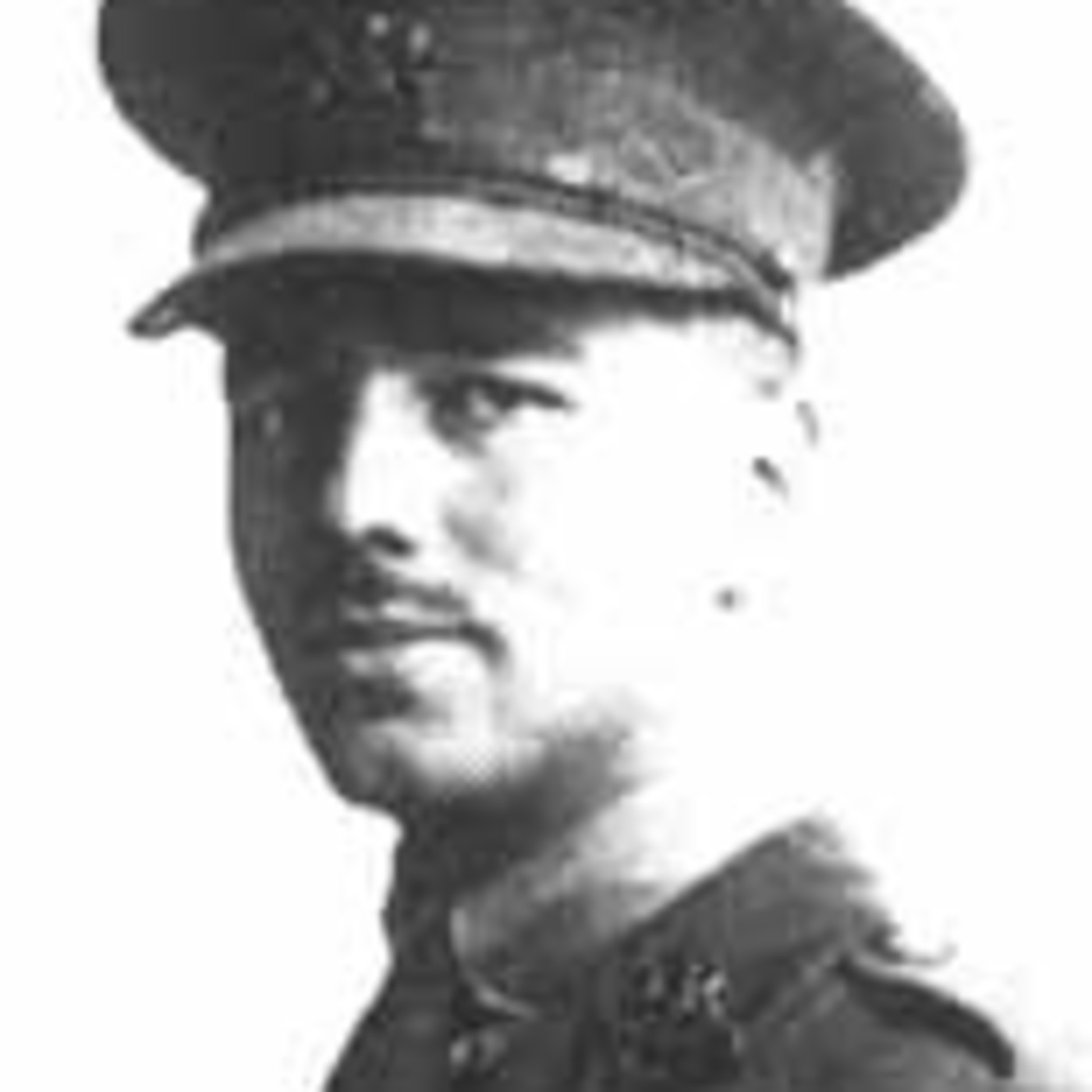
363. Dulce et Decorum Est by Wilfred Owen
W Owen read by Classic Poetry Aloud: http://classicpoetryaloud.podomatic.com/ Giving voice to the poetry of the past. --------------------------------------------------- Dulce et Decorum Est by Wilfred Owen (1893 - 1918) Bent double, like old beggars under sacks, Knock-kneed, coughing like hags, we cursed through sludge, Till on the haunting flares we turned our backs And towards our distant rest began to trudge. Men marched asleep. Many had lost their boots But limped on, blood-shod. All went lame; all blind; Drunk with fatigue; deaf even to the hoots Of tired, outstripped Five-Nines that dropped behind. Gas! Gas! Quick, boys! – An ecstasy of fumbling, Fitting the clumsy helmets just in time; But someone still was yelling out and stumbling, And flound'ring like a man in fire or lime . . . Dim, through the misty panes and thick green light, As under a green sea, I saw him drowning. In all my dreams, before my helpless sight, He plunges at me, guttering, choking, drowning. If in some smothering dreams you too could pace Behind the wagon that we flung him in, And watch the white eyes writhing in his face, His hanging face, like a devil's sick of sin; If you could hear, at every jolt, the blood Come gargling from the froth-corrupted lungs, Obscene as cancer, bitter as the cud Of vile, incurable sores on innocent tongues, My friend, you would not tell with such high zest To children ardent for some desperate glory, The old Lie; Dulce et Decorum est Pro patria mori. First aired: 9 November 2007 For hundreds more poetry readings, visit the Classic Poetry Aloud index. Reading © Classic Poetry Aloud 2008
362. Winter Nightfall by Robert Bridges
R Bridges read by Classic Poetry Aloud: http://www.classicpoetryaloud.com/ Giving voice to the poetry of the past. --------------------------------------------------- Winter Nightfall by Robert Bridges (1844 - 1930) The day begins to droop,— Its course is done: But nothing tells the place Of the setting sun. The hazy darkness deepens, And up the lane You may hear, but cannot see, The homing wain. An engine pants and hums In the farm hard by: Its lowering smoke is lost In the lowering sky. The soaking branches drip, And all night through The dropping will not cease In the avenue. A tall man there in the house Must keep his chair: He knows he will never again Breathe the spring air: His heart is worn with work; He is giddy and sick If he rise to go as far As the nearest rick: He thinks of his morn of life, His hale, strong years; And braves as he may the night Of darkness and tears First aired: 24 November 2007 For hundreds more poetry readings, visit the Classic Poetry Aloud index. Reading © Classic Poetry Aloud 2008
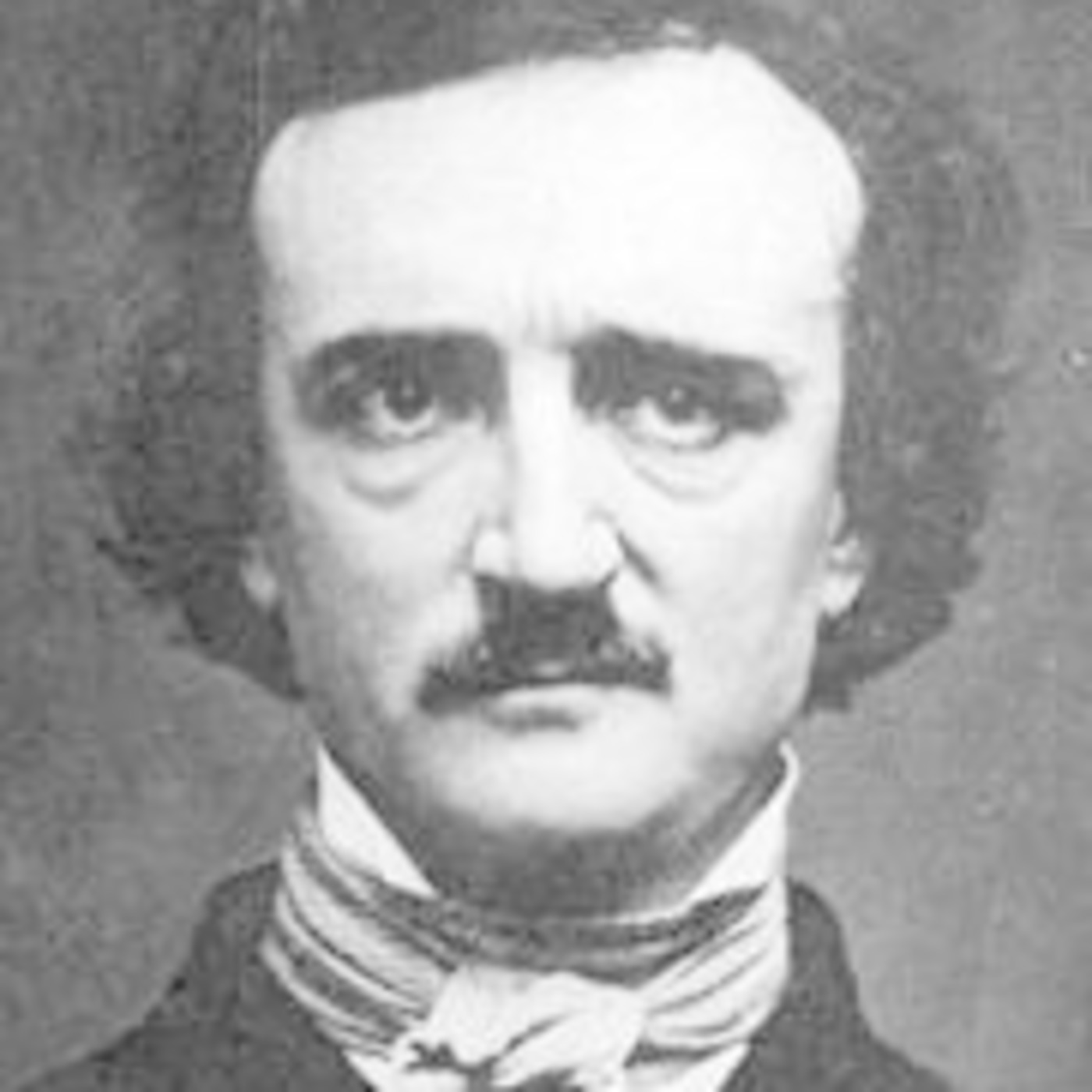
361. The Conqueror Worm by Edgar Allan Poe
EA Poe read by Classic Poetry Aloud: http://www.classicpoetryaloud.com/ Giving voice to the poetry of the past. --------------------------------------------------- The Conqueror Worm by Edgar Allan Poe (1809 – 1849) Lo! 't is a gala night Within the lonesome latter years. An angel throng, bewinged, bedight In veils, and drowned in tears, Sit in a theatre to see A play of hopes and fears, While the orchestra breathes fitfully The music of the spheres. Mimes, in the form of God on high, Mutter and mumble low, And hither and thither fly; Mere puppets they, who come and go At bidding of vast formless things That shift the scenery to and fro, Flapping from out their condor wings Invisible Woe. That motley drama—oh, be sure It shall not be forgot! With its Phantom chased for evermore By a crowd that seize it not, Through a circle that ever returneth in To the self-same spot; And much of Madness, and more of Sin, And Horror the soul of the plot. But see amid the mimic rout A crawling shape intrude: A blood-red thing that writhes from out The scenic solitude! It writhes—it writhes!—with mortal pangs The mimes become its food, And over each quivering form In human gore imbued. Out—out are the lights—out all! And over each quivering form The curtain, a funeral pall, Comes down with the rush of a storm, While the angels, all pallid and wan, Uprising, unveiling, affirm That the play is the tragedy, "Man," And its hero, the Conqueror Worm. First aired: 23 November 2007 For hundreds more poetry readings, visit the Classic Poetry Aloud index. Reading © Classic Poetry Aloud 2008
360. The Search by Henry Vaughan
H Vaughan read by Classic Poetry Aloud: http://classicpoetryaloud.podomatic.com/ Giving voice to the poetry of the past. --------------------------------------------------- The Search by Henry Vaughan 1621 – 1695) Leave, leave, thy gadding thoughts; Who Pores and spies Still out of Doores, descries Within them nought. The skinne, and shell of things Though faire, are not Thy wish, nor pray’r, but got By meer Despair of wings. To rack old Elements, or Dust and say Sure here he must needs stay, Is not the way, nor just. Search well another world; who studies this, Travels in Clouds, seeks Manna, where none is. First aired: 3 November 2008 For hundreds more poetry readings, visit the Classic Poetry Aloud index. Reading © Classic Poetry Aloud 2008
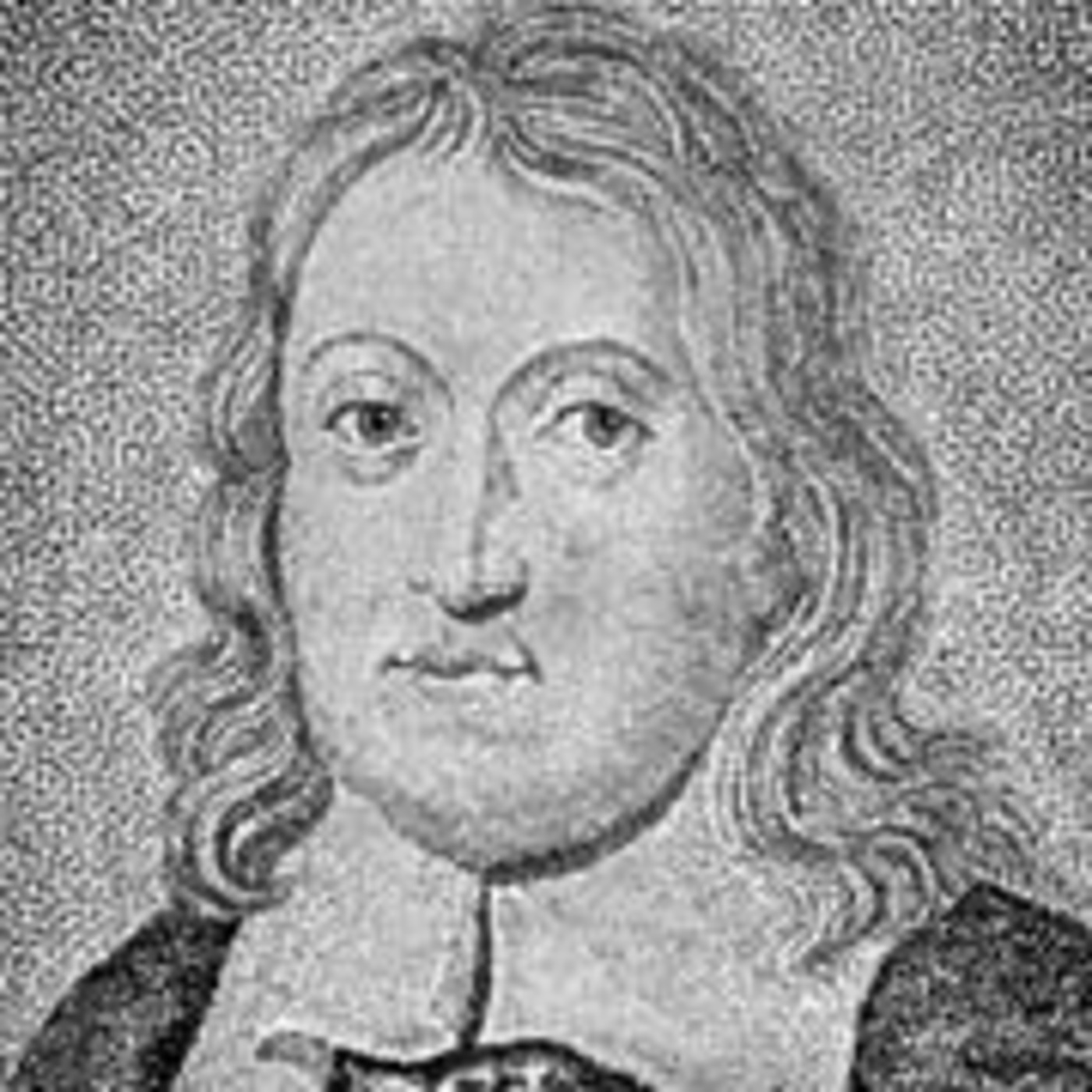
359. On His Blindness by John Milton
J Milton read by Classic Poetry Aloud: http://classicpoetryaloud.podomatic.com/ Giving voice to the poetry of the past. --------------------------------------------------- On His Blindness by John Milton (1608 – 1674) When I consider how my light is spent E're half my days, in this dark world and wide, And that one Talent which is death to hide, Lodg'd with me useless, though my Soul more bent To serve therewith my Maker, and present My true account, least he returning chide, Doth God exact day-labour, light deny'd, I fondly ask; But patience to prevent That murmur, soon replies, God doth not need Either man's work or his own gifts, who best Bear his milde yoak, they serve him best, his State Is Kingly. Thousands at his bidding speed And post o're Land and Ocean without rest: They also serve who only stand and waite. First aired: 20 November 2007 For hundreds more poetry readings, visit the Classic Poetry Aloud index. Reading © Classic Poetry Aloud 2008
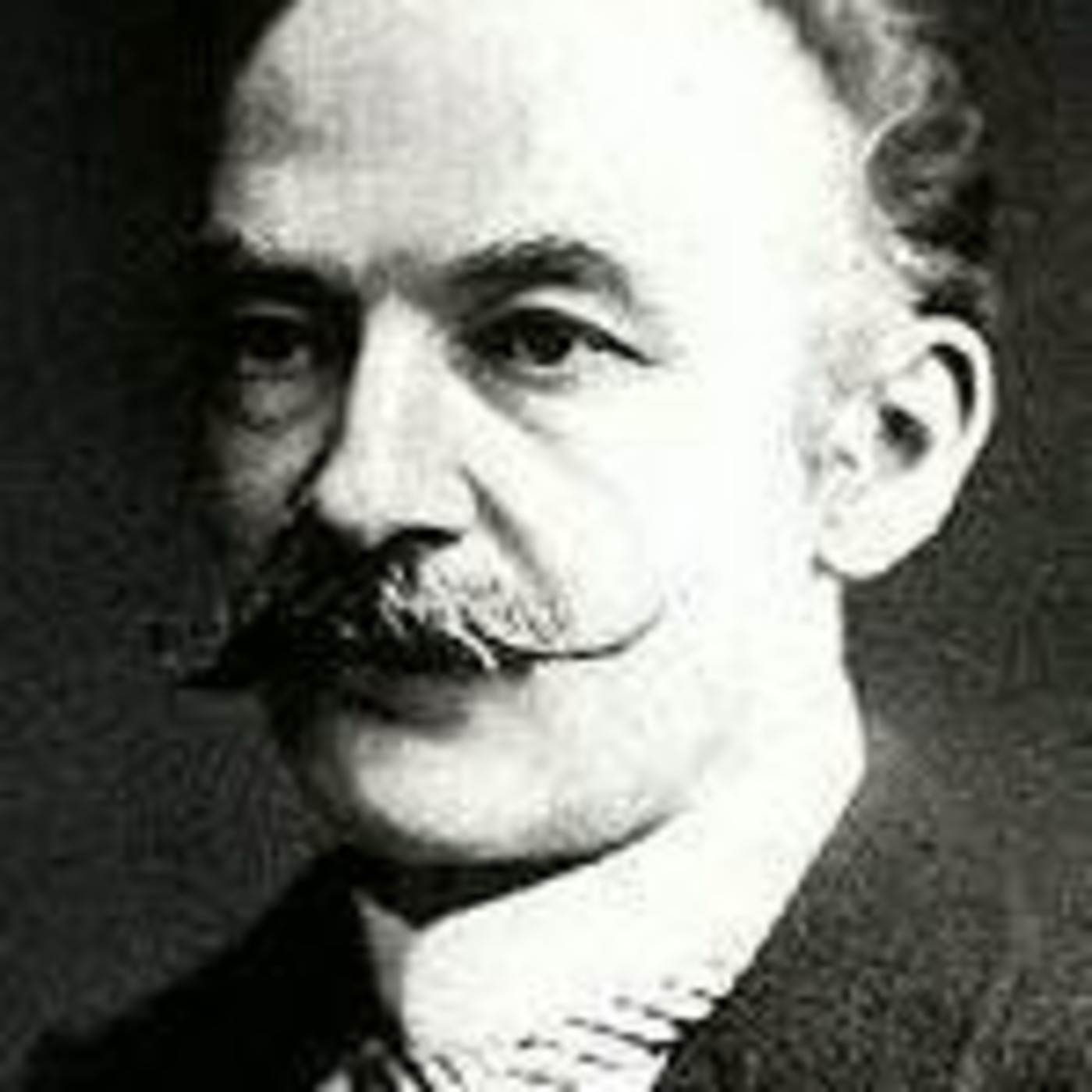
358. The Darkling Thrush by Thomas Hardy
T Hardy read by Classic Poetry Aloud: http://www.classicpoetryaloud.com/ Giving voice to the poetry of the past. --------------------------------------------------- The Darkling Thrush by Thomas Hardy (1840 – 1928) I leant upon a coppice gate When Frost was spectre-gray, And Winter’s dregs made desolate The weakening eye of day. The tangled bine-stems scored the sky Like strings of broken lyres, And all mankind that haunted nigh Had sought their household fires. The land’s sharp features seem’d to be The Century’s corpse outleant, His crypt the cloudy canopy, The wind his death-lament. The ancient pulse of germ and birth Was shrunken hard and dry, And every spirit upon earth Seem'd fervourless as I. At once a voice arose among The bleak twigs overhead In a full-hearted evensong Of joy illimited; An aged thrush, frail, gaunt, and small, In blast-beruffled plume, Had chosen thus to fling his soul Upon the growing gloom. So little cause for carollings Of such ecstatic sound Was written on terrestrial things Afar or nigh around, That I could think there trembled through His happy good-night air Some blessèd Hope, whereof he knew And I was unaware. First aired: 17 November 2007 For hundreds more poetry readings, visit the Classic Poetry Aloud index. Reading © Classic Poetry Aloud 2008
357. Annabel Lee by Edgar Allan Poe
EA Poe read by Classic Poetry Aloud: http://www.classicpoetryaloud.com/ Giving voice to the poetry of the past. --------------------------------------------------- Annabel Lee by Edgar Allan Poe (1809 – 1849) It was many and many a year ago, In a kingdom by the sea, That a maiden there lived whom you may know By the name of Annabel Lee; And this maiden she lived with no other thought Than to love and be loved by me. I was a child and she was a child, In this kingdom by the sea, But we loved with a love that was more than love, I and my Annabel Lee; With a love that the wingèd seraphs of heaven Coveted her and me. And this was the reason that, long ago, In this kingdom by the sea, A wind blew out of a cloud, chilling My beautiful Annabel Lee; So that her highborn kinsmen came And bore her away from me, To shut her up in a sepulchre In this kingdom by the sea. The angels, not half so happy in heaven, Went envying her and me; Yes! that was the reason (as all men know, In this kingdom by the sea) That the wind came out of the cloud by night, Chilling and killing my Annabel Lee. But our love it was stronger by far than the love Of those who were older than we, Of many far wiser than we; And neither the angels in heaven above, Nor the demons down under the sea, Can ever dissever my soul from the soul Of the beautiful Annabel Lee: For the moon never beams, without bringing me dreams Of the beautiful Annabel Lee; And the stars never rise, but I feel the bright eyes Of the beautiful Annabel Lee; And so, all the night-tide, I lie down by the side Of my darling—my darling—my life and my bride, In her sepulchre there by the sea, In her tomb by the sounding sea. First aired: 16 November 2007 For hundreds more poetry readings, visit the Classic Poetry Aloud index. Reading © Classic Poetry Aloud 2008
356. I Stood Musing in a Black World by Stephen Crane
S Crane read by Classic Poetry Aloud: http://www.classicpoetryaloud.com/ Giving voice to the poetry of the past. --------------------------------------------------- I Stood Musing in a Black World by Stephen Crane (1871 – 1900) I stood musing in a black world, Not knowing where to direct my feet. And I saw the quick stream of men Pouring ceaselessly, Filled with eager faces, A torrent of desire. I called to them, "Where do you go? What do you see?" A thousand voices called to me. A thousand fingers pointed. "Look! look! There!" I know not of it. But, lo! In the far sky shone a radiance Ineffable, divine -- A vision painted upon a pall; And sometimes it was, And sometimes it was not. I hesitated. Then from the stream Came roaring voices, Impatient: "Look! look! There!" So again I saw, And leaped, unhesitant, And struggled and fumed With outspread clutching fingers. The hard hills tore my flesh; The ways bit my feet. At last I looked again. No radiance in the far sky, Ineffable, divine; No vision painted upon a pall; And always my eyes ached for the light. Then I cried in despair, "I see nothing! Oh, where do I go?" The torrent turned again its faces: "Look! look! There!" And at the blindness of my spirit They screamed, "Fool! fool! fool!" First aired: 15 November 2007 For hundreds more poetry readings, visit the Classic Poetry Aloud index. Reading © Classic Poetry Aloud 2008
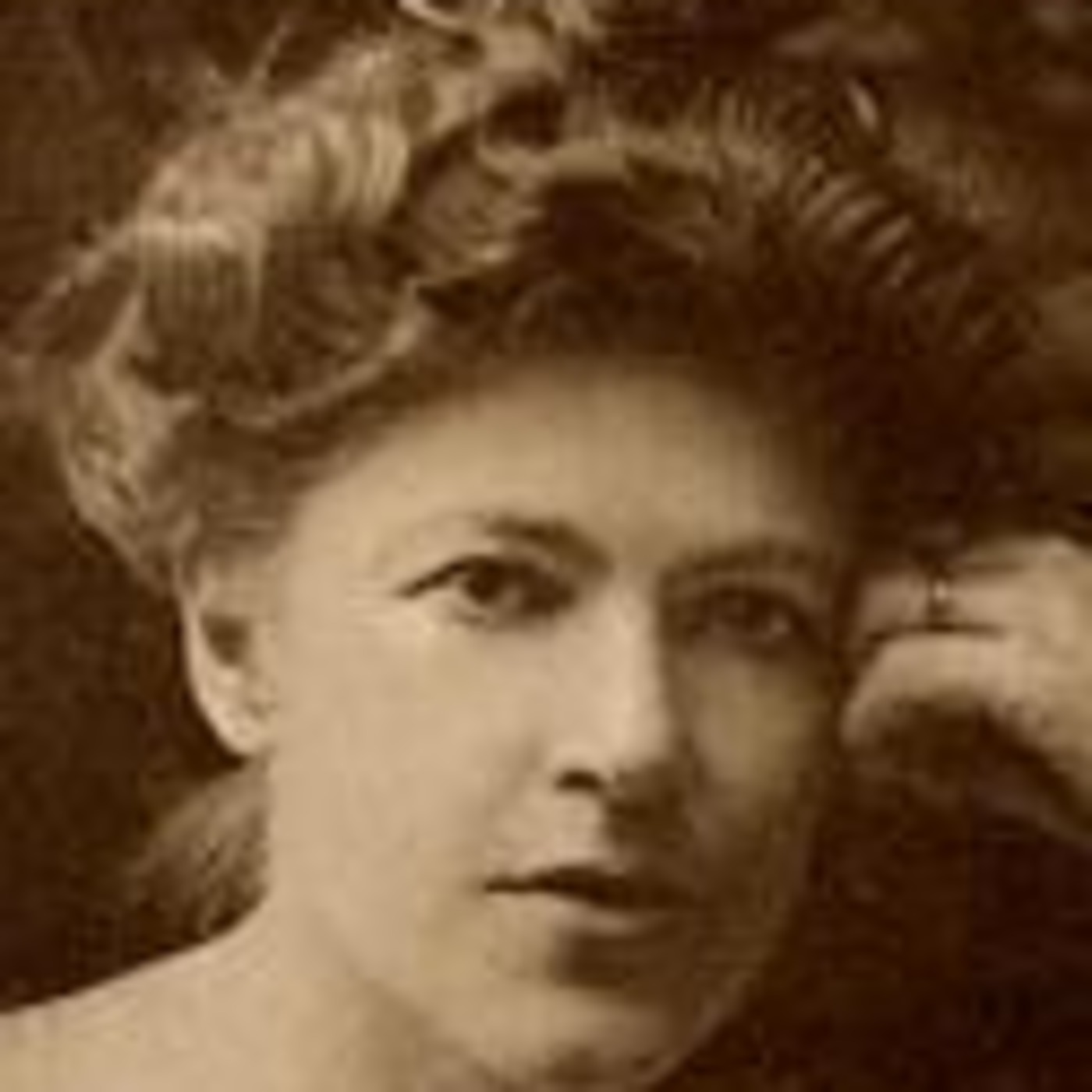
355. I Love You by Ella Wheeler Wilcox
EW Wilcox read by Classic Poetry Aloud: http://www.classicpoetryaloud.com/ Giving voice to the poetry of the past. --------------------------------------------------- I Love You by Ella Wheeler Wilcox (1850 – 1919) I love your lips when they're wet with wine And red with a wild desire; I love your eyes when the lovelight lies Lit with a passionate fire. I love your arms when the warm white flesh Touches mine in a fond embrace; I love your hair when the strands enmesh Your kisses against my face. Not for me the cold calm kiss Of a virgin's bloodless love; Not for me the saint's white bliss, Nor the heart of a spotless dove. But give me the love that so freely gives And laughs at the whole world's blame, With your body so young and warm in my arms, It sets my poor heart aflame. So kiss me sweet with your warm wet mouth, Still fragrant with ruby wine, And say with a fervour born of the South That your body and soul are mine. Clasp me close in your warm young arms, While the pale stars shine above, And we'll live our whole young lives away In the joys of a living love. First aired: 14 November 2007 For hundreds more poetry readings, visit the Classic Poetry Aloud index. Reading © Classic Poetry Aloud 2008
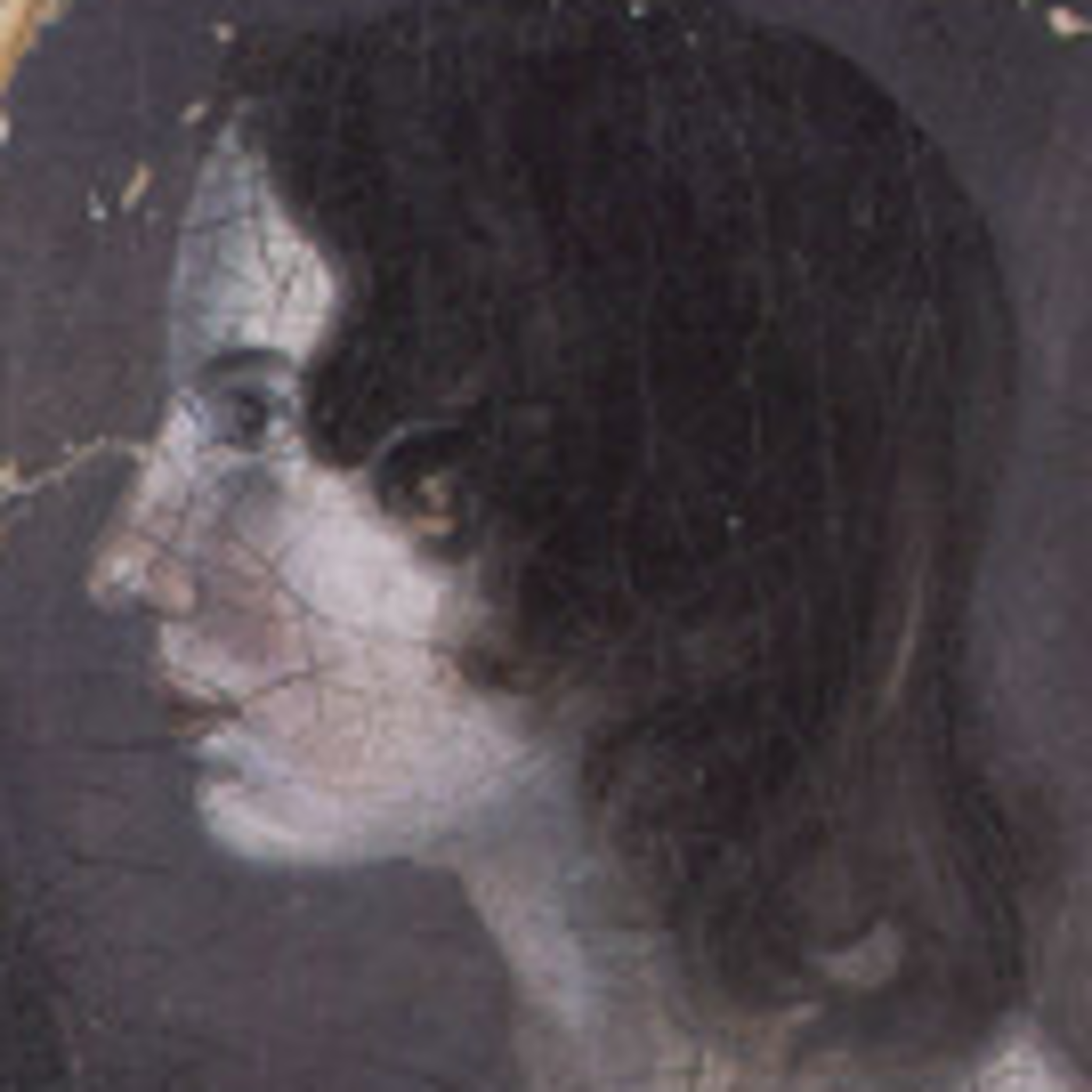
354. Last Lines by Emily Bronte
E Bronte read by Classic Poetry Aloud: http://www.classicpoetryaloud.com/ Giving voice to the poetry of the past. --------------------------------------------------- Last Lines by Emily Bronte (1818 – 1848) No coward soul is mine, No trembler in the world’s storm-troubled sphere: I see Heaven’s glories shine, And faith shines equal, arming me from fear. O God within my breast, Almighty, ever-present Deity! Life—that in me has rest, As I—undying Life—have power in Thee! Vain are the thousand creeds That move men’s hearts: unutterably vain; Worthless as wither’d weeds, Or idlest froth amid the boundless main, To waken doubt in one Holding so fast by Thine infinity; So surely anchor’d on The steadfast rock of immortality. With wide-embracing love Thy Spirit animates eternal years, Pervades and broods above, Changes, sustains, dissolves, creates, and rears. Though earth and man were gone, And suns and universes cease to be, And Thou were left alone, Every existence would exist in Thee. There is not room for Death, Nor atom that his might could render void: Thou—Thou art Being and Breath, And what Thou art may never be destroyed. First aired: 12 November 2007 For hundreds more poetry readings, visit the Classic Poetry Aloud index. Reading © Classic Poetry Aloud 2008
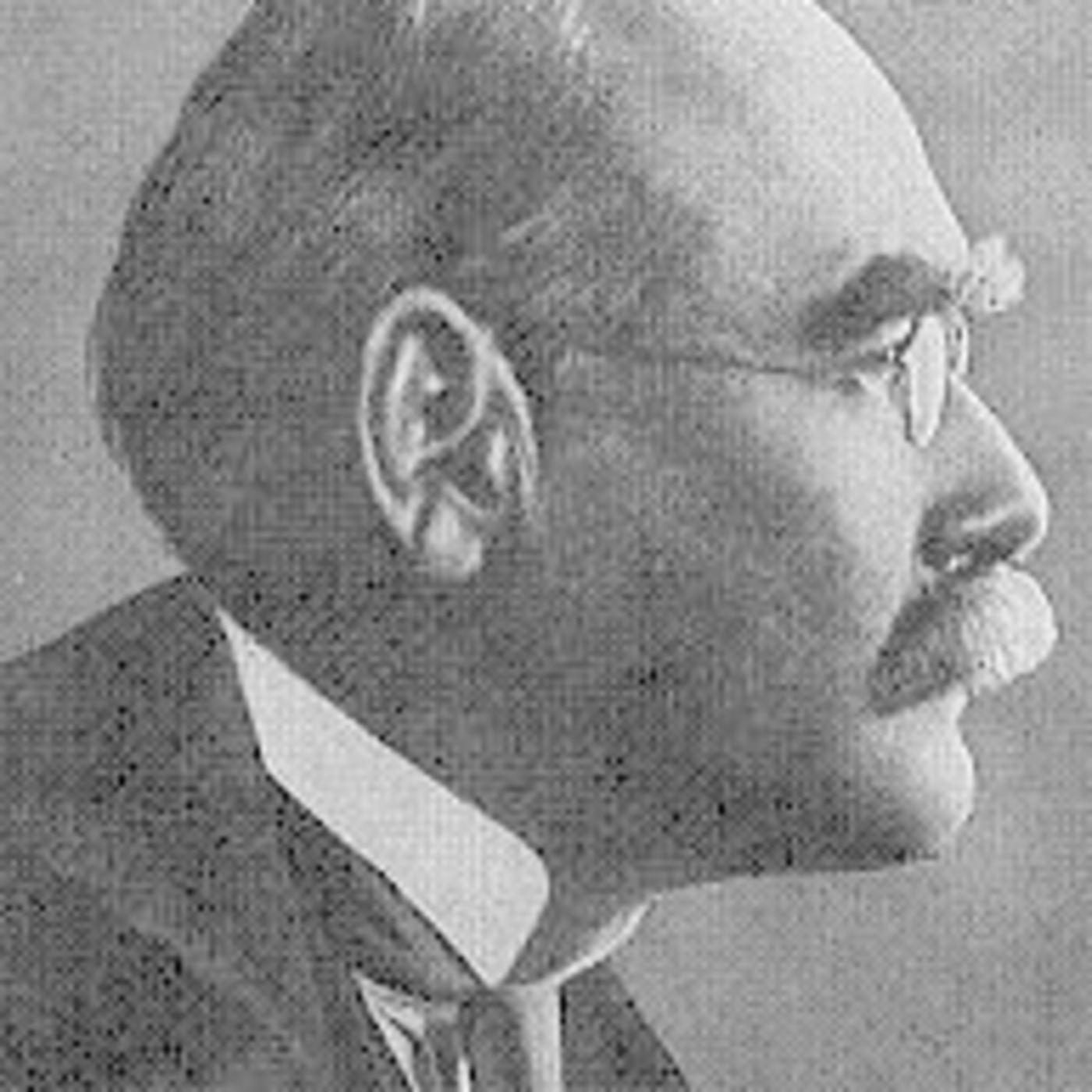
353. The Gods of the Copybook Headings by Rudyard Kipling
R Kipling read by Classic Poetry Aloud: http://www.classicpoetryaloud.com/ Giving voice to the poetry of the past. --------------------------------------------------- The Gods of the Copybook Headings by Rudyard Kipling (1865 – 1936) As I pass through my incarnations in every age and race, I make my proper prostrations to the Gods of the Market Place. Peering through reverent fingers I watch them flourish and fall, And the Gods of the Copybook Headings, I notice, outlast them all. We were living in trees when they met us. They showed us each in turn That Water would certainly wet us, as Fire would certainly burn: But we found them lacking in Uplift, Vision and Breadth of Mind, So we left them to teach the Gorillas while we followed the March of Mankind. We moved as the Spirit listed. They never altered their pace, Being neither cloud nor wind-borne like the Gods of the Market Place, But they always caught up with our progress, and presently word would come That a tribe had been wiped off its icefield, or the lights had gone out in Rome. With the Hopes that our World is built on they were utterly out of touch, They denied that the Moon was Stilton; they denied she was even Dutch; They denied that Wishes were Horses; they denied that a Pig had Wings; So we worshipped the Gods of the Market Who promised these beautiful things. When the Cambrian measures were forming, They promised perpetual peace. They swore, if we gave them our weapons, that the wars of the tribes would cease. But when we disarmed They sold us and delivered us bound to our foe, And the Gods of the Copybook Headings said: "Stick to the Devil you know." On the first Feminian Sandstones we were promised the Fuller Life (Which started by loving our neighbour and ended by loving his wife) Till our women had no more children and the men lost reason and faith, And the Gods of the Copybook Headings said: "The Wages of Sin is Death." In the Carboniferous Epoch we were promised abundance for all, By robbing selected Peter to pay for collective Paul; But, though we had plenty of money, there was nothing our money could buy, And the Gods of the Copybook Headings said: "If you don't work you die." Then the Gods of the Market tumbled, and their smooth-tongued wizards withdrew And the hearts of the meanest were humbled and began to believe it was true That All is not Gold that Glitters, and Two and Two make Four And the Gods of the Copybook Headings limped up to explain it once more. As it will be in the future, it was at the birth of Man There are only four things certain since Social Progress began. That the Dog returns to his Vomit and the Sow returns to her Mire, And the burnt Fool's bandaged finger goes wabbling back to the Fire; And that after this is accomplished, and the brave new world begins When all men are paid for existing and no man must pay for his sins, As surely as Water will wet us, as surely as Fire will bum, The Gods of the Copybook Headings with terror and slaughter return. First aired: 14 March 2008 For hundreds more poetry readings, visit the Classic Poetry Aloud index. Reading © Classic Poetry Aloud 2008
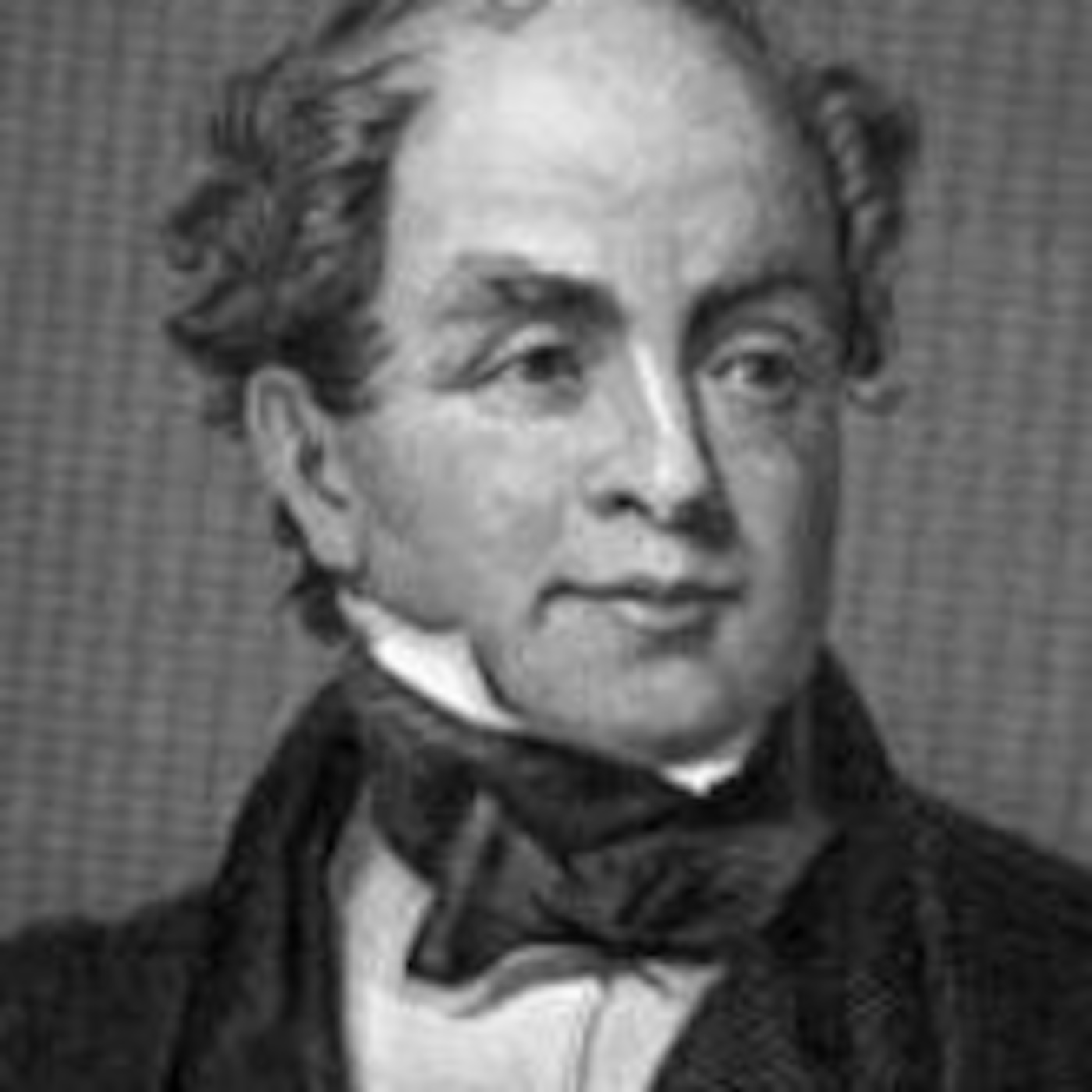
352. Believe Me If All Those Endearing Young Charms by Thomas Moore
T Moore read by Classic Poetry Aloud: http://www.classicpoetryaloud.com/ Giving voice to the poetry of the past. --------------------------------------------------- Believe Me, If All Those Endearing Young Charms by Thomas Moore (1779 – 1852) Believe me, if all those endearing young charms, Which I gaze on so fondly to-day, Were to change by to-morrow, and fleet in my arms, Live fairy-gifts fading away, Thou wouldst still be adored, as this moment thou art, Let thy loveliness fade as it will, And around the dear ruin each wish of my heart Would entwine itself verdantly still. It is not while beauty and youth are thine own, And thy cheeks unprofaned by a tear, That the fervour and faith of a soul can be known, To which time will but make thee more dear! No, the heart that has truly loved never forgets, But as truly loves on to the close, As the sunflower turns on her god when he sets The same look which she turned when he rose! First aired: 1 November 2007 For hundreds more poetry readings, visit the Classic Poetry Aloud index. Reading © Classic Poetry Aloud 2008
351. Nature by Henry Wadsworth Longfellow
HW Longfellow read by Classic Poetry Aloud: http://www.classicpoetryaloud.com/ Giving voice to the poetry of the past. --------------------------------------------------- Nature by Henry Wadsworth Longfellow (1807 – 1882) As a fond mother, when the day is o’er, Leads by the hand her little child to bed, Half willing, half reluctant to be led, And leave his broken playthings on the floor, Still gazing at them through the open door, Nor wholly reassured and comforted By promises of others in their stead, Which, though more splendid, may not please him more; So Nature deals with us, and takes away Our playthings one by one, and by the hand Leads us to rest so gently, that we go Scarce knowing if we wish to go or stay, Being too full of sleep to understand How far the unknown transcends the what we know. First aired: 30 October 2007 For hundreds more poetry readings, visit the Classic Poetry Aloud index. Reading © Classic Poetry Aloud 2008
350. Persicos Odi by William Makepeace Thackeray
WM Thackeray read by Classic Poetry Aloud: http://www.classicpoetryaloud.com/ Giving voice to the poetry of the past. --------------------------------------------- Persicos Odi by William Makepeace Thackeray (1811 – 1863) Dear Lucy, you know what my wish is,- I hate all your Frenchified fuss: Your silly entrées and made dishes Were never intended for us. No footman in lace and in ruffles Need dangle behind my arm-chair; And never mind seeking for truffles, Although they be ever so rare. But a plain leg of mutton, my Lucy, I prithee get ready at three: Have it smoking, and tender, and juicy, And what better meat can there be? And when it has feasted the master, 'Twill amply suffice for the maid; Meanwhile I will smoke my canaster, And tipple my ale in the shade. First aired: 3 October 2008 For hundreds more poetry readings, visit the Classic Poetry Aloud index. Reading © Classic Poetry Aloud 2008
349. A Supplication by Abraham Cowley
A Cowley read by Classic Poetry Aloud: http://www.classicpoetryaloud.com/ Giving voice to the poetry of the past. --------------------------------------------- A Supplication by Abraham Cowley (1618 – 1667) Awake, awake, my lyre, And tell thy silent master's humble tale In sounds that may prevail, Sounds that gentle thoughts inspire, Though so exalted she And I so lowly be, Tell her, such different notes make all thy harmony. Hark, how the strings awake, And though the moving hand approach not near, Themselves with awful fear A kind of numerous trembling make. Now all thy forces try, Now all thy charms apply, Revenge upon her ear the conquests of her eye. Weak lyre! thy virtue sure Is useless here, since thou art only found To cure but not to wound, And she to wound but not to cure. Too weak, too, wilt thou prove My passion to remove; Physic to other ills, thou'rt nourishment to love. Sleep, sleep again, my lyre, For thou canst never tell my humble tale In sounds that will prevail, Nor gentle thoughts in her inspire; All thy vain mirth lay by, Bid thy strings silent lie; Sleep, sleep again, my lyre, and let thy master die. First aired: 2 October 2008 For hundreds more poetry readings, visit the Classic Poetry Aloud index. Reading © Classic Poetry Aloud 2008
348. From Maud by Alfred Lord Tennyson
A Tennyson read by Classic Poetry Aloud: http://www.classicpoetryaloud.com/ Giving voice to the poetry of the past. --------------------------------------------- from Maud by Alfred, Lord Tennyson (1809 – 1892) O let the solid ground Not fail beneath my feet Before my life has found What some have found so sweet! Then let come what come may, What matter if I go mad, I shall have had my day. Let the sweet heavens endure, Not close and darken above me Before I am quite quite sure That there is one to love me! Then let come what come may To a life that has been so sad, I shall have had my day. First aired: 1 October 2008 For hundreds more poetry readings, visit the Classic Poetry Aloud index. Reading © Classic Poetry Aloud 2008
347. One Word is too Often Profaned by Percy Bysshe Shelley
PB Shelley read by Classic Poetry Aloud: http://www.classicpoetryaloud.com/ Giving voice to the poetry of the past. --------------------------------------------------- One Word is too Often Profaned by Percy Bysshe Shelley (1792 – 1822) One word is too often profaned For me to profane it, One feeling too falsely disdain'd For thee to disdain it. One hope is too like despair For prudence to smother, And pity from thee more dear Than that from another. I can give not what men call love; But wilt thou accept not The worship the heart lifts above And the Heavens reject not: The desire of the moth for the star, Of the night for the morrow, The devotion to something afar From the sphere of our sorrow? First aired: 29 October 2007 For hundreds more poetry readings, visit the Classic Poetry Aloud index. Reading © Classic Poetry Aloud 2008
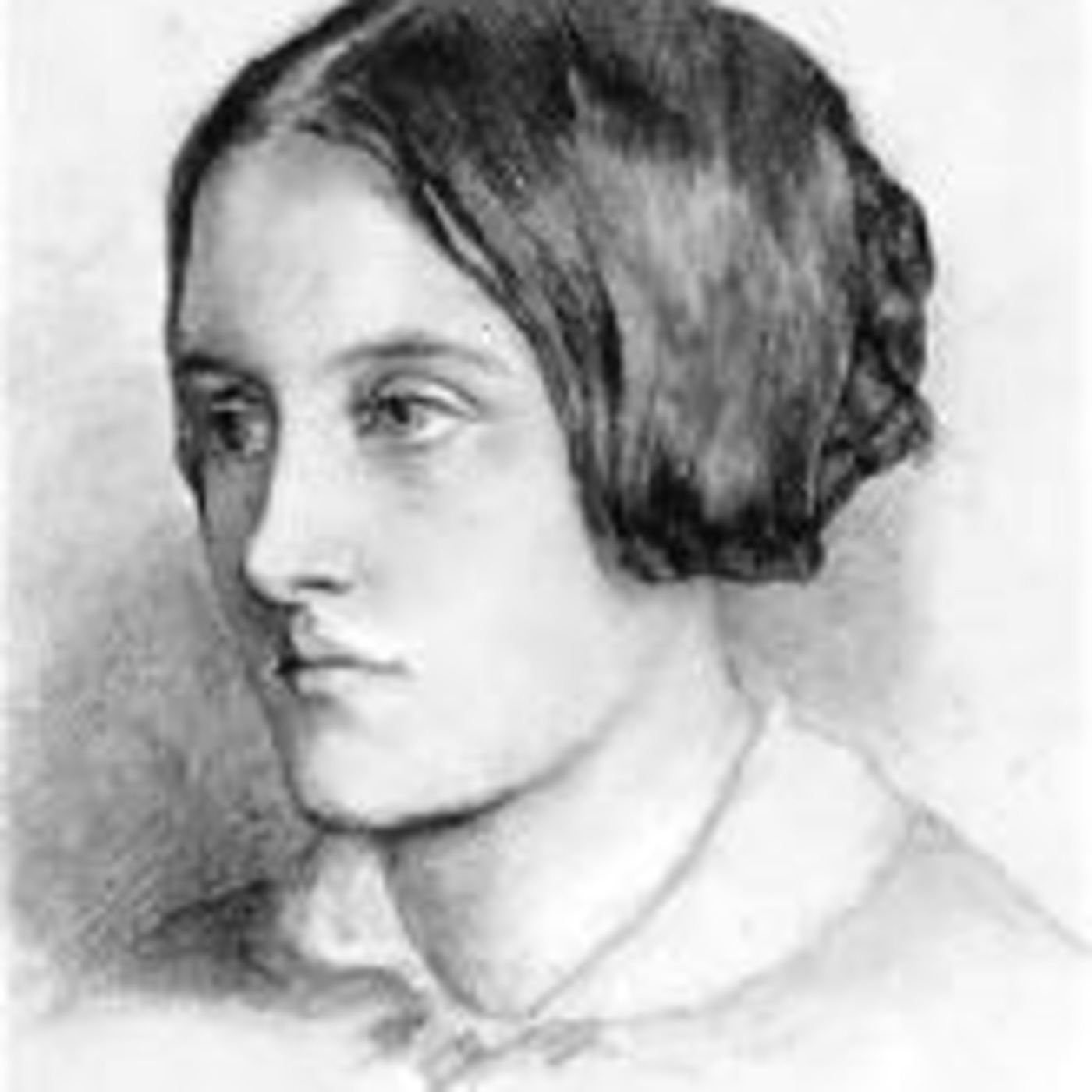
346. Remember by Christina Georgina Rossetti
CG Rossetti read by Classic Poetry Aloud: http://www.classicpoetryaloud.com/ Giving voice to the poetry of the past. --------------------------------------------------- Remember by Christina Georgina Rossetti (1830 – 1894) Remember me when I am gone away, Gone far away into the silent land; When you can no more hold me by the hand, Nor I half turn to go, yet turning stay. Remember me when no more day by day You tell me of our future that you plann'd: Only remember me; you understand It will be late to counsel then or pray. Yet if you should forget me for a while And afterwards remember, do not grieve: For if the darkness and corruption leave A vestige of the thoughts that once I had, Better by far you should forget and smile Than that you should remember and be sad. First aired: 26 October 2007 For hundreds more poetry readings, visit the Classic Poetry Aloud index. Reading © Classic Poetry Aloud 2008
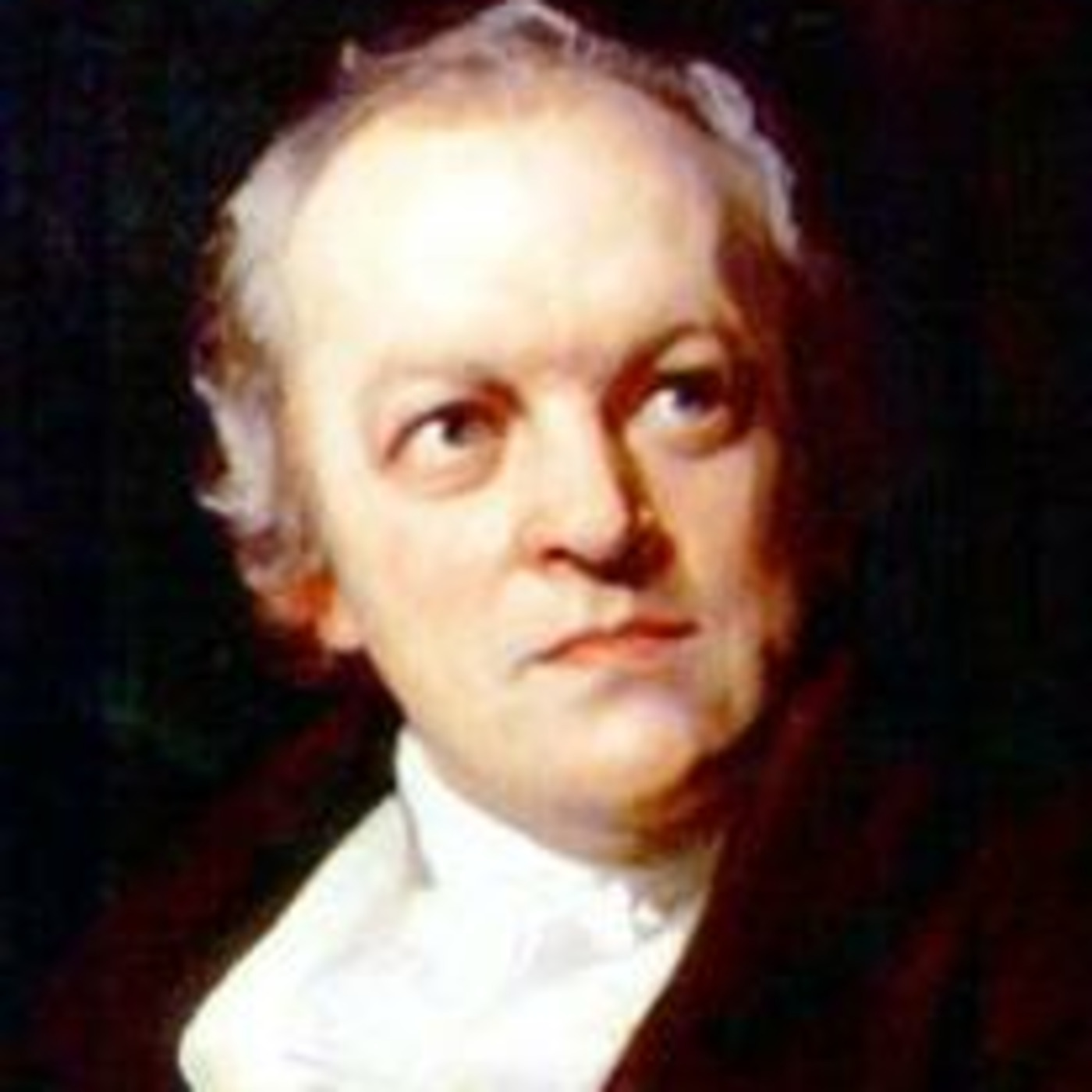
345. A Cradle Song by William Blake
W Blake read by Classic Poetry Aloud: http://www.classicpoetryaloud.com/ Giving voice to the poetry of the past. --------------------------------------------------- A Cradle Song by William Blake(1757 – 1827) Sleep, sleep, beauty bright, Dreaming in the joys of night; Sleep, sleep; in thy sleep Little sorrows sit and weep. Sweet babe, in thy face Soft desires I can trace, Secret joys and secret smiles, Little pretty infant wiles. As thy softest limbs I feel, Smiles as of the morning steal O'er thy cheek, and o'er thy breast Where thy little heart doth rest. O the cunning wiles that creep In thy little heart asleep! When thy little heart doth wake, Then the dreadful light shall break. First aired: 26 September 2008 For hundreds more poetry readings, visit the Classic Poetry Aloud index. Reading © Classic Poetry Aloud 2008
344. Summer Night by Alfred Lord Tennyson
A Tennyson read by Classic Poetry Aloud: http://www.classicpoetryaloud.com/ Giving voice to the poetry of the past. --------------------------------------------------- Summer Night by Alfred, Lord Tennyson (1809 – 1892) Now sleeps the crimson petal, now the white; Nor waves the cypress in the palace walk; Nor winks the gold fin in the porphyry font: The firefly wakens: waken thou with me. Now droops the milk-white peacock like a ghost, And like a ghost she glimmers on to me. Now lies the Earth all Danaë to the stars, And all thy heart lies open unto me. Now slides the silent meteor on, and leaves A shining furrow, as thy thoughts in me. Now folds the lily all her sweetness up, And slips into the bosom of the lake: So fold thyself, my dearest, thou, and slip Into my bosom and be lost in me. First aired: 24 October 2007 For hundreds more poetry readings, visit the Classic Poetry Aloud index. Reading © Classic Poetry Aloud 2008
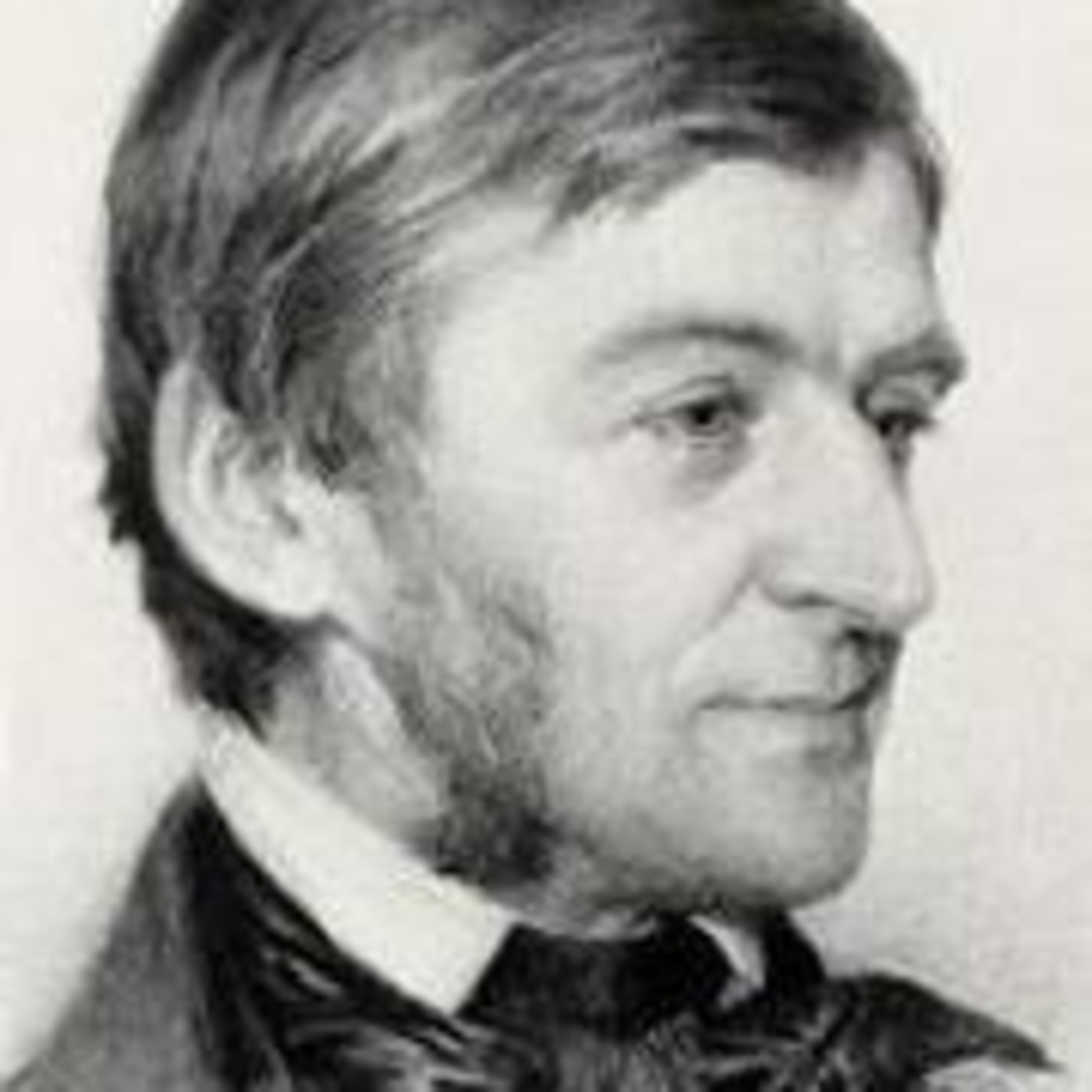
343. Good-bye by Ralph Waldo Emerson
RW Emerson read by Classic Poetry Aloud: http://www.classicpoetryaloud.com/ Giving voice to the poetry of the past. --------------------------------------------------- Good-bye by Ralph Waldo Emerson, (1803 – 1882) Good-bye, proud world! I’m going home: Thou art not my friend, and I’m not thine. Long through thy weary crowds I roam; A river-ark on the ocean brine, Long I’ve been tossed like the driven foam; But now, proud world! I’m going home. Good-bye to Flattery’s fawning face; To Grandeur with his wise grimace; To upstart Wealth’s averted eye; To supple Office, low and high; To crowded halls, to court and street; To frozen hearts and hasting feet; To those who go, and those who come; Good-bye, proud would! I’m going home. I am going to my own hearth-stone, Bosomed in yon green hills alone— A secret nook in a pleasant land, Whose groves the frolic fairies planned; Where arches green, the livelong day, Echo the blackbird’s roundelay, And vulgar feet have never trod A spot that is sacred to thought and God. O, when I am safe in my sylvan home, I tread on the pride of Greece and Rome; And when I am stretched beneath the pines, Where the evening star so holy shines, I laugh at the lore and the pride of man, At the sophist schools and the learned clan; For what are they all, in their high conceit, When man in the bush with God may meet? First aired: 22 October 2007 For hundreds more poetry readings, visit the Classic Poetry Aloud index. Reading © Classic Poetry Aloud 2008
342. A Psalm of Life by Henry Wadsworth Longfellow
HW Longfellow read by Classic Poetry Aloud: http://www.classicpoetryaloud.com/ Giving voice to the poetry of the past. --------------------------------------------------- A Psalm of Life by Henry Wadsworth Longfellow (1807 – 1882) Tell me not, in mournful numbers, Life is but an empty dream!— For the soul is dead that slumbers, And things are not what they seem. Life is real! Life is earnest! And the grave is not its goal; Dust thou art, to dust returnest, Was not spoken of the soul. Not enjoyment, and not sorrow, Is our destined end or way; But to act, that each to-morrow Find us farther than to-day. Art is long, and Time is fleeting, And our hearts, though stout and brave, Still, like muffled drums, are beating Funeral marches to the grave. In the world's broad field of battle, In the bivouac of Life, Be not like dumb, driven cattle! Be a hero in the strife! Trust no Future, howe'er pleasant! Let the dead Past bury its dead! Act,—act in the living Present! Heart within, and God o'erhead! Lives of great men all remind us We can make our lives sublime, And, departing, leave behind us Footprints on the sands of time; Footprints, that perhaps another, Sailing o'er life's solemn main, A forlorn and shipwrecked brother, Seeing, shall take heart again. Let us, then, be up and doing, With a heart for any fate; Still achieving, still pursuing, Learn to labor and to wait. First aired: 18 October 2007 For hundreds more poetry readings, visit the Classic Poetry Aloud index. Reading © Classic Poetry Aloud 2008
341. Past and Present by Thomas Hood
T Hood read by Classic Poetry Aloud: http://www.classicpoetryaloud.com/ Giving voice to the poetry of the past. --------------------------------------------------- Past and Present by Thomas Hood (1799 – 1845) I remember, I remember The house where I was born, The little window where the sun Came peeping in at morn; He never came a wink too soon, Nor brought too long a day: But now, I often wish the night Had borne my breath away. I remember, I remember The roses, red and white, The violets, and the lily-cups— Those flowers made of light! The lilacs where the robin built, And where my brother set The laburnum on his birthday,— The tree is living yet! I remember, I remember Where I was used to swing, And thought the air must rush as fresh To swallows on the wing; My spirit flew in feathers then That is so heavy now, And summer pools could hardly cool The fever on my brow. I remember, I remember The fir trees dark and high; I used to think their slender tops Were close against the sky: It was a childish ignorance; But now 'tis little joy To know I'm farther off from heaven Than when I was a boy. First aired: 15 October 2007 For hundreds more poetry readings, visit the Classic Poetry Aloud index. Reading © Classic Poetry Aloud 2008
340. After Rain by Edward Thomas
E Thomas read by Classic Poetry Aloud: http://www.classicpoetryaloud.com/ Giving voice to the poetry of the past. --------------------------------------------- After Rain by Edward Thomas (1878 – 1917) The rain of a night and a day and a night Stops at the light Of this pale choked day. The peering sun Sees what has been done. The road under the trees has a border new of purple hue Inside the border of bright thin grass: For all that has Been left by November of leaves is torn From hazel and thorn And the greater trees. Throughout the copse No dead leaf drops On grey grass, green moss, burnt-orange fern, At the wind's return: The leaflets out of the ash-tree shed Are thinly spread In the road, like little black fish, inlaid, As if they played. What hangs from the myriad branches down there So hard and bare Is twelve yellow apples lovely to see On one crab-tree. And on each twig of every tree in the dell Uncountable Crystals both dark and bright of the the rain That begins again. First aired: 10 September 2008 For hundreds more poetry readings, visit the Classic Poetry Aloud index. Reading © Classic Poetry Aloud 2008
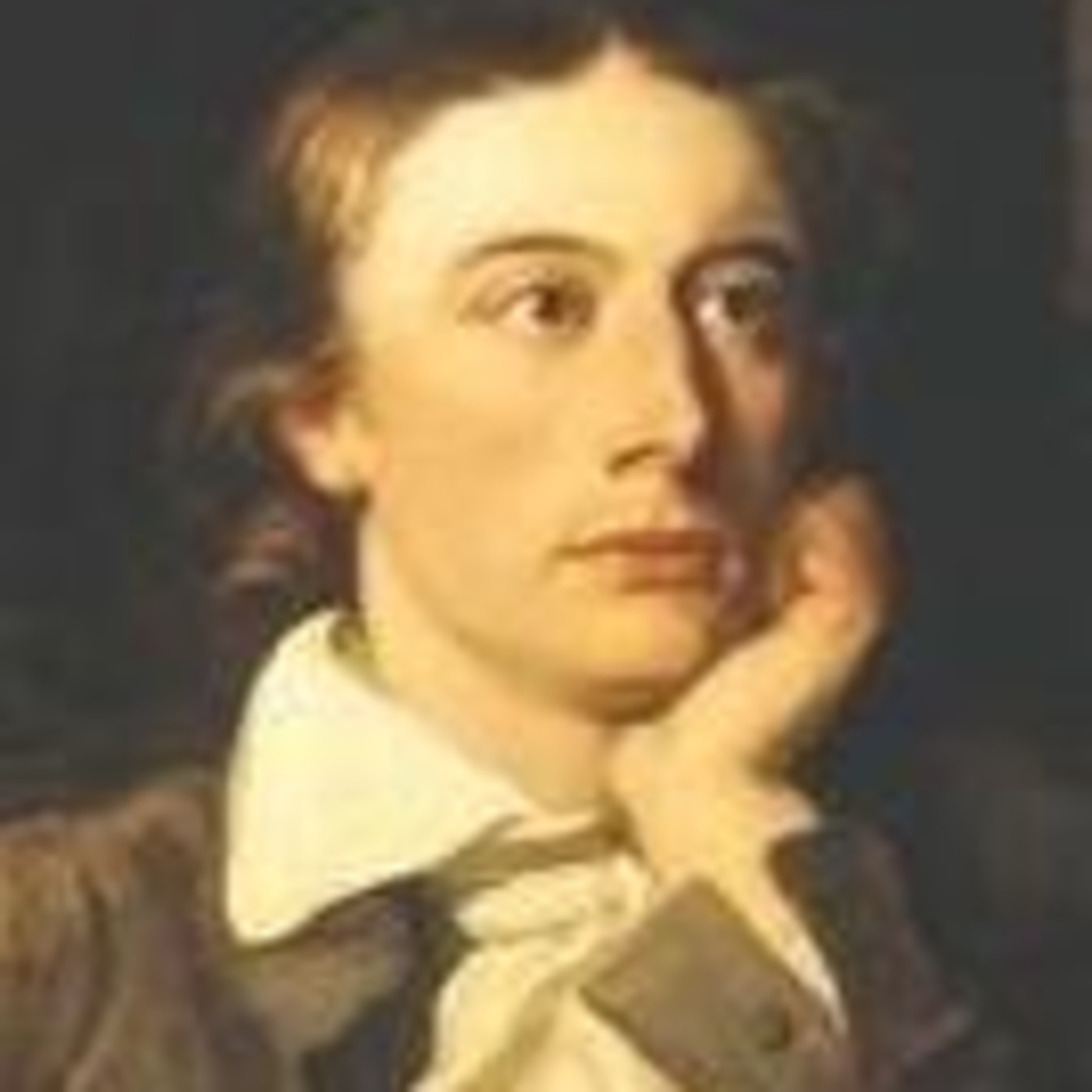
339. The Human Seasons by John Keats
J Keats read by Classic Poetry Aloud: http://www.classicpoetryaloud.com/ Giving voice to the poetry of the past. --------------------------------------------------- The Human Seasons by John Keats (1795 – 1821) Four Seasons fill the measure of the year; There are four seasons in the mind of man:— He has his lusty Spring, when fancy clear Takes in all beauty with an easy span: He has his Summer, when luxuriously Spring's honey'd cud of youthful thought he loves To ruminate, and by such dreaming high Is nearest unto heaven: quiet coves His soul has in its Autumn, when his wings He furleth close; contented so to look On mists in idleness—to let fair things Pass by unheeded as a threshold brook: He has his Winter too of pale misfeature, Or else he would forego his mortal nature. First aired: 15 October 2008 For hundreds more poetry readings, visit the Classic Poetry Aloud index. Reading © Classic Poetry Aloud 2008
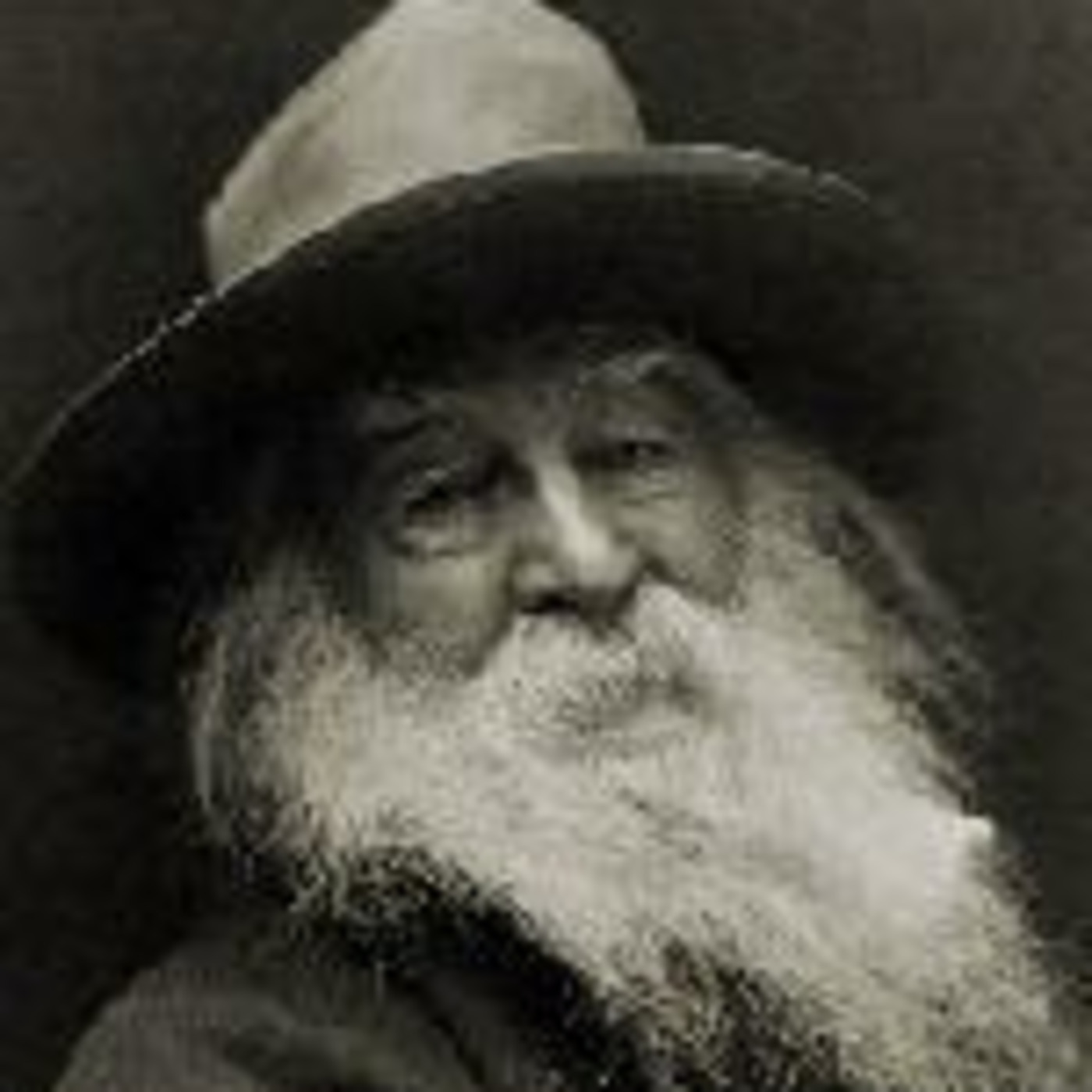
338. When Lilacs Last in the Door-yard Bloom’d by Walt Whitman
W Whitman read by Classic Poetry Aloud: http://www.classicpoetryaloud.com/ Giving voice to the poetry of the past. --------------------------------------------- When Lilacs Last in the Door-yard Bloom’d from Leaves of Grass by Walt Whitman (1819 – 1892) This reading lasts some 20 minutes. 1 When lilacs last in the door-yard bloom’d, And the great star early droop’d in the western sky in the night, I mourn’d—and yet shall mourn with ever-returning spring. O ever-returning spring! trinity sure to me you bring; Lilac blooming perennial, and drooping star in the west, And thought of him I love. 2 O powerful, western, fallen star! O shades of night! O moody, tearful night! O great star disappear’d! O the black murk that hides the star! O cruel hands that hold me powerless! O helpless soul of me! O harsh surrounding cloud, that will not free my soul! 3 In the door-yard fronting an old farm-house, near the white-wash’d palings, Stands the lilac bush, tall-growing, with heart-shaped leaves of rich green, With many a pointed blossom, rising, delicate, with the perfume strong I love, With every leaf a miracle......and from this bush in the door-yard, With delicate-color’d blossoms, and heart-shaped leaves of rich green, A sprig, with its flower, I break. 4 In the swamp, in secluded recesses, A shy and hidden bird is warbling a song. Solitary, the thrush, The hermit, withdrawn to himself, avoiding the settlements, Sings by himself a song. Song of the bleeding throat! Death’s outlet song of life—(for well, dear brother, I know If thou wast not gifted to sing, thou would’st surely die.) 5 Over the breast of the spring, the land, amid cities, Amid lanes, and through old woods, (where lately the violets peep’d from the ground, spotting the gray debris;) Amid the grass in the fields each side of the lanes—passing the endless grass; Passing the yellow-spear’d wheat, every grain from its shroud in the dark-brown fields uprising; Passing the apple-tree blows of white and pink in the orchards; Carrying a corpse to where it shall rest in the grave, Night and day journeys a coffin. 6 Coffin that passes through lanes and streets, Through day and night, with the great cloud darkening the land, With the pomp of the inloop’d flags, with the cities draped in black, With the show of the States themselves, as of crape-veil’d women, standing, With processions long and winding, and the flambeaus of the night, With the countless torches lit—with the silent sea of faces, and the unbared heads, With the waiting depot, the arriving coffin, and the sombre faces, With dirges through the night, with the thousand voices rising strong and solemn; With all the mournful voices of the dirges, pour’d around the coffin, The dim-lit churches and the shuddering organs—Where amid these you journey, With the tolling, tolling bells’ perpetual clang; Here! coffin that slowly passes, I give you my sprig of lilac. 7 (Nor for you, for one, alone; Blossoms and branches green to coffins all I bring: For fresh as the morning—thus would I carol a song for you, O sane and sacred death. All over bouquets of roses, O death! I cover you over with roses and early lilies; But mostly and now the lilac that blooms the first, Copious, I break, I break the sprigs from the bushes; With loaded arms I come, pouring for you, For you, and the coffins all of you, O death.) 8 O western orb, sailing the heaven! Now I know what you must have meant, as a month since we walk’d, As we walk’d up and down in the dark blue so mystic, As we walk’d in silence the transparent shadowy night, As I saw you had something to tell, as you bent to me night after night, As you droop’d from the sky low down, as if to my side, (while the other stars all look’d on;) As we wander’d together the solemn night, (for something, I know not what, kept me from sleep;) As the night advanced, and I saw on the rim of the west, ere you went, how full you were of woe; As I stood on the rising ground in the breeze, in the cold transparent night, As I watch’d where you pass’d and was lost in the netherward black of the night, As my soul, in its trouble, dissatisfied, sank, as where you, sad orb, Concluded, dropt in the night, and was gone. 9 Sing on, there in the swamp! O singer bashful and tender! I hear your notes—I hear your call; I hear—I come presently—I understand you; But a moment I linger—for the lustrous star has detain’d me; The star, my departing comrade, holds and detains me. 10 O how shall I warble myself for the dead one there I loved? And how shall I deck my song for the large sweet soul that has gone? And what shall my perfume be, for the grave of him I love? Sea-winds, blown from east and west, Blown from the eastern sea, and blown from the western sea, till there on the prairies meeting: These, and with these, and the breath of my chant, I perfume the grave of him I love. 11 O what shall I hang on the chamber walls? And what shall the pictures be that I hang on the walls, To adorn the burial-house o
337. Somewhere or other by Christina Georgina Rossetti
CG Rossetti read by Classic Poetry Aloud: http://www.classicpoetryaloud.com/ Giving voice to the poetry of the past. --------------------------------------------- Somewhere or other by Christina Georgina Rossetti (1830 – 1894) Somewhere or other there must surely be The face not seen, the voice not heard, The heart that not yet—never yet—ah me! Made answer to my word. Somewhere or other, may be near or far; Past land and sea, clean out of sight; Beyond the wandering moon, beyond the star That tracks her night by night. Somewhere or other, may be far or near; With just a wall, a hedge, between; With just the last leaves of the dying year Fallen on a turf grown green. First aired: 10 September 2008 For hundreds more poetry readings, visit the Classic Poetry Aloud index. Reading © Classic Poetry Aloud 2008
336. The World by Henry Vaughan
H Vaughan read by Classic Poetry Aloud: http://www.classicpoetryaloud.com/ Giving voice to the poetry of the past. --------------------------------------------------- The World by Henry Vaughan (1621 – 1895) I saw Eternity the other night, Like a great ring of pure and endless light, All calm, as it was bright ; And round beneath it, Time in hours, days, years Driv'n by the spheres Like a vast shadow mov'd ; in which the world And all her train were hurl'd. The doting lover in his quaintest strain Did there complain ; Near him, his lute, his fancy, and his flights, Wit's sour delights ; With gloves, and knots, the silly snares of pleasure, Yet his dear treasure, All scatter'd lay, while he his eyes did pour Upon a flow'r. 2. The darksome statesman, hung with weights and woe, Like a thick midnight-fog, mov'd there so slow, He did nor stay, nor go ; Condemning thoughts—like sad eclipses—scowl Upon his soul, And clouds of crying witnesses without Pursued him with one shout. Yet digg'd the mole, and lest his ways be found, Work'd under ground, Where he did clutch his prey ; but one did see That policy : Churches and altars fed him ; perjuries Were gnats and flies ; It rain'd about him blood and tears, but he Drank them as free. 3. The fearful miser on a heap of rust Sate pining all his life there, did scarce trust His own hands with the dust, Yet would not place one piece above, but lives In fear of thieves. Thousands there were as frantic as himself, And hugg'd each one his pelf ;* The downright epicure plac'd heav'n in sense, And scorn'd pretence ; While others, slipp'd into a wide excess Said little less ; The weaker sort slight, trivial wares enslave, Who think them brave ; And poor, despisèd Truth sate counting by Their victory. 4. Yet some, who all this while did weep and sing, And sing, and weep, soar'd up into the ring ; But most would use no wing. O fools—said I—thus to prefer dark night Before true light ! To live in grots and caves, and hate the day Because it shows the way ; The way, which from this dead and dark abode Leads up to God ; A way where you might tread the sun, and be More bright than he ! But as I did their madness so discuss, One whisper'd thus, “This ring the Bridegroom did for none provide, But for His bride.” First aired: 9 September, 2008 For hundreds more poetry readings, visit the Classic Poetry Aloud index. Reading © Classic Poetry Aloud 2008
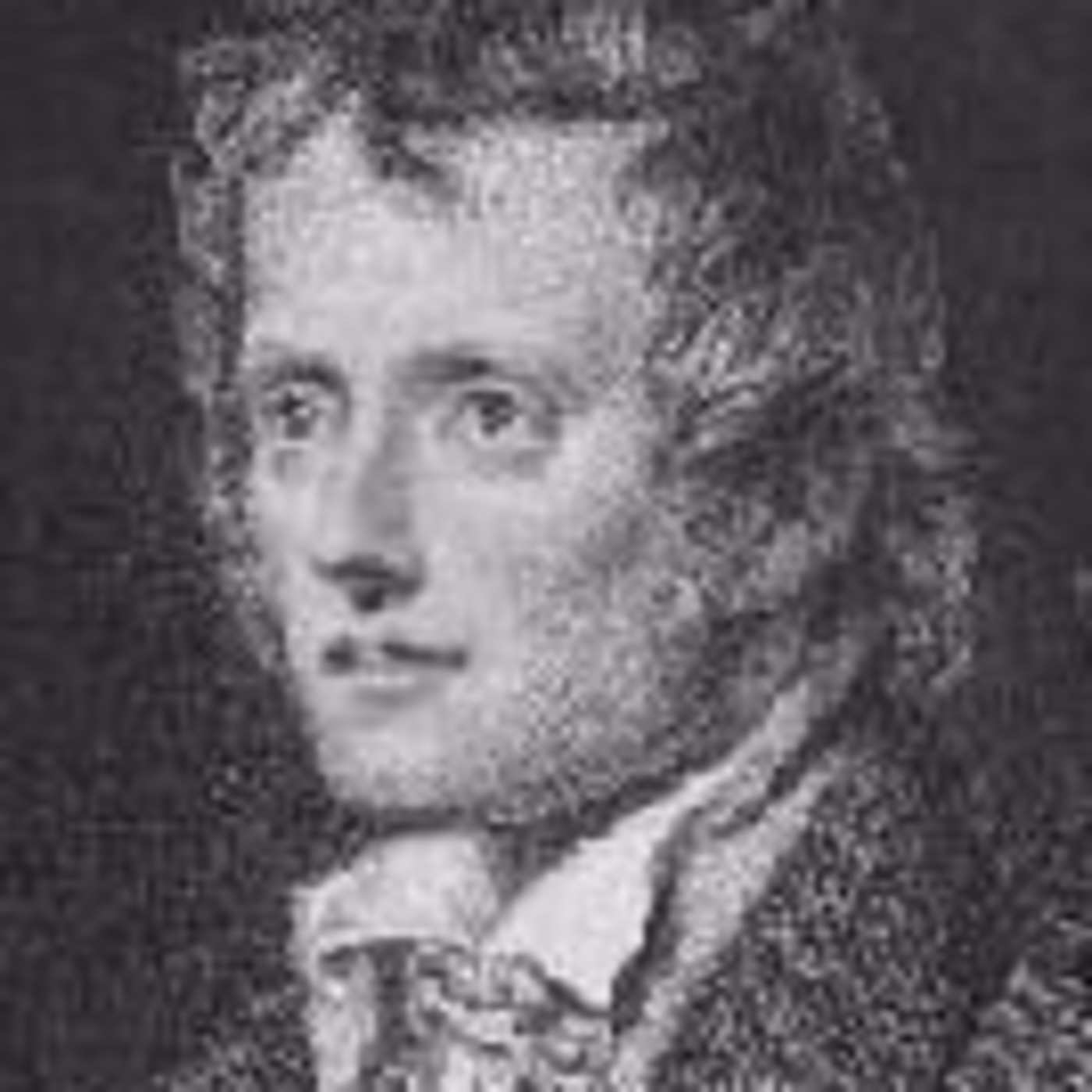
335. What is Life? by John Clare
J Clare read by Classic Poetry Aloud: http://www.classicpoetryaloud.com/ Giving voice to classic poetry. --------------------------------------------------- What is Life? by John Clare (1793 – 1864) And what is Life? An hour-glass on the run, A mist retreating from the morning sun, A busy, bustling, still-repeated dream. Its length? A minute's pause, a moment's thought. And Happiness? A bubble on the stream, That in the act of seizing shrinks to nought. And what is Hope? The puffing gale of morn, That of its charms divests the dewy lawn, And robs each flow'ret of its gem -and dies; A cobweb, hiding disappointment's thorn, Which stings more keenly through the thin disguise. And what is Death? Is still the cause unfound? That dark mysterious name of horrid sound? A long and lingering sleep the weary crave. And Peace? Where can its happiness abound? Nowhere at all, save heaven and the grave. Then what is Life? When stripped of its disguise, A thing to be desired it cannot be; Since everything that meets our foolish eyes Gives proof sufficient of its vanity. 'Tis but a trial all must undergo, To teach unthankful mortals how to prize That happiness vain man's denied to know, Until he's called to claim it in the skies. Comments For more information on this unjustly neglected 19th Century poet, visit http://www.johnclare.org.uk/ First aired: 10 October, 2007 For hundreds more poetry readings, visit the Classic Poetry Aloud index. Reading © Classic Poetry Aloud 2008
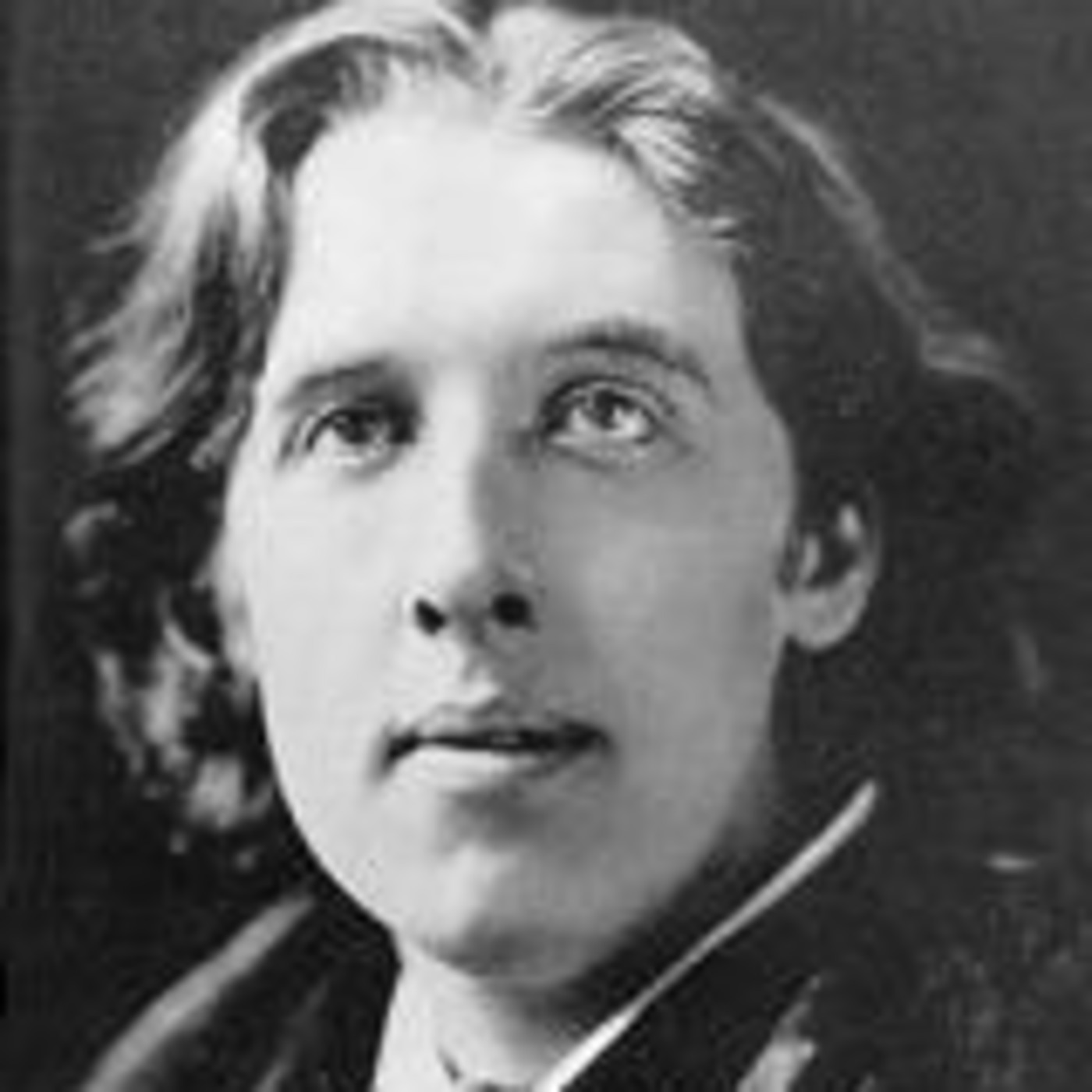
334. The Harlot’s House by Oscar Wilde
O Wilde read by Classic Poetry Aloud: http://www.classicpoetryaloud.com/ Giving voice to the poetry of the past. --------------------------------------------------- The Harlot’s House by Oscar Wilde (1854 – 1900) We caught the tread of dancing feet, We loitered down the moonlit street, And stopped beneath the harlot's house. Inside, above the din and fray, We heard the loud musicians play The "Treues Liebes Herz" of Strauss. Like strange mechanical grotesques, Making fantastic arabesques, The shadows raced across the blind. We watched the ghostly dancers spin To sound of horn and violin, Like black leaves wheeling in the wind. Like wire-pulled automatons, Slim silhouetted skeletons Went sidling through the slow quadrille. They took each other by the hand, And danced a stately saraband; Their laughter echoed thin and shrill. Sometimes a clockwork puppet pressed A phantom lover to her breast, Sometimes they seemed to try to sing. For hundreds more poetry readings, visit the Classic Poetry Aloud index. Reading © Classic Poetry Aloud 2008
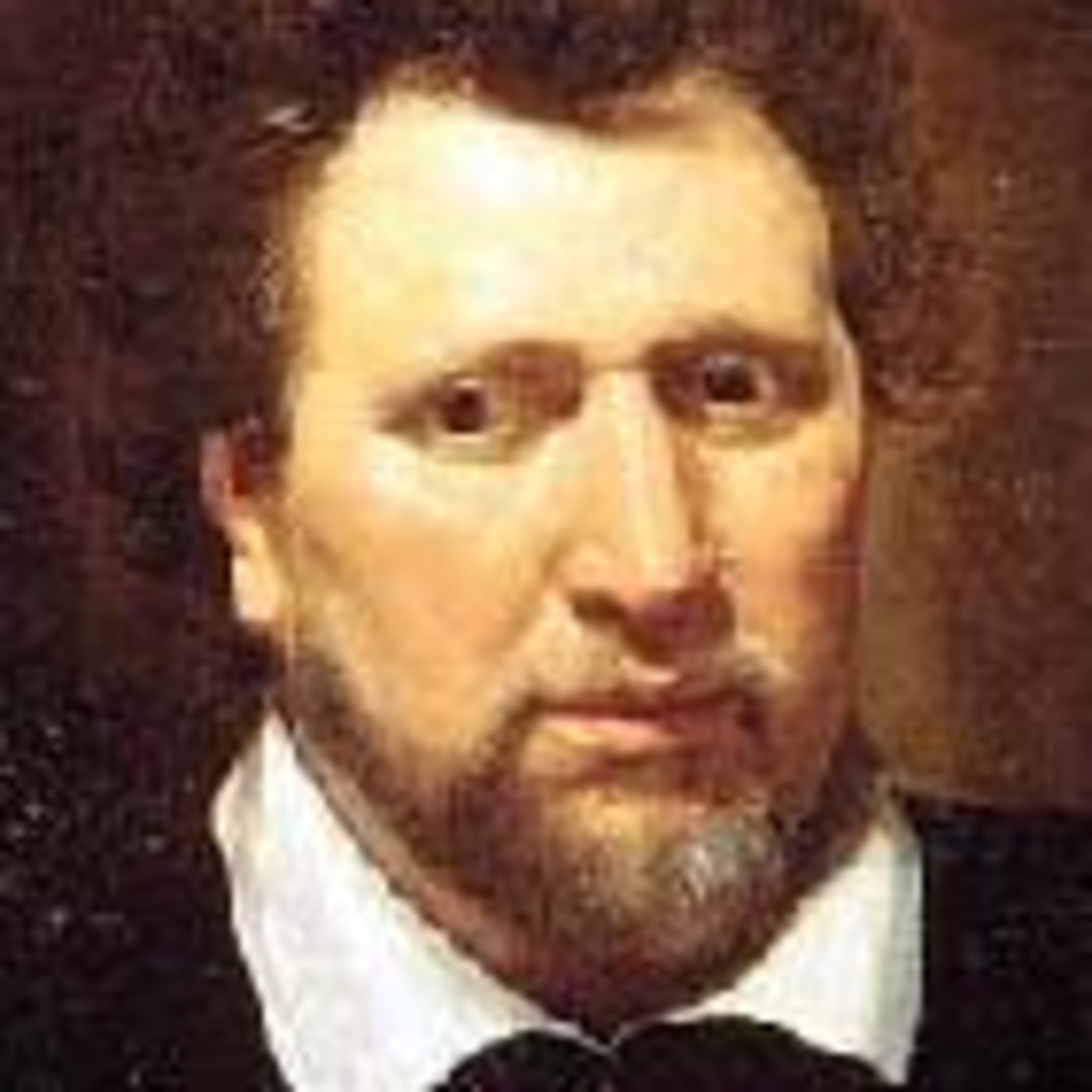
333. To Celia by Ben Johnson
B Johnson read by Classic Poetry Aloud: http://www.classicpoetryaloud.com/ Giving voice to classic poetry. --------------------------------------------------- To Celia by Ben Johnson (1572 – 1637) Drink to me only with thine eyes, And I will pledge with mine; Or leave a kiss but in the cup And I'll not look for wine. The thirst that from the soul doth rise Doth ask a drink divine; But might I of Jove's nectar sup, I would not change for thine. I sent thee late a rosy wreath, Not so much honouring thee As giving it a hope that there It could not wither'd be. But thou thereon didst only breathe And sent'st it back to me; Since when it grows, and smells, I swear, Not of itself but thee! First aired: 08 October, 2007 For hundreds more poetry readings, visit the Classic Poetry Aloud index. Reading © Classic Poetry Aloud 2008
332. Solitude by Ella Wheeler Wilcox
EW Wilcox read by Classic Poetry Aloud: http://www.classicpoetryaloud.com/ Giving voice to classic poetry. --------------------------------------------------- Solitude by Ella Wheeler Wilcox (1850 – 1919) Laugh, and the world laughs with you; Weep, and you weep alone. For the sad old earth must borrow its mirth, But has trouble enough of its own. Sing, and the hills will answer; Sigh, it is lost on the air. The echoes bound to a joyful sound, But shrink from voicing care. Rejoice, and men will seek you; Grieve, and they turn and go. They want full measure of all your pleasure, But they do not need your woe. Be glad, and your friends are many; Be sad, and you lose them all. There are none to decline your nectared wine, But alone you must drink life's gall. Feast, and your halls are crowded; Fast, and the world goes by. Succeed and give, and it helps you live, But no man can help you die. There is room in the halls of pleasure For a long and lordly train, But one by one we must all file on Through the narrow aisles of pain. First aired: 03 October, 2007 For hundreds more poetry readings, visit the Classic Poetry Aloud index. Reading © Classic Poetry Aloud 2008
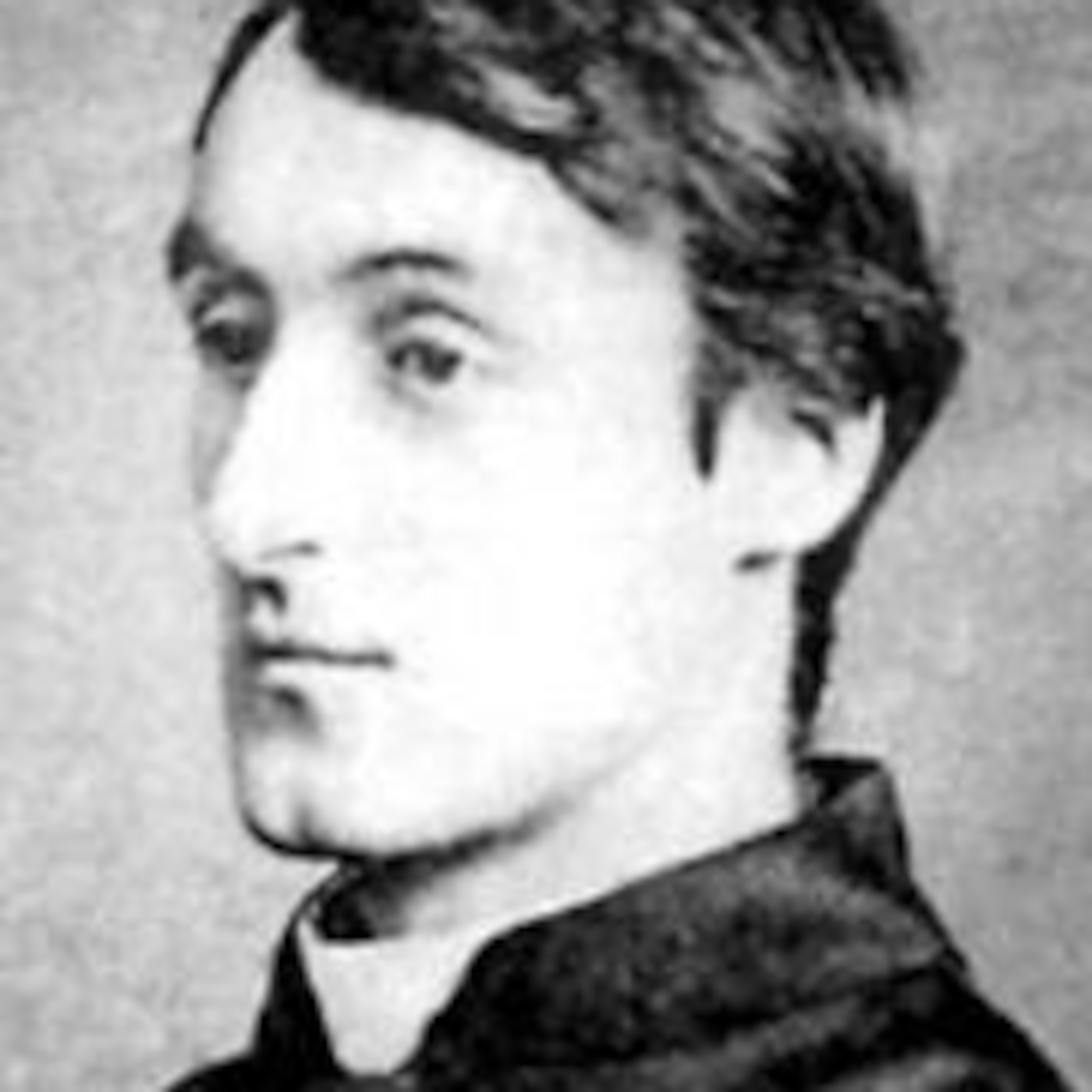
331. Binsey Poplars by Gerard Manley Hopkins
GM Hopkins read by Classic Poetry Aloud: http://www.classicpoetryaloud.com/ Giving voice to the poetry of the past. --------------------------------------------------- Binsey Poplars felled 1879 by Gerard Manley Hopkins (1844 – 1889) My aspens dear, whose airy cages quelled, Quelled or quenched in leaves the leaping sun, All felled, felled, are all felled; Of a fresh and following folded rank Not spared, not one That dandled a sandalled Shadow that swam or sank On meadow and river and wind-wandering weed-winding bank. O if we but knew what we do When we delve or hew— Hack and rack the growing green! Since country is so tender To touch, her being só slender, That, like this sleek and seeing ball But a prick will make no eye at all, Where we, even where we mean To mend her we end her, When we hew or delve: After-comers cannot guess the beauty been. Ten or twelve, only ten or twelve Strokes of havoc únselve The sweet especial scene, Rural scene, a rural scene, Sweet especial rural scene. First aired: 03 October, 2007 For hundreds more poetry readings, visit the Classic Poetry Aloud index. Reading © Classic Poetry Aloud 2008
330. On first looking into Chapman’s Homer by John Keats
J Keats read by Classic Poetry Aloud: http://www.classicpoetryaloud.com/ Giving voice to the poetry of the past. --------------------------------------------------- On first looking into Chapman’s Homer by John Keats (1795 – 1821) Much have I travell’d in the realms of gold, And many goodly states and kingdoms seen; Round many western islands have I been Which bards in fealty to Apollo hold. Oft of one wide expanse had I been told That deep-brow’d Homer ruled as his demesne; Yet did I never breathe its pure serene Till I heard Chapman speak out loud and bold: Then felt I like some watcher of the skies When a new planet swims into his ken; Or like stout Cortez when with eagle eyes He star’d at the Pacific—and all his men Look’d at each other with a wild surmise— Silent, upon a peak in Darien. First aired: 02 October, 2007 For hundreds more poetry readings, visit the Classic Poetry Aloud index. Reading © Classic Poetry Aloud 2008
329. Where a Roman Villa Stood, Above Freiburg by Mary Coleridge
M Coleridge read by Classic Poetry Aloud: http://www.classicpoetryaloud.com/ Giving voice to the poetry of the past. --------------------------------------------------- Where a Roman Villa Stood, Above Freiburg by Mary E. Coleridge (1861 – 1907) On alien ground, breathing an alien air, A Roman stood, far from his ancient home, And gazing, murmured, "Ah, the hills are fair, But not the hills of Rome!" Descendant of a race to Romans-kin, Where the old son of Empire stood, I stand. The self-same rocks fold the same valley in, Untouched of human hand. Over another shines the self-same star, Another heart with nameless longing fills, Crying aloud, "How beautiful they are, But not our English hills!" First aired: 27 September 2007 For hundreds more poetry readings, visit the Classic Poetry Aloud index. Reading © Classic Poetry Aloud 2008
328. The Sentimentalist by James Elroy Flecker
JE Flecker read by Classic Poetry Aloud: http://www.classicpoetryaloud.com/ Giving voice to the poetry of the past. --------------------------------------------- The Sentimentalist by James Elroy Flecker (1884 – 1915) There lies a photograph of you Deep in a box of broken things. This was the face I loved and knew Five years ago, when life had wings; Five years ago, when through a town Of bright and soft and shadowy bowers We walked and talked and trailed our gown Regardless of the cinctured hours. The precepts that we held I kept; Proudly my ways with you I went: We lived our dreams while others slept, And did not shrink from sentiment. Now I go East and you stay West And when between us Europe lies I shall forget what I loved best Away from lips and hands and eyes. But we were Gods then: we were they Who laughed at fools, believed in friends, And drank to all that golden day Before us, which this poem ends. First aired: 22 August 2008 For hundreds more poetry readings, visit the Classic Poetry Aloud index. Reading © Classic Poetry Aloud 2008
327. Oxford by Gerald Gould
G Gould read by Classic Poetry Aloud: http://www.classicpoetryaloud.com/ Giving voice to the poetry of the past. --------------------------------------------------- Oxford by Gerald Gould (1885 – 1936) I came to Oxford in the light Of a spring-coloured afternoon; Some clouds were grey and some were white, And all were blown to such a tune Of quiet rapture in the sky, I laughed to see them laughing by. I had been dreaming in the train With thoughts at random from my book; I looked, and read, and looked again, And suddenly to greet my look Oxford shone up with every tower Aspiring sweetly like a flower. Home turn the feet of men that seek, And home the hearts of children turn, And none can teach the hour to speak What every hour is free to learn; And all discover, late or soon, Their golden Oxford afternoon. First aired: 1 October 2007 For hundreds more poetry readings, visit the Classic Poetry Aloud index. Reading © Classic Poetry Aloud 2008
326. When Dearest I but think of Thee by Sir John Suckling
Sir John Suckling read by Classic Poetry Aloud: http://www.classicpoetryaloud.com/ Giving voice to the poetry of the past. --------------------------------------------- When, Dearest, I but think of Thee by Sir John Suckling (1609 – 1642) When, dearest, I but think of thee, Methinks all things that lovely be Are present, and my soul delighted: For beauties that from worth arise Are like the grace of deities, Still present with us, tho' unsighted. Thus while I sit and sigh the day With all his borrow'd lights away, Till night's black wings do overtake me, Thinking on thee, thy beauties then, As sudden lights do sleepy men, So they by their bright rays awake me. Thus absence dies, and dying proves No absence can subsist with loves That do partake of fair perfection: Since in the darkest night they may By love's quick motion find a way To see each other by reflection. The waving sea can with each flood Bathe some high promont that hath stood Far from the main up in the river: O think not then but love can do As much! for that 's an ocean too, Which flows not every day, but ever! First aired: 20 August 2008 For hundreds more poetry readings, visit the Classic Poetry Aloud index. Reading © Classic Poetry Aloud 2008
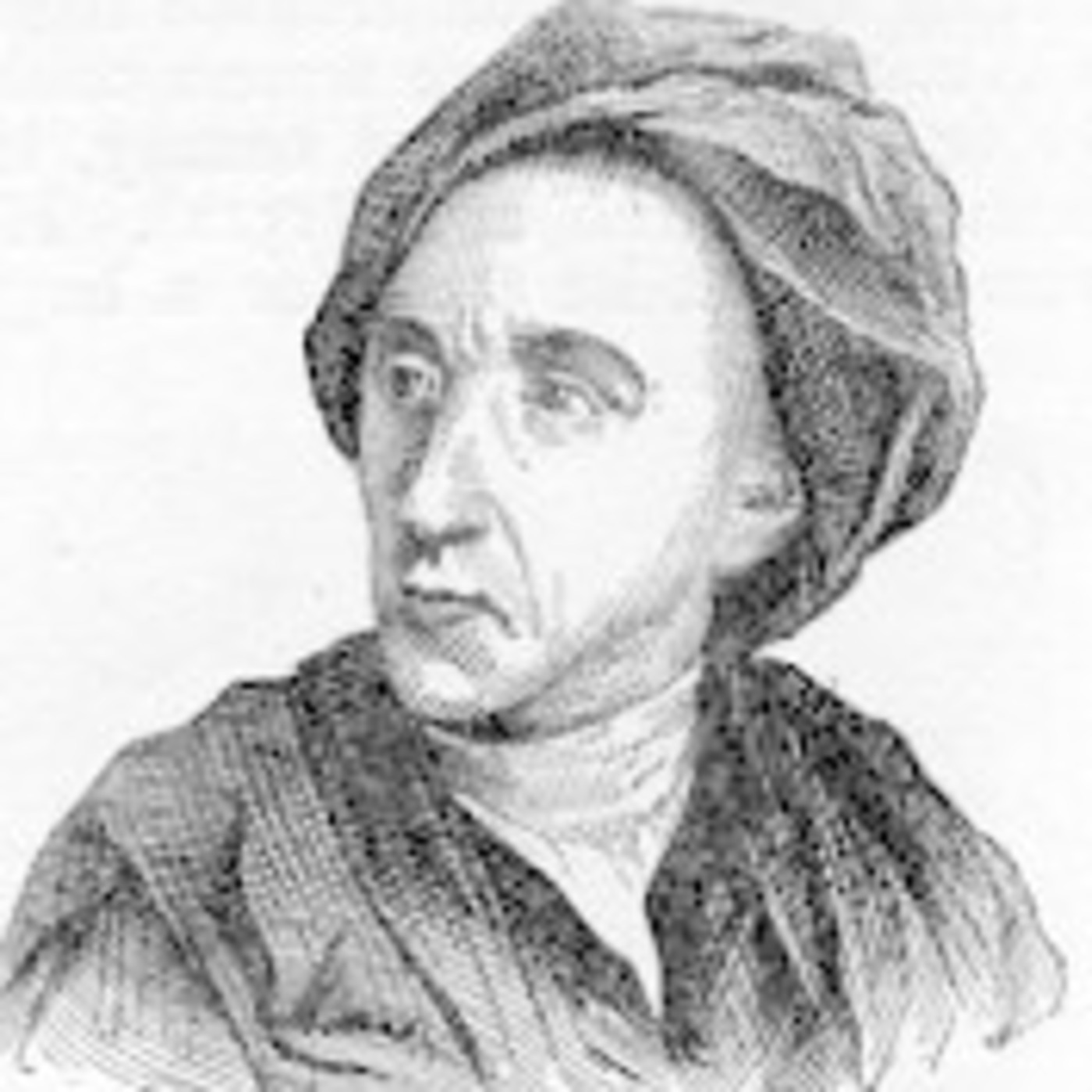
325. The Dying Christian to his Soul by Alexander Pope
A Pope read by Classic Poetry Aloud: http://www.classicpoetryaloud.com/ Giving voice to the poetry of the past. --------------------------------------------- The Dying Christian to his Soul by Alexander Pope (1688 – 1744) Vital spark of heav'nly flame! Quit, O quit this mortal frame: Trembling, hoping, ling'ring, flying, O the pain, the bliss of dying! Cease, fond Nature, cease thy strife, And let me languish into life. Hark! they whisper; angels say, Sister Spirit, come away! What is this absorbs me quite? Steals my senses, shuts my sight, Drowns my spirits, draws my breath? Tell me, my soul, can this be death? The world recedes; it disappears! Heav'n opens on my eyes! my ears With sounds seraphic ring! Lend, lend your wings! I mount! I fly! O Grave! where is thy victory? O Death! where is thy sting? First aired: 19 August 2008 For hundreds more poetry readings, visit the Classic Poetry Aloud index. Reading © Classic Poetry Aloud 2008
324. Mine Host by John McCrae
J McCrae read by Classic Poetry Aloud: http://www.classicpoetryaloud.com/ Giving voice to the poetry of the past. --------------------------------------------- Mine Host by John McCrae (1872 – 1918) There stands a hostel by a travelled way; Life is the road and Death the worthy host; Each guest he greets, nor ever lacks to say, "How have ye fared?" They answer him, the most, "This lodging place is other than we sought; We had intended farther, but the gloom Came on apace, and found us ere we thought: Yet will we lodge. Thou hast abundant room." Within sit haggard men that speak no word, No fire gleams their cheerful welcome shed; No voice of fellowship or strife is heard But silence of a multitude of dead. "Naught can I offer ye," quoth Death, "but rest!" And to his chamber leads each tired guest. First aired: 18 August 2008 For hundreds more poetry readings, visit the Classic Poetry Aloud index. Reading © Classic Poetry Aloud 2008
322. Memory by William Browne
W Browne read by Classic Poetry Aloud: http://www.classicpoetryaloud.com/ Giving voice to the poetry of the past. --------------------------------------------- Memory by William Browne (1588 – 1643) So shuts the marigold her leaves At the departure of the sun; So from the honeysuckle sheaves The bee goes when the day is done; So sits the turtle when she is but one, And so all woe, as I since she is gone. To some few birds kind Nature hath Made all the summer as one day: Which once enjoy'd, cold winter's wrath As night they sleeping pass away. Those happy creatures are, that know not yet The pain to be deprived or to forget. I oft have heard men say there be Some that with confidence profess The helpful Art of Memory: But could they teach Forgetfulness, I'd learn; and try what further art could do To make me love her and forget her too. First aired: 16 August 2008 For hundreds more poetry readings, visit the Classic Poetry Aloud index. Reading © Classic Poetry Aloud 2008
321. Quantum Mutata by Oscar Wilde
O Wilde read by Classic Poetry Aloud: http://www.classicpoetryaloud.com/ Giving voice to the poetry of the past. --------------------------------------------- Quantum Mutata by Oscar Wilde (1854 – 1900) There was a time in Europe long ago When no man died for freedom anywhere, But England's lion leaping from its lair Laid hands on the oppressor! it was so While England could a great Republic show. Witness the men of Piedmont, chiefest care Of Cromwell, when with impotent despair The Pontiff in his painted portico Trembled before our stern ambassadors. How comes it then that from such high estate We have thus fallen, save that Luxury With barren merchandise piles up the gate Where noble thoughts and deeds should enter by: Else might we still be Milton's heritors. First aired: 15 August 2008 For hundreds more poetry readings, visit the Classic Poetry Aloud index. Reading © Classic Poetry Aloud 2008
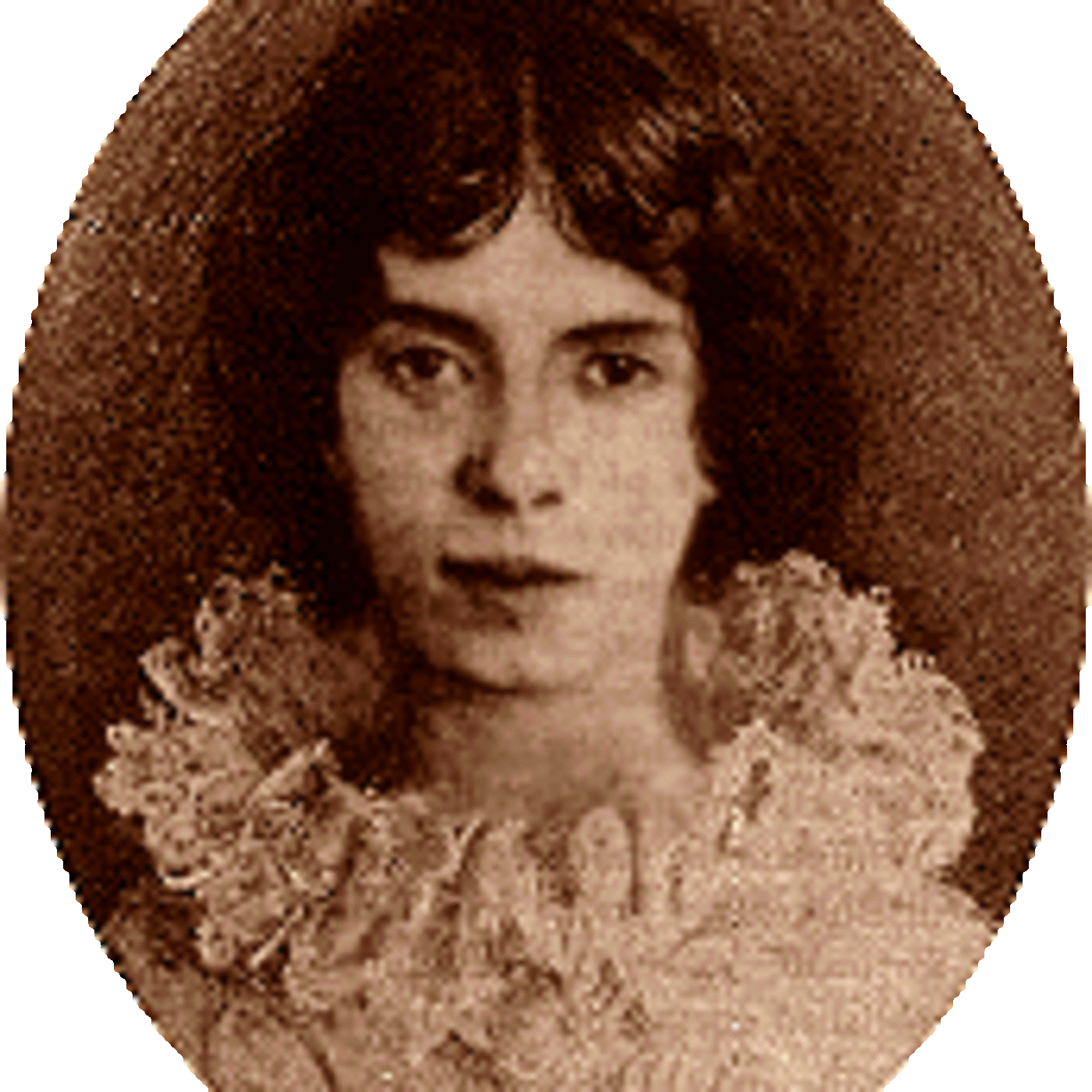
320. Because I could not stop for Death by Emily Dickinson
E Dickinson read by Classic Poetry Aloud: http://www.classicpoetryaloud.com/ Giving voice to the poetry of the past. --------------------------------------------------- Because I could not stop for Death by Emily Dickinson (1830 – 1886) Because I could not stop for Death, He kindly stopped for me; The carriage held but just ourselves And Immortality. We slowly drove, he knew no haste, And I had put away My labor, and my leisure too, For his civility. We passed the school where children played At wrestling in a ring; We passed the fields of gazing grain, We passed the setting sun. We paused before a house that seemed A swelling of the ground; The roof was scarcely visible, The cornice but a mound. Since then ’t is centuries; but each Feels shorter than the day I first surmised the horses’ heads Were toward eternity. First aired: 23 September 2007 For hundreds more poetry readings, visit the Classic Poetry Aloud index. Reading © Classic Poetry Aloud 2008
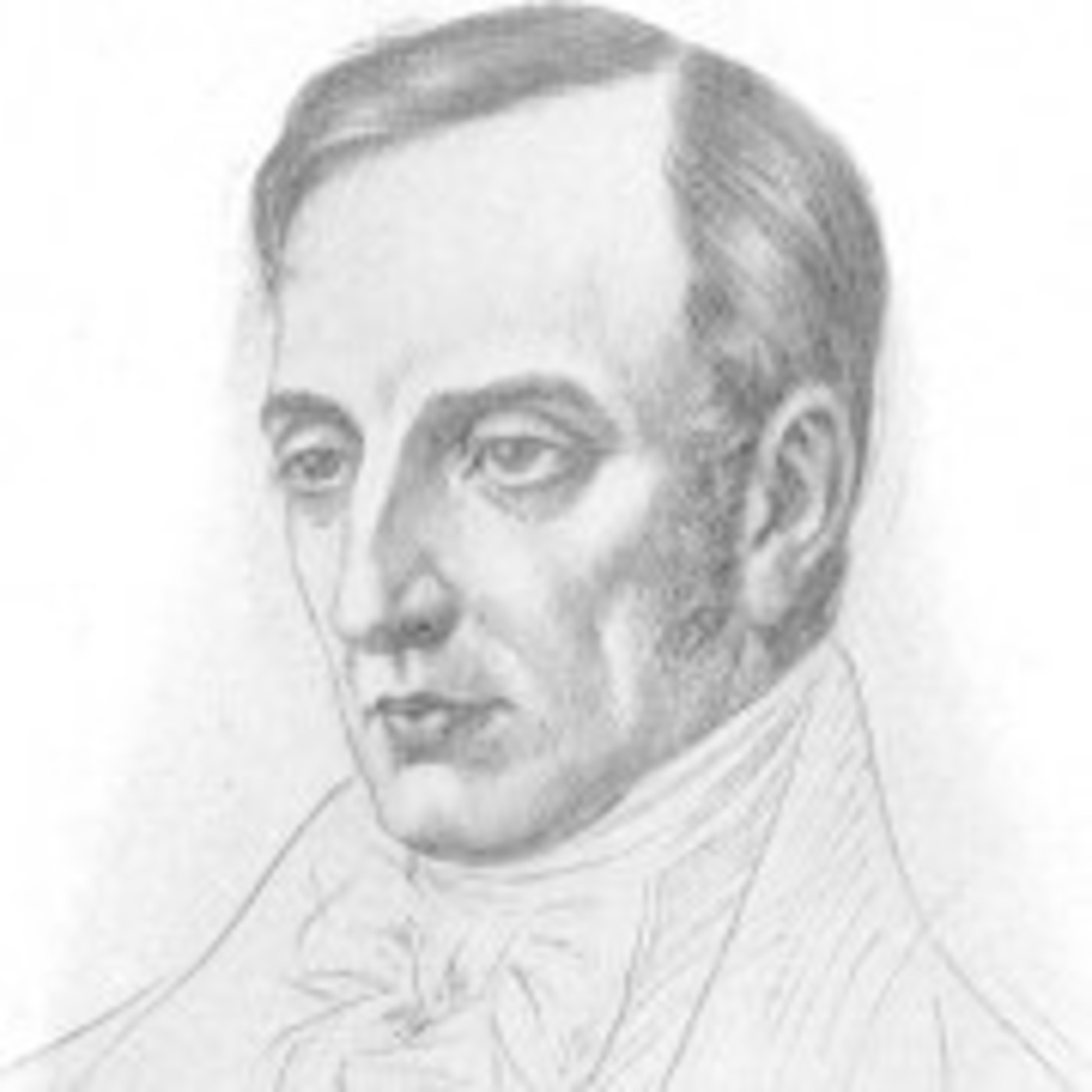
319. Desideria by William Wordsworth
W Wordsworth read by Classic Poetry Aloud: http://www.classicpoetryaloud.com/ Giving voice to the poetry of the past. --------------------------------------------- Desideria by William Wordsworth (1780 – 1850) Surprised by joy—impatient as the Wind I turned to share the transport—O! with whom But Thee, deep buried in the silent tomb, That spot which no vicissitude can find? Love, faithful love, recall’d thee to my mind— But how could I forget thee? Through what power, Even for the least division of an hour, Have I been so beguiled as to be blind To my most grievous loss?—That thought’s return Was the worst pang that sorrow ever bore, Save one, one only, when I stood forlorn, Knowing my heart’s best treasure was no more; That neither present time, nor years unborn Could to my sight that heavenly face restore. First aired: 13 August 2008 For hundreds more poetry readings, visit the Classic Poetry Aloud index. Reading © Classic Poetry Aloud 2008
318. Discipline by George Herbert
G Herbert read by Classic Poetry Aloud: http://www.classicpoetryaloud.com/ Giving voice to the poetry of the past. --------------------------------------------- Discipline by George Herbert (1593 – 1632) Throw away Thy rod, Throw away Thy wrath; O my God, Take the gentle path! For my heart's desire Unto Thine is bent: I aspire To a full consent. Not a word or look I affect to own, But by book, And Thy Book alone. Though I fail, I weep; Though I halt in pace, Yet I creep To the throne of grace. Then let wrath remove; Love will do the deed; For with love Stony hearts will bleed. Love is swift of foot; Love 's a man of war, And can shoot, And can hit from far. Who can 'scape his bow? That which wrought on Thee, Brought Thee low, Needs must work on me. Throw away Thy rod; Though man frailties hath, Thou art God: Throw away Thy wrath! First aired: 12 August 2008 For hundreds more poetry readings, visit the Classic Poetry Aloud index. Reading © Classic Poetry Aloud 2008
317. Aloof by Christina Georgina Rossetti
CG Rossetti read by Classic Poetry Aloud: http://www.classicpoetryaloud.com/ Giving voice to the poetry of the past. --------------------------------------------- Aloof by Christina Georgina Rossetti (1830 – 1894) The irresponsive silence of the land, The irresponsive sounding of the sea, Speak both one message of one sense to me:— Aloof, aloof, we stand aloof, so stand Thou too aloof, bound with the flawless band Of inner solitude; we bind not thee; But who from thy self-chain shall set thee free? What heart shall touch thy heart? What hand thy hand? And I am sometimes proud and sometimes meek, And sometimes I remember days of old When fellowship seem'd not so far to seek, And all the world and I seem'd much less cold, And at the rainbow's foot lay surely gold, And hope felt strong, and life itself not weak. First aired: 11 August 2008 For hundreds more poetry readings, visit the Classic Poetry Aloud index. Reading © Classic Poetry Aloud 2008