Classic Poetry Aloud
609 episodes — Page 8 of 13
266. from the Rubaiyat of Omar Khayyam by Edward FitzGerald
E FitzGerald read by Classic Poetry Aloud: http://www.classicpoetryaloud.com/ Giving voice to the poetry of the past. --------------------------------------------- from the Rubaiyat of Omar Khayyam translated by by Edward FitzGerald (1809 – 1883) I Awake! for Morning in the Bowl of Night Has flung the Stone that puts the Stars to Flight: And Lo! the Hunter of the East has caught The Sultan's Turret in a Noose of Light. II Dreaming when Dawn's Left Hand was in the Sky I heard a Voice within the Tavern cry, "Awake, my Little ones, and fill the Cup Before Life's Liquor in its Cup be dry." III And, as the Cock crew, those who stood before The Tavern shouted--"Open then the Door! You know how little time we have to stay, And, once departed, may return no more." VII Come, fill the Cup, and in the Fire of Spring The Winter Garment of Repentance fling: The Bird of Time has but a little way To fly--and Lo! the Bird is on the Wing. X With me along some Strip of Herbage strown That just divides the desert from the sown, Where name of Slave and Sultán scarce is known, And pity Sultán Mahmúd on his Throne. XI Here with a Loaf of Bread beneath the Bough, A Flask of Wine, a Book of Verse--and Thou Beside me singing in the Wilderness-- And Wilderness is Paradise enow. XII "How sweet is mortal Sovranty!"--think some: Others--"How blest the Paradise to come!" Ah, take the Cash in hand and wave the Rest; Oh, the brave Music of a distant Drum! XIII Look to the Rose that blows about us--"Lo, Laughing," she says, "into the World I blow: At once the silken Tassel of my Purse Tear, and its Treasure on the Garden throw." XIV The Worldly Hope men set their Hearts upon Turns Ashes--or it prospers; and anon, Like Snow upon the Desert's dusty Face Lighting a little Hour or two--is gone. XV And those who husbanded the Golden Grain, And those who flung it to the Winds like Rain, Alike to no such aureate Earth are turn'd As, buried once, Men want dug up again. XVI Think, in this batter'd Caravanserai Whose Doorways are alternate Night and Day, How Sultán after Sultán with his Pomp Abode his Hour or two, and went his way. For hundreds more poetry readings, visit the Classic Poetry Aloud index. Reading © Classic Poetry Aloud 2008
265. The Last Rose of Summer by Thomas Moore
T Moore read by Classic Poetry Aloud: http://www.classicpoetryaloud.com/ Giving voice to the poetry of the past. --------------------------------------------- The Last Rose of Summer by Thomas Moore(1779 – 1852) ’Tis the last rose of summer Left blooming alone; All her lovely companions Are faded and gone; No flower of her kindred, No rosebud is nigh, To reflect back her blushes, To give sigh for sigh. I’ll not leave thee, thou lone one! To pine on the stem; Since the lovely are sleeping, Go, sleep thou with them. Thus kindly I scatter Thy leaves o’er the bed, Where thy mates of the garden Lie scentless and dead. So soon may I follow, When friendships decay, And from Love’s shining circle The gems drop away. When true hearts lie withered And fond ones are flown, Oh! who would inhabit This bleak world alone? For hundreds more poetry readings, visit the Classic Poetry Aloud index. Reading © Classic Poetry Aloud 2008
264. Abou ben Adhem by Leigh Hunt
Hunt read by Classic Poetry Aloud: http://classicpoetryaloud.podomatic.com/ Giving voice to the poetry of the past. --------------------------------------------------- Abou ben Adhem by Leigh Hunt (1784 - 1859) Abou ben Adhem (may his tribe increase!) Awoke one night from a deep dream of peace, And saw—within the moonlight in his room, Making it rich and like a lily in bloom— An angel, writing in a book of gold. Exceeding peace had made Ben Adhem bold, And to the presence in the room he said, ‘What writest thou?’—The vision raised its head, And, with a look made of all sweet accord, Answered, ‘The names of those who love the Lord.’ ‘And is mine one?’ said Abou. ‘Nay, not so,’ Replied the angel. Abou spoke more low, But cheerly still, and said, ‘I pray thee, then, Write me as one that loves his fellow men.’ The angel wrote and vanished. The next night It came again with a great wakening light, And showed the names whom love of God had blessed, And lo! Ben Adhem’s name led all the rest. First aired: 18 Aug 2007 For hundreds more poetry readings, visit the Classic Poetry Aloud index. Reading © Classic Poetry Aloud 2007
263. The Rainy Day by Henry Wadsworth Longfellow
Longfellow read by Classic Poetry Aloud: http://www.classicpoetryaloud.com/ Giving voice to the poetry of the past. --------------------------------------------- The Rainy Day by Henry Wadsworth Longfellow (1807 – 1882) The day is cold, and dark, and dreary; It rains, and the wind is never weary; The vine still clings to the mouldering wall, But at every gust the dead leaves fall, And the day is dark and dreary. My life is cold, and dark, and dreary; It rains, and the wind is never weary; My thoughts still cling to the mouldering Past, But the hopes of youth fall thick in the blast, And the days are dark and dreary. Be still, sad heart! and cease repining; Behind the clouds is the sun still shining; Thy fate is the common fate of all, Into each life some rain must fall, Some days must be dark and dreary. For hundreds more poetry readings, visit the Classic Poetry Aloud index. Reading © Classic Poetry Aloud 2008
262. Opportunity by Edward Rowland Sill
Sill read by Classic Poetry Aloud: http://www.classicpoetryaloud.com/ Giving voice to the poetry of the past. --------------------------------------------- Opportunity by Edward Rowland Sill(1841 – 1887) This I beheld, or dreamed it in a dream:- There spread a cloud of dust along a plain; And underneath the cloud, or in it, raged A furious battle, and men yelled, and swords Shocked upon swords and shields. A prince's banner Wavered, then staggered backward, hemmed by foes. A craven hung along the battle's edge, And thought, "Had I a sword of keener steel- That blue blade that the king's son bears,-but this Blunt thing-!" he snapt and flung it from his hand, And lowering crept away and left the field. Then came the king's son, wounded, sore bestead, And weaponless, and saw the broken sword, Hilt-buried in the dry and trodden sand, And ran and snatched it, and with battle-shout Lifted afresh he hewed his enemy down, And saved a great cause that heroic day. For hundreds more poetry readings, visit the Classic Poetry Aloud index. Reading © Classic Poetry Aloud 2008
261. Love’s Grave by George Meredith
Meredith read by Classic Poetry Aloud: http://www.classicpoetryaloud.com/ Giving voice to the poetry of the past. --------------------------------------------- Love’s Grave by George Meredith (1828 – 1909) Mark where the pressing wind shoots javelin-like, Its skeleton shadow on the broad-back'd wave! Here is a fitting spot to dig Love's grave; Here where the ponderous breakers plunge and strike, And dart their hissing tongues high up the sand In hearing of the ocean, and in sight Of those ribb'd wind-streaks running into white. If I the death of Love had deeply plann'd, I never could have made it half so sure, As by the unblest kisses which upbraid The full-waked sense; or failing that, degrade! 'Tis morning: but no morning can restore What we have forfeited. I see no sin: The wrong is mix'd. In tragic life, God wot, No villain need be! Passions spin the plot: We are betray'd by what is false within. For hundreds more poetry readings, visit the Classic Poetry Aloud index. Reading © Classic Poetry Aloud 2008
260. To My Dear and Loving Husband by Anne Bradstreet
Bradstreet read by Classic Poetry Aloud: http://www.classicpoetryaloud.com/ Giving voice to the poetry of the past. --------------------------------------------- To My Dear and Loving Husband by Anne Bradstreet (1612 – 1672) If ever two were one, then surely we. If ever man were lov’d by wife, then thee. If ever wife was happy in a man, Compare with me, ye women, if you can. I prize thy love more than whole Mines of gold Or all the riches that the East doth hold. My love is such that Rivers cannot quench, Nor ought but love from thee give recompense. Thy love is such I can no way repay. The heavens reward thee manifold, I pray. Then while we live, in love let’s so persever That when we live no more, we may live ever. For hundreds more poetry readings, visit the Classic Poetry Aloud index. Reading © Classic Poetry Aloud 2008
259. Now When the Number of My Years by Robert Louis Stevenson
Stevenson read by Classic Poetry Aloud: http://www.classicpoetryaloud.com/ Giving voice to the poetry of the past. --------------------------------------------- Now When the Number of My Years by Robert Louis Stevenson(1850 – 1894) Now when the number of my years Is all fulfilled, and I From sedentary life Shall rouse me up to die, Bury me low and let me lie Under the wide and starry sky. Joying to live, I joyed to die, Bury me low and let me lie. Clear was my soul, my deeds were free, Honour was called my name, I fell not back from fear Nor followed after fame. Bury me low and let me lie Under the wide and starry sky. Joying to live, I joyed to die, Bury me low and let me lie. Bury me low in valleys green And where the milder breeze Blows fresh along the stream, Sings roundly in the trees - Bury me low and let me lie Under the wide and starry sky. Joying to live, I joyed to die, Bury me low and let me lie. For hundreds more poetry readings, visit the Classic Poetry Aloud index. Reading © Classic Poetry Aloud 2008
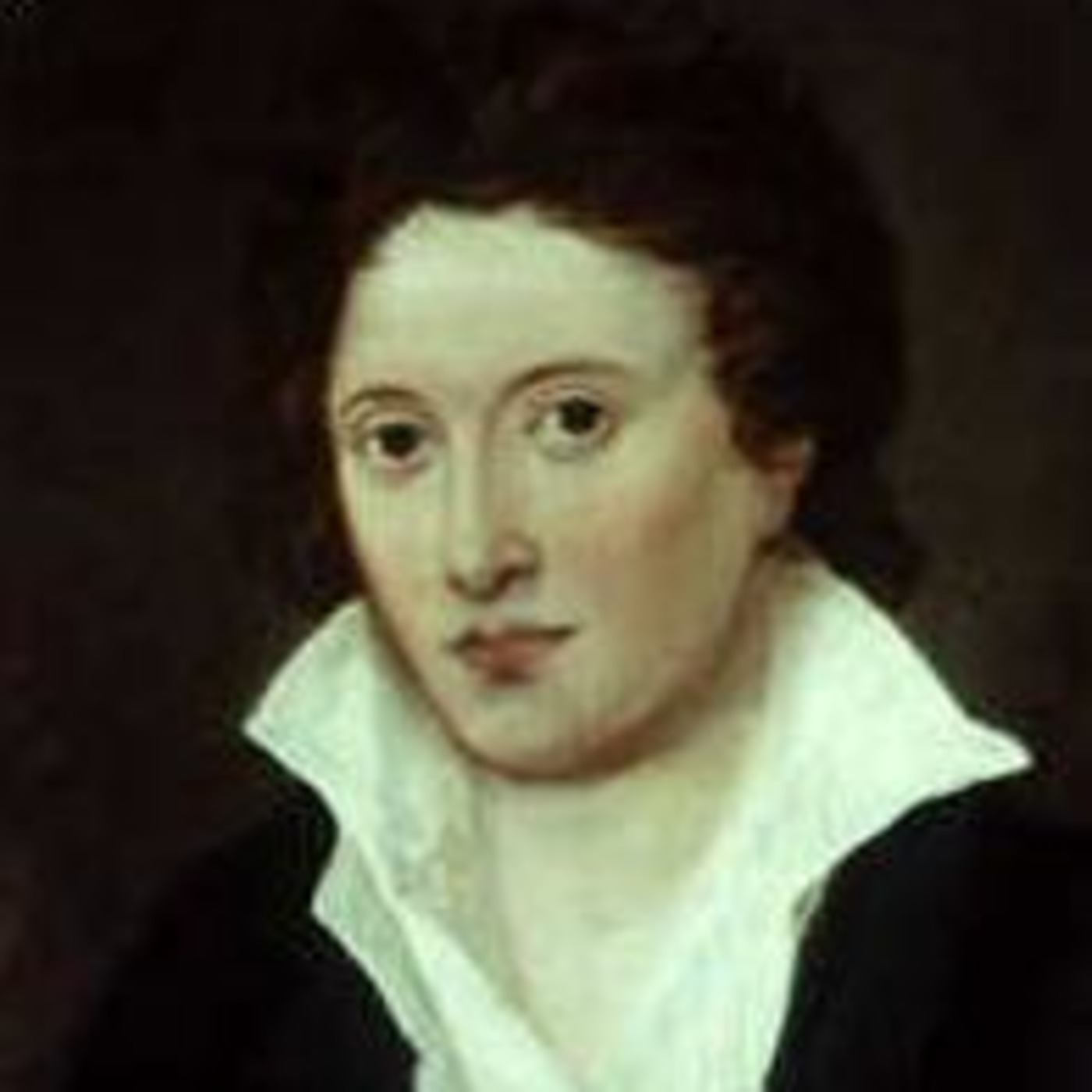
258. To The Men Of England by Percy Bysshe Shelley
Shelley read by Classic Poetry Aloud: http://www.classicpoetryaloud.com/ Giving voice to the poetry of the past. --------------------------------------------- To The Men Of England by Percy Bysshe Shelley (1792 – 1822) Men of England, wherefore plough For the lords who lay ye low? Wherefore weave with toil and care The rich robes your tyrants wear? Wherefore feed and clothe and save, From the cradle to the grave, Those ungrateful drones who would Drain your sweat -- nay, drink your blood? Wherefore, Bees of England, forge Many a weapon, chain, and scourge, That these stingless drones may spoil The forced produce of your toil? Have ye leisure, comfort, calm, Shelter, food, love's gentle balm? Or what is it ye buy so dear With your pain and with your fear? The seed ye sow another reaps; The wealth ye find another keeps; The robes ye weave another wears; The arms ye forge another bears. Sow seed, -- but let no tyrant reap; Find wealth, -- let no imposter heap; Weave robes, -- let not the idle wear; Forge arms, in your defence to bear. Shrink to your cellars, holes, and cells; In halls ye deck another dwells. Why shake the chains ye wrought? Ye see The steel ye tempered glance on ye. With plough and spade and hoe and loom, Trace your grave, and build your tomb, And weave your winding-sheet, till fair England be your sepulchre! For hundreds more poetry readings, visit the Classic Poetry Aloud index. Reading © Classic Poetry Aloud 2008
257. To a Poet a Thousand Years Hence by James Elroy Flecker
Flecker read by Classic Poetry Aloud: http://classicpoetryaloud.podomatic.com/ Giving voice to the poetry of the past. --------------------------------------------------- To a Poet a Thousand Years Hence by James Elroy Flecker I who am dead a thousand years, And wrote this sweet archaic song, Send you my words for messengers The way I shall not pass along. I care not if you bridge the seas, Or ride secure the cruel sky, Or build consummate palaces Of metal or of masonry. But have you wine and music still, And statues and a bright-eyed love, And foolish thoughts of good and ill, And prayers to them who sit above? How shall we conquer? Like a wind That falls at eve our fancies blow, And old Moeonides the blind Said it three thousand years ago. O friend unseen, unborn, unknown, Student of our sweet English tongue, Read out my words at night, alone: I was a poet, I was young. Since I can never see your face, And never shake you by the hand, I send my soul through time and space To greet you. You will understand. First aired: 30 July 2007 For hundreds more poetry readings, visit the Classic Poetry Aloud index. Reading © Classic Poetry Aloud 2008
256. Nature That Washed Her Hands in Milk by Sir Walter Raleigh
Raleigh read by Classic Poetry Aloud: http://www.classicpoetryaloud.com/ Giving voice to the poetry of the past. --------------------------------------------- Nature That Washed Her Hands in Milk by Sir Walter Raleigh (1552 – 1618) Nature, that washed her hands in milk, And had forgot to dry them, Instead of earth took snow and silk, At love's request to try them, If she a mistress could compose To please love's fancy out of those. Her eyes he would should be of light, A violet breath, and lips of jelly; Her hair not black, nor over bright, And of the softest down her belly; As for her inside he 'ld have it Only of wantonness and wit. At love's entreaty such a one Nature made, but with her beauty She hath framed a heart of stone; So as love, by ill destiny, Must die for her whom nature gave him, Because her darling would not save him. But time (which nature doth despise And rudely gives her love the lie, Makes hope a fool, and sorrow wise) His hands do neither wash nor dry; But being made of steel and rust, Turns snow and silk and milk to dust. The light, the belly, lips, and breath, He dims, discolors, and destroys; With those he feeds but fills not death, Which sometimes were the food of joys. Yea, time doth dull each lively wit, And dries all wantonness with it. Oh, cruel time! which takes in trust Our youth, or joys, and all we have, And pays us but with age and dust; Who in the dark and silent grave When we have wandered all our ways Shuts up the story of our days. For hundreds more poetry readings, visit the Classic Poetry Aloud index. Reading © Classic Poetry Aloud 2008
255.We Will Speak Out by James Russell Lowell
Lowell read by Classic Poetry Aloud: http://www.classicpoetryaloud.com/ Giving voice to the poetry of the past. --------------------------------------------- We Will Speak Out by James Russell Lowell(1819 – 1891) We will speak out, we will be heard, Though all earth's system's crack; We will not bate a single word, Nor take a letter back. Let liars fear, let cowards shrink, Let traitors turn away; Whatever we have dared to think That dare we also say. We speak the truth, and what care we For hissing and for scorn, While some faint gleamings we can see Of Freedom's coming morn? For hundreds more poetry readings, visit the Classic Poetry Aloud index. Reading © Classic Poetry Aloud 2008
254. Grenadier by AE Housman
Housman read by Classic Poetry Aloud: http://www.classicpoetryaloud.com/ Giving voice to the poetry of the past. --------------------------------------------- Grenadier by AE Housman(1859 – 1936) The Queen she sent to look for me, The sergeant he did say, `Young man, a soldier will you be For thirteen pence a day?' For thirteen pence a day did I Take off the things I wore, And I have marched to where I lie, And I shall march no more. My mouth is dry, my shirt is wet, My blood runs all away, So now I shall not die in debt For thirteen pence a day. To-morrow after new young men The sergeant he must see, For things will all be over then Between the Queen and me. And I shall have to bate my price, For in the grave, they say, Is neither knowledge nor device Nor thirteen pence a day. For hundreds more poetry readings, visit the Classic Poetry Aloud index. Reading © Classic Poetry Aloud 2008

253. The Sunne Rising by John Donne
Donne read by Classic Poetry Aloud: http://classicpoetryaloud.podomatic.com/ Giving voice to the poetry of the past. --------------------------------------------------- The Sunne Rising by John Donne (1572 - 1631) Busie old foole, unruly Sunne, Why dost thou thus, Through windowes, and through curtaines call on us? Must to thy motions lovers seasons run? Sawcy pedantique wretch, goe chide Late schoole boyes, and sowre prentices, Goe tell Court-huntsmen, that the King will ride, Call countrey ants to harvest offices; Love, all alike, no season knowes, nor clyme, Nor houres, dayes, moneths, which are the rags of time. Thy beames, so reverend, and strong Why shouldst thou thinke? I could eclipse and cloud them with a winke, But that I would not lose her sight so long: If her eyes have not blinded thine, Looke, and to morrow late, tell mee, Whether both the'India's of spice and Myne Be where thou leftst them, or lie here with mee. Aske for those Kings whom thou saw'st yesterday, And thou shalt heare, All here in one bed lay. She'is all States, and all Princes, I, Nothing else is. Princes doe but play us; compar'd to this, All honor's mimique; All wealth alchimie. Thou sunne art halfe as happy'as wee, In that the world's contracted thus; Thine age askes ease, and since thy duties bee To warme the world, that's done in warming us. Shine here to us, and thou art every where; This bed thy center is, these walls, thy spheare. First aired: 12 July 2007 For hundreds more poetry readings, visit the Classic Poetry Aloud index. Reading © Classic Poetry Aloud 2008
252. Love of Country by Sir Walter Scott
W Scott read by Classic Poetry Aloud: http://www.classicpoetryaloud.com/ Giving voice to the poetry of the past. --------------------------------------------- Love of Country by Sir Walter Scott (1771 - 1832) Breathes there the man, with soul so dead, Who never to himself hath said, This is my own, my native land! Whose heart hath ne'er within him burn'd, As home his footsteps he hath turn'd, From wandering on a foreign strand! If such there breathe, go, mark him well; For him no Minstrel raptures swell; High though his titles, proud his name, Boundless his wealth as wish can claim; Despite those titles, power, and pelf, The wretch, concentred all in self, Living, shall forfeit fair renown, And, doubly dying, shall go down To the vile dust, from whence he sprung, Unwept, unhonor'd, and unsung. For hundreds more poetry readings, visit the Classic Poetry Aloud index. First aired: 7 June 2008 Reading © Classic Poetry Aloud 2008
251. Chanson d'Automne by Paul Verlaine
Verlaine read by Classic Poetry Aloud: http://www.classicpoetryaloud.com/ Giving voice to the poetry of the past. --------------------------------------------- Chanson d'Automne by Paul Verlaine In French Les sanglots longs Des violons De l'automne Blessent mon cœur D'une langueur Monotone. Tout suffocant Et blême, quand Sonne l'heure, Je me souviens Des jours anciens Et je pleure Et je m'en vais Au vent mauvais Qui m'emporte Deçà, delà, Pareil à la Feuille morte In English The long sobs of autumn's violins wound my heart with a monotonous languor. Wholly breathless and pale, When the clock strikes, I remember the old days, And I weep. And I set off in the ill wind that carries me here and there, Like a dead leaf. For hundreds more poetry readings, visit the Classic Poetry Aloud index. To be notified of new postings, and to receive some extra, short text about each poetry reading, join the mailing list. Reading © Classic Poetry Aloud 2008
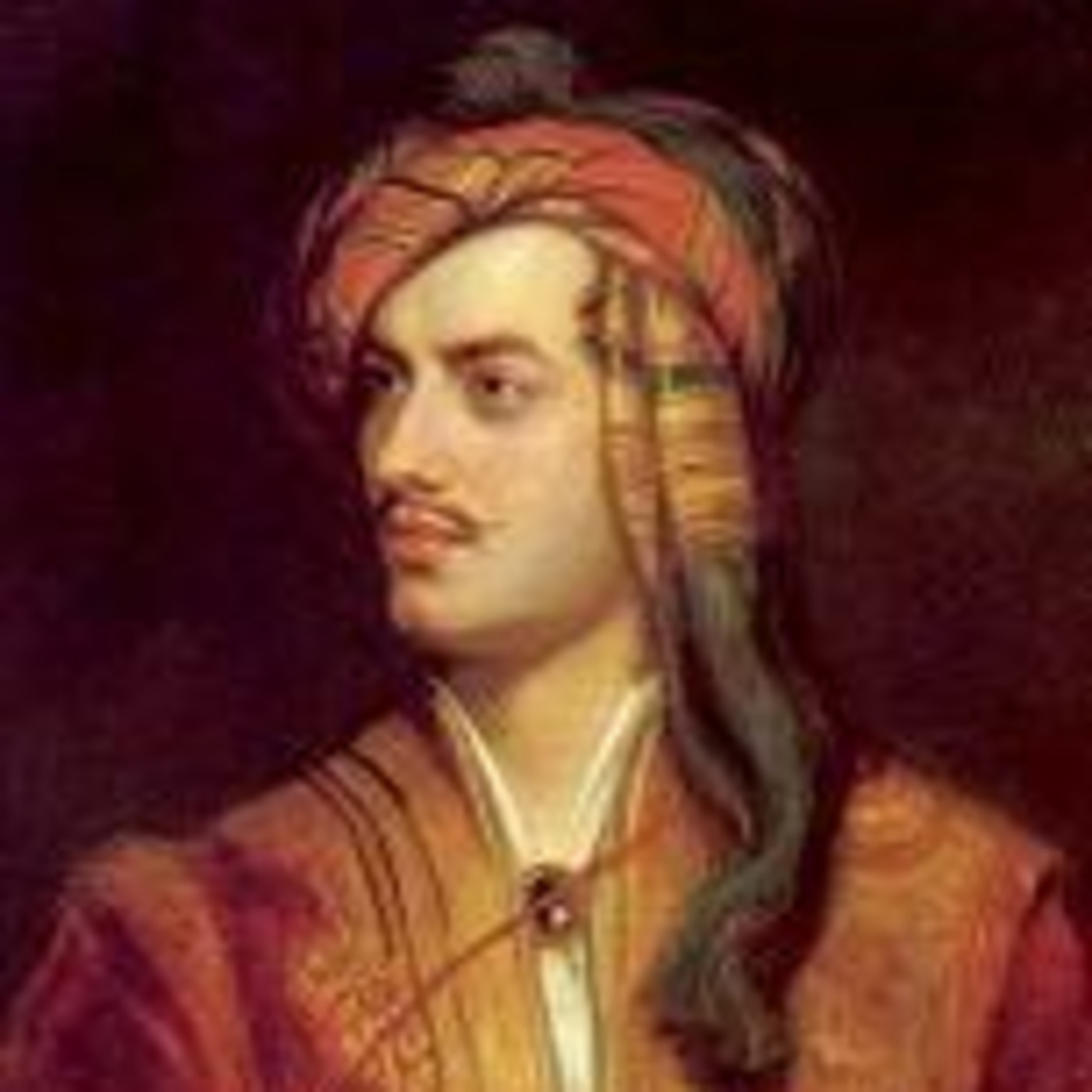
250. When we two parted by Lord Byron
Byron read by Classic Poetry Aloud:http://classicpoetryaloud.podomatic.com/ Giving voice to the poetry of the past. --------------------------------------------------- When We Two Parted by Lord Byron When we two parted In silence and tears, Half broken-hearted To sever for years, Pale grew thy cheek and cold, Colder thy kiss; Truly that hour foretold Sorrow to this. The dew of the morning Sunk chill on my brow— It felt like the warning Of what I feel now. Thy vows are all broken, And light is thy fame: I hear thy name spoken, And share in its shame. They name thee before me, A knell to mine ear; A shudder comes o'er me— Why wert thou so dear? They know not I knew thee, Who knew thee too well: Long, long shall I rue thee, Too deeply to tell. In secret we met— In silence I grieve, That thy heart could forget, Thy spirit deceive. If I should meet thee After long years, How should I greet thee? With silence and tears. First aired 28 July 2007 on Classic Poetry Aloud For hundreds more poetry readings, visit the Classic Poetry Aloud index. To be notified of new postings, and to receive some extra, short text about each poetry reading, join the mailing list. Reading © Classic Poetry Aloud 2008
249. I Wake and Feel The Fell Of Dark Not Day by Gerard Manley Hopkins
GM Hopkins read by Classic Poetry Aloud: http://www.classicpoetryaloud.com/ Giving voice to the poetry of the past. --------------------------------------------- I Wake and Feel The Fell Of Dark, Not Day by Gerard Manley Hopkins (1844 – 1889) I wake and feel the fell of dark, not day, What hour, O what black hours we have spent This night! What sights you, heart, saw; ways you went! And more must, in yet longer light's delay, – With witness I speak this. But where I say Hours I mean years, mean life. And my lament Is cries countless, cries like dead letters sent To dearest him that lives alas! away. – I am gall, I am heartburn. God's most deep decree Bitter would have me taste: my taste was me; Bones built in me, flesh filled, blood brimmed the cures. – Selfyeast of spirit a dull dough sours. I see The lost are like this, and their scourge to be As I am mine, their sweating selves; but worse. For hundreds more poetry readings, visit the Classic Poetry Aloud index. To learn a little more about the poems and poets on each poetry reading, join the mailing list. Reading © Classic Poetry Aloud 2008
248. The Wind on the Downs by Marian Allen
M Allen read by Classic Poetry Aloud: http://www.classicpoetryaloud.com/ Giving voice to the poetry of the past. --------------------------------------------- The Wind on the Downs by Marian Allen I like to think of you as brown and tall, As strong and living as you used to be, In khaki tunic, Sam Brown belt and all, And standing there and laughing down at me. Because they tell me, dear, that you are dead, Because I can no longer see your face, You have not died, it is not true, instead You seek adventure in some other place. That you are round about me, I believe; I hear you laughing as you used to do, Yet loving all the things I think of you; And knowing you are happy, should I grieve? You follow and are watchful where I go; How should you leave me, having loved me so? We walked along the tow-path, you and I, Beside the sluggish-moving, still canal; It seemed impossible that you should die; I think of you the same and always shall. We thought of many things and spoke of few, And life lay all uncertainly before, And now I walk alone and think of you, And wonder what new kingdoms you explore. Over the railway line, across the grass, While up above the golden wings are spread, Flying, ever flying overhead, Here still I see your khaki figure pass, And when I leave the meadow, almost wait That you should open first the wooden gate.
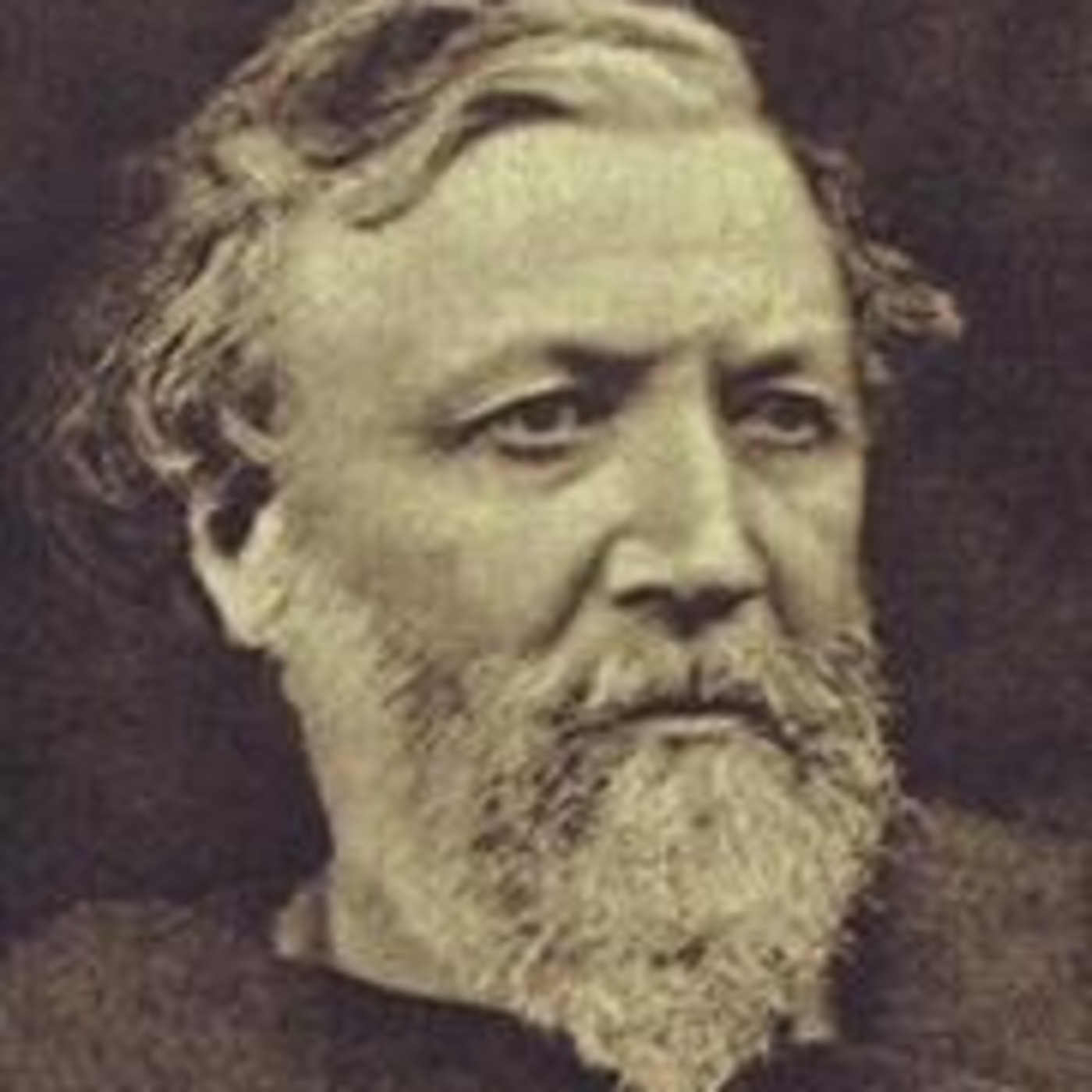
247. One Way of Love by Robert Browning
R. Browning read by Classic Poetry Aloud: http://www.classicpoetryaloud.com/ Giving voice to the poetry of the past. --------------------------------------------- One Way of Love by Robert Browning (1812 – 1889) All June I bound the rose in sheaves. Now, rose by rose, I strip the leaves And strow them where Pauline may pass. She will not turn aside? Alas! Let them lie. Suppose they die? The chance was they might take her eye. How many a month I strove to suit These stubborn fingers to the lute! To-day I venture all I know. She will not hear my music? So! Break the string; fold music’s wing: Suppose Pauline had bade me sing! My whole life long I learn’d to love. This hour my utmost art I prove And speak my passion - heaven or hell? She will not give me heaven? ’T is well! Lose who may - I still can say, Those who win heaven, bless’d are they! For hundreds more poetry readings, visit the Classic Poetry Aloud index. To be notified of new postings, and to receive some extra, short text about each poetry reading, join the mailing list.
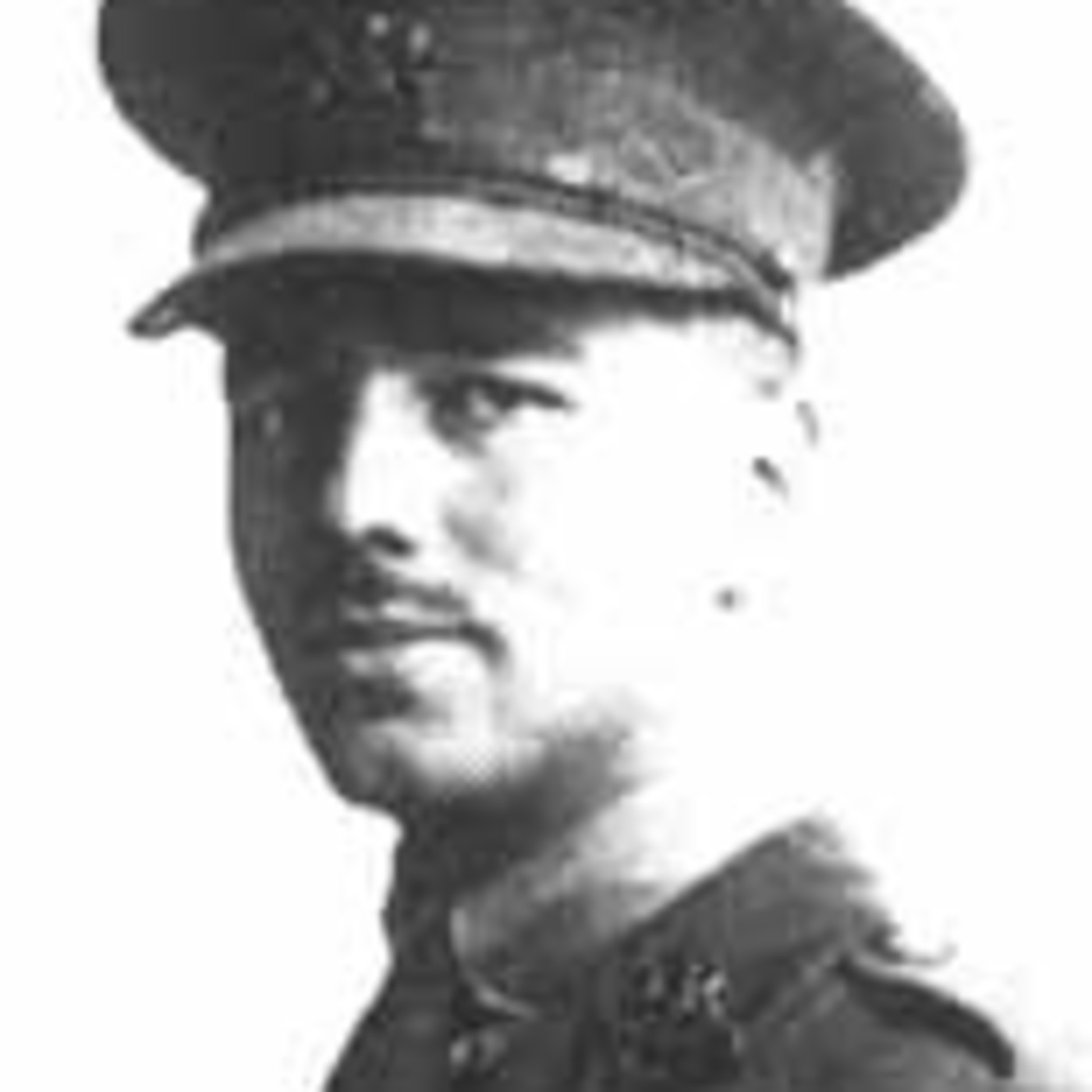
246. Dulce et Decorum Est by Wilfred Owen
Owen read by Classic Poetry Aloud: http://classicpoetryaloud.podomatic.com/ Giving voice to the poetry of the past. --------------------------------------------------- Dulce et Decorum Est by Wilfred Owen Bent double, like old beggars under sacks, Knock-kneed, coughing like hags, we cursed through sludge, Till on the haunting flares we turned our backs And towards our distant rest began to trudge. Men marched asleep. Many had lost their boots But limped on, blood-shod. All went lame; all blind; Drunk with fatigue; deaf even to the hoots Of tired, outstripped Five-Nines that dropped behind. Gas! Gas! Quick, boys! – An ecstasy of fumbling, Fitting the clumsy helmets just in time; But someone still was yelling out and stumbling, And flound'ring like a man in fire or lime . . . Dim, through the misty panes and thick green light, As under a green sea, I saw him drowning. In all my dreams, before my helpless sight, He plunges at me, guttering, choking, drowning. If in some smothering dreams you too could pace Behind the wagon that we flung him in, And watch the white eyes writhing in his face, His hanging face, like a devil's sick of sin; If you could hear, at every jolt, the blood Come gargling from the froth-corrupted lungs, Obscene as cancer, bitter as the cud Of vile, incurable sores on innocent tongues, My friend, you would not tell with such high zest To children ardent for some desperate glory, The old Lie; Dulce et Decorum est Pro patria mori. For hundreds more poetry readings, visit the Classic Poetry Aloud index. To be notified of new postings, and to receive some extra, short text about each poetry reading, join the mailing list.
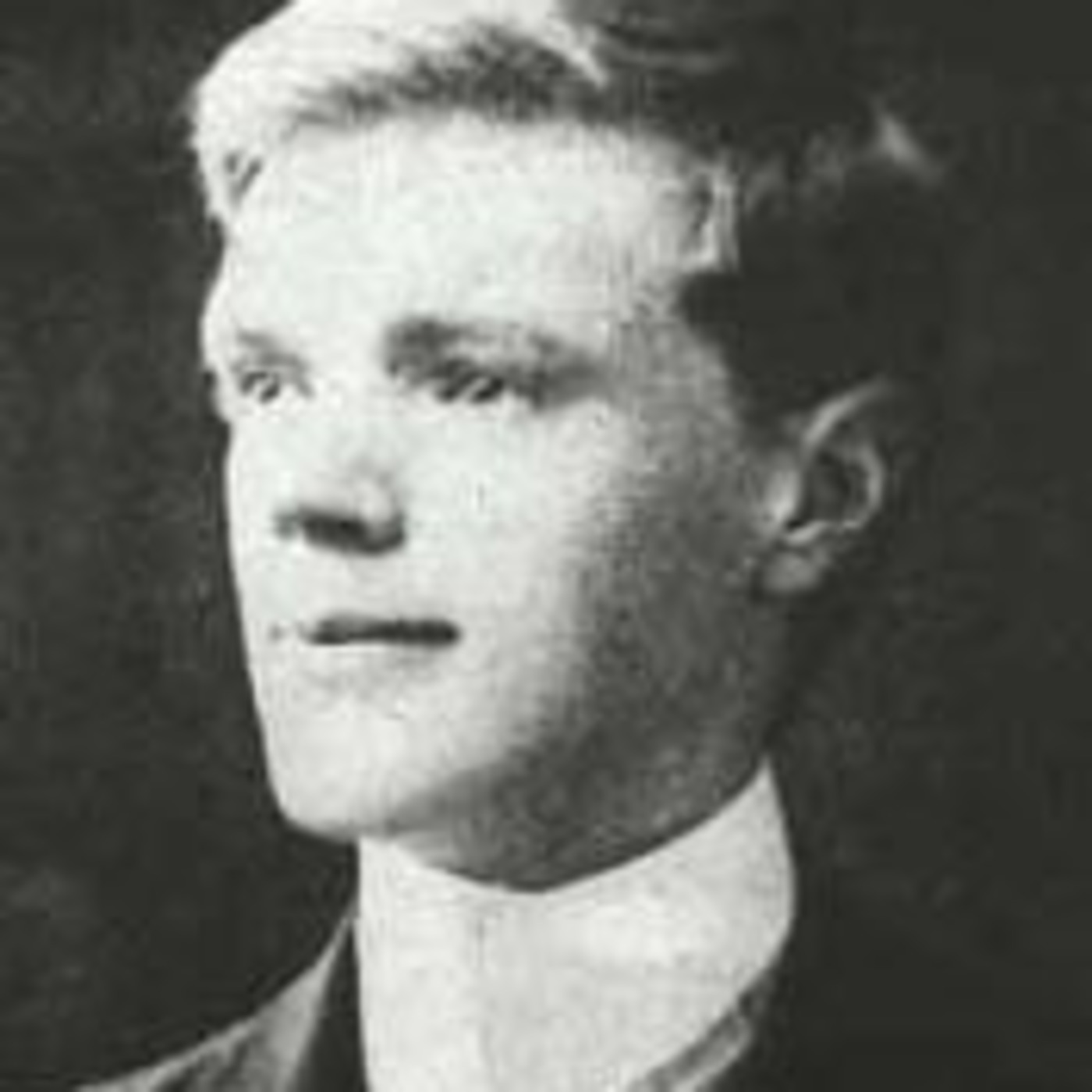
245. Snake by DH Lawrence
Lawrence read by Classic Poetry Aloud: http://www.classicpoetryaloud.com/ Giving voice to the poetry of the past. --------------------------------------------- Snake by DH Lawrence (1885 – 1930) A snake came to my water-trough On a hot, hot day, and I in pyjamas for the heat, To drink there. In the deep, strange-scented shade of the great dark carob tree I came down the steps with my pitcher And must wait, must stand and wait, for there he was at the trough before me. He reached down from a fissure in the earth-wall in the gloom And trailed his yellow-brown slackness soft-bellied down, over the edge of the stone trough And rested his throat upon the stone bottom, And where the water had dripped from the tap, in a small clearness, He sipped with his straight mouth, Softly drank through his straight gums, into his slack long body, Silently. Someone was before me at my water-trough, And I, like a second-comer, waiting. He lifted his head from his drinking, as cattle do, And looked at me vaguely, as drinking cattle do, And flickered his two-forked tongue from his lips, and mused a moment, And stooped and drank a little more, Being earth-brown, earth-golden from the burning bowels of the earth On the day of Sicilian July, with Etna smoking. The voice of my education said to me He must be killed, For in Sicily the black, black snakes are innocent, the gold are venomous. And voices in me said, If you were a man You would take a stick and break him now, and finish him off. But must I confess how I liked him, How glad I was he had come like a guest in quiet, to drink at my water-trough And depart peaceful, pacified, and thankless, Into the burning bowels of this earth? Was it cowardice, that I dared not kill him? Was it perversity, that I longed to talk to him? Was it humility, to feel so honoured? I felt so honoured. And yet those voices: If you were not afraid, you would kill him! And truly I was afraid, I was most afraid, But even so, honoured still more That he should seek my hospitality From out the dark door of the secret earth. He drank enough And lifted his head, dreamily, as one who has drunken, And flickered his tongue like a forked night on the air, so black, Seeming to lick his lips, And looked around like a god, unseeing, into the air, And slowly turned his head, And slowly, very slowly, as if thrice adream, Proceeded to draw his slow length curving round And climb again the broken bank of my wall-face. And as he put his head into that dreadful hole, And as he slowly drew up, snake-easing his shoulders, and entered farther, A sort of horror, a sort of protest against his withdrawing into that horrid black hole, Deliberately going into the blackness, and slowly drawing himself after, Overcame me now his back was turned. I looked round, I put down my pitcher, I picked up a clumsy log And threw it at the water-trough with a clatter. I think it did not hit him, But suddenly that part of him that was left behind convulsed in undignified haste, Writhed like lightning, and was gone Into the black hole, the earth-lipped fissure in the wall-front, At which, in the intense still noon, I stared with fascination. And immediately I regretted it. I thought how paltry, how vulgar, what a mean act! I despised myself and the voices of my accursed human education. And I thought of the albatross, And I wished he would come back, my snake. For he seemed to me again like a king, Like a king in exile, uncrowned in the underworld, Now due to be crowned again. And so, I missed my chance with one of the lords Of life. And I have something to expiate: A pettiness.
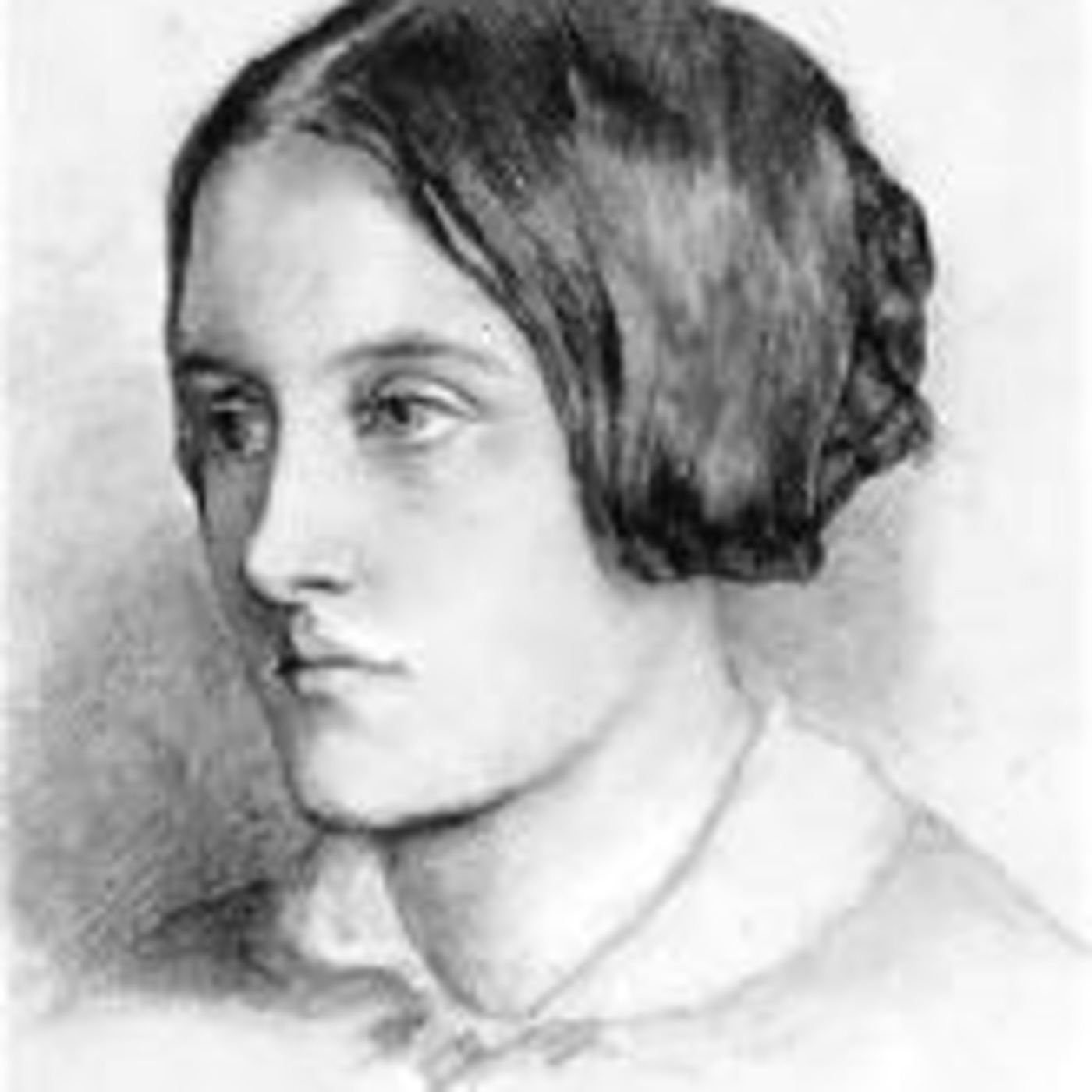
244. May by Christina Rossetti
Rossetti read by Classic Poetry Aloud: http://www.classicpoetryaloud.com/ Giving voice to the poetry of the past. --------------------------------------------- May by Christina Georgina Rossetti(1830 – 1894) I cannot tell you how it was; But this I know: it came to pass Upon a bright and breezy day When May was young; ah, pleasant May! As yet the poppies were not born Between the blades of tender corn; The last eggs had not hatched as yet, Nor any bird forgone its mate. I cannot tell you what it was; But this I know: it did but pass. It passed away with sunny May, With all sweet things it passed away, And left me old, and cold, and grey. For hundreds more poetry readings, visit the Classic Poetry Aloud index. To be notified of new postings, and to receive some extra, short text about each poetry reading, join the mailing list.
243. Matin Song by Thomas Heywood
Heywood read by Classic Poetry Aloud: http://www.classicpoetryaloud.com/ Giving voice to the poetry of the past. --------------------------------------------- Matin Song by Thomas Heywood(1575? – 1650) Pack, clouds, away! and welcome, day! With night we banish sorrow. Sweet air, blow soft; mount, lark, aloft To give my Love good-morrow! Wings from the wind to please her mind, Notes from the lark I'll borrow: Bird, prune thy wing! nightingale, sing! To give my Love good-morrow! To give my Love good-morrow Notes from them all I'll borrow. Wake from thy nest, robin red-breast! Sing, birds, in every furrow! And from each bill let music shrill Give my fair Love good-morrow! Blackbird and thrush in every bush, Stare, linnet, and cocksparrow, You pretty elves, among yourselves Sing my fair Love good-morrow! To give my Love good-morrow! Sing, birds, in every furrow! For hundreds more poetry readings, visit the Classic Poetry Aloud index. To be notified of new postings, and to receive some extra, short text about each poetry reading, join the mailing list.
242. A Quoi Bon Dire by Charlotte Mew
Charlotte Mew read by Classic Poetry Aloud: http://www.classicpoetryaloud.com/ Giving voice to the poetry of the past. --------------------------------------------- A Quoi Bon Dire by Charlotte Mew(1869 – 1928) Seventeen years ago you said Something that sounded like Good-bye; And everybody thinks that you are dead, But I. So I, as I grow stiff and cold To this and that say Good-bye too; And everybody sees that I am old But you. And one fine morning in a sunny lane Some boy and girl will meet and kiss and swear That nobody can love their way again While over there You will have smiled, I shall have tossed your hair. For hundreds more poetry readings, visit the Classic Poetry Aloud index. To be notified of new postings, and to receive some extra, short text about each poetry reading, join the mailing list.
241. Song by Christina Georgina Rossetti
CG Rossetti read by Classic Poetry Aloud: http://www.classicpoetryaloud.com/ Giving voice to the poetry of the past. --------------------------------------------- Song by Christina Georgina Rossetti(1830 – 1894) When I am dead, my dearest, Sing no sad songs for me; Plant thou no roses at my head, Nor shady cypress tree: Be the green grass above me With showers and dewdrops wet; And if thou wilt, remember, And if thou wilt, forget. I shall not see the shadows, I shall not feel the rain; I shall not hear the nightingale Sing on, as if in pain: And dreaming through the twilight That doth not rise nor set, Haply I may remember, And haply may forget. For hundreds more poetry readings, visit the Classic Poetry Aloud index. To be notified of new postings, and to receive some extra, short text about each poetry reading, join the mailing list.
240. The Latest Decalogue by Arthur Hugh Clough
The Latest Decalogue by Arthur Hugh Clough (1819-1861) Thou shalt have one God only; who Would be at the expense of two? No graven images may be Worshipped, except the currency: Swear not at all; for, for thy curse Thine enemy is none the worse: At church on Sunday to attend Will serve to keep the world thy friend: Honour thy parents; that is, all From whom advancement may befall: Thou shalt not kill, but need'st not strive Officiously to keep alive: Do not adultery commit; Advantage rarely comes of it: Thou shalt not steal; an empty feat, When it's so lucrative to cheat: Bear not false witness; let the lie Have time on its own wings to fly: Thou shalt not covet; but tradition Approves all forms of competition. The sum of all is, thou shalt love, If anybody, God above: At any rate shall never labour _More_ than thyself to love thy neighbour.
The Arrow and the Song by Henry Wadsworth Longfellow
The Arrow and the Song by Henry Wadsworth Longfellow Longfellow read by Classic Poetry Aloud: http://www.classicpoetryaloud.com/ Giving voice to the poetry of the past. --------------------------------------------- The Arrow and the Song by Henry Wadsworth Longfellow(1807 – 1882) I shot an arrow into the air, It fell to earth, I knew not where; For, so swiftly it flew, the sight Could not follow it in its flight. I breathed a song into the air, It fell to earth, I knew not where; For who has sight so keen and strong That it can follow the flight of song? Long, long afterward, in an oak I found the arrow, still unbroke; And the song, from beginning to end, I found again in the heart of a friend. If you enjoyed this, why not become a fan of Classic Poetry Aloud? To be notified of new postings, and to receive some extra, short text about each poetry reading, join the mailing list.
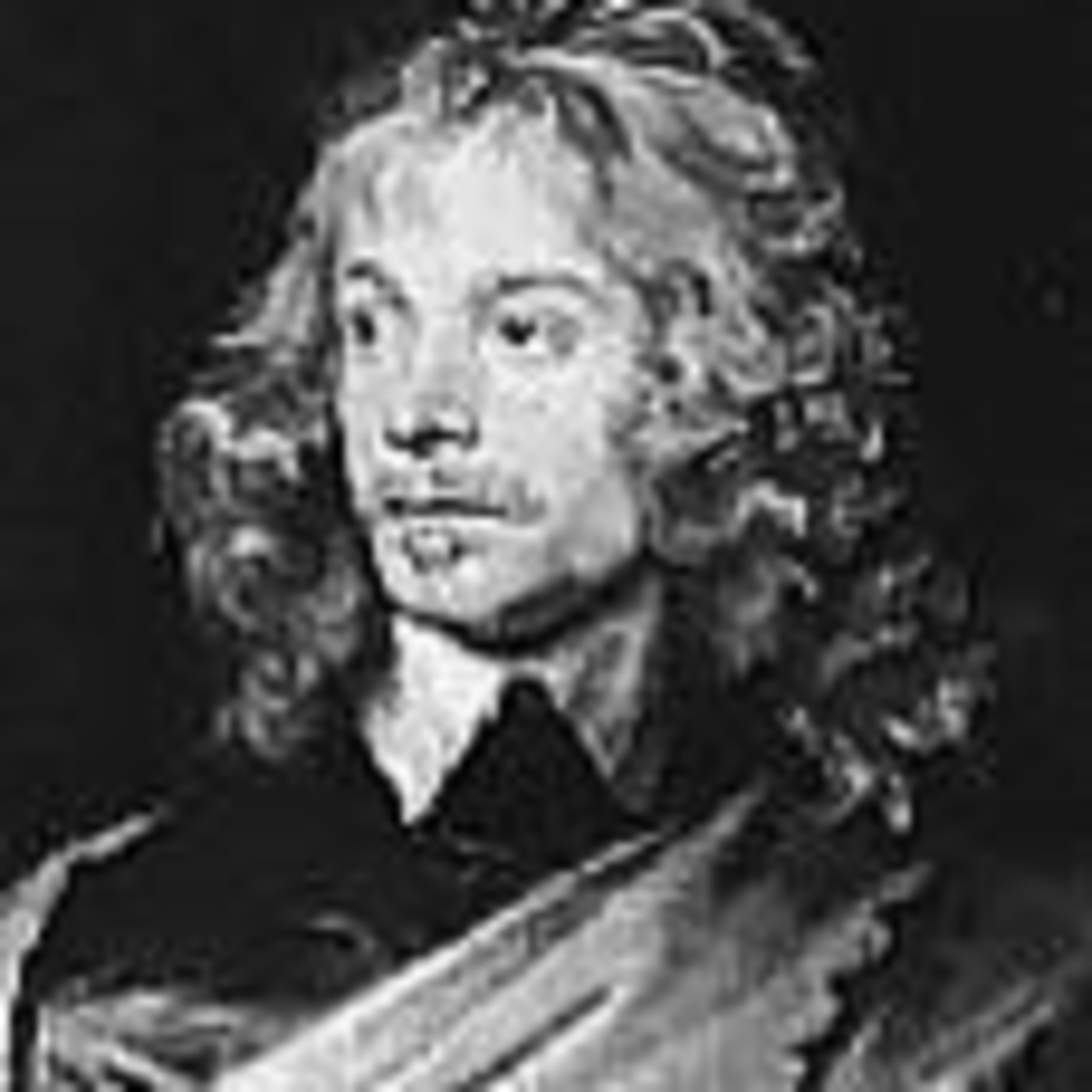
Why So Pale and Wan? by Sir John Suckling
Suckling read by Classic Poetry Aloud: http://www.classicpoetryaloud.com/ Giving voice to the poetry of the past. --------------------------------------------- Why So Pale and Wan? by Sir John Suckling (1609 – 1642) Why so pale and wan, fond lover? Prithee, why so pale? Will, when looking well can't move her, Looking ill prevail? Prithee, why so pale? Why so dull and mute, young sinner? Prithee, why so mute? Will, when speaking well can't win her, Saying nothing do 't? Prithee, why so mute? Quit, quit for shame! This will not move; This cannot take her. If of herself she will not love, Nothing can make her: The devil take her! If you enjoyed this, why not become a fan of Classic Poetry Aloud? To be notified of new postings, and to receive some extra, short text about each poetry reading, join the mailing list.
The One White Hair by Walter Savage Landor
Landor read by Classic Poetry Aloud: http://www.classicpoetryaloud.com/ Giving voice to the poetry of the past. --------------------------------------------- The One White Hair by Walter Savage Landor (1775 – 1864) The wisest of the wise Listen to pretty lies And love to hear'em told. Doubt not that Solomon Listened to many a one, - Some in his youth, and more when he grew old. I never was among The choir of Wisdom's song, But pretty lies loved I As much as any king, When youth was on the wing, And (must it then be told?) when youth had quite gone by. Alas! and I have not The pleasant hour forgot When one pert lady said, "O Walter! I am quite Bewildered with affright! I see (sit quiet now) a white hair on your head!" Another more benign Snipped it away from mine, And in her own dark hair Pretended it was found … She leaped, and twirled it round … Fair as she was, she never was so fair!
To Toussaint L'Ouverture by William Wordsworth
Wordsworth read by Classic Poetry Aloud: http://www.classicpoetryaloud.com/ Giving voice to the poetry of the past. --------------------------------------------- To Toussaint L'Ouverture by William Wordsworth (1770 – 1850) Toussaint, the most unhappy man of men! Whether the whistling Rustic tend his plough Within thy hearing, or thy head be now Pillowed in some deep dungeon's earless den; - O miserable Chieftain! where and when Wilt thou find patience? Yet die not; do thou Wear rather in thy bonds a cheerful brow: Though fallen thyself, never to rise again, Live, and take comfort. Thou hast left behind Powers that will work for thee; air, earth, and skies; There's not a breathing of the common wind That will forget thee; thou hast great allies; Thy friends are exultations, agonies, And love, and man's unconquerable mind.
I am Lonely by George Eliot
George Eliot read by Classic Poetry Aloud: http://www.classicpoetryaloud.com/ Giving voice to the poetry of the past. --------------------------------------------- I am Lonely by George Eliot (1819 – 1880) The world is great: the birds all fly from me, The stars are golden fruit upon a tree All out of reach: my little sister went, And I am lonely. The world is great: I tried to mount the hill Above the pines, where the light lies so still, But it rose higher: little Lisa went And I am lonely. The world is great: the wind comes rushing by. I wonder where it comes from; sea birds cry And hurt my heart: my little sister went, And I am lonely. The world is great: the people laugh and talk, And make loud holiday: how fast they walk! I'm lame, they push me: little Lisa went, And I am lonely.
From the vault: The Windhover by Gerard Manley Hopkins
Hopkins read by Classic Poetry Aloud: http://classicpoetryaloud.podomatic.com/ Giving voice to the poetry of the past. --------------------------------------------------- The Windhover To Christ our Lord by Gerard Manley Hopkins I caught this morning morning’s minion, king- dom of daylight’s dauphin, dapple-dawn-drawn Falcon, in his riding Of the rolling level underneath him steady air, and striding High there, how he rung upon the rein of a wimpling wing In his ecstasy! then off, off forth on swing, As a skate’s heel sweeps smooth on a bow-bend: the hurl and gliding Rebuffed the big wind. My heart in hiding Stirred for a bird,—the achieve of; the mastery of the thing! Brute beauty and valour and act, oh, air, pride, plume, here Buckle! AND the fire that breaks from thee then, a billion Times told lovelier, more dangerous, O my chevalier! No wonder of it: shéer plód makes plough down sillion Shine, and blue-bleak embers, ah my dear, Fall, gall themselves, and gash gold-vermillion. First aired 28 July 2007
Recessional by Rudyard Kipling
Kipling read by Classic Poetry Aloud: http://www.classicpoetryaloud.com/ Giving voice to the poetry of the past. --------------------------------------------- Recessional by Rudyard Kipling (1865 – 1936) God of our fathers, known of old – Lord of our far-flung battle-line – Beneath whose awful Hand we hold Dominion over palm and pine – Lord God of Hosts, be with us yet, Lest we forget, lest we forget! The tumult and the shouting dies – The captains and the kings depart – Still stands Thine ancient sacrifice, An humble and a contrite heart. Lord God of Hosts, be with us yet, Lest we forget, lest we forget! Far-call'd our navies melt away – On dune and headland sinks the fire – Lo, all our pomp of yesterday Is one with Nineveh and Tyre! Judge of the Nations, spare us yet, Lest we forget, lest we forget! If, drunk with sight of power, we loose Wild tongues that have not Thee in awe – Such boasting as the Gentiles use Or lesser breeds without the Law – Lord God of Hosts, be with us yet, Lest we forget, lest we forget! For heathen heart that puts her trust In reeking tube and iron shard – All valiant dust that builds on dust, And guarding calls not Thee to guard – For frantic boast and foolish word, Thy Mercy on Thy People, Lord!
Delight in Disorder by Robert Herrick
Herrick read by Classic Poetry Aloud: http://www.classicpoetryaloud.com/ Giving voice to the poetry of the past. --------------------------------------------- Delight in Disorder by Robert Herrick (1591 – 1674) A sweet disorder in the dress Kindles in clothes a wantonness:– A lawn about the shoulders thrown Into a fine distractión,– An erring lace, which here and there Enthrals the crimson stomacher,– A cuff neglectful, and thereby Ribbands to flow confusedly,– A winning wave, deserving note, In the tempestuous petticoat,– A careless shoe-string, in whose tie I see a wild civility,– Do more bewitch me, than when art Is too precise in every part.
Poetry of Spring in Occasional Miscellany 7 - Marking One Year of Classic Poetry Aloud
CG Rossetti read by Classic Poetry Aloud: http://www.classicpoetryaloud.com/ Giving voice to the poetry of the past. --------------------------------------------- Who Has Seen the Wind? by Christina G. Rossetti (1830 – 1894) Who has seen the wind? Neither I nor you; But when the leaves hang trembling The wind is passing through. Who has seen the wind? Neither you nor I; But when the trees bow down their heads The wind is passing by. The Rainbow by William Wordsworth (1770 – 1850) My heart leaps up when I behold A rainbow in the sky: So was it when my life began; So is it now I am a man; So be it when I shall grow old, Or let me die! The Child is father of the Man; I could wish my days to be Bound each to each by natural piety. CXVII From Complete Poems By Emily Dickinson (1830 – 1886) The inundation of the Spring Submerges every soul, It sweeps the tenement away But leaves the water whole. In which the Soul, at first alarmed, Seeks furtive for its shore, But acclimated, gropes no more For that Peninsular. A Petition by Thomas Bailey Aldrich (1836 – 1907) To spring belongs the violet, and the blown Spice of the roses let the summer own. Grant me this favor, Muse–all else withhold– That I may not write verse when I am old. And yet I pray you, Muse, delay the time! Be not too ready to deny me rhyme; And when the hour strikes, as it must, dear Muse, I beg you very gently break the news.
Tears Idle Tears by Alfred Lord Tennyson
Tennyson read by Classic Poetry Aloud: http://www.classicpoetryaloud.com/ Giving voice to the poetry of the past. --------------------------------------------- Songs from “The Princess.” IV. Tears, Idle Tears by Alfred, Lord Tennyson (1809 – 1892) Tears, idle tears, I know not what they mean, Tears from the depth of some divine despair Rise in the heart, and gather to the eyes, In looking on the happy Autumn-fields, And thinking of the days that are no more. Fresh as the first beam glittering on a sail, That brings our friends up from the underworld, Sad as the last which reddens over one That sinks with all we love below the verge; So sad, so fresh, the days that are no more. Ah, sad and strange as in dark summer dawns The earliest pipe of half-awaken’d birds To dying ears, when unto dying eyes The casement slowly grows a glimmering square; So sad, so strange, the days that are no more. Dear as remember’d kisses after death, And sweet as those by hopeless fancy feign’d On lips that are for others; deep as love, Deep as first love, and wild with all regret; O Death in Life, the days that are no more.
If by Rudyard Kipling redux
Kipling read by Classic Poetry Aloud: http://classicpoetryaloud.podomatic.com/ Giving voice to the poetry of the past. This reading is part of Classic Poetry Aloud's celebration of one year of poetry podcasting (that's over 200 readings!). Donations to support Classic Poetry Aloud for another year would be welcome, just visit http://classicpoetryaloud.wordpress.com/ and click the 'PayPal Donate' button. --------------------------------------------------- If by Rudyard kipling If you can keep your head when all about you Are losing theirs and blaming it on you, If you can trust yourself when all men doubt you, But make allowance for their doubting too; If you can wait and not be tired by waiting, Or being lied about, don't deal in lies, Or being hated, don't give way to hating, And yet don't look too good, nor talk too wise: If you can dream - and not make dreams your master; If you can think - and not make thoughts your aim; If you can meet with Triumph and Disaster And treat those two impostors just the same; If you can bear to hear the truth you've spoken Twisted by knaves to make a trap for fools, Or watch the things you gave your life to, broken, And stoop and build 'em up with worn-out tools: If you can make one heap of all your winnings And risk it on one turn of pitch-and-toss, And lose, and start again at your beginnings And never breathe a word about your loss; If you can force your heart and nerve and sinew To serve your turn long after they are gone, And so hold on when there is nothing in you Except the Will which says to them: 'Hold on!' If you can talk with crowds and keep your virtue, ' Or walk with Kings - nor lose the common touch, if neither foes nor loving friends can hurt you, If all men count with you, but none too much; If you can fill the unforgiving minute With sixty seconds' worth of distance run, Yours is the Earth and everything that's in it, And - which is more - you'll be a Man, my son!
Kubla Khan by Samuel Taylor Coleridge redux
Coleridge read by Classic Poetry Aloud: http://www.classicpoetryaloud.com/ Giving voice to the poetry of the past. This reading is part of Classic Poetry Aloud's celebration of one year of poetry podcasting (that's over 200 readings!). Donations to support Classic Poetry Aloud for another year would be welcome, just visit http://classicpoetryaloud.wordpress.com/ and click the 'PayPal Donate' button. --------------------------------------------------- Kubla Khan by Samuel Taylor Coleridge IN Xanadu did Kubla Khan A stately pleasure-dome decree: Where Alph, the sacred river, ran Through caverns measureless to man Down to a sunless sea. So twice five miles of fertile ground With walls and towers were girdled round: And there were gardens bright with sinuous rills Where blossom'd many an incense-bearing tree; And here were forests ancient as the hills, Enfolding sunny spots of greenery. But O, that deep romantic chasm which slanted Down the green hill athwart a cedarn cover! A savage place! as holy and enchanted As e'er beneath a waning moon was haunted By woman wailing for her demon-lover! And from this chasm, with ceaseless turmoil seething, As if this earth in fast thick pants were breathing, A mighty fountain momently was forced; Amid whose swift half-intermitted burst Huge fragments vaulted like rebounding hail, Or chaffy grain beneath the thresher's flail: And 'mid these dancing rocks at once and ever It flung up momently the sacred river. Five miles meandering with a mazy motion Through wood and dale the sacred river ran, Then reach'd the caverns measureless to man, And sank in tumult to a lifeless ocean: And 'mid this tumult Kubla heard from far Ancestral voices prophesying war! The shadow of the dome of pleasure Floated midway on the waves; Where was heard the mingled measure From the fountain and the caves. It was a miracle of rare device, A sunny pleasure-dome with caves of ice! A damsel with a dulcimer In a vision once I saw: It was an Abyssinian maid, And on her dulcimer she play'd, Singing of Mount Abora. Could I revive within me, Her symphony and song, To such a deep delight 'twould win me, That with music loud and long, I would build that dome in air, That sunny dome! those caves of ice! And all who heard should see them there, And all should cry, Beware! Beware! His flashing eyes, his floating hair! Weave a circle round him thrice, And close your eyes with holy dread, For he on honey-dew hath fed, And drunk the milk of Paradise.
Death by John Donne
Donne read by Classic Poetry Aloud: http://classicpoetryaloud.podomatic.com/ Giving voice to the poetry of the past. This reading is part of Classic Poetry Aloud's celebration of one year of poetry podcasting (that's over 200 readings!). Donations to support Classic Poetry Aloud for another year would be welcome, just visit http://classicpoetryaloud.wordpress.com/ and click the 'PayPal Donate' button. --------------------------------------------------- Death by John Donne Death be not proud, though some have called thee Mighty and dreadfull, for, thou art not so, For, those, whom thou think'st, thou dost overthrow, Die not, poore death, nor yet canst thou kill me. From rest and sleepe, which but thy pictures bee, Much pleasure, then from thee, much more must flow, And soonest our best men with thee doe goe, Rest of their bones, and soules deliverie. Thou art slave to Fate, Chance, kings, and desperate men, And dost with poyson, warre, and sicknesse dwell, And poppie, or charmes can make us sleepe as well, And better then thy stroake; why swell'st thou then; One short sleepe past, wee wake eternally, And death shall be no more; death, thou shalt die.
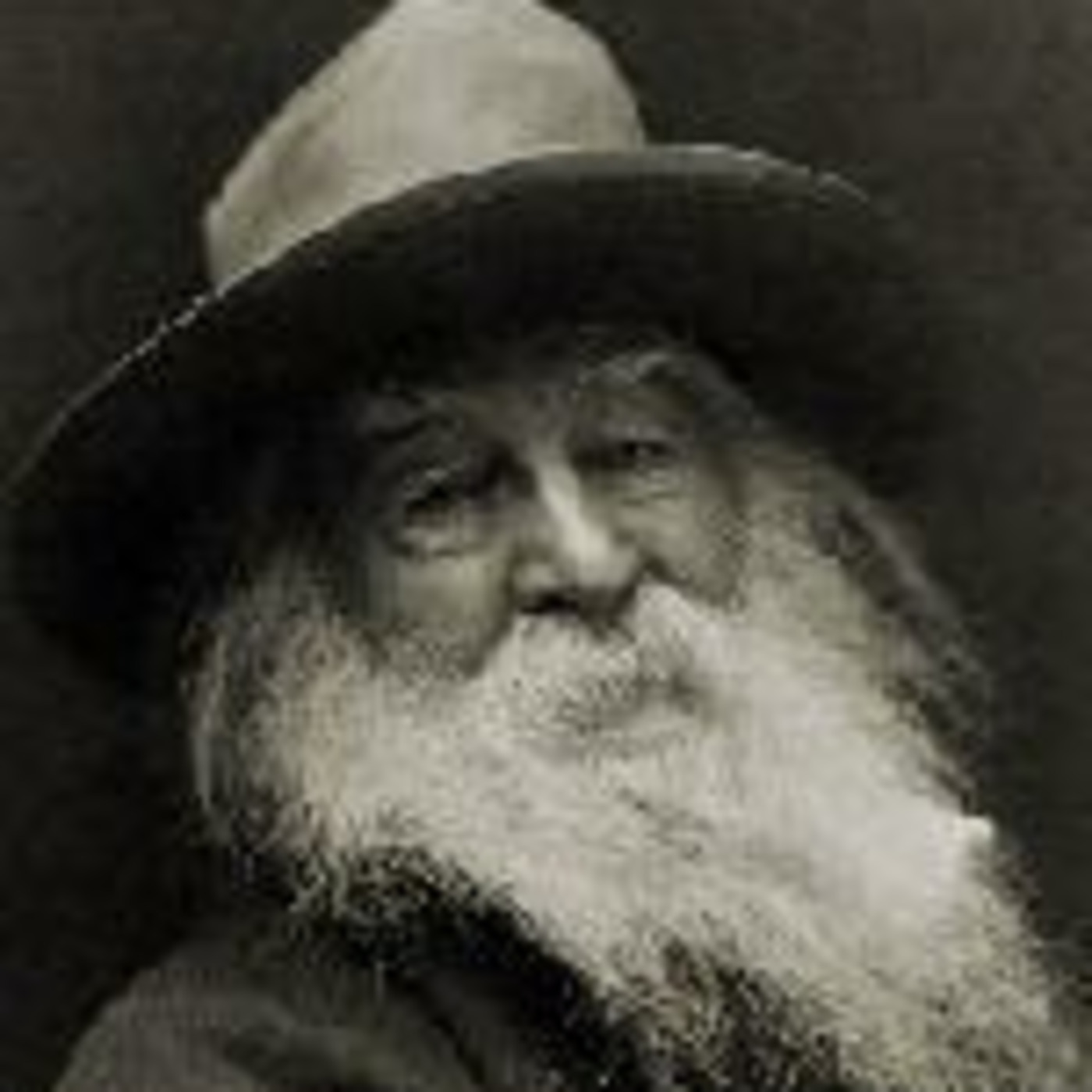
O Captain! My Captain! by Walt Whitman redux
Whitman read by Classic Poetry Aloud: http://www.classicpoetryaloud.com/ Giving voice to the poetry of the past. This reading is part of Classic Poetry Aloud's celebration of one year of poetry podcasting (that's over 200 readings!). Donations to support Classic Poetry Aloud for another year would be welcome, just visit http://classicpoetryaloud.wordpress.com/ and click the 'PayPal Donate' button. --------------------------------------------------- O Captain! My Captain! by Walt Whitman (1819 – 1892) O CAPTAIN! my Captain! our fearful trip is done; The ship has weather’d every rack, the prize we sought is won; The port is near, the bells I hear, the people all exulting, While follow eyes the steady keel, the vessel grim and daring: But O heart! heart! heart! O the bleeding drops of red, Where on the deck my Captain lies, Fallen cold and dead. O Captain! my Captain! rise up and hear the bells; Rise up—for you the flag is flung—for you the bugle trills; For you bouquets and ribbon’d wreaths—for you the shores a-crowding; For you they call, the swaying mass, their eager faces turning; Here Captain! dear father! This arm beneath your head; It is some dream that on the deck, You’ve fallen cold and dead. My Captain does not answer, his lips are pale and still; My father does not feel my arm, he has no pulse nor will; The ship is anchor’d safe and sound, its voyage closed and done; From fearful trip, the victor ship, comes in with object won; Exult, O shores, and ring, O bells! But I, with mournful tread, Walk the deck my Captain lies, Fallen cold and dead.
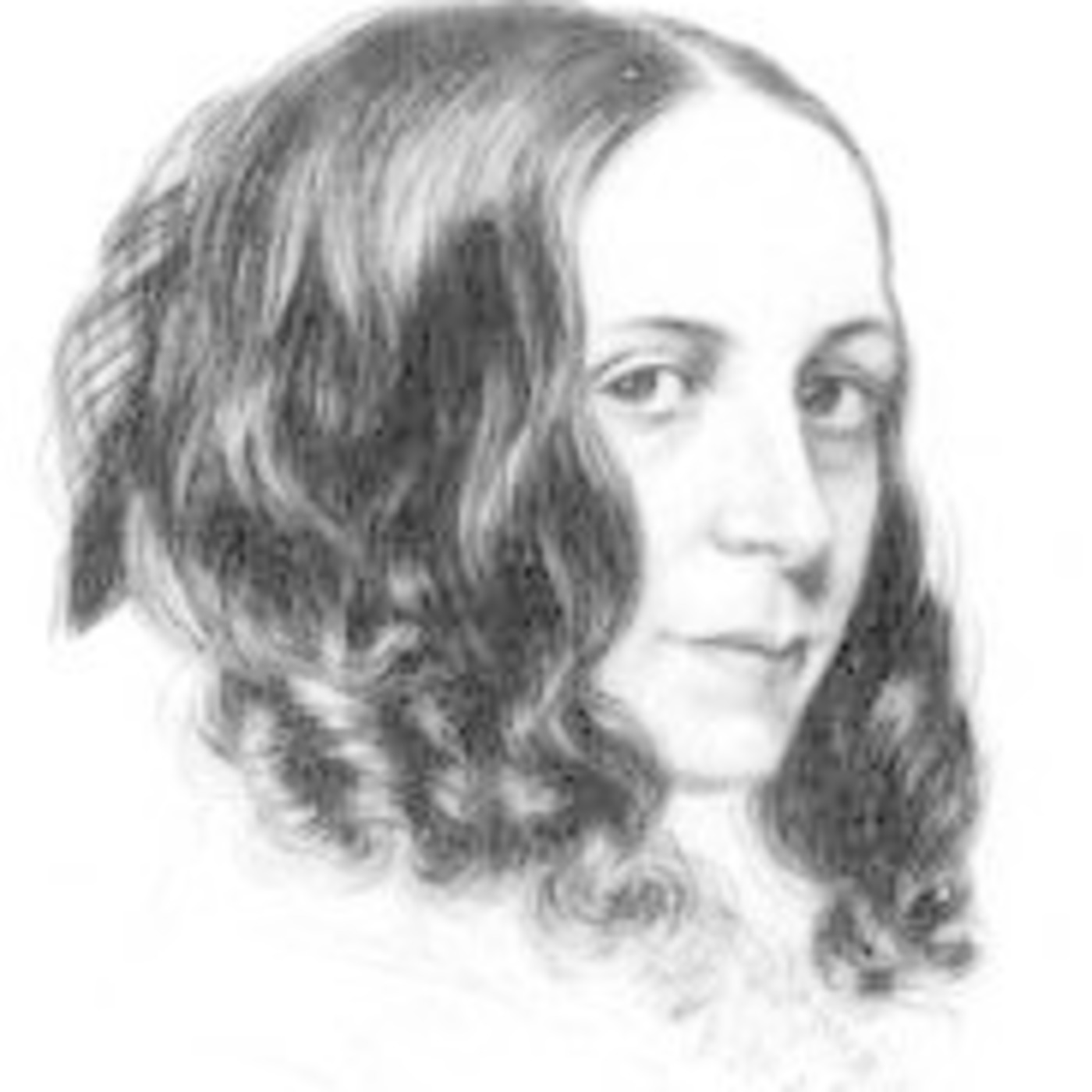
How Do I Love Thee? by Elizabeth Barrett Browning redux
Elizabeth Barrett Browning read by Classic Poetry Aloud: http://www.classicpoetryaloud.com/ Giving voice to the poetry of the past. This reading is part of Classic Poetry Aloud's celebration of one year of poetry podcasting (that's over 200 readings!). Donations to support Classic Poetry Aloud for another year would be welcome, just visit http://classicpoetryaloud.wordpress.com/ and click the 'PayPal Donate' button. --------------------------------------------------- How Do I Love Thee? by Elizabeth Barrett Browning (1806–1861) How do I love thee? Let me count the ways. I love thee to the depth and breadth and height My soul can reach, when feeling out of sight For the ends of Being and ideal Grace. I love thee to the level of everyday’s Most quiet need, by sun and candle-light. I love thee freely, as men strive for Right; I love thee purely, as they turn from Praise. I love thee with the passion put to use In my old griefs, and with my childhood’s faith. I love thee with a love I seemed to lose With my lost saints,—I love thee with the breath, Smiles, tears, of all my life!—and, if God choose, I shall but love thee better after death.
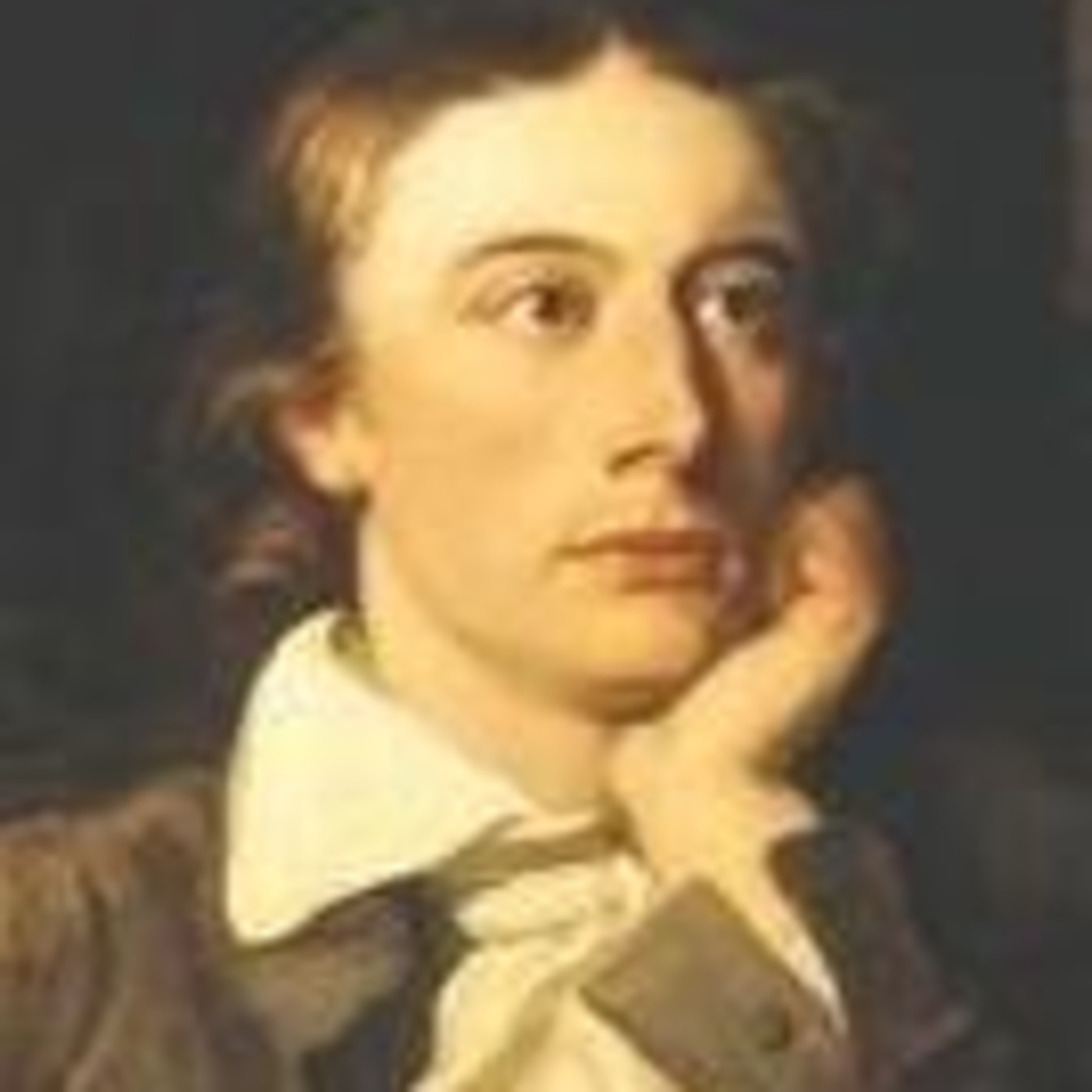
Ode on a Grecian Urn by John Keats redux
Keats read by Classic Poetry Aloud: http://classicpoetryaloud.podomatic.com/ Giving voice to classic poetry. --------------------------------------------------- Ode on a Grecian Urn by John Keats Thou still unravish'd bride of quietness, Thou foster-child of Silence and slow Time, Sylvan historian, who canst thus express A flowery tale more sweetly than our rhyme: What leaf-fringed legend haunts about thy shape Of deities or mortals, or of both, In Tempe or the dales of Arcady? What men or gods are these? What maidens loth? What mad pursuit? What struggle to escape? What pipes and timbrels? What wild ecstasy? Heard melodies are sweet, but those unheard Are sweeter; therefore, ye soft pipes, play on; Not to the sensual ear, but, more endear'd, Pipe to the spirit ditties of no tone: Fair youth, beneath the trees, thou canst not leave Thy song, nor ever can those trees be bare; Bold Lover, never, never canst thou kiss, Though winning near the goal—yet, do not grieve; She cannot fade, though thou hast not thy bliss, For ever wilt thou love, and she be fair! Ah, happy, happy boughs! that cannot shed Your leaves, nor ever bid the Spring adieu; And, happy melodist, unwearièd, For ever piping songs for ever new; More happy love! more happy, happy love! For ever warm and still to be enjoy'd, For ever panting, and for ever young; All breathing human passion far above, That leaves a heart high-sorrowful and cloy'd, A burning forehead, and a parching tongue. Who are these coming to the sacrifice? To what green altar, O mysterious priest, Lead'st thou that heifer lowing at the skies, And all her silken flanks with garlands drest? What little town by river or sea-shore, Or mountain-built with peaceful citadel, Is emptied of its folk, this pious morn? And, little town, thy streets for evermore Will silent be; and not a soul, to tell Why thou art desolate, can e'er return. O Attic shape! fair attitude! with brede Of marble men and maidens overwrought, With forest branches and the trodden weed; Thou, silent form! dost tease us out of thought As doth eternity: Cold Pastoral! When old age shall this generation waste, Thou shalt remain, in midst of other woe Than ours, a friend to man, to whom thou say'st, 'Beauty is truth, truth beauty,—that is all Ye know on earth, and all ye need to know.' You can find more readings of Keats' poetry at: http://classicpoetryaloud.wordpress.com/category/John-Keats/
Ozymandias by Percy Bysshe Shelley and an Introduction to Classic Poetry Aloud Week
Shelley read by Classic Poetry Aloud: http://www.classicpoetryaloud.com/ Giving voice to the poetry of the past. --------------------------------------------- Ozymandias of Egypt Percy Bysshe Shelley (1792 – 1822) I met a traveller from an antique land Who said:—Two vast and trunkless legs of stone Stand in the desert. Near them on the sand, Half sunk, a shatter'd visage lies, whose frown And wrinkled lip and sneer of cold command Tell that its sculptor well those passions read Which yet survive, stamp'd on these lifeless things, The hand that mock'd them and the heart that fed. And on the pedestal these words appear: "My name is Ozymandias, king of kings: Look on my works, ye mighty, and despair!" Nothing beside remains: round the decay Of that colossal wreck, boundless and bare, The lone and level sands stretch far away.
The Grass so little has to do by Emily Dickinson
Dickinson read by Classic Poetry Aloud: http://www.classicpoetryaloud.com/ Giving voice to the poetry of the past. --------------------------------------------- The Grass so little has to do by Emily Dickinson (1830 – 1886) The Grass so little has to do – A Sphere of simple Green – With only Butterflies to brood And Bees to entertain – And stir all day to pretty Tunes The Breezes fetch along – And hold the Sunshine in its lap And bow to everything – And thread the Dews, all night, like Pearls – And make itself so fine A Duchess were too common For such a noticing – And even when it dies – to pass In Odors so divine – Like Lowly spices, lain to sleep – Or Spikenards, perishing – And then, in Sovereign Barns to dwell – And dream the Days away, The Grass so little has to do I wish I were a Hay –
Solitude by Harold Munro
Munro read by Classic Poetry Aloud: http://www.classicpoetryaloud.com/ Giving voice to the poetry of the past. --------------------------------------------- Solitude by Harold Munro (1879 – 1932) When you have tidied all things for the night, And while your thoughts are fading to their sleep, You'll pause a moment in the late firelight, Too sorrowful to weep. The large and gentle furniture has stood In sympathetic silence all the day With that old kindness of domestic wood; Nevertheless the haunted room will say: "Someone must be away." The little dog rolls over half awake, Stretches his paws, yawns, looking up at you, Wags his tail very slightly for your sake, That you may feel he is unhappy too. A distant engine whistles, or the floor Creaks, or the wandering night-wind bangs a door Silence is scattered like a broken glass. The minutes prick their ears and run about, Then one by one subside again and pass Sedately in, monotonously out. You bend your head and wipe away a tear. Solitude walks one heavy step more near.
Envoy by Francis Thompson
Thompson read by Classic Poetry Aloud: http://www.classicpoetryaloud.com/ Giving voice to the poetry of the past. --------------------------------------------- Envoy by Francis Thompson Go, songs, for ended is our brief, sweet play; Go, children of swift joy and tardy sorrow: And some are sung, and that was yesterday, And some unsung, and that may be to-morrow. Go forth; and if it be o'er stony way, Old joy can lend what newer grief must borrow: And it was sweet, and that was yesterday, And sweet is sweet, though purchas-ed with sorrow. Go, songs, and come not back from your far way: And if men ask you why ye smile and sorrow, Tell them ye grieve, for your hearts know To-day, Tell them ye smile, for your eyes know To-morrow.
The World is too Much With Us by William Wordsworth
Wordsworth read by Classic Poetry Aloud: http://www.classicpoetryaloud.com/ Giving voice to the poetry of the past. --------------------------------------------- The World is too Much With Us by William Wordsworth (1770 – 1850) The world is too much with us; late and soon, Getting and spending, we lay waste our powers: Little we see in Nature that is ours; We have given our hearts away, a sordid boon! The Sea that bares her bosom to the moon; The winds that will be howling at all hours, And are up-gathered now like sleeping flowers; For this, for everything, we are out of tune; It moves us not.--Great God! I'd rather be A Pagan suckled in a creed outworn; So might I, standing on this pleasant lea, Have glimpses that would make me less forlorn; Have sight of Proteus rising from the sea; Or hear old Triton blow his wreathed horn.
To His Coy Mistress by Andrew Marvell
Marvell read by Classic Poetry Aloud: http://classicpoetryaloud.podomatic.com/ Giving voice to classic poetry. --------------------------------------------------- To His Coy Mistress by Andrew Marvell Has we but world enough, and time, This coyness, Lady, were no crime We would sit down and think which way To walk and pass our long love's day. Thou by the Indian Ganges' side Shouldst rubies find: I by the tide Of Humber would complain. I would Love you ten years before the Flood, And you should, if you please, refuse Till the conversion of the Jews. My vegetable love should grow Vaster than empires, and more slow; An hundred years should go to praise Thine eyes and on thy forehead gaze; Two hundred to adore each breast, But thirty thousand to the rest; An age at least to every part, And the last age should show your heart. For, Lady, you deserve this state, Nor would I love at lower rate. But at my back I always hear Time's wingèd chariot hurrying near; And yonder all before us lie Deserts of vast eternity. Thy beauty shall no more be found, Nor, in thy marble vault, shall sound My echoing song: then worms shall try That long preserved virginity, And your quaint honour turn to dust, And into ashes all my lust: The grave 's a fine and private place, But none, I think, do there embrace. Now therefore, while the youthful hue Sits on thy skin like morning dew, And while thy willing soul transpires At every pore with instant fires, Now let us sport us while we may, And now, like amorous birds of prey, Rather at once our time devour Than languish in his slow-chapt power. Let us roll all our strength and all Our sweetness up into one ball, And tear our pleasures with rough strife Thorough the iron gates of life: Thus, though we cannot make our sun Stand still, yet we will make him run. First aired July 2007
The Call by Charlotte Mew
Mew read by Classic Poetry Aloud: http://www.classicpoetryaloud.com/ Giving voice to the poetry of the past. --------------------------------------------- The Call by Charlotte Mew (1869 – 1928) From our low seat beside the fire Where we have dozed and dreamed and watched the glow Or raked the ashes, stopping so We scarcely saw the sun or rain Above, or looked much higher Than this same quiet red or burned-out fire. To-night we heard a call, A rattle on the window-pane, A voice on the sharp air, And felt a breath stirring our hair, A flame within us: Something swift and tall Swept in and out and that was all. Was it a bright or a dark angel? Who can know? It left no mark upon the snow, But suddenly it snapped the chain Unbarred, flung wide the door Which will not shut again; And so we cannot sit here any more. We must arise and go: The world is cold without And dark and hedged about With mystery and enmity and doubt, But we must go Though yet we do not know Who called, or what marks we shall leave upon the snow.