Classic Poetry Aloud
609 episodes — Page 12 of 13
The Witches from Macbeth by William Shakespeare
A halloween special from Classic Poetry Aloud.... MACBETH: ACT 1, SCENE 1 SCENE I. A desert place. Thunder and lightning. Enter three Witches First Witch When shall we three meet again In thunder, lightning, or in rain? Second Witch When the hurlyburly's done, When the battle's lost and won. Third Witch That will be ere the set of sun. First Witch Where the place? Second Witch Upon the heath. Third Witch There to meet with Macbeth. First I come, Graymalkin! Second Paddock calls. Third Anon. ALL Fair is foul, and foul is fair: Hover through the fog and filthy air. ACT 3, SCENE 5 SCENE I. A cavern. In the middle, a boiling cauldron. Thunder. Enter the three Witches First Thrice the brinded cat hath mew'd. Second Thrice and once the hedge-pig whined. Third Harpier cries 'Tis time, 'tis time. First Round about the cauldron go; In the poison'd entrails throw. Toad, that under cold stone Days and nights has thirty-one Swelter'd venom sleeping got, Boil thou first i' the charmed pot. ALL Double, double toil and trouble; Fire burn, and cauldron bubble. Second Fillet of a fenny snake, In the cauldron boil and bake; Eye of newt and toe of frog, Wool of bat and tongue of dog, Adder's fork and blind-worm's sting, Lizard's leg and owlet's wing, For a charm of powerful trouble, Like a hell-broth boil and bubble. ALL Double, double toil and trouble; Fire burn and cauldron bubble. Third Scale of dragon, tooth of wolf, Witches' mummy, maw and gulf Of the ravin'd salt-sea shark, Root of hemlock digg'd i' the dark, Liver of blaspheming Jew, Gall of goat, and slips of yew Silver'd in the moon's eclipse, Nose of Turk and Tartar's lips, Finger of birth-strangled babe Ditch-deliver'd by a drab, Make the gruel thick and slab: Add thereto a tiger's chaudron, For the ingredients of our cauldron. ALL Double, double toil and trouble; Fire burn and cauldron bubble. Second Cool it with a baboon's blood, Then the charm is firm and good.
Nature by Henry Wadsworth Longfellow
Longfellow read by Classic Poetry Aloud: http://www.classicpoetryaloud.com/ Giving voice to the poetry of the past. --------------------------------------------------- Nature by Henry Wadsworth Longfellow (1807 – 1882) As a fond mother, when the day is o’er, Leads by the hand her little child to bed, Half willing, half reluctant to be led, And leave his broken playthings on the floor, Still gazing at them through the open door, Nor wholly reassured and comforted By promises of others in their stead, Which, though more splendid, may not please him more; So Nature deals with us, and takes away Our playthings one by one, and by the hand Leads us to rest so gently, that we go Scarce knowing if we wish to go or stay, Being too full of sleep to understand How far the unknown transcends the what we know.
One Word is too Often Profaned by Percy Bysshe Shelley
Shelley read by Classic Poetry Aloud: http://www.classicpoetryaloud.com/ Giving voice to the poetry of the past. --------------------------------------------------- One Word is too Often Profaned by Percy Bysshe Shelley (1792 – 1822) One word is too often profaned For me to profane it, One feeling too falsely disdain'd For thee to disdain it. One hope is too like despair For prudence to smother, And pity from thee more dear Than that from another. I can give not what men call love; But wilt thou accept not The worship the heart lifts above And the Heavens reject not: The desire of the moth for the star, Of the night for the morrow, The devotion to something afar From the sphere of our sorrow?
Remember by Christina Georgina Rossetti
Christina Georgina Rossetti read by Classic Poetry Aloud: http://www.classicpoetryaloud.com/ Giving voice to classic poetry. --------------------------------------------------- Remember by Christina Georgina Rossetti (1830 – 1894) Remember me when I am gone away, Gone far away into the silent land; When you can no more hold me by the hand, Nor I half turn to go, yet turning stay. Remember me when no more day by day You tell me of our future that you plann'd: Only remember me; you understand It will be late to counsel then or pray. Yet if you should forget me for a while And afterwards remember, do not grieve: For if the darkness and corruption leave A vestige of the thoughts that once I had, Better by far you should forget and smile Than that you should remember and be sad.
To Sleep by John Keats
Keats read by Classic Poetry Aloud: http://www.classicpoetryaloud.com/ Giving voice to classic poetry. --------------------------------------------------- To Sleep by John Keats O soft embalmer of the still midnight! Shutting with careful fingers and benign Our gloom-pleased eyes, embower'd from the light, Enshaded in forgetfulness divine; O soothest Sleep! if so it please thee, close, In midst of this thine hymn, my willing eyes, Or wait the amen, ere thy poppy throws Around my bed its lulling charities; Then save me, or the passèd day will shine Upon my pillow, breeding many woes; Save me from curious conscience, that still lords Its strength for darkness, burrowing like a mole; Turn the key deftly in the oilèd wards, And seal the hushèd casket of my soul. Comments You can find more readings of Keats' poetry at: http://classicpoetryaloud.wordpress.com/category/John-Keats/ For more on Keats, visit http://www.john-keats.com/
Summer Night by Alfred Lord Tennyson
Tennyson read by Classic Poetry Aloud: http://www.classicpoetryaloud.com/ Giving voice to classic poetry. --------------------------------------------------- Summer Night by Alfred, Lord Tennyson (1809 – 1892) Now sleeps the crimson petal, now the white; Nor waves the cypress in the palace walk; Nor winks the gold fin in the porphyry font: The firefly wakens: waken thou with me. Now droops the milk-white peacock like a ghost, And like a ghost she glimmers on to me. Now lies the Earth all Danaë to the stars, And all thy heart lies open unto me. Now slides the silent meteor on, and leaves A shining furrow, as thy thoughts in me. Now folds the lily all her sweetness up, And slips into the bosom of the lake: So fold thyself, my dearest, thou, and slip Into my bosom and be lost in me. Comments For more readings of Tennyson on Classic Poetry Aloud, visit: http://classicpoetryaloud.wordpress.com/category/alfred-lord-tennyson/
Good-bye by Ralph Waldo Emerson
Emerson read by Classic Poetry Aloud: http://www.classicpoetryaloud.com/ Giving voice to classic poetry. --------------------------------------------------- Good-bye by Ralph Waldo Emerson, (1803 – 1882) Good-bye, proud world! I’m going home: Thou art not my friend, and I’m not thine. Long through thy weary crowds I roam; A river-ark on the ocean brine, Long I’ve been tossed like the driven foam; But now, proud world! I’m going home. Good-bye to Flattery’s fawning face; To Grandeur with his wise grimace; To upstart Wealth’s averted eye; To supple Office, low and high; To crowded halls, to court and street; To frozen hearts and hasting feet; To those who go, and those who come; Good-bye, proud would! I’m going home. I am going to my own hearth-stone, Bosomed in yon green hills alone— A secret nook in a pleasant land, Whose groves the frolic fairies planned; Where arches green, the livelong day, Echo the blackbird’s roundelay, And vulgar feet have never trod A spot that is sacred to thought and God. O, when I am safe in my sylvan home, I tread on the pride of Greece and Rome; And when I am stretched beneath the pines, Where the evening star so holy shines, I laugh at the lore and the pride of man, At the sophist schools and the learned clan; For what are they all, in their high conceit, When man in the bush with God may meet?
Occasional Miscellany Number 2
To a Fat Lady Seen From the Train by Frances Cornford (1886-1960) O why do you walk through the fields in gloves, Missing so much and so much? O fat white woman whom nobody loves, Why do you walk through the fields in gloves, When the grass is soft as the breast of doves And shivering sweet to the touch? O why do you walk through the fields in gloves, Missing so much and so much? The Fat White Woman Speaks by G. K. Chesterton (1874 - 1936) Why do you rush through the field in trains, Guessing so much and so much? Why do you flash through the flowery meads, Fat-head poet that nobody reads; And why do you know such a frightful lot About people in gloves as such? And how the devil can you be sure, Guessing so much and so much, How do you know but what someone who loves Always to see me in nice white gloves At the end of the field you are rushing by, Is waiting for his Old Dutch? Two Limerick by Ronald Knox There was young man who said ‘God Must think it exceedingly odd If he finds that this tree Continues to be When there’s no one about in the quad.’ Dear Sir, Your astonishment’s odd: I am always about in the quad. And that’s why the tree Will continue to be, Since observed by Yours faithfully, God. Two Epigrams on Physicists Nature and nature's laws lay hid in night: God said, `Let Newton be!' and all was light. It did not last: the Devil, shouting "Ho, Let Einstein be" restored the status quo. Two Quatrains by Edna Saint Vincent Millay My candle burns at both ends; It will not last the night; But, ah, my foes, and, oh, my friends It gives a lovely light. Was it for this I uttered prayers, And sobbed and cursed and kicked the stairs, That now, domestic as a plate, I should retire at half-past eight?
The Daffodils by William Wordsworth
Wordsworth read by Classic Poetry Aloud: http://www.classicpoetryaloud.com/ Giving voice to classic poetry. --------------------------------------------------- The Daffodils by William Wordsworth (1770 - 1850) I wander'd lonely as a cloud That floats on high o'er vales and hills, When all at once I saw a crowd, A host of golden daffodils, Beside the lake, beneath the trees, Fluttering and dancing in the breeze. Continuous as the stars that shine And twinkle on the Milky Way, They stretch'd in never-ending line Along the margin of a bay: Ten thousand saw I at a glance, Tossing their heads in sprightly dance. The waves beside them danced, but they Outdid the sparkling waves in glee:— A poet could not but be gay In such a jocund company! I gazed, and gazed, but little thought What wealth the show to me had brought: For oft, when on my couch I lie In vacant or in pensive mood, They flash upon that inward eye Which is the bliss of solitude; And then my heart with pleasure fills, And dances with the daffodils.
A Psalm of Life by Henry Wadsworth Longfellow
Longfellow read by Classic Poetry Aloud: http://www.classicpoetryaloud.com/ Giving voice to classic poetry. --------------------------------------------------- A Psalm of Life by Henry Wadsworth Longfellow (1807 – 1882) TELL me not, in mournful numbers, Life is but an empty dream!— For the soul is dead that slumbers, And things are not what they seem. Life is real! Life is earnest! And the grave is not its goal; Dust thou art, to dust returnest, Was not spoken of the soul. Not enjoyment, and not sorrow, Is our destined end or way; But to act, that each to-morrow Find us farther than to-day. Art is long, and Time is fleeting, And our hearts, though stout and brave, Still, like muffled drums, are beating Funeral marches to the grave. In the world's broad field of battle, In the bivouac of Life, Be not like dumb, driven cattle! Be a hero in the strife! Trust no Future, howe'er pleasant! Let the dead Past bury its dead! Act,—act in the living Present! Heart within, and God o'erhead! Lives of great men all remind us We can make our lives sublime, And, departing, leave behind us Footprints on the sands of time; Footprints, that perhaps another, Sailing o'er life's solemn main, A forlorn and shipwrecked brother, Seeing, shall take heart again. Let us, then, be up and doing, With a heart for any fate; Still achieving, still pursuing, Learn to labor and to wait.
Past and Present by Thomas Hood
Hood read by Classic Poetry Aloud: http://www.classicpoetryaloud.com/ Giving voice to classic poetry. --------------------------------------------------- Past and Present by Thomas Hood (1799 – 1845) I remember, I remember The house where I was born, The little window where the sun Came peeping in at morn; He never came a wink too soon, Nor brought too long a day: But now, I often wish the night Had borne my breath away. I remember, I remember The roses, red and white, The violets, and the lily-cups— Those flowers made of light! The lilacs where the robin built, And where my brother set The laburnum on his birthday,— The tree is living yet! I remember, I remember Where I was used to swing, And thought the air must rush as fresh To swallows on the wing; My spirit flew in feathers then That is so heavy now, And summer pools could hardly cool The fever on my brow. I remember, I remember The fir trees dark and high; I used to think their slender tops Were close against the sky: It was a childish ignorance; But now 'tis little joy To know I'm farther off from heaven Than when I was a boy.
The Human Seasons by John Keats
John Keats read by Classic Poetry Aloud: http://www.classicpoetryaloud.com/ Giving voice to classic poetry. --------------------------------------------------- The Human Seasons by John Keats (1795 – 1821) Four Seasons fill the measure of the year; There are four seasons in the mind of man:— He has his lusty Spring, when fancy clear Takes in all beauty with an easy span: He has his Summer, when luxuriously Spring's honey'd cud of youthful thought he loves To ruminate, and by such dreaming high Is nearest unto heaven: quiet coves His soul has in its Autumn, when his wings He furleth close; contented so to look On mists in idleness—to let fair things Pass by unheeded as a threshold brook: He has his Winter too of pale misfeature, Or else he would forego his mortal nature. Comments You can find more readings of Keats' poetry at: http://classicpoetryaloud.wordpress.com/category/John-Keats/ For more on Keats, visit http://www.john-keats.com/
If Thou Must Love Me by Elizabeth Barrett Browning
Elizabeth Barrett Browning read by Classic Poetry Aloud: http://www.classicpoetryaloud.com/ Giving voice to classic poetry. --------------------------------------------------- If Thou Must Love Me by Elizabeth Barrett Browning (1806 – 1861) Sonnets from the Portuguese iv If thou must love me, let it be for naught Except for love's sake only. Do not say, 'I love her for her smile—her look—her way Of speaking gently,—for a trick of thought That falls in well with mine, and certes brought A sense of pleasant ease on such a day'— For these things in themselves, Belovèd, may Be changed, or change for thee—and love, so wrought, May be unwrought so. Neither love me for Thine own dear pity's wiping my cheeks dry: A creature might forget to weep, who bore Thy comfort long, and lose thy love thereby! But love me for love's sake, that evermore Thou mayst love on, through love's eternity. Comments For all the Sonnets from the Portuguese, visit http://www.gutenberg.org/etext/2002
What is Life? by John Clare
Clare read by Classic Poetry Aloud: http://www.classicpoetryaloud.com/ Giving voice to classic poetry. --------------------------------------------------- What is Life? by John Clare (1793 – 1864) And what is Life? An hour-glass on the run, A mist retreating from the morning sun, A busy, bustling, still-repeated dream. Its length? A minute's pause, a moment's thought. And Happiness? A bubble on the stream, That in the act of seizing shrinks to nought. And what is Hope? The puffing gale of morn, That of its charms divests the dewy lawn, And robs each flow'ret of its gem -and dies; A cobweb, hiding disappointment's thorn, Which stings more keenly through the thin disguise. And what is Death? Is still the cause unfound? That dark mysterious name of horrid sound? A long and lingering sleep the weary crave. And Peace? Where can its happiness abound? Nowhere at all, save heaven and the grave. Then what is Life? When stripped of its disguise, A thing to be desired it cannot be; Since everything that meets our foolish eyes Gives proof sufficient of its vanity. 'Tis but a trial all must undergo, To teach unthankful mortals how to prize That happiness vain man's denied to know, Until he's called to claim it in the skies. Comments For more information on this unjustly neglected 19th Century poet, visit http://www.johnclare.org.uk/
The Harlot’s House by Oscar Wilde
Wilde read by Classic Poetry Aloud: http://www.classicpoetryaloud.com/ Giving voice to classic poetry. --------------------------------------------------- The Harlot’s House by Oscar Wilde (1854 – 1900) We caught the tread of dancing feet, We loitered down the moonlit street, And stopped beneath the harlot's house. Inside, above the din and fray, We heard the loud musicians play The "Treues Liebes Herz" of Strauss. Like strange mechanical grotesques, Making fantastic arabesques, The shadows raced across the blind. We watched the ghostly dancers spin To sound of horn and violin, Like black leaves wheeling in the wind. Like wire-pulled automatons, Slim silhouetted skeletons Went sidling through the slow quadrille. They took each other by the hand, And danced a stately saraband; Their laughter echoed thin and shrill. Sometimes a clockwork puppet pressed A phantom lover to her breast, Sometimes they seemed to try to sing.
To Celia by Ben Johnson
Johnson read by Classic Poetry Aloud: http://www.classicpoetryaloud.com/ Giving voice to classic poetry. --------------------------------------------------- To Celia by Ben Johnson (1572 – 1637) Drink to me only with thine eyes, And I will pledge with mine; Or leave a kiss but in the cup And I'll not look for wine. The thirst that from the soul doth rise Doth ask a drink divine; But might I of Jove's nectar sup, I would not change for thine. I sent thee late a rosy wreath, Not so much honouring thee As giving it a hope that there It could not wither'd be. But thou thereon didst only breathe And sent'st it back to me; Since when it grows, and smells, I swear, Not of itself but thee!
O Captain! My Captain! by Walt Whitman
Whitman read by Classic Poetry Aloud: http://www.classicpoetryaloud.com/ Giving voice to classic poetry. --------------------------------------------------- O Captain! My Captain! by Walt Whitman (1819 – 1892) O CAPTAIN! my Captain! our fearful trip is done; The ship has weather’d every rack, the prize we sought is won; The port is near, the bells I hear, the people all exulting, While follow eyes the steady keel, the vessel grim and daring: But O heart! heart! heart! O the bleeding drops of red, Where on the deck my Captain lies, Fallen cold and dead. O Captain! my Captain! rise up and hear the bells; Rise up—for you the flag is flung—for you the bugle trills; For you bouquets and ribbon’d wreaths—for you the shores a-crowding; For you they call, the swaying mass, their eager faces turning; Here Captain! dear father! This arm beneath your head; It is some dream that on the deck, You’ve fallen cold and dead. My Captain does not answer, his lips are pale and still; My father does not feel my arm, he has no pulse nor will; The ship is anchor’d safe and sound, its voyage closed and done; From fearful trip, the victor ship, comes in with object won; Exult, O shores, and ring, O bells! But I, with mournful tread, Walk the deck my Captain lies, Fallen cold and dead.
Solitude by Ella Wheeler Wilcox
Wilcox read by Classic Poetry Aloud: http://www.classicpoetryaloud.com/ Giving voice to classic poetry. --------------------------------------------------- Solitude by Ella Wheeler Wilcox (1850 – 1919) Laugh, and the world laughs with you; Weep, and you weep alone. For the sad old earth must borrow its mirth, But has trouble enough of its own. Sing, and the hills will answer; Sigh, it is lost on the air. The echoes bound to a joyful sound, But shrink from voicing care. Rejoice, and men will seek you; Grieve, and they turn and go. They want full measure of all your pleasure, But they do not need your woe. Be glad, and your friends are many; Be sad, and you lose them all. There are none to decline your nectared wine, But alone you must drink life's gall. Feast, and your halls are crowded; Fast, and the world goes by. Succeed and give, and it helps you live, But no man can help you die. There is room in the halls of pleasure For a long and lordly train, But one by one we must all file on Through the narrow aisles of pain.
Binsey Poplars by Gerard Manley Hopkins
Manley Hopkins read by Classic Poetry Aloud: http://www.classicpoetryaloud.com/ Giving voice to classic poetry. --------------------------------------------------- Binsey Poplars felled 1879 by Gerard Manley Hopkins (1844 – 1889) My aspens dear, whose airy cages quelled, Quelled or quenched in leaves the leaping sun, All felled, felled, are all felled; Of a fresh and following folded rank Not spared, not one That dandled a sandalled Shadow that swam or sank On meadow and river and wind-wandering weed-winding bank. O if we but knew what we do When we delve or hew— Hack and rack the growing green! Since country is so tender To touch, her being só slender, That, like this sleek and seeing ball But a prick will make no eye at all, Where we, even where we mean To mend her we end her, When we hew or delve: After-comers cannot guess the beauty been. Ten or twelve, only ten or twelve Strokes of havoc únselve The sweet especial scene, Rural scene, a rural scene, Sweet especial rural scene.
On first looking into Chapman’s Homer by John Keats
Keats read by Classic Poetry Aloud: http://www.classicpoetryaloud.com/ Giving voice to classic poetry. --------------------------------------------------- On first looking into Chapman’s Homer by John Keats (1795 – 1821) Much have I travell’d in the realms of gold, And many goodly states and kingdoms seen; Round many western islands have I been Which bards in fealty to Apollo hold. Oft of one wide expanse had I been told That deep-brow’d Homer ruled as his demesne; Yet did I never breathe its pure serene Till I heard Chapman speak out loud and bold: Then felt I like some watcher of the skies When a new planet swims into his ken; Or like stout Cortez when with eagle eyes He star’d at the Pacific—and all his men Look’d at each other with a wild surmise— Silent, upon a peak in Darien. You can find more readings of Keats' poetry at: http://classicpoetryaloud.wordpress.com/category/John-Keats/
Oxford by Gerald Gould
Gould read by Classic Poetry Aloud: http://www.classicpoetryaloud.com/ Giving voice to classic poetry. --------------------------------------------------- Oxford by Gerald Gould (1885 – 1936) I came to Oxford in the light Of a spring-coloured afternoon; Some clouds were grey and some were white, And all were blown to such a tune Of quiet rapture in the sky, I laughed to see them laughing by. I had been dreaming in the train With thoughts at random from my book; I looked, and read, and looked again, And suddenly to greet my look Oxford shone up with every tower Aspiring sweetly like a flower. Home turn the feet of men that seek, And home the hearts of children turn, And none can teach the hour to speak What every hour is free to learn; And all discover, late or soon, Their golden Oxford afternoon. Comments Although the New York Times proclaimed in 1912 that “Gerald Gould Can Now Be Called a Great Poet” (for the review see: http://query.nytimes.com/mem/archive-free/pdf?_r=1&res=9B00E5DB133AE633A25753C1A9659C946396D6CF&oref=slogin), time has not favoured him. I think this may be a mistake. Classic Poetry Aloud aims to balance famous with worthy, but less well-known poets such as Gould. It would be a pity if a man who played a part in the evolution of British 20th Century verse as a reviewer and journalist was not also remembered for his own poetry.
Where a Roman Villa Stood Above Freiburg by Mary E Coleridge
Mary Coleridge read by Classic Poetry Aloud: http://www.classicpoetryaloud.com/ Giving voice to classic poetry. --------------------------------------------------- Where a Roman Villa Stood, Above Freiburg Mary E. Coleridge (1861 – 1907) On alien ground, breathing an alien air, A Roman stood, far from his ancient home, And gazing, murmured, "Ah, the hills are fair, But not the hills of Rome!" Descendant of a race to Romans-kin, Where the old son of Empire stood, I stand. The self-same rocks fold the same valley in, Untouched of human hand. Over another shines the self-same star, Another heart with nameless longing fills, Crying aloud, "How beautiful they are, But not our English hills!"
The Charge of the Light Brigade by Alfred Lord Tennyson
Tennyson read by Classic Poetry Aloud: http://www.classicpoetryaloud.com/ Giving voice to the poetry of the past. --------------------------------------------------- The Charge of the Light Brigade Alfred, Lord Tennyson (1809 – 92) Half a league, half a league, Half a league onward, All in the valley of Death Rode the six hundred. “Forward, the Light Brigade! Charge for the guns!” he said: Into the valley of Death Rode the six hundred. “Forward, the Light Brigade!” Was there a man dismay’d? Not tho’ the soldier knew Some one had blunder’d: Theirs not to make reply, Theirs not to reason why, Theirs but to do and die: Into the valley of Death Rode the six hundred. Cannon to right of them, Cannon to left of them, Cannon in front of them Volley’d and thunder’d; Storm’d at with shot and shell, Boldly they rode and well, Into the jaws of Death, Into the mouth of Hell Rode the six hundred. Flash’d all their sabres bare, Flash’d as they turn’d in air Sabring the gunners there, Charging an army, while All the world wonder’d: Plunged in the battery-smoke Right thro’ the line they broke; Cossack and Russian Reel’d from the sabre-stroke Shatter’d and sunder’d. Then they rode back, but not Not the six hundred. Cannon to right of them, Cannon to left of them, Cannon behind them Volley’d and thunder’d; Storm’d at with shot and shell, While horse and hero fell, They that had fought so well Came thro’ the jaws of Death, Back from the mouth of Hell, All that was left of them, Left of six hundred. When can their glory fade? O the wild charge they made! All the world wonder’d. Honor the charge they made! Honor the Light Brigade, Noble six hundred! To learn more about the history of the Charge of Light Brigade, I strongly recommend listening to In Our Time: The Charge of The Light Brigade, via one of these links: http://209.85.62.159/audio/channels/in_our_time http://downloads.bbc.co.uk/podcasts/radio4/iot/iot_20080110-1115.mp3 http://phobos.apple.com/WebObjects/MZStore.woa/wa/viewPodcast?id=73330895 And here are two articles on the Charge of the Light Brigade, reflecting on why it is such a large piece of British culture, despite being militarily unimportant: http://news.bbc.co.uk/1/hi/magazine/3944699.stm http://www.uea.ac.uk/edu/learn/braysher/charge.htm And this is an extract of Tennyson reading his poem: http://www.bbc.co.uk/arts/poetry/outloud/tennyson.shtml
Meeting at Night & Parting at Morning by Robert Browning
Browning read by Classic Poetry Aloud: http://www.classicpoetryaloud.com/ Giving voice to classic poetry. --------------------------------------------------- Meeting at Night by Robert Browning (1812 – 1889) The grey sea and the long black land; And the yellow half-moon large and low; And the startled little waves that leap In fiery ringlets from their sleep, As I gain the cove with pushing prow, And quench its speed i' the slushy sand. Then a mile of warm sea-scented beach; Three fields to cross till a farm appears; A tap at the pane, the quick sharp scratch And blue spurt of a lighted match, And a voice less loud, thro' its joys and fears, Than the two hearts beating each to each! Parting at Morning by Robert Browning (1812 – 1889) Round the cape of a sudden came the sea, And the sun look'd over the mountain's rim: And straight was a path of gold for him, And the need of a world of men for me.
Because I could not stop for Death by Emily Dickinson
E Dickinson read by Classic Poetry Aloud: http://www.classicpoetryaloud.com/ Giving voice to the poetry of the past. --------------------------------------------------- Because I could not stop for Death by Emily Dickinson (1830 – 1886) Because I could not stop for Death, He kindly stopped for me; The carriage held but just ourselves And Immortality. We slowly drove, he knew no haste, And I had put away My labor, and my leisure too, For his civility. We passed the school where children played At wrestling in a ring; We passed the fields of gazing grain, We passed the setting sun. We paused before a house that seemed A swelling of the ground; The roof was scarcely visible, The cornice but a mound. Since then ’t is centuries; but each Feels shorter than the day I first surmised the horses’ heads Were toward eternity. First aired: 23 September 2007 For hundreds more poetry readings, visit the Classic Poetry Aloud index. Reading © Classic Poetry Aloud 2008
The Good-morrow by John Donne
Donne read by Classic Poetry Aloud: http://www.classicpoetryaloud.com/ Giving voice to classic poetry. --------------------------------------------------- The Good-morrow by John Donne (1572 – 1631) I wonder by my troth, what thou, and I Did, till we lov'd? were we not wean'd till then? But suck'd on countrey pleasures, childishly? Or snorted we in the seaven sleepers den? T'was so; But this, all pleasures fancies bee. If ever any beauty I did see, Which I desir'd, and got, t'was but a dreame of thee. And now good morrow to our waking soules, Which watch not one another out of feare; For love, all love of other sights controules, And makes one little roome, an every where. Let sea-discoverers to new worlds have gone, Let Maps to other, worlds on worlds have showne, Let us possesse one world, each hath one, and is one. My face in thine eye, thine in mine appeares, And true plaine hearts doe in the faces rest, Where can we finde two better hemispheares Without sharpe North, without declining West? What ever dyes, was not mixt equally; If our two loves be one, or, thou and I Love so alike, that none doe slacken, none can die.
The Passionate Shepherd to His Love by Christopher Marlowe
Marlowe read by Classic Poetry Aloud: http://www.classicpoetryaloud.com/ Giving voice to classic poetry. --------------------------------------------------- The Passionate Shepherd to His Love by Christopher Marlowe (1564 – 1593) Come live with me and be my Love, And we will all the pleasures prove That hills and valleys, dale and field, And all the craggy mountains yield. There will we sit upon the rocks And see the shepherds feed their flocks, By shallow rivers, to whose falls Melodious birds sing madrigals. There will I make thee beds of roses And a thousand fragrant posies, A cap of flowers, and a kirtle Embroider'd all with leaves of myrtle. A gown made of the finest wool Which from our pretty lambs we pull, Fair linèd slippers for the cold, With buckles of the purest gold. A belt of straw and ivy buds With coral clasps and amber studs: And if these pleasures may thee move, Come live with me and be my Love. Thy silver dishes for thy meat As precious as the gods do eat, Shall on an ivory table be Prepared each day for thee and me. The shepherd swains shall dance and sing For thy delight each May-morning: If these delights thy mind may move, Then live with me and be my Love.
The Drum by John Scott
John Scott read by Classic Poetry Aloud: http://www.classicpoetryaloud.com/ Giving voice to the poetry of the past. --------------------------------------------------- The Drum by John Scott (1731 – 1783) I hate that drum's discordant sound, Parading round, and round, and round: To thoughtless youth it pleasure yields, And lures from cities and from fields, To sell their liberty for charms Of tawdry lace and glitt'ring arms; And when Ambition's voice commands, To fight and fall in foreign lands. I hate that drum's discordant sound, Parading round, and round, and round: To me it talks of ravaged plains, And burning towns and ruin'd swains, And mangled limbs, and dying groans, And widow's tears, and orphans moans, And all that Misery's hand bestows, To fill a catalogue of woes. First aired: 17 September 2007 For hundreds more poetry readings, visit the Classic Poetry Aloud index. Reading © Classic Poetry Aloud 2008
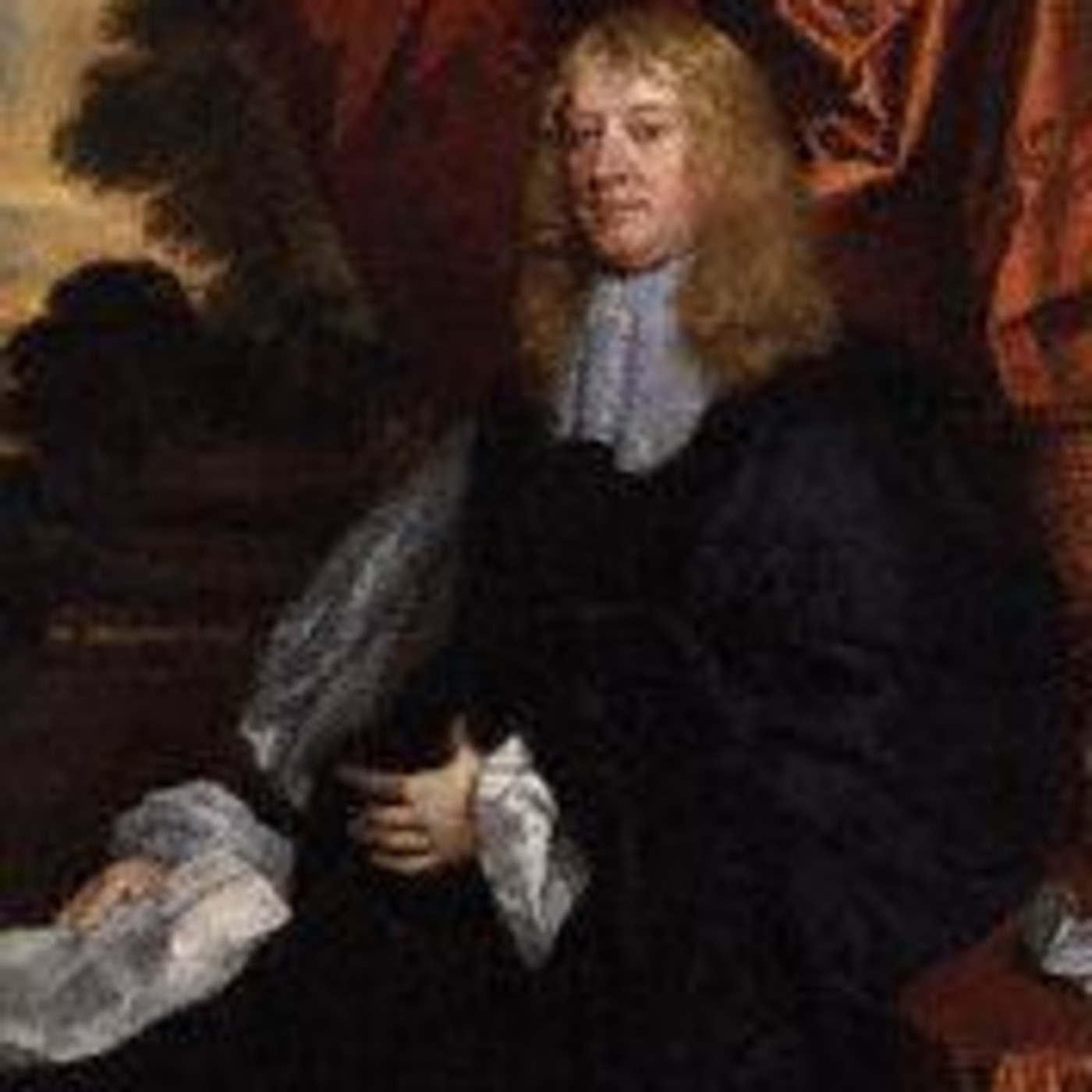
Drinking by Abraham Cowley
Cowley read by Classic Poetry Aloud: http://www.classicpoetryaloud.com/ Giving voice to the poetry of the past. --------------------------------------------------- Drinking by Abraham Cowley (1618 – 1667) The thirsty earth soaks up the rain, And drinks and gapes for drink again; The plants suck in the earth, and are With constant drinking fresh and fair; The sea itself (which one would think Should have but little need of drink) Drinks twice ten thousand rivers up, So fill'd that they o'erflow the cup. The busy Sun (and one would guess By 's drunken fiery face no less) Drinks up the sea, and when he 's done, The Moon and Stars drink up the Sun: They drink and dance by their own light, They drink and revel all the night: Nothing in Nature 's sober found, But an eternal health goes round. Fill up the bowl, then, fill it high, Fill all the glasses there—for why Should every creature drink but I? Why, man of morals, tell me why? For hundreds more poetry readings, visit the Classic Poetry Aloud index. Reading © Classic Poetry Aloud 2007
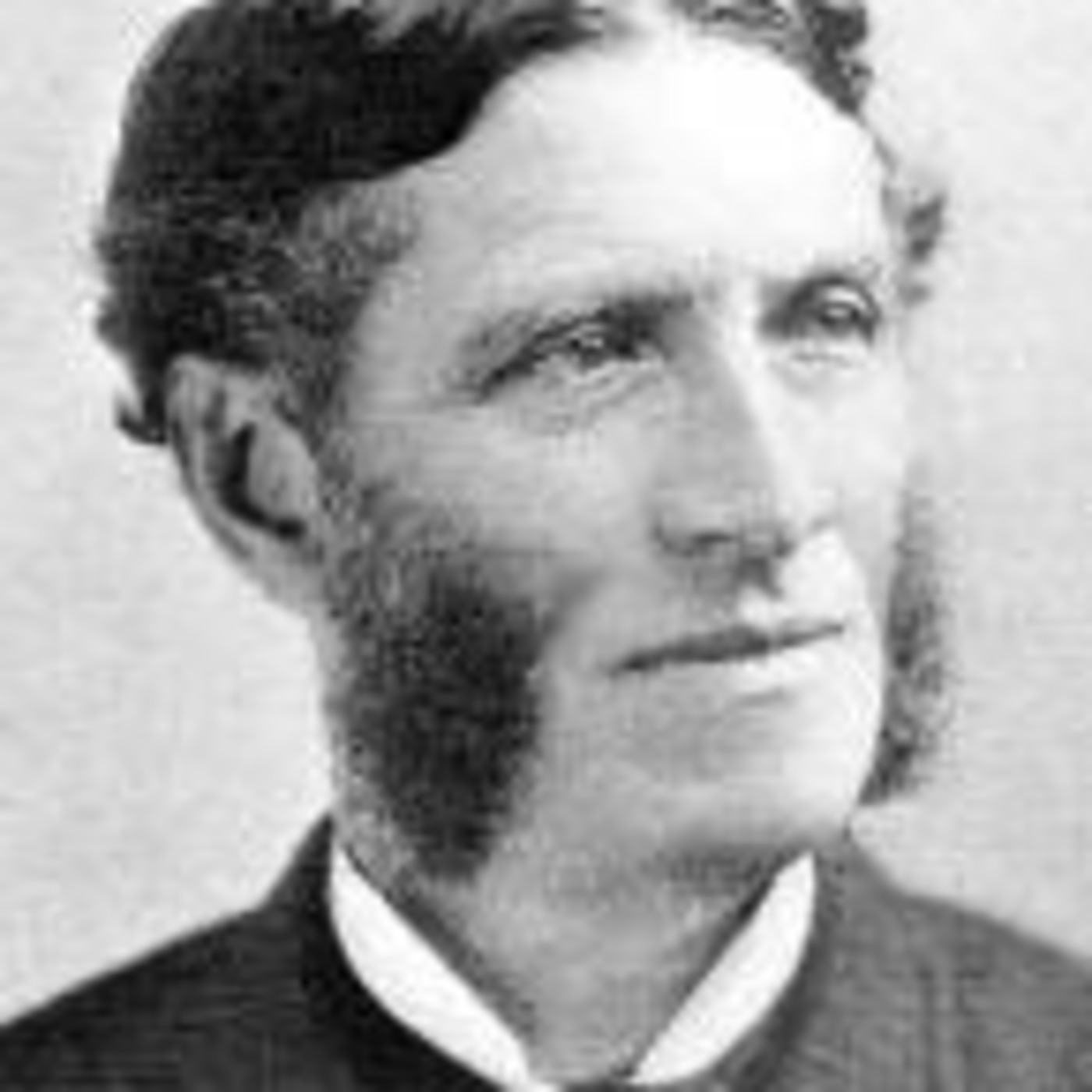
Dover Beach by Matthew Arnold
Arnold read by Classic Poetry Aloud: http://www.classicpoetryaloud.com/ Giving voice to classic poetry. --------------------------------------------------- Dover Beach by Matthew Arnold (1822 – 1888) The sea is calm to-night. The tide is full, the moon lies fair Upon the straits; on the French coast the light Gleams and is gone; the cliffs of England stand; Glimmering and vast, out in the tranquil bay. Come to the window, sweet is the night-air! Only, from the long line of spray Where the sea meets the moon-blanched land, Listen! you hear the grating roar Of pebbles which the waves draw back, and fling, At their return, up the high strand, Begin, and cease, and then again begin, With tremulous cadence slow, and bring The eternal note of sadness in. Sophocles long ago Heard it on the A gaean, and it brought Into his mind the turbid ebb and flow Of human misery; we Find also in the sound a thought, Hearing it by this distant northern sea. The Sea of Faith Was once, too, at the full, and round earth's shore Lay like the folds of a bright girdle furled. But now I only hear Its melancholy, long, withdrawing roar, Retreating, to the breath Of the night-wind, down the vast edges drear And naked shingles of the world. Ah, love, let us be true To one another! for the world, which seems To lie before us like a land of dreams, So various, so beautiful, so new, Hath really neither joy, nor love, nor light, Nor certitude, nor peace, nor help for pain; And we are here as on a darkling plain Swept with confused alarms of struggle and flight, Where ignorant armies clash by night.
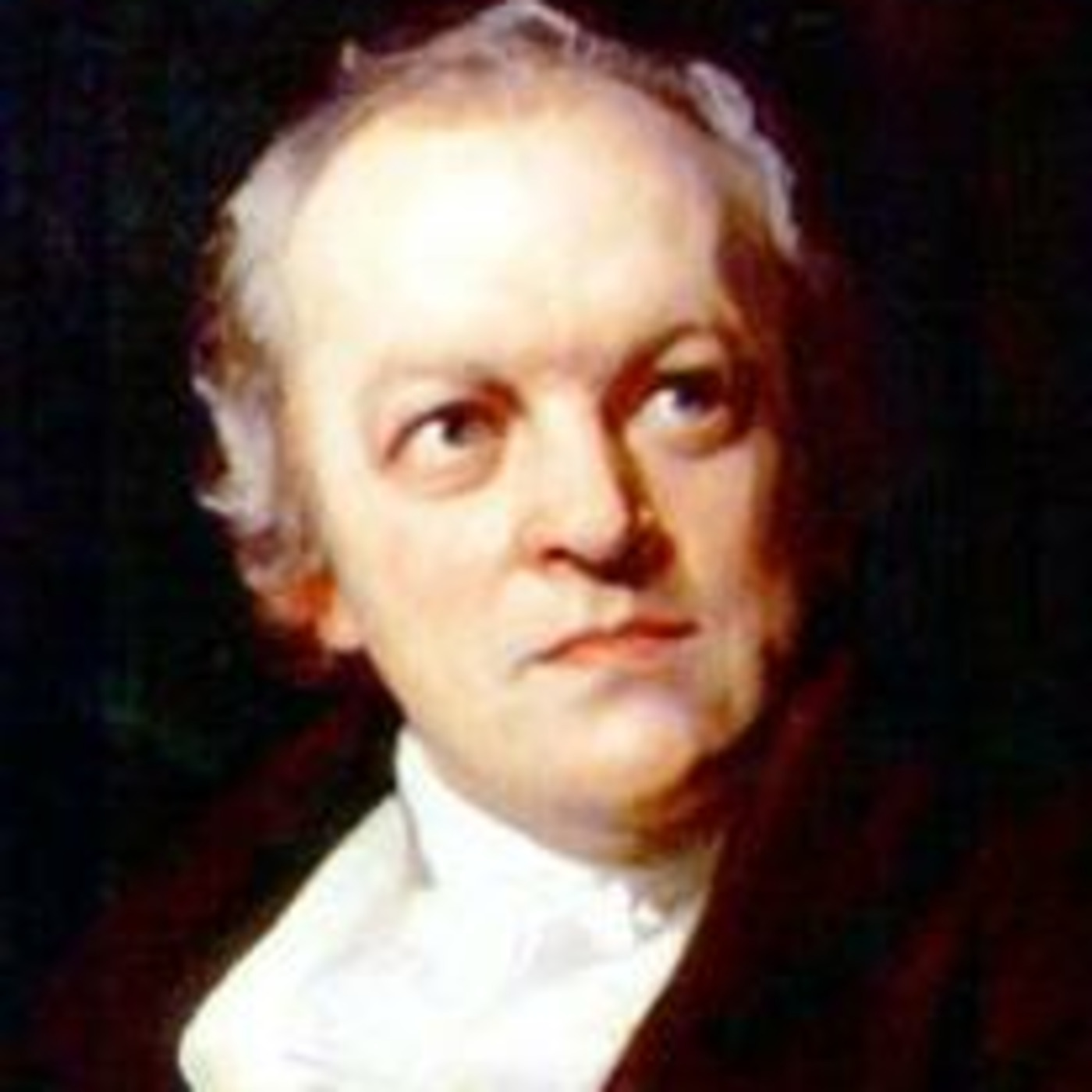
London by William Blake
Blake read by Classic Poetry Aloud: http://www.classicpoetryaloud.com/ Giving voice to the poetry of the past. --------------------------------------------------- London by William Blake (1757 – 1827) I wander thro' each charter'd street, Near where the charter'd Thames does flow And mark in every face I meet Marks of weakness, marks of woe. In every cry of every Man, In every Infants cry of fear, In every voice: in every ban, The mind-forg'd manacles I hear How the Chimney-sweepers cry Every blackning Church appalls, And the hapless Soldiers sigh Runs in blood down Palace walls. But most thro' midnight streets I hear How the youthful Harlots curse Blasts the new-born Infants tear, And blights with plagues the Marriage hearse.
Adelstrop by Edward Thomas
E.Thomas read by Classic Poetry Aloud: http://www.classicpoetryaloud.com/ Giving voice to the poetry of the past. --------------------------------------------------- Adelstrop by Edward Thomas ((1878 – 1917) Yes. I remember Adlestrop — The name, because one afternoon Of heat the express-train drew up there Unwontedly. It was late June. The steam hissed. Some one cleared his throat. No one left and no one came On the bare platform. What I saw Was Adlestrop — only the name And willows, willow-herb, and grass, And meadowsweet, and haycocks dry, No whit less still and lonely fair Than the high cloudlets in the sky. And for that minute a blackbird sang Close by, and around him, mistier, Farther and farther, all the birds Of Oxfordshire and Gloucestershire.
Sonnet 29 by William Shakespeare
Shakespeare read by Classic Poetry Aloud: http://www.classicpoetryaloud.com/ Giving voice to classic poetry. --------------------------------------------------- Sonnet 29 by William Shakespeare (1564 – 1616) When in disgrace with fortune and men’s eyes I all alone beweep my outcast state, And trouble deaf heaven with my bootless cries, And look upon myself, and curse my fate, Wishing me like to one more rich in hope, Featur’d like him, like him with friends possess’d, Desiring this man’s art, and that man’s scope, With what I most enjoy contented least; Yet in these thoughts myself almost despising, Haply I think on thee,—and then my state, Like to the lark at break of day arising From sullen earth, sings hymns at heaven’s gate; For thy sweet love remember’d such wealth brings That then I scorn to change my state with kings.
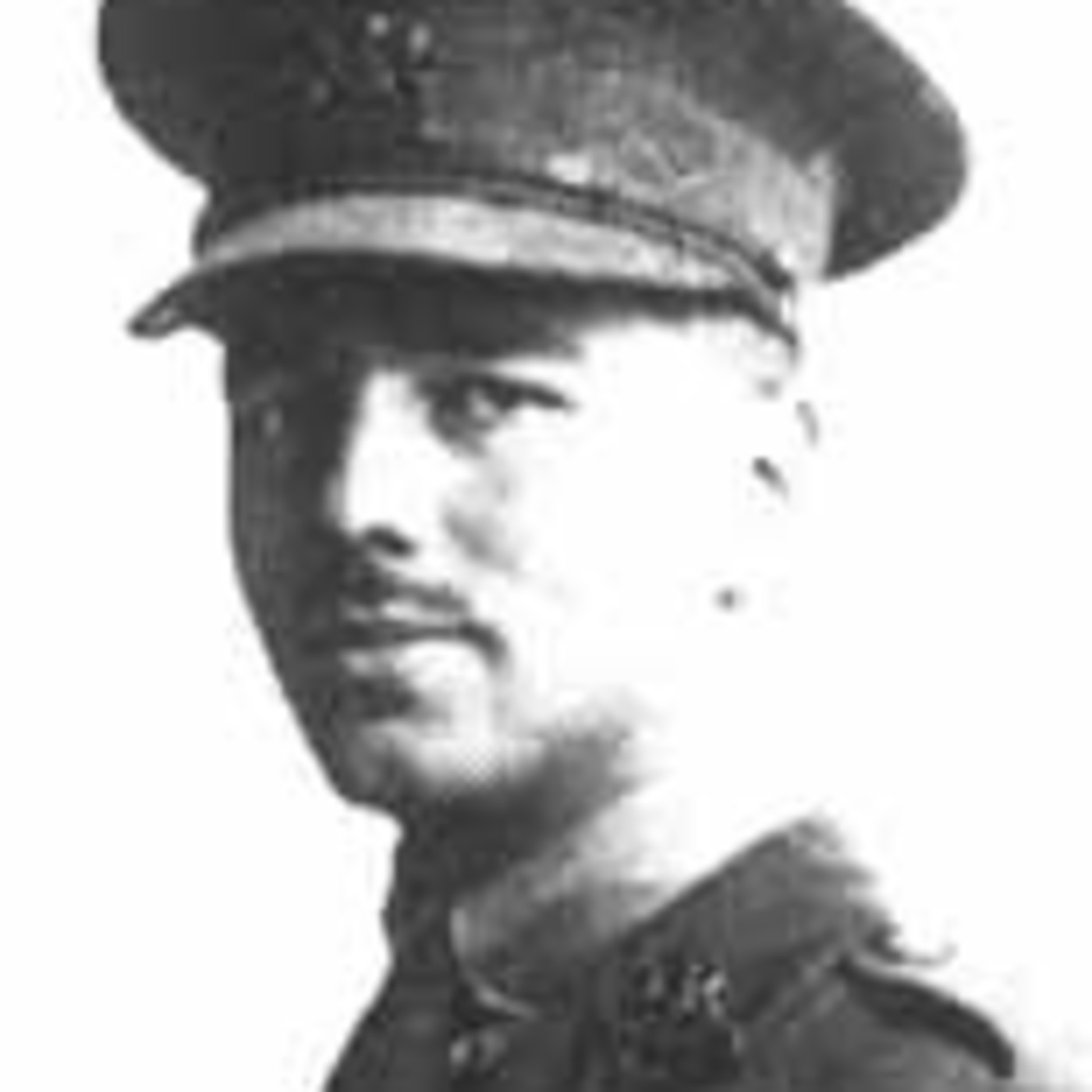
Anthem for Doomed Youth by Wilfred Owen
Owen read by Classic Poetry Aloud: http://www.classicpoetryaloud.com/ Giving voice to classic poetry. --------------------------------------------------- Anthem for Doomed Youth by Wilfred Owen (1893 – 1918) What passing-bells for these who die as cattle? Only the monstrous anger of the guns. Only the stuttering rifles' rapid rattle Can patter out their hasty orisons. No mockeries now for them; no prayers nor bells; Nor any voice of mourning save the choirs, – The shrill, demented choirs of wailing shells; And bugles calling for them from sad shires. What candles may be held to speed them all? Not in the hands of boys but in their eyes Shall shine the holy glimmers of goodbyes. The pallor of girls' brows shall be their pall; Their flowers the tenderness of patient minds, And each slow dusk a drawing-down of blinds.
All for Love by Lord Byron
Byron read by Classic Poetry Aloud: http://www.classicpoetryaloud.com/ Giving voice to the poetry of the past. --------------------------------------------------- All for Love by George Gordon, Lord Byron (1788–1824) O talk not to me of a name great in story; The days of our youth are the days of our glory; And the myrtle and ivy of sweet two-and-twenty Are worth all your laurels, though ever so plenty. What are garlands and crowns to the brow that is wrinkled? 'Tis but as a dead flower with May-dew besprinkled: Then away with all such from the head that is hoary - What care I for the wreaths that can only give glory? O Fame! if I e'er took delight in thy praises, 'Twas less for the sake of thy high-sounding phrases, Than to see the bright eyes of the dear one discover She thought that I was not unworthy to love her. There chiefly I sought thee, there only I found thee; Her glance was the best of the rays that surround thee; When it sparkled o'er aught that was bright in my story, I knew it was love, and I felt it was glory.
Break Break Break by Alfred Lord Tennyson
Tennyson read by Classic Poetry Aloud: http://www.classicpoetryaloud.com/ Giving voice to classic poetry. --------------------------------------------------- Break, Break, Break by Alfred, Lord Tennyson (1809–1892) Break, break, break, On thy cold grey stones, O Sea! And I would that my tongue could utter The thoughts that arise in me. O well for the fisherman’s boy, That he shouts with his sister at play! O well for the sailor lad, That he sings in his boat on the bay! And the stately ships go on To their haven under the hill; But O for the touch of a vanished hand, And the sound of a voice that is still! Break, break, break, At the foot of thy crags, O Sea! But the tender grace of a day that is dead Will never come back to me.
How Do I Love Thee? by Elizabeth Barrett Browning
Elizabeth Barrett Browning read by Classic Poetry Aloud: http://www.classicpoetryaloud.com/ Giving voice to the poetry of the past. --------------------------------------------------- How Do I Love Thee? by Elizabeth Barrett Browning (1806–1861) How do I love thee? Let me count the ways. I love thee to the depth and breadth and height My soul can reach, when feeling out of sight For the ends of Being and ideal Grace. I love thee to the level of everyday’s Most quiet need, by sun and candle-light. I love thee freely, as men strive for Right; I love thee purely, as they turn from Praise. I love thee with the passion put to use In my old griefs, and with my childhood’s faith. I love thee with a love I seemed to lose With my lost saints,—I love thee with the breath, Smiles, tears, of all my life!—and, if God choose, I shall but love thee better after death.
From To a Skylark by Percy Bysshe Shelley
Shelley read by Classic Poetry Aloud: http://classicpoetryaloud.podomatic.com/ Giving voice to classic poetry. --------------------------------------------------- from To a Skylark by Percy Bysshe Shelley (1792–1822) HAIL to thee, blithe spirit! Bird thou never wert— That from heaven or near it Pourest thy full heart In profuse strains of unpremeditated art. Higher still and higher From the earth thou springest, Like a cloud of fire; The blue deep thou wingest, And singing still dost soar, and soaring ever singest. In the golden light'ning Of the sunken sun, O'er which clouds are bright'ning, Thou dost float and run, Like an unbodied joy whose race is just begun.
Abou ben Adhem by Leigh Hunt
L Hunt read by Classic Poetry Aloud: http://classicpoetryaloud.podomatic.com/ Giving voice to classic poetry. --------------------------------------------------- Abou ben Adhem by Leigh Hunt (1784 - 1859) Abou ben Adhem (may his tribe increase!) Awoke one night from a deep dream of peace, And saw—within the moonlight in his room, Making it rich and like a lily in bloom— An angel, writing in a book of gold. Exceeding peace had made Ben Adhem bold, And to the presence in the room he said, ‘What writest thou?’—The vision raised its head, And, with a look made of all sweet accord, Answered, ‘The names of those who love the Lord.’ ‘And is mine one?’ said Abou. ‘Nay, not so,’ Replied the angel. Abou spoke more low, But cheerly still, and said, ‘I pray thee, then, Write me as one that loves his fellow men.’ The angel wrote and vanished. The next night It came again with a great wakening light, And showed the names whom love of God had blessed, And lo! Ben Adhem’s name led all the rest. First aired: 15 August 2007 For hundreds more poetry readings, visit the Classic Poetry Aloud index. To learn a little more about the poems and poets on Classic Poetry Aloud, join the mailing list. Reading © Classic Poetry Aloud 2009
To a Poet a Thousand Years Hence by James Elroy Flecker
Flecker read by Classic Poetry Aloud: http://classicpoetryaloud.podomatic.com/ Giving voice to classic poetry. --------------------------------------------------- To a Poet a Thousand Years Hence by James Elroy Flecker I who am dead a thousand years, And wrote this sweet archaic song, Send you my words for messengers The way I shall not pass along. I care not if you bridge the seas, Or ride secure the cruel sky, Or build consummate palaces Of metal or of masonry. But have you wine and music still, And statues and a bright-eyed love, And foolish thoughts of good and ill, And prayers to them who sit above? How shall we conquer? Like a wind That falls at eve our fancies blow, And old Moeonides the blind Said it three thousand years ago. O friend unseen, unborn, unknown, Student of our sweet English tongue, Read out my words at night, alone: I was a poet, I was young. Since I can never see your face, And never shake you by the hand, I send my soul through time and space To greet you. You will understand.
The Hill by Rupert Brooke
Brooke read by Classic Poetry Aloud: http://classicpoetryaloud.podomatic.com/ Giving voice to classic poetry. --------------------------------------------------- The Hill by Rupert Brooke Breathless, we flung us on the windy hill, Laughed in the sun, and kissed the lovely grass. You said, "Through glory and ecstasy we pass; Wind, sun, and earth remain, the birds sing still, When we are old, are old. . . ." "And when we die All's over that is ours; and life burns on Through other lovers, other lips," said I, -- "Heart of my heart, our heaven is now, is won!" "We are Earth's best, that learnt her lesson here. Life is our cry. We have kept the faith!" we said; "We shall go down with unreluctant tread Rose-crowned into the darkness!" . . . Proud we were, And laughed, that had such brave true things to say. -- And then you suddenly cried, and turned away.
The Windhover by Gerard Manley Hopkins
Hopkins read by Classic Poetry Aloud: http://classicpoetryaloud.podomatic.com/ Giving voice to classic poetry. --------------------------------------------------- The Windhover To Christ our Lord by Gerard Manley Hopkins I caught this morning morning’s minion, king- dom of daylight’s dauphin, dapple-dawn-drawn Falcon, in his riding Of the rolling level underneath him steady air, and striding High there, how he rung upon the rein of a wimpling wing In his ecstasy! then off, off forth on swing, As a skate’s heel sweeps smooth on a bow-bend: the hurl and gliding Rebuffed the big wind. My heart in hiding Stirred for a bird,—the achieve of; the mastery of the thing! Brute beauty and valour and act, oh, air, pride, plume, here Buckle! AND the fire that breaks from thee then, a billion Times told lovelier, more dangerous, O my chevalier! No wonder of it: shéer plód makes plough down sillion Shine, and blue-bleak embers, ah my dear, Fall, gall themselves, and gash gold-vermillion.
When I Have Fears That I May Cease To Be by John Keats
Keats read by Classic Poetry Aloud: http://classicpoetryaloud.podomatic.com/ Giving voice to classic poetry. --------------------------------------------------- When I Have Fears That I May Cease To Be by John Keats WHEN I have fears that I may cease to be Before my pen has glean'd my teeming brain, Before high pil`d books, in charact'ry, Hold like rich garners the full-ripen'd grain; When I behold, upon the night's starr'd face, Huge cloudy symbols of a high romance, And feel that I may never live to trace Their shadows, with the magic hand of chance; And when I feel, fair creature of an hour! That I shall never look upon thee more, Never have relish in the faery power Of unreflecting love;—then on the shore Of the wide world I stand alone, and think, Till Love and Fame to nothingness do sink. You can find more readings of Keats' poetry at: http://classicpoetryaloud.wordpress.com/category/John-Keats/
Death by John Donne
J Donne read by Classic Poetry Aloud: http://classicpoetryaloud.podomatic.com/ Giving voice to the poetry of the past. --------------------------------------------- Death by John Donne Death be not proud, though some have called thee Mighty and dreadfull, for, thou art not so, For, those, whom thou think'st, thou dost overthrow, Die not, poore death, nor yet canst thou kill me. From rest and sleepe, which but thy pictures bee, Much pleasure, then from thee, much more must flow, And soonest our best men with thee doe goe, Rest of their bones, and soules deliverie. Thou art slave to Fate, Chance, kings, and desperate men, And dost with poyson, warre, and sicknesse dwell, And poppie, or charmes can make us sleepe as well, And better then thy stroake; why swell'st thou then; One short sleepe past, wee wake eternally, And death shall be no more; death, thou shalt die. First aired: 25 July 2008 For hundreds more poetry readings, visit the Classic Poetry Aloud index. Reading © Classic Poetry Aloud 2008
Written in Northampton County Asylum by John Clare
Clare read by Classic Poetry Aloud: http://classicpoetryaloud.podomatic.com/ Giving voice to classic poetry. --------------------------------------------------- Written in Northampton County Asylum by John Clare I am! yet what I am who cares, or knows? My friends forsake me like a memory lost. I am the self-consumer of my woes; They rise and vanish, an oblivious host, Shadows of life, whose very soul is lost. And yet I am—I live—though I am toss'd Into the nothingness of scorn and noise, Into the living sea of waking dream, Where there is neither sense of life, nor joys, But the huge shipwreck of my own esteem And all that 's dear. Even those I loved the best Are strange—nay, they are stranger than the rest. I long for scenes where man has never trod— For scenes where woman never smiled or wept— There to abide with my Creator, God, 15 And sleep as I in childhood sweetly slept, Full of high thoughts, unborn. So let me lie,— The grass below; above, the vaulted sky.
Kubla Khan by Samuel Taylor Coleridge
Coleridge read by Classic Poetry Aloud: http://www.classicpoetryaloud.com/ Giving voice to classic poetry. --------------------------------------------------- Kubla Khan by Samuel Taylor Coleridge IN Xanadu did Kubla Khan A stately pleasure-dome decree: Where Alph, the sacred river, ran Through caverns measureless to man Down to a sunless sea. So twice five miles of fertile ground With walls and towers were girdled round: And there were gardens bright with sinuous rills Where blossom'd many an incense-bearing tree; And here were forests ancient as the hills, Enfolding sunny spots of greenery. But O, that deep romantic chasm which slanted Down the green hill athwart a cedarn cover! A savage place! as holy and enchanted As e'er beneath a waning moon was haunted By woman wailing for her demon-lover! And from this chasm, with ceaseless turmoil seething, As if this earth in fast thick pants were breathing, A mighty fountain momently was forced; Amid whose swift half-intermitted burst Huge fragments vaulted like rebounding hail, Or chaffy grain beneath the thresher's flail: And 'mid these dancing rocks at once and ever It flung up momently the sacred river. Five miles meandering with a mazy motion Through wood and dale the sacred river ran, Then reach'd the caverns measureless to man, And sank in tumult to a lifeless ocean: And 'mid this tumult Kubla heard from far Ancestral voices prophesying war! The shadow of the dome of pleasure Floated midway on the waves; Where was heard the mingled measure From the fountain and the caves. It was a miracle of rare device, A sunny pleasure-dome with caves of ice! A damsel with a dulcimer In a vision once I saw: It was an Abyssinian maid, And on her dulcimer she play'd, Singing of Mount Abora. Could I revive within me, Her symphony and song, To such a deep delight 'twould win me, That with music loud and long, I would build that dome in air, That sunny dome! those caves of ice! And all who heard should see them there, And all should cry, Beware! Beware! His flashing eyes, his floating hair! Weave a circle round him thrice, And close your eyes with holy dread, For he on honey-dew hath fed, And drunk the milk of Paradise.
The Way Through The Woods by Rudyard Kipling
Kipling read by Classic Poetry Aloud: http://classicpoetryaloud.podomatic.com/ Giving voice to classic poetry. --------------------------------------------------- The Way Through The Woods by Rudyard Kipling They shut the road through the woods Seventy years ago. Weather and rain have undone it again, And now you would never know There was once a road through the woods Before they planted the trees. It is underneath the coppice and heath, And the thin anemones. Only the keeper sees That, where the ring-dove broods, And the badgers roll at ease, There was once a road through the woods. Yet, if you enter the woods Of a summer evening late, When the night-air cools on the trout-ringed pools Where the otter whistles his mate. (They fear not men in the woods, Because they see so few) You will hear the beat of a horse's feet, And the swish of a skirt in the dew, Steadily cantering through The misty solitudes, As though they perfectly knew The old lost road through the woods. . . . But there is no road through the woods.
To His Coy Mistress by Andrew Marvell
Marvell read by Classic Poetry Aloud: http://classicpoetryaloud.podomatic.com/ Giving voice to classic poetry. --------------------------------------------------- To His Coy Mistress by Andrew Marvell Had we but world enough, and time, This coyness, Lady, were no crime We would sit down and think which way To walk and pass our long love's day. Thou by the Indian Ganges' side Shouldst rubies find: I by the tide Of Humber would complain. I would Love you ten years before the Flood, And you should, if you please, refuse Till the conversion of the Jews. My vegetable love should grow Vaster than empires, and more slow; An hundred years should go to praise Thine eyes and on thy forehead gaze; Two hundred to adore each breast, But thirty thousand to the rest; An age at least to every part, And the last age should show your heart. For, Lady, you deserve this state, Nor would I love at lower rate. But at my back I always hear Time's wingèd chariot hurrying near; And yonder all before us lie Deserts of vast eternity. Thy beauty shall no more be found, Nor, in thy marble vault, shall sound My echoing song: then worms shall try That long preserved virginity, And your quaint honour turn to dust, And into ashes all my lust: The grave 's a fine and private place, But none, I think, do there embrace. Now therefore, while the youthful hue Sits on thy skin like morning dew, And while thy willing soul transpires At every pore with instant fires, Now let us sport us while we may, And now, like amorous birds of prey, Rather at once our time devour Than languish in his slow-chapt power. Let us roll all our strength and all Our sweetness up into one ball, And tear our pleasures with rough strife Thorough the iron gates of life: Thus, though we cannot make our sun Stand still, yet we will make him run.
Ode on a Grecian Urn by John Keats
Keats read by Classic Poetry Aloud: http://classicpoetryaloud.podomatic.com/ Giving voice to classic poetry. --------------------------------------------------- Ode on a Grecian Urn by John Keats Thou still unravish'd bride of quietness, Thou foster-child of Silence and slow Time, Sylvan historian, who canst thus express A flowery tale more sweetly than our rhyme: What leaf-fringed legend haunts about thy shape Of deities or mortals, or of both, In Tempe or the dales of Arcady? What men or gods are these? What maidens loth? What mad pursuit? What struggle to escape? What pipes and timbrels? What wild ecstasy? Heard melodies are sweet, but those unheard Are sweeter; therefore, ye soft pipes, play on; Not to the sensual ear, but, more endear'd, Pipe to the spirit ditties of no tone: Fair youth, beneath the trees, thou canst not leave Thy song, nor ever can those trees be bare; Bold Lover, never, never canst thou kiss, Though winning near the goal—yet, do not grieve; She cannot fade, though thou hast not thy bliss, For ever wilt thou love, and she be fair! Ah, happy, happy boughs! that cannot shed Your leaves, nor ever bid the Spring adieu; And, happy melodist, unwearièd, For ever piping songs for ever new; More happy love! more happy, happy love! For ever warm and still to be enjoy'd, For ever panting, and for ever young; All breathing human passion far above, That leaves a heart high-sorrowful and cloy'd, A burning forehead, and a parching tongue. Who are these coming to the sacrifice? To what green altar, O mysterious priest, Lead'st thou that heifer lowing at the skies, And all her silken flanks with garlands drest? What little town by river or sea-shore, Or mountain-built with peaceful citadel, Is emptied of its folk, this pious morn? And, little town, thy streets for evermore Will silent be; and not a soul, to tell Why thou art desolate, can e'er return. O Attic shape! fair attitude! with brede Of marble men and maidens overwrought, With forest branches and the trodden weed; Thou, silent form! dost tease us out of thought As doth eternity: Cold Pastoral! When old age shall this generation waste, Thou shalt remain, in midst of other woe Than ours, a friend to man, to whom thou say'st, 'Beauty is truth, truth beauty,—that is all Ye know on earth, and all ye need to know.' You can find more readings of Keats' poetry at: http://classicpoetryaloud.wordpress.com/category/John-Keats/
Idea LXI: Love's Farewell by Michael Drayton
Poem read by Classic Poetry Aloud: http://classicpoetryaloud.podomatic.com/ Giving voice to classic poetry. --------------------------------------------------- Idea LXI by Michael Drayton Since there's no help, come let us kiss and part. Nay, I have done, you get no more of me; And I am glad, yea glad with all my heart, That thus so cleanly I myself can free. Shake hands for ever, cancel all our vows, And when we meet at any time again, Be it not seen in either of our brows That we one jot of former love retain. Now at the last gasp of Love's latest breath, When, his pulse failing, Passion speechless lies; When Faith is kneeling by his bed of death, And Innocence is closing up his eyes-- Now, if thou wouldst, when all have given him over, From death to life thou might'st him yet recover!