Breaking Walls
510 episodes — Page 8 of 11
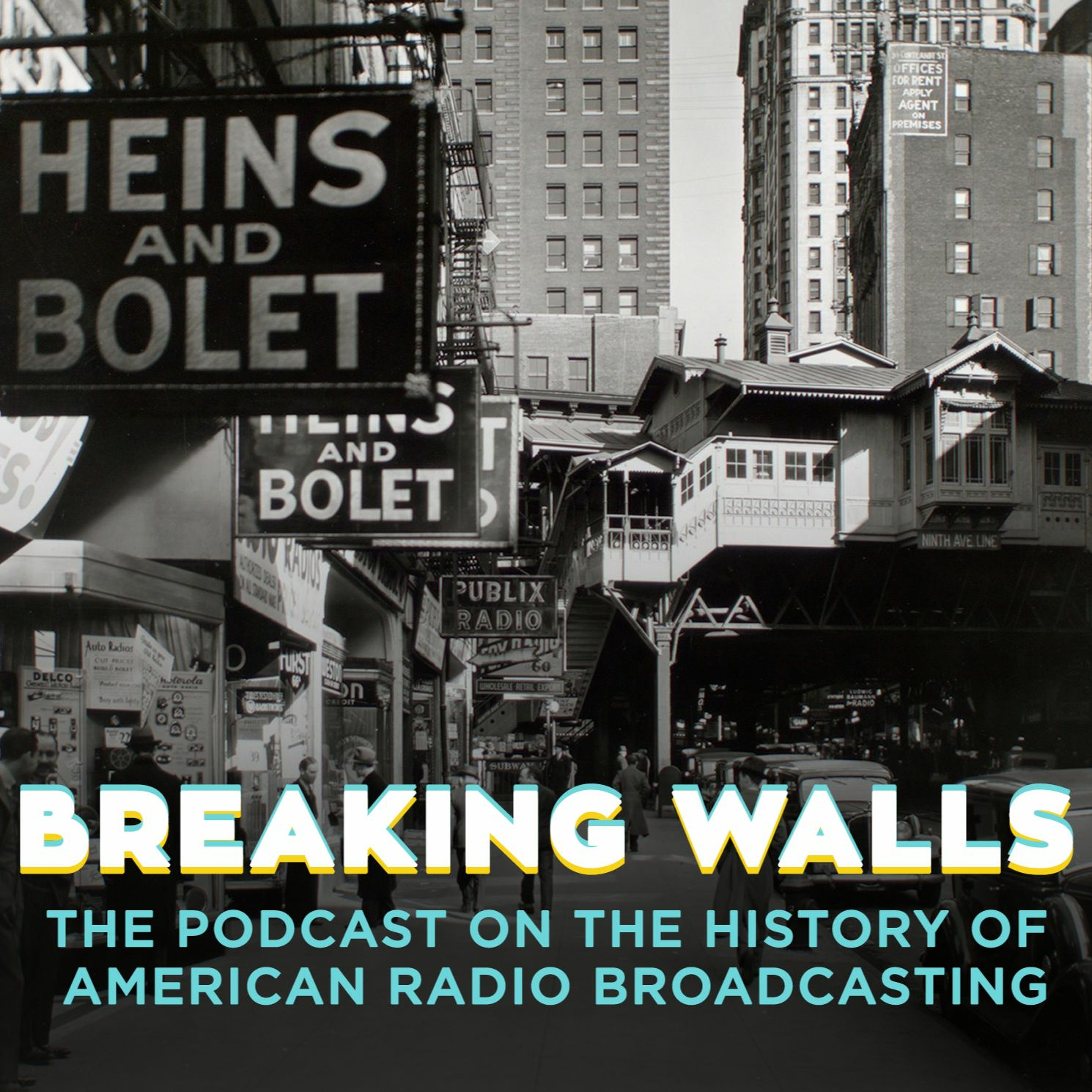
BW - EP136: Have Gun, Will Travel (1958 - 1962)
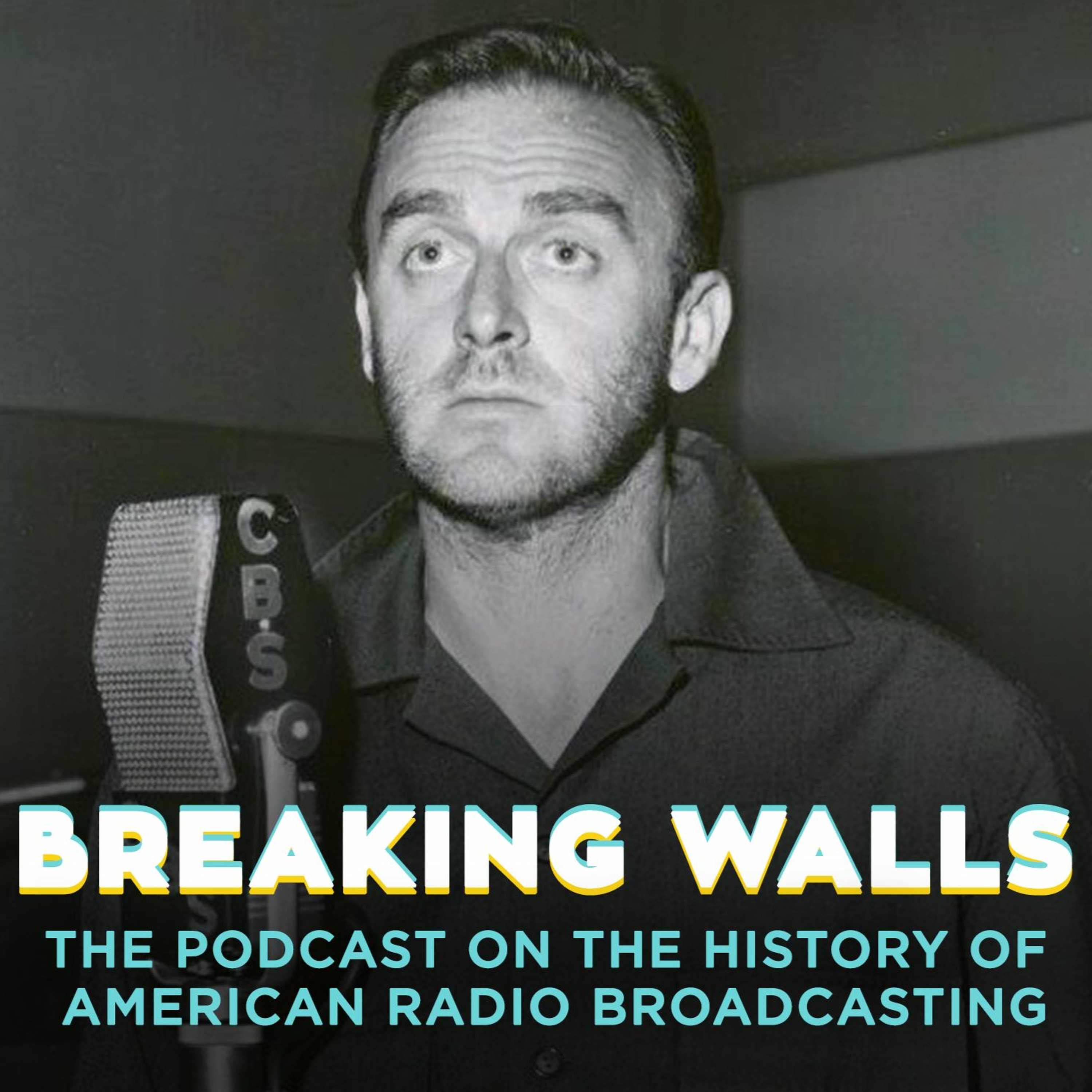
In Breaking Walls episode 136 we spotlight John Dehner and Have Gun, Will Travel. —————————— Highlights: • John Dehner’s radio career • Norman MacDonnell and Palladin • The Radio Dial on Sunday November 23rd 1958 • A Matter of Ethics • Killer’s Widow • The Lady Doctor • From Here To Boston • Looking Ahead to March —————————— The WallBreakers: http://thewallbreakers.com Subscribe to Breaking Walls everywhere you get your podcasts. To support the show: http://patreon.com/TheWallBreakers —————————— The reading material used in today’s episode was: • On the Air — By John Dunning • Network Radio Ratings — By Jim Ramsburg • Martin Grams’ article on the origin of Have Gun Will Travel. —————————— On the interview front: • Harry Bartell, John Dehner, Lawrence Dobkin, and Jack Johnstone were with SPERDVAC. For more info, go to SPERDVAC.com. • William N. Robson was with Dick Bertel and Ed Corcoran for WTIC’s The Golden Age of Radio. Hear these at Goldenage-WTIC.org. • Bill Conrad, John Dehner, Norman Macdonnell, John Meston and William N. Robson spoke to John Hickman for his Gunsmoke documentary. • John Dehner and Vic Perrin spoke to Neil Ross for KMPC in 1982. • Jack Kruschen and Shirley Mitchell were guests of Jim Bohannan in 1987. • Dennis Day spoke to Chuck Schaden. Hear this full chat at speakingofradio.com —————————— Selected music featured in today’s episode was: • Living In The Country and February Sea — By George Winston • Ghost Bus Tours — By George Fenton • It’s Only Make Believe – By Conway Twitty • Loch Lomond — By Musica Intima • Danny Boy — By Dennis Day —————————— A special thank you to Ted Davenport, Jerry Haendiges, and Gordon Skene. For Ted go to RadioMemories.com, for Jerry, visit OTRSite.com, and for Gordon, please go to PastDaily.com. —————————— Thank you to: Tony Adams Steven Allmon Orson Orsen Chandler Phil Erickson Jessica Hanna Perri Harper Briana Isaac Thomas M. Joyce Ryan Kramer Earl Millard Gary Mollica Barry Nadler Christian Neuhaus Aimee Pavy Ray Shaw Filipe A Silva John Williams —————————— WallBreakers Links: Patreon - patreon.com/thewallbreakers Social Media - @TheWallBreakers
BW - EP136—008: Have Gun Will Travel—Looking Ahead To March
Well that brings our look at the radio version of Have Gun Will Travel to a close. So, what’s in store for March? Next time on Breaking Walls, in honor of St. Patrick’s Day and the luck of the Irish, we focus on radio programming from March 17ths of days gone by.
BW - EP136—007: Have Gun Will Travel—From Here To Boston
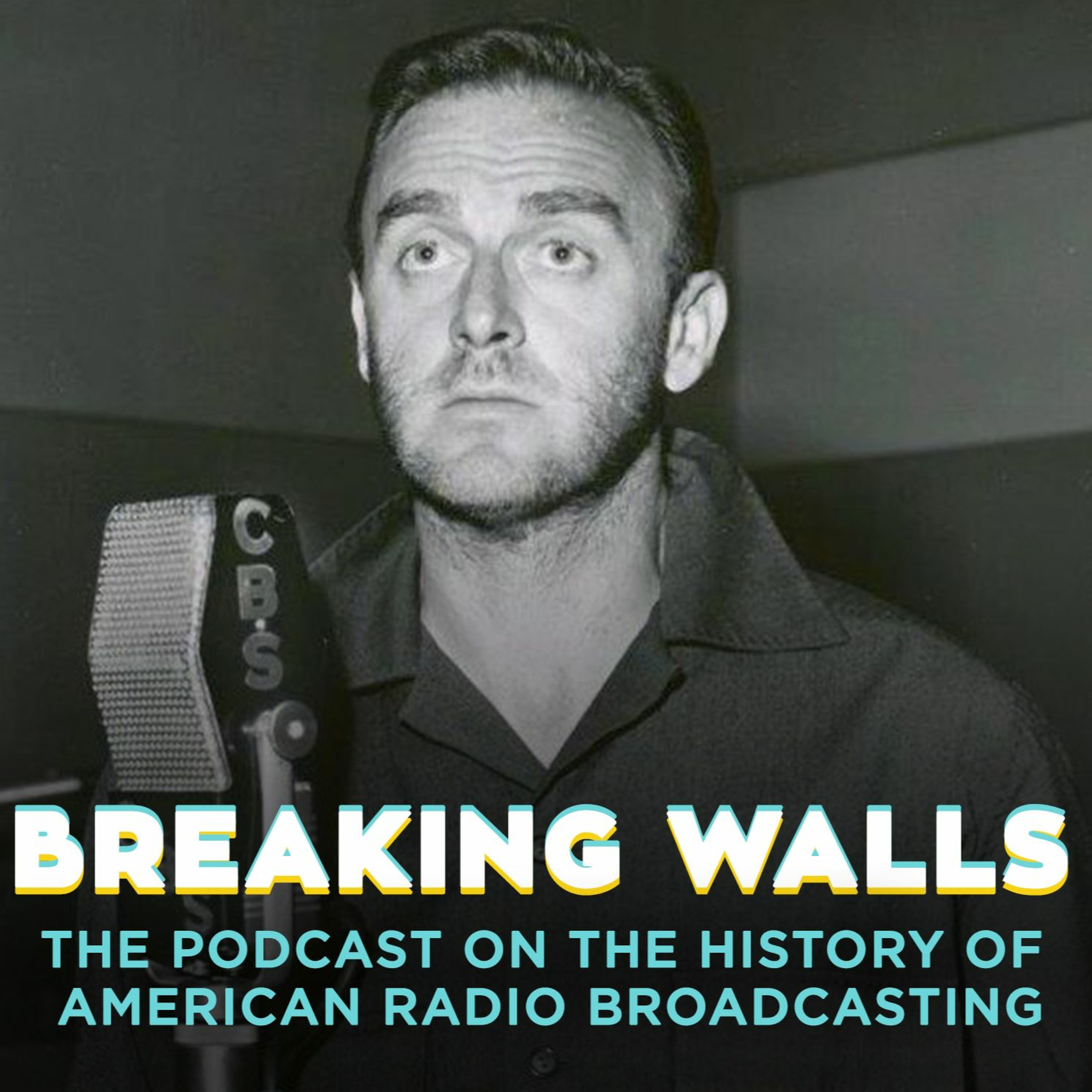
By 1960, Have Gun and Gunsmoke were the last dramatic productions being recorded for CBS in Hollywood. Network radio drama was dying. The U.S. was changing. President Eisenhower’s second term was almost over. The next year, John Kennedy entered the White House. He defeated Republican Richard Nixon in the 1960 Presidential election. Have Gun, Will Travel’s final episode aired on November 27th, 1960. Called, “From Here to Boston,” it is regarded as a landmark episode. Paladin receives an attorney letter notifying him of a large inheritance. He must travel to Boston to claim it. He has no idea that his latest romantic interest, Louvena Todd Hunter, is responsible for his aunt's death and plans to murder Paladin with the help of her brother. Have Gun Will Travel closed with no mention in the trade columns. All remaining radio dramas, with the exception of Gunsmoke, were now produced in New York. Lawrence Dobkin remembered that time. Gunsmoke finally went off the air on June 18th, 1961.
BW - EP136—006: Have Gun Will Travel—The Lady Doctor
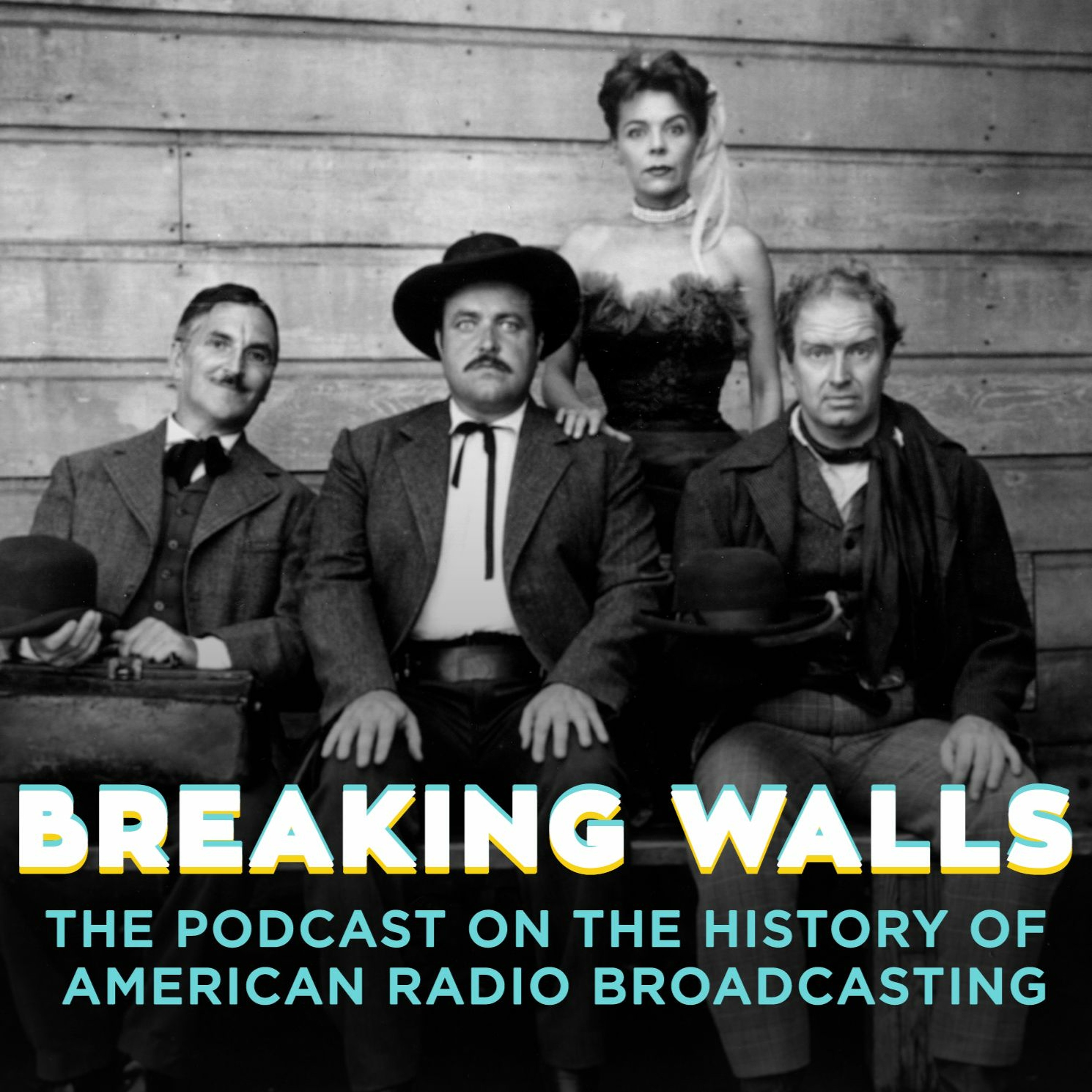
Thirty-five of the first thirty-nine Have Gun Will Travel scripts were TV script adaptations. Beginning with episode forty, all new scripts were original for the radio version of the series. The February 15th, 1959 show was called “The Return of Doctor Thackery.” This episode featured Ben Wright, Jean Bates, Lou Krugman, Sam Edwards, and Harry Bartell. By 1959 this Hollywood crew of actors had been working together for nearly two decades.
BW - EP136—005: Have Gun Will Travel—Killer's Widow
The February 9th, 1959 episode of Have Gun Will Travel was called “Killer’s Widow.” Among those featured was the just-heard Vic Perrin. Perrin worked closely with Norman MacDonnell on Gunsmoke and Fort Laramie. On TV, Dick Boone’s Paladin was a smash-hit. That year’s program rating was 34.3 — third overall. Both the show and Boone were nominated for Emmys. Its success helped the radio version find sponsorship from multiple advertisers, like this commercial from Lysol.
BW - EP136—004: Have Gun Will Travel—A Matter Of Ethics
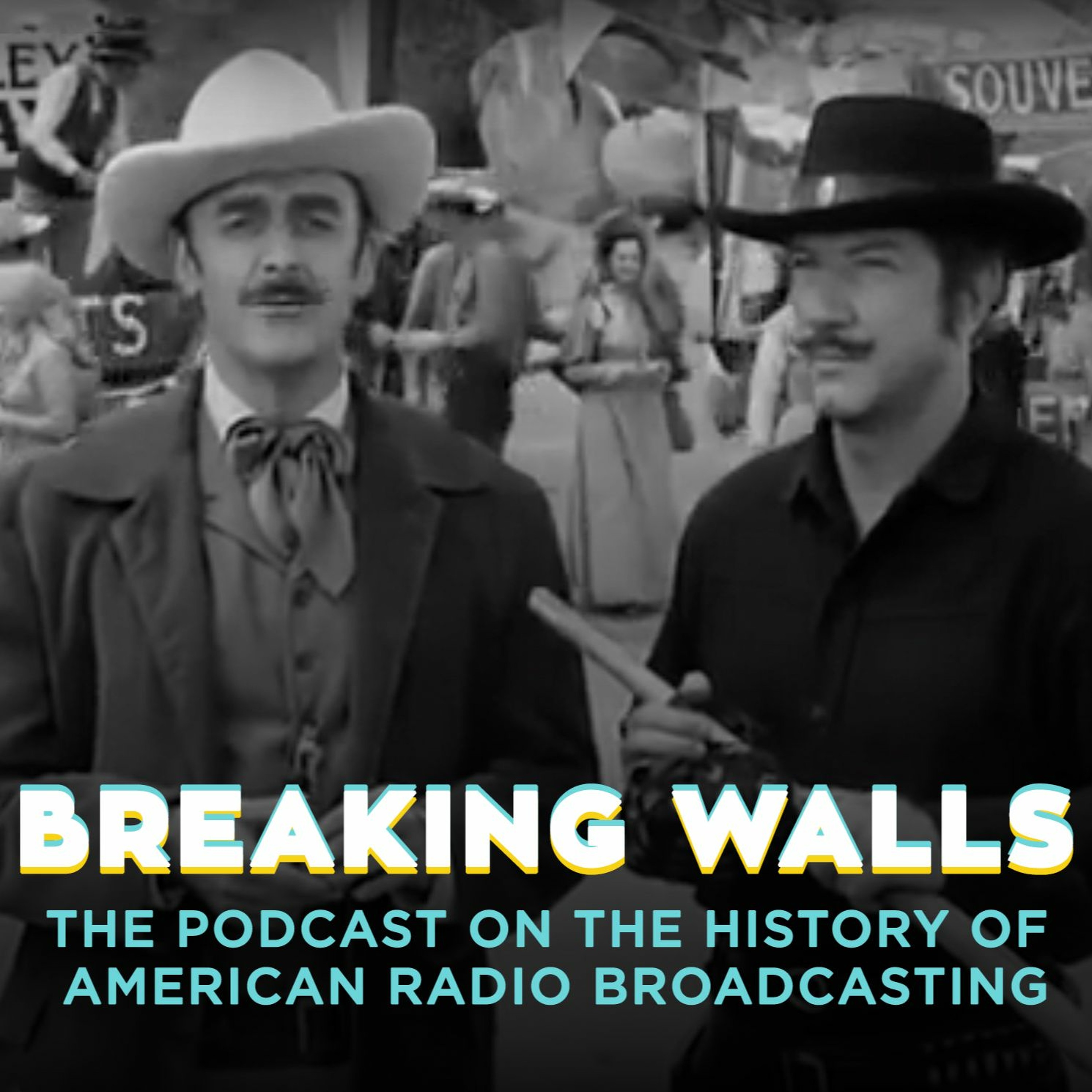
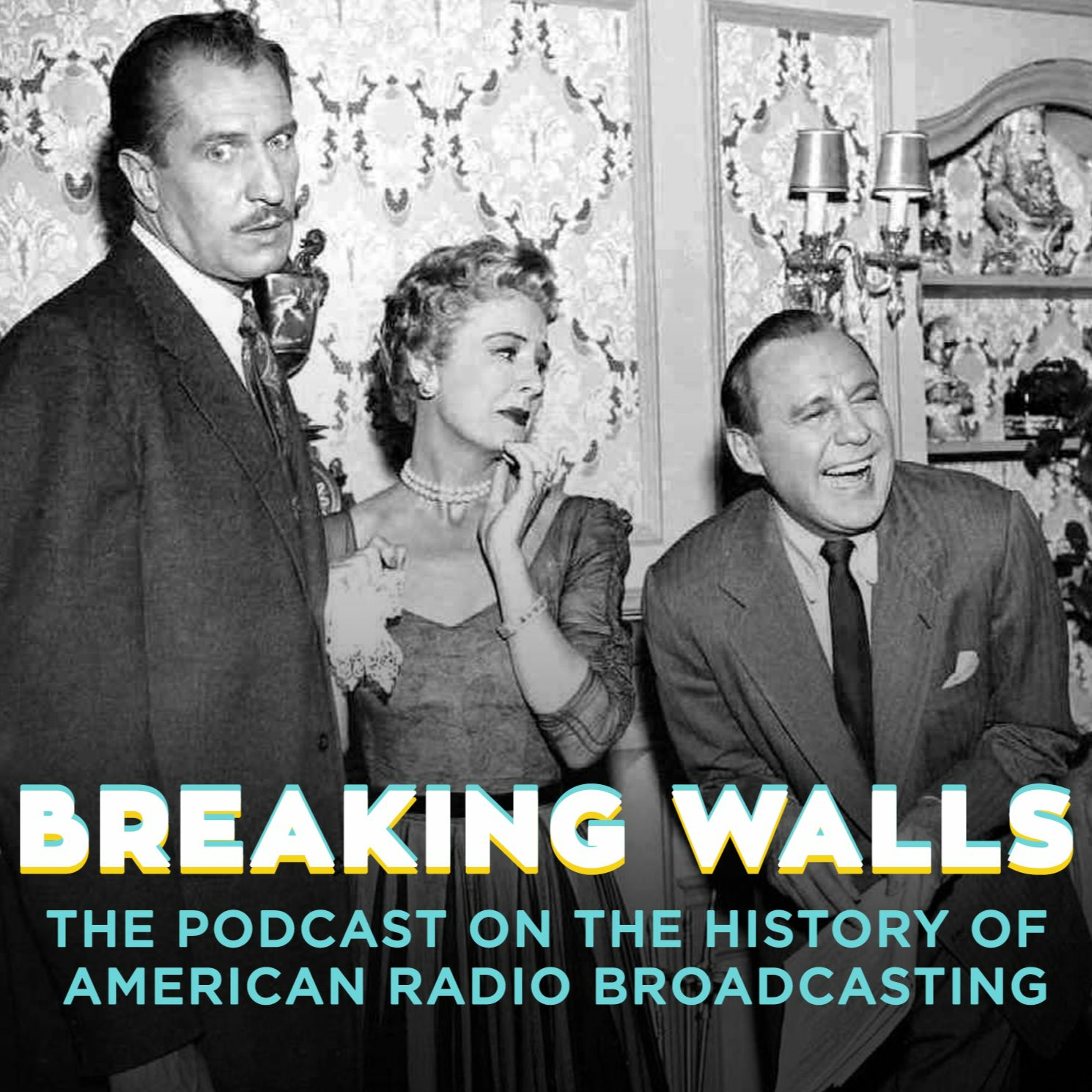
On February 1st, 1959, Have Gun Will Travel broadcast an episode called “A Matter of Ethics.” The program's opening was a four-note motif composed and conducted by Bernard Herrmann. The show's closing song, "The Ballad of Paladin", was written by Johnny Western, Dick Boone, and program creator Sam Rolfe. Western played the song for the TV show. Paladin studied at West Point and emerged from the Civil War a mercenary with morals. His card had a simple message. It said: Have Gun, Will Travel/Wire Paladin/San Francisco. The only symbol on the card was a white chess knight—a Paladin. John Dehner approached the radio role as if Boone had never existed. He didn’t imitate. The first set of scripts were all adapted from the second season of the TV show. The writers were paid no residuals. Norman Macdonell used the same Hollywood regulars he used for Gunsmoke. Jack Kruschen was often one of them. Perhaps you’d have listened to this episode in Clear Lake, Iowa with anticipation for the next evening’s Winter Dance Party. If you’d gone, you’d have been witness to the last concert ever by Buddy Holly, The Big Bopper, and Ritchie Valens. The morning hours of February 3rd, 1959 have since become known as “The Day The Music Died.” It’s one of the most infamous moments in Rock-N-Roll history.
BW - EP136—003: Have Gun Will Travel—The Radio Dial On Sunday November 23rd 1958
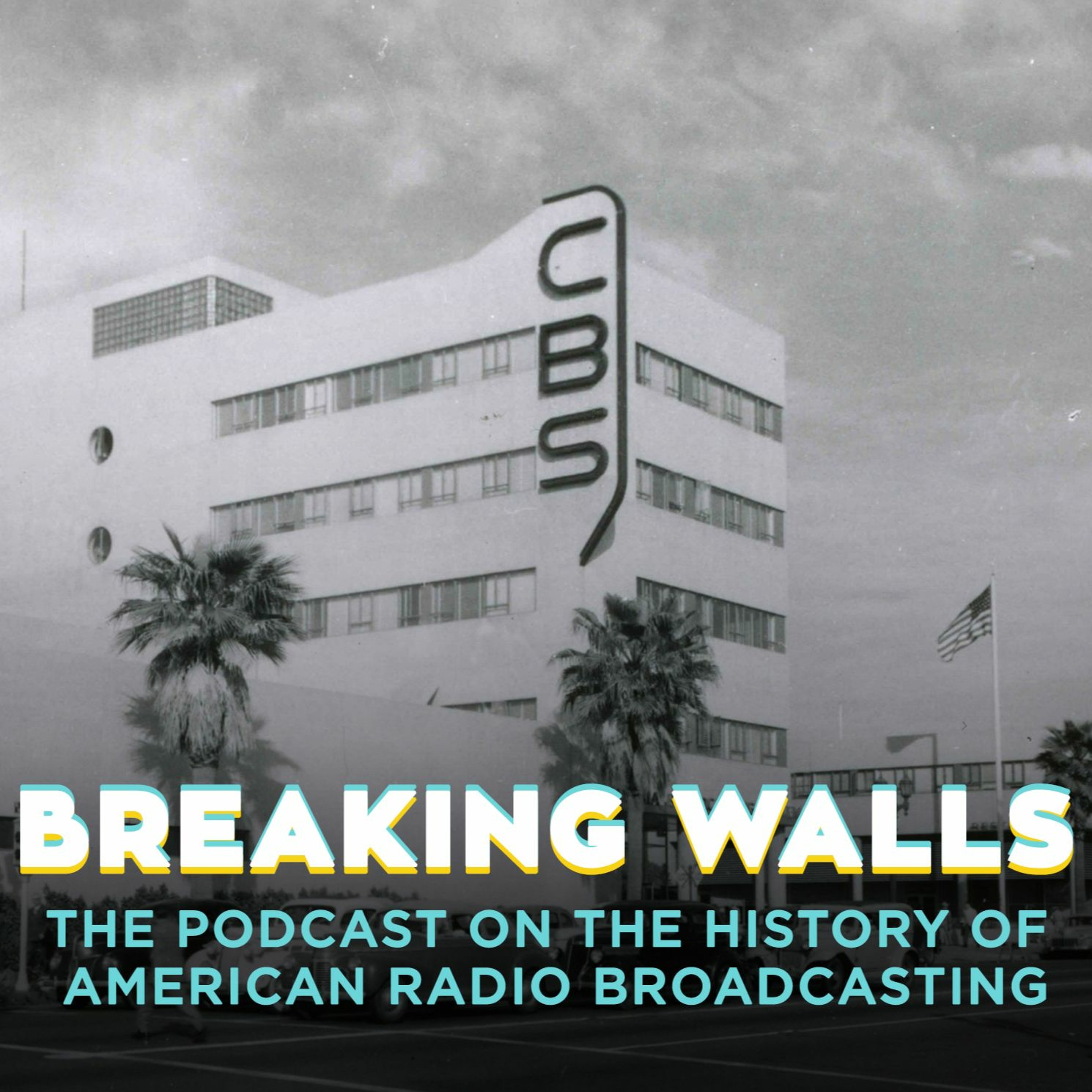
Sunday, November 23rd, 1958 was a sunny, cold day in New York. Conway Twitty had the nation’s top song with “It’s Only Make Believe.” The inside cover of the New York Daily News spoke of President Eisenhower’s slashes to the 1960 government budget. Meanwhile Texan Democrat Rep. George H. Mahan demanded the military budget remain robust. West Berlin Mayor Willy Brandt called for allied powers to stop Russia’s campaigns aimed at destroying democracy in western Europe. And a mechanics strike grounded all but four of TWA’s more than 200 planes. If you’d have turned on your radio to WCBS in New York that Sunday, you’d have heard news reports at the tops of most hours. Concerts, talk, and other music programs filled the dial between 11:30AM and 5:00PM. At 5:05, Yours Truly Johnny Dollar signed on starring Bob Bailey. Bailey had been playing the lead since the fall of 1955. He’d hold it until November 1960 when the program shifted production from Hollywood, to New York. For more info, tune into Breaking Walls episode 102. After Dollar, Suspense signed on at 5:30 with a play called “A Statement of Fact.” Directed by William N. Robson, it guest-starred Cathy Lewis as an international beauty accused of murdering her husband. As further proof of Hollywood radio’s tight-knit community, it also featured John Dehner. George Walsh announced. After Suspense went off the air, Have Gun Will Travel debuted over CBS with “Strange Vendetta.” The show aired on Sundays at 6PM in New York and at 7PM in Los Angeles. This episode was broadcast just one week after the end of Frontier Gentleman. When Have Gun Will Travel signed off, Gunsmoke signed on with “The Correspondent.” George Walsh, in a completely different voice, also announced the show. Gunsmoke was the final CBS dramatic offering of the evening.
BW - EP136—002: Have Gun Will Travel—Norman MacDonnell And Palladin
By 1958, Norman Macdonnell was a radio veteran with thousands of broadcast hours under his belt. He’d been producing and directing Gunsmoke since 1952. Gunsmoke’s radio show was one of the first to offer a more-accurate portrayal of events and relationships from the Western era, as writer John Meston remembered. MacDonnell also directed the critically acclaimed Fort Laramie in 1956, but unlike with Gunsmoke, Fort Laramie was never able to secure national sponsorship. For more info on that series, tune into Breaking Walls episode 114. Frontier Gentleman ran into the same issues. The show was superb, but thanks to Television, there was no national advertiser appeal. So, when CBS canceled Frontier Gentleman they did so with another western in mind. Have Gun, Will Travel was in the midst of a successful second-TV season starring Dick Boone. Its lead character, Paladin, was a gun for hire based out of a posh San Francisco hotel. He advertised his services with a card that featured the series’ title words. CBS felt the crossover appeal could attract national advertising dollars. Norman MacDonnell was given the task of directing the show. On November 8th, 1958, Macdonnell conducted three tests for the lead. Harry Bartell, Vic Perrin, and John Dehner all auditioned. They delivered the opening lines from what would become the debut episode. This is Mr. Bartell’s. John Dehner would ultimately win the role.
BW - EP136—001: Have Gun Will Travel—Dehner
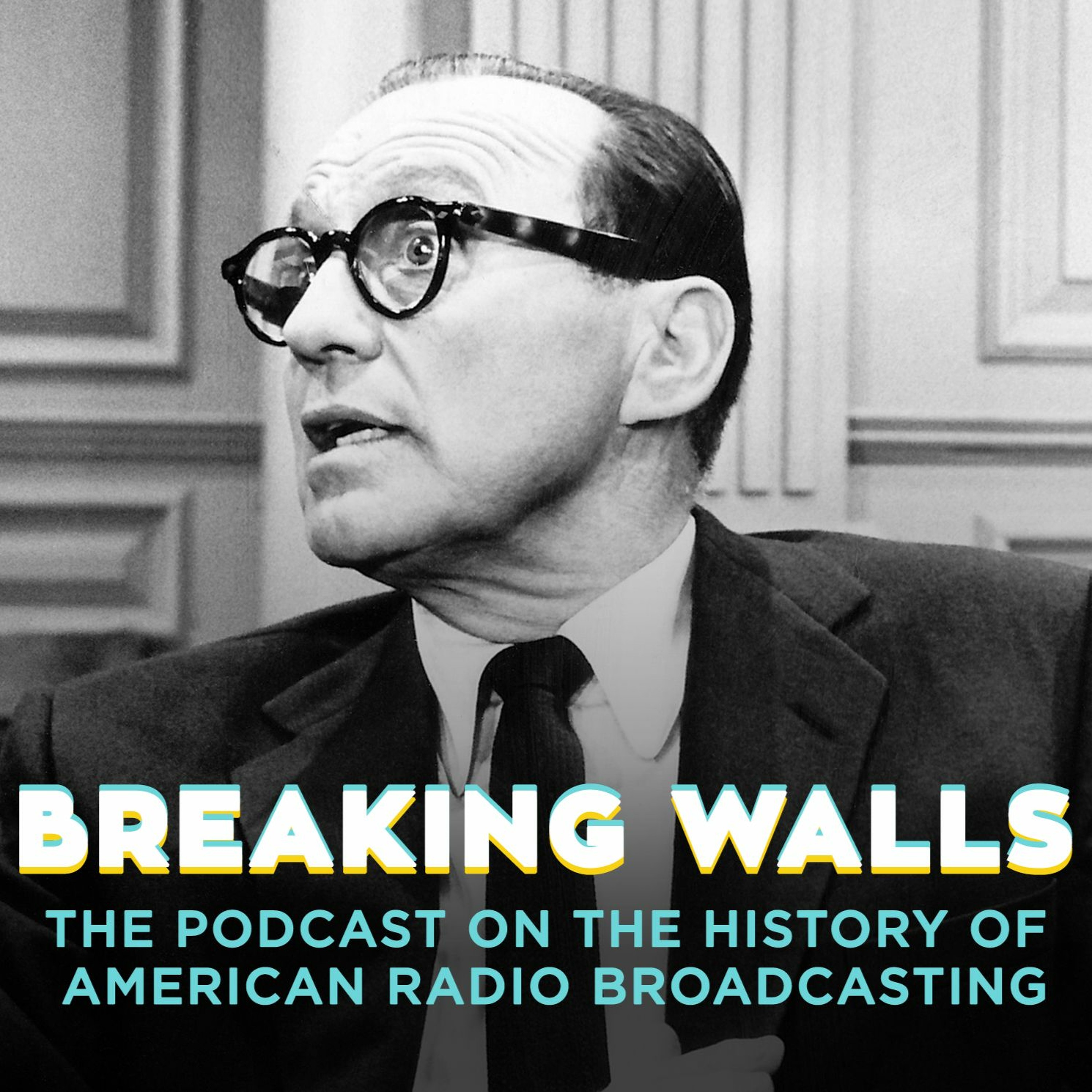
John Dehner was born John Forkum on November 23rd, 1915 in Staten Island, New York. His father Leroy was an artist. His career allowed John to attend school in Norway and France. John was also a gifted artist, and pianist. He studied at the Grand Central School of Art in New York, while simultaneously getting into acting. Forkum’s talent took him west. He found animation work at Disney before landing a job at KMPC. At the radio station, John did everything from dramatic work to newscasting. He later earned a Peabody Award for his coverage of the first U.N. Conference. He spent the last half of World War II in the Army. After being honorably discharged, he returned to California. Now using his mother’s maiden name, Dehner, hoped to act. Lawrence Dobkin remembered how difficult it was for an outsider to find Hollywood work. But Dehner had good timing. Thanks to William Paley’s Packaged Program initiative, CBS was piloting dozens of shows. By 1948, he was a regular on the network, where a new crop of directors like Elliott Lewis and Norman MacDonnell were joining veterans like Bill Robson and Bill Spier. On August 1st, Dehner appeared on Escape in Bill Robson’s production of “The Man Who Would Be King.” On April 11th, 1950 Dehner appeared in an episode of The Adventures of Philip Marlowe. It was noted because Bill Conrad subbed for star Gerald Mohr. The pair’s relationship went back to their days at KMPC. By the early 1950s, Dehner had appeared on The NBC University Theater, The Screen Directors Playhouse, Escape, and The Whistler. Dehner became a regular on Gunsmoke after its 1952 debut. This is from the December 27th, 1952 episode called, “The Cabin.” Dehner spent the next six years playing a variety of parts on shows like Gunsmoke and Johnny Dollar. He was a toothless drunk, dashing leading man, vile psychopath, pillar of the community, and no nonsense anti-hero. In 1955 Gunsmoke’s success led CBS and director Norman Macdonnell to launch a second adult western called Fort Laramie. John Dehner auditioned for the lead on July 25th, 1955. But he was worried about being typecast and Captain Lee Quince went to Raymund Burr. With no sponsorship Fort Laramie lasted only ten months before being canceled after the October 28th, 1956 episode. Gunsmoke remained CBS’s only western until February of 1958 when Dehner was cast as J.B. Kendall in Antony Ellis’ production of Frontier Gentleman. Kendall was an English journalist writing for the London Times, weaving his way through the Western territories of the US in the late nineteenth century. In the September 1st, 1958 issue of Broadcasting Magazine WCBS Radio in New York took out a local ad touting their station as having the city’s most persuasive radio salesmen. They also hailed their star personalities like Jack Sterling, Lanny Ross, Jim Lowe, Martha Wright, and Galen Drake. More and more network programming was being left to local stations. William N. Robson remembered that time. Frontier Gentleman lasted nine months. In November, the network announced it was dropping several shows, including Nora Drake, Our Gal Sunday, Backstage Wife, The FBI in Peace and War, Indictment, The Galen Drake Show, City Hospital, and Frontier Gentleman.
BW - EP135: Luke Slaughter Of Tombstone (1958)
In Breaking Walls episode 135 it’s February of 1958 and CBS has just launched a new western, Luke Slaughter, of Tombstone. It’s a forgotten sixteen episode gem. Five years earlier it might have been a hit. —————————— Highlights: • William N. Robson and The Hollywood Radio Western • Planning Luke Slaughter • Slaughter Launches • The Radio Dial on February 23rd, 1958 • Tracks Out of Tombstone • The End of Slaughter • Looking Ahead to Paladin —————————— The WallBreakers: http://thewallbreakers.com Subscribe to Breaking Walls everywhere you get your podcasts. To support the show: http://patreon.com/TheWallBreakers —————————— The reading material used in today’s episode was: • On the Air — By John Dunning • Network Radio Ratings — By Jim Ramsburg • “Luke Slaughter of Tombstone: The Man Too Tough To Die.” by Stewart Wright’s for the April 2018 SPERDVAC RadioGram —————————— On the interview front: • Lilian Buyeff, Mary Jane Croft, John Dehner, Lawrence Dobkin, Sam Edwards and Jeanette Nolan were with SPERDVAC. For more info, go to SPERDVAC.com. • William N. Robson was with Dick Bertel and Ed Corcoran for WTIC’s The Golden Age of Radio. Hear these at Goldenage-WTIC.org. • Norman Macdonnell, and William N. Robson spoke to John Hickman for his Gunsmoke documentary. • Roberta Bailey-Goodwin and E. Jack Neuman spoke with John Dunning for his 1980s 71KNUS Radio program from Denver. • Vic Perrin spoke to Neil Ross for KMPC in 1982. • Jack Kruschen and Shirley Mitchell were guests of Jim Bohannan in 1987. —————————— Selected music featured in today’s episode was: • Pavane — By Steve Erquiaga • I’ll Be Seeing You — By The Harry James Orchestra • Who Lives Up There — By Snuffy Walden —————————— A special thank you to Ted Davenport, Jerry Haendiges, and Gordon Skene. For Ted go to RadioMemories.com, for Jerry, visit OTRSite.com, and for Gordon, please go to PastDaily.com. —————————— Thank you to: Tony Adams Steven Allmon Orson Orsen Chandler Phil Erickson Jessica Hanna Perri Harper Briana Isaac Thomas M. Joyce Ryan Kramer Earl Millard Gary Mollica Barry Nadler Christian Neuhaus Aimee Pavy Ray Shaw Filipe A Silva John Williams —————————— WallBreakers Links: Patreon - patreon.com/thewallbreakers Social Media - @TheWallBreakers
BW - EP135—006: Luke Slaughter Of Tombstone—The End Of Slaughter
Despite the CBS sales team’s best efforts, national sponsorship for Luke Slaughter was non-existent. Only the May 4th episode managed to get sponsorship from O'brien Paints. All the components for an excellent series were there, except the timing. By Memorial Day, the writing was on the wall. This is audio from the final episode of Luke Slaughter, which aired on June 15th, 1958. In it we learn that Slaughter was once a young lawyer, and his birth name was Lucien. With his commanding voice, Buffington could have been a radio leading man. His physical features — short, stocky, and balding — relegated him to character parts in film and TV. On May 15, 1960 Less than two years after Luke Slaughter was cancelled, Sam Buffington committed suicide by asphyxiation. He was 28 years-old.
BW - EP135—005: Luke Slaughter Of Tombstone—Tracks Out Of Tombstone
The front cover of the March 2nd, 1958 Sunday edition of The Los Angeles Times spoke of President Eisenhower’s recovery from a mild stroke. Two civilian airplanes crashed over Upland, killing four. Racehorse Round Table, won at Santa Anita. Meanwhile, at 12:05PM Pacific Time, Luke Slaughter signed on from KNX. Lawrence Dobkin was featured in the cast. Years later, he and Lilian Buyeff, who played Carlotta in the previous episode, spoke with SPERDVAC.
BW - EP135—004: Luke Slaughter Of Tombstone—The Radio Dial On February 23rd, 1958
After Luke Slaughter signed off, Frontier Gentleman signed on with its fourth episode. It was called “Kendall’s Last Stand,” and was one of the most gripping shows in the run. John Dehner starred. Five minutes of a Road Show followed and then five more minutes of news. After a New York Philharmonic Concert, Suspense signed on at 4:35, guest-starring Karl Swenson and Cathy Lewis. The story, “Five-Buck Tip.” is a thriller about a twin trying to escape the electric chair at the expense of his brother. It aired at 4PM from KNX in Los Angeles. CBS had found multi-sponsorship for the series in late 1956. William N. Robson was also in charge of this production. At 5:05PM, as a cold winter’s sunset overtook the east coast, Yours Truly Johnny Dollar signed on starring Bob Bailey in “The Durango Laramie Matter.” Bob Bailey’s daughter Roberta was a teenager at the time. Yours Truly Johnny Dollar has been covered extensively in Episode 102 of Breaking Walls. When Johnny Dollar signed off,The FBI In Peace and War signed on from New York. After which, dramatic programming shifted back to the west coast. Radio’s remaining Hollywood directors cast familiar character actors for union scale wages. Throughout the 1950s, Norman Macdonnell’s Gunsmoke remained radio’s most popular show. It aired Sundays at 6:30 with a repeat the following Saturday at 12:30PM. On February 23rd, 1958 they presented “The Surgery.” Although the last new episode of The Jack Benny Program aired on May 22nd, 1955, Between October of 1956 and June of 1958, CBS aired The Best of Benny in his familiar 7:05 time slot. With the Home Insurance Company paying for the time, even Benny repeats attracted a sponsor. After Benny, Henry Morgan’s Comedy-Panel show Sez Who! Took to the air. Sez Who! debuted alongside The Stan Freberg Show on Sunday, July 14th, 1957 as part of a week in which CBS Radio added $765,000 in new billings. Sez Who! Would be sponsored every other week by Look Magazine.
BW - EP135—003: Luke Slaughter Of Tombstone—Slaughter Launches
When Luke Slaughter debuted on Sunday, February 23rd, 1958 over CBS, network radio had shifted focus. Car radios had become standard. That month, U.S. Radio Magazine reported fifty-five percent of all peak listening came from cars. Auto-rating measurements were underway, but ineffective. If you’d have turned on your radio to WCBS in New York that Sunday, you’d have heard news reports at the tops of most hours. Concerts and other music programs filled the dial between 11:30AM and 2:00PM. Slaughter signed on at 2:05 with CBS’s first fiction show of the day. Chairman William Paley still believed in radio drama. Americans were on the move and there was still an audience to reach. Opposite Slaughter, NBC broadcast a talk show The Sound of Science. ABC was in the midst of Dr. Oral Roberts. Mutual—WOR aired Studio X Matinee. Junius Matthews played Wichita. Vic Perrin guest-starred. Sam Edwards appeared as well.
BW - EP135—002: Luke Slaughter Of Tombstone—Planning Luke Slaughter
William Robson attracted talented people into Slaughter’s creative process. The going rate in 1958 for a radio script was four-hundred fifty dollars. Lucian Davis would produce script writers like Allen Botzer, Don Clark, Robert Stanley, and Tom Hanley, who also provided editorial supervision. Hanley shared sound duties with Bill James. Gunsmoke director Norman MacDonnell remembered their work. Luke Slaughter would be set in the 1880s around Southwest Tombstone, Arizona. The title character was based on John Horton Slaughter, a Civil War cavalryman and Texas Ranger, noted as a trail-driver, gambler and cattleman. Slaughter also served as the sheriff of Cochise County in Arizona, and inspired a series on ABC TV the same year. The supporting cast would be filled out by Hollywood radio’s most famous character actors, like Harry Bartell, Lilian Buyeff, Lawrence Dobkin, Jack Kruschen, Junius Matthews, Shirley Mitchell, Jeanette Nolan, Virginia Gregg, Vic Perrin, Parley Baer, Howard McNear, and Sam Edwards. They were like a family. They looked out for each other, including those less fortunate, as Jack Kruschen and Shirley Mitchell remembered. Jerry Goldsmith, then a CBS staff musician, was tasked with creating the musical score. Picked to star was a twenty-six year old named Sam Buffington. Buffington appeared in at least thirty-nine TV shows and nine movies in less than four years. Luke Slaughter would be his only radio credit.
BW - EP135—001: Luke Slaughter Of Tombstone—William Robson And The Hollywood Radio Western
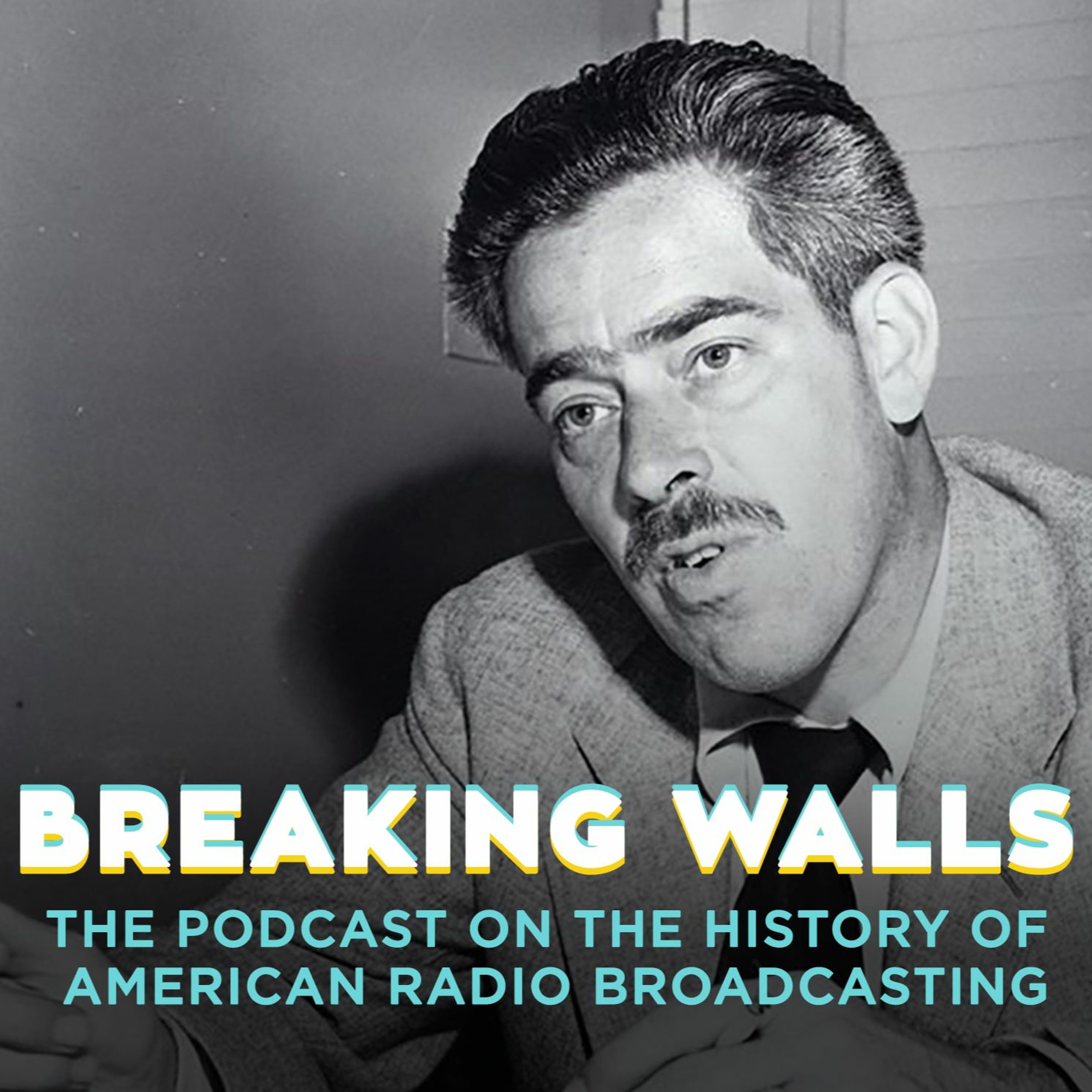
In February of 1958, CBS’ Gunsmoke, considered by many to be the greatest western of all-time, was in its sixth radio year. The TV version was the medium’s most-watched show, with a rating of 39.6. Although the 1950s proved to be a great time for radio westerns, in 1958 Gunsmoke was the only one of note on the air. Gunsmoke’s cast and crew had little overlap with its TV counterpart. CBS was contractually obligated to provide their radio affiliates with a promised slate of shows, and because advertisers were now investing most of their dollars into TV, CBS officials left radio to the radio people. Producers and directors, like Elliot Lewis, Jack Johnstone, Norman MacDonnell, and William N. Robson enjoyed less second-guessing and more creative freedom. However, these men and women also faced with shrinking budgets. This is William N. Robson. By 1958 he had more than twenty years of experience writing, producing, and directing radio shows. He was also no stranger to westerns, having been in charge of Hawk Larabee a decade before. Robson had also been in control of Suspense since 1956. In 1957 CBS Radio saw a rise in revenue for the first time since 1950. At the company convention that November, upper management predicted that radio was becoming fashionable again. In early 1958, the network ordered two new western programs to air on Sunday afternoons, replacing an hour of concert broadcasts. The goal was to interest national advertisers. In the meantime, unsold commercial spots would be filled with PSAs. The first was created by Antony Ellis and called Frontier Gentleman. It came to the air on February 2nd, 1958. Breaking Walls covered Frontier Gentleman in episode 101. The second one’s assignment fell to Robson. It would be called Luke Slaughter, of Tombstone.
BW - EP134: Christmas With Jack Benny In A Changing World (1949)
In Breaking Walls episode 134 we spend our holidays with one of the most-beloved figures of the twentieth century: Jack Benny. —————————— Highlights: • Picking Up with Benny Leaving NBC for CBS • A World in Turmoil • Benny Launches his Fall 1949 Season • The Texas Benefit • What About 1950? • Jack Goes Christmas Shopping • Christmas Week 1949 in World News • Christmas Day with Jack and the Gang • Bringing 1949 To a Close — Looking Ahead to January —————————— The WallBreakers: http://thewallbreakers.com Subscribe to Breaking Walls everywhere you get your podcasts. To support the show: http://patreon.com/TheWallBreakers —————————— The reading material used in today’s episode was: • Sunday Nights at Seven — By Jack and Joan Benny • On the Air — By John Dunning • Network Radio Ratings — By Jim Ramsburg —————————— On the interview front: • Jack Benny, Dennis Day, Phil Harris, Frank Nelson, and Don Wilson, were with Chuck Schaden. Hear their full chats at SpeakingOfRadio.com. • Mel Allen, Mel Blanc, and Vincent Price were with Dick Bertel and Ed Corcoran for WTIC’s The Golden Age of Radio. Hear these at Goldenage-WTIC.org. • Jack Benny, George Burns, Phil Harris, Frank Nelson, and Don Wilson were also interviewed by Jack Carney. • Dennis Day and Dick Joy spoke with John Dunning for his 1980s 71KNUS Radio program from Denver. • Don Quinn was interviewed by Owen Cunningham in 1951 —————————— Selected music featured in today’s episode was: • Somewhere In My Memory — By John Williams • What Are You Doing New Year’s Eve — By Nancy Wilson —————————— A special thank you to Ted Davenport, Jerry Haendiges, and Gordon Skene. For Ted go to RadioMemories.com, for Jerry, visit OTRSite.com, and for Gordon, please go to PastDaily.com. —————————— Thank you to: Tony Adams Steven Allmon Orson Orsen Chandler Phil Erickson Jessica Hanna Perri Harper Briana Isaac Thomas M. Joyce Ryan Kramer Earl Millard Gary Mollica Barry Nadler Christian Neuhaus Aimee Pavy Ray Shaw Filipe A Silva John Williams —————————— WallBreakers Links: Patreon - patreon.com/thewallbreakers Social Media - @TheWallBreakers
BW - EP134—009: Christmas With Jack Benny In A Changing World—Looking Ahead To January
As the curtain closed on 1949, Jack Benny had his most lucrative year to date. CBS was now the number one network in the country, and both were poised for big things in the oncoming TV era. Benny’s January 1950 rating would rise again, to 25.6. This brings our look at December of 1949 with Jack Benny to a close. Although we’ll be moving on you shouldn’t worry, Jack will still be around the periphery in January.
BW - EP134—008: Christmas With Jack Benny In A Changing World—Christmas Day With Jack
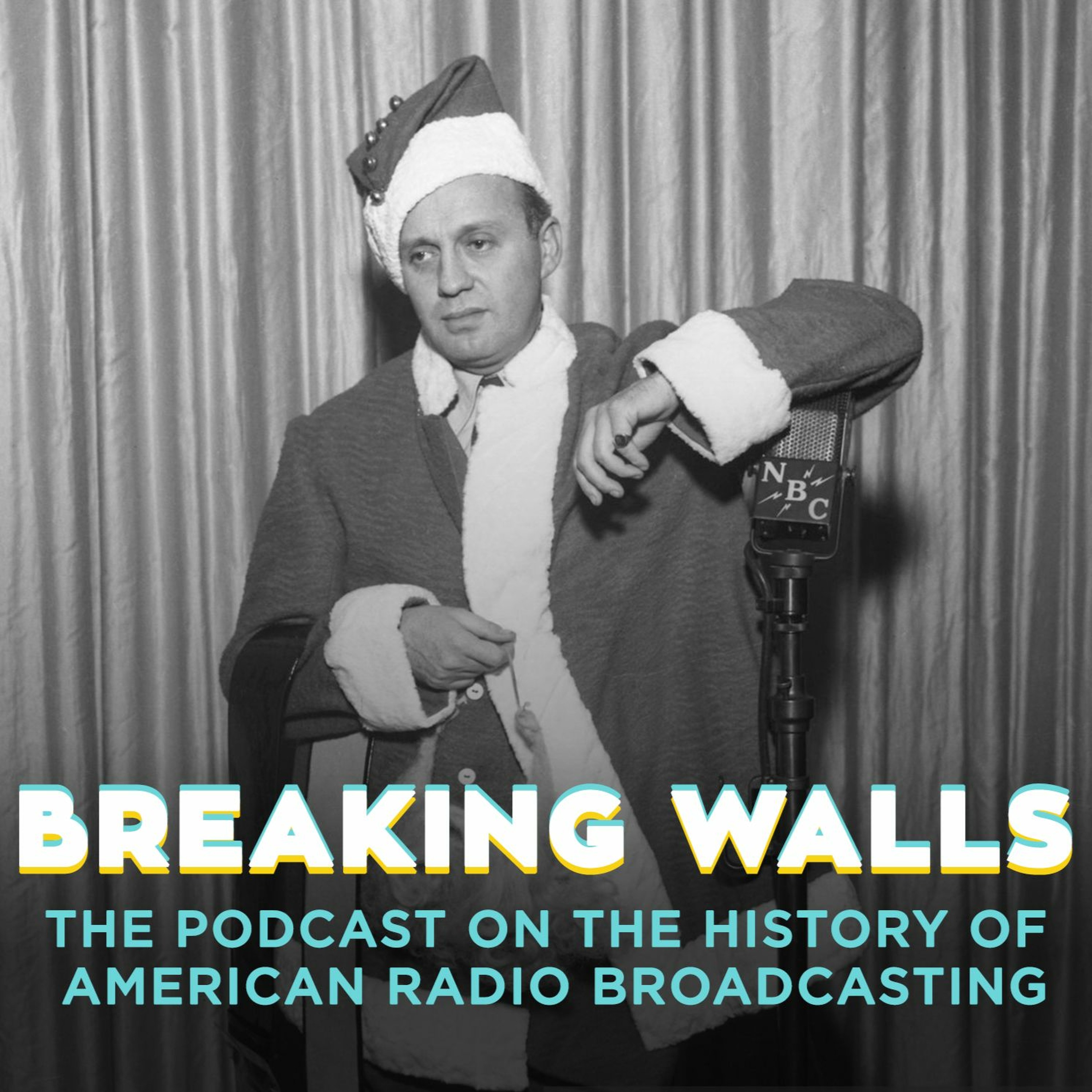
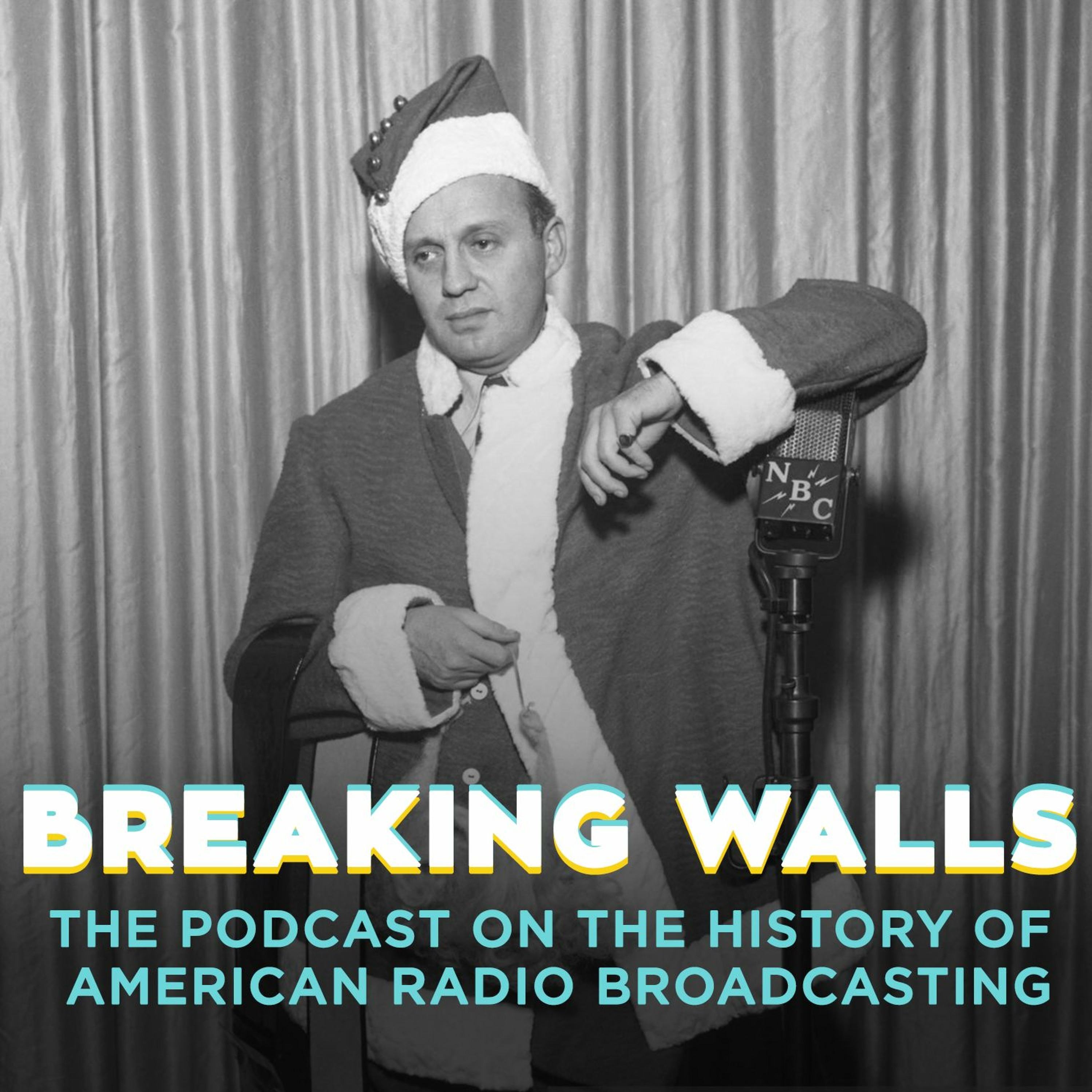
On Christmas Day 1949, The Czech government outlawed all people who’d fled the country during the 1948 Communist coup. While Cary Grant and Besty Drake were married in a private ceremony. At 5PM eastern time, CBS put on a star-studded holiday rendition of “The Man Who Came to Dinner.” Jack Benny played the male title role in this screwball comedy. Holiday specials were a network tradition, and Benny was no stranger to them. At 7PM eastern, The Jack Benny show signed on CBS. This episode was heard by roughly twenty-five million people.
BW - EP134—007: Christmas With Jack Benny In A Changing World—Christmas Week 1949 World News
On Tuesday December 20th, Clark Gable and Sylvia Ashley were married at a ranch in Solvang, California. It was the fourth marriage for both of them. They’d divorce in 1952. The next day, Samson and Delilah directed by Cecil B. DeMille and starring Hedy Lamarr and Victor Mature was released. It would earn more than nine million dollars at the box office — the highest grossing film of 1950. Meanwhile on Friday, December 23rd, The New York Stock Exchange rose to its highest levels since August of 1946. While Pope Pius XII invited all Protestants and Jews to "return to the one true church" to unite against militant atheism. Protestant and Jewish leaders said they had no intention of accepting the invitation. The December 24th issue of The Saturday Evening Post featured articles on The Berlin Blockade, fiction on the galaxy’s outer limit, and editorials on political advisor David Niles, dubbed Harry Truman’s “mystery man.” The cover of The New York Daily News had a story on the U.S. barring ships from entering Chinese waters. The Los Angeles Times told of a boy skier who was found frozen to death, and a forecast of holiday snow for much of the country.
BW - EP134—006: Christmas With Jack Benny In A Changing World—Jack Goes Christmas Shopping
At 7PM eastern time on December 18th, 1949 Jack Benny took to the air with what had become a programming staple: His Christmas shopping episode.
BW - EP134—005: Christmas With Jack Benny In A Changing World—What About 1950
The U.S. spent the first ten months of 1949 in a recession. Competition for the advertising dollar was stiffer. There were now over two-thousand-six-hundred AM and FM radio stations in the country, and TV was becoming a serious threat. Over one-hundred Television stations were on the air. Only two Network Radio shows had ratings higher than a 20. Just two years earlier, there were fifteen. Radio’s average Top 50 ratings were their lowest since 1937 and network radio revenue dropped for the first time since 1933. Meanwhile, NBC, ABC, CBS, and the Dumont Network reported a combined TV income of $29.4 Million. But advertisers were learning that TV production costs were much greater than radio’s. The extra money had to come from somewhere. Radio budgets were the likely source. On December 18th, 1949, NBC broadcast an episode of America United with a panel discussion on estimates and predictions concerning 1950. It was moderated by David Brinkley, at the time NBC’s Washington commentator. The post-World War II world had been chaotic. Europe was rebuilding slowly as the US and Russia became the two superpowers. That same day, as the Philadelphia Eagles were beating the Los Angeles Rams in the 1949 NFL Championship Game, Nikita Khrushchev was made The Soviet Communist Party’s secretary of the Central Committee, and single-party Communist elections were held in Bulgaria. Two days later, Josef Stalin was awarded the Order of Lenin as part of celebrations for his seventieth birthday.
BW - EP134—004: Christmas With Jack Benny In A Changing World—The Texas Benefit With Frank Leahy
By December Jack Benny’s rating was up to 25.4, tops on radio. On December 11th, 1949, Jack attempted to make arrangements for his Texas benefit appearance. Notre Dame football coach Frank Leahy was the guest star.
BW - EP134—003: Christmas With Jack Benny In A Changing World—Benny Launches Fall 1949 Season
To take advantage of Capital Gains laws, Jack Benny had formed his holdings into a corporation and sold it to CBS for Two-point-two-six Million dollars. Benny opened the fall 1949 season by taking stock of his pantry. The October 2nd program got a rating of 20.3. On election night, New York City Mayor William O’Dwyer, who’d succeeded Fiorello La Guardia, won reelection. He was soon confronted with a police corruption scandal uncovered by Kings County DA, Miles McDonald. O'Dwyer would resign from office on August 31st, 1950. President Truman appointed him U.S. Ambassador to Mexico. O’Dwyer would return to New York in 1951 to answer questions about his association with organized crime. He resigned as ambassador in 1952.
BW - EP134—002: Christmas With Jack Benny In A Changing World—Fall 1949 World News
By the time Mel Allen broadcast Game four of the 1949 world series at Ebbets Field in Brooklyn on October 8th, the world was in turmoil. The Yankees would win that day and take the series four games to one, but people's attention was turned toward world politics. The Communist People’s Republic of China was formed on October 1st and recognized by the USSR the next day. The Democratic Republic of East Germany was formed on October 7th. On October 14th, Ten Communist Party USA leaders were sentenced to jail time. Two days later the Greek Civil war ended with a Communist surrender, and on October 24th the cornerstone of the United Nations Headquarters was laid in New York. As 1949’s holiday season approached, India adopted a constitution, while the labor government was defeated in Australian Federal elections. A growing red scare was now deeply embedded in the media. Alger Hiss’ second perjury trial began in November, while Mahatma Gandhi's assassins were executed, and Chinese communist troops continued their march to Taiwan. Members of the media had been claiming there were potential communist cells in the entertainment industry for more than two years.
BW - EP134—001: Christmas With Jack Benny In A Changing World—Benny Comes To CBS
On December 23rd, 1948, CBS Chairman William Paley and CEO Frank Stanton broadcast a special closed circuit press conference to their affiliates and staff. The move was to officially announce that Jack Benny was switching his program from NBC to CBS. The change would begin with the first broadcast of the new year. When William Paley signed Jack Benny in November, he’d convinced sponsor American Tobacco to make the jump to CBS by agreeing to pay the cigarette giant $3K per week for every ratings point lost after the migration. The move signaled that Paley was intent on not just equalling Benny’s audience on NBC, but growing it. In December of 1948, Benny’s last month on NBC, his program rating was 25.8. His first episode rating for CBS? — 28.3. It was the most-listened to show in the U.S. Benny ended the 48-49 season in May on a high note. His combined rating for his last three months on NBC was 22.7. His combined rating for his first three months on CBS was 25.8.

Burning Gotham Chapter 2 and Breaking Walls Reminder
James Scully here, wanting to remind you that Burning Gotham 002: Bankruptcy is now available in the Burning Gotham feed. You can subscribe (for free) anywhere you'd get a podcast by searching for Burning Gotham or going to http://burninggotham.com/. Also, Breaking Walls EP134: Christmas With Jack Benny in a Changing World (1949)will be out this Thursday, 12/1/2022 in full on the Breaking Walls Patreon (https://www.patreon.com/TheWallBreakers) feed, and in parts beginning in the normal Breaking Walls feed as well. You can support the Burning Gotham Patreon for as little as $2 per month (https://www.patreon.com/BurningGotham) and the Breaking Walls Patreon for as little as $1 per month. The combined cost — $3 — is frankly. less than the cost of one cup of Starbucks coffee. So keep getting out there, keep breaking those walls. My name is James Scully, and you'll hear from me soon.
Burning Gotham 001: Moving Day
BURNING GOTHAM 001: MOVING DAY May 1st, 1835 — It’s a cold and rainy Moving Day. Every renter in New York is out on the street looking for lodging. Most of the city’s quarter-million live below Houston Street in buildings four stories or smaller, but construction is booming. New people are pouring onto New York’s dangerously overcrowded streets by the thousands. Rich and poor, many come to earn an honest living. Others for more nefarious reasons. It’s the perfect place to begin. Aaron Columbus is an illegitimate son, desperate to make his fortune. Together with Aaron’s brother Wyndham Bowen—an African man born in Europe—they involve themselves in backroom deals, Abolitionism, potential war with France, and City politics. Aaron has struck an illegal import deal with John Jacob Astor, America’s richest man. The import? Two exiled Russian Countesses; Sorina and Raisa Zubov, and their inheritance—eleven pounds of diamonds. The two women have just arrived in New York. ___________ Download Episode Transcript ___________ Written By: Olga Lysenko & James Scully ___________ Cast: Eirik Gislason Kacie Laforest Roland Lane Mary Murphy Anna Pirogov Nancy Pop Matt Roper James Scully ___________ Music: The Hesperus Early Music Ensemble The Itinerant Band ___________ Engineer: Josh Wilcox of Brooklyn Podcasting Studio ___________ Director & Post-Producer: James Scully ___________ Support Burning Gotham on Patreon
BW - EP133: Thanksgiving With I Love A Mystery (1949)
In Breaking Walls episode 133 we spend Thanksgiving 1949 with the cast of I Love a Mystery. —————————— Highlights: • Thanksgiving Eve, 1949 • Carlton E. Morse—Budget Stretcher • The First Two I Love a Mystery Runs • Mutual Broadcasting in 1949—I Love a Mystery Relaunches • Thanksgiving Day 1949—Thorson and Boles • Mercedes McCambridge—Oscar Winner • Tony Randall’s Early Career • I Love a Mystery is Canceled • Parley Baer and One Final Pilot • Wrapping Things Up • Looking Ahead to Christmas With Jack Benny —————————— The WallBreakers: http://thewallbreakers.com Subscribe to Breaking Walls everywhere you get your podcasts. To support the show: http://patreon.com/TheWallBreakers —————————— The reading material used in today’s episode was: On the Air — By John Dunning The I Love A Mystery Companion — By Martin Grams Jr. Network Radio Ratings — By Jim Ramsburg —————————— On the interview front: • Parley Baer, Jim Boles, Mercedes McCambridge, Carlton E. Morse, Tony Randall, Russell and Don Wilson, were with Chuck Schaden. Hear their full chats at SpeakingOfRadio.com. • Parley Baer and Himan Brown were with SPERDVAC. For more info, go to SPERDVAC.com. —————————— Selected music featured in today’s episode was: Sligo Creek — By Al Petteway It All Depends on You — By Frank Sinatra Shenandoah — By Michael Hanna The Holly and the Ivy — By George Winston —————————— A special thank you to Ted Davenport, Jerry Haendiges, and Gordon Skene. For Ted go to RadioMemories.com, for Jerry, visit OTRSite.com, and for Gordon, please go to PastDaily.com. —————————— Thank you to: Tony Adams Steven Allmon Ron Baron Orson Orsen Chandler Phil Erickson Eirik Davey-Gislason Jessica Hanna Perri Harper Briana Isaac Thomas M. Joyce Ryan Kramer Gary Mollica Barry Nadler Christian Neuhaus Aimee Pavy Martin Schwartz Ray Shaw John Williams —————————— WallBreakers Links: Patreon - patreon.com/thewallbreakers Social Media - @TheWallBreakers
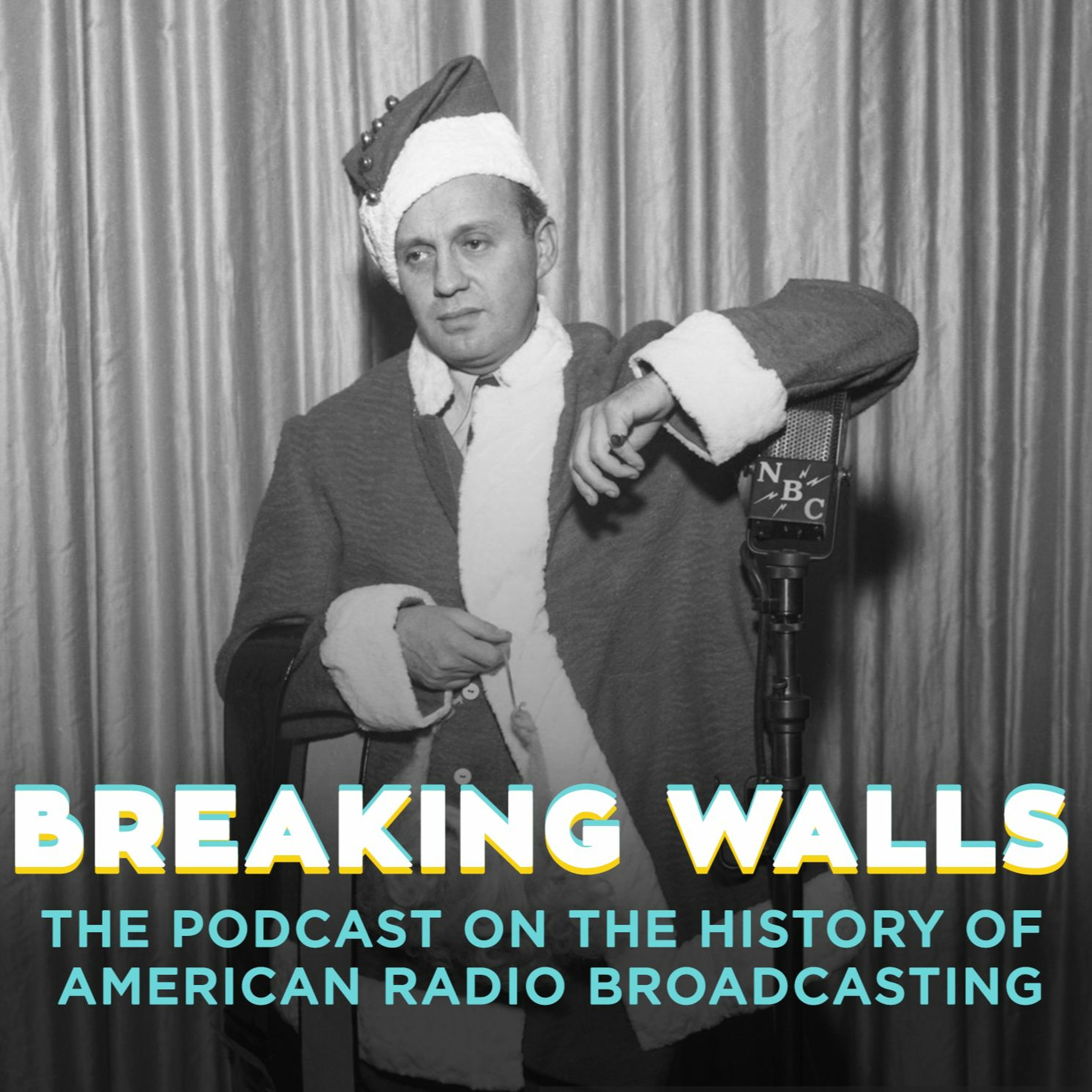
BW - EP133—010: Thanksgiving With I Love A Mystery—Looking Ahead To Christmas With Jack Benny
Well, that brings our look at I Love A Mystery to a close, but there’s no mystery about what people thought of the subject of our next Breaking Walls episode. Next time on Breaking Walls, we celebrate the holidays by going shopping with the one and only Jack Benny.
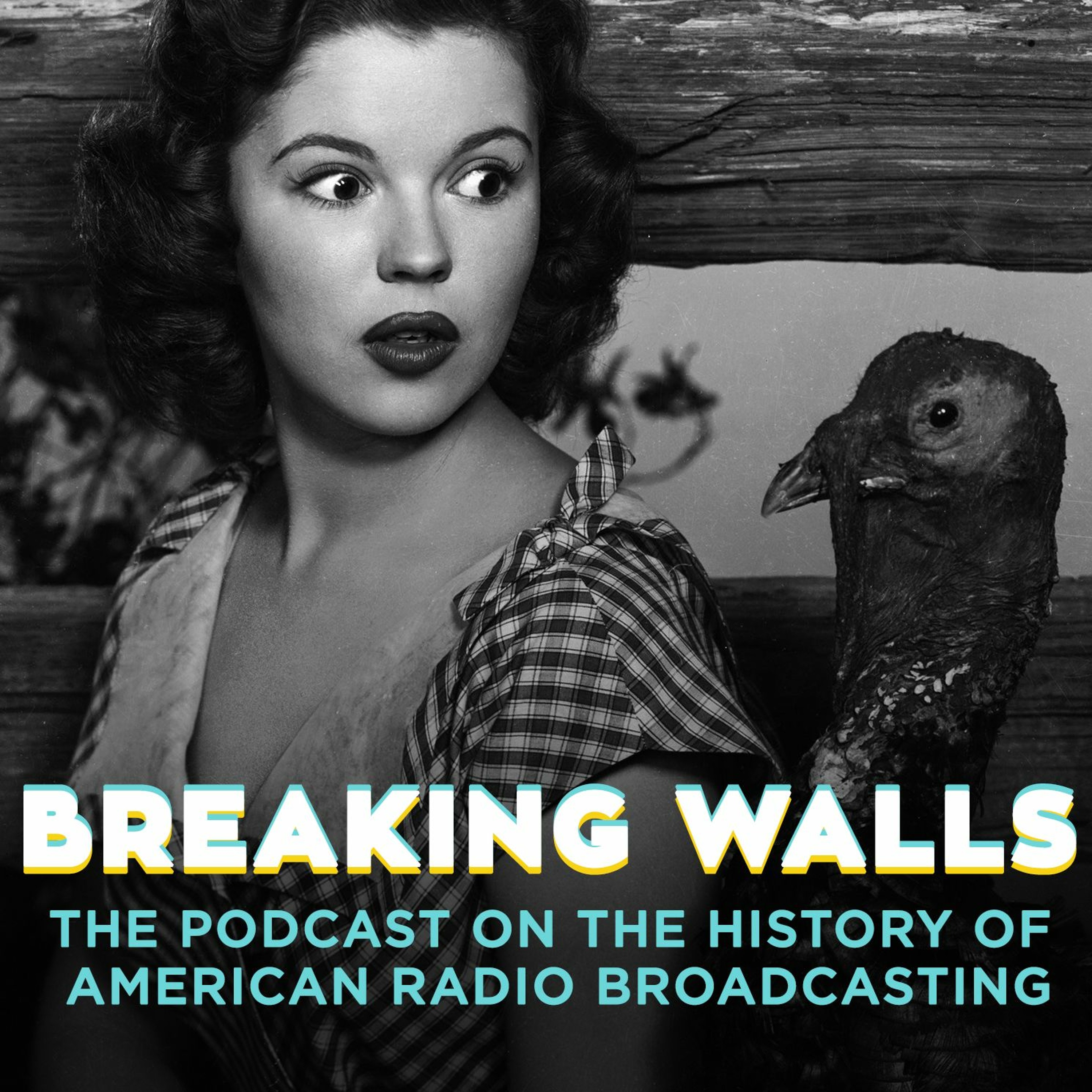
BW - EP133—009: Thanksgiving With I Love A Mystery—Wrapping Things Up
Chuck Schaden interviewed Tony Randall on September 16th, 1970 at the Ambassador Hotel in Chicago. Eight days later Randall’s new series The Odd Couple debuted on ABC. Randall played Felix Unger. The show ran for five seasons and became Randall’s most-remembered role. He continued acting until passing away on May 17th, 2004. After I Love A Mystery went off the air, Carlton E. Morse penned a new serial drama entitled Family Skeleton. He cast Mercedes McCambridge in the lead role. The Program would air weeknights on CBS from June 8th, 1953 through March 5th, 1954. It pulled a rating of 3.3 for Sweetheart Soap. Mercedes McCambridge had many trials and tribulations. She was nominated for a second Academy Award for her role in Giant in 1956. She also voiced the demon in The Exorcist. She won a battle with alcoholism and penned an autobiography in 1981 called The Qualities of Mercy. Six years later her son John—a futures trader—was caught embezzling funds under McCambridge’s name after she’d given him money to invest. Mercedes refused to cooperate with her son and the company he worked for. They wanted to institute a repayment scheme which would have kept the matter from becoming public. In November of 1987 John wrote a scathing note blaming her for his problems before killing his wife, children, and then himself. Mercedes appeared in one final TV role in 1988. Her second husband, radio and tv writer/producer/director Fletcher Markle, passed away in 1991. She died on March 2nd, 2004 in La Jolla, California.
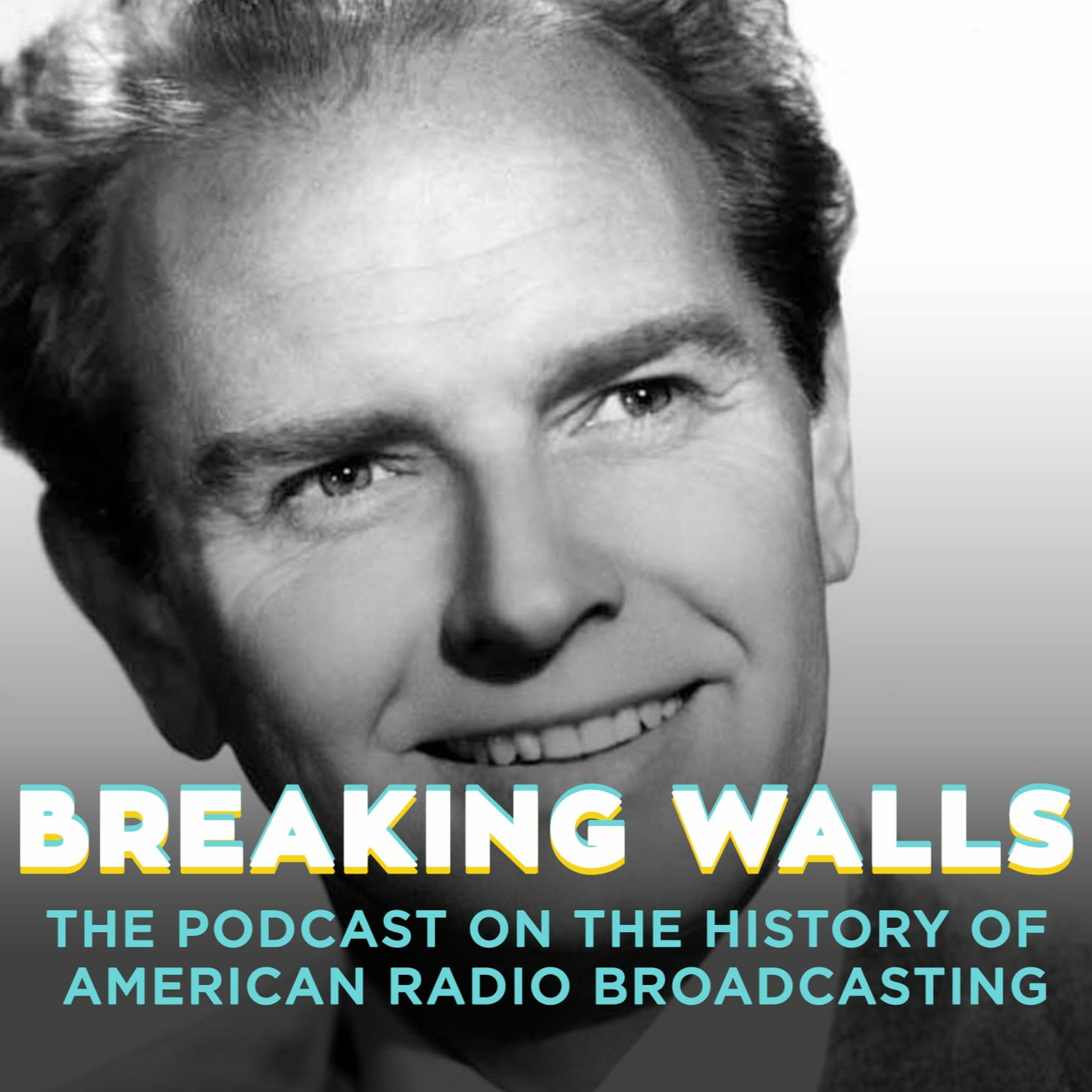
BW - EP133—008: Thanksgiving With I Love A Mystery—One Final CBS Pilot
Although the serial went off the air in 1952, in May of 1954 a new audition record was produced for CBS in Hollywood. With Russell Thorson back in Los Angeles he carried over the role of Jack, with Ben Wright as Reggie, and Parley Baer as Doc. Parley Baer was most-known for playing Chester Proudfoot on Gunsmoke. CBS didn’t pick up the series and I Love A Mystery went off the air for good.
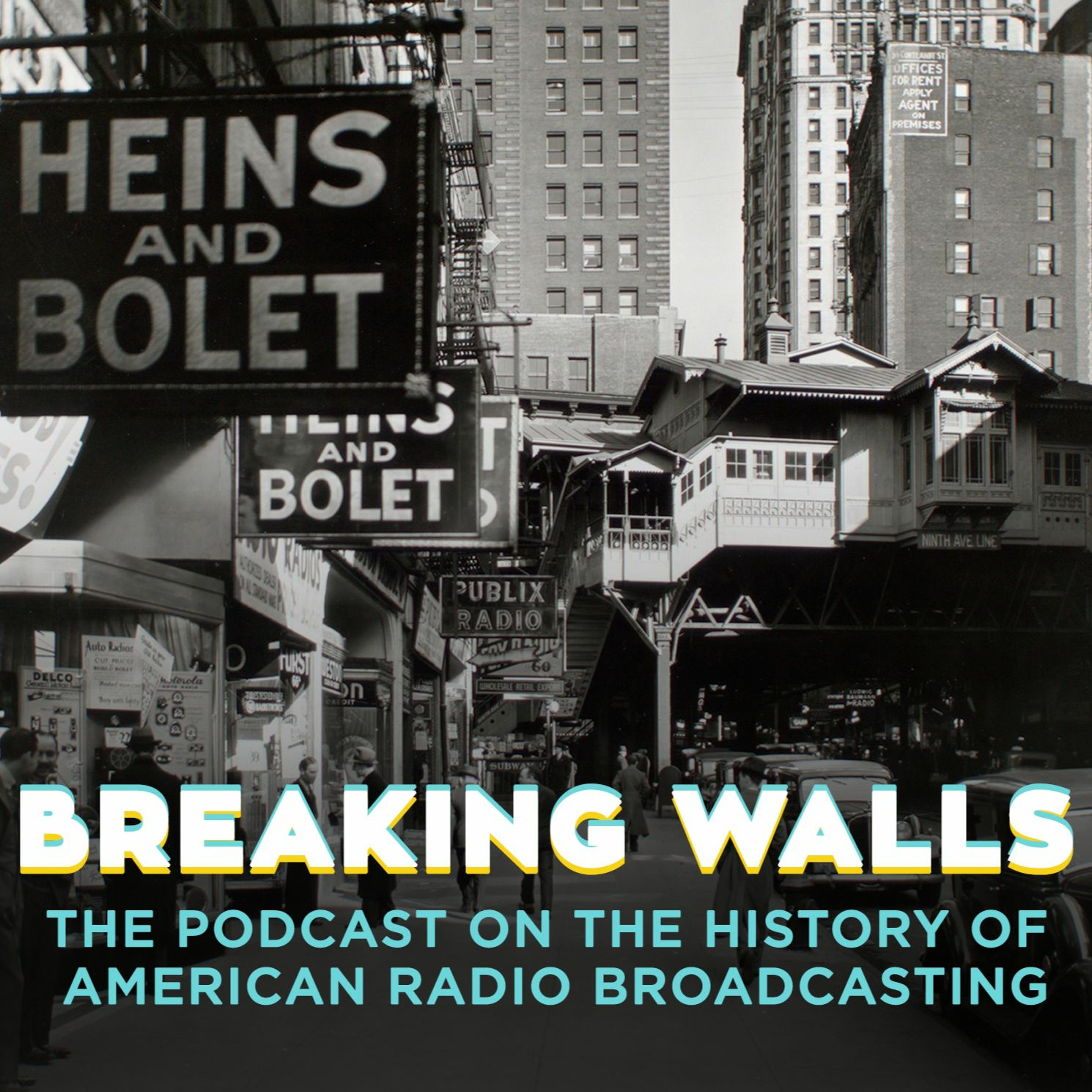
BW - EP133—007: Thanksgiving With I Love A Mystery—The Show Is Cancelled
Initially running at 7:45PM, Mutual moved I Love a Mystery to 10:15 in 1950. Although geared for teenagers, it was obviously not standard juvenile programming. Many listeners remembered tuning in under blankets with the lights down low. But, as entertaining as the program was, by 1952, television was taking over in big cities. One Man’s Family began running on TV in 1949. Tony Randall appeared in telecasts. Mutual ran as a cooperative, rather than a corporation. The network’s top stations — WOR in New York, WGN in Chicago, and Don Lee’s KHJ in Los Angeles — all boasted powerful signals. But, while Mutual had the most affiliated stations of the big four networks, many of these were small stations in rural areas. This limited their advertiser appeal. As families left cities and farms for the suburbs, the network’s shared programming structure left it at a distinct disadvantage against NBC, CBS, and ABC. Those three networks would use their soaring revenue to move into TV. Although some Mutual affiliates developed television programming, the full network was never able to launch into TV. With dramatic radio on its way out, the writing was on the wall. The final Mutual I Love A Mystery adventure aired on December 26th, 1952. By then the Red Scare was a major issue in the entertainment industry, as Himan Brown remembered.
BW - EP133—006: Thanksgiving With I Love A Mystery—Tony Randall's Early Career
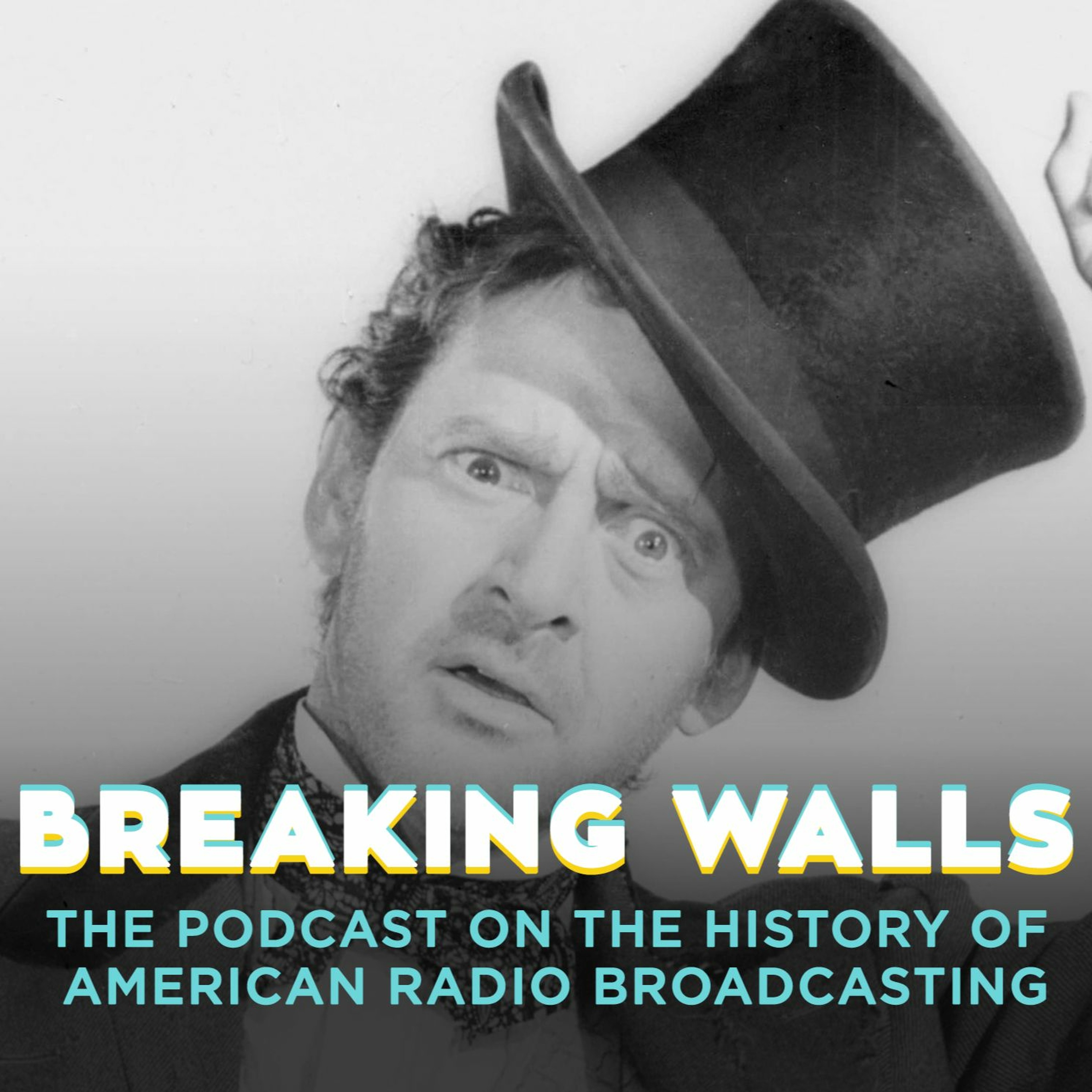
Tony Randall was born Aryeh Leonard Rosenberg on February 16th, 1920 in Tulsa, Oklahoma. He attended Northwestern University for a year before going to New York City to study under Sanford Meisner and choreographer Martha Graham. Randall worked as an announcer at WTAG in Worcester, Massachusetts. As Anthony Randall, he starred with Jane Cowl in George Bernard Shaw's Candida and with Ethel Barrymore in Emlyn Williams's The Corn Is Green. After serving with the U.S. Army Signal Corps in World War II, he came back to New York City. In 1946, Randall was cast in Katharine Cornell's revival of The Barretts of Wimpole Street. The following year in Antony and Cleopatra and in 1949 he appeared in Caesar and Cleopatra. Simultaneously, Randall found work in radio. Randall was twenty-nine and in New York when I Love a Mystery was revived. He originally auditioned for the part of Doc, but Carlton Morse felt he was better suited for Reggie York. As much as Randall loved I Love A Mystery, he wasn’t a huge fan of many of the soap operas he appeared on.
BW - EP133—005: Thanksgiving With I Love A Mystery—Mercedes McCambridge
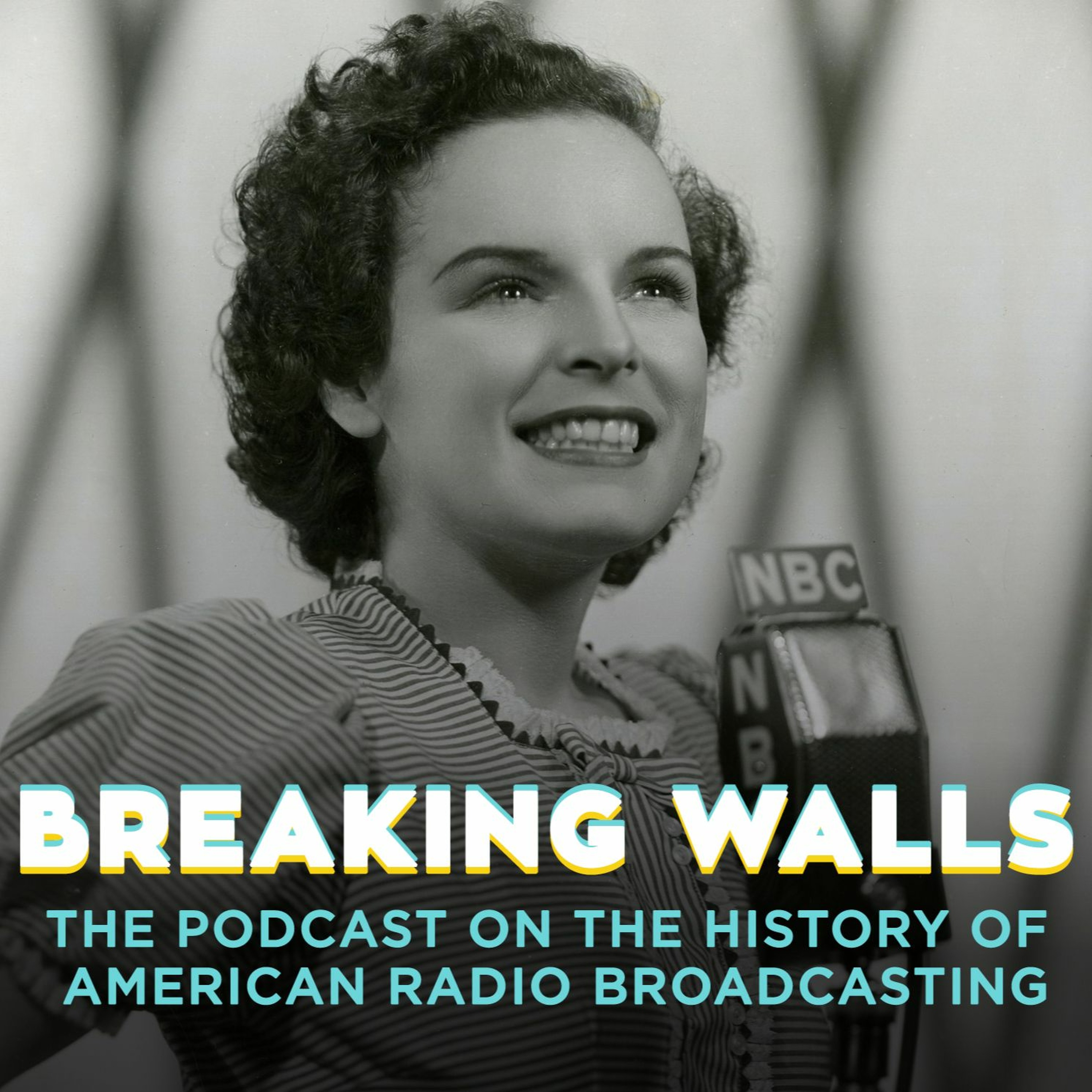
Carlotta Mercedes McCambridge was born to farming parents in Joliet, Illinois on March 16th, 1916. She graduated from Mundelein College. McCambridge began her radio career in the 1930s first in Chicago, and then in New York while also performing on Broadway. In 1949 she made her film debut opposite Broderick Crawford in All the King's Men, for which she won an Academy Award, Golden Globe, and the New Star of the Year. But no one who knew her was surprised. Orson Welles heralded McCambridge as the greatest living radio actress. Himan Brown almost never failed to cast her. Although she was an Academy Award winner, she was still a proud cast member of I Love A Mystery.
BW - EP133—004: Thanksgiving With I Love A Mystery—Thanksgiving Day 1949
Thursday, November 24th, 1949 was Thanksgiving Day. It was clear and crisp in New York as Macy’s put on its twenty-third annual parade. Floats included The Chef’s Turkey Dinner, the Snowman, and Santa’s Sleigh. Milton Berle guest-starred. WOR—Mutual aired Cornell vs. Penn at 1PM, Queen for a Day and Luncheon at Sardi’s in the late afternoon, Gabriel Heater at 7:30, and I Love A Mystery at 7:45. By November of 1949, Russell Thorson was forty-three and Jim Boles thirty-five. They had a wealth of experience in both Chicago and New York radio. With radio in decline, both made their first TV appearances that year. Ford Motors intermittently sponsored roughly two out of every twenty I Love A Mystery episodes, but for the most part, Mutual picked up the financial tab for all three years of the New York run.
BW - EP133—003: Thanksgiving With I Love A Mystery—Mutual Broadcasting In 1949
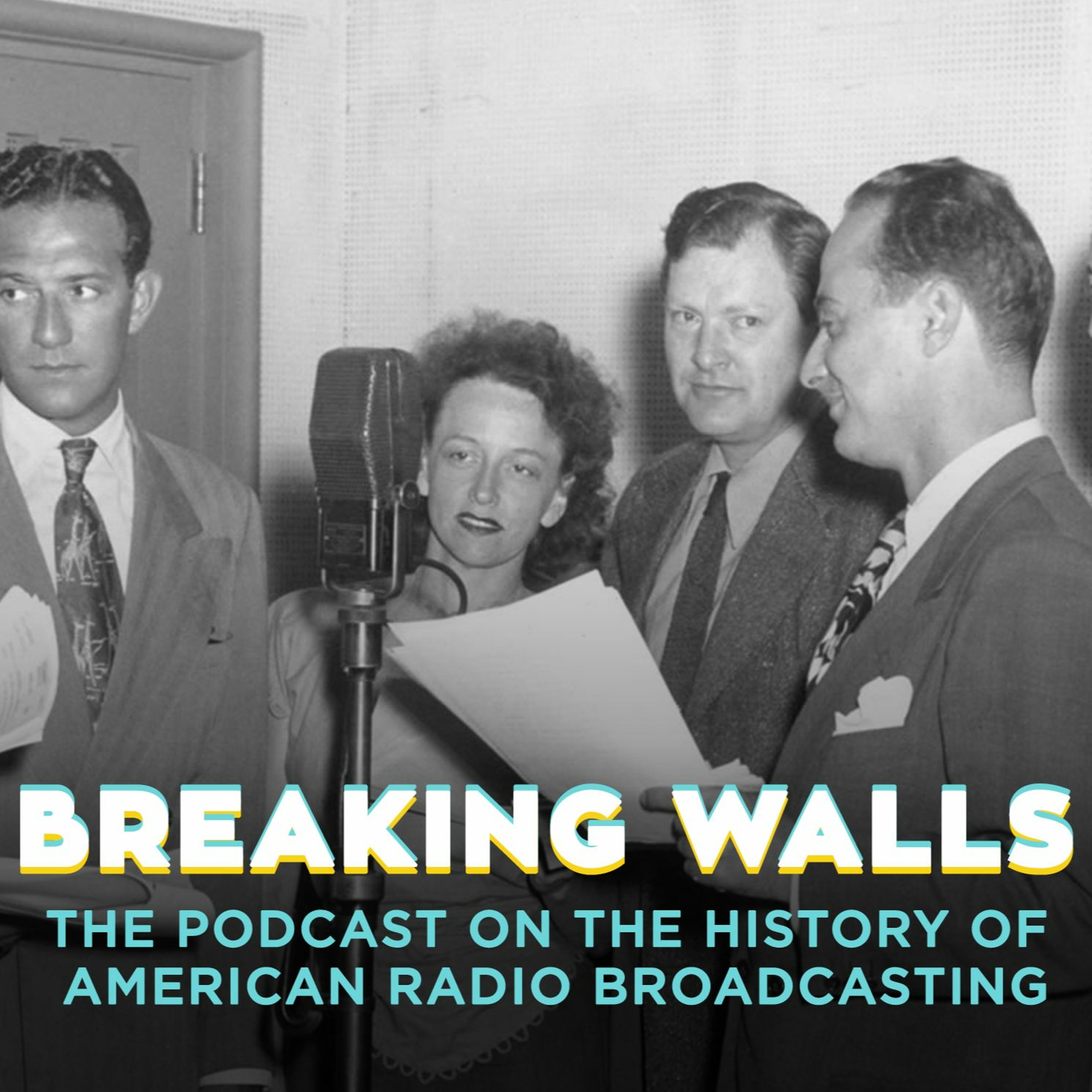
In the summer of 1949 NBC-TV approached Carlton Morse with the possibility of coming to New York to put One Man’s Family on TV. Because the entire production would need to be re-cast, Morse had to audition a whole new group of actors. Mercedes McCambridge, who’d played on I Love A Mystery in Hollywood, was now working in New York and cast, while Russell Thorson was cast as Henry Barbour. Morse flew back and forth from New York to Los Angeles. On May 25th, 1949, Mutual Broadcasting presented an episode of The Family Theater called “The Man With a Plow.” Morse wrote and directed the episode from Hollywood. It was then that Morse had the idea of rebooting I Love A Mystery. Episodes would be recorded and transcribed, allowing actors with other commitments to take roles. Morse approached Thorson about starring and McCambridge about doing supporting parts. The cast soon rounded out with Jim Boles as Doc, and Tony Randall as Reggie. Morse received one-thousand dollars per week from Mutual to write the show, but rather than write new scripts, Morse simply re-recorded the original scripts with minor revisions and title changes. Russell Thorson and his wife helped Morse out with continuity. I Love A Mystery would re-debut over Mutual Broadcasting on October 3rd, 1949 at 7:45PM eastern time. The cast assembled a couple of times per week to record. Each show was recorded on sixteen-inch discs, airing on weeknights for fifteen minutes.
BW - EP133—002: Thanksgiving With I Love A Mystery—The First Two Runs
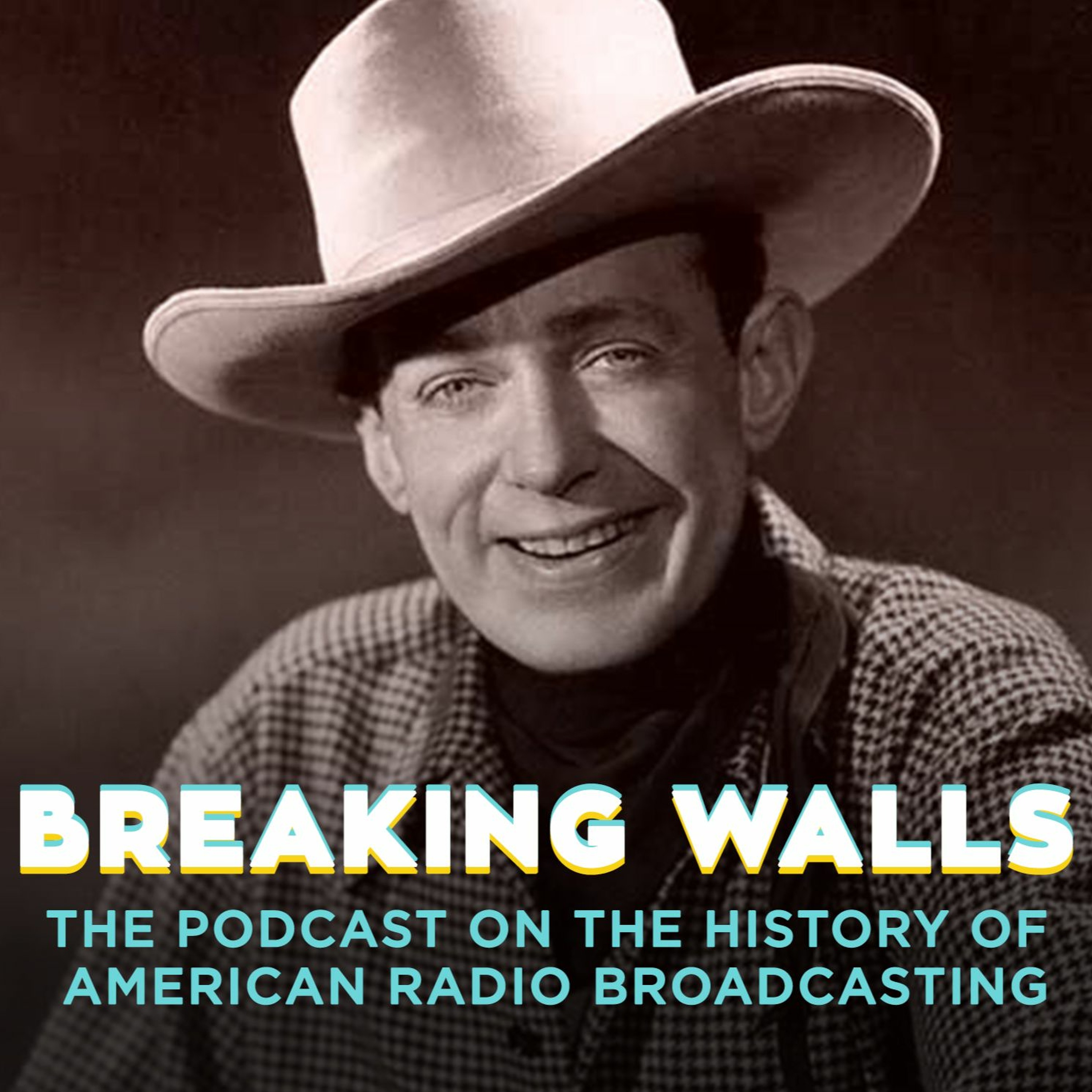
I Love A Mystery first took to the air Weekdays at 3:15PM on NBC’s West-Coast network in January of 1939. Michael Raffetto starred as Jack Packard, head of the A-1 Detective Agency, with Barton Yarborough as Texan Doc Long, and Walter Paterson as the British Reggie Yorke. The three world travelers searched for action, thrills, and mystery. From the ghost towns of wind-swept Nevada, to the jungles of vampire-infested Nicaragua, they righted wrongs, rescued women, battled evil, and explored unknown parts of the globe. Morse utilized threatening elements: dark jungles, bizarre rituals, strange languages, sacred amulets, thick fogs. Three characters could be murdered in a single episode. There were ancient curses, hidden panels, piercing cries in the night, and the gathering of a diverse group of suspicious people, all of whom had secrets to hide. Jack Packard was once a medical student. He shrugged off superstition in favor of logic. Reggie Yorke was British and clever. Doc Long was a red-headed Texan. He defied the laws of chance and always had time for women. By that autumn it was airing nationally. The show ran from the west coast for five years, first over NBC’s Red Network, then its Blue, and then CBS. The original I Love A Mystery run ended on December 29th, 1944. A 1945 film with its title starred Jim Bannon, Barton Yarborough, George Macready, and Nina Foch. Two more movies followed with Bannon and Yarborough followed in 1946. Morse recorded a new radio audition for ABC in May of 1945, but the show wasn’t picked up again until it was briefly revived on ABC as I Love Adventure in the spring of 1948. It lasted thirteen weeks before going off the air.
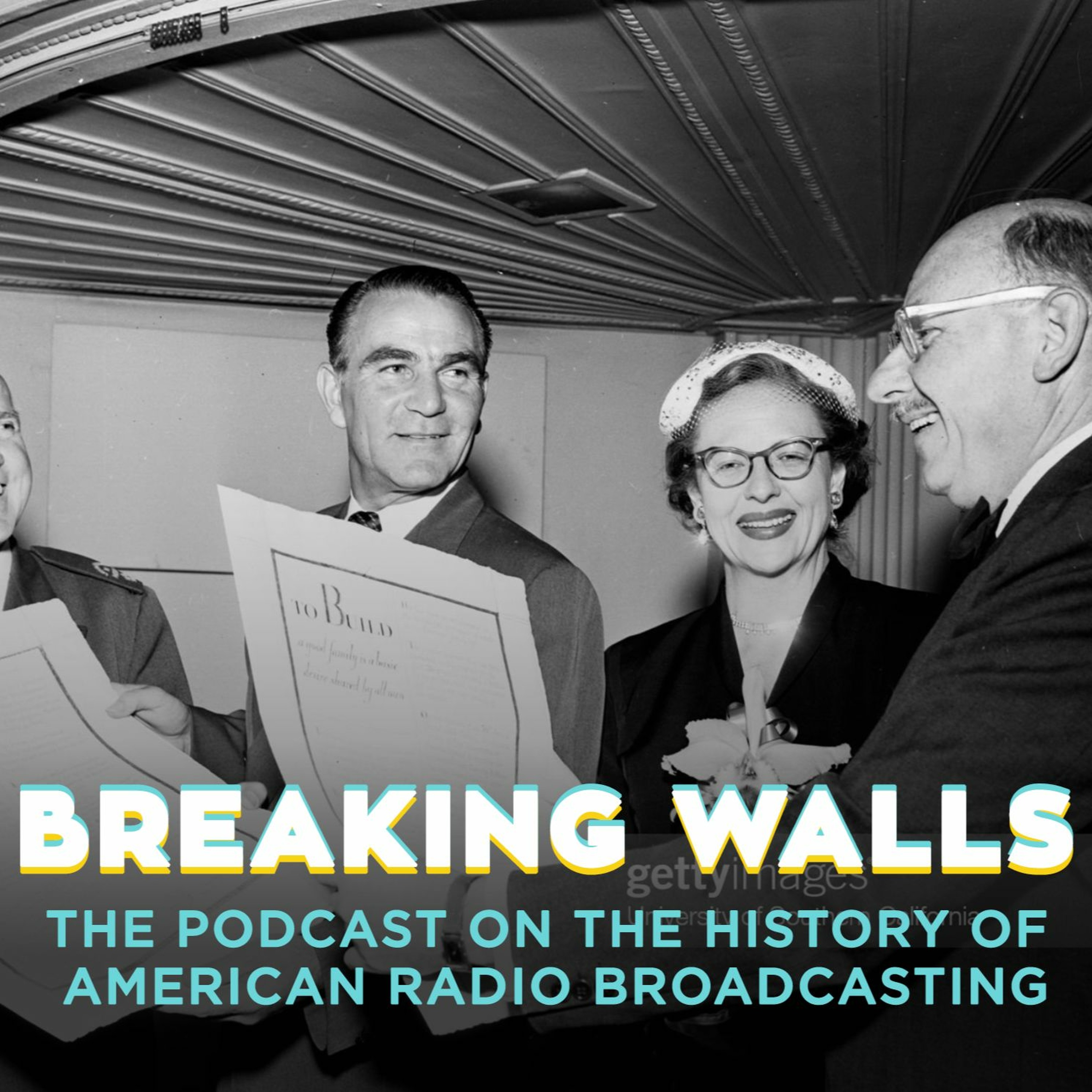
BW - EP133—001: Thanksgiving With I Love A Mystery—Carlton E. Morse
On the eve of Thanksgiving in 1949, Russian diplomat Andrey Vyshinsky told the UN General Assembly Russia fully supported Communist China’s in removing the Nationalist Chinese delegation from the UN. While US, British and French commissioners agreed to lift many industrial and diplomatic restrictions on West Germany. And Israeli Foreign Minister Moshe Sharett rejected a compromise proposal from the UN to internationalize Jerusalem. Ted Williams of the Boston Red Sox was named American League MVP, and smog was becoming a serious issue in Los Angeles. The Cold War and communist fears were reaching new heights as celebrities listed in the Red Channels found themselves blacklisted in Hollywood. The U.S. spent the first ten months of 1949 in a recession. Competition for the advertising dollar was stiffer. There were now over two-thousand-six-hundred AM and FM radio stations in the country, and TV was becoming a serious threat. Over one-hundred Television stations were on the air. Only two Network Radio shows had ratings higher than a 20. Just two years earlier, there were fifteen. Radio’s average Top 50 ratings were their lowest since 1937 and network radio revenue dropped for the first time since 1933. Meanwhile, NBC, ABC, CBS, and the Dumont Network reported a combined TV income of $29.4 Million. But advertisers were learning that TV production costs were much greater than radio’s. The extra money had to come from somewhere. Radio budgets were the likely source. But if there was anyone who knew how to stretch a dollar, it was radio writer and director Carlton E. Morse. Tonight we’ll join him in a boxcar somewhere in the lonely west, and celebrate Thanksgiving by burying our dead in Arizona.
BW - EP132: Mutual Mystery Shows of the late 1940s (1947 - 1949)
In Breaking Walls episode 132 we go back to the late 1940s and say Happy Halloween with Mutual Broadcasting. —————————— Highlights: • The Seedy Underbelly of Coney Island on The Crime Club • Take a Ride with The Mysterious Traveler • Mystery is My Hobby • Quiet Please • 1948 Halloween News with Arthur Bario • The House of Mystery • True Detective Mysteries • Halloween 1948 with Holmes and The Shadow • Truman Wins a Stunning Reelection • Murder By Experts • Finishing With I Love a Mystery • Looking Ahead to Thanksgiving —————————— The WallBreakers: http://thewallbreakers.com Subscribe to Breaking Walls everywhere you get your podcasts. To support the show: http://patreon.com/TheWallBreakers —————————— The reading material used in today’s episode was: American Radio Networks: A History — By Jim Cox • On the Air — By John Dunning • Network Radio Ratings — By Jim Ramsburg • The Museum of Broadcast Communications Encyclopedia of Radio — By Christopher Sterling • WOR: The First Sixty Years As well as articles from the archives of • The Los Angeles Times • The New York Daily News • The New York Times • Radio Daily • The Saturday Evening Post —————————— On the interview front: • Jim Boles, Bret Morrison, Carlton E. Morse, and Russell Thorson, were with Chuck Schaden. Hear their full chats at SpeakingOfRadio.com. • Joseph Julian was with Dick Bertel and Ed Corcoran for WTIC’s The Golden Age of Radio. Hear these at Goldenage-WTIC.org. • Harry Bartell and André Baruch were with SPERDVAC. For more info, go to SPERDVAC.com. •Orson Welles was with Johnny Carson —————————— Selected music featured in today’s episode was: • Halloween — By Guy Lombardo and His Royal Canadians • Manhattan — By Blossom Dearie • Flag of Columbia — By Jacqueline Schwab • Danse Macabre — By Camille Saint-Saëns —————————— A special thank you to Ted Davenport, Jerry Haendiges, and Gordon Skene. For Ted go to RadioMemories.com, for Jerry, visit OTRSite.com, and for Gordon, please go to PastDaily.com. —————————— Thank you to: Tony Adams Steven Allmon Orson Orsen Chandler Phil Erickson Jessica Hanna Perri Harper Briana Isaac Thomas M. Joyce Ryan Kramer Earl Millard Gary Mollica Barry Nadler Christian Neuhaus Aimee Pavy Ray Shaw Filipe A Silva John Williams —————————— WallBreakers Links: Patreon - patreon.com/thewallbreakers Social Media - @TheWallBreakers
BW - EP132—012: Mutual Mystery Shows Of The 1940s—Looking Ahead To Thanksgiving
We’re going to stop here, but we’re not even close to finishing with I Love A Mystery. Next time on Breaking Walls, while we spend Thanksgiving with Carlton E. Morse, Russell Thorson, Jim Boles, and Tony Randall, we utter a simple statement: Bury Your Dead, Arizona. The reading material used in this episode was: American Radio Networks: A History — By Jim Cox On the Air — By John Dunning Network Radio Ratings — By Jim Ramsburg The Museum of Broadcast Communications Encyclopedia of Radio — By Christopher Sterling WOR: The First Sixty Years As well as articles from the archives of • The Los Angeles Times • The New York Daily News • The New York Times • Radio Daily • The Saturday Evening Post —————————— On the interview front: • Jim Boles, Bret Morrison, Carlton E. Morse, and Russell Thorson, were with Chuck Schaden. Hear their full chats at SpeakingOfRadio.com. • Joseph Julian was with Dick Bertel and Ed Corcoran for WTIC’s The Golden Age of Radio. Hear these at Goldenage-WTIC.org. • Harry Bartell and André Baruch were with SPERDVAC. For more info, go to SPERDVAC.com. •Orson Welles was with Johnny Carson —————————— Selected music featured in today’s episode was: • Halloween — By Guy Lombardo and His Royal Canadians • Manhattan — By Blossom Dearie • Flag of Columbia — By Jacqueline Schwab • Danse Macabre — By Camille Saint-Saëns —————————— A special thank you to Ted Davenport, Jerry Haendiges, and Gordon Skene. For Ted go to RadioMemories.com, for Jerry, visit OTRSite.com, and for Gordon, please go to PastDaily.com. —————————— Thank you to: Tony Adams Steven Allmon Orson Orsen Chandler Phil Erickson Jessica Hanna Perri Harper Briana Isaac Thomas M. Joyce Ryan Kramer Earl Millard Gary Mollica Barry Nadler Christian Neuhaus Aimee Pavy Ray Shaw Filipe A Silva John Williams —————————— WallBreakers Links: Patreon - patreon.com/thewallbreakers Social Media - @TheWallBreakers The reading material used in today’s episode was: American Radio Networks: A History — By Jim Cox On the Air — By John Dunning Network Radio Ratings — By Jim Ramsburg The Museum of Broadcast Communications Encyclopedia of Radio — By Christopher Sterling WOR: The First Sixty Years As well as articles from the archives of • The Los Angeles Times • The New York Daily News • The New York Times • Radio Daily • The Saturday Evening Post —————————— On the interview front: • Jim Boles, Bret Morrison, Carlton E. Morse, and Russell Thorson, were with Chuck Schaden. Hear their full chats at SpeakingOfRadio.com. • Joseph Julian was with Dick Bertel and Ed Corcoran for WTIC’s The Golden Age of Radio. Hear these at Goldenage-WTIC.org. • Harry Bartell and André Baruch were with SPERDVAC. For more info, go to SPERDVAC.com. •Orson Welles was with Johnny Carson —————————— Selected music featured in today’s episode was: • Halloween — By Guy Lombardo and His Royal Canadians • Manhattan — By Blossom Dearie • Flag of Columbia — By Jacqueline Schwab • Danse Macabre — By Camille Saint-Saëns —————————— A special thank you to Ted Davenport, Jerry Haendiges, and Gordon Skene. For Ted go to RadioMemories.com, for Jerry, visit OTRSite.com, and for Gordon, please go to PastDaily.com. —————————— Thank you to: Tony Adams Steven Allmon Orson Orsen Chandler Phil Erickson Jessica Hanna Perri Harper Briana Isaac Thomas M. Joyce Ryan Kramer Earl Millard Gary Mollica Barry Nadler Christian Neuhaus Aimee Pavy Ray Shaw Filipe A Silva John Williams —————————— WallBreakers Links: Patreon - patreon.com/thewallbreakers Social Media - @TheWallBreakers
Frontier Gentleman — Full Pilot — The Shelton Brothers
James Scully here. You’re about to listen to the pilot episode of a reimagined Frontier Gentleman, which was originally created by Antony Ellis for CBS. In 2020 I met Mr. Ellis’ daughter, Briana Ellis-Isaac thanks to an episode on the original series I produced for Breaking Walls. Briana and I became fast friends who shared an appreciation for the Golden Age of Radio, and a mutual belief in the growth of new scripted audio fiction productions. In 2021 Briana hired me to help bring Frontier Gentleman back to life in a new adaptation using Mr. Ellis’ previously written scripts and updating the story in order to introduce Frontier Gentleman to current audiences. This is that pilot episode. To find out more about the new Frontier Gentleman. Please go to FrontierGentleman.com And now, enjoy the show.
BW - EP132—011: Mutual Mystery Shows Of The 1940s—Finishing With I Love A Mystery
Carlton E. Morse’ I Love A Mystery first took to the air Weekdays at 3:15PM on NBC’s West-Coast network in January of 1939. Michael Raffetto starred as Jack Packard, head of the A-1 Detective Agency, with Barton Yarborough as Texan Doc Long, and Walter Paterson as the British Reggie Yorke. The show told of three world travelers in search of action, thrills, and mystery. From the ghost towns of wind-swept Nevada, to the jungles of vampire-infested Nicaragua, they righted wrongs, rescued women, battled evil, and explored unknown parts of the globe. By that autumn it was airing nationally. The show ran from the west coast for five years, first over NBC’s Red Network, then its Blue, and then CBS. It went off the air at the end of 1944, but was revived in the spring of 1948 on ABC and then from New York for Mutual Broadcasting in October of 1949. It ran for three more years, this time starring Russell Thorson, Jim Boles, and Tony Randall, as Thorson remembered. Jack Packard was a hero with quiet strength. Once a medical student, he shrugged off superstition in favor of logic. Reggie Yorke was educated, strong, and had the British stiff upper lip. Doc Long was a red-headed alley fighter from Texas who defied the laws of chance and loved women. Three characters could be murdered in a single episode. People were killed in ghoulish, imaginative, and sometimes mystifying ways. Throats were ripped out by wolves; there were garrotings, poisonings, and mysterious slashings. On Halloween, 1949, part one of a new story, “The Thing That Cries in The Night” aired over Mutual.
BW - EP132—010: Mutual Mystery Shows Of The 1940s—Murder By Experts
Murder By Experts debuted over Mutual on June 13th, 1949. Written by David Kogan and Bob Arthur, it quickly gained the respect and approval from the radio world at large. Mystery writers like John Dickson Carr and Brett Halliday hosted with New York’s best character talent like Lawson Zerbe, Ann Shepherd, Santos Ortega, Ralph Bell, and William Zuckert being featured. This is from the debut episode, “Summer Heat” which aired on June 13th, 1949. Murder By Experts won a prestigious Edgar Award in 1950, and aired until December 17th, 1951.
BW - EP132—009: Mutual Mystery Shows Of The 1940s—Truman Wins Reelection
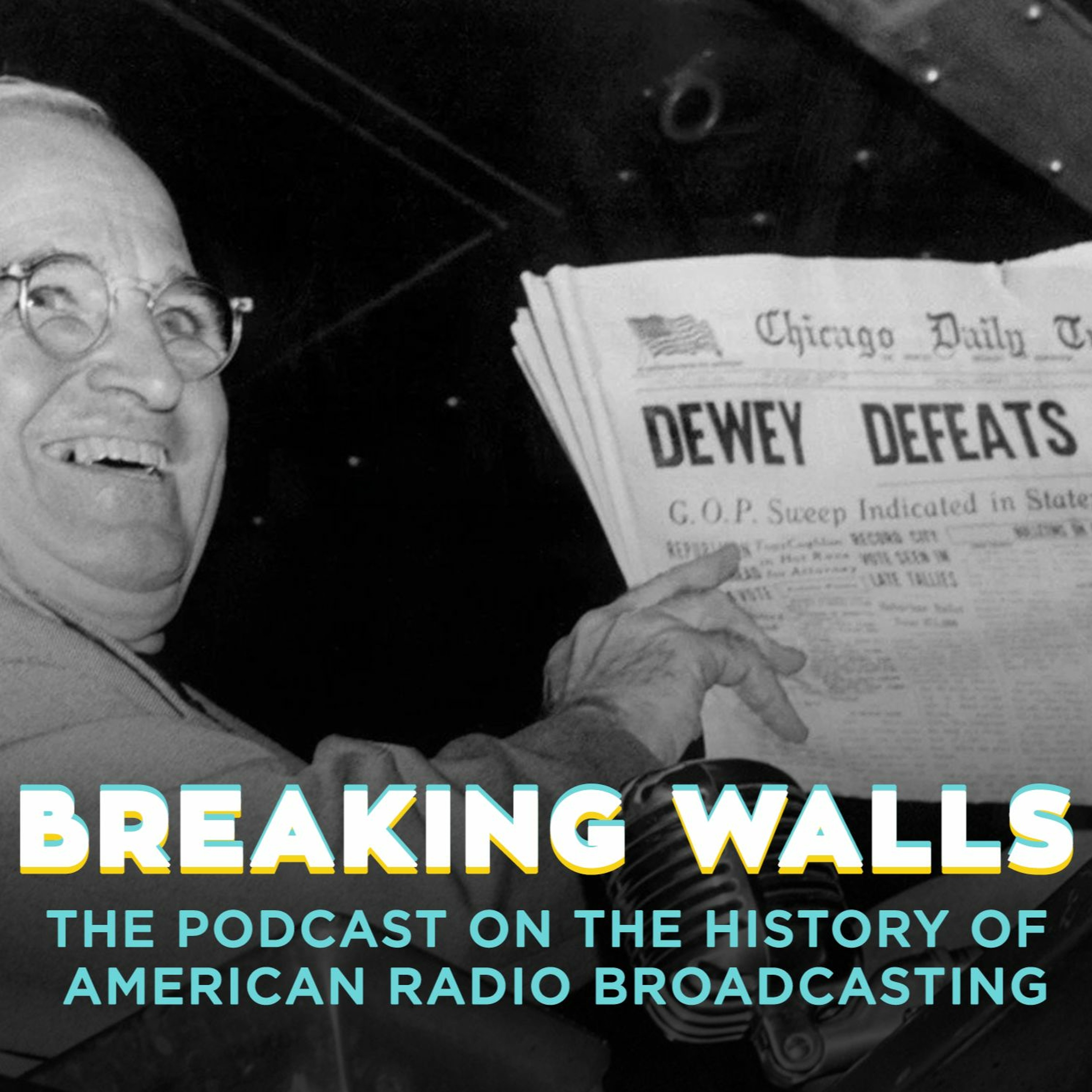
On Tuesday November 2nd, 1948 The United States held its forty-first presidential election. If you’d tuned into the results early in the evening, you’d have been convinced that the pre-election polls were correct and Thomas Dewey would become the next president. You’d have been wrong. Dewey ran a low-risk campaign. His advisers believed all he had to do to win was avoid major mistakes. So Dewey spoke in platitudes, avoided controversial issues, and was vague on what he planned to do as president. But, many republicans disliked Dewey, feeling he was too cold and stiff, and surprisingly against outlawing the Communist Party. Believing he had nothing to lose, Harry Truman ran a feisty campaign. He ridiculed Dewey’s platitudes, and claimed Communists were rooting for a GOP victory to ensure another Great Depression. Energizing traditional Democrats, as well as Catholic and Jewish voters, Truman also fared surprisingly well with Midwestern farmers. When it was all over, Harry Truman’s victory was considered one of the greatest election upsets in American history, garnering 303 electoral votes to Thomas Dewey's 189. With simultaneous success in the 1948 congressional elections, the Democrats also regained control of both the House and Senate, which they lost in 1946.
BW - EP132—008: Mutual Mystery Shows Of The 1940s—Halloween 1948 With The Shadow And Sherlock Holmes
At 5PM Mutual’s most famous program, The Shadow signed on. The show was in its eleventh season on the air in 1948. Andre Baruch handled emcee duties while Grace Matthews played Margo Lane. Bret Morrison was Lamont Cranston. Halloween’s episode was called “Murder By A Corpse.” This season’s Shadow rating was 13.2. It was Mutual’s highest-rated show. As night descended on New York on October 31st, temperatures dropped into the upper 40s and an eerie fog rolled in. Police were ready for mischief as children went trick or treating. The Halloween tradition was still seen by many as an act of begging and vandalism. In response, members of the Madison Square Boys Club paraded through the Lower East Side carrying a banner that read "American Boys Don't Beg.” Politically, Progressive Henry Wallace was making a dent in Harry Truman’s campaign. On Election Day, Truman still carried the City, collecting 1.6 million votes to Dewey’s 1.1 million, but Henry Wallace received over four-hundred thousand votes. It’s this split that allowed Thomas Dewey to narrowly win New York state by sixty-thousand votes, giving the republicans forty-seven important electorates. At home, the Mutual Broadcasting System’s prime time programming featured news and music, but at 7PM literature’s most famous detective—Sherlock Holmes—took to the air from WOR. Sherlock Holmes peaked on radio between 1939 and 1946 with Basil Rathbone and Nigel Bruce playing Holmes and Watson. They made over a dozen films and their rating climbed to 14.1 in 1942 on NBC. The next year, the entire cast moved to the Mutual Broadcasting System. Petri wine sponsored the series. Famed radio character actor Harry Bartel became the announcer. They remained on Mutual for three seasons until Holmes left for ABC. Basil Rathbone stayed with Mutual to star in a new series called Scotland Yard. Nigel Bruce still played Watson while Tom Conway became Holmes. When the Semler Company discontinued sponsorship in the spring of 1947, ABC canceled the show. That summer Clipper Craft Clothing signed to pay the bills. The program moved back to Mutual with John Stanley as Holmes and Alfred Shirley as Watson. By Halloween 1948 it was airing Sundays at 7PM. As radio audiences changed, Holmes and Watson couldn’t keep up. That Spring Mutual canceled the series. ABC revived it for one final season before the last version of an American Sherlock Holmes series departed the air.
BW - EP132—007: Mutual Mystery Shows Of The 1940s—True Detective Mysteries
At 4:30PM on Sunday October 31st, 1948, True Detective Mysteries signed on. The program had a rating of 10.7. It was Mutual’s number two show overall. Based on items from True Detective magazine, the series was sponsored by Oh Henry Candy bars. Many of the stories unfolded from the criminal’s viewpoint: the show was much like Gangbusters in allowing the audience to witness the fatal mistakes that led to the culprit’s capture. Borrowing yet another page from Gangbusters, the magazine offered rewards of $500 (later $1000) for information leading to the arrest of real criminals. Clues were given after each broadcast: these were highly descriptive, focusing on scars and deformities, and the show resulted in many arrests.
BW - EP132—006: Mutual Mystery Shows Of The 1940s—The House Of Mystery
By October 31st, 1948, The Mutual Broadcasting System’s flagship WOR in New York was approaching its twenty-seventh anniversary. It was argued that no station matched its signal coverage. WOR-Mutual was known for its cop shows, soap operas, and on Sundays, it’s mysteries. At 4PM eastern time, House of Mystery signed on for General Foods. John Griggs was Roger Elliott, ghost hunter and scientist of the supernatural. The show was directed by Olga Druce, who guided the program along a fine line. Because House of Mystery was geared for children, it couldn’t be overtly gruesome or vulgar.
BW - EP132—005: Mutual Mystery Shows Of The 1940s—1948 Halloween News With Arthur Bario
The 1948 DNC convened in July with President Truman’s approval rating as low as 32%. Northern Democrats pushed for a strong civil rights platform, which the President was in favor of. Conservative southern Dems were opposed. Moderates feared voter alienation. When the convention adopted the civil rights plank in a close vote, Southern Dems walked out and split off, nominating Strom Thurmond for President. They became known as Dixiecrats, hoping to force a contingency in the House of Representatives, extracting concessions from either Truman or Republican nominee Thomas Dewey. The post-war strikes didn’t end. On October 26th the Radio Writers Guild struck for fair wages and for RWG guideline adherence by ad agencies. Their focus was the coming new medium: Television. Negotiations would continue into 1949. On Halloween 1948, the Presidential election was on everyone’s mind. The night before, Thomas Dewey ended his campaign at Madison Square Garden. He’d run against FDR in 1944, losing, but received 46% of the popular vote. After President Roosevelt passed away, there were many who felt Dewey made a better post-war choice than Harry Truman. In the 1946 New York Gubernatorial election, Dewey won by nearly 700,000 votes, the most in New York history to that point. Tuesday, November 2nd was the 41st U.S. presidential election in history. Truman was a massive underdog with South Carolina’s Governor Strom Thurmond opposing on the Dixiecrat ticket, and another FDR VP, Henry Wallace as the Progressive Party nominee. Meanwhile in the Middle East, The Arab-Israeli war raged on. Fighting started the previous November. It ramped after Palestine was officially dissolved, and Israel declared Independence on May 14th. Count Bernadotte of Visborg was assassinated in September by four members of Lehi, a Jewish Zionist group. One of whom—Yitzhak Shamir would go on to be the Seventh Prime Minister of Israel. Operation Hiram ended on Halloween with Israeli forces claiming to have complete control of Galilee. The fighting would continue into 1949. The Cold War was growing, with Americans investigating potential communist cells within the government, fearing the world could split into two distinct groups: those who supported democracy, and those who supported totalitarianism.
BW - EP132—004: Mutual Mystery Shows Of The 1940s—Quiet Please
In 1934 Chicago was the center for radio production. Writer and director Wyllis Cooper created a program for NBC affiliate WENR that drastically altered the tone of horror. Cooper had been writing advertising copy in the late 1920s when he entered radio, working first as a continuity editor, then for NBC's Empire Builders. His idea was to offer listeners a late-night terror program, at a time when other stations were mostly airing music. It emphasized crime thrillers and the supernatural. The first series of shows were fifteen minutes and ran on Wednesdays at midnight to local audiences. It was called Lights Out. In April, the series expanded to a half-hour. The following year, it went national. Cooper stayed on until 1936 when he left to write film scripts in Los Angeles. He wrote The Phantom Creeps and The Son of Frankenstein before returning for the final season of The Campbell Playhouse on CBS and The Army Hour on NBC. Then in the Spring of 1947 a new opportunity arose in New York. Quiet Please debuted on Sunday June 8th, 1947 at 3:30PM over the Mutual Broadcasting System. Quiet Please elevated the genre to high art. For the weekly lead, Cooper cast Ernest Chappell, The Campbell Playhouse announcer. He proved a natural, playing Scotsman, oil riggers, drunks, and archaeologists. They were every-men who got tied up in the otherworldly. Few supporting voices could be afforded or deployed. Those few were part of New York radio’s elite like Frank and Claudia Morgan. The cast was told to play it straight. It resulted in an almost dream-like study in horror, like on October 27th, 1947 when Quiet Please presented “Don’t Tell Me About Halloween.” In March of 1948, CBS executive Davidson Taylor sent an internal memo expressing his interest in purchasing the Mutual-sustained series for CBS. Taylor had a keen eye for talent, but nothing materialized. Quiet Please shifted to ABC in September of 1948, but never found sponsorship and went off the air on June 25th, 1949.