Breaking Walls
510 episodes — Page 6 of 11
BW - EP145—001: November 1963 With Jean Shepherd And JFK—I Libertine
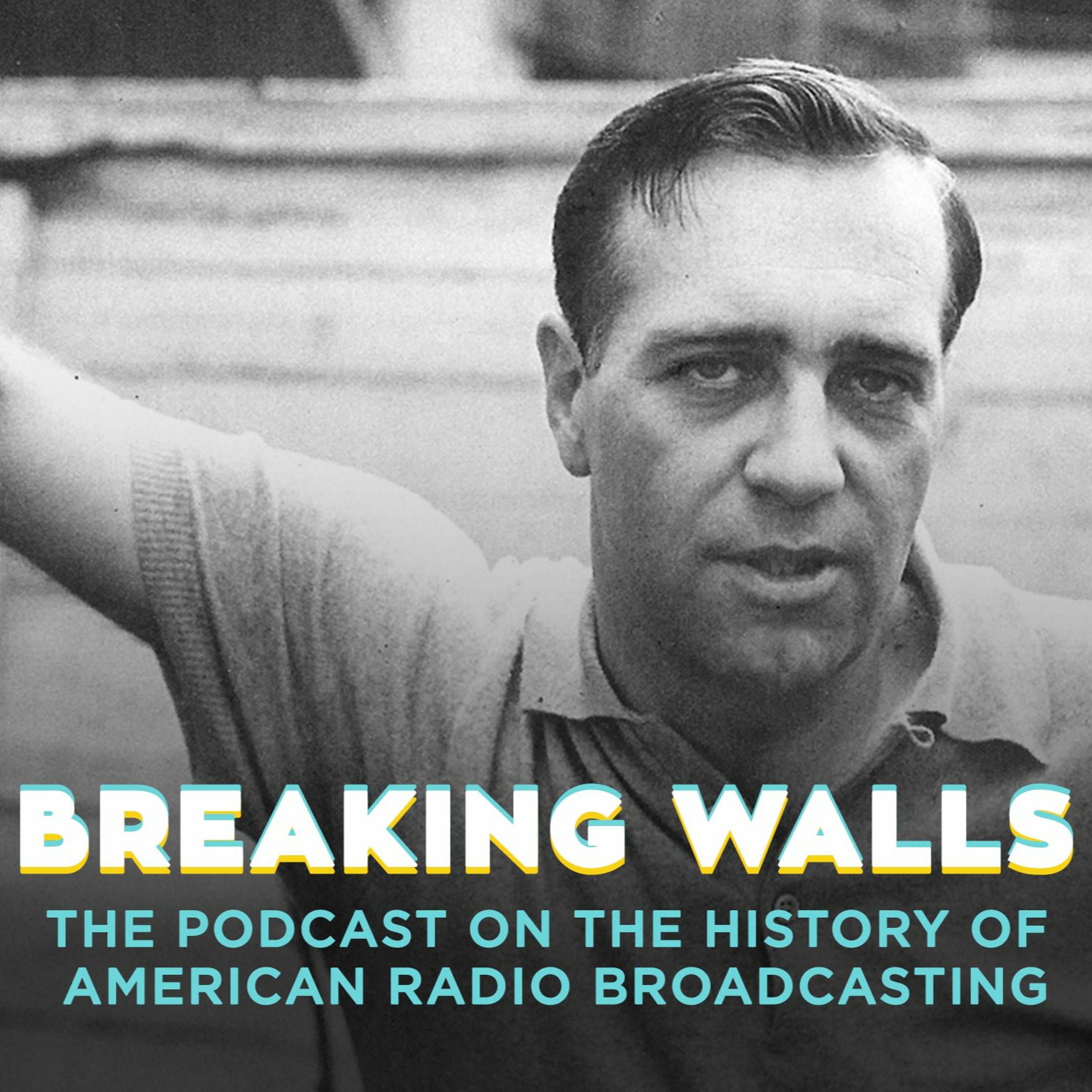
Jean Shepherd was born on July 26th, 1921 on the South Side of Chicago to Jean and Anna Shepherd. He grew up in Hammond, Indiana, which according to Shep was a “tough and mean” industrial city. As an adolescent, Shepherd worked as a mail boy in a steel mill. He began his radio career at the age of sixteen, doing weekly sportscasts for WJOB in Hammond. That job led to juvenile roles on network radio in Chicago, including that of Billy Fairchild in the serial “Jack Armstrong, the All American Boy.” One of the programs that later came to symbolize Shepherd’s childhood, thanks to his 1983 film A Christmas Story, was Red Ryder. During World War II, Shepherd served in the U.S. Army Signal Corps, installing radar equipment and furthering a lifelong dislike for authority figures. After the war, he studied acting in Chicago at the Goodman Theatre and briefly engineering and psychology at Indiana University. He left Indiana without a degree to take a radio gig in Cincinnati, which led him to a series of radio jobs, each better than the previous. After working at WTOD in Toledo, Ohio, Shepherd spent the early 1950s at WSAI and WLW in Cincinnati, and had a late-night broadcast on KYW in Philadelphia. He moved to New York for WOR and debuted on February 26th, 1955. WOR is a fifty-thousand watt clear-channel AM station and was the flagship affiliate of the Mutual Broadcasting System. Mutual Broadcasting had formed on September 28th, 1934 as a cooperative of stations WOR New York, WGN Chicago, WXYZ Detroit, and WLW Cincinnati. The members shared telephone-line transmission facilities and agreed to collectively enter into contracts with advertisers for their network shows. After a deal with Don Lee’s chain of west coast networks, Mutual went coast-to-coast on December 29th, 1936. The other major networks, ABC, CBS, and NBC, were corporations. When World War II ended, domestic manufacturing restrictions were lifted. TV became a focal point as the other networks pumped their radio profits into the new medium. Mutual’s cooperative status meant it never had the resources to move into TV, although affiliates like WOR did run a local TV station in New York. Mutual remained a cooperative until 1952 when General Tire became the parent company. By 1955 radio was changing. Drama, which had dominated the dial for more than two decades, was on its way out due to both its and TV production costs. More and more network programming was being turned over to local affiliates. These local affiliates employed a new generation of hosts that had grown up with Jack Benny, Fred Allen, and other observant humorists. Shepherd’s peers were Johnny Carson, Jack Paar, Rod Serling, and Steve Allen. Shepherd was working an overnight slot for WOR in 1956. Facing a lack of sponsorship, he was about to be fired when he did an unauthorized commercial for Sweetheart Soap who didn’t sponsor his program. WOR immediately canned him. But, listeners complained in droves and Sweetheart actually offered to sponsor him. WOR immediately brought him back. The overnight slot allowed him to riff with little need for the kind of corporate oversight that faced daytime and primetime hosts. That year, during a discussion on how easy it was to manipulate the best-seller lists, Shepherd suggested that his listeners visit bookstores and ask for a copy of a fictional novel called I, Libertine by a Frederick R. Ewing. Fans of the show planted references so widely that there were claims it made The New York Times Best Seller list. It led to an actual book deal with Ballantine. Theodore Sturgeon wrote most of it with Shepherd’s outline guiding him. Betty Ballantine finished the novel when Sturgeon fell asleep during a marathon writing session to meet the deadline. Famed illustrator Frank Kelly Freas did the cover art. The book was published on September 13th, 1956 with all proceeds going to charity.
BW - EP144: October 1957—Sputnik! And Dying Radio Drama
In Breaking Walls episode 144 we present part two of our mini-series on radio and the world in the fall of 1957. —————————— Highlights: • The 1957 World Series • Unit 99 • Sputnik, Bing Crosby, and Current Events • The Eternal Light and The Glastonbury Cows • Algeria Aflame • Stan Freberg • Bill Kemp, ABC, and More News • School Integration Update • Sorry, Wrong Number • You Bet Your Life • NATO, Syria, and Sputnik • LIFE and The World with Carl Sandberg and Frank Lloyd Wright • Looking Ahead to Jean Shepherd and JFK —————————— The WallBreakers: http://thewallbreakers.com Subscribe to Breaking Walls everywhere you get your podcasts. To support the show: http://patreon.com/TheWallBreakers —————————— The reading material for today’s episode was: • I Have a Lady in the Balcony: Memories of a Broadcaster in Radio and Television — By George Ansbro • On the Air — By John Dunning • Network Radio Ratings — By Jim Ramsburg As well as articles from • Broadcasting Magazine • The New England Historical Society • The New York Times • Sponsor Magazine —————————— On the interview front: • Stan Freberg, Byron Kane, and Peggy Webber spoke to SPERDVAC. For more info, go to SPERDVAC.com. • Andre Baruch, Ken Carpenter, Virginia Gregg, John Guedel, and Agnes Moorehead spoke with Chuck Schaden. Hear their full chats at Speakingofradio.com. • Jackson Beck, Vincent Price, and Bill Spier spoke to Dick Bertel and Ed Corcoran for WTIC’s The Golden Age of Radio. Hear these interviews at GoldenAge-WTIC.org. • Jack Benny’s snippet was recorded by CBS and played for their 50th anniversary in 1977 —————————— Selected music featured in today’s episode was: • Plunkett’s Lament — By George Fenton • The Pavane and Window To The Sky — By Michael Silverman • As Time Goes By — By Herman Hupfeld • Road — By George Winston • Metamorphosis 2 — By Elizabeth Hainen • Amazing Grace — By Wind Drum Spirit —————————— A special thank you to Ted Davenport, Jerry Haendiges, and Gordon Skene. For Ted go to RadioMemories.com, for Jerry, visit OTRSite.com, and for Gordon, please go to PastDaily.com. —————————— Thank you to: Tony Adams Steven Allmon Orson Orsen Chandler Phil Erickson Jessica Hanna Perri Harper Thomas M. Joyce Ryan Kramer Earl Millard Gary Mollica Barry Nadler Christian Neuhaus Ray Shaw Filipe A Silva John Williams Jim W. —————————— WallBreakers Links: Patreon - patreon.com/thewallbreakers Social Media - @TheWallBreakers
BW - EP144—013: October 1957—Looking Ahead To November 1963 With Jean Shepherd And JFK
Next time on Breaking Walls, in honor of the sixtieth anniversary of John Kennedy’s Assassination, we spotlight Jean Shepherd and his November 1963 broadcasts. —————————— Highlights: • The 1957 World Series • Unit 99 • Sputnik, Bing Crosby, and Current Events • The Eternal Light and The Glastonbury Cows • Algeria Aflame • Stan Freberg • Bill Kemp, ABC, and More News • School Integration Update • Sorry, Wrong Number • You Bet Your Life • NATO, Syria, and Sputnik • LIFE and The World with Carl Sandberg and Frank Lloyd Wright • Looking Ahead to Jean Shepherd and JFK —————————— The WallBreakers: http://thewallbreakers.com Subscribe to Breaking Walls everywhere you get your podcasts. To support the show: http://patreon.com/TheWallBreakers —————————— The reading material for today’s episode was: • I Have a Lady in the Balcony: Memories of a Broadcaster in Radio and Television — By George Ansbro • On the Air — By John Dunning • Network Radio Ratings — By Jim Ramsburg As well as articles from • Broadcasting Magazine • The New England Historical Society • The New York Times • Sponsor Magazine —————————— On the interview front: • Stan Freberg, Byron Kane, and Peggy Webber spoke to SPERDVAC. For more info, go to SPERDVAC.com. • Andre Baruch, Ken Carpenter, Virginia Gregg, John Guedel, and Agnes Moorehead spoke with Chuck Schaden. Hear their full chats at Speakingofradio.com. • Jackson Beck, Vincent Price, and Bill Spier spoke to Dick Bertel and Ed Corcoran for WTIC’s The Golden Age of Radio. Hear these interviews at GoldenAge-WTIC.org. • Jack Benny’s snippet was recorded by CBS and played for their 50th anniversary in 1977 —————————— Selected music featured in today’s episode was: • Plunkett’s Lament — By George Fenton • The Pavane and Window To The Sky — By Michael Silverman • As Time Goes By — By Herman Hupfeld • Road — By George Winston • Metamorphosis 2 — By Elizabeth Hainen • Amazing Grace — By Wind Drum Spirit —————————— A special thank you to Ted Davenport, Jerry Haendiges, and Gordon Skene. For Ted go to RadioMemories.com, for Jerry, visit OTRSite.com, and for Gordon, please go to PastDaily.com. —————————— Thank you to: Tony Adams Steven Allmon Orson Orsen Chandler Phil Erickson Jessica Hanna Perri Harper Thomas M. Joyce Ryan Kramer Earl Millard Gary Mollica Barry Nadler Christian Neuhaus Ray Shaw Filipe A Silva John Williams Jim W. —————————— WallBreakers Links: Patreon - patreon.com/thewallbreakers Social Media - @TheWallBreakers
BW - EP144—012: October 1957—LIFE And The Death Of Louis B. Mayer
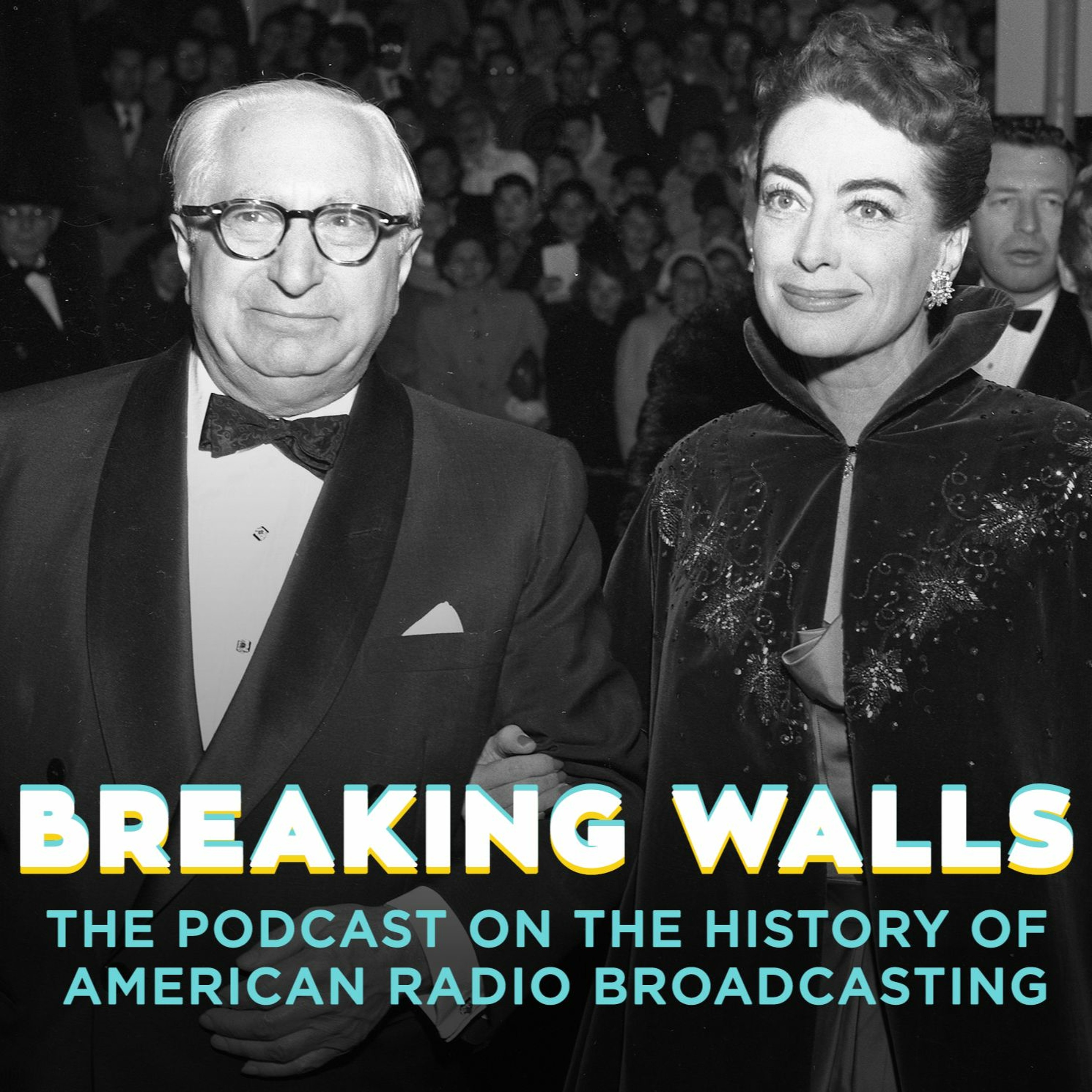
As the clock ticks toward All Hallow’s Eve, we’ll wind down where we began in last month’s episode of Breaking Walls, with the October 30th, 1957 episode of LIFE and the World on NBC. The October 14th LIFE Magazine cover featured Little Central High School in Arkansas; the October 21st cover featured American scientists plotting Sputnik’s orbit; while the October 28th’s cover featured Queen Elizabeth opening Canadian Parliament. This episode features a speech by poet Carl Sandburg and a rare interview with Frank Lloyd Wright, both speaking about Chicago. Both Sandberg and Wright spent significant time in Chicago. Sandburg was back in Chicago debuting a new poem about the city. His speech from the banquet by The Chicago Dynamic Committee, was recorded. Frank Lloyd Wright settled in Chicago shortly after the Great Fire of 1871. He was ninety at the time of this interview, and as passionate as ever. His Guggenheim Museum was under construction in New York, while he dreamed of a mile-high office building for Chicago. On October 29th, 1957, head of MGM, Louis B. Mayer died of leukemia. He was seventy-three. The next day, Variety Magazine carried his obituary. Although Mayer was often disliked and even feared by many, director Clarence Brown said, “he made more stars than all the rest of the producers in Hollywood put together. “He knew how to handle talent; he knew that to be successful, he had to have the most successful people in the business working for him. He was like Hearst in the newspaper business. He made an empire out of this thing.” However, both movie studios and the entertainment industry were rapidly changing. As was America. But the only way passed is through. So, forward we go, in time that is, in the next episode of Breaking Walls.
BW - EP144—011: October 1957—NATO, Syria, And More Sputnik
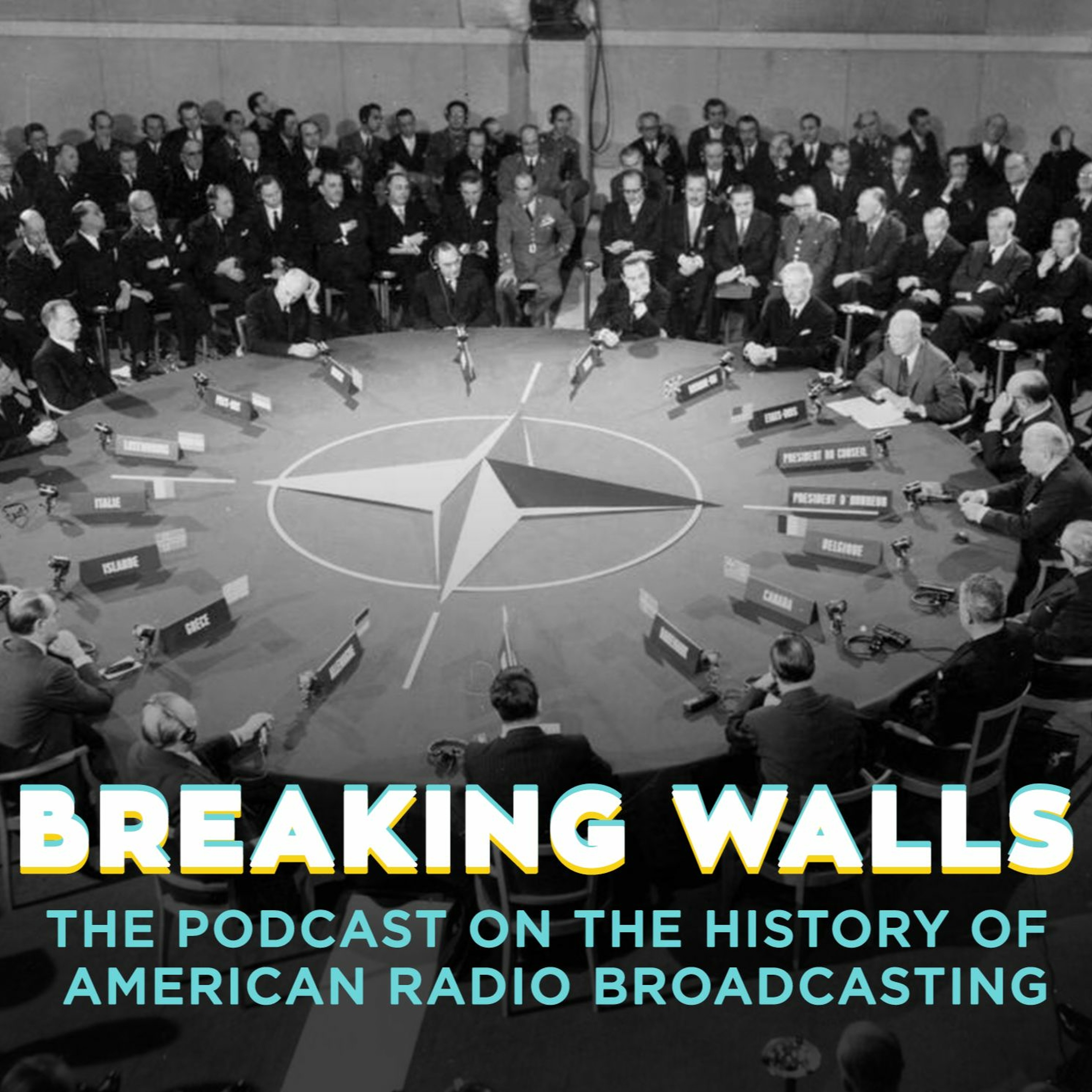
On October 21st, 1957 Queen Elizabeth and Prince Philip visited New York City. It was the final stop on their tour. The next day they returned to the United Kingdom. Meanwhile in Washington, President Eisenhower was meeting with the U.K.’s Prime Minister Harold MacMillan and NATO Chief Paul-Henri Spaak. Their chat was over Middle East policy, rocket deployment, and the Soviet Union’s launch of Sputnik. On Friday October 25th at 7:30AM, the NBC World News Roundup took to the air talking of developments. The British and US were butting heads on Middle East policy, while Britain wanted the two countries to share nuclear secrets. France was complaining that the U.S. and England weren’t allowing technological access. NATO Chief Spaak was expected to invite France to the upcoming talks. After this meeting Prime Minister MacMillan was to give Canadian PM John Diefenbaker an in-person report on the talk. In London, the Prime Minister’s Conservative party’s grip was loosening. The Socialist Labour Party had recently taken a seat in the House of Commons and the leaders of two major trade unions were going ahead with wage demands to counter inflation. All countries were listening for word from Moscow on how Sputnik was doing. The U.S. was focusing on reports that its carrier rocket was outpacing the satellite, while also continuing to push its own space advancements. On Saturday October 26th, Sputnik 1’s batteries ran out after its three-hundred-twenty-sixth orbit around the Earth. The following Monday Ytzak Ben-Zvi was reelected president of Israel by the Knesset congress. The next day, October 29th, Moshe Dwek threw a grenade in the Knesset chambers injuring several ministers. In the wake of Turkish elections, riots broke out in six different locations. And in Flagstaff, Arizona, a U.S. Air Force tanker plane crashed into a mountain, killing all sixteen crew members.
BW - EP144—010: October 1957—Groucho Marx Still Going Strong
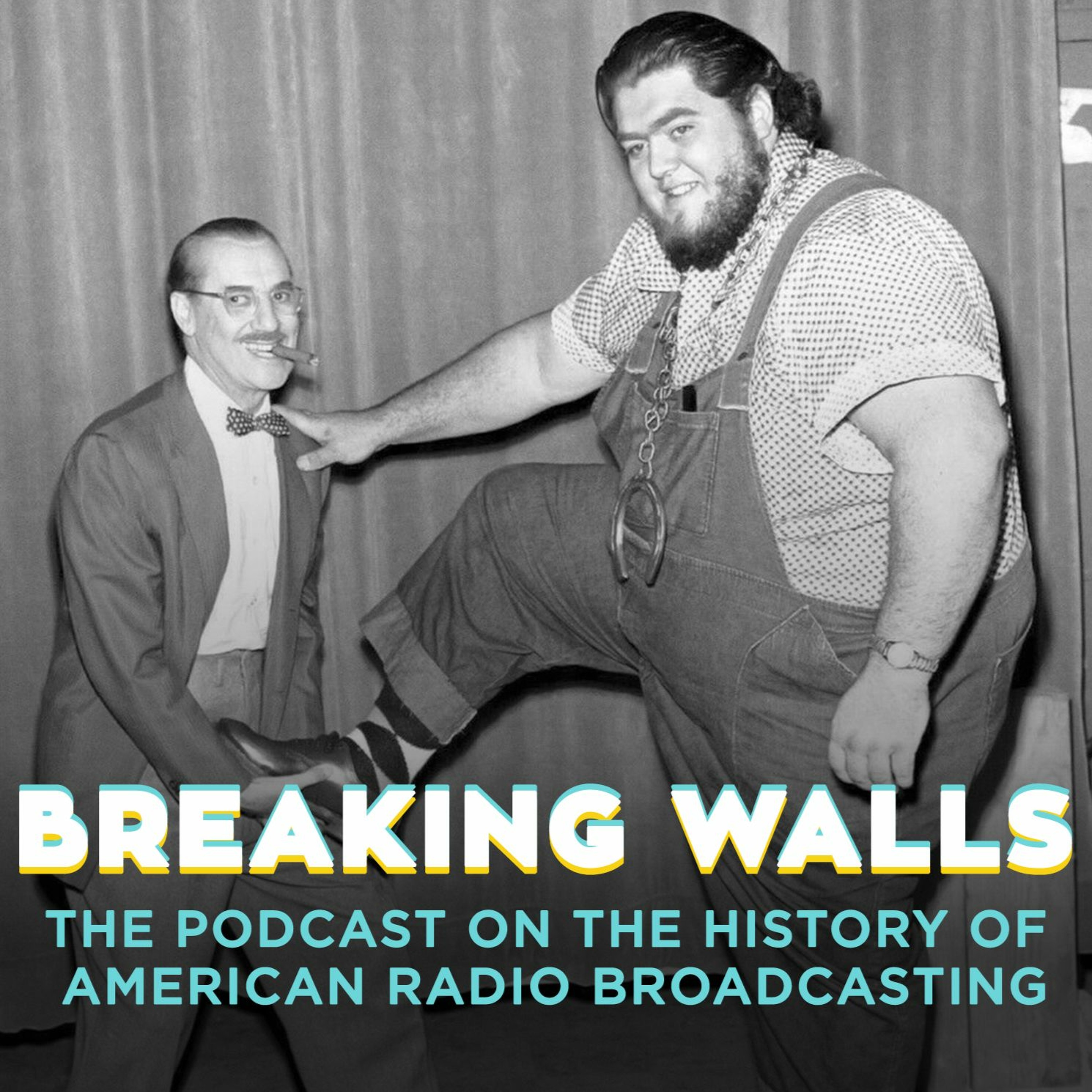
You Bet Your Life, conceived by the just-heard John Guedel and hosted by comedian Groucho Marx, debuted over ABC’s airwaves on October 27th, 1947. Three couples were brought onstage to be interviewed and quizzed by Groucho. Each couple was given twenty dollars and told to bet as much as they dared risk on four questions from a category of their choosing. The money would double with each successive step. Couples could win three-hundred twenty dollars, go broke on the first question, or finish anywhere in between. The couple with the largest money total got a chance at the jackpot question, worth at least one-thousand dollars. There was also a “secret word” each week, with bonus money to be divided if someone said the word while the show was on the air. Although 1947 was radio’s highest-rated season, the quiz show aired against NBC’s Mr. District Attorney on Wednesdays at 9:30. At season’s end You Bet Your Life only pulled a rating of thirteen. Groucho felt uncomfortable trying to be funny on a live radio show. Guedel’s answer was to record the show, which allowed Groucho to relax. The program could then be edited for time later. The idea worked. The show moved to CBS in 1949. You Bet Your Life became network radio’s top-rated quiz show, finishing the season in eleventh place overall. The contract with DeSoto-Plymouth of Chrysler was worth four million dollars over ten years. It also moved the show to NBC Radio and TV beginning on October 4th, 1950. The program remained a top-fifteen hit into 1957. That October 23rd, it was airing on radio Wednesday evenings at 9PM. This episode’s secret word was “Money.” You Bet Your Life continued on radio until June 10th, 1960.
This Sunday 10/22/2023 — Burning Gotham 1830s NYC Walking Tour
Hey everyone, James Scully here. I wanted to let you know I’ve got a walking tour on Sunday 10/22/2023 with The New York Adventure Club in conjunction with Burning Gotham, the audio soap opera set in 1835 NYC that I developed. Burning Gotham was a 2022 official Tribeca Film Festival audio selection. Included here is a link where you can buy tickets. — https://www.nyadventureclub.com/event/exploring-1830s-new-york-from-the-great-fire-to-south-street-seaport-registration-726888130967/ Join us as we explore lower Manhattan and the notable sights and scandals of 1830s New York, with a close look at 1835 and how a single year forever changed New York City in big ways. Highlights Include: A trip to important landmarks in the neighborhood dating back to the 1830s including Fraunces Tavern, Bowling Green, South Street Seaport, Stone Street and others. Topics Covered will include: Why the US was on the verge of war with France, why there was no clean running water in New York, and the greatest hoax of the 19th century, The full scoop surrounding the Great Fire of 1835, which destroyed everything in Manhattan's chief merchant district Our experience will conclude on Stone Street with the opportunity to grab a pint or bite. Hope to see you there!
BW - EP144—009: October 1957—Sorry Wrong Number
On Sunday, October 20th, 1957 at 4:35PM eastern time, the just-heard Agnes Moorehead starred for the seventh time in Suspense’ adaptation of Lucille Fletcher’s harrowing story, “Sorry, Wrong Number.” In this play, a bed-ridden invalid, attempting to call her husband, accidentally overhears a plot between two men to kill some woman thanks to crossed phone lines. Over the course of the story she desperately attempts to get uninterested phone operators and policemen to care, until she finds out who the intended really victim is. It is, quite possibly, the most famous thriller in radio history. Ms. Moorehead played this part eight times in the years Suspense was on the air. This particular adaptation co-stars a who’s who of radio veterans, including Jeanette Nolan, Virginia Gregg, and Byron Kane.
BW - EP144—008: October 1957—More News From Little Rock, Arkansas
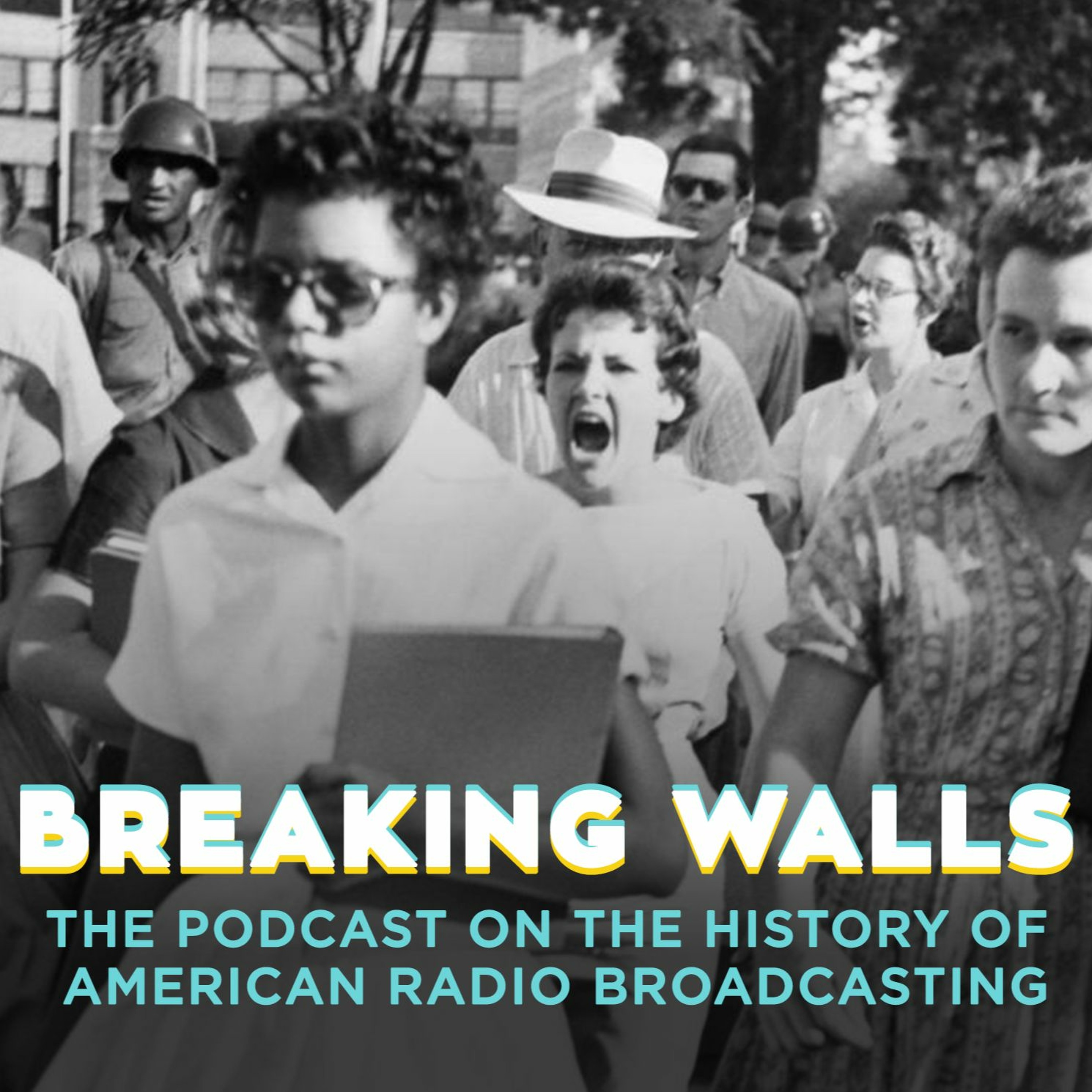
As we covered in the previous episode, number 143, of Breaking Walls, In Little Rock, Arkansas on September 4th, 1957, nine African-American students attempted to attend their first day of high school at the newly integrated Little Rock Central High. The National Guard, on the orders of Arkansas Governor Orval Faubus, prevented the students from entering the school. The Governor then locked himself in his mansion, refusing to come out. President Dwight D. Eisenhower soon met with the Governor, and the National Guard was removed. On September 23rd, the nine students entered Little Rock Central High for the first time, ignoring verbal abuse and threats from a crowd outside. When the mob realized the students had entered the school, violence erupted, and seven journalists were attacked. As the situation deteriorated, school officials, fearing for the students’ safety, dismissed the Little Rock Nine at lunchtime. The next day, President Eisenhower ordered paratroopers from the 101st Airborne Division to escort the students to the building, signaling out those bent on disrupting the federal integration mandate. Over the following days, Eisenhower federalized ten-thousand Arkansas National Guardsmen, removing them from the control of the Governor. The Little Rock Nine were finally able to attend classes in late September, but they faced threats, verbal abuse, and hazing from both white students and adults alike. On Thursday October 17th, 1957 NBC Radio broadcast a special with students from Little Rock Central High about their feelings on integration. Although the conditions the Little Rock Nine had to endure were deplorable, when the Spring of 1958 came around eight of the nine had successfully completed the school year.
BW - EP144—007: October 1957—Bill Kemp And The Queen's Visit
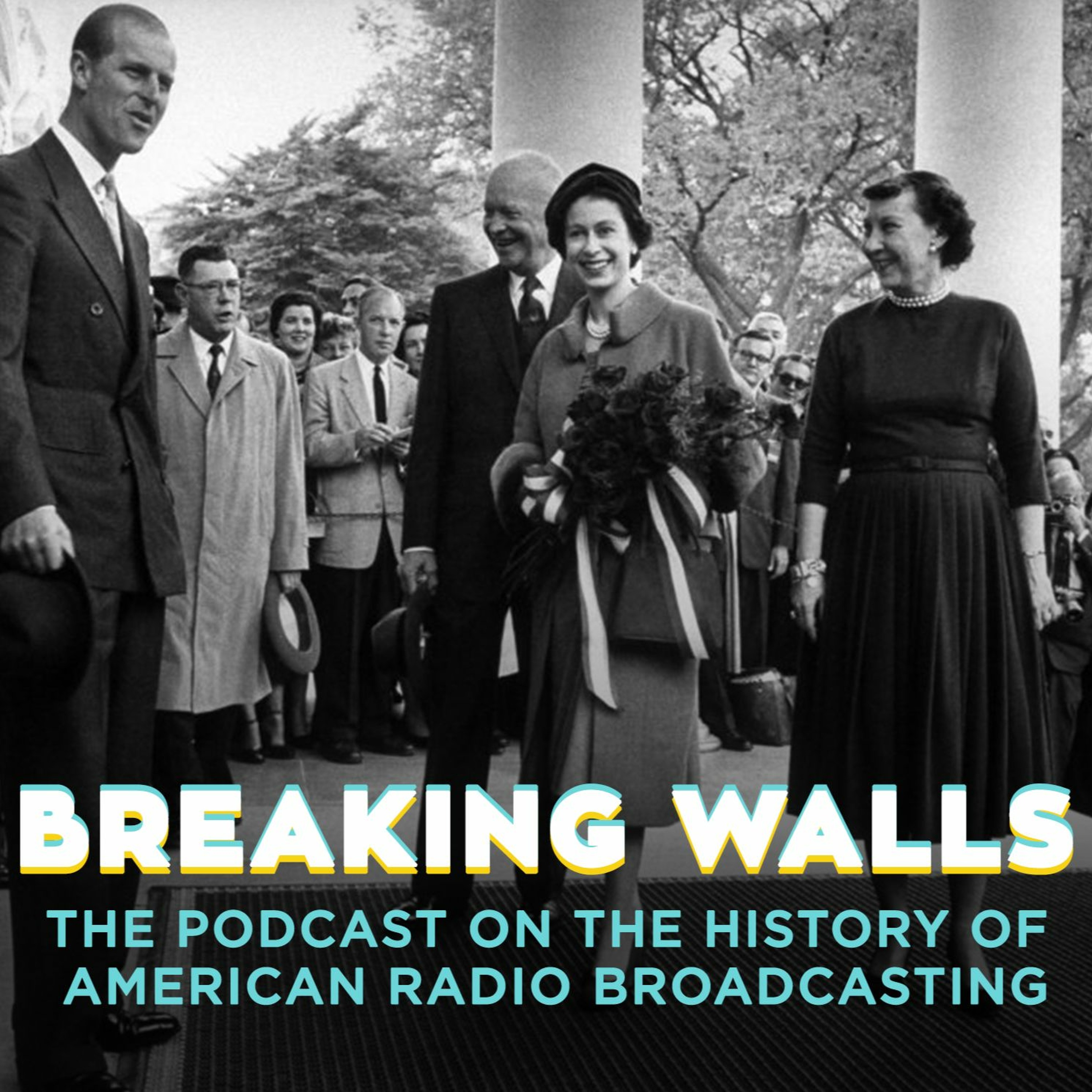
On Wednesday October 9th, 1957 at 8PM eastern time, The Bill Kemp Show took to the air over ABC. Bill Kemp was born on July 10th, 1921 in Toronto, Canada. An up and coming performer in the 1950s, his daily radio show ran weeknights at 8PM. His show was the final in a twelve-hour daily live broadcast project by ABC called “The Live and Lively Radio Network.” ABC’s intention was to raise ratings by going back to live broadcasts in an era of taped shows. Interestingly, it was ABC that helped launch the non-Mutual Broadcasting transcribed primetime era with Bing Crosby’s Philco Radio Time in 1946. Kemp’s show featured an orchestra, vocalist and guest stars such as Jonathon Winters. Kemp’s announcer George Ansbro remembered that Kemp once went laugh for laugh with Winters after a particularly successful broadcast, and continued the antics all the way to a nearby steakhouse. Unfortunately, Kemp also developed a debilitating drinking problem. Merv Griffin and Jim Backus were called on several occasions to cover for Kemp during absences for "personal reasons." One week after this broadcast on Wednesday October 16th, Queen Elizabeth II departed from Ottawa and arrived in Williamsburg, Virginia. The next day she was in Washington, D.C. While at the White House, Prince Philip received the gold medal of the National Geographic Society. On October 18th, two U.S. Navy balloonists flew to an altitude of sixteen miles, landing near Hermansville, Michigan. On October 19th, the Queen and Prince Philip attended an American football game in College Park, Maryland, and then visited a supermarket in West Hyattsville. That same day a beauty pageant winner was killed en route to her coronation in a helicopter crash in Farmingdale, New York, while Montreal Canadiens’ star Maurice “The Rocket” Richard became the first player in National Hockey League history to score five-hundred career goals.

BW - EP144—006: October 1957—Stan Freberg
Stan Freberg was born on August 7th, 1926 in Pasadena, California. Shortly after graduating from high school, he found work as a voice actor in both radio and animation. In 1957, now thirty-one, he was given his own thirty-minute comedy program on CBS, Sundays at 7:30PM eastern time from Hollywood. He debuted on July 14th, 1957. His cast featured Peter Leeds, June Foray, Daws Butler, Marvin Miller with vocalist Peggy Taylor, Billy May's orchestra, and the Jud Conlon Rhythmaires. His comedic style was biting. He was a shrewd satirist who targeted mediocrity, complacency, and stuffed shirts. He specialized in lampooning American life. On his first show he ripped American capitalism with a long skit about two competing Las Vegas nightclubs, the El Sodom and Rancho Gomorrah, set in the near future. The CBS higher-ups didn’t get it. So, he destroyed Lawrence Welk in a skit that became known as “Wunnerful, Wunnerful.” Billy May’s orchestra played a Welkian arrangement of “Bubbles in the Wine” while Freberg—doing a credible Welk imitation—kept yelling, “Turn off the bubble machine!” until he was drowned in the foam. Freberg “interviewed” the abominable snowman, presented a group of musical sheep, and staged a western skit, “Bang Gunley, U.S. Marshall Fields” spoofing the overdone sound effects of many classic films. He attacked censorship, with Freberg attempting to sing Kern and Hammerstein’s “Ol’ Man River,” only to be stopped by a “citizens committee censor,” who sounded a buzzer at any line he found objectionable, leading to rewriting the lyrics as “Elderly man river.” In August Sponsor Magazine reported that CBS thought network radio could see a return to sponsors buying full programs that fall. CBS was pitching The Stan Freberg show for ten-thousand dollars per week. However, by October it was obvious that network comedy couldn’t return to its previous highs and The Stan Freberg Show was canceled after the October 20th episode.
BW - EP144—005: October 1957—Algeria Aflame
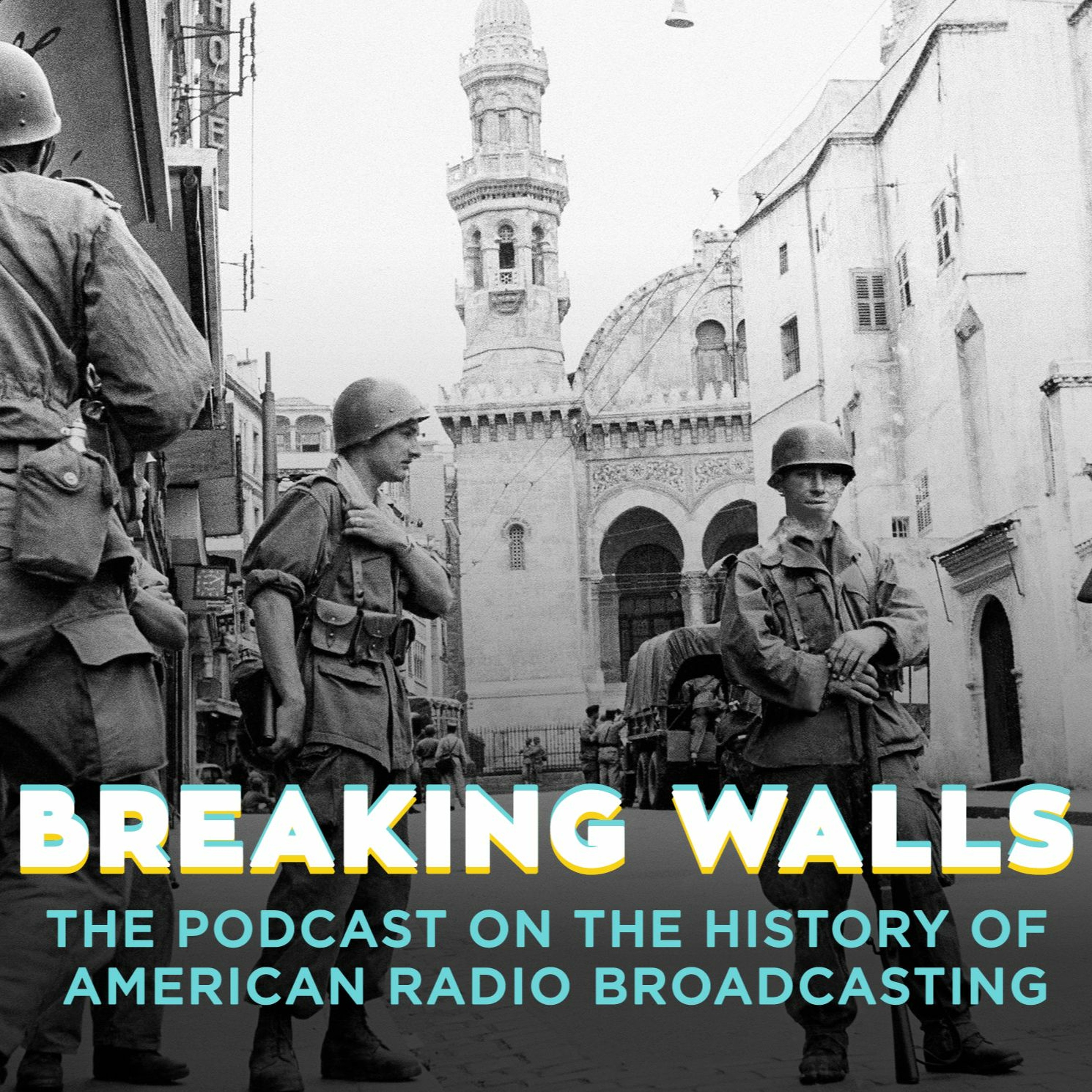
In October of 1957, Algeria was in the midst of a war for Independence and control between France and the Algerian National Liberation Front. The conflict began in November of 1954 and by October of 1957 was considered the world’s only active war of note. It was a complex conflict characterized by guerrilla warfare and the use of torture. When the War finally came to an end in 1962 with France granting Algeria Independence, nine-hundred-thousand Algerian refugees fled to France in fear of the NLF taking revenge on them for siding with France. The majority of Algerian Muslims who had worked for the French were left behind. Algerian authorities promised France they’d take no action against them. However, these Algerian Muslims were branded as traitors and many were soon murdered. On October 14th, 1957 at 10:30PM Eastern Time, CBS radio broadcast a documentary on the first three years of the conflict entitled, “Algeria Aflame.”
BW - EP144—004: October 1957—The Eternal Light And The Glastonbury Cows
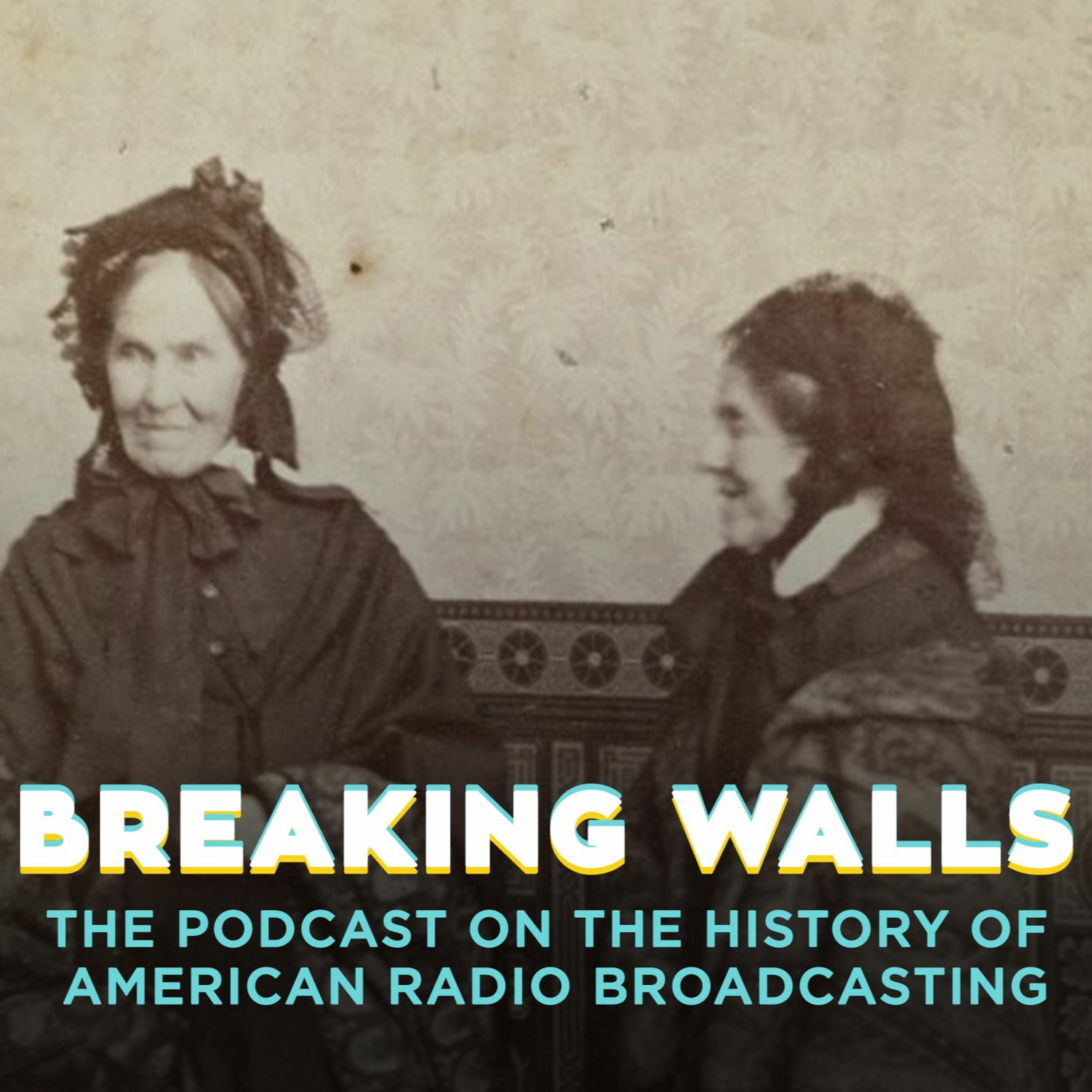
In October 1944, in conjunction with the Jewish Theological Seminary, NBC began one of the longest-running religious programs in radio history. It was called The Eternal Light. Then in its thirteenth year, The Eternal Light dramatized stories from ancient Judaea, along with contemporary works like The Diary of Anne Frank. It was produced by Milton Krents. Many top New York radio actors appeared. NBC donated the air time and the Seminary paid for the show's production. On Sunday October 13th, 1957 at 12:30PM eastern time over NBC’s WRCA in New York, The Eternal Light took to the air with a story on the Glastonbury Cows. In Glastonbury, Connecticut in 1869, tax collectors asked two elderly sisters, Abby and Julia Smith, to pay their road taxes early. They did, but were surprised to find the town accidentally billed them a second time later in the year. The Smiths were wealthy. Their father left his daughters a large land holding, investments and a farm. Their mother left them a sizable inheritance, as well. When the sisters asked the town to correct the matter, the tax collector refused. When they tried to enter a Town Meeting to raise the issue, they were turned away because they were women. The frustrated sisters paid the tax a second time, but their lack of political power infuriated them. They began attending women’s suffrage rallies. And as their frustration grew, so did their taxes. In 1874, they were told they could not delay their taxes in exchange for a twelve percent interest charge – a courtesy afforded other taxpayers. They became convinced that modern women needed a vote, and decided to stop paying taxes until they could. The tax collector seized seven cows to pay off back taxes. The sisters used a straw buyer to retrieve most of them, sparking much written debate. Critics who compared them to children only made their supporters more united. The cows became celebrities. Knickknacks woven out of their hair sold like hotcakes at fundraising bazaars that promoted women’s suffrage. Julia published a popular book, Abby Smith and Her Cows. This seizing continued through 1878. Eventually the sisters testified before Congress. In 1878, at the age of 81, Abby died in July. The next year, Julia, age 87, decided to marry for the first time. Her husband began paying the taxes on her property, and she repaid him in a compromise of love. Although many radio programs were being canceled, The Eternal Light would air on radio and then television until 1989.
BW - EP144—003: October 1957—Sputnik, Bing, And Current Events
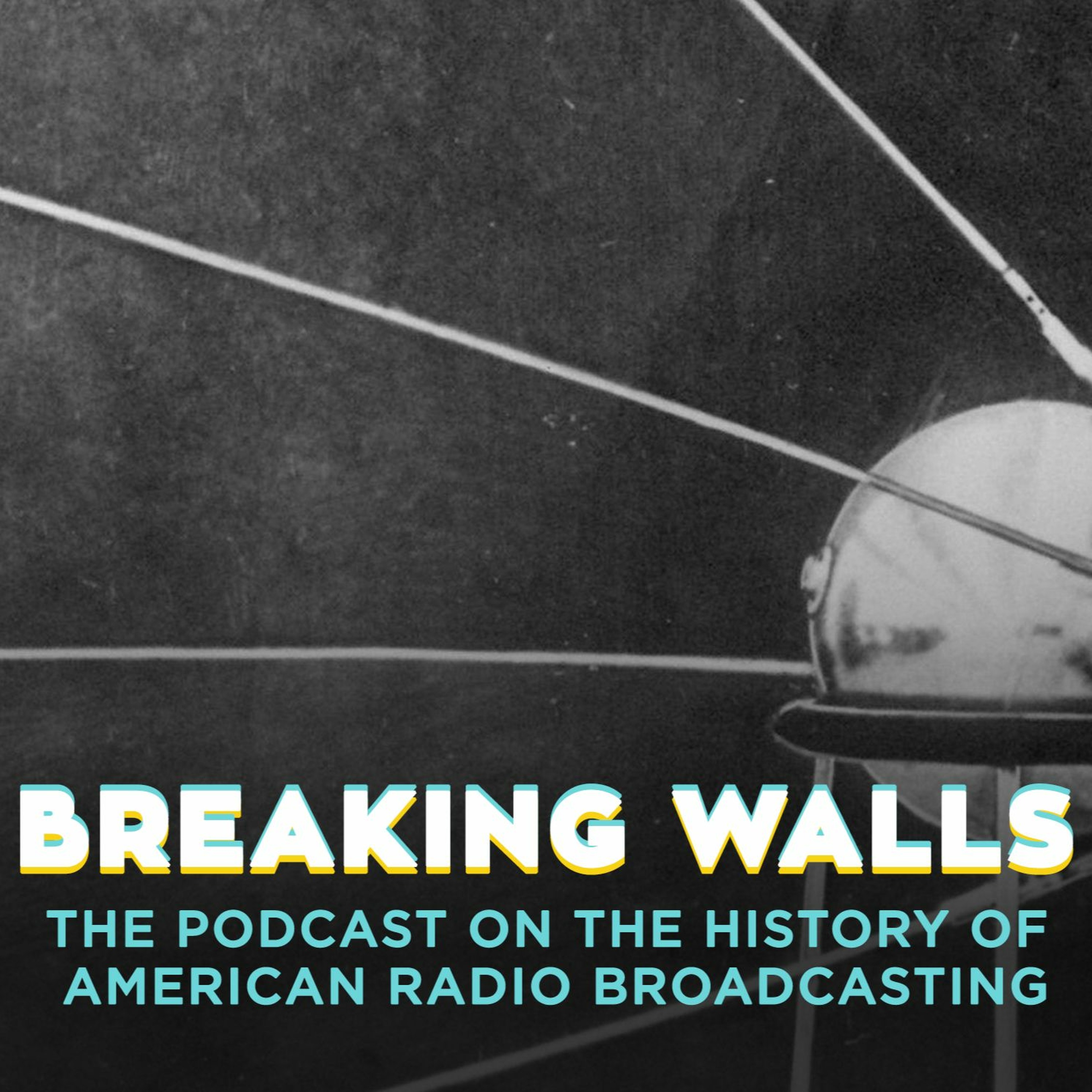
On Friday October 4th, 1957 the U.S. received confirmation of the USSR’s launch of Sputnik 1, the first artificial earth orbiting satellite. It was a polished metal sphere twenty-three inches in diameter with four external radio antennas to broadcast radio pulses. Its radio signal was easily detectable by amateur radio operators. Its sixty-five degree orbital inclination gave it a flight path that completely covered all parts of the inhabited earth. While traveling at peak speed, the satellite took 96.20 minutes to complete each orbit. It transmitted on the bandwidth of roughly twenty and forty megahertz. These signals were monitored throughout the world and continued for twenty-one days until the transmitter’s batteries died on October 26th. The satellite's success was unanticipated by the U.S., setting the space Race into orbit as part of the Cold War. That same day, Bring Crosby signed on with The Ford Road Show for five minutes over CBS, announced by Ken Carpenter. The next Wednesday, October 9th, The Lovell Telescope was activated in Cheshire, England, while a Boeing B-47 Stratojet bomber crashed in Orlando, Florida killing all four military officers on board. On October 10th, a nuclear reactor fire on the north-west coast of England released radioactive material into the air, as President Eisenhower hosted breakfast at the White House with Ghanese minister to France, Komla Agbeli Gbedemah, who’d been recently refused at a Howard Johnson’s in Delaware because of his race. The next day an IBM computer at MIT Computation Center in Cambridge, Massachusetts calculated the last stage of the R-7 Semyorka rocket that carried Sputnik 1. On Saturday October 12th, Queen Elizabeth II and Prince Philip, Duke of Edinburgh, arrived in Ottawa, the capital of Canada, for a royal visit. On the fourteenth, the Queen opened the Canadian Parliament, the first monarch to do so.
BW - EP144—002: October 1957—Unit 99
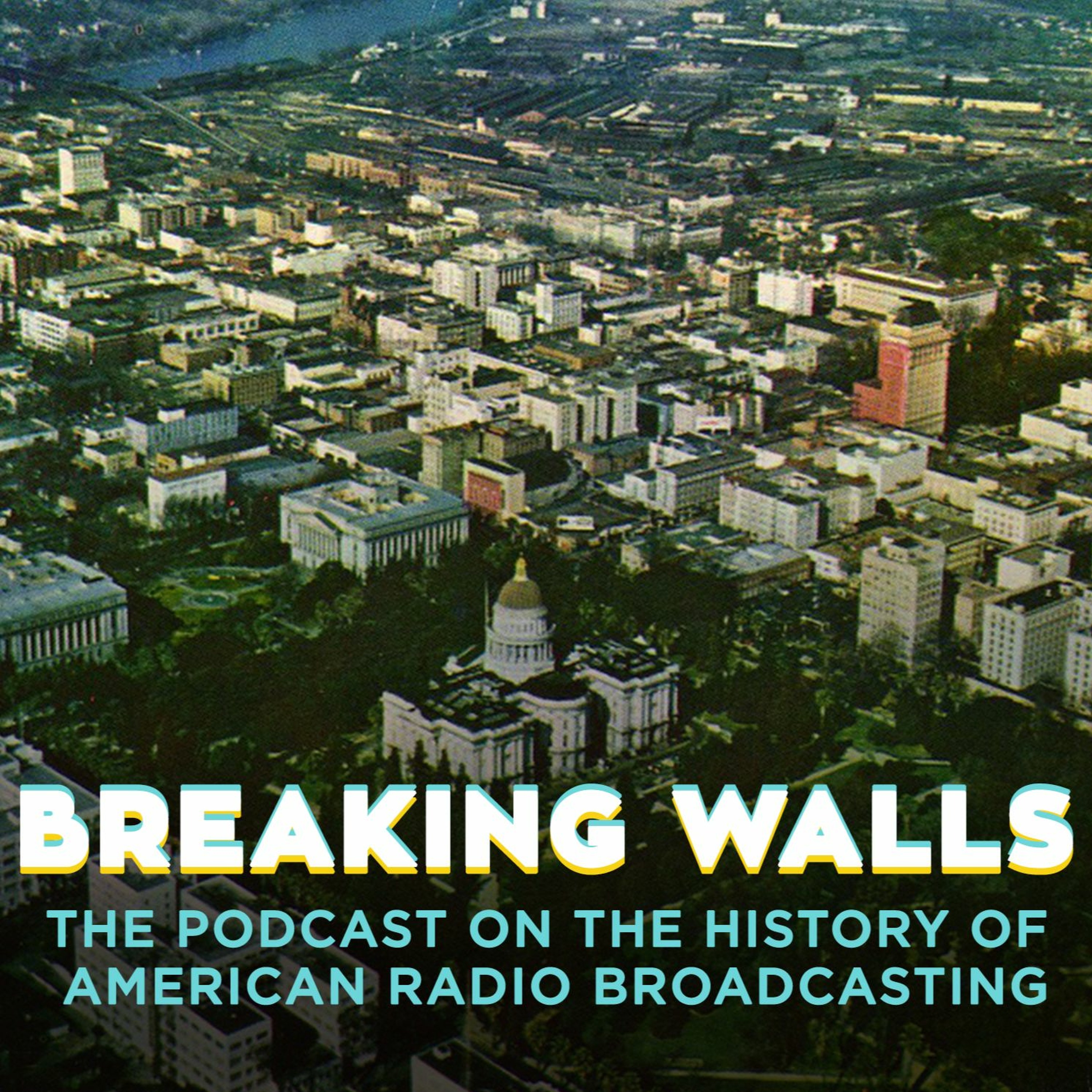
Unit 99, first aired over ABC’s KFBK Sacramento on August 23rd, 1957. The radio station was part of the McClatchy media empire along with The Sacramento Bee and other radio and TV stations, as well as newspapers in the Western U.S. The show was born from Jack Webb’s Dragnet mode of realistic police portrayals, then furthered by shows like Night Watch which removed the script, followed actual officers, and made the drama real. Tony Kester directed the show under the auspices of the Sacramento police department. It featured Police Chief James B. Hicks as host and sergeant Dan Meredith recording his nightly police beat, interviewing witnesses of various crimes and police calls. Unit 99 ran until June 13th, 1958.
BW - EP144—001: October 1957—Dying Radio And The World Series
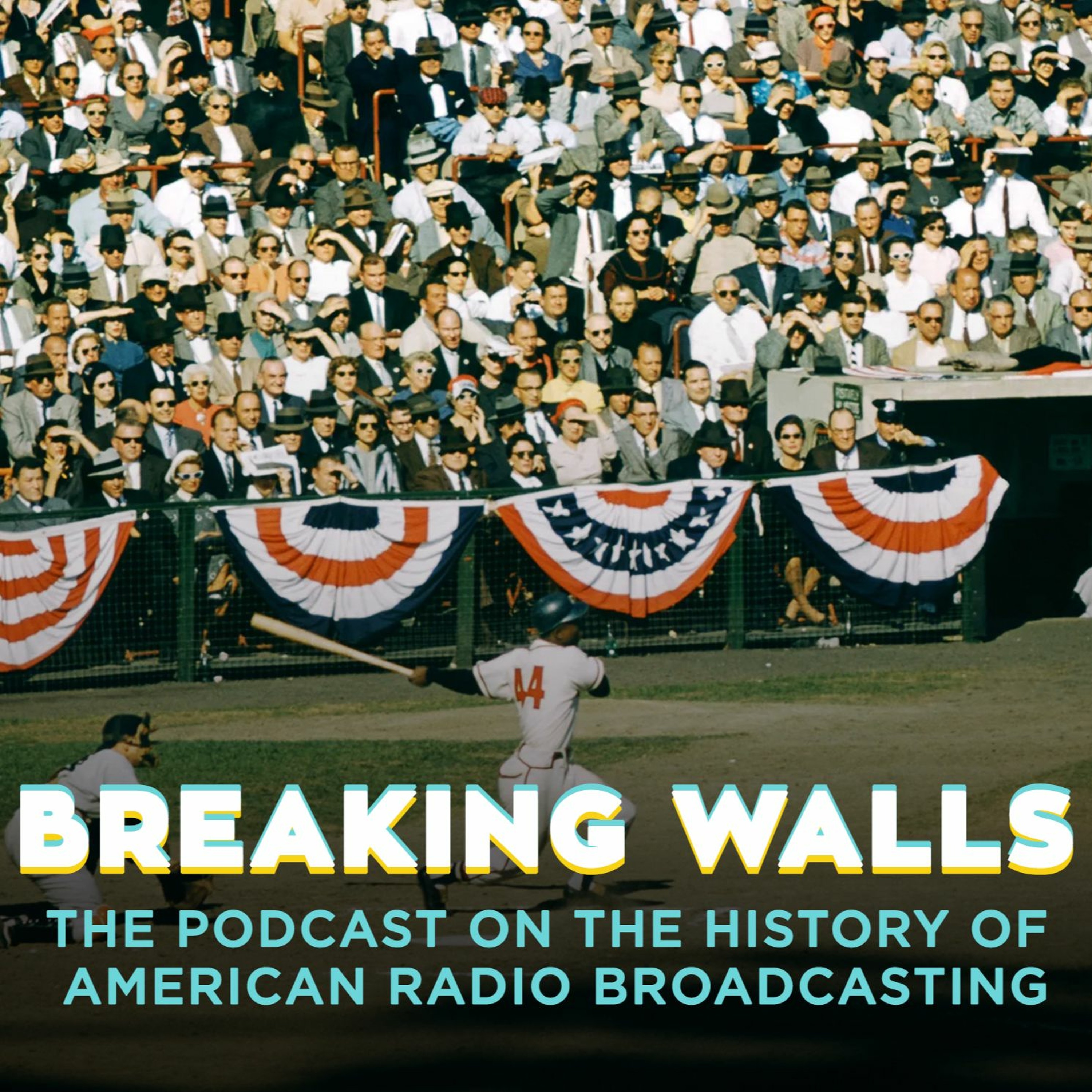
At 12:45PM on Wednesday October 2nd, Game one of the 1957 World Series took to the air. It pitted The Milwaukee Braves against The New York Yankees from Yankee Stadium in The Bronx. Bob Neal and Earl Gillespie were on the call for NBC Radio, while Mel Allen and Al Helfer telecast the game. The upstart Braves were led by future hall-of-famers Hank Aaron, Eddie Matthews and Warren Spahn. The defending champion Yankees were led by Mickey Mantle, Yogi Berra, Whitey Ford, and manager Casey Stengel. The Braves moved to Milwaukee from Boston after the 1952 season, leaving beantown to the Red Sox, finishing in the first division the previous four seasons before breaking through and winning the 1957 NL pennant. The Yankees were playing in their twenty-third world series in thirty-seven seasons. The Braves would win the series four games to three. The next year the two teams would meet again, this time with the Yankees taking the series in seven games. The following day, comedian Artie Auerbach, best known for playing Mr. Kitzel on The Jack Benny Program passed away of a heart attack. That same day New York Times columnist Jack Gould criticized NBC for attempting to televise the World Series in color.
BW - EP143: September 1957—Civil Rights And The Rocket Age
In Breaking Walls episode 143 we begin a mini series on radio and the world in the fall of 1957. —————————— Highlights: • LIFE and The World • The Man from Tomorrow • The American Forum of the Air • Atomic Testing • Pat Buttram and Just Entertainment on Labor Day • Ray Bradbury and the End of X-Minus One • Ms America • The Hattie Cotton School Bombing • Biography in Sound • Howard Miller and Steve Allen • The End of Family Theater • The Grand Ole Opry • Meet The Press and The Right of Self Determination • CBS Still Doing Drama on Sundays • Bing Crosby’s Road Show • School Integration • The Dodgers and Giants Leave New York • Looking Ahead to October and Sputnik —————————— The WallBreakers: http://thewallbreakers.com Subscribe to Breaking Walls everywhere you get your podcasts. To support the show: http://patreon.com/TheWallBreakers —————————— The reading material for today’s episode was: • On the Air — By John Dunning • Network Radio Ratings — By Jim Ramsburg As well as articles from • Broadcasting Magazine • The Los Angeles Times • The New York Times • Radio Daily • U.S. Radio Magazine —————————— On the interview front: • Lilian Buyeff, Mary Jane Croft, Sam Edwards, Herb Ellis, Bill Froug, Jack Johnstone, Jeanette Nolan, and Herb Vigran spoke to SPERDVAC. For more info, go to SPERDVAC.com. • John Scott Trotter spoke with Same Time, Same Station. • Jackson Beck, John Gibson, Larry Haines, Mary Jane Higby, Jim Jordan, Joe Julian, Mandel Kramer, Jan Miner, Arnold Moss, Bill Robson, and Guy Sorel spoke to Dick Bertel and Ed Corcoran for WTIC’s The Golden Age of Radio. Hear these interviews at GoldenAge-WTIC.org. • Parley Baer, Ken Carpenter, Bob Hastings, Jim Jordan, and Herb Vigran spoke with Chuck Schaden. Hear their full chats at Speakingofradio.com. • Roberta Bailey-Goodwin spoke with John Dunning for his KNUS program from Denver * Norman Macdonnell was with John Hickman for his Gunsmoke documentary • Jack Kruschen and George Walsh spoke with Jim Bohannon in 1987 • Ray Bradbury spoke with Jerry Haendiges • Ernest Kinoy spoke with Walden Hughes • Ben Grauer spoke with Westinghouse for their 50th anniversary • William S. Paley gave a speech on November 20th, 1958 in New York —————————— Selected music featured in today’s episode was: • Scarborough Fair, Shenandoah, and Autumn Stars — By Michael Silverman • The Last Rose of Summer — By Tom Waits • Corrina, Corrina, Old Friends, and Where Are You Now — By George Winston • Death Runs Riot — By Matthias Gohl • This Room is My Castle of Quiet — By Billy May and His Orchestra —————————— A special thank you to Ted Davenport, Jerry Haendiges, and Gordon Skene. For Ted go to RadioMemories.com, for Jerry, visit OTRSite.com, and for Gordon, please go to PastDaily.com. —————————— Thank you to: Tony Adams Steven Allmon Orson Orsen Chandler Phil Erickson Jessica Hanna Perri Harper Thomas M. Joyce Ryan Kramer Earl Millard Gary Mollica Barry Nadler Christian Neuhaus Ray Shaw Filipe A Silva John Williams Jim W. —————————— WallBreakers Links: Patreon - patreon.com/thewallbreakers Social Media - @TheWallBreakers
BW - EP143—012: September 1957—Looking Ahead To October 1957
Next time on Breaking Walls, we continue our 1957 mini series by picking up in October with Sputnik, Algeria, Queen Elizabeth’s royal tour, and dying radio drama. —————————— The WallBreakers: http://thewallbreakers.com Subscribe to Breaking Walls everywhere you get your podcasts. To support the show: http://patreon.com/TheWallBreakers —————————— The reading material for today’s episode was: • On the Air — By John Dunning • Network Radio Ratings — By Jim Ramsburg As well as articles from • Broadcasting Magazine • The Los Angeles Times • The New York Times • Radio Daily • U.S. Radio Magazine —————————— On the interview front: • Lilian Buyeff, Mary Jane Croft, Sam Edwards, Herb Ellis, Bill Froug, Jack Johnstone, Jeanette Nolan, and Herb Vigran spoke to SPERDVAC. For more info, go to SPERDVAC.com. • John Scott Trotter spoke with Same Time, Same Station. • Jackson Beck, John Gibson, Larry Haines, Mary Jane Higby, Jim Jordan, Joe Julian, Mandel Kramer, Jan Miner, Arnold Moss, Bill Robson, and Guy Sorel spoke to Dick Bertel and Ed Corcoran for WTIC’s The Golden Age of Radio. Hear these interviews at GoldenAge-WTIC.org. • Parley Baer, Ken Carpenter, Bob Hastings, Jim Jordan, and Herb Vigran spoke with Chuck Schaden. Hear their full chats at Speakingofradio.com. • Roberta Bailey-Goodwin spoke with John Dunning for his KNUS program from Denver * Norman Macdonnell was with John Hickman for his Gunsmoke documentary • Jack Kruschen and George Walsh spoke with Jim Bohannon in 1987 • Ray Bradbury spoke with Jerry Haendiges • Ernest Kinoy spoke with Walden Hughes • Ben Grauer spoke with Westinghouse for their 50th anniversary • William S. Paley gave a speech on November 20th, 1958 in New York —————————— Selected music featured in today’s episode was: • Scarborough Fair, Shenandoah, and Autumn Stars — By Michael Silverman • The Last Rose of Summer — By Tom Waits • Corrina, Corrina, Old Friends, and Where Are You Now — By George Winston • Death Runs Riot — By Matthias Gohl • This Room is My Castle of Quiet — By Billy May and His Orchestra
BW - EP143—011: September 1957—The Death Of National League Baseball In New York
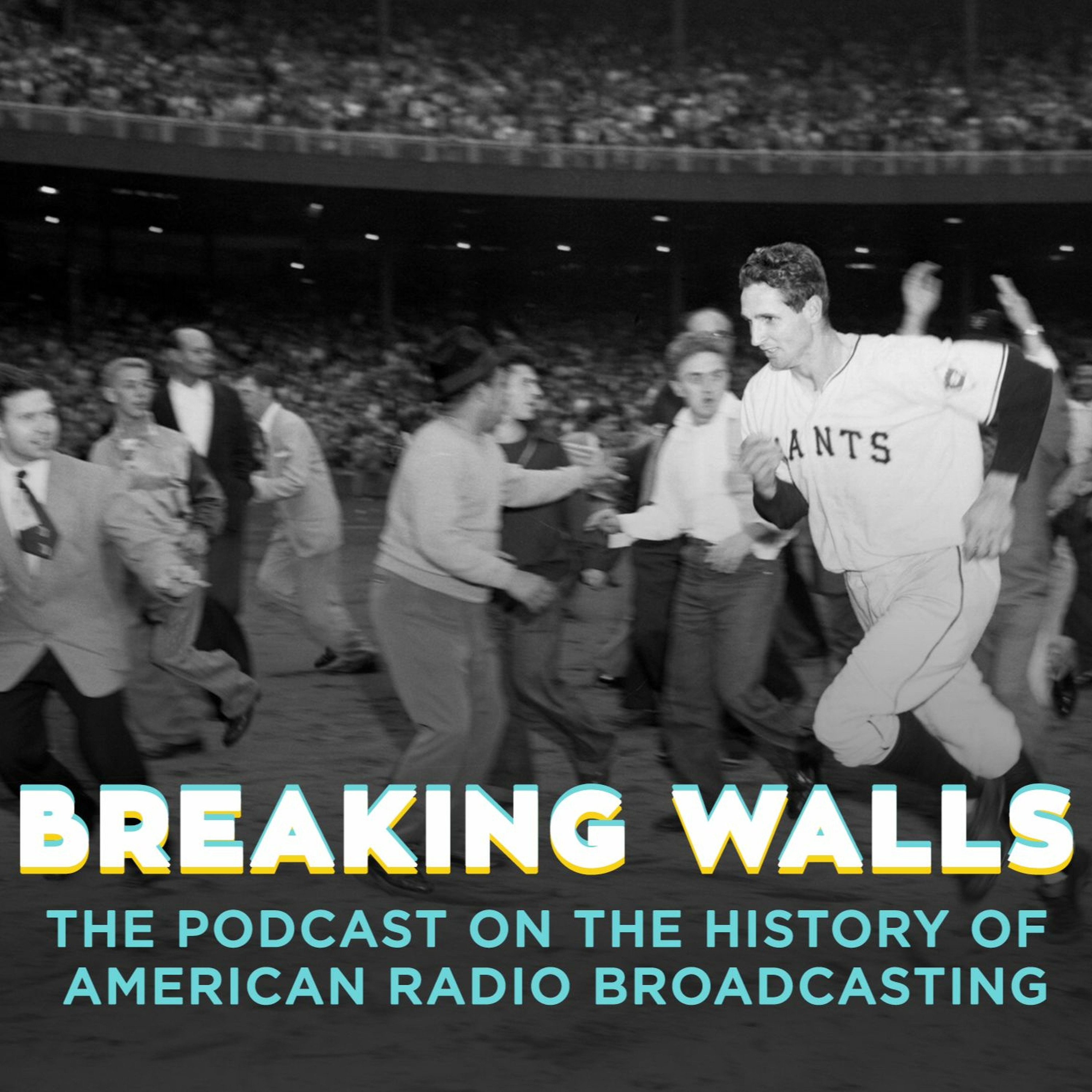
In September 1957 baseball’s Dodgers, who’d called Brooklyn home since 1884, and Ebbets Field since 1913, played their final games in Flatbush. They’d been World Champions just two years earlier. Simultaneously, over in northern Manhattan, The New York Giants, champions in 1954, and at home near Coogan’s Bluff since 1883, played their final game overlooking the Harlem River. Both teams would move three-thousand miles west to California. The Dodgers would settle in Los Angeles, first at Memorial Coliseum and then in the famed Dodger Stadium, winning the 1959 World Series, and five more in the years since. The Giants moved to San Francisco, played their home games at the mercilessly windy Candlestick Park, before moving to a new stadium in 2000, winning three world titles in the twenty-first century. New York would be left without a National League team to rival the cross-town Yankees for five years, until the New York Metropolitans, colloquially known as the Mets, were formed. They're winners of two world championships of their own. In 1960 hall of fame pitcher Bob Feller, hosting a syndicated show, spoke about that last Giants baseball weekend at the Polo Grounds. There’s an old adage that says “change is life’s only constant.” Post-War hope turned into labor strife and a baby boom, which gave rise to the most profitable radio year in history—1948—leading directly to the TV era. The new deal was more than ten years old and an urban diaspora, guided by white flight and atomic fear, brought families to newly blossomed suburban communities and left cities wondering what the future held. More uncertainty lay ahead. Four days into October, the USSR would launch Sputnik I, the first artificial Earth-orbiting satellite. Everybody’s lives got a little nearer, and yet a little further apart. But, if they wanted to feel close, all they had to do was tune on a radio to a CBS affiliate Sunday afternoons as George Walsh breathed “and now” to open for Suspense. They’d perhaps remember a time when Jack Benny drove radio ratings, while his cast drove him crazy. To a time when Tuesday nights meant NBC with Fibber Mcgee and Molly, Bob Hope, and Red Skelton. When Thursdays meant Crosby, Suspense, and Burns and Allen. And to a time when Norman Corwin helped remember what brought us home. It’s where we’re all going anyway. More specifically, it’s where we’re heading next month.
BW - EP143—010: September 1957—The Bing Crosby Road Show And The Report On School Integration
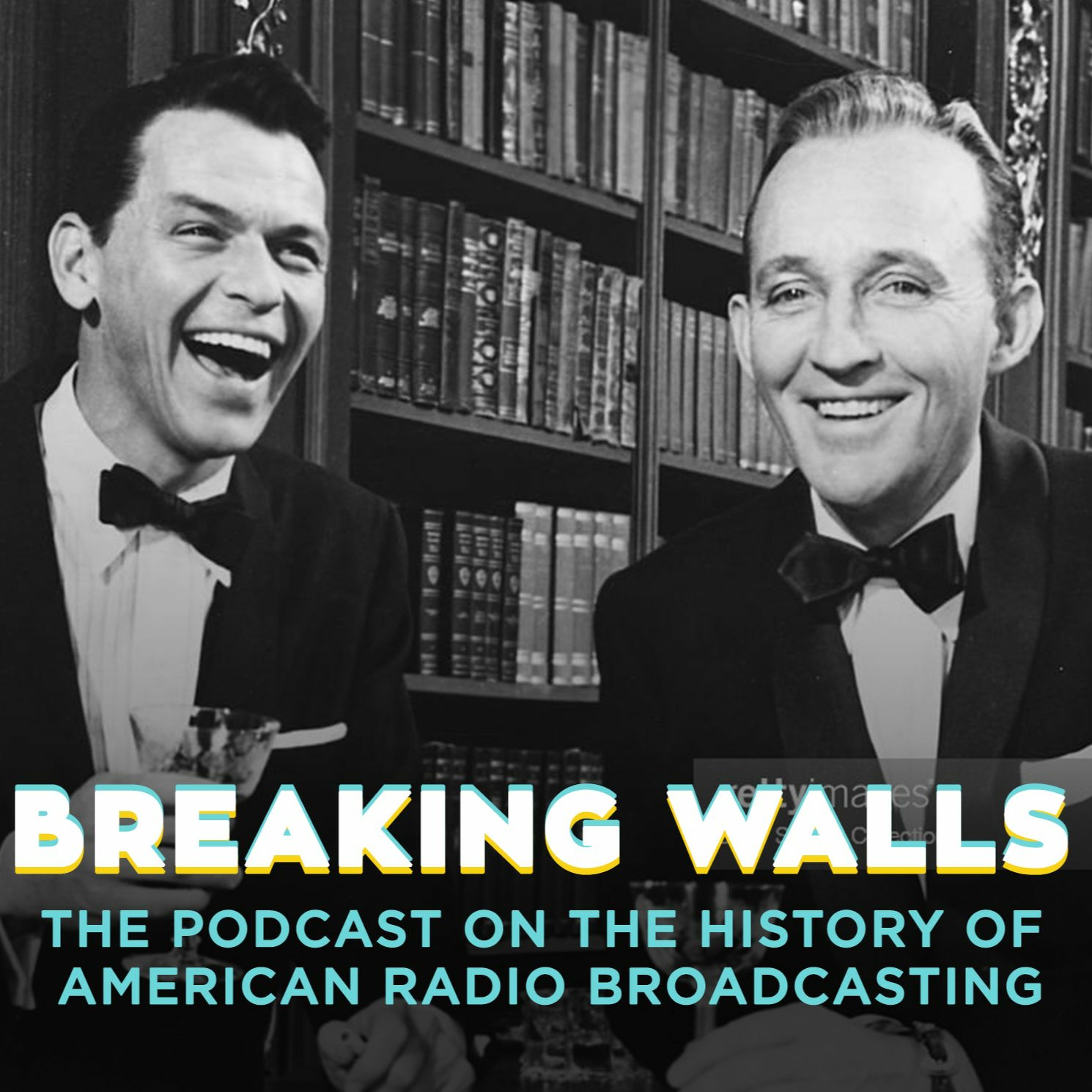
In September of 1957, Bing Crosby, now fifty-four years old, was gearing up to host the Edsel TV special and generating praise for his recent dramatic role as Earl Carlton in Man On Fire. He’d won an Academy Award, had his own radio show since 1931, and championed the widespread use of Prime Time, network transcription. The Ford Road Show featuring Bing Crosby debuted on September 2nd, 1957. It aired five days per week on CBS for five minutes. These were taped segments edited by Murdo MacKenzie and written and produced by Bill Morrow The just-heard John Scott Trotter conducted the orchestra. It included an opening theme, one or two songs by Bing and commercials by Ken Carpenter. This episode aired on September 24th. Ford’s Agency of Record J. Walter Thompson saturated radio with five-minute segments. They also sponsored a show with Rosemary Clooney, a chit chat by Arthur Godfrey and news by Edward R. Murrow. Earlier in this episode we spoke about The Civil Rights Act of 1957 and the Hattie Cotton Elementary School bombing in Nashville, Tennessee. With forced integration underway, federal troops needed to be called out to Little Rock, Arkansas where a group of nine African American students enrolled in Little Rock Central High School were stopped from attending by the state’s governor. On September 27th CBS Radio ran a special report on the progress, or lack thereof, in southern school integration in the three years following Brown vs. The Board of Education.
BW - EP143—009: September 1957—CBS Still Doing Sunday Radio Drama
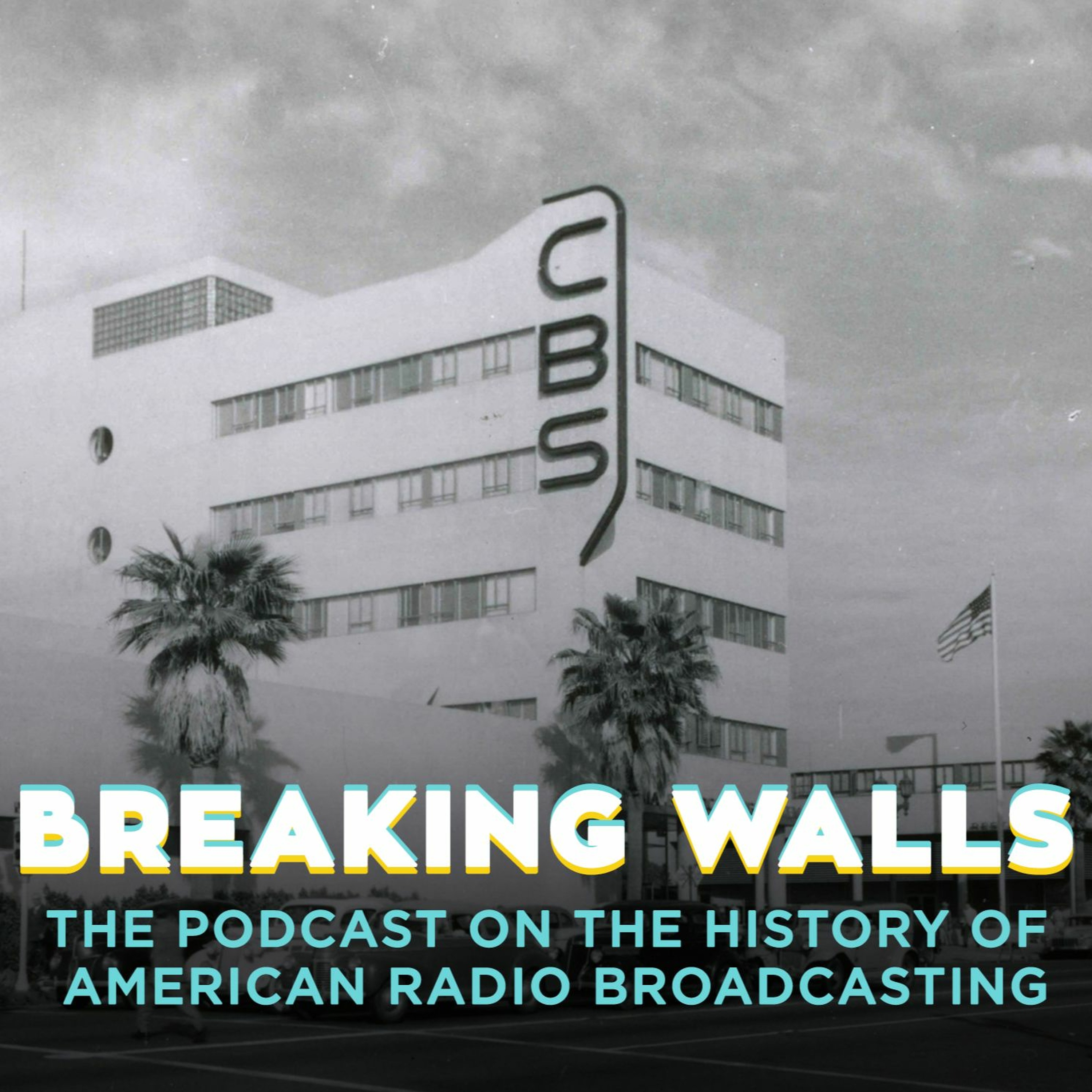
The man you’re listening to is William Froug. He was instrumental in bringing the CBS Radio Workshop back to the air. CBS was still airing dramatic programming on Sunday afternoons. In 1957 Froug became the VP of Programming. He took the position against his will. The CBS Radio Workshop, a reimagining of the old Columbia Workshop had debuted with the critically acclaimed two-part adaptation of Aldous Huxley’s Brave New World on January 27th, 1956. It was in its second season in 1957 and unfortunately on the chopping block. Froug stayed with The CBS Radio Workshop until 1957. Afterwards Antony Ellis took over Hollywood’s production. Paul Roberts was the New York counterpart. On Sunday September 22nd, 1957, with no national sponsorship forthcoming, The CBS Radio Workshop went off the air with an adaptation of Sinclair Lewis’ “Young Man Axelrod.” After the workshop signed off for the final time, Suspense signed on, directed by William N. Robson and guest-starring Jackie Kelk and Jeanette Nolan. At 5:05PM Indictment signed on starring Nat Polen and Jack Arthur. Indictment debuted on January 29th, 1956. It told stories from the files of former ADA Eleazar Lipsky. Episodes presented the step-by-step details that went into gathering evidence which led to an indictment. That was the voice of director and writer Jack Johnstone. In September of 1957 he was in his third year directing Bob Bailey in Yours Truly Johnny Dollar. This is Bob Bailey’s daughter Roberta Bailey-Goodwin. Parley Baer was featured in this cast. After The FBI in Peace and War went on at 6:05PM, Gunsmoke signed on. Baer had been part of the cast since its first broadcast in 1952. By 1957 Gunsmoke was, quite simply, one of the most influential western in history. Norman MacDonnell was its director. Sez Who! Debuted alongside The Stan Freberg Show on Sunday, July 14th, 1957 as part of a week in which CBS Radio added $765,000 in new billings. Sez Who! Would be sponsored every other week by Look Magazine.
BW - EP143—008: September 1957—The Grand Ole Opry And Meet The Press
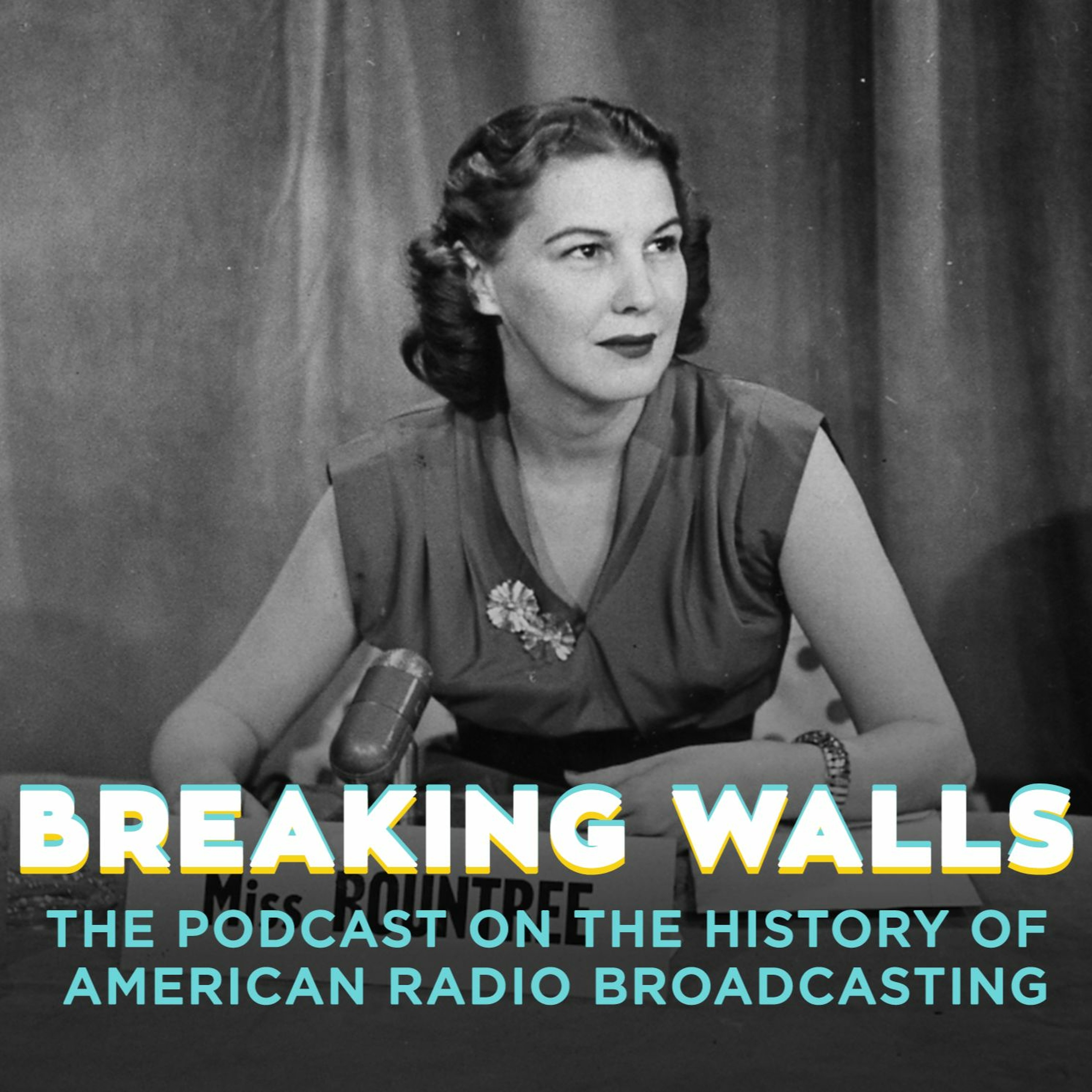
On Saturday, September 14th, 1957 The Grand Ole Opry signed on from WSM and the Ryman Auditorium. WSM is a fifty-thousand-watt clear channel station located in Nashville, Tennessee. Founded by the National Life and Accident Insurance Company, the station’s call sign stands for We Shield Millions. WSM first signed on October 5th, 1925. The next month on November 28th, The WSM Barn Dance took to the air for the first time. On December 10th, 1927, the program's host, "Judge" George D. Hay referred to the show for the first time, as The Grand Ole Opry. The Opry began running coast-to-coast on Saturday evenings in 1939. The show moved to the Ryman Auditorium in 1943. As it developed in importance, so did the city of Nashville, which became America's country music capital. By 1954, WSM was considered the outstanding music station in the country. That October 2nd a teenage Elvis Presley would have his only Opry performance. ___________ Meet The Press grew out of a partnership between Martha Rountree and Lawrence Spivak. Rountree, a freelance writer, broke into radio in the late 1930s. She created the panel show Leave It to the Girls in 1945, before teaming with American Mercury editor Lawrence Spivak, to produce a radio show promoting his magazine. Spivak would be the permanent panelist representing the press. They would invite top newsmakers to be put on the spot, “without preparation or oratory,” and thus “find out what they stand for.” The show debuted on October 5th, 1945 over Mutual Broadcasting. Meet the Press was soon making its own headlines. The panelists purposely pitted two editors known for their opposition to the guest’s viewpoint, with one middle-of-the-road type, and Spivak. In 1947 while still airing over Mutual, a TV version began airing on NBC. The radio version aired over Mutual for five years before going off the air and moving to NBC in May of 1952. On September 15th, 1957 the guest was Archbishop Makarios of Cyprus. The discussion regarded Cyprus’ quest for independence. The population was made up of both Greeks and Turkish Cypriots and had been under British rule since 1878. Greeks wanted British removal and a union with Greece. The Archbishop was one of the loudest voices in this quest. Makarios, who was in favor of bombing attacks that had occurred against government offices in 1955, was exiled in 1956, and by 1957 most leaders in the National Organization Of Cypriot Fighters’ had been killed or captured. So, they turned to organizing school children riots, and killing the families of police and military personnel. The rebellion continued throughout 1958, even after Makarios had abandoned his initial demands. They finally ended in February 1959 when agreement was reached for Cyprus to become an independent republic. The radio version of Meet The Press aired until July 27th, 1986. The TV version is still being seen.
Have you been enjoying Breaking Walls? Give the Show a Rating
Have you been enjoying Breaking Walls? If so, give the show a quick rating on whatever platform you listen, especially iTunes.
BW - EP143—007: September 1957—The End Of Family Theater
The man you just heard is Herb Vigran, being interviewed by Chuck Schaden in 1984. He’s about to be featured on Family Theater. The show was created by Patrick Peyton of the Holy Cross Fathers. Mutual Broadcasting donated time under four conditions: It had to be a drama of top quality; strictly nonsectarian; feature a film star; and Father Peyton had to pay the production costs. Peyton met Loretta Young, who advised him on how to approach A-listers. She became the “first lady” of Family Theater. Between 1947 and 1957, there were hundreds of dramas broadcast. Few used religion of any kind in the plot. However, by September of 1957 Mutual Broadcasting was phasing out radio drama. As Herb Vigran mentioned, Hollywood’s character actors were doing as much TV as possible. When Family Theater aired its last episode on Wednesday, September 11th at 8:35PM Pacific time over KHJ in Los Angeles, the only other dramatic radio shows on KHJ that night were Gangbusters and Horatio Hornblower. This is from that last episode, fittingly called “Roadshow.” Lilian Buyeff played Helen Blackwell. After the episode ended, Joan Leslie came back on with the final PSA in Family Theater history.
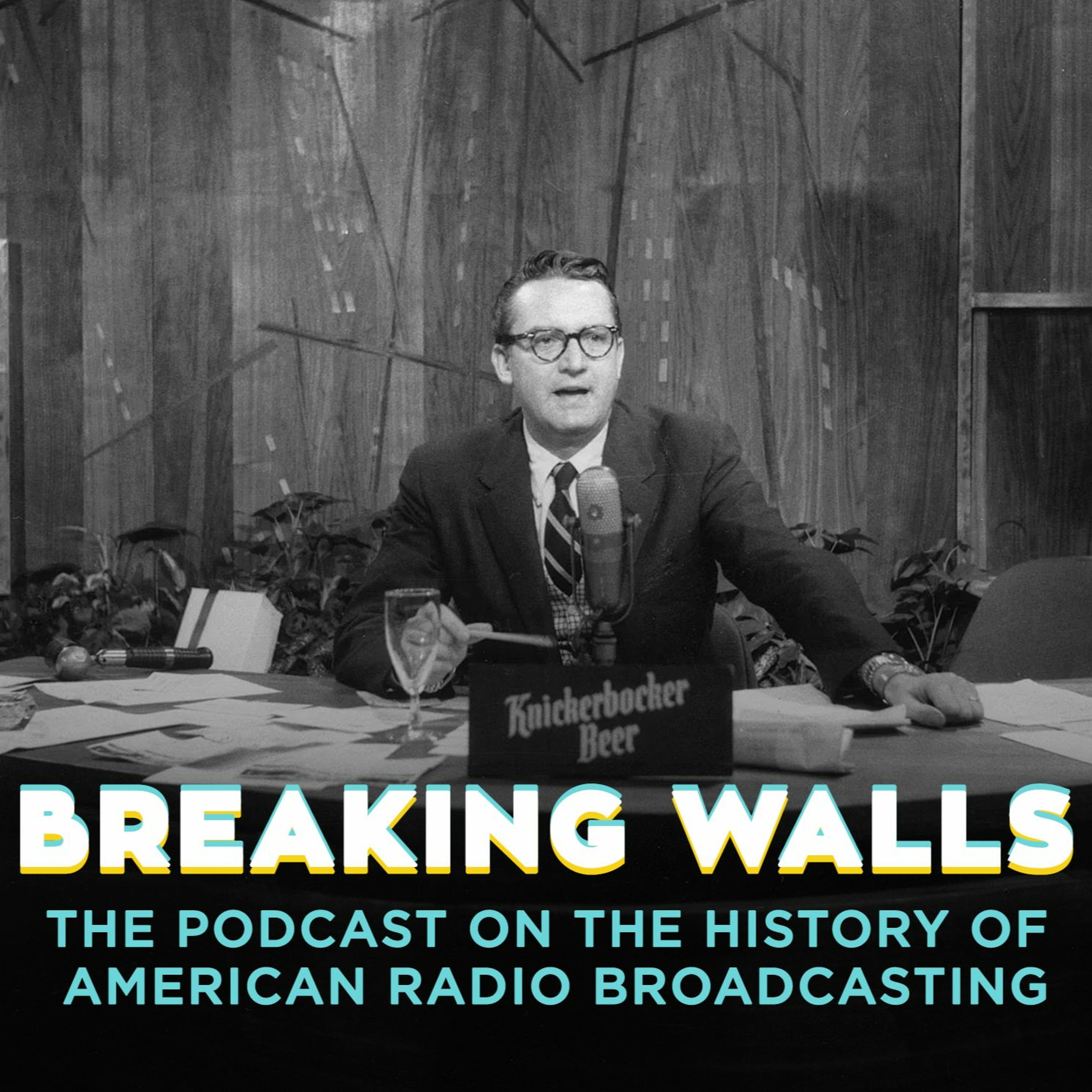
BW - EP143—006: September 1957—Howard Miller And Steve Allen
At 10:45 AM central time on the morning of September 11th, 1957, Howard Miller signed on from WBBM with fifteen minutes of music, and an interview with Steve Allen. Howard Miller was born on December 7th, 1912 in Chicago. From 1945 through 1949 he was WIND’s program director before beginning an eighteen year run as the Windy City’s top-rated morning DJ. In between he acted in Jamboree!, Senior Prom, and The Big Beat. In September of 1957 Steve Allen was coming off starring in The Benny Goodman Story. He left The Tonight Show in January after three successful years when NBC asked Allen to focus on his Sunday prime time Steve Allen Show. By then Allen was famous as a humorist, musician, emcee, and actor. He was promoting his new song, “Gotta Have Something in the Bank, Frank” when he spoke to Miller.
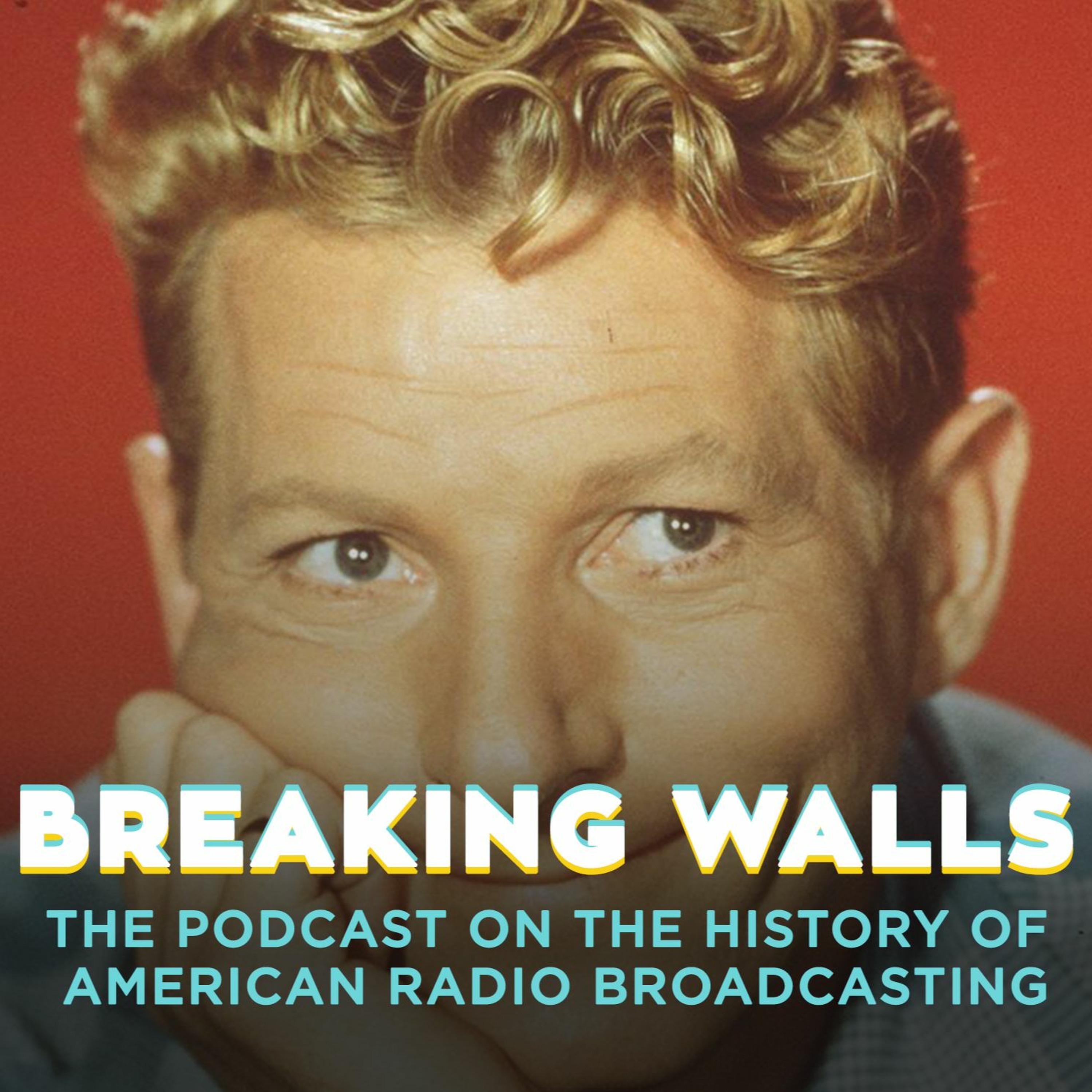
BW - EP143—005: September 1957—Ms America, A School Bombing, And Danny Kaye
On Saturday September 7th, 1957 Marilyn Van Derbur was crowned 1958’s Miss America in Atlantic City. She was a twenty-year old Phi Beta Kappa scholar at the University of Colorado, She later moved to New York City, becoming the TV spokeswoman for AT&T’s Bell Telephone Hour and hosted ten episodes of Candid Camera, as well as five Miss America Pageants. In 1975 she established the Marilyn Van Derbur Motivational Institute. When she was fifty three, she revealed herself to be the victim of incestual abuse from her father. Her story was featured on the cover of People magazine on June 10th, 1991. She and her husband angel invested an adult incest survivor program at The Kempe Center, and she founded the Survivors United Network. On Monday September 9th President Eisenhower signed The Civil Rights Act of 1957. The law was the first civil rights legislation since 1875. Deep south Democrat leaders were resisting desegregation. In this midst, Eisenhower proposed a civil rights bill designed to provide federal protection for African American voting rights against state and local law. The law also established a U.S. Commission on Civil Rights and a Department of Justice Civil Rights Division. That day, the Hattie Cotton Elementary School in Nashville, Tennessee admitted one African American student, Patricia Watson. She was six years old. Shortly after midnight on September 10th, dynamite was set off at the east end of the school’s entrance hall. It tore down walls and knocked out every window, forcing the school to close for nine days. When it reopened, Patricia’s mother had her transferred to an all-black school. The act was condemned by Nashville Police Chief Douglass E. Hosse who offered a seven-thousand dollar cash reward for any information. Six suspects were detained, but no one was ever charged. Biography in Sound began when NBC newsman Joseph O. Meyers was assigned to produce a documentary on Winston Churchill for his eightieth birthday on November 30th, 1954. He felt blending actualities of the subject’s voice with recollections of his friends, associates, and antagonists could prove successful. A vast resource was available at NBC. Meyers had been building a tape library of interview clips since 1949. In five years, more than one-hundred-fifty-thousand historic statements had been recorded and indexed. In addition, Meyers had Bennett Cerf tell Churchill anecdotes. Laurence Olivier and Lynn Fontanne read from British poetry, and sound effects and music were added for drama. Meyers’ finished product was cheered around the industry. “He had done the impossible,” said Radio Life, “turning people’s attention once more to radio.” The clamor for another show was immediate and loud. A month later, Meyers answered with a piece on Ernest Hemingway, again to great acclaim. A biography of Gertrude Lawrence followed in another month, and in February it was decided to run the series weekly. On Tuesday September 10th, 1957 at 9:05PM eastern time, Biography In Sound: Danny Kaye took to the air over NBC.
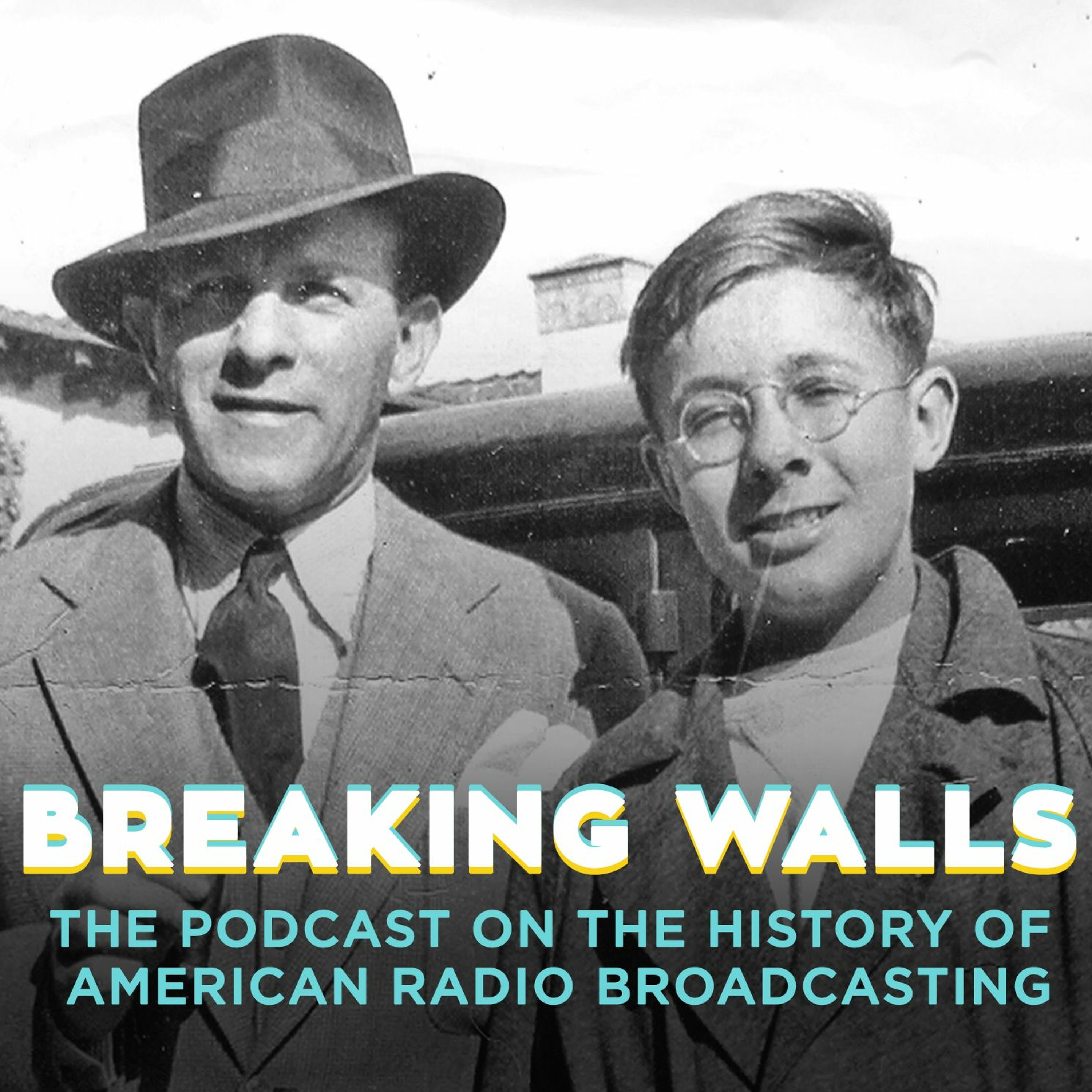
BW - EP143—004: September 1957—Ray Bradbury And The End Of X Minus One
The man you’re listening to is one of the most celebrated authors of the 20th-century: Ray Bradbury. By the spring of 1955 he’d authored more than one-hundred short stories and one novel, Fahrenheit 451, born out of a collection of earlier works. These stories were published in magazines like Astounding Science Fiction, Street and Smith, Weird Tales, Thrilling Wonder Stories, and The Saturday Evening Post. Among sci-fi enthusiasts, Bradbury was regarded as one of America’s preeminent writers. In April of 1955, NBC staff writer Ernest Kinoy was tabbed to adapt one of the sections of Bradbury’s Martian Chronicles, “And the Moon Be Still as Bright'' for a new audition. The show would be called X Minus One. X Minus One was picked up. The network formed a partnership with the aforementioned sci-fi magazines to choose stories for adaptation. The magazines would plug the show, and the show would mention the magazine during the introduction. X Minus One debuted on Sunday, April 24th, 1955. Its scheduling was erratic. NBC had long been known for impatience with new programs. If a series wasn’t generating big numbers and sponsors straight away, NBC often dropped or moved the show. Unfairly, the onus was on Street and Smith and their magazines to make X Minus One profitable. By September 5th, 1957 the show was airing Thursday evenings at 8:05PM. It was NBC’s only dramatic offering of the evening. Fittingly the episode was called “Saucer of Loneliness.” We’ve spent a good deal of time in past Breaking Walls episodes discussing Hollywood radio’s famed actors. There was a concurrent equally-talented group of New York actors. Like Bob Hastings. Bob Hastings spoke of Arnold Moss. There was Jan Miner, John Gibson, Joe Julian, Jackson Beck, Mandel Kramer, another oft-heavy was Larry Haines, and of course, the husband-wife team of Mary Jane Higby and Guy Sorel. These are just some of the people who appeared on countless shows originating from New York during radio’s golden age. Many were able to make the transition to television, many others weren’t. Once X Minus One signed off at 8:30, Nightline signed on for ninety minutes. News had become more valuable than drama in prime time. X Minus One would be canceled after the January 9th, 1958 broadcast.
BW - EP143—003: September 1957—Pat Buttram, Labor Day, And Just Entertainment
Labor Day is a U.S. federal holiday celebrated on the first Monday in September to honor and recognize the contributions of laborers to the development and achievements of the United States. As trade unions and labor movements reached their peak during the Industrial Revolution, the Central Labor Union and the Knights of Labor organized the first parade in New York City. In 1887, Oregon was the first state to make it an official public holiday. By the time it became an official federal holiday in 1894, thirty states in the U.S. officially celebrated Labor Day. On Labor Day in 1957, LIFE Magazine’s cover featured Major David Simons and his hot air balloon flight, also talking about the asiatic flu threat. Meanwhile, The Saturday Evening Post wrote about the drastic toll life without parole prison sentences wrought and a warden’s plea for drastic reform in the American concept of punishment. Originally hosted by Gene Autry, Just Entertainment was in 1957 hosted by sidekick Pat Buttram. Pat Buttram was born in Addison, Alabama on June 19th, 1915. The seventh child of a Methodist minister, he was set to follow in his father’s footsteps when, just before his eighteenth birthday, he attended the 1933 World’s Fair in Chicago. Station WLS sent an announcer to the fairgrounds for a remote broadcast interviewing fair attendees, and the announcer picked Pat as a "typical" visitor from the South. To everyone's delight and surprise, his comic observations and bits of country wisdom kept the announcer and the audience in stitches. WLS hired him for their National Barn Dance program, giving him a nation-wide audience. Pat soon became friends with Gene Autry. He went to Hollywood in the 1940s, appearing in more than forty Gene Autry pictures and became a regular on the Melody Ranch radio program. He later played Mr. Haney on CBS-TV’s Green Acres. #countrymusic #geneautry #patbuttram #oldtimeradio #otr #1950s #podcast #radio #audiofiction #grandoleopry #radiodrama #goldenageofhollywood #western #yellowstone #laborday
BW - EP143—002: September 1957—American Forum Of The Air With Atomic Testing
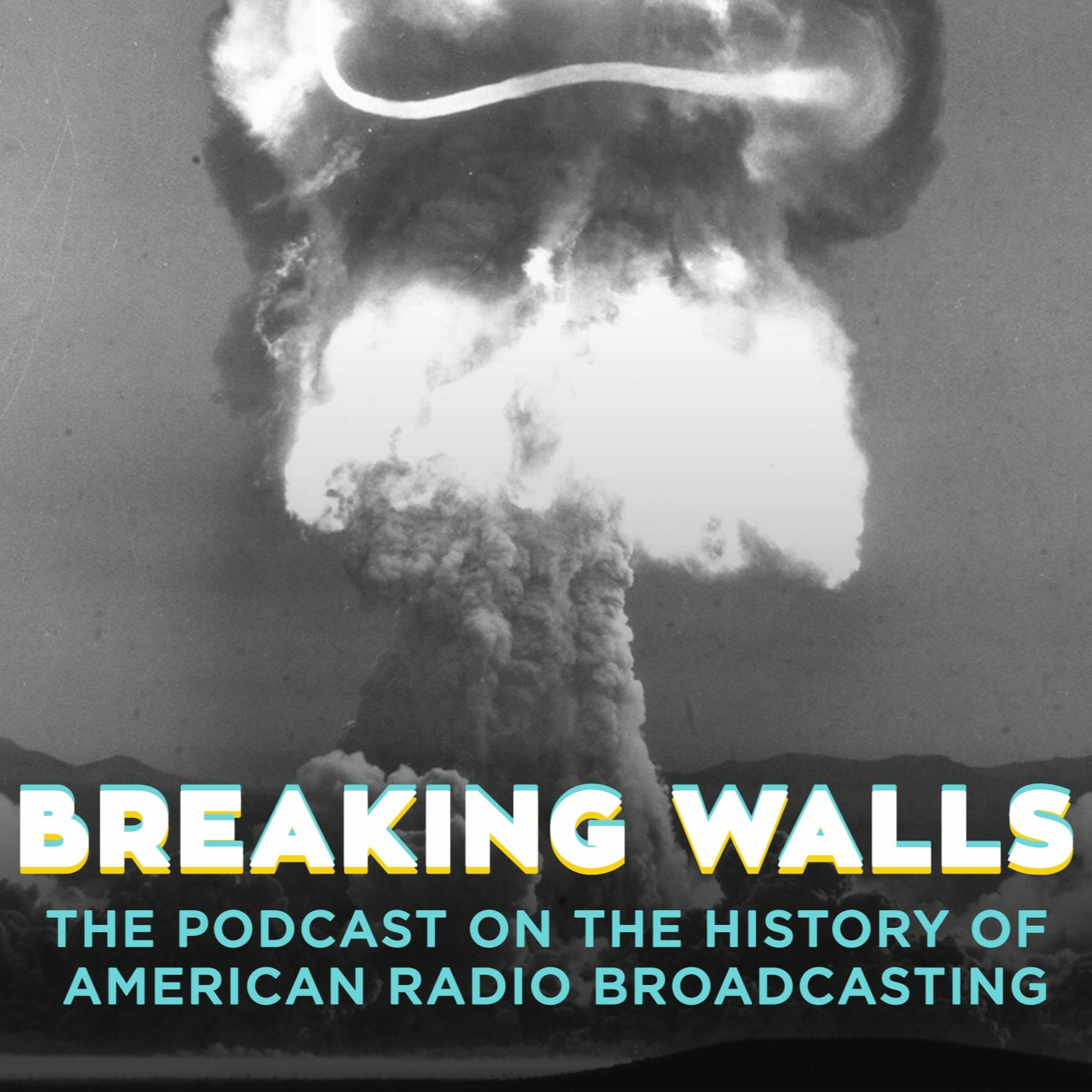
On September 1st, 1957 at 10:30PM eastern time over NBC, The American Forum of the Air signed on with a talk on the dangers of nuclear testing. The day prior a nuclear test was conducted in Nevada, only roughly three hundred miles from Los Angeles. Later that month, The Rocky Flats Nuclear Plant, just fifteen miles northwest of Denver, Colorado experienced a major plutonium fire, which caused plutonium, americium, and uranium contamination within and outside its boundaries. Six years later, on August 5th, 1963 in Moscow, thanks to worldwide fallout level side effects and concerns, the Partial Test Ban Treaty was signed. Ratification came from the Soviet Union, U.K., and the U.S.. It limited testing to underground facilities. The U.S. and USSR were, at that time, responsible for eighty-six percent of all nuclear tests.
BW - EP143—001: September 1957—The Man From Tomorrow
August, 1957. We’re driving east on Route 50 from West Sacramento in a 1957 Ford Skyliner. The convertible costs roughly three-thousand dollars, has a Y-block Thunderbird V-8 engine and two-hundred-twelve horsepower. It’s got something else too: car radios have become Standard. U.S. Radio Magazine will soon state that fifty-five percent of all peak listening came from cars. Auto-rating measurements are underway, but still ineffective. Radio stations are having a good year. Sixty percent of National stations expect their total revenue to grow. Total radio revenue is expected to increase three percent year-over-year. A median station in 1957 is expected to make nearly one-hundred-three thousand dollars in revenue, with a profit of eleven-thousand five-hundred dollars. Urban stations are enjoying higher numbers thanks to higher populations and more national ad spots, though local sponsors are paying eighty-seven percent of ad costs. Programming accounts for thirty-three percent of all expenses. Gunsmoke was dramatic radio’s highest-rated show, with its Saturday afternoon repeat broadcast attracting even more listeners than its Sunday evening primetime installment. Somewhere between four and five million people were still tuning in from their homes. When factoring in car and transistor radios, nearly ten million people were listening. Meanwhile, Major David Simons just piloted the first hot-air balloon to reach over one-hundred-thousand feet of altitude, skirting the outer rim of our atmosphere. With the experiment lasting more than twenty-four hours, it was the precursor to manned space flights. On August 28th, the Major appeared on LIFE And The World over NBC radio in conjunction with the September 2nd, issue of LIFE Magazine. The rocket age, the Cold War, integration and civil rights are all upon us, while radio drama hangs on for dear life. Tonight, we’ll step into a portal to a time with Elvis Presley, Buddy Holly, and Fibber McGee and Molly. And along the way, we might just remember where we’ve been, so we know where we’re going. ___________ On June 1st, 1957 after three seasons as a five-a-week serial, Jim and Marian Jordan joined NBC’s Monitor in short segments. The Monitor service had been airing for two years, offering NBC affiliates a full weekend block of available programming. In New York, On Sunday September 1st, NBC’s WRCA began airing Monitor at 12PM. That day Fibber and Molly told a version of their origin story. In 1958, tests found that Marian had a terminal form of cancer. She continued to work as long as possible. The couple had vignettes on Monitor until September of 1959. Fibber McGee and Molly were the subject of Breaking Walls episode 103. If you’d have tuned into WCBS in New York on Sunday, September 1st, 1957 you’d have heard news reports at the tops of most hours. Concerts and other music programs filled the dial between 11:30AM and 4:00PM. At 4:05 The CBS Radio Workshop signed on with the network’s first dramatic offering of the day. Next up was Suspense. In 1957 William N. Robson was in the middle of a three year run as director. CBS had found multiple sponsorship for the series in late 1956. Ten months later, it was airing on Sundays at 4:35 from WCBS in New York, and at 4PM from KNX in Los Angeles. By 1957 Robson had more than twenty years of experience writing, producing, and directing radio shows. The September 1st episode was called “The Man From Tomorrow.” It starred Frank Lovejoy and Joan Banks. At that time, they’d been married for seventeen years. One thing that was most certainly successful: CBS’s handling of radio during the oncoming TV era. A large part of this was because of chairman William Paley’s belief in the medium. By 1957 he’d been head of CBS for thirty years. At the CBS company convention in November of 1957 upper management predicted that radio was becoming fashionable again.
Burning Gotham: Out Now
Right now, experience New York City like you’ve never before. Will you make the right deal? Or fall to greed? But whatever you choose, just make sure you get out in time. Out now on your favorite podcast app, Burning Gotham — The 2022 Tribeca Select audio soap opera about the fastest growing city in the world, and the opportunists who shaped it. Find out more at BurningGotham.com
BW - EP142: William Gargan is Barrie Craig, Confidential Investigator (1939 - 1955)
In Breaking Walls episode 142 we feature one of Brooklyn’s native sons, Bill Gargan, who made more than sixty films, and good money on radio in the 1950s. —————————— Highlights: • Brooklyn’s Native Son • Hollywood and An Oscar Nomination • The War and Being a Radio Detective • Martin Kane • Launching Barrie Craig • Radio Ratings in 1954 • Hollywood vs. New York • Hay is For Homicide • Ghosts Don’t Die in Bed • Throat Cancer and Thereafter • Looking Ahead to 1957 —————————— The WallBreakers: http://thewallbreakers.com Subscribe to Breaking Walls everywhere you get your podcasts. To support the show: http://patreon.com/TheWallBreakers —————————— The reading material for today’s episode was: • On the Air — By John Dunning • Why Me? An Autobiography — By William Gargan • The Big Show — By Martin Grams Jr. • Network Radio Ratings — By Jim Ramsburg —————————— On the interview front: • Parley Baer, Himan Brown, Lawrence Dobkin, Betty Lou Gerson, Virginia Gregg, Herb Ellis, and Herb Vigran spoke to SPERDVAC. For more info, go to SPERDVAC.com. • Bing Crosby and Lurene Tuttle spoke with Same Time, Same Station. • Himan Brown spoke to Dick Bertel and Ed Corcoran for WTIC’s The Golden Age of Radio. Hear these interviews at GoldenAge-WTIC.org. • Parley Baer and Himan Brown also spoke with Chuck Schaden. Hear their full chats at Speakingofradio.com. • Connee Boswell spoke with Lee Philip. • Ernest Konoy spoke with Walden Hughes for Yesterday USA. —————————— Selected music featured in today’s episode was: • The Man With The Golden Arm — By Elmer Bernstein • String Quartet No. 12 in F Major, Op. 96 — By Avi Avital • Pyramid of the Sun and Voodoo Dreams — By Les Baxter • Living Without You — By George Winston, who recently passed away —————————— A special thank you to Ted Davenport, Jerry Haendiges, and Gordon Skene. For Ted go to RadioMemories.com, for Jerry, visit OTRSite.com, and for Gordon, please go to PastDaily.com. —————————— Thank you to: Tony Adams Steven Allmon Orson Orsen Chandler Phil Erickson Jessica Hanna Perri Harper Thomas M. Joyce Ryan Kramer Earl Millard Gary Mollica Barry Nadler Christian Neuhaus Ray Shaw Filipe A Silva John Williams Jim W. —————————— WallBreakers Links: Patreon - patreon.com/thewallbreakers Social Media - @TheWallBreakers
BW - EP142—011: William Gargan Is Barrie Craig—Looking Ahead To 1957
While this brings our look at the life of William Gargan to a close, we’ll be staying in this time period for the next episode of Breaking Walls. Next time on Breaking Walls, it’s the fall of 1957 and the world is in transition. Both the Civil Rights movement and the space race are underway. We’ll begin a four-month arc, covering all things through the lens of radio for the month of September.
BW - EP142—010: William Gargan Is Barrie Craig—Throat Cancer And Thereafter
After Barrie Craig went off the air, Gargan continued to occasionally host Family Theater. He also made films Miracle in The Rain and The Rawhide Years. He starred on the west-coast stage in a version of The Desperate Hours for Randy Hale and went to Europe to film thirty-nine episodes of The New Adventures of Martin Kane for Ziv Productions. In 1960 Hale was set to cast Gargan on stage in The Best Man, but a bout with Laryngitis forced Gargan to get some tests on his throat done. It was throat cancer. Doctors were forced to remove his larynx On November 10th, 1960. A breathing stoma was cut into the bottom of his throat. A man whose voice made him famous no longer had one. For a time he was depressed. Friends Bing Crosby, Dennis Day, Phil Harris, Alice Faye, and many others came by. It helped. Gargan couldn’t bear the thought of not speaking again. He made his first vocal lesson through The American Cancer Society in January of 1961. It took him more than a year, but by the following February he was making progress. The ACS was looking for a Southern California Vice Chairman for their 1962 drive. Gargan agreed to serve. In 1963, he met President Kennedy. He had a meeting set with the President for November 23rd. It was one that President Kennedy never made it to. By then his brother Ed was ill with diabetes and emphysema. He passed away in 1964. That year, Gargan was hired by the ACS for their full-time national staff. Within three years, Gargan mastered esophageal speech. He wouldn’t use a vocal amplifier and worked tirelessly to be able to speak in both low and high tones. Bill thanked his wife Mary for refusing to let him give up and for his faith that kept him asking why. That’s what he titled his autobiography, Why Me? By then he knew the answer. Bill Gargan spent the next two decades raising money, awareness, and the spirits of fellow cancer patients around the country. On February 16th, 1979 while on a flight between New York City and San Diego following a tour lecturing for the ACS, Gargan suffered a fatal heart attack. He was seventy-three. William Dennis Gargan is buried at Holy Cross Cemetery in San Diego, California.
BW - EP142—009: William Gargan Is Barrie Craig—Ghosts Don't Die In Bed
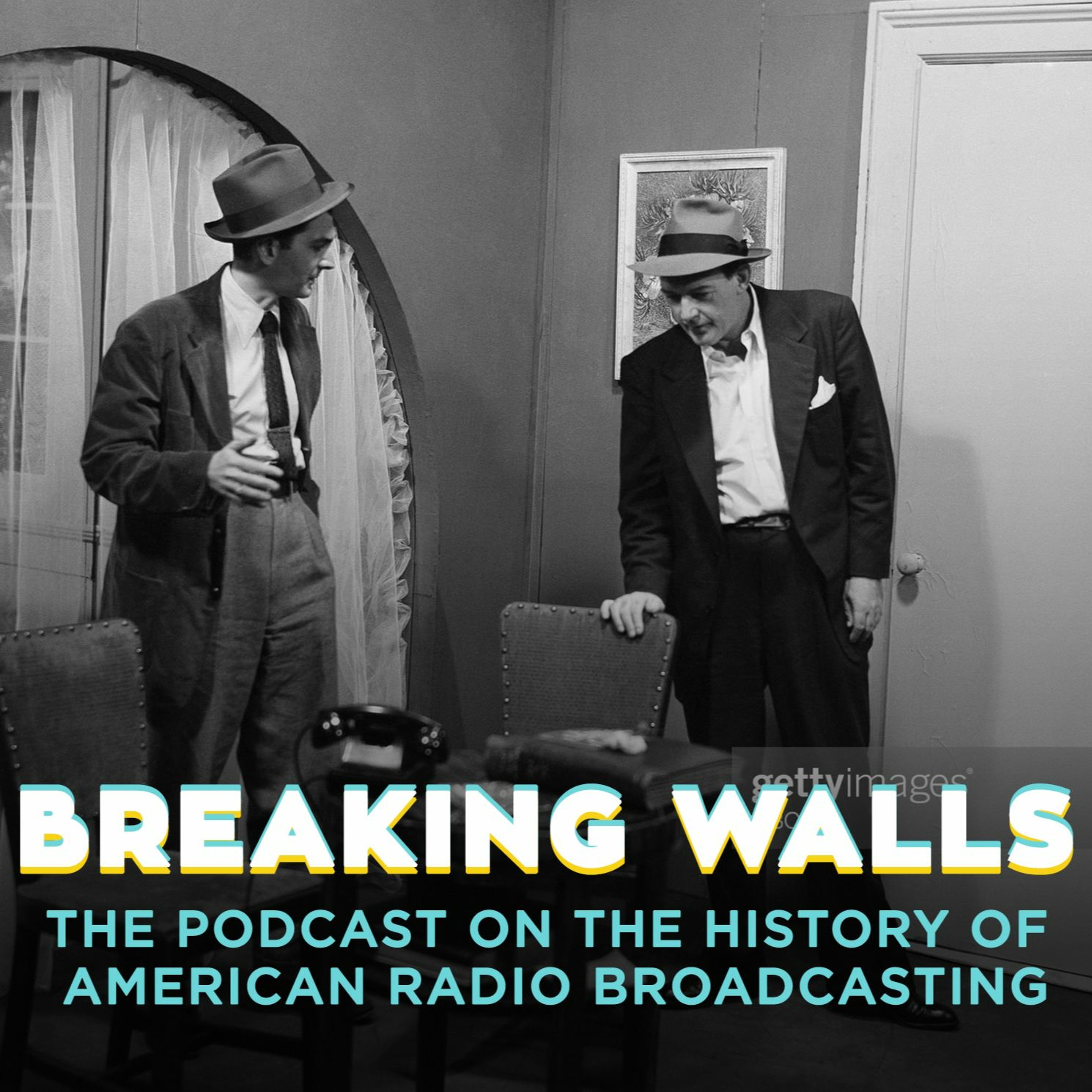
In September of 1954 as the last new episode of The Lone Ranger was broadcast, Barry Craig, Confidential Investigator took to the air on Tuesday September 7th at 8:30PM eastern time with an episode called “Ghosts Don’t Die in Bed.” Betty Lou Gerson played Ruth Adams. Virginia Gregg played Mrs. Dunn. The series announced its cancellation at the end of this episode, but a month later it was back on the air in a twenty-five minute format for another thirty-nine episodes recorded in Hollywood. The last Barrie Craig episode aired on September 30th, 1955, replaced thereafter with the science fiction series X-Minus One, produced in New York. One-hundred-ninety-two episodes were broadcast.
BW - EP142—008: William Gargan Is Barrie Craig—Hay Is For Homicide
On Tuesday August 31st, 1954 as President Eisenhower addressed the American Legion, it had been a busy ten days for American aviation. On Sunday, August 22nd, Braniff Airways’ Douglas C-47-DL Skytrain crashed during a flight from Waterloo, to Mason City, Iowa. Twelve of the nineteen aboard died. The next day, A U.S. Air Force Lockheed C-130 Hercules flew its first flight at Burbank, California. And on August 25th, U.S. Air Force Captain Joseph C. McConnell, the top-scoring American jet ace in history, died in a crash when his F-86H Sabre fighter-bomber malfunctioned during a test flight at Edwards Air Force Base, California. Meanwhile, Barrie Craig, Confidential Investigator took to the air with a play called “Hay is For Homicide.” Parley Baer played Jake. Also heard in the cast was Jack Moyles, Vivi Janiss, and Joyce McClusky. Arthur Jacobson directed the production. Airing opposite Barrie Craig at 8:30PM eastern time was High Adventure over WOR-Mutual, Stop The Music over CBS, and Watkins Committee Testimonies concerning Senator Joseph McCarthy on ABC. McCarthy would be censured by the senate in December. Senator McCarthy and the Red Scare has been covered extensively on episodes 123 through 128 of Breaking Walls on the first six months of 1954.
BW - EP142—007: William Gargan Is Barrie Craig—Hollywood Vs. New York
After eleven orders of thirteen Barrie Craig installments, production of the show moved from New York to Hollywood with the July 6th, 1954 episode. The August 24th episode was called “Blood Money.” The west coast broadcasts were supported by people like Joan Banks, Olan Soule, Parley Baer, Howard McNear, Herb Vigran, Virgina Gregg, Betty Lou Gerson, and Lawrence Dobkin.
BW - EP142—006: William Gargan Is Barrie Craig—Radio Ratings In 1954
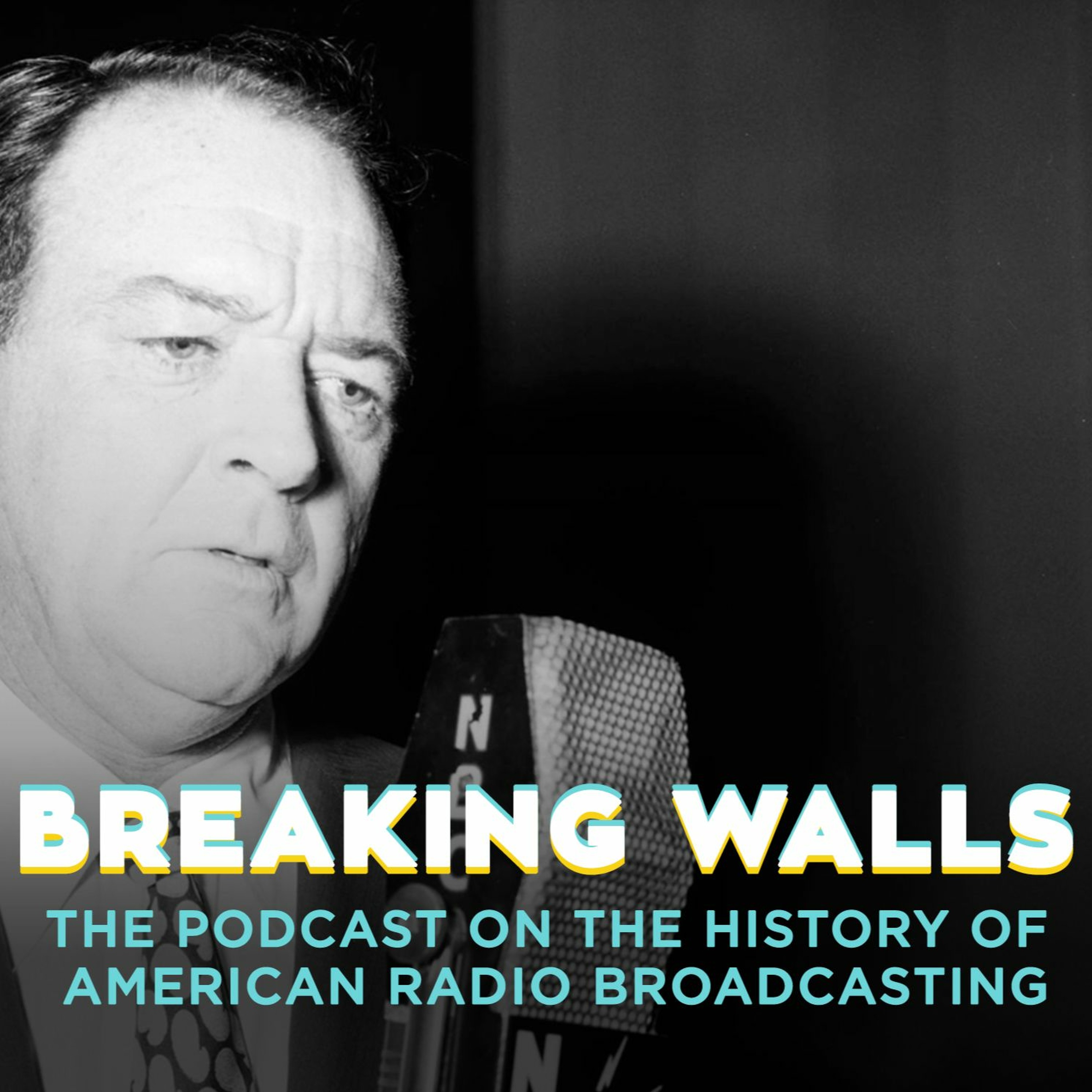
By 1954 ninety-eight percent of homes had a radio set. There were still nineteen million U.S. houses that could only be reached by radio. Procter & Gamble led the way with over fourteen million dollars spent, and forty companies, including General Foods, Colgate-Palmolive, Liggett & Myers, Campbell’s Soups, S.C. Johnson, and Coca-Cola spent at least one million dollars on radio advertising. However, the four national networks continued a five-year downward trend in radio ad sales. Network radio gross revenue peaked in 1948 at just under two-hundred million dollars. In 1953, it was down to one-hundred sixty million. While TV hadn’t fully supplanted radio’s total reach, it had decimated its prime-time audience share. On CBS-TV I Love Lucy led all shows with a rating of 58.8. It was seen in over fifteen million homes. Radio’s top show, The Lux Radio Theater, was heard in just under three million. The networks reduced ad sale charges for the sixth consecutive year, hoping to offset TVs broadening market share. It didn’t work. For the first time in sixteen years revenue fell. The only category to see an increase in sales was local advertising, and even that rose less than one percent. Shows canceled in the first half of 1954 included The Quiz Kids, Dr. Christian, Front Page Farrell, Bulldog Drummond, Rocky Fortune, Ozzie and Harriet, and The Six Shooter. West-coast actors, like Herb Vigran and Herb Ellis were moving into TV, but television was already going through budgetary changes. Radio’s top show, People Are Funny had a rating of 8.4. Along with oncoming transistor sets, nearly thirty million cars now had radios, but there was still no system to measure this audience. The next year it was estimated that out-of-home listening added an additional forty percent to at-home audiences. People Are Funny’s actual rating was closer to twelve. But these incidentals didn’t matter to the industry’s character actors. Network production habits were changing. More and more documentaries and news were airing from New York, more and more drama was airing from Los Angeles. That summer, NBC shifted the production of Barrie Craig to hollywood.
BW - EP142—005: William Gargan Is Barrie Craig—Launching Barrie Craig
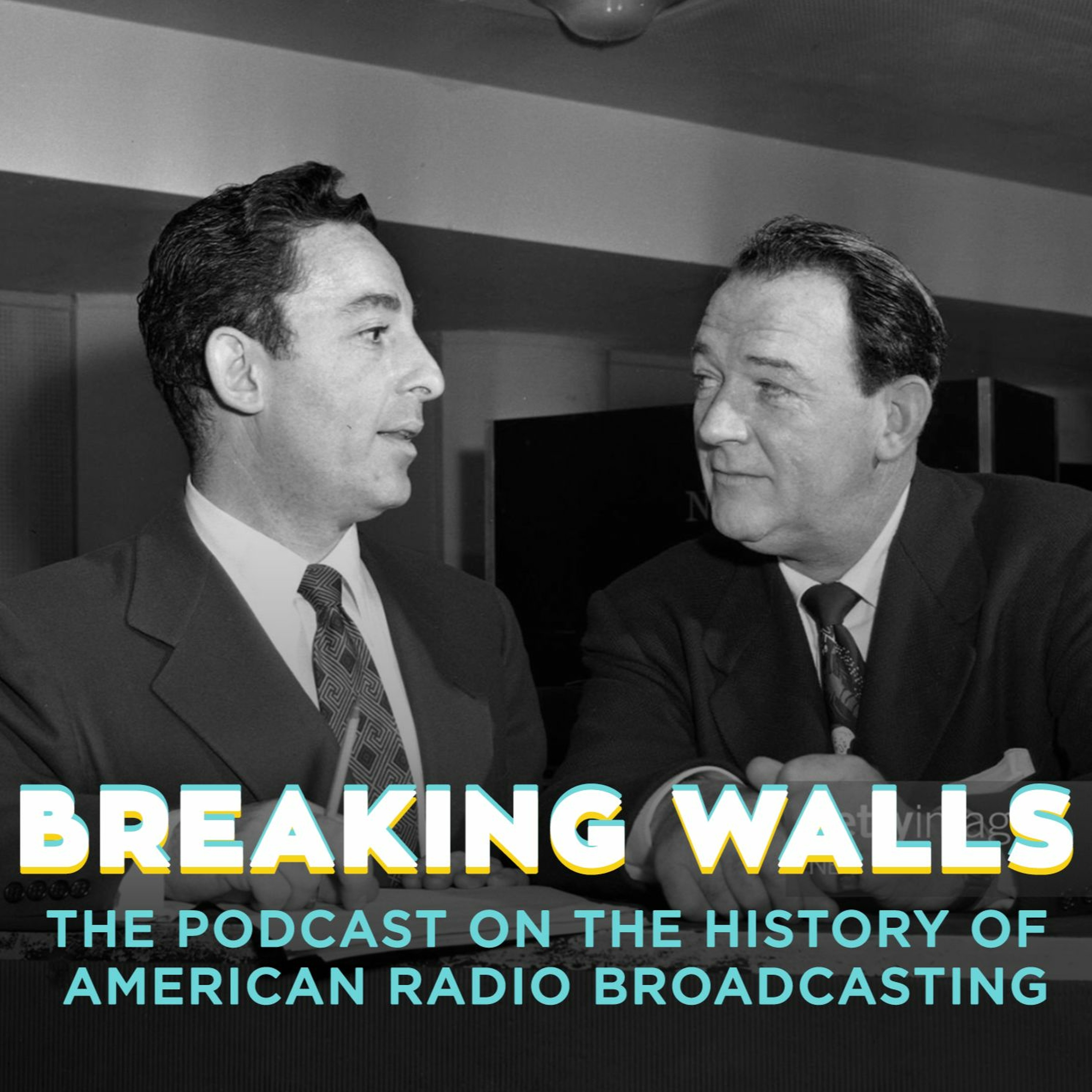
When Bill Gargan was fired from Martin Kane he planned to star in a Broadway rendition of Doctor Knock. In late September of 1951, Gargan signed a one-million-dollar contract that made him the exclusive property of NBC for the next five years. The deal required him to participate in a minimum of four guest spots on radio and TV each year. At the same time, Gargan was invited by Frank Folsom of RCA to accompany him to Rome to meet the Pope. Along the way, Gargan went to Paris to appear in the October 7th, 1951 episode of The Big Show. He participated in a sketch involving a poker game with George Sanders, Fernand Gravey, and Meredith Willson. Two weeks after his Big Show appearance, William Gargan was starring in a new series for NBC. Launched as part of NBC’s year-long Silver Jubilee, Barrie Crane, Confidential Investigator, first aired over NBC from New York on Wednesday October 3rd, 1951 at 10PM eastern time. Bill Gargan debuted as the detective opposite Mr. President on ABC, Frank Edwards on Mutual, and boxing on CBS. The show was directed by the just-heard Himan Brown. By 1952 Brown had been involved in radio for decades. The Barrie was inspired by the nickname of William Gargan’s oldest son, then twenty-two. The title of the show was soon changed to Barrie Craig, Confidential Investigator. Episode three was called “The Judge and The Champ.” In conjunction with NBC’s twenty-fifth anniversary, the network launched a series of both Radio and TV offerings highlighting the growth of NBC's technology, talent, infrastructure and advertising success. Block-sharing advertising was in full-effect. The network sold commercial time spots, rather than full shows and called it “Operation Tandem.” Gargan was back on The Big Show the next March 16th, 1952 to celebrate St. Patrick’s Day with Tallulah Bankhead and good friend and fellow Catholic, Fred Allen. Now with transcription wide-spread, Barrie Craig could be heard on different days each week, based on the region. Listeners would also hear different commercials, depending on what local affiliate they were tuning into. These could also be a mix of local and national ad spots. Blocked-sharing was being used by the other networks. ABC touted theirs as 'The Pyramid Plan,' CBS as The Power Plan, and Mutual called their’s MBS Plus. In a further refinement of MBS Plus, Mutual introduced an exclusive package of MGM programming for 1952. Both The Adventures of Harry Lime, and The Black Museum aired as part of this deal. For more information, tune into Breaking Walls episode 141. Launched with their tandem plan, NBC provided a "pay as you sell" opportunity for local affiliates. Local sponsors could pick from one-hundred-nineteen one-minute spots. The goal was to accommodate sponsors without a long contract. Craig occupied an office on the third floor of the Mercantile Building on Manhattan's Madison Avenue. Barrie Craig’s writers included Frank Kane, Louis Vittes, John Roeburt, and Ernest Kinoy. William Gargan was supported by some of the finest east coast voice talents of the era. This included Santos Ortega, Elspeth Eric, Arlene Blackburn, Barbara Weeks, Joan Alexander, Parker Fennelly, Arnold Moss, Luis Van Rooten, and Herb Ellis. NBC announcers included Don Pardo and Ed King with John Daly as spokesperson for 1952 Pontiac spots and Carl Caruso for Bromo-Seltzer spots.
BW - EP142—004: William Gargan Is Barrie Craig—Martin Kane
In 1949 Bill Gargan appeared in Dynamite for Paramount Pictures. It would be his last film until 1956. On March 3rd he appeared on Guest Star. That year he was in New York City when he phoned acquaintance Frank Folsom of RCA. Folsom invited Gargan for lunch. He went to the fifty-third floor of 30 Rockefeller Center. Inside were executives from BBD&O, The New York Stock Exchange, and others. During lunch Gargan mentioned that he was looking for a job in TV. Folsom phoned Norm Blackburn, VP of TV and Radio at NBC and a good friend of Gargan’s. Gargan was asked if he’d be interested in playing a pipe-smoking detective, sponsored by the U.S. Tobacco Company. The show became Martin Kane, Private Eye. It would be shot for TV and separately done for radio as well. Mutual Broadcasting carried the radio series. It debuted on Sunday August 7th, 1949 at 4:30PM eastern time. Meanwhile, the TV version aired on NBC Thursdays at 10PM. It was live, and the first detective series on network TV with an enormous following. Gargan realized early on that there was only so much you could do with a plot in a half-hour, so he made the series a showcase for himself. He developed a tongue-in-cheek style. Kane’s 37.8 TV rating for the 1950-51 season was twelfth overall. Gargan later said “This was TV’s early era, but a few people tried to make the casual intimacy of TV a sexual intimacy. The sight of pretty women, a touch of deep cleavage, a show of thigh became—to these producers—more important than the content of the show. The result was we often had pretty, empty headed girls blowing their lines all over the lot. “In Desperation, I began to mug for the camera more and the script writers began to write more blatantly. You get into a terrible rut this way. Everybody works harder to undo the damage, and the result is more screeching, overacting, and overwriting. It drives the viewers away, and to get them back you come up with more and more desperate gimmickry. “What was worse, to me, was the embarrassment. I’m no prude. Probably the best part I ever did on film was that of Joe in The Knew What They Wanted, a wife-stealer. But this was just sleazy.” The next season the show’s rating fell out of the top thirty. By then, Gargan was friends with New York’s Cardinal Spellman. A friend of Gargan’s mentioned that the Cardinal watched the show. Gargan went to the studio execs and told them to write better scripts or get another star. They got another star — Lloyd Nolan. After eighty-five weeks, Bill Gargan was no longer Martin Kane. Shortly after, Gargan signed a deal with Sonny Werblin, then of MCA, to do a new private eye show for NBC. The show would eventually be called Barry Craig, Confidential Investigator.
BW - EP142—003: William Gargan Is Barrie Craig—The War And Being A Radio Detective
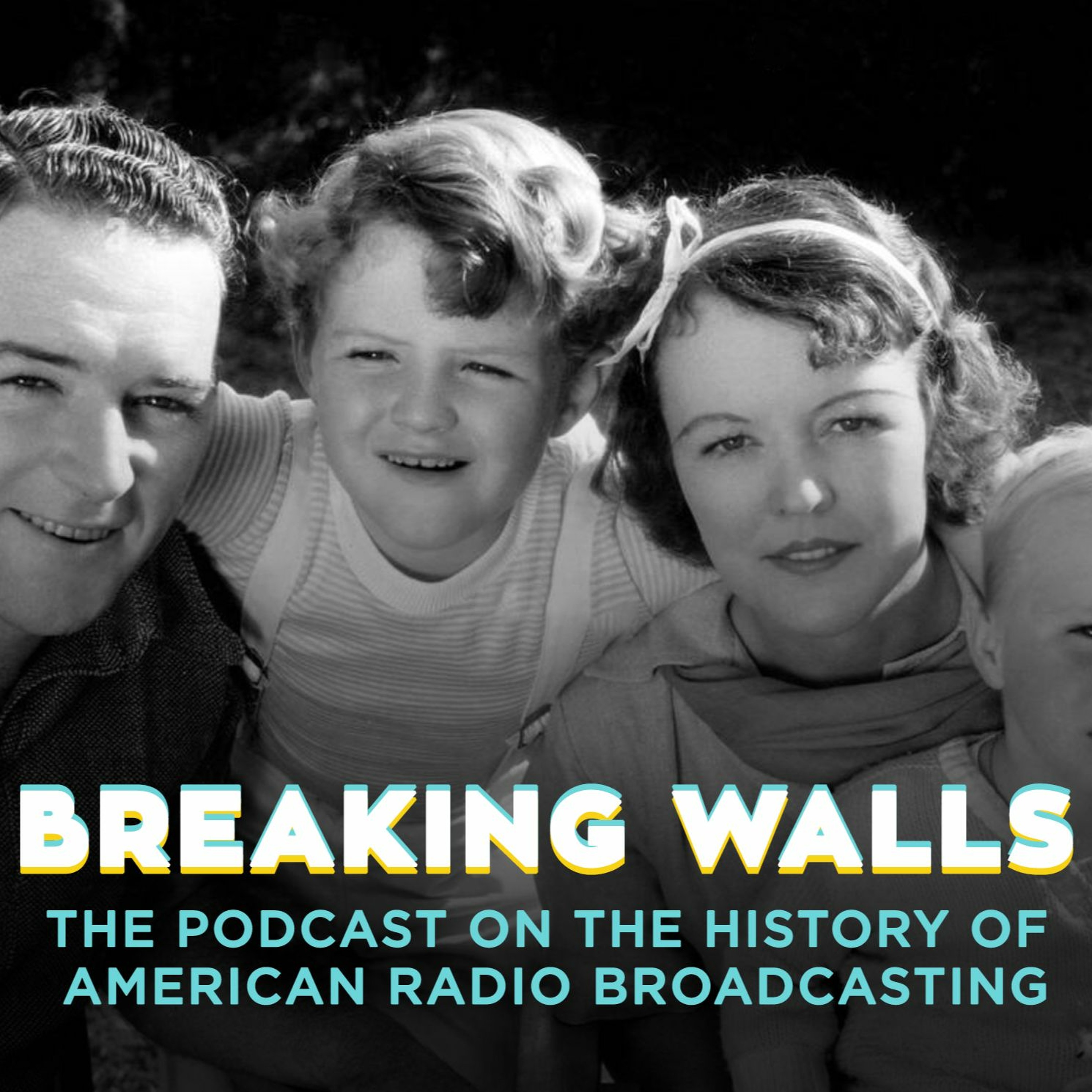
During the War, Bill Gargan led a USO group that featured Paulette Goddard, Keenan Wynn, and accordionist Andy Arcari. They toured China-Burma-India. He spent four months overseas in some of the poorest and worst conditions of the War, putting on shows and flying in various prop planes despite a lingering ear infection, drinking whatever alcohol he could to help keep sane. When Bill finally got home his ear was so swollen wife Mary jokingly called him Dumbo. Under contract at MGM, he borrowed an apartment in New York and went on stage. His first night he got word that friend Leslie Howard had been killed in a plane crash. The War marked a dividing line in Bill’s life. He went back to Hollywood and made Swing Fever, She Gets Her Man, and finally in 1945, he starred with Bing Crosby, Ingrid Bergman, and Martha Sleeper as Joe Gallagher in The Bells of St. Mary's. Television sets began to show up in homes as Bill and his agent Ken Dolan conceived a half-hour mystery radio show called Murder Will Out for ABC. It failed to find a long-term sponsor and was canceled. Gargan next starred in I Deal In Crime, beginning on January 21st, 1946 on ABC. He played private investigator Ross Dolan for the next twenty months. During that time, Gargan also guest-starred on Family Theater, hosting the second episode on February 20th, 1947. Family Theater was created by Patrick Peyton of the Holy Cross Fathers. Mutual Broadcasting donated time under four conditions: The show had to be a drama of top quality; strictly nonsectarian; feature a film star; and Father Peyton had to pay the production costs. Peyton met Loretta Young, who advised him on how to approach A-listers. She became the “first lady” of Family Theater. Between 1947 and 1956, there were four-hundred eighty-two dramas broadcast. Few used religion of any kind in the plot. Bill continued to make guest-appearances on radio, like on the October 13th, 1948 episode of Bing Crosby’s Philco Radio Time on ABC. It would be in 1949 that William Gargan took on his most famous role, and in the process became one of the first television drama detectives in broadcasting.
BW - EP142—002: William Gargan Is Barrie Craig—Hollywood And An Oscar Nomination
William Gargan appeared in more than fifty films in the 1930s. In between, he and Mary’s second son, Leslie, was born on June 28th, 1933. The Gargans bought the late Jean Harlow’s house at 512 North Palm Drive for twenty-seven thousand dollars. They’d live there for the next quarter century. Bill’s parents passed away in the middle of the decade. Gargan soon signed a Warner Bros. two-year contract that paid him one-hundred-thousand dollars, turning down the role of Duke Mantee in Robert Sherwood’s The Petrified Forest on Broadway to sign. The role went to friend Humphrey Bogart. For more info on Bogie, tune into Breaking Walls episode 140. Bill made his Lux Radio Theater debut on March 6th, 1939 in an adaptation of One Way Passage. Gargan hated working for Warner Bros. He likened it to sleeping on a bed of nails. The press labeled him “Bill Gargan, King of the B movies.” He later broke his contract. Perhaps his most famous role was as Joe in the 1940 RKO film, They Knew What They Wanted. Gargan received third billing behind Carole Lombard and Charles Laughton and was nominated for a Best Supporting Actor Oscar. The plot is: while visiting San Francisco, Tony Patucci — played by Laughton — an aging illiterate winegrower from the Napa Valley, sees waitress Amy Peters — played by Lombard — and falls in love. Tony gets his foreman Joe, a womanizer, to write her a letter in Tony's name. Tony's courtship culminates with a proposal. When she requests a picture of him, one of Joe is sent. Amy goes to Napa to be married, only to find that Joe isn’t her husband-to-be. She decides to go through with the marriage. However, while Tony is in bed after an accident, Amy and Joe have an affair. Two months later Amy discovers she’s pregnant. Upon learning of the infidelity, Tony pummels Joe, but forgives Amy, insisting they still be married. Unable to forgive herself, she leaves with the priest. Meanwhile, Gargan did more radio. He appeared on the January 4th, 1940 episode of The Good News with his former co-star Ann Sothern. Good News aired Thursdays at 9PM eastern time over NBC’s Red Network. Its 16.9 rating was twelfth overall. Good News was the first major collaboration of a movie studio and a broadcasting system for a commercial sponsor.” The idea was, simply put, to “dazzle ’em with glitter.” MGM produced. Every star except Garbo was available. There would be songs, stories, comedy, and drama. In short, it promised an intimate glimpse of Hollywood with its hair down. The result cost Maxwell House $25,000 a week. Gargan was back on the program the following week in a one-act play opposite Lurene Tuttle. Bill was nominated for a best supporting actor Oscar, won by good friend Walter Brennan for The Westerner. He later joked that Brennan spent ninety minutes spitting and Gargan lost to a spittoon. The joking was short-lived. Gargan would soon begin work on another film with the appropriate title, I Wake Up Screaming.
BW - EP142—001: William Gargan Is Barrie Craig—Brooklyn's Native Son
William Dennis Gargan was born to an irish-american Catholic family in Brooklyn, New York on July 17th, 1905. His parents—Bill and Irene—had seven children, but only Bill and his brother Ed survived infancy. Ed was four years older than Bill. The pair were close. Bill’s mother had been a teacher, but his father was a book maker and a gambler, which didn’t sit well with Irene’s parents. Gargan’s dad made book in the copy room at the New York World and in Room 9 of City Hall. The four-story brownstone they lived in at 427 Henry Street in Brooklyn Heights was won in a poker game. Today P.S. 29 stands on the site. Bill got his first silent movie job at seven for Vitagraph Studios. He was paid Three dollars and eighty-five cents. That’s roughly one-hundred twenty dollars today. It portended things to come. By ten, Bill was hanging out at his father’s bar in Sunset Park, Brooklyn. Gargan later said that his mother was more straight-laced, a bit of a prude on the surface, but in reality, she ran with dad all her life and his.” Both parents had good senses of humor. He grew up going to Sea Gate in the summer and fighting for the Irish kids from Bay Ridge against the Italian kids in empty lots. He played baseball and basketball for St. Francis Xavier grade school and St. James High. He ditched school in the spring to scale the Ebbets Field wall to watch the Dodgers and their stars of the 1910s. When he was fourteen and working as an ice brusher at the Prospect Park skating rink, Gargan met a girl named Mary Elizabeth Kenny. He was so taken that he used his broom to knock her down! Gargan recalled that “She got up, her eyes spitting fire and her mouth not doing badly either. I knew I was in love.” Gargan loved the theater. By high school he was playing in school productions of Hamlet, Macbeth, and Romeo and Juliet. However, a teacher who’d been out to get Bill for his comedic behavior made life so miserable during Bill’s senior year that he dropped out. Gargan became a message runner for a Broad Street brokerage firm, then a cop for a clothing store, then one for a Wall Street agency until he was fired for losing a tail. He sold Wesson Oil to grocers, sneaking away to watch plays. One day the lights went up and Gargan noticed his boss was sitting next to him. “Good show,” Gargan said, “you’re fired,” said his boss. Bill’s brother Ed was an actor. While having lunch with Ed one day at the Lamb’s Club a man named Le Roy Clemens mentioned to Bill that a play he’d written was having tryouts. Bill read a line and was hired, beginning his career in Aloma of the South Seas. They opened in Baltimore in 1924. Gargan was a quick study, learning everyone’s parts as well as the stage manager’s. Within a year he was directing the Philadelphia production of the play. Aloma of the South Seas ran for forty weeks. Gargan spent the next years playing all over the country with people like George Jessel and Richard Bennett. Jessel would be godfather to Bill’s first son Bill Jr, affectionately known as Barrie. Barrie was born on February 25th, 1929. After the stock market crashed, Bill got a short-term job on stage in New York where he met William Bendix. Soon a casting director at Paramount called and after that Leslie Howard cast Bill in a play. Bill later said that Leslie helped make him a star. That same year, on January 12, 1932 Gargan opened at the Broadhurst theater in New York with Leslie Howard in Philip Barry’s The Animal Kingdom. It was a smash hit. His success led MGM to call. They offered him the part of Sergeant O’Hara in the 1932 feature Rain, starring Joan Crawford and Walter Huston. He’d be paid fifteen-hundred dollars per week. That’s over thirty-three grand today. Bill bought out his contract with The Animal Kingdom, playing on May 2nd for the last time. The next morning, Bill, Mary, and young Barrie left for Hollywood. Rain was shot on Catalina Island.
BW - EP141: Orson Welles In Europe (1948 - 1956)
In Breaking Walls episode 141, we finish a three part series on the radio career of Orson Welles by picking up as he left The United States for Europe in the late 1940s. For full appreciation, tune into episodes 79 and 104 before hearing this. —————————— Highlights: • Macbeth, HUAC and Leaving the U.S • Harry Alan Towers, and Harry Lime • Othello and The Black Museum • Song of Myself and Theatre Royal • Moriarity • The BBC Sketchbook and Moby Dick • Mr Lincoln and Mr Arkadin • Returning to the U.S. • Tomorrow and Yesterday • Looking Ahead to Barrie Craig —————————— The WallBreakers: http://thewallbreakers.com Subscribe to Breaking Walls everywhere you get your podcasts. To support the show: http://patreon.com/TheWallBreakers —————————— The reading material for today’s episode was: • A Book by Desi Arnaz • Citizen Welles by Frank Brady • This is Orson Welles by Welles and Peter Bogdanovich • On the Air — By John Dunning • Discovering Orson Welles by Jonathan Rosenbaum • Orson Welles on the Air, at OrsonWelles.Indiana.edu • Wellesnet.com. As well as articles from: • Broadcasting Magazine • Life Magazine —————————— On the interview front: • Orson Welles was with BBC’s Monitor, Peter Bogdonavich, Dick Cavett, Michael Parkinson, and Dinah Shore. • Harry Alan Towers spoke with Sheridan Morley and the BBC. • Joseph Cotton was with Chuck Schaden. Hear the full chat at SpeakingofRadio.com. • Jeanette Nolan was with SPERDVAC, the Society to Preserve and Encourage Radio Drama, Variety, and Comedy. For more information, please go to SPERDVAC.com • Lurene Tuttle spoke with Same Time, Same Station in 1972. —————————— Selected music featured in today’s episode was: • Wilderness Trail — By Walter Scharf for National Geographic • Irish & Celtic Waltz — By The Irish & Celtic Folk Wanderers • The Colorado Trail, Op. 28 Fantaisie for Harp — By Elizabeth Hainen • Seance on a Wet Afternoon — By John Barry —————————— A special thank you to Ted Davenport, Jerry Haendiges, and Gordon Skene. For Ted go to RadioMemories.com, for Jerry, visit OTRSite.com, and for Gordon, please go to PastDaily.com. —————————— Thank you to: Tony Adams Steven Allmon Orson Orsen Chandler Phil Erickson Jessica Hanna Perri Harper Thomas M. Joyce Ryan Kramer Earl Millard Gary Mollica Barry Nadler Christian Neuhaus Ray Shaw Filipe A Silva John Williams —————————— WallBreakers Links: Patreon - patreon.com/thewallbreakers Social Media - @TheWallBreakers
BW - EP141—009: Orson Welles In Europe—Looking Ahead To Barrie Craig
It seems fitting that the way in which Orson Welles described Alexander Woollcott is the same way many who knew Welles would have described him. That’s going to bring our look at Orson Welles’ radio career to a close. We’ve now covered Mr. Welles in long form three times — in episodes 79, 104, and now 141. We also covered his time as The Shadow in depth in episode 131. Is this the last time we focus on Orson Welles? That remains to be seen, but next month on Breaking Walls we’ll move to NBC where we’ll focus on one of the more underrated detective shows of the mid-1950s. That show? Barrie Craig, Confidential Investigator. The reading material used in today’s episode was: • A Book by Desi Arnaz • Citizen Welles by Frank Brady • This is Orson Welles by Welles and Peter Bogdanovich • On the Air — By John Dunning • Discovering Orson Welles by Jonathan Rosenbaum • Orson Welles on the Air, at OrsonWelles.Indiana.edu • Wellesnet.com. As well as articles from: • Broadcasting Magazine •Life Magazine On the interview front: •Orson Welles was with BBC’s Monitor, Peter Bogdonavich, Dick Cavett, Michael Parkinson, and Dinah Shore. • Harry Alan Towers spoke with Sheridan Morley and the BBC. • Joseph Cotton was with Chuck Schaden. Hear the full chat at SpeakingofRadio.com. • Jeanette Nolan was with SPERDVAC, the Society to Preserve and Encourage Radio Drama, Variety, and Comedy. For more information, please go to SPERDVAC.com •Lurene Tuttle spoke with Same Time, Same Station in 1972. Selected music featured in today’s episode was: • Wilderness Trail — By Walter Scharf for National Geographic • Irish & Celtic Waltz — By The Irish & Celtic Folk Wanderers • The Colorado Trail, Op. 28 Fantaisie for Harp — By Elizabeth Hainen • Seance on a Wet Afternoon — By John Barry Breaking Walls Episode 142 will spotlight William Gargan and Barrie Craig, Confidential Investigator. This episode will be available beginning August 1st, 2023 everywhere you get your podcasts, and at TheWallBreakers.com. In the meantime, give Breaking Walls a quick rating on whatever platform you listen, especially itunes. You can also join The Breaking Walls Facebook group at Facebook.com/Groups/TheWallBreakers. And support this show for as little as a buck a month at Patreon.com/TheWallBreakers.
BW - EP141—008: Orson Welles In Europe—Tomorrow And Yesterday
On Sunday January 1st, 1956 NBC’s Monitor broadcast New World Today. 1956 was a Presidential election year. At the time of this broadcast, Dwight Eisenhower, who’d had a heart attack in September, was still debating whether he would run for a second term. He’d decide in February, eventually winning re-election. After the censuring of Senator Joseph McCarthy in 1954, the Red Scare had subsided, overtaken by fear of communism in other parts of the world and general war with Russia. Meanwhile, In January of 1956 Orson Welles appeared with The New York City Center Theater Company playing King Lear. He was finally home again. In February he traveled to Las Vegas where he performed a variety act at the Riviera Hotel. Welles was then contracted by Lucille Ball and Desi Arnaz to create a TV pilot for Desilu Productions. The short film was written and directed by Orson Welles, based on the short story "Youth from Vienna" by John Collier. Joi Lansing and Rick Jason star as a narcissistic couple faced with an irresistible temptation concocted by a scientist. Welles was the on-screen narrator. It was called The Fountain of Youth and considered a dark comedy. Desi Arnaz conceived the series, proposing to Welles that he host and narrate. Arnaz later wrote that before signing the deal he clarified the finances with Welles: "I am not RKO. This is my 'Babalu' money." Filming took five days in early May. The total cost was nearly fifty-five thousand dollars. Arnaz reported that CBS gave the series a slot, with General Foods as a sponsor, but the challenges in getting Welles to commit to a series lasting more than thirty weeks were daunting. The series did not go to air. The pilot was later broadcast on September 16th, 1958, during NBC's Colgate Theatre. That Spring, the Rock n’ Roll era officially arrived. On April 6th, 1956, Elvis Presely signed a three-film deal with Paramount Pictures. By the end of the month, his single, “Heartbreak Hotel” rose to the top of the charts. It would remain there into June. Meanwhile, Orson Welles appeared as himself on October 15th, 1956 in a very famous episode of I Love Lucy. Two days later, he was on the radio for a special one-off program adapting Philip Wylie’s 1954 novel about post-nuclear civilization. It was called Tomorrow and syndicated by ABC and the Federal Civil Defense Administration. The next month, on November 13th, 1956, his daughter’s first birthday, Welles appeared on NBC Radio’s Biography In Sound for his old mentor Alexander Woollcott, who had passed away in 1943.
BW - EP141—007: Orson Welles In Europe—Mr Lincoln And Mr Arkadin
On February 13th, 1955 Orson Welles appeared on an episode of NBC’s Anthology in salute to Abraham Lincoln. Directed by John Malcom Brennen, produced by Steve White, and announced by Harry Fleetwood, Anthology offered dramatic readings of famous and lesser-known plays. Its last episode aired on June 12th, 1955, coinciding with the launch of NBC’s Monitor. On May 8th, 1955 at Caxton Hall in London, Orson and Paola Mori tied the knot. Welles was simultaneously finishing the editing on a film that would be called Confidential Report in Britain and Mr. Arkadin elsewhere. He cast Paola as Raina in the film. In Mr. Arkadin, American smuggler Guy Van Stratten gets a tip that Russian oligarch Gregory Arkadin, has a dark secret. Wanting to blackmail him, Van Stratten travels to Spain, striking up a friendship with Arkadin’s daughter. The movie was shot throughout Europe in 1954, with scenes filmed in Spain, London, Munich, Paris, the French Riviera and at the Château de Chillon in Switzerland. The story was based on several episodes of The Adventures of Harry Lime and was originally released in Spain in October of 1955. Orson and Paola welcomed the birth of their daughter Beatrice Welles on November 13th, 1955. It was Welles’ third daughter. By then, Welles was planning a return to the U.S.
BW - EP141—006: Orson Welles In Europe—The BBC Sketchbook And Moby Dick
On March 15th, 1955, Orson Welles premiered as Lord Mountdrago in the British Omnibus horror film, Three Cases of Murder. The film consisted of three stories, Welles appeared in the one titled after his character. Ten days later he premiered in the french historical epic film Napoléon. He had a small part as Sir Hudson Lowe. Then on April 2nd, Welles appeared for BBC’s TV network in the first of a six-part series entitled, Orson Welles' Sketch Book. Written and presented by Welles, the fifteen-minute episodes present his commentaries on a range of subjects. The six episodes were called, “The Early Days,” “Critics,” “The Police,” “People I Miss,” “War of the Worlds,” and “Bullfighting.” Later that year Welles took part in another series of shorts called Around the World with Orson Welles. Between June 16th and July 9th, 1955 at the Duke of York’s Theatre in London, Orson Welles staged a two-act version of Herman Melville’s Moby Dick. Welles used minimal design. The stage was bare, the props were minimal, and the actors, which included Christopher Lee, Joan Plowright, Kenneth Williams, Patrick McGoohan, and Gordon Jackson, wore street clothes. Brooms were used for oars, and a stick was used for a telescope. The actors provided the action, and the audience's imagination provided the ocean, costumes, and the whale. Welles filmed approximately seventy-five minutes of the production, hoping to sell it to Omnibus for a TV film, but he was disappointed in the result. The next year, old friend John Huston cast Welles as Father Mapple in his 1956 film adaptation of Moby Dick, which starred Gregory Peck. Welles later cast John Huston as director Jake Hannaford in The Other Side of The Wind. The film wouldn’t be completed and released until 2018, more than thirty-three years after Orson’s death. Welles modeled Jake Hannaford on his good friend Ernest Hemingway.
BW - EP141—005: Orson Welles In Europe—Moriarty
In 1953 Orson Welles met Italian actress Paola Mori. She was twenty-four, beautiful, and had lived for eight months in a concentration camp during World War II. Her father, a colonel in the Italian army under King Victor Emmanuel III, was a member of the anti-Mussolini resistance. They were soon dating. In early 1954, Welles played a small part as Benjamin Franklin in the French/Italian historical drama Royal Affairs in Versailles. Later in the year he was cast by director Herbert Wilcox as the main antagonist in Trouble In the Glen, opposite Margaret Lockwood, Forrest Tucker and Victor McLaglen. It portended things to come, as Harry Alan Towers was still producing a series of Sherlock Holmes radio adventures, starring John Gielgud as Holmes and Ralph Richardson as Watson. On December 21st, 1954, Orson Welles appeared as Holmes villain Professor Moriarty in the last production of the series. The tale was called “The Final Problem.”
BW - EP141—004: Orson Welles In Europe—Song Of Myself And Theatre Royal
In September of 1952, Orson Welles worked with the BBC for a portrait of early American director Robert Flaherty. Flaherty, who directed the first docu-drama film, Nanook of the North in 1922, had passed away the previous July. As Welles just mentioned, when he got to Hollywood in the late 1930s, he was fascinated by the early film people, and they were more than happy to share their stories with the then-Boy Wonder. In April of 1953 the BBC hired Welles to read one hour of poetry from Walt Whitman’s “Song of Myself.” The next month the Italian comedy Man, Beast and Virtue debuted, in which Welles co-starred. From September 7th into October, Welles was involved with Ballet de Paris at the Stoll Theatre in London for a production of The Lady in the Ice. In October the production moved to Paris. Welles directed, wrote the libretto and was the ballet's costume and set designer. He later told Peter Bogdonovich, “It was very successful in London, and only moderately so in Paris, where it was very badly lit — as everything always is in Paris. The plot is: a girl's been found, like dinosaurs have been found, in a block of ice. And she's on display in a sort of carnival. A young man falls in love with her, and his love melts the ice. And when she kisses him, he turns to ice. A little parable for our times.” It would be the only ballet Orson Welles’ ever directed. In late September of 1953 Broadcasting Magazine reported that Harry Alan Towers had sold shows to both ABC and NBC for the fall. ABC would welcome Horatio Hornblower back for a second season, starring Michael Redgrave. Meanwhile on NBC, a new half-hour anthology program starring Sir Lawrence Olivier called Theatre Royal would take to the air. The program debuted on October 4th, 1953 with Orson Welles starring in an adaptation of Alexander Pushkin’s “The Queen of Spades.” Pushkin wrote “The Queen of Spades” in the fall of 1833. It’s a short story about how human greed can lead to madness. Theatre Royal was developed to capitalize on Lawrence Olivier’s name. At the time the program launched, Olivier and then-wife Vivian Leigh were getting set to appear in Terence Rattigan's comedy, The Sleeping Prince in the West End. The play would run for eight months. It made Olivier temporarily unable to star in his own program. Many fine actors of the British stage and screen were involved in individual episodes of Theatre Royal, like Robert Morley, Harry Andrews, Muriel Forbes, and Daphne Maddox. The music was credited to Sidney Torch. Once Sir Lawrence Olivier could no longer appear, Sir Ralph Richardson took over as host of Theatre Royal. Selected episodes were repeated, with a different series opening and closing on ABC Mystery Time in the late 1950s. The show remained in active syndication in the U.S. into the 1970s. Welles briefly returned to America to make his first appearance on TV, starring in the Omnibus presentation of King Lear, broadcast live on CBS on October 18th, 1953. It was directed by Peter Brook, and co-starred Natasha Parry, Beatrice Straight and Arnold Moss.