Breaking Walls
510 episodes — Page 4 of 11
BW - EP152—017: D-Day's 80th Anniversary—Ronald Colman Reads an Edna St. Vincent Millay Poem on NBC
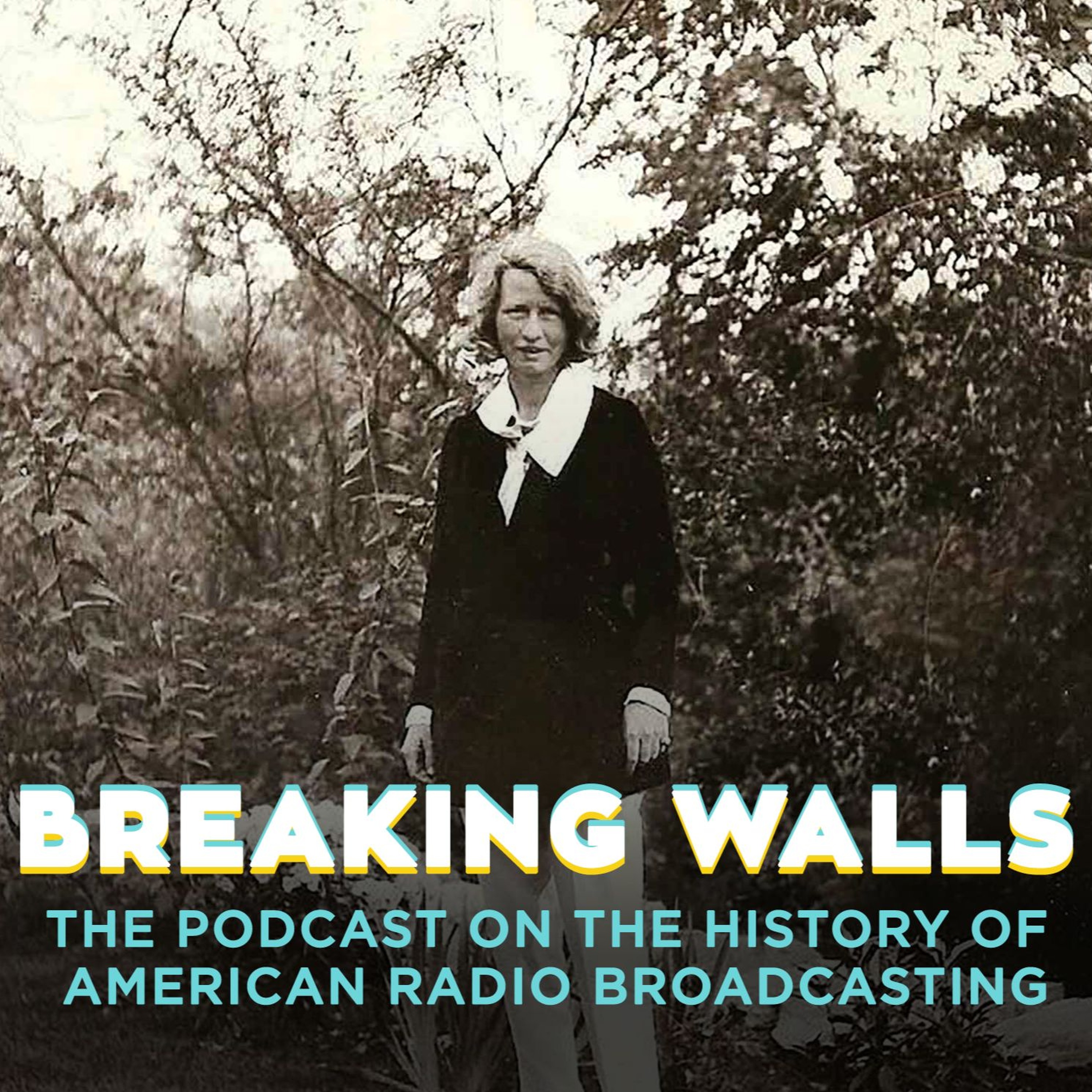
John Nesbitt was born in Victoria, British Columbia on August 23rd, 1910. The grandson of actor Edwin Booth, the family moved to Alameda, California. Nesbitt was active in stock theater in Vancouver and Spokane and began working for NBC in San Francisco in 1933. By 1935, he was an announcer at KFRC in San Francisco. Nesbitt produced a series called Headlines of the Past which spun off into his signature program, The Passing Parade, in 1937. The inspiration came from a trunk inherited from his father that contained news clippings of odd stories from around the world. He utilized a research staff to verify the details, but wrote the final scripts himself, often within an hour of airtime. This led to a series of one-reel shorts produced by MGM. On the evening of June 6th, 1944, the just-heard Ken Carpenter was announcer for a Passing Parade broadcast on CBS at 7:15PM in which Nesbitt attempted to capture, in real time, the historic significance of D-Day by imagining its story being retold to schoolchildren in the year 2044. At 7:30PM over NBC, Ronald Colman read a special “Poem and Prayer for an Invading Army” by Edna St. Vincent Millay.
BW - EP152—016: D-Day's 80th Anniversary—Lowell Thomas Reports On NBC At Dinnertime
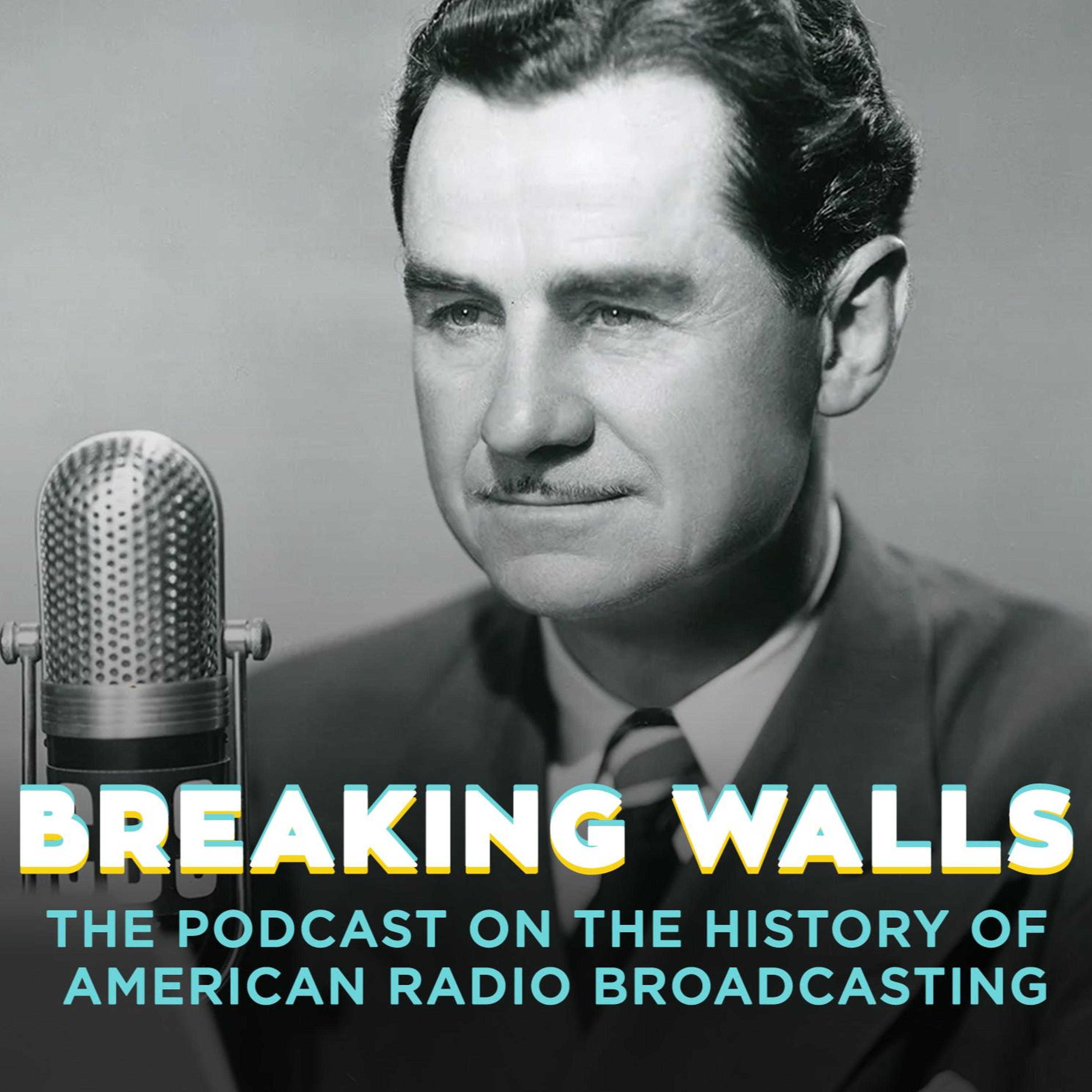
It’s nearly 6:45PM and I’m at an automat getting some dinner. People around here are feeling a little looser as, by all accounts, the Normandy landings had been a success. They’ve got NBC on the air. Just ending is a “Serenade to America'' with Winifred Hite, Nora Sterling, Milton Katims and his Orchestra. Legendary newscaster Lowell Thomas is about to go on over WEAF with a summary and commentary on the day’s events. Thomas has been on radio since the dawn of the network era. He took over as the host of NBC’s Sunday Literary Digest program in 1930. By October of 1930, he was including more news stories. He moved to CBS, but was back on NBC two years later.
BW - EP152—015: D-Day's 80th Anniversary—King George VI's Famous Speech And More Invasion Updates
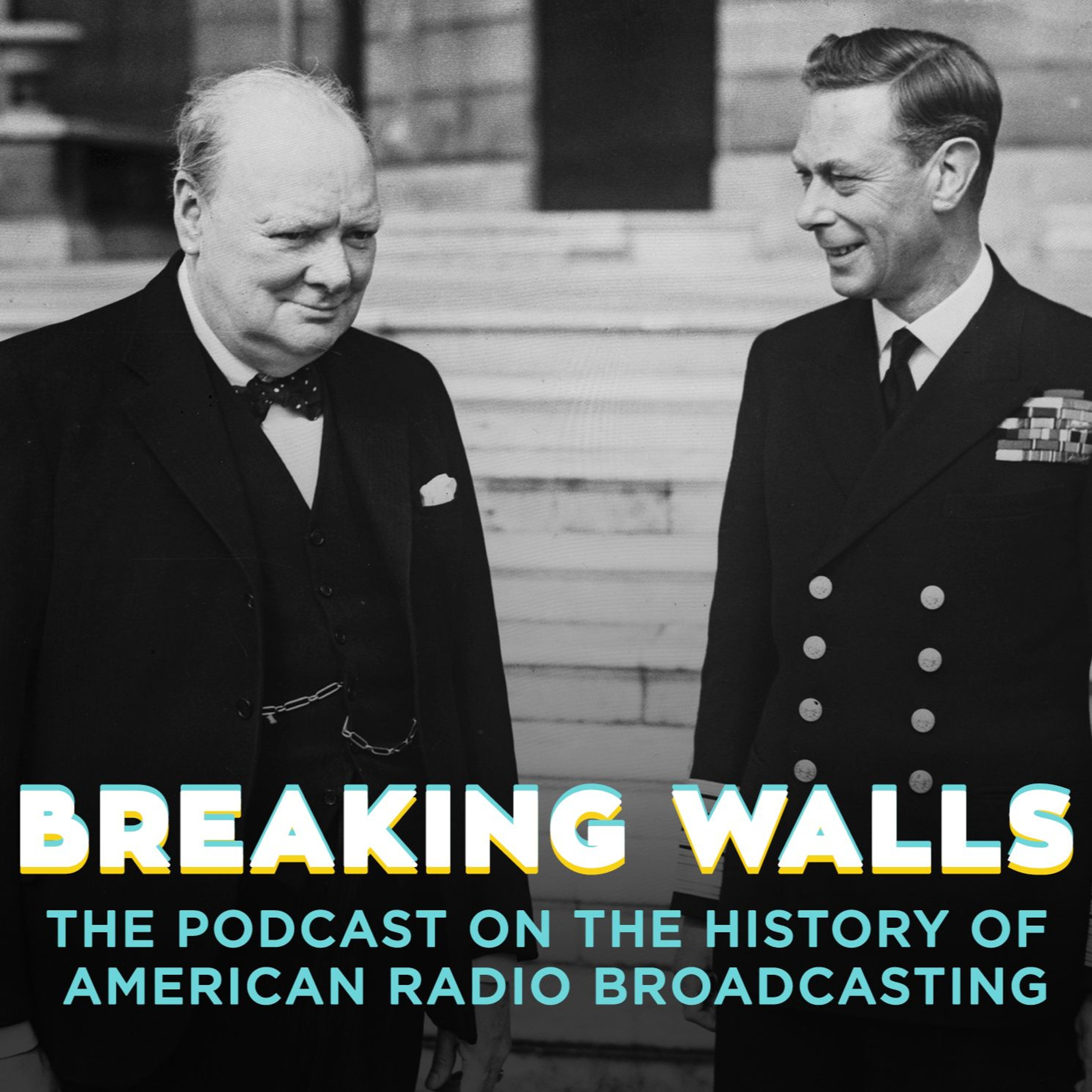
At 3PM The British King George VI issued a D-Day speech. The Transcription is below. Four years ago, our Nation and Empire stood alone against an overwhelming enemy, with our backs to the wall. Tested as never before in our history, in God's providence we survived that test; the spirit of the people, resolute, dedicated, burned like a bright flame, lit surely from those unseen fires which nothing can quench. Now once more a supreme test has to be faced. This time, the challenge is not to fight to survive, but to fight to win the final victory for the good cause. Once again what is demanded from us all is something more than courage and endurance; we need a revival of spirit, a new unconquerable resolve. After nearly five years of toil and suffering, we must renew that crusading impulse on which we entered the war and met its darkest hour. We and our Allies are sure that our fight is against evil and for a world in which goodness and honor may be the foundation of the life of men in every land. That we may be worthily matched with this new summons of destiny, I desire solemnly to call my people to prayer and dedication. We are not unmindful of our own shortcomings, past and present. We shall ask not that God may do our will, but that we may be enabled to do the will of God: and we dare to believe that God has used our Nation and Empire as an instrument for fulfilling his high purpose. I hope that throughout the present crisis of the liberation of Europe there may be offered up earnest, continuous and widespread prayer. We who remain in this land can most effectively enter into the sufferings of subjugated Europe by prayer, whereby we can fortify the determination of our sailors, soldiers and airmen who go forth to set the captives free. The Queen joins with me in sending you this message. She well understands the anxieties and cares of our womenfolk at this time and she knows that many of them will find, as she does herself, fresh strength and comfort in such waiting upon God. She feels that many women will be glad in this way to keep vigil with their menfolk as they man the ships, storm the beaches and fill the skies. At this historic moment surely not one of us is too busy, too young or too old to play a part in a nationwide, perchance a worldwide, vigil of prayer as the great crusade sets forth. If from every place of worship, from home and factory, from men and women of all ages and many races and occupations, our intercessions rise, then, please God, both now and in a future not remote, the predictions of an ancient Psalm may be fulfilled: "The Lord will give strength unto his people: the Lord will give his people the blessing of peace." By this time, Allied reinforcements from Britain had already arrived in Normandy. Ground troops linked up with the paratroopers further inland and pressed on toward Caen. However, the allies wouldn’t capture the city for more than a month. Once King George VI’s speech was over, CBS switched back to Alan Jackson with a news update. At 4:40PM the just-heard John Daly, Bill Shirer, and Quincy Howe took to CBS’ airwaves with more news updates.
BW - EP152—014: D-Day's 80th Anniversary—Perry Mason
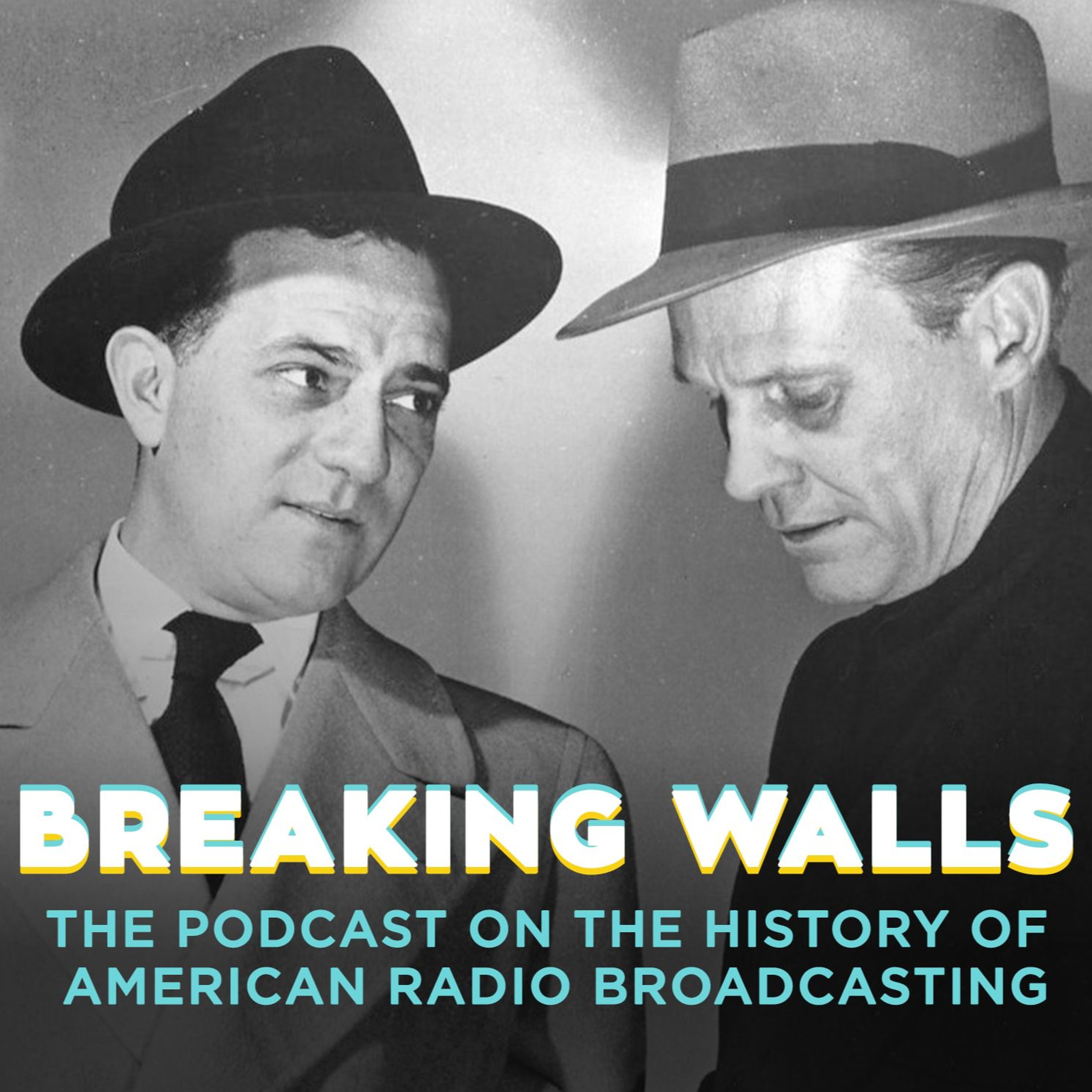
Perry Mason debuted over CBS airwaves on October 18th, 1943. On D-Day it was airing at 2:45PM from New York. Mason was a crime-busting lawyer, famous in fiction for unmasking killers in court. Though it came in the guise of crime drama, the show was full-bore soap opera. At points, Jan Miner played Della Street, Mason’s secretary. Mandel Kramer played Police Lieutenant Tragg.
BW - EP152—013: D-Day's 80th Anniversary—Portia Faces Life And Joyce Jordan, MD
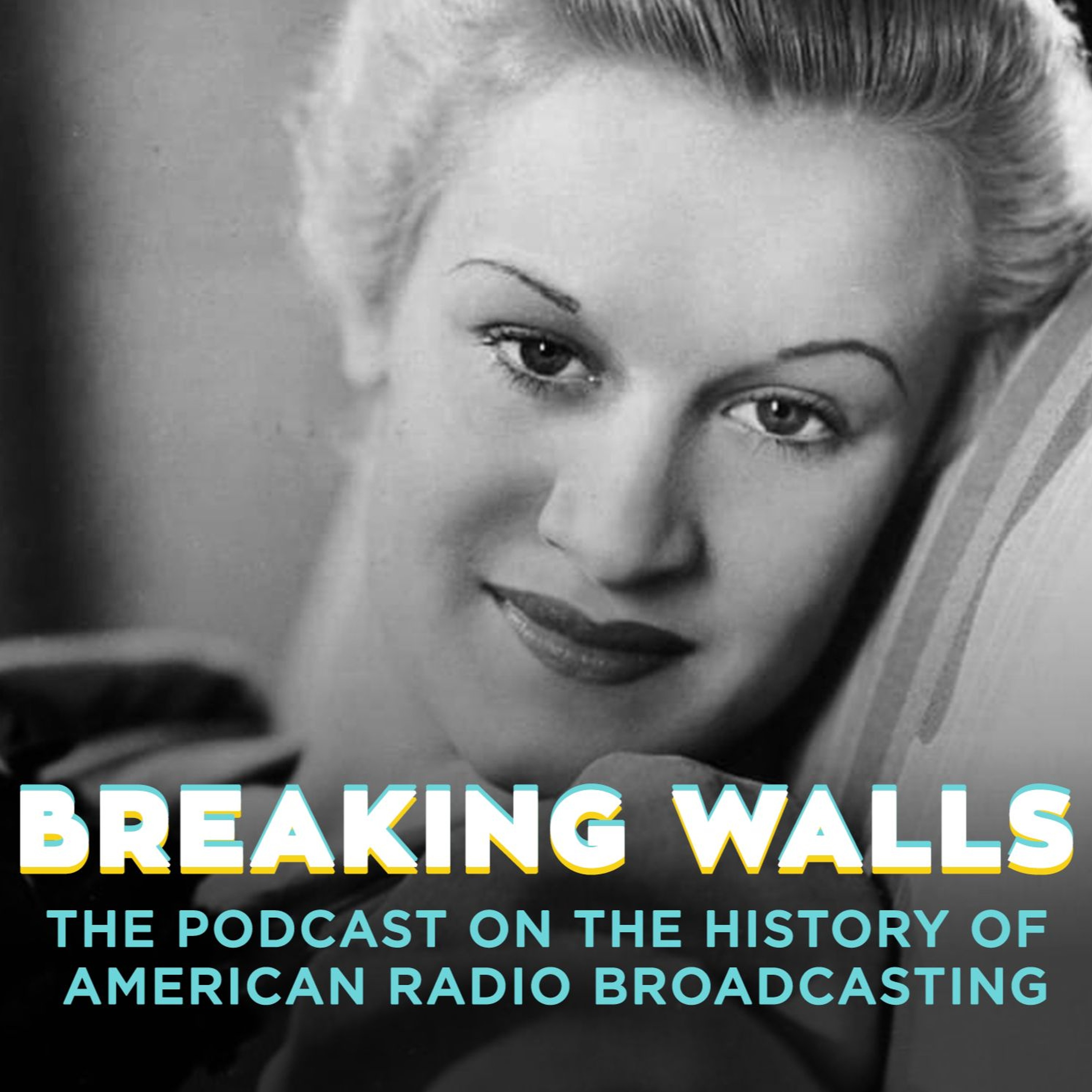
That was the voice of Joan Banks Lovejoy who played the scheming Arline Harrison Manning on Portia Faces Life. During World War II she was all over New York radio. On Portia Faces Life, Lucille Wall starred as Portia Blake, a young woman lawyer who battled corruption in the small town of Parkerstown. The show debuted with a crisis on October 7th, 1940 and throughout its entire nearly eleven-year run, the crises never ended. The show moved to CBS in April of 1944 and on D-Day it was airing weekdays at 2PM. The run on CBS would be relatively brief, as on October 3rd, 1944 Portia Faces Life would move back to NBC. ____________ That was the voice of Fran Carlon, who at times starred as Joyce Jordan, MD. Jordan started as a girl intern at Heights Hospital, slowly progressing to a doctor, facing the difficulty of being an intelligent woman in a man’s world. Ken Roberts was the announcer. He’d been a radio staple since the mid-1920s, beginning first at WMCA in New York before becoming a CBS staff announcer. On D-Day, Ken was thirty-five years old. Here’s Ken talking with Chuck Schaden about those early days of Network radio. Himan Brown was often the director.
BW - EP152—012: D-Day's 80th Anniversary—Mid-Day Reports From Edward R. Murrow And John Daly
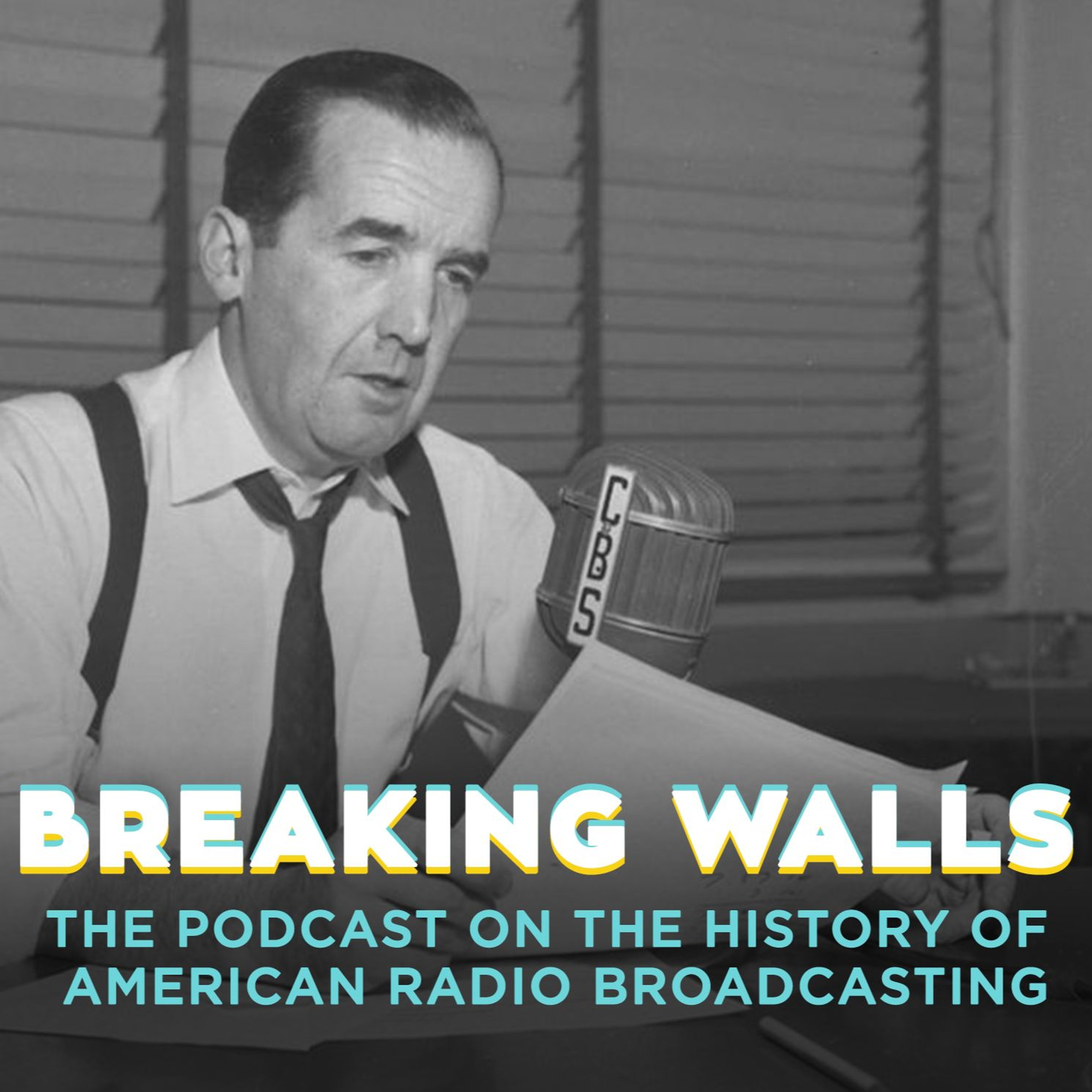
12:45PM brought a forty-minute CBS news update featuring Edward R. Murrow from London, Douglas Edwards recapping CBS coverage, and a Quincy Howe analysis. Following this broadcast John Daly immediately signed on.
BW - EP152—011: D-Day's 80th Anniversary—Big Sister
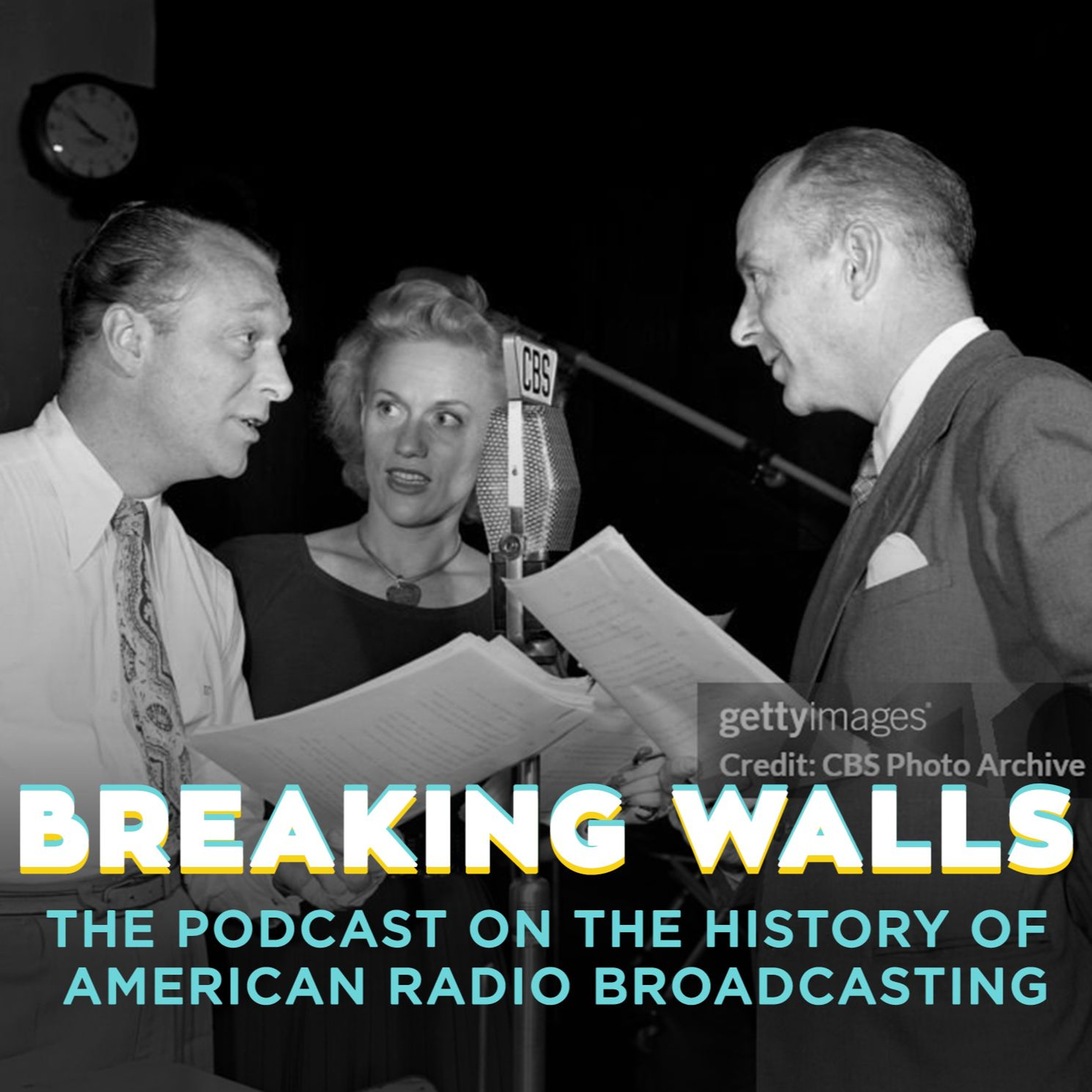
At 12:15PM Big Sister took to the air over CBS starring the just-heard Alice Frost as Ruth Evans. Ruth centered her life around her sister Sue and their crippled brother Neddie. When Sue married reporter Jerry Miller, Ruth was able to give her full attention to the care of little Ned. Then, unexpectedly, Ruth fell in love with Neddie’s new doctor, John Wayne, played first by Martin Gabel and later by Staats Cotsworth.
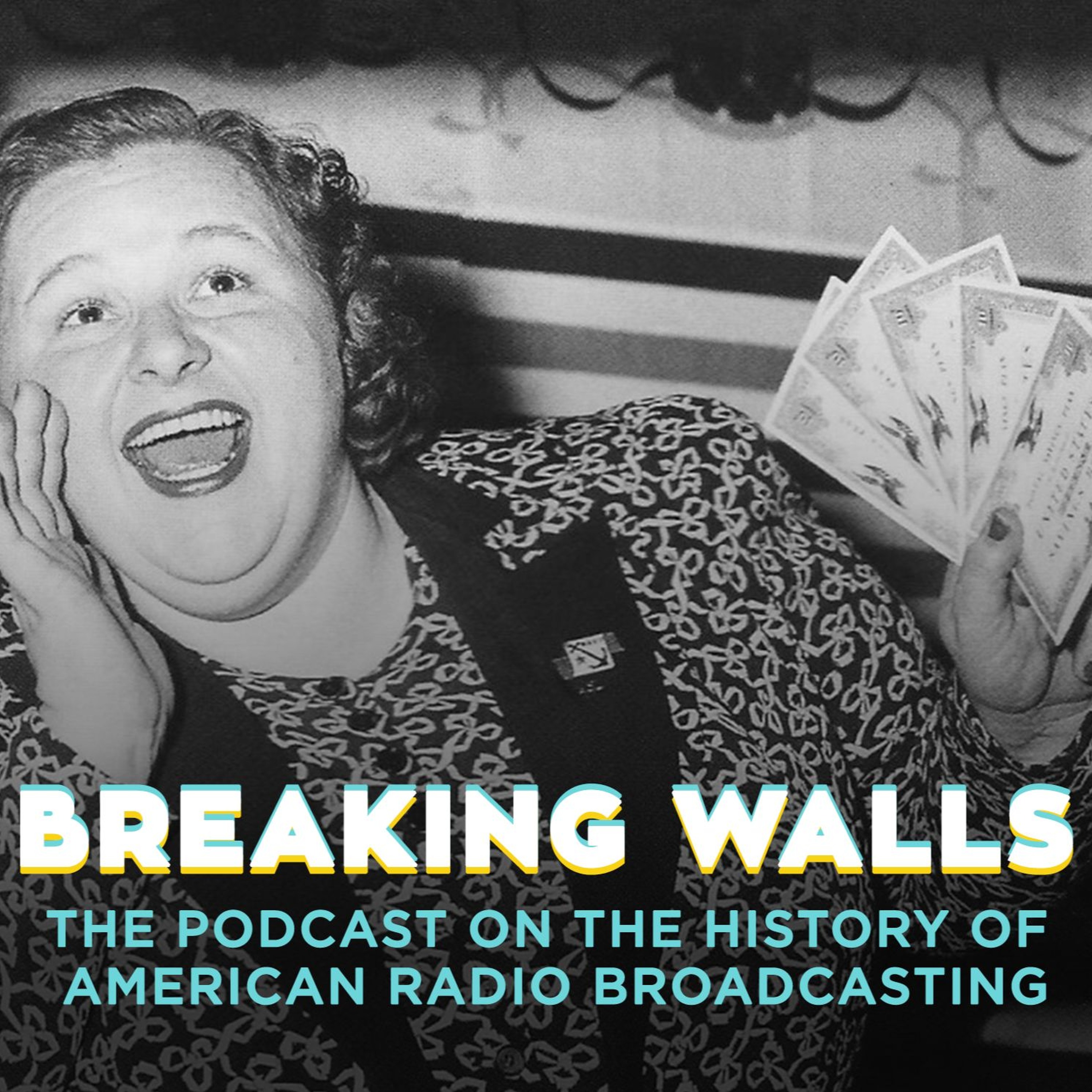
BW - EP152—010: D-Day's 80th Anniversary—High Noon Prayer with Kate Smith and Invasion Updates
It’s nearly twelve o’clock and time for me to get back to 485 Madison Avenue. At least I got about five hours sleep, that’s more than I can say for many of my colleagues. I just phoned in. The allies are pushing inland in France. A few thousand have been killed on the beaches of Normandy, but the German resistance has been much lighter than expected. The Luftwaffe are nowhere to be found. The Allied command is uneasy, we know it won’t be all quiet on the western front forever. Kate Smith is signing on CBS. There’ll be news updates to follow.
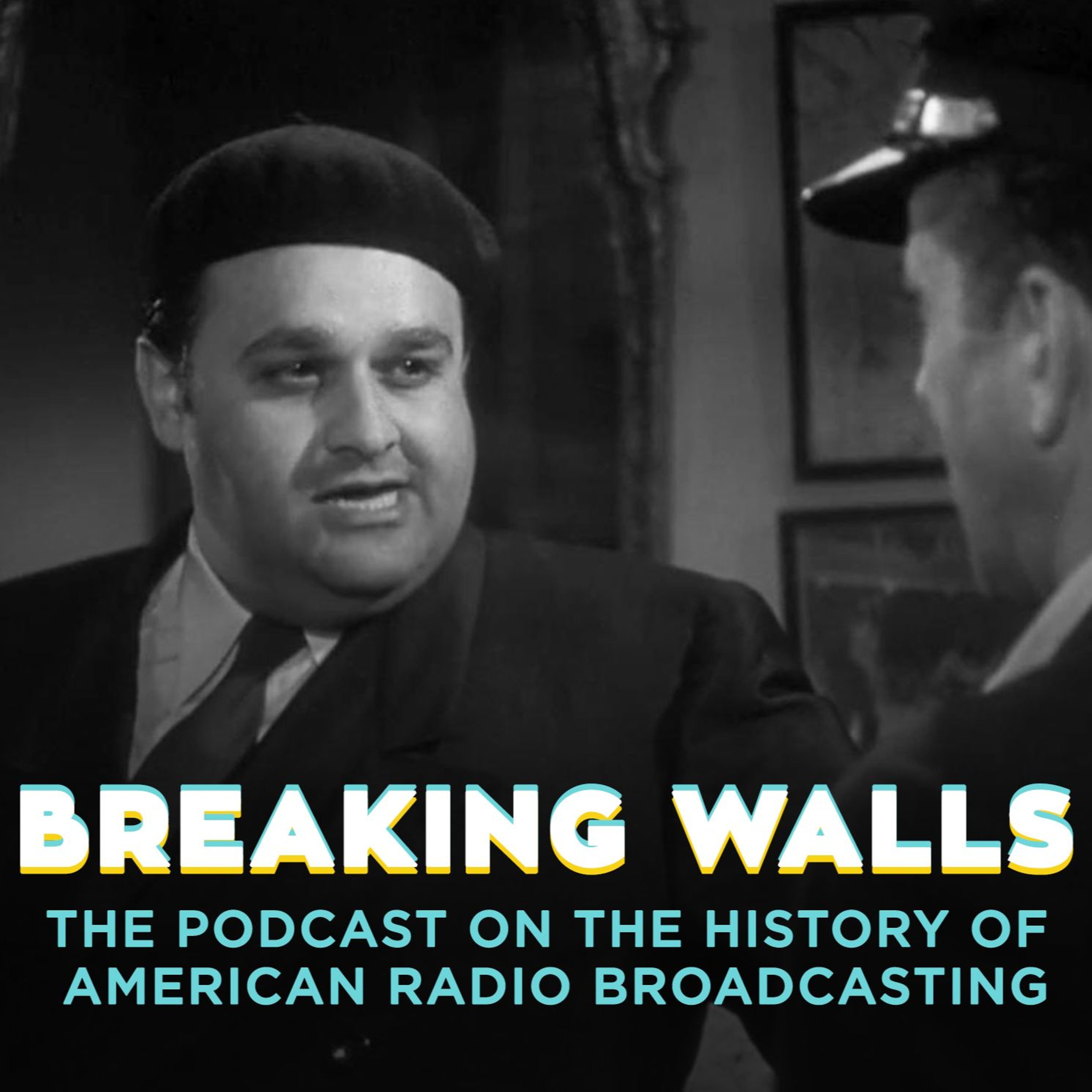
BW - EP152—009: D-Day's 80th Anniversary—Aunt Jenny's Real Life Stories
At 11:45AM on D-Day, Aunt Jenny’s Real Life Stories took to the air over CBS featuring Dan Seymour as both announcer and actor. Later this year Seymour would play Vichy French Captain Renard in To Have and Have Not. Unlike most daytime serials, Aunt Jenny confined its tales to five-chapter stories which were completed each week. The cast shifted with the only continuing characters being Aunt Jenny and announcer Dan Seymour, who dropped in each day to hear her tale.
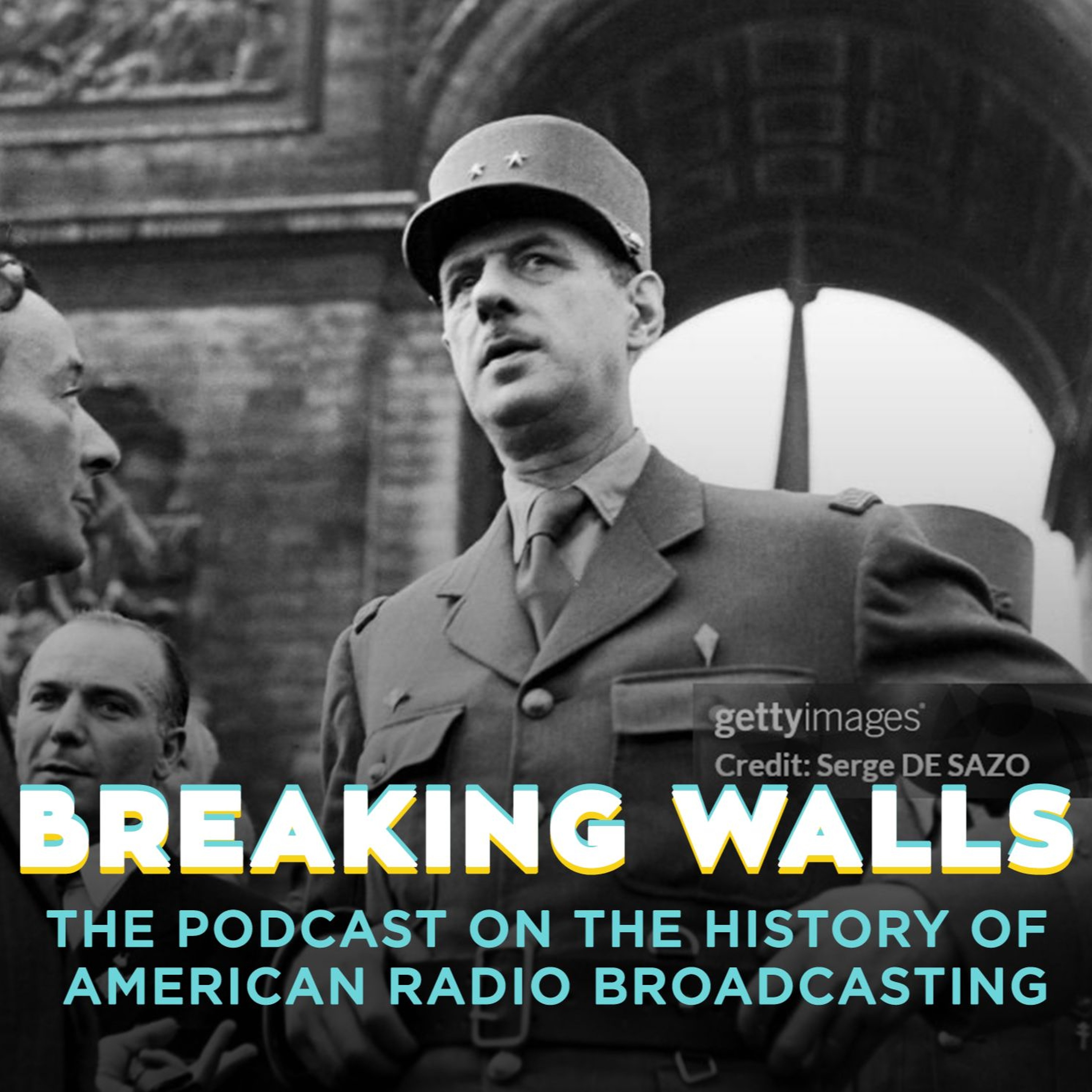
BW - EP152—008: D-Day's 80th Anniversary—Charles De Gaulle's Famous Speech
At 11:30AM CBS interrupted their scheduled mid-day programming for a newsbreak and a speech from Charles De Gaulle. Born in 1890, De Gaulle was a decorated soldier during the First World War. He repeatedly admonished his superiors for outdated nineteenth century fighting techniques which included bayonet charges against heavy artillery. De Gaulle’s company became known for sneaking into German territory to spy on the enemy. He was a fierce combat veteran, having been shot in the knee, the left hand, being gassed, and receiving a bayonet wound. He was eventually captured by the Germans, spending thirty-two months as a POW. In between the wars he was a strong supporter of tanks and mobile armored divisions. During the German invasion of May 1940, De Gaulle led an armored division counterattack, and was soon appointed Undersecretary for War. Refusing to accept his government's armistice with Germany, De Gaulle fled to England. He led the Free French Forces and later headed the French National Liberation Committee, emerging as the undisputed leader of Free France. De Gaulle became head of the Provisional Government of the French Republic three days before D-Day. On D-Day he was campaigning for his Provisional Government to be recognized as an official full government.
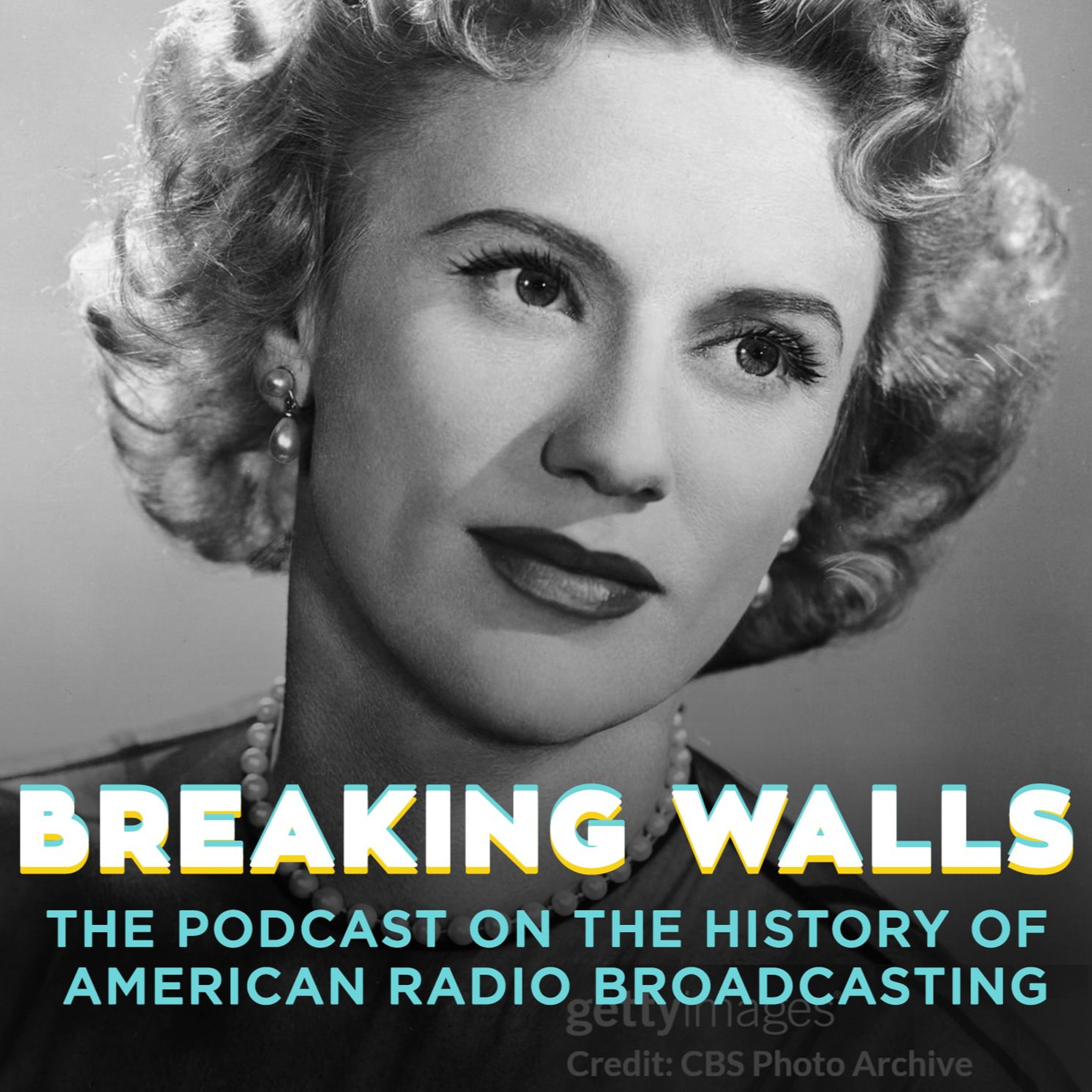
BW - EP152—007: D-Day's 80th Anniversary—Amanda Of Honeymoon Hill & Second Husband
The woman you just heard is famed New York character actress Jan Miner. In the mid-1940s Jan was on multiple soap operas, like Lora Lawton. Many top shows were produced by Frank and Anne Hummert. The Hummert radio ties grew from the prominent Chicago advertising agency, Blackett-Sample-and Hummert. Frank Hummert was a celebrated copywriter. His wife, Anne Schumacher Ashenhurst Hummert began as an editorial assistant and quickly earned respect throughout the organization thanks to her ingenuity, insight, and resolve. By the 1940s, the duo controlled four-and-a-half hours of national weekday broadcast schedules. They brought in more than half of the network daytime hour advertising revenue and their shows received more than five million pieces of correspondence annually. When they switched their productions from Chicago to New York, they began employing some of New York’s most famous character actors. At 11AM eastern time from New York, Amanda of Honeymoon Hill signed on starring Joy Hathaway. The show used a familiar Hummert theme: The common girl who marries into a rich, aristocratic family. She lived in the fictional Honeymoon Hill in Virginia. When Amanda Of Honeymoon Hill signed off, another Hummert show, Second Husband, signed on at 11:30 starring Helen Menken. Ms. Menken is perhaps best remembered today as Humphrey Bogart’s first wife, but she was a talented actress in her own right. Throughout its history, one of the show’s announcers was Andre Baruch.
BW - EP152—006: D-Day's 80th Anniversary—Four Morning Soap Operas At 10AM
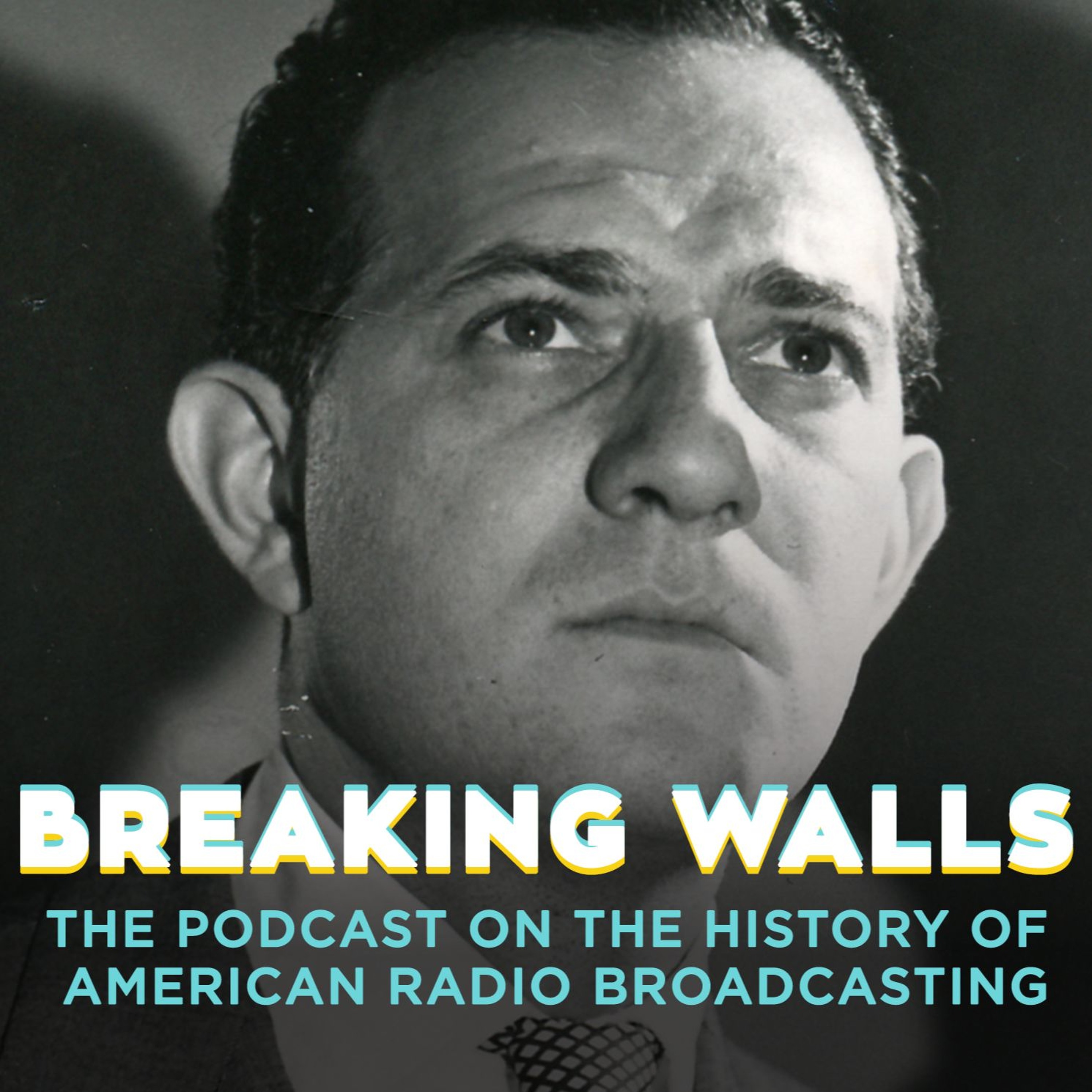
At 10AM CBS resumed programming with their mid-morning soap operas. First up was Valiant Lady, starring Joan Blaine. Joan was a valiant lady because she sacrificed a promising Broadway career for her father’s sake, then married a “brilliant but unstable" surgeon. People like the just-heard Mandel Kramer loved working on soap operas from New York. At 10:15AM Light of the World signed on starring Bret Morrison as “the Speaker.” The show was a soap opera version of the stories of the bible and featured some of New York’s best talent like Mandel Kramer, Louise Fitch, and Alexander Scourby. This D-Day broadcast was the very first episode of Light of the World on CBS. It had been running on NBC since March of 1940. It would run on CBS until August of 1946 before once again being picked up by NBC until June 2nd, 1950. When Light of the World signed off, The Open Door signed on at 10:30. Created by Sandra Michael, The Open Door was a purposely slow-moving, character building show built around Dean Eric Hansen of the fictional Vernon University. The stories involved people in his life: their problems, lives, and loves. The star, Dr. Alfred Dorf had known Sandra Michael since her childhood in Denmark. He’d come to America to establish a church in Brooklyn and was the true inspiration behind the character. Unfortunately, the agency handling the sponsor’s account didn’t like the direction of the series. They pressured Sandra Michael into changing the show, but she resisted and the show was canceled after June 30th, 1944. Once The Open Door signed off, Bachelor’s Children signed on at 10:45. It featured Hugh Studebaker as Dr. Bob Graham, a bachelor who took in his dying friend's 18-year-old twin daughters. Marjorie Hannan played Ruth Ann, the kind, thoughtful twin, and Patricia Dunlap played Janet, the fiery and impulsive twin. Olan Soule played Sam Ryder. He was, perhaps, best known for co-starring with Barbara Luddy on The First Nighter.
BW - EP152—005: D-Day's 80th Anniversary—CBS World News at 9AM with Douglas Edwards
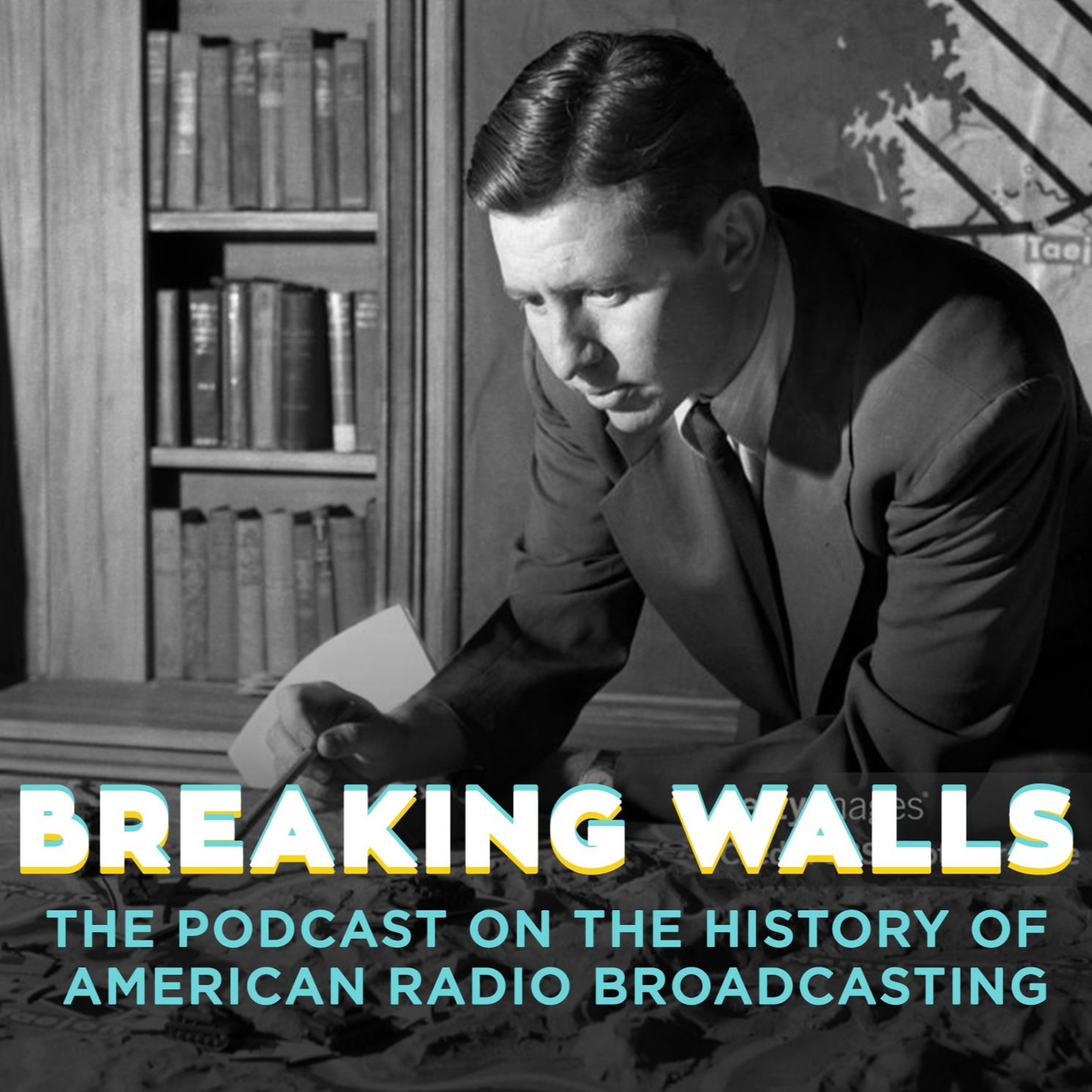
At 9AM eastern war time, CBS World News signed on with Douglas Edwards reporting. On D-Day Edwards was twenty-six years old. He’d been hired in 1942 by CBS as a reporter and understudy for John Daly. When Daly was sent overseas to cover the war in 1943 Edwards was promoted to lead The World Today, World News Today, and Report to the Nation. In 1945, Edwards was sent to London to cover the final weeks of the war with Edward R. Murrow. He was then appointed the network's news bureau chief in Paris and assigned to cover post-war elections in Germany and the start of the Nuremberg trials. By this time, fourteen thousand Canadian troops had taken Juno Beach, pressing inland. British and American forces, including those at Omaha, took control of their beachheads. The Allies brought in tanks, tended to the wounded and cleared away mines on the beaches. They also started pressuring German forces at Caen. Hitler finally agreed to send reinforcements to Normandy. Once World News Today signed off Robert Trout was back on the air for the final forty-five minutes of the special news broadcast.
BW - EP152—004: D-Day's 80th Anniversary—First Reports of London's Reaction to the Invasion
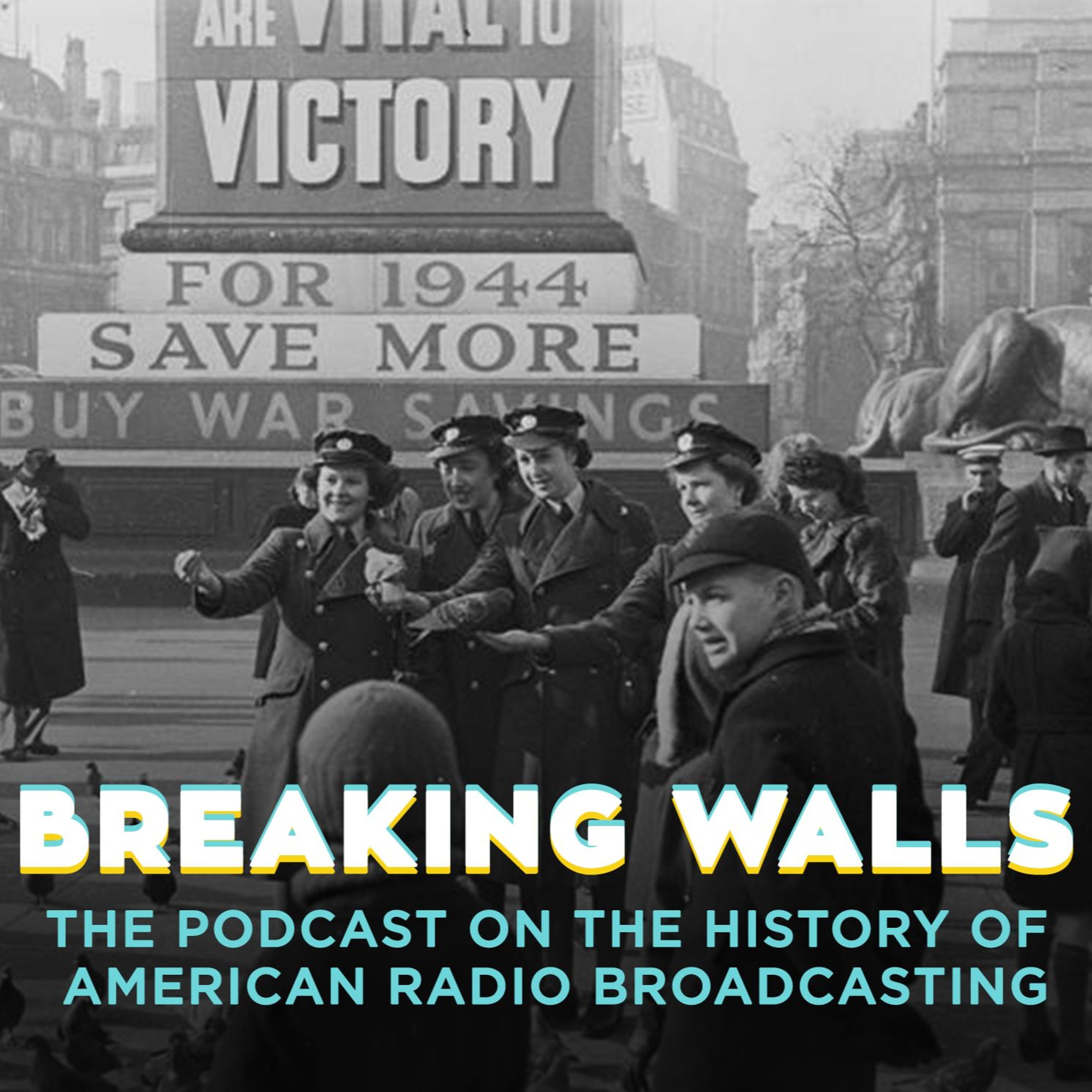
I just phoned CBS news headquarters at 485 Madison Avenue. I’m told that they’ll resume scheduled programming at 10AM. NBC has canceled all programming until further notice. Mutual and The Blue Network are interspersing news throughout the day. The Stock Exchange will observe two minutes of silence and Mayor La Guardia will be holding a rally in Madison Square. As for me, I’ve been momentarily dismissed. I’m heading home to get some rest. Meanwhile, let’s listen to Bob Trout. Charles Shaw will report from London with a man-on-the-street reaction while Ned Calmer and Don Pryor will introduce French Colonel Morrison who’ll describe the area of the invasion landings. This will take us to 6:30 AM.
BW - EP152—003: D-Day's 80th Anniversary—Sunrise Reports in New York City
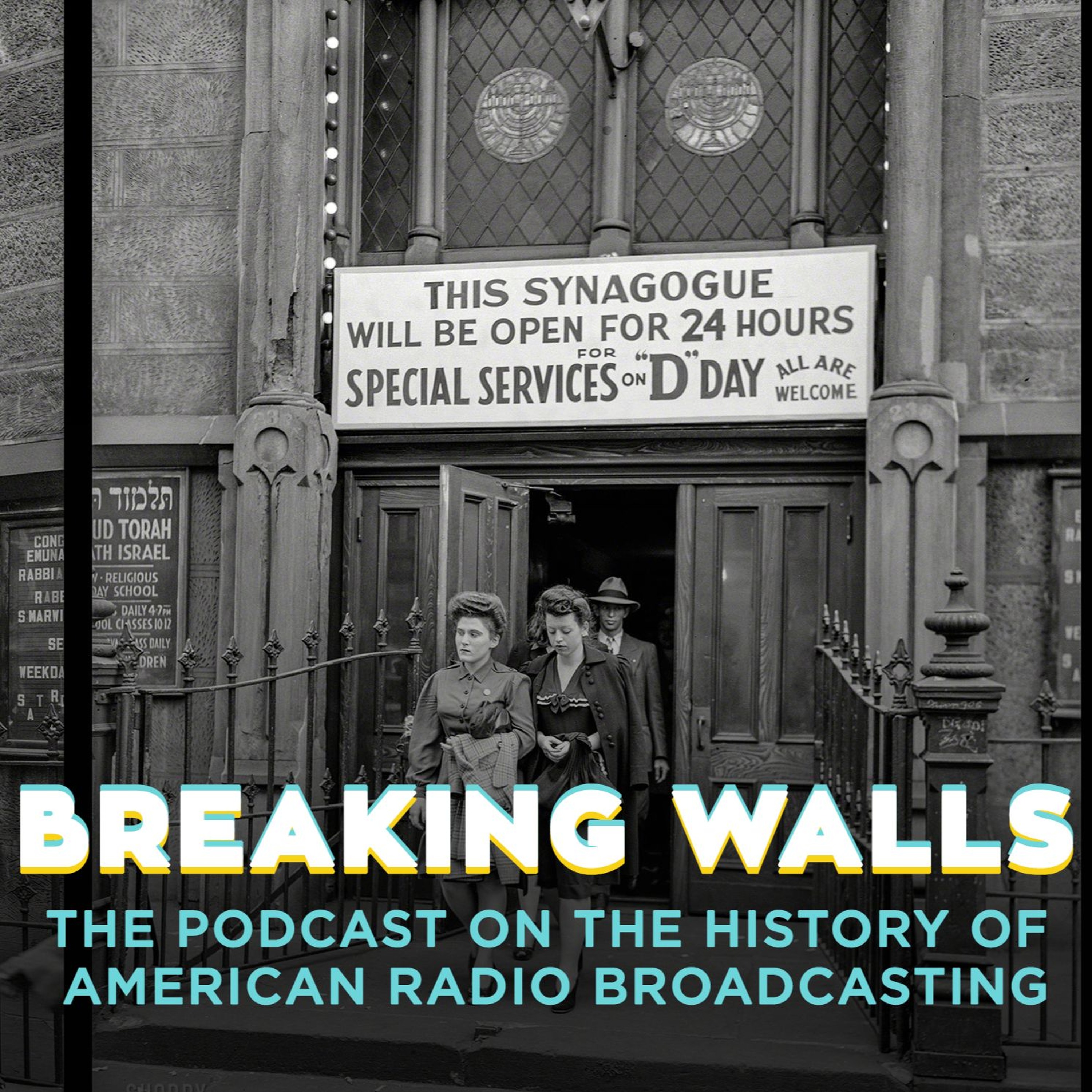
As part of my job I’ve been sent by CBS to Union Square. I decided to stop by my high school alma mater, I’m at the Church of St. Francis Xavier on sixteenth street. They’re having a sunrise mass filled with prayer for our soldiers and other war workers. The people are stoic. Now isn’t the time to lose ourselves in emotion. Sunrise is at 5:25AM. I hear American troops have turned the tide of battle at the Omaha landing point, with warships backing them up at sea. Give a listen to the CBS broadcast. David Anderson, Arthur Mann, Paul White, and Edward R. Murrow have reports from London. Quentin Reynolds will describe Eisenhower’s speech to occupied Europe, while Bill Henry and Joe McCaffrey report from Washington.
BW - EP152—002: D-Day's 80th Anniversary—The First Eye Witness Account Of The Invasion
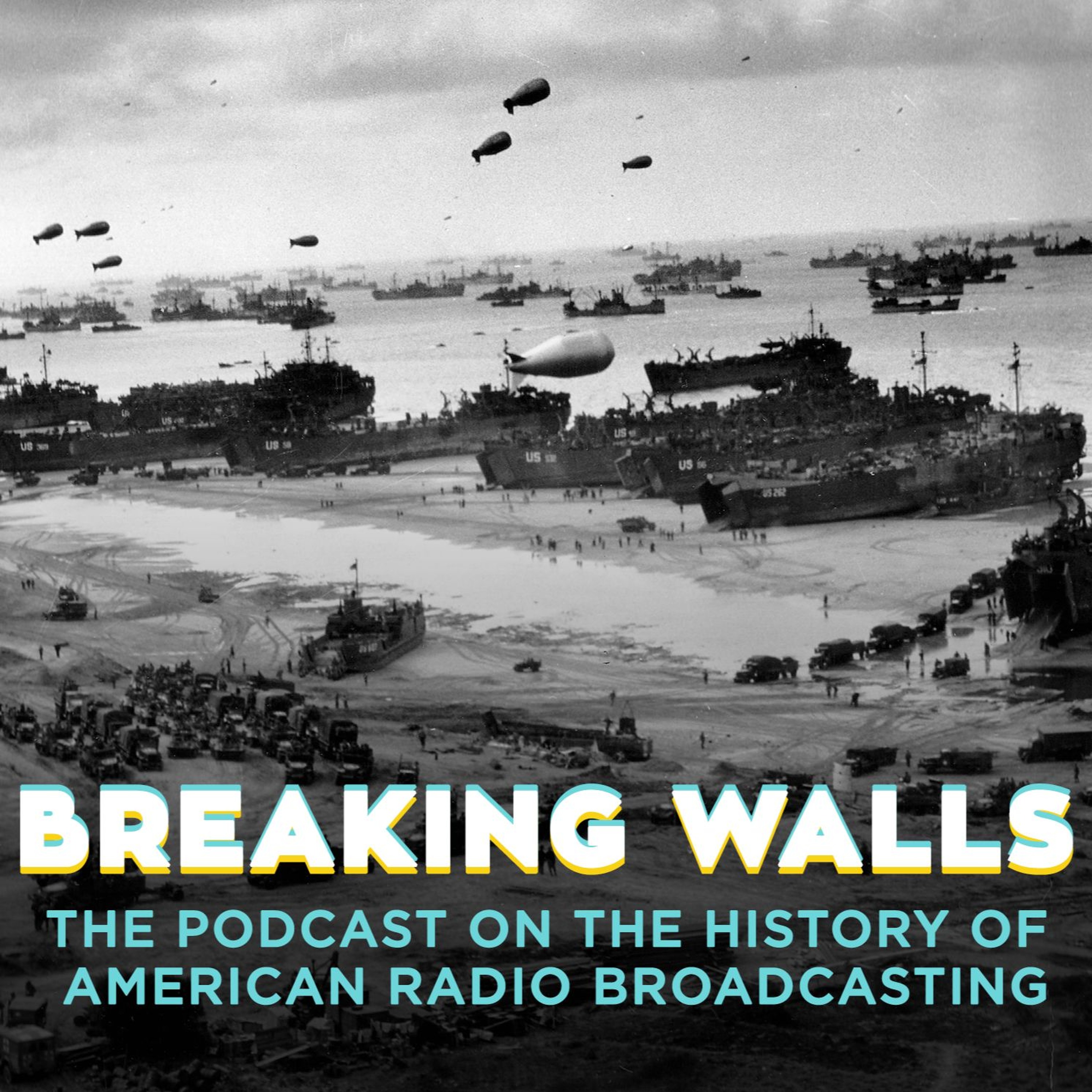
The man you just heard was CBS news reporter Robert Trout. Born in Wake County, North Carolina on October 15th, 1909, he grew up in Washington, D.C., entering broadcasting in 1931 as an announcer at WJSV, an independent station in Alexandria, Virginia. In the summer of 1932 WJSV was acquired by CBS, bringing Trout into the young network. He soon became an invaluable member of William S. Paley’s team, and was the first person to publicly refer to FDR’s radio programs as Fireside Chats. On Sunday night, March 13th, 1938, after Adolf Hitler's Germany had annexed Austria in the Anschluss, Trout hosted a shortwave "roundup" of reaction from multiple cities in Europe—the first such multi-point live broadcast on network radio. Years later, journalist Ned Calmer remembered that moment. Trout also played a key role in Edward R. Murrow’s development as a broadcaster. By the time war had come to the US, Trout was in New York and Murrow had put together the staff of international war correspondents known as the Murrow Boys. At 4:15 AM eastern war time on the morning of Tuesday June 6th, 1944, Bob Trout was in the CBS newsroom at 485 Madison Avenue emceeing an overnight broadcast that brought the first eye witness account of the invasion from reporter Wright Bryan. Bryan stood an imposing six-foot-five and covered the story from a transport plane dropping airborne troops. Later in 1944 Bryan was wounded and captured by the Germans. He spent six months in hospitals and in a POW camp in Poland before being freed by Russian troops in January 1945. This broadcast took listeners up to 5 AM. eastern war time. Along with Wright Bryan, it featured analysis from George Fielding Elliot, commentary by Quentin Reynolds, and reports from John W. Vandercook and James Willard. At 5AM over CBS Major George Fielding Elliot gave an analysis of the known information. Elliot was a second lieutenant in the Australian army during World War I. He became a member of the Royal Canadian Mounted Police and later a major in the Military Intelligence Reserve of the US Army. He wrote fifteen books on military and political matters and was a longtime staff writer for the New York Herald Tribune. After Elliot spoke, Richard C. Hottelet reported from London with the first eye witness account of the seaborne side of the invasion. Edward R. Murrow hired Hottelet that January. On this day he was riding in a bomber that attacked Utah Beach six minutes before H-Hour and watched the first minutes of the attack. He would later cover the Battle of the Bulge. At 7AM French time, the Allies began deploying amphibious tanks on the beaches of Normandy to support the ground troops and sweep for defensive mines. American troops faced heavy machine-gun fire on Omaha Beach, the most heavily fortified landing point of the invasion. Roughly twenty-five-hundred U.S. soldiers were killed on the beach in the bloodiest fight of the day. This fighting took the timeline to Eisenhower’s official announcement at 3:32 Eastern War time.
BW - EP152—001: D-Day's 80th Anniversary—The Invasion Begins
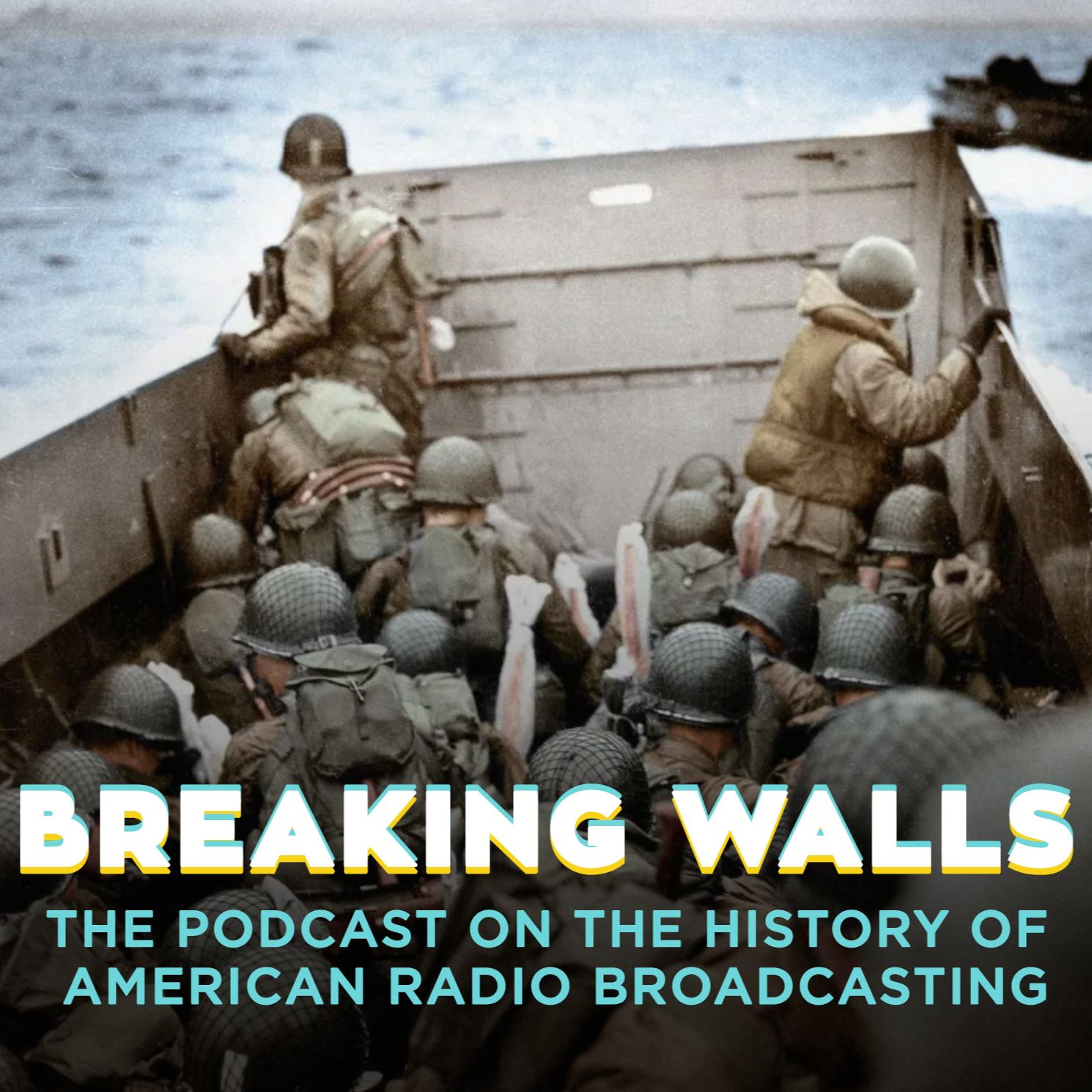
Tuesday, June 6th, 1944 at about 12:45 in the morning. We’re at Bill Pogue’s Bar on the Corner of 88th street and Columbus Avenue in Manhattan. I just finished a twelve hour shift. I need a nightcap before I go back into that low-hanging fog. Did you hear the President tonight? We took Rome. One up and two to go. ____________ Only the German outlets that are saying the invasion has started. Paris radio just aired news bulletins and didn’t say anything. London radio told Hollanders to stay off bridges and roads, but that could be normal instructions. You want to know something? I don’t think the Germans are lying. I think this is it. This is D-Day, June 6th, 1944. ____________ It’s 3:30 in the morning on June 6th, 1944. I’ve just left CBS news headquarters at 485 Madison Avenue. I parked in Times Square on purpose. I wanted to see if there was any reaction. A few servicemen came out of a bar. I told them the news. They joined others in front of cabs who were tuned to either CBS or NBC. The news cutaway from band remotes sounded haunting. There are scattered lights in apartment windows and one radio shop, closed for the evening, has a loudspeaker blaring CBS. I won’t be sleeping tonight. I’ve been assigned to take the temperature of the emotions people are feeling. The long and short of it is that we still have no allied confirmation about a French coastline invasion. The president was on the radio last night with one of his fireside chats talking about the allies taking Rome. If he knew something about France, he didn’t tip his hand. Bob Trout should be on the air right about now. Bob’s a good man. To kill time he was going to take his microphone into the CBS newsroom, giving a taste of what a nerve center is like with chaos brimming. 10PM New York time on June 5th was 4AM on the morning of the 6th in France. At that moment seven-thousand allied ships left England under cover of darkness. They were loaded with allied troops, primarily from Britain, the US, and Canada for Operation Overlord. The soldiers were split up to invade five landing points along the coast of northern France. The beachheads were code named Utah, Omaha, Gold, Sword, and Juno. At midnight, while I was drinking at Bill Pogue’s allied bombers were bombarding the coastline. Personnel carriers flew inland to drop off paratroopers. The paratroopers' job was to attack bridges and seize several key points to cut off the Nazi supply lines. An hour later, while distracting the Germans at Pas-de-Calais, allied warships dropped anchor off the coast of Normandy to wait for dawn and provide cover for the landing ships. By 2AM, more than thirteen-thousand paratroopers had been dropped into France, with four-thousand more flying in on gliders. They continued landing troops for the next two hours. The Germans saw the paratroopers, but failed to grasp just how big the invasion was to be. By 5AM, Allied battleships had begun firing on the Nazi defenses while the first landing ships went ashore. German and Allied ships clashed in the first skirmishes at sea. As the sun rose, the landing operation was fully underway. The Allied battleships stopped firing as their landing boats approached the shore at 6:30AM, dubbed “H-Hour” for the designated moment of the invasion. The landing ships were tightly packed together. Allied troops dealt with heavy gunfire. Many men were killed before they could reach the beach. Nevertheless, the Allies managed to land their troops, and the fight for the beaches began.
BW - EP151: Jack Benny's Famous Slump (1944)
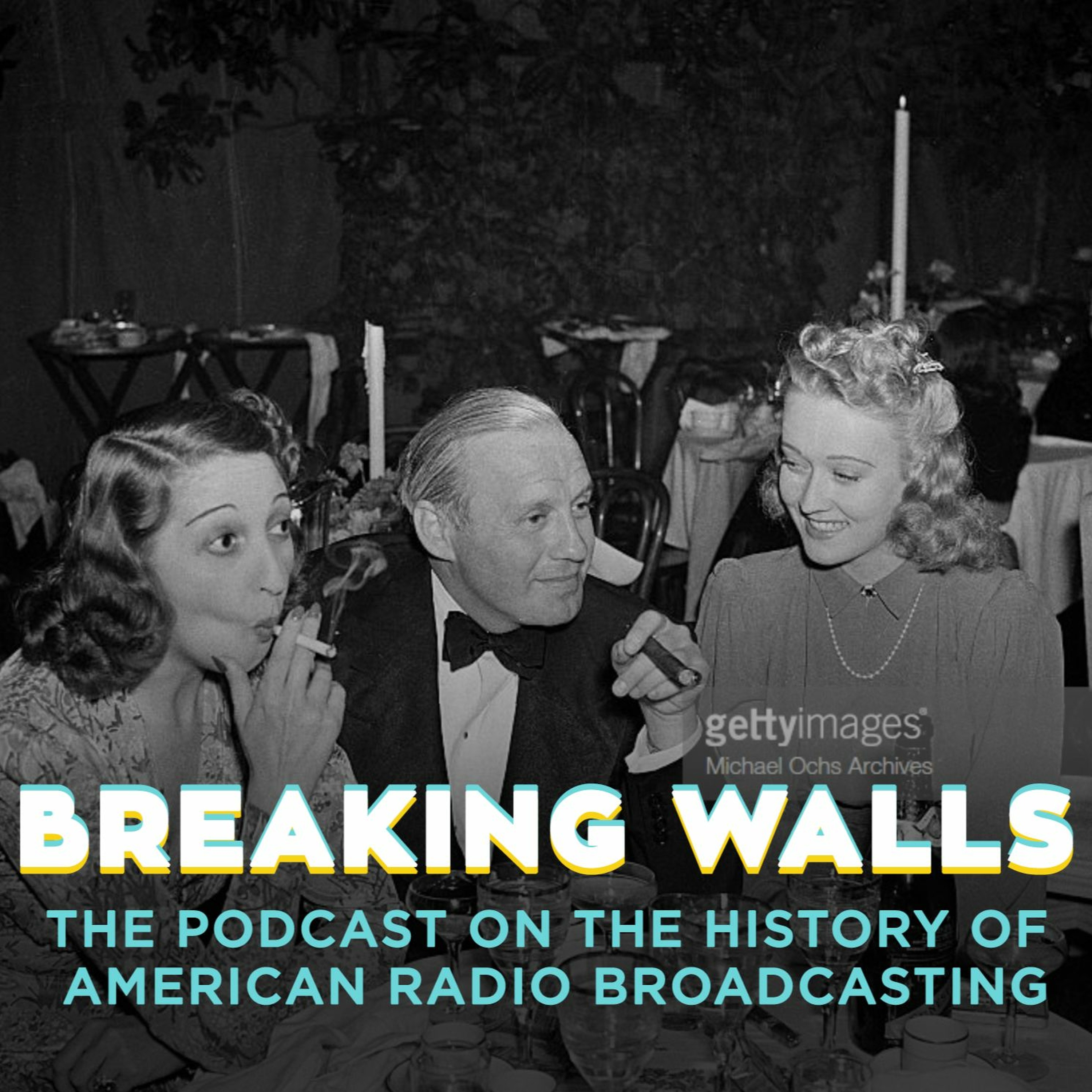
In Breaking Walls episode 151 it’s the spring of 1944 and Jack Benny’s sponsor, General Foods, thinks he’s in a slump. Benny got mad and it changed the broadcasting landscape forever. Tonight, we’ll find out how and why. —————————— Highlights: • Benny's Early Radio Career in the 1930s and Ratings Peak • Early Problems with General Foods • Dennis Day Leaves for World War II • Jack Fires General Foods, Signs with American Tobacco • Dick Haymes Replaces Dennis Day as Singer • The Importance of Benny’s Supporting Cast • Jack’s Split Personality • Danny Kaye Guest Stars To Play Jack in A Movie • The Last General Foods Sponsored Show • Looking Ahead to D-Day’s 80th Anniversary —————————— The WallBreakers: http://thewallbreakers.com Subscribe to Breaking Walls everywhere you get your podcasts. To support the show: http://patreon.com/TheWallBreakers —————————— The reading material used in today’s episode was: • Sunday Nights at Seven — by Jack and Joan Benny • On The Air — By John Dunning • Network Radio Ratings — By Jim Ramsburg As well as articles from • Broadcasting Magazine • Radio Daily • Variety And a massive special thank you to William Cairns for providing me with invaluable research on Benny’s 1940s run. William has a Jack Benny book on its way. —————————— On the interview front: • Jack Benny, Dennis Day, Phil Harris, Frank Nelson, and Don Wilson spoke with Chuck Schaden. Hear these full chats at Speakingofradio.com. • Mel Blanc and Mary Jane Higby spoke to Dick Bertel and Ed Corcoran for WTIC’s The Golden Age of Radio. Hear these interviews at Goldenage-WTIC.org • Jack Benny, Dennis Day, Phil Harris, and Don Wilson were with Jack Carney • Dennis Day was also with John Dunning for his 1980s 71KNUS Radio program from Denver. • Orson Welles spoke to Johnny Carson —————————— Selected music featured in today’s episode was: • The Hut on Fowl's Legs — By Modest Mussorgsky —————————— A special thank you to Ted Davenport, Jerry Haendiges, and Gordon Skene. For Ted go to RadioMemories.com, for Jerry, visit OTRSite.com, and for Gordon, please go to PastDaily.com. —————————— Thank you to: Tony Adams Steven Allmon Orson Orsen Chandler Phil Erickson Gerrit Lane Jessica Hanna Perri Harper Thomas M. Joyce Ryan Kramer Earl Millard Gary Mollica Barry Nadler Christian Neuhaus Ray Shaw Filipe A Silva John Williams Jim W. WildEyeWheel —————————— WallBreakers Links: Patreon - patreon.com/thewallbreakers Social Media - @TheWallBreakers
BW - EP151—010: Jack Benny's Famous Slump—Looking Ahead to D-Day
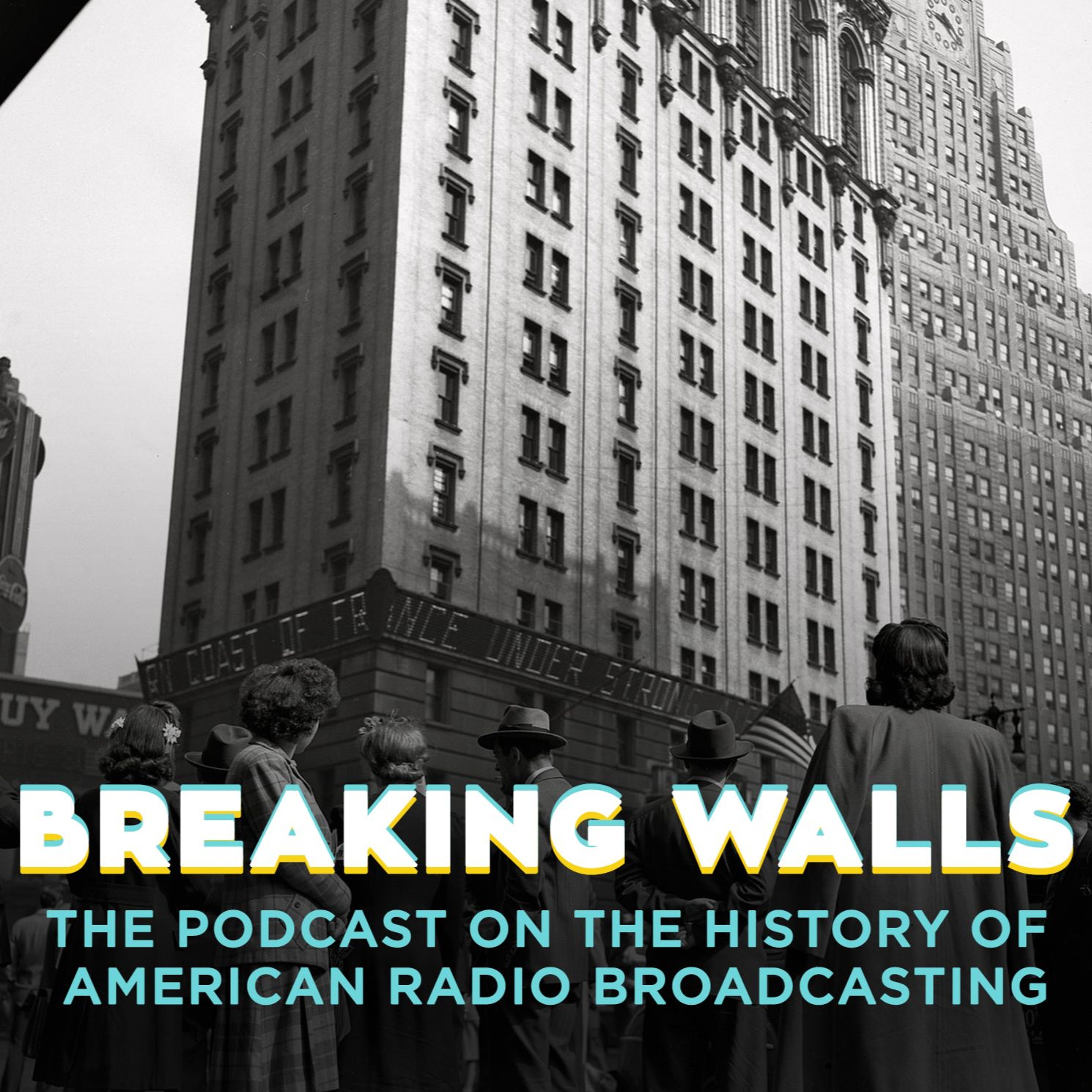
In the fall of 1944 after Jack’s switch to Lucky Strike, General Foods did move a show opposite Jack. It wound up being The Kate Smith Show. The company uprooted Smith’s Friday program, countering Benny with a One-Hundred-Seventy-Thousand-Dollar ad campaign. While they did temporarily put a dent into Benny’s rating, Kate Smith lost forty-percent of her audience, dropping to ninety-third place in the overall ratings. The following season General Foods moved her back to Friday, but Kate Smith never again had another Top-fifty show. Well, that brings our look at Jack Benny’s show in the spring of 1944 to a close. I mentioned that Benny’s last episode for General Foods aired on June 4th, 1944. Our next episode of Breaking Walls will move only two days into the future, for perhaps the most important day in broadcasting history. Next time on Breaking Walls, we spotlight radio broadcasting on June 6th, 1944 to align ourselves with the Country’s heartbeat on the day the invasion of western Europe finally began. The reading material used in today’s episode was: • Sunday Nights at Seven — by Jack and Joan Benny • On The Air — By John Dunning • Network Radio Ratings — By Jim Ramsburg As well as articles from • Broadcasting Magazine • Radio Daily • Variety And a massive special thank you to William Cairns for providing me with invaluable research on Benny’s 1940s run. William has a Jack Benny book on its way. On the interview front: • Jack Benny, Dennis Day, Phil Harris, Frank Nelson, and Don Wilson spoke with Chuck Schaden. Hear these full chats at Speakingofradio.com. • Mel Blanc and Mary Jane Higby spoke to Dick Bertel and Ed Corcoran for WTIC’s The Golden Age of Radio. Hear these interviews at Goldenage-WTIC.org • Jack Benny, Dennis Day, Phil Harris, and Don Wilson were with Jack Carney • Dennis Day was also with John Dunning for his 1980s 71KNUS Radio program from Denver. • Orson Welles spoke to Johnny Carson Selected music featured in today’s episode was: • The Hut on Fowl's Legs — By Modest Mussorgsky
BW - EP151—009: Jack Benny's Famous Slump—The Last General Foods Sponsored Show
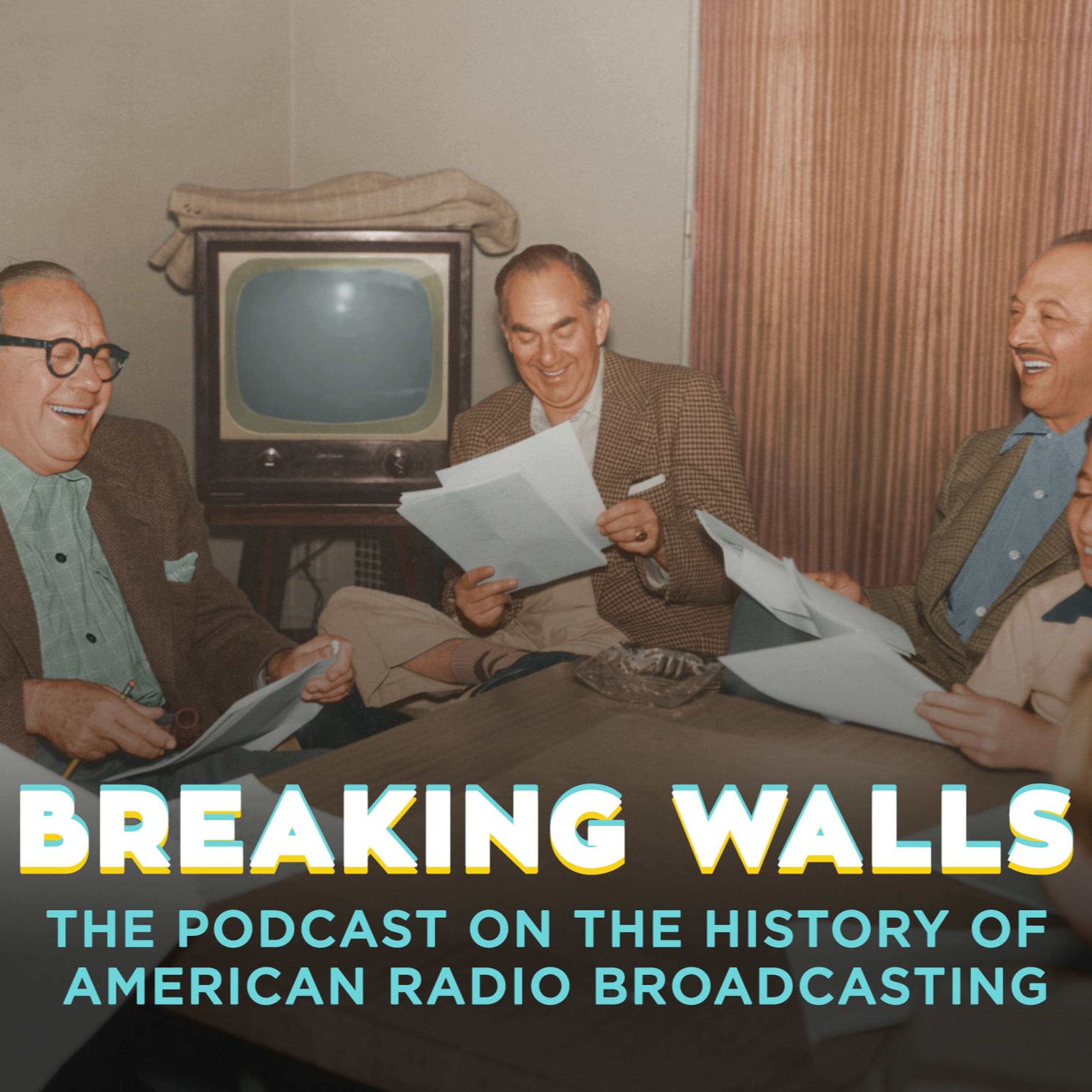
June 4th, 1944 was the last Grape Nuts Flakes sponsored Jack Benny Program. Jack took out a full page ad in Variety thanking General Foods and their agency Young and Rubicam for ten years of partnership. Six days later, the American Cigarette and Cigar Company deposited two hundred thousand dollars in a special exploitation account for the program. On June 23rd they wrote to Jack stipulating some terms of the agreement. The program would be broadcast live coast-to-coast 7:00PM eastern war time, with a transcribed rebroadcast by transcription between 12:30 and 1:00AM New York time for West Coast stations. In August, Benny left on a three-week USO tour of Australia and the South Pacific. On August 28th, American Tobacco announced that Pall Mall’s product scarcity didn’t justify a twenty-five thousand dollar per week expenditure. Lucky Strike would sponsor the show. The following week they announced a comprehensive, multimedia ad campaign. It was estimated to cost over a quarter million dollars. This changed the company with which Jack was signed from the American Cigarette & Cigar Company to the American Tobacco Company, and was made official on September 26th, 1944.
BW - EP151—008: Jack Benny's Famous Slump—Danny Kaye Guest Stars To Play Jack in A Movie
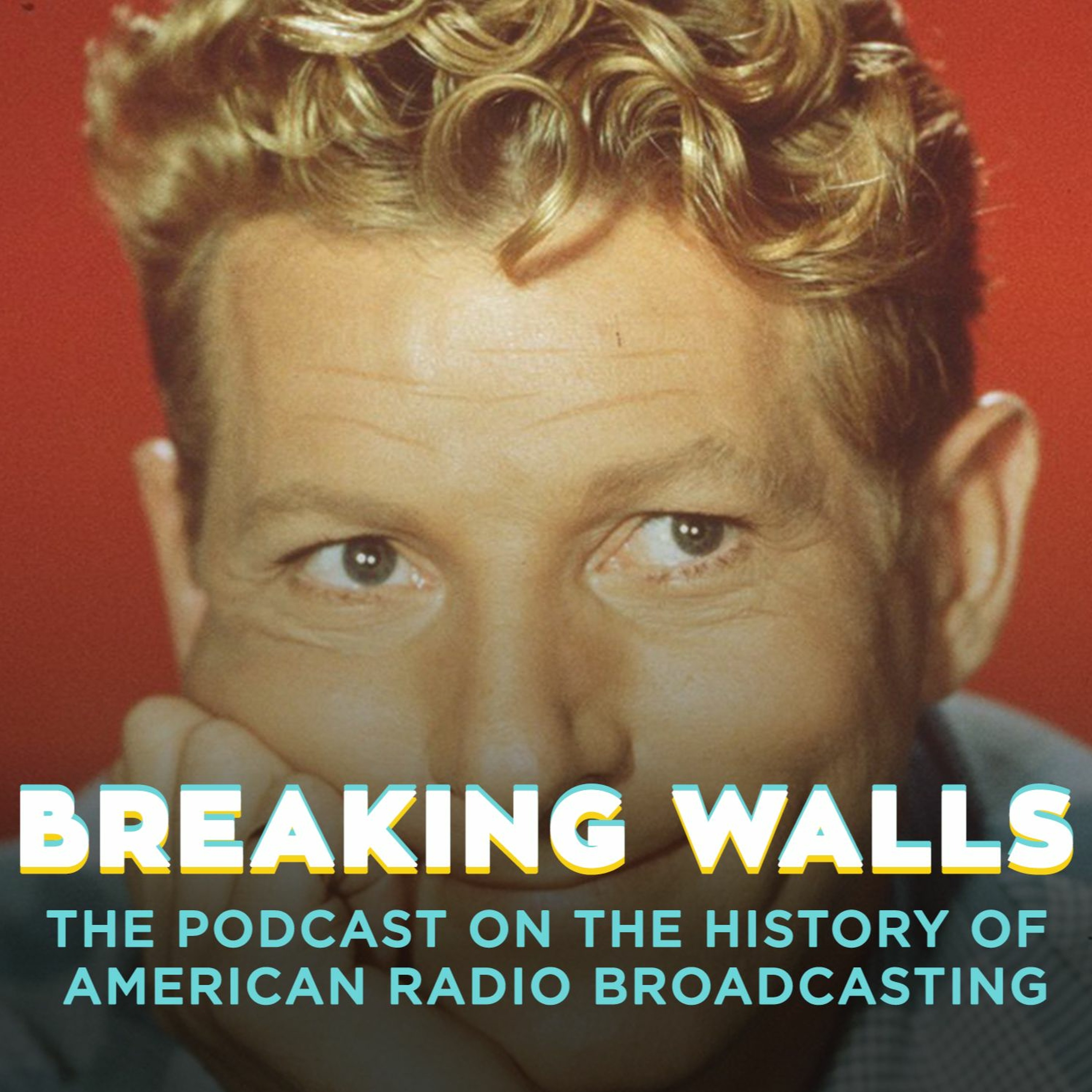
While the cast of Jack Benny became famous in their own right, Benny’s show had great guest-stars, as Dennis Day remembered. On the May 28th, 1944 episode Jack is in talks with Warner Brothers to make a film about his life. Naturally Jack thinks he’ll star, write, and direct it. Unfortunately for him, Warner Brothers has other ideas. They want Danny Kaye to play Jack and Jack to play Jack’s father.
BW - EP151—007: Jack Benny's Famous Slump—Jack's Split Personality
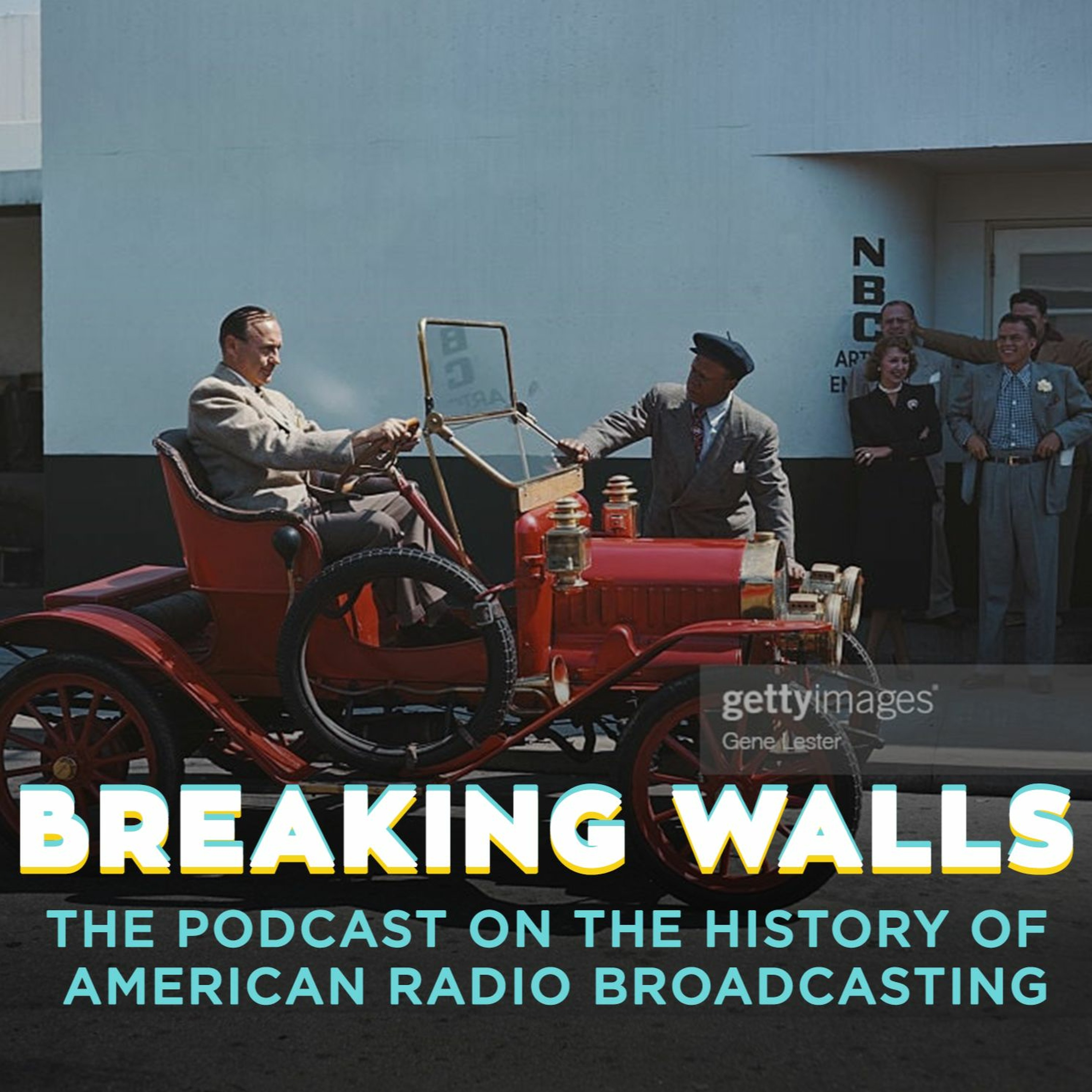
With Jack’s contract with General Foods nearing its close, the only thing left to do was count down the remaining episodes. On May 21st, 1944, Jack and the gang discussed split personalities. Jack thinks it's ridiculous, but later realizes he has one too. In other news this episode marks the debut of the spoof commercial for Sympathy Cough Syrup. Its tagline “Sympathy spelled backwards is Yhtapmys” became famous.
BW - EP151—006: Jack Benny's Famous Slump—The Importance of Benny's Supporting Cast
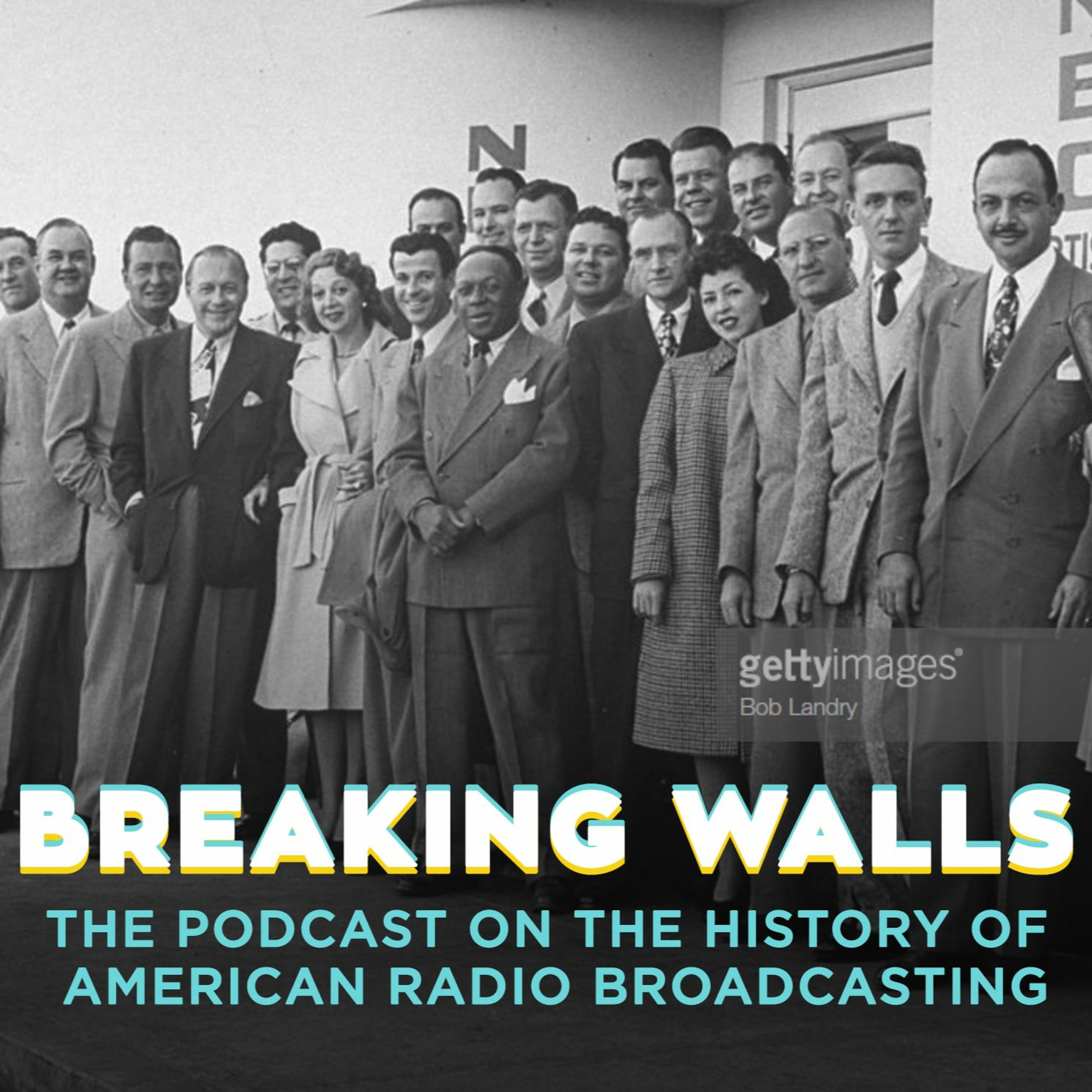
By the Spring of 1944 Jack Benny’s cast had become its most familiar incarnation. Frank Nelson had begun to develop into Benny’s nemesis, as he remembered in this interview clip. Phil Harris was a lovable and vain drunk. Mel Blanc could play any character imaginable. Others like Bea Benaderet, John Brown, and Sarah Berner rounded out the cast. Most importantly Jack was known to be the exact opposite of his character. On May 14th, 1944 The Jack Benny Program was broadcast live at Camp Adair, Oregon.
BW - EP151—005: Jack Benny's Famous Slump—Why Dick Haymes Replaced Dennis Day As Jack's Singer
In early May 1944 Jack and the rest of his cast were still traveling around military bases in the Pacific Northwest. On May 7th they were at the Naval Air Station in Whidbey Island, Washington as Dick Haymes continued substituting for the now departed Dennis Day. The rating for this episode was 20.1, although lower than his season average, it was still tied for third overall, and first on Sunday evenings.
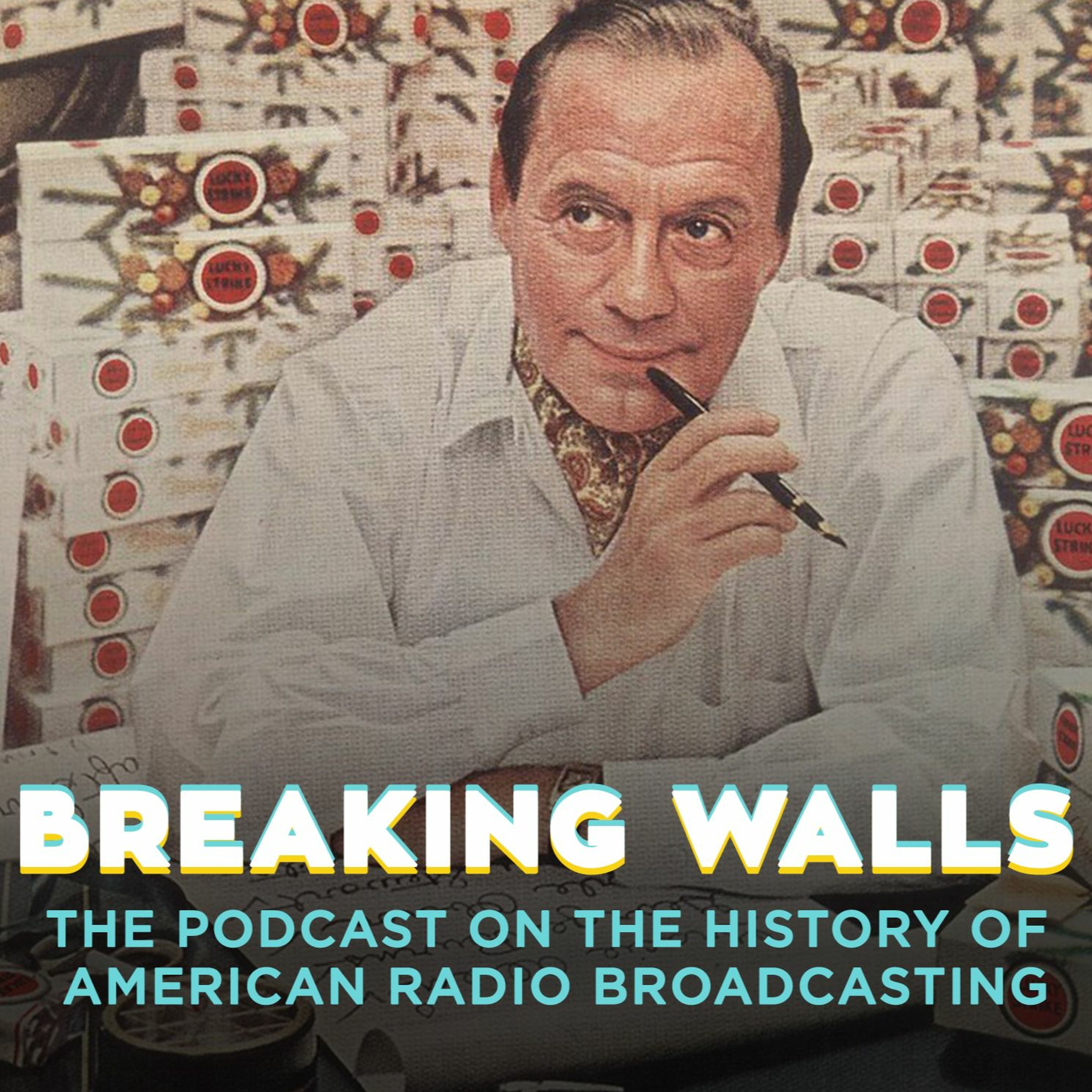
BW - EP151—004: Jack Benny's Famous Slump—Why Jack Fired General Foods & Signed w/ American Tobacco
By the spring of 1944, Benny’s ratings had continued slipping. That season, his 23.7 rating meant he’d lost roughly four million weekly listeners in just three years. At the end of this season, his contract with General Foods was up. Here's Jack Benny talking about that time. There was tension between the two parties because Benny had helped save Jell-O from going out of business. Jack was also upset with what he felt were second-rate accommodations provided by General Foods during the cast’s ongoing army base trips. Since Benny had full control of his show as NBC guaranteed him the Sunday time slot over any sponsor Benny could sell his program to the highest bidder. Benny’s management team quietly held a sealed auction for sponsorship on February 24th. George W. Hill, the President of American Tobacco, wanted Benny’s show. His chief account executive was thirty-six-year-old Pat Weaver, the future president of NBC. A surprise winner was announced: Ruthrauff & Ryan, agency for American Tobacco’s Pall Mall cigarettes, bid twenty-five thousand dollars per-week for three thirty-five week seasons. That’s roughly Four-Hundred-Forty Thousand Dollars today. The weekly money was payable to Benny for all payroll and production costs. They also included an additional two-hundred-thousand dollars, or three-point-five million today, over the three years for marketing and promotion. American Tobacco also agreed to pay for any network and carrier line charges. The advertising community was stunned. General Foods considered retaliating against Jack by moving The Fanny Brice Show to CBS opposite the Benny program. They also publicized the fact that they were now sponsoring three programs, The Aldrich Family, The Meredith Wilson Show, and Mr. Ace and Jane, for the same cost as just the Benny program. On April 10th, 1944, Jack officially signed a three-year contract with the American Cigarette & Cigar Company to advertise Pall Mall cigarettes for twenty-two thousand dollars per broadcast, including a West Coast rebroadcast. The three-year contract would begin on July 1st, 1944, and run through June 30th, 1947. American Tobacco also had a three year option to renew. Benny was the executive producer. He funded the entire production cost out of his pay. In the case that any cast member, or Jack himself, missed a program, Jack was to furnish a substitute actor for ten thousand dollars, at his own expense. If Jack was absent for six consecutive broadcasts, American had the right to terminate the current season, but not the entire contract. Jack also had to make up for any of his absences by adding additional programs at the end of the season. In the midst of this, on April 30th, 1944 The Jack Benny Program signed on from the Puget Sound Navy Yard in Seattle, Washington. With Dennis Day gone to war, Dick Haymes substituted as the program’s singer.
BW - EP151—003: Jack Benny's Famous Slump—Dennis Day's Last Show, Leaves For The Navy & World War II
On April 23rd, 1944 The Jack Benny Program took to the air, broadcasting from Vancouver, British Columbia. It would be Dennis Day’s last show until March 17th, 1946. He’d be departing for the Navy. In April of 1944 Dennis Day was twenty-seven years old. He’d been starring on Jack Benny’s show since 1939, rounding into a very talented performer. Day had great comic timing and the ability to mimic voices well. That year, he’d appear on film in Music in Manhattan opposite Anne Shirley.
BW - EP151—002: Jack Benny's Famous Slump—Early Problems With General Foods
Mel Blanc joined the show on February 19th, 1939. Benny was adding a new touch to the miser theme: a polar bear, who would live in his basement and help protect his money. The bear was christened Carmichael, and in 1941, according to Rochester, he ate the gas man. On Sunday December 7th, 1941 Japan attacked Pearl Harbor and Manila, thrusting the United States into World War II. That evening, The Jell-O Program signed on at 7PM eastern time. This is audio from that night. Benny’s show peaked in 1941 with an average rating of 30.8. By 1942 Jack was beginning to get into disagreements with General Foods. Variety reported as early as 1939 that the sponsor wanted to change Jack’s sponsorship to Grape Nuts Flakes. Jack resisted the move. The Jell-O brand had become uniquely associated with Benny. However, by 1942 with wartime sugar rationing, General Foods pushed the product change through. Variety reported on March 4th, 1942 that Benny would take Grape Nuts Flakes, while Kate Smith would now be sponsored by Jell-O. General Foods claimed the output of Jell-O would be so limited by the fall that they couldn’t justify the cost of Benny’s show. The Jack Benny Program cost General Foods twenty-two-thousand dollars per week. Kate Smith’s show only cost ten thousand. With the October 4th, 1942 season premiere the show became The Grape-Nuts Flakes Program Starring Jack Benny. Benny wasn’t thrilled, also feeling General Foods hadn’t done enough to promote his show. After back-to-back seasons with a rating over thirty points, Benny 1942-43 rating slipped to 26.3, losing roughly two million listeners. Jack had a unique contract. Thanks to a verbal agreement with NBC’s President Niles Trammel, Jack controlled his Sunday timeslot. At the end of Jack’s next contract he was free to approach any sponsor, pending NBC’s approval. It meant that General Foods could lose their top star and their top time slot.
BW - EP151—001: Jack Benny's Famous Slump—Benny's 1930s Early Radio Career and Ratings Peak
In March of 1932 Jack Benny was headlining on Broadway as part of Earl Carroll’s Vanities when friend Ed Sullivan invited him to appear on Ed’s radio show. At the time Benny had no great interest in radio, but he went on Sullivan’s quarter-hour show March 19th, 1932, as a favor. His first line was “Ladies and gentlemen, this is Jack Benny talking. There will be a slight pause while you say, ‘Who cares?” Canada Dry Ginger Ale’s advertising agency heard Benny and offered him a show. Benny debuted on NBC’s Blue Network on May 2nd, 1932. This initial series aired Mondays and Wednesdays. Benny’s wife of five years, Sadye Marks, who’d performed with him on Vaudeville, joined the cast on August 3rd as Mary Livingstone. In storyline she was a young Benny fan from Plainfield, New Jersey. Eventually she read humorous poetry and letters from her mother, and much later she would become a main deflator of Benny’s ego. On October 30th, 1932 the show moved to CBS. During this time Benny began ribbing his sponsor in a gentle, good-natured way. Canada Dry got upset, and despite a rating in radio’s top twenty, they canceled the show after January 26th, 1933. Chevrolet, which had recently lost Al Jolson, was waiting in the wings. On Friday, March 17th, 1933 at 10PM from New York, Benny debuted with The Chevrolet Program over NBC’s Red Network. The June 23rd, 1933 episode was the last of the season as well as Mary Livingstone’s twenty-eighth birthday. Howard Claney was announcer with Frank Black as orchestra leader and James Melton as the tenor. When the show returned in the fall it was on Sundays at 10PM from New York. Benny’s program slowly began to morph from variety into more developed comedic skits. He also started to show the character traits that would come to define his persona. Unfortunately, Chevrolet didn’t like the series and fired him after the April 1st, 1934 episode. But, the General Tire Company immediately scooped him up. Benny debuted on their program the following Friday, April 6th, 1934 at 10PM. There, he first worked with announcer Don Wilson. Wilson would remain with Benny until 1965. Often the butt of weight-based jokes, Wilson’s deep belly laugh that could often be heard above the studio audience and his deep, rich voice became a show trademark. This is audio from that April 6th, 1934 episode. That summer Mary and Jack adopted their daughter Joan. She was two weeks old. Jack later said in his autobiography that as Joan grew older, she came to look like he and Mary. She had Mary’s face with Jack’s blue eyes and his love for music. Benny, Don Wilson, and Mary Livingstone worked together, along with tenor Frank Parker and orchestra leader Don Bestor on The General Tire Show until September 28th, 1934. Then, General Foods came calling. They wanted Benny’s help saving a gelatin product of theirs called Jell-O, which was getting badly beaten by Knox Gelatin in sales. On October 14th, 1934 Benny moved to Sunday nights at 7PM from NBC’s Blue Network. His rating immediately leapt into the top five. On April 7th, 1935 the show was regularly broadcast from New York for the final time. The Jell-O Program would be moving to Hollywood. Benny simultaneously made Broadway Melody of 1936 and It’s In The Air on film. Until the mid-1930s, New York and Chicago were the main broadcasting hubs. Frank Nelson remembered early Hollywood radio. Nelson began working with Benny in June of 1934. Even in 1935, it was still more costly for shows to originate from Southern California. Here’s actress Mary Jane Higby, who grew up in Los Angeles, but moved to New York in 1937, explaining why. On November 3rd, 1935 Kenny Baker joined the show as the new singer. That year, Benny’s show climbed to second overall in the ratings. The following year Benny made The Big Broadcast of 1937 on film, and on October 4th, 1936 Phil Harris debuted as the new band leader. With Phil Harris in place, Benny’s most-famous cast was taking shape.
BW - EP150: Easter Sunday 1944
In Breaking Walls episode 150 we parachute into Easter Sunday, 1944 for a day of radio, recollections, and reconciliation. It’s now less than two months before D-Day and U.S. citizens are awaiting word of a full-scale European invasion with held breath. —————————— Highlights: • Cracks In The Nazi Foundation • Invitation To Learning at 11:30AM • Ceiling Unlimited with Joseph Cotton at 2PM • The Life of Riley at 3PM • Bulldog Drummond at 3:30PM • The Shadow at 5:30PM • The Catholic Hour & Radio Hall of Fame at 6PM • The Great Gildersleeve at 6:30PM • Jack Benny and The Mysterious Traveler at 7PM • Edgar Bergen and Charlie McCarthy at 8PM • Fred Allen at 9:30PM • Bob Crosby and The Thin Man at 10PM • Duke Ellington and The News at 11:15PM • Looking Ahead to Jack Benny Changing Sponsors —————————— The WallBreakers: http://thewallbreakers.com Subscribe to Breaking Walls everywhere you get your podcasts. To support the show: http://patreon.com/TheWallBreakers —————————— The reading material used in today’s episode was: • Treadmill to Oblivion & Much Ado About Me — By Fred Allen • Citizen Welles — By Frank Brady • On The Air — By John Dunning • Invitation To Learning — By Martin Grams Jr. • Network Radio Ratings — By Jim Ramsburg —————————— On the interview front: • Don Ameche, George Balzer, Jack Benny, Conrad Binyon, Himan Brown, Joseph Cotton, Shirley Mitchell, Brett Morrison, Les Tremayne, and Paula Winslowe spoke with Chuck Schaden. Hear these full chats at Speakingofradio.com. • Jackson Beck, Edgar Bergen, and Hans Conreid spoke to Dick Bertel and Ed Corcoran for WTIC’s The Golden Age of Radio. Hear these interviews at Goldenage-WTIC.org • Ralph Bell and Himan Brown spoke to SPERDVAC. For more info, go to SPERDVAC.com • Jack Kruschen and Shirley Mitchell spoke to Jim Bohannon in 1987 • Jack Benny spoke with Jack Carney • Fred Allen spoke with Tex McCrary and Jinx Falkenburg • Parker Fennelly spoke with David S. Siegel • Duke Ellington spoke with Dick Cavett —————————— Selected music featured in today’s episode was: • Besame Mucho — By Jimmy Dorsey and His Orchestra • Danse Macabre — By Camille Saint-Saëns —————————— A special thank you to Ted Davenport, Jerry Haendiges, and Gordon Skene. For Ted go to RadioMemories.com, for Jerry, visit OTRSite.com, and for Gordon, please go to PastDaily.com. —————————— Thank you to: Tony Adams Steven Allmon Orson Orsen Chandler Phil Erickson Gerrit Lane Jessica Hanna Perri Harper Thomas M. Joyce Ryan Kramer Earl Millard Gary Mollica Barry Nadler Christian Neuhaus Ray Shaw Filipe A Silva John Williams Jim W. WildEyeWheel
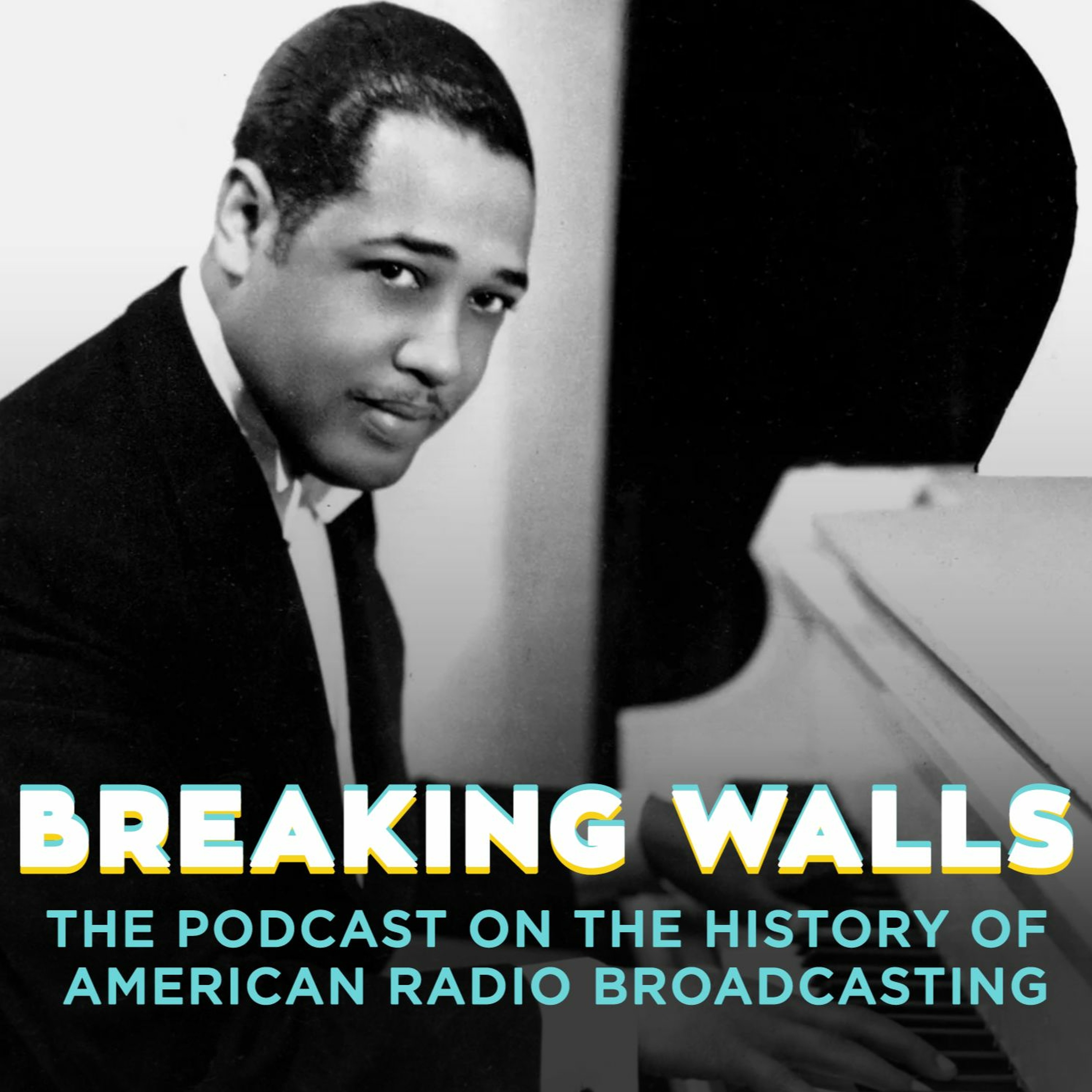
BW - EP150—012: Easter Sunday 1944—Duke Ellington At The Hurricane Night Club On Mutual
At 11:15PM over Mutual’s WOR in New York, Duke Ellington was on the air with music from The famous Hurricane Nightclub on 49th street and broadway in New York City. The next day, The British Royal Air Force dropped a record thirty-six hundred tons of bombs in a single raid on Germany, France and Belgium. On Tuesday April 11th, the Soviets took more northern territory in Crimea. German forces immediately began a withdrawal. That same day, the U.S. sunk a Japanese destroyer and a German submarine. One thing was clear as the calendar turned to mid-April, the Allies were piling up victories and the Axis powers knew they needed to do something to stem the turning tide of war. Although we know now that D-Day would happen in June, both sides knew a big invasion was coming. In the meantime, those people in midtown Manhattan could dance and drink the night away. After all, tomorrow is never guaranteed.
BW - EP150—011: Easter Sunday 1944—Bob Crosby And The Thin Man
At 10:30PM eastern time on NBC’s WEAF, The Bob Crosby Show took to the air in New York with the just-heard Les Tremayne as co-host and Shirley Mitchell as the special guest. This episode’s rating was 13.8. Earlier this evening, Shirley Mitchell played Leila Ransom on NBC’s The Great Gildersleeve. Opposite The Bob Crosby Show, The Adventures of The Thin Man took to the air on CBS. Based on the 1934 film starring William Powell and Myrna Loy, both Les Tremayne and Les Damon at times co-starred with Claudia Morgan as Nick and Nora Charles. Nick Charles was a retired private eye who just couldn’t stay away from murder. The Thin Man gave its listeners all the censor would allow. Morgan cooed invitingly: she mouthed long, drawn-out kisses and kidded Nicky-darling about his outlandish pajamas. One critic strongly objected to the “oohhs” and “aahhs” and “mmmm’s’’ during kisses. But as feminine and cozy as Claudia Morgan played Nora, LIFE noted that “she can step across pools of blood with all the calm delicacy of a lady-in-waiting.” Parker Fennelly played Sheriff Ebenezer Williams. The rating for this episode was 16.1. Roughly twelve million people tuned in.
BW - EP150—010: Easter Sunday 1944—Fred Allen Solves A Mystery & Takes Time Off For Hypertension
In the Spring of 1944, Fred Allen was finishing up his fourth season as host of The Texaco Star Theater on CBS. He’d been on the air for over a decade, but it was while he was hosting Texaco on December 6th, 1942 that Fred debuted Allen’s Alley. Allen used to read the newspaper column of O.O. McIntyre, called “Thoughts While Strolling.” McIntyre wrote about sights and sounds he’d met walking through the shabby streets of New York’s Chinatown and The Bowery. Allen felt that this kind of routine could come off very well on radio. A loud-mouth politician had possibilities. Actor Jack Smart voiced Senator Bloat. John Doe was another early character. Portrayed by John Brown, Doe was an average man squeezed by life from all angles. Alan Reed voiced Falstaff Openshaw, the poet. There was a Greek restaurant owner, an old maid, and a Russian. The segment was always launched with Portland Hoffa asking what question Alen had for the Alley occupants that week. Then they’d knock on various doors. Eventually many of these characters gave way to the most popular incarnation of the Alley with Minerva Pious’ jewish Mrs. Nussbaum, Peter Donald’s irish Ajax Cassidy, Kenny Delmare’s the Southern Senator Claghorn, and Parker Fennelly’s rural New England Titus Moody. The entire alley was allotted five minutes with laughter. Each character had seventy-five seconds for their lines. This was an issue because the program often ran overtime. It eventually caused the whole show to get cut off the air by network executives. The New York Herald-Tribune critic John Crosby later wrote that part of what made Fred's battles with censorship so difficult was that "the man assigned to review his scripts frankly admitted he didn't understand Allen's peculiar brand of humor at all." Regardless, the agency and network people couldn’t argue with Allen’s ratings. He was consistently a top-twenty show, and in April of 1944 he was being heard by more than thirteen million people. On Easter Sunday at 9:30PM New York time, his special guest was actor Reginald Gardiner. Together they presented a sketch spoofing Sherlock Holmes called Fetlock Bones. Unfortunately, the fight was getting to Fred Allen. After this season, Allen quit The Texaco Star Theater as high blood pressure forced him off the air.
BW - EP150—009: Easter Sunday 1944—Edgar Bergen And Charlie McCarthy
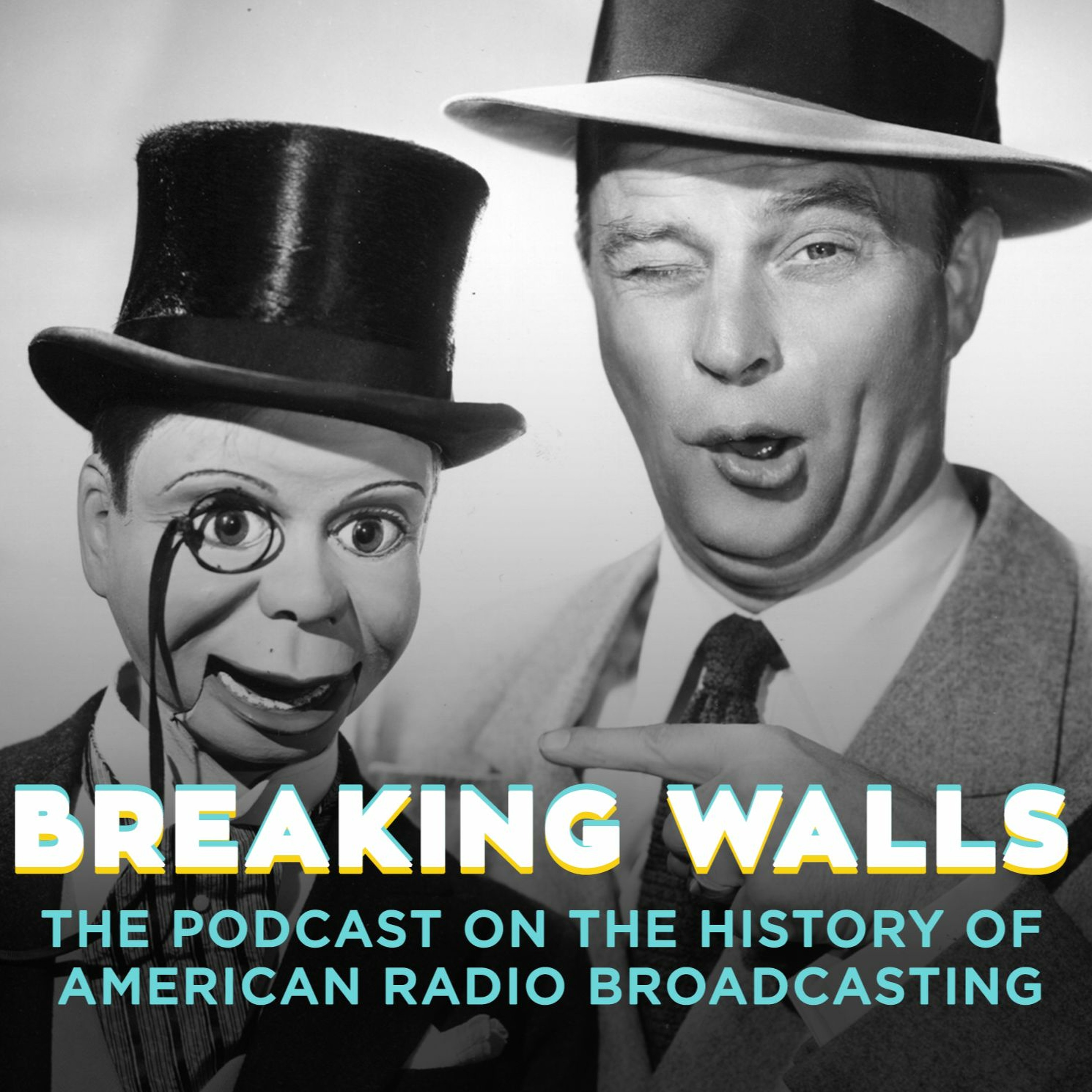
Edgar Bergen first came to the attention of American audiences on Rudy Vallée’s NBC Royal Gelatin Hour on December 17th, 1936. How could ventriloquism work on radio? Perhaps Rudy Vallée himself put it best the night Bergen debuted. Five months later NBC gave Bergen his own show on Sundays at 8PM. He was an instant smash hit. Don Ameche worked with Bergen in those years. He was emcee on December 12th, 1937 when Mae West was the guest for an innuendo heavy skit called “Adam and Eve.” Over the next six seasons his show was never rated lower than fourth. Twice it was the country’s top program. On April 9th, 1944 Bergen’s rating was 27.1. Roughly twenty million people were tuned in live, coast-to-coast from WEAF in New York at 8PM eastern and 5PM pacific over KFI. This is that entire Easter Sunday broadcast.
BW - EP150—008: Easter Sunday 1944—Jack Benny's Only Pall Mall Show & The Mysterious Traveler Rides
At 7PM eastern time over Mutual Broadcasting’s flagship WOR, The Mysterious Traveler went on the air. Written and directed by Robert Arthur and David Kogan, The Mysterious Traveler debuted on Mutual December 5th, 1943. Maurice Tarplin played the title role with a good-natured malevolence. The traveler mostly narrated from an omniscient perch. He rode a phantom train by night. The opening signature was the distant wail of a locomotive whistle, fading in gradually until the rumble of the train could be heard. David Kogan and Robert Arthur had met in Greenwich Village, New York, partnering on Mutual’s Dark Destiny. After it was canceled, they came up with the Mysterious Traveler concept and prepared three sample scripts. Norman Livingston bought it for WOR. As independent producers, they were paid a flat rate for the whole package. Any money they saved by using the same actor in multiple roles went into their own pockets, so they used the best character actors in New York. Kogan also directed the series. On Easter Sunday, episode 19, “Beware of Tomorrow,” aired just as a gloomy dusk descended upon New York. Opposite The Mysterious Traveler, The Jack Benny Program signed on live, coast-to-coast at 7PM from WEAF in New York and at 4PM from KFI in Los Angeles. By April of 1944, Benny’s writing team consisted of Sam Perrin, Milt Josefsberg, John Tackaberry, and this man, George Balzer. By the spring of 1944, General Foods had been sponsoring the program for ten years, first with Jell-O and then Grape Nuts Flakes. Benny’s ratings had quietly been slipping since 1941. At the end of this season, his contract with General Foods was up. There was tension between the two parties because Benny had helped save Jell-O from going out of business. Benny had full control of his show. NBC also guaranteed his Sunday time slot for as long as he wanted it. This position allowed Benny to sell his program to the highest bidder. George W. Hill, the President of American Tobacco, wanted Benny’s show. His chief account executive was thirty-six-year-old Pat Weaver, the future president of NBC. Benny’s management team quietly held a sealed auction for sponsorship on February 24th. A surprise winner was announced: Ruthrauff & Ryan, agency for American Tobacco’s Pall Mall cigarettes, bid twenty-five thousand dollars per-week for three thirty-five week seasons. The weekly money was payable to Benny for all payroll and production costs. They also included an additional two-hundred-thousand dollars over the three years for marketing and promotion. American Tobacco also agreed to pay for any network and carrier line charges. The advertising community was stunned. The Easter Sunday program was Pall Mall’s audition. In the end, this would be the only Jack Benny episode to have a Pall Mall commercial. Pat Weaver and George W. Hill knew no one would take Ruthrauff & Ryan’s bid for Pall Mall seriously. Had Foote, Cone & Belding, American Tobacco’s agency for its top cigarette, Lucky Strike, entered the fray, the attention would have driven up the price. The last Benny show sponsored by General Foods was June 4th, 1944. Benny took out a full page ad in Variety thanking General Foods for ten years of sponsorship. In August, he left on a three-week USO tour of Australia and the South Pacific. On August 28th, American Tobacco announced that Pall Mall’s sales didn’t justify a twenty-five thousand dollar per week expenditure. Lucky Strike would sponsor the show. The following week they announced a comprehensive, multimedia ad campaign. It was estimated to cost over a quarter million dollars. Lucky Strike would sponsor The Jack Benny Program beginning October 1st, 1944.
BW - EP150—007: Easter Sunday 1944—The Great Gildersleeve Runs For Mayor
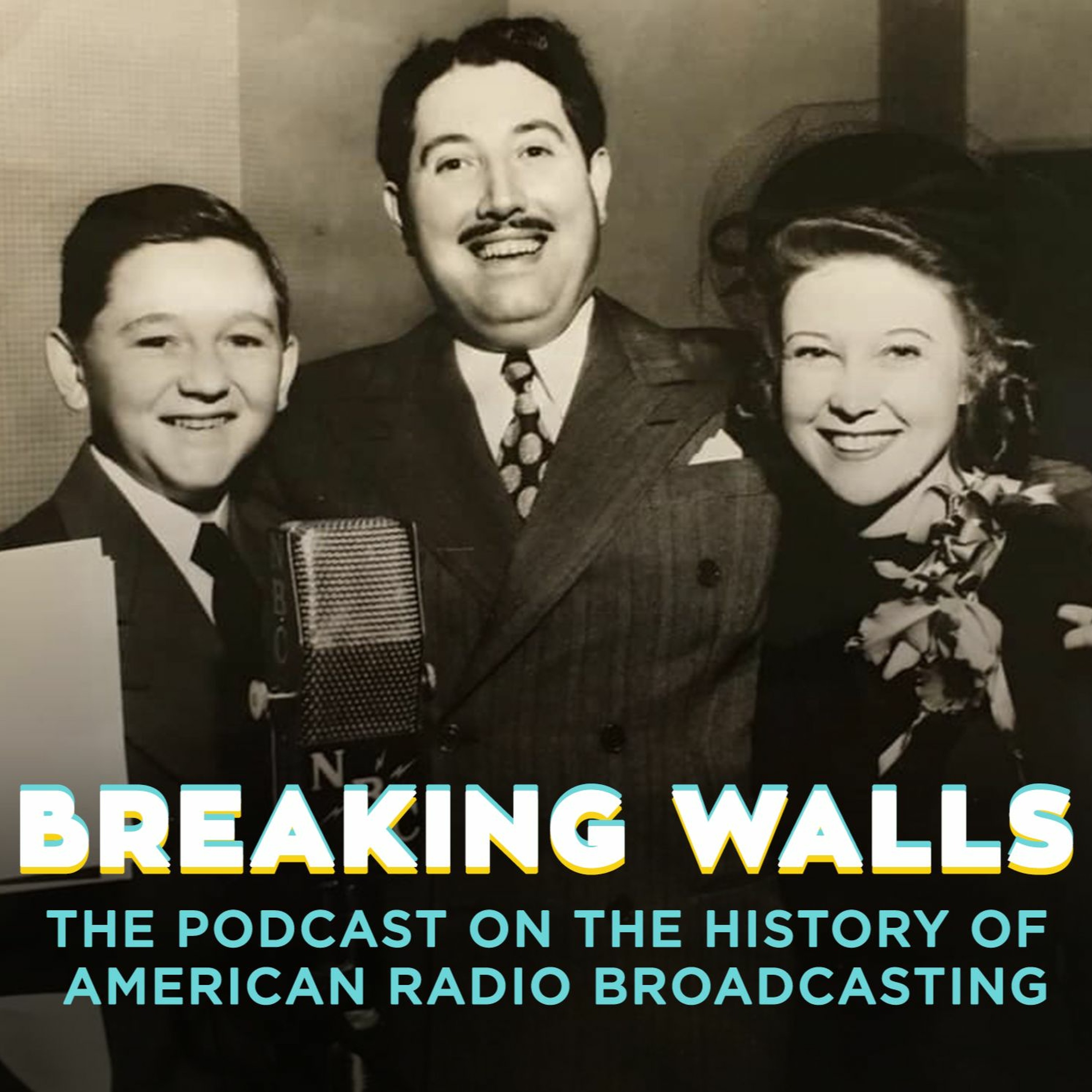
When we were last with Throckmorton P. Gildersleeve in episode 149 of Breaking Walls he was gearing up for his local mayoral campaign, while simultaneously struggling to break away from his ex-fiancé Leila Ransom, voiced by the just-heart Shirley Mitchell. On Easter Sunday, Gildy’s mayoral campaign for Summerfield officially began, and he went to church. This episode took to the air at 6:30PM eastern time over WEAF in New York. Its rating was 17.9. Nearly fourteen million people tuned in while having Easter Sunday dinner.
BW - EP150—006: Easter Sunday 1944—The Catholic Hour and The Radio Hall of Fame
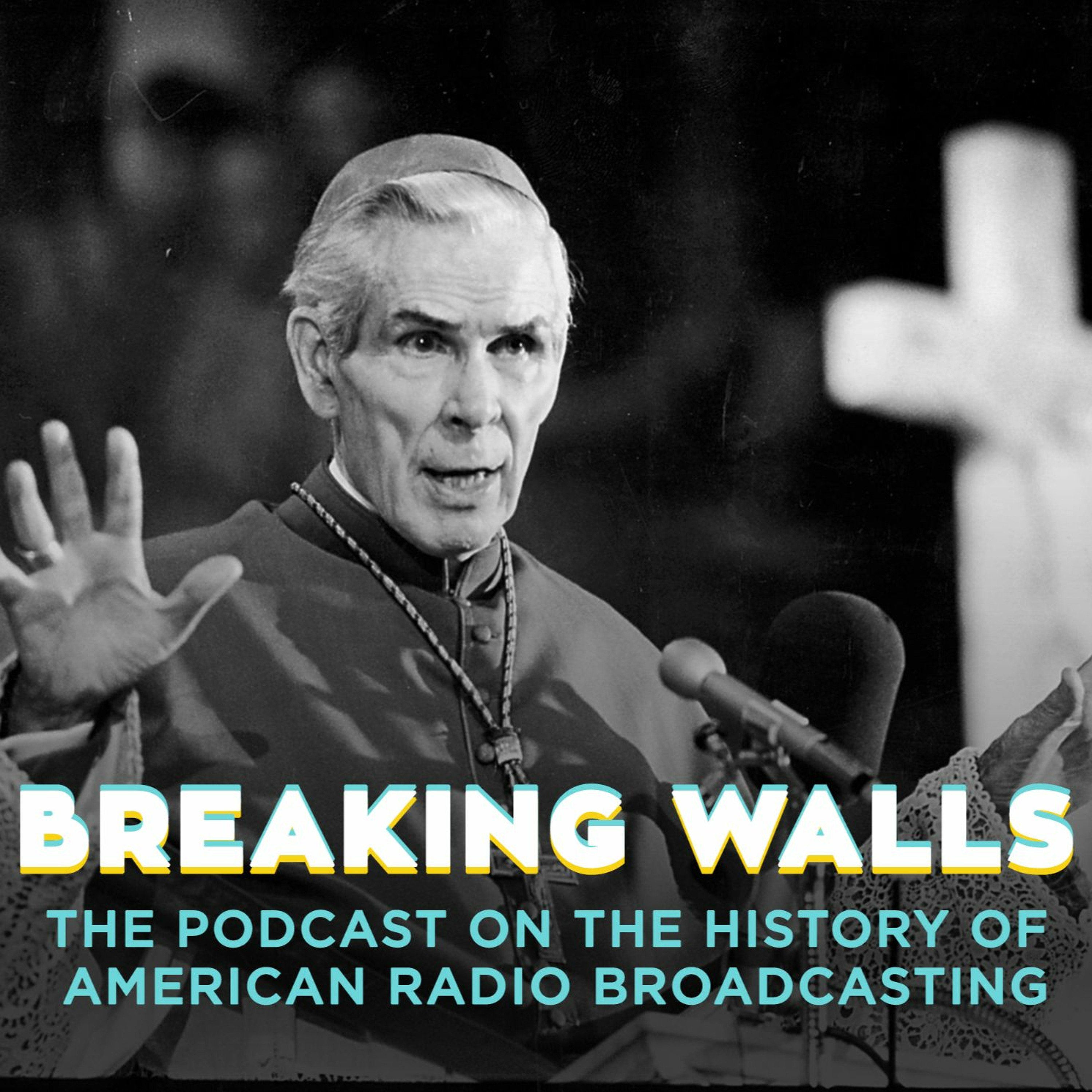
At 6PM over NBC’s WEAF, The Catholic Hour took to the air with an address from Monsignor Fulton J. Sheen. Fulton John Sheen was born on May 8th, 1895 in El Paso, Illinois. He was ordained a priest in 1919, quickly becoming a renowned theologian. He won the Cardinal Mercier Prize for International Philosophy in 1923 and went on to teach theology and philosophy at the Catholic University of America. Beginning in 1930, Father Sheen began a twenty-year run hosting The Catholic Hour on NBC before moving into TV to present Life is Worth Living and The Fulton Sheen Program. Twice winning an Emmy for Most Outstanding TV personality, he was also featured on the cover of TIME magazine. He was appointed an auxiliary bishop of the Archdiocese of New York in 1951, holding the position until 1966 when he was made Bishop of Rochester. He resigned in 1969 near his seventy-fifth birthday and would live until December 9th, 1979. In 2002, twenty-two years after his death, an official cause for canonization into sainthood was opened. Pope Benedict XVI officially recognized his life of "heroic virtues." However, his 2019 beatification was postponed after the current Bishop of Rochester expressed concern that Sheen mishandled a sexual misconduct case against a priest. Although the Diocese of Peoria countered that his handling of the case had already been thoroughly investigated, as of 2024 Fulton J. Sheen’s beatification is still postponed. Opposite The Catholic Hour, The Blue Network aired The Radio Hall of Fame on WJZ. Hosted by Deems Taylor and sponsored by Philco, The Radio Hall of Fame was conceived as a weekly Academy Award of radio through Variety Magazine, focusing on that week’s hits. When it was launched in December of 1943, there was serious questioning as to whether it was proper for Variety to be so intimately involved. How could a trade paper whose business was reviewing show business enter into its production? Ben Bodec, a fifteen-year Variety reporter quit in protest, but the show went on without a hitch. It was a glittering spectacle, stars like Fred Allen, Bob Hope, Sophie Tucker, Groucho Marx, Bing Crosby, George Burns, Gracie Allen, and the Andrews Sisters all appeared. It would air until April 28th, 1946.
BW - EP150—005: Easter Sunday 1944—The Shadow
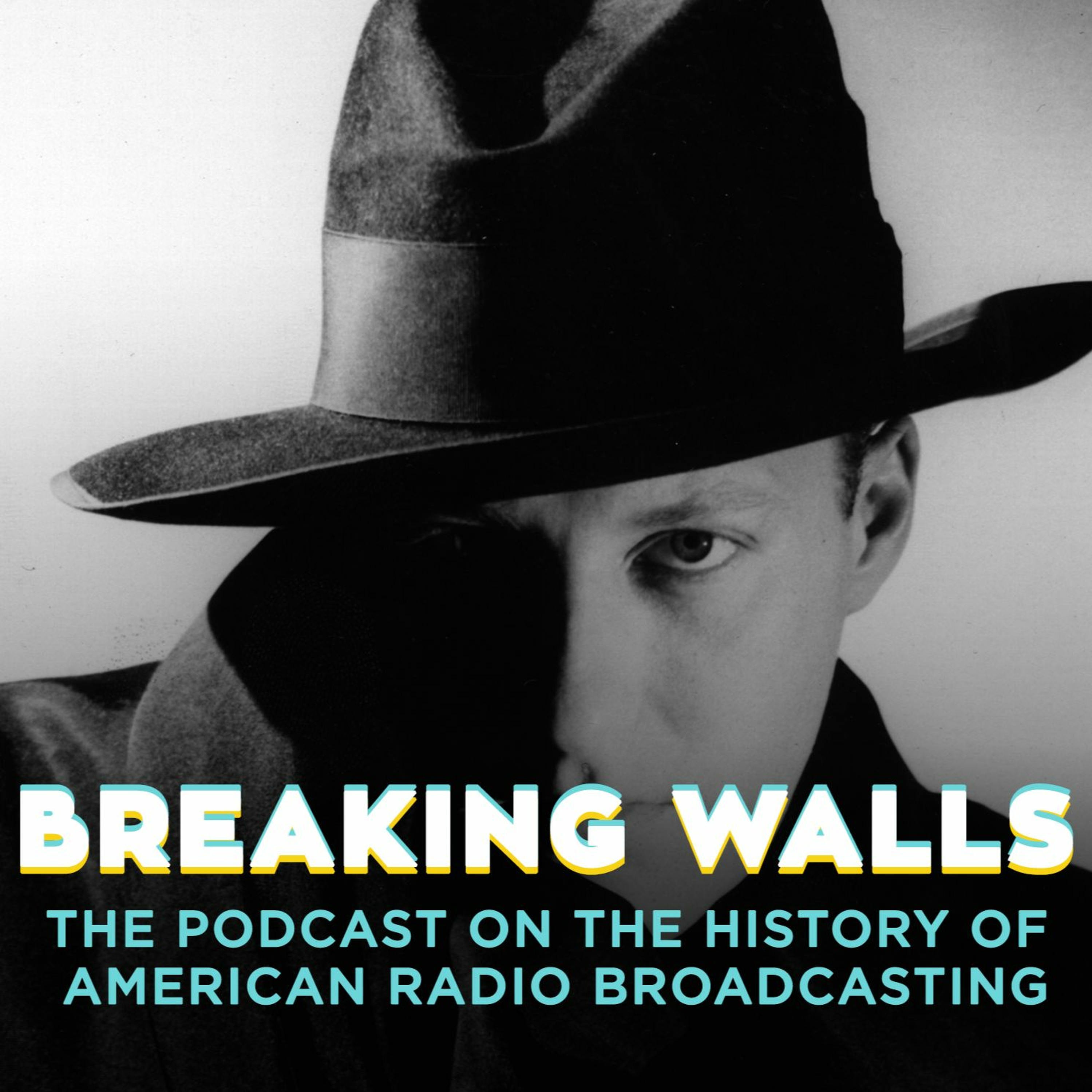
Between 4PM and 5:30 eastern war time, NBC broadcast Easter services from the Cathedral of St. John the Divine, as well as the NBC symphony with Arturo Toscanini. CBS broadcast Orchestra music and The Family Hour. The Blue Network aired Music and the Mary Small Revue. Mutual Broadcasting’s flagship WOR aired Abe Lincoln’s Story and Green Valley, U.S.A.. At 5:30, Mutual’s most popular program took to the air. It was their only show in the top-50 and the highest-rated weekend daytime program on the air. Pulling a rating that month of 14.1, roughly eleven million people tuned it. Sponsored by Blue Coal, It starred the just-heard Brett Morrison. The show? None other than The Shadow. In this particular episode, an evil fiend uses an experimental Television device to see anything he wishes remotely. The Shadow’s powers of mesmer don’t affect a TV screen. This fiend therefore finds out the true identity of the Shadow.
BW - EP150—004: Easter Sunday 1944—Bulldog Drummond
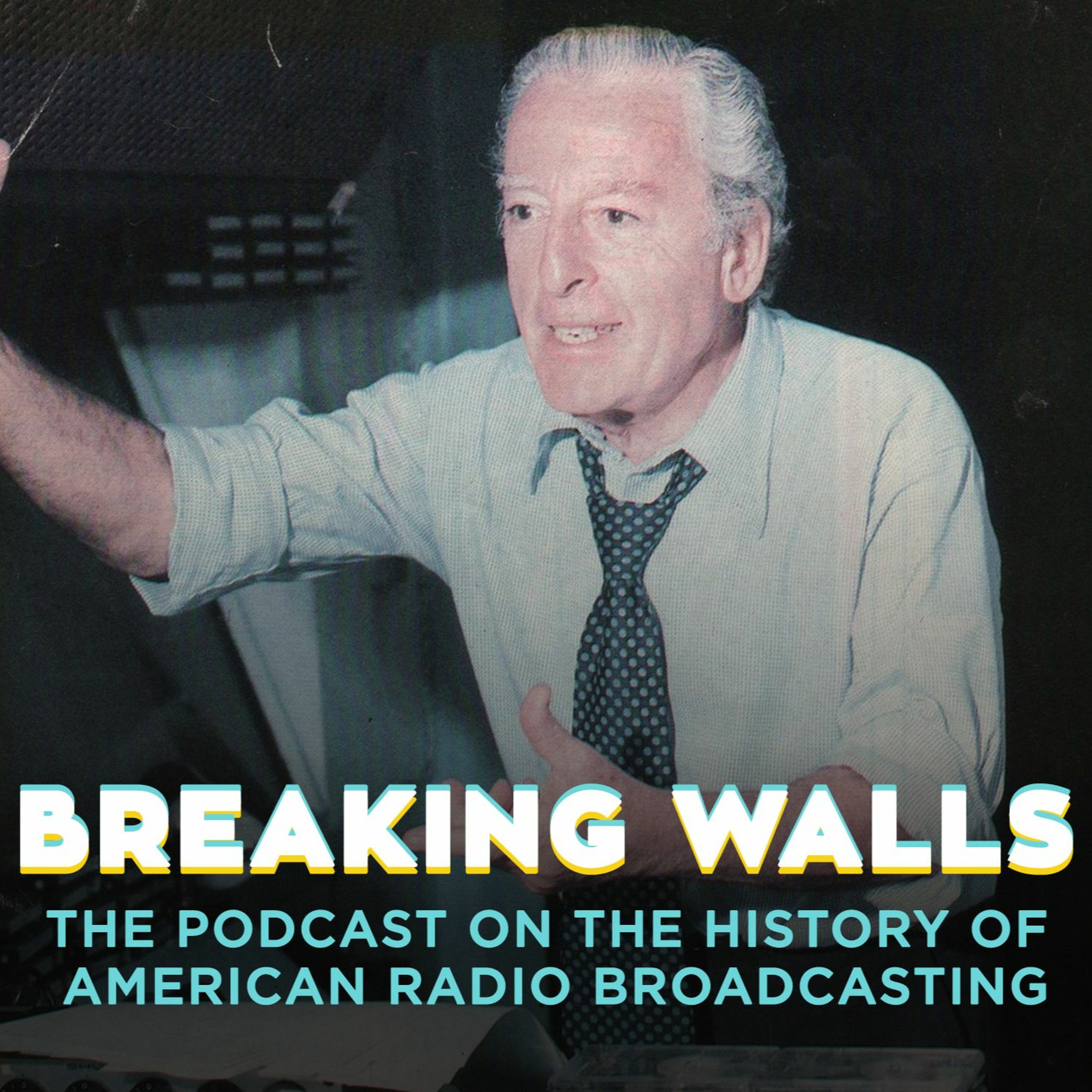
At 3:30PM over Mutual’s WOR in New York, Bulldog Drummond took to the air. It was directed by the just-heard Himan Brown. It starred Santos Ortega, known as Sandy to his friends. Jackson Beck was the announcer. Bulldog Drummond was a British inspector popularized in the Paramount detective films of the 1930s. It was first broadcast April 13th, 1941. It spent its entire nearly eight year run on the Mutual Broadcasting System. Opposite Bulldog Drummond, WEAF ran The Army Hour, while WJZ aired Hot Copy.
BW - EP150—003: Easter Sunday 1944—The Life Of Riley With William Bendix
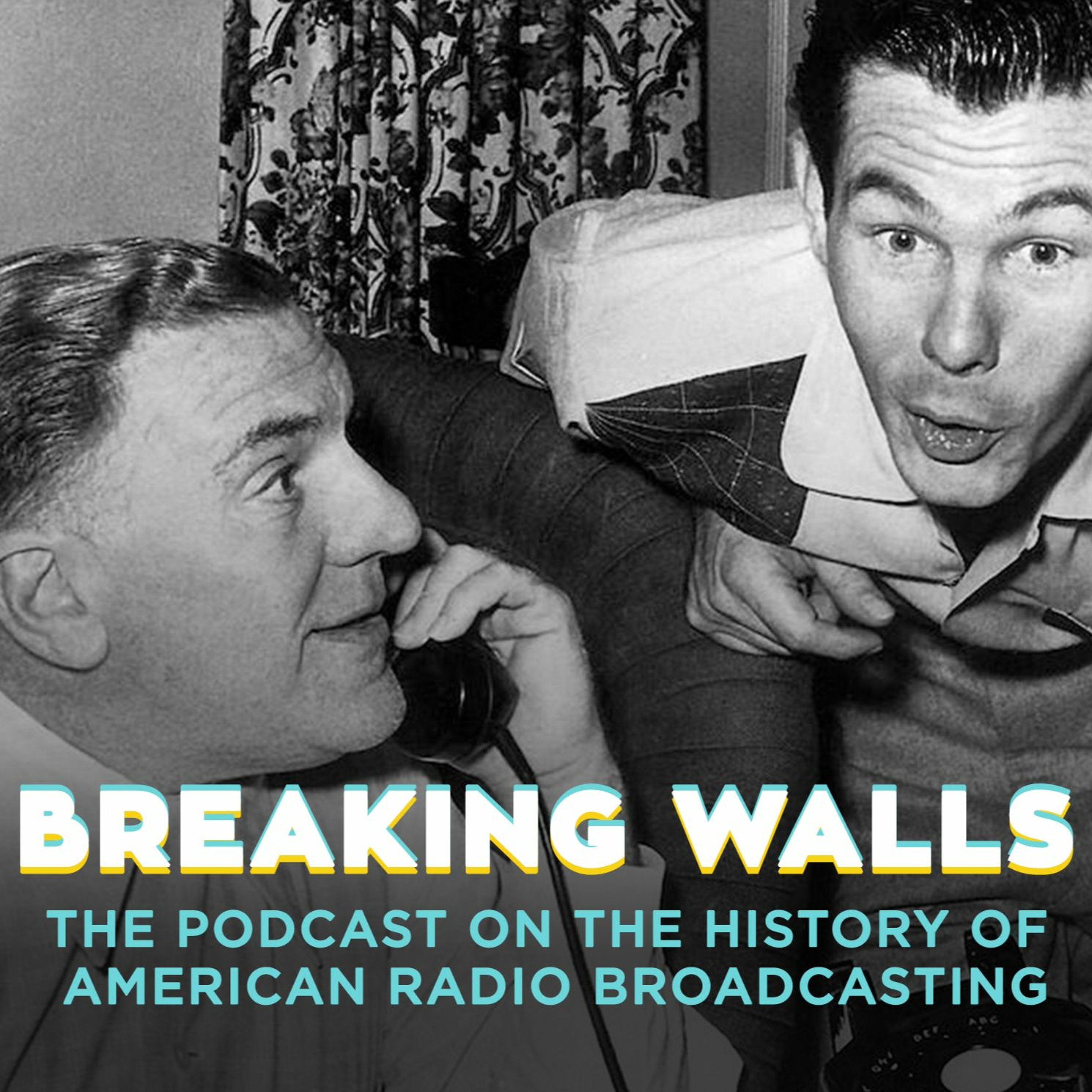
The man you just heard was radio legend Hans Conreid, known as one of the most versatile actors of the 20th century. He could adroitly handle comedy, variety, or serious drama while speaking any dialect convincingly. On April 9th 1944 at 3PM eastern time over WJZ and at 12PM pacific time on KECA, Conreid was busy playing Uncle Baxter on The Life of Riley. Created by Irving Brecher, the best-known incarnation of The Life of Riley came to the air Sunday January 16th, 1944 at 3PM eastern time over The Blue Network. It starred William Bendix as Chester A. Riley and was sponsored by The American Meat Institute. Riley was easily exasperated, but difficult to defeat. The difficulty increased by degrees with the flimsiness of Riley’s cause. Bendix came out of the New Jersey Federal Theater project, a latecomer to the profession, beginning at thirty when the grocery store he was running went out of business. His film career began in 1942. He was often the hooligan with the heart of gold. Riley was his most famous character. It co-starred the previously heard Hans Conreid as Uncle Baxter with John Brown as both Riley’s friend Gillis and the undertaker, Digger O’Dell. Paula Winslowe was Riley’s long-suffering wife Peg. Sharon Douglas was Babs and Conrad Binyon played Junior. The Life of Riley proved popular enough that in June it was moved to Sundays at 10PM. Beginning in the fall of 1945 it moved to NBC where it was a mainstay for six seasons. It peaked in 1947-48 with a rating of 20.1, good for fourteenth overall that year. A TV version debuted in October of 1949, first with Jackie Gleason as Riley and later with William Bendix playing the familiar role for five years.
BW - EP150—002: Easter Sunday 1944—Ceiling Unlimited With Joseph Cotten
Between 12 and 2PM, news, religious, and war programming filled the radio dial. Standouts included the Salt Lake City Tabernacle Choir and Organ at noon on CBS, Soldiers of the Press at 12:30 on Mutual, and The Chicago Roundtable at 1:30 on NBC. Ceiling Unlimited began as a series of informative dramas by Orson Welles in November 1942. It was sponsored by Lockheed Vega Aircrafts and showcased aviation's role in World War II. Welles walked out in February 1943 after a blowup with one of the ad agency men. Author James Hilton took over. It became a Hollywood variety series in August 1943. Joseph Cotten hosted with Patrick McGeehan as announcer and both Connie Moore and Nan Wynn providing vocals arranged by Wilbur Hatch. This Easter episode took to the air at 2:00PM, from WABC, which at that time were still the call letters for CBS’ New York City Affiliate. The Blue Network’s New York flagship, WJZ aired Chaplain Jim U.S.A., while WEAF aired a play called “Those We Love.”

BW - EP150—001: Easter Sunday 1944—Cracks In the Nazi Foundation and Invitation To Learning
Saturday April 8th, 1944. New York City. It’s a rainy day before Easter and World War II news is dominating consciousness. There are cracks in Germany’s foundation. On Tuesday April 4th, allied surveillance aircrafts photographed the Auschwitz concentration camp. Knowing this, the Nazis will spend the next four months using the gas chambers and incinerators to their full capacity. Twenty-thousand people could be murdered each day. The Germans have lost five u-boats in three days on both fronts while simultaneously facing heavy fighting against the Soviets in Ukraine. They’ve been repeatedly forced to retreat. On Good Friday, April 7th, Adolph Hitler suspended all law in Berlin and made Joseph Goebbels the sole administrator of the city. On this day, April 8th, The Battle of the Tennis Court began in Burma, while Soviet forces invaded Romania. At the same time, U.S. bombers shelled Brunswick. The early 1944 Bombings of German cities gave German citizens their first hard evidence that the tide of the war had turned. And everyone in Europe knew a full scale Allied western invasion was coming. Amidst the gloom, at 1:45PM from WEAF in New York, John McVane took to the air with NBC’s War Telescope looking at both war news and peacetime negotiation. Saturday’s New York Daily News reported on the U.S. navy’s recent sinking of forty-six Japanese ships, while they shot down more than two hundred planes in a three day period. Inflation hadn’t risen in an entire year, as Americans looked forward to international air travel after the war. It made for an interesting Easter Sunday forecast. ___________ It’s 11:30AM on a rainy Easter Sunday, April 9th, 1944 in New York. We’re taking a ride inside a 1942 Oldsmobile B44 coupe. There have been no new automobiles manufactured in the U.S. since February 1942. All resources have been put towards the war effort. We’ve just switched on the radio to CBS’s New York affiliate. Invitation To Learning is about to air. First taking to the air on May 26th, 1940, it was chaired by Lyman Bryson with a rotating panel. Based on a class at St. John’s College in Annapolis, Invitation To Learning was developed at the suggestion of Stringfellow Barr, school president, who also served on the CBS Adult Education board. By exploring classic literature, Barr contended that radio could be a keynote in liberal education. Three or four people had a spontaneous discussion about a particular book. For twenty-four years and more than twelve-hundred episodes, the show sparked as much debate amongst listeners and rival networks as the programs themselves. Notable guests included Norman Corwin, John Houseman, Eva LeGallienne, Herbert Hoover,, Hans Conried, and Lillian Gish. Opposite on NBC’s WEAF was a commentary from Don Hollenbeck, while Mutual’s WOR broadcast an Easter Sunrise Service from the Hollywood Bowl, and The Blue Network’s WJZ broadcast The Hour of Faith.
BW - EP149: March 1944 With The Great Gildersleeve
In Breaking Walls episode 149 we’ll spend March of 1944 with Hal Peary and The Great Gildersleeve. —————————— Highlights: • The Men And Women On The Front Lines of War War II in March 1944 • Hal Peary and the Birth of Gildersleeve on Fibber McGee and Molly • The First Ever Sitcom Spin Off and The Great Gildersleeve Premieres • Registering To Vote • Mid March 1944 News with NBC War Telescope • Gildy Wants to Run For Mayor • The Campaign Photo • A Night In A Foxhole • Looking Ahead to Easter Sunday 1944 —————————— The WallBreakers: http://thewallbreakers.com Subscribe to Breaking Walls everywhere you get your podcasts. To support the show: http://patreon.com/TheWallBreakers —————————— The reading material used in today’s episode was: • On The Air — By John Dunning • Network Radio Ratings — By Jim Ramsburg As well as articles from: • Broadcasting Magazine • The Library of Congress • The New York Times • Radio Daily —————————— On the interview front: • Ken Carpenter, Alice Faye, Shirley Mitchell, Frank Nelson, Hal Peary, Lilian Randolph and Lurene Tuttle spoke with Chuck Schaden. Hear these chats at Speakingofradio.com. • Shirley Mitchell also spoke with Jim Bohannon in 1987. • Howard Duff spoke to Dick Bertel and Ed Corcoran for WTIC’s The Golden Age of Radio. Hear these interviews at Goldenage-WTIC.org • Don Quinn spoke with Owen Cunningham —————————— Selected music featured in today’s episode was: • Besame Mucho — By Jimmy Dorsey and His Orchestra • Danse Macabre — By Camille Saint-Saëns —————————— A special thank you to Ted Davenport, Jerry Haendiges, and Gordon Skene. For Ted go to RadioMemories.com, for Jerry, visit OTRSite.com, and for Gordon, please go to PastDaily.com. —————————— Thank you to: Tony Adams Steven Allmon Orson Orsen Chandler Phil Erickson Gerrit Lane Jessica Hanna Perri Harper Thomas M. Joyce Ryan Kramer Earl Millard Gary Mollica Barry Nadler Christian Neuhaus Ray Shaw Filipe A Silva John Williams Jim W. —————————— WallBreakers Links: Patreon - patreon.com/thewallbreakers Social Media - @TheWallBreakers

TRAILER: The Peoples Recorder
This is the trailer for The People's Recorder (https://www.peoplesrecorder.info/). Brought to you by the award-winning Spark Media, The People's Recorder is a national podcast on the 1930s Federal Writers' Project: what it achieved, where it fell short, and what it means for Americans today. The Federal Writers' Project employed thousands of out-of-work writers across the country to document American life during a national disaster -- the Great Depression -- and “hold a mirror up to America.” What they produced was a series of state and city guidebooks and life-story interviews and recordings with everyday Americans. In creating the nation’s first self-portrait, they sparked questions about how we document history and whose stories get told. The People's Recorder takes you on a journey with the people who lived it. We explore the Project’s legacy, what it achieved, where it fell short, and what it means for Americans today. The first season of 10 episodes will take listeners on a wild ride across the country: undercover Black historians behind the frontlines of the Jim Crow South, documentarians of the Gulf Coast’s cultures, champions of indigenous history in the Midwest, and gurus of migration in the West. Episodes will drop monthly with bonus material released between each episode. You can subscribe and download anywhere you'd get a podcast.
Please Subscribe (For Free) To Breaking Walls on Youtube (Link in Notes)
Hey everybody James Scully here, host of Breaking Walls. If you've been listening to this show for years on this RSS feed, I want you to know that you can also subscribe to the show on Youtube — https://www.youtube.com/@thewallbreakersllc. I'm asking people who listen here on the RSS feed to subscribe on Youtube because Youtube offers the easiest path to monetizing this show. I'm going to be fully transparent right now: There have been times in the history of this podcast that via RSS feed, Breaking Walls has had as many as 27000 - 30000 monthly downloads, but even with that, it's very hard to monetize the show via traditional podcast channels. However, I've been able to clear the monetization hurdles on Youtube, so please subscribe there. If you happen to listen on a computer or on a phone, I would appreciate if you listened via Youtube. I'm also going into Youtube and slowly uploading all shows from Breaking Walls' archive in individual podcast playlists on Youtube. This way, everything that for years now has fallen off the RSS feed here doesn't matter. You can get all those archived shows FREE OF CHARGE on Youtube. Your listening for free will enable me to earn money, and I'd appreciate that very much. So once again — https://www.youtube.com/@thewallbreakersllc Keep getting out there, keep breaking those walls, and I'll catch you on the flip side.
BW - EP149—006: March 1944 With The Great Gildersleeve—A Night In A Foxhole
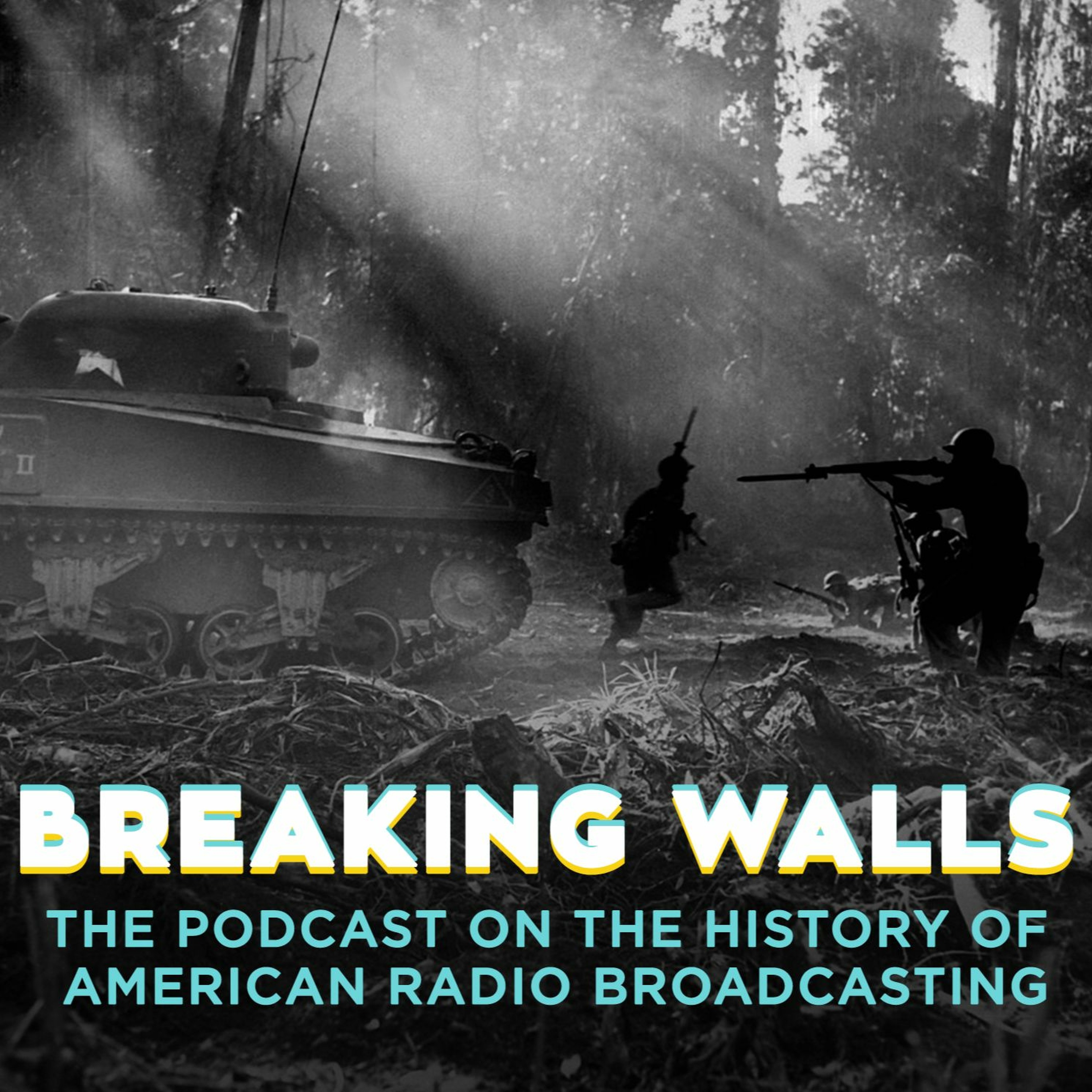
On Sunday, March 19th, 1944 Germany forcefully occupied Hungary to prevent the country from making a separate peace agreement with the Soviet Union. Within two days, German authorities forced all Jewish businesses to close, sending hundreds to internment camps. On March 20th, The Battle of Sangshak began in Manipur, India, while U.S. Marines landed on Emirau as part of Operation Cartwheel. The next day they linked with Australian troops on New Guinea's Huon Peninsula. On Wednesday March 22nd, the US OSS began Operation Ginny II, intending to cut German lines of communication in Italy, but once again failed when the team landed in the wrong place and were captured. Volcanic rock of all sizes from Mount Vesuvius began raining down from the sky, forcing massive evacuations. German soldiers killed several civilians in Montaldo, Italy who were part of an Italian resistance group. The next day the group planted a bomb, killing thirty-three SS members in Rome. The Nazis swiftly retaliated, killing three-hundred-thirty-five people accused of helping the cause. Meanwhile, allied forces withdrew from Monte Cassino and the offensive was called off in favor of Operation Strangle, a series of air maneuvers aimed to cut German supplies from the Italian front. That Friday, March 24th, 1944, the Mutual Broadcasting System broadcast a special recording made by marine Technical Sergeants Fred Welker and Keene Hepburn. During the early part of the war Dr. Harold Spivack, Chief of the Music Division of the Library of Congress, and Brigadier General Robert Denig, wartime director of Marine Corps public information, formulated a plan to give a few Marines recording devices to take into the field so the public at large would understand what these men were experiencing. Recordings began in late 1943.
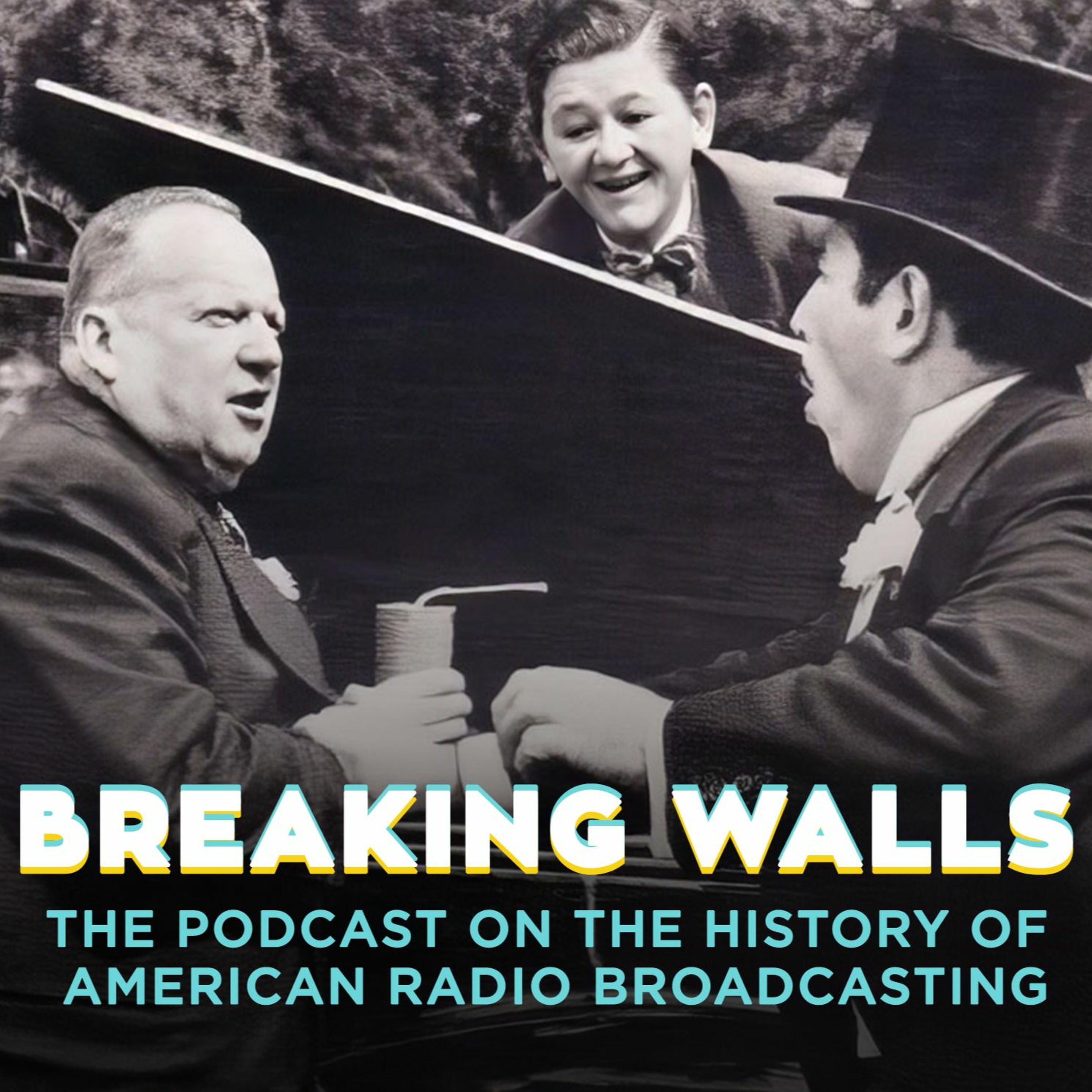
BW - EP149—005: March 1944 With The Great Gildersleeve—The Campaign Photo, 03/26/1944
By Sunday March 26th, 1944, with Easter only two weeks away, Gildy had decided to run for mayor. Naturally, he needed a good campaign photo to go with it. By this time, Peary had become a film star, starring as Gildersleeve in both shorts and feature-length films.
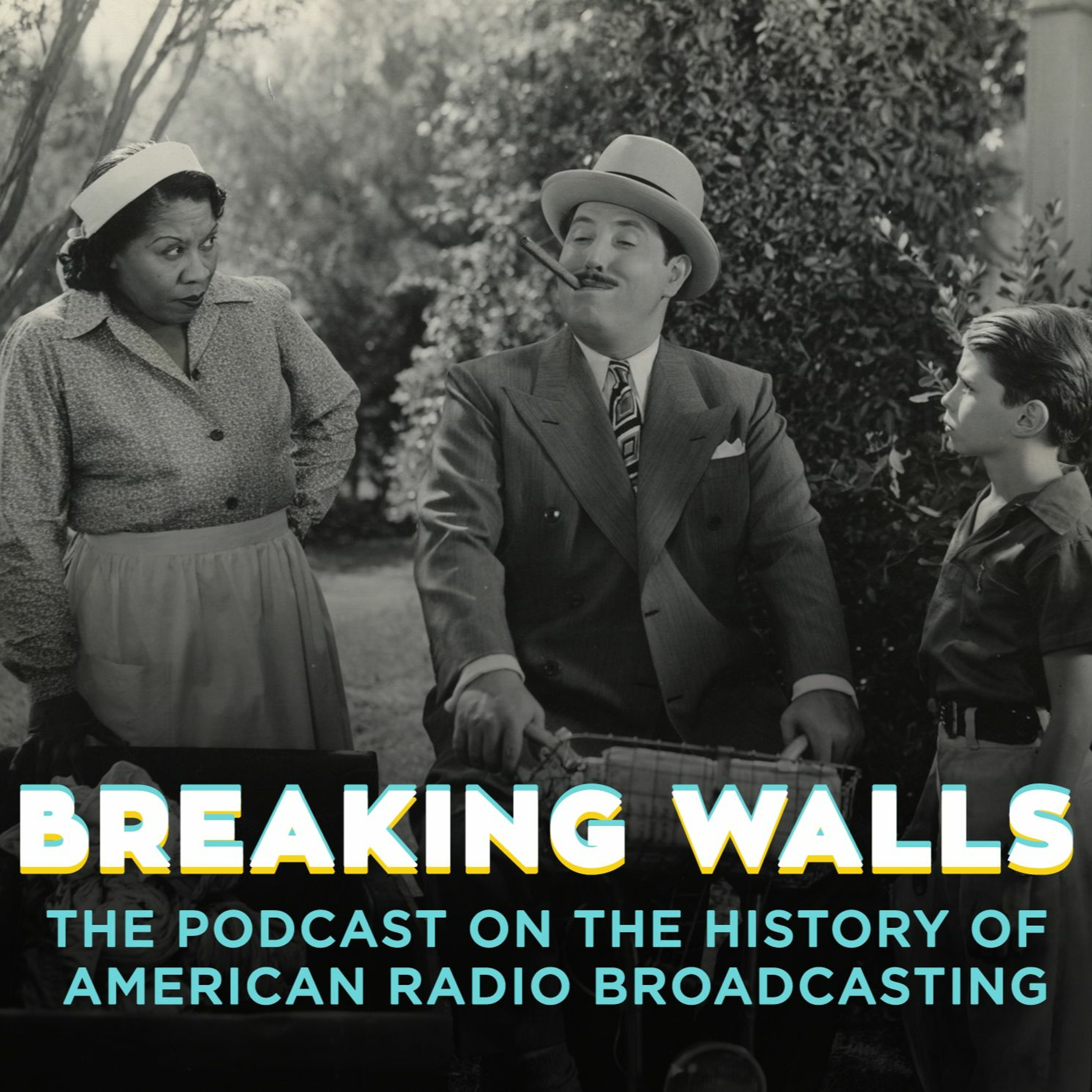
BW - EP149—004: March 1944 With The Great Gildersleeve—Gildy Wants To Run For Mayor
As the first day of Spring approached, Gildersleeve contemplated running for Mayor of Summerfield on March 19th. Shirley Mitchell voiced Leila Ransom. Ken Carpenter, by then a famous announcer, was the Kraft spokesperson.
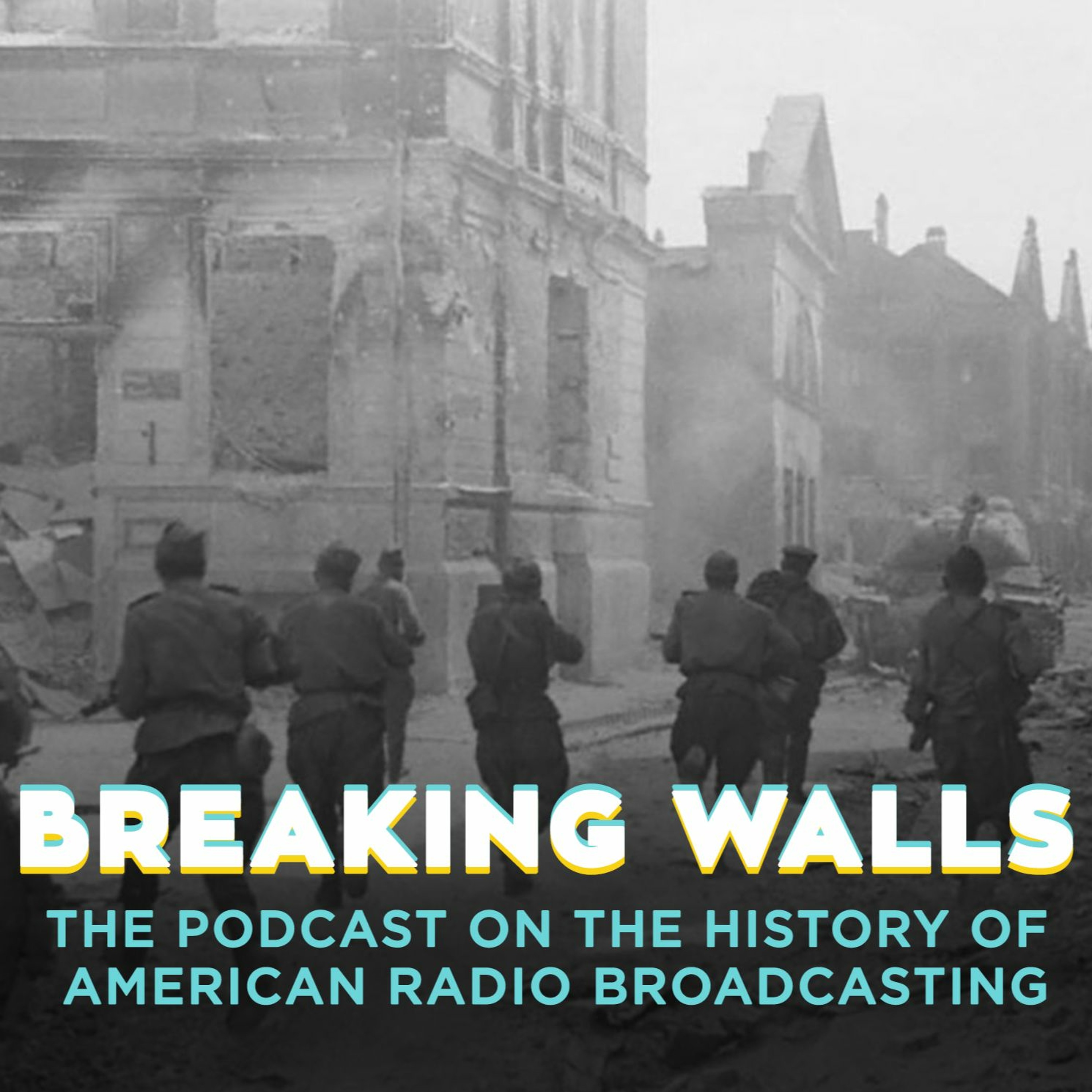
BW - EP149—003: March 1944 With The Great Gildersleeve—Mid-March News With NBC's War Telescope
On Wednesday March 15th, 1944 during battle, the allies dropped nearly one-thousand tons of bombs and two hundred thousand rounds of artillery on the Monte Cassino Monastery, while trying to storm the building. They were unable to dislodge the Germans. The allies were having more success sinking submarines. Over the next forty-eight hours Allied forces sank one Japanese and three German subs. On Thursday at a National Advisory Committee for Aeronautics seminar in Washington, D.C., NACA personnel suggested a jet-propelled airplane be developed. On Friday the 17th Mount Vesuvius erupted, destroying nearly ninety American aircraft and displacing twelve-thousand italians, while Soviet forces took Dubno and Zhmerynka. The Soviets were set to begin their third Narva Offensive on Saturday as German soldiers began massacring people in both Romania and Italy. The Germans were facing heavy bombing at home, and all of Europe knew an allied invasion was coming. NBC’s War Telescope took to the air over WEAF in New York at 1:45PM.
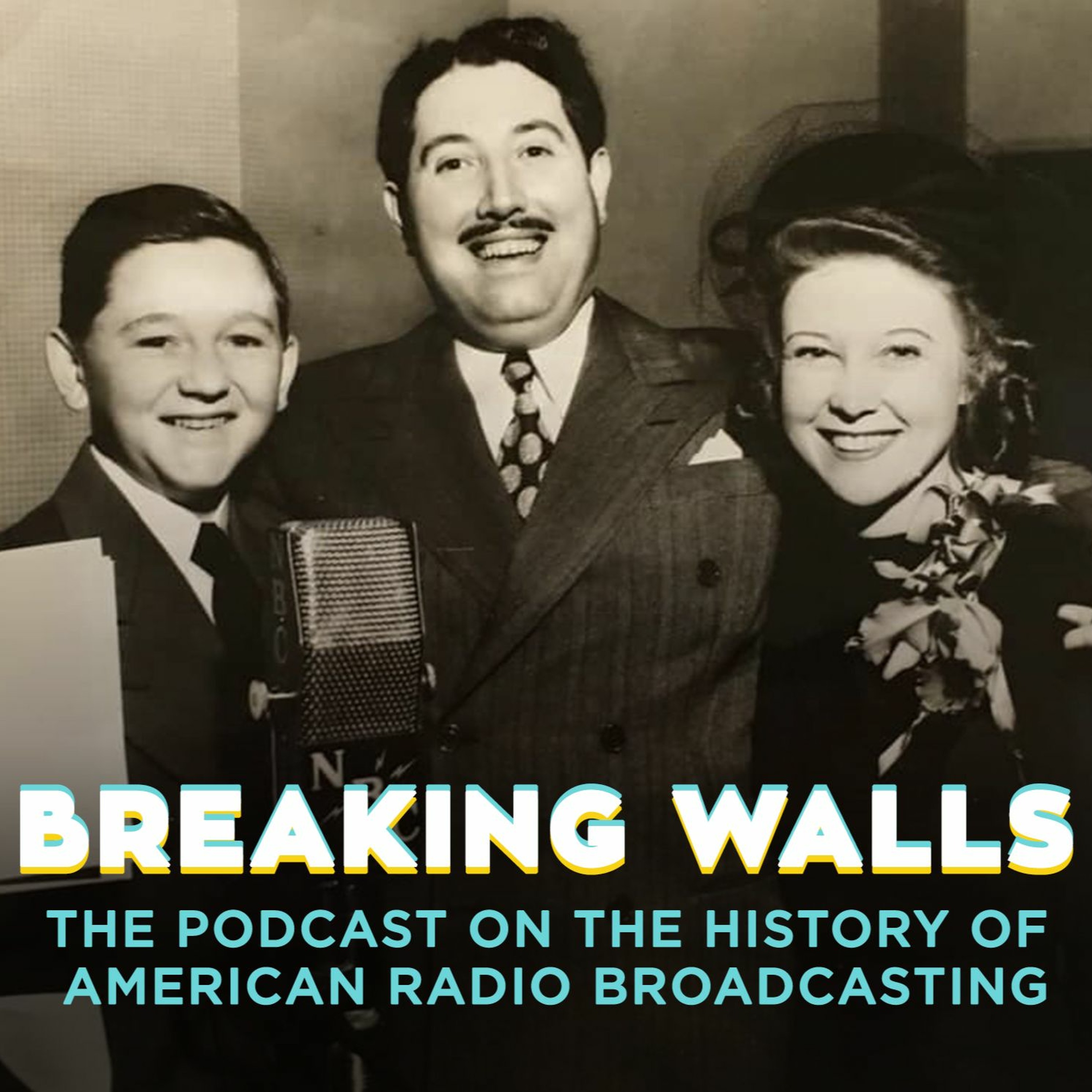
BW - EP149—002: March 1944 with The Great Gildersleeve—Registering To Vote
By December of 1941 The Great Gildersleeve was such a hit that Kraft ordered thirteen weeks of repeats for eight more west-coast NBC stations to air Thursdays at 6:30PM beginning in January. The program would now air on sixty total NBC stations. Summerfield was a pleasant slice of rural Americana. Most of the action took place in an eight-block area. There was a city park with an old-fashioned bandstand and a large reservoir that would soon come to play a major role. On October 18th, 1942 Gildersleeve would be appointed water commissioner, beginning an illustrious career that might be described as doing nothing at all. The Great Gildersleeve’s rating cracked the top fifty in the first year. It rose to twenty-fourth in 1943, and by November it was pulling an 18.1. In the middle of March 1944 it was up to 19 points, good for fifth overall on Sundays. On March 12th at 6:30PM eastern time, The Great Gildersleeve took to the air with an episode on the importance of registering to vote. In his early twenties, Walter Tetley was already a radio veteran, having worked on The Children’s Hour, The Fred Allen Show, Raising Junior, and many other programs. As Leroy, he was a perfect deflater of Gildy’s tender ego. "Are you kiddin’?” he would snarl, bringing out the inevitable Gildersleeve retort—“Leee-eee-roy!” To Leroy, Gildy was simply “Unk,” a guy whose performance was usually out-stripped by his intentions. "What a character!” Leroy would bleat as he caught his uncle in the fib of the week. He later worked with Phil Harris and Alice Faye. By 1944, then thirty-seven, Lurene Tuttle was one of the most versatile actresses on the air, capable of playing any part that required any age, and almost any dialect. Lilian Randolph played Birdie Lee Coggins, housekeeper and voice of reason. Of note, this recording came courtesy of the Armed Forces Radio Service. At this time, Howard Duff, still an unknown actor, was working for the AFRS and recutting many shows to get them on the air for enlisted servicemen around the world.
BW - EP149—001: March 1944 with The Great Gildersleeve—The First Ever Comedy Sitcom Spin Off
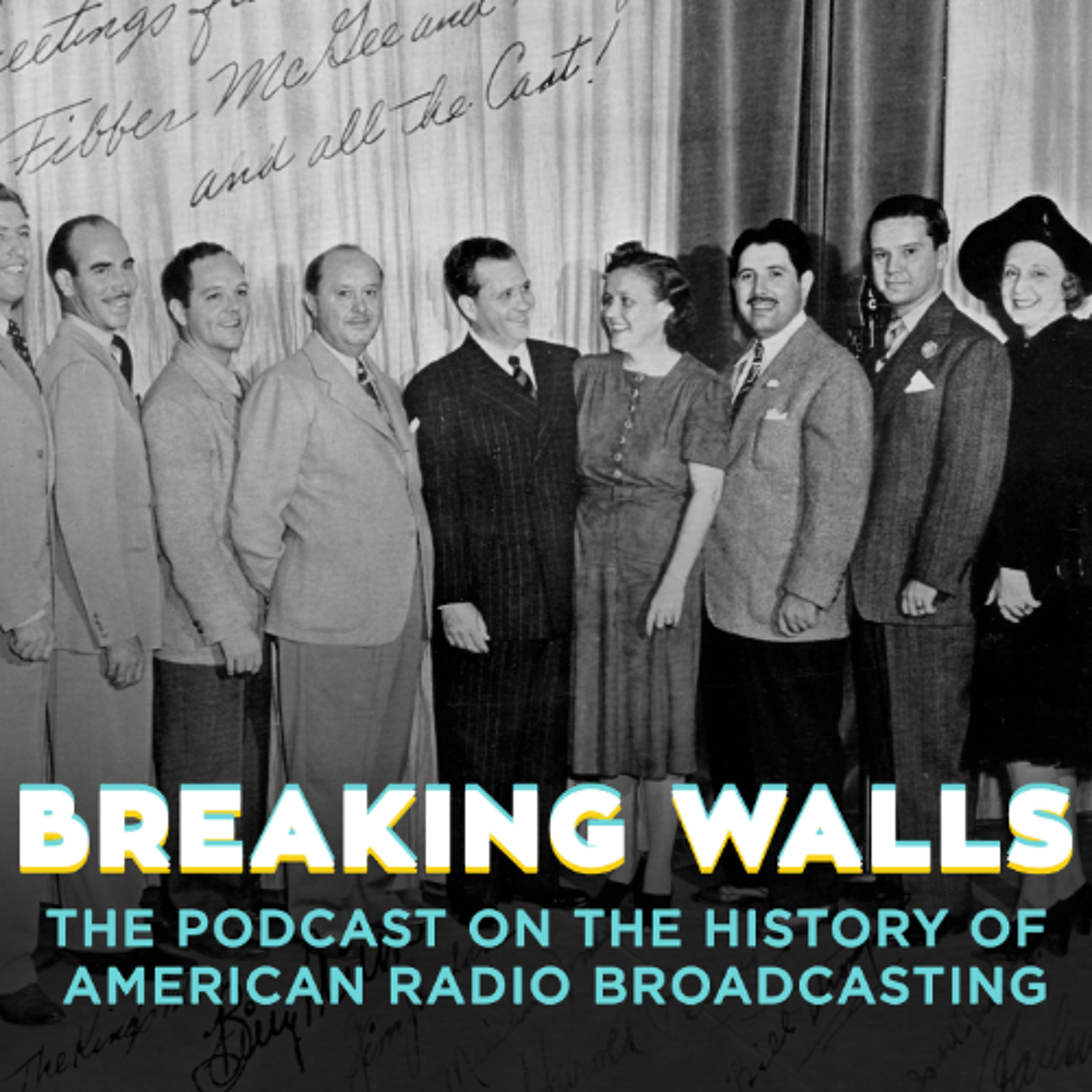
Hal Peary was born Harrold José de Faria to Portuguese parents on July 25th, 1908. He was fourteen when, in January of 1923, he made his radio debut on KZM in Oakland. By the late 1920s he was working for NBC in San Francisco. Migrating to Chicago in 1937, he soon became one of radio’s insiders, gaining a reputation as a top utility man. In 1937 he joined the cast of Fibber McGee and Molly playing every kind of bit part imaginable. In the late 1930s, Peary approached McGee’s head writer Don Quinn with an idea for a recurring role. He wanted to play a pompous windbag who himself ran the biggest bluff in Wistful Vista. He thought it would be the perfect foil for McGee. Quinn was the kind of man who innately understood how to write for radio. For Quinn it was simply a matter of creating Throckmorton Gildersleeve, moving him to 83 Wistful Vista, and letting the fur fly. Throckmorton P. Gildersleeve’s first appearance was on September 26th, 1939. Quinn knew the value of sarcasm in comedy. It was also later revealed that Gildersleeve’s middle name was “Philharmonic.” By 1941 the character proved so popular that it was decided to spin Gildersleeve off into its own show. An audition was recorded on May 16th. Peary’s last regular appearance on Fibber McGee and Molly was on June 24th in a memorable scene. McGee and Molly are headed to Hollywood for the summer. Oddly enough by the time they got back, it was Gildersleeve who’d permanently departed from Wistful Vista. Tragically, Gildersleeve’s sister and brother-in-law were killed in a car accident and he needed to go to Summerfield to oversee their estate and raise his orphaned niece and nephew, Marjorie and Leroy Forrester. He left on August 8th, 1941, creating with him a new American concept: the sitcom spinoff. The show premiered at 2:30PM Pacific Time over KFI in Los Angeles, and at 6:30PM Eastern Time over WEAF in New York. Kraft would sponsor the series. They signed on for thirty-nine weeks over twenty-eight NBC Red Network stations. Gildersleeve’s first head writer was Leonard Levinson. The character’s long-running feud with Judge Hooker began right from this first train ride. Music was done by William Randolph’s orchestra. Cecil Underwood produced the show and Jim Bannon announced. Radio legend Frank Nelson, then on twenty-nine, provided multiple supporting parts in this episode. Walter Tetley played Leroy and Lurene Tuttle played Marjorie.