Breaking Walls
510 episodes — Page 3 of 11
BW - EP156—004: Halloween 1944—The Hour Of Charm
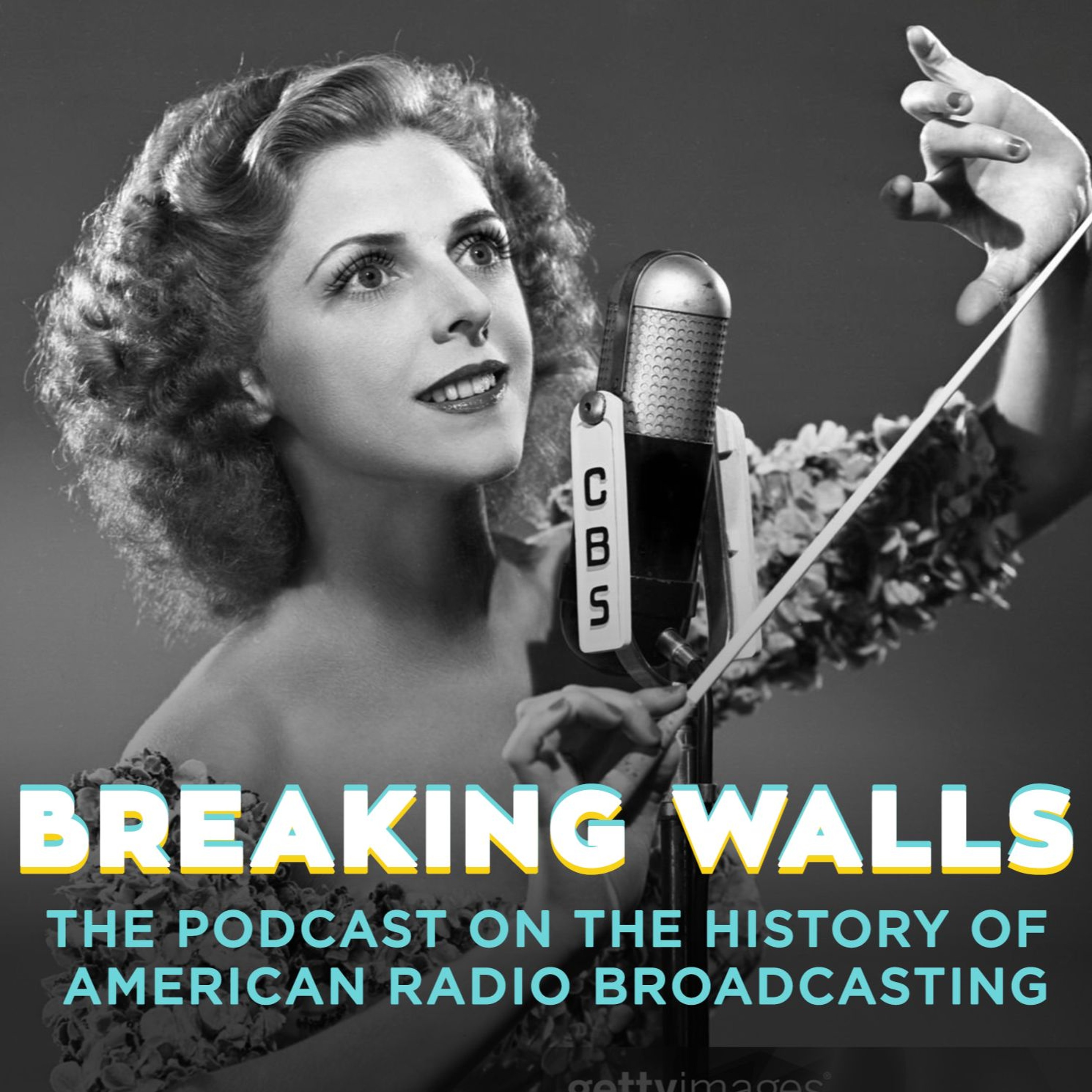
Support Breaking Walls at https://www.patreon.com/thewallbreakers The Hour of Charm, radio’s “most-celebrated all-girl orchestra” first took to the air on May 18th, 1934 over CBS. In the fall of 1944 it was airing on NBC for General Electric, Sundays at 10PM eastern time. The brainchild of Phil Spitalny, The Spitalnys had a deep musical heritage. Immigrants from Russia, they had settled in Cleveland, where Phil Spitalny and his brother Leopold played in local bands. By the time Phil was 30, Spitalny had directed a 50-piece symphony orchestra in Boston, had led bands in theaters, on radio, and in recording sessions, and had just completed a successful world tour. The Hour of Charm’s featured player was Evelyn Kaye Klein, billed as “Evelyn and Her Magic Violin.” The orchestra specialized in familiar music, played in a style described by Spitalny as a cross between popular and symphonic. All of the girls sang in chorus, some solo, and all were proficient on more than one instrument. Jan Baker could play a dozen instruments; she took on the tuba and mastered it when Spitalny could find no woman to play it even after a nationwide search. Spitalny’s hiring practices were influenced by voice and good looks, but musicianship was always his first consideration. “No performer is hired who can’t give a finished rendition of two sonatas and two concetti, who hasn’t the individual gifts of rhythm and melodic perception, who can’t read music fluently, and who hasn’t had a good deal of experience,” said his 1940 Current Biography entry. He was also looking for “sweetness and charm,” and it is doubtful that any other orchestra has ever been so stringently governed. The girls were not allowed to marry: they signed contracts to that effect, agreeing to stay single for two years. They wore uniform attire, with the exception of the three principals, Evelyn, Vivien, and Maxine. They wore evening gowns, with no jewelry, their hair styled in “long, soft bobs.” No one would weigh more than 122 pounds. Curbs were enforced on personal behavior, with Evelyn in charge of backstage disputes and Spitalny handling such professional matters as musical arrangements, themes, and dress. “Associations in the all-girl orchestra are much like sorority life,” wrote Evelyn in a 1942 Radio Life article. A committee of five was formed to pass judgment on all offstage matters, including dating. “Whenever a girl wants to go out, she goes to the committee and says, ‘I want a date with Mr. So-and-So.’ They ask her who the man is, what he does, and for references. If he passes muster, she gets her date. But if the committee feels that it would hurt the orchestra for a member to be seen with that man, the engagement doesn’t materialize.” Spitalny staunchly defended the musicianship of all his girls, and he once bet bandleader Abe Lyman $1,000 that they could outplay Lyman’s all-male group. The women had professional pride, said Spitalny: they didn’t have problems with alcohol, and, when the war broke out, his was the only band in the land that didn’t have trouble with the draft. He continued lecturing newcomers about the need to be good; they had to be better than their male counterparts to be taken seriously. If a man muffed a note, nobody cared; if a woman did, the attitude was “well, what can you expect?” The show opened and closed with hymns, especially during the war. The opening theme was “The American Hymn of Liberty,” the closer, often a favored hymn of someone in the service. This gave the show a serious, almost solemn air. The closing signature blended out of the theme and into the song We Must Be Vigilant, sung by the orchestra to the tune of American Patrol. Spitalny married Evelyn in June 1946. They lived in Miami, where Spitalny died in 1970.
BW - EP156—003: Halloween 1944—In a Haunted House with William Bendix on The Life of Riley
Support Breaking Walls at https://www.patreon.com/thewallbreakers Created by Irving Brecher, the best-known incarnation of The Life of Riley came to the air Sunday January 16th, 1944 at 3PM eastern time over The Blue Network. It starred William Bendix as Chester A. Riley and was sponsored by The American Meat Institute. Riley was easily exasperated, but difficult to defeat. The difficulty increased by degrees with the flimsiness of Riley’s cause. Bendix was born on January 14th, 1906 in Manhattan, New York. He came out of the New Jersey Federal Theater project, a latecomer to the profession, beginning at thirty when the grocery store he was running went out of business. His film career began in 1942. He was often the hooligan with the heart of gold. Riley was his most famous character. It co-starred the previously heard Hans Conreid as Uncle Baxter with John Brown as both Riley’s friend Gillis and the undertaker, Digger O’Dell. Paula Winslowe was Riley’s long-suffering wife Peg. Sharon Douglas was Babs and Conrad Binyon played Junior. The Life of Riley proved popular enough that in June of 1944 it was moved to Sundays at 10PM. When the series returned for the fall, its October 1944 rating was 4.7. On Sunday, October 29th, 1944 Junior was dared by his friends to visit the haunted Sherman house. He ropes Riley into going with him. Jeanette Nolan guest-stars on the show as Mrs. Sherman, who isn’t a ghost, but is in fact a widow who lost her husband in the War and became a shut-in afterwards. Beginning in the fall of 1945 it moved to NBC where it was a mainstay for six seasons. It peaked in 1947-48 with a rating of 20.1, good for fourteenth overall that year. A TV version debuted in October of 1949, first with Jackie Gleason as Riley and later with William Bendix playing the familiar role for five years.
BW - EP156—002: Halloween 1944—Bergen and McCarthy with Orson Welles
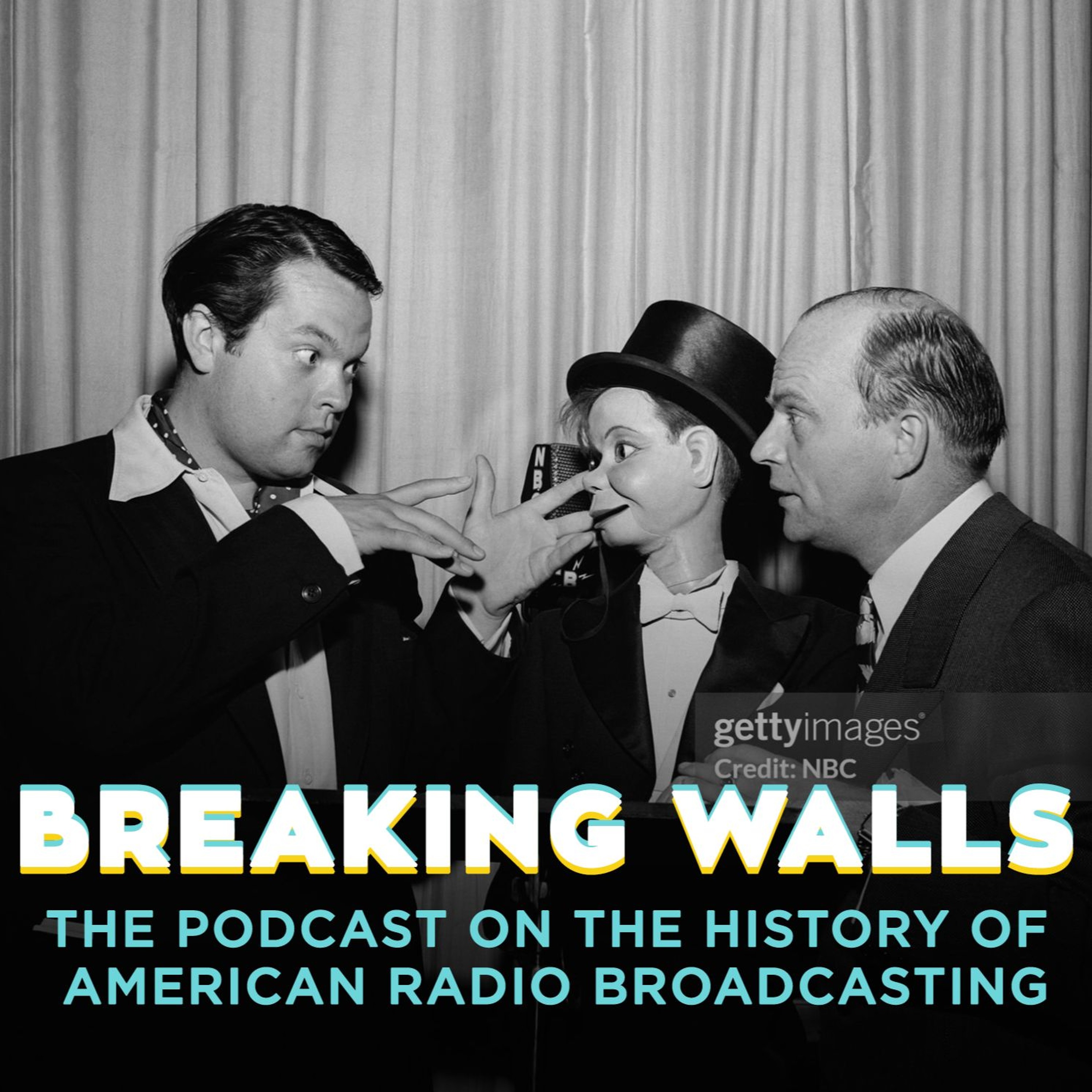
Support Breaking Walls at https://www.patreon.com/thewallbreakers Edgar Bergen came to the attention of American audiences on Rudy Vallée’s NBC Royal Gelatin Hour on December 17th, 1936. Five months later NBC gave Bergen his own show Sundays at 8PM. He was an instant smash hit. Don Ameche worked with Bergen in those years. He was emcee on December 12th, 1937 when Mae West was the guest for an innuendo heavy skit called “Adam and Eve.” Over the next six seasons his show was never rated lower than fourth. Twice it was the country’s top program. In October of 1944 Bergen’s rating was 22.5. Roughly eighteen million people tuned in on October 29th when the guest was Orson Welles for the first of back-to-back appearances on the show.
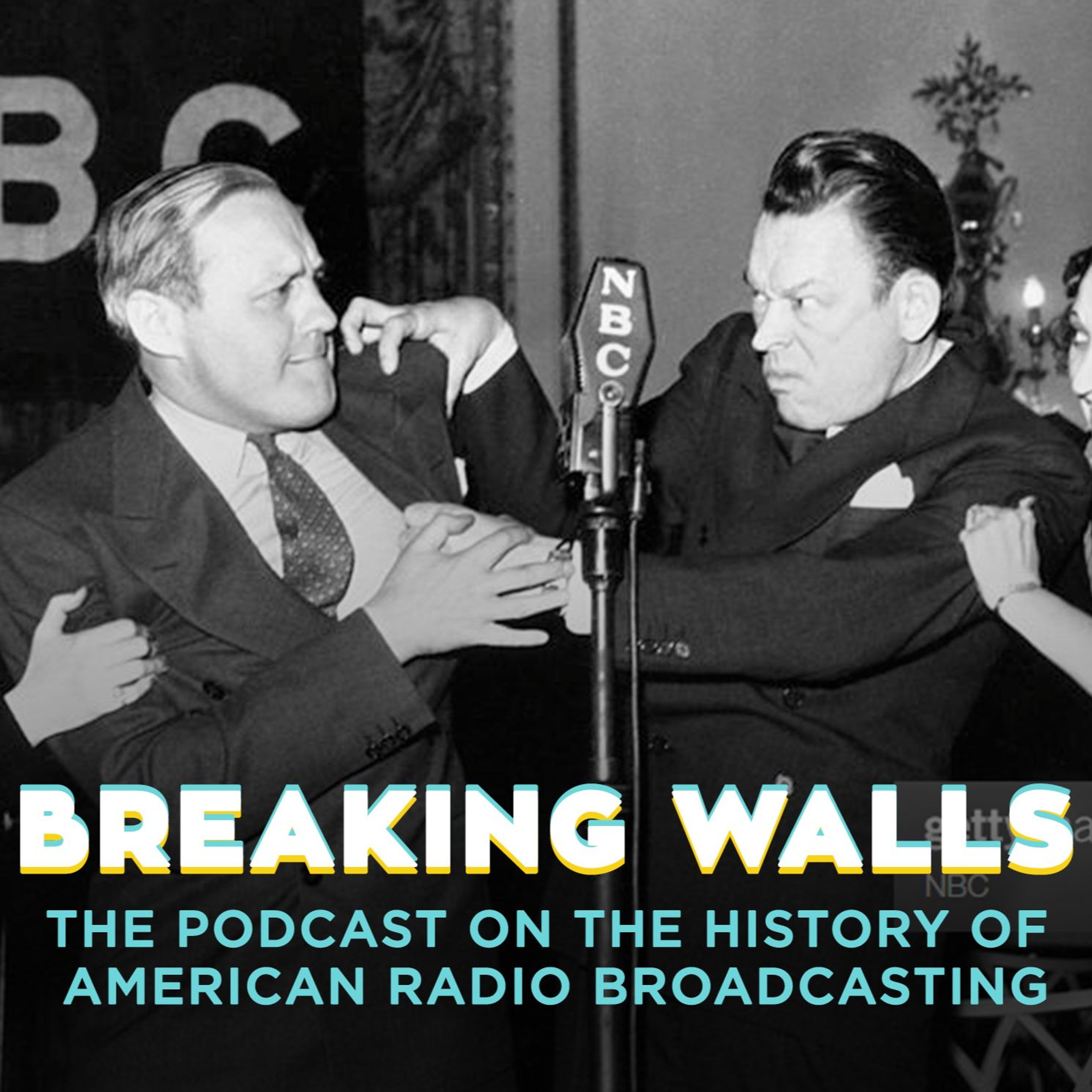
BW - EP156—001: Halloween 1944—Jack Benny and Fred Allen Rekindle Their Feud
Support Breaking Walls at https://www.patreon.com/thewallbreakers On the October 29th, 1944 episode of The Jack Benny Program, an Allen's Alley spoof rekindles Benny's love/hate relationship with Fred Allen. This episode had a rating of 19.8. Roughly sixteen million people tuned in.
BW - EP155—013: New York And The 1944 Radio World—Taking A Break From The Treadmill
Support Breaking Walls at https://www.patreon.com/thewallbreakers Well, we’re back where we started, but we’re not the same. I mentioned at the beginning of this episode that when you run on the treadmill to oblivion, you don’t always go where you want, but you get in shape doing it. When I began Breaking Walls ten years ago I envisioned it as a sit-down interview show. Over time it slowly morphed into on the scene reporting, and eventually a history of U.S. Network Radio Broadcasting. When I made this programming switch permanent in February of 2018 I didn’t know how long I’d be able to keep it up. In many ways these documentaries have been a means of teaching myself the business of broadcasting in order to use the past to inform the present. They’ve also been about teaching myself how to be a good writer, sound designer, and narrator. My life has undergone many changes in the past six and a half years. I now have paid work in the world of audio thanks to Breaking Walls. This paid work is encroaching upon my time and honestly, it’s paid. It needs to be a priority. This is a long-winded way of saying that I need to take a break from the treadmill. So, for the next three months Breaking Walls is undergoing a change. Don’t worry! I’m still going to put out new content. You’ll still see an episode 156 of Breaking Walls, which, incidentally, will feature shows from Halloween 1944. Rather than contain my narration and sound design as one giant documentary, they’ll be standalone radio shows with the usual information written into the description of each track. I’m also going to continue to post the Breaking Walls archives to Youtube, and post additional content on Patreon.com/TheWallBreakers. On Patreon the next episode will drop early as one giant playlist of shows. I’ve been on the fence about how and when to pause. Eighty months is a long time to run on any treadmill without a break. Given that this was the tenth anniversary of the launch of Breaking Walls, I feel like it’s a good time to give myself that break. You never know, when you close one door — even temporarily like this is — what good things can come in through a window or a side. My plan is to come back to documentary-style episodes of Breaking Walls on January 1st, 2025. (Half Pause) The reading material used in today’s episode was: • On The Air — By John Dunning • Gleason's Second Honeymoon — By Pete Hammil • The Great One: The Life and Legend of Jackie Gleason — By William A. Henry • Network Radio Ratings — By Jim Ramsburg As well as articles and features from • Broadcasting Magazine • Ephemeral New York • The Library of Congress • Naval History and Heritage Command • The New York Times • The Sydney Morning Herald (Half Pause) On the interview front: • Don Ameche spoke with Chuck Schaden. Hear this full chat at Speakingofradio.com. • Mel Allen and Edgar Bergen spoke to Dick Bertel and Ed Corcoran for WTIC’s The Golden Age of Radio. Hear these interviews at Goldenage-WTIC.org • Norman Corwin spoke with John Dunning for his 71KNUS program from Denver. • Bob Hope spoke with Dick Cavett • Gene Tierney spoke with Mike Douglas • Fred Allen spoke with Tex McCrary and Jinx Falkenburg (Half Pause) I’d like to thank Chuck Schaden, the late Dick Bertel, the late John Dunning, and SPERDVAC. Without these people and their tremendous work I’d never have been able to do a single episode of Breaking Walls. I’d also like to thank Dr. Joseph Webb for opening the door for me into this world.
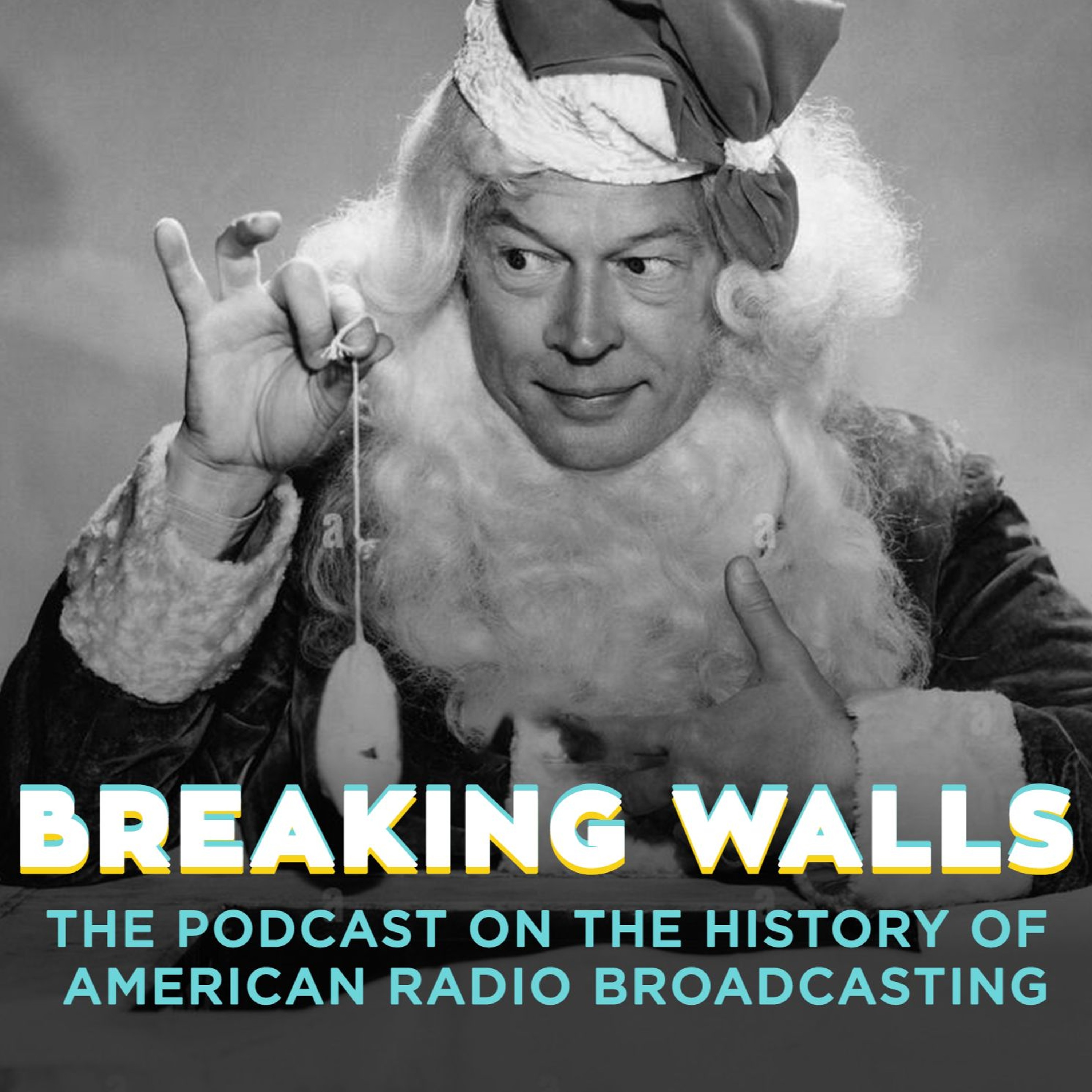
BW - EP155—012: New York And The 1944 Radio World—Fred Allen Christmas Night on Information Please
Support Breaking Walls at https://www.patreon.com/thewallbreakers On Christmas night, 1944, Fred Allen was one of the guests on Information Please when the show aired on NBC at 9:30PM. The Christmas broadcast came from the St. Albans Naval Hospital in Queens. The hospital was commissioned in 1943 on the site of a golf course. At its peak it housed more than forty-five hundred patients. After the war, the hospital workload increased, but in the spring of 1973, the Navy decommissioned the hospital and turned it over to the Veterans’ Administration. More recently it evolved into the Veterans Administration St. Albans Primary and Extended Care Facility. A portion of the hospital site became Roy Wilkins Park in the 1980s.
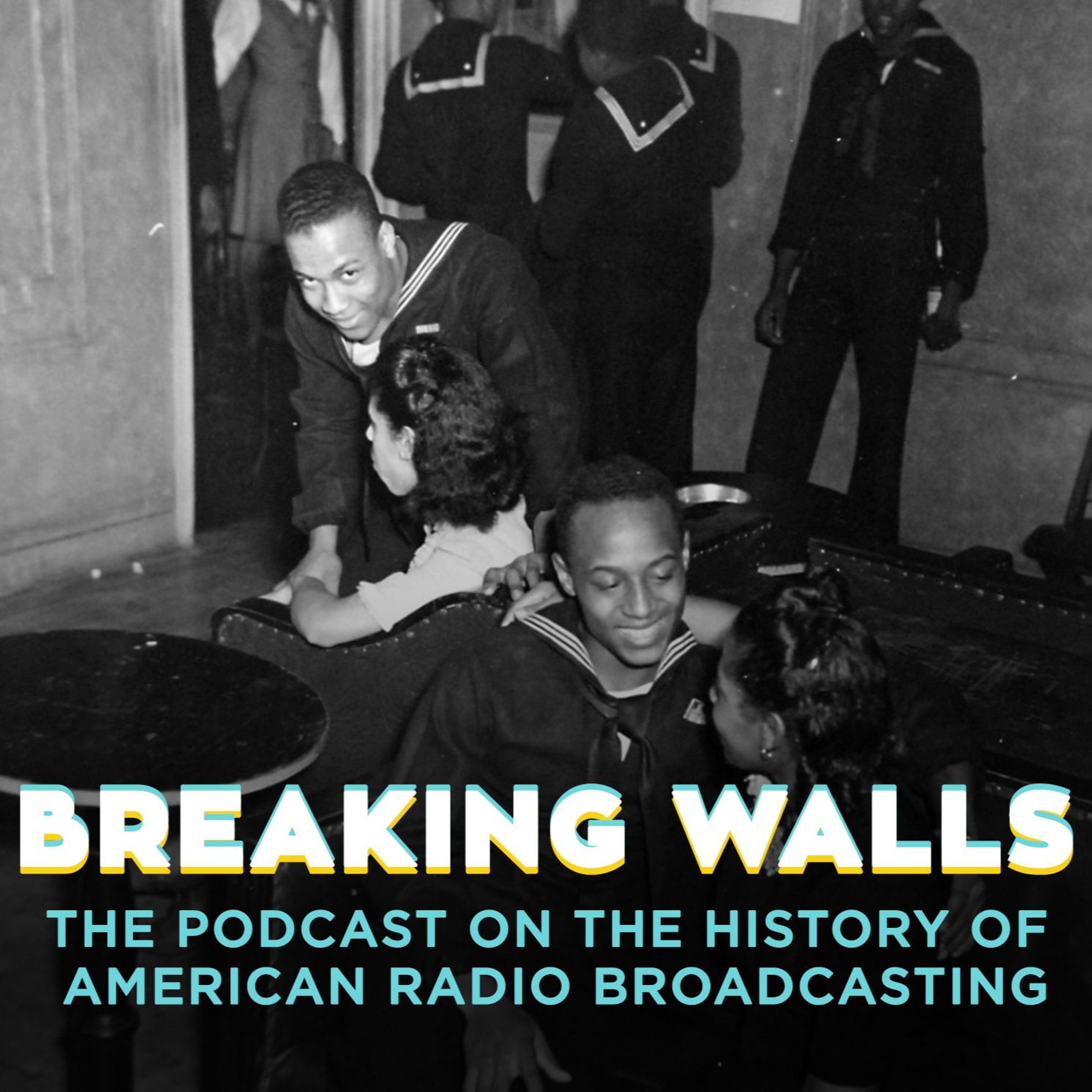
BW - EP155—011: New York And The 1944 Radio World—New World A' Comin And The First Noel
Support Breaking Walls at https://www.patreon.com/thewallbreakers What you’re about to hear is the Sunday, December 24th, 1944 at 3PM WMCA broadcast of New World A’ Coming. It’s a Christmas musical show. For more info on New World A’ Coming, please tune into the previous act on this series within this episode of Breaking Walls.
BW - EP155—010: New York and the 1944 Radio World—Orson Welles & Edgar Bergen Go To NYC in 1995
Support Breaking Walls at https://www.patreon.com/thewallbreakers Edgar Bergen came to the attention of American audiences on Rudy Vallée’s NBC Royal Gelatin Hour on December 17th, 1936. How could ventriloquism work on radio? Perhaps Rudy Vallée himself put it best the night Bergen debuted. Five months later NBC gave Bergen his own show Sundays at 8PM. He was an instant smash hit. Don Ameche worked with Bergen in those years. He was emcee on December 12th, 1937 when Mae West was the guest for an innuendo heavy skit called “Adam and Eve.” Over the next six seasons his show was never rated lower than fourth. Twice it was the country’s top program. In November of 1944 Bergen’s rating was 22.7. Roughly eighteen million people tuned in on November 5th when the guest was Orson Welles for the second of back-to-back appearances on the show.
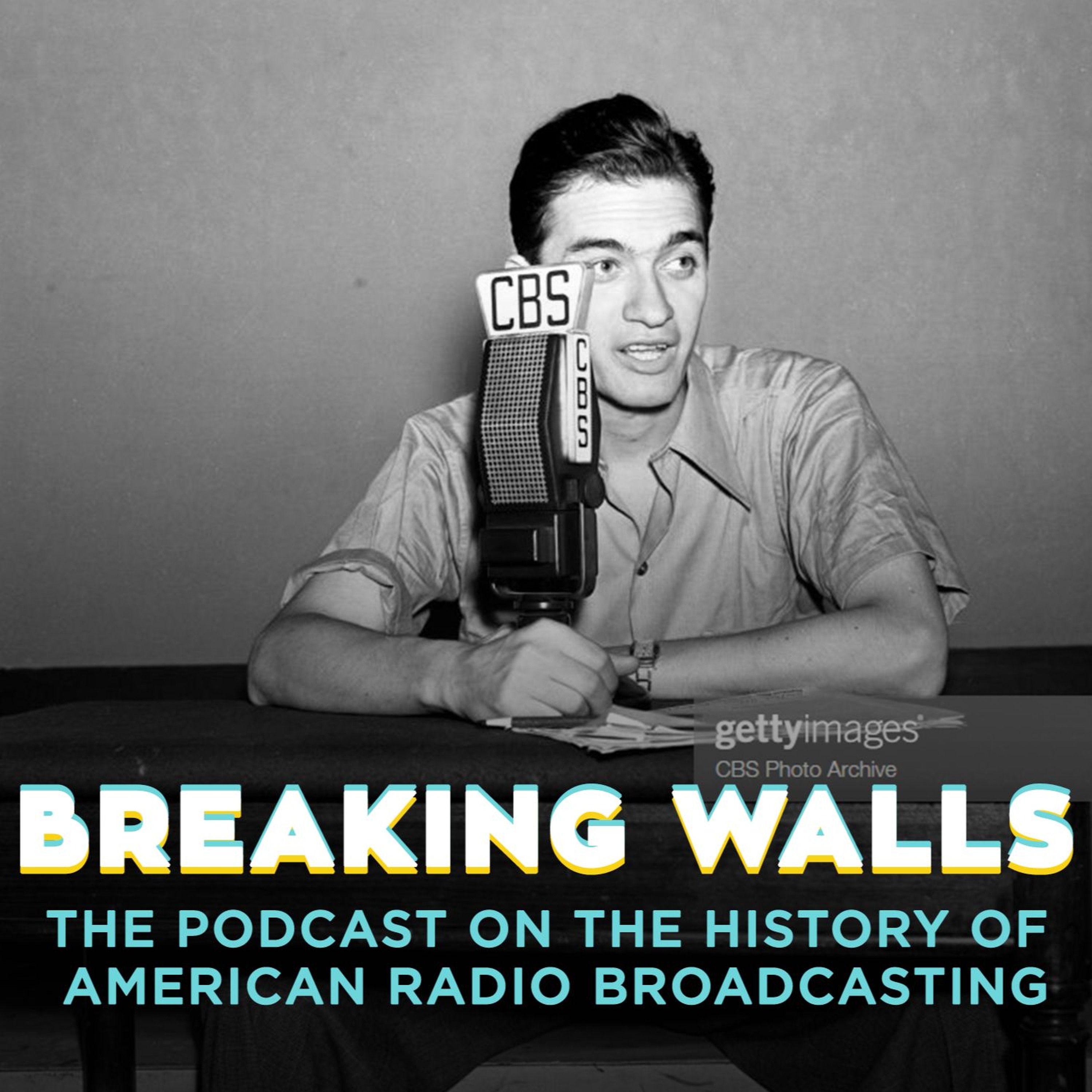
BW - EP155—009: New York And The 1944 Radio World—Jubilee With Mel Allen
Support Breaking Walls at https://www.patreon.com/thewallbreakers Jubilee first took to the air on October 9th, 1942 transcribed by the Special Services Division of the War Department, then by the Armed Forces Radio Service. It featured Jazz and Swing bands and filled an important gap in the musical history of radio, gearing itself towards African American men stationed overseas. Jubilee luminaries included Fletcher Henderson, Duke Ellington, Count Basie, Lena Horne, Ethel Waters, and Ella Fitzgerald. Most of the shows were recorded before live audiences in Los Angeles. This particular episode featured bandleaders known for their New York flavor, like Claude Hopkins. Songstress Ida James was emcee. Mel Allen, later the famed voice of the New York Yankees, announced.
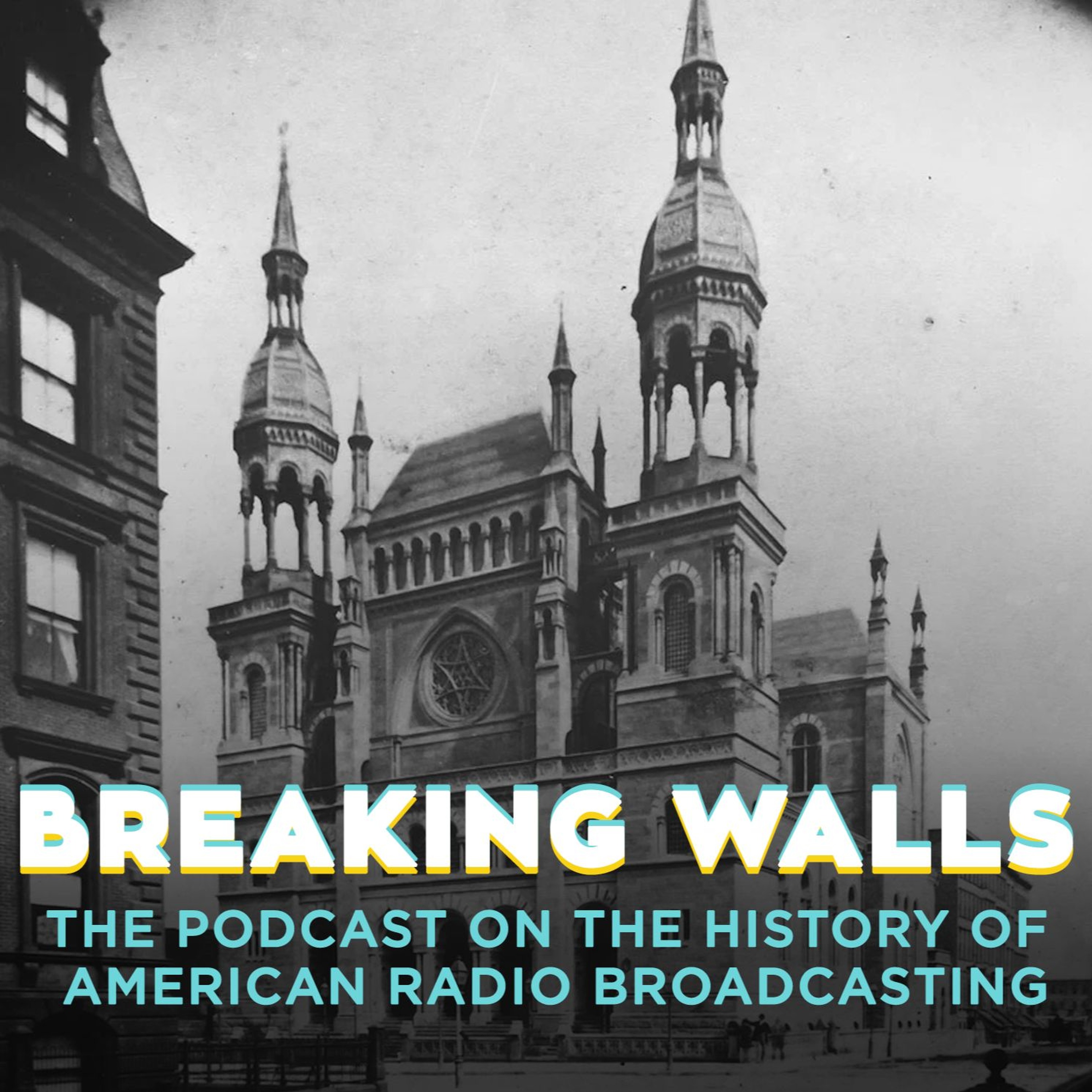
BW - EP155—008: New York And The 1944 Radio World—The Eternal Light & The Founding Of Temple Emanuel
Support Breaking Walls at https://www.patreon.com/thewallbreakers In October 1944, in conjunction with the Jewish Theological Seminary, NBC began one of the longest-running religious programs in radio history. It was called The Eternal Light. The dramatized stories from ancient Judaea, along with contemporary works like The Diary of Anne Frank. It was produced by Milton Krents. Many top New York radio actors appeared. NBC donated the air time and the Seminary paid for the show's production. As part of this second episode, which aired on Sunday, October 15th, 1944, listeners heard about the founding of Temple Emanuel, the first reform Jewish synagogue in New York. It was formed in 1845 in a rented hall near Grand and Clinton Streets in Manhattan's Lower East Side. By 1944 the congregation had moved to its current location, at 1 East 65th Street, just off Fifth Avenue, on Manhattan’s Upper East Side.
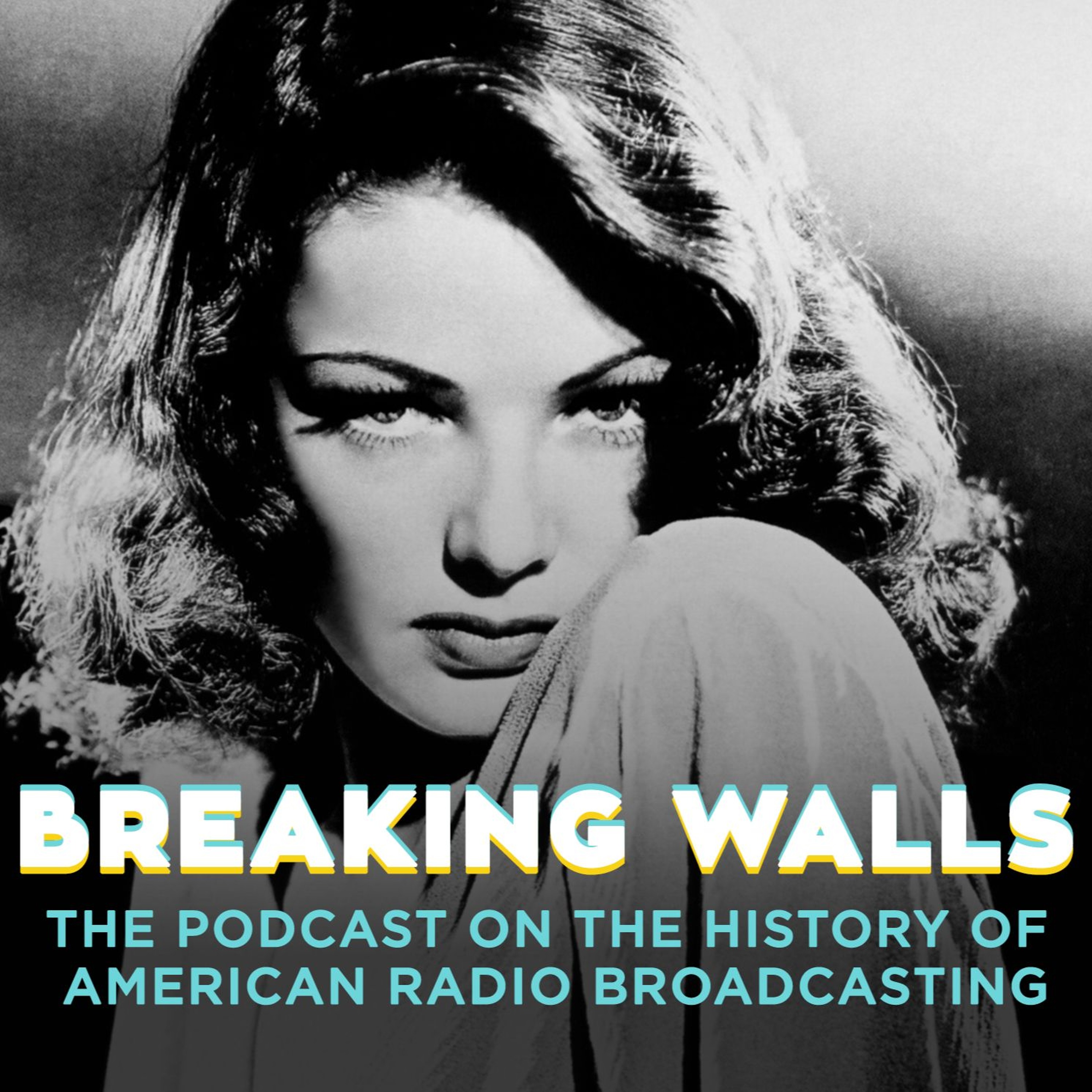
BW - EP155—007: New York And The 1944 Radio World—Duffy's Tavern With Brooklynite Gene Tierney
Support Breaking Walls at https://www.patreon.com/thewallbreakers The woman you just heard is Gene Tierney. She was born on November 19th, 1920 in Brooklyn, New York. Raised in Connecticut, she excelled in poetry, took up student acting, and eventually spent two years attending school in Switzerland, where she learned to speak French. On a family trip to the West Coast, she visited Warner Bros. studios, where her cousin Gordon Hollingshead worked as a producer. Director Anatole Litvak, taken by her beauty, convinced Gene to take a screen test. Warner Brothers wanted to sign her, but her father convinced her to stay home, enter society, and become a theater actress. She studied acting in Greenwich Village and soon found herself getting increasing roles on Broadway along with reviews about her acting prowess and natural beauty. Eventually Gene’s father set up a company to fund her acting interests. She met Howard Hughes, who became a lifelong friend. In 1940 she starred as Patricia Stanley on Broadway in The Male Animal. Features in Life, Harper's Bazaar, and Vogue soon followed. Darryl Zanuck, head of 20th Century Fox, saw her both acting and later dancing at The Stork Club, and signed her to a contract. She debuted later that year in a supporting role, opposite Henry Fonda, in Fritz Lang's western, The Return of Frank James. By 1944 she’d made eleven films. That Autumn she wrapped up filming of Laura opposite Dana Andrews, Clifton Webb, and Vincent Price. Before its premiere in November she guest-starred on Duffy’s Tavern on Friday, September 22nd. The brainchild of star Ed Gardner, Duffy’s Tavern debuted as part of CBS’s Forecast pilot series in 1940. It was hailed by critics as the most-original comedy of 1941. The fictitious bar was allegedly located in Manhattan on 3rd avenue and 23rd street. It was the “eyesore of the East side” where the “elite meet to eat.” Duffy never made an appearance, but his frequent phone calls were a constant source of anxiety. Gardner’s heavily New York-accented Archie has inspired several characters in the years since, like Moe in The Simpsons. Eddie Green was Eddie, Marvin Miller announced, Sandra Gould was Miss Duffy, and Charlie Cantor was Finnegan. In September 1944 the show moved to NBC. This was the season’s second episode. It pulled a rating of 11.3. Roughly nine million people tuned in.
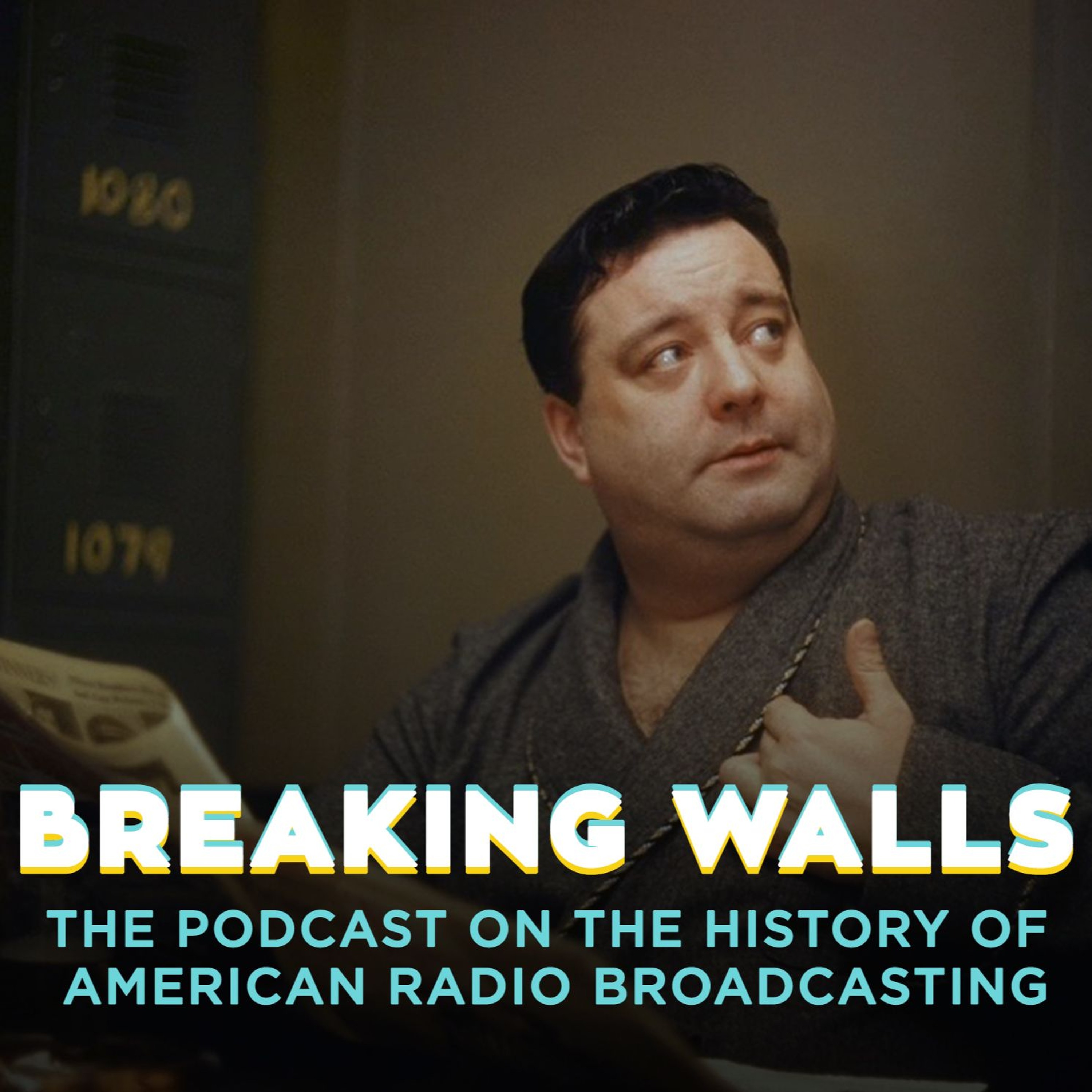
BW - EP155—006: New York And The 1944 Radio World—Jackie Gleason's Radio Debut 08/13/1944
Support Breaking Walls at https://www.patreon.com/thewallbreakers John Herbert “Jackie” Gleason was born on February 26th, 1916, on Chauncey Street in Bedford–Stuyvesant, Brooklyn. The younger of two children, his brother Clement died from meningitis at fourteen in 1919. Six years later his father left the family. Gleason’s mother Mae got a job as a subway attendant for the Brooklyn–Manhattan Transit Corporation. Jackie spent his youth hustling pool and performing in class plays. He quit high school and took a job to perform at local theaters, putting on acts with friends, and then emceed at the Folly Theater. When Jackie was nineteen in 1935 his mother died from complications of sepsis. He worked his way up to a job at Manhattan’s Club 18. Jack Warner saw him, signing Gleason to a contract for two-hundred-fifty dollars per-week. Jackie married dancer Genevieve Halford on September 20th, 1936. The couple had two children: Geraldine, born in 1940, and Linda, born in 1942. Classified as 4-F and rejected for military service, by the summer of 1944 a twenty-eight year-old Gleason had appeared in films opposite Ann Sheridan, Humphrey Bogart, Edward G. Robinson, and Betty Grable. He also became known for hosting all-night parties in his hotel suite. His hotel soundproofed his apartment out of consideration for its other guests. NBC, seeing something in the brash, outspoken Brooklynite, added him to Double Feature, co-starring Les Tremayne and Alfred Drake, Sunday nights at 10:30PM. Rebranded The Les Tremayne-Jackie Gleason Show, he debuted this episode on August 13th, 1944. Edgar Bergen was the special guest. This is that debut. The show would air until October 22nd.
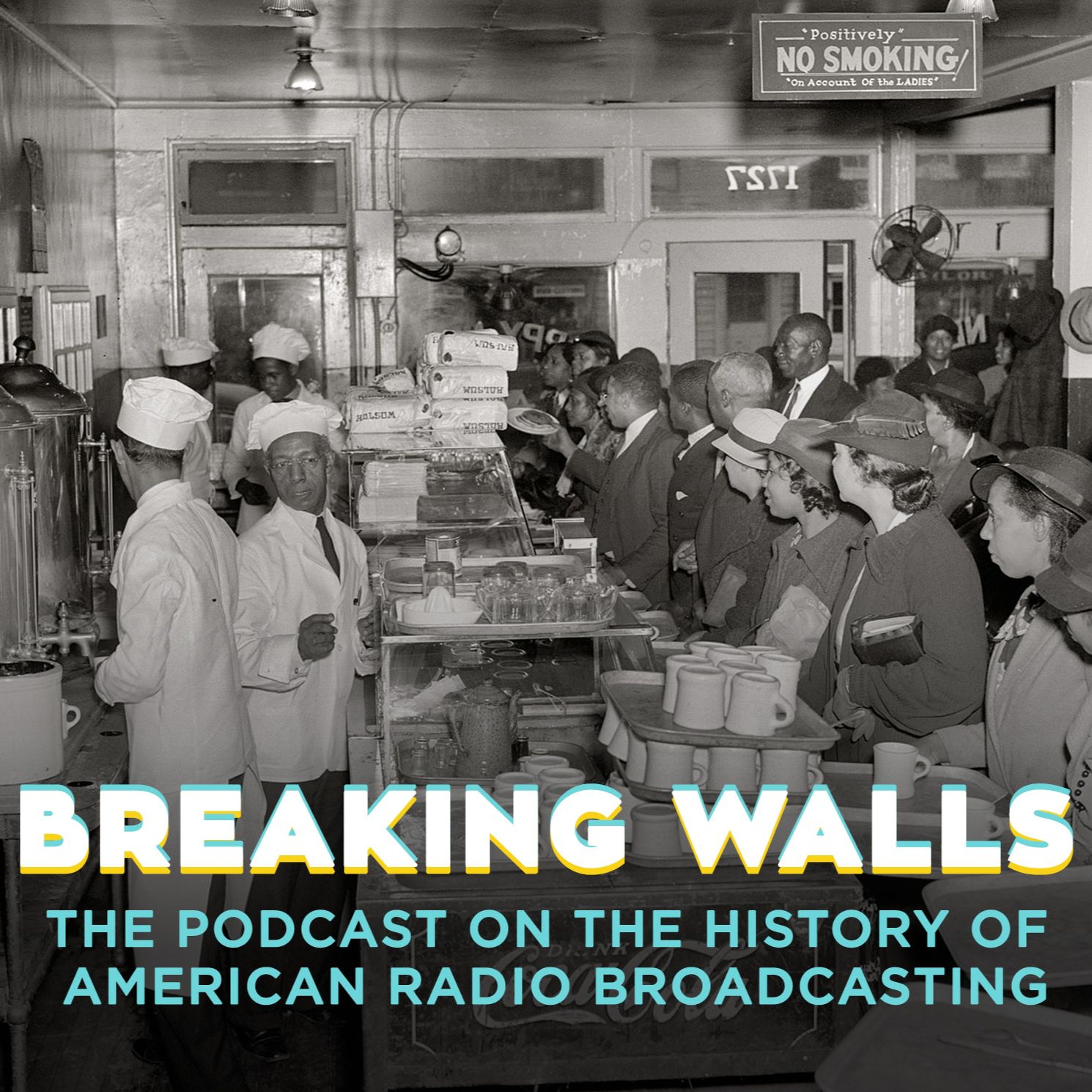
BW - EP155—005: New York And The 1944 Radio World—Harlem's Fight For Civil Rights
Support Breaking Walls at https://www.patreon.com/thewallbreakers Broadcast over WMCA in New York, New World A’ Coming was based on the work of journalist Roi Ottley. Ottley was a journalist for The Amsterdam News from 1931 to 1937 before joining The New York City Writers' Project as an editor. In 1943 Ottley published New World A-Coming: Inside Black America, which described life for African Americans in Harlem in the 1920s and 1930s. The book won the Life in America prize and a Peabody Award. Ottley became the national CIO War Relief Committee publicity director in 1943 and was commissioned as a lieutenant in the US Army in 1944. Meanwhile his book was adapted for this radio series over WMCA, which pushed for equal rights and better racial communication. The frequent narrator was boxer and actor Canada Lee. On Sunday June 4th, 1944 at 3PM eastern time, in honor of Harlem Week, New World A’ Coming broadcast a story called “Life in the Ghetto” to draw attention to the kind of social plights African Americans had to deal with in New York. Two days after this broadcast the Normandy Invasion began. Roi Ottley would cover that event as well as the hanging of Mussolini the following year.
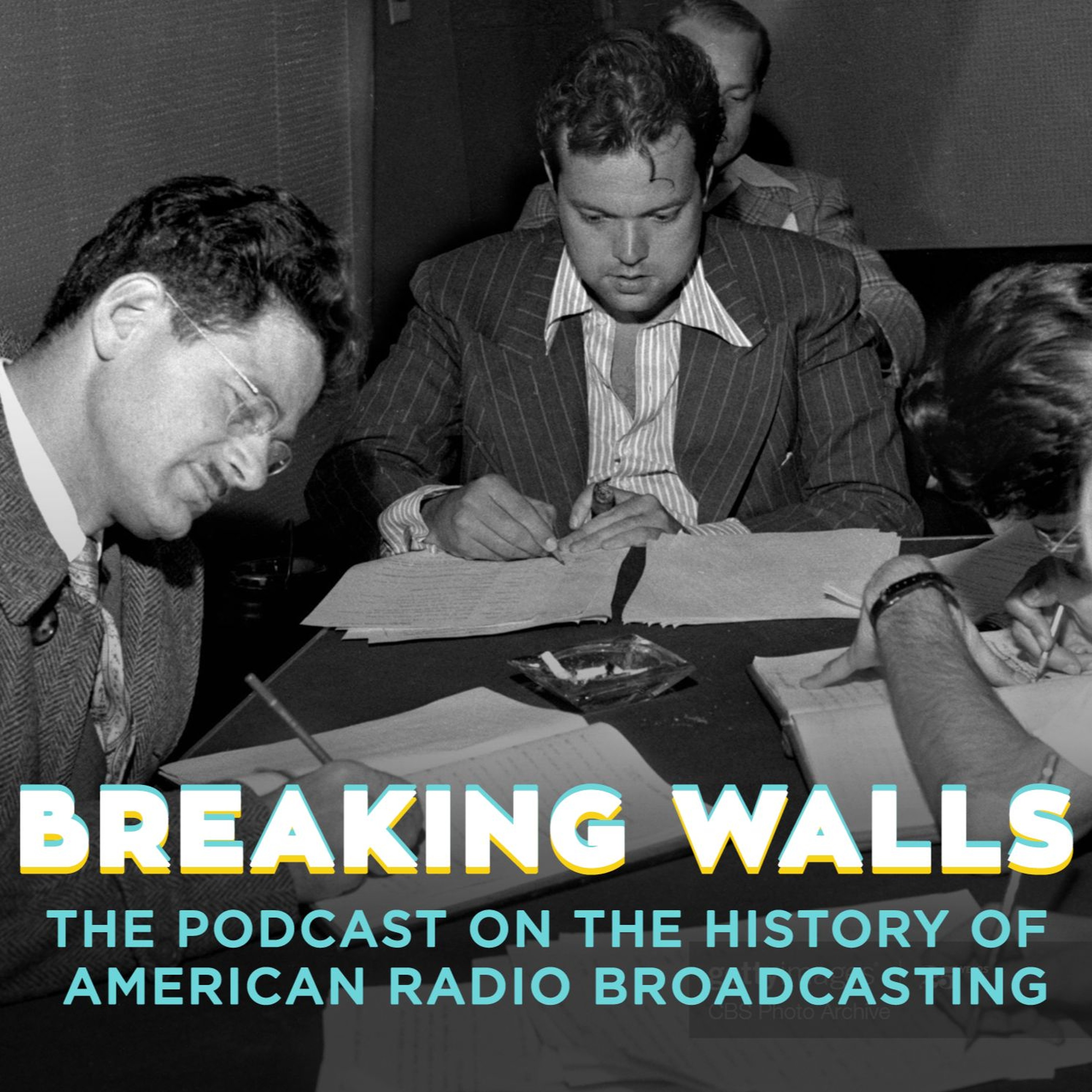
BW - EP155—004: New York And The 1944 Radio World—Orson Welles In New York: A Tapestry For Radio
Support Breaking Walls at https://www.patreon.com/thewallbreakers The man you just heard is Norman Corwin. The piece of his, which Orson Welles is narrating, that you’ve heard thus far throughout this episode of Breaking Walls, is “New York: A Tapestry For Radio.” The first broadcast of this piece originally aired on May 16th, 1944 as part of a City Trilogy within CBS’ Columbia Presents Corwin. That version had Martin Gabel as narrator. One year later it was rebroadcast with Welles taking over for Mr. Gabel. By 1944 Norman Corwin had free rein over his productions. In six years he’d gone from a network rookie to the most-lauded creator on the air. He was now the poet-laureate of radio, a nickname which would stick with him the rest of his life. One of his favorite people to work with was Orson Welles. I’ve recently covered Norman Corwin in great detail within episode 153 of Breaking Walls. For more info, please tune into that. In the meantime, here’s the rest of “New York: A Tapestry for Radio.”
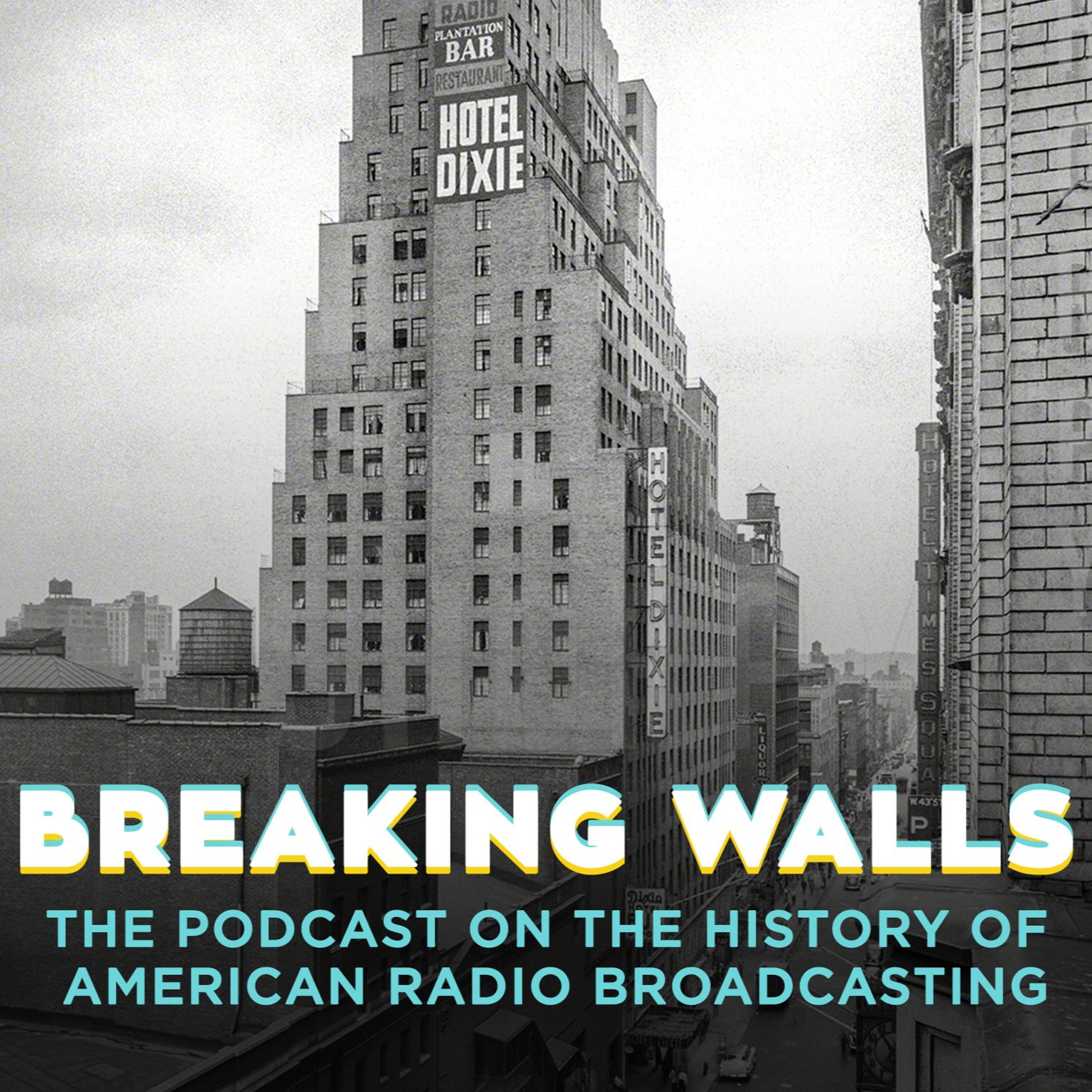
BW - EP155—003: New York And The 1944 Radio World—The Fleet Post Office And The Hotel Dixie
Support Breaking Walls at https://www.patreon.com/thewallbreakers It’s February 1944 and we’re in the U.S. Fleet Post Office at 80 Varick Street. 80 Varick Street is in the Hudson Square area of Manhattan just north of Canal Street and southeast of the Holland Tunnel to New Jersey. The street itself is named for Richard Varick, an early New York lawmaker, landowner, and mayor from 1789 to 1801. The Fleet Post Office was established on July 1st, 1943. Previously, mail addressed to naval personnel serving overseas was handled by Navy mailmen at the Morgan Annex of the New York General Post Office. When CBS’ World News Today signed on Sunday February 20th, 1944 at 2:30PM eastern time, the allied forces had just begun “Big Week,” a six-day strategic bombing campaign against the Third Reich. By the time it ended on February 25th, German cities Rostock and Augsburg had been bombed, as well as several Dutch cities near the German border. The Germans also lost more than three-hundred-fifty aircrafts, and most importantly, more than one-hundred pilots. Lieutenant. A. E. Newton is in charge of this post office, but with forces in the European Theater growing larger by the day, it was already obvious this post-office has reached max capacity. Space was being acquired on Pier 51 of the Hudson River to handle the expected increase of letters and parcels to fighting servicemen. Here’s Bill Slocum Jr. at the Fleet Post Office discussing how V-Mail works. In September 1944 the Parcel Post Section was moved to Pier 51. The Fleet Post Office continued until the end of the War. By January 1946, with many troops home, most of its functions had been moved back to the General Post Office. World News Today’s sponsor, The Admiral Corporation, was originally known as the Transformer Corporation of America. By 1929 it was the biggest supplier of radio parts in the world. Bankruptcy ensued, but in 1936 owner Ross D. Siragusa purchased the right to change the name to Admiral Corporation America Inc. They began sponsoring World News Today in 1942. For a longer look at the news from this week, tune into Breaking Walls episode 148. Meanwhile, as the weather warmed on April 6th, 1944 the U.S. celebrated “Army Day,” while Al Trace and His Silly Symphonists took to the air over Mutual Broadcasting from the Plantation Room in the Dixie Hotel. The Dixie Hotel opened on West 43rd street between 7th and 8th avenue in 1930. It featured one-thousand rooms and a bus terminal which occupied the entire ground floor. Buses arriving at the terminal would drive onto a turntable, which would then rotate to the proper slip. Two sets of doors, one on either side of the terminal, led from the loading area to the waiting room. The waiting room had a cafe, newsstand, ticket booths, and elevators leading to the hotel's lobby. The hotel was developed by the Uris Buildings Corporation, which announced plans for the site in September 1928. A year after it opened it was foreclosed on. The Bowery Savings Bank ran it until in 1942, when the Dixie became part of the Carter Hotels chain. That year the Dixie Lounge Bar opened on the first floor. Decorated in a Southern Colonial style, it could be accessed from the lobby, the dining room, and directly from the street. The nightclub, along with the adjacent Plantation Room restaurant, fit five-hundred people. The Bus depot became redundant when the Port Authority Bus Terminal opened nearby in 1950. It was closed in 1957. Carter attempted to rehabilitate the hotel several times, even renaming it The Carter Hotel in 1976. They sold it the next year. New Yorkers knew this hotel as one of the worst in the city. It was closed in 2014.
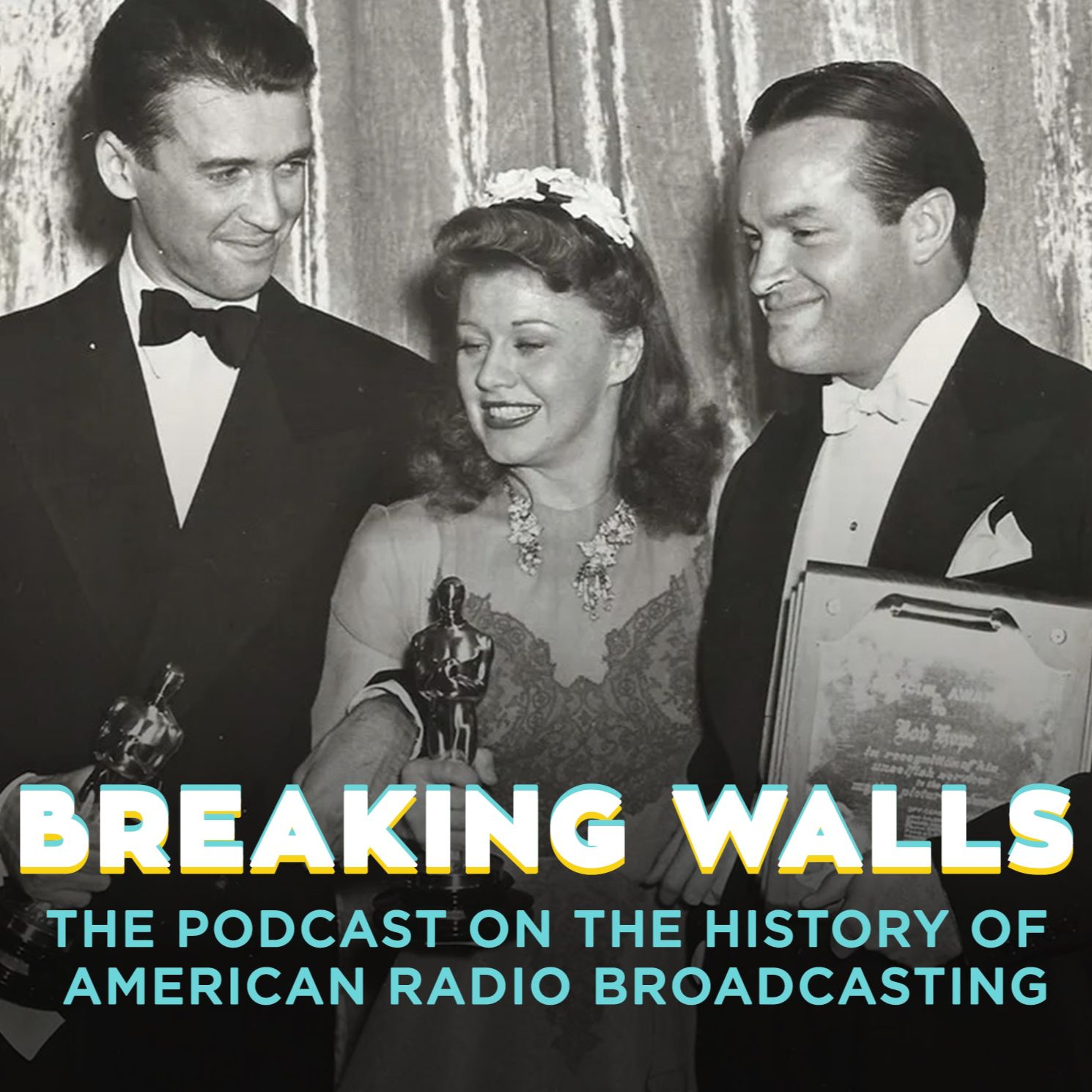
BW - EP155—002: New York And The 1944 Radio World—Bob Hope, Joan Leslie & Dennis Day In Central Park
Support Breaking Walls at https://www.patreon.com/thewallbreakers Our first stop is January, 1944. We’re at Central Park. By 1944 Central Park, nearly one-hundred years old, was in the midst of renewal. Parks Commissioner Robert Moses had spent the past decade developing playgrounds, ballfields, handball courts, and other working class elements. In 1943 the restoration of the Harlem Meer was completed. "Please Keep off the Grass" signs, which had once dotted the meadows, were a thing of the past. Why are we in Central Park? Because over on the west coast, on Saturday January 22nd, Bob Hope, Dennis Day, and Joan Leslie appeared in a skit for Command Performance entitled “She Slapped His Face Under The Elevated Because He Only Had A One-Track Mind.” It was set in Central Park. In January of 1944 Bob Hope was radio’s top comedian. His own show rating that month was 34.6. More than twenty-six million people were tuning in to hear him each week. Hope spent most of his time entertaining troops. For more info on Bob Hope in 1944, please tune into Breaking Walls episode 148. Five days after D-Day on June 11th, 1944, the park opened Weapons of War: An Exhibit of the Army Service Forces on the Great Lawn. Over the next two weeks, six-hundred thousand people came to see displays contrasting America’s War Equipment with that of the Axis. The exhibit was organized by units: The Quartermaster Corps, the Chemical Warfare Service, the Medical Department, the Signal Corps, Ordnance, the Corps of Engineers, and the Transportation Corps. Each hour a flamethrower demonstration was staged for a grandstand which seated twenty-five-hundred people. The expo was in conjunction with the fifth War Bond Drive. #podcast #oldradioshows #oldtimeradio #historypodcast #oldtimeradioshows #editorial #1944 #centralpark #bobhope #joanleslie #dennisday
BW - EP155—001: New York And The 1944 Radio World—Why I'm Here—Breaking Walls' 10th Anniversary
https://www.patreon.com/thewallbreakers I’ve mentioned a few times before within Breaking Walls episodes that I try to be as unbiased as possible. I want Breaking Walls to be a true documentary, so I leave the op-eds for everyone else. But this is my tenth anniversary as a podcaster so I’ll share. I spent the first ten years of my life living in a house where the people there were born between 1918 and 1989. It was in Bensonhurst, Brooklyn. There was a park across the street. Around 1900 that park wouldn’t have been there. It would have been Indian Pond. Who knows how many thousands of years people congregated at that pond. My great-grandmother was in my life until I was 24. She grew up on Cherry Street in Manhattan's Lower East Side. By the time I came along everyone had heard her stories ten times over, but I loved sitting with her, playing cards and sharing bagels with Country Crock Shedspread, while she told me about her Italian immigrant parents, living through the depression and World War II. She had mixed feelings about Mussolini, but was a deep supporter of FDR. She loved Lawrence Welk and watched Jeopardy and Wheel of Fortune. Her father was a believer in women’s rights and a huge New York Giants baseball fan. He died of a heart attack on June 26th, 1951, one hundred days before Bobby Thompson’s shot heard round the world. The interesting thing is, I have no recollection of talking to her about the radio shows she loved to listen to in the 1930s and 40s. Her second daughter is my grandmother. Tough, outspoken, smart, she takes no guff from anyone and can curse with the best of them. Her husband, my grandfather, was the person I spent the most time with, playing baseball, going to Coney Island, and eventually, introducing me to radio shows on Christmas Day 1999. He was the 9th of 11 kids from an Irish Catholic family in Sunset Park, Brooklyn. What was his favorite radio show growing up? Thanks to him, I’ve spent the past twenty-five years listening to radio shows from the “Golden Age of Radio” be they comedy, drama, detective, western, soap opera, news broadcasts or otherwise. Occasionally, someone with my last name would crop up, like on the Saturday, May 12th, 1951 episode of Broadway is My Beat. I’ve spent the past seven years making monthly documentaries on radio history; More than eighty of them now. One a month, without fail. I’ve also found the time to write new audio fiction, like Burning Gotham, the historical fiction audio soap opera set in 1835 New York City. It was a 2022 Tribeca Film Festival audio selection. People often don’t know how to introduce me at professional functions. Am I a radio historian? Audio fiction developer? Director? Narrator? Actor? Like a lot of people who figure something out on their own, I’m a little bit of everything. I’m now as much a New York historian as I am a radio historian. I guess all roads do lead home. I’ve won awards, been complimented and critiqued, passed up social and other life opportunities, and you know what, I found direction, not just through a hobby, but with some kind of desire that burns deep inside of myself. It’s what I wanted ten years ago. Or maybe it’s because I can’t share these documentaries with my grandfather anymore. He’s out there in the ether somewhere. I hope he tunes in once in a while. The flame doesn’t always burn with the same degree of brightness. I’m a New Yorker. Ambitious unmonetized hobbies are like masochistic anchors. Would stopping this be an act of cowardice or would it lighten the load? Any time I want to pack up and move on I think, how can I? I want to help preserve and grow this medium, both creatively and financially. Blood of my blood, flesh of my flesh. If I’m in for a penny, I’m in for a pound. Would my 2014 self be proud seeing where I’ve come to? Ultimately, yes. That’s the thing about running on the treadmill to oblivion, you don’t always go where you want to, but you get in shape doing it.
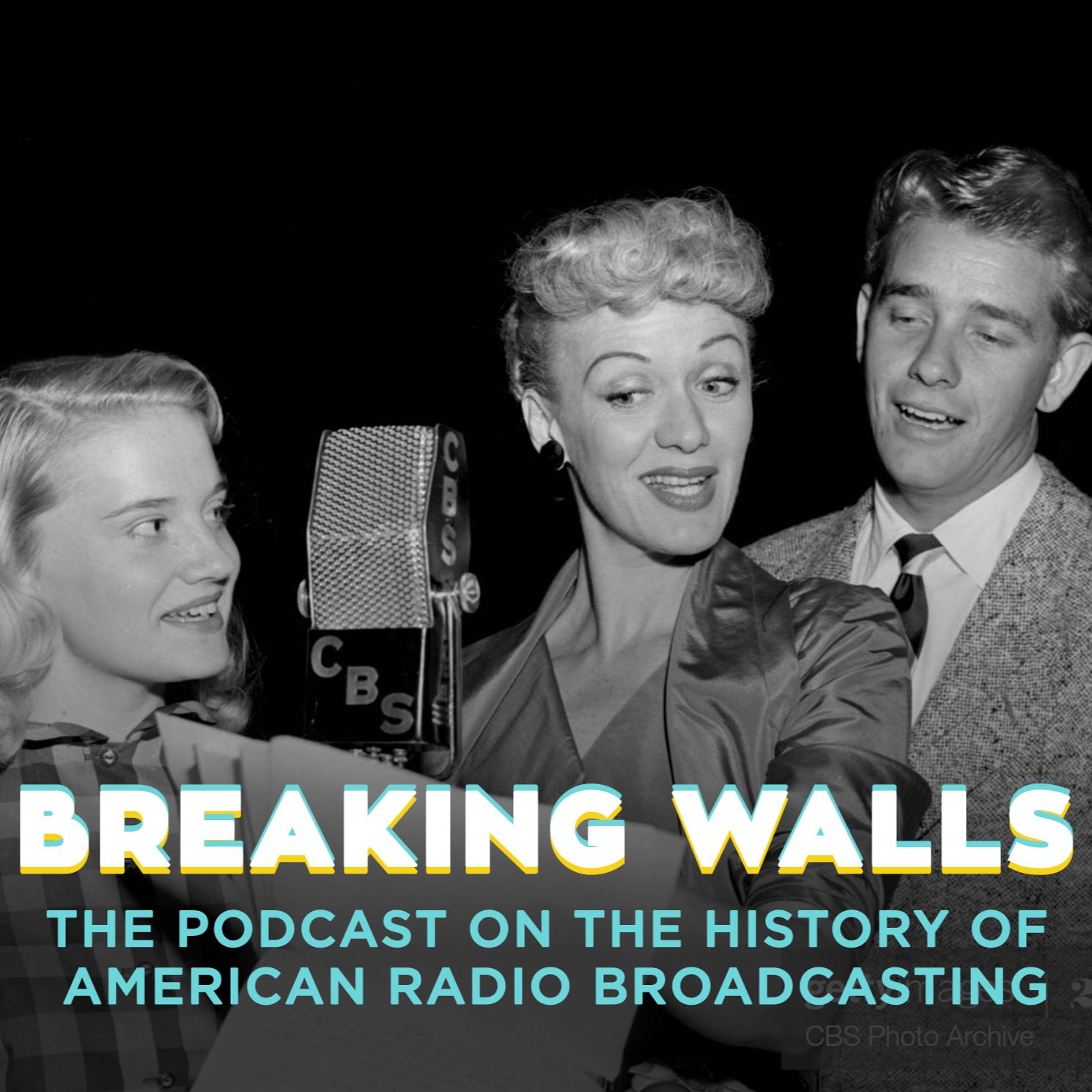
BW - EP154—012: Stars On Suspense In 1944—Looking Ahead To The 10th Anniversary Of Breaking Walls
Support Breaking Walls at https://www.patreon.com/thewallbreakers That brings our look at the early years of Suspense to a close. Suspense would remain a hollywood production until the waning days of radio drama in 1959 when Bill Robson was directing it and this happened. Ordinarily here’s where you’d get a sneak peek at next month’s episode of Breaking Walls. Next month’s episode, however, is significant. Sometimes you’ve got to go back to the beginning in order to know where you’ve been. Next month on Breaking Walls we celebrate the tenth anniversary of the show with what? Well, I can’t reveal everything, you’ll just have to stay tuned.
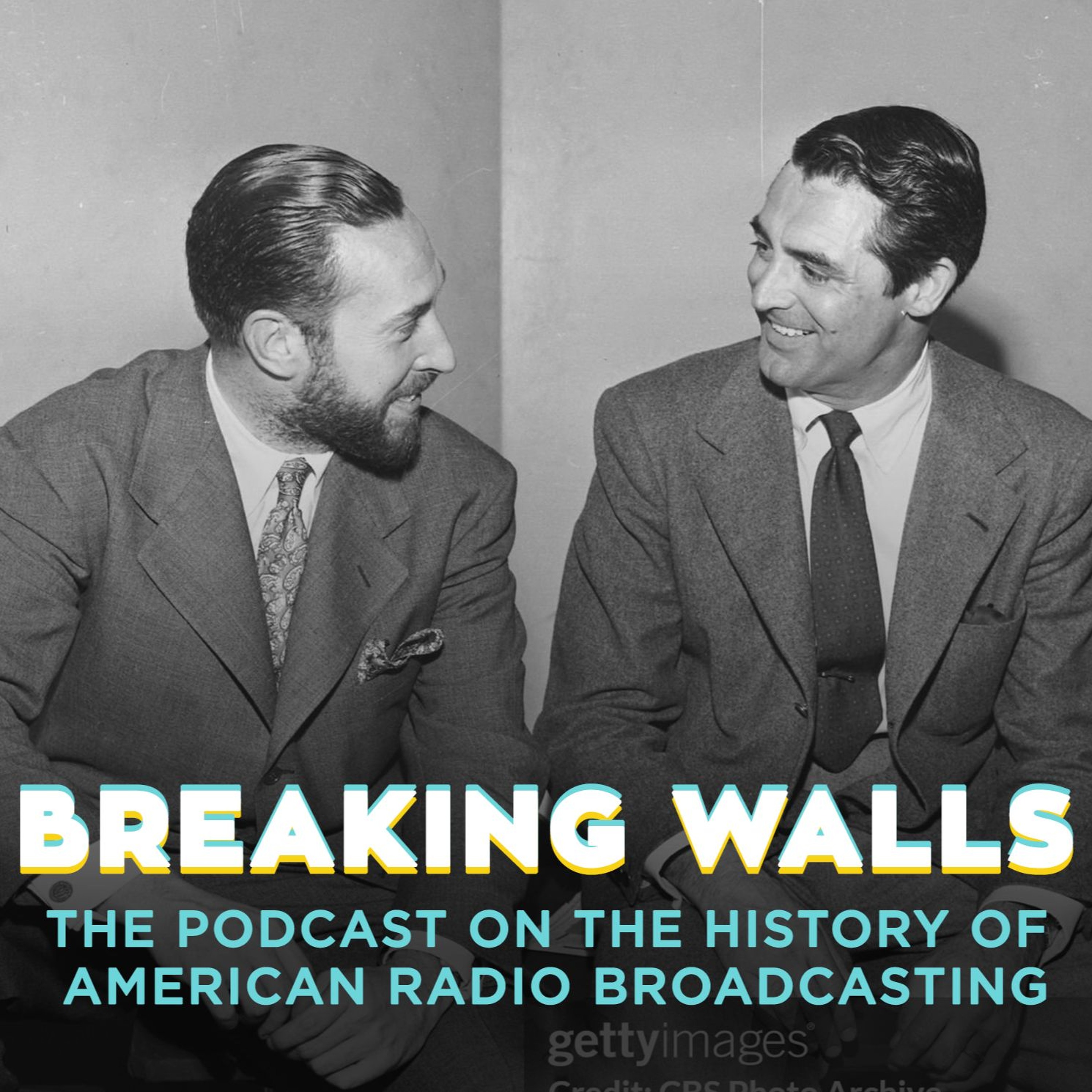
BW - EP154—011: Stars on Suspense in 1944—Listen to Cary Grant in "The Black Curtain," 11/30/44
Support Breaking Walls at https://www.patreon.com/thewallbreakers Back on December 2nd, 1943 when Suspense first became sponsored by Roma Wines, the script chosen for the first Roma episode was “The Black Curtain” starring Cary Grant. Of the performance Grant said, “If I ever do any more radio work, I want to do it on Suspense, where I get a good chance to act.” The just-heard Lurene Tuttle felt the same way about acting in radio. On November 30th, 1944 Grant was back on Suspense for a repeat performance of “The Black Curtain.” He requested that Lurene Tuttle join him again as the female lead. “The Black Curtain” is an adaptation of a Cornell Woolrich story about a man who wakes up after a fall on a city sidewalk and realizes he can’t remember his name or events of the last three years. He soon learns he’s been accused of murder. Somehow he has to prove his innocence, which means finding the real killer. The repeat performance wasn’t initially planned. The original script, “To Find Help” starring Frank Sinatra had to be postponed due to a scheduling conflict. Grant happened to be available and it also happened to be the one-year anniversary of Roma’s sponsorship. More than eight million people heard this broadcast. The cast features the aforementioned Lurene Tuttle, Wally Maher, Pat McGeehan, Harry Lang, and a young Conrad Binyon, who had previously played an uncredited part in The Howards of Virginia with Grant. Binyon was amazed that Cary Grant remembered him.
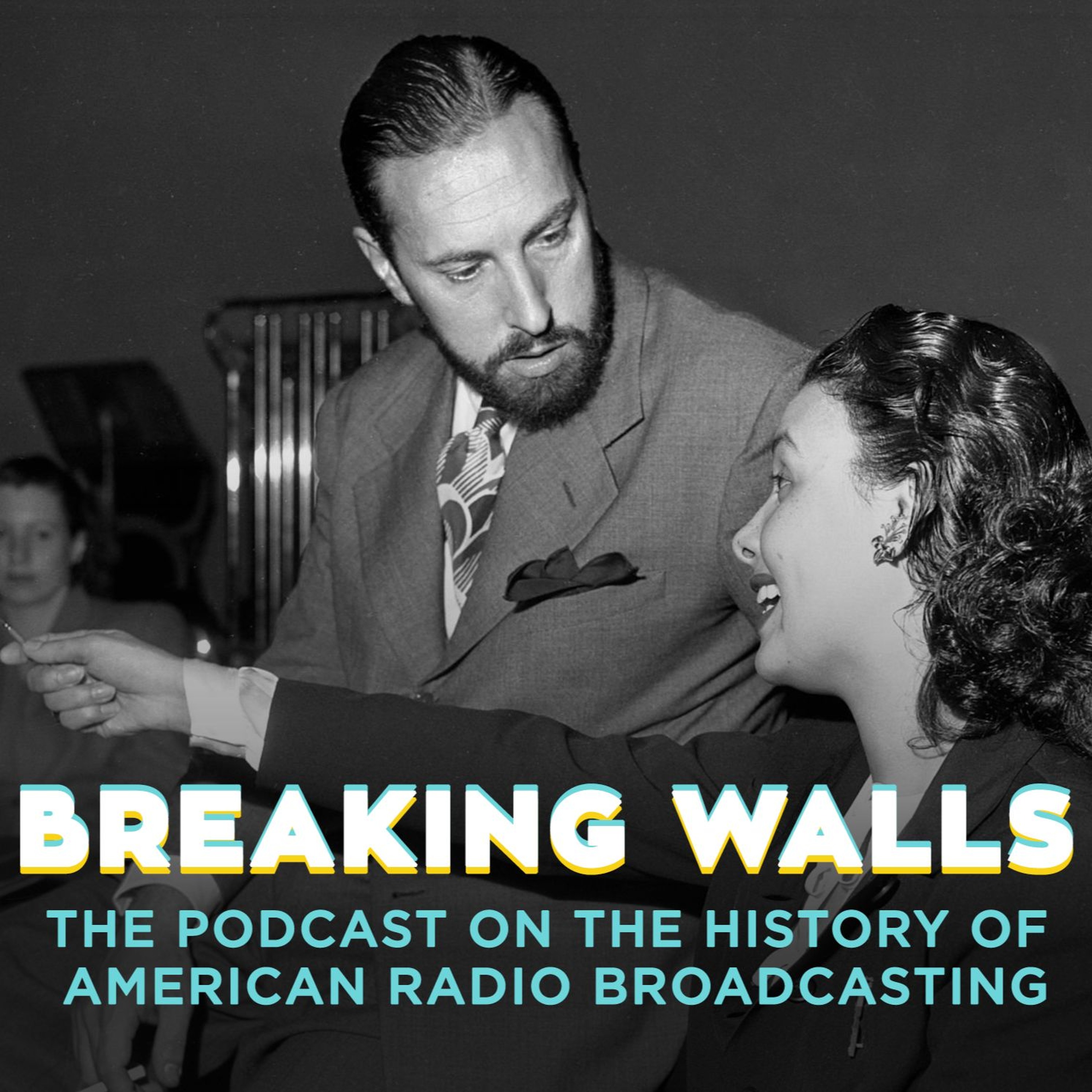
BW - EP154—010: Stars on Suspense in 1944—Listen To Lena Horne star in "You Were Wonderful," 11/9/44
Support Breaking Walls at https://www.patreon.com/thewallbreakers By November of 1944 Suspense was pulling a rating of 10.4. There were now more than eight million people tuning in. Roma wines was satisfied as Suspense was providing stiff competition to The Frank Morgan Show running opposite on NBC Thursday nights at 8PM eastern time. On November 9th Lena Horne guest-starred in a Robert L. Richards script called “You Were Wonderful” about the murder of a nightclub singer in South America. Horne is the visiting American singer intent on solving the crime. Lena Horne was born on June 30th, 1917 in Brooklyn, New York. Both sides of her family were multi-racial with both African and Native American heritage. Her father Teddy was a one-time owner of a restaurant and hotel while her mother Edna was an actress with a traveling theater troupe. As a young girl Lena’s father left the family to move to Pittsburgh, while Lena traveled with her mother around the country before returning to New York City when she was twelve. Lena dropped out of high school at sixteen and joined the chorus line at the Cotton Club. In 1935 she made her first screen appearance as a dancer in Cab Calloway’s musical short Jitterbug Party. She got married in 1937, but soon separated from her husband, first touring with bandleader Charlie Barnet in 1940 before returning to New York to work at Cafe Society in Greenwich Village. She soon replaced Dinah Shore as vocalist on NBC's The Chamber Music Society of Lower Basin Street and recorded with Henry Levine and Paul Laval, in June 1941 for RCA Victor. Horne then left New York City for Hollywood, being hired to perform in a Cotton Club-style revue for Cafe Trocadero on the Sunset Strip. In 1942, when she became the first African-American with a major studio contract, it was with the understanding that she wouldn’t be obligated to portray servants—a condition that handicapped her entrée into mainstream Hollywood movies. She soon appeared in the films Panama Hattie, Cabin in the Sky, Stormy Weather, Thousands Cheer, Swing Feever, Broadway Rhythm, and Two Girls and a Sailor. With the exceptions of Cabin in the Sky and Stormy Weather, Lena’s early screen appearances were often designed as standalone musical numbers that could easily be cut out in prejudice Southern markets unaccepting of African American performers. Horne’s Suspense appearance was big news. Both Spier and his wife Kay Thompson, a friend who worked with her at MGM, pressed the movie studio to allow her to headline the show. Network executives at CBS were concerned that Roma might pull its contract if Southern stations didn’t want to air the program. Thompson agreed to appear as Horne’s uncredited backup singer in three musical numbers, which Thompson arranged. MGM’s publicity department got to work and given the unfortunate day’s climate, Horne’s appearance was heralded as one of the more daring and successful half hours of network drama at the time. She is the first and only African American to headline Suspense. “It was an event of terrific importance to Lena,” noted Movieland magazine, “for the first time a performance of hers was judged on merit alone; she was announced only as the star of the play, without reference to her race.” Spier noted that in the studio, Lena “seemed so poised, so sure of herself and her every speech, so business-like in her approach to the role.” However when she grabbed his hand for encouragement, she was ice cold. Part of it was performance nerves, but a lot of it came from the anxiety of getting the chance to publicly justify her talent. Horne later said, “Bill was marvelous and intelligent. Anyone married to Kay would have to be strong.” It was an especially memorable and proud evening for members of the African-American community who were glued to their radios in record numbers.
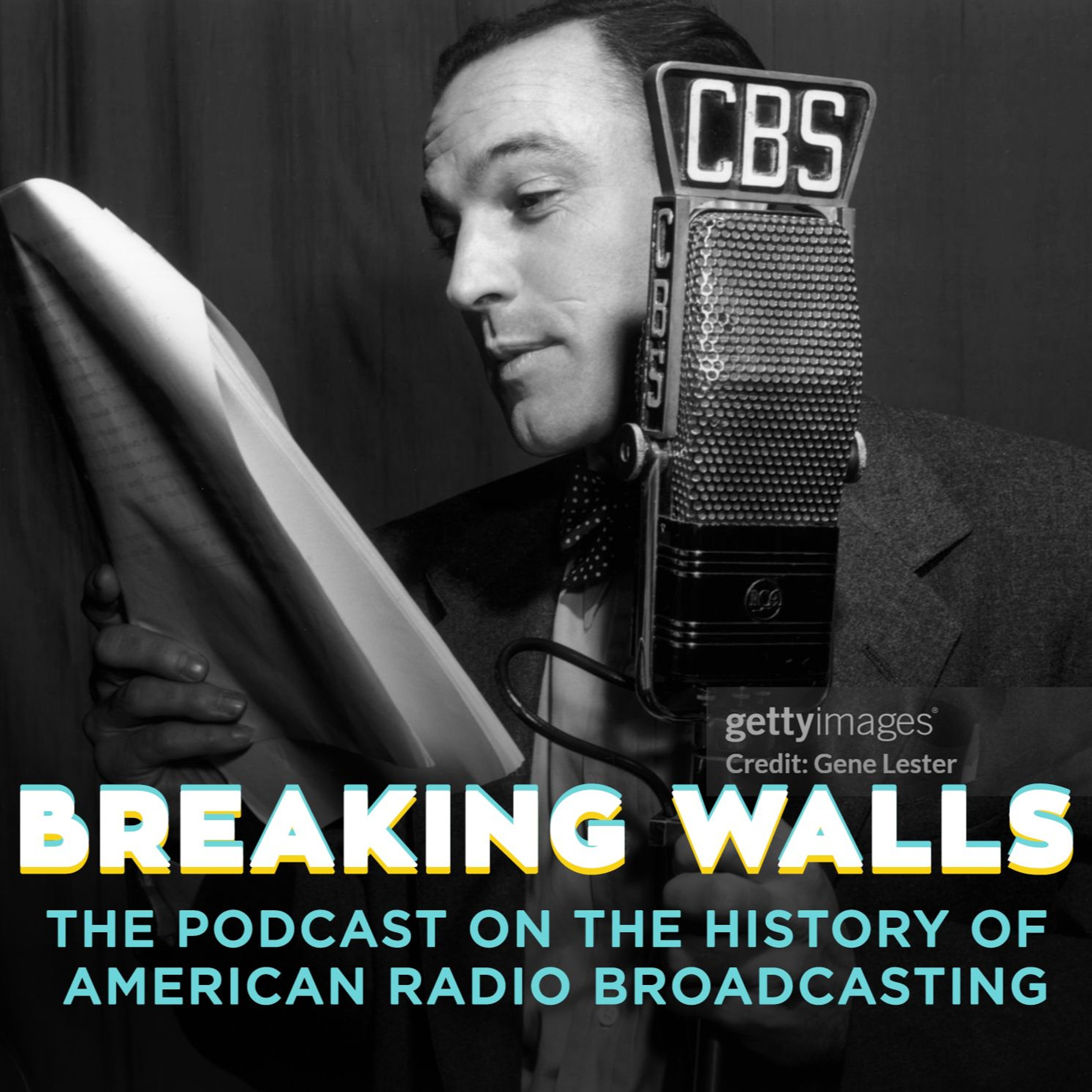
BW - EP154—009: Stars on Suspense in 1944—Gene Kelly is a Villain in "The Man Who Couldn't Lose"
Support Breaking Walls at https://www.patreon.com/thewallbreakers Speaking of actors playing roles on Suspense that went against their usual type, on September 28th, 1944 Gene Kelly guest-starred in an episode called “The Man Who Couldn't Lose.” Kelly, already known as a singer and actor, became famous in For Me and My Gal, Du Barry Was a Lady, and Thousands Cheer. However, it was his dramatic debut in Pilot No. 5 where Kelly played an antagonist that portended this appearance on Suspense. In “The Man Who Couldn't Lose” Kelly plays Leonard Snell, gambler, two-timer, and all around heel who runs into a string of good fortune that causes the audience to hate him more and more as the play goes on.
BW - EP154—008: Stars on Suspense in 1944—Listen To Olivia De Havilland in "Voyage Through Darkness"
Support Breaking Walls at https://www.patreon.com/thewallbreakers Bill Spier recovered from his second heart attack in the fall, just in time for cooling weather, Friday night football games, and autumn dances. While Suspense aired all-year-round, it was perfect for brisk evenings. With Spier’s musical aptitude, a swelling orchestra had become a Suspense staple. Lud Gluskin and Lucien Morawek worked together to produce and conduct haunting, functional scores. Morawek told Radio Life that Spier was the most musically adept radio director he had ever worked with. On September 7th, 1944 Olivia De Havilland made her only appearance on Suspense in a play entitled “Voyage Through Darkness,” written by Joel Malone who was best known for his work on The Whistler. In this episode, De Havilland’s character is on a cruise home from England. Her deceased employer’s coffin is on board. She was directed to supervise his burial-at-sea. A stowaway is found. He’s believed to be “the Blackout Killer” of London. This would be the last episode of Suspense to air on different nights for the East and West coast. Beginning on September 14th all episodes of Suspense would air on the same night, making it easier for the Hollywood stars that were now lining up to work on the show. Roughly seven million people heard this broadcast.
BW - EP154—007: Stars On Suspense In 1944—Listen to Vincent Price As A Mad Man In "Fugue In C Minor"
Support Breaking Walls at https://www.patreon.com/thewallbreakers The man you just heard is famed actor Vincent Price. While Price was a film star, he had a unique contract which allowed him to act in as much radio as he wanted. By early June 1944 Price was thirty-three years old and had starred on Broadway and appeared in more than ten films. On Thursday June 1st and then again on Monday June 5th for the west coast, Price appeared with Ida Lupino in an episode of Suspense called “Fugue in C Minor.” Written by Lucille Fletcher, it’s a horror story about a widower and woman who fall in love through their sharing of classical music. As their relationship progresses, the woman learns the man’s children think their father murdered their mother and hid her body in a room behind the mechanism of their home’s pipe organ. The instrument is so large it is part of the very structure of the house. While Vincent Price was very comfortable working in radio, many film stars weren’t. By the time this west coast version of Suspense was airing Monday June 5th, 1944 at 9PM over KNX, allied soldiers were in their boats, slowly making their way across the English channel to begin their invasion of the Normandy coast of France. This would be Vincent Price’s last broadcast before departing for military service. For more info on the D Day invasion, tune into Breaking Walls episode 152 which covers the entire broadcast day.
BW - EP154—006: Stars on Suspense in 1944—Listen To Orson Welles Take Over Suspense in May 1944
Support Breaking Walls at https://www.patreon.com/thewallbreakers In May of 1944 Orson Welles appeared on Suspense three times. The first of which was on May 4th in “The Dark Tower,” a play originally written by George S. Kaufman and Alexander Woollcott. Adapted for Suspense by Peter Barry, Woollcott had died in January of 1943. In many ways, the play is a satire of Welles’ friend, John Barrymore, and it's ripe with innuendo and other inside humor. Featured in this episode as Jessica was Jeanette Nolan. Like so often in Bill Spier’s productions of Suspense, Hans Conreid played a villain. Here’s fellow actor Byron Kane talking about Orson Welles and Hans Conreid. On May 15th, 1944, Orson Welles was placed on the U.S. Treasury payroll to consult for the duration of the war. His pay: an honorary one dollar. On May 18th Welles starred in part one of “Donovan’s Brain,” based on the 1942 Curt Siodmak novel. Welles played Dr. Patrick Cory, who successfully learns to keep a brain alive outside the human body. The sound-effects were outstanding for their time. “Donovan’s Brain” is considered one of the first adult science-fiction broadcasts. After this evening’s show, Orson Welles and Bill Spier were having dinner at the Players Restaurant in Los Angeles when Spier suffered his second major heart attack in ten months. He was immediately placed on bed rest. In the studio he was replaced by CBS executive Robert Lewis Shayon. Although he’s once again recovered, heart problems continued to plague Bill Spier for the rest of his life. Just two days after the west coast broadcast of part two of “Donovan’s Brain”, Welles spoofed it on his Orson Welles Almanac program. Performed live at the Air Transport Command in Long Beach, California, among those in the cast for the parody were Suspense regulars John McIntire and Hans Conried. For more info on this time in Welles’ career, tune into Breaking Walls episode 104.
BW - EP154—005: Stars On Suspense In 1944—Listen to Joseph Cotten Stars In "Sneak Preview"
Support Breaking Walls at https://www.patreon.com/thewallbreakers The man you just heard is Joseph Cotten. In 1944 he was guest-starring on various shows while also hosting Ceiling Unlimited. On March 23rd, 1944 Cotten starred in “Sneak Preview” written by Robert L. Richards. It’s a story about a film director who becomes a temporary detective as he tracks down a double agent. Richards is perhaps most famous amongst Suspense fans for his 1946 script, “The House in Cypress Canyon.” Richards, Joe Cotten and Bill Spier had known each other since The March of Time in the 1930s. The rating for this episode was 9.5. More than seven million people tuned in. Suspense had gained a full ratings point and more than a million listeners in eight weeks. To hear Joseph Cotten on Ceiling Unlimited in 1944, please tune into Breaking Walls episode 150.
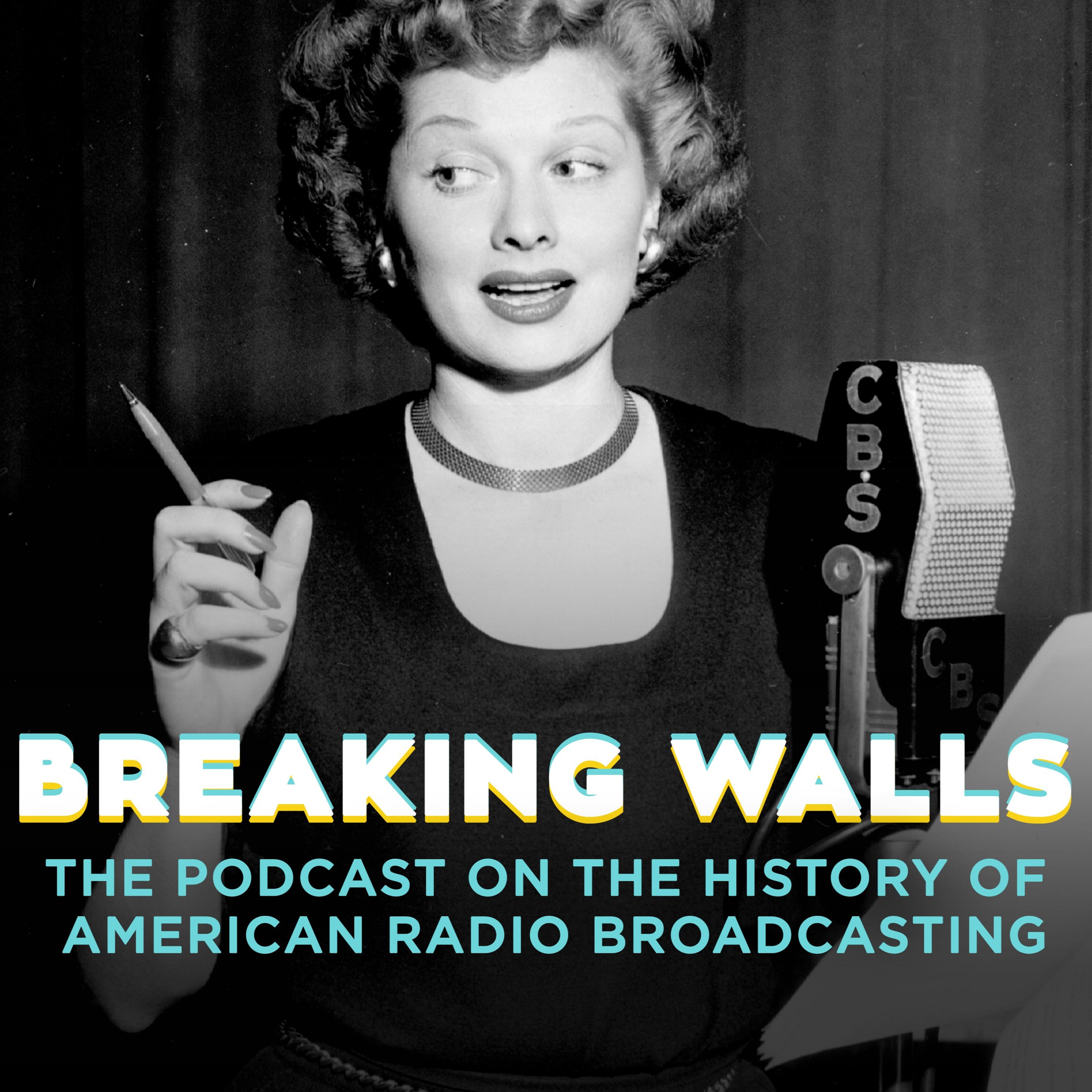
BW - EP154—004: Stars on Suspense in 1944—Listen to Lucille Ball Star in "Dime A Dance"
Support Breaking Walls at https://www.patreon.com/thewallbreakers The man you just heard is Hans Conried. In late 1943 he was thirty-six years old and all over radio. When Suspense moved to Hollywood, Conried quickly became part of William Spier’s trusted circle of character actors, often playing more than one part. Conried honed his craft in the 1930s. To Bill Spier’s credit, he did his best to allow them the time to have parts on other shows. Spier’s rehearsals were known for their loose atmosphere. He selected the best radio actors to be part of the Suspense troupe. This circle included Wally Mayer, Jeannette Nolan, Joseph Kearns, John McIntire, and Lurene Tuttle. Lurene Tuttle later worked with Spier on The Adventures of Sam Spade. Spier had a habit of purposely going into a broadcast with a script that was a minute or two long so the actors were forced into high tension. Spier wouldn’t allow a studio audience. He placed the orchestra behind a screen, out of sight of the cast so that the actors could better concentrate on their performance. Suspense found sponsorship in the fall of 1943 with Roma Wines. The show moved to Thursdays at 8PM eastern time. The first sponsored episode was called “The Black Curtain” and starred Cary Grant. It’s the first time listeners heard both the phrases “A tale well calculated to keep you in Suspense” and “radio's outstanding theater of thrills.” Uniquely, West Coast and Mountain time would get a separate broadcast on Monday December 6th. This broadcast split would continue until September of 1944. The next month on January 13th, 1944 Lucille Ball starred in an episode called “Dime a Dance.” The script was based on a story by Cornell Woolrich and adapted by Bob Tallman. Tallman wrote scripts in a single day with edits done in the hour between rehearsal and broadcast. Thirty-two and a seasoned film actress, in 1944 Ball began to carve out a second career on the radio. She appeared on Duffy’s Tavern, Abbott & Costello, and The Screen Guild Theater. In “Dime a Dance” she plays a dancer in a hall. A serial killer is targeting young women. Her character, Ginger Allen, gets involved in tracking the killer down. This episode’s rating was 8.5. Roughly six million people tuned in. For more info on Lucille Ball’s radio career, tune into Breaking Walls episode 100.
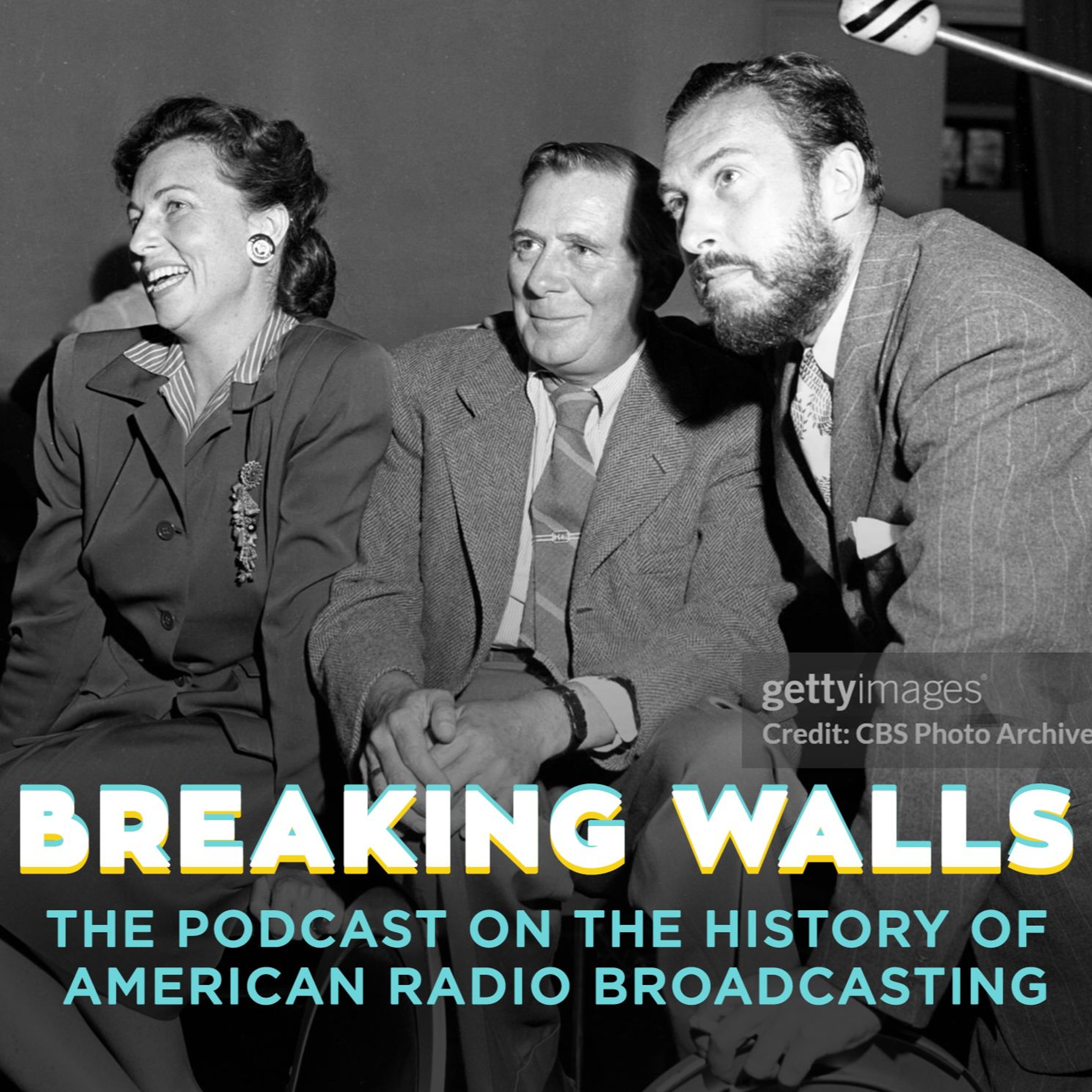
BW - EP154—003: Stars On Suspense In 1944—The Show Moves To Hollywood; Sorry Wrong Number
Support Breaking Walls at https://www.patreon.com/thewallbreakers Bill Spier’s Hollywood Suspense episodes got good reviews. He returned to New York for seven more shows while he got the green light to move Suspense to the West Coast. The first permanent Hollywood show was “Fear Paints a Picture” on April 13th, 1943. John Dickson Carr continued as writer until June, but Spier began to look for other voices, like Lucille Fletcher, who followed up “The Hitch-hiker” with “The Diary of Sophronia Winters,” starring Agnes Moorehead. The two would reunite a month later, on May 25th, 1943, for the most famous Suspense episode of all-time, “Sorry, Wrong Number.” Bill Spier did not direct this episode. It was handled by Ted Bliss. Although only thirty-six, Spier had recently suffered a heart attack. “Sorry, Wrong Number” was so harrowing, and Agnes Moorehead’s tour-de-force performance was so gripping to even the rest of the people in the studio, that a now-famous missed cue happened. I’ll let Ms Moorehead explain. Although Spier wanted to repeat the broadcast immediately, it was finally redone on August 21st. At that time CBS was in talks with Colgate to sponsor the series. The performance was heavily promoted, along with a time change. Suspense would be moving to Saturdays with this show. The August 21st, 1943 episode was the first time two different productions for each coast were done. CBS was attempting to deliver a large audience to entice Colgate to buy the series. The first broadcast was done at 4:30PM Pacific time for the East, while the second was done at 8PM for local audiences. Here’s the ending to the August 21st, 1943 broadcast of “Sorry, Wrong Number,” coming from the East Coast broadcast, as it was intended to have been performed the first time. Four days later Variety was enthusiastic in its praise for the broadcast. Hans Conried played the murderer. Besides the slightly missed cue, why was this story repeated so soon after? CBS was flooded with letters and phone calls. A funny thing happens as you listen to Mrs. Stevenson complain, you begin to like her less and less. This was intentional. Writer Lucille Fletcher was born in New York City on March 28th, 1912 and patterned the character after snooty women she’d had obnoxious dealings with in New York. At that time, only forty percent of U.S. homes had a phone. The fictional Stevenson home address of North Sutton Place was patterned after Sutton Place in New York City. It was one of the most exclusive areas on Manhattan’s east side. As researcher Dr. Joseph Webb put it, “regular people” were dealing with the scarcities and uncertainty of the War. Everyone was sacrificing in one way or another or had family members in the service.” Mrs Stevenson’s complaints slowly erode the audience's sympathy for her, but still no one was expecting her to actually be murdered at the end, atypical of climaxes at that time. Despite the praise, the Saturday experiment ended the following week. Spier recovered from his heart attack and returned on September 23rd, 1943, taking over direction. Colgate passed on sponsoring the series. Suspense went back to one national broadcast, but by November, Roma Wines would sign on, becoming the sponsor, and increasing Suspense’s budgets exponentially. #suspense #oldtimeradio #oldtimeradioshows #otr #historypodcast #oldhollywood #mysteryfiction
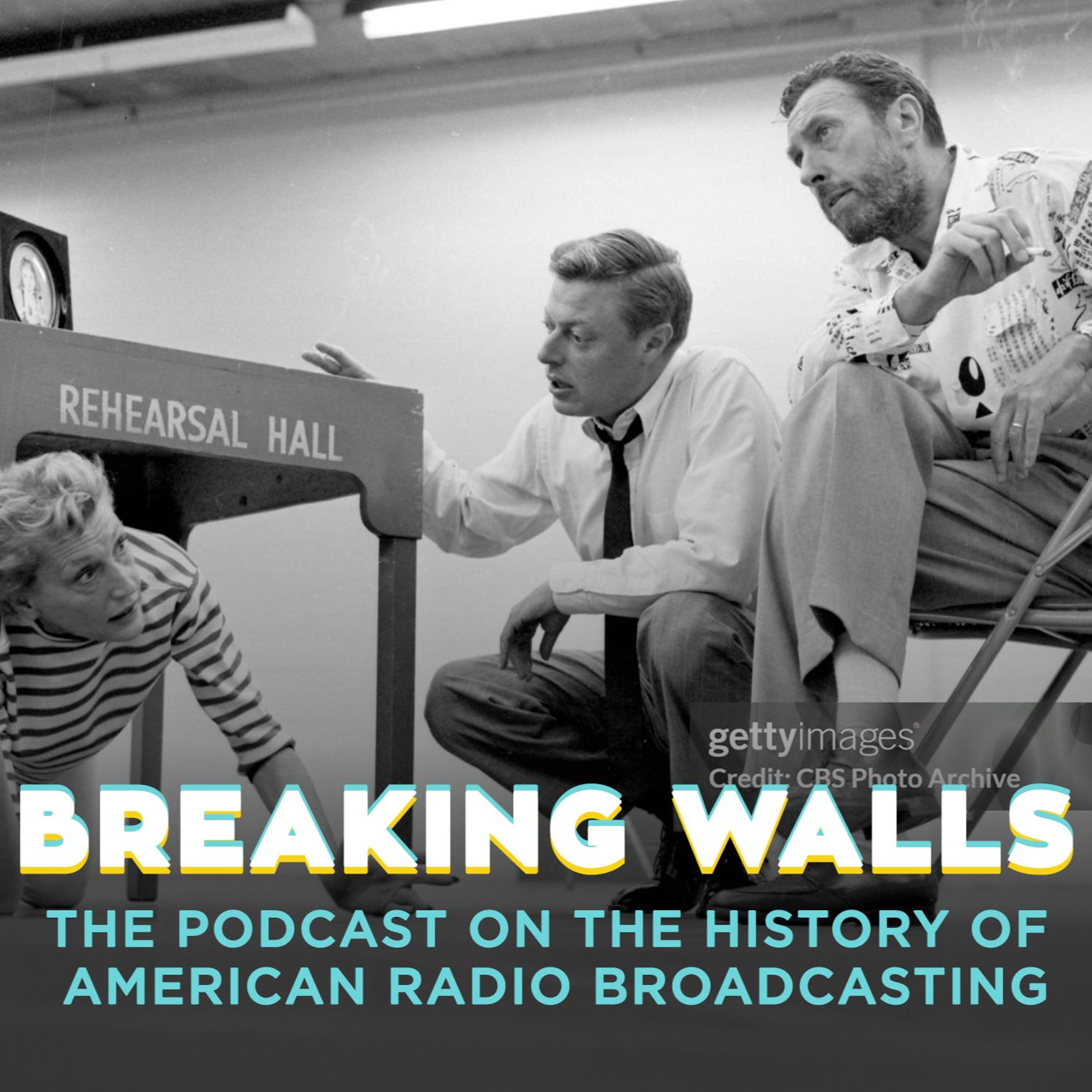
BW - EP154—002: Stars On Suspense In 1944—Suspense Launches In New York And Bill Spier Takes Over
Support Breaking Walls at https://www.patreon.com/thewallbreakers Willam Spier was born on 10/16/1906 in New York City. He began his career as an editor at Musical America Magazine, eventually becoming its chief critic. His radio career began in 1929, when he produced and directed The Atwater-Kent Hour, a Met Opera presentation. He soon became a valuable member of BBD&O’s growing staff of radio writers & directors. In 1931 Spier went to Hollywood to direct one of the first big budget radio programs in southern California. Coming back to New York, he was one of the people responsible for the creation of The March of Time. In 1940 Spier left BBD&O & began working for CBS. He was soon their story editor. Meanwhile, CBS decided to bring Forecast back. Season two premiered on 7/14/1941, with a play from Hollywood called The Arabian Nights. It starred Marlene Dietrich & was directed by Charles Vanda. The following week Kay Thompson starred in 51 East 51 from New York. It was an on-the-scene comedy at a fictitious upscale New York bar. Her director that evening was Bill Spier. The two were soon dating, marrying in 1942. Two weeks later, Spier produced & directed a Forecast episode called Song Without End, starring Burgess Meredith & Margo. It was to be a biopic on musicians and composers. That autumn Vanda & Spier were in New York, pushing for the launch of Suspense as a CBS cost-sustained show. On Sunday 12/71941 Japan attacked Pearl Harbor & Manilla, finally thrusting the US into World War II. The next Sunday, as CBS prepared for the Monday multi-network broadcast of Norman Corwin’s We Hold These Truths, Bill Paley finally approved Suspense’s launch as a thirteen-week summer series in 1942. Vanda got Harold Medford to come East to write. Although Bill Spier was head of CBS’s New York Story Department, it was Harold Medford who polished the first seven shows. Vanda also got CBS musician Bernard Herrmann to compose the show’s score. Suspense premiered on Wednesday June 17th, 1942 at 10:30PM eastern time. The first episode, “The Burning Court” was adapted from a story by John Dickson Carr. Seeking a star, Vanda chose Charlie Ruggles. Known for his comedic flair, Ruggles was in New York for the opening of his latest film, Friendly Enemies. Vanda believed that Suspense could cast against type. It came to be a show staple. Charles Vanda wound up only being in charge of the first five shows. He went into the army. The second show was the John Collier mystery “Wet Saturday,” a grim tongue-in-cheek tale of murder. The final three shows by Vanda were a take on the Lizzie Borden case, a murder story aboard a train, & a thrill kill, “Rope” that Alfred Hichcock later shot with James Stewart. With Vanda entering the service Bill Spier took over the production. Spier’s first episode as producer was on 7/22/1942. On 9/2 Suspense broadcast Lucille Fletcher’s “The Hitchhiker.” At the time Fletcher was married to Bernard Herrmann. “The Hitchhiker” starred Orson Welles. Welles & Spier had known each other since The March of Time. Welles just returned from Brazil where he’d been promoting greater Pan-Americanism on behalf of RKO. It was his first appearance on Suspense. When the thirteen-week summer run ended, CBS was set to cancel the series. The last episode was called, “One Hundred In the Dark.” It aired on September 30th, 1942. In the end Suspense was saved by the amount of fan mail & phone calls to CBS. Spier pushed to link the show with a prestigious mystery author. He approached the agent of John Dickson Carr, who’d written “The Burning Court,” & a deal was soon in place for him to write exclusively for the program. CBS picked up Suspense for the fall season and put it on the air Tuesdays at 9:30PM beginning 10/27. John Dietz returned as director and a foreboding narrator, “The Man In Black,” was played by Ted Osborne.
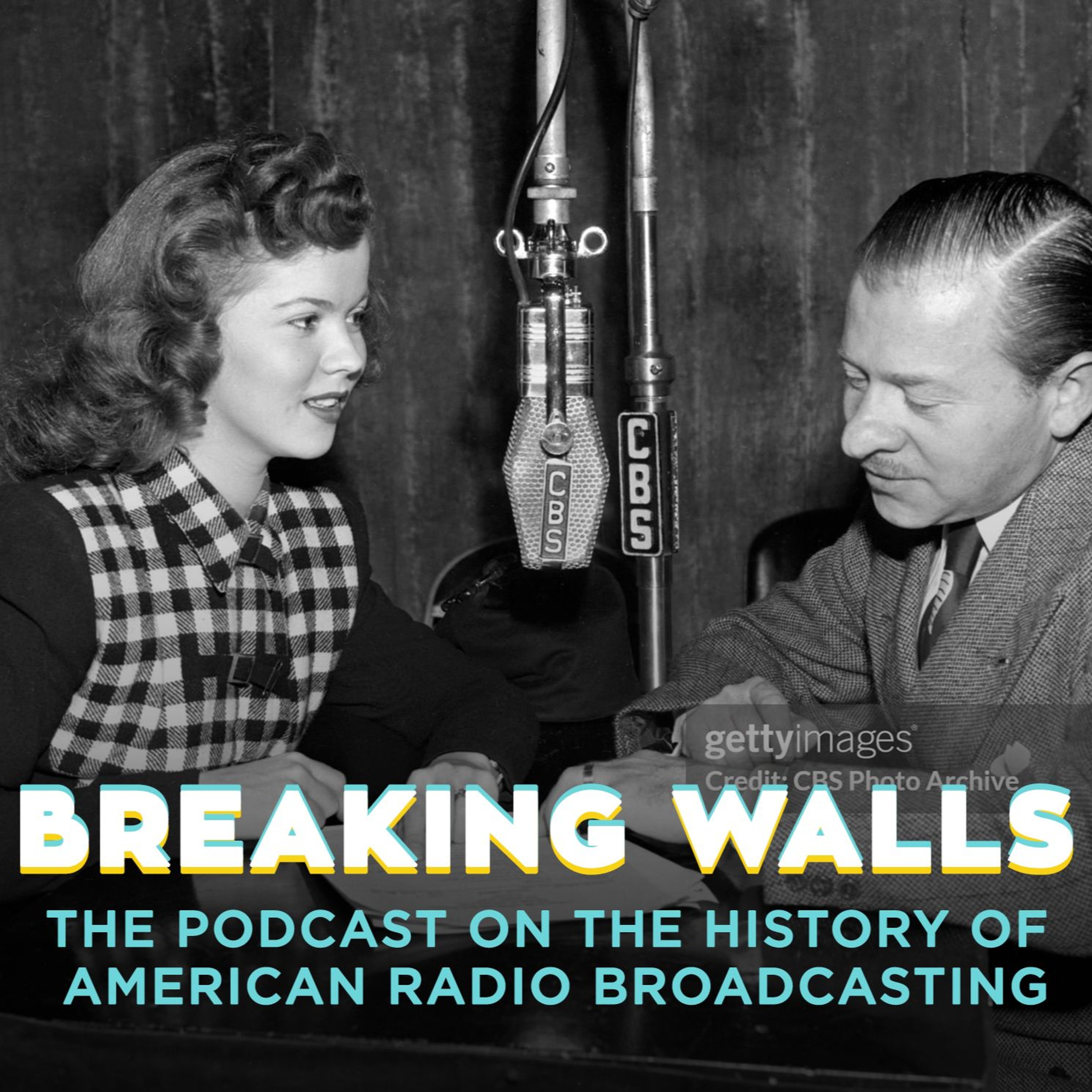
BW - EP154—001: Stars On Suspense In 1944—Suspense Is Born In Forecast
Support Breaking Walls at https://www.patreon.com/thewallbreakers In July of 1940 CBS’ Lux Radio Theatre was scheduled for its summer hiatus. Lux aired sixty-minute condensations of films Mondays at 9PM. Pulling a rating of 23.7, it was CBS’s highest-rated show and Monday’s most-listened to program. Head of CBS William Paley and Program Director Bill Lewis wanted to use the vacated time slot to attract both audience participation and potential sponsors. At that time, CBS’s story editor was William Spier. They decided to launch a pilot series to workshop new shows. They called it Forecast. It debuted on July 15th, 1940. Each week two thirty minute shows — one from New York and one from Hollywood — aired live. CBS petitioned their audience to write in about the pilots they liked. On July 22nd at 9:30PM, a Forecast took to the air starring Herbert Marshall, Edmund Gwenn, and Noreen Gammill. This particular one was conceived by Charles Vanda. Born in New York on June 6th, 1903, Charles Vanda got into radio and moved to Los Angeles in 1935 to be the CBS West Coast Program Director. Although Los Angeles was still a minor outpost for radio, by decade's end it overtook Chicago and matched New York as a major broadcasting hub. William Paley was keen on pushing programming in Hollywood and Vanda’s boss Bill Lewis was a man who proudly championed shows like The Columbia Workshop. Among the people Lewis helped was Norman Corwin. Vanda conceived the mystery program as a drama with famous stars, a large orchestra, and a well-known host. The man Vanda wanted was Alfred Hitchcock. It was Hitchcock who came up with the show name, Suspense. On July 22nd, the day Suspense was to air, Hitchcock was unexpectedly called to New York and wouldn't be able to appear. Rather than change directions, British actor Edmond Stevens imitated Hitchcock. But, the broadcast flopped. Variety said, “Alfy, old boy, don't ever do that to us again,” referring to the open ending. That, along with Hitchcock’s spotty availability spooked advertisers. No one wanted to sponsor the program. Suspense was mothballed. Of all the pilots that aired during season one of Forecast, only Duffy’s Tavern got picked up, and even that didn’t happen until March of 1941. Charles Vanda was soon called back to New York to produce shows like The Columbia Workshop. There he worked with William Spier. Within two years the duo would finally bring Suspense to the air.
Thank You To Those Who Have Recently Supported Breaking Walls On Patreon
Thank you to those who recently supported the show at https://www.patreon.com/thewallbreakers. If you support Breaking Walls for as little as $1 a month, you'll get each episode's show early and in one long documentary. Each month's episode takes me somewhere between 30-60 hours of work time to complete and supporting through the Patreon does a LOT to help me keep doing the show and paying for hosting and other costs. I’ve been doing the show since February of 2018 and I’m honestly not sure how much longer I can do the show without being able to support it. At the $5 and up tier I'm posting other goodies and clips of historic radio interest. Right now I’m posting digitized transcriptions of CBS Dimension, CBS’s magazine of the air in vignette form. It was sent to affiliates via records in the early 1960s and in some ways was an answer to NBC’s Monitor. Expect these kinds of posts a couple of times per week. Also, a couple of times per month I'm going to release an old episode of Breaking Walls, which has fallen off the RSS feed, beginning with episode 75 to the Patreon feed. These will be available at the $1 and up tier and episodes 75, 76 and 77 have been uploaded. Anyway, in the next couple of days I’m going to have August’s episode of Breaking Walls, #154: Stars on Suspense in 1944, uploaded to Patreon. Thank you for being listeners of this show, I really appreciate it. By the way, I don’t always get a ton of feedback, so I don’t know who’s listening to Breaking Walls and who isn’t. I just see the numbers. So if you have anything that you’d like to say or ask me about the show, please send me an email at [email protected].

BW - EP153—011: Independence Day 1944—Norman Corwin's Home For The Fourth
Support Breaking Walls at https://www.patreon.com/thewallbreakers By 1944 Norman Corwin had free rein over his productions. In six years he’d gone from a network rookie to the most-lauded creator on the air. He was now the poet-laureate of radio, a nickname which would stick with him the rest of his life. That March, The Columbia Workshop was rechristened as Columbia Presents Corwin for a twenty-two week run. At 10PM eastern time on Independence Day 1944 Corwin broadcast "Home For the Fourth." In this play, two brothers are away at war. One, played by Dane Clark, gets a two-day pass to see his family and fiance. It’s a slice of American life written and directed in a way that came to define Corwin. He understood that people were a part of, and yet transcended their own time. This play is eighty years old, but sounds like we could have spent time with these people eighty minutes ago.
BW - EP153—010: Independence Day 1944—Words At War
Words at War was an anthology of war stories “told by the men and women who have seen them happen.” It was produced in cooperation with the Council on Books in Wartime, promising “stories of the battlefronts, of behind-the scenes diplomacy, of underground warfare, of action on the seas, and of the home front.” Each show was to be “a living record of this war and the things for which we fight.” Debuting on June 24th, 1943 from New York, during its first year on the air despite being given a late-night timeslot, it was praised by Variety as “one of the most outstanding programs in radio,” by the New York Times as the “boldest, hardest-hitting program of 1944,” and by Newsweek as “one of the best contributions to serious commercial radio in many a year.” Initially network cost-sustained, it was given stirring music by NBC’s symphony orchestra. The sound patterns had Japanese dive bombers: the growl of heavy machinery, the chatter of machine guns, the steady drone of an airplane as two pilots stood on a runway and spoke what might be their last thoughts. Though sonically important, the success of Words at War could be attributed to the immediacy of its subject matter. There were dramatizations of “the most significant books to thus far come out of this great world conflict,” with the war’s outcome by no means assured. This atmosphere—of a country fighting for its life—gave the stories maximum impact. In the summer of 1944, the show was sponsored by Johnson’s Wax and took over Fibber McGee and Molly’s Tuesday 9:30PM eastern time slot. On Independence Day 1944, the episode was called “War Criminals And Punishment.”
BW - EP153—009: Independence Day 1944—The Molle Mystery Theater
The man you just heard was Raymond Edward Johnson. He is best-remembered for being the longtime host on Inner Sanctum Mysteries on CBS. After returning from the War, Johnson left the show to pursue more diversified acting interests. However by then, NBC had launched their own mystery program which Johnson often found himself appearing in. It was called The Molle Mystery Theater. Launched on September 7th, 1943 and sponsored by Molle Brushless Shaving Cream, Mystery Theater was hosted by Bernard Lenrow as Geoffrey Barnes, crime fiction connoisseur. Veteran radio actor Bernard Lenrow routinely read one-hundred mystery novels each year and personally selected the stories to be dramatized on the show. Molle featured ’‘the best in mystery and detective fiction,” with tales running from classics by Poe, to moderns by Raymond Chandler. The trademarks were high tension and shocking endings. In July of 1944 it was pulling a rating of 9.1 Tuesdays at 9PM. Many of New York’s most-famous radio actors appeared, like Richard Widmark, Elspeth Eric, Anne Seymour, and Joseph Julian.
BW - EP153—008: Independence Day 1944—Theater Of Romance Goodbye Mr. Chips
Opposite of A Date With Judy at 8:30PM, CBS broadcast Theater of Romance, hosted by the just-heard Arnold Moss, who was also known for his acting prowess. Romance first took to the air on April 19th, 1943 with host Frank Gallop as “your guide through the pages of the great stories of all-time.” It went off the airwaves June 20th, 1944 before re-debuting on July 4th as Theater of Romance, sponsored by Colgate Tooth Powder. This episode featured Gertrude Warner and Karl Swenson in James Hilton’s Goodbye Mr. Chips. In 1975 Swenson was interviewed with his wife and fellow actress, Joan Tompkins, by Chuck Schaden.
BW - EP153—007: Independence Day 1944—A Date With Judy's Election Mixup
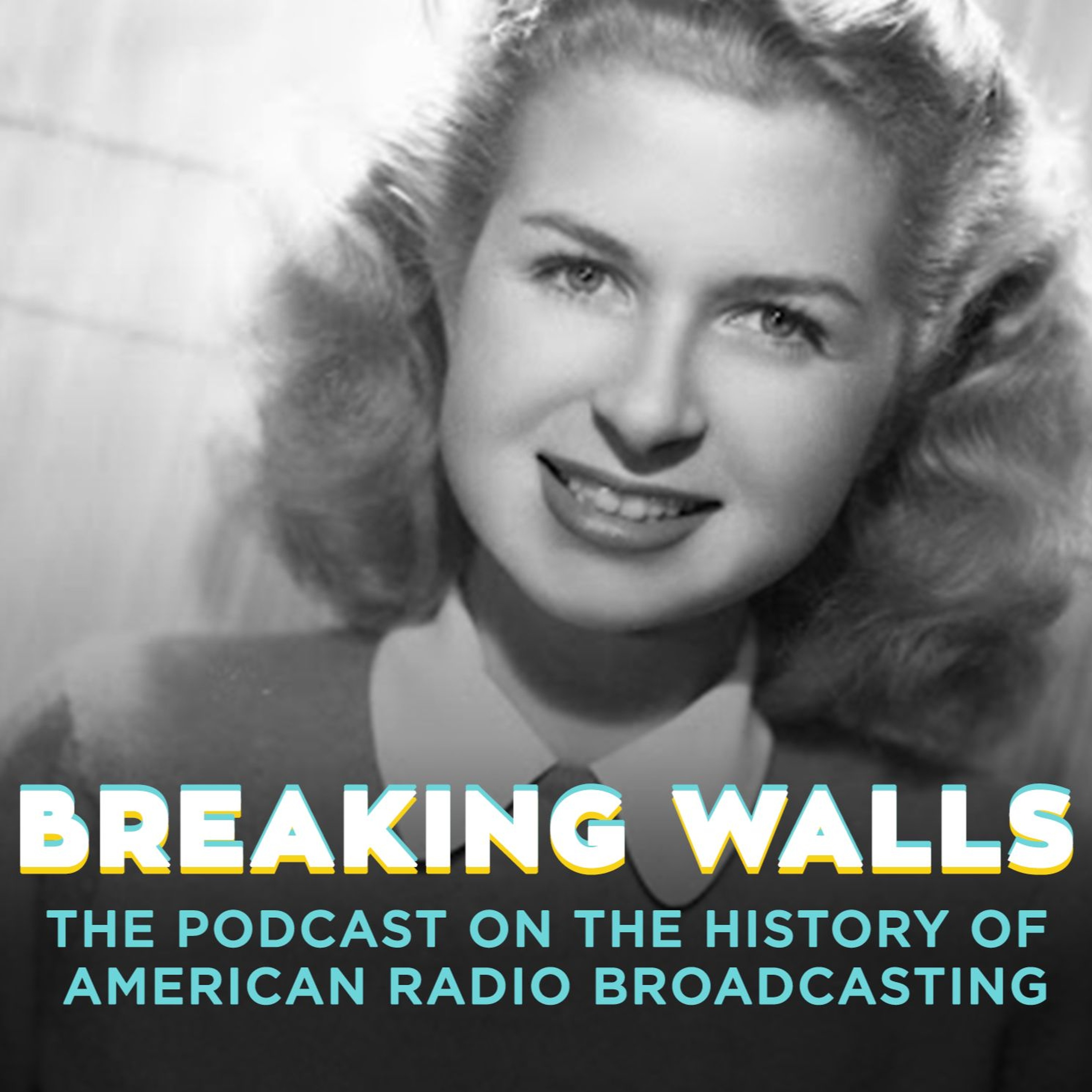
Debuting on June 24th, 1941, A Date With Judy was the teenage girl’s answer to Archie Andrews and The Aldrich Family. Billed as the adventures of the “lovable teenage girl who’s close to all our hearts,” it initially starred Ann Gillis in a summer replacement for Bob Hope. While filming at Paramount, Hope met Gillis and introduced her to his radio sponsors. They cast her in the adolescent comedy being prepared by writer Aleen Leslie. Leslie had come up through the Hollywood ranks working for Columbia Pictures, and writing for Deanna Durbin, Mickey Rooney, and Henry Aldrich films. Leslie wrote the lead with her friend Helen Mack in mind, but Mack was pregnant and declined. After the birth of her child. Mack came in as producer-director, the only woman to do so in a prime-time role at the time. In three summertime runs, two for Hope and one for Eddie Cantor, Judy was played by Gillis, Joan Lorring, and finally Louise Erickson. Erickson also played Marjorie on The Great Gildersleeve. In January of 1944, Judy was given a full-time run and Erickson held the role for the next six years. In July of 1944 the show was pulling a rating of 9.1 on NBC. On Independence Day at 8:30PM, an overheard election mixup causes comedic embarrassment for Judy’s father.
BW - EP153—006: Independence Day 1944—The Ginny Simms Purple Heart Show
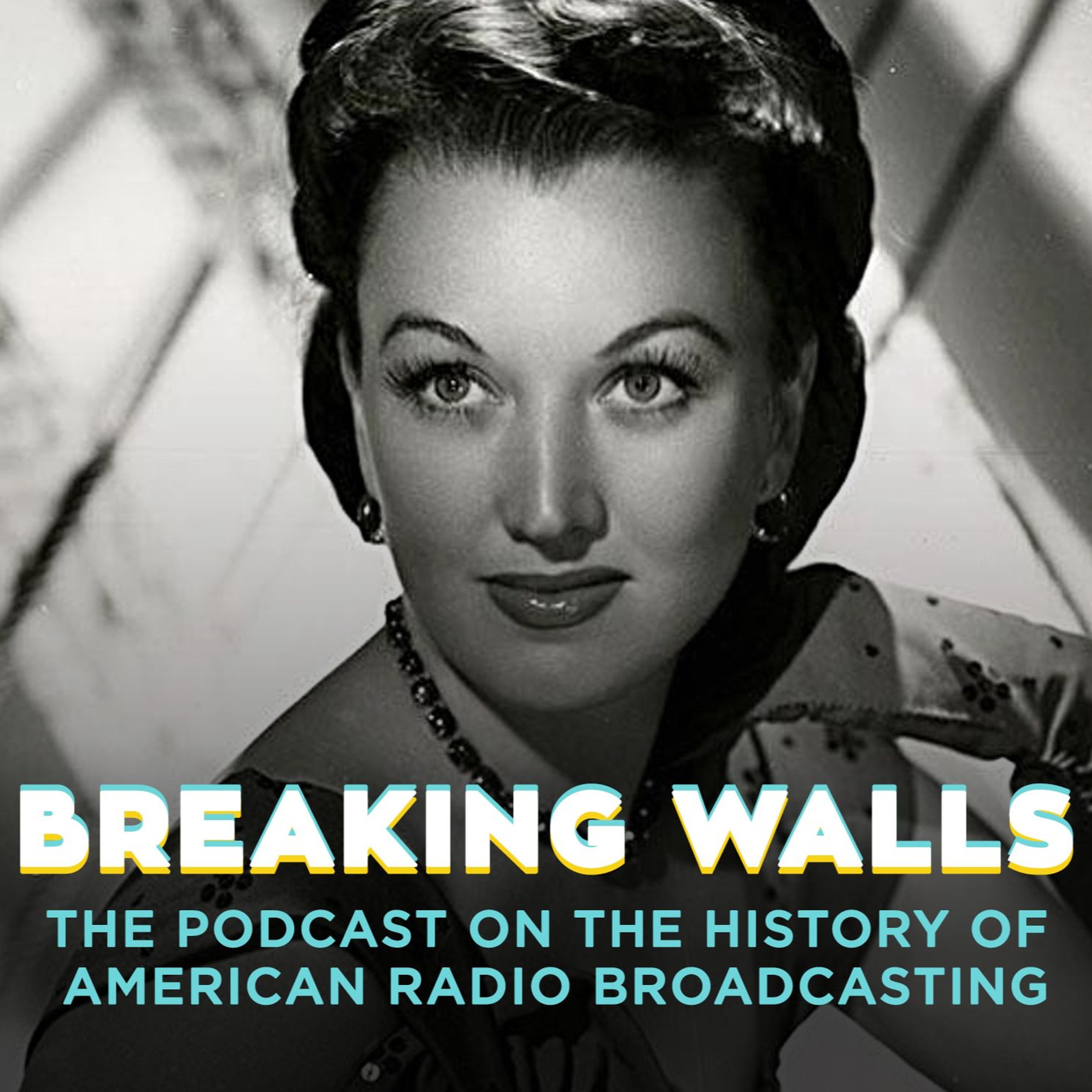
Virginia Ellen, “Ginny” Simms was born in San Antonio, Texas on May 25rd, 1913. Her family moved to California, where she attended Fresno High School and Fresno State Teachers College. There she studied piano and began performing. Singing with her sorority sisters, she formed a popular vocal trio. In 1932, Simms became the vocalist for the Tom Gerun band in San Francisco. In 1934, she joined the Kay Kyser Orchestra, receiving her first national exposure on his radio program. Simms appeared in three films with Kyser: That's Right—You're Wrong in 1939, You'll Find Out, in 1940, and Playmates in 1941. On April 6th, 1941, Simms and Kyser co-starred in an original comedy, “Niagara to Reno,” on CBS' Silver Theater. The two nearly married, but upon breaking up, she left his orchestra in September. Just a few days later, on September 19th 1941, Simms was on CBS solo for five minutes on Fridays at 9:55. Then on Tuesday September 8th, 1942 at 8PM, she took to the air with her own show for Philip Morris. Originally called Johnny Presents, it was later changed to The Purple Heart Show, with an emphasis on wounded and decorated servicemen. Edgar “Cookie” Fairchild led the orchestra. She starred in more films, including Here We Go Again in 1942, Hit The Ice, in 1943, and Broadway Rhythm, which premiered in January of 1944. On Independence Day 1944 at 8PM, Ginny Simms took to the air with her Purple Heart Show. Opposite in New York, CBS aired Big Town, and both ABC and Mutual aired news commentary.
BW - EP153—005: Independence Day 1944—Norman Corwin In England With Edward R. Murrow
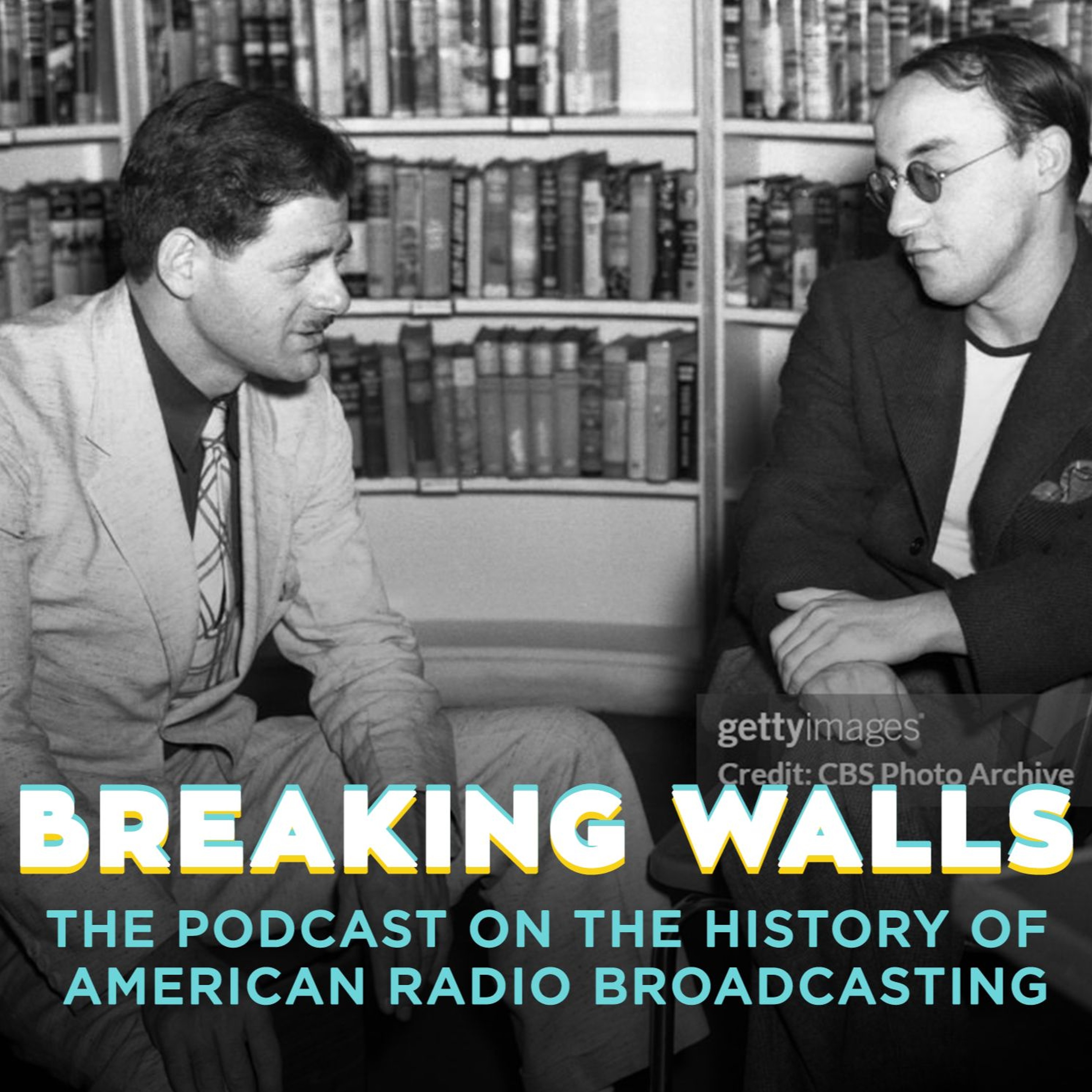
In early 1942 Norman Corwin began a unique show over all four major radio networks. It was a thirteen episode, non-commercial broadcast called This is War, bringing together the best talent and resources of the broadcast and entertainment industry, like actor Joe Julian. That summer, Corwin went to England to produce a series helping to improve relations between the English and Americans, which were, surprisingly, strained. People like aviation legend Charles Lindbergh were anticommunism, but pro-isolationism and pro-eugenics. All three views were supported by the Nazi party. President Roosevelt was deeply angry at Lindbergh's opposition to his administration's interventionist policies. He told Treasury Secretary Henry Morgenthau in 1941, "If I should die tomorrow, I want you to know this, I am absolutely convinced Lindbergh is a Nazi." Linbergh publicly denounced anti-semitism in 1941, but many people remained anti-anglo throughout the country, with some even citing the American Revolution and the War of 1812 as reasons. Called An American In England, it was a joint effort from BBC and U.S. broadcasters. Edward R. Murrow would produce. The entire available London Philharmonic Orchestra would be used. The series would be sent back to the states by short-wave. Because it was to be heard live at 10PM for Eastern War time, that meant it was broadcast overnight in England. The result was a limited-release series considered to be among the most important works Corwin ever produced.
BW - EP153—004: Independence Day 1944—Tom Mix And Hop Harrigan Fight The War
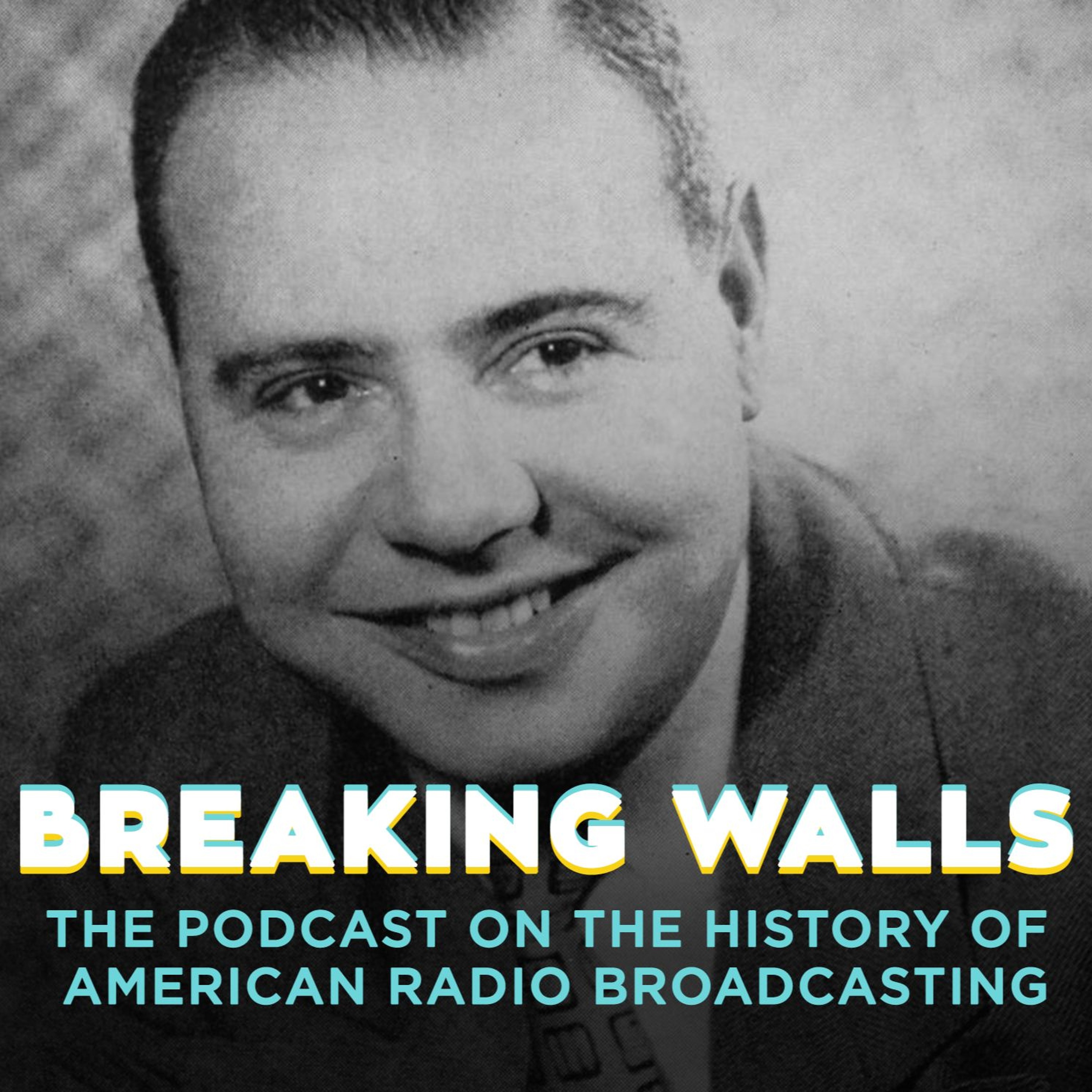
At 5:30PM eastern time over Mutual Broadcasting on Independence Day, 1944, The Tom Mix Ralston Straight Shooters took to the air. Originally airing from NBC in Chicago in 1933, it featured the just-heard Hal Peary, and the ever-present Willard Waterman. Tom Mix was created as an advertising vehicle for the Ralston Purina Company. Its format was devised by Charles Claggett, a St. Louis adman and based on the life of a real cowboy, Tom Mix. Born in Pennsylvania in 1880, he became a soldier and champion roper, winning a national title in 1909. Mix began appearing in movies, and much like Buffalo Bill Cody, his legend soon outgrew his actual exploits thanks to natural showmanship. By the time radio got him, he was seldom mentioned in print without a platoon of fantastic adjectives. Perhaps the most famous actor to play Tom Mix was Russell Thorson, who held the role for the Blue Network in the early 1940s, until it was canceled on March 27th, 1942. Tom Mix was revived and moved to Mutual beginning June 5th, 1944 in a fifteen minute serial. By then, Mix joined others like Jack Armstrong, Captain Midnight, and even Superman in the war against the axis. The show became known as “radio’s biggest western-detective program.” Joe “Curley” Bradley played Mix throughout the later run. Bradley was a former Oklahoma cowboy and Hollywood stuntman who had learned to sing around bonfires. As for the real Tom Mix, he had nothing to do with the serial. He died in a car accident near Florence, Arizona on October 12th, 1940. At 6:15PM it was Hop Harrigan’s turn to sign on, over The Blue Network’s WJZ. It starred Chester Stratton as Hop Harrigan, young aviator known as “America’s ace of the airways,” with Jackson Beck as Tank Tinker. Beck was all over radio. Hop Harrigan first took to the air on August 31st, 1942, running on The Blue Network and later ABC until August 2nd, 1946. It was revived from October 2nd, 1946 through February 6th, 1948 over Mutual Broadcasting. Hop went on missions in dangerous territory behind enemy lines. He had dogfights, went underground in war-torn Berlin, and saw heavy service in the Pacific during the battle for Okinawa.
BW - EP153—003: Independence Day 1944—Raymond Scott & Celebrations Around The Country
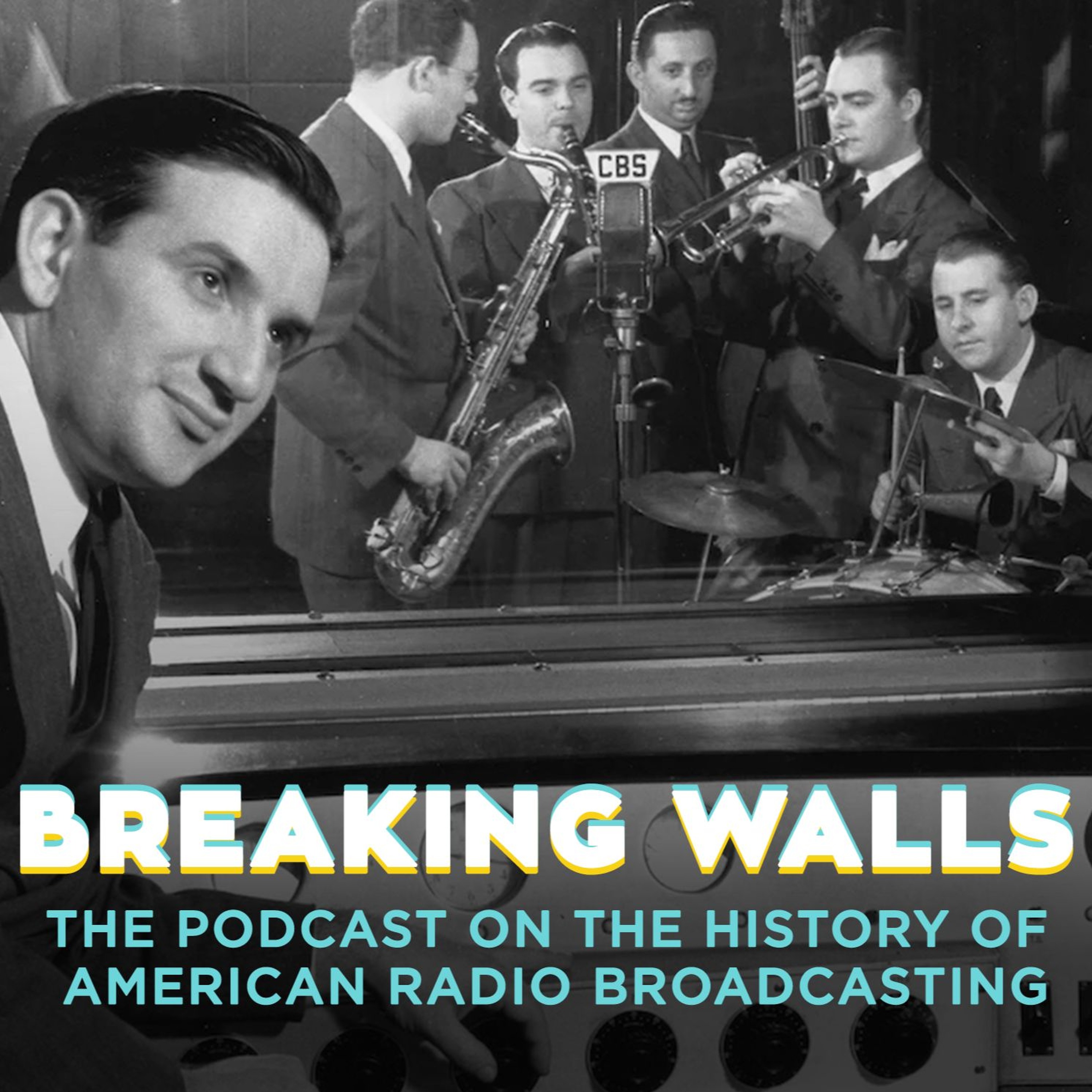
At 4:45PM on Independence Day 1944, The Raymond Scott Orchestra took to the air for fifteen minutes of music on CBS’ WABC in New York. Born Harry Warnow on September 10th, 1908 in Brooklyn to Ukrainian Jewish parents, his older brother Mark, also a musician, encouraged Harry’s career. He graduated from the Juilliard School of Music in 1931 where he studied piano, theory, and composition. He began his professional career as a pianist for the CBS Radio house band under his birth name. Mark, older by eight years, conducted the orchestra. Harry adopted the pseudonym "Raymond Scott" to spare his brother charges of nepotism when the orchestra began performing the pianist's unique compositions. In late 1936, Scott assembled a band from among his CBS colleagues. Although it was a six-piece group, he called it the Raymond Scott Quintette, joking with a reporter that calling at a sextet might take one’s mind off the music. Scott believed in composing and playing by ear. He composed not on paper, but "on his band"—by humming phrases to his sidemen or by demonstrating riffs and rhythms on the keyboard, instructing players to interpret his cues. Also a sound engineer, he recorded the band's rehearsals, using them as references to develop his compositions. Scott reworked, re-sequenced, and deleted passages, and added themes from other discs to construct finished pieces. While he controlled the band's repertoire and style, he rarely took piano solos, preferring to direct the band from the keyboard and leave solos and leads to his sidemen. He also had a penchant for adapting classical motifs into his work. Independence Day 1944 was celebrated with remembrance, prayer, and War Bond drives. Norman Rockwell’s July 1st Saturday Evening Post cover featured a wounded veteran holding up a $100 war bond. The July 3rd cover of LIFE Magazine featured a G.I with a leg wound being helped by a compatriot. There was a prominent sticker on top that said “buy war bonds.” Meanwhile in Bedford, New Hampshire, an unexpected explosion at the John P. Bedricks powder works sent nearly seventy-miles of New England into a panic as windows as far away as Worchester, Massachusetts were destroyed. Despite this, there were no fatalities. At 4PM, NBC celebrated the Treasury Department’s “Salute To the Navy” from Philadelphia’s Navy Yard. Speakers included Secretary of the Treasury Henry Morgenthaur Jr., and Secretary of the Navy James Forrestal. In New York, Edward J. Nathan, Manhattan’s Borough President, addressed a rally of Jewish war veterans at the Soldiers and Sailors Monument in Riverside Drive, while the Knights of Columbus and sixty-seven affiliated councils, sponsored a parade and band concert in Prospect Park, Brooklyn. That evening, a Special Fifth War Bond Rally was held at Lewisohn Stadium in City College.
BW - EP153—002: Independence Day 1944—Vic And Sade Play Cards On Fourth Of July
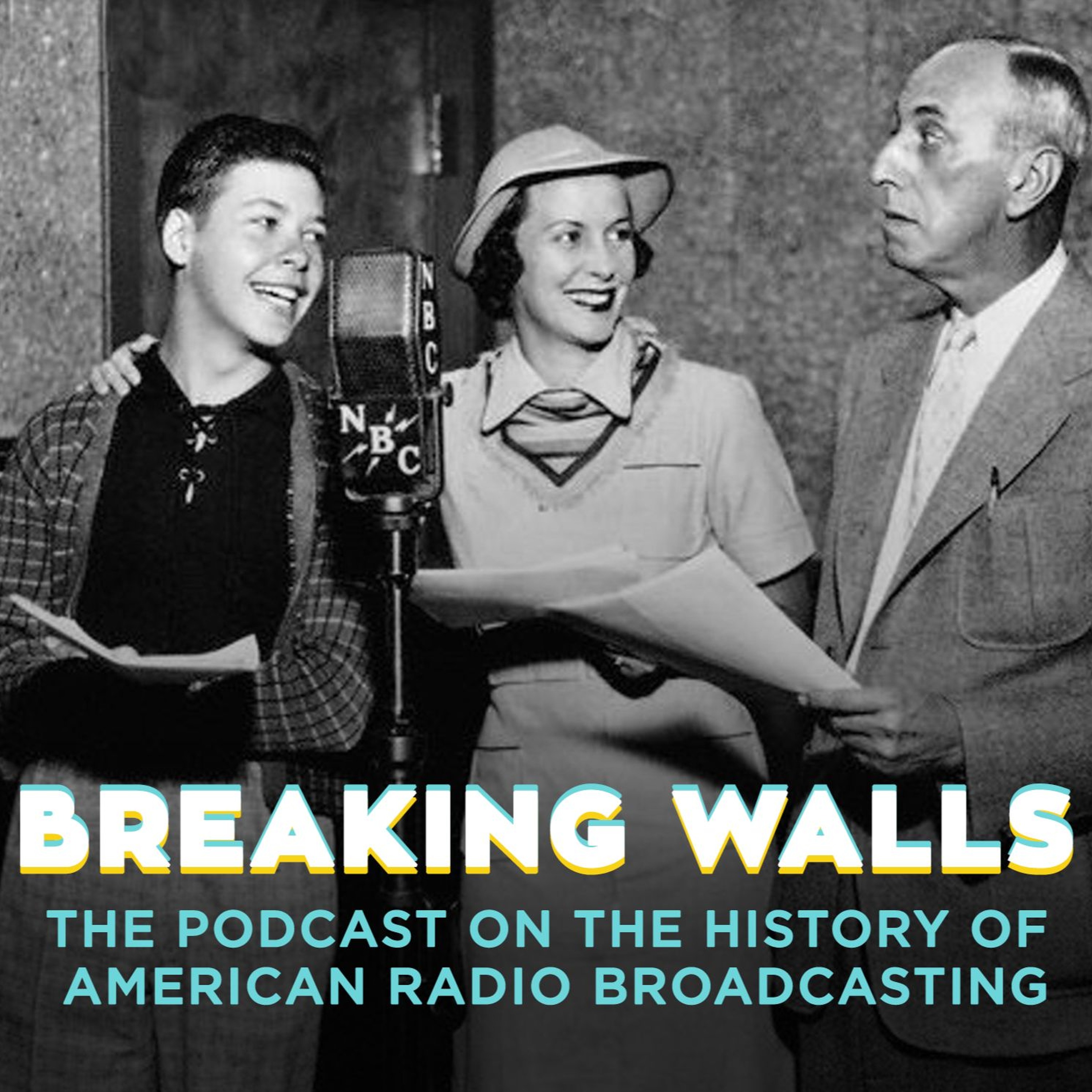
On Tuesday July 4th, 1944 at 11:15AM, the homespun Vic and Sade took to the air over NBC’s WEAF in New York. First airing on June 29th, 1932, Vic and Sade was created by Paul Rhymer. Known as “radio’s home folks,” the show was broadcast from The Merchandise Mart in Chicago. Rhymer wrote the script each morning before heading to watch the rehearsal and broadcast. On good days, one rewrite sufficed. On difficult days, the script would be ripped up again and again and poured over. The result was a standalone twelve-minute sketch that, over time, told the life story of Mr. and Mrs Victor Gook and their family and friends at “the small house halfway up in the next block” in a rural town somewhere in Illinois. The town was populated by strange eccentrics with some of the most wonderful names ever heard in fiction. Most of the characters were only spoken about and sound effects were purposely sparse, save for the ever-present telephone. In radio circles, the show was regarded as one of the all-time best. Among its devoted fans were Jean Shepherd, Norman Corwin, Jim and Marion Jordan, Carlton E. Morse, Stan Freberg, Ray Bradbury, and Franklin and Eleanor Roosevelt.
BW - EP153—001: Independence Day 1944—Norman Corwin From CBS To Pearl Harbor
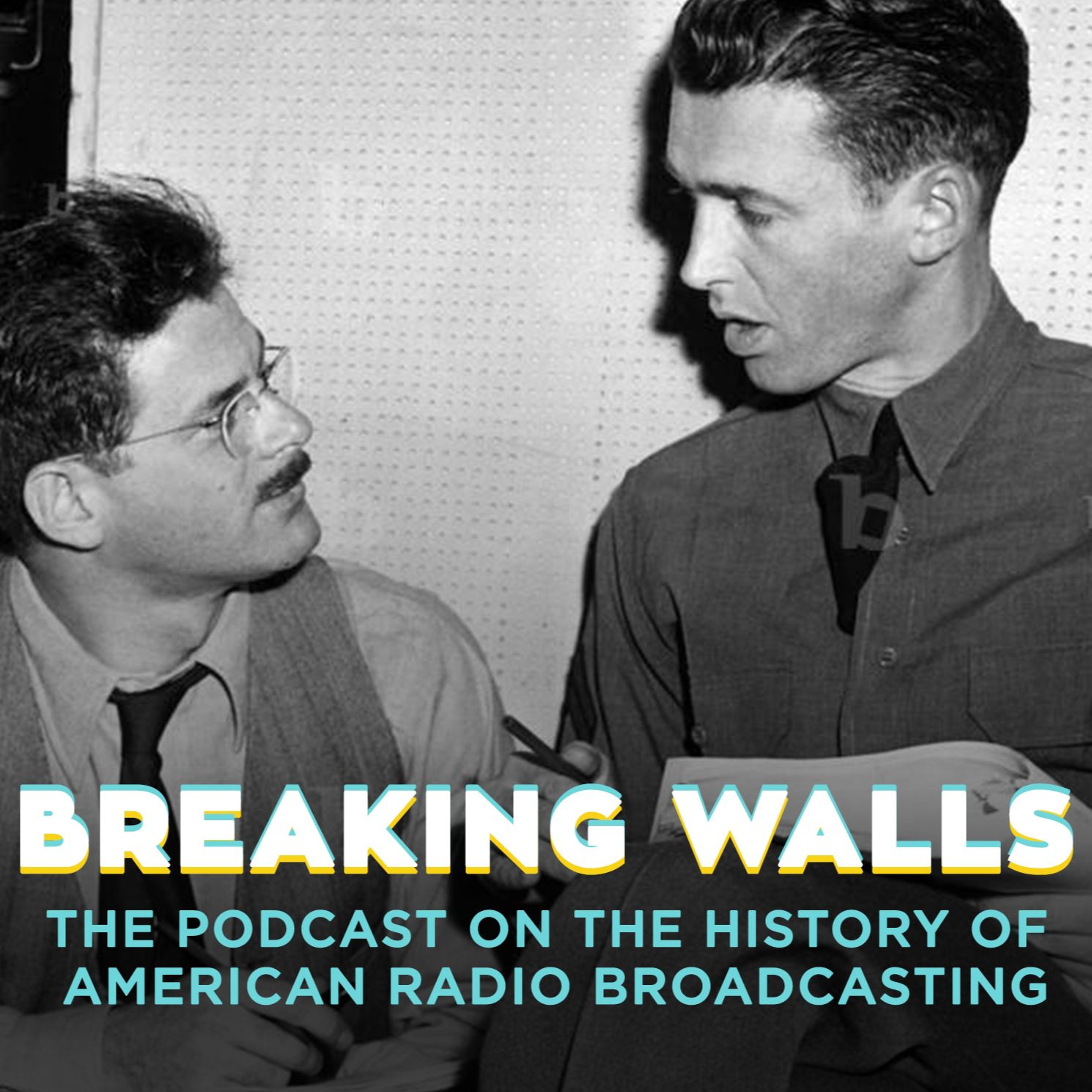
Tuesday, July 4th, 1944. It’s been twenty-nine days since the Allies first stormed the beaches of Normandy. They’ve continued to slowly push inland, but the battle for control of the Caen has raged onward. CBS is there with up-to-the-minute news. On Saturday July 1st, A counterattack by German Panzer Corps failed to dislodge the British Second Army around Caen. When OB West Gerd von Rundstedt phoned Berlin to report the failure, Chief of Staff Wilhelm Keitel asked, “what shall we do?” Rundstedt replied, “Make peace you fools!” He was fired the next day. Meanwhile the U.S. 133rd Infantry Regiment captured Cecina in Tuscany, Italy. They’d enter Siena on Monday the 3rd. At the same time Allies and Japanese forces began battling in New Guinea and The Battle of Imphal in India ended in Allied victory. On the morning of the Fourth, Minsk, the last big German stronghold on Soviet soil, finally fell. This kind of war created a need for fast news relays, so much so that for the first time, news was being recorded on the battlefront. On Independence Day 1944, needing to push further inland from Normandy, the task fell to the 79th and 90th Divisions as well as the 82nd Airborne, all of whom had to assault uphill and around a large marsh in the low ground, while twelve Nazi divisions lay in wait, including several Panzer units. The troops fought yard by yard, making slow but steady progress at a high cost. The 90th Division alone lost over 500 men that day. This same day, General Omar Bradley had artillery units in the US First Army open fire on the German lines precisely at noon. Some units fired red, white, and blue smoke shells at the Germans. The message was clear: The Americans were in Western Europe and they wouldn’t be leaving until victory was achieved. ____________ The man you just heard was Norman Lewis Corwin. He was born on May 3rd, 1910 in Boston, Massachusetts. The third of four children, his mother Rose was a homemaker, and his father, Samuel, a printer. Norman graduated from Winthrop High School, but unlike his brothers, he did not attend college. Instead, he got a job at the Greenfield Reporter as a Cub newsman at seventeen. Corwin was later hired by the Springfield Republican where he worked as an editor. He became known for his column "Radiosyncracies." His first exposure to professional Radio broadcasting came with an opportunity to air an interview regarding one of the human interest stories he'd written. Station WBZA soon needed a newsreader and sought to have the position filled with someone from the local paper. Corwin got the job. By 1929 Corwin fashioned his own broadcast over WBZA, a combination of piano interludes interwoven with Corwin's original poetry readings. He called the program Rhymes and Cadences. In 1931, Corwin traveled to Europe with his older brother, witnessing the growing fascism, social and religious unrest, and political turmoil. It helped shape his broadcasting career. In June 1935, he went to Cincinnati to work at WLW. He soon learned that any on-air reportage of collective bargaining efforts were grounds for immediate dismissal. Objecting, he was fired. Eventually he got the ACLU’s backing and got the policy changed. Corwin came to New York, finding work as a publicist for 20th Century-Fox. He soon proposed a poetry and music program for WQXR. The program was called Poetic License, and it wasn’t long before both NBC and CBS took notice. A few days shy of his twenty-eighth birthday in 1938, CBS hired Corwin as a director for One-Hundred-Twenty-Five-Dollars per-week. Within a few months he directed his first Columbia Workshop experimental drama, “The Red Badge of Courage,” airing July 9th, 1938. On the night of Sunday October 30th, 1938, Corwin was rehearsing the pilot for a new program, Words Without Music. Downstairs, Orson Welles was broadcasting his infamous Mercury Theater “War of The Worlds.”
Please Subscribe (For Free) To Breaking Walls on Youtube (Link in Notes)
Hey everybody James Scully here, host of Breaking Walls. If you've been listening to this show for years on this RSS feed, I want you to know that you can also subscribe to the show on Youtube — www.youtube.com/@thewallbreakersllc. I'm asking people who listen here on the RSS feed to subscribe on Youtube because Youtube offers the easiest path to monetizing this show. I'm going to be fully transparent right now: There have been times in the history of this podcast that via RSS feed, Breaking Walls has had as many as 27000 - 30000 monthly downloads, but even with that, it's very hard to monetize the show via traditional podcast channels. However, I've been able to clear the monetization hurdles on Youtube, so please subscribe there. If you happen to listen on a computer or on a phone, I would appreciate if you listened via Youtube. I'm also going into Youtube and slowly uploading all shows from Breaking Walls' archive in individual podcast playlists on Youtube. This way, everything that for years now has fallen off the RSS feed here doesn't matter. You can get all those archived shows FREE OF CHARGE on Youtube. Your listening for free will enable me to earn money, and I'd appreciate that very much. So once again — www.youtube.com/@thewallbreakersllc Keep getting out there, keep breaking those walls, and I'll catch you on the flip side.
BW - EP152—025: D-Day's 80th Anniversary—Closing Out The Day & Looking Ahead To Independence Day
Here we are, back at Bill Pogue’s. It’s after 11PM. What do we know? Well, there are less people drinking here than last night, most would rather stay in and listen for updates. On the air over CBS right now is Joan Brooks. Me? I’m just trying to have that nightcap I started yesterday. There are still news bulletins coming out of Europe. It’s almost dawn there. The men will be continuing their missions with D-Day: Plus 1 So far, we know that at least four-thousand Allied soldiers have been killed in the initial attack, but the German forces on the Normandy peninsula have either been killed, captured or forced to withdraw to Caen. I’m sure as we speak troops and equipment are being ferried across the Channel. I know the hope is that by the end of June we’ll have nearly a million men in western Europe as we advance north from Italy simultaneously. With the Russians pushing Germany west it’s only a matter of time, but the Germans won’t go down without a fight. But, I know American resolve. We’ll be up for the task, no matter how long it takes. It’s why next month on Breaking Walls we’ll move just a few weeks into the future and focus on Independence Day, 1944. —————————— The reading material used in today’s episode was: • Radio Speakers--A Biographical Dictionary — By Jim Cox • On The Air — By John Dunning • Network Radio Ratings — By Jim Ramsburg As well as articles from • Broadcasting Magazine • CBSNews.com • GlobalNews.ca • LIFE Magazine • Military-History.org • The New York Times • The New York Daily News • Presidency.UCSB.edu • RadioArchives.com • Radio Daily —————————— On the interview front: • André Baruch, Mel Blanc, Ken Carpenter, Norman Corwin, Alice Frost, Barbara Luddy, Bret Morrison, Ken Roberts, Kate Smith, and Olan Soule spoke with Chuck Schaden. Hear these full chats at Speakingofradio.com. • Himan Brown, Staats Cotsworth, Jim Jordan, Mandel Kramer, and Jan Miner, spoke to Dick Bertel and Ed Corcoran for WTIC’s The Golden Age of Radio. Hear these interviews at Goldenage-WTIC.org • Joan Banks spoke to SPERDVAC. For more info, go to SPERDVAC.com • Fran Carlon, John Daly, and Ben Grauer spoke for Westinghouse’s 50th anniversary. • Ned Calmer, Doug Edwards, Lowell Thomas, Charles Osgood, and Bob Trout spoke to CBS for their 50th anniversary. • HV Kaltenborn spoke to NBC for their 50th anniversary • Charles Collingwood and Bob Trout spoke to the makers of Please Stand By • Bob Trout also spoke to the Television Academy • George Burns spoke with Barbara Walters • Red Skelton spoke with Dini Petty —————————— Selected music featured in today’s episode was: • Romanian Folk Dances #3 — By Béla Bartók, played by Avi Avital • Wilderness Trail — By Walter Scharf for National Geographic —————————— A massive special thank you to Walden Hughes for supplying so many master quality recordings used in this D-Day episode. Listen to Walden’s shows on the Yesterday USA radio network.
BW - EP152—024: D-Day's 80th Anniversary—The Last Red Skelton Show Before He Left For The War
At 10:50PM on D-Day, The Red Skelton Show took to the air with a final abbreviated episode before Skelton left for World War II. When his show debuted on October 7th, 1941 critics were skeptical. Skelton was a pantomimist. How could he succeed on radio? But he was soon getting laughs every eleven seconds and for three seasons more than twenty-five million people were tuning in as he pulled ratings in the 30s. His supporting cast of Lurene Tuttle, Ozzie, and Harriet Nelson were heavily featured. But then Skelton got divorced and lost his marriage deferment. The army drafted him in 1944. MGM and radio sponsor Raleigh Cigarettes tried to help with no avail. The Draft Board also turned down his request to join the Special Services branch for entertainers. This was questioned by some critics, who noted that he had worked tirelessly to entertain servicemen. Skelton’s last radio program was on D-Day, June 6th, 1944. The next day the thirty-year-old Skelton was formally inducted as a private. Without its star, the program was discontinued until he could come back from the war. Skelton lost eighteen months of his career, eventually suffering a nervous breakdown in Italy, and having to be hospitalized for three months. He would be discharged in September of 1945.
BW - EP152—023: D-Day's 80th Anniversary—FDR's D-Day Prayer & A Special Bob Hope Show
At 10PM, across all networks, the President of the United States Franklin D. Roosevelt, took to the air with a special prayer for the invading troops. Thirty-Five million Americans tuned in. It was the most-listened to broadcast of any kind which aired in 1944. At 10:15 Bob Hope took to the air with a special D-Day Broadcast. For more information on this year of Bob’s life, tune into Breaking Walls episode 148. This is FDR's D-Day Prayer below: My fellow Americans: Last night, when I spoke with you about the fall of Rome, I knew at that moment that troops of the United States and our allies were crossing the Channel in another and greater operation. It has come to pass with success thus far. And so, in this poignant hour, I ask you to join with me in prayer: Almighty God: Our sons, pride of our Nation, this day have set upon a mighty endeavor, a struggle to preserve our Republic, our religion, and our civilization, and to set free a suffering humanity. Lead them straight and true; give strength to their arms, stoutness to their hearts, steadfastness in their faith. They will need Thy blessings. Their road will be long and hard. For the enemy is strong. He may hurl back our forces. Success may not come with rushing speed, but we shall return again and again; and we know that by Thy grace, and by the righteousness of our cause, our sons will triumph. They will be sore tried, by night and by day, without rest-until the victory is won. The darkness will be rent by noise and flame. Men's souls will be shaken with the violences of war. For these men are lately drawn from the ways of peace. They fight not for the lust of conquest. They fight to end conquest. They fight to liberate. They fight to let justice arise, and tolerance and good will among all Thy people. They yearn but for the end of battle, for their return to the haven of home. Some will never return. Embrace these, Father, and receive them, Thy heroic servants, into Thy kingdom. And for us at home - fathers, mothers, children, wives, sisters, and brothers of brave men overseas - whose thoughts and prayers are ever with them - help us, Almighty God, to rededicate ourselves in renewed faith in Thee in this hour of great sacrifice. Many people have urged that I call the Nation into a single day of special prayer. But because the road is long and the desire is great, I ask that our people devote themselves in a continuance of prayer. As we rise to each new day, and again when each day is spent, let words of prayer be on our lips, invoking Thy help to our efforts. Give us strength, too - strength in our daily tasks, to redouble the contributions we make in the physical and the material support of our armed forces. And let our hearts be stout, to wait out the long travail, to bear sorrows that may come, to impart our courage unto our sons wheresoever they may be. And, O Lord, give us Faith. Give us Faith in Thee; Faith in our sons; Faith in each other; Faith in our united crusade. Let not the keenness of our spirit ever be dulled. Let not the impacts of temporary events, of temporal matters of but fleeting moment let not these deter us in our unconquerable purpose. With Thy blessing, we shall prevail over the unholy forces of our enemy. Help us to conquer the apostles of greed and racial arrogancies. Lead us to the saving of our country, and with our sister Nations into a world unity that will spell a sure peace a peace invulnerable to the schemings of unworthy men. And a peace that will let all of men live in freedom, reaping the just rewards of their honest toil. Thy will be done, Almighty God. Amen.
BW - EP152—022: D-Day's 80th Anniversary—A Rare Fibber McGee & Molly Musical & Raymond Massey Fights
D-Day, June 6th, 1944 was a Tuesday. Ordinarily on Tuesday evenings NBC had a comedy lineup that rivaled the greatest in history. A main part of it was the man you just heard, Jim Jordan, who starred on Fibber McGee and Molly. The normal Fibber McGee and Molly show was canceled on D-Day. Instead, they presented a special musical program at 9:30PM featuring Billy Mills and the King’s Men, leaving room for late-breaking news bulletins. Opposite, CBS presented the first in a new series, The Doctor Fights, starring Raymond Massey in a new portrait each week of a doctor on some far-flung battlefield. The purpose of The Doctor Fights was two-fold: to honor the nation’s one-hundred eighty-thousand doctors, one-third of whom were in the theaters of battle, and to acquaint the public with penicillin. The sponsor, Schenley Laboratories, was one of twenty-two companies making penicillin, and often the stories described wondrous cures resulting from its use by doctors in distant and primitive outposts. Many listeners at that time had never heard of the drug.
BW - EP152—021: D-Day's 80th Anniversary—Reaction To The Invasion From Around The Country from NBC
Opposite of The Burns and Allen Show at 9PM, NBC ran a special “Cross Country D-Day tour”, hosted by the just-heard Ben Grauer. It was a program from every part of the nation to show what everyone was thinking and doing on this historic and momentous day. The theme was the same: Work, Pray, Fight. The stations included remotes from WTIC in Hartford, WSYR in Syracuse, WTAR in Norfolk, WSPD in Toledo, WLW in Cincinnati, WMC in Memphis, KTSP in St. Paul, and WKY in Oklahoma City.
BW - EP152—020: D-Day's 80th Anniversary—George Burns & Gracie Allen With Dinah Shore
At 9PM on CBS, Burns and Allen took to the air with a special episode called “Kansas City’s Favorite Singer” with guest-star Dinah Shore. It featured Bea Benaderet and Mel Blanc. Like George Burns and Grace Allen, Blanc and Benaderet spent decades working together, especially on Blanc’s own show after the war and later on The Flintstones.
BW - EP152—019: D-Day's 80th Anniversary—Norman Corwin's Ode To Carl Sandburg
Norman Corwin was twenty-seven years old when he was hired by CBS in April of 1938. For three years he honed his craft on shows like Words Without Music, The Pursuit of Happiness, So This is Radio and Forecast. In 1941 he was tasked with taking over The Columbia Workshop for twenty-six weeks. These plays are today known as “Twenty-Six By Corwin.” They ranged from whimsy, to romance, to high drama, to coming of age tales. CBS refused to offer the series up for sponsorship. Corwin’s programs weren’t about revenue, they were about advancing the medium itself. After the bombing of Pearl Harbor and Manilla on December 7th, 1941, Corwin penned a play in honor of the 150th anniversary of The Bill of Rights. It was at the behest of President Roosevelt. The play was called “We Hold These Truths,” and broadcast on December 15th. Simultaneously heard on all four networks, sixty-million tuned in. It was at that time, the largest ratings share of any dramatic program ever. By 1944 Corwin had free rein over his productions. The Workshop essentially became branded as Columbia Presents Corwin. Corwin had previously adapted Carl Sandburg’s The People, Yes three times. At 8PM over CBS on D-Day, Corwin presented the first in An American Trilogy on Carl Sandburg featuring Charles Laughton. The following two weeks he’d present part two on Thomas Wolfe and part three on Walt Whitman. Opposite, NBC broadcast a special version of the Ginny Simms show.
BW - EP152—018: D-Day's 80th Anniversary—HV Kaltenborn Comments On The Invasion
At the conclusion of Ronald Colman’s reading of Edna St. Vincent Millay’s poem, legendary commentator H. V. Kaltenborn took to the air with news and comments on the day’s invasion.