Who Am I Really?
287 episodes — Page 5 of 6
S1 Ep 20020 – I Don’t Silence Julie Anymore
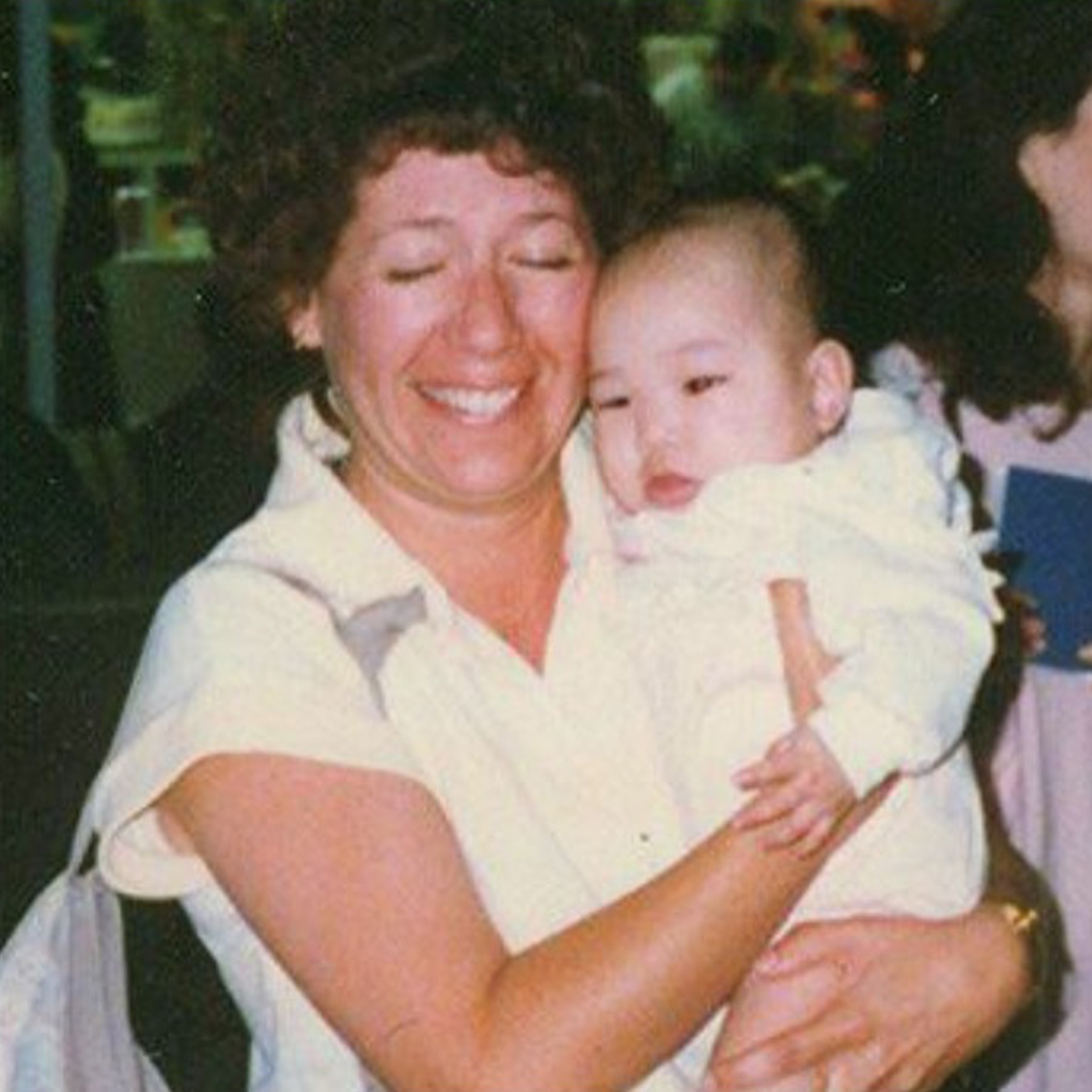
Michelle says growing up she felt very different from her adoptive family because she looked completely different from them. When she was a teen she embarked on a voyage to reunite with her birth mother, traveling back to the UK where she was born. Seeking some of the basic answers to her identity and acceptance by her biological mother, her trip was going great, until the neighbor came over and asked who Michelle was. What happened next became a pivotal moment in Michelle’s quest to discover herself.But the acceptance and love that Michelle was looking for were still out there and they came from a person that she didn’t even know existed. She located her half brother in Spain, and was able to he relay the final emotions of their dying father, bringing some peace to Michelle.The post 020 – I Don’t Silence Julie Anymore appeared first on Who Am I...Really? Podcast.Michelle (00:03):And climbed back as a teen. I just remembered, I don't know how to do this, but I know that these people aren't the ones to give me my truth and I'm either gonna find it myself or I'm gonna die not knowing, and I wasn't willing to live a life not knowing.Voices (00:25):Who am I? Who am I? Who am I? Who am I? Who am I? Who am I? Who am I?Damon (00:37):This is Who Am I Really? A podcast about adoptees that have located and connected with their biological family members. I'm Damon Davis, and today you're going to meet Michelle. She told me she grew up feeling very different from her adoptive family because she looked completely different from them. Michelle reunited with her birth mother as a teenager traveling back to the United Kingdom where she was born. She was seeking some basic answers to her identity and acceptance by her biological mother. Things were going great for them until the neighbor came over and asked who Michelle was. It became a pivotal moment in Michelle's quest to discover herself. But the acceptance and love that Michelle was looking for was still out there and it came from a person that she didn't even know existed. I asked Michelle about her journey and what adoption was like for her growing up. Michelle starts us off with the events that brought her into this world. Her parents weren't able to keep her. So Michelle was placed in foster care and it was there even in those early days where people placed judgment about her existence.Michelle (01:39):Well, I was born in England. I go back to that because it's really part of the whole journey of identity for me. Uh, I was born in England. Mother was British, father was Spanish. Um, I was a product of their affair. My mother at the time was married. She had three children and my father was single, a bachelor. They had an affair. I was the product of that and it was quite a scandal actually at the time. And I was secreted away into foster care. My birth father said he didn't want to be a father, didn't want to raise me. Birth mother had a choice to make, you know, she couldn't keep me. And she looked to keep her family intact with her husband and her three children. In foster care in the U K I was labeled because of the circumstances around me. You know, it was labeled in my foster records, illegitimate dark, because I had the coloring of my birth father peculiar looking because I was very much, you know, was identified as an ethnic child.Damon (02:40):You saw all of this information in your records?Michelle (02:43):Yeah. Yeah. I've, I've seen it in my foster records.Damon (02:47):That's fascinating.Michelle (02:47):And you know, it's, it's interesting because I don't know, you feel that even if you aren't given it in the, in the beginnings, you know, even if you don't see it in black and white, there's something about the judgment, um, that you feel, I think even at the youngest of ages, you know, you can feel that negativity surrounding you and you can definitely feel the weight of judgment.Damon (03:10):You can feel how you're perceived.Michelle (03:12):You can feel yes, how you're perceived. And so a lot of that fell on my young shoulders.Damon (03:18):Michelle was adopted by Americans and brought to this country to be raised. Her appearance made her feel different and she was often reminded of it. But her inability to share more about her heritage made her feel incomplete.Michelle (03:31):But I look like no one in my family. I had long black hair, big brown, almond shaped eyes, Mediterranean skin. My family was Caucasian, fair skin, blue eyes for the most part. And I did. I stuck out and people would ask, well, where are you from? And I just remember feeling so different. And I also remember feeling such a, uh, such an overwhelming sense of being silenced because I didn't know how to answer the questions because I really didn't know. I knew a certain amount of my history, but I didn't know all of it. And so there were pieces and holes that left me feeling disempowered and certainly far, far away from what would have been a true
S3 Ep 76076 – What Would My Life Be Like In Korea?
Kim is a Korean born adoptee raised in an all-white community. She shared how she always pushed down her desire to search for her birth mother until the recent political climate brought out the true colors of her adoptive mother. I’ve heard stories of Asian adoptees having trouble making connections overseas, but Kim’s connection was quick and easy. But building a relationship through a translator, secrecy, and secondary rejection have left Kim with a broken heart.Read Full TranscriptKim: 00:06 And we look very, very much like really? That was very emotional for me because growing up in a place where there weren’t a lot of other Asian people, I had no idea what I was going to look like when I grew up and now to see some existing in the world, he looks nearly exactly like me is wild.Voices: 00:35 Who am I? Am I am I? Who am I? Who am I? Who am I?New Speaker: 00:47 This is who am I really a podcast about adoptees that have located and connected with their biological family members. I’m Damon Davis, and on today’s show is Kim. She called me from right here in silver spring, Maryland. Kim is a Korean born adoptee, raised in an all white community. She shared how she always pushed down her desire to search for her birth mother until the recent political climate brought out the true colors of her adoptive mother. I’ve heard stories of Asian adoptees having trouble making connections overseas, but Kim’s connection was quick and easy. But building a relationship through a translator, secrecy and secondary rejection have left Kim with a broken heart. This is Kim’s journey.Damon: 01:36 Kim was adopted from South Korea when she was five months old.Kim: 01:40 I came on a plane to New York City with a military personnel who is carrying me. And so that day, um, my family celebrates as an airplane day I think and that I commentator his Gotcha day and so really celebrate that as like when I joined the family are like our family became complete.Damon: 02:07 Kim grew up in Toms River, New Jersey with her brother, nonbiological also adopted from South Korea. Kim is from Incheon and was adopted through Spence Chapin based in New York. Her brother was born in Seoul and he was adopted through Holt International. Kim said there were very few other Asian people in New Jersey and even fewer adoptees that she knew of.Kim: 02:30 My adoptive parents did put a lot of effort into trying to educate me, I guess about being adopted and they did make an effort to try and connect me with other adoptees through support groups or agencies sponsored camp. It will say like, I am grateful that I was adopted through Sepnce Chapin because they do have a great, a close adoption services department through their agency, some of the people that I’ve worked with that are adoptees themselves, so that is a great, uh, resource, the barrier for me to access information, especially regarding my birth family and like my files Spence Chapin made a very easy and talking to my brother apparently when he tried to find out information about his birth family, it was a less straightforward.Damon: 03:31 Yeah, I’ve, I
S3 Ep 65065 – Two Years Too Late, Then I Was Shocked
Dana received her original birth certificate and when her husband looked up her birth mother’s name they found her obituary. It took her two years to find an address for her surviving aunt and a year to find the courage to write to her. Her Aunt gave Dana a name for the man who could be her birth father, but he was also deceased. Luckily DNA testing told a different story.Read Full TranscriptDana: 00:03 She never knew about me. She thought that she was an only child for her her entire life. So finding out that she has an older sister that came as kind of like shocks or she. So she just told me she knows she needs, she needs time sheets, she needs space and I get that. You know, it’s like, I can’t imagine going thinking that you’re an only child for like most… for your entire life. Minifying boom. You have an older sister.Damon: 00:35 Who am I? Who am I? Who am I? Who am I? Who am I? Who am I?Damon: 00:47 This is, who am I really a podcast about adoptees that have located and connected with their biological family members. I’m Damon Davis, and on today’s show is Dana. She called me from Ohio A state we know has opened adoption records. Dana shares her story of growing up with two younger siblings, biological to her parents, but feeling equally loved by her parents. She tells the heartbreaking story of learning that she would never meet her biological mother and the near miss of a second heartbreak with her suspected biological father. Luckily, Dana was able to recover from some misinformation to learn her father’s identity. This is Dana’s journey. Dana grew up in the suburbs of Cleveland, Ohio. Originally, her mother didn’t think she could have children, but after Dana’s adoption, their family did expand naturally.Dana: 01:43 My adoptive, I’m like, um, a series of miscarriages and she was told that she, she would never have a child see a child of her own to full term. So she put it in an application through the Catholic charities and they called her like on her birthday and they told her that we have this little girl here, she’s French and Serbian, we know that your husband is, would you like to come look at her? Or my parents were like, really excited. They go, of course. Yeah, we weren’t gonna come take a look at her. So they went in to the orphanage. Um, I think it was a saint John’s Children’s home in Cleveland, Ohio. And they, they took a look at me and my mom said there was kind of like love at first sight and they took me home, my mom’s birthday. So, um, every year on her birthday we celebrated like um a cake for her and then cake for me because it was, there was our, our Gotcha Day and I love it. It was never kept a secret from me. It was never hidden. My mom actually did go on to have like, um, another, uh, a baby to full term that’s my sister and also like a son of full term of adoptive brother and sister. And it was, it was pretty cool because when, um, when my mom was pregnant with my sister, they actually came up for like, um, adoption for like a second time because she wanted a sibling for me. And the social worker called her and my mom goes, I’m willing, you know, I can’t do this now I’m pregnant. And she goes, well, you know, since, I know you had such a hard time. Like I’m keeping baby to full term. We’re gonna do is. I’m going to put your, file your case down at the bottom of the file. I want you to call me when that baby’s born. And my mom did and my social worker actually came out to see me and my sister and my sister was born, so it was really, really sweet that she, that she did that and everything, you know,Damon: 03:43 That is really sweet, wow that is so incredibly thoughtful. Boy. She’s the right person for that kind of job.Dana: &
Ep 17017 – He Is My Brother And I Will Find Him
Renee searched for her mother literally her whole life. But her search predated the internet so she frequented the library and scoured local high school year books. with hopes of finding someone she felt she was related to. When she located her biological mother she refused to share any information about Renee’s biological father and forbade Renee for searching for her biological brother. The more you tell a person not to do something, the more they want to do that very thing and Renee swore to definitely search for her brother. Ultimately DNA testing unraveled the mystery. She takes a lot of comfort in knowing that her father was a pretty cool guy and someone she would’ve admired. Even after a tumultuous childhood, and severed ties to her biological mother, Renée said she has no regrets about searching for her biological family and she would do it again.The post 017 – He Is My Brother And I Will Find Him appeared first on Who Am I...Really? Podcast.Renee (00:03):I started running away from home when I was four and when they would find me, I would have my little suitcase, my little flower power suitcase, and they would say, where are you going? And I would say, I'm going to go sign my mother. So I started searching for my mother before I even knew what it meant.Voices (00:27):Who am I? Who am I? Who am I? Who am I? Who am I? Who am I? Who am I?Damon (00:38):This is Who Am I Really, a podcast about adoptees that have located and connected with their biological family members.Damon (00:53):Hey, it's Damon and my guest on the show today is Renee. She was born in the 60s where her adoptive mother felt there were high expectations for what a family should look like and for her to be a mother. Renee shared that her upbringing wasn't a warm family environment at all. In her house, all of the caregiving things that parents do for their children, she had to do for herself. She was abused by her father and that abusive behavior was passed down to their biological son. When Renee had reached her limit, she ran away from home to start a new life and to try to find her biological family. Renee's journey begins in Houston, Texas.Damon (01:37):She says her mother felt pressure to make her family meet societal norms, but she wasn't a very good mother at all. And her adoptive father was abusive. Her childhood had no love, no friends. And the children basically raised themselves.Renee (01:51):My adoptive parents tried to have a child of their own for about 10 years and they weren't able to so they adopted my older brother who's not related. And then three years later adopted me because you have to have the boy and the girl and the boy has to be older and girl, you know, um, my adoptive mother was extremely rigid and rule bound and she, I don't think she actually wanted to be a mother, but society dictated that she had to be. So that was in order to appear successful, that's what she needed to do.Damon (02:28):what makes you say that you didn't think she actually wanted to be a mother?Renee (02:31):She was a horrible mother. I mean she, she just could not deal with the fact that there were people in that house who needed her care.Damon (02:41):Wow. Can you give me an example of what you mean?Renee (02:45):Well, we fed ourselves out of jars and cans and we ate cereal. We fed each other. No one cooked. We learned how to wash our own clothes before we started school. We had a step stool up to the washing machine because it was top loading at the time. And we learned how to wash our own clothes. We bathed ourselves, everything. We did everything ourselves. We didn't really have a mother and she didn't work. She was a stay at home person.Damon (03:17):Oh. So there was no reason for her not to have the energy to be the nurturing mom.Renee (03:23):Absolutely didn't want to. She didn't, she didn't cuddle us. She didn't hug us. She didn't, there was no, I mean, we just didn't, didn't interact with her. She was just kind of just presence in the house that you didn't really bother.Damon (03:38):And how were you with your father then? Your adoptive father?Renee (03:43):Well, he was a pedophile and an abuser and uh, my older brother, he beat half to death a couple of times a week. And me, he beat it up a couple of times, half to death a couple of times a week. And um, he abused me sexually. He didn't abuse boys sexually. When I was 10, they finally did conceive and have a child of their own. He's a pedophile as well. He's a convicted pedophile as well.Damon (04:11):Is that right? My gosh, I'm so sorry for how you grew up. That sounds incredibly horrible.Renee (<a...
S8 Ep 155155 - Adoptee Podcaster Perspectives, 2020 National Adoption Awareness Month
Adoptees have the ultimate voice about the adoption experience. Adoptee podcasters are offering fellow adoptees outlets for sharing their inner thoughts and deepest emotions about their adoption journeys -- the happy and sad, incredible experiences and the awful outcomes. On Wednesday, November 4, 2020 @ 7pm ET the hosts of some of the leading adoptee hosted podcasts: "Adoptees On" with Haley Radke, "Born In June Raised In April" with April Dinwoodie and "Who Am I Really?" with Damon Davis shared some of their insights from several years and hundreds of episodes podcasting about adoption. This was an open event for everyone to attend, ask questions, and hopefully leave with useful insights.
S8 Ep 154154 - I Felt Like I Could Breath Again
Yvonne called me from here in Washington, DC. She is a birth mother in reunion with her son after more than 40 years apart. She shares the loneliness of her pregnancy, her desire to keep her baby versus her inability to do so, the moment she came face to face with her son's adoptive mother and her search to find the man he grew up to be. Yvonne is launching a new podcast, "Birth Moms Real Talk" (www.birthmomsrealtalk.com) where other women like herself can share their stories openly in a safe place. But before we get to her podcast this is Yvonne's journey.
S8 Ep 153153 - Emotional Unraveling
Sari, a self-proclaimed nomad, called me from New Mexico. When she was a girl the school science project on heredity ignited her desire to learn her truth. After decades of searching for her birth parents, she found her birth father first, or so she thought. When Sari confronted her birth mother about the man, she was stonewalled and lied to. Sari learned that her birth mother wasn't the woman she'd hoped she would be to her either. Ultimately, Sari decided she'd keep the relationship with her "birth father", because for the first time as an adoptee the choice was up to her who she got to call family. This is Sari's
S8 Ep 152152 - Together More: Rejection and Reunion
Roderick chatted with me from Ocala, Florida but he was born and raised in Indianapolis, Indiana. Roderick was adopted into a family where he was the middle child, but he would become the parent to his younger siblings, forgoing his own high school graduation to care for his neglected brother and sister. Focusing on their wellbeing he sacrificed his own advancement. In reunion, Roderick found siblings he had never thought of before. Then, experienced secondary rejection from an aunt in Indiana. That rejection came after Roderick found a full blood sibling in Florida and decided to move there to be closer to her. This is roderick's journey.
S8 Ep 151151 – “Junior”
Dirk, from Phoenix, Arizona, was raised as a Hispanic person and his documentation said he was Hispanic, but the world saw him differently. And DNA did too. Dirk found his birth mother, but at two separate times, he was forced to reckon with secondary rejection. Fortunately, he found his birth father acceptance from all, but one of his siblings and the warm feeling inside from knowing He looks the most like their father out of all of his children.This is dirk's journey
S8 Ep 150150 – So Many Things Tie Together
Joe is from Assonet, Massachusetts, just south of Boston. He shares his pride for being an adopted person, the challenge to make his way through his physical limitations as a kid, and the demons he removed from his life before attempting reunion. Facing secondary rejection. He had to overcome the anger and hurt to even attempt the next reunion decades later. When he did, Joe learned that his siblings in different families were friends, his father's had friends in common and that everything in his life was connected in ways he hadn't realized.This is Joe's journey.
S8 Ep 1492020 NAAM – Male Adoptee Voices
November is National Adoption Awareness Month (#NAAM), a time to bring awareness to all of the issues that adoption brings to adoptees, families formed through adoption, and natural families of adoptees. However one underrepresented voice in the adoption constellation is that of the male adoptee. On the “Who Am I Really?” podcast only 30% of the adoptee guests have been men. While adoptees have the ultimate voice about the adoption experience, very few men have stepped forward to share their adoption journey. For #NAAM 2020 I gathered three of my male adoptee podcast guests online to share their inner thoughts and deepest emotions about their adoption journeys. Andre McCallum (ep 001), Tom Andriola, (ep 012), and Adrian Jones (ep 132) joined me to share their stories of adoption, reunion, and the roller coaster of emotions they lived along the way. Andre, Ep 001 - The End of Summer Cake - http://bit.ly/2S8ZpLp_001Tom, Ep 012 - I Need This For My Sanity - https://bit.ly/3nLJrIh_012Adrian, Ep 132 - Nearly Dying Is One Of The Best Things That Ever Happened - https://bit.ly/31GDq6m_132*Who Am I Really - An Adoptee Memoir, by Damon Davis - https://amzn.to/2Y9RNf8
S8 Ep 148148 - Being More Positive Is Huge In My Life
Ben, from Fannystelle, Manitoba Canada, had an extremely rough start in his first home with his biological family. He was abused at the hand of his step dad, so he was removed by child and family services for his safety. Bensen, or Ben was nursed back to health in foster care, and placed in a new family at seven years old. He admits he was an angry teen, taking on negativity in his life to cope. But as an adult he's done the hard work to make positive change for himself despite living with triggers on his body that remind him of what he's endured. Ben speaks of breaking the cycle of abuse when raising his own daughter, thanking his foster family for their loving care, and encouraging other adoptees (especially men) to tell their story over and over to try to reduce the pain we sometimes feel. This is Bensen's journey.
S8 Ep 146146 - You Were Who I Always Needed
Michelle, from Ohio. She talks about the challenge of her childhood, craving a connection, but having the one she shared with her Dad snuffed out. Her search, which began with Adoption Network Cleveland where she found an ally in a birth mother in the group. Along the way Michelle felt the shame of her simple request to have access to her own records, and was met with secondary rejection. Luckily, Michelle has found the one person she now shares an undeniable bond with -- the one she's always needed. She said that adoption shaped her, her lack of attachment to her biological family forever changed her to her core. But she's moving forward with all the joys in the family she built and with the family she's found.This is Michelle's journey...
S8 Ep 145145 - Tommy Davidson, Living In Color - What's Funny About Me
Comedian television and film actor, and all around entertainer. Tommy Davidson has seen it all. He launched his comedy career in the Washington DC area. Capitalizing on his innate ability to entertain people and make them bust out in laughter. But his earliest days were grounded in trauma that as an adoptee, he didn't face until he was an adult and was at risk of losing everything. Tommy graciously took time to chat with me about his life and his career as documented in his book, living in color. What's funny about me. From being found as an infant, clinging to life, to his show, business success on one of my favorite sketch comedy television shows, living color . Tommy has put in the work to face the trauma of his adoption, overcome addiction and rebuild his life. This is Tommy's journey.
S2 Ep 61061 – I Know They May Not Love Me…
Stephanie grew up in a very wealthy family in South Carolina and you’ll hear discuss the family’s fortune, but pause before you pass judgment on how easy life must have been. Her story is filled with manipulative behavior, malicious intentions, and a foundation created from lies. You’ll also hear Stephanie’s intelligence and tenacity to get her through the tough times as she learned the truth about her adopted family’s feelings towards her, the story of how she arrived in her aunt’s care, and the tough road to connect with her sister.Read Full TranscriptDamon: 00:04 I’m going to say at the time I really didn’t want to meet her. My life was pretty torn up as it was, but the reason I said yes is I thought, what if this is the only chance I have? What if? What if this is it? There’s no more chances.Voices: 00:24 Who am I? Who am I? Who am I? Who am I? Who am I? Who am I?Damon: 00:36 This is who am I really a podcast about adoptees that have located and connected with their biological family members. I’m Damon Davis, and on today’s show is Stephanie. She called me from Charleston, South Carolina. Stephanie grew up in a very wealthy family and you’ll hear her talk about the family’s fortune, the pause before you pass judgement on how easy life must have been. Her story is filled with manipulative behavior, malicious intentions, and a foundation created from lies. But you’ll also hear Stephanie’s intelligence and tenacity to get through the tough times as she learned the truth about her adopted families, feelings towards her, the story of how she arrived in her aunt’s care and the tough road to connect with her sister. This is Stephanie’s journey. Stephanie was born in upstate South Carolina in her adopted family. She was the oldest child and all of her siblings, except for her half brother are adopted. Adoption was part of their lives with adoption children’s books around that were red from time to time, but it wasn’t an open topic of discussion. In fact, quite the opposite.Stephanie: 01:48 My parents did not like talking about my adoption and it wasn’t that they ever told me you’re not allowed to ask any questions, but when I would start speaking about it, the only way I’ve known to describe it is it is like this thunderstorm suddenly came over my mother’s head and just the entire mood just changed. And I knew I was treading on thin ice. I was told the same kind of background stories as a kid. I was told by my aunt, my father’s sister, that um The way I came into the family is she had a friend who worked for social services and she went by one day to have lunch with her and there was this little child, this toddler sitting in a chair. And, um, she just said she thought I was so beautiful and her friends that I just have to finish up here before we go. I’m trying to find a home for this child, a temporary home. And um, my aunt said that she just immediately said, oh, well I’ll take her home with me. And that’s how I ended up with her.Damon: 03:04 Were you, did you tell me, were you, where did you fall? You said you had several siblings, others who were adopted. Where did you fall in the order of children?Stephanie: 03:15 I was the oldest, but I was not the first to be adopted.Damon: 03:19 Oh, interesting. Okay. So she had already adopted younger children than you?Stephanie: 03:27 &
Goodbye 2020
Listen, I can’t even pretend it was easy to podcast during what has been an absolutely crazy year. Before I sign off season 7 I need to cover a few things. I’m grateful to be able to say thank you to some wonder folks who’ve committed to supporting the Who Am I Really podcast this year.I have to say I’ve been inspired to hear from some of you who are thinking of launching podcasts of your own. If it’s in your heart to support The Gift of Adoption Fund please visit giftofadoption.orgI gotta say I’m excited for season 8 of the Who Am I Really podcast, but it's time for a break. I’ll see you in 2021. Stay safe, and spread some love…
S7 Ep 133133 - Bet She Was Praying For You
In this episode Cheryl, the mother and our adoptee, is joined by her natural daughter Diahan from Washington state and South Florida respectively.Cheryl had an idyllic life growing up an athletic tomboy outside of Seattle. When her daughters started having children she got concerned about the missing medical information she was unable to transfer down the family tree. Fortunately there was no one better suited to usher Cheryl through her genealogy journey than Diahan, an early professional in the industry. In reunion Cheryl has found welcoming siblings and a gigantic family that filled a hole she didn’t know was there. This is Cheryl’s journey.
S7 Ep 132132 – Nearly Dying Is One Of The Best Things That Ever Happened
Adrian, who lives in the San Francisco Bay Area, has lived around the country and in different parts of the world, only to find himself right back in the town where everything started for him. An avid mountain biker, he nearly lost it all when the widow maker tried to tear him down. Adrian fought through recovery, vowed to love his family like he never had before, and follow the advice of the voice in his ear telling him to find his birth family. This is Adrian’s journey. Adrian is the host of the "Profound Awesomeness" podcast, "hear how survivors of close brushes with death and other traumas go from near calamity to living intently, meaningfully and with an elevated sense of wisdom and purpose."https://profoundawesomeness.com/episodesiTunes: https://podcasts.apple.com/us/podcast/profound-awesomeness/id1568956808Spotify: https://open.spotify.com/show/42UDRxSUrSbePpty4746oi
S7 Ep 131131 – I’m More Confused Now, I’m Broken
Elissa, from Hilton Head, South Carolina, said never bonded with her adopted mother. She did find a second home with her horseback riding coach and the horses she adored. Finding her biological mother gave Elissa a glimmer of hope that the woman stokes and extinguishes in a torturous cycle. Speaking with her birth father only once, she confirmed the story of his own paternity, but Elissa never heard from him again. Relying on her husband, the first person she’s shared real love with, Elissa wishes reunion didn’t leave her so confused and feeling broken.This is Elissa’s journey. Elissa (00:03):I am that 37 year old woman now who is dying to be hugged and held by their mother. Like, I need that moment in my life. I feel that I deserve it and I feel unbeknownst to her. She deserves it too. Beause I know that she's carrying this huge darkness over her, that she has the chance to make. Right?Damon (00:31):Who am I? Who am I? Who am I? Who am I? Who am I? Who am I? This is who am I really a podcast about adoptees that have located and connected with their biological family members. I'm Damon Davis. And today you're going to hear from Elissa in Hilton head, South Carolina, Elissa never bonded with her adopted mother, but she did find a second home with her horseback riding coach and the horses she adored. Finding her biological mother gave Elissa a glimmer of hope that the woman Stokes and extinguishes in a torturous cycle, speaking with her birth father only once she confirmed the story of his own paternity, but Elissa never heard from him again, relying on her husband, the first person she shared real love with Elissa wishes reunion. Didn't leave her so confused and feeling broken. This is Elissa's journey. Elissa was born in Allegheny County, Pennsylvania then adopted out of the children's home orphanage in Pittsburgh.Damon (01:42):Every summer. Her parents took her to the children's home summer picnic, where she kind of questioned why they were there. Elissa learned she was adopted at about four or five years old, but she really didn't grasp what adoption meant until she was around six. She said her adoptive parents weren't very communicative about her adoption or her birthday. So she's always questioned both. Most importantly, she didn't look like them and never really felt like she fit in with her physical appearance, nor did she feel that internal synchronization, that many biological families feel for one another. Elissa never really bonded with her adopted mother and her adopted father was often working.Elissa (02:27):I found out that I'm 72% Italian and my father, my adopted father is also Italian. I do have some similarities with him, but I have very dark olive skin, Brown eyes, Brown hair. I look Italian. My father is kind of short. He kind of has hazel eyes, you know, salt and pepper hair is, all I've ever known him to have. My mom, um, came from a Jewish family. She also was adopted and she had blue eyes, fair skin and blonde hair. So physically I didn't look like them. And none of my behavioralism in me mimiced any of them. It's like everything they tried to make me to be. It just didn't feel natural and almost kind of felt like a put on, like I can't explain it.Damon (03:13):Tell me, so what kinds of things did they try to introduce you to that? Just didn't stick,Elissa (03:21):Uh, you know, the old, like tap ballet, um, sports. The only thing that stuck I stuck with was horseback riding. And I think that was because unknowing at the time it allowed me to bond with something. It allowed me to have my own personal relationship with someone or something that I had, you know, the stay and, you know, I always felt like I never knew where I came from. So it was like, it was my first identity. Basically. I was able to have my own first relationship with myself, through my relationship with my horses. And I became very close with my horseback riding teacher. I lived with her, um, up until I was 13 when we moved down here. So I would say up until from 10 years old to 13, I lived with her.Damon (04:09):Elissa started things off by telling me that nearly everything she's revealing. She learned only a year ago and as an adult of 35 years old, but check out the timeline of what she just said. She was told she was adopted when she was about five years old and roughly five years later, she went to live with her horseback riding coach. But before we get to that, Elissa described life at home.Elissa (04:34):Living with my mom was not your, not any girl's dream. You know, we never had the bond, never did hair makeup. You know, she never talked to me about life. If you know what I mean? Um, she always had someone taking me to school or no, someone tutoring me. She's a stay at home mom. Um, as an adult, now that we're able to talk about this, we were very disattached from each other. I was kind of rejecting her. She was rejecting me. Um, like I said, I loved her, but I didn't love her. I
S7 Ep 130130 – The Gift Best Given
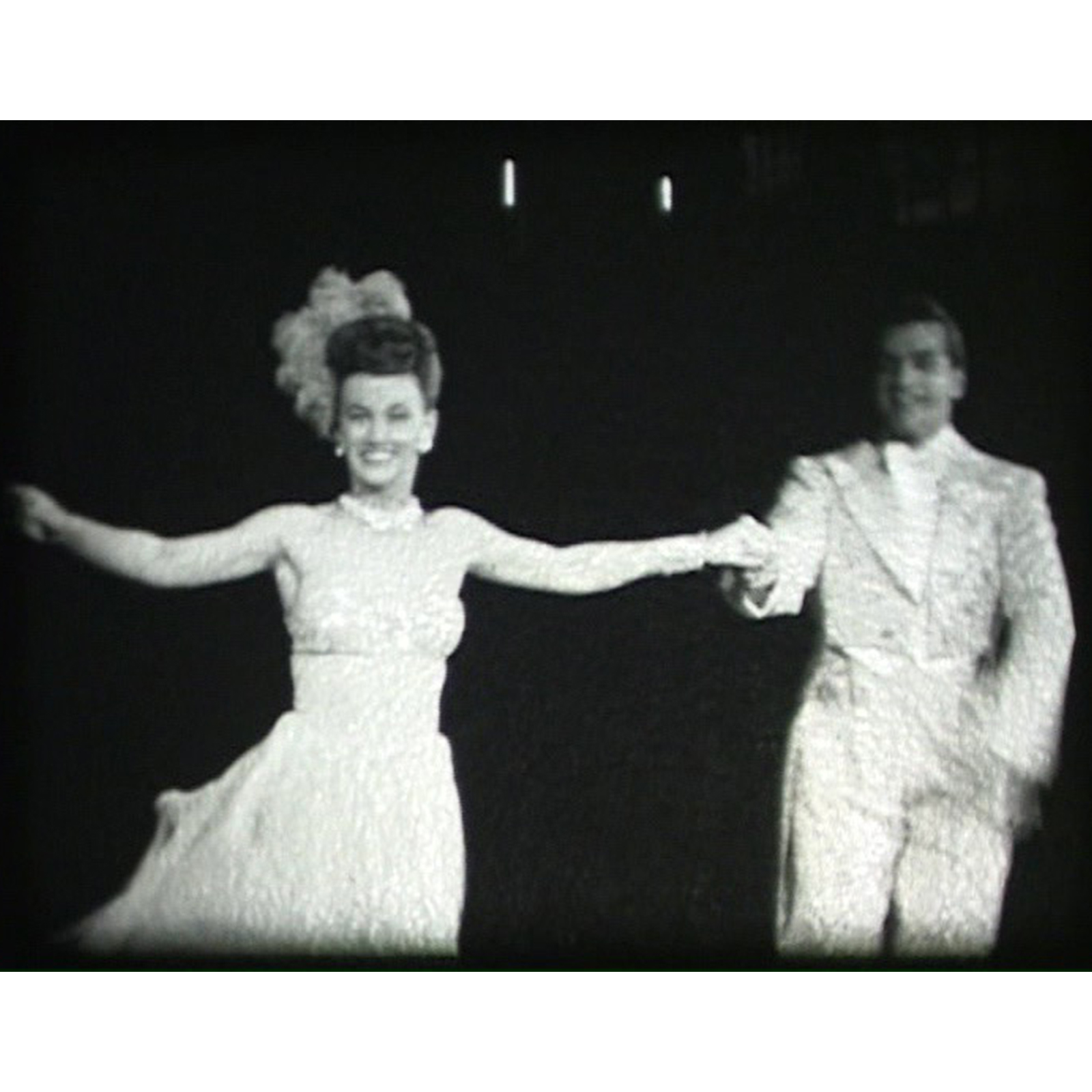
Ed called me from Hillsborough, North Carolina, but his journey begins in New York City. He describes a wonderful life in the suburbs of the city with no real concerns for his adoption — even after carrying his original birth certificate around as a teenager. Sparked by reunion television shows Ed searched for his natural parents discovering that his mother had been a star performer. Thanks to the generosity of strangers Ed gratefully received gratefully the Gift Best Given. This is Ed’s journey.
S7 Ep 128128 – A Peace Came Over Me
Val called me from outside of Houston, Texas, but her story started in in Kansas. She had a great childhood with her parents until a neighbor revealed her adoption to her, rocking her world, sending her into rebellious phase in life. When Val searched for her biological father, because his name wouldn’t have changed over the years, she found her natural parents were together. He was frosty to her and they barely spoke because he probably believed she wasn’t his. He went to his grave not knowing the truth. This is Val’s journey
Ep 46046 – I Am Adopted, It Is Who I Am
Jennifer is a reunited adoptee from Pittsburgh. She’s a petite, white blonde of European descent whose adoptive parents are a Spanish man and a Mexican woman. Through her search, she found both of her natural parents are deceased, and she had half brothers on both sides, both named Tom. Unbeknownst to Jen, her maternal half-brother attended the same high school she did and bullied her! On her maternal side, she experienced secondary rejection which will never be resolved because her grandmother developed dementia and passed away.The post 046 – I Am Adopted, It Is Who I Am appeared first on Who Am I...Really? Podcast.Jennifer (00:04):She literally told me, she goes, you know, you focus too much on being adopted and you ask too many questions and I'm like, but I get them adopted. It is who I am. I had no information about myself for 30 years. And you think I'm not going to ask questions.Damon (00:25):Who am I? Who am I? Who am I? Who am I? Who am I? Who am I? This is who am I really a podcast about adoptees that have located and connected with their biological family members. I'm Damon Davis and on today's show is Jennifer. She called me from Wellsburg West Virginia, where she's a caregiver for the elderly. Jennifer is transracially adopted, but I have to admit not in the way I usually think of that kind of adoption. She stood out in her family and her family stood out in their community. Jen shared that she was completely close to looking for her birth relatives until she got some stark examples of the importance of knowing your family's medical history. When she found her birth family, one of her gut feelings about her birth mother during her search was confirmed, but she also learned a crazy cruel irony about her high school past. In the end, Jen experienced a secondary rejection from her birth family. After she made a mistake at a huge family function. As you listen, decide for yourself, what you think the factors were in that rejection was that misstep as major as her family made it seem or where the history of guilt about hiding the truth or even the early onset of mental illness also factors. This is Jen's journey.Damon (01:52):Jennifer's adopted father's relatives are from Spain and he grew up in Pittsburgh. He got a PhD in chemistry, then took a job with a pharmaceutical company working for a while in Mexico city. Her adopted mom was her father's secretary there. They fell in love and her mother got pregnant immediately giving birth to Jen's older sister. Then her father took a job back in Pittsburgh. So he moved his young family back to Pennsylvania. Jennifer's mother wanted a big family, but after several miscarriages and her husband's health problems, they were starting to settle into the notion that it would just be the three of them,Jennifer (02:29):Our neighbor, who was a nurse. She, I don't know the connection here, exact details. And she has since passed away. So I can't ask her, but she somehow knew the doctor who delivered me, who was my birth mother's doctor. He worked at Allegheny general hospital in Pittsburgh, and his name was dr. Bell. And he was known for, and I'll say in the air quotes, helping girls in trouble. So she had mentioned this, my parents, you know, that there's these babies up for adoption eventually. And would you be interested in my parents thought about it.Damon (03:04):Jennifer's parents didn't hear anything back for a while. Then they received a phone call. They were informed that there were a couple of different babies available for adoption and her parents should go have a look. Jennifer told me the viewing of babies, like their puppies has always been a sore spot with her. When her parents arrived, the recently born babies had families already. So they went home.Jennifer (03:27):I only know this story because I heard my mom tell it so often. My mom says her and my dad were in the dining room painting. She was up on a ladder and the phone rings and she heard my dad, all of a sudden, he goes, well, you better tell her my mom and our neighbor, who was the nurse, said there was a baby girl born this morning and she's yours if you want her. And my mom said immediately, yes. And her hands were shaking. And they went and dropped everything and went to the hospital and she was able to hold me that first day.Damon (04:00):Her mom dressed her at the hospital that very first day, but Jennifer had to stay in the hospital for a week among other issues. Her mother tried to hide her pregnancy, but her methods caused problems for Jennifer's development in her wombJennifer (04:15):because she, she worked hurdle while she was pregnant. My right foot was bent in such a way that my shoulders were touching my shin. So they had to do X rays and put a cast on my foot, that kind of stuff to correct it. So, yeah, my parents brought me home a week later and my sister, their biological daughter is nine years older than me. And you know, so it was like all of a sudden they had
Ep 63063 – I’m Really Glad You Came, But It’s Gonna Be A While
Brenda was born in California, grew up on the east coast and lives in Texas. She’s the child of a military family that has lived all over. When a school project required her to ask her adoptive mother about her family tree at eight years old, she was shown her non-identifying information for the first time. While the offer was open to review her information anytime, Brenda felt like the topic of her adoption was stressful for her mother, so she never asked. After the birth of her first son, Brenda sought her birth parents, definitively identifying her birth father first. He was emotionally ready to welcome her in. Finding her birth mother, she saw the mirror image of her self. Unfortunately, the woman was so traumatized following her pregnancy and the adoption process, she wasn’t as open to Brenda’s return. But the door isn’t completely closed.Read Full TranscriptBrenda: She just started crying and she just said, you know it, It took so long to forget and such a short time to bring it all backBrenda: What did you think in that moment.Brenda: Well, I mean I understand. I understand. She had to forget about me to move on. She had to because she just couldn’t live there and beat herself up for the rest of her life.Intro voices: Who am I? Who am I?..Who am I? Who am I?… Who Am I? Who am I?Damon: This is who am I really a podcast about adoptees that have located and connected with their biological family members. I’m Damon Davis and today you’re going to hear from Brenda who called me from Texas. Brenda was raised as an only child in a military family and her parents always gave her what she needed to have a healthy, happy upbringing. After a school project, she was shown her non-identifying information and her curiosity about her birth mother opened up and her imagination kicked in, but it was her biological father whom she definitively identified first and who was mentally ready to receive her unscarred by the burdens, her biological mother bore after Brenda’s birth. This is Brenda’s journey.Damon: Brenda was born in California and grew up an only child of a military couple. They moved around a lot, living in different parts of the United States and overseas. At one point her parents intended to adopt a boy, but her father’s military orders transferred him. Before that adoption was completed.Brenda: I was the only one in the family that was adopted, you know, in the entire, either one of their families. So I didn’t really have anybody to talk to about it. They were always very open about it even though they were a little nervous about talking about that kind of thing. They’re just kinda little uptight about a lot of things. And um, so they had, I remember as a kid, I mean I’ve always known I was adopted and as a kid my mother would give me this little book to read about how special I was because I was adopted. I was selected, I was chosen and um, you know, that was kind of how it was approached. And uh, you know, most of the family, the extended family didn’t really treat me any differently than anybody else. We didn’t because again, with the military life, we didn’t live near anybody in the family either. My parents, they lived, their parents lived in different places and in the United States and we’d go visit occasionally about once a year, but that was about it and so it was just kind of the three of us growing up.Brenda: Brenda says she looks different from her family, but over the years people have said she looks like her father, which always made her laugh and oddly Brenda and her mother’s voice is sound almost identical. A bizarre coincidence for Brenda who worked in broadcasting. She speaks reverently of her mother and honestly about her father.Brenda: I’ve always gotten along great with her. I mean she really, she was a stay at home mom and even though, you know, we certainly weren’t wealthy by any stretch. I mean we always had kind of what we needed and you know, I was very fortunate, you know, Christmas time and that they would make sure that I got some things that I really wanted, but they didn’t want me to be spoiled because of being an only child. So my mother and I have always been very, very close, I mean very close. My Dad and I had a little bit of a stormy relationship. We just butted heads a lot and I think we just approach things differently, we think differently and we’re both pretty stubborn and so that’s been difficult. That was always difficult growing up. I mean once I got past about five or so things kind of changed with our relationship, you know, we’ve had a lot of difficult times know where we wouldn’t speak with each other and you know, even the living in the same house and we just wouldn’t speak with each other for like a month.Brenda: Yeah. Which is really bizarre and you know, you don’t know any different at t
Ep 33033 – My Sister Reunited Too, But Didn’t Know About Me
Jenny journaled about her birth mother from an early age. She grew up in a loving family, but the urge to find her birth family was always there. When Ohio opened it birth records, she obtained some vital information that led her to her birth mother on Facebook and later to her birth father. But she never expected to learn she had a full sister!The post 033 – My Sister Reunited Too, But Didn’t Know About Me appeared first on Who Am I...Really? Podcast.Jenny (00:02):I called them and I told them who I was and I said, you know her name and he's like, Oh yeah, yeah, that's who I am. And I mean, he didn't try to act like that wasn't him. And um, he just told me a whole bunch of stuff and that, that was one of the things he told me was, Oh, we had another kid together. He didn't say how old or even if it was boy or a girl, but he was like, yeah. And I was like, Oh. But I didn't tell him I knew.Voices (00:30):Who am I? Who am I? Who am I? Who am I? Who am I? Who am I? Who am I?Damon (00:41):This is Who Am I Really, a podcast about adoptees that have located and connected with their biological family members. I'm Damon Davis and on today's show is Jenny. In Ohio where Jenny lives, the law changed to recently allowing her to access her original birth certificate. That meant after years of research with no information, she was able to finally track down her family. She connected with them on Facebook and just introduced herself out of the blue. But it turned out she wasn't the only one to return to the family. In the end, Jenny made family connections she's excited about and she's looking forward to getting to know them all more. Here's Jenny's story.Damon (01:27):Jenny says she has a great family referring to her adoptive family. Interestingly, her parents didn't think they could have children, so they adopted. Her parents conceived her younger sister naturally thereafter. I asked Jenny about her feelings as an older adopted sibling growing up.Damon (01:43):Did you guys, you and your sister talk about your adoption at all, maybe when you got older or anything like that when you could sort of have more logical conversation about it?Jenny (01:55):Um, yeah. I mean, I, she knew that she always knew I wanted to search. Um, in Ohio, they just changed the law where I could get my original birth certificate. So growing up I knew I wasn't going to get it. Um, and cause that just changed like two years ago. So, um, I knew I'd have to like hire someone or do something or you know, to be able to find them unless, unless they would join a mutual consent, which they never did. So like a registry.Damon (02:23):A registry or some other online resource. I gotcha.Jenny (02:26):Right. Yeah.Damon (02:28):So did I hear you say you, you always wanted to search?Jenny (02:32):Oh yeah. It's all through... I've re-read my journals from when I was a kid. It's all in there. I wanted to find her. I thought about her all the time.Damon (02:39):Really. What kinds of things did you write in your journal from when you were a kid? When and why? Well, first of all, when did you start journaling and, and what kinds of things did you write in your journal as a kid?Jenny (02:49):I was probably 10 when I started writing it like every day and I probably did it for 10 years every day. I would just think about it. Um think about her. I didn't really think about my birth father, but I was just thinking about her like what's her life like? What's she like? Is she okay? Is she going to find me? Those were the, those are the themes.Damon (03:13):It's interesting you were concerned about her as much as, um, she was probably concerned about you, huh?Jenny (03:19):Yeah.Damon (03:20):Did you, did you explicitly write any fantasies? I mean, 10 years old is a pretty young age. You're still fairly imaginative at that time. Did you, as you read back through your journals, did you find any like real fantasies about meeting her or who she might be or anything like that in your own writing?Jenny (03:39):I think I just pictured her like my mom, except younger and with more kids. I don't know why, but I always thought she would have them.Damon (03:47):Oh really? You thought you had a bunch of siblings,...
S1 Ep 7007 – I’m Great With My Family, They Love Me For Me
As a child Denise’s family blamed her for a tragedy that took the life of her younger brother. They mistreated Denise and her tyrannical stepfather ultimately saw the children as a means to his own financial gain. She took drastic steps to get herself kicked out of the house on a path to her own independence.Today, Denise has found love in a supportive husband. Now she knows what love feels like, and has the experiences that come from a supportive extended family. But her own son, who didn’t know his own father growing up, now has a similar nagging feeling that Denise had to connect with her own family. She has resolved to surround herself with positivity and love in order to move on in a positive direction with her life.The post 007 – I’m Great With My Family, They Love Me For Me appeared first on Who Am I...Really? Podcast.Denise: 00:02 I've always searched for him. I've always wanted to know him. I mean, I, you know, I always have, especially my dad. I mean his parents used to be the king and Queen at the fair and um, I went there every year, just tried to get a glimpse of him. I had no idea what they looked like, but I still wanted to know them.Voices: 00:26 Who am I? Who am I? Who am I? Who am I? Who am I? Who am I? Who am I?Damon: 00:37 This is, Who Am I Really, a podcast about adoptees that have located and connected with their biological family members. Hey, it's Damon and my guest today is Denise. I contacted Denise online after I read her post in an adoption support group on Facebook called I Am Adopted. I reached out to her to be supportive because I sensed some real pain and deep emotions from her online. It turns out she didn't have a conventional adoption. The way I typically think of them and her childhood wasn't a typical childhood at all. A tragedy in her childhood, left her extended family, blaming her for their sad loss, which turned into mistreatment and a hard childhood in the aftermath. She always wondered where her biological father was and why he never came to rescue her. Here's what Denise shared with me.Denise: 01:26 Hello Damon!Damon: 01:26 How are you?Denise: 01:28 I am good.Damon: 01:29 Excellent. It's really good to meet you.Denise: 01:32 Yeah, online!Damon: 01:33 I was so interested to see your posts in the I am adopted Facebook group. It sounds like you have just such an interesting story. So I mean you, it sounds really complex. So if you would just do me a favor and take me back to your childhood in the beginning in your family and tell me a little bit about what adoption was like in your family and in your community.Denise: 01:58 Okay. Um, it's not a typical adaption. Um, I was, had a happy c
S3 Ep 64064 – The Truth Is Stranger Than Fiction
Julie describes herself as very independent from her parents’ influences and drastically different than her older adopted brother. She tells the story of finding her birth mother thanks to open access legislation in Australia and the gentle influence of a psychic she visited for fun. When her birth mother shared that her birth father could only be one person because there were only two men in her life, it took a long time, a bit of disappointment, and some DNA investigation and luck to determine there had to be a third man. Listen as Julie tells her story of going back and forth across the globe from Los Angeles to Australia in search of answers.Read Full TranscriptJulie: 00:02 I remember that I was in an orphanage for the first two months of my life and I’m so physically connected to my children after I had them and they me and I couldn’t imagine not having them just to respond to their every need at every moment, especially in that first couple of months and I envisioned myself in this crib with, you know, I’m sure I had wonderful care with the nurses, but he, that I bond with and who responded to my needs on demand, what happened. So that kind of haunts me almost.Voices: 00:39 Who am I? Who am I? Am I? Who am I? Who am I? Who am I?Damon: 00:50 This is who am I really a podcast about adoptees that have located and connected with their biological family members. I’m Damon Davis, and on today’s show is Julie. She called me from Los Angeles, but she was born and raised overseas until she was 15. She describes herself as very independent from her parents influences and drastically different than her older adopted brother. Julie tells the story of finding her birth mother. Thanks to open access legislation in Australia and the gentle influence of a psychic she visited for fun when her mother shared that her birth father could only be one person because there were only two men in her life. It took a long time, a bit of disappointment and some DNA investigation and luck to determine there had been a third man. Listen, as Julie tells her story of going back and forth across the globe. This is Julie’s journey.Damon: 01:48 Julie was born and raised in Melbourne, Australia. Her mom is an American and when Julie was 15 years old, they moved to the US, specifically to Washington state, leaving that fun Aussie accent behind. Julie’s always known she was adopted since before she truly knew what it meant. She starts off telling the story. Her mother always shares about the day they met.Julie: 02:09 My parents used to tell a story about the day they went shopping for me. They dropped my brother off at my, at my grandmother’s and went to the baby store and looked at all the babies in the crib and came across me and I was as wide as I was tall and I looked up and smiled at her and they decided, yeah, and truth be told. I’m sure I was the only one available to them that day. She likes to tell stories she likes to make it. Yeah. So, um, so as far as what it was like, I have a, I have mixed feelings about how to share this because it comes across sometimes as negative has been used against me in the past. Relatively normal childhood. I had two loving parents, I had a brother, I had extended family, you know, so everything was normal. I did have an overwhelming feeling that I didn’t belong and I couldn’t really express that and I didn’t know how to explain it to people around me. So it was always just kind of the itch that I had. Like why don’t I, why don’t I want to do that? Like them? Or why don’t they get that? I want to do this.New Speaker: 03:32 Can you give me an example o
Ep 51051 – The Black Sheep Rocks The Boat
Megan says she put her adopted mother through the ringer emotionally when she was a teenager. She thinks that’s partially because of her anger with her birth mother over her relinquishment. Most adoptees have no clue whom they’re setting out to find when searching for biological relatives, but Megan knew precisely who her birth mother was and what she looked like. In reunion, she found her half-brother who knew Megan’s birth father’s identity, because they were friends.The post 051 – The Black Sheep Rocks The Boat appeared first on Who Am I...Really? Podcast.Megan (00:04):He was basically robbed. You know, I felt so terrible for him. He was robbed of a child. He was only 23 when I was born and he didn't have any other children after me. So I was only titled and I felt really bad that he was robbed as having, you know, a childDamon (00:27):Who am I? Who am I? Who am I? Who am I? Who am I? Who am I?Damon (00:38):This is who am I really a podcast about adoptees that have located and connected with their biological family members. I'm Damon Davis and on today's show is Megan. She called me from Los Angeles. One of my favorite places. Megan says she put her adopted mother through the ringer emotionally when she was a teenager. And she thinks that's partially because of her anger with her birth mother over her relinquishment. Most adoptees have no clue whom they're setting out to find when searching for biological relatives. But Megan knew precisely who her birth mother was and what she looked like. In reunion she found her half brother who knew exactly who Megan's birth father was because they were friends. This is Megan's journey. Megan was born in Pomona, California. She's in her twenties and her parents are in their sixties. So they were closer in age to being her grandparents than parents, she says she has a loving family and she had a really great childhood despite feeling different from them. She calls herself a black sheep in the familyMegan (01:46):I was adopted in like a great family. I was a little bit of a black sheep, or I thought I was, I still kind of feel that way, but my childhood was awesome. You know, like my family is so loving. My grandparents were so amazing. I almost like going back to being a kid. I almost didn't really feel adopted until I got into my teen years. And you know, every, every teenager goes through, you know, the hard times and the hormones go crazy. And, but my childhood was amazing. I wouldn't change anything for the world. It definitely got harder when I hit teenage years. For sure. That's when I noticed, okay, I'm adopted.Damon (02:24):Yeah. Tell me, tell me a little bit about that feeling of being a black sheep.Megan (02:28):It's weird because my younger sister, who's almost 16. She's also adopted from another family. And, um, that's actually where I noticed that the most, you know, she is so different than me and she doesn't want to know anything, not curious. And I've always screamed at the rooftops how much I need to know and how much I want to know. And my mom always had a really difficult time with me wanting to know and me talking about my birth mother and, um, you know, she never admitted it, but I think she was very threatened my birth mother, even though, obviously I didn't know her. So when I started hitting my teenage years, I started noticing like, okay, I'm so different from everyone in my family. It was, it was an alone feeling. It was very alone. It's very depressing because I just wanted to fit in and be like my family, even though, you know, I knew I never would be because I'm so different.Damon (03:19):Megan said, one way she's different from her family is her desire to openly explore feelings and emotions while her family is more quiet about some harder conversations, of course, getting non adoptees to understand your feelings. Even if they're your family can be really tough.Megan (03:36):Everyone's so quiet and they don't want to talk about anything. And I'm going to talk about everything. I want to dive deep and get into the real nitty gritty, ugly parts of everything of licensing adopted. And it seemed that it was not, it was almost like they didn't want me to talk about it. And it was kind of like hushed. My dad was a little different. He always kind of, I was felt like he understood. And it was nice to kind of have that confidant there, but it was mostly just, they don't talk about feelings and it it's hard for me because all I wanted to do. And when I did, it was like, I was shut down so much and it was hard for me. I kept a lot of that inside of me. And it really affected my mental health for a long time. It still does.Damon (04:19):mmhm] how do you mean effect? what do you mean by it affected your mental health? In what way?Megan (04:22):No, I censored myself a lot and I made myself small and I made myself as quiet as I can because I didn't want to fight. I didn't want to argue anymore. I didn't want to do any of those things. So I just kept my
Ep 44044 – She Never Met Me, But She Saw Me
Angie lived a split life as a child in small-town Mississippi. During the week her mother had her in all kinds of activities and her stepfather was her rock. On the weekends her dad exposed her to alcohol, drugs, and abuse. Through it all, she suspected that she was adopted but her mother lied about it for 19 years. In reunion, Angie learned that her birth mother had seen her several times as a little girl on the Gulf Coast of Mississippi. She got healing from her birth mother who said she always loved Angie and developed a cherished bond with her paternal grandmother who helped her navigate her emotions over her biological father.The post 044 – She Never Met Me, But She Saw Me appeared first on Who Am I...Really? Podcast.Angie (00:04):When we got to our house, you know, we were getting ready for bed late and she says, you know, I just have to tell you something and I don't want it to scare you. And I don't want it to, you know, make you think I'm crazy. And I said, what? And she said, when I hugged you, she said, I felt like 42 years just went away. And she said, I felt my baby girl again. And I thought, I said, I did too,Damon (00:32):who am I? Who am I? Who am I? Who am I? Who am I? Who am I? This is who am I really a podcast about adoptees that have located and connected with their biological family members. I'm Damon Davis and on today's show is Angie. She called from Panama city, Florida where she and her husband live on the Bay. But Angie grew up in Mississippi with a tragic story in her childhood, but it was her normal. She didn't know she was adopted as a child, but she suspected it. And she asked about it. She was shooed away from the topic as a teenager. Her first son's medical needs meant she had to have a conversation with her adopted mother about the truth. That didn't go very well. When Angie's second son was born, her search began in earnest, but was boxed in by the small town community where everyone knew one another. So news of someone's adoption search traveled fast.Damon (01:33):After years of waiting. She finally did a DNA test in 2017 and was in touch with her family that same day when she met her birth mother, the healing was an unreal experience where her mother admitted she had definitely seen Angie as a child. This is Angie's journey. Angie thinks of her story as a bit of a fairy tale, starting off very harshly, but ending in a beautiful way. She grew up in central Mississippi in a very small town that only has two traffic lights and is still paved with bricks from the old days. It's the kind of place where literally everyone knows everyone else. When Angie was five years old, her parents divorced her adopted mother remarried and amazing man whom Angie adores.Angie (02:20):My adopted father was abusive. He was an alcoholic and an addict. So that was, you know, my horror story because I still had to go visit him on the weekends. So I grew up in a situation where I had to grow up very quickly. I mean, I saw things most people don't see until they are in their adulthood. And you know, even then they don't choose to see it. But my adopted mom remarried when I was six and she married an amazing man. And if I get a little choked up it's because he was my hero. He was everything. He was my daddy. He is who I call daddy, my adopted father. I call him by his first name. We've actually been estranged for 15 years now. And for good reason, you know, my mom, my mom had me in dance and gymnastics and every I started playing softball when I was five. To me, it was a normal childhood. And then on the weekends, you know, I had the horse show. So I kind of grew up like a split personality almost. I didn't know what bipolar was then, but you know, you get older and you learn what things are. But I almost felt like my life was either a double life or I was, you know, in a whole other realm or it was just, it was crazy to look back on.Damon (03:45):Did you catch what Angie said? She had to grow up very quickly seeing things that even adults sometimes choose not to see. She's about to explain some of the things she witnessed in her youth, the things she should not have been exposed to.Angie (03:59):I was eight years old when I learned how to drive. He taught me how to drive because he needed somebody to pick him up from the bars. Cause he was too drunk to drive home. So my first time driving a vehicle by myself, I think I was actually nine years old. And it was about one in the morning.Damon (04:18):WhatAngie (04:19):I've been. Yeah. I would spend Friday nights asleep in the front seat of his truck at the local brothel and it's a nice word to use for it. And then as I got older, I actually was brought into it. Um, and the lady who ran it would actually stick me in a back room for the night and I've actually had them call my mom to come pick me up from there. Uh, yeah. You know, I grew up with him having poker parties every weekend and alcohol and drugs, you know, being served like hors d'oeuvres and it
Ep 26026 – I’ve Got A Second Mom And I Can Love Them Both
At 16 years old, Ron decided to satisfy his curiosity about his first family. But his search was challenging. He was born on a South Carolina Air Force Base that had closed, the internet didn’t have the reach that it has now, and AncestryDNA’s connections didn’t help. He recruited the help of a search angel who recognized important information in the search that Ron hadn’t seen before. In the end, his mother was glad to be found, and he got some answers about himself and his family. Check out Ron’s site FindingTrueFamily.comThe post 026 – I’ve Got A Second Mom And I Can Love Them Both appeared first on Who Am I...Really? Podcast.Ron (00:03):I pick up my phone, I start dialing the number and my hands are shaking. I'm bawling like a baby, you know, 42 year old bawling like a baby. I just, I, there was no way I could make it go and I'm not even sure what I was afraid of or why I couldn't do it, but I just could not do it.Voices (00:27):Who am I? Who am I? Who am I? Who am I? Who am I? Who am I? Who am I?Damon (00:38):This is Who Am I Really, a podcast about adoptees that have located and connected with their biological family members. I'm Damon Davis and on today's show is Ron from South Carolina. He says his reunion journey started in his teens but didn't yield any results until he was in his forties. During that time, he tried a variety of tactics to try to locate someone that he was related to who might have some helpful information about his birth family. In the end, the amazing work of his search angel led him to his birth mother and his relatives in Missouri and North Carolina. Ron was born in 1974 and placed for adoption immediately. His family expanded in 1980 when his parents adopted Ron's sister, whom you'll meet in a later episode. Ron shared that he grew up with the knowledge that he was adopted and had a good life with his family, but he always had that natural curiosity to search for his original family. It was about 16 years old when he began his search. I asked why that age was the time he began the journey.Ron (01:51):Well, I was, uh, you know, of course, born in 1974, um, placed for adoption pretty much immediately. Was actually adopted by one family and for whatever reason it didn't work out, so they had to send me back. Um, but I was only eight or nine months old when my adoptive parents and got me. So, you know, obviously I have no memory of the first one. Um, I've known since day one since before I could understand that I was adopted and that, uh, you know, the story I was always told and heard that is relatively true, that my birth mom was a young girl. Uh, 16 years old, couldn't take care of me. So she wanted to place me for adoption. So that a family that could take better care of me could uh, raise me. So like I've always known I was adopted. My parents adopted another child, my sister and I about the same time I reconnected with my birth mom, she found her birth mom.Damon (02:46):I asked Ron what kinds of thoughts or expectations he had about his search before it began. He says he knew it could unfold many different ways. So he steeled himself for what things might happen. Ron went his search with no real expectations. He really just wanted to satisfy his curiosities. He had no hard feelings about being placed in adoption and he was thankful for the life he had led. Still, Ron braced himself for the possibilities that his mother might not want anything to do with him. And there was a specific physical trait about himself that he wanted to know the origins of.Ron (03:20):Well, I, you know, like I said, it had always been a curiosity of mine just to know, you know, who my, who, my birth family was. I think more my birth mother. That's really the only, only one I was ever concerned about. And I guess that's because department of social services in South Carolina would not release non identifying information to a child until they were 16 so my parents always told me that, you know, if, if you want to search for her, we'll help you every step of the way, you know when you turn 16 you can order that information and you know, we'll see where it leads. Of course at the time, and it's been what, 27 years ago or so, there was no Ancestry DNA. Internet was in its infancy. I was already active on the internet, but it still wasn't a, it didn't have near the reach it does today. So, you know, it really wasn't, it wasn't a need to know, you know, just, just the curiosity that I had to satisfy.Damon (04:10):So you, you reached out at 16 at the very age that you were legally able to do so. What kinds of thoughts did you have prior to 16 years old about your search and what you might find and what you hoped for?Ron (04:21):You know, it's funny because from day one, I don't think I had any real expectations, but I knew that, you know, that was a very good possibility that my birth mother, you know, might want absolutely nothing to do with me. You know, I didn't really set up high expectations
S6 Ep 999Damon – Thank You Missouri
I figured since I started season 6 with some personal stories of what I had been going on in my life I should end this season with an update on how things have been going personally. I wanna thank everyone who reached out with support and love for the things our family has endured.DamonHey it’s me!I figured since I started season 6 with some personal stories of what I had been going on in my life I should end this season with an update on how things have been going personally.I wanna thank everyone who reached out with support and love for the things our family has endured When we left off, my mother Veronica was in a 96 hour hold at a mental facility which luckily went through a weekend so it was actually more than 96 hours in total. She was released on a Monday because they couldn’t hold her any longer. The determined my mom was not homicidal and she was not suicidal - and in their words, "it’s not not illegal to be demented"After all she is still an adult and she was responsible for herself and her actions, regardless of everything that led up to her institutionalizationAstonishingly, the staff were ready to put her in a cab in which she could have requested to go anywhere. Thankfully my aunt Bonnie, Veronica’s younger sister who lives in Missouri, picked her up then took her to the house she lost in foreclosure at her request.there was nothing Bonnie could do so she dropped Mom off then watched her from nearby.The guy who bought the house at auction, Kevin, did too.He was part of our team monitoring Mom to know when she was at the house because his team was working there, and we needed to know where she was. We coordinated for Kevin to call the police because in essence, Mom was trespassing at his homeThe police picked her up again, then dropped her at the Hampton inn on nearby Belton.I called to introduce myself to the staff and share Veronica’s story — The staff had unwittingly just become a part of my teamIt was weird to have mom out on the streets, independent, but not at her house.The only thing I was certain about was she was definitely going to try to go back to that house...… and she did.The Next morning she went down the front desk of the hotel and bummed a ride from a hotel front desk staff person who was getting off from his night shift. My mother, the super risk averse safety conscious woman I had always known had just bummed a ride from a total stranger. When she got to the house, apparently she couldn’t get in the front door so she somehow opened the garage door and went in the house through that entry door. I’m sure you can imagine Kevin pure shock when he showed up to the house to find Veronica inside like some paranoid schizophrenic magician.She Spoke harshly to Kevin, pushed him, said she called the mortgage company and they said HE could not pay the mortgage — of course she made no such callThe Next morning my mother tried to walk to the house from the Hampton inn...That’s a 5 mile walk and keep in mind she’s 74with a diagnosed blood clot in her leg...… and it was bitter winter cold outside in February.The next morning she took a cab to the house. Later in the week she eventually rented a car and all I could do was hope for the best. One evening the staff at the front desk of the Hampton Inn called me because she was still out into the evening, which was uncharacteristic for her routine. Usually she'd get up in the morning and go downstairs for breakfast, go back upstairs and pack everything from her room, take her belongings out to her car and tell the staff she was going home. They stopped calling me to ask if they should hold her room at the hotel because even though she portrayed that she was checking out, she always came back a few short hours later. But that night she was still out and it was getting dark. Mom had called the hotel and spoken to Shawna at the front desk to get directionsVeronica was calling from the gas station less than ¼ mile from the hotel, so Shawna expected her to pull up any minute but she didn’t. 45 minutes later she still hadn’t shown up.I called the police to ask them to be on the look out for her rental car. of course, after phone calls to the hotel, phone calls to the police to give them a make and model of her rental car and the police sending out the bulletin to be on the look out for my mother, she waltzed in the hotel lobby and went up to her room. The whole ordeal of trying to care for another person and stay up to date on their whereabouts is exhaustingYou reach a point of self preservation where you just kinda say “ya know what, there’s nothing I can do, I just hope she’s ok” Then, the Covid-19 pandemic struck and a whole new set of worries washed over Bonnie and me. We had been trying to get mom into a care facility, hoping that if we moved her stuff into an independent living
S6 Ep 123123 – I Have Room In My Heart And My Life
Michelle, who lives in Santa Fe, New Mexico, shared her story of growing up in the care of a workaholic mom in a family that she didn’t look like at all. After moving from Hawaii to Africa, then back to the states, Michelle finally decided to search for herself, and therefor her biological family. After a random layover in the south, she met her birth mother and siblings, found her birth father through DNA, but can’t boast of a strong relationship with either biological parent. Still she’s thankful for having gotten confirmation from her search. This is Michelle’s journey…
S6 Ep 120120 – Sometimes You Just Have To Let People Go
Veronica, called me from New Orleans, Louisiana. She tells her tale of insensitivity within her adoptive family, even with an adoptive mother who was an adoptee herself. Veronica struggled to conduct a search for her roots after Hurricane Katrina threw everything into upheaval in the Big Easy. When she finally found her birth mother, the woman was apathetic to their connection, turning toxic. Now, Veronica wants to find her half brother, and her paternal roots. This is Veronica’s journey.
S6 Ep 118118 – Those Were The Magic Words
Amy called me from Highland Township, outside of Detroit, Michigan. She described her early years dealing with the insecurities of her adopted mother who defaulted to threats to try to control Amy’s curiosity about her adoption. On her search, she learned that her biological mother had been sent away, the man on her birth certificate was not her birth father, and her birth mother’s family had some significant secrets in its history. Secrets that Amy knows, but they don’t. This is Amy’s journey.
S6 Ep 112112 – My Whole Life Is a Success
Andrew called me from Connecticut after a move from Maryland. He told me that he’s been through a lot in his life. He’s a transracial, international adoptee who grew up in a predominantly white community there in Connecticut. He shares how he strode to overachieve in athletics and performing arts to try to overshadow his brown skin, the unmistakable mark of being an adoptee in his community. However he credits his strong Catholic faith for getting him through everything, including coming out as a gay man. This is Andrew’s journey. Andrew (00:02):On top of all the other portions of my identity, I prayed my little heart out because as an adoptee here, as someone brought into this family, my biggest fear was that they could potentially send me back because I'm gay. So with that fear, I prayed even harder.Damon (00:32):Who am I? Who am I? Who am I? Who am I? Who am I? Who am I? This is who am I really a podcast about adoptees that have located and connected with their biological family members. I'm Damon Davis and on today's show, you're going to meet Andrew. He called me from Connecticut after a move from here in Maryland, Andrew told me, that he's been through a lot in his life. He's a trans-racial international adoptee who grew up in a predominantly white community there in Connecticut. He shares how he Strode to achieve in athletics and performing arts to try to overshadow his Brown skin, the unmistakable mark of being an adoptee in his community. However, he credits his strong Catholic faith for getting him through everything, including coming out as a gay man. This is Andrew's journey.Damon (01:36):Andrew was born in the Philippines, but grew up in Brookfield, Connecticut. His parents were white and they had one son who was biological to them. And six years, Andrew senior, when she was pregnant with Andrew's brother, the doctor told his mother her pregnancy was so difficult that having another child was not a good idea. When Andrew was adopted, he was about 10 months old. His parents received him at the airport. Andrew said, growing up in that area was quite an experience. He was loved, accepted and cared for as part of the family. But back in the late eighties, trans racial adoptions, weren't as prevalent as they are now, especially in a small town in Connecticut. He said his mother experienced a fair number of interesting encounters with members of the community.Andrew (02:28):So, I mean, this was all stories told back to me, um, as I have grown, but, uh, there was one time when she had me in her, in the baby carriage. And, uh, she was in the department store shopping around, um, and a fellow shopper looked into the carriage you see me the, uh, the Brown baby, the Brown son that adopted, um, and looks back at my mother almost with a face or perplexed face, um, and simply asks, why did you do that? Um, and that was, that was one of the first moments that my mother and family experienced something to that effect because prior to that, they already had me and showing me around the community. And, uh, I grew up Roman Catholic. So, uh, you know, meeting all the fellow parishioners and neighbors and, and loved ones and they received nothing but positive feedback of, of acceptance. Uh, but this is one of the first occurrences that I have been told that my mother remembers experiencing racial discrimination.Damon (03:44):Andrew said his mother was shocked and surprised in that moment of negative feedback about her interracial adoption in the face of broader acceptance in the community. It must have been confusing. So I figured it must have been tough growing up in a predominantly white community as an adoptee.Andrew (04:02):It was an experience because, you know, I was, I was noticeably not from my parents. So that story of being adopted and being essentially delivered to my parents and family was an ongoing story that I always heard growing up. Um, because that was their way of, that was their way of being clear and open about my adoption or where I came from. Uh, for me being one of the few Brown people of color of my, my students, my fellow classmates and everything, it was challenging. You know, I, I carry a very positive spirit. I carry a smile, um, along the way of life, um, growing up and, and even today, but as part of this community, as part of this town, and as I stood out, as I do, there's a bit of pressure that is that way over me about that. Um, and I think a lot of that difference that I, the differences that I have, uh, being adopted, um, being Filipino and brown in a sea of fellow students and classmates and friends, I think that's part of the, the motivation that I had behind, you know, doing well in school and playing soccer and just excelling and trying to do the best and excelling as most I can to combat those questions, I guess.Andrew (05:44):Um, so that people didn't see that I was different. What they saw was a student, they saw a scholar, they saw an athlete, they saw
One Foot In Front Of The Other
I planned to bring the show back this week, but the end of 2019 and beginning of 2020 have been rough. When you listen to this one, you'll understand why...
S1 Ep 14014 – I Would Not Have Made It Without My Faith
Sara was the baby in her family of four biological half brothers to one another, and one other brother who was also adopted like her just like her. When she hit puberty, a naturally more emotional time in our lives, she lost her grandmother, someone who never made her feel like an adoptee. She found her way out of the darkness from a suicide attempt and substance addiction, but still she hadn’t escaped depression. When she found her biological mother things started out well, but they turned grim when Sara caught the woman in lies about her biological father’s identity. In the end, her journey has taken a turn for the positive, but she lost many relationships that were important to her along the way. Still, Sara says she has no regrets. The post 014 – I Would Not Have Made It Without My Faith appeared first on Who Am I...Really? Podcast.Sara (00:05):So for two years I'm believing he's my father. My kids finally meet them. We spend holidays, everything together, but something in my head saying really, really small. What if he's not your father?Voices (00:23):Who am I? Who am I? Who am I? Who am I? Who am I? Who am I? Who am I?Damon (00:30):This is Who Am I Really, a podcast about adoptees that have located and connected with their biological family members.Damon (00:49):Hey, it's Damon, and on the show today, I'm joined by Sarah. Sarah has lived in Indianapolis all of her life and all of her life, she's known she was an adoptee. In her family, there were six siblings, four older boys who are not adoptees and one brother who is also an adoptee and then Sara, the baby in the family. She said that even though she grew up with the knowledge that she was an adoptee, she had it very rough in her teenage years because she is adopted. Sarah battled depression, faced post traumatic stress disorder and even attempted suicide. She says she carried the emotional baggage of being adopted with her until she finally started to do something about it and search for her biological family. Her journey began with tremendous luck in finding her family very quickly, thanks to the great work of search angels. But her luck didn't hold out as lies were uncovered. And a DNA test proved that the man whom she thought was her biological father really was not. Here's Sarah's journey.Damon (01:51):Sarah says she was the baby in her family of four biological half-brothers to one another and one other, a brother, who was also adopted just like herSara (02:00):For starters, Um, it's kind of cool in a sense. I'm the only girl, so I was very, very spoiled in that sense. Um, having all older brothers, I'm not the only adoptee, the youngest boy, he's also adopted, but we're not related at all. So that was something always cool to grow up with that we can relate to each other in that sense of both being adopted. Growing up wise, I'd say in a city, I didn't know anyb,ody at all, like myself besides my brother who was adopted. That's all my friends, they're born in their biological families, so I didn't have any friends that were adopted either, and most of them it was, they didn't even believe I was even adopted. It was like one of those things you'd say, I am adopted. They'd be like, nah, you look so much like your mom. And I never saw it. But yeah, I never saw it. So it's kind of funny when they get around my mom and I have to be like, mom, tell him I'm adopted so and so. They don't believe me. It was kind of weird kind of thing that they do. I was like the only odd man out on one besides my brother. I've always known I was adopted.Damon (03:03):Yeah. You grew up knowing.Sara (03:05):Yeah, I knew. I never knew an age exactly when it was. I was told, I just, I've always known it. It never bothered me at all until about the age of 14 that's probably when it all came crashing down. Hit me pretty hard.Damon (03:19):So. Sara's 14. She's hit puberty, which is a naturally more emotional time in all of our lives and she's lost her grandmother. Someone who never made her feel like an adoptee at all. What Sarah felt was favorite status with her grandmother, had disappeared with her death. I asked Sarah about whether she went to therapy and whether it was helpful during that dark time.Sara (03:41):All the questions started hitting me then all of a sudden. I mean of course growing up I would always have the thoughts of, okay, you know, what's my birth mom or dad like and then it just disappear within a few seconds of thinking of it, no big deal. And then when I would hit 14 all of a sudden it was, Whoa, wait a minute. Why was I given up? Okay, they didn't love me then I wasn't, you know, worth it or I was just totally like garbage or all these just horrible thoughts. None of them were good anymore. Like you know, adopted family want to tell you that you're a chosen child and it was so wonderful and beautiful. I all of a sudden I wasn't looking at it like that anymore and it became very, very dark to where I attempted suicid
S1 Ep 8008 – She Knew She Had To Do This For Me
Cindy had one sister growing up in a mormon family in Las Vegas. But the two adoptees looked very different: Cindy’s blue eyes and blond hair were in stark contrast with her sister’s olive skin and brown hair. She was a very sick child battling illness throughout her life. She never had a burning desire to locate her biological family until she gave birth to her second child. Cindy really wanted to know more about the hereditary traits she was passing down to her children as her own health began to decline. With hope in her heart Cindy used Adoption Registry Connect (http://www.adopteeconnect.com), to locate her biological mother, almost immediately. Cindy’s mother admitted some painful family history that was responsible for her illness, but at least she had the answers she desperately needed to manage her own health.The post 008 – She Knew She Had To Do This For Me appeared first on Who Am I...Really? Podcast.
S2 Ep 55055 – I’ve Found My Answers And Fulfillment Helping Other People
Katelyn followed her older adopted sister into rebellion against their adopted mother’s rule. Years later her husband suggested they do DNA tests when she got pregnant. Seeing relationships online she hadn’t considered before, she searched for her birth parents, uncovering family secrets and helping other adoptees in the family tree find theirs. At times, the search left Katelyn very puzzled, even totally dejected. She found her birth mother and sisters happy to meet her, and her birth father in prison.Read Full TranscriptKatelyn: 00:05 I was never asked about my adoption in any depth it was mentioned, but I always feel like my therapies were like, how do we fix Katelyn now, to make her okay with her environment or how do we fix her so that she can go home and her parents can manage her? It was never like, what’s going on with you? How were you feeling? What can we do to make your life better?Voices: 00:35 Who am I? Who am I? Who am I? Who am I? Who am I? Who am? Who am I?Damon: 00:47 This is Who Am I Really? A podcast about adoptees that have located and connected with their biological family members. I’m Damon Davis, and on today’s show is Katelyn. When I spoke to her, she was living in New York City planning a move to northern Virginia. Well, what you’re about to hear is her story of rebellion against her mother’s rule when they lived in Pennsylvania and her eventual investigation into her roots in Florida and South Carolina. At times the search left, Katelyn very puzzled and even totally dejected. After an intensive search, she found her birth mother and sisters and her birth father in prison. I hope you’ll forgive the audio on this episode. This is Katelyn’s journey. The first five years of Katelyn’s life were picture perfect. Her parents had been married for quite a while and struggled with infertility when they decided to adopt through Catholic charities. Katelyn had an older adopted sister, but she wasn’t nearly as curious about adoption as Katelyn. Unfortunately, Katelyn’s parents divorced when she was about six.Katelyn: 01:59 around the age of eight or so. My mom gave me an envelope. I had my non identifying information in it. I think I was about eight, yeah. My sister adoption was with a lawyer and her mother was a teenager. That’s literally all that we know, but my mother was older, and put in a lot of information apparently. Of course, you never know if that information is true or false. There was something that gave me a sense of what was possible. It was fairly detail.Damon: 02:33 Do you know why? Why she gave it to you at the age of eight? Was it because you had been that inquisitive up until that point?Katelyn: 02:40 I think it was to kind of shut me up because she, I would, I would pick her brain and even to this day I still asked her certain questions.Damon: 02:49 Those pages were full of health information and a lot of background about her maternal side, but very little about her paternal side. One section described her birth mother as light complected and Katelyn’s caseworker told her adopted mother at the time that she and the birth mother resembled one another. Katelyn describes herself as having very curly hair. She says her skin tans very easily and her boyfriend growing up now, husband speculated that perhaps she was Puerto Rican. A best friend even asserted that her birth father was probably black,
S2 Ep 59059 – I’m Heather 1
Vonni learned from the neighbor’s child that she was adopted, but she was too young to know what it really meant. In her teen years, the yearning to understand her adoption led her on a journey an hour away to the adoption agency for her non-identifying information. It contained a horrible terrible story, that seemed to be questionable according to the social worker who documented her adoption. In the years that followed, Vonni continued to drive a long way to search the yearbook archives for her birth mother, only to be linked with her birth father first. When she found him he wasn’t interested in knowing Vonni, until his fond memories of her birth mother kicked in and they figured out she was a different daughter than he thought. He identified Vonni’s biological mother, and within months Vonni had met both parents. Read Full TranscriptVonnie: 00:05 I was, I was having such a great relationship with my dad, my bio dad that I, and I told him too. I said, you know, I found her and I said, I don’t even know if I’m going to call her because after meeting him it was enough. I didn’t feel like I needed her anymore.Damon: 00:29 Who am I? Who am I? Who am I? Who am I? Who am I? This is who am I really a podcast about adoptees that have located and connected with their biological family members. I’m Damon Davis, and on today’s show is Vonnie. She called me from Lincoln, Nebraska, where she shared her story of life and adoption as a teenager. Vonnie ventured in our, from her home to the adoption agency that placed her to try to understand more about herself in her non identifying information. She learned a terrible story that seemed to be questionable according to the social worker in the years that followed, she continued to drive a long way to search the yearbook archives for her birth mother. When she found her birth father, he wasn’t interested in knowing her until his fond memories of her birth mother kicked in. He identified the woman and within months Vonnie had met them both. This is Vonnie’s journey.Damon: 01:34 Vonnie and her younger brother were both adopted, but they’re not biological to one another, so she grew up fairly comfortable with the notion of adoption. Interestingly, she found out that she was adopted by accident when she was four years old, but she didn’t quite know what it meant.Vonnie: 01:50 My little neighbor friend next door who was six, we moved into the neighborhood about a year before my parents built the house and we were playing one day and he said, “you’re adopted”. And I was like, no, I didn’t know what it meant. And I was just like, okay. And then I didn’t think anything of it and a couple of hours later he came back over and crying and he said, “I’m sorry, I said you were adopted.” So he must have gone home and told his mom, you know what he said, and she said, you can’t say that or whatever. She said. And he came back and apologized and I just remember thinking that’s okay. Still not knowing what it meant.Damon: 02:37 Vonnie has a vague memory of her mother reading a children’s book about how special adoptees are, but it wasn’t until Vonnie was a teenager that her ankle and self-awareness shook things up. She started thinking about her biological family and whom she might have looked like among them as she developed her own opinions and began to express herself. She also started butting heads with her adopted Vonnie was coming into her own as her thoughts expanded about who she was as a person.Damon: 03:05 What did you think about. What did you imagine as you thought about your this other family? As you thought about yourself

S2 Ep 62062 – One Month Of Bonding Helped Me With A Lifetime In Adoption
Tim was adopted into a Lutheran family and his curiosity about his roots started when he was very young. When he met his biological mother, she portrayed her husband as Tim’s father, but the truth came out when her daughters suggested a different version of the truth. It wasn’t until Tim’s early 70’s that he made paternal links and solved the mysteries of his lifeRead Full TranscriptTim: 00:01 So they were staying with me and then they brought me along to the convention, into the Party afterwards and brought me to the party and these are old friends of theirs saying, well, who is this? Who is this? And again, they played the kind of joke routine, oh, he’s the, he’s relative doesn’t he, look like us, don’t you think he looks like us then. And then there was a lot of laughter and that crossed the line. That was one of the lower points of this whole thing for me.Intro voices: 00:36 Who am I? Who am I? Who am I?Damon: 00:48 Who am I really a podcast about adoptees that have located and connected with their biological family members. I’m Damon Davis, and on today’s show you’re going to be Tim who called me from Brooklyn, New York. I asked him if he was a native New Yorker and he said, no, I’ve only been here 50 years. He was born and raised in Minnesota. You’ll hear him describe a life where he was allowed to bond with his birth mother early, which he feels made a huge difference in his adoption. Later. His faith, which he followed a long way, turned out to be quite different from his heritage. Tim shares how his birth mother first didn’t want to meet, but was convinced to do so by Tim’s father or so he thought many decades later, Tim searches over as he’s found the missing pieces in his seventies. This is Tim’s journey….Tim was born in St Paul, Minnesota in 1944 at booth memorial hospital run by the Salvation Army in connection with a home for unwed mothers.Tim: 01:50 I like to say I think it was significant that my birth mother kept me for a little over a month. I don’t know if that was a policy back then, but uh, I look back and think… I’m not a bitter person. I think the fact that she. She nursed me and she kept me for a little over a month. I think that… That helped in this whole adoption process.Damon: 02:15 What did you mean by that?Tim: 02:18 I’ve read a couple books. “Primal Wound” being a being a pretty significant book and it just feels to me like I had that connection. I had that bonding with, uh, with my mother, with my birth mother and as a primal wound refers to the sounds and the smells and all that of the woman whose body you were in for nine months. But I… that remained for at least a month, a little longer than a month. I think it might’ve even been the policy at the salvation army back then. I’m not sure, but she kept me there at the home for four or five or six weeks. And so to me it feels like that helped. Uh, I think then I’m sure there was a trauma who really knows, but when I left that and was placed in basically an orphanage for five or six months, um, I’m sure that was traumatic on some level, but at least I had that one month of uh affection and closeness and bonding that I could relate to. And then, and from what I can figure, of course, who knows when we’re that young. But, uh, when I was adopted by my adoptive parents, I seem to cling to my adoptive mother affectionately for actually the rest of my life.Damon: 03:57 &
S2 Ep 39039 – I’m An Adult, But They’re Acting Like Children
Mitch’s parents adopted his older brother, then him. Then they got a surprise addition to the family. They had a great life outside of Chicago, but Mitch did feel somewhat sidelined by the attention paid to his youngest sibling. He learned as a teen that not everyone in his family was supportive of adoptions, and his attempts at reunion have been a frustrating set of rejections.The post 039 – I’m An Adult, But They’re Acting Like Children appeared first on Who Am I...Really? Podcast.Mitch (00:03):And I pulled up my shirt and I pointed to my belly button and I said, I don't know who this was attached to you do. You can look at yours and you know exactly who yours was attached to. I have never, in 45 years been in the same room as the woman that mine was attached to. I don't know who she is.Damon (00:27):Who am I? Who am I? Who am I? Who am I? Who am I? Who am I? This is who am I really a podcast about adoptees that have located and connected with their biological family members. I'm Damon Davis and on today's show is Mitch who spoke with me from Chicago. He grew up in a rural area outside of the city, which can be great for a kid to be outdoors, but tough. When you're trying to make friends with the neighbors. Mitch grew up feeling like his adoption was just fine, but soon he realized that not everyone in his family truly believed that throughout his life he's been reminded of his position as an adoptee, from painful visits to the doctor's office, with his wife to hurtful comments by family members. Mitch has struggled to make connections with his biological family. And ultimately he just wishes people could own up to the past and face the present because he is here because of them. This is Mitch's journey, Mitch's parents adopted his older brother and they already knew that they would adopt again. So they made the arrangements. When they brought Mitch home, they didn't realize they were already adding a third baby to their familyMitch (01:44):as happened, um, with women who have had such difficulties that once in the act of parenting, it seems to help regulate whichever hormones were out of whack and causing the miscarriages. And so when they brought me home, I don't think they quite realize that my mom was pregnant. Um, I have a younger sister who was their biological child who has eight months younger than I am. Wow. So it was like the Irish twins. You know, my mom has joked about how people would give her just the dirtiest looks. And I'm like, what do you mean the dirtiest? Cause you had two kids. And she said, no, because you could tell that they weren't twins because they were obviously different sizes. And it was a look like you just couldn't keep your knees together for two minutes.Damon (02:32):she was being judged.Mitch (02:34):Oh wow. Yeah, there was a little bit of that.Damon (02:37):The family moved out to what was at the time, a rural part of Illinois. He grew up on a huge plot of acres of land, which is a great environment for exploration, but lonely. When it comes to having friends your age,Mitch (02:50):I grew up on five acres with hundreds of trees and a pond. Um, it was absolutely bucolic and we had horses and motorcycles and snowmobiles and you know, you walk outside and you can do so many things.Damon (03:05):It's like a Wonderland for a kid.Mitch (03:07):Yeah, exactly. The downside to it was that there were no other kids my age, anywhere around. I mean, it was a drive of miles to get to like a friend's house from school. I mean, it wasn't like it was all farmland, but there were still farms out there.Damon (03:23):Mitch has always known he was adopted because his parents wanted to be the ones to share with their children, how their family was formed. They didn't want the boys to find out by accident from someone else that they were adopted. However, as he got a little older, he learned that not everyone was okay with adoption, like his grandfather, for example, Mitch recounted a moment in his teens when the hardened retired, Chicago detective expressed his disapproval in an overt, but underhanded way, he also shares the negative effects of feeling sidelined by the attention that was paid to his younger sister over himself.Mitch (03:58):My mom had two brothers, they had only girls. So my brother and I were his only grandsons. So for this guy who was like such a traditional. And so you would think I don't brand sites, you know, but he, he, wasn't a personable person to begin with. Um, and years later I think I was in college. He was in a nursing home and my mom and I went for a visit and he leaned over to my mom and you know, almost like he was doing it. So I couldn't hear, but it was plainly done so that I could hear, uh, he leaned over and said, who is that? And she said, you know who that is? And the way she said that, I just had this gut feeling that this was not the first time that this had happened. He had done this. And one more time, he said, who, who is that? And she said, you kn
S1 Ep 27027 – I Got A Picture Of My Mother’s Sadness Though Other People
As a kid, Rebecca was considered quirky. Unbeknownst to her, that quirkiness was an after effect of fetal alcohol syndrome. She tells the story of learning her birth mother’s lonely and troubled past, and the closure she finally got after she learned of her mother’s death.The post 027 – I Got A Picture Of My Mother’s Sadness Though Other People appeared first on Who Am I...Really? Podcast.Rebecca (00:03):I went to bed that night and I woke up and I went back to the picture and I'm like, Oh my God. I was like, that's exactly how I looked in high school.Voices (00:16):Who am I? Who am I? Who am I? Who am I? Who am I? Who am I? Who am I?Damon (00:28):This is Who Am I Really, a podcast about adoptees that have located and connected with their biological family members. I'm Damon Davis and on today's show you'll hear the story of Rebecca. She's one of my people from Columbia, Maryland. She went to a rival high school Centennial, but that's okay. Everyone knows Wilde Lake is the best. Rebecca's parents told her very early that she was adopted and she loved it. As a kid, Rebecca was considered quirky. Unbeknownst to her, that quirkiness was an aftereffect of the alcoholism that plagued her mother's life. She tells her story of learning her birth mother's lonely and troubled past and the closure she finally got after she learned of her mother's death and her quest to find answers about her paternal side of the family. Rebecca was adopted as an infant and she lauds her adoption as a positive experience with her family. But she had challenges with her brother, her parents' biological son. And he admitted his feelings about Rebecca the night before her big day.Rebecca (01:34):I was adopted at one month old, so my parents told me, I think when I was five or six, like as young as I could understand and um, they didn't hide it from me and it was.. I mean I always felt like I belonged to them. I never felt different. Like I, I had written that I was quirky, but that turned out to be something totally different. So, um, it was cool. Like I loved it cause I loved the attention. Like my mom would tell the, you know, how they adopted me to her friends when they would go out and I just, it was awesome. And like nobody ever, from what I remember, nobody ever looked at my parents like, Oh poor you, you know, you had to go the adoption route. It was a very positive experience. My brother was biological and he was four years older than me.Damon (02:26):He was biological to them?Rebecca (02:28):Yeah, yup. So him and I constantly butted heads. I don't know. I think part of that's because my parents, after they had him, they had a daughter and she passed away at a week old due to being a preemie. So, um, that's why they looked into adoption after that. So I think my brother felt a little like I replaced her, which I get. I get it.Damon (02:55):Yeah.Rebecca (02:55):I had asked him at one point, the night before my wedding actually, I had asked him if he ever resented me and he said there were times when he did. So I got it. I mean it's, you know, it had to be, he was four it had to be hard.Damon (03:10):Yeah, absolutely. Especially as a four year old part of the whole process for you to get used to another child coming in. There's a nine month runway where you're watching your mother's belly grow. She's talking to you about what a great big brother you're going to be. And then, you know, kids can be challenged to really figure out what death means and understand it is even with grandparents who you kind of are, are taught are going to leave this world one day, but for your newborn sister to come and immediately go and it would be replaced by another child. That sounds so hard.Rebecca (03:49):I know, I know. And he didn't really get it. He, um, and he wouldn't go to her grave. He, um, I don't, it's, it was hard and I feel bad. I do. I feel really bad. There was a horrible thing for everyone to go through.Damon (04:01):If you don't mind. Out of curiosity, did you get a little bit of closure for him to admit his resentment the night before your wedding?Rebecca (04:09):Oh yeah, absolutely. Absolutely. It made me understand that he's, pardon my french, wasn't, he wasn't intentionally a ***. It made me realize that him and I had more sibling rivalry than other kids. I felt we constantly fought and it made me realize that I think he was just hurt and I wish I could've changed it, but it made me understand him better. Actually.Damon (04:35):Rebecca's adoption automatically put her in an interesting family dynamic with her brother's grief over his lost sister. So I asked her how her parents made her feel comfortable in that same space. They had also lost a daughter, but Rebecca was their daughter too, and they made sure she knew she was theirs and that adoption was okay.Rebecca (04:53):But they, yeah, they never made me feel like adoption was the second choice. Like I know it kind of was like, you know, they had a baby, she passed away. Y
S1 Ep 2002 – When the Law is in the Way, Try DNA
Laura became a dear friend when we quickly bonded over being adoptees while working together. Laura had been searching for her family of origin for years, before the age of the internet, and the promise of consumer DNA testing linking long lost relatives. In this episode Laura reveals her childhood challenges to bond with her adopted family who were open about her adopted status in unhealthy ways. Their mental health issues and the emotional childhood that Laura lived, drove her desire to find her family origin, as the wondered about her biological mother every day.The post 002 Laura R – When the Law is in the Way, Try DNA appeared first on Who Am I...Really? Podcast.Laura: 00:00 From the beginning of doing that DNA test I specifically have looked at it as whatever comes of this and whether people are welcoming or they, they don't want to know me. I just have to accept it like, and I think as a message to other adoptees on that journey, you really need to get to that place. If you don't get to that place, you're going to be in potentially for a lot of pain.Voices: 00:26 Who am I? Who am I? Who am I? Who am I? Who am I? Who am I? Who am I?Damon: 00:37 Who am I really? Welcome to Who am I really? A show about adoptees who have located and connected with their biological family members. I'm Damon Davis and on today's show we have my former colleague Laura, Laura told me the story of how she had a challenging childhood in adoption. Had a struggle to gain identifiable information from her birth records out of New York state and her ultimate connection to her aunt through DNA testing and a happy family reunion.Damon: 01:20 So thanks for coming. What, what do you have here?Laura: 01:23 So that is the information that I received in 1999 it was the combination of a request I'd made to the State, New York State for non-identifying information, which you're allowed to receive without the consent of any party because it's not identifying as no names or addresses or anything attached to it. And I think I made the request like two years before and it came kind of, so it came as a shock when it actually came. I was like, wow, I didn't even remember like making the requests. It been such a long time before and we were living in Pittsburgh and I had just been accepted to law school.Damon: 02:01 Wow. So this is a generic description of everything about your adoption situation,Laura: 02:10 Right. It's like a time capsule. It's what was recorded between August 30th, 1968 when I was born and February 20th of 1969Damon: 02:19 that's amazing. Wow. So let's start back at the beginning. First of all, you and I worked at HHS together.Laura: 02:27 Yes.Damon: 02:27 &n

S5 Ep 96096 – The Safe Space That’s Don’s Place
Singer Song writer Jenni Alpert, commonly referred to by her birth name, Cami had a wonderful life supported by her adoptive parents as she pursued the performing arts. After her adoptive father passed away, she learned that her biological mother had too. Her maternal connections went well over time, but her paternal side remained a mystery. Locating her birth father was one thing… doing reconnaissance, ensuring her safety, and tapping into over a decade of her various volunteer experiences with people who’s lives were in the streets was something different. In their story you’ll hear the dedication of a daughter who found her birth father down and out, accepted him as he was , and worked hard to find a pathway for them to reunite and share their love of music. This is Jenni’s journey.Photo:Cami (aka Jenni Alpert) and her birth father Don Photo credit: Jeff Fasano Here’s a link to the news story I referenced: https://www.nbcnews.com/nightly-news/video/father-and-daughter-duo-reunited-in-song-62059077604 The post 096 – The Safe Space That’s Don’s Place appeared first on Who Am I...Really? Podcast.Damon (00:10):[inaudible]Cami (00:10):[Show you good love in so you know you're mine. one of these days it wouldn't be long. all of the shadow you will be gone. Want you to see deep in my heart. Show you the truth from the start? one of these days it wouldn't be long. (song) ]Cami-Jenni (01:08):Okay. For all of the times that I worked with those that were in the prison system, it was like everything I had ever done, everything I had ever saw. All of a sudden now it made sense to me. Now I was staring at my birth father who had encompassed all these little details in his own very life, but he was a person and he was a musician and it was just really thrilling.Damon (01:53):Who am I? Who am I? Who am I? Who am I?Damon (02:00):Who am I? Who am I? This is who am I really a podcast about adoptees that have located and connected with their biological family members. I'm Damon Davis and on today's show is singer songwriter Jenni Alpert, commonly referred to by her birth name Cami. The song you just heard is called one of these days. Jenni had a wonderful life supported by her adoptive parents as she pursued the performing arts after her adoptive father passed away. She learned that her biological mother had to locating her birth father was one thing. Ensuring her safety and tapping into over a decade of her various volunteer experiences was something different. You will hear the dedication of a daughter who found her birth father down and out, accepted him as he was, and worked hard to find a pathway for them to reunite and share their love of music. This is Jenni's journey. I was at home one night when my wife Michele called me to the television to hear an incredible news story of a woman who found her biological father and he was homeless. I was so intrigued. I immediately found Jenni online and invited her to be my guest and she agreed. Jenni's life started out in foster care and she moved to many different homes and had several different names. Listen here as she describes her beginnings, the protective re-identification she went through and how she's arrived at her identity today.Damon (03:33):I was in the foster care system at the time I was born. I was placed there and I was in several different homes until I was almost four. And I ultimately, um, was able to land a forever home around age four and was catapulted from inner city Los Angeles named baby girl Morantz first the first foster home then named me Jennifer. Then I was given away to a second foster home without the state knowing. Then I was found a little after a year and a half later placed into a couple of emergency holdings, moved around so they could figure out what to do with me and ultimately at the same time that was happening, my future adoptive parents had wanted to ensure that they would get a girl and so they had placed a request in with the adoption agency to try to adopt girl about a year previous. And finally they got a phone call when I came available and they said, are you still interested? There's a girl that you can pick up tomorrow. So my parents got in the car, they got a doll they got, well actually they got a bunny rabbit cause it was around April around Easter. Even though we aren't observant in any religious context, we happened to be a culturally Jewish family. They still brought a bunny to pick me up. And um, they, they gave me this bunny at which I still have to this day and uh, and I got the name, the last name, Alpert as my final component from baby girl Morantz to Jennifer to then I shortened it to Jenni a little bit later to Alpert, always knowing that none of those names were my intended name, but a name really is reflective of how people identify themselves and build their relationship to you. So I was always a name for someone else, but as it turns out later on in life though, I knew I had some birth name
S2 Ep 54054 – I Just Want To Sit And Be At Peace
After 52 years in adoption, Mary never had a desire to locate her birth family. Her feeling was they had given her up, so she didn’t really want to share how well she turned out. Still, Mary obtained her non-identifying information in 1999, to satisfy medical history curiosity. On Christmas eve 2017 she emailed her birth mother who replied within hours, and the two were connected. The only thing left was to reach out to her birth father, who didn’t know she was alive.The post 054 – I Just Want To Sit And Be At Peace appeared first on Who Am I...Really? Podcast.Mary (00:04):I can tell you that the relationship that I'm developing with her is beyond what I ever thought it would be. And it's almost like I just want to sit and be at peace with this before I open up something else.Damon (00:28):Who am I? Who am I? Who am I? Who am I? Who am I? This is who am I really a podcast about adoptees that have located and connected with their biological family members. I'm Damon Davis. And today Mary shares her story. She called me from sunny, South Florida, North Palm beach. Mary says she had one adopted brother growing up and she was interested in the details of his adoption story because her family had nearly no details about her own. At the time we spoke, she had connected with her birth mother and was engaged in a slow methodical process of introducing herself to the woman. Simultaneously her birth mother was encouraging Mary to reach out to her birth father because she heard he was ill. Mary talks about her disenchantment with her adopted and birth names and her hopeful excitement about getting to know her half siblings. One day, this is Mary's journey.Damon (01:33):Mary was born in Cleveland, Ohio adopted into an idyllic childhood days after her birth. She and her brother also adopted were the children of slightly older parents who got married late. Their mother was a social worker who mostly focused on the needs of unwed mothers. Their father was a NASA engineer and they had a great life as children.Mary (01:55):My parents gave my brother and me the best life that I could've ever expected.Damon (02:00):Really. In what ways?Mary (02:02):I mean, we did all the things, sports and, um, and dance and both my brother and I play instruments. And I just feel like my parents were so committed to sharing their lives, but also, you know, making, making sure that we were, um, well cared for and loved. And my mom had, um, as a social worker, she had a ton of women, friends that were also in social work and, um, they would have these parties and all of those people, although they were so much older than my brother and me, they always invited us to their parties.Mary (02:42):And you know, it was, it was so nice because I really felt like my parents' friends really cared about us just as much as my parents did.Damon (02:53):That's awesome. Wow.Mary (02:54):Yeah. Yes. My childhood was great. I have no problems with my childhood.Damon (03:00):That's good. Did you and your brother ever talk about your adoptions at all?Mary (03:06):My brother and I don't have a very good relationship and growing up, it just, he, he and I never really clicked when I look at my friends and their brothers and sisters. I always longed for that kind of relationship because I didn't have it with my brother. So I would say that I never talked about being adopted with my brother,Damon (03:30):Recognizing her parents had more details about her brother's story than her own adoption. Mary talked to her mother occasionally about his journey, perhaps hearing details about his adoption served as a surrogate to satisfy her curiosity about her own story. He was the fourth child born to a married couple who knew they couldn't provide for him. So he was placed in adoption. All she knew was that her birth mother didn't even live in Cleveland in 1999, Mary obtained her non identifying information, but only in an attempt to learn some medical history. What she got was much more valuable still. She sat on the information she received. So in total, for nearly 50 years of her life, she had no interest in finding her birth parents. And she didn't look for relatives. Naturally. I asked why she never wanted to search and, and what motivated her change of heart?Mary (04:24):I think that very few people knew I was adopted. Um, and the people that I did tell sooner or later, they would get to the point where they would say, well, why aren't you looking for your parents? If it were me, I would be looking for my birth parents. And I would always say, you have no idea. I mean, you know, they did it out of love and they did it out of their own curiosity. But for me, I just never wanted to find my birth parents. I think I've thought about that a lot. And I think the answer is because I, I never really want, they, they gave me up and I never really wanted them to know how great I turned out, which seems backwards, but I don't know. I don't know. I just, I didn't want them, I
S1 Ep 18018 – What I Gained Through Reunion Is Context
Rebecca always knew she was adopted, but she also recognized that she didn’t quite fit with her adopted family. While she loved them a lot, she noticed physical and personality differences between them. She was taller with a different skin tone than them. She’s an extrovert raised by introverts and she calls herself a circuitous thinker that was raised by linear thinkers.When her own child was born, then got sick, Rebecca thought to herself “I’ve got to find these people” and began her reunion journey. But the laborious process to try to uncover identifying information in Washington, D.C. is closed adoption system seemed to be a daunting task, especially after her child got well.Rebecca says that she wasn’t really looking for her relatives at the time reunion found her. A friend of hers, who is also an adoptee, had extra DNA test that she was sending off to people as part of her own search, so she gave Rebecca a spare test. After reading through her biological connections on AncesteryDNA she was able to find her biological mother’s online identity. Her mother maintained a blog and social media which Rebecca read through feeling like she could have written the content herself.Rebecca has had several revelations about adoption and it’s impact on herself and her family. She says what she gained thru reunion is context about herself, her children, and her adopted family.The post 018 – What I Gained Through Reunion Is Context appeared first on Who Am I...Really? Podcast.Rebecca (00:03):I don't begrudge her not telling her children either. I mean, how do you, how do you look at your kids and say to a child who's not gonna understand it? I gave away your sister.Voices (00:20):Who am I? Who am I? Who am I? Who am I? Who am I? Who am I? Who am I?Damon (00:31):This is Who Am I Really, a podcast about adoptees that have located and connected with their biological family members.Damon (00:46):Hey, I'm Damon Davis and on the show today I'm joined by Rebecca. She lives in Vermont, but grew up in Washington, D.C, completely comfortable with the fact that she was adopted. In her journey, Rebecca kind of searched here and there for clues about her biological identity, but the process seemed like it was going to be too challenging. But then reunion found her rather unexpectedly through DNA testing. On her journey, Rebecca gained a connection to her biological family and siblings who are just like her and a context for her life that she never had before. We pick up Rebecca's story when she was a child in the nation's Capitol. Rebecca says she always knew that she was adopted and she was given some non identifying information about her closed adoption that she clung to. She said that while she never felt stigmatized, she did notice differences between herself and her family. In some ways they're physically different, but she says she also noticed how they just kind of think differently too.Rebecca (01:48):Well, I mean, I didn't look like anyone the most basic level, which, um, you know, people love to tell you oh, that doesn't matter. It, it matters when you're the one that doesn't look like anybody. I would also say..Damon (02:00):You didn't look like anybody in your family? In your community? Where?Rebecca (02:03):In my immediate family, and I mean in some ways I guess I, I could pass. I'm not an interracial adoption. I'm not a trans racial, you know, I'm not from another country. So in one way, I guess the very base level, I'm a white kid, adopted to a white family, right? So I looked racially similar, but I tower over everybody. Um, my skin coloring is different. My eyes color different. I mean, I didn't, I don't look like them. And my temperament and my, my way of thinking and being and moving in the world, it is different. I was unable to relate that to being adopted until I was in reunion, however.Damon (02:38):Gotcha. What are some of the differences for you? Like is it temperament? Is it shorter fuse? Is it more excitable? What are, what are the differences between your family?Rebecca (02:47):I have described it this way that I am a circuitous thinker, um, and speaker, uh, what raised by linear thinkers, um, where, you know, a plus B equals C and for me it was like, well let's talk about a for a while, then we'll hop over to Z and then come back on. And also, um, massively extroverted and was raised by introverts. My adoptive father has some extroversion to him. He can speak to people that he liked. He liked everything orderly and buttoned up in a certain way. And this is how you do it. And just naturally that's just not at all who I am, who I was, my adoptive mother, I would call her introverted. She also can be very social, has lots of friends and speaks well and is out in the community. But I would say loves to be, gets refreshed by being alone. I just never had that. I always wanted to be surrounded by people.Damon (03:38):So fascinating So when did you have this desire to search? What sort of sprung you into acti
S1 Ep 25025 – I Feel So Lucky, I Got Way More Than I Bargained For
With extra time on her hands, Jennifer used a Search Angel to locate her biological relatives. She connected with her maternal Aunt over Facebook Messenger, simultaneously emailing her birth father using his contact info from LinkedIn. Hoping for a connection to her biological mother, the pendulum swung in the other direction after her mother rejected her. Jennifer recovered almost immediately with a loving connection to her biological father whom she has a natural bond with.I hope you’ll remember David’s amazing story, in episode 15 “We Wish We Could Have Grown Up Together”. He remembered the day, when he was a boy, when his family brought home a baby girl. Jennifer is David’s lifetime sister.The post 025 – I Feel So Lucky, I Got Way More Than I Bargained For appeared first on Who Am I...Really? Podcast.Jennifer (00:00):I feel so lucky to have formed this connection and you know, I didn't really go into it thinking that I was looking for a mother or a father. I was just looking for information to understand myself better and where I came from, but I got, you know, way more than I bargained for.Voices (00:27):Who am I? Who am I? Who am I? Who am I? Who am I? Who am I? Who am I?Damon (00:38):This is Who Am I Really, a podcast about adoptees that have located and connected with their biological family members. I'm Damon Davis and today you're about to meet Jennifer who lives outside of Los Angeles. I'm excited to bring you her story because it's the first time the Who Am I Really podcast brings you the sibling story of another guest. I hope you'll remember the journey of David in episode 15 he said that he remembered the day when he was a boy, when his family brought home a baby girl.David (01:10):My younger sister is Jennifer, and she was three and a half years younger than me and I actually remember going to pick her up. It was just kind of cool. Yeah. I just remember kind of getting out of the car in the parking lot and going somewhere. Next thing we know, I have a sister.Damon (01:22):Just like David. Jennifer used a search angel to get started on her journey. The search angels team quickly returned information about both of Jennifer's biological parents, so she sent them both introductory messages. Hoping for a connection to her biological mother, the pendulum swung completely in the other direction after her mother rejected her. However, she was able to recover almost immediately with a loving connection to her biological father who has been connected to her ever since. Jennifer's parents were divorced when she was seven years old. When her curiosity about her history first struck her parents weren't able to give her any concrete details. Her brother David's search wasn't going very well. So Jennifer kind of let it go for a while.Jennifer (02:06):I knew from the time I was really young that I was adopted, so when I was young I wasn't really interested in finding anything out. But like as you get older you want to know what the story was. And as my parents started to get older and then my parents kept forgetting or you know, whose story was what. And so as I became older, you know, I was more interested in, in finding that information out and I thought they would have some sort of backup, you know, but they didn't. Then I was kind of at a loss. At that time, my brother was looking, you know, before the internet and it seemed like he wasn't getting anywhere. So, you know, I just focused on finishing school, getting a job, you know, getting married.Damon (02:46):Jennifer had wanted to know more about her history for a long time. She had written in for her non-identifying information in 2007. She had her parents' ages at the time of her birth, their occupations, religious beliefs, and a few tidbits about some of their interests.Jennifer (03:02):So I knew back then that they were into sailing and my dad was a surfer, so I thought, okay, they must have met somewhere on the coast. And since I live near a Marina Del Ray and I was born in Granada Hills, which you know, is the Valley of LA, not too far. I figured maybe I'll run into him somewhere at the beach cause you know, I'm a coastal kid and grew up at the beach.Damon (03:24):Jennifer said she was always on the lookout for someone that could have been one of her parents. Her choice of career placed her in a position to meet a lot of folks whom she evaluated for both their professional capabilities and her own potentially personal connection to them. But it wasn't until she was unemployed that she had the time and opportunity to truly begin her search.Jennifer (03:45):And I went into HR as a career, so I did a lot of interviewing and it's kind of funny, I interview people almost seeing if I looked like anyone, you know what I'm saying?Damon (03:54):Really? You had like an investigative eye basically on everybody you tried to come across?Jennifer (03:58):Yeah. You know, because I knew, you know, they couldn't have been that much older than
S1 Ep 15015 – We Wish We Could Have Grown Up Together
David tried to find his birth mother in the early 90’s in California. He received non-identifying information back then, but it wasn’t much to act on at the time. Later, in 2015, motivated by his wife and his “lifetime sister”, he embarked on an intense collaboration with his adoption search angel Priscilla. Together they discovered his mother’s name and her location. David found an incredible photograph of his mother in the public library’s archives and was hopeful he would meet her soon. Unfortunately, he was too late to meet her in person. But in the end, he gained a full blooded sister that he didn’t even know he had. They get along great, and wish that they had grown up together.The post 015 – We Wish We Could Have Grown Up Together appeared first on Who Am I...Really? Podcast.David (00:03):The very first link I clicked on the screen slowly, you know, was showing an image and it was my mother in her wedding dress. It was the picture from that article. There was a young couple next to me and I just looked over and I said, that's my mom,Voices (00:26):Who am I? Who am I? Who am I? Who am I? Who am I? Who am I? Who am I?Damon (00:33):This is Who Am I, Really? A podcast about adoptees that have located and connected with their biological family members. Hey, it's Damon. On the show today, I'm joined by David. He grew up in Southern California with one adopted sister whom he lovingly refers to as his lifetime sister. David remembers the day when his family went to pick up Jennifer when she was adopted and they both grew up knowing they were adoptees. He said he didn't really think about his biological family much until one day it just hit him. He didn't know anything about where he was from. His curiosity was peaked and fed by Jennifer's eventual discovery of her own biological father and urging from his wife to keep searching. In the end, David's collaborative teamwork with his adoption search angel, Priscilla, helped him learn more about his mother and father and connect to his biological sister. Here's David's journey.Damon (01:42):David grew up in Southern California and was perfectly comfortable with his adoption from an early age, but in his teen years there was a week where everybody was asking him if he was Irish. It turned out his adopted mother had a little bit of confirmation about his original identity.David (01:58):Grew up knowing my whole life that I was adopted. You know, I was told I, I don't know exactly at what age, but it was young enough that that's just what I knew and I didn't even know what it really meant quite frankly. I just kind of, I would tell people I'm adopted, you know, there was a period I was working, there was, it was shortly after I graduated high school and I was working at the grocery store as a box boy bagging groceries and stuff and the day shift. And so I'd have a lot of, you know, young mothers with their kids and stuff coming through. And in the period of like one or two weeks, I had three or four different people ask me if I was Irish. And I, I had never given it much thought I was raised Jewish. The family history of my adopted parents on both sides were a Russian immigrant who came to the U.S. Uh, my grandparents. So that was the only history I knew, which of course it wasn't my own personal biological heritage, you know, so I'd never given much thought about, you know, what nationality I was. And so I asked my mother, Hey, you know what, my nationality is? And sure enough, she said, yeah, you're mostly Irish and a little bit German.Damon (03:15):is that, right? People who are watching you on the street, we're spot on, huh?David (03:18):Yeah, yeah. You know, as a kid, when I thought Irish, I thought of like red-headed freckled and I'm not bad. Yeah, I guess it's Northern Irish. We have the dark hair and it's very common and stuff, but it's just something I really had never given a thought to. So that was kind of fascinating. And I asked my mother if she knew anything else. And again, I'm probably about 18 or 19 at this point. And she said she knew the last name on the birth certificate or whatever was Roby, but she, she said that, I don't think that was actually, you know, anybody related to you? I think it was my mother's first marriage, but she said she knew that I had two older half-brothers from her first marriage, a few years older than me. And I thought, Oh, that's interesting.Damon (04:05):How did she know that? Do you know?David (04:07):Well, yeah, I found out much later. She actually met my mother in the final signing off on the paperwork after I was born in court, you know, just kind of like formality and that was really all she knew. So that would have been like around 89 no, no. It'd been earlier than that, but yeah. And I couldn't do anything with that. Yeah, I think you had too much thought. Although I do remember one time I, uh, was with some friends and it was a beautiful day and I just kind of got really sad. I had like a whole thing about

S1 Ep 9009 – What Doesn’t Kill You Makes You Stronger
Mary is 78, but she still has stinging memories of her mother leaving her in another woman’s guardianship. The era was the Great Depression but her mother wanted to go out and have fun without the responsibility of raising In guardianship she was sexually abused, then her guardian blamed her for the economic hardship in that house when the abuser left the home. Mary had grown too independent to reunite with her mother. But despite the trials of her life, she made sure to be the best mother she could possibly be when her children needed her.Read Full TranscriptMary: 00:02 They would tell me, well, she’s not coming back. And I say, Oh yes, she’s coming. She’s coming to get me. But you know, she didn’t come to get me. So eventually you know you give up and then settling in. But I was devastated. I mean, it just, there’s no other word to describe it.Voices: 00:27 Who am I? Who am I? Who am I? Who am I? Who am I? Who am I? Who am I?Damon: 00:34 This is Who Am I Really, a podcast about adoptees that have located and connected with their biological family members? Hey, it’s Damon. And today I was so lucky to talk to one of my own relatives, Mary, she and my biological mother Ann met well before I was able to locate Ann myself, Mary and Ann shared a common interest in, of all things, genealogy. Mary’s story isn’t one of a formal adoption, but being placed into the guardianship of someone else. She was a child during the Great Depression, an extremely challenging time economically and mentally for the health of our country. But Mary’s life challenges were deeply underscored by the upheaval of her family when her mother placed her and her young brother in the guardianship of a stranger. I asked her to tell me about her experiences growing up. I have to warn you, she does describe an abusive experience in her childhood that I suggest you don’t listen to in front of children. Here’s Mary Story. Hello?Mary: 01:36 Hello Damon, how are you?Damon: 01:40 I’m very well. How are you doing?Mary: 01:43 I’m doing good.Damon: 01:44 Excellent. Thanks for calling. How are you feeling?Mary: 01:47 As well as one can be.Damon: 01:47 Yeah. Now tell me, you knew my biological mother, Ann. Help me remember, how did you know her?Mary: 01:55 well she and I both, attended genealogy conference we were sort of sitting next to each other and we started talking about where our family was from and so forth and so on. And we both came to the conclusion that we might be related, but you know.Damon:
S1 Ep 22022 – I’m Still On This Journey, Using My Experience to Help Others
Marni grew up in Madison, WI in a transracial family that lived a predominantly white community. Everywhere they went, they were stared at for the heterogeneity they brought to the community. The attention their family received was a constant reminder of their own racial diversity, but Marni’s father seemed to have wise and crafty ways to turn the tables to make his own children feel more comfortable. Still, Marni’s family had some internal dysfunction that fed her desire to search for her biological family always wanted to find her biological family. Initially, she thought things with her biological mother were going to be great, but it turned out that her biological father was the one she had the deepest connection to. Marni makes her living supporting foster youth in the Washington, DC area, pulling from her own experiences as an adoptee to uplift others. Read Full Transcript Marni: 00:06 Maybe, just maybe all of this has led to a place where I am stable emotionally. I’m okay with talking about everything as it relates to my journey and why not use that as a backbone of strength to give back and help others. Voices: 00:27 Who am I? Who am I? Who am I? Who am I? Who am I? Who am I? Who am I? Damon: 00:38 This is who am I really a podcast about adoptees that have located and connected with their biological family members. I’m Damon Davis and today my guest is Marni. She grew up in Madison, Wisconsin, in a transracial family that lived in a predominantly white community, but everywhere they went, they were stared at, the attention their family received was a constant reminder of their racial diversity, but her father seemed to have wise and crafty ways to turn the tables to make his own children feel more comfortable. Still Marni always wanted to find her biological family, so on her 21st birthday, that’s exactly what she began to do. Initially, she thought things with her biological mother, were going to be great. But it turned out that her biological father was the one that she truly had a connection with. I asked Marni to tell me what life was like as an adoptee in her family and in her community. Marni recalls her childhood as one challenged by racial identity. Her family was racially diverse in, in Madison, Wisconsin in the 1970s, the kind of racial diversity and integration that her family showed was far from the norm and their families stood out in their community. Marni: 01:53 We had a rainbow coalition, if you will, of a family in the early seventies in Madison, Wisconsin, which wasn’t exactly popular. And although my parents did, I think, everything they could to normalize something that really was not normal by society standards, it was still rough because we would go places and people’s jaws would drop. My family is, um, pretty into outdoor sporting. Um, for example, camping, canoeing, and in Wisconsin there’s lovely lakes and forests and such to hike through in the northern part of the state and in the northern part of the state, there’s no diversity of any kind. And so because that’s something that our family did recreationally, we spent a lot of time in northern Wisconsin in the summers and such. And there’s one particular story that I remember when we went into a restaurant, northern Wisconsin and literally walked in and all of the forks just dropped on the plates and everyone stared at us and it was very uncomfortable. Marni: 02:55 I was maybe five years old and I just kept looking at my dad to see how he was responding because it was quite frankly a little scary. And we sat down, my dad reassured us it was fine, and everyone just kept staring. And my dad said, look at their shoes, just stare at people’s shoes. And I thought, okay, if dad says so we’re going to stare at shoes, so we’re all staring at people’s shoes. And one by one, people start kind of out of the corner of their own eyes looking down at their feet. And then we kinda started snickering and, and I, my father never ever said anything about that incident ever again. And it was years later that I realized the brilliance of my father because it was as silly for them to be looking at us as it was silly for us to look at their shoes. And so I use that as an illustrative story because it’s an example of how my parents very pragmatically took on the world because they decided to take on a colorful family. Damon: 03:52 that’s fascinating. And that is really brilliant, right in the moment saying, you know what, if they want to stare at us, we’ll stare back at them and we’ll see who feels sillier. Because the honest truth is you guys are in the world, you can’t change it. And, and their, you know, lack of exposure to people of color shouldn’t mean that you guys should feel uncomfortable. That’s, that was pretty brilliant. Their family structure was really complicated amidst the adoptions. There was also divorce.