Who Am I Really?
287 episodes — Page 6 of 6
S1 Ep 28028 – Working Out The Puzzle Pieces Helped Me Feel Whole
Elise has always been into genealogy and loved looking at family photos & records when she was a child. As a child of adoption, she wondered where her family of origin was? Reunion has had its ups and downs for Elise. The experience with her birth father’s family has been great over the last 20 years. She’s used her genealogy skills to solve a mystery about her paternal grandfather. Elise keeps a door open for communication if her mother or maternal family want contact, yet she understands and accepts that her mother may not be in a position to have a relationship.Elise says, “I am so appreciative of my journey, the good and the bad parts because getting to work out some of the puzzle pieces of my story and my paternal grandfather’s has been a gift and has helped me have a better sense of self and wholeness.” Read Full TranscriptElise: 00:00 I will say the most important thing I found out about after meeting both of them is that you can truly appreciate having the entire puzzle put together because I could totally see like what I got from my mom and dad and what I received from my mother and father and you can appreciate what came from the nature side and what came from the nurture side.Voices: 00:30 Who am I? Who am I? Who am I? Who am I? Who am I? Who am I? Who am I?Damon: 00:41 This is who am I really a podcast about adoptees that have located and connected with their biological family members. I’m Damon Davis and on today’s show is Elise from Minnesota. She always wanted to search for her birth family and her interest in genealogy from a young age turned into a life’s passion to support adoptees after she found her own parents. After years of searching, Elise found her birth mother who located her birth father for her almost immediately. The reunion started off really well, but then it stalled when her mother closed the door. Thankfully her father still wanted to know his daughter and they fostered a long distance relationship before meeting in person. He told Elise that she had paternal roots in Fargo, North Dakota, but trying to connect to those roots revealed they had originated hundreds of miles away at a place, Elise was very familiar with, here’s Elise’s journey.Damon: 01:39 Elise had one younger brother in her family, whom she remembers bringing home when he was adopted too. They had a large extended family with 16 first cousins. They were all so close in age they seemed almost like siblings. As time marched on, they grew up and had families of their own and over time it became more obvious how biological families kind of look and act similarly to one another, but Elise says she had an innate curiosity about the differences in herself and her family and the ultimate question of what she learned from them that had shaped her and what traits have been passed down to her.Elise: 02:13 I always from a very early age, wanted to know where I came from, like what was the connection? How did I fit into the world? You know, that whole did you pop out down from a spaceship kind of thing?Damon: 02:23 Yeah. Yeah. What kinds of things did you think about when you wanted to know more about yourself?Elise: 02:28 Um, I didn’t really look like a lot of people in my family because most of the people in my family could go to the beach and not fry. I would go to the
S1 Ep 11011 – From Childhood Rebellion to Thankful Reunion
When Sean was a kid, he found out he was adopted. That news created some conflict in him and challenged his identity. He began to rebel against his adopted parents, but some sage wisdom from his grandmother quickly set him straight. Sean returned to loving and appreciating the family he was a part of, but his desire to understand his identity never left. Older and married to his high school sweetheart, Sean’s family began to grow. He said that seeing his world in his oldest daughter’s eyes made him even more sensitive to his biological mother’s tough choice to let him go. After Sean finally mailed his introductory letter to his biological mother, which he had re-drafted several times over the years, he was finally able to reunite with her. He learned some of the ways that he’s just like his mother, and how one of his childhood sports heroes is actually his cousin! Read Full Transcript Sean: 00:03 It wasn’t until Macy was born and you know for any first time father to look in the eyes of his child and I realized right then like at some stage, not so long ago, someone looked in my eyes when this happened to them and I thought, you know, where is she? And I thought for the first time, like as a parent like they had, there must’ve been a lot of pain to say goodbye. Speaker 3: 00:29 Who am I? Who am I? Who am I? Who am I? Who am I? Who am I? New Speaker: 00:41 This is who am I really a podcast about adoptees that have located and connected with their biological family members? Hey, it’s Damon today. I have the pleasure of introducing you to Sean as a kid. When he found out he was adopted, he created some conflict in him and challenged his identity. But some sage wisdom from one of the elders in his family set him straight again so that he could return to loving and appreciating the family he was already a part of. When he got a little older, married his high school sweetheart and their family began to grow. So did his curiosity about his biological mother’s experience, giving birth to him and relinquishing him to adoption. You’ll hear Shawn talk about connecting to his mother brothers and how he feels fortunate to have had the opportunity to say thank you for the life he leads. Damon: 01:29 You and I talked quite a while ago about your story. Um, and I’d love to hear some of the details about how, how you grew up as an adoptee. Tell me about your, your family, your family structure when you found out you’re an adoptee and what it was like being an adoptee in your community. Sean: 01:47 Sure. Uh, well, you know, uh, it’s kind of a funny story. Well, at least I’m able to laugh now, but you know, this whole journey for me started in the first grade when I, uh, I’ve found out what adopted meant about a year prior that my, my parents told me that I was adopted. They just didn’t fill in all the blanks for me. They didn’t really tell me what it meant except that I was special and I was chosen and you know, I was loved and all of that, you know, I just didn’t register with me that that’s anything other than it than an incredible thing. And Man, I’m, I’m like great special kid. Unfortunately the guy that filled in the gaps for me was a bully on the playground. And when he was a beaten me out on the playground, I asked him to back off because I was adopted and it was special and chosen and loved and welcome. Sean: 02:34 And luckily he did stop for a moment and he said, what do you mean you’re done? Like your parents didn’t want here, they gave you when I said, no, no, that’s not what it means. And he said, yes it is. And the kids kind of chimed in and laughed and you know, I wound up in the principal’s office and in a small town that I was in, my dad was a bank manager and the principal’s like, hey, Sean fighting is one thing on the playground. But you know, telling stories lying like that, saying that you’re adopted son other. And he told me what it meant and he did. I didn’t believe that that’s what they actually meant by that. And I wound up running home at lunch. I live like half a mile from the school and my mom was there and I said, I am confused and crying. Sean: 03:14 And she said, I better call your dad to come home from work. And I knew in that moment what they really meant and uh, it was a start of a rough couple of years, you know, and just trying to reconcile all of that. But anyhow, you know, the, the structure was a, I was, I was adopted by two wonderful parents who had already had two children on their own, had believed that they couldn’t have any more kids. They wanted to have a son, have another child. And they adopted me when I was a three or four months old. And I, uh, grew up about five hours, four hours from where I was born in a, in a house full of love. Um, turned out my mother could have other kids cause I have a younger siste
S1 Ep 23023 – I’ve Found My Joi
Growing up Joi tried to convince herself that being adopted didn’t bother her because she had such a great family. But in reality, great parents did not erase the fact that she didn’t know her birth parents. She laments that never saw anyone who looked like her, and of course, she could never answer a doctor’s questions about her health history.After connecting with a close cousin on AncestryDNA, they began a search through the family tree to locate her birth mother. After the state of New Jersey opened adoptee birth records, the cousins learned exactly who Joi was related to, and that their search had been off track. After receiving her original birth certificate (OBC), she was able to connect with her birth mother and her birth father in a story of joyous reunion befitting a woman named Joi.Since her interview originally aired in August 2017 Joi has published her adoptee memoir, “Finding Joi: A True Story of Faith, Family, and Love”Joi (00:01):Will there be a response to the letter? The fear of, okay, now I'll put all this out there and let's say it gets to her and she chooses not to respond. How will I know if she got the letter? Is she even interested in reconnecting with me and then what if I got to this point and I have a name, I have an address. I have even a church that she attends and what if she doesn't want to see me? How am I going to deal with that?Voices (00:30):Who am I? Who am I? Who am I? Who am I? Who am I? Who am I? Who am I?Damon (00:41):This is Who Am I Really, a podcast about adoptees that have located and connected with their biological family members. I'm Damon Davis, and on today's show you'll meet Joi. She grew up comforted by the adoption mantra that she was not expected, she was chosen. While adoption was an open topic in her home, Joi admits she hadn't reached a point of speaking freely about her own adoption publicly until she was in reunion. Her reunion story has some unexpected twists and turns as the DNA match she thought she had found turned out to be completely different from her expectation and another DNA match turned into a dead end. In the end, Joi's name lived up to its meaning, which her birth mother cleverly testified to in church for their very first meeting. Here's Joi's journey.Damon (01:31):Joi's adoption was an openly accepted fact in her life, even though people sometimes commented that she didn't quite look like her family.Joi (01:38):I don't remember how it happened or, but I've, I've always known, I know that I had a baby book and in the front of the baby book it had my pictures when I, I guess first came to them and at the bottom of the first page, it was a little card. It had a baby on the outside and when you flipped it over, it gave my birth date and it said on the outside I wasn't expected, I was selected. And I just remember that being a part of the conversation forever as it related to us talking about adoption. You know, the story of your mother wasn't able to care for you and she wanted you to have a good family. And that's how they kinda got me. And then from there, you know, it's, it's just always been a part of who I am. I won't say that it's always been a part of the conversations that we've had at home, but it's not been something that was hidden from me. Um, I've always known that piece.Damon (02:31):And you were comfortable with it because you always knew.Joi (02:33):I think I was, I think it was those little moments when somebody would say that, you know, that I didn't look like my father or I didn't act like some of my cousins. It was those times, you know, that kind of stuck out as moments when it came to the forefront where it normally wasn't an issue.Damon (02:49):Right. And you could think to yourself, well, I could tell you why, but..Joi (02:53):Right. And, but, and, and that's the hard part of it too. Because now as I look at where I am now, I can openly say that's because I'm adopted. But that's something that I would never have said.Damon (03:04):Yeah. As a child trying to figure out your own identity.Joi (03:08):Yeah. But then I was reading an article the other day and the lady was talking about how it speaks to our truth, you know, the fact that we are adopted. So to be able to say that now so openly and freely, it is a relief. It does make me feel like, you know, I'm not hiding part of myself anymore.Damon (03:26):And it's a, I think to a degree, somewhat of relief for the people around you too. Because I think they can sense it. The reason that they've said, well you don't look like your cousins or you don't act like your father or whatever the thing is is because they've picked up on something too. So to have that conversation be something you can have just right out in the open now is, is a, is a freeing feeling, I think for me.Joi (03:50):Yeah, I agree. I agree. And I think even for my daughters, it's been funny as they talk to their friends and have been sharing our journey and sharing pictures and things of that nature, so
S4 Ep 93093 – Who Am I Really? An Adoptee Memoir, A Preview
You probably know by now that I’ve written book to share my story, just like so many of our crib mates who have documented their own stories.It’s called Who Am I Really, An Adoptee Memoir. In this episode I introduce my own story, and recap lessons learned from the Who Am I Really podcast.Read Full TranscriptDamon: 00:00 I want to start by thanking all of you for listening to the show. I wasn’t sure this would turn into anything meaningful when I first brainstormed, Who Am I Really? But your comments on episodes, ratings on apple podcasts, personal notes and contributions on Patreon have meant so much to me. I’m not even kidding when I tell you that the feedback is the fuel that helps me continue this passion project and labor of love. I’ve been humbled by the number of people who have reached out to share their adoption journey and I thank all of my guests for their bravery in opening their inner thoughts and deepest emotions for others to hear. You’re helping other adoptees to feel like they are validated about whatever mental state they’re in or have been in and that they’re not alone on this particular journey through life. You’re helping everyone who listens to understand the adoptee perspective from your own words because you’ve lived these experiences. You’re sharing has taught me empathy for other people, not just adoptees, but everyone. We all go through something in our lives and hearing adoption and reunion stories has opened my eyes to just how much we all endure, how resilient we can be in the face of adversity and how we handle our happiness, anger and seek or grant forgiveness. I’m so thankful to my guests for trusting me with helping to share their journeys and now it’s my turn.Voices: 01:25 Who am I? Who am I? Who am I? Who am I? Who am I? Who am I? Who am I?Damon: 01:36 This is Who Am I Really? A podcast about adoptees that have located and connected with their biological family members. You probably know by now that I’ve written a book to share my story, just like so many of our crib mates who have documented their own stories. It’s called Who Am I Really an adoptee memoir. If you haven’t seen it already, you should head over to facebook.com/WAIReally to see a video of my son Seth and me when we opened the box of books when it arrived. It was super cute to watch Seth get emotional as he held the book in his hand for the first time. It’s been a long time coming and I’m really proud of it. A few people have asked me about my writing process, so I’ve told them one of the first things you have to do is you just have to start writing, but my editor gave me some great advice, which I also shared.Damon: 02:29 She recommended that I note the things that I wanted people to get out of my book. The reason I was writing it, she pointed out that that exercise would help me focus the writing to make sure those core elements were clearly articulated. But when I started writing, I realized that when I tell my adoption story, it usually focuses on the incredible reunions I experienced with my biological parents Ann and Bill. But my story is about more than myself and reunion and it began many years before I was born. I decided I wanted to learn more about my biological mother, what she was like as a young woman, what events led to her pregnancy with me and the decision to place me for adoption. I wanted to understand more about the personalities of my adoptive parents as young people, learn about when they fell in love and got married and what transpired for them leading to my adoption. I interviewed my adoptive parents, relatives and friends, and I interviewed my natural parents, relatives and friends to document the history behind my birth and adoption. This book tells pieces of their stories as well as my own. It explores my decision to search for my birth mother while losing my adoptive mother to mental illness. Then the book comes full circle after I met my biological parents who were both genealogists, with me sharing our history with Seth, the youngest branch on our family tree. So I hope you don
S4 Ep 81081 – I’ve Got The World By The Tail
Sandee shared the story of her life with an adopted brother who was coddled by their mother, so much so, that it reinforced her own natural position as a Daddy’s girl. That favoritism forced Sandee’s independence from her mother, but also created a bit of a rift between them. Locating her birth mother happened very quickly once she was offered some search assistance. But when those same volunteers couldn’t find anything about her birth father, Sandee questioned whether her birth mother had been honest about her conception. Luckily, when the truth was finally revealed through DNA, Sandee’s life turned out to be proof of something her paternal half-sister already suspected.Read Full TranscriptSandee: 00:02 I had told her that we had made contact and that we talked on the phone and by text. I can remember telling her that and saying, are you going to be okay with that? And she said, well, I don’t have a choice now do I? And I was like, Ooh, I guess I didn’t handle this very well. And she was not good with it. It hurt her, which I hate that it hurt her, but at the same time it really had nothing to do with her.Voices: 00:35 Who am I? Who am I? Who am I? Who am I? Who am I? Who am I? Who am I?Damon: 00:47 This is Who Am I Really? A podcast about adoptees that have located and connected with their biological family members. I’m Damon Davis and on today’s show is Sandee. She called me from Arkansas. Sandee shared the story of her life with an adopted brother who was coddled by their mother. So much so that it reinforced her own natural position as daddy’s girl. Locating her birth mother happened very quickly once she was offered some search assistance, but when those same volunteers couldn’t find anything about her birth father Sandee questioned whether her birth mother had been honest about her conception. Luckily, when the truth was finally revealed through DNA, Sandee’s life turned out to be proof of something her paternal half sister already suspected. This is Sandee’s journey. First, Fun fact about Sandee, Her world revolves around animals.Sandee: 01:43 I have seven dogs and four cats, two non releasable raccoons, and right now I’m babysitting my brother’s bird.Damon: 01:51 You might hear a few of those guys contributing in the background of this episode. Sandee told me she grew up with one brother who was also adopted. She said she could remember the day when she was about seven, her brother was about nine, and their parents called the children into their bedroom for a talk. When they revealed the kids were adopted, she really didn’t understand. They were just their parents’ kids.Sandee: 02:15 Uh, I find it very annoying when, when the news stories, will talk about whatever celebrity and their adopted child. It’s not their adopted child, it’s just their child.Damon: 02:24 Yeah that’s right.Sandee: 02:24 It doesn’t matter if it’s adopted, it’s just their child.Damon: 02:28 Sandee had a good upbringing with pr
S4 Ep 81081 – I’ve Got The World By The Tail
Sandee shared the story of her life with an adopted brother who was coddled by their mother, so much so, that it reinforced her own natural position as a Daddy’s girl. That favoritism forced Sandee’s independence from her mother, but also created a bit of a rift between them. Locating her birth mother happened very quickly once she was offered some search assistance. But when those same volunteers couldn’t find anything about her birth father, Sandee questioned whether her birth mother had been honest about her conception. Luckily, when the truth was finally revealed through DNA, Sandee’s life turned out to be proof of something her paternal half-sister already suspected.Read Full TranscriptSandee: 00:02 I had told her that we had made contact and that we talked on the phone and by text. I can remember telling her that and saying, are you going to be okay with that? And she said, well, I don’t have a choice now do I? And I was like, Ooh, I guess I didn’t handle this very well. And she was not good with it. It hurt her, which I hate that it hurt her, but at the same time it really had nothing to do with her.Voices: 00:35 Who am I? Who am I? Who am I? Who am I? Who am I? Who am I? Who am I?Damon: 00:47 This is Who Am I Really? A podcast about adoptees that have located and connected with their biological family members. I’m Damon Davis and on today’s show is Sandee. She called me from Arkansas. Sandee shared the story of her life with an adopted brother who was coddled by their mother. So much so that it reinforced her own natural position as daddy’s girl. Locating her birth mother happened very quickly once she was offered some search assistance, but when those same volunteers couldn’t find anything about her birth father Sandee questioned whether her birth mother had been honest about her conception. Luckily, when the truth was finally revealed through DNA, Sandee’s life turned out to be proof of something her paternal half sister already suspected. This is Sandee’s journey. First, Fun fact about Sandee, Her world revolves around animals.Sandee: 01:43 I have seven dogs and four cats, two non releasable raccoons, and right now I’m babysitting my brother’s bird.Damon: 01:51 You might hear a few of those guys contributing in the background of this episode. Sandee told me she grew up with one brother who was also adopted. She said she could remember the day when she was about seven, her brother was about nine, and their parents called the children into their bedroom for a talk. When they revealed the kids were adopted, she really didn’t understand. They were just their parents’ kids.Sandee: 02:15 Uh, I find it very annoying when, when the news stories, will talk about whatever celebrity and their adopted child. It’s not their adopted child, it’s just their child.Damon: 02:24 Yeah that’s right.Sandee: 02:24 It doesn’t matter if it’s adopted, it’s just their child.Damon: 02:28 Sandee had a good upbringing with pr

S4 Ep 78078 – I’m In Recovery, I’m In A Good Place
Megan grew up in an affluent suburb of Chicago and was comfortable with her adoption, but curious about her start in life. After pregnancy, “I struggled with mental health problems and became addicted to narcotics and anti-anxiety meds.” When she met her maternal relatives, things went well until her aunt shunned her for her addiction recovery. On her paternal side, that same news, being in recovery, was met with acceptance, because we all have our challenges. More than anything, Megan is thankful to finally have a sister, and it’s someone listeners already know. (http://www.whoamireallypodcast.com/071-i-would-give-anything-to-hear-his-voice/)Read Full TranscriptMegan: 00:03 Am I opening up my heart to this woman who is just gonna stomp on it? Do I let myself accept the love that’s coming at me and just take it at face value and so that’s what I decided to do, but I was not going to make, you know, midnight pilgrimage to Chicago to meet them. Because I’ve been hurt. You know what I mean? I’ve been really hurt by my birth mother’s side of the family.Voices: 00:35 Who am I? Who am I? Who am I? Who am I? Who am I? Who am I? Who am I?Damon: 00:47 This is Who Am I Really? A podcast about adoptees that have located and connected with their biological family members. I’m Damon Davis and on today’s show is Megan. She called me from Minneapolis, Minnesota. Megan grew up in an affluent suburb of Chicago and was comfortable with her adoption but curious about her start in life. When she met her maternal relatives, things went well until her aunt shunned her for her addiction recovery. On her paternal side, that same news was met with acceptance because we all have our challenges, but more than anything, Megan is thankful to finally have a sister and it’s someone listeners already know. This is Megan’s journeyDamon: 01:34 Megan grew up in Beverly, an affluent neighborhood on the south side of Chicago. She’s the oldest of three children in her family, all adopted, raised strict Irish Catholic. Megan says she was told she was adopted from as far back as she can remember and it was something to be proud of.Megan: 01:50 I remember my mom, um, telling stories to my younger brothers and myself about how she had prayed to God and God blessed her with three beautiful children and it sticks in my head. The neighborhood I grew up in, there were a lot of adopted children, so we knew, we knew and initially we knew we were different because it was brought up to us. Oh, they’re not your real parents. And as we kind of figured out the other children who are adopted, we kind of realized we weren’t different we were special, you know, our parents loved us so much that they prayed for us. And, and you know, we were chosen to be in this family.Damon: 02:37 Megan was adopted through an adoption agency called The Cradle. So was her middle brother and a lot of the children in her community. Her father was a lawyer, her mother was a stay at home mom and the children didn’t want for anything. But ultimately the longing Megan felt was for her greater understanding of herself. For example, she wanted to know things about herself, like who she got her physical features from,Megan: 03:00 those types of questions came up in college. I was an RA in, at college in my first two years of college I went to St Louis University. And that’s a private
S3 Ep 71071 – I Would Give Anything To Hear His Voice
Amanda describes her childhood with a father she considered to be a hero and a mother whom she loves despite her physical and mental abuse while showing favoritism toward her sister. She always wanted to search for her birth parents, scouring her house for information about herself when she was a kid. Unable to endure the abuse against herself and her brother Amanda called social services, after which she was disowned. When she finally obtained her adoption records she found one birth parent was deceased, and the other didn’t want contact yet.Read Full TranscriptAmanda: 00:02 I want him to contact me when he wants to be a part of my life. We’ll get to know me, but it still hurts because I talked to the brothers all the time and I’m like, why can’t he just pick up the phone and just call me or or even returning email. It would be wonderful to just have something. It’s just like don’t silence it. It is so, so I would just give anything to hear his voice.Voices: 00:35 Who am I? Who am I? Who am I? Who am I? Who am I? Who am I in mind?Damon: 00:47 This is who am I really a podcast about adoptees that have located and connected with their biological family members. I’m Damon Davis, and on today’s show is Amanda. She called me from Mount Horeb, Wisconsin. Amanda is originally from Milwaukee, Wisconsin and she says, even though she lives in the country, you still can’t get the city out of her. Amanda describes a childhood with her father. She considered to be a hero into mother whom she loves despite her physical and mental abuse, while showing favoritism toward her sister. She always wanted to search for her birth parents, scouring her house for information about herself when she was a kid. When she finally obtained her records, she found one birth parent was deceased and the other not wanting contact yet. This is Amanda’s journey. Amanda was born in Oshkosh, Wisconsin, the second baby to her 23 year old birth mother, but she was placed in foster care when she was nine months old.Amanda: 01:48 My mom actually gave me upon her own volition initially because she thought that I would be better off with someone else because she just was having a tough time with it and actually it was good that she did because apparently when they did the intake or weighed like 12 pounds, so I was severely malnourished. And so then when I went to foster care, of course, you know I bolt right up, ya know, because they were feeding me, but I remember my foster parents. Well, my foster mother, I remember her to be very loving and very attentive even though she had, I don’t even know how many other kids she had in the house, but there were quite a few. But uh, Ken and Jean Newsome were my foster parents.Damon: 02:36 That’s interesting that you have memories of them. How long were you with them?Amanda: 02:41 Till? I was three and a half.New Speaker: 02:43 Oh Wow. So some of your formative years were spent with them. Were spent?Amanda: 02:48 Yeah.Damon: 02:49 Wow.Amanda:  
S3 Ep 68068 – I Don’t Feel Lost, I Know Where I Come From
Daniela was born in a small mining town in Chile. Adopted by a German family who moved from South America to Miami, she never felt like she belonged. While struggling as a teenager and burning to know more about her own heritage she was psychoanalyzed and medicated by doctors, and she wanted to end it all. When she found her maternal sisters online their reunion in Chile was lovely. Later when Daniela’s paternal sisters found her online, the maternal family said they never wanted to hear from her again. Daniela’s reunion with her paternal family has helped her get in touch with her roots and feel whole for the first time in her life. Read Full TranscriptDaniela: 00:02 I was so, so happy. I was so excited, so happy. My sisters were like, Oh, well, we never did get the results. Let us know. First, let her go first. So first thing I did is I let my sister know and I shouldn’t have done that. Why is that? What happened? Anything turned from them. Everything true and it went from. It went from everything was great and framing. We were really good with each other to to them shutting the door on me and never speaking to me again.Damon: 00:35 Who am I? Who am I? Who Am I? Who am I? Who am I? Who am I? Who am I?Damon: 00:47 This is who am I really a podcast about adoptees that have located and connected with their biological family members. I’m Damon Davis and today you’ll meet Daniela. She was born in Chile. Daniela was adopted by a German family who later moved to Miami. She was out of place in her family and out of place in a new country during her teen years. She was seen as a problem given psychotherapy and medicated when in reality she was just passionate in her own self expression. In her twenties, she was able to locate her biological mother and sisters back in Chile and they began a wonderful reunion, but when Daniela discovered her birth father’s true identity, her maternal side turned their backs for good. In the end, Daniela is very thankful for what she now knows about herself as a native Chilean. This is Daniela’s journey. Daniela was born in Coronel. Her mother was low income and it was common for babies to be adopted by foreigners.Daniela: 01:53 She had a social worker come to her regularly to check up on her, on her pregnancy, uh in those times I guess adoption was big to give babies to foreigners, German families. It was common, so I was, yes, I was adopted, so at three days old I was given away to a German family, lived with them in South America for a couple years till I was seven. I was always told I was adopted. I just always thought I was… I was told I was special and everything was fine. I believe that whole special story until I started going to school and sharing the fact that I was specialDamon: 02:34 and how did that go?Daniela: 02:36 Oh yeah, no, that wasn’t good. I was like, Oh, I’m special because I’m adopted. Their reaction and started getting from people. Wasn’t you’re special Sorry. Oh, are you okay? Are you sad? Do you know your mom? And that’s when I started thinking, hmm, when I was seven years old, I was like, I don’t know my mom. I’m… This is a sad reaction. Maybe I should be sad. I don’t know. I maybe I am sad. That’s when I started kind of exploring my own feelings into how I really felt about adoption.Damon: 03:06 Daniela said she never felt like she belonged. Keep in mind she’s a Latina woman in a
S2 Ep 58058 – I Feel Like I’ve Found My Tribe
Nicole was adopted into a military family, the structure of which ran against her freewheeling nature. She’s an interracial woman with interracial adopted parents, so they looked like a natural family. In reunion, Nicole is facing secondary rejection from her birth mother, but her maternal grandparents and uncle have accepted her with open arms. She’s learned that her birth father wanted to keep her, and her paternal family feels so natural, Nicole feels like she’s found her tribe.Read Full TranscriptNicole: 00:05 I feel like I’ve found my tribe. These are, these are the people that like I fit. I feel like I’ve found peace within myself because it’s not who am I really? It’s it’s I am me and I’m who I’m always supposed to have been. It was just put in a different family.Voices: 00:30 Who am I? Who am I? Who am I? Who am I? Who am I?Damon: 00:42 This is who am I really a podcast about adoptees that have located and connected with their biological family members. I’m Damon Davis, and on today’s show is Nicole. She called me from the terrible rush hour traffic in downtown Atlanta, Georgia. She was raised in the south, but her mixed racial heritage partially originates from Germany by way of the Commonwealth of Virginia, a state we’re in adoptees. Legal rights to obtain their original birth information are extremely prohibitive in reunion. She’s exercising patience with her birth mother as she waits to be revealed to her maternal siblings, but she’s also surrounded by love and acceptance by other family members on both sides. This is Nicole’s journey.Damon: 01:30 Nicole was born in Virginia, adopted after three months in foster care. She is a woman of mixed race and she was adopted into a mixed race family. Her mother is white from Germany, her father is African American from Boston, and she grew up in a military family.Nicole: 01:46 You know, growing up it was, it was pretty normal. Adoption was like, you know, I was a typical day, you know, in the fog adoptee. That makes me special. And it was one of those things where, I mean, it was it really necessary to talk about, you know, it was, I’m adopted and that’s what it is. And you know, here’s our family.Damon: 02:09 Did you have siblings?Nicole: 02:10 No, I’m an only child. So my parents actually adopted me when they were both in their late thirties. Um, they just could not, could not have children. My mom had a lot of miscarriages and stillbirths. Um, so they went the adoption route and you know, growing up in a mixed race family it, it just seemed normal. I fit.Damon: 02:34 Her father had been in the military for more than 20 years by the time they adopted Nicole. So they put down roots in Atlanta, ending the usual repetitive relocations that military families often endure. They wanted to give Nicole a place to feel grounded. They lived off base, but they were still surrounded by military families, which meant a wide array of family mixtures. Many of them with German spouses. Nicole’s parents sent her to the German School of Atlanta on Saturdays because her adopted grandmother really wanted to be able to speak with her granddaugh
S2 Ep 57057 -My Acceptance Is Etched In Stone
Kendra’s story is filled with peaks and valleys of emotion. After running far, far away in her teens, Kendra’s adopted mother blamed her for her adopted father’s demise. She and her mother were estranged for years until her adopted mother’s mortality changed their relationship. In reunion, her birth mother accepted her return but kept Kendra a secret. Decades later she had an amazing reunion with her siblings, only to find things were turning upside down at home.Read Full TranscriptKendra: 00:05 I think that’s why I never really talked about my childhood with my kids. I just thought I’m just going to lock it up, you know, weld it behind this gate and it’s never. It can’t hurt if I don’t talk about it and that was a colossal parenting mistake. I do not recommend doing that at all because it will all come doubling up to the surface when you least expect it.Voices: 00:31 Who am I? Who am I? Who am I? who am I? Who am I? Who am I?Damon: 00:42 This is who am I really a podcast about adoptees that have located and connected with their biological family members. I’m Damon Davis, and on today’s show is Kendra. Kendra lives near Palm Springs, California. Her story is filled with peaks and valleys of emotion. After running far, far away, Kendra’s adopted. Mother blamed her for her adopted father’s demise. She and her mother were estranged for years until her adopted mother’s mortality changed their relationship. In reunion Her birth mother accepted her return, but kept Kendra a secret. Then decades later, she had an amazing reunion with her siblings only to find things were turning upside down at home. This is Kendra’s journey.Damon: 01:34 Kendra was adopted after one week of life in 1965. Her parents planned on adopting another little boy, but unfortunately they divorced, so Kendra was an only child. She grew up in Torrance, California, and she remembers the day she was told that she was adopted and how she was made to feel.Kendra: 01:53 I grew up in only child and my mother was an identical twin and her identical twin had a daughter who is nine months older than I was and so that was interesting. I was told I was adopted when I was four years old and it. It kinda came up one day when we were out shopping and my aunt was talking about having my cousin and I asked my mom got having me and I can see the eyes that darted and I knew something was up so they told me, Oh, you’re special chosen. We picked you. I got that speech and I didn’t really know what they were talking about, but the way they said it to me, so special and beautiful like a princess, you know, but yet there was this look in their eyes, like don’t ask any other questions about it. So I thought, well, I’ll get somebody else to explain it to me.Kendra: 02:41 And I started telling people I was adopted and he would get these horrified look on their faces. Like, oh my goodness, I can’t believe you’re admitting that to me. And that confused me even more. And then one day my mom overheard me telling somebody and she snatched me up by my elbow and said, that’s a private family matter we don’t talk to people about that. So I was completely, I was confused. You told me something that was so beautiful and exciting and then now it’s this, this, this horrible thing. I’m not supposed to tell anybody. What does it mean? And I, I was just, I couldn’t believe it. And I thought I had figured it out one night at dinner because we went out to dinner and she said, I think I’ll choose the special and when my mom ordered chicken, I kid you not. I thought I hatched like an egg for about three years. I did. I thought
S2 Ep 52052 – Little Who?
Kandi grew up in a loving Christian home, an adoptee with one older sister who was biologically related to their parents. Kandi found her biological mother living in Gulf Port, Mississippi where she was lucky to spend time with the woman before losing her a few months later. Today, Kandi’s family reflects the structure of her own childhood—-she has 6 biological children, and one adopted daughter, who is actually her biological niece.The post 052 – Little Who? appeared first on Who Am I...Really? Podcast.Kandi (00:03):I've never faulted her for putting me up for adoption. Like I always kind of rationalized that it was because she was too young and that's just kinda how I imagined it. You know, there was some circumstance that she loves me, but she wasn't in a position to raise me. And so I just, that's just kinda what I lived on. I never felt like I wasn't wanted to her.Damon (00:47):Who am I? Who am I? Who am I? Who am I? Who am I? Who am I? Who am I really a podcast about adoptees that have located and connected with their biological family members?Damon (00:57):I'm Damon Davis and on today's show is Kandi with a K kandi called me from Laurel Mississippi. She's a mother of seven children with a family composition, similar to her own as a child. One of her kiddos is adopted and the others are biological to herself. Kandi tells the tale of how that adoption came to be after guidance through prayer. Her good fortune to spend time with her birth mother before losing the woman and the forgiveness she holds in her heart for the man who forced her into this world. This is Kandi's journey. Kandi was born in Gulf port on the coast of Mississippi, but her story starts well before her own birth with her adopted mother. Back when she was a child around sixth grade as a part of a church program called girls in action, her mother's church took young girls to a home for unwed mothers. It's not clear to Kandi what the purpose of the trip was for the girls, but she does know it was impactful on her mother.Kandi (01:59):And so my mom had gone and while she was visiting and looking around, she saw a baby in the nursery there. And, um, she promised God that when she grew up, she would adopt, she married her high school sweetheart. And they were told it would be very difficult for them to get pregnant, but they, um, tried anyway and finally had not oldest sister and no complications that the doctor was like, you know, you're not going to be able to get pregnant again. And this was just a, a one on one shot thing. And then after several years of not being able to get pregnant, they decided to start looking at adoption. It took about five years for them to finally get their hands on me. So I was only about, I would say, I think I was about 14 days old when I came home and the older sister by that time was 13 years old. And she was actually the first person that got to hold me. So that was really special for her and a lot of people because I had blonde hair and my, my sister had blonde hair. They always assumed that I was hers. But, um, she, she babysat me a lot and she just loved it. Well, this in, by the time, I guess I was about nine or 10 months, maybe even older, my mom found out she was pregnant. And so then she had a little sister that, um, uh, sandwiched between two biological children.Damon (03:33):Kandi always knew she was adopted. Her parents told her she was chosen special and God loved her. She remembers reading the book. Why was I adopted by Carolyn Eastman? Kandi said her mother did try to meet her curiosity about her adoption, but she thinks discussing it was hard on her mother. SometimesKandi (03:53):I think she had a lot of fear that I would find my adopted family and leave her and run off with them. I guess, just irrational thoughts like that. That was kind of, you know, I never wanted to hurt her feelings and make her feel like she wasn't my mom or wasn't important because she very much was she, you know, made me who, uh, had a big part in who I am today.Damon (04:22):Kandi knew she was a little different from her sisters, but the siblings were all treated the same and their family had a lot of love. She noted that there were some things that fulfilled her, that her adoptive family wasn't proficient at like art dance and music. Kandi said her mother had papers documenting her adoption from the Catholic diocese on the Gulf coast of Mississippi. So she suspected her birth mother was from that area whenever she was down there, she always looked around for someone who she thought looked like herself.Kandi (04:56):My mom had papers. I remember she pulled out every once in a while when we would kind of look through them. And really the only thing it said was that she was an attractive young woman, you know, and that she liked art. And so I was like, I like, I love art. And I think it said something about her having curly hair. And I was like, Oh, I've got curly hair. I was the only one that had curly hair. And so I
S2 Ep 50050 – Dem Smell De Blood, They Know Who You Are
Kennon was raised by in the lumber town of Mattawa, Canada, where he was one of the only people of color in the community. Growing up in a predominantly white community, he later had trouble assimilating into the black and Jamaican communities when he moved to Toronto. Struggling to find himself, Kennon journeyed to the land of his roots, Jamaica, discovered Rastafarianism, and ultimately found the love and acceptance he missed his entire life.The post 050 – Dem Smell De Blood, They Know Who You Are appeared first on Who Am I...Really? Podcast.Kennon: (00:05)She just said, like, I'm so sorry for everything that happened to you. If I knew that just I would have gone to Canada, myself to bring you back to Jamaica, to make sure that you grew up around your people. You know, Damon: (00:22)Who am I? Who am I? Who am I? Who am I? Who am I? Who am I? This is who am I really a podcast about adoptees that have located and connected with their biological family members. I'm Damon Davis. And today you're going to meet Kennon. He called me from Markham, a suburb of Toronto, Canada. Kennon is a man of mixed race who grew up in a predominantly white community. And the racially charged comments he heard in his youth were alienating for a guy who just wanted to belong. When he moved to Toronto, his upbringing in the small town hindered his ability to fit in with people of color throughout Kennon's life. It seems like he didn't belong anywhere until he found his roots in Jamaica. This is Kennon's journey. Kennon grew up in Matawa Canada, a small French Canadian lumber town. He was a Brown skin child in a community filled with white people. He said it didn't take him very long to feel how different he was from the rest of his community. Kennon: (01:36)I was different than others because I lived in a principally white community and a French Canadian community. And I was Brown you know or black or whatever you want to call it mixed. I'm mixed race. So, you know, I'm not, uh, I'm not the darkest man around, but I'm also not a, nobody would mistake me for a white person either. So the pressure of being different, you know, probably prompted me to inquire with my parents, uh, probably earlier than most adopted kids might as to why I'm being targeted for being different and all those kinds of things. Right. You know, my earliest solid recollection of, of really starting to feel that sort of, uh, awkwardness and, and, and understanding that I wasn't, the child of my parents was probably, I don't know, seven, eight, nine years old before it really started to like sink in, in a way that I could, you know, actively think about in a conscious manner. Damon: (02:40)That's fascinating. And what did you think about what, when you say you were targeted for being different, what kinds of things were happening to you that really sort of flagged your difference? Kennon: (02:53)Well, I mean, you know, principally, it was name calling, uh, you know, I heard the N word lot when I was a kid child. I was called Oreo cookie a lot, like Kamala the Ugandan giant. Like there were a thousand names that people had me, you know, tar baby, uh, you know, there is even within my family, you know, my, my mother's uncle, I remember used to always rise me saying I was blacker than Toby's arse and things like that. And, you know, I didn't really think much of it maybe at the time, but, you know, and I'm thinking about it in subsequent years, you know, that's a, that's a highly offensive racist kind of a statement. Damon: (03:36)Yeah. Kennon: (03:36)And, uh, and this was a man who, who was a native American, right? Uh, not a hundred percent, but probably 50 or 60% native American. And so it was a weird dynamic between him and I, I would, I would sometimes fire back, you know, things at him to sort of, you know, degrade his person a little bit with respect to his, you know, but it wasn't, it wasn't healthy. It was definitely something that undermined my confidence, a great deal. When I was young, Damon: (04:09)Kennon is feeling his differences from others. He's hearing racist, epithets barked at him by his peers. And even his uncle when he asked his parents, liberal teachers respected in the community, why he was being singled out, they tried to remind Kennon that there was nothing wrong with him and challenged the ideals of those who would attack him. Kennon: (04:30)They provided me a fairly consistent message of, you know, it was a combination of, you know, you're special and you're unique. You're not like the others, but that doesn't mean you're bad or that there's something wrong with you. And then that usually followed up with, uh, with some messaging around other people being ignorant and other people, not really being able to, to understand and appreciate who you are because of their own backwardness and things like that. So, you know, they did their best to defend me, but, um, and to sort of give me some tools to sort of help manage, you know, what I was
S2 Ep 49049 – It’s Just More People To Love Me
Sherie said she sometimes thought about searching for her birth family, but even talking about it with her husband made her cry. She finally gathered the strength to search after voraciously reading “The Girls That Went Away”. It dramatically changed her perspective about her own adoption and the possibilities for what her birth mother might have endured. Unfortunately, when Sheri’s court-appointed investigator found her birth mother the woman wasn’t ready to reunite…yet. It took time for Sheri’s birth mother to overcome a family loss and regain her strength to face Sheri. Thankfully, Sheri was patient along the way, making sure that building trust with her birth family was the foremost goal in her reunion.The post 049 – It’s Just More People To Love Me appeared first on Who Am I...Really? Podcast.
S2 Ep 48048 – It’s Not Always The Fairy Tale You Hoped For
When Kaitlin was nine years old she was ready to lobby for access to her original birth certificate. She attempted a reunion with her birth mother, who left clues that she wanted to be found. But when she was located she was surprised. Kaitlin’s excitement over finding her family led her to a misstep that soured the relationship with her birth mother. Luckily, things went much better for Kaitlin and her birth father, who just happened to be in town when she called!The post 048 – It’s Not Always The Fairy Tale You Hoped For appeared first on Who Am I...Really? Podcast.
S2 Ep 47047 – I Was In Charge Of My Destiny
When Anna was born, her adoption resulted in Anna and her mother living as siblings. Very early in her life she lost her birth mother and her adopted mother, so she was on her own. Anna shares how she survived those tragic losses, physical abuse by her stepmother, and a life few parental figures. Since she never had male figure in her life, Anna struggles with how best be a daughter in reunion. But her paternal family always pulls her back in when she starts to drift away. The post 047 – I Was In Charge Of My Destiny appeared first on Who Am I...Really? Podcast.
S2 Ep 45045 – This Child Will Find Me
Michael says he always knew he was adopted and spoke openly about it with anyone who expressed curiosity. However, when he launched his search, he didn’t feel like he could share those details openly with his adopted mother. When he found his birth mother, she told Michael she always knew he would find her. To continue his search for his birth father, she encouraged Michael to connect with his half-brother by another woman but forewarned Michael that his birth father didn’t know of his existence. But it turned out there was a lot more Michael’s father didn’t know… about himself.The post 045 – This Child Will Find Me appeared first on Who Am I...Really? Podcast.Michael (00:05):She said before her mother passed away, she was saying, you should really find your, your, your sons. And I think she might've been looking on her own before she died, because her DNAs on 23 and me, and it's my number one hit.Damon (00:27):Who am I? Who am I? Who am I? Who am I? Who am I? Who am I? This is who am I really a podcast about adoptees that have located and connected with their biological family members. I'm Damon Davis and on today's show is Michael. He's a theater teacher in New Jersey. He says he always knew he was adopted and spoke openly about it with anyone who expressed curiosity. But when he launched his search, he didn't feel like he could share those details openly with his adopted mother, when he found his birth mother, she told Michael, she always knew he would find her to continue his search for his birth father. She encouraged Michael to connect with his half brother by another woman. But for warned Michael, that his birth father didn't know of his existence, it turned out there was a lot more that Michael's father didn't know about himself. This is Michael's journey. Michael grew up with three siblings, one adopted sister, three years older than himself and twin siblings born to his parents, whom they brought home from the hospital exactly two years to the day after they brought him home. Michael was so comfortable with how his family was formed. He openly shared that he's an adoptee with everyone. When he eventually found his birth parents, he went back to his adopted mother to ask when she actually told him he was adopted.Michael (01:59):People always ask me, when did you know, you know, how old were you when you found out you were adopted? And I, I don't remember being told that I was adopted. I, I just have always known. Um, and when I've spoken to, when this whole thing happened with my birth parents and I spoke to my adopted mother and I asked her, I said, when did you tell me? Cause I don't remember. I don't remember. And she said that they were taught, you know, through the adoption agency, you know, they, they were advised by them to tell, to tell me, as, as young, as even in the crib telling, you know, you're loved and you're, you're, you know, you you're special and all this stuff. And so I guess it just was always known to me, uh, and growing up, you know, I was very open about it.Michael (02:48):I, I, I guess, cause it, cause I'm an actor. I really don't have, I wasn't shy as a kid. Let's just say, so I would, I'd be with my, my brother, you know, in a playground and people would say, are, you know, are you, are you two brothers? And I'd say, yeah. And they say, how come you don't look anything alike? And I'd say I’m adopted. And I'm like seven years old, you know? And my mother would say, you don't have to tell people that. I said, well, why, you know? So it was just second nature to me.Damon (03:16):Yeah. You told me why wouldn't I tell other people?Michael (03:19):exactly. I mean, I get what the big deal was. Yeah.Damon (03:23):As he got older through high school and college, Michael continued to be open about his adoption, which seemed to fascinate whomever. He was talking to friends, girlfriends, and other people had so many questions. Like, do you ever want to find your birth family? But their line of questioning was always kind of strange for him. And he never wanted to explore their inquiries further. He just didn't want to go there. And it took him until he was 45 years old to do so I asked Michael what he would say to people about why he didn't want to search.Michael (03:56):I never really had an answer. I would always kind of downplay it. Like I, you know, I don't know. It's not something I think about or, you know, I would have some kind of, you know, dismissive remark that it really wasn't something I really was interested in. Yeah. Well I would say, yeah, you know, I think about it, but you know, and I would kind of, I wouldn't really engage any further in it and they'd say, well, you know, if they went any further, like, well, have you ever thought about, would you ever search? I go, I don't know. Maybe someday, you know, I never really took a definitive stance on it. And it's probably because I really didn't know. My answer was always, I don't know. I kind of never, I fel
S2 Ep 43043 – When I Looked At Him, I Could See Things About Me
Paige didn’t even know that searching for her birth family was an option until she learned about it on local tv as an adult. The topic of adoption was closed her whole life, partially because of how her parents understood and portrayed her closed adoption to her. Fortunately, Ohio law allowed her to access her original birth certificate (OBC). Receiving personal information about herself ignited a passion to learn more and set her off on a voyage of discovery. Paige was lucky to find her birth father’s name in the papers, a which doesn’t always happen for adoptees in that era. She connected with him one time, then he vanished. When he resurfaced, Paige was able to complete her journey because he had finally decided to be honest with his family about his past.The post 043 – When I Looked At Him, I Could See Things About Me appeared first on Who Am I...Really? Podcast.Paige (00:05):And I just knew don't push certain buttons. It's not worth it. There's no point in making a 78 year old guy embarrassed about something from 1961. That's right. Now he married the right person for him.Damon (00:27):Who am I? Who am I? Who am I? Who am I? Who am I? Who am I? This is who am I really a podcast about adoptees that have located and connected with their biological family members. I'm Damon Davis and on today's show is Paige. She lives outside of Cincinnati, Ohio growing up Paige, never talked about her adoption with anyone. The topic of adoption was closed partially because of how her parents understood and portrayed her closed adoption to her. But as a young married woman, she saw on TV that Ohio actually did allow her to access her original birth certificate, receiving personal information about herself, ignited a passion to learn more and set her off on a voyage of discovery. Paige was lucky to find her birth father's name in the papers, which doesn't always happen for adoptees. In that era. She connected with him one time. Then he vanished when he resurfaced, Paige was able to complete her journey because he had finally decided to be honest with his family about his past. This is Paige's journey. Paige was born in Ohio in March of 1961. Her understanding is her birth mother went into labor early. So after her birth, she spent a month in an incubator before being adopted. 13 months later,Paige (01:56):I was born in Ohio at, at the time. Um, and my parents didn't my parents who raised me, did not understand the law really well, or it was one of those, you know, how people hear what they want to hear and see what they want to see and think what they want to think. Their understanding. I don't believe they lied to me in any kind of direct way. Their understanding of the law was since it was a closed adoption, that meant I could never, ever in my entire life of lives ever find them because it was closed the way the law in Ohio was. And my parents didn't bother to keep up on these things because they basically got what they wanted and were like, we're done. We're done here. Right? Um, law in Ohio at the time was changed in 1964. The records were open.Paige (02:47):Now. I wouldn't have been able to get them until I was in adult, but the records were open. Some law was passed at some point that made it so that as long as you were born prior to January of 1964, your records were open when you were an adult. So since I was born before that time, I was able to get my records eventually. Now I never knew that because I trusted what my parents said until I realized, Oh, they see what they want to see and hear what they want to hear. And then I'll ask a lot of questions and you know, me growing up in the sixties and the seventies and part of the eighties is question everything, listen to rock and roll and question everything.Damon (03:32):Paige talked a little bit about her adoption and her childhood. She highlighted that adoption was a closed topic in her home. So she was left to develop her own understanding about what adoption means by herself, without adult support and guidance. She says her parents were operating under the assumption that they were not able to conceive. Her father had been in the army and test suggested he wouldn't be able to reproduce. So he wrote himself off from becoming a father. Naturally,Paige (03:59):they go get married. They think they can't conceive. And they decide when it's time that they want to have a kid, they go out and adopt me. And then six years later, they have my brother biologically.Damon (04:14):And what did they do for you? Do you remember that? Like, did you always know you were adopted and then what did it mean when your mom was pregnant?Paige (04:21):I knew I was adopted and I had a rough idea what it meant as a kid, as it, especially as a small kid, I kind of equated it to like, Oh, like when you went in, you picked out a puppy out of the litter and we got a dog, you know? Yeah. And then, you know, say that sometimes the joke is the fastest wa
S2 Ep 42042 – This Little Voice Said, “You Gotta Do Something”
Right before Sharon left for college, her parents sat her down to say she was of age to start looking for her birthparents. She had never contemplated that possibility before, so it took years for her to act on her desire to learn more about herself. In the late 1980s, she went through Catholic Charities to help retrace the path back to her biological family. But her assigned intermediary maintained tight control over the family’s communications, stifling their connection. For five years Sharon and her birth mother communicated laboriously through their intermediary before her mother closed the door. After years of silence in her reunion attempt, Sharon decided to try just one more time to break through her birth mother’s resistance, and she was glad she did. Her birth mother apologized for everything she had put Sharon through.The post 042 – This Little Voice Said, “You Gotta Do Something” appeared first on Who Am I...Really? Podcast.Sharon (00:02):I tried to convey to Colleen, this is important to me. This is this the stuff about me that I've always wondered where it came from. And I don't know that she really understood. I think she had a lot of sorrow because she turned to me one time when we were visiting and said, I am just so sorry for what I put you through.Damon (00:30):Who am I? Who am I? Who am I? Who am I? Who am I? Who am I? This is who am I really a podcast about adoptees that have located and connected with their biological family members. I'm Damon Davis and on today's show is Sharon. She spoke with me from Houston, Texas. She was adopted through Catholic charities there in the late 1960s. Sharon was the older of two adoptees in her family. Her younger brother challenging her parents a lot along the way. In her twenties she found her biological relatives, but the decision was made for Sharon that there would be no meeting. When she finally made contact with her birth mother, a Catholic charities, intermediary maintain tight control over the communication stream. Frustrating everyone involved after years of silence in her reunion attempt, Sharon decided to try just one more time. And she was glad she did her birth mother apologized for everything she had put Sharon through. This is Sharon's journey. Sharon was born in 1967 in Houston. Her parents were unable to conceive children. So they adopted children. They were active in their local community. Her father with the fire department, her mother was a school nurse and they were a part of the church.Sharon (01:58):My father, my adoptive father had some chronic illness problems and just wasn't able to conceive. And, and, um, it was never really discussed, but it was just, you know, the understanding was is they just, they were infertile. So they wanted to adopt, you know, in the Catholic church, you know, the, the emphasis is on family. So if you aren't able to make a family go find one. So they, they adopted me. And, um, I was raised in Houston. I, uh, we lived in Houston. Then when I got to be a school age, my parents decided they didn't like the school district they're in Houston. So they found a community West in the West of Richmond. And we settled there and I started grade school and we were there all the way through high school.Damon (02:48):Sharon says she's always known. She was adopted and was made to feel comfortable in their family. For years after her adoption, her parents adopted a boy unrelated to Sharon. I asked how she got along with her brother.Sharon (03:04):Um, you know, as, as, as an older sister, I would look after him, but he pretty early on, he let it be known that he, he didn't jive with the rest of us. And he had his own ideas about things. And he was a boy and I was a girl and it was just, we tolerated each other.Damon (03:22):Yeah. You kind of allowed one another to go. Your separate waysSharon (03:25):we got along. And there were times that, you know, we just really would rather have not have thought about, you know, just, and then when he got to be teenager, he was, I hate using this analogy, but it's, it was true. Especially after I started reading the primal wound, uh, and the books on adoptees, I was the good adoptee and he was the bad adoptee, so to speak. Um, I was the one that I wasn't necessarily interested in conforming, but I wasn't interested in rebelling. I wasn't interested in rejecting my adoptive parents. I wasn't interested in rejecting them. And I pretty much followed the rules, whatever rules were laid down, Robert, my brother, he, he, uh, he kept going in with the wrong crowd and ended up fighting with my parents a lot and causing a lot of problems for them.Damon (04:14):You know, it sounds like you were on a track with your parents to be very comfortable in your family. Very loved. And it sounds like to me, if, if I were in that family, I can see how I would be constantly reminded of my adoption because of this other child who was, you know, combative or yeah, yeah. An acquired
S2 Ep 40040 – I Mattered Throughout The Years
Jennifer was perfectly comfortable with her adoption until her teen years when her self-awareness was heightened, and her desire to learn more about who she is bloomed. Protecting her parents feelings, she pushed away her desire to search for decades until one day her curiosity exploded again. In the end, her residual drive from her experience as a detective on the Chicago police force helped her to keep asking questions and pressing on with her search. Jennifer shares her warm feelings from knowing her birth mother always talked about her and her birth father’s family welcomed her w/ the same love they felt for her father.The post 040 – I Mattered Throughout The Years appeared first on Who Am I...Really? Podcast.
S2 Ep 40040 – I Mattered Throughout The Years
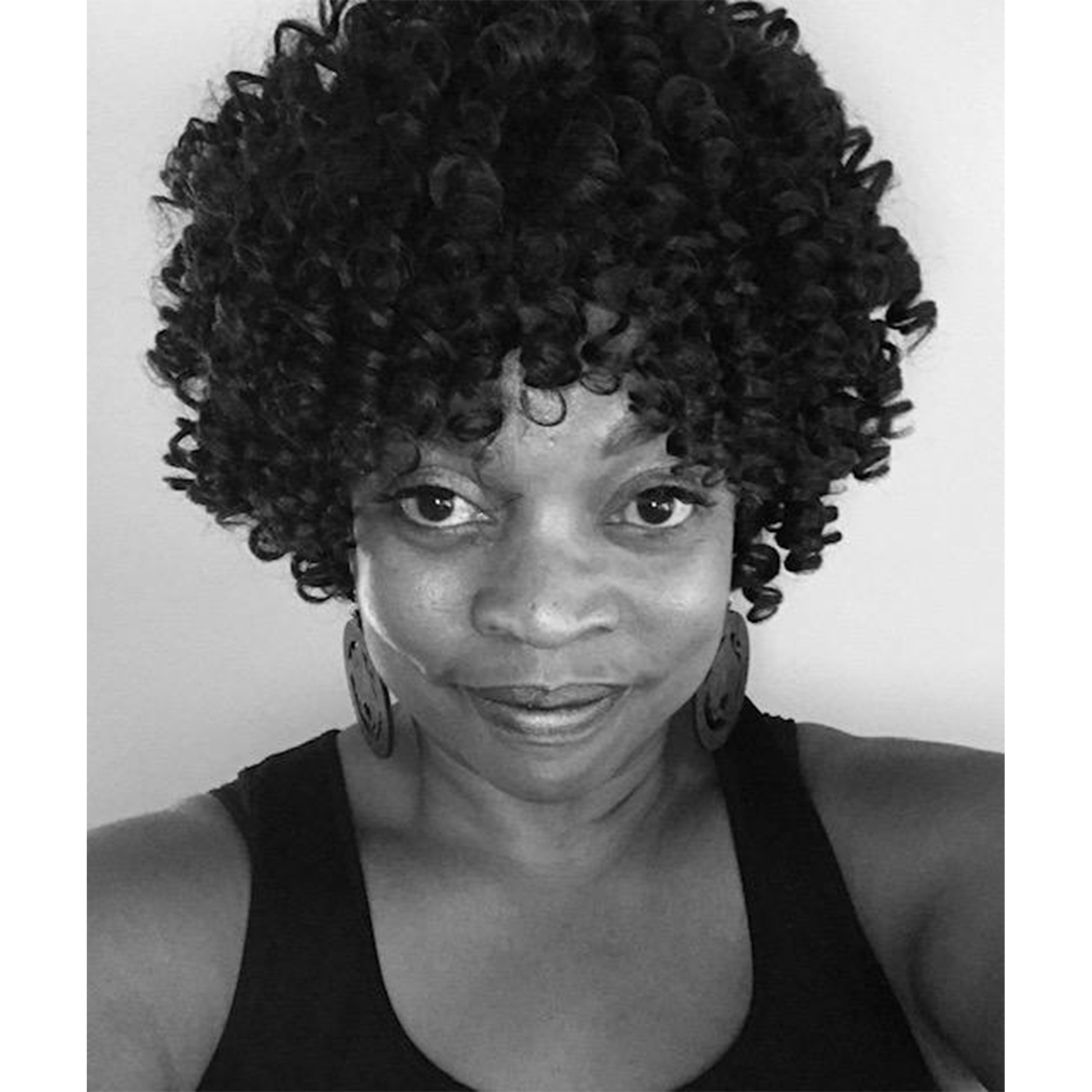
Jennifer was perfectly comfortable with her adoption until her teen years when her self-awareness was heightened, and her desire to learn more about who she is bloomed. Protecting her parents feelings, she pushed away her desire to search for decades until one day her curiosity exploded again. In the end, her residual drive from her experience as a detective on the Chicago police force helped her to keep asking questions and pressing on with her search. Jennifer shares her warm feelings from knowing her birth mother always talked about her and her birth father’s family welcomed her w/ the same love they felt for her father.The post 040 – I Mattered Throughout The Years appeared first on Who Am I...Really? Podcast.Jennifer (00:05):She says, you know, when your mom would talk about you and say she had this baby in 64, you know, we just listened to her, you know, we didn't know cause they couldn't put a face or, you know, they're just listening to her, tell this story. So for me to start, this was like, you are real.Damon (00:30):Who am I? Who am I? Who am I? Who am I? Who am I? Who am I> who am I? This is who am I really a podcast about adoptees that have located and connected with their biological family members. I'm Damon Davis. And today you'll meet Jennifer. She's a recent transplant to Nashville, but she originally hails from Chicago's Washington Heights. On the South side, Jennifer told me she spent two years in foster care before being placed with her parents who were somewhat older. She was perfectly comfortable with her adoption until her teen years, when her self-awareness was heightened and her desire to learn more about who she is bloomed. Protecting her parents, she pushed away her desire to search for decades until one day. Her curiosity exploded again. In the end, her residual drive from her experience as a detective on the Chicago police force helped her to keep asking questions and pressing on with her search. This is Jennifer's journey. Jennifer was placed with her family from foster care. At two years old, her adoption was an open topic in her family and in her community. And she felt special because of it. But her teen years brought more self awareness and therefore more interest in the real meaning of what adoption actually meant for her.Jennifer (01:57):I was permanently placed there from foster care. I was in foster care for my first two years and, uh, it was great. You know, I always thought I was special here chosen and I never felt like that was a bad thing. I thought that was a pretty cool thing. Um, and everyone knew like, I, I don't ever remember like being sat down and told you're adopted, you know, so it was, um, yeah, it was something that was just kind of known to me and to everybody, you know? So it was in the family. Like there was no secret about that. And even in my neighborhood, you know, even, you know, even in a neighborhood, people knew and it wasn't a bad thing, you know, I just never felt that way now. I don't know what people were talking about, you know, amongst themselves, that, for me, it was a good thing.Jennifer (02:47):I think around adolescence though, I began to wonder, you know, like how this different, um, I guess, uh, status how that, what that really meant, what does it really mean to be separated from my birth family? You know? And I, I do remember thinking that maybe this isn't so cool, you know, like other people look like each other cause they were biologically related. And so if I look like someone in my family, it was just like happenstance, you know, because I wasn't biologically related and I did, you know, it was interesting. I looked like my first cousins, like we look alike. And so people would say, Oh, I knew that was a cousin. Cause you know, cause I know that is not because we're related by blood, you know?Damon (03:42):Right. Jennifer's parents were born in the early 20th century, her father in 1916, her mother in 1924. So they were older parents, almost like grandparents to Jennifer. Usually people tell me their parents were of a certain childbearing age at the time of their adoption. I asked Jennifer if she knew why her parents adopted her when they were older.Jennifer (04:05):I think there was some ambivalence about it on my, from my dad. I think that he, that was not what you did. I know, I remember there was a story told to me that my dad said, well, first of all, my mother could not conceive. So that was always a point of contention because she wanted a baby. She wanted to have children. And um, her friends were having babies. And, and so this was a big deal to her. And I think that she wanted to adopt sooner, but my dad was kinda like, nah, you know, black folks don't do that. You know, like I remember a story being told to me that, that he said, you know, well, so and so down South, you know, a cousin of some relative had a baby that they really can't take care of. Why don't we just take care of that baby? An
S1 Ep 38038 – Interview w/ One Of My Two Genealogists
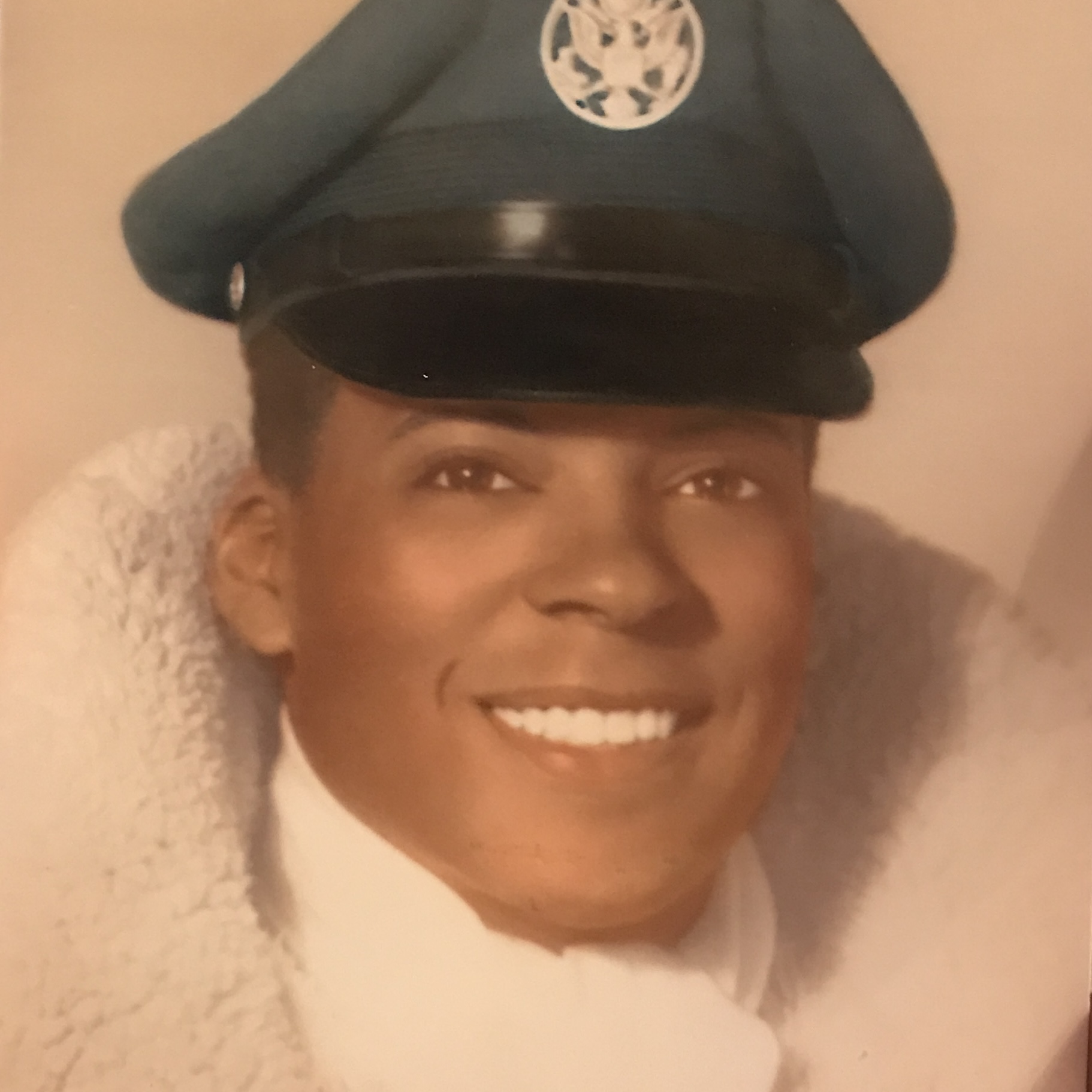
When I met Bill, summer 2017, and found out he was a genealogist, I was excited to hear everything he had to say. I wanted to hear more about his own personal history, how he got into genealogy, and the clients he’s helped. My birth mother was also a genealogist, but I never got to learn about her work before she passed away. I was really lucky to find Bill who also ended up being one of my genealogists!The post 038 – Interview w/ One Of My Two Genealogists appeared first on Who Am I...Really? Podcast.
S1 Ep 37037 – Interview w/ A Search & Reunion Social Worker
Lee, my search & reunion social worker in Baltimore, MD, unlocked many of the answers about why I was placed for adoption. She worked to locate my biological mother, Ann, and read my birth mother’s introductory letter to me over the phone. For National Adoption Awareness Month I interviewed Lee about her passion for searches and reunions, her personal connection to adoption, stories from her decades of experience supporting children and families in Baltimore.The post 037 – Interview w/ A Search & Reunion Social Worker appeared first on Who Am I...Really? Podcast.
S1 Ep 35035 – Interview w/ A Search Angel – For Every Answer You Get, There Are More Questions
November is National Adoption Awareness Month, so I’m bringing you a different perspective from the adoption community. On prior episodes you’ve heard adoptees talk about the amazing work that they’re search angels have done with them. Today I’m introducing you to one of those search Angels. You’ve already heard about her work in my interview with Stephanie (in episode 29) where she lauded the work of her amazing spouse AND Search Angel, Diana. Diana has always been into family history and exploring genealogy, so when Stephanie’s search for her birth relatives began Diana was all in. Diana shares the processes she goes through to assist adoptees in their searches, some lessons she’s learned over years of searching, and why her volunteer work to help others is meaningful to her.The post 035 – Interview w/ A Search Angel – For Every Answer You Get, There Are More Questions appeared first on Who Am I...Really? Podcast.Diana (00:00):There's a transformation that happens with people and my experience with adoptees is people start out saying, I just want to know a name and I like to say for every answer you get, you end up with five more questions because then it's not just a name. Then you want to know what they look like. Then you want to know something about them. Then you know, then you want to know, did they wonder about me?Voices (00:38):Who am I? Who am I? Who am I? Who am I? Who am I? Who am I? Who am I?Damon (00:49):This is Who Am I Really, a podcast about adoptees that have located and connected with their biological family members. I'm Damon Davis and it's November, which is National Adoption Awareness month. So on today's show, I'm bringing you another different perspective from across the adoption community. Here on Who Am I Really, I focus on people's adoption journeys and their attempts at reunification with their biological family members. On prior episodes, you've heard adoptees talk about the amazing work that their search angels have done with them. Today, I'm introducing you to one of those search angels. You've already heard about her work. in my interview with Stephanie in episode 29 where she talked about her amazing spouse and search angel Diana.Stephanie (01:34):Diana is now a California search angel. This became one of those things that you know I felt so strongly about as did she, that she got involved in the search angel community.Damon (01:45):She found a calling and you were her first client.Stephanie (01:48):Well, that's kind of the way it is.Damon (01:50):Diana says she's always been into family history and exploring genealogy, so when Stephanie's search for her birth relatives began, she was all in. Diana shares the processes she goes through to assist adoptees in their searches, some lessons she learned over the years of searching and why her volunteer work to help others is meaningful to her. Here's the story of Diana's work as a search angel. I started by asking Diana what her own connection to adoption had been. She says in her younger days, she didn't really think about adoption even though there were one or two adoptees around her that she was aware of. Everything changed when she met Stephanie. Diana was very close to her own mother, but when she witnessed Stephanie's interaction with her mother, they had one of the oddest interactions she had ever seen between mother and daughter.Diana (02:43):There was just something about it, the body language, the way her mother spoke to her. I remember when her mother left the room, I asked her, I said, Stephanie, what's your relationship with your mother like? And she looked at me and she goes, I hope you won't think that I'm strange when I say this, but I find my relationship with my mother to be very unnatural.Damon (03:12):Hmm. So you picked up on it though right away?Diana (03:15):Yeah. There was something very odd. There was some huge disconnect to me that was so obvious between her and her mother. And then she went on to say, I've always had this feeling that I was adopted.Damon (03:31):When they confirmed Stephanie was adopted, Diana started doing research on the subject of adoption. It was eye opening for Diana who didn't have a personal experience with adoption before.Diana (03:42):There's a transformation that happens with people. And my experience with adoptees is people start out saying, I just want to know a name. And I like to say for every answer you get, you end up with five more questions because then it's not just a name. Then you want to know what they look like. Then you want to know something about them, then you know, then you want to know, did they wonder about me? So when we confirmed that Stephanie was adopted, we had all these questions and we weren't even, you know, you don't even know what to ask.Damon (04:20):Yeah, that's right. Like you said, you don't know what you don't know.Stephanie (04:23):Right. And, you know, um, I started doing research on adoption, you know, and I was amazed a
S1 Ep 32032 – Intervew With The Gift Of Adoption Fund
Today I’m bringing you something a little different for #NationalAdoptionMonth. There are a lot of people, processes, and policies integral to the adoption of a child, raising a child, and supporting that person’s desire to search for their birth family. I’m bringing you a few stories from across the adoption continuum. The first is that of the Gift Of Adoption Fund (https://giftofadoption.org/donate/), a volunteer-driven non-profit organization that raises funds to provide adoption assistance grants to complete the adoption of vulnerable children. Gift of Adoption’s CEO Pam Devereux shares a little of her own story of being personally driven to helping others, the mission of the organization, and how she hopes many more of us will consider donating to charities that support adoption because, ultimately, the welfare of all children is on all of us.The post 032 – Intervew With The Gift Of Adoption Fund appeared first on Who Am I...Really? Podcast.Pam (00:00):Adoption is sort of like a one day sort of thing, but then the family is forever and so hearing about the ripple effect of that to me is what warms my heart and it just makes me feel grateful for what we're able to do.Voices (00:23):Who am I? Who am I? Who am I? Who am I? Who am I? Who am I?Damon (00:30):This is Who Am I Really, a podcast about adoptees that have located and connected with their biological family members? I'm Damon Davis and today I'm bringing you something a little different. Normally Who Am I Really shares stories of adoptees trying to connect with their birth families, but in talking to so many adoptees, it has become clear to me that there are a lot of people, processes and policies integral to the adoption of a child, raising a child and supporting that person's desire to search for their birth family. There are birth parents, foster parents and adoptive parents. There are social workers, search angels, policymakers in court systems and advocacy groups all contributing their piece to the adoption community. For National Adoption Month, I'm bringing you a few stories from across the adoption continuum. Don't worry. I still have reunion stories planned, but I wanted to share some other perspectives too. The first is that of a volunteer driven nonprofit organization that raises funds to provide adoption assistance grants to complete the adoption of vulnerable children. The organization is called The Gift of Adoption Fund and my guest today is Pam Devereaux, CEO of The Gift of Adoption. You may hear me refer to it as GOA. You can find them online at giftofadoption.org. Pam shares a little of her own story of being personally driven to help others. The mission of Gift of Adoption and how she hopes many more of us will consider donating to charities that support adoption because ultimately the welfare of all children is on all of us.Damon (02:13):I asked Pam a little bit about herself because I really wanted to know what kind of person becomes CEO of a charitable organization that helps fund adoptions. She's from Chicago and she studied business at the University of Illinois. Pam told me she always felt the urge to help others and wanted to join the Peace Corps when she was younger. She graduated college, got a job in banking instead then achieved her master's degree and wondered what the next move for her should be. At her next job in the insurance industry, she developed the skills and responsibilities for her business unit that would mold her for the next move into philanthropy. In the 1990s Pam joined the Make A Wish Foundation.Pam (02:52):I guess I really thought, um, in college that I would end up helping out, you know, maybe going the Peace Corps or something like that. I think I always had a heart for doing something bigger for others. Make A Wish was really growing in brand and organizational structure. And so some of the background I had from Zurich Insurance helped in Make A Wish and at Make A Wish, I was there almost about eight years. We really grew the organization and the Illinois chapter was one of the largest chapters around the nation and just a great exposure to great leaders and great board membership and governance. And again, sort of that idea of taking an idea that was growing and kind of putting a structure behind it. I followed a board chair to Ernest and Young, so I got a chance to move back into the for profit sector, was part of Ernest and Young for awhile. And at that time I adopted my daughter. I was a single person at the time and adopted my daughter from China. She was about one when she came home. And sort of the confluence of all of those things had me meeting the Founder of Gift Adoption, Gene Wyka, he and his wife Lucy cofounded Gift of Adoption. And really at that time, just the culmination of all things, kind of that idea from a business perspective of taking, taking an idea and moving it into an operation and kind of that startup thing is really attractive to me. So when I met the founder, I joi
S1 Ep 31031 – Finding Hope
Jamie grew up an only child with her wonderful adoptive parents in the suburbs of Atlanta, GA. She was happy to hear in reunion that her birth parents had already talked about her existence with their families. Living in Tennessee, she found her birth mother right back in Atlanta, in the same county where she lived as a girl. Jamie shares some truly special moments she was blessed to share with her birth father including a special dance, and an epic celestial event.The post 031 – Finding Hope appeared first on Who Am I...Really? Podcast.Jamie (00:03):I choose to know both of them today. You know from the time that I found them and not you know, anything in the past that's just, we all have paths and I choose to know them today and for who they are today, no matter what the situation was, you know, 38 years ago.Voices (00:24):Who am I? Who am I? Who am I? Who am I? Who am I? Who am I? Who am I?Damon (00:35):This is Who Am I Really, a podcast about adoptees that have located and connected with their biological family members. I'm Damon Davis and on today's show is Jamie. She lives in Tennessee, but she grew up as an only child with her wonderful adoptive parents in the suburbs of Atlanta, Georgia. She started her search when she was 18 years old, finding her birth mother first in 2010 and her birth father recently in 2017 she was happy to hear in reunion that her birth parents had already talked about her existence with their families. Jamie tells the story of her blessings in reunification and some truly special moments she was able to share with her birth father when they first met. Here's Jamie's journey.Damon (01:24):Jamie was adopted as an infant and her parents were super loving when she was a child and their lives revolved around her and her activities. They got her involved in everything from dance and music lessons to church and choir. Jamie shared how her parents were doting parents and she was proud of being an adoptee, but her parents weren't comfortable with her openly discussing her adoption.Jamie (01:46):Well, I had basically always known that I was adopted, but according to my mom, I was told by the son of a family friend when I was very young, maybe four or five-ish. I don't remember being told though. So for me it was just always my reality. It didn't change my world or make me question why or anything of that nature. They always told me I was special and um, made me feel very special. But yet they discouraged me from talking about adoption or sharing that I was adopted. They very much wanted me to just be theirs, you know? So it was not encouraged that we talked about it much. It was talked about very, very little between us. Now, I was very proud of it because I thought it was special and so I would tell anybody and everybody, as long as I didn't think they would tell my parents that I was talking about it.Damon (02:40):Oh, that's so interesting. So you feel comfortable with it, but they kind of wanted to push it down and allow you to just be you in their family, not an adoptee in their family.Jamie (02:53):I never felt adopted. I mean I knew it was adopted, you know? Like I said, I thought it was special, but I never felt different than any other kids that I knew of. I mean, honestly I don't think, if I hadn't been told, I don't think I would have ever questioned or wondered if I was adopted or anything of that nature.Damon (03:16):Really?Jamie (03:16):No, I, I would have totally thought I was part of my family.Damon (03:19):That's kind of nice. Do you look like them? Do you, are you similar to them in different aspects of your life, your characteristics, personality traits and things?Jamie (03:29):Um, I definitely do not look like my mom's side of the family. My dad's side of the family, I probably would have just thought that I look like them because they're have more blonde hair. So I would've just thought I got looks from my dad, you know, even though I didn't particularly facial wise look, look like any of them I could have fit in fine I suppose.Damon (03:52):Yeah.Jamie (03:53):Um, as far as personality goes, I am very outgoing, never meet a stranger. And my parents both were fairly shy and pretty opposite of that, but I really wouldn't have thought anything about it. I would've just thought it was from them encouraging me to be different than them, you know, they wanted me to be that way. So they encouraged me by, like I said, putting me in dance lessons and having me at church and you know, being out in the public arena and things like that.Damon (04:22):I wondered why if Jamie was so comfortable at home, she decided to launch a search for her birth parents. She said she had many of the classic questions adoptees have about their circumstances of their adoption, wondering who she looked like and wondering if they thought about her on her birthday. Having learned and studied music, you'll hear Jamie talk about the song lyrics that resonate with her. Of course, what lyrics
S1 Ep 30030 – Don’t Fall For “I Can’t Talk To You On The Phone”
Jen had a very nice childhood with her parents and never really wanted to search for her birth parents until her friends started having kids. But the ultimate spark that ignited her desire to search came from a family tragedy.In the aftermath Jen located her birth mother and they connected over social media, but Jen could never get her mother on the phone and that gave her a bad feeling. While she’s thankful for the few answers she did get about her past, Jen wishes she had not been deceived and has a warning for other adoptees seeking reunion. On her reunion trip her birth mother bitterly showed her true colors.Thankfully,contacting her birth mother did allow her to connect with other really cool relatives, and find her paternal half-brother who is ecstatic to know her.The post 030 – Don’t Fall For “I Can’t Talk To You On The Phone” appeared first on Who Am I...Really? Podcast.Jen (00:03):I never got a please. Thank you. A nicety. Nothing. I got nothing decent or nice or kind from this woman, so that's the reason why when I look back at whatever communications we had prior to, I deleted everything because I don't think any of it's true.Voices (00:23):Who am I? Who am I? Who am I? Who am I? Who am I? Who am I? Who am I?Damon (00:35):This is Who Am I Really, a podcast about adoptees that have located and connected with their biological family members. I'm Damon Davis and on today's show is Jen who lives in the often sweltering heat of Phoenix, Arizona. She told me she had a very nice childhood with her parents and never really wanted to search for her birth parents until her friends started having kids. But the ultimate spark that ignited her desire to search came from a family tragedy. In the aftermath, Jen located her birth mother and they connected over social media, but Jen could never get her mother on the phone and that gave her a bad feeling. When they finally met face to face, their reunion was short lived. While she's thankful for the few answers she did get about her past, Jen wishes she had not been deceived and has a warning for other adoptees seeking reunion.Damon (01:28):For Jen, everything was normal. Growing up. Her parents read her a special book every night, the chosen baby, about a couple who elected to adopt an infant and raise the child as their own. Jen still has that book to this day. She never thought about her adoption growing up, even as a young adult. Then her peers started having kids. Of course, the children look like their parents, and Jen began to wonder whom she looked like. It wasn't quite enough of a spark to launch a search, but then something tragic happened.Jen (02:00):What changed for me and what made me search for biological family was my mom was killed in a car accident, um, October, 2012. So that was number one, a shock. And number two, a lot of things changed after that. Like I said, it never seemed to be an issue of me being adopted. It never was part of my day. It was never part of my thought. But after my mom was killed, my dad and the remaining family, cause we don't have a big family, I guess you could say, they sort of turned on me. I got written out of the will. Things were totally changed. I mean it was, it was so incredibly hurtful and incredibly blindsided that, I mean I just, then I start wondering my, cause my whole life been a lie.Damon (02:53):Wow.Jen (02:55):It was pretty big wow moment. Yeah.Damon (02:57):Did you experience any animosity, any contentiousness? Was there any, so for a minute, let's just go backwards for a second. Do you have siblings?Jen (03:10):No, they only adopted me.Damon (03:11):Did you feel any of that from your father growing up?Jen (03:15):No. No. Absolutely. No. That's why it was so blindsided. So my mom was killed October 2012. Things already were in play and changing like kind of almost within the first six months. It was pretty immediate.Damon (03:33):What kinds of things did you detect were that were already in play that were starting to get worse?Jen (03:38):I have two cousins that live in Chicago and they, my mom had a brother who was also deceased and I was really close to my uncle. Those two boys belonged to my uncle who's deceased. My mom is deceased. Those two boys live in Chicago and I mean, I hate to stereotype, but they are very wealthy, so I guess apparently if you're a multimillionaire, I guess you feel you could control the world. Well, they stepped in and it's like they sort of took over my dad, but at the end of the day, my dad is responsible for letting go of the wheel and letting those boys take control.Damon (04:15):Around that time, her father had hip replacement surgery and he was in the hospital. Jen went to his bedside daily and it was at that time she found out he had agreed to change his wife's will eliminating Jen. They're only heir and creating a trust that diverted her inheritance, but more importantly, the process drove a wedge between her and her father that was deeply hurtful. Unf
S1 Ep 24024 – I’m Deeply Hurt, But I Hope You’re Happy
Louise was one of four a dual heritage children raised by white parents in England. She had a fantastic childhood. So much so that she has adopted twice. But along her impulsive journey into reunification, Louise was exposed to uncomfortable situations including her biological grandfather’s impending death, overt racism in her mother’s family, and total rejection by her biological father. Unfortunately, Louise’s mother’s withholding of facts also prevented her from knowing her sister, who once was interested in reunification.The post 024 – I’m Deeply Hurt, But I Hope You’re Happy appeared first on Who Am I...Really? Podcast.Louise (00:02):If you rush these things, you can really damage any sense of long term relationship with people and I think you need to think more widely of the implications of your actions to other people, I didn't even consider how my birth mother would feel.Voices (00:16):Who am I? Who am I? Who am I? Who am I? Who am I? Who am I? Who am I?Damon (00:34):This is Who Am I Really, a podcast about adoptees that have located and connected with their biological family members. I'm Damon Davis and on today's show you'll hear the journey of Louise. She called me from London, England, so at times you may have to listen closely to hear her voice through the connection, but what you'll hear is the story of a woman who's youthful curiosity about her biological mother led her courageously and impulsively straight to her mother's door. Louise's poorly thought out approach in her twenties may have cost her the deep relationships that a more cautious and measured approach could have yielded and put her in some very uncomfortable situations. Her journey has repetitive rejections on three fronts. After locating her biological mother, father and uncovering the news that she also had a sister. However, Louise now has some sage wisdom for other adoptees and her own adopted children about their own possible journeys through reunification.Damon (01:37):Louise's heritage is a racial mix of white English descent on her birth mother's side and Jamaican English descent on her birth father's side. Louise's parents had already adopted an older brother, then her, followed by two more multiracial children. They were very open about adoption partially because they all looked very different from one another. Each child's individual adoption situation was their business to discuss with their parents if they chose to. Louise was able to grow up with the comforting information about her biological mother.Louise (02:10):Well, I was born in 1978 and I was relinquished for adoption by my birth mother. Um, at birth, really, um, she did change her mind and she went back and forth, but I never left the hospital until I went to live with foster carers and I was then adopted by two wonderful people. Um, it's worth noting that my birth mother's, uh, of white English descent and my birth father is a Jamaican and English descent. And the people that I was adopted by, um, who I refer to as mom and dad, uh, are actually Black English. And, um, I believe about six months after, um, I was born, I was placed with my parents. They already had adopted an older brother who's just under 18 months older than me and we have the same heritage. And um, they obviously went on to adopt two more dual heritage, mixed race, to put it in quick terminology.Louise (03:14):As children, we grew up always knowing we were adopted. They really, I mean it was hard for them to hide it cause people look so different. But they were always incredibly open about, you know, being adopted, about our birth mothers. I don't know so much about my brother's birth mothers. I mean quite selfishly and quite rightly, I think my parents didn't necessarily share that information with us because it was for the individual child. It wasn't, you know, everybody else's business. But, uh, for me, my mom always spoke about my birth mom, but she actually met her, which I think really helped me growing up knowing that my mom had an opportunity to meet her so I mean, growing up we were no different from any other family as far as we could tell because for us that was the norm. We went on adoption days out with other children that happened to be adopted, but my mom's still friends with, you know, that's your DA's later.Louise (04:15):So we were very much, we were, at the time, there weren't many mixed race or dual heritage children around where we lived, but as time grew on, there was, you know, more and more, you know, were present. So we had a happy childhood. I mean, all the angst of being a young lady was there. I think being adopted did play a little bit of a role in me being a little bit more uncertain of myself or emotions that my mom had always and my dad had always spoken highly of my birth mother and answered any questions I had, you know, very, very honestly.Damon (04:50):Tell me a little bit about your, your teen angst as it applied to being an adoptee. How do you thin
S1 Ep 21021- With Every Heart Break, My Heart Gets Bigger
Marcie finally felt plugged into her biological family after years of divisive behavior from her adopted mother. Her mother never nurtured a bond between Marcie and her adopted siblings and had a hard time overcoming some of her own childhood issues. In reunion, Marcie connected with her biological father who amazingly helped solidify a deeper connection to Marcie’s aunt, his sister. Marcie and her aunt both share an innate connection to their own spirituality. Even though her biological mother was not in a place to be part of Marcie’s reunion with her father, she was able to make a really good connection with another aunt on her maternal side of the family.In hindsight Marcie wishes she had been true to herself throughout her journey, reaching out sooner and making sure to meet her relatives when the opportunities presented themselves. She admits that sometimes it’s okay for each us to be selfish along our journey as long as it is done with kindness and compassion for others.The post 021- With Every Heart Break, My Heart Gets Bigger appeared first on Who Am I...Really? Podcast.Marcy (00:06):I think it was painful as a woman, having a child, knowing that somewhere my biological mother went through a pregnancy with me and pushed life out of her, into me and then had to leave me. And the whole experience is esteem now of what my body went through for those nine months and the trauma that your body goes through in order to create the healthy beautiful environment for this beautiful thing, growing inside of you. I had real mixed emotions about it.Voices (00:50):Who am I? Who am I? Who am I? Who am I? Who am I? Who am I? Who am I?Damon (00:57):This is Who Am I Really? A podcast about adoptees that have located and connected with their biological family members. I'm Damon Davis. And on the show today, you're going to hear from Marcy. Marcy grew up with two older adopted brothers in a home she says, was filled with parental narcissism. That environment made her struggles with her own identity, even worse as a teenager, her upbringing exacerbated deep unrest within her. In reunion, she found her father who laid a path for Marcy to find a kindred spirit in his family. Her story begins in Michigan when she was a child.Damon (01:52):Marcy has always known she was adopted, but she doesn't really remember actually talking about adoption. Marcy says she had a little trouble navigating her mother's emotions and she couldn't really figure out if things would've been different if Marcy had been her biological daughter.Marcy (02:06):I really know if we did talk about it. I don't really remember. I know, you know, I grew up in a home where my mother, for whatever reason, couldn't have children. Um, and we constantly heard about all her failed pregnancies and her female problems. And, um, you know, I think sometimes those are really big shoes for someone like me to fill. You know, I think that she, as much as she enjoyed having children, I don't know really how much she enjoyed having children. Does that make sense?Damon (02:44):Interesting. Why do you say that?Marcy (02:46):She, in my experience, um, is, or I should have say has since I'm not a doctor, but she has extreme narcissistic, um, personality traits.Damon (03:00):Yeah.Marcy (03:01):And you know, like my older brother, he was adopted first and my dad had gotten shipped off to Vietnam and you know, her and my brother were really bonded and, you know, he was like the golden child. And then trying to fill in those shoes of him was always very difficult. I was also a girl. And I think that she had some slight jealousy issues with my father and my relationship. And so I think, I don't know if it's normal, if I was adopted or if I was from her, you know what I mean? Like I don't, I see it from being adopted. I can't see it being from her flesh and blood. If I was her own natural child, if the treatment would be the same or if it would be different or indifferent, I only know it being adopted and more times than none, it didn't feel so great.Damon (04:00):Yeah. That's the only lens that you can see it through is the lens of an adoptee and, and the way you are treated in narcissism. That's fascinating. Were you, uh, an only child?Marcy (04:13):No. I had two brothers and all three of us were adopted. We were adopted into a Jewish professional home that was always told to us. I came with a piece of paper where I am Catholic blood and my biological mother wanted me adopted into a Jewish professional family, which is where I was placed.Damon (04:35):Gotcha. So you've kind of stated that the home is full of narcissism. How did that impact you as an adoptee? You know, you're growing up as a teen, you understand fully and clearly that you're adopted, but the, the perceived, um, sort of the narcissism and the focus on one's self would be impactful on the teen who is trying to understand her own identity. What do you remember about how that was impactful to you?Marcy (05:01)
S1 Ep 19019 – Adoption Was Chapter Two Of My Life, I Had To Learn About Chapter One
Michael grew up in Coney Island, Brooklyn, NY. He led a comfortable life in the Williams loving home when he accidentally discovered, at 12 years old, that he was adopted. The discovery that he actually had another identity created conflict in him, especially during his teen aged years.With spontaneity, tenacity, and a fair bit of luck Michael was able to track down the phone number for a long lost cousin in NY. She sounded the alarm to the family that Michael had found her, and a series of holiday season reunions ensued. But his reunification was not without its resentment. Over the course of two decades he satisfied his curiosity to uncover every detail he could about who he really is. It was an emotional journey of discovery that led him all they way to his family’s roots in the South.The post 019 – Adoption Was Chapter Two Of My Life, I Had To Learn About Chapter One appeared first on Who Am I...Really? Podcast.Michael (00:02):The only thing I can think of was like going to the motherland. America is a nation of still with immigrants, but there is a mother country, ancestrally speaking, so whether you are going to come from Poland, Ireland, Africa or wherever. When you go back to those things, there's something grounding, something that anchors you and it did for me because I'm looking at this woman. I'm like my life story begin with this woman. It all started in her womb.Voices (00:38):Who am I? Who am I? Who am I? Who am I? Who am I? Who am I? Who am I?Damon (00:49):This is Who Am I, Really? A podcast about adoptees that have located and connected with their biological family members. Hey, I'm Damon Davis on today's show. I'm joined by Michael who grew up in Coney Island, Brooklyn, New York. Michael was living a comfortable life in the Williams loving home when he accidentally discovered that he was adopted at 12 years old. The discovery that he actually had, another identity created conflict in him during his teenage years. With spontaneity, tenacity, and a fair bit of luck, Michael was able to track down the phone number for a long lost cousin in New York. Over the course of two decades, he satisfied his curiosity to uncover every detail he could about who he really is. It was an emotional journey of discovery all the way to his family's roots in the South. We pick up Michael's journey at the beginning, as a child. Michael was raised with six siblings, some biological to each other and many foster children who moved in and out of their home over the years. His parents cultivated a family environment for everyone, including him.Michael (02:05):In my world, I, I always, you know, thought that I was born in Brooklyn. That was my starting point and of course later on, I discovered that I had adopted into the family, but I was, I started as before as the Williams foster child and my adoption, wasn't made final until I was six years old. Even at that point, there was never any differentiation between, Oh these are the biological children, oh these are the adopted children, oh these are the foster children. Cause, I mean, growing up in a household, dad was still with foster kids coming in and out, not ever realizing that I had was in their shoes.Damon (02:47):Interesting.Michael (02:49):My parents did a really good job. It was an environment of openness and there was this sense of a family cohesion is that even though with the foster kids that were coming in and out, it was just a part of everyday life for us. That whole family environment was cultivated by both my father and my mother simply because that was the only child, his name, and yet I say this to honor my father because he's deceased freedom and black Williams, he was the only child and he never knew his father and there was an incredible burden in his heart to be a father to the fatherless. What I later discovered was that he actually had fostered nearly 65 inner city children.Damon (03:37):Wow. That's, that's a open-heart man. That's really incredible. So you were, you were made to feel so comfortable that it took you a while to figure out that at one point you had been a foster child who was in transition to another place. That's interesting. What did you think when you realized that?Michael (03:58):When I, well, the day that I realized that I had been adopted, I was about 12 or 13 years old and it turned everything on its head because it was confusing. It was confusing to me because I didn't understand why that information was withheld. Everything just kind of came out in an unexpected way. I'm mean, I was, I had, I was looking through the family photo albums and I discovered the summer day camp certificate of completion and it said Michael Harth and I was like somebody made a huge mistake and mom never caught, how could she not have caught this very noticeable mistake? I'm not Michael Harth, who is Michael Harth? I'm Michael Williams. I've always been Michael Williams. So then when I brought upstairs to go find my mother about
S1 Ep 12012 – I Need This For My Sanity
Tom advocates for adoptee rights and shares his personal experiences about being adopted. He was adopted as an infant and things went so well his parents decided to adopt two older boys when Tom was two years old. Their adoption is where his trouble started. Life became chaotic in their home because the older boys were difficult for his parents to control. Tom was feeling sidelined. Sadly, one of the older boys sexually abused him resulting in issues he’s dealt with most of his life. Searching to repair his past he sought counseling, connected with his biological mother, and tracked down his biological father. But Tom was never quite able to gain the sense of belonging he was searching for.The post 012 – I Need This For My Sanity appeared first on Who Am I...Really? Podcast.Tom (00:03):You know, I knew more and more it was him. Wrote a third letter and basically said, look, I'm not after your money. I'm not looking to disturb your family, but I, I need this for my own sanity. I need to, I need to know and, and I'd like to meet you if I can.Voices (00:25):Who am I? Who am I? Who am I? Who am I? Who am I? Who am I? Who am I?Damon (00:36):This is Who Am I, Really? A podcast about adoptees that have located and connected with their biological family members. Hey, it's Damon and on the show today, I'm joined by Tom. Tom advocates for adoptee rights and shares his personal experiences about being adopted online. He shared with me that he was adopted as an infant and things went so well that his parents decided to adopt two older boys when he was two, but that's when the trouble started. He says, life became chaotic in their home because the other boys were difficult for his parents to control leaving Tom feeling sidelined, resulting in issues he dealt with his entire life ever since. Searching to repair his past, he sought counseling, connected with his biological mother and tracked down his biological father, but Tom was never quite able to gain the sense of belonging he was searching for.Damon (01:29):Tom, thanks for taking time to talk to me this morning. I appreciate it.Tom (01:33):Absolutely.Damon (01:34):Now I've been seeing some of the thought leaders that are out there and your name continues to come up as somebody who's advocating for a lot of adoptee rights and you're a prolific writer about your own feelings and your own story.Tom (01:48):Oh, not a problem at all. I do the writing to try to help others and we'll see how that goes.Damon (01:54):Yeah, yeah, it's helpful for me to read some of your thoughts and some of your experiences. I appreciate the fact that you sort of consistently write about different themes from forgiveness to consideration of the father and a biological family and you know, so many other topics. So thank you for your leadership in this space as well.Tom (02:13):I appreciate that.Damon (02:14):Sure. So I would love for you to take me back to the beginning. Tell me a little bit about your life as an adoptee. As a young child, what it was like in your family, your community and uh, and how things were growing up for you.Tom (02:28):Sure. Well, to start, I think it started out well and was well intended. I was adopted at the age of three months back in 1971. I guess I was my parents pride and joy. Things went well for them. In fact, so well that they decided that they were going to adopt two older boys, uh, when I was two years old. So those boys came in, they were two and four years older than, than me. And immediately the house became chaotic. It wasn't really clear what was happening with them and their foster home, they were actually in the same foster home. They were not biological brothers, but they came as a package to us.Damon (03:15):Interesting. So just for clarity real quick, you were the sole child in your family until these new adoptees came in. So you went from being number one and the, the sole focus to like being number three, you're now the youngest, is that right?Tom (03:33):Exactly. Which was very, very odd. It really kind of turned my world upside down.Damon (03:40):I can imagine.Tom (03:41):So, you know, life became chaotic. I do remember, as a matter of fact, I think I remember on the first day that uh, my middle brother complaining about the food and you know, wanting to go back to where he was and things were just very, became very uncertain almost overnight. Time went on a little bit and as we got a little older, it became more and more chaotic.Damon (04:10):What...
S1 Ep 10010 – How Can I Meet Her Without Telling Her Who I Am?
Steve was raised in Baltimore, MD in a predominantly Jewish suburban neighborhood. But as he looked around at his friends and other families, he truly questioned his own identity, especially as an adoptee. In an era before electronic record keeping, Steve used his street savvy to buy the information he needed about himself in order to advance his search for his biological family. More crafty thinking led Steve right to his biological mother’s front door. He wanted to meet her, but not necessarily reveal that he was her son. He knocked on her door with a story that should have gotten him sent on his way. Instead she invited him in! Just wait until you hear his crafty approach to introducing himself to his biological mother, and the truth about his European heritage.The post 010 – How Can I Meet Her Without Telling Her Who I Am? appeared first on Who Am I...Really? Podcast.Steve (00:04):My biggest question to my parents who raised me was always, are you sure? Are you 100% sure that I'm Jewish? And I'm looking in the mirror, I'm thinking, I don't look like anybody in this neighborhood. Yeah, I knew I wasn't Jewish and I wanted to know what my background was.Voices (00:27):Who am I? Who am I? Who am I? Who am I? Who am I? Who am I?Damon (00:38):This is Who Am I Really? A podcast about adoptees that have located and connected with their biological family members? Hey, it's Damon and today you're going to hear Steve's journey. He has family history in Baltimore, Maryland, but his biological roots go back to Chicago, Illinois. Steve says that he was a bit of a juvenile delinquent when he was a teen and quite the opposite of his siblings, one who was a jock, the other who was a scholar, but it turned out those street skills and crafty thinking were just the tools he needed to locate and connect with his biological mother. I can't wait until you hear just how he did it.Damon (01:18):Steve, I'm super glad to be connected to you, man. I appreciate you accepting the invitation to chat a little bit. You've got quite an amazing story, but I'd love for you to take me back to your early childhood. Tell me about what it was like in your family as an adoptee, what your structure was like and your family and what your community was like and how you fit into the community as an adoptee.Steve (01:42):Perfect. Yeah, I'll start off was saying, you know, my adoptive parents, I'll start off with them, uh, to give you a little idea why they even went the adoption routes, but they, they were a Jewish couple. Uh, they were married in the late forties. They decided to start a family probably somewhere around 1950, 51, and they obviously could not conceive. So, um, they decided to go the adoption route. Okay. Then what makes this whole story interesting is that my parents were Jewish and they wanted to adopt a Jewish baby. So I'm thinking to myself, what are the odds on them finding a bunch of Jewish babies out there in this world? How do you even go about that? That's what they wanted because they wanted to stick with it, you know, their religious tradition and raise a child Jewish and things like that. So I was actually born in Chicago.Steve (02:36):My parents were from Baltimore, so that's where the thing gets kind of weird. Uh, what they did was they got an attorney up in Baltimore who knew of a rabbi who knew of a rabbi in Chicago who knew an attorney over there that had access to people that were Jewish and looking to put babies up for adoption into a Jewish family, if you can follow that. So about six years later, around 1977 they get a phone call, there's a baby girl available, which is my older sister. Year and a half later, they get a phone call that there was a baby available in Chicago, fly out to Chicago, and there was me coming home three days later.Damon (03:20):So the Jewish community gets together and through connections establishes a network by which to presumably Jewish babies can arrive in a Jewish family in Baltimore.Steve (03:33):Environment. Correct.Damon (03:33):Gotcha. Okay.Steve (03:34):Correct. So fast forward a little bit. A couple years later in 1962 my parents were able to have a biological son, which is pretty normal. They say sometimes parents that cannot conceive then all of a sudden they can. But basically in the 60s growing up in the rambles town area of Baltimore County was like, our environment was like the show leave at the Beaver. It was really, it was just, you know, a brand new suburban area. I grew up in a, in a 100% Jewish neighborhood. There must have been 115 homes in my neighborhood and every single one of them was Jewish.Damon (04:13):Mhmm an enclave. The community. Yeah.Steve (04:17):Well it was pretty much just like any other family in the neighborhood. I quite frankly, I didn't realize I was adopted until I was the age of six. Um, there's only a couple of things I can really remember, uh, before the year 1964 and that was John F. Kennedy getting shot and the
S1 Ep 6006 – I Forgave Her When My Son Was Born
In adoption, Julie grew up in the Midwest with a family of trans racial adoptees. Her brothers are adopted from Vietnam, and her sister is white. Each of them has a different perspective on searching for their biological families. Julie has always been curious. She told me that in the moments after her son was born and he was placed in her arms, she could forgive her biological mother, and release the anger she previously felt about her rejection. In that moment, she clearly understood the everlasting bond of a mother to her child.The post 006 – I Forgave Her When My Son Was Born appeared first on Who Am I...Really? Podcast.Julie (00:00):Yeah. When I had my son, like the moment I gave birth to him, I will say like the second he was placed in my arm and my first thought was at my birth mom and I just, I, I let go of all the anger.Voices (00:21):Who am I? Who am I? Who am I? Who am I? Who am I? Who am I? Who am I?Damon (00:32):This is Who Am I Really, a podcast about adoptees that have located and connected with their biological family members. Hey, it's Damon and in this show. I had the great pleasure of catching up with my old friend Julie. We met over 10 years ago and as it often happens with me, we bonded over being adoptees, but she was already seeking her biological family and had been at it for a long time when we met. When we first knew one another, she had located her family of origin and her social worker had been in touch with them, but for some reason they had not actually made the connection. Julie moved away so I never got to hear what happened next for her. I've wondered about Julie for years. So today she finally satisfied my curiosity.Damon (01:17):Thank you so much for taking time to join me for this. I have been so excited to talk to you for like years. Honestly. I mean, you'll recall you and I first met back. What was that?Julie (01:29):2003. Yep.Damon (01:29):We bonded over being adoptees. I recall one of the conversations that we had around the fact that you had begun to search for your biological family. So I'm really excited to hear the update because I, I've honestly, I've thought about you off and on for years wondering how your story unfolded. So I, I can't wait to get to the end, but for right now, what I'd love for you to do is just take me back to the beginning. Tell me a little bit about, you know, how you grew up, where you grew up, what your family structure was like, and just generally how it was being an adoptee in your family.Julie (02:07):Sure. So I was born in Chicago and, and immediately placed into foster care because my birth mom knew that she wasn't going to keep me. And I'll give you some backstory and a little bit of on that side of the family. But in my, um, in my adoptive family, which I typically just refer to as my family, um, I'm the fourth, I'm the youngest, I'm the baby and I'm the fourth child and all four of the kids in my family are adopted. And so my oldest sister is white. And then my brother, my next oldest brother is, uh, black and Vietnamese. And then I have a brother who's Vietnamese and probably something else. Um, we're not entirely sure. Both of them were, uh, both of them were, were they, I mean the Vietnamese war orphans and so we don't have accurate records on them and that includes like their age, their accurate birthdays. Um, so they were given records most likely as kids who already passed, which is typical. And so thenDamon (03:12):Thy were transferred records, they basically have someone else's records, you think?Julie (03:15):Yes.Damon (03:16):Wow.Julie (03:16):Yeah, because so because, um, so this is a story that's like, you know, part of our family folklore. But, um, when my older brother came over and was finally having like, you know, immediately had his first doctor visit, the doctor was very clear with my parents that this child was at least six to nine months older than the age that they had reported to him, that they had been told.Damon (03:37):wow.Julie (03:38):Um, malnourished. Certainly him, both of my brothers were a malnourished when they came, um, and, and uh, and sick and so probably older than their actual years and maybe not a full year older, but definitely not that birthday that we have for them. Um, and so then, so they had those, those three, and they're kind of, they're stairstep and they're, I think between like five and eight years older than me. And then it came time and my parents decided that they wanted to adopt again and again, like family folklore, there was a little girl in Dallas, Texas, and then there was me in Chicago.Julie (04:12):And, um, my brother, my oldest brother, Jeff, is the one who decided that we should adopt me because we needed more brown skin in the family.Damon (04:21):Ah, that's so cute!Julie (04:21):Um, yeah. Yeah. And so actually my first picture, um, that I keep on my fridge is that my brother Jeff holding me.Damon (04:29):Oh, that's really awesome.Julie (04:29):On the da
S1 Ep 5005 – Part of Her Memory That She Lost Was Me
Terry shared the story of his biological parents’ wartime extra marital affair that brought him to life. He said his adopted parents felt he was “the sun the moon and the stars”, and spoiled him that way. As a teen, Terry wanted to apply for a job and needed his birth certificate from his parents. But that simple request worried his mother deeply about her place in his heart because she thought he was beginning a search for his biological family. He didn’t connect with his biological mother until his own parents were in failing health, but what an emotional day it was when he did finally meet his first mom!The post 005 – Part of Her Memory That She Lost Was Me appeared first on Who Am I...Really? Podcast.Terry: 00:02 My Mom, her dad are dying and I'm going to beat my birth mother for the first time and my two half sisters that I've never met before. So I pulled up and Mary came out and we hug, but she was very, I don't want to say distant, but she certainly wasn't real warm.Voices: 00:27 Who am I? Who am I? Who am I? Who am I?Damon: 00:34 Who am I? Who am I? This is who am I really a podcast about adoptees that have located and connected with their biological family members. Hey, it's Damon on the show today is Terry who located his biological family at a time before the Internet allowed easy searches for facts and information. He was born in the 1940s a time of war for our country, but it's also when his story begins and his journey, you'll hear about his path to learning who he is in so many ways and a very emotional day that he met his biological mother for the first time. I've been really excited to talk to you since Carmen may the introduction, so thanks for making time. Tell me a little bit about your childhood and your community, a little bit about your family and just generally how you grew up as an adoptee.Terry: 01:26 Well, um, my parents had tried to, uh, have a child for like nine years and they were unsuccessful. They had a good friend. My mom's best friend, um, had a boarder in her house who's husband had gone to war and, uh, she was having an affair and I was the result of that affair. So when her husband came home, uh, he was pretty upset about the fact that she was pregnant and my moms friend knew that they'd been trying to have a kid, so they worked it out that I could be adopted by..Damon: 02:06 Wow.Terry: 02:06 Anyhow, Clarence and Charlotte were the only parents that I ever knew. They were wonderful parents in one respect, except that they were over over protective. I mean, they did not go anywhere without me for the first six years of my life, I was never outside of my mom or dads vision, you know. But I adapted to it and it was, it was okay, but you know, one o the classic examples I give is that Christmas really doesn't mean all that much to me anymore because when I was, I don't know, five or six, I came out of my bedroom and the entire living room floor was covered with packages and they only have my name on it and I just thought life was supposed to be, you know, and uh, my cousins always remark about the fact of how spoiled I was and how, you know, my mom just doted on me and all of that stuff. I didn't know anything different. I didn't know the world was any different than that. I didn't know that there were, I didn't know there was evil in the world. I didn't know there was, you know, I mean, I was so incredibly protected because I was the sun and the moon and the stars for them.Terry:  
S1 Ep 3003 – When the Search Finds You
Kathleen grew up with five siblings, and they were all biologically related to her parents–she was the only adoptee! As a child she was told that she was adopted, but it didn’t quite sink in until the topic of adoption came up in conversation and her mother reminded her, “you’re adopted too.” But what blew my mind was how the search for her first family wasn’t originated by her, her family found her and knew exactly where to lookThe post 003 – When the Search Finds You appeared first on Who Am I...Really? Podcast.Kathleen: 00:00 You meet people your whole life. You meet friends, you meet new family members, people are born, people die, but meeting someone who is your actual biological parent after you're already, you know, at this point I was 18 years old is a very, very strange thing.Voices: 00:19 Who am I? Who am I? Who am I? Who am I? Who am I? Who am I?Damon: 00:30 This is "Who Am I, Really" a podcast about adoptees that have located and connected with their biological family members. Hey, it's Damon on today's show. I'm joined by Kathleen. Her journey as an adoptee is amazing because while she wanted to search for her family of origin, the search actually came to her at a very young age. You're not going to believe how Kathleen's story unfolded and you'll hear just how fortunate she feels for how things turned out.Damon: 01:09 I appreciate you taking time to do the show. Take me back to the beginning. I know you and I talked a little bit before, but take me back to the beginning. Tell me a little bit about your background, about growing up, where you were and what your community was like, what your family was like and your, your family structure.Kathleen: 01:26 Okay. So I was raised mostly in Racine, Wisconsin, and I was the youngest of six children. Uh, it was a big Irish Catholic family and I was the only of the six to be adopted actually.Damon: 01:40 Wow. So you had five biologicals and you were the sole adoptee.Kathleen: 01:45 Right, exactly.Damon: 01:47 So how was it?Kathleen: 01:47 I was raised in a very, you know, culturally Irish family I would say. And what I always thought, looking back, what was so interesting about is the fact that I never, until I really knew that I was adopted, recognized the difference in our appearance, which to me today is very obvious. I mean, I, I have darker skin and darker complexion and they all look very, very Irish and have the, you know, the reddish hair and the freckles and green eyes. And I didn't have that at all. And when I was growing up, I just didn't notice it, which really says a lot about what children do and do not see as they're, as they're young.Damon: 02:21 Absolutely. Yeah, I totally understand that. We just are kind of blinded to the differences between us
S1 Ep 1001- The End of Summer Cake
I’ve shared an adoptee bond with my dear high school friend Andre for years. In this episode, Andre shares the story of his loving adopted family, being the older sibling to his adopted parent’s biological son, and the truth about how he came into this world. His biological mother never forgot him and honored his life every year.Andre: 00:02 You go up to the judge, she has my case. She opens this Manila folder and I was like, there it is, like I'm this close. So then she proceeds to go through and she says that, you know, I have information here but you can't have it.Voices: 00:23 Who am I? Who am I? Who am I? Who am I? Who am I? Who am I? Who am I?Damon: 00:34 This is Who Am I Really? A podcast about adoptees that have located and connected with their biological family members. Hey, it's Damon and on today's show I was lucky to be joined by my old friend Andre. We've known one another for more than 25 years, going back to high school and at that time as young men, we both discovered that the other was adopted too and we were instantly connected. In our conversation, you'll hear some of that old school brotherly love, but you'll also hear some really poignant moments when the fact that he's an adoptee was revealed to his brother and the difficult news he learned about how he came into the world.Damon: 01:21 First, Andre, I want to welcome you to the show. Thanks for coming.Andre: 01:23 Thank you for having me, Damon.Damon: 01:24 So glad you could do it. So tell me a little bit about your family growing up. Just start from the beginning as a young guy, tell me a little bit about you.Andre: 01:34 I grew up in Framingham, Massachusetts. Great parents, father was retired military. Um, mom was an HR salesman for digital equipment corporation. I have a younger brother, three years younger.Damon: 01:47 What's his name?Andre: 01:47 Jason. Jason is his name. We had a great life. I had no idea that my story would unfold the way it did growing up with such great parents.Damon: 01:59 Yeah. You and Jason were close?Andre: 02:01 Very close.Damon: 02:02 And is Jason adopted also?Andre: &nbs
000: Welcome to Who Am I Really?
I’m devoting this program dedicated to helping people placed into adoption to explore their own emotions, desires, and questions about reuniting with their biological family by asking others like us to tell their own true stories. I’m so thankful for the life that my adopted parents gave me, but I also had the incredibly good fortune to be reunited with my biological mother in 2009. Our story is amazing to me because our reunification unfolded in a way that I never could have predicted. However everyone’s search and discovery journey is different and we’ll share an array of stories in this podcast.Read Full TranscriptDamon: 00:09 Hi, I’m Damon Davis and I’m launching a new podcast series called, Who Am I Really? I’m devoting this program to helping people placed into adoption to explore their own emotions, desires, and questions about reuniting with their biological family by asking others like us to tell their own true stories. You’re probably asking yourself who I am and why I launched this podcast. First, let me say, I grew up in a very loving home with my adoptive mother, Veronica, supported by my adoptive father, Willy they’re just mom and dad to me, and I love them dearly for everything they did, large and small. That gave me the opportunities to be the man that I am today, but I also had the incredibly good fortune to be reunited with my biological mother in 2009. Our story is amazing to me because our reunification unfolded in a way that I never could have predicted.Damon: 01:04 A few things happened to me that really sparked my desire to search. One of the first influences happened during a visit with my inlaws in Baltimore, Maryland. My wife’s distant aunt welcomed us into her home one day. This lovely elderly woman opened the door, greeted us, toting her small wheeled oxygen tank behind her. As we sat in her living room, she spread pictures, newspaper clippings and letters on the coffee table. She told stories about the family’s history in a way that only she could recount them as what I viewed as the unofficial family historian, but that experience made me realize that one day she would no longer be with us and if another person tried to spread the same family historical facts in the same way they could not tell the family story the way that she had. It dawned on me that when she passed away, the ability to weave the family history that she knew would be lost and I should act quickly if I didn’t want the same to happen in my biological family.Damon: 02:07 When I decided to launch the search, my social worker in Baltimore shared something from her experience that I hadn’t thought about before. She said that women tend to search for their family of origin sooner than men do and that men search most often after they’ve had their own children. That was me. A short time after my wife gave birth to our son, I was at home alone with him, gazing on him with sheer amazement at this little dude we had created. He laid there on his back, kicked his legs, and waved his arms and stared up at me. In that moment by ourselves, I whispered to Seth with tears in my eyes, you’re the first blood relative I have ever known. As I talked to more people about their stories of searching and discovery, I’ve learned so much about each individual and about the commonalities between of us as adoptees.Damon: 03:00 We have basic questions about how we came to be, what happened with my biological mother and father when I was conceived? Why couldn’t they take care of me themselves when I was born? What was the story of my adoption? We tried to figure it out for ourselves by imagining all kinds of scenarios for why our parents made the choice to place us into adoption. We tried to figure it out for ourselves by imagining all kinds of scenarios for why our biological parents made the choice to place us into adoption, but it’s almost impossible to form a complete picture about yourself if you don’t know your own personal history. The puzzle has too many missing pieces. I’ve learned that some adoptees live with