
Wet Fly Swing Fly Fishing Podcast
1,061 episodes — Page 9 of 22
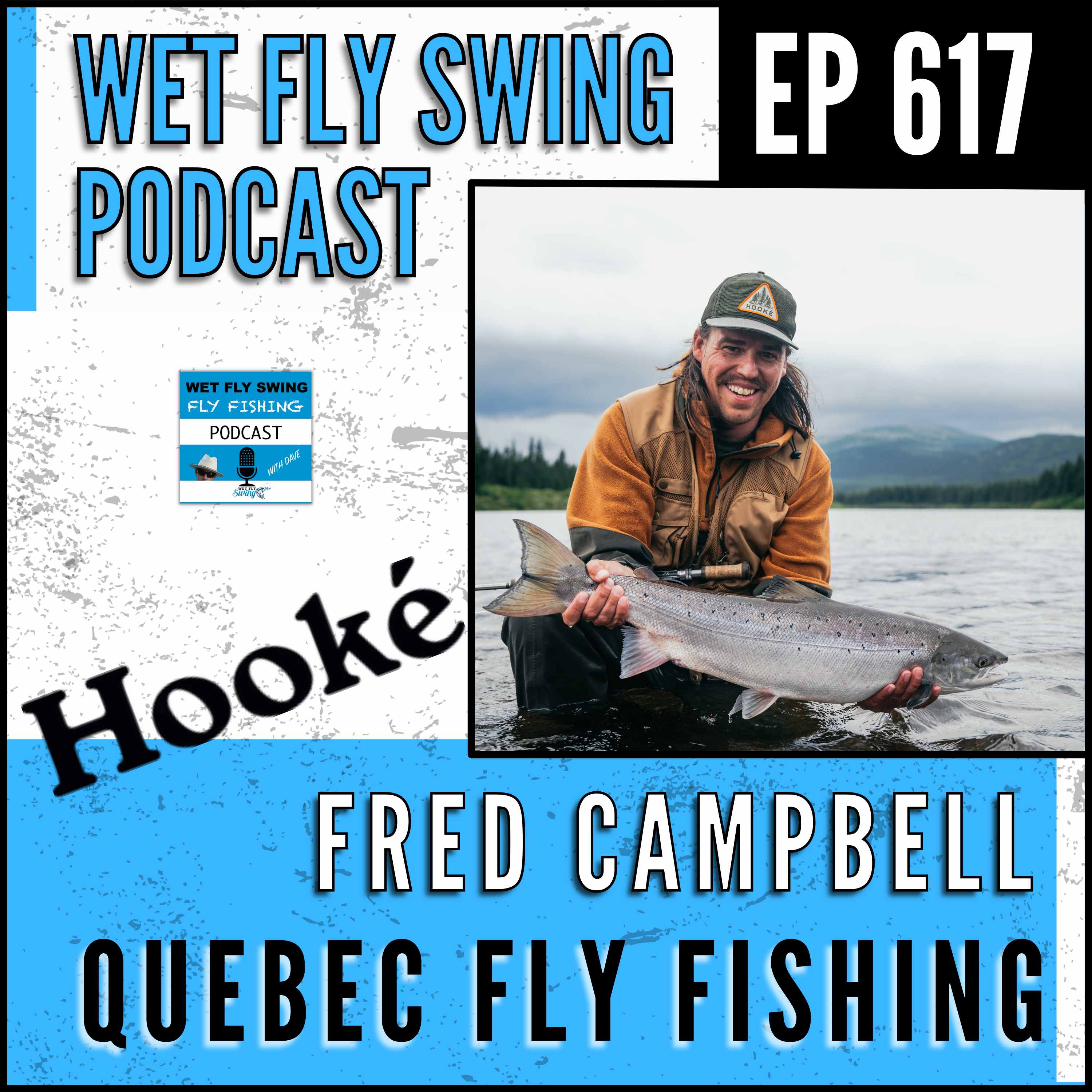
S10 Ep 617617 | Quebec's Premier Fly Fishing Destinations with Fred Campbell of Hooké – Atlantic Salmon, Conservation
EShow Notes: https://wetflyswing.com/617 Presented By: Waters West, Jackson Hole Fly Company, Smitty's Fly Box, Guide Book What happens when life throws you a curveball? Our guest today was a pro skateboarder living the dream. Then, BAM! A car accident forces him to ditch the board. Fred Campbell is here to tell us how this plot twist turned Fred into an outdoor guru and the mastermind behind Hooké, one of Canada's hottest outdoor brands. Fred will give us a tour of Quebec's premier fly fishing destinations! This massive province in Eastern Canada offers incredible opportunities to catch Atlantic salmon, brook trout, arctic char, and many other species. Show Notes with Fred Campbell on Quebec's Premier Fly Fishing Destinations. 07:32 - Fred's first fly fishing experiences were with his grandfather, who took him canoeing and fishing for trout in Quebec. He later got into Atlantic salmon and wanted to make it more accessible. 10:51 - Fred also shares the story behind Hooké. The idea started as a fun name for his skateboarding and snowboarding crew and evolved into a brand. The name's unique accent makes it stand out and reflects his roots. 14:02 - Fred started in film production after a car accident ended his skateboarding career. He created Fokus Productions and eventually worked on big names like Red Bull. After 12 years, he got tired of the hectic lifestyle and found his passion in fly fishing. He started filming his fishing trips, shared them online, and then built a clothing line around his brand. The Hooké grew rapidly and eventually had its own TV show. 21:35 - Fred talked about meeting Yvon Chouinard of Patagonia. We had Yvon on the podcast in Episode 536. 28:44—We chat about Fred's approach to hunting and filmmaking. He doesn't show animals suffering or dying because he believes it doesn't add value. Instead, he focuses on the whole hunting experience. 25:19 - Fred talked about his clothing line and how he spends 100 days a year outdoors testing the gear. He loves seeing people wear his brand, especially in his home province of Quebec. Fishing in Quebec 41:06 - Fred shares about the amazing fishing opportunities in Quebec. Here are the different species you can catch there: Walleye and Lake Trout Brook Trout Atlantic Salmon Arctic Char 50:02 - Quebec has many managed fishing areas where you need permits, especially for Atlantic salmon. DIY fishing is possible but requires preparation and understanding of local regulations. Here are some websites you can visit for more information: Saumon Québec Quebec Outfitters Sépaq Show Notes: https://wetflyswing.com/617

S10 Ep 616616 | Baja Fly Fishing with James Shaughnessy - Beulah Fly Rods, Roosterfish, Switch Rod
Show Notes: https://wetflyswing.com/616 Presented by: Stonefly Nets, Jackson Hole Fly Company, Northern Rockies Adventures, Togens Fly Shop Sponsors: https://wetflyswing.com/sponsors Today, we're diving deep into Baja Fly Fishing with James Shaughnessy, founder of Beulah Fly Rods. Get ready to discover where to find the elusive roosterfish, how to approach them, and why a steelhead mindset is essential for success. Whether you're a seasoned fly fisher or just starting, this episode is packed with tips and tricks on the best fly rods for different seasons and the ideal rod weight for this year's roosterfish adventure. So, grab your gear and join us for an engaging and informative chat with one of the industry's best. Episode Chapters with James Shaughnessy on Baja Fly Fishing 1:57 - James recounts his early fishing experiences, starting as a child in Puerto Rico, where he fished off beaches and developed a deep love for the ocean. His passion continued in Florida, where he fished for inshore species like sea trout and snook. 6:04 - He shares his journey into the fishing rod industry, detailing his extensive background and specialization in fly fishing. Having worked in fly shops and as a guide, he gained significant exposure to fly rods. James highlights that the switch rods were a pioneering product, as they were among the first commercial series available, setting his company apart. This innovation was well-received, leading to the development of fly lines specifically designed for switch rods, which were scarce at the time. 11:18 - James describes Baja as one of the best fishing spots in the world, likening it to a 900-mile pier. He highlights the accessibility of the beaches, the variety of species, and the ease of catching large sport fish like marlin and roosterfish close to shore due to the deep waters of the Sea of Cortez. He also emphasizes the friendly locals and the overall safety and beauty of the area. 14:19 - He elaborates on the challenges of catching roosterfish, particularly from the beach. He explains that even with live bait, roosterfish are notoriously difficult to catch due to their sharp instincts and tendency to reject bait. Catching them from the beach requires perfect timing, luck, and skill, making it a highly rewarding endeavor for dedicated fishermen. 16:15 - We dig into their operations in Baja which run during prime fishing months, offering trips usually consisting of five to six days of fishing. The busiest months are from May to July, and they resume after hurricane season in October, extending to Pacific side trips in November and December. 22:23 - He discusses the unique dorsal fin of roosterfish and its role in their hunting strategy. James explains that the fin is used to corral bait, such as sardines, by creating a vortex that traps the prey, making it easier for the roosterfish or its companions to catch it. This behavior is particularly evident during their feeding frenzy, which presents a prime opportunity for anglers to target them. 23:17 - James elaborates on the gear and techniques for targeting fishing roosterfish. From a boat, anglers typically use flies that mimic the baitfish in size and color. When fishing from the beach, larger flies are used to stand out among the baitfish schools, as roosterfish quickly dart in and out during their attacks. 29:36 - For targeting roosterfish, James recommends the Beulah G2 10wt rod, which is versatile enough for various conditions and effective for casting and fighting fish. He mentions that a 12wt rod might be used for larger fish but generally sticks to 10 or 11wt rods. For flies, James reiterates the effectiveness of a standard six-inch fly mullet pattern for roosterfish. 39:16 - James explains that the trips run from Saturday to Saturday, with guests flying in, picked up by a van, and transported a couple of hours up the coast. There are also opportunities for evening trips to fish for species like cubera snapper. 41:40 - James shares a story about a group of enthusiastic fishermen from Ukraine and Russia, one of whom aimed to catch as many different species as possible, ultimately catching 16 species in a week. The various species include African pompano, Golden trevally, Dorado, Milkfish, Billfish, Wahoo, Sailfish, and Marlin. 45:31 - He explains that roosterfish are present throughout the year, but their activity varies with the seasons. He notes that they are particularly aggressive starting in July, and beach fishing can be excellent despite the heat. He mentions that while roosterfish are around all year, the larger ones tend to migrate out by the end of October. James also outlines his fishing schedule, stating he fishes for Marlin in Mag Bay in November and December, then returns to Oregon for steelhead fishing in the winter. He spends August striper fishing in Maine while visiting family, indicating his year-round dedication to fishing. 48:23 - James elaborates on the extensive range of rods offered by Beulah. Th
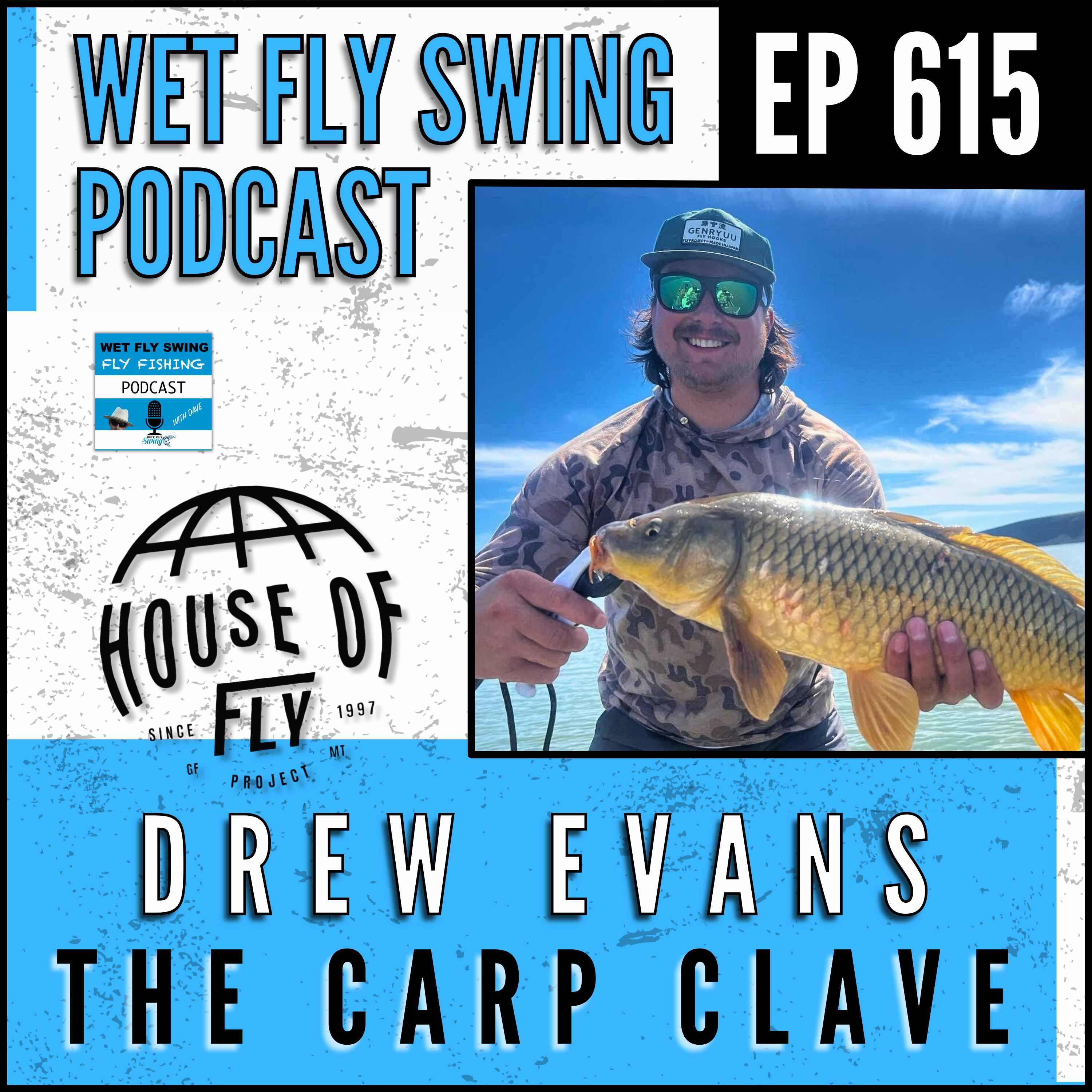
S10 Ep 615615 | The Carp Clave with Drew Evans - The Fly Project, Fish Camps, Carp Fishing
Show Notes: https://wetflyswing.com/615 Presented by: Skwala, TroutRoutes, Togiak River Lodge, Visit Helena, MT Sponsors: https://wetflyswing.com/sponsors In today's episode, Drew Evans of The Fly Project walks us through their buzzing Carp Clave event. Drew will share his top three carp fishing tips, including the legendary drag-and-drop technique you don't want to miss. Plus, he'll dive into the must-have gear for the season and give us the scoop on spotting carp in those tricky river flats. And if that's not enough, get ready to be hooked by tales of fish camps and exotic fishing trips to places like Belize! Episode Chapters with Drew Evans on the Carp Clave 3:11 - Drew describes the Carp Clave event as possibly the first of its kind, aiming to educate and introduce more people to carp fishing, which traditional trout fishermen often overlook. It was held in Boardman, Oregon, a location chosen for its abundant flats and carp. 7:18 - Drew explains that the Carp Clave highlights the parallels between flats fishing, typically a saltwater technique, and carp fishing in shallow waters across the United States and even globally. 8:55 - He walks us through the event. He mentions Dick Sagara and a few more of the huge supporters of the event and the vendors and brands that were there. 18:20 - Drew explains that House of Fly is where he works. They offer a comprehensive range of fly fishing gear, from saltwater equipment to small creek necessities, carrying well-known brands like Echo, Sage, and Winston. 20:51 - We talk about his home river. For steelhead, he goes to Clearwater, Idaho. He also targets salmon and smallmouth bass. 25:01 - Drew explains that spring brings challenges like weather fronts and strong winds, which can affect water clarity essential for flat-style fishing. Despite potential visibility issues, carp can still be targeted due to their bright appearance, especially against sandy bottoms. He emphasizes the importance of identifying the fish's orientation to place the fly correctly. 28:04 - We dig into the gear for fishing in the Boardman area of the Columbia River for successful fishing during April. He emphasizes the importance of having a rod with a good backbone, suggesting an eight-weight rod as ideal. This rod size is versatile for different types of fish, including redfish, bonefish, permit, pike, smallmouth bass, and carp. 29:06 - He highlights the importance of selecting lines that can handle wind and varying temperatures. He recommends saltwater tapers, especially the Rio Outbound short for cold conditions and the SA Grand Slam or redfish taper for warmer conditions. 31:18 - Drew typically uses a long leader, around 12 to 13 feet, particularly when dealing with spooky fish. To counterbalance the long leader and ensure the fly sinks faster, he uses a heavier fly and often opts for a fluorocarbon tippet, ranging from 12 to 16 pounds. He mentions specific products like the redfish leaders from SA or Rio, which he finds particularly effective. 32:15 - He notes that anything from sizes 8 to 4 can be effective for the flies. He mentions the importance of having a variety of flies with different weights, from light bead chain eyes to medium dumbbell eyes, to adapt to different water depths. He highlights a particular fly, the hybrid carp fly created by John Bartlett, which has proven highly effective in carp fishing. 37:28 - Drew gives us three reasons to try carp fishing. He points out the accessibility of it, as it doesn't require long drives like trout fishing. He also mentions the practice it provides for saltwater fishing and the conservation benefits, as carp can be fished in hot weather when other fish are less active. It also offers a thrilling, challenging experience. 41:16 - He talks about the strategies for finding and not spooking carp while fishing. He emphasizes the importance of locating shallow water areas that can accommodate multiple fish. Drew also points out the value of patience, mentioning that if carp have been seen in a particular flat before, they are likely to return. 47:09 - Drew gives some strategies for catching carp, particularly for those who may not have had much success. He advises anglers to lengthen their leader and practice the "drag and drop" technique to avoid spooking the fish. He emphasizes that casting directly at the fish can scare them away, so it's better to be subtle with the approach. 50:32 - We talk about conservation. Drew highlights his involvement with Trout Unlimited and the Backcountry Hunters & Anglers (BHA) chapters at WFSU and the University of Idaho, working with dedicated groups of students. 52:13 - I ask about his preference for music. He enjoys a variety of music genres, from hardcore punk and death metal in his youth to more mellow indie and new country music as he has aged. He mentions that Black Flag is his favorite band of all time. He also listens to many podcasts, including Joe Rogan's show and "99% Invisible." 53:56 - For begi

S10 Ep 614614 | Striper Fishing on the East Coast with Capt. Jason Moore - Island Fly, Wild Fish Wild Places
Show Notes: https://wetflyswing.com/614 Presented By: Drifthook Fly Fishing, FishHound Expeditions, Yellowstone Teton Territory, Visit Helena, MT Jason Moore is on the podcast, and we'll get his three best tips for striper fishing on the East Coast. We'll also get an update on the trends out east and where you can get more information. We're heading to the East Coast today with Jason of Island Fly. Show Notes with Jason Moore on Stiper Fishing. 02:10 - Jason grew up in a small beach town in southern New Jersey, where he loved surfing and conventional fishing. He spent 25 years in Colorado and got into trout fishing. After that, he returned to the coast and got into saltwater fly fishing. Island Fly 3:05 - When Jason started Island Fly four years ago, their main target was stripers, which he said are great on the fly. During summers when stripers head north for cooler waters, they focus on other species like flounder, bluefish, and cow nose rays. Photo via https://www.aquariumofpacific.org/onlinelearningcenter/species/pacific_cownose_ray 06:29 - Jason says they are on Brigantine Island, where there are vast sandy flats, and the best way to fish for cow nose rays is from a boat. Cow nose rays are best targeted from mid-June to late August when the water is warm. You can also go for flounder and catch bluefish during this time. Additionally, they sometimes fish for spinner sharks. Check out our episode on Mako Shark Shark Fly Fishing with Conway Bowman Wild Fish Wild Places 09:46 - Jason talks about his trip to the Columbian Amazon to fish for peacock bass with my good friend Denis Isbister from Wild Fish Wild Places. The trip was super remote, involving long boat rides and hiking through the jungle to reach untouched lagoons. The episode is set to premiere in October 2024! Catch the raw footage here: Striper Fishing 18:28 - The best time for a striper fishing trip is spring, especially April and May because the weather is more consistent. These fish move north as the water warms, following bait fish like menhaden. 23:55 - Jason owns a 22-foot panga, which he finds perfect for striper fishing. However, there are alternative options for stripers fishing without a boat, such as beach fishing and fishing around jetties. 29:19 - When fishing for stripers, matching the fly to the water depth and fish behavior is important. Surface lures like gurglers and poppers are effective in shallow waters (three feet or less), while streamers work better in deeper areas. Tarpon toad flies work well in challenging situations. Tips for Successful Striper Fishing Look for structures and moving water to locate fish. Use surface lures like poppers in the morning and evening to attract fish. Switch to streamers during the day for continued success. Experiment with different color patterns to find what works. Try crab patterns in shallow waters. Other Species Rays 34:43 - Unlike striper fishing, where you're on the boat chasing after fish, ray fishing involves wading in shallow, warm waters near sandbars. The rays are often seen in large numbers and are targeted with crab flies. A minimum of nine-weight rods is recommended. Sub-50-foot casts are typical. Be prepared with ample backing due to the ray's powerful runs. Blue Fish They can be caught from spring through summer. Very aggressive and fun to catch. Flounder Flounders are found on sandbars during the warm summer months. Shallow water fishing using a six-weight rod. Show Notes: https://wetflyswing.com/614

S10 Ep 613613 | The California Carp Hunter with Dagur Árni Guðmundsson - Guidebook Co, Iceland, Clint Eastwood
Show Notes: https://wetflyswing.com/613 Presented By: Guide Book If you had the choice to fish Iceland or the central coast of California, which would you choose? And what if you had to choose between Atlantic salmon and fishing for carp on the fly? Our guest is a guide in both of these areas. And today you're gonna get a front seat to find out why you should choose carp and the tips you need to understand carp behavior so you can catch more fish next time you're on the water. Dagur, The California Carp Hunter, is here to take a deep dive into catching carp on the fly with a focus on fishing lakes in the Central Coast of California. You're gonna find out what dimples on the ground mean and how this will help you find more fish. You're going to know how to catch fish around the carp, spawn something that many people get wrong, and you'll also hear about this amazing algae hatch and how you can match the algae hatch. Plus, you're gonna find out which moon is perfect for carp fishing and the story of day's altercation with the Clint Eastwood family and how he ultimately made amends for our carp, the freshwater equivalent of bonefish.

S10 Ep 611611 | Epic Waters Angling with Steve Morrow - Chinook Salmon, Togiak River Lodge
Show Notes: https://wetflyswing.com/611 Presented By: Togiak River Lodge Tune in to today's episode and get an inside look into Epic Waters Angling with Steve Morrow. Steve has been putting together epic trips all around the world, and he's here to tell us about their program for king salmon in Alaska and how you can take advantage of it. In this episode, you'll discover what it takes to find, hook, and land your first Chinook salmon on the fly! You'll also know the perfect timing for fishing and the best spots where fish will likely hold. Show Notes with Steve Morrow on Epic Waters Angling. I'm excited to put this episode together today for several reasons. First, I'm heading back to Alaska, and Chinook is definitely on my mind. And today, we've got a real expert joining us who knows all about Chinook salmon and spey fishing. Plus, add Alaska. Does it get any better than that? 03:18 - Steve was obsessed with fishing of all kinds and spent a lot of time at tackle shops when he was young. Eventually, he worked at Michael & Young Fly Shop, where he learned from shop guys that he admired. 05:33 - Epic Waters Angling offers fly fishing trips to challenging spots in North America. These trips make tough fishing locations easier and more fun for anglers. Chinook Fishing in Alaska 07:25 - Steve describes the experience of fishing in Togiak and how it's different from fishing in British Columbia. He finds Togiak exciting because it's like solving a fishing puzzle with its unique features. Here are some key puzzle pieces for targeting Chinook salmon successfully: Timing the tides is very important when catching Chinook salmon. Knowing when the tides come in rivers like the Togiak and the Kanektok helps catch more fish. Aside from the tide, Steve says figuring out how quickly the fish moves upstream can help you position yourself effectively. Choosing the Right Gear for Chinook Fishing Rods 17:00 - When gearing up for Chinook salmon fishing, Steve prefers using spey fishing gear for easy casting and reduced shoulder strain compared to single-hand rods. Steve recommends rods between 13 and 15 feet long, from 8 wt to 10 wt. His number one rod is a 9140 Nom rod. Lines 23:00 - Steve uses Skagit lines exclusively to target Chinook salmon due to their effectiveness in delivering maximum payload. Here are his recommendations: Rio Skagit Max Launch GameChanger Sink Tips 27:16 - Two of the most important sink tips you should have for Steve are 10 feet of T-17 and 10 feet of T-14. He also suggests having 10 feet of T-11 for specific situations and a couple of lighter sink tips, like the MOW tips. Togiak River Lodge Experience 33:24 - Steve talks about the fishing strategies at Togiak Lodge and the overall lodge experience. They spend time observing fish behavior and trends upon arrival at Togiak Lodge. It takes a few days to understand where the fish are located and how they behave in current conditions. Leaders 37:23 - Steve's ideal leader length is three to four feet. He uses a 20-lb Maxima across the board because he finds it reliable for steelhead and Chinook. Fly Selection 38:32 - Steve's go-to fly for Chinook in Togiak is the pink Reverse Marabou. Other effective colors include blue and chartreuse, black and chartreuse, black and blue, and blue and silver. Conservation Efforts at Epic Waters Angling 1:02:00 The Coast to Clouds Conservation Foundation is a nonprofit under Epic Waters that collects a conservation surcharge from clients to fund impactful projects. They also collaborate closely with the Native Fish Society. Show Notes: https://wetflyswing.com/611

S10 Ep 610610 | Healing Waters with Beau Beasley - Memorial Day, Brian Mancini, Veterans' Stories
Show Notes: https://wetflyswing.com/610b Sponsors: https://wetflyswing.com/sponsors Today, we're diving deep into what Memorial Day truly means and how we can honor the brave men and women who have served our country. We're joined by Beau Beasley, the author of "Healing Waters," a book that captures raw and heartfelt stories of veterans in their own words. Beau's here to share some profound insights from his interviews, including the moving story of Brian Mancini and the challenges he faced while writing about 35 wounded veterans. We'll explore the powerful emotions and sacrifices behind these stories and discover why readers are so captivated by his book. So, grab a comfy seat and get ready for an emotional roller coaster as we hear from Beau Beasley on this special day. Episode Chapters with Beau Beasley on Healing Waters 2:10 - Beau tells us how the idea behind his book "Healing Waters" came to be. He had just finished writing his second book, "Fly Fishing Mid-Atlantic" when illustrator Alan Folger approached him with an idea for a new book about Project Healing Waters. 7:08 - He shares about Brian Mancini, a staff sergeant who was his roommate during a project event. He maintained a friendship with Brian, who eventually started a nonprofit and appeared on Oprah Winfrey's show. However, Brian's suicide devastated Beau, leading him to dedicate his book to Brian. 13:29 - Beau shares another story of a veteran named Walt Carey. He served in Korea as a forward observer and spent 29 years in the Navy. During the COVID pandemic, Walt became ill and was hospitalized, ultimately passing away in hospice. Beau recounts the emotional experience of being called to say his final goodbyes and later attending Walt's burial at Arlington National Cemetery. 16:09 - Beau elaborates that his book not only honors service members but also aims to raise funds for Project Healing Waters and inform people about the broader sacrifices made by military families. 19:10 - He explains why he believes Alan chose him to write the book. Beau is a retired firefighter who found solace in fly fishing, which helped him cope with the stresses of his job. He draws parallels between his experiences and those of veterans, highlighting the therapeutic benefits of the sport. 25:01 - I ask him about the challenges in writing Healing Waters. One of these was conveying the veterans' stories accurately while making sure they had control over their narratives. 41:15 - He tells us how he got the veterans to share their intense and emotional stories for his book. He explains that his background in the fire department helped build trust with the veterans, as they knew he had experienced traumatic events himself. Show Notes: https://wetflyswing.com/610b

S10 Ep 610Traveled #18 | Jimmy's All Seasons Angler with Curtis Fry - Fly Fish Food, Fly Tying, Fly Shop Experience
Show Notes: https://wetflyswing.com/610 Presented by: Yellowstone Teton Territory Sponsors: https://wetflyswing.com/teton Curtis Fry, co-owner of Fly Fish Food, gives us a behind-the-scenes look at the acquisition of Jimmy's All Seasons Angler and shares what sets a great fly-tying shop apart from the rest. But that's not all. Curtis also delves into the everyday philosophy that drives their business, the importance of being prepared for your next fly shop visit, and how to navigate the choppy waters of online feedback. Whether you're a seasoned angler or just getting your feet wet, this episode is packed with valuable advice to enhance your fly fishing journey. Episode Chapters with Curtis Fry on Jimmy's All Seasons Angler 7:29 - Curtis discusses the acquisition of Jimmy's All Seasons Angler, a renowned fly fishing shop for over 40 years. Jimmy's became well-known for its focus on fly tying, making it a staple in the community, especially during the winter Saturday demo sessions. The shop's reputation and Jimmy's desire to retire presented Curtis and his business partner, Cheech, with the opportunity to take over. The transition occurred in June 2023, with Jimmy truly stepping back to enjoy more fishing. Curtis and Cheech focused on retaining the shop's essence while implementing significant improvements. They revamped the interior, greatly expanded the fly and fly tying selections, and introduced more brands and products. 18:34 - Curtis talks about the importance of community and relationships in the fly fishing industry. He explains that their approach includes offering high-quality, free content, such as fly-tying tutorials, to engage with the community. 21:41 - Curtis highlights the importance of immediate feedback in today's consumer-driven world, noting that poor customer service quickly becomes known, especially with more options available for consumers. He emphasizes the need for businesses to excel in customer service and social media engagement. 26:41 - We dig into the unique qualities of Jimmy's All Seasons Angler, particularly its emphasis on fly tying compared to other shops. Curtis highlights the extensive planning and analysis in selecting their product mix and managing inventory. He points out the importance of understanding consumer behavior, especially with the shift towards online shopping. 32:33 - Curtis advises how fly fishing beginners can get started, particularly emphasizing the value of visiting local fly shops like Jimmy's. He said first understand where and how they plan to fish. He also recommends beginners familiarize themselves with the basics of the type of fishing they're interested in and then explore fly tying through resources like the fly tying tutorials on their website. Beyond basic tutorials, Curtis mentions their "Skill Builder" series on YouTube, which delves into more specific techniques. 36:37 - Curtis mentions that even beginners who have done some basic fly tying, like zebra midges or pheasant tails, can find suitable dry flies to use during specific hatches like the beta hatch, which has been very good recently. 38:16 - The conversation shifts to comparing fishing in the Provo area with other locations such as Henry's Fork and South Fork. Curtis points out that Provo's proximity to populated areas makes it busier, but notes its walk-and-wade accessibility. However, he suggests that areas like Henry's Fork offer a wider variety of water and fewer people, appealing more to destination anglers. 40:06 - Curtis advises that newcomers to fly shops should keep an open mind, as everyone can have a bad day, and emphasizes the importance of being ready to answer questions to help shop employees provide the best guidance. He also suggests that beginners should be willing to set aside any need to appear knowledgeable, as this attitude can hinder learning and the reception of valuable advice. 42:15 - Curtis outlines the selection process for their lineup of boats, ranging from entry-level float tubes to high-end drift boats. He mentions that float tubes despite their simplicity are still very useful, especially for accessing high mountain lakes. Curtis also shares his favorite float tube model, the slash float tube from Dave Scadden Paddlesports. This model is distinctive for using a standup paddleboard's rigid style to create a platform that sits between two pontoons, serving as the seat. 47:15 - Curtis reveals they have four "shop dogs", a 65-pound Sheepadoodle named Gwen, a jet-black Poodle named Zeppelin who is notably annoying, and an English Bulldog named Scotty. Additionally, there's Squatch, a Wirehaired Pointing Griffon, brought in by Curtis's colleague, Cheech. 48:60 - We talk about their Shop Talk Podcast. Curtis acknowledges that their podcasting efforts are the least consistent part of their projects, but they still maintain a dedicated space for it. Despite the irregular schedule, he enjoys producing it. 50:41 - Curtis advises beginners in fly fishing to take
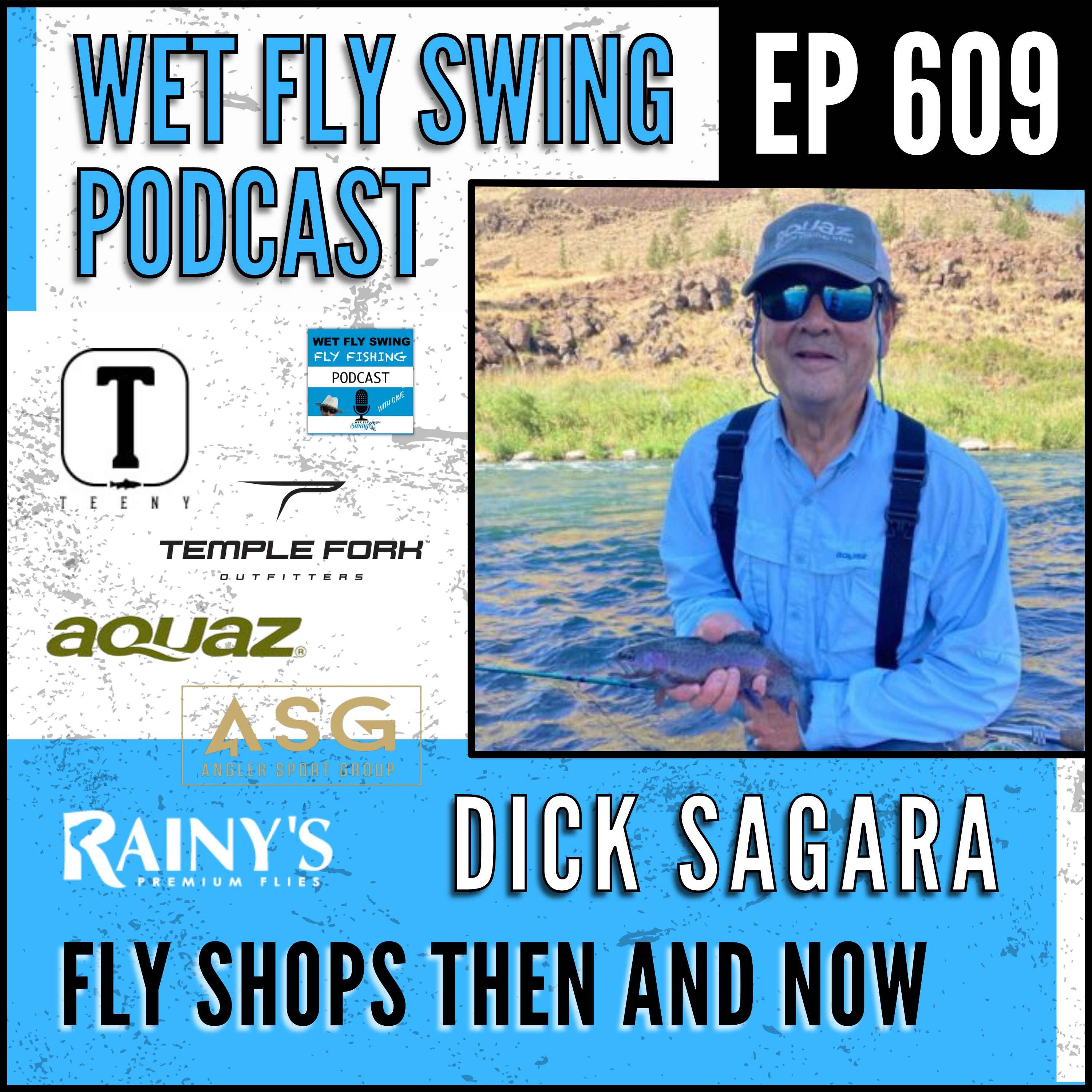
S10 Ep 609609 | Fly Shops Then and Now: Insights from a Veteran Fly Fishing Rep with Dick Sagara
Show Notes: https://wetflyswing.com/609 Presented By: Jackson Hole Fly Company, Yellowstone Teton Territory, Togiak River Lodge, Stonefly Nets Sponsors: https://wetflyswing.com/sponsors Have you ever heard this before on a podcast that fly shops are the backbone of the fly fishing industry, this is one of the things that makes the fly fishing industry so unique and is one of the best resources you can utilize as an angler. Do you have a fly shop nearby? And have you seen some of these fly shops go out of business in recent years? And do you do more online shopping or more shopping at a fly shop when you need new fly fishing gear? Today we have a veteran fly fishing rep who's going to take us back in history and then back to the present day. So you have the insight and information you need to make more informed purchasing decisions.

S10 Ep 608608 | The Best Fly Lines for Atlantic Salmon Fishing with Topher Browne
Show Notes: https://wetflyswing.com/608 Presented By: Togens Fly Shop, Waters West, Skwala Do you want to know the best fly lines for Atlantic salmon fishing? Have you ever wondered when to use a longer leader with a sinking line for that perfect fly presentation? Topher Browne is back on the show to break down spey lines, fish physiology, and all the good stuff in his Atlantic salmon books. Find out how to tell when your fly is in the fishing zone and why he uses an out-of-production Scandinavian line. Plus, get to know the guy who's caught more steelheads than anyone on the planet! Show Notes with Topher Browne on Atlantic Salmon Fishing. 01:50 - We had Topher on Episode 464 about a year ago, and it was a hit! We're bringing him back for round two to dive deeper into his Atlantic salmon books and more. But before that, I asked Topher what he's been up to since we last talked. 02:26 - Topher had his toughest June ever last year due to climate change. He spent 17 days on the Quebec and New Brunswick rivers without catching fish. 06:04 - Topher is a field editor for Chasing Silver, an Atlantic salmon and steelhead-specific magazine. He mentions that the Norwegian and Icelandic salmon reports were bad. 09:26 - Topher shares his fishing experiences with his friend Greg Pearson. He and Greg worked on a spey DVD for Scientific Anglers in 2005 called Spey to Z. 16:09 - Topher uses a Seaguar Blue Label fluorocarbon leader for its durability. He typically starts with a 20-pound tippet for early-season fish. 20:18 - Topher's advice: tweak your fishing techniques based on water flow, temperature, clarity, and fish behavior. Here are some key takeaways: Early-run fish are more aggressive and likely to move longer distances for a fly. Topher suggests using a floater in low, clear water to make it easier to speed up your fly. Use longer leaders in clear water to avoid spooking fish. Select fly colors more visible in dirty water, like black, orange, and red. Quicker movements in clear water prevent fish from losing interest in the fly. 36:14 - Topher talks about the advantages of using Scandinavian lines for salmon fishing. 46:06 - Topher did several experiments to compare depths using different techniques. He found that the angler's techniques matter more than the sinking rate of the fly line. Topher notes that while precision isn't necessary, knowing your fly's depth can greatly improve your fishing success. 53:45 - Topher recalls fishing with Jim Adams. He said that Jim has probably caught more steelhead than anyone. Jim's strategy involved targeting the fish in shallow, quiet spots along the river's edges. 57:00—For Topher, the Triple D line from Guideline is the best line for Atlantic salmon. These triple-density lines are customizable in length and weight but were later discontinued. Show Notes: https://wetflyswing.com/608

S10 Ep 607In The Bucket #5 | Expert Tips on Steelhead, Salmon, and Carp with Stu Fox, Eric Leininger, and Scoot Mason
EShow Notes: https://wetflyswing.com/607 Sponsors: https://wetflyswing.com/sponsors We have a fun show planned with an international crew of fly tyers, including Stuart Foxall, Eric Leininger, and Scoot Mason. These three characters have a wealth of angling experience to share with you. We're gonna be talking food source, fly design, new and effective mending strategies, productive fly presentation, and innovative topwater techniques for king salmon. And how do you best turn steelhead bites into hooked fish... so lots of stuff coming your way today.

S10 Ep 606606 | Musky Angling History with Larry Ramsell - Modern Muskie Records, IGFA
Show Notes: https://wetflyswing.com/606 Presented By: Togens Fly Shop, Jackson Hole Fly Company, FishHound Expeditions, Visit Helena, MT Have you ever wondered what gear to use to land a world-record musky? Today, we're hanging out with musky legend Larry Ramsell. Larry has been fishing for muskies for over 60 years and has some crazy stories. We chat about fake IGFA records, his mission to set things straight, and why some lures are worth $900! We'll also cover the significant issues facing the musky population and how to preserve these giants long-term. This is another epic episode with one of the old-school anglers who paved the way for all of us! Show Notes with Larry Ramsell on Musky Angling History. ed his first musky in 1957 and has spent 68 years chasing muskies all over North America and Canada. 03:44 - Muskies are native to areas like the St. Lawrence River, Georgian Bay, the Ohio River drainage down into Kentucky, the Mississippi River, the Chippewa River, the Wisconsin River, and parts of Eastern Minnesota. Due to stocking and propagation efforts, muskies can now be found all over the northern half of the US and in Ontario and Quebec. World Record Musky 4:31 - Some of the largest muskies ever caught have been found in the St. Lawrence River and Georgian Bay. Despite being a native of Hayward, Wisconsin, which claims to be "home of world record muskies," Larry says that the records of the '30s and the '40s were all bogus. 6:19 - There are various record organizations for muskies: International Game Fish Association (IGFA) in Florida Freshwater Fishing Hall of Fame in Hayward Modern Muskie Records Larry helped build the record program for the Freshwater Fishing Hall of Fame in the early '70s. He later resigned from the Hall of Fame and started Modern Muskie Records. 07:00 - Their current record at MDMWRP is a 58-pound fish caught on Lake Bellaire, Michigan, in 2013. IGFA recognizes Cal Johnson's 67.5-pound musky, while the Hall of Fame recognizes Louis Spray's fish at 69 pounds, 11 ounces. Larry points out that both records have been proven to be questionable. 13:26 - We discuss the challenges of verifying the legitimacy of musky records. Larry shares some instances of tampering, such as adding sand to increase the weight of the fish. The Rise of Musky Fishing 20:42 - In the 1960s, Muskies Inc. was founded, and they heavily advocated catch and release for muskies. As more people practiced catch and release, the musky population flourished. This led to the increased popularity of musky fishing. 23:00 - Larry points out the need for better handling practices when catching muskies. He says anglers should use the proper tools and techniques when handling and releasing the fish to ensure survival. Here are some of his tips: Use a pair of bolt cutters to remove the hooks quickly. Consider hand-holding the fish at the side of the boat instead of using a net, and keep the fish in the water as much as possible. Avoid excessive photography. 29:08: Muskies can live up to 20 to 25 years or older. Larry also mentions the difference in egg production between musky strains. Larry Ramsell's Musky Fishing Tips 44:00 - Larry expresses frustration over some musky fishermen prioritizing expensive lures over proper gear, such as quality rods, reels, and lines. He says that while it may not be a poor man's sport, there are affordable options to enjoy musky fishing. Here are some of Larry's tips for beginners: Start with areas that have a higher population of musky. Learn the techniques for catching muskies and how to handle them properly. Remember that catching large muskies requires patience and skill. Show Notes: https://wetflyswing.com/606

S10 Ep 605605 | Musky Fly Fishing with Dan Donovan of Musky Fool Fly Fishing Co.
Show Notes: https://wetflyswing.com/605 Presented by: Guide Book, Jackson Hole Fly Company, Yellowstone Teton Territory Sponsors: https://wetflyswing.com/sponsors Dan Donovan, the owner and passionate angler behind Musky Fool guides us through mastering musky fly fishing today. Discover the Musky School and how you can be part of this exciting adventure. Learn the ins and outs of choosing the right fly to hit muskies as large as 20 inches, and master the techniques to cast them like a pro. Discover the four essential presentations that will elevate your musky game today. Don't miss out on this chance to transform your approach to musky fishing with tips from the expert himself. Episode Chapters with Dan Donovan on Musky Fly Fishing 3:49 - Dan discusses his experience with tying a musky fly, which was initially intended to mimic conventional black and silver baits but was unsatisfactory. Despite its poor start, Dan mentions that his skill in fly tying improved over time. 4:51 - Musky Fool Fly Fishing Co., the only fly shop in the Madison area, is highlighted for its comprehensive coverage of various fishing needs, particularly known for musky but offers gear and guidance for all types of fly fishing, capitalizing on the rich fishing environment in and around Madison. 5:23 - Dan notes that Wisconsin winters can be tough, affecting the local environment and fishing seasons. The early arrival of spring has implications for the musky season, potentially advancing the schedule for fishing activities in the area. 6:22 - We talk about our upcoming musky fly fishing trip planned for mid-September in northern Wisconsin. Dan highlights this time of year as optimal for musky fishing due to their behavior and the environmental conditions. 16:32 - Dan discusses strategies to target muskies successfully. He emphasizes the importance of "hunting your fly," meaning anglers need to actively impart action into the fly to make it appealing to the fish. He mentions that simply casting and retrieving in a monotonous pattern is ineffective. Instead, anglers must vary their retrieval techniques, such as incorporating pauses, different speeds, and lengths of strips to mimic the diverse behaviors of prey. 21:05 - Dan explains the wide variation of musky flies, which range from six to 20 inches, designed to imitate bait fish. He mentions that in September, the focus isn't on the variety of flies but on placing them correctly, typically using flies between nine to 12 inches on 11 and 12 weights. 23:41 - He outlines four main presentations of flies, including topwater for noise attraction, glide style for sideways movement, jerk style or diving flies for a downward then wobbling upward motion, and weighted jig style for a hopping effect over structures. Each style is designed to mimic natural prey movements to entice muskies. 26:59 - Dan emphasizes the importance of the strip action to create movement in the fly, advocating for a strong pull followed by a pause, possibly with a twitch, before another vigorous rip. 33:15 - He mentions their efforts to provide resources for those unable to take guided trips, such as launching a video series on their website and social media, offering tutorials on fly tying, sharing fishing tips through their podcast named "Spot Burn", and planning to show real fishing techniques through videos. 40:53 - Dan describes muskie fishing as a "knife fight in a phone booth" rather than a long-distance battle, highlighting the aggressive nature of muskies and their tendency to try to escape rather than take long runs. He suggests giving the fish multiple hard strip sets to ensure the hook is properly set, noting that muskies are adept at freeing themselves from hooks. 48:36 - We dig into the ideal gear for a musky fishing trip. He recommends large nets, specifically the Solo Slimer Net from RS Nets USA for durability and the Stowmaster for its foldability, to accommodate different fishing boat sizes. For rods, he suggests a 2pc 10-weight from the Chippewa River Custom Rod, made in Wisconsin, for its lightweight and casting capability. He also emphasizes the importance of having the right line, recommending Cortland's Pike Muky Sink 4 and Intermediate lines for versatility in different fishing conditions. You can get a chance to win a spot in our upcoming Musky School and a bunch of gear specifically for musky fishing by signing up through this link: wetflyswing.com/giveaway. 56:36 - Dan explains the concept of the "figure eight" technique used in musky fishing, where the angler makes a figure eight motion with their rod tip next to the boat to entice muskies to bite. 1:08:07 - Dan tells us about Louis Spray, a notorious figure known for his pirate-like demeanor and significant achievements in fly fishing. Show Notes: https://wetflyswing.com/605

S10 Ep 604604 | The Policy Behind Your Catch: The American Sportfishing Association with Connor Bevan
Show Notes: https://wetflyswing.com/604 Presented By: Yellowstone Teton Territory, Skwala, TroutRoutes Today's episode focuses on an important organization helping to generate billions of dollars to protect our fish species. Join me as I chat with Connor Bevan, the Inland Fisheries Policy Manager at the American Sportfishing Association. Hear how partnerships on Capitol Hill shape the future of fish species preservation. Today you will also find out how you can lend your voice to this cause and ensure our fish populations will thrive for generations. Plus, we'll also take a thrilling ride to ICAST—the world's largest sportfishing event this July in Florida! Show Notes with Connor Bevan on American Sportfishing Association. 2:00 - Connor's fishing adventures began in Northern California with his dad. Connor also enjoys fly fishing on the Bow River in Calgary and the Delaware River on the East Coast. The American Sport Fishing Association (ASA) The ASA is the leading trade association for the recreational fishing industry. They advocate for healthy fisheries and science-based policies. Their efforts contribute to the US economy, with an annual impact of $148 billion. 8:00 - ASA deals with a wide range of issues, but one of their major focuses is reauthorizing the America's Conservation Enhancement Act (ACE Act). 10:30 - ASA is a link between the sportfishing community and Capitol Hill. They leverage the community's voice to ensure they have a nationwide appeal. 13:00 - Connor says that while there is a common understanding of the need for healthy fisheries, ASA acknowledges that Congress needs to balance various priorities. It is important to educate decision-makers on the impact of what they do on water quality, fishing, and overall environmental health. What You Can Do to Help 15:27 - Connor suggests several ways: Get involved with Keep America Fishing. This is their advocacy platform for anglers to weigh in on different issues both on national and regional levels. Share any local issues or concerns with ASA. Connor says they are always interested in hearing what's going on at the local level. Become an active member of the community. What is the ICAST? 17:00 - The ICAST is the world's largest sportfishing industry trade show. It's where you can see all the latest products, innovations, and trends in the industry. This year's ICAST 2024 will be in Orlando, Florida from July 16th to July 19th. 19:13 - Connor says that fly fishing's presence at ICAST is growing. Last year they introduced a dedicated floor space for fly companies, and they saw a lot of interest. 26:37 - One of the American Sportfishing Association's big focuses over the last several years has been taking a more preventative look at aquatic invasive species. The fishing and boating industry launched a Blue Ribbon Commission to improve preventive and management strategies for these invasive species. 28:18 - The MAPLand Act requires federal agencies to standardize and digitize maps they hold within the agencies. ASA supports the MapWaters Act to similarly direct federal agencies to digitize and standardize that mapping information. A Day in the Life at Capitol Hill 35:18 - Connor says that every day is different for him. He spends a lot of time in meetings with legislative staff. Travel is a big part of the job. Connor attends trade shows and conducts site visits. He also coordinates regularly with their members to discuss issues affecting their businesses. 36:54 - Excise taxes are fees imposed on the sale of fishing gear like rods, reels, and even marine fuel. These funds are then distributed to state agencies based on a specific formula. Show Notes: https://wetflyswing.com/604

S10 Ep 603603 | Global Fishing Adventures with David Coggins - The Believer, Patagonia, Norway
Show Notes: https://wetflyswing.com/603 Presented by: FishHound Expeditions, TroutRoutes, Stonefly Nets, Togiak River Lodge Sponsors: https://wetflyswing.com/sponsors Join us in this fascinating episode as David Coggins, a celebrated author and seasoned angler, shares his global fishing adventures and the stories behind his latest book. Discover the allure of chasing elusive fish in exotic locations and how David merges his keen sense of style with the practical aspects of angling. Whether you're curious about the nuances of fishing in Norwegian rivers or the challenges of catching permit in Belize, David's experiences offer invaluable insights and inspire anglers to dream big and fish with style. Episode Chapters with David Coggins on Global Fishing Adventures 1:32 - David discusses his recent activities and his new book, "The Believer: A Year in the Fly Fishing Life." This book was inspired during the COVID-19 lockdowns as he aimed to maximize his fishing activities before potentially settling down with his girlfriend. However, many of his planned trips were canceled due to the pandemic. Despite these setbacks, he managed to continue fishing and incorporated these experiences into his book. 5:44 - He shares his passion for fly fishing and the personal joys it brings, particularly when introducing friends to the sport. He also talks about the challenging aspects of fishing, like learning new skills and overcoming difficulties, which make the experience rewarding. 11:41 - He highlights the joy of teaching and sharing experiences, particularly in locations like the Catskills. Coggins reflects on the variety of fishing styles among enthusiasts, from those strictly using dry flies to others who are more versatile. 19:26 - Coggins traveled to several dream destinations including Patagonia, Cuba, Belize, and Norway, where he pursued challenging fishing adventures. 23:13 -He talks about his fishing experiences in Belize, particularly the challenges of permit fishing, where he felt the intensity and unpredictability of trying to catch this elusive species. 29:57 - He shares his experiences fishing for steelhead. He mentions the challenges of blown-out rivers and the need to adapt plans, including an instance where they used a helicopter to access the Copper River. 31:22 - David expresses concern over the noticeable environmental changes observed by guides and the impacts on fish behavior, such as the timing shifts in the migration patterns of Stripe bass due to warmer waters. He highlights the work of conservation organizations like the Bonefish & Tarpon Trust and the Atlantic Salmon Federation, stressing the necessity for those who love and utilize aquatic environments to contribute actively to conservation efforts. 33:57 - We dig into how he approaches writing for his audience, balancing the needs of both seasoned anglers and newcomers. He emphasizes his role not as a technical expert, but as someone who conveys the emotional and sensory experiences of fly fishing in different locales. 40:44 - He shares some insights from his experience with Tom Rosenbauer and discusses his approach to writing and journaling about fishing. David emphasizes the simplicity and authenticity necessary for capturing the essence of fishing experiences in writing. 46:51 - I ask about his thoughts on artificial intelligence (AI), particularly its implications for creative industries like writing. He acknowledges the fascinating and somewhat frightening aspects of AI technology, such as its potential to imitate human writing styles. 49:23 - We delve into his passion for traditional styles and tailored clothing, relating it to his interests in fishing and outdoor activities. He highlights his preference for durable, classic materials over overly technical, new fabrics, suggesting that style and practicality can coexist without constantly chasing the latest trends. David also mentions his involvement in writing about men's fashion, providing guidance on dressing through various platforms, including his newsletter and contributions to Esquire. 54:41 - He recounts a humorous and humbling incident in Patagonia, where he had to concede a better casting position to a friend due to being less skilled for the specific situation, highlighting the polite interactions with guides who play crucial roles in such experiences. 58:51 - David shares his early fly fishing experiences and the lessons he learned from older, seasoned fishermen. He stresses the importance of fishing with experienced anglers, like the two older men he knew in Wisconsin, who, despite their crusty exteriors, generously shared their knowledge and patience on the water. In terms of gear, David mentions his appreciation for small-scale, quality craftsmanship, exemplified by a Colorado man who makes durable fly fishing bags under Emerger Fly Fishing. 1:02:52 - He discusses his experiences with Orvis, especially their Helios rods and Mirage reels, noting a preference for gear that may

S10 Ep 602Great Lakes Dude #10 | Fly Fishing Michigan's Wilderness with Capt. Brad Petzke - Upper Peninsula, Lake Superior, Rivers North Guide Service
Show Notes: https://wetflyswing.com/602 Presented By: FishHound Expeditions, Skwala, Waters West, Visit Helena, MT Sponsors: https://wetflyswing.com/sponsors In this episode of the Great Lakes Dude podcast, we're gonna chit-chat and take a journey into the Upper Peninsula of Michigan with Capt. Brad Petzke, owner of Rivers North Guide Service. Yes, it's still Michigan. Once you cross that big, long Mackinac bridge and head north from the Lower Peninsula, it almost seems like another state. Once you cross it, things start to get a little more wilderness, a lot less towns and cities and villages, and just a lot of water and opportunities to explore.
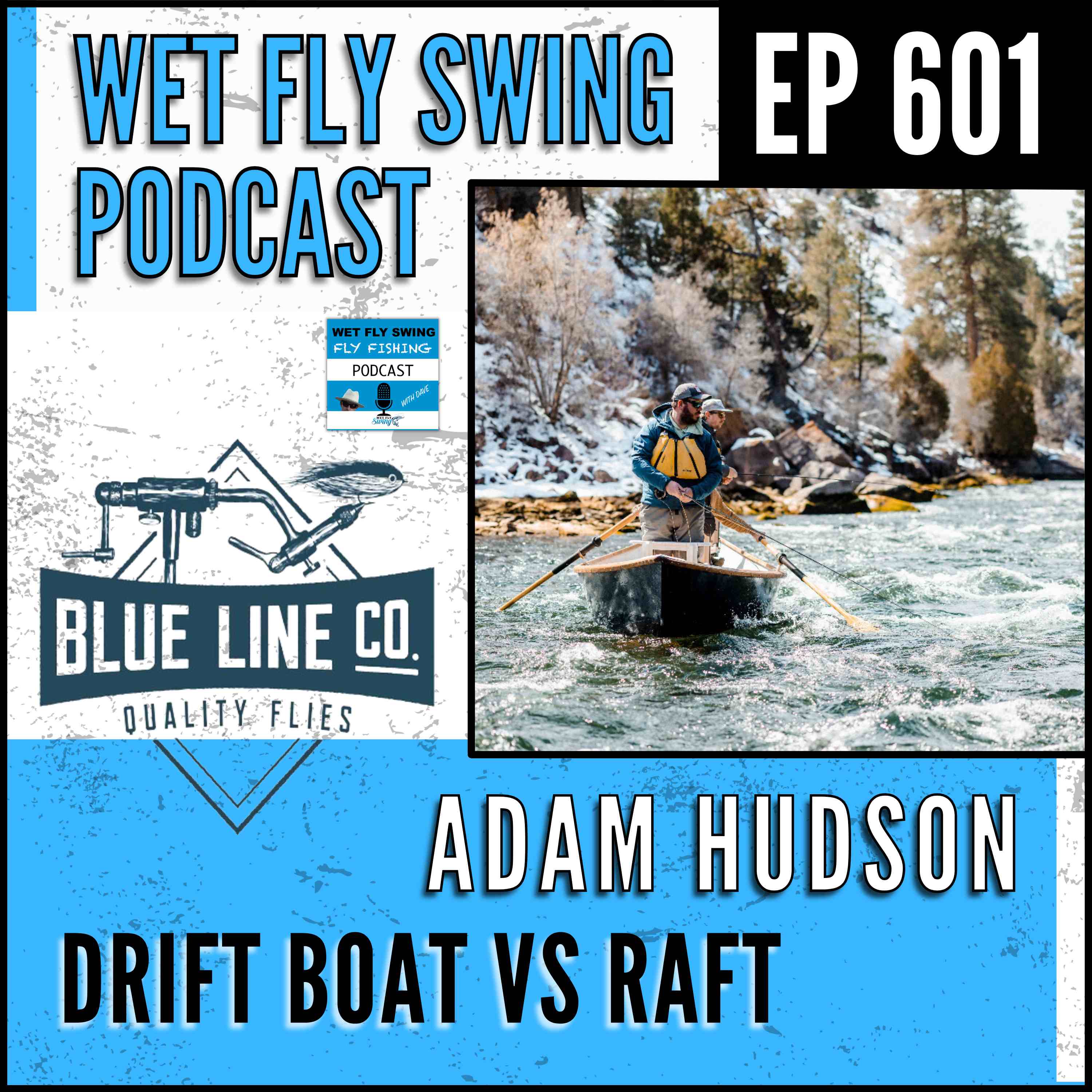
S10 Ep 601601 | Drift Boat vs. Raft: Decoding the Best Fly Fishing Experience with Adam Hudson of Blue Line Flies
Show Notes: https://wetflyswing.com/601 Presented By: Stonefly Nets, Jackson Hole Fly Company, Skwala, Togens Fly Shop Sponsors: https://wetflyswing.com/sponsors Is it better to purchase a drift boat or a raft for fly fishing? Do you know which of these two options is the better? All-around purchase if you can only get one? And what about rebuilding an old boat? Is this a realistic option to save money and maybe get into your first boat? Today you're going to hear the drift boat versus raft debate and you'll find out how my guest today restored a boat that barely held water. Adam Hudson is back on the show to take us into his unlikely boat build out story and how he took on this project and, and what happened, how he finished it up and where he is heading. Next, Adam And I debate the benefits of the drift boat versus the raft. We find out which raft he recently purchased that has a hard floor, and we also get his top streamer patterns from Blue Line. Plus, we're gonna hear what it was like to finally row this boat down the Green River. And whether it passed the test, the Battle of the Boats is finally here. Show Notes: https://wetflyswing.com/601
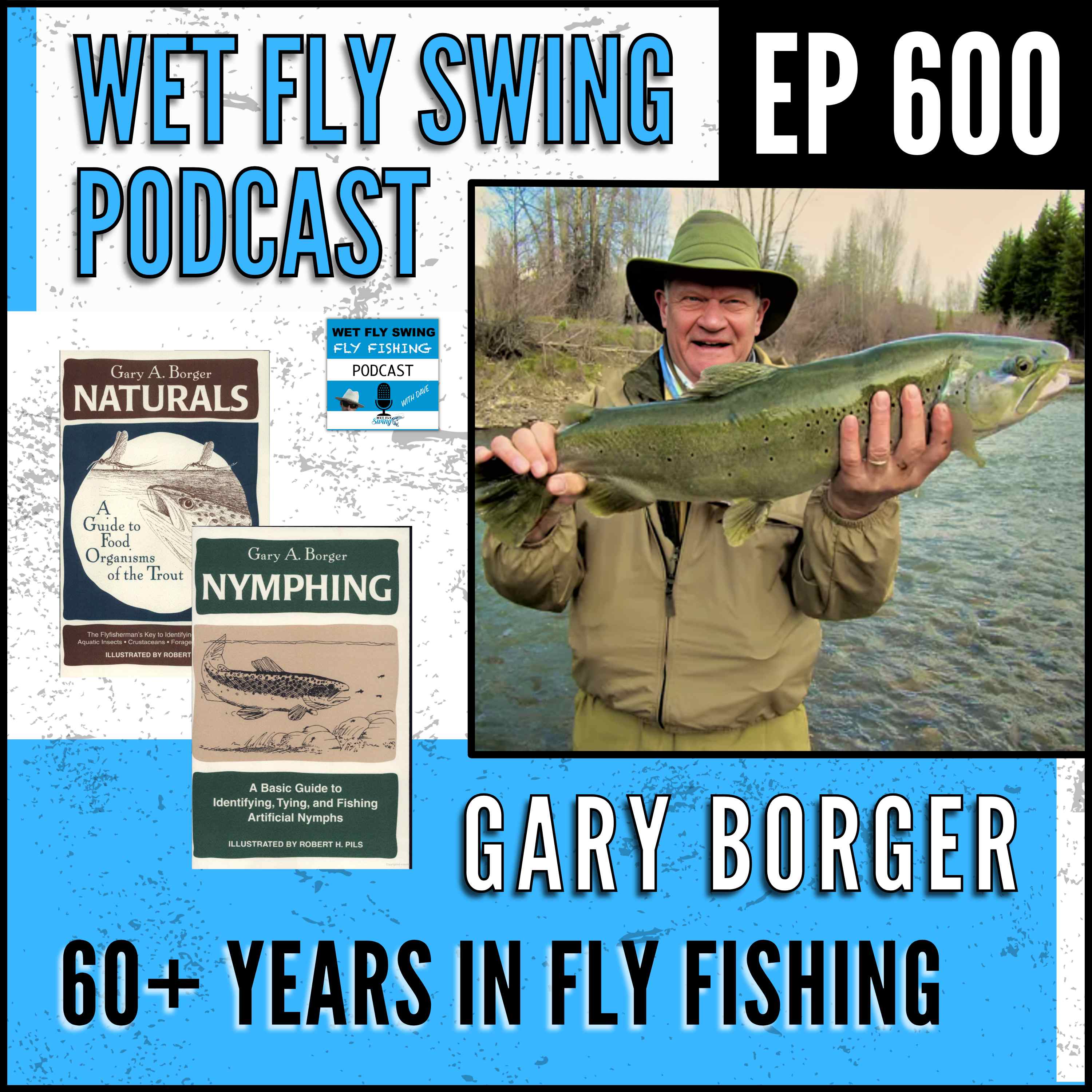
600 | Gary Borger - Legendary Angler on 60+ Years in Fly Fishing - A River Runs Through It, Nymphing, Naturals
Show Notes: https://wetflyswing.com/600 Presented By: Visit Helena, MT, Drifthook Fly Fishing, Yellowstone Teton Territory Sponsors: https://wetflyswing.com/sponsors If you could sit down and listen to the person who was invited to develop the movie, A River Runs Through It, would you check it out? Would you listen to the person who literally brought Nipping to the forefront in the US back in the day? What about a person who could rattle on about the brief history of every person in the US who paved the way for the present-day fly anglers and the trajectory that we're on now? Well, today you're in luck because we have Gary Borger back on the show to take a deep dive into the history of fly fishing, to get into tips and tricks, and to hear how he's been doing it for over 60 years. Gary Borger, the author of Nymphing, Naturals, and many other iconic fly fishing books, is here to share stories of an old angler and the tips he accumulated over the years of fly fishing around the world. We hear about who invented the double hall and how Gary is connected to that. We find out how he developed into the Fenwick fly fishing schools back in the 70s and how that was a major breakthrough back in the day. And we also find out how his first video was actually the first instructional fly-fishing video ever produced. Did I mention this was episode 600? So we're celebrating this episode with a Legendary angler, Gary Borger! If you get a chance, head over to Instagram. If you're over there, leave a comment. 600 and just leave 600 wherever you can. We're passing 600 and we're moving along. Big celebration. I always love trying to get a big guest on the show at our milestones. So let's go back in history with one of the best... Show Notes: https://wetflyswing.com/600

S9 Ep 599599 | Fly Fishing Pressured Waters with Nick Conklin of Temple Fork Outfitters
Show Notes: https://wetflyswing.com/599 Presented By: Yellowstone Teton Territory, FishHound Expeditions, Jackson Hole Fly Company, Togiak River Lodge What do you do when your favorite spot is packed with other anglers or when you're navigating crowded rivers all day? Today we uncover expert tips on fly fishing pressured waters and gain exclusive insights from Nick Conklin of Temple Fork Outfitters. Learn about choosing the perfect rod for your next adventure, why local shows are game-changers, and the secrets behind TFO's big game rods. If you're a TFO enthusiast like me, you won't want to miss this update on one of the leading rod companies in the industry! Show Notes with Nick Conklin on Fly Fishing Pressured Waters. 2:29 - Growing up in Michigan, Nick Conklin had the privilege of fishing in a 70-acre private lake and exploring the nearby Pere Marquette River. Nick's interest in fly fishing sparked when he was eight after reading an Ernest Hemingway story, leading him to learn fly casting, tying flies, and exploring various fishing opportunities. While Nick's childhood fishing grounds were in Michigan, he's now based in Dallas, Texas, where he continues to explore fishing on the Texas coast. Nick's Journey to TFO 4:31 - Initially involved in outdoor journalism, Nick's passion for fishing and writing led him to TFO. He started with part-time work and eventually moved into various roles, from warranty services to product category management. 6:54 - Nick oversees product design, development, sales, and marketing for the fly fishing division. He collaborates with industry experts, manages trade shows, and engages with dealers and consumers to promote TFO products. Temple Fork Outiftters 7:55 - TFO offers a diverse range of fishing rods, from small trout and panfish rods to heavy-duty boat rods for saltwater fishing. They cover both conventional and fly fishing categories. 9:36 - Nick tells us about their collaboration with Jason Randall on rod projects, including the Drift series. Recommendations for New Fly Fishers Nick suggests starting with a combo kit like the NXT Black Label Kit. Here's a summary of his recommendations and insights: Combo kits provide everything a beginner needs, including the rod, reel, backing, fly line, and leader, making it easier to get started without worrying about individual components. New anglers should consider their budget and what type of fishing they plan to do the most. This helps in choosing the right rod weight and length for their needs. Combo kits often come with a practice fly line, allowing beginners to practice casting without worrying about damaging an expensive fly line. Casting Tips 18:00 - Nick emphasizes the importance of seeking guidance from qualified educators or casting instructors who can help beginners navigate the casting process effectively. Local fly shops, fly fishing clubs, and online resources like Google searches can be invaluable in finding resources and communities to support learning. While it may require an investment, hiring a guide can significantly accelerate the learning curve and provide valuable insights into fishing techniques, specific waters, and asking pertinent questions. Fly Fishing Pressured Waters 21:00 - Nick's upcoming book, Fly Fishing Pressured Western Rivers, is scheduled for release by the end of 2024. The book aims to address the challenges of fishing on heavily pressured rivers, particularly in Western regions. Navigating crowded rivers and finding success can be challenging but rewarding. Here are some valuable tips from Nick: Preparation: Focus on organizing gear, practicing casting skills, and refining your approach before hitting the water to maximize fishing time. Observation: Spend time observing other anglers' techniques and approaches to learn from their successes and challenges. Flexibility: Stay open to adjusting your fishing strategies based on seasonal conditions, time of day, and weather to increase your chances of success. Journaling: Keep detailed notes about your fishing experiences, including what worked, what didn't, and any observations about conditions or tactics. Reviewing these notes before future trips can provide valuable insights and improve fishing performance. TFO Rod Lineup Overview TFO offers a diverse lineup of rods catering to various fishing styles and species, ensuring there's something for everyone from beginners to seasoned anglers. They provide high-quality rods at reasonable price points. They offer combo kits that include rod and reel combinations, making it convenient and cost-effective for beginners to get started with everything they need. Choosing the Right Fly Rod for Beginners Here are some key tips and advice for beginners looking to choose the right fly rod: Try Different Rods: Try out a few different rods to find one that fits your casting style and preferences. Focus on Personal Preference: Ignore brand names and logos initially. Instead, focus on how comfortable and enjoyab

S9 Ep 598598 | The Evolution of Fly Casting: Insights from the Golden Gate Casting Club with Jim Dawson
Show Notes: https://wetflyswing.com/598 Presented By: Stonefly Nets, Jackson Hole Fly Company, Skwala, Togens Fly Shop Sponsors: https://wetflyswing.com/sponsors In this episode, we dive into the rich history of the Golden Gate Casting Club with Jim Dawson, the club's resident historian. Discover the revolutionary impact of a young orphan who reshaped fly casting technology, linking his innovations directly to the tech you use today, like your iPhone. Jim shares captivating stories from the club's past, including tales about legendary figures like Jimmy Green, whose techniques and inventions propelled fly fishing into the future. Tune in to uncover the roots of modern fly casting and get inspired by the techniques that top anglers have used to dominate the sport. Episode Chapters (0:00:05) – Introduction to the Golden Gate Casting Club Exploring the connection between historical casting champions and modern fly casting technology, with an introduction to the episode's focus on the Golden Gate Casting Club. (0:02:13) – The Legacy of Jim Dawson and the Casting Club Jim Dawson discusses the historical significance of the club and its impact on fly casting competitions and innovations in the United States. (0:03:36) – The Innovations of Jimmy Green A deep dive into how Jimmy Green's innovations in rod and line design have influenced modern fly fishing, including anecdotes about his life and contributions. (0:07:22) – Mono Running Lines and Their Origin Discussion on the origins and development of mono running lines at the Golden Gate Casting Club and their impact on fly fishing technology. (0:10:45) – The Role of the Golden Gate Casting Club in Modern Fly Fishing Jim elaborates on the club's role in shaping the practices and technologies used in contemporary fly fishing, including spay casting. (0:15:00) – Evolution of Fly Casting Techniques and Competitions Insights into the evolution of fly casting techniques and the structure of modern casting competitions, highlighting the club's ongoing influence. (0:19:55) – Historical Anecdotes and Guest Stories Jim shares memorable stories from past club members and significant events that have marked the club's history. (0:23:38) – The Intersection of Technology and Fly Fishing Discussion on how advancements in technology have intertwined with fly fishing practices, featuring stories about Apple co-founder Steve Wozniak. (0:27:04) – Q&A: Insights into Fly Casting and Conservation Listeners ask questions about fly casting techniques and conservation efforts related to fly fishing, with Jim providing expert answers. (0:30:15) – Closing Thoughts and Future of Fly Fishing Jim reflects on the future of fly fishing and the role of innovative thinking in sustaining the sport's growth and ecological responsibility. Show Notes: https://wetflyswing.com/598
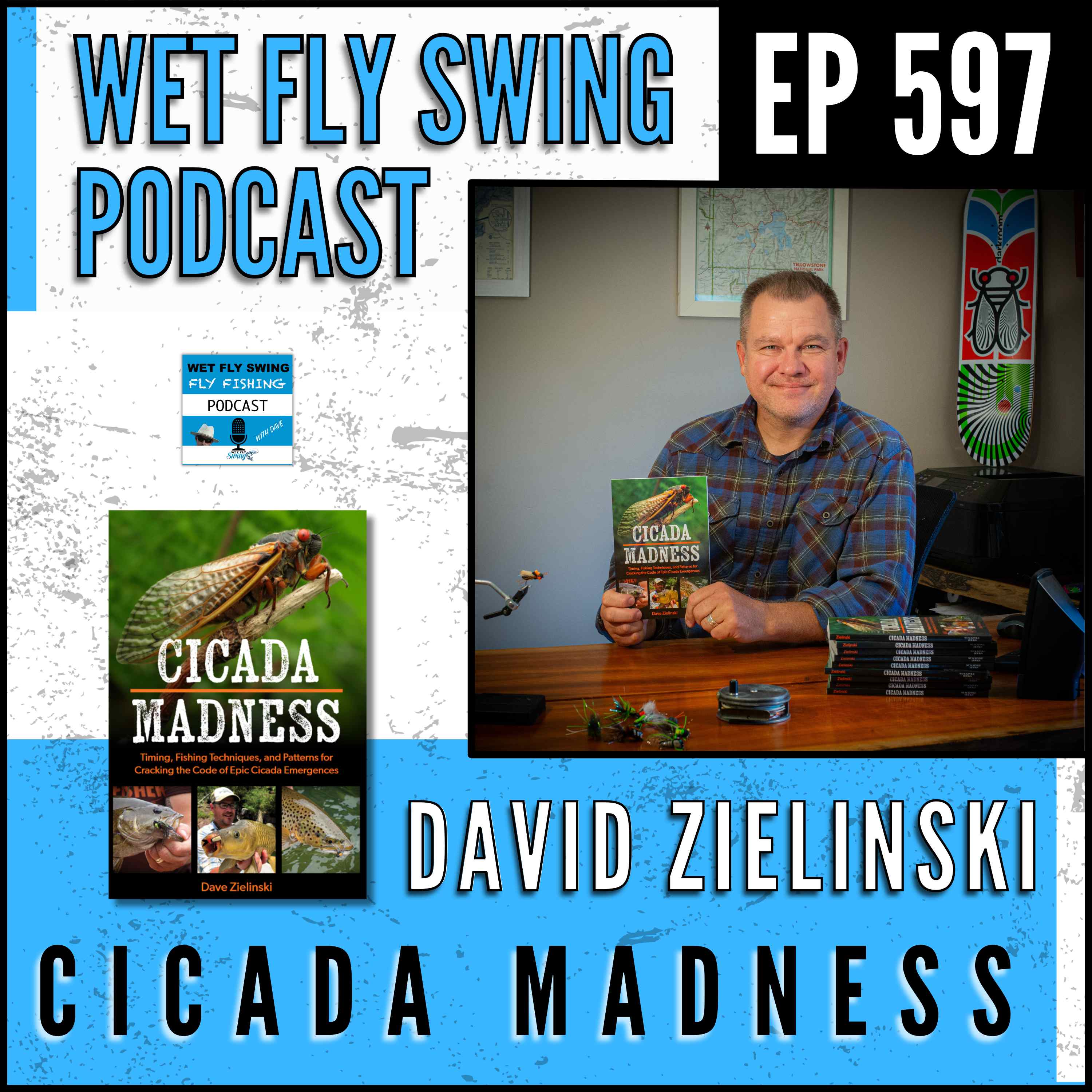
S9 Ep 597597 | Cicada Madness: Cracking the Code of Epic Cicada Emergences with David Zielinski
Show Notes: https://wetflyswing.com/597 Presented By: TroutRoutes, Guide Book, Skwala, FishHound Expeditions Are you interested to know how to target one of the craziest hatches that will make national headlines this year? Today, Dave Zielinski is back on the podcast to give his best tips on fishing the Cicada hatch, including how to predict when and where to find them and how to have success when you're out on the water. Time for some cicada madness with a sprinkle of boat building! Show Notes with David Zielinski on Cicada Madness. 1:27 - It's great to have David back on the show after our last episode where we delved into boat building. Today, though, we're shifting gears to focus on cicadas. 5:24 - Dave Zielinski's book, Cicada Madness, explores the timing, fishing techniques, and patterns essential for understanding and enjoying epic cicada emergences. Periodical cicadas emerge in synchronized cycles, akin to mayfly hatches Cicada Madness: The Rare Cicada Emergence of 2024 10:31 - This year, a rare and significant event involving two distinct broods of periodical cicadas is set to occur. The emergence is expected to impact between 17 to 20 states, spanning from the bottom of Wisconsin to the coastal areas of Alabama and Louisiana. The Cicada Lifecycle 15:48 - Cicadas have a 13 or 17-year lifecycle, spending most of their time underground as nymphs. The adult cicadas emerge to mate, lay eggs, and then die, continuing the cycle. The trigger for emergence is when the ground soil reaches around 64 degrees Fahrenheit at about eight inches deep. This happens rapidly over a few days in early summer when days are longer and the soil warms up due to increased sunshine. Success on the Water with Cicadas 24:48 - Success in cicada fishing hinges on understanding the bug's lifecycle and emergence timing. Fish only start targeting cicadas when enough of them accidentally fall into the water, signaling to the fish that it's a food source. Dave emphasizes the importance of knowing where and when to be on the water. His book delves into detailed experiences and strategies for effectively targeting and fishing during cicada emergence. Cicada Fishing Techniques and Patterns 27:19 - Dave's book features 59 cicada patterns, including annual, periodical, and regional variations. Cicada fishing is often non-technical, favoring dry fly fishing techniques, although some fish prefer drag-free drifts while others go for actively moving cicadas. Fishing near mature trees where cicadas congregate is effective, as they often get knocked down by wind or during mating flights. Target areas where cicadas are likely to fall into the water, such as under trees or along riverbanks where the bugs lose elevation and hit the water. 33:41 - Trouts are avid cicada eaters and can consume them without getting full, making them a prime target during cicada emergences in trout waters. Carp are particularly enthusiastic about cicadas despite being bottom feeders. Other fish species like smallmouth bass, weird fish, and even catfish can also be caught on cicada patterns, although their response may vary based on factors like spawning cycles or food availability. Cicada Madness: Key Tips for Cicada Fishing 36:34 - Cicadas are true bugs, belonging to a group of insects with beaks that extract nutrients from plants, similar to leaf hoppers. Worldwide, there are over 3000 species of cicadas, each with a distinctive appearance characterized by stout bodies, bulging eyes, six legs, and two pairs of wings. Here are a few key tips as you gear up for cicada fishing: Research and hunt for cicadas in areas where they're expected to emerge. Be observant of your surroundings. Listen for the distinct sound of cicadas and watch for bird activity that may indicate their presence. Use large foam cicada patterns without popping or twitching them, as cicadas hitting the water tend to lay silently, mimicking a natural scenario for fish to strike. Understand the lifecycle and behavior of cicadas. Dave highlights two favorite cicada fly patterns that you can check out online for inspiration: 17-Year Itch Cicada Chuck Kraft Excaliburs Preparation Tips for Cicada Season If you're gearing up for cicada season, Dave suggests the following: Buy the Book: Get Dave's book for brood maps and scouting tips. Online Resources: Utilize online resources to gather information about cicada sightings in your area. Reach Out: Contact universities and entomology departments for expert insights and locations. Talk to Locals: Connect with people who have experienced cicada emergences before for valuable knowledge. Stay Informed: Keep an eye on news articles and scientific reports to stay updated on cicada predictions and hotspots. Down Home Boatworks 51:00 - While Dave hasn't designed new boats recently, he continues to sell plans. Dave also offers plans for free to schools and non-profits interested in boat-building projects. Show Notes: https://wetflyswing.com/597

S9 Ep 596596 | Predator on the Fly: Mako Shark Fly Fishing with Conway Bowman
Show Notes: https://wetflyswing.com/596 Presented By: Northern Rockies Adventures, TroutRoutes, Jackson Hole Fly Company Try to imagine what a 200-pound shark hooked up on the end of your fly rod and jumping 20 feet out of the water would feel like. Hooking sharks on the fly is what today's guest specializes in. In this episode, Conway Bowman is going to take us into his wild world of mako shark fly fishing. Find out where to find these fish, how to pop your fly to these giants, and the thrilling experience of fighting a top predator on a fly rod. Show Notes with Conway Bowman on Mako Shark Fly Fishing. 2:00 - Conway Bowman's passion for fishing began at a young age. He grew up around the water and spent summers in Idaho's Sawtooth Mountains. His journey into fly fishing for Mako Sharks began when a friend suggested it, leading Conway to explore offshore waters until he finally hooked his first Mako. 7:55 - Despite not seeing himself as a rockstar in fly fishing, Conway's focus on targeting Mako Sharks has made him a recognized figure due to his unique approach and expertise. The World of Mako Shark Fly Fishing 8:60 - Between 2007 and 2013, the demand for Mako Shark fly fishing surged, leading Conway to expand his operation and hire additional guides. At one point, there were a few guides besides Conway involved in Mako Shark fly fishing, but due to the physical demands and logistical challenges, he became the primary figure in the field. The Mako Shark: The Ultimate Game Fish Makos are true predators, actively tracking and attacking live prey, which adds to the thrill of targeting them on the fly. They are known for their acrobatics, being the only sharks that can jump up to 20 feet out of the water. 18:00 - Depending on the size, landing a Mako shark can range from 15 minutes to over three hours. When landing, a release stick is used to safely handle the fish, applying pressure to release them. 24:00 - Conway primarily uses poppers when fly fishing for Makos. Other species like leopard sharks and blue sharks can also be targeted with poppers, especially off the beach for leopard sharks. Mako Shark Life History 26:00 - Mako Sharks typically arrive in Southern California around May to breed, with large females giving birth to 5-10 live pups. Pups stay in the safer Southern California waters until they're a few hundred pounds, feeding on smaller fish like tunas and barracudas. As they grow to 300-400 pounds, their diet shifts to larger prey like seals and sea lions. During colder months, Makos migrate, possibly to regions of Mexico, before returning in waves from April to November, with peak presence from June to August Best Time to Visit for Mako Shark Fly Fishing 28:22 - Conway recommends mid-May through August and then October through November for Mako Shark fly fishing in Southern California. July is considered prime time for Mako Shark fishing. Gear for Mako Shark Fishing Conway uses specialized equipment tailored for handling these powerful predators. Here's a breakdown of the gear he uses: Rod: Starts with a 14-weight rod and then uses custom-made one-piece rods for larger Makos above 200 pounds. Reels: Various big game reels suitable for marlin or tuna fishing, with 800 yards of backing. Casting Technique: Uses an anchor cast technique, avoiding false casts, to efficiently get the fly from point A to point B within 30 feet. Fly Design: Employs a tube fly that slides up and down the leader, ensuring easy release and retrieval without leaving a big hook hanging from the shark's mouth. Show Notes: https://wetflyswing.com/596

S9 Ep 595In The Bucket #4 | Tales from Behind the Lens: Dano and Darcy on Snowboarding, Fly Fishing, and the Art of Photography
EShow Notes: https://wetflyswing.com/595 Join us in this episode of In the Bucket where Dano Pendygrasse and Darcy Bacha, renowned snowboarding photographers, dive into the vibrant world of fly fishing through their lenses. Discover how their decades of experience in snowboarding have shaped their approach to capturing the serene beauty of fly fishing. Dano and Darcy discuss the transition from the adrenaline of snowboarding shoots to the tranquil riversides, reflecting on the artistry and patience required in both disciplines. They share personal stories and professional insights on making passions into careers, the challenges of photography in extreme conditions, and the unexpected joys of exploring new waters. Whether you're a fan of their snowboarding work or looking to improve your fishing photography skills, this episode offers a unique perspective on embracing change and finding new passions. Episode Chapters (0:00:05) – Introduction to Guests - Introduction of Dano Pendygrasse and Darcy Bacha, discussing their backgrounds as iconic snowboarding photographers who have transitioned into the realm of fly fishing photography. (0:05:22) – The Link Between Snowboarding and Fly Fishing - Exploring how skills and experiences from snowboarding photography have influenced their approach to capturing the essence of fly fishing. (0:14:39) – The Shift from Snowboarding to Fishing - Darcy and Dano discuss their personal reasons for shifting their focus from the dynamic world of snowboarding to the more serene and reflective activity of fly fishing. (0:22:10) – Photographic Techniques in Extreme Conditions - Techniques and challenges faced while photographing in various environmental conditions, from icy mountains to humid riverbanks. (0:30:45) – Balancing Passion and Work - A discussion on the importance of maintaining passion in your work and the balance between professional photography and personal fishing time. (0:41:33) – The Evolution of Photography Gear - Insight into the evolution of photography equipment over the years and how advances have affected their work in both snowboarding and fishing photography. (0:51:17) – Stories from the Field - Engaging stories from their careers that highlight unexpected moments and the personal growth they experienced through their professional journeys. (1:03:50) – Future of Photography with AI and Technology - A conversation about the potential impacts of AI on professional photography and their views on the future of capturing images in natural environments. (1:15:28) – Advice for Aspiring Photographers - Practical advice for up-and-coming photographers on how to succeed in the competitive field of sports and outdoor photography. (1:27:45) – Closing Thoughts - Final thoughts and reflections on the importance of following your passions, whether in the wilds of nature or through the lens of a camera. Show Notes: https://wetflyswing.com/595

S9 Ep 594594 | Bonefish, Tarpon, and Permit Habitat Conservation with Mark Rehbein of Bonefish & Tarpon Trust
Show Notes: https://wetflyswing.com/594 Presented By: Togiak River Lodge, Northern Rockies Adventures, Yellowstone Teton Territory, Togens Fly Shop Have you ever wondered what it would be like to reel in a massive tarpon? Or perhaps you're curious about the critical factors in preserving bonefish, tarpon, and permit populations? Today, we dive deep into the conservation with Mark Rehbein from the Bonefish & Tarpon Trust. Join us as we unravel why these three species are important for conservation efforts and explore the key habitats that need protection. Show Notes with Mark Rehbein on Bonefish & Tarpon Trust. 2:40 - Mark Rehbein started fly fishing at a young age due to his father's involvement in making Potomac River bass fishing videos. This project led them to connect with Lefty Kreh. His journey eventually took him to Alaska, where he lived in a tent and worked at a fly shop. Mark Rehbein's Journey to Bonefish & Tarpon Trust 09:25 - After following BTT for years and growing up with a love for bonefishing, Mark transitioned from a corporate job and internships to landing an entry-level events position at BTT. Despite having no prior events experience, Mark embraced the challenge and grew within the organization, eventually becoming the Director of Development. Mark also highlights two upcoming major events hosted by BTT: the Circle of Honor in May and the New York dinner in October, where notable individuals like Captain Rick Ruoff, Captain Joe Gonzalez, and Travis Holeman will be honored. Bonefish, Tarpon, and Permit Conservation Efforts 19:38 - BTT focuses on the conservation of bonefish, tarpon, and permits. These species are crucial because protecting them also ensures the preservation of their habitats and benefits other marine life. BTT's initiatives involve extensive research, including tagging programs and mark-recapture studies, to gather essential data for informed conservation strategies. The focus revolves around three key areas: habitat preservation, water quality improvement, and effective fisheries management. "You gain credibility by the thimble full and lose it by the bucket full." - Dr. Aaron Adams In places like the Florida Keys, BTT utilizes tournament catch records and collaborates with organizations like the IGFA, Lower Keys Guides Association, and Florida Keys Fishing Guides Association to track trends in tarpon encounters, releases, and jumps. Life History of Tarpon 33:40 - Tarpons start with their offshore spawning in deep waters, where they release eggs that develop into Leptocephalus larvae. These larvae drift with ocean currents until they reach suitable habitats. As juveniles, tarpon thrive in mangrove estuaries, where optimal habitat conditions support their growth and development. Tarpons can live up to 80 years and spawn multiple times. The Importance of Mangroves 45:37 - Mangroves serve as crucial habitats for various juvenile fish species. They provide protection, food sources, and growth opportunities. Mangroves also contribute to coastal resiliency and are essential for maintaining healthy ecosystems. Lefty Kreh's Legacy and One-Liners 53:35 - Mark shares anecdotes about Lefty Kreh's humorous and multifaceted personality, highlighting his knack for memorable one-liners. Despite his fame as an angler, Lefty's true legacy lies in his kindness, passion for fishing, and impact on those he encountered. Mark reflects on the impact Lefty had on him and how he strives to uphold Lefty's legacy by emulating his positive attitude and dedication to angling. Show Notes: https://wetflyswing.com/594
S9 Ep 5935 Key Tips for Flawless Fly Fishing Gear Maintenance
bonusLink to Jackson Hole Fly Company Blog Post: https://jacksonholeflycompany.com/blogs/fly-fishing-tips/essential-fly-fishing-checklist Link to Cleaning your Fly Line: https://www.youtube.com/watch?v=HpVPrbpj7yQ As spring approaches, fly fishing enthusiasts are prompted to prepare their gear for the upcoming season. This period of anticipation necessitates a thorough check and maintenance of fly fishing equipment, including rods, reels, lines, fly boxes, and other essentials, to ensure they're ready for the first hatch. This episode emphasizes the importance of inspecting and cleaning fly rods and reels for wear or damage, checking and replacing fly lines, organizing fly boxes, inspecting waders and boots for leaks or wear, and reviewing essential and comfort items such as vests, tools, apparel, and creating a backup kit. Additionally, it suggests updating licenses, researching local fishing conditions, and practicing casting techniques to shake off any rust. The detailed checklist includes examining rods for cracks and ensuring reels are clean and lubricated; inspecting fly lines for fraying and replacing if necessary; sorting and restocking flies to match expected spring hatches; checking waders and boots for leaks and wear, respectively; ensuring gear storage solutions like vests and packs are in good condition; and assembling a backup kit of essential items. It also advises on preparing for variable spring weather with appropriate apparel, keeping fishing licenses up to date, familiarizing oneself with local regulations, and honing casting skills. This comprehensive preparation aims to enable fly fishers to enjoy a successful and enjoyable season, exploring new waters and refining their techniques in the pursuit of the perfect cast. You can read the full blog post at Jackson Hole Fly Company here: https://jacksonholeflycompany.com/blogs/fly-fishing-tips/essential-fly-fishing-checklist
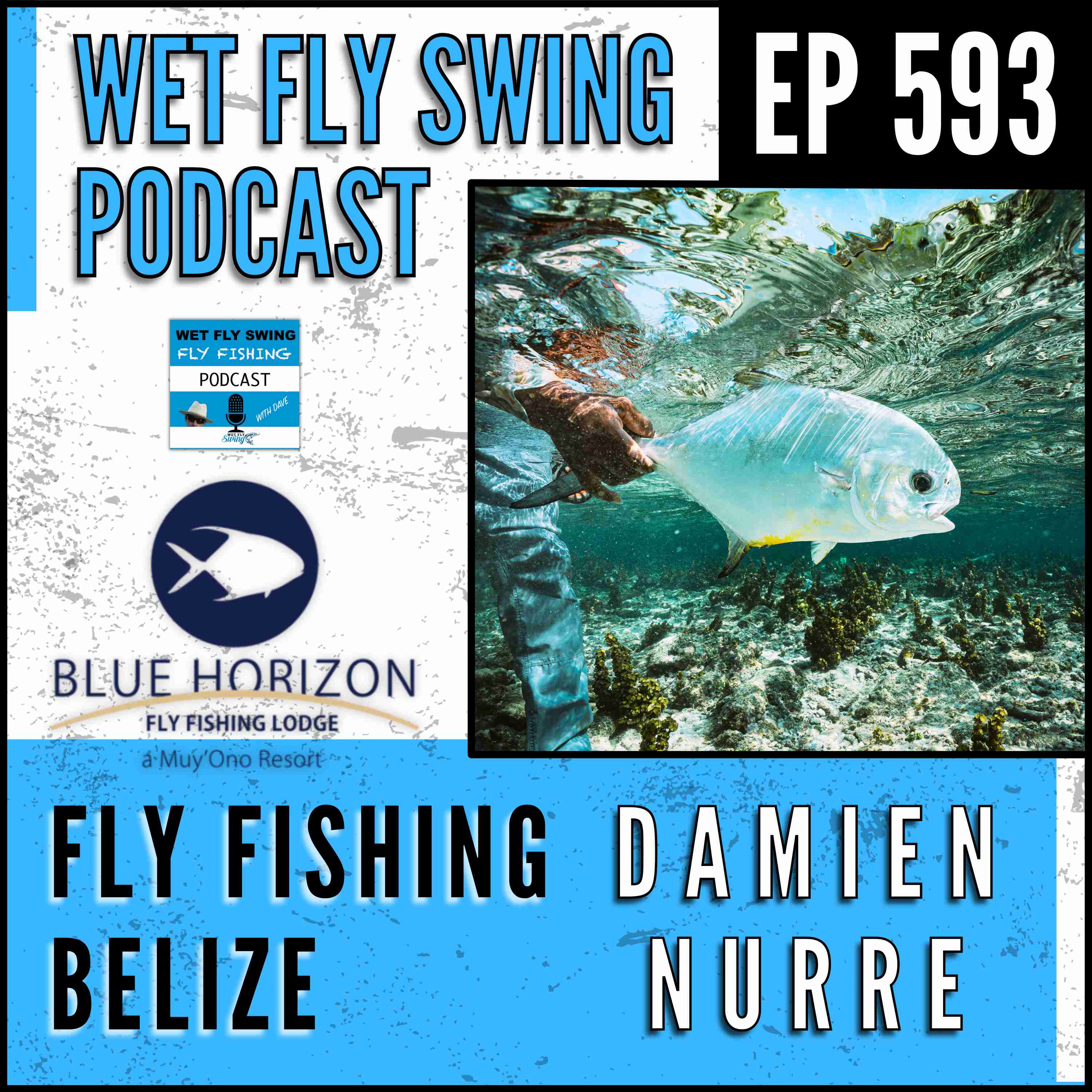
S9 Ep 593593 | Fly Fishing Belize with Damien Nurre - Blue Horizon Lodge, Belize School, Lincoln Westby
Show Notes: https://wetflyswing.com/593 Presented by: Northern Rockies Adventures, Drifthook Fly Fishing, Visit Helena, MT, TroutRoutes Sponsors: https://wetflyswing.com/sponsors Join us as we dive deep into fly fishing Belize with Damien Nurre, the guiding force behind Blue Horizon Lodge, renowned for its world-class fly fishing and unbeatable local guides. Damien shares his transformation from a snowboarding enthusiast to a fly fishing guide and lodge manager in one of the most coveted angling destinations on the planet. This episode is a treasure trove for fly anglers dreaming of the ultimate Grand Slam, offering insider tips on tackling Belize's elusive permit, bonefish, and tarpon. Whether you're plotting your next fishing adventure, Damien's insights and stories will transport you to the abundant waters of Belize, promising an experience you won't want to miss. Episode Chapters with Damien Nurre on Fly Fishing Belize 1:35 - Damien Nurre shares his journey from being a snowboarding enthusiast in the Midwest with no knowledge of fly fishing to becoming deeply involved in the sport. His curiosity was sparked at the University of Montana, where his roommate's passion for fly fishing influenced him. Damien's first fly fishing experience was on the Bitterroot River, and despite only catching one fish, he was fascinated by the process. This interest led him to become a fly fishing guide in Oregon, manage a lodge, and eventually move to Belize to work at Turneffe Flats, focusing on managing and running the fishing program. Later, he was approached by the parent company of Blue Horizon to evaluate the lodge's business performance. After a thorough assessment, he was asked to manage Blue Horizon and other lodges in Southern Belize since 2018. 5:43 - He details his progression into guiding on the Deschutes River, starting by purchasing an outfitting business from Num, alongside Chris O'Donnell. After parting ways with O'Donnell, Damien partnered with Full Line Field Outfitters, where he took on a significant role. Eventually, he seized an opportunity to buy a property and launch his own business, Deep Canyon Outfitters, focusing primarily on trout fishing camp trips along the upper Deschutes and steelhead fishing in the fall. 7:03 - He shares his experiences when he joined Blue Horizon, particularly focusing on Lincoln Westby, a well-known and elderly gentleman associated with the lodge. Despite having heard negative opinions about Lincoln from competitors and facing initial apprehension, Damien's interaction with Lincoln completely changed his perspective. 9:19 - We dig into the unique aspects of Blue Horizon Lodge, particularly emphasizing its exceptional guide staff. Damien highlights that, unlike other fishing lodges, their guides share meals and happy hour with guests, fostering a deeper connection beyond the fishing experience. If you also want to experience their top-notch guiding service, join our ongoing Belize School giveaway at wetflyswing.com/giveaway. 12:00 - Damien emphasizes that all their guides are local Belizeans. Belize has a unique regulation requiring tour guides to be naturalized citizens, which involves living in Belize for a calendar year and passing a comprehensive guide school course. Lincoln stands out at 83 for his enthusiasm and skill in guiding, despite having some health issues. Lincoln is portrayed as a mentor to younger guides, ensuring the continuation of quality guiding. Among the guides, Dan is highlighted as one of the top requested guides, having dedicated himself to fly fishing and becoming well-known in the community for his expertise, especially in catching permits. 18:06 - We talk about the unique fishing opportunities at Blue Horizon, focusing on catching permits. Damien explains that while permits are universally challenging to catch, Blue Horizon offers a distinct advantage due to the consistency and number of opportunities anglers get to catch them. On average, it's realistic to expect about 10 shots at permit each day and more during good conditions. The fishery's shallow waters make the experience visually exciting and more challenging, as permits in shallow waters tend to be more wary. He also highlights the benefits of fishing during the summer months, noting that while the popular season starts in mid-February and goes through early June, the summer offers more solitude and less pressured fish, making it his favorite time to fish. Despite fewer anglers, the quality of fishing remains high, with a good chance of catching migratory tarpon in addition to permits. Bonefish are available year-round, providing a nearly guaranteed catch. 21:49 - Damien walks us through the logistics of visiting Blue Horizon Lodge, highlighting the lodge's unique location and the journey to get there from the US. Travelers can fly directly to Belize City from several major US cities, then take a short commuter flight to Placencia, where a driver from Blue Horizon picks them up for a boa
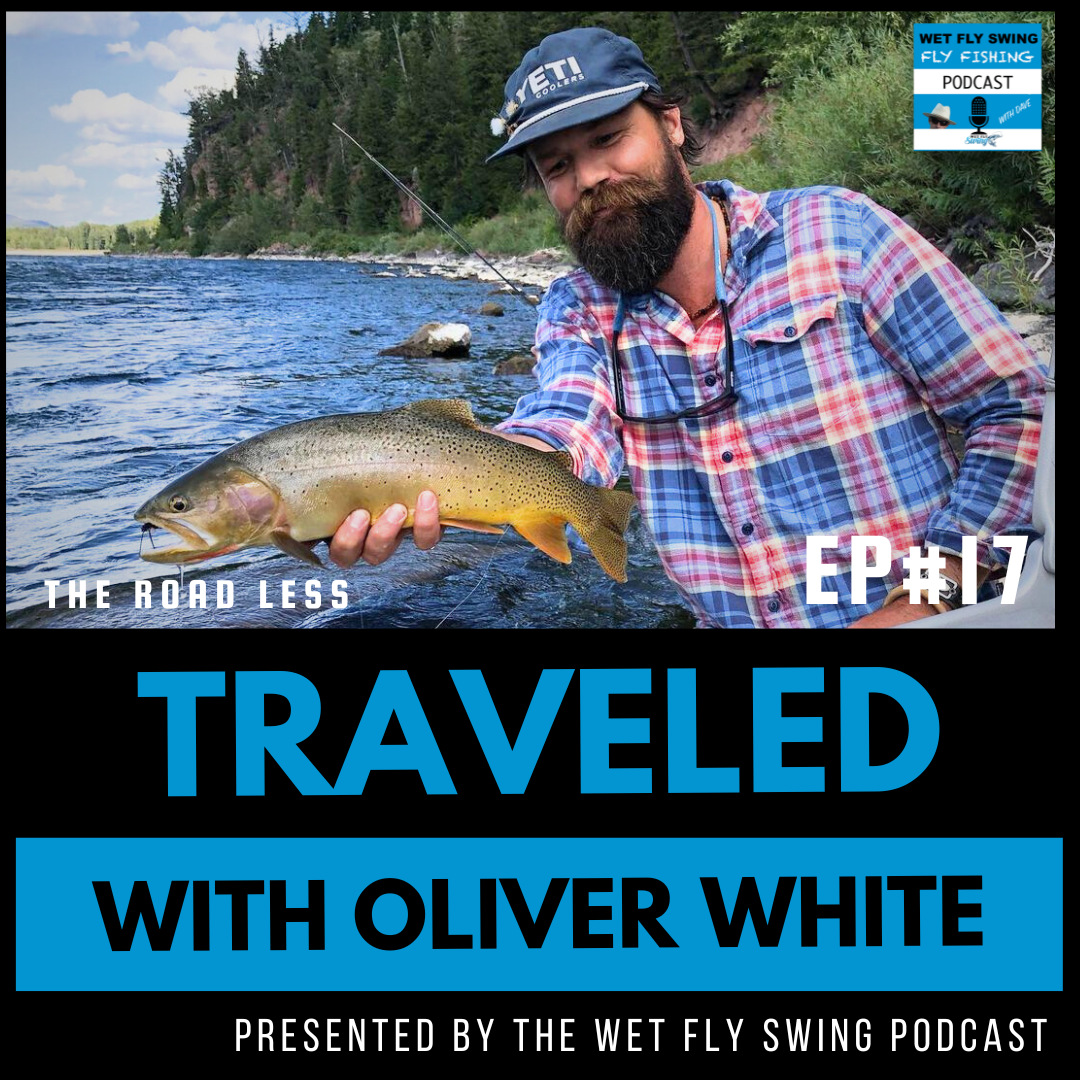
S9 Ep 592Traveled #17 | The South Fork Experience with Oliver White: Big Browns, Iconic Hatches, and a Lodge Like No Other
Show Notes: https://wetflyswing.com/592 Presented By: Yellowstone Teton Territory In this episode of "Traveled," we journey with Oliver White to the breathtaking South Fork Lodge in Eastern Idaho, where the legacy of fly fishing is as deep as the river's own stories. From revealing why celebrities like Jimmy Kimmel and Huey Lewis are drawn to the serenity and challenge of the South Fork, to exploring how the lodge stands as a beacon of conservation and community after being rebuilt from nature's wrath, Oliver opens up about the transformative power of connecting with nature through fly fishing. We talk about the tales of big Browns, the perfect timing for fly hatches, and the unique blend of luxury and wilderness that makes South Fork Lodge a must-visit destination. Whether you're an avid angler or someone curious about the lure of fly fishing, this episode promises insights into making your next fishing trip unforgettable, underscored by Oliver's passion for sustainable angling and the pursuit of the catch. [01:24] - Celebrity Anglers and Lodge History: Discussion of celebrities like Huey Lewis and their involvement in the lodge's history and fishing culture. [03:09] - Oliver's Transition from Bahamas to Idaho: Oliver talks about his move and the personal and professional motivations behind it. [03:32] - Choosing South Fork for the Lodge: Reasons behind selecting South Fork for the lodge location, focusing on its geographic and environmental attributes. [06:14] - Ecosystem and Fishing Season Start: Details on the prolific insect life at South Fork and the beginning of the fishing season in May. [07:56] - Fishing in High Water Conditions: Explanation of how the lodge manages fishing activities during various water flow conditions. [10:56] - Structure of Fishing Trips: Overview of the typical trip duration and daily activities during a stay at the lodge. [12:10] - Lodge Amenities and Hospitality: Description of the accommodations and hospitality services that set the lodge apart. [22:42] - Streamer Fishing Techniques: Discussion on different techniques and strategies for successful streamer fishing. [24:22] - Social Aspects and Community at the Lodge: How the lodge fosters a community environment among guests and staff. [30:26] - Jimmy Kimmel's Involvement: Oliver discusses Jimmy Kimmel's partnership in the lodge and his passion for fishing. [33:19] - Huey Lewis's Influence on Fishing Preferences: Insights into Huey Lewis's impact on fishing culture and his preferences for dry fly fishing. [36:09] - Indie Fly Conservation Efforts: Oliver highlights the work of Indie Fly in promoting sustainable fishing practices and supporting indigenous communities. [41:04] - Closing Thoughts on Trip Expectations: Final discussion on managing guest expectations and ensuring a relaxing and fulfilling fishing experience. [43:08] - Conservation Partnerships: Oliver mentions key conservation groups the lodge partners with to promote environmental stewardship. [45:22] - Future of Fly Fishing and Conservation: Reflections on the future challenges and opportunities in fly fishing and conservation efforts. Show Notes: https://wetflyswing.com/592

S9 Ep 591591 | The Future of Drift Boats with Justin Waayenberg - Adipose Boatworks, Helena, Missouri River
Show Notes: https://wetflyswing.com/591 Presented by: Visit Helena, MT Sponsors: https://wetflyswing.com/sponsors In this episode, we chat with Justin Waayenberg from Adipose Boatworks to delve into the groundbreaking world of resin infusion in drift boats, offering anglers the ultimate guide to navigating the transformative trends in boat durability and weight. As we unravel the secrets behind choosing the perfect drift boat for your adventures on the Missouri River and beyond, listeners are treated to invaluable safety tips, ensuring an unmatched fly fishing experience. This episode promises to equip you with the knowledge and inspiration to take your fly fishing journey to new heights, all while emphasizing conservation and the deep-rooted passion that connects us to the rivers we cherish. Episode Chapters with Justin Waayenberg on the Future of Drift Boats 3:05 - Justin discusses Adipose Boatworks' dedication to producing high-quality, top-tier boats, comparing their brand's quality to well-known companies. A significant focus of the discussion is on the adoption of resin infusion technology, a method that Adipose has been researching and perfecting for over three years. Additionally, he touches on the environmental considerations of their manufacturing process and how it compares to using materials like carbon fiber. 14:37 - He talks about their range of models and the design philosophy behind them. Adipose offers three main models: the Flow Skiff, the Runoff, and the South Fork Skiff. The Flow Skiff, their flagship model, is designed for the specific needs of western Rocky Mountain rivers, offering stability, low draft, and maneuverability in shallow waters and windy conditions. It's particularly suitable for fishing with three people, a common scenario among fly anglers. The Runoff model caters to those needing a boat that can handle bigger water and class three rapids, featuring a larger bow for more significant wave trains while maintaining maneuverability. Unlike traditional dory designs meant for navigating big rapids rather than fishing, Adipose's designs aim to provide a versatile solution for anglers. The third model, the South Fork Skiff, is a traditional design dating back to the late '80s, characterized by its flat bow (pram design) and low sides, making it ideal for two anglers. Despite not being a big seller, it has a cult following among those who appreciate its design for specific fishing conditions. 21:57 - Justin highlights the thoughtful design considerations that go into each model, such as optimizing space for gear storage, ensuring stability, and enhancing maneuverability. These skiffs are not only capable of handling multi-day trips on rivers like the Smith River in Montana but also excel in efficiently utilizing space to accommodate gear and providing a stable fishing platform. 29:24 - We talk about his home waters. His go-to river is the expansive Missouri River, stretching from Tosin and Three Forks to Fort Peck and the North Dakota border. This river offers a diverse fishing experience, from fly fishing for trout to casting for pike and carp. He also highlights Helena, Montana, as an ideal spot for anglers due to its central location. From Helena, numerous renowned rivers like the Blackfoot, Big Hole, Yellowstone, Madison, and others are within a two-hour drive, offering a variety of fishing experiences based on weather conditions and target species. 32:49 - For those seeking guidance or local insights on the Missouri River, Justin recommends several fly shops, notably Headhunters in Craig and Trout Montana in Cascade, known for their expertise and willingness to share information with anglers. Other notable mentions include Montana Fly Goods in Helena and Wolf Creek Angler. These shops are praised for their knowledgeable staff, extensive fly selection, and up-to-date river reports, making them invaluable resources for anyone fishing the Missouri River. 34:34 - Justin tells the optimal times and strategies for fishing the Missouri River. Early spring, particularly mid-April to late April, is recommended for experiencing significant dry fly hatches, with the river temperature climbing into the high forties and low fifties. For those willing to brave the colder temperatures, Justin notes that fishing conditions on February 19th, for instance, could allow an angler to catch a hundred fish in a day. The conversation also covers the importance of following weather patterns and choosing fishing techniques based on seasonal changes. Justin mentions that as the season progresses, anglers can expect a variety of hatches, including PMDs, Tricos, and Caddis, but advises caution in late summer and fall when weed growth can complicate fishing. 40:35 - The conversation touches on the geographical and ecological transitions around Helena, the Continental Divide, and the historical significance of areas like the Gates of the Mountain, described by Lewis and Clark. Justin highlights the rich
S9 Ep 590590 | Alaska Unleashed: Tactics for Togiak River Success with Jeremy Freisz - Togiak River Lodge
Show Notes: https://wetflyswing.com/590 Presented By: Togiak River Lodge Have you ever heard someone say, you need to twitch your fly or you need to twitch it more? Have you heard about jigging or using jigs in fly fishing and how this is such an effective method today? We bring both of these together as we jump back into Alaska and Northern Bristol Bay. Jeremy Freisz is here to share the twitching jig method and why pink is the only color you need for Togiak River success. Learn how to plan your trip and the exact tips you need for success in Alaska this year. Show Notes with Jeremy Freisz on Tactics for Togiak River Success. 02:00 - Jeremy Freisz shares his journey of discovering fly fishing later in life, initially influenced by his family's outdoor activities. Over the years, Jeremy's passion grew, leading to summers in Alaska at Togiak River Lodge and even starting to guide for Red's Fly Shop. Check out our episode on Reds Fly Shop with Joe Rotter. Jeremy recently bought a customized Bighorn Skiff from StealthCraft. Twitching Jig Method 07:37 - Jeremy discusses his evolution as an angler, from novice to adapting new techniques like bead fishing in Alaska. Over the years, he has experimented with Twitching Jigs, initially inspired by his uncle's success with them on spinning rods. 12:40 - Jeremy emphasizes the effectiveness of pink-colored flies. He ties all his flies for Togiak in pink. He emphasizes the importance of the sparkle in the fly to catch their attention, especially for resident dollies and sea run dollies that are active in the salt and likely associate pink with shrimp. Timing and Fishing Conditions in the Togiak River 17:00 - Jeremy notes that the timing of tides does impact fishing at the lodge, especially regarding water clarity and fish behavior. When the tide is coming in, the water gets murky, influencing fish activity. Conversely, when the tide is going out, the water becomes clearer, and fish tend to be more reactive. However, these tide effects diminish about two miles upriver from the lodge. Jeremy recommends timing your trip to Togiak based on your fishing preferences. For targeting Chinook salmon. However, for the best trout fishing experience, Jeremy suggests going later in the king salmon season, around the end of July. Togiak River Lodge 22:35 - Jeremy paints a vivid picture of the Togiak Lodge experience. The lodge sits amidst breathtaking tundra landscapes, with braids of the Togiak River weaving through, and numerous ponds dotting the terrain. Behind the lodge lies a pike pond, offering anglers the chance to catch pike alongside other Pacific salmon species, rainbow trout, dolly varden, and grayling. Bugs and Bears Jeremy acknowledges the concern about bugs in Alaska, particularly the relentless mosquitoes in the Togiak region. He shares his experience with giant mosquitoes, emphasizing the need for mosquito netting when venturing into mosquito-heavy areas. Additionally, he mentions encountering grizzly bears, especially in late July, adding an element of excitement to the wilderness experience. Being Prepared for Alaska's Weather Jeremy recounts experiences of continuous rain and cold winds during his time at Togiak Lodge. He recommends specific clothing items for fishing in such conditions, including: Good quality waders Sturdy rain jackets, preferably full rubber for river floats Electric clothing like vests for staying warm Carrying multiple rain jackets and a dry bag for extra clothes Key Takeaways for an Alaska Fishing Trip Jeremy offers three essential takeaways for anyone planning an Alaska fishing trip: Manage Expectations: Understand that fishing can be unpredictable, and not every day will yield abundant catches. Enjoy the adventure regardless of fishing outcomes. Be Prepared for Bad Weather: Expect challenging weather conditions, delays, and travel disruptions. Embrace these as part of the Alaskan experience rather than letting them detract from your enjoyment. Consider Group Travel: Opt for traveling with a group for a more enjoyable experience, fostering camaraderie, shared experiences, and lasting memories. Show Notes: https://wetflyswing.com/590
S9 Ep 589589 | Casting Back in Time: The Art of Bamboo Rodmaking & Traditional Fly Fishing with Ed Few
Show Notes: https://wetflyswing.com/589 Presented By: Waters West, Togiak River Lodge, Skwala Sponsors: https://wetflyswing.com/sponsors Ed Few, a distinguished craftsman of custom bamboo fly rods, shares his extraordinary journey from traditional boatmaking in England to mastering the art of fly fishing with hand-built gear. Delving into the essence of fly fishing's heritage, Ed brings to life the thrill of using bamboo rods, silk lines, and horsehair leaders, all while chasing steelhead in the Great Lakes. Listeners will be transported back in time, learning not just about the meticulous process of creating these traditional tools, but also how they can elevate their own fishing experiences. Ed's stories of craftsmanship, passion, and the pursuit of the perfect catch with historic gear promise to inspire and ignite a curiosity for the timeless art of fly fishing. Topics Discussed in This Episode: The transition from traditional boat building to crafting bamboo fly rods The unique allure of fishing with hand-built custom bamboo rods and traditional gear The process and passion behind selecting materials for rod building, including sourcing bamboo and creating silk lines Techniques and benefits of fishing with horsehair leaders and hand-tied flies Ed Few's memorable experience catching steelhead in the Great Lakes with a bamboo rod he crafted The significance of preserving fly fishing traditions while integrating them with contemporary practices Insights into the craftsmanship of rod building without power tools, emphasizing the artistry involved The potential for bamboo rods in modern fly fishing, including trout and saltwater applications The concept of a community-shared bamboo rod to connect anglers and stories across the globe Ed Few's vision for the future of traditional fly fishing gear and his contributions to the sport's heritage https://wetflyswing.com/589

S9 Ep 588588 | A Guide to Adirondacks Fly Fishing with David Brotzman: Ausable River, TroutRoutes, Van Life
Show Notes: https://wetflyswing.com/588 Sponsors: https://wetflyswing.com/troutroutes In this episode, we dive deep into the heart of the Northeast, where the wilderness rivals the vast national parks of the West. Join us as we follow the adventures of David Brotzman, who embarks on a journey through Adirondacks fly fishing, armed with the newest gear and a van life setup that brings him closer to nature. David shares invaluable insights on preparing for a remote trip, the allure of van life for modern anglers, and the conservation efforts vital to preserving these pristine waters. Get ready to explore hidden fly fishing treasures in the East and learn how to make your next outdoor adventure successful and sustainable. Episode Chapters with David Brotzman on Adirondacks Fly Fishing 2:00 - David shares his relatively recent journey into fly fishing, a passion ignited during the COVID-19 lockdown. With a background in outdoor activities and fond memories of spending summers in the Adirondacks during his youth, David was drawn back to nature and fishing as an escape from the indoor restrictions of the pandemic. 7:23 - His breakthrough came when a friend introduced him to fly fishing, leading to an exhilarating experience of catching a Chinook salmon on one of his first attempts. This encounter and the fascinating complexity of river ecosystems and trout behavior deeply hooked him into the sport. David emphasizes the importance of not getting overly fixated on gear for beginners and highlights the joy and tranquility fishing brings, beyond the thrill of the catch. 10:29 - David recounts his restoration project of a 1965 vintage mirror craft boat, emphasizing the joy of blending his newfound fishing passion with family bonding and the allure of waterborne adventures, even on the historic Erie Canal near Rochester, New York. 13:05 - David, alongside a friend, creates a film that encapsulates their fly fishing adventures, focusing on the distinctive aspects of Eastern versus Western fly fishing. They aim to highlight the contrasts and similarities, particularly emphasizing the need to adapt techniques and understand the local ecosystems. 20:00 - Our chat touches on the choice of equipment emphasizing the distinctive quality and depth that professional cinema cameras bring to the narrative, allowing him to paint with footage and add his unique touch as a storyteller. 27:10 - David emphasizes the pivotal role of TroutRoutes in their adventure. Their trip, initially challenging due to the season and the unfamiliarity with the Adirondacks' fall conditions, was streamlined with TroutRoutes' comprehensive features. The app's river grading system, river flow data, and the newly introduced river miles feature proved invaluable for selecting suitable rivers, ensuring safe navigation, and avoiding restricted areas. 33:20 - He shares his memorable trip to the Ausable River in the Adirondacks, a renowned river known for its clarity and the quality of trout fishing it offers. Despite its fame and the potential apprehensions associated with tackling such a well-known location, David leveraged thorough planning and use of resources like TroutRoutes to feel well-prepared for their adventure. 36:17 - Beyond digital tools, David suggests leveraging a wealth of information available through simple Google searches, including blog posts and articles from individuals who have previously fished or floated the river. These insights offer contextual knowledge that can complement apps, helping anglers to make informed decisions about where and when to fish. He also stresses the significance of visiting local fly shops for real-time advice and updates on river conditions. This step is crucial for understanding the current state of the river and any potential hazards, as conditions can change rapidly and impact the safety and success of the trip. 38:25 - David recommends going on a trip in the Adirondacks in spring as the prime season for such adventures, especially in the Ausable, based on local advice and their own experiences. Sring offers higher water levels due to snowmelt, leading to more active fish movement and the potential for early dry fly hatches. 40:21 - David highlights the distinct appeal of the Adirondacks. He also emphasizes the sheer size of the park, which is so vast that it can encompass multiple national parks within its boundaries, including Yosemite. 45:36 - He talks about an unexpected challenge they experienced, including a nearly 60-foot waterfall adjacent to their planned route. This discovery underscored the potential dangers of navigating the river, highlighting the necessity of constantly checking maps and staying alert to the terrain's unpredictable changes. 48:06 - David also praises the gear that supported their expedition, particularly highlighting the innovative design of Kokopelli's Rogue R-Deck rafts. These rafts, equipped with internal storage within the tubes, offered a perfect blend of durability, buoy

S9 Ep 587587 | Fly Fishing the Ausable River with Dry Flies - The Hungry Trout with Evan Bottcher
Show Notes: https://wetflyswing.com/587 Presented By: Northern Rockies Adventures, FishHound Expeditions, Stonefly Nets, Jackson Hole Fly Company Have you ever experienced the frustration of a dry fly being swirled up by a fish but not taken? Or struggled to keep your dry fly afloat on the water? Today is your lucky day because we have Evan Bottcher, owner of the Hungry Trout, to guide us in fly fishing the Ausable with Dry Flies. Get ready to dive into the beauty of the Ausable River in the Adirondacks as Evan shares three crucial tips to help you land more fish while fishing with dry flies this year, especially in pocket water. In this episode, Evan will guide us through selecting the right fly size, determining the ideal distance from the bank for fishing, and mastering skittering a fly to entice both the fly and the fish. Show Notes with Evan Bottcher on Fly Fishing the Ausable. 02:00 - Evan Bottcher shares his childhood memories growing up on the property along the Ausable River. His family purchased the Hungry Trout in 1981, initially a motel with a small restaurant, and transformed it into a renowned fly fishing destination. 8:15 - Evan learned from the seasoned anglers at Hungry Trout, including guides like Rachel Finn and Jeff Kirschman. 11:00 - Evan delves into the origins of Hungry Trout, a blend of the iconic Sable River's allure and his father's visionary approach. Through strategic additions like RF McDougall's Pub and a dedicated fly shop, Hungry Trout evolved into a comprehensive hub for anglers seeking the unique charm of the Adirondacks. The Unique Charms of the Ausable River 14:50 - Evan paints a vivid picture of the Ausable River's unique character, contrasting it with other rivers in the region. The Ausable River stands out with its steep topography, dramatic waterfalls, and pocket water, offering a thrilling experience for anglers. 21:00 - Evan discusses the importance of stoneflies in the Ausable River, especially during the active months from May through June. He also touches on the dynamic hatch schedule throughout the year. 31:00 - Evan reflects on Rachel's exceptional personality and her ability to see life beyond conventional destinations. The movie "After You've Gone" by Fly Lords portrays Rachel's journey of coping with personal challenges like cancer and her husband's passing. The Hungry Trout Lodge Evan discusses the transformation of their family's lodge and restaurant, which they sold in 2022 while maintaining the operation of the fly shop and fishing business. The lodge offers a 21-unit motel, a restaurant called the Hungry Trout Restaurant, and RF McDougall's Pub, creating a bundled experience with lodging, guiding, and river access. Tips for Fishing the Sable River 51:50 - Evan emphasizes the importance of sizing up flies when fishing the Ausable River in May and June. A size 16 fly at home might equate to a size 14 or 12 on their river. He recommends using dry droppers and fishing closer to the riverbank, starting with a short cast of about 10 feet of fly line, which can cover a significant portion of the river's width. 54:00 - Evan suggests using flies like the Ausable Wulff or Ausable Bomber. Euro Nymphing on the Ausable River 1:04:00 - Evan discusses the rise of Euro nymphing in their area, thanks to clinics by Loren Williams. While dry fly fishing remains a classic choice, Euro nymphing has become more widespread among anglers. Show Notes: https://wetflyswing.com/587

S9 Ep 586586 | Choosing the Right Fly without Breaking the Bank – Smitty's Fly Box with Steve Smith
Show Notes: https://wetflyswing.com/586 Presented By: Smitty's Fly Box Do you want to level up your fly box without draining your wallet? Today Steve Smith of Smitty's Fly Box joins us to share his secrets for choosing the right flies without breaking the bank. Steve shares his top-selling dry flies, nymphs, and stillwater patterns, so you can plan a bit easier for that next trip. This is another big one with Steve! Show Notes with Steve Smith on Choosing the Right Fly. 3:44 – RoundRocks is a longstanding family business, with over 30 years of experience in producing quality flies for fly shops and sporting goods stores nationwide. On the other hand, Smitty's Fly Box offers a unique monthly subscription service, providing anglers with handpicked assortments of flies and accessories tailored to their fishing locations. Additionally, they offer beginner and intermediate tying boxes, allowing enthusiasts to learn new patterns and tie their flies with expert guidance. 5:19 – Steve mentions Coach Knight's passing a few months ago. The book "A Season on the Brink" by John Feinstein chronicles a season with the Indiana Hoosiers and provides insights into Coach Knight's coaching style. Top-Selling Flies 8:10 – Steve delves into some of the best-selling flies from Round Rocks and Smitty's Fly Box. Classic Patterns: Flies like the bead head Prince Nymph are top sellers due to their timeless effectiveness and popularity among anglers. Own Patterns: Steve mentions their patterns like the Zebra Midge and the Gunslinger, which have become favorites among customers over the years. Newer Hits: Recent additions like the Chernubby and Perdigon have rapidly climbed the ranks to become top-selling flies, showcasing innovation and adaptability in fly design. choosing the right fly Steve also shares the story behind the creation of the Gunslinger fly pattern. Using materials like pheasant tail, hare's ear, and crystal flash, Steve explains how he designed the Gunslinger to mimic effective nymphing patterns. Bringing Flies to Life: The Production Process 15:00 – Steve sheds light on bringing a fly from the design phase to someone's fly box. This involves refining samples, sourcing materials, and coordinating production in their factory in Thailand. Initially, the design undergoes refinement and sampling to ensure its tying process is perfected. The materials are then sourced and sent to a factory in Thailand, where detailed instructions and production plans are laid out. Samples are made and approved before full production commences. Once manufactured, the flies are shipped back to Utah, where they are warehoused and distributed to customers. How Smitty's Fly Box Tailor Fly Selections for Diverse Fishing Locations 24:00 – Steve outlines how Smitty's Fly Box refines fly selections for diverse regions, even those he hasn't personally fished. Classic patterns generally perform well universally, but the team customizes selections based on customer feedback, research, and regional fishing traits. Using online resources and insights from customers, they gather data on specific rivers and areas to provide effective flies tailored to each angler's fishing location. Steve Smith's Go-To Flies Hopper Flies: Metal Hopper Dave's Hopper Terrestrials: Chernubby Foam Beetle Dry Flies: Elk Hair Caddis Others: Fatal Attractor Gunslinger How Smitty's Fly Box Offers High-Quality Flies at Affordable Prices Smitty's Fly Box stands out with its competitive price point of $1.50 per fly, a rarity in the industry where flies often cost more. This advantage stems from their streamlined family-run business model, using top-notch materials and controlled production processes to ensure quality without compromising affordability. Show Notes: https://wetflyswing.com/586
S9 Ep 585In The Bucket #3 | Steelhead Secrets: Insights from Pacific Northwest Guides with Dax Messett and Scott Baker McGarva
bonusEShow Notes: https://wetflyswing.com/585B Sponsors: https://wetflyswing.com/sponsors In this episode of "In The Bucket," we dive into the captivating world of fly fishing in the Pacific Northwest, a region celebrated for its majestic landscapes and challenging steelhead fishing. Joined by seasoned anglers Dax Messett and Scott Baker Mcgarva, listeners are treated to an engaging discussion filled with expert casting tips, memorable fish stories, and practical advice for making the most out of guided fly fishing trips. Whether you're a veteran angler or just starting out, Dax and Scott's insights into the nuances of successfully landing steelhead, the evolution of fly fishing gear, and the importance of conservation efforts offer invaluable lessons that promise to enrich your fly fishing experience and ignite your passion for the sport. Topics Discussed in the Episode The unique draw and challenge of steelhead fishing in the Pacific Northwest. Transitioning from guiding to tackle sales and what it teaches about the fishing industry. The evolution of fly fishing gear and techniques over decades. The importance of conservation efforts to sustain the sport for future generations. How varying water conditions and seasons affect fly fishing strategies. The cultural shift in fly fishing from the 1970s to today, with insights into gear and technique evolution. Personal anecdotes from guiding on renowned rivers, highlighting memorable catches and lessons learned. Strategies for successful fly fishing, including casting tips and reading river conditions. The significance of community and shared knowledge in the fly fishing world. Debates on gear preferences and the philosophy behind choosing equipment. Show Notes: https://wetflyswing.com/585B

S9 Ep 585585 | David Bishop's Masterclass on Gaspe Peninsula Atlantic Salmon: Unleashing Your Potential on the Water
Show Notes: https://wetflyswing.com/585 Presented By: Waters West, Northern Rockies Adventures, Togens Fly Shop, FishHound Expeditions Have you heard of the Gaspé Peninsula and thought maybe it was out of your reach for a trip? Are you worried that your spey game isn't at a high enough level to hook a salmon? Today, we have David Bishop to share tips for success and three key takeaways that will ensure you not only can do this trip but have a chance at hooking an Atlantic Salmon. Learn about fly speed, when to use dry flies versus wet flies, and uncover a fly pattern you may not have seen before. Discover how to recognize a take and why David recommends using 6lb and 8lb tippets. Show Notes with David Bishop on Gaspe Peninsula Atlantic Salmon. 01:38 - David Bishop delves into the unique challenge of fishing for Atlantic salmon and why it's often seen as an intimidating species: Species Specificity: Atlantic salmon are highly dependent on water conditions and fish behavior, unlike other species that may feed more readily. Success Rate: Internationally, the success rate for catching Atlantic salmon can be challenging, with an average of about one salmon per three days of effort. Enigmatic Nature: The mystery surrounding why Atlantic salmon take flies adds to the allure and complexity of fishing for them. Exploring the Diverse Rivers of Gaspe Peninsula 4:00 - Rivers in the Gaspé Peninsula vary in fish population and size, with some rivers known for smaller but abundant fish runs, while others like the Caspapedia River boast large, genetically healthy fish. The Gaspé Peninsula is hailed as the most accessible salmon fishing destination globally, thanks to the democratic draw system implemented by the Quebec government. 9:00 - Gaspe Peninsula offers a plethora of rivers for salmon fishing, and anglers can also explore nearby areas like the St. Lawrence River and New Brunswick for additional fishing opportunities. Compared to other international destinations, fishing in Gaspe is affordable, with daily ticket costs ranging from $60 to $180. David Bishop's Fly Fishing Journey 14:17 - David Bishop shares his early memories of fly fishing, tracing back to childhood experiences with his father and grandfather behind Simsbury High School. At the age of 10, David caught his first Atlantic salmon. Then at age 14, David worked at a fly shop and later ventured into guiding. Access to Fishing in the Gaspe Peninsula 17:00 - David elaborates on the democratic access system in the Gaspe Peninsula. Unlike some regions with exclusive and elite fishing practices, Gaspe's model ensures public access while balancing private interests. The lottery-based system ensures that a percentage of water remains open to the public each day, with clear guidelines on pricing. Comparatively, regions like the UK and Norway maintain a more privatized approach, limiting access based on wealth and waiting lists. 24:00 - There are two main ways to access the rivers: purchasing a daily access permit for non-reserved waters or participating in the draws organized by the FQSA. Saumon Quebec provides information on river access, draws, and permits. 27:00 - David Bishop discusses various lodging options for anglers visiting the Gaspe Peninsula. Choosing the Best Time for Atlantic Salmon Fishing in the Gaspe Peninsula 36:00 - For hardcore spey anglers, early June or late September are ideal for fishing gin-clear waters with fewer competitors. However, the prime time for dry fly fishing is from late June through August into early September when water temperatures are optimal. Dry Flies vs Wet Flies 45:00 - David explains the transition from wet fly to dry fly fishing based on water conditions and visibility. He distinguishes between rivers with clear visibility and those with stained waters. Clear Rivers (e.g., Bonaventure, Petite Cascapedia): Optimal for site fishing and dry fly opportunities. Stained Rivers (e.g., Cascapedia, Dartmouth): You can switch to dry flies if no action with wet flies is observed. 46:00 - When not fishing dry flies, David Bishop describes his typical setup and approach for different months and water conditions: In June with higher water, he uses larger flies ranging from size 2 to 3.0 for swinging traditional salmon flies. Some favorite flies include John Olin Longwing, Picasse, and Paul Caron's Stonefly. Fly Speed and Presentation David stresses that fly presentation plays a massive role, comprising about 90% of the success in fly fishing. He also mentions that fly selection is only about 5% of the game, debunking the idea of a "best fly". He explains that using floating lines allows him to manipulate fly speed effectively. By adjusting casting angles and mending downstream, he can control how fast the fly moves across the water, which is crucial for enticing strikes. His strategy involves covering as much water as possible to find fish that are actively taking the fly. He prefers this approach over repeatedly casting in the same
S9 Ep 5845 Key Fly Fishing Lessons from 600+ Podcast Interviews
bonusShow Notes; https://wetflyswing.com/getting-started-with-fly-fishing-the-best-tips-from-600-podcast-episodes/ Fly fishing might seem daunting to beginners, but with insights from over 600 podcast interviews, today's episode with Dave, the host of the Wet Fly Swing podcast, simplifies the process. From a powerful story of failure and frustration on a Montana trout stream to practical tips from experienced anglers, we've got you covered. Episode Summary: [0:03] Dave introduces the episode by addressing the common barriers to starting fly fishing and promises to provide a clear path for beginners. [0:50] The host shares his background in fly fishing, his journey with the Wet Fly Swing podcast, and the aim of the current solo episode. [1:34] The episode promises to offer practical tips for beginners, including insights from an interview with Brian from Mad River Outfitters. [2:15] A memorable story from a senior trip to Montana illustrates the frustrations that can come with learning fly fishing, setting the stage for the tips to follow. [5:10] Insight #1: Getting a guide or joining a group can significantly flatten the learning curve for beginners. [7:16] Insight #2: The importance of observation before and during fishing to understand the environment and fish behavior. [10:05] Insight #3: The value of practicing casting outside of fishing trips to improve technique and confidence. [12:24] Insight #4: On the water, opt for smaller and sparser flies than you might initially think. [13:50] Insight #5: Embrace the KISS (Keep It Simple, Stupid) principle in all aspects of fly fishing to avoid feeling overwhelmed. [17:16] Bonus Tip: Engaging with local conservation groups can enhance your fly fishing experience and contribute to the preservation of fish species. [20:03] Brian from Mad River Outfitters shares six practical tips for beginners, emphasizing versatile flies, matching the hatch, and the importance of adaptability. Conclusion: [25:41] Dave wraps up the episode encouraging listeners to embrace the journey into fly fishing, sharing their stories, and reminding them of the resources available at Wet Fly Swing. Whether you're brand new to the sport or looking to share the joy of fly fishing with someone else, this episode offers a comprehensive guide to getting started.
S8 Ep 584584 | A Guide to Backcountry Fly Fishing with McKenna Hulslander - TroutRoutes, Trophy Trout, Outcast Adventures
Show Notes: https://wetflyswing.com/584 Sponsors: https://wetflyswing.com/troutroutes In this episode, McKenna Hulslander takes us on an exhilarating journey through her most recent backcountry fly fishing trip, offering insider tips and thrilling stories from the wild. McKenna reveals how she combines technology, like the TroutRoutes app, with traditional angling wisdom to enhance safety, navigation, and fish finding on remote trips. Whether you're a seasoned angler or new to the sport, McKenna's insights on preparing for the unexpected, choosing the right gear, and conserving our precious aquatic ecosystems will inspire you to tackle your next fishing adventure with confidence and respect for nature. Join us as McKenna shares the highs and lows of her journey, from exhilarating catches to surviving a plane crash, all while showcasing the beauty and challenges of wilderness fishing. Episode Chapters with McKenna Hulslander on Backcountry Fly Fishing 1:22 - With a childhood rooted in the outdoor traditions of her family, McKenna was naturally drawn to the rivers and streams of northwest Montana. Her story is not just about fly fishing; it intertwines with her pursuits in athletics, notably college hockey. 8:06 - McKenna shares the inspiring journey behind her wilderness fly fishing trip in Montana, highlighting the unique blend of adventure, conservation, and education that fueled the expedition. With a desire to share this rich heritage and address the gap in backcountry knowledge among newcomers, she, alongside her videographer friend Riley, embarked on a mission to capture the essence of remote fly fishing through a documentary. The film, aimed for submission to the Fly Fishing Film Tour (F3T), represents a heartfelt effort to bridge generations, celebrate the sport's traditions, and encourage responsible engagement with the natural world. 14:04 - She shares her enriching experience of meeting John Fraley, a respected writer and fisheries biologist known for his significant contributions to understanding bull trout and cutthroat trout in Montana. 15:05 - She describes the process of getting dropped off in the wilderness in Montana with just a car, her pack, and a packraft from Kokopelli, setting the stage for a multi-day journey of exploration and fishing. 22:35 - She offers valuable advice for planning remote hiking and fly fishing trips, emphasizing the importance of using tools like TroutRoutes for effective trip planning. She highlights how the mobile app not only provides detailed maps but also offers crucial information like water temperature and flow rates (CFS), which are vital for ensuring safety and successful fishing experiences. Additionally, McKenna mentions the importance of monitoring water conditions before the trip to make informed decisions about fishing times and conservation efforts, especially during warmer months. 25:38 - She discusses the focus on fishing for Westslope cutthroat trout and the occasional "cutbow" (a hybrid between a cutthroat and rainbow trout) during their wilderness trip in Montana. She highlights the importance of conservation, especially concerning the endangered bull trout, explaining their decision to avoid targeting this species to align with ethical fishing practices passed down through generations. 28:16 - McKenna dives into the essential and luxury gear that made her wilderness fishing adventure memorable. She emphasizes the importance of dry bags, highlighting how co-sponsors like Kokopelli and Filson provided high-quality dry bags crucial for keeping equipment dry and safe during the float trip. Essential gear also included a Garmin GPS for navigation and a knife from Montana Knife Company, emphasizing the importance of safety and preparedness in remote settings. As for luxury items, McKenna shares her fondness for bringing along Backpackers Pantry's crème brûlée and indulging in beer supplied by Sacred Water Brewing Company, naming the Catch 'Em Lager as her favorite for its thematic fit with fishing. 31:43 - During their multi-day wilderness trip, McKenna and her crew experienced a mix of weather conditions, including a notable thunderstorm on the first day which, despite its intensity, was something McKenna enjoyed while on the river. The storm added some water to the river, slightly raising its level, which turned out to be beneficial for their journey. McKenna also shares a learning moment from Mr. Fraley regarding the correct terminology for insect activity on the water, distinguishing between a "hatch" and an "emergence," with the latter referring to the phase when insects transition from water to air with wings. 34:36 - Fishing proved fruitful during their trip, with McKenna emphasizing the excitement of trying different flies, especially those that were guaranteed to be successful based on her experience. She hinted at the effectiveness of flies with rubbery legs and the color purple in attracting West Slope cutthroat trout, which are the primar
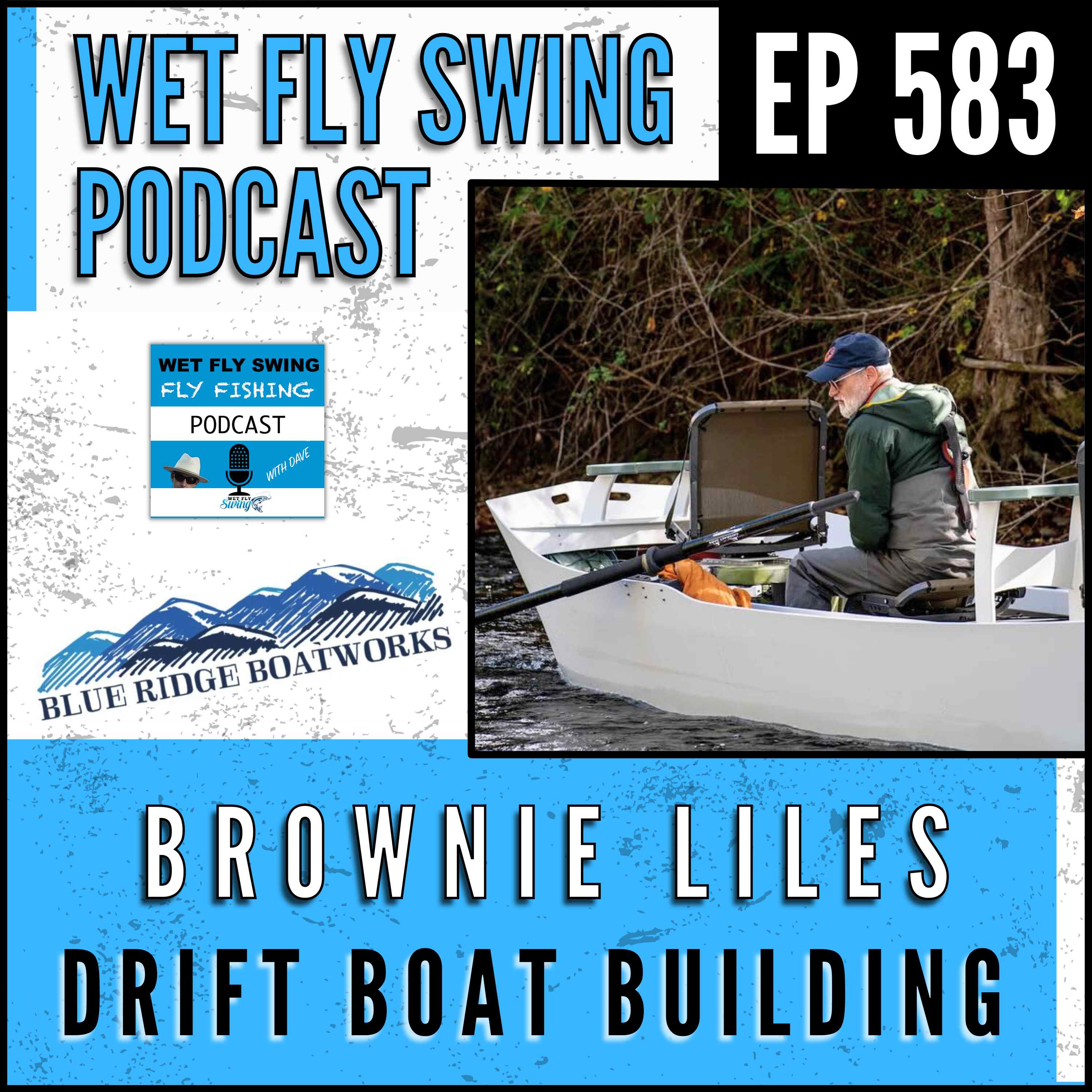
S9 Ep 583WFS 583 - Drift Boat Building with Brownie Liles - Blue Ridge Boatworks, East Tennessee, Watauga River
Show Notes: https://wetflyswing.com/583 Presented by: Skwala, Northern Rockies Adventures Sponsors: https://wetflyswing.com/sponsors In this episode, we chat with Brownie Liles, a seasoned guide with over 25 years of experience and the innovative mind behind Blue Ridge Boatworks. Brownie takes us on a journey of drift boat building and the scenic rivers of East Tennessee, sharing insights into his unique designs crafted specifically for the challenges and joys of fly fishing in the region. Listeners will dive into fly fishing conservation, the thrill of chasing fish in East Tennessee's vibrant waters, and how Brownie's passion for guiding and boat building led to creating a drift boat that blends tradition with cutting-edge design. Episode Chapters with Brownie Liles on Drift Boat Building 01:37 - Brownie shares his transition from whitewater kayaking to fly fishing in the mid-90s, sparked by a Christmas gift from his sister—a fly rod that ignited his passion for fly fishing. This newfound obsession led him to guide on the Tow River and eventually shift his career towards fly fishing in East Tennessee. 07:20 - He tells us how his company, the Blue Ridge Boatworks came to be. Drawing from his whitewater kayaking background and a lifelong passion for building, he crafted the perfect plastic skiff—a durable, high-density polyethylene vessel designed to navigate the challenges of river fishing. The result is a series of almost indestructible guide boats that cater specifically to the needs of fly fishing enthusiasts, proving that with vision and craftsmanship, traditional boat building can meet modern innovation. 11:14 - He shares the intricate process behind constructing their unique boats. Unlike traditional methods, building these high-density polyethylene skiffs involves an innovative approach where every piece is precision-cut and then welded together using a state-of-the-art extrusion welder—a tool likened to an expensive, Swiss-made "glorified hot glue gun." 14:33 - Skiffs, according to Brownie, generally offer a wider platform, granting more room within the boat and significantly enhancing side-to-side stability that traditional dories lack. This increased stability stems from the broader width, which provides greater surface area and displacement, causing the boat to ride higher on the water. Brownie points out that while all skiffs enjoy this inherent stability due to their width, his boat maintains this advantage from front to back, diverging from some skiffs that narrow at the ends, showcasing how thoughtful design can impact a boat's performance and angler's experience on the water. 20:30 - He highlights the boat's thoughtful features, like increased gunnel height for dryness and safety, and the slickness of the material that enables easy maneuverability over obstacles. Despite its sturdiness and innovative features, the boat's weight remains competitive, aligning closely with industry standards. Brownie also emphasizes the boat's practicality for guides, ensuring ease of entry and exit, especially in challenging river conditions. 26:31 - Brownie explains that the traditional gunnel rail, while aesthetically pleasing and structurally important in most drift boats, was intentionally omitted in their designs to achieve a maintenance-free vessel. Instead, they opted for rod trays below the gunnel line to provide the necessary structure, eventually moving towards using plastic for parts like thigh braces, which were initially made from wood due to cost constraints. 33:03 - He discusses the Watauga River's appeal for fly fishing, emphasizing its accessibility for both wading and drifting, thanks to its manageable flows. It's particularly known for its caddis hatch, making it a prime location for year-round fishing. 35:04 - Brownie also highlights the lodge and guide service he's associated with, providing top-notch accommodations and expert guidance for anglers looking to explore the best fishing spots on the river. Despite the river's popularity among anglers, the community maintains a friendly and respectful atmosphere, making it an inviting destination for fishermen of all levels. 38:28 - For those planning a fly fishing trip to the Watauga River, Brownie recommends late March through July as the optimal period, highlighting late March for its abundant bug activity and eager fish. Despite potential traffic, spring promises great fishing conditions, transitioning into productive summer months, especially with sufficient rain. 40:25 - The famed caddis hatch, peaking in early to mid-April, presents challenges and opportunities with various techniques, from swinging flies to precise dry fly casting. While wade fishing is an option, the local float guide culture predominantly favors fishing from drift boats for convenience and efficiency, with most guides preferring to stay onboard throughout the fishing experience. 47:33 - We give a shout-out to one of our avid listeners and also Drifthook. They have an

S9 Ep 582582 | Uncovering the Fly Fishing Wonders of Northern BC with Daniel Schildknecht from NR Adventures
Show Notes: https://wetflyswing.com/582 Presented By: Northern Rockies Adventures Unlock the secrets of fly fishing in the untouched waters of Northern British Columbia with our guest, Daniel, who shares a treasure trove of knowledge, from preparations for the fishing season to detailed accounts of conservation efforts. Immerse yourself in tales of the vast wilderness that's home to flourishing populations of rainbow trout and Arctic Grayling, all accessible from the cozy confines of our family-owned lodge. We delve into the heart of the season's potential, examining the effects of snow conditions on spring runoff and the ensuing strategies for the best angling experiences. Experience the allure of personalized fishing expeditions, where the thrill of the catch is just the beginning. We chat about the unique blend of intimacy and adventure that comes with a stay at our lodge, where floatplanes expand the realm of possibility and every angler's dream is within reach. From warming up with abundant smaller catches to strategic pursuits of trophy fish, each guest's journey is curated to their preferences, creating memories like Brandon Morrison's that resonate long after the trip ends. As we wrap up this episode, we extend an invitation to discover the broader charms of our northern Rockies retreat. Beyond the adrenaline of the catch, our lodge offers a mosaic of activities ranging from wildlife viewing to culinary delights that embody our heritage. We also tease the prospects of untapped fishing adventures, like those in Peru, and encourage listeners to keep the cherished tradition of fishing alive. For those itching to cast their lines into wild, unexplored waters, Daniel points you to NRAdventures.com to begin crafting your unforgettable expedition. Episode Chapters - NR Adventures (0:00:05) - Fly Fishing in Northern British Columbia Daniel updates on fishing prep, snow conditions, and the draw of Northern BC for fly fishermen. (0:12:21) - Fishing Lodge Custom Trip Flexibility Nature's exclusive, personalized fishing trips with flexible dates and abundant catches, utilizing floatplanes for mobility and targeting trophy fish and other species. (0:17:46) - Fishing Lodge in Northern BC Nature's diverse fly fishing experiences in remote BC lodge, targeting rainbows, pike, and elusive bull trout, tailored to guest expectations and seasonal dynamics. (0:23:18) - Northern Rockies Adventures Nature's beauty and family-friendly activities at a remote lodge in the northern Rockies, including mountain biking, ATV trips, and Northern Lights tour. (0:30:15) - Float Plane Takeoff and Landing Nature's unique experience of flying float planes, from takeoff and landing on water to the joy of piloting in the Rockies. (0:42:07) - Conservation and Cuisine in Northern Canada Nature's culinary experiences, traditional dishes, international influences, alternative activities, conservation, and personalized immersion at a fishing lodge. (0:48:34) - Planning a Fly Fishing Trip Nature's prime time for pike fishing in August, techniques for still water fishing, fly-out options, and diverse activities at the lodge. (0:57:22) - Exploring Peru's Untapped Nature Nature's wonders and fishing in Peru, diverse species, informative episodes, keeping the tradition alive, and NRAdventures.com for planning. Show Notes: https://wetflyswing.com/582
S9 Ep 581581 | Master the Art of Two-Handed Casting: Inside Secrets from Spey Legend Al Buhr
Show Notes: https://wetflyswing.com/581 Presented By: Waters West, TroutRoutes, Drifthook Fly Fishing In today's episode, we're diving into the world of two-handed casting with spey legend, Al Buhr. Level up your spey casting game as Al shares his top three casting tips that will revolutionize your approach. Discover Al's unique fly pattern techniques for enticing steelhead and gain insights into the rich history of spey casting, from Jim Green's legacy to present-day innovations. Tune in to uncover the secrets that will make your casts easier and more effective than ever before! Show Notes with Al Buhr on Two-Handed Casting. 01:22 - Al Burr takes us back to his early days in fly fishing at the age of 15. Despite being mostly self-taught, Al's keen observation and persistent curiosity paved the way for his mastery of fly casting. 03:31 - Al's journey into two-handed casting began when he received a 16-foot boron rod from Jim Green. Eventually, Al learned the figure of eight method from Canadian experts on the Skagit River. Two-Handed Fly Casting: Spey Casting Techniques 12:22 - Al's journey to writing his book began with his involvement in the Federation of Fly Fishers. As the program expanded to include two-handed casting certification, Al took on the role of chair and recognized the need for a clear instructional guide. Over time, this booklet evolved into a larger technical manual, covering basic and advanced casting techniques Understanding Constant Tension in Spey Casting 18:00 - Constant tension eliminates the need for pauses in the back cast, ensuring a smooth, continuous motion crucial for efficient casts. Regardless of line length or shape, constant tension allows anglers to regulate the depth of the D loop, enabling them to cast effectively without needing ample space behind them. 29:00 - The stop-and-go approach or forced turnover involves pausing or stopping during the casting motion, causing the rod to unload and reload with power. This pause can lead to slack or waves in the line, affecting the efficiency and accuracy of the cast. 32:53 - Besides constant tension and the power-up technique, another key aspect is using a modified D loop for casting efficiency. 48:04 - Al recounts a conversation with Tim Rajeff during a casting event in San Francisco. "The man who straightens his rod the fastest will win." - Tim Rajeff 55:48 - Al explains the figure of eight casting technique as visualizing an eight laid horizontally. You perform a crescent lift and a round lift for one side of the eight, drop down to form an X, and then curve back up for the other side. Show Notes: https://wetflyswing.com/581

S9 Ep 580Finding the Perfect Fly Rod and Line Combo (Part 2) with Jeff Liskay - Great Lakes Dude #8
Show Notes: https://wetflyswing.com/580 Presented by: Yellowstone Teton Territory, FishHound Expeditions Sponsors: https://wetflyswing.com/sponsors In the first installment, Jeff Liskay masterfully explored the world of rods and floating lines. Now, prepare to plunge into the depths with our next episode, where we'll navigate the intricacies of sinking and two-handed lines. Fueled by the overwhelming interest and queries from countless fishing enthusiasts, Jeff is ready to impart his seasoned wisdom and tips on mastering the art of fishing in the Great Lakes and their tributaries. Don't miss out on this opportunity to elevate your fishing game, whether you're an experienced angler or just beginning your journey. Episode Chapters with Jeff Liskay on Fly Rod and Line Combo 00:57 - Sinking Lines and Modern Innovations Jeff begins by recalling the early days of experimenting with sinking lines in the Great Lakes, attributing pioneers like Jerry Darkes and Capt. Brian Meszaros for laying the groundwork. Fast forward to today, advancements in fly lines, coupled with forward-facing sonar technology, have transformed the game, enabling anglers to present flies at previously thought unattainable depths. 05:37 - Deep Dive into Sinking Lines Delving into the specifics, Jeff highlights the categories of sinking lines into types based on their sink rate, ranging from intermediate to type eight. These advancements have allowed for precise control over the depth of the fly, with real-time feedback from sonar technology shedding light on the actual fishing depth, a revelation that was once a mystery. 08:00 - Exploring New Frontiers Jeff's passion for pushing boundaries shines through as he discusses strategies for targeting deep-water species in the Great Lakes, particularly during the late fall. Techniques that once seemed futile, like fly fishing for muskies at depths of 30 feet, are now within reach thanks to the evolution of sinking lines. 14:05 - Mastery of Fly Lines Transitioning to the core of his expertise, Jeff breaks down his go-to fly lines, offering a peek into his arsenal, which includes a blend of floating, intermediate, and sinking lines designed to tackle the diverse fishing conditions of the Great Lakes. This tailored approach ensures optimal presentation and effectiveness in various scenarios. 19:43 - The Evolution of Two-Handed Fly Fishing A significant portion of the discussion is dedicated to two-handed and switch rod lines, where Jeff shares his fascination with the intricate balance between rod action, line weight, and casting technique. He emphasizes the importance of experimentation to find the 'wow factor' that signifies a perfect match between the rod and line. 36:02 - Mastering the Scandinavian Fly Line System Jeff delves into the Scandinavian fly line system's popularity around the Great Lakes, highlighting its adaptability and efficiency for various fishing conditions. The system's versatile design allows anglers to switch entire heads for precise depth control, from floating to sinking, without changing tips. He also covers the importance of matching leader length with rod length for optimal casting performance. 50:27 - Mastering Shooting Lines: Enhancing Cast Distance and Precision Jeff dives into the intricacies of selecting and using shooting lines in fly fishing, particularly with Scandinavian or Skagit head systems. The discussion covers the benefits of mono and standard fly lines, emphasizing the importance of matching the diameter to the head weight to avoid tangles and ensure effective casting. Special attention is given to the trade-offs between mono's memory and slickness and the easier handling of standard fly lines. Show Notes: https://wetflyswing.com/580
S9 Ep 579Tiny Flies, Big Results: How to Match the Hatch Like a Pro
bonusListen to the full Ed Engle Episode 59 here: https://wetflyswing.com/579b This here are five new top tips and takeaways with actionable advice for fly anglers: 1. Embrace Smaller Flies for Selective Trout Begin with flies in sizes 18-24 to mimic the prevalent midge and mayfly larvae and pupae that trout feed on in colder months. Practice tying your own small flies to customize and refine your selection based on observations of local insect life. 2. Master Slack Line Casts for Subtle Presentations Incorporate slack line casts, such as the reach cast or parachute cast, to present flies naturally without spooking fish. Use these casts to effectively place your fly upstream of feeding fish, allowing it to drift into the feeding zone with minimal drag. 3. Leverage Local Knowledge Through Guiding Consider hiring a local guide to gain insights into effective techniques and productive spots on new waters. Use the opportunity to learn about the specific behaviors of fish in different conditions and how to adapt your approach accordingly. 4 Adapt to Water Conditions and Insect Hatches Pay close attention to water levels, clarity, and temperature, as these factors significantly influence fish behavior and feeding patterns. Keep a journal of your fishing trips, noting the conditions, flies used, and fish activity to identify patterns over time. 5. Prioritize Observation in Fishing angle on the approach Spend time observing fish behavior and insect activity before making your first cast to choose the most effective fly and presentation. Experiment with different positions and angles of approach to find the most effective way to present your fly to feeding fish without spooking them. Listen to the full Ed Engle Episode 59 here: https://wetflyswing.com/579b

S9 Ep 579579 | Farming and Conservation in the Driftless with Carol Abrahamzon of the Mississippi Valley Conservancy
Show Notes: https://wetflyswing.com/579 Presented By: Waters West, Togens Fly Shop, Northern Rockies Adventures Sponsors: https://wetflyswing.com/sponsors Join us as we explore the enchanting Driftless Area, where conservation meets agriculture, and the past informs the future. Our guest, Carol Abrahamzon, Executive Director at Mississippi Valley Conservancy, shares her remarkable transition from nursing to farming and her eventual foray into conservation work. Discover the beauty of this unique region as we discuss how farmers are using sustainable practices to ensure their lands thrive for generations. Carol unveils the significance of conservation easements in preserving these precious ecosystems and the extraordinary efforts to maintain biodiversity through stream protection and buffer strips. Listen in as we expand on the impact of climate change on the agricultural landscape of Minnesota and Wisconsin. Carol sheds light on the resilience of native species with deep root systems and the importance of cover crops to combat wind erosion. Our conversation serves as a beacon of hope, offering actionable steps for individuals to make a difference, such as supporting local agriculture and engaging in policy advocacy. You'll also get a glimpse into our collaborative conservation projects, including the protection of an 18-mile stretch along the Kickapoo River and a 1600-acre property restoration, emphasizing the crucial role of community involvement. Finally, be captivated by our coverage of the conservation programs and events that bring the community together to foster a deeper connection with nature. Learn about our habitat restoration efforts, such as the planting of 2000 trees in the Plum Creek area, and our 'Link to the Land' program that invites participation in activities like migratory bird hikes and Mushroom forays. Carol also spotlights the importance of sustainable farming in conserving nature, from protected land corridors to stream protection for trout populations. Tune in for a heartfelt appreciation of the tireless work done by conservation organizations and how you can be part of this vital mission to protect our natural world. Episode Chapters - Mississippi Valley Conservancy (0:00:05) - Conservation Efforts in the Driftless Nature's interconnectedness in the Driftless Area, sustainable farming, and conservation efforts to protect land and biodiversity. (0:08:29) - Conservation Projects and Climate Change Impact Nature's conservation projects protect rivers, engage landowners, and rely on partnerships and community support. (0:19:50) - Addressing Climate Change Through Conservation Nature's challenges for farmers in MN and WI due to climate change, benefits of native species, cover crops, and actionable steps to combat it. (0:26:44) - Conservation Programs and Events Overview Nature's restoration efforts, events like 'Link to the Land', guided hikes and Mushroom forays, and the importance of bio blitz program. (0:32:20) - Conserving Nature and Sustainable Farming Nature's protected land corridors expand, focusing on Devil's Backbone and Chase Creek for stream protection and brook trout. Emmy-winning video on Driftless area. Visit website for public nature preserves and activities, with La Crosse and Verroqua as notable spots. (0:45:10) - Local Conservation Follow-Up and Appreciation Nature's conservation efforts and achievements in the local area were discussed, with a call for ongoing support and excitement for future visits. Show Notes: https://wetflyswing.com/579
S9 Ep 5782024 Stonefly Wood Landing Net Build-out Giveaway with Ethan Igleheart
bonusPresented By: Stonefly Nets
S9 Ep 578578 | Conquering the Driftless: Technical Dry Fly Fishing with Geri Meyer
Show Notes: https://wetflyswing.com/578 Presented By: Visit Helena, MT, FishHound Expeditions, Northern Rockies Adventures, TroutRoutes In this episode, we have one of the biggest names in the Driftless area give us her best tips on technical dry fly fishing and what you can do to have success on the surface. Geri Meyer, Driftless Angler Fly shop owner and guide, is going to walk us through the steps to catching fish with dry flies. Geri shares her expert tips on catching fish with dry flies. You'll also learn her top three secrets to presenting the fly and discover how to fish Tricos and other species. Plus, gain insights on the best times and spots to fish in the Driftless area. It's all here today, and guess what? We've got an exciting giveaway—a spot on a huge trip happening this September! Show Notes with Geri Meyer on Technical Dry Fly Fishing. We've just launched the Driftless Dry Fly School and we're diving into the details of what's in store for the lucky winner who will snag a spot on this exciting adventure. We're also offering six slots for those who want to join us on this epic trip with Geri Meyer and Jason Randall. Episode Chapters with Geri Meyer on Technical Dry Fly Fishing 01:42 - Geri provides a quick update on the current conditions in the Driftless region. Overall, fishing remains solid despite the challenges posed by the ongoing drought. 5:00 - Geri discusses the challenges of dry fly fishing in small, technical streams, emphasizing the need for stealth and delicate presentation. She highlights the prevalence of blue-winged olives and Tricos as key hatches, with sizes ranging from 16 to 22. Presentation Techniques for Successful Dry Fly Fishing 08:00 - Geri Meyer underscores the significance of considering water conditions and adopting a stealthy approach. With potential weed obstacles and a focus on tail outs, seams, and tight banks, anglers must proceed slowly and deliberately to avoid spooking fish. 10:00 - Whether targeting specific fish or exploring promising areas, Geri emphasizes the importance of precise placement, typically aiming a foot or two ahead of the target. Additionally, she highlights the versatility of streamer fishing as an alternative strategy when traditional methods don't produce results. Exploring the Driftless Region: What Makes it so Different? 11:38 - The term "Driftless" originates from the lack of glacial drift due to the absence of ice coverage. This resulted in the formation of spring-fed streams and picturesque landscapes, attracting anglers from far and wide. 14:00 -Geri discusses the impact of drought conditions on the spring-fed streams of the Driftless Region. Driftless Dry Fly School Giveaway 15:14 - We discuss the upcoming trip to the Driftless Region with Geri and Jason Randall. Geri tells us about her longstanding friendship with Jason Randall, praising his expertise and fun personality. We look forward to not just fishing but also enjoying delicious meals and relaxed hangouts. 18:17 - Geri emphasizes the importance of leveraging local expertise for a successful trip. She recommends contacting their shop, Driftless Angler, or checking their daily reports online to stay updated on hatches and conditions. 21:00 - Geri shares essential fly patterns to include in our boxes for late September fishing. Here are some recommendations: Parachute Adams in sizes 12 to 18 Trico patterns Micro olive patterns Terrestrial patterns such as hoppers, preferably in natural colors Cricket patterns like the Marsh Cricket Essential Casting Tips for Success in the Driftless Area 25:00 - Geri emphasizes the importance of precision over distance, noting that shorter, more accurate casts are often more effective than long ones. She encourages anglers to hone a solid 25-foot cast, allowing for better control and presentation. Additionally, Geri highlights the significance of delicate casting to avoid splashing. While precise casts are crucial, a subtle movement can sometimes be advantageous. Choosing the Right Gear for the Driftless Area 42:00 - When it comes to gear selection for dry fly fishing in the Driftless Region, consider the following recommendations: Rod Selection Opt for rods in the 3 to 5 weight range. A 4-weight rod is versatile and suitable for various fishing conditions. A 3-weight rod excels in perfect conditions with abundant hatches. Glass rods offer a soft presentation and precise casting, ideal for shorter casts and precise placement in tight spots. However, if you're new to using glass rods, practice casting beforehand and adjust your technique and timing for optimal performance. Leader Setup Start with a 9-foot 4X leader and adjust based on conditions. Use a 4X tippet and tie it to the leader with a surgeon's knot. Show Notes: https://wetflyswing.com/578
S9 Ep 577577 | Redefining Fly Fishing: Private Waters and the Quest for Sustainability with RJ Hosking – RareWaters
Show Notes: https://wetflyswing.com/577 Presented By: Stonefly Nets, Skwala, Togiak River Lodge Sponsors: https://wetflyswing.com/sponsors The tranquil flow of a river and the gentle tug on a fly line have been my solace for as long as I can remember, but my latest conversation with RJ from RareWaters offered an invigorating new perspective on familiar waters. He takes us through a captivating odyssey in the world of private fly fishing, revealing how the sport's exclusivity is more myth than reality. RJ's personal journey from Northern California to an illustrious career with Patagonia has seen him at the forefront of marrying environmental stewardship with industry innovation. He now brings this same ethic to RareWaters, with a mission to transform the fishing experience while honoring the values he's always held dear. Ever felt like you've discovered a secret fishing spot, only to find it crowded the next time you visit? RJ understands that frustration and explains how RareWaters is meticulously scaling their private property offerings to combat overfishing. He details the selection process for new properties, ensuring that serene and awe-inspiring experiences await every angler. Whether you're seeking a riverside campout under the stars or a cozy lodge with all the comforts, RJ guides us through the dream getaways on rarewaters.com that cater to a range of preferences, including pet-friendly and group accommodations. We round out our chat with a look at how access to private waters is reshaping the fly fishing industry, from environmental benefits to promoting inclusivity. RJ shares his heartfelt belief that affordable access to quality fishing spots can diversify the sport and enrich it for all. He gives a nod to conservation partners who play a vital role in this vision, and we take a detour into his own camper life, balancing the demands of work and family by seizing every opportunity to explore the great outdoors. RJ's anecdotes and insights are a reminder of the joy and calm that await us in nature's embrace, a sentiment echoed throughout our discussion and at the heart of RareWaters' philosophy. Episode Chapters - RareWaters (0:00:05) - Industry Disruption RJ shares his fly fishing journey, Patagonia's impact on the industry, and his transition to RareWaters. (0:13:38) - Expanding Private Fishing Property Market Nature's growth of private fishing platform, focus on expansion, advisor guidance, organic growth, property selection, serene experiences. (0:21:43) - Fishing Properties With Camping and Lodging Nature's unique offerings for anglers at rarewaters.com, including camping, lodging, and private properties, with a community-driven approach. (0:28:57) - Expanding Access to Fly Fishing Transforming fly fishing industry by increasing diversity, accessibility, and environmental benefits through affordable private fishing options. (0:43:41) - Conservation Shout Outs and Camper Life Nature's conservation partners, travel tips for visiting RareWaters properties, and our love for camping and fishing. (0:52:04) - Balancing Family and Travel Responsibilities Family, sports, and work-life balance are discussed, emphasizing the importance of involvement and a healthy culture. (0:54:49) - Balancing Work and Family Life Maintaining work-life balance, supporting team members, and being present in personal roles, with a focus on rarewaters.com. Show Notes: https://wetflyswing.com/577

S9 Ep 576Littoral Zone #10 with Phil Rowley - Shoreline Strategies and Tactics with Landon Mayer
bonusShow Notes: https://wetflyswing.com/576B Presented By: Togiak River Lodge, TroutRoutes Today on the Littoral Zone, Phil Rowley sits down with Colorado-based fly fisher guide and author, Landon Mayer, to uncover his shoreline strategies and tactics for fly fishing lakes. Phil and Landon dive into the challenges of accessing lakes and the rewards that come with mastering shore fishing techniques. Tune in to discover the art of fly selection, understanding wind and weather patterns, and why sometimes, the biggest rewards lie just at the water's edge. Show Notes with Landon Mayer on Shoreline Strategies and Tactics. Fly Fishing Question of the Day: How Do North Winds Affect Trout Fishing? Phil Rowley explains that while southwest winds typically indicate stable weather and good fishing conditions, north or east winds often signal a change in weather and temperature, leading to tough fishing. Phil advises anglers to adapt their tactics by fishing deeper waters with slow-moving flies when facing challenging conditions caused by north winds. "Fishing is often tough in these conditions, so don't expect miraculous results. But if you're persistent and recognize the circumstances and adapt, you should be able to land a fish or two." Episode Chapters with Landon Mayer on Shoreline Strategies and Tactics Meet Landon Mayer 06:00 - Landon Mayer is a renowned fly fisher, guide, and author. He fell in love with fly fishing at a young age and started guiding right out of high school, eventually making it his career. He contributes regularly to magazines such as High Country Angler and Fly Fisherman Magazine. Landon is also an accomplished author, having published six books on topics ranging from trophy trout fishing to fly tying. His first book, published at age 25, focused on trophy trout fishing. Other titles include "Sight Fishing for Trout," "Colorado's Best Fly Fishing," and "101 Trout Tips." One of his recent favorites is "Guide Flies," which explores the art of fly design and sharing knowledge through fly patterns. Stillwater Fishing from Shore 9:00- Many fly anglers face the challenge of accessing still waters without a watercraft. Landon emphasizes two approaches to stillwater fishing: Starting from the bank, which is common for new anglers without access to a vessel. Venturing into deeper water, but also exploring edge fishing and bay fishing with water depths of one to four feet, which Landon personally finds to be highly productive for sight fishing. Photo courtesy of Phil Rowley Gear Essentials for Shore Fishing 11:18 - Phil and Landon discuss the gear needed for shore fishing stillwaters. Landon recommends using 10 to 11-foot rods for better control over the fish, especially when dealing with larger catches. He suggests using floating lines or intermediate sinking lines, and longer fluorocarbon leaders for optimal performance. Additionally, Landon emphasizes the importance of durable chest waders and boots with good traction, as they will endure significant wear and tear from being constantly submerged in water. Choosing the Right Fly Lines for Shore Fishing 13:00 - Landon explains that mid or merger tips can be useful for achieving depth and control during retrieves. He emphasizes the importance of understanding the fishing zone, usually one to four feet deep, and recommends lines that sink at one to three inches per second. 15:27 - Landon typically uses fluorocarbon leaders ranging from three to five feet in length, tied directly to a micro swivel for freedom of motion and rotation. He also shares his preferred setups for fishing with indicators, including both traditional indicator setups and dry dropper rigs. Key Tactics for Shoreline Fishing 30:00 - Landon recommends focusing on three main elements when selecting fishing spots: Depth Control: Identifying areas with changes in depth, such as drop-offs or shallow to deep transitions. Intercepting Points: Targeting points of land or structures where fish are likely to swim around, providing closer access from shore. Structure: Pay attention to vegetation clumps, which serve as breeding grounds for insects and attract fish. By considering these factors, anglers can effectively locate fish-rich areas from shore. How Does Wind Affect Stillwater Fishing? Landon looks for access points where the wind is blowing into or away from the bay, as this can trigger fish movement and increase water temperature. Despite the challenges, Phil and Landon highlight the benefits of wind, including creating choppy water that attracts fish and providing opportunities for successful presentations. How Does Timing Affect Fishing Success? For hatches-driven fisheries, such as those focusing on mayflies and damselflies, mornings to early afternoons are prime times. On the other hand, for fisheries where fish feed on baitfish or crayfish, the first and last hours of the day are key, as these periods coincide with heightened feeding activity. What are the Top Flies for Shoreline Fishin
S9 Ep 576576 | Modern Euro Nymphing Masterclass with Gilbert Rowley
Show Notes: https://wetflyswing.com/576 Presented By: Yellowstone Teton Territory, FishHound Expeditions, Visit Helena, MT Today, we're diving into modern euro nymphing with Gilbert Rowley, the mastermind behind the Modern Nymphing Series. Join us as Gilbert shares the three biggest things he learned while producing some of the best Euro Nymphing videos that are out there right now. We cover finding fish, fighting fish casting tips, and how to detect strikes. Plus, you'll find out which rig is the best to use if you're getting wind that's making things a bit tough on the water. Show Notes with Gilbert Rowley on Modern Euro Nymphing. 1:54 - Gilbert discusses his early experiences with fly fishing and the transition into video production. Gilbert's travels take him across the Western US and occasionally abroad to capture the beauty and excitement of fishing in remote destinations. 4:16 - Gilbert talked about his deep dive into fly fishing in college, where he met Devin Olsen. Gilbert delved into Euro nymphing techniques and later collaborated with Devin and Lance Egan to create the Modern Nymphing film series. This journey culminated in the development of an online course, the Modern Nymphing Masterclass. Journey from Guiding to Filmmaking 8:58 - Gilbert recounts his transition from a fishing guide to a filmmaker in the fly fishing industry. He shares insights into self-education, the importance of investing in one's passion, and the role of continuous learning in achieving success. 11:48 - Gilbert's journey from the electronics industry to becoming a prominent figure in fly fishing video production was unexpected. Initially, he envisioned a path centered around guiding and building an online business, but as he pursued his passion for filmmaking, opportunities began to unfold. 18:00 - Gilbert has two films featured in the International Fly Fishing Film Festival: one showcasing bonefishing in South Caicos and another capturing the beauty of targeting sea-run brown trout in Iceland. Check out the trailers here. 22:25 - Their Euro Nymphing video series covers essential topics ranging from gear and rigs to casting strategies. The series starts with foundational concepts and progresses to more advanced techniques like fishing streamers and dry droppers on Euro rigs. Additionally, the Adaptive Fly Fishing installment explores water types and various fishing approaches beyond Euro nymphing, showcasing the versatility and expertise of the Devin and Lance. Finding Fish, Fighting Fish, and Casting Tips 28:00 - Gilbert emphasizes the importance of considering seasonal changes and water temperature when searching for fish. Additionally, Euro nymphing offers advantages in targeting unconventional water types like riffles and pocket water, often overlooked by anglers using traditional techniques. 30:25 - Gilbert recounts a learning experience while steelhead fishing, highlighting the importance of proper fish-fighting techniques. He emphasizes the significance of keeping the rod tip low and upstream to effectively tire out the fish and let the river assist in landing it. 35:00 - Gilbert suggests starting with a modular leader for easier casting when using Euro setups. He advises maintaining tension with the flies and practicing the oval cast to improve casting ability and accuracy. 42:00 - Gilbert emphasizes the advantage of strike detection in Euro nymphing. Drift Management Techniques 45:10 - Gilbert covers the nuances of managing drifts while Euro nymphing, including the use of fixed leader lengths and adjusting casting techniques in response to wind and water conditions. Gilbert emphasizes the importance of maintaining a natural drift for successful fly fishing. Overcoming Wind Challenges in Modern Euro Nymphing 49:37 - Addressing the common problem of wind in fly fishing, Gilbert suggests techniques for adapting to windy conditions, such as using heavier flies or switching to a streamer setup on a Euro rig to maintain control and effectiveness. The Buffet Series 55:22 - Gilbert shares details about the Buffet Series on YouTube. There are already three seasons of it on YouTube, and they're working on a fourth one. Show Notes: https://wetflyswing.com/576

S9 Ep 575575 | Unraveling the Mysteries of Lake Champlain with Capt. Drew Price - A Bowfin Fly Fishing Adventure Like No Other
Show Notes: https://wetflyswing.com/575 Presented By: VA Fly Fishing Festival, Jackson Hole Fly Company, Smitty's Fly Box, FishHound Expeditions Sponsors: https://wetflyswing.com/sponsors Embark with us on an enthralling voyage that casts a line into the heart of fly fishing with Capt. Drew Price, where we connect you to the waters and fish that have shaped his life since a fly rod first graced his hands as a graduation gift. This episode unveils the personal milestones, from his initial forays with fly tying through winter's grip to that pulse-racing moment when a smallmouth bass from the Saranac River first tested his reel. Drew's tale wades through the diverse aquatic playground of Lake Champlain, where the pursuit of species from panfish to pike has evolved alongside his journey from novice to seasoned angler. Our narrative isn't just about the catch—it's about embracing the sport's progression and the joy of seeking out the unexpected. The spotlight shines on the enigmatic bowfin, a prehistoric marvel now recognized as a unique species, Amia Ocellicauda. The bowfin's evolutionary tale and biological prowess, including its air-breathing antics, are not just discussed—they're celebrated as we exchange tips for those eager to pit their flies against this formidable opponent. Through anecdotes and advice, such as his favorite "Mr. Bow Regard" fly, the episode casts a line into the depths of technique and tackles the contentious issue of bowfin fishing and its impact on these native survivors. Finally, we anchor our discussion in the broader ecosystem of Lake Champlain, where he guides since 2008. From IGFA records to the intricacies of fishing amidst changing weather patterns, he shares the nuances of navigating these waters. We also consider the lamprey's role in the lake's food chain and how targeting a diversity of species can enrich the angling experience. Each cast in this episode reveals another layer of the complex and captivating world of fly fishing—a world that continually invites us to explore, learn, and most importantly, respect its inhabitants and their habitat. Episode Chapters - Bowfin Fly Fishing (0:00:05) - Fly Fishing Journey Through Vermont Personal connection to fly fishing, learning in snow, fly tying, catching various species, and evolution of the sport. (0:06:15) - Fly Fishing Lake Champlain Overview Nature's diversity and conservation efforts in Lake Champlain, including fly fishing for 25-30 species and successful lake trout reproduction. (0:18:12) - Unique Bowfin Species in Lake Champlain Nature's resilient bowfin fish, with ancient lineage and unique adaptations, are now classified as Amia ocellicauda in Lake Champlain. (0:24:00) - Bowfin Fly Fishing Techniques and Tips Nature's clever bowfin: sight fishing, gear preferences, and intriguing behaviors like investigating disturbances and circling boats. (0:32:32) - Aggressive Bowfin Fishing in Northeast Nature's aggressive and intelligent Bofen fish, their unique features, best fishing times and locations, and fly lures for an exhilarating angling experience. (0:43:35) - Concerns About Bowfin Fishing Popularity Nature's controversial bow fishing practice's impact on native fish populations, misconceptions about its necessity, and call for reconsideration. (0:49:00) - Predatory Behavior of Bowfin Nature's art of spotting and catching bowfin fish, their unique features and role as predators, and their unconventional feeding habits. (0:57:07) - Fly Fishing in Lake Champlain Nature's increasing popularity of fly fishing on Lake Champlain, accessibility, diversity of fish, unique species, weather's impact, primitive nature of bofin. (1:05:19) - Fishing Tips and Species Diversity Nature's impact on sport fish, lamprey behaviors, wild trout populations, and the benefits of fishing locally. Show Notes: https://wetflyswing.com/575

S9 Ep 574WFS 574 - Finding a Great Fly Fishing Guide with Ben Roberson and Stuart Jordan - Guide Book Co., Kentucky, Cumberland River
Show Notes: https://wetflyswing.com/574 Sponsors: https://wetflyswing.com/sponsors We're thrilled to welcome Stuart Jordan and Ben Roberson, the brains behind the Guide Book Co. mobile app. In a world where finding the perfect fly fishing guide can be as challenging as landing the catch of the day, their app serves as a beacon, connecting passionate anglers with experienced guides. Today, they're here to spill the secrets on not just elevating your fly fishing game to new heights but also on how their innovative platform can streamline your journey to finding the ideal guide. So, tune in, as we dive into the essentials of matching with the right guide and making every trip to the water count! Episode Chapters with Ben Roberson and Stuart Jordan on Finding a Great Fly Fishing Guide 2:17 - With roots deeply embedded in the outdoor traditions of Kentucky, Stuart shares how his love for nature was ignited during a childhood hunting trip with his father, under the spectacular display of one of the century's biggest meteor showers. 4:31 - Growing up in Kentucky as well, Ben's early experiences with deer hunting and fishing in local lakes and ponds laid the foundation for his lifelong passion. Ben's journey from exploring fishing as a hobby to guiding others and eventually co-founding the Guide Book Co. app reflects his deep-seated love for fishing and his desire to connect others with the beauty and thrill of the sport. 6:12 - Ben shares how Kentucky's central location is a goldmine for anglers, offering easy road trips to a dozen or more states packed with top-notch fly fishing spots. Ben also highlights the Cumberland River's lesser-known trout fishery as a gem, with its trophy-sized catches just waiting to be discovered. 7:42 - Ben, a guide himself, shares some real talk about the struggles he faced—like missing bookings while out on the river, dealing with payment hassles, and the final straw, not having a place for a client to leave a review. These bumps led him and Stuart to brainstorm a fix for these common guide woes. 11:44 - Ben and Stuart tell us what sets Guide Book Co. apart. One of which is they're not about hefty fees or underhanded tactics; instead, they reinvest a portion of their earnings into marketing to help guides gain visibility. This approach not only supports guides in managing the nitty-gritty of business but also connects them with clients eager for their next outdoor adventure, ensuring a win-win for everyone involved. 16:15 - They share their approach to selecting guides for their platform. Their selection process is personal and thorough, ensuring each guide's profile is a true reflection of their expertise and passion. This hands-on approach guarantees that Guide Book's community of guides is top-notch, providing anglers with unforgettable fishing experiences. 28:15 - We dove into how they tackle online reviews and guide selection. Unlike the typical star-rating system, Guide Book opts for a more nuanced approach, asking clients to answer specific questions about their experience. They emphasize the importance of good guides rising to the top based on merit, not payment for better visibility. 36:55 - Ben highlights some of Kentucky's prime fishing spots, emphasizing the Cumberland River and notable lakes like Green River Lake and Lake Cumberland, famous for bass, striper, catfish, and the prized bluegill. For those seeking more information on these waters, Ben recommends the Bluegrass Trout Unlimited chapter, the Department of Fish and Wildlife website, and Kentucky Afield's YouTube channel. Additionally, he suggests the On Water app for exploring waterways, public lands, and access points, making it easier for anglers to discover new fishing spots in Kentucky. 40:18 - Stuart and Ben share some must-do Kentucky experiences, blending the state's renowned bourbon culture with its rich fly fishing opportunities. Ben adds that Kentucky is home to all the big names in bourbon, like Woodford Reserve and Buffalo Trace, emphasizing that true bourbon comes from Kentucky. 42:15 - They discuss their vision for expanding their guide service across the United States, highlighting current hotspots in Florida, the Pacific Northwest, and the Southeast, thanks to a partnership with Southern Culture on the Fly. They're keen on offering nationwide coverage and welcome feedback from fly anglers everywhere. 44:20 - We talk about the etiquette of tipping fishing guides, and Ben shares his insights, emphasizing the significance of gratuities in the guiding industry. Guide Book has integrated a feature for tipping in its trip completion process, offering suggested amounts and the convenience of tipping directly through the platform. 47:00 - Stuart reveals his current favorite for smallmouth bass fishing in Kentucky: the crawfish pattern, which he recommends for its effectiveness. Ben, on the other hand, leans towards trout fishing on the Cumberland River, praising the frenchie as his go-to fly due to its ve