
Wet Fly Swing Fly Fishing Podcast
1,061 episodes — Page 6 of 22
S11 Ep 761761 | Tails of the Tides: Fly Fishing for Redfish in South Carolina with Caleb Andrews
#761 Show Notes: https://wetflyswing.com/761 Presented by: Yellowstone Teton Territory, Mountain Waters Resort, Smitty's Fly Box, Togiak River Lodge Caleb Andrews of Tails of the Tides is here to help you make the most of your trip if you plan on fly fishing for redfish in South Carolina. We're talking perfect trip timing, his go-to fly materials, how scent actually plays into hookups, and even what to look for when you're creeping across those oyster flats. If you've ever dreamed of sight-fishing redfish in a truly wild place, this episode is for you. Show Notes: https://wetflyswing.com/761
S11 Ep 760760B | Moccasin Fly Club with John Hunt - Curated Fly Fishing Travel Experiences
bonus#760B Show Notes: https://wetflyswing.com/760B Presented by: Moccasin Fly Club Today's story started with a pair of forgotten wading boots, a group chat, and a long hike into Cheesman Canyon... with only a pair of moccasins! Hear how this mishap not only turned into a fun story to tell around a campfire but also sparked the idea for a company that's now helping anglers plan better trips, save money, and fish more often. In this episode, you'll learn how to stretch your travel budget, pick the right guides, and build unforgettable trips that fit any style or wallet. John Hunt, founder of Moccasin Fly Club, is here to help us understand how to find trips on a budget, what makes a great fly fishing guide, and why some of the best adventures are still DIY. Show Notes: https://wetflyswing.com/760B
S11 Ep 760760 | Fly Fishing Colombia with Andres, Nick, and Jason - Baku Lodge, Giant Peacock Bass
Show Notes: https://wetflyswing.com/760 Presented By: Mountain Waters Resort, Smitty's Fly Box, FishHound Expeditions, Patagonia Sponsors: https://wetflyswing.com/sponsors One of the most iconic fish you'll see across social media is the peacock bass - massive, vibrant, and found deep in some of the most remote jungle waters on the planet. Today, we're heading into one of those places, Baku Lodge in Colombia. They're the local indigenous community, welcomes you like family, and you'll hear firsthand from three people on the ground and on the water of what it's really like to chase giant peacocks in untamed waters. Today, Andres, Jason, and Nick are gonna take us deep into the Colombian jungle to show us what it's really like to target these giant peacock bass, some up to 25 pounds. Along the way, you're going to learn why Colombia is much safer to travel to than most people think, and how this adventure is surprisingly affordable. We're gonna talk about that today - a full week at this lodge, a price we talk about at the end that is pretty amazing of what you get here and what to expect when you're out there and how to prepare for your first jungle trip. Plus, you're gonna find out what the underloop cast is all about from Nick. Nick, the stick. He gets it done. Today, we're gonna talk Lamson liquid outfit, and all the rest. Show Notes: https://wetflyswing.com/760

S11 Ep 759759 | The Soul of Fly Fishing: Jerry Kustich on Bamboo Rods, Steelhead, and Sweetgrass
#759 Show Notes: https://wetflyswing.com/759 Presented by: San Juan Rodworks, Fish The Fly, FishHound Expeditions, Mountain Waters Resort Sponsors: https://wetflyswing.com/sponsors In this episode, we sit down with Jerry Kustich—bamboo rod builder, author, and one of the pioneers of Great Lakes steelhead fly fishing. From his off-the-grid cabin days in Idaho to building rods with legends like Tom Morgan at Winston and starting Sweetgrass Rods, Jerry takes us on a soulful journey through decades of fly fishing evolution. You'll hear about his early fishing adventures, the rise of the Great Lakes fishery, his passion for writing, and the powerful stories behind the rods, rivers, and people that shaped his life. If you love stories that go deeper than just catching fish, this one's for you. Show Notes: https://wetflyswing.com/759
S11 Ep 758758 | Colorado Fly Fishing with Alex Xenie Hall - Nymph Fishing, BC Steelhead, Low & Clear
#758 Show Notes: https://wetflyswing.com/758 Presented by: TroutRoutes, Drifthook Fly Fishing, Yellowstone Teton Territory, On DeMark Lodge Alex Xenie Hall — legendary Colorado fly fishing guide, steelhead nut, and self-proclaimed trout bum — takes us deep into his world, from the Upper San Juan to the far end of the Babine River. Show Notes: https://wetflyswing.com/758
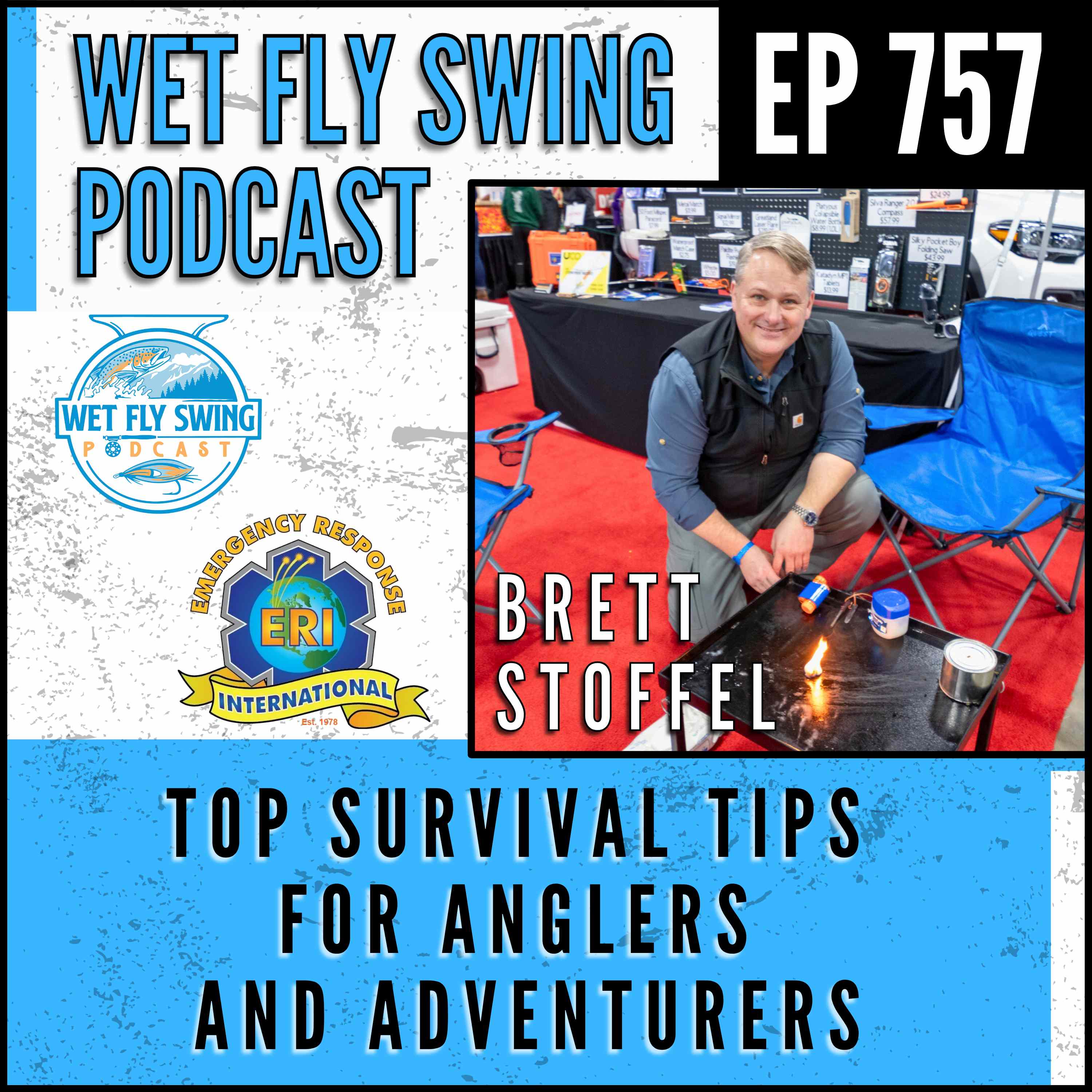
S11 Ep 757757 | Top Survival Tips for Anglers and Adventurers with Brett Stoffel of Outdoor Safe
#757 Show Notes: https://wetflyswing.com/757 Presented by: Mountain Waters Resort, Jackson Hole Fly Company, Yellowstone Teton Territory, Four Wheel Campers Sponsors: https://wetflyswing.com/sponsors What would you do if your wading boot slips, your ankle snaps, and you're stranded miles from help—in the cold, wet, and dark? In this episode, we bring on Brett Stoffel from OutdoorSafe.com, a survival expert with deep roots in military and search-and-rescue training. Brett breaks down the top survival tips for anglers, the three most important items to carry with you on every fishing trip, why most people get survival wrong, and how you can be prepared without packing your entire garage. If you've ever wondered whether that shiny space blanket actually works (spoiler: it probably doesn't), this episode is a must-listen. Show Notes: https://wetflyswing.com/757
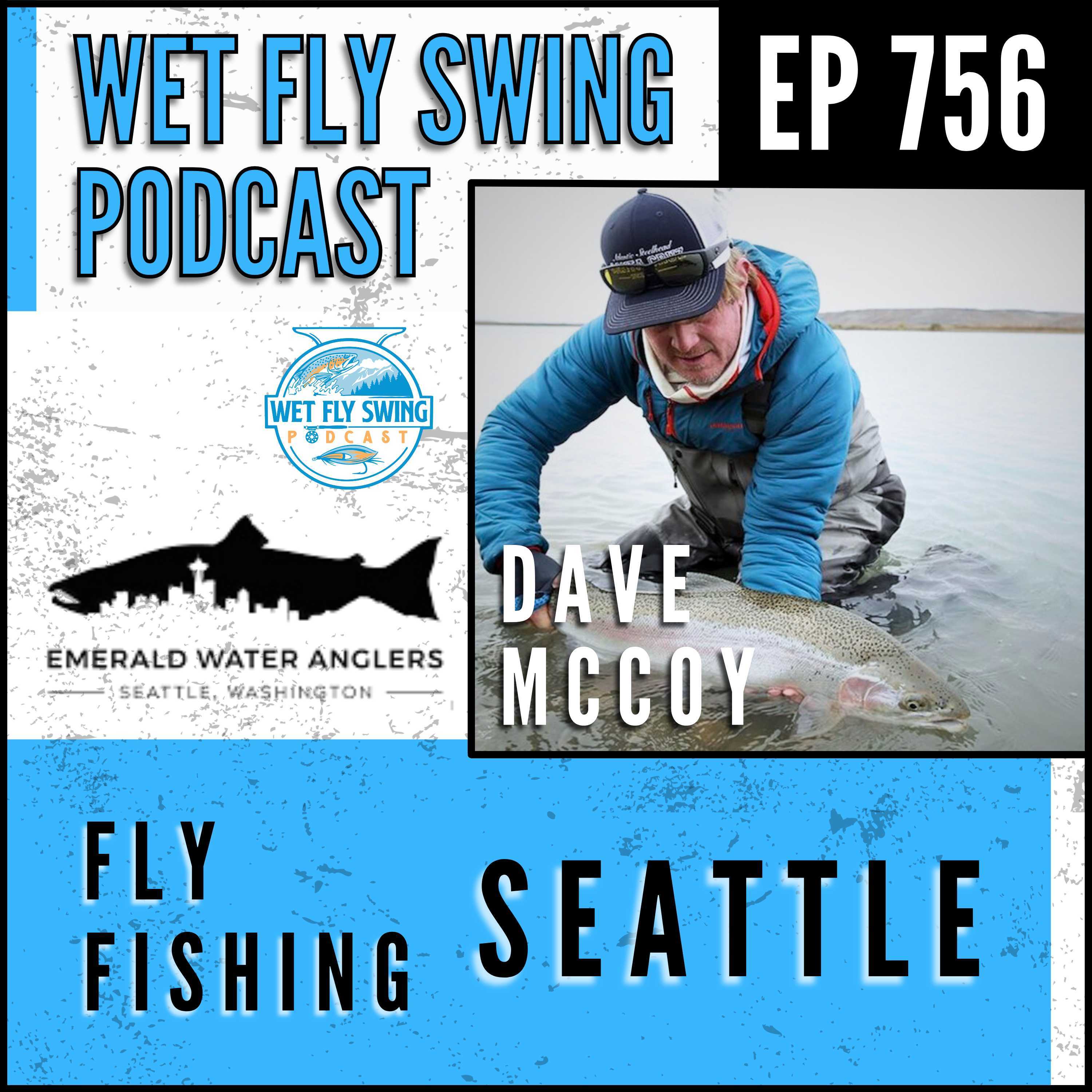
S11 Ep 756756 | Fly Fishing Seattle with Dave McCoy – Skagit Steelhead, Spey Casting, and Patagonia Conservation
#756 Show Notes: https://wetflyswing.com/756 Presented By: FishHound Expeditions, Fish The Fly, On DeMark Lodge, Mountain Waters Resort Sponsors: https://wetflyswing.com/sponsors Would you guide steelhead anglers through Washington's wild rivers, then hop on a flight to Gabon or French Polynesia to chase something completely different—all while pushing the fly fishing industry to care more and do better? Today we're joined by Dave McCoy, Patagonia Fly Fish ambassador and owner of Emerald Water Anglers. Dave breaks down the real state of steelhead conservation, the overlooked opportunities in warmwater fly fishing, and why swinging flies is more than a method—it's a mindset. He shares the story of helping launch Patagonia's Fly Fish social presence, his conversations with Yvon Chouinard, and why guiding should include deeper dialogue—yes, even about politics. You'll also hear about his global travel program, from sea-run cutthroat in Seattle to tarpon in rivers and bonefish in the Bahamas. Plus, Dave explains why your first fly fishing trip shouldn't always be for trout, how Patagonia is rethinking wader design, and how listening—really listening—might just save the sport. Show Notes: https://wetflyswing.com/756
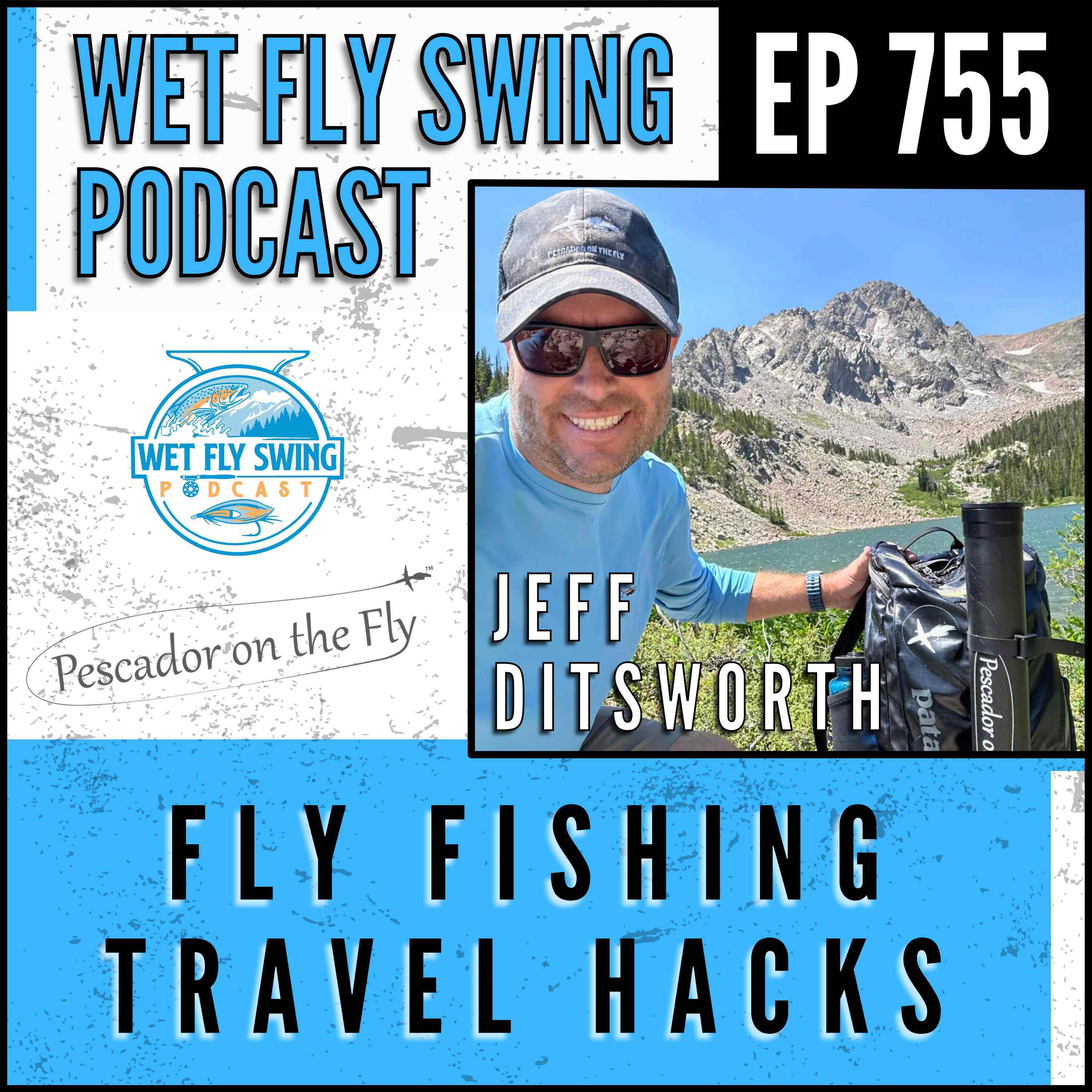
S11 Ep 755755 | Fly Fishing Travel Hacks with Jeff Ditsworth of Pescador on the Fly
#755 Show Notes: https://wetflyswing.com/755 Presented by: Pescador on the Fly If you've ever tried to sneak in a little fly fishing on a business trip or family vacation, this episode is for you. Jeff Ditsworth of Pescador on the Fly shares his fly fishing travel hacks from 25+ years of experience. We dive into how to pack light, avoid common gear mistakes, and make the most of those bonus fishing hours. Jeff also gives us the lowdown on his G6 packable rod and why he always brings at least two rods on every trip. Whether you're headed to Montana or Mexico, you'll walk away with simple tricks to fish more and stress less. Show Notes: https://wetflyswing.com/755

S11 Ep 754In the Bucket #17 | Down the Path with Will Rice, Jason Rolfe, and Travis Bader - Fly Fish Journal, Outdoor Safety
#754 Show Notes: https://wetflyswing.com/754 Presented By: Stonefly Nets, Smitty's Fly Box, TroutRoutes, On DeMark Lodge Sponsors: https://wetflyswing.com/sponsors In today's show, we're gonna be expanding our discussion topics beyond the traditional scope of In the Bucket. Since we started the show, we've spent a lot of time talking about space-specific ideas like casting improvement, gear selection, and what to do when a steelhead grabs your fly. In this episode, we've got Will Rice, Jason Rolfe, and Travis Bader joining us. These guys are journalists, outdoor educators, and travel experts. Surely we'll get into steelhead as we do, but today we talk about fly fishing, travel adventure in general, personal safety on the water, and dig into a fly fishing mystery or two. Let's get into it... Show Notes: https://wetflyswing.com/754

S11 Ep 753Littoral Zone #17 | History and Tying Techniques of Balanced Flies with Jerry McBride
#753 Show Notes: https://wetflyswing.com/753 Presented by: Four Wheel Campers, Smitty's Fly Box, Intrepid Camp Gear When Phil Rowley first came across a balanced leech nearly 20 years ago, he didn't expect it to become one of the most influential flies in his Stillwater arsenal. In this episode, Phil sits down with the guy who helped make it all happen—Jerry McBride. You'll hear how the balanced fly came to life, the gear that made it work, and why this style of fly has become a Stillwater staple. If you've ever fished a balanced fly under an indicator—or just wondered what the big deal is—this is the origin story you've been waiting for. Show Notes: https://wetflyswing.com/753
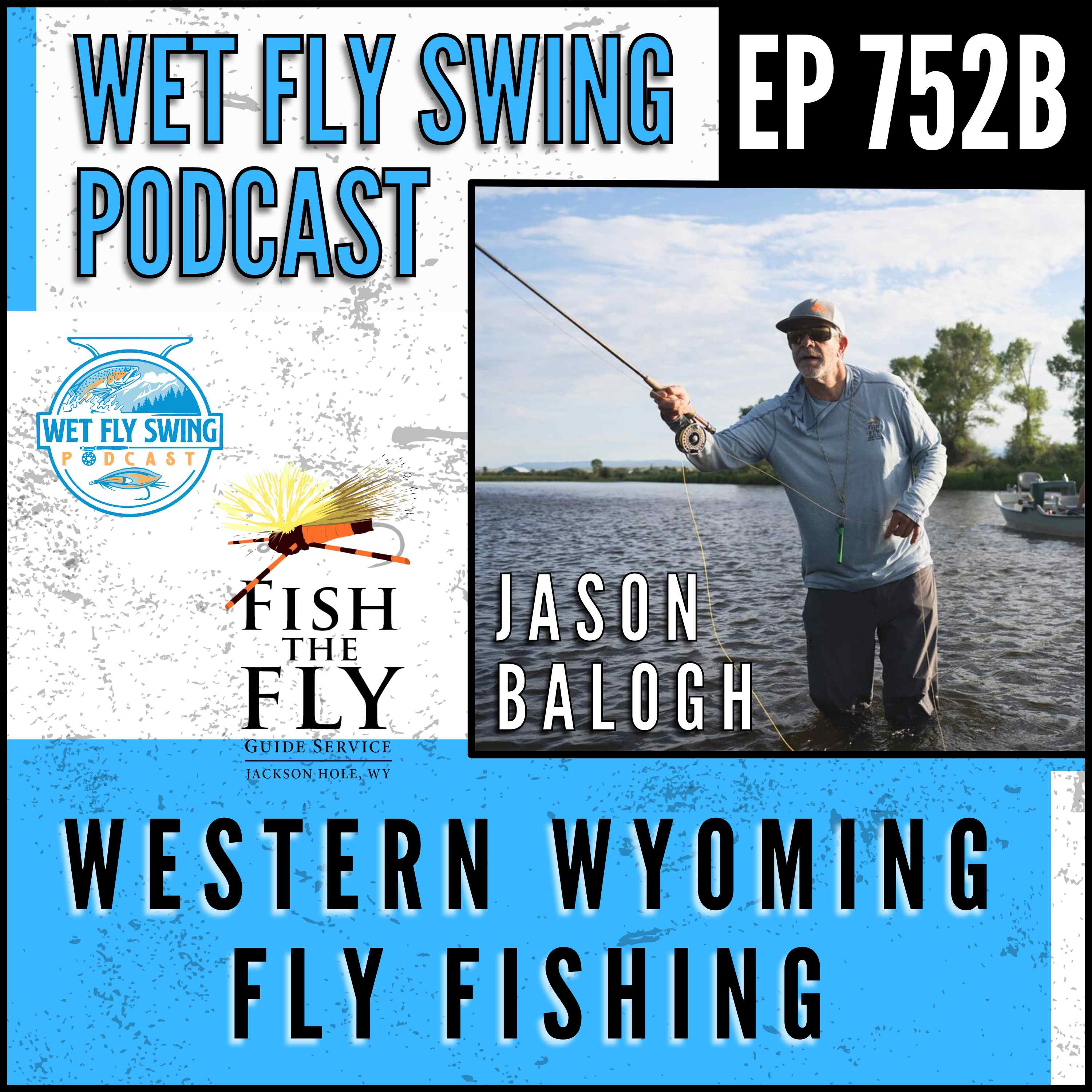
S11 Ep 752752B | Western Wyoming Fly Fishing with Jason "JB" Balogh of Fish the Fly
#752B Show Notes: https://wetflyswing.com/752B Presented by: Fish The Fly If you've ever wanted to escape the summer crowds and get into Western Wyoming fly fishing, this episode is for you. I sat down with Jason "JB" Balogh from Fish the Fly Guide Service in Jackson Hole, Wyoming. JB shares what it's like to hike into the high-country creeks around the Tetons to target cutthroat trout on dry flies. We talk about the gear, flies, techniques, and everything you need to know for a backcountry fly fishing adventure. Plus, JB walks us through some of the bigger water options like the Snake and Green Rivers, and even throws in a few local tips—like where to get the best waffle after a tram ride. Show Notes: https://wetflyswing.com/752B
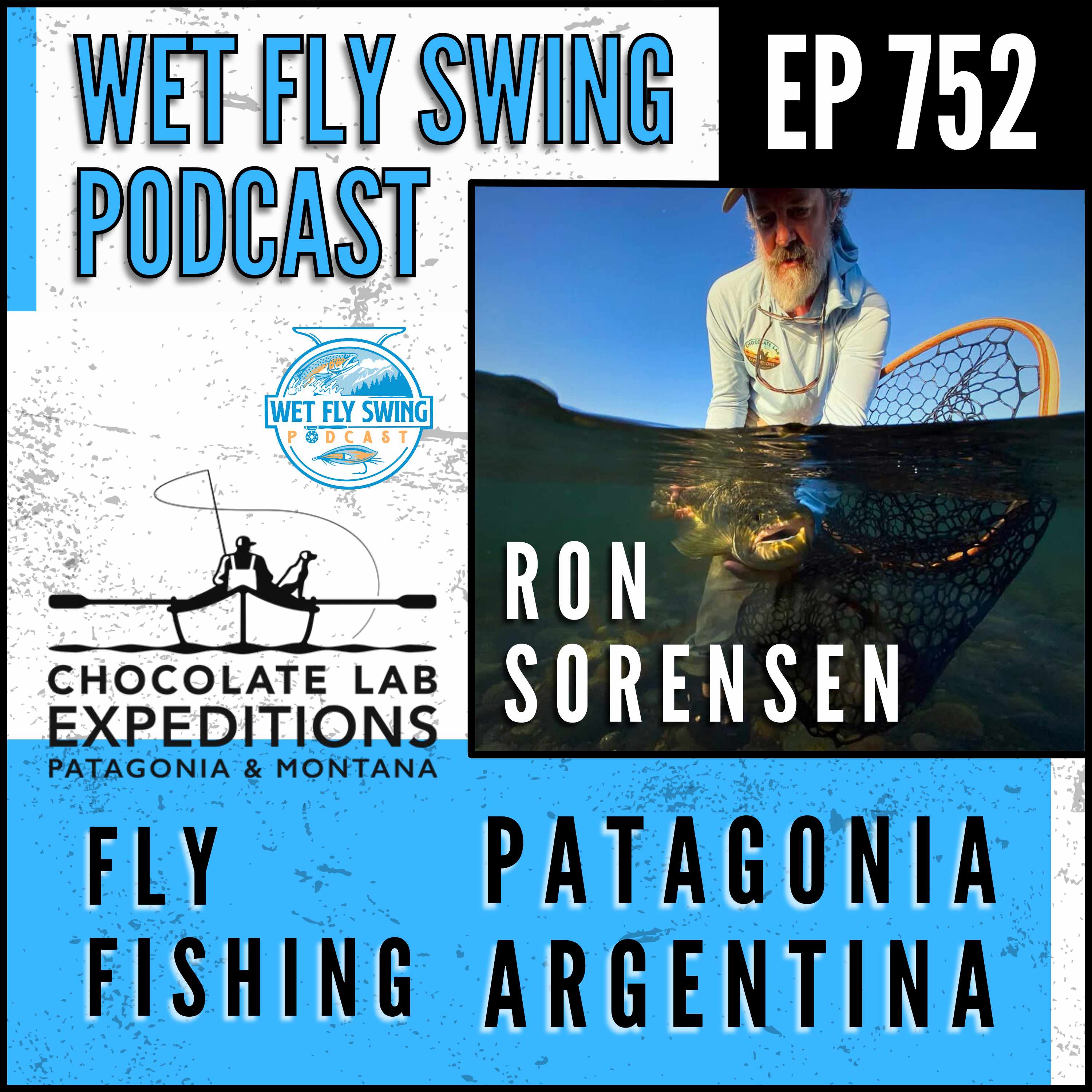
S11 Ep 752752 | Fly Fishing Patagonia Argentina with Ron Sorensen - Brown Trout, Limay River, Chocolate Lab Expeditions
Show Notes: https://wetflyswing.com/752 Presented By: Drifthook Fly Fishing, On DeMark Lodge, Mountain Waters Resort Sponsors: https://wetflyswing.com/sponsors What if the river rose, the wind calmed, and a 30-inch brown slid into view—would you be ready? Deep in the heart of Argentina's Patagonia, chances like this don't come often. Today, we're heading south to chase migratory browns in crystal-clear water and find out what it takes to hook up when it matters most. Ron Sorenson, owner of Chocolate Lab Expeditions, takes us inside the Limay River—where trout hit like steelhead, driftboats rule, and the hatches are still sacred. You'll hear when to go, how to fish it, and why this might just be the most dynamic trout river in the Southern Hemisphere. Show Notes: https://wetflyswing.com/752
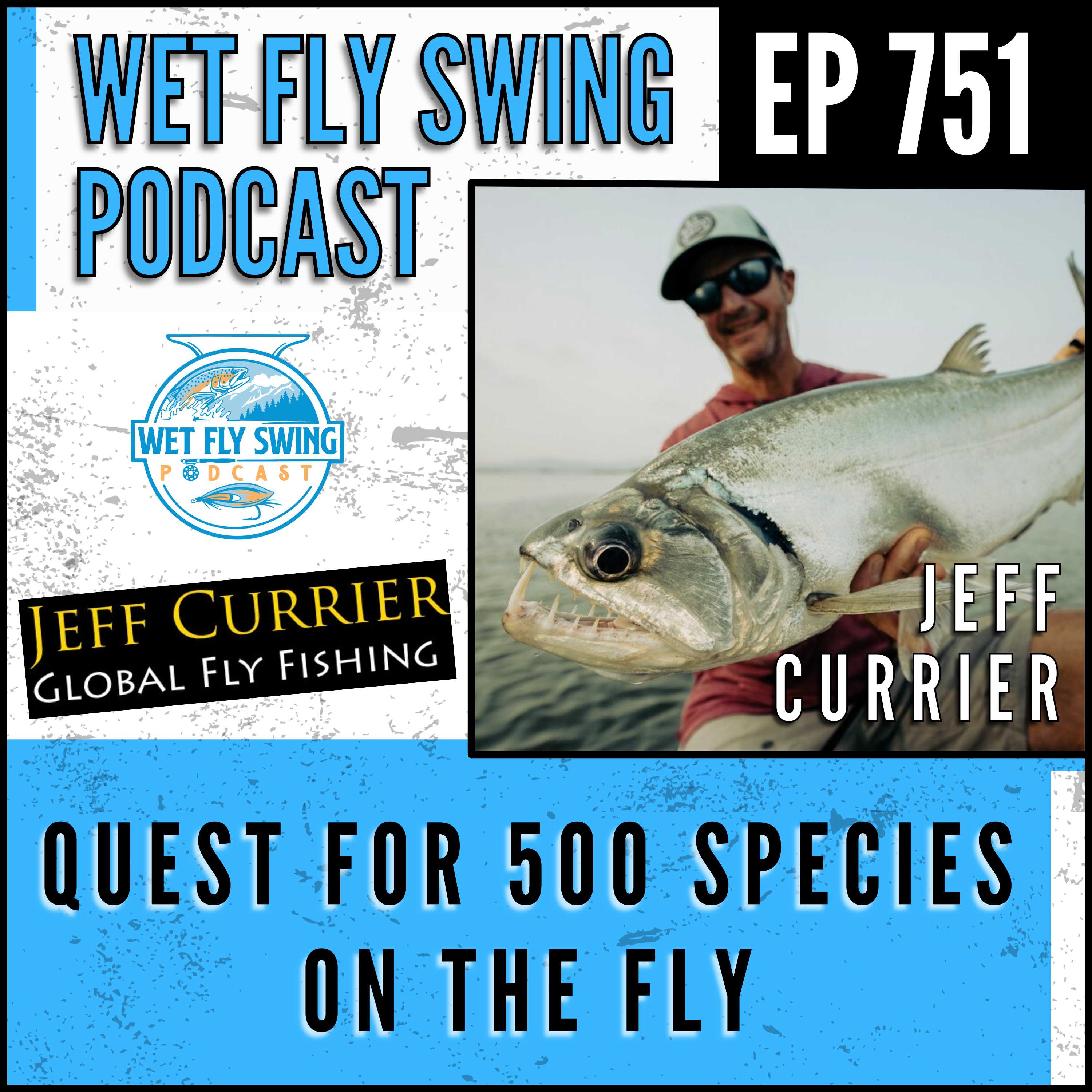
S11 Ep 751751 | Jeff Currier's Quest for 500 Species on the Fly
#751 Show Notes: https://wetflyswing.com/751 Presented by: On DeMark Lodge, Togiak River Lodge Sponsors: https://wetflyswing.com/sponsors In this episode, we're joined once again by one of the most well-traveled fly anglers in the world — Jeff Currier. Jeff has now caught over 480 species on the fly, and he's still going strong with his goal of hitting 500. From the Amazon to Africa, Australia to the Himalayas, Jeff shares some of his favorite fishing destinations, species stories, and a few close calls along the way. If you've ever dreamed of planning a global fly fishing trip, this episode is packed with tips and inspiration to get you started. Show Notes: https://wetflyswing.com/751
S11 Ep 750CJ's Reel Southern Podcast #2 | Musky Fishing the Northwoods with Chris Willen
#750 Show Notes: https://wetflyswing.com/750 Today on CJ's Reel Southern Podcast, we're going musky fishing in the Northwoods with guide Chris Willen. Chris breaks down how early-season smallmouth keep things interesting before musky season kicks off, and why northern muskies play a totally different game than their southern counterparts. We're talking fly patterns that move big fish, the water conditions that make or break a day, and the one thing you have to get right before your next shot at a musky. Or risk blowing your shot at a fish of a lifetime. Don't miss this one—especially if musky's on your hit list this season. Show Notes: https://wetflyswing.com/750
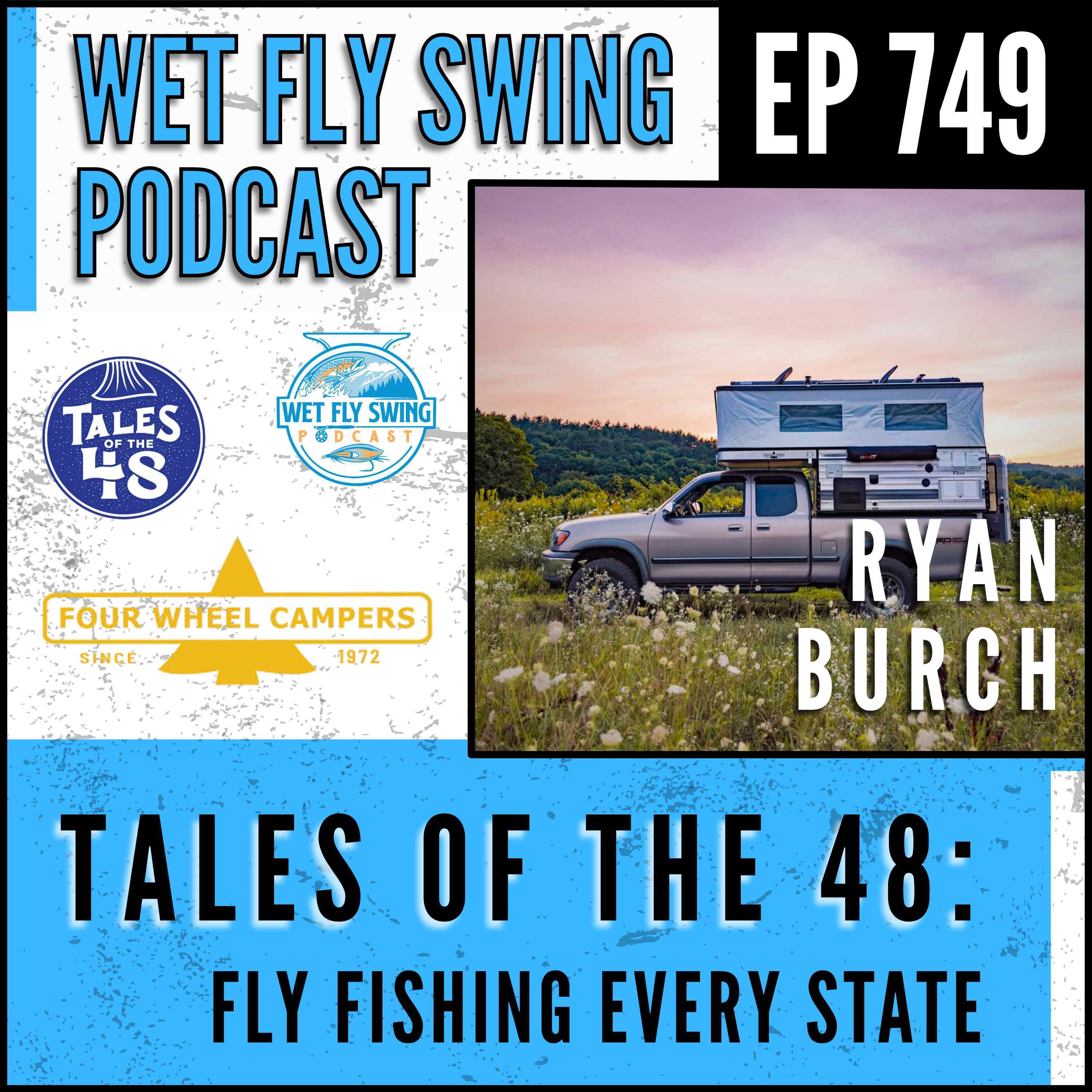
S11 Ep 749749 | Tales of the 48: Fly Fishing Every State with Ryan Burch - Four Wheel Campers
# 749 Show Notes: https://wetflyswing.com/749 Presented By: Four Wheel Campers Today, we catch up with Ryan Burch, high school pottery teacher by day, and adventurer behind Tales of the 48 by summer. Ryan is gearing up for the ultimate fly fishing road trip in his fully loaded Four Wheel Camper. He's aiming to connect with fish, places, and people across the country—starting this summer with the eastern U.S. You'll hear how Ryan is making this dream happen with help from Orvis, Four Wheel Campers, and a camera crew that includes his little sister and his dog. He shares his travel and packing tips, how he's organizing life on the road, and what it means to balance ambition with simplicity. From Florida Keys permit dreams to noodling catfish in the South—this episode is packed with the kind of stories that inspire you to get out and explore your own backyard. # 749 Show Notes: https://wetflyswing.com/749

S11 Ep 748748 | Top 7 Alaska Fish Species to Target with Marcus Weiner of Fish Alaska Magazine
#748 Show Notes: https://wetflyswing.com/748 Presented by: Mountain Waters Resort, Togiak River Lodge Sponsors: https://wetflyswing.com/sponsors What does it take to build the top fishing magazine in Alaska—and still find time to chase 30-inch rainbows and 250-pound salmon sharks? In this episode, we sit down with Marcus Weiner, founder of Fish Alaska Magazine, to explore his favorite Alaska fish species, epic float trips, and the evolution of fly fishing culture in the Last Frontier. From top fishing tips for sockeye and dollies to behind-the-scenes stories about moose hunting and conservation, Marcus shares 23+ years of hard-earned wisdom from the rivers, mountains, and saltwater of Alaska. Show Notes: https://wetflyswing.com/748
S11 Ep 747747 | Swinging Flies for Atlantic Salmon with Rod Brophy of Mountain Waters Resort
#747 Show Notes: https://wetflyswing.com/747 Presented By: Mountain Waters Resort Swinging flies for Atlantic salmon in an area made famous by Lee Wulff? Our guest today has been doing just that for over 50 years. Rod Brophy, Master Guide at Mountain Waters Resort, breaks down his favorite surface techniques—including bombers, the Portland Hitch, and the classic riffle hitch. You'll hear how he rigs his leader, what flies he uses year-round, and what it was like growing up in one of the most iconic salmon fisheries in the world. If you're ready to step into Atlantic salmon territory and experience the thrill of the surface take, Rod's your guide. Show Notes: https://wetflyswing.com/747
S11 Ep 746746 | Hatch Adventure Travel with Chris Hunt - Missouri River Trip, On Demark Lodge, Fly Fishing Destinations
#746 Show Notes: https://wetflyswing.com/746 Presented By: On DeMark Lodge, Intrepid Camp Gear Would you board a 9-hour flight to catch trout in Patagonia or brave a three-hour mule ride into a river camp in Chile—all for the chance to fish water most people will never see? Today we're joined by Chris Hunt, longtime fly fishing writer and co-founder of Hatch Adventure Travel. Chris shares what it takes to plan bucket-list fly fishing trips around the world, from the Missouri River and Idaho's backcountry to Cuba, Argentina, and British Columbia. We'll get his best travel hacks, hear how Hatch Travel started in the middle of a global shutdown, and why he says nobody should pack three rods to the Yukon. You'll also hear stories from one of the most underappreciated fly-out lodges in North America, his favorite Bloody Mary airports, and the night the Northern Lights danced above Muncho Lake. Plus, Chris shares how Hatch offsets 150% of their clients' carbon emissions and why it's time to fish smarter, travel lighter, and still go big. Sponsors: https://wetflyswing.com/sponsors
S11 Ep 745745 | Fly Fishing Films with RA Beattie of Off the Grid Studios
#745 Show Notes: https://wetflyswing.com/745 Presented By: Jackson Hole Fly Company, On DeMark Lodge The Fly Fishing Film Tour started with a small group of anglers looking for something fresh. Today, these films are part of a new wave of storytelling in fly fishing. Our guest, RA Beattie, has been there since the beginning. In this episode, RA shares his journey and highlights from his films, including The Silent Spotter, a story about a deaf guide. We also dive into his connection with Clyde the Car and how he stays motivated despite changes in the industry. Plus, we'll learn how he built a company making sustainable wood for guitars. Show Notes: https://wetflyswing.com/745
S11 Ep 744744 | Jack Dennis Fly Fishing - Lee Wulff, One Fly, Team USA
#744 Show Notes: https://wetflyswing.com/744 Presented by: Grand Teton Fly Fishing, Yellowstone Teton Territory, Togiak River Lodge Sponsors: https://wetflyswing.com/sponsors We sit down with the legendary Jack Dennis—author, guide, fly tier, and storyteller with a legacy stretching back over 50 years in the fly fishing world. From founding Team USA and the Jackson Hole One Fly to filming iconic episodes with Curt Gowdy and hanging with Ted Williams, Jack shares some of the most memorable moments in the history of the sport. We talk about the making of his Western Trout Fly Tying Manual, his friendships with Lee Wulff and Joan Wulff, and the rise and shift of fly fishing culture over the decades. Show Notes: https://wetflyswing.com/744

S11 Ep 743Traveled #27 | Josh Miller – Euro Nymphing Tips and Tactics, Team USA Fly Fishing
bonus#743B Show Notes: https://wetflyswing.com/743B Presented By: Yellowstone Teton Territory Today's guest is Josh Miller, a Pennsylvania-based guide and coach for Team USA's Youth Fly Fishing Team. He's helped shape some of the best young anglers in the world, and in this conversation, he's sharing his roadmap for preparing for new water, making smarter decisions on the river, and understanding the nuances of fly presentation. Whether you're prepping for a new fishing destination or just want to up your game, Josh has plenty of insights to share. Show Notes: https://wetflyswing.com/743B
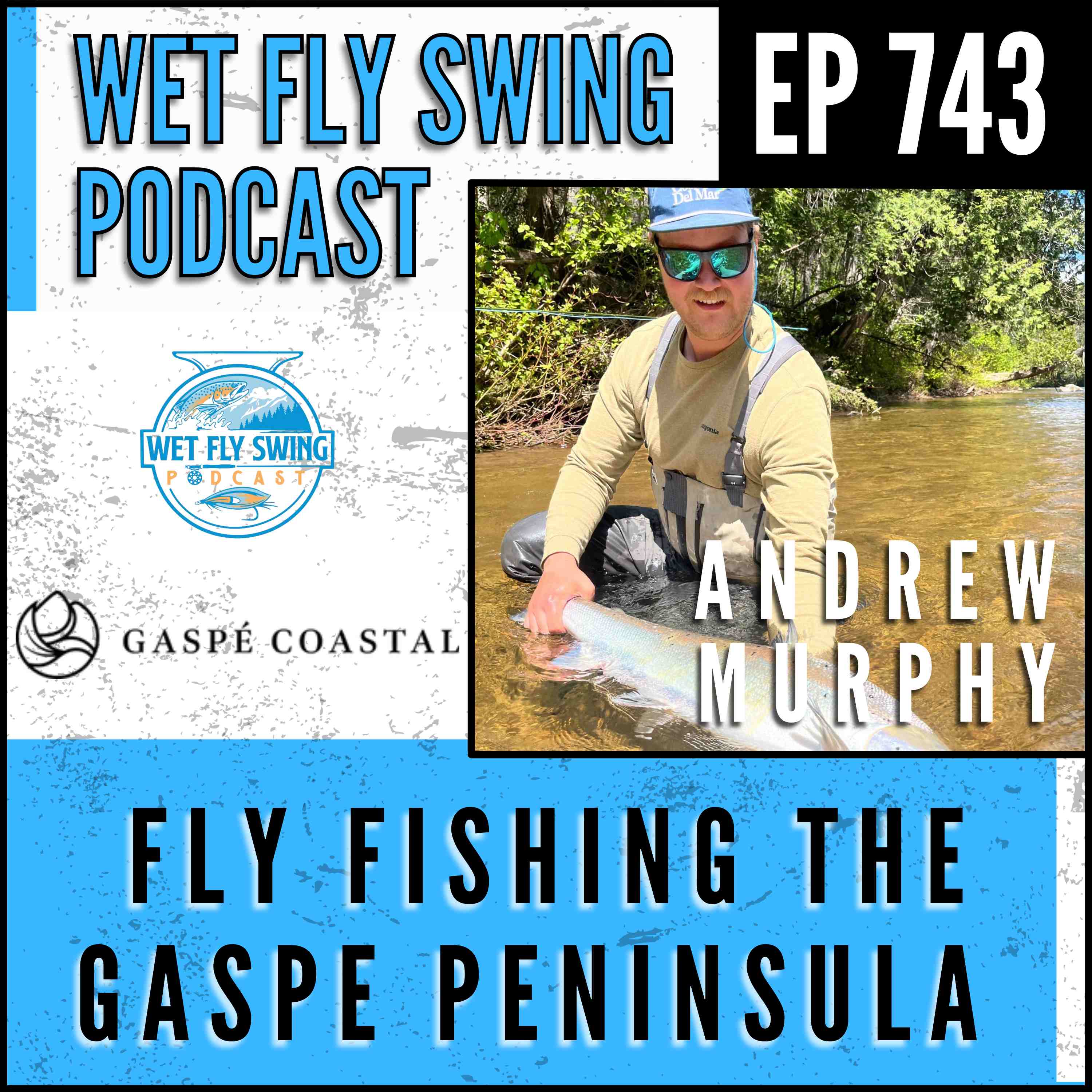
S11 Ep 743743 | Fly Fishing the Gaspé Peninsula with Andrew Murphy - Atlantic Salmon, Stripers, Sea-Run Brook Trout
#743 Show Notes: https://wetflyswing.com/743 Presented By: Fish The Fly, FishHound Expeditions, Yellowstone Teton Territory, Jackson Hole Fly Company We've had episodes on fly fishing the Gaspé Peninsula before: the famous rivers, active Atlantic salmon to the surface, and why it's a fantastic destination. But today, we're diving even deeper. Andrew Murphy, longtime guide and now lodge owner at Gaspé Coastal, takes us into his home waters and shows us how diverse the fishery really is. You'll learn how to fish for salmon, stripers, and even sea-run brook trout, all on the same trip. By the end of this one, you'll have the knowledge, and probably the itch, to book your Gaspé adventure. Let's go! Show Notes: https://wetflyswing.com/743

S11 Ep 742742 | Saving the Big Hole River with Brian Wheeler: Trout Declines, Water Quality & Conservation Efforts
#742 Show Notes: https://wetflyswing.com/742 Presented by: On DeMark Lodge In this episode, we're headed to one of Montana's most iconic rivers — the Big Hole River. Known as one of the last strongholds for Arctic grayling and a key tributary of the Missouri River, the Big Hole is facing some serious challenges. Brian Wheeler, Executive Director of the Big Hole River Foundation, joins us to talk about declining trout populations, water quality concerns, and what's being done to turn things around. Brian breaks down the science behind their five-year water quality monitoring project, explains how nutrient pollution and dissolved oxygen levels are impacting the river, and shares why honest, transparent data is key to protecting this watershed for future generations. We also get a peek into Brian's adventures guiding on the Big Hole and running rivers like the Grand Canyon and the Middle Fork of the Salmon. Show Notes: https://wetflyswing.com/742

S11 Ep 741741 | Missouri River Fly Fishing at On Demark Lodge with Craig, Becky, and Warren DeMark
#741 Show Notes: https://wetflyswing.com/741 Presented By: On DeMark Lodge If you're dreaming about a fall trip to Montana to chase trophy trout under the big sky, this episode is for you. We're heading to the Missouri River with the DeMark family—Craig, Becky, and Warren—from On DeMark Lodge. They're sharing what makes their small, family-run lodge near Craig, MT, one of the most dialed-in operations on the Missouri River. You'll hear exactly what to expect in October—from long dry fly drifts over rising pods to aggressive streamer eats in shallow water. We get their full strategy for fishing fall hatches like blue-winged olives, mahogany duns, and october caddis, plus the best nymph and streamer rigs to run in cooler water. And they're breaking down the dry fly presentation mistakes most anglers make—and how to fix them. From home-cooked meals and campfire stories to chasing wild browns and rainbows on one of the most consistent rivers in the country, this episode has it all. Show Notes: https://wetflyswing.com/741

S11 Ep 740740 | Fly Fishing the Northern Rockies with Phil Rowley, Daniel Schildknecht, & Lance Egan
#740 Show Notes: https://wetflyswing.com/740 Presented by: Northern Rockies Adventures In this episode, we dive into the remote and wild fishing experiences offered by Northern Rockies Adventures with Daniel Schildknecht, Phil Rowley, and Lance Egan. From chasing Northern Pike, Lake Trout, and Grayling to navigating untouched rivers by float plane, this trip had it all. Plus, we get an inside look at an upcoming hosted trip that might be your next dream adventure. Strap in for big fish, wild landscapes, and some unforgettable moments on the Wet Fly Swing Podcast! Episode Chapters with Phil, Daniel, and Lance on Northern Rockies Whitefish, Grayling, and the Predator-Prey Game The lakes and rivers of the Northern Rockies are home to a mix of fish, each playing a role in the ecosystem. While whitefish and grayling might not be top targets for every angler, they tell an important story about these waters. Key Takeaways: - Whitefish = Healthy Water – Mountain whitefish are a sign of clean, untouched rivers. If they're thriving, so is the fishery. - Grayling on Dry Flies – These fish love rising to dries but don't always have the best aim. Be ready for multiple takes! - Whitefish = Food Source – Big rainbows, bull trout, and lake trout feast on whitefish. Schools of them hugging the bank means predators are nearby. Some of the best fishing moments happen when you're not just casting but observing. In these remote waters, every fish has a role, and understanding them can make you a better angler. Crystal Clear Lakes and a Short but Intense Fishing Season The lakes of the Northern Rockies aren't like most others. They are deep, clear, and packed with life. With diverse landscapes and rich water quality, these lakes create the perfect habitat for big, healthy fish. What Makes These Lakes Special? - Ultra-clear water – No murky lakes here, just pristine, see-through waters. - Rich food sources – Scuds (freshwater shrimp), snails, and chironomids fuel big trout. - Diverse habitats – From deep, rocky basins to shallow, weedy shoals, every lake is different. The fishing season here is short but intense. If you're after prime stillwater action, aim for June to September. For big pike, cooler water in June or late August is best. And if dry flies are your thing, mid-July to mid-August is peak time. Chasing Lake Trout: Timing, Depth, and Surprise Encounters Lake trout can be tricky on the fly, but with the right approach, they're not impossible. These fish love cold, oxygen-rich water, so they move deep when temperatures rise. But sometimes, they show up in the last place you'd expect. Flying into the Wild: The Ultimate Fishing Access Getting to Northern Rockies Adventures isn't just a journey—it's part of the experience. Float planes take anglers deep into untouched waters, where the only crowds are schools of hungry fish. The Bush Planes That Get You There - Caravan – A "rocket ship on floats," built for speed and comfort. - Turbo Otter – A powerhouse that carries up to nine anglers in style. - King Air 300 – The luxury ride from Vancouver, flying right over the Rockies. Every flight brings jaw-dropping views, from rugged peaks to remote lakes. And with bubble windows, you're never missing a moment. No crowded boats, no long drives—just you, a plane, and the adventure ahead. Phil and Tim Flagler are teaming up for a special hosted trip at Northern Rockies Adventures from August 10–17, 2025. This trip offers a mix of stillwater and river fishing, with access to some of the wildest and most untouched fisheries in North America. What to Expect - Four flyouts to remote waters, targeting multiple species. - Guided and hosted fishing with Phil, Tim, and the Northern Rockies team. - Pre-trip Zoom sessions to go over logistics, gear, and flies. - Lodge accommodations with incredible food and views. If you're interested in joining the trip, email Daniel or Phil at [email protected] or [email protected] or visit flycraftangling.com. Exploring the Northern Rockies by Float Plane Lance Egan spent an unforgettable week at Northern Rockies Adventures, fishing six out of seven days and staying at the lodge right off the Alaska Highway. The experience combined world-class fishing, comfortable accommodations, and breathtaking views. Lance landed rainbows, bull trout, grayling, northern pike, and lake trout while exploring the remote waters. With 132 million hectares of wilderness and 80+ fishing locations, the possibilities were endless. Even after a week, it felt like they had only scratched the surface. One of the biggest highlights? Flying in a float plane over untouched rivers and hidden lakes, picking the perfect spot to fish. With so many unexplored waters, it's an angler's paradise waiting to be discovered. A Fly Fishing Playground: Dry Flies, Streamers, and Bull Trout Lance mixed it up on this trip, fishing dry flies, streamers, and even topwater poppers. While dry fly fishing was his go-to, he also found success stripping s

S11 Ep 739In the Bucket #16 | Sandy River Spey Clave with George Cook, Mia Sheppard, and Josh Linn
EShow Notes: https://wetflyswing.com/ Presented By: Heated Core, Four Wheel Campers, Fish The Fly, TroutRoutes Sponsors: https://wetflyswing.com/sponsors In today's episode of In the Bucket podcast, we're joined by George Cook, Josh Linn, and Mia Sheppard. This is an all-star cast with considerable influence in the fly fishing industry, and together, they have contributed greatly to the way we fish today. Their combined experience includes many years of guiding fly shops, sales tackle, repping techniques, equipment development, casting instruction, event promotion, and winning three Spey-O-Rama titles. We also dig into the upcoming Sandy River Spey Clave in mid-May, one of the most awaited events for spey-casters. We hear how it became the "Woodstock of Spey," drawing anglers from around the world. Show Notes: https://wetflyswing.com/

S11 Ep 738738 | Jim Teeny on Sinking Fly Lines - Spotting Fish, Teeny Nymph, Legendary Catches
#738 Show Notes: https://wetflyswing.com/738 Presented By: Grand Teton Fly Fishing, Four Wheel Campers, On DeMark Lodge Do you fish with sinking fly lines? You can likely thank our podcast guest for the fly line you use today. Jim Teeny is back on the show to dive into the legacy of Teeny Fly Lines. Hear the story behind his revolutionary sinking lines and the game-changing techniques that shook up the fly fishing world (some even a little controversial), from his "I spot 'em, I got 'em" approach to throwing rocks at fish. We'll also get into his top steelhead tips, the crazy story behind his last-cast permit with Bruce Chard, and what it was like battling a 250-pound tarpon for four hours. Show Notes: https://wetflyswing.com/738

S11 Ep 737737 | Fly Fishing the Gunnison with John Radle – Bauer Fly Reels, Salmonfly Hatch, Black Canyon
#737 Show Notes: https://wetflyswing.com/737 Presented By: Togiak River Lodge, Yellowstone Teton Territory, On DeMark Lodge, Pescador on the Fly Sponsors: https://wetflyswing.com/sponsors What if your next fly fishing trip required hiking your gear a mile into a canyon, floating through whitewater, and casting big bugs at canyon walls? Would you do it for a shot at dry fly takes? Today, we're heading deep into the Gunnison Gorge Wilderness with John Radle, former guide and now general manager at Bauer Reels. John shares what it takes to run this iconic stretch of water during the famous salmonfly hatch, how to scout for trout by looking at water splashes on canyon walls, and what makes the Gunnison rainbow so unique. We'll also break down reel design from a guy who worked where Porsche engineering meets fly fishing, the difference between sealed and open drag systems, and why balance matters more than you think when picking the right reel for your rod. Plus, John shares his favorite drift boats, tips for surviving the desert heat, and what makes Simms gear a standout in fly fishing. Show Notes: https://wetflyswing.com/737

S11 Ep 736CJ's Reel Southern Podcast #1 | Chad Johnson and Alex Lafkas - Streamers from Michigan to Arkansas
#736 Show Notes: https://wetflyswing.com/736 Sponsors: https://wetflyswing.com/sponsors Welcome to the very first episode of CJ's Reel Southern Podcast! This podcast is all about one thing—trophy fishing. Whether it's brown trout, smallmouth, stripers, or even musky, we're diving deep into the tactics, flies, and mindset it takes to target big fish. To kick things off, Chad Johnson is joined by Alex Lafkas from Michigan—a longtime streamer junkie and one of the fishiest guys I know. They swap stories about their early days figuring out the White River, compare notes on streamer retrieves, fly patterns, and how to read fish behavior. Plus, you'll hear a quick monthly update from Morgan Guss of Diamond State Fly Shop on what to look for in the Ozarks this time of year. If you love chasing big fish and geeking out on gear and techniques, you're in the right place. Let's get into it. Episode Chapters with Chad Johnson and Alex Lafkas on Streamers from Michigan to Arkansas Fishing the Ozarks: March Update with Morgan Guss March is a big transition month for fishing in the Ozarks. Water levels fluctuate, bringing both challenges and opportunities. Streamer fishing can be hot, especially near the dam during shad kills. Minnow patterns remain a solid bet throughout the river. On the lakes, stripers, largemouth, and crappie start moving as the water warms. Whether you're fishing the rivers or the reservoirs, now's the time to get out and find some big fish. Streamer fishing for big browns has deep roots in Michigan, but it has evolved in places like Arkansas' White River. Alex Lafkas shares how adapting to different water conditions is key. In Michigan, extreme seasonal shifts change fish behavior, while Arkansas' tailwaters stay within a smaller temperature range. This means retrieves, fly selection, and feeding patterns vary between the two regions. Timing also plays a huge role—understanding when and where the biggest fish move makes all the difference. Whether you're chasing trophy trout up north or in the Ozarks, learning how to read the water is the secret to success. Feeding vs. Aggression: Understanding the Brown Trout Bite When streamer fishing for big browns, knowing the difference between a feeding bite and an aggression bite is key. Smaller flies, like sculpins and minnow patterns, work best when fish are actively feeding. But when targeting trophy fish, upsizing to seven or eight-inch streamers can trigger an aggressive reaction. These big fish aren't always hungry, but they will strike to defend their territory. In Michigan and Arkansas, seasonal changes and water conditions affect how trout react. During winter and early spring, minnows and sculpins are prime food sources. As water warms, trout shift to eating crayfish and hoppers. Understanding these seasonal patterns helps anglers choose the right fly and increase their chances of hooking a trophy brown. The Power of Water Temperature in Fly Fishing Water temperature affects more than just whether fish are active—it helps determine what they eat. Instead of just thinking about if it's too hot or too cold to fish, anglers should use temperature to decide on fly selection and approach. Cold Water (Winter & Early Spring): Minnow and sculpin patterns work best. Warming Water (Late Spring & Summer): Trout key in on crayfish and larger prey. 50-Degree Sweet Spot: Brown trout tend to jump more when water hits 50°F. The Power of the Pause in Streamer Fishing When fishing streamers for big brown trout, knowing when to pause can make all the difference. Brown trout naturally feed in the drift, meaning they often strike when the fly stops moving. If you don't give them that chance, you're missing fish. A long pause lets the fly hang in the water, making it look like an easy meal. Fast retrieves can work in shallow water but should still include pauses. A trout that follows five feet behind the fly isn't likely to eat—focus on the ones that charge in. The key takeaway? Don't overwork the fly. If a fish is committed, let it eat! Reading the Fish: How Body Language Can Make or Break Your Catch One of the biggest mistakes anglers make is focusing too much on their fly and not enough on the fish. Trout will tell you what they want if you pay attention. A fish that follows but doesn't eat may need a different angle, speed, or presentation. Instead of just changing flies, try adjusting your retrieve or adding weight. Watch their behavior – If a trout is tracking your fly but hesitates, try a head-first approach. Use the right depth – Fish will rarely rise far to eat, but they will crush a fly that drifts naturally into their zone. Stick with what's working – If one color or pattern has been producing, keep it in the mix, even when the bite slows. Big fish aren't just about luck—they're about reading the water, adjusting, and making the right move at the right time. Chasing the Bite: Why Big Fish and Tough Days Are Worth It Streamer fishing isn't about numbers—it's ab
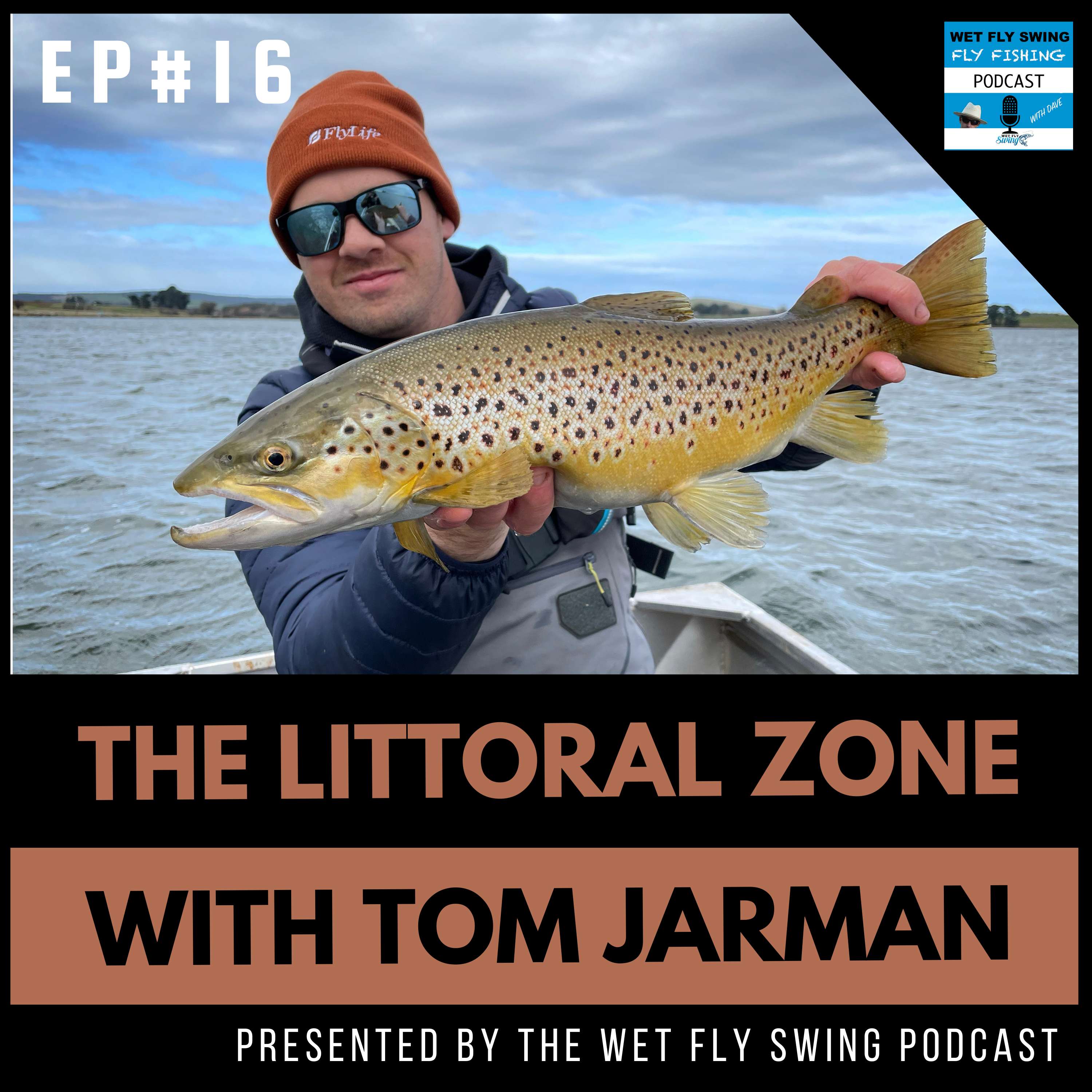
S11 Ep 735Littoral Zone #16 | Fly Fishing Australian Lakes and Beyond with Tom Jarman
Phil #735 Show Notes: https://wetflyswing.com/735 Presented By: Four Wheel Campers, Pescador on the Fly, Yellowstone Teton Territory In this episode of The Littoral Zone with Phil Rowley, Tom Jarman, a top competitive fly angler and winner of the 2024 Australian Fly Fishing Championships, breaks down his best strategies, tactics, and flies for fishing Australian lakes and beyond. Episode Chapters with Tom Jarman on Fly Fishing Australian Lakes Tom was born in Melbourne, Australia, but he spent part of his childhood in England, where he first picked up a fishing rod. When his family returned to Australia in 2000, his passion for the sport grew and he got into competitive fly fishing at 15. He later studied environmental science, while spending summers guiding in Tasmania. Now at 31, Tom has built a life around fly fishing—guiding, coaching, and sharing his knowledge with others. Tom started his YouTube channel to showcase the incredible fishing in Victoria. His videos highlight both river and lake fishing. Tom also designed a range of flies with FlyLife Magazine, built specifically for Australia's unique fisheries. The Shrek Fly Tom and Phil dive into the effectiveness of the Shrek fly. Designed by Joe Riley, this fly stands out with its metallic green and gold hues, mimicking Australia's native baitfish. It's so effective that even anglers from the U.S. have adapted it for their own waters. Check out Tom's video tutorial on How To Tie Shrek and see why this fly is a must-have in your box: https://youtu.be/wsoHmpErZMI?si=vNAEzwNVU4UgLdjT Key Tips from Competition Fishing 17:38 - Tom shares what he's learned from competitions that every angler can use: Structure your day to maximize your chances of success. Location is key. Fish aren't everywhere, so focus on finding them. Cover water fast. In a boat, you'd move quickly to locate fish. Apply this same mindset on the bank. Fish key spots. Target windward shores, calm areas, drop-offs, weed beds, and rocky structures. Don't get stuck in one place too long, especially if the fish aren't biting. Gear Tips for Stillwater Fishing Rod Tom swears by a 10-foot rod for Stillwater fishing. It gives him better casting control, helps manage flies near the boat, and allows for longer leaders. Here's what he prefers: 10 ft 6 wt – Tom's all-around choice. 10 ft 7wt – Great for streamers and windy conditions. 10ft 8wt – Helps cast farther in competitions. Tom also likes stiffer rods in windy conditions for quicker hook sets. A strong rod means better control, especially when fish push farther out. Leader Tom keeps things simple when fishing subsurface. Instead of a tapered leader, he uses a level fluorocarbon leader for better contact with his flies. He also uses a beaded fly at the end to help the cast turn over, even in the wind. When fishing dry flies, he switches to a tapered leader to transfer energy smoothly. He trims off the extra thick butt section and the non-tapered tip, then adds a tippet ring before tying on his tippet. Show Notes: https://wetflyswing.com/735

S11 Ep 734734 | The Bycatch Crisis with Adam Cuthriell: How Trawlers are Killing Alaska's Wild Salmon
#734 Show Notes: https://wetflyswing.com/734 Presented by: FishHound Expeditions Did you know that large-scale trawling is wiping out Alaska's wild salmon, halibut, and other key species? In this episode, we talk with Adam Cuthriell of Fishhound Expeditions about the bycatch crisis—where thousands of fish are caught and discarded every year. Adam breaks down how trawlers operate, the impact on fisheries, and what we can do to fight back. From signing petitions to making smarter seafood choices, we all have a role to play. Tune in to learn how you can help protect Alaska's fish and fishing communities. Episode Chapters with Adam Cuthriell on The Bycatch Crisis The Fight Against Bycatch: What You Need to Know Alaska's fish populations are under serious threat, and commercial trawlers are a big part of the problem. Adam Cuthriell breaks down the devastating impact of trawling, where massive ships drag enormous nets, destroying everything in their path. The biggest target? Pollock—the fish found in fast food sandwiches and fish sticks. But the real cost is the destruction of salmon, halibut, and other species, which is hitting indigenous Alaskan communities the hardest. How You Can Help: Sign the petition at SalmonState.org/bycatch. Contact your local congressperson. Testify through North Pacific Fishery Management Council (NPFMC). The Devastating Impact of Bycatch in Alaska Adam shares shocking numbers—tens of thousands of Chinook and chum salmon, millions of pounds of halibut, and even orcas are being caught, killed, and tossed overboard. Meanwhile, indigenous communities and small businesses that rely on these fish are suffering. What's at Stake? Indigenous Communities – Many rely on salmon for food, but fishing bans leave them with nothing. Small Businesses – Fishing lodges and guide services are shutting down due to dwindling fish populations. Alaska's Economy – 93% of revenue from trawling doesn't even stay in the state. Sustainable Seafood Choices: How You Can Help Alaska's Fisheries Trawling is devastating Alaska's fish populations, but there are better ways to harvest seafood. Adam shares how other sustainable methods could help—but big corporations aren't making the switch. Why? Because trawling is the cheapest way to fill freezers with fish sticks and imitation crab. How You Can Take Action: Skip the Fish Sticks – Many frozen fish products come from unsustainable trawling. Avoid Imitation Crab – Most fake crab in sushi is made from trawled Pollock. Choose Wild-Caught Seafood – Look for labels that confirm responsible sourcing. Fighting for Alaska's King Salmon – Why Action is Needed Now Adam shares his firsthand experience witnessing the decline of Alaska's once-thriving Chinook salmon population. What was once an abundant and essential part of life—both for Alaskan culture and the economy—is now disappearing at an alarming rate. Key Takeaways: Spring Chinook are disappearing. Once plentiful from late May to early July, these fish are now nearly absent from the rivers where they used to spawn. A personal loss: Adam recalls catching kings in ankle-deep water after guiding trips. Now, his daughter may never get to experience the thrill of landing a wild Alaska king. Alaska's salmon can recover, but only if we act now. Let's make sure future generations can still witness these incredible fish running up the rivers where they belong. Show Notes: https://wetflyswing.com/734

S11 Ep 733733 | 5 Rules for Streamer Fishing with Gunnar Brammer - Predator Flies, Musky Fishing, Minnesota
#733 Show Notes: https://wetflyswing.com/733 Presented By: Grand Teton Fly Fishing, Heated Core, Stonefly Nets Sponsors: https://wetflyswing.com/sponsors What makes streamer fishing so different from dry flies and nymphing? Is it about imitating baitfish, triggering aggression, or just throwing the biggest fly you can? Today, we're bringing back Gunnar Brammer, streamer expert and fly designer, to break down predatory fish behavior, how to cast oversized flies, and why natural materials like bucktail still outshine synthetics. Gunnar shares his five essential streamer fishing rules, the biggest mistakes beginners make, and how to design flies that fish actually want to eat. Plus, we talk about casting the right fly line, why fast-action rods aren't always the answer, and his new Articulated 2.0 streamer design. If you've ever wanted to fish bigger flies, target aggressive fish, and rethink everything you know about streamers, this one's for you. Sponsors: https://wetflyswing.com/sponsors

S11 Ep 732732 | Chad Johnson's Reel Southern Podcast - Streamer Fishing, White River, Big Johnson
#732 Show Notes:https://wetflyswing.com/732 Presented By: Grand Teton Fly Fishing, Four Wheel Campers, Pescador on the Fly In this episode, Chad Johnson, a legendary guide on the White River, shares his best tips for targeting big browns with streamers. You'll hear a classic Dave Whitlock story, learn when the big fish bite, and find out why Chad still loves the area—even after the famous Dally's Fly Shop moved on. Plus, there's a big secret dropping today about a brand-new podcast. Don't miss it! Show Notes: https://wetflyswing.com/732

S11 Ep 731Traveled #26 | The South Fork Lodge with Justin Adams - Salmon Flies, Snake River, Cutthroat
bonus#731B Show Notes: https://wetflyswing.com/731B Presented By: Yellowstone Teton Territory The West is home to some incredible bug hatches, but only a few can match the size and intensity of the great salmon fly hatch. Today, we're diving into the magic of this hatch with Justin Adams of the South Fork Lodge. We will talk about the Middle Fork, the Salmon River, and even the Grand Canyon. Find out how Justin puts a 90-degree bend in the leader to fish nymphs more effectively. Plus, he'll share the #1 thing he tells his clients and why fish on the South Fork have scuffed noses! Episode Chapters with Justin Adams on the South Fork Lodge 04:54 - Justin started as a part-time guide while working for the Forest Service for 10 years. It was around 2018 when he went all in and started guiding over 100 days a season. Fishing the South Fork Justin says the South Fork is one of the best-known fisheries in the region. It holds a lot of fish per mile and can handle plenty of fishing pressure while still producing great days on the water. You can fish for cutthroat, brown trout, rainbows, and even hybrids called cutbows. Seasons & Timing Winter (December to February) Fishing slows, but snowmobiling and skiing take over. Ice fishing is possible on nearby reservoirs. Spring (March to May) High water from runoff, but big browns are on the move. Worm patterns and big nymphs work best. Summer (June to August) The legendary Salmon Fly hatch happens around July 4th. Dry flies dominate, with fish looking up for big bugs. Fall (Sept–Oct) Low water levels make for easier wading. Brown trout start spawning, so target deep holes away from the beds. Most anglers visit in July, especially around the 4th, when the salmon flies hatch. Justin's Go-To Set-Up for the South Fork 13:13 - Justin swears by a simple but deadly setup, which is the double Pat's Rubber Legs or what they also call "two turds". He usually runs it under a mini bobber with a swivel setup, and if he needs more depth, he says he'll add a split shot. Guides also swear by the Mic Drop, a simple olive-bodied fly with an orange collar. It looks like a zebra midge but could imitate just about anything. Sizes 16 to 20 work best, depending on the conditions. https://youtu.be/QUK-if6brp0?si=CNuh5On4qwtoBGXQ Rods Justin swaps between 9 ft and 10 ft rods for nymphing. He uses the 10 ft rod (usually a 5-weight with a 6-weight line) for easier mending. Since they're mending all day, he says the extra length helps control the drift. It's all about keeping the fly line behind the indicator for a slow, natural presentation. Leader Justin builds his leaders instead of using store-bought tapered ones. His setup uses a hinge system under the indicator, creating a 90-degree rig. Why Fish on the South Fork Have Scuffed Noses During the salmon fly hatch, the trout on the South Fork get aggressive. They're actively picking them off the rocks instead of just waiting for bugs to land. Many fish end up with scuffed noses or even a bit of "road rash" from rubbing against the rocks while feeding. The One Fly The One Fly is a fly fishing competition and fundraiser on the South Fork and Upper Snake River. Anglers get just one fly. If they lose it, they're out. Bigger fish earn more points, so strategy matters. The event brings in top anglers from all over, but local guides lead the way. https://youtu.be/9ZxmTBHEqAs?si=04eovcZemagJD5h2 The Rainbros Tournament Jimmy Kimmel and his crew fish every spring in their dry-fly-only competition. The rules are simple: Topwater fish are two points, subsurface is one, and a whitefish is a minus point. Michael Keaton, Jason Bateman, and Huey Lewis get in on it. Show Notes: https://wetflyswing.com/731B

S11 Ep 731731 | Fly Fishing Massachusetts with George Sylvestre - Cape Cod, Tailwaters, Midges
#731 Show Notes: https://wetflyswing.com/731 Presented by: Togiak River Lodge, On DeMark Lodge, Mountain Waters Resort Sponsors: https://wetflyswing.com/sponsors Switching from freshwater to saltwater fly fishing isn't always easy, but today's guest makes it simple. In this episode, we talk with guide George Sylvestre about fly fishing Massachusetts and the flats of Cape Cod, the Tailwaters of the Northeast, and how to make a smooth transition between fresh and saltwater. George shares his top three differences between the two, plus expert tips on casting, reading the water, and targeting fish in both environments. Whether you're a seasoned angler or just getting started, this episode is packed with insights to improve your game. Episode Chapters with George Sylvestre on Fly Fishing Massachusetts Mastering the Transition: From Trout Streams to the Saltwater Flats Many fly anglers start on freshwater rivers and lakes, but making the switch to saltwater fly fishing comes with some challenges. In this episode, guide and instructor George Sylvestre shares insights on fishing Massachusetts waters, from the tailwaters of the western part of the state to the flats of Cape Cod. He also introduces his Cape Cod School of Saltwater Fly Fishing, designed to help anglers confidently step into saltwater fly fishing. Key Differences Between Freshwater and Saltwater Fly Fishing: Casting in the Wind – Saltwater fishing almost always involves wind, so anglers need to adjust their casting technique. Longer Casts – Unlike trout fishing, where accuracy matters at short distances, saltwater fly fishing often requires reaching fish that are farther out. The Strip Set – Trout anglers often instinctively lift their rod when setting the hook, but in saltwater, a strip set is crucial to securing a strong connection with fast-moving fish. Fly Fishing in Massachusetts: A Diverse and Exciting Fishery Massachusetts offers fly anglers a wide range of fishing opportunities, from technical trout streams to expansive saltwater flats. George shares what makes this state a special place to fish, with its mix of tailwaters, freestones, reservoirs, and a world-class saltwater fishery. Top Fishing Opportunities in Massachusetts: The Deerfield River – A productive tailwater that holds brown trout, rainbows, and brook trout year-round. The Miller's River – A freestone river that challenges anglers with changing conditions and a variety of techniques including dry flies, nymphs, and streamers. Stillwater Reservoirs – Great for targeting smallmouth and largemouth bass, plus a fun spot to take kids fishing. Boston Harbor & Cape Cod – Striped bass fishing at its finest, with miles of coastline and ever-changing fishing spots. Exploring the Brewster Flats: Fly Fishing Cape Cod's Hidden Gem Cape Cod is known for its stunning coastline, but for fly anglers, the Brewster Flats offer one of the most unique and exciting fisheries on the East Coast. 12,000 acres of tidal flats create an ever-changing landscape where anglers can walk for miles in search of striped bass and bluefish. Why Fish the Brewster Flats Diverse Species – Stripers in May, bluefish in summer, and albies in the fall. Easy Access – Public access points make it simple to explore. Changing Conditions – A 12-foot tide swing means careful planning is key. Guides like George help anglers navigate this fishery with clinics and guided trips focused on timing, casting, and reading the water. Chasing False Albacore and Stripers in Cape Cod September fly fishing in Cape Cod is all about variety. Mornings start with chasing albies as they crash bait along the coast. These fish are fast, picky, and put up a serious fight. Instead of constantly running after them, George likes to find their pattern and let them come to him. Once the sun gets higher, it's time to head to the Monomoy rips, where strong currents create standing waves that attract striped bass, bluefish, and more albies. Fishing here is full of action—big fish, heavy flies, and rods bending deep into the backing. If you've never had an albie on a sinking line in rough water, you're missing out on one of the best fights in saltwater fly fishing. For those looking for a more classic flats experience, Monomoy's Great Flats offer prime striper action. As the tide pushes bait into shallow channels, stripers line up like cars in a traffic jam, waiting for the perfect ambush. It's sight fishing at its best—just be ready for fast-moving water and changing conditions. From Freshwater to Salt: How Cape Cod Became a Fly Fishing Obsession George's fly fishing journey started young, thanks to his grandfather's curiosity about the sport. Growing up on the Connecticut coast, he spent his days chasing bluefish and learning the rhythms of the water. His fly fishing passion really took off later, after a trip to the Catskills that changed everything. Over time, he found himself drawn back to Cape Cod, a place he visited every summer as a kid. What started as
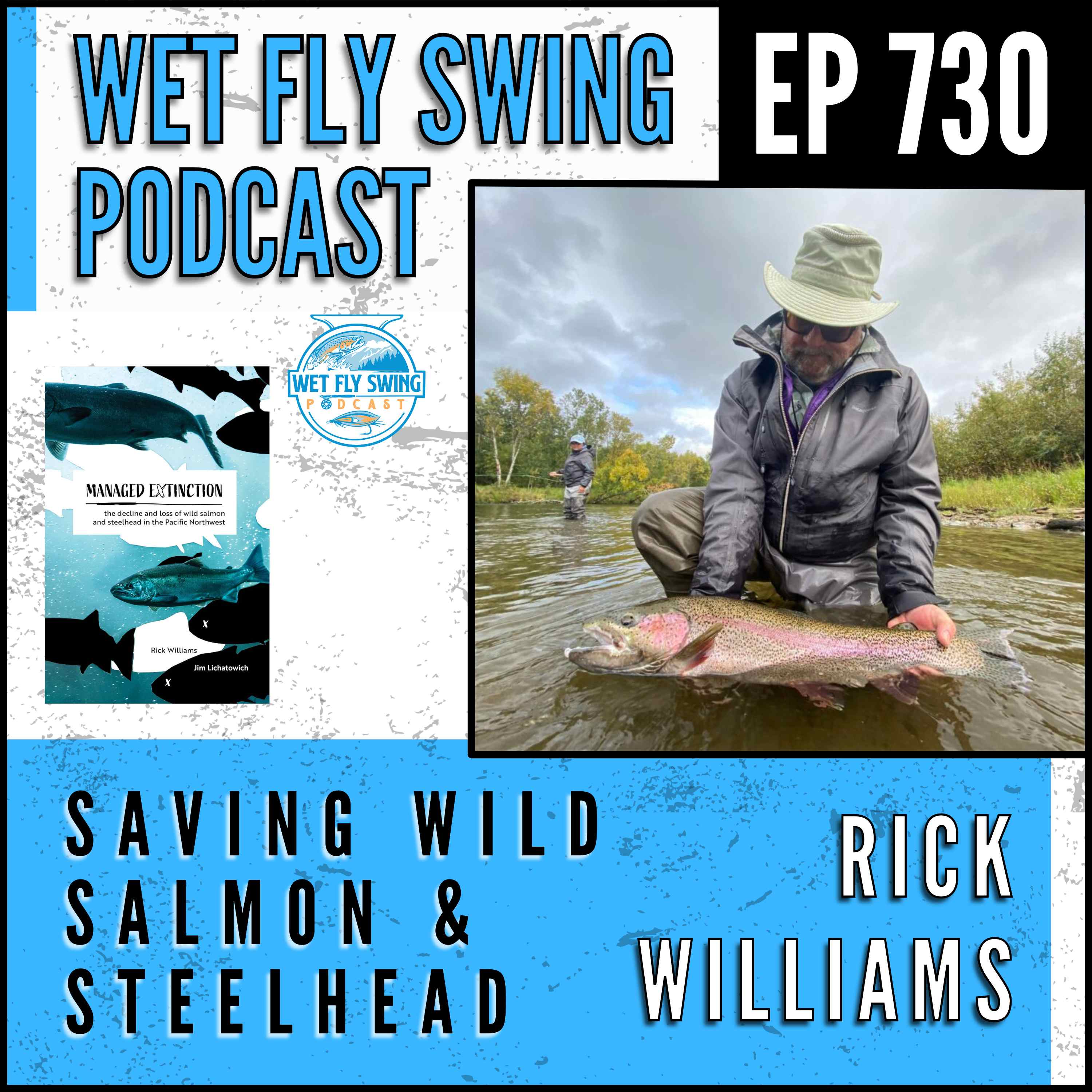
S11 Ep 730730 | Saving Wild Salmon with Rick Williams – Snake River Dams, Managed Extinction, Steelhead Conservation
#730 Show Notes: https://wetflyswing.com/730 Presented By: Drifthook Fly Fishing, Four Wheel Campers, Jackson Hole Fly Company, Togiak River Lodge Sponsors: https://wetflyswing.com/sponsors What if we could bring back wild salmon and steelhead to the rivers where they once thrived? With historic runs in the Columbia and Snake Rivers plummeting, it's time to ask—what can we do to reverse the damage? Today, we chat with Rick Williams, fisheries biologist, master fly casting instructor, and co-author of Managed Extinction, a follow-up to the groundbreaking book Salmon Without Rivers. Rick breaks down the four Snake River dams, the barriers to fish recovery, and what needs to happen to restore wild salmon and steelhead populations. Plus, we dive into the hatchery debate, what history has taught us about failed management strategies, and why he still has hope for the future of these fish. If you care about the future of wild salmon and steelhead, this episode is for you. Let's get into it! Show Notes: https://wetflyswing.com/730
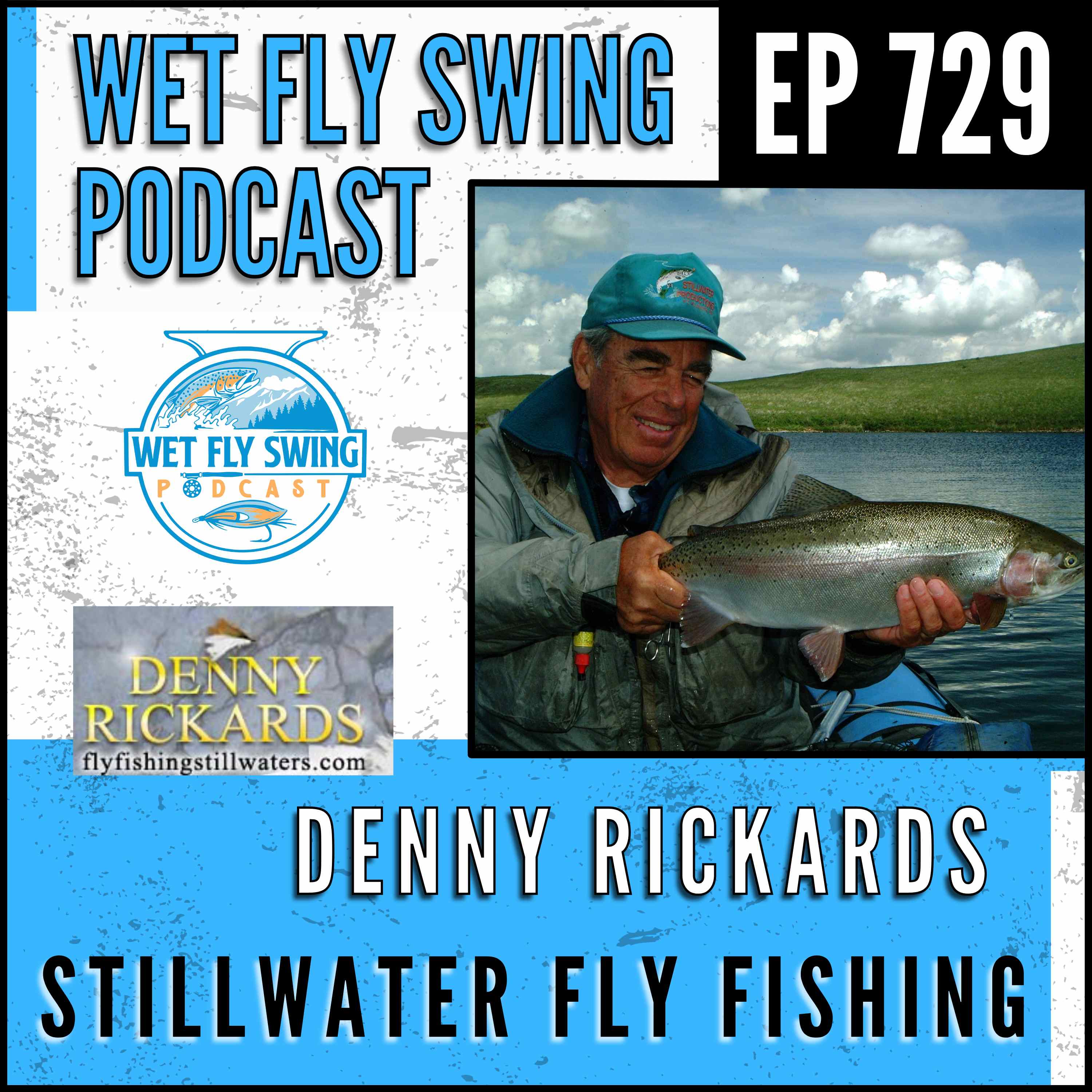
S11 Ep 729729 | Stillwater Fly Fishing Myths Debunked with Denny Rickards
#729 Show Notes: https://wetflyswing.com/729 Presented By: Pescador on the Fly, Four Wheel Campers, TroutRoutes Stillwater fishing has always been close to my heart, but it also comes with its fair share of challenges and misconceptions. I'm excited to have Denny Rickards on today's episode because we'll debunk some stillwater fly fishing myths. Denny is one of the most knowledgeable stillwater anglers out there, and he's here to share his step-by-step approach to finding big fish in lakes. By the end of this episode, you'll have a solid framework for what to do (and what not to do) when fishing stillwaters. You're in for a big treat today because you'll learn how to know when fish are moving, when they're not, and when they're feeding. You're also going to find out why you should be casting to the edge of the lake, how to find the exact depth for holding fish, and why fish take on the pause. Show Notes with Denny Rickards on Stillwater Fly Fishing Myths It's been six years since we had Denny on Episode 064, where we covered lakes and the history of stillwater fishing. Today, we're going to do another round, and we'll also talk about some common stillwater fly fishing myths and challenges. Matching the Hatch 03:13 - Denny said many anglers start their day by trying to match what they think the fish are eating. He said this practice of matching the hatch comes from our days when we first started fly fishing on streams and rivers. Denny points out that 90% of a trout's food is below the surface, not on top. Just because a fly isn't working right away doesn't mean it's the wrong one. The real question is, did the fish even see it? Finding Fish on a Lake 07:36 - Denny says there are two things you must figure out first: where the fish are and how deep they are. If you don't, you'll fall into the trial-and-error trap. A common stillwater fly fishing myth is that a fish will hit your fly again if it missed the first time, but Denny's never seen that happen. Instead of wasting casts on the same spot, Denny said to move. The angler who keeps moving will always outfish the one who stays put. The more fresh fish that see your fly, the better your chances. The angler who keeps moving will always outfish the one who stays put. Denny Rickards Where Do Trout Feed? Denny said that no two lakes are the same. But trout feed in only two places where fish feed anywhere in the world: shoreline edges and the top foot of the surface. If the trout are not in any of those two spots, then that means they're under and not feeding. If a trout is deeper than six feet, it's not eating; it's just sitting there like a brick. Some anglers think that because they catch fish at 10 feet, that's where trout are feeding. But that's a stillwater fly fishing myth. Trout move to eat, and they always go where food is most concentrated—shoreline edges and the surface. Here's why: Food gathers in specific areas. Insects emerge from the bottom and stop at the surface. Shoreline edges are loaded with food because that's where the proto plankton and zooplankton live. Big fish don't share space with small ones. They move shallow when there's wind or darkness for cover. 18:47 - Most anglers think fish come up from behind and chase a fly. But that's a myth. Fish hit from the side. If you check where the hook lands, it's almost always in the corner of the mouth. Here's how to take advantage of that: Show them the profile view. Fish moving along the shore want to see the whole fly—head, tail, color, and movement. Don't strip too far. If you pull more than five feet, the fish won't follow. If you hook one, stay put. There's probably more fish nearby. The Truth About Where Trout Go 22:17 - Some say trout move way out deep when the sun gets high. That's a myth. Why would a fish waste all that energy just to come back later? They don't. They move just 8 to 10 feet out, right under where you are! Why Water Temperature Matters Water temperature is the number one thing that moves fish. Spring fishing can be tough in reservoirs because the water chemistry is out of sync. When lakes are drawn down in the fall, nutrients and oxygen levels take time to rebuild. That's why the best fishing often doesn't start until late summer or fall. Here are some key things to remember: In the spring, reservoirs that are drawn down don't fish well. Cold water and low oxygen levels stress fish, making them harder to catch. Fish like a temperature range of 55-62°F for optimal feeding. The top water layers heat up in warmer months, but fish stay at the cooler, oxygen-rich depths. Why Fish Take on the Pause 31:29 - Fish don't always hit when you're pulling. They strike when you pause. Here's why: As you retrieve, your fly moves up in the water. When you pause, it drops. That's when the fish makes its move. But instead of chasing, it simply opens its mouth and sucks the fly in. Denny learned this trick firsthand when he went fishing on Hebgen Lake. Show Notes: https://wetflyswing.com/729

S11 Ep 728Great Lakes Dude #11 | Great Lakes Fishing & Conservation with D'Arcy Egan and Jeff Liskay
#728 Show Notes: https://wetflyswing.com/728 Sponsors: https://wetflyswing.com/sponsors In this episode, Jeff Liskay, aka the "Great Lakes Dude," is joined by longtime outdoor writer D'Arcy Egan. With over 50 years of experience covering fishing and conservation in Ohio, D'Arcy shares his knowledge of Lake Erie's transformation, the steelhead boom, and the history of fishery management in the region. From early days fishing for perch to breaking conservation stories, this episode is packed with insights into one of the most underrated fisheries in the country. Episode Chapters with D'Arcy Egan and Jeff Liskay on Great Lakes Fishing & Conservation What You'll Learn in This Episode How Lake Erie's fishery evolved from pollution to world-class walleye and steelhead fishing. The role of conservation efforts in restoring species like bald eagles and yellow perch. The impact of invasive species and commercial fishing on Great Lakes fisheries. The best spots and techniques for targeting steelhead, smallmouth bass, and even catfish on the fly. Why the Cuyahoga River's transformation is a success story for anglers. Jeff and D'Arcy dive deep into the rich history of Ohio's fishing scene, including stories of legendary anglers, conservation battles, and the growing potential of the Cuyahoga River. If you love the Great Lakes, steelhead fishing, or just good old-fashioned fish stories, this episode is for you! Show Notes: https://wetflyswing.com/728
S11 Ep 727In the Bucket #15 | Steelhead on the Dry with Adrian Cortes & Richard Harrington – Classic Flies, Painting
E#727 Show Notes: https://wetflyswing.com/727 Presented By: Stonefly Nets, Heated Core Sponsors: https://wetflyswing.com/sponsors What is it about steelhead that makes them so addictive to chase? Is it the perfect swing, the surface take, or the mystery of where they'll show up next? For those who pursue them, it's more than fishing—it's a way of life. Time to get in the bucket... Today, we're joined by Adrian Cortes & Richard Harrington, two passionate steelhead anglers, to dive into the art of dry fly steelheading, the traditions of fly tying, and the deeper meaning behind chasing these fish. We talk about bamboo rods, classic patterns, and why swinging flies for steelhead is as much about mindset as it is about technique. Plus, we talk about mentorship in fly fishing, river etiquette, and how the culture of steelheading continues to evolve. If you love the history, artistry, and thrill of chasing steelhead, this one's for you. Show Notes: https://wetflyswing.com/727
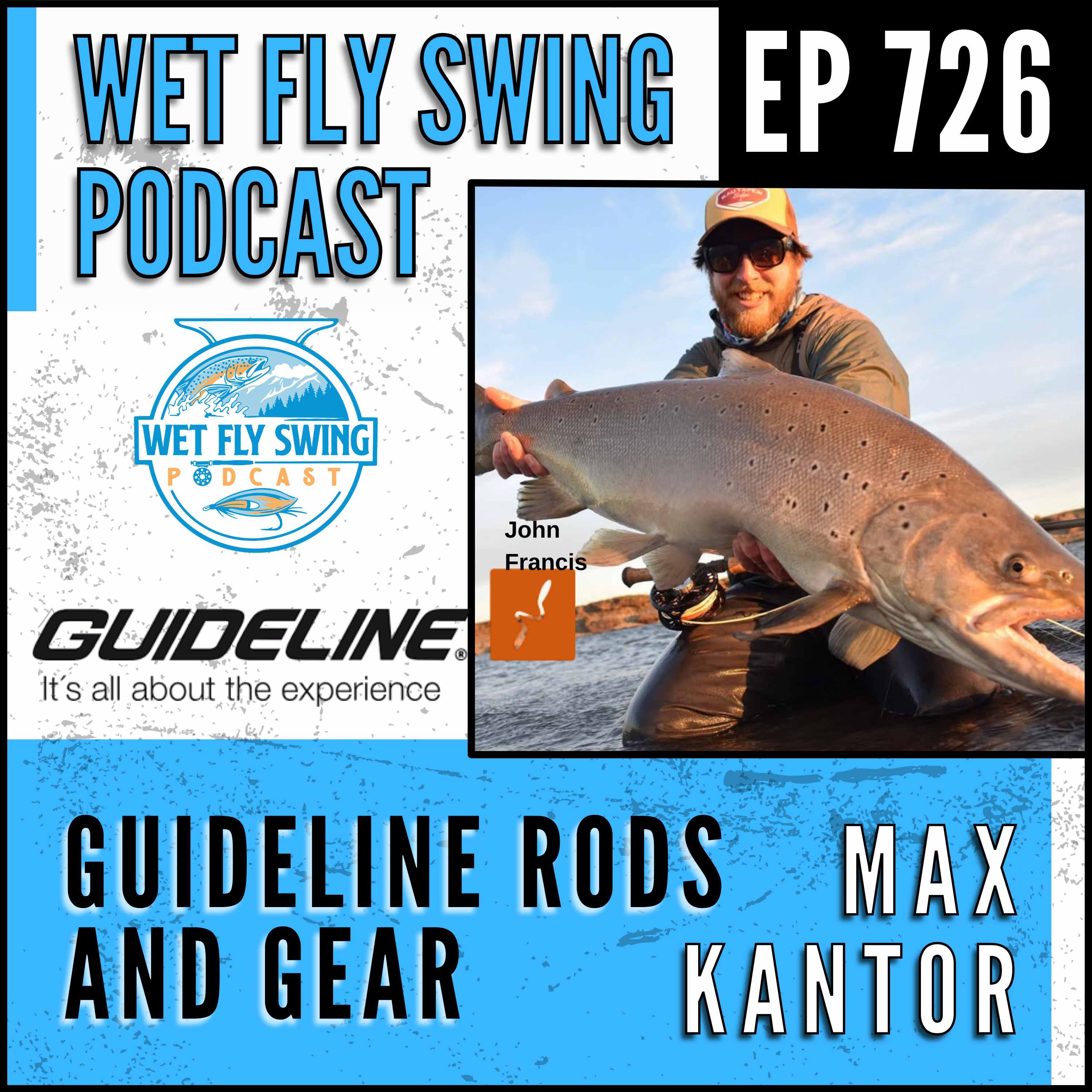
S11 Ep 726726 | Guideline Fly Fishing Max Kantor - Choosing a Spey Line, Kola Peninsula, Steelhead
#726 Show Notes: https://wetflyswing.com/726 Presented By: Waters West, Jackson Hole Fly Company, Pescador on the Fly Do you know where the most remote and unattainable Fly Fishing Destination is for Spey. Today's guest Max Kantor, from Guideline Fly Fishing, will share the tips on fishing these storied waters so you have more skills for your home water. Max Kantor from Guideline USA is here to take us into one of the largest fly fishing brands in Europe. We find out how he fishes for Atlantic Salmon, Steelhead and some of the differences between the two. And we travel around the world to the other best places to catch pacific salmon and steelhead. Click play below if you want to listen to the podcast with Max! 03:18 - Max talks about his first connection to Guideline and the story of how it all came to be. The Guideline Elevation Fly Rod Series. 05:20 - The Ponoi River in Russia is a famous hard to reach river know for the greatest Atlantic Salmon fishing in the world. Max describes how he guided there and what makes it so unique. 05:52 - The Ponoi is an amazing natural reserve and you can find out more information on booking a trip at the Fly Shop here. 07:26 - We discuss the location of the Kola Peninsula in Russia in relation to other countries in the region. 09:26 - Our guest describes some on the life history of Atlantic Salmon. Here's some information on A. Salmon life histories. 16:00 - Max describes the perfect line for salmon and notes the Airflo FIST line as a good early season fly line. 17:37 - We talk about the Guideline Classic Scandi Body fly line. This is a good all around scandi for atlantic salmon. 21:49 - For Norway, a longer 14' rod is common but guys also use shorter and longer spey rods from 13 to 15 feet. 24:26 - We discuss the longer rods and how spey casting is different with the big stick. Take a look at the video below that gives a few tips on casting the longer rods. 26:20 - Max describes the ULS Scandi line that works great for single handed spey. This is a great option for smaller rivers or where a two handed rod is not needed. 31:15 - Dave asks about Togiak River Lodge and what would be the best rod for chinook salmon. The Classic Scandi Body line with the appropriate T tip is the right combination. 31:43 - The Four Density line by Guideline is also good for big king salmon. This line is simiilar to the Airflo FIST line. 32:34 - The biggest tip on mending for atlantic salmon is to use a downstream mend, which speeds up the fly. A. Salmon love a fast swung fly. 32:44 - Max loves tube flies vs shanks. Jonathan Farmer was on the Wet Fly Swing Pro Webinar series and showed us how to tie a tube and a shank in this video. 37:38 - The Fast Full Flex is the best rod for Togiak King Salmon. As the name notes, it bends all the way down into the cork and works great for casting heavy intruder fly patterns for big salmon. 42:40 - We discuss the history of Guideline and the founder Leif stavmo. 46:00 - We discuss the difference between scandi and skagit lines and how to choose one. Skagitmaster describes the differences in this video here. 47:32 - The Guideline NT 11 trout series is a premium fly rod but comes in at a $600 price point which is a big savings over other premium rods. The NT 11 won the Yellowstone Shootout this year. 49:11 - We highlight the Guideline Sonic NGx wader which is super durable and has the front zipper which Max loves. 55:00 - We talk striper fishing and how dedicated people are in the Northeast part of the USA. Max says the take of a striper is very similar to a take of an atlantic salmon! 57:02 - We talk about Togiak River Lodge who is our travel spotlight for this episode! 1:03:47 - Big tips for Atlantic Salmon: Don't set the hook to soon. Just use the rolly polly retreive where you can speed up your swing. And also avoid the upstream mend if working down a run. #3 - Try to be consistent with your fishing and the swing. Show Notes: https://wetflyswing.com/726
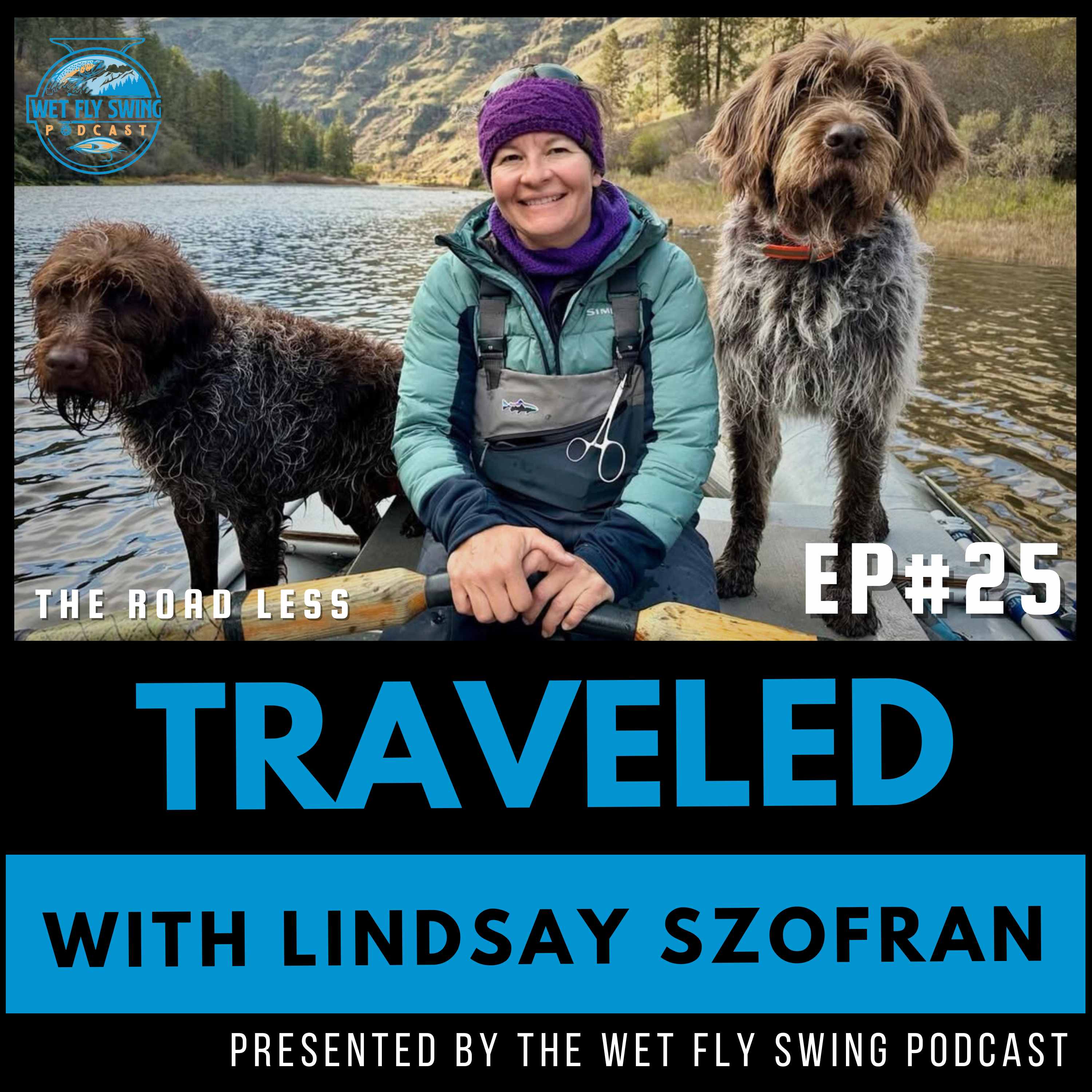
S11 Ep 725Traveled #25 | The Golden Triangle of Fly Fishing with Lindsay Szofran - Team USA, Yellowstone Teton Territory
bonusTraveled #25 Show Notes: https://wetflyswing.com/725B Presented By: Yellowstone Teton Territory What makes the Golden Triangle one of the most sought-after fly fishing destinations for anglers? With legendary rivers like the Henry's Fork, the Yellowstone, and the Snake, this region spans Montana, Idaho, and Wyoming—offering some of the best trout fishing on the planet. Today, we're heading out to the Golden Triangle of fly fishing with Lindsay Szofran—Team USA angler, guide, and world championship competitor—to dig into fishing the Yellowstone region, nymphing tactics, and how to prepare for a world-class fly fishing competition. Lindsay shares her go-to strategies for fishing the longest undammed river in the U.S., the best times to hit these waters, and how she approaches trout spey for both competition and fun. Plus, we get an inside look at Team USA's preparation for the upcoming Fly Fishing World Championships happening right here in the US this year. If you've ever wanted to fish the heart of the West, this is your chance to learn from one of the best!

S11 Ep 725Littoral Zone #15 | Seasons of a Lake with Brian Chan and Phil Rowley
#725 Show Notes: https://wetflyswing.com/725 Presented By: Grand Teton Fly Fishing, FishHound Expeditions, Heated Core In part one of How Lakes Work, Brian and Phil explained lake classification and the key zones we should focus on. In part two, we'll explore how lakes change throughout the seasons. Brian will break down what happens each season, how it impacts fish behavior, and where you should be fishing. Understanding these will help you know where to fish and when. The Seasons of a Lake: How They Impact Fishing Fall 06:15 - As temperatures drop, lakes go through fall turnover. This happens when surface water cools to match the temperature of deeper water. Wind aids in mixing the lake from top to bottom, spreading oxygen. The mixing stirs up debris and gases like methane. This makes conditions less ideal for fish. Fall happens in three stages: early, mid, and late. As the water gets colder, fish move into shallower areas to feed. In early fall, they stay in deeper water (15 -18 feet). By mid-fall, they move up to 10-12 feet. In late fall, they're in the shallows (5 -7 feet). https://www.youtube.com/live/pid95BqAhwY?si=i2Lb2in7OPFebdj1 How Often Do Lakes Turn Over? Lake turnover only occurs in the fall and spring, when water temperatures even out from top to bottom. But not all lakes turn over. Sometimes, lakes look murky for other reasons, like the wind stirring up sediment or the rain washing in dirty water. Brian says shallow lakes mix all year and never fully stratify. Winter 14:04 - In winter, oxygen levels drop upward from the bottom of the lake due to anaerobic decomposition occurring at the bottom. All the plants that grew during the open water season start dying since they can't photosynthesize. As they decay, they use up oxygen from the water. What causes winter kill? 17:08 - Winter kill could happen early, mid-winter, or even days before the ice comes off. As winter goes on, the oxygen-poor zone in the lake keeps growing until it reaches just below the ice. When there's not enough oxygen left, fish suffocate and die. Some lakes lose 100% of their fish, while others have partial kills where bigger fish die first. In some cases, fish survive by finding oxygen-rich spots, like areas with underground springs. Lake Aeration 19:52 - Aeration is a tool to try to prevent a winter kill, but it is not a hundred percent guarantee of bringing a lake through. To aerate a lake, it needs to be at least 25 to 30 feet in depth. There are different types of aeration: Surface-mounted aerators are the simplest type with a submersible pump hanging under a float. The pump is two to three feet below the surface, and the propeller is pulling water up to the surface and then spraying it up, so there's an exchange of oxygen that's being brought up. Surface aerators are relatively inexpensive but don't always guarantee the lake will be saved. Another typical aeration technology is to pump air from a compressor on land through some rubber hose to a diffuser anchored below a big float. The air from the hose is pushed through a micro-pored ceramic diffuser. As the tiny bubbles rise, they create a current and add oxygen to the water. Aeration is more of a last-resort effort to slow down lakes' natural aging process, known as eutrophication. Spring 26:26 - When the ice melts off a lake, the water doesn't mix right away. The top layer is colder, while the deeper water is warmer because of plant decay over winter. Fish stay near the surface, just like they did under the ice. The surface warms over the next few weeks until it matches the bottom temperature. Then, a strong wind can mix everything up in a process called spring turnover. Summer 34:55 - In summer, lakes form a barrier called the thermocline. This is where warm water meets cold water, usually around 5 to 8 meters deep. Wind can't mix the water below it, so oxygen levels drop in deeper areas. Trouts stay just above the thermocline, where the water is cool and has enough oxygen. Show Notes: https://wetflyswing.com/725
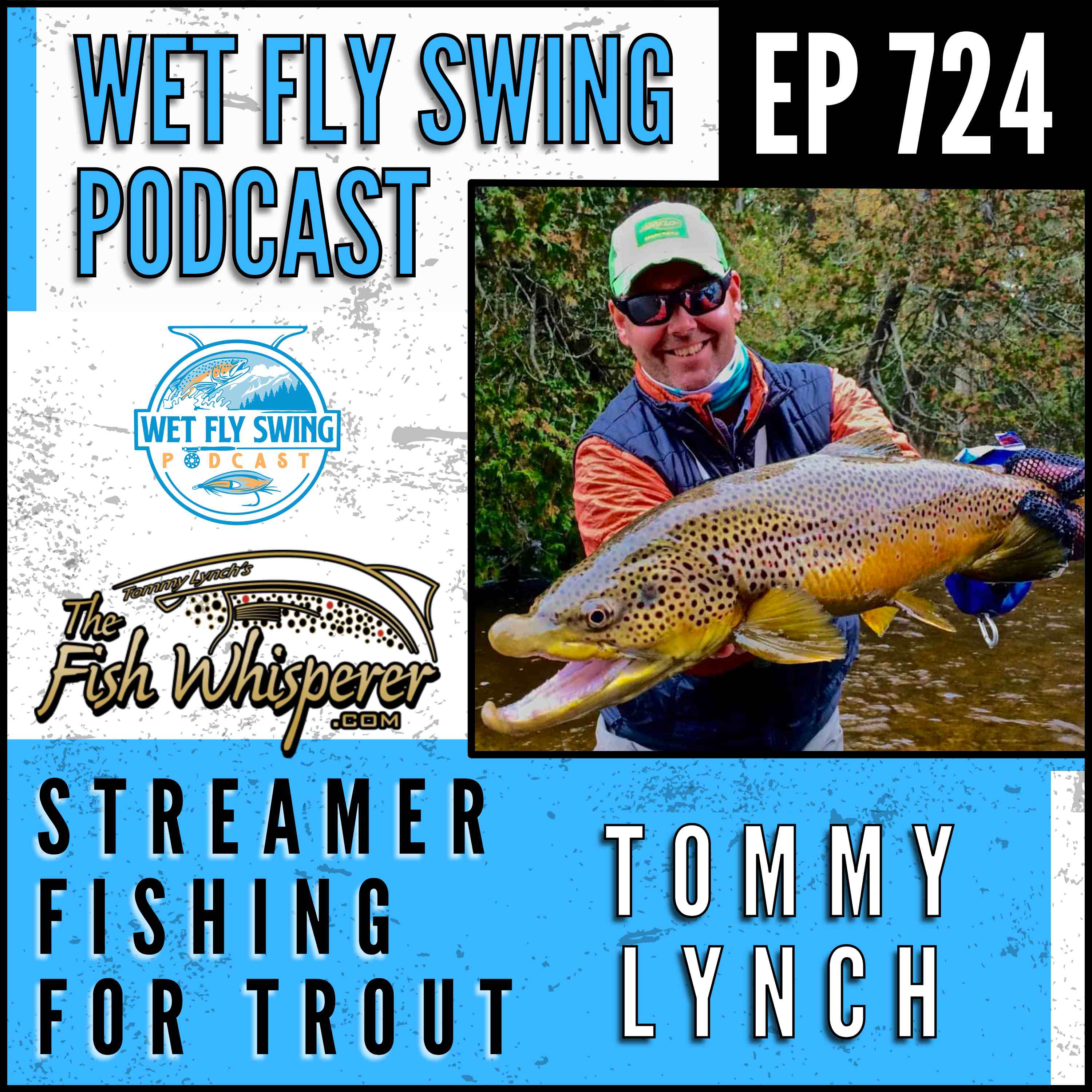
S11 Ep 724724 | Streamer Fishing for Trout with Tommy Lynch - Fish Whisperer, Pere Marquette River, Small Creek
#724 Show Notes: https://wetflyswing.com/724 Presented by: Drifthook Fly Fishing Sponsors: https://wetflyswing.com/sponsors Streamer fishing for trout is all about movement, and few people understand it better than Tommy Lynch. In this episode, Tommy breaks down his four-step framework for fishing streamers, explains the difference between suicide fish and would-be predators, and shares why most anglers aren't getting the full potential out of their sink tips. If you're looking to up your game on big browns in small creeks, this episode is packed with tips you won't want to miss. Episode Chapters with Tommy Lynch on Streamer Fishing for Trout How to Fish Streamers Like a Jerkbait for Big Browns Streamer fishing isn't just about casting and stripping. It's about making your fly move like a wounded baitfish—something trout can't resist. Tommy explains that the best way to do this is by mimicking the action of a jerkbait, specifically the black and gold No. 13 Rapala, which has been deadly on brown trout for years. Four Key Techniques for Streamer Action: Down Swat - A true jerkbait-style movement where you "swat" the fly through the water to make it dart and dig before swimming out. Straight Strip - A steady retrieve with small breaks in rhythm, mimicking an injured baitfish. Proper Placement – You want the fly close enough for the trout to see and react but not so close that it spooks them. Reading the Fish – Watch for slight movements—if a trout shifts left or right, it's game on. The Two Types of Trout: Suicide Fish vs. Would-be Predators When streamer fishing, Tommy breaks down trout into two categories: suicide fish and would-be predators. Understanding these can help you dial in your approach. Suicide Fish These trout sit tight against structure, waiting to ambush anything that moves. They don't need much convincing—just proof of life. A quick down swat and pause can be enough to trigger a strike. Key to this is using slack to let your sink tip actually sink. Just casting and waiting won't cut it. You need to shake out line or reach toward the fly to help it drop. Would-Be Predators These fish aren't actively hunting but can be triggered into striking. They often hang in slower water, watching for an easy meal. A straight strip in the middle of the retrieve keeps their interest, but the real trick is slowing down near the end. That pause can be enough to flip a passive trout into attack mode. Whether you're targeting an aggressive fish or coaxing a hesitant one, understanding their behavior is key. And remember—just because you bought a sink tip doesn't mean it's sinking. Use it right, or you're just dragging it through the water. Essential Streamers for Trout Fishing When it comes to streamers, Tommy keeps a variety on hand. From classic muddler minnows to modern swim flies, each has a purpose. Go-To Patterns Muddler Minnow – A timeless fly, perfect for imitating minnows, especially during fry season. Sex Dungeon – A bigger, articulated fly that moves aggressively in the water. Blane's Game Changer – A segmented fly with a lifelike swimming action, great in slow water. Great Lakes Deceiver – A swim fly with a broad, gliding motion, ideal for provoking strikes. Matching the hatch is key. Some days, trout want small minnows on a five-weight. Other days, they'll chase down a big meal. Adjusting your presentation—whether it's a slow jerk or a fast retrieve—can make all the difference. Small Stream Brown Trout: Stealth and Strategy Fishing small creeks for brown trout is a whole different game. Tight water, overhanging trees, and spooky fish make for a serious challenge. But the reward? Lots of fish and zero crowds. Key Tactics for Small Creeks Stealth is everything – Move slowly and blend in. Stand still, and trout may swim right up to you. Cast upstream – This keeps your fly in the trout's line of sight while reducing drag. Short leaders work – A 6- to 7-foot leader helps control the fly without excess slack. Walk far, fish hard – Many of these waters require hiking in. The more effort, the fewer people you'll see. Michigan's small streams are packed with wild brown trout, and many are rarely fished. If you're willing to put in the miles, you'll find fish that are aggressive, unpressured, and ready to eat. Finding Big Browns in Tiny Creeks Small creeks may be tight, but they hold more fish than you'd think—including some big browns. The trick is knowing where to look. What to Look For Heavy structure – Undercut banks, log jams, and tag alder thickets create safe zones for trout. Hidden water – Spots that seem impossible to fish often hold the best fish. Naive trout – Less pressure means more aggressive fish willing to hit a well-placed fly. Fishing these small creeks is an adventure. You'll crawl through brush, jump logs, and make tight casts. But the reward? Wild trout in untouched water. And sometimes, a true giant where you least expect it. Winter Streamer Fishing: When to Go and What to Expect Streame
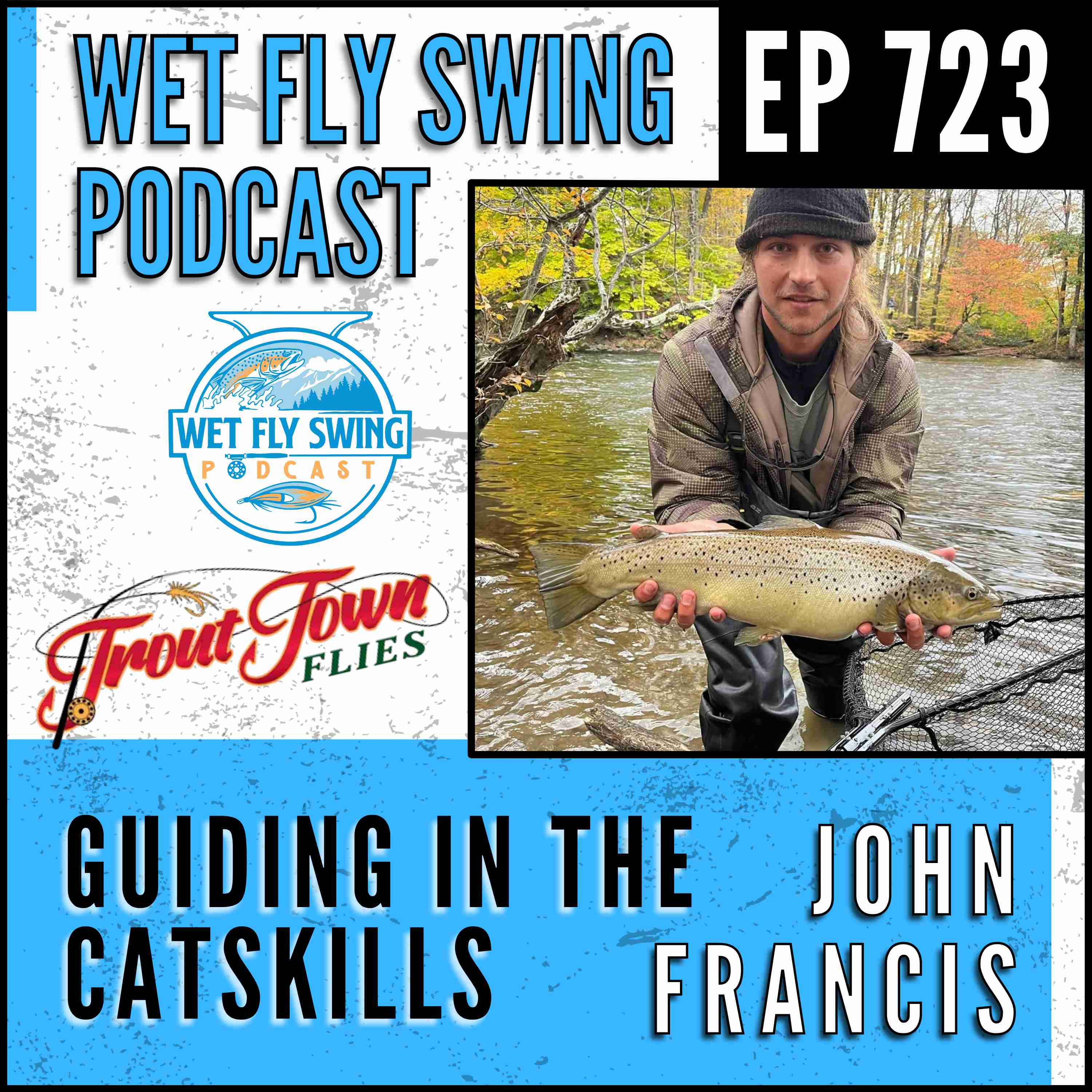
S11 Ep 723723 | Guiding in the Catskills with John Francis - Trout Town Flies, New York Fly Fishing, Dry Fly Fishing
#723 Show Notes: https://wetflyswing.com/723 Presented By: TroutRoutes, Grand Teton Fly Fishing, Pescador on the Fly, Yellowstone Teton Territory Sponsors: https://wetflyswing.com/sponsors What makes the Catskills one of the most legendary fly fishing destinations in the US? With historic rivers like the East and West Branch of the Delaware, the Beaver Kill, and the Willowemoc, this region is the birthplace of American dry fly fishing—and it still offers some of the best trout waters in the country today. In this episode, John Francis of Trout Town Flies—local guide and new drift boat owner—takes us through the seasons of the Catskills, sharing his best strategies for winter nymphing, midge fishing, and adjusting your setup for cold-water trout. Plus, we're diving into Bug Week, one of the most exciting times of the year for dry fly fishing, and how to time your trip for the best action. If you've ever wanted to fish the birthplace of American fly fishing, this is your chance to learn from a local. Let's get into it! Show Notes: https://wetflyswing.com/723
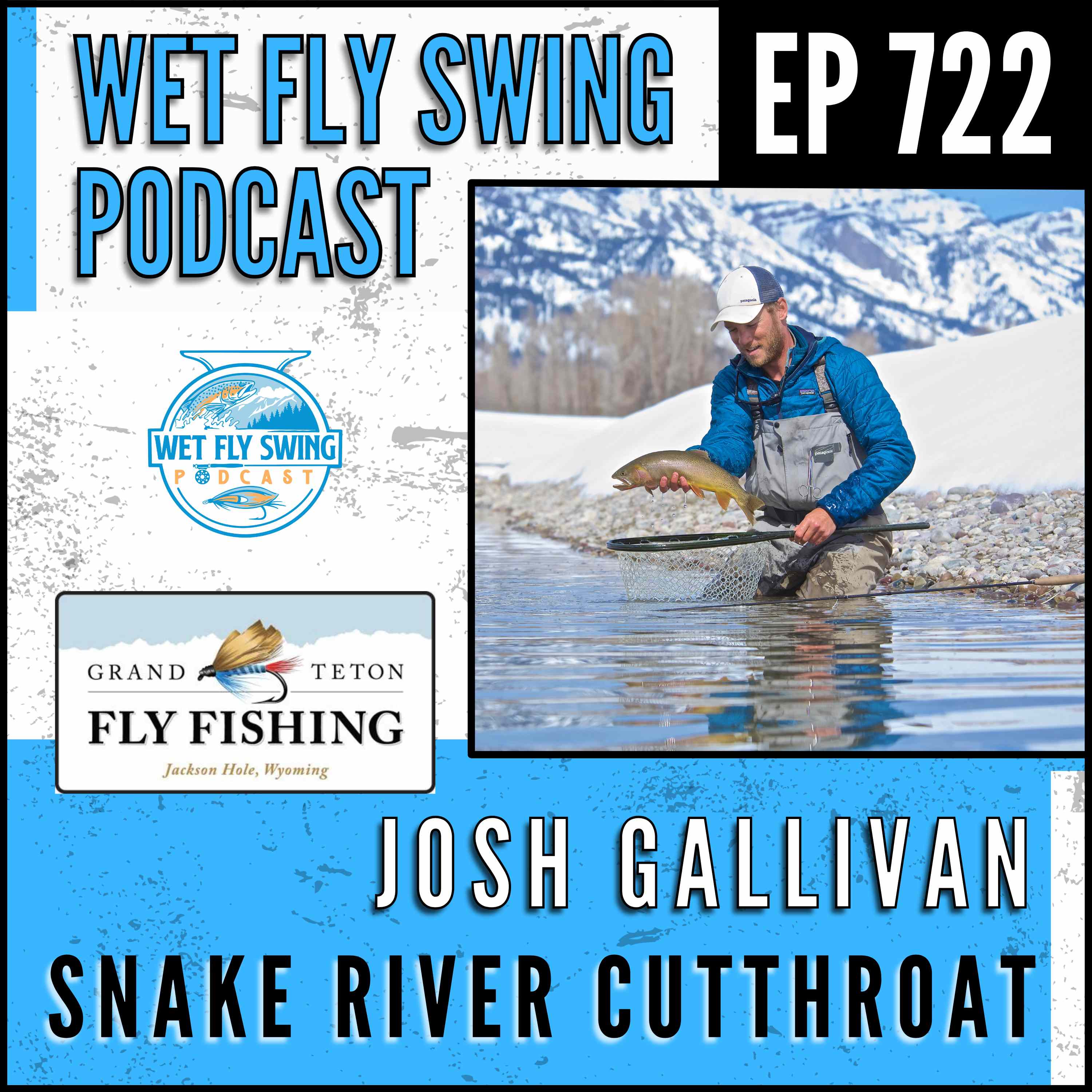
S11 Ep 722722 | Fishing for the Snake River Cutthroat with Josh Gallivan - Grand Teton Fly Fishing
#722 Show Notes: https://wetflyswing.com/722 Presented By: Grand Teton Fly Fishing Josh Gallivan, head guide at Grand Teton Fly Fishing, is here to share his expertise on the streams and lakes around the Grand Teton area. He'll talk about how he started at the Jack Dennis Fly Shop, share some great stories, and dive into his techniques for sight fishing snake river cutthroat and fishing stillwater lakes. Plus, he'll tell us about an incredible mothership trip that's not to be missed. About Josh Gallivan Josh's fly fishing journey started in high school when he got a job at the Jack Dennis Outdoor Shop in Jackson. While working there, he met fantastic people like Jeff Currier and Scott Sanchez. He remembers watching the guides come in after their long days on the river, sunburned but happy. That's when he realized he wanted to be a guide, not just work in the shop. After three years, he switched to guiding, and it's become his true passion. Check out our podcast episode with Jack Dennis! Episode Chapters with Josh Gallivan on Fishing Snake River Cutthroat Spring fishing kicks off when temperatures hit around 40–45°F. That might not seem warm, but after a long winter, the fish get active. The best action happens from noon to 4 p.m. when the sun warms things up. The challenge is that boat ramps can still be buried under snow. How Do You Know When the River "Pops"? Look for Blue Winged Olive mayflies starting to hatch. If you see trout rising to sip bugs off the surface, it's game on. If a spot looks fishy but you don't see any heads, move on—it's all about sight fishing. What Fly Should You Use? A size 16 Comparadun with a sparse tie works excellently. Pair it with a 10-foot, 5X leader. The Snake River Cutthroats aren't too picky, but a soft landing fly helps. Snake River Cutthroat While some tributaries don't open until April, the Snake River stays open year-round. Fish move out of the smaller streams and into the river in winter. You can still fish here without a boat and catch Snake River Cutthroat. A 20-inch Snake River Cutthroat is considered big because these fish grow slowly due to the long winters and short summers. In the summer, Jackson Hole gets packed with tourists. It's exciting but can be a bit crazy with traffic. For guides like Josh, it's a chance to teach people about the environment and the fragile river ecosystem. What Makes Snake River Cutthroat Unique? The Snake River cutthroat is one of several native cutthroat species in the West, with others like the Yellowstone and Colorado River cutthroats nearby. What's unique about this fishery is that you won't find native trout in many places. Jackson Hole is a lucky area with thriving native cutthroat populations. For those interested, there's even a Wyoming Cutt-Slam challenge where you can try to catch all four cutthroat species in the state. Hosted Trips 26:28—Josh has traveled the world on fishing trips with his clients. Some places he's been to include Greenland, Cuba, Belize, and Mexico. One of his favorite trips was to Cuba, where the tarpon fishing was incredible. Josh talks about his time on a mothership during his Cuba trip. The boat was huge, with 10 rooms and three stories. It was super comfortable, and the crew took great care of everyone. After fishing, they'd get ice-cold towels, rum punch, and delicious appetizers. The best part? The boat was only 5 minutes away from the fishing grounds. They'd relax on the top deck at night, watching tarpon roll in the sunset. 31:09 – Josh has also been to the remote Anaa Atoll near Tahiti, one of his favorite places. The fishing is incredible, with bonefish, giant trevally, snapper, and sharks. But what truly stands out is the culture. The locals treat visitors like family. Show Notes: https://wetflyswing.com/722
S11 Ep 721Mastering the Swing: 14 Pro Tips for Chinook Fly Fishing in Alaska
Save your Spot for the Togiak Spey Trip: https://wetflyswing.com/alaska Enter the Giveaway here: https://wetflyswing.com/giveaway In this episode, Dave goes solo to share the top 14 tips from past Spey episodes for Chinook Salmon. You will discover how to hook up with more salmon on the swing this year!

S11 Ep 720720 | Chinook on the Spey with Floyd Carter - Togiak River Lodge
#720 Show Notes: https://wetflyswing.com/720 Presented By: Togiak River Lodge We're heading to Alaska to chase King Salmon in one of the last great strongholds for Chinook. Today, we're joined by Floyd Carter, a passionate guide at Togiak River Lodge and beyond, who's sharing expert tips on swinging for Chinook on a spey. He'll take us back to his first season at Togiak, the unique spey camp they set up, and the lessons learned along the way. Here's what we'll cover today: The only two lines and flies you need for Togiak How to get your cast out even with zero room for a D-loop Why you don't have to be a mega hucker to land big Kings Quick Reminder... We just launched a giveaway for a trip to Togiak River Lodge! Enter now at wetflyswing.com/giveaway for a chance to win. We'll announce the winner next week! About Floyd Carter Floyd grew up fishing in Colorado but got hooked on swinging flies after a trip to Seattle. A chance encounter with Dave Mccoy of Emerald Water Anglers led to his first spey casting experience—in leaky waders! That moment sparked a three-year plan to move to the Pacific Northwest and chase anadromous fish. He trained with Tom Mahan, learning the ins and outs of spey casting while exploring the Oregon and California coasts. After leaving Oklahoma, he saved up, went all-in on guiding, and took a chance on a new life. His first big break came when he helped build a remote spey camp on the Togiak River with a "wacky bush carpenter." That led to his first guiding gig for King Salmon on the Togiak, where he also met Zack and Jordan Larsen. Check out our episode with Zack and Jordan of Togiak River Lodge. Show Notes: https://wetflyswing.com/720
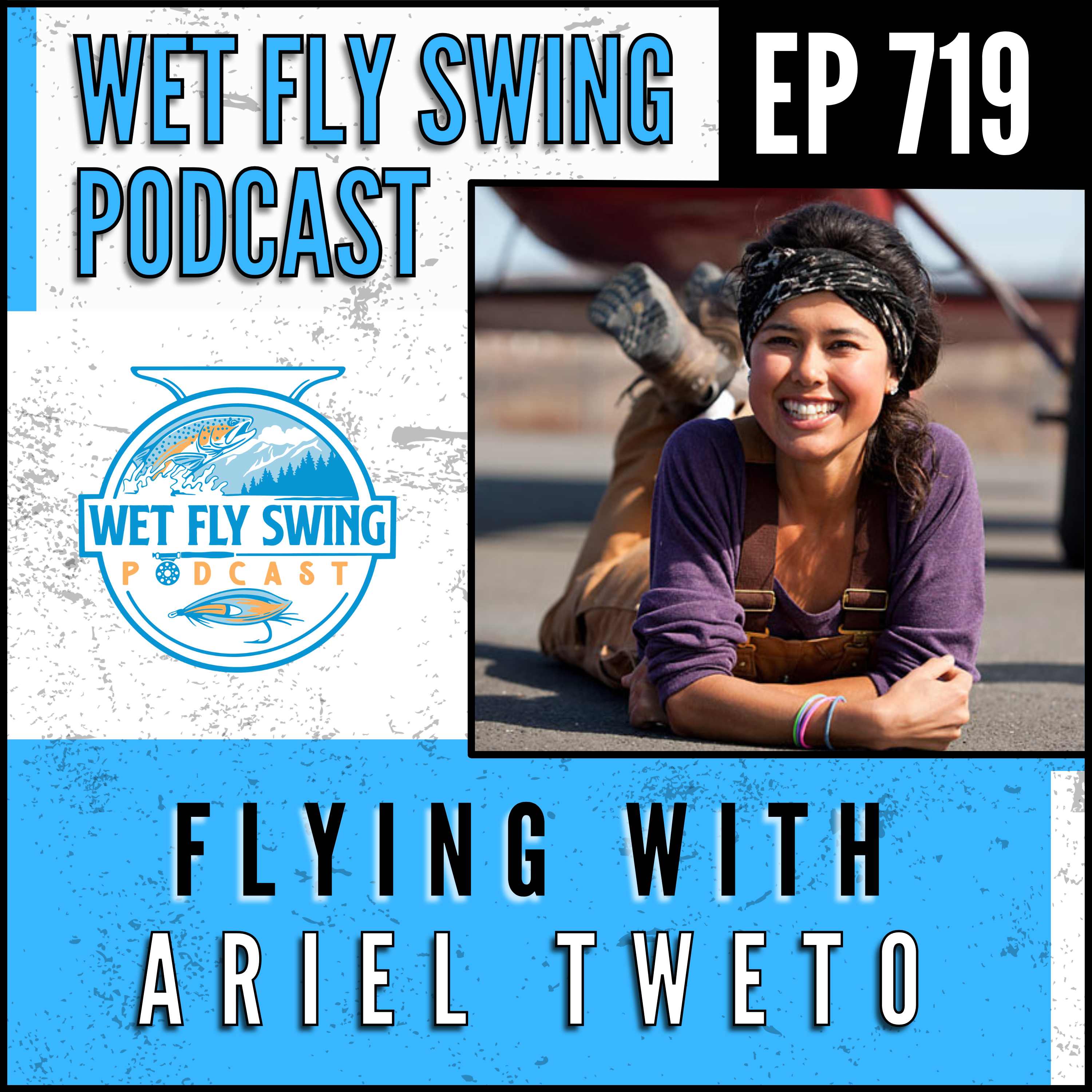
S11 Ep 719719 | Flying with Ariel Tweto - Alaska, Bush Planes, Suicide Prevention
#719 Show Notes: https://wetflyswing.com/719 Presented by: FishHound Expeditions In this episode, we take a unique journey into the world of bush flying in Alaska with Ariel Tweto—pilot, adventurer, and star of Flying Wild Alaska. Ariel shares what it was like growing up in a family of pilots, the thrill of her first appearance on The Late Show with David Letterman, and even a memorable drink with Harrison Ford. Beyond the adventures, we dive into a more serious topic—suicide prevention in Native Alaskan communities, a cause close to Ariel's heart. From broken bones to big dreams, this episode is packed with stories of resilience, passion, and making the most of every moment. Episode Chapters with Ariel Tweto 4:43 - Ariel shares that flying has been an integral part of her life since birth, as her entire family is deeply involved in aviation. Her grandfather was one of the first Native American pilots to start an airline, founding Ryan Air in Alaska. Both her parents and extended family are pilots, and she grew up flying regularly, even before she could walk or talk. 8:33 - Ariel shares the unexpected journey of how Flying Wild Alaska became a TV show. 15:23 - Ariel recalls her first solo flight as a terrifying experience. Reflecting on the experience, she acknowledges that being a pilot isn't her true passion. Though she respects the family legacy, she realizes she doesn't have the mindset needed for full-time flying. 17:35 - She shares some of the projects she worked on after Flying Wild Alaska including being a recurring guest on The Late Late Show with Craig Ferguson and doing an episode on The Late Show with David Letterman. Currently, she co-hosts Native Shorts where she discusses short films created by Indigenous filmmakers from around the world. 19:41 - Ariel remains passionate about adventure and action sports, participating in extreme activities like mountain biking and surfing. She has suffered multiple injuries, including a broken collarbone from mountain biking, broken ribs, and a recent severe facial injury while surfing in Mexico. 21:41 - She tells how her parents inspired and encouraged her to explore which has been instrumental in shaping who she is today. 26:47 - Ariel has had a love for travel since childhood. One of her earliest experiences was a trip to Texas with her cheerleading coach, where she was fascinated by the cultural differences—frying an egg on the sidewalk and learning line dancing. Her curiosity grew when she joined Alaska's travel basketball team in middle school, leading her to the UK. 30:35 - Ariel started a nonprofit called Popping Bubbles in 2014, inspired by her personal loss of a number of friends to suicide. The organization focuses on breaking people out of their comfort zones, encouraging them to explore new experiences, meet different people, and see the possibilities beyond their immediate environment. 35:39 - She reflects on her father's deep passion for flying, emphasizing that no matter how many close calls he had—including a crash where he broke his neck—he never considered stopping. His happiest moments were in the sky, exploring new landing spots, and he had no plans to retire from flying as long as his body and vision allowed. Although he once said he would stop off-airport flying at 70, Ariel and her family believe he would have continued beyond that. 43:00 - She tells us about her running routine. Sometimes she runs for as little as 30 minutes, but on days like she had in Utah, she ran for three hours simply because of the beautiful surroundings 44:40 - Ariel is currently working on the animated TV show The Great North, which is now in its fifth season. 47:09 - Going back to suicide prevention, Ariel emphasizes the power of human connection in addressing depression. She believes that feeling seen and valued is essential, as isolation often leads to hopelessness. 53:18 - Ariel played point guard in basketball. Growing up in Alaska, her high school team often flew to different villages for games. She later played college basketball in Boston but quickly realized she preferred a warmer climate with mountains, leading her to move to California. 57:00 - Ariel is an avid podcast listener. Some of her favorites include SmartLess, Conan O'Brien Needs a Friend, and Oprah's Super Soul Sundays. She particularly enjoys Mel Robbins for her practical, life-changing advice. 1:01:23 - She also enjoys music, with her current obsession being Xavier Rudd, an artist from New Zealand known for his nature-inspired music and didgeridoo playing. Show Notes: https://wetflyswing.com/719
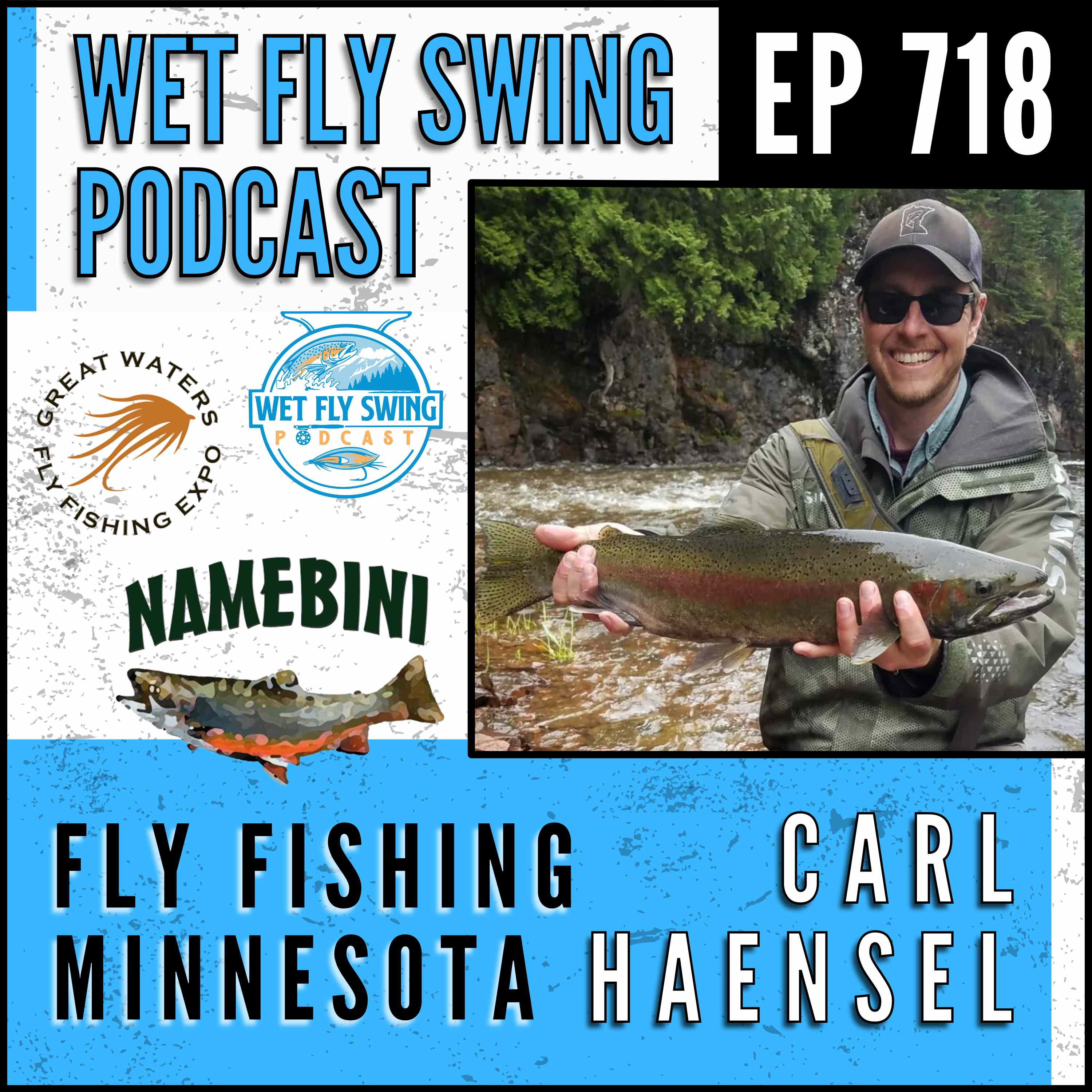
S11 Ep 718718 | Fly Fishing Minnesota with Carl Haensel – Driftless Region, Lake Trout, Great Waters Fly Fishing Expo
#718 Show Notes: https://wetflyswing.com/718 Presented By: Drifthook Fly Fishing, Pescador on the Fly, Yellowstone Teton Territory, Togiak River Lodge Sponsors: https://wetflyswing.com/sponsors What makes Minnesota one of the most diverse fly fishing destinations in the country? From chasing wild steelhead on the North Shore and brook trout in the spring creeks of the Driftless, this state offers an incredible range of opportunities for anglers. Today, Carl Haensel—author of Fly Fishing Minnesota, fly fishing guide, and manager at Great Waters Fly Fishing Expo—breaks down everything you need to know about fly fishing in Minnesota. We'll cover the best times to fish, top rivers and lakes, and the species you can target, from lake trout and smallmouth bass to muskies and migratory browns. Carl also shares insights on conservation efforts, the history of Lake Superior's fisheries, and what makes Minnesota's public access some of the best in the country. Plus, we get a look inside the Great Waters Fly Fishing Expo and why it's a must-attend event. Let's dive in! Show Notes: https://wetflyswing.com/718

S11 Ep 717717 | Tim Cammisa's Top 5 Euro Nymphing Flies from the Best Anglers in the World
#717 Show Notes: https://wetflyswing.com/717 Presented By: On DeMark Lodge, Four Wheel Campers, Heated Core Take a quick moment and think about what your top 5 euro nymphing flies are right now. If you could only have five flies to use on the water, what would they be? Today's guest picked his top flies straight from some of the best fly anglers around the world. And now, he's sharing the stories behind them, how to fish them, and a few tips to help you step up your game on the water this year. Tim Camisa—fly fishing show celebrity, author, and all-around go-to guy—is back with his new book on Euro nymphing patterns. But it's not just Euro nymphs. We're getting into it all! Have you ever tried fishing a super light nymph in the wind? Want to know the best pheasant tail material and what makes his selection stand out? Tim's got answers. We'll also hear about his top picks for pheasant tail material and breaking down five of the best flies in the game. Plus, discover why your dry fly should act like a soggy diaper. Tim Cammisa's New Book Tim Camisa has a new book about Euro nymph flies, and we're diving into why he chose this topic. Euro nymphing started as a niche technique in the U.S., with little information available outside Europe. That changed when anglers like George Daniel and Devin Olsen shared what they knew. Tim was drawn in, fishing with Josh Miller in Pennsylvania and quickly realizing how effective Euro nymphing could be. Even his wife didn't believe his numbers at first! Check out our episodes with Devin Olsen and Gilbert Rowley if you want to hear more about Euro nymphing. Tim's first book, Fly Tying for Everyone, was a hit, but finding another topic to write about wasn't easy. His good friend Josh Miller was writing a book on nymphing techniques, and that's when it clicked for Tim that no one had written a book just about the flies. Tim Cammisa's Top 5 Euro Nymphing Flies In his book, Tim included 15 main patterns with 15 variations. The flies are grouped into different types: Perdigons Nymphs Junk flies Streamers Dry flies Show Notes: https://wetflyswing.com/717