
Wet Fly Swing Fly Fishing Podcast
1,083 episodes — Page 5 of 22
S12 Ep 827827 | Tube Flies and the Riffle Hitch for Atlantic Salmon with Jesper Forhmann of Fishmadman
827 Show Notes: https://wetflyswing.com/827 Presented by: Visit Idaho, Fish The Fly, Jackson Hole Fly Company, Patagonia Ever wonder why some anglers swear by tube flies or why that little hitch on the surface can make a salmon go wild? Today, we're hanging out with Jesper Fohrmann, the creative mind behind Fishmadman and one of the most passionate salmon anglers out there. Jesper's spent decades chasing Atlantic salmon and sea trout across Denmark, Norway, and the UK, perfecting flies and techniques that have earned a cult following from Scandinavia to Newfoundland. We dig into why tube flies can outfish hooks, what makes the riffle hitch so deadly in cold water, and how Jesper approaches leaders, rods, and presentation. Plus, we talk about his favorite patterns, the Scandinavian underhand style, and how all of it connects to steelhead fishing around the world. Show Notes: https://wetflyswing.com/827
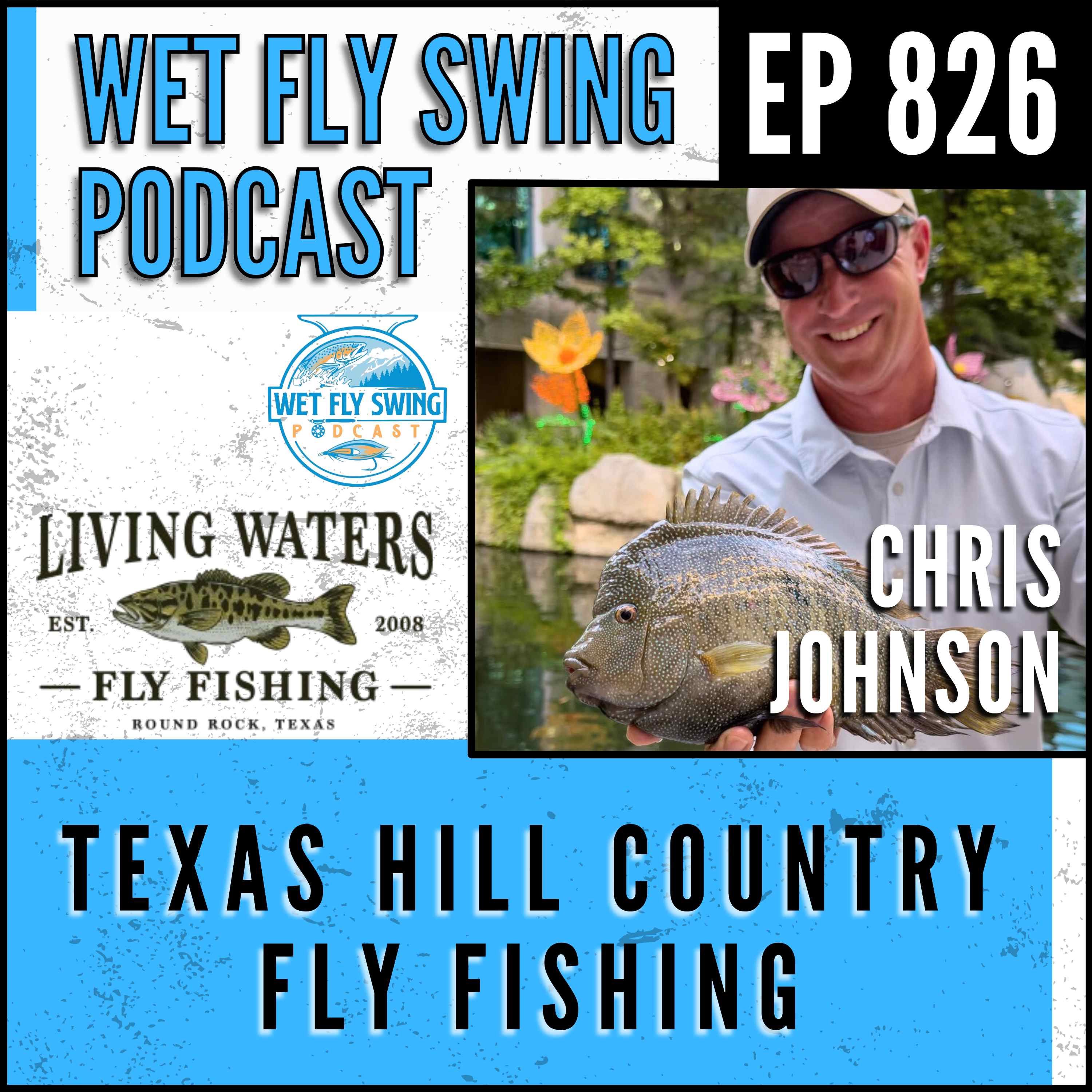
S12 Ep 826826 | Texas Hill Country Fly Fishing with Chris Johnson – Guadalupe Bass, Rio Grande Cichlids, Living Waters Fly Fishing, Fly Fish the Republic
#826 Show Notes: https://wetflyswing.com/826 Presented By: Mountain Waters Resort, On DeMark Lodge, San Juan Rodworks, Patagonia Sponsors: https://wetflyswing.com/sponsors Texas Hill Country is its own little ecosystem — limestone banks, spring-fed creeks, and a species list that reads like a road map of surprises. Chris Johnson of Living Waters Fly Fishing walks us through why central Texas fishes year-round: the state-endemic Guadalupe bass, the only U.S. native Rio Grande cichlid, water that fishes like trout one month and bass the next, and a shop-led conservation program (Fly Fish the Republic) that's funding real science. We get practical rigging and fly choices (sink-tips and diving hair bugs for big bass, tiny jigs for picky cichlids), how to read fall windows for multi-species trips, and the backstory on a Texas-built fly line — the Texas Taper — developed with Scientific Anglers and sold through the shop. Show Notes: https://wetflyswing.com/826
S12 Ep 825CJ's Reel Southern Podcast #7 | Seasons and Strategies on the White River with Morgan Guss and Matt Millner
825 Show Notes: https://wetflyswing.com/825 This episode of CJ's Reel Southern Podcast brings together two seasoned Arkansas guides, Morgan Guss of Diamond State Fly Co. and Matt Millner of Rising River Guides. They'll walk us through the White River's changing seasons and the strategies that keep anglers successful year-round. Show Notes: https://wetflyswing.com/825
S12 Ep 824824 | Pheasant Tail Simplicity: Yvon Chouinard, Craig Mathews, and Mauro Mazzo's New Book
#824 Show Notes: https://wetflyswing.com/824 Sponsors: https://wetflyswing.com/patagonia In this episode, we sit down with legendary fly angler Craig Mathews to explore their new book Pheasant Tail Simplicity. Craig shares why fewer flies, better observation, and thoughtful presentation often lead to more success on the water. From fishing caddis hatches to choosing the right dry fly, this conversation is full of practical tips and timeless wisdom for anglers of all skill levels. Show Notes: https://wetflyswing.com/824
S12 Ep 823823 | Erik Johnson on TroutRoutes – OnX Integration, Stream Gauges, Offline Maps, and E-Scouting for Anglers
#823 Show Notes: https://wetflyswing.com/823 Presented By: TroutRoutes Erik Johnson of TroutRoutes (now part of OnX) returns to share how digital mapping is transforming trout fishing across the country. He walks us through new features like integrated OnX cartography, live stream gauges, offline maps, custom markers, and Android/iOS upgrades Erik also talks about trout lakes, stream classifications, and how anglers can use TroutRoutes for everything from blue-lining in the Driftless to planning multi-day backcountry trips. Along the way, he shares insights on safety, boats and rowing, fly shop shoutouts, and what it's like to grow from a 5-person startup into part of a 400+ employee mapping powerhouse. #823 Show Notes: https://wetflyswing.com/823
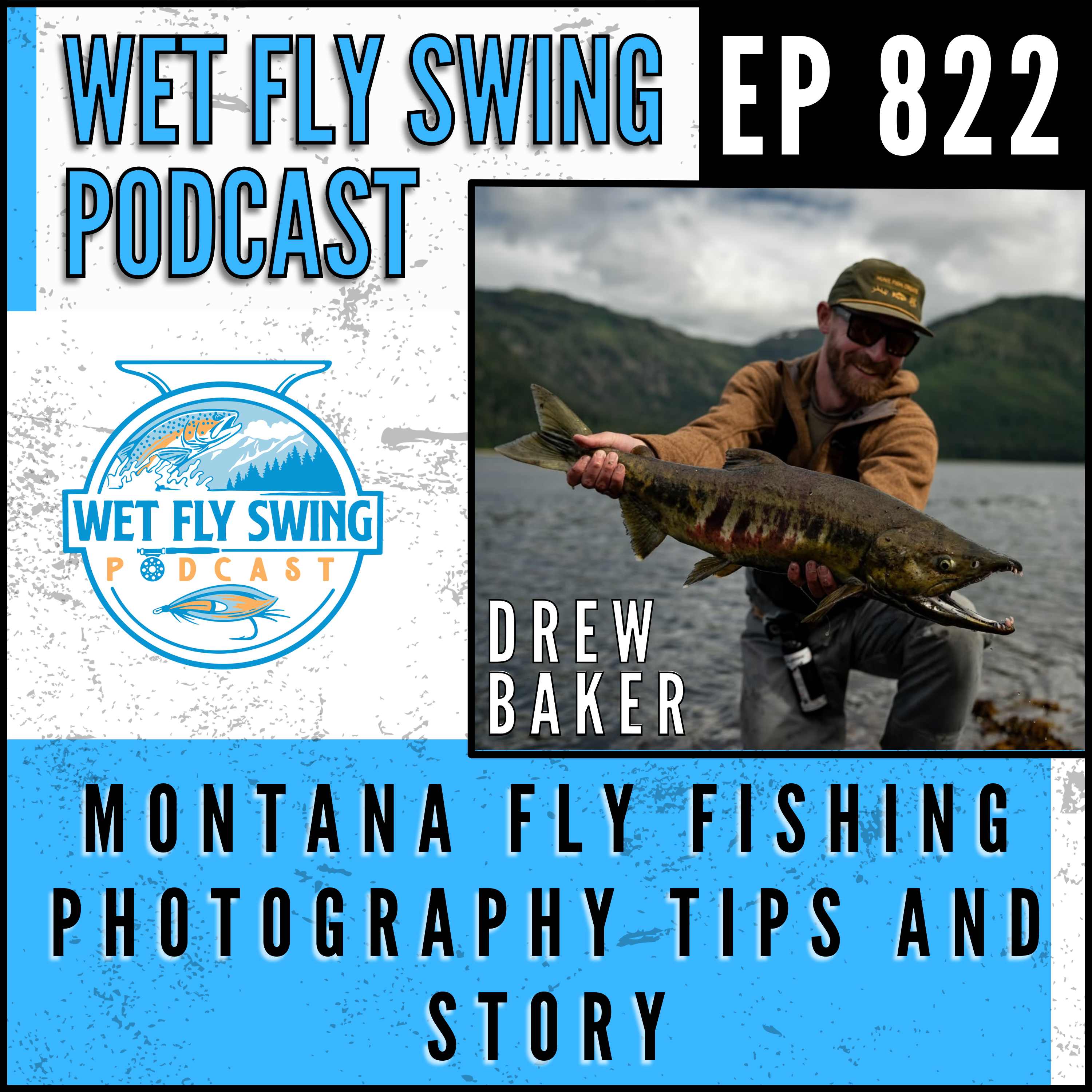
S12 Ep 822822 | Montana Fly Fishing and Photography Tips with Drew Baker
#822 Show Notes: https://wetflyswing.com/822 Presented By: Pescador on the Fly From shoulder surgery rehab to 10 guiding seasons across Rock Creek, the Blackfoot, and the Big Hole, Montana guide and photographer Drew Baker shares how he turned days on the oars into a career behind the lens. In this episode, Drew shows why the best Montana fly fishing photography tips aren't about megapixels—they're about telling a real story on the water. You'll learn how to capture authentic moments (not just grip-and-grins), build a simple kit that travels well, and plan your shots so you protect fish and still come home with wall-worthy images. We also dig into summer strategy across Montana, when to pivot rivers, and the underrated power of the point-and-shoot in your waders. Show Notes with Drew Baker on Fly Fishing Photography 02:57 - Drew shared how photography became his focus, noting that breaking into the hunting industry was easier than fly fishing since many fishing content creators were established early, but his passion for photos began with fly fishing. 04:30 - He recounted how rehabbing a shoulder surgery in college led him to daily fly fishing, on the advice of his physical therapist, which eventually turned into guiding in 2015. 06:08 - Drew explained that Philipsburg, Montana offers access within 90 minutes to major rivers like the Bitterroot, Blackfoot, Clark Fork, Big Hole, and Beaverhead, giving guides flexibility depending on flows and client lodging. 07:19 - He described guiding on the upper 14 miles of Rock Creek, where outfitters without Forest Service permits are restricted, and how this stretch provides prime opportunities close to town. 09:11 - Drew talked about his collaboration with Jeff from Pescador on the Fly, capturing lifestyle product photography and storytelling video while fishing on the Missouri. 10:28 - He discussed filming Happy Hustle masterminds, where entrepreneurs combine survival skills, fishing, and camping with business problem-solving, which has shaped how he organizes his own guiding and photography business. 14;21 - Drew explained that while phones can work for casual anglers, carrying a small point-and-shoot camera can inspire more creativity and story-driven photos. 16:19 - He detailed his pro setup: two Sony bodies, one wide-angle lens for scenery and one telephoto for wildlife or tight fishing shots, since swapping lenses mid-float risks water damage. 18:12 - On the Pescador shoot, Drew used his Sony A7 IV, a wide and tight lens, a DJI Pocket 3 gimbal camera for stabilized boat footage, and a drone to capture varied perspectives. 19:58 - He described how gimbals stabilize video, eliminating distracting shake, and why the DJI Pocket 3 has become a game-changer for filming on water. 22:03 - Drew highlighted the DJI Pocket 3's "creator combo," which includes a wireless mic with 10-bit float audio, ensuring clear sound even in high wind conditions. 24:31 - He emphasized must-have accessories like a circular polarizer filter to cut water glare, an air puffer to clear droplets before wiping a lens, and a waterproof camera bag to safely store gear but keep it accessible. 26:46 - Drew encouraged anglers to document the whole story of a day-sunrise, fly selection, facial expressions, net shots, and release rather than just grip-and-grin photos. 31:22- When asked whether photography or video tells a better story, Drew chose photography, explaining that a single strong image can convey a complete narrative. Show Notes: https://wetflyswing.com/822
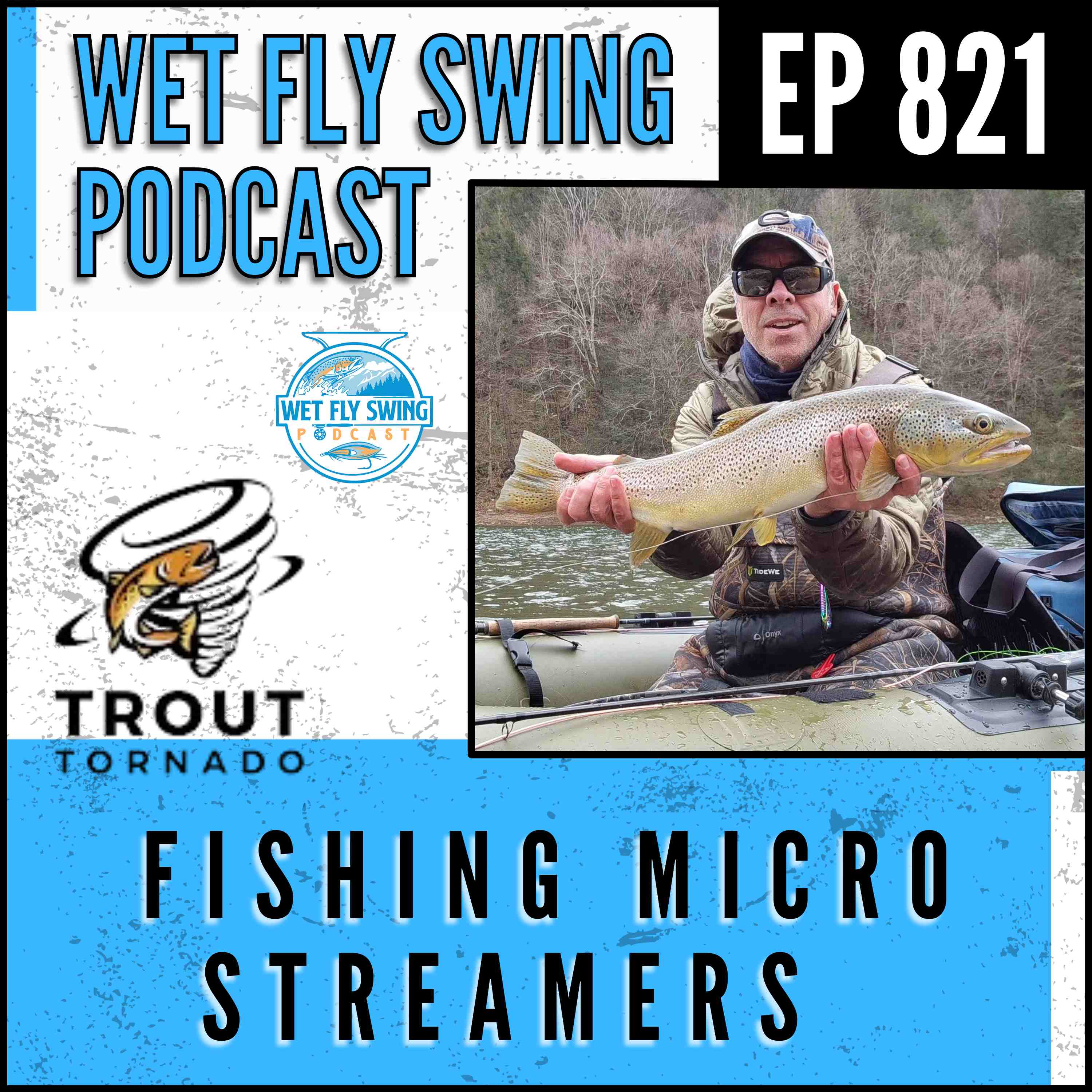
S12 Ep 821821 | Fishing Micro Streamers with Brian at Trout Tornado - Delaware River
821 Show Notes: https://wetflyswing.com/821 Presented by: Pescador on the Fly, TroutRoutes, Four Wheel Campers, Drifthook Fly Fishing Big browns don't always fall for big flies. Sometimes the secret is going smaller. On today's episode, we're digging into the world of fishing micro streamers with Brian from Trout Tornado. Brian shares how downsizing can unlock the biggest fish in the system, why two-fly rigs shine during the minnow hatch, and the loop knot trick that makes streamers swim like they're alive. We'll also get into reading water, knowing when browns are staging, and how to fish them right. Show Notes: https://wetflyswing.com/821
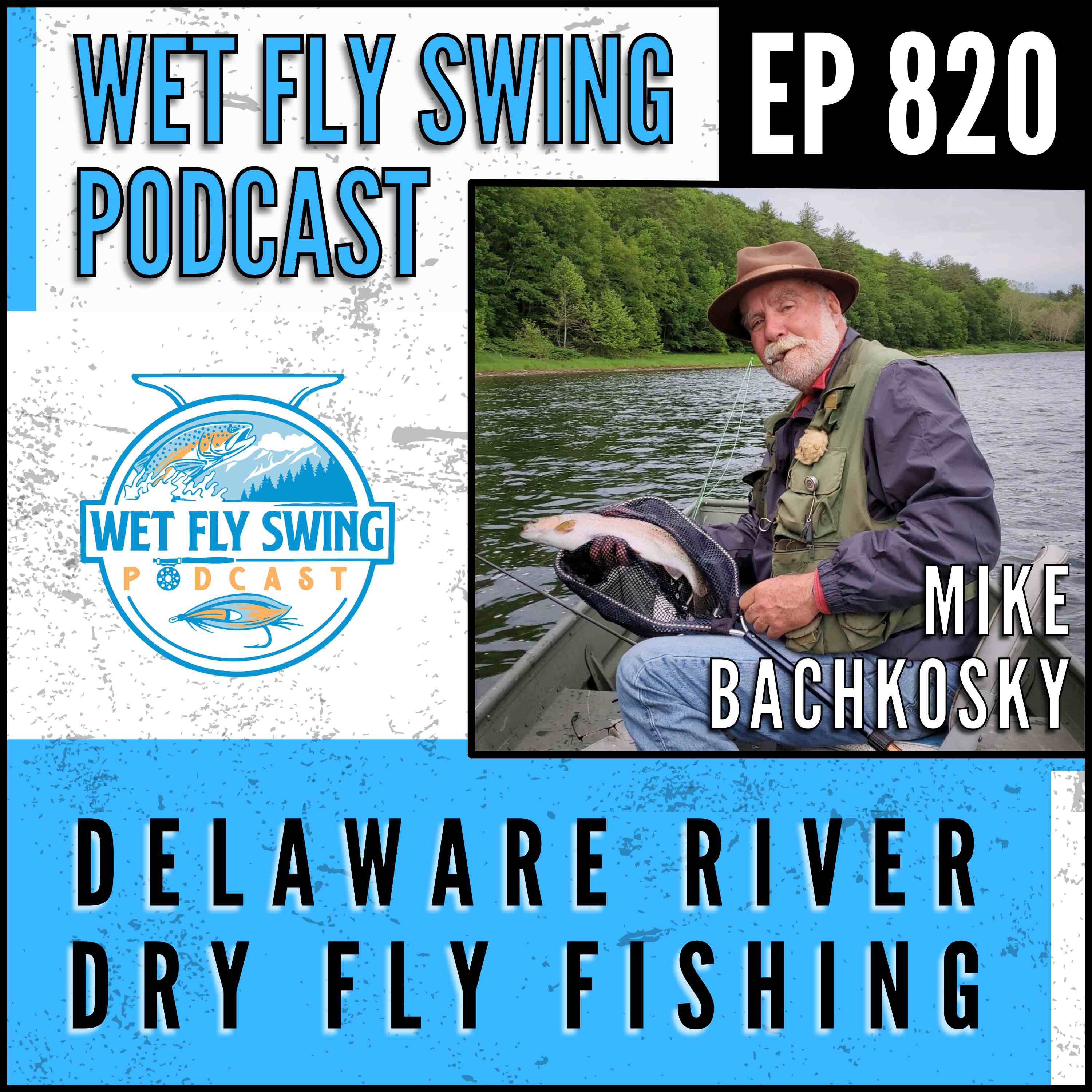
S12 Ep 820820 | Delaware River Dry Fly Fishing with Mike Bachkosky - Rise Forms, Sulphurs, Unusual
#820 Show Notes: https://wetflyswing.com/820 Presented by: Jackson Hole Fly Company, Smitty's Fly Box, Intrepid Camp Gear, Patagonia Sponsors: https://wetflyswing.com/sponsors Mike Bachkosky has spent more than fifty years on the Delaware River, watching hatches, studying rise forms, and learning every detail of this legendary fishery. As a signature fly tyer for Umpqua and a dedicated dry fly angler, Mike brings deep knowledge of sulphur hatches, rise form reading, and the history of classic patterns like the Haystack and the Unusual. In this episode, he shares his simple one-minute fly approach, why presentation often matters more than pattern, and his personal philosophy on dry fly design. We also discuss his work with the Delaware River Labradors and how dogs and trout have shaped his life on the water. Show Notes: https://wetflyswing.com/820
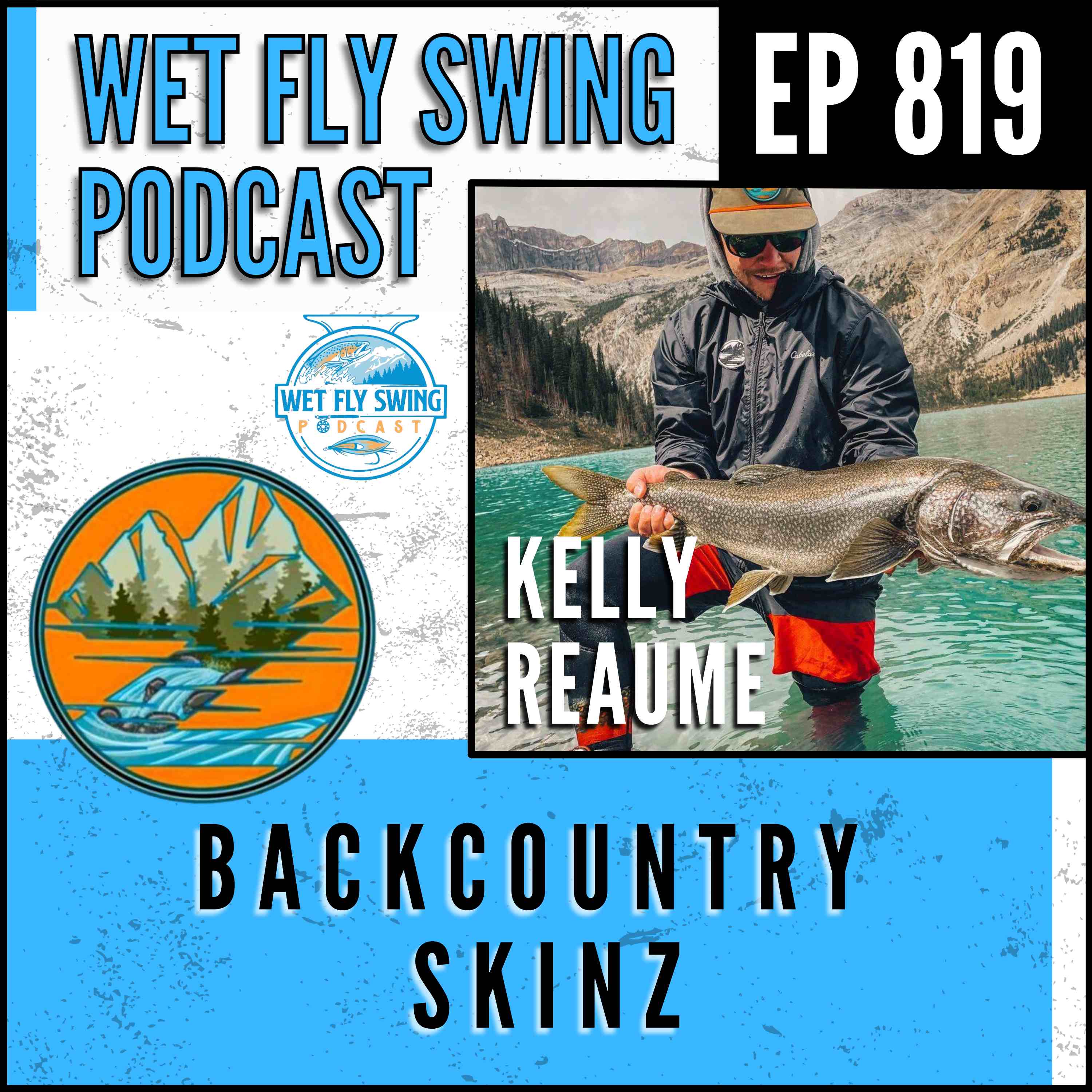
S12 Ep 819819 | Kelly Reaume on Backcountry Skinz – Neoprene Leggings, Fly Fishing Calgary Alberta, Bull Trout
#819 Show Notes: https://wetflyswing.com/819 Presented By: Visit Idaho, Smitty's Fly Box, Drifthook Fly Fishing, Patagonia Sponsors: https://wetflyswing.com/sponsors Kelly Reaume, co-founder of Backcountry Skinz, takes us inside the story of how a garage idea turned into a company that's reshaping how anglers wade. From breathable neoprene leggings to waterproof socks and lightweight pack-raft setups, Kelly explains why Skinz are becoming a go-to for float trips, alpine lakes, and backcountry anglers who don't want the bulk of waders. We hear how the first 2 mm prototype gave way to a 1.5 mm design, why guides and DIY anglers alike are using them, and how he and his brother built the brand during COVID. The episode drifts through product strategy, pack-raft stories, marketing lessons, and the pride of keeping things personal as they expand into new markets. Show Notes: https://wetflyswing.com/819
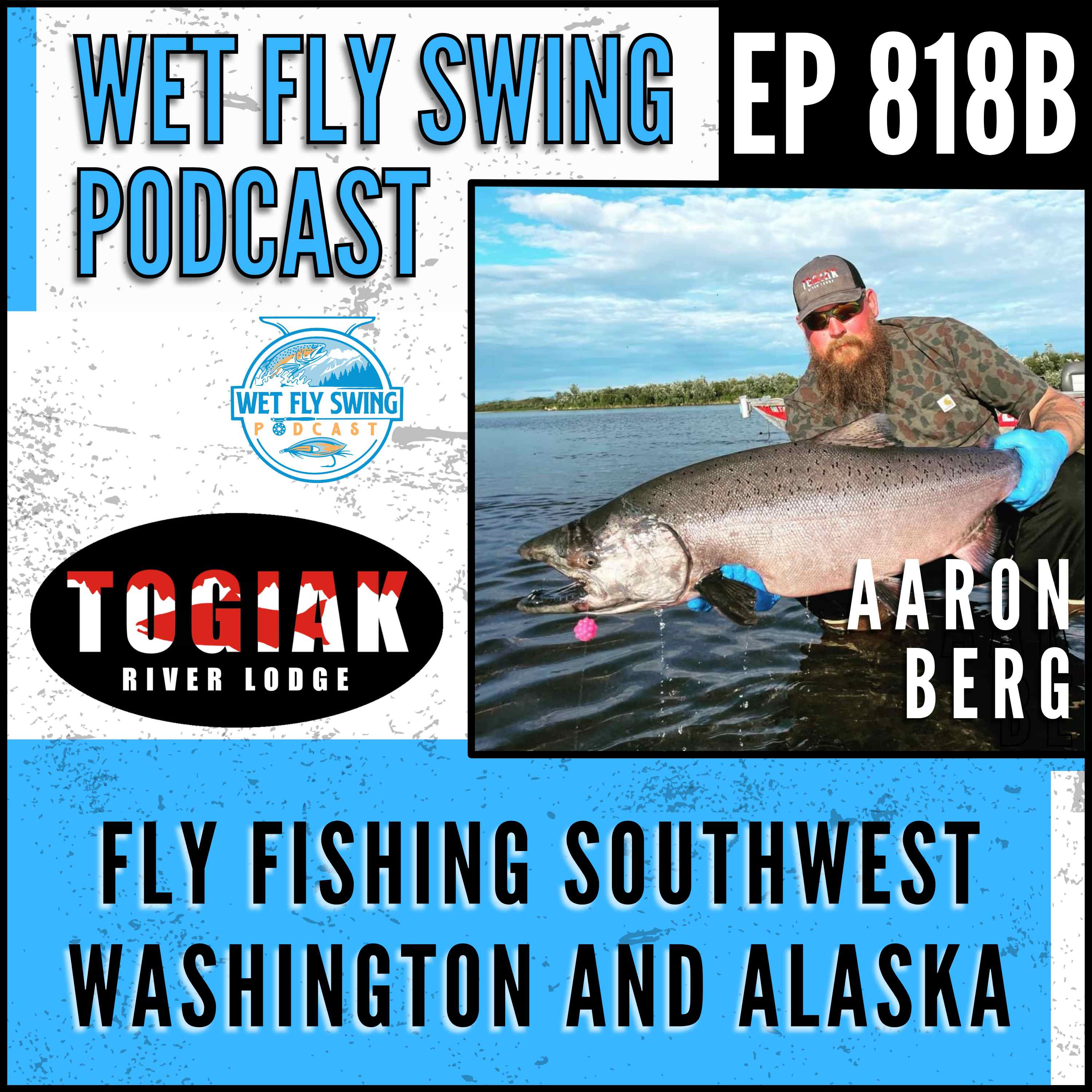
S12 Ep 818818 | Fly Fishing Southwest Washington and Alaska with Aaron Berg – Togiak River Lodge
bonus818B Show Notes: https://wetflyswing.com/818B Presented by: Togiak River Lodge For most of us, the spark that leads to fly fishing is a fish, a mentor, or maybe a trip. For Aaron Berg, it was a fire. When his house burned down, it forced a choice: keep welding or go all-in on guiding. In this episode, Aaron shares how that turning point led him from fixing boats at Togiak River Lodge to running them, what he's learned chasing kings and silvers in Alaska, and how spey casting reshaped the way he fishes back home in Washington. If you've ever wondered how passion turns into purpose—or how swinging a fly can shift the way you see fishing—this one's for you. Show Notes: https://wetflyswing.com/818B
S12 Ep 818In the Bucket #20 | Steelhead Stewards of the Pacific Northwest with Trevor Covich and Ed Fuhrken of Waters West Fly Fishing Outfitters
#818 Show Notes: https://wetflyswing.com/818 Presented By: Waters West In today's episode of In the Bucket podcast, we're joined by Trevor Covich and Ed Fuhrken of Waters West Fly Fishing Outfitters. Both are long-time stewards of Pacific Northwest steelhead, guiding anglers while battling issues like habitat loss, hatchery impacts, and river access. They talk about what it's like behind the fly shop counter: the tension between preserving wild runs and serving a growing demand for steelhead experiences. You'll hear stories about closures, managing stock versus wild fish, and how trout tactics don't always translate to steelhead crisis zones. Trevor and Ed also reveal the subtle art of timing your swings, staying wet when it counts, and treating every steelhead encounter like it matters—not just for you, but for the rivers downstream. Along the way, you'll pick up practical advice: what fly anglers can do to reduce mortality, how to engage with managers and neighbors about river health, and why education and access matter just as much as gear. If you care about fish, fair futures for rivers, and how fly fishing can be part of the solution, this episode lands hard and hopeful. #818 Show Notes: https://wetflyswing.com/818
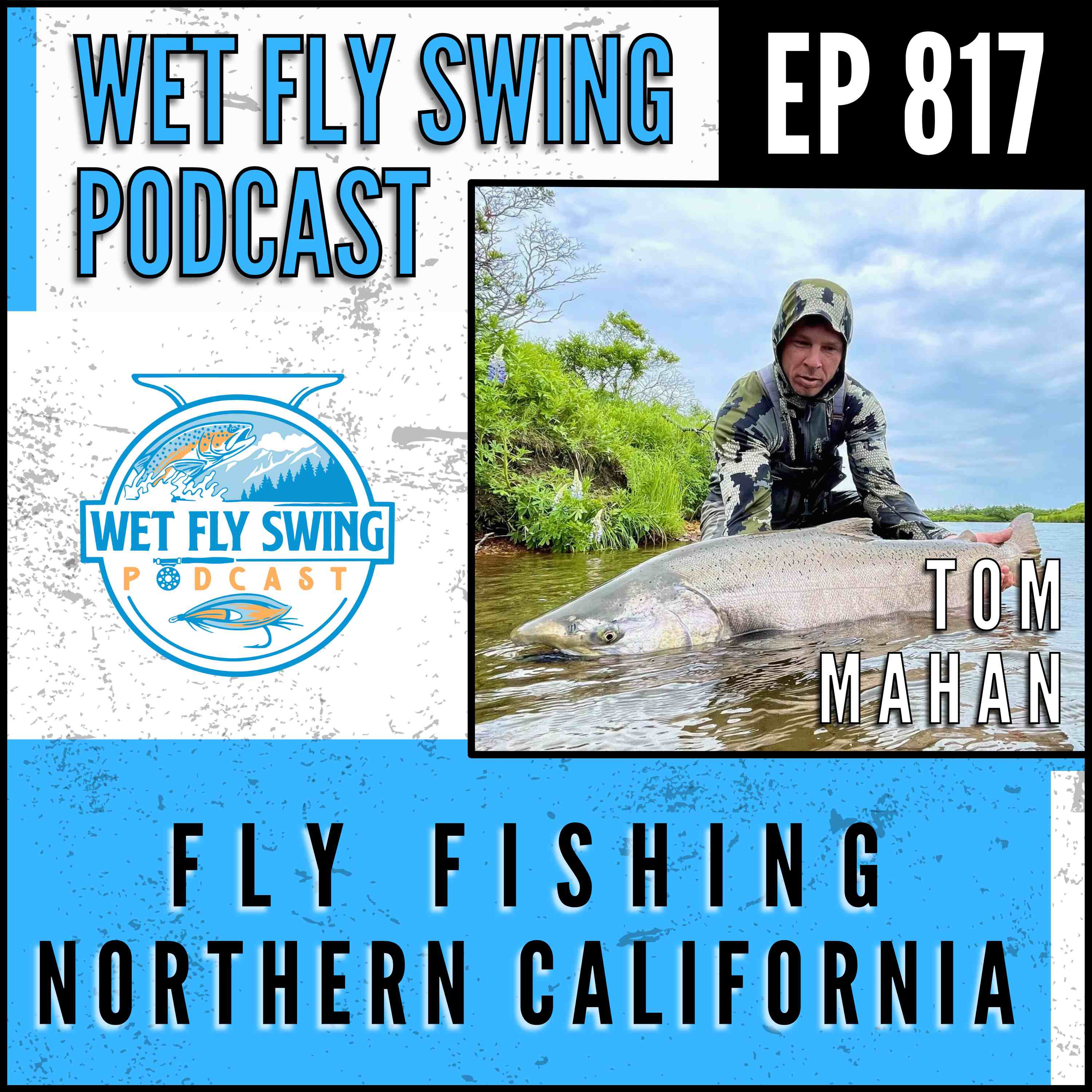
S12 Ep 817817 | Fly Fishing Northern California with Tom Mahan from Swingwater Fly Fishing
#817 Show Notes: https://wetflyswing.com/817 Presented by: Mountain Waters Resort, San Juan Rodworks, Pescador on the Fly, Fish The Fly Sponsors: https://wetflyswing.com/sponsors Fly fishing Northern California means stepping into rivers rich with history and wild steelhead, and the Trinity River is one of the crown jewels. Tom Mahan of Swingwater Fly Fishing has built his career on these waters, chasing steelhead the classic way—on the swing. In this episode, Tom talks about why he loves transitional seasons, how grease line presentations and custom furled leaders move fish in clear water, and why the Lower Trinity feels like a "mini BC" when the fall fog sets in. If you're curious about targeting spooky steelhead in light flows, this is a must-listen. Show Notes: https://wetflyswing.com/817

S12 Ep 816816 | Fly Fishing Cuba and South America with Jon Covich – Flats Fishing, Tarpon, Permit, Travel Tips
#816 Show Notes: https://wetflyswing.com/816 Presented By: Pescador on the Fly, Jackson Hole Fly Company, TroutRoutes, Intrepid Camp Gear Sponsors: http://wetflyswing.com/sponsors Cuba has long carried a sense of mystery for travelers, and when you put a fly rod in your hand, that mystery only deepens. In this episode, Jon Covich talks about chasing bonefish, tarpon, and permit on the Cuban flats, the realities of travel restrictions, and how the culture of the island is just as important as the fish. Jon shares what it's like to guide and host trips through World Fly LLC, why South America deserves more attention from anglers, and the practical lessons you need before booking a saltwater trip. The conversation drifts between history, people, gear, and stories that remind us why fishing new water is about far more than checking a species off a list. Show Notes: https://wetflyswing.com/816
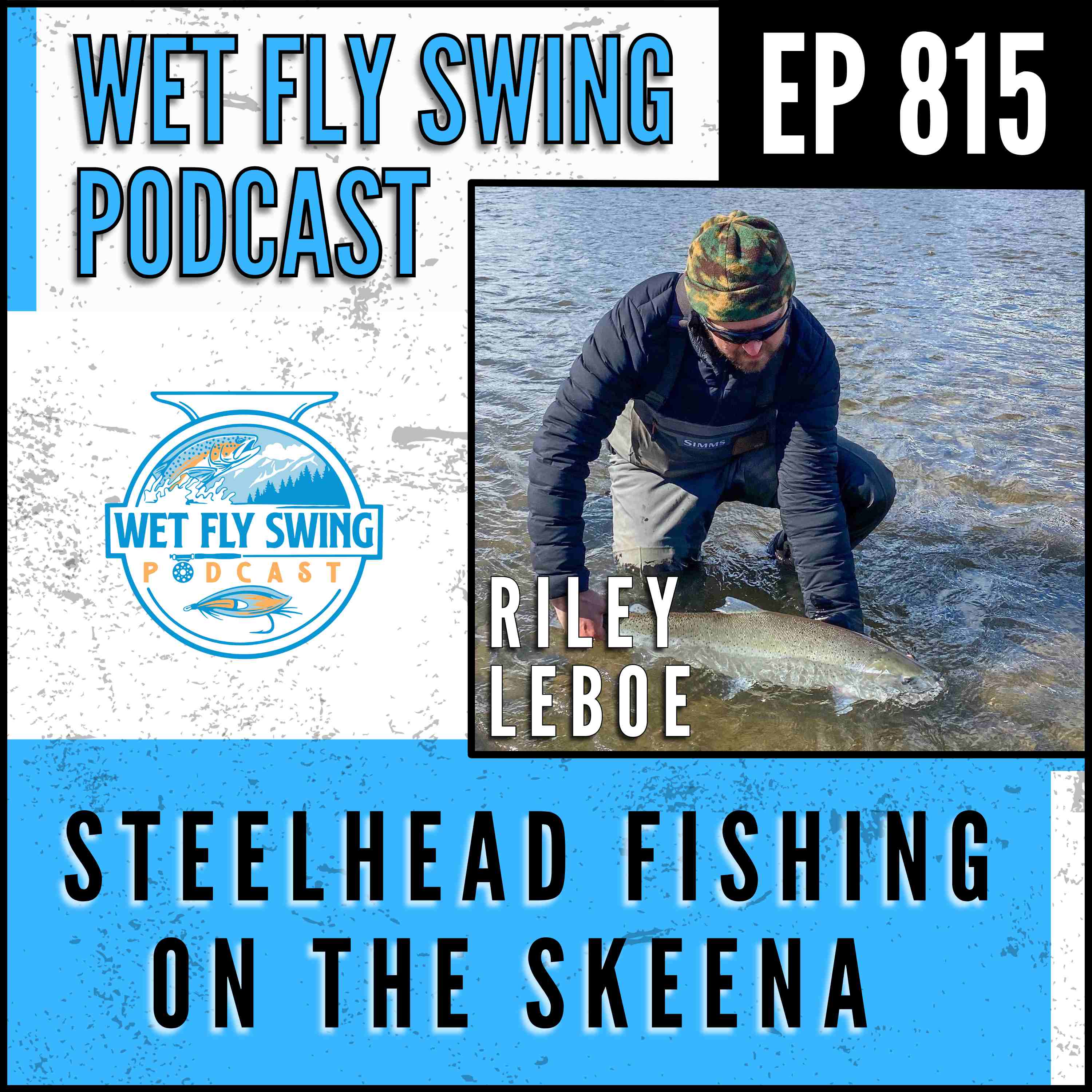
S12 Ep 815815 | Steelhead Fishing on the Skeena and Ski Adventures with Riley Leboe
815 Show Notes: https://wetflyswing.com/815 Presented by: FishHound Expeditions, Grand Teton Fly Fishing, Togiak River Lodge Steelhead fishing on the Skeena has become a new backcountry for Riley Leboe. After years chasing podiums as a professional skier, he discovered a different rhythm on the water. One that carried the same adrenaline and spirit of exploration, but with a reward that felt deeper. From his first chum salmon in Squamish to documenting Skeena Spey Lodge with Brian Niska, Riley has followed the pull of steelhead north. On today's episode, we trace his journey from filming ski lines to capturing the drama of swinging flies, and why the chase for steelhead keeps calling him back. Show Notes: https://wetflyswing.com/815
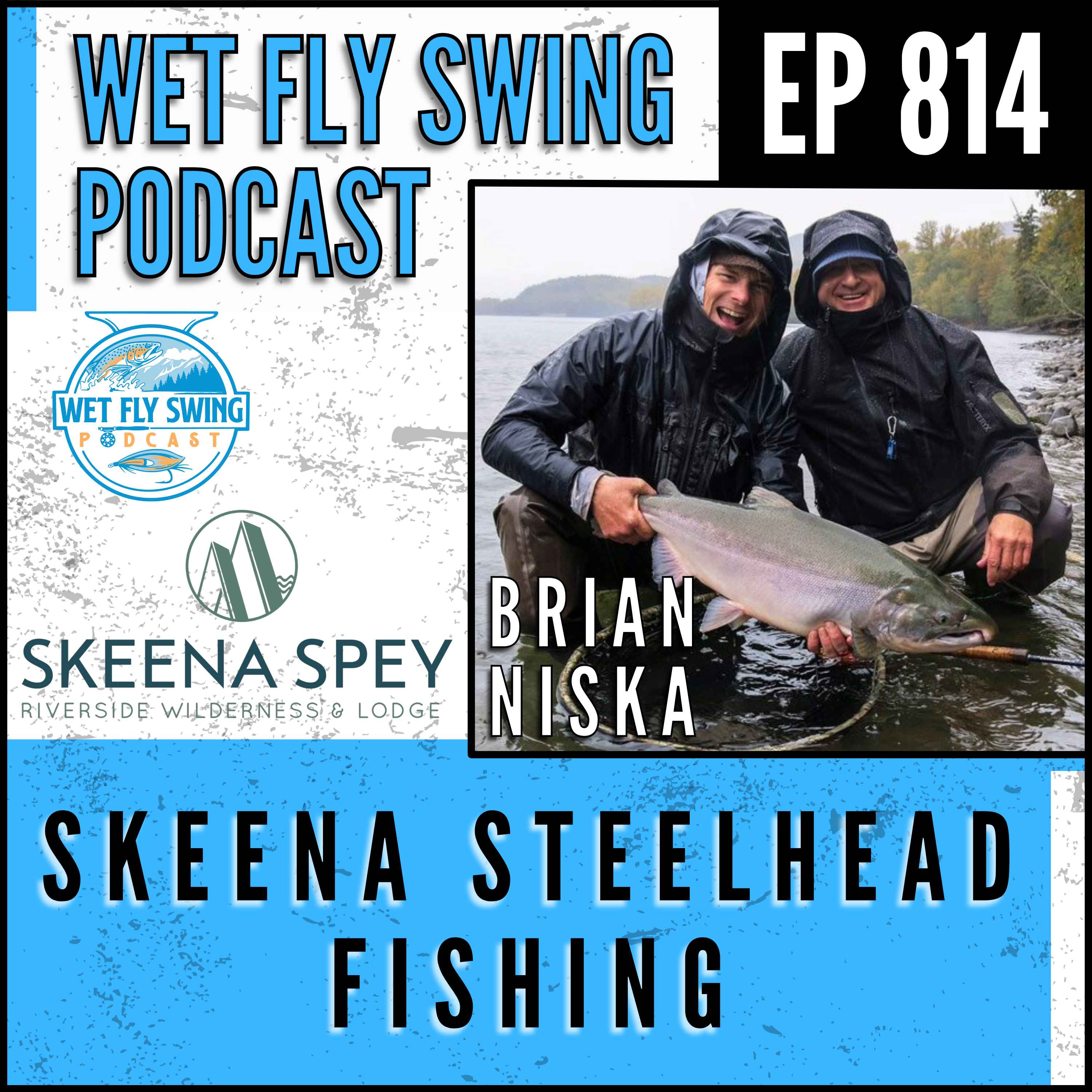
S12 Ep 814814 | Skeena Steelhead Fishing with Brian Niska
#814 Show Notes: https://wetflyswing.com/814 Presented by: San Juan Rodworks, Intrepid Camp Gear, FishHound Expeditions, Pescador on the Fly Sponsors: https://wetflyswing.com/sponsors On this episode, we're heading to one of the most iconic steelhead destinations in the world—the Skeena River. Brian Niska, owner of Skeena Spey Riverside Wilderness & Lodge, talks all about Skeena steelhead fishing. Brian shares what makes the Skeena so unique, how the steelhead season is shaping up this year, and why having John McMillan and Jeff Liskay at the lodge is such a big deal. We also get into tips for adjusting your approach based on river conditions and how to get the most out of your steelhead trip. Show Notes: https://wetflyswing.com/814

S12 Ep 813CJ's Reel Southern Podcast #6 | Leeches, Trophy Trout, and the Versatile Fly Game with Landon Mayer
#813 Show Notes: https://wetflyswing.com/813 In this episode of CJ's Reel Southern Podcast, Chad Johnson sits down with Colorado guide, fly designer, and author Landon Mayer to dig deep into the art of hunting trophy trout. Landon shares how leeches became the centerpiece of his fly box, recounting the day a broken Slumpbuster pattern forever changed the way he approached big fish. The two swap stories about fishing together, the lessons passed down from mentors like Dave Whitlock, and the subtle craft of teaching casting fundamentals that can make or break a day on the water. From Colorado stillwaters to Arkansas tailwaters, Landon explains how leech patterns double as damsels, baitfish, or crayfish depending on how they're fished — a versatile key for turning followers into eaters. Chad adds his own Ozark perspective, highlighting the region's emerging sulfur hatch and how local anglers are discovering a brand-new dry-fly game for giant browns. Together, they dig into small-stream tactics, big-river strategies, and why introducing overlooked food sources — whether a micro leech or a catalpa worm — can unlock fisheries in unexpected ways. It's a rich mix of tactical tips, storytelling, and philosophy on staying a lifelong student of fly fishing. Show Notes: https://wetflyswing.com/813
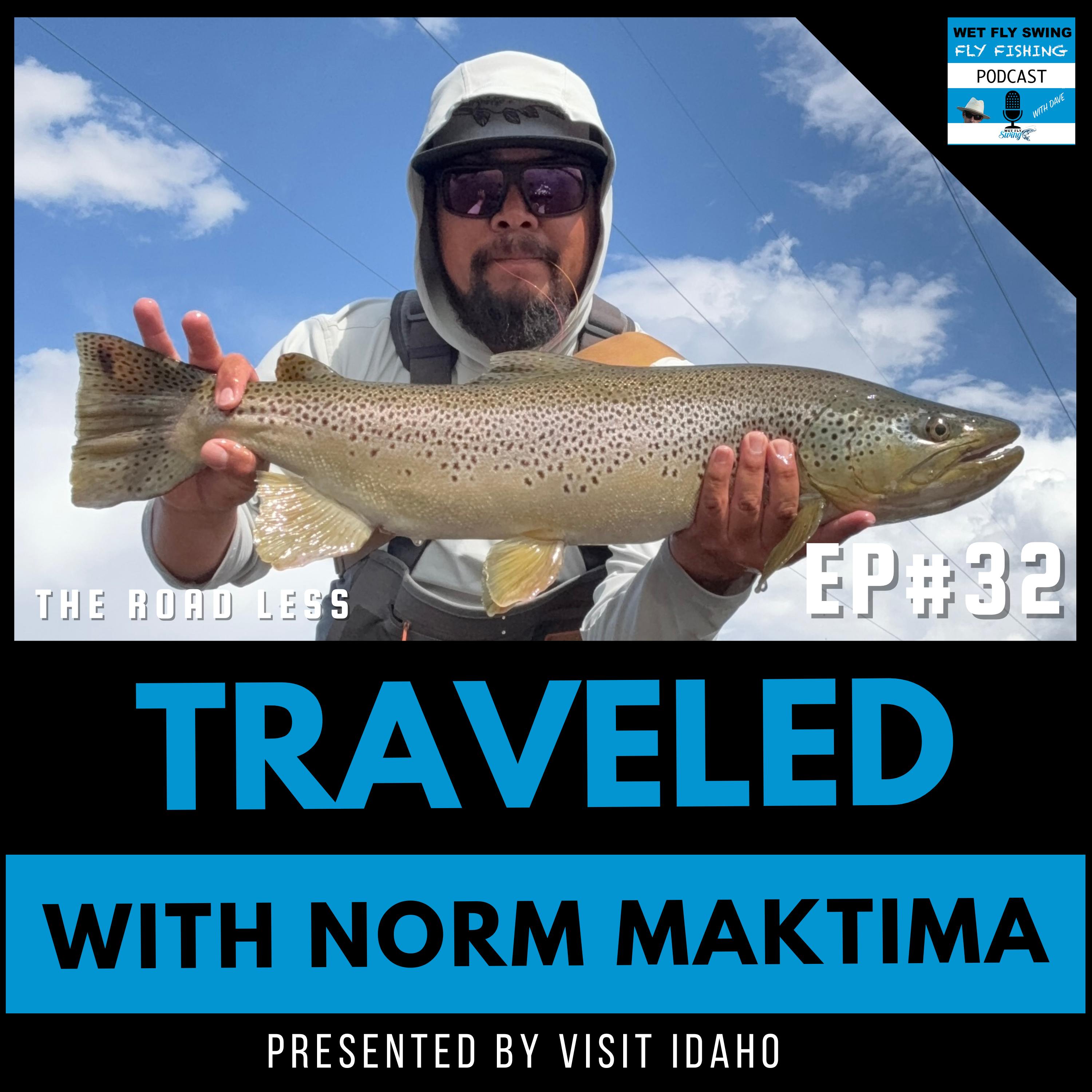
S12 Ep 812Traveled #32 | Norman Maktima on Coaching Team USA, Euro Nymphing & San Juan Tactics
812 Show Notes: https://wetflyswing.com/812 Presented by: Visit Idaho Today we're hanging out with Norman Maktima: world champ fly angler, guide, and all-around fishy guy. Norman grew up in Pueblo tradition, fished his way onto the international stage, and knows how small details can make a huge difference. In this episode, he shares tips on reading water, watching for subtle changes in water levels, and selecting flies that work well in both competition and everyday fishing. We also get into how to stay sharp when every single cast might be the one. Show Notes: https://wetflyswing.com/812
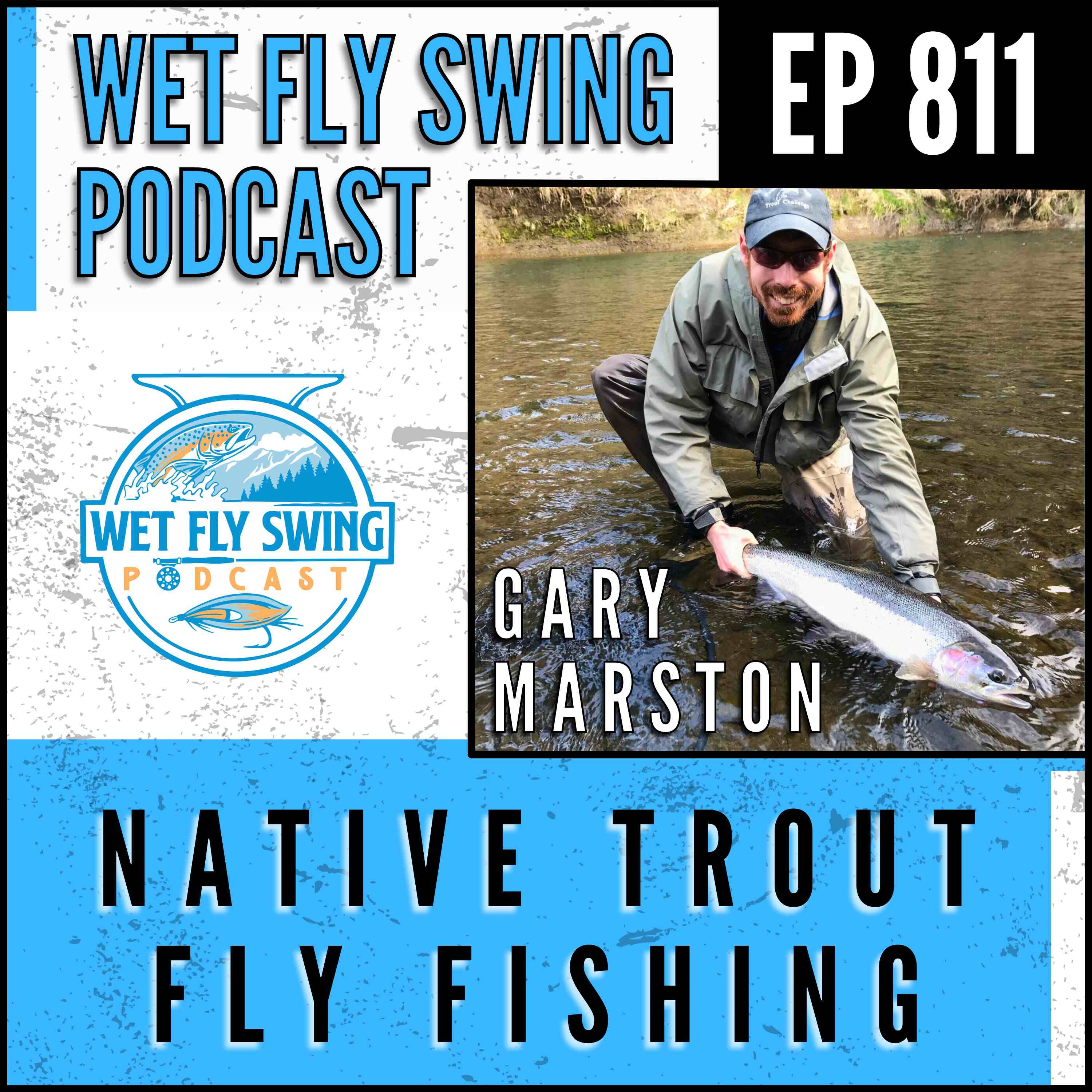
S12 Ep 811811 | Native Trout Fly Fishing with Gary Marston - Trout, Cutthroat, Redband
#811 Show Notes: https://wetflyswing.com/811 Presented by: Stonefly Nets, Mountain Waters Resort, Four Wheel Campers, Patagonia Sponsors: https://wetflyswing.com/sponsors If you've ever wondered about the rare trout swimming in North America's wildest waters, this episode is for you. Today, we chat with Gary Marston of Native Trout Fly Fishing, a lifelong angler on a mission to find and photograph every native trout species across the country. From high alpine lakes to remote desert creeks, Gary shares what it takes to chase these fish, why protecting their habitat matters, and how photography and storytelling can help us all care a little more. Show Notes: https://wetflyswing.com/811
S12 Ep 810810 | The Fiberglass Manifesto with Cameron Mortenson – TroutRoutes
Show Notes: https://wetflyswing.com/810 Presented By: TroutRoutes Cameron Mortenson is back on the podcast as he walks us through the quiet revival of fiberglass rods, why glass still connects you to the line, and how a lifetime of tinkering with rods turned into a giant, searchable blog that helps anglers choose gear and find water. We talk about the TroutRoutes mapping app on a big Driftless trip, five practical questions to ask before you buy a fiberglass rod, travel-packing rules for bringing a quiver, and the joy of slowing down to feel the rod load again. It's practical, curious, and full of those gear-and-travel moments anglers love. Show Notes: https://wetflyswing.com/810
S12 Ep 809809 | Saltwater Fly Fishing Redfish Adventures with John Hunt
#809 Show Notes: https://wetflyswing.com/809 Sponsor: https://www.wetflyswing.com/moccasin Saltwater Fly Fishing is more than just chasing fish—it's about immersing yourself in incredible locations, learning new techniques, and building lifelong connections. Today's episode takes us deep into the marshes of Louisiana and beyond, exploring the magic of redfish, permit, and tarpon with a focus on both adventure and community. Our guest, John Hunt of Moccasin Fly Club, has built one of the most unique travel-minded fly fishing communities in the world. From hosted trips and conservation efforts to unforgettable cultural experiences, John shares how the journey is just as important as the fish. By the end, you'll know when to chase bull reds, why the Double Haul Tournament is different, and how it can change the way you see travel. Show Notes with John Hunt on Saltwater Fly Fishing 01:17 - John Hunt shares fishing reports from Colorado and New Mexico, plus how his lodges adapt to summer heat and the upcoming hunting season. 02:20 - Insight into the upcoming Double Haul Tournament in Xcalak, Mexico, blending saltwater fly fishing with community impact. Check it here. 06:37 - A weeklong experience with training days, three days of competitive fishing, prizes, and sponsor support for local guides. 08:03 - How Moccasin Fly Club lowers costs so anglers can chase permit and tarpon without a $10k+ price tag. 12:23 - John highlights his Louisiana program: three days of guided bull redfish fishing, affordable pricing, and an easy domestic travel plan. Check it out here. 14:58 - Redfish trips help anglers prepare for tarpon, permit, and other saltwater species by teaching heavy rod handling, sight casting, and fish fighting. 16:22 - John breaks down what anglers can expect: casting in wind, tailing fish, adrenaline pressure, and listening to guides. 18:18 - The Louisiana experience includes Cajun food, cultural exploration, and the history of communities shaped by hurricanes. Learn more here. 19:55 - Why 20–30 pound bull redfish return to the marsh after spawning and why late fall/winter is the best time to target them. 23:48 - How hosted trips turn strangers into lifelong fishing friends, with anglers often mixing boats to learn from each other. 26:00 - John walks through a sample Louisiana trip: airport pickup, group dinners, three days of fishing, and easy departure. 34:37 - John explains how Moccasin Fly Club fosters connections that extend beyond trips, building a travel-minded fishing community. If you want to learn more. Click it here! 36:47 - John was talking about the Top 3 Tips for Redfish. Ask questions before casting, Don't rip line out too fast — it spooks fish more than a bad cast and Keep it light and fun — attitude impacts success as much as skill. Wanted to Learn more about Fishing, Hunting, and Gear Trips. Check this out! Watch the Moccasin Fly Club - Fishing, Hunting, and Gear Trips Around the World 50:30 - Why community is key — sharing spots, travel advice, and trust only works when anglers become friends through these trips. 56:56 - John explains how Moccasin supports both hosted and independent travel — helping anglers find guides, DIY fish, or build their own trips. 58:15 - The mission — Moccasin Fly Club lowers barriers to travel, offers affordable programs, and helps more people get on the water. You can find the guest on Moccasin Fly Club Instagram and Moccasin Fly Club Website Top 10 tips of Redfish Saltwater Fly Fishing Bullet Points for Blog Post: Ask questions and communicate with your guide before casting. Don't rip your line out immediately if you miss—let the fish react first. Keep the mood light; attitude matters as much as accuracy. Redfish trips are the best training ground for future saltwater adventures. Timing is key—mid-October to January offers the best shots at bull reds. Practice casting with 9- and 10-weight rods to prepare for big saltwater species. Pay attention to local culture—food, music, and community add to the experience. Mix up boat groups to learn from others and build friendships. Be ready for multiple species: redfish, black drum, sheepshead, and even sharks. Remember—it's fishing, not catching. Stay positive and enjoy the hang. Moccasin Fly Club Saltwater Fly Fishing Conclusion with John Hunt on Saltwater Fly Fishing Saltwater fly fishing offers so much more than just a shot at the "bucket list" species. As John Hunt shared, trips like the Louisiana bull redfish adventure provide one of the best entry points for anglers new to the salt. From casting nine-weights at 20+ pounds saltwater redfish to building confidence for bigger species like tarpon and permit, these experiences are both affordable and action-packed. Add in Cajun food, cultural richness, and the community vibe created on hosted trips, and it's clear why anglers return year after year. Whether your goal is chasing bull reds in the Louisiana marsh or preparing for international adventures like the Doub
S12 Ep 808808 | Bahamas Flats Fishing with Bruce Chard – Bonefish, Sight Fishing, Saltwater
806 Show Notes: https://wetflyswing.com/808 Presented by: Drifthook Fly Fishing, Jackson Hole Fly Company, Patagonia, Togiak River Lodge What makes an angler who's fished around the world still pick the ankle-deep Bahamas flats fishing? For Bruce Chard, the answer is bonefish. In this episode, Bruce shares why they're his favorite species, what makes South Andros so special, and how to handle quick-fire shots in windy conditions. Show Notes: https://wetflyswing.com/808
S12 Ep 807GLD #14 | The Skunked Angler's Survival Guide with Jeff Liskay - Great Lakes Dude Podcast
#807 Show Notes: https://wetflyswing.com/807 Sponsors: https://wetflyswing.com/sponsors In this episode, Jeff Liskay, your "Great Lakes Dude", dives deep into the skunked angler's survival guide. From steelhead slumps to blown-out lake days, Jeff shares how he adjusts on the fly, learns from tough conditions, and finds success even when the odds are stacked against him. This episode was inspired by real conversations at the boat ramp with anglers wondering what to do after getting skunked. Jeff's answer? Start solving the puzzle. Whether you're struggling with fly selection, pressure, or just can't seem to find fish, this episode is packed with tactical tips and hard-earned wisdom from 250 days a year on the water. Show Notes: https://wetflyswing.com/807
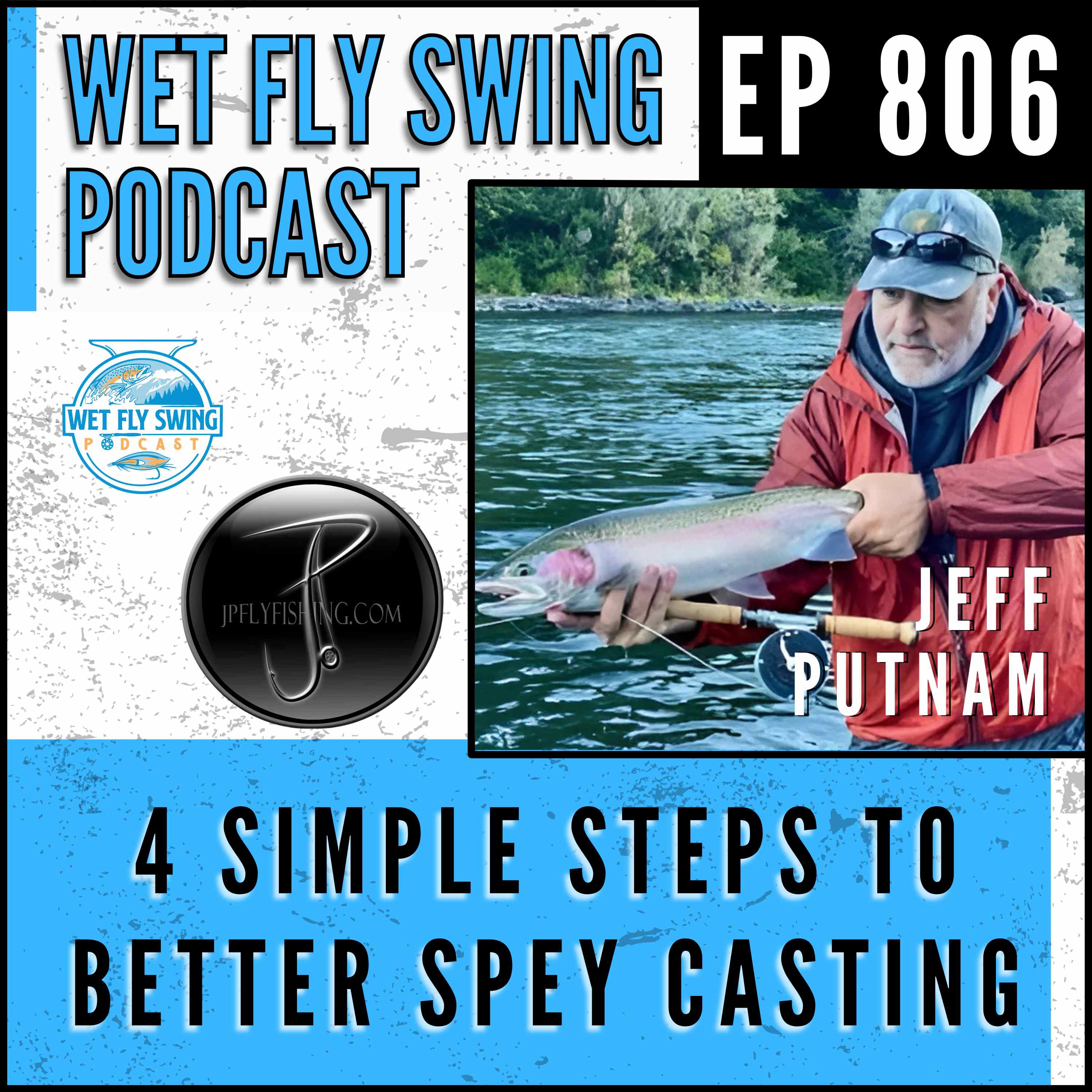
S12 Ep 806806 | Four Simple Steps to Better Spey Casting with Jeff Putnam
806 Show Notes: https://wetflyswing.com/806 Presented by: On DeMark Lodge, Drifthook Fly Fishing, Jackson Hole Fly Company, Patagonia In this episode, we dive into Jeff Putnam's straightforward approach to spey casting, built on feel, timing, and simplicity. Jeff walks us through the four steps to better spey casting, common mistakes he sees on the water (and how to fix them), and what to do when your confidence takes a hit mid-swing. (We've all been there!) We also get into the evolution of spey lines and rods, the Rogue River, Northern California, and tips for everything from trout with a three-weight to winter steelhead on big rivers. Show Notes: https://wetflyswing.com/806
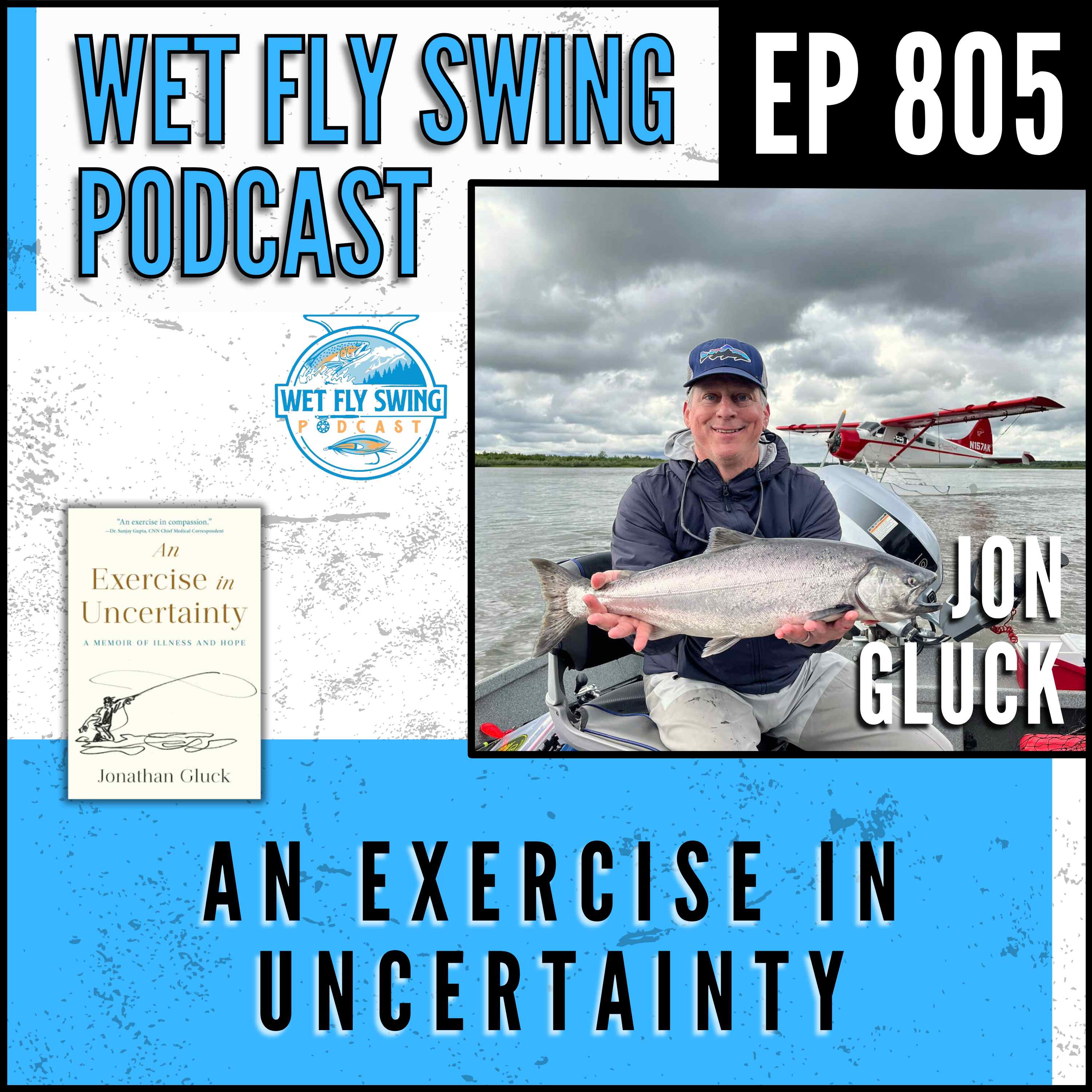
S11 Ep 805805 | An Exercise in Uncertainty with Jonathan Gluck – Fly Fishing Memoir, Multiple Myeloma Journey, Manhattan Casting Story
#805 Show Notes: https://wetflyswing.com/805 Presented By: Stonefly Nets, Intrepid Camp Gear, Mountain Waters Resort, Patagonia Sponsors: https://wetflyswing.com/sponsors Ever find yourself standing on a river's edge, the line in the water, and somehow everything makes sense, even when nothing should? That's where I landed with Jonathan "Jon" Gluck, a writer, editor, and fly-fishing lifer—or at least, someone whose lifeline came through steelhead-strength treatments and the quiet grace of a swing. Jon was told he had about 18 months to live after a multiple myeloma diagnosis more than two decades ago. Instead of slowing down, he found healing where you'd expect it least—in the gentle arc of a cast, the flash of the fly, the now. There's a lot of power in An Exercise in Uncertainty, his memoir, but even more in the way Jon leans into what fishing gives us: calm, clarity, and a reminder that presence is everything. #805 Show Notes: https://wetflyswing.com/805

S12 Ep 804Littoral Zone #20 | Sinking Line Tactics for Stillwater Fly Fishing with Phil Rowley
#804 Show Notes: https://wetflyswing.com/804 Presented by: Stonefly Nets, Intrepid Camp Gear, San Juan Rodworks Sponsors: https://wetflyswing.com/sponsors Phil Rowley breaks down the world of sinking lines—why and when to use them, how to pick the right one, and the tricks that make them effective. From understanding sink rates and densities to choosing leaders and rigging setups, Phil shares practical tactics that can help you fish deeper and smarter on lakes. Show Notes: https://wetflyswing.com/804
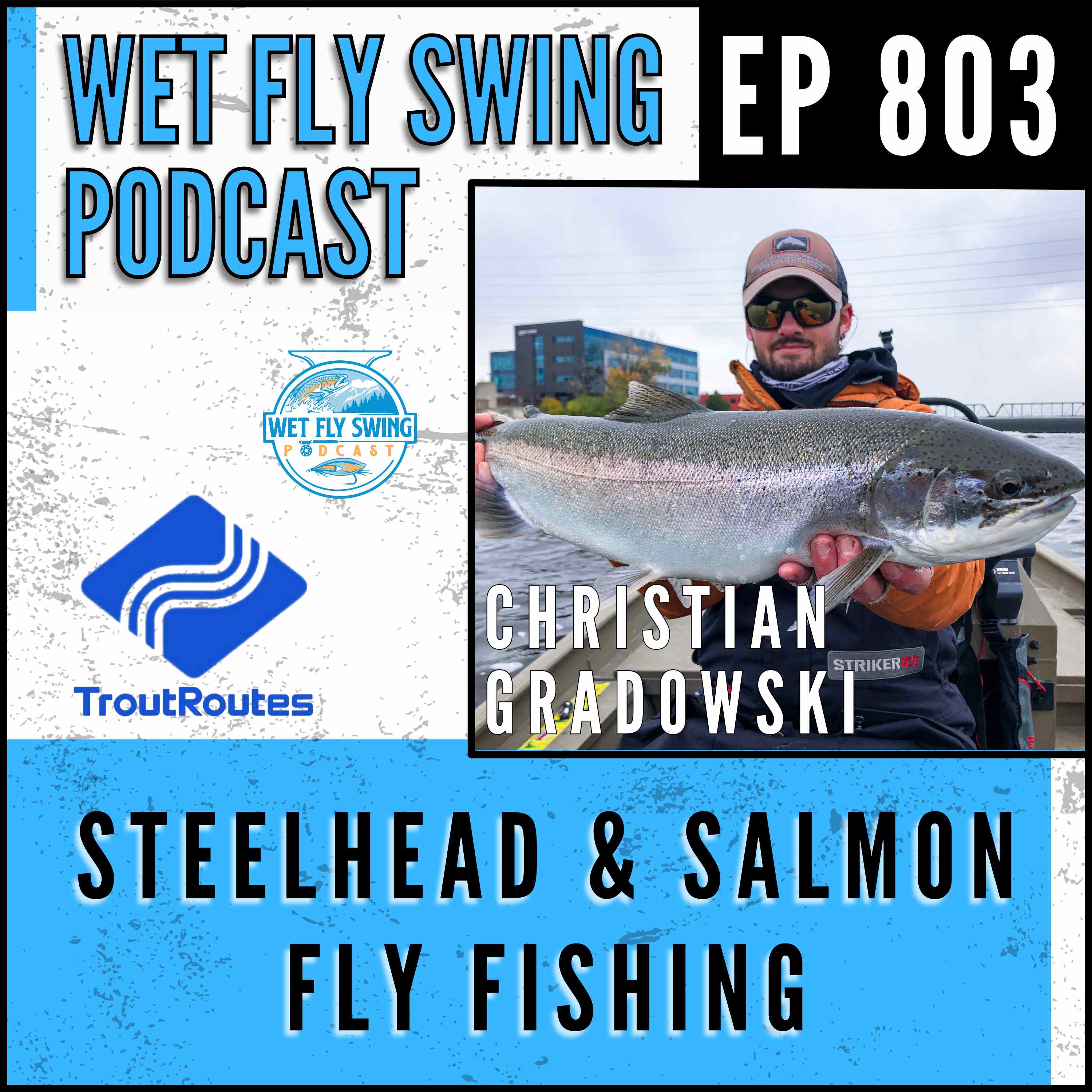
S12 Ep 803803 | Michigan Salmon and Steelhead with Christian Gradowski - TroutRoutes, Great Lakes
803 Show Notes: https://wetflyswing.com/803 Presented by: TroutRoutes If you're curious about Michigan steelhead and salmon fishing, this episode is for you. Christian Gradowski swings streamers under city bridges, strips flies for kings in water warmer than most trout would tolerate, all while capturing it all on film. You'll learn how to read tricky currents without obvious structure, get prepped for Great Lakes kings, and why July bass fishing can actually teach you how to swing in November. Christian keeps it real, sharing stories from the gravel runs of the Muskegon to the busy Grand River, where steelhead stack up under freeway overpasses. Find out why stripping streamers could be your new go-to and how glow-headed flies help get bites in cold water. Show Notes: https://wetflyswing.com/803
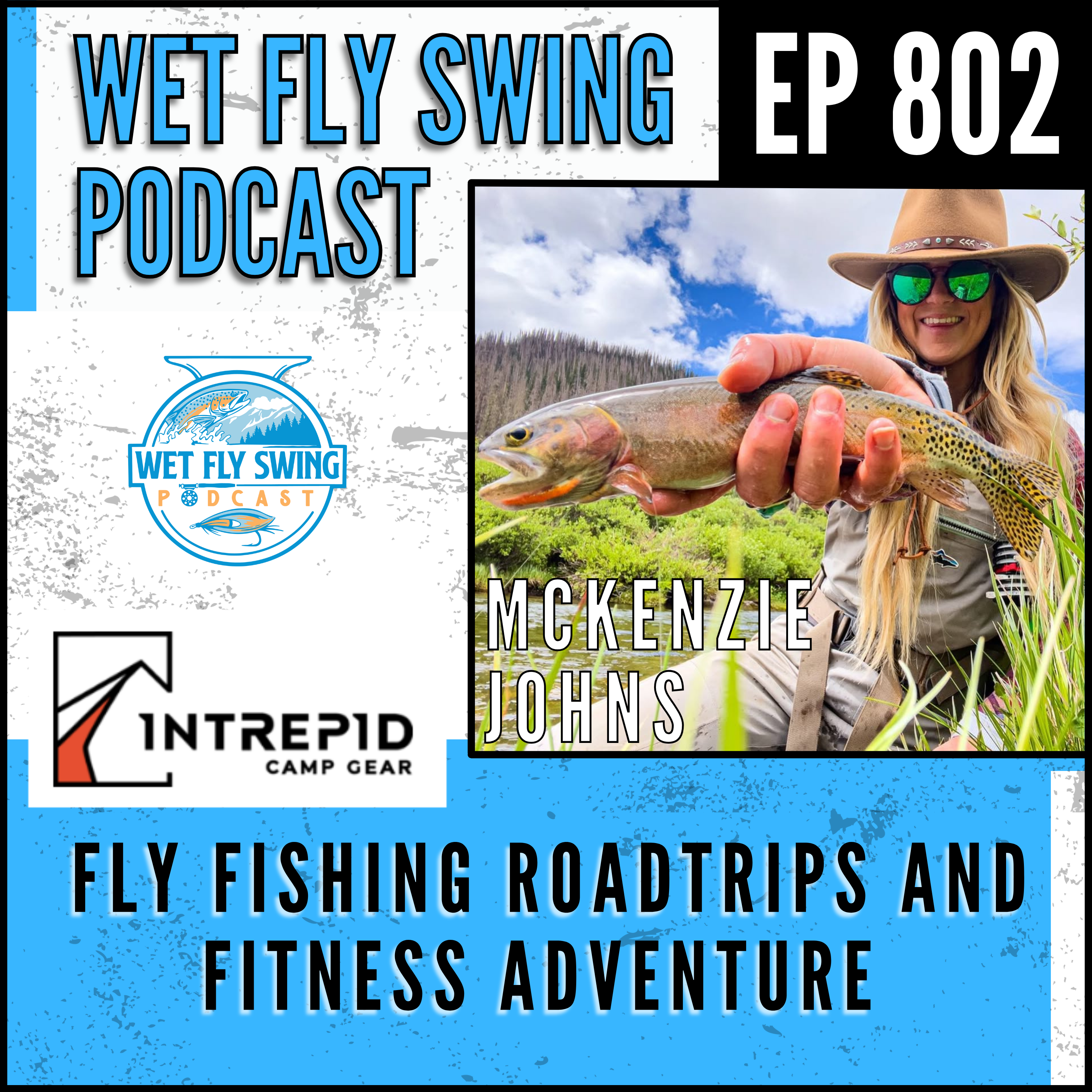
S12 Ep 802802 | Fly Fishing Roadtrips and Fitness Adventure with Mckenzie Johns
#802 Show Notes: https://wetflyswing.com/802 Presented By: Intrepid Camp Gear Mckenzie Johns' fly fishing road trips have taken her from small Pennsylvania streams to epic solo journeys across the Rockies. On her recent fly fishing road trip from Colorado to Alberta, Mckenzie combined her passion for trout fishing with the freedom of rooftop tent camping, traveling with her blue heeler, and testing the Intrepid Geo Solo tent. Along the way, she shared how fitness helps her stay strong and confident outdoors, making long days on the river and setting up camp effortless. Her approach blends gear know-how, solo travel safety, and a love for exploring wild, beautiful places. For women looking to plan their own fly fishing road trips, Mckenzie's story shows it's possible to merge fishing, camping, and fitness into one unforgettable experience. From choosing the right tent and packing fly fishing essentials to embracing solo travel and building outdoor strength, her advice encourages confidence on and off the water. Whether on a calm lake, a fast-moving river, or a mountain campsite, Mckenzie Johns proves that fly fishing road trips—when combined with skill, preparation, and passion—lead to adventures worth remembering. 01:14 - Mckenzie Johns was introduced to fly fishing by her father in Pennsylvania, stepped away from it for years, and reignited her passion after catching her first trout at Deckers, Colorado, about 7–8 years ago. She is now in Canmore, Alberta, preparing for her first fishing trip with her father since 2019, highlighting the deep bond they share through the sport. 05:46 - Mckenzie Johns discussed her Intrepid Camp Gear setup, which she tested during an eight-day solo road trip from Colorado to Canada. She uses a 2024 Toyota 4Runner equipped with a Geo Solo rooftop tent and a 190 cargo box, a combination that keeps her organized, allows for quick setup in under two minutes, and provides safety and comfort, especially valuable for solo female travel in remote, scenic locations. For more information, view here. 12:45 - Mckenzie Johns explained that when she first committed to fly fishing, she relied on guidance from her then-partner, supplemented by podcasts, YouTube tutorials, and self-study, but ultimately improved through hands-on practice. She identified casting as her biggest early challenge, starting with Euro-nymphing before transitioning to traditional fly fishing, and now relies on a few "confidence" patterns—especially a size 18 perdigon, flashback hare's ear, and hopper-dropper rigs with a chubby Chernobyl and egg pattern—favoring an intuitive approach over strict hatch-matching. 19:03 - Mckenzie Johns shared that she hasn't been Euro-nymphing much lately, instead fishing with an indicator setup holding two to three subsurface flies—often using a bright pink indicator for visibility. With rivers blown out from recent rain, she's considering lakes while enjoying the rare chance to fish alongside her father, a dedicated trout angler from Connecticut who's always ready to pull out a fly rod whenever he's near water. 22:18 - Mckenzie Johns said road trips let her explore beyond Colorado into places like Wyoming, Montana, and now the Canadian Rockies—finding beauty in the landscapes and the waters she fishes. Her tip for a long journey is to research for safety but embrace solo travel for its empowerment, noting that a reliable vehicle like her Toyota 4Runner makes it easier to be ready for adventure anywhere. 29:15 - Mckenzie Johns described how her fitness journey began from a low point in her life, where hiking in New Hampshire sparked the realization that better physical health would let her enjoy the outdoors more fully. After moving to Colorado, she shifted her mindset from exercising for appearance to training for strength, endurance, and mental clarity—eventually embracing home workouts and even coaching other women to build the fitness needed to explore and adventure confidently. 35:00 - Mckenzie Johns explained that anyone can start a fitness journey at home with just a yoga mat, a few sets of dumbbells, and a focus on weightlifting mixed with some cardio, noting that expensive equipment or a gym membership isn't necessary. She also shared how the fly fishing community has become more inclusive for women in recent years, though challenges remain, and emphasized the importance of female-led groups that create safe, welcoming spaces for beginners to learn and grow in the sport. 46:18 - Mckenzie Johns advised that anyone looking to improve their health can start small with regular walking for low-impact cardio and basic stretching to keep muscles limber before and after activities. She also shared about her blue heeler, Sari—nicknamed "Smooch" for her affectionate nature—who often joins her adventures and enjoys relaxing in their rooftop Geo Solo tent, where she can watch the outdoors through the open windows. 50:26 - Mckenzie Johns shared that she still uses her first fly rod, a nine
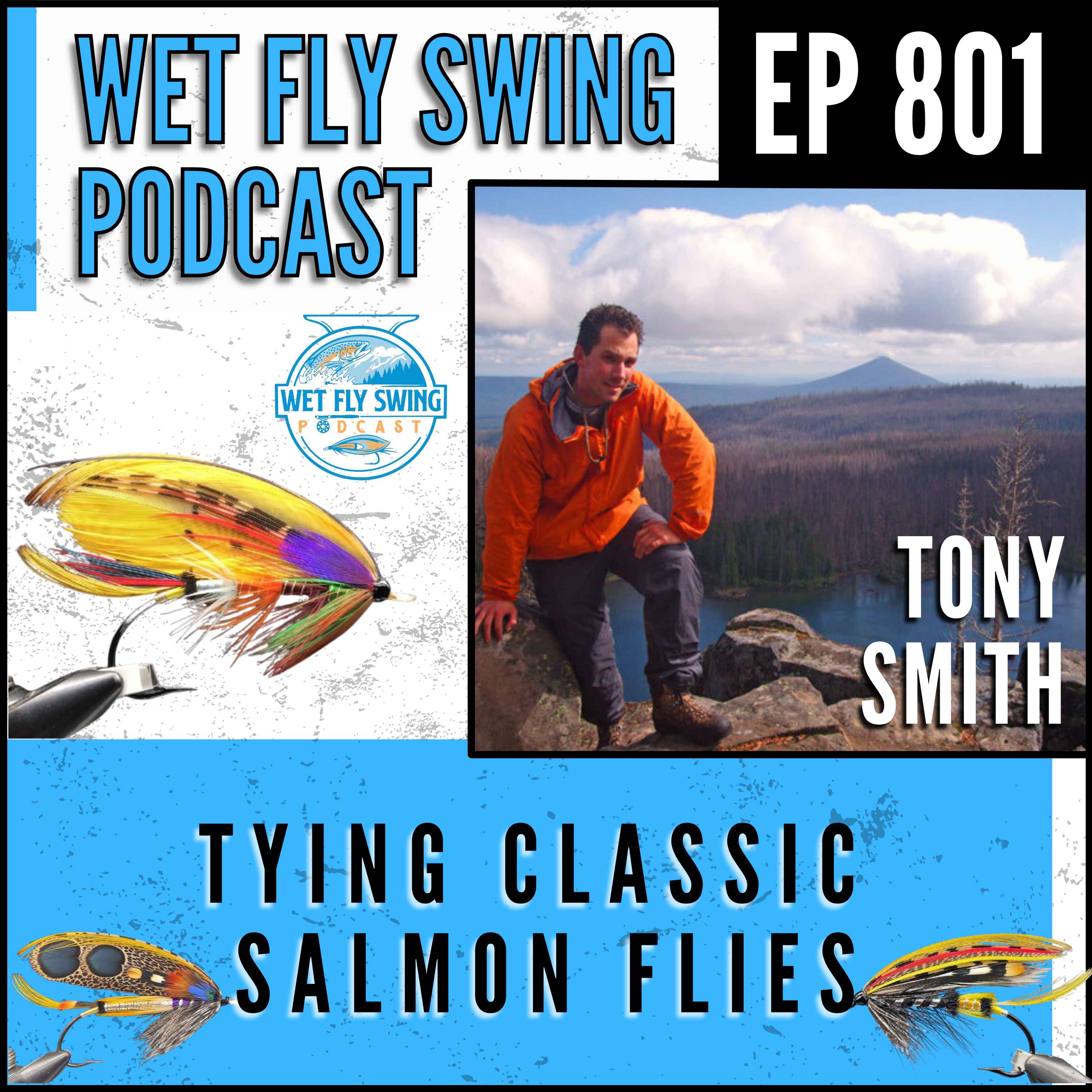
S11 Ep 801801 | Tying Classic Salmon Flies with Tony Smith
Show Notes: https://wetflyswing.com/801 Presented By: Grand Teton Fly Fishing, FishHound Expeditions, Togiak River Lodge Sponsors: https://wetflyswing.com/sponsors Today's guest traded trout strains for silk thread vintage hooks, and the history-packed world of classic fly tying never looked back. From his first salmon fly at age 12 to becoming a leading voice in preserving old school craftsmanship, Tony Smith has spent decades chasing the perfect thread wrap. By the end of this episode, you'll know what really defines a classic salmon fly, why wax silk and antique hooks still matter, and how tying flies help Tony navigate OCD social anxiety and come out on the other side. Tony Smith is here to share what it's really like inside the quirky and passionate world of classic salmon fly tying, what the feather thief story got right and wrong, and why sometimes keeping it simple is still the most beautiful thing you can do at the vise. Plus, we're going to find out why reaching out to your fly-tying heroes might be the smartest thing that you do all year. Show Notes: https://wetflyswing.com/801

S12 Ep 800800 | Fly Fishing the Delaware River with Bob Lindquist from Flies for Fish
#800 Show Notes: https://wetflyswing.com/800 Presented by: Pescador on the Fly, Intrepid Camp Gear, Mountain Waters Resort, Patagonia Sponsors: https://wetflyswing.com/sponsors In this episode, we sit down with Robert "Bob" Lindquist of Flies for Fish to talk all about fly fishing the Delaware River. Bob grew up fishing Montauk beaches from a '55 Willys Jeep, learned to tie flies on common nails, and eventually dedicated his life to guiding and teaching others on one of the most technical tailwaters in the East. We dive into how to read rise forms, why line management can matter more than casting distance, and how a bar merger pattern can outfish a dry fly four-to-one. Bob also shares the truth behind the Delaware's legendary rainbow trout, his go-to patterns for the river, and why furled leaders and reach casts are game changers in this fishery. Show Notes: https://wetflyswing.com/800
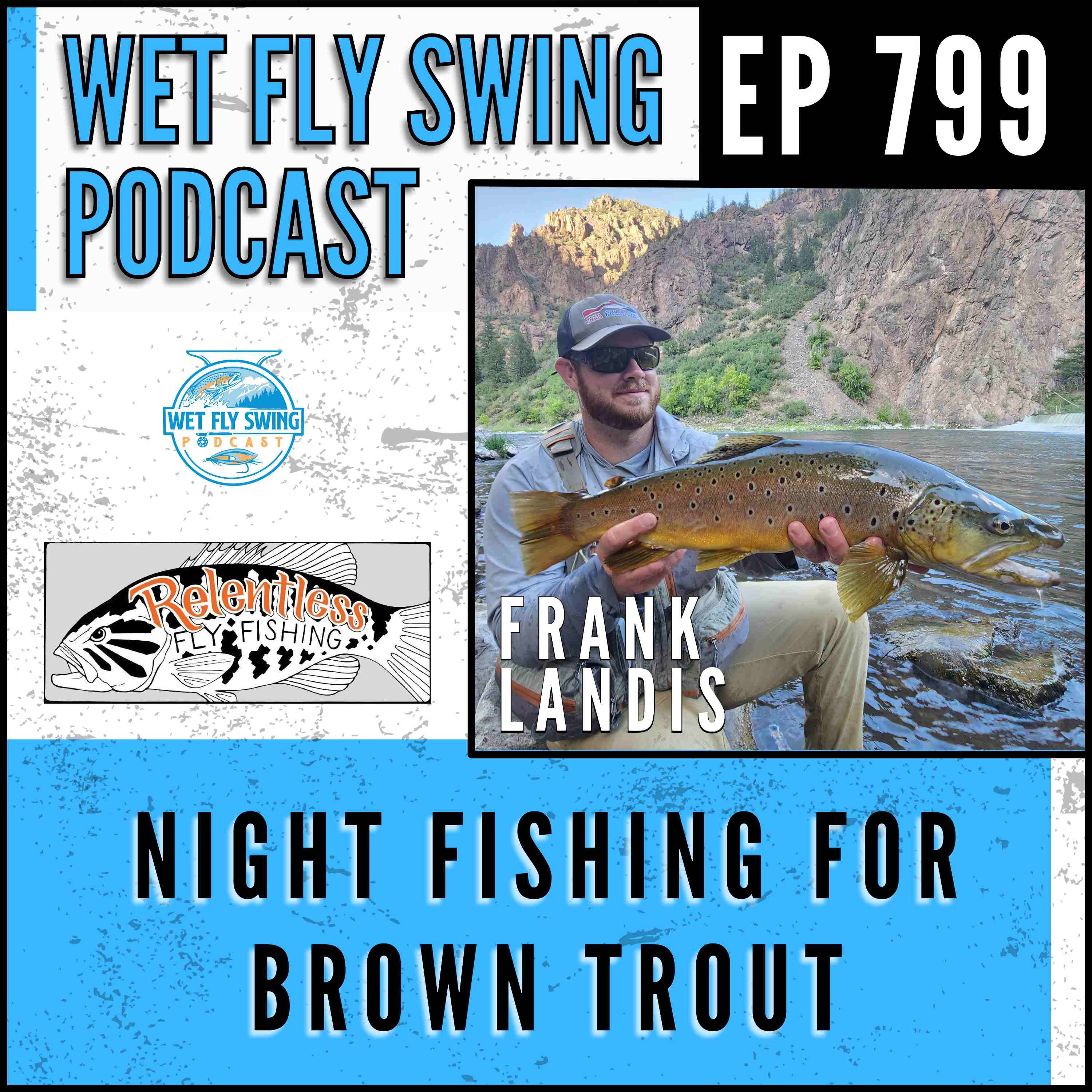
S11 Ep 799799 | Night Fishing for Brown Trout in Pennsylvania with Frank Landis
799 Show Notes: https://wetflyswing.com/799 Presented by: San Juan Rodworks, Visit Idaho, Jackson Hole Fly Company, TroutRoutes Looking to unlock the secrets of night fishing for brown trout? Imagine swinging mice and streamers under the glow of your headlamp, hooking big browns long after the sun goes down. In this episode, you'll discover how glow-in-the-dark flies work, why unweighted streamers can turn the bite on, and how to read water by feel, not sight. Frank Landis, a Pennsylvania fly fishing guide, shares his expert insights on stream temperatures, seasonal triggers, the truth behind mouse patterns, and why slowing down is the key to success after dark. Show Notes: https://wetflyswing.com/799
S11 Ep 798CJ's Reel Southern Podcast #5 | Stories from the Water with Chad's Fishing Crew
#798 Show Notes: https://wetflyswing.com/798 In this episode of CJ's Reel Southern Podcast, Chad brings on his fishing crew — a mix of guides and friends he's traveled and fished with for years. They share funny and crazy stories from the water, like breaking gear, getting stuck in shallow flats, and even mistaking big bonefish for sharks. The crew talks about the teamwork it takes to fish together, the challenges of different waters like the Louisiana marsh and Florida flats, and how they've learned (and laughed) through plenty of mistakes. They also share how to book trips with them, whether it's tarpon in Florida, redfish in Louisiana, or even fishing in Cuba. It's a fun, laid-back conversation filled with good laughs, fishing tips, and the bond that comes from years of adventures together. #798 Show Notes: https://wetflyswing.com/798
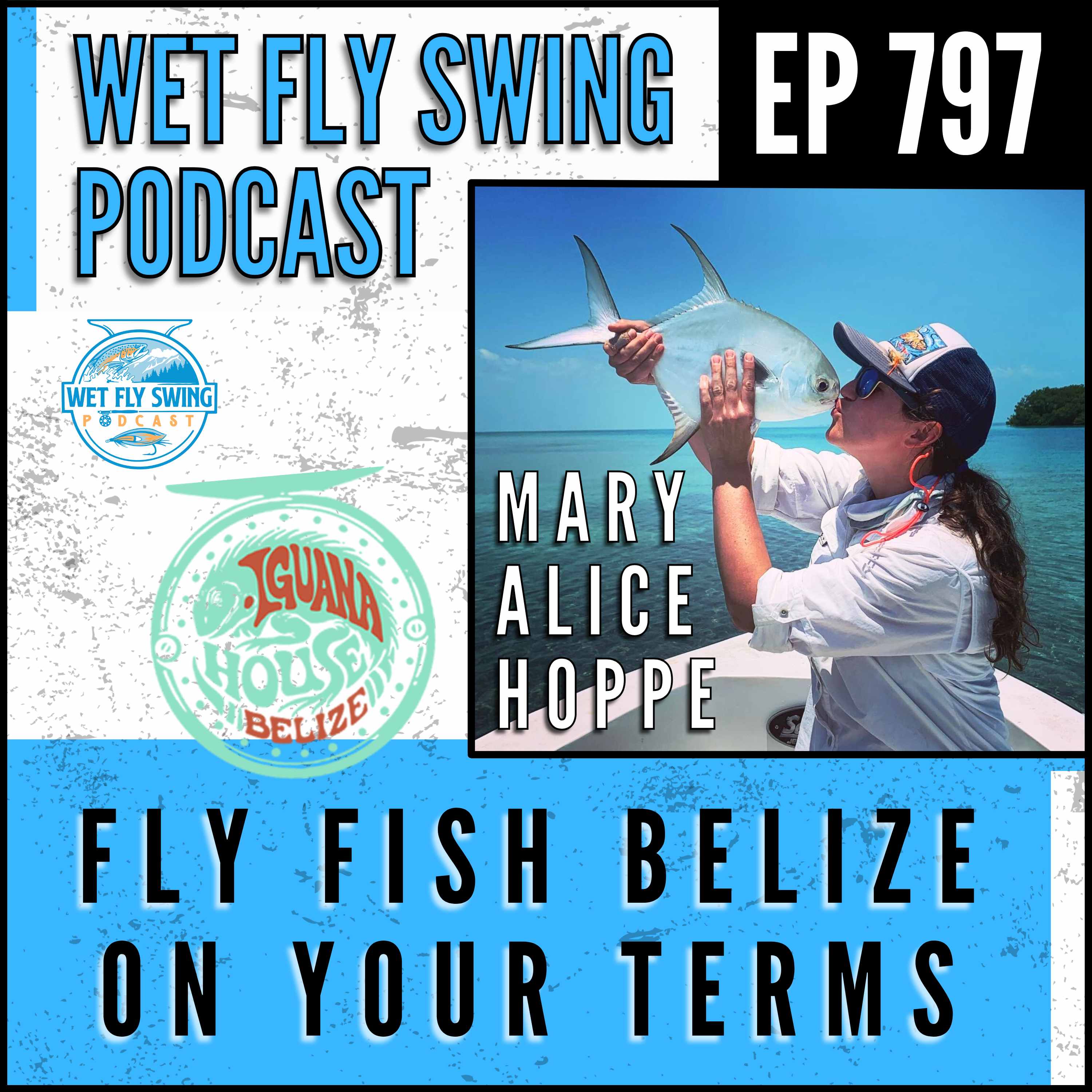
S11 Ep 797797 | Fly Fish Belize on Your Terms with Mary Alice Hoppe from Iguana House
#797 Show Notes: https://wetflyswing.com/797 Presented by: Togiak River Lodge, FishHound Expeditions, San Juan Rodworks, Intrepid Camp Gear Sponsors: https://wetflyswing.com/sponsors If you've ever dreamed to fly fish Belize on your terms to chase bonefish and permit, this episode is for you. We're heading to Ambergris Caye where Mary Alice Hoppe and her husband Chris created Iguana House, a beachfront lodge built with DIY anglers in mind. In this episode, Mary Alice shares what it's really like to run a fishing lodge, how to plan your trip for tailing permit and migrating tarpon, and why a golf cart might just be your most valuable gear item. We also dive into what to expect on the island, from fishing conditions to local adventures like snorkeling Belize's incredible reef systems. Show Notes: https://wetflyswing.com/797
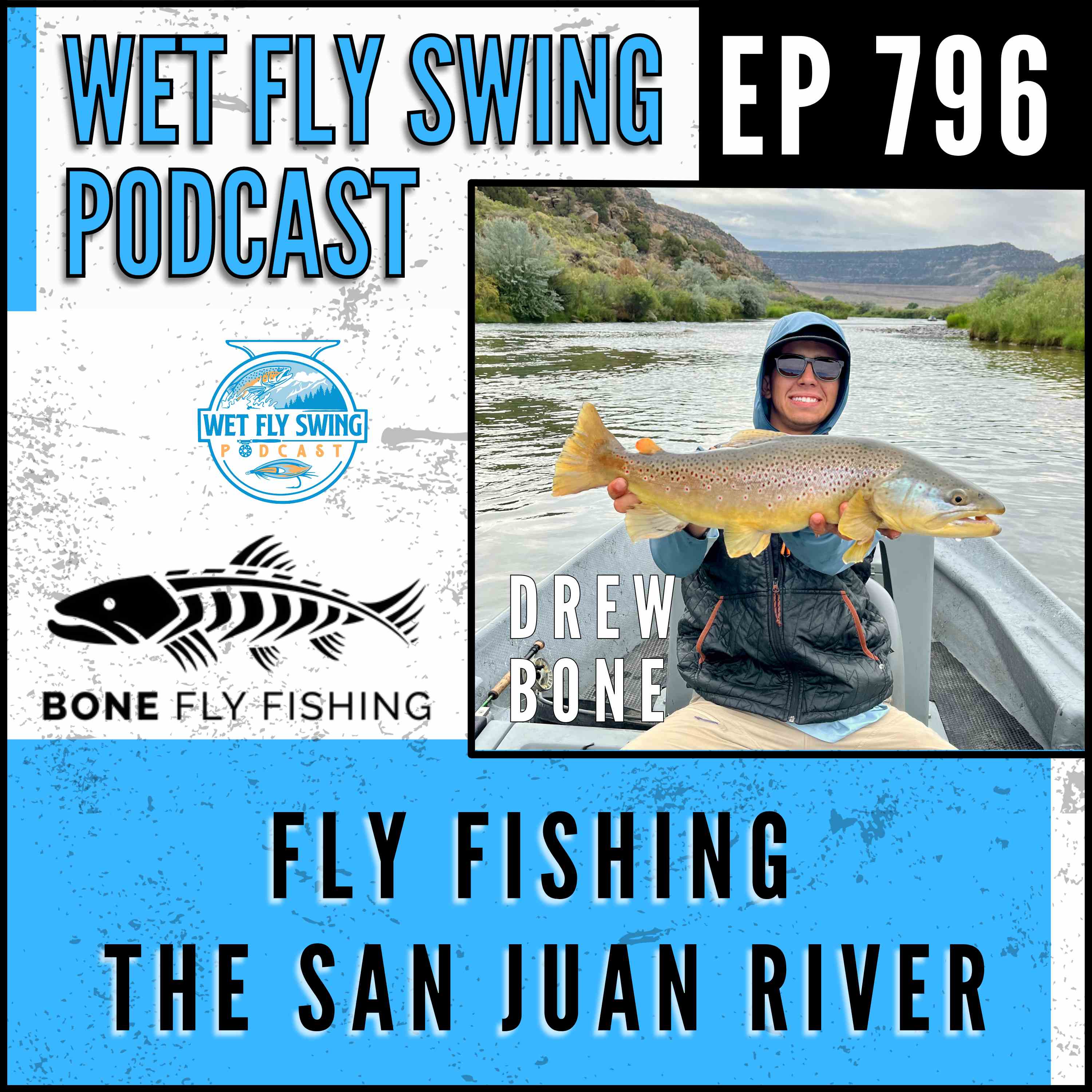
S11 Ep 796796 | Fly Fishing the San Juan River with Drew Bone – New Mexico, Fly Fishing Championship
796 Show Notes: https://wetflyswing.com/796 Presented by: Togiak River Lodge, FishHound Expeditions Would you rather compete at the World Fly Fishing Championships or spend a season guiding on the San Juan River? Today's guest made that leap from Team USA gold medalist to full-time San Juan River guide. He's dialing in tiny size 26 midges, handling 40-fish days, and teaching anglers how to hook 20-inch browns on a 6X tippet. By the end of this episode, you'll learn how to fish the San Juan's tailouts, why ant falls spark some of the river's best dry fly action, and what it really takes to catch fish year-round on one of America's most technical tailwaters. Show Notes: https://wetflyswing.com/796
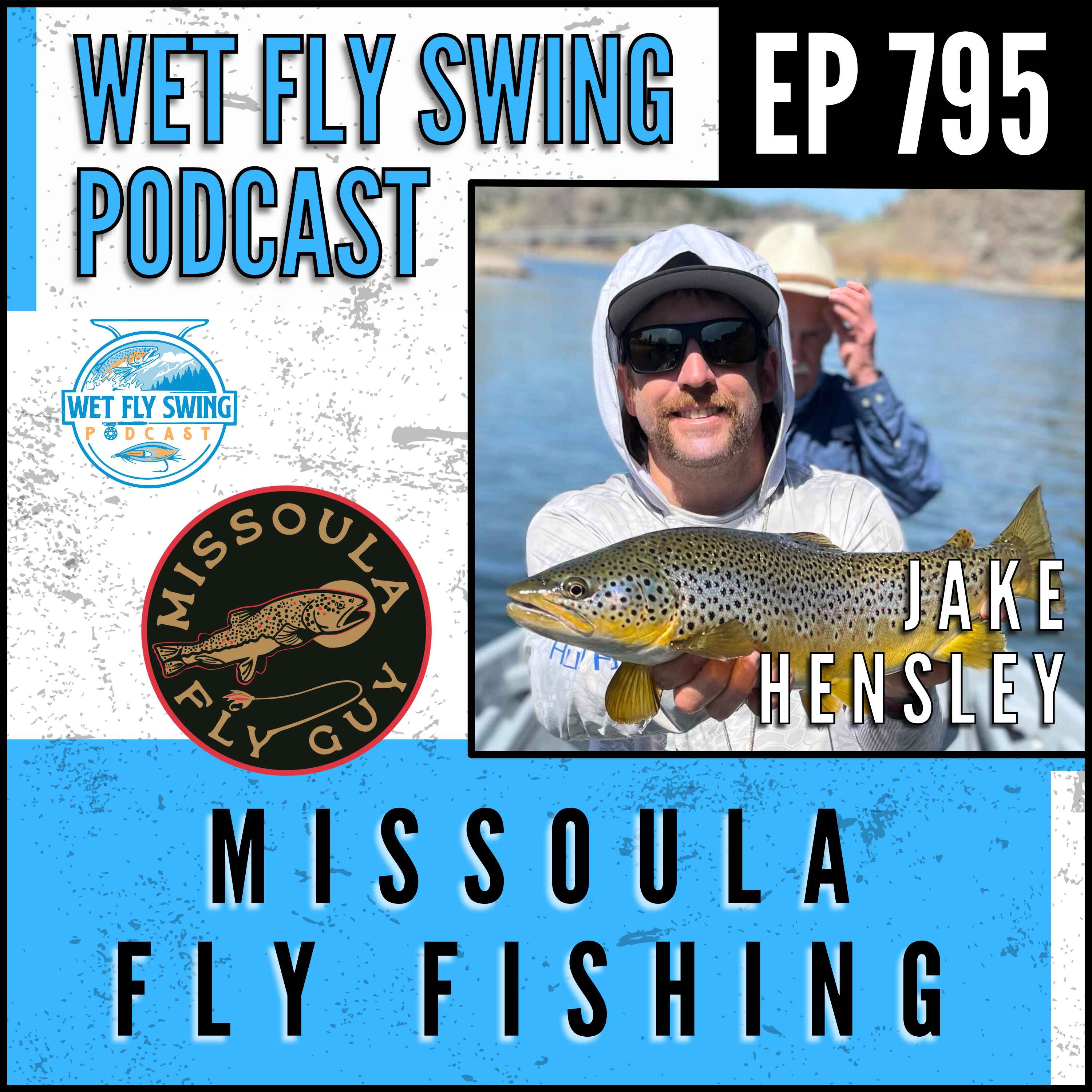
S11 Ep 795795 | Missoula Fly Fishing with Jake Hensley - Bitterroot, Clark Fork, Rock Creek
#795 Show Notes: https://wetflyswing.com/795 Presented by: Pescador on the Fly We head to western Montana with Jake Hensley to talk about Missoula fly fishing. With nearly 20 years of guiding experience, Jake breaks down the essentials of fishing the Bitterroot, Clark Fork, and Rock Creek - three of Missoula's most iconic rivers. We cover how to rig for high water, why dry-dropper setups are so effective, and what makes floating Rock Creek such a game-changer. Whether you're new to the area or planning your tenth trip, Jake's got real tips to help you fish smarter and enjoy more of what Missoula has to offer. Show Notes: https://wetflyswing.com/795
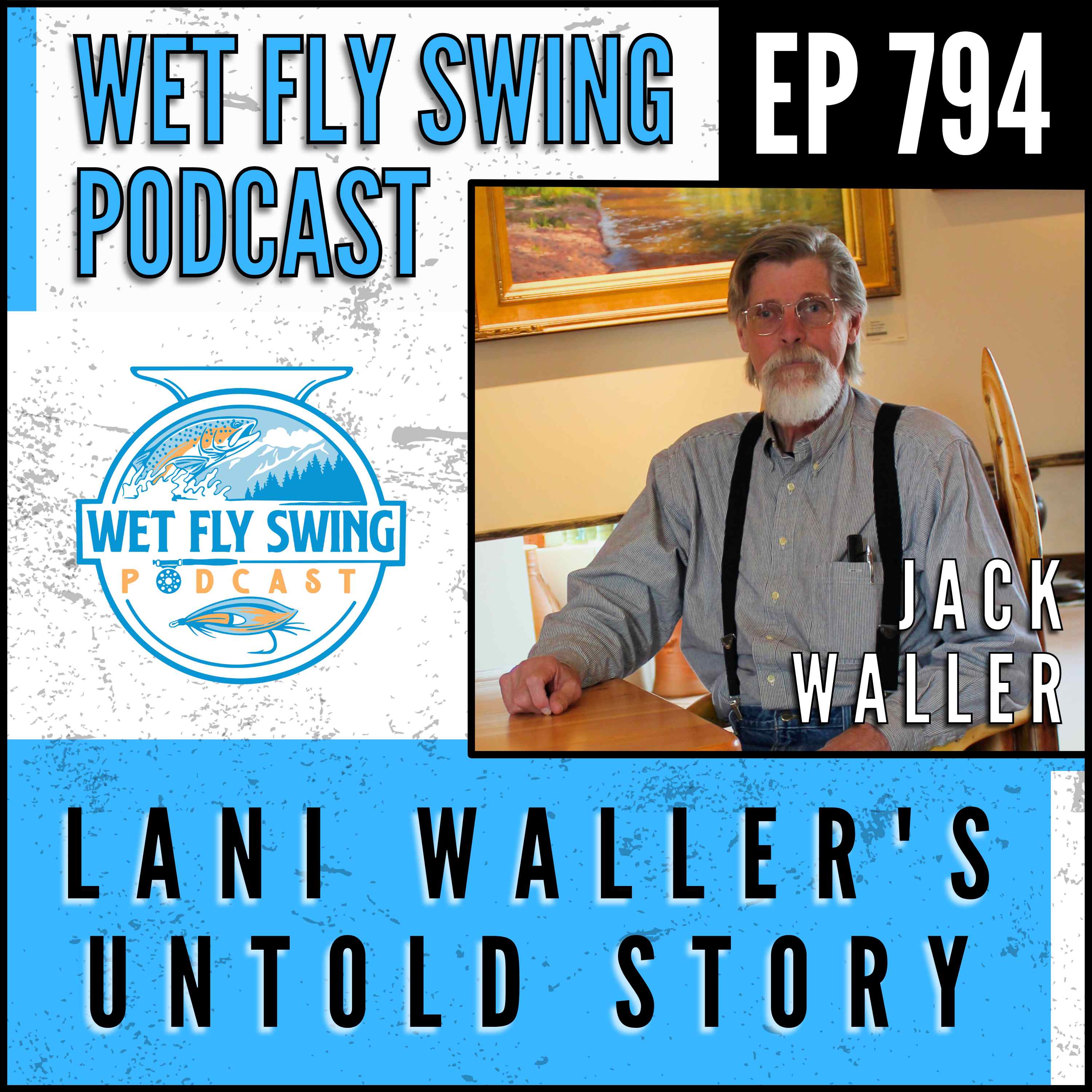
S11 Ep 794794 | Lani Waller's Untold Story with Brother Jack Waller
#794 Show Notes: https://wetflyswing.com/794 Presented by: Drifthook Fly Fishing, Visit Helena, MT, San Juan Rodworks, Togiak River Lodge Sponsors: https://wetflyswing.com/sponsors In this episode, we take a heartfelt journey into the life of one of steelhead fishing's most influential figures, Lani Waller. Through his brother Jack Waller, we hear untold stories about Lani's early years, his deep connection to rivers, and the life-changing events that shaped him. From a childhood trauma that led him to the fly rod to the plane crash that forever changed his path, Jack shares what made Lani more than just a great angler. He was a true steward of the sport. If you've ever been moved by a cast, a river, or a story, this one's for you. Show Notes: https://wetflyswing.com/794

S11 Ep 793793 | Fly Fishing the Tongass in Alaska with Kevin Main – Tongass on the Fly, Steelhead, Cutthroat
793 Show Notes: https://wetflyswing.com/793 Presented by: Jackson Hole Fly Company, Pescador on the Fly, Four Wheel Campers, Smitty's Fly Box When you think of Alaska, you probably picture places like Bristol Bay or the Kenai Peninsula. But tucked away in southeast Alaska is the Tongass National Forest, a wild, untouched rainforest full of remote streams where you could be the only angler for miles around. Sounds pretty awesome, right? Kevin Main from Tongass on the Fly spends his days guiding fly anglers through some of the most untouched rivers of Southeast Alaska. In this episode, find out why fly patterns matter more than just covering ground in certain times of the year, why tides pretty much run the show up there, what it takes to chase steelhead and sea-run cutthroat in spots only reachable by mothership, and why a Stikine River float might be one of the most underrated trips in Alaska. Show Notes: https://wetflyswing.com/793
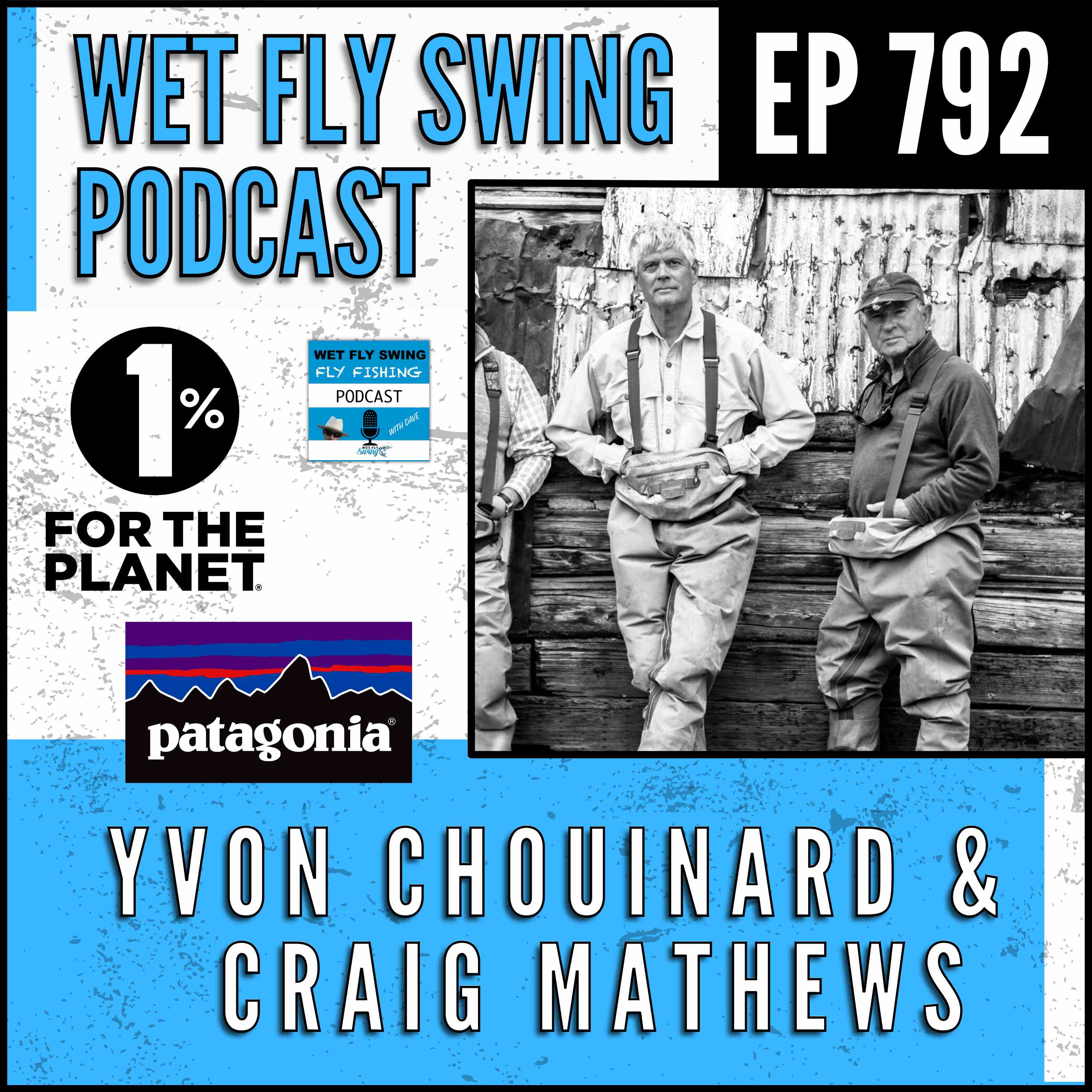
S11 Ep 792792 | Patagonia Founder Yvon Chouinard and Craig Mathews (Episode 536 Re-Release)
#792 Show Notes: https://wetflyswing.com/792 Sponsors: https://wetflyswing.com/sponsors Join us in one of our biggest episodes as we journey into a world that combines the thrill of the outdoors with a passion for conservation. This episode offers an intriguing dialogue featuring Craig Mathews and Yvon Chouinard, Patagonia Founder and an iconic figure in the outdoor world; unraveling their love for fly fishing, their unique backstories, and their shared principles around the sport and beyond. This is a replay episode from 2023 and also one of our most downloaded episodes so it's great to listen to it again. Show Notes: https://wetflyswing.com/792
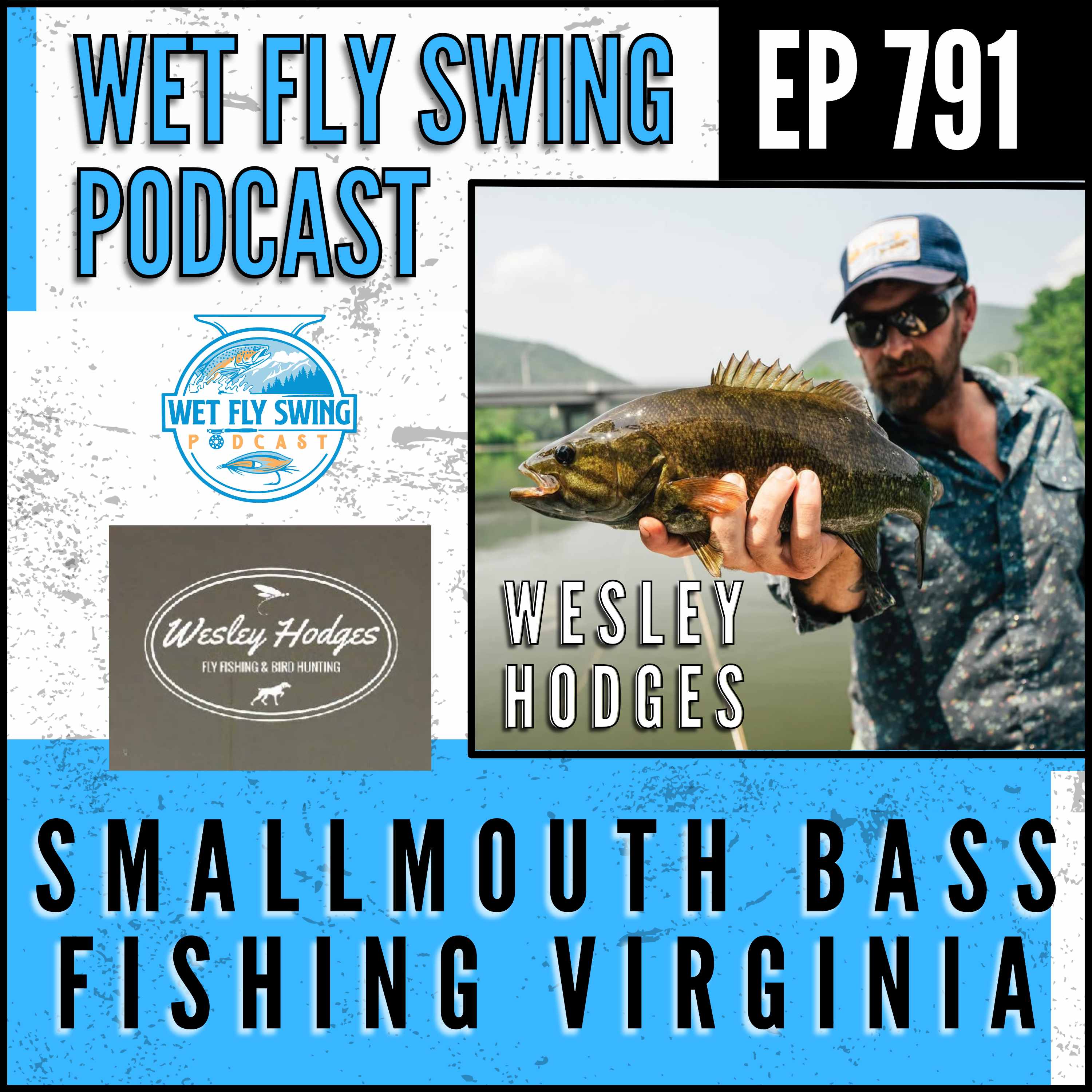
S11 Ep 791791 | Smallmouth Bass Fishing with Wesley Hodges - Virginia
#791 Show Notes: https://wetflyswing.com/791 Presented By: Pescador on the Fly, Patagonia, Mountain Waters Resort, Intrepid Camp Gear. Sponsors: Https://wetflyswing.com/sponsors On this episode, we sit down with Wesley Hodges, a decorated military veteran turned premier fly fishing and hunting guide in Virginia. Wesley shares the wild journey that led him from a cane pole in Texas to discovering fly fishing at a Boy Scout camp, to a life-changing decision made in a tiki bar in Ecuador. What followed was the creation of Virginia's first dedicated fly fishing and hunting lodge—an operation that now runs year-round across some of the most remote and productive water systems in the Eastern U.S. Right now, you'll discover why Virginia may be the "New West" for fly fishing, how to rethink your entire approach to trip planning, and the subtle techniques that make all the difference when targeting trophy Smallmouth bass. Wesley unpacks the essence of crafting full-circle outdoor experiences—one that fuses drift boats, dogs, wild trout, and grouse—all under one roof. Whether you're a seasoned angler or new to the game, this one is loaded with tactical gold. Wesley with a Smallmouth Bass Show Notes on Smallmouth Bass with Wesley Hodges 1:13 - Wesley Hodges discovered fly fishing as a teen at a Boy Scout camp, but it wasn't until after his military service that he returned to the sport. That rediscovery led him to launch Virginia's first dedicated fly fishing and hunting lodge, where he now guides guests through some of the state's wildest rivers. 5:41 - After a transformative period living in Ecuador, Wesley Hodges returned to Virginia and launched a guiding business that evolved into the state's first true fly fishing and hunting lodge. Located in Eagle Rock at the confluence of the Cowpasture and Jackson rivers, his lodge now operates year-round with a full staff, offering multi-day fishing and hunting experiences across a vast, fishable watershed. Here for more information. 9:58 - While Virginia has trout, Wesley Hodges positions the state as a true smallmouth bass destination. With fishable waters nearly year-round—from March through Thanksgiving—he emphasizes that fly fishing is a tool for all species, and smallmouth are the primary focus across his guided trips. 11:34 - Wesley explains that smallmouth bass fishing in Virginia transitions from pre-spawn in early spring to a topwater-focused season from mid-June through early October. During summer, anglers throw frog patterns and poppers all day, targeting big fish in just 1.5 feet of water, only inches from the riverbank. 14:01 - Wesley emphasizes that the biggest smallmouth are often found just inches from the riverbank, citing an old rule: "one inch from the bank equals a 20-inch fish." Subtle depressions and undercut edges create ideal ambush spots for fish feeding on crayfish, cicadas, and frogs, making precise casting near the bank both strategic and more engaging for anglers. 15:24 - Wesley and his team primarily use Blue Ridge drift boats for guiding, having moved away from rafts due to the boats' quiet, low-impact design, ideal for shallow Virginia waters. Built from durable UHMW material, these boats slide silently over rocks—minimizing fish disturbance—and come with exceptional on-site support, making them perfect for their smallmouth operations. 21:21 - Wesley leads summer topwater floats through Virginia's river systems, favoring evening windows from 6:00 to 8:30 PM when the smallmouth bite peaks. His team utilizes highly technical rigs—customized floating lines, 10 to 13-foot leaders, and lightweight crayfish patterns—to quietly target fish in low, clear water, where precision and stealth are essential. 24:45 - Wesley's team targets calm tailouts with floating lines, casting downstream close to the bank so flies reach the fish before the boat does. In these slow waters, they dead-drift subtle poppers for up to 20 seconds, drawing in large smallmouth with minimal movement and intense visual takes. 27:19 - Wesley and his team primarily use Boogle Bugs in size 4 for topwater—favoring yellow, white, and electric blue sliders or poppers depending on fish behavior. When bass grow picky, they switch to more subtle patterns like Mr. Wiggle Legs, observing how fish react and adjusting presentations based on subtle visual cues. 33:42 - Wesley shares that his guides typically float rather than anchor, covering 4 to 12 miles depending on water levels, through remote stretches of western Virginia rivers where development is scarce. With vast tracts of farmland and surrounding public lands like George Washington and Jefferson National Forests, anglers experience a true wilderness float, often without seeing another boat all day. 36:27 - Wesley shares that anglers from around the world, including Europe and beyond, are now traveling to Virginia to fish its wild rivers and experience its remote beauty. They've trademarked the phrase "Virginia is the New West" to h
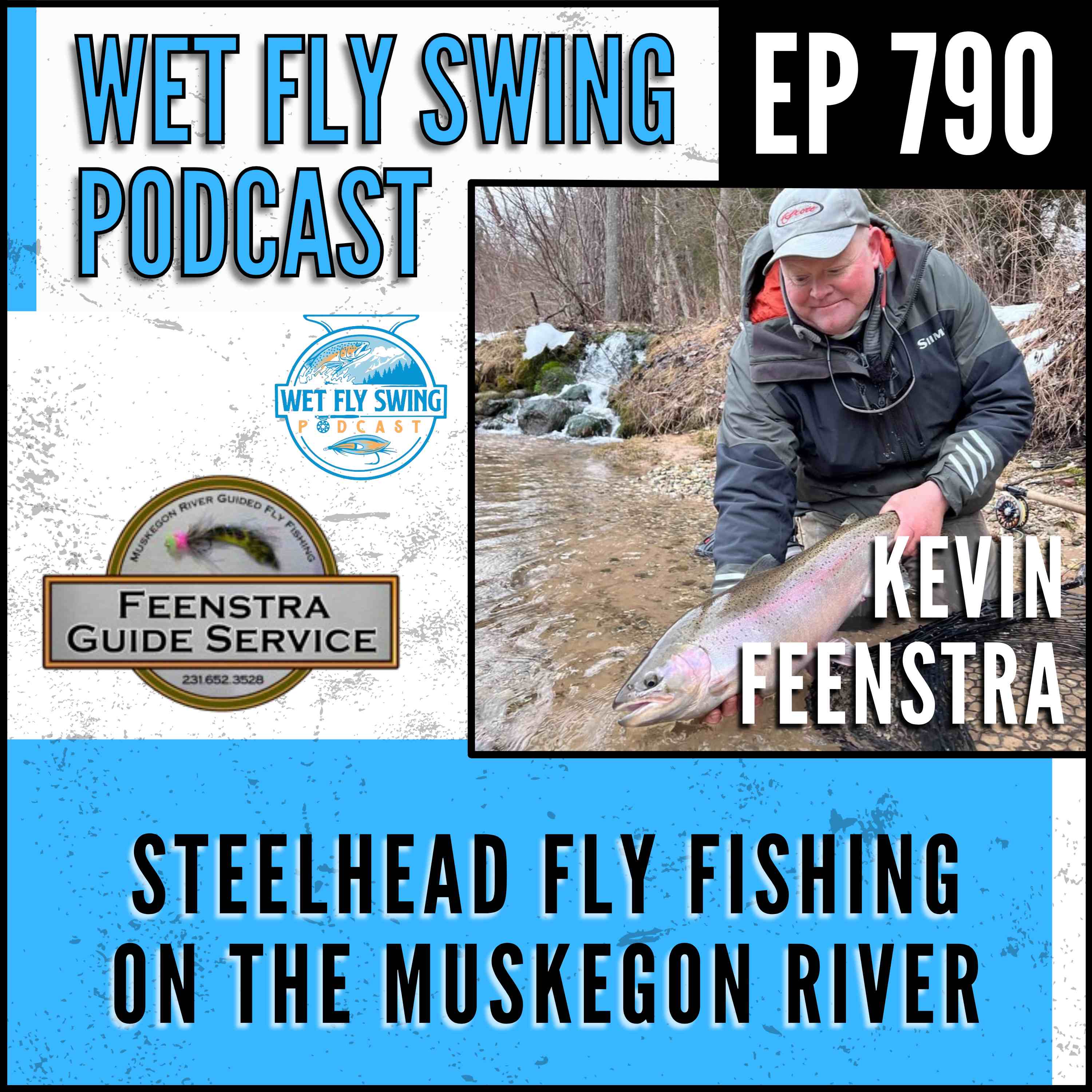
S11 Ep 790790 | Steelhead Fly Fishing on the Muskegon River with Kevin Feenstra (Episode 13 Re-Release)
#790 Show Notes: https://wetflyswing.com/790 Sponsors: https://wetflyswing.com/sponsors We're bringing back one of the classics for this special summer re-release — an early episode that quickly became a listener favorite. Originally Episode 13, this conversation with Michigan guide Kevin Feenstra is packed with insights on swinging flies for steelhead on the Muskegon River. Kevin breaks down his approach to fishing year-round, how he reads the water, and what makes the Muskegon such a unique place to chase steelhead. He also shares some of his thoughts on fly patterns, presentation, and how fish respond to changing water temps. If you're into steelhead, two-hand rods, or just love hearing from someone who truly understands their home water, this one's worth another listen. Show Notes: https://wetflyswing.com/790
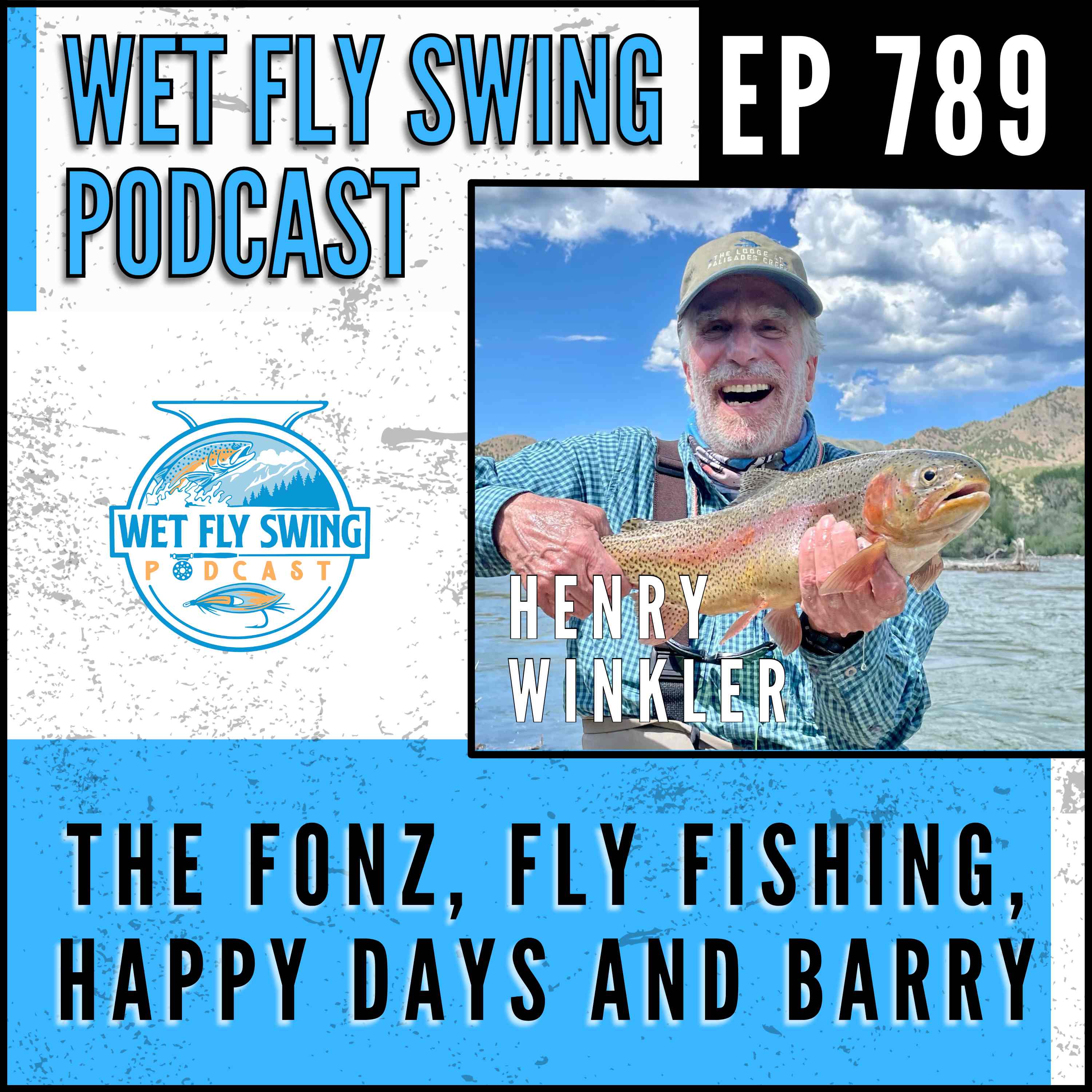
S11 Ep 789789 | Henry Winkler on the Fonz, Fly Fishing, Happy Days and Barry – Episode 334 Re-release
789 Show Notes: https://wetflyswing.com/789 This summer, we're diving back into the archives to bring you a classic episode: Episode 334 with the one and only Henry Winkler. Henry, the actor, author, producer, and passionate angler, joins us to talk about fly fishing, his legendary career, and his inspiring life story. We dive into his experience turning down Grease, landing his role on HBO's Barry, and how he's thrived while living with dyslexia. Plus, we explore his books, movies, and the surprising ways fly fishing and acting connect. Get ready for a conversation full of heart, humor, and wisdom. Show Notes: https://wetflyswing.com/789
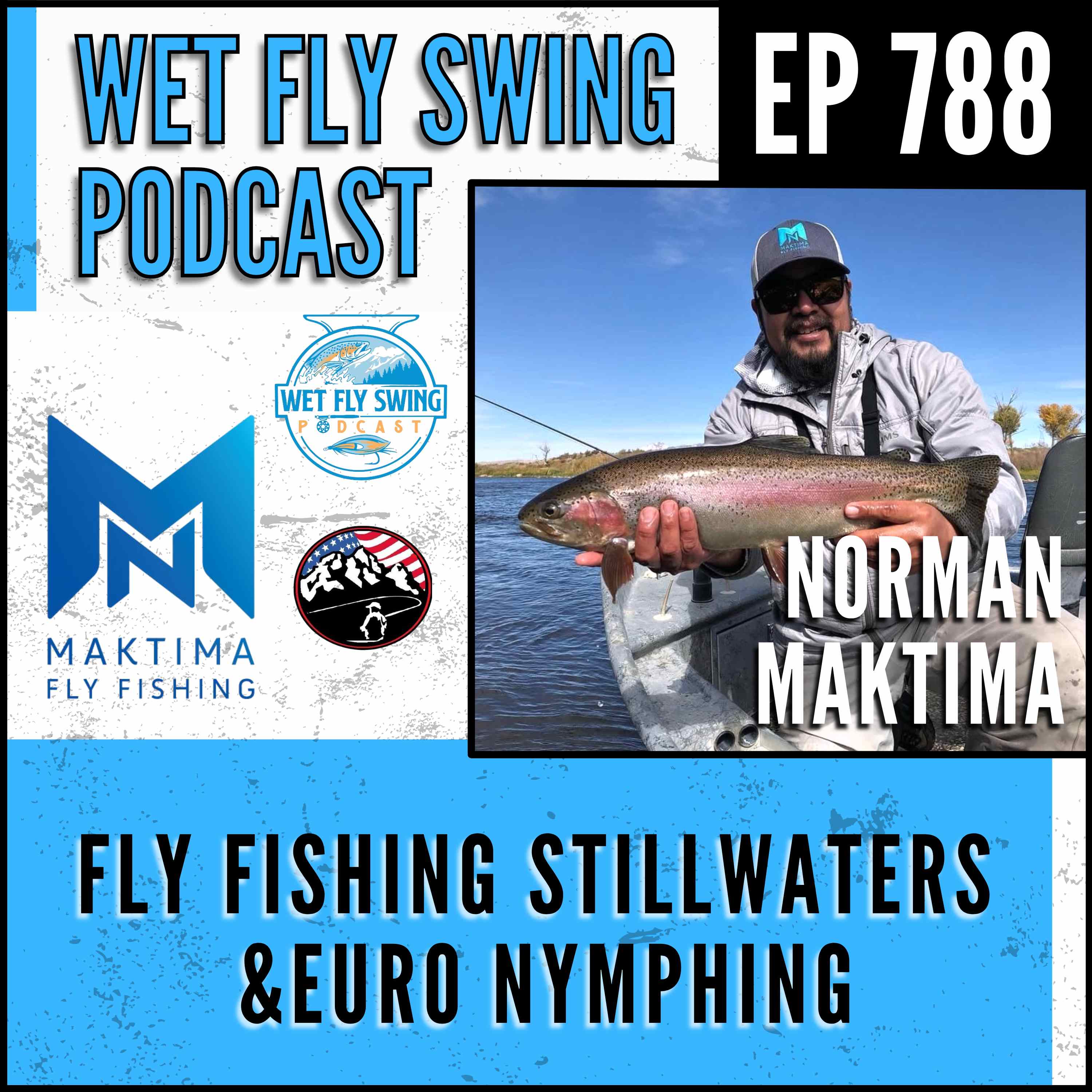
S11 Ep 788788 | Fly Fishing Stillwaters & Euro-Nymphing with Norman Maktima (Episode 348 Re-Release)
#788 Show Notes: https://wetflyswing.com/788 Sponsors: https://wetflyswing.com/sponsors This summer, we're bringing back a favorite from the archive—originally released as episode 348, this conversation with Norman Maktima is packed with stillwater insights. Norman, a Team USA fly fishing competitor and guide at High Desert Angler, shared a deep dive into stillwater strategies—from euro-nymphing tactics to lake structure, fly line selection, and subtle boat positioning tips. Whether you're working leeches, chironomids, or just trying to improve your game, Norman brings the technical know-how with a grounded, fishy vibe. We also hear about his Native American heritage and what it was like going from youth team standout to the world competition stage. If you're into stillwaters or want to sharpen your nymph game, this one is worth a second listen. Show Notes: https://wetflyswing.com/788
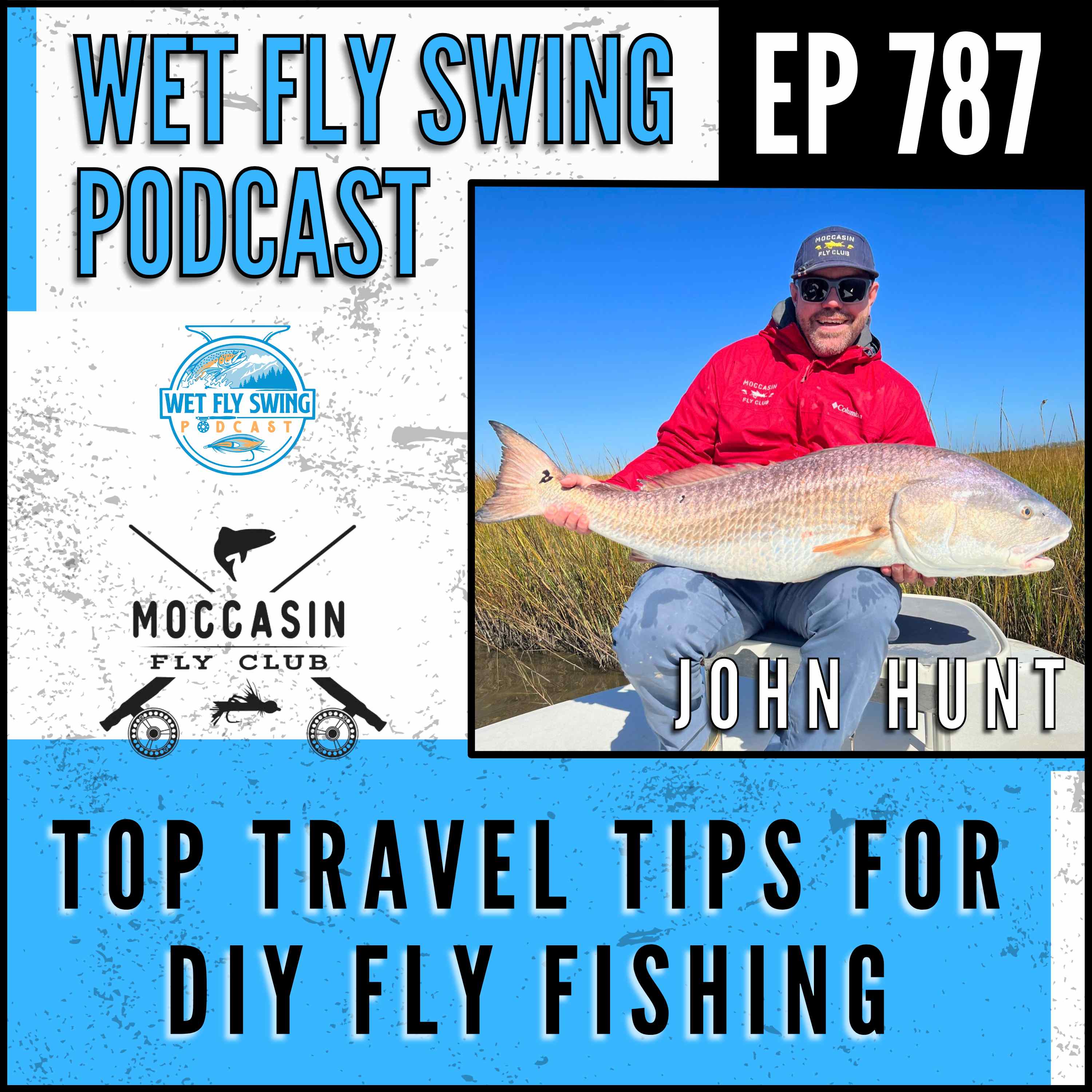
S11 Ep 787787 | Top Travel Tips for DIY Fly Fishing with John Hunt
#787 Show Notes: https://wetflyswing.com/787 Presented by: Moccasin Fly Club We chat with John Hunt of Moccasin Fly Club to talk about some top travel tips for DIY fly fishing, from organizing your gear to navigating rental car challenges in places like Mexico. We also dive into what makes hosted trips worth it, how to break into saltwater fishing, and what a day in the life looks like at their Colorado and New Mexico lodges. Whether you're a seasoned traveler or planning your first out-of-town fishing trip, this episode is packed with practical advice to help you prepare, travel smarter, and enjoy your time on the water. Show Notes: https://wetflyswing.com/787
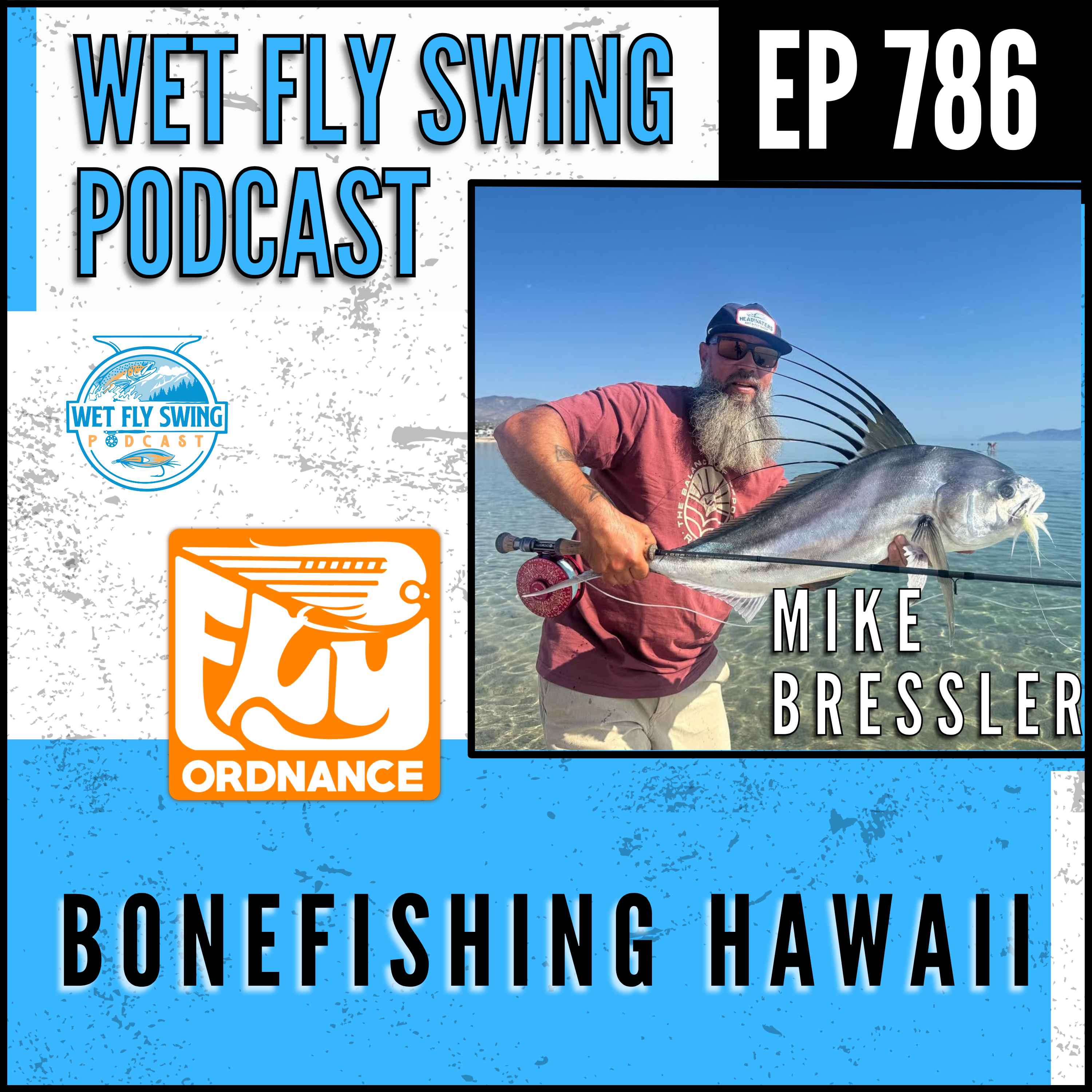
S11 Ep 786786 | Bonefishing Hawaii with Mike Bressler – Fly Fishing Oahu
Show Notes: https://wetflyswing.com/786 Presented By: Fish The Fly, Stonefly Nets, On DeMark Lodge, Visit Idaho. BoneFishing in Hawaii might not be the first thing that comes to mind when you think of saltwater adventures, but for Marine veteran Mike Bressler, it's become both a calling and a way of life. In this episode, we head to the island of Oahu to uncover what makes Hawaii's flats fishery so unique—and so challenging. From bonefish (known locally as ō'io) to golden trevally, Mike shares what it's like to guide in one of the Pacific's toughest but most rewarding destinations. Whether you're planning a DIY trip or dreaming of landing a 10+ pound bone, his insights are packed with practical value. We talk about everything from how to master casting in Hawaii's relentless trade winds to how moon phases affect bonefish behavior. Mike also opens up about building his homegrown "Bone Lodge" for guests, the cultural realities of fishing in local waters, and why he takes veterans out monthly for healing on the flats. This episode is more than a fishing guide—it's about patience, local respect, and finding purpose through saltwater fly fishing. Notes with Mike Bressler on Bonefishing Hawaii 2:03 - Mike Bressler explains that while bonefish are active year-round in Hawaii, spring and summer bring peak action. The largest fish stay on the flats during the winter spawning season, starting around November's full moon. Still, Hawaii is a tough fishery—constant trade winds and challenging conditions make it a true test for any angler. As Mike puts it, "If you can get good out here, you can be good anywhere." 3:15 - Mike Bressler is based on the island of Oahu, Hawaii's most visited island, known for its iconic Waikiki, but also home to quieter country towns like Hau'ula, where Mike lives. He explains that bonefish—locally called 'ō'io (pronounced "oyo")—can be found all around the island, from beaches to flats. While flats fishing is preferred, Mike notes he has even spotted bonefish from the shoreline. In addition to bonefish, the waters also host various trevally species, including bluefin, golden, and the rare giant trevally, though bonefish remain the main attraction for visiting anglers. Click here for more information. 5:46 - Retired Marine Mike Bressler discovered Oahu's bonefish flats during a COVID quarantine on Ford Island. Now based in Hauʻula, he guides anglers year-round, with peak season from October to December. Windy conditions and remote flats make boat access and strong casting skills essential. 09:06 - Mike Bressler emphasizes that handling Hawaii's wind starts with mastering the double haul and sidearm cast. He recommends aiming for at least a 40-foot cast under the wind and leading the bonefish, not landing the fly on their head. Sometimes, a short flip of the fly is all that's needed, as long as it's placed ahead of the fish's path. 9:49 - Mike Bressler explains that Hawaii's largest bonefish are most active from October to December, as they begin their deep-water spawning cycle around full moons. He advises avoiding fishing three days before and after a full moon since fewer fish are found on the flats during that time. 12:29 - Mike Bressler and his wife host guests at their private rental, the Bone Lodge, a freestanding Airbnb-style unit that comfortably accommodates couples, small families, or fishing buddies. He offers customizable half-day and full-day guided trips, often using his 18-foot Kayo Boatworks skiff—weather permitting—to pole clients across the flats in search of bonefish. Click here to learn more. 16:36 - Mike Bressler explains that while fall offers peak conditions, big bonefish are still catchable in May. These "home guard" fish are older, resident fish that tend to stay shallow and fight with brute weight rather than long runs. Hawaii's bonefish can reach impressive sizes—Mike has landed 12-pounders and knows of fish near 14, with the state record sitting at 15.7 lbs on conventional tackle. He also notes rumors of even larger bonefish—up to 20 pounds—coming from remote areas like New Caledonia. 18:17 - Mike Bressler shares that while bonefish populations are improving globally, Hawaii faces unique conservation challenges. Bonefish are considered a local delicacy, and with no regulations against harvesting them, locals often use nets or hook-and-line to catch them. Although enforcement is limited due to resource constraints, Mike hopes increased awareness will lead to better stewardship of the fishery. 20:51 - Mike Bressler starts most guided trips around 6:30–7:00 AM, timing for sunlight to spot fish while walking the flats and watching for signs of life like turtles or goatfish that indicate bonefish are nearby. Rather than tailing fish, anglers are taught to look for "Heineken backs"—a green shimmer just under the surface as bonefish move in with the incoming tide to feed. 24:31 - Mike Bressler shares that many first-time anglers struggle to spot bonefish, as their green s
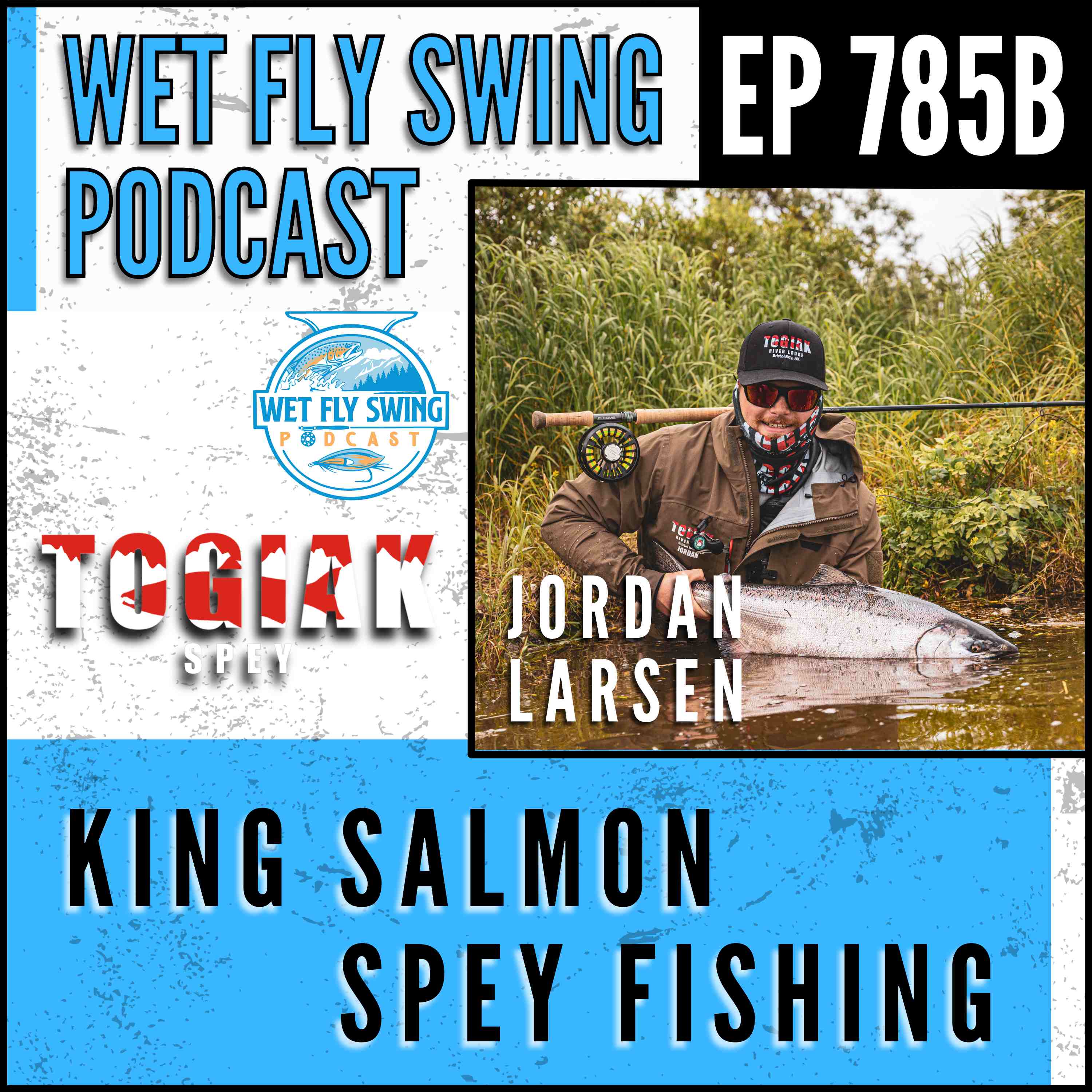
S11 Ep 785King Salmon Spey Fishing in Alaska with Jordan Larsen - Togiak River Lodge
bonus#785B Show Notes: https://wetflyswing.com/785B Presented By: Togiak River Lodge Jordan Larsen didn't grow up with a fly rod in hand. In fact, he used to avoid fly shops entirely. But one summer filming anglers in Alaska changed everything. In this episode, we hear how Jordan went from lodge videographer to lodge owner, how spey casting rekindled his passion for fishing, and what it's really like building a fly fishing program from the ground up—in one of the most remote places on earth. You'll learn about the challenges of launching a lodge during COVID, lessons from running a multi-style guiding operation, and what it takes to bring a new spey season to life in Alaska's Togiak River. Expect stories of bear fights, massive king salmon, hard-earned wisdom, and a deep love for the fish and the people. Show Notes: https://wetflyswing.com/785B
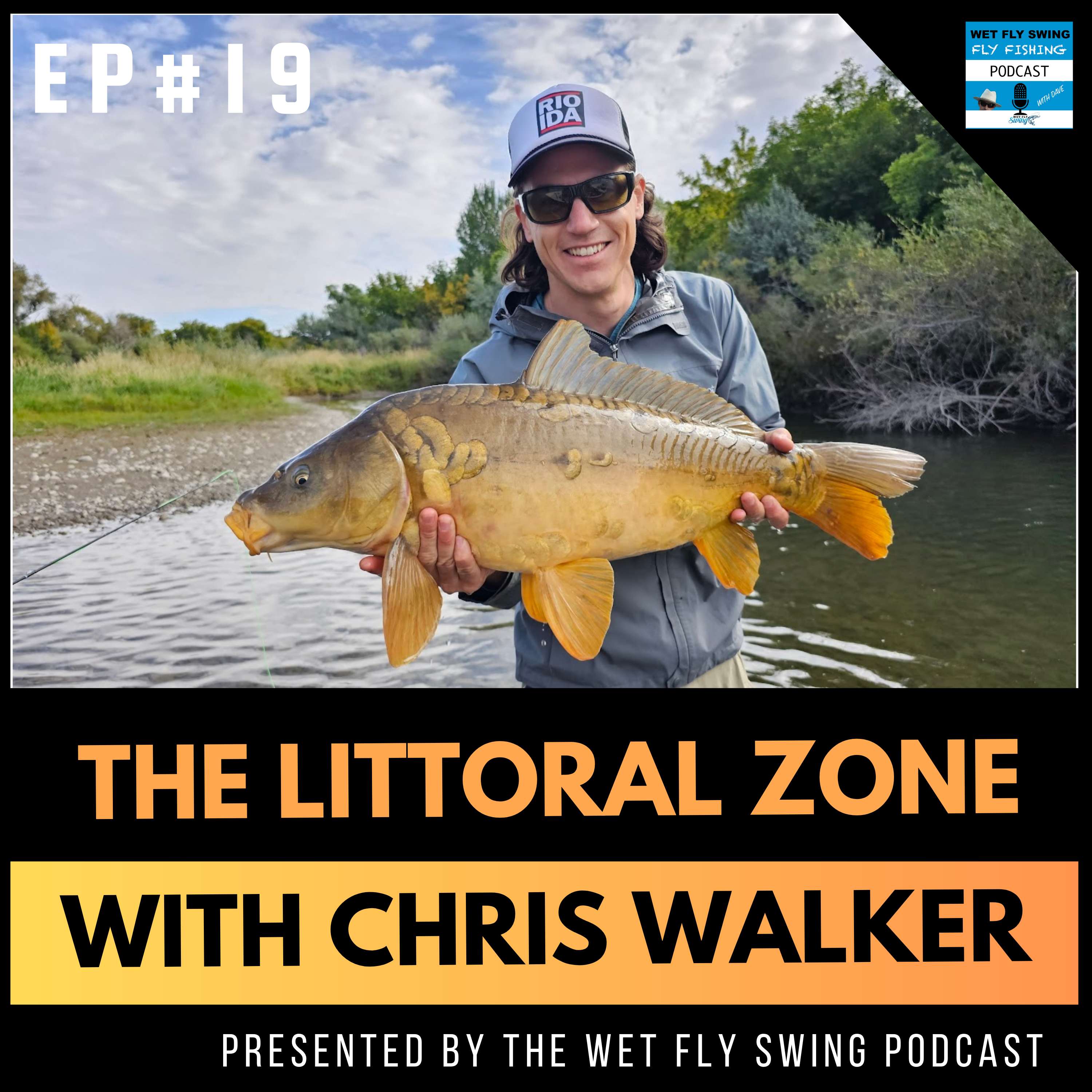
S11 Ep 785Littoral Zone #19 | Stillwater Fly Lines, Leaders, and Tippets with Chris Walker of Rio Products
785 Show Notes: https://wetflyswing.com/785 Presented by: Four Wheel Campers, Patagonia, Jackson Hole Fly Company If you've listened to Phil's two-part series on making sense of Stillwater fly lines, you probably get why this topic is so important. For anyone new to stillwater fly fishing, understanding fly lines, leaders, and tippets can be confusing. But when you're fishing lakes, knowing your gear options, especially the right fly line, leader, and tippet, is key to success. Today, Chris Walker from Rio Products joins our Stillwater guru to dive deep into fly lines, leaders, and tippets tailored for stillwater fishing. This episode is packed with solid info to help you get your setup dialed and catch more fish on the lake. Show Notes: https://wetflyswing.com/785
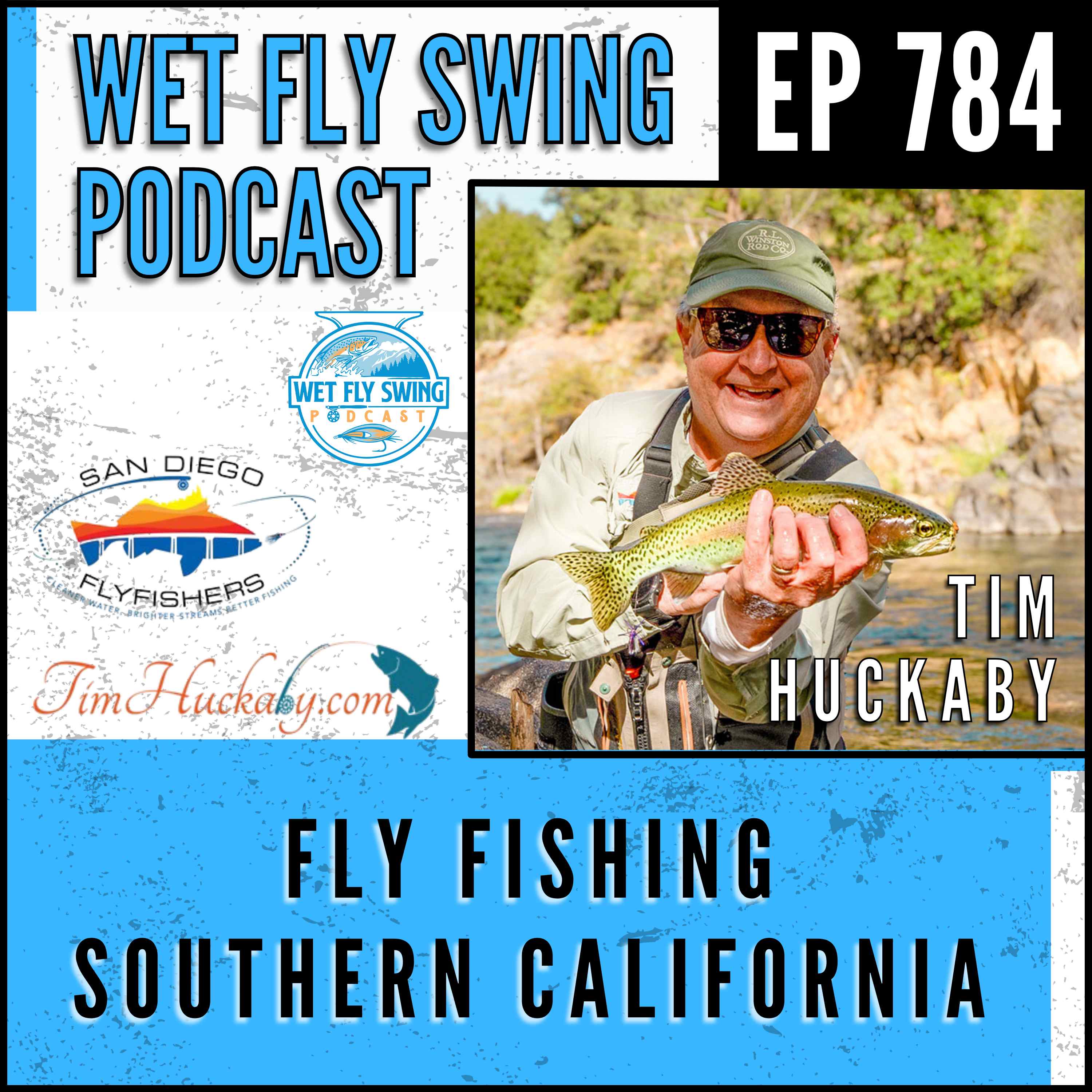
S11 Ep 784784 | Tim Huckaby on Fly Fishing Southern California – Golden Trout Wilderness, Fly Fishing Technology, Bill Gates Story
#784 Show Notes: https://wetflyswing.com/784 Presented By: Mountain Waters Resort, FishHound Expeditions, Pescador on the Fly Sponsors: https://wetflyswing.com/sponsors Today's guest takes us where technology meets the river. He shared the stage with Bill Gates multiple times, leads the charge in AI, and still finds time to run a guide business in the Sierras. We're heading into California to explore its wide variety of fly fishing, from bays to the beaches, to Baja and high mountain streams chasing golden trout. By the end of this episode, you'll walk away with fresh tools and inspiration for planning your next fly fishing adventure. Tim Huckaby, Microsoft executive and guru on AI, is going to walk us through the Sierra Nevadas, what he does there for guiding, he's going to take us into San Diego, all the diversity of species down there, and all the interests that create this amazing life he has going. You'll find out what big species you can find in the bays of California and why the Hoi kayak is a must-have if you're heading down there. You're also going to get a few tips on fishing the Golden Trout wilderness, and what you can do if you're planning a trip down in that area. He knows it very well. Plus, we're going to find out what good AI and what bad AI looks like in the outdoors, coming from the man who's creating it. A very interesting conversation. So let's get this one going. Show Notes: https://wetflyswing.com/784
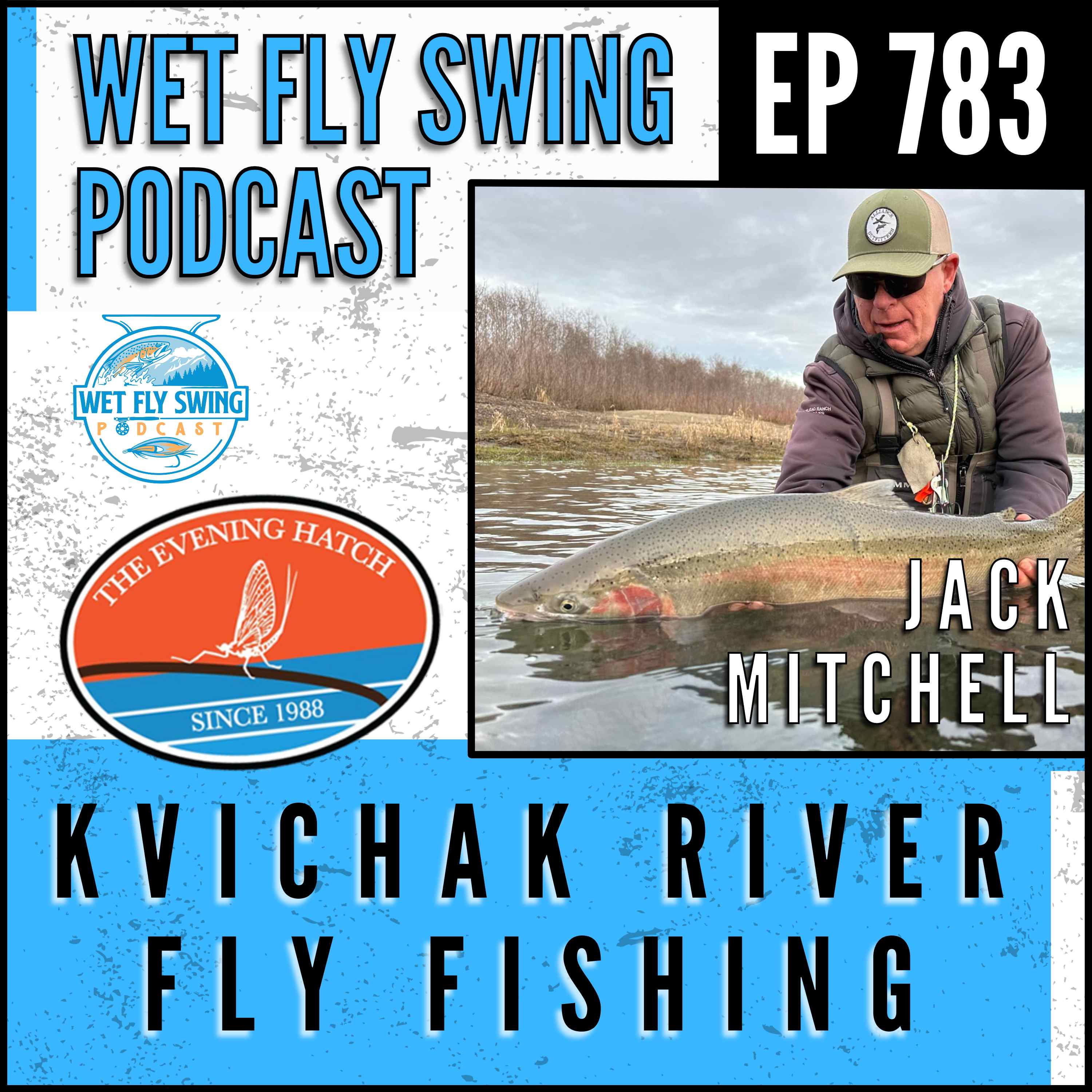
S11 Ep 783783 | Kvichak River Fly Fishing with Jack Mitchell of The Evening Hatch
#783 Show Notes: https://wetflyswing.com/783 Presented by: Grand Teton Fly Fishing, Togiak River Lodge, Intrepid Camp Gear, Smitty's Fly Box Sponsors: https://wetflyswing.com/sponsors If you've ever wondered what it's like to swing flies for giant rainbows on one of Alaska's most famous rivers, this episode is for you. We sit down with Jack Mitchell of The Evening Hatch to dig into Kvichak River fly fishing. Jack shares what makes this river so special, how his late-season program came together, and why swinging flies here is unlike anywhere else. You'll also hear tips for landing these hard-fighting rainbows and how this trip compares to his other fisheries in Washington. Show Notes: https://wetflyswing.com/783
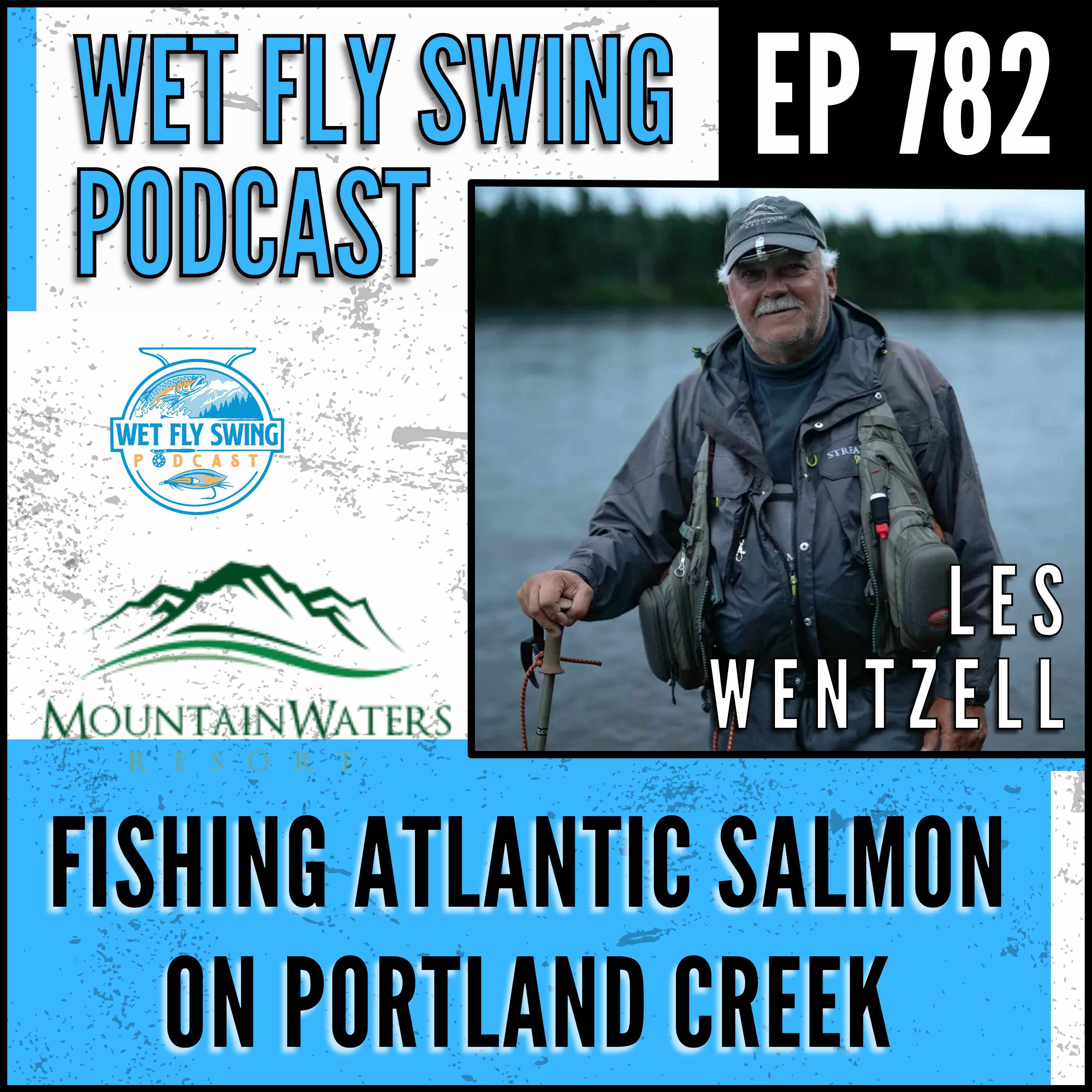
S11 Ep 782782 | Fishing for Atlantic Salmon on Portland Creek with Les Wentzell - Mountain Waters Resort
782 Show Notes: https://wetflyswing.com/782 Presented by: Mountain Waters Resort Les Wentzell, founder of Mountain Waters Resort and our guide on this year's big trip, breaks down fishing for Atlantic Salmon on Portland Creek. You'll hear why a WiFi signal is the perfect way to think about covering water. Plus, get the scoop on what to do the moment you get a hookup, why a dead-straight cast can make or break your day, and Les's simple but powerful leader formula, the secret weapon every angler needs. Here's Les Wenzel from Mountain Waters Resort. Show Notes: https://wetflyswing.com/78
CJ's Reel Southern Podcast #4 | Sulfur Hatch, Hopper Fishing, and the Legacy of Dave Whitlock with Ben Levin
#781 Show Notes: https://wetflyswing.com/781 Sponsors: https://wetflyswing.com/sponsors In episode #4 of CJ's Reel Southern Podcast, Chad Johnson kicks things off with a July fishing report from the White and Norfolk Rivers, highlighting the sulfur hatch and prime hopper season. The transition from sulfur in the evening to hoppers during the day opens up a ton of topwater opportunities, while nymphing with girdle bugs and pheasant tails remains productive. Chad shares fly suggestions like the Fat Albert, Psycho Ant, PMX, and two-bit hookers—solid patterns for the Ozark summer bite. The brief segment wraps with Diamond State Fly Shop's usual shoutout, plugging tying nights and their new podcast, Guide Talk. The rest of the episode shifts into an intimate, storytelling-driven conversation with longtime friend and fellow guide Ben Levin. Together, they reflect on youth fly fishing competitions, the influence of legends like Dave Whitlock, and their early guiding experiences across the Ozarks, Idaho, Chile, and beyond. Chad and Ben trade heartfelt stories and fishing lessons from Whitlock himself—ranging from barefoot stream canoeing to master-level finesse casting. Packed with insight, nostalgia, and a touch of humor, this episode honors mentorship, deep friendships, and the never-ending journey of learning in fly fishing. #781 Show Notes: https://wetflyswing.com/781
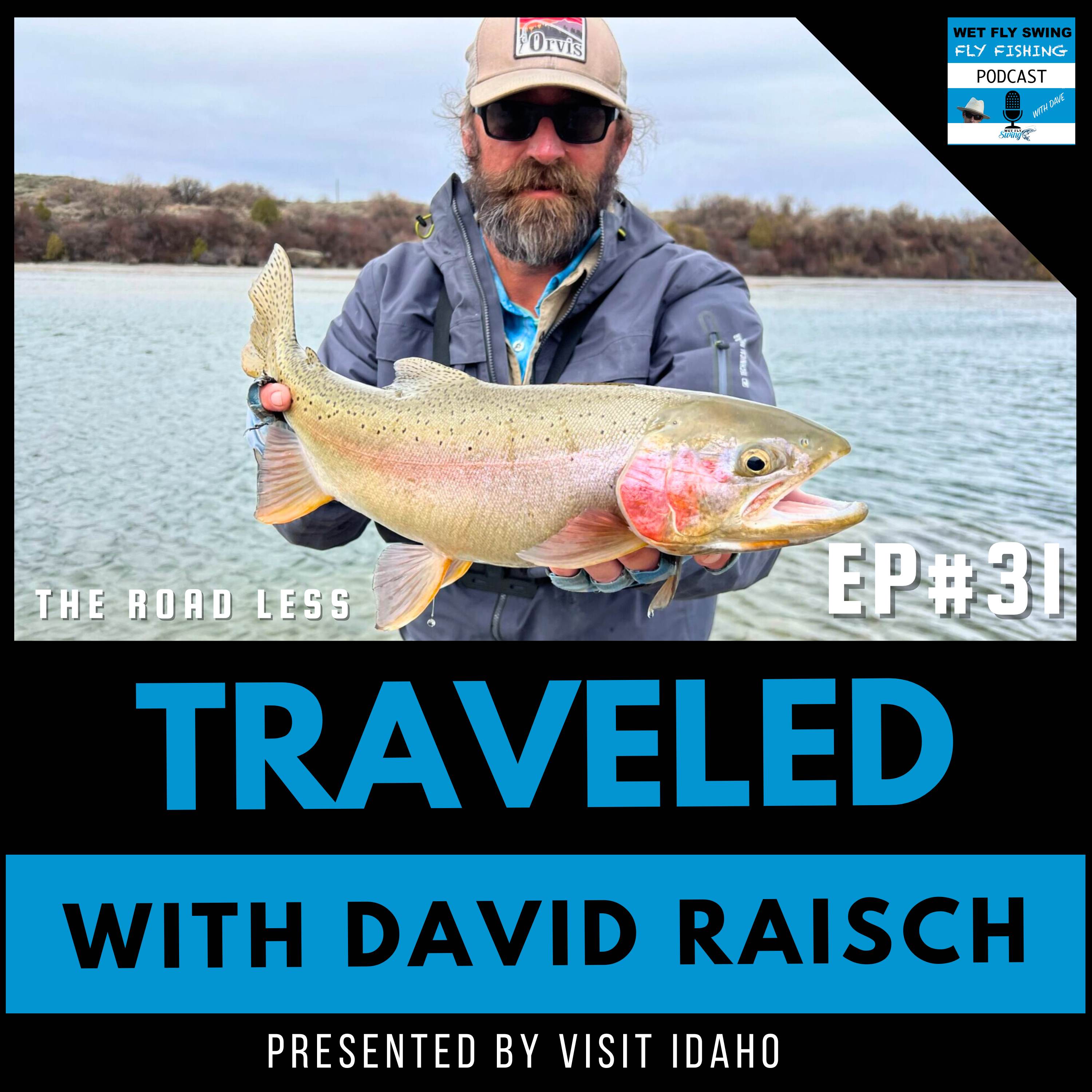
S11 Ep 780Traveled #31 | The Best-Kept Secret in Idaho Fly Fishing with David Raisch of the Lodge at Palisades Creek
#780 Show Notes: https://wetflyswing.com/780 Presented by: Visit Idaho If you've ever wondered what it's like to truly dial in Idaho fly fishing, today's episode is for you. We're joined by David Raisch, longtime guide at the Lodge at Palisades Creek and co-founder of Hawgfish, who has spent the last 25 years exploring some of the most diverse and overlooked fisheries in the West. From the famous Henry's Fork to the sprawling South Fork of the Snake, all the way to the ledges of American Falls, David has seen it all. And today he's sharing the lessons learned. You'll hear why Idaho might be one of the most underrated fly fishing destinations, how to rethink your setup for big winter trout, and why those smallmouth bass flats deserve way more of your attention this summer. Show Notes: https://wetflyswing.com/780