VoxTalks Economics
484 episodes — Page 6 of 10

S5 Ep 42S5 Ep42: Does inequality create growth?
If we are less equal, is that good or bad news for economic growth? Reto Foellmi reviewed the research, and he has some answers for Tim Phillips.

S5 Ep 41S5 Ep41: Ghost firms and tax fraud
The problem of fake firms that issue fake receipts so that clients can claim fraudulent tax deductions is widespread but hard to stop, and it’s costing governments everywhere billions in lost revenues. Dave Donaldson and Dina Pomeranz talk to Tim Phillips about how the tax authority in Ecuador recouped lost revenues.
S5 Ep 40S5 Ep40: Our workless future
As intelligent autonomous machines become better at doing all our jobs, will there be enough work and income to go around? If only some of us work, who will that be, and what happens to the rest of us? Anton Korinek talks to Tim Phillips.

S5 Ep 39S5 Ep39: The political economy of lockdown
During the Covid-19 pandemic governments had to take unpopular measures to restrict our freedoms, and we had to choose whether we did what we were told. Were governments in countries with free media more likely to act – and were their citizens more likely to comply? Tim Besley and Sacha Dray talk to Tim Phillips about their new research.
S5 Ep 38S5 Ep38: Divest or engage?
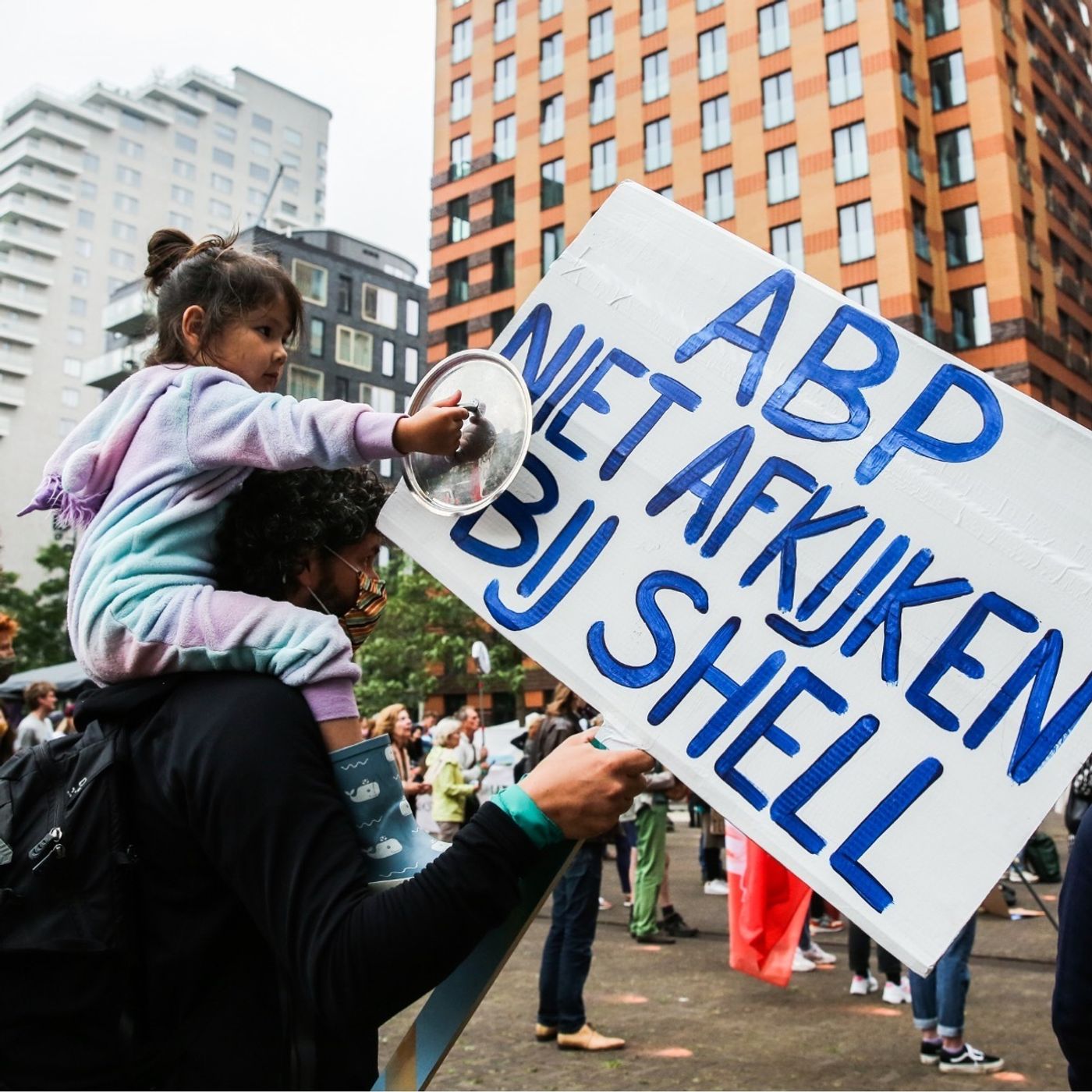
When pension giant ABP faced protests about its fossil fuel investment strategy, did it choose to exert pressure on oil companies or divest from them? Jeff Wurgler and Dirk Schoenmaker talk to Tim Phillips about how the finance sector can accelerate a green transition.

S5 Ep 37S5 Ep37: Yellow vests and carbon taxes
Opposition to a carbon tax was at the root of the gilets jaunes protests in France. Did the protestors think the tax wouldn’t work, or that it wasn’t fair, or that they would personally lose out? Adrien Fabre talks to Tim Phillips about the link between tax and trust in government.

S5 Ep 36S5 Ep36: Distracted donors and political violence
When aid donors are distracted by domestic concerns, do aid recipients take advantage to suppress political opposition? Data from Africa suggest that they do, Dominic Rohner tells Tim Phillips. Photo: Alisdare Hickson.

S5 Ep 35S5 Ep35: The global real interest rate
Global real rates are stuck at a low level, and until recently policy rates everywhere were effectively zero. Can we use historical data to explain why this happened, and to predict whether we will be back at the ZLB when inflation falls? Pierre-Olivier Gourinchas and Ricardo Reis talk to Tim Phillips.

S5 Ep 34S5 Ep34: Covid-19’s impact on innovation
The Covid crisis inspired extraordinary innovation. Carsten Fink and Reinhilde Veugelers are two of the editors of a new ebook from CEPR called Resilience and Ingenuity that examines how countries, organisations and industries were able to innovate. Tim Phillips asks them what worked, what didn’t, and whether we can keep up the pace of new ideas.

S5 Ep 33S5 Ep33: Causes and costs of populism
Recorded live at CEPR Paris Symposium 2022: Across Europe and beyond, populist movements have recently flourished. What does history teach us about the economic impact of populism – and is our taste for populists a bug or a feature of democracy? Tim Phillips talks to Moritz Schularick and Massimo Morelli.

S5 Ep 32S5 Ep32: Levelling up Europe’s left-behind places
Recorded live at CEPR Paris Symposium 2022: In his resignation speech this week, Boris Johnson said that "we need to keep levelling up, to keep unleashing the potential of every part of the United Kingdom". But are Europe's policies to "level up" left-behind places working? Henry Overman tells Tim Phillips why regional disparities are so persistent.

S5 Ep 31S5 Ep31: Closing the European data gap
Recorded live at CEPR Paris Symposium 2022: Researchers and policymakers need data, but in Europe they often cannot access the right data at the right time. Filippo di Mauro and Ugo Panizza invite Tim Phillips for coffee to explain how these problems hold back research and decision-making – and suggest what can be done to close the economic data gap.

S5 Ep 30S5 Ep30: Curing Covid inflation
Recorded live at CEPR Paris Symposium 2022: Supply chain disruption caused by Covid-19 has fed inflation and hobbled stimulus policies. Sebnem Kalemli Özcan tells Tim Phillips about the only solution to this economic long Covid.

S5 Ep 29S5 Ep29: Defusing the carbon bombs
Recorded live at CEPR Paris Symposium 2022: Sanctions against Russia have sent the price of oil and gas rocketing – triggering more, not less, fossil fuel extraction, and some giant projects that have been called “carbon bombs”. Mar Réguant and Rick van der Ploeg tell Tim Phillips that these bombs will explode the climate commitments agreed in Paris in 2015.

S5 Ep 28S5 Ep28: Inflation and Europe’s public finances
Recorded live at CEPR Paris Symposium 2022: What are the consequences of an extended period of above-target inflation for the euro area? Agnès Bénassy-Quéré and Giancarlo Corsetti discuss policy options with Tim Phillips.
S5 Ep 27S5 Ep27: The Economics of Brexit
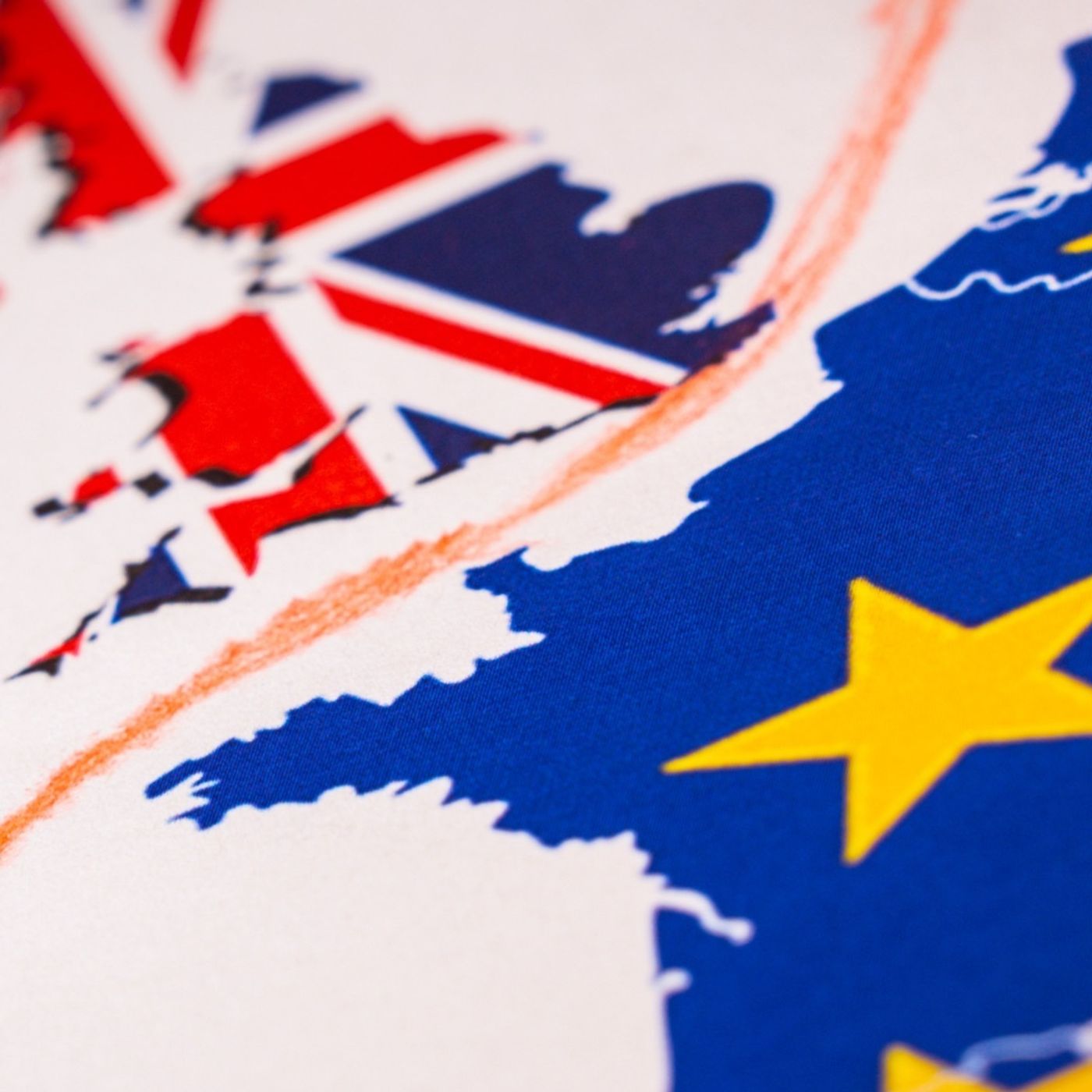
The latest CEPR ebook investigates the impact of Brexit so far on the economies of the UK and EU. Tim Phillips talks to three of the authors: Jonathan Portes, Thomas Sampson and Sarah Hall.
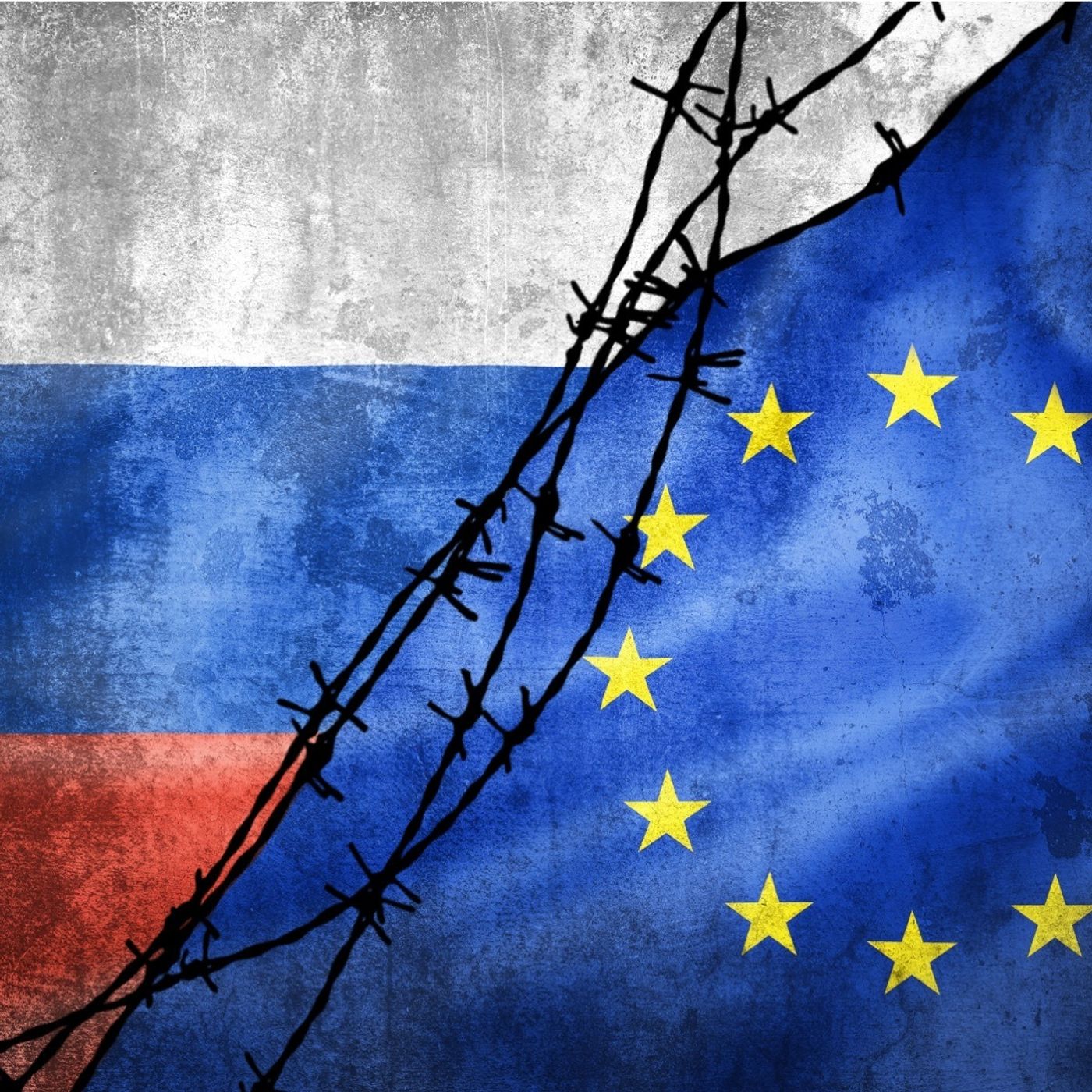
S5 Ep 26S5 Ep26: The consequences of war for the EU
Recorded live at CEPR Paris Symposium 2022: What are the long-term consequences of the conflict in Ukraine for the EU? Lucrezia Reichlin and Philippe Martin discuss the impact of the war on trade, energy security, fiscal policy, and green transition with Tim Phillips.
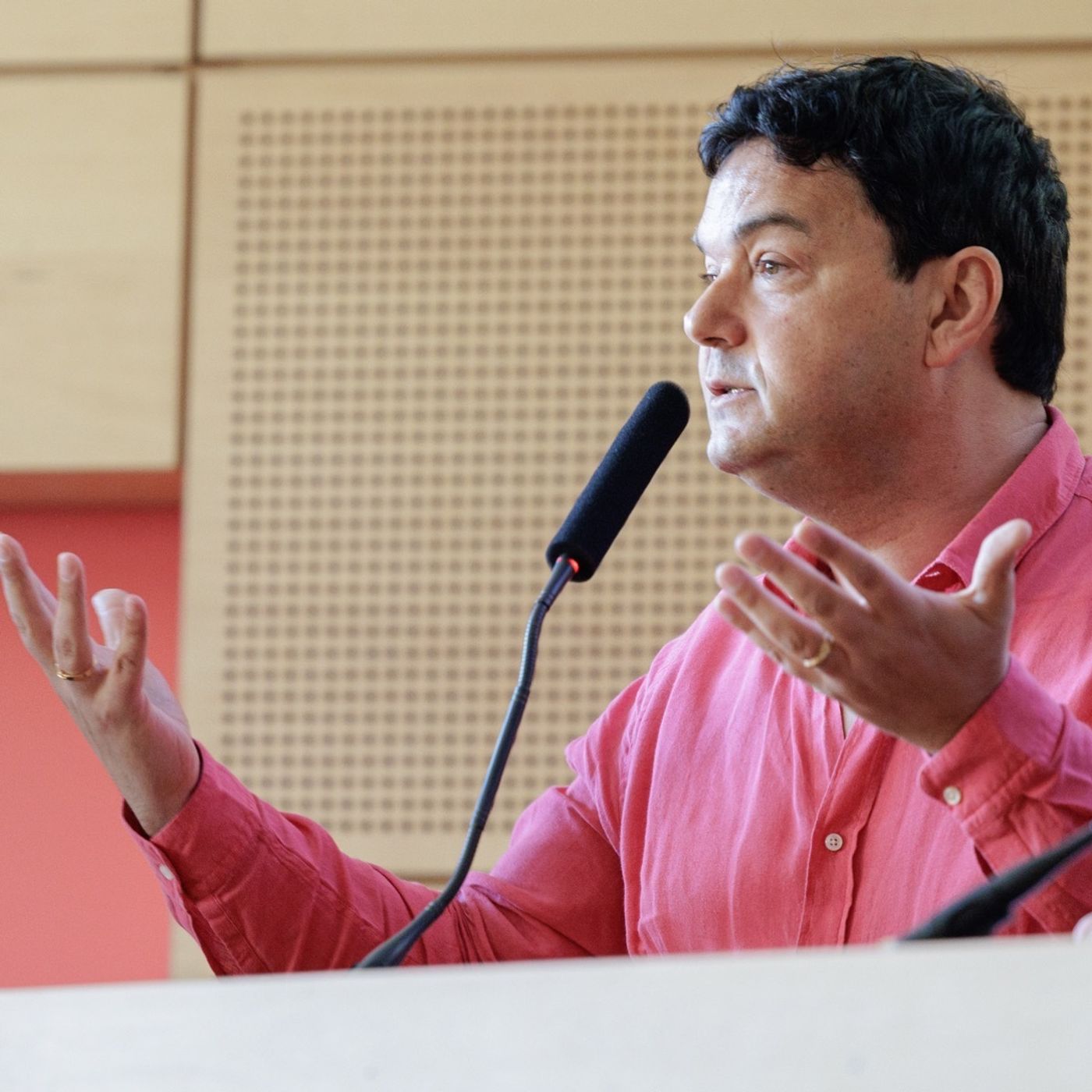
S5 Ep 25S5 Ep25: Piketty on equality
Recorded live at CEPR Paris Symposium 2022: Thomas Piketty’s short new book promises A brief history of equality. He tells Tim Phillips about why institutions are precarious, why policymakers should consider the consequences for inequality before they intervene – but also why we should be optimistic about the long-term trends in equality.

S5 Ep 24S5 Ep24: Male and female voices in economics
We know women are under-represented in economics. But if male economists are more comfortable expressing a strong opinion, does this increase the perceived imbalance? Sarah Smith tells Tim Phillips about new research into the difference between male and female voices in economics.

S5 Ep 23S5 Ep23: The price of war
How hard will sanctions on Russia bite? Anna Pestova and Mikhail Mamonov tell Tim Phillips about the depth of the economic hardship that the Russian people will suffer in 2022.

S5 Ep 22S5 Ep22: What is the purpose of a finance professor?
Alex Edmans asked this question in his keynote at the Financial Management Association Annual Meeting and offered some provocative answers. He tells Tim Phillips about passion, luck, originality, and the value of teaching.

S5 Ep 21S5 Ep21: The food crisis has no respect for borders
This week António Guterres, secretary-general of the UN, warned that the war in Ukraine would tip tens of millions into food insecurity. Guido Porto and Bob Rijkers tell Tim Phillips about who suffers and how much from food price inflation.

S5 Ep 20S5 Ep20: What can helicopter money do?
If you're going to drop lots of money from a helicopter, what will happen to the economy? When would it make a difference, and to who? Helicopter money is increasingly being taken seriously as policy. Ricardo Reis tells Tim Phillips whether helicopter money really can solve our economic problems.

S5 Ep 19S5 Ep19: Helping fathers to acknowledge paternity
If fathers don't acknowledge paternity, it affects both mother and child. Should the state increase financial support for single parents, should we incentivise marriage – or is there another option? Anna Raute tells Tim Phillips that the surprising impact of an unrelated German social policy suggests there may be.
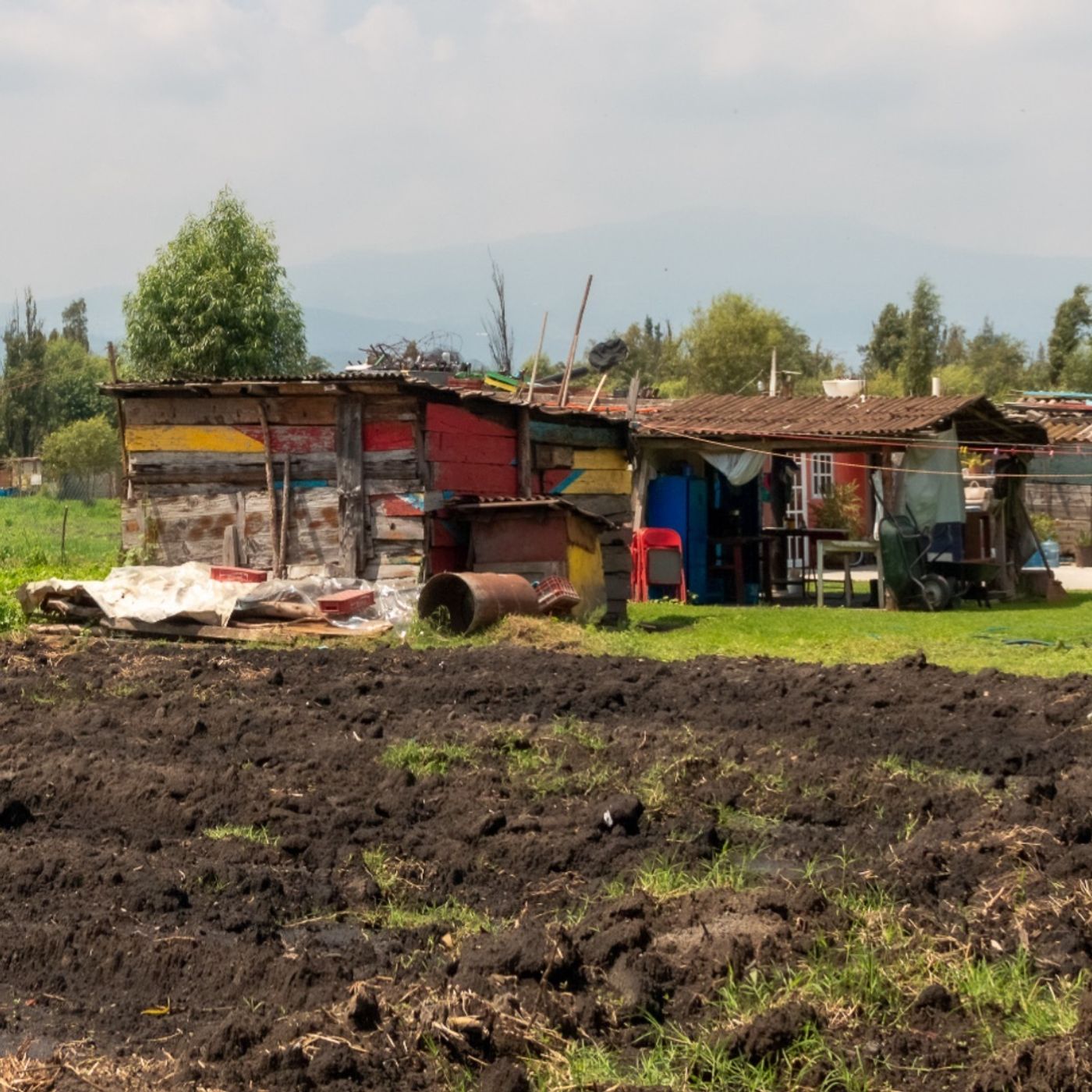
S5 Ep 18S5 Ep18: The limits of microfinance
Microfinance has helped millions of the world's poor build better lives. But can it help the world's poorest people, who spend most of their lives growing food to feed their families, to diversify into other jobs? Jack Thiemel tells Tim Phillips about the impact of one of these projects, and what it tells us about the best ways to help the ultra-poor.

S5 Ep 17S5 Ep17: Inequality and creative destruction
Governments are desperate to create innovation hubs or attract tech companies to kickstart economic growth, but that creates winners and losers. Richard Blundell tells Tim Phillips how policy can balance the impact of innovation on inequality and create policies so that creative destruction and social mobility can go hand-in-hand.

S5 Ep 16S5 Ep16: How Fox News inspired vaccine hesitancy
At the height of the Covid-19 pandemic, some cable news hosts cast doubt on the effectiveness of vaccines. Matteo Pinna tells Tim Phillips about his research on the impact of Fox News on vaccination rates.
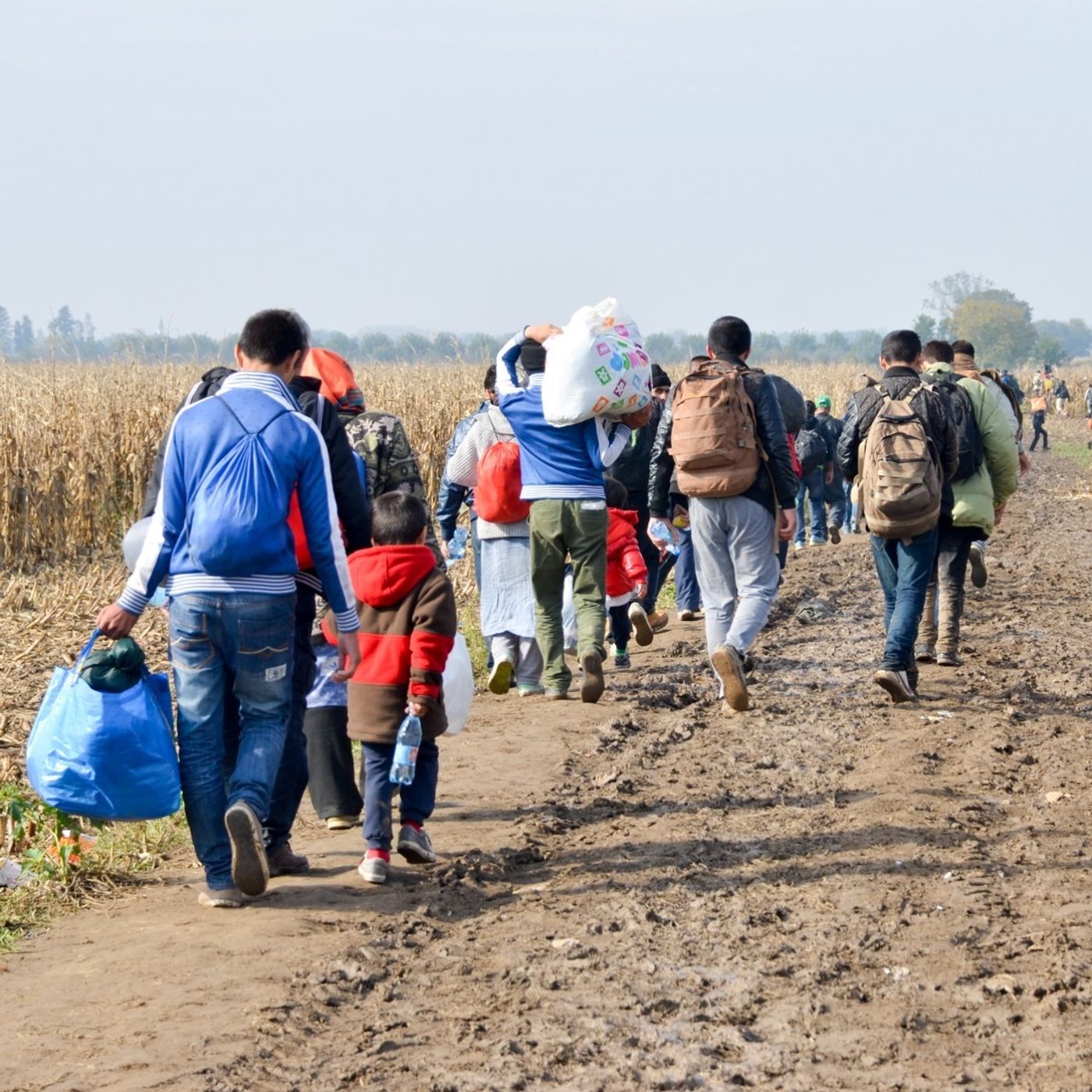
S5 Ep 15S5 Ep15: Forced displacement, then and now
Syria, Venezuela, Ukraine: forced migration is constantly in the news, but these events have been happening for hundreds of years. Sascha Becker tells Tim Phillips about new research that is discovering the economic impact of mass displacement in history, both on refugees and on communities – and the lessons we can learn from the past.

S5 Ep 14S5 Ep14: Motivated science and green innovation
Scientists create innovation. Is this because they are paid to do it, or because they care about the outcome? Tim Besley tells Tim Phillips how motivated science drives down the cost of innovation and may accelerate the green transition.

S5 Ep 13S5 Ep13: Will Ukraine's economy survive the war?
Are the Ukrainian economy and financial system holding up to Russia's bombardment? Yevhenii Skok tells Tim Phillips whether emergency policies have been able to maintain liquidity and financial stability, how much damage has been done to Ukraine's productive capacity, and what a post-war financial rebuild would look like.

S5 Ep 12S5 Ep12: Do schools change our religious attitudes?
Does compulsory religious education make us more likely to believe as adults, and does it make us more ethical? Ludger Woessmann, Larissa Zierow, and Benjamin Arold explain to Tim Phillips what educational reform in Germany can tell us.

S5 Ep 11S5 Ep11: Women's liberation, household revolution
Until the second half of the 19th century, coverture laws granted married men almost unlimited power over the household. Moshe Hazan and David Weiss tell Tim Phillips about how abolition changed the number of children in a family, and how well those children were educated?
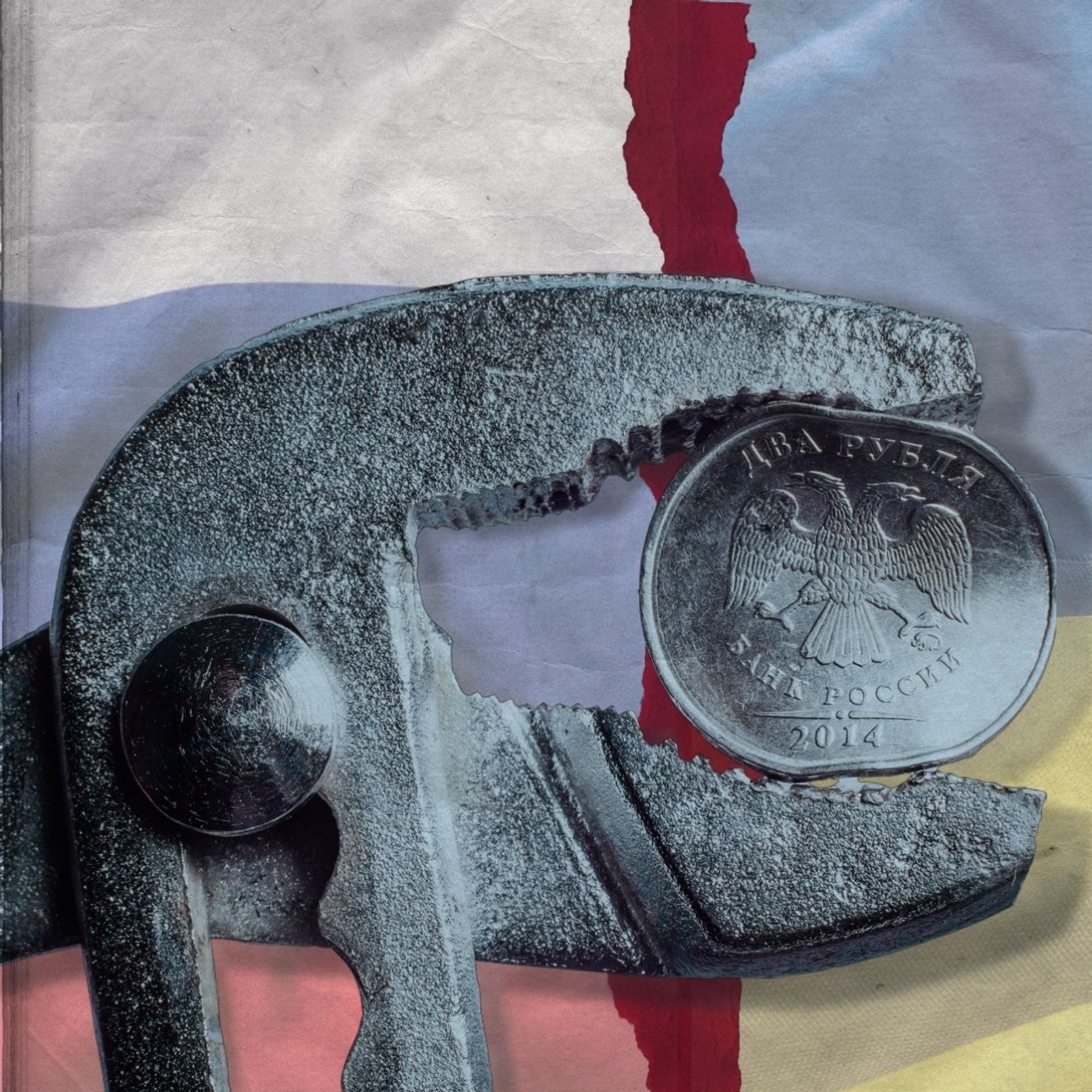
S5 Ep 10S5 Ep10: Raising the pressure on Putin
Which economic sanctions against Russia are lawful, which are politically feasible, and which will bite? Luis Garicano - economist and MEP - describes what has been done so far and what more can be done.
S5 Ep 9S5 Ep9: The lockdown supply shock
China's Covid lockdown in early 2020 shocked the business world. How did this surprise disruption affect the firms that rely on imported Chinese products? Isabelle Mejean tells Tim Phillips about the economic impact in France, and which firms were most resilient.

S5 Ep 8S5 Ep8: A positive inflation target for the euro area
Inflation reduces economic welfare by distorting demand. But what is the inflation rate that minimises these distortions? Maybe it's a lot higher than our models assume, Klaus Adam tells Tim Phillips.

S5 Ep 7S5 Ep7: Anti-LGBT discrimination in transition economies
A recent experiment in Serbia, Turkey and Ukraine attempted to overcome deep-seated prejudice against the LGBT community using information. Ralph De Haas and Cevat Aksoy of the European Bank for Reconstruction and Development tell Tim Phillips about which messages cut through, and what impact can they have in the face of religious and state hostility.

S5 Ep 6S5 Ep6: A French revolution in state-building
One of the most remarkable achievements of the French Revolution for ordinary people was the reorganisation of local government. Cédric Chambru, Emeric Henry and Benjamin Marx tell Tim Phillips how local state capitals emerged as a result, and what this tells us about how state capacity develops.
S5 Ep 5S5 Ep5: Macro-financial policies in an international financial centre
Since the GFC the UK has used innovative macroprudential and monetary policy tools to maintain stability. But the UK is an international financial centre, and so does this policy framework create spillovers in other places, and do influences from elsewhere affect stability in the UK? Yes and yes, says Thorsten Beck.

S5 Ep 4S5 Ep4: Managing risk in global supply chains
Covid-19 demonstrated that modern global supply chains do not guarantee food in supermarkets or PPE in hospitals. Richard Baldwin tells Tim Phillips how risky these supply chains really are, and what we could do to shore them up.
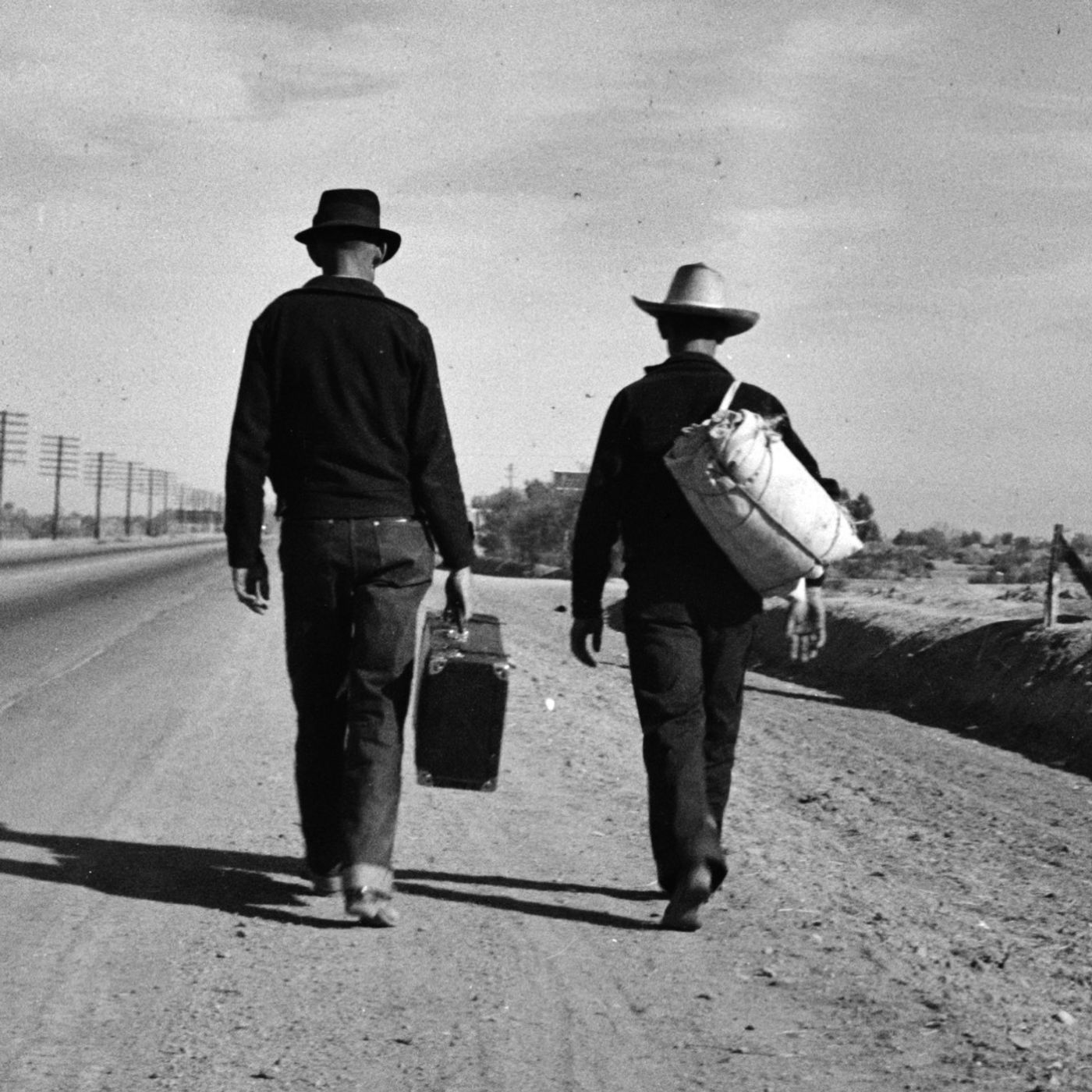
S5 Ep 3S5 Ep3: The other great migration
In the 20th century at least 6 million African Americans migrated from poor southern states to northern cities to escape discrimination and poverty, changing the course of American history. At least as many whites also migrated, taking their ideas with them. Samuel Bazzi tells Tim Phillips that they have also influenced social structures and politics in the US.

S5 Ep 2S5 Ep2: AI: software for autocrats?
The Chinese government isn't just a world leader in the use of AI for facial recognition, its orders are funding innovation in its domestic industry too. But what's good news for entrepreneurs may be bad news for political protest, Noam Yuchtman tells Tim Phillips.

S5 Ep 1S5 Ep1: The gender gap: Nature or nurture?
Are the differences between what men and women like decided at birth, or do we learn to prefer different things? Klaus Desmet tells Tim Phillips about new research that investigates global patterns in 45,397 Facebook interests.

S4 Ep 51S4 Ep51: Europe's asylum lottery
Refugees from conflicts in Yemen, Syria, Iraq, and many other countries travel thousands of miles seeking a new life in Europe. But how likely are these refugees to be recognised as asylum seekers, and does it matter in which country they apply? Tim Hatton tells Tim Phillips that, despite efforts to standardise the process of granting asylum, there are still big differences in recognition rates across Europe.

S4 Ep 50S4 Ep50: Germany's stalled social mobility
New research uses German census data to track the association between success for a child and the earnings of the parent at a much higher level of detail than was previously possible. Sebastian Findeisen and Paul Schüle tell Tim Phillips about the impact of investment in education that was intended to improve social mobility.

S4 Ep 49S4 Ep49: Why natural experiments won the Nobel
Josh Angrist, David Card, and Guido Imbens shared the Nobel in 2021 for their pioneering work on natural experiments that, in the words of the committee, "revolutionised empirical research". Steve Pischke tells Tim Phillips about the history of natural experiments, and the impact of the methods pioneered by this year's Laureates.© Nobel Prize Outreach 2021 Ill. Niklas Elmehed

S4 Ep 48S4 Ep48: Coming out in America
Two new papers pinpoint the election of 1992 as a turning point in the attitudes of Americans to same-sex relationships, and ask, what has caused this change? Raquel Fernandez and Sahar Parsa of NYU tell Tim Phillips about the complex relationship between political and social attitudes.
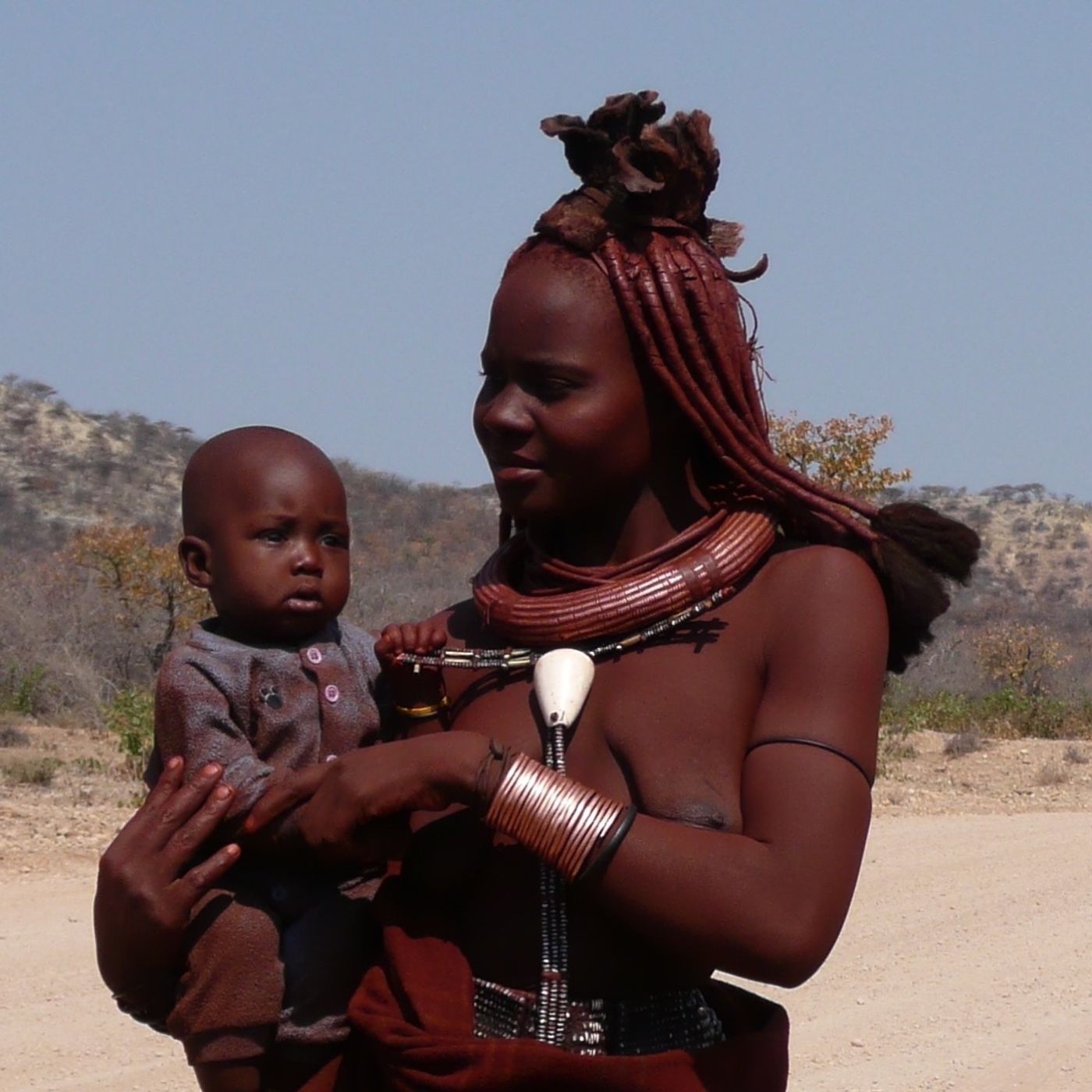
S4 Ep 47S4 Ep47: Pensions and fertility in Namibia
Do we have children to provide for us in our old age? Pauline Rossi tells Tim Phillips about the impact on the size of families in Namibia after the government granted a state pension – research that might have important implications for economic development in Africa.Picture credit: paolafrog@flickr

S4 Ep 46S4 Ep46: Tournaments: Playing to win
Tournaments are increasingly being used in business to solve non-routine problems. Florian Englmaier tells Tim Phillips about new research into what gives these teams the will to win. Do they respond to having a common sense of identity, do they want kudos and status from other people, or are they just looking for a cash prize?

S4 Ep 45S4 Ep45: Creating a resilient society
Repeated environmental and economic crises in recent years are encouraging many people to ask, is this really the best way to run a planet? Markus Brunnermeier tells Tim Phillips how we can do a better job of coping with shocks.

S4 Ep 44S4 Ep44: How crises rewire our brains
When we live through a financial crisis, many of us think differently about money afterwards. Neuroscientists can show that the experience changes the physical structure of our brains, and Ulrike Malmendier tells Tim Phillips how this should also change the way that economists think about preferences for risk.