VoxTalks Economics
484 episodes — Page 5 of 10
S6 Ep 38S6 Ep38: Has broadband internet democratised finance?
Online share trading makes it possible for all of us to diversify our investments, but social media might encourage us to pile into bad investments. Hans Hvide has researched the impact of the arrival of broadband on the investment habits of Norway’s population, and he has some good news for Tim Phillips.
S6 Ep 37S6 Ep37: Should history change the way we think about populism?
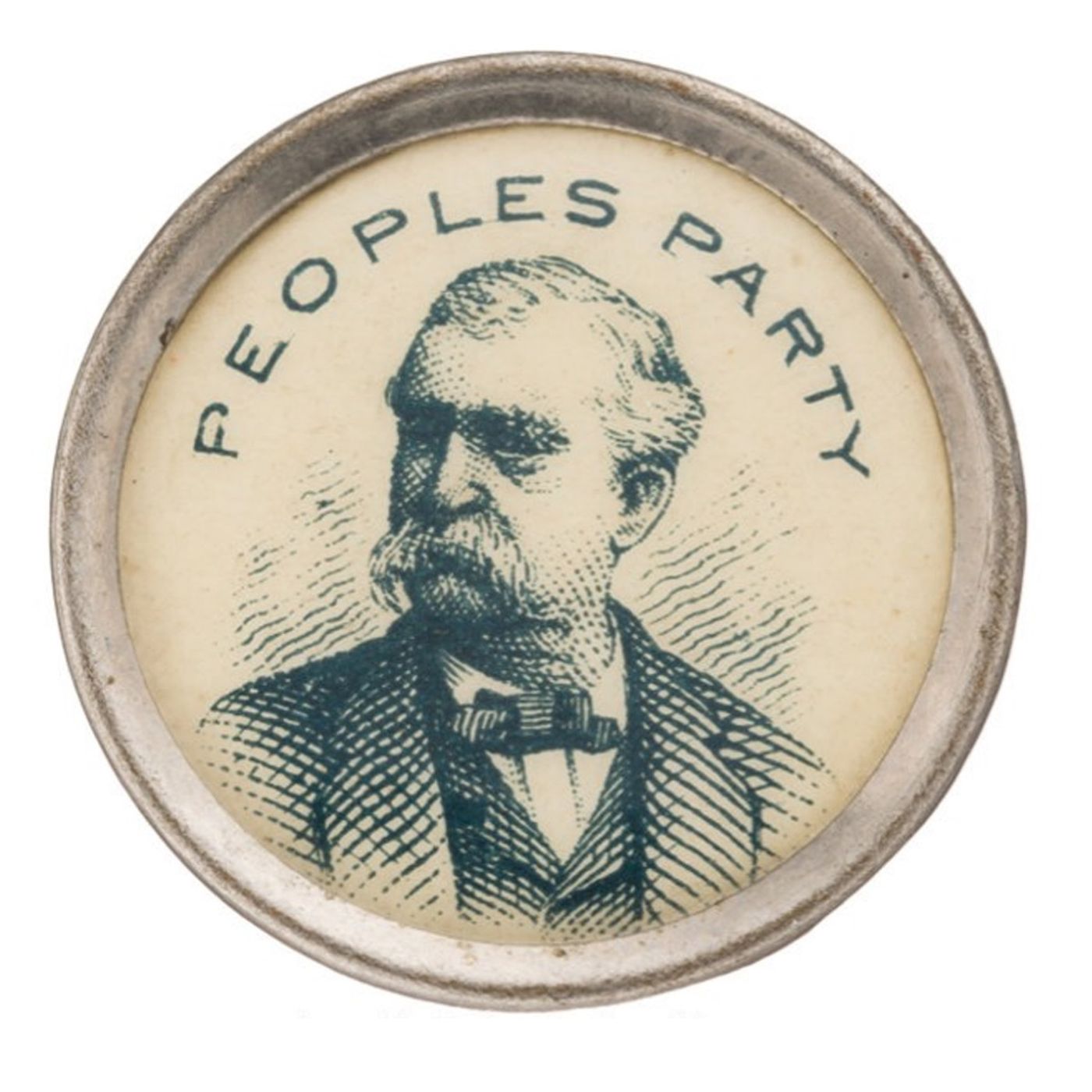
The way that social scientists define populism might lead them to simplistic conclusions that aren’t supported by the historical record. Kevin O’Rourke tells Tim Phillips about the weak links between populism and nativism, and how economists have sometimes been on the wrong side of important policy debates with the people they call populists.

S6 Ep 36S6 Ep36: Democracy and political participation in India
When India’s post-colonial constitution gave everyone the right to vote, who used that right? And what effects did this reform have on other aspects of democracy? Lakshmi Iyer tells Tim Phillips about the historical link between enfranchisement and democracy in India.
S6 Ep 35S6 Ep35: Does regional identity guide investment?
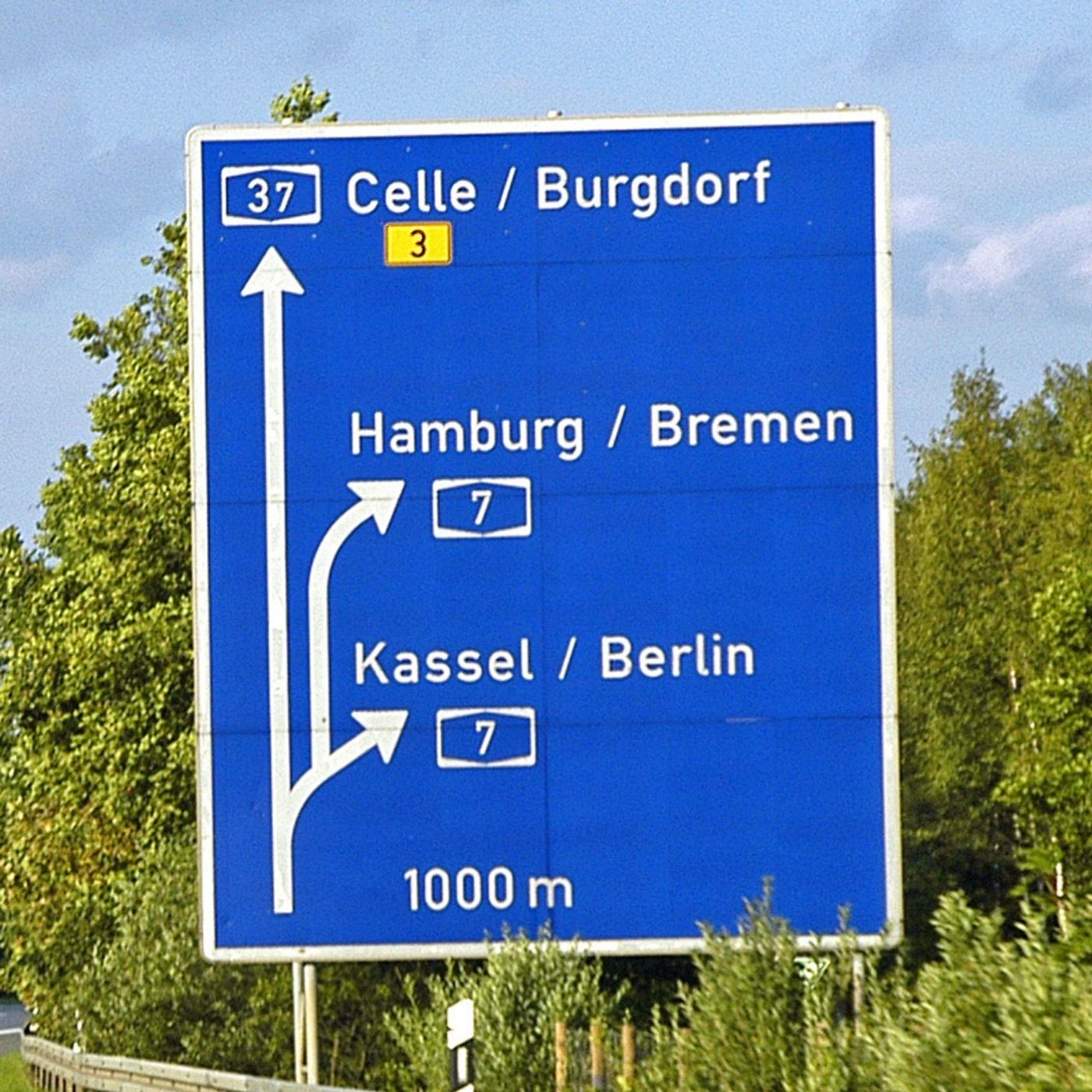
Investors do more business than we would expect close to home. Can Germany’s car licence plates explain what drives local bias in investment? Thilo Huning and Fabian Wahl take Tim Phillips on an unlikely journey.

S6 Ep 34S6 Ep34: Health and income risks in old age
We are living longer, and so studying the consequences of changes to our income and health after we stop working is becoming more important. Jeanne Commault tells Tim Phillips how income and health shocks affect seniors, and whether the impact of these changes is the same as for working-age people.
S6 Ep 33S6 Ep33: Improving mental health as a route out of poverty
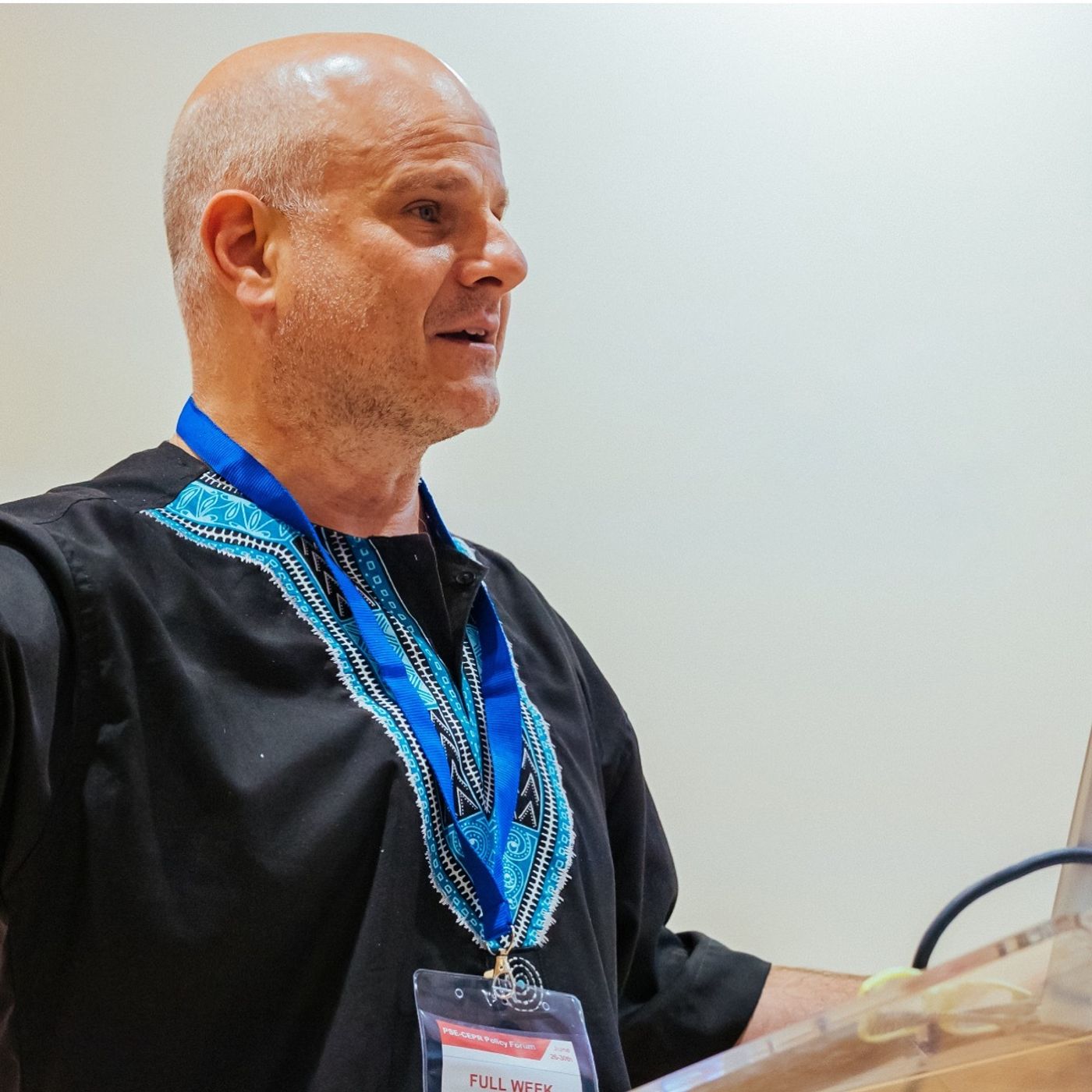
From the PSE-CEPR Policy Forum at the Paris School of Economics. One route out of poverty is to change external conditions: provide assets, jobs, healthcare. But can we also treat depression, or low self-esteem, or low aspirations, and does that help poverty reduction? Dean Karlan of Northwestern University tells Tim Phillips what new research is telling us – and what we don’t yet know.
S6 Ep 32S6 Ep32: Adam: How inflation distorts relative prices
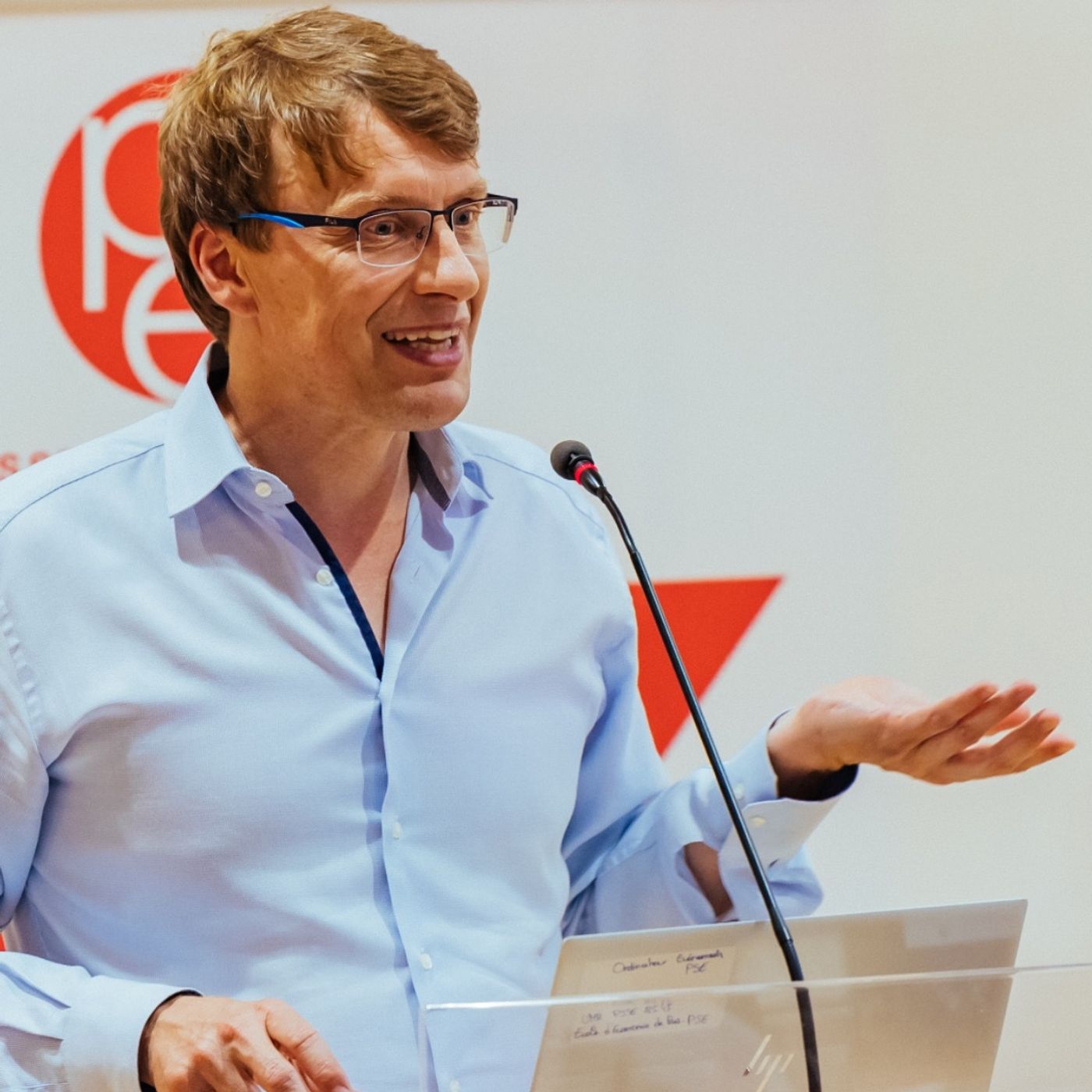
Recorded live at the PSE-CEPR Policy Forum at the Paris School of Economics. We all learn that high inflation creates price distortions. But it has been impossible to observe that effect directly -- until now. Klaus Adam of the University of Mannheim has used price data to identify those elusive distortions, and he tells Tim Phillips how he did it.
S6 Ep 31S6 Ep31: Political inequality
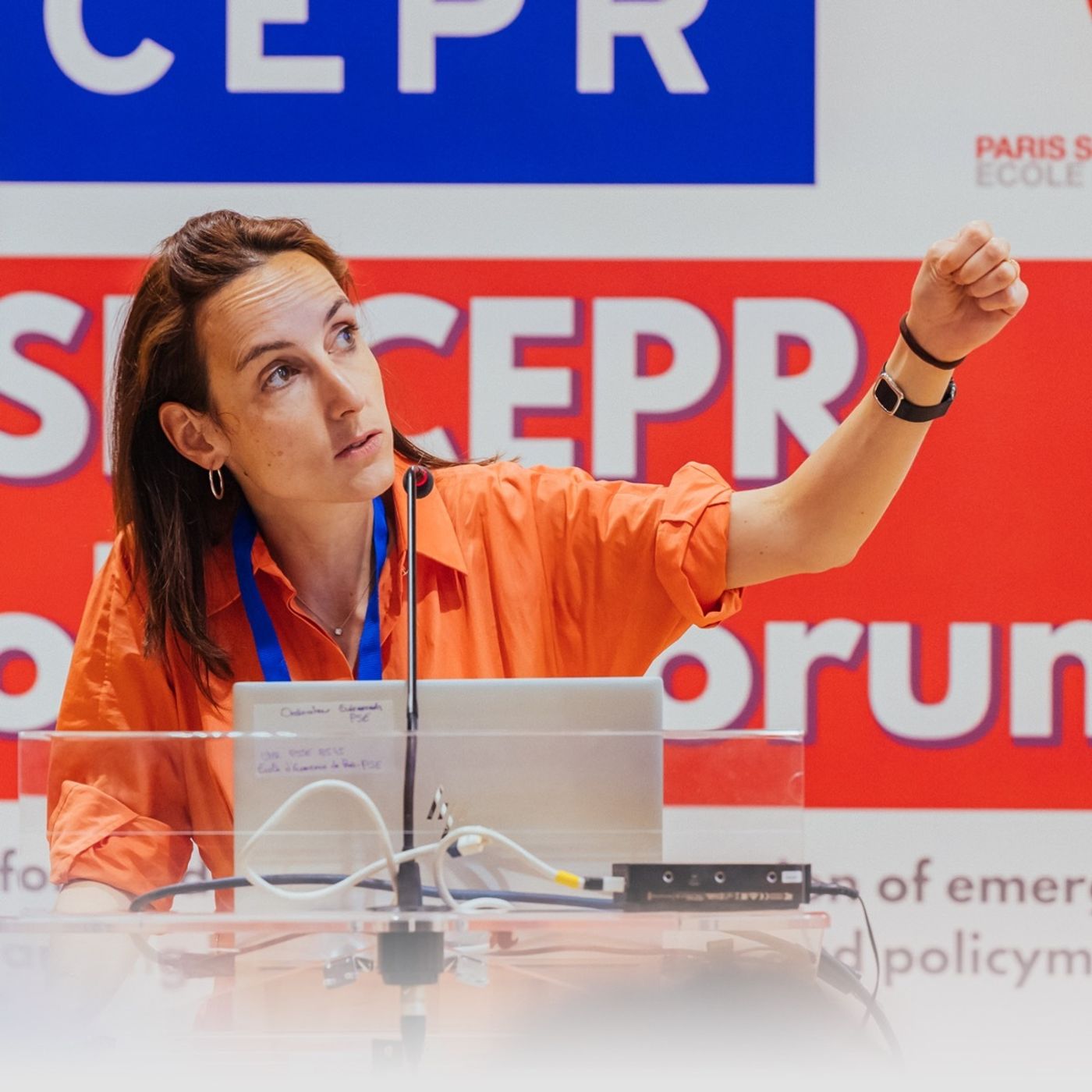
Recorded live at the PSE-CEPR Policy Forum at the Paris School of Economics. Does economic inequality create political inequality? Julia Cagé tells Tim Phillips about the strategies that rich people can use to influence the political debate, how democracy is undermined when the wealthy have access to power – and how we can change the system to restore the confidence of voters.

S6 Ep 30S6 Ep30: Closing the Gender gap in healthcare
Recorded live at the PSE-CEPR Policy Forum at the Paris School of Economics. India is still one of the five worst countries in the world for the health and survival of women. The recent introduction of massive health insurance programmes should help close this deadly gender gap. But is that happening? Pascaline Dupas of Stanford talks to Tim Phillips.

S6 Ep 29S6 Ep29: The next generation of research
From the PSE-CEPR Policy Forum at the Paris School of Economics, Tim Phillips meets three of the young researchers who were chosen to present to the conference. Duncan Webb and Thiago Scarelli of PSE, and Carmen Villa-Llera of the University of Warwick talk about their research – and what their hopes are for the future of economics.
S6 Ep 28S6 Ep28: Aghion: Is green growth possible?
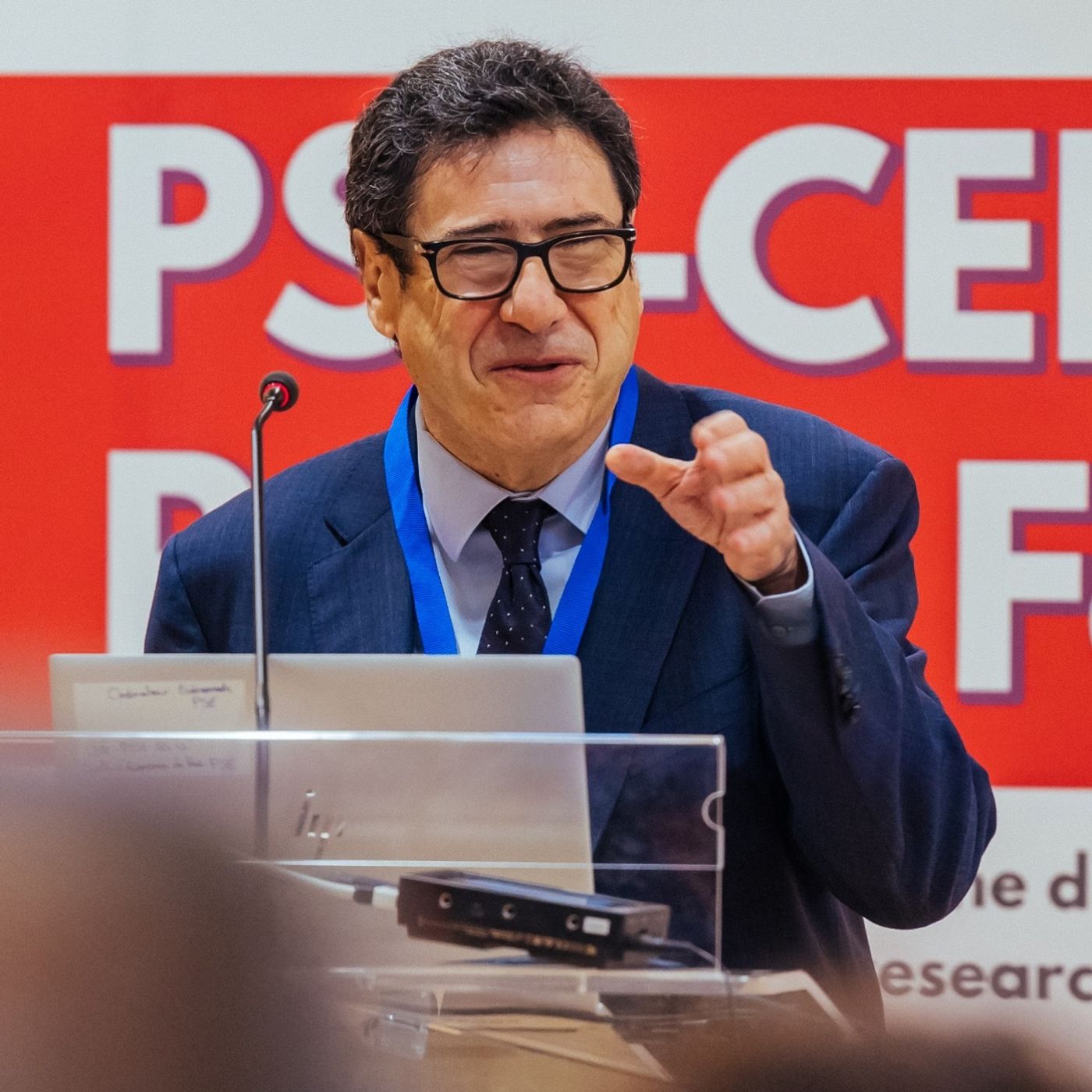
Is innovation our best hope for dealing with climate change and, if so, how can we stimulate the sort of innovation that we need to make the green energy transition? Philippe Aghion tells Tim Phillips that we need both carbon tax and industrial policy and, like a visit to the dentist, the pain gets worse the longer we wait.

S6 Ep 27S6 Ep27: Johnson and Bozio: Can research influence policy?
From the PSE-CEPR Policy Forum at the Paris School of Economics. The IFS in the UK and the IPP in France combine rigorous research with a commitment to communicate the results to media and public. How do they make sure their message cuts through the noise, and how do they safeguard their reputations for independence and authority? Paul Johnson and Antoine Bozio talk to Tim Phillips.

S6 Ep 26S6 Ep26: Blanchard: What caused US inflation?
From the PSE-CEPR Policy Forum at the Paris School of Economics. What caused inflation in the US, where will it settle, and how much unemployment will be the cost of bringing it back to target? Olivier Blanchard talks to Tim Phillips.
S6 Ep 25S6 Ep25: Duflo: Development in the 21st century
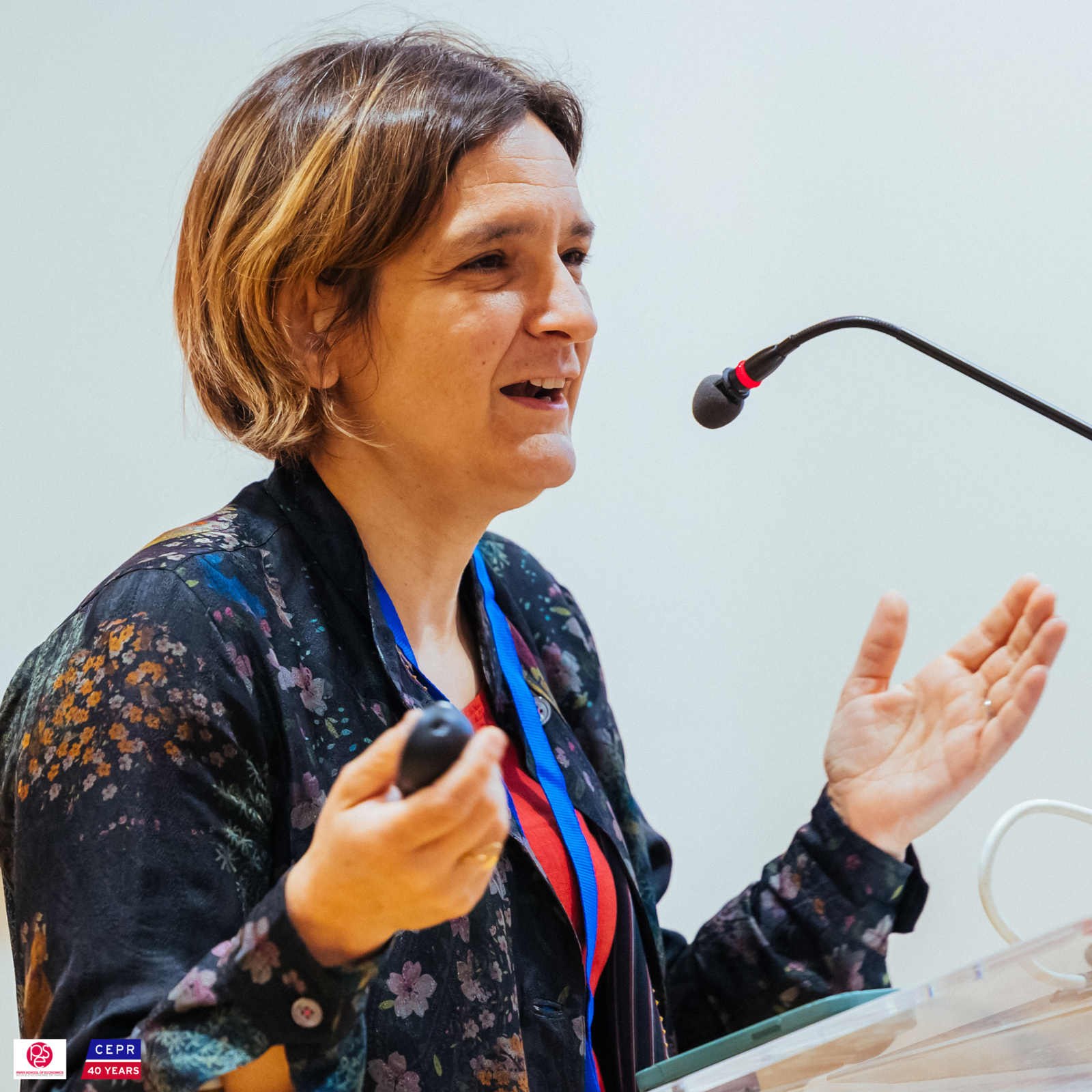
In the first of a series of podcasts recorded at the PSE-CEPR Policy Forum at the Paris School of Economics, Esther Duflo talks to Tim Phillips about how development economics can respond to the challenges of the 21st century, the link between climate justice and corporate taxation, and why development economics is like cooking a ragoût.

S6 Ep 24S6 Ep24: Do economists slow down as they age?
Is economics a young person’s game? Great mathematicians tend to peak early, but not great artists – so which category does a professor of economics fall into? Dan Hamermesh has investigated the productivity of economists as they grow old, and he tells Tim Phillips what he discovered.

S6 Ep 23S6 Ep23: Immigration and public goods
Voters fret that immigration overcrowds local schools, overwhelms hospitals, and that they will have to pay higher taxes as a result. Are those fears justified? Anna Maria Mayda and Mine Senses have separated fact from fiction, and they tell Tim Phillips about which US counties benefit most and least from the arrival of immigrants.

S6 Ep 22S6 Ep22: The impact of trade sanctions
Do Europe’s trade sanctions hurt Russia, or do they hurt European firms more? Gauging the impact of sanctions isn’t easy or reliable, but Jean Imbs tells Tim Phillips about a new way to estimate their effects, and what it tells us about the economies of Russia and Europe.

S6 Ep 21S6 Ep21: How male and female economists collaborate
When there are more women in the workplace, that means either more gender diverse teams, or more collaboration between women. There are more female economists now, so how is that reflected in the way researchers collaborate? And what type of teams produce the best results? Anja Prummer talks to Tim Phillips about gender diversity, homophily, and whether she should have chosen a male co-author.

S6 Ep 20S6 Ep20: Power and progress
Digital technology, and AI in particular, is getting a lot of hype at the moment. Daron Acemoglu thinks that unchecked techno-optimism is concentrating power in the hands of a super-wealthy elite, threatening the livelihoods of the rest of us, and undermining democracy. Tim Phillips talks to him about why he wrote his new book called Power and Progress, co-authored with Simon Johnson, how we can redirect the path of innovation, and why he signed that letter to urge a pause in AI innovation.
S6 Ep 19S6 Ep19: Implementing central bank policy in China
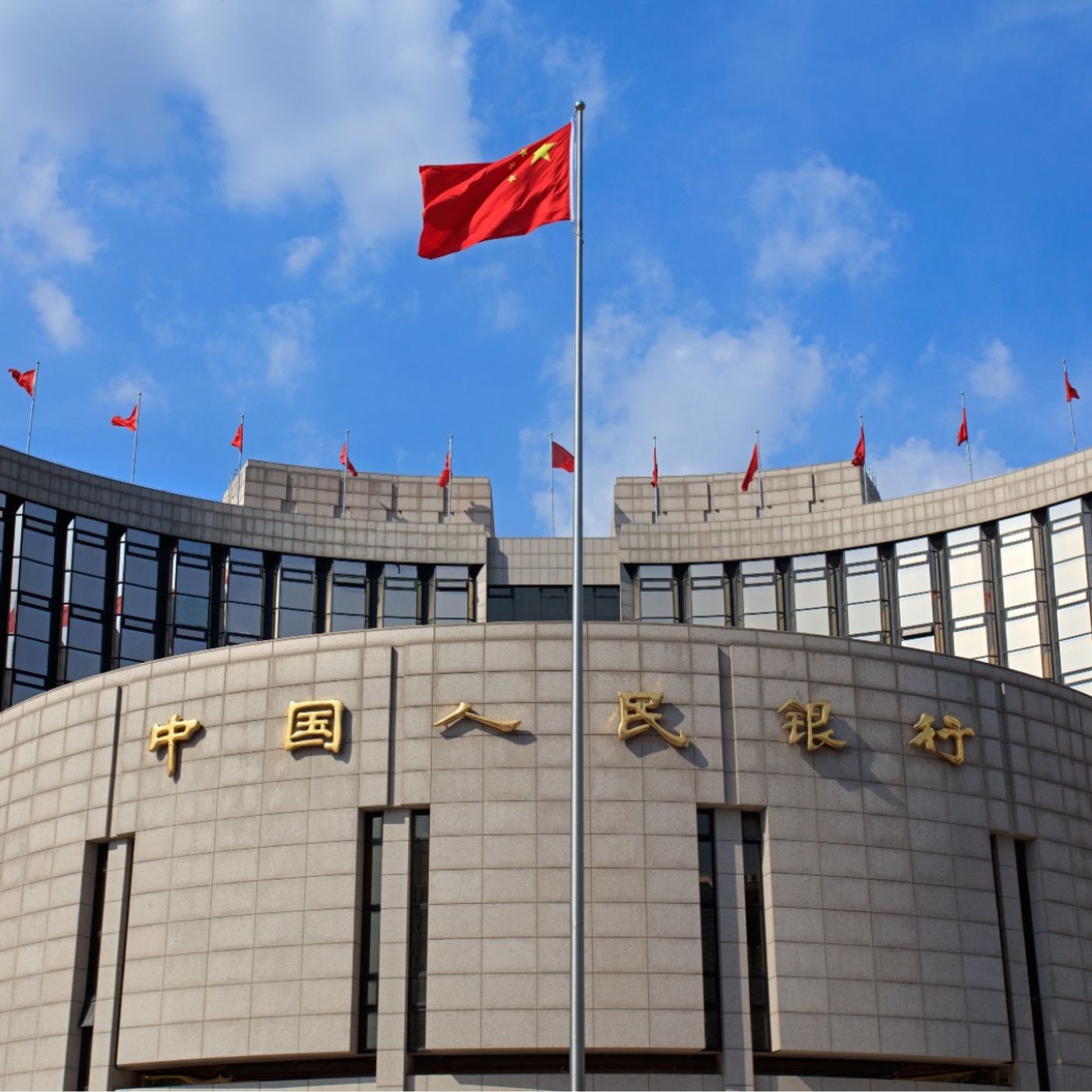
How do China’s government-owned commercial banks respond to informal guidance from The People’s Bank of China? Their reaction to recent guidance designed to cool off mortgage lending offers a fascinating insight into how the banking sector works in China. Michel Habib of the University of Zurich talks to Tim Phillips.

S6 Ep 18S6 Ep18: How much inflation did Covid fiscal support cause?
In 2020 finance ministers threw their fiscal policy plans into the bin and did everything they could to protect and stimulate Covid-hit economies. How much of the spike in inflation did the Covid rescue cause? Galina Hale talks to Tim Phillips.

S6 Ep 17S6 Ep17: American precious metals and the rise of the West
Between the 16th and 18th centuries, at least 180,000 tons of silver and around 4,000 tons of gold were extracted from the Americas and transported to Europe. How much of western Europe’s economic transformation can be attributed to this windfall? Yao Chen tells Tim Phillips about new research that upends the conventional wisdom.
S6 Ep 16S6 Ep16: Does politics sell newspapers?
When the political debate hots up in the world’s largest democracy, is this good for newspaper circulation? Guilhem Cassan talks to Tim Phillips about how to make a causal link from Indian politics to how many newspapers are sold, and what sort of papers they are.

S6 Ep 15S6 Ep15: A troublesome transition
Emerging economies need to undergo a green energy metamorphosis, which for many of them has only just started. But can they transform without creating greenflation, or reducing output? Florencia Airaudo tells Tim Phillips about the sobering conclusions of a new analysis of possible policy options.

S6 Ep 14S6 Ep14: How should we measure expected inflation?
There is more than one way to measure expected inflation. But which methods are most reliable, and how well did they predict the upward trend in European inflation from 2021 onwards? Ricardo Reis talks to Tim Phillips.

S6 Ep 13S6 Ep13: Corporate taxation and carbon emissions
How does the rate of tax that firms pay relate to their carbon emissions? If firms that pay less emit more, then taxation may be delivering a subsidy on pollution. If those that pay less emit less, then taxation may also be helping to protect the environment. Luigi Iovino and Julien Sauvagnat of Bocconi University tell Tim Phillips whether browner firms pay more or less tax – and why.

S6 Ep 12S6 Ep12: What’s missing from climate risk stress tests
Stress testing can potentially capture the impact of climate change on the health of the financial system. But Dirk Schoenmaker tells Tim Phillips that, in their current form, these exercises underestimate the impact of changes in our climate.

S6 Ep 11S6 Ep11: Hobbesian wars and the separation of powers
When Thomas Hobbes published Leviathan in the 17th century, he argued that the state has absolute authority over its citizens. The principal that the state’s monopoly of institutionalised violence keeps the peace is now widely accepted – but is this true, or is it the checks and balances on that power prevent conflict? Gerard Roland talks to Tim Phillips.

S6 Ep 10S6 Ep10: Larry Summers on the global economy
Bonus episode: At the American Economic Association’s annual meeting 2023 in New Orleans, CEPR got the chance to ask Larry Summers three big questions about the global economy in 2023 and beyond.

S6 Ep 9S6 Ep9: Building a resilient vaccine supply chain
What have we learned about how to create, manufacture, and distribute a new vaccine? Can countries cooperate to create a responsive and resilient supply chain if history repeats itself, and should the WTO have a role? Chad Bown talks to Tim Phillips.

S6 Ep 8S6 Ep8: Applying economics (not gut feel) to ESG
Every CEO, investor, and NGO needs an ESG strategy, and they need it now. But is that urgency making smart people ignore established insights from decades of economic research? Alex Edmans has identified 10 ways in which conventional ESG wisdom might be misguided, and he tells Tim Phillips what they are.

S6 Ep 7S6 Ep7: AI is reshaping economic research
We’ve reached a moment at which large language models like ChatGPT have clearly become useful, but for what exactly? Anton Korinek has discovered at least 25 ways in which economics researchers can use them today. He explains to Tim Phillips about how they are already making our research more efficient.

S6 Ep 6S6 Ep6: Powerful forces are reshaping global trade
Firms have discovered that global value chains are not as resilient as we assumed. They are reorganising these value chains and re-evaluating their approach to globalisation – but are the solutions they are considering worse than the problems themselves? Tim Phillips talks to Beata Javorcik, EBRD chief economist.

S6 Ep 5S6 Ep5: Fair pay for CEOs!
What motivates CEOs? Do they want to be fabulously rich or are they looking for a fair reward for their achievements? And, if fairness really does matter to them, how do you structure their contracts? Pierre Chaigneau talks to Tim Phillips about how to keep your CEO without rewarding failure.

S6 Ep 4S6 Ep4: Do cultural stereotypes influence bank investment?
We know that national stereotypes influence all sorts of personal decisions, but could they determine whether one country’s banks hold another country’s sovereign debt? Amazingly, Orkun Saka tells Tim Phillips, the answer might actually be yes.

S6 Ep 3S6 Ep3: Rebuilding Ukraine’s labour market
Russia’s war on Ukraine hasn’t just destroyed buildings and lives, it has put thousands of people out of work and denied thousands more an education. After the war, how can Ukraine rebuild its labour market? Tito Boeri tells Tim Phillips about how other countries and Ukrainian refugees can help to build back better.

S6 Ep 2S6 Ep2: Slavery and the industrial revolution
Did slaveholding accelerate the industrial revolution in Britain? This controversial theory was first argued by Eric Williams almost 80 years ago but has lacked strong supporting evidence – until now. Stephan Heblich and Joachim Voth talk to Tim Phillips.

S6 Ep 1S6 Ep1: Who pays for your credit card rewards?
Credit cards that offer cashback or rewards are increasingly popular. Are you doing better or worse as a result? And how big is the financial difference between all the winners and losers? Andrea Presbitero knows and the amount, he tells Tim Phillips, is bigger than you think.

S5 Ep 54S5 Ep54: Understanding US inflation
Can we explain what happened to inflation in the US in 2022, and what will happen next? Larry Ball and Daniel Leigh tell Tim Phillips why it stayed high and when it may fall.

S5 Ep 53S5 Ep53: Do content moderation laws work?
Germany’s NetzDG Law has given social media companies the responsibility for removing toxic content from their platforms. Can a law to mandate content moderation curb hate speech and, if it does, does that have an impact in the offline world? Carlo Schwarz talks to Tim Phillips.

S5 Ep 52S5 Ep52: How empires rise, and how they fall
In the industrial age many new empires quickly rose and eventually fell. Kerem Cosar and Roberto Bonfatti tell Tim Phillips how important shifting patterns of trade have been in this process.

S5 Ep 51S5 Ep51: The great carbon arbitrage
What is the net benefit of phasing out coal and replacing it with renewables? $85 trillion, according to a new calculation. Alissa Kleinnijenhuis and Patrick Bolton tell Tim Phillips how they estimated this extraordinary number, how the benefit can be realised – and whether the negotiations at COP27 will get us there.

S5 Ep 50S5 Ep50: How does trade policy affect competition?
How does a bilateral trade agreement affect the amount of competition in both countries? New data casts doubt on the conclusions that trade economists have drawn in the past, Meredith Crowley tells Tim Phillips.
S5 Ep 49S5 Ep49: How did inflation get so high?
Ricardo Reis tells Tim Phillips why many advanced economies ended up with inflation levels that we haven’t seen for a generation. Did policymakers make mistakes, or do we need to change the entire policy framework?
S5 Ep 48S5 Ep48: Climate and debt
Mitigating and adapting to climate change is economically rational. But it is also expensive, it’s not clear how the cost should be financed, or which countries or actors assume the burden. The 25th Geneva Report from CEPR investigates these questions. Beatrice Weder di Mauro and Ugo Panizza tell Tim Phillips about the report’s conclusions.

S5 Ep 47S5 Ep47: Slowing the spread of the next epidemic
Whether it’s a return of Covid-19 or another epidemic, we now know much more about the best policies to protect economies while limiting the spread of infection from place to place. Flavio Toxvaerd tells Tim Phillips about new research on what will work next time.

S5 Ep 46S5 Ep46: How does climate change affect asset prices?
Heat stress from climate change affects the economy, so does it change the cost of issuing debt or the return on equities? Viral Acharya has investigated how this climate risk is priced, and he tells Tim Phillips how it raises the cost of borrowing most for the places and firms that can least afford it.
S5 Ep 45S5 Ep45: How social media influences the news
We know that millions of people get their news from social media, but does Twitter influence what traditional news outlets report as well? Julia Cagé tells Tim Phillips about a new study of 2 billion tweets.

S5 Ep 44S5 Ep44: Violence against women at work
When a man is violent to a woman at work, is the outcome different compared to when a man is the victim? A new study reaches some disturbing conclusions. Abi Adams-Prassl talks to Tim Phillips.

S5 Ep 43S5 Ep43: The illusion of control
We need a financial system, but does that mean we must also have regular financial crises? Regulation and risk management attempt to eliminate them, but does the cost and effort simply deliver what Jon Danielsson, in his new book, calls The Illusion of Control? He tells Tim Phillips that systemic risk is higher now than it was in 2008.