VoxTalks Economics
484 episodes — Page 4 of 10

S7 Ep 31S7 Ep31: Location, location, location
The first in a series of VoxTalks Economics based on some of the most interesting presentations from the PSE-CEPR Policy Forum 2024.Imagine that one day, you are offered the chance to move to a new, better, bigger house in the same city as you live, with the government paying for 90% of your mortgage. This is what happens in Brazil, where millions of people have been given access to better housing. But how big is this prize really? Gabriel Ulyssea tells Tim Phillips how many of the beneficiaries discovered that location matters most in real estate.

S7 Ep 30S7 Ep30: It’s a dirty job
If we want to help millions of working people who have high-polluting jobs to find news work during the green transition, first we need to know more about what they do and where they are. Orsetta Causa tells Tim Phillips about the location of dirty jobs, and whether policy to reskill workers can finally succeed.

S7 Ep 29S7 Ep29: Climate tipping points
If the climate crosses any of a number of tipping points, what are the implications for climate finance? Tipping points are large, probably irreversible, changes in nature that may occur as a result of the increase in global temperature. Worse, crossing one tipping point may cause a cascade of others. Alissa and Tim talk to Tim Lenton, one of the authors of the Global Tipping Points Report, and Patrick Bolton to discuss how Climate Finance struggles to price the risk of tipping points.

S7 Ep 28S7 Ep28: Collaboration after #MeToo
The #MeToo movement inspired many professions, and the men who work in those professions, to reflect on whether female colleagues were treated fairly. Economics had its own highly visible, and sometimes controversial, #MeToo moment. What has been the impact of #MeToo on patterns of co-authorship? Noriko Amano-Patino, Elisa Faraglia and Chryssi Giannitsarou deliver good and bad news to Tim Phillips.

S7 Ep 27S7 Ep27: Mafias and firms
Which firms are infiltrated by organised crime, and why? We know that organised crime has links to some firms in the legal economy. But how big is this infiltration, and what do they gain from it? Rocco Macchiavello tells Tim Phillips about which firms are infiltrated, how this occurs – and what the crime families have to gain.

S7 Ep 26S7 Ep26: Economic decline and the rise of populism
Next week, there will be EU elections across Europe. Later this year, there is a closely fought election in the US. As traditional political right-left allegiances break down, what is influencing the way we vote? Andrés Rodríguez-Pose tells Tim Phillips how economic stagnation combined with increased interpersonal and regional inequality has been driving the populist vote.

S7 Ep 25S7 Ep25: The stigma of depression
We are increasingly aware of the number of people who secretly suffer from depression. Many sufferers are reluctant to seek help because they fear that others will assume they are weak or lazy. If depressed people discover that most of their peers feel sympathy rather than contempt for them, will they be empowered to seek help? Egon Tripodi and his colleagues tested that assumption. He tells Tim Phillips what they discovered.

S7 Ep 24S7 Ep24: How fake news shapes the business cycle
Fake news threatens our electoral process and our social structure. Fabrice Collard tells Tim Phillips that it threatens economic stability too, and that the impact of the of the fake news epidemic can be detected as a rise in uncertainty that transmits to core economic statistics.

S7 Ep 23S7 Ep23: What should business schools teach about the climate crisis?
If economics and finance are the key to creating a sustainable way to live, what is the role of business schools in training the people who will make that happen? Alissa and Tim talk to Peter Tufano of Harvard Business about how they should be taking the lead in teaching the tools of climate finance. They also discuss his research into what the public thinks the role of business in society should be – and how that has diverged from what business schools teach.
S7 Ep 22S7 Ep22: Europe’s economic security
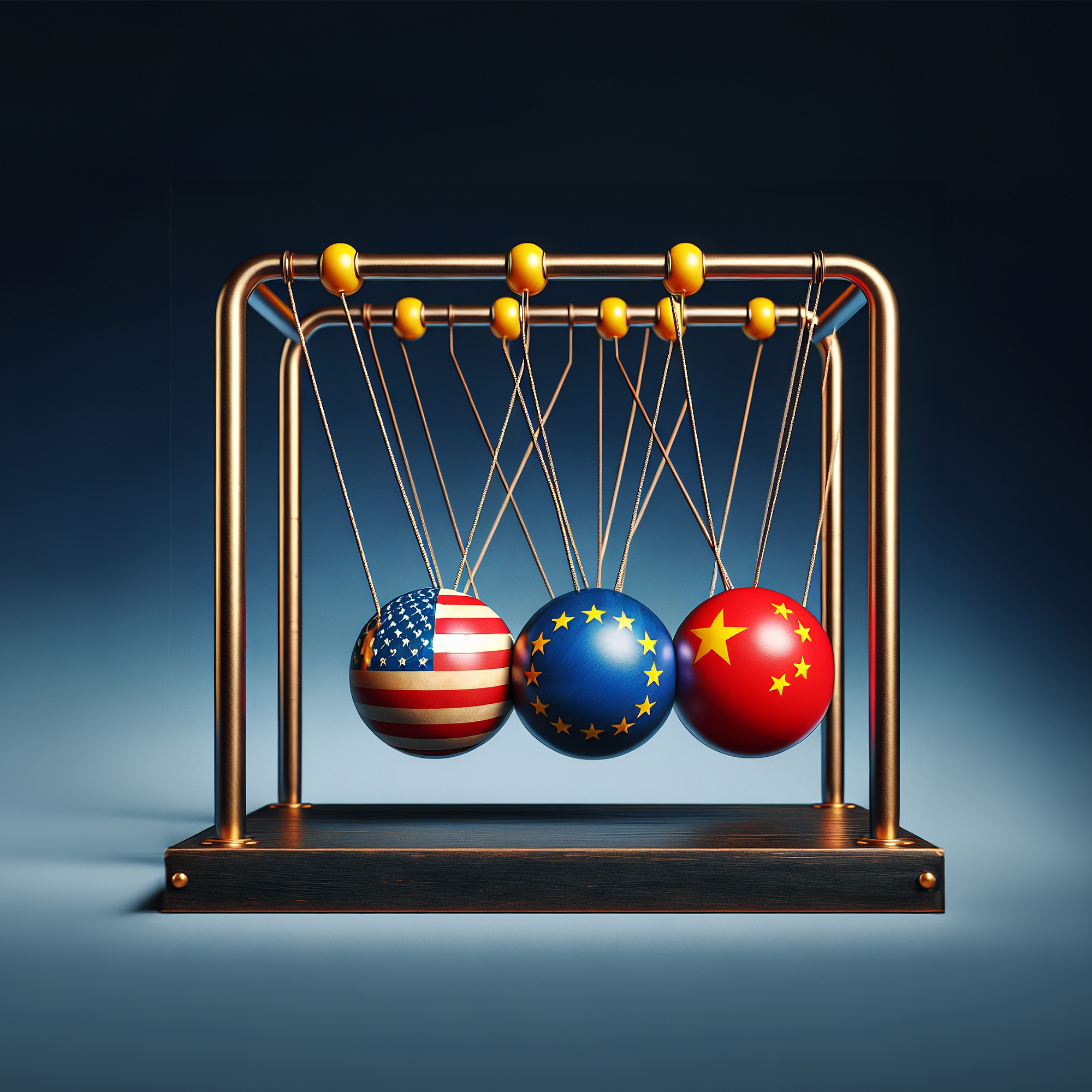
Where is Europe’s economy vulnerable, and how can it manage that risk? A new joint report from CEPR and Bruegel investigates the challenges to economic security for Europe in the face of recent supply chain vulnerabilities and geopolitical shocks. Jean Pisani-Ferry is one of the editors of the report, and he talks to Tim Phillips about what has changed for Europe, and how we should respond.EUROPE’S ECONOMIC SECURITY, Paris Report 2. Editors Jean Pisani-Ferry, Beatrice Weder di Mauro, and Jeromin Zettelmeyer.
S7 Ep 21S7 Ep21: Clearing the path to growth
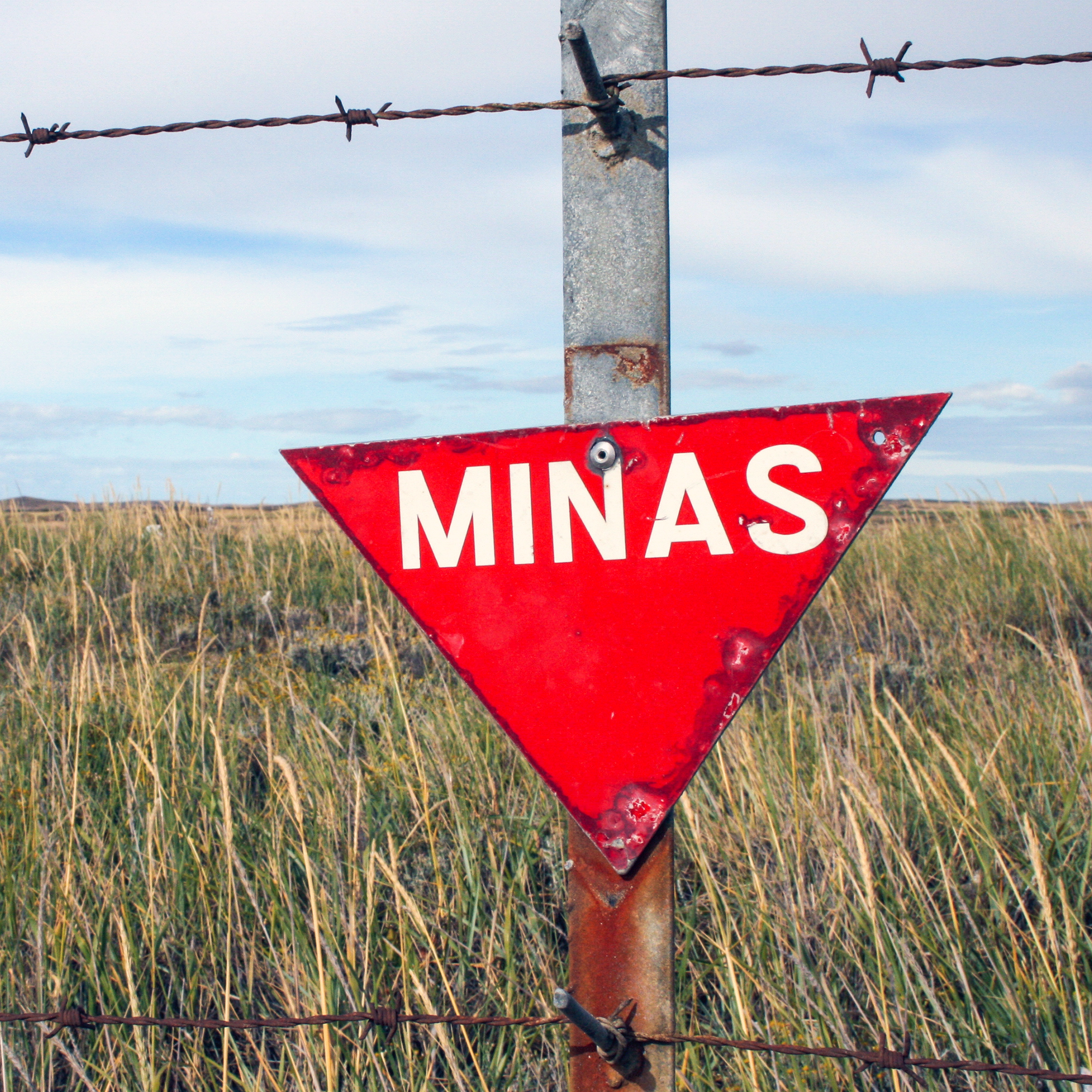
When a conflict ends, we know how minefields continue to destroy the lives of innocent people. But is there an economic, as well as a humanitarian, benefit to demining? Mounu Prem of Einaudi Institute for Economics and Finance is one of the authors of a paper that provides the first estimates of the economic dividend when a minefield is cleared, using records from humanitarian operations in Colombia. He talks to Tim Phillips.

S7 Ep 20S7 Ep20: How quickly should we adopt AI?
In March 2023, many experts supported an open letter that called for a six-month pause in giant AI experiments, and that development of these AIs should go ahead “only once we are confident that their effects will be positive, and their risks will be manageable”. In the second of our podcasts recorded at the 79th EP Panel, Tim Phillips asks Joshua Gans of the University of Toronto what might happen if we did pause AI adoption, and whether we should instead accelerate adoption of AI so that we can more quickly learn about its benefits and harms, and design better regulation as a result.

S7 Ep 19S7 Ep19: Which jobs will AI replace?
Recorded at the Spring 2024 Economic Policy Panel Meeting. What will be the impact of AI on the labour market? Two new papers use the evidence from the early years of the 21st century to analyse who the winners and losers have been so far. Gino Gancia and Juan Jimeno analyse the labour markets of the US and Europe and tell Tim Phillips who the winners and losers have been so far.

S7 Ep 18S7 Ep18: Monetary policy, mortgages, and the housing market
This year’s World Economic Outlook report from the IMF features an intriguing piece of research that shows how rising policy rates bit harder in some countries than other because of differences in how existing mortgages are calculated, new mortgages are granted, and house prices.Rui Mano from the IMF’s Research Department tells Tim Phillips about how the housing channels of monetary policy help to squeeze out inflation, the variable impacts of rate hikes, and the risk of overtightening when householders can fix their mortgage repayments.

S7 Ep 17S7 Ep17: The long shadow of the Spanish Civil War
The Spanish Civil War that ended in 1939 was brutal and destructive. But does it still affect how Spanish people think and behave today, three generations later? Felipe Valencia Caicedo and Ana Tur-Prats talk to Tim Phillips about a legacy of distrust and poisoned political beliefs.Photo credit: Generalitat de Catalunya

S7 Ep 16S7 Ep16: Monetary policy responses to inflation
What do we learn from the way central banks around the world responded to post-pandemic inflation? A new ebook from CEPR Press collects contributions from both academics and the central bankers who took the decisions. It explores what they did and how well it worked – and suggests some lessons that will help policymakers cope with the next inflationary episode. Bill English, one of the editors, talks to Tim Phillips.Download the ebook: https://voxta.lk/MPresponse

S7 Ep 15S7 Ep15: Mispriced risk and the end of ESG
Are markets acting efficiently when they price carbon risk? Alex Edmans talks to Alissa Kleinnijenhuis and Tim Phillips about how the earnings announcements of high emitters suggest mispricing of transition risk and argues that we should think of ESG is both extremely important – and nothing special.
S7 Ep 14S7 Ep14: Disasters and bank financing
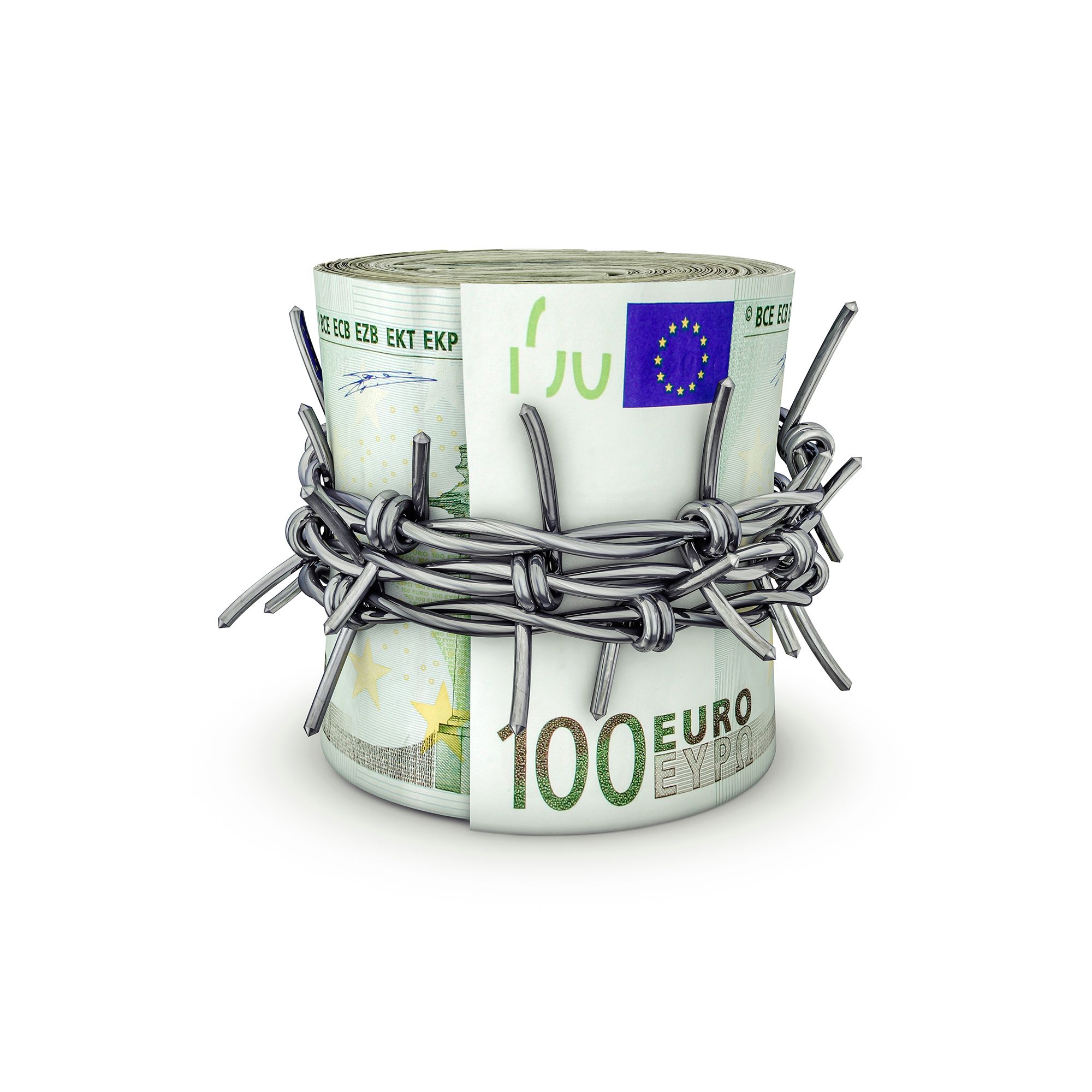
Whether they war, disease or natural disasters, banks need to prepare for, and cope with, unexpected events. The third LTI report is published on 18 March by CEPR. Steven Ongena and Anna Pestova explain to Tim Phillips what the report reveals about how banks respond to these three types of disasters – and what that means for their customers.

S7 Ep 13S7 Ep13: Pandemic, war and debt
Covid-19 and the war on Ukraine have challenged debt sustainability. Can our existing institutions meet that challenge? Following the release of the CEPR fifth annual report on The Future of Banking, Tim Phillips talks to Jeromin Zettelmeyer about whether the existing framework and institutions for resolving debt crises can cope. And, if not, what might replace them.

S7 Ep 12S7 Ep12: Women are from Mars too
Are men from Mars, and women from Venus? If so, policies that seek to close the gender gap by equalising opportunities are unlikely to succeed. A recent paper finds that, contrary to popular belief, women and men’s traits are remarkably similar. Ruveyda Nur Gozen and Tim Phillips talk to Michelle Rao and Oriana Bandiera, two of the researchers who wrote the paper, about prejudice, policy, and the stubborn persistence of prior beliefs. Papers mentioned in the podcast:Bandiera, O., Parekh, N., Petrongolo, B., & Rao, M. (2022). Men are from Mars, and Women Too: A Bayesian Meta‐analysis of Overconfidence Experiments. Economica, 89, S38-S70. (link to paper)Bandiera, O., Fischer, G., Prat, A., & Ytsma, E. (2016). Do women respond less to performance pay? Building evidence from multiple experiments. (link to paper)Rao, M. (2021) Gender Differences in altruism: a Bayesian hierarchical analysis of dictator games. MimeoBayer, A., Hoover, G. A., & Washington, E. (2020). How you can work to increase the presence and improve the experience of Black, Latinx, and Native American people in the economics profession. Journal of Economic Perspectives, 34(3), 193-219. (link to paper)Bursztyn, L., González, A. L., & Yanagizawa-Drott, D. (2020). Misperceived social norms: Women working outside the home in Saudi Arabia. American economic review, 110(10), 2997-3029. (link to paper)Diaz-Pardo, G., Rao, M. (2024). Women and Cash Transfers: how program design and local conditions relate to causal estimates of impact. Field, E., Jayachandran, S., & Pande, R. (2010). Do traditional institutions constrain female entrepreneurship? A field experiment on business training in India. American Economic Review, 100(2), 125-129.Stansbury, A., & Schultz, R. (2023). The economics profession’s socioeconomic diversity problem. Journal of Economic Perspectives, 37(4), 207-230. (link to paper)

S7 Ep 11S7 Ep11: Weder di Mauro: What went wrong at Credit Suisse
It is 12 months since the sudden downfall of Credit Suisse, one of a tiny number of Too Big to Fail global banks. Beatrice Weder di Mauro was one of an expert team who were asked by the Swiss Department of Finance to investigate the crisis and resolution. She talks to Tim Phillips about what they discovered, and the lessons we ignore at our peril.

S7 Ep 10S7 Ep10: The euro at 25
On 1 Jan 1999, the euro launched. In the 25 years that followed, despite several moments when it seemed the entire project might implode, it has proved to be extremely resilient. Marco Buti and Giancarlo Corsetti of the European University Institute tell Tim Phillips about the good times, the bad times, and the lessons learned in the euro’s first 25 years.

S7 Ep 9S7 Ep9: Can parents teach patience?
You want your children to be patient, work hard, and be able to save for the future. But can children learn these traits from their parents? Daniela Del Boca tells Tim Phillips about research in Italian families that investigates which children mirror the patience of their parents.

S7 Ep 7S7 Ep7: Climate finance instruments
Frédéric Samama has pioneered the development and introduction of instruments that make climate finance not only possible, but practical. He tells Alissa Kleinnijenhuis and Tim Phillips about his research, and how investors can incentivise firms to decarbonise.

S7 Ep 8S7 Ep8: Main Street’s pain, Wall Street’s gain
During Covid, America waited every Thursday for the release of the Initial Jobless Claims numbers at 8.30am. What happened next? Nancy Xu tells Tim Phillips that asset price movements may reflect expectations of government intervention as well as sentiment about the economy.

S7 Ep 6S7 Ep6: The impact of mandatory profit sharing
Recorded at the CEPR Paris symposium 2023: In France, a law that compels many firms to share profits with their employees. Which employees end up earning more? And does their share in their employer’s success make them more productive? David Thesmar talks to Tim Phillips.

S7 Ep 5S7 Ep5: Microdata in Europe
Recorded at CEPR Paris Symposium 2023: data that's collected at the level of a household, a firm, or even an individual is extraordinarily valuable for researchers. But there's not enough affordable, accessible, high-quality data of this type in Europe. Tim Phillips talks to Filippo di Mauro of CompNet and Ugo Panizza of the Graduate Institute in Geneva about their plans, backed by CEPR, to create more open, more consistent sources of policy-relevant microdata.
S7 Ep 4S7 Ep4: The seeds of knowledge
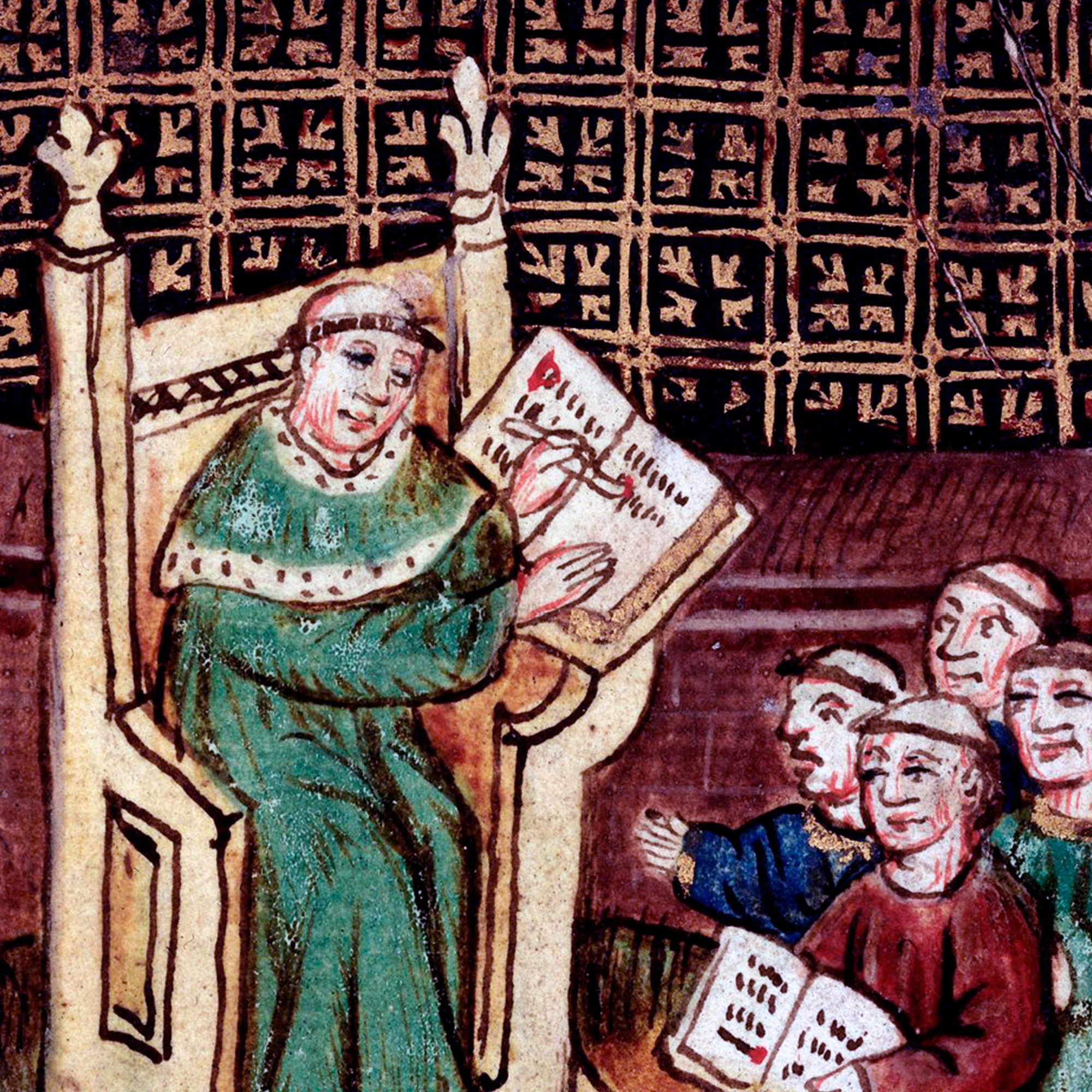
Recorded at CEPR Paris Symposium 2023: Can we make a link between pre-modern scholars and GDP – and, if so, what is that link? David de la Croix has compiled data on Europe’s scholars from 1000-1800AD, including their expertise, where they were born and where they studied. Tim Phillips asks him if the seeds of knowledge were also the seeds of modern economic growth.

S7 Ep 3S7 Ep3: Young economists: Paris 2023
Recorded at CEPR Paris Symposium 2023: Tim Phillips meets three of the young researchers who were chosen to present. Margot Belguise, Arnaud Dyevre and Yasmine van der Straten talk about their work – and offer some advice for anyone who is starting out on their research.

S7 Ep 2S7 Ep2: Solving the wickedest problem
In the brief history of climate finance, Andrew Karolyi has been one of the pioneers, both as an author and a catalyst to encourage other finance experts to become involved. He talks to Alissa Kleinnijenhuis and Tim Phillips about what inspired him to take on what he calls “the wickedest of wicked problems”, how he kickstarted research on the topic, and the little-known involvement of King Charles III in the genesis of climate finance.
S7 Ep 1S7 Ep1: The global transmission of Fed rate hikes
Recorded at CEPR Paris Symposium 2023: The Fed has been rapidly raising rates recently. In the recent past this would have caused a red alert in the central banks of emerging markets. But not this time – so why not? Sebnem Kalemli-Ozcan tells Tim Phillips why this time, it’s different.

S6 Ep 57S6 Ep57: The impact of refugees on community health
Africa’s refugees often live in large, permanent camps. While the arrival of refugees is often an economic boost for the region, it is also bad for the health of the children of local families. Anna Maria Mayda and Jean-François Maystadt tell Tim Phillips how their research resolved this contradiction. Picture: Julien Harneis/Flickr

S6 Ep 56S6 Ep56: A new programme area: Climate change and the environment
COP28 has just concluded. Every COP demonstrates both the urgent need to devise policies that will shape the future of our planet and the people who inhabit it, but also the difficulty of implementing those initiatives. That’s why CEPR is introducing 'Climate Change and the Environment' as its latest programme area. Mar Reguant, who will lead the programme, and Beatrice Weder di Mauro, President of CEPR talk to Tim Phillips about whether COP can ever deliver, how climate change is now a part of every economist’s research agenda, and how you can get involved in the programme.

S6 Ep 55S6 Ep55: Navigating city transport policy
When city dwellers travel, they worry about problems like about traffic jams, congestion charges, and the time spent waiting for public transport. Nicolas Martinez made a model of what happens when a street-smart population decides how and when to travel every day, and he tells Tim Phillips about how he applied it to investigate the usefulness of Paris’s traffic regulations.

S6 Ep 54S6 Ep54: The art of gerrymandering
In the US, redistricting is done by the party in power. If you wanted to maximise the advantage to your side, how would you do it? And is that happening in practice? Allison Stashko talks to Tim Phillips about whether gerrymandering in the US is crossing the line.

S6 Ep 53S6 Ep53: What is the purpose of a company?
In 1970 Milton Friedman told us that “The Social Responsibility of Business Is to Increase Its profits.” Faced with climate change, is that still the right objective for a company, and what could replace it? Dirk Schoenmaker, one of the authors of “Corporate Finance for Long-Term Value” talks to Alissa Kleinnijenhuis and Tim Phillips.

S6 Ep 52S6 Ep52: Making banking safe
Our financial system is supposed to be more resilient than before the global financial crisis, but that didn’t save Silicon Valley Bank, Signature Bank or First Republic. So what went wrong, and can we fix it? Steve Cecchetti and Kim Schoenholtz suggest to Tim Phillips how regulators can make banking safer.

S6 Ep 51S6 Ep51: Later-life mortality and the repeal of prohibition
In the 1930s we didn’t know that drinking alcohol during pregnancy could affect the health of a baby. David Jacks of the National University of Singapore has used the repeal of Prohibition to investigate the impact on the long-term health of adults who were in utero when some mothers could drink alcohol, and some could not.

S6 Ep 50S6 Ep50: Violence against women in politics
In today’s polarised atmosphere, violent attacks on politicians are not unusual, and women are more likely to be the victims. Are they victimised because they choose different policies, or just because of their gender? Gianmarco Daniele has investigated violence against women in Italian politics, and he talks to Tim Phillips about his disturbing findings.

S6 Ep 49S6 Ep49: Is there a market for biodiversity?
Climate change will have an impact on the natural environment, and the natural environment will affect the rate of climate change. Is biodiversity risk reflected in asset prices? Is it possible to use private capital to finance biodiversity conservation and restoration, and what can that achieve? Alissa Kleinnijenhuis and Tim Phillips talk to Johannes Stroebel and Caroline Flammer.

S6 Ep 48S6 Ep48: AI’s impact on jobs
By automating non-routine tasks, AI may have a profound effect on the jobs we do, and even whether those jobs exist. How much should we fear, and how much should we welcome this change? In the second of our podcasts from the Chicago Booth School Economic Experts Conference 2023, Tim Phillips speaks to John Van Reenen about how AI will affect our working lives.

S6 Ep 47S6 Ep47: Will deglobalisation lead to a new Cold War?
When the Soviet Union collapsed, the narrative was that we were at “the end of history”. Now we have changed our minds: globalization is in retreat, and we're entering a new Cold War. Is this new narrative true? At the Chicago Booth School Economic Experts Conference 2023, Tim Phillips speaks to Beata Javorcik and Sergei Guriev about shifting geopolitics and the global economy.

S6 Ep 46S6 Ep46: Whither climate finance?
New series: climate finance is an essential part of the fight against climate change. Join co-hosts Alissa Kleinnijenhuis and Tim Phillips for the important debates in climate finance, with the researchers and policymakers who are making a difference. In our introductory episode: What problems can climate finance solve, and how do we solve them? With guests Patrick Bolton, Viral Acharya, and Stefano Giglio.

S6 Ep 45S6 Ep45: Does anger drive populism?
On social media and in interviews, voters and their representatives sometimes seem full of rage. Is the current rise in populism driven by this anger, or is that conclusion too simplistic? Klaus Desmet tells Tim Phillips about what research into America’s angriest places tells us.

S6 Ep 44S6 Ep44: How the US solved its Korean EV trade crisis
The Inflation Reduction Act of 2022 provided $350 billion in tax credits and other incentives for clean energy technologies in the US. So how did American policymakers respond when South Korean government officials declared it was a “betrayal”? Chad Bown of the Peterson Institute tells Tim Phillips the strange-but-true tale of how the problem was fixed, and what it tells us about protectionist trade policy in a global crisis.

S6 Ep 43S6 Ep43: War and science in Ukraine
Scientists are affected by war, like anyone else. Their work is disrupted, they are placed in danger, they may become refugees or casualties. What has been the impact of the Russian invasion of Ukraine on its scientists? Ina Ganguli talks to Tim Phillips.

S6 Ep 42S6 Ep42: The slowdown in potential growth
Estimates of potential growth – the best an economy can do – drive development and poverty reduction. Lower potential is a problem that constrains policymakers and so affects all of us. New research analyses the long downward trend in potential growth, makes projections for the next decade, and suggest ways we can boost it. Sinem Kilic Celik talks to Tim Phillips.

S6 Ep 41S6 Ep41: Identity politics and polarisation
What part does group identity play in who we choose to vote for? In every democracy it seems as if our leaders are using identity politics to gain new voters or define a distinct political agenda, but what does that mean for economic policies and polarisation? Guido Tabellini tells Tim Phillips about his research into the influence of identity on political alignment in the US.
S6 Ep 40S6 Ep40: Price and prejudice: Asylum seekers and housing rents
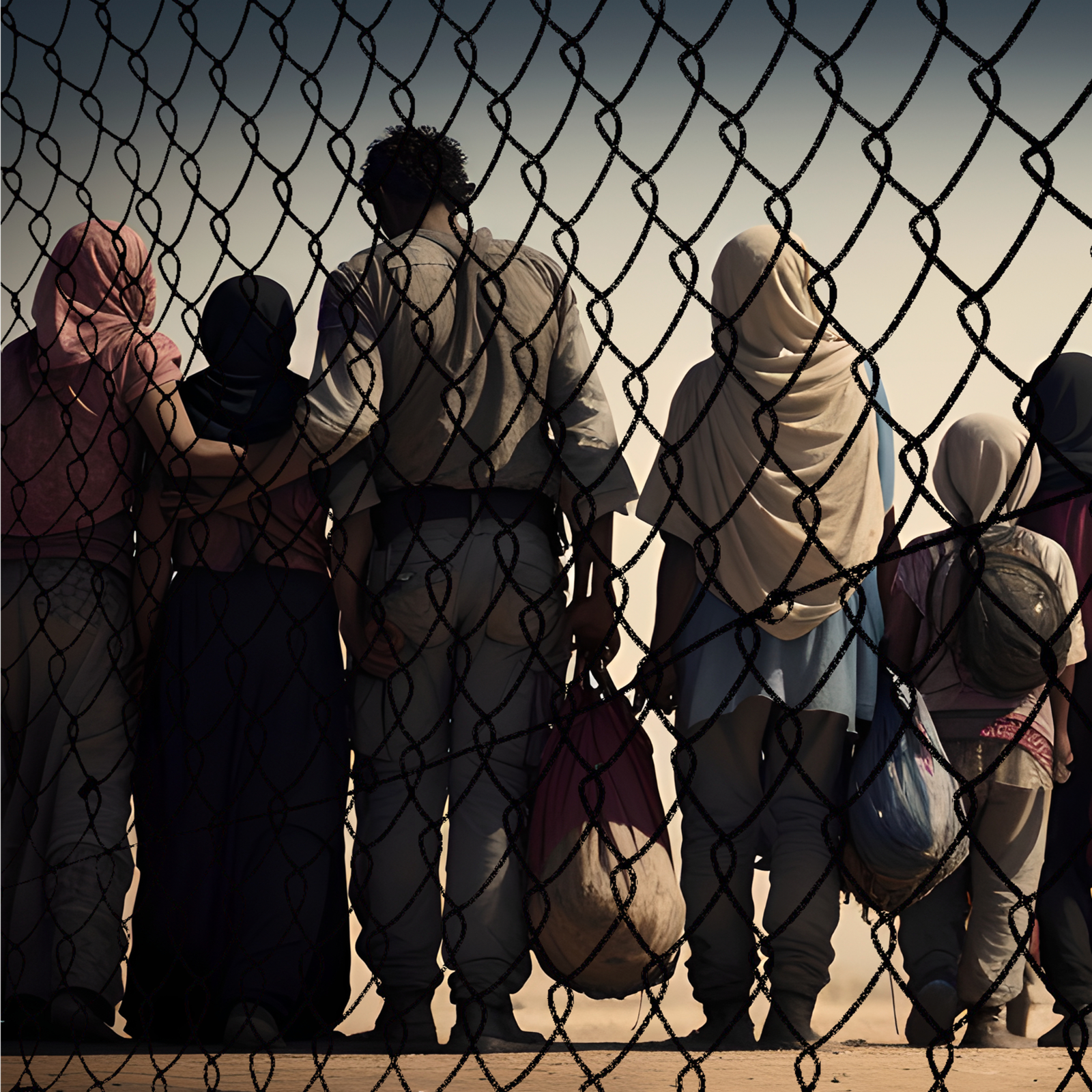
Opposition to asylum seekers has become a political and social media hot button issue in every high-income country. But does their presence also depress rental values for neighbouring properties? Marius Brülhart tells Tim Phillips about new research from Switzerland that uncovers the effect of immigration on rents.

S6 Ep 39S6 Ep39: How railways brought inventors together
When suddenly it became quicker and cheaper to travel by train, did this help inventors to work together, and did it mean more and better innovation? Thor Berger and Erik Prawitz – who work 1 hour 50 minutes apart by train, investigated the impact of Sweden’s rail network.