
Volts
444 episodes — Page 5 of 9
What you need to know about the new EPA power plant standards
In this episode, Grace Van Horn and Jonas Monast of the Center for Applied Environmental Law and Policy do a deep analysis on the EPA’s recently finalized carbon pollution standards for power plants. This is a public episode. If you'd like to discuss this with other subscribers or get access to bonus episodes, visit www.volts.wtf/subscribe
The energy transition's 5 supervillains and 5 superheroes
In this episode, longtime clean-energy analyst Michael Liebreich assesses five causes for pessimism about the net-zero transition, alongside five causes for optimism. This is a public episode. If you'd like to discuss this with other subscribers or get access to bonus episodes, visit www.volts.wtf/subscribe

Making geothermal heat pumps work for big buildings
In this episode, Joselyn Lai of Bedrock Energy describes hardware and software improvements that enable geothermal heat pumps to be installed more quickly and less expensively, even in large commercial and industrial buildings in tight urban spaces. This is a public episode. If you'd like to discuss this with other subscribers or get access to bonus episodes, visit www.volts.wtf/subscribe

Rising electricity demand requires new gas plants? Not so fast.
What’s the best way to handle rising US electricity demand? Contrary to what some large utilities and regulators think, it’s not building new fossil gas plants. In this episode, Eric Gimon and Michelle Solomon, coauthors of a new report from policy shop Energy Innovation, make the case that utilities have more effective options to address both short- and long-term demand. This is a public episode. If you'd like to discuss this with other subscribers or get access to bonus episodes, visit www.volts.wtf/subscribe
Why "transferable" tax credits are such a big deal
The Inflation Reduction Act made it much easier for companies to sell clean energy tax credits that they cannot make use of themselves. In this episode, CEO Alfred Johnson of Crux Climate explains how this seemingly wonky tweak has created a market that is already providing billions in new clean-energy investment. This is a public episode. If you'd like to discuss this with other subscribers or get access to bonus episodes, visit www.volts.wtf/subscribe
What's going on with China these days?
Is China on track to reduce its carbon emissions? If so, why is it building so much coal power? In this episode, researcher Lauri Myllyvirta brings data to bear on China’s recent decarbonization efforts and helps demystify the country’s larger intentions. This is a public episode. If you'd like to discuss this with other subscribers or get access to bonus episodes, visit www.volts.wtf/subscribe
Fashion's climate impact and how to reduce it
In this episode, I speak with Maxine Bédat, a former fashion startup CEO and founder of the nonprofit New Standards Institute. We talk about the source of the fashion industry's emissions, what can be done to reduce them, the need for regulation, and the right way to think about fast fashion. This is a public episode. If you'd like to discuss this with other subscribers or get access to bonus episodes, visit www.volts.wtf/subscribe
How much can urban land use policy do for the climate?
In this episode, I speak with Heather House, a manager in RMI’s carbon-free transportation program, and Rushad Nanavatty, the head of Third Derivative, an early-stage climate tech accelerator co-founded by RMI, to better understand the role of urban land use in the overall climate picture. This is a public episode. If you'd like to discuss this with other subscribers or get access to bonus episodes, visit www.volts.wtf/subscribe
How the EPA will spend $27 billion in carbon-reduction funds
The Inflation Reduction Act included a Greenhouse Gas Reduction Fund, $27 billion to be disseminated primarily in vulnerable and under-resourced communities for clean energy and climate mitigation projects. In this episode, EPA’s Jahi Wise discusses how the program was designed, who the recipients are, and what the funding will accomplish. This is a public episode. If you'd like to discuss this with other subscribers or get access to bonus episodes, visit www.volts.wtf/subscribe
Now is the time for distributed energy
In this episode, Duncan Campbell of Scale Microgrid Solutions makes the case that distributed energy resources (DERs) — solar panels, EVs, home batteries, etc. — are, thanks to rising electricity demand and constraints on grid expansion, poised for a tsunami of deployment. This is a public episode. If you'd like to discuss this with other subscribers or get access to bonus episodes, visit www.volts.wtf/subscribe
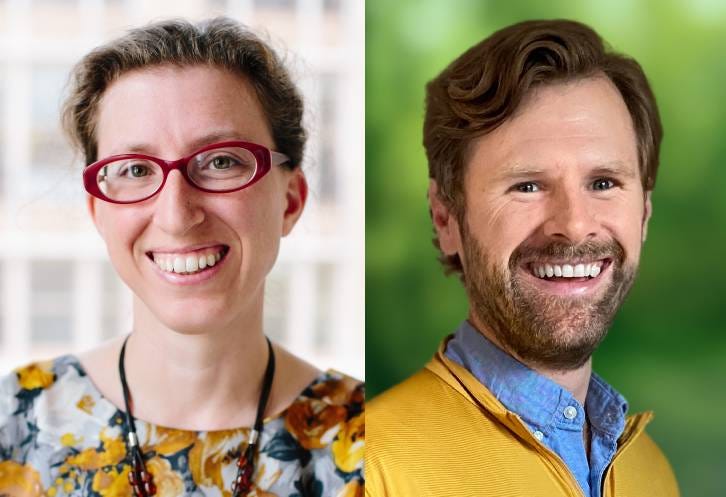
Biden sets out to supercharge industrial decarbonization
This week, the Biden administration announced billions of dollars in grants for industrial emissions-reduction projects. In this episode, Rebecca Dell of the ClimateWorks Foundation and Evan Gillespie of Industrious Labs describe the types of projects being funded and assess the potential impact of this significant investment in a sector notoriously difficult to decarbonize. This is a public episode. If you'd like to discuss this with other subscribers or get access to bonus episodes, visit www.volts.wtf/subscribe
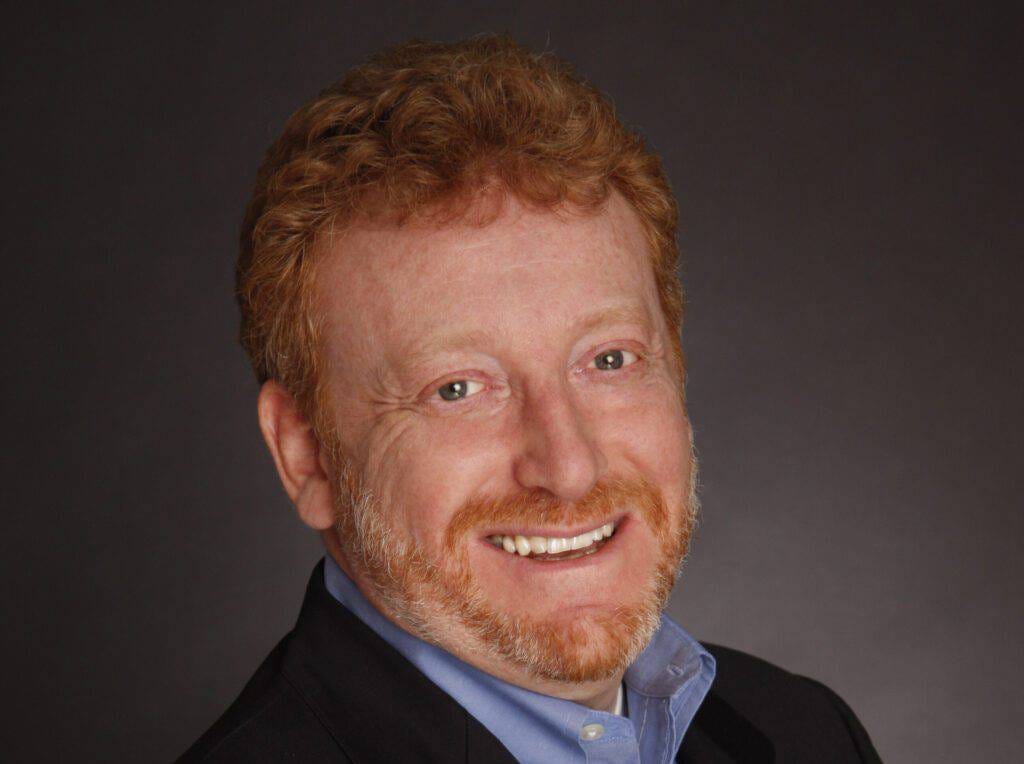
What's the deal with these methane satellites?
In this episode, I discuss the newly launched MethaneSAT — a satellite that can detect methane emissions on the ground — with Mark Brownstein of the Environmental Defense Fund. We cover how it came to be, its technical capacities, and the ways satellite detection might serve global efforts to reduce emissions. This is a public episode. If you'd like to discuss this with other subscribers or get access to bonus episodes, visit www.volts.wtf/subscribe
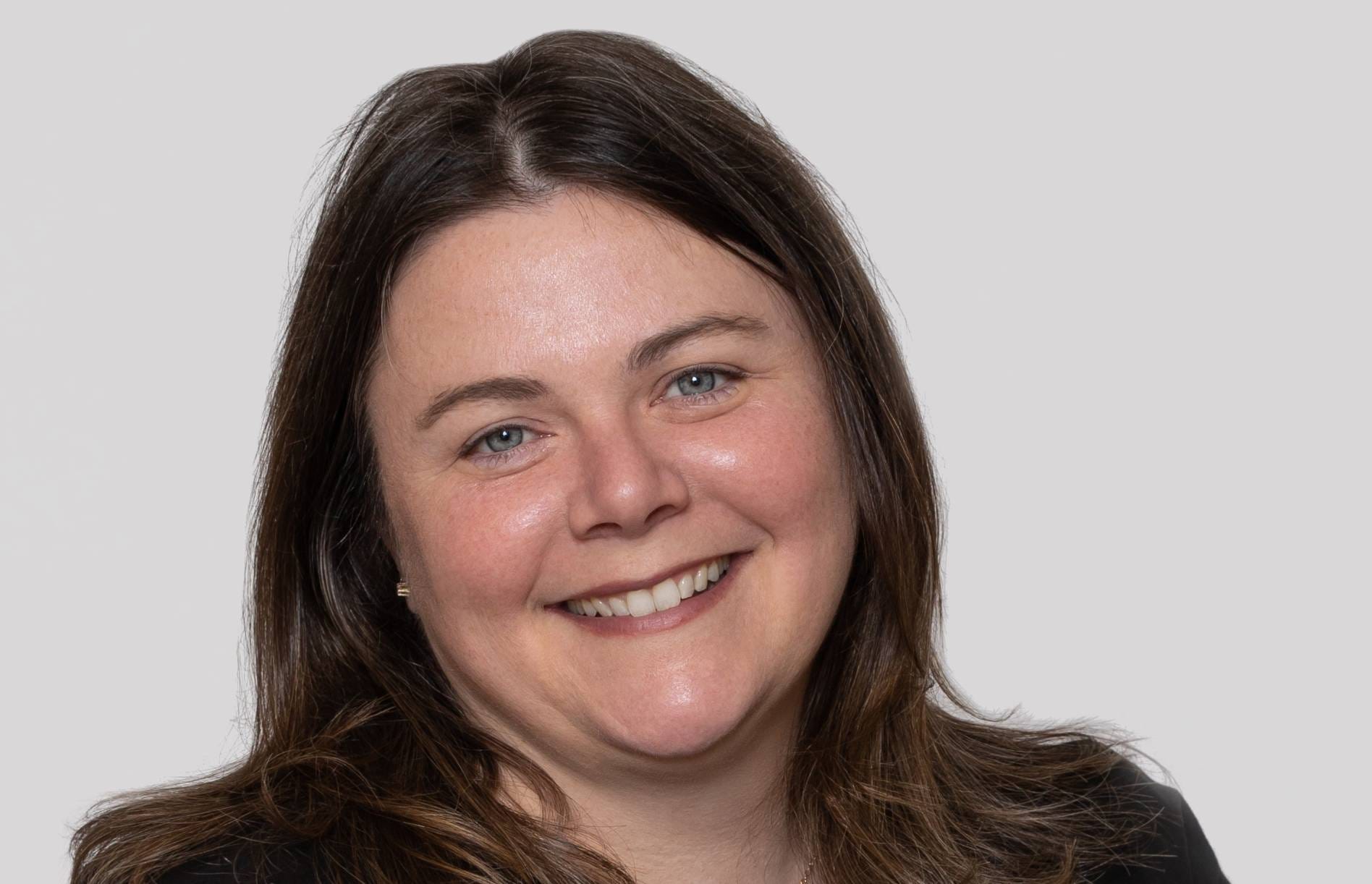
What's the deal with "scope 3" emissions?
“Scope 3” greenhouse gas emissions — those that companies are indirectly responsible for, via supply chain, product disposal, investments, etc. — are an imprecisely measured but significant source of impact. In this episode, Laura Draucker of the nonprofit Ceres shares her expertise on all things scope 3, including the recent decision by the Securities and Exchange Commission to drop the requirement that companies disclose them. This is a public episode. If you'd like to discuss this with other subscribers or get access to bonus episodes, visit www.volts.wtf/subscribe
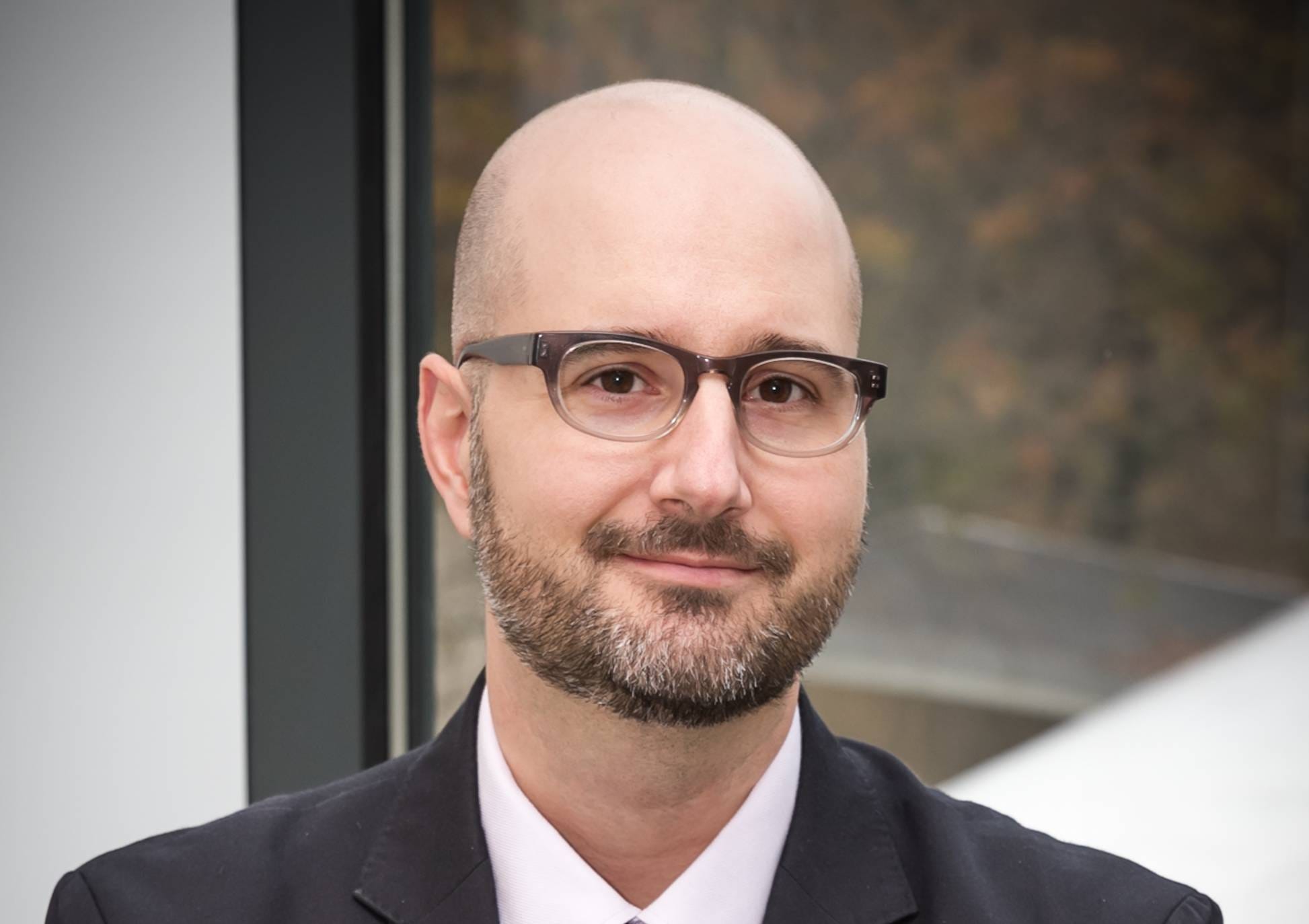
Getting ready for IRA 2
In his recent role as Chief Advisor for the Clean Energy Transition in the White House Office of Science and Technology, Costa Samaras helped roadmap the cleantech future laid out by Democrats’ legislative achievements. In this episode, he reflects on his experience and offers a clear-eyed view of where climate policy needs to go next. This is a public episode. If you'd like to discuss this with other subscribers or get access to bonus episodes, visit www.volts.wtf/subscribe
How's IRA doing?
Is the Inflation Reduction Act, passed nearly two years ago, doing what it set out to do? In this episode, Trevor Houser of the Rhodium Group compares the predictions of pre-IRA energy-sector models to the real-world data on clean-energy investment since its passage. This is a public episode. If you'd like to discuss this with other subscribers or get access to bonus episodes, visit www.volts.wtf/subscribe
Industrial policy: what it is, how Biden's doing it, and how it could be done better
In this episode, we go deep on industrial policy with Todd Tucker of the Roosevelt Institute. We discuss what it is, why it’s needed, what Biden’s particular version of it looks like, and how it could evolve if he wins a second term. This is a public episode. If you'd like to discuss this with other subscribers or get access to bonus episodes, visit www.volts.wtf/subscribe
The obscure but extremely important battle over building codes
In this episode, Huffington Post reporter Alexander Kaufman traces the recent history of US building codes, a surprisingly compelling and twisty tale of efforts at reform meeting stiff resistance from builders and natural gas companies. This is a public episode. If you'd like to discuss this with other subscribers or get access to bonus episodes, visit www.volts.wtf/subscribe
So you want to electrify your home
In this episode, Cora Wyent walks us through Rewiring America’s “personal electrification planner,” a step-by-step how-to for homeowners (and renters!) looking to electrify their homes. This is a public episode. If you'd like to discuss this with other subscribers or get access to bonus episodes, visit www.volts.wtf/subscribe
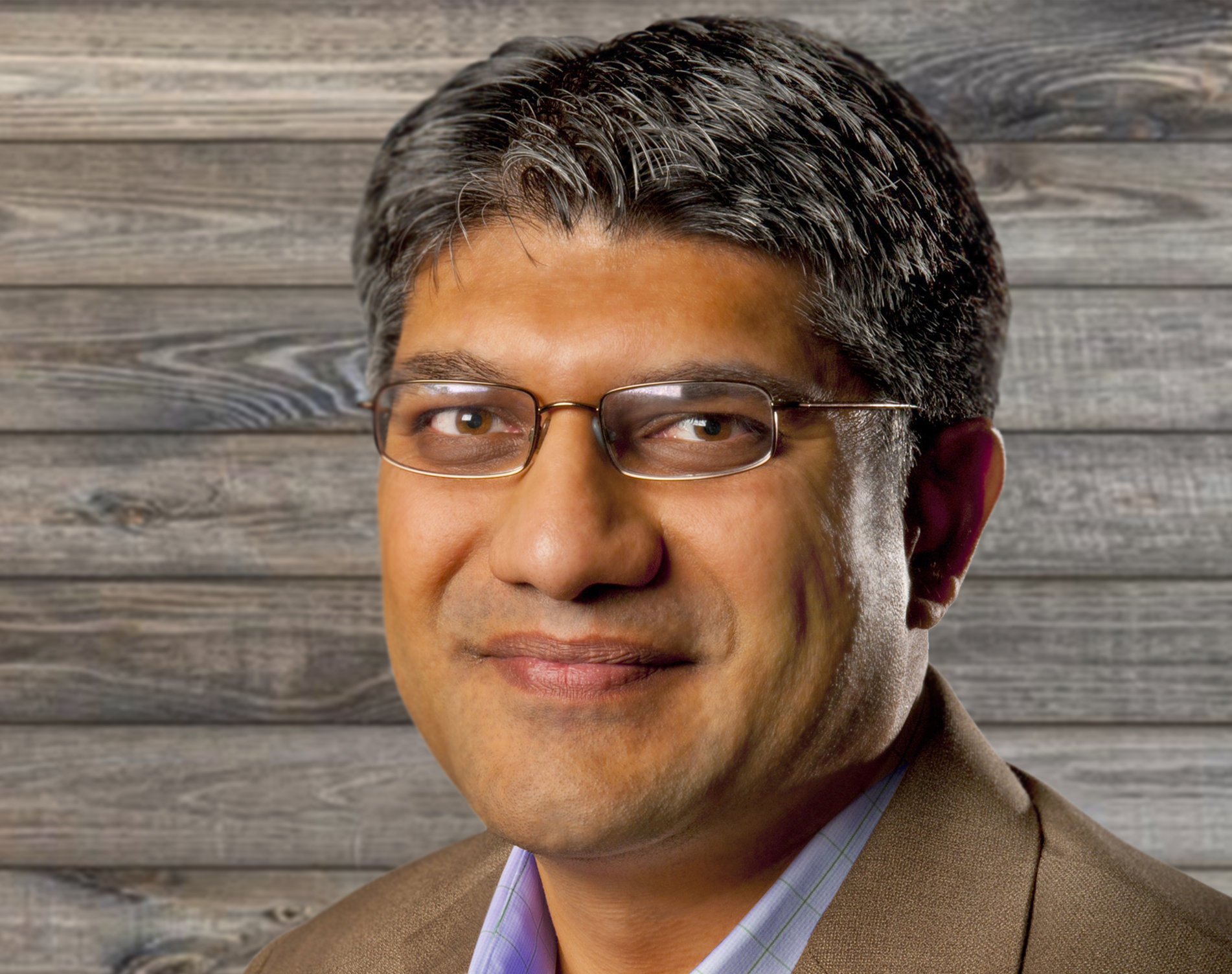
Nuclear? Perhaps!
In this episode, I speak with Jigar Shah (head of DOE’s Loan Programs Office) about all things nuclear, including its recent performance, the strategies that could revive and accelerate it, new nuclear technologies and what small modular reactors actually are, and the role that nuclear will play in a decarbonized economy. This is a public episode. If you'd like to discuss this with other subscribers or get access to bonus episodes, visit www.volts.wtf/subscribe
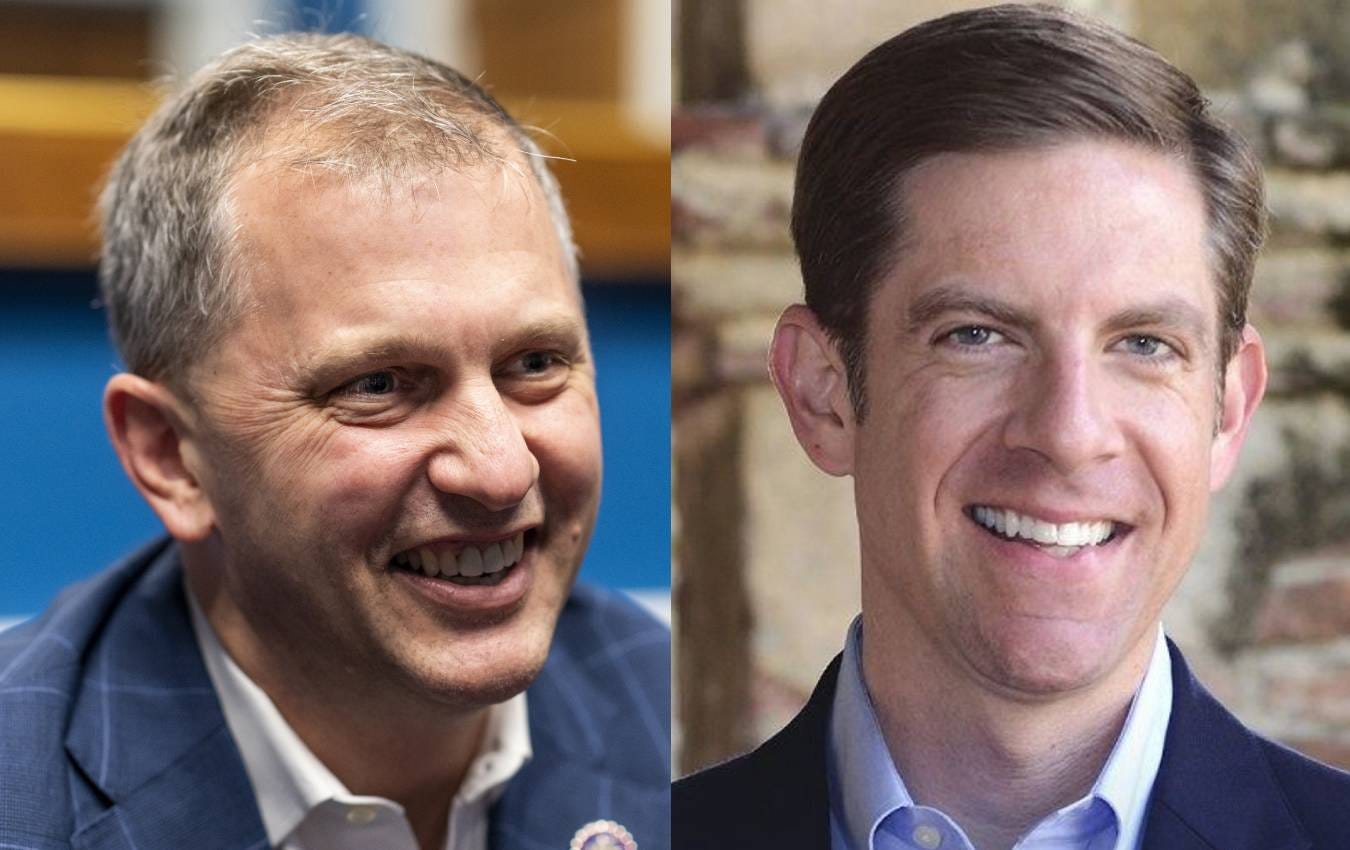
The Democrats' new consensus bill would supercharge transmission
In this episode, Reps. Sean Casten (D-Ill.) and Mike Levin (D-Calif.) discuss their Clean Electricity and Transmission Acceleration Act, explaining where Democrats have found consensus around transmission permitting and community engagement. This is a public episode. If you'd like to discuss this with other subscribers or get access to bonus episodes, visit www.volts.wtf/subscribe
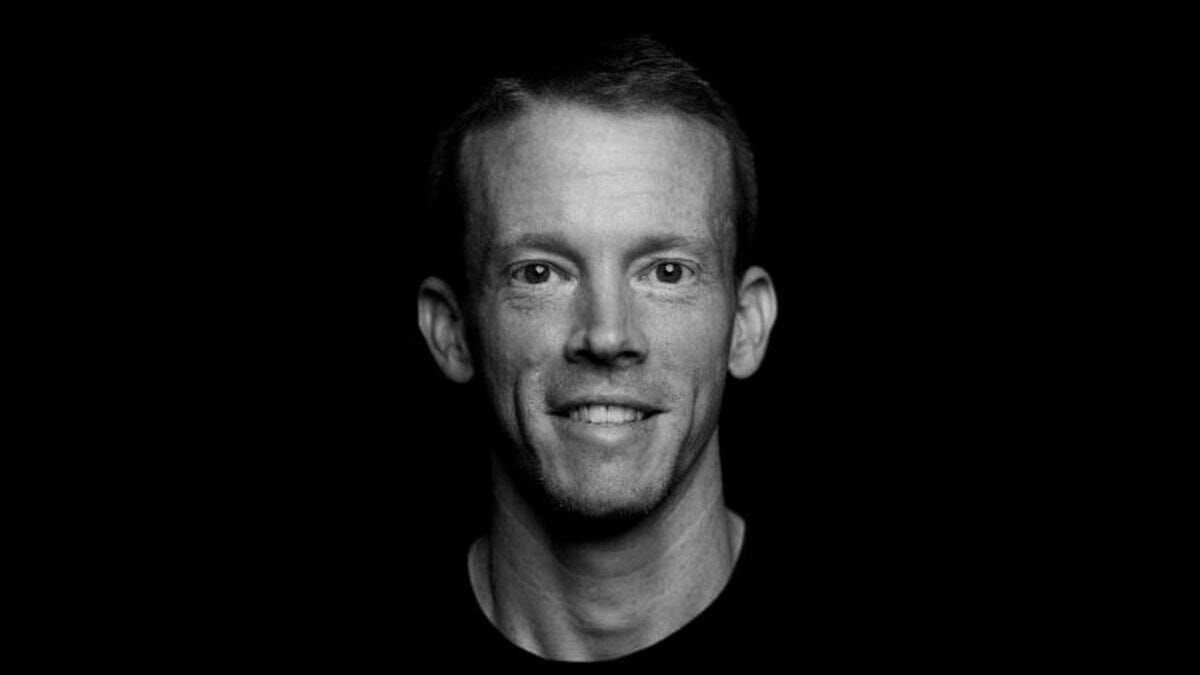
The current state of unions in America
In this episode, journalist Hamilton Nolan shares about his upcoming book The Hammer, a deep dive into the current tattered state of unions in the US and the prospects for their future. This is a public episode. If you'd like to discuss this with other subscribers or get access to bonus episodes, visit www.volts.wtf/subscribe
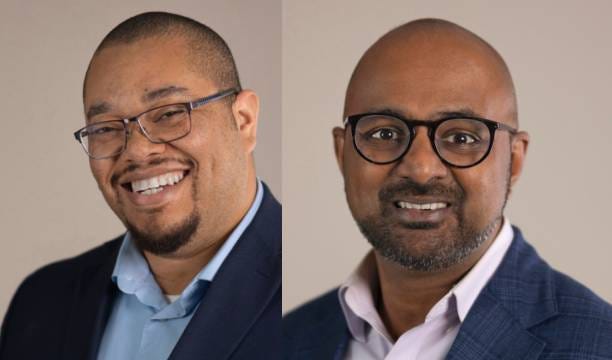
Another hot rocks company gets in the storage game
In this episode, I interview Fourth Power CTO Asegun Henry and CEO Arvin Ganesan, who bring high-profile experience in energy research, policy, and regulation to their new and promising thermal storage startup. This is a public episode. If you'd like to discuss this with other subscribers or get access to bonus episodes, visit www.volts.wtf/subscribe
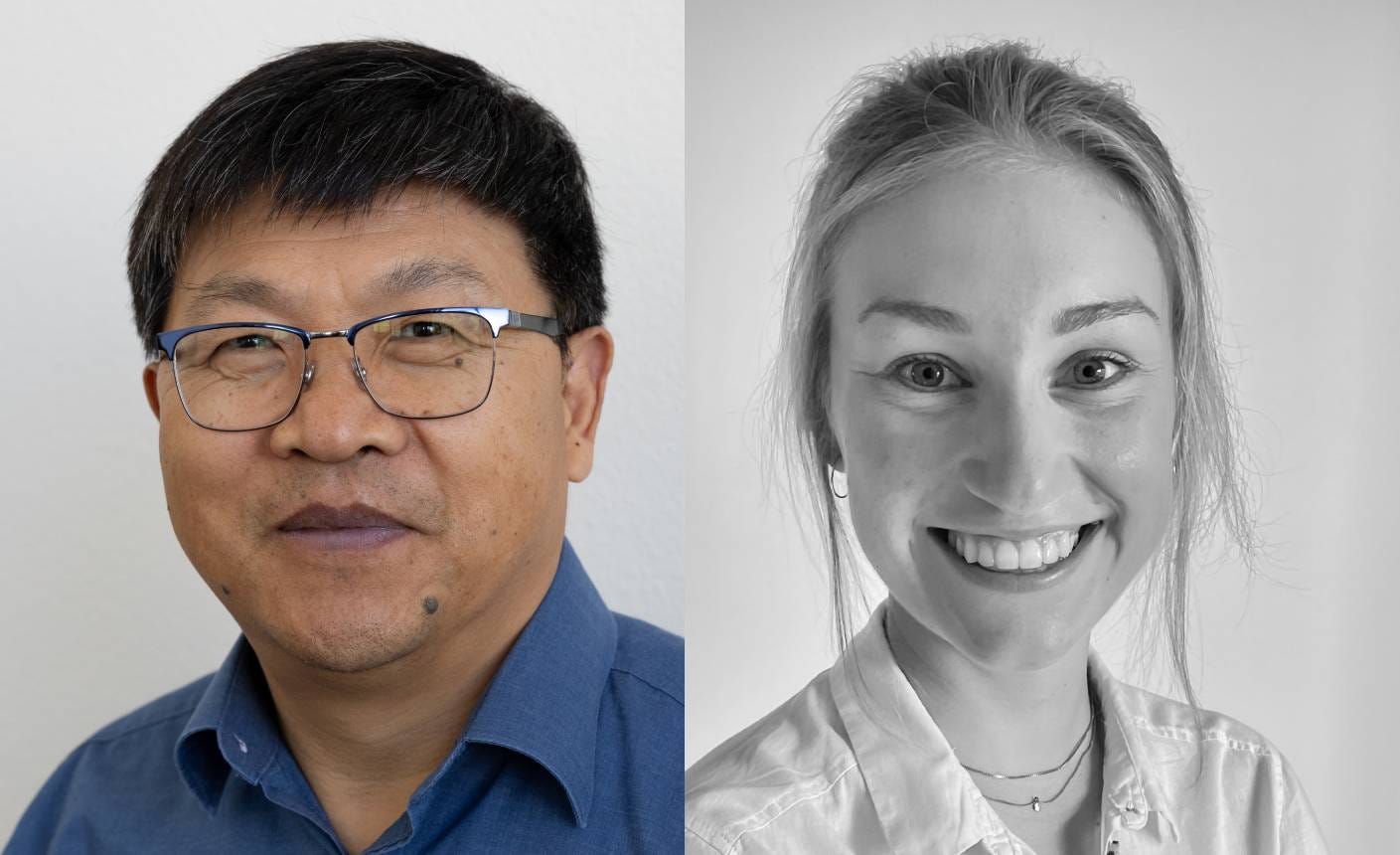
One easy way to boost the grid: upgrade the power lines
Upgrading power lines — “reconductoring,” in the biz — is a straightforward way to boost the capacity of the electrical grid by enabling it to transmit more power and leak less of it. In this episode, TS Conductor CEO Jason Huang and researcher Emilia Chojkiewicz speak to the great potential of reconductoring, if balky utilities can be convinced to deploy the new technology. This is a public episode. If you'd like to discuss this with other subscribers or get access to bonus episodes, visit www.volts.wtf/subscribe

Electrifying battery recycling
Given the trajectory of the electric vehicle industry and the expected lifespan of an EV’s lithium-ion battery, the US is only a few years out from needing large-scale, cost-effective, decarbonized ways to recycle batteries. In this episode, Steve Cotton, CEO of Aqua Metals, describes regenerative electro-hydrometallurgy — the new battery recycling method that’s not only fun to say, but run on clean, cheap renewable electricity too. This is a public episode. If you'd like to discuss this with other subscribers or get access to bonus episodes, visit www.volts.wtf/subscribe
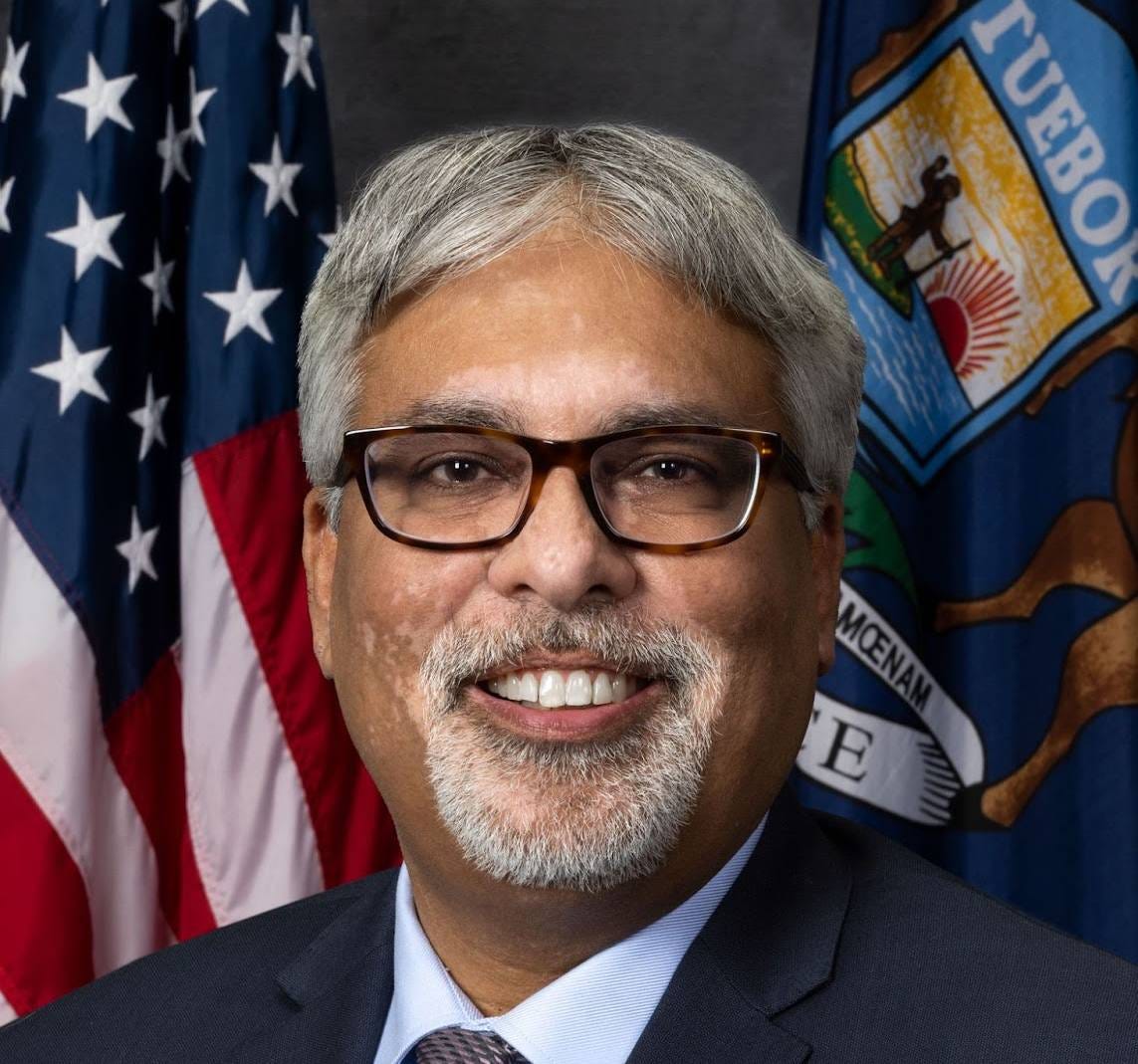
Michigan targets clean electricity and faster permitting
In this episode, Michigan State Senator Sam Singh details the ambitious clean energy policies that have been enacted since Democrats won a legislative trifecta in 2022, including some bold reforms of clean-energy permitting. This is a public episode. If you'd like to discuss this with other subscribers or get access to bonus episodes, visit www.volts.wtf/subscribe
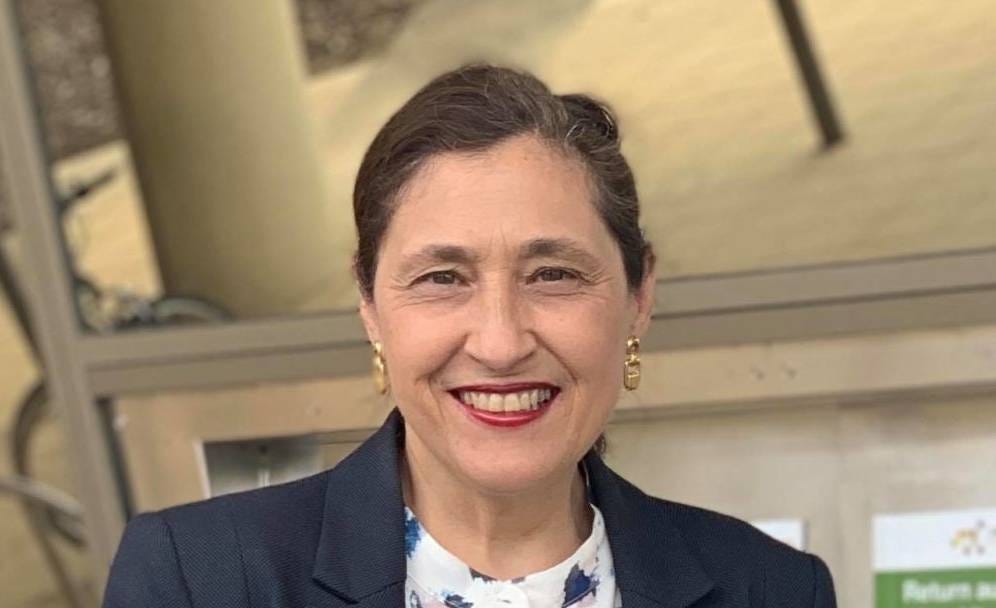
Transitioning off of fossil gas in Australia
The Australian state of Victoria, home to the city of Melbourne, is the country’s most densely populated state and also its most dependent on fossil gas. In this episode, Lily D’Ambrosio, Victoria’s Minister for Energy, Environment, and Climate Change, shares about the state government’s aim to shift away from fossil gas, its aptly named Gas Substitution Roadmap, and the current status of its decarbonization push. This is a public episode. If you'd like to discuss this with other subscribers or get access to bonus episodes, visit www.volts.wtf/subscribe

The Chevron Doctrine: what it is and why it matters that the Supreme Court might kill it
In this episode, David Doniger of the Natural Resources Defense Council explains what the Chevron doctrine is, why the federal judiciary has traditionally been deferential to agencies’ regulatory reasoning, and the potential fallout in the very real chance that the current Supreme Court does away with the doctrine entirely. This is a public episode. If you'd like to discuss this with other subscribers or get access to bonus episodes, visit www.volts.wtf/subscribe
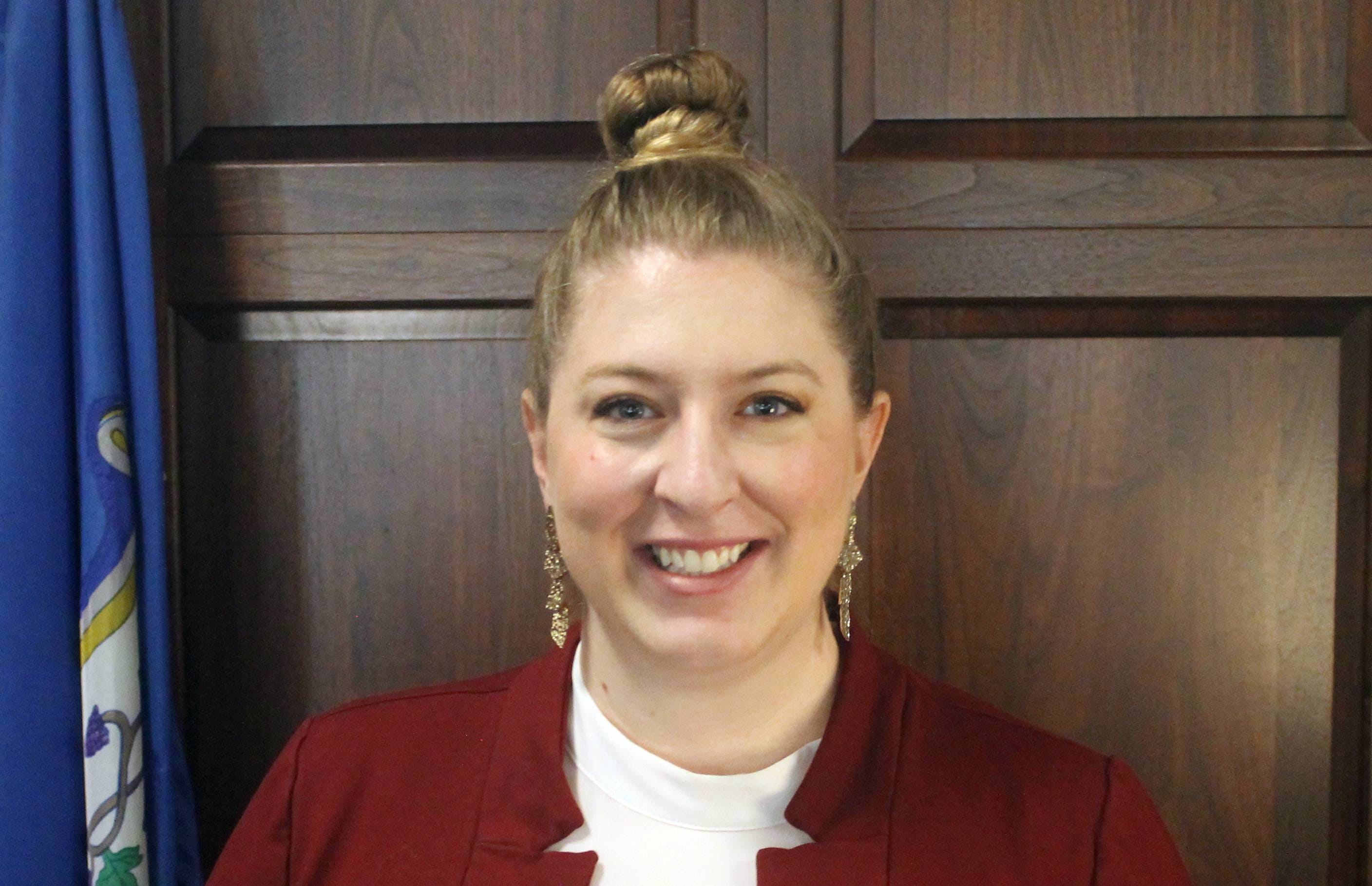
A Connecticut reformer is shaking up utility regulation
In this episode, Chairman Marisa Gillett of Connecticut’s Public Utilities Regulatory Authority (PURA) talks about her aim to reform the cozy regulatory environment enjoyed by the state’s big utilities, PURA’s new Equitable Modern Grid Initiative, and how ratepayers benefit from a shakeup of the status quo. This is a public episode. If you'd like to discuss this with other subscribers or get access to bonus episodes, visit www.volts.wtf/subscribe
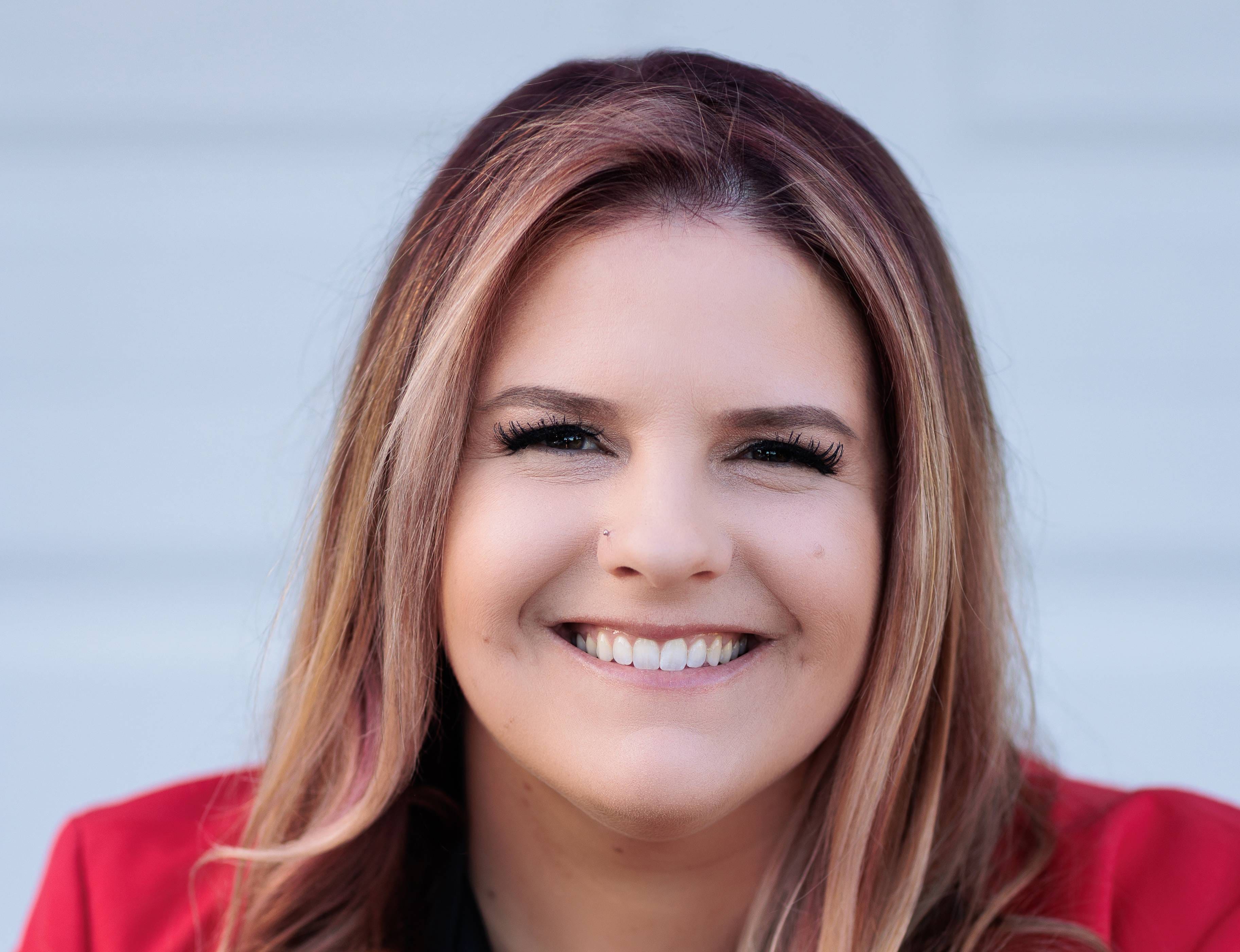
Decarbonizing a sprawling university system
As Chief of Energy, Sustainability, and Transportation at the Chancellor’s Office of California State University, Lindsey Rowell is charged with developing and implementing a plan to decarbonize every aspect of the school system, on all 23 campuses, with minimal use of offsets, by 2045. In this episode, she lays out what it will take to tackle this ambitious goal.(PDF transcript)(Active transcript)Text transcript:David RobertsContemplate, if you will, the California State University system. It is the largest public-university system in the country — by some accounts, the largest in the world — with more than a half-million students and some 55,000 faculty and staff, spread across a sprawling network of 23 campuses, from the top of the state to the bottom.What if I told you that it was your job to decarbonize that entire system — the buildings, the energy infrastructure, the transportation, the food, the construction materials, all of it — and you had just over 20 years to do it. Would you panic? Possibly short circuit? I'm pretty sure I would.As it happens, though, that is someone's job. Her name is Lindsey Rowell and she is the Chief of Energy, Sustainability, and Transportation at the Chancellor’s Office. She is on the hook for developing and implementing a plan to make the entire CSU system carbon neutral by 2045, with minimal use of offsets.You might think, to accomplish something so vast, she would have a team of dozens and a budget of billions. But this is a public university system, so of course she doesn't — instead it's duct tape, baling wire, and ingenuity. I had a great time talking with her about how to approach this unwieldy project. I think you will find her pragmatism and good humor refreshing.Every policy or regulation ultimately must be implemented by someone on the ground. This is what that looks like. All right then. Lindsey Rowell, welcome to Volts. Thank you so much for coming.Lindsey RowellThank you so much for having me.David RobertsThis is really interesting, a lot of really interesting stuff here — I have a million questions to get through to ask you. But for starters, why don't you just tell us a little bit about the California State University system, which is different than the University of California system. Just getting that right up front.Lindsey RowellLet's get that out of the way. We are so different. Sure thing. So, California State University system, whether you realize it or not, you probably know it. We are the largest public university system in the country, by some metrics in the world, depending on who you ask on which day. So we have 23 campuses in the system spread across the state, from the very tippy top up in Humboldt and down to the very, very bottom of the state in San Diego. So we cover the entire space in California, and we've been educating students for about 150 years.So we have really old universities. We also have a few satellite locations that offer specialty coursework in nursing or business. And we educate about half a million students with about 55,000 faculty and staff. So we are a huge, hug organization, and the schools, probably people are most familiar with without realizing that they are CSU schools, are the California Polytechnic University at San Luis Obispo — it's one that a lot of folks don't realize as part of our system. And we have three Cal Polys now, Humboldt is a Cal Poly and Cal Poly Pomona, and then, of course, San Diego State is one of our biggest.San Diego, Fullerton, and Long Beach are three of our biggest institutions in Southern California. Reason?David RobertsAre they all four-year undergrad colleges, or are there some vocational stuff or community colleges?Lindsey RowellSo no community colleges. The community college system is a separate but friendly sister organization, complete state organization. And the CSU is a four-year institution and graduate program. So we have masters, and we do have educational doctorate programs at a few of the campuses. So four-plus years.David RobertsSo 23 campuses?Lindsey RowellYes.David RobertsAcross the state. That's a lot. So tell us, then, what laws you are like — what are your mandated goals here? And are they mandated by the state of California, or does CSU have its own separate goals, or are these all just sort of state goals that you're implementing?Lindsey RowellSo, without getting too boring into the legislative dynamic of the CSU, we're sort of a quasi-state agency. So what that usually means is that most regulatory and legislative mandates are applicable to us where we're mentioned specifically. Part of that is due to the fact that we are called out specifically in the government code. So we are our own authority having jurisdiction, if you want a technical term, and then we are self support — a portion of our work is self support through student tuition and endowments and so forth. So what that means is the CSU often sets more ambitious goals.I cannot think of anything off the top o
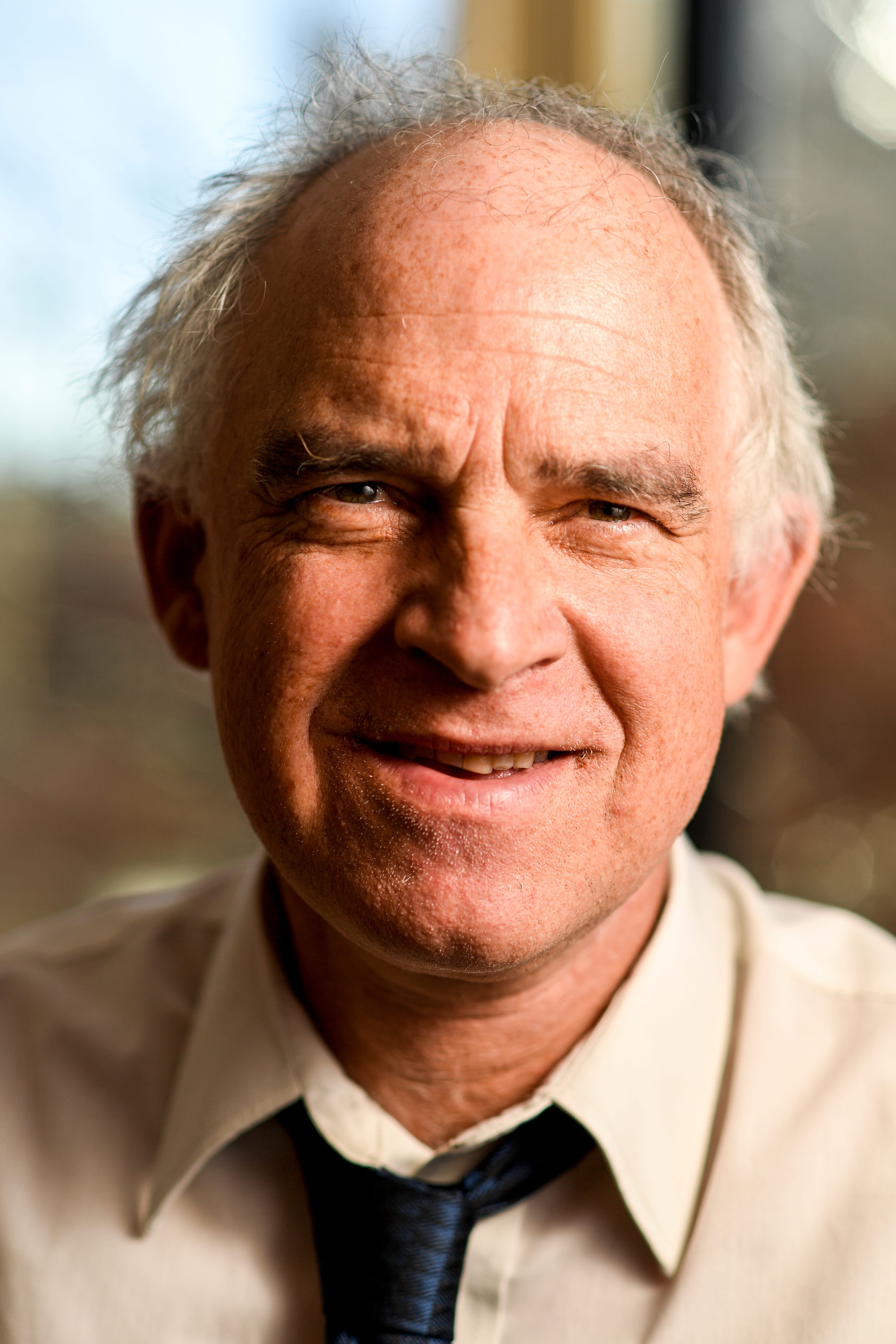
Volts podcast: Will Toor on Colorado's burst of clean energy policy
In this episode, Will Toor of the Colorado Energy Office shares about the state’s ambitious climate agenda and the array of energy policies they’ve been passing under a Democratic political trifecta.(PDF transcript)(Active transcript)Washington, DC, is a slow-motion nightmare right now, but out in the states — at least the states that Democrats control — climate and clean energy policy is still happening. A few weeks ago, I covered the fantastic policies recently passed in my home state of Washington (see also my podcast with Washington legislator Joe Fitzgibbon). Today, we turn our gaze to Colorado.In 2018, Democrats gained a trifecta in the state — the governorship and both houses of the legislature — for the first time since 2013. They promptly got busy passing a vast array of clean energy policies: reform of electric utilities, support for electric vehicles and charging infrastructure, new restrictions on oil and gas production. During this year’s legislative session, Gov. Jared Polis released a comprehensive roadmap to 90 percent statewide reductions in greenhouse gas emissions by 2050 and the state legislature tackled clean buildings, industry, environmental justice, reform of state transportation agencies, reform of natural gas utilities, and on and on. To discuss this flurry of activity, I turned to a man who has been involved in Colorado politics since the previous century: Will Toor.Toor was mayor of Boulder from 1998 to 2004. From 2005 to 2012, he was Boulder County Commissioner. During all that time he was also board chair at the Denver Regional Council of Governments, where he led efforts on climate policy. He then became director of the transportation program at the Southwest Energy Efficiency Project, until 2019, when the newly elected Polis appointed him to run the Colorado Energy Office.Toor has had a hand in shaping Polis’s energy agenda from the beginning, and he has been closely involved in negotiating bills through the legislature. He helped walk me through Colorado's sector-by-sector approach to emissions, what the state has accomplished so far, and what might be next for it.Listen, enjoy, and if you appreciate work like this, please consider becoming a paid subscriber to Volts.As a bonus, here’s a picture of Toor in 2003, as mayor of Boulder, hosting visiting scholar Noam Chomsky.Text transcript:David RobertsAll right, with no further ado, Will, welcome to Volts.Will ToorThank you.David RobertsSo I've been following states and climate policy for a long time, and it seemed like a few years ago, Colorado just kind of burst out of the gate at a full gallop and has been going really strong now for two sessions of the legislature. So maybe just by way of starting, tell us some about the political developments of Colorado over the last five years that put all the pieces in place that allowed this burst of activity.Will ToorYeah, really, I think what happened was that in 2018, we both elected a new governor, Jared Polis got elected governor on a platform of, among other things, 100% renewable electricity by 2040 and bold climate action, and we elected a Democratic Senate. We had had a Democratic House, but had not had a Democratic Senate since 2014. And so the combination of having a governor who was committed to climate action and a House and a Senate that were aligned and the fact that there was just kind of a pent-up demand for action on climate and clean energy really set the stage for a kind of monumental legislative session in 2019.So that year we had, depending exactly how you count it, something like 15 major bills on setting climate targets, modernizing our utility regulation to set our utilities on a pathway to at least 80% greenhouse gas reductions by 2030. A bunch of bills on electric vehicles, a bunch of bills on energy efficiency. We had a major oil and gas reform bill. One of the things that's a little unusual is that Colorado is a major oil and gas producer that is actually acting on climate and clean energy. And Senate Bill 181 completely rewrote the regulatory structure for oil and gas in Colorado.Then last year was a little bit quieter because of the pandemic that kind of shut down our legislative session partway through, although there was still lots of action at the Public Utilities Commission and the Air Quality Control Commission. But then this year has really shaped up to be another year where that kind of pent-up demand for action really came out at the legislature.David RobertsWell, I want to get into some of the specifics of the legislation, but just as a background political question, because I'm curious. Do you have a supermajority of Democrats or does Colorado — do you need a supermajority to sort of override Republican objections or sort of like, what's the disposition of the state Republican Party on all of this? Are they just irrelevantly sitting on the sidelines, or is there some engagement? What's the degree of Democratic domination, I guess, is what I'm as

We are closing in on zero-carbon cement
The cement industry, responsible for roughly 8 percent of total global carbon emissions, is notoriously difficult to decarbonize. But a new startup, Sublime Systems, aims to manufacture zero-carbon cement that can easily be substituted for the traditional version. In this episode, Sublime CEO Leah Ellis talks through the company’s vision and process.(PDF transcript)(Active transcript)Text transcript:David Roberts:Of all the so-called “difficult to decarbonize” sectors, cement is among the most vexing. Making cement produces CO2 not merely through fuel combustion (in kilns that reach temperatures of up to 1400 C), but also through chemical processes that split CO2 off from other molecules. It is responsible for roughly 8 percent of total global carbon emissions.Most gestures at decarbonizing cement to date are fairly desultory — things like adding special additives or injecting a little CO2 when the cement is mixed into concrete. The only widely available method that could theoretically produce no- or low-carbon cement is post-combustion carbon capture and sequestration. And there are plenty of people who would question whether that's actually viable at all, much less widely available, given that it would roughly double operational costs for a cement plant.There are lots of startups out there attempting to solve this problem (as reported by Canary last month). Perhaps the most intriguing is Sublime Systems, a team that has developed something truly new and exciting: a system for manufacturing cement that requires no high heat (thus no combustion emissions) and uses inputs that contain no carbon (thus no chemical emissions). That makes the cement, at least potentially, not just low-carbon but zero-carbon. What’s more, the company says that, in form and performance, its product is a perfect drop-in substitute for traditional Portland cement, so it wouldn't even require any changes in the construction industry.A carbon-free drop-in cement substitute — at scale and at competitive cost — would be genuinely transformative. I contacted Sublime CEO Leah Ellis to talk about cement chemistry, the company’s process, and the plan for reaching megaton scale. This one was truly fascinating and educational for me; I think you will really like it.All right then. Leah Ellis, CEO of Sublime Systems, welcome to Volts. Thank you so much for coming.Leah EllisThank you so much for having me.David RobertsI'm excited today to talk about concrete, everybody's favorite subject. But first I wanted to ask you, I know you and your partner originally were trained as and educated as battery scientists. I'm just curious how you ended up here. What drew you into this area, this problem?Leah EllisYeah, my co-founder is a professor at MIT, Yet-Ming Chiang, and he's in the material science department, and I'm a chemist by training. I like to think of chemistry as the central science that combines everything from physics to biology. All of the good stuff you can sort of spread into anything from a foundation in chemistry. So I did my PhD in lithium-ion batteries. I worked with a prolific inventor, Jeff Dahn, and after that I wanted to continue working with an inventor. As you may know, in academia, there are so many different styles of research.I mean, some people like microscopy and mechanisms, but I really like the creative aspect, like discovering something that could be useful or to solve problems. And not many academics and professors think through that lens. So I've always been very lucky to work with prolific inventors, both in my master's and my PhD. So for my postdoc, I sought to work with people who thought like that. So my co-founder, Yet-Ming Chiang at MIT, is a prolific inventor and also a serial entrepreneur. So Sublime is his 7th startup, and five of the previous six have been very successful.So I didn't join him with the aspiration of becoming a founder. I really knew nothing about entrepreneurship or anything like that, but I did want to invent, and I did love the way he approaches his work from a problem-solving standpoint. So that's what brought us together.David RobertsAnd he's the one who sort of flagged the problem of concrete to you.Leah EllisThat's right. So I was always aware that cement was one of the biggest levers for decarbonization. But I suppose after my PhD, where I'd worked with one of the most illustrious battery scientists, I sort of always had thought that my career would be in batteries. Like, I thought I'd painted myself into a corner. And so when I first met Yet-Ming Chiang, he asked a question that at first I thought was a trick question. He was, "Hey, Leah, like, you've got this Canadian grant to come work with me, and I know you're a battery scientist, but aren't you a little bit bored of batteries?"And I thought that was a trick question because he's the battery guru and I didn't want to insult him, but honestly, I sort of shared his opinion that, well, maybe this isn't his opinion, maybe it's just my
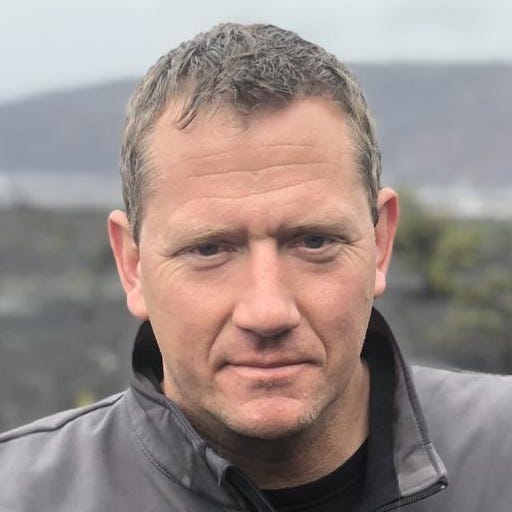
Getting better at mining the minerals needed for clean energy
To create a clean-energy economy, the US badly needs an advanced mining industry that can provide huge amounts of key minerals for batteries and other technologies — and it’s nowhere close to where it needs to be. In this episode, KoBold Metals CEO Kurt House describes the current state of mineral exploration, the significant changes it needs to make, and how machine learning and artificial intelligence can help it get there.(PDF transcript)(Active transcript)Text transcript:David RobertsBuilding the machines and batteries needed to decarbonize the economy will require enormous amounts of a few key minerals. The proven reserves of those minerals, sitting in mines now operating, are nowhere close to enough to satisfy what is expected to be skyrocketing demand.Without the minerals, we can’t make the clean-energy economy. And we don't know where the minerals are going to come from.What's worse, exploring for new mineral deposits has been getting less and less efficient over the last several decades, as the amount of investment needed per successful discovery has risen. We seem to be getting worse at finding this stuff right when we badly need to be getting better.That state of affairs has drawn in several new startups that endeavor to use machine learning and artificial intelligence to improve mining’s hit rate. The most talked-about is KoBold Metals. With financial backing from Bill Gates, Jeff Bezos, and other big-name investors, KoBold is now exploring for minerals on four continents.To get a better handle on mining and how we can improve at it, I contacted KoBold CEO Kurt House. We talked about the projected gap between supply and demand, the somewhat primitive way current exploration works, the massive data-gathering and coordination project the company has undertaken, and the role of justice and equity in this AI-accelerated future of mining.Kurt House, CEO of KoBold Metals, welcome to Volts. Thank you so much for coming.Kurt HouseI'm so pleased to be here. I'm a huge fan. I listen to the podcast all the time, so it's fun to talk to you live.David RobertsWe're going to talk about something that is of great interest these days, which is finding the stuff that we need to build the clean energy economy. This is something I did a series of articles on a couple of years ago, and it's come up repeatedly over the years. People talk about possible shortages of materials as one of the bottlenecks that might slow the clean energy transition. So maybe let's just start there with setting some context, talk a little bit about the big four minerals that you focus on and sort of what we know about how much we have access to and how much we project we're going to need.Kurt HousePerfect setup question. So, the energy transition is fundamentally about getting off fossil fuels. It's fundamentally about electrifying the economy to the greatest extent possible. So we electrify transport, all electric generation becomes renewable, et cetera, et cetera. That requires a lot of very specific materials and very specific materials because different elements have different physical properties, obviously, and they do different things better and worse than others. And some of those elements are really difficult to substitute for, for very, very deep physical reasons. So KoBold is focused on what we call "the materials of the future," and those are lithium, cobalt, copper and nickel.That's not at all to say that there aren't other important materials for the energy transition.David RobertsAre those four the most important? By just mass, just, we need most of those —Kurt HouseNo, by total mass, it'd probably be aluminum and steel, iron for steel. The reason these are so important, there's two orthogonal reasons that we focus on these. One is how difficult they are to substitute for in specific applications. And I'll talk about that. And then the orthogonal element to it is that they are exploration problems. So aluminum is really useful in a whole bunch of reasons, but it's not an exploration problem. There's just gobs of bauxite, aluminum silicon oxide on the planet, and we know where it is. It's just a matter of processing it in more efficient and less carbon intensive ways.So, it's a metallurgical challenge. It's not an exploration challenge. In the case of lithium, cobalt, copper and nickel, you could take any forecast you want, but basically the end state is something like 2 billion electric vehicles on the planet, plus a whole bunch of renewable energy build out. And any way you slice it, those are just gigantic numbers, and they require gigantic amounts of lithium, cobalt, copper and nickel. And then you can say, "Okay, that's how much we need at, say, 2050 to be mostly off fossil fuels by 2050, how much exists in the reserves of current mines?"So if we take all the mines that are producing today, and they're going to produce out for the next several decades, that's another number. That's another quantity. And that you also have
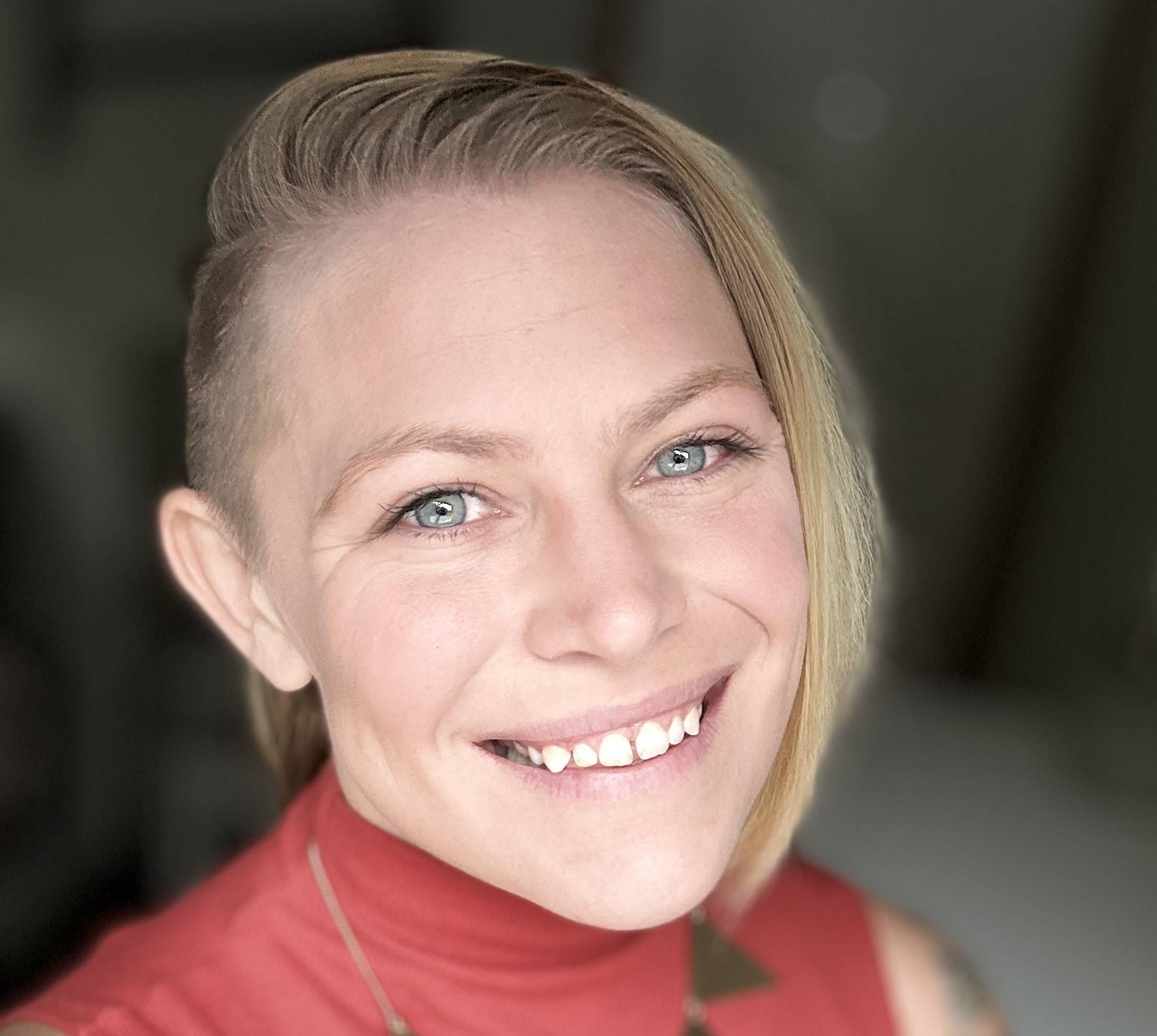
What's going on with offshore wind?
In this episode, wind industry analyst Samantha Woodworth speaks to the growing pains of the offshore wind industry and what its future may hold.(PDF transcript)(Active transcript)Text transcript:David RobertsLast week, for the first time ever, a commercial offshore wind farm delivered power to the US grid. It was an important milestone — and also the rare bit of good news for an otherwise beleaguered industry. Everywhere else, costs are up, contracts are being renegotiated, and projects are getting canceled. It all sounds pretty bad, especially for a sector that barely even exists yet. What’s going on? How much of this turmoil is temporary and how much reflects lasting structural changes? Is the US offshore wind industry going to die before it even leaves its crib? To gain a little clarity on these questions, I contacted Samantha Woodworth, a senior wind industry analyst at Wood Mackenzie. We talked about the converging difficulties facing the industry right now, efforts to renegotiate contracts that were signed in the Before Times, the odd role that ships play in the whole mess, and the industry's prospects in coming years and decades.Samantha Woodworth, welcome to Volts. Thank you so much for coming.Samantha WoodworthWell, thank you so much for having me. I'm happy to be here.David RobertsThis is exciting. I have 411,000 questions. The more I dig, the more questions I have. So I'm excited to get into this. It seems like we're really at a hinge point here for offshore wind in the U.S., and there's lots of sort of contradictory signals happening. On the one hand, literally today, the day we're recording, we heard that the first power from an offshore wind turbine is being delivered in New York today. So I think, unless, correct me if I'm wrong, that marks the first actual power from offshore wind being used in the U.S.Is that correct?Samantha WoodworthEssentially, yeah. I mean, it's the first commercial-scale offshore wind farm in the U.S. flowing power to the grid. It is a super-duper exciting day.David RobertsYeah, that is exciting. And also, I think just a couple of days ago or maybe yesterday or very recently, there were some announcements of new offshore wind procurement. But then on the other hand, we have all these other stories coming. So let me just, in terms of the quote unquote crisis of U.S. offshore wind, let me summarize quickly what it seems like what I've gathered is going on, and you can fill in the details and tell me if I'm missing anything.Samantha WoodworthAbsolutely.David RobertsBasically, a bunch of contracts were signed for offshore wind amidst a period of great enthusiasm in the Before Times, like pre-2019, back when things were normal, I don't know.Samantha WoodworthYeah.David RobertsWere they normal?Samantha WoodworthMore or less.David RobertsWhat's normal? But economic circumstances, let's say, were a lot better back then. So you sign these contracts, you sign up, and these projects take a long time to build. So in between the signing and today, we've had a pandemic. Inflation. Russia invaded Ukraine and screwed up the entire globe's supply chains. Now everything looks much, much, much more expensive than it did then. And so now these wind companies are stuck with these contracts premised on much lower prices, much lower inflation, much lower interest rates, et cetera, et cetera. And they're sort of scrambling.Some of them are getting canceled, they're trying to renegotiate, et cetera, et cetera. Is that roughly accurate as a summary?Samantha WoodworthYeah, yeah, definitely the shortlist of things that has kind of compounded to be a perfect storm of issues within the U.S. offshore space. And unfortunately, it's hitting hard everywhere. It's not just the U.S. offshore wind space that's getting absolutely derailed by these issues, but because the U.S. offshore wind space is so new and so young and doesn't have the robust foundation like even U.S. onshore wind does, they're definitely feeling the effects a lot harder with a higher magnitude.David RobertsGot it. So this is a global phenomenon, though. These are not U.S. specific trends here?Samantha WoodworthThat's correct, yeah. Inflation, the pandemic recovery. There's a couple of U.S. specific things related to treasury guidance and that sort of thing. But for the most part, offshore wind is feeling these effects globally. Onshore wind is feeling these effects globally. It stinks — the timing for U.S. offshore, just because we were so close to getting all of these projects greenlit, and it just was the perfect storm of poor timing.David RobertsReally terrible. Really, really terrible timing for this industry in particular. They were just like a toddler, just sort of standing up and taking their first steps and like, now this.Samantha WoodworthYeah.David RobertsWe're talking about all these different things converging. If you had to rank them, what's the sort of biggest? Is it interest rates that are the main thing here, or could
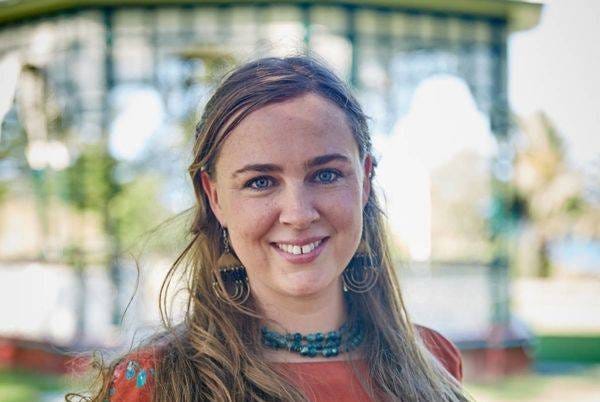
Getting local communities on board with renewable energy, Australia edition
In this episode, Jarra Hicks of the Australian nonprofit Community Power Agency talks about addressing rural resistance to clean energy infrastructure through effective community engagement.(PDF transcript)(Active transcript)Text transcript:David RobertsTo hit its climate targets, the US must build an enormous amount of new clean energy infrastructure. Much of that infrastructure is going to be built in rural communities, and the resistance of those communities to that infrastructure is one of the greatest threats to the clean energy transition.I've done a couple of pods on this subject and will probably do more. Today, we're going to get something of an international perspective. When I was in Australia, I interacted with a broad network of scholars and activists who are thinking seriously about the social mechanics of community buy-in. One of those scholars and activists is Jarra Hicks, who got her PhD at the University of New South Wales with a dissertation on community-owned wind farms in rural (or as they call them in Australia, “regional”) communities. She now runs the Community Power Agency, a nonprofit organization that is working to ensure a “faster and fairer transition to clean energy.”Among other things, Hicks has co-authored a benefit-sharing guide and runs an online benefit-sharing course, both meant to help renewable energy developers better navigate this tricky territory.I've been meaning catch up with Hicks ever since I returned from Australia. Last week I finally got the chance — we talked about the problem of rural resistance, the balance between community engagement and speed, and the many varieties of benefit sharing. I think it will be clear to everyone how this knowledge transfers into the US context. I enjoyed it immensely and hope you do too.All right then. Jarra Hicks, welcome to Volts. Thank you so much for coming.Jarra HicksYeah, thanks for having me.David RobertsThis is a topic of great, great interest in the U.S. right now, but I thought it would be interesting to get a perspective from another country as well, especially since you seem to have devoted your life to learning about this. So I think there are going to be some lessons that are transferable, but let's just start maybe with how you came to this subject of your PhD and of your professional work.Jarra HicksYeah, sure. So I was really lucky. I got the chance to visit a lot of communities that were doing renewable energy projects, and these were communities that were really embracing renewables. They loved renewables and they were getting great outcomes for their communities and for the planet. And I wanted to see more of that. I wanted to see more communities who were really passionate about renewables and able to get a lot of great benefits from being involved in the energy transition. And I wanted to see more communities who felt positive about this change. And if we go back, I first got involved in this in the early two thousands.And at that time, there were a lot of communities who were pushing for more renewable energy uptake. And in Australia at that time, there really wasn't a ton of renewable energy, and probably similar in the states, communities were really wanting to get behind renewable energy as a means of taking action on climate change. And at that time, there was an absence of national policy supporting renewables. So it was about a grassroots movement to get renewables up and running. So we saw programs like communities coming together to organize a bulk purchase and install of solar panels at a community scale.So helping reduce the barriers for people, helping them understand the technology, helping them install it in their homes. But we also saw communities coming together to establish commercial-scale projects like little two-turbine wind farms. And this was really motivated by communities wanting to take positive action on climate change.David RobertsDid that switch at some point to resistance? Because that's the opposite of the problem we have now.Right, well, I guess, yeah. So what we're seeing now is there is emerging resistance to large scale renewable energy projects. And so it is, it's a really different landscape. But what I've learned through my years of being involved is that it's really possible for communities to not only accept renewable energy projects but to really love them and to welcome them in their communities. And it's about the way we go about these projects, and it's about the way we make opportunities for people to really be involved and to genuinely participate in that process.What was the PhD work, what was the specific focus of your PhD?Jarra HicksSo, my PhD looked at small community-owned wind farms. So using commercial-scale turbines, 900-megawatt turbines, 1 MW turbines, but just one or two or three of them at a time. So these are small wind farms that are owned by the community. And those projects, they've emerged from a community desire to have their own energy or to h
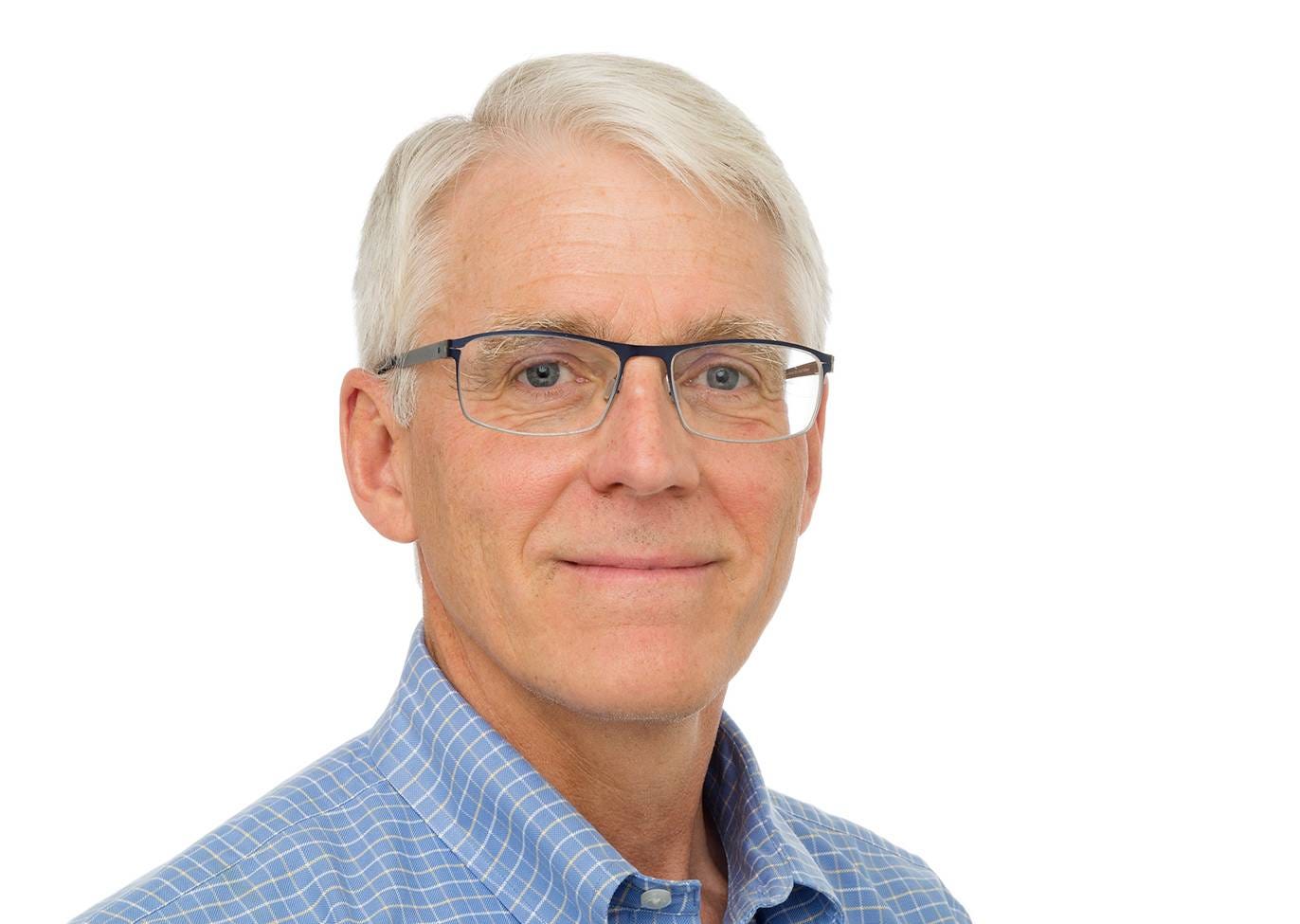
The Farm Bill is the most important climate bill this Congress will pass
In this episode, Peter Lehner, head of the food and farming sustainability program at Earthjustice, gives his expert perspective on the upcoming Farm Bill and its potential impact on agricultural decarbonization in the US.(PDF transcript)(Active transcript)Text transcript:David RobertsAs longtime subscribers know — indeed, as the name makes plain — Volts is primarily focused on the energy side the climate fight. I haven't paid much attention to agriculture over the years. I understand that agriculture is a huge piece of the puzzle, both for decarbonization and for sustainability more generally. It's just not really been my jam.However! The Farm Bill — which requires reauthorization every five years — is likely to pass in coming months, and it is arguably the most important climate bill Congress will address this session.To talk me through the agriculture/climate nexus and discuss opportunities in the upcoming Farm Bill, I contacted Peter Lehner. He is the head of Earthjustice’s food and farming sustainability program, and the author of Farming for Our Future: The Science, Law, and Policy of Climate-Neutral Agriculture.We talked about how US agriculture has evaded environmental laws and become the source of 30 percent of US greenhouse gas emissions, ways that the upcoming Farm Bill can be tweaked to better fight climate change, and what's next for agriculture decarbonization.Peter Lehner of Earthjustice, welcome to Volts. Thank you so much for coming on.Peter LehnerGreat to be here, Dave.David RobertsAs you may know, if you have read my work over the years or followed me at all, I'm pretty heavily, deeply into the energy world as the source of most of my time and attention in the climate fight. I know on some level, partially because I've been lectured by people numerous times over the years, that agriculture is a big piece of the puzzle — and land use and oceans, which are other things that I also don't spend much time on. And I fully acknowledge that they're important, they're just not my personal passion. However, I've felt vaguely guilty about that for years.And I know the Farm Bill is coming up, which is a significant marker, I think, possibly the source of some significant action. We'll discuss that in a while. But at the very least a good excuse, I think, for me to check in and just sort of see like, what's the state of climate and agriculture, you know, action stuff, what's going on there? So, that's what you're here for, Peter, because you are the expert author of a book on the subject, numerous podcasts, been studying this for a long time. So before we get into the Farm Bill, just maybe — I know that the subject of the ties between agriculture and climate and carbon and methane greenhouse gases is very complicated.You've written entire books on the subject. But I wonder, for people like me who have had their nose mostly in the energy world, if you could just summarize relatively quickly what are the big kind of buckets where agriculture overlaps with carbon and decarbonization and climate generally? What are the big areas of concern that people should have their eyes on?Peter LehnerSure, you know, I should say, Dave, that I came to this really the same as you. I'd been working on energy issues for a very long time. For three decades, I've sued many power plants. I've worked on many different environmental laws dealing with regulation of the power sector. And what happened is, over time, doing general environmental law for New York State, for NRDC, for Earthjustice where I am now, I kept seeing the impact of agriculture as really being enormous and impeding our ability to achieve our environmental and health goals unless it was addressed. So that's why I'm focusing on this now.But like you, I think most environmentalists focus much more on the industrial sector, the power sector, the transportation sector. And part of what I've come to realize is that we all should pay a lot more attention to the agriculture sector. And we'll talk about the Farm Bill coming up. But really the Farm Bill is the biggest environmental law Congress will address that most people have never heard of. Now why is that? So, I'll tell you quickly. First, agriculture uses most of our land. It uses about two thirds of the contiguous U.S.David RobertsCan I pause you there?Peter LehnerSure.David RobertsThat took me two or three seconds to catch up with that before my mind blew. Two thirds of the land of the contiguous United States is devoted to agriculture?Peter Lehner62%, yeah. And that's about using rounder numbers, about 400 million acres of cropland. About half of that is used to grow food that people eat, and about half of that is growing food that animals eat. And close to 800 million acres of grazing land, some of that is federal land, some of that is state land. A lot of that is private land. But all told, it's over a billion acres of land, almost all in the lower 48 is used for agriculture.David RobertsThat is wild.Peter
A note to subscribers on Volts' third anniversary
The first Volts post went up on Dec. 7, 2020. Believe it or not, that was almost three years ago. I want to mark Volts’ third birthday with a few reflections, a couple of fun announcements, and a request. I hope you will indulge me. Volts is subscriber-supportedThere have been a lot of new subscribers since the last time I sent out one of these notes and it occurs to me that some of you more recent arrivals — or some of you who have only heard the pod through Apple or Spotify or whatever — might not know what the basic deal is around here. So here’s the short version. I left Vox to start Volts three years ago with three goals in mind. First, I want to be useful. Clean energy is getting tons of attention these days and lots of people are curious about it, or want to get involved, or are involved and are curious what’s going on in other parts of it. I want to arm those folks with ideas and information. I’ve read and seen enough dire warnings about climate change; I want to show what people are doing about it, and by proxy, all the things you can do about it. The clean-energy transition is a vast puzzle made of many, many smaller puzzles, and they all need people working on them. Second, I want to keep myself (and my subscribers) from spiraling into climate doom, and I’ve found that the No. 1 best way to do that is to highlight all the clever, thoughtful, ambitious, good-hearted people out there trying to help. It’s like Mr. Rogers said: when you’re feeling down about looming fascism and climate chaos, look for the helpers. And third, I want to remain independent, to do this work without being obligated to or constrained by any big media organization, or the hedge-fund bros who own so many of the media organizations, or advertisers, or think tanks, or NGOs, or wealthy patrons. I don’t want to owe anything to anyone except you, the readers and listeners. So I don’t take advertising and I have no sponsors. Volts operates, and I survive, entirely thanks to the income I receive from paid subscribers. This is, I have been reliably informed more than once, a bonkers way to do things from a financial perspective, but I’m a stubborn old Gen Xer and this is how I wanna do it. But I’ll be honest: while the number of Volts subscribers has risen with gratifying consistency — there are more than 53,000 of you now and I love each and every one of you as individuals! — the number of paid subscribers not kept pace.So this is my once-annual direct ask to everyone reading or listening: if Volts has helped inform or inspire you over the last three years, consider paying to support it, and me, so that it can continue. A subscription is $6 a month or $60 a year (or you can make a one-time donation). For the price of one night out with your family or friends, I’ll give you a whole year’s worth of podcasts! It’s like a dollar a podcast! That’s an amazing price for a free podcast. Why should you pay to subscribe? The main reason is simple: pay if you find the work valuable, you want me to be able to continue doing it, and you’re in a financial position to do so. Pay so that those who aren’t in a position to pay can still benefit from it, so the ideas and information can reach the broadest audience.But just to sweeten the pot a bit, let’s discuss some changes in the works!Ch-ch-ch-changesWe’re giving Volts a few little upgrades in the coming year. Why do I say “we”? Because I’ve brought on Sam — a longtime Volts subscriber and climate professional — to advise and help with these upgrades so I can continue to focus on the main work. You’ll be seeing his name around in the comments and on emails coming from Volts. Be nice to him!I mentioned looking for the helpers. We also want the helpers to find one another. So we’re going to do more to help subscribers connect with, learn from, and collaborate with one another.We also want to add some benefits for paid subscribers. I’m pretty militant about all the pods and essays being free to everyone — as I said, I want to be as useful as possible — but that doesn’t mean we can’t have some goodies for my beloved inner circle. So what does all this mean in practice?All subscribers, paid and free, will receive the following upgrades:🔓 We’re opening up the comment sections to all subscribers. I know first-hand that subscribers have a ton of knowledge and insight to share. Moving forward, each new podcast will be an opportunity for all of you to share with one another. 🤝 In the same vein, there will be monthly community threads in which subscribers can share what they’re working on or particular challenges they’re facing. I’m always getting questions from subscribers that I can’t answer but I suspect someone else in the Volts audience can. I want to get y’all connected to one another.⚡ For newcomers, we’re developing a Jumpstart series. If you want to quickly get up to speed on transmission, or thermal storage, or state-level energy politics, we’ll gather all the podcasts and writing you need in one

Checking in on solar power
In this episode, longtime solar industry analyst Jenny Chase, author of Solar Power Finance Without the Jargon, catches us up on the current state of the global solar industry and looks to where it’s going.(PDF transcript)(Active transcript)Text transcript:David RobertsJenny Chase went to work for the London-based startup New Energy Finance in 2005, straight out of university in Cambridge. She founded its solar analysis team and helped establish some of the first reliable indexes of prices in the solar supply chain, as well as some of the first serious industry models and projections. The solar power industry barely existed then. Now solar is the cheapest source of new power in most markets and the International Energy Agency expects it to dominate global electricity by 2050. Throughout that heady transition, Chase has run and grown the solar analysis team, even after the company was bought by Bloomberg and became Bloomberg NEF in 2009. It has become one of the most respected teams in the business and a widely cited arbiter of industry data.In 2019, Chase wrote a book summarizing what she learned over her years analyzing the industry. It is called Solar Power Finance Without the Jargon, but the title is somewhat misleading — it covers solar power finance but also solar power history, technology, and policy. It is leavened here and there with droll bits of biography or advice from Chase and contains an incredible amount of information in a highly compact and readable package, just over 200 pages. A heavily updated second edition was released this month. Also this month came Chase's yearly “opinions about solar” Twitter thread, which is highly anticipated among a certain kind of energy dork [waves].I figured it would be fun to have Chase on the pod to talk about the current state of the solar industry, whether anything but standard-issue solar PV is ever going to flourish, and what the world needs to help balance out increasing penetrations of solar. Okay then. Jenny Chase from Bloomberg NEF. Welcome to Volts. Thank you so much for coming.Jenny ChaseThank you so much for inviting me, David.David RobertsI read your book over the past week and it's just delightful. I really recommend it to anyone. I feel like the title is a little well, I guess it does say without the jargon, but I just feel like the word finance is going to scare off some readers. But it's really just a nice, extremely approachable introduction to this whole thing of solar in the markets and how it's funded and how it's proceeded over the years. So I really was charmed by it. I noticed actually that it had a little bit of kind of autobiography in the first few chapters and I thought it was really kind of funny.I had never really thought about it, but you and I have some parallels in our history. We sort of snuck into what was at the time a relative backwater in the world right around 2004, I think, both of us, and then just kind of hung around.Jenny ChaseAbsolutely. And I can't get another job, so I'm stuck doing solar at Bloomberg NEF now.David RobertsSame, we've been doing this for so long now that I couldn't really do anything else, but we just kind of planted ourselves and stuck around until the area we were in suddenly became huge around us.Jenny ChaseIt's a pretty good place to be planted, though. I mean, back in 2004, I was looking at this industry, and I started specializing in solar in late 2005. And I was like, "One day this might be 1% of global electricity supply, but, you know, that's worth working on. Even 1%, it's worth working on if we can make it clean." And last year, it was 5%, and it isn't done growing.David RobertsSame, I started covering climate change during the George W. Bush administration. I was like, maybe someday someone will do something about this. Maybe someday we'll pass legislation. And then here we are. PV dominates the world. People are targeting net zero. How things change.Jenny ChaseYes.David RobertsSo I want to ask you, you have been following now the solar industry. I mean, honestly, one of the coolest, most fun, most sort of, like, optimistic of all the dark things happening in the world. I know so many people who basically are pinning, like, 98% of their hopes for the future of humanity on this market that you follow. So what a fun thing to be following. But here I'll start with a very big, broad question. A big part of the history of solar that you recount in your book, and I've written on this before, too, and there's been academic papers on it is a series of public supports.Basically, you get the German feed-in tariffs. You get huge Chinese manufacturing subsidies. Spain had a little period of insane feed-in tariffs for a while. So it was definitely public policy that brought solar from obscurity, where it was when you first started following it, to borderline ubiquity now. And I just wonder, could solar survive now? Could solar PV would solar PV survive and thrive now without public supports?Jenny C
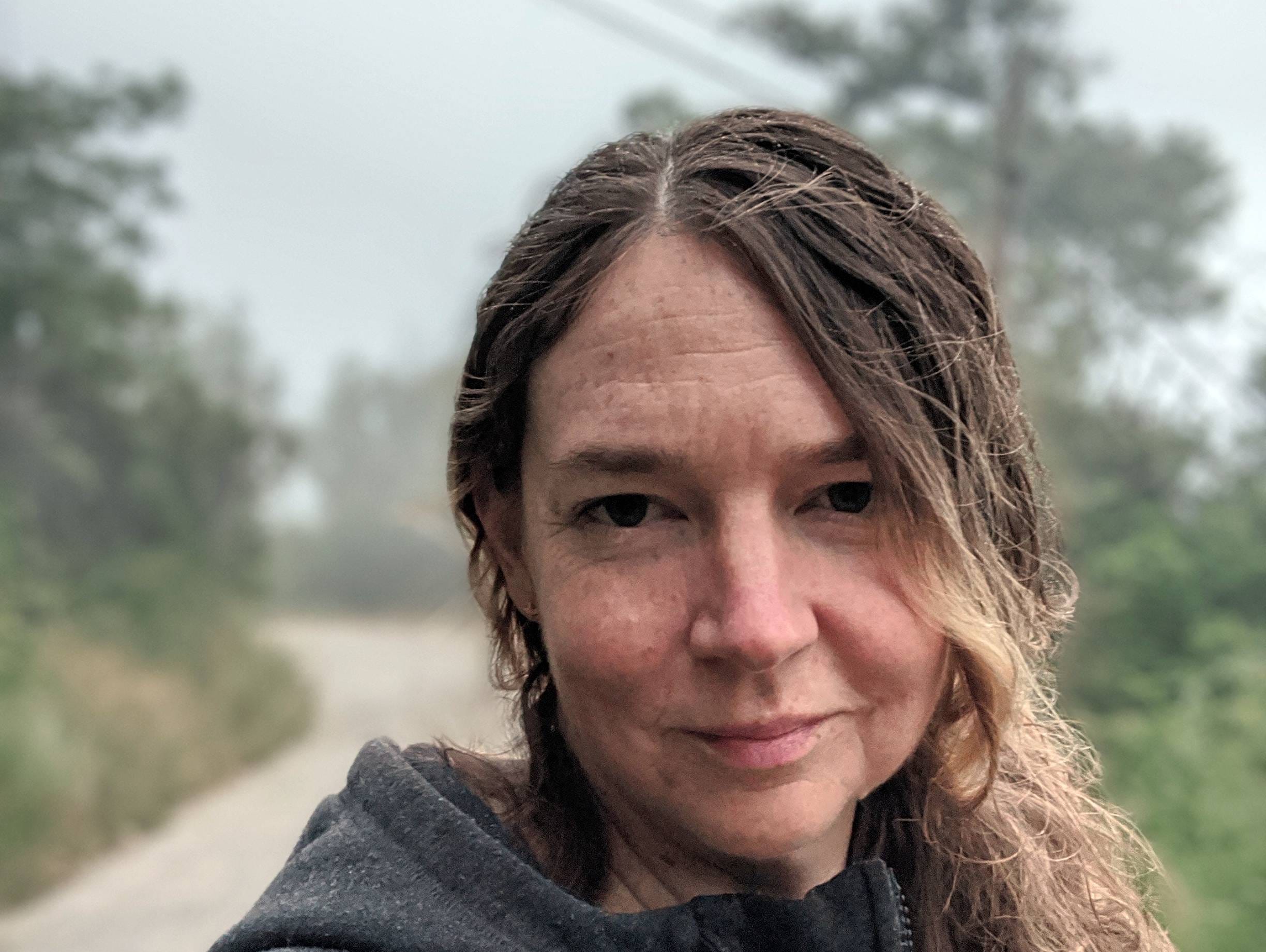
Managing a distributed grid
In this episode, Astrid Atkinson, co-founder of Camus Energy, talks about her company’s “grid orchestration” work of helping utilities see, track, and coordinate the distributed energy resources in their territories.(PDF transcript)(Active transcript)Text transcript:David RobertsOne of my favorite things I ever wrote was a 2018 piece for Vox on grid architecture — the basic structure of the electricity transmission and distribution networks. It was about how a top-down system, with one-way power delivery from big power plants to passive consumers, might evolve into a bottom-up system, driven by local distributed energy resources. Thanks to all-star illustrator Javier Zarracina, it even has awesome animated illustrations. One person who read that piece was Astrid Atkinson, who at the time was a senior software engineer at Google. She had managed a team that shifted Google search from a top-down system to a massively distributed system, back before the term “the cloud” existed and there was no template available. She and her team had to develop the principles and best practices of getting reliable performance out of millions of unreliable, loosely coordinated machines. By doing so, they radically expanded the scale and speed of what search could do.She thought, wouldn’t it be cool if the power grid could make the same shift? Unlike some people, though, she didn’t just blog about it — in 2019, she left Google to co-found and run Camus Energy, a software company that helps utilities see, track, and coordinate the distributed energy resources in their territories. The company calls what it does “grid orchestration.”Atkinson has been a thought leader in pushing for a new grid architecture. (See Camus’ white-paper series on “the rise of local grid management.”) So I was super-excited to geek out with her on this stuff. We talked about the conceptual shift from centralized to distributed and the drivers making that shift inevitable, plus getting more out of the grid we’ve already built through coordination and efficiency, and how the utility sector can evolve to better manage local resources. I really loved this one.Okay, then. Astrid Atkinson. Welcome to Volts. Thank you so much for coming.Astrid AtkinsonThank you so much. I'm really excited to be here.David RobertsI'm so excited for this. Astrid, I have to tell you just by way of preface that I had a weirdly difficult time preparing for today's pod because I'm just so excited by this whole area, and I'm so jazzed. I have so many things to ask you about, so many things I want to say about all this stuff, and I'm kind of overwhelmed and fried my circuits. But let's start here: Let me describe for listeners what you did at Google and tell me if this is an accurate description. So you were part of a team, I think, leading a team that was shifting the way Google did things away from a model where computing was done on a relatively limited set of high-quality, extremely reliable data centers, tightly centrally controlled, to a model where computing is done not on a small set, but on thousands, millions of distributed computers living all over the place, any one of which might be unreliably connected or off periodically or weak or otherwise glitchy.So basically, moving from a model of tightly coordinated, central control, limited number of entities, to loosely coordinated millions of entities, somehow getting aggregate reliability out of massively distributed, individually unreliable machines. Is that more or less accurate?Astrid AtkinsonYeah, that's about right. So my role was in the site reliability engineering team at Google, which is a function that nobody's ever heard of outside of the kind of tech industry. But you can think of reliability engineering as being basically Google's systems engineering function. It's the entity that's kind of responsible for pulling all of the pieces together between sort of software and operations and networking and hardware and everything, and making sure that you can get them to kind of work as a reliable system overall. And I was part of the original team that kind of — it wasn't a function that existed in the industry before Google made that transition.I was part of that original team at Google and then led a lot of Google's work around scaling out that model.David RobertsAnd so now the idea, more or less is to oversee or encourage a parallel evolution of the electricity grid, basically, from a limited number of tightly centrally controlled entities to a loosely coordinated, massively distributed, huge number of smaller entities, basically.Astrid AtkinsonYeah, I mean, that's definitely the hope. And that's partly derived from the utility industry and the grid space's sense of the changes that are needed and also partly derived from my sense that there are a fair number of parallels between some of the approaches that we took and kind of had to make up on the spot to support massive growth and really significant changes in the way
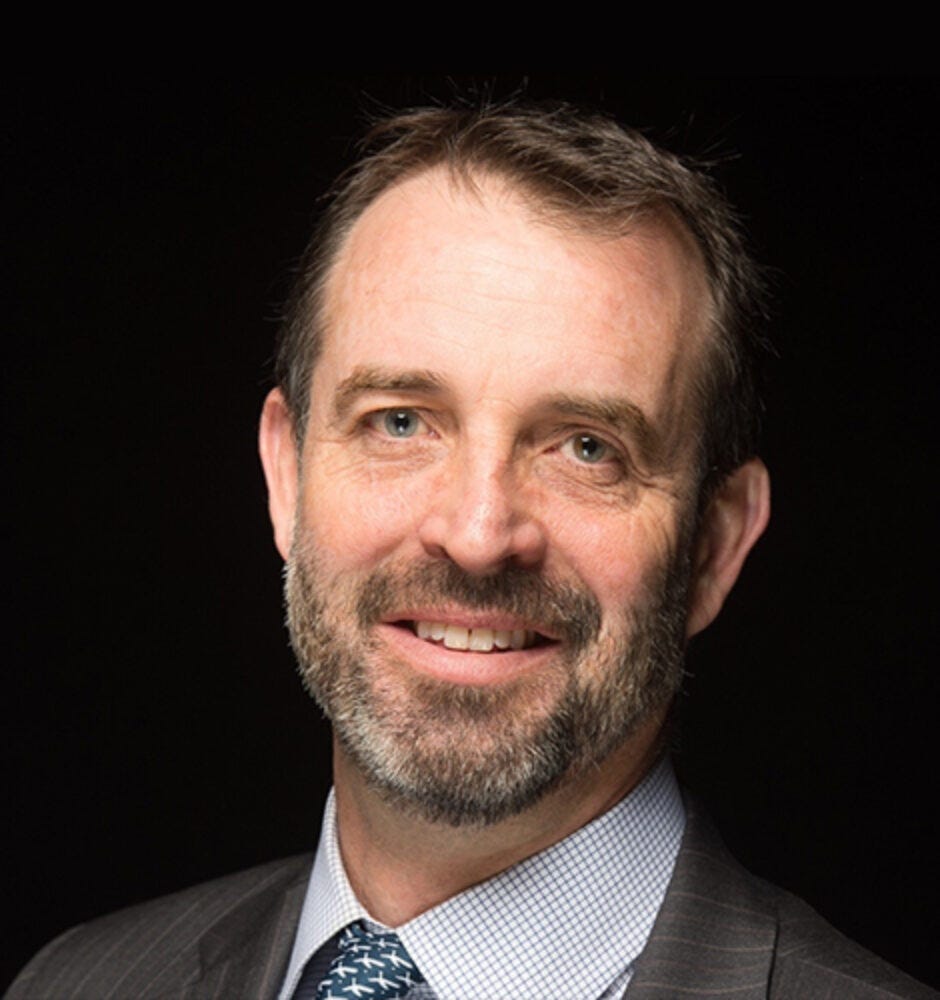
FERC is about to make some very important decisions about transmission
The Federal Energy Regulatory Commission (FERC) is poised to pass new policy that will expand regional transmission capacity, but how impactful will its new rule be? In this episode, grid policy expert Rob Gramlich gives the lay of the land.(PDF transcript)(Active transcript)Text transcript:David RobertsBy now, it’s fairly well understood that the US badly needs more electricity transmission lines to keep up with the changing generation mix and growth in demand that will come with clean electrification. But new lines, especially the much-needed longer-distance regional lines, are being built at a snail’s pace. If the US is to hit its mid-century climate goals, transmission capacity expansion must radically accelerate.Congress helped a little with money in the infrastructure bill, and the Biden administration helped by establishing a Grid Deployment Office inside the Department of Energy, but arguably the biggest opportunity for progress comes in the form of an upcoming rule by the Federal Energy Regulatory Commission (FERC). It will beef up the commission’s existing rules on regional transmission planning, but exactly how much it will strengthen them depends on the final rule, expected early next year. Transmission advocates are urging FERC to pass a rule with reel teeth — including Senate Majority Leader Chuck Schumer, who sent the commission a letter with encouragement and suggestions in July. Nobody knows more about grid policy than Rob Gramlich, founder and president of Grid Strategies, a policy analysis and strategy firm. He is executive director of the WATT Coalition, co-founded and used to run Americans for a Clean Energy Grid, serves as a board advisor to a half-dozen other groups, and has a long history in the industry, including a stint at FERC in the early 2000s. I talked with Rob about the current state of affairs in transmission policy, the scope of FERC’s authority, and the details that matter in the coming rule. Don’t let the technical-sounding subject scare you off — this was a fun one, and incredibly clarifying.Okay then, with no further ado, Rob Gramlich. Welcome to Volts. Thank you so much for coming.Rob GramlichThanks, David. Great to be here.David RobertsI am excited to talk about this. I know that perhaps FERC is not at the top of people's mind when they think about excitement and thrills, but I think people will see by the end of this why this is a very good time to tune in to what FERC's doing. So let's start here. I think we can assume for the purposes of this pod that Volts listeners understand the need for more transmission, specifically the need for more long-distance transmission for a bunch of reasons. We know that the resource mix is changing. We care more about renewables now.They're located in different places. They're located not necessarily next to load. They're remote. We're going to double or triple the amount of electricity we're using in the coming years, because we're electrifying everything. So we need more transmission for that reason. We know that connecting up a wider geographical area makes the whole system more reliable, makes the whole system cheaper. Transmission is the wonder tool of energy. It makes everything better, and yet we are not building it. So back in the late 90s, FERC, the Federal Energy Regulatory Commission, which has jurisdiction over interstate transmission, released a series of orders.So in the beginning, there were, just across the nation, just dozens and dozens of individual vertically integrated utilities, all of which were building their own transmission, more or less for their own areas. And so back in the late 90s, FERC saw this and many other people saw the need for more interregional transmission and issued a series of orders trying to kind of nudge things in that direction, doing, among other things, they created regional transmission operators and independent system operators, RTOs and ISOs, which were supposed to be regional organizations that did regional transmission planning. And there were others too, I think, going all the way up to 2011, there were other orders, basically like, "please friggin utilities, get together and start doing some planning, do some interregional planning." And yet, despite this series of orders, and despite the existence now of RTOs, we're still not building interregional transmission.I mean, we're building it at a snail's pace and not necessarily where we need it, and certainly nothing close to the pace we need to be building at. So maybe let's just start here. Why, given the existence of RTOs, which are explicitly supposed to do this, is there still not adequate regional transportation planning? Maybe you could run through the three P's here. That's going to help kind of set us up for what's to come.Rob GramlichSure. Well, first of all, thanks for your help in communicating all that. So let's stipulate that the need for transmission is understood. And that's great that it is, because a few years ago
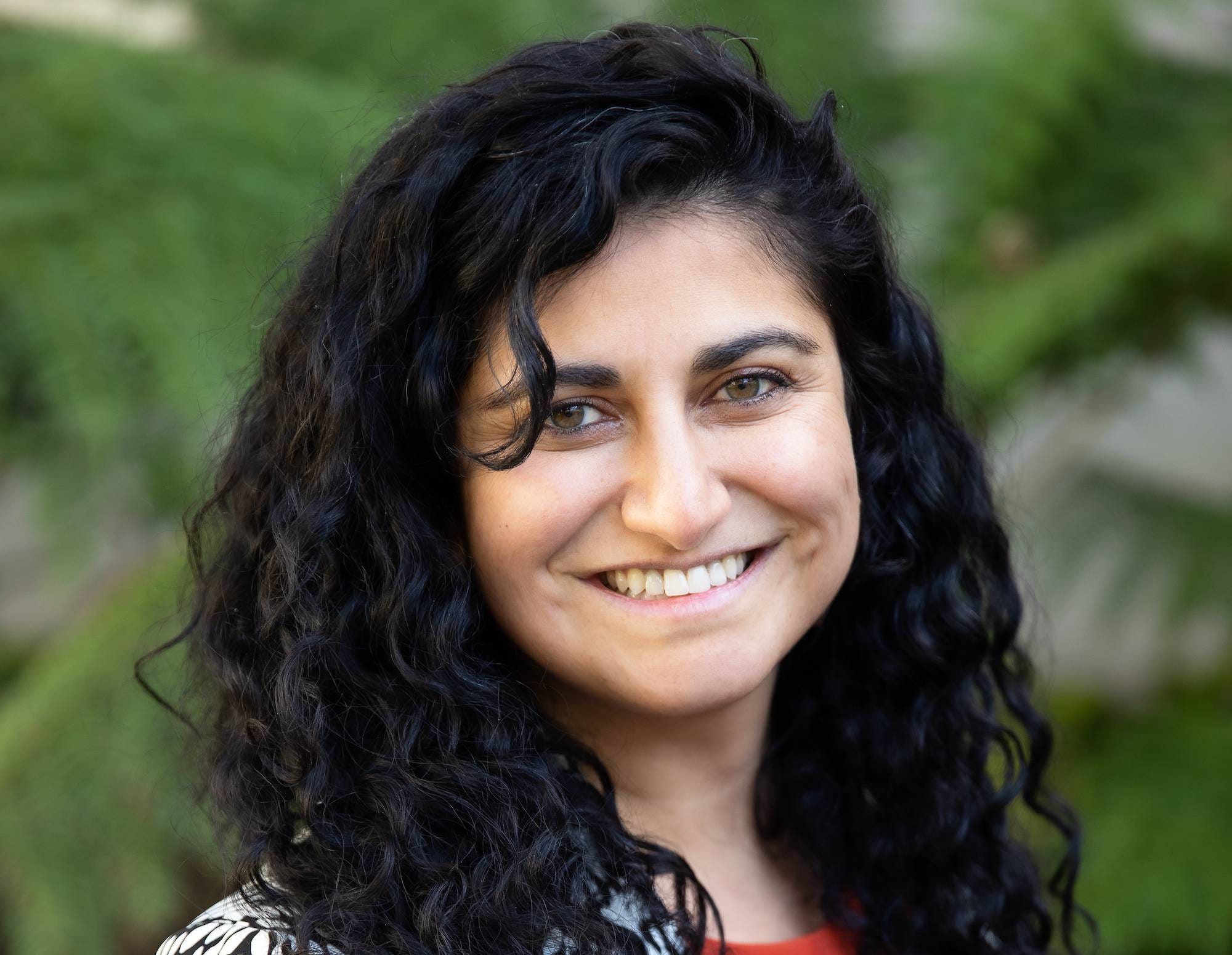
An insider's view of the Biden years in clean energy policy
As I previewed for Volts subscribers a few weeks ago, I attended the third annual Yale Clean Energy Conference last week. It was a blast! It’s always energizing (pardon the pun) to be surrounded by so many young people doing so much cool stuff. It gives this crusty old blogger some hope.While I was there, I recorded a podcast — live on stage! — with Sonia Aggarwal.Sonia is well-known in Energy World. She co-founded (with previous Volts guest Hal Harvey) the energy policy think tank Energy Innovation, where she worked for years before heading into the Biden administration as the (deep breath) special assistant to the president for climate policy, innovation, and deployment.She recently reemerged from the belly of that beast and is now back running Energy Innovation. I chatted with her about her experiences in the administration, what policymaking looks like close up, what she’s proud of getting into law, and what gaps remain in US energy policy. It was super-fun.Thanks to Sonia, thanks to the kind folks at Yale, and thanks to all of y’all for listening. Enjoy. This is a public episode. If you'd like to discuss this with other subscribers or get access to bonus episodes, visit www.volts.wtf/subscribe
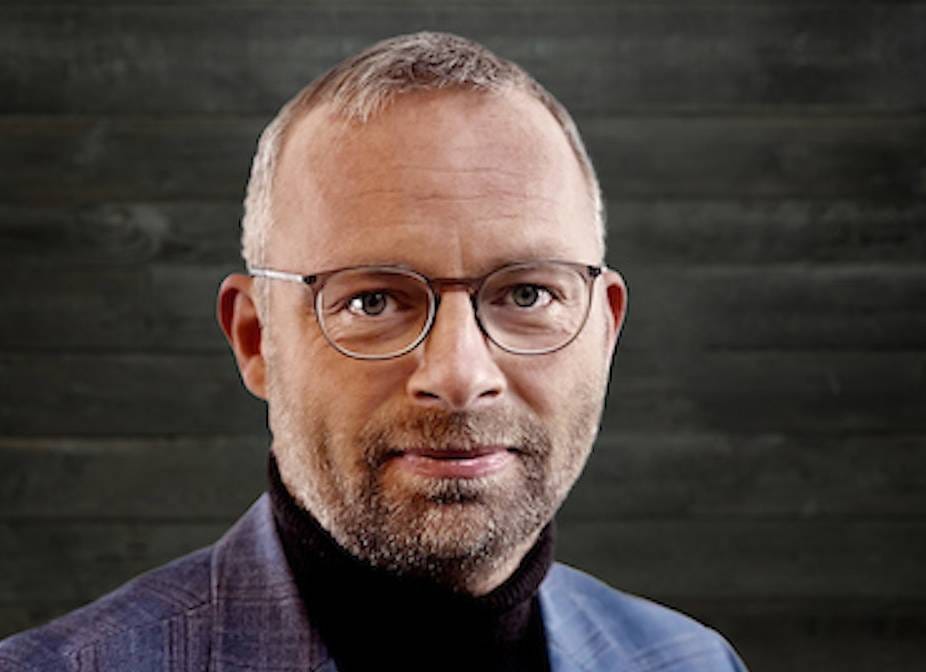
The cheapest way to permanently sequester carbon involves ... fizzy water
In this episode, Ólafur Teitur Guðnason of Icelandic company Carbfix discusses his company’s approach to carbon sequestration by essentially making fizzy water and burying it deep underground. (PDF transcript)(Active transcript)Text transcript:David RobertsThe idea behind the Icelandic company Carbfix is simple: pack water full of carbon dioxide (literally carbonate it, like a SodaStream) and inject it deep underground into Iceland’s porous basaltic rock. Minerals in the rock dissolve in the water, where they react with the CO2 to become calcium carbonates. The carbon effectively becomes rock, which it will remain, for all intents and purposes, permanently. Or at least thousands and thousands of years. It is as long-term as carbon sequestration gets.The idea dates back to 2006, but pilot injections didn’t begin until 2013 and it wasn’t until 2016 that a study published in Science confirmed that 95 percent of the CO2 in the water was mineralizing within two years — far faster than most had assumed possible. Since it started, Carbfix has sequestered almost 100,000 metric tons of CO2 at its original site, but that is just a drop in the bucket compared to what it believes is possible. It has plans to make Iceland a major international carbon-burial hub and to replicate its technology in other geographies, maybe even in the shallow ocean. When I visited the Carbfix operation in October and saw it in action, I was extremely intrigued and had a million more questions, so last week I got in touch with Ólafur Teitur Guðnason, Carbfix’s head of communications, to talk about where the company gets the CO2 it buries, where it plans to get it in the future, whether burial can work in other kinds of rocks and geographies, and exactly how much carbon Iceland can store.All right, then, with no further ado, Ólafur Teitur Guðnason of Carbfix. Welcome to Volts. Thank you so much for coming.Ólafur Teitur GuðnasonThank you so much for having me.David RobertsSo, Ólafur, I visited you guys when I was out in Iceland a few weeks ago and was very taken with this idea. And I don't know how I have been covering this stuff for so long without ever hearing about it, but it sounds like you guys are sort of on the verge of expanding. So I think probably a lot more people are going to be hearing about you soon. So to begin with, for listeners who are not familiar with your company, I'm going to run through the process and tell me if I get anything wrong. So you get a source of water, and we can discuss the source of water more later.But you get water, you carbonate it more or less like a SodaStream carbonates water. You pump carbon dioxide into the water, and then you pump the water deep underground. And this carbonated water is heavier than normal water, so it tends to sink down to the bottom of the water table. And as it is sinking, the carbon dioxide in the water reacts with minerals in the rock to form calcium carbonates. Basically, the carbon dioxide in the water gets transformed into a form of rock, where it will then stay underground as rock for thousands of years. So you've permanently sequestered the carbon.Is that more or less an accurate description?Ólafur Teitur GuðnasonIt's more than more or less accurate, I think. I'll give you a ten out of ten.David RobertsExcellent. Good. Well, I have so many questions about this, but the one thing I wanted to start with is the carbonation process of the water. Is that your intellectual property here? Is that your sort of main thing that you've pioneered here as a different way of carbonating water, or is there something special about the way you carbonate water?Ólafur Teitur GuðnasonYeah, that's one part of it. There are several elements to what we feel is proprietary or what we have solved — technology that we have developed. One thing is the capture of the CO2 emissions from the geothermal power plant, where we were kind of born as a research project within the company that runs the geothermal power plant, as well as universities both in Iceland and the US and France. So that is one element, yes. The dissolving of the CO2 with the water is another element, and the third element would be the way to inject it. So, yeah, there are different elements to this and at different stages of patenting.David RobertsOh, I didn't realize that you were involved in the capture part of this. I knew that part of the CO2 that you're burying is coming from the geothermal plant, but I had kind of thought that was separate. Is this something that you're going to export if you try to export this model to other places or other countries? Is capture part of what you're promising, or are you mostly, do you think, going to be working with CO2 that someone else captured?Ólafur Teitur GuðnasonYes, mostly. Capturing is not our core field. It just comes from the fact that we were born out of this proximity to the geothermal power plant, so we needed a source of CO2, and we may, and have and are collaborating with othe
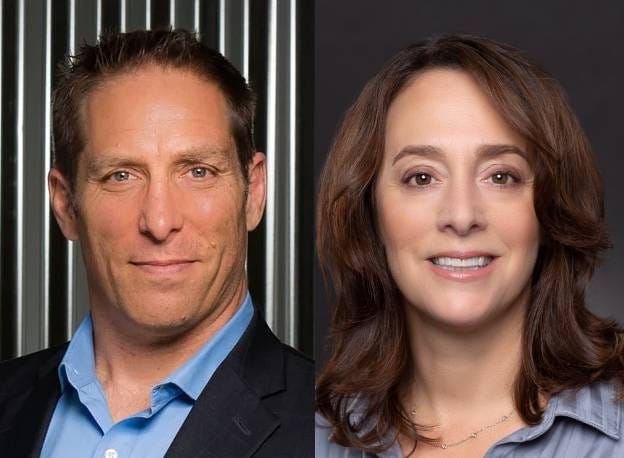
What rural people actually think about clean energy
Rural community pushback to new wind and solar farms has the potential to slow the US clean-energy transition, but very little research has been done on what rural Americans actually think about renewable energy. A recent survey of thousands of rural residents about their opinions on climate change and clean energy development sheds some light; in this episode, Robin Pressman of Embold Research and Mike Casey of clean-energy PR firm Tigercomm discuss the results.(PDF transcript)(Active transcript)Text transcript:David RobertsOf the handful of forces that have the potential to stymie the clean-energy transition in the US, perhaps the most immediate and dangerous is rural NIMBYism. Rural communities will, by necessity, host most of the wind and solar farms the US needs to decarbonize, but rural resistance is already responsible for dozens of canceled projects and growing delays.What do rural Americans think about renewable energy? Where are they getting their information and what sorts of arguments are getting through? There’s been weirdly little research on this question, despite the growing severity of the problem.Into that breach comes a new poll done by Embold Research, which surveyed thousands of rural residents to uncover their opinions on climate change, wind and solar power, and the promises of energy developers. The poll was commissioned by the clean-energy PR firm Tigercomm, which also interviewed community engagement staff at energy developers to find out what they’ve been hearing in the field.I contacted Mike Casey, the president of Tigercomm, and Robin Pressman, the head of Embold Research, to discuss what the poll found and what it means for clean energy developers engaging these communities.All right then, with no further ado, Mike Casey of Tigercomm and Robin Pressman of Embold Research. Welcome to Volts. Thank you both so much for coming.Robin PressmanThanks for having us.Mike CaseyThank you, Mr. Roberts.David RobertsMike, let's start with you. Let's just talk a little bit about the background here. There are kind of two bits of research here that we're going to discuss today. On the one hand, Robin's firm has done this polling of rural Americans. I hate that I'm going to have to say the word rural over and over again in this podcast. It's my least favorite word to say. But also, your firm has done a bunch of interviews with developers, renewable energy developers, specifically the people at the renewable energy developers who are responsible for going into these communities and developing these projects.It's sort of the advanced people who are going out to talk with the rural people and live in that world. And I'm interested in both those perspectives. But maybe actually, Robin, let's start with you. So, tell us a little bit about what this poll did, who it polled, and what kinds of things you were asking about.Robin PressmanSo, we wanted to take a look at your favorite word, "rural," Americans and understand perspectives on renewable energy. We've seen a lot of polls lately that look at the country as a whole, that look at specific communities where projects are being built. We're certainly polling for people in those local communities and areas. But what we really wanted to do was to get sort of a 30,000-foot view across the country of what perspectives rural Americans have, where they are at this point in time, and how they're feeling about the renewable energy transition that is happening. And so we surveyed 2,645 rural Americans across the country, and we were able to have conversations with them, both the quantitative survey and then also the qualitative, get information from them that they could fill in so we could learn a little bit more about their perspective.So, sort of virtual conversations, not actual conversations. And we were able to really get a look and understand where they are and go beyond just sort of the loudest voices in the room, which has really been a big stumbling block in these communities, to getting these projects built.David RobertsIn the small handful of items that I would list as threats to the success of the clean energy transition, threats to the success of IRA and all the rest of the bills, NIMBYism and permitting is probably the biggest and most threatening one. And so everybody's thinking about this right now. Everybody in the energy world is thinking about this right now. And one of the big questions I think that's on everybody's mind is this resistance that we're seeing, is it a small handful of people that are being paid by right-wing groups stirring up this trouble, or are they speaking in some sense on behalf of a broader sentiment?In other words, are they articulating the true sentiments of people in those areas? So maybe the place to start is just what did you find out, that they think about renewable energy?Robin PressmanSo, to start with, there is support for these projects, both solar and wind in rural communities. And support does outweigh the
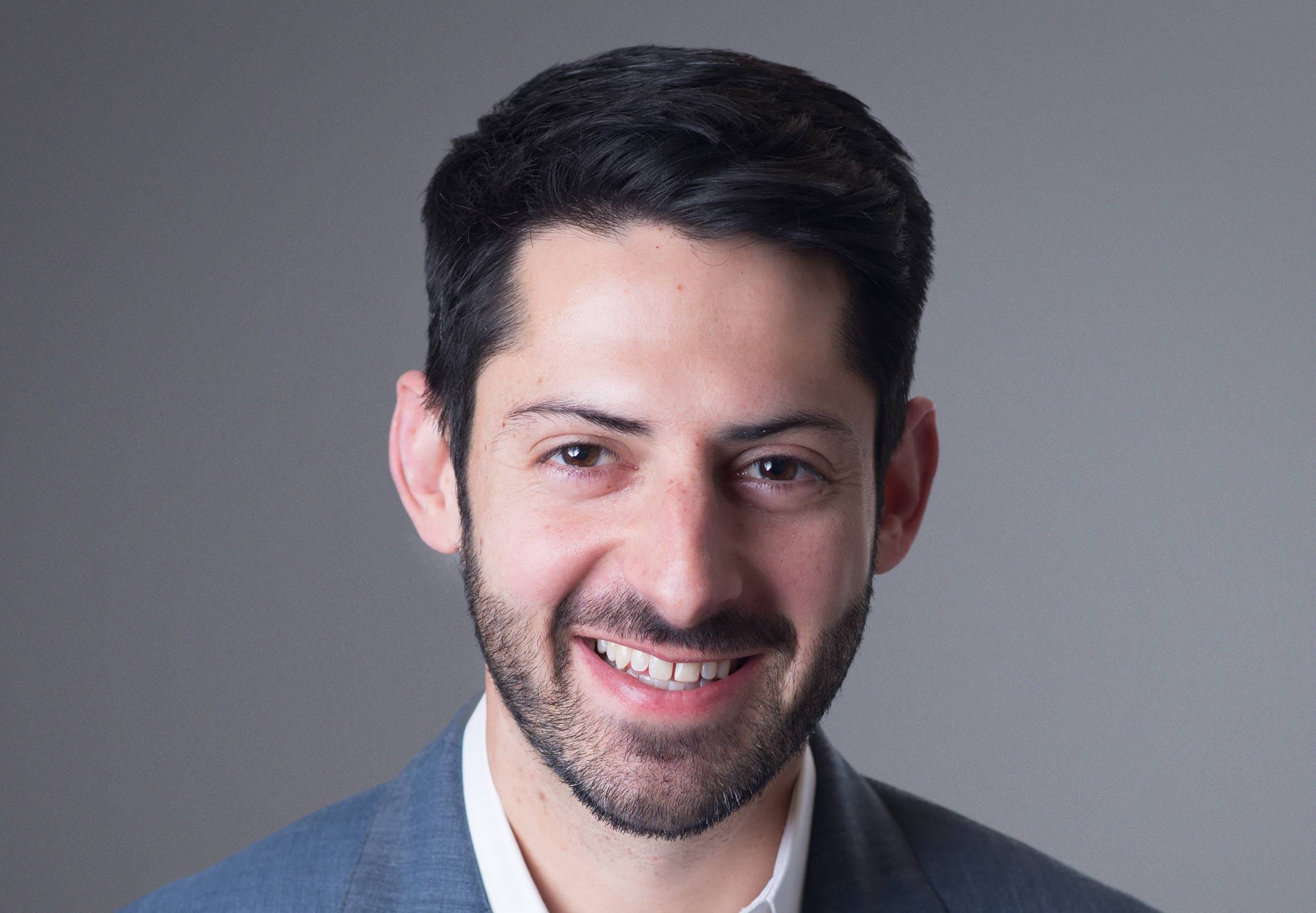
The Volts/Catalyst pod crossover you didn't know you were waiting for
In this episode, Shayle Kann, cleantech investor and host of the podcast Catalyst, shares his educated opinion on the most overhyped and underhyped technologies and trends in clean energy.(PDF transcript)(Active transcript)Text transcript:David RobertsIf you listen to Volts, you probably also listen to — or at the very least, should also be listening to — Catalyst, the Canary Media podcast hosted by veteran cleantech investor Shayle Kann. Like Volts, it features fairly nerdy deep-dive interviews, though they are mercifully shorter, and they’re more focused on cleantech, less likely to drift into politics and activism. (Shayle is a partner at Energy Impact Partners, where he assesses and funds cleantech companies for a living, so unlike me he brings some expertise to the table!)Anyway, our pods have been mutual admirers for a while now and we thought it would be fun to do something together. So the following episode features Shayle and I discussing a few technologies and trends we think are overhyped, and a few we think are underhyped. We get into electric stoves, interest rates, thermal batteries, and much more. It was just as fun and enlightening as I expected — especially where we disagreed — so I hope you enjoy it as much as I did. All right, here we are. I'm here with Shayle Kann, the host of Catalyst. Shayle, welcome to the greatest crossover event in podcast history.Shayle KannMan, I had already written down that joke. I had written down that literal joke for my monologue. I got to come up with something else.David RobertsIt's the Infinity War of podcasts for nerds. You know, Shayle, I have been listening to Catalyst for a long time, a big fan, and we've been talking for a long time now about how we ought to do something, do some sort of crossover, have some sort of chat, especially since we're both quasi under Canary now. So what we decided on was to chat a little bit about the clean energy landscape via the lens of a couple of what we feel are overhyped trends or technologies and a couple that we think are underhyped. And so we're just going to walk through things that way and have a little chat along the way about what we're seeing and doing. So, Shayle, are you ready to go?Shayle KannI am. But before we start, can I ask you a question?David RobertsYeah, please.Shayle KannSo when I was trying to come up with my overhyped and underhyped things, I was having, like, a surprisingly difficult time determining what I think is overhyped or underhyped relative to whom? You know, I kept coming up with things where I was like things that are overhyped to the people who care about energy on Twitter, which is not representative of anything important. So I was trying to figure out overhyped or underhyped by whom and to whom. And I don't know if you struggled with the same thing?David RobertsI did struggle with that. We do live in a weird, tiny, little insular world in which many things are overhyped that normal people have never heard of. And vice versa. So I think I did a mix. So you'll just have to explain the context of your answer while you're answering. You have to explain underhyped or overhyped to whom while you're answering. Some of mine are definitely overhyped or underhyped to our audience.Shayle KannRight? Yeah, exactly.David RobertsWhich, as you say, does not mean much to the wider world, since we both have audiences of energy nerds, handsome, viril, unusually intelligent energy nerds —Shayle KannOf course.David Robertsin our audiences.Shayle KannYeah, I also struggled a little bit with, like, there's some things that I think might be overhyped because I overhyped them. Just a bit circular.David RobertsI know one of my underhyped is something that I have been relentlessly trying to hype for years, but I just don't think I have the hype power to bring it up to the hype level, where it would be sufficiently hyped. So we'll discuss those along the way. So we starting then with your first underhyped trend. So tell us what it is and perhaps to whom it is underhyped.Shayle KannOkay, so I think this is underhyped by almost everybody outside of a relatively small corner of the clean energy world that's like trying to pound the drum as loud as possible about this, which is the trend of onshoring of manufacturing in clean energy supply chains. Onshoring, and I guess I would add near shoring or friend shoring, but predominantly onshoring. So let me contextualize a little bit, which is I know you were around for the whole solar story as solar was just starting to mature, but the short version of that story in my mind, if you go way back in solar history, was Japan was really the first market that both installed any meaningful amount of solar and produced it.Right. You had these companies like Sharp and others, way back in the '90s. And Japan had this feed-in tariff for residential solar, and that was small and steady for a long time, and not a whole lot happened. And then what really kickstarted the solar marke
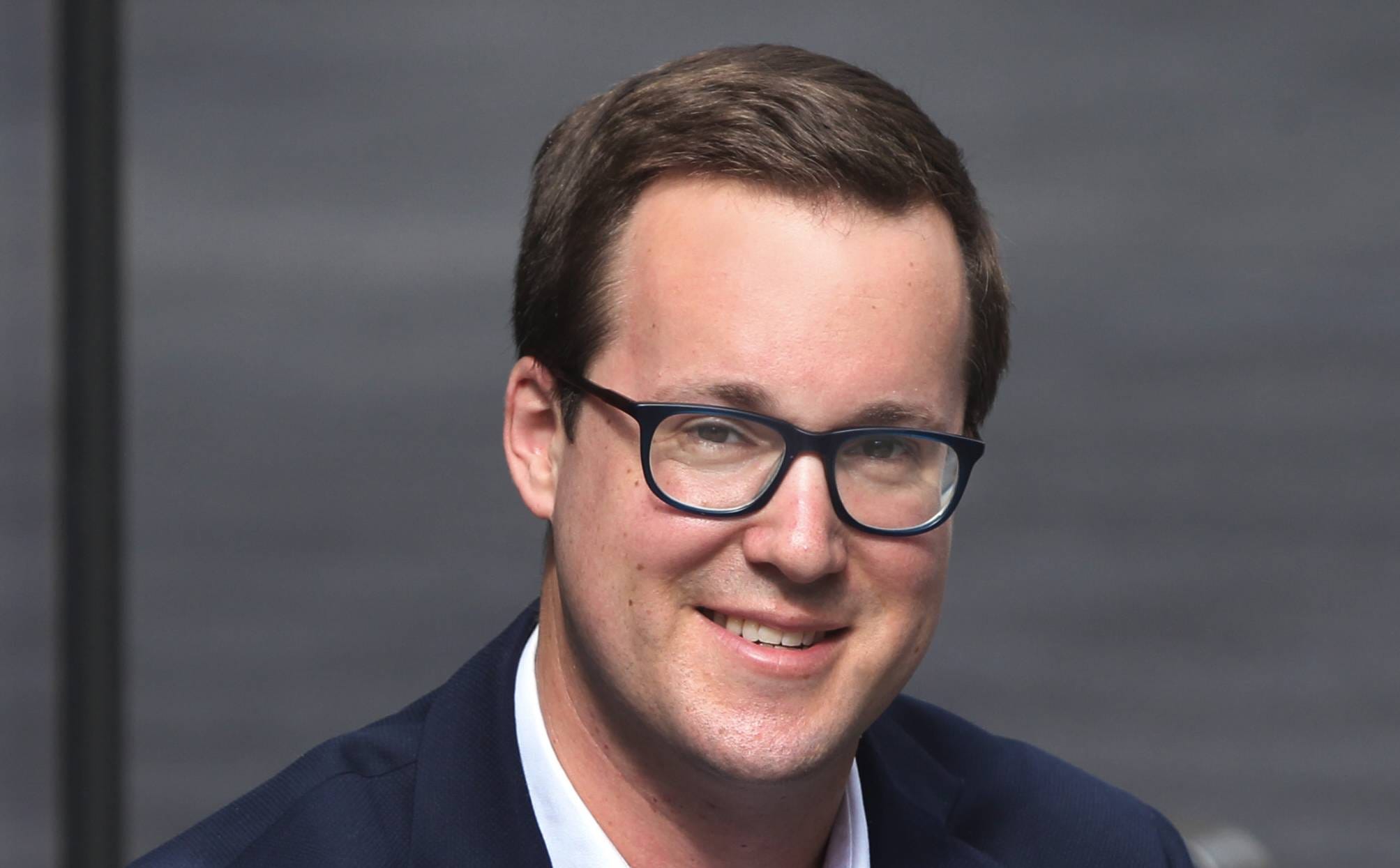
What? The sun isn't always shining?!
In this episode, Princeton professor and energy modeler Jesse Jenkins tackles the question of how we can build a decarbonized energy system that relies on inherently variable wind and solar power.(PDF transcript)(Active transcript)Text transcript:David RobertsIf you’ve spent much time discussing clean energy on the internet, you’ve probably come across a disturbing piece of information: the sun, it seems, is not always shining. What’s worse, the wind is not always blowing! It’s crazy, I know. Unlike coal or natural gas or nuclear — “dispatchable” power plants that we can turn on or off at will, when we need them — we do not control solar power and wind power. They come and go with the weather and the rotation of heavenly bodies. They are, to use the term of art, “variable.” Many people, bringing to bear varying levels of good faith, conclude from this fact that we shouldn’t or can’t shift to an electricity system that is based around wind and solar, at least not without occasionally shivering in the cold. Is that true? Do we know how to balance out the variability of wind and solar enough that we can fully decarbonize the grid with them? This is probably the number one question I hear about renewable energy, the number one reservation people have about it, so I decided it’s time to tackle it head on.To help, I called on longtime Friend of Volts, Princeton professor and energy modeler extraordinaire Jesse Jenkins. We walked through the basic shape of the problem, the different time scales on which variability operates, and the solutions that we either have or anticipate having to deal with it. This one is long and occasionally gets a bit complex, but if you’ve ever wondered how we’re going to build an energy system around wind and solar, this is the pod you’ve been waiting for. All right, I am here with Princeton professor and longtime friend of Volts, Jesse Jenkins. Jesse, welcome back to Volts. Thanks for coming back.Jesse JenkinsHey, Dave. It's always good to chat with you.David RobertsJesse, the reason we're doing this is that in the course of my research, I have come across some extremely disturbing information which I felt like I needed to share with you and the world as soon as possible. Apparently, the sun is not always shining and the wind is not always blowing.Jesse JenkinsWait, what?David RobertsI know this changes everything, so we're going to have to talk through this.Jesse JenkinsOh, man.David RobertsBut seriously, I don't mean to make too much light of this. This is a subject about which people say lots of dumb things, but it is at its heart, I think, a perfectly valid question, a perfectly valid area of concern. In fact, it is the central area of concern about renewable energy. It is the central question to answer, which is the term that used to be used is intermittent. Renewable energy, wind and solar are intermittent, I think. Now the preferred term of art is variable, but I think probably the most accurate terminology for our purposes is non-dispatchable.It just means we don't control it; we don't turn it on and off. It comes and goes with the weather.Jesse JenkinsYeah, I prefer just weather dependent. Right. I think it makes more intuitive sense to people. Like you said, it's solar and wind power, so it depends on the weather. That is not shocking, but also defining of what the resource is.David RobertsAlso dependent on the turning of the planets and the solar system.Jesse JenkinsThat's true.David RobertsBut anyway, people know what we mean. We don't control them. A lot of people, I think, especially people who are coming, who haven't given a lot of thought to the clean energy transition and are starting to grapple with it for the first time, I think intuitively run up against this question early on in their thinking, which is "how do we deal with this?" So, I want to take those questions as good faith questions and talk through answers to them to the extent we have answers, to the extent we do know how to deal with it, to the extent we do have the tools to deal with it, and the extent to which it remains to some extent unsolved.I want to start with a couple of really big picture questions before we hone in on the details. I think the first big one to ask is just what greenies, what climate people seem to be recommending, and what we seem to be doing, at least in the early stages, is shifting from an electricity system based on dispatchable power plants that we can turn on and off at will to a system that is fundamentally based on non-dispatchable weather-dependent power plants that we can't turn on and off, which, as we're going to talk through, raises a whole host of issues and problems to solve.So I think the first thing to address is just why do that at all? Why take on that trouble? Why not just shift from dirty dispatchable energy to clean dispatchable energy like nuclear, hydro and geothermal? Why take on the burden of dealing with variable energy at all?Jesse JenkinsYeah, it's a g
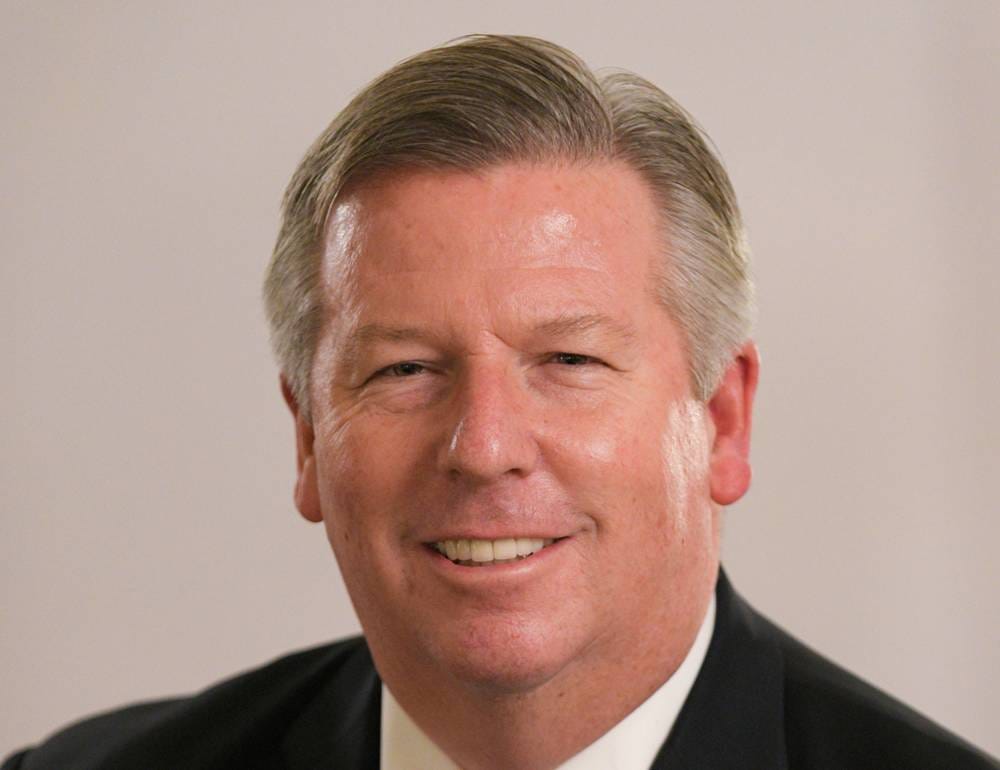
What's the deal with district energy?
District energy refers to a system in which a shared central plant distributes steam, hot water, and/or chilled water to multiple buildings via underground pipes. In this episode, Rob Thornton of the International District Energy Association shares about district energy’s newfound popularity and the role it could play in the clean energy transition.(PDF transcript)(Active transcript)Text transcript:David RobertsDistrict energy is one of the oldest concepts in all of energy, dating back at least to the ancient Romans. It simply refers to connecting multiple buildings to a common source of heating and cooling — a furnace, heat pump, geothermal well, or what have you — and distributing the heat via water or steam flowing through underground pipes. There are hundreds of district energy systems in operation, in every country in the world. (Virtually all of the buildings in Iceland, which I visited recently, are heated by district energy systems running on geothermal.)However, fossil fuel heat has been so cheap for so long that district energy has never quite become the default — it’s just been too easy to stick a natural gas furnace in every building. There hasn’t been much pressure to share heat.But with the climate crisis and the clean energy transition, that’s changing. These days, lots of people are looking for cleaner sources of heat and more efficient ways to share it, so district energy is becoming sexy again. Among other things, it’s a great way for cities to meet their carbon goals without overburdening their electrical grids.With all that in mind, I contacted Rob Thornton, the head of the International District Energy Association, to chat about the clever new sources district energy systems are drawing on (everything from sewage to deepwater lakes), the infrastructure they can integrate with, and the other services they can provide.All right, then. With no further ado, Rob Thornton of the International District Energy Association. Welcome to Volts. Thanks so much for coming.Rob ThorntonThanks for having me, David. Pleasure to be here.David RobertsI am super into district heat, so I was delighted when you all reached out to me. I've been meaning to do something on it, but I think it's, at least in the US, not particularly familiar or well understood to most people. It's relatively rare in the US, which we will discuss later. So, let's start with a definition. What is district heating?Rob ThorntonSo, we call it district energy because it's both heating and cooling in cities, campuses, communities. Essentially, it's a central plant that's providing steam, hot water, and/or chilled water to an underground thermal piping network to provide heating and cooling to buildings in a city central business district, campus, airport, hospital, healthcare, et cetera. So, it really is the aggregation of multiple users of heat or cool provided by a central plant. So, each individual building doesn't need to dedicate space or equipment, right, to boilers, chillers, et cetera. So, yeah, that's the simple definition.David RobertsCould not be more simple. It's using one source, a single source of heating and cooling for multiple buildings, which you think seems like an obvious thing to do. What, in terms of existing district energy systems in the world, what is that central source? Typically, empirically, what's the most common current central source?Rob ThorntonI'd say at the moment, still natural gas.David RobertsJust a big boiler?Rob ThorntonWell, often large boilers, sometimes gas turbines, recovering the heat, making additional electricity. So, combined heat and power. But that's shifting with the energy transition appetite for lower carbon solutions. There's a lot of integration, optimization happening. Industrial heat pumps, renewable heating and cooling, a variety of sources. That's the advantage of district energy. You change the central plant, and actually the benefits flow to multiple, sometimes hundreds, thousands of customers by updating the central plant.David RobertsIs it safe to say these days that all things being equal, natural gas is probably the cheapest, that's why it's the most common?Rob ThorntonWell, it's cheapest, it's cleaner than some other solutions. It's dispatchable, available, widely available. And it wasn't always that way. District energy started really by the Romans, but then Thomas Edison I would really characterize as the inventor back 140 plus years ago, and he discovered he couldn't really just sell electricity. He had to actually sell heat, too. Building owners saying, "Oh, I'll buy your power, but what am I going to do with the dynamo in my basement that provides the heating?" And so Edison realized, in order to make a profit at this enterprise, I have to sell both the heat and the power.So, while it's not commonplace, in fact, district energy is prevalent. 900 systems in North America, thousands all over the world. Every major city has district energy from Paris to New York City, ob
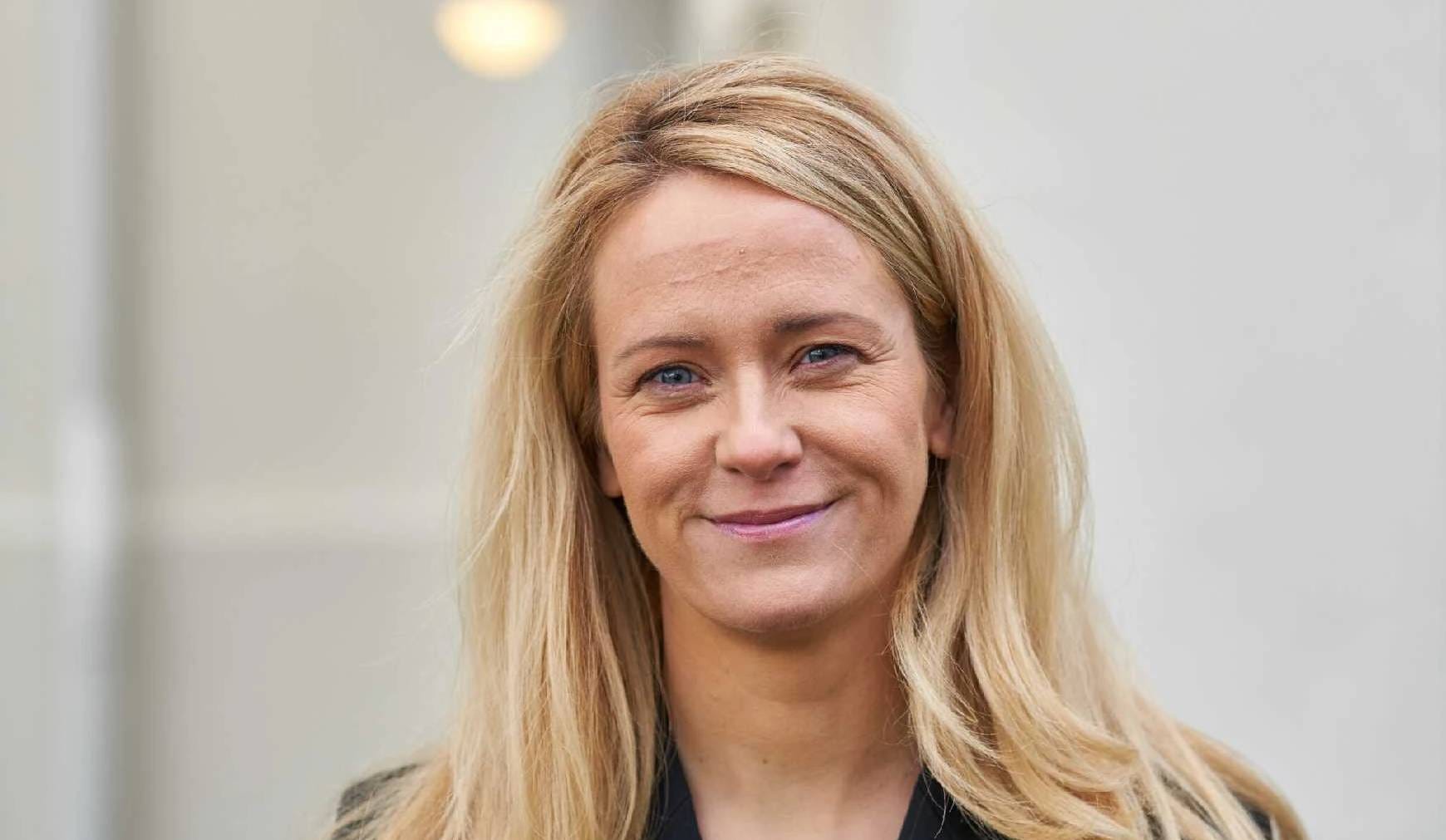
What's the deal with Iceland?
Iceland aims to be the world’s first carbon-neutral nation; thanks in large part to hydropower and geothermal, it’s well on track to meet that goal by 2040. In this episode, Halla Hrund Logadóttir of the Iceland Energy Authority reflects on the country’s energy history and looks to its ambitious future.(PDF transcript)(Active transcript)Text transcript:David RobertsIceland is an island just south of the Arctic Circle, perched directly atop a rift where two tectonic plates are drifting apart, exposing the magma below. It is a small country (physically about the size of Kentucky, with a population a little larger than Cleveland, Ohio’s), but what it lacks in size it makes up for in drama. It is a land of glaciers and volcanos, ice and fire, wind and rain and snow — and deep heat that makes them bearable. I was there for four days last week, meeting with sustainability-related businesses, hearing about everything from micro-algae to grid monitoring to carbon recycling to using 100 percent of the fish. There’s an incredible amount of innovation going on there, and to my unending delight, a great deal of that innovation is in some way or another in a symbiotic relationship with geothermal, the heat and power that Icelanders pull from underground. Iceland’s electricity is entirely carbon-free — roughly 70 percent hydropower and 30 percent geothermal — and so is its heating, 90 percent of which is geothermal. Overall, 85 percent of its energy consumption is carbon-free, and it is aiming for 100 percent by 2040.To hear more about all this, I visited the Reykjavik office of Halla Hrund Logadóttir, who runs Iceland’s National Energy Authority, overseeing the country’s electricity system. She used to teach at the Iceland School of Energy at Reykjavik University and now teaches at the Harvard Kennedy School, where she co-founded the Arctic Initiative and founded the Arctic Innovation Lab. There’s no one with a better sense of the overall state of Iceland’s energy situation. We talked about the country’s history with geothermal, its current energy mix and policies, and its race to become the world’s first fully carbon-neutral nation. I'm here with Halla, who — I'm going to call you by your first name. Will you say your name for us?Halla Hrund LogadóttirSo I'm Halla Hrund Logadóttir. One of these Icelandic simple names.David RobertsYes, extremely. That is extremely Icelandic. And you're head of the National Energy Authority? National Energy Authority here in Iceland. And I've been visiting Iceland here for the last three or four days, visiting lots of startups and sustainable businesses of various kinds, and have found it absolutely fascinating, much more than I expected. Such a unique — so many things about Iceland in general, but Iceland's energy situation that are just absolutely unique and fascinating. So maybe the place to start is you could just tell our American audience, which is, you know, Americans are not known for their deep knowledge of other countries —So maybe we could just start by a little history of Iceland and geothermal, which is, I think, the sort of origin story of Iceland's current situation. Maybe just tell us what happened back in the 60s and 70s and why and sort of what the result is.Halla Hrund LogadóttirAbsolutely. And I think just to kind of start where we are at today and then looking back: Today, nine out of ten houses in the country are heated with geothermal, and overall, 85% of our primary energy use comes from renewables. So the hydropower is the other main source of electricity production, basically. But the heating mainly comes from geothermal and it is a unique situation, but it is a story that goes way back. It started with bathing that is kind of from the Vikings coming here, staying warm in this cold country. But then in the early 1900s, there was a farmer that found a way to connect his farm to a neighboring hot spring here in Mosfellssveit, which is close to Reykjavík, where we're sitting now, and a few others did the same.And so it was a story of entrepreneurship and innovation. Then municipalities noticed this technology and it became a part of a policy, to make a long story short. But then the first drilling for geothermal was done in the early 1900s and 1928 here in Reykjavík. And I think such an important part of this story is the fact that those were small projects, but they were used to heat key buildings like the hospital you can still see downtown and a primary school that we have downtown. And this was really important because it made the technology, the fact that it worked, very visible to people and made the buy-in for the technology — you always need buy-in from voters and so forth.The benefits were very obvious from these two key examples and from these small successes the big transition, the big story, begins, which also I think is interesting now when we think about the overall energy transition, it usually starts with small pilots that then become added up to a
Reflecting on 20 years in political journalism
In this episode, veteran journalist Brian Beutler waxes nostalgic about the past 20 years of political journalism and muses about its future.(PDF transcript)(Active transcript)I’ve known political journalist Brian Beutler for a long time. We met back in the late 2000s in DC, in the heady days leading up to Obama’s victory, and have kept in touch fitfully ever since.Brian, one of the smartest and most insightful political analysts writing today, has published in a wide variety of outlets, but this month he followed me into the wilderness — left his job at Crooked Media to launch his own newsletter, Off Message. He’s already written some great stuff and made some cool videos — check them out. I figured I would take the occasion to catch up with him, wax nostalgic about politics past, discuss partisan journalism, and muse about how opponents of authoritarianism might show a little more vigor. Please enjoy this long and somewhat indulgent ramble down memory lane.Text transcript:David RobertsSo I'm sitting here with my good buddy Brian Beutler, who is a political journalist living in Washington, DC. He has been a political journalist for a long time. We've known each other for a long time, been involved in this mess of political journalism for a long time. He has worked, Brian, where all of you worked everywhere. The American Prospect, did you do that one?Brian BeutlerI didn't do that one.David RobertsThe New Republic.Brian BeutlerYes, I was there.David RobertsDid you do an American Progress stint?Brian BeutlerNo, you're misremembering. I was actually with you at Grist. I think I was on a freelance contract for like six months or a year way back in 2006.David RobertsSmokes, I forgot about that.Brian BeutlerI worked at a bunch of places when I was like, a pup. So I think Raw Story still exists. First reporting gig. But I really got my training as a reporter at TPM. I was there for several years.David RobertsRight. That's the one I was trying to call to so spell it out for people. It's Josh Marshall's site.Brian BeutlerYeah, it used to be Talking Points Memo that's I think still the URL, but it's just TPM.One of the longest standing, I mean, still going strong.I rely on it all the time. I'm friends with my old editor there. He's still basically, like, running the day to day there, I think, the world of TPM. And then a very brief stint at Salon, which I enjoyed, but then The New Republic came and was like "join us instead." And so I said yes. And I did that through a really tumultuous period from like 2014, I think, to 2017. And then I was editor in chief at Crooked Media for six years, and now I am independent.David RobertsYes, this is the occasion for the pod is my friend Brian has left Crooked Media and is now launching on his own, launching a newsletter because all the cool kids now have newsletters, a newsletter called Off Message where he is going to continue political journalism. You should all go sign up. I've learned an enormous amount from Brian over the years. And so I thought, on the occasion of Brian's birth as an indie, self-employed journalist, welcome to the fold, that we would sit down and catch up and I guess you could say, does the world really need two white, bearded, middle-aged guys of roughly similar socioeconomic backgrounds and ideological outlooks, affirming one another's priors for an hour?Maybe not, but this is my pod, and if I want to have an indulgent episode periodically, that is my right as an independent. We got no bosses anymore, Brian to tell us not to do so.Brian BeutlerMy two favorite flavors are waxing nostalgic and vigorous agreement. And we're just going to —David RobertsWe're going to get right into that.Brian BeutlerGive your listeners all that.David RobertsAll right. I feel like one of the signal characteristics of political journalism, and I expect this has probably always been true in all times and places is just that a lot of stuff happens, one thing after another happens, and it's a constant scramble. And so you can do it for a long time. And you really do not get many opportunities to sort of step back and think about kind of the arc of politics as you've experienced it over the course of a career. I guess what people used to do is report their whole lives and then become opinion columnists and write books.But anyway, so one of the things I want to do is just think a little bit about kind of the arc of American politics that we've experienced and where that leaves you and kind of what you think about it and how you're thinking about politics has changed over experiencing all this. So you — when did you come to political consciousness as an adult, would you say?Brian BeutlerIt was definitely during the George W. Bush presidency, the first term of the George W. Bush presidency. And it was actually, like, less Bush vigor, although in hindsight, once I became politically awake, it kind of reverse incepted me how important it was. We've been on a wild ride since then. That
A super-battery aimed at decarbonizing industry
In this episode, Antora Energy CEO Andrew Ponec talks up his company’s game-changing approach to thermal energy storage.(PDF transcript)(Active transcript)Text transcript:David RobertsBack in March, I did a podcast on the possibility of using wind and solar electricity to decarbonize industrial heat, which represents fully a quarter of all human final energy consumption. The trick is to transform the variable energy from wind and solar into a steady, predictable stream of heat by using some form of heat battery. The idea is that heat batteries will charge when renewables are cheap or negatively priced, around midday when all the solar is online, and then use the stored heat to displace natural gas boilers and other fossil fuel heat sources in industrial facilities.Among other things, this vision represents a huge opportunity for renewable energy developers — industrial heat is effectively a brand new trillion-dollar market for them to play in. And they can often enter that market without waiting in long interconnection queues to connect to the grid. Anyway, that episode, which I highly encourage you to listen to at some point, was with the CEO of a thermal battery company call Rondo. In it, I mentioned another thermal storage company whose technology caught my eye: Antora Energy. Like Rondo, Antora is part of the broad “box of rocks” category, but its tech can do some things that, for the time being, no other thermal battery can do.I don’t want to say much more here — discovery is half the fun — but I will say I’m as geeked about this technology as I have been about anything in ages. I’ve been thinking about it ever since I first heard about it three or four years ago. Now the company has launched its first commercial-scale system! So I’ve brought Antora co-founder and CEO Andrew Ponec on the pod to talk through how it works, what it can do, and how it could transform industrial heat markets.So with no further ado, Andrew Ponec. Welcome to Volts, thank you so much for coming.Andrew PonecThank you for having me, David.David RobertsThis is so fun for me. I've honestly been thinking about this tech for years and really hoping that you guys would make it far enough to justify me doing a pod with you. So I've been rooting for you. So we're going to get to kind of the role heat batteries and heat storage can play in the energy system a little bit later. But I just want to start with the technology itself. So the basic idea here is you're heating up a rock, right. And what you do with the heat, we'll get to that in a second, but let's just start with the rock itself. Tell me about the material you're using for your rocks and their qualities and why you chose that material.Andrew PonecWe looked at a lot of different options for the material that we wanted to store energy in, and there are a lot of different types of rocks, types of solid materials that we might choose. And after a pretty thorough search, we decided to focus on carbon, solid carbon. And that was for a number of reasons. We were looking at different attributes that we thought were important, one of which was cost, one of which was earth abundance. We were also looking for things that had existing supply chains and that were extremely stable and safe for long-term operation.And when we went through all of that process, carbon came out on top as the best option, although I should say that it didn't come out on top the first time around, actually because of a mistake I made in our spreadsheet. Carbon has a really unique property, which is that it gets better at storing energy as it gets hotter. So the specific heat capacity, its ability to store energy, increases by about a factor of three between room temperature and 800 or so degrees Celsius. So you can imagine what the process would be like to choose a material.We built a big spreadsheet. We put all of the materials candidates in it. We put what their ability to store thermal energy was, did some calculations on what the cost would be, and then stack ranked them. And in the first pass, carbon was near the bottom, because the mistake I had made was going online and just googling the specific heat of carbon and of course, got the room temperature value. And it was only a few months later, after we were exploring all sorts of other materials, that we kind of went back and looked and said, "Man, carbon has everything we want, except that its storage capacity is really low."And it was kind of our disappointment in carbon that made us take a second look and then realize this really remarkable property of carbon, that it gets better at storing heat as it gets hotter. And then it was by far the best choice. And that's where we've gone from there.David RobertsSo I think when most people hear carbon, especially in our space, they think about carbon dioxide, they think about carbon in the atmosphere. So what is solid carbon? What does it look like? What's it used for? Like, what is solid carbon out there doing
Minnesota forces transportation planners to take climate change seriously
In this episode, Minnesota State Representative Larry Kraft shares about the state’s ambitious, progressive transportation policy, which includes climate accountability measures that no other state has implemented.(PDF transcript)(Active transcript)Text transcript:David RobertsIn 2022, Democrats narrowly won a trifecta in Minnesota — House, Senate, and governor — whereupon they launched into an absolute frenzy of activity, passing bills on everything from abortion to paid leave to gun control to free school lunch to clean energy. Vanity Fair called it a “tour de force for progressive legislation.”I covered the state’s new clean-energy law on a previous pod, but I also wanted to take a closer look at the big transportation bill that was signed in May. It passed somewhat under the radar, but it’s got some very cool stuff in it. One key feature is that it requires both state and municipal transportation-planning agencies to take the state’s climate goals into account when assessing new projects — to hold themselves accountable to those goals. As obvious as that may seem, it’s not something any other state has done. To discuss the significance of this and some other provisions of the bill, I contacted one of its primary authors, first-term state Representative Larry Kraft (D). We talked about what these changes mean for transportation planners, the kinds of transportation projects that can reduce emissions, the new money the state will raise for public transit, and the state’s new e-bike incentive (!).By the way, if you enjoy this conversation, you should know that Kraft co-hosts a podcast of his own, on climate policy in small and mid-sized cities. It’s called City Climate Corner, with co-host Abby Finis. Check it out.All right, then, with no further ado, Representative Larry Kraft of Minnesota. Welcome to Volts. Thank you so much for coming.Larry KraftOh, my gosh. Thank you for having me. I'm super excited to be here.David RobertsThis is cool. You are a freshman legislator. You entered the Minnesota legislature in 2022, last year. It's sort of hilarious to me: You slipstreamed into the most exciting and productive legislative session for Democrats in living memory that I'm aware of. Like, I hope, you know, on some level, this is not what politics is normally like, Larry.Larry KraftYeah, I have good timing. And I tell you, I hear that. And what I tell people is, you know "I'm sure you're right. But at this point, it's all I know. So let's keep going."David RobertsYeah, you just go in and you start passing bills, changing things right and left, wow. The Minnesota success story, I think people have heard a lot about it by now. There's more bills than you can shake a stick at, more progress, just a wild amount of progress. But let's focus on transportation. So Minnesota is similar to many other states in that transportation has become the largest source of greenhouse gases in the state. I think it's 25% —Larry KraftYeah, 25, 27%.David Roberts— in Minnesota. So this is sort of my overall impression: Especially at the state level, is there's been this sort of, like, parallel tracks going for a while now of on the one side, happy climate talk, which ends up mostly focused on the easy stuff, which is electricity, right? And then transportation over here on this other track just expanding, getting more and more carbon intensive willy nilly, and the twain have not really met. So this is like what's happening in Minnesota, really. To my mind, maybe Colorado got there a little bit ahead of you. But really what's happening in Minnesota is the first time that people grappling with climate change really are taking on transportation in a serious way.So let's start by just talking about what kind of targets are on the books in Minnesota now, prior to this transportation bill. Let's just talk about sort of like, what targets have been set in terms of greenhouse gases and in terms of VMT, vehicle miles traveled.Larry KraftRight. So in 2007, Minnesota passed. Actually, it was a bipartisan bill on climate that set state goals as 80% emission reductions, greenhouse gas emissions reductions by 2050, and then set some interim targets. In this last session, we updated that to be net zero by 2050. And then on the transportation side, there's been folks that have been working on this for a few years and set a vehicle miles traveled reduction goal of 20% reduction per capita by 2050 and 14% by 2040.David RobertsAre those targets, are these sort of aspirational things, or are those binding in some way? Are those statutorily binding?Larry KraftThey were not statutorily binding. It was in a climate action framework that the governor initiated that the VMT target started. But I think what we did this session was to give some teeth behind them and some mechanism to actually achieve them.David RobertsRight. So before we get to that, let's talk a little bit about RMI. Rocky Mountain Institute did a big study basically looking at what would hap
The campaign for public power in Maine
In this episode, Maine State Senator Nicole Grohoski discusses an upcoming ballot measure that gives Maine voters the opportunity to replace the state’s unpopular for-profit utilities with a nonprofit public utility.(PDF transcript)(Active transcript)Text transcript:David RobertsMaine’s two big investor-owned power utilities — Central Maine Power and Versant Power — are not very popular. In fact, they boast among the lowest customer satisfaction scores of any utilities in the country, perhaps because their customers face some of the nation’s highest rates, suffer more and longer outages than average Americans, and pay more to connect rooftop solar than ratepayers in almost any other state. This November, Mainers will vote on a radical alternative: a ballot measure to replace the two for-profit utilities with a single nonprofit utility that would be called Pine Tree Power. Maine and many other states already have lots of small nonprofit municipal utilities, but this would mark the first time a whole state with existing private utilities decided to make them public en masse.Naturally the utilities are opposed and have dumped $27 million and counting into a campaign to crush the measure; supporters have mustered just under $1 million. To discuss this David vs. Goliath fight, I contacted one of its champions, Democratic state Senator Nicole Grohoski. We discussed why she thinks a public utility would perform better, what it would do for clean energy, how it would be governed, and what other states can learn from the effort. With no further ado, Maine State Senator Nicole Grohoski. Welcome to Volts. Thank you so much for coming.Nicole GrohoskiThank you so much for having me. I'm thrilled to be with you today.David RobertsI am super excited to talk about this issue. There's a lot of ins and outs I want to cover, but maybe let's just start with a brief history of this thing. So the idea here is, as I said in the intro, to replace Maine's two big investor-owned utilities, Central Maine Power and Versant Power, with a single publicly owned main utility called Pine Tree Power. Tell me who first had that idea? Where did it first pop up? I know it was legislation and then it got vetoed. Just tell us a little bit about how we got to where we are now.Nicole GrohoskiThe history is really interesting, and I'll try to not spend too much time on it, but I think it's really important to start with the reality here in Maine as a backdrop. So a couple of things that are important to know for listeners is that we, as Mainers, find that our electricity isn't really affordable or reliable and our utilities aren't trustworthy. So we have, for many years running now, the worst customer satisfaction in the country, some of the highest rates in the country for electricity, and those just keep going up. We have experienced a 20% increase this summer, with another increase coming in January.And we also have the most frequent outages in the country. And there are a couple of other reliability metrics that we're not doing so well on, including the length of outages and how long it takes to restore power. So basically what we see here in Maine is that the status quo of these for-profit multinational corporations is just not working for us. About a tenth of our residents in Maine received disconnection notices earlier this year because they just couldn't afford to pay their bills. And it's not working for companies or big corporations that really rely on low cost and reliable electricity to compete.So that's kind of the background. So a number of us were wondering, does it have to be this way? Is there an alternative to worst of the worst? We are Maine, we are very proud and independent, and we like to be leading, but this is not the way that we wanted to be leading. So there was a lot of grassroots pressure. In 2017 we had a big storm, and the power was out for days. But at the same time, there was a billing fiasco, which resulted in billing errors for over 100,000 customers, which is in a state of 1.3 million people, that's a very big percent.So there was a lot of pressure, a lot of phone calls to legislators, to the Public Utilities Commission, to the public advocate about these utilities. And so I think that really planted a seed for a number of folks. Specifically, Maine's first public advocate pointed out to some members of the legislature, including Representative Seth Barry at the time, myself, and a few others, that there were other options and that the financial and local control aspects of those options might be really helpful for Maine. So we started meeting in 2019 with the previous public advocate, economists, labor, legislators, people that were part of a group called CMP Ratepayers Unite.And that's when we formed this idea of creating a consumer-owned utility for Maine that would be non-profit and similar to the ten other consumer-owned utilities we have in Maine. I don't know that we had a name for it at that time, but we d