Volts
444 episodes — Page 3 of 9

PG&E tries to prove that a big utility can innovate
PG&E, California's notoriously troubled utility, is trying to prove it can innovate, so I invited Quinn Nakayama, head of its new GRiD program, to explain how. We discuss its strategy of publicly outlining its problems to attract partners and its shift toward faster, more flexible interconnection for new loads like EVs and data centers. This is a public episode. If you'd like to discuss this with other subscribers or get access to bonus episodes, visit www.volts.wtf/subscribe

Can data centers be good grid citizens?
The frantic buildout of AI data centers is threatening to overwhelm electric grids, but what if they could be part of the solution? I chat with Jeff Bladen of Verrus, a company designing data centers to be "good grid citizens" from the ground up. We discuss how their novel architecture, combining large-scale batteries with a more efficient internal power network, provides flexibility that helps utilities and allows more compute to be built with less grid impact. This is a public episode. If you'd like to discuss this with other subscribers or get access to bonus episodes, visit www.volts.wtf/subscribe
Reducing the climate impacts of food and farming
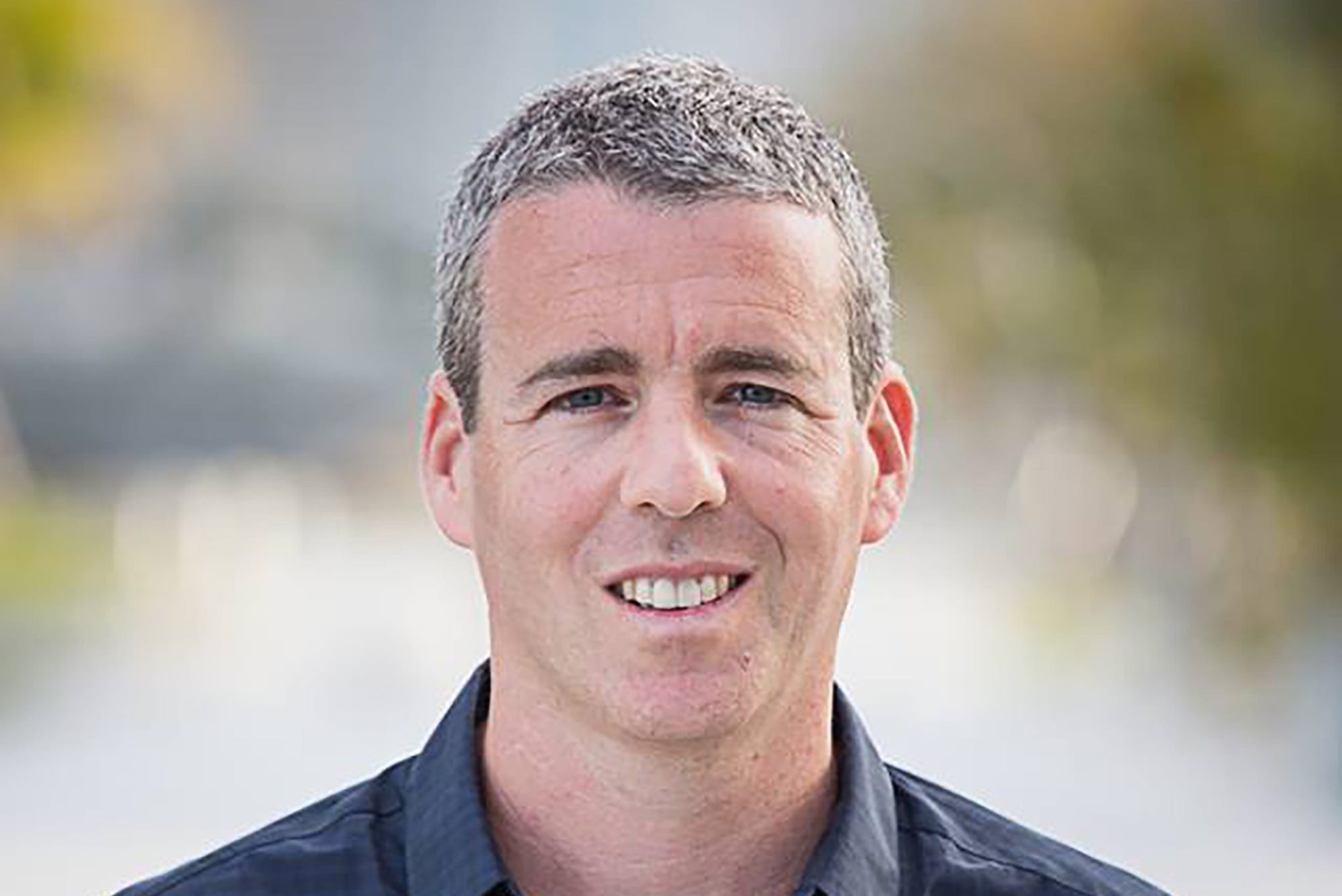
In this episode, I chat with fellow energy nerd-turned-ag-reporter Michael Grunwald about agriculture’s climate impact. We explore the folly of biofuels, the promise of meat alternatives, and the central importance of increasing yields. While we can imagine a future of energy abundance, land is a zero-sum game — no one’s making more — so the choices here are uniquely difficult and important. This is a public episode. If you'd like to discuss this with other subscribers or get access to bonus episodes, visit www.volts.wtf/subscribe

The fight to build faster in California
In this episode, I'm joined by two of California's leading housing champions, Assemblymember Buffy Wicks and Senator Scott Wiener, to discuss their bills to reform the state's notorious environmental review law, CEQA. We explore how a well-intentioned 1970s environmental protection has become a tool for NIMBYs, unions, and even oil companies to delay or kill housing projects — and why the politics have finally shifted enough to make progress possible. This is a public episode. If you'd like to discuss this with other subscribers or get access to bonus episodes, visit www.volts.wtf/subscribe
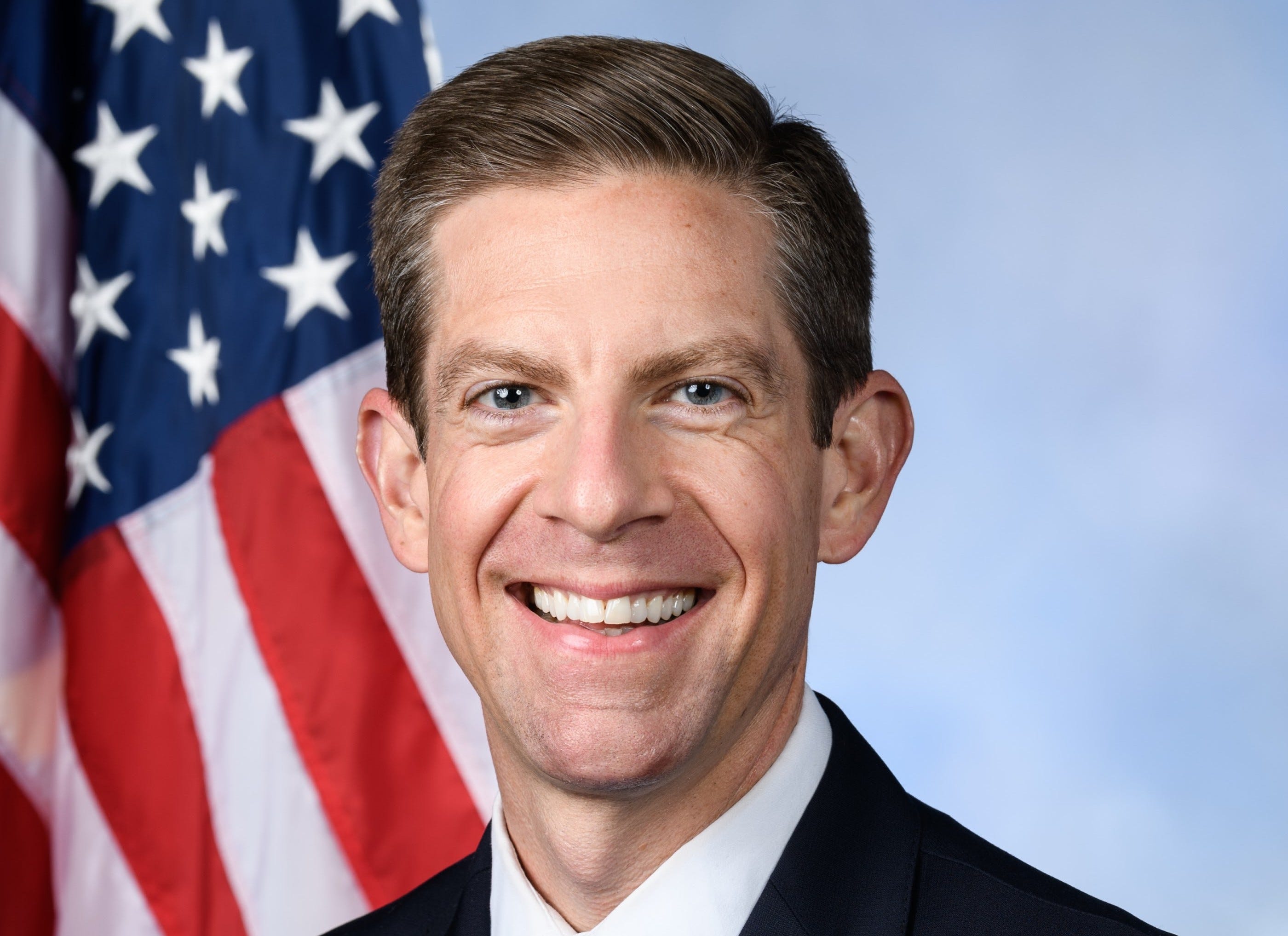
Rep. Mike Levin reflects on the Republican budget bill
In this episode, Rep. Mike Levin and I discuss the “Big Beautiful Bill” that raises energy bills, kills 830,000 jobs, and gifts China the next industrial revolution. We unpack the fossil-fuel cash behind the carnage, the paradox of red districts cutting their own subsidies, and the optimistic playbook — centered on transmission and real climate economics — for the next Democratic majority. This is a public episode. If you'd like to discuss this with other subscribers or get access to bonus episodes, visit www.volts.wtf/subscribe

A win for transit-oriented development in Washington state
Washington state just passed one of the strongest transit-oriented development bills in the nation, and in this episode, I talk with Rep. Julia Reed and Alex Brennan from Futurewise about how they got it done. We discuss why building more housing near transit is so important, what this landmark legislation entails for density and affordability, and how it positions Washington as a leader in pro-housing reform. This is a public episode. If you'd like to discuss this with other subscribers or get access to bonus episodes, visit www.volts.wtf/subscribe
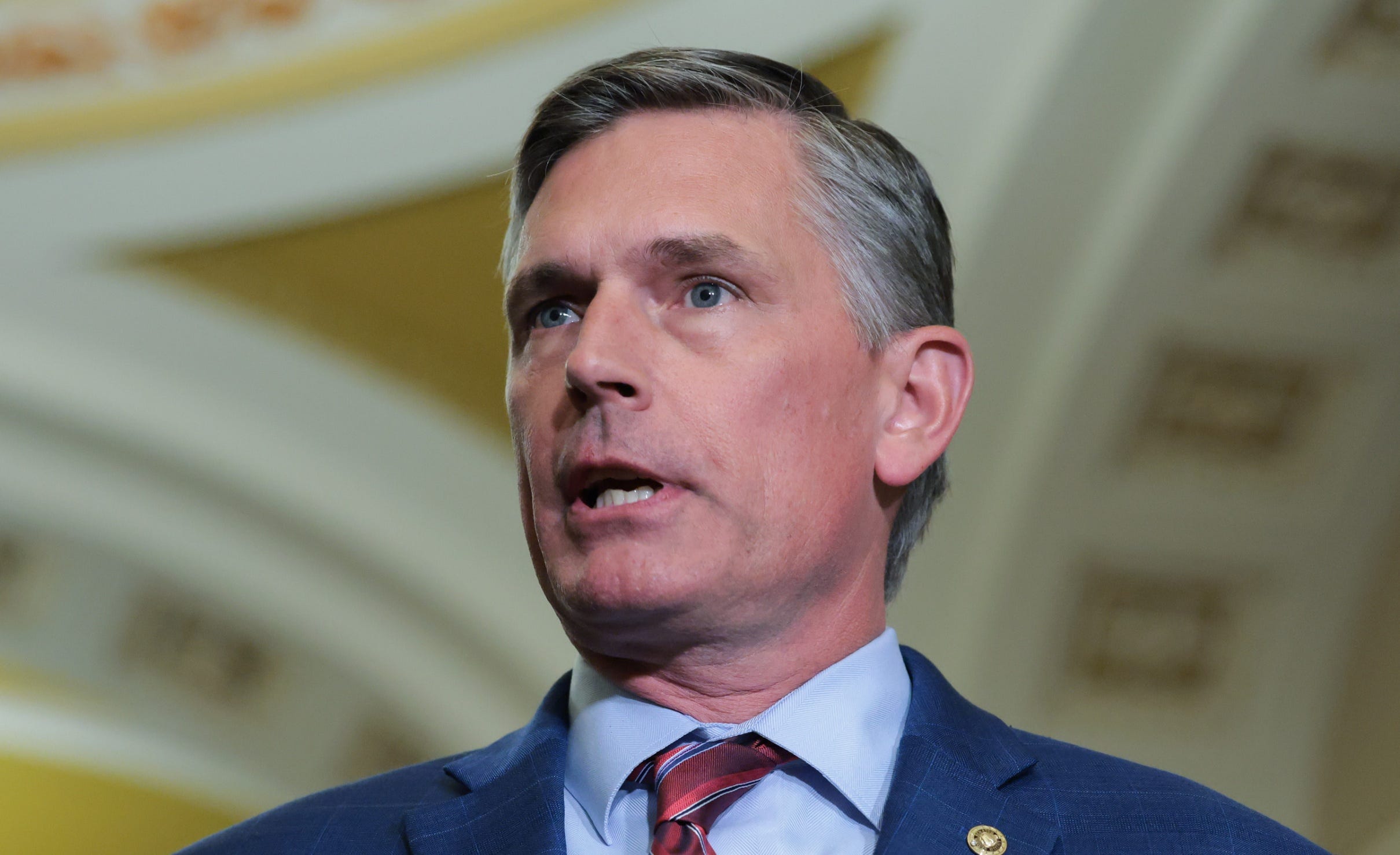
Sen. Martin Heinrich on the fight over clean energy in the Senate
On June 4, at a Canary Media event in Washington, DC, I sat down with Senator Martin Heinrich to dissect the GOP’s so-called “Big Beautiful Bill” — a sledgehammer aimed at the Inflation Reduction Act, public-lands protections, and US science. We talk about the handful of Republican votes that could still save key tax credits, why bipartisan permitting reform isn’t dead yet, and how the bill’s self-inflicted grid squeeze would jack up energy prices right when AI is poised to spike demand. This is a public episode. If you'd like to discuss this with other subscribers or get access to bonus episodes, visit www.volts.wtf/subscribe

Making electric motors better
In this episode, I'm digging into the surprisingly overlooked world of electric motors with Ankit Somani of Conifer, a startup aiming to revolutionize these unsung workhorses of the energy system. We explore their ambitious approach to making motors lighter, more efficient, and cheaper to build, all while ditching problematic rare-earth magnets. This is a public episode. If you'd like to discuss this with other subscribers or get access to bonus episodes, visit www.volts.wtf/subscribe

A journey from clean-energy wonkery to influencer fame
In this episode, I talk with Taylor Krause, who went from working on hydrogen policy at RMI to finding a quantum physicist husband and unexpected fame on Netflix's Love Is Blind. We unpack her surreal journey from clean-energy wonk to popular influencer and how she's navigating using her newfound influence. This is a public episode. If you'd like to discuss this with other subscribers or get access to bonus episodes, visit www.volts.wtf/subscribe

How to reduce the impact of mining
In this episode, I chat with Johanna Wolfson, co-founder of Azolla Ventures, about their unique philanthropic-backed VC model tackling the tough problem of sustainable mining for the clean energy transition. We explore the promising tech Azolla is backing to reduce mining's impact, from using electrochemistry to refine copper without dirty smelting to advanced techniques for processing low-grade ores and even waste. This is a public episode. If you'd like to discuss this with other subscribers or get access to bonus episodes, visit www.volts.wtf/subscribe
What the F is happening? Part 3
This is a free preview of a paid episode. To hear more, visit www.volts.wtfThis week on "What the F is Happening" (periodic episodes in which we reluctantly discuss current events) we talk with Adrian Deveny, a former Senate aide who was in the trenches for the IRA's creation, about the House GOP's "Big Beautiful Bill." In its current form, it amounts to wholesale destruction of the last four years of climate policy. We ponder the bill's chances of becoming less catastrophic in the Senate amid the lack of meaningful pushback from the industries being kneecapped and the predictable folding of "moderate" Republican opposition.
Parking reform in Washington, parking reform everywhere!
In this episode, I talk with Catie Gould and Alan Durning of the Sightline Institute about the "dark matter" of urban land use: parking — specifically, the municipal parking mandates that help make housing more expensive and scarce. We discuss a landmark new parking reform bill in my home state of Washington, what it does and the coalition that made it possible, and point to other places where parking reform is coming soon. This is a public episode. If you'd like to discuss this with other subscribers or get access to bonus episodes, visit www.volts.wtf/subscribe
The past and future of community choice aggregation
This week, I chat with Dawn Weisz of MCE Clean Energy about the nitty-gritty of community choice aggregation, where local governments take control of their electricity procurement. We get into issues like navigating utility obstruction, the complexities of rising grid costs they don't control, and their push for smarter, more autonomous regulation. This is a public episode. If you'd like to discuss this with other subscribers or get access to bonus episodes, visit www.volts.wtf/subscribe

A "Google Maps for electrons"
In this episode, I sit down with Page Crahan, who leads Tapestry, an audacious effort to “make the grid visible.” We explore how disparate, scattered data sources can be stitched together by AI into a coherent realtime map of the grid, to slash operation and maintenance costs and speed up the grid interconnection process. This is a public episode. If you'd like to discuss this with other subscribers or get access to bonus episodes, visit www.volts.wtf/subscribe

Embedding intelligence at the edge of the grid
In this episode, I’m joined by Marissa Hummon, whose team partnered with NVIDIA to tuck a credit-card-sized GPU computer with AI software into the humble electricity meter. We discuss how that edge computing digests 32,000 waveform samples per second, spots failing transformers, and orchestrates VPPs — plus the guardrails that keep it from becoming Skynet. This is a public episode. If you'd like to discuss this with other subscribers or get access to bonus episodes, visit www.volts.wtf/subscribe

Taming the hydrogen hype
The hype about hydrogen is back with a vengeance, and thus, so is Joe Romm, who just issued a revised and updated version of his 2003 book The Hype About Hydrogen. We discuss the persistent economic and technical hurdles that make widespread hydrogen adoption unrealistic, explain why most applications are better served by direct electrification, and scrutinize the massive investments and motivations behind the current hydrogen push. This is a public episode. If you'd like to discuss this with other subscribers or get access to bonus episodes, visit www.volts.wtf/subscribe
Trying to bring geothermal heat pumps to scale
In this episode, I chat with Kathy Hannun of Dandelion Energy about ground-source heat pumps, which are twice as efficient as air-source units but still more expensive up front. Dandelion has designed its own drills and heat pumps, and with a new 1,500-home partnership with a developer in Colorado, it’s looking to scale up and bring costs down. This is a public episode. If you'd like to discuss this with other subscribers or get access to bonus episodes, visit www.volts.wtf/subscribe
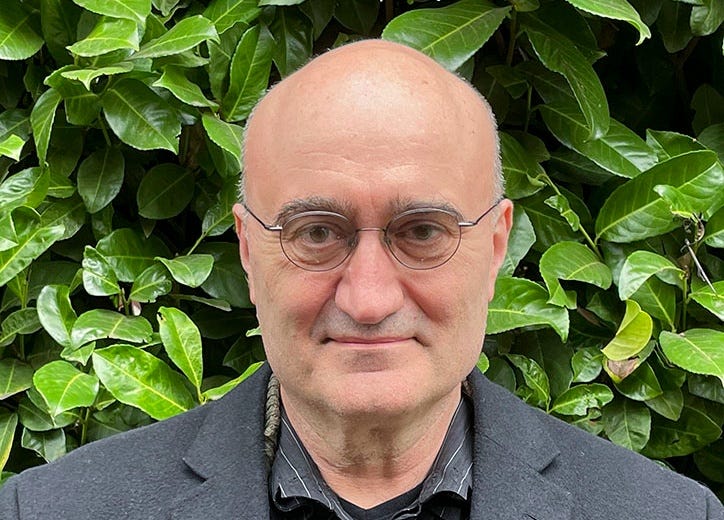
How is public transit doing in the US?
In this episode, I’m joined by consultant Jarrett Walker to take the pulse of US transit in a world of empty downtown office towers, surging weekend ridership, and the tech elite’s dream of transit without strangers. We unpack the myths that plague buses, reveal why Canada’s transit abundance should be our model, and map the policy battles that will determine whether US transit systems shrink or soar. This is a public episode. If you'd like to discuss this with other subscribers or get access to bonus episodes, visit www.volts.wtf/subscribe

The coolest new home electrification widget
I catch up with Span CEO Arch Rao to discuss the company's expansion from consumer panels to the utility-focused Span Edge which can be used to create a true distributed power plant. We discuss why this is key to accelerating electrification and examine how the system works to respect consumer choices while managing grid constraints. This is a public episode. If you'd like to discuss this with other subscribers or get access to bonus episodes, visit www.volts.wtf/subscribe
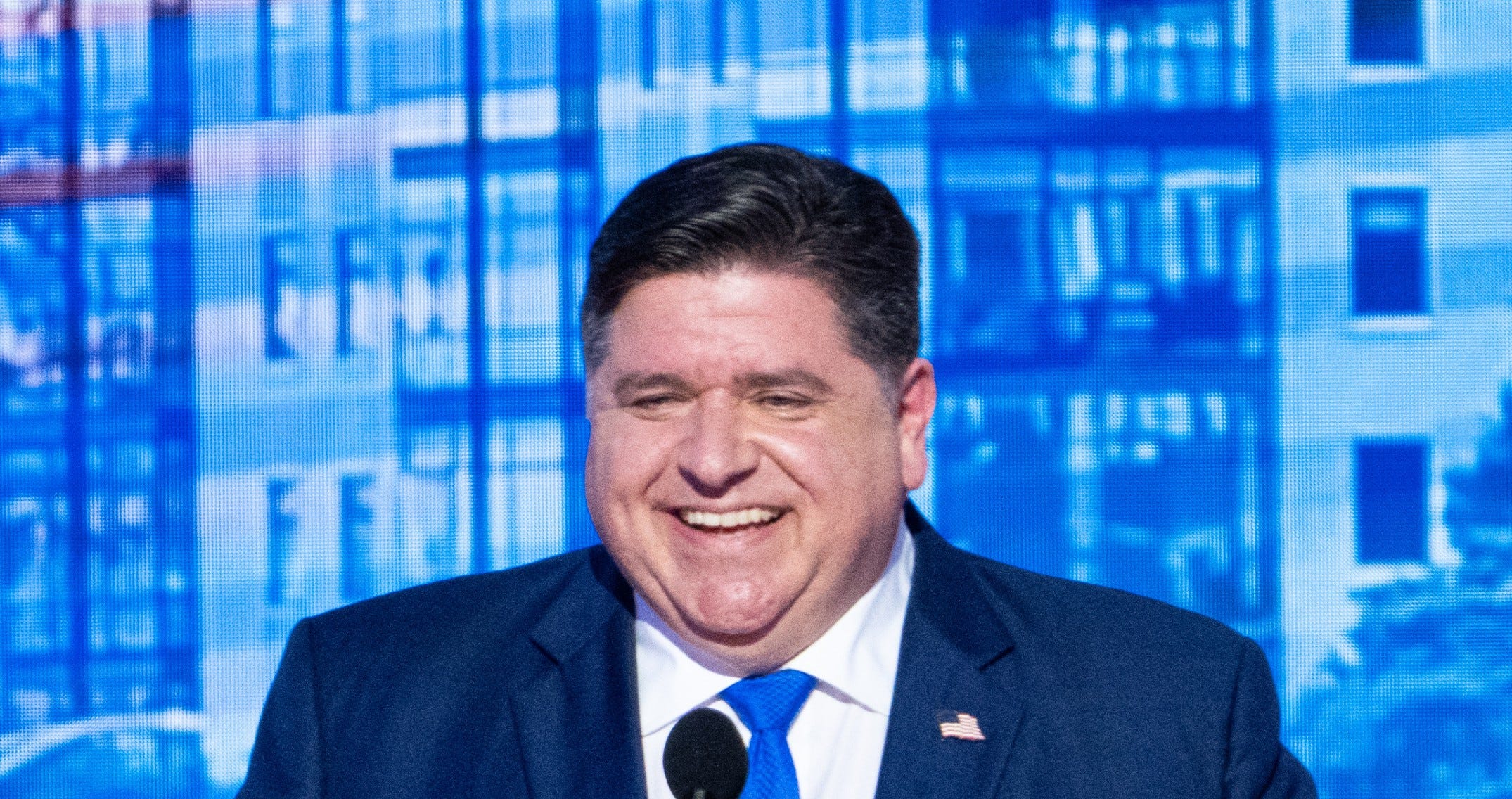
The governor of Illinois discusses decarbonization in the era of Trump
In this episode, I speak with Illinois Governor JB Pritzker, one of the depressingly few Democratic leaders showing real fight in the face of Trumpism. We get into the weeds on how Illinois is defending its climate laws, advancing clean energy and manufacturing, and tackling thorny challenges like the housing crisis, the transition away from natural gas, and the looming “fiscal cliff” facing transit agencies. Oh, and the governor explains what quantum computing is. This is a public episode. If you'd like to discuss this with other subscribers or get access to bonus episodes, visit www.volts.wtf/subscribe

Me, on the Climate Papa podcast
In this episode, the tables are turned: I'm the guest of the Climate Papa podcast, interviewed by host Ben Eidelson. We discuss the nested fractal puzzle of decarbonization, the critical importance of the grid and urban land use, and why now is the most exciting time to jump into climate work. Plus, I share some thoughts on parenting and avoiding tech-bro culture as the climate space evolves. This is a public episode. If you'd like to discuss this with other subscribers or get access to bonus episodes, visit www.volts.wtf/subscribe
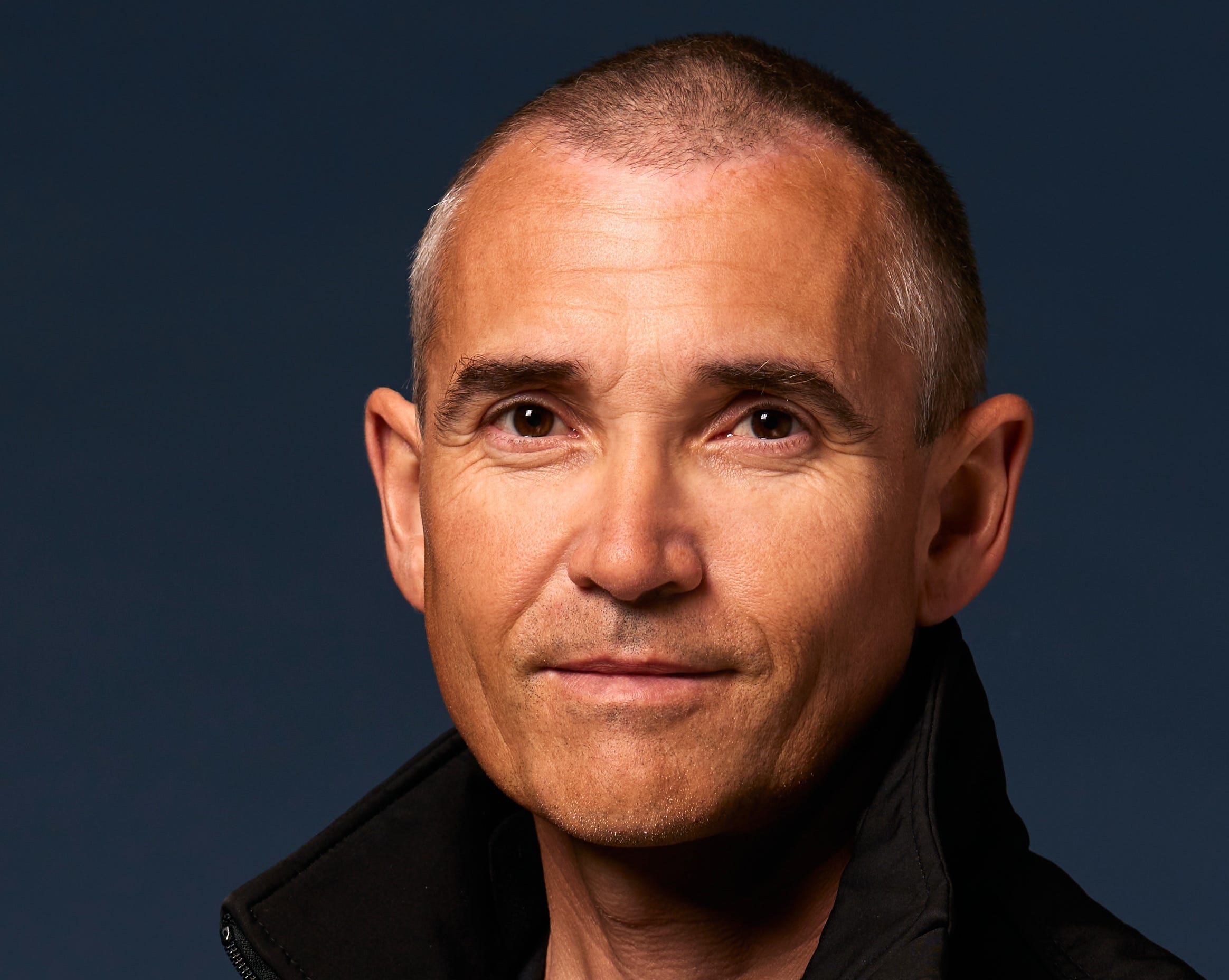
What's up with hydrogen-electric aviation?
My guest, Val Miftakhov of ZeroAvia, argues that hydrogen fuel cells paired with electric motors are the key to decarbonizing aviation. We discuss why he prefers his solution to sustainable aviation fuels or batteries, the challenges and misconceptions around supplying and refueling with hydrogen, and the tech roadmap from today's small retrofits to tomorrow's large jets. This is a public episode. If you'd like to discuss this with other subscribers or get access to bonus episodes, visit www.volts.wtf/subscribe
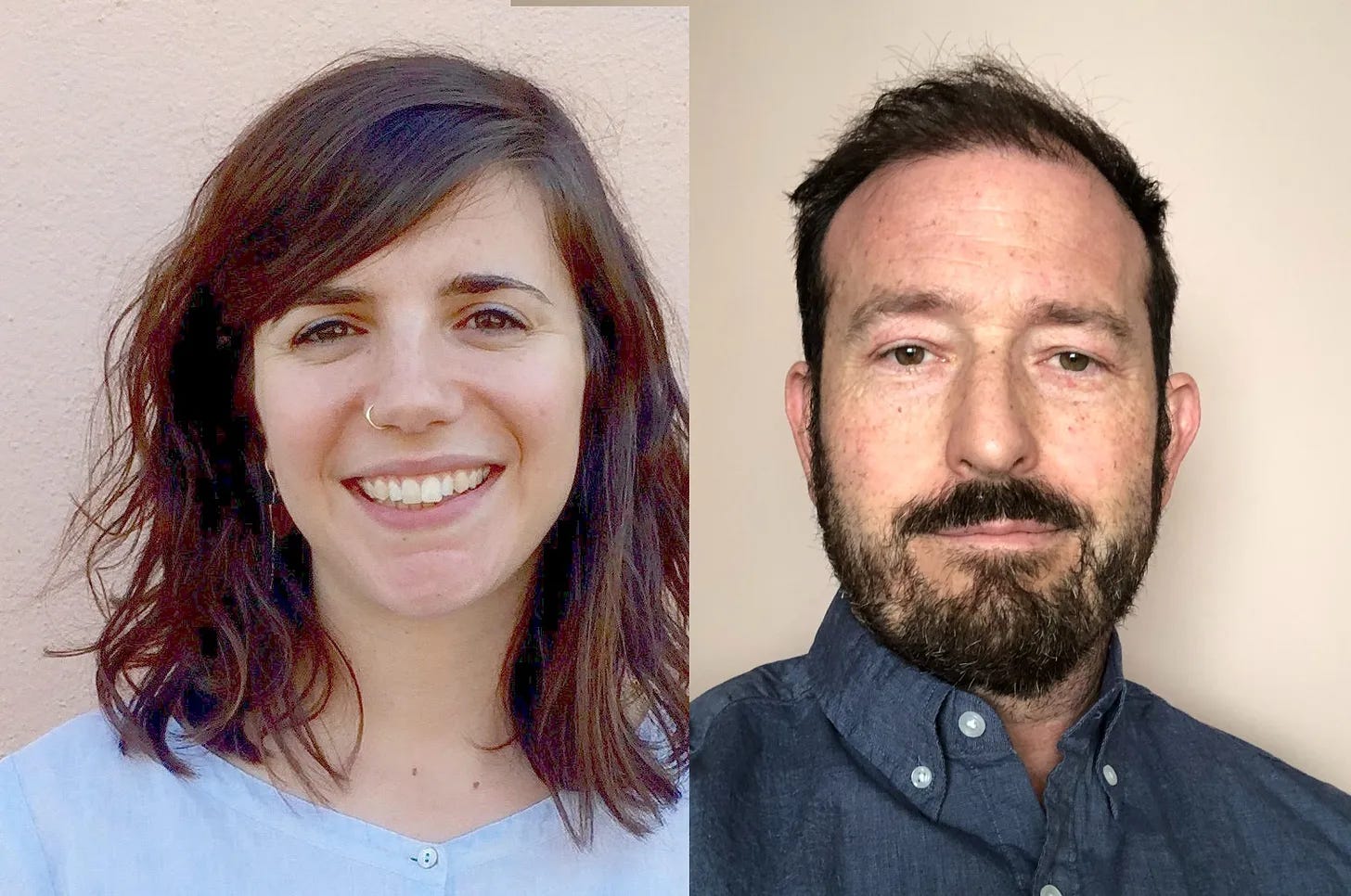
What the F is happening? Part 2
This is a free preview of a paid episode. To hear more, visit www.volts.wtfI talk to Emily Pontecorvo (Heatmap) and Jeff St. John (Canary Media) to grapple with the latest Trump administration moves impacting climate and energy policy. We discuss the executive orders targeting state climate programs and propping up coal plants, the baffling new tariffs threatening energy supply chains, and the flurry of lawsuits challenging the administration's actions.

How is decarbonization going in the UK?
In this episode, I dive into the UK's decarbonization journey with Lucy Yu of the Centre for Net Zero. We discuss how the UK has become a world leader in offshore wind while lagging in heat pump adoption, why electricity market reform is essential to prevent gas from setting electricity prices, and how community ownership models overcome NIMBY resistance to wind projects. This is a public episode. If you'd like to discuss this with other subscribers or get access to bonus episodes, visit www.volts.wtf/subscribe

What in tarnation is going on in Texas?
I'm joined by “Texas Doug” Lewin to unpack the fascinating contradictions of a state that inadvertently became the nation's renewable energy powerhouse through a free market electricity system that its politicians now seem bent on strangling. Bills before the legislature would require solar and wind developers to also build gas plants, impose extreme setback requirements only on renewables, and potentially cripple the state's economy just as data centers drive unprecedented demand growth. This is a public episode. If you'd like to discuss this with other subscribers or get access to bonus episodes, visit www.volts.wtf/subscribe

What's up with clean energy in Finland?
In this episode, I'm joined by Helena Sarén to discover how Finland achieved a nearly 95% carbon-neutral electricity mix and set the ambitious goal of carbon neutrality by 2035. We dig into the country's pragmatic approach to nuclear power, how its relationship with neighboring Russia has shaped its energy independence and security strategies, and how Finnish industry is actively pushing for more aggressive climate targets rather than resisting them. This is a public episode. If you'd like to discuss this with other subscribers or get access to bonus episodes, visit www.volts.wtf/subscribe

How is clean electricity doing globally?
In this episode, I dig into the just-released Global Electricity Review from the think tank Ember, with founder Bryony Worthington and lead author Nicolas Fulghum. Clean electricity surpassed 40 percent of global generation in 2024, driven by record solar deployment. We explore solar's rapid doubling, the pace of demand growth, and the way China's clean energy decisions shape global trends. This is a public episode. If you'd like to discuss this with other subscribers or get access to bonus episodes, visit www.volts.wtf/subscribe

What's up with clean-energy supply chains and global trade?
In this episode, I talk with Antoine Vagneur-Jones, head of clean energy, trade, and supply chains for BloombergNEF, about the messy world of global clean energy supply chains. We explore China's manufacturing dominance, the faltering quest to "onshore" production in Western countries, and why blanket tariffs often undermine the very goals they're supposed to achieve. This is a public episode. If you'd like to discuss this with other subscribers or get access to bonus episodes, visit www.volts.wtf/subscribe

The view from inside DC, with Rep. Sean Casten
In this episode, I sit down with my old friend Sean Casten for a frank insider's take on the precarious state of clean energy policy amid our ongoing constitutional meltdown. We dive into the political knife fight over IRA tax credits (some Republicans support them), why transmission reform remains frustratingly partisan despite economic logic, and the fossil industry's fear of competition. Despite the dire political landscape, Casten makes a compelling case for why clean energy developers should keep building through the storm. This is a public episode. If you'd like to discuss this with other subscribers or get access to bonus episodes, visit www.volts.wtf/subscribe

Mailbag episode - March 2025
This is a free preview of a paid episode. To hear more, visit www.volts.wtfIn this month's mailbag, I rave about my new EV (despite my lifelong aversion to cars), explain why our political system would never permit a "decarbonization Trump", wrestle with solar geoengineering, and share my thoughts on why home batteries are so much pricier than the ones rolling around in our cars.

What's going on with public power in New York?
In this episode, I talk with Patrick Robbins of Public Power NY and Johanna Bozuwa of the Climate and Community Institute about New York's groundbreaking Build Public Renewables Act, which empowers the state's public utility to build clean energy at scale. We explore how this surprising legislative victory happened, the challenges of implementation, and why public ownership might be the key to making renewable energy both politically resilient and economically accessible. This is a public episode. If you'd like to discuss this with other subscribers or get access to bonus episodes, visit www.volts.wtf/subscribe

Canada's largest sustainable community takes shape
In this episode, I'm joined by Toms Lumsden and Young (development manager and urban planner, respectively) to explore Blatchford, an ambitious sustainable community being built on the grounds of a former municipal airport in Edmonton, Alberta (Canada’s most conservative province). We dig into how this city-led, mixed-use development is creating a carbon-neutral community with pedestrian-first streets, a variety of housing forms, and a district energy system, right in the heart of oil country. This is a public episode. If you'd like to discuss this with other subscribers or get access to bonus episodes, visit www.volts.wtf/subscribe

Making sure smart devices can talk to each other and the grid
In this episode, I talk with Devrim Celal from Kraken about ensuring all our smart home energy devices can actually talk to the grid. We discuss how Mercury will certify devices to create reliability standards, preventing your fancy EV charger or heat pump from becoming useless if a manufacturer disappears while helping utilities manage load growth. This is a public episode. If you'd like to discuss this with other subscribers or get access to bonus episodes, visit www.volts.wtf/subscribe

Who is paying for all that data center power?
In this episode, Harvard Law's Eliza Martin and Ari Peskoe join me to unpack how data centers' skyrocketing electricity demand could leave ordinary customers subsidizing Big Tech's power bills. Most chilling is the potential alliance between utilities and tech giants that threatens to derail much-needed utility reforms while entrenching fossil-fueled infrastructure. This is a public episode. If you'd like to discuss this with other subscribers or get access to bonus episodes, visit www.volts.wtf/subscribe

Why housing is a pass/fail question for climate
Why are housing and urban land use so central to climate policy? In this episode, I try to answer the question squarely, in dialogue with Matthew Lewis of California YIMBY. We discuss why EVs alone can't decarbonize transportation fast enough, how the climate-driven insurance crisis will bankrupt states, why the climate movement’s own internal NIMBYs are its greatest impediment, and when green philanthropists and leaders will finally catch up. This is a public episode. If you'd like to discuss this with other subscribers or get access to bonus episodes, visit www.volts.wtf/subscribe

The fate of the EV tax credits
In this episode, I'm joined by Albert Gore to discuss the fate of the electric-vehicle tax credits under the Trump administration. Gore explains how the consumer credit provides a demand-side signal to complement the supply-side manufacturing credits, and why eliminating either would primarily benefit Chinese manufacturers. This is a public episode. If you'd like to discuss this with other subscribers or get access to bonus episodes, visit www.volts.wtf/subscribe
What the F is happening?
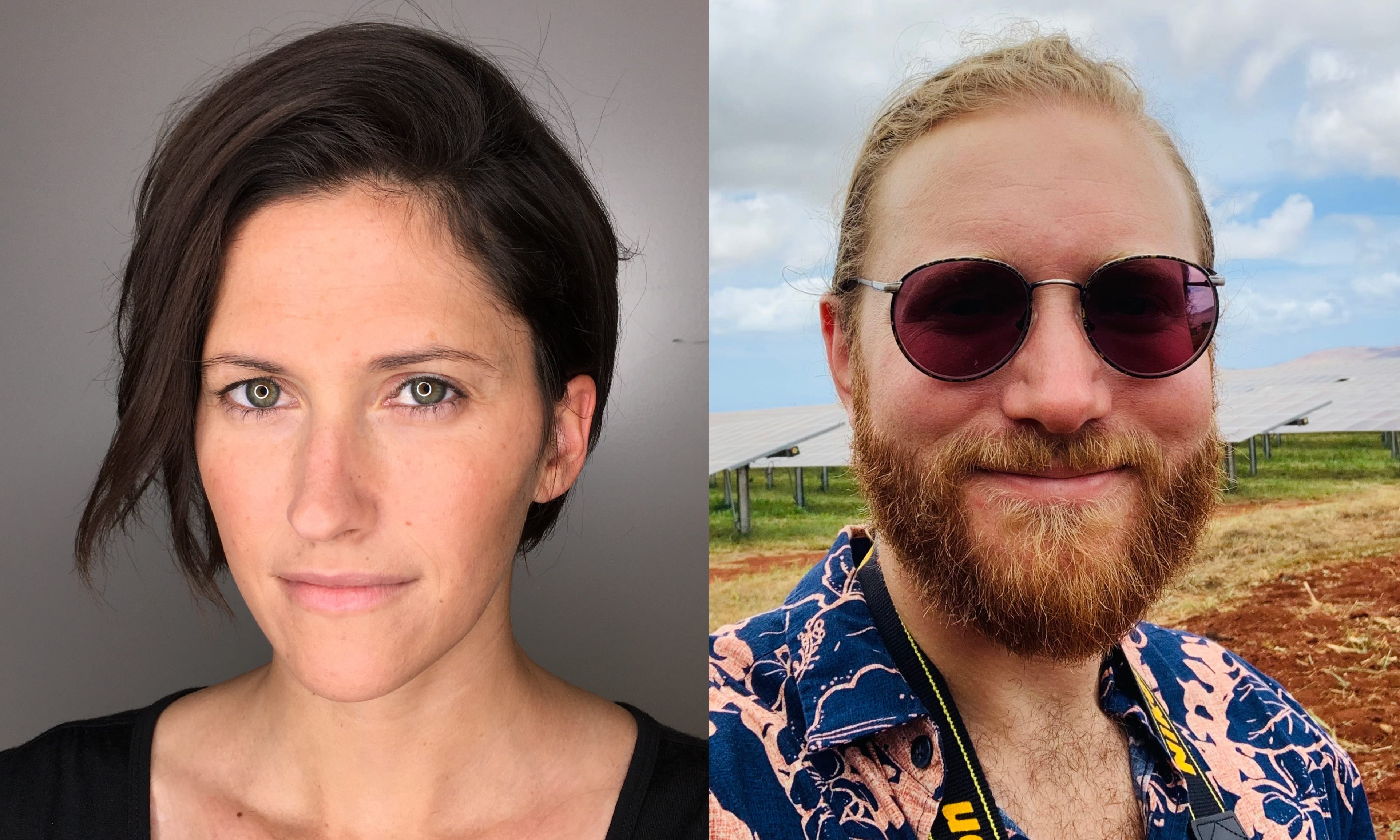
This is a free preview of a paid episode. To hear more, visit www.volts.wtfIn this episode, I speak with Canary Media journalists Clare Fieseler and Julian Spector to assess the early impacts of Trump's executive orders on clean energy. We explore what's actually happening with offshore wind projects, manufacturing investments, and tax credits from the Inflation Reduction Act.

Pakistan's solar boom
In this episode, I speak with Mustafa Amjad and Waqas Moosa about Pakistan's extraordinary solar boom -- nearly 30 gigawatts of panels have flooded into the country since 2020! We explore how punishingly high grid electricity prices combined with dramatically cheaper Chinese solar panels have created a bottom-up energy revolution that could become the blueprint for energy transitions worldwide. This is a public episode. If you'd like to discuss this with other subscribers or get access to bonus episodes, visit www.volts.wtf/subscribe

The Massachusetts utility regulator trying to orchestrate a shift away from gas
In this episode, I'm joined by James Van Nostrand. He is the top utility regulator in Massachusetts, the first state to explicitly tell gas utilities to plan their own phase-out. We explore this complex transition, including the fate of existing gas infrastructure, the potential of networked geothermal as an alternative, and protections for both workers and ratepayers. This is a public episode. If you'd like to discuss this with other subscribers or get access to bonus episodes, visit www.volts.wtf/subscribe
What YIMBYs are learning from their victories across the country
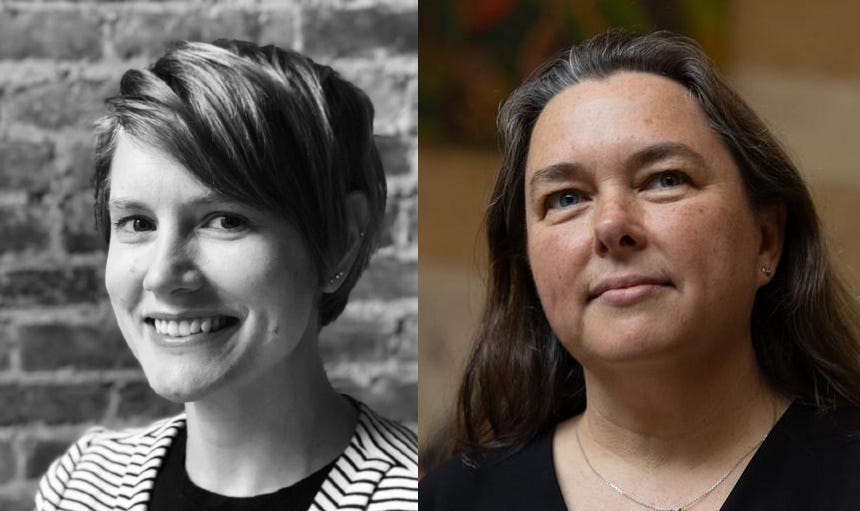
In this episode I'm joined by Annemarie Gray and Felicity Maxwell to discuss how the YIMBY movement is finally cracking the code on housing reform in major American cities. We examine the recent groundbreaking victories in New York City and Austin, exploring how pro-housing groups are learning from each other through networks like Welcoming Neighbors Network, and wrestle with the challenge of increasing housing supply while protecting existing communities. This is a public episode. If you'd like to discuss this with other subscribers or get access to bonus episodes, visit www.volts.wtf/subscribe

Austin's quest to reach net zero
At this live event in Austin, Texas, I was joined by Austin Energy executives Lisa Martin and Michael Enger to discuss how a progressive municipal utility charts a course to clean energy in Texas. We explore their multi-pronged approach to reaching 100 percent carbon-free electricity by 2035, from expanding distributed energy resources and battery storage to piloting first-of-its-kind geothermal technology. This is a public episode. If you'd like to discuss this with other subscribers or get access to bonus episodes, visit www.volts.wtf/subscribe

Catching up with enhanced geothermal
In this episode, recorded at a live event in Houston, I catch up with Tim Latimer, the CEO of Fervo Energy. Since the last time I interviewed him, almost two years ago, the company has proven out its technology, reduced its costs, started construction on a large-scale commercial power plant in Utah, and signed contracts for many more. We discuss enhanced geothermal’s benefits, its momentum, and its bipartisan support. This is a public episode. If you'd like to discuss this with other subscribers or get access to bonus episodes, visit www.volts.wtf/subscribe

What's the deal with enhanced rock weathering to store CO2?
In this episode, I talk with climate scientist Zeke Hausfather about how enhanced rock weathering (ERW) turbocharges a natural process to permanently store CO₂. We dig into how it profits from existing infrastructure, and the big questions around measuring and verifying the carbon captured. Zeke also explains why farmers might actually benefit from spreading all those rocks — and why ERW could become a key, if limited, piece of the broader climate puzzle. This is a public episode. If you'd like to discuss this with other subscribers or get access to bonus episodes, visit www.volts.wtf/subscribe

The cybersecurity implications of a clean-energy grid
In this episode, I speak with Harry Krejsa of Carnegie Mellon about why cybersecurity experts and clean energy advocates need to work together. Drawing from his White House experience, Krejsa explains how a modernized clean energy grid could actually help defend against China's cyberthreats — for the benefit of both peaceniks and natsec hawks. This is a public episode. If you'd like to discuss this with other subscribers or get access to bonus episodes, visit www.volts.wtf/subscribe

Chris Hayes on the attention economy
Chris Hayes — author, MSNBC host, and previous guest on Volts — is just out with a new book, The Sirens Call, about the corrosive effects of the modern attention economy. In this episode, he and I dive deep into attention: what it is, when it became commodified, why it is so easy to steal, where industry is looking for new supplies, and how the harried and distracted can defend themselves from the onslaught. This is a public episode. If you'd like to discuss this with other subscribers or get access to bonus episodes, visit www.volts.wtf/subscribe
What's the deal with pumped-hydro energy storage?
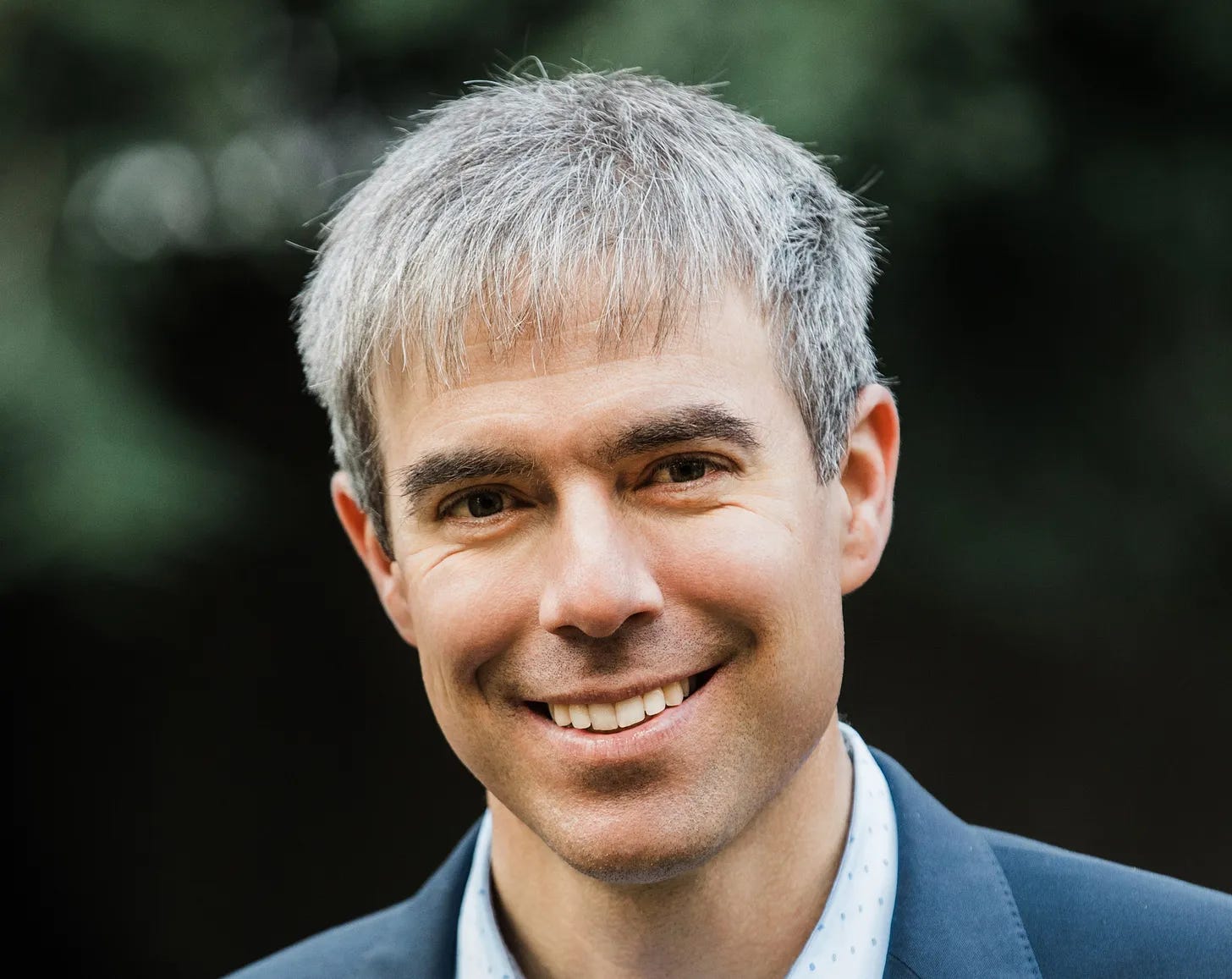
In this episode, I talk with Erik Steimle of Rye Development about the new wave of "closed loop" pumped-hydro storage projects. Unlike traditional systems that rely on rivers and dams, these projects use two artificial reservoirs — providing reliable long-duration storage without impacting natural waterways. We explore the economics of these billion-dollar facilities, their 100+ year lifespans, and how they compare to lithium-ion storage. This is a public episode. If you'd like to discuss this with other subscribers or get access to bonus episodes, visit www.volts.wtf/subscribe

Assembling diverse resources into super-powered "energy parks"
I'm joined by Eric Gimon to discuss "energy parks" — essentially large-scale microgrids that combine renewable generation, storage, and industrial loads behind a single grid connection. We explore how this model could accelerate clean energy deployment while creating new economic opportunities, despite some complex regulatory hurdles. This is a public episode. If you'd like to discuss this with other subscribers or get access to bonus episodes, visit www.volts.wtf/subscribe

Organizing local support for clean energy projects
In this episode, I talk with Matt Traldi, co-founder of Greenlight America, about the fight for clean energy at the local level. We discuss how small groups of opponents are successfully blocking renewable projects across the country, and how his organization is working to turn the tide by mobilizing local supporters and giving them the tools to advocate effectively at critical government meetings. This is a public episode. If you'd like to discuss this with other subscribers or get access to bonus episodes, visit www.volts.wtf/subscribe

Thermal energy networks are the next big thing
In this episode, I revisit thermal energy networks with HEET's Zeyneb Magavi and Eversource's Eric Bosworth. What was once a novel concept - replacing gas networks with shared ground-source heat pumps - is now being piloted across the country. We explore the technology's remarkable efficiency and its potential to revolutionize heating and cooling — and give gas utilities a second life as thermal utilities. This is a public episode. If you'd like to discuss this with other subscribers or get access to bonus episodes, visit www.volts.wtf/subscribe
The promise of residential VPPs
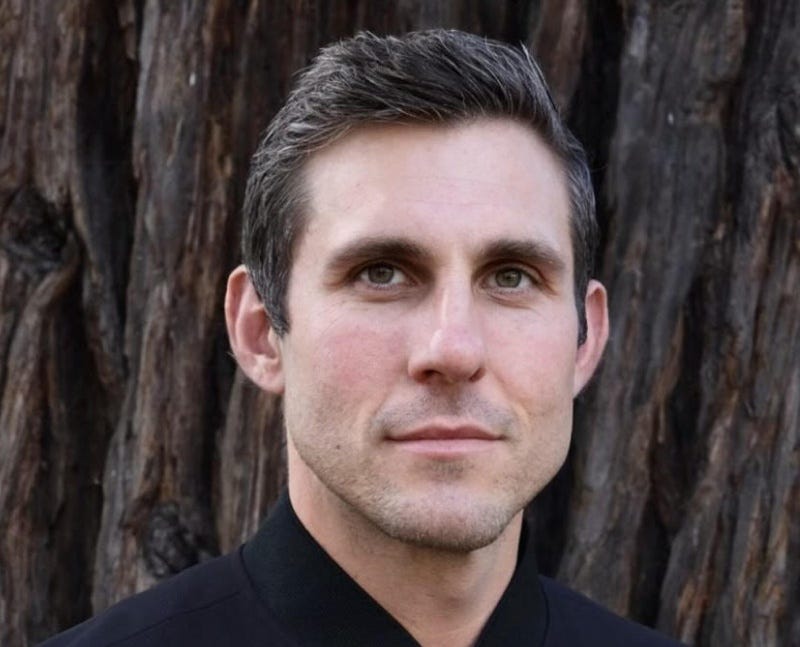
In this episode, I speak with Ben Brown, CEO of Renew Home, about the company's groundbreaking 1-gigawatt virtual power plant deal with NRG Energy in Texas. It will be the nation’s largest VPP, leveraging existing smart thermostats to control millions of residential HVAC systems. We discuss customer experience, data privacy, and the ability of VPPs to rapidly scale to meet rising electricity demand. This is a public episode. If you'd like to discuss this with other subscribers or get access to bonus episodes, visit www.volts.wtf/subscribe