Volts
418 episodes — Page 1 of 9
Electrifying industrial steam with heat pumps
The case for using prices rather than VPPs to coordinate distributed energy
Streamlining the difficult work of whole-home retrofits
Enabling ordinary people to invest in renewable energy projects
Tom Steyer wants to be California's climate governor
The big stories from the last year in electricity
Life as a clean energy journalist in an age of madness
Climate finance, interrupted
Doing data centers the not-dumb way
Ruggedized solar power for the hard places
Why climate funders don't fund housing policy, and why they oughtta

Rethinking climate regulation from the ground up
It can be stomach-turning, watching the Trump administration torch federal climate policy. But what if some of what's burning wasn't working particularly well to begin with? Hannah Safford and Loren Schulman of the Federation of American Scientists' Center for Regulatory Ingenuity make the case, not for defending or trying to rebuild the status quo regulatory regime, but for imagining something better. This is a public episode. If you'd like to discuss this with other subscribers or get access to bonus episodes, visit www.volts.wtf/subscribe
Using more of the grid we’ve already built
The US power grid runs at about 50% capacity on average — built for its worst day, underutilized every other day. As demand surges from data centers and electrification, utilities are racing to build more infrastructure. But Ian Magruder, who heads the new industry-backed Utilize Coalition, argues there's a cheaper, faster path: better use what we've already built — it will enable faster growth and bring down ratepayer bills, potentially by billions. This is a public episode. If you'd like to discuss this with other subscribers or get access to bonus episodes, visit www.volts.wtf/subscribe

Should we block some sunlight to cool the planet?
In this episode, Dakota Gruener of Reflective walks me through her organization's new project, which maps the gaps in our scientific understanding of stratospheric aerosol injection — currently the leading candidate for directly cooling the planet. We get into what we don't know (including a factor-of-two disagreement on basic aerosol physics), who's already doing this without oversight, and the unsettling governance question of who controls the Earth's thermostat once humanity has grabbed it. This is a public episode. If you'd like to discuss this with other subscribers or get access to bonus episodes, visit www.volts.wtf/subscribe

For data centers, a little flexibility goes a long way
The explosive energy demand from data centers is breaking our grid, pushing desperate developers to build their own on-site gas plants just to get online. To figure out how we avoid locking in decades of new fossil fuels, I’m joined by Camus CEO Astrid Atkinson and Princeton’s Jesse Jenkins to break down their proposed alternative. We dig into how adopting flexible grid interconnections and clean, battery-backed “power parks” can meet this massive load growth without abandoning our decarbonization goals. This is a public episode. If you'd like to discuss this with other subscribers or get access to bonus episodes, visit www.volts.wtf/subscribe
The high-stakes battle over energy affordability in New York
New York Governor Kathy Hochul is trying to delay or roll back the state’s landmark climate law in the name of affordability. I’m joined by activist Pete Sikora to discuss the governor’s claims, what would actually serve affordability, and the larger politics behind this puzzling own-goal of a fight. This is a public episode. If you'd like to discuss this with other subscribers or get access to bonus episodes, visit www.volts.wtf/subscribe

A Tesla vet tries to master the VPP market
In this episode, I’m joined by Kunal Girotra, who helped start and run Tesla’s residential energy business before leaving to start his own company. With Lunar, he has tried to create the most consumer-friendly possible battery and software ecosystem, which can seamlessly plug into solar panels, other devices, or VPPs. We talk about lessons learned and the future of residential electrification. This is a public episode. If you'd like to discuss this with other subscribers or get access to bonus episodes, visit www.volts.wtf/subscribe
How to design a brand-new city
I’m back with part two of my conversation with Jan Sramek, founder of California Forever, about his plan to build a brand-new city in Solano County. We get into the nuts and bolts of the urban design, discuss affordability and sustainability, get into governance issues, and look forward to what might happen next. This is a public episode. If you'd like to discuss this with other subscribers or get access to bonus episodes, visit www.volts.wtf/subscribe
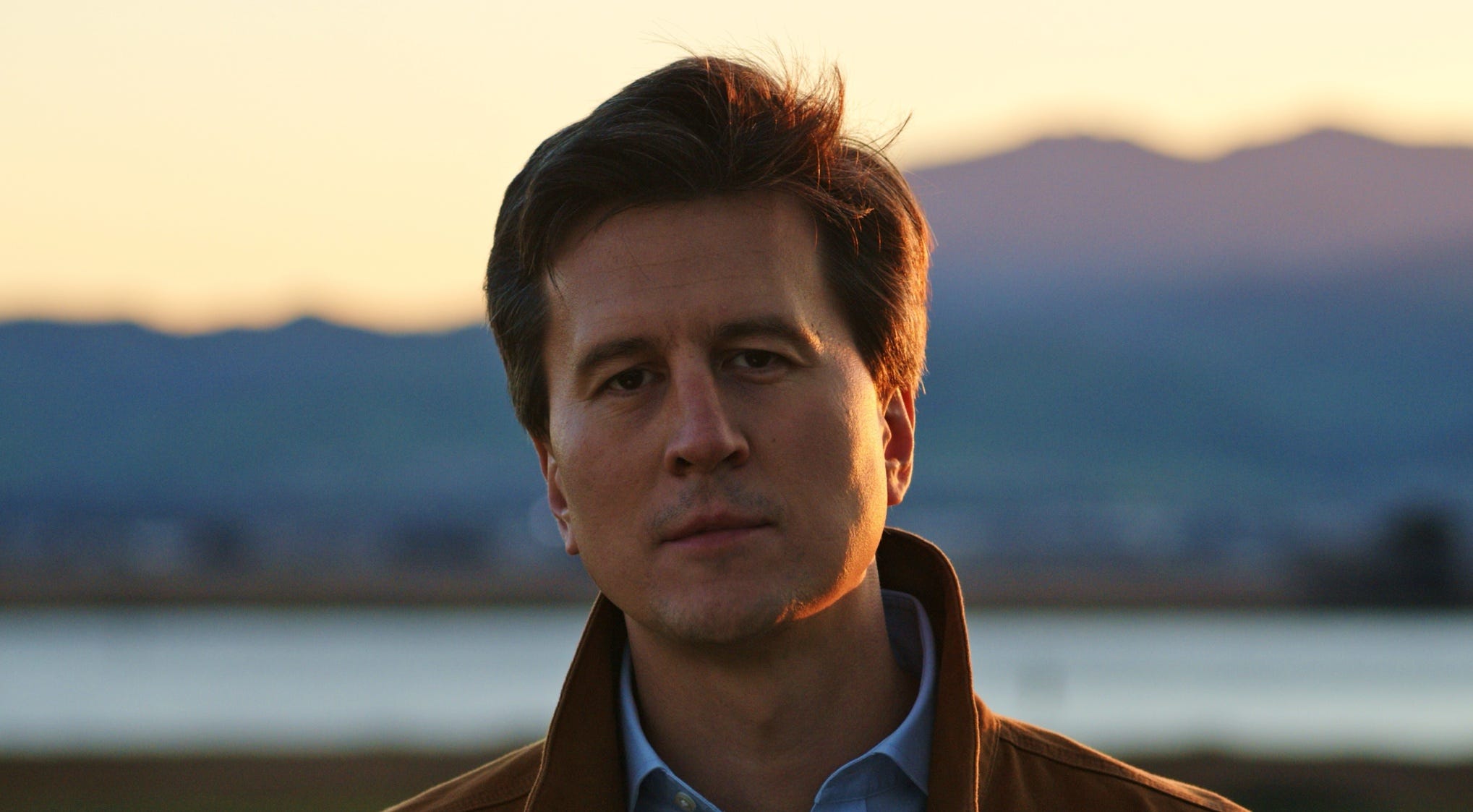
Is the brand new city in California for real?
In this episode, I’m joined by Jan Sramek to discuss California Forever, the much-debated proposal to build a brand-new, sustainably designed city in Northern California. We explore the urbanist vision at the heart of the project, including a street grid inspired by Barcelona superblocks, and address the elephant in the room — the stealthy land acquisitions and the billionaire backers. Is this an urbanist utopia in the making or a grandiose con job? This is a public episode. If you'd like to discuss this with other subscribers or get access to bonus episodes, visit www.volts.wtf/subscribe
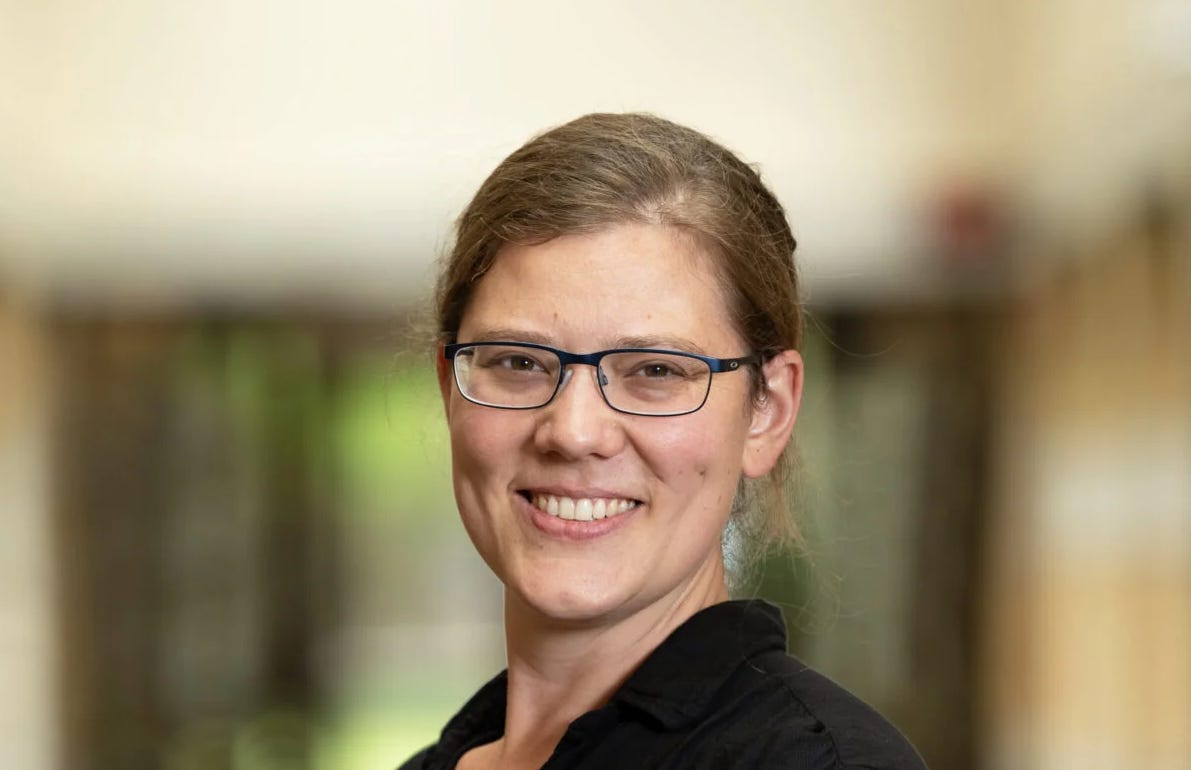
The fate of fossil fuel systems in the "mid-transition"
If the world takes its climate targets seriously, the coming decades will see fossil fuel systems shrinking as clean energy systems grow. In this episode, I talk with associate professor Emily Grubert about the issues that may arise during this “mid-transition” period. She has fascinating new study on the physical and financial cliffs that fossil fuel systems may go over as they decline and reach their “minimum viable scale” — and argues that public ownership of these dying industries might be the only way to gracefully phase them out. This is a public episode. If you'd like to discuss this with other subscribers or get access to bonus episodes, visit www.volts.wtf/subscribe
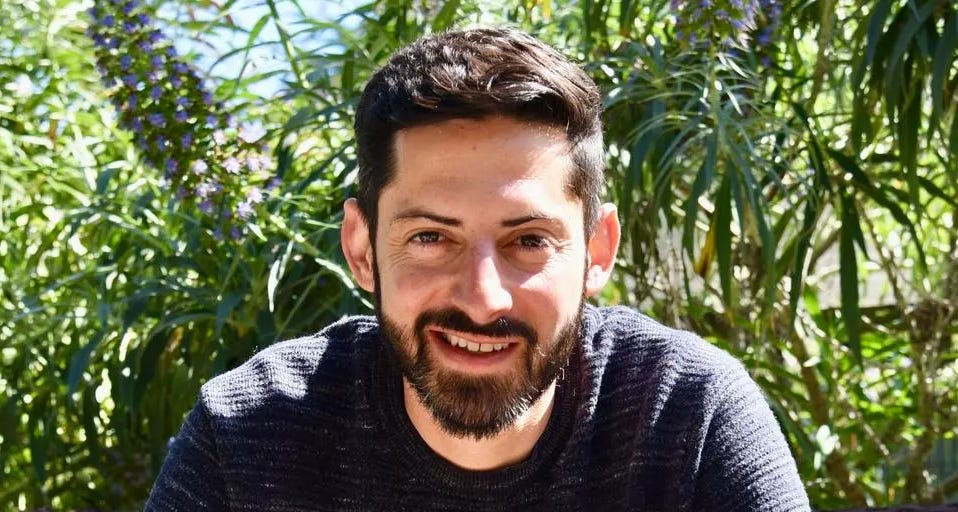
Volts/Catalyst pod crossover: the biggest questions in clean energy
In this episode, I chat with Catalyst host Shayle Kann about the most pressing unresolved questions in the clean energy world today. We explore whether data center gigantism will break the grid, if the smart home revolution is destined for platform enshittification, whether billionaires should start testing solar geoengineering, and more. This is a public episode. If you'd like to discuss this with other subscribers or get access to bonus episodes, visit www.volts.wtf/subscribe
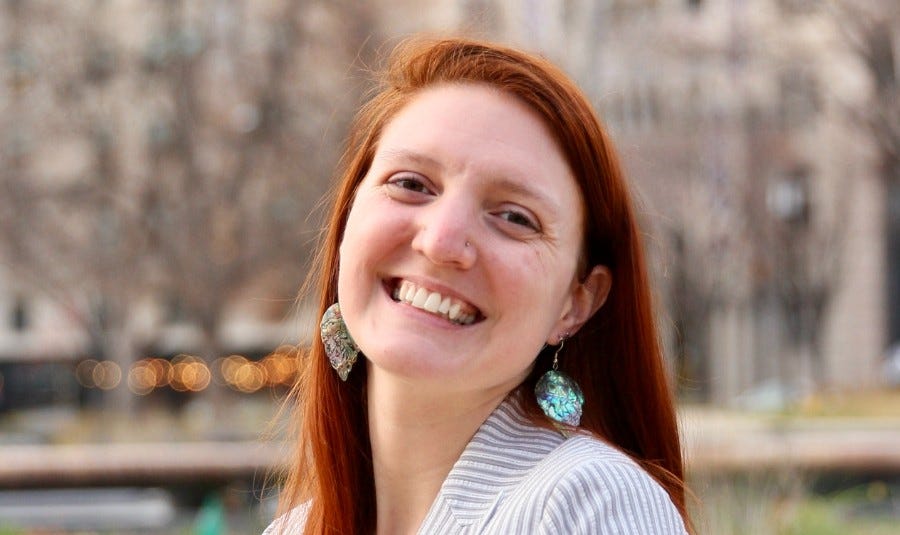
What is PJM and why is everyone so mad about it?
PJM is the largest wholesale power market and transmission planning region in the US. Currently, it is stuck between a rock and a hard place: on one side, rising demand from data centers; on the other, a choked and congested interconnection queue that can’t keep pace. The result: rising prices and political discontent. I talk with Clara Summers of the Citizens Utility Board about how PJM can solve this dilemma and get prices under control. This is a public episode. If you'd like to discuss this with other subscribers or get access to bonus episodes, visit www.volts.wtf/subscribe
Can fake meat help solve climate change?
Meat is responsible for roughly a fifth of climate change, the lion’s share of deforestation, 70% of our antibiotic use, and quite possibly the next pandemic — and consumption is going up every single year, with no end in sight. In this episode, Bruce Friedrich of the Good Food Institute joins me to argue that the only way out of this mess is better meat: plant-based and cultivated alternatives that can compete on price and taste, the way renewables now compete with fossil fuels. This is a public episode. If you'd like to discuss this with other subscribers or get access to bonus episodes, visit www.volts.wtf/subscribe
Are utilities making too much money?
Utilities and their regulators are often protected by a "force field of tedium," but in this episode, I pierce the veil to discuss the complex machinery of utility profit-making. I’m joined by Joe Daniel of RMI to unpack the critical distinction between "return on equity" and "cost of equity," and why the former is almost always higher than necessary. We discuss how regulators can close this gap to lower consumer costs without hindering essential grid upgrades. This is a public episode. If you'd like to discuss this with other subscribers or get access to bonus episodes, visit www.volts.wtf/subscribe

So, how's the climate doing?
In this episode, I chat with Dr. Sarah Kapnick about the core of climate science and the wild variables that have emerged in the last decade. We discuss the “accidental geoengineering” experiment of reducing shipping aerosols, the newfound ability to pinpoint methane leaks from space, and the legal implications of being able to attribute financial losses to climate change. This is a public episode. If you'd like to discuss this with other subscribers or get access to bonus episodes, visit www.volts.wtf/subscribe

Taiwan's energy dilemma
How does a small, mountainous island with no interconnections and a massive industrial load clean up its grid? In this episode, I speak with Yeh-Tang “Ricky” Huang about the technical and political bottlenecks holding back Taiwan’s energy transition. We explore why the country has struggled to deploy wind and solar, the realistic prospects for advanced geothermal, and the absolute necessity of demand-side flexibility in such a constrained system. This is a public episode. If you'd like to discuss this with other subscribers or get access to bonus episodes, visit www.volts.wtf/subscribe

All about "reactionary centrism"
Why do so many influential voices spend their time policing the manners of the left while the right dismantles democracy? In this episode, Michael Hobbes — cohost of the much-celebrated “If Books Could Kill” podcast — joins me to discuss the “reactionary centrist,” a type of commentator who believes that both sides are to blame for everything and demonstrates this by spending every waking moment scolding Democrats. This is a public episode. If you'd like to discuss this with other subscribers or get access to bonus episodes, visit www.volts.wtf/subscribe

How to make rooftop solar power as cheap in the US as it is in Australia
Rooftop solar costs nearly three times as much in the US as it does in Australia, largely due to the "paperwork tax" imposed by thousands of fragmented local jurisdictions. I talk with Nick Josefowitz of Permit Power and solar veteran Andrew Birch about how to slash these soft costs through automated permitting and standardized interconnection. We discuss how these bureaucratic fixes could unlock dirt-cheap energy for American families without the need for subsidies. This is a public episode. If you'd like to discuss this with other subscribers or get access to bonus episodes, visit www.volts.wtf/subscribe

Let's dig a little deeper into virtual power plants (VPPs)
Everyone is talking about virtual power plants, but as I discuss with EnergyHub CEO Seth Frader-Thompson, not all VPPs are created equal. We get nerdy on the various stages of VPP maturity and the specific technical requirements that VPPs must meet to truly compete with conventional power plants rather than just acting as “enhanced demand response.” This is a public episode. If you'd like to discuss this with other subscribers or get access to bonus episodes, visit www.volts.wtf/subscribe

Making the electricity grid work like the internet
I’In this episode, I chat with Swedish tech entrepreneur Jonas Birgersson about his radical plan to apply the architecture of the internet—packet switching, buffering, and decentralized routing—to the electricity grid. We explore how his “EnergyNet” concept uses power electronics to create galvanically separated microgrids that stop cascading failures and allow neighbors to share power directly. It is a mind-bending look at how treating electrons like data could lead to unlimited energy for a low fixed fee. This is a public episode. If you'd like to discuss this with other subscribers or get access to bonus episodes, visit www.volts.wtf/subscribe

What's the deal with closed-loop geothermal?
Conventional geothermal energy is limited to specific hot spots, but “closed-loop” geothermal, by going deeper and confining water to sealed boreholes, promises to work almost anywhere; it amounts to building a giant radiator, deep underground. I’m joined by Jeanine Vany and Mark Fitzgerald of pioneering closed-loop startup Eavor to discuss their newly operational plant in Germany and the many advantages of a system that requires no fracking and consumes no water. This is a public episode. If you'd like to discuss this with other subscribers or get access to bonus episodes, visit www.volts.wtf/subscribe

NYC's congestion pricing has been running for a year now. How's it doing?
In this episode, I’m joined by Kate Slevin of the Regional Plan Association to discuss the triumphant first year of congestion pricing in Manhattan. We explore how the program defied its critics by boosting business and pedestrian traffic while reducing gridlock, without evident traffic spillover onto adjacent streets. We also cover the money that’s been raised for public transit and what the future holds for the congestion relief zone. This is a public episode. If you'd like to discuss this with other subscribers or get access to bonus episodes, visit www.volts.wtf/subscribe

Sen. Brian Schatz wants permitting reform, but not like this
Hawaii Senator Brian Schatz joins me to discuss the energy policy landscape facing Democrats and how they should respond. We touch on the shift in messaging from “climate” to “affordability,” current Congressional Republican efforts on permitting reform in light of Trump’s anti-renewables crusade, the role of green groups in climate politics, and much more. This is a public episode. If you'd like to discuss this with other subscribers or get access to bonus episodes, visit www.volts.wtf/subscribe

What's the real story with Australian rooftop solar?
Why can Australian homeowners get rooftop solar installed in a week or less, for roughly 50 cents a watt, while Californians pay $3.30/w and wait months for interconnection? In this episode, I ask inimitable Australian energy expert Saul Griffith to walk us through the entire process — from quote to interconnection — to pinpoint exactly where the US system is broken and how we could fix it. This is a public episode. If you'd like to discuss this with other subscribers or get access to bonus episodes, visit www.volts.wtf/subscribe

The cure for misinformation is not more information or smarter news consumers
The problem of misinformation in the current age, argues political scientist Samuel Bagg, is not that reliably truth-producing institutions and practices don’t exist, but that people have ceased to trust them. Changing that requires something deeper than factchecking or media literacy. It’s a matter of social identity, and solving it will mean reconfiguring the social identity landscape. I talk with Bagg about that daunting conclusion and its implications for democracy. This is a public episode. If you'd like to discuss this with other subscribers or get access to bonus episodes, visit www.volts.wtf/subscribe

Sen. Ruben Gallego has a new energy plan
Senator Ruben Gallego (AZ) joins me to discuss his new energy plan, which combines elements of the Inflation Reduction Act with a new focus on permitting reform and small modular nuclear reactors. We get into all of it, from the promise of nuclear energy to the role community consultation. This is a public episode. If you'd like to discuss this with other subscribers or get access to bonus episodes, visit www.volts.wtf/subscribe

Advocating for decarbonization in 2026
In this episode, Aliya Haq unpacks how her two decades in the climate movement have reshaped her view of what works. After six years working at Bill Gates’ Breakthrough Energy initiative, she has launched the Clean Economy Project, which will push for grid upgrades, market reforms, and innovation to make clean energy cheaper and more abundant. We wrestle with the politics of it all. This is a public episode. If you'd like to discuss this with other subscribers or get access to bonus episodes, visit www.volts.wtf/subscribe

California warms up to a larger Western energy market
I’m joined by Brian Turner and Kathleen Staks to unpack the details of the newly authorized Regional Organization for Western Energy (ROWE), a unique “à la carte” RTO designed to unify the western US grid without trampling on state independence. We discuss the transition from the existing imbalance market to a full day-ahead market, the safeguards built into the bylaws to protect state clean-energy policies, and the politics of getting 38 separate balancing authorities to cooperate. This is a public episode. If you'd like to discuss this with other subscribers or get access to bonus episodes, visit www.volts.wtf/subscribe

How Illinois passed its third big clean-energy bill in a decade
Why is a deregulated state like Illinois suddenly embracing central planning? In this episode, I talk with Kady McFadden and John Delurey about the state’s decision to empower its utility commission to directly procure clean energy. We discuss why capacity markets are too slow for the current environment and their strategy of aggressively framing renewables and storage not just as green, but as the only “fast and cheap” way to protect ratepayers from price spikes. This is a public episode. If you'd like to discuss this with other subscribers or get access to bonus episodes, visit www.volts.wtf/subscribe

What's going on in electricity world?
This is a free preview of a paid episode. To hear more, visit www.volts.wtfWith load growth projections all over the map and politicians zeroing in on high electricity prices, I take a step back in this audio essay to ask how we should build the grid in the face of massive uncertainty. The answer lies in modular, distributed technologies that strengthen the system regardless of whether the AI bubble eventually bursts.

What's the deal with balcony solar?
Will cheap, DIY solar reach American renters? In Germany, millions of people plug solar panels directly into wall outlets like any other appliance, but in the US, red tape makes it ludicrously costly. I chat with Cora Stryker of Bright Saver about how “balcony solar” (AKA “plug-in solar”) is booming in Europe and making its way to America, starting in Utah. We discuss the technical and safety issues, the regulatory hurdles, and the solar “gateway drug” effect. This is a public episode. If you'd like to discuss this with other subscribers or get access to bonus episodes, visit www.volts.wtf/subscribe

Clean electrification is inevitable
Energy strategist Kingsmill Bond joins me to explain why the transition to “electrotech” is unstoppable, whether or not politicians care about climate change. It’s not the reduced emissions, it’s physics (electrotech is more efficient) and economics (it’s cheaper). Despite political headwinds in the US, China and emerging economies are racing ahead with electrification and sector after sector is seeing peak fossil fuel consumption. There’s no stopping it: electrons will triumph over This is a public episode. If you'd like to discuss this with other subscribers or get access to bonus episodes, visit www.volts.wtf/subscribe

What's the deal with indoor air quality?
Environmentalism has typically focused on outdoor air quality, but climate change is pushing more people indoors more of the time, even as airborne pathogens and wildfire smoke challenge indoor air quality. I discuss the fight for better indoor air with Dr. Georgia Lagoudas, who recently coordinated a global pledge declaring it a basic human right. We dig into what pollutes indoor air, the technologies that can keep it clean, and the enormous social and economic benefits clean air in schools. This is a public episode. If you'd like to discuss this with other subscribers or get access to bonus episodes, visit www.volts.wtf/subscribe

How to make a market for distributed energy flexibility
Distributed energy resources are everywhere, but connecting buyers and sellers is a coordination nightmare; I talk with James Johnston, whose company Piclo is tackling that problem head-on. He explains how they’ve built a transparent, open marketplace where utilities and other buyers can procure flexibility as a simple commodity from a wide range of sellers. We discuss how this model is already working in the UK and how it could allow data centers to pay for faster grid access in the US — potentially unlocking billions in private investment for VPPs. This is a public episode. If you'd like to discuss this with other subscribers or get access to bonus episodes, visit www.volts.wtf/subscribe

So, there were some elections. How'd they go?
In this episode, I welcome back Caroline Spears from Climate Cabinet for a post-election debrief that, unlike last year’s, is full of good news. We explore how a slate of pro-climate candidates defied expectations in tough districts across the country, driven by a powerful backlash against the Trump administration. This is a public episode. If you'd like to discuss this with other subscribers or get access to bonus episodes, visit www.volts.wtf/subscribe

Octopus extends its tentacles into America
In this episode, I chat with Nick Chaset, CEO of Octopus Energy US, about bringing the company’s customer-focused, tech-forward model to America. We get into the details of how Octopus simplifies home energy management for its retail customers and its plan to help regulated utilities do the same. We also touch on ambitious ideas like the “Zero Bills” home and how to build gigawatt-scale virtual power plants that benefit both consumers and the grid. This is a public episode. If you'd like to discuss this with other subscribers or get access to bonus episodes, visit www.volts.wtf/subscribe

Hey governors: you can salvage sustainable transportation, but you need to do it quick!
With the White House actively dismantling clean transportation policy, what can states do to salvage progress? I talk with former DOT policy advisor Liya Rechtman about a little-known authority that lets states transfer highway dollars to fund transit, EV charging, and bike lanes. We explore how governors can use this tool, but only if they act quickly. This is a public episode. If you'd like to discuss this with other subscribers or get access to bonus episodes, visit www.volts.wtf/subscribe

Michael Liebreich on a "pragmatic climate reset"
Lately, everyone from Tony Blair to Daniel Yergin is calling for a “climate reset,” so I brought on clean-energy analyst Michael Liebreich to discuss his own, very different version. While others push expensive distractions, Liebreich argues that the inexorable growth of cheap renewables is already on track to displace fossil fuels, a “tortoise” strategy that will win without the need for crisis politics. This is a public episode. If you'd like to discuss this with other subscribers or get access to bonus episodes, visit www.volts.wtf/subscribe

The escalating battle over renewable energy certificates (RECs)
In this episode I’m joined by Wilson Ricks and Killian Daly, who are involved in the process of updating the Greenhouse Gas Protocol that governs (among other things) corporate clean-energy procurement. We explore the proposed shift to requiring hourly, local matching for Renewable Energy Certificates (RECs), a change designed to end the “race to the bottom” where companies buy cheap, low-impact RECs to paper over the fact that being “100 percent clean” is genuinely difficult. This is a public episode. If you'd like to discuss this with other subscribers or get access to bonus episodes, visit www.volts.wtf/subscribe

Can "second life" EV batteries work as grid-scale energy storage?
Redwood Materials has long dominated EV battery recycling, but what if they could drain every last drop of energy from those batteries before recycling them? I talk with the company’s CTO, Colin Campbell, about Redwood Energy, a new division doing just that by deploying used batteries as grid-scale storage at a massive scale. This isn’t just a side project; it’s a plan to turn a massive wave of incoming used batteries into a key resource for the grid. This is a public episode. If you'd like to discuss this with other subscribers or get access to bonus episodes, visit www.volts.wtf/subscribe