Volts
444 episodes — Page 4 of 9

Should we put utilities in charge of distributed energy?
In this episode, I speak with Pier LaFarge, CEO of Sparkfund, who challenges the traditional antagonism between utilities and distributed energy advocates. While investor-owned utilities have long been seen as obstacles to clean energy adoption, LaFarge argues that they're actually essential to scaling DERs in an era of explosive electricity demand. This is a public episode. If you'd like to discuss this with other subscribers or get access to bonus episodes, visit www.volts.wtf/subscribe
Time to stop taking hydropower for granted?
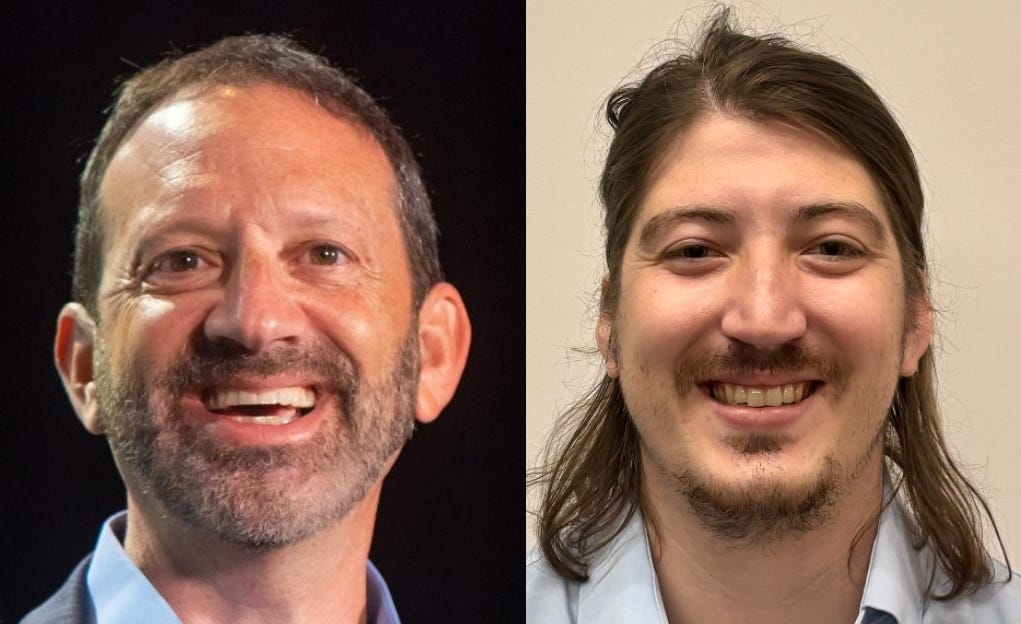
In this episode, I speak with Malcolm Woolf and Connor Nelson about hydropower's underappreciated role in America's clean energy landscape. While providing most of our energy storage and thus supporting solar and wind deployments, hydropower faces significant challenges, with a decade-long relicensing processes and inadequate market compensation. We discuss why preserving and expanding this reliable, clean firm energy source is crucial as we transition to renewables. This is a public episode. If you'd like to discuss this with other subscribers or get access to bonus episodes, visit www.volts.wtf/subscribe

Can we avoid the enshittification of clean-energy tech?
In this episode, I chat with author Cory Doctorow about "enshittification," his viral term for how digital platforms and smart technologies inevitably get worse over time. We explore how monopoly power, aggressive IP protections, and lax privacy law enable companies to capture and exploit users — and what that might mean for the clean energy transition as our homes and vehicles become increasingly software-dependent. This is a public episode. If you'd like to discuss this with other subscribers or get access to bonus episodes, visit www.volts.wtf/subscribe

Climate change and insurance: a growing fustercluck
In this episode, I talk with Kate Gordon, CEO of California Forward, about how climate change is breaking the insurance industry. We discuss why insurers are fleeing high-risk states, the limitations of government backstops, and the looming political and financial crisis as communities face hard choices about where people can safely live. This is a public episode. If you'd like to discuss this with other subscribers or get access to bonus episodes, visit www.volts.wtf/subscribe
Checking in on local and state climate races
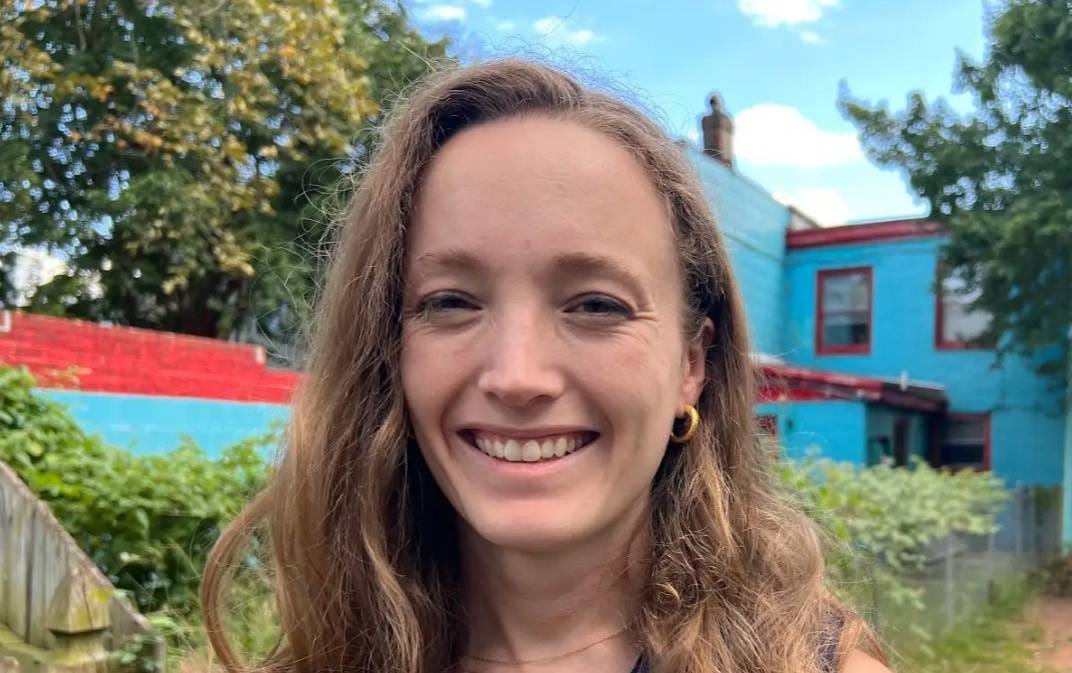
In this episode, I talk with Caroline Spears of Climate Cabinet about the results of the state and local climate races her organization tracked in 2024. We discuss the importance of these often-overlooked state and local races for climate progress, the challenges of the current political information environment, and Climate Cabinet's strategy for building power at the state level through 2030 and beyond. This is a public episode. If you'd like to discuss this with other subscribers or get access to bonus episodes, visit www.volts.wtf/subscribe
Electrifying big trucks
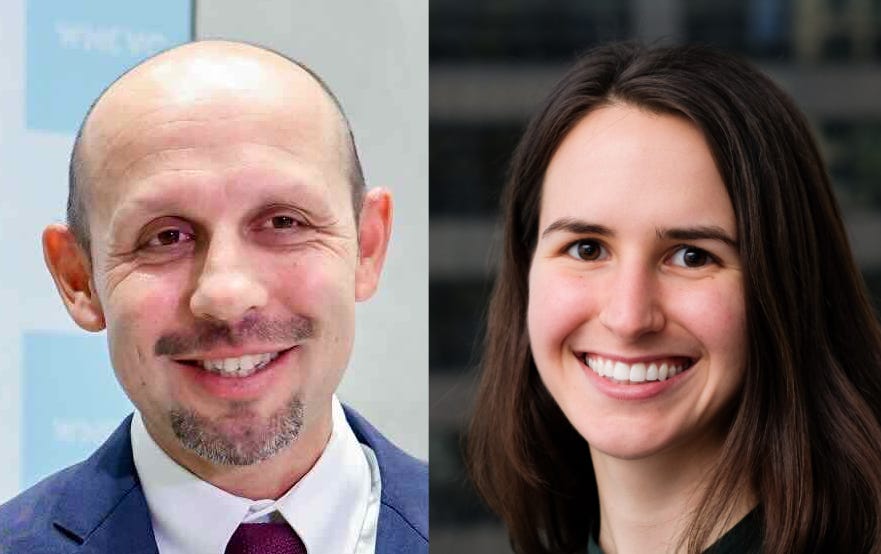
In this episode, I talk with Ray Minjares of ICCT and Jacqueline Torres of Forum Mobility about the electrification of heavy trucks, from drayage at ports to long-haul big rigs. We dig into charging challenges, innovative financing models, and the massive pollution cuts possible by transitioning fleets. Electric trucks are here — but they need the right policies and partnerships to scale. This is a public episode. If you'd like to discuss this with other subscribers or get access to bonus episodes, visit www.volts.wtf/subscribe
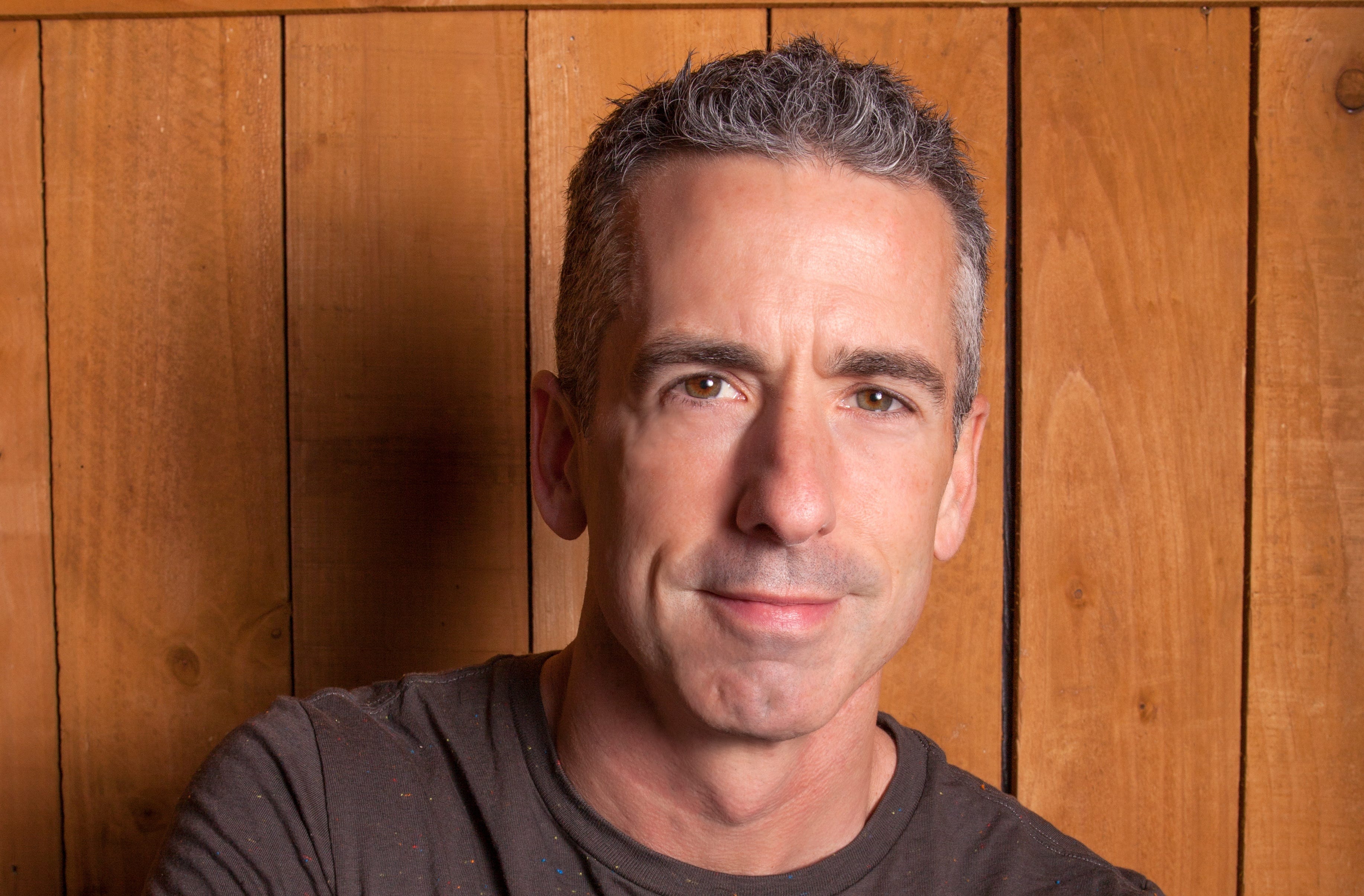
Dan Savage on blue America in the age of Trump
In this episode, I talk with activist, sex advice columnist, and progressive journalist Dan Savage about the legacy of “The Urban Archipelago,” a groundbreaking piece he commissioned and edited two decades ago in the wake of GW Bush’s reelection, urging Democrats to embrace cities as their political base and future. We explore how NIMBY-captured Democratic city leadership has stifled urban potential — and why improving and growing cities isn’t just policy; it’s party building. This is a public episode. If you'd like to discuss this with other subscribers or get access to bonus episodes, visit www.volts.wtf/subscribe
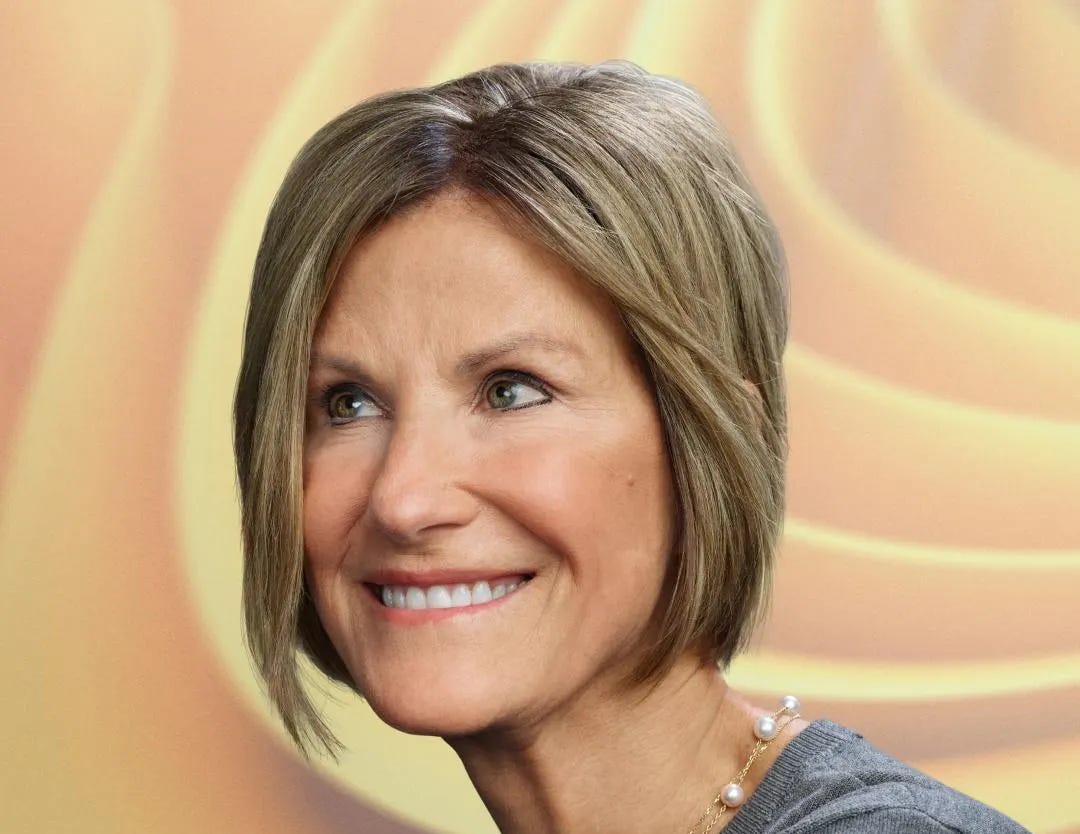
Residential solar is becoming residential solar + storage + VPP
In this episode, I chat with Sunrun CEO Mary Powell about how residential solar is evolving into much more than just panels. We dive into Sunrun’s expansion as a “clean energy lifestyle” brand, Mary’s belief in a customer-led energy transition, and alternatives to the tech bros' virile obsession with nuclear power. This is a public episode. If you'd like to discuss this with other subscribers or get access to bonus episodes, visit www.volts.wtf/subscribe
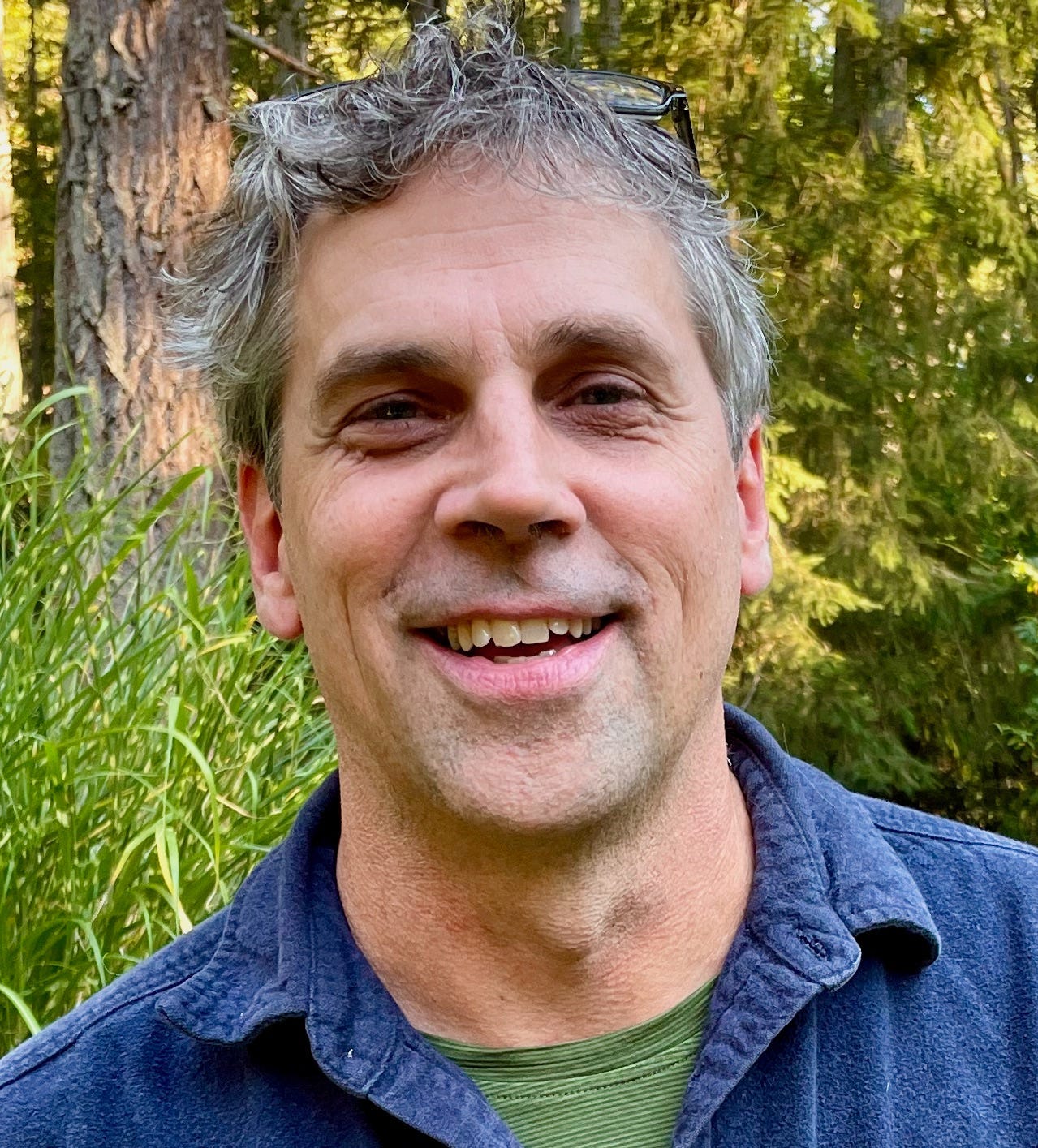
How railroads could boost the US energy transition
In this episode, I talk with Bill Moyer, founder of the Reconnect America campaign, about the huge, untapped potential of U.S. railroads to support the clean energy transition. Bill makes the case that our privately owned rail system, focused on short-term profits, is missing out on big public benefits—like shifting freight from roads to rails, reducing emissions, and even using rail corridors to carry high-voltage transmission lines for renewable energy. This is a public episode. If you'd like to discuss this with other subscribers or get access to bonus episodes, visit www.volts.wtf/subscribe
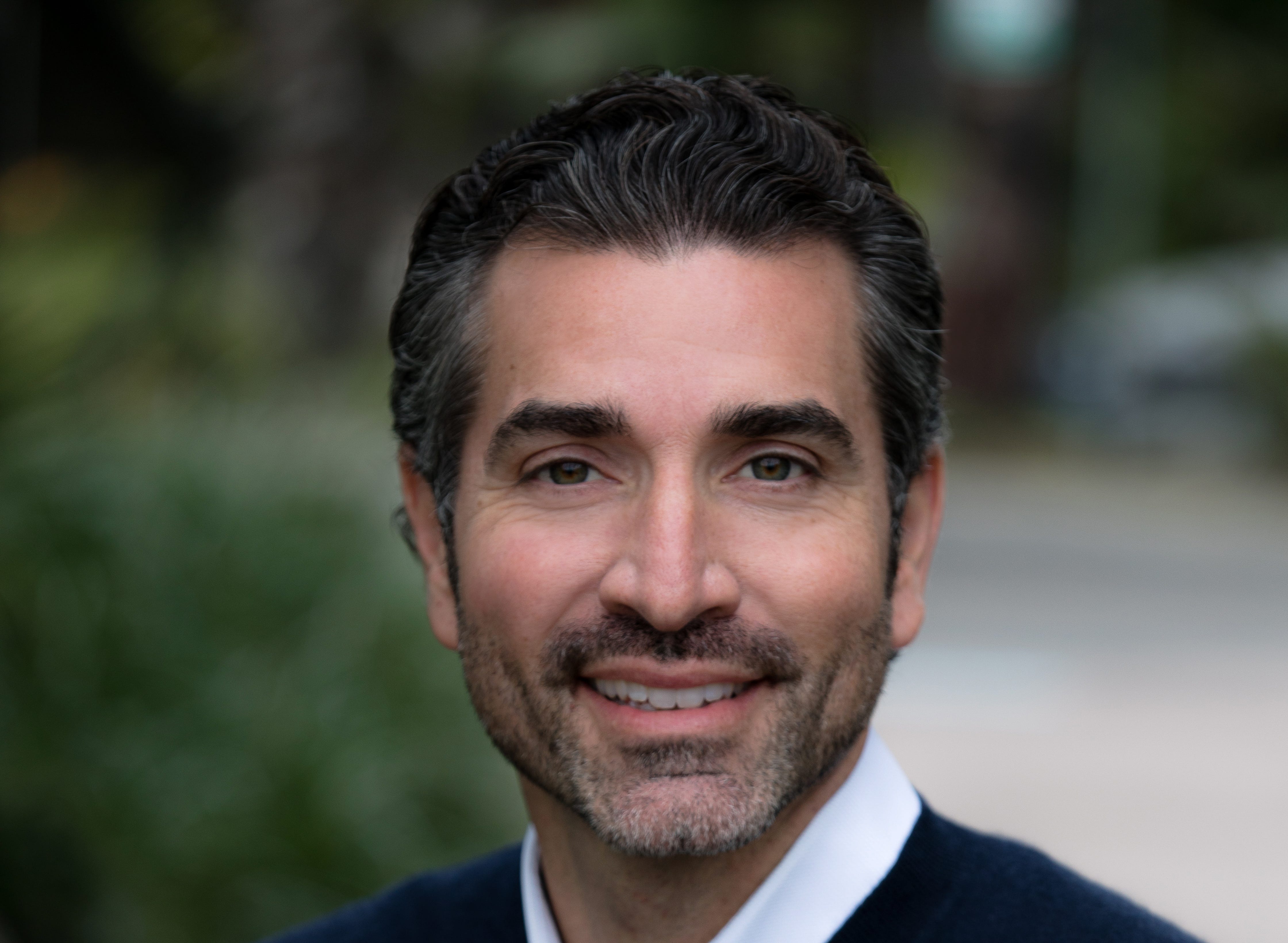
How is electrification going?
In this episode, I chat with Ari Matusiak, co-founder and head of Rewiring America, which recently received a $2 billion grant from the feds to take home electrification mainstream. We dig into the practical challenges — getting local contractors on board, simplifying rebate access — and the enormous opportunities. This is a public episode. If you'd like to discuss this with other subscribers or get access to bonus episodes, visit www.volts.wtf/subscribe

Tying utility profits to actually doing a good job
In this episode, we’re diving into the wonky but vital topic of performance-based utility regulation (PBR) with Cara Goldenberg and Laura Gonzalez. We discuss how traditional utility regulation creates perverse incentives for utilities — and the tools PBR offers to better align incentives with modern priorities to like resilience, equity, and decarbonization. Dozens of states have adopted some form of PBR or other, and Virginia might be next. This is a public episode. If you'd like to discuss this with other subscribers or get access to bonus episodes, visit www.volts.wtf/subscribe

The Department of Energy has gotten serious about technology commercialization
In this episode, I sit down with Dr. Vanessa Chan, DOE’s Chief Commercialization Officer, to discuss the challenges of commercializing new clean energy technologies. Her office has helped develop a common vocabulary among stakeholders (“adoption readiness levels”) and concentrated the attention of public and private capital on certain key technologies (“pathway to liftoff” reports). It’s wonky stuff, but it has transformed and turbocharged DOE’s commercialization efforts. This is a public episode. If you'd like to discuss this with other subscribers or get access to bonus episodes, visit www.volts.wtf/subscribe

Digging into one of this year's most important-but-overlooked clean energy elections
In this episode, Ylenia Aguilar joins me to discuss her candidacy for the Arizona Corporation Commission. We examine the ACC’s history of rubber stamping rate hikes, dismantling renewable energy initiatives, and generally pandering to utilities. Three ACC seats are up for election this year and the outcomes could have a profound impact on the state's energy future. This is a public episode. If you'd like to discuss this with other subscribers or get access to bonus episodes, visit www.volts.wtf/subscribe

What Allison Clements thinks about the grid
In this episode, I sit down with Allison Clements, former FERC commissioner, to discuss her time at the commission and the challenges of grid modernization. We dive into the complexities of integrating clean energy, reforms to interconnection queues, and how the commission can take a more active role in the energy transition. This is a public episode. If you'd like to discuss this with other subscribers or get access to bonus episodes, visit www.volts.wtf/subscribe

What's the deal with the Texas Railroad Commission?
In this episode, I explore the controversial Texas Railroad Commission with Virginia Palacios of Commission Shift. We discuss the commission's history, its misleading name, its cozy relationship with the oil & gas industry it's meant to oversee, and its role before and after the devastating Winter Storm Uri, where lax regulation contributed to widespread power outages and deaths. This is a public episode. If you'd like to discuss this with other subscribers or get access to bonus episodes, visit www.volts.wtf/subscribe

A closer look at Pennsylvania, the swingiest of swing states
In this episode, I explore the political landscape of Pennsylvania with state Rep. Leanne Krueger. We discuss the state's nail-biting elections, the outsized political influence of fracking, and the uphill battle for clean energy legislation in a divided legislature. Krueger provides a boots-on-the-ground perspective on climate and energy politics in this key swing state. This is a public episode. If you'd like to discuss this with other subscribers or get access to bonus episodes, visit www.volts.wtf/subscribe

A new way to retrofit old buildings ... from the outside
In this episode, I geek out with David Goldstein, founder of Hydronic Shell Technologies, about a novel building retrofit technology that wraps old multifamily structures in insulated panels with built-in HVAC systems. Goldstein's approach allows for energy-efficient upgrades without interior disruption, potentially solving a major challenge in building decarbonization. We dive into how the system combines exterior insulation, air sealing, and centralized heat pumps with individual window units to dramatically reduce energy demand and emissions. This is a public episode. If you'd like to discuss this with other subscribers or get access to bonus episodes, visit www.volts.wtf/subscribe

How the Biden investments are changing America
In this episode, we explore the Biden administration's ambitious industrial investment strategy with Heather Boushey, a member of the President's Council of Economic Advisors and chief economist for his Invest in America Cabinet. This is a public episode. If you'd like to discuss this with other subscribers or get access to bonus episodes, visit www.volts.wtf/subscribe

A tool that enables solar-first home electrification
California homeowners face a complex puzzle in decarbonizing their homes: electrification without rooftop solar could increase bills due to expensive electricity, while installing solar first risks oversizing or underutilizing the system. Balto Energy, a startup founded by James Quazi, uses AI to analyze utility bills and recommend the most cost-effective clean energy strategy. In this episode, we discuss Balto's tool, its potential to empower contractors, and what California's situation reveals about the future of clean energy policy nationwide.(PDF transcript)(Active transcript)Text transcript:David RobertsHello everyone. This is Volts for September 13, 2024, "A tool that enables solar first home electrification." I'm your host, David Roberts. Californians who want to decarbonize their homes face something of a conundrum. If they electrify their cars and appliances without getting rooftop solar, they could end up paying higher overall bills thanks to California's notoriously expensive electricity and cheap natural gas. If they install rooftop solar before electrifying their cars and appliances, they could either undersize the system for their eventual needs or oversize it and over-produce and export solar power to the California grid. Thanks to California's recent NEM 3.0 decision on rooftop solar compensation, utilities pay much less for that exported rooftop solar power than they used to.The most economical strategy for most homeowners is likely to be some mix of electrification, batteries, and rooftop solar. The more a California homeowner stores and consumes their own cheap rooftop solar power, the more value they get out of that solar and the lower their total bills. It is a complex calculation, though, that most homeowners are in no position to make. That's where the startup Balto Energy comes in. Founder James Quazi, a longtime energy modeler and entrepreneur, has built a tool that can use a home's utility bills to create a model of its consumption patterns, predict what they will be as appliances are electrified, and recommend the maximally economical approach.It's part of a larger effort to help contractors and solar companies navigate a post-net-metering world. I'm excited to talk to Quazi about why his tool is needed and how it works, how it will empower contractors, and what California's present says about the future of clean energy policy in the rest of the country.With no further ado, James Quazi, welcome to Volts. Thank you so much for coming.James QuaziThank you for having me. That was a great intro.David RobertsThanks. So, you know, I sort of went over it a little quickly in the intro there. But let's talk a little bit about this conundrum for Californians who are trying to decarbonize. So, just by background — I don't even know if everyone's been following the California rooftop solar wars, I kind of assume everybody has — but just by way of background, California recently basically issued a new policy on rooftop solar, and the long and short of it is that they're going to compensate homeowners much less. It used to be that basically you could get paid the retail rate for your excess solar, and now they're just going to pay much, much less than that.On the surface, this really damages the economical case for solar for homeowners, they'll get compensated much less. This has resulted in a huge blow to the solar industry in California. There are solar companies shutting down, jobs being lost, etcetera, etcetera. So, talk a little bit about the conundrum and how you think about solving it.James QuaziYeah, so about a year ago, the net energy metering policy in California changed from NEM 2.0 to NEM 3.0, now called Net Billing Tariff. The difference is, as you mentioned, that now customers get paid on a schedule. Each hour per year is a different rate. But generally, you can think of it as between like $0.05 and $0.08 for exported energy, while imported energy for me in San Diego is between $0.38 and $0.52 an hour. So it degrades the value proposition for residential solar for a homeowner. For contractors, it's also proven really difficult. So in the past, it was really easy to have rule of thumb sizing or heuristics, or if you took annual energy over the last twelve months and you designed a system that produced around that same amount of energy, it was generally going to be a good value proposition for the homeowner.But now, what you need to understand is, like, how much of that solar production is actually coincident with the load on the house, because the export of energy is devalued.David RobertsRight. So, the economics now have shifted to make it so that, I mean, maybe this was true already, but more true now that the ideal thing for Californians with rooftop solar to do is to consume as much of the generated power as conceivably possible.James QuaziThat's absolutely correct. So, if you can think of it as, and I'm sure your listeners are familiar with the terminology, like LCOE. So, the

This new organization wants to remake PUCs for the energy transition
Public utility commissions (PUCs) wield enormous influence in the US energy transition — they regulate the monopolistic utilities at the heart of America's electricity system but face little public scrutiny. Now, energy analyst Charles Hua is launching PowerLines, a nonprofit that aims to pull PUCs into the spotlight. In this episode, we discuss the problems with PUCs, opportunities for reform, and the coalition the group aims to organize. This is a public episode. If you'd like to discuss this with other subscribers or get access to bonus episodes, visit www.volts.wtf/subscribe
Developing a supply chain for American-made batteries
There has been an epic battle over the past 20 years between two types of lithium-ion batteries: nickel manganese cobalt (NMC) and lithium iron phosphate (LFP). While NMC still boasts better energy density, LFP is making a major comeback thanks to its safer, more accessible materials and improving performance. However, China still dominates the LFP supply chain. In this episode, CEO Vivas Kumar of startup Mitra Chem weighs in on why America needs domestic production of LFP materials. This is a public episode. If you'd like to discuss this with other subscribers or get access to bonus episodes, visit www.volts.wtf/subscribe

How to activate climate voters
The Environmental Voter Project has a unique approach: rather than convincing people to care about climate change, it identifies people who already do, but don't consistently vote, and works to get them to the polls. In this episode, EVP founder Nathaniel Stinnett discusses how to find these voters, keep them engaged, and measure their impact. This is a public episode. If you'd like to discuss this with other subscribers or get access to bonus episodes, visit www.volts.wtf/subscribe

EV charging for urban neighborhoods
Access to charging is a barrier to EV adoption for folks without a driveway or a garage, but what if charging your car in an urban area was as easy as charging your phone? Enter startup Itselectric, which has developed curbside level-2 chargers that connect to building electric panels, making installation quick and efficient. In this episode, co-founder and COO Tiya Gordon discusses the company’s award-winning charger design and vision for a future of ubiquitous urban charging. This is a public episode. If you'd like to discuss this with other subscribers or get access to bonus episodes, visit www.volts.wtf/subscribe
How is new clean-energy manufacturing affecting red & purple states?
Through the passage of IRA and CHIPS, the Biden administration has invested billions of dollars and created more than 100,000 manufacturing jobs in purple and red districts that have been hard-hit by globalization and disinvestment. In this episode, Julian Spector of Canary Media, reporting from these communities, shares about local reactions to this influx of new money and opportunities, and the reality that Trump’s Project 2025 wants to roll back the tax credits fueling this growth. This is a public episode. If you'd like to discuss this with other subscribers or get access to bonus episodes, visit www.volts.wtf/subscribe
The prospects for offshore wind in California
After decades of talk about offshore wind, California seems closer than ever to actually supporting an industry. But to meet the state’s goal of five gigawatts of offshore wind power by 2030, a lot of as-yet-nascent pieces need to fall into place. In this episode, Adam Stern of Offshore Wind California and Jocelyn Brown-Saracino of the US Department of Energy discuss California's recent policy efforts and the state of floating-wind technology. This is a public episode. If you'd like to discuss this with other subscribers or get access to bonus episodes, visit www.volts.wtf/subscribe
Free the smart-meter data!
Most electricity ratepayers in the US have a smart meter generating real-time data about their power usage, which could theoretically be used to reduce consumption and save money, but in most cases, utilities have locked up the information in inaccessible formats. In this episode, Michael Murray, leader of business coalition Mission:data, describes the potential value of smart meter data and the group’s ongoing efforts to pry it from utilities. This is a public episode. If you'd like to discuss this with other subscribers or get access to bonus episodes, visit www.volts.wtf/subscribe

Colorado governor Jared Polis on recent climate, energy, & housing wins
Over the past five years, Colorado’s Democratic trifecta has produced a cascade of legislation on climate, energy, housing, and land use (among other things). In this episode, we dive into some of these achievements and the politics behind them with Gov. Jared Polis and his top climate policy advisor (and previous Volts guest) Will Toor. This is a public episode. If you'd like to discuss this with other subscribers or get access to bonus episodes, visit www.volts.wtf/subscribe

How to cram EV fast chargers into tight urban spaces
NYC’s Revel is trying to build urban EV fast chargers and demand for those chargers (in the form of its own EV rideshare network) simultaneously. In this episode, Revel’s Tobias Lescht discusses the challenges of urban fast charging and the company’s plans to expand beyond NYC. This is a public episode. If you'd like to discuss this with other subscribers or get access to bonus episodes, visit www.volts.wtf/subscribe

What's the deal with perovskite solar?
For years, perovskite solar cells have been the Next Big Thing in solar. In this episode, Joel Jean, co-founder and CEO of Swift Solar, explains what exactly perovskites are, the performance and weight advantages they promise, the challenges they face, and when they might actually reach market. This is a public episode. If you'd like to discuss this with other subscribers or get access to bonus episodes, visit www.volts.wtf/subscribe

What's the deal with burning wood pellets for energy?
An enormous amount of wood is harvested from forests in the southern US to be burned in Europe as “renewable energy.” Now the industry wants to open more wood-pellet facilities in the Pacific Northwest. In this episode, Rita Frost of NRDC and Brenna Bell of 350 PDX explain why that’s a bad idea and why wood pellets aren’t as renewable as they look. This is a public episode. If you'd like to discuss this with other subscribers or get access to bonus episodes, visit www.volts.wtf/subscribe
What's the deal with Passive House?
In this episode, Beverly Craig of the Massachusetts Clean Energy Center discusses what passive house building principles entail, the benefits they generate for building occupants and the grid, and what it would take to persuade more US builders and policymakers to adopt them. This is a public episode. If you'd like to discuss this with other subscribers or get access to bonus episodes, visit www.volts.wtf/subscribe
EV charging for those without a garage
EVs are great for people with garages to charge them in, but what about everyone else? In this episode, Gabe Klein of DOE’s Joint Office of Energy and Transportation talks us through new approaches to EV charging for people in multifamily residences in urban settings, including new business models, new technologies, and even new vehicles. This is a public episode. If you'd like to discuss this with other subscribers or get access to bonus episodes, visit www.volts.wtf/subscribe
How are we going to decarbonize shipping?
In this episode, David Wooley and Ed Carr, lead authors of recent papers outlining policy and technology options for reducing emissions in the shipping industry, discuss the fuels (and batteries?) that could power ships of the future, the policies needed to move forward, and California's pivotal role. This is a public episode. If you'd like to discuss this with other subscribers or get access to bonus episodes, visit www.volts.wtf/subscribe
Electrolyze everything!
A startup called Mattiq is using a combination of nanotechnology, AI, and electrolysis to produce novel materials that could eventually substitute for carbon-intensive materials in sectors from chemicals to plastics to fuels. In this episode, CEO Jeff Erhardt and I dig into the technological and business details. This is a public episode. If you'd like to discuss this with other subscribers or get access to bonus episodes, visit www.volts.wtf/subscribe

What's up with solid-state batteries?
In this episode, CEO Siyu Huang of Factorial Energy talks through recent advancements in solid-state batteries, which promise significant improvements in energy density and safety and are paving the way for electric vehicles with substantially increased range to hit the market within the next few years. This is a public episode. If you'd like to discuss this with other subscribers or get access to bonus episodes, visit www.volts.wtf/subscribe

A clever new way to distribute storage on the grid
A new startup called Base Power aims to bring more stability to the volatile Texas grid by selling customers oversized home batteries at minimal costs and then using the excess capacity to trade on the market. In this episode, co-founders Zach Dell and Justin Lopas discuss their innovative business model and its potential impact in Texas and beyond. This is a public episode. If you'd like to discuss this with other subscribers or get access to bonus episodes, visit www.volts.wtf/subscribe

Hey schools, go get your IRA tax credits!
US public education infrastructure faces significant challenges due to years of deferred maintenance and the growing impacts of climate change. Luckily, the Inflation Reduction Act offers substantial, easily accessible financial assistance to schools in the form of direct-pay tax credits for climate-friendly upgrades. Many schools don’t even know about them. In this episode, Sara Ross and Jonathan Klein of UndauntedK12 discuss their efforts to spread the word. This is a public episode. If you'd like to discuss this with other subscribers or get access to bonus episodes, visit www.volts.wtf/subscribe
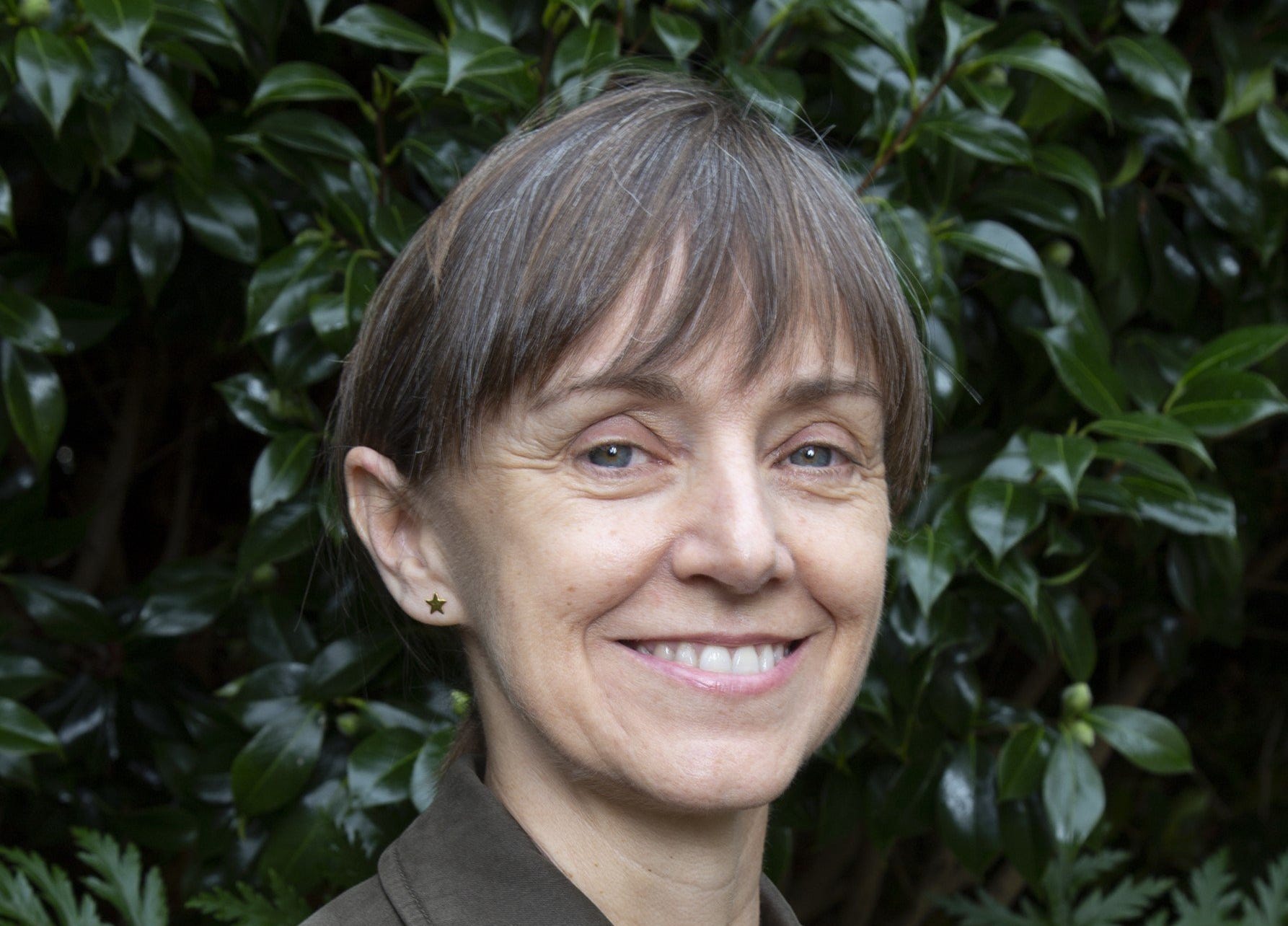
Heat pumps with thermal batteries
In this episode: more heat pumps! Jane Melia, co-founder and CEO of Harvest, discusses the advantages of teaming a high-end eat pump with a large thermal battery, to coordinate the timing of electricity consumption. Shifting the heat pump load can help reduce both costs and emissions. This is a public episode. If you'd like to discuss this with other subscribers or get access to bonus episodes, visit www.volts.wtf/subscribe

New York's congestion pricing fiasco
New York City was on the cusp of (finally) implementing a congestion pricing program when Governor Kathy Hochul announced earlier this month that it would be “indefinitely delayed.” In this episode, NY State Sen. Liz Krueger and Evergreen Action’s Justin Balik, both with deep history in New York’s congestion pricing drama, discuss Hochul’s mysterious and possibly illegal move, the apocalyptic budget implications, and what might happen next. This is a public episode. If you'd like to discuss this with other subscribers or get access to bonus episodes, visit www.volts.wtf/subscribe

What's up with electric aviation?
In this episode, CEO Kyle Clark of BETA Technologies walks us through the details of how to design, build, and operate electric planes — first for relatively short light-cargo flights, but eventually, he says, for all of aviation. I loved this conversation so much. This is a public episode. If you'd like to discuss this with other subscribers or get access to bonus episodes, visit www.volts.wtf/subscribe

Washington Governor Jay Inslee on his last big climate fight
In this episode, recorded at a live event, Washington State Governor Jay Inslee discusses his multiple decades of climate advocacy, his political successes, and the upcoming threat to one of his crowning achievements. This is a public episode. If you'd like to discuss this with other subscribers or get access to bonus episodes, visit www.volts.wtf/subscribe

Are markets the right tool for decarbonizing electricity?
In his book The Price Is Wrong, Brett Christophers argues that, contrary to recent economic triumphalism among renewables advocates, wind and solar are not profitable enough to attract the private capital necessary to scale as fast as they need to scale. In this episode, he and I dig deep (extremely deep) into the details. This is a public episode. If you'd like to discuss this with other subscribers or get access to bonus episodes, visit www.volts.wtf/subscribe

Wrapping our heads around AI and climate
In this episode, I have a lively conversation with Alp Kucukelbir, co-author of a recent “Artificial Intelligence for Climate Change Mitigation Roadmap,” about the strengths and limits of AI in relation to climate, where it all might be headed, and how concerned we should be about the energy use of data centers. This is a public episode. If you'd like to discuss this with other subscribers or get access to bonus episodes, visit www.volts.wtf/subscribe

Making mini-grids work in sub-Saharan Africa
More than half a billion people on the African continent lack access to electricity, and the number is only growing. In this episode, Tombo Banda of CrossBoundary’s Mini-Grid Innovation Lab discusses the longstanding barriers to electricity access in sub-Saharan Africa, why current business models haven’t been effective, and the mini-grid innovations that could turn the tide. This is a public episode. If you'd like to discuss this with other subscribers or get access to bonus episodes, visit www.volts.wtf/subscribe
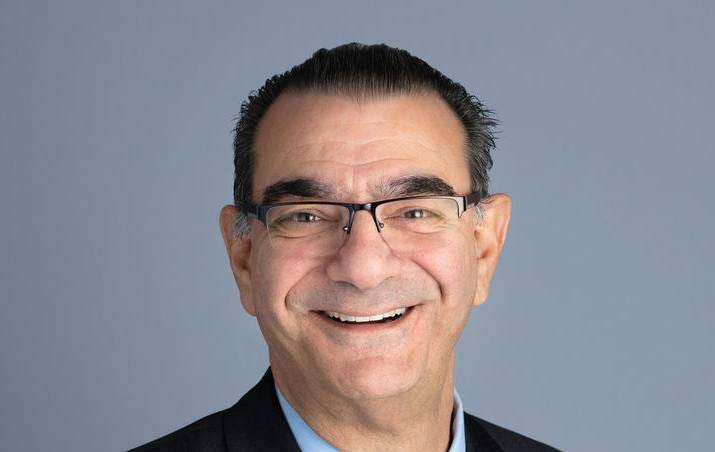
Making carbon-free steel with clean electricity
Steel production generates almost 10 percent of global carbon emissions and has long been considered “hard to abate.” Enter Boston Metal, a startup that aims to make carbon-free steel using only (sing it with me!) clean electricity. In this episode, CEO Tadeu Carneiro explains “molten oxide electrolysis” and its potential to transform the industry. This is a public episode. If you'd like to discuss this with other subscribers or get access to bonus episodes, visit www.volts.wtf/subscribe

FERC's new rule and other exciting transmission news
In this episode, Rob Gramlich of Grid Strategies comes back on the pod to discuss the suddenly sizzling transmission world, where both President Biden and the Federal Energy Regulatory Commission have recently announced significant updates to transmission planning, permitting, and funding. This is a public episode. If you'd like to discuss this with other subscribers or get access to bonus episodes, visit www.volts.wtf/subscribe

Using a Moneyball approach to elect state & local climate champions
Which political races should climate advocates focus on to get the most bang for their buck? (Hint: not the presidency.) In this episode, executive director Caroline Spears of Climate Cabinet explains how her organization uses data science to identify state and local races with high potential to impact climate progress. This is a public episode. If you'd like to discuss this with other subscribers or get access to bonus episodes, visit www.volts.wtf/subscribe
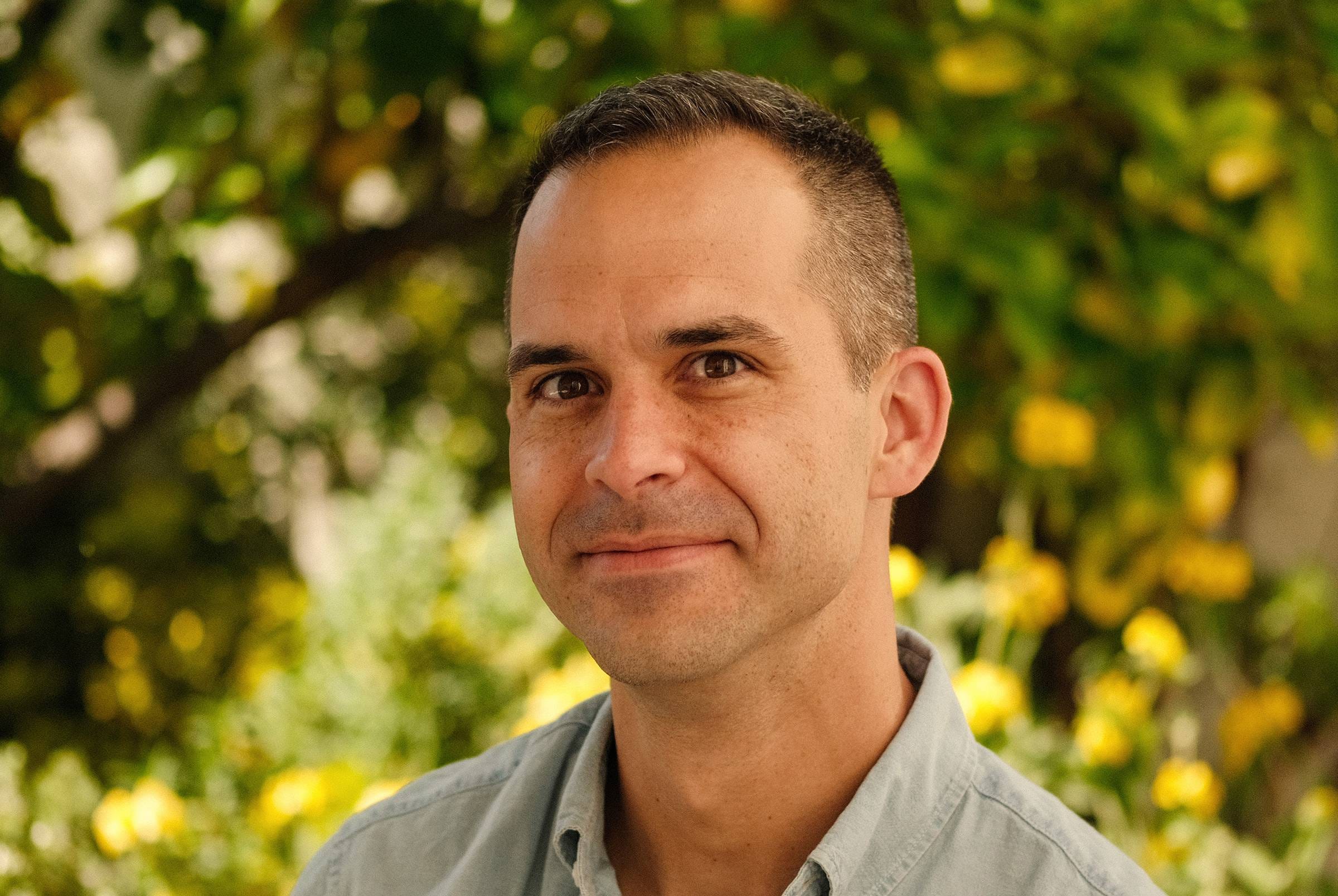
Making heat pumps better, easier, and a little sexier
In this episode, I talk with CEO Paul Lambert of startup Quilt, which came out of stealth this week with heat pumps that are not ugly. They perform well too, and are easy to buy and install, but mostly they’re not ugly. This is a public episode. If you'd like to discuss this with other subscribers or get access to bonus episodes, visit www.volts.wtf/subscribe
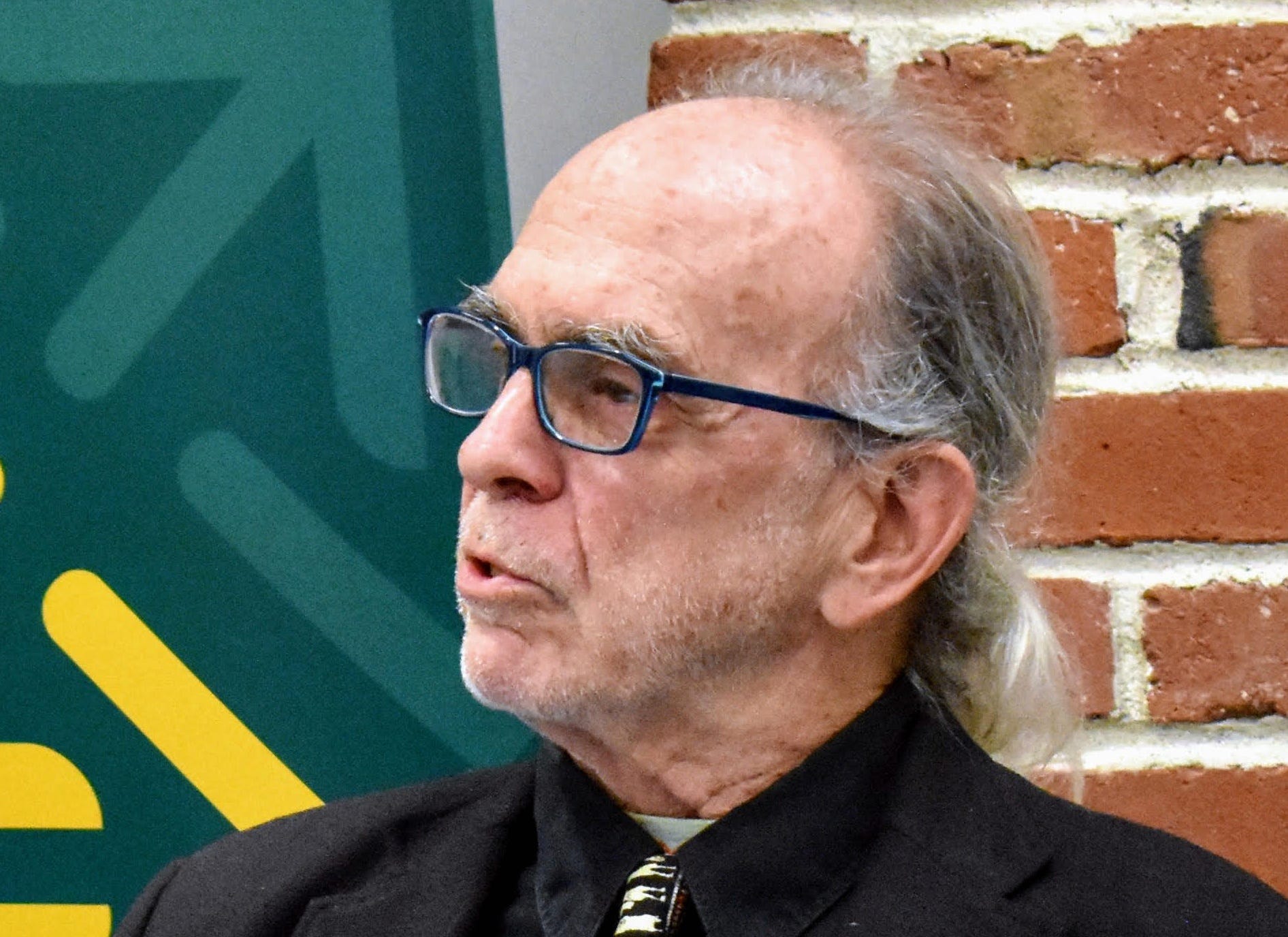
Envisioning a more democratic, bottom-up energy system
In this episode, California electricity guru Lorenzo Kristov shares his vision of a just, democratic, “bottom-up” grid based in distributed local energy. This is a public episode. If you'd like to discuss this with other subscribers or get access to bonus episodes, visit www.volts.wtf/subscribe

How climate change is portrayed in popular culture
Climate awareness is growing in the real world, but it remains rare in popular entertainment, as illustrated by some new research on climate in film. In this episode, Anna Jane Joyner discusses the efforts of her nonprofit, Good Energy, to help screenwriters tell climate stories better (or at all). This is a public episode. If you'd like to discuss this with other subscribers or get access to bonus episodes, visit www.volts.wtf/subscribe