
Today's Creation Moment
1,968 episodes — Page 7 of 40
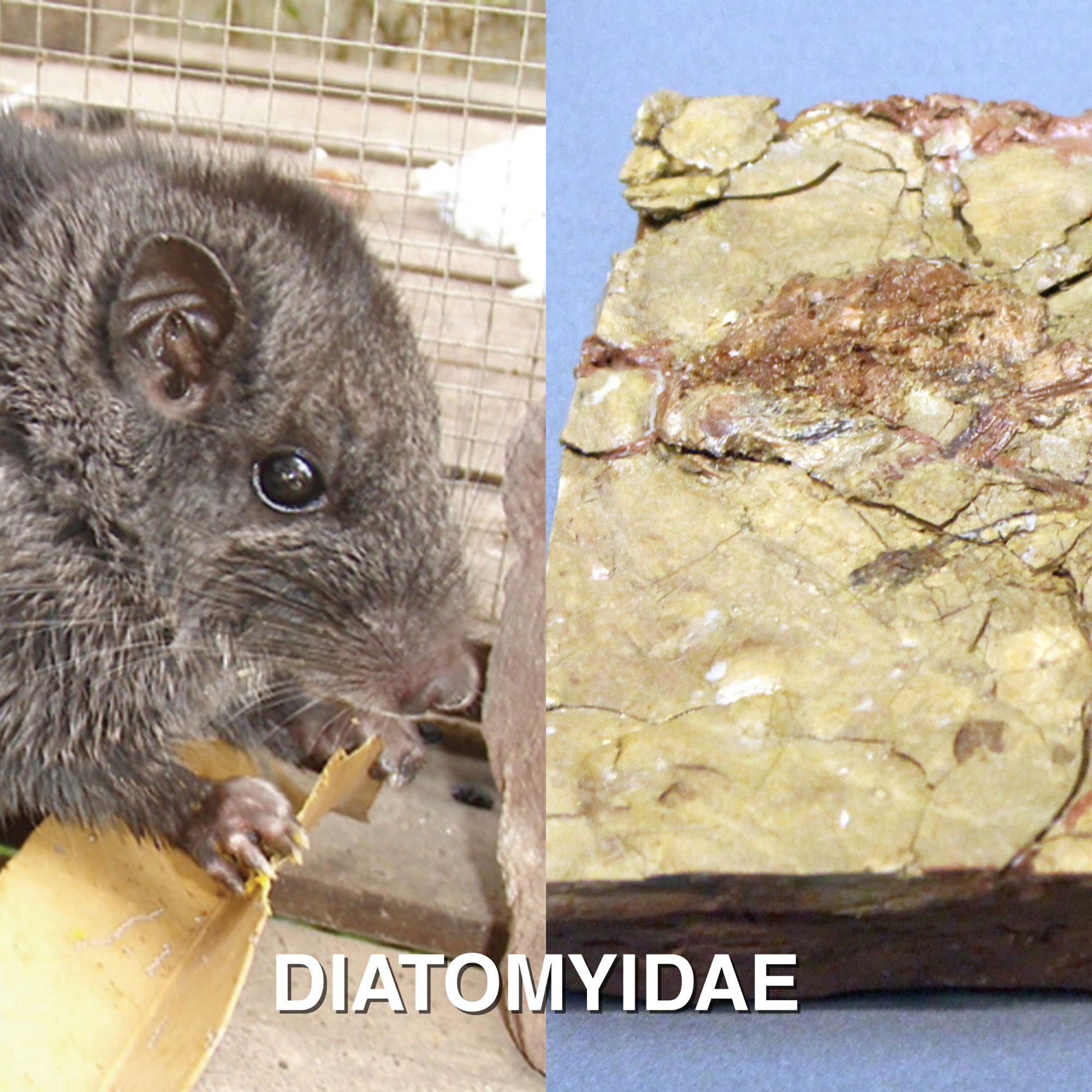
Another Evolution Claim Goes Extinct
The “extinct” rat-squirrel turned up alive in a market in Laos, undermining evolutionary timelines. This highlights the fallibility of human claims and the reliability of God’s truth. Image: Left-Laonastes aenigmamus, Jean-Pierre Hugot, CC BY 2.5, Wikimedia Commons. Right-Diatomys shantungensis, Jonathan Chen, CC BY-SA 4.0, Wikimedia Commons. For more creation resources, visit https://creationmoments.com/
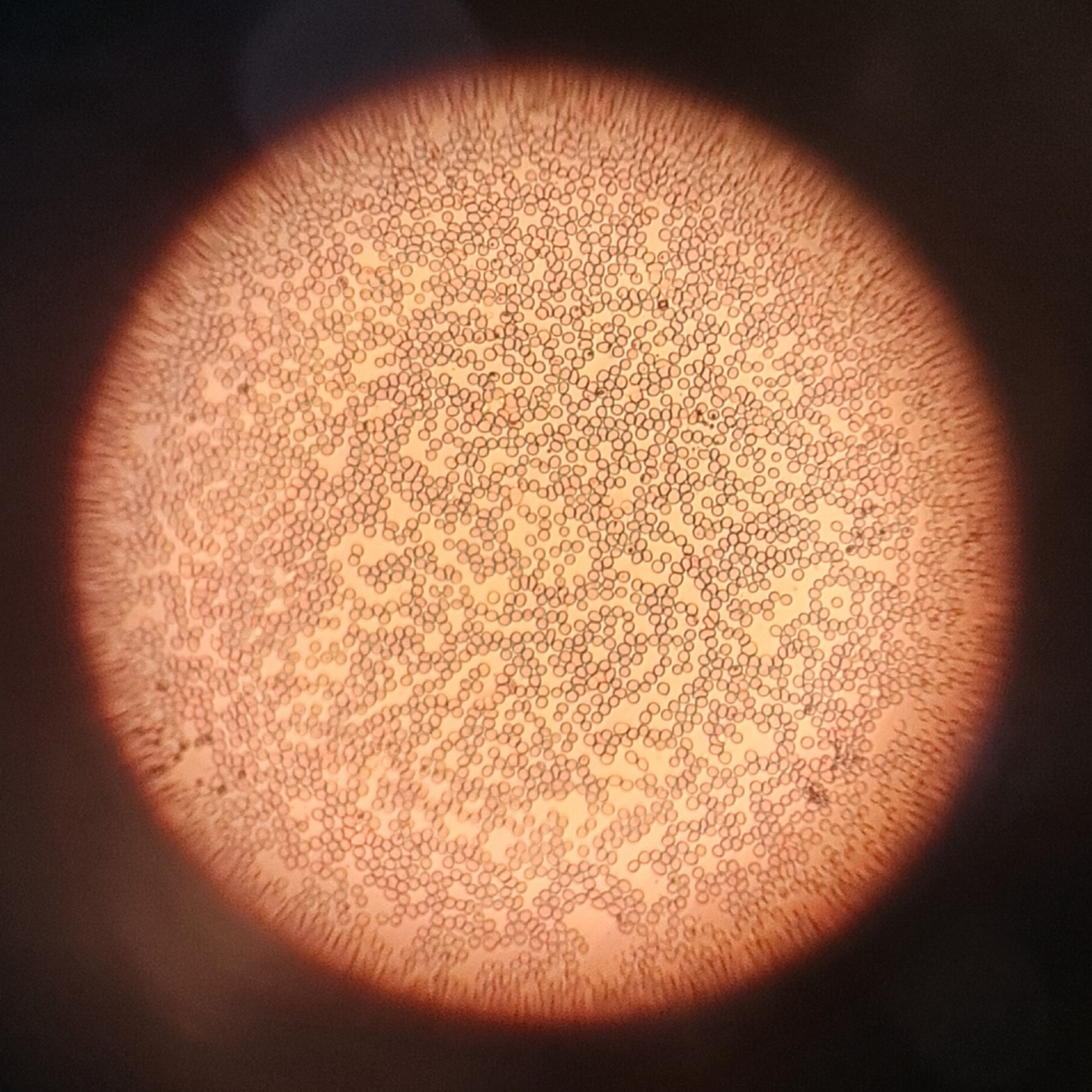
Life From Blood
Red blood cells live briefly but travel great distances and are replaced constantly, with iron recycled efficiently. This continual renewal is a testimony to both God’s physical and spiritual provision. Image: Red blood cells under microscope, Koshur, CC BY-SA 4.0, Wikimedia Commons. For more creation resources, visit https://creationmoments.com/
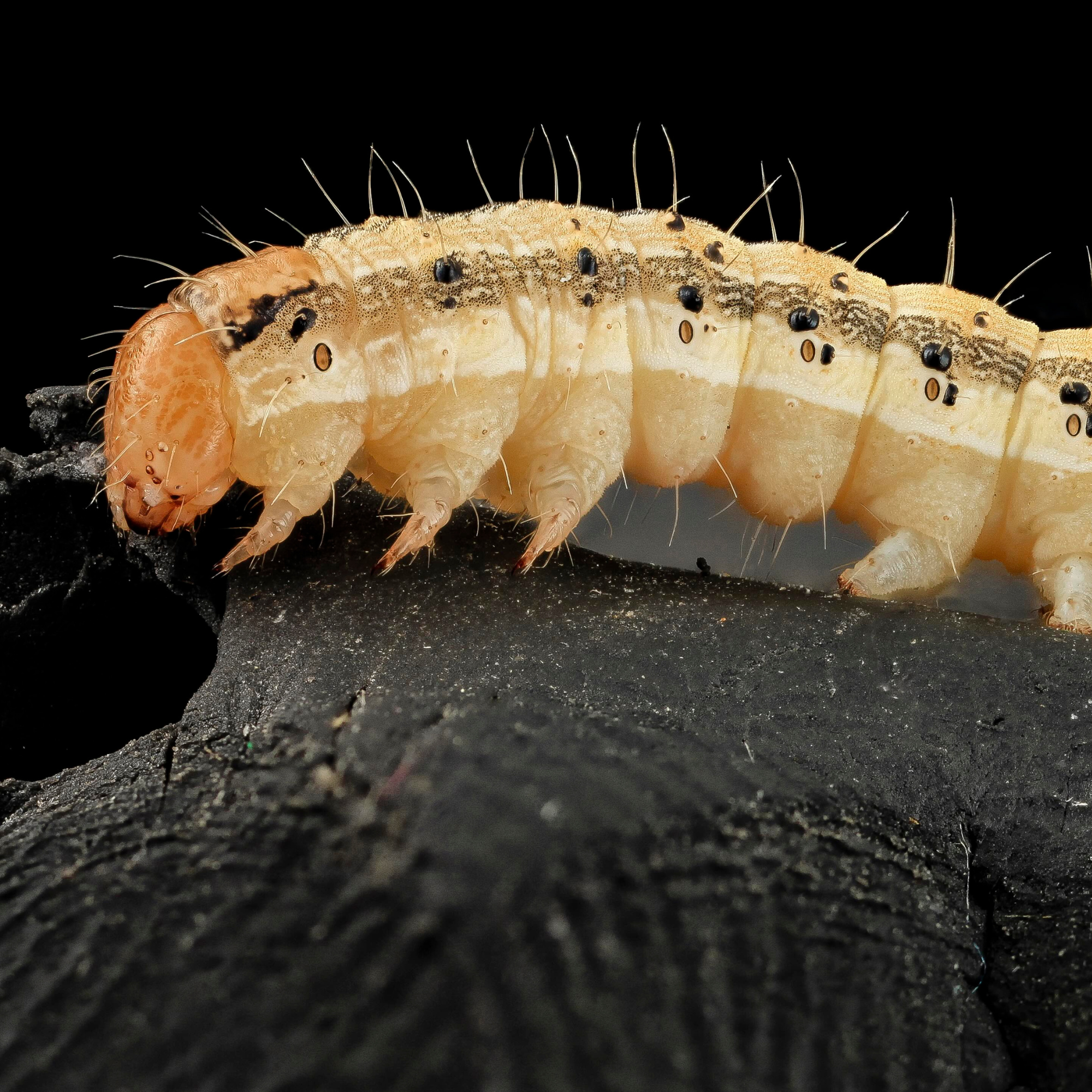
The Worm Turns on Plants
A pest worm can detect and neutralize plant defenses triggered by jasmonate. This complex interaction reveals intelligence in creation that cannot be explained by chance. Image: Corn earworm, USGS Bee Inventory and Monitoring Lab from Beltsville, Maryland, USA, PD, Wikimedia Commons. For more creation resources, visit https://creationmoments.com/
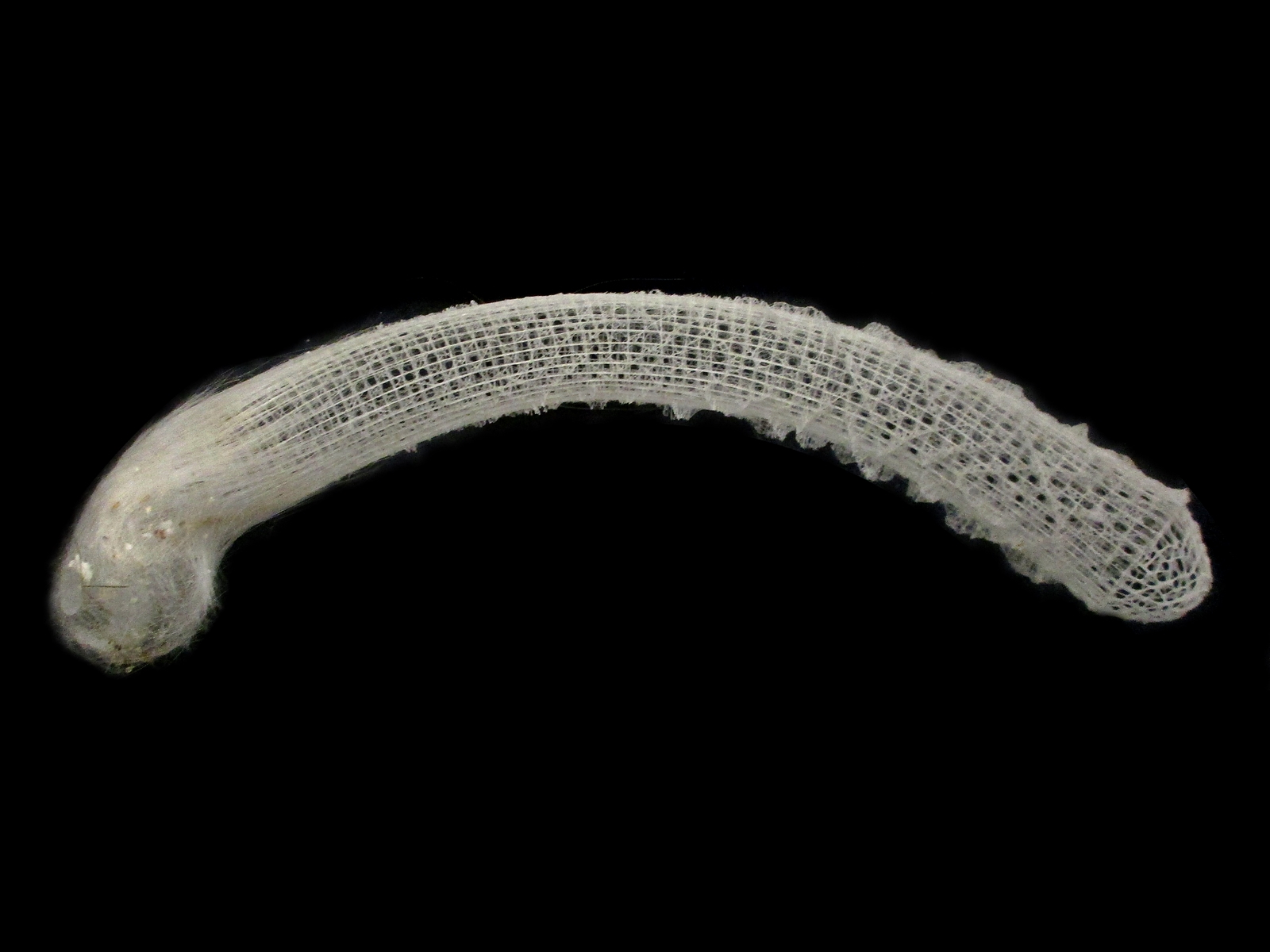
“The Most Perfect Design I’ve Ever Seen”
A deep-sea sponge has an almost unbreakable glass skeleton admired by engineers. Its strength and beauty are clear evidence of divine design in even the simplest organisms. Image: Euplectella aspergillum (Venus' flower basket), Bj.schoenmakers, CC BY 4.0, Wikimedia Commons. For more creation resources, visit https://creationmoments.com/

Self-Cleaning Feet
Gecko feet are not only adhesive but also self-cleaning, shedding particles with each step. This additional feature shows forethought in their design, not the randomness of evolution. For more creation resources, visit https://creationmoments.com/
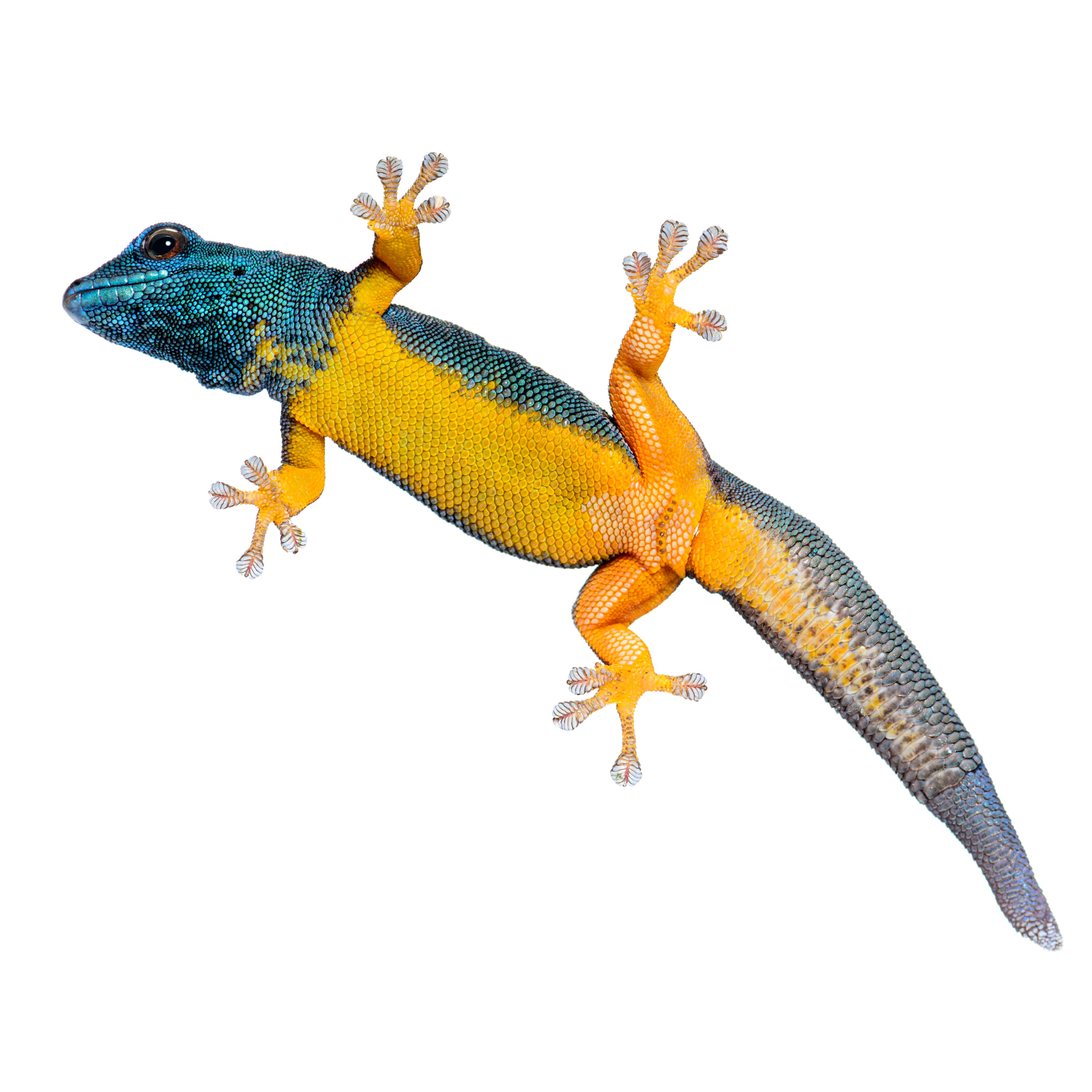
Reptilian Fuzzy-Feet
Geckos walk on walls and ceilings using billions of microscopic bristles that latch onto tiny irregularities. This complex system demonstrates precise, purposeful design. For more creation resources, visit https://creationmoments.com/
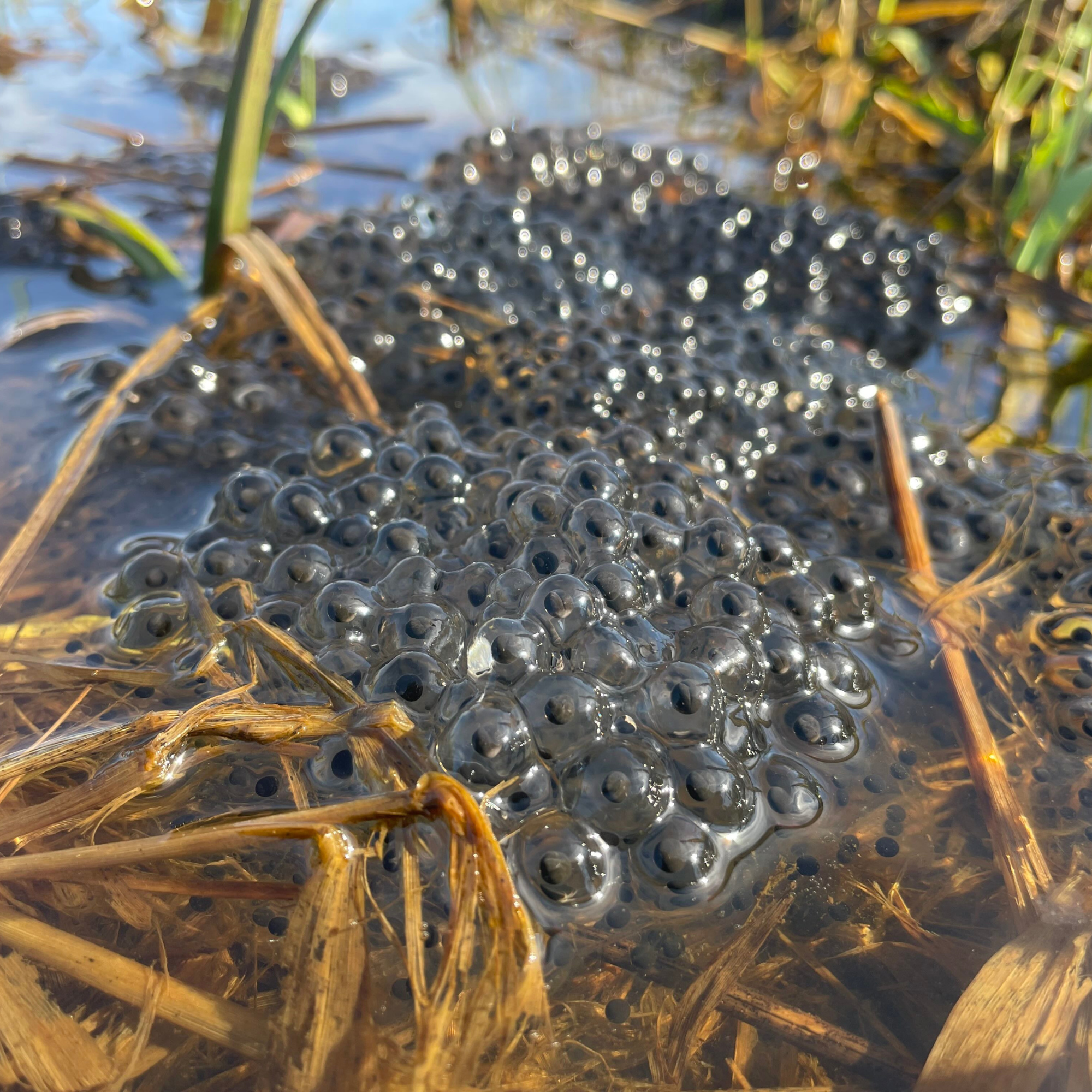
God’s Water Engine
Frog egg jelly and bean seeds swell with water to produce immense pressure, capable of breaking concrete. This silent power reflects how God uses small things for mighty purposes. Image: Oregon Spotted Frog Egg Mass, USFWS Pacific, PD, Wikimedia Commons. For more creation resources, visit https://creationmoments.com/
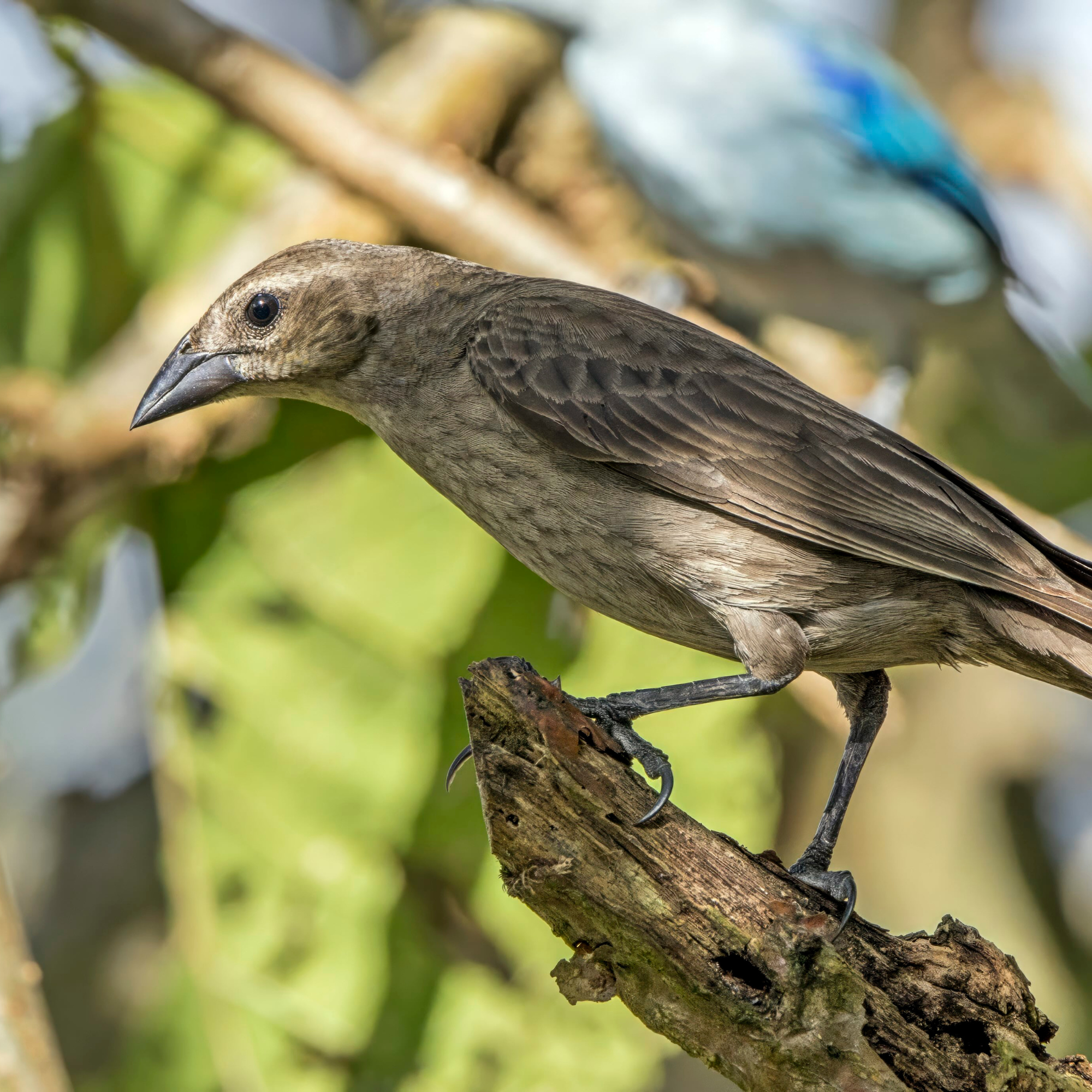
Bird School
Young birds learn songs and behaviors from adults through subtle, nonverbal instruction. This overturns assumptions about instinct-only behavior and affirms that learning is part of God’s plan. Image: Shiny cowbird (Molothrus bonariensis), Charles J. Sharp, CC BY-SA 4.0, Wikimedia Commons. For more creation resources, visit https://creationmoments.com/
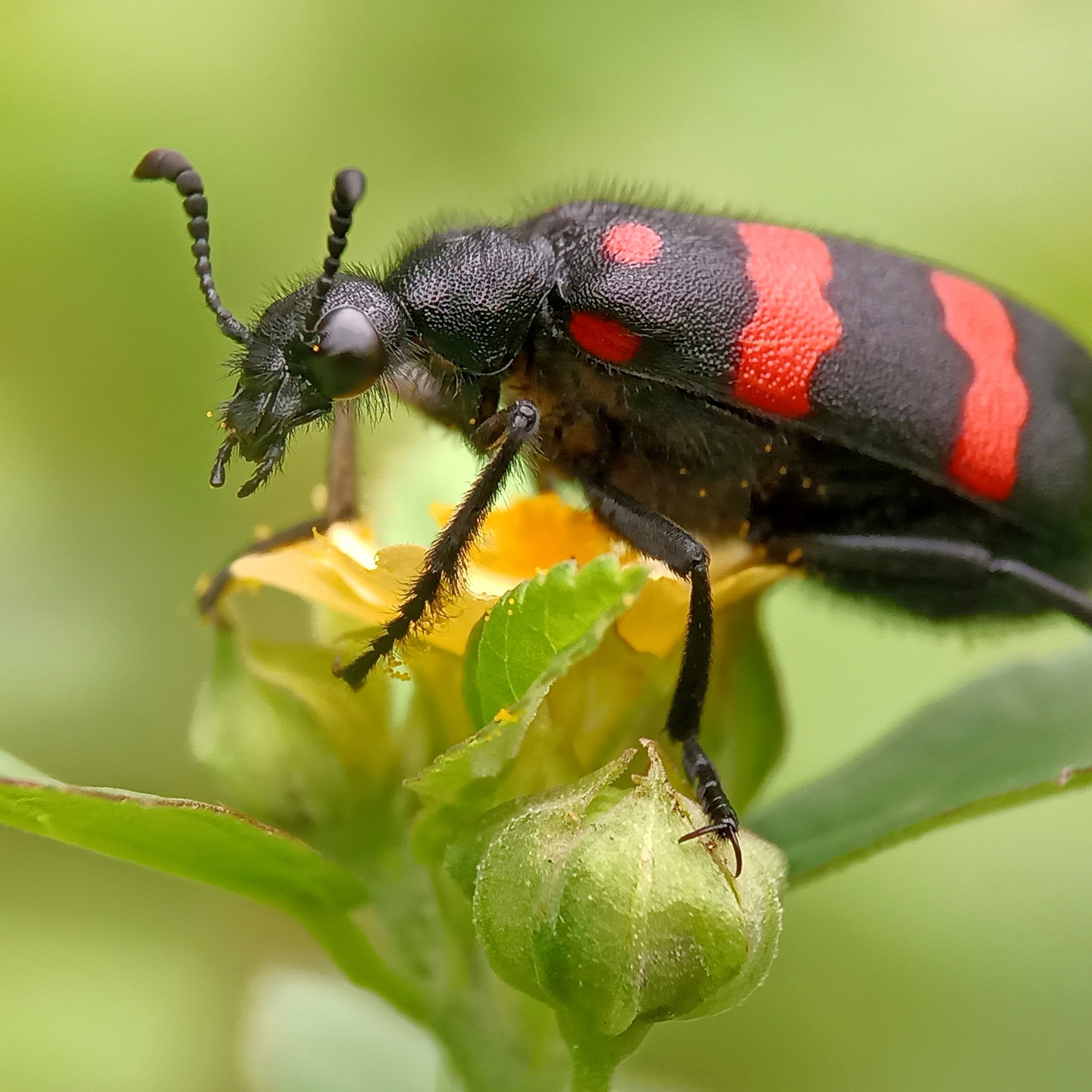
Blister Beetle Protection
Blister beetles secrete a chemical to deter predators, which is also used for mating signals. These dual functions in nature illustrate God’s creativity in biological design. For more creation resources, visit https://creationmoments.com/
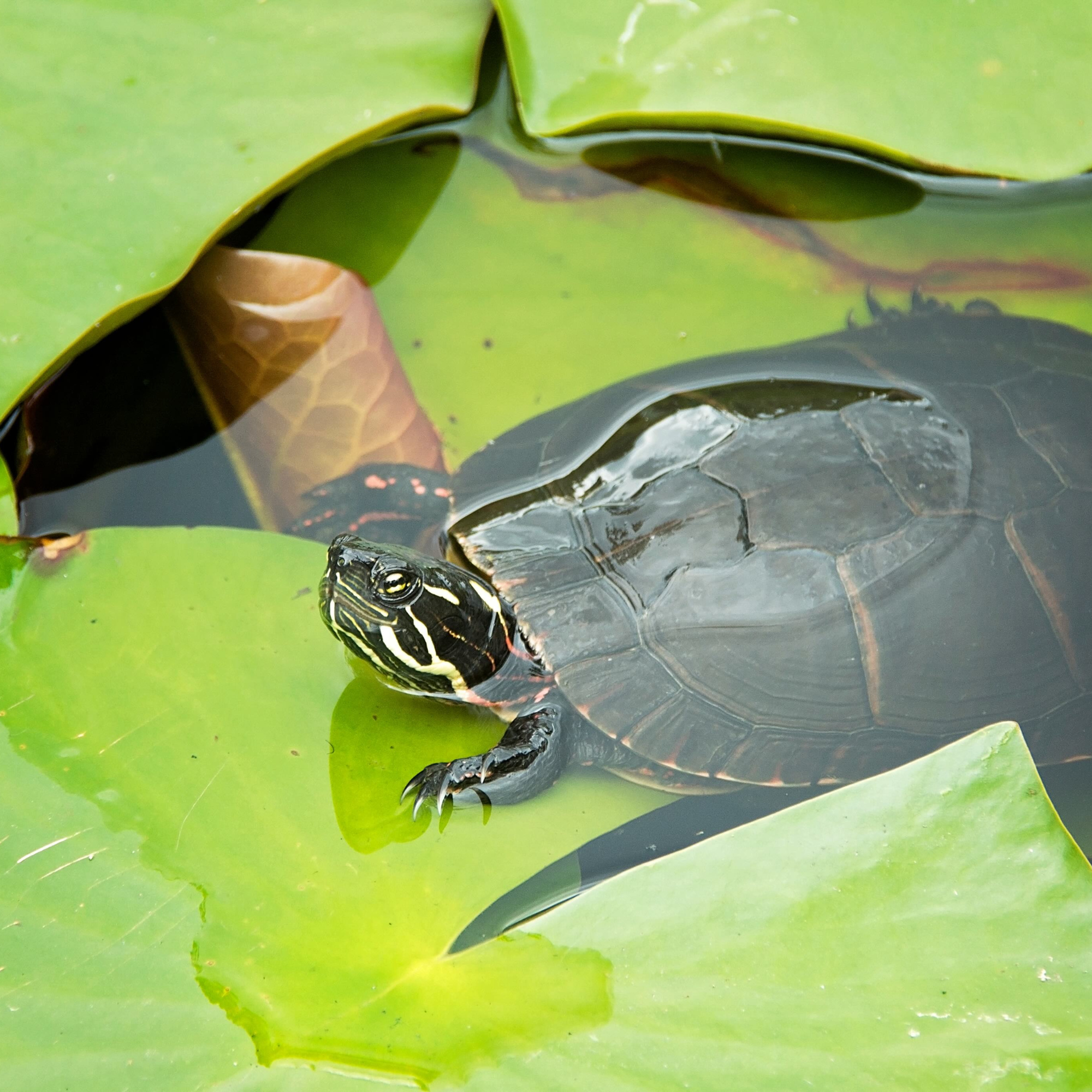
Frozen Turtles
Painted turtles can survive being frozen by producing antifreeze-like chemicals. Scientists hope to mimic this for medicine. For more creation resources, visit https://creationmoments.com/
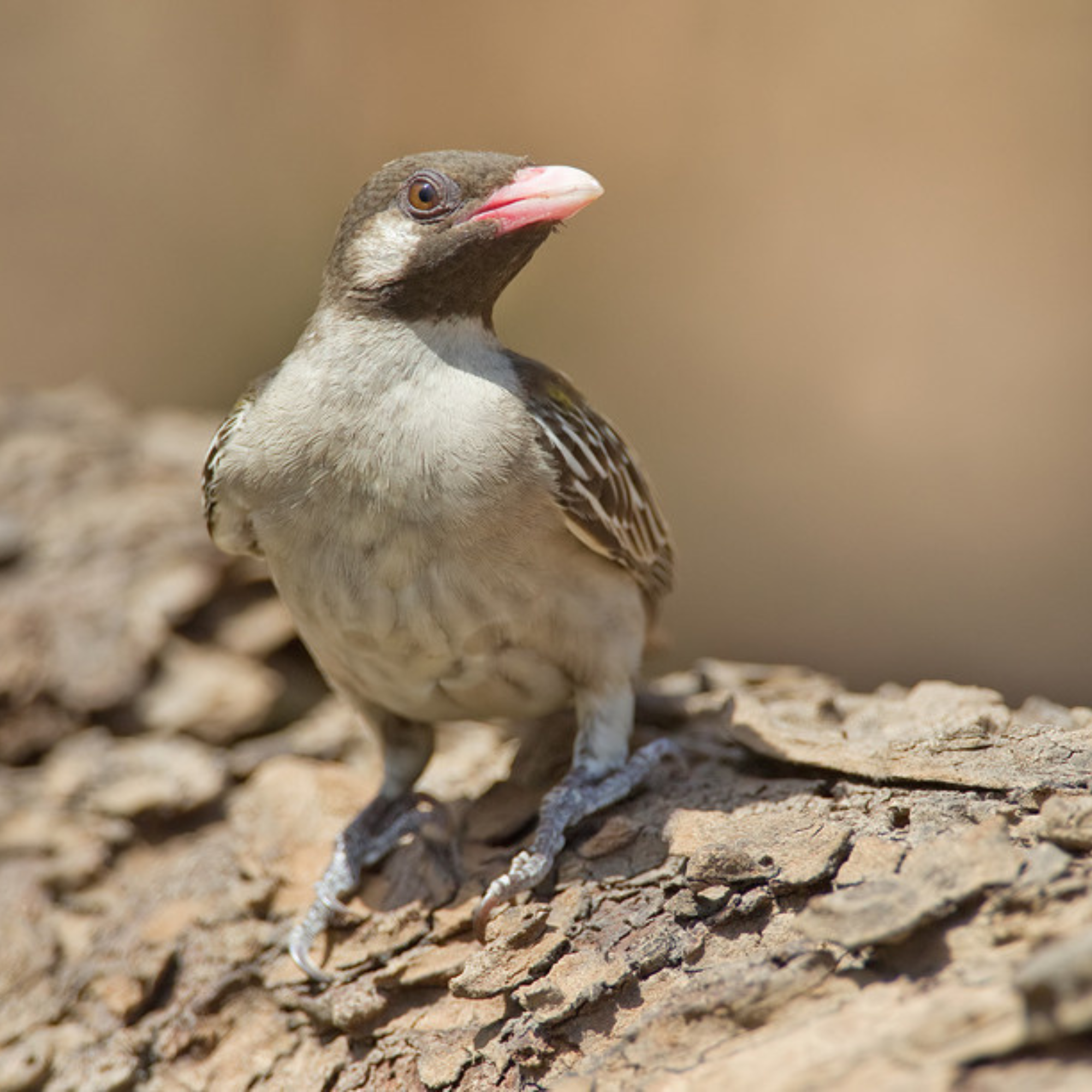
The Helpful Honeyguide
The honeyguide bird leads both badgers and humans to beehives, receiving honey in return. Its cooperative intelligence again points to intentional design rather than random evolution. Image: Greater honeyguide, Paul Cools, CC BY-NC, iNaturalist.org. For more creation resources, visit https://creationmoments.com/
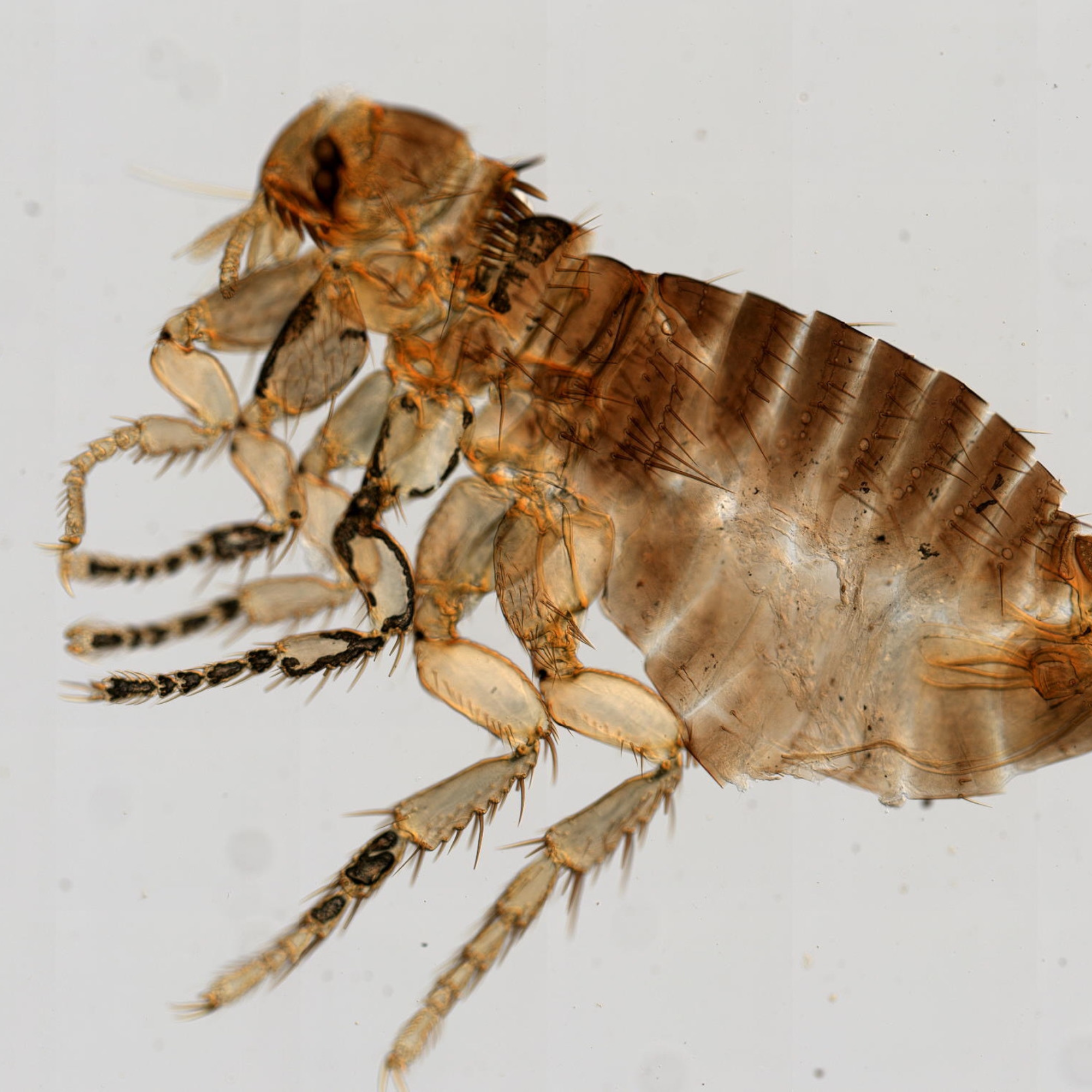
A Day at the Flea Circus
The flea’s ability to jump great distances comes from protein springs in its legs, which store and release energy incredibly efficiently. This design highlights how even tiny creatures display God's creative power. Image: Siphonaptera (flea), Yale Peabody Museum, CC0, Wikimedia Commons. For more creation resources, visit https://creationmoments.com/
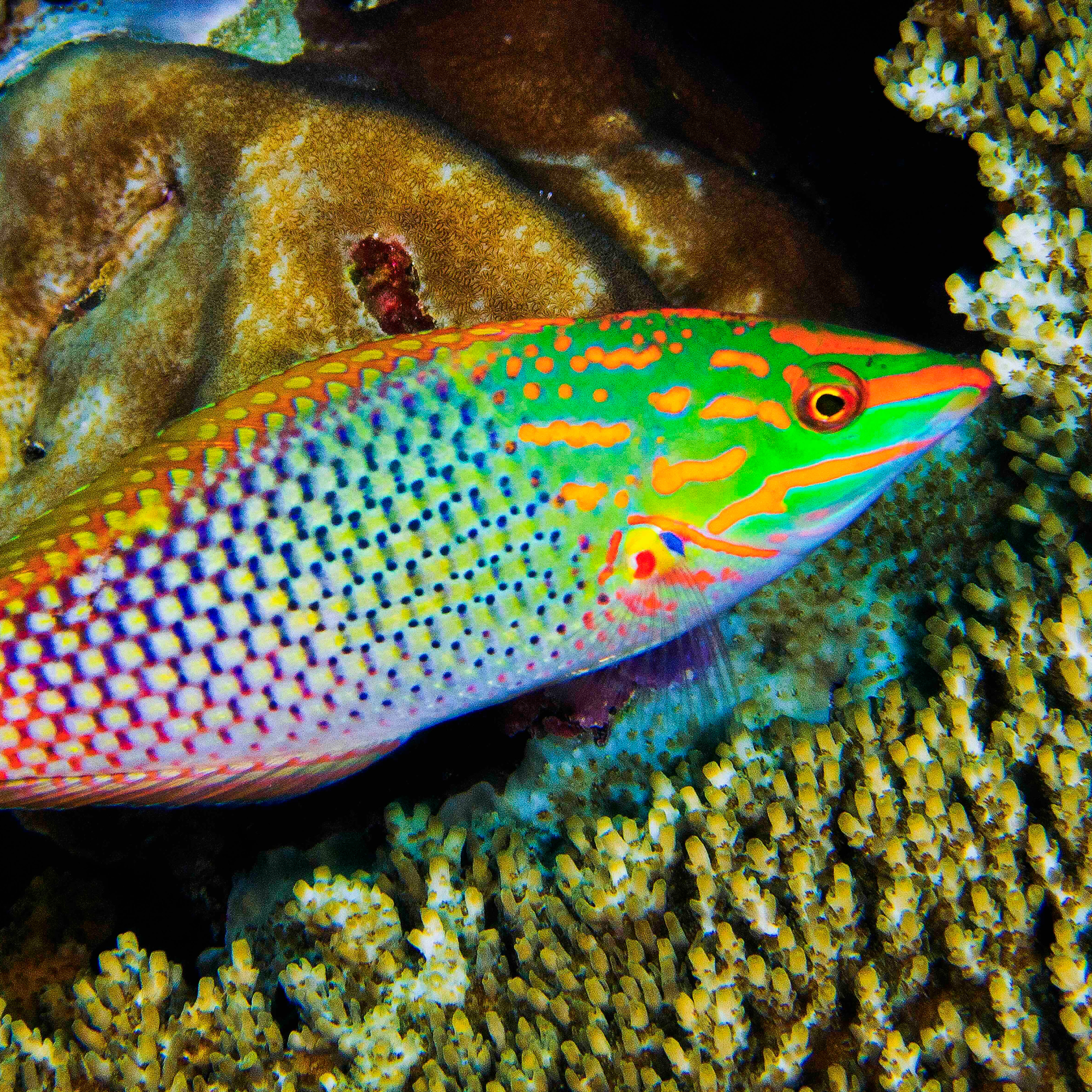
Young Fish Learn New Tricks
Wrasses teach mating site locations to the next generation, proving that even fish can pass on learned behavior. For more creation resources, visit https://creationmoments.com/

Mysteries of Breaking Glass
Glass weakens over time due to tiny, unseen cracks and can shatter unexpectedly. This decay mirrors the Bible’s teaching that all creation groans under sin and reminds us of our need for salvation. For more creation resources, visit https://creationmoments.com/
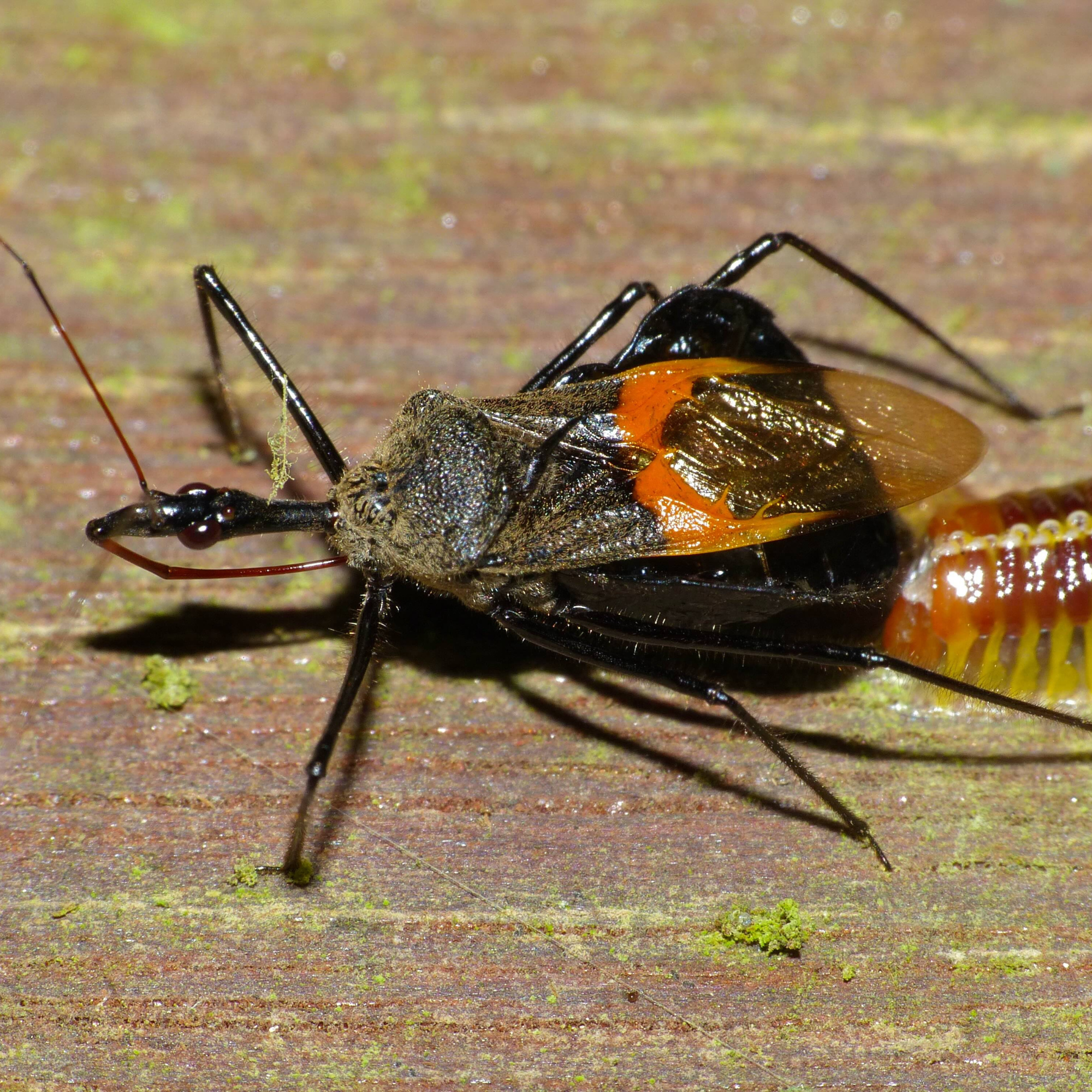
The Ingenious Assassin Bug
The female assassin bug applies camphor resin to protect her eggs from ants, showcasing an impressive use of chemistry. This natural wisdom reflects the Creator’s intelligence in all life. Image: Assassin Bug (Reduviidae) female laying eggs, Bernard Dupont, CC BY-SA 2.0, Wikimedia Commons. For more creation resources, visit https://creationmoments.com/
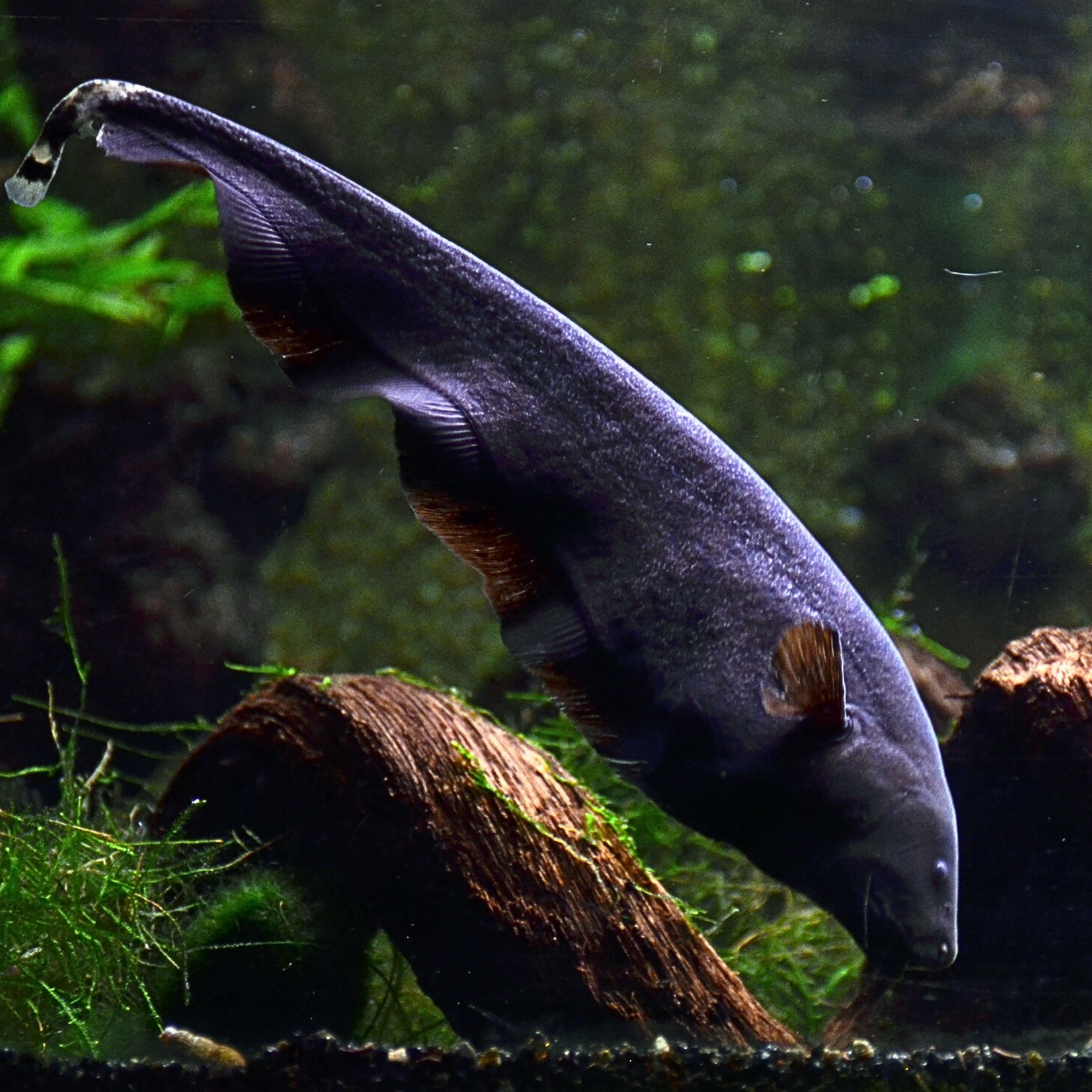
Growing Backbone
The black ghost knifefish can regenerate its spinal cord. Interestingly, humans share the same dormant regenerative cell type. Image: Apteronotus albifrons (White-fronted knifefish), Vassil, CC0, Wikimedia Commons. For more creation resources, visit https://creationmoments.com/
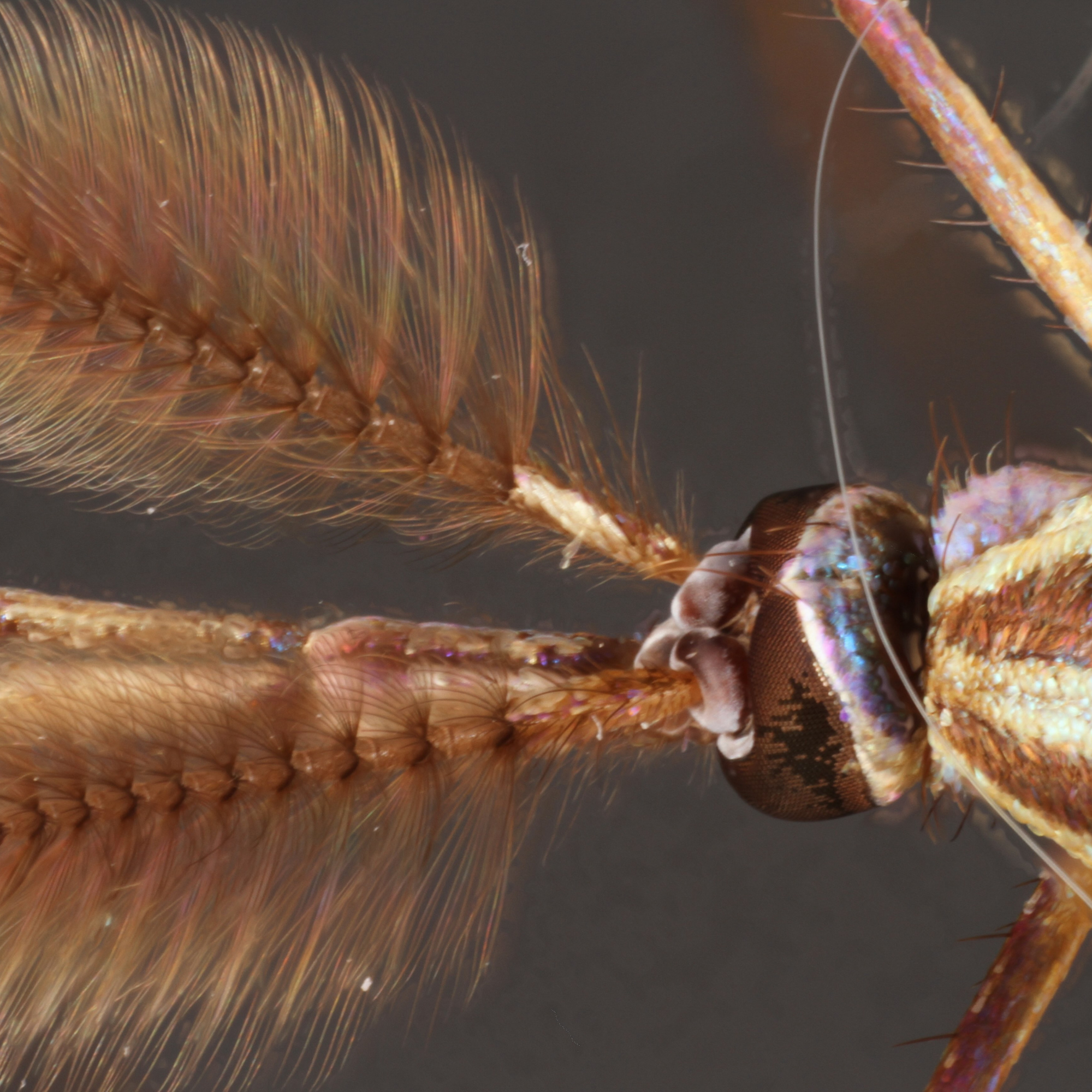
Retracting Mosquito Antennae
Male mosquitoes use water-powered pads to fold their large antennae back during flight and raise them to hear when they land. This clever design is another example of God’s intricate engineering. Image: Taxorhynchites rutilus (Elephant Mosquito), Christopher Johnson, PD, Insects Unlocked project, University of Texas at Austin. For more creation resources, visit https://creationmoments.com/

Smart Brain
The brain can adapt and rewire itself when damaged or unused, showing its amazing plasticity. This biological truth reinforces the biblical idea of transformation through renewal. For more creation resources, visit https://creationmoments.com/

New Recipe for Primordial Soup
Evolution’s early-Earth model for the origin of life has been debunked by modern science showing that Earth always had oxygen and ultraviolet exposure. Life's complexity continues to point to a Creator. For more creation resources, visit https://creationmoments.com/
The Solar-Powered Pump
Tall trees pump thousands of gallons of water up to their highest leaves using evaporation-powered negative pressure. This silent, efficient system surpasses human engineering. For more creation resources, visit https://creationmoments.com/

Your Body’s Self-Repair
When you get a cut, your body initiates a complex healing process that involves clotting, cleaning, and regeneration. This ordered system shows clear evidence of a Designer’s handiwork. For more creation resources, visit https://creationmoments.com/

Mechanical Excellence Under Stress
Living things like trees and leaves adjust their shape to reduce drag in strong winds. Their superior design outperforms man-made objects, demonstrating the Creator’s unmatched engineering. For more creation resources, visit https://creationmoments.com/
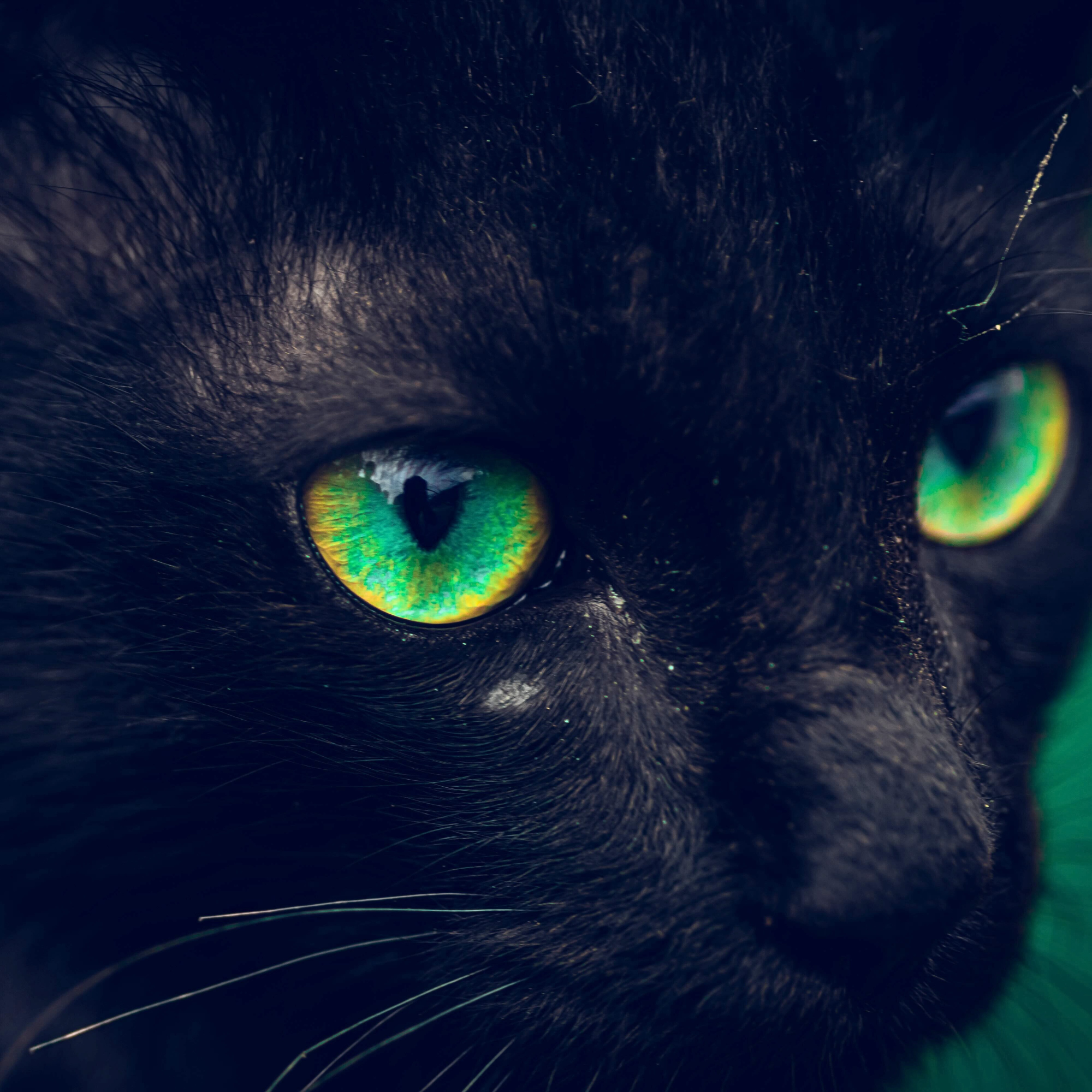
Can Cats See in the Dark?
Cats can't see in total darkness, but do have specialized eye structures that allow them to see better in low light. These remarkable features reveal purposeful design suited to each creature’s needs. For more creation resources, visit https://creationmoments.com/
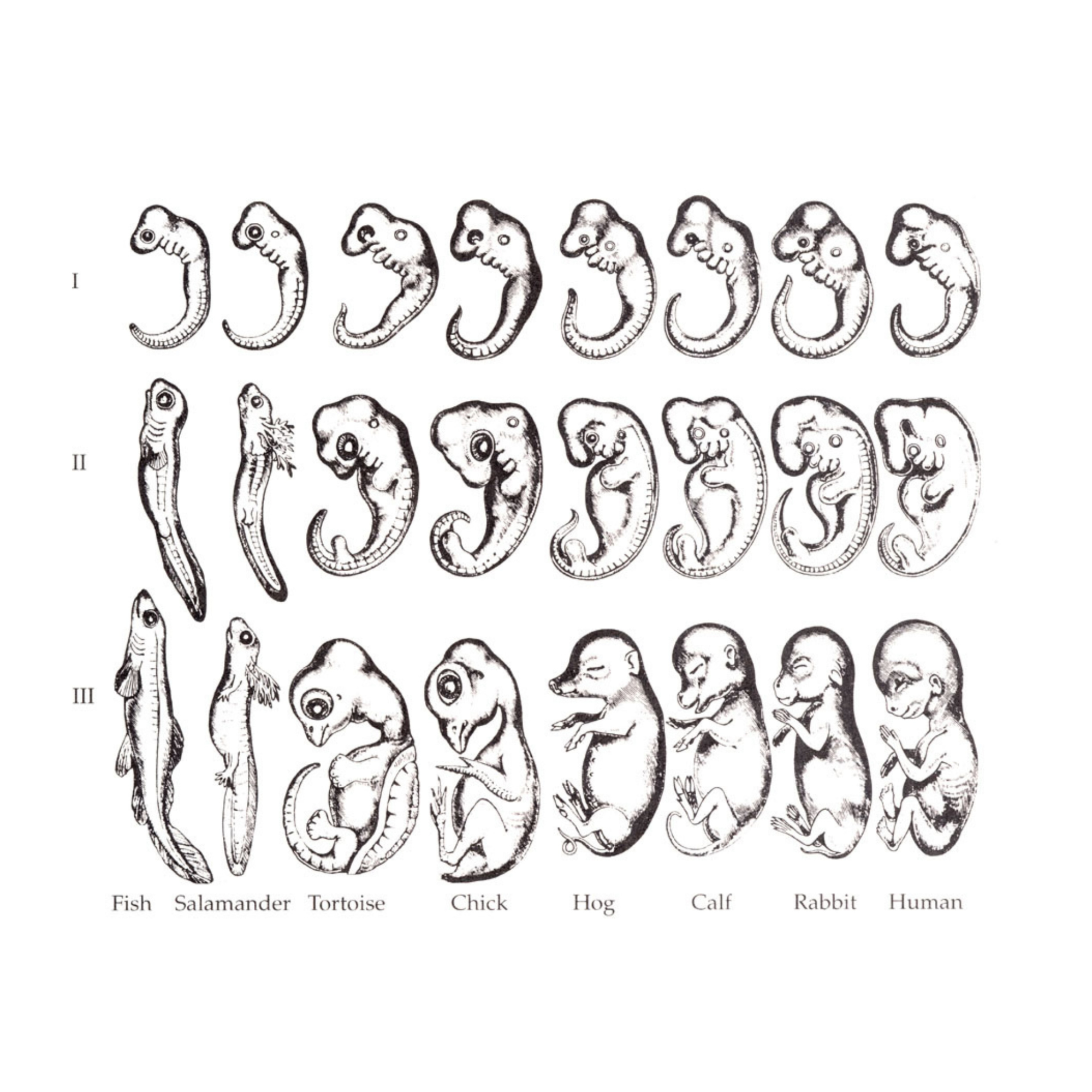
Holding Comparisons at Arm’s Length
The myth that human embryos go through evolutionary stages is based on outdated and discredited science. In truth, even developing arms are genetically and structurally human from the beginning. Image: Ernst Haeckel's drawings (now widely considered to be inaccurate and fabricated), Romanes, G. J., PD, Wikimedia Commons. For more creation resources, visit https://creationmoments.com/
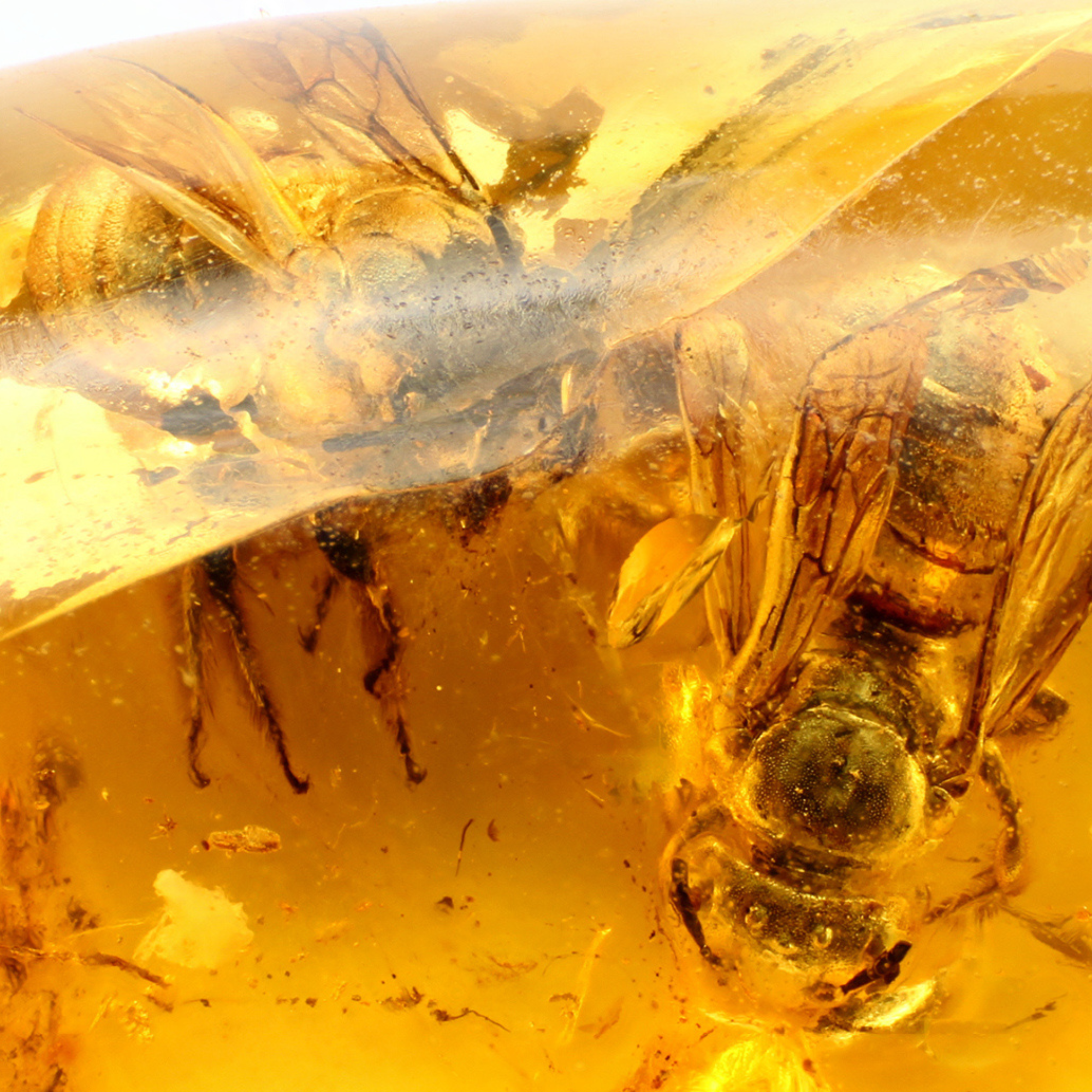
Fast Bees or Fast Talking
A perfectly preserved ancient bee challenges evolutionary timelines by appearing earlier than expected and fully formed. This supports the biblical account that bees were created alongside flowering plants, not after them. Image: Ctenoplectrella phaeton ("40-48 million-year-old" bees), Gonzalez & Engel, CC BY 3.0, Wikimedia Commons. For more creation resources, visit https://creationmoments.com/
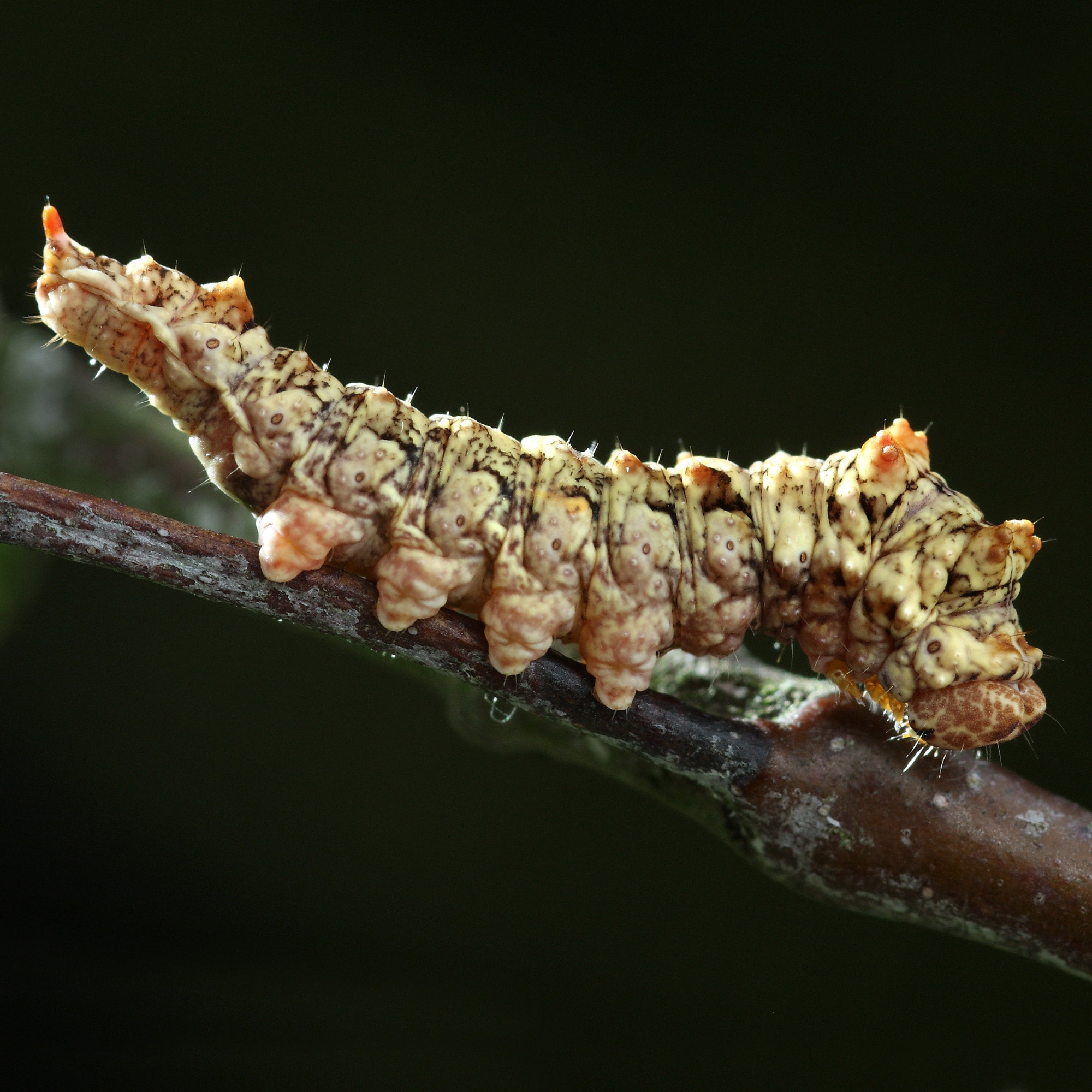
Wisdom in Hiding
Some caterpillars can mimic catkins or twigs depending on their diet, a camouflage that amazes scientists. This adaptability is not learned but built into the creatures. The hidden wisdom in creation reflects the wisdom of God. For more creation resources, visit https://creationmoments.com/ Image: Scalloped hook-tip (Falcaria lacertinaria) larva, Patrick Clement from West Midlands, England, CC BY 2.0, Wikimedia Commons.
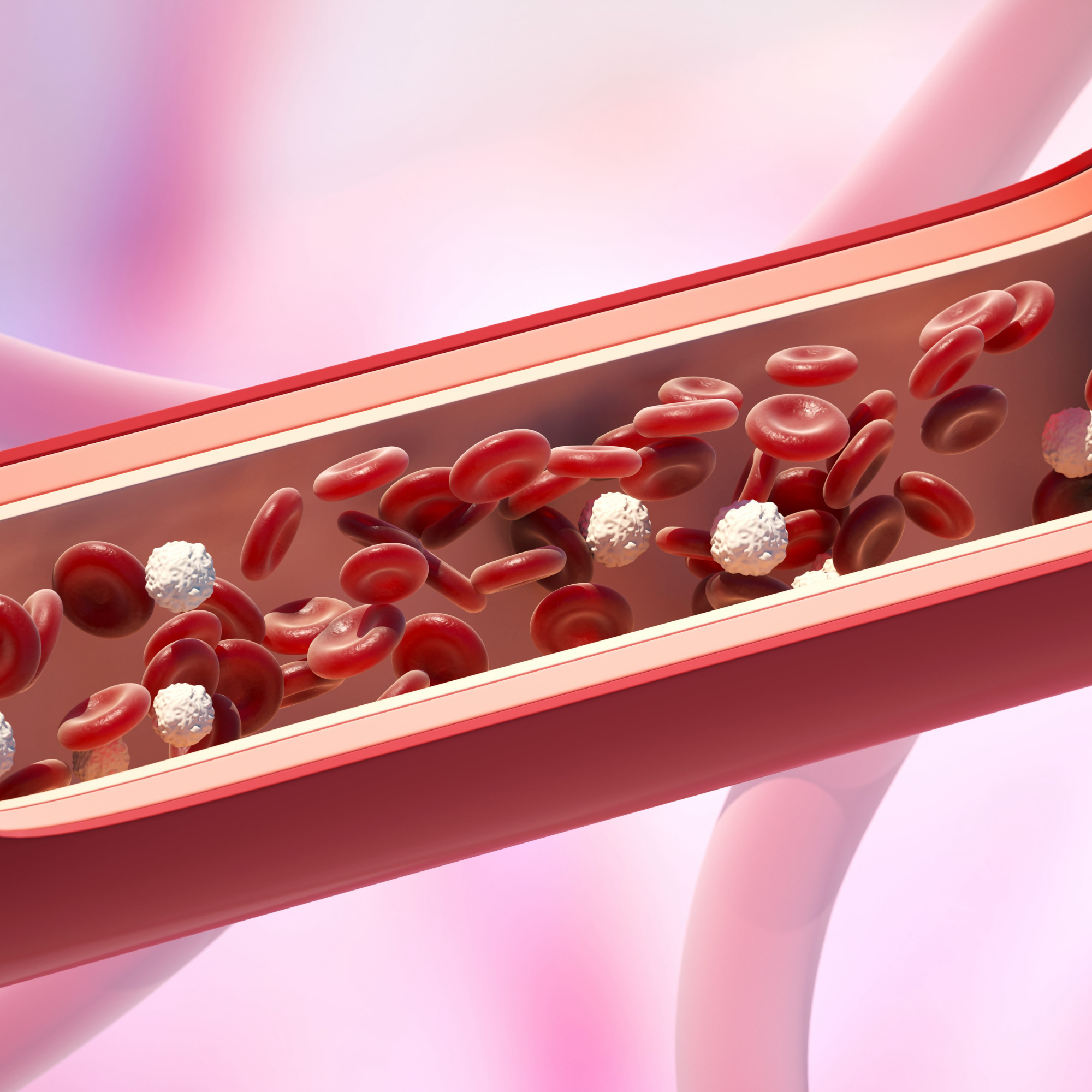
Against All Odds
Hemoglobin is a highly complex molecule found in unrelated species, challenging the idea that it evolved many times. The odds of this molecule forming by chance are essentially zero. Blood, like life, is clearly the work of a Creator. For more creation resources, visit https://creationmoments.com/
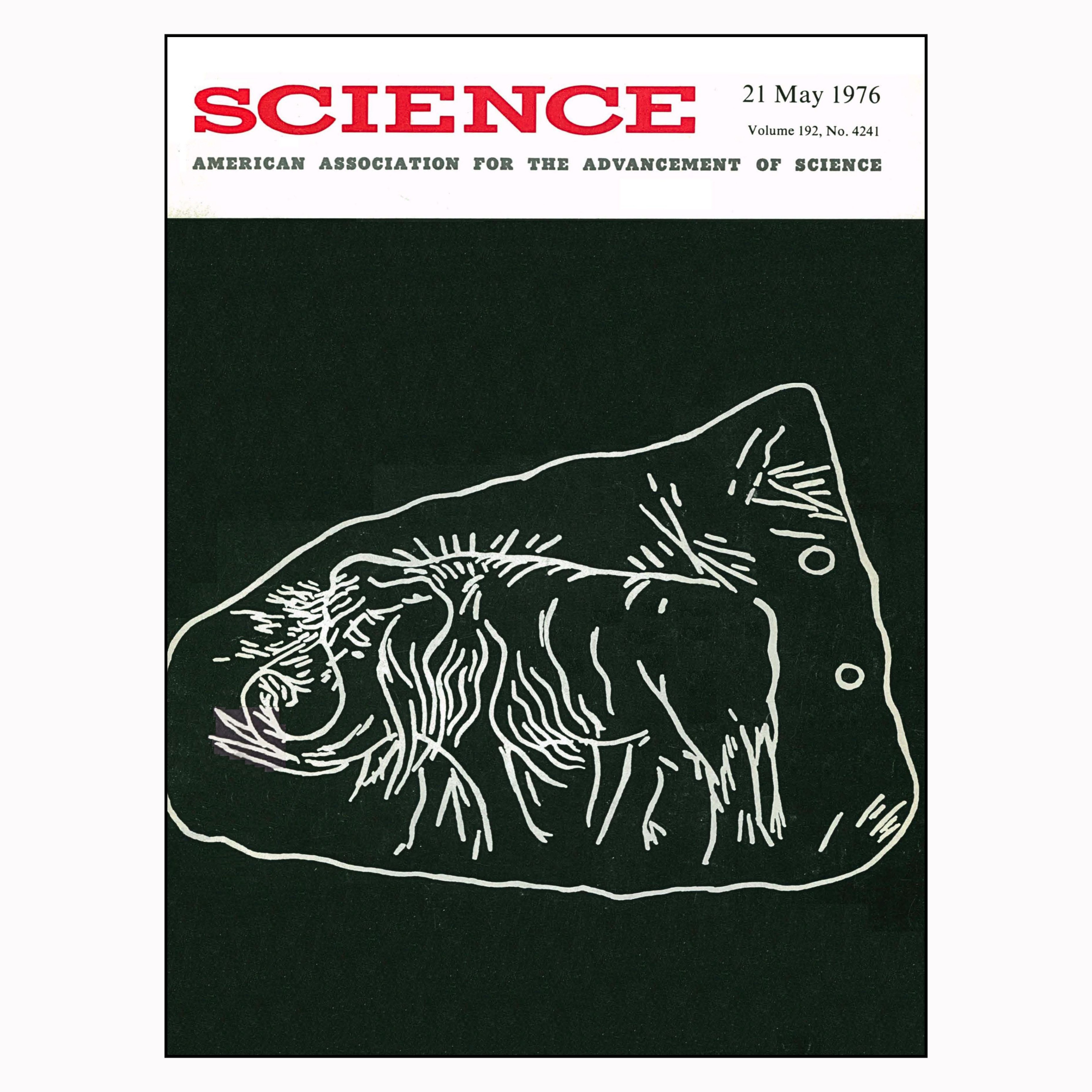
A Mammoth Mystery
The Holly Oak pendant, once thought to depict a mammoth seen by ancient man, has been dismissed to protect evolutionary timelines. This shows how data is often forced to fit prevailing theories. For more creation resources, visit https://creationmoments.com/ Image: Science.1976.192.issue-4241, Adaptation of sketch of Holly Oak (Delaware) mammoth as carved on pendant, B. J. Meggers, Department of Anthropology, National Museum of Natural History, Smithsonian Institution.
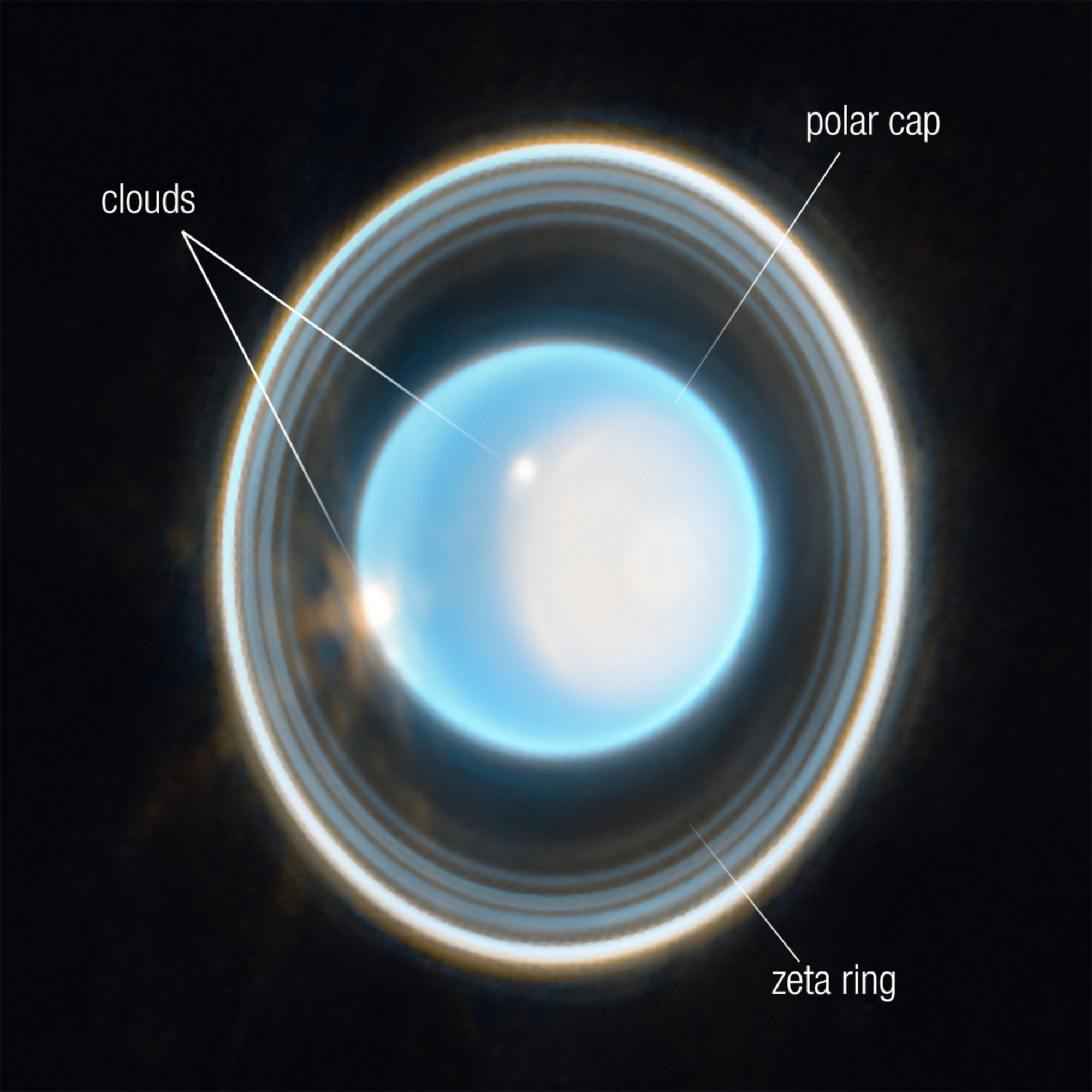
The Too-Young Rings of Uranus
The rings around Uranus shouldn't exist if the planet were billions of years old, as evolutionists claim. Scientists propose invisible causes to explain their persistence. A young creation, as described in the Bible, fits the evidence better. For more creation resources, visit https://creationmoments.com/ Image: STScI-Uranus-NIRCam, NASA, ESA, CSA, STScI, PD, Wikimedia Commons, Changes Made.
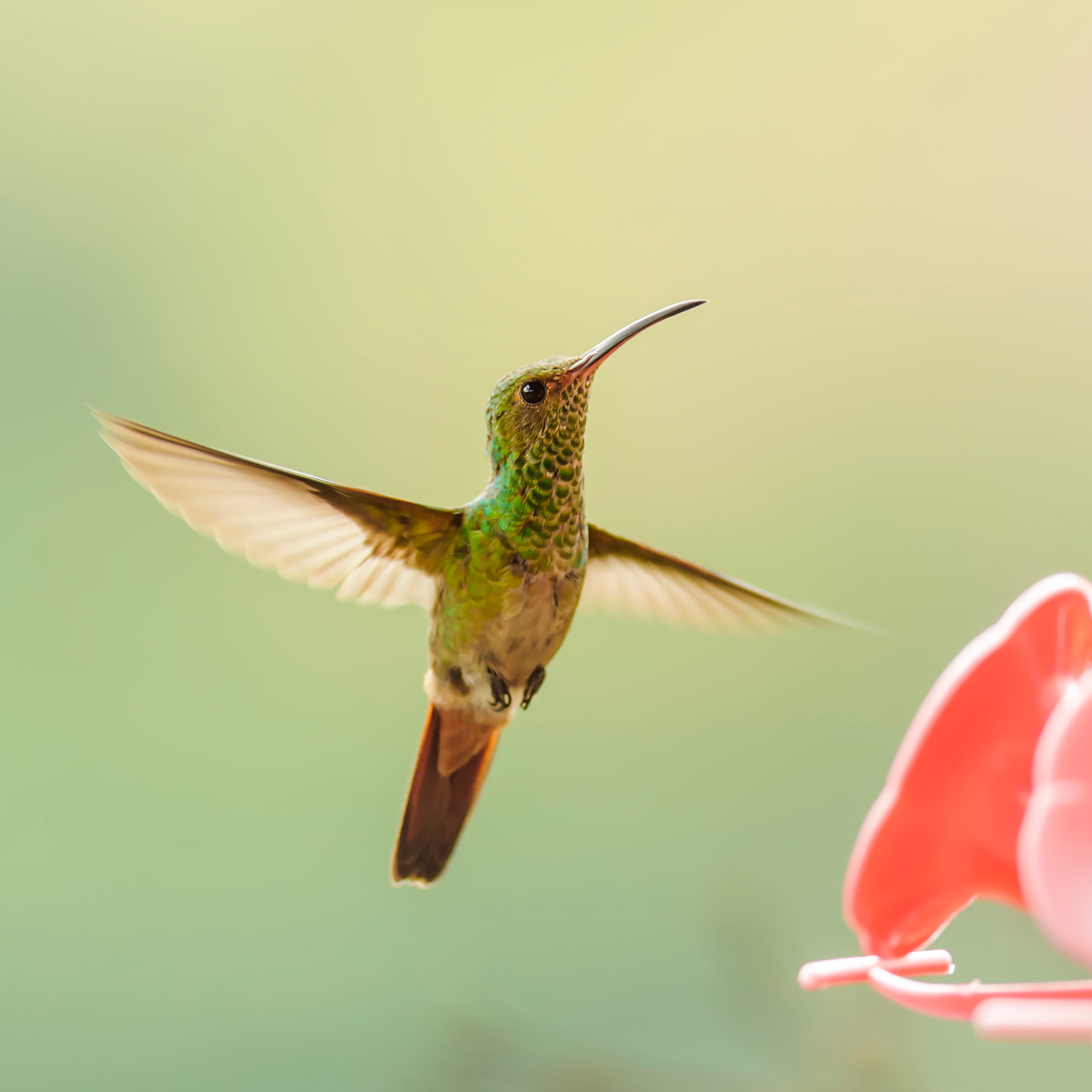
Reversible Wings: Mystery or Creativity?
Hummingbirds can rotate their wings uniquely to hover and fly backwards. This is unlike any other bird and cannot be explained by evolution. For more creation resources, visit https://creationmoments.com/

The Power of God Touches Earth
Psalm 22 predicted Christ’s crucifixion in detail a thousand years before it occurred. Fulfillment of these prophecies proves divine authorship and purpose. The cross is the ultimate expression of God’s power and love. For more creation resources, visit https://creationmoments.com/
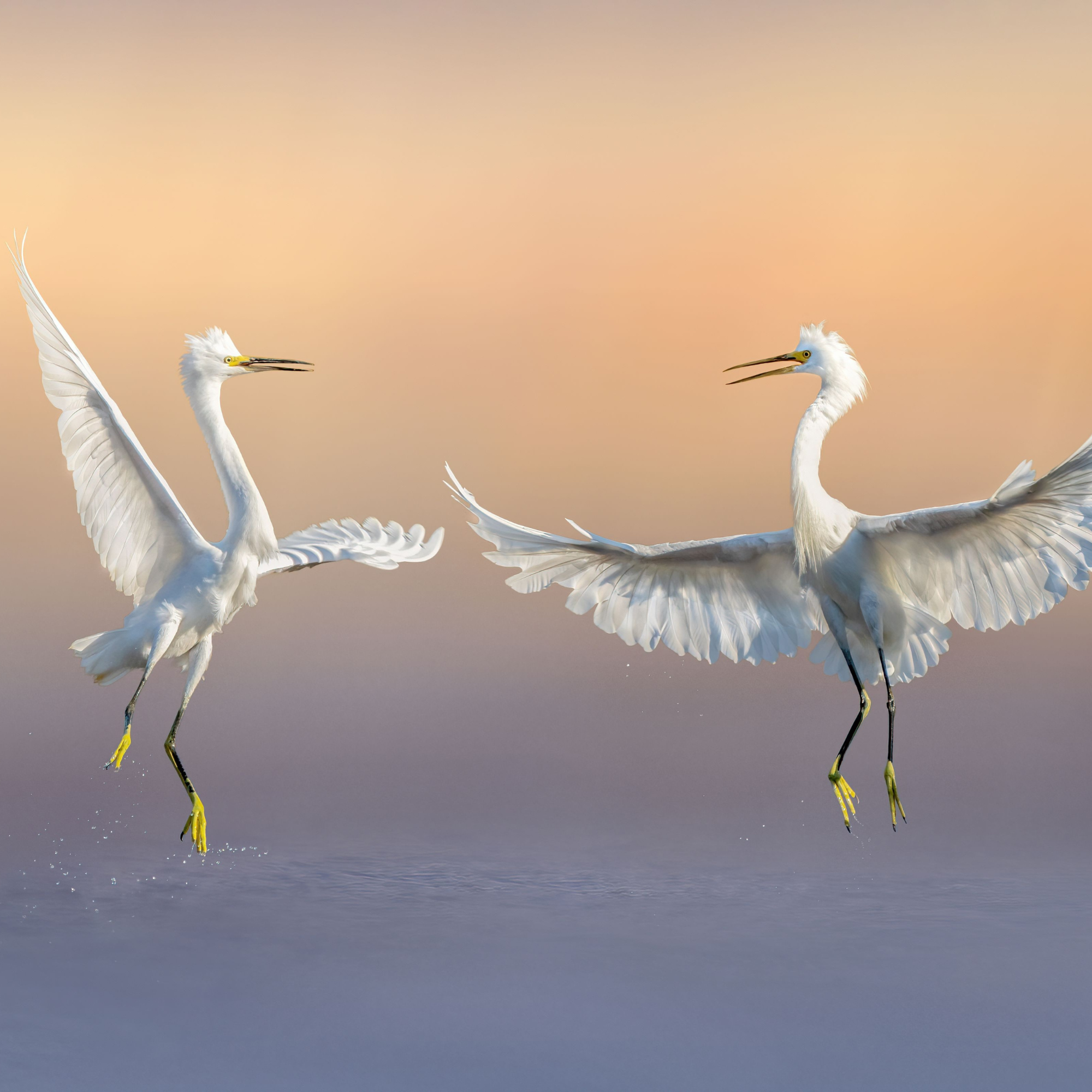
Feathered Pilots
Birds instinctively use complex aerodynamic principles—like lift, drag, and braking—to land, much like human pilots. These flight skills are built-in, not learned. For more creation resources, visit https://creationmoments.com/
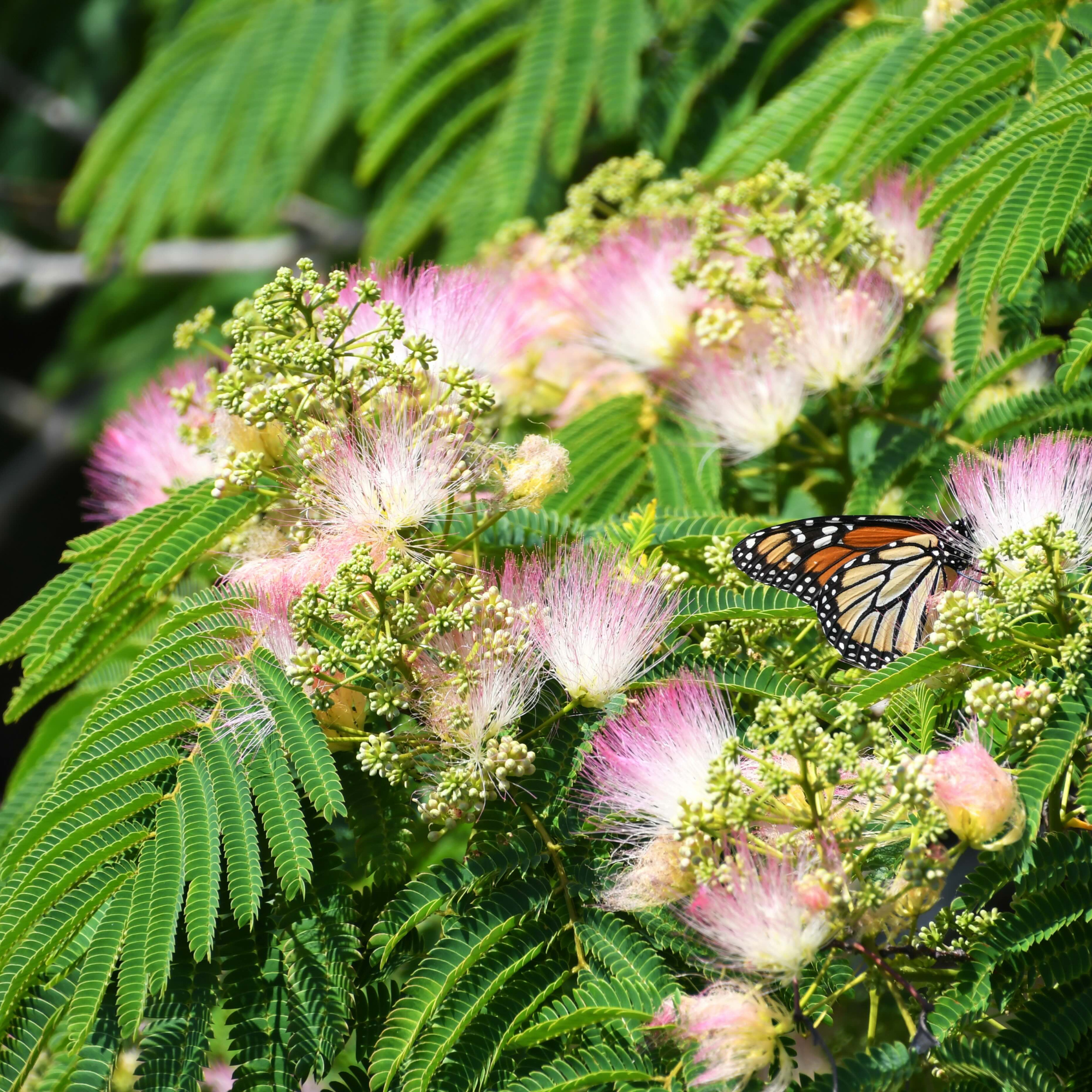
Electric Bushes and Trees
Plants use electrical signals to respond to their environment, much like nervous systems in animals. These reactions include wilting under stress and leaf movement. God endowed even plants with amazing capabilities, reflecting His care and creativity. For more creation resources, visit https://creationmoments.com/
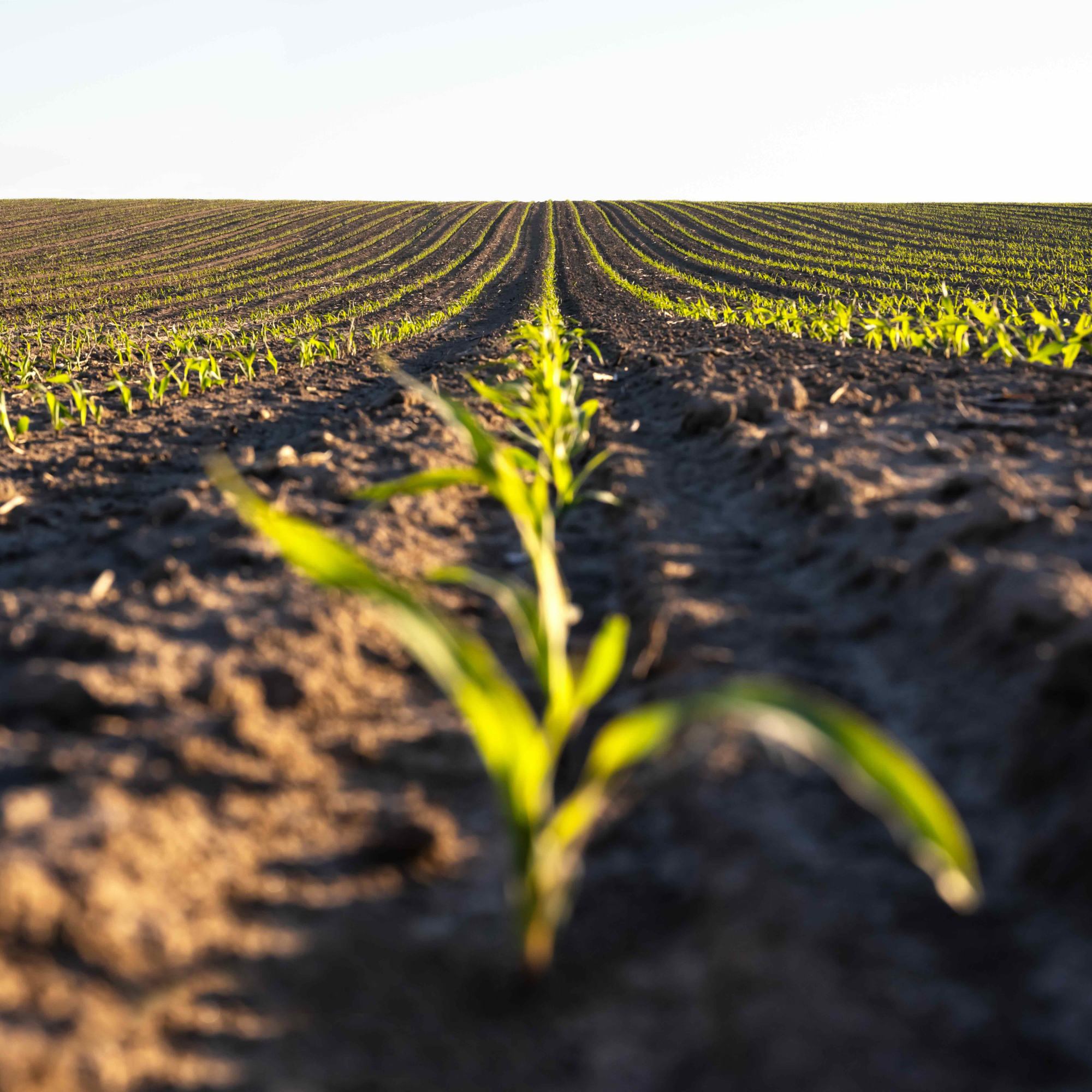
God’s Optic Fibers
Some plant stems act as fiber-optic cables, guiding light underground to stimulate growth. This technology was used by God long before humans discovered it. Nature continually reveals divine foresight and intelligence. For more creation resources, visit https://creationmoments.com/
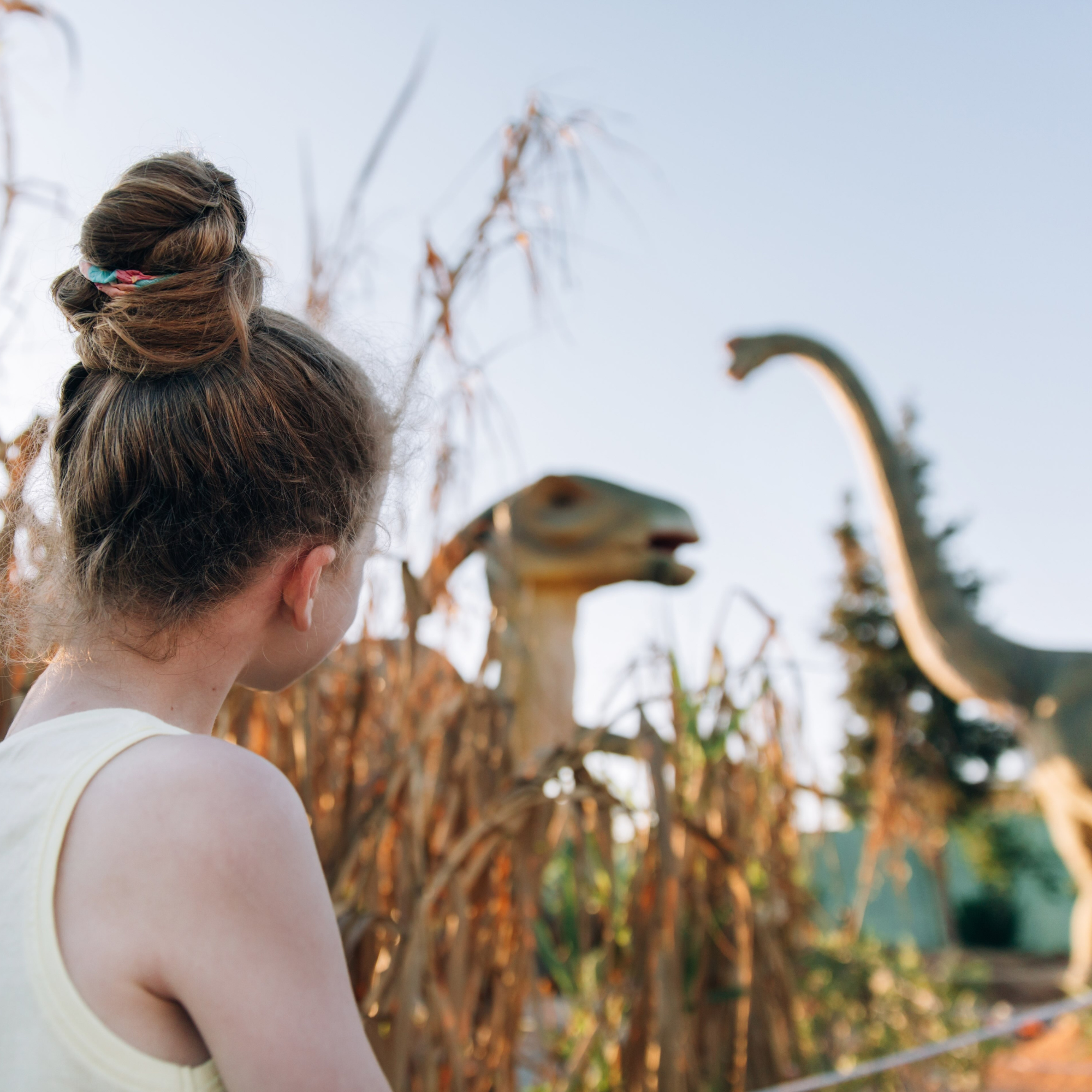
Dinosaurs Need Friends, Too
Dinosaurs were once thought to be solitary and uncaring, but evidence now shows they lived in social groups and cared for their young. Companionship, seen across creation, reflects God’s love. For more creation resources, visit https://creationmoments.com/
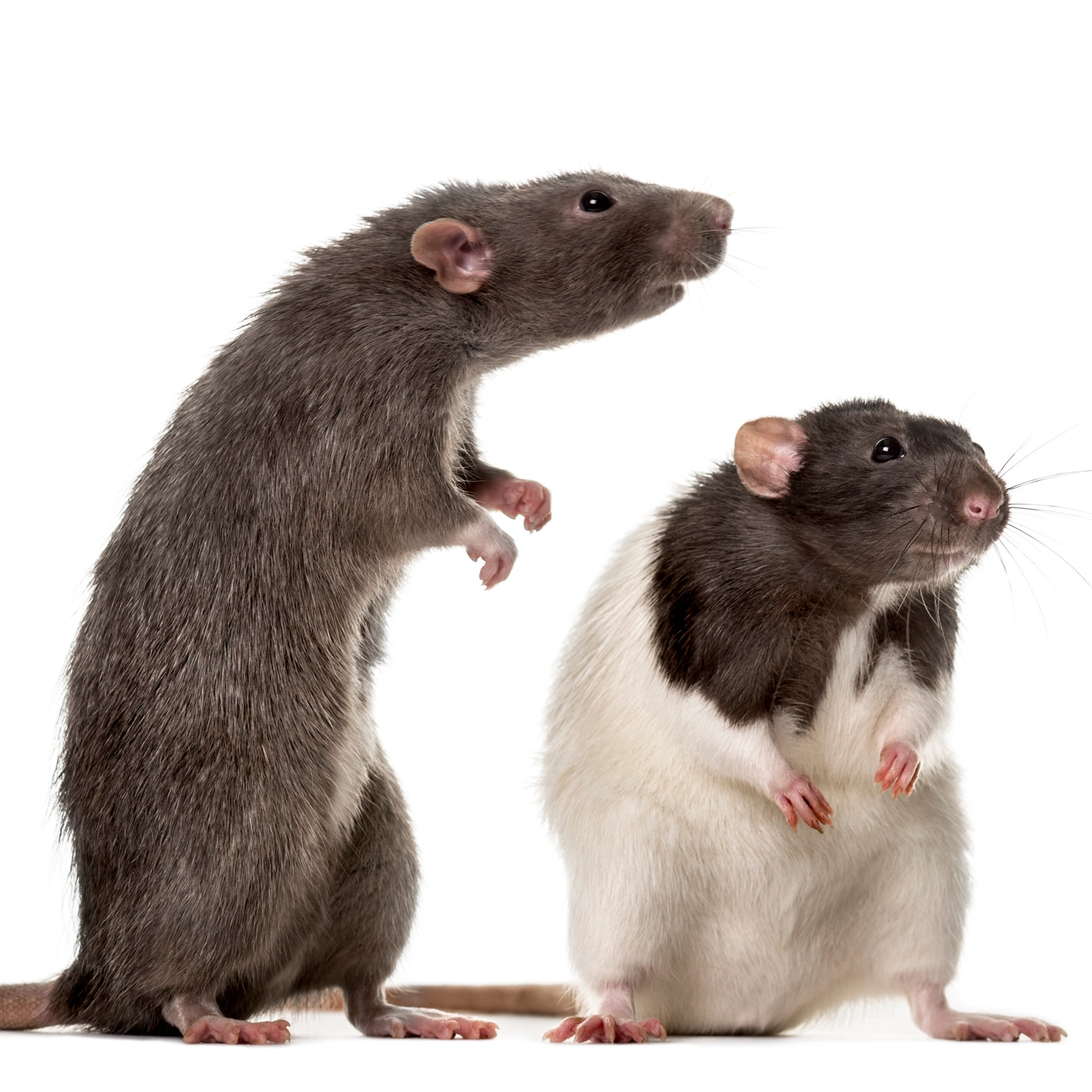
Rat Language: More than Meets the Ear
Rats communicate using ultrasonic sounds we can’t hear, some as loud as jackhammers. This language complexity undermines claims that only humans possess language. The whole creation praises its Creator—even in ways we can’t perceive. For more creation resources, visit https://creationmoments.com/
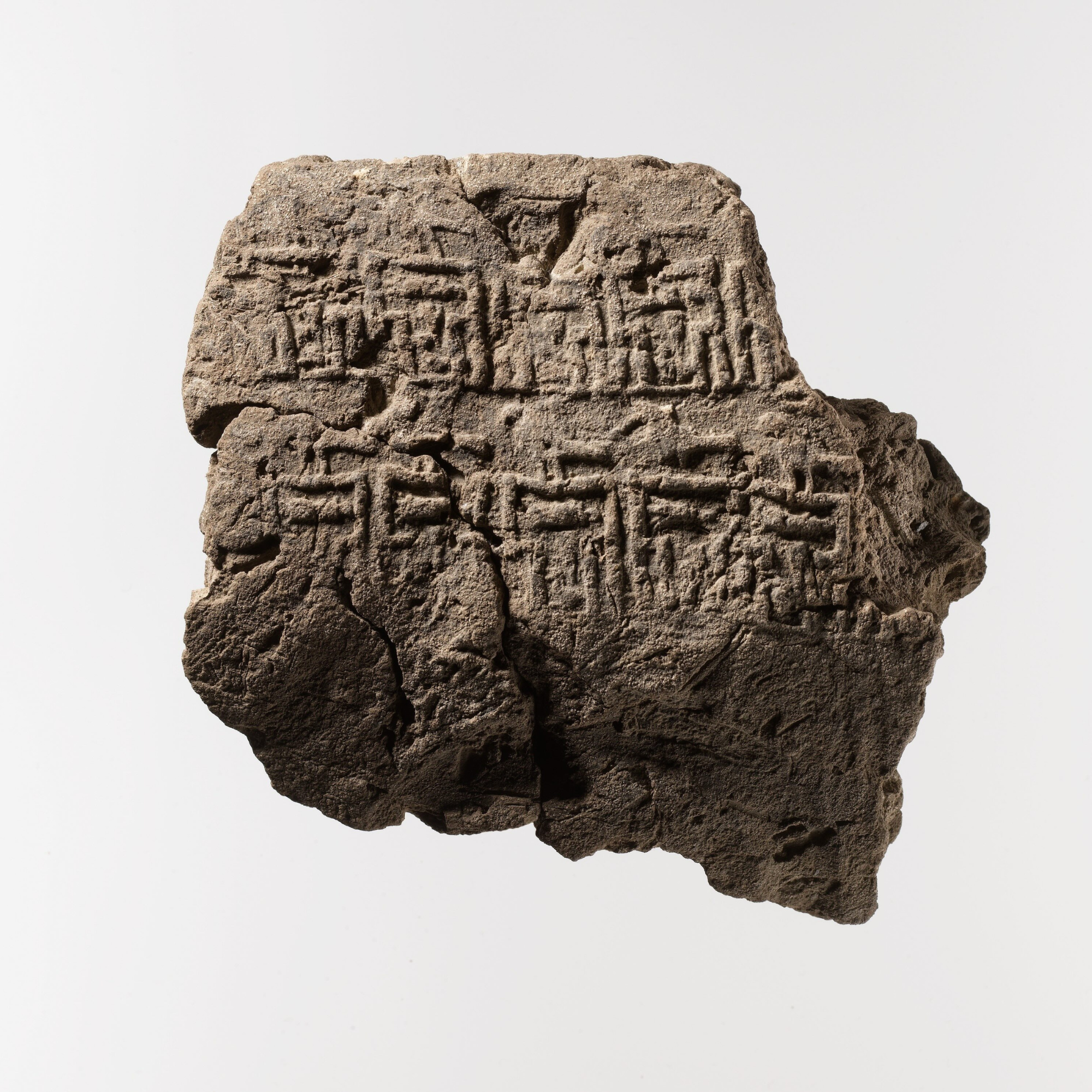
King Catfish and Ancient Writing
King Narmer, or "Catfish," ruled ancient Egypt with a high level of civilization and literacy, disproving claims that writing didn't exist in Moses' time. Discoveries support the Bible’s claim that Moses could write Scripture. For more creation resources, visit https://creationmoments.com/ Image: Mud jar sealing with King Narmer's (King Catfish) name, Metropolitan Museum of Art, CC0, Wikimedia Commons.

Glacier Races
Water’s unusual properties, like floating as ice and conducting electricity, are essential for life and glacier movement. These traits make life on Earth possible. Water’s unique design testifies to a thoughtful Creator. For more creation resources, visit https://creationmoments.com/
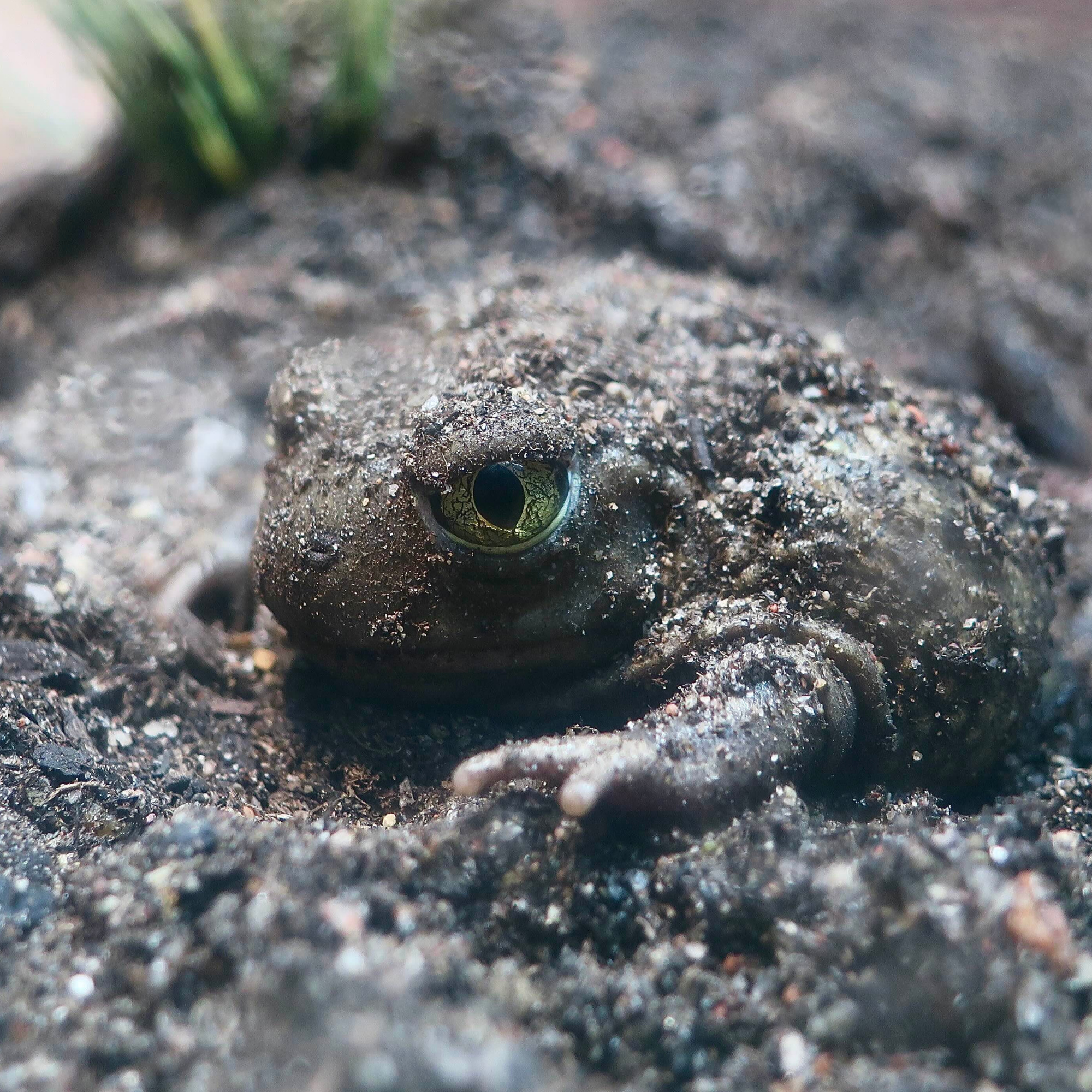
The Dormant Toad
The Couch’s Spadefoot toad survives 11 dry months a year, emerging only during rare desert rains to reproduce. Its life cycle is precisely tuned to extreme conditions. God’s provision enables even desert creatures to thrive. For more creation resources, visit https://creationmoments.com/ Image: Couch's spadefoot toad, RatioTile, CC BY-SA 4.0, Wikimedia Commons.
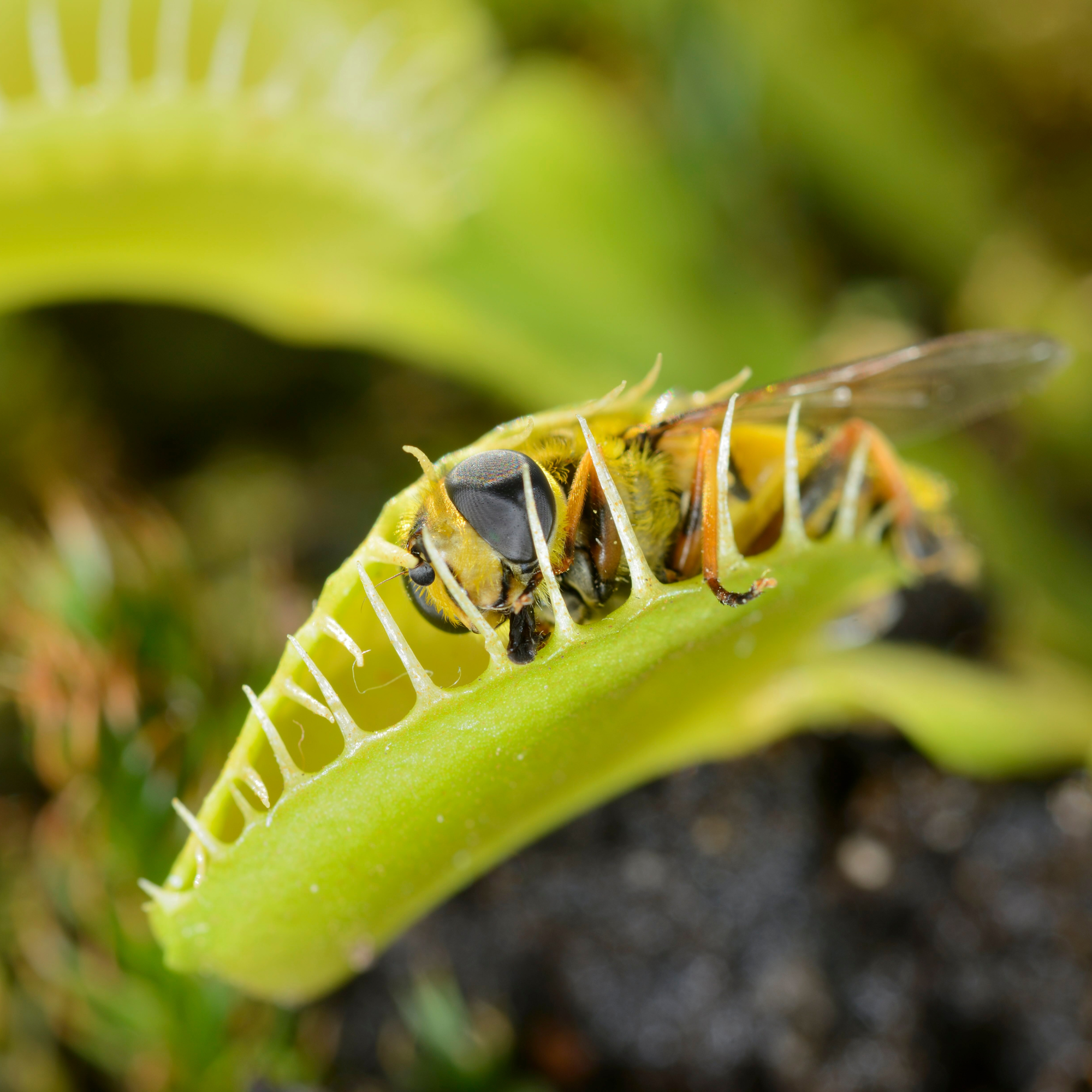
The Venus Flytrap
The Venus flytrap uses rapid acid secretion and cell expansion to trap and digest insects. This sophisticated mechanism amazes scientists and showcases divine engineering. God’s creativity is seen even in carnivorous plants. For more creation resources, visit https://creationmoments.com/
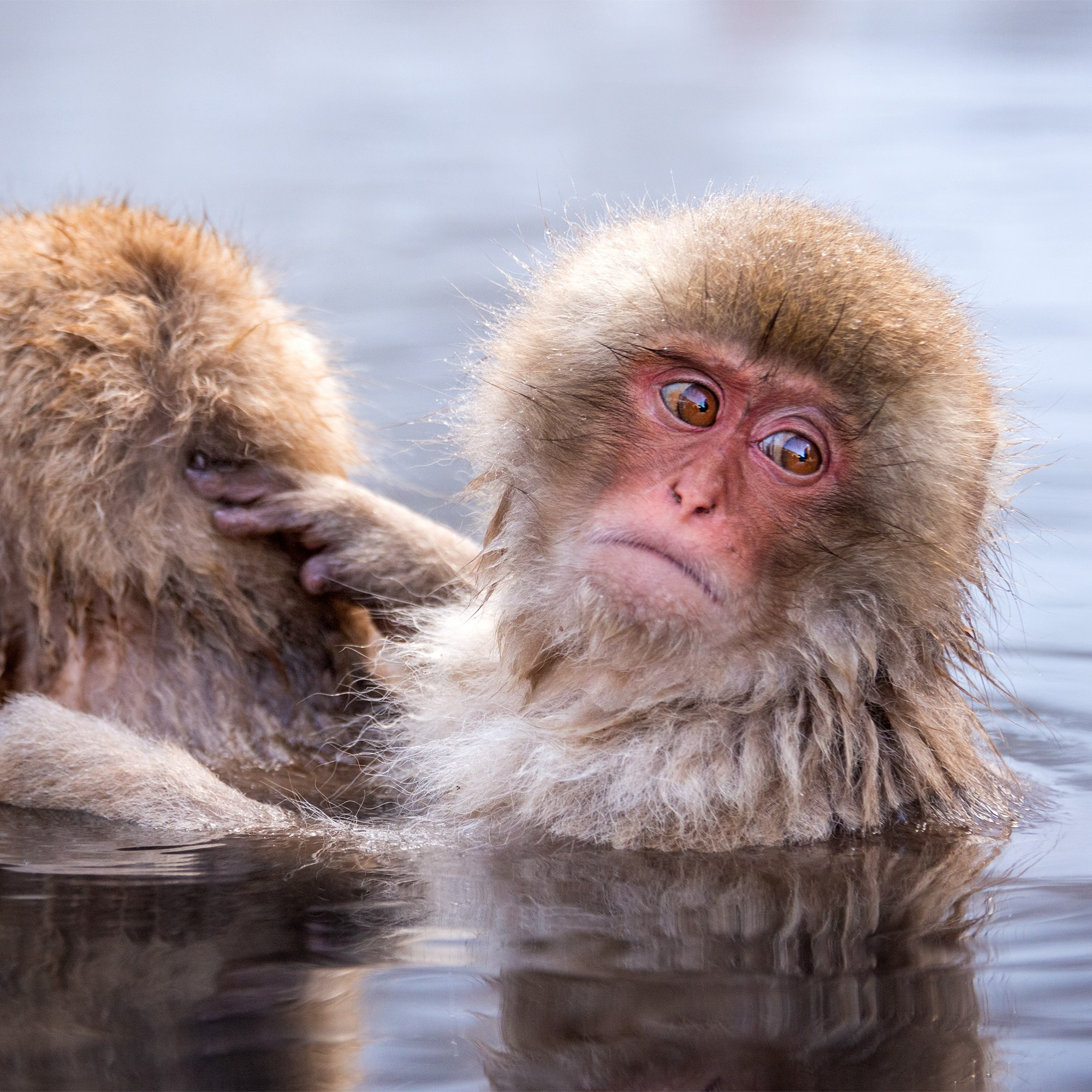
Another All-Wet Theory of Evolution
A recent theory claims human ancestors were aquatic apes who evolved speech while swimming. This odd idea attempts to explain why humans lack body hair. Such theories show the desperation to explain away our divine origin. For more creation resources, visit https://creationmoments.com/

Don't Offend Your House Plants
Plants not only respond to sound and music but also seem to possess memory and sensitivity. They react to injury and can communicate chemically. If God gave plants this much care, how much more does He care for you? For more creation resources, visit https://creationmoments.com/
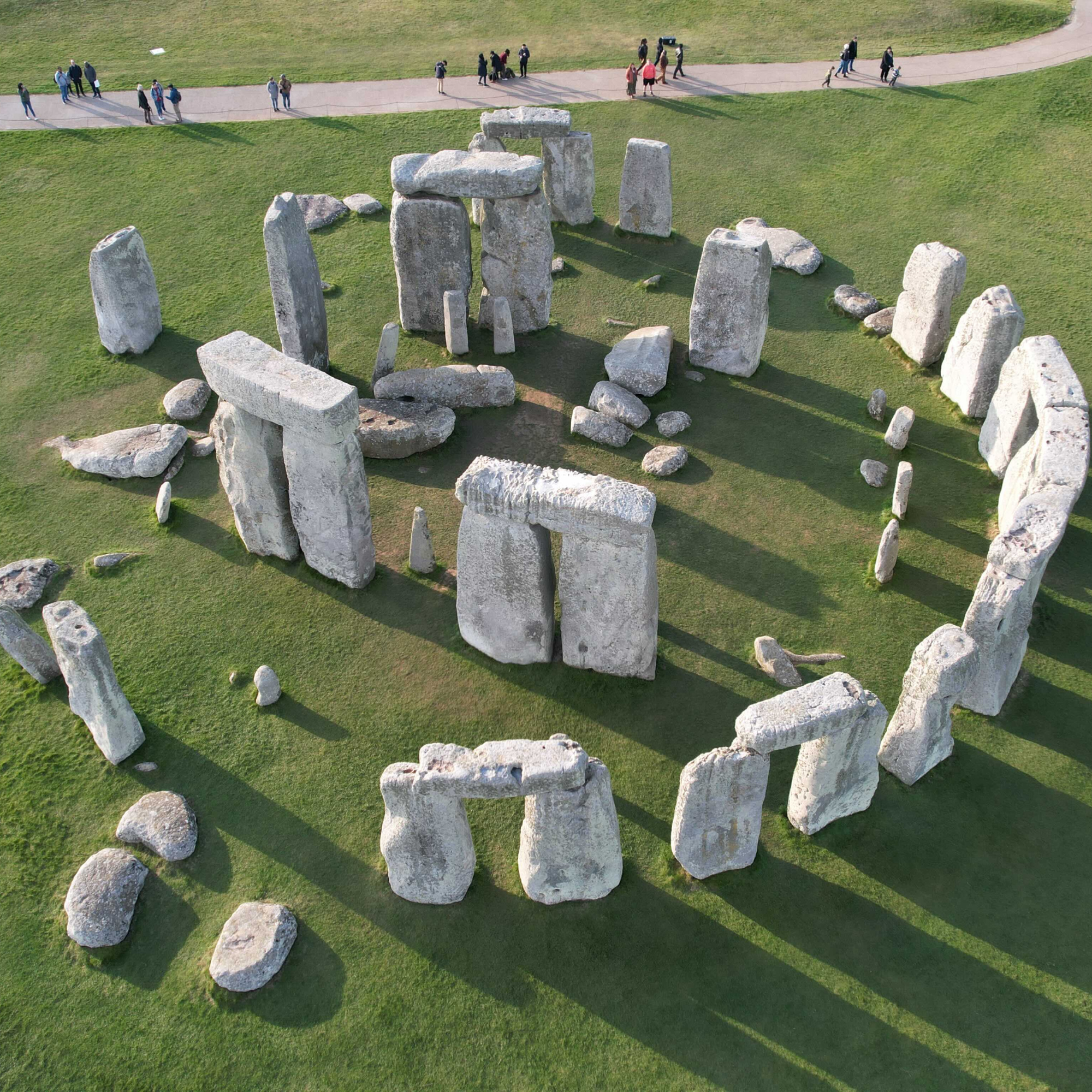
Ever-Curious Man
Ancient observatories and calendars, like those at Stonehenge and the Sun Dagger, support the Bible’s account of early advanced humans. These achievements align with Genesis’ description of inventive, intelligent people since the day we were created. For more creation resources, visit https://creationmoments.com/
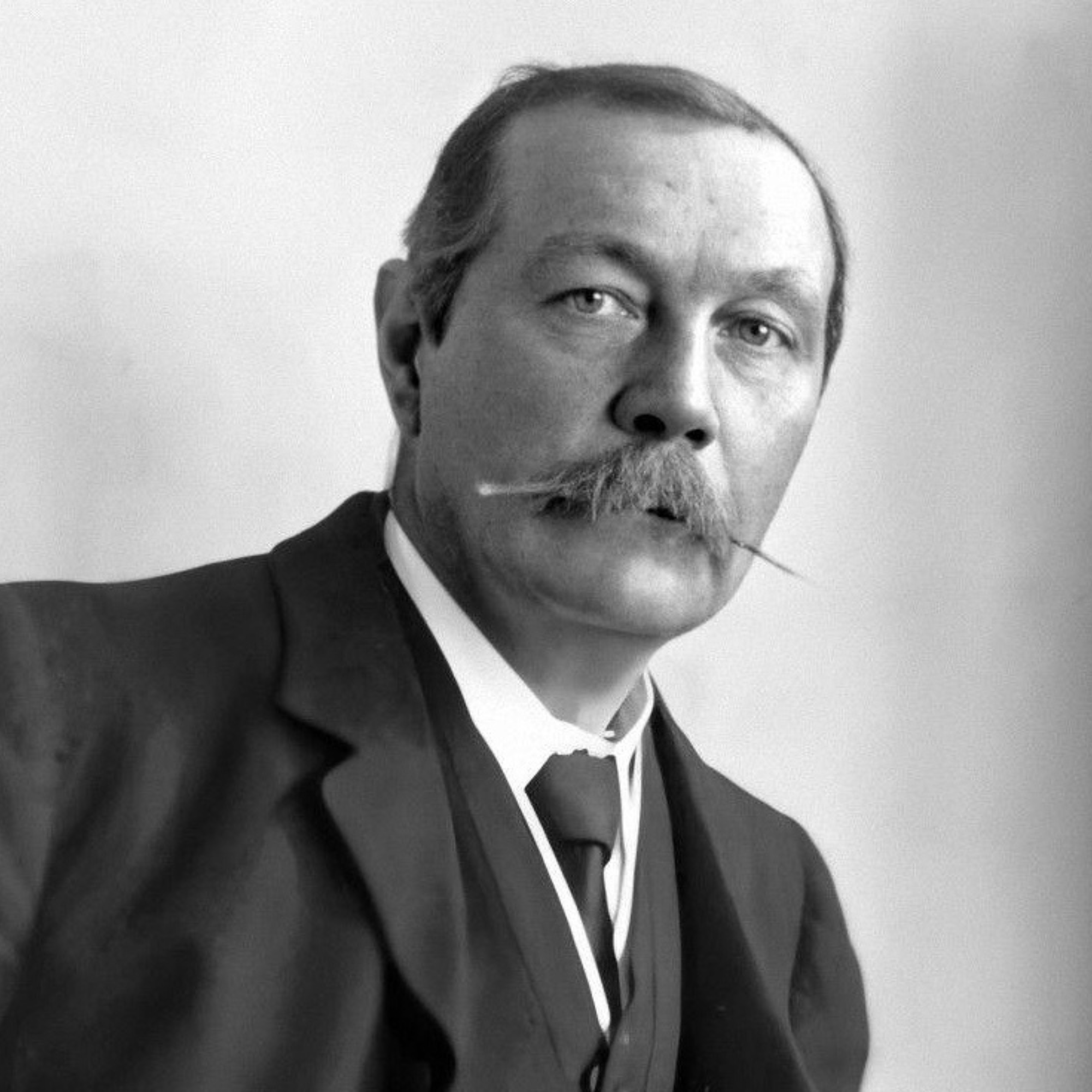
Sherlock Holmes' Greatest Mystery?
Piltdown Man, once used to support evolution, was later revealed as a hoax, possibly orchestrated by Sir Arthur Conan Doyle. Scientific fraud has often supported evolutionary theory. For more creation resources, visit https://creationmoments.com/ Image: Sir Arthur Conan Doyle, Walter Benington 1914, Walter Benington, PD, Wikimedia Commons.
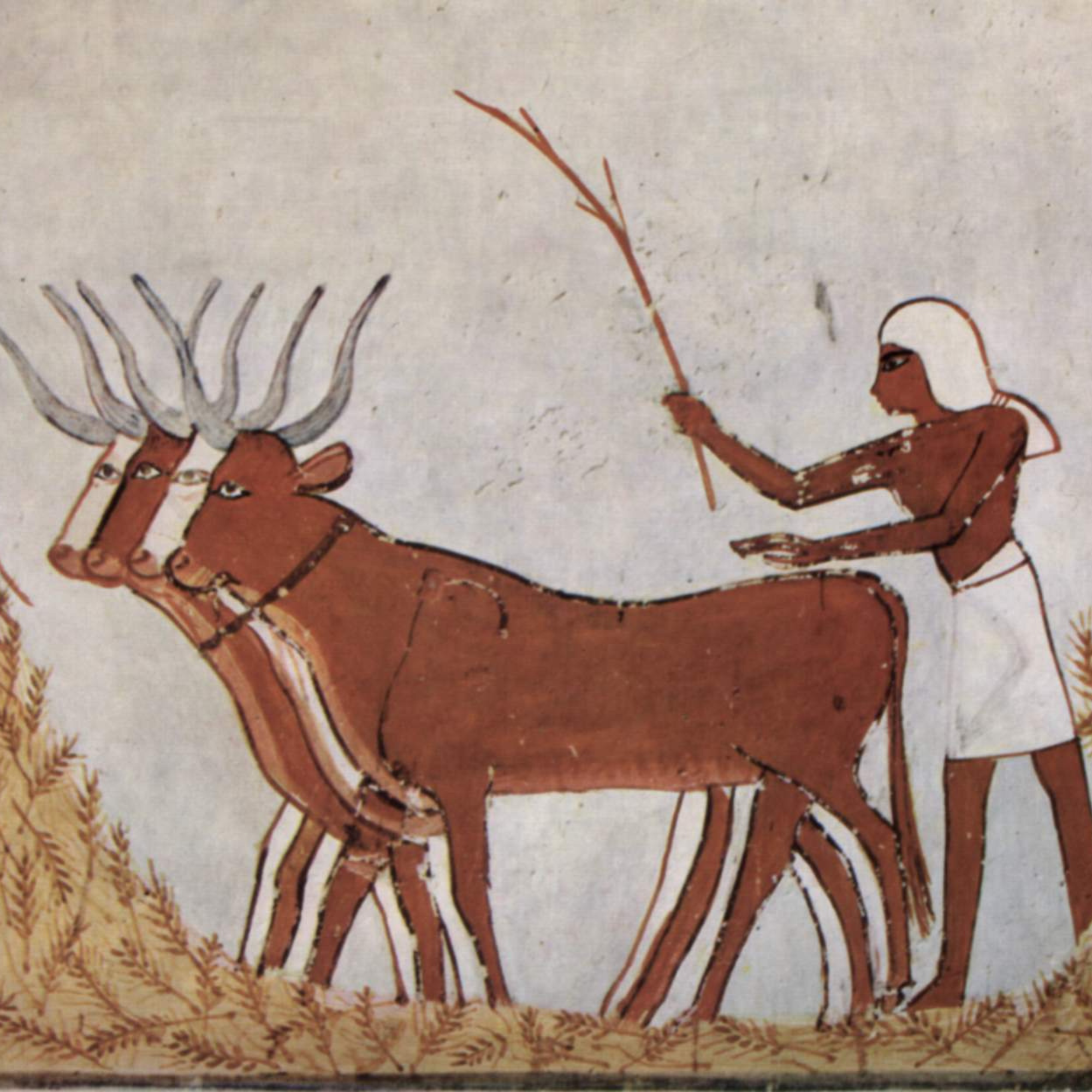
Older Farmers
Archaeological finds show evidence of farming long before evolutionary timelines allow. Grindstones and grains found in supposedly ancient sites support the Bible’s record. The Bible’s account of early intelligent humans is reliable and affirmed by science. For more creation resources, visit https://creationmoments.com/ Image: Farming portrait, Maler der Grabkammer des Menna, Maler der Grabkammer des Menna, PD, Wikimedia Commons.
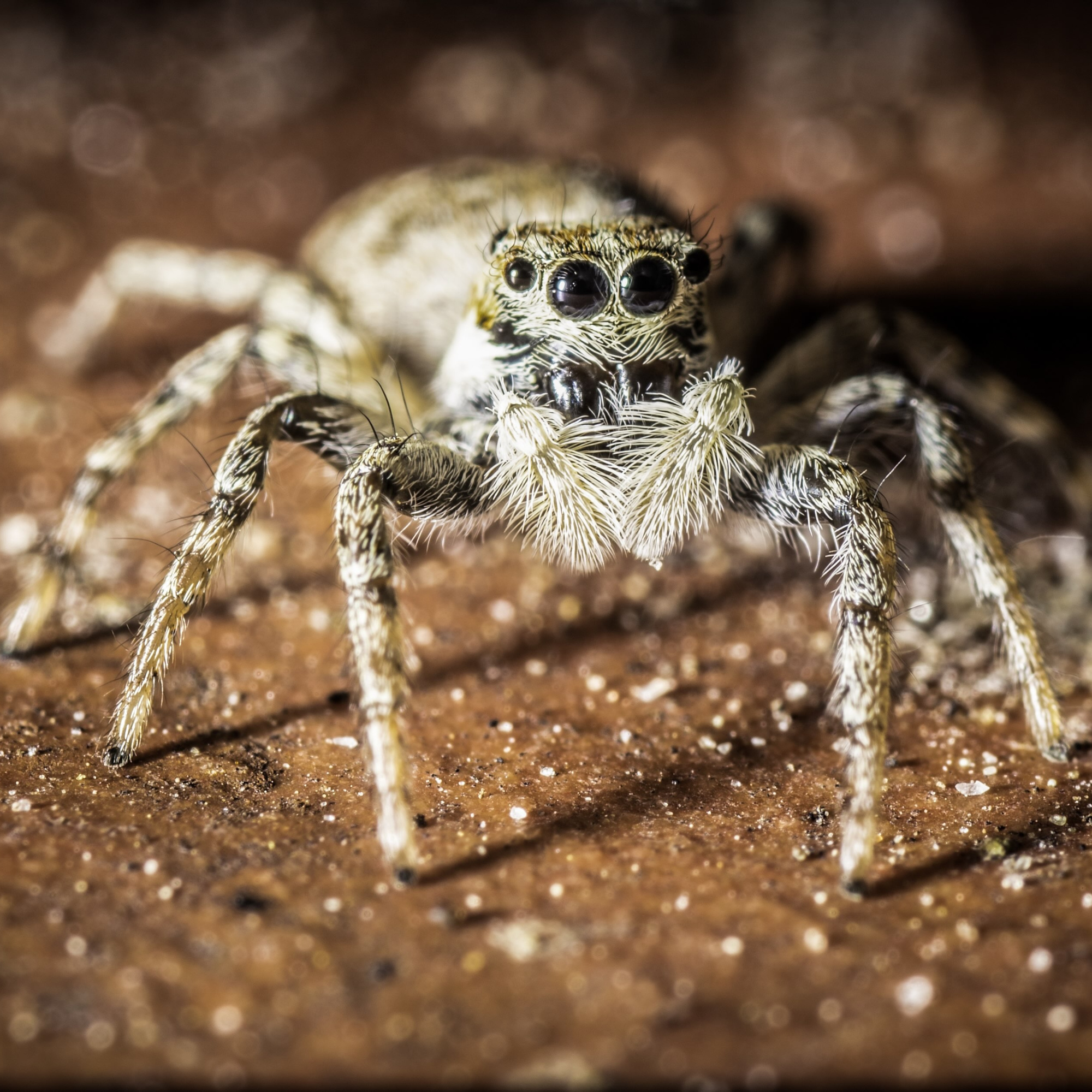
Spiders Hurt, Too
Researchers discovered that spiders feel pain, challenging the evolutionary idea that “lower animals” lack such experiences. The Bible's descriptions of animals as experiencing life are being validated. Creation shows a consistency in sensory design. For more creation resources, visit https://creationmoments.com/
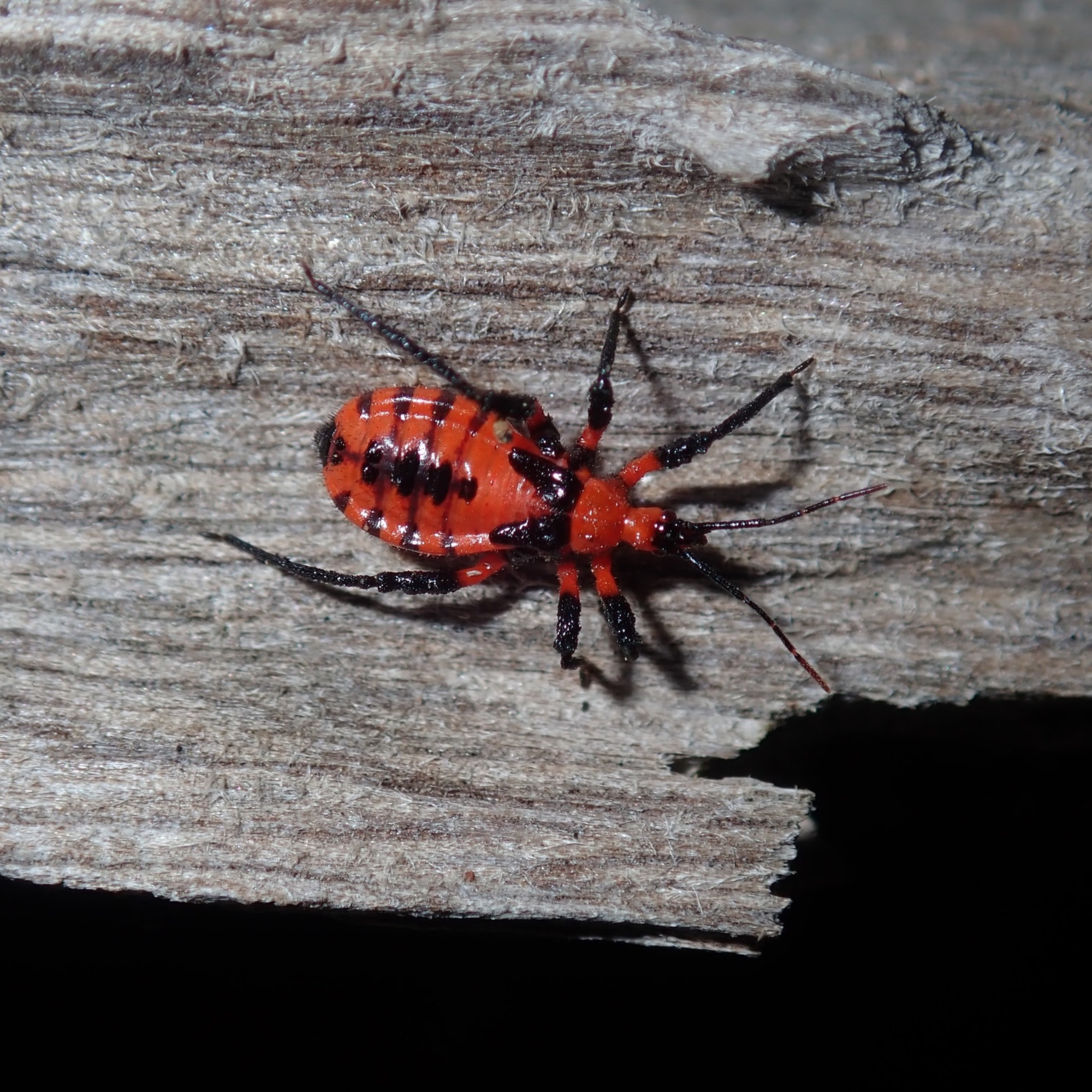
Termite Assassin
The assassin bug camouflages itself with termite nest material and lures its prey using dead termites as bait. This complex, strategic behavior is unique and intelligent. For more creation resources, visit https://creationmoments.com/ Image: Tegea atropicta (termite assassin bug), Thomas Mesaglio, CC BY 4.0, Wikimedia Commons.
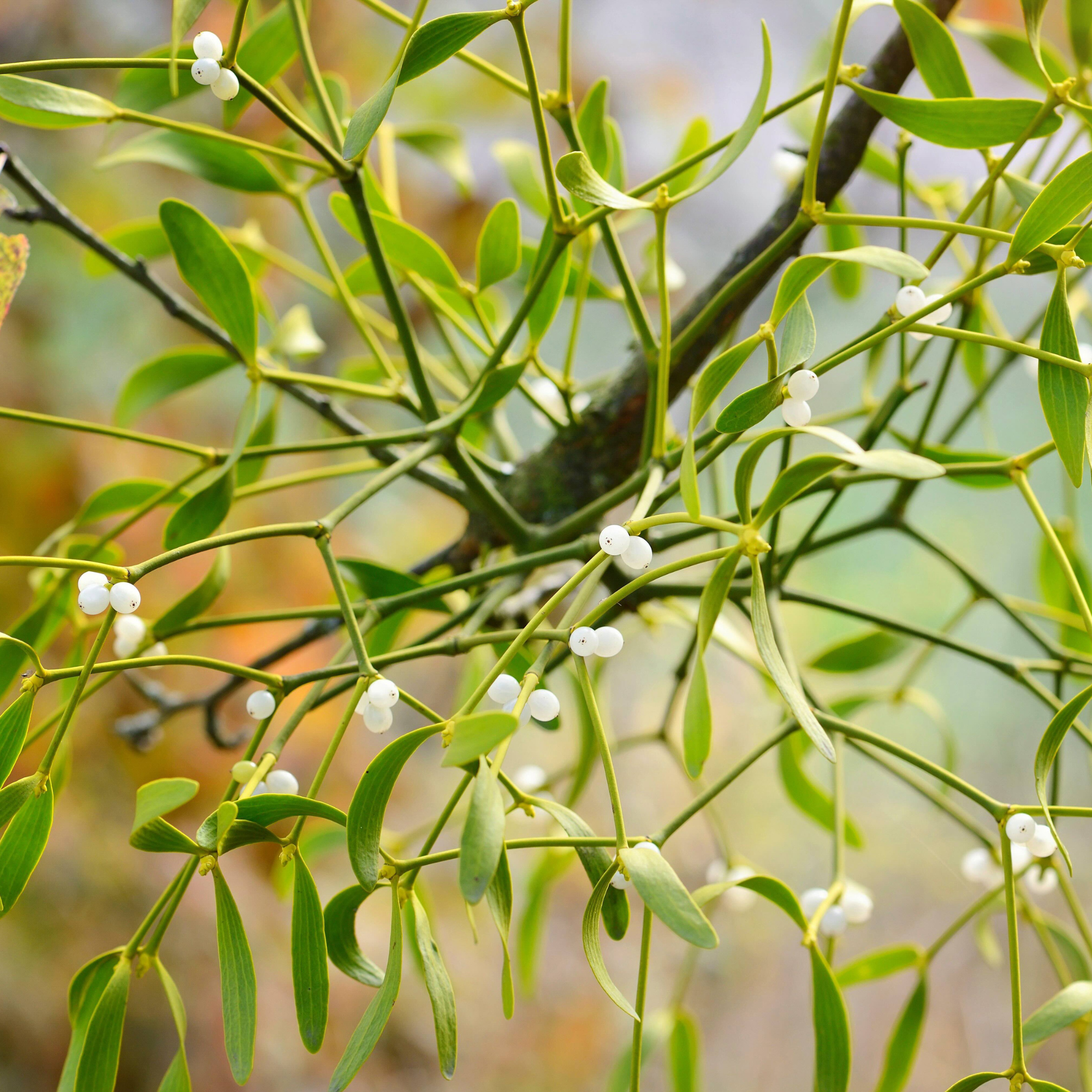
Mistletoe’s Special Needs Supplied
Mistletoe seeds rely on birds for distribution, even using bird behavior like beak-cleaning to ensure growth. Then there’s also the dwarf mistletoe that uses explosive force to spread seeds without birds. For more creation resources, visit https://creationmoments.com/
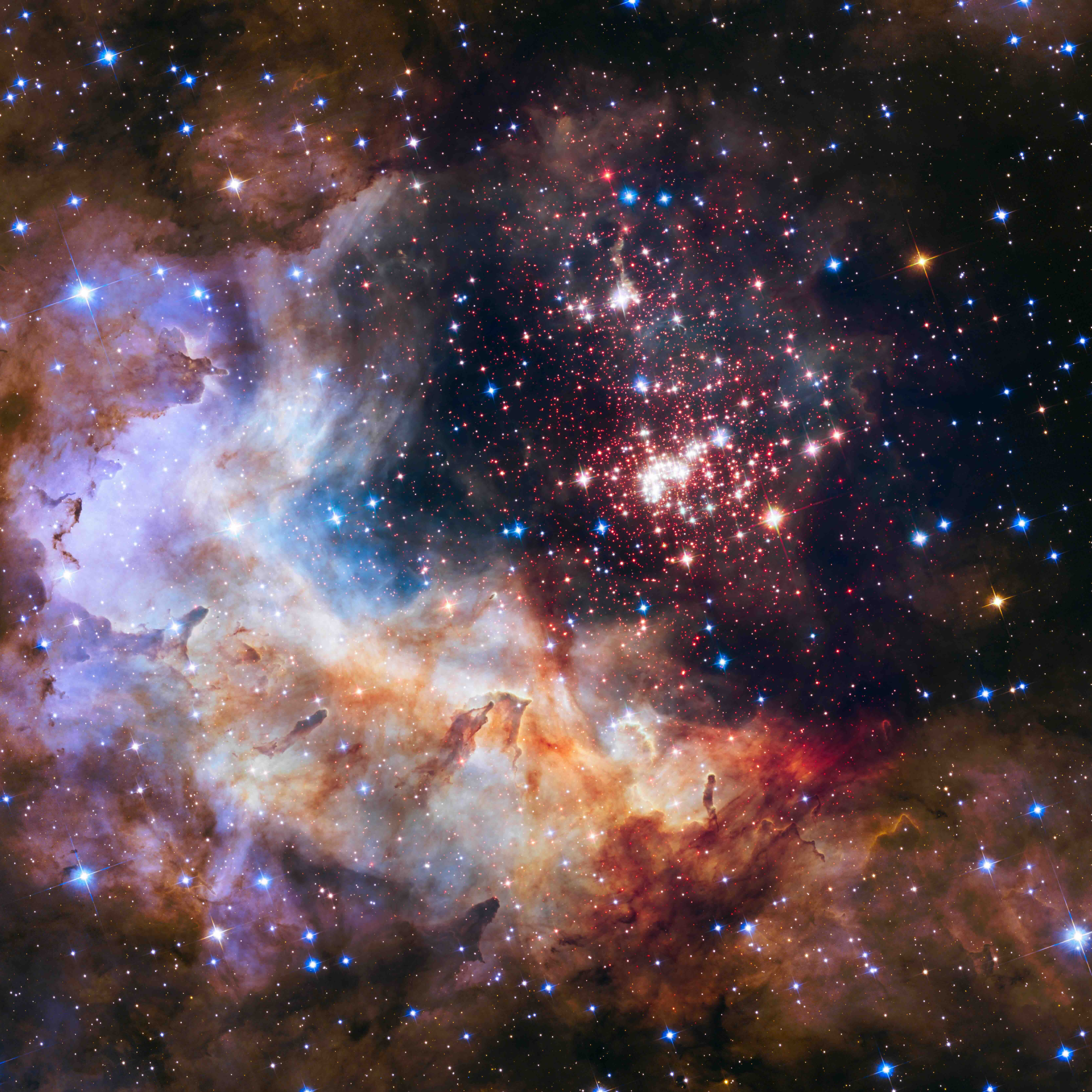
Shifty Red-Shifts
Scientists often interpret red-shifted starlight as evidence of distant galaxies, but alternate explanations exist. Non-creationist astronomers like Halton Arp challenge these assumptions. This is a good reminder to trust Scripture over speculative science. For more creation resources, visit https://creationmoments.com/ Image: Celestial Fireworks, Hubble 25th Anniversary Image, NASA, ESA, the Hubble Heritage Team (STScI/AURA), A. Nota (ESA/STScI), and the Westerlund 2 Science Team, PD, Wikimedia Commons.
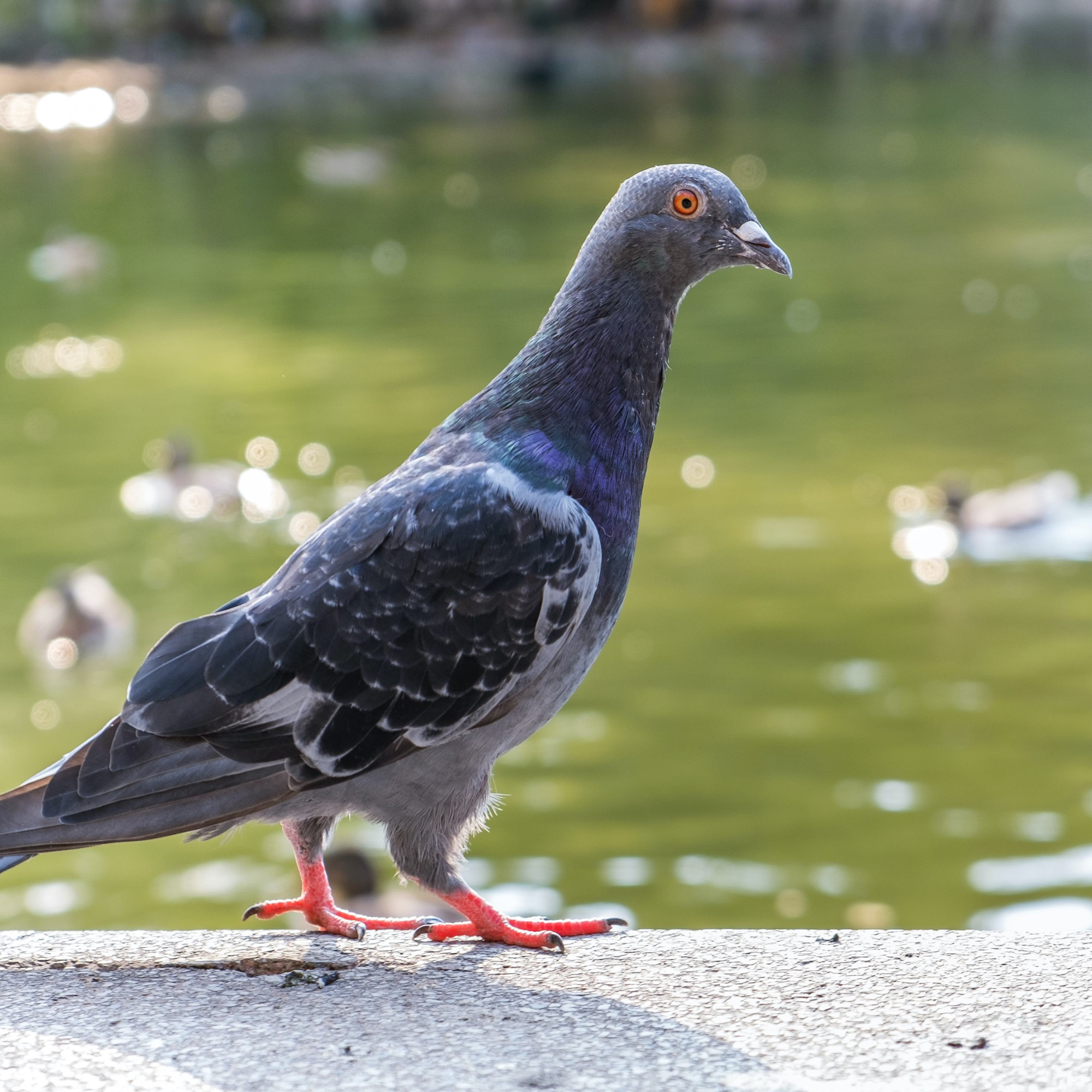
Bird Brained
Pigeons can recognize all letters of the alphabet and outperform humans on assembly lines. Evolution struggles to explain such ability in small-brained birds. Intelligence is a gift from the Creator, not the product of brain size. For more creation resources, visit https://creationmoments.com/