
Today's Creation Moment
1,968 episodes — Page 4 of 40

Facts That Weren’t
Many evolutionary ‘facts’ were later proven wrong. Interpretations change, but Scripture stands firm. Image: The Tepexpan skull on display at the Tepexpan Museum, Mario Yaír TS, CC BY-SA 4.0, Wikimedia Commons. For more creation resources, visit https://creationmoments.com/ Download the Creation Moments app at https://subsplash.com/creationmoments/app

One Foot and a Sail
The Asian clam spreads by sailing on water currents. Its design explains rapid spread and ecological balance. Nature reflects careful order. Image: Asian Clams (Corbicula fluminea), USFWS Mountain-Prairie, PD, Wikimedia Commons. For more creation resources, visit https://creationmoments.com/ Download the Creation Moments app at https://subsplash.com/creationmoments/app

Shrimp Kidnaps Chemist!
A tiny shrimp uses another creature’s chemical defense for protection. This complex strategy cannot arise by chance. It reflects Creator‑taught behavior. Image: Unidentified plankton, NOAA's National Ocean Service, PD, Wikimedia Commons. For more creation resources, visit https://creationmoments.com/ Download the Creation Moments app at https://subsplash.com/creationmoments/app

A Busy Protein
Serum albumin performs multiple vital roles in the blood. Its versatility maintains life. Such efficiency shows divine engineering. Image: Serum albumin model on abstract background, Borislav Mitev, PD, Wikimedia Commons, changes made. For more creation resources, visit https://creationmoments.com/ Download the Creation Moments app at https://subsplash.com/creationmoments/app

Harvesting Termites
Some termites harvest and store grass like farmers. Their behavior predates human agriculture. Intelligence in nature points to design. Image: Macrotermes bellicosus minor soldier, ETF89, CC BY-SA 4.0, Wikimedia Commons. For more creation resources, visit https://creationmoments.com/ Download the Creation Moments app at https://subsplash.com/creationmoments/app

Is the Bible a Book of Medicine?
Biblical hygiene laws anticipated modern medicine. Practices like washing hands and using hyssop prevented disease. Scripture remains scientifically accurate. Image: Ignaz Semmelweis (1818-1865), Ludwig Angerer, PD, Wikimedia Commons + Person washing hands. For more creation resources, visit https://creationmoments.com/ Download the Creation Moments app at https://subsplash.com/creationmoments/app

The Most Improbable Honeybee
Honeybees have specialized eyes, pollen baskets, wax glands, and a dance language. Thousands function as one superorganism. Their complexity truly displays God’s artistry! For more creation resources, visit https://creationmoments.com

Astonishing “Coincidences”
Life depends on many finely tuned constants. These are not coincidences but evidence of design. The universe appears planned for life. Image: ISS-66 Astronaut Mark Vande peers at the Earth below, NASA, PD, Wikimedia Commons. For more creation resources, visit https://creationmoments.com/ Download the Creation Moments app at https://subsplash.com/creationmoments/app

One Smart Woodpecker
The red‑cockaded woodpecker uses pine resin to protect its nest. Its planning avoids fire and predators and reflects a caring Creator. Image: Picoides borealis (Red-cockaded Woodpecker) Mississippi, U.S. Fish and Wildlife Service Southeast Region, CC BY 2.0, Wikimedia Commons. For more creation resources, visit https://creationmoments.com/ Download the Creation Moments app at https://subsplash.com/creationmoments/app

Instant Fish
Salamander fish survive droughts by burrowing and dormancy. Their unique anatomy suits this lifestyle because they were created fully equipped. Image: Lepidogalaxias (slamander fish), Magdaléna Kostková, CC0, Wikimedia Commons. For more creation resources, visit https://creationmoments.com/ Download the Creation Moments app at https://subsplash.com/creationmoments/app

Hibernation: Not Simply Sleep
True hibernation requires coordinated changes throughout the body. Partially evolved systems would be fatal. Hibernation reflects built‑in design. For more creation resources, visit https://creationmoments.com/ Download the Creation Moments app at https://subsplash.com/creationmoments/app

Did the Sun Really Stand Still?
Joshua records a unique miracle where the sun appeared to stand still. Science cannot limit God’s power. Coincidentally, another cultural legend supports the event. Image: The Sun and the Moon Stand Still, Camden Press, CC0, Wikimedia Commons + Aztec calendar stone, Boston Public Library, PD, Wikimedia. For more creation resources, visit https://creationmoments.com/ Download the Creation Moments app at https://subsplash.com/creationmoments/app

Scientists Learn from Flies
The fly’s eye surpasses human technology in complexity. Thousands of lenses and neural pathways work together. Such systems humble science. For more creation resources, visit https://creationmoments.com/ Download the Creation Moments app at https://subsplash.com/creationmoments/app

Fish Teach Humans to Make Better Ceramics
Mollusks create strong ceramics without heat. Scientists learn from these processes to improve materials because nature displays Creator‑given knowledge. For more creation resources, visit https://creationmoments.com/ Download the Creation Moments app at https://subsplash.com/creationmoments/app

The Tropical Arctic
Arctic fossils reveal a once‑warm climate and evidence of flooding. These findings support biblical history. Geology must account for catastrophe. Image: Strathcona Fiord Fossil Forest and fossil vertebrate site, Jaelyn J. Eberle, Wighart von Koenigswald snd David A. Eberth, CC BY 4.0. Wikipedia Commons, Changes made. For more creation resources, visit https://creationmoments.com/ Download the Creation Moments app at https://subsplash.com/creationmoments/app

Bullet‑Proof Spiders
Spider silk is, pound-for-pound, stronger than steel and highly flexible. Its complex structure inspires new technologies. Such mastery reflects divine wisdom. Image: 256-11 Guarding the rainbow strands, Conall from Downpatrick, Northern Ireland, CC BY 2.0, Wikimedia Commons. For more creation resources, visit https://creationmoments.com/ Download the Creation Moments app at https://subsplash.com/creationmoments/app

Cave Mysteries
Stalactites can form rapidly under modern conditions. Long ages are assumptions, not observations. Image: Concrete stalactites, Nikola Smolenski, CC BY-SA 3.0, Wikipedia Commons. For more creation resources, visit https://creationmoments.com/ Download the Creation Moments app at https://subsplash.com/creationmoments/app

How Deep Is the Moon’s Dust?
The moon has far less dust than expected if it were billions of years old. Astronaut observations confirmed creationist predictions and the evidence supports a young moon. Image: Astronaut Aldrin stands looking at the lunar module at Tranquility Base, Neil A. Armstrong, PD, Wikimedia Commons + Project Apollo Archive (boot in moon dust), PD, Wikimedia Commons. For more creation resources, visit https://creationmoments.com/ Download the Creation Moments app at https://subsplash.com/creationmoments/app

The Marvel of Life
Life is information‑rich and cannot arise from chemistry alone. Scientific discoveries undermine naturalistic origins. Scripture correctly identifies God as the source of life. For more creation resources, visit https://creationmoments.com/ Download the Creation Moments app at https://subsplash.com/creationmoments/app

One Designer
Similar biological designs point to a common Designer, not common ancestry. Engineers reuse effective solutions. Nature reflects one wise Designer. For more creation resources, visit https://creationmoments.com/ Download the Creation Moments app at https://subsplash.com/creationmoments/app

Have Evolutionists Found a Bad Design in the Eye?
The eye’s so‑called backward retina actually provides nourishment and rapid cell replacement. What was claimed as poor design is essential to vision and reveals superior engineering. Image: 3D Medical Animation Eye Structure, scientificanimations.com, CC BY-SA 4.0, Wikimedia Commons. For more creation resources, visit https://creationmoments.com/ Download the Creation Moments app at https://subsplash.com/creationmoments/app

The Faith of the Evolutionist
Evolutionary scientists admit evolution rests largely on faith rather than proof. Prof. L. H. Matthews acknowledged this openly. Image: Human evolution gallery at Natural History Museum, Matt Brown, CC BY 2.0, Wikimedia Commons. For more creation resources, visit https://creationmoments.com/ Download the Creation Moments app at https://subsplash.com/creationmoments/app

Who Is Against Evolution?
Many respected scientists reject evolution on scientific grounds. Dr. Colin Patterson admitted he could not identify a single proven evolutionary fact. Opposition to evolution includes educated experts. Image: Museum of Natural History, Londres, Diego Delso, CC BY-SA 4.0, Wikimedia Commons. For more creation resources, visit https://creationmoments.com/ Download the Creation Moments app at https://subsplash.com/creationmoments/app

The Hunting Wasp
The hunting wasp precisely paralyzes caterpillars to keep them alive as food for its young. This requires exact anatomical knowledge that chance evolution could never dream to achieve. Image: Eremnophila aureonotata (hunting wasp), Benny Mazur, CC BY 2.0, Wikipedia Commons. For more creation resources, visit https://creationmoments.com/ Download the Creation Moments app at https://subsplash.com/creationmoments/app

A Most Unlikely Friendship
The pagurid crab and sea anemone depend on each other for survival. Their relationship only works if both exist together. Such interdependence reflects deliberate creation. Image: Pagurus prideaux, Hans Hillewaert, CC BY-SA 4.0, Wikipedia Commons. For more creation resources, visit https://creationmoments.com/ Download the Creation Moments app at https://subsplash.com/creationmoments/app

The Cyanide Defense
A millipede called Apheloria defends itself by releasing deadly cyanide gas while remaining unharmed. Its simultaneous immunity and chemical defense require careful coordination. This remarkable system points to intentional design by a Creator. Image: Apheloria virginiensis corrugata, Marshal Hedin, San Diego State University, CC BY 2.0, Wikimedia Commons. For more creation resources, visit https://creationmoments.com/ Download the Creation Moments app at https://subsplash.com/creationmoments/app

Ants Who Garden
Certain ants cultivate and defend the bull’s horn acacia tree. Without them, the tree dies. Their interdependence demonstrates intentional creation. Image: Pseudomyrmex ferruginea (acacia ants) on acacia cornigera, Ryan Somma, CC BY-SA 2.0, Wikimedia Commons. For more creation resources, visit https://creationmoments.com

The Bat’s Special Radar Design
Bats shut off their hearing with tiny muscles during sonar pulses, solving a radar problem humans only recently understood. Their precision shows foresight. Bats are clearly designed. For more creation resources, visit https://creationmoments.com

Clean the Blushing Fish
Yellow goat fish turn red to signal angel fish for cleaning, forming a cooperative relationship. Predator–prey cooperation defies evolutionary expectations but reflects God’s provision. Image: School of yellow-tailed goat fish, Envato. For more creation resources, visit https://creationmoments.com

The Amazing Woodpecker
A woodpecker’s tongue wraps around its skull—an arrangement evolution cannot explain. Its system testifies to the Creator’s ingenuity. Woodpeckers reveal intentional design. Image: Woodpecker on tree + Dendrocopos major skull, Jimfbleak, CC BY-SA 3.0, Wikipedia Commons. For more creation resources, visit https://creationmoments.com

We See by Faith
“Nebraska Man” was based on a single tooth, later found to be from a pig. Evolution often fills gaps in scientific evidence with imagination. Evolution requires its own faith, while Christians trust God’s Word. Image: Forestier Nebraska Man 1922, Amédée Forestier (1847-1930), PD, Wikimedia Commons. For more creation resources, visit https://creationmoments.com
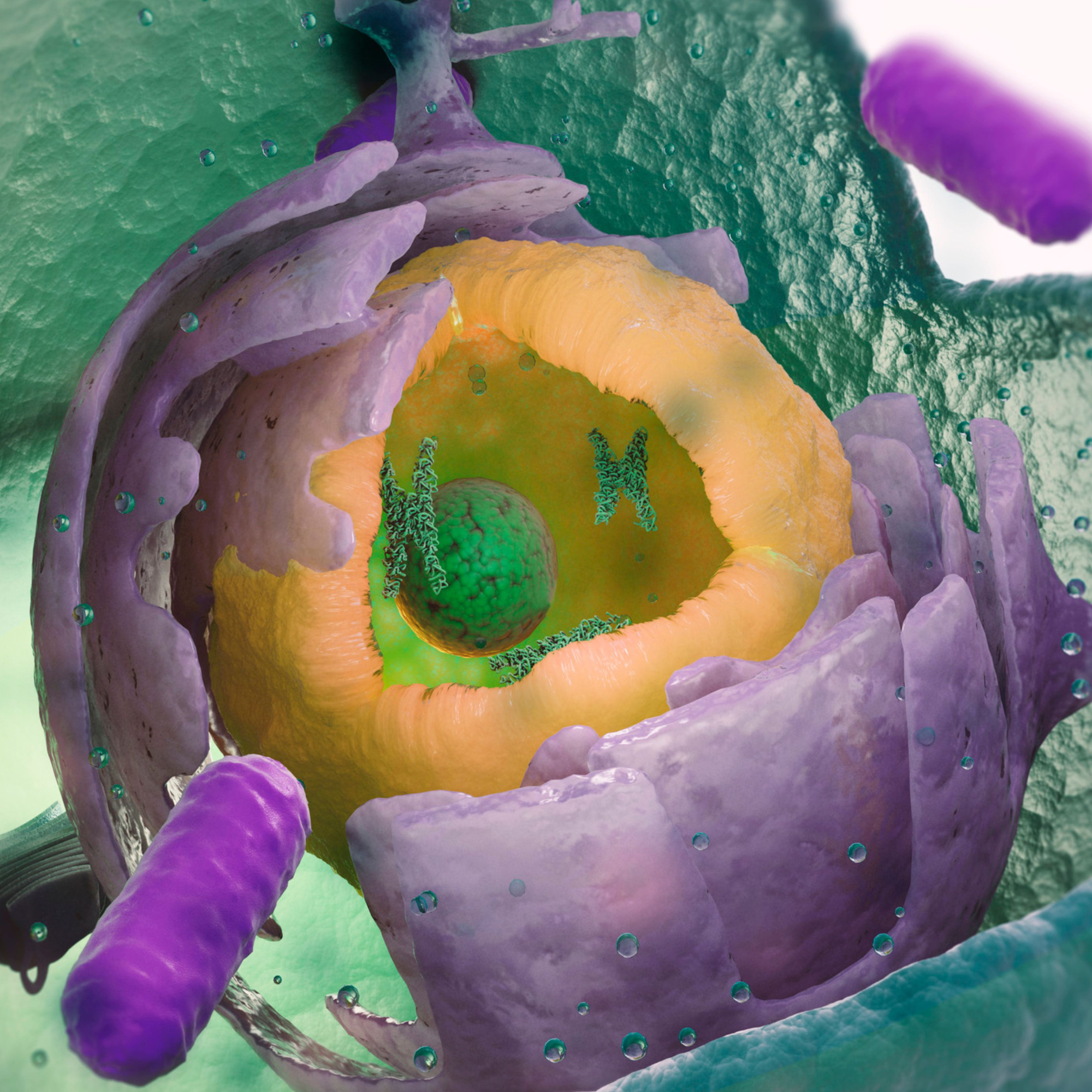
There Is No Simple Life
Even the simplest cell contains factories, transport systems, and information centers. Cells perform tasks that entire organs do. Only God can explain their origin. Image: Eukaryotic cell structure. For more creation resources, visit https://creationmoments.com

Can There Be Life Without God?
Experiments claiming to create life only produce amino acids under controlled conditions. They prove that intelligence is required even for basic components. Life cannot originate without a Creator. For more creation resources, visit https://creationmoments.com
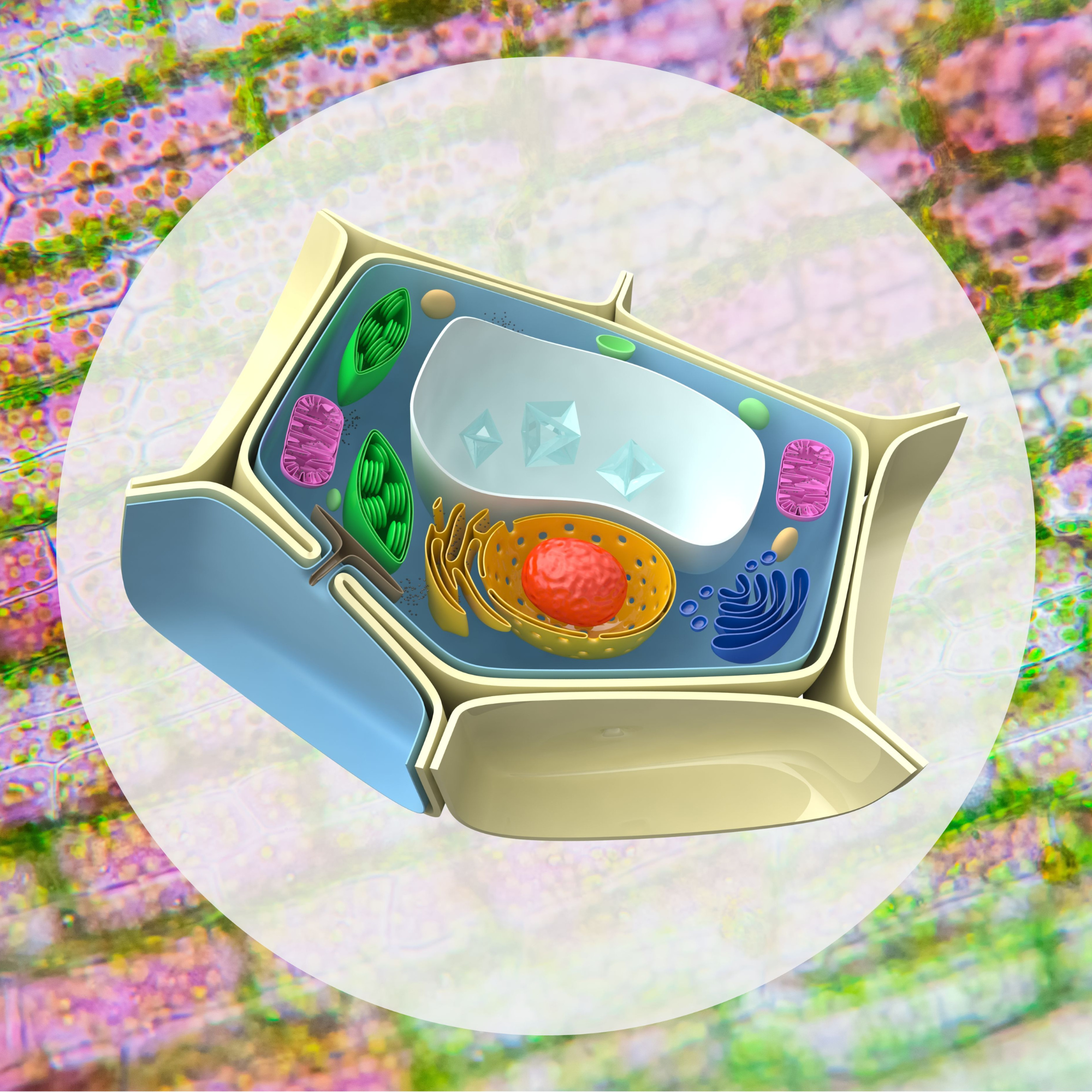
The World's Smallest Computer
DNA stores more information than entire libraries and repairs itself flawlessly. A teaspoon could hold instructions for every species and book. Such systems require an intelligent Creator. Image: Plant cells under microscope and plant cell illustraion. For more creation resources, visit https://creationmoments.com

After Their Kinds
Genesis teaches reproduction “after their kinds,” which matches observation. Dogs have puppies, cats have kittens—never hybrids across kinds. God seems to have emphasized this, knowing humans would later deny His role as Creator. For more creation resources, visit https://creationmoments.com

Smart Heart
The heart pumps 2,000 gallons daily and adapts intelligently—even after transplant. Its abilities exceed human-made pumps. The heart displays brilliant design. For more creation resources, visit https://creationmoments.com

Whales Write Songs
Humpback whales compose songs up to 22 hours long, with rhyme and evolving themes. Every whale sings the same version each season. Their communication challenges evolutionary ideas of language. For more creation resources, visit https://creationmoments.com

The Body's Fleeting Workers
Prostaglandins regulate blood flow, digestion, and inflammation despite lasting seconds. Their coordination keeps the body functioning. Such harmony points to divine design. Image: Prostaglandin E1, Calvero, ChemDraw., PD, WikipediaCommons. For more creation resources, visit https://creationmoments.com
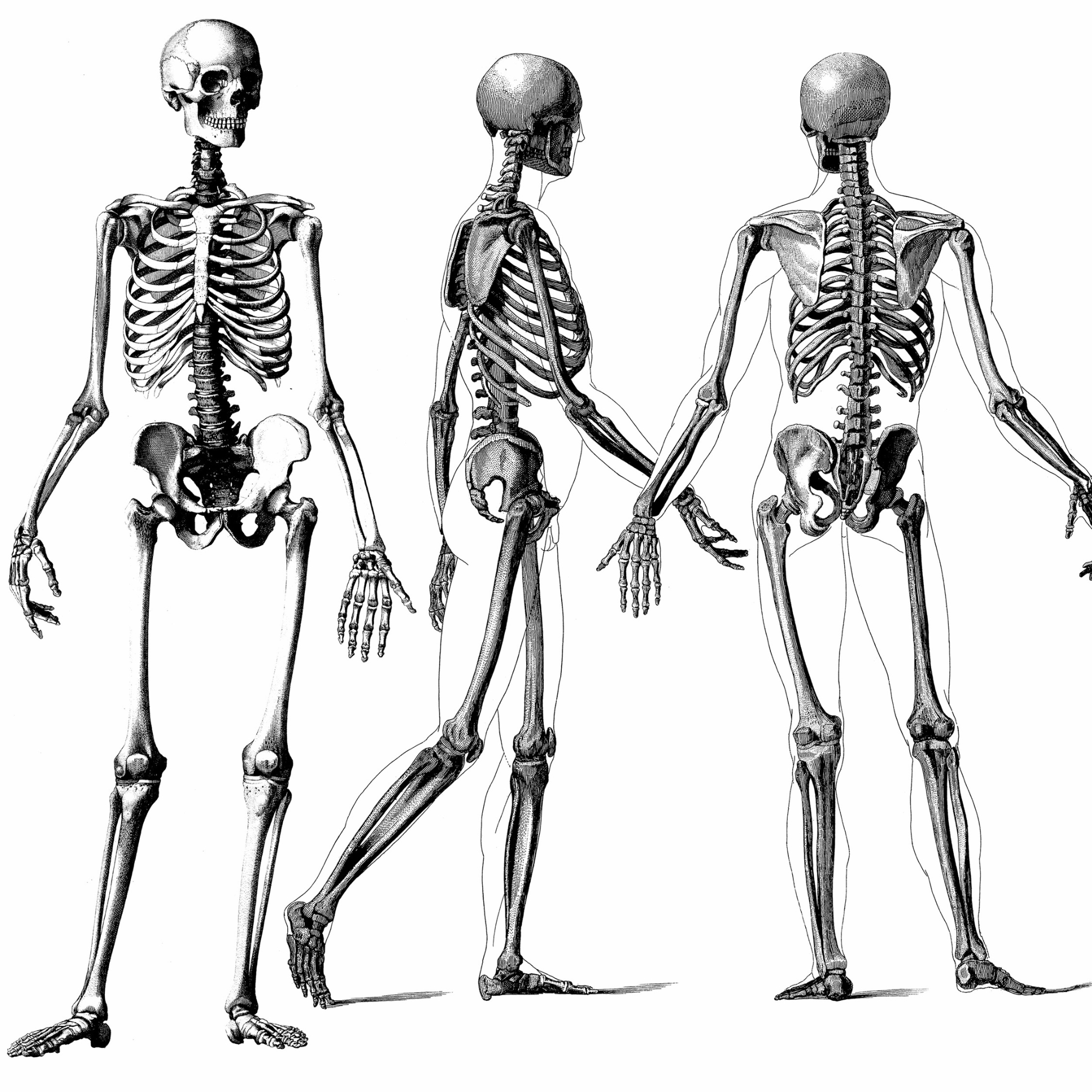
The Bare Bone Facts
Bone is lighter than iron yet nearly as strong, with perfect composition for flexibility. Its design enables movement and support. Bones clearly show intentional creation.
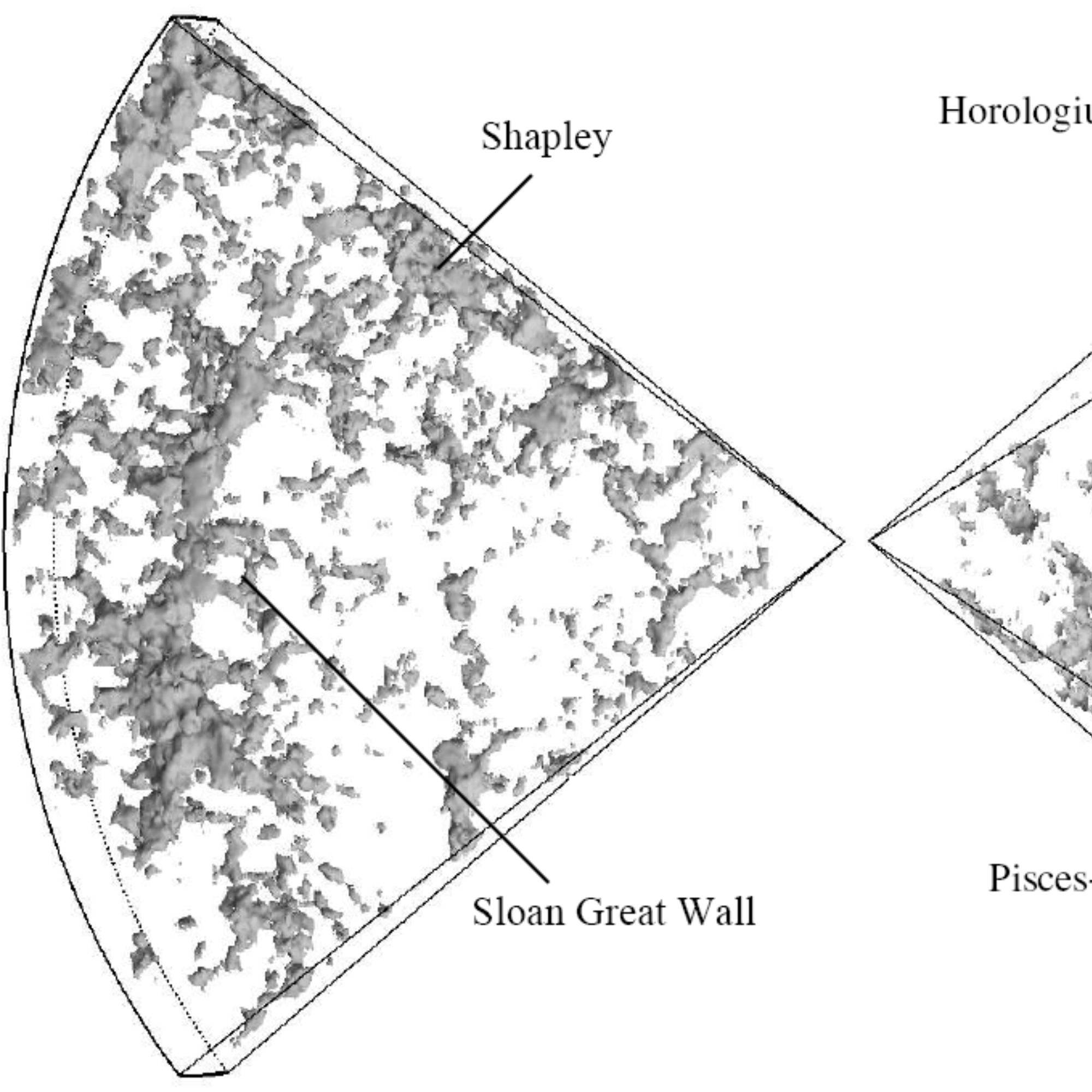
The Great Wall in Space
Astronomers discovered a massive wall of galaxy clusters that contradicts Big Bang predictions. Instead of uniform distribution, the universe shows structure and design. This challenges cosmology’s assumptions about origins. For more creation resources, visit https://creationmoments.com Image: Sloan Great Wall, Willem Schaap, CC BY-SA 3.0, WikipediaCommons.

Is the Shark Related to the Pig?
Biochemical comparisons contradict evolutionary predictions—such as shark hormones resembling pigs' more than fish. These mismatches reveal that evolutionary trees are speculative. Each creature reflects a unique, created design.
The Destructive Power of Water
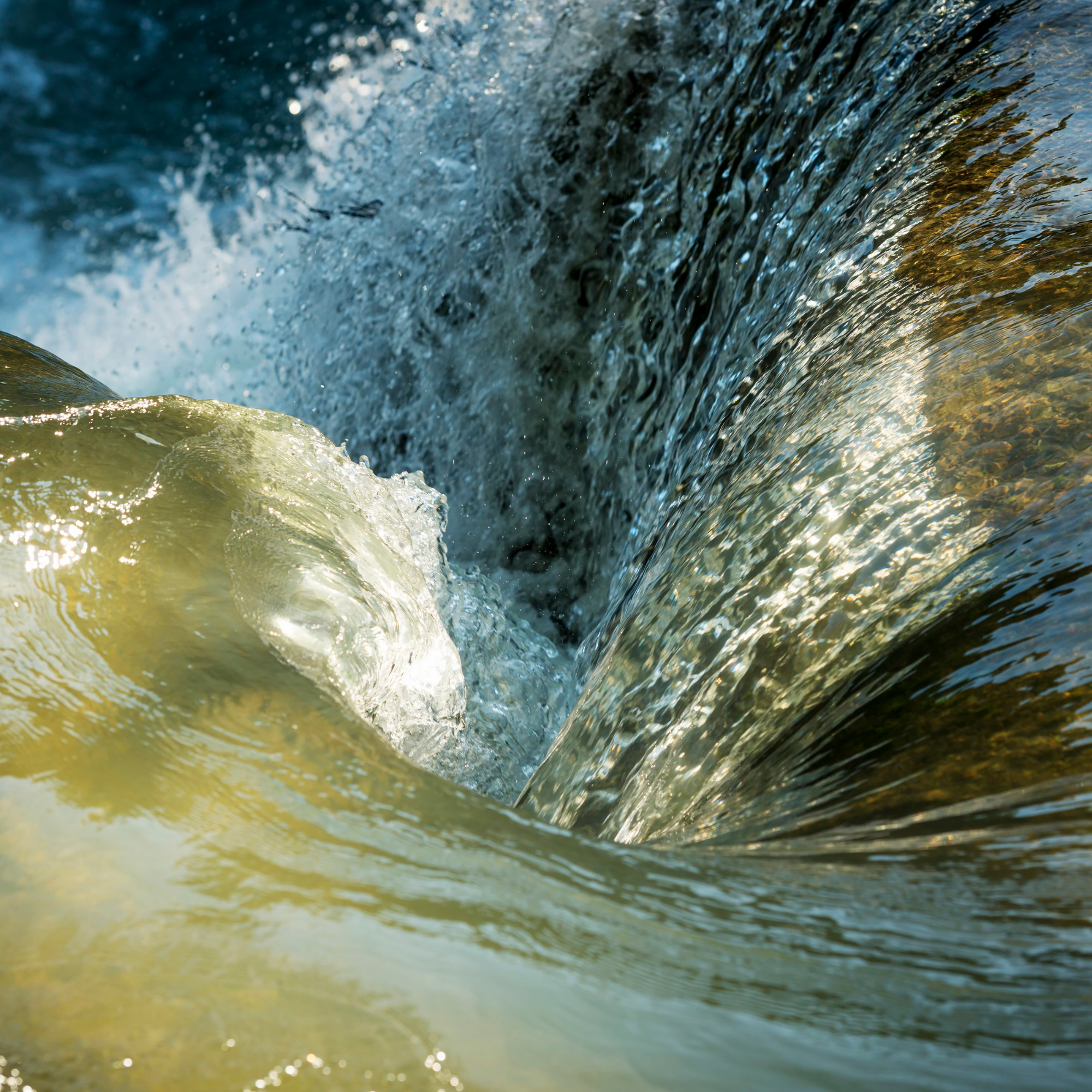
Modern disasters show that moving water can carve rock rapidly. These events illustrate erosion happening in years, not millions. This supports catastrophic processes like the global Flood.

Darwin's Child Murdered!
The human brain’s abilities exceed what evolution could produce. Alfred Wallace even questioned evolutionary explanations. The mind remains overwhelming evidence of divine design.

The Ultimate Engineer
Creatures are engineered with principles superior to human designs, such as ideal bone composition and fluid pathways. These optimized structures appear even in early fossils. All creation displays the work of a master Engineer.
Your Body's 100,000 Sentries
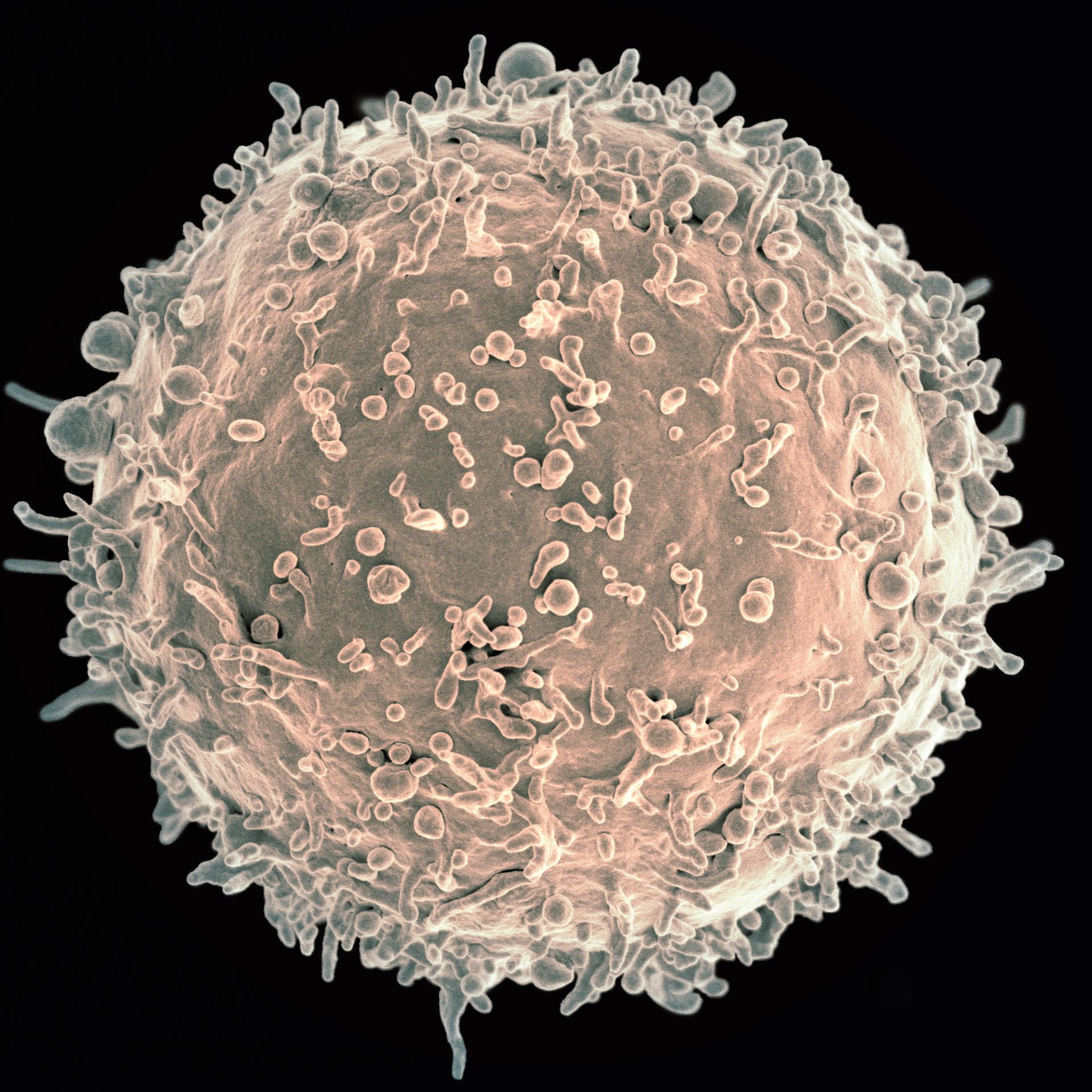
The immune system uses 100,000 B‑cell variations to recognize invaders. DNA constantly rearranges to create new defenses. This adaptability confirms we are “fearfully and wonderfully made.” Image: Human B Lymphocyte (B Cell), NIAID, CC BY 2.0, Wikimedia Commons.
A Journey Through Inner Space
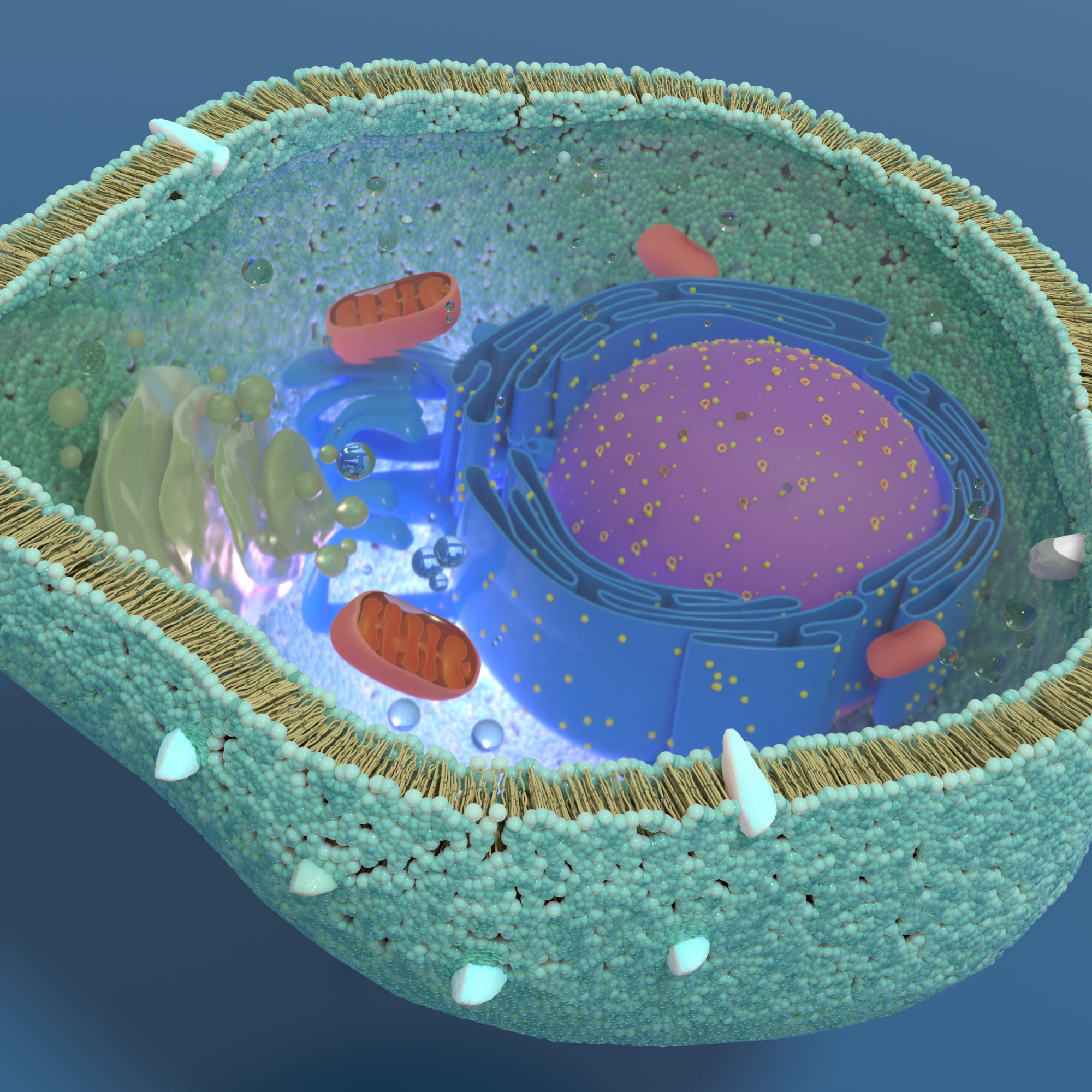
A living cell enlarged to city size would show transport systems, factories, and robotic machinery. Its organization defies chance origin. Even evolutionists admit such complexity cannot arise accidentally.
100-Foot Ferns
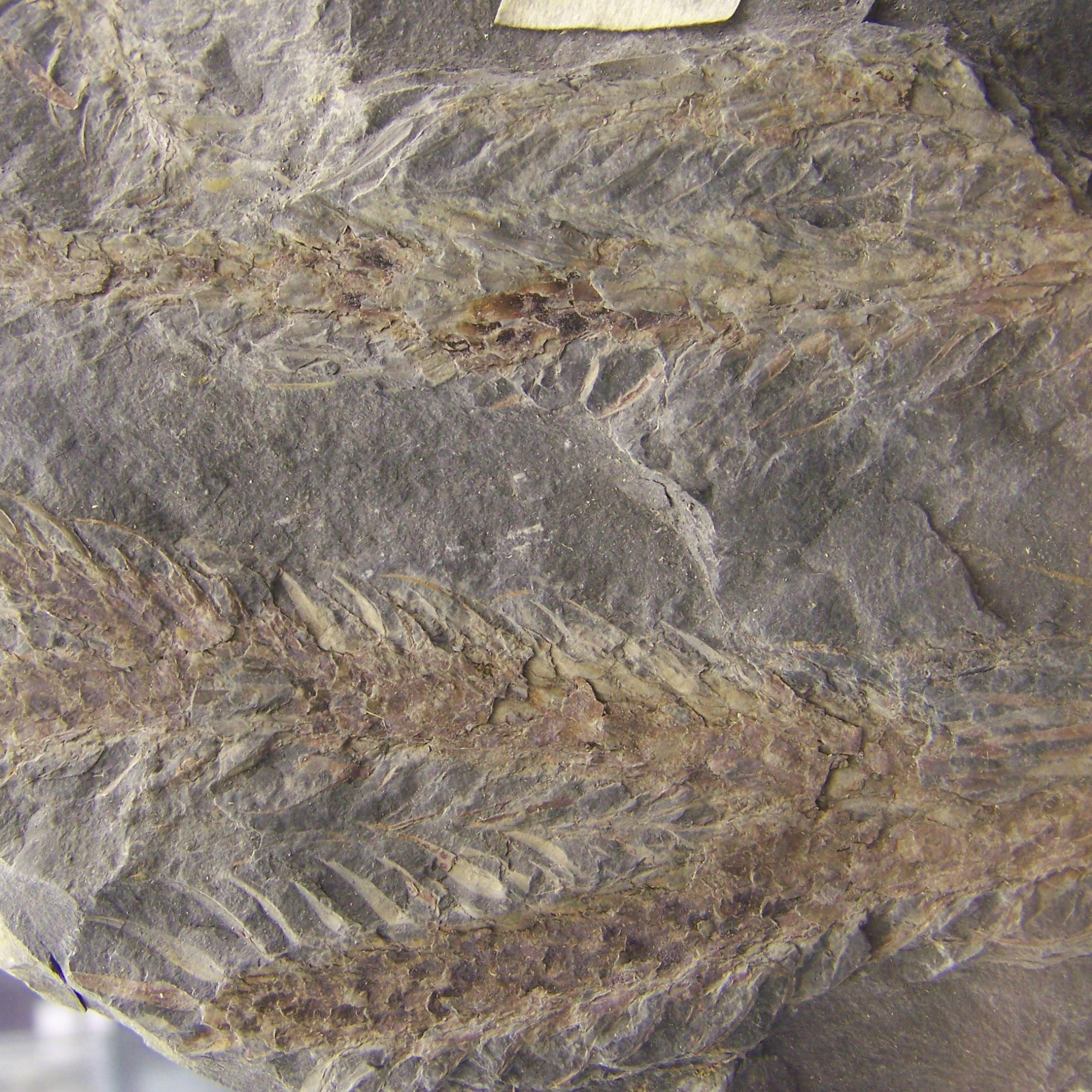
Fossils reveal ancient life was larger and more diverse, including giant ferns and dragonflies. This contradicts evolutionary ideas of increasing complexity. Creation was once perfect and has declined under the curse of sin. Image: Lepidodendron lycopodioides, Woudloper, PD, Wikimedia Commons.

Did Job Have a Weather Satellite
Scripture described the water cycle and global wind patterns long before science rediscovered them. Satellite images confirm what Job and Ecclesiastes recorded thousands of years ago. The Bible contains knowledge far ahead of its time. Image: The Bible panorama (1891), Job, Internet Archive Book Images, PD, Wikimedia Commons.

Creation Makes Better Science
Evolution contradicts observations such as life never arising from nonliving matter and muta-tions failing to create more advanced creatures. Geological and linguistic evidence also support a young earth and Creator. Only the biblical account aligns with what we truly see.
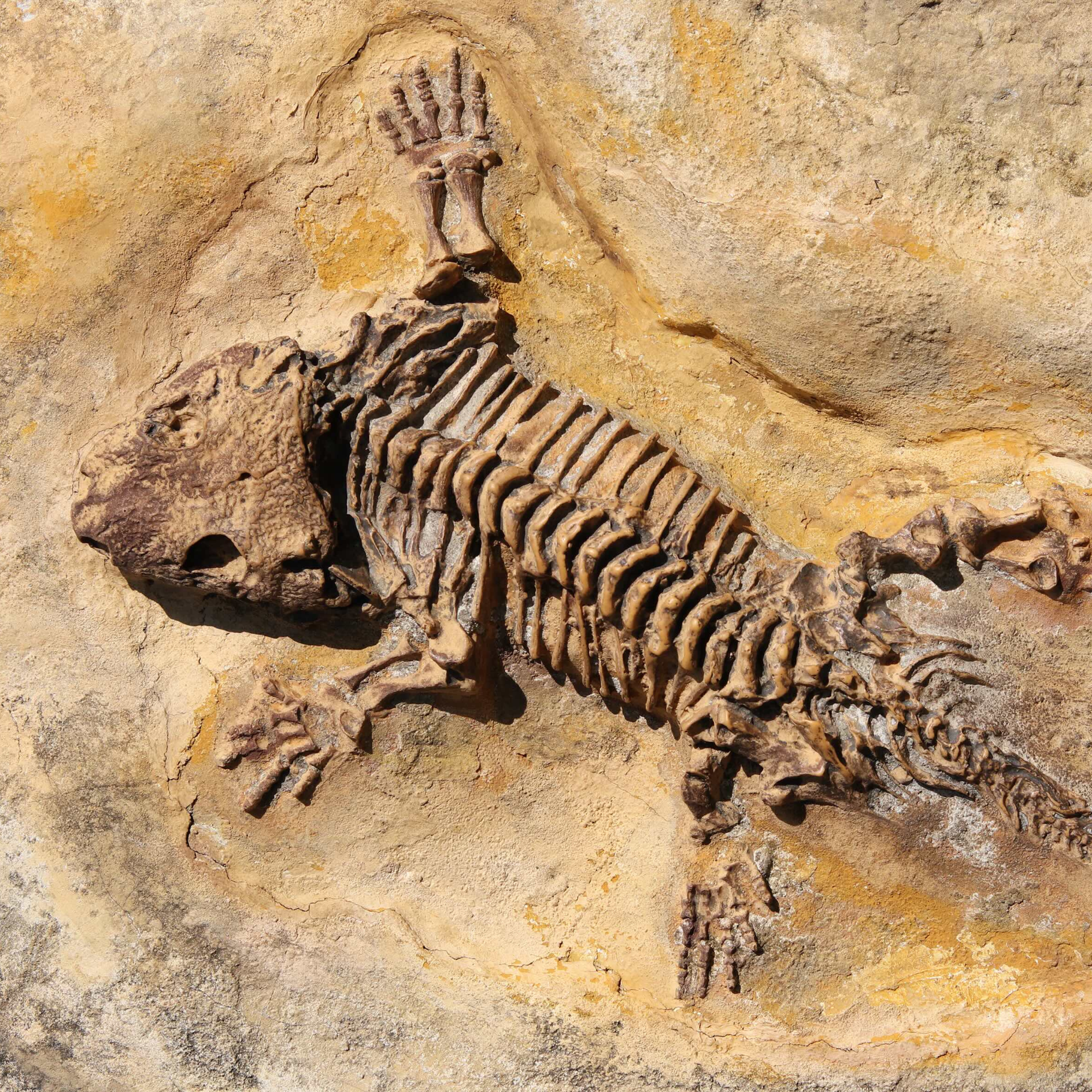
The Fossils Show Creation
The fossil record does not show the gradual progression of life evolution claims. Instead, fully formed organisms appear suddenly in the Cambrian layers. Even Darwin recognized this contradiction, which still challenges evolution today.