
Today's Creation Moment
1,968 episodes — Page 5 of 40
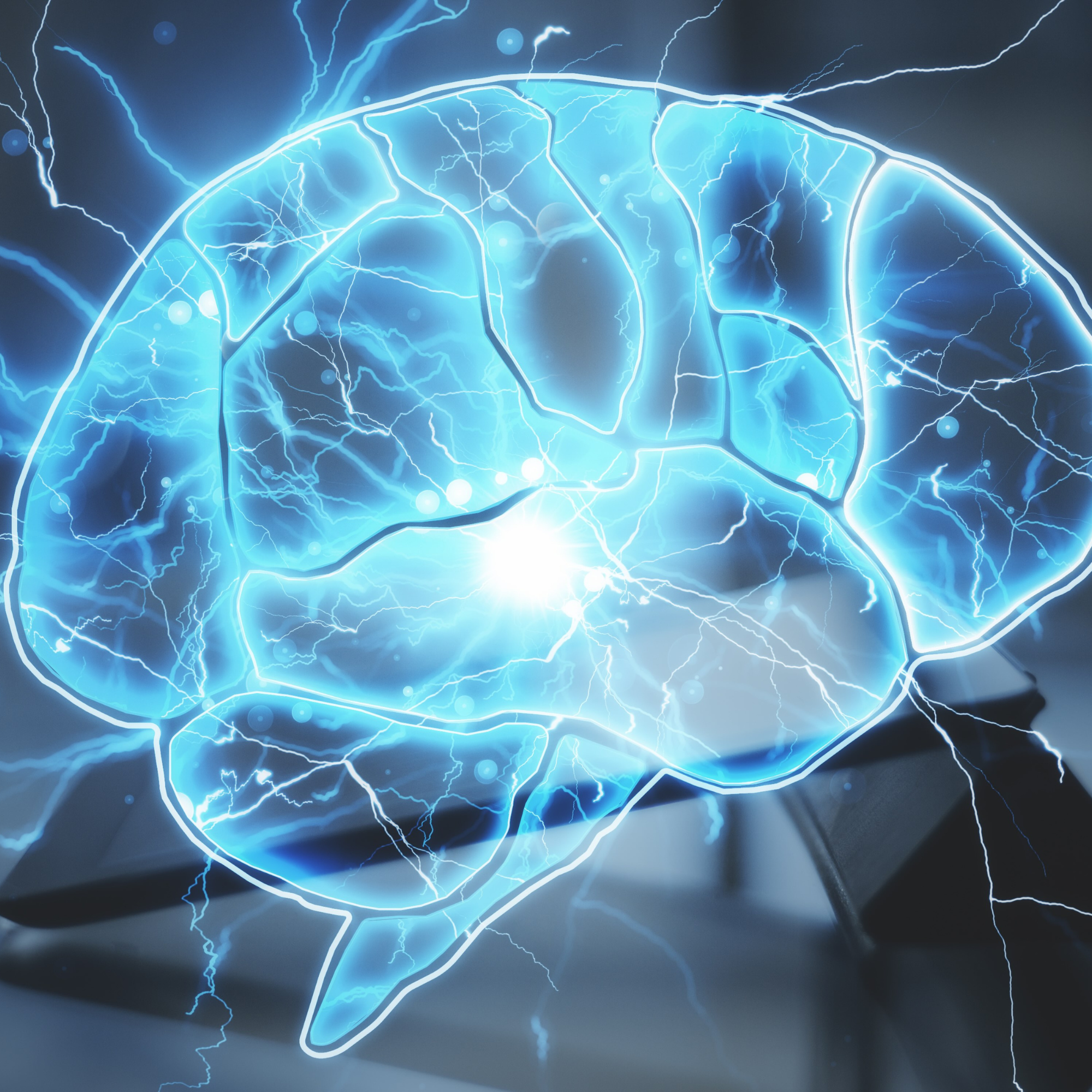
Brain Talk
The human brain communicates through dozens of chemical messengers, producing over 800 possible combinations in fractions of a second. Its pathways constantly rewrite themselves based on experience, functioning far beyond computers. The brain's complexity strongly testifies to intentional design.
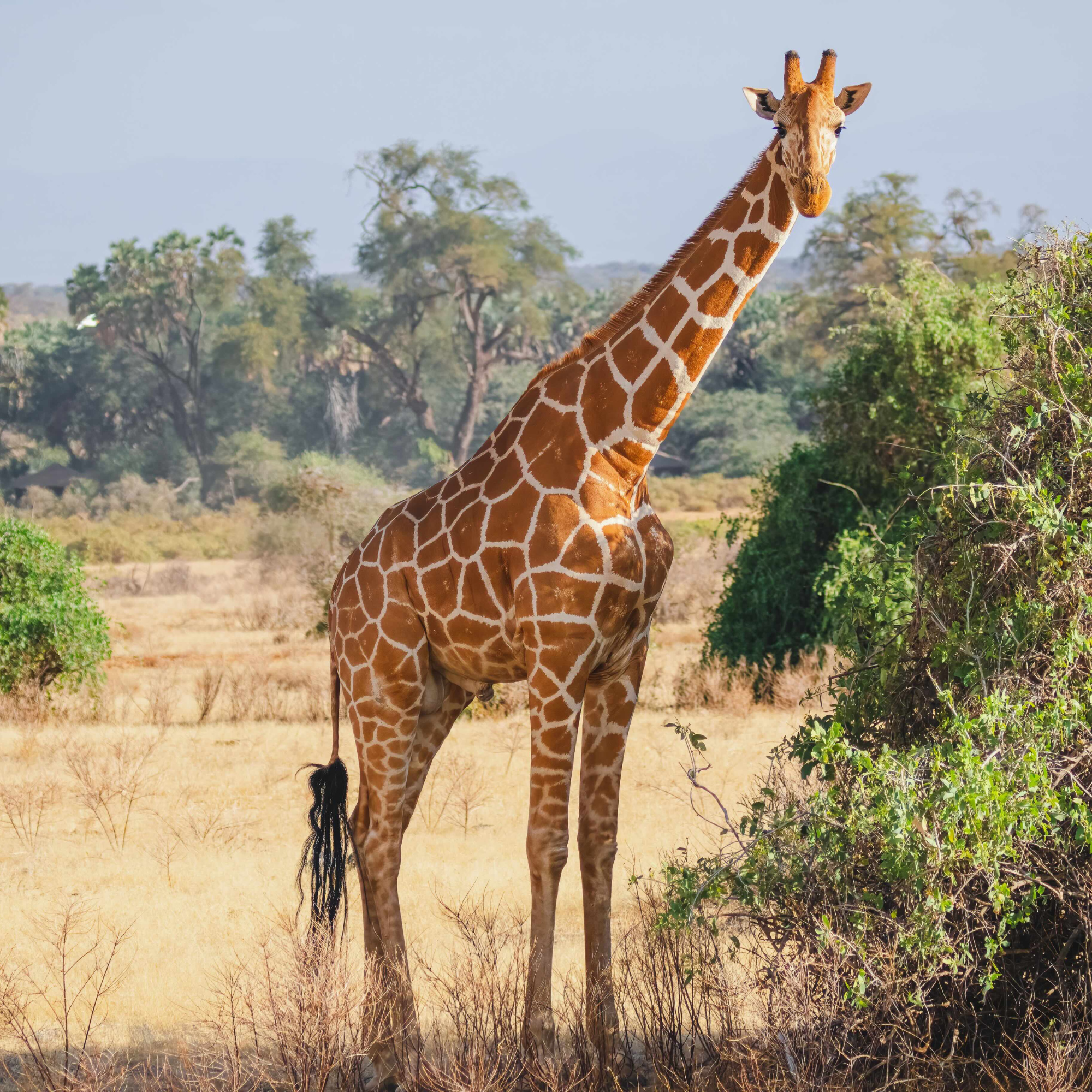
Giraffes in Antigravity Suits
Giraffes have specialized valves, tight skin, and engineering marvels that regulate blood flow as they raise and lower their long necks. These features prevent dangerous pressure changes and pooling of blood in the legs. Such integrated systems reflect purposeful design, not chance processes.
Why Don't You Rust?
The iron in your blood carries oxygen without rusting because hemoglobin’s intricate molecular design prevents oxidation. When red blood cells die, the iron is safely stored in ferritin to avoid rust-like deposits. This system’s complexity points to intentional creation rather than accidental evolution.

Wernher von Braun on Creation
Famed rocket scientist Wernher von Braun believed that the order of the universe demands design, and that science should not exclude evidence pointing toward a Creator. He argued that the idea of design naturally implies a Designer, even if this lies outside scientific testing. Image: Wernher von Braun, NASA/MSFC, Public Domain, Wikimedia Commons.
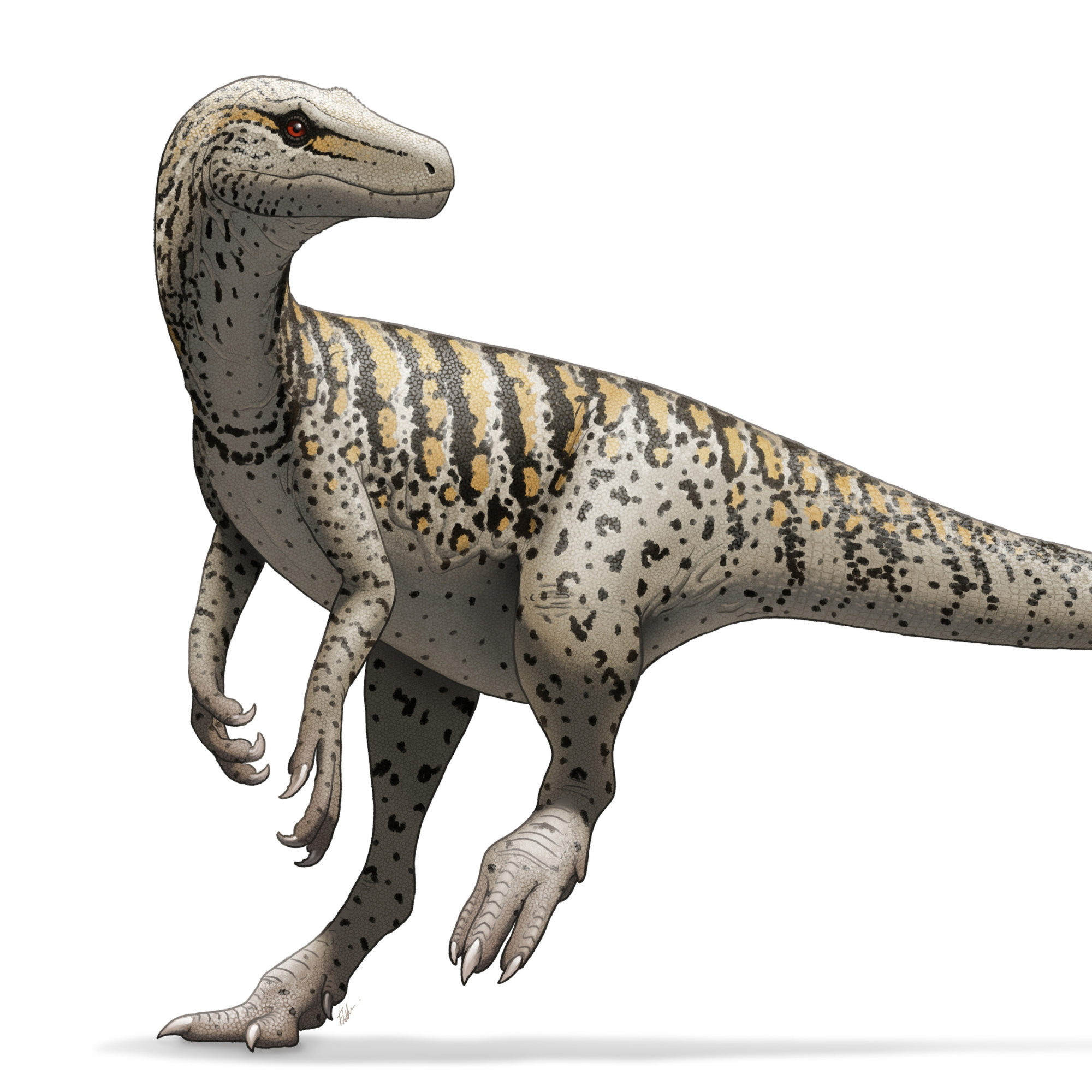
The Oldest Dinosaur
Herrerasaurus, one of the oldest known dinosaurs, was expected to be primitive, but instead was discovered to be fully formed and highly sophisticated. Its advanced jaws and teeth contradict evolutionary expectations and support the idea of well-designed creatures from the beginning. Image: Herrerasaurus ischigualastensis Illustration, Fred Wierum, CC BY-SA 4.0, Wikimedia Commons.
The Bombardier Beetle
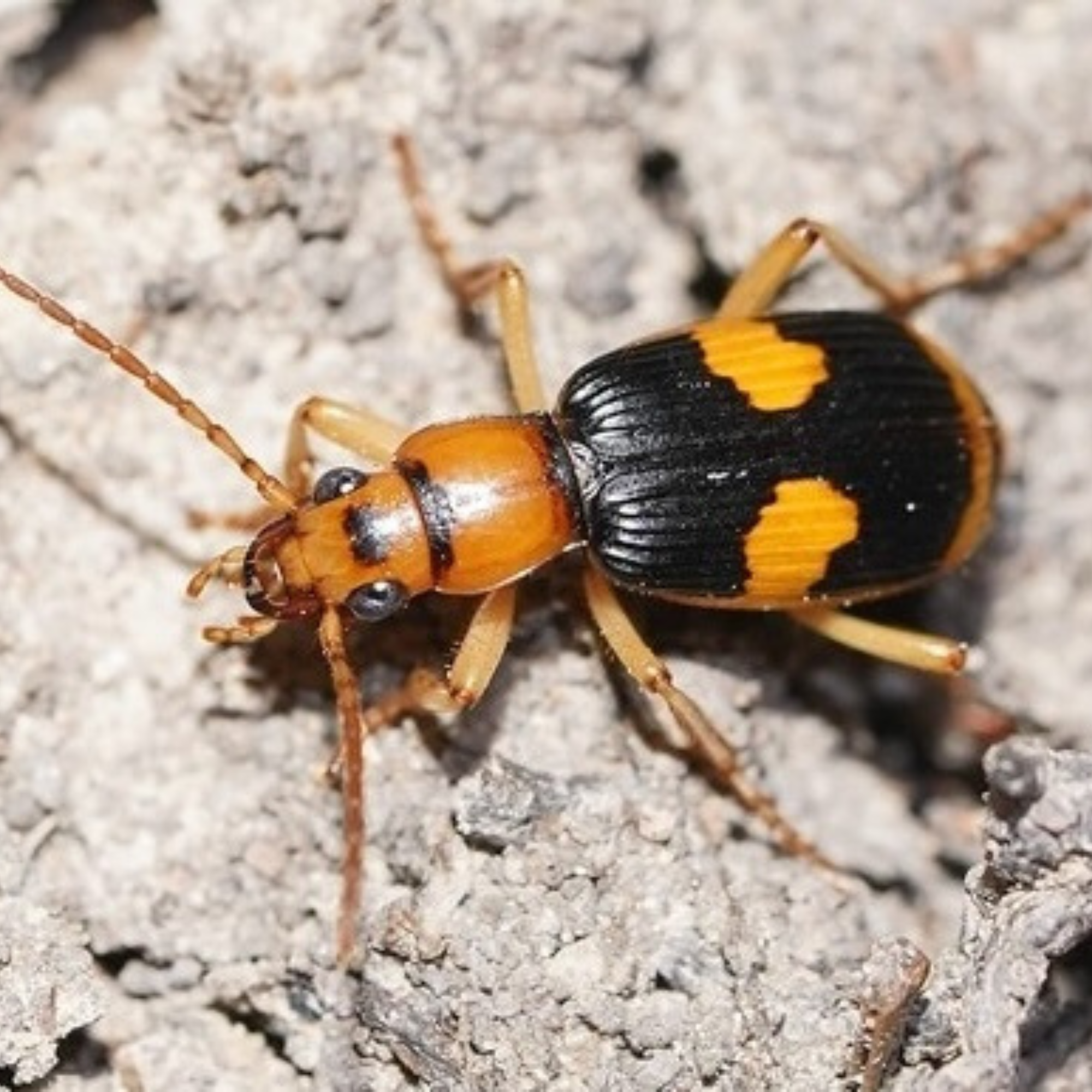
The bombardier beetle defends itself with explosive chemical sprays, a system that could not have evolved step by step. Any incomplete version would be fatal to the beetle. Its design stands as clear evidence of creation by an intelligent Designer. Image: Bombardier beetle, Photo 173832530, (c) Reiner Richter, some rights reserved (CC BY-NC-SA), uploaded by Reiner Richter, iNaturalist.org.

Construction Frogs
Some frogs care for their eggs with remarkable methods, like pouches or mud pools that release tadpoles into ponds with rain. Such innovations cannot be explained by chance. They demonstrate the Creator’s direct wisdom and care. Image: Brazilian blacksmith tree frog (Boana faber)Thomas Fuhrmann, CC BY-SA 4.0, via Wikimedia Commons.

Beavers Build More than Dams
Beavers are master engineers, building massive dams and even digging canals to transport trees. Their intelligence challenges the idea that they evolved gradually. Image: Beaver, Denali National Park and Preserve, PD, Wikimedia Commons.

The Beetle Who is a Chemist
The large-eyed rove beetle propels itself on water by releasing chemicals that alter surface tension. This ingenious system reflects advanced knowledge of chemistry and physics. Such abilities point to a wise Creator, not random evolution. Image: Staphylinidae Rove Beetle, Alandmanson, CC BY 4.0, Wikimedia Commons.

The Weaver Bird
Male weaverbirds build intricate woven nests, often tearing them down and starting over until females approve. Some even create entire “cities” of nests under one roof. While animals show intelligence, humans are unique in being created for relationship with God. Image: Baya Weaver bird Dehu, Nikhil More, CC BY-SA 4.0, Wikimedia Commons.
The Most Complex Structure
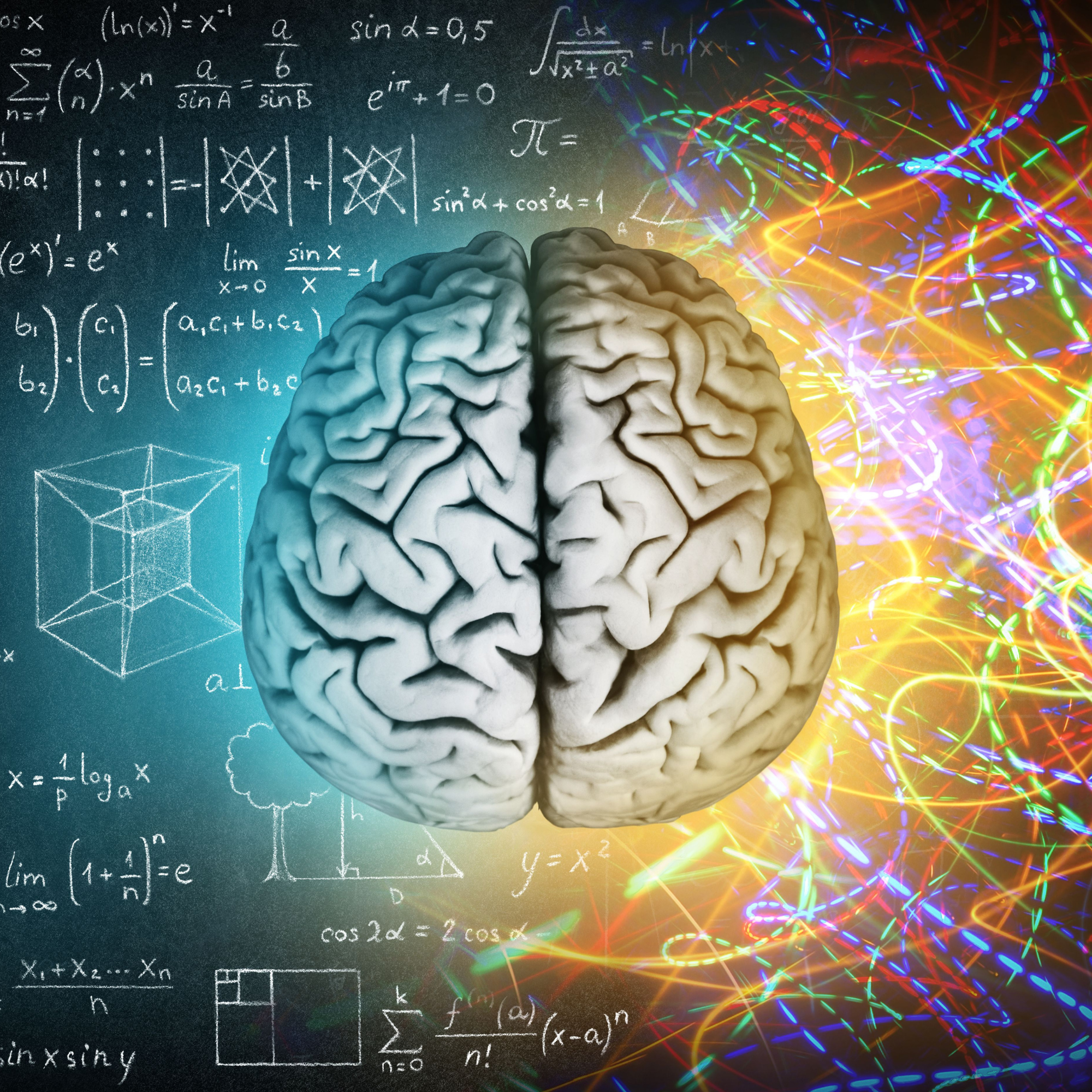
The human brain, the most complex structure in the universe, shows no evidence of evolving. It far surpasses even the most powerful computers. God designed it with purpose and gives us His Word as a manual for its proper use.

A Tuft Mystery for Evolution
Some rabbits and hares have chest tufts of fur that serve no known survival purpose. Evolutionists struggle to explain them, but believers see God’s creativity expressed in beauty and variety. Not everything must serve survival—some things simply reflect His artistry.

Animals Don’t Need Technology
Animals possess remarkable abilities—fleas jump incredible distances, camels endure deserts, and midges beat their wings at astounding speeds. Humans need technology to match them, but animals were gifted with these abilities directly.
Tool-Using Animals
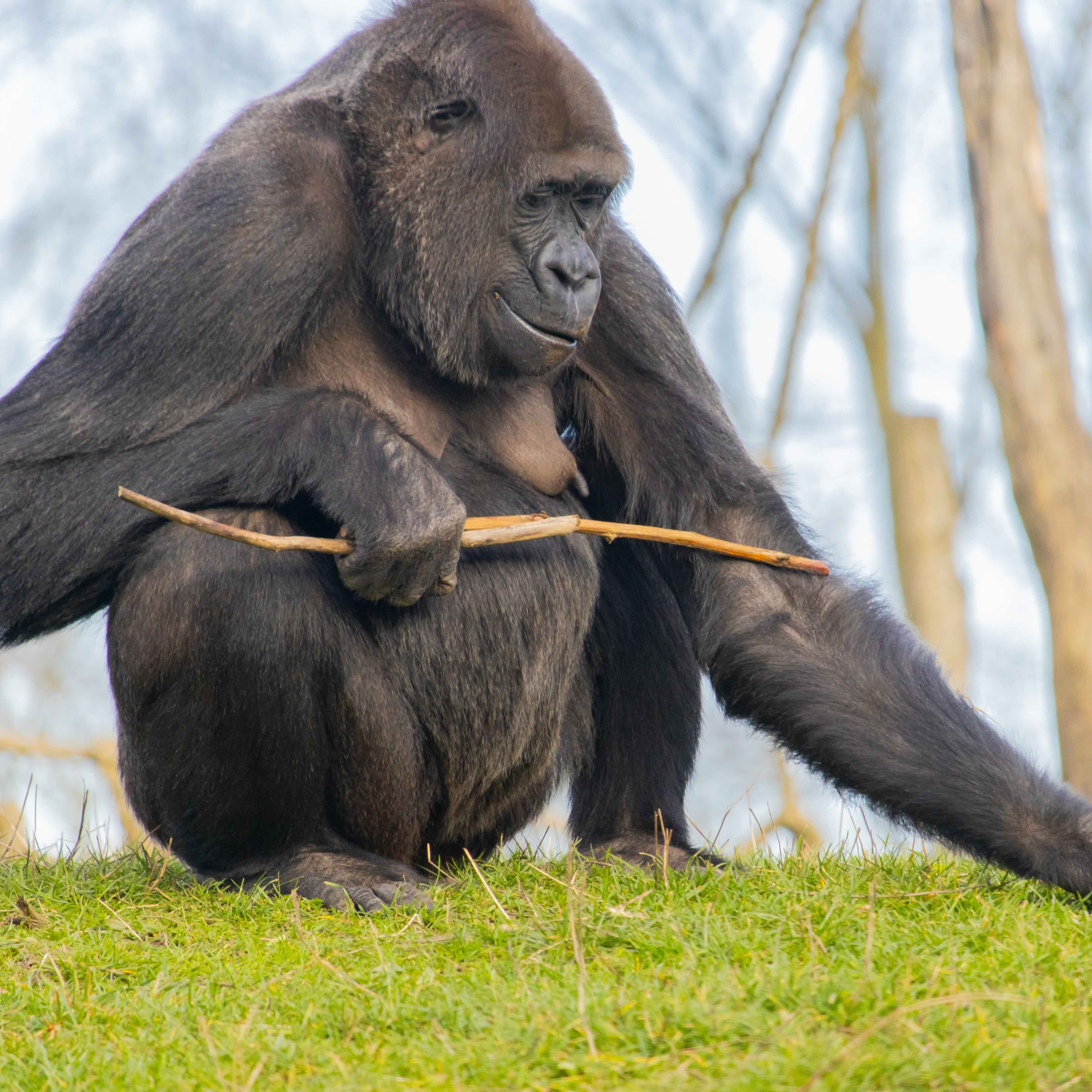
Animals like chimpanzees, elephants, and woodpeckers use or even make tools. While evolutionists once denied this, their shifting explanations reveal evolution’s inconsistency. Humans remain unique, created in God’s image, despite animals’ cleverness.
Whales: Engineered for Water
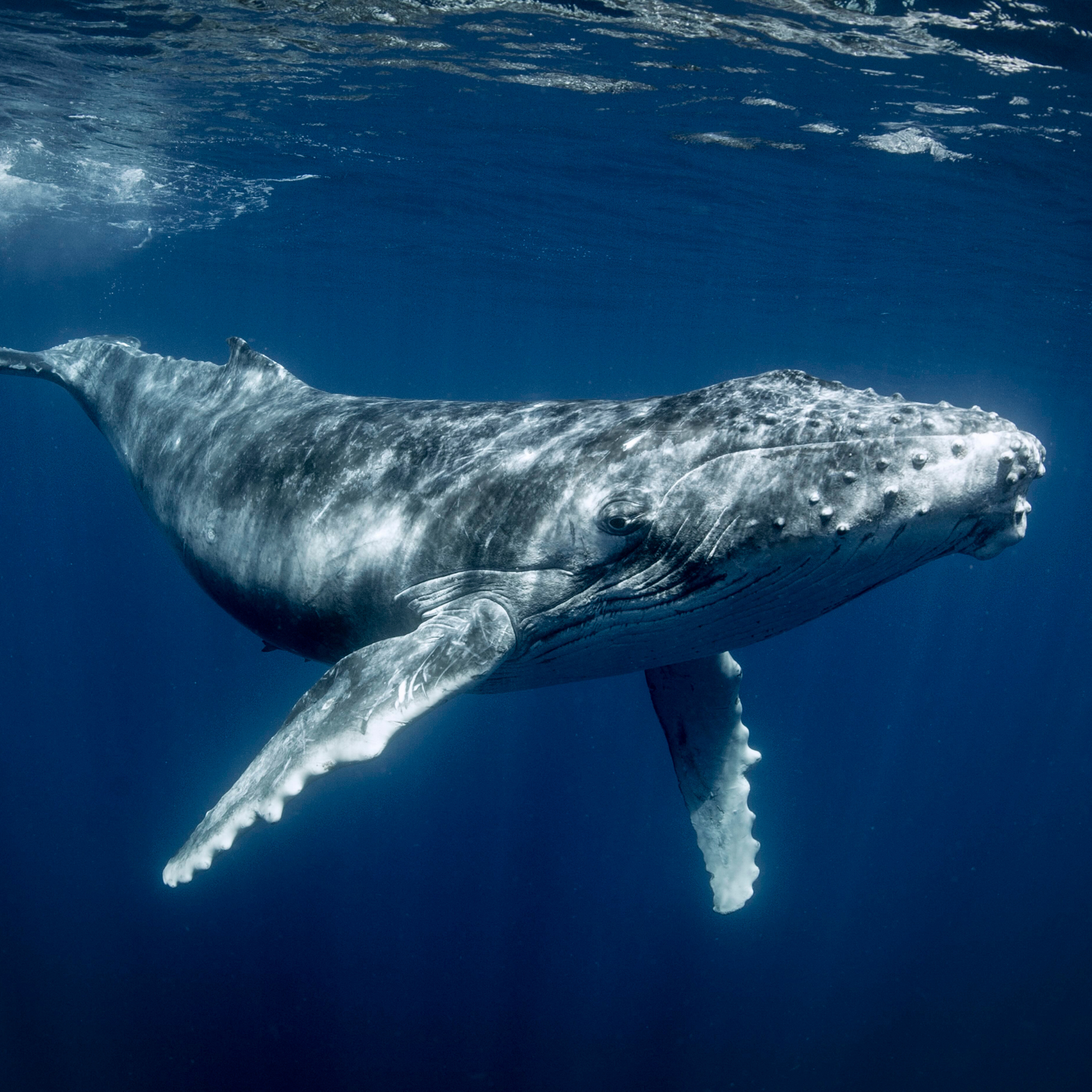
Whales possess unique features for underwater living, such as specialized hearing and blowholes. Evolutionists claim these changes came from land animals, but such restructuring is impossible without design.
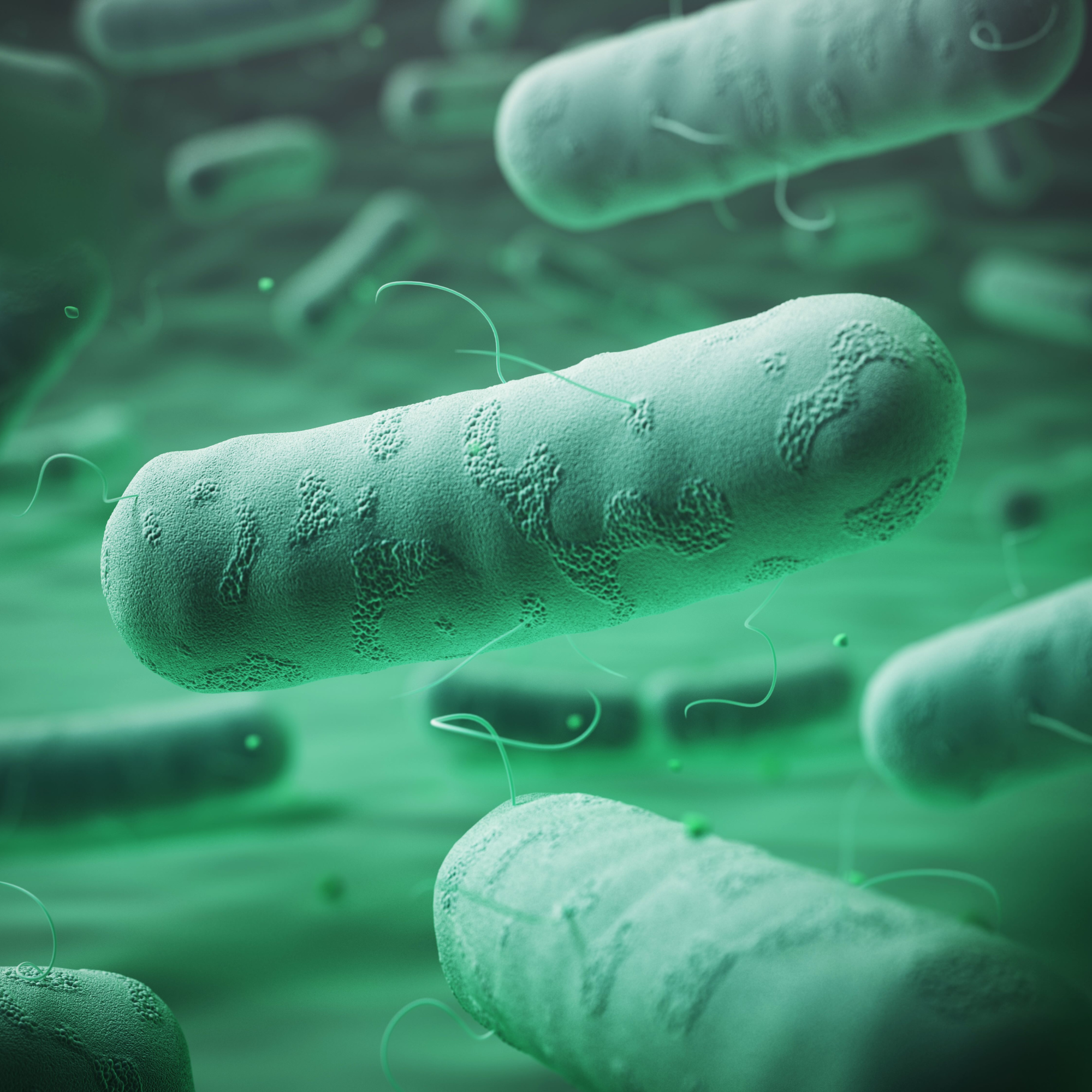
The Personality of Bacteria
Research shows bacteria can learn, remember, and even display unique personalities despite identical genetics. Such individuality cannot be explained by evolution. Instead, it reflects God’s care for even the smallest details of creation.

Bamboo’s Message to the World
All members of a bamboo species flower simultaneously worldwide, then die, leaving only seeds. Such synchronization argues for a recent creation, not millions of years of evolutionary divergence.

Plants that Fool Insects
Orchids and other plants employ deceptive strategies—like mimicking female insects or prey—to achieve pollination. Their interdependence demonstrates a Creator’s work, not evolutionary accident. Image: Spider orchid (Brassia maculata), Photo by David J. Stang, CC BY-SA 4.0, Wikimedia Commons.

Spiders the Size of a House?
While insects vary greatly in size, oxygen delivery systems limit how large they can grow. Spiders the size of houses are impossible due to these physical constraints. This balance shows God’s wisdom in equipping each creature for its needs.
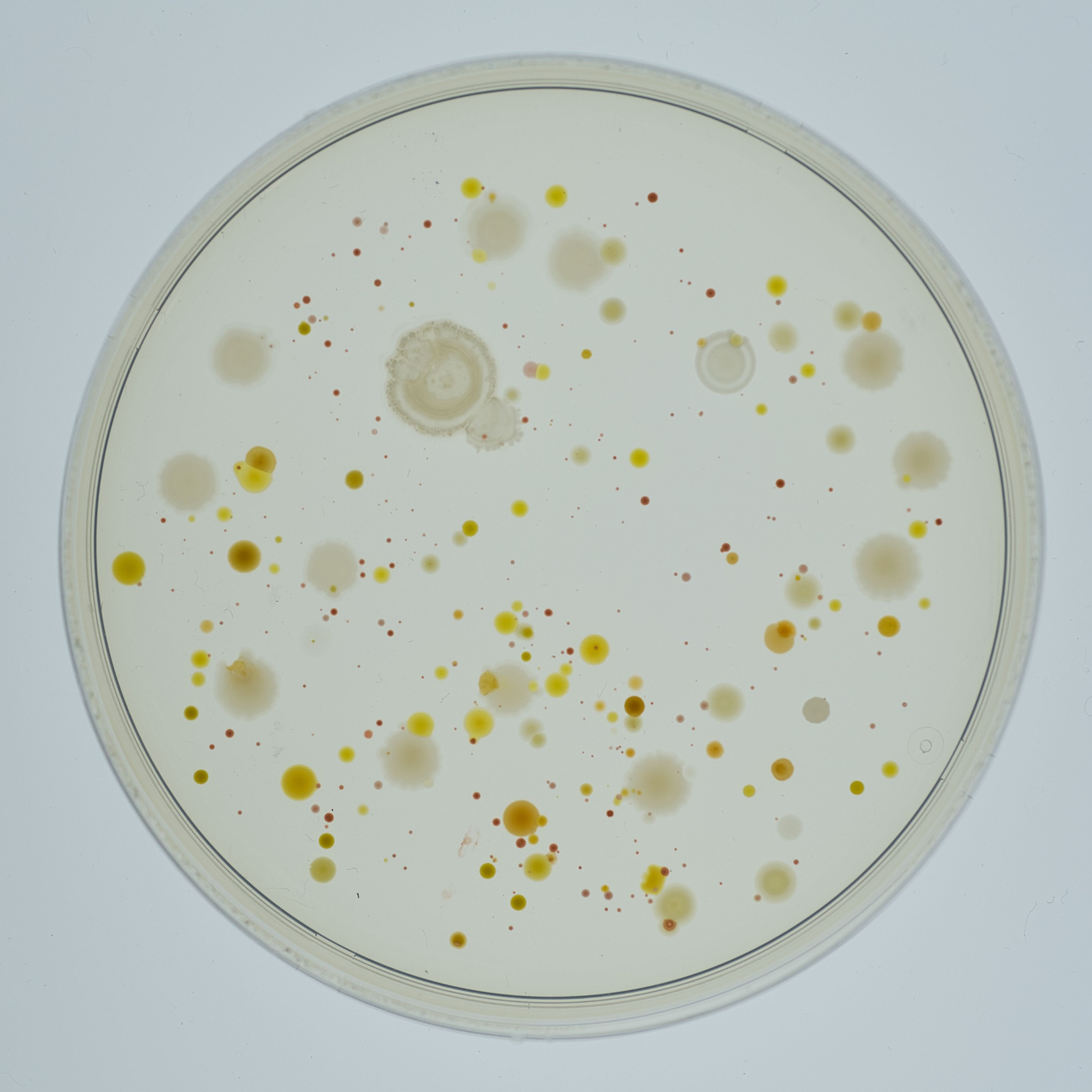
The Mind of a Bacteria
Bacteria demonstrate both long-term and short-term memory, recalling past strategies for survival. Such learning and decision-making defy claims that they are “simple” life forms.

Is it Orchid or Insect?
Certain orchids mimic female insects so perfectly that male pollinators are deceived into ensuring pollination. These deceptions are too precise to be explained by chance. Image: Cryptostylis leptochila, Geoff Derrin, CC BY-SA 4.0, Wikimedia Commons.

The Vine that Keeps Pet Butterflies
Some tropical vines depend entirely on pollen-eating butterflies, which in turn rely on the vines for food. Female flowers mimic male flowers to attract pollinators. Such tightly matched relationships testify to a Creator’s purposeful design. Image: Psiguria vine with Heliconius butterfly, KimonBerlin, CC BY-SA 2.0, Wikimedia Commons.

What Amoebas Know
Despite lacking brains, amoebas avoid wandering in circles when searching for food, showing a form of memory. This surprising ability reflects God’s design even in single-celled organisms. Likewise, God’s Word prevents us from wandering aimlessly in life. Image: Amoeba proteus, SmallRex, CC BY-SA 4.0, Wikimedia Commons.
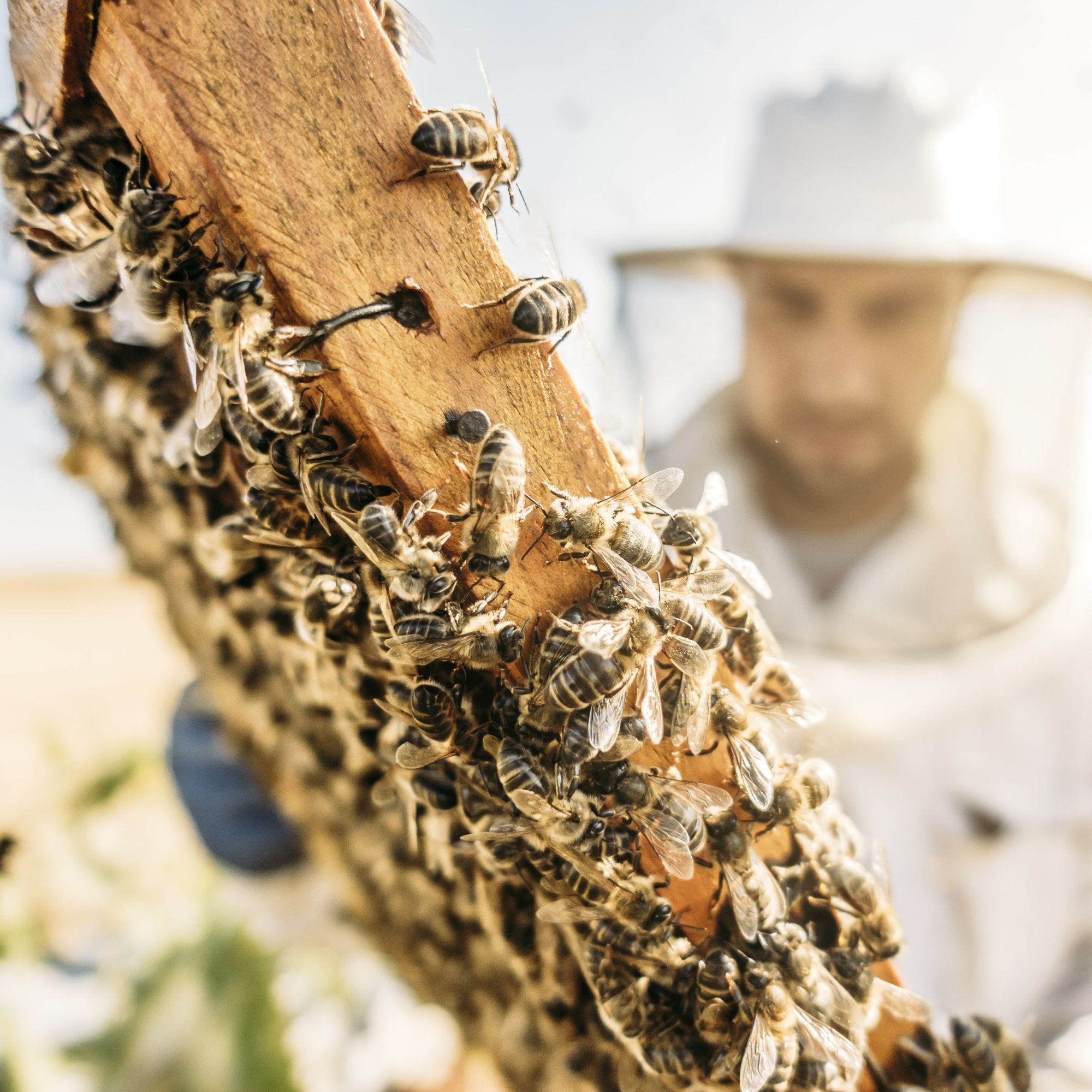
Dancing Bees
Bees communicate by dancing to show the location of nectar sources. When researchers tricked them, the hive demonstrated awareness by ignoring false directions, revealing unexpected intelligence. This highlights God’s gift of wisdom even to small creatures.

Discovery Confirms Creation Claims
Creationists predicted that “modern” human fossils would be found in older layers than evolution allows. New discoveries have indeed pushed back the age of humanity far beyond evolutionary expectations. This supports the biblical account that humans have been here from the beginning. Image: Qafzeh 9 Homo sapien, Ryan Somma from Occoquan, USA, CC BY-SA 2.0, Wikimedia Commons.

Bacteria’s Eyes and Ears
Bacteria are far from simple—they have sensors like eyes and ears, and process information like a brain. They can detect differences too small for humans to notice. Their sophistication points to an intelligent Designer, not accidental origins. Image: A natural community of bacteria growing on a single grain of sand, Anthony D'Onofrio, CC BY 2.0, Wikimedia Commons.
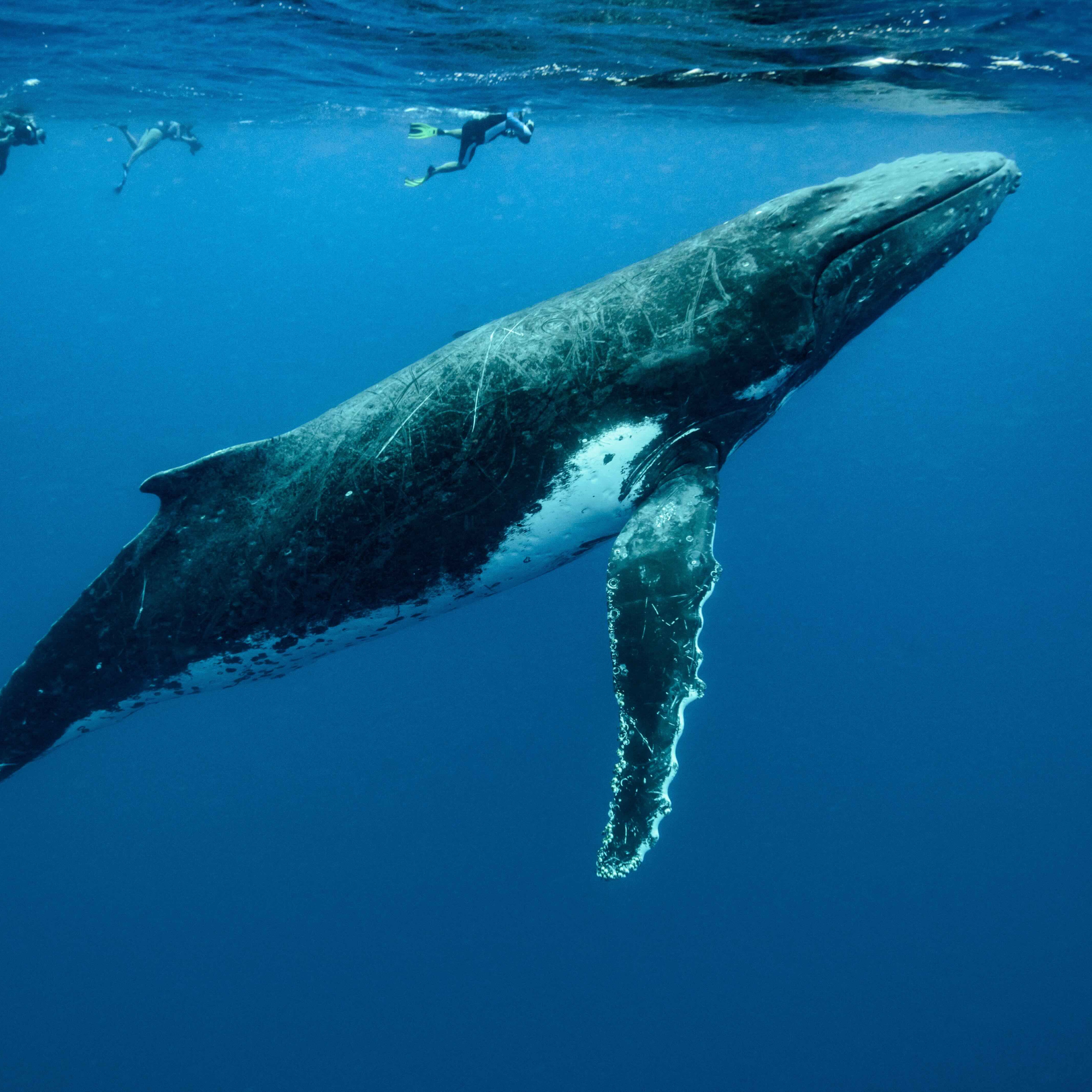
A Whale of a Problem
Whales are mammals but live entirely in the sea, posing a major problem for evolutionary claims. Their existence shows that not all mammals are related by descent. Instead, whales confirm God’s creation of distinct kinds from the beginning.

Three Million Children
The Catasetum orchid relies on a few male flowers and even fewer female flowers, yet can produce up to three million seeds from successful pollination. Its survival depends on precise design and timing. If God cares for such details in plants, how much more does He care for us? Image: Female catasetum orchids and insect, Clara egrejas, CC BY-SA 4.0, Wikimedia Commons.

A Desert full of Frogs?
Tree frogs and desert frogs thrive in unlikely environments thanks to special provisions from the Creator. Bromeliads provide treetop pools for tree frogs, while desert frogs store water and hibernate underground until rain returns. Image: Cyclorana platycephala (water-holding frog), en-User-Tnarg 12345, CC BY-SA 3.0, Wikimedia Commons.
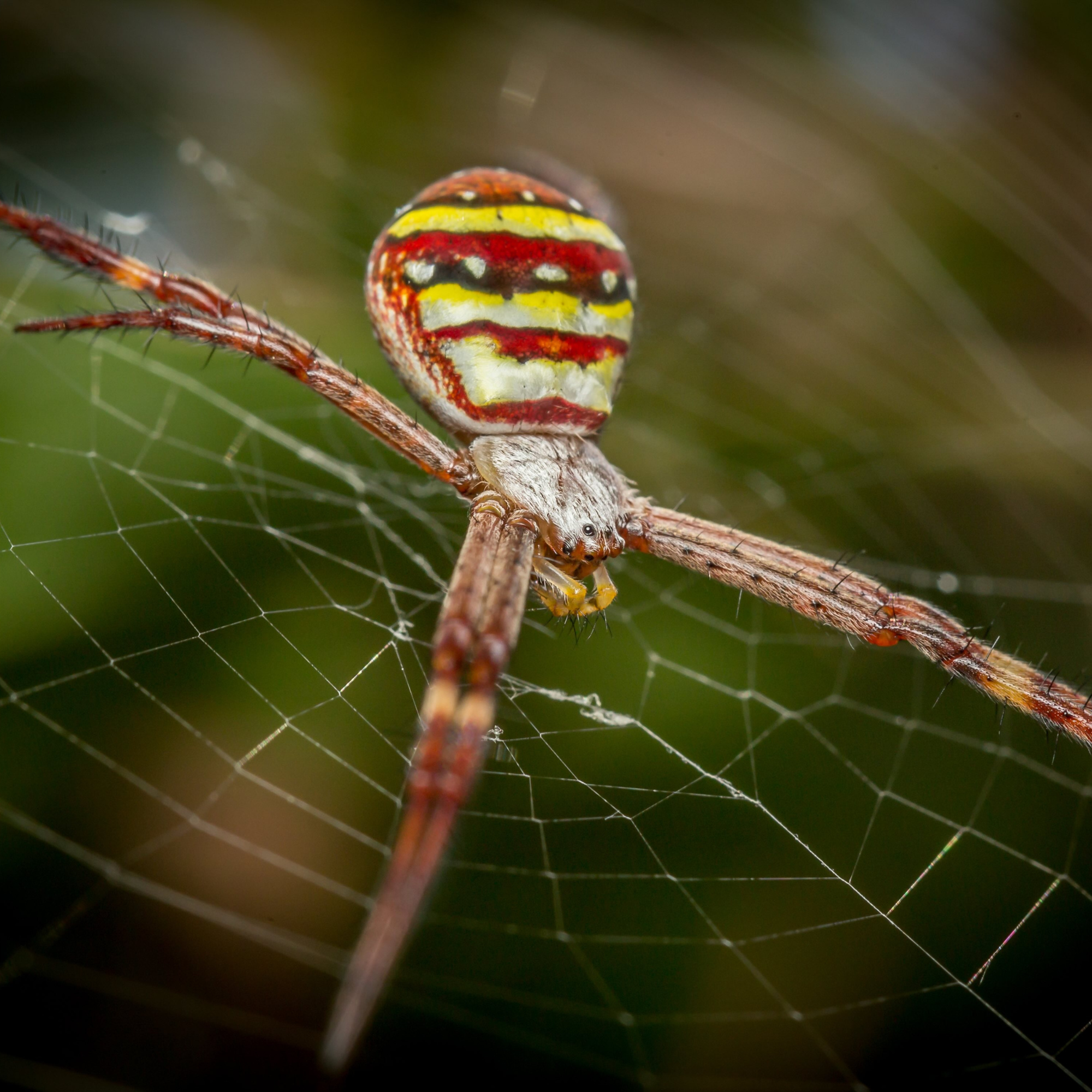
Hydraulic Spiders
Spiders use hydraulic pressure to extend their legs, and some plants even catapult seeds using the same principle. This advanced engineering was designed by God long before humans discovered hydraulics.

The Strange Behavior of Orchids
Orchids use highly specialized strategies for pollination, from bright colors for birds to deceptive shapes for insects. Evolutionary terms like “co-evolution” fail to explain such complexity. These wonders point us to the Creator who designed them and calls us into relationship with Himself. Image: Bee orchid (Ophrys apifera), Marie-Lan Taÿ Pamart, CC BY 4.0, Wikimedia Commons.

Can Bacteria Think?
Experiments show that bacteria can make decisions, such as enduring discomfort to reach food. This intelligence challenges the evolutionary expectation that only higher creatures can think. Instead, it demonstrates that God equips every living thing with what it needs. Image: Portrait of Wilhelm Pfeffer, Science History Institute, PD, Wikimedia Commons, changes made.

Creative Procreation
Sexual reproduction in plants presents a problem for evolution, yet God’s design solves it beautifully. The Arum lily uses an ingenious system with insects to ensure pollination. Such complexity points to a purposeful Creator rather than random chance. Image: Zantedeschia aethiopica (arum lily),Krzysztof Ziarnek, Kenraiz, CC BY-SA 4.0, Wikimedia Commons.
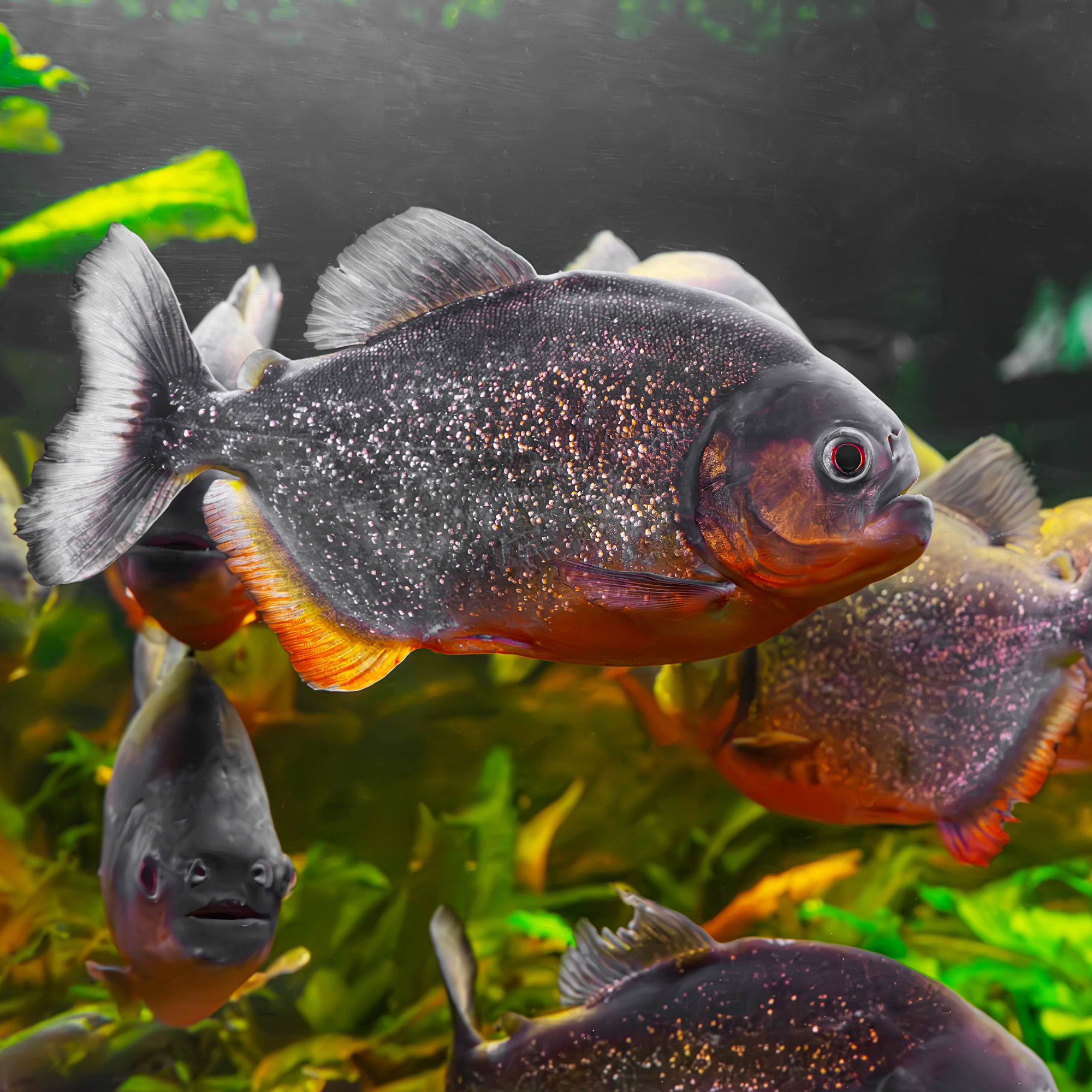
Mysteries of the Piranha
Piranhas defy evolutionary expectations since multiple species live in the same way rather than diversifying. Their surprising selfless feeding habits also puzzle evolutionists. These traits instead reflect the Creator’s variety, creativity, and provision.

One God Against the gods
The plagues of Egypt directly targeted Egypt’s false gods, proving the superiority of Israel’s God. Each plague dismantled the supposed power of a particular deity, leaving no doubt that the true Creator rules over all. Image: The Seventh Plague, John Martin, PD, Wikimedia Commons.
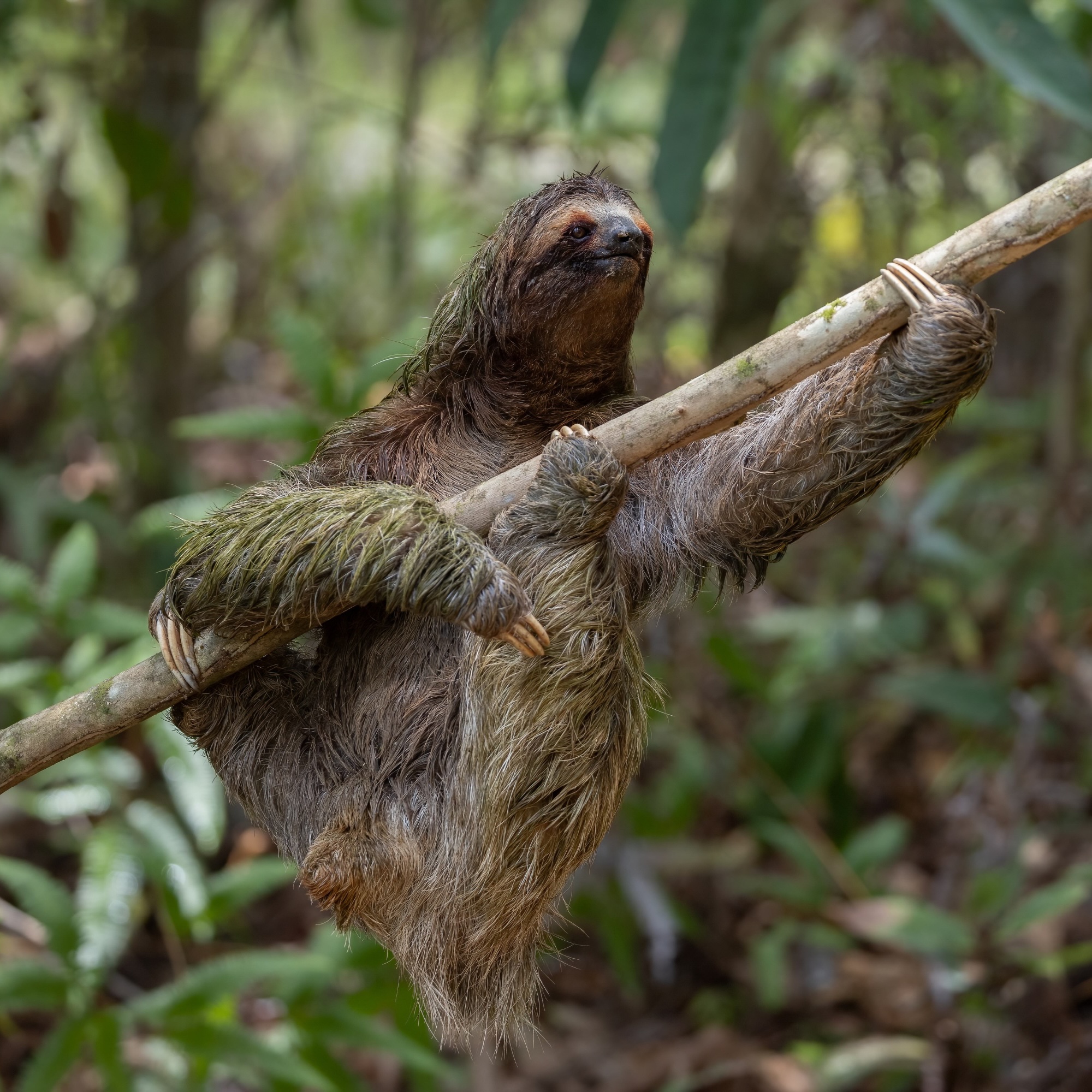
Real Sloth
The three-toed sloth moves painfully slow, yet is perfectly suited to its arboreal lifestyle. Despite its helpless appearance, it thrives in the forests of South America. Its life reminds us of our dependence on Christ for salvation and our call not to be spiritually slothful. For more creation resources, visit https://creationmoments.com/
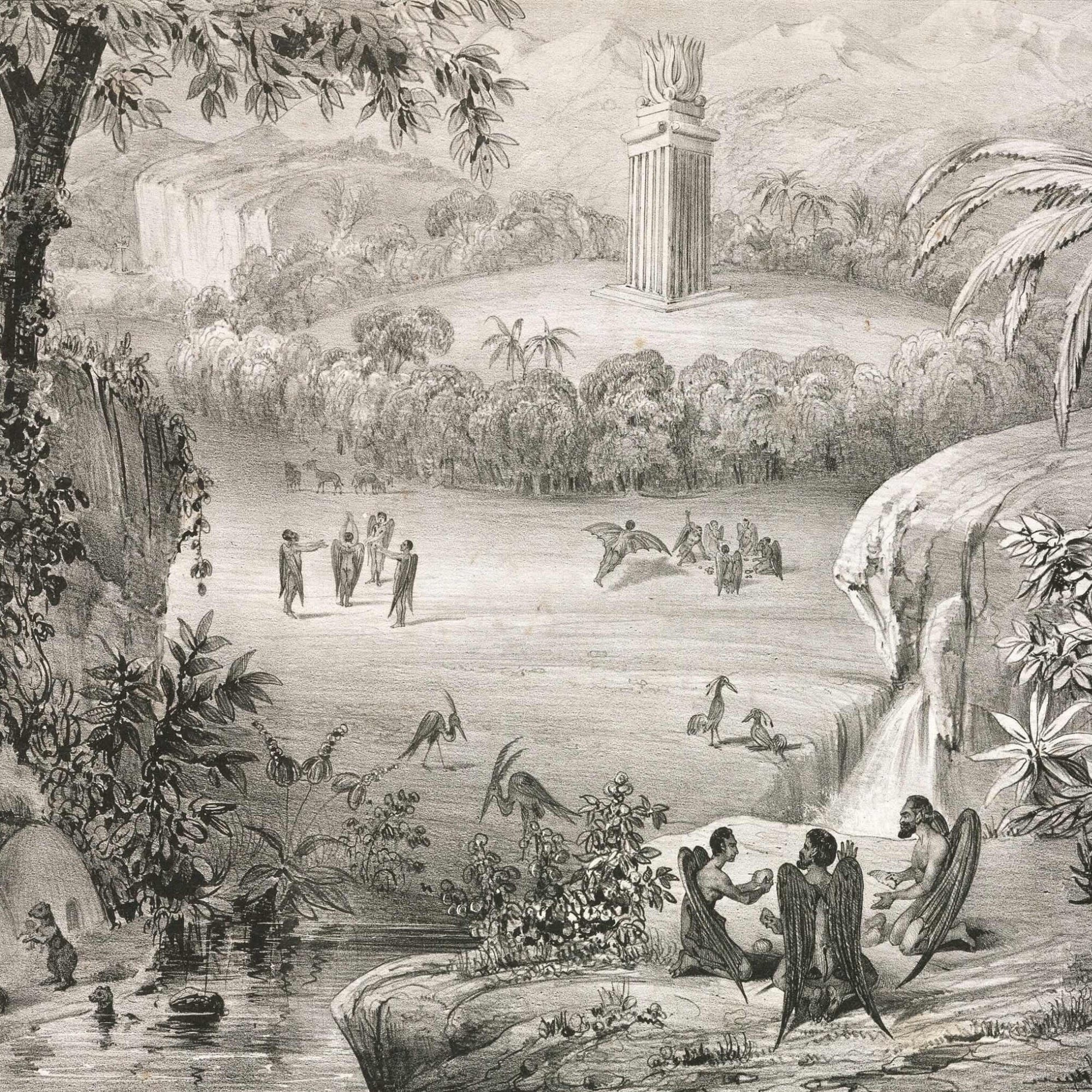
Is There Life in Space?
Past hoaxes and modern searches reveal no real evidence of life beyond earth. Evolutionists hope for extraterrestrial life as proof of their beliefs, but the Bible suggests life is unique to earth. Our planet’s fine-tuning reflects God’s special design for humanity. For more creation resources, visit https://creationmoments.com/ Image: Great Moon Hoax, Lith. de Thierry Frères., PD, Wikimedia Commons.
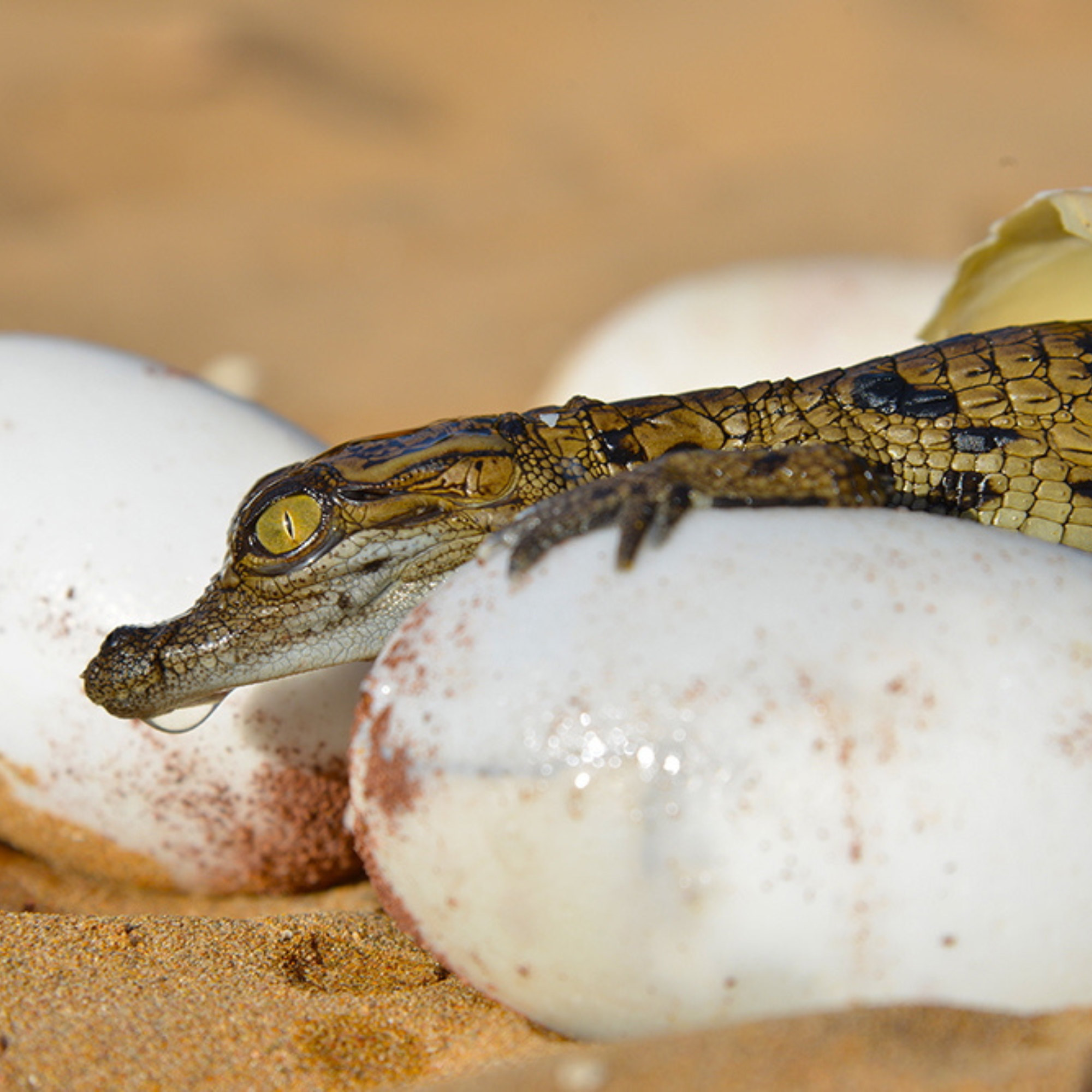
The Loving Crocodile
Crocodiles tenderly guard their eggs and gently help hatchlings emerge, even carrying them in their mouths to safety. Both parents may care for the young, showing a surprising amount of love. For more creation resources, visit https://creationmoments.com/ Image: Baby crocodile, Veronik80000, CC BY-SA 4.0, Wikimedia Commons.
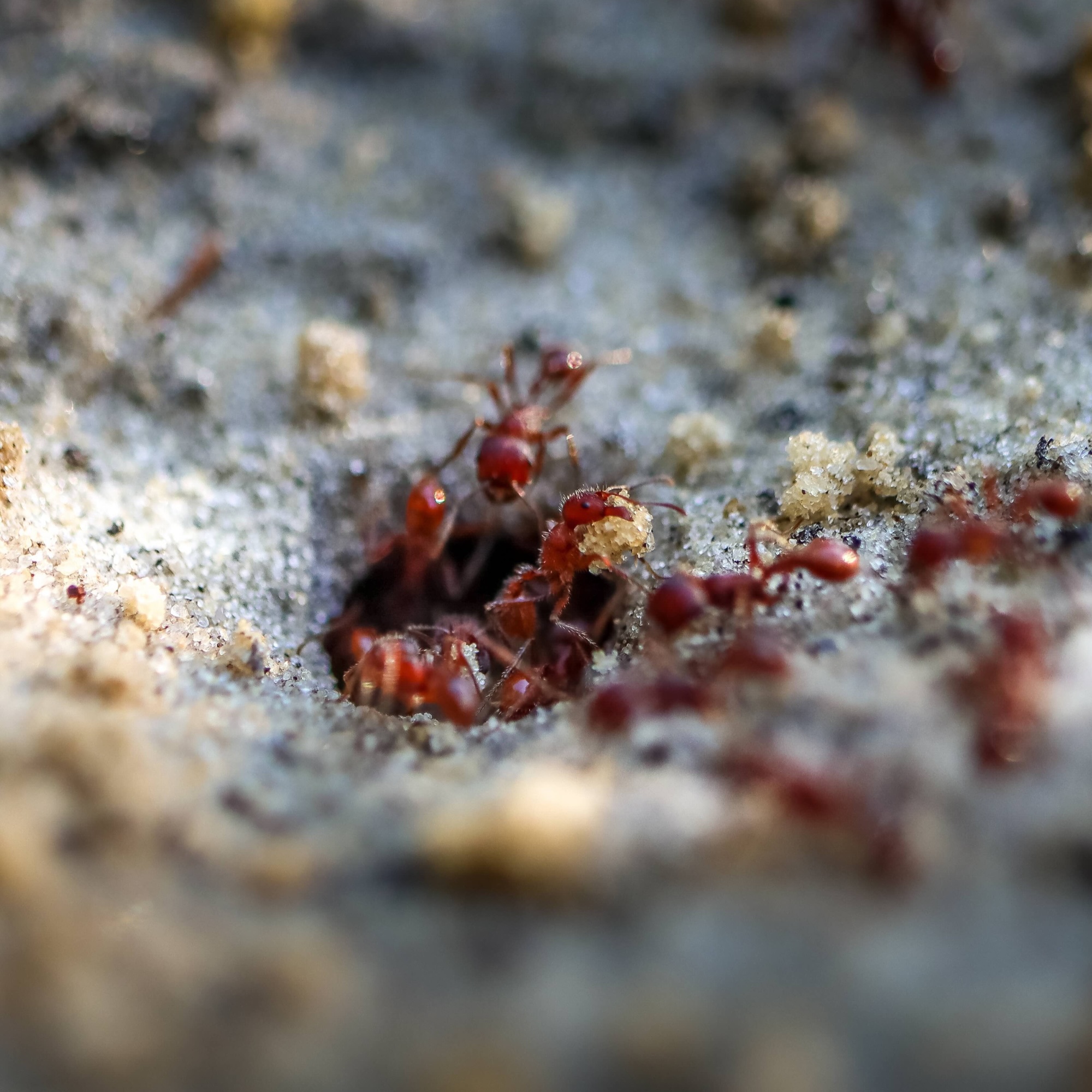
Complex Ant Society
Ant colonies function like massive superorganisms, with specialized roles for soldiers, workers, and caretakers. The largest known colony houses over 300 million ants in tens of thousands of nests. This remarkable order reflects intelligence beyond the ants themselves. For more creation resources, visit https://creationmoments.com/
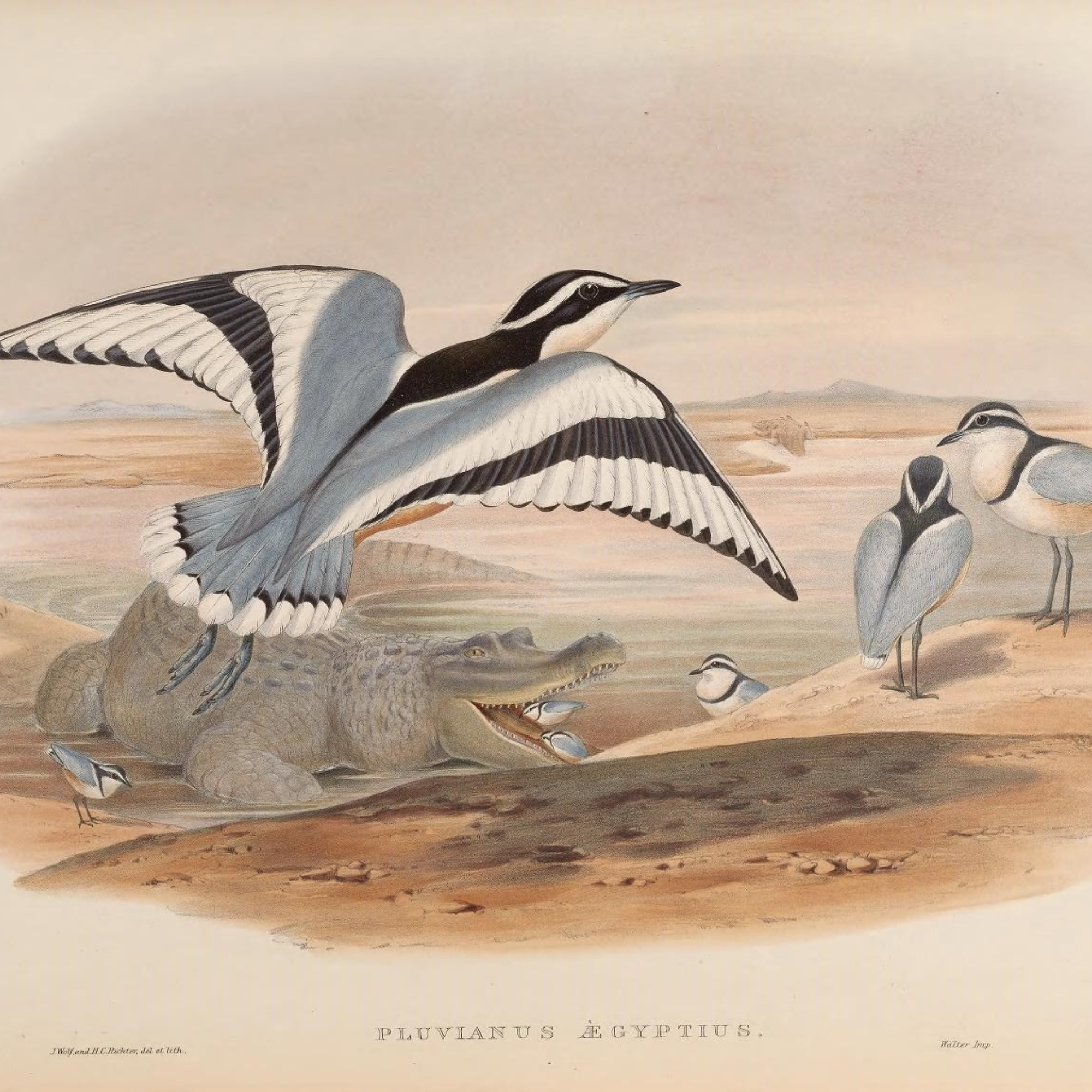
The Crocodile Bird
The crocodile bird cleans food scraps from crocodile mouths and alerts them to danger, benefiting both species. Such complex cooperation cannot be explained by evolution but shows intentional design. For more creation resources, visit https://creationmoments.com/ Image: Charadrius aegyptius (crocodile bird), Biodiversity Heritage Library, CC0, Wikimedia Commons.
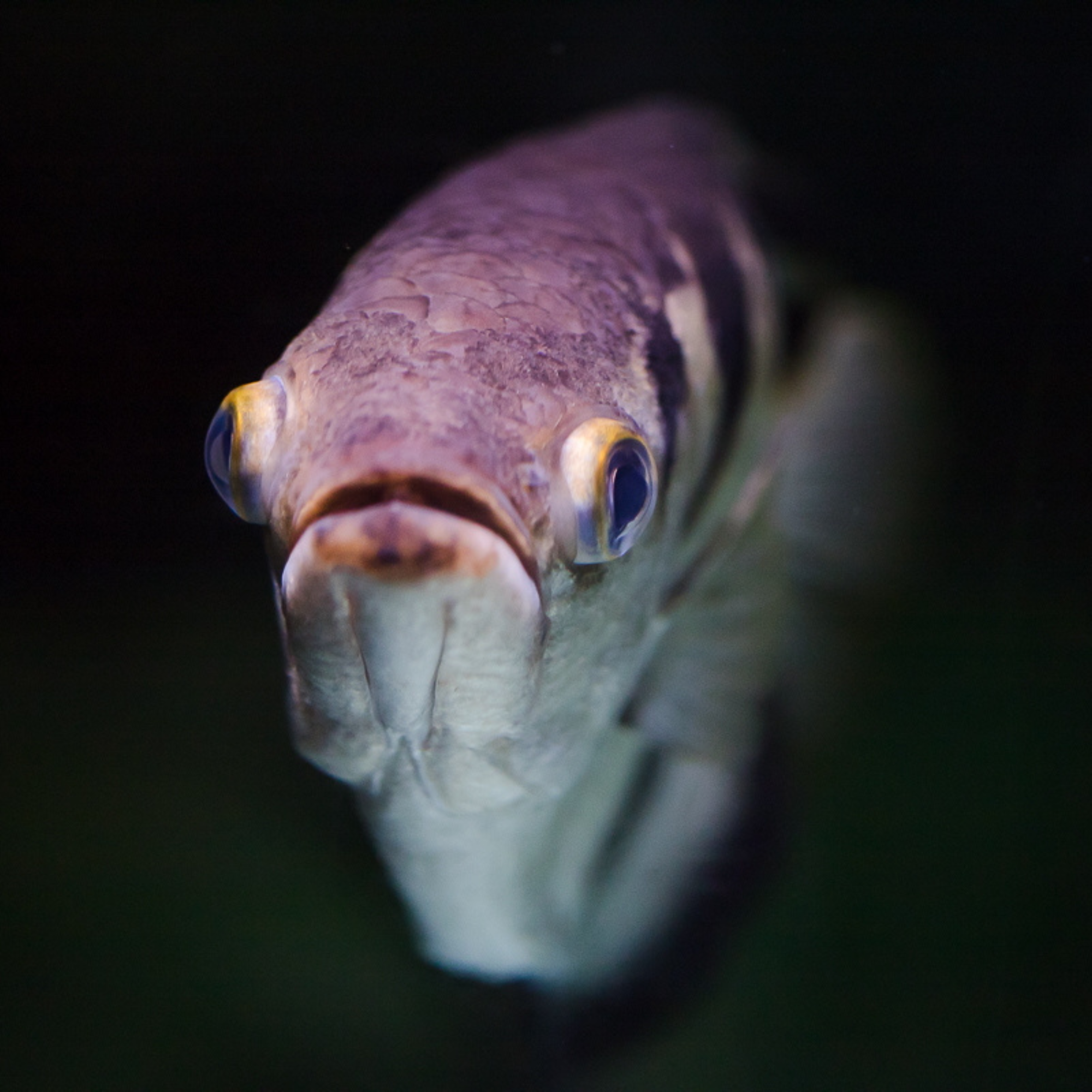
The Archer Fish
The archer fish shoots precise streams of water to knock insects into the water for food. Its mouth forms a blow tube with valve-like precision, allowing accurate aim. This ingenious design points to God’s detailed provision, even for a small fish. For more creation resources, visit https://creationmoments.com/ Image: Banded Archer Fish, GinaFranchi, CC BY-SA 4.0, Wikimedia Commons.
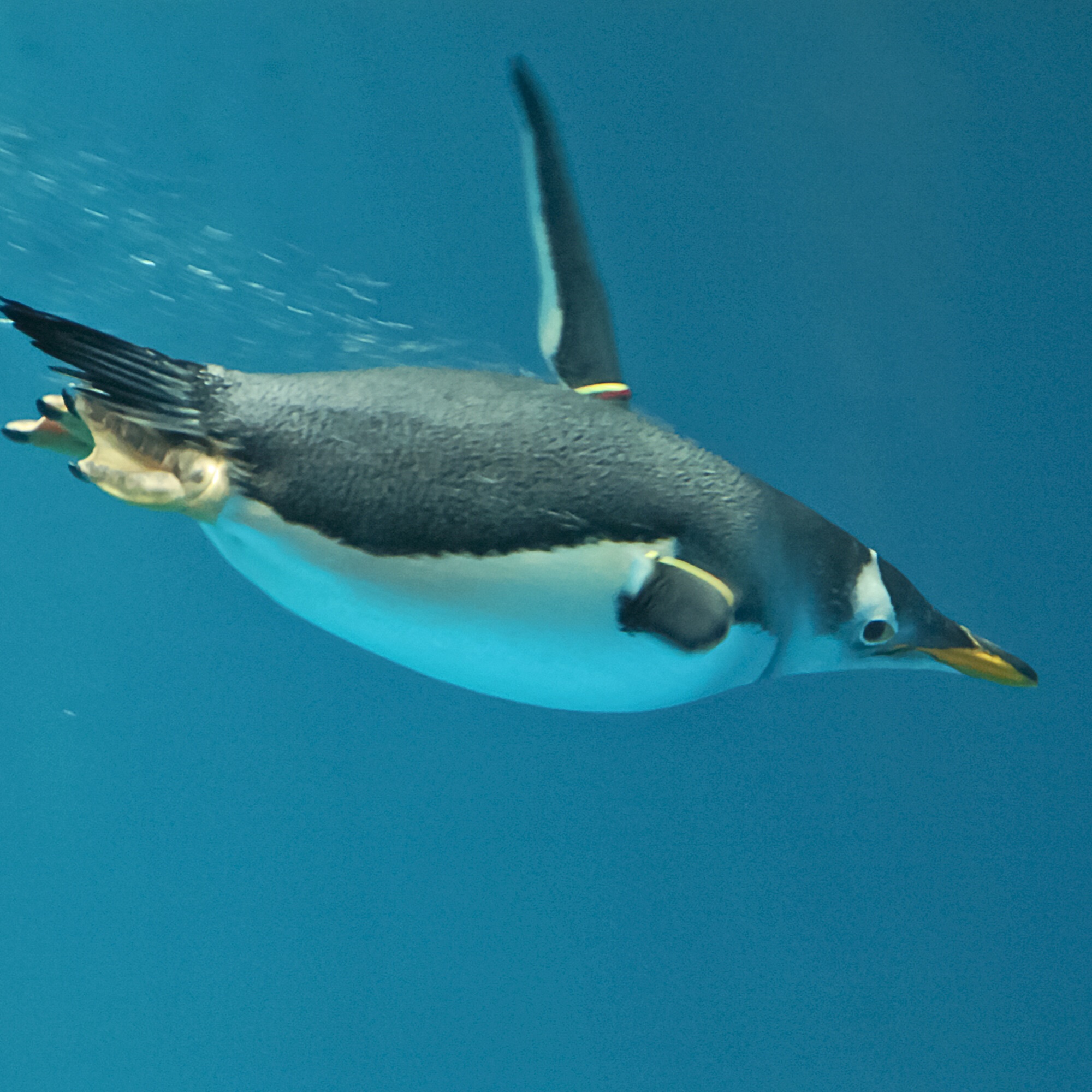
Thinking God’s Thoughts After Him
Creatures display God’s inventive care, from glowing fish to long-distance-flying birds and swimming penguins. Each is perfectly suited to its environment with unique adaptations. Studying them helps us better understand God’s thoughts and creativity. For more creation resources, visit https://creationmoments.com/ Image: Gentoo penguin, Ken FUNAKOSHI, CC BY-SA 2.0, Wikimedia Commons.
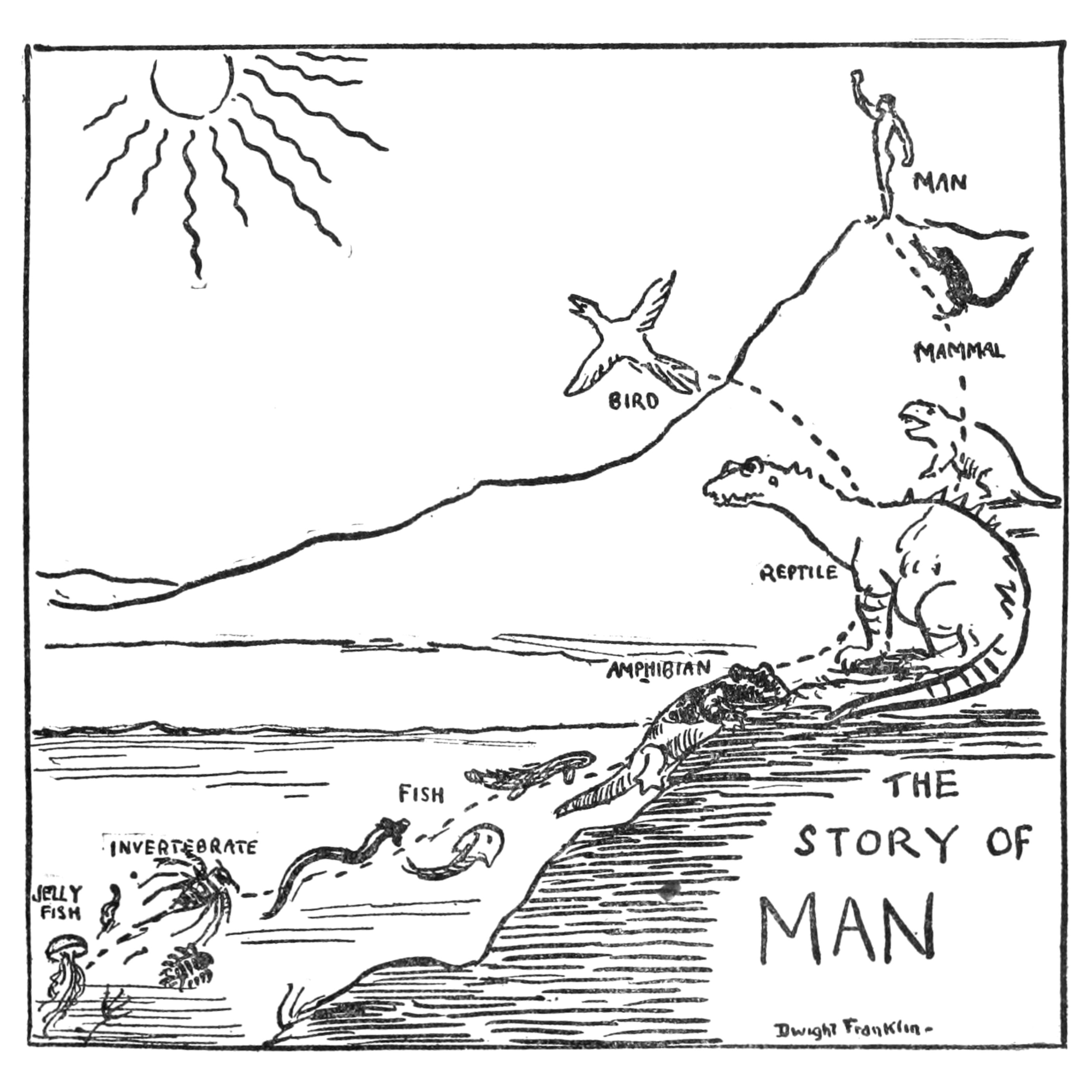
Faith: Christ or Man?
Many scientists admit evolution is not a testable scientific theory but a metaphysical system of belief. The fossil record itself shows sudden appearance of fully formed creatures, not gradual evolution. Evolution is faith in man, while creation rests on faith in God’s Word. For more creation resources, visit https://creationmoments.com/ Image: The Story of Man, Hendrik Willem Van Loon, PD, Wikimedia Commons.
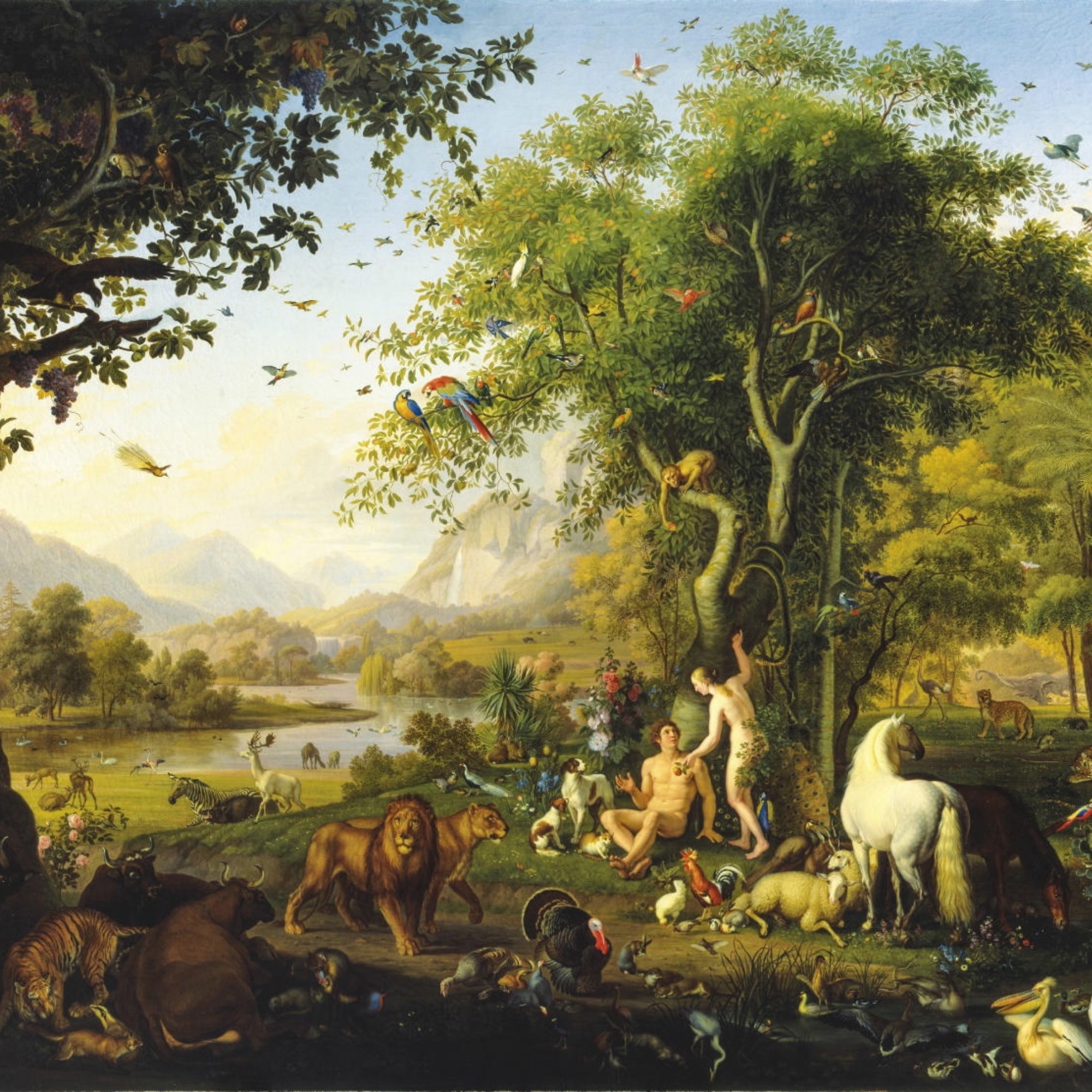
Death Before Adam?
If death existed before Adam, then sin would not be the cause of death, undermining the Gospel itself. Scripture ties death directly to Adam’s fall and new life to Christ. Evolution with death before man denies this vital truth. For more creation resources, visit https://creationmoments.com/ Image: Adam and Eve in the earthly paradise, Johann Wenzel Peter, PD, Wikimedia Commons.
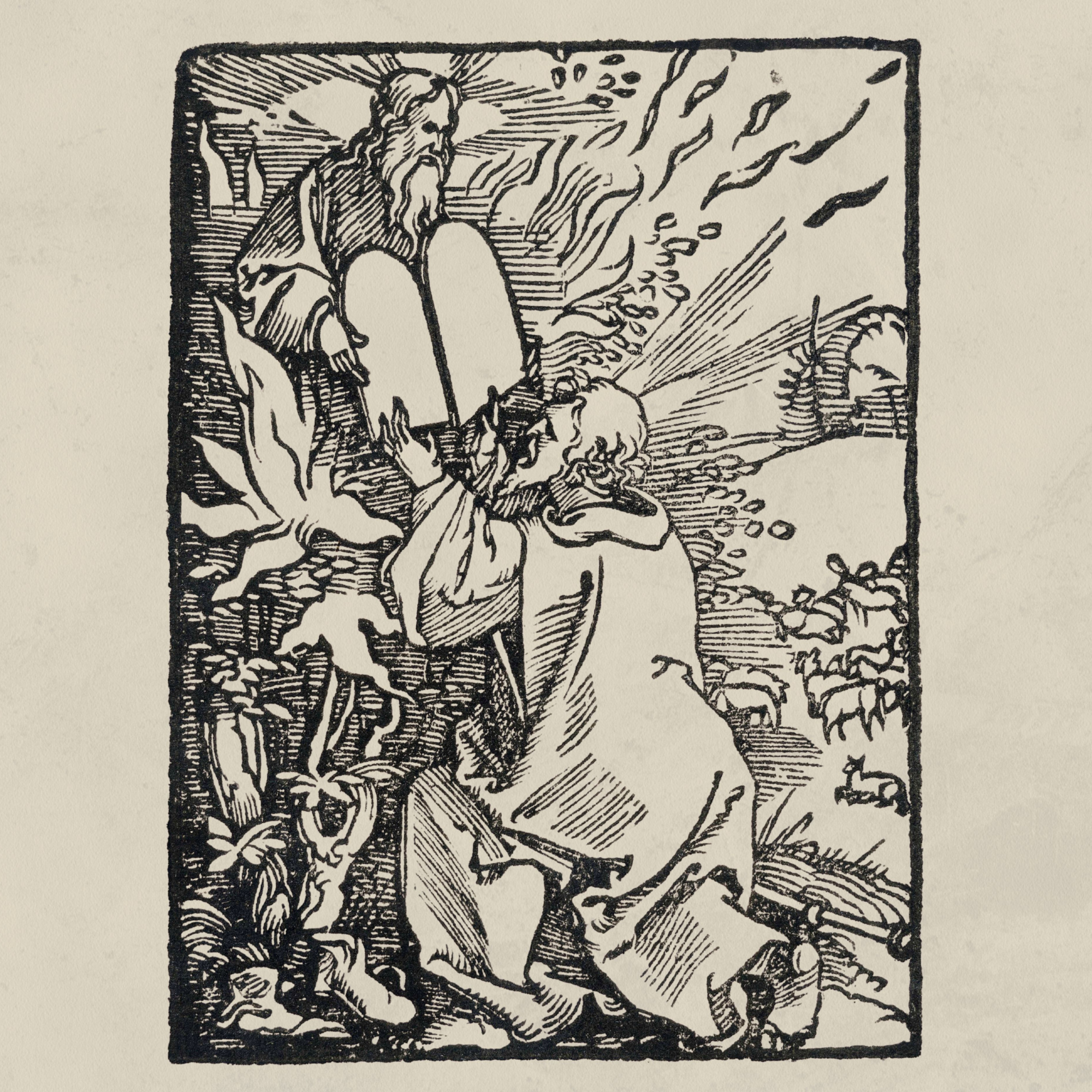
Certain: Six Creation Days
The Ten Commandments affirm that God created in six days and rested on the seventh, forming the basis of the Sabbath. If creation days were ages, God’s command about weekly rest would be meaningless. Scripture confirms creation occurred in six literal days. For more creation resources, visit https://creationmoments.com/ Image: Ten commandments, prayer book of Martin Luther, Hans Sebald Beham, PD, Wikimedia Commons, changes made.
Do Christians Need Evolution?
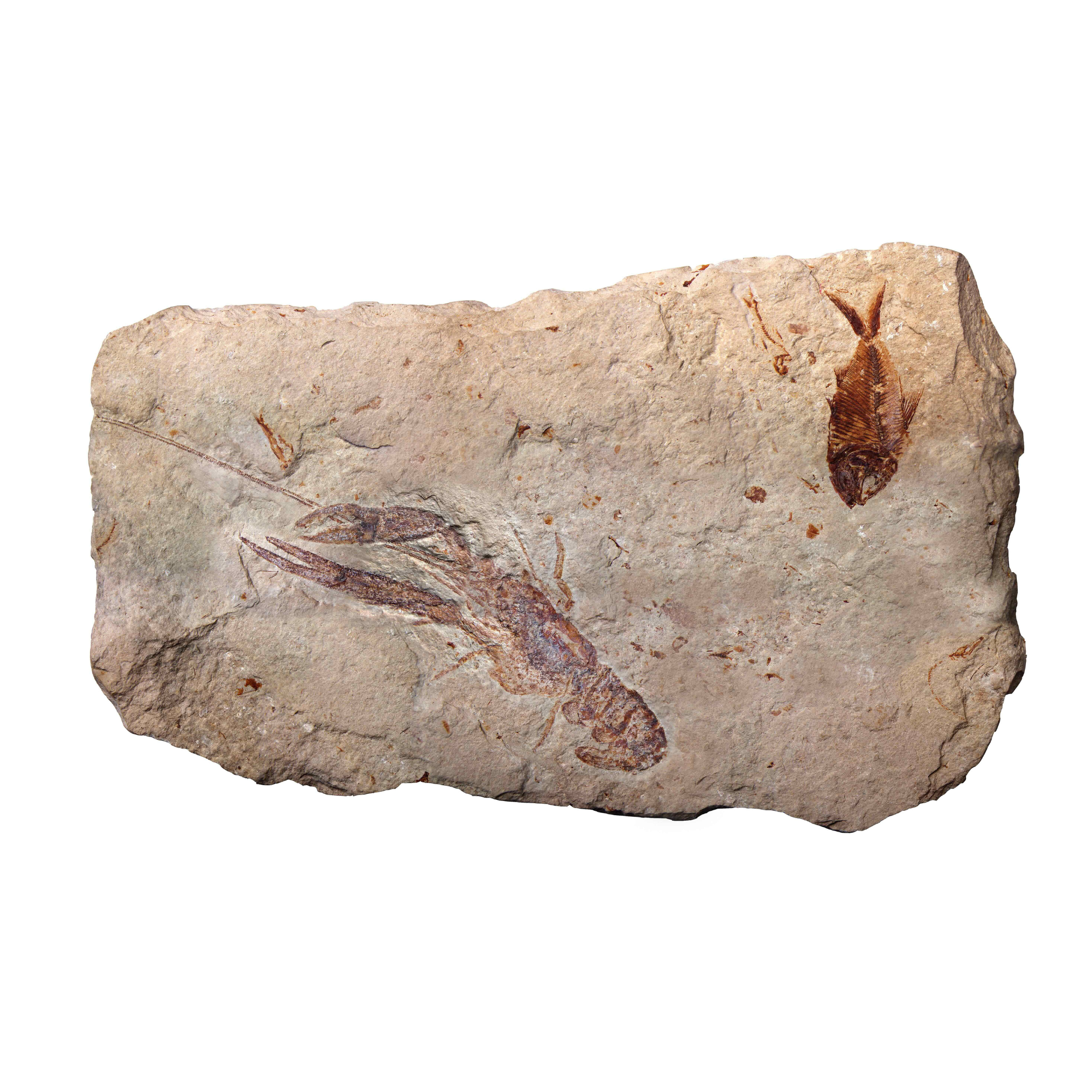
Some Christians think they must reconcile the Bible with evolution, but the fossil record shows creatures appear suddenly, fully formed. Even evolutionists admit there are no undisputed transitional forms. Faithful Christianity requires no compromise with evolutionary theory. For more creation resources, visit https://creationmoments.com/ Image: Fossils from Cretaceous age, Brocken Inaglory, CC BY-SA 3.0, Wikimedia Commons.

Does Evolution Allow the Supernatural?
Evolution relies solely on natural laws, leaving no room for God’s intervention in creation. Theistic evolution is therefore inconsistent both with evolution’s principles and the Bible’s teaching. For more creation resources, visit https://creationmoments.com/
Did God Create by Evolution?
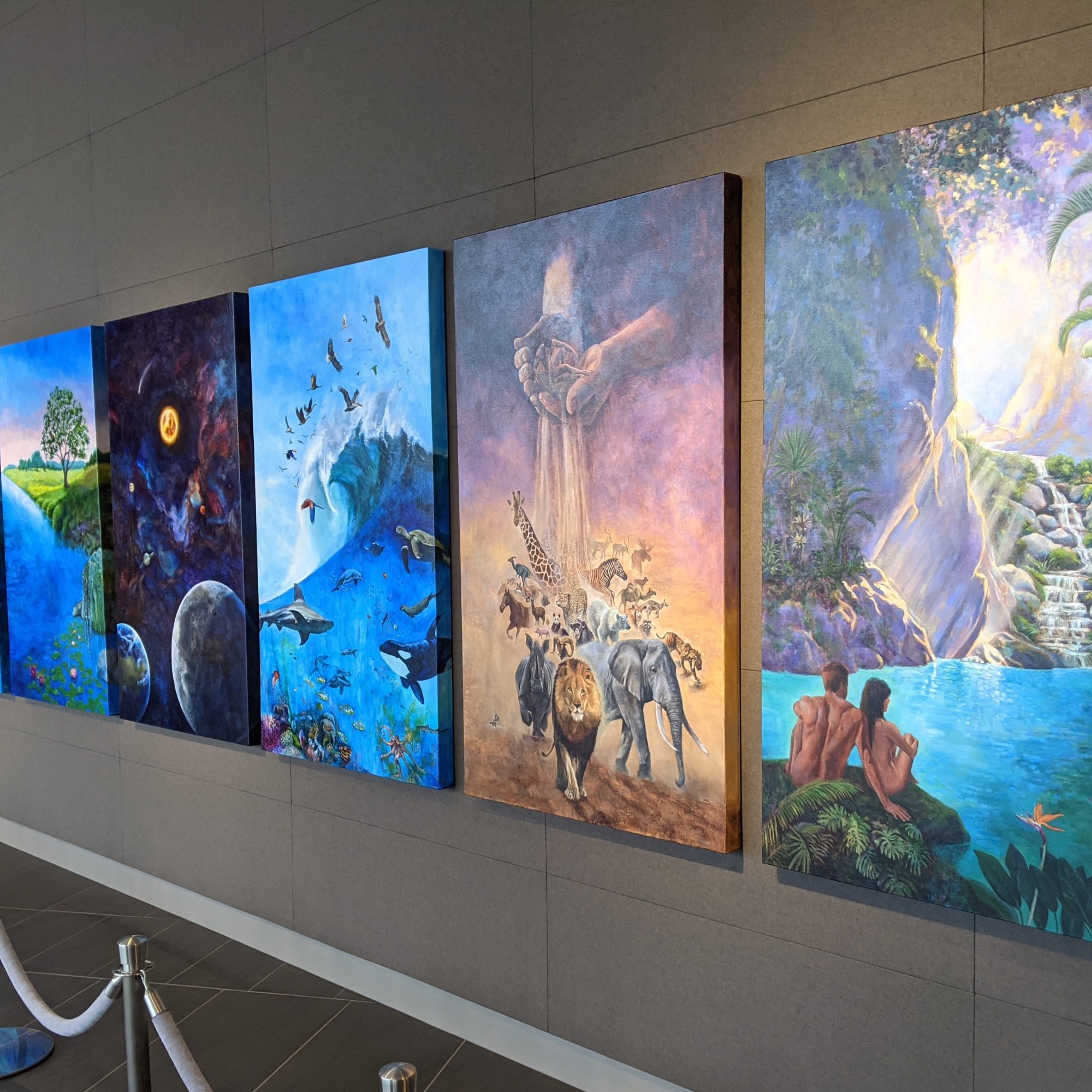
Many believe God used evolution to create, but thousands of scientists affirm direct creation in six days. Their work shows the Bible offers an intelligent, scientific alternative to evolution. God’s instrument of creation was not natural law but His Word through Christ. For more creation resources, visit https://creationmoments.com/ Image: ICR Discovery Center lobby paintings, 1990'sguy, CC BY-SA 4.0, Wikimedia Commons.

Consider All the Dating Methods
Scientists use over 100 different dating methods, yet only a few are emphasized to support billions of years. Many methods yield ages of just thousands of years, aligning with biblical creation. True science supports a young earth consistent with Scripture. For more creation resources, visit https://creationmoments.com/ Image: Earth, Blue Marble Western Hemisphere, NASA images by Reto Stöckli, based on data from NASA and NOAA., Terra MODIS, PD, Wikimedia Commons.

Monkeying with Typewriters
The idea that random chance can produce meaningful order, like monkeys typing Shakespeare, collapses under mathematical scrutiny. Even infinite time would not generate coherent results before producing endless nonsense. For more creation resources, visit https://creationmoments.com/