
Today's Creation Moment
1,936 episodes — Page 8 of 39

Is There a Gap in Genesis One?
The "gap theory" suggests a time gap between Genesis 1:1 and 1:2 to accommodate evolutionary timescales and fossil records, but this theory is not supported by the original Hebrew or biblical doctrine. The Bible clearly teaches that death came into the world through Adam’s sin, not before. For more creation resources, visit https://creationmoments.com Image: Scofield Bible, GEOGOZZ, CC BY-SA 4.0, Wikimedia Commons, Changes Made.

Plastic Stone and Other Ancient Wonders
Ancient civilizations demonstrated remarkable technological capabilities long before modern times. In South America, massive stone monuments may have been cast from liquefied rock using a technique still known to some indigenous groups. These discoveries challenge the belief that human intelligence and innovation are recent developments. For more creation resources, visit https://creationmoments.com Photo: Villahermosa, Parque Museo La Venta, Colossal Head, Arian Zwegers from Brussels, Belgium, CC BY 2.0, Wikimedia Commons.
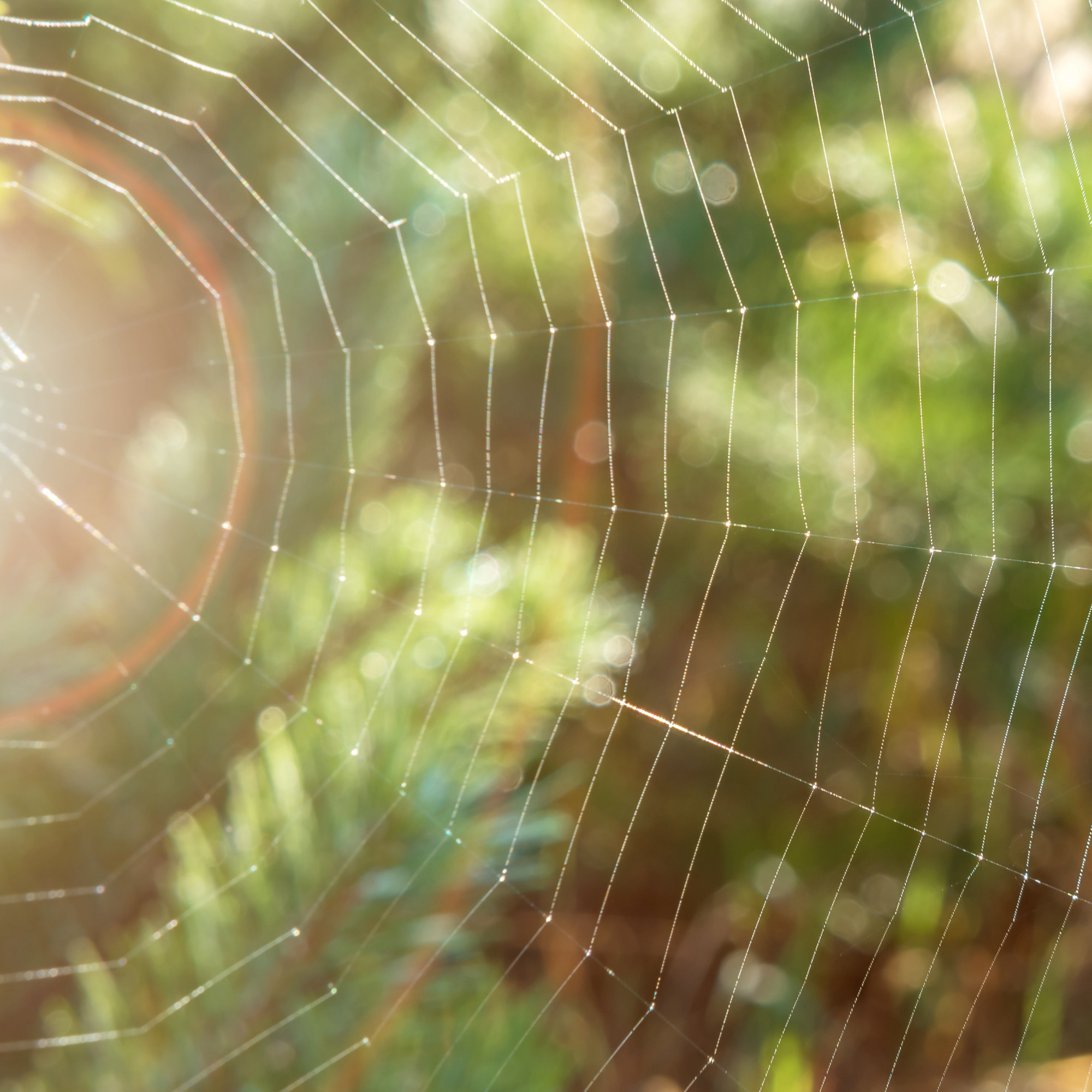
Spiders Help Make the Sun
Spider silk is so strong and precise that scientists use it in nuclear fusion experiments. Even in cutting-edge science, human innovation relies on God’s superior materials. For more creation resources, visit https://creationmoments.com/

Wild Medicine
Animals instinctively use medicinal plants to treat illnesses, demonstrating knowledge beyond mere survival instincts. This is evidence of an inherent wisdom placed within creation by God. For more creation resources, visit https://creationmoments.com/

Simple Math, Hard Questions
Basic mathematical calculations challenge evolutionary claims about population growth and geological change. When examined closely, the numbers align better with the biblical timeline. For more creation resources, visit https://creationmoments.com/

The Mystery of Male and Female
The evolution of male and female sexes poses an unsolvable problem for evolutionary theory. However, God’s creation of gender from the beginning provides a clear answer. For more creation resources, visit https://creationmoments.com/
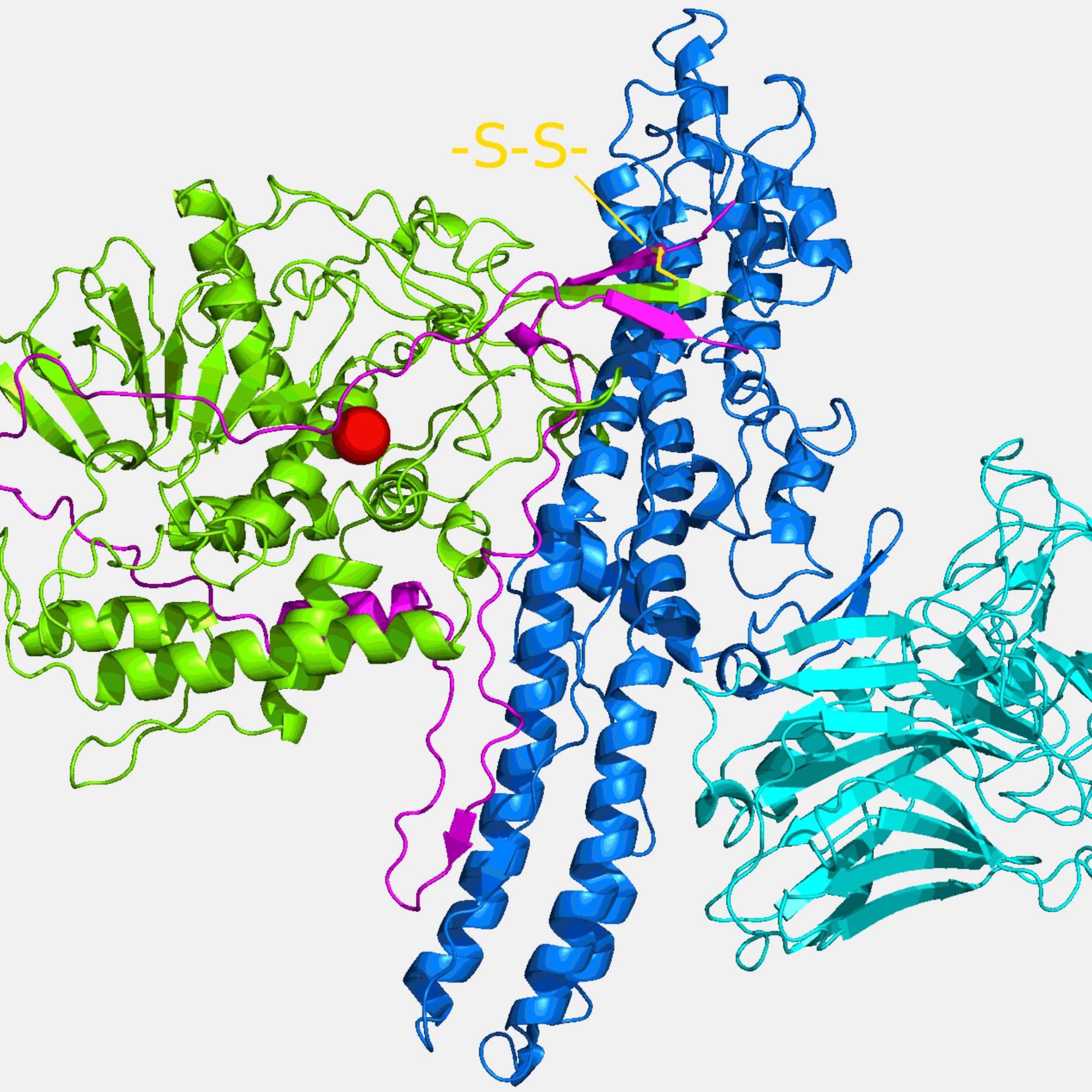
Changing Poison into Medicine
The deadly botulinum toxin has been harnessed for medical use, demonstrating how harmful substances can serve beneficial purposes. This transformation echoes the biblical theme of redemption. For more creation resources, visit https://creationmoments.com/ Image: Botulinum toxin A1 (BoNT/A1), 5-HT2AR, CC0, Wikimedia Commons.
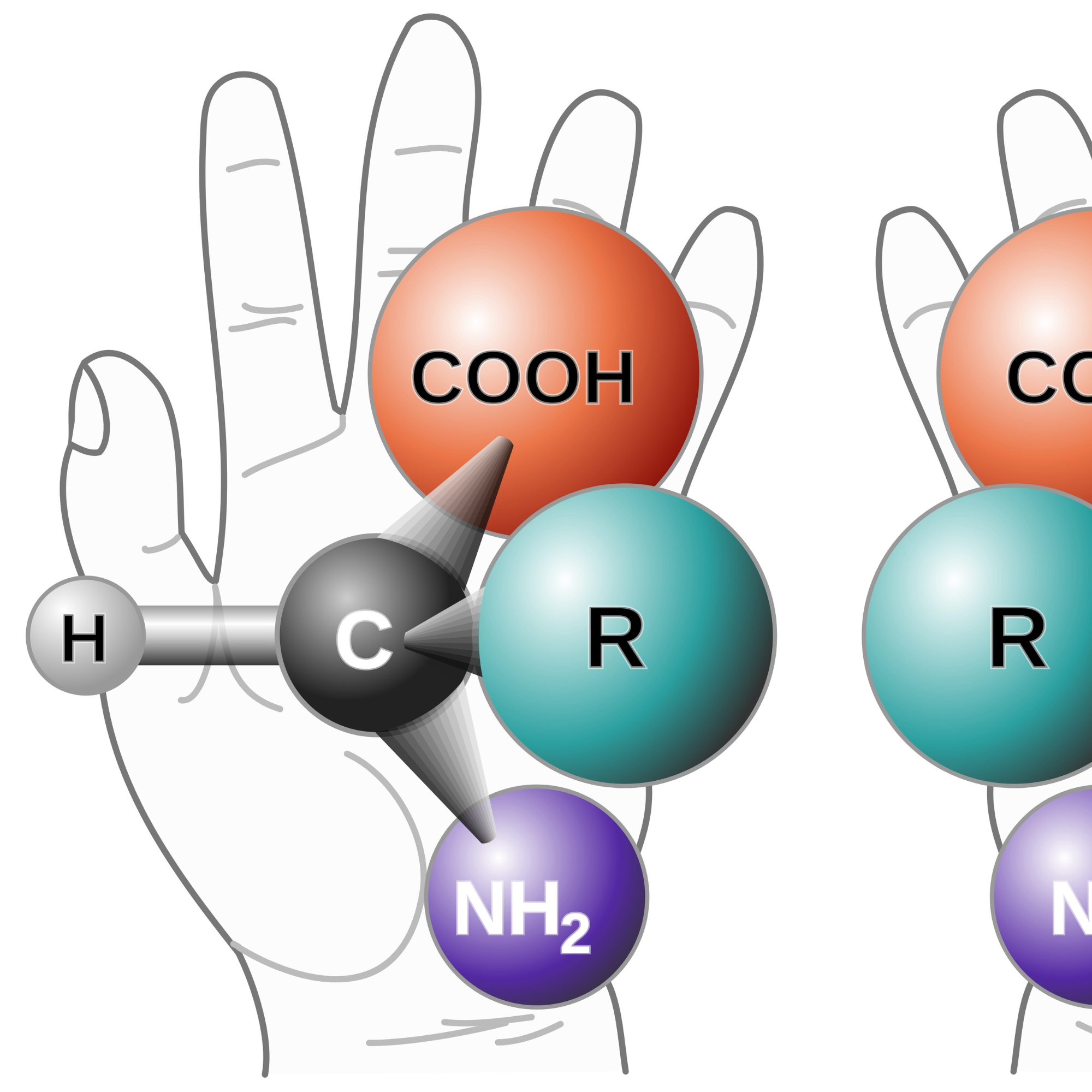
You Are Left-Handed
All living things use exclusively left-handed amino acids despite natural processes producing equal amounts of both. This mystery points to intentional design rather than random chance. For more creation resources, visit https://creationmoments.com/ Image: Amino Acid Chirality, NASA, PD, Wikimedia Commons.
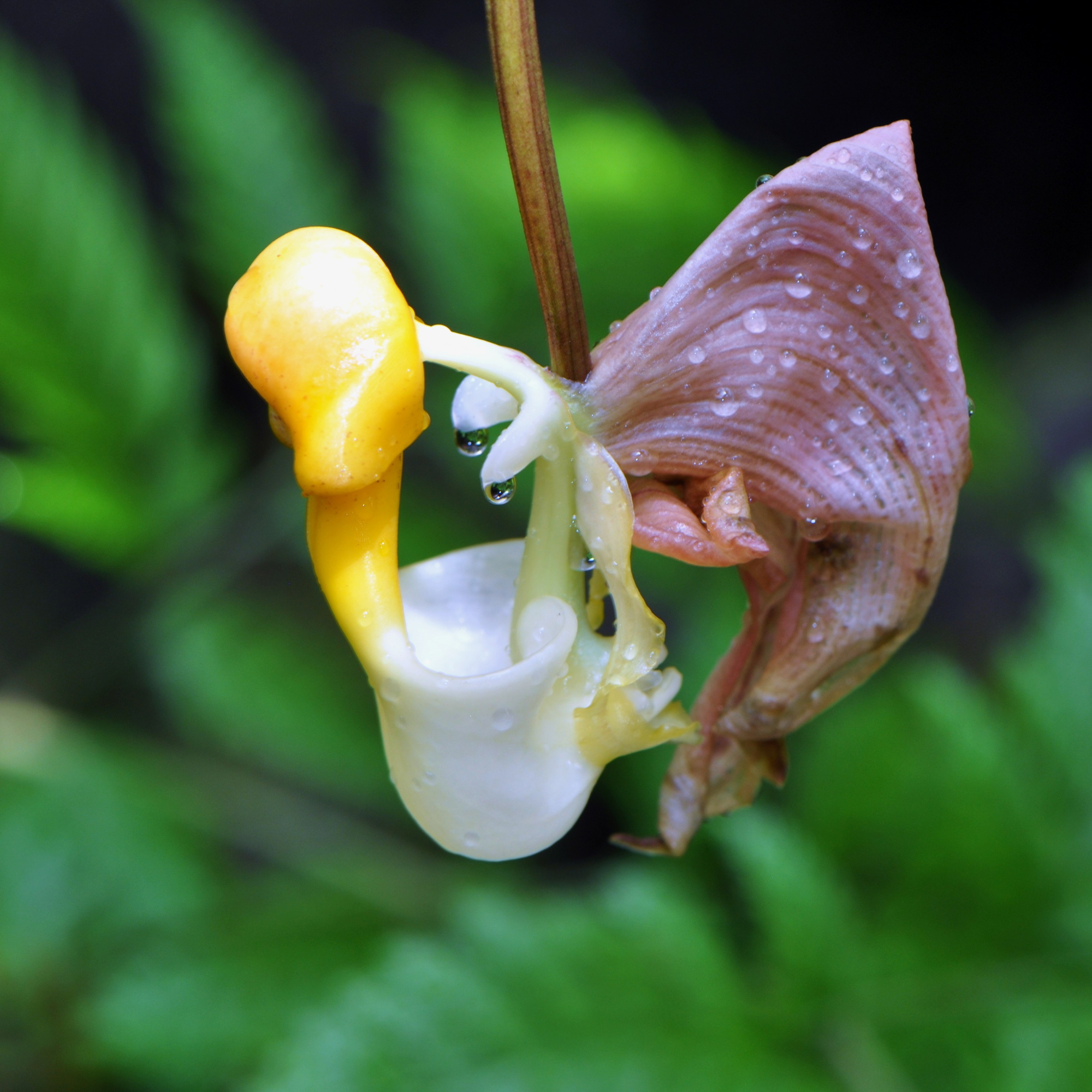
The Orchid that Captures Workers
The bucket orchid’s elaborate pollination strategy forces bees to transport pollen. Such irreducible complexity challenges the notion of gradual evolution. For more creation resources, visit https://creationmoments.com/ Photo: Coryanthes, Walter from Tampa/St Petersburg, Florida, CC BY 2.0, Wikimedia Commons.
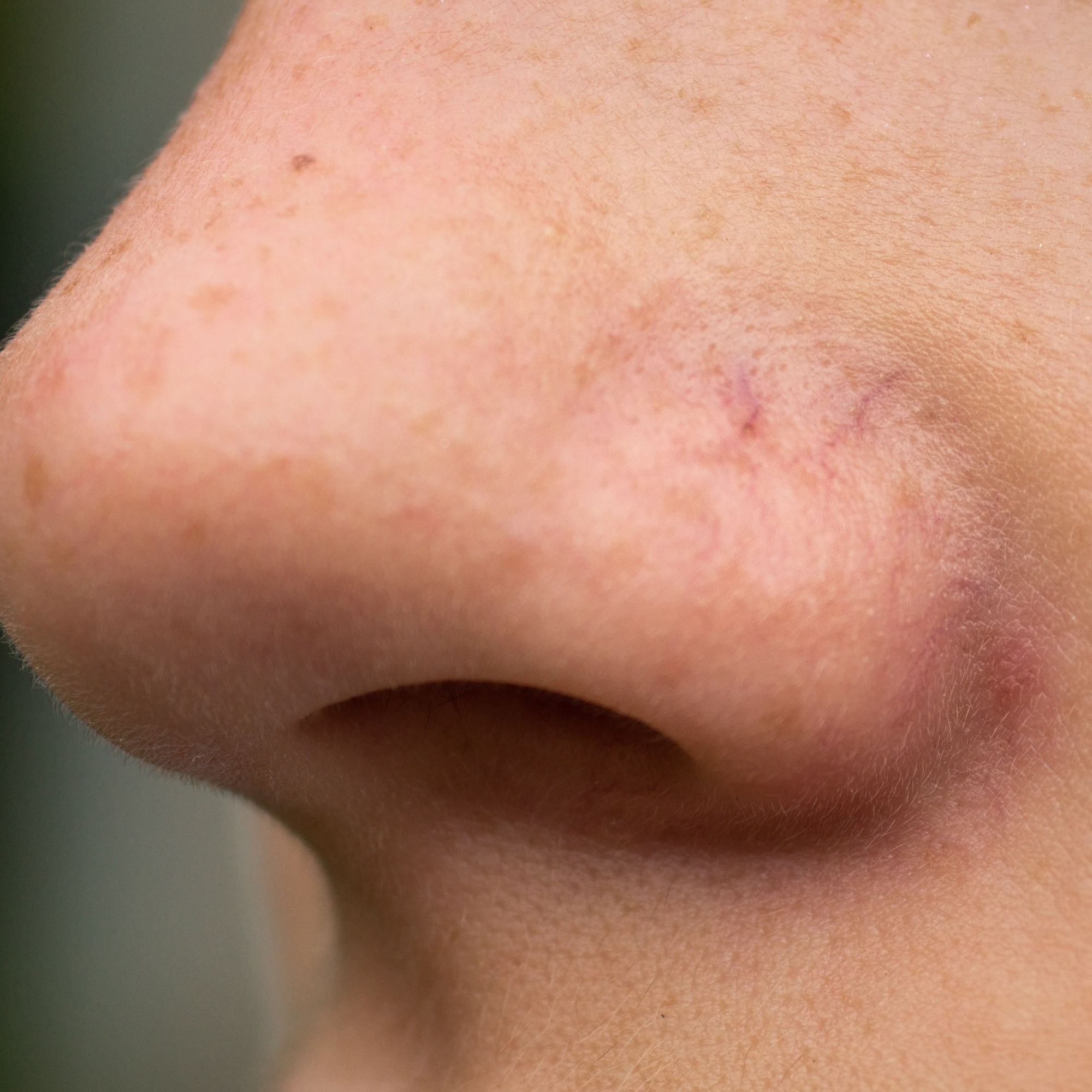
The Underrated Sense
Our sense of smell is intricately wired to our brain, allowing us to detect complex scents. This complexity defies evolutionary explanations. For more creation resources, visit https://creationmoments.com/
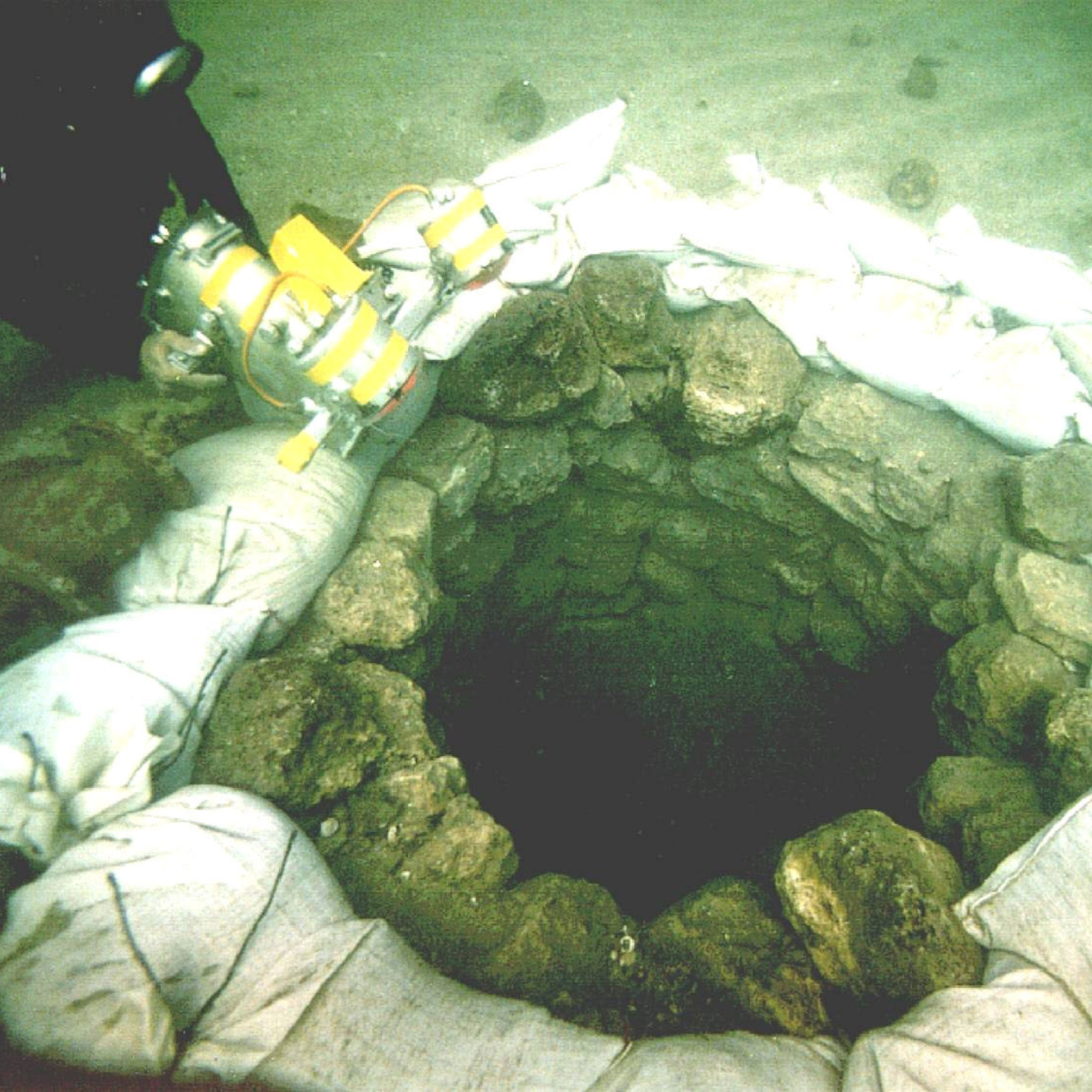
Ancient Well Surprises Scientists
A sophisticated ancient well suggests early humans had greater intelligence than evolutionists assume. This aligns with the biblical account of early man’s advanced capabilities. For more creation resources, visit https://creationmoments.com/ Photo: Well at the Atlit Yam site, by Yosef Galili, אהוד גלילי עתלית, CC BY-SA 3.0, Wikimedia Commons.

Fields and Forests of Medicine
Many natural medicines, from aspirin to quinine, come from plants. This provision reflects God’s care in equipping creation with remedies for human ailments. For more creation resources, visit https://creationmoments.com/
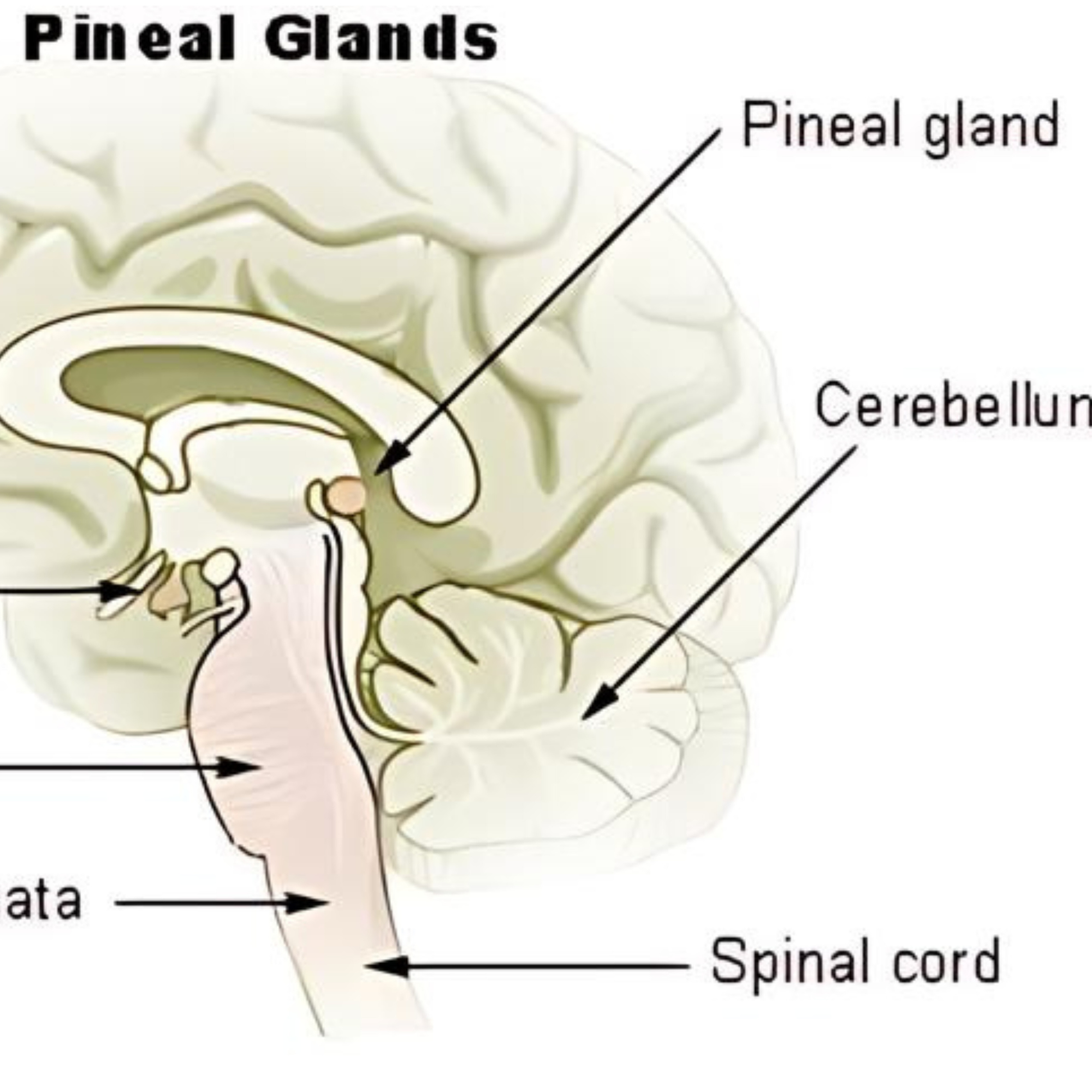
An Internal Clock You Can Feel
The pineal gland regulates our response to seasonal changes in daylight. Originally dismissed as vestigial, it proves to be an essential part of God’s design. For more creation resources, visit https://creationmoments.com/ Image: Pituitary and pineal glands, US Gov., PD, Wikimedia Commons, Changes Made.
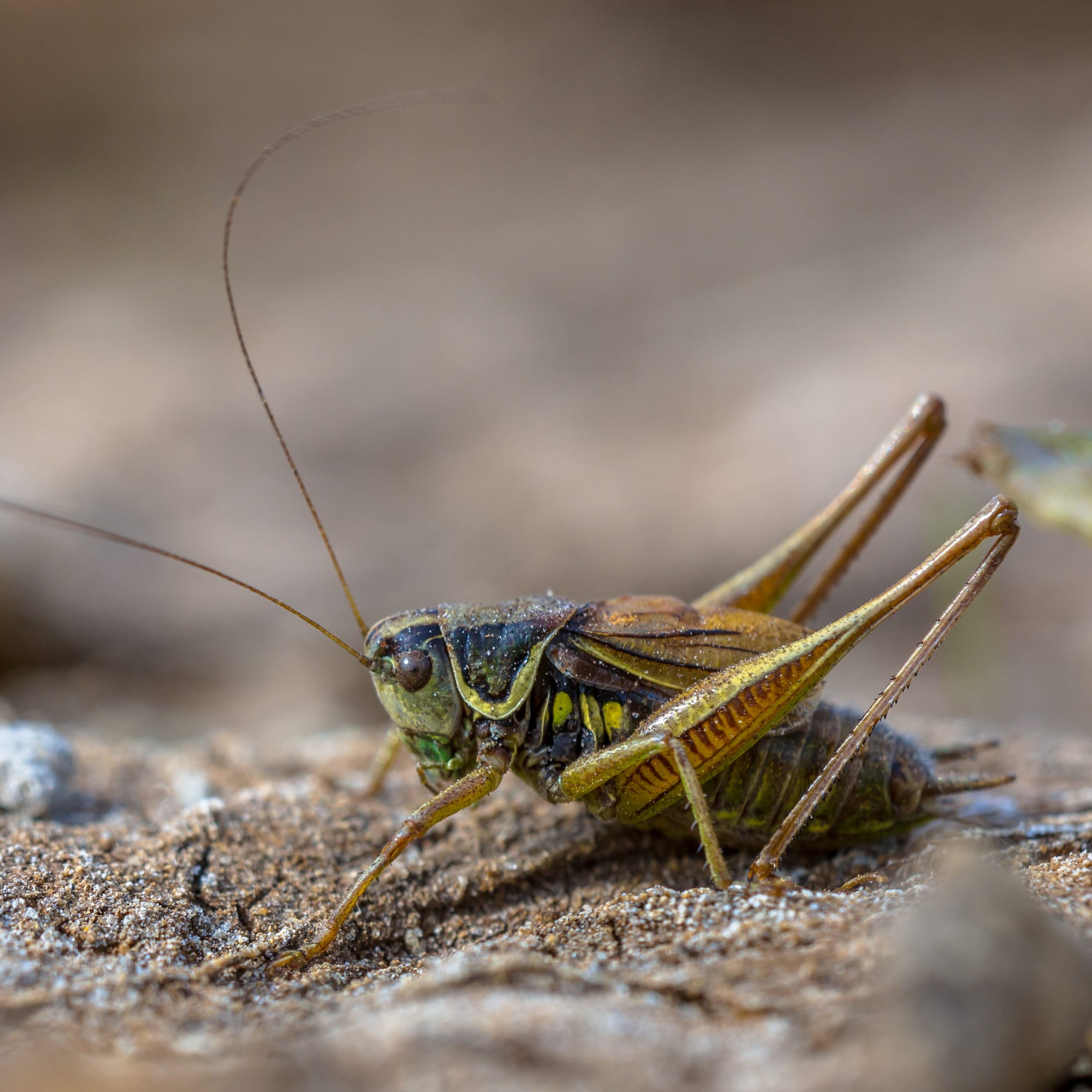
The Never-Fail Bat Alarm
Certain crickets have a built-in bat detection system that activates only when they are flying. Indeed, the Creator cares for even the smallest of His creatures. For more creation resources, visit https://creationmoments.com/
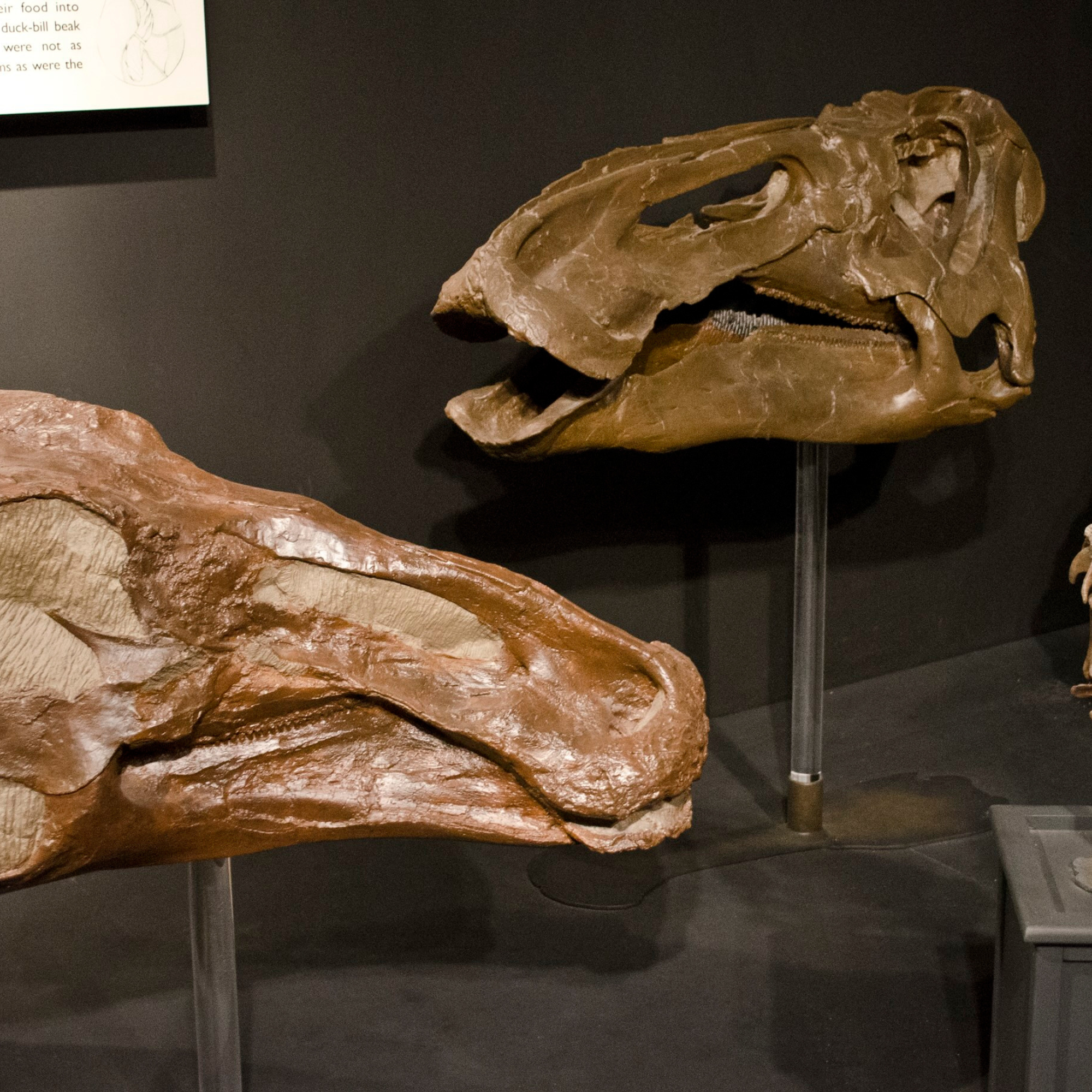
The Tropical Arctic
Fossilized forests and warm-climate animal remains in the Arctic suggest the region was once much warmer. This aligns with biblical history rather than evolutionary timescales. For more creation resources, visit https://creationmoments.com/ Photo: Alaskan edmontosaurus skulls, Tim Evanson, CC BY-SA 2.0, Wikimedia Commons.
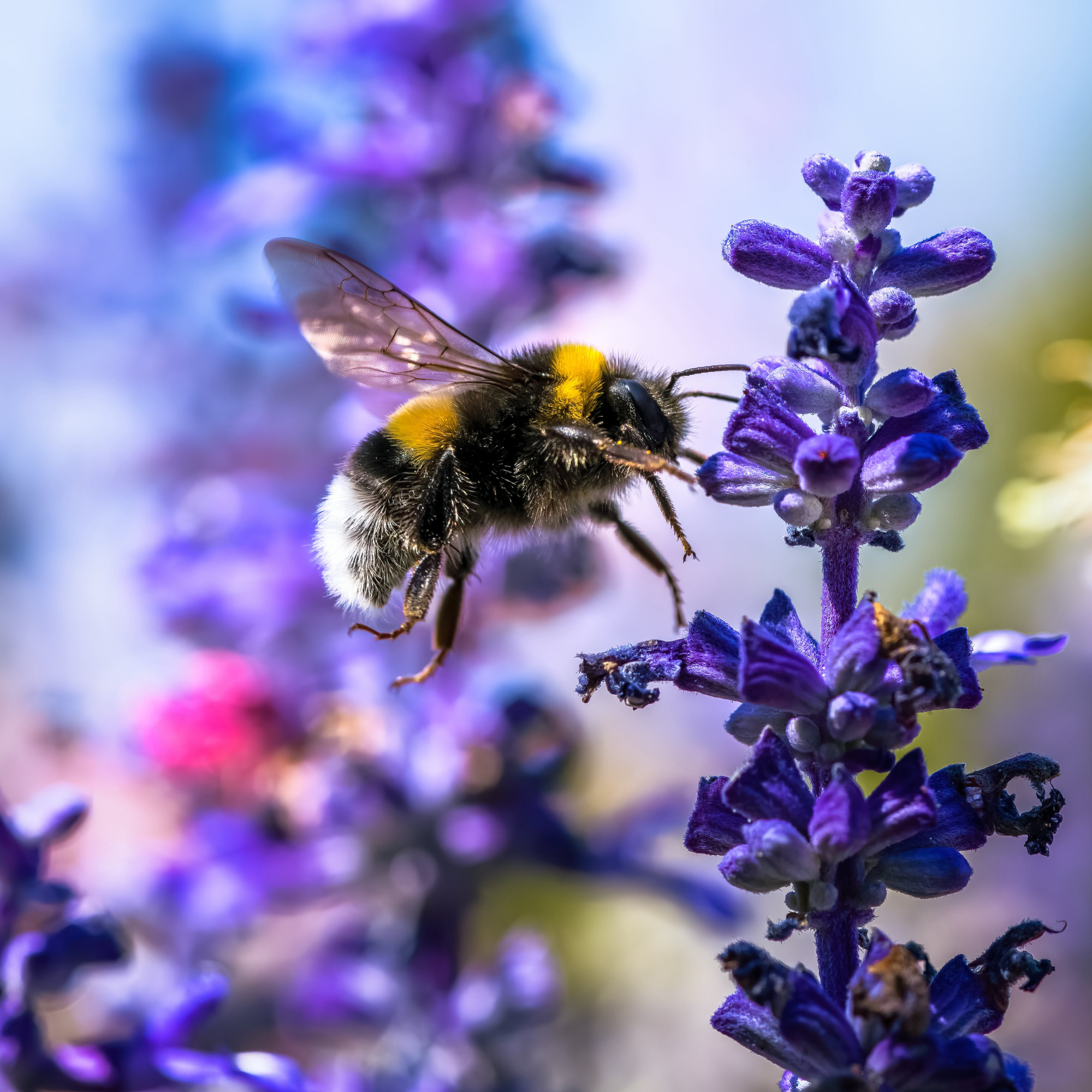
Bumblebee Flight Still a Mystery
Despite advances in science, researchers have struggled to explain how bumblebees generate enough lift to fly. This mystery highlights the limitations of human knowledge compared to God's wisdom. For more creation resources, visit https://creationmoments.com/
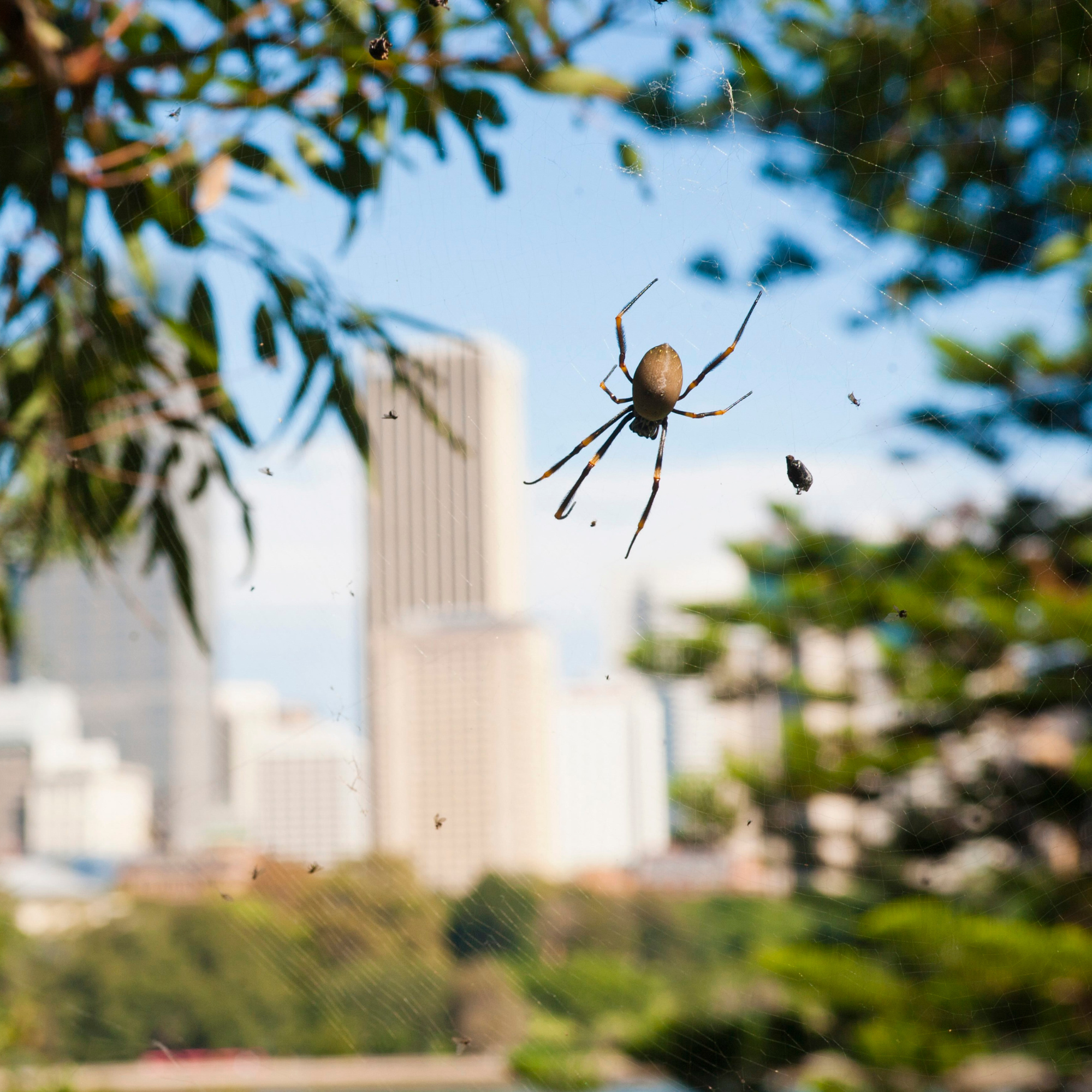
Bullet-Proof Spiders
Spider silk is stronger than steel by weight and resists chemical breakdown, making it one of nature’s most remarkable materials. This innovation inspires human technology but ultimately points to God's superior design. For more creation resources, visit https://creationmoments.com/

Devious Fungus
A parasitic fungus manipulates flowers to attract pollinators, turning them into spore factories instead of pollen providers. This complexity in nature speaks of purposeful design rather than chance evolution. For more creation resources, visit https://creationmoments.com/ Photo: Catchfly, Takaharu Misawa, Pixabay.

Learning in the Womb, Learning from the Womb
Babies begin learning sounds and smells even before birth. This shows their individual human identity and confirms the biblical truth that life begins in the womb. For more creation resources, visit https://creationmoments.com/

Miracle Smell
Our ability to detect faint scents far beyond expected chemical thresholds is due to proteins that trap odor molecules. For more creation resources, visit https://creationmoments.com/
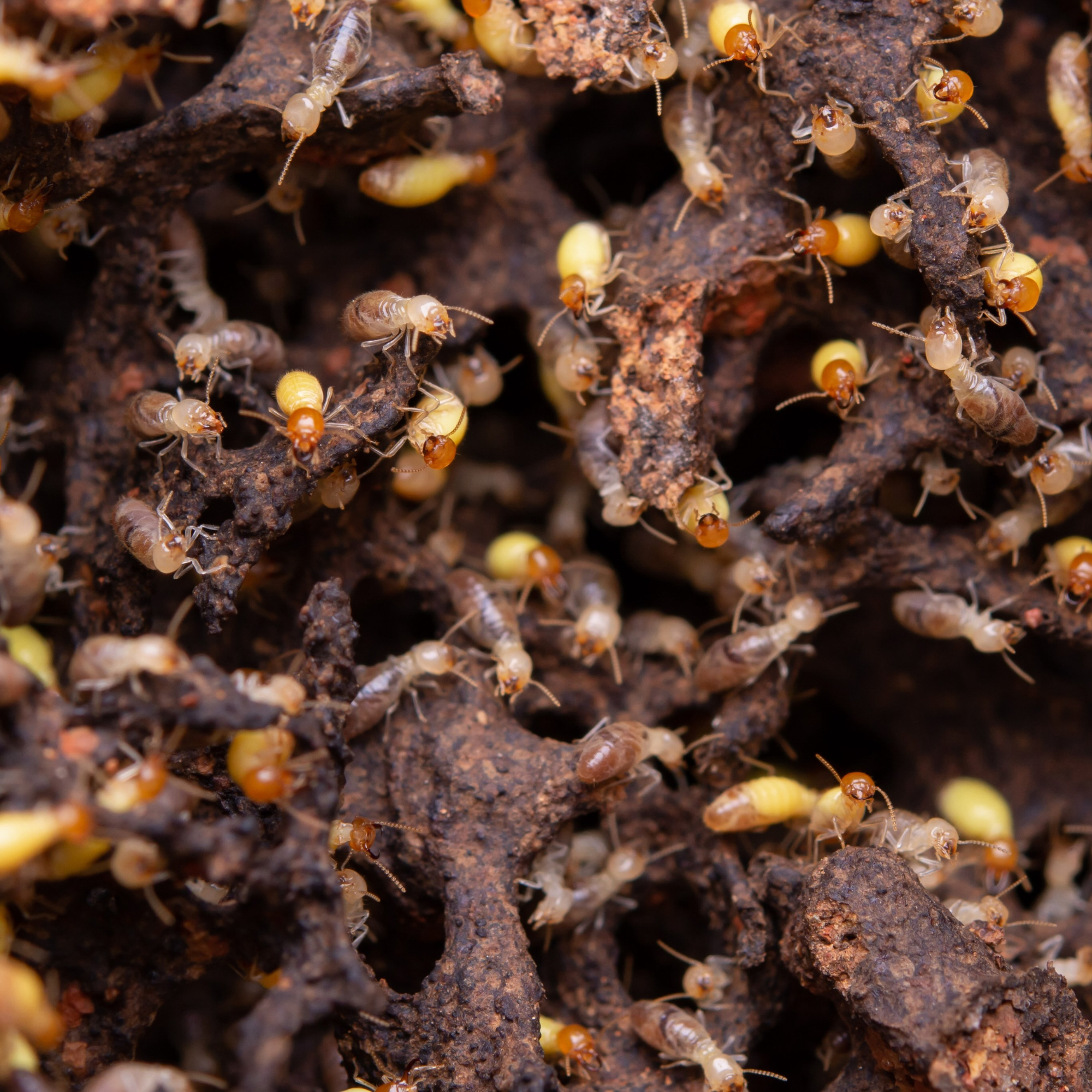
Fossil Termites
Fossilized termite nests identical to modern ones were found in dinosaur-era wood. This contradicts evolutionary claims of gradual development, supporting the biblical assertion that creatures reproduce after their kind. For more creation resources, visit https://creationmoments.com/
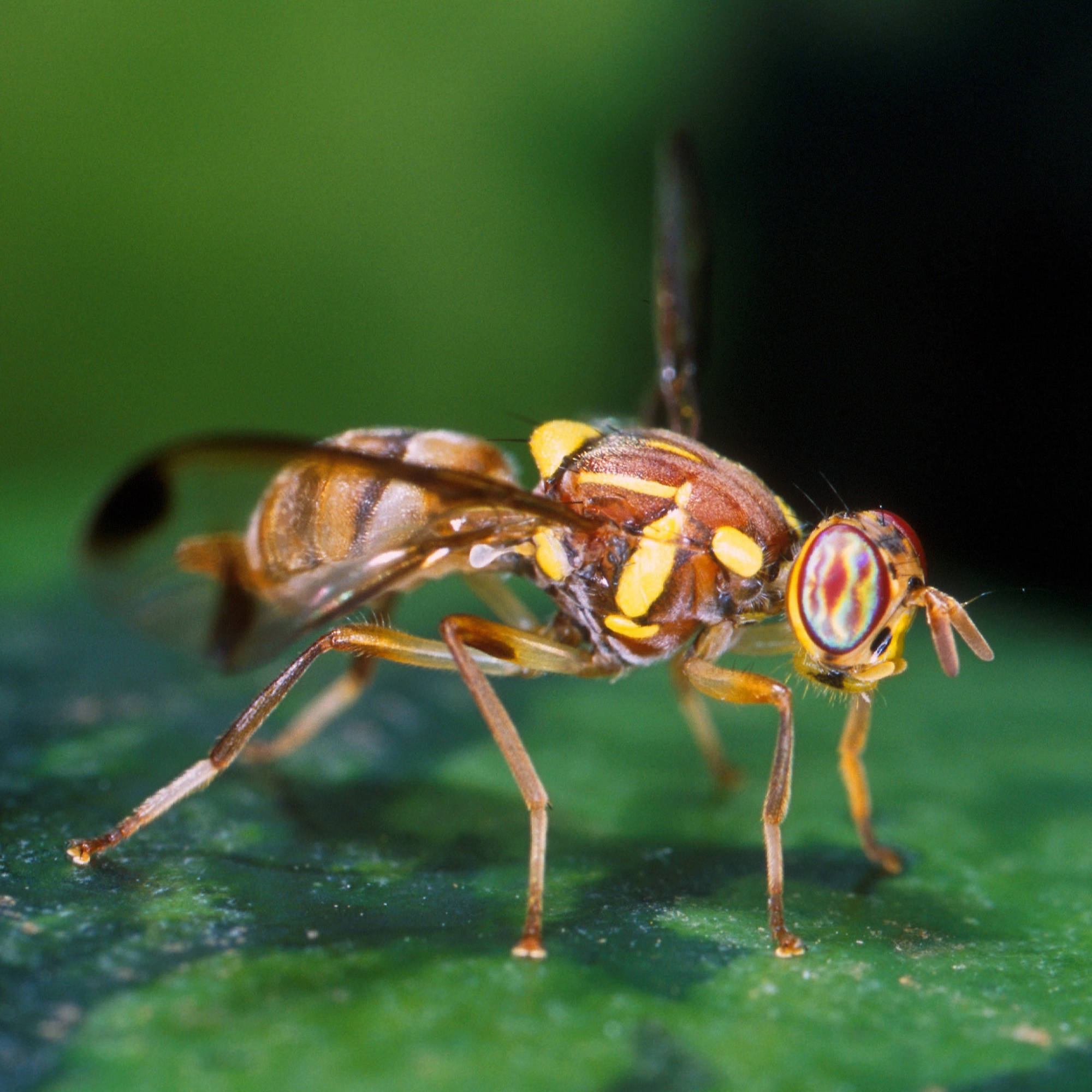
Unusual Island Love Song
Hawaiian fruit flies have complex and varied mating songs, demonstrating that even small creatures possess sophisticated behaviors. For more creation resources, visit https://creationmoments.com/ Photo: Melon fly (Bactrocera cucurbitae), Scott Bauer, USDA Agricultural Research Service, Bugwood, CC BY 3.0, Wikimedia Commons.
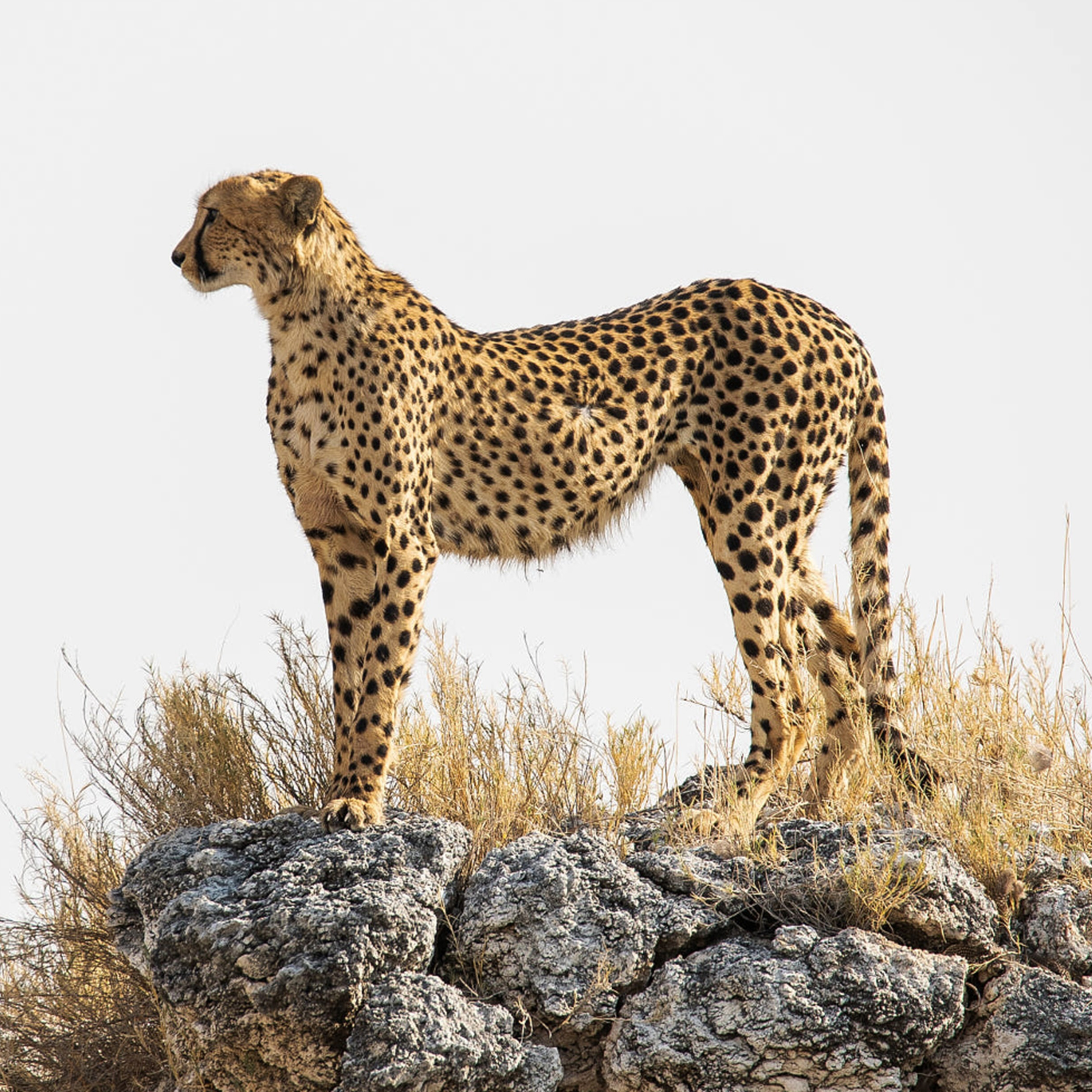
The Magnificent Cheetah
The cheetah’s specialized features, including its unique skeletal and muscular structure, allow it to be the fastest land animal. Fossil evidence shows cheetahs have always been the same, supporting creation over evolution. For more creation resources, visit https://creationmoments.com/

Mount St. Helens Surprises Scientists
Contrary to evolutionary expectations, life returned to Mount St. Helens within five years of its eruption. This rapid recovery challenges assumptions about the slow pace of ecological restoration. For more creation resources, visit https://creationmoments.com/
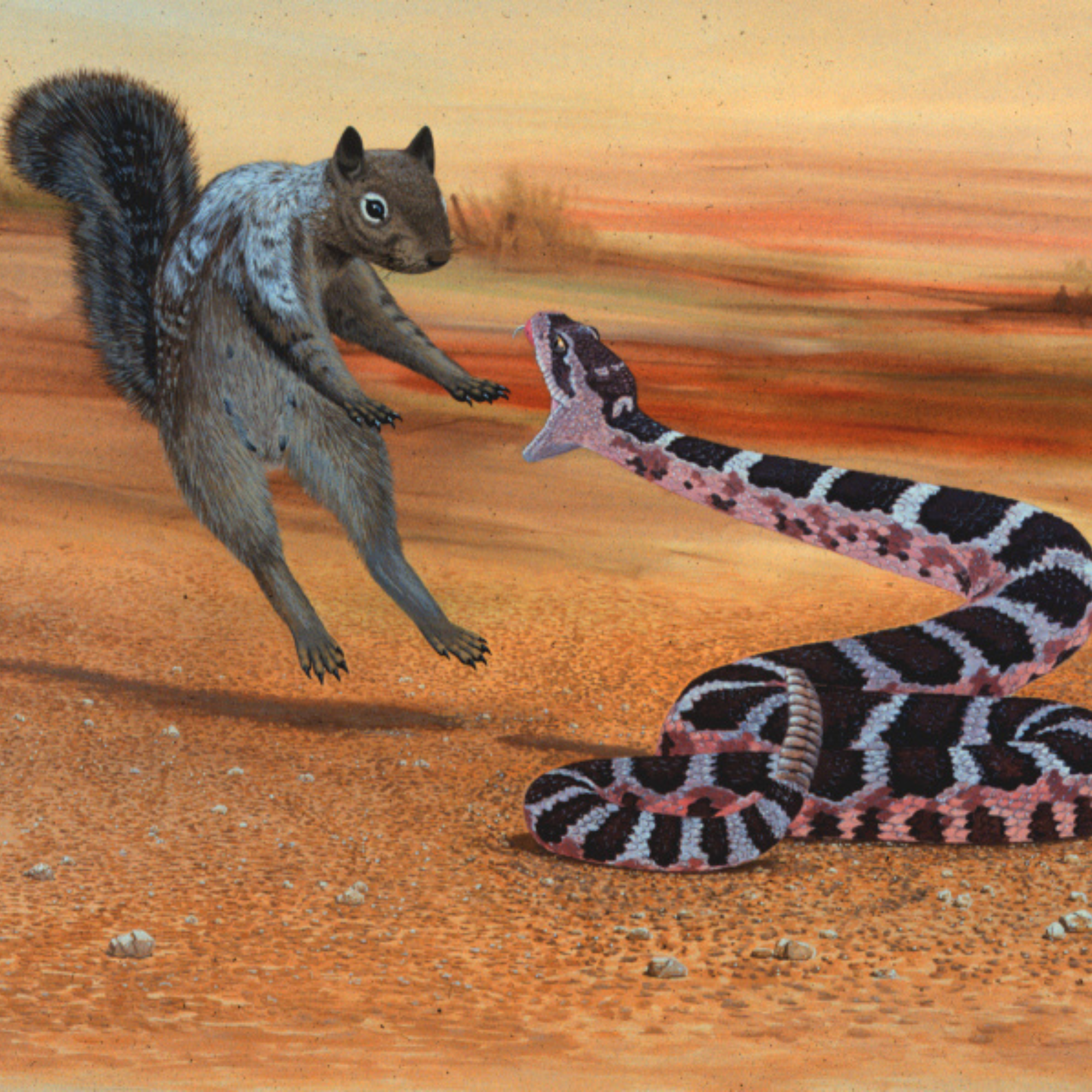
The Fragile Rattlesnake
Despite their deadly reputation, rattlesnakes are surprisingly vulnerable to environmental stress and predators. This mirrors how Satan, though dangerous, is ultimately a defeated foe through Christ. For more creation resources, visit https://creationmoments.com/ Photo: Squirrel vs rattlesnake, Richard Coss, CC BY-SA 4.0, Wikimedia Commons.

Diamonds in the Sky?
Scientists believe Neptune and Uranus may have vast diamond deposits due to extreme pressure. Material wealth is insignificant compared to the riches found in God's kingdom. For more creation resources, visit https://creationmoments.com/
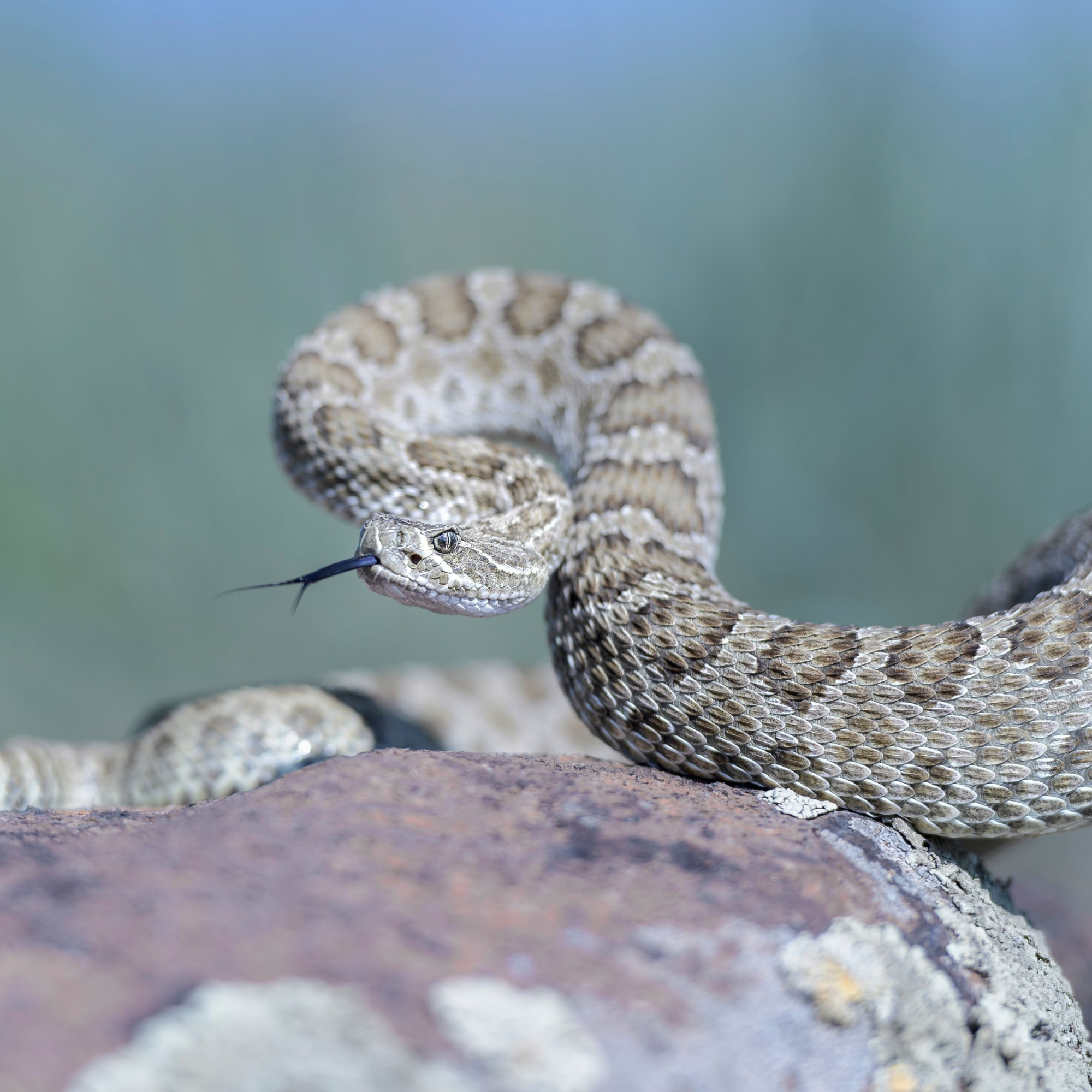
A Dangerous Wonder
Rattlesnakes have intricate sensory abilities, including binocular-like vision and jawbones that detect vibrations. These remarkable features reflect a precise design. For more creation resources, visit https://creationmoments.com/
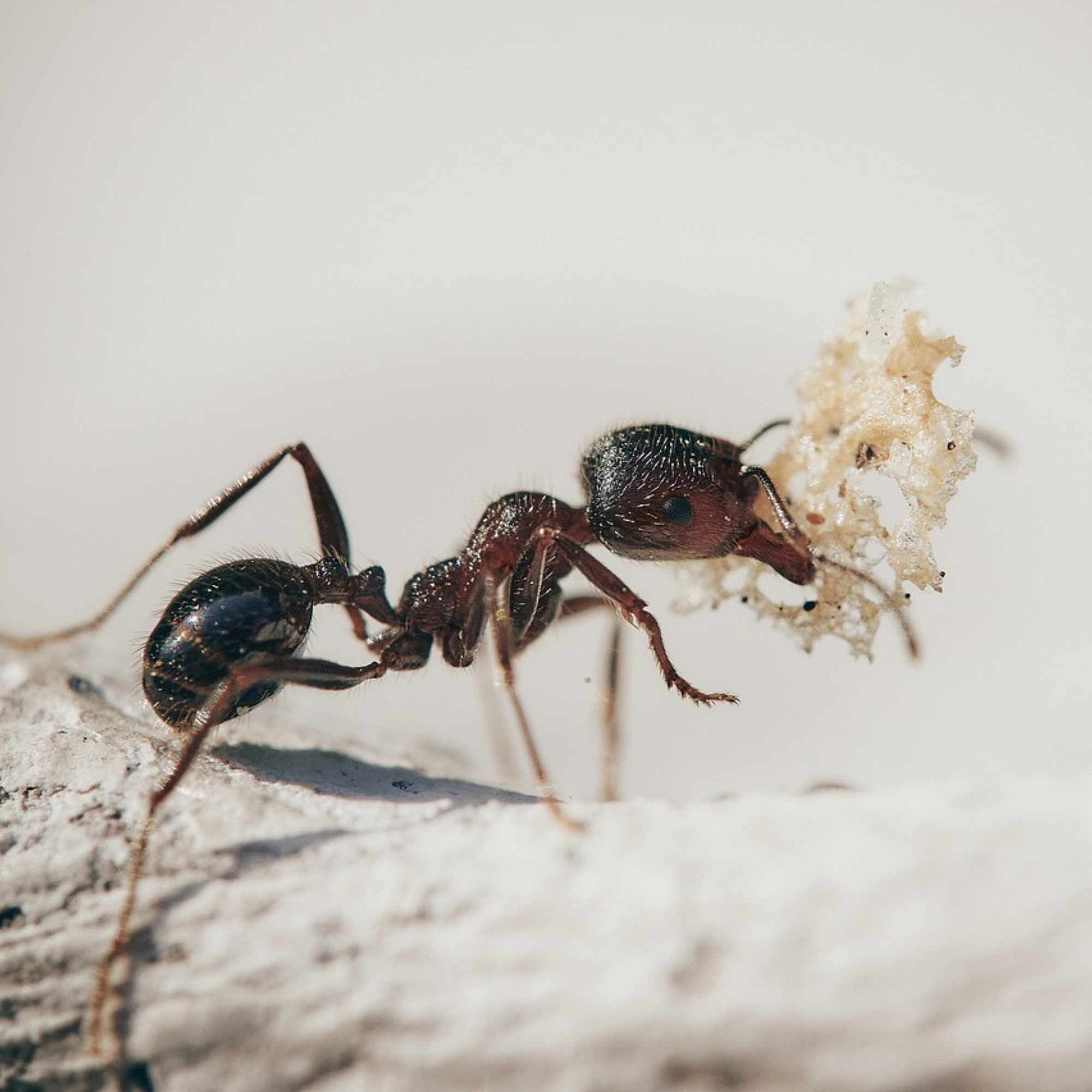
Anti-Evolutionary Behavior
Certain ant species nurture beetle larvae, even to their own colony’s demise, contradicting Darwin's theory that natural selection always favors survival. Such behaviors suggest a purpose beyond evolution. For more creation resources, visit https://creationmoments.com/ Photo: Ant carrying something, Cyril, Pixabay.
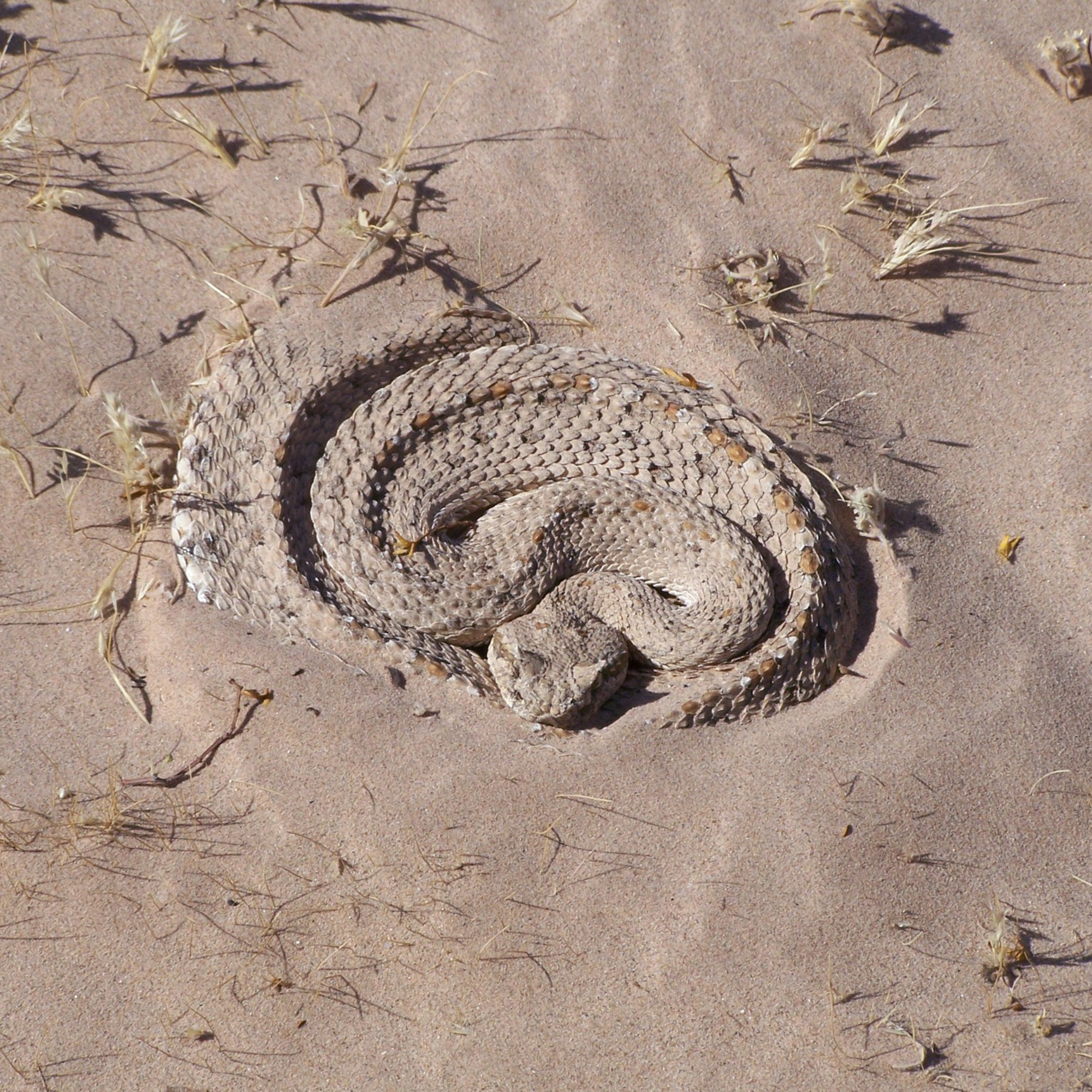
The Snake that Fishes in the Desert
The sidewinder snake uses a clever hunting strategy, burying itself in the sand and using its tail as bait to lure geckos. This remarkable design testifies to the intelligence of our Creator. For more creation resources, visit https://creationmoments.com/ Photo: Sidewinder snake, nmoorhatch, CC BY 4.0, Wikimedia Commons.

Colorful Life in the Goldfish Bowl
Goldfish not only see colors but also have brains that adjust for color constancy, a feature once thought exclusive to humans. This discovery challenges the assumption that simpler creatures lack complex abilities. For more creation resources, visit https://creationmoments.com/
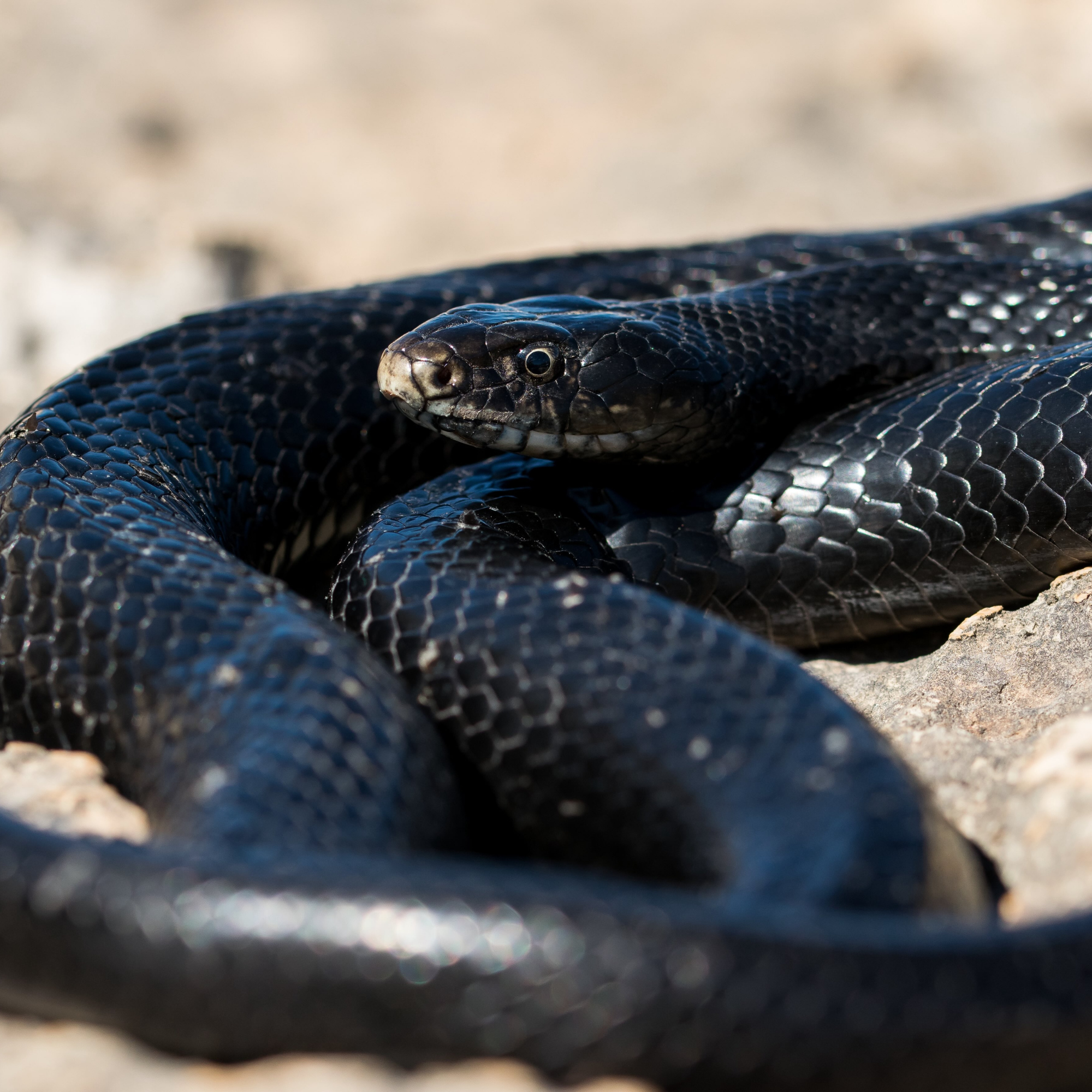
Legs Knocked Out from Under Snake Evolution
Evolutionists once thought snakes lost their legs to save energy, but research has disproven this claim. Scientific findings show snakes use as much energy as legged creatures, undermining evolutionary explanations. For more creation resources, visit https://creationmoments.com/
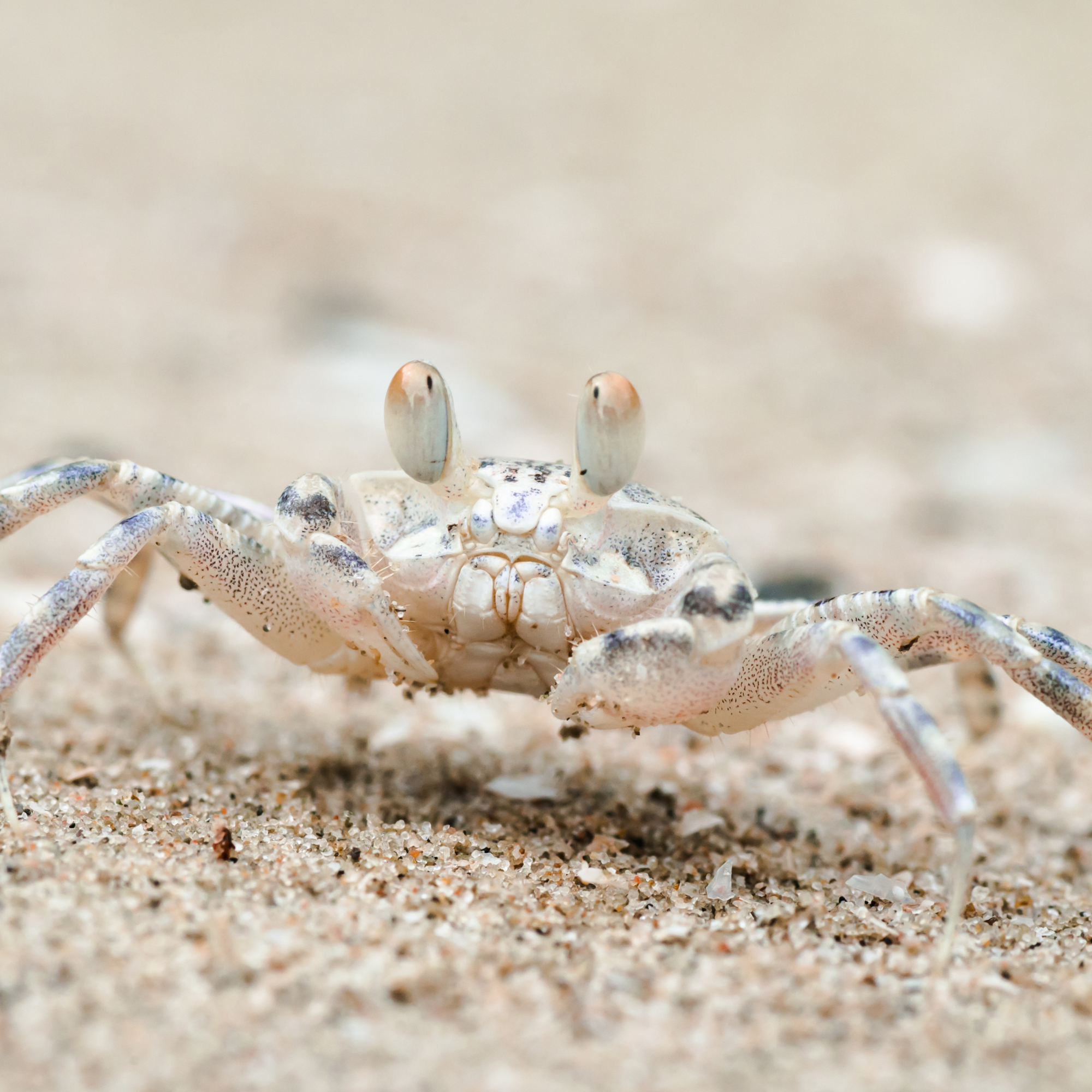
He Breathes Through His Legs
While most animals use lungs or gills to breathe, the sand-bubbler crab breathes through its legs, a fact that scientists overlooked for over a century. This discovery challenges evolutionary assumptions and highlights the uniqueness of God's creations. For more creation resources, visit https://creationmoments.com/ Photo: Sand bubbler crab, Rushen, CC BY-SA 2.0, Wikimedia Commons.
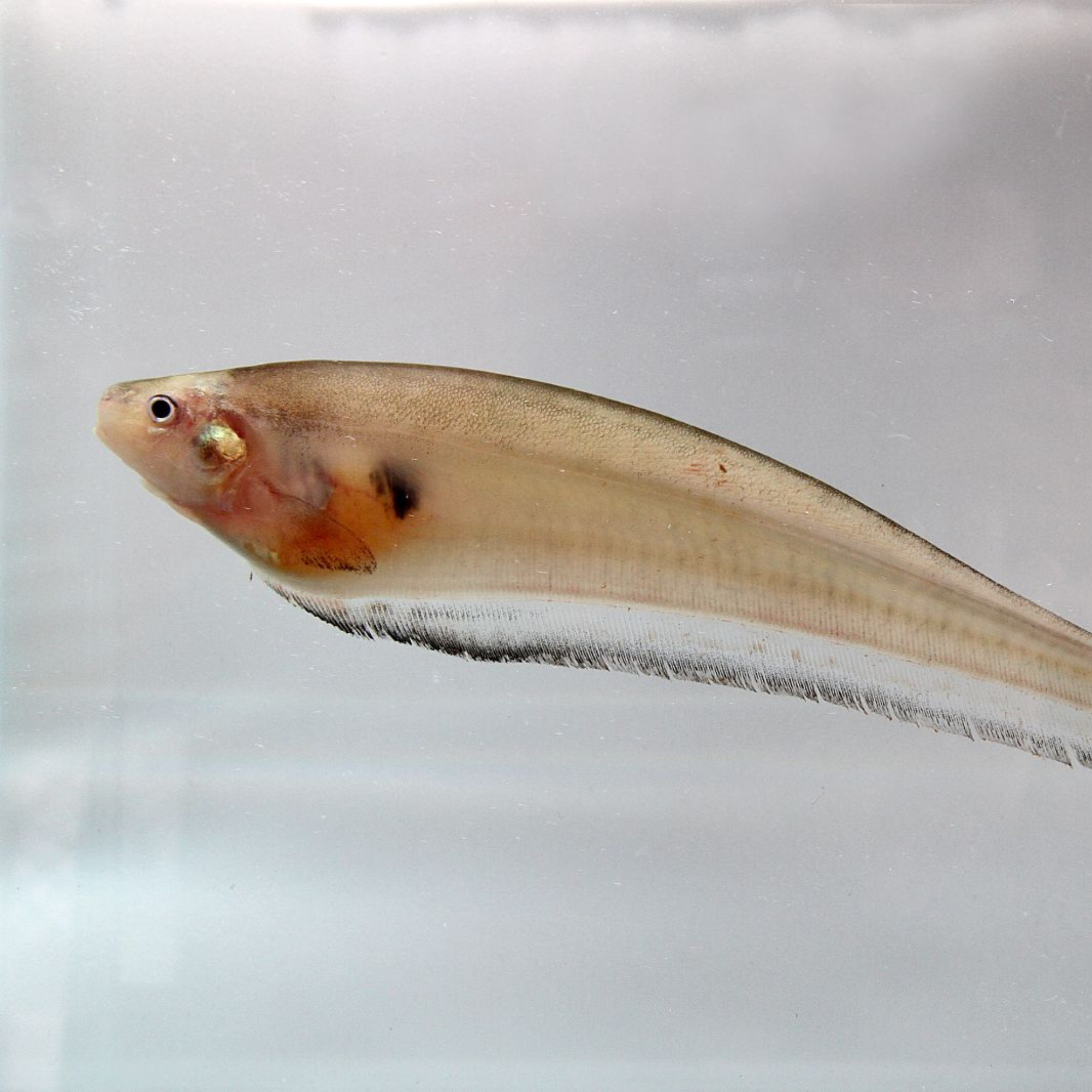
A Computer with Fins
The glass knifefish uses its unique nervous system to emit and process up to 700 electrical impulses per second, functioning much like a radar system to navigate its surroundings. Its brain utilizes parallel processing, a technique also used in advanced computing, to manage these rapid and complex signals. This extraordinary design reflects the ingenuity of a Creator and showcases nature’s complexity that is far beyond what could have arisen from random evolutionary processes. For more creation resources, visit https://creationmoments.com/ Image: Glass knifefish (Sternopygidae Eigenmannia), Clinton & Charles Robertson, CC BY 2.0, Wikimedia Commons.

The Birth that Ended Death
The Bible teaches that God did not intend for the world to have death, suffering, or disease. His original creation was perfect, with direct and joyful communication between God and man. However, human sin introduced death and suffering as consequences for turning away from God, and only through Jesus Christ's death and resurrection can we have salvation and eternal joy once more. For more creation resources, visit https://creationmoments.com/
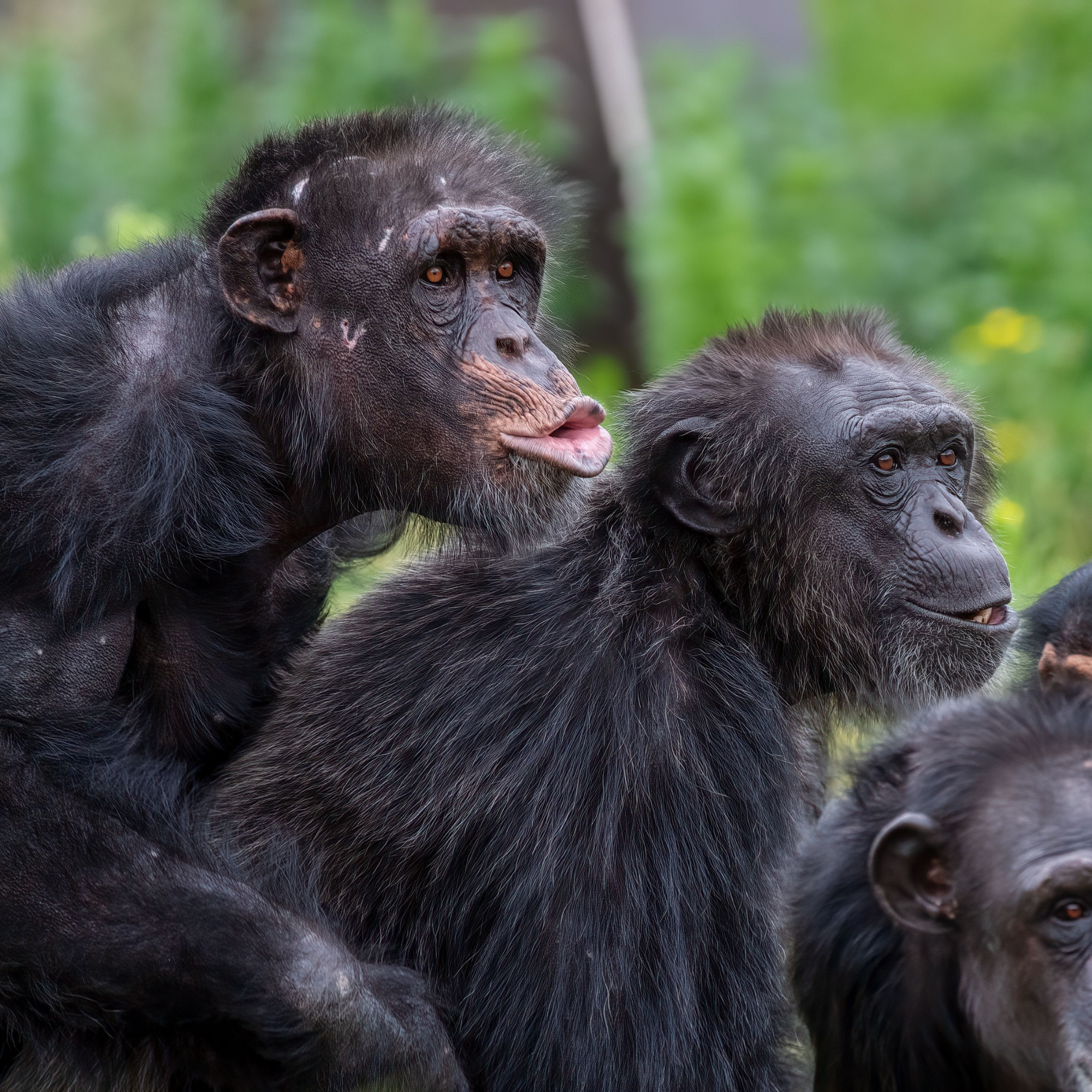
Chimps Discover New Antibiotic!
The Aspilia shrub has traditionally been used for treating wounds and stomachaches, but when researchers observed chimpanzees eating the leaves, further discoveries on the Aspilia’s antibiotic properties to fight bacteria, fungi, and worms were made. The chimps’ remarkable behavior raises the question of how these animals discovered the plant’s medicinal qualities in the first place. For more creation resources, visit https://creationmoments.com/
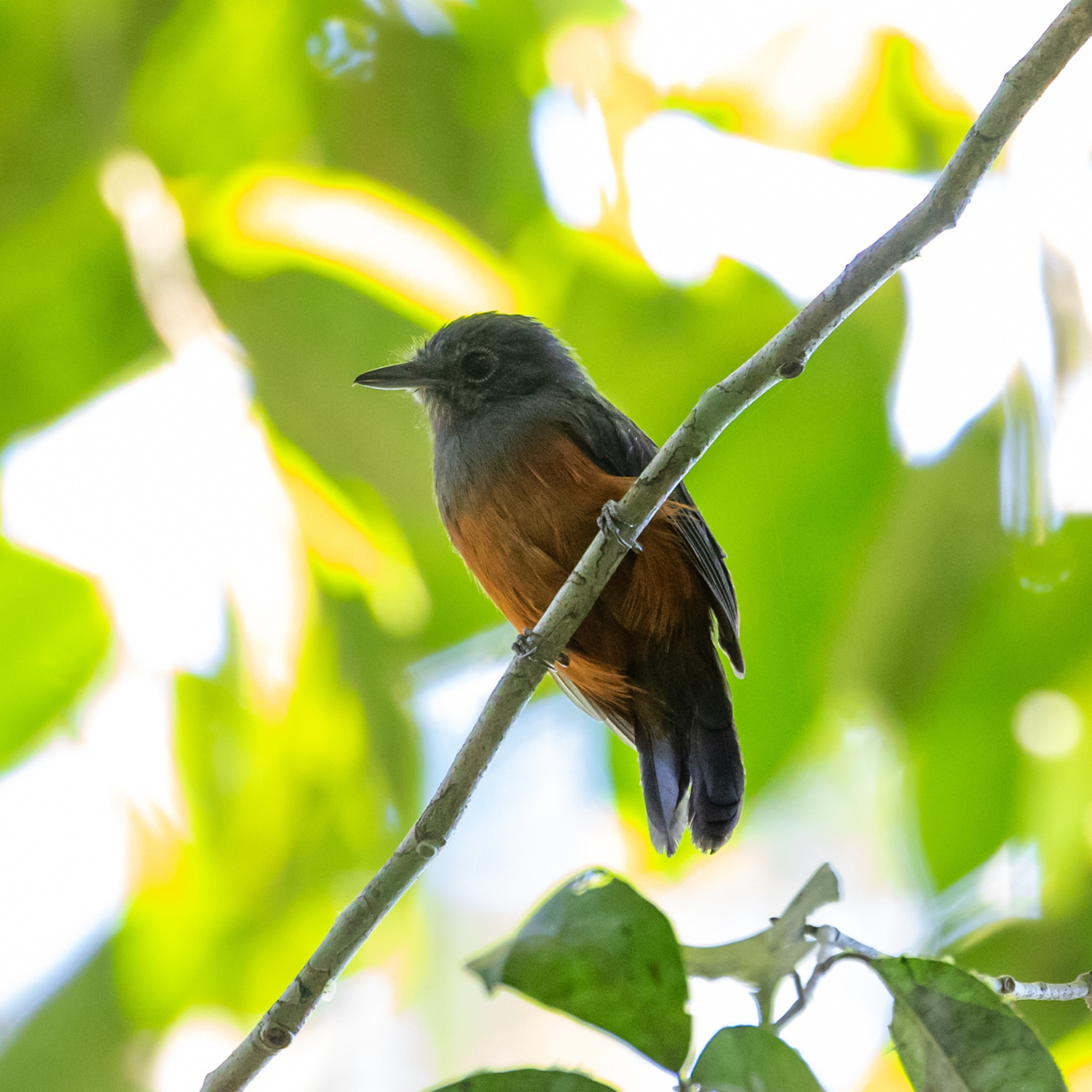
The Bird that Lies and Steals
In the Amazon rainforest, mixed-species bird flocks are led by the ant-shrike who warns the flock of bird-eating hawks. Interestingly, the ant-shrike often gives false alarms to distract other birds and steal their food, yet the flock tolerates this behavior due to its value as a vigilant hawk watcher. While such actions are natural for birds, humans are accountable for their moral choices. For more creation resources, visit https://creationmoments.com/ Image: Bluish-slate antshrike, photo 23901440, (c) Cullen Hanks, CC BY-NC, iNaturalist.
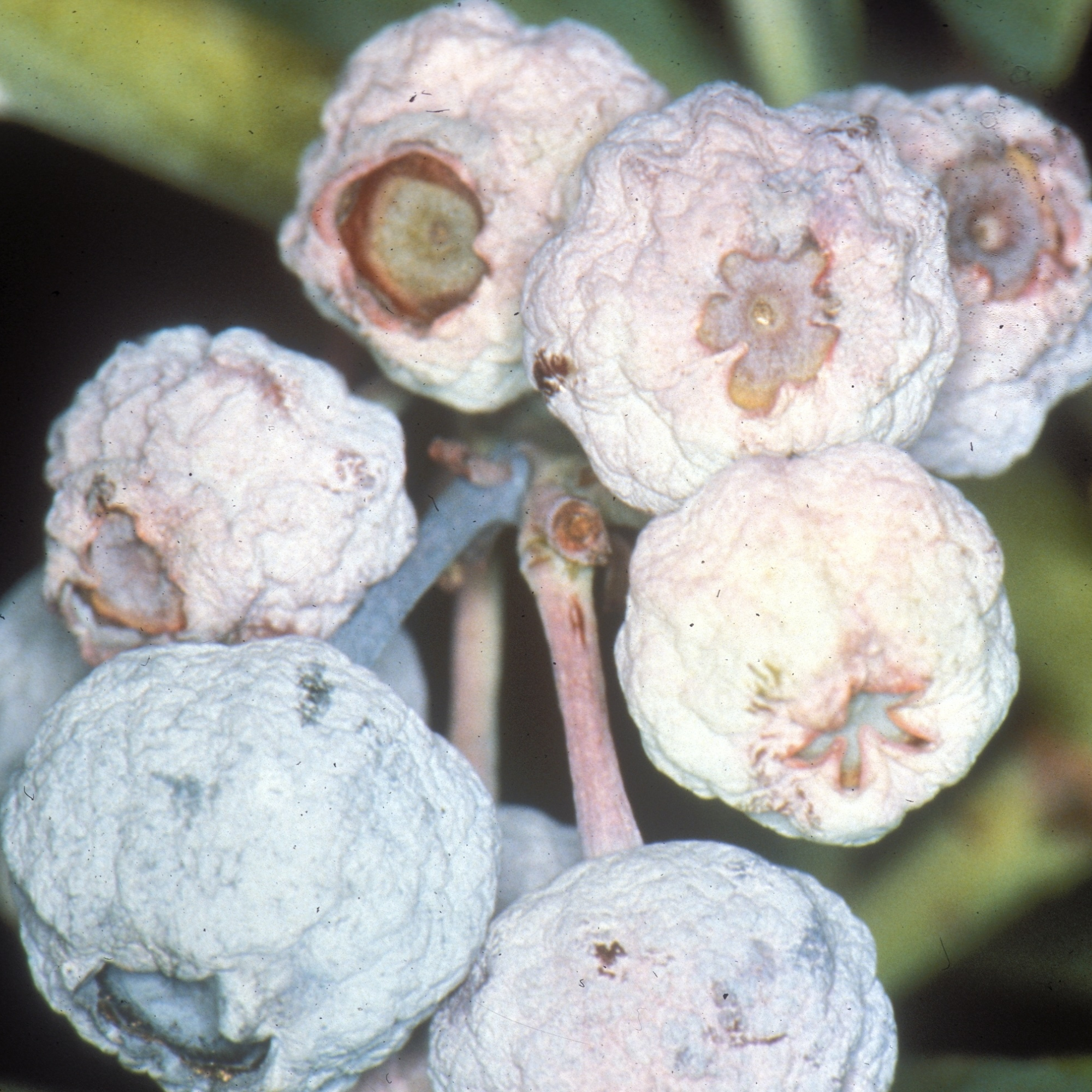
Phony Fungus Flowers
The fungus that causes mummy-berry disease in blueberries mimics flowers by producing nectar-like substances, releasing a flower-like perfume, and reflecting ultraviolet light to attract bees. These unsuspecting bees, thinking they're gathering nectar, inadvertently spread the fungus to healthy plants, enabling its reproduction. For more creation resources, visit https://creationmoments.com/ Image: Mummy berry (Monilinia vaccinii-corymbosi), Plant Pathology, University of Georgia, Bugwood.org, CC BY 3.0, Wikimedia Commons, changes made.
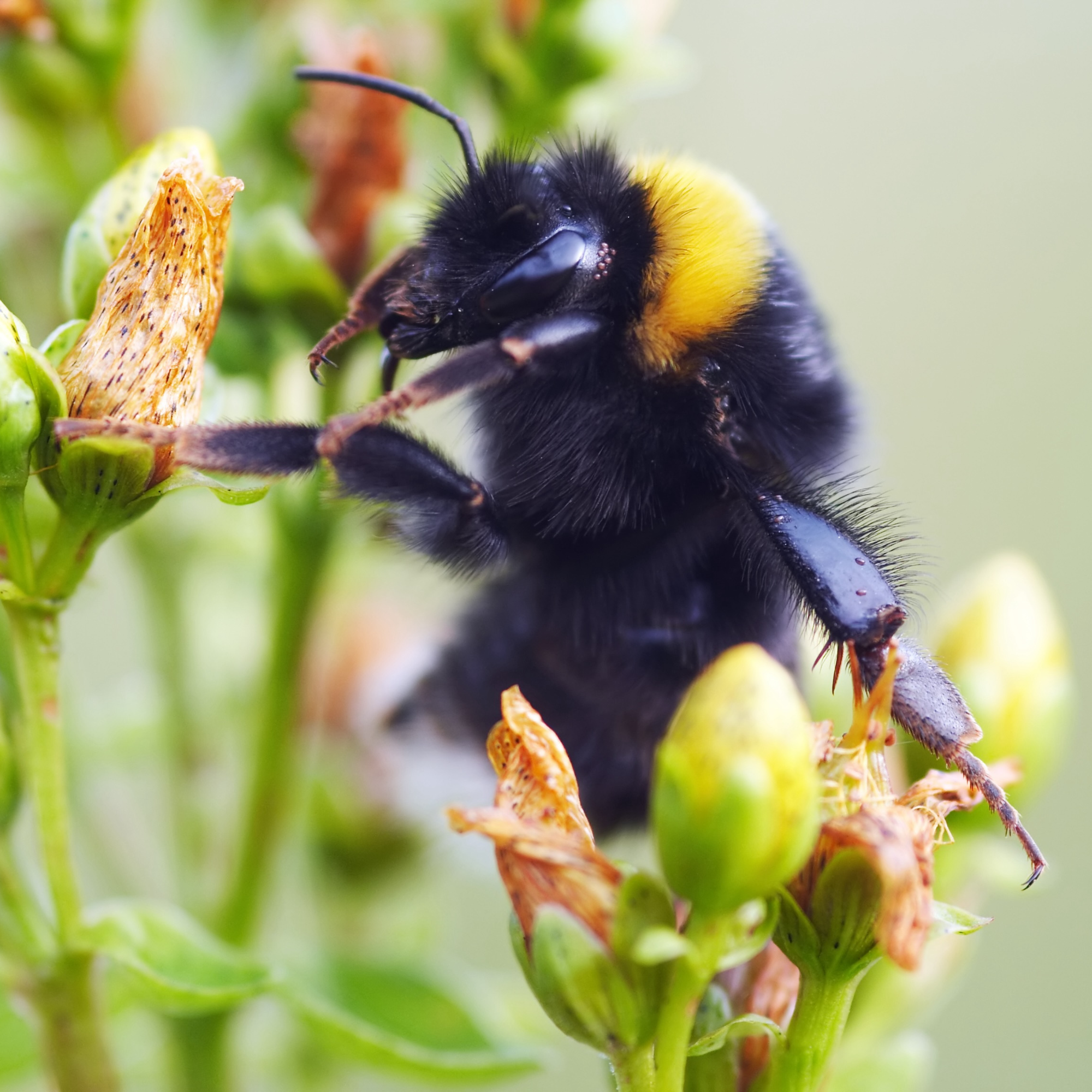
The Warm-Blooded Bumblebee
Bumblebees are warm-blooded creatures capable of maintaining a body temperature of 95°F even in freezing conditions. This is thanks to a sophisticated circulatory system that regulates and adapts blood flow to manage heat. This system allows bumblebees to power their flight muscles efficiently and even incubate their eggs at a consistent 80°F, showcasing their remarkable design and complexity. For more creation resources, visit https://creationmoments.com/
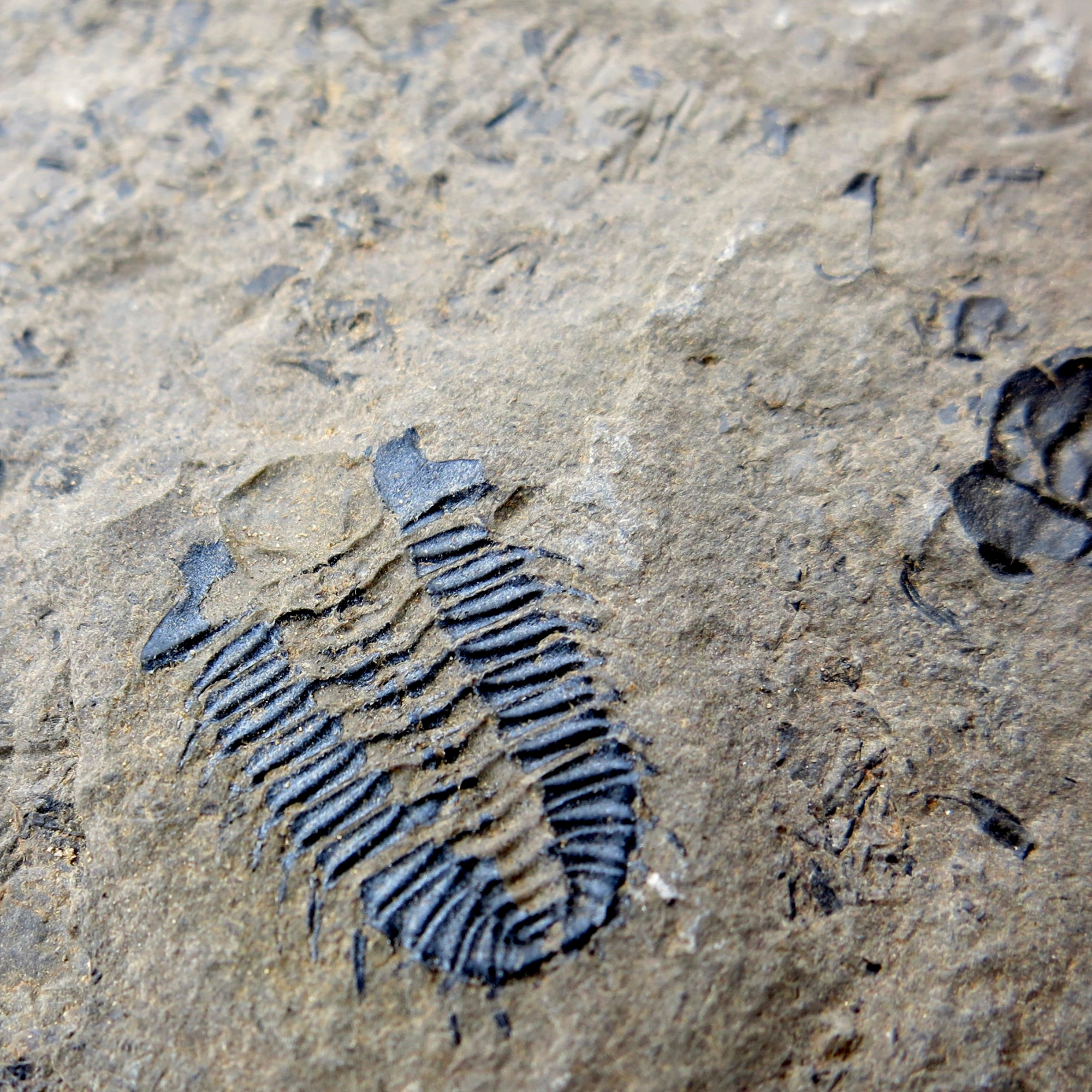
Yoho Surprise!
Evolutionists claim the fossil record shows an ascending ladder of life with increasing complexity, but evidence from places like the Burgess Shale in Yoho National Park contradicts this. Fossil records actually display life being more diverse and complex in the past than it is today. This aligns with the Bible’s account of living things having always been complex, with no evidence of one kind of creature changing into another. For more creation resources, visit https://creationmoments.com/ Image: Trilobite fossils, Burgess Shale Yoho National Park, Edna Winti, CC BY 2.0, Wikimedia Commons.

Horned Animals in Australia?
Australia's unique wildlife, with its absence of horned animals, challenges the interpretation of ancient Aboriginal rock art depicting horned creatures. Evolutionary scientists struggle to explain how the memory of these animals could have been passed down through 2,000 generations. For more creation resources, visit https://creationmoments.com/
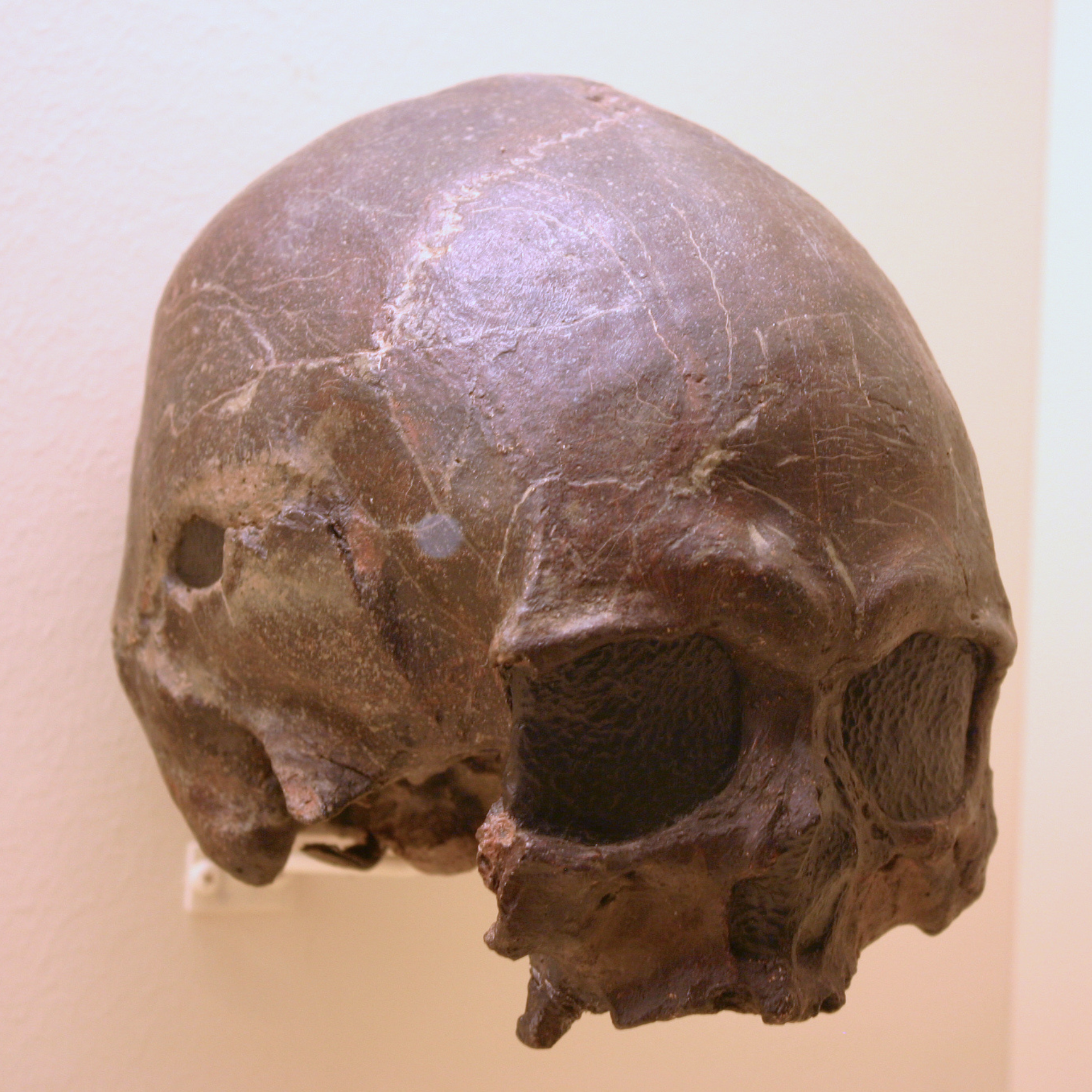
Facts that Weren’t
As Christians, we should recognize that many so-called "facts" supporting evolution have been revised or proven incorrect over time. Scientific "facts" are often interpretations that can change with new evidence. However, we can confidently trust in the unchanging truth of Scripture, knowing it remains consistent despite shifting scientific theories. For more creation resources, visit https://creationmoments.com/ Image: Tepexpan skull cast, Ryan Somma from Occoquan, USA, CC BY-SA 2.0, Wikimedia Commons.
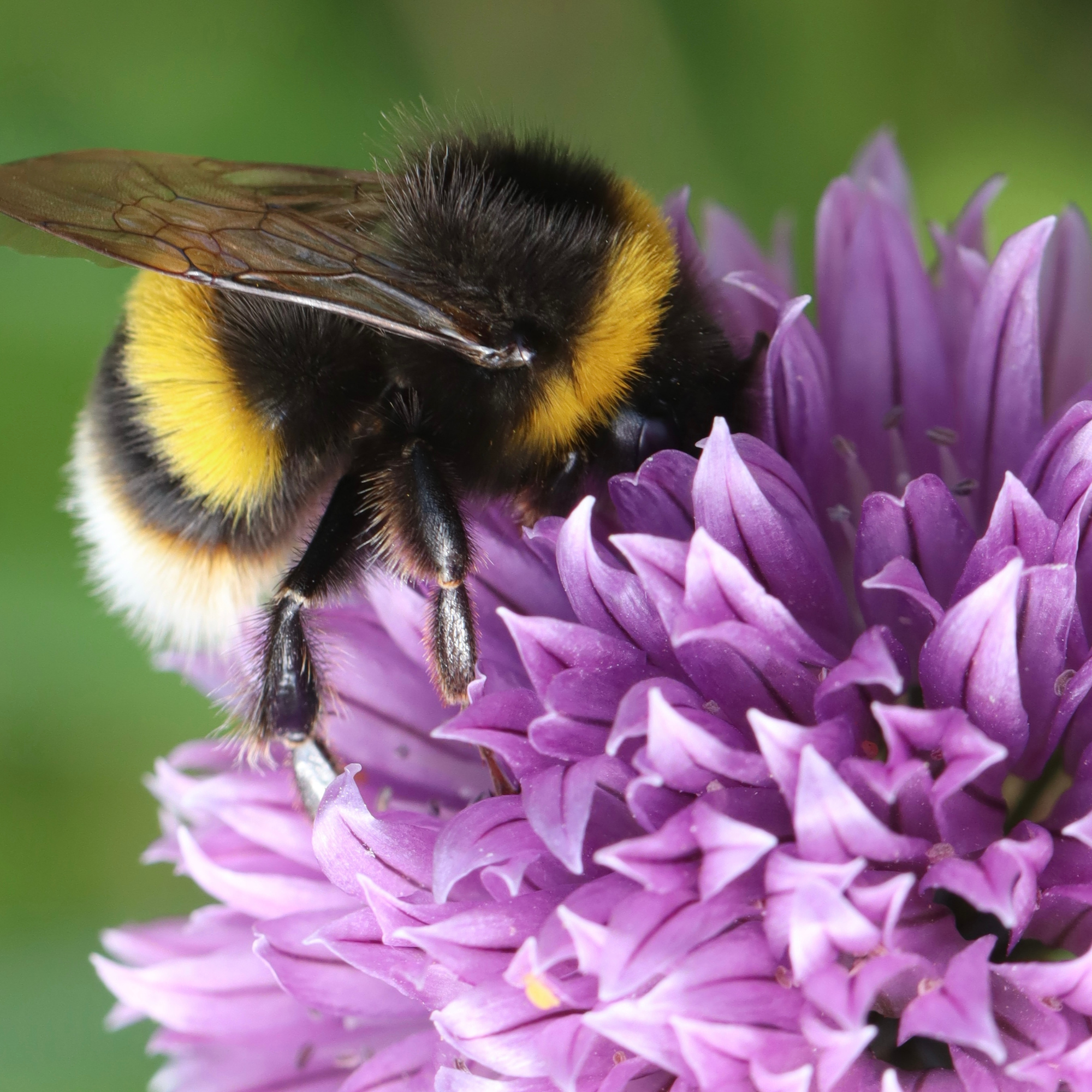
Economic Life Among Bumblebees
Unlike the cooperative systems often attributed to bee societies, bumblebees rely on individual initiative to gather nectar and maximize productivity, with each bee selecting the most rewarding flowers based on personal effort. This efficient, self-driven system benefits the entire colony and is evidence of our Creator’s careful design. For more creation resources, visit https://creationmoments.com/
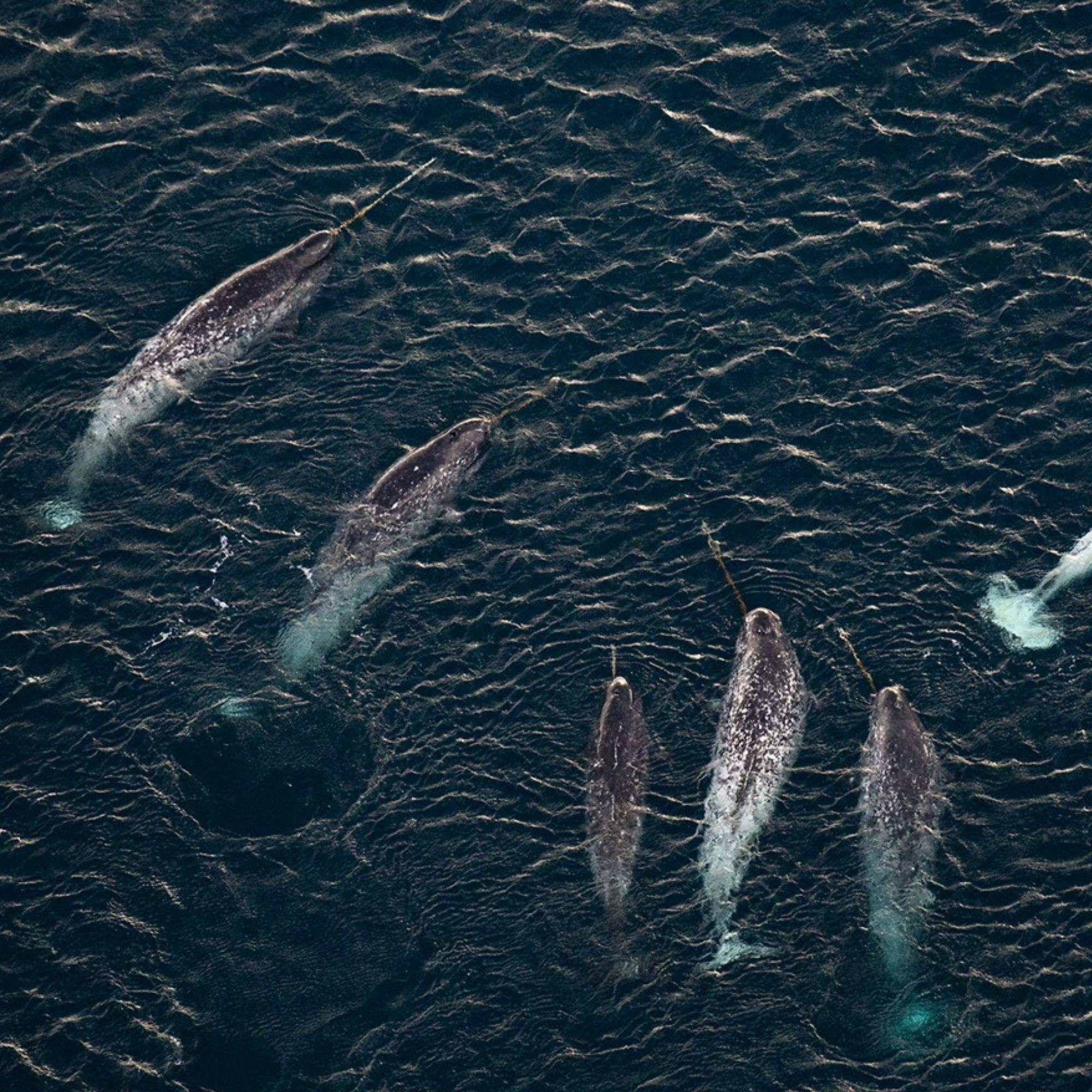
Whales: Armed and Dangerous
The narwhal and the strap-toothed whale both appear ill-equipped for hunting. However, scientists have discovered that these creatures, along with dolphins and other toothed whales, likely use loud, focused sound beams underwater to stun their prey. This remarkable ability is a stunning example of how biology, physics, and chemistry work together, set in place by a powerful and intelligent Creator. For more creation resources, visit https://creationmoments.com/ Image: Narwhals, пресс-служба ПАО "Газпром нефть", CC BY-SA 4.0, Wikimedia Commons.
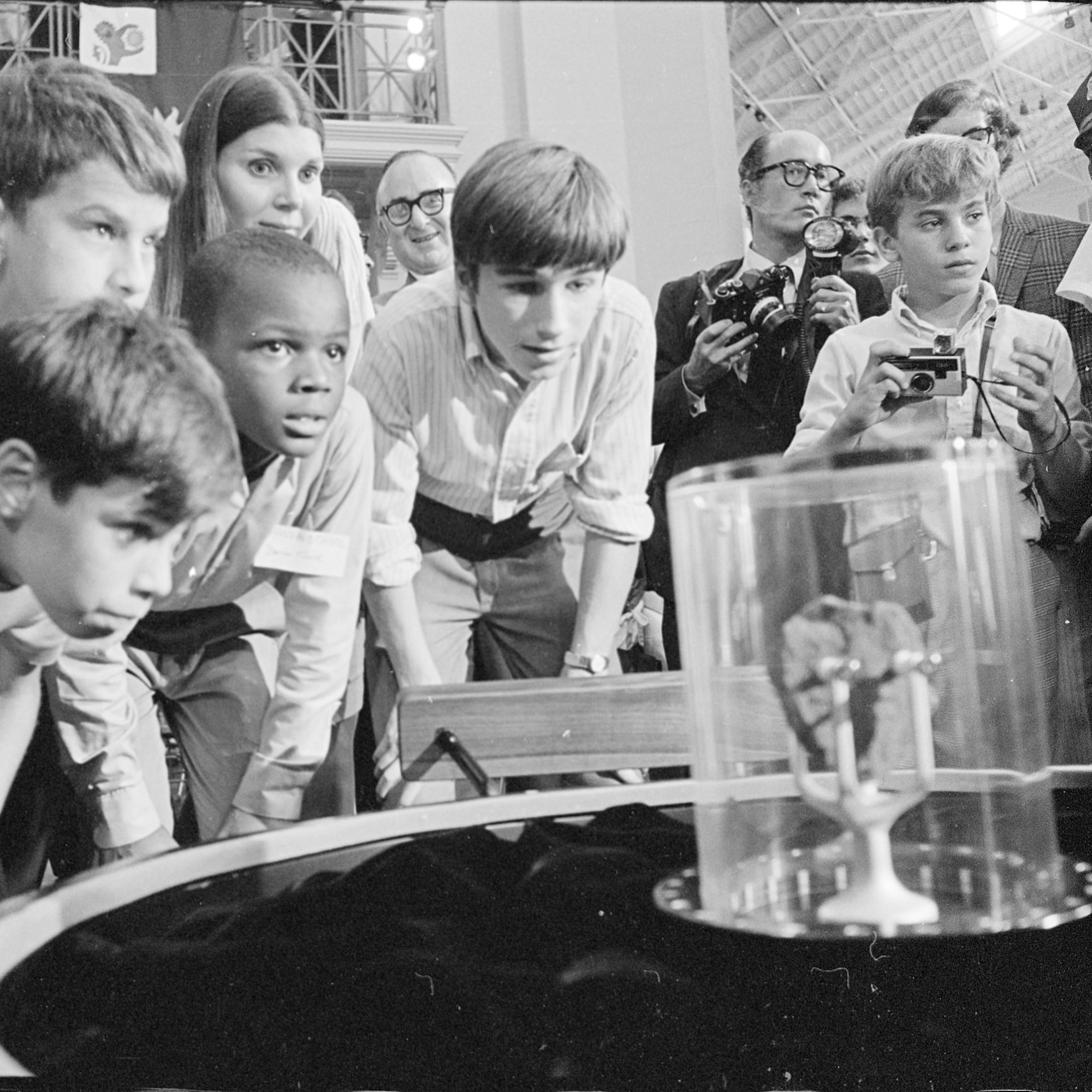
A Not So Rock Solid Moon
The moon's craters, once thought to be millions or billions of years old by evolutionary scientists, are now understood to be much younger, only a few thousand years old at most. This conclusion comes from studying moon rock samples brought back by astronauts. For more creation resources, visit https://creationmoments.com/ Image: Lunar Sample Exhibit (people looking at lunar rock), Smithsonian Institution from United States, PD, Wikimedia Commons.
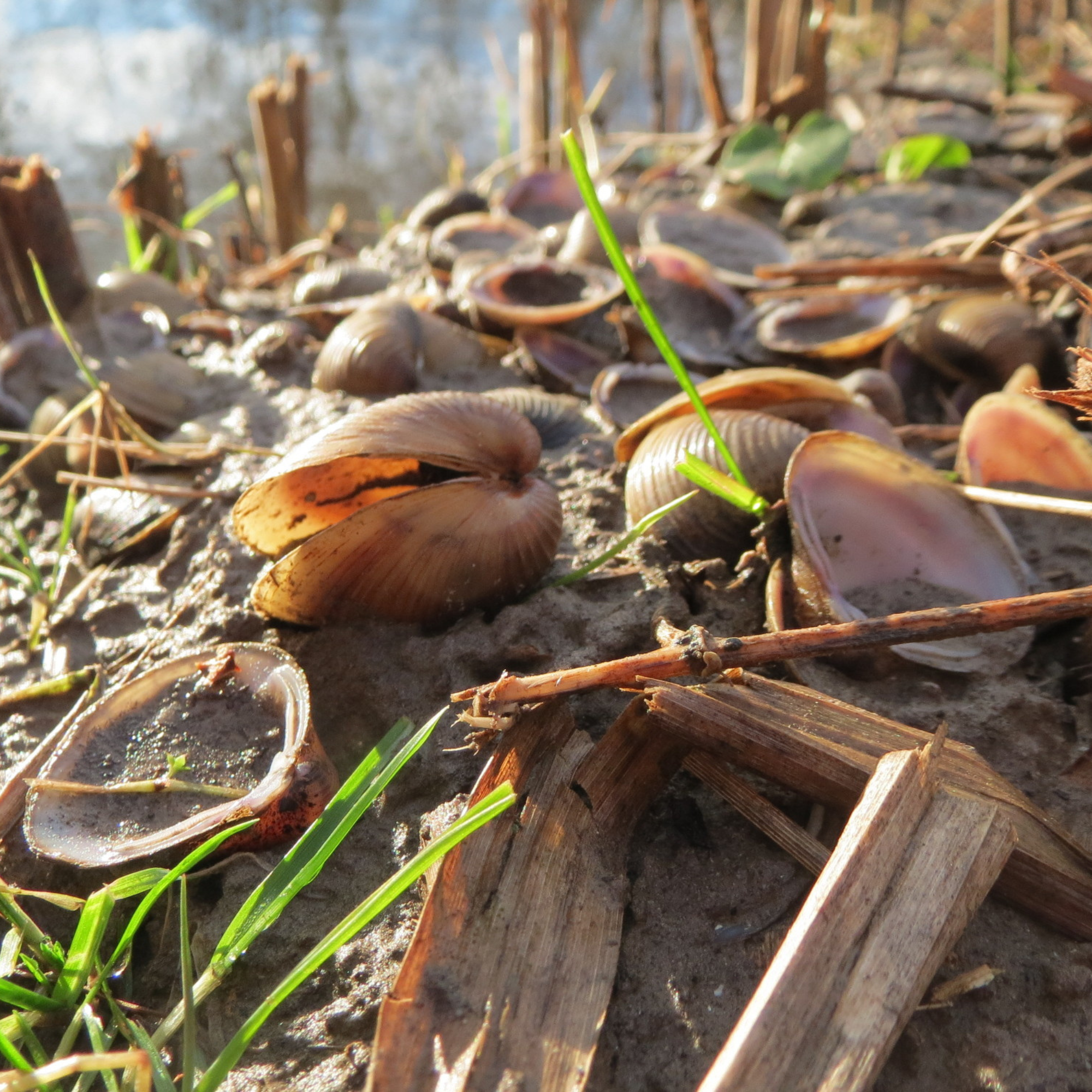
One Foot and a Sail
The Asian clam, introduced to the United States by Chinese immigrants, has spread across at least 35 states in just 50 years, causing significant economic impact due to its clogging of water intake pipes. Scientists discovered that the clam can "sail" by using its foot to catch currents, allowing it to travel between bodies of water. While this rapid spread is remarkable, it also showcases the intricacy of design in nature, where balance is maintained to prevent overpopulation—another testament to the Creator's wisdom. For more creation resources, visit https://creationmoments.com/ Image: Asian clams (corbicula fluminea), AnRo0002, CC0, Wikimedia Commons.
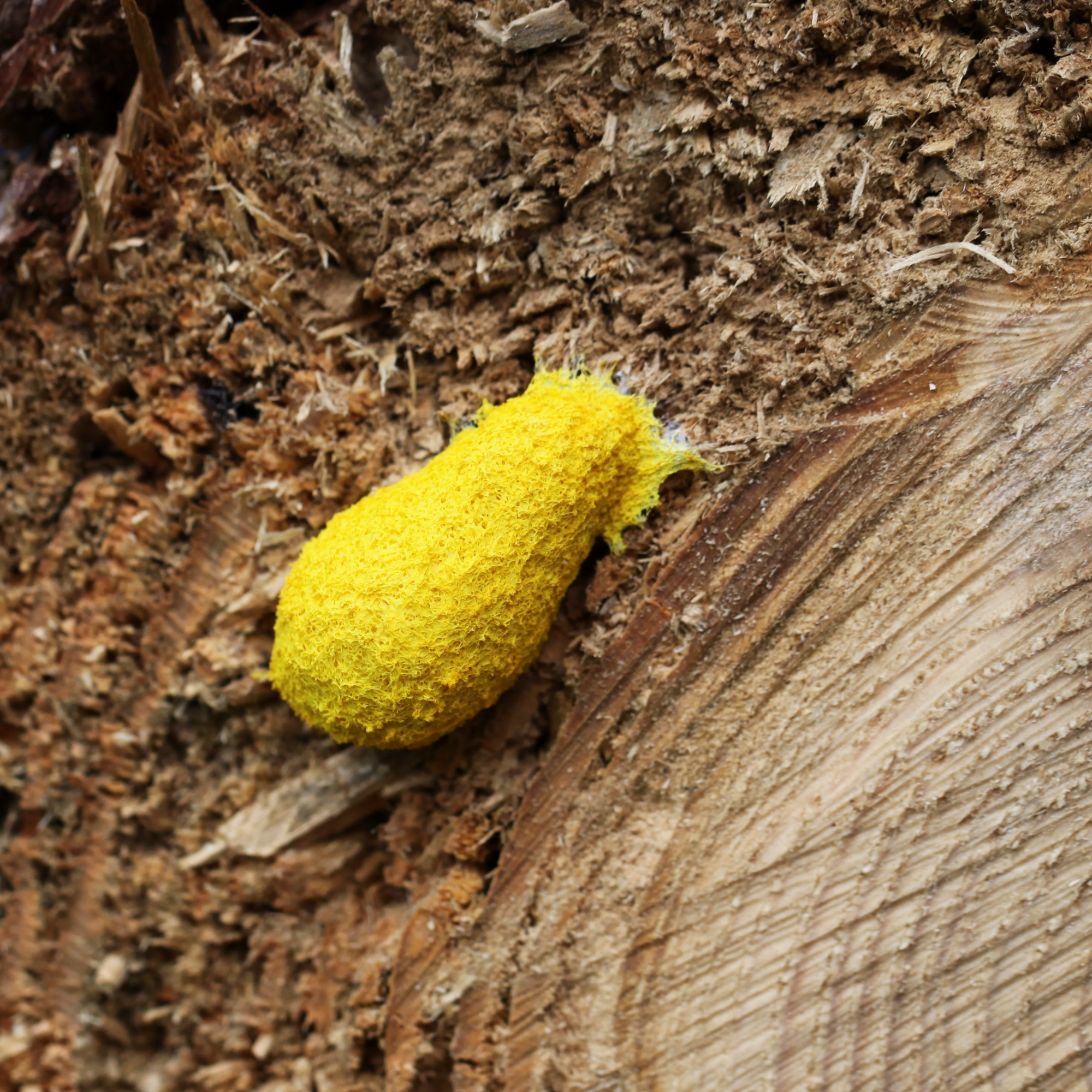
Amoeba Society
Cellular slime molds are fascinating life forms that blur the lines between plants and animals. They start as individual amoebas that live in moist environments but can combine into a slug-like mass when conditions become unfavorable. This complex behavior highlights the incredible God-given design and versatility found in nature. For more creation resources, visit https://creationmoments.com/ Image: Slime mold fuligo septica, 5snake5, CC BY-SA 4.0 , Wikimedia Commons.

Traces of What Man Once Was?
Before sin entered the world, man was created with extraordinary abilities, likely with far greater mental and physical potential than we experience today. Evidence of this original capacity can be seen in remarkable individuals such as savants like "K" and Leslie Lemke, who demonstrate incredible feats of memory and skill. These abilities, while extraordinary, also highlight the regression from the original design. For more creation resources, visit https://creationmoments.com/ Image: Leslie Lemke at the piano, Rob Amrosius, St. Norbert College in Photos, 1995.

Plants Focus Light
Plants are far more complex than previously thought. They utilize specialized cells to focus and concentrate light, much like a machine. Some plants can even intensify light up to 26 times to maximize photosynthesis efficiency, and when light levels become too high, they direct the excess to cells that can safely absorb it. This sophisticated design, which reflects advanced chemistry and physics, serves as a powerful testament to the Creator's ingenuity. For more creation resources, visit https://creationmoments.com/

Why Does it Rain?
Scientists still don't fully understand how raindrops form, despite theories like the ice crystal model and the idea that radon gas helps droplets attract each other. The mystery arises because particles in clouds are typically negatively charged and repel each other, making it unclear why they would come together to form rain. This uncertainty in scientific understanding serves as a reminder not to be overly swayed by claims that challenge the Bible when even fundamental processes remain unresolved. For more creation resources, visit https://creationmoments.com/
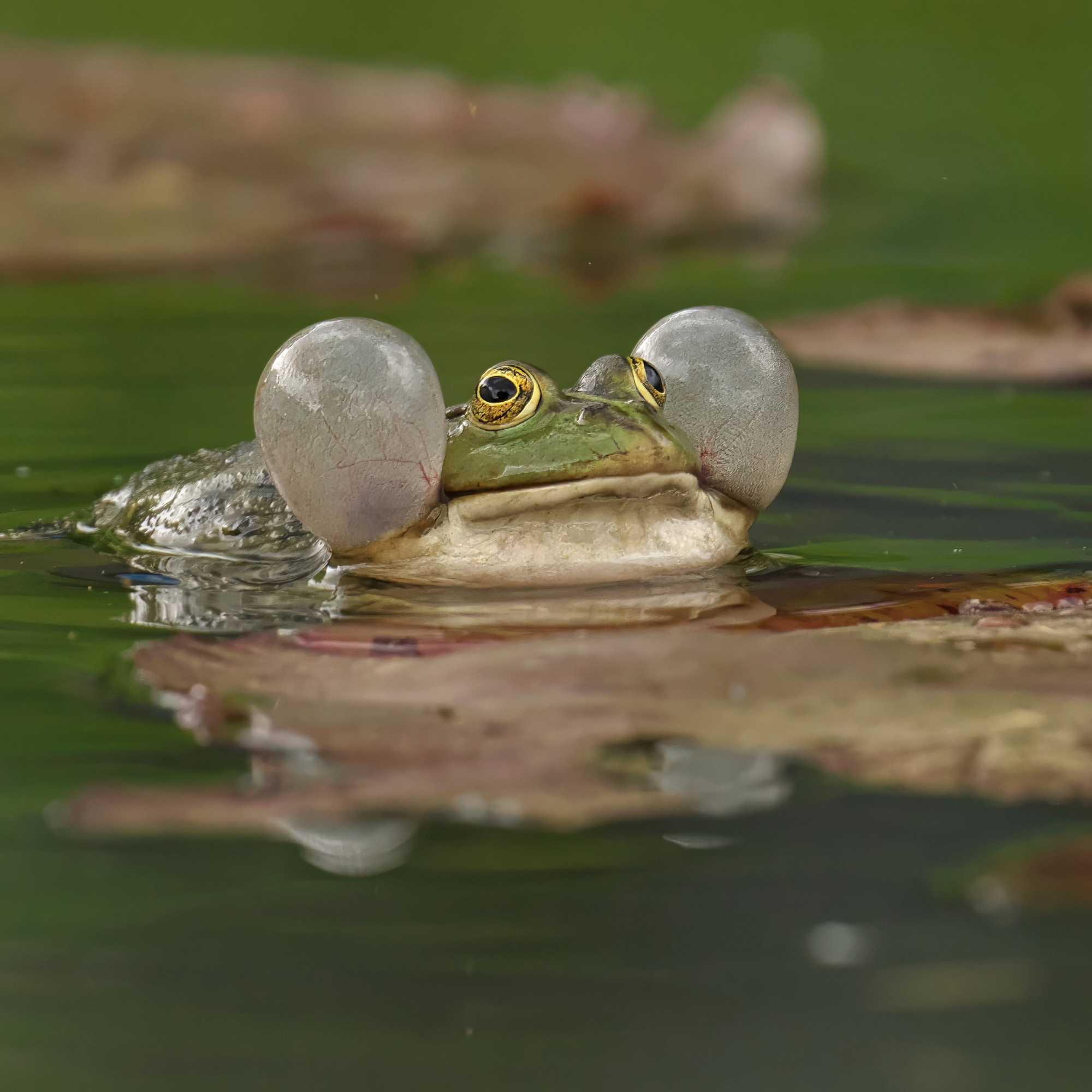
A Frog’s Creative Broadcasting Solution
In nature, animals like birds and frogs organize their calls to avoid interference, much like how radio stations are assigned frequencies. Two species of frogs in South America, despite using the same frequency for their calls, manage to avoid interference by calling in different environments—one above water and the other underwater. This clever arrangement displays how the Creator designed these animals to communicate effectively. For more creation resources, visit https://creationmoments.com/