
Today's Creation Moment
1,936 episodes — Page 9 of 39

Caterpillars’ Diet Choices
The diamondback caterpillar, a major pest for cabbage family plants, has a surprising strategy for survival. It prefers to feed on unhealthy fields where the crops have already suffered, knowing that its primary predator, a parasite wasp, targets healthy fields. This behavior suggests the caterpillar has been designed with an instinctual understanding of how to avoid danger. For more creation resources, visit https://creationmoments.com/ Image: Diamondback caterpillar (Plutella_xylostella), K. Chaikovska (Kate Chkv), CC BY 4.0, Wikimedia Commons.
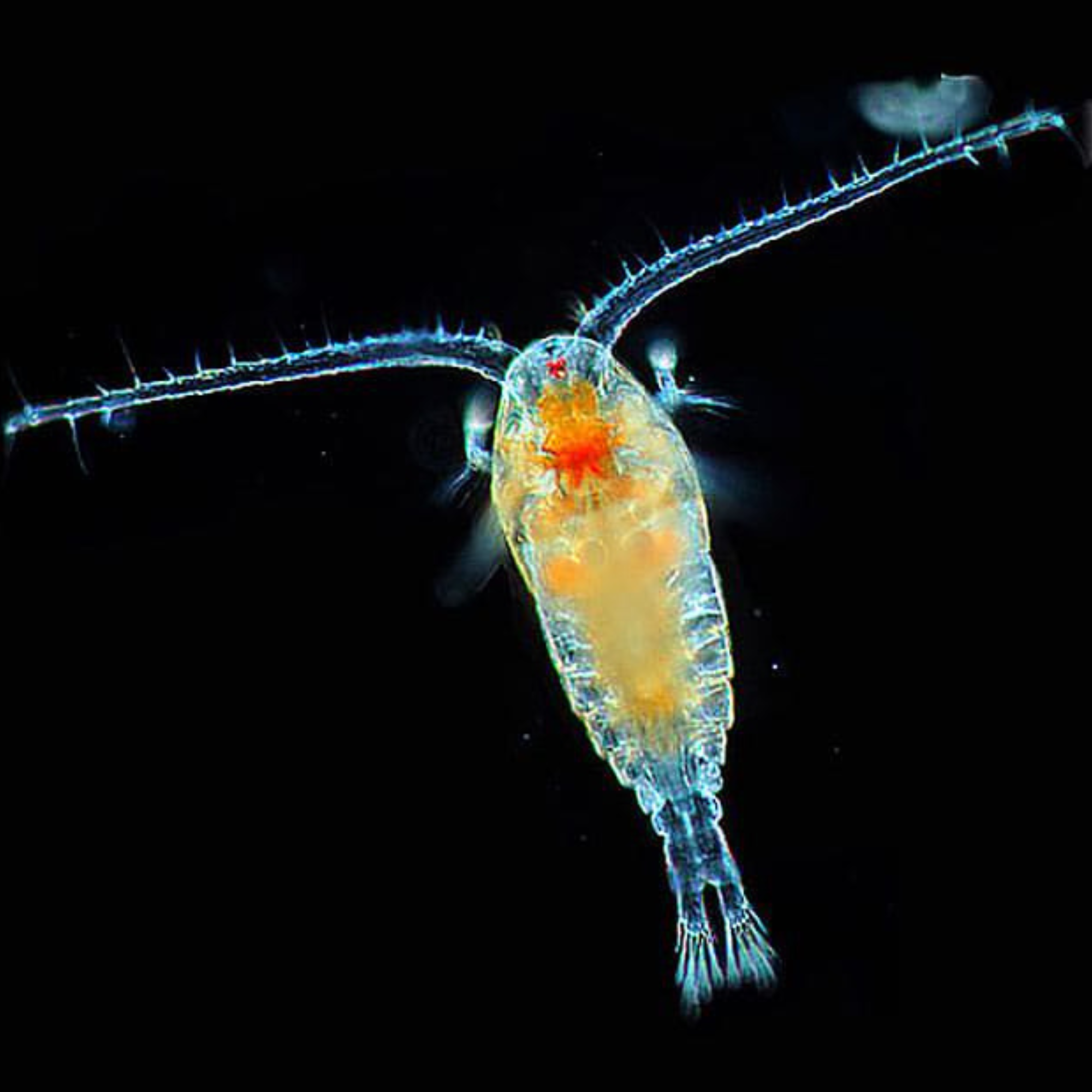
Shrimp Kidnaps Chemist!
In Antarctica's frigid waters, a small shrimp-like plankton uses a clever survival strategy. It kidnaps a tiny snail-like pteropod to protect itself. The pteropod produces a chemical that deters fish from eating the plankton, but after some time, the plankton releases the pteropod to continue its search for another one. This extraordinary behavior is not a product of chance, but rather, the design of an all-wise Creator. For more creation resources, visit https://creationmoments.com/ Image: Unidentified plankton, NOAA's National Ocean Service, PD, Wikimedia Commons.

The Deep Sea Specialist
The leatherback sea turtle, the largest living reptile, can weigh over 2,000 pounds and spends most of its life in deep water. Remarkably, its jaw is equipped with sharp fangs that interlock perfectly to eat large jellyfish (the bulk of its diet), and its digestive system is specially designed to process these jellyfish. For more creation resources, visit https://creationmoments.com/ Image: Leatherback Sea Turtle, Alastair Rae from London, United Kingdom, CC BY-SA 2.0, Wikimedia Commons.

Your 20-Watt Brain
The human brain is a marvel, capable of storing not just ideas but also sights, sounds, and even smells, with an average memory capacity of 100 billion bits of information—equivalent to 500 encyclopedias. Remarkably efficient, it weighs under four pounds, uses just 20 watts of energy, and grows stronger with use. For more creation resources, visit https://creationmoments.com/

Genetic Music
Creation is intricately woven with mathematics, which happens to be the foundation of music. A geneticist discovered that DNA's base patterns can be translated into musical notes, with each gene producing unique melodies reminiscent of composers like Bach, Debussy, and Chopin. This beautiful harmony in creation testifies to God's power and wisdom, inviting us to join in creation’s song of praise. For more creation resources, visit https://creationmoments.com/
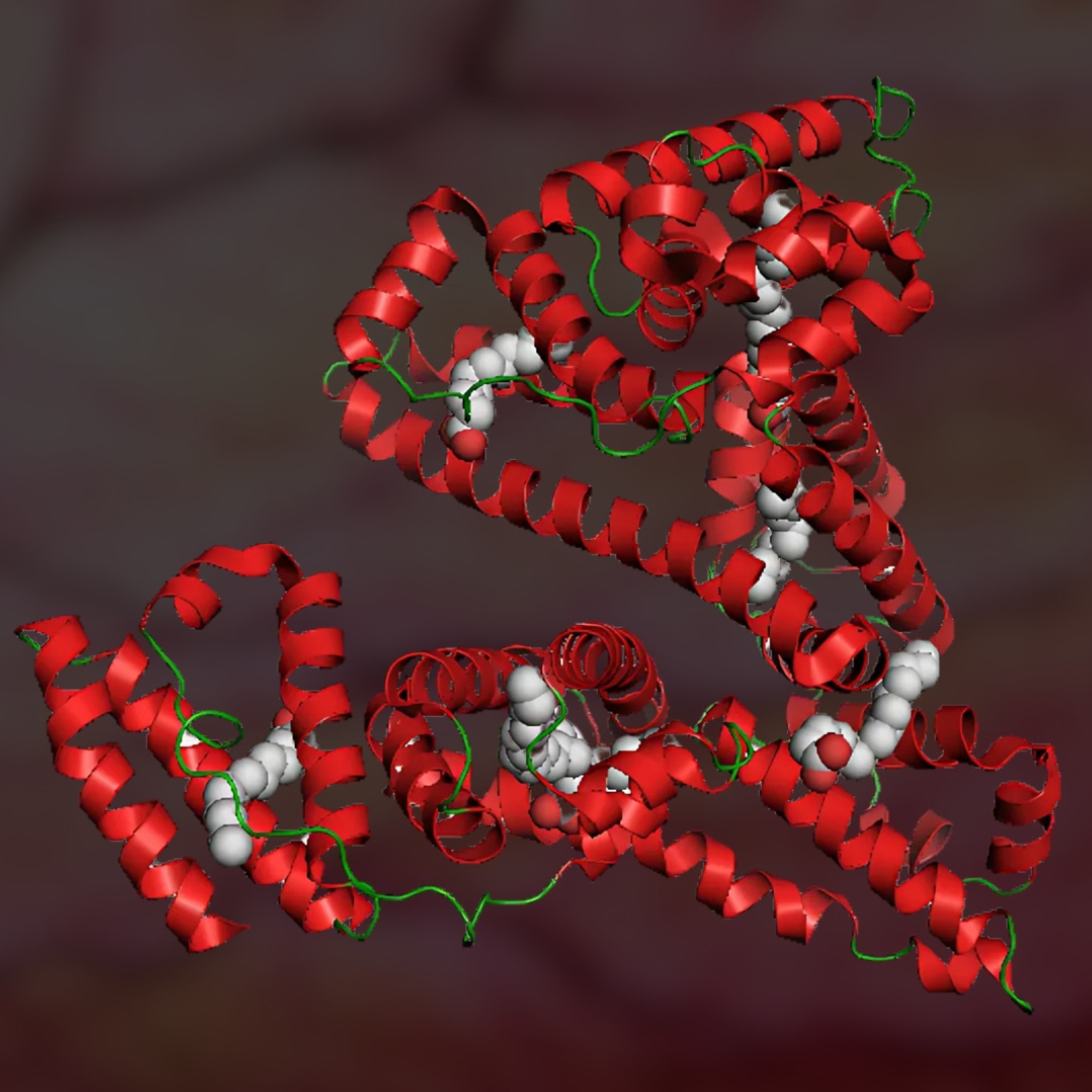
A Busy Protein
Blood is a marvel of design with many complex components. One example is serum albumin. Produced by the liver, serum albumin regulates blood volume and pressure, ensures proper blood chemistry, transports molecules and medications, and protects the body from protein digestion outside the digestive tract. As the Bible emphasizes the importance of blood for physical life, it also points to eternal life found through the sacrificial blood of Jesus. For more creation resources, visit https://creationmoments.com/ Image: Serum albumin model on abstract background, Borislav Mitev, PD, Wikimedia Commons, changes made.

A Giant Wave of Water
Scientists have documented evidence of massive ancient waves, such as a 1,000-foot wave that may have shaped parts of Earth's geology and a recorded 1,700-foot wave in Alaska. Similar events are hypothesized to have occurred in Hawaii, with ocean debris and thick gravel beds found on high slopes. These phenomena align with the flood of Noah and its destructive aftermath. For more creation resources, visit https://creationmoments.com/

Language Studies Tell Us About Ourselves
Human language is uniquely complex, with children instinctively grasping advanced linguistic principles without formal instruction. This exceptional ability sets humans apart from animals and aligns with the biblical view that humans are unique beings, purposefully and intelligently designed. For more creation resources, visit https://creationmoments.com/
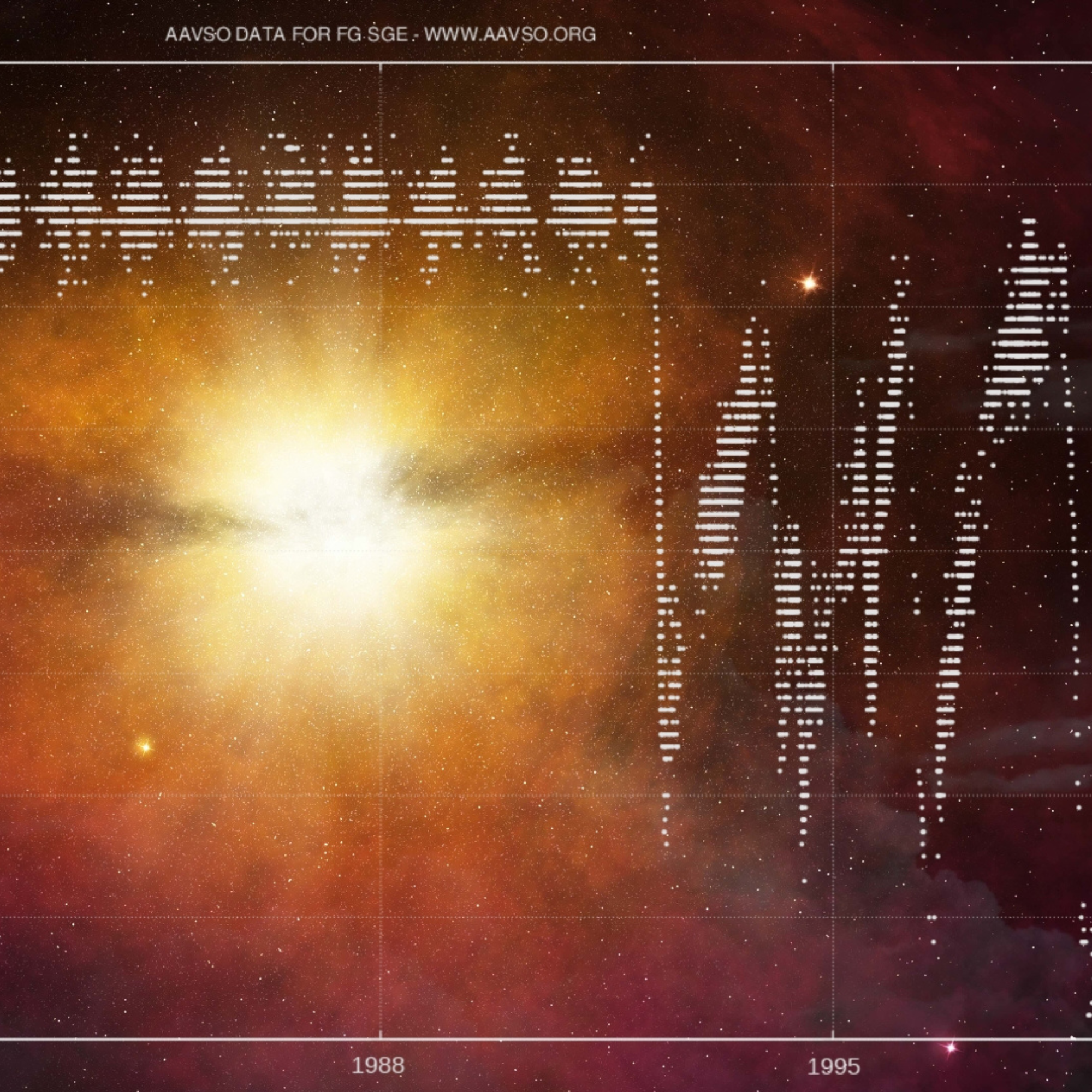
Stars that Are Too Fast?
The stars, each unique and stunning, testify to the creativity and power of the Creator. While evolutionists claim stars change over billions of years, the rapid transformation of FG Sagittae from a blue to a yellow star in just 36 years challenges these assumptions. For more creation resources, visit https://creationmoments.com/ Image: FG Sagittae light curve over star illustration, Lithopsian, CC BY-SA 4.0, via Wikimedia Commons, changes made.

Natural Human Language
According to the Bible, language is a divine gift from God, designed to enable fellowship with Him and humans. Studies on deaf children support this view. Those who lack language exposure instinctively follow universal grammatical patterns, indicating humans are programmed for language. This contrasts the evolutionary view, which struggles to explain the complexity of ancient languages and fails to account for innate linguistic abilities. For more creation resources, visit https://creationmoments.com/

Quick Coal
Coal formation, once thought to require millions of years, has been demonstrated to occur in much less time under the right conditions. Scientists at Argonne National Laboratory showed that heating lignin with clay at 300°F for weeks to a year can produce coal, with longer heating yielding high-grade coal. These findings align with creationist claims that most of the Earth's coal beds likely formed rapidly during Noah's flood. For more creation resources, visit https://creationmoments.com/

Self-Esteem and Forgiveness
The "self-esteem movement" seeks to boost people's self-image without addressing sin or the need for forgiveness, often lacking a scientific basis. Jesus' parable of the Pharisee and the tax collector illustrates that self-righteousness, rooted in inflated self-esteem, distances people from God, while humble repentance fosters a true relationship with Him. Christians are encouraged to focus on Christ, finding peace and value in His redemption rather than in self-esteem. For more creation resources, visit https://creationmoments.com/

Stars Are Dying Too Fast
Evolutionary theories that claim the Earth and universe are billions of years old are contradicted by the fact that stars are dying at a rate much faster than they are being formed. Astronomical findings showing stars dying at twice the expected rate further support the biblical truth that creation is young and, because of sin, in a state of decay. For more creation resources visit https://creationmoments.com
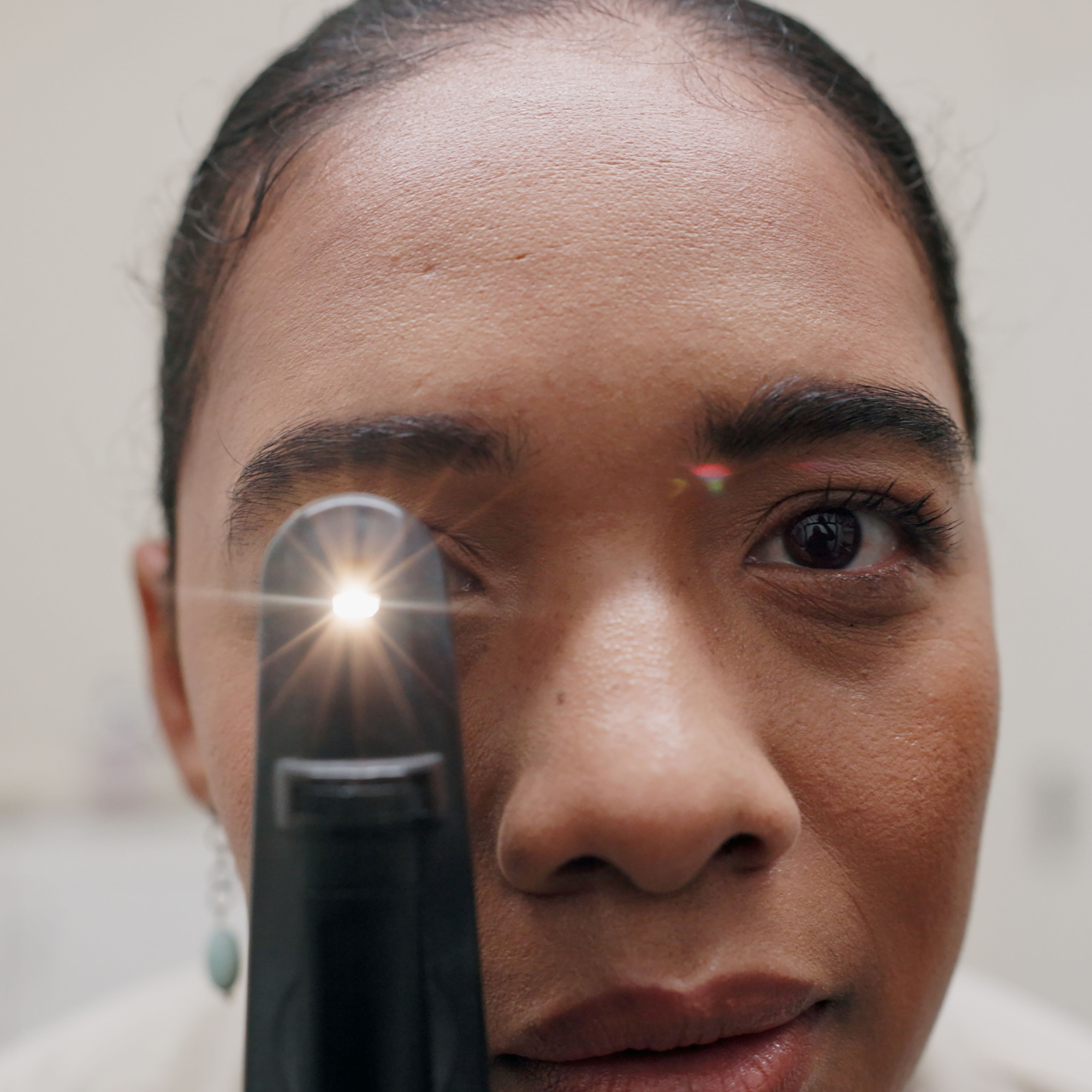
Lightening-Like Vision
The process of vision involves a complex chain of chemical and electrical reactions, and research has revealed that the photochemical reaction in the eye occurs incredibly fast - at a rate of 200 billionths of a second. This speed and complexity suggest that such an advanced system could not have developed gradually through evolution. Instead, it points to a Creator who designed the eye with extraordinary precision and purpose. For more creation resources visit https://creationmoments.com

Can Science Beat Death?
Scientists debate whether aging is a result of wear and tear on the body or if it is genetically programmed. Some research highlights an "anti-aging gene" that produces a chemical called SOD, which protects the body from damage caused by free radicals and may extend life. While science explores ways to slow aging, the ultimate solution to death is found in the promise of eternal life through Jesus Christ. For more creation resources visit https://creationmoments.com
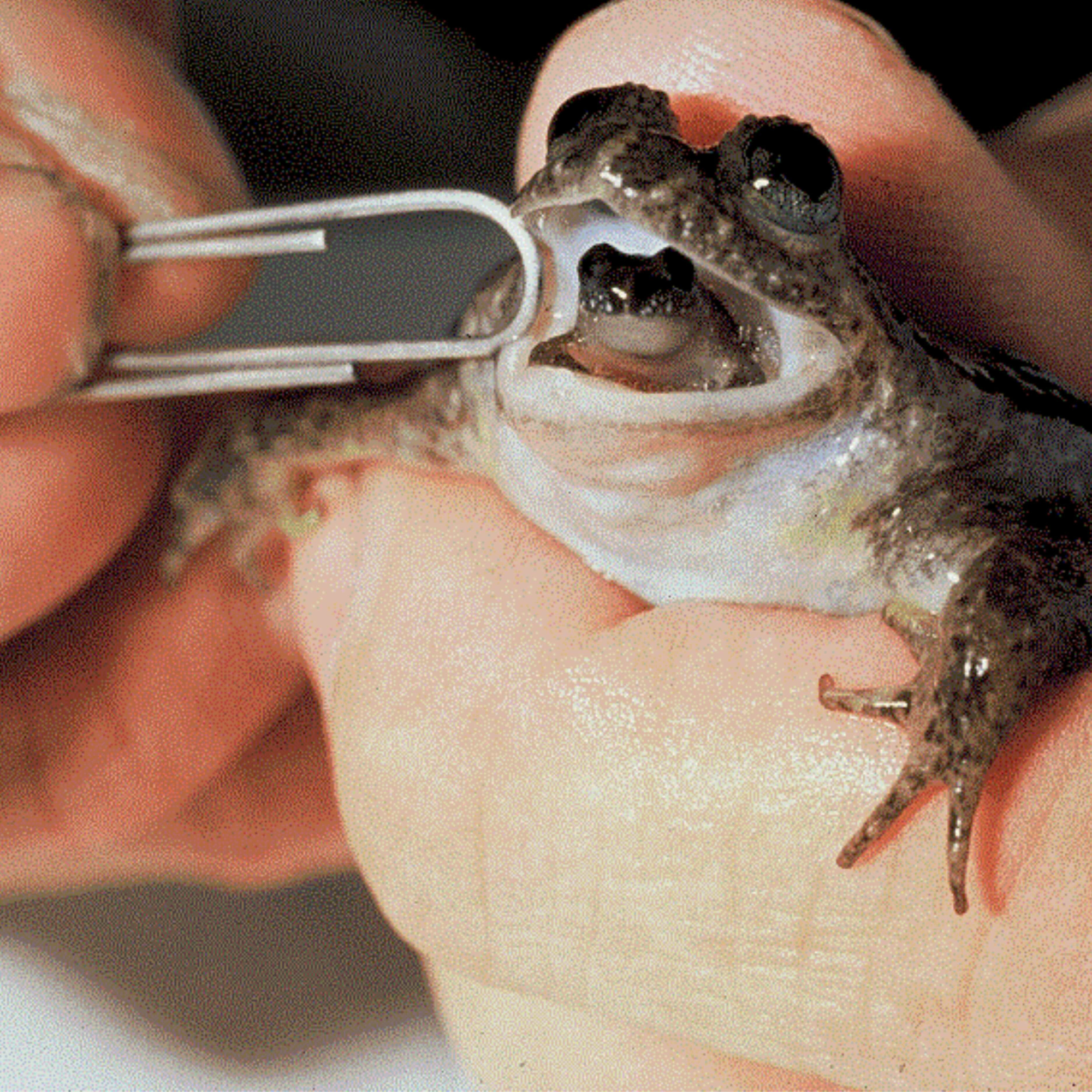
An Amazing Australian Frog
The rare Australian aquatic frog has an extraordinary method of rearing its young: after fertilizing her eggs, the female swallows them, and they develop inside her stomach without being digested. The young frogs secrete chemicals that prevent the production of stomach acid, turning the mother’s stomach into a safe nursery. Image Credit: Gastric Brooding Frog (Rheobatrachus silus) giving birth via its mouth, Mike Tyler, University of Adelaide. For more creation resources visit https://creationmoments.com

Another Miracle of Sight
The complexity of the eye challenges evolutionary explanations, as it would require thousands of beneficial mutations for an eyeless creature to develop sight. Mutations generally harm creatures rather than help them, and no evidence exists of gradual eye development in living or fossil animals. For more creation resources visit https://creationmoments.com

Flipperpithicus
Creation scientists have criticized the eagerness of evolutionists to turn any ancient fossil into evidence for human evolution. An example is the misidentification of a bone found in northern Africa in 1979, initially claimed to be a hominoid clavicle, which was later confirmed to be the rib bone of a dolphin. For more creation resources visit https://creationmoments.com

Your Fail-Safe Heart
The human heart beats around 100,000 times a day, operating with incredible precision and adaptability. Controlled by the sinus node, a built-in pacemaker, the heart maintains its steady rhythm. It can even do so when the sinus node fails. This intricate design highlights the complexity and intelligence behind the heart's function. For more creation resources visit https://creationmoments.com

God’s Agriculture and the Stink Bug
God originally created a perfect world, but sin introduced thorns, thistles, and insect pests. Modern science is discovering that natural methods, like using the spined soldier bug, can control pests without the harmful effects of chemicals. These solutions, rooted in God's design, remind us that His ways are always better. For more creation resources visit https://creationmoments.com

The Wrong Pattern
The belief in evolution has negatively impacted fields of medicine and social sciences, as seen in the patterning technique. Patterning, based on the idea that the nervous system must pass through evolutionary stages, was found to be ineffective and potentially harmful to children and families. This demonstrates how rejecting a Creator can lead to misguided practices. For more creation resources visit https://creationmoments.com
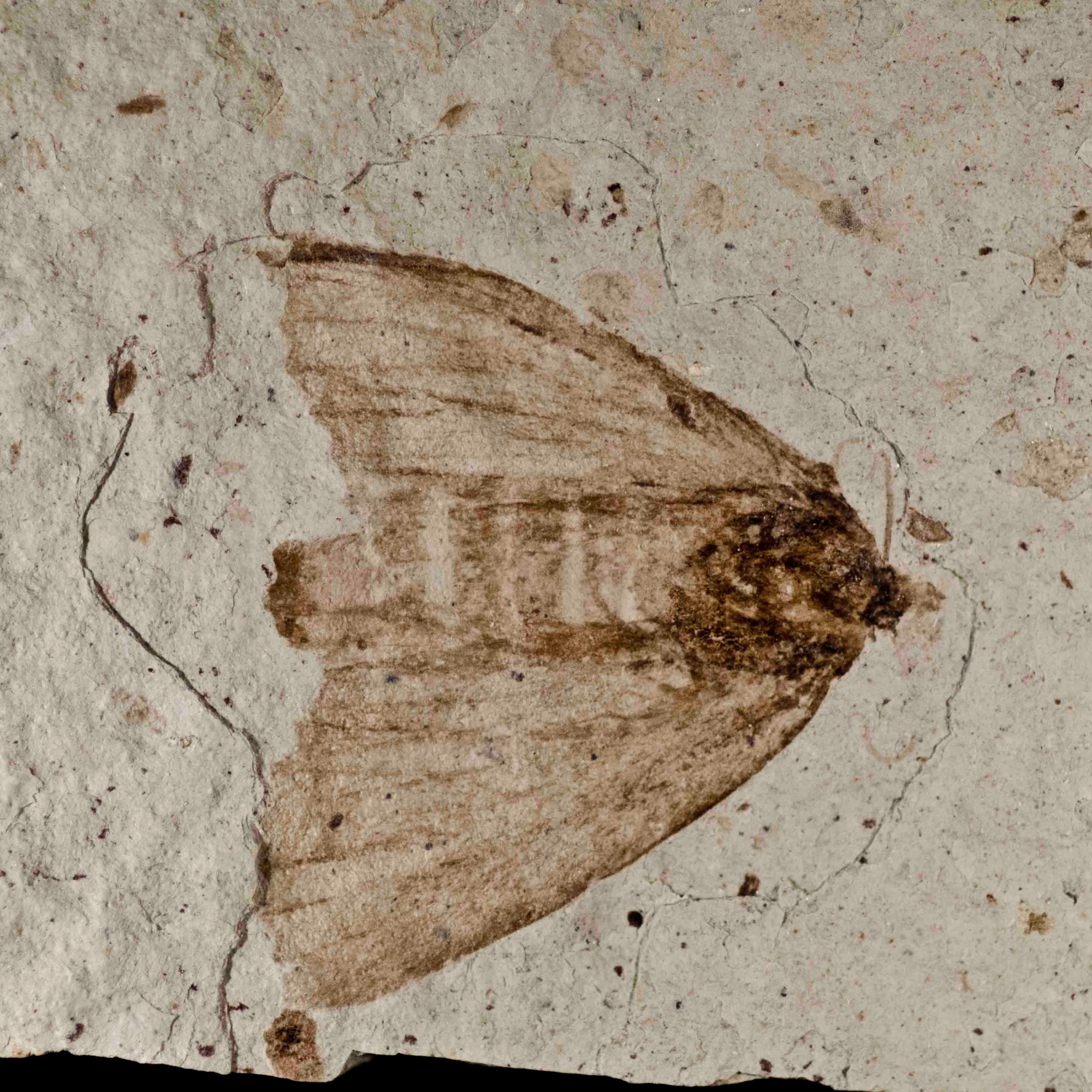
Fossil Drives Evolutionists Batty
Nature documentaries often attribute clever designs in nature to evolution. However, a fossilized moth egg, found to belong to a species capable of hearing the ultrasonic signals of bats, contradicts evolutionary theory. For those who believe in the Bible's account of creation, these creatures were designed by God, created together, and there is no mystery in their existence. For more creation resources visit https://creationmoments.com
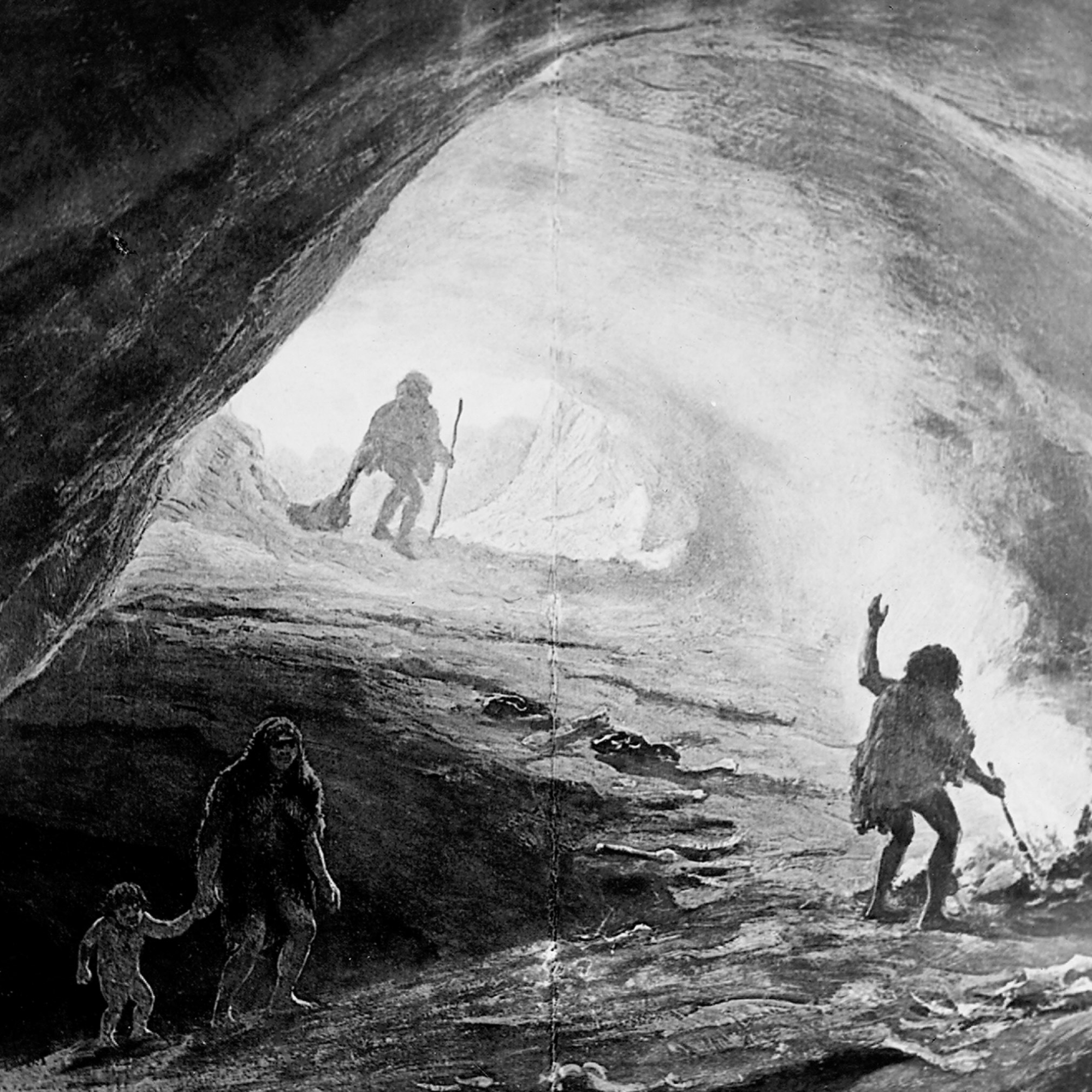
“Cave Men” or Men
The concept of "cavemen" as primitive humans has been challenged by evidence of fully human cave-dwelling people such as the Indonesian Basap tribe. Regardless of lifestyle or environment, we are all created by God, valued, and loved by Him. Image Credit: Caveman Sketch, Leo Wehrli, CC BY-SA 4.0, Wikimedia Commons. For more creation resources visit https://creationmoments.com
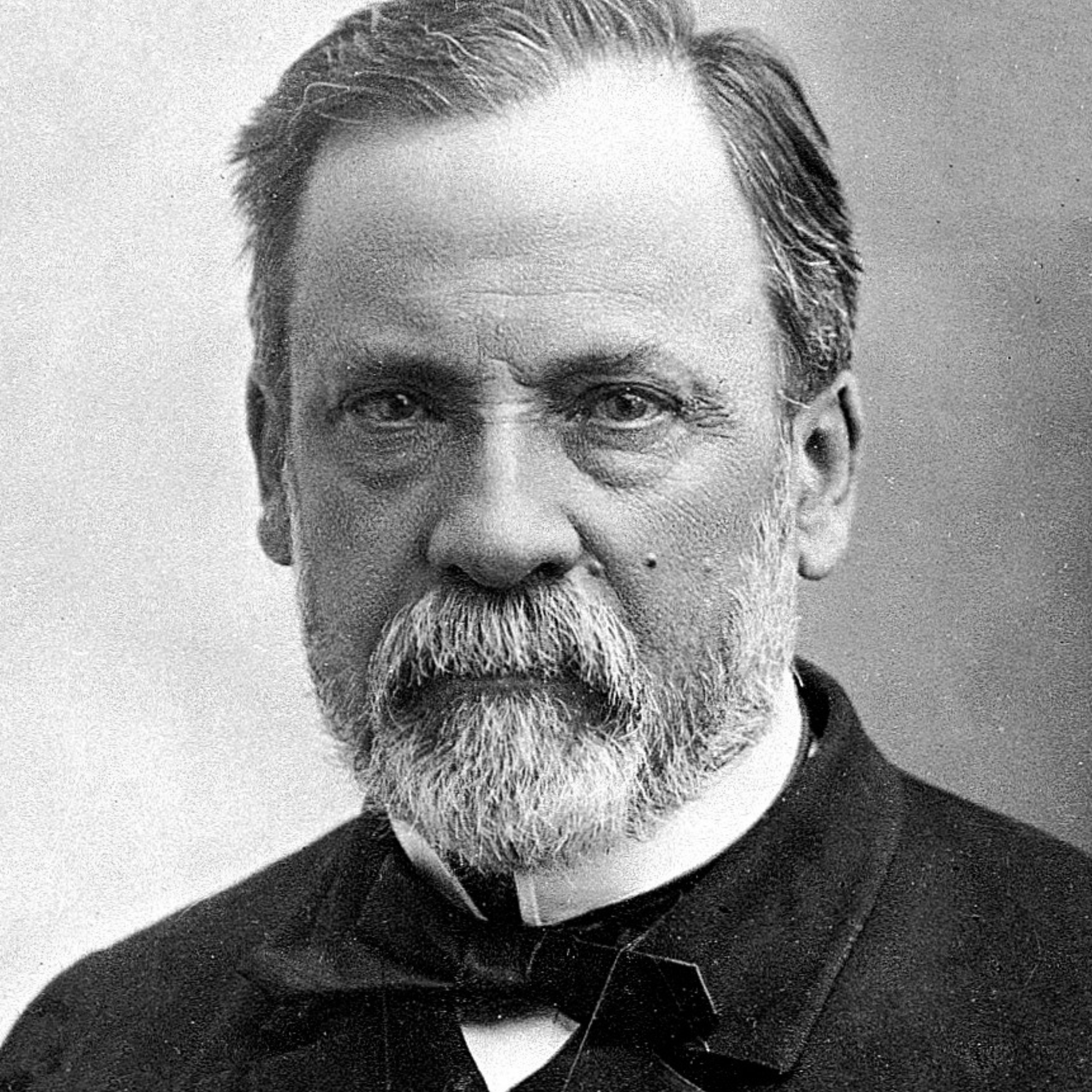
Benefits from Rejecting Evolution
Louis Pasteur's legacy is a powerful example of how faith and science can coexist harmoniously. In a time when evolutionary ideas were gaining prominence, Pasteur’s unwavering belief in the Creator God led him to challenge the idea that life could arise from non-living material. His work not only disproved spontaneous generation but also laid the foundation for important medical advancements, saving countless lives through his discoveries related to germs and vaccines. For more creation resources visit https://creationmoments.com

Unique
The vastness of the universe, as revealed through the energy of the sun and the enormity of galaxies, underscores the greatness of our Creator. Yet, despite the unimaginable scale of His creation, He has made each person unique with a specific purpose. The idea that God has written out a personal genetic code for each of us is profound - showing His attention to detail and His deep desire for a relationship with us. For more creation resources visit https://creationmoments.com

The Amazing Mexican Free-Tailed Bat
The incredible migration and feeding habits of the Mexican free-tailed bats reflect a highly sophisticated and well-designed system in nature. With 20 million bats congregating in one place, the timing of their migration, reproduction, and feeding is perfectly orchestrated to meet their needs. For more creation resources visit https://creationmoments.com

Baby Talk
Research supports the idea that the ability to learn language from such a young age is innate and pre-programmed into the human brain. As early as two months old, infants begin distinguishing sounds from their native language, showcasing their inherent capacity for language acquisition. By six months, they can even understand the emotional tones in speech. This built-in skill reflects God’s design for human beings to communicate - not only with each other but ultimately with Him. For more creation resources visit https://creationmoments.com

Deception of the Bola
The bola spider's ability to catch moths is a remarkable feat. This spider can not only mimic the moth’s scent and detect vibrations from the moth’s wings, but it also produces a sticky, elastic silk that outmatches anything in modern chemistry. The only plausible explanation for such an intricate and specialized design is that the bola spider was created by God, the ultimate inventor of the complex systems and chemistry it uses. Image Credit: Bola Spider casting bola, Judy Gallagher, CC BY 2.0, via Wikimedia Commons. For more creation resources visit https://creationmoments.com

Stupid Rats and Evolution
Researchers found that reducing the size of the brain cortex in rats didn’t result in lower intelligence but caused more aggression and antisocial behavior. This discovery leads us to the conclusion that brain size might not directly correlate with intelligence but rather with the ability to handle complex situations. For more creation resources visit https://creationmoments.com

Where Did Learning Come From?
Animals demonstrate the ability to learn through experiences and environmental changes. Honeybees recognize pollen-producing flowers and slugs avoid their favorite food when conditioned to do so. Despite this widespread learning ability, scientists who support evolution struggle to explain how such complex learning processes evolved, especially since they don’t fully understand how learning works. For more creation resources visit https://creationmoments.com

Seismic Frogs
The male white-lipped frog of Puerto Rico uses both sound and seismic signals to communicate. By creating thumps through rapid throat inflation, the frog sends seismic waves that help other males determine both his direction and distance. This precise and complex system of communication reflects the intelligence of our Creator. Image Credit: Caribbean White-lipped Frog, Photo 245354234, Sean Werle, (CC BY-NC), iNaturalist. For more creation resources visit https://creationmoments.com

How Old Are Fossils?
Fossilization, which is often thought to take millions of years, can actually begin in just a few days when the right conditions are met. Research has shown that materials like bone, hair, and even cloth can fossilize quickly. If fossilization can occur in a much shorter time frame than traditionally believed, it challenges the long-age view of Earth's history. For more creation resources visit https://creationmoments.com
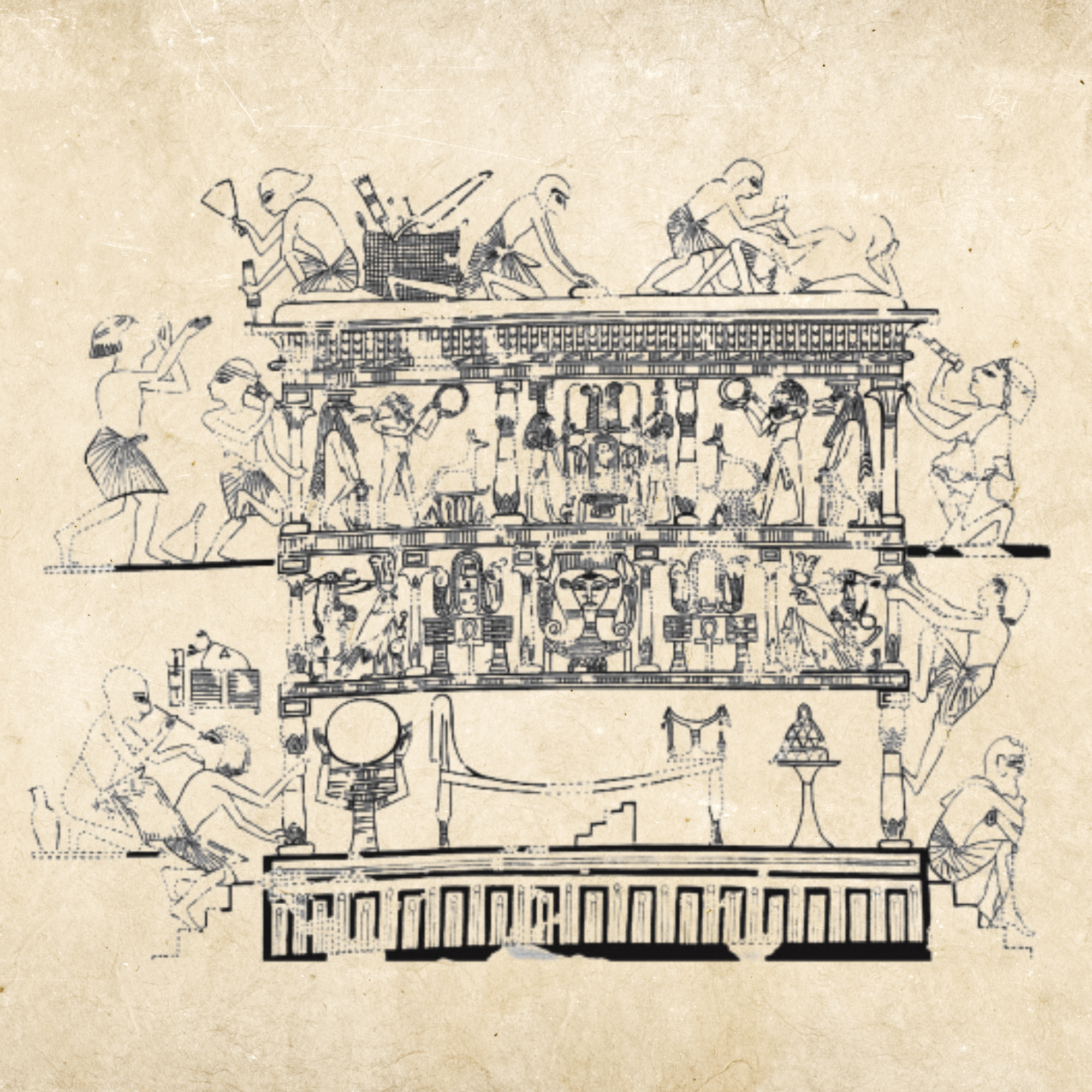
Ancient Eye Surgery
Eye surgery, practiced for thousands of years, dates back to ancient Egypt and India. The Code of Hammurabi from 4,000 years ago even set penalties for successful or unsuccessful eye surgeries, reflecting the value placed on medical knowledge. This historical evidence highlights mankind's long-standing intelligence and understanding, demonstrating that knowledge is a gift from God. Image Credit: Ancient Egyptian Medicine (story of eye injury and medical help), PD, Wikimedia Commons, Changes Made. For more creation resources visit https://creationmoments.com

Human Magnets
Tiny magnetic particles made of magnetite have been discovered in the human brain, particularly concentrated in the membrane surrounding it. While their exact purpose in humans remains unclear, these particles may have once helped with navigation, especially when Earth's magnetic field was stronger in the past. For more creation resources visit https://creationmoments.com

The Giant Helper
The giant Armillarias fungus in Michigan, spanning 38 acres and weighing as much as a blue whale, exemplifies God's design as a vital part of forest ecology. Its underground network decomposes dead wood, releasing carbon dioxide that plants use to produce oxygen, preventing forests from being overwhelmed by waste. Image Credit: Armillaria gallica (humongous fungus), Dan Molter at Mushroom Observer, CC BY-SA 3.0, Wikimedia Commons. For more creation resources visit https://creationmoments.com
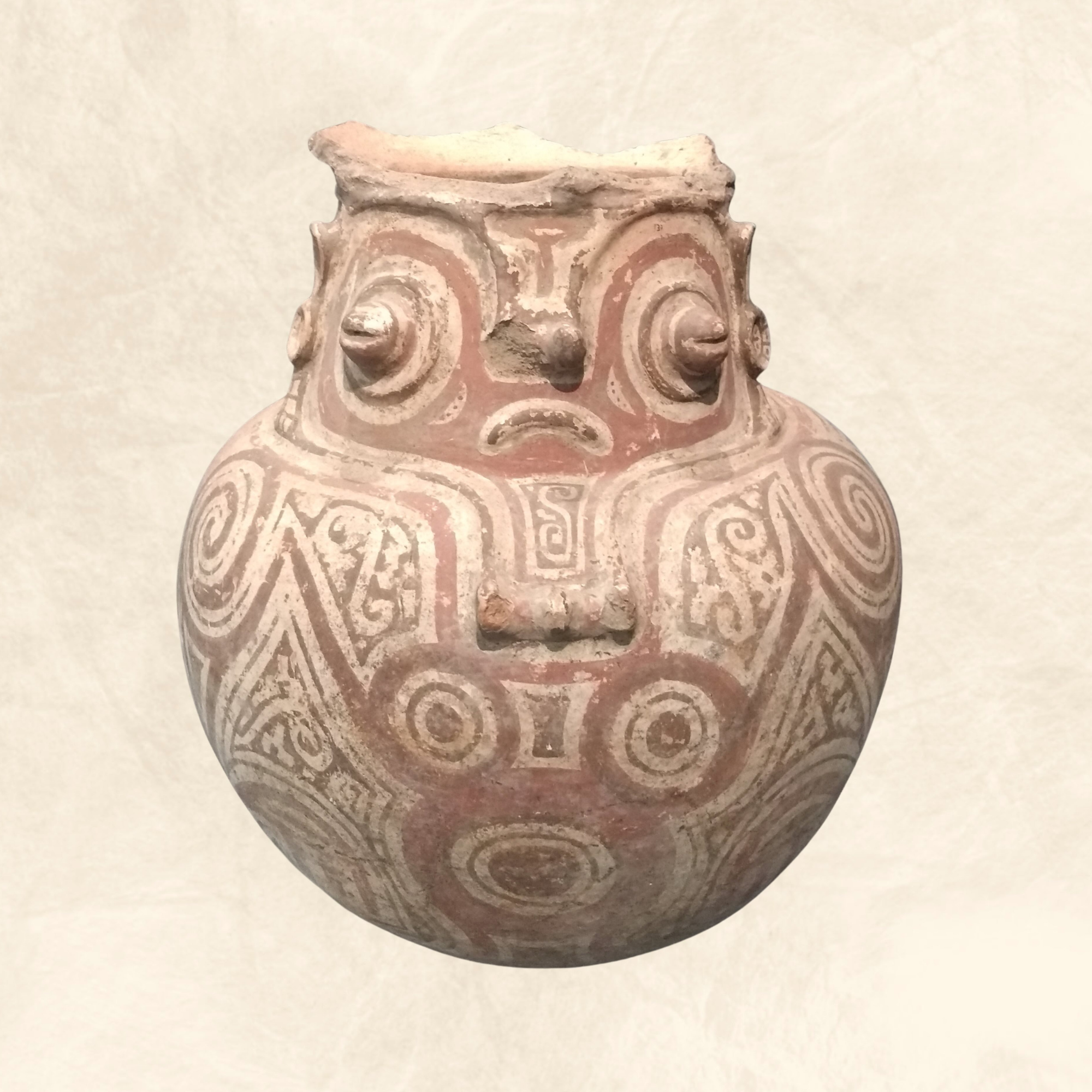
The Dynamic Rainforest
The South American rainforest, often thought to have evolved over millions of years, may actually be only a few hundred years old, as evidenced by ancient human populations who cleared forests and built cities before the land was reclaimed by nature. Anthropologist Anna Roosevelt's findings suggest that adaptation in the rainforest occurs more rapidly than previously believed. Photo Credit: Marajoara Culture funerary urn, São Paulo Museum of Art, CC BY-SA 4.0, Wikimedia Commons, Changes Made. For more creation resources visit https://creationmoments.com

Clouds of Beauty
The painted lady butterfly, known for its stunning wing patterns, is the most widespread butterfly species, migrating from Mexico to Canada in a one-way journey. Its ability to instinctively migrate and its dependence on drought-induced thistle crops highlight mysteries of nature and ecological balance. For more creation resources visit https://creationmoments.com

The Miracle of Hearing
Hearing begins with the external ear collecting sound waves and directing them to the eardrum, where vibrations are converted into hydraulic pressure by tiny bones. This pressure is sent to the cochlea, where hair cells sensitive to minute vibrations generate electrical signals for the brain to interpret as sound. The intricate and precise design of our hearing reflects the generous and masterful craftsmanship of our Creator. For more creation resources visit https://creationmoments.com
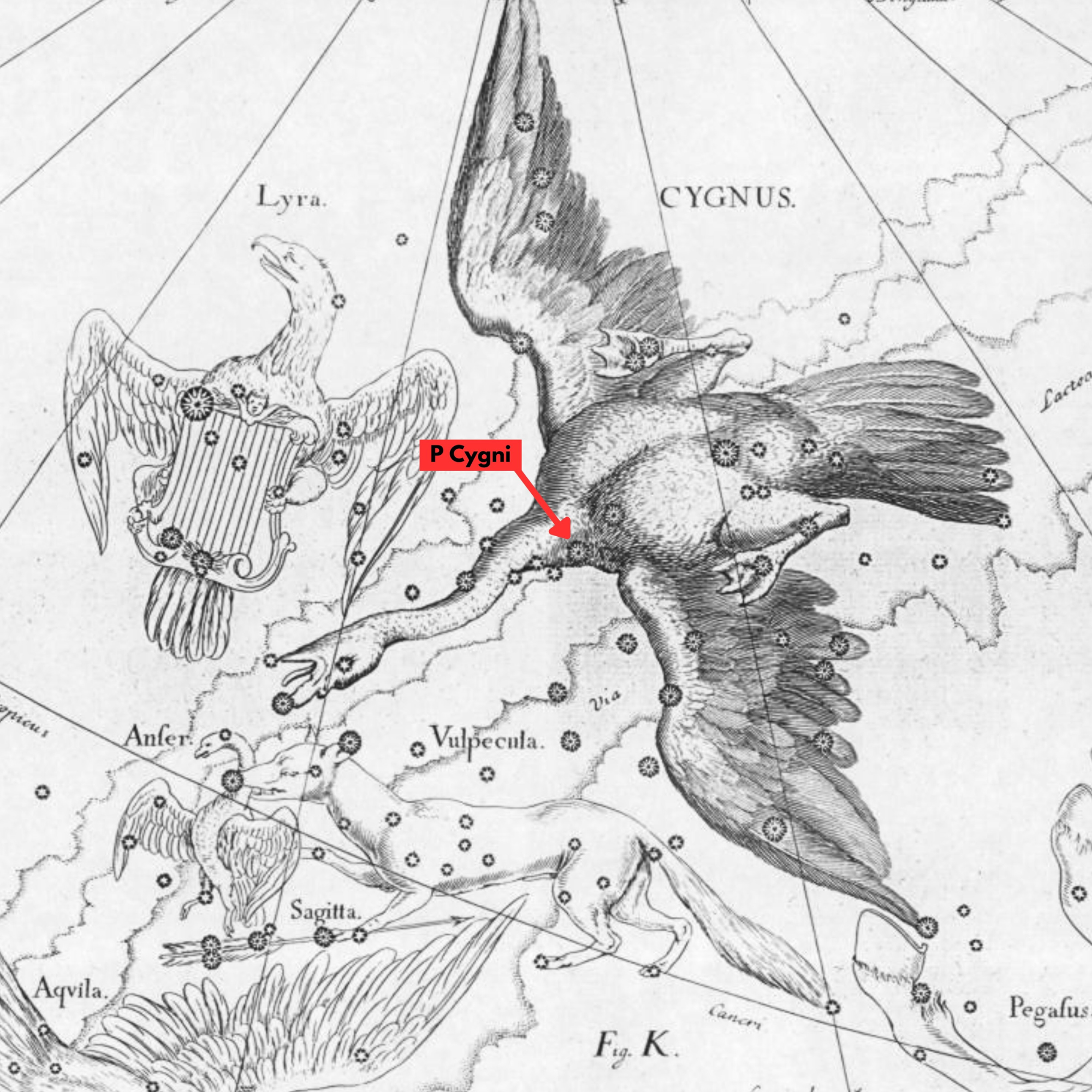
A Star Takes a Swan Dive
The star P Cygni, which became visible in 1600, is aging much faster than current astronomical theories predict, challenging the idea that stars take millions or billions of years to evolve. Its rapid brightening suggests that some stars may age on a scale of centuries rather than millennia, aligning more closely with a younger universe as described in the Bible. For more creation resources visit https://creationmoments.com

Crunchy Medicine
Celery, long used in Asian folk medicine for hypertension, contains a natural chemical that prevents stress hormone production, relaxes blood vessels, and lowers blood pressure. Dr. Quang T. Le’s research on this chemical could lead to more effective treatments for hypertension. For more creation resources visit https://creationmoments.com

Miracle Bugs
God's creation provides the foundation for all human innovation, as seen in the genetic information He embedded in living organisms. Scientists are utilizing this information to produce useful materials and medicines. For more creation resources visit https://creationmoments.com

Insulated Blackbirds
European blackbirds demonstrate remarkable characteristics that allow them to survive harsh winters. They can even lower their body temperature at night to conserve energy, enabling them to endure extreme cold. These sophisticated features reflect intelligent design and point to the wisdom of our Creator. For more creation resources visit https://creationmoments.com

The Problem of Genius
The belief that early humans evolved from primitive ancestors with limited intelligence is challenged by instances of extraordinary mental capacity in individuals today. For example, International Chess Grandmaster George Koltanowski demonstrated remarkable memory and cognitive skills when playing 56 chess games simultaneously while blindfolded. Such human ability raises questions about the evolutionary process. For more creation resources, visit https://creationmoments.com/ Photo: George Koltanowski playing multiple chess games simultaneously, doe-oakridge, PD.

Octopus School
The intelligence of octopuses has been previously underestimated, as demonstrated by studies showing their ability to learn from observation. In experiments, trained octopuses attacked specific colored balls, and untrained ones watching them quickly learned to do the same. This challenges the notion of octopuses being primitive creatures and highlights the complexity of their behavior. For more creation resources, visit https://creationmoments.com/
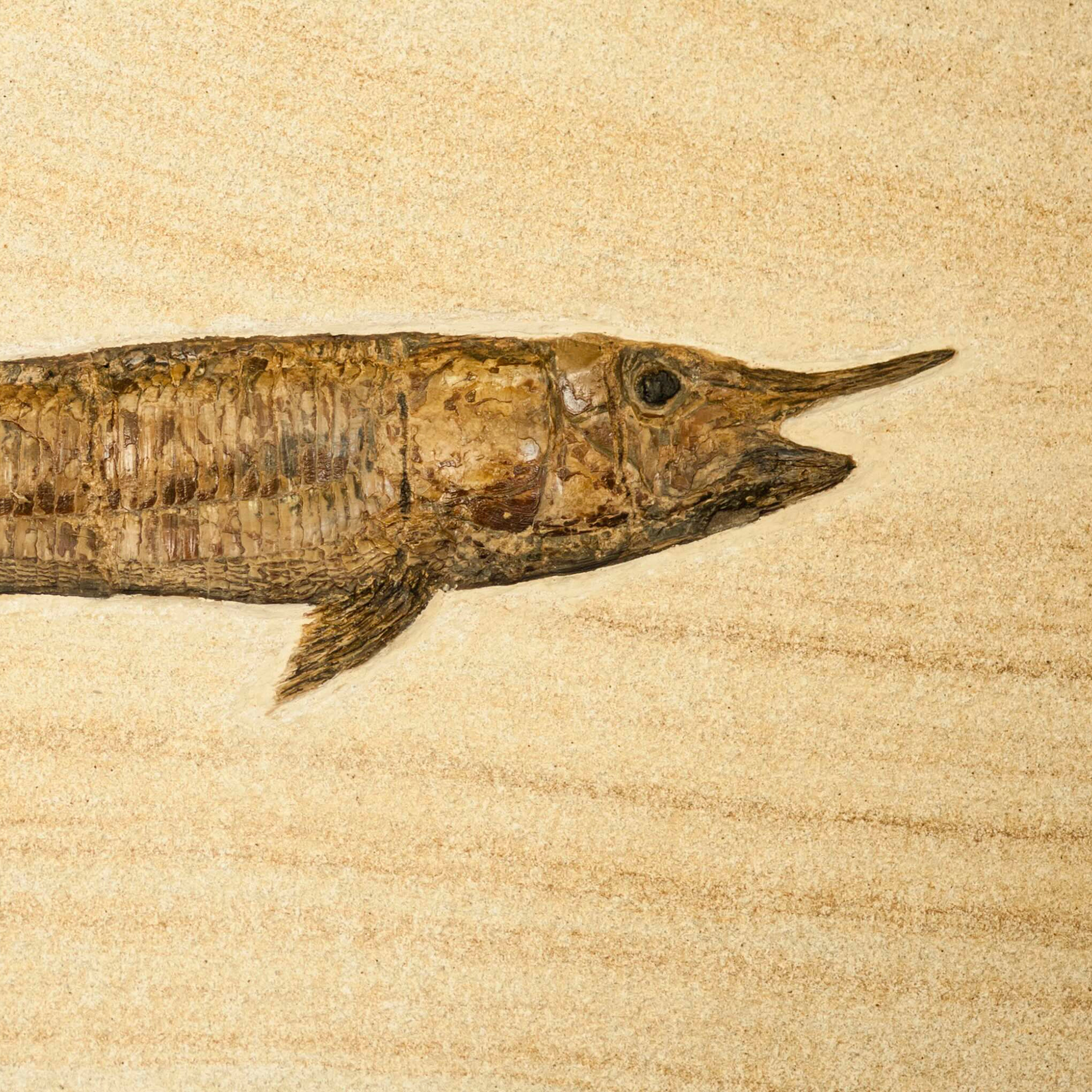
A Fish Story
Biology textbooks often present misleading interpretations about the evolution of fish into land animals. They typically assert that early fish had air-filled swim bladders that evolved into lungs, but according to evolutionists’ own form of dating, the fossils show that lungs appeared in fish before swim bladders. This contradiction undermines the evolutionary narrative and supports the biblical creation account, where both lunged and swim-bladder fish were created on the fifth day. For more creation resources, visit https://creationmoments.com/

Jungle Fungus Fighter
In the open markets of Kenya, the warburgia bush is sold for its medicinal properties. Studies have found that extracts from this bush can significantly enhance the effectiveness of antibiotics, making treatments up to 16 times more powerful against yeast infections and other fungal issues. This discovery underscores the Creator's provision of natural remedies for diseases stemming from sin. For more creation resources, visit https://creationmoments.com/

Moth Talk
Research has revealed that moths exhibit a sophisticated method of communication through pheromones, far beyond what scientists previously understood. Female moths release these pheromones in rhythmic pulses which can travel up to a meter, akin to blowing out a candle from 60 feet away. Findings like these only further highlight the elegant design found in all of creation. For more creation resources, visit https://creationmoments.com/

Intelligent Artists
The Lascaux cave paintings in France, dating back thousands of years, showcase the intelligence and skill of their ancient artists. Researchers have discovered tools such as scaffolding, stone lamps, and palettes used by the painters, revealing that they sourced local minerals to create a vibrant range of colors that have endured over time. For more creation resources, visit https://creationmoments.com/ Photo: Lascaux cave painting, EUX, PD.

Crystalline Silk
Scientists have been examining the remarkable dragline silk produced by the common garden spider, which is as strong as nylon yet twice as stretchy. This silk is composed of both crystalline and rubber-like sections, giving it unique properties that are difficult to replicate. For more creation resources, visit https://creationmoments.com/

Smart Bacteria
Bacteria, such as E. coli, exhibit surprisingly sophisticated behavior despite their simplicity. They can swim towards favorable conditions and away from unfavorable ones by using whip-like flagella. This movement requires the ability to sense their environment and remember previous experiences, indicating a level of intelligence imparted by an intelligent Creator. For more creation resources, visit https://creationmoments.com/