
Today's Creation Moment
1,969 episodes — Page 10 of 40

Flipperpithicus
Creation scientists have criticized the eagerness of evolutionists to turn any ancient fossil into evidence for human evolution. An example is the misidentification of a bone found in northern Africa in 1979, initially claimed to be a hominoid clavicle, which was later confirmed to be the rib bone of a dolphin. For more creation resources visit https://creationmoments.com

Your Fail-Safe Heart
The human heart beats around 100,000 times a day, operating with incredible precision and adaptability. Controlled by the sinus node, a built-in pacemaker, the heart maintains its steady rhythm. It can even do so when the sinus node fails. This intricate design highlights the complexity and intelligence behind the heart's function. For more creation resources visit https://creationmoments.com
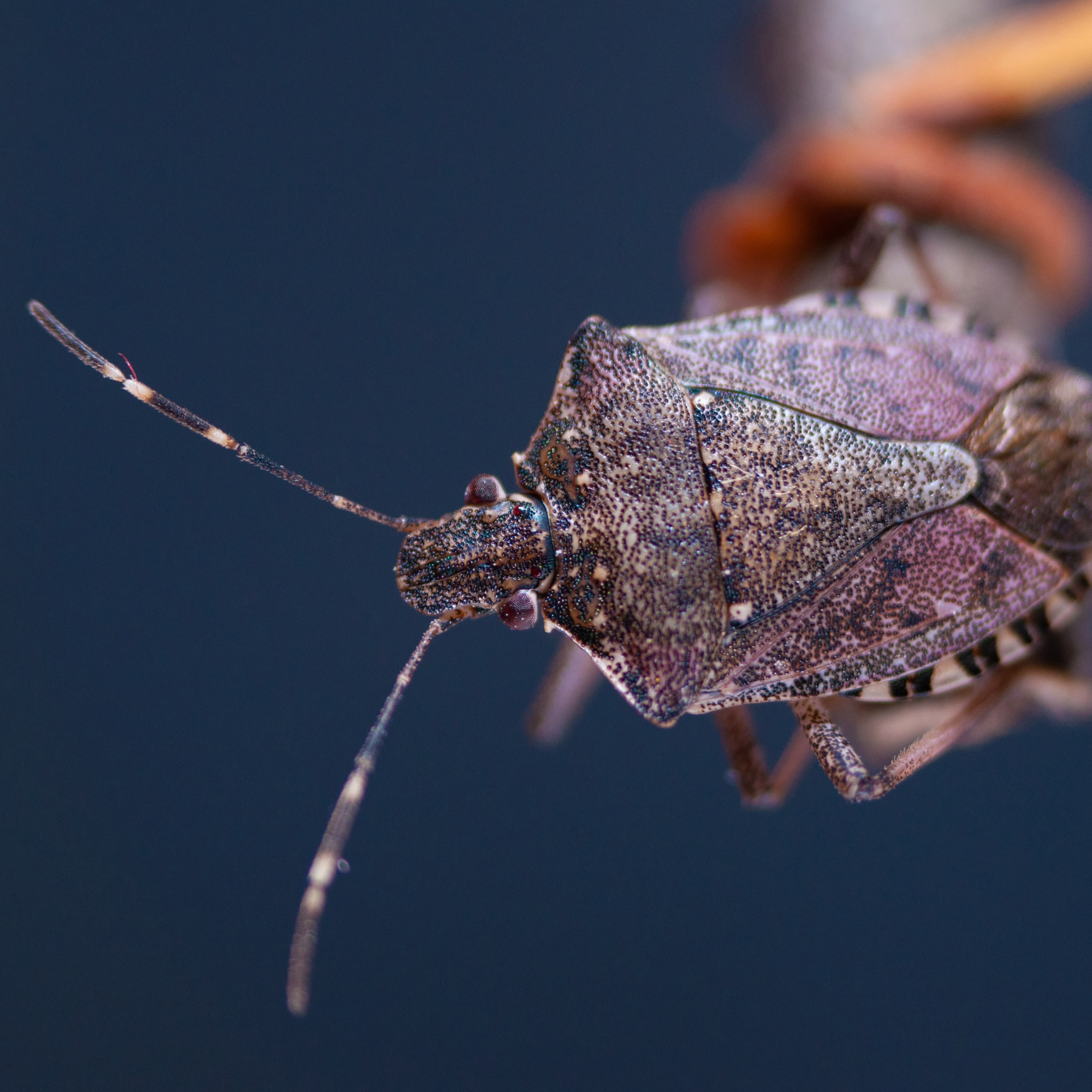
God’s Agriculture and the Stink Bug
God originally created a perfect world, but sin introduced thorns, thistles, and insect pests. Modern science is discovering that natural methods, like using the spined soldier bug, can control pests without the harmful effects of chemicals. These solutions, rooted in God's design, remind us that His ways are always better. For more creation resources visit https://creationmoments.com

The Wrong Pattern
The belief in evolution has negatively impacted fields of medicine and social sciences, as seen in the patterning technique. Patterning, based on the idea that the nervous system must pass through evolutionary stages, was found to be ineffective and potentially harmful to children and families. This demonstrates how rejecting a Creator can lead to misguided practices. For more creation resources visit https://creationmoments.com
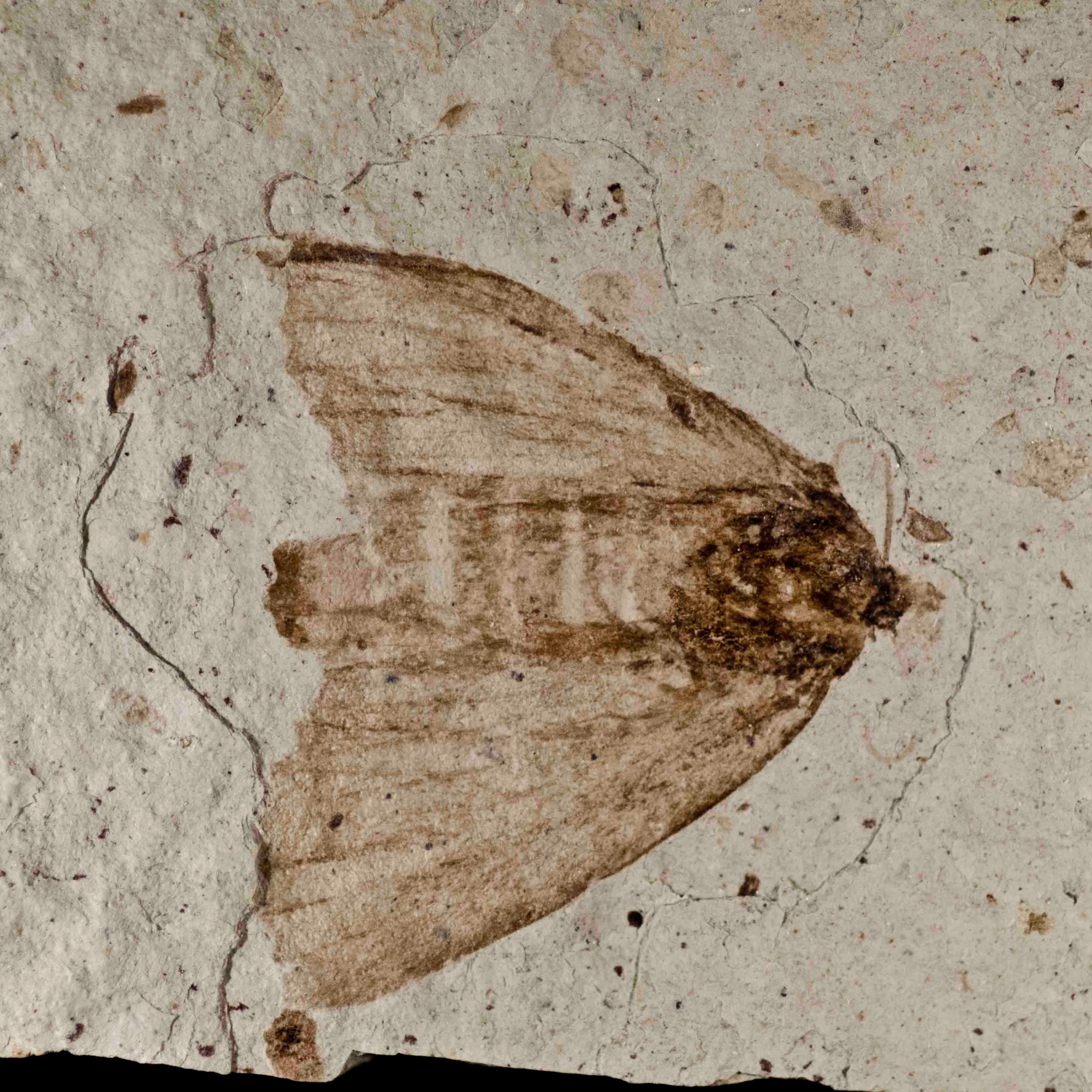
Fossil Drives Evolutionists Batty
Nature documentaries often attribute clever designs in nature to evolution. However, a fossilized moth egg, found to belong to a species capable of hearing the ultrasonic signals of bats, contradicts evolutionary theory. For those who believe in the Bible's account of creation, these creatures were designed by God, created together, and there is no mystery in their existence. For more creation resources visit https://creationmoments.com
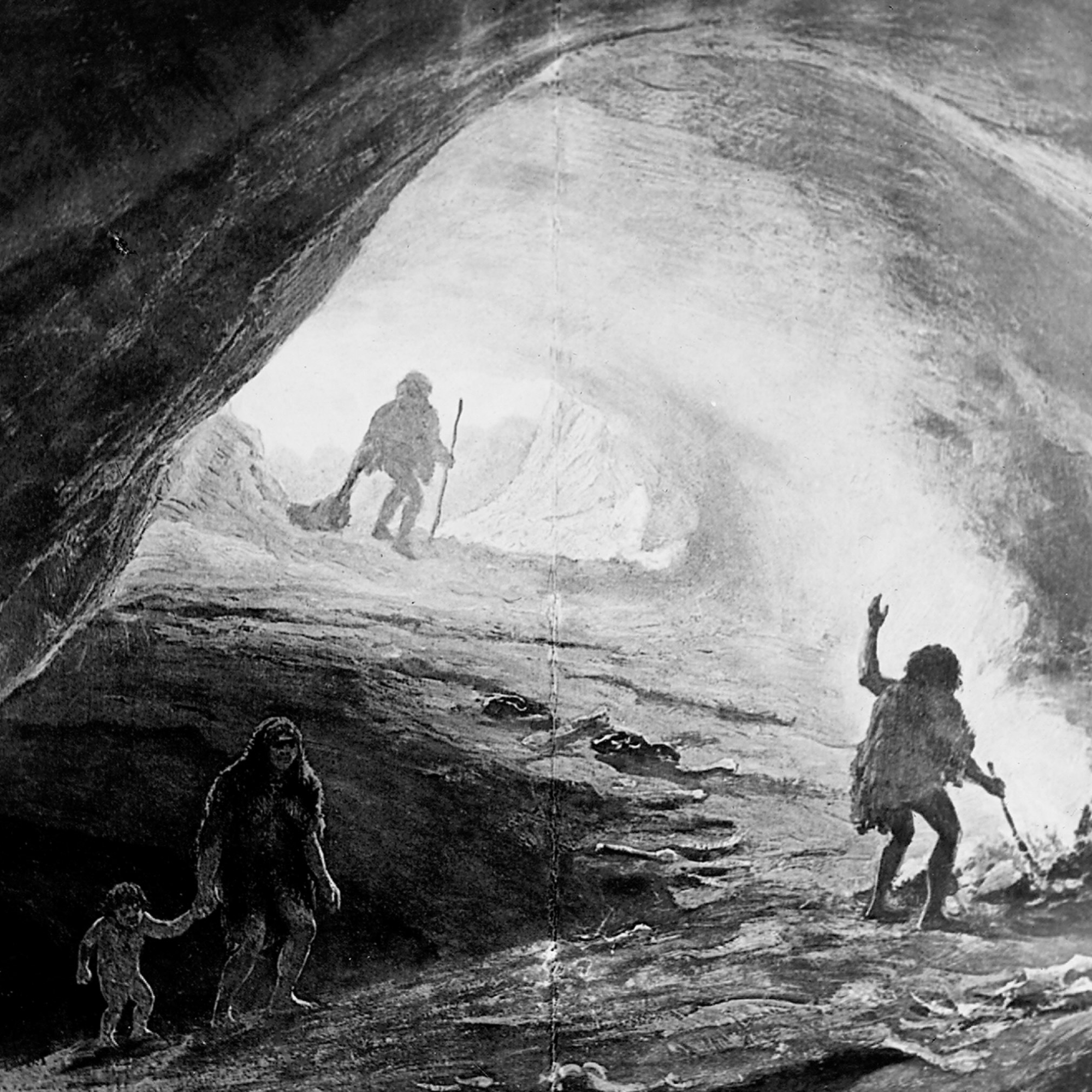
“Cave Men” or Men
The concept of "cavemen" as primitive humans has been challenged by evidence of fully human cave-dwelling people such as the Indonesian Basap tribe. Regardless of lifestyle or environment, we are all created by God, valued, and loved by Him. Image Credit: Caveman Sketch, Leo Wehrli, CC BY-SA 4.0, Wikimedia Commons. For more creation resources visit https://creationmoments.com

Benefits from Rejecting Evolution
Louis Pasteur's legacy is a powerful example of how faith and science can coexist harmoniously. In a time when evolutionary ideas were gaining prominence, Pasteur’s unwavering belief in the Creator God led him to challenge the idea that life could arise from non-living material. His work not only disproved spontaneous generation but also laid the foundation for important medical advancements, saving countless lives through his discoveries related to germs and vaccines. For more creation resources visit https://creationmoments.com

Unique
The vastness of the universe, as revealed through the energy of the sun and the enormity of galaxies, underscores the greatness of our Creator. Yet, despite the unimaginable scale of His creation, He has made each person unique with a specific purpose. The idea that God has written out a personal genetic code for each of us is profound - showing His attention to detail and His deep desire for a relationship with us. For more creation resources visit https://creationmoments.com
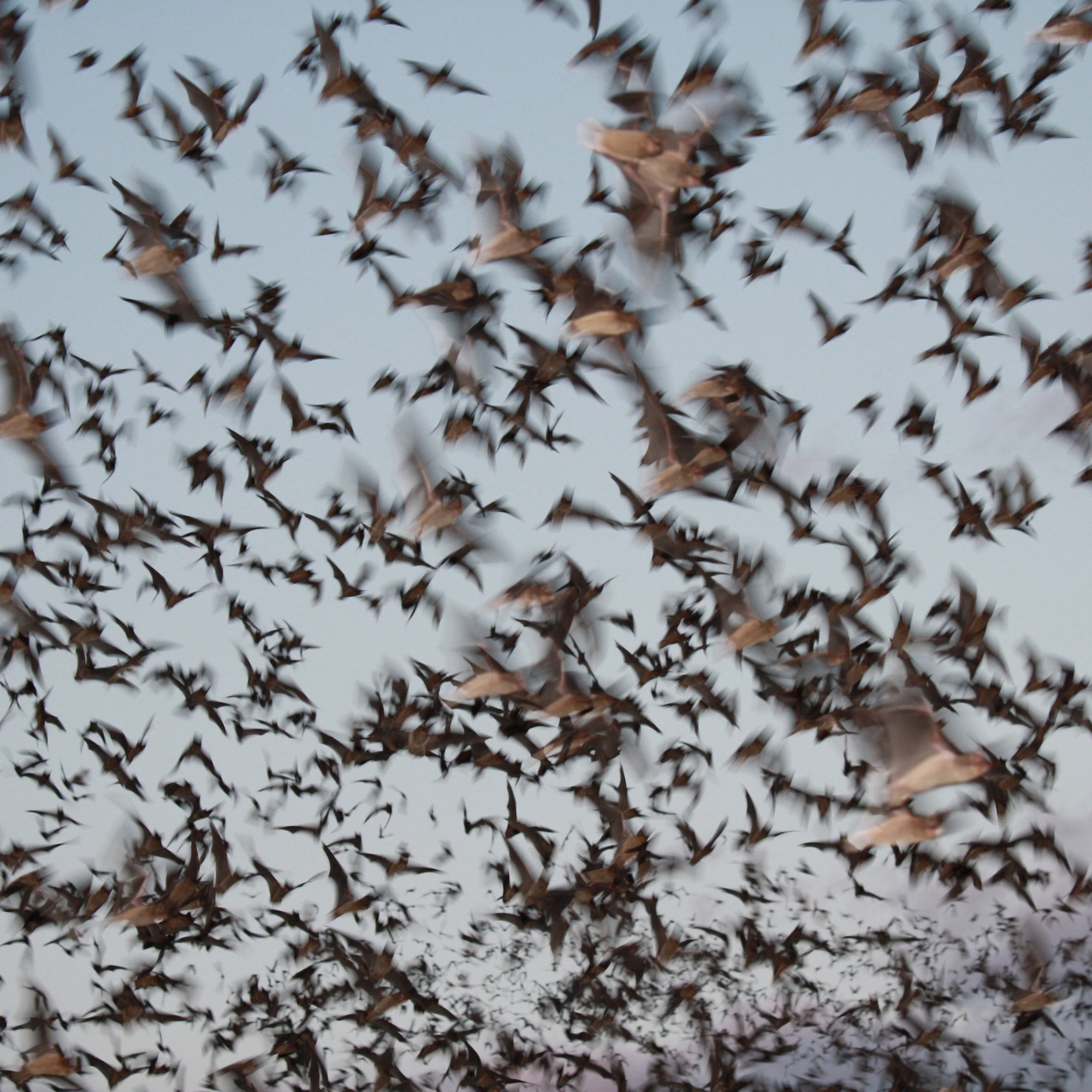
The Amazing Mexican Free-Tailed Bat
The incredible migration and feeding habits of the Mexican free-tailed bats reflect a highly sophisticated and well-designed system in nature. With 20 million bats congregating in one place, the timing of their migration, reproduction, and feeding is perfectly orchestrated to meet their needs. For more creation resources visit https://creationmoments.com

Baby Talk
Research supports the idea that the ability to learn language from such a young age is innate and pre-programmed into the human brain. As early as two months old, infants begin distinguishing sounds from their native language, showcasing their inherent capacity for language acquisition. By six months, they can even understand the emotional tones in speech. This built-in skill reflects God’s design for human beings to communicate - not only with each other but ultimately with Him. For more creation resources visit https://creationmoments.com
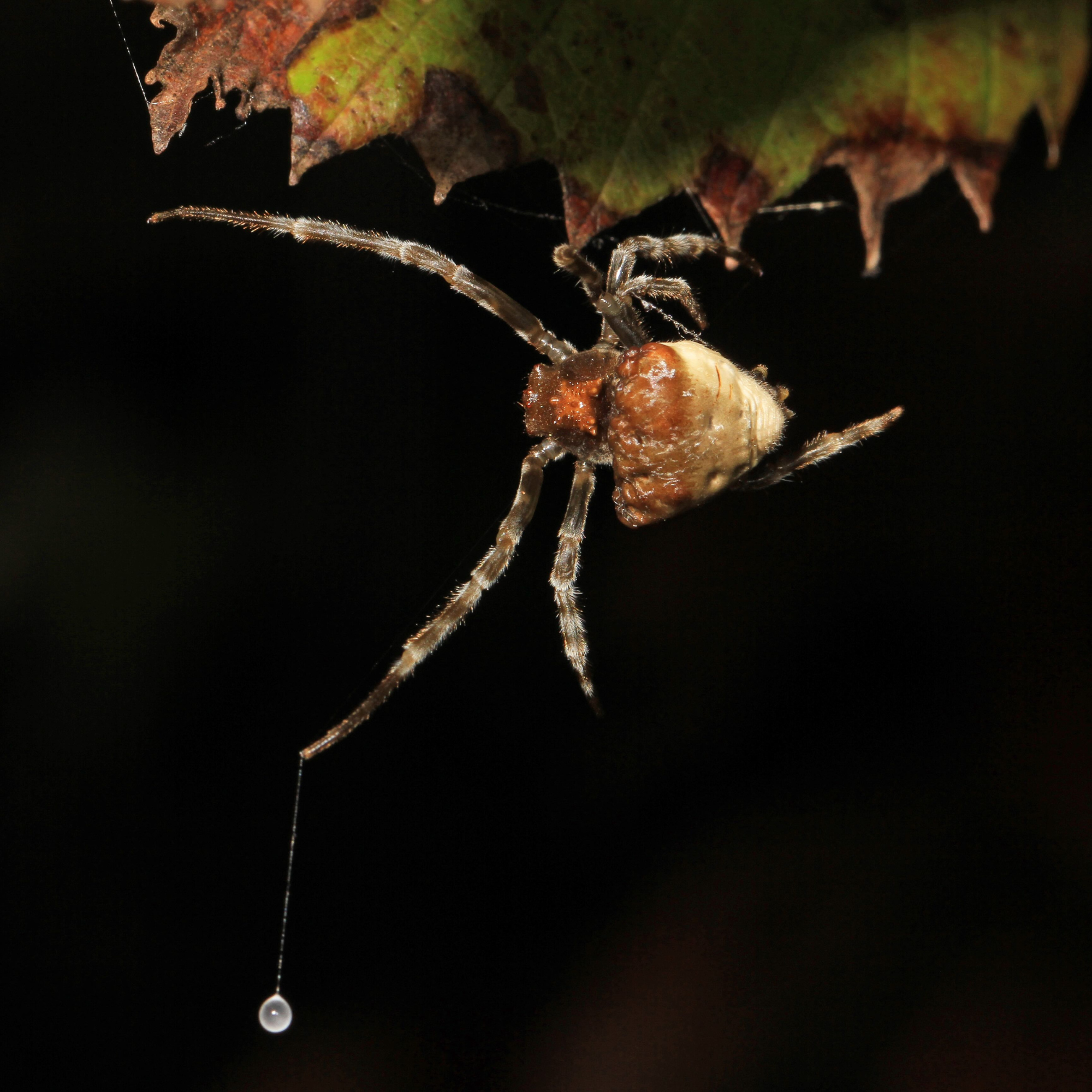
Deception of the Bola
The bola spider's ability to catch moths is a remarkable feat. This spider can not only mimic the moth’s scent and detect vibrations from the moth’s wings, but it also produces a sticky, elastic silk that outmatches anything in modern chemistry. The only plausible explanation for such an intricate and specialized design is that the bola spider was created by God, the ultimate inventor of the complex systems and chemistry it uses. Image Credit: Bola Spider casting bola, Judy Gallagher, CC BY 2.0, via Wikimedia Commons. For more creation resources visit https://creationmoments.com

Stupid Rats and Evolution
Researchers found that reducing the size of the brain cortex in rats didn’t result in lower intelligence but caused more aggression and antisocial behavior. This discovery leads us to the conclusion that brain size might not directly correlate with intelligence but rather with the ability to handle complex situations. For more creation resources visit https://creationmoments.com
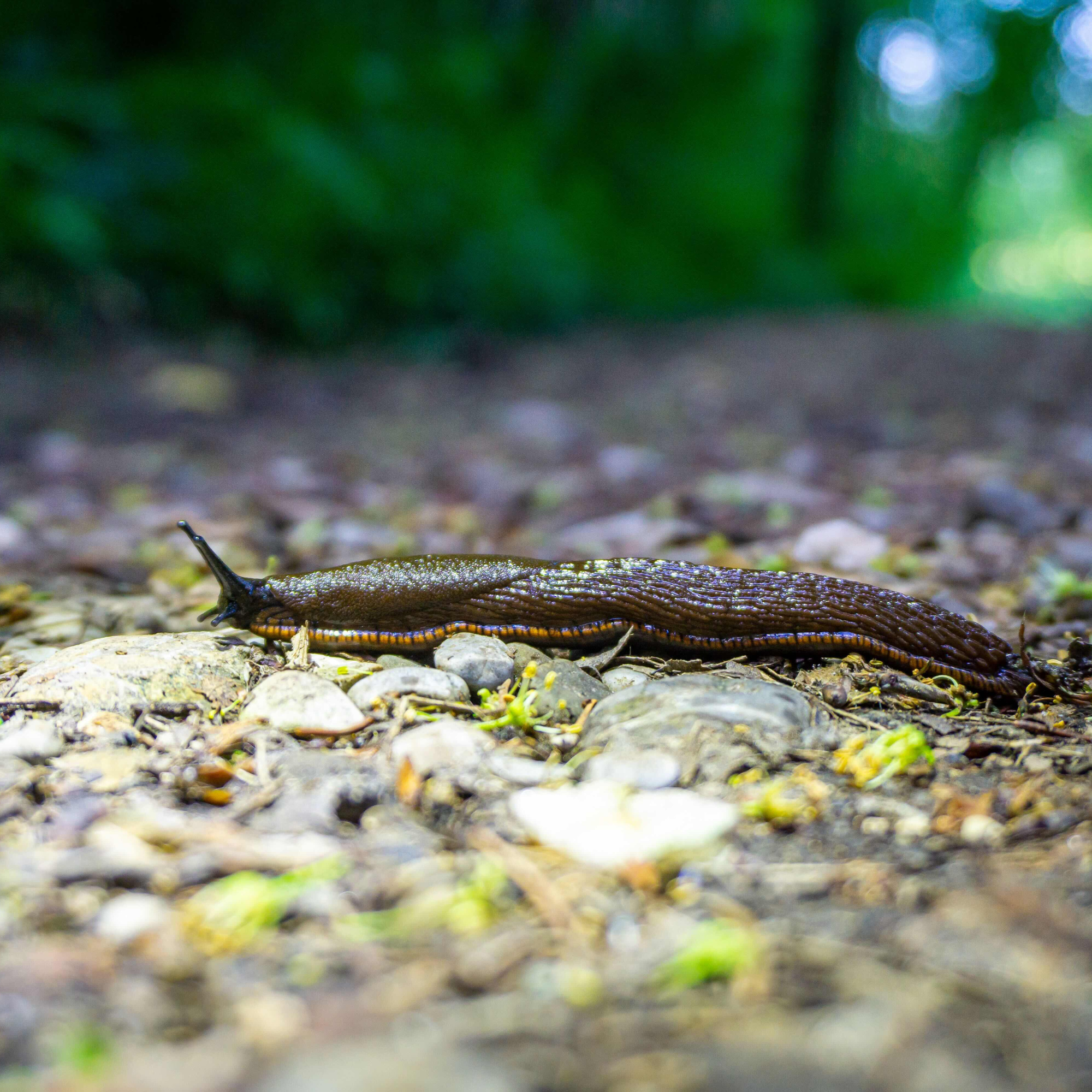
Where Did Learning Come From?
Animals demonstrate the ability to learn through experiences and environmental changes. Honeybees recognize pollen-producing flowers and slugs avoid their favorite food when conditioned to do so. Despite this widespread learning ability, scientists who support evolution struggle to explain how such complex learning processes evolved, especially since they don’t fully understand how learning works. For more creation resources visit https://creationmoments.com
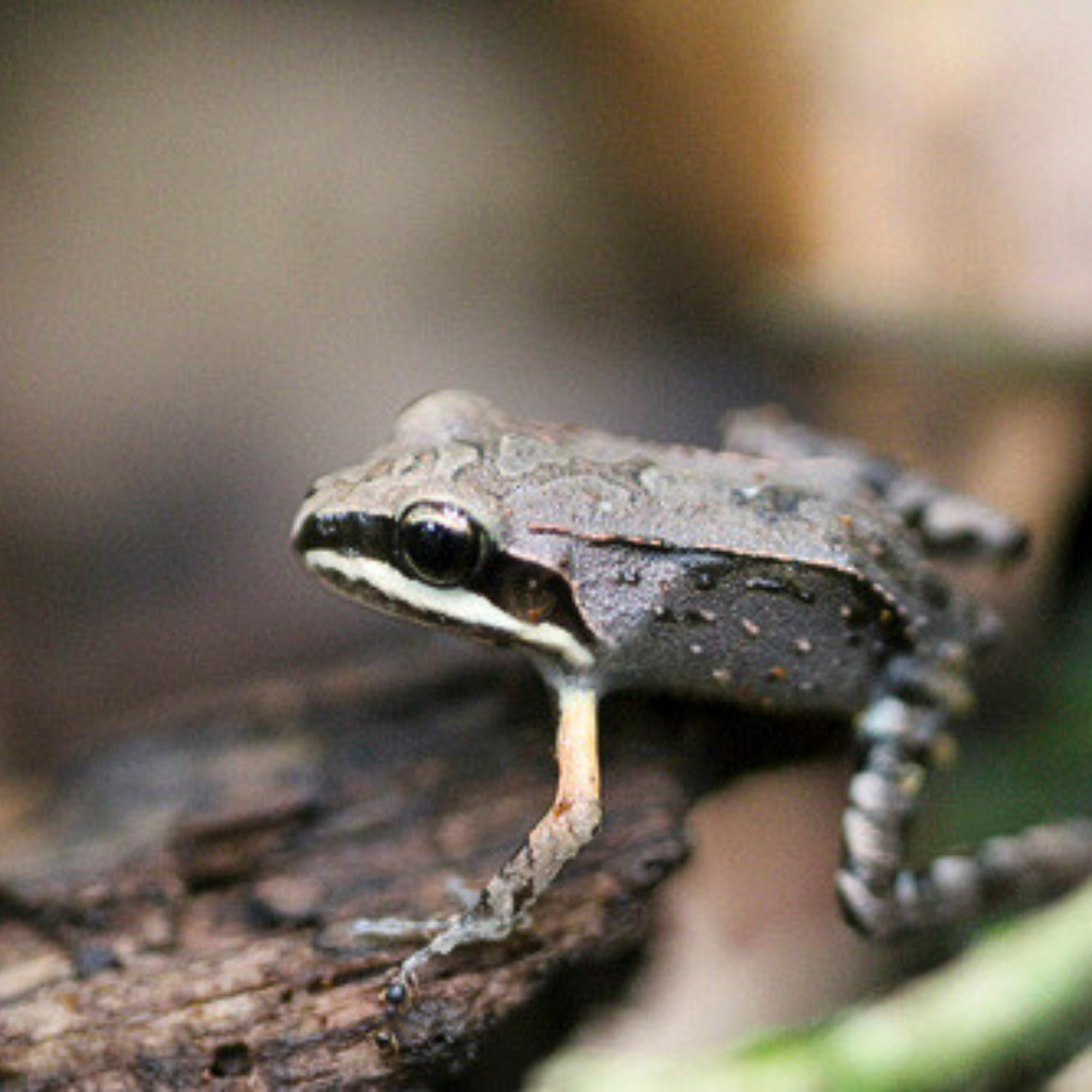
Seismic Frogs
The male white-lipped frog of Puerto Rico uses both sound and seismic signals to communicate. By creating thumps through rapid throat inflation, the frog sends seismic waves that help other males determine both his direction and distance. This precise and complex system of communication reflects the intelligence of our Creator. Image Credit: Caribbean White-lipped Frog, Photo 245354234, Sean Werle, (CC BY-NC), iNaturalist. For more creation resources visit https://creationmoments.com

How Old Are Fossils?
Fossilization, which is often thought to take millions of years, can actually begin in just a few days when the right conditions are met. Research has shown that materials like bone, hair, and even cloth can fossilize quickly. If fossilization can occur in a much shorter time frame than traditionally believed, it challenges the long-age view of Earth's history. For more creation resources visit https://creationmoments.com
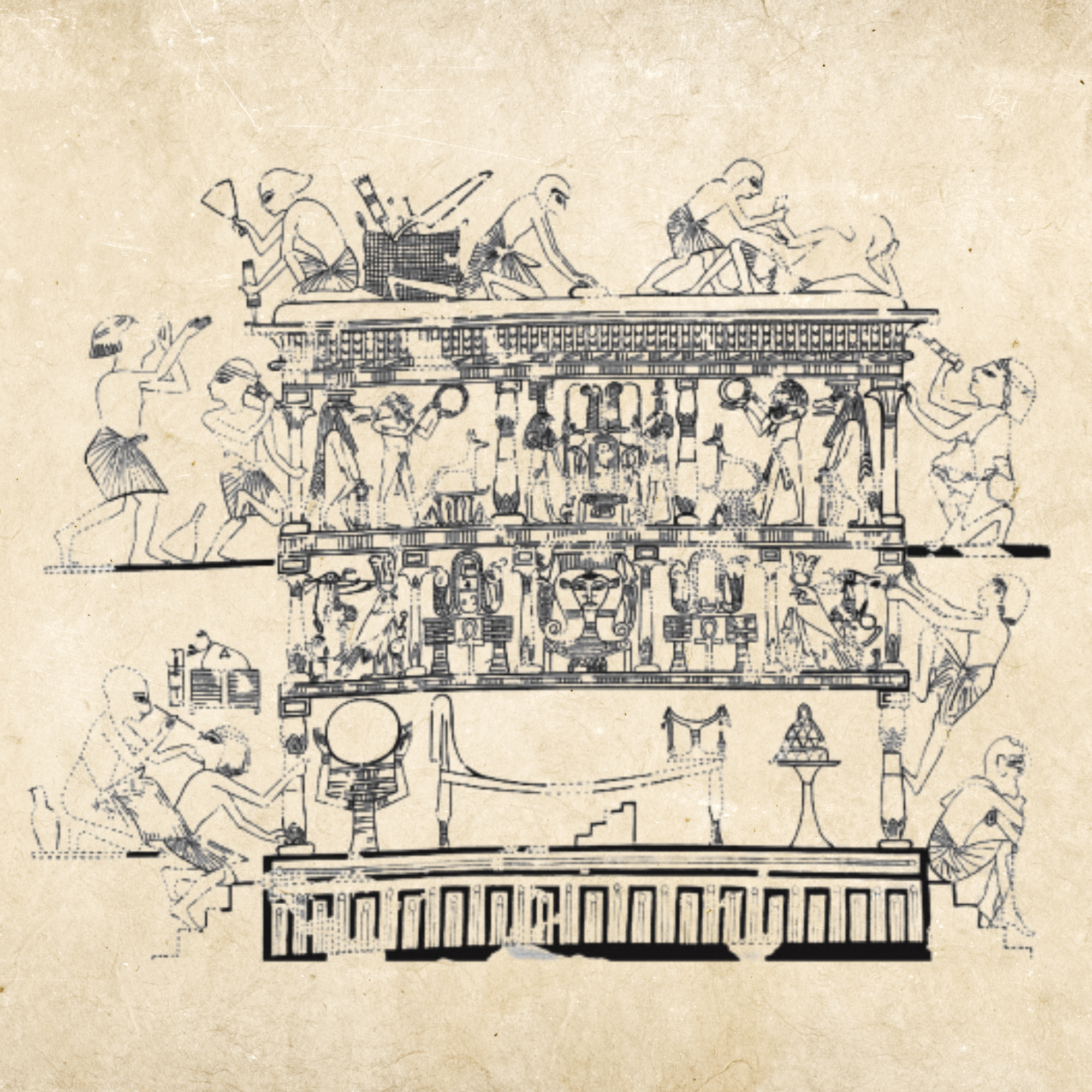
Ancient Eye Surgery
Eye surgery, practiced for thousands of years, dates back to ancient Egypt and India. The Code of Hammurabi from 4,000 years ago even set penalties for successful or unsuccessful eye surgeries, reflecting the value placed on medical knowledge. This historical evidence highlights mankind's long-standing intelligence and understanding, demonstrating that knowledge is a gift from God. Image Credit: Ancient Egyptian Medicine (story of eye injury and medical help), PD, Wikimedia Commons, Changes Made. For more creation resources visit https://creationmoments.com
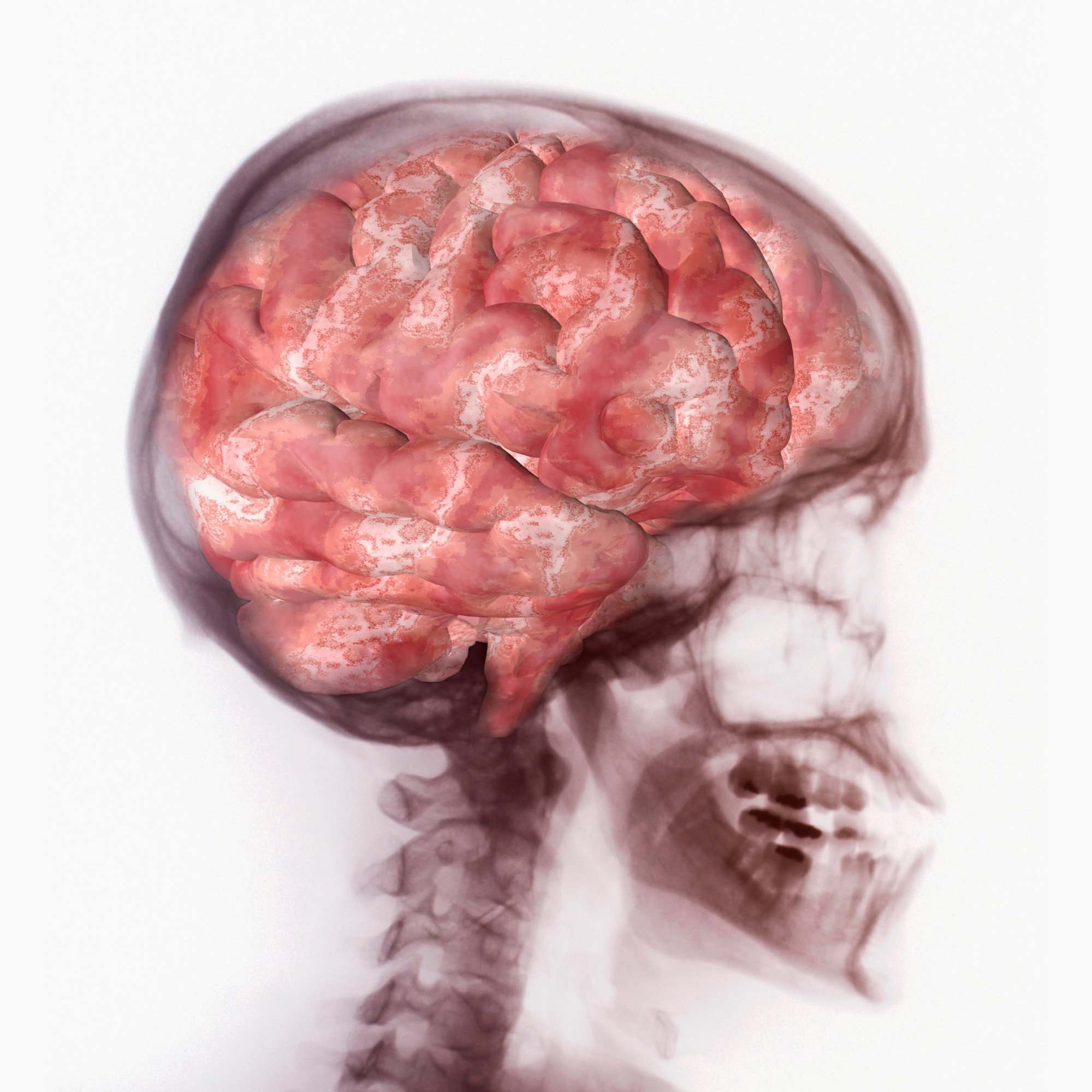
Human Magnets
Tiny magnetic particles made of magnetite have been discovered in the human brain, particularly concentrated in the membrane surrounding it. While their exact purpose in humans remains unclear, these particles may have once helped with navigation, especially when Earth's magnetic field was stronger in the past. For more creation resources visit https://creationmoments.com
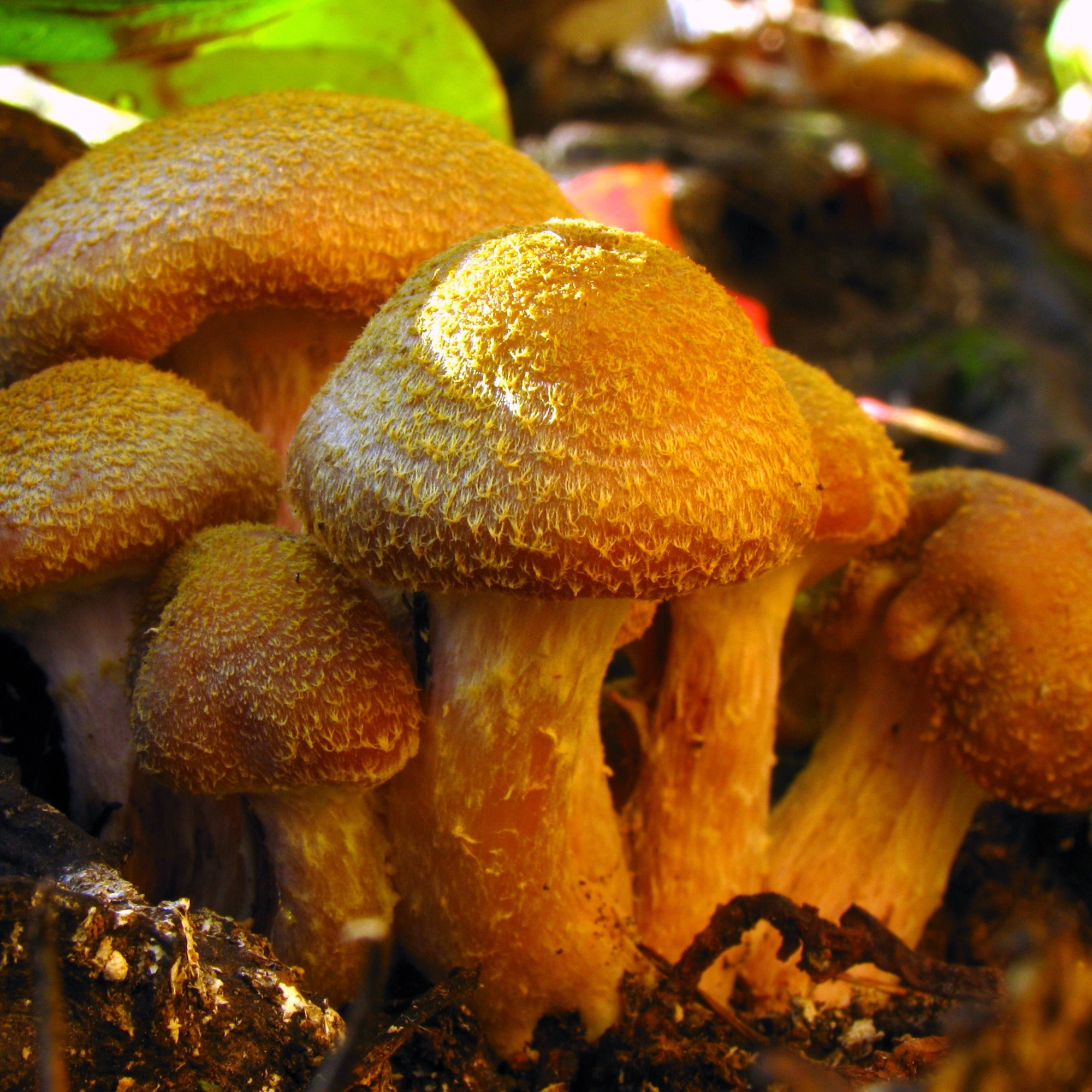
The Giant Helper
The giant Armillarias fungus in Michigan, spanning 38 acres and weighing as much as a blue whale, exemplifies God's design as a vital part of forest ecology. Its underground network decomposes dead wood, releasing carbon dioxide that plants use to produce oxygen, preventing forests from being overwhelmed by waste. Image Credit: Armillaria gallica (humongous fungus), Dan Molter at Mushroom Observer, CC BY-SA 3.0, Wikimedia Commons. For more creation resources visit https://creationmoments.com
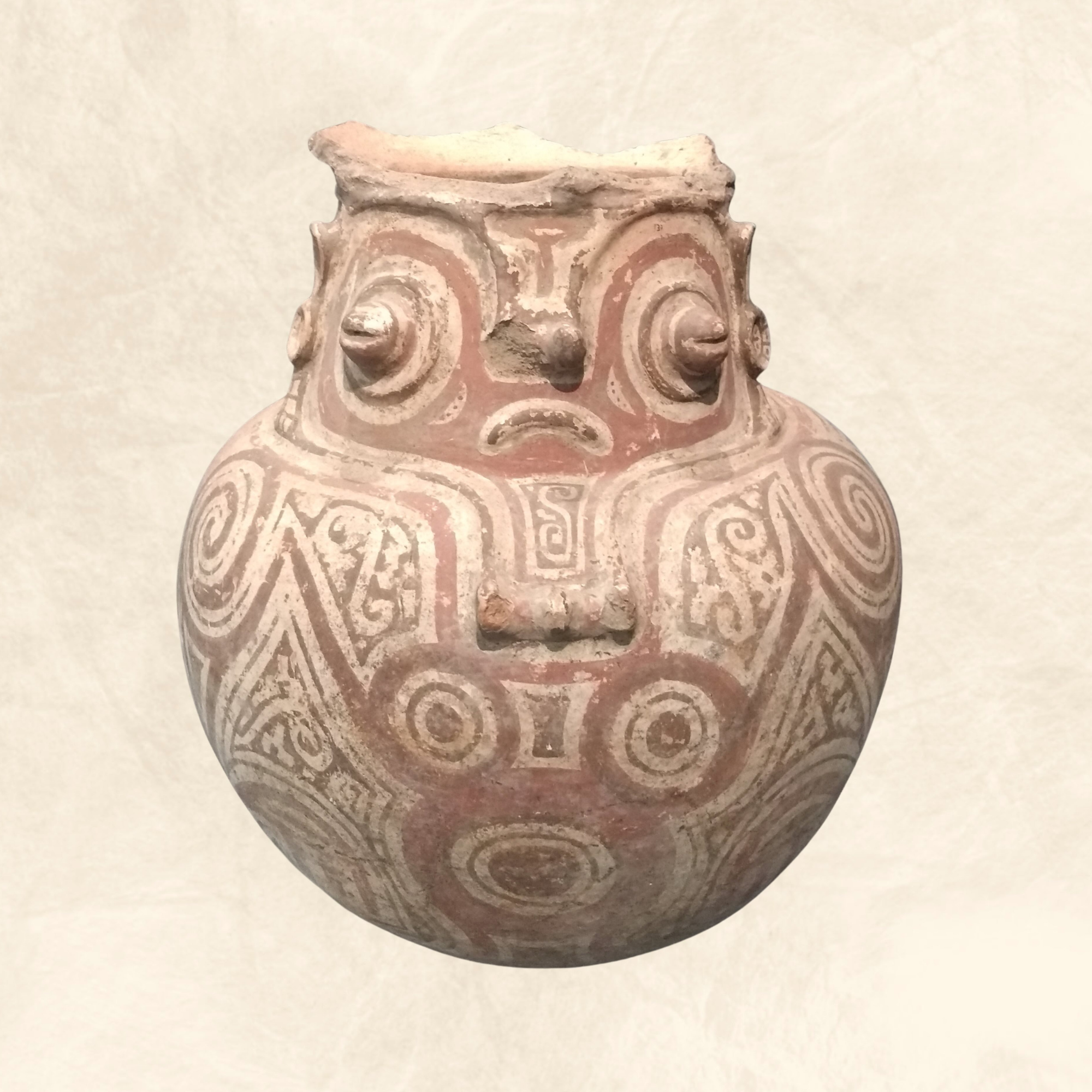
The Dynamic Rainforest
The South American rainforest, often thought to have evolved over millions of years, may actually be only a few hundred years old, as evidenced by ancient human populations who cleared forests and built cities before the land was reclaimed by nature. Anthropologist Anna Roosevelt's findings suggest that adaptation in the rainforest occurs more rapidly than previously believed. Photo Credit: Marajoara Culture funerary urn, São Paulo Museum of Art, CC BY-SA 4.0, Wikimedia Commons, Changes Made. For more creation resources visit https://creationmoments.com

Clouds of Beauty
The painted lady butterfly, known for its stunning wing patterns, is the most widespread butterfly species, migrating from Mexico to Canada in a one-way journey. Its ability to instinctively migrate and its dependence on drought-induced thistle crops highlight mysteries of nature and ecological balance. For more creation resources visit https://creationmoments.com

The Miracle of Hearing
Hearing begins with the external ear collecting sound waves and directing them to the eardrum, where vibrations are converted into hydraulic pressure by tiny bones. This pressure is sent to the cochlea, where hair cells sensitive to minute vibrations generate electrical signals for the brain to interpret as sound. The intricate and precise design of our hearing reflects the generous and masterful craftsmanship of our Creator. For more creation resources visit https://creationmoments.com
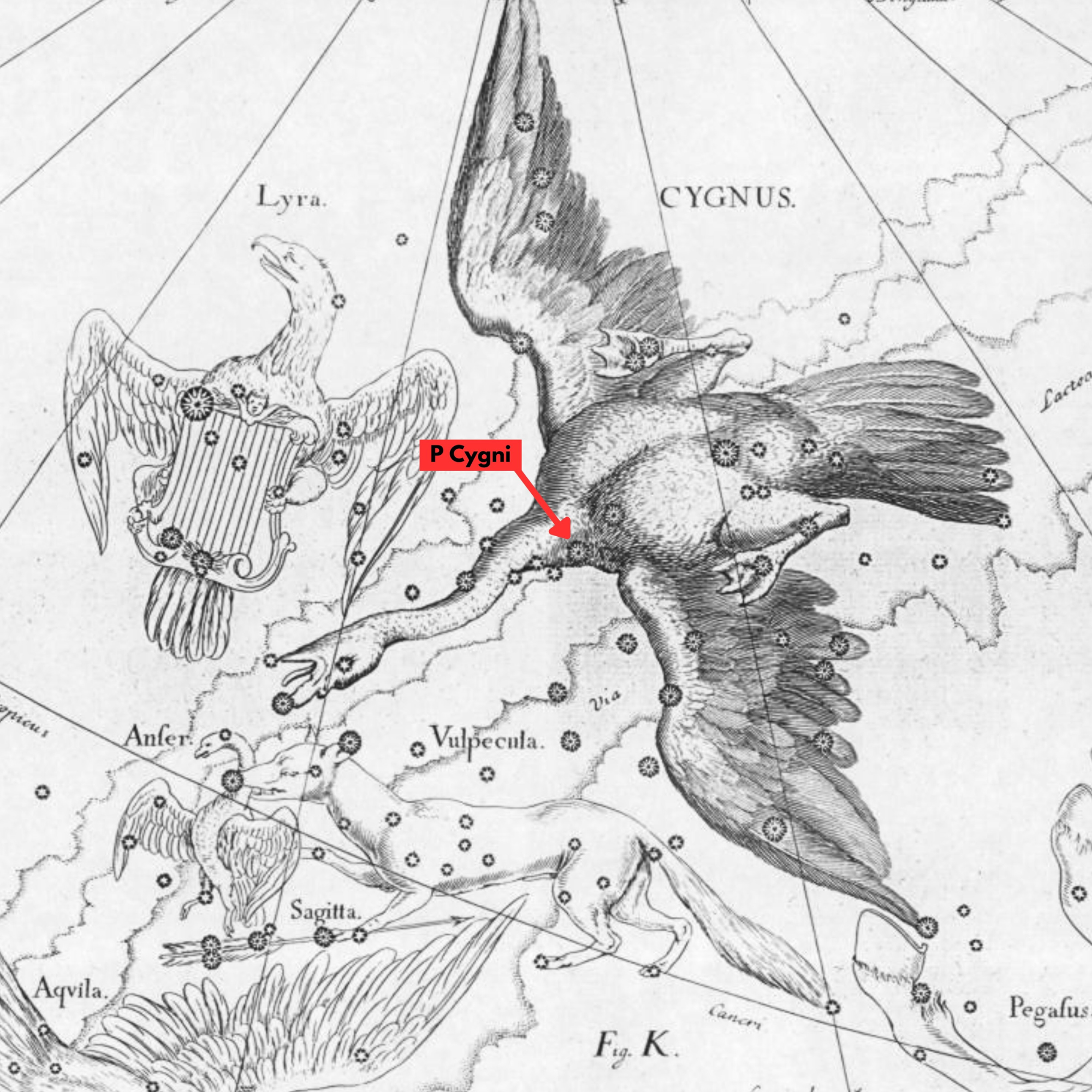
A Star Takes a Swan Dive
The star P Cygni, which became visible in 1600, is aging much faster than current astronomical theories predict, challenging the idea that stars take millions or billions of years to evolve. Its rapid brightening suggests that some stars may age on a scale of centuries rather than millennia, aligning more closely with a younger universe as described in the Bible. For more creation resources visit https://creationmoments.com

Crunchy Medicine
Celery, long used in Asian folk medicine for hypertension, contains a natural chemical that prevents stress hormone production, relaxes blood vessels, and lowers blood pressure. Dr. Quang T. Le’s research on this chemical could lead to more effective treatments for hypertension. For more creation resources visit https://creationmoments.com
Miracle Bugs
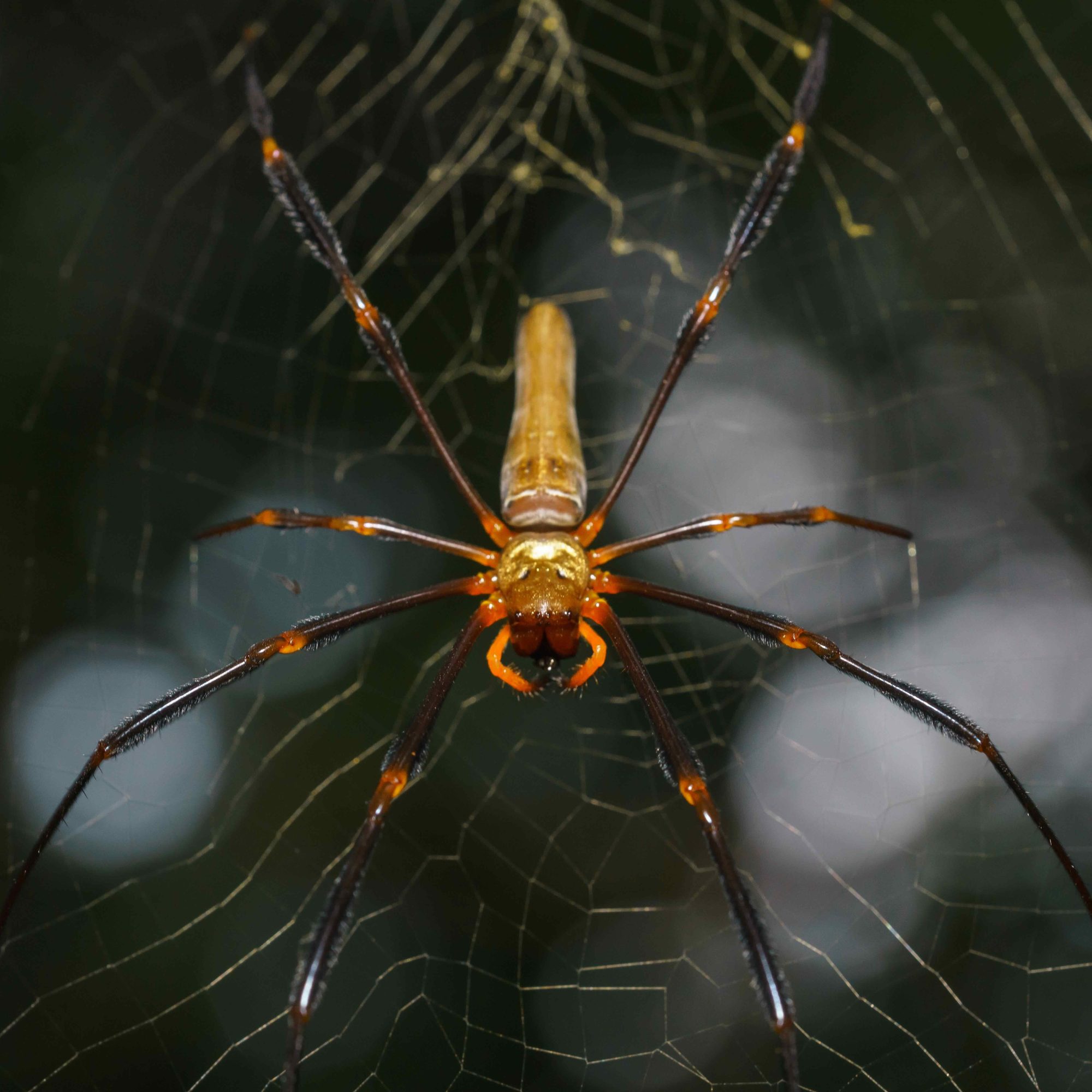
God's creation provides the foundation for all human innovation, as seen in the genetic information He embedded in living organisms. Scientists are utilizing this information to produce useful materials and medicines. For more creation resources visit https://creationmoments.com

Insulated Blackbirds
European blackbirds demonstrate remarkable characteristics that allow them to survive harsh winters. They can even lower their body temperature at night to conserve energy, enabling them to endure extreme cold. These sophisticated features reflect intelligent design and point to the wisdom of our Creator. For more creation resources visit https://creationmoments.com

The Problem of Genius
The belief that early humans evolved from primitive ancestors with limited intelligence is challenged by instances of extraordinary mental capacity in individuals today. For example, International Chess Grandmaster George Koltanowski demonstrated remarkable memory and cognitive skills when playing 56 chess games simultaneously while blindfolded. Such human ability raises questions about the evolutionary process. For more creation resources, visit https://creationmoments.com/ Photo: George Koltanowski playing multiple chess games simultaneously, doe-oakridge, PD.

Octopus School
The intelligence of octopuses has been previously underestimated, as demonstrated by studies showing their ability to learn from observation. In experiments, trained octopuses attacked specific colored balls, and untrained ones watching them quickly learned to do the same. This challenges the notion of octopuses being primitive creatures and highlights the complexity of their behavior. For more creation resources, visit https://creationmoments.com/
A Fish Story
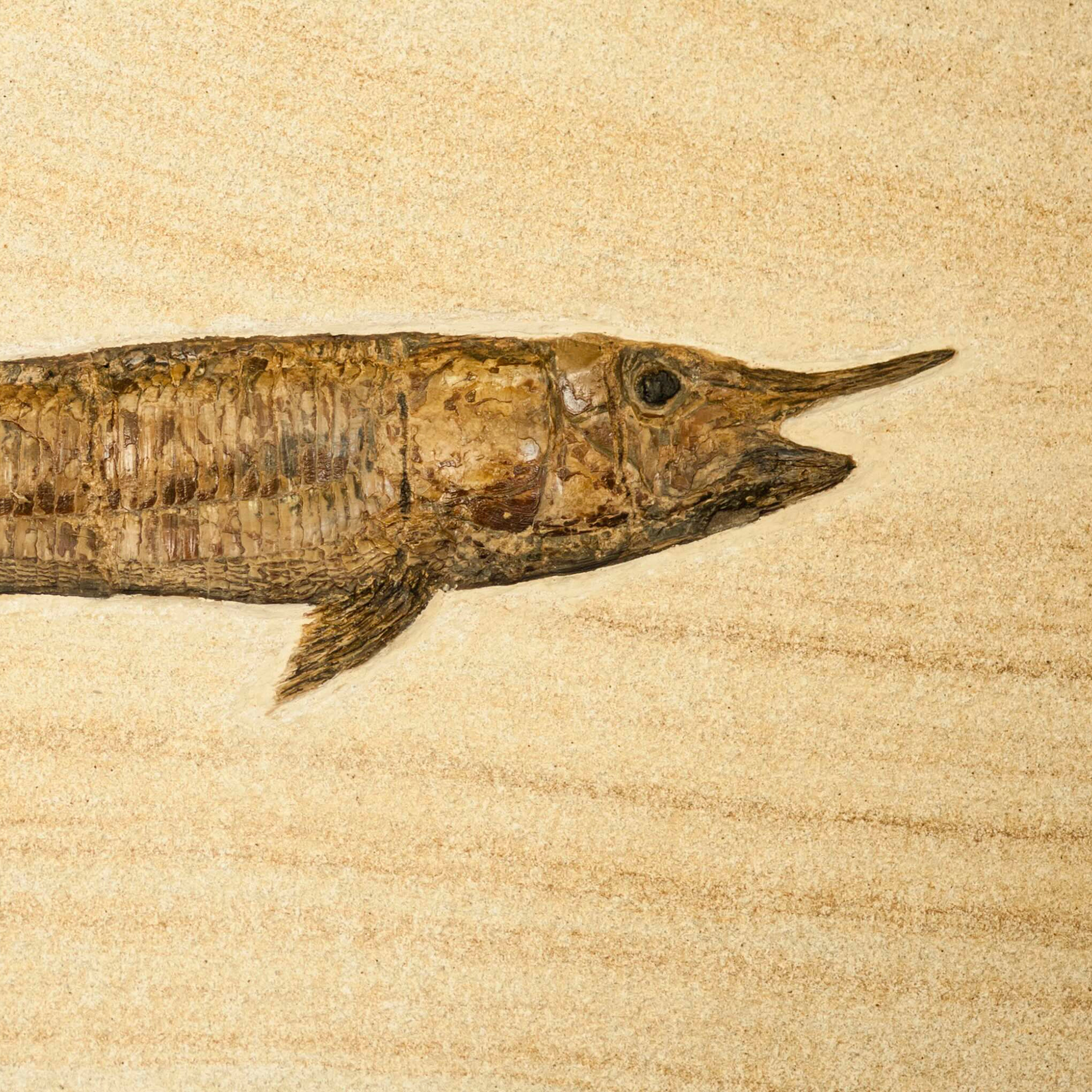
Biology textbooks often present misleading interpretations about the evolution of fish into land animals. They typically assert that early fish had air-filled swim bladders that evolved into lungs, but according to evolutionists’ own form of dating, the fossils show that lungs appeared in fish before swim bladders. This contradiction undermines the evolutionary narrative and supports the biblical creation account, where both lunged and swim-bladder fish were created on the fifth day. For more creation resources, visit https://creationmoments.com/

Jungle Fungus Fighter
In the open markets of Kenya, the warburgia bush is sold for its medicinal properties. Studies have found that extracts from this bush can significantly enhance the effectiveness of antibiotics, making treatments up to 16 times more powerful against yeast infections and other fungal issues. This discovery underscores the Creator's provision of natural remedies for diseases stemming from sin. For more creation resources, visit https://creationmoments.com/
Moth Talk
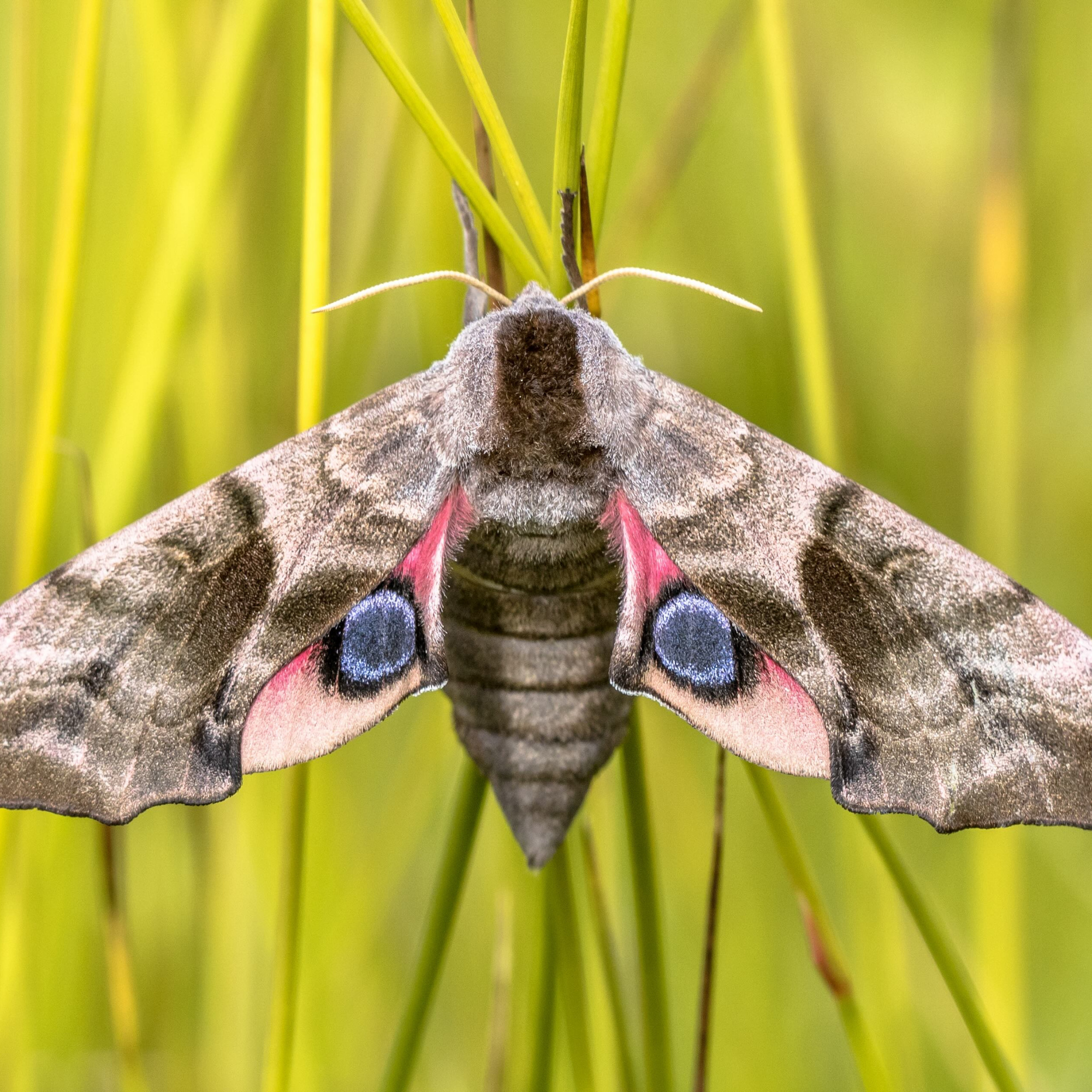
Research has revealed that moths exhibit a sophisticated method of communication through pheromones, far beyond what scientists previously understood. Female moths release these pheromones in rhythmic pulses which can travel up to a meter, akin to blowing out a candle from 60 feet away. Findings like these only further highlight the elegant design found in all of creation. For more creation resources, visit https://creationmoments.com/

Intelligent Artists
The Lascaux cave paintings in France, dating back thousands of years, showcase the intelligence and skill of their ancient artists. Researchers have discovered tools such as scaffolding, stone lamps, and palettes used by the painters, revealing that they sourced local minerals to create a vibrant range of colors that have endured over time. For more creation resources, visit https://creationmoments.com/ Photo: Lascaux cave painting, EUX, PD.
Crystalline Silk
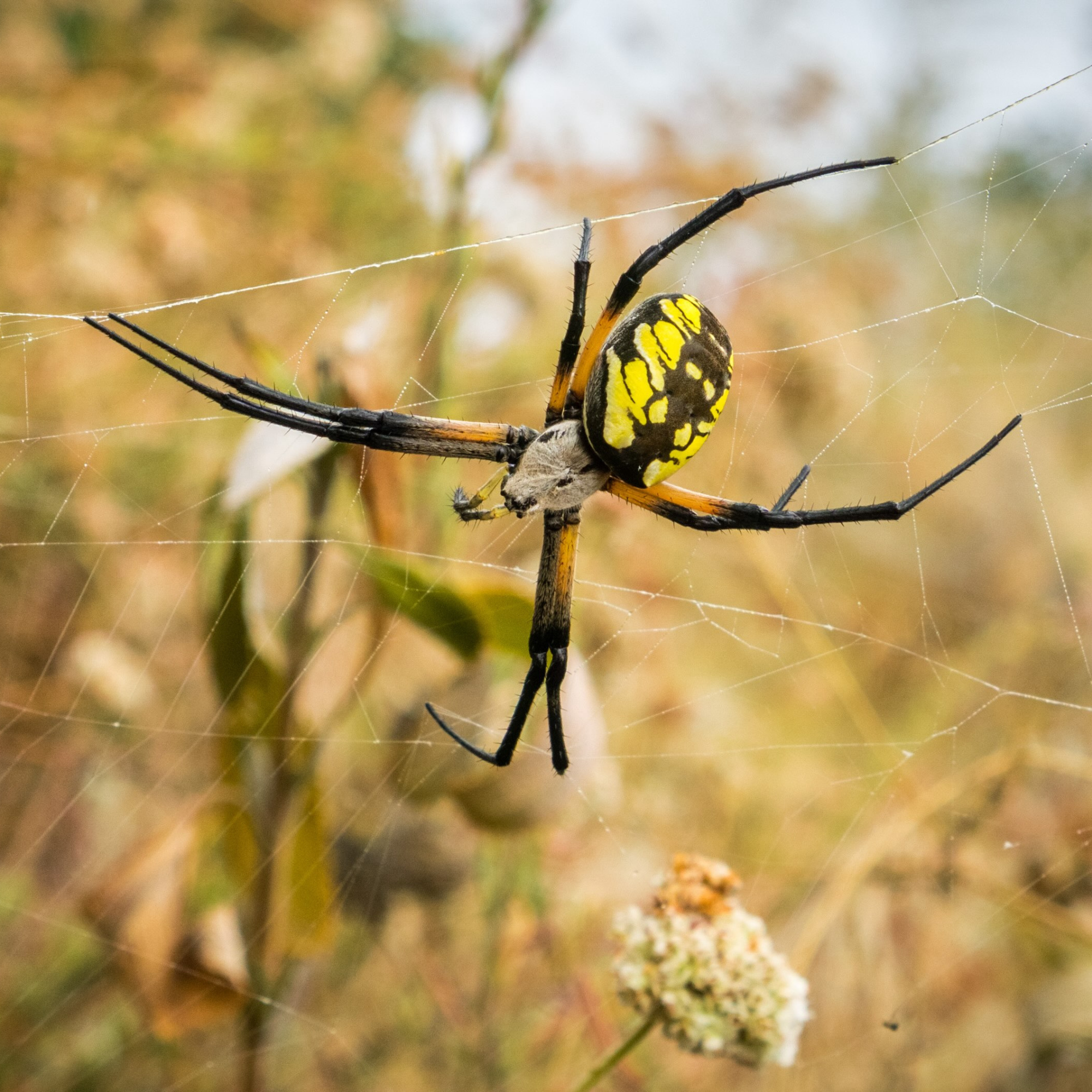
Scientists have been examining the remarkable dragline silk produced by the common garden spider, which is as strong as nylon yet twice as stretchy. This silk is composed of both crystalline and rubber-like sections, giving it unique properties that are difficult to replicate. For more creation resources, visit https://creationmoments.com/

Smart Bacteria
Bacteria, such as E. coli, exhibit surprisingly sophisticated behavior despite their simplicity. They can swim towards favorable conditions and away from unfavorable ones by using whip-like flagella. This movement requires the ability to sense their environment and remember previous experiences, indicating a level of intelligence imparted by an intelligent Creator. For more creation resources, visit https://creationmoments.com/

A Matter of Life or Death
Research shows that living cells possess dormant "suicide genes" that trigger cell death when necessary, like during a tadpole's transformation into a toad. This discovery suggests that such genes, which seem counterproductive to evolution's survival narrative, align more closely with the biblical view that the curse of sin introduced death into creation. For more creation resources, visit https://creationmoments.com/
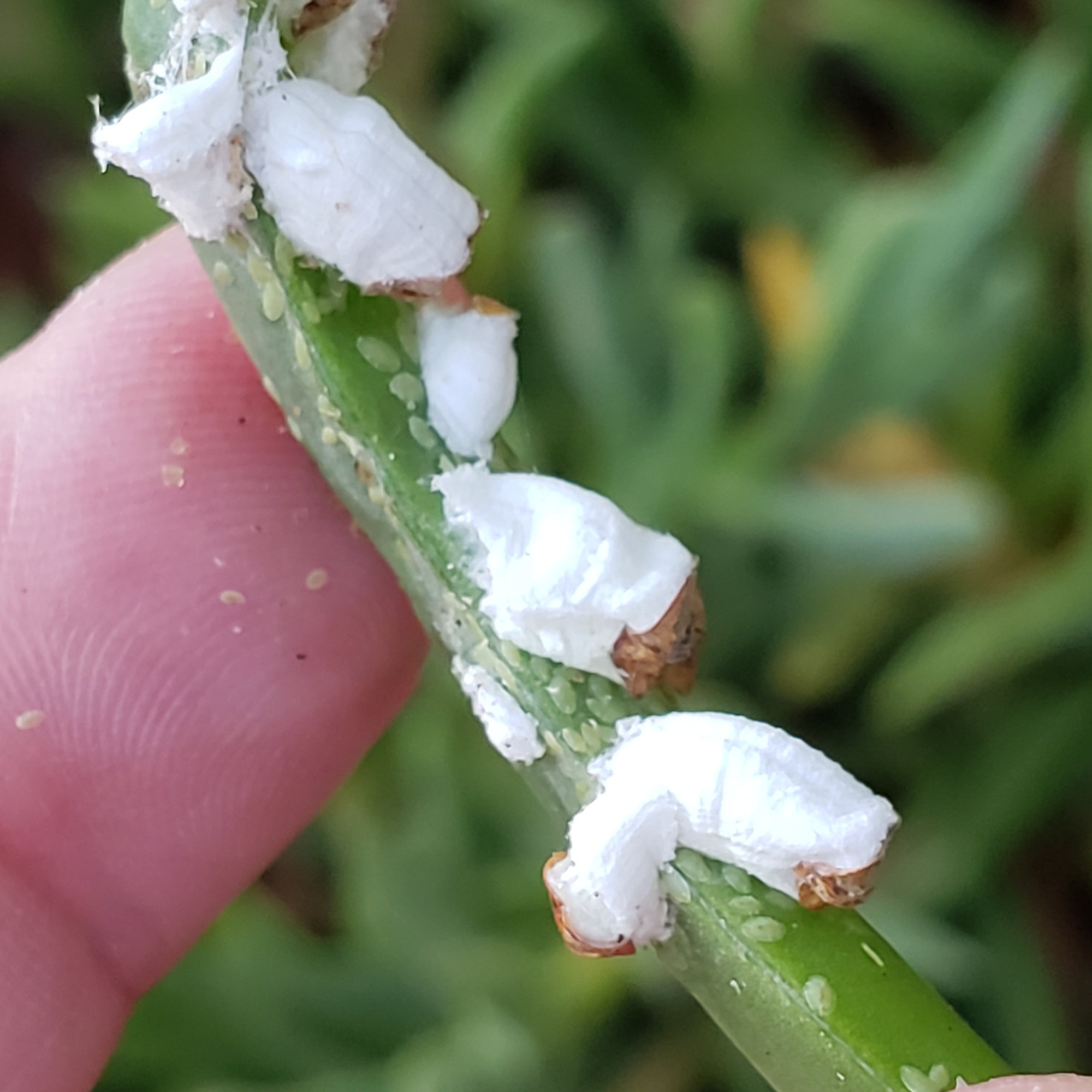
Riders on the Wind
The ice plant scale, a tiny wingless insect, exhibits sophisticated preflight and flight strategies to move between ice plants. Under microscopic observation, researchers noted that these insects can sense wind direction and position themselves to maximize lift by extending their legs and antennae. This remarkable behavior suggests that such knowledge and abilities were intricately designed by our Creator. For more creation resources, visit https://creationmoments.com/ Photo: Iceplant scales, Mary K. Hanson, CC-BY, via iNaturalist.
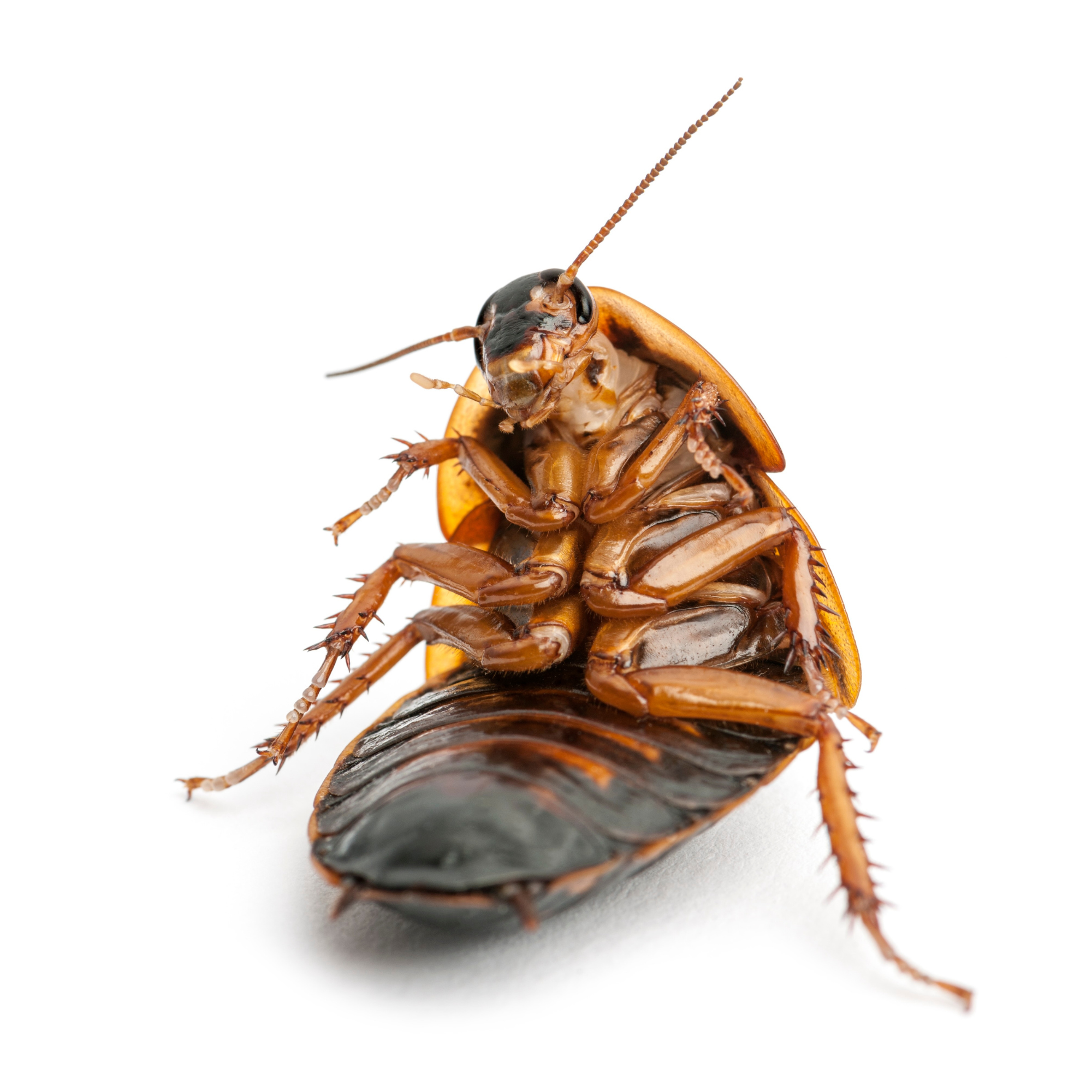
Did Humans Evolve from Cockroaches?
Evolutionists claim that similarities between species indicate common ancestry, such as humans and apes being closely related. However, this reasoning can lead to absurd conclusions, such as cockroaches and humans sharing a common ancestor due to similar brain chemicals. It would seem that when the Creator is denied, so is logic. For more creation resources, visit https://creationmoments.com/
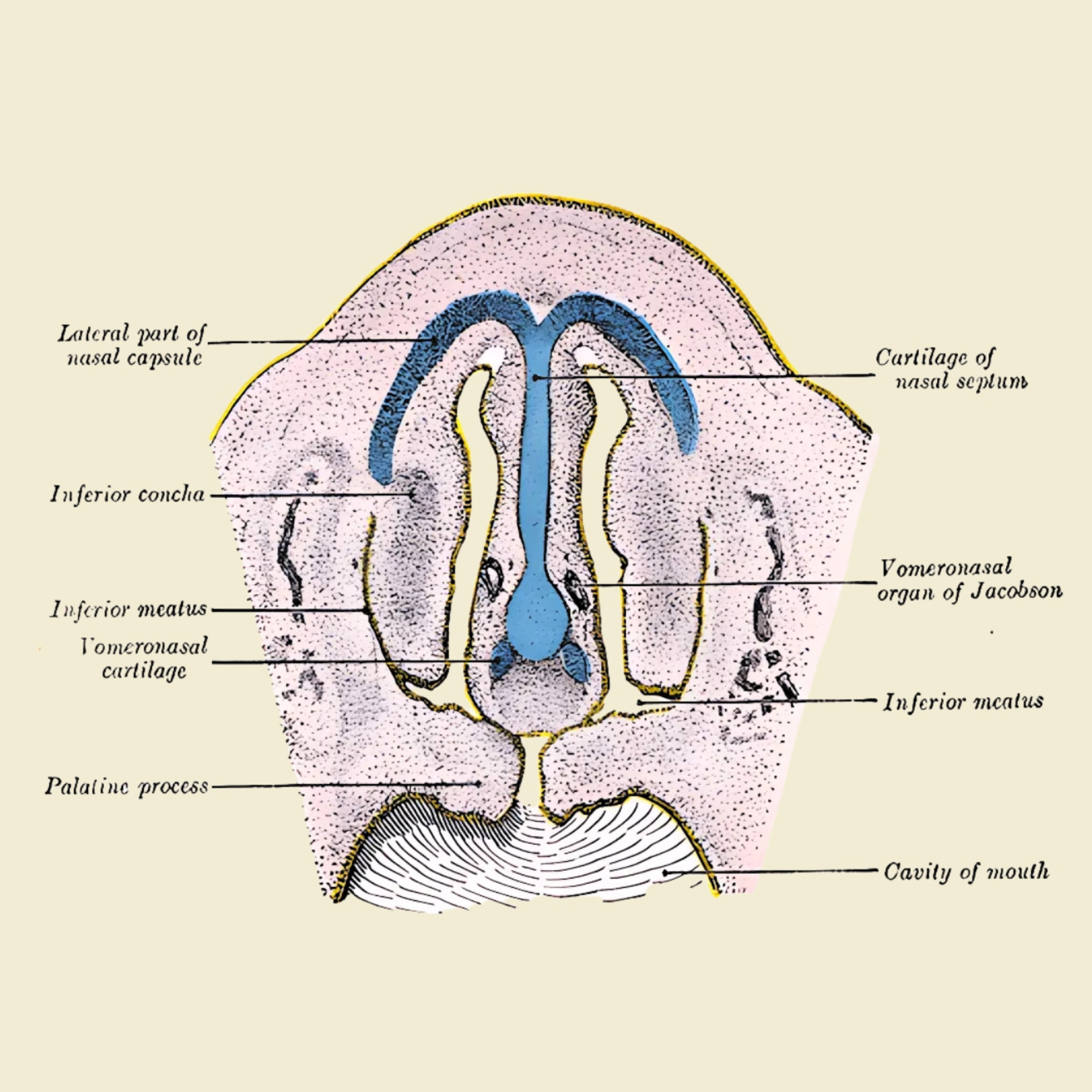
Your Sixth Sense
The traditional concept of the five senses has been expanded with the discovery of a sixth, linked to the vomeronasal organ (VNO). David L. Berliner observed a change in social dynamics among coworkers when exposed to extracts from human skin, leading to the realization that the VNO plays a role in communicating emotions and social signals. Science continues to uncover new aspects of human biology. For more creation resources, visit https://creationmoments.com/ Illustration: Frontal section human embryo's nasal cavity, Henry Vandyke Carter, PD.

Seeking Rules
A comprehensive eight-year study involving 2,000 adolescents revealed that teenagers are "desperately" searching for rules to navigate life. The research found that when parents provide consistent values, teens are more likely to adopt them over peer influences. However, conflicting values from parents and community elements can lead teens to reject all rules and create their own. This underscores the Biblical encouragement for parents, particularly fathers, to impart consistent values to their children. For more creation resources, visit https://creationmoments.com/
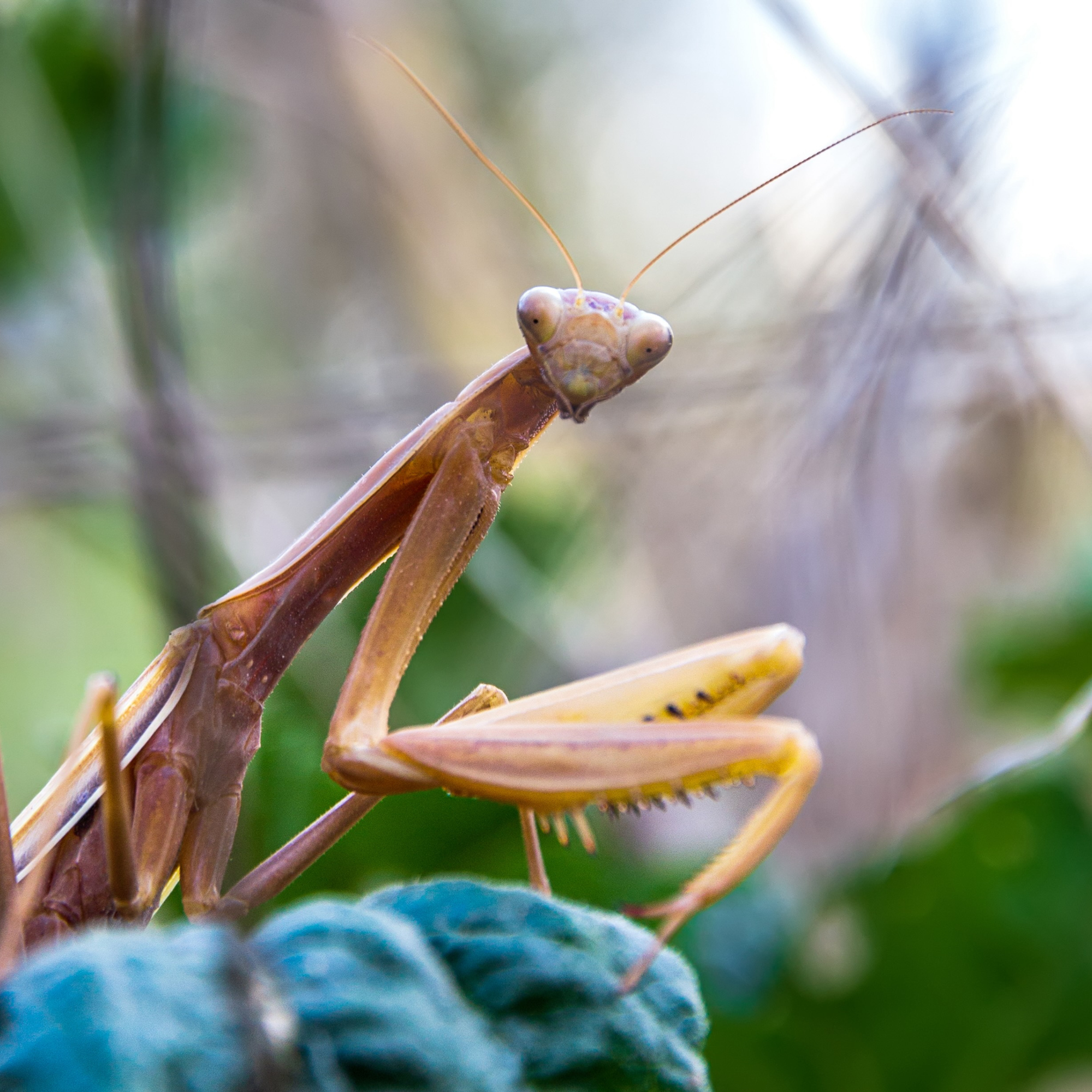
Smart Bugs
Research has shown that insects are capable of learning and generalizing from their experiences, contradicting the long-held belief that they lack intelligence. In experiments with milkweed bugs and praying mantises, mantises learned to avoid milkweed bugs after having a bad experience with them. For more creation resources, visit https://creationmoments.com/
The Brooding Father Frog
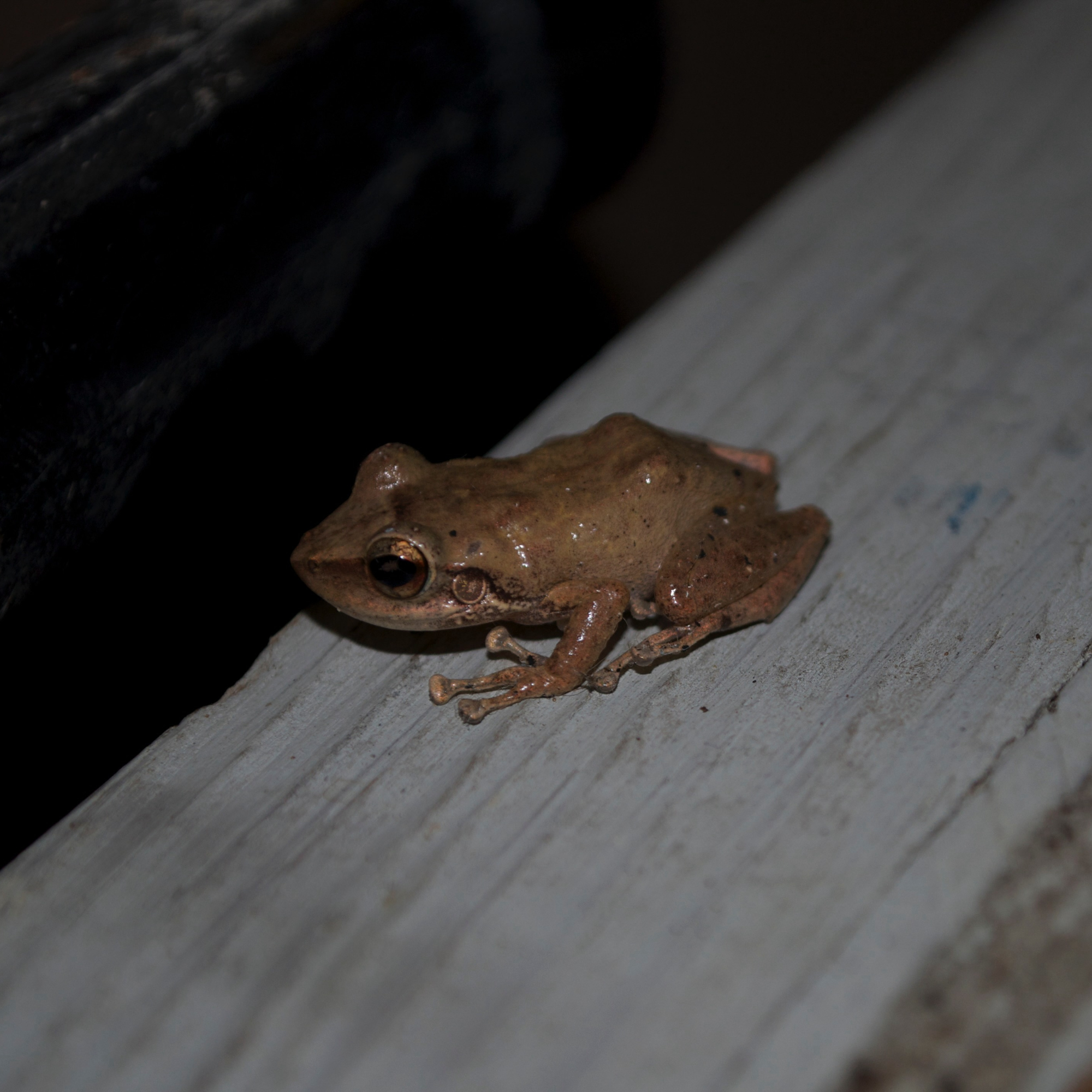
The Puerto Rican forest frog, known as the coqui, exemplifies unique parental care among amphibians. While the female lays her eggs and departs, the male takes on the crucial role of protecting and moistening the eggs, dedicating up to 23 hours a day to this task. The Creator designed a system where both parents contribute to the survival of their species while fulfilling their respective roles. For more creation resources, visit https://creationmoments.com/ Photo: Coqui, Edgar Torres, CC BY 3.0, via Wikimedia Commons.
The Unique Bdellas
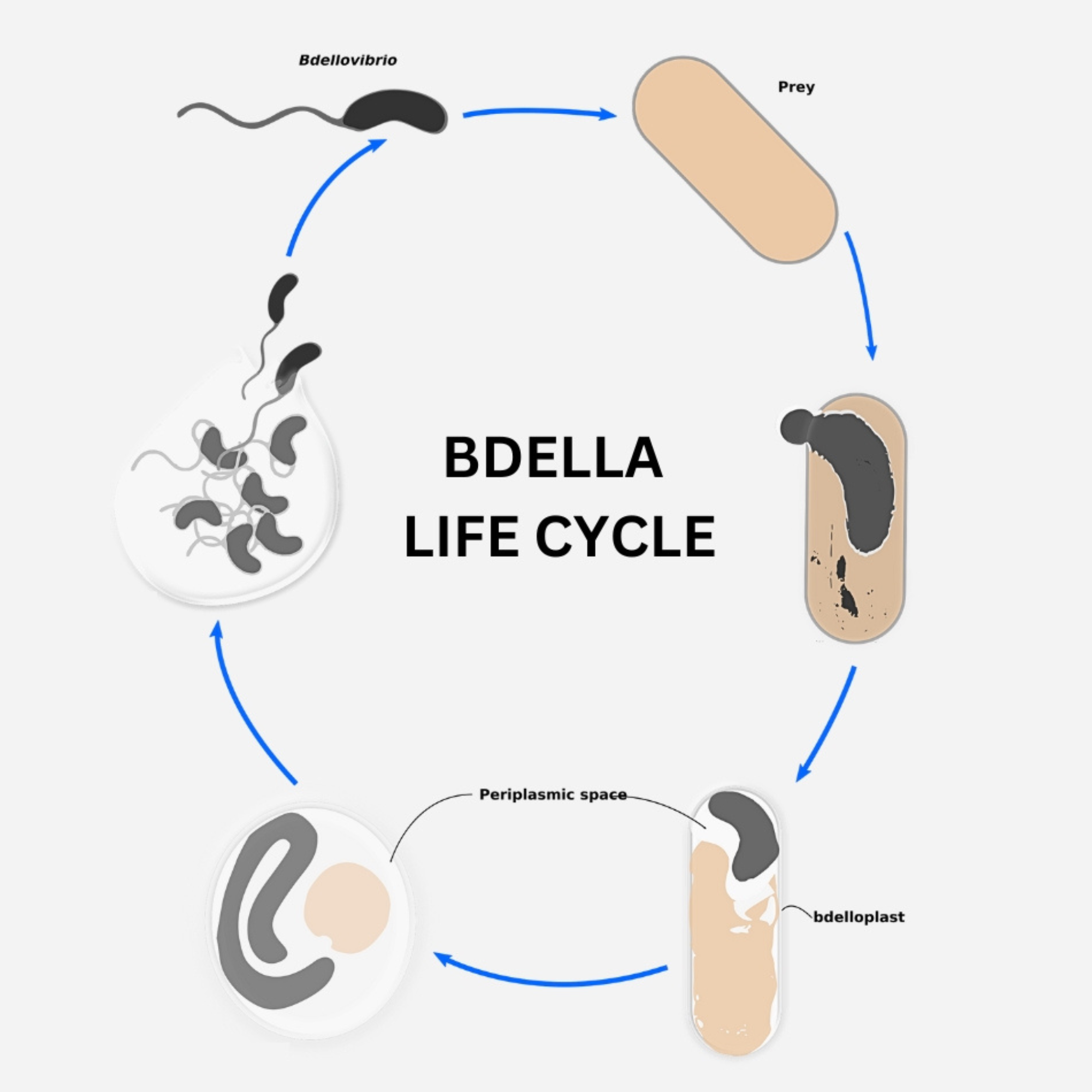
Bdellas are fascinating microscopic predators known for their speed and unique feeding habits. They hunt and consume E. coli bacteria by puncturing their membranes and injecting enzymes to digest them from the inside. Scientists recognize that bdellas play a crucial role in controlling bacterial populations. Every part of creation, even the smallest creatures, serves a God-given purpose. For more creation resources, visit https://creationmoments.com/ Illustration: Bdella life cycle, Estevezj, CC BY-SA 3.0, via Wikimedia Commons, changes made.
Magic Mirror
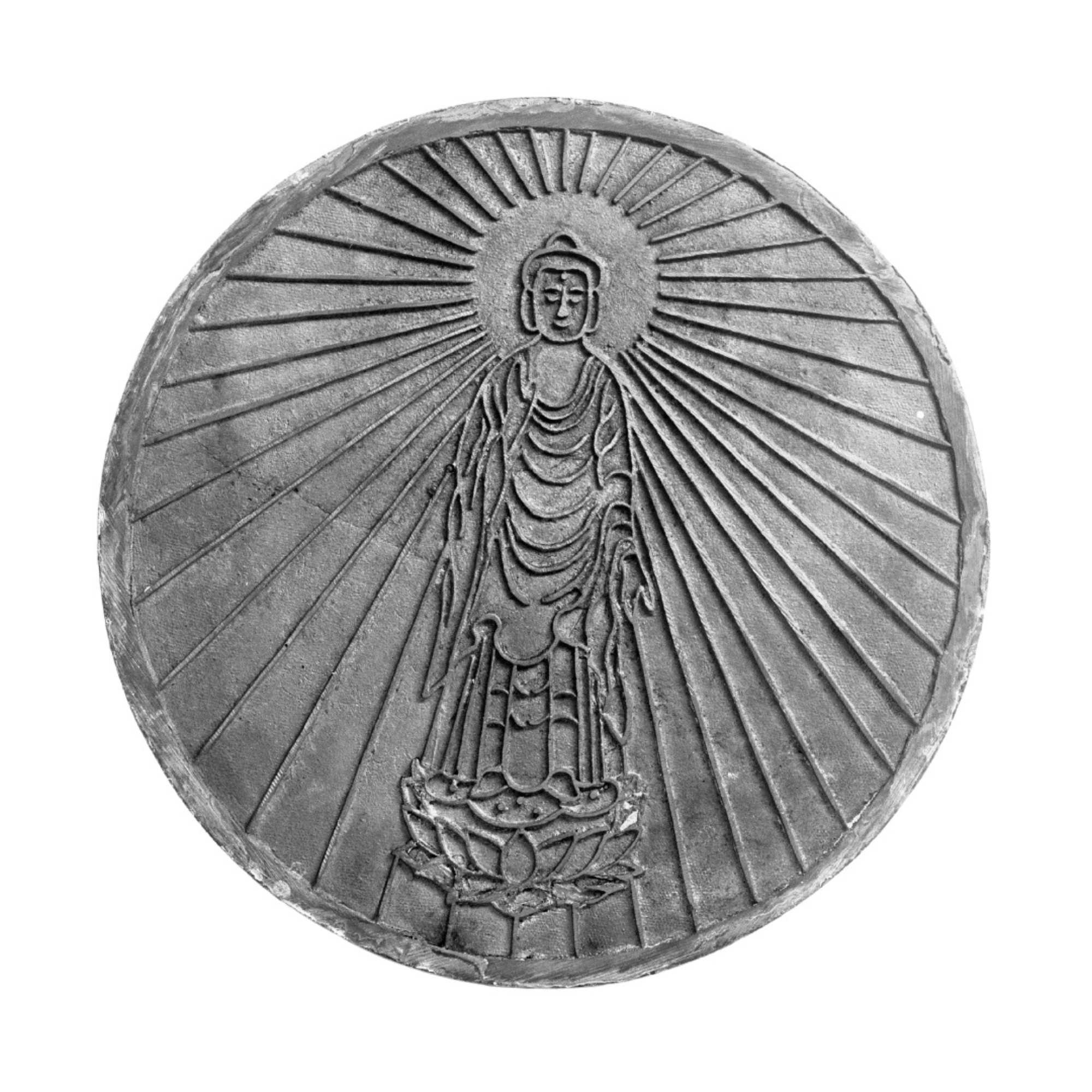
The belief that modern humans are more advanced than ancient people is a common misconception. The Bible teaches that humans have always been the same in terms of emotions, needs, and curiosity. While technological advancements may differ, ancient discoveries, such as the Chinese makyo or "magic mirror," reveal the ingenuity of past civilizations. For more creation resources, visit https://creationmoments.com/ Photo: Makyo mirror, Metropolitan Museum of Art, CC0, via Wikimedia Commons.
Purpose? To Glorify God!
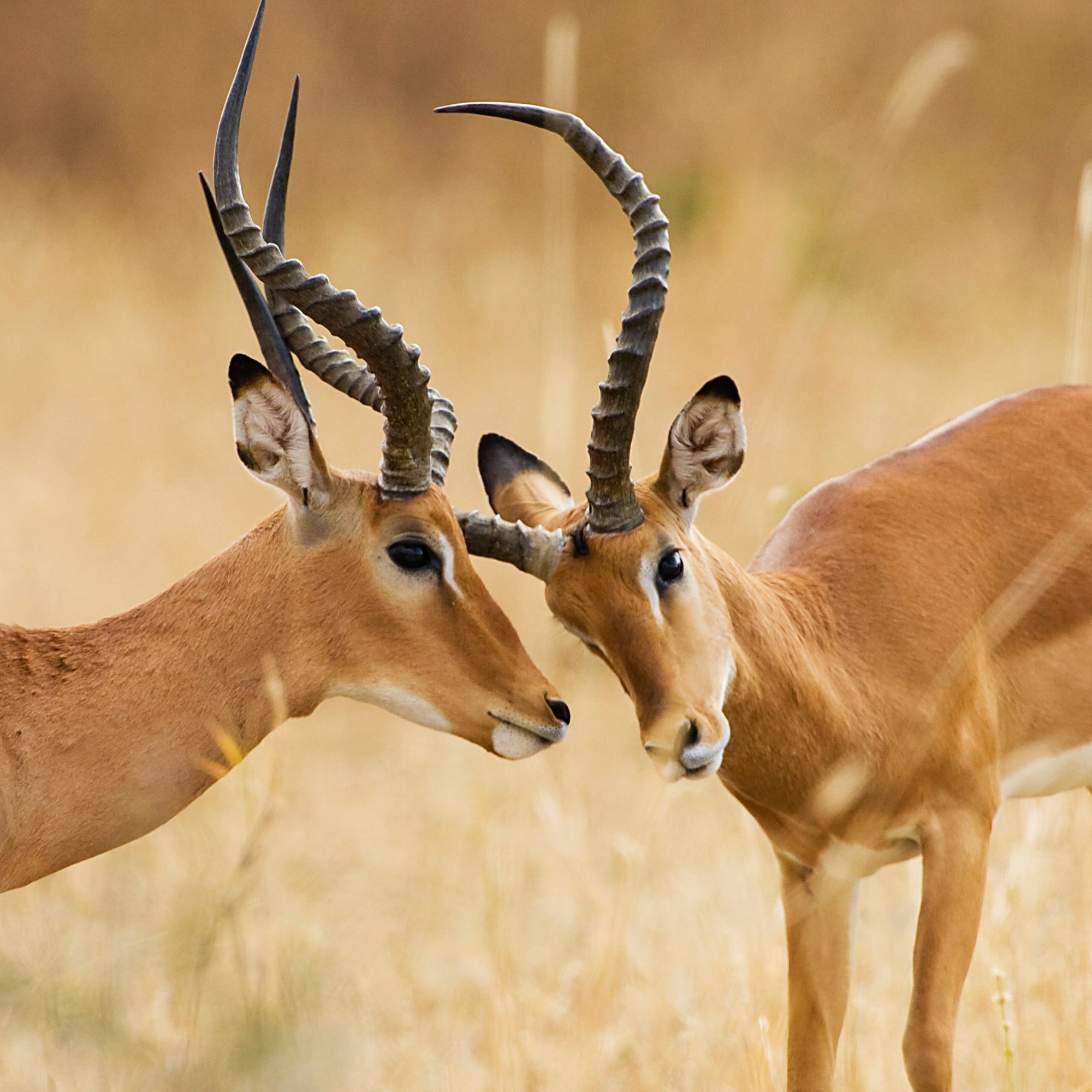
God has created living things with purposeful design, often beyond what we can understand. While evolutionists struggle to explain the vast array of male antelope horns that have no clear functional purpose, Christians see them as expressions of God's creativity and glory. For more creation resources, visit https://creationmoments.com/

Unscientific Source?
The origin of an idea, whether from the Bible or other sources, doesn’t make it unworthy of scientific consideration. Scientific discoveries can emerge in unexpected ways, such as Kekule’s vision of atomic structure or the accidental discovery of an insecticide from orange peel soap. For more creation resources, visit https://creationmoments.com/
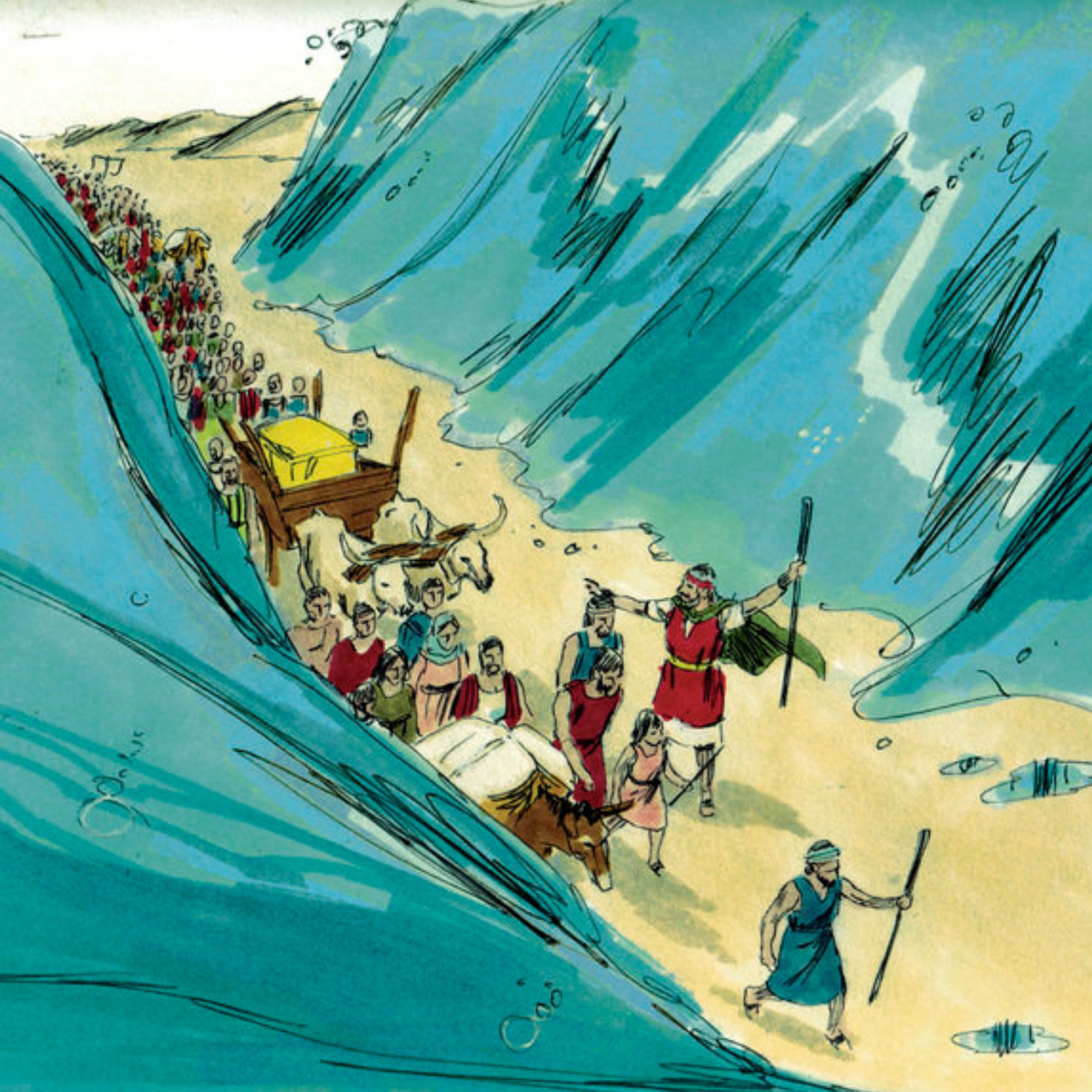
The Parting of the Red Sea
The parting of the Red Sea may have been a natural event directed by God. A study using computer simulations suggests that a strong east wind could have lowered the water, allowing the Israelites to cross before drowning Pharaoh’s army when the waters returned. For more creation resources, visit https://creationmoments.com/ Illustration: Distant Shores Media/Sweet Publishing, CC BY-SA 3.0, via Wikimedia Commons.
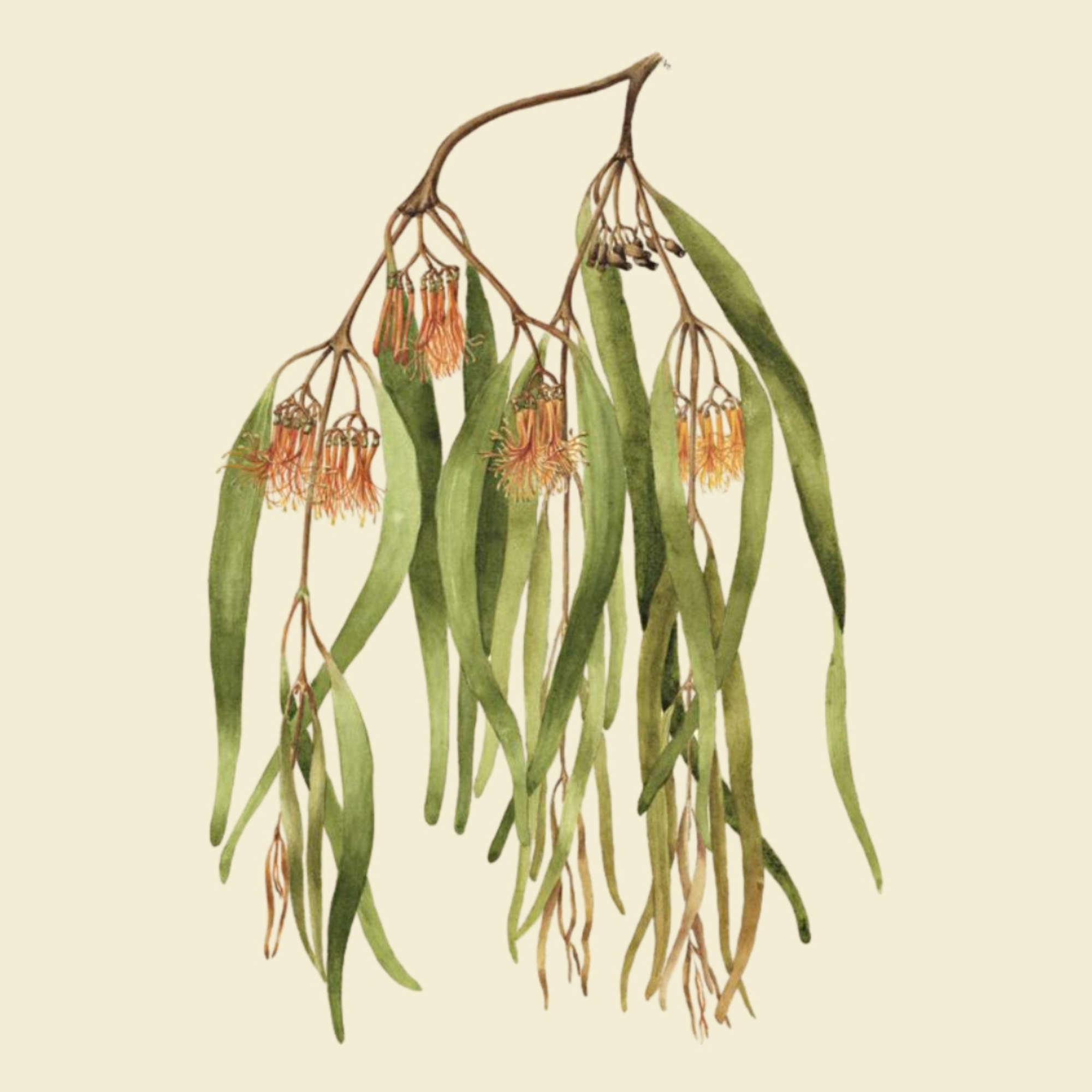
Mistletoe Mimicry
Mistletoe often mimics the appearance of its host, especially in Australia where species like the drooping and box mistletoes resemble eucalyptus trees. Evolutionary explanations struggle with how this happens, but from a creationist perspective, this mimicry reflects the care and design of a Creator who enables mistletoe to blend into its environment. For more creation resources, visit https://creationmoments.com/ Illustration: Box Mistletoe by Adam Forster, PD.
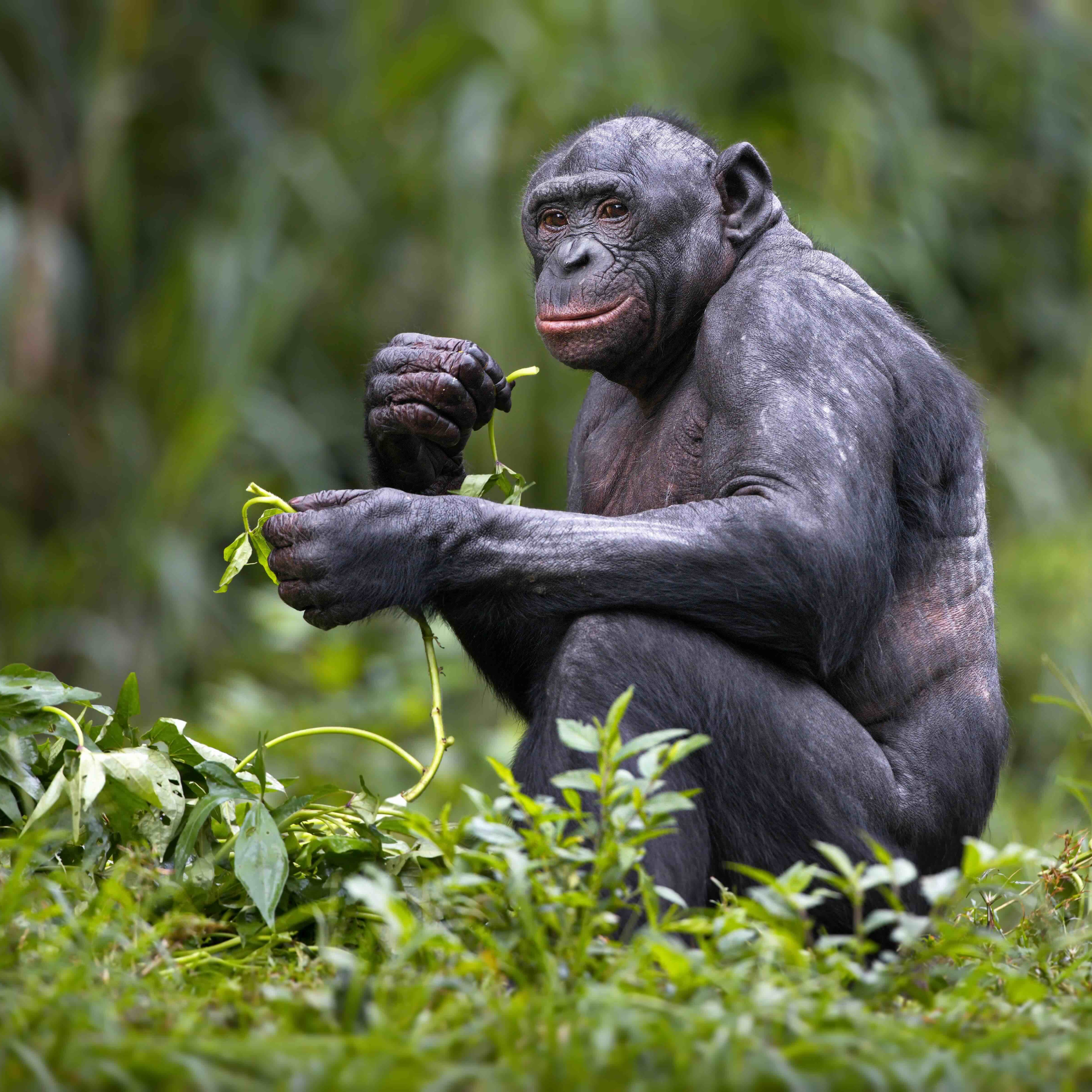
Monkey Medicine
Researchers are learning to follow animals to discover new medicines. For example, chimps in Tanzania use tree leaves to rid themselves of intestinal parasites, while woolly spider monkeys in Brazil eat certain fruits to restart ovulation. Do animals possess innate medical knowledge or does God guide them to the right remedies when needed? For more creation resources, visit https://creationmoments.com/

Stone-Making Plants
Grass and palm leaves absorb silica and store it in their cells, making their edges sharp enough to cut. These silica particles, called phytoliths, not only protect plants from insects but also persist in the soil after the plants die. Scientists can identify past plant life by studying the unique shapes of phytoliths in soil, offering fascinating insights into ancient agriculture. For more creation resources, visit https://creationmoments.com/
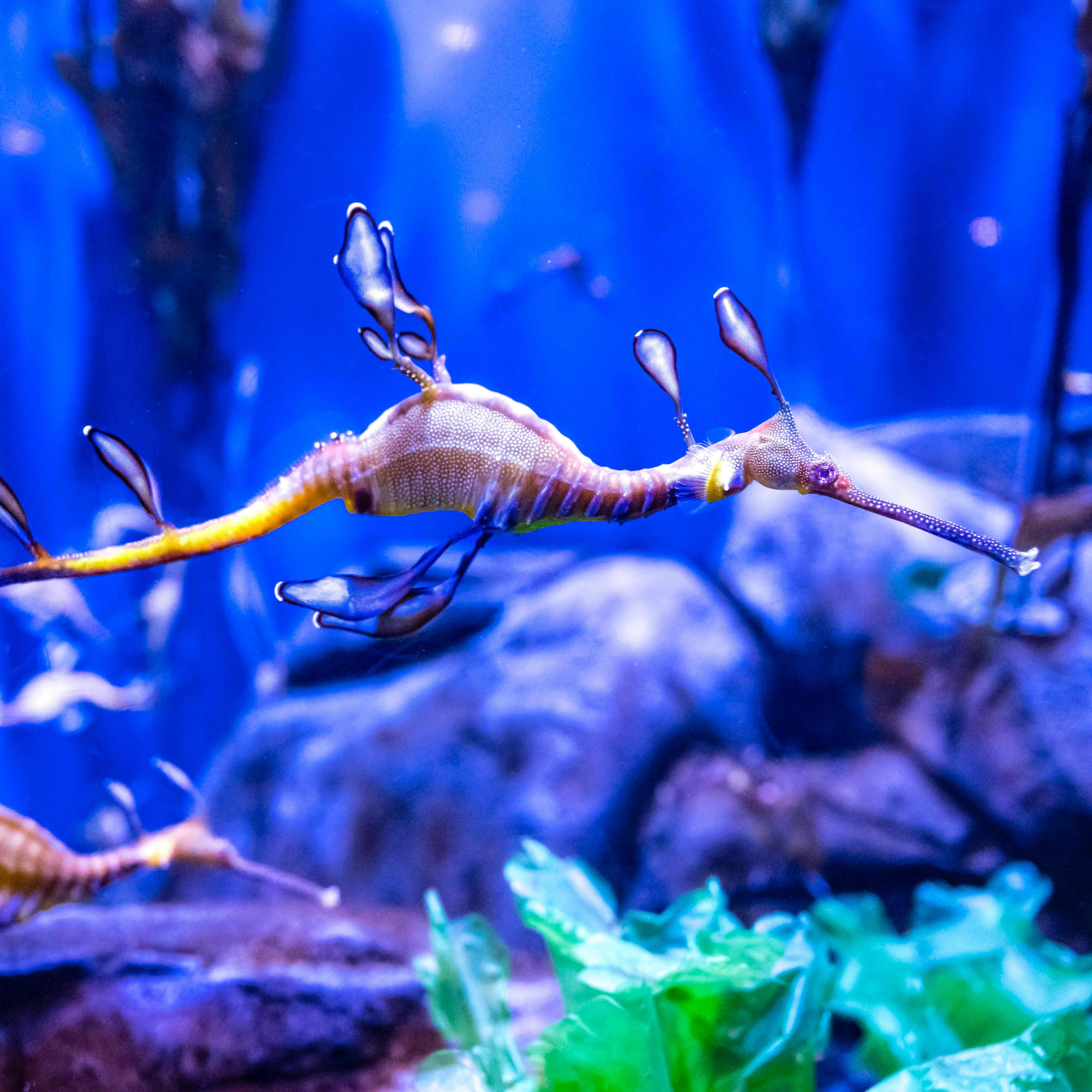
A Real Sea Dragon
The sea dragon, a stunning and unusual marine creature related to sea horses and pipefish, is known for its vibrant colors, varied shapes, and seaweed-like appearance. With unique traits like a trap-door jaw and independent eye movement, evolutionists struggle to explain its origins, making it a remarkable example of God's creative design. For more creation resources, visit https://creationmoments.com/

You're Needed in Africa
We're gearing up to begin broadcasting in Africa! But we can only do it with your help. You can read all the details regarding this exciting opportunity by visiting the link here: https://mailchi.mp/creationmoments/africa-outreach-10372278 Thank you for your continued dedication to our ministry! May God bless you.