
Today's Creation Moment
1,936 episodes — Page 13 of 39
Where Is the Garden of Eden?
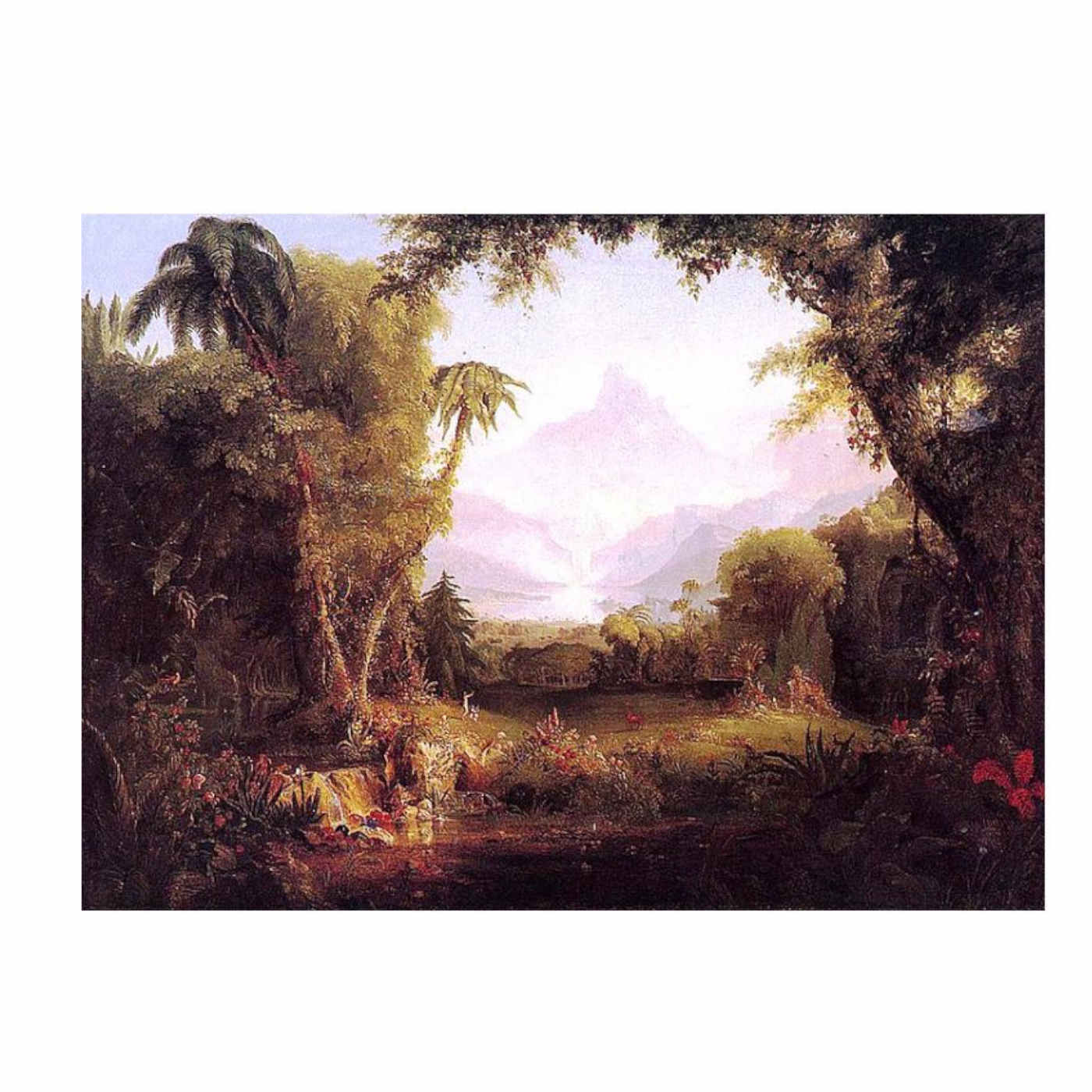
One mystery that has intrigued humans for thousands of years is the location of the Garden of Eden. Even Sunday school children stare at maps and carefully read Genesis 2:814, trying to locate it. But when we wonder where the Garden of Eden was, there are other passages in the Bible that we need to consider. Genesis 3:2324 makes it very clear that God closed the Garden to humans – meaning no one could ever go back. Image: Painting – The Garden of Eden by Thomas Cole (PD) © 2024 Creation Moments. All rights reserved.
The Ultimate Engineer
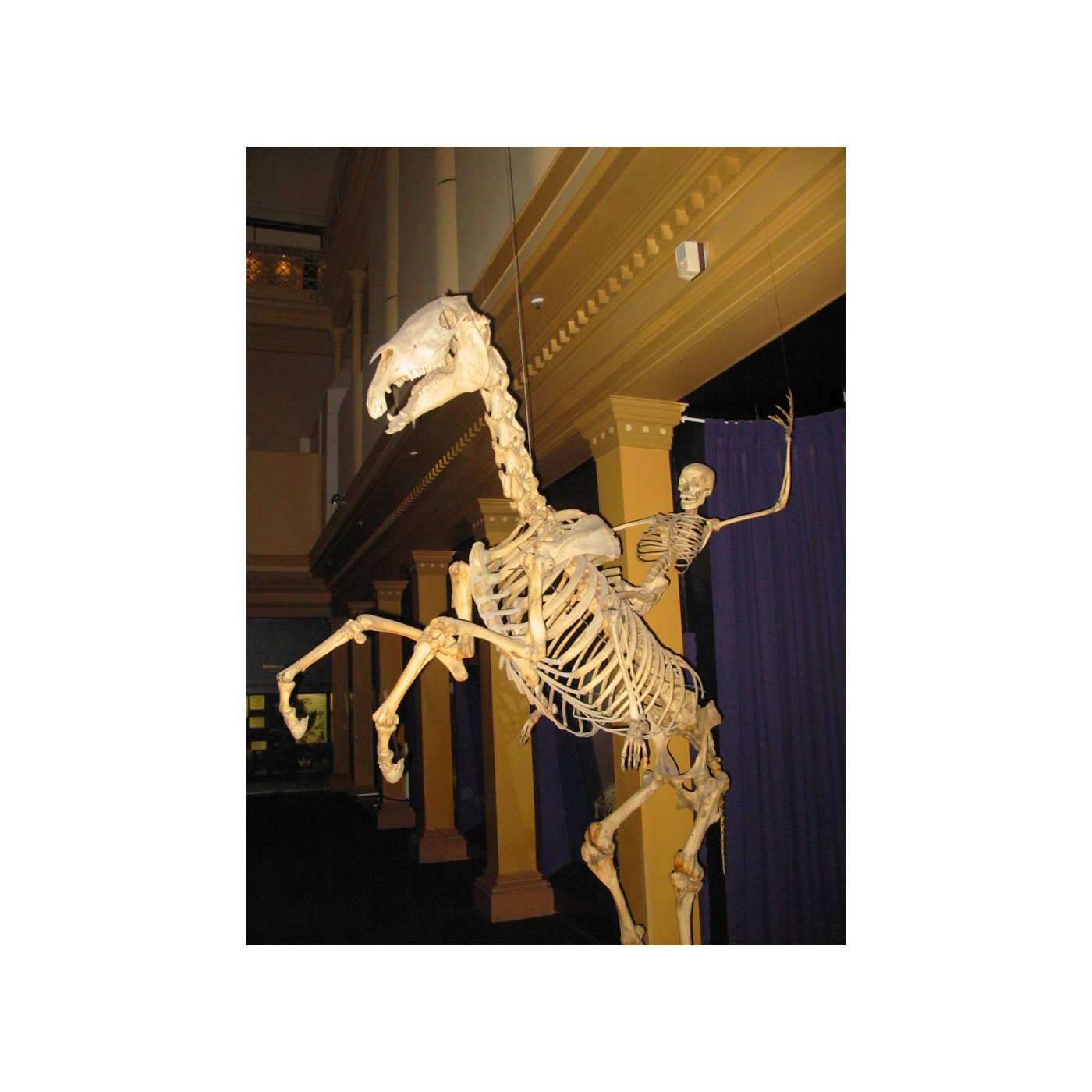
Did you ever wonder why, while there are lots of round and cylindrical living things, there are almost no square plants or animals? Why isn't there any animal that has a skeleton made out of metal? And while there are so many ways for living things to move about, why do almost none of them have wheels? Ref: Wickelgren, Ingrid. 1989. "The mechanics of natural success." Science News, v. 135, June 17. p. 376. Image: A composite of the skeletons of a Human and a Horse arranged into a lifelike pose, at an exhibit in the Australian Museum, Sydney, Australia. (PD) © 2024 Creation Moments. All rights reserved.

The Creator Rebuilds Lives
For generations we have heard that people become criminals and go to prison because of their parents, friends, poverty or society itself. Yet there has always been a majority of people who come from bad homes or poor neighborhoods who have lived responsible lives. Notes: "Exposing the criminal mind." Science 84, Sept. 1984. p. 84. Image: US Disciplinary barracks, Fort Leavenworth, Kansas. © 2024 Creation Moments. All rights reserved.

Does the Lion's Tooth Bite Your Lawn?
As spring comes to the temperate areas of the northern hemisphere, one of the first signs of spring is the blossom of the Lion's Tooth. This bright yellow flower is also called the Irish daisy, priest's crown, peasant's cloak and yellow gowan. Its other name appears on the sides of bags of lawn care chemicals – the dandelion. Notes: "A weed by any other name." Science 83, Apr. 1983. p. 82. Image: Dandelion (PD) © 2024 Creation Moments. All rights reserved.
A 4,000 Year Old Computer Language
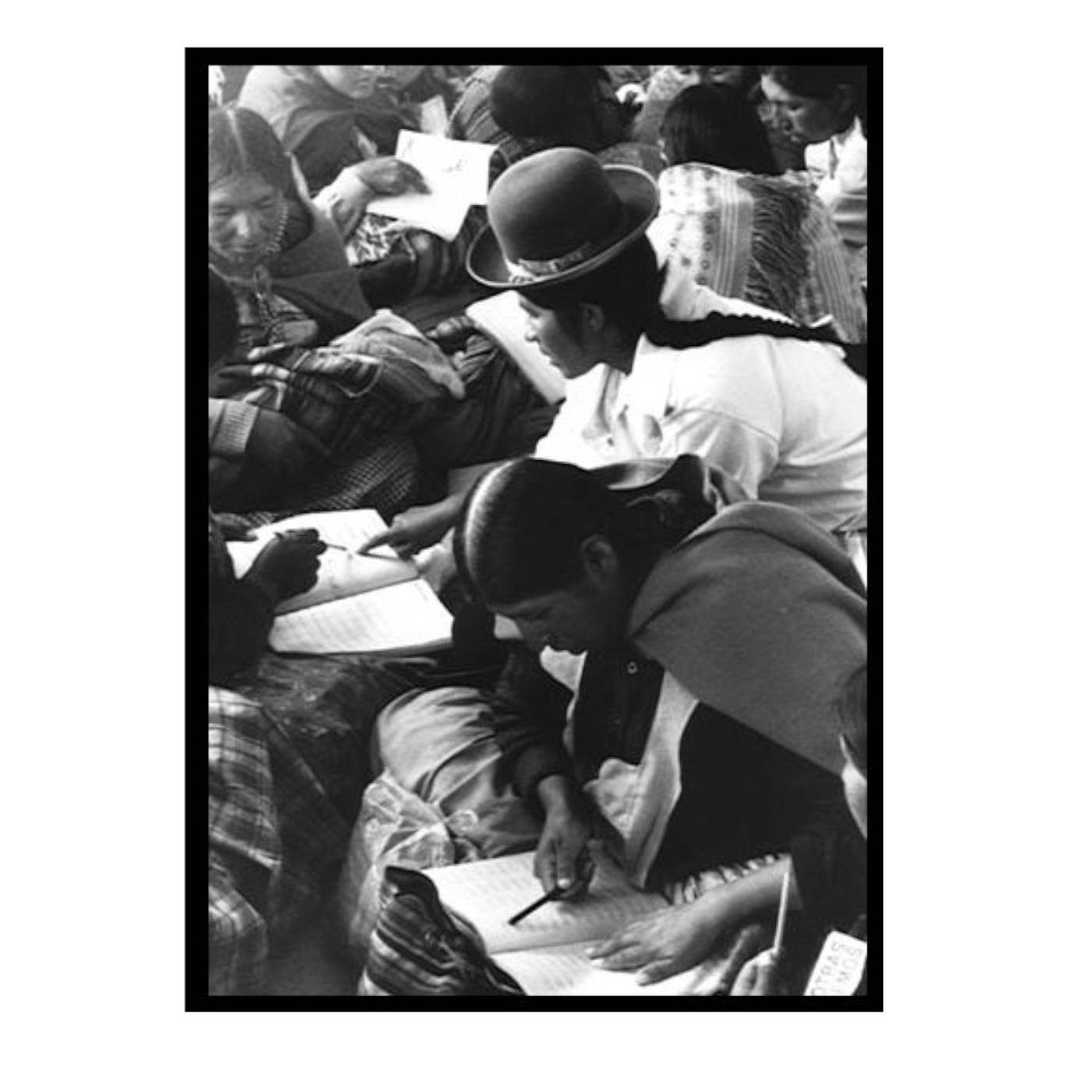
The language is so logical and precisely structured that it is being used to create a programming language that a computer can understand. Unlike most languages of the world, this language has few irregular verbs, no prepositions and almost no exceptions to strict grammatical rules. What would take a long sentence to say in most languages can be said in only a few words in this language. Ref: "Computer application helps save an ancient language." Minneapolis Star Tribune, Feb. 24, 1990. p. 9A. Photo: Literacy class in El Alto, Bolivia.(PD) © 2024 Creation Moments. All rights reserved.

Population and the Age of the Earth
How long have people been living on Earth? The evolutionist says millions of years. Bible believing Christians generally say only about 6,000 years. But the answer to this question is amazingly simple. Ref: Weigand, Cleone H. 1985. "Morality remains the best way to stem population growth." Milwaukee Journal, Apr. 14. Map: World map (Pixabay.com) © 2024 Creation Moments. All rights reserved.
The Crafty Flea
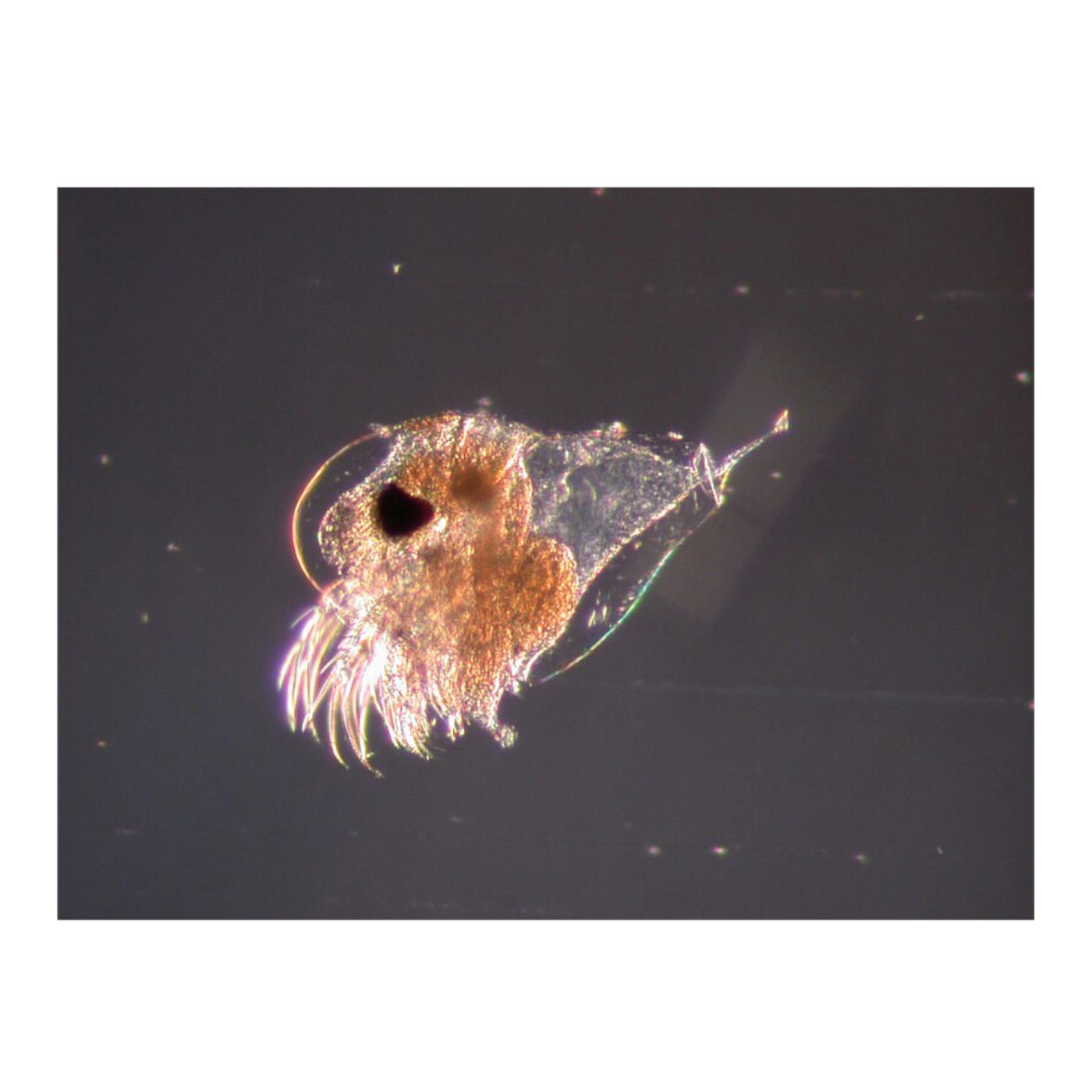
The water flea fills one of the lowest spots on the food chain. What this means is that even though the water flea is concerned about little else than going about his business, just about everyone else in the pond is interested in eating him. Ref: Fellman, Bruce. "Quickchange flea." Science 84. p. 76. Image: Evadne spinifera (PD) © 2024 Creation Moments. All rights reserved.
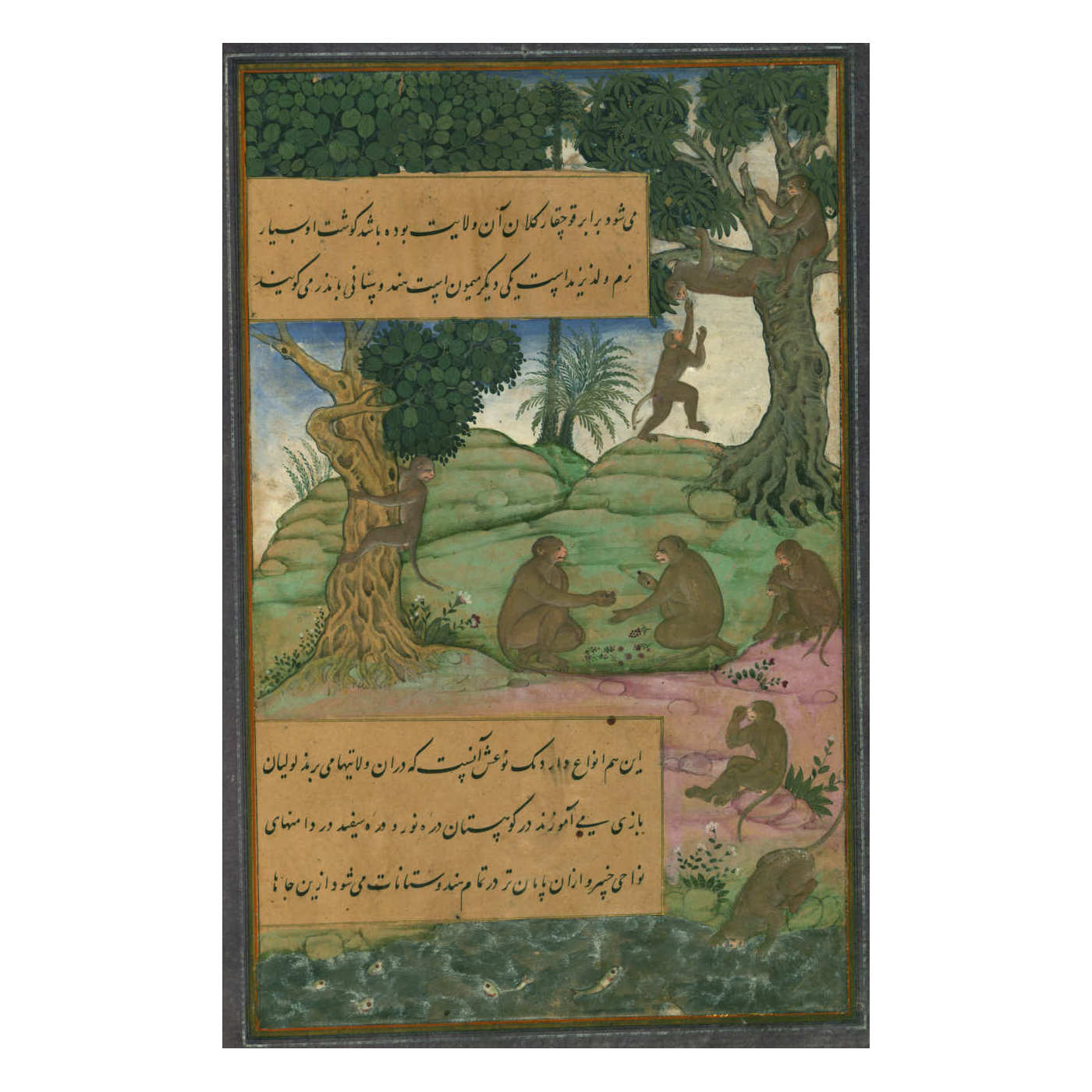
A Monkey, a Bird and a Story
Evolutionists say that human beings evolved from an ape like creature. And how do they claim to know this? Because they find various kinds of apes in the fossil record. As one would expect, some of these apes are a little – and I stress, a little – more like us than others. They are all more like apes than like us. But evolutionists will tell us that those apes that are a little more like humans are evidence for evolution. Is this a logical way to think? Image: Illustrations from the Manuscript of Baburnama (Memoirs of Babur) - Late 16th Century (PD) © 2024 Creation Moments. All rights reserved.
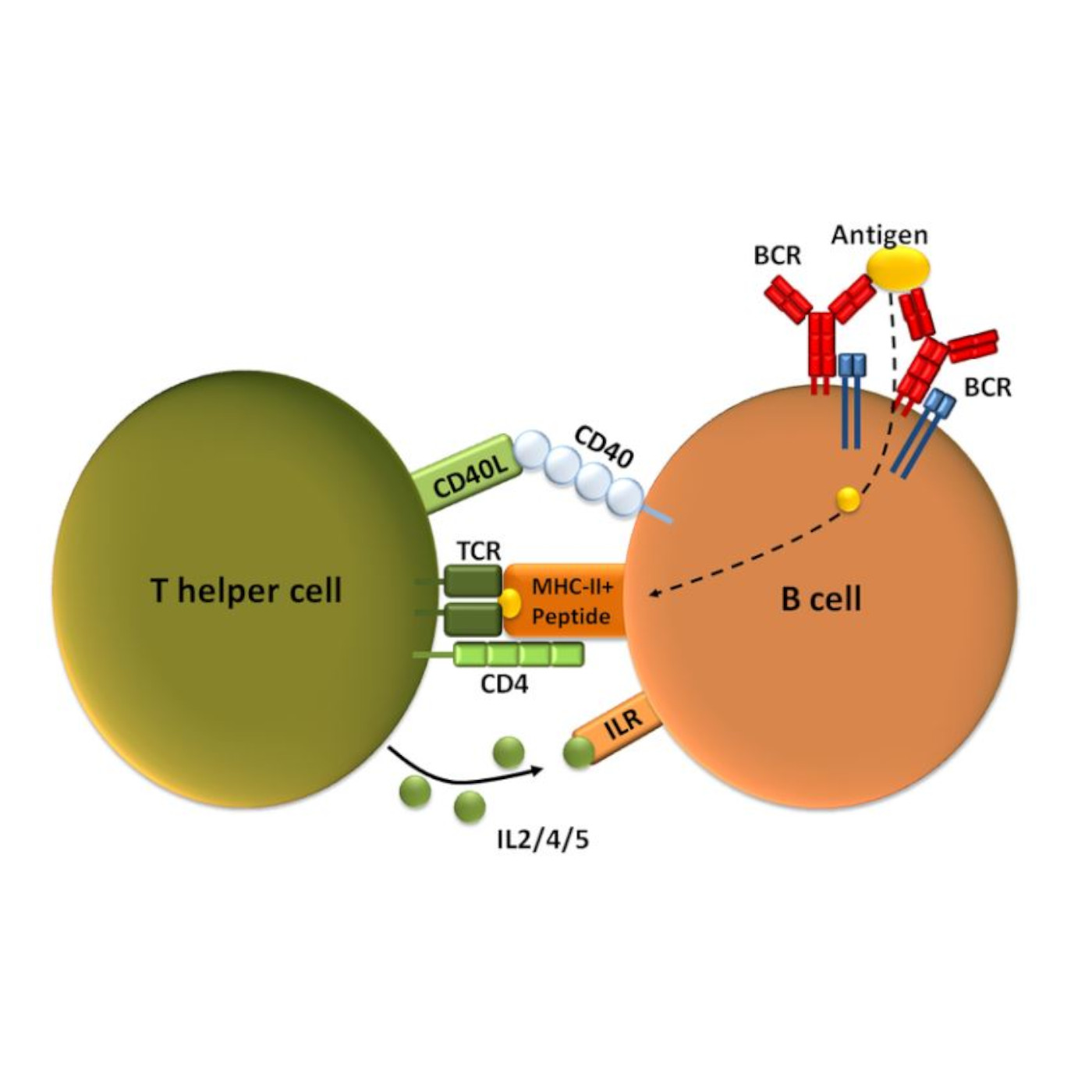
Your Body's 100,000 Sentries
Despite the fact that most microorganisms are necessary and good, throughout our lifetimes each of us encounters tens of thousands of different infectious bacteria, viruses, fungi and parasites. Ref: "MIT researchers isolate masterbuilder' diseasefighting gene." Minneapolis StarTribune, Dec. 22, 1989. p. 2. Image: T-cell dependent b-cell activation, showing TH2-cell (left) B-cell (right) and several interaction molecules. (PD) © 2024 Creation Moments. All rights reserved.
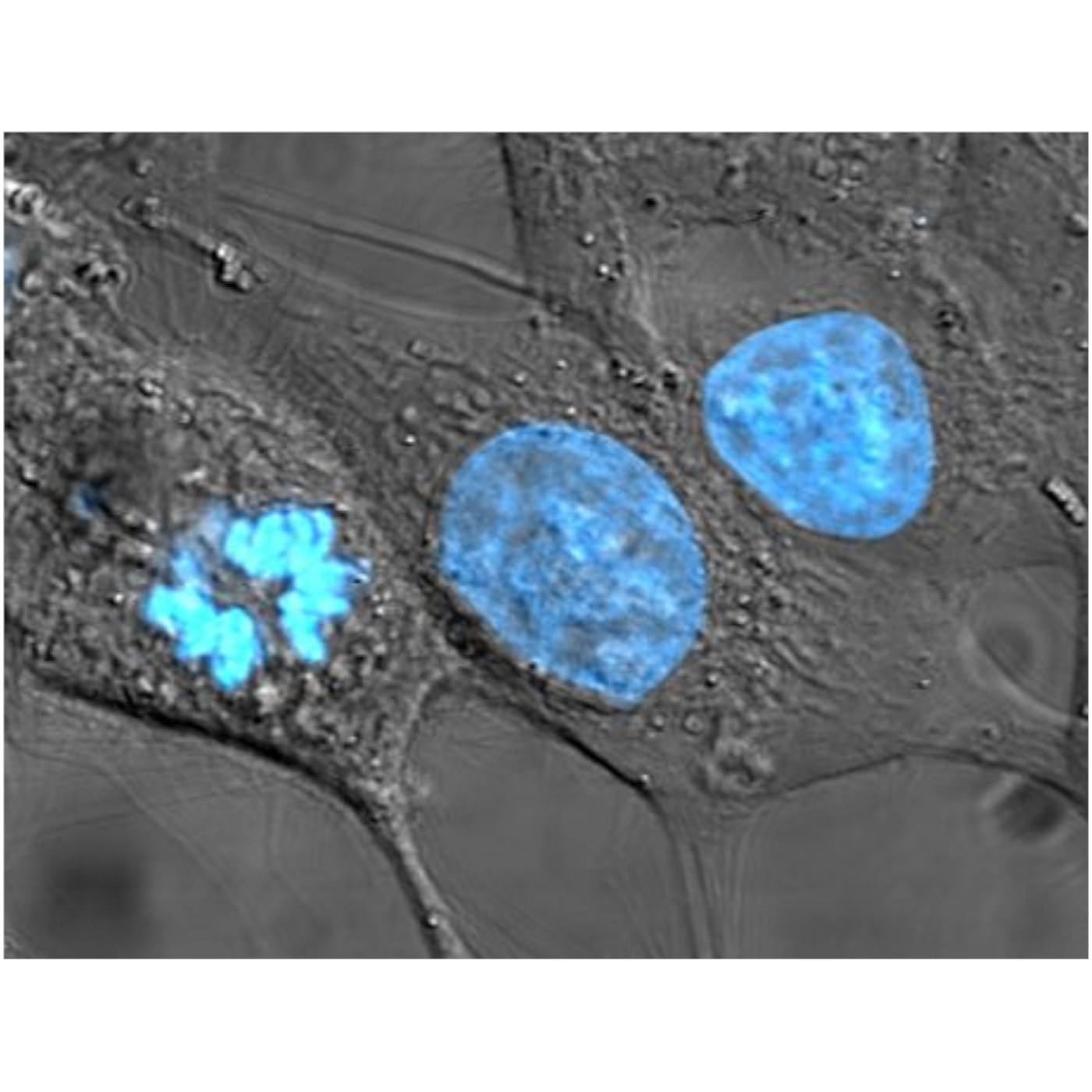
A Journey Through Inner Space
What would the typical living cell look like if enlarged to the size of New York City? Let's take an imaginary journey through the cell. Notes: Image: HeLa cells stained with Hoechst (PD) © 2024 Creation Moments. All rights reserved.

How Does the Nose Work?
Some things don't have to be understood to be appreciated. You can enjoy the smell of dinner cooking or the scent of a rose without any idea of how your nose works. And believe it or not, you're doing just as well as the most brilliant biologist. REF.: Reyneri, Adriana. 1984. The nose knows, but science doesn't. Science 84, September. p. 26. Notes: Image: HeLa cells stained with Hoechst (PD) © 2024 Creation Moments. All rights reserved.
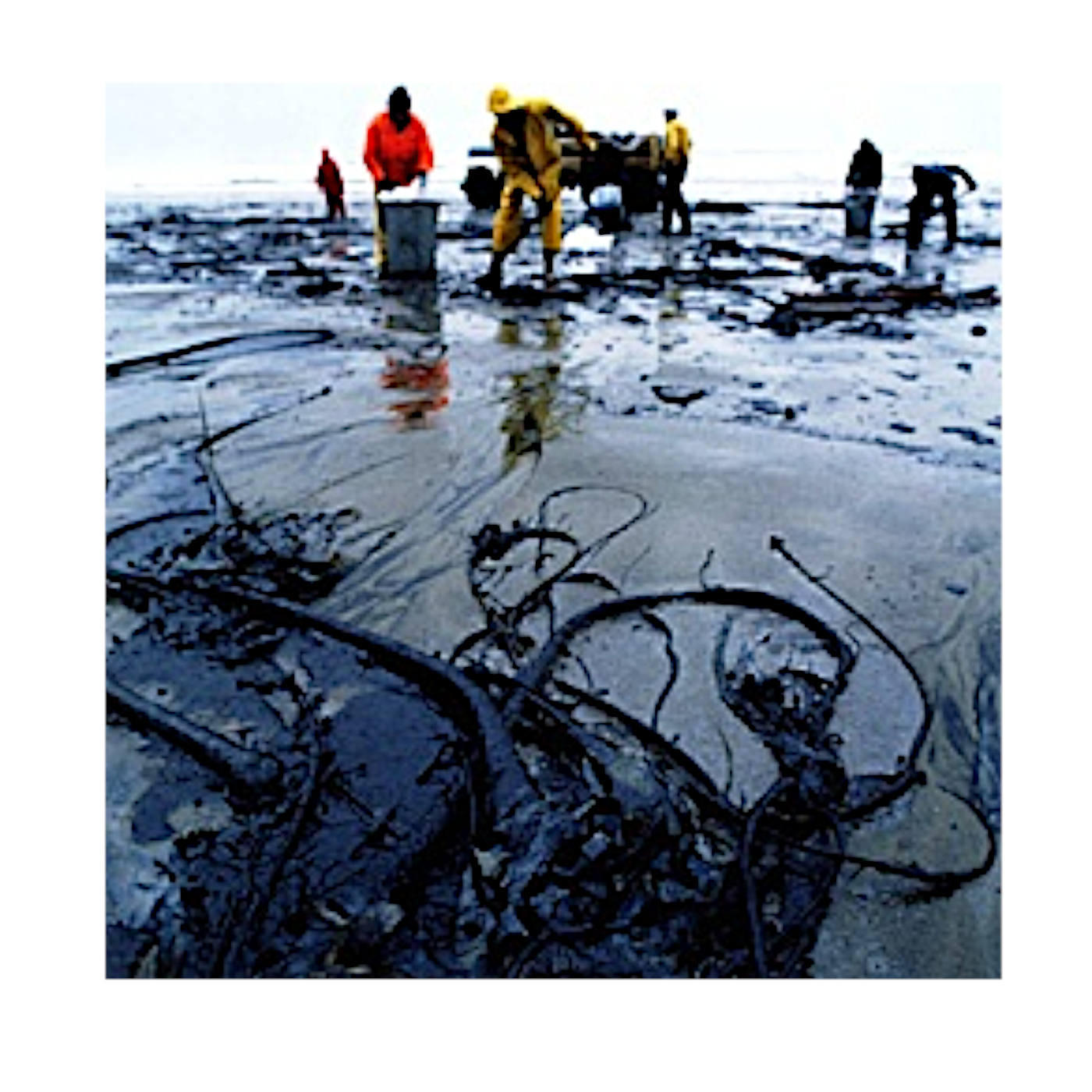
A Diet of Oil
While scientists often talk about how it takes millions of years to form oil and gas deposits, they say little about the fact that oil and natural gas are forming today in the ocean's sediments. The sediments of the Gulf of Mexico are well known examples of the rapid natural formation of petroleum deposits. In addition, oil and natural gas are seeping from petroleum deposits under the floor of the Gulf of Mexico. REF: Ocean depths harbor an ecosystem of creatures who dine on oil, natural gas.Star Tribune (Minneapolis), Dec. 31, 1989. p. 15A. Image: Oil spill clean up NOAA (PD) © 2024 Creation Moments. All rights reserved.
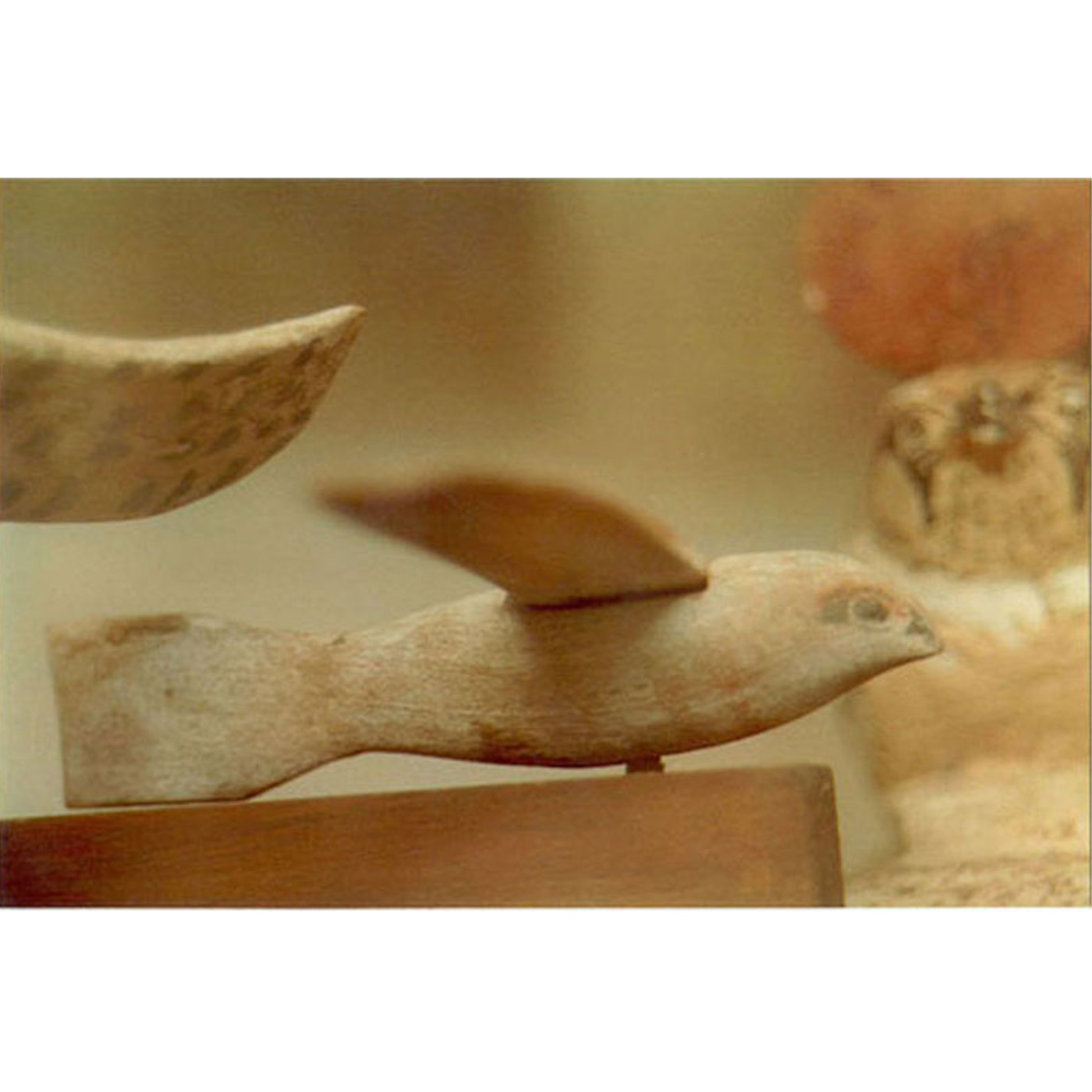
An Airplane from Ancient Egypt
These days we don't have to wait very long before we hear some nonsense about how flight or—more recently—space travel are but stages in human evolutionary development. As Christians we know that when Adam, the first man, is described as perfect, he is perfect in every way—spiritually, morally and intellectually. This probably explains why Scripture says that within the first few generations of human existence on earth the arts and sciences were flourishing. Notes: Photo: Courtesy of Dawoudk and licensed under the Creative Commons Attribution-Share Alike 3.0 Unported license. © 2024 Creation Moments. All rights reserved.
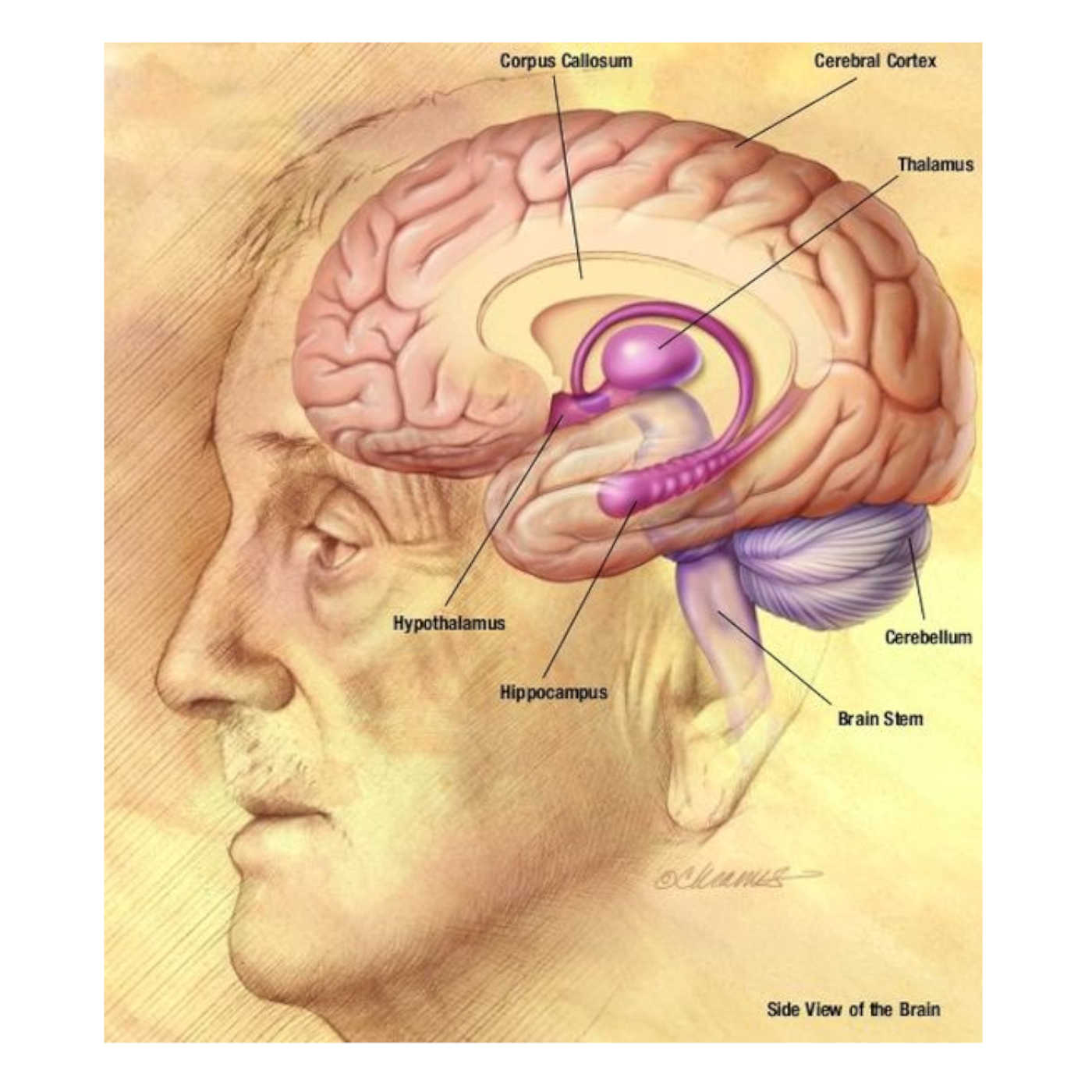
The Brain Repairs Itself
One of the most studied but least understood organs in the human body is the brain. The human brain is the most complex arrangement of matter in the universe. There are many different theories about how the brain works, but one universally recognized fact is that the brain is more sensitive to damage than any other organ. REF.: Sobel, David. 1983. Brain selfrepair. Omni, v. 55, February. p. 39. Image: Drawing showing several important brain structures. (PD) © 2024 Creation Moments. All rights reserved.
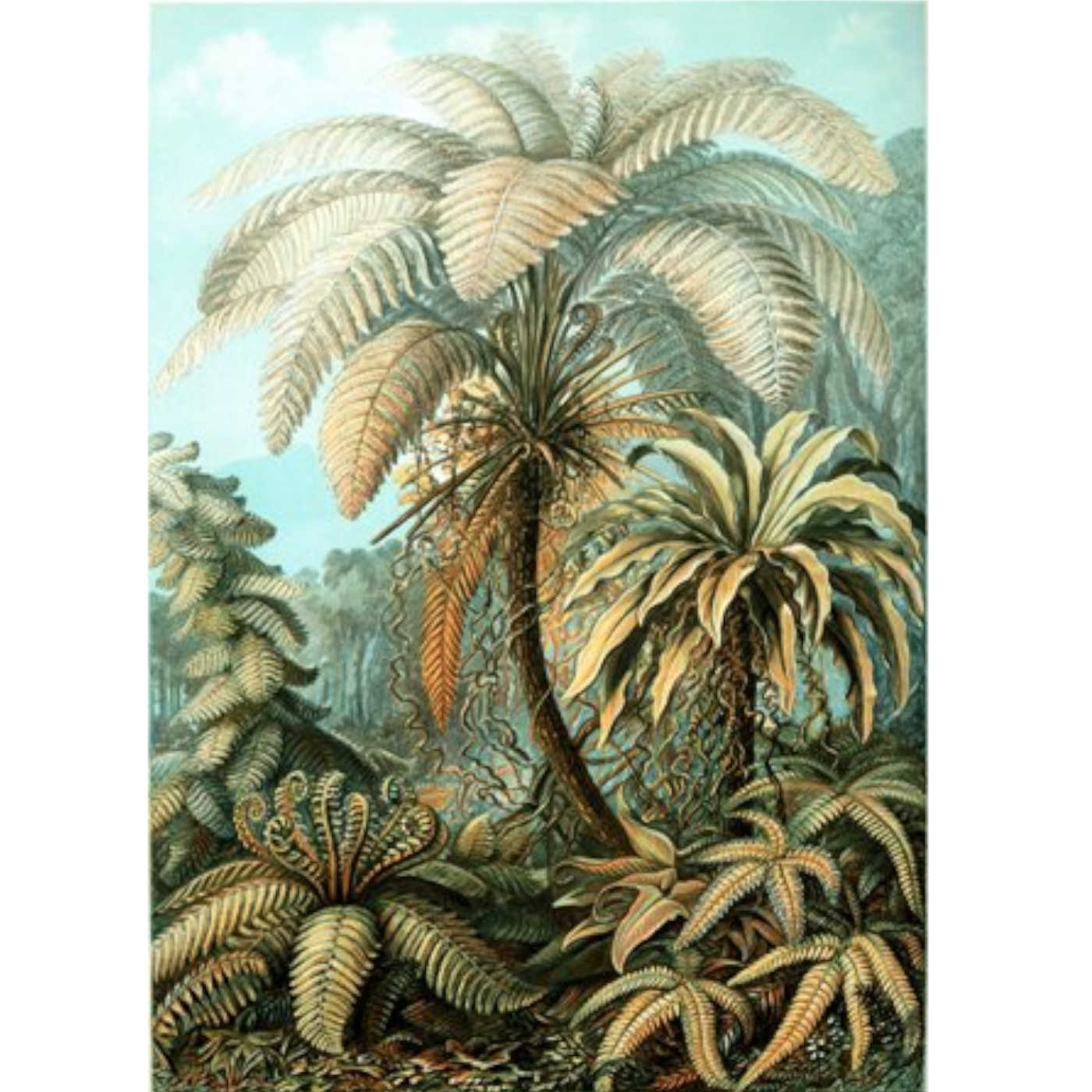
100 Foot Ferns
Charles Darwin's On the Origin of Species opened the modern era of evolutionary thinking. The very name of his book suggests that as we look back in time, we should see fewer kinds of animals. Darwin led many people to think that there should be a greater variety of plants and animals today than in the distant past. And, those plants and animals should be more sophisticated today. Image: Image: Palm tree by Ernst Haeckel (PD) © 2024 Creation Moments. All rights reserved.
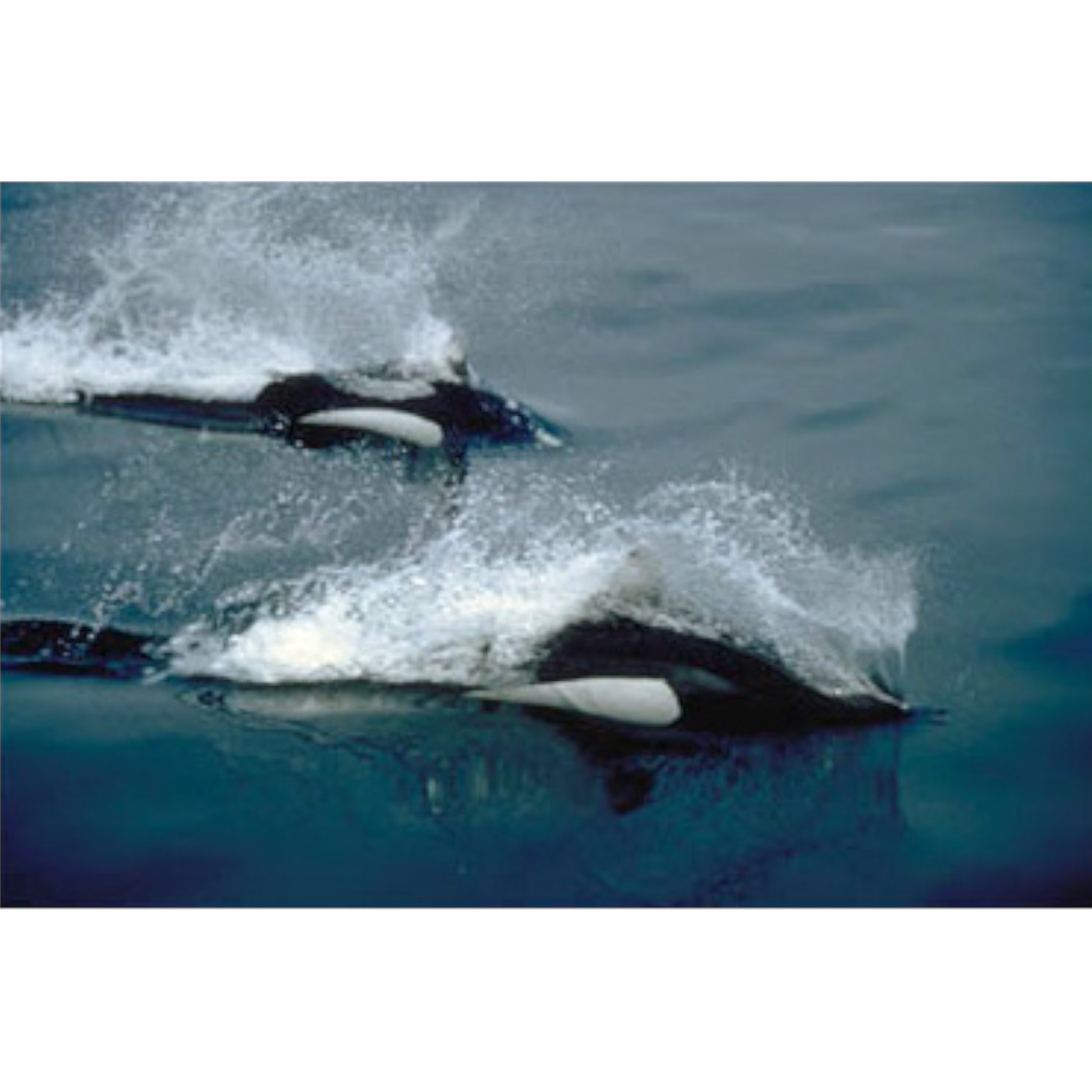
The Three Eyed Porpoise
What has three eyes, lives in the sea and can swim faster than most boats can travel? No, it's not a creature from another planet. It's the porpoise. REF.: Schwarz, Joel. 1984. Porpoise secrets. Omni, v. 6:6, March. p. 37. Image: Two Dalls Porpoises (PD) © 2024 Creation Moments. All rights reserved.

Eating Pollution
How would you like to live in a neighborhood where garbage was never collected and taken away? What if there was no provision in the creation for getting rid of waste? By now the earth would have become a filthy mess! REF.: Minute diners love our waste. The Province, July,12, 1989. Image: Trash can with trash (Pixabay.com) © 2024 Creation Moments. All rights reserved.

A 2,000 Year Old Electric Battery
While evolutionary historians refer to the ages of humanity before the birth of Christ with terms like the Stone, Bronze and Iron ages, it seems that human metal working technology was much more sophisticated than these names suggest. And that fits with what Genesis 4 tells us about human history. Notes: Illustration: Drawing of Baghdad battery parts by Ironie CC BY SA 2.5 © 2024 Creation Moments. All rights reserved.

Natural Insect Repellent
One interesting way in which to help young people gain an appreciation for God's creation is to ask them to solve certain problems that the Creator Himself had to solve. REF.: Science 84, April 1984, p. 65. Image: Sunflower Seed (PD) © 2024 Creation Moments. All rights reserved.
Did Job Have a Weather Satellite?
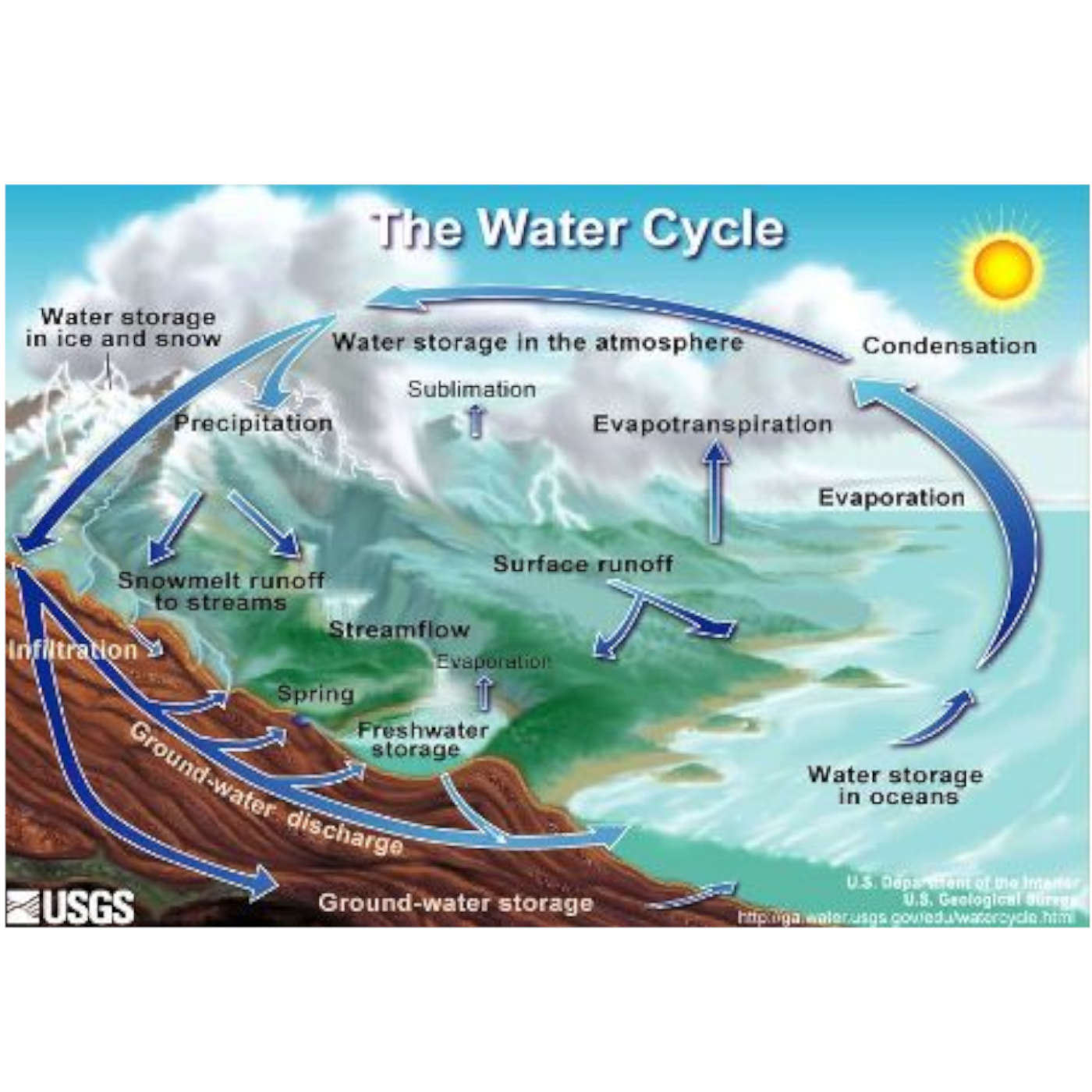
One of the most amazing things in our modern age is the scientist who thinks he can use science to judge the Bible. After all, many things accepted today as scientific fact were first taught in the Bible. Notes: Illustration: Earth's water cycle (PD) © 2024 Creation Moments. All rights reserved.
Mice Who Farm
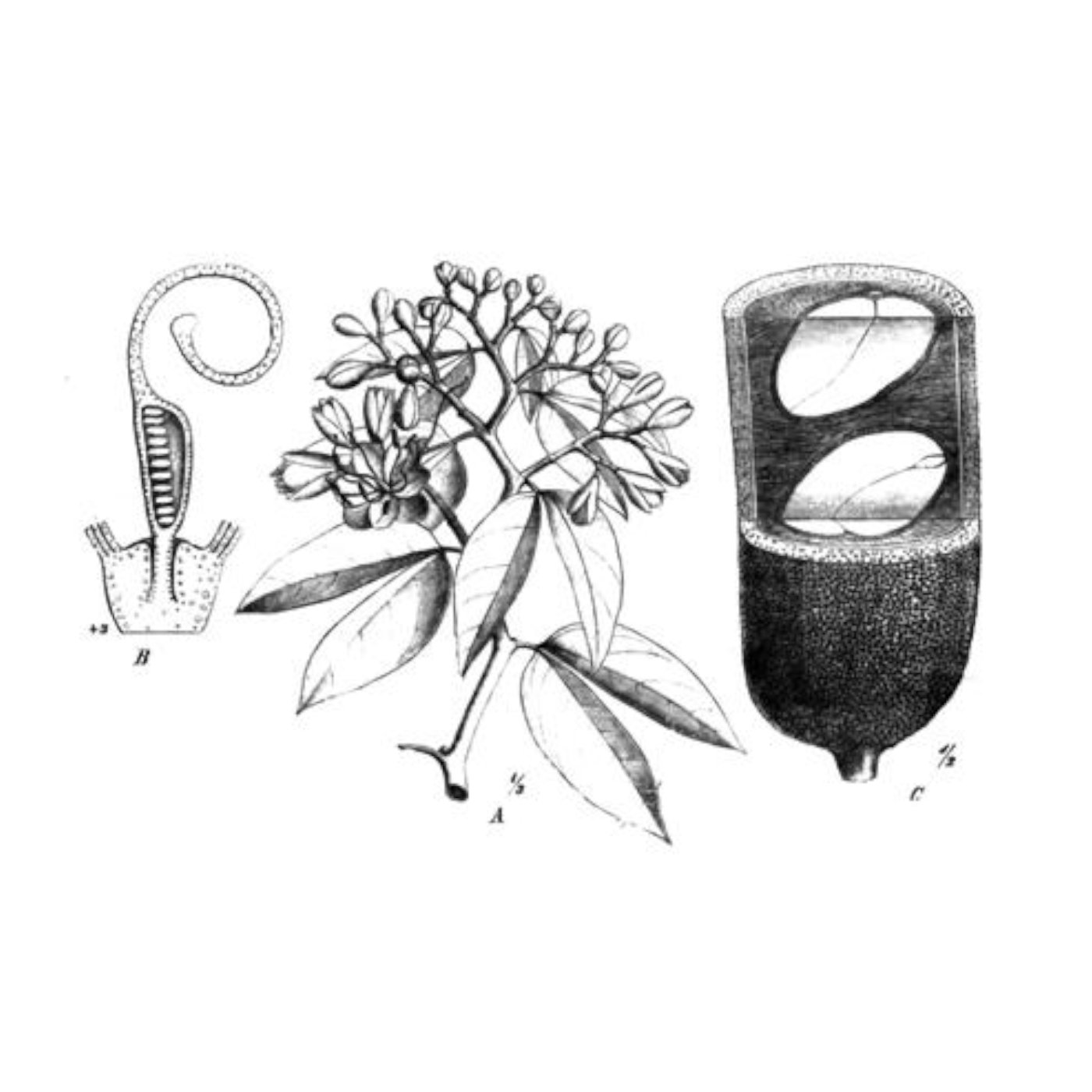
Many different creatures, from mice to insects, eat seeds. The tropical forest offers the greatest variety of seeds found anywhere in the world. The problem is that among this great variety are seeds that are poisonous and others that are hard as rocks. Yet even these seeds are used for food by some creatures. REF: Science 84, April 1984, p. 65. Image: Hymenaea courbaril (PD) © 2024 Creation Moments. All rights reserved.
Katydids with Personal Guards
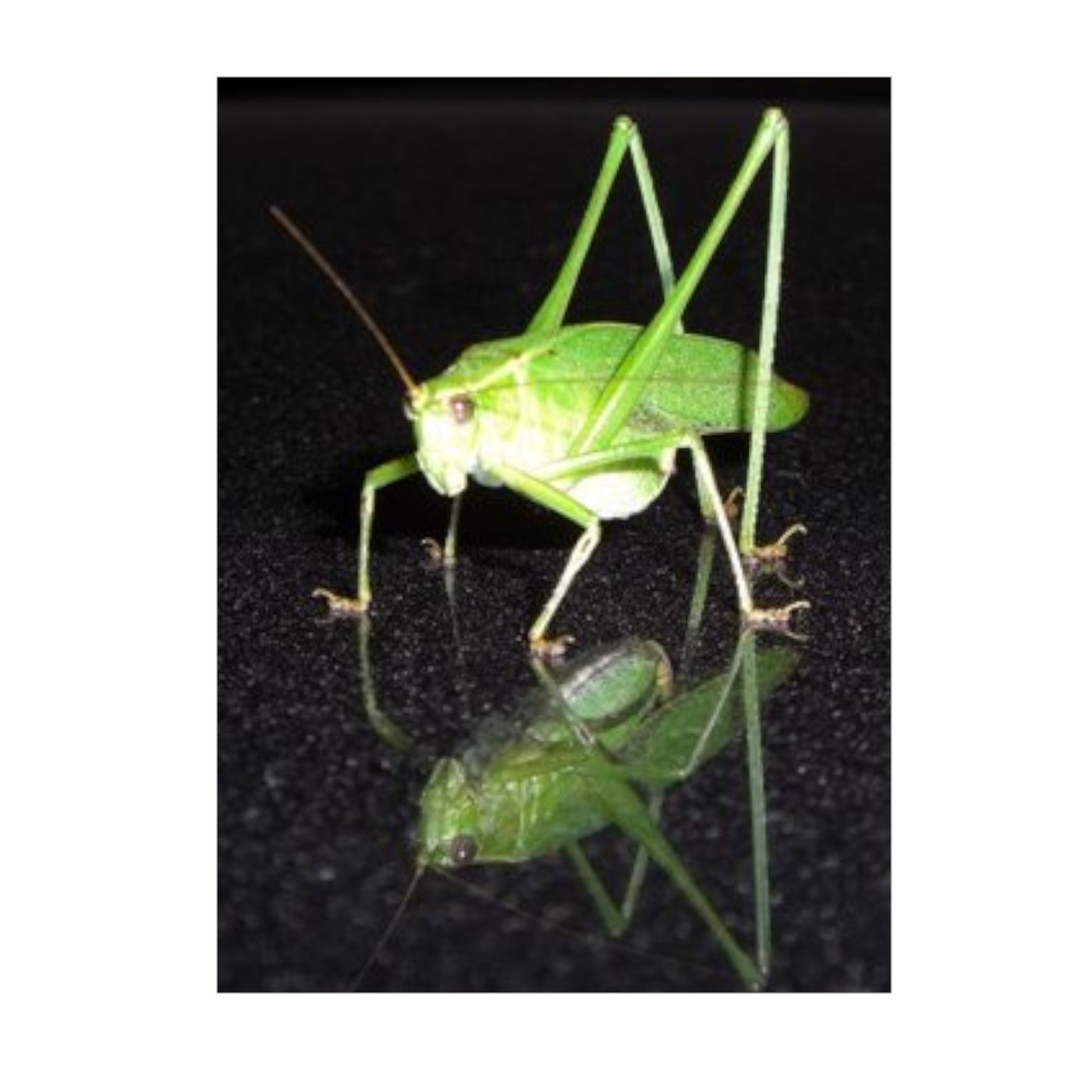
Relationships among creatures who are often very different from one another are so numerous—and so intelligent—that they witness to an overall design for living things. Even evolutionists recognize this when they talk about the "grand design" of the living world. And if design is that evident, there must be a designer. But there's even more to the matter than seeing a designer. REF.: Science 84, April 1984, p. 65. Image: Kayedid (Pixabay.com) © 2024 Creation Moments. All rights reserved.
Why Does the Sun Shine?
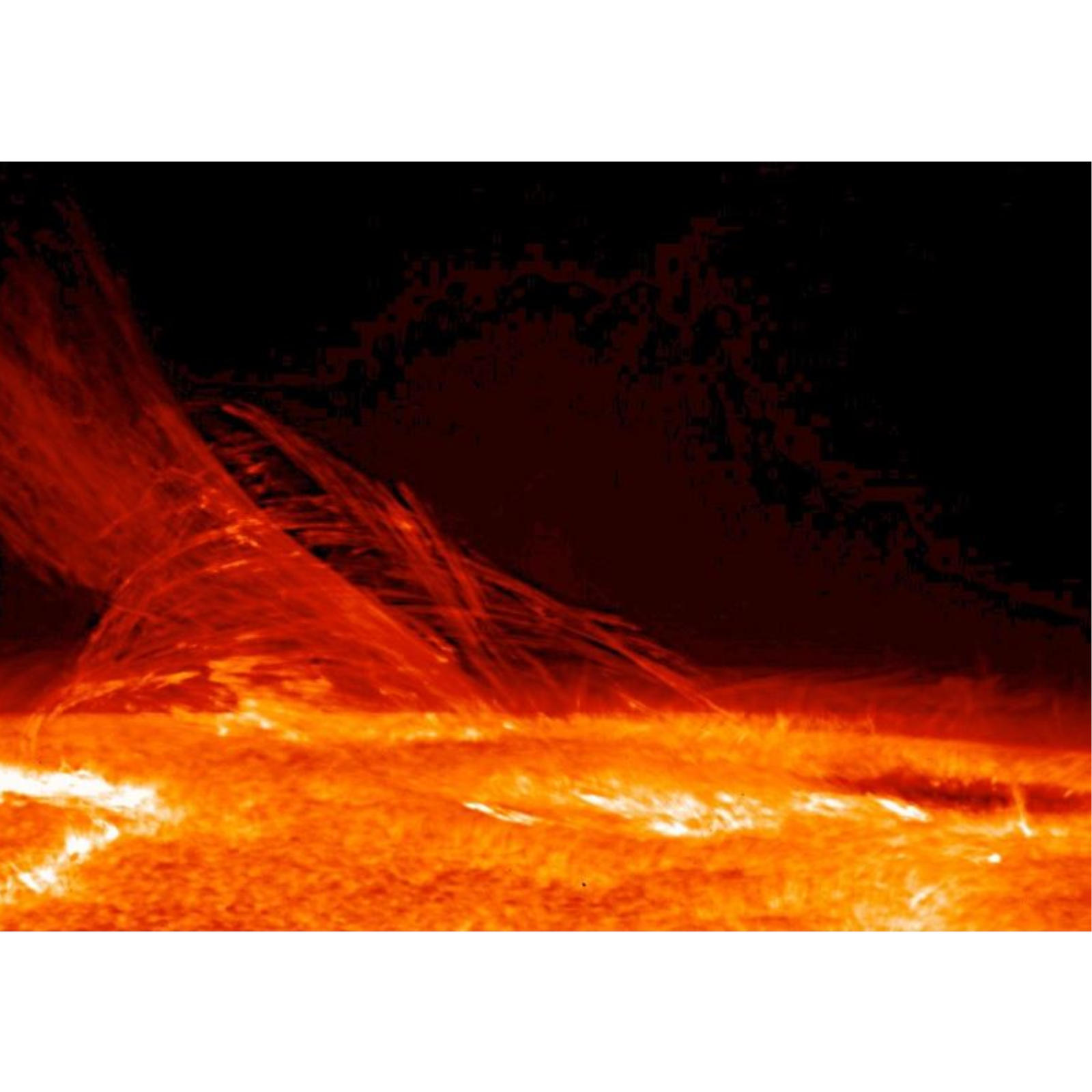
If we could harness all of the sun's energy that reaches the earth, we would have more than enough energy to fill all our energy needs—even if the entire world became as industrialized as the west. Yet less than .10% of all of the sun's energy output reaches the earth! What is going on within the sun to create so much energy? REF.: DeYoung, Don B., and David E. Rush. 1989. Is the sun an age indicator? Creation Research Society, Quarterly, v. 26, September. p.49. Photo: Surface of the sub – pixabay.com

Evolution's Impact on Society
Sociologists are treading more boldly on ground that once was the sacred domain of Christianity. In recent years sociologists have tried to explain why certain universals exist among human beings. They are puzzled, for example, by the fact that a smile or a look of grief looks the same in every culture in the world. REF.: Rensberger, Boyce. 1983. On becoming human. Science 83, April. p. 38. Photo: Children of the World by Alexas Foto_Pixabay.com
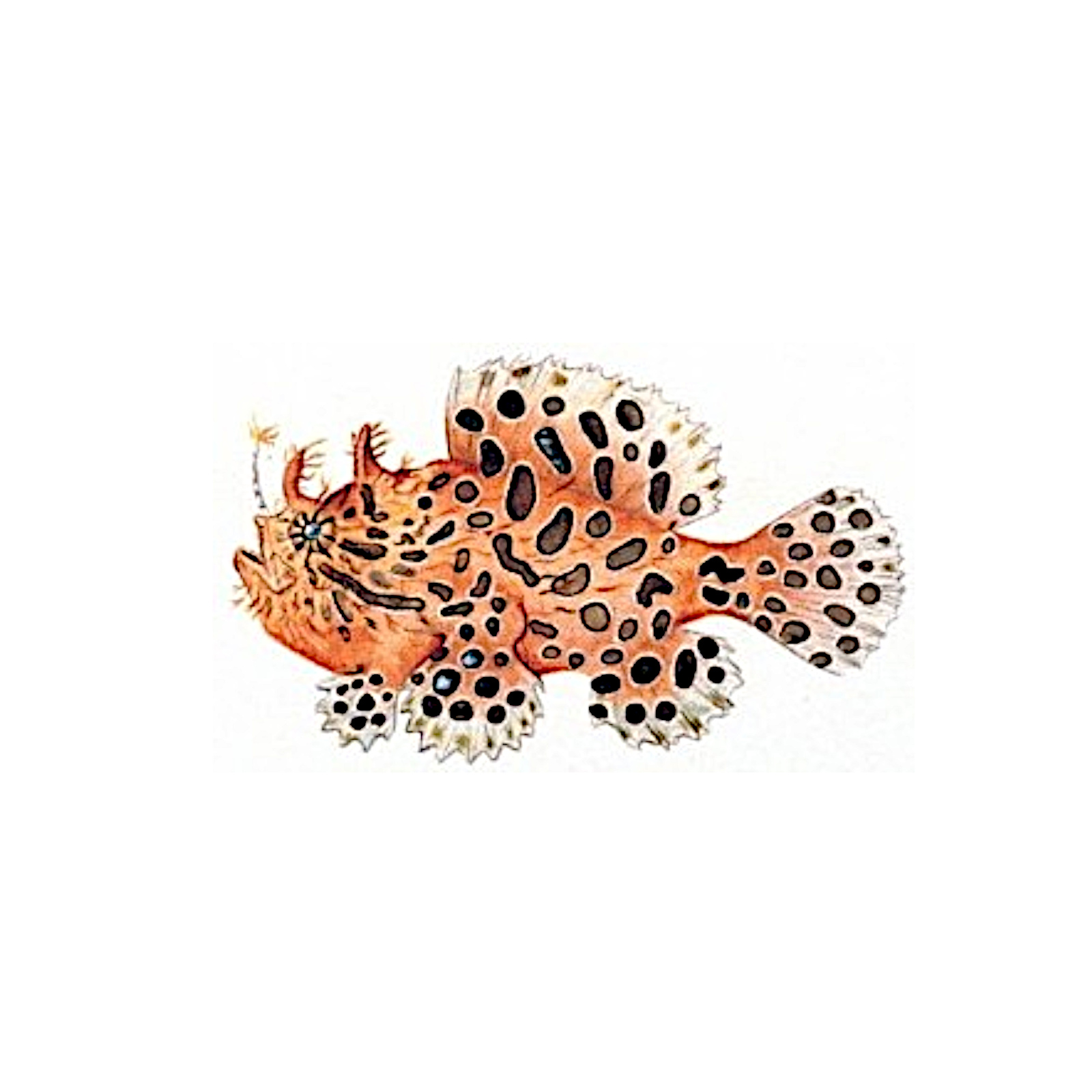
The Mystery of the Frogfish
The frogfish is yet another strange creature for which those who believe in evolution can find no history. Not only do evolutionists admit that frogfish are not related by evolution to any other creature, but also they can find no relationship among 35 of the 41 known species of frogfish! Image: Frogfish (PD)
A Real Bat Computer
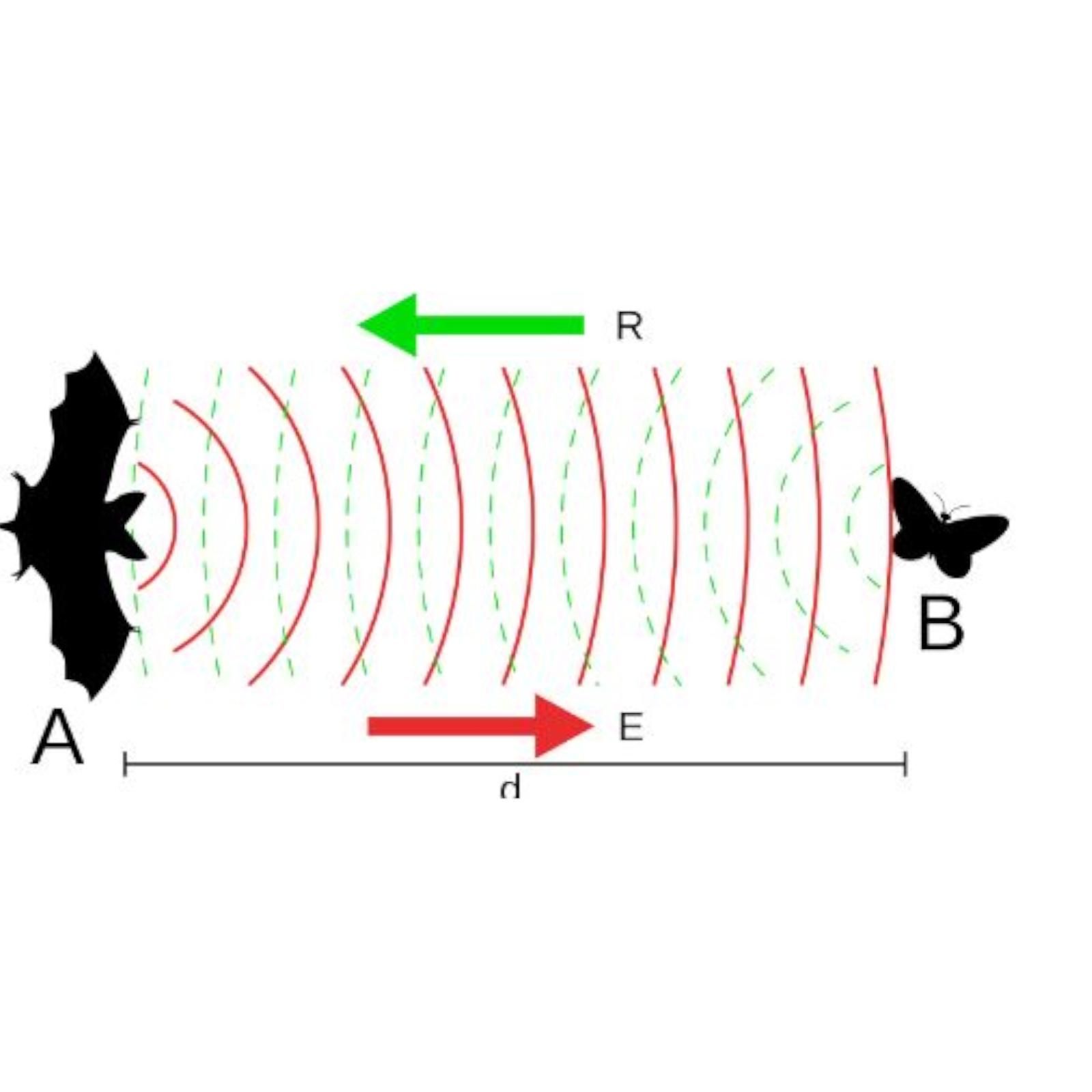
Nearly everyone is familiar with the way in which the whistle of a train moving toward them lowers in pitch as the train passes. The change in pitch is caused by the change in the movement of the train relative to the listener—first it is moving toward the listener, but after it passes it is moving away. This change in pitch is called Doppler shifting. Now let's apply this principal to the bat's echolocation system. REF.: Bats alter frequency of squeaks to aid hunt for prey. The San Diego Union, Mon., Oct. 23, 1989. p. D1. Image: Echolocation of Bats by Shung_CCA BY SA 3.0. Explanation of chart: A – Chiroptera B – prey d – distance E – emitted wave of bat R – reflected wave of prey

The Gift of Words
Is language learned or is it a builtin part of our very nature? If we were made by a Creator who values communication, we would expect to have some builtin language skills and desires. In fact, common features among all languages would also support the Bible's historical account of how humans once had only one language. REF.: Gould, Carol Grant. 1983. Out of the mouths of beasts. Science 83, April. p. 69. Photo: Cuneiform tablet_wikimedia (PD)

A Disastrous Evolutionary Explanation
We hear it often: Christian values are to blame for most of the problems in society. Marriage is ridiculed as "just a piece of paper." Strongly held convictions of right and wrong are said to be to blame for arguments, fights and wars. And by all means, we must free ourselves from old fashioned attitudes about sex and marriage. REF.: Rensberger, Boyce. 1983. Margaret Mead. Science 83, April. p. 28. Photo: Margaret Mead by Lynn Gilbert CCA By SA 4.0

The Sun Praises Its Creator
In Psalms 148:3 the sun, moon and stars are specifically encouraged along with the rest of creation, to praise God. And truly God, as our Creator and our Savior through Jesus Christ, is worthy of all praise. But perhaps many Christians have been a little too ready to accept this biblical language as figurative. Image: Sun by Alexas Foto Pixabay.com
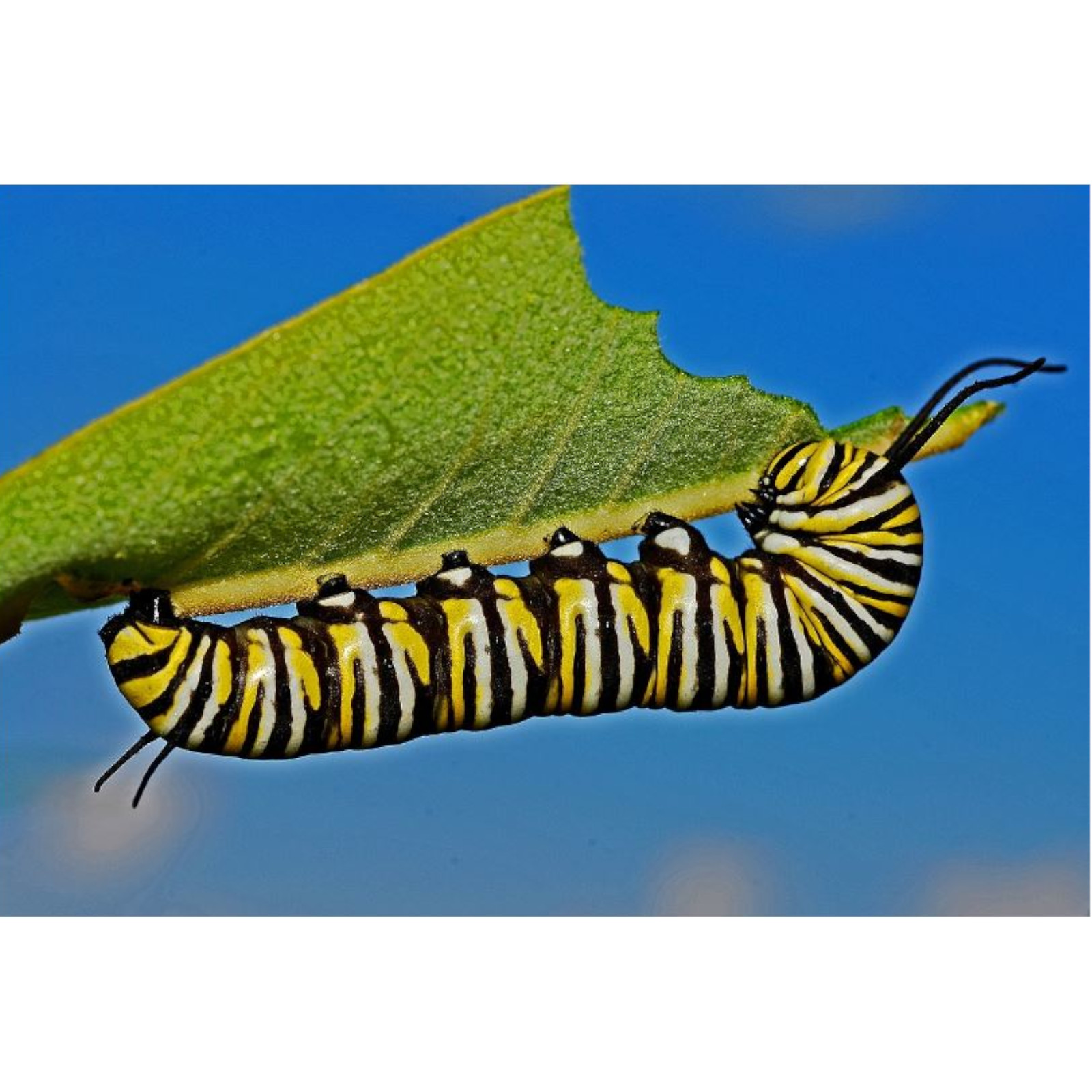
God Protects Trees from Insects
The number of different kinds of insects in the world seems almost endless. There are millions. The larva of many of these insects feed on trees and bushes at least until they develop into adults. One would think, then, that we wouldn't have any trees left, since they are so unfairly outnumbered by such hordes. REF.: Bernhardt, Peter. 1989. Wily Violets & Underground Orchids: Revelations of a Botanist. pp. 79. Photo: Caterpillia eating_pixabaycom
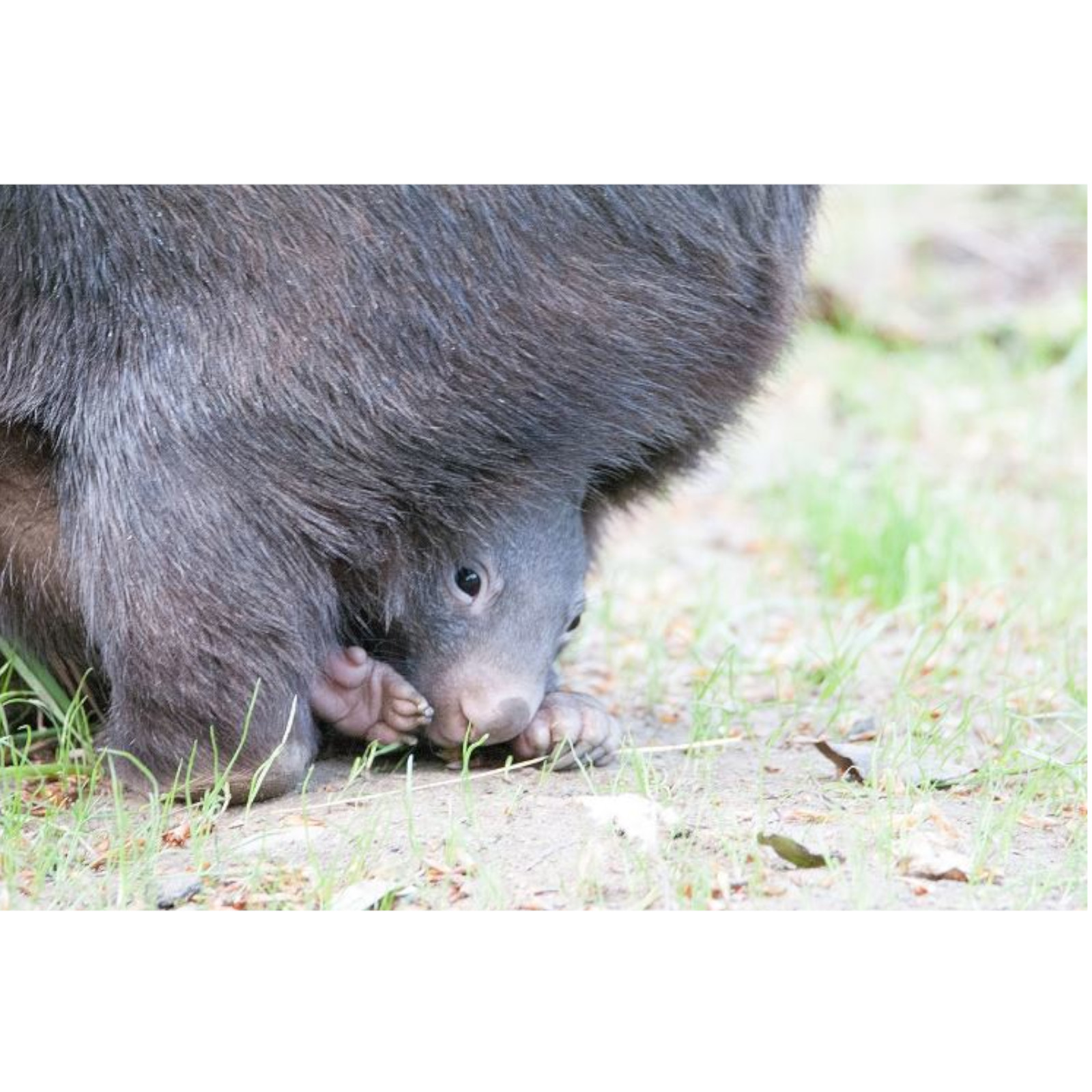
The Wombat's Backward Pouch
Australia has many animals that are not found anywhere else in the world today. One of the most unique is the wombat, which looks like a small bear with brown fur. The wombat is a burrowing animal. REF.:Major, Trevor. 1989. The backward wombat. Reasoning from Revelation, August. p. 3. Photo: A Youngster Looks out of it´s mother´s pouch_TimSagorski_CC BY SA 4.0jpg

Creation Makes Better Science
While the origins debate is basically a religious debate, many people have been taught that evolution is science and creation is religion. But even according to the evolutionists's own rules of science, evolution is not good science. Let's the claims of evolution in light of what science knows today. REF.: Brown, Walter T. 1984. The scientific case for creation: 116 categories of evidence. BibleScience Newsletter, JuneAugust.
The Fossils Show Creation
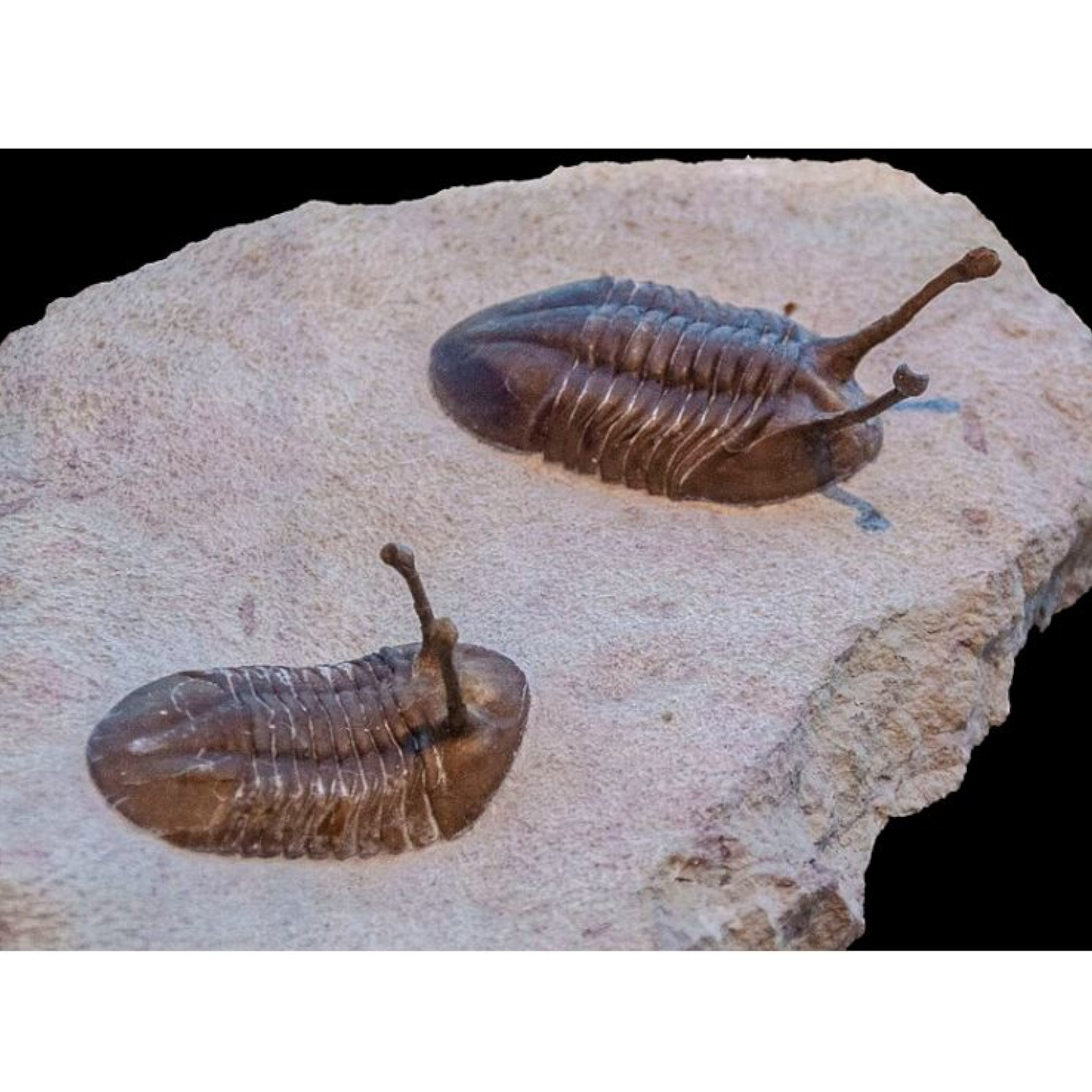
Evolution says that life began with the simplest forms. It took over a billion years just to evolve algae and another billion years for living things to have more than one cell. It took half a billion years of slow development to generate today's creatures. And evolution says that this story comes from the fossil record. REF.: Marland & Rudwick. 1964. The great intraCambrian iceage. Scientific merican, v. 211, August. pp. 2836. Photo: Trilobites_Ángel M. Felicísimo_CCA 2.0
The Punctual Bitterroot
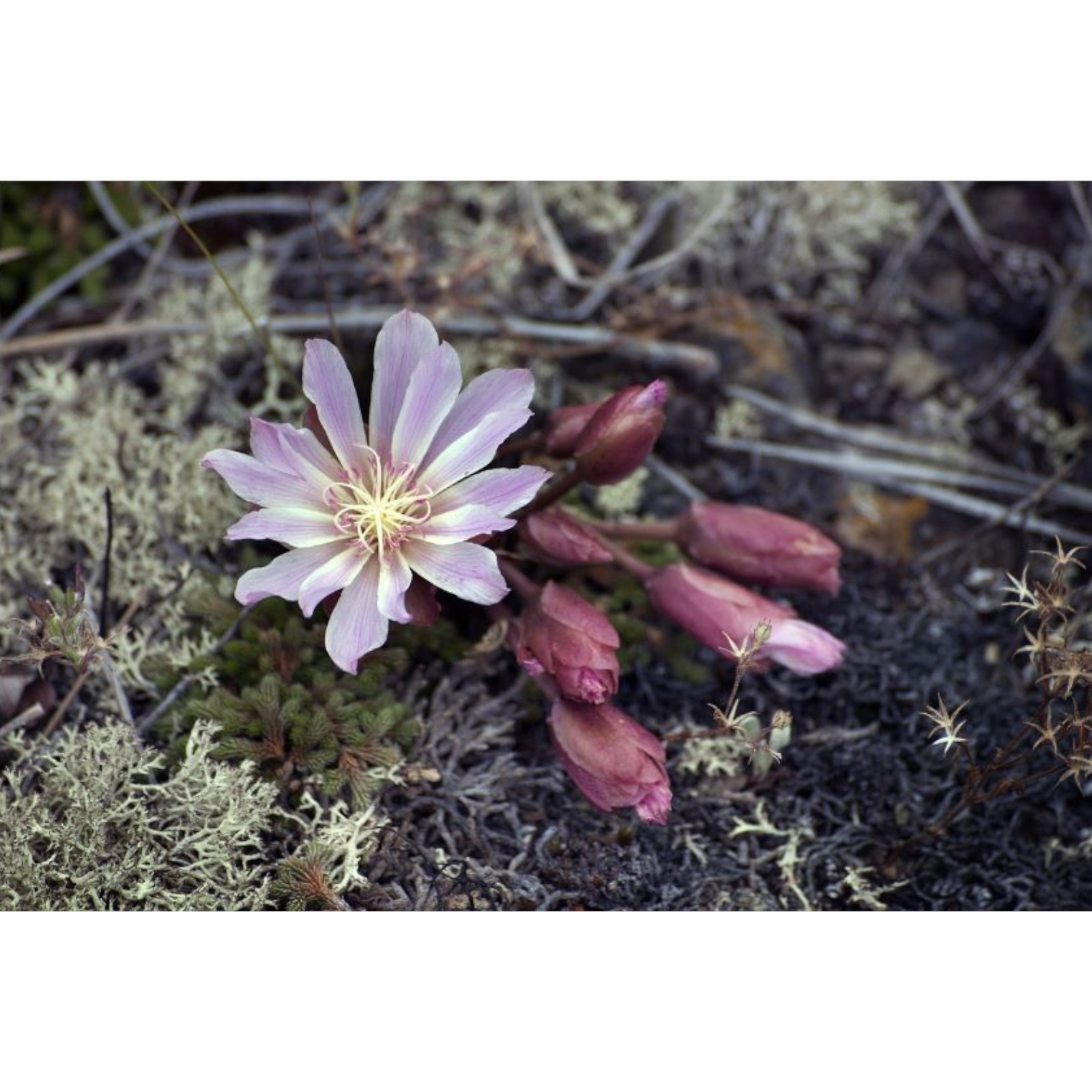
In 1805 when Lewis and Clark crossed the Continental Divide they saw North American Indians preparing the large roots of a plant for cooking. Lewis writes that he asked to taste a sample of the root. It was probably with some sense of amusement that the Indians, who cook the root before eating it, handed Lewis the raw root—which immediately upon tasting he named the bitterroot. REF.: Keithley, W.E. 1989. Bitterroot. Creation Research Society Quarterly, vol. 26, Sept. p. 53. Photo: BitterroomPixabay.com

Scientists Admit Bankruptcy of Big Bang Theory
A young student once asked Martin Luther what God was doing before He made the creation. Luther is said to have responded by telling the young man, "He was making switches to use on children who ask foolish questions." Now some evolutionary physicists are asking what the universe was like before the big bang. Notes: New Scientist, 6/3/00, pp. 24-27, "Before the Big Bang." Image: Universe explosion_Pixabay.com

Abortion and the Mother's Mental Health
Over the past several years, scientific studies of women have shown that those who have had abortions increase their risks of infertility, breast cancer and other problems. Now, a study released by the Population Research Institute reveals a whole new category of risks associated with abortion. Ref: Population Research Institute, 20 January 2006, Vol. 8, No. 3, Joseph A. D'Agostino, "Why Think Abortion Good for Anyone?" Photo:Pregnant woman – Pixabay.com

Could a Bee Pick You Out in a Police Line-Up?
Given the size of its brain, could a honeybee recognize a specific human face? And if a bee could recognize specific human faces, how would the evolutionist explain this kind of ability? Ref: Science News, 12/3/5, p. 360, S. Milius, "Face Time." Photo: Honey Bees on flower – Pixabay.com
This Shrimp Packs a Punch
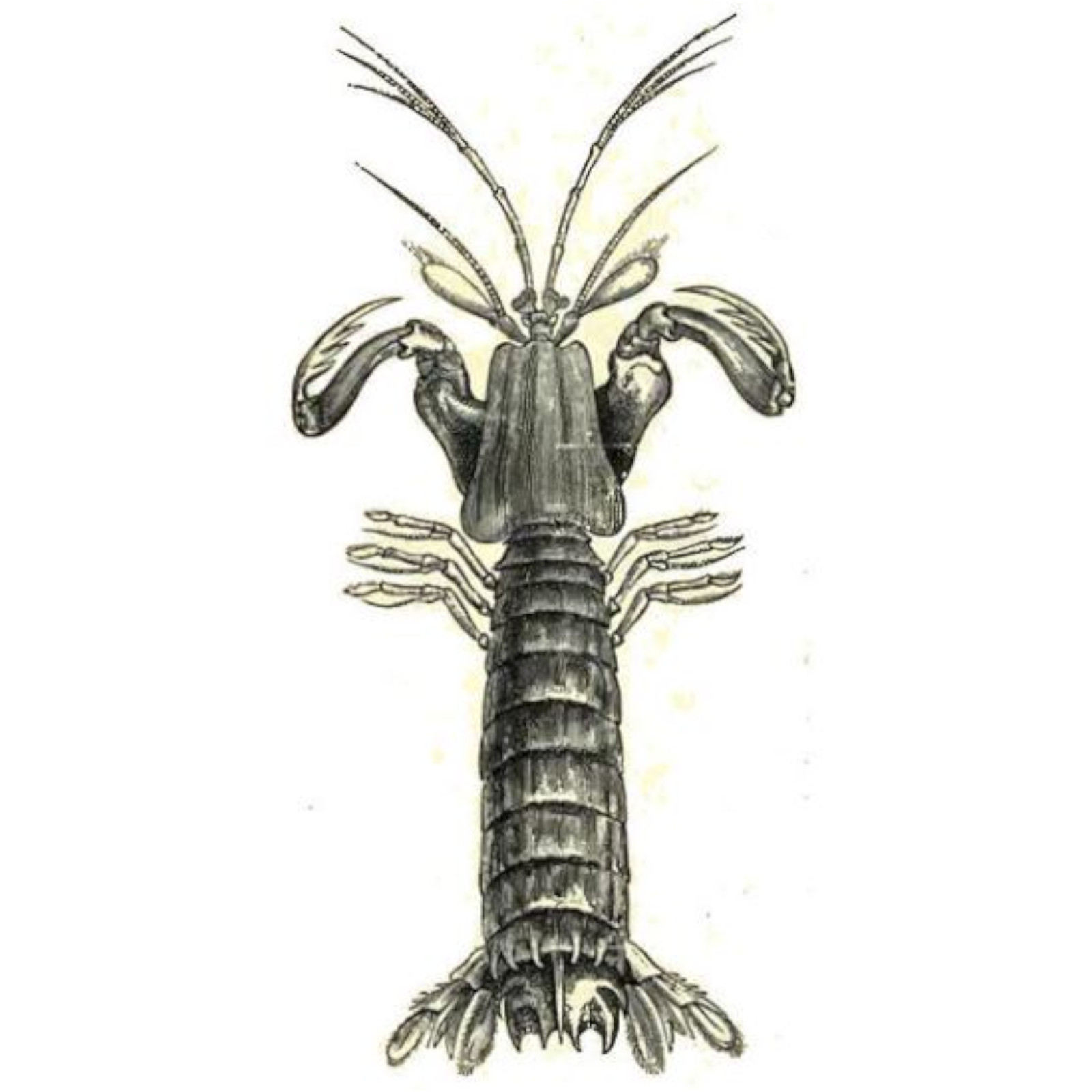
If you enjoy keeping tropical fish, the Mantis shrimp is one creature you may not want to keep in your aquarium. While this creature is related to common shrimp, it has a very unusual and specialized feature. Ref: http//www.USA Today.com. 1/9/06, April Holladay, "Shrimp spring into shattering action” Image: Mantis Shrimp_PD

Plants Add More Greenhouse Gas
Those who fear global warming blame any climate changes upon man's activity, including the raising of cattle for food. The digestive system of all ruminants, including cows, produce methane gas as part of the digestive process. Methane is considered one of the greenhouse gases that change the Earth's climate. Some have even suggested ways of limiting the methane produced by cows. Ref: Science News, 1/14/06, p. 19, S. Perkins, "Greenhouse Plants" Photo: Cow- Pixabay.com.
Plants with Perches for Pollinator Birds
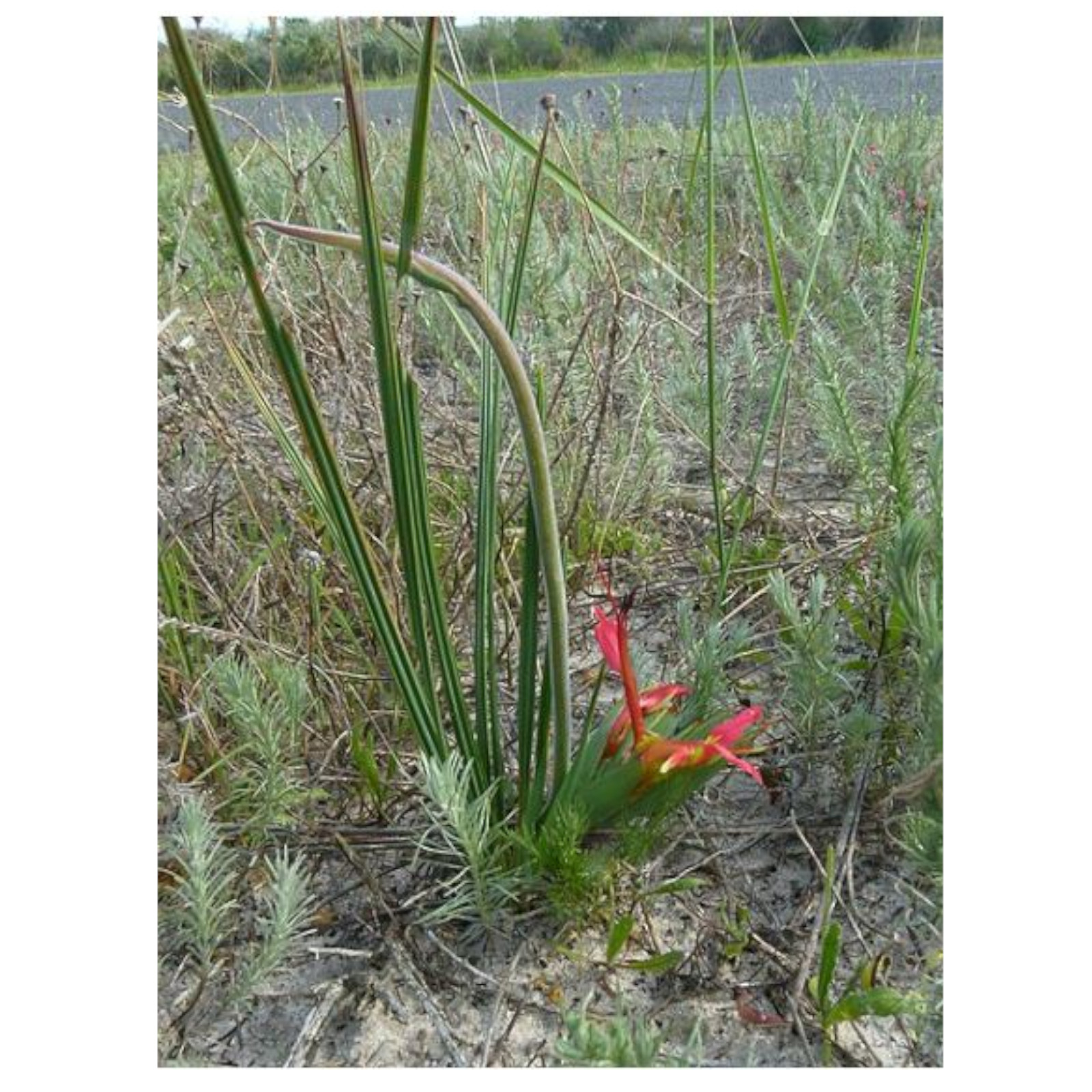
Could a plant devise a special growth for itself so that it becomes inviting to its only pollinator? If evolution were true, how could such a plant survive until it could learn enough about its pollinator, and about genetics, to evolve a special growth just for that pollinator. Ref: Science News, 6/4/05, p. 365, "Built-in bird perch spreads the pollen." Photo: S. African Rat Tail plant by Shyamal CC BY SA 4.0
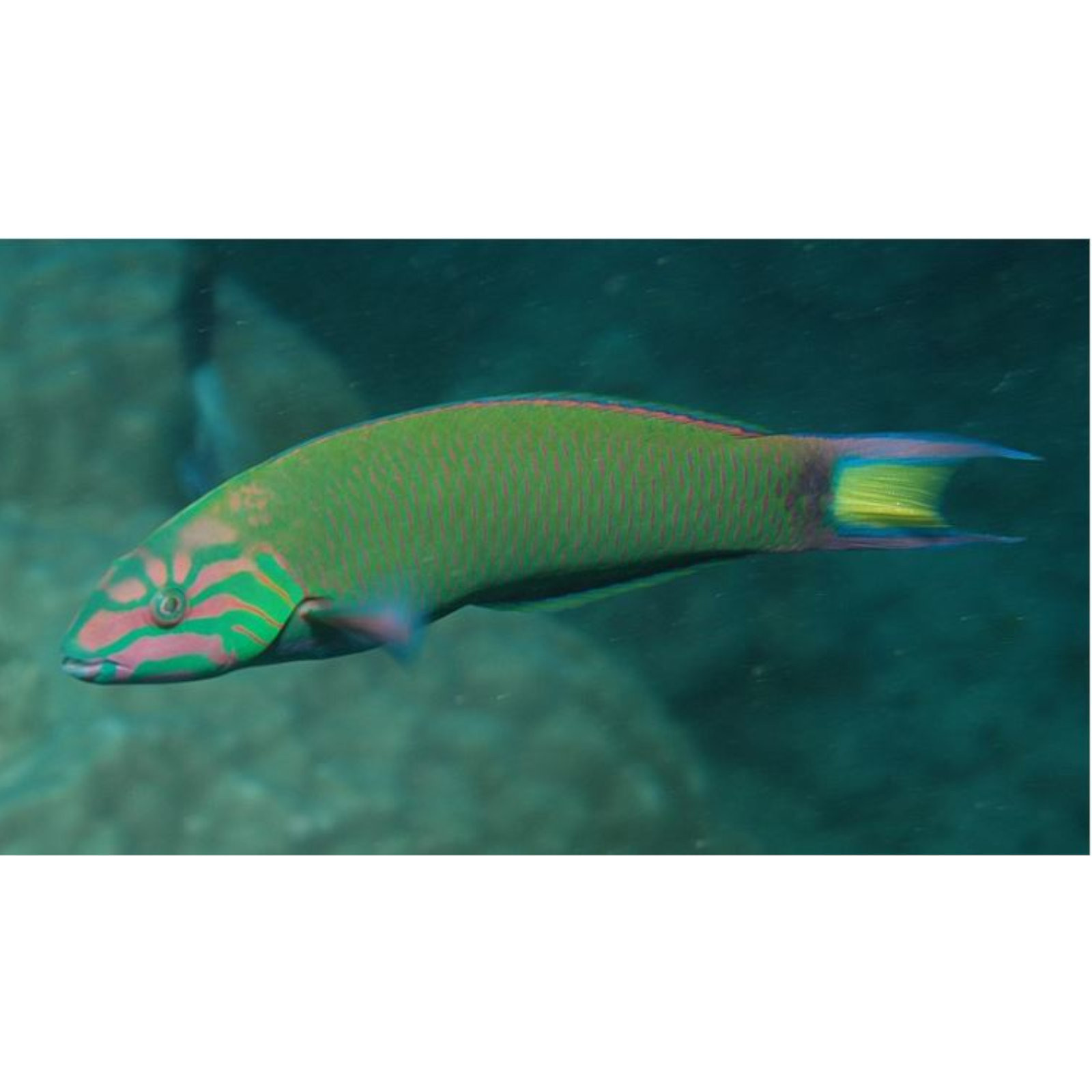
A Tuck and a Nip
Most listeners have heard of the little "cleaner fish" or wrasse that clean the teeth of larger fishes. New research on the behavior of these fishes shows that they are not always honest-business fish. Other fish, including those who might ordinarily consider a meal of "cleaner fish", actually stand in line for their services. That's because they need to have parasites and diseased tissue removed. They also know that the little "cleaner fish" offer massages. Ref: Science News, 11/2/02, p. 277, S. Milius, "Fish Fraud." Photo: Wrasse by Leonard Lowe_CCA 2.0_
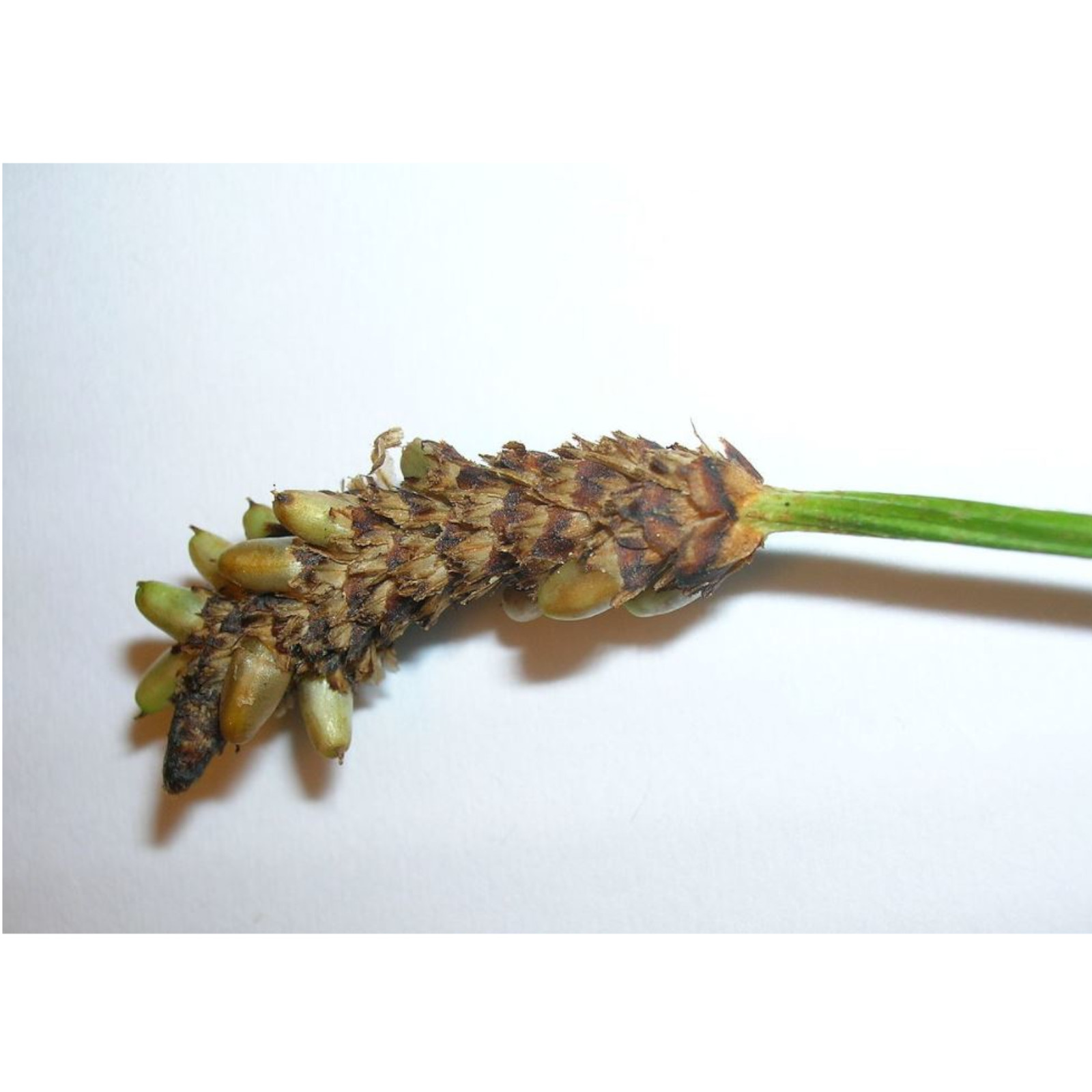
Some Moms Are Green
Chickens aren't the brightest creatures in the animal world, but the mother hen knows to protect her eggs and keep them warm. Many species of snakes also care for their young. Amazingly, scientists have learnt that even some plants have been designed with "motherly" instincts. Ref: Science News, 7/23/05, pp. 59-60, Susan Milius, "Mommy Greenest." Photo: Galls on the head of Plantago lanceolata. Auchenmade (PD):

The Fastest Flower in the West
Can you imagine a plant that moves so fast that science didn't know what it was doing until recently? The plant is a forest wild flower found in North America and called the Bunchberry dogwood. Ref: Science News, 6/11/05, p. 381, "World's Fastest Plant Explodes with Pollen." Photo: Bunchberry Dogwood Flower (PD)
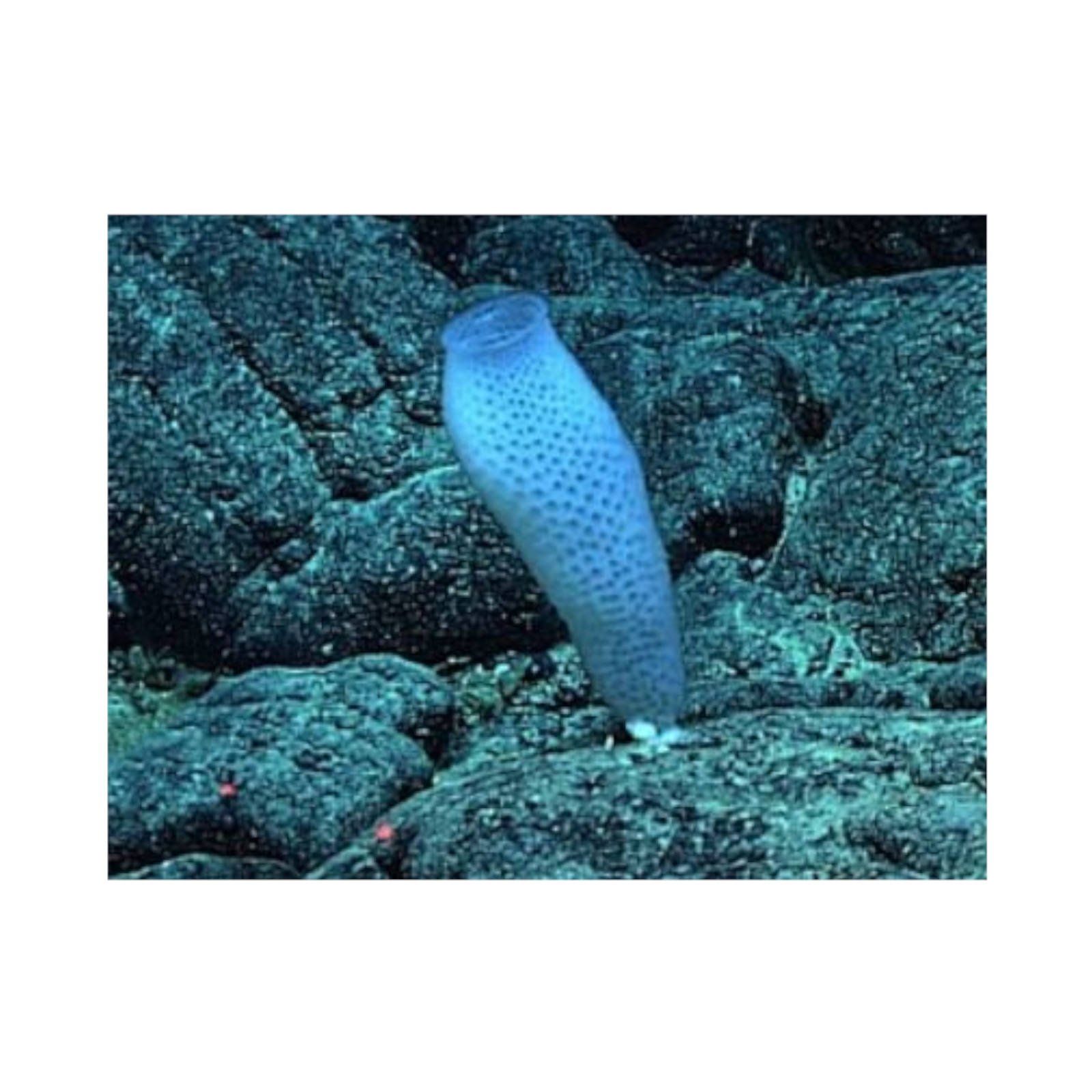
A Cage of Light
Ask any evolutionist, and he will tell you that the Venus Flower Basket is one of the least-evolved animals. This animal is actually a sponge that is made up of a colony of creatures, and it does some amazing things. Ref: Discover, 8/05, pp. 42-47, George M. Whitesides, "Illuminated Life." Photo: Euplectella Aspergillum Vnus flower sponge (PD) NOAA

From Mozart to Einstein
Scientists have shown that the so-called "Mozart effect" of music in young children is just a myth. This popular idea said that exposing young children to classical music improves their ability in non-verbal tasks. Nevertheless, researchers did find a more interesting effect of classical music on students. Ref: Science News, 6/19/04, p. 389, B. Bower, "Tuning Up Young Minds." Painting: Young Mozart before Emperor Francis (PD)
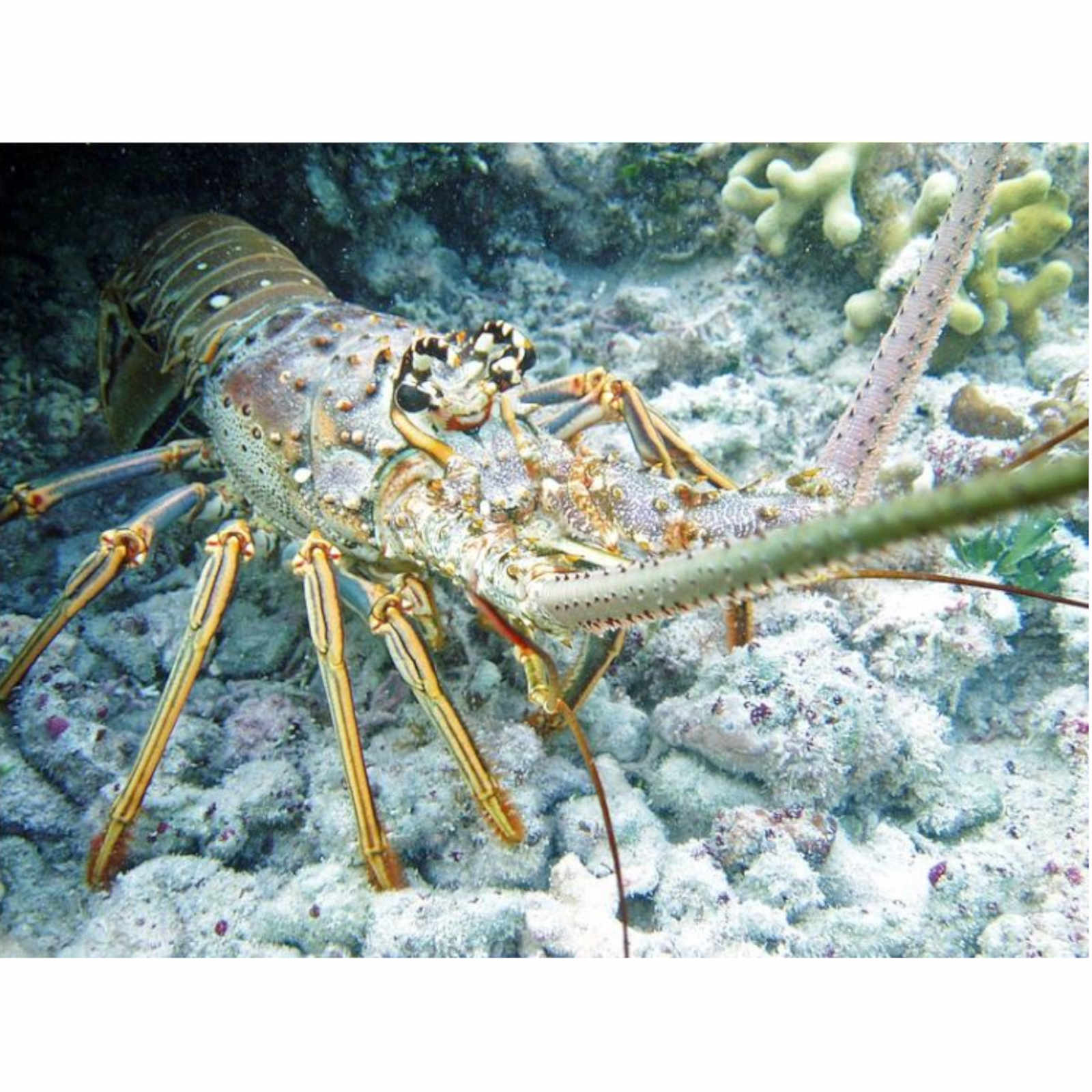
Global Positioning Lobsters
Homing pigeons are valued because of their highly developed sense of direction, and this includes the ability to read the Earth's magnetic field. Some other birds, turtles and even a few salamanders have also shown this same ability. However, bees, ants or people are not born with this ability. Ref: Science News, 1/4/03, p. 4, S. Milius, "Homing Lobsters." Photo: Spiny Lobster by James St.John CCA 2.0
Being Right About Right and Wrong
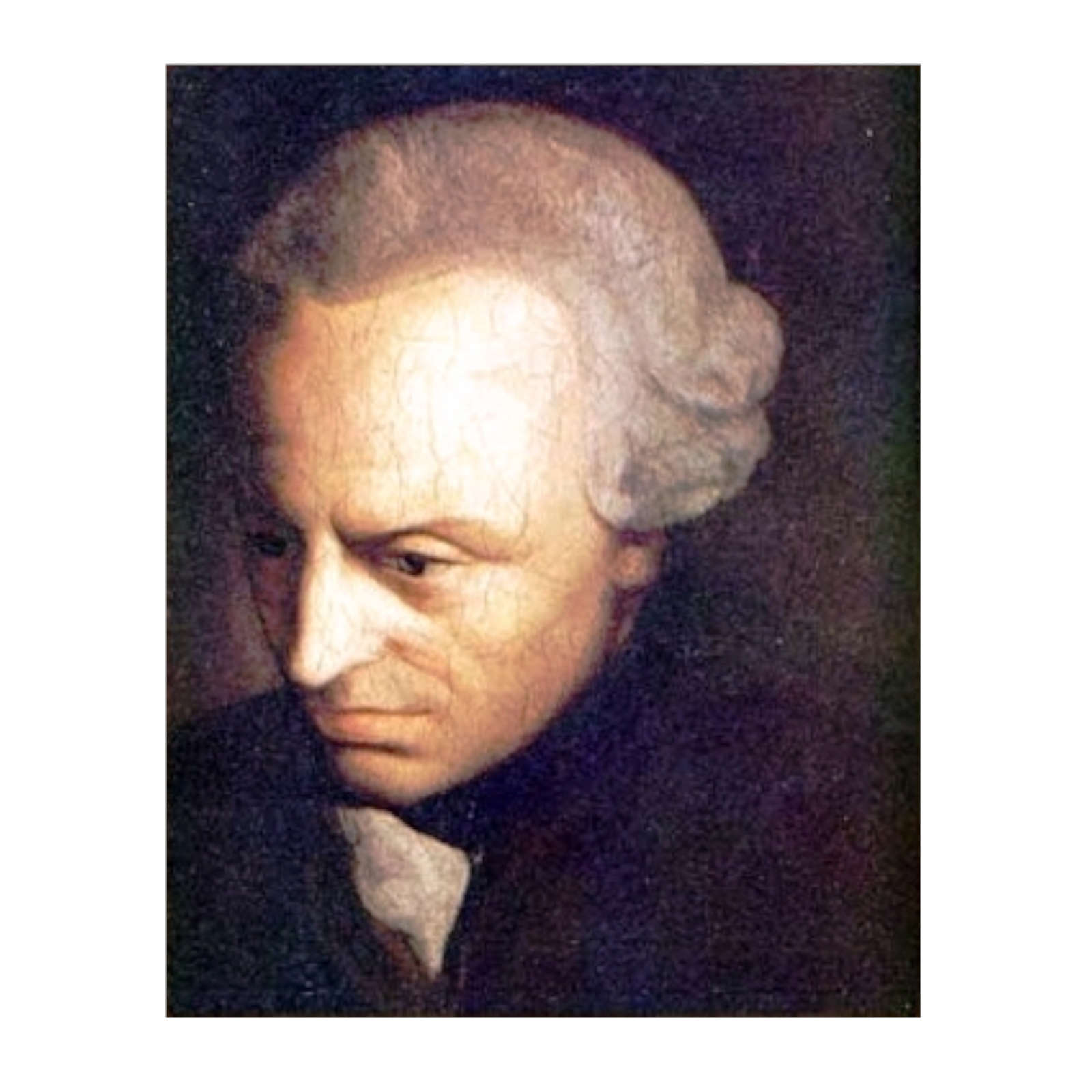
Ethicists who believe in evolution are trying to figure out an evolutionary explanation for why people universally have a sense of right and wrong. This line of study is so new that it doesn't yet have a name, although some have suggested "neuroethics" or "moral neuroscience". Ref: Discover, 4/04, pp. 60-65, Carl Zimmer, "Whose Life Would You Save?" Photo: portrait of Immanuel Kant.(PD)
Can Monkeys Count?
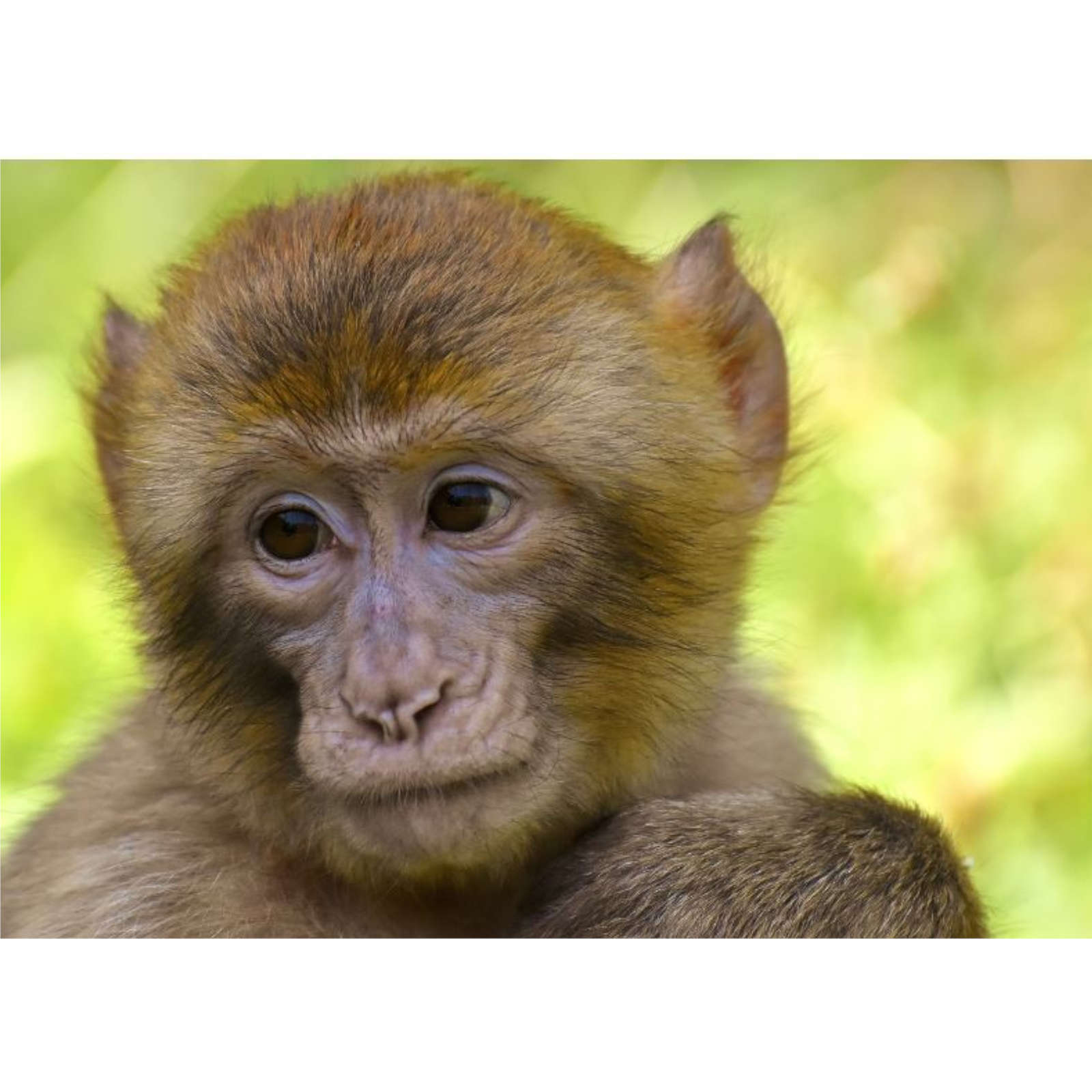
Listeners will know from our Creation Moments programs that the scientific establishment is firmly convinced that Man evolved from the higher apes millions of years ago. For this reason, rhesus monkeys have long been used not only for pharmaceutical trials but in psychological tests to determine how Man's intelligence evolved. Ref: Science News, 7/2/05, p. 14, "Monkeys keep track of small numbers." Photo: Monkey by Alxas Foto Pixabay.com
Ancient Hummingbirds Were Quite Modern
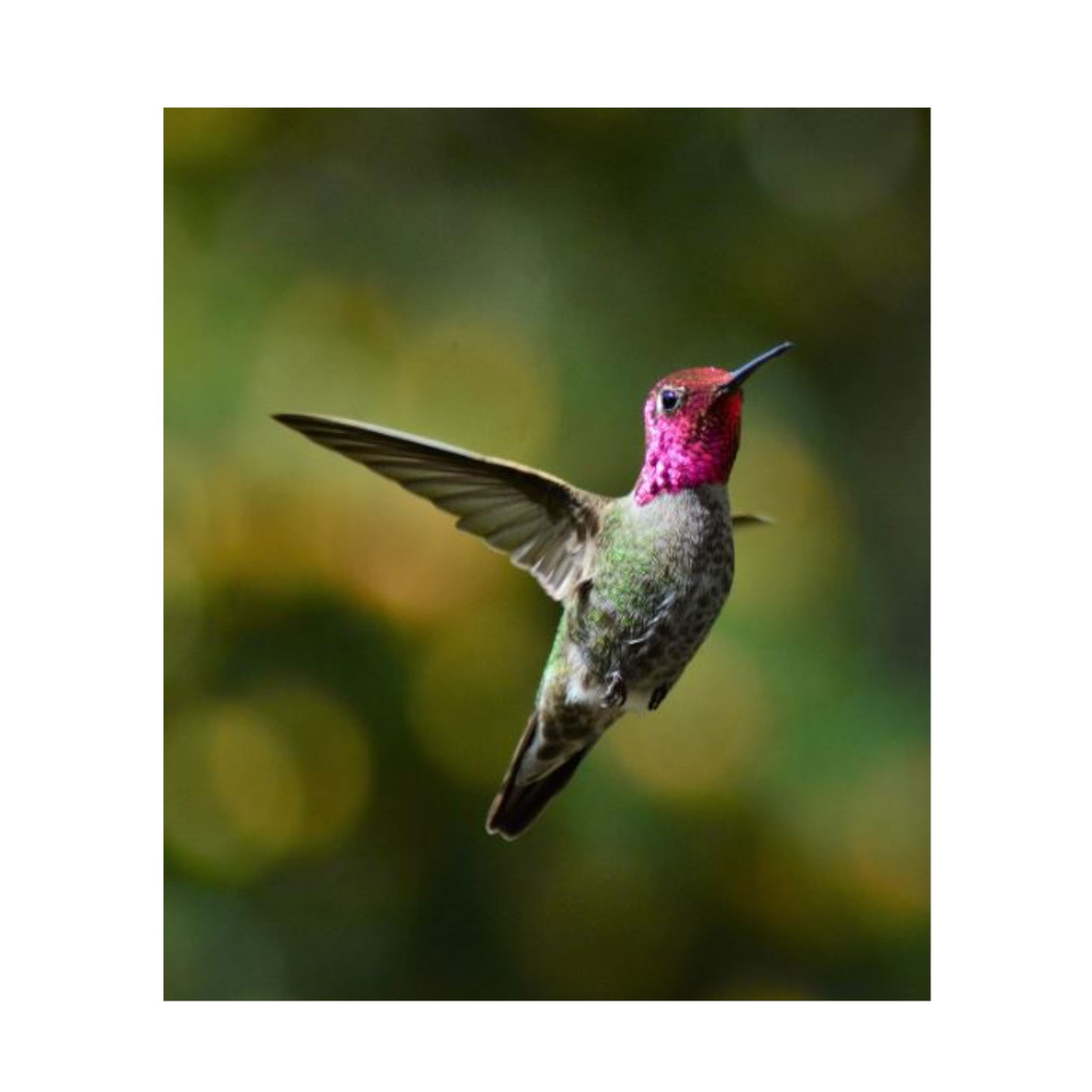
Today, hummingbirds are found only in North, Central and South America. Of course, since Noah's Ark landed in the mountains of Ararat, they had to cross Europe and the Atlantic or Asia to get there. However, until now, there was no evidence for this migration. Ref: Science News, 5/8/04, p. 292, S. Perkins, "Ancient Buzzing." Photo: Hummingbird by BryanHanson_Pixabay
Dancing Infrared Ground Squirrels
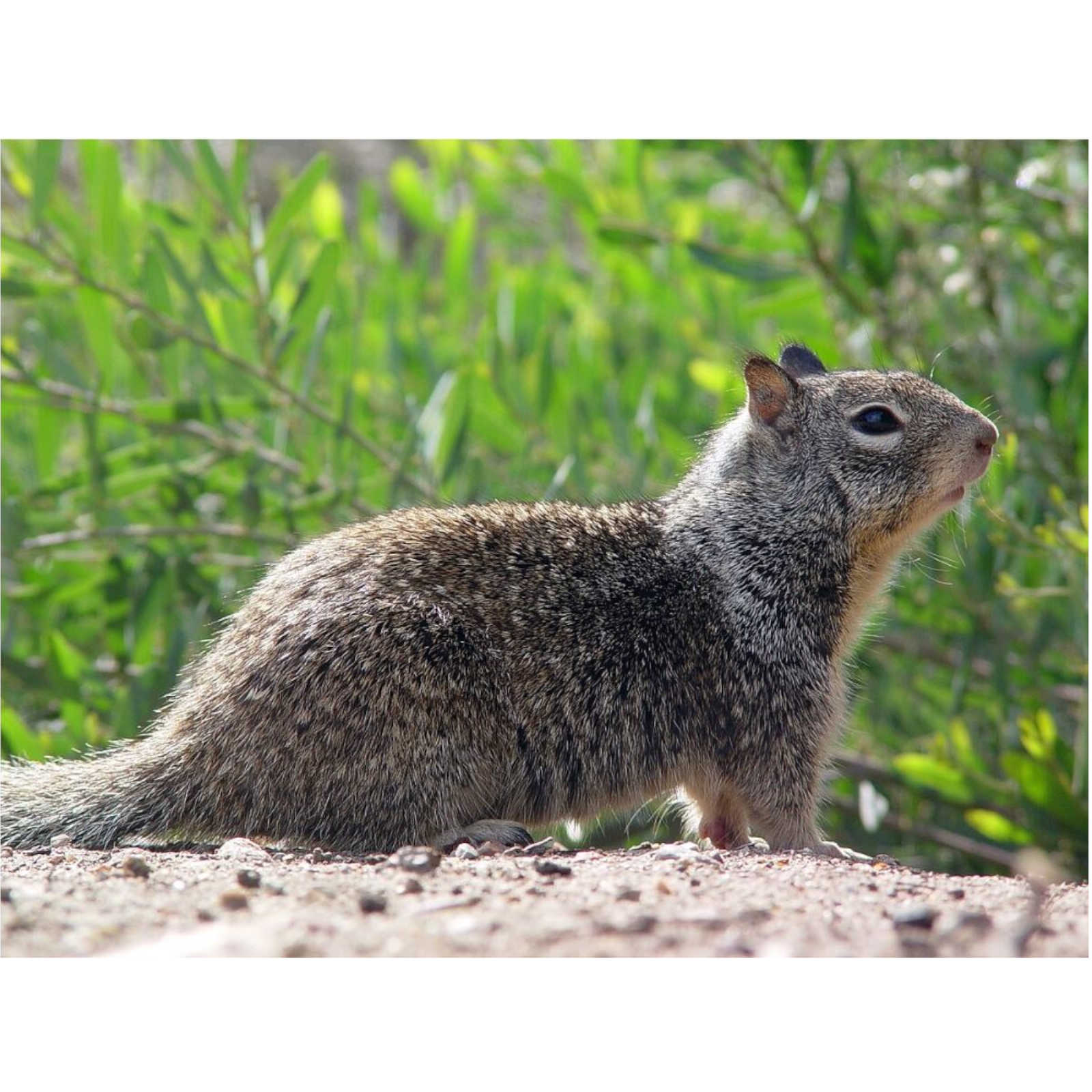
The last creature a rattlesnake wants to see is the California ground squirrel. Ref: Science News, 6/26/04, p. 403, S. Milius, "Hot Bother." Photo: Squirrels_by Holly Cheng CC BY SA 3.0