
Today's Creation Moment
1,936 episodes — Page 15 of 39
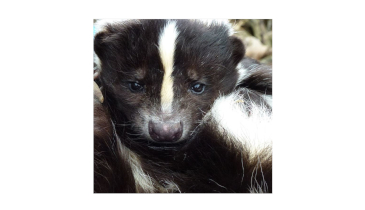
Making Scents of Smells
How many different scents do you think your nose is able to smell? The answer is about 10,000. How does your nose tell the difference between a rose and a skunk? Until only recently, scientists really weren’t sure. REF.: Scientists find genes that let nose make scents of what it smells. Minneapolis Star-Tribune. Apr. 5, 1991. p. 7A. Photo: Baby skunk by Vicky Roberts – Pixabay.com © 2023 Creation Moments. All rights reserved.
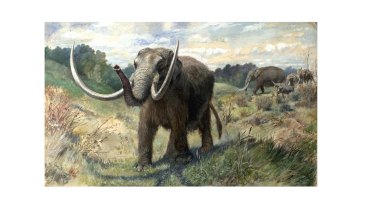
Mastodon Lunch
Mastodons were distant relatives of the elephant. Modern science says that one of the main parts of their diet was conifer needles. Supposedly they died out at the end of the Ice Age because conifers became scarce as the world warmed. Now the discovery of the last meal of one mastodon calls this theory into question. Living bacteria have been found in a mastodon that died during the Ice Age. The bugs were found in the remains of a mastodon’s last meal, preserved with a skeleton that was discovered while preparing a golf course in Ohio. Scientists think the bacteria normally lived inside the mastodon, working as part of the mastodon’s digestive process. Image: Mastodon herd by Charles Knight (PD) © 2023 Creation Moments. All rights reserved.
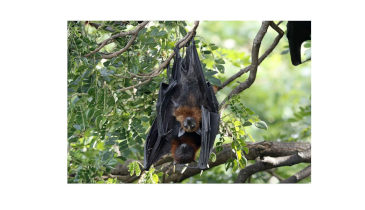
A Six Foot Bat
Could the giant flying fox be a primate? In the 18th century, scientists weren’t quite sure what to do with bats. Some wanted to classify them as primates, while others thought they should have their own category. Since 1780, all 950 known species of bats have been classified in their own category. The bat order is divided into microbats and megabats. Microbats have an average wingspan of less than a foot. Megabats are larger. The giant flying fox has a wingspan of six feet! REF.: The eyes have it: megabats are primates. Discover, June 1986. p. 7. Photo: Lyle flying Fox - PD © 2023 Creation Moments. All rights reserved.
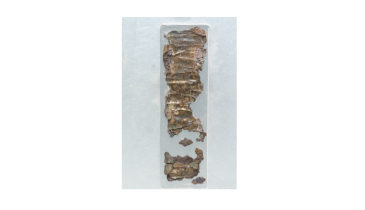
The Truth in Silver
The Bible itself tells us that the first five books of the Bible were written by Moses. Jesus Himself calls Moses the author of the first five books of the Bible over a dozen times. Unfortunately, liberal biblical scholarship has rejected these claims. These scholars have tried to teach Christians that the first five books of the Bible were written over many generations and finally finished only five centuries before Christ’s birth. Now an amazing new discovery is forcing these scholars to change their teaching and has helped to scientifically confirm what Jesus said. Archaeologists have discovered two tiny silver scrolls on which are carved important passages from Moses. The scrolls, once used as amulets, were found in the ruins of early sixth or seventh century B.C. Jerusalem. REF.: A startling revelation about the Good Book. Discover, Aug. 1986. p. 10. Photo: Ketef Hinnom scrolls (PD) © 2023 Creation Moments. All rights reserved.
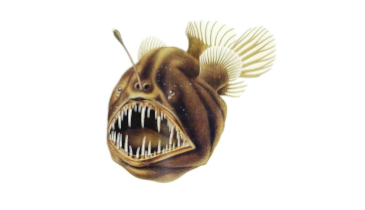
The Fish That Goes Fishing
A family of fish that live in the depths of the sea actually go fishing—pole, dangling bait, and all. This is only natural, since they, like people who go fishing, like to eat fish. This group of fish is collectively called the angler fish. The front dorsal spine in the female angler is located on her head. It is much longer than any of the other dorsal fins and has a fleshy bait on the end. When hungry, she sits very still and dangles the bait in front of her mouth. It doesn’t take long before something swims up to investigate this bait as its possible lunch. But before it can think about taking a sample, the angler has turned the tables and eaten her own lunch. Image: Humpback Angler Fish (pd) © 2023 Creation Moments. All rights reserved.
Technological Secrets from God
A revolutionary design in metal-cutting blades is changing the metal-working industry. These blades don’t cut like a knife. Instead, the blade is fixed in one position while the metal to be shaped spins on a lathe. This new-style blade stays sharp six times longer than the old blade design. And where titanium used to make the old-style cutting blades dull almost the second they were used, the new blades last up to 30 minutes. REF.: Self-sharpening blade has edge. Science Digest, Mar. 1984. p. 86. Photo: Rat by Karsten Paulick_Pixabay.com © 2023 Creation Moments. All rights reserved.

Learning from the Dragonfly
Consider the mystery of flight, for example. Some evolutionists suggest that perhaps birds are descended from lizards that fell out of trees a lot. Other evolutionists say that birds came from lizards who grew wings—not for flight, but to chase down and catch insects. Yet, they have little to say about the fact that we humans have come by most of our sophisticated knowledge about flight from studying the birds. REF.: Dragonfly model for future wings Science Digest, Mar. 1984. p. 87. Image: Dragonfly by Marc Pascual from Pixabay.com © 2023 Creation Moments. All rights reserved.
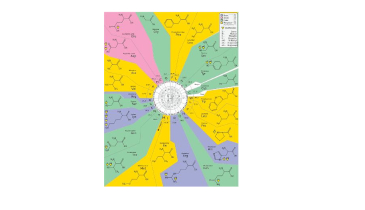
Built-In Error Correction
It seems like science fiction to suggest that if someone typed your name into a computer, misspelling your name, the computer would find it and correct it. Yet the genetic code within each of your cells is an even more sophisticated information storage and transmission system. REF: Fersht, A.R. 1980. Trends in Biochemical Science, v. 5. p. 282. Lambert, G.R. 1984. Journal of Theoretical Biology, v. 107. p. 387. Photo: Chart showing the relationship between codons and amino acids. Courtesy of Seth Miller. © 2023 Creation Moments. All rights reserved.
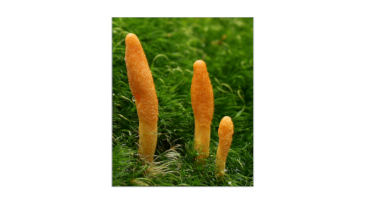
An Intelligent Fungus?
Late at night, in hundreds of thousands of homes around the country, people are watching a bewildering array of monster movies. In these films, shadowy and not-so-shadowy monsters attack, possess or inhabit their victims. These stories are make-believe. However, in our real world, there is a fungus that does all these things. REF.: Perry, Donald R. 1984. The creeping killers. Science Digest, Feb. p. 82. Photo: Cordyceps By Andreas Kunze CC BY-SA 3.0 © 2023 Creation Moments. All rights reserved.
What Was the First Form of Life?
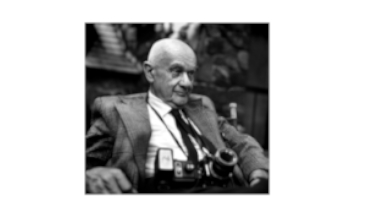
Roman Vishniac is a renowned photographer of microscopic scenes. One of his favorite subjects is one of the so-called simplest forms of life. This “simple” life, the protozoan, is supposedly the ancestor of all living things. However, Vishniac has noted that the protozoan is neither simple nor archaic in character. This creature carries out all the functions of life that we require millions of cells to sustain—all within a single cell. REF.: Science Digest, Feb. 1984. p. 80. Photo: Roman Vishniac (PD) © 2023 Creation Moments. All rights reserved.
The Venus Flytrap
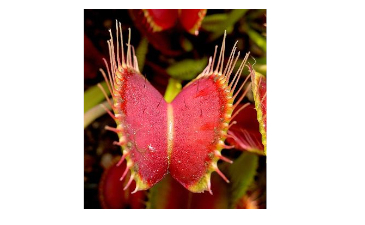
The exotic Venus flytrap is an insect-catching plant and a wonder of God’s engineering. Notes: Ref: David Dreier, “Venus’s-Flytrap Case Closed,” OMNI. Vol.5-10, July1983, p.42.. Photo: Courtesy of Picasa 2.0. Licensed under the Creative Commons Attribution-Share Alike 2.5 Generic license © 2023 Creation Moments. All rights reserved.
Why Don't Birds Need Socks?
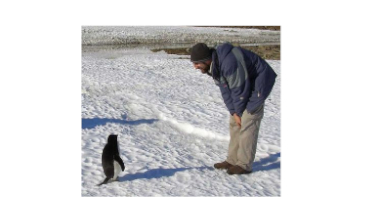
Have you ever watched ducks out on an icy lake paddling around in the near-freezing water. They will spend much of the day in that one spot with the temperature well below freezing, and yet the cold doesn’t seem to bother them. Perhaps on shore there are some sparrows hopping around in the snow. One wonders: why don’t birds need shoes and socks? REF.: Why don’t duck’s feet freeze? Science Digest, Feb. 1984. p. 76. Photo: Penguin - Courtesy of Roux. (CC-BY-SA 3.0) © 2023 Creation Moments. All rights reserved.
The Bombardier Beetle
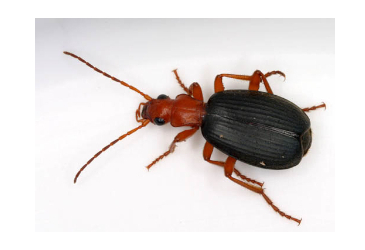
The bombardier beetle has a powerful and complex system for protecting himself from enemies. If this system is missing any of its parts, it is more than worthless to the beetle; the chemicals alone are very dangerous. Ref: Science Digest, Aug., 1983. p. 74. Photo by Patrick Coin (cc-by-sa-2.5). © 2023 Creation Moments. All rights reserved.
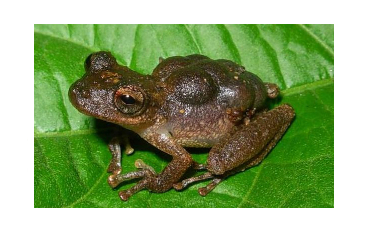
Construction Frogs
Perhaps to get evolutionists to rethink their beliefs, the Creator has provided many inventive and unique structures. There are so many of these that even the longest evolutionary timescale could not account for their evolution. Ref: Wilder, Rachel. 1983. "Flying frogs." Science Digest, Nov. p. 120. Photo: female marsupial frog by Mauricio Rivera Correa -CC By SA 2.5.jpg © 2023 Creation Moments. All rights reserved.
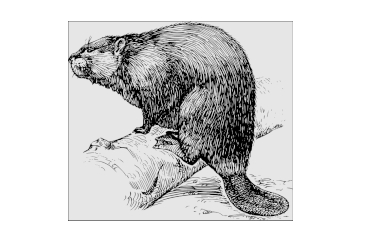
Beavers Build More Than Dams
Beavers are widely known for their huge constructions. However, beavers build more than just dams. The beaver is quite an engineer. Ref: Science Digest, Aug. 1983. p. 73. © 2023 Creation Moments. All rights reserved.
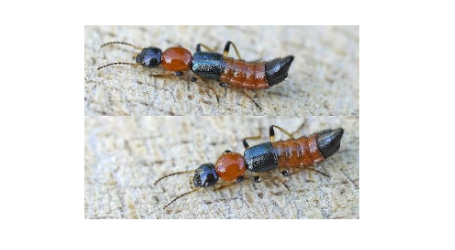
The Beetle Who Is a Chemist
Imagine a beetle that can move across the surface of water without any body movement. Some creatures have been given such ability and skill that it should be clear to even the most skeptical person that their Maker and Teacher is greater than any human being. Ref: Science Digest, Aug., 1983. p. 74. Photo courtesy of © Entomart. © 2023 Creation Moments. All rights reserved.
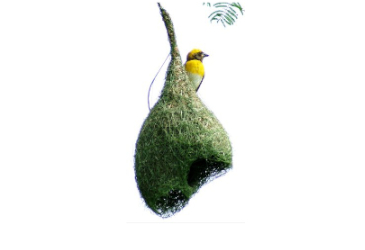
The Weaverbird
Intelligence – as much as is needed and no more – is generously found throughout the creation. So we cannot say that intelligence alone makes humans special. Ref: Science Digest, Aug. 1983. p. 73. Photo: Weaverbird and its nest in northern India. Courtesy of Ashish Aitian. Licensed under the Creative Commons Attribution-Share Alike 3.0 Unported license. © 2023 Creation Moments. All rights reserved.
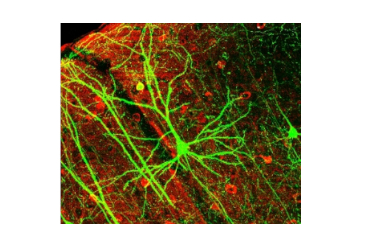
The Most Complex Structure
What is the most complex structure in the universe? I'll give you a hint: it weighs only a few pounds, and you own one. Ref: Finn, Robert. 1983. "Amnesia: case of a fragmented past." Science Digest, Nov. p. 72. Photo: A pyramidal neuron from the hippocampus, stained for green fluorescent protein. PLoS Biology Vol. 4, No. 2, e29. Licensed under the Creative Commons Attribution 2.5 Generic license. © 2023 Creation Moments. All rights reserved.

A Tuft Mystery for Evolution
Those of us who accept our creation as the work of the Creator find many examples of what seems to be His wonderful creativity – creativity just for the sake of creativity! These add to our appreciation of the creation and stir us to learn more of the wonders of His creative thought. Ref: Sitwell, Nigel. 1983. "The ruffed-rabbit mystery." Science Digest, Aug. p. 20. Photo: Rabbit – Pixabay.com © 2023 Creation Moments. All rights reserved.
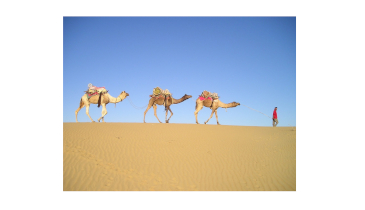
Animals Don't Need Technology
When we compare ourselves with many of the other living things on this Earth, our abilities are not very impressive. Ref: "Animal athletes." Science Digest, Dec., 1983. p. 20. Photo: Camel caravan by Simon - Pixabay.com © 2023 Creation Moments. All rights reserved.
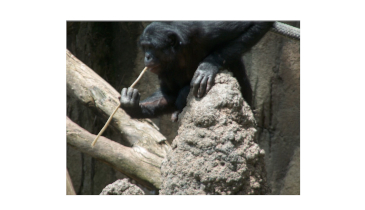
Tool-Using Animals
Evolution devalues humanity. It tries to find the most unflattering way to describe human beings to try to counter the Bible's claim that they were created in God's image. Ref: "Tool-wielding beasts." Science Digest, Aug. 1983. p. 107. Photo: Bonobo fishing for termites with stick – Mike Richey -CC By SA 3.0 © 2023 Creation Moments. All rights reserved.
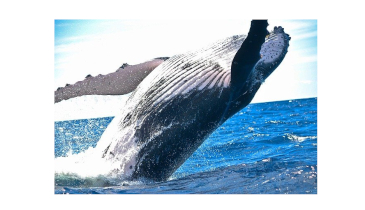
Whales: Engineered for Water
We are told by evolutionists that the whale evolved from a cow-like creature that originally lived on land. Let's look at that claim. First, the whale can hear what direction a sound is coming from under water. Neither cows nor humans can do this. Nor is the whale's ear damaged by the pressures deep in the sea. The whale also has other, very complex differences from land-living mammals that allow him to cope with the great pressures in the depths of the sea. Ref: Bartz, Paul A. 1984. "It takes more than this to make a whale transition." Bible-Science Newsletter, Feb. p. 1. . Photo: Breaching whale – Pexel -Pixabay.com © 2023 Creation Moments. All rights reserved.
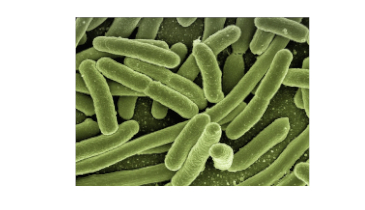
The Personality of Bacteria
Scientists are learning that even the lowly bacteria have mind and memory. New research is showing that mind, memory, brain, and personality did not evolve. These can be found in the lowliest of creatures, including the bacteria. Ref: Pietsch, Paul. 1983. "The mind of a microbe." Science Digest, Oct. p. 103. Photo: Bacteria – Pixabay.com © 2023 Creation Moments. All rights reserved.

Bamboo's Message to the World
Many plants reproduce simply by cloning. The most obvious example of cloning that comes to mind is the dandelion. Unless you get all of the main dandelion root out of the ground, each piece of the root can sprout another dandelion, identical to the parent. Ref: Batten, Mary. 1983. "Sex & plants." Science Digest, Oct. p. 61. Photo: Bamboo-Pixabay.com © 2023 Creation Moments. All rights reserved.
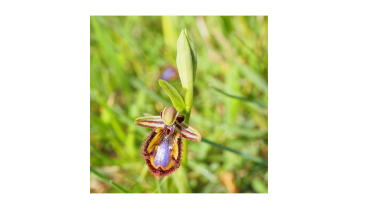
Plants that Fool Insects
Many plants, especially orchids, offer different ploys to fool insects into pollinating them. Each of these ploys shows planning, design and the ability to create the design that will work. That there are so many examples makes it impossible for any rational person to believe that mindless, impersonal forces could have made these plants. Ref: Batten, Mary. 1983. "Sex & plants." Science Digest, Oct. Photo: Orchid (ophrys speculum)by Han Braxmeyier CC0_ Pixabay.com © 2023 Creation Moments. All rights reserved.
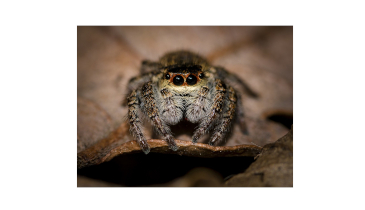
Spiders the Size of a House?
The largest known beetle in the world is the aptly named goliath beetle. This African beetle can become almost as large as a mouse. Dinosaurs were not the largest animals ever to live. The great blue whale holds that honor. The smallest mammal in the world is smaller than many insects. A newly discovered species of bat in Thailand weighs only six one-hundredths of an ounce. Ref: Wilder, Rachel. 1983. "Secrets of size." Science Digest, Sept. p. 112. Photo: Spider by Martin Winkler CC0_Pixabay.com © 2023 Creation Moments. All rights reserved.
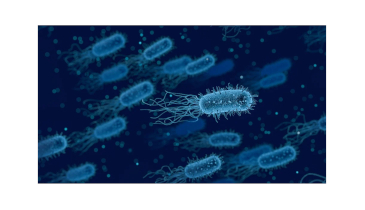
The Mind of a Bacteria
Researchers are learning that bacteria have senses similar to our hearing and sight. Bacteria even have a brain that receives information from their senses. They can make decisions. However, all of this is not enough to explain how bacteria can make the decision to swim toward food. Ref: Pietsch, Paul. 1983. "The mind of a microbe." Science Digest, Oct. p. 103. Image: Bacteria by Arek Sochia CC0- -Pixabay.com © 2023 Creation Moments. All rights reserved.
Is It Orchid or Insect?
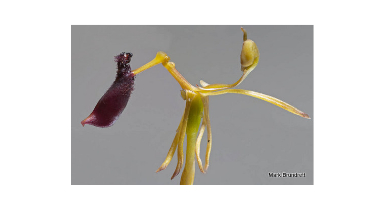
There are at least four known types of orchids that effectively pretend to be female insects. They are so good at this ruse that they attract the attentions of male pollinators. That there are four different varieties that do this makes it clear that this trickery isn't due to chance. The Creator does not want us to make the mistake of thinking that He doesn't exist. Ref: Batten, Mary. 1983. "Sex & plants." Science Digest, Oct. Photo: Hammer Orchid by Mark Brundett CC BY SA 3.0 © 2023 Creation Moments. All rights reserved.
The Vine that Keeps Pet Butterflies
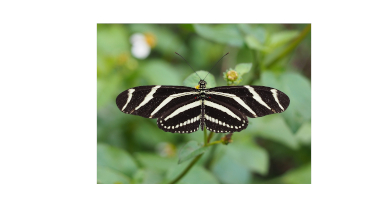
Two groups of tropical vines rely for reproduction on the world's only known species of pollen-eating butterfly. Neither vine has very showy flowers, nor do their flowers have any scent. However, they don't need to attract pollinators because the Heliconius butterfly depends on the pollen produced by the vines for its food. So the butterflies don't go far from their food source. Ref: Batten, Mary. 1983. "Sex & plants." Science Digest, Oct. p. 61. Photo: Zebra butterfly PD © 2023 Creation Moments. All rights reserved.
What Amoebas Know
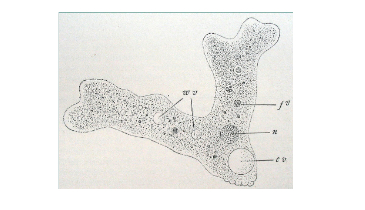
When lost in the forest with no clues to where to go, humans tend to go in circles. And we have brains. Amoebas, which don't have brains, somehow manage not to end up going in circles when they have no clues where to go. Ref: Science News, 3/31/07, p. 205, D.C., "How smart are amoebas?" Photo: "Amoeba Proteus, an animal consisting of a single naked cell. (PD) © 2023 Creation Moments. All rights reserved.
Dancing Bees
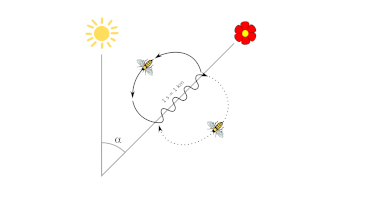
Bees depend on a good memory of their surroundings to make the thousands of trips necessary to keep their hive in operation. Each day a single bee must make trips to hundreds of flowers, some as far as a mile from the hive. Scientists have long wondered how the tiny bee can remember what may be dozens of square miles of territory. Ref: Horton, Elizabeth. 1983. "Bees as mapmakers." Science Digest, Sept. p. 90 Photo: Honey bee wiggle dance - Emmanuel Boutet CCBy SA 2.5. © 2023 Creation Moments. All rights reserved.

Discovery Confirms Creation Claims
One good test of whether a theory is scientific is whether the theory can accurately predict new and surprising findings. If you have a barometer, you may do this all the time. The sky may be clear, but the barometer is falling fast. No matter how nice the weather looks, you know that rain is likely. Photo: Barometer from Collection of Auckland Museum Tamaki Paenga Hira _CC By 4.0 © 2023 Creation Moments. All rights reserved.
Bacteria's Eyes and Ears
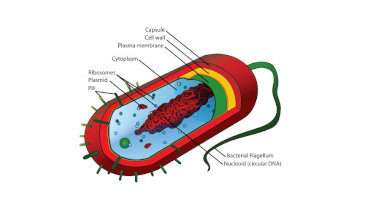
Modern researchers are learning that bacteria are not a simple form of life. Rather, a bacterium is a tremendously complex creature that thinks. Scientists have discovered that bacteria actually have molecule-sized sensors. Some of these sensors act as eyes, while others act as ears. A dozen other proteins have been discovered that receive the information gathered by the bacteria's "eyes" and "ears." The collected information is then processed the same way your brain gathers and makes sense of information. Ref: Pietsch, Paul. 1983. "The mind of a microbe." Science Digest, Oct. p. 69. Photo: The structure of a bacterial cell (PD) © 2023 Creation Moments. All rights reserved.
A Whale of a Problem
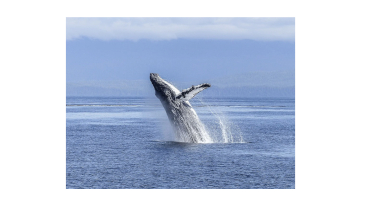
According to evolution, life began in the sea. However, because the land was better for life, evolution developed land life from sea life. It was on land that mammals evolved, according to evolution. Here, though, evolution has painted itself into a corner. Or perhaps it is better to say that evolutionists have fallen into one of the traps set for them by the Creator. You see, the largest creatures on Earth live in the sea – and they are mammals! Ref: Bartz, Paul A. 1984. "It takes more than this to make a whale transition." Bible-Science Newsletter, Feb. p. 1. Photo: Whale – Pexels – Pixabay.com © 2023 Creation Moments. All rights reserved.
Three Million Children!
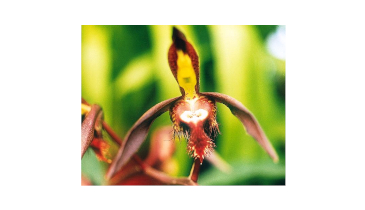
There are five known groups of orchids that throw their pollen. These flowers are designed with mechanical flower structures that work as triggers. Some types use a bee's back to trigger the pollen discharge. Another uses, yes, the bee's knees. Ref: Batten, Mary. 1983. "Sex & plants." Science Digest, Oct. p. 61. Photo courtesy of Larsen Twin Orchids. © 2023 Creation Moments. All rights reserved.
A Desert Full of Frogs?
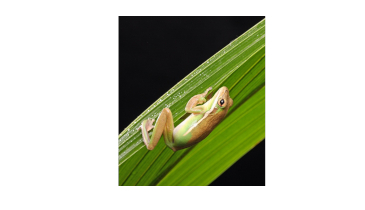
Even though many frogs live much of their lives out of the water, they need water to reproduce. This can be a problem since some frogs live in trees and some even live in the desert! Ref: Wilder, Rachel. 1983. "Flying frogs." Science Digest, Nov. p. 120. Photo: Tree Frog – Pixabay.com © 2023 Creation Moments. All rights reserved.
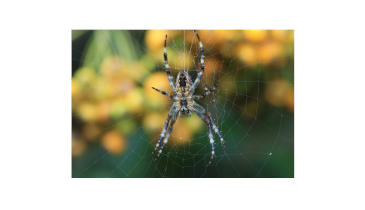
Hydraulic Spiders
Hydraulic machines are part of our everyday lives. When you step on the brakes in your car, brake fluid, which cannot be compressed, is forced from a cylinder into the braking mechanism attached to your wheels. Hydraulic mechanisms work because fluid cannot expand, but it will easily flow to areas where there is less pressure. Ref: Tributsch, Helmut. 1983. "How spiders stretch." Science Digest, Oct. p. 74. Photo: Spider by Marjon Besteman – Pixabay.com © 2023 Creation Moments. All rights reserved.
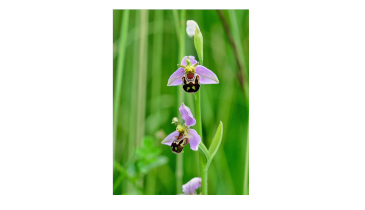
The Strange Behavior of Orchids
There are between 10,000 and 15,000 species of orchids. While you surely are not familiar with all of them, it sounds strange to talk about orchid behavior. This huge variety of orchids offers a multitude of different flower shapes, colors and sizes. Each unique shape, color and size is perfectly suited to the bees, butterflies, bats, moths, flies and birds that are involved in that orchid's pollination. Ref: Batten, Mary. 1983. "Sex & plants." Science Digest, Oct. p. 59. Photo: Bee Orchid by Ian Lindsay – Pixabay.com © 2023 Creation Moments. All rights reserved.

Can Bacteria Think?
It sounds silly to ask whether bacteria can think. However, science has known for more than 100 years that the little guys can indeed think. Experiments in 1883 conducted by Wilhelm Pfeffer showed that bacteria will swim toward good food like chicken soup and away from poisons such as mop disinfectant. Ref: Pietsch, Paul. 1983. "The mind of a microbe." Science Digest, Oct. p. 69. Photo: Chicken noodle soup by Cajsa Lilliehook CC By SA 2.0 © 2023 Creation Moments. All rights reserved.
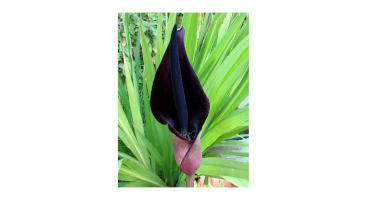
Creative Procreation
While the Bible teaches us that sex is a wonderful gift of God, evolutionists believe that sexual reproduction should not have evolved. According to evolutionists, if sexual reproduction were to develop, evolution is supposed to get rid of it. Ref: Batten, Mary. 1983. "Sex & plants." Science Digest, Oct. p. 59. Photo: Black Calla by Sean O’Hara - CC By 2.0 © 2023 Creation Moments. All rights reserved.
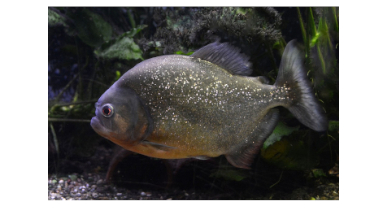
Mysteries of the Piranha
When the piranha is mentioned, nearly everyone thinks of a picture of a herd of cattle crossing the Amazon – and splish, splash – nothing is left but bones. Actually, the piranha is a rather interesting fish. It certainly seems to be the bearer of a few tricks the Creator wanted to play on those who want to explain the world without Him. Ref: "The piranha's fishy feeding habits." Science Digest, Oct. 1983. p. 29. Photo: Piranha – Pixabay.com © 2023 Creation Moments. All rights reserved.

One God against the gods
Modern skeptics of the Bible, including skeptics within the church, often deny the Bible's description of God's actions in the ten plagues against Egypt. However, our growing knowledge of ancient Egypt tells us that the plagues described in the Bible were exactly what God Himself said that they were. Image: Seventh Plague of Egypt painting by John Martin (PD) © 2023 Creation Moments. All rights reserved.
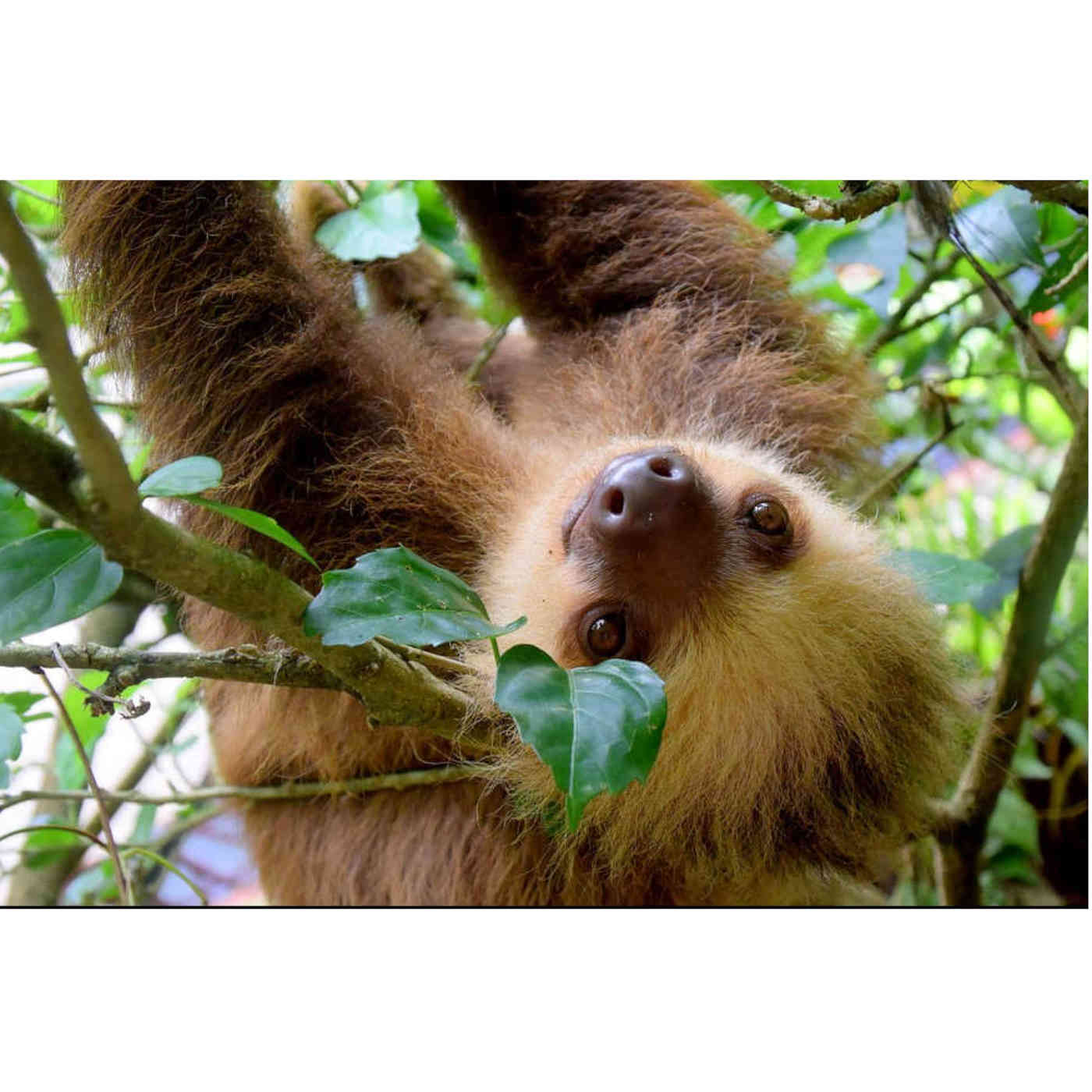
Real Sloth
Some creatures are so bizarre that they suggest a lesson to us. Yet even in their strangeness we see that they have been perfectly provided for by their Creator. Photo: Sloth in tree – Pixabay.com
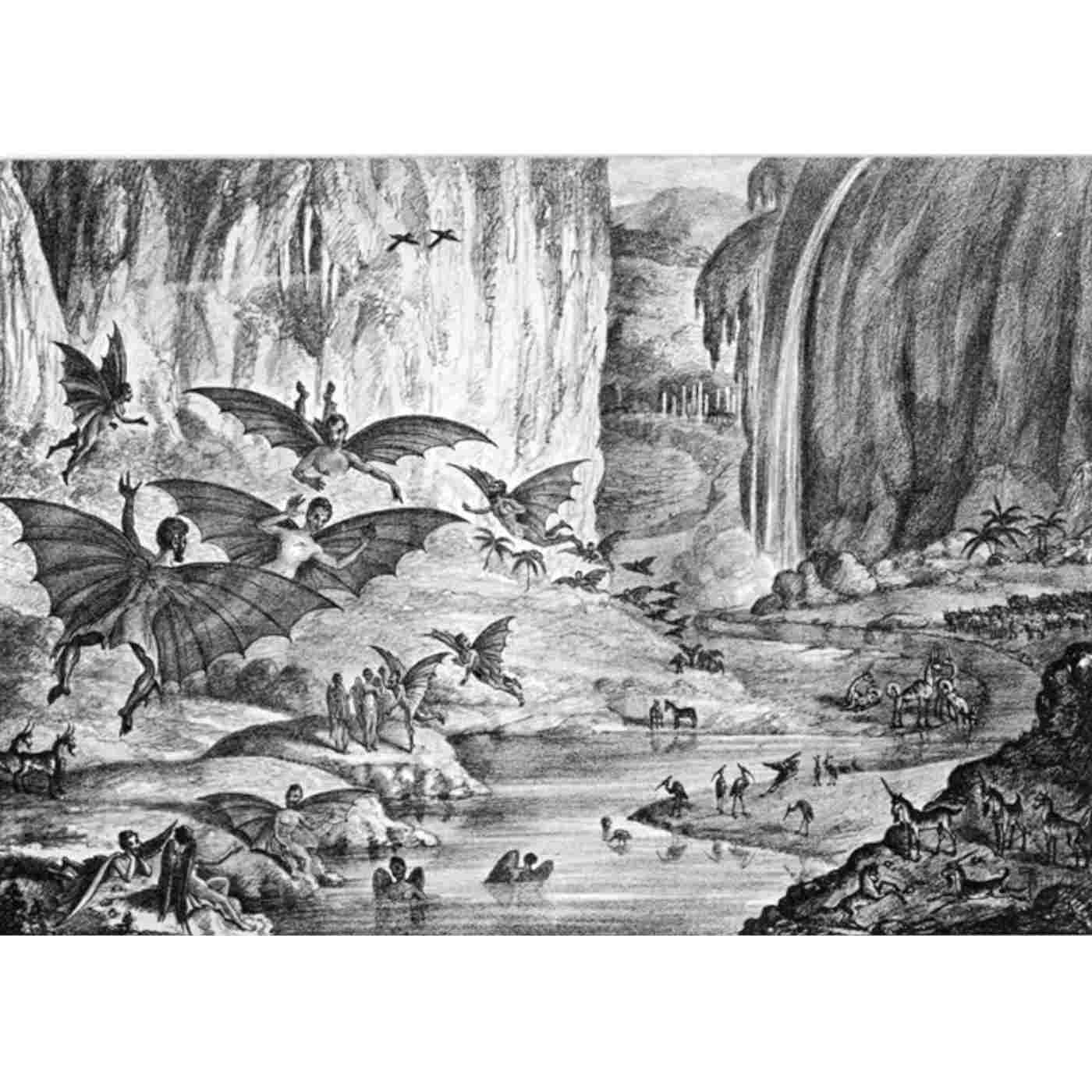
Is There Life in Space?
Back in 1836, well-known astronomer Sir John Herschel wrote a series of articles for the New York Sun reporting his discovery of life on the moon. Image: Rough image of the lithograph of the “ruby amphitheater” described in The Sun (New York City) newspaper (August 28, 1835) (PD)
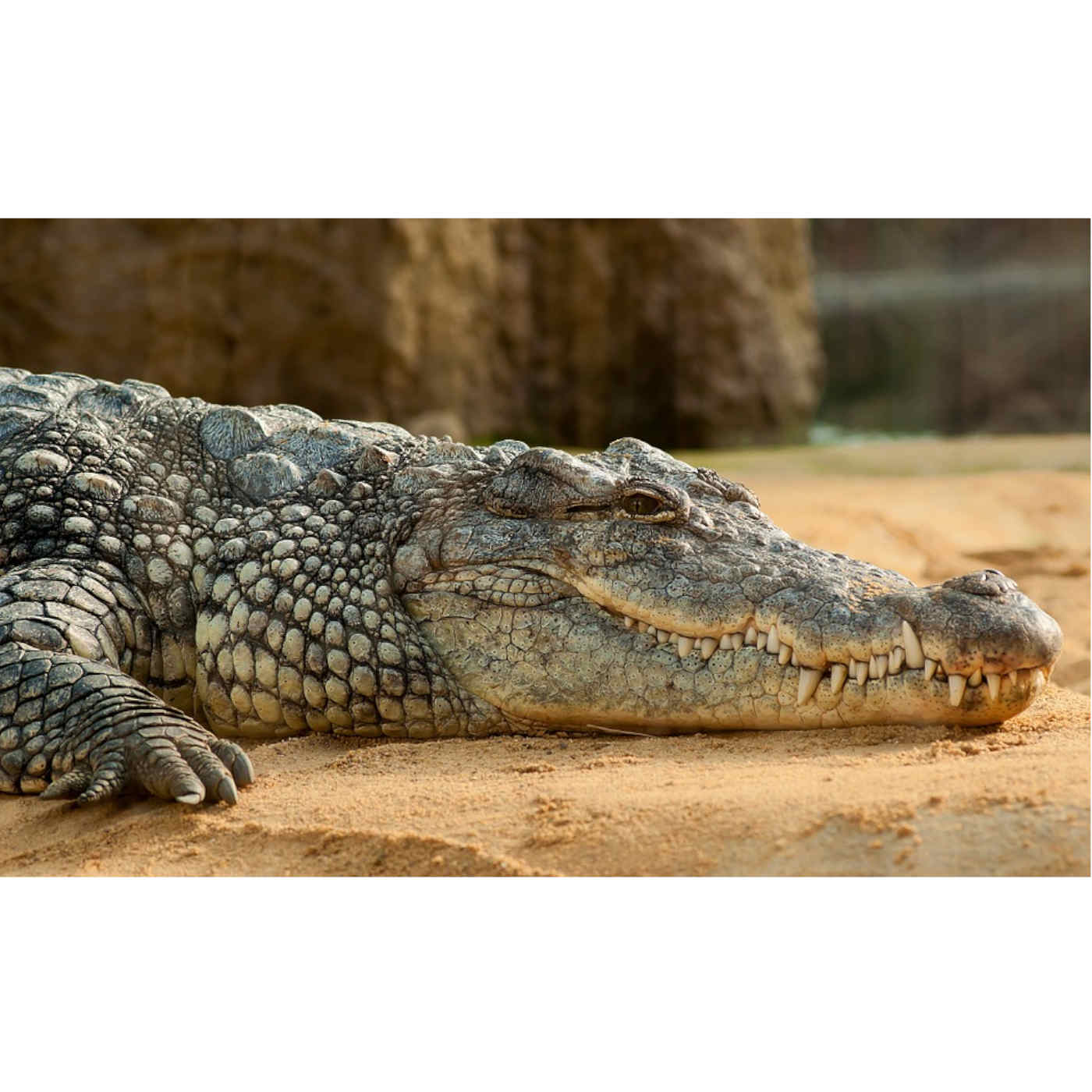
The Loving Crocodile
You might not think of the crocodile as a particularly loving creature. In reality, the crocodile is among the most gentle and loving of parents. Photo: Crocodile – Pixabay.com
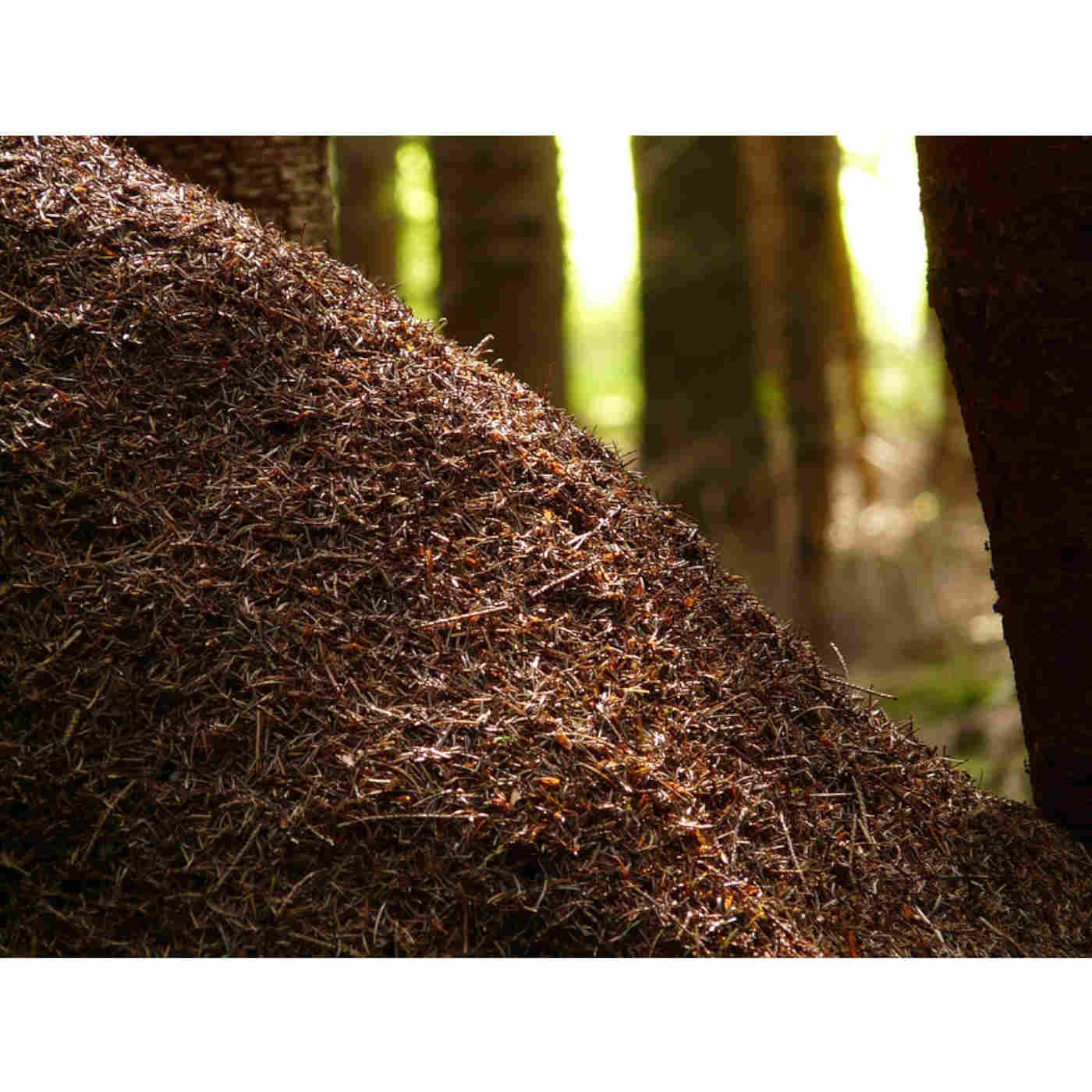
Complex Ant Society
Imagine a huge living creature covering about one square mile and made up of almost a third of a billion cells. Imagine each of those living cells being able to move about independently of the others. Note: Photo: Wood ant mound by Hans – Pixabay.com
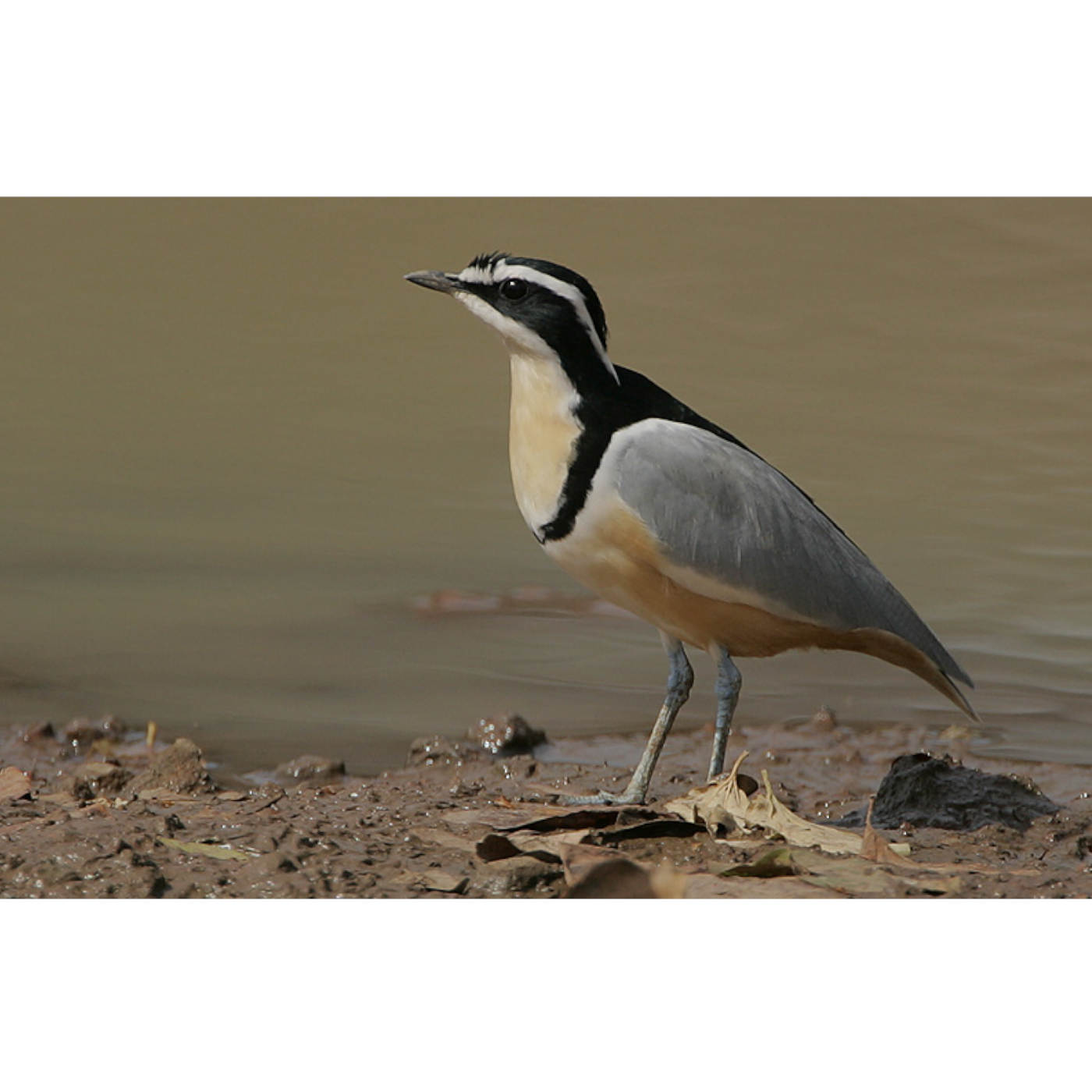
The Crocodile Bird
How would you like to be a dental hygienist for a crocodile? That’s how the crocodile bird makes his living. Photo: Crocodile bird by Steve Garvie from Dunfermline, Fife, Scotland – Egyptian Plover (Pluvianus aegyptius), CC BY-SA 2.0,
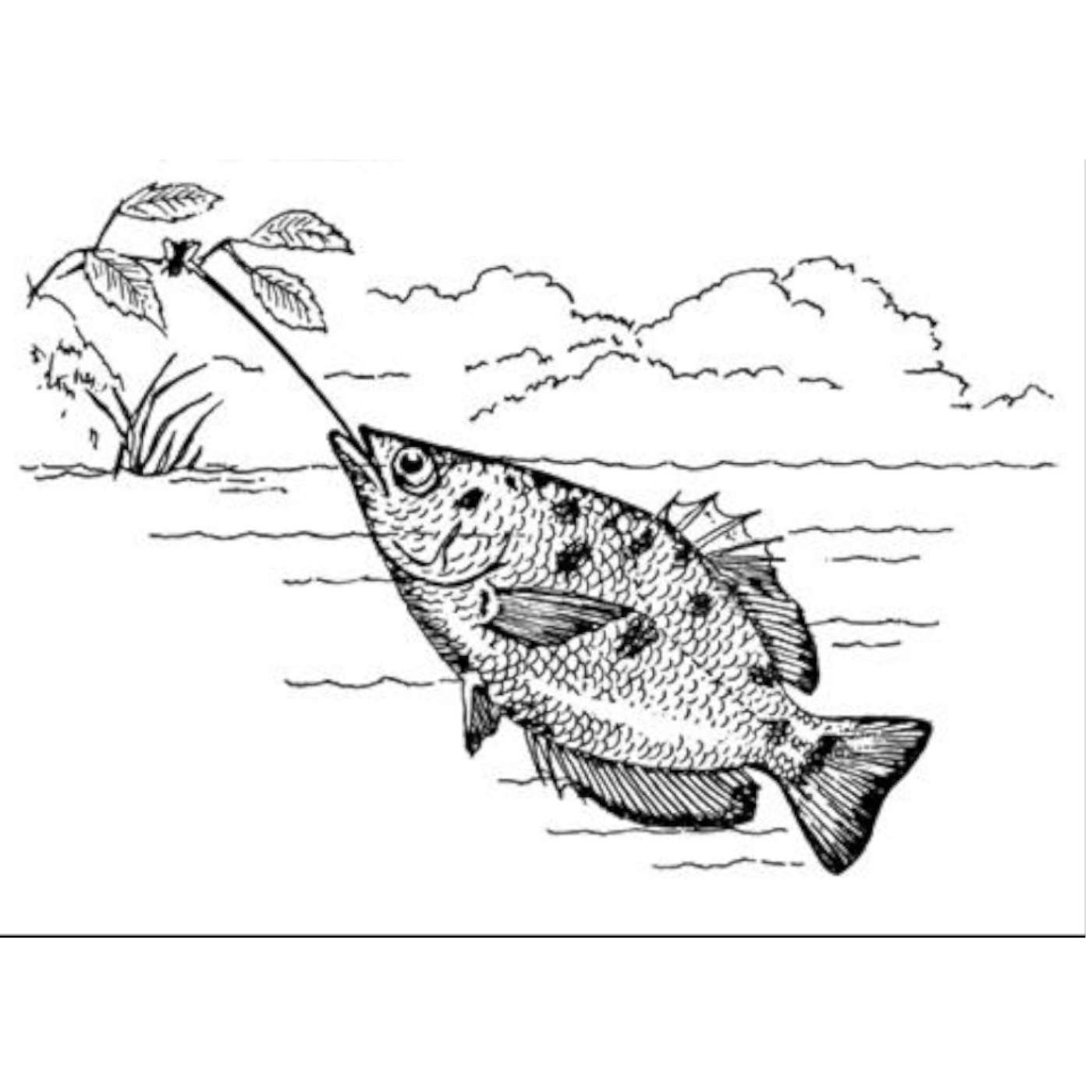
The Archer Fish
This archer fish is testimony to a wise and skillful Creator. Image: Illustration of an archerfish shooting water at a bug on a hanging branch, (PD)
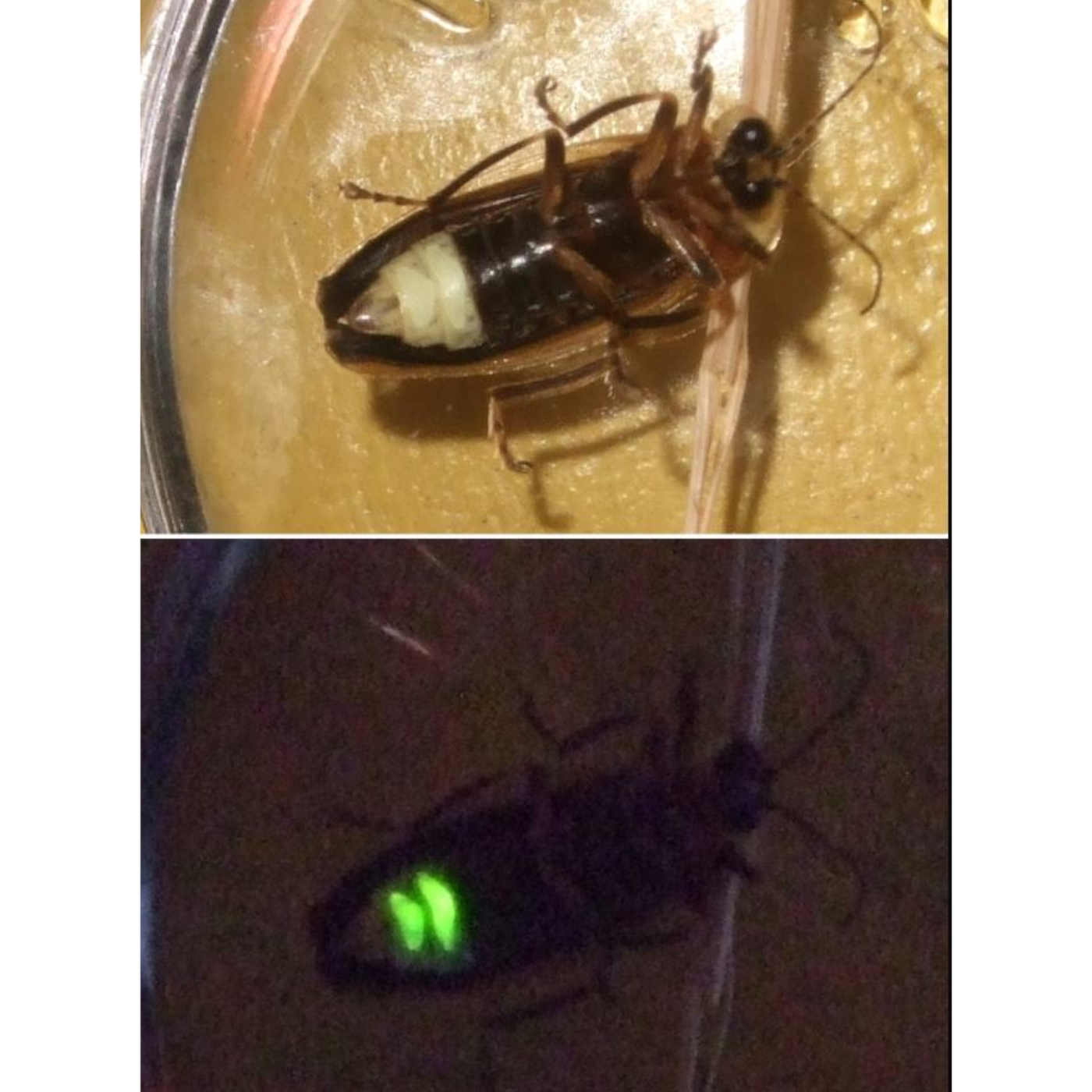
Thinking God’s Thoughts After Him
Our Creator’s work reflects some of His incredible inventive creativity. Note: Firefly captured in eastern Canada – the top picture is taken with a flash, the bottom with only the self-emitted light by Emmanuelm – CC BY 3.0

Faith: Christ or Man?
How certain are evolutionists of evolution? Of course, no believer in evolution is going to go on national television and say that he is not sure of evolution. However, within the scientific community, those who really know the facts don’t always sound so convinced of their arguments. Notes: Photo – Karl Popper (PD)