Cyanide for Breakfast?
Tropical passion vines have a unique defense against insects that would nibble on their leaves. Its leaves contain sealed packets of cyanide that are made inactive by being linked with sugar molecules. There are other sealed packets with an enzyme...
Today's Creation Moment · Creation Moments Inc.
Audio is streamed directly from the publisher (traffic.libsyn.com) as published in their RSS feed. Play Podcasts does not host this file. Rights-holders can request removal through the copyright & takedown page.
Show Notes
Tropical passion vines have a unique defense against insects that would nibble on their leaves. Its leaves contain sealed packets of cyanide that are made inactive by being linked with sugar molecules. There are other sealed packets with an enzyme that releases the sugar molecules, activating the cyanide. When an insect chews on the leaves, both packets are broken, the cyanide is activated and another predator is gone.
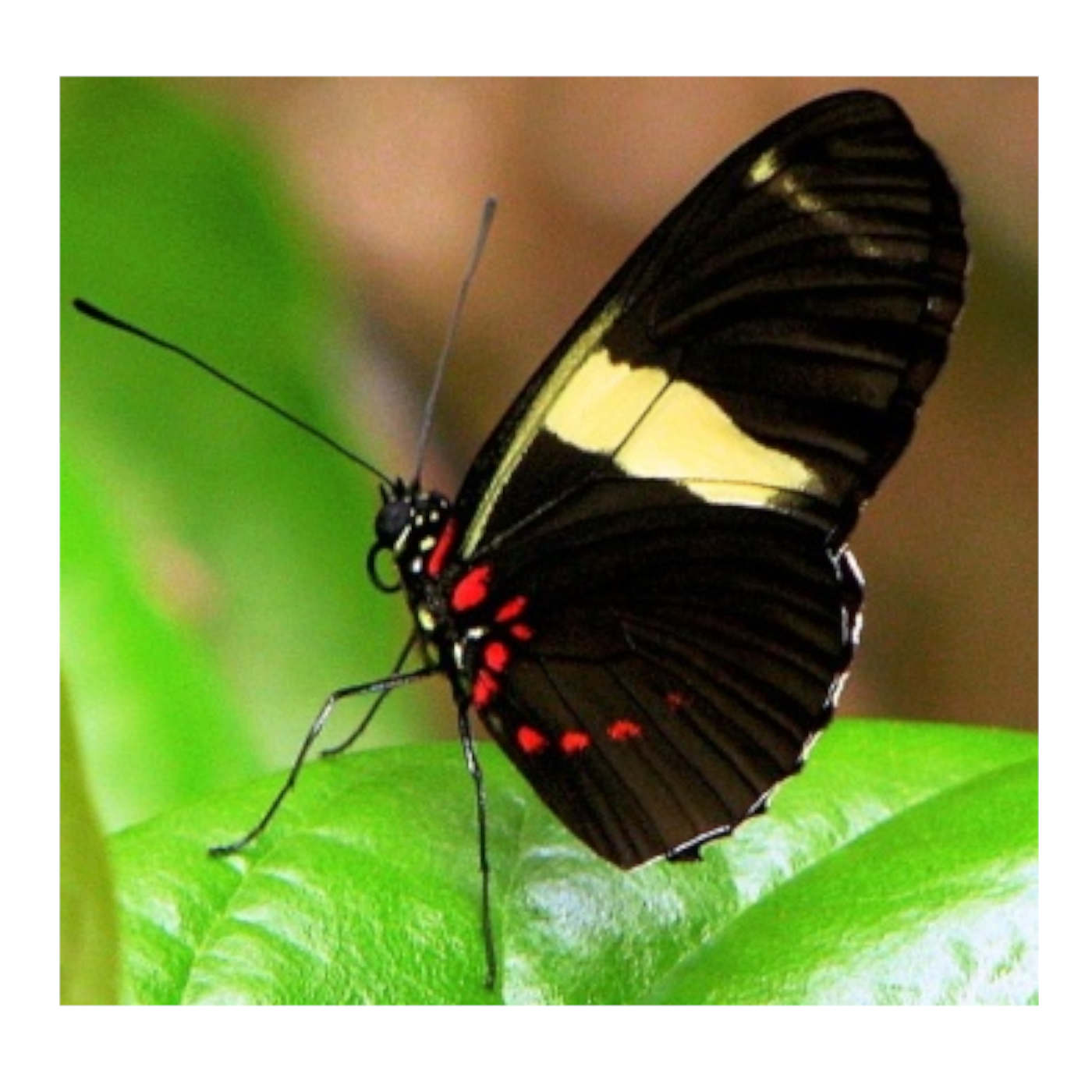
Ref: Science News, 7/22/00, p. 59, "How butterflies can eat cyanide." Photo: Licensed under the Creative Commons Attribution-NonCommercial-NoDerivs License - Version 2.0. Copyright 2008, Alex Popovkin.
© 2024 Creation Moments. All rights reserved.