The Real Science of Sport Podcast
347 episodes — Page 4 of 7
S6 Ep 20Chepng'etich's Marathon World Record Analysis: Too Good To Be True?
When Kenyan Ruth Chepng'etich took nearly two minutes off the women's marathon world record, the sporting world was aghast. How did she do it? Shoe tech, nutrition, race tactics? With a doping cloud hanging over Kenyan athletics, it's easy to see why so many are sceptical. Join Prof. Ross Tucker and sports journalist Mike Finch as they assess every aspect of the run in an effort to explain one of the most astonishing running performances in history.SHOW NOTESThe paper by Mason et al on how the shoes have boosted women’s distance runners more then men.The Joubert & Jones paper that compares different shoes, including Figure 2 that shows the individual variation between models of the same brand.Another similar paper on individual variability by Knopp et al.For analysis of the performances since super shoes were introduced.A piece by Toni Reavis in defence of Chepngetich’s performance.The article by Amby Burfoot that Reavis mentions. Amby does not hold back. The AIU list of Kenyans currently serving doping bans. You can count the drug type to see if the show conversation was accurate. The CAS Decision on Rhonex Kipruto, in which his doping is described as a “sophisticated doping regime. Hosted on Acast. See acast.com/privacy for more information.
S6 Ep 20DISCOURSE SPECIAL: Is Elite Cycling Safe Enough? / Rugby's Smart Mouthguards / Is Sinner Guilty of Doping? and Much More
After a post-Olympic break the team wrap up all the latest hot topics and news from our Discourse channel. We share details of how the rollout of rugby's smart mouthguards is going, discuss Jakob Ingebritgsen's crazy half marathon debut and how best to use sport science to help a small-budget cycling team. We also explain the ongoing doping saga of tennis world number one Jannik Sinner and ask if the world governing body for cycling, the UCI, is doing enough to ensure the safety of riders after the death of an 18-year-old at the World Championships.SHOW NOTES Jon Wertheim's excellent piece on the Sinner doping scandal from SI.comThe Guardian's piece on the death of Muriel FurrerIngebrigtsen's crazy half marathon debut Hosted on Acast. See acast.com/privacy for more information.
S6 Ep 19How David Roche Used Science To Dominate One Of The World's Biggest Trail Races
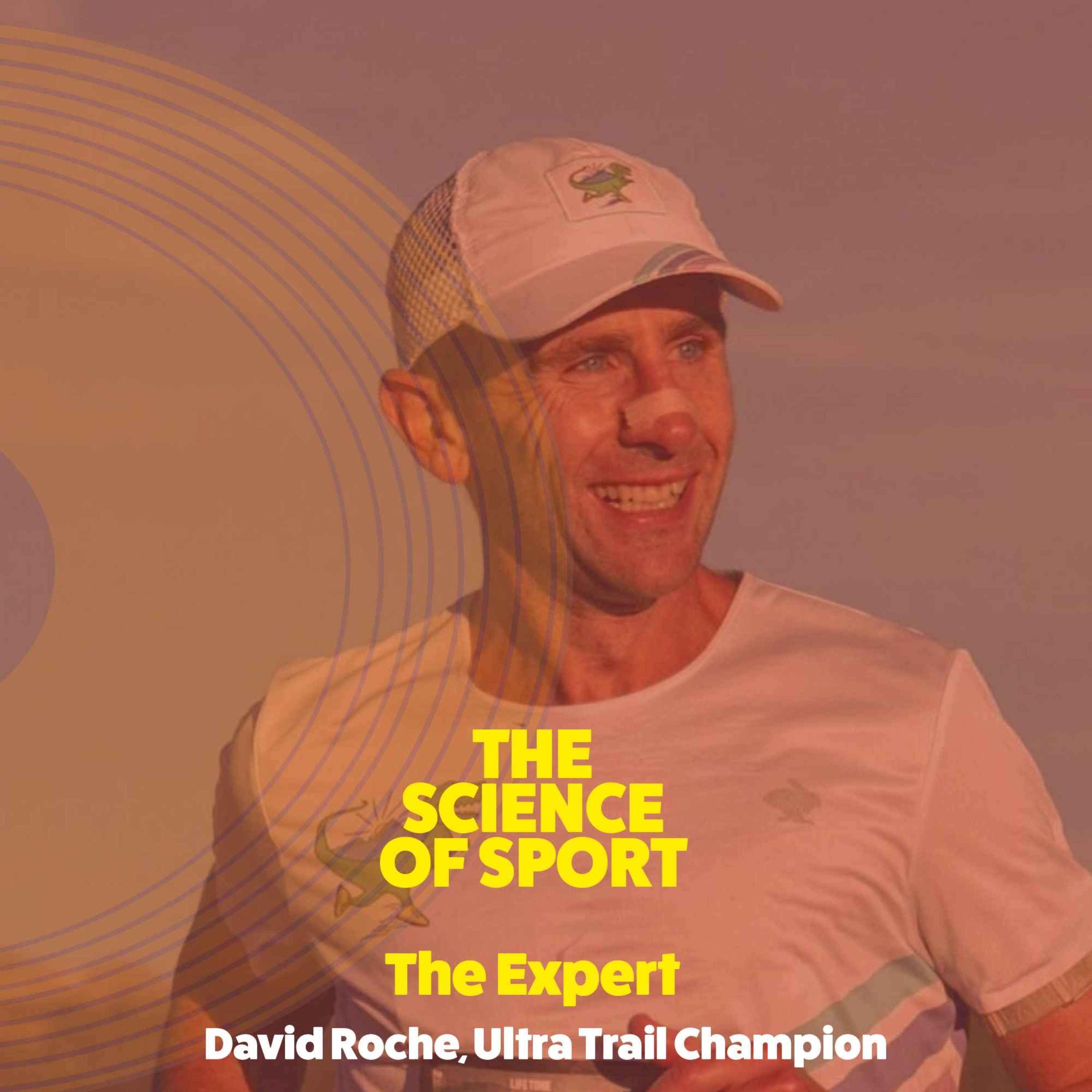
American trail star and coach David Roche not only won his first 100-mile trail race at the Leadville 100 this year but also broke a 30-year-old record. In this interview, Roche explains how he adapted to the high altitude using hot baths, trained his body to take in high concentrations of carbohydrates and planned out his race strategy. Roche also talks about how speed over shorter distances is the best predictor of ability of longer distances, why mega training mileage may not be the right strategy for mega-distance races and the impact of super shoes on trail racing.SHOW NOTES: Follow David on Instagram and Youtube Follow David and wife Dr Megan Roche's podcast Some Work, All Play on Apple Podcasts. Hosted on Acast. See acast.com/privacy for more information.
Science of Sport Spotlight 8: A Guilty or Innocent Sinner? And Tragedy at the Crossfit Games
We are back with a Spotlight show, and in this one, we discuss the case of Janik Sinner, who was cleared earlier this week of a doping violation after a panel agreed that his positive test for clostebol was caused by his physiotherapist's use of a banned substance to treat a finger cut while performing massage treatments on the player. We describe the timeline, the challenge faced by anti-doping authorities, and the controversial speed with which Sinner was able to continue playing after appealing provisional suspensions on two occasions. We also shine a spotlight on risk in sport, after a tragedy at the CrossFit Games in Texas, where a 28 year old participant died during a swim item. The team explain why swimming is where the danger exists, and then discuss the philosophy of risk and the tension between the core values of a sport, and the duty of care of the sports to protect athletes from foreseeable and unnecessary risks.Join DiscourseIf you've enjoyed our Paris Daily podcasts, and generally love sports science, consider a small donation to become a Patron of the site, and get access to our Discourse community, where you can join like-minded fans and sports enthusiasts to keep the conversation going.Show notesJanik Sinner SpotlightSummary of the Janik Sinner decision by the ITIAThe Full Decision of the case can be read hereThe study showing clostebol positive tests through contamination, cited in the defenceEdmund Willison's article on clostebol positives, primarily in ItalyCrossFit Games SpotlightStudy on deaths in triathlon, showing the high proportion that happen on the swim legPaper that proposes Swimming Induced Pulmonary Edema as a cause of swim-related deathsLay article that explains SIPE and interviews researchers who study it, including discussion of how risk is mitigated and managed by events Hosted on Acast. See acast.com/privacy for more information.
S6 Ep 18Does Talent Need Trauma To Succeed? A Sports Psychologist Weighs In
Dave Collins is a sports Performance Psychologist who has coached over 90 World or Olympic medallists and professional sports teams and performers. The team delve into the concept of what makes great sporting champions, whether trauma is an essential ingredient and how competition and disappointment play a role in long terms success. Collins is a Professorial Fellow at the University of Edinburgh and Director at Grey Matters Performance Ltd. As an academic, he has over 450 peer review publications and 90 books or chapters. As a practitioner, he has worked with over 90 World or Olympic medallists plus professional teams and performers. Collins has coached to national level in three sports, has a fifth dan in karate, has worked as Director of the Rugby Coaches Association and is a Fellow of the Society of Martial Arts and BASES, Associate Fellow of the BPS and an ex Royal Marine.SHOW NOTESThe Rocky Road paper that introduced the “talent needs trauma” conceptChampions vs Super Champions: Expanding on the concept of challenge to create championsA lay article on the concept outlined in the Rocky Road paper Hosted on Acast. See acast.com/privacy for more information.
Paris 2024 Recap Bumper Show: Highlights, Lowlights, Stats and Final Insights
One last time, we get the band together to bring you our bumper Olympic recap show. Sports editor Mike Finch joins daily hosts Prof. Ross Tucker and Discourse moderator Gareth Davies to look back on the Paris Games. We discuss and debate our highlights, lowlights, winners, losers, surprises and disappointments and offer perspectives on the medal tables and individual performances: Which countries outperform their resources, the great athletes and performances and the big stories. Finally we rate the Games, and take a moment to thank all of you for the fantastic interactions on Discourse, and for listening and enjoying these Olympics with us.Join DiscourseIf you've enjoyed our Paris Daily podcasts, and generally love sports science, consider a small donation to become a Patron of the site, and get access to our Discourse community, where you can join like-minded fans and sports enthusiasts to keep the conversation going. Hosted on Acast. See acast.com/privacy for more information.
Paris 2024 Daily: Day 16 - Hassan makes History, Track Triumphs for Kipyegon and Ingebrigtsen
The "Zatopek" is complete, and while Sifan Hassan did not perfectly replicate the Czech legend's achievements, she did help close off the Athletics programme of the Paris Olympics in spectacular fashion, winning the women's Marathon gold. We review the race, and explain how once again, the course added great intrigue to create a great race and spectacle. We also look back on the final night of track and field from the stadium, where an historically fast men's 800m produced four of the top 8 times ever, and France got its first athletics medal. Kipyegon did the expected in a fast women's 1500m, and Ingebrigtsen did the obvious in winning a slow men's 5000m. The relays, as always, capped off a great night with a near world record for the USA women, and an epic race between USA and Botswana in the men's race.Join DiscourseIf you're enjoying of Paris Daily podcasts, and generally love sports science, consider a small donation to become a Patron of the site, and get access to our Discourse community, where you can join like-minded fans and sports enthusiasts to keep the conversation going. Hosted on Acast. See acast.com/privacy for more information.
Paris 2024 Daily: Day 15 - A Magnificent Marathon and a Night of Redemption on the Track
Tamirat Tola won the men's Olympic Marathon gold today, but it was the marathon course that we thought was the star of the show, as it threw two severe hills at the athletes, creating a dynamic, unpredictable race full of excitement. We explain how Tola conquered that course in remarkable fashion to break the Olympic Record with aggressive hill running. We also look back on the track action, which included relay medals for some athletes who came so close to individual podiums, as well as a double gold and bronze in the women's 10000m, and an impressively fast women's 400m. Finally, we talk breaking, boxing and the IOC's disgrace, and look ahead to the final night of track action from Paris.Join DiscourseIf you're enjoying of Paris Daily podcasts, and generally love sports science, consider a small donation to become a Patron of the site, and get access to our Discourse community, where you can join like-minded fans and sports enthusiasts to keep the conversation going. Hosted on Acast. See acast.com/privacy for more information.
Paris 2024 Daily: Day 14 - Tebogo claims the 200m, McLaughlin-Levrone breaks a WR, and Holloway gets his gold
The Paris 2024 Olympics were hyped as the Noah Lyles games, with the American's campaign to win four gold medals the anticipated storyline. That storyline was terminated by Botswana's Letsile Tebogo in the men's 200m final last night, and it was subsequently revealed that Lyles had tested positive for Covid on Tuesday. We discuss Tebogo's 19.46s victory, and contrast his approach to the brash approach of Lyles in a rivalry that may continue to produce fast times and good quotes. Another rivalry produced a mismatch, where Sydney McLaughlin-Levrone destroyed both the world record, and a field including Femke Bol, in another remarkable 400m hurdles race. We talk about Bol's all-or-nothing race that ultimately cost her silver. We also discuss the latest salvo in the WADA-USADA dispute, which threatens to undermine the credibility of anti-doping, as the power struggle and allegation game continue. Finally, we look ahead to the second-last night of track finals, and even remember that there's a marathon happening in Paris tomorrow!Join DiscourseIf you're enjoying of Paris Daily podcasts, and generally love sports science, consider a small donation to become a Patron of the site, and get access to our Discourse community, where you can join like-minded fans and sports enthusiasts to keep the conversation going.Here's that WADA statement that we discuss on the show Hosted on Acast. See acast.com/privacy for more information.
Paris 2024 Daily: Day 13 - Men's 400m and Steeplechase golds, and a weight loss controversy
The men's 400m Olympic Champion is Quincy Hall, who produced a remarkable final 100m to reel in Matthew Hudson Smith. We discuss the historically fast race, with a focus on Hall's last 100m were a triumph due to survival, rather than a blistering kick. We also analyze the men's 3000m steeplechase, where el-Bakkali defended his gold and Girma's hopes crashed, literally, into the Paris track. A brief look at the team pursuit golds in cycling is followed by a news round-up including a fascinating wrestling weight loss controversy, and some drama around lane draws for Olympic finals, with some implications for tonight's action. Finally, we preview the big track finals tonight, and Ross the Octopus makes his gold medal picks.Join DiscourseIf you're enjoying of Paris Daily podcasts, and generally love sports science, consider a small donation to become a Patron of the site, and get access to our Discourse community, where you can join like-minded fans and sports enthusiasts to keep the conversation going.Here is the story of the Indian weightlifter, Vinesh Phogat, discussed on the showA graphic showing the change in lane draw allocations for the track finals - better than listening to Ross try to explain themKenny Bednarek's tweet and the resultant discussion that he protested Hosted on Acast. See acast.com/privacy for more information.
Paris Special: The Art and Science of Sport Climbing
Sport Climbing is one of the newest additions to the Olympic sporting menu. In Paris, climbers tackle two distinct disciplines - boulder/lead, and speed climbing. In this special episode, we are joined by Tim Cross, a science writer with The Economist, to reveal the hidden side of sport climbing. We talk about the differences between these disciplines, and how the competitions are scored and won. We also about the physiological demands of the sport, the ideal body types for climbing, and how route design presents new challenges for climbers that means that climbing excellence is both art and science, mental and physical. Join DiscourseIf you're enjoying of Paris Daily podcasts, and generally love sports science, consider a small donation to become a Patron of the site, and get access to our Discourse community, where you can join like-minded fans and sports enthusiasts to keep the conversation going.The IFSC Policy for RED-S, as discussed on the podcastFor Discourse members only, Discourse Member Julia Littlefair shared some really interesting thoughts on the RED-S issue. This thread also includes links to other interesting material on this issue. Hosted on Acast. See acast.com/privacy for more information.
Paris 2024 Daily: Day 12 - How Cole Hocker Became an Olympic 1500m Champion in a Race for the Ages
In one of the most hyped, anticipated track races in recent memory, it was Cole Hocker, and not the big favourites Jakob Ingebrigtsen or Josh Kerr, who emerged as the Olympic 1500m champion. The race lived up to its billing - Ingebrigtsen's aggressive pace-setting, Kerr hunting from behind, and Hocker, patient and poised, waiting to unleash what turned out to be the deadliest kick of all. We review the race, offering insights on Ingebrigtsen's pace selection, which truly was all or nothing as he faded to finish fourth. We also discuss the other track finals (women's 200m and 3000m Steeplechase), and explore a track cycling world record deluge in Paris' velodrome.Join DiscourseIf you're enjoying of Paris Daily podcasts, and generally love sports science, consider a small donation to become a Patron of the site, and get access to our Discourse community, where you can join like-minded fans and sports enthusiasts to keep the conversation going. Hosted on Acast. See acast.com/privacy for more information.
Paris 2024 Daily: Day 11 - Hodgkinson delivers under pressure and 5000m controversy
Keely Hodgkinson has her Olympic Gold. The pre-race favourite delivered under pressure with a commanding front-running performance to secure an elusive global title. We discuss the race pattern that delivered the gold with big margins behind, and explain why it suggests a lot more to come from Hodgkinson. Beatrice Chebet outclassed Faith Kipyegon in the women's 5000m, in a race marred by a clash between Kipyegon and another pre-race favourites, Gudaf Tsegay. Mondo DuPlantis did Mondo things, winning relatively comfortably and then ticking off an Olympic record followed by another World Record in the Pole Vault. We dissect those performances, and wrap up the Artistic Gymnastics where falls and drama were the order of the day, as well as Gareth's new found Olympic love, Canoe Slalom Cross.Join DiscourseIf you're enjoying of Paris Daily podcasts, and generally love sports science, consider a small donation to become a Patron of the site, and get access to our Discourse community, where you can join like-minded fans and sports enthusiasts to keep the conversation going. Hosted on Acast. See acast.com/privacy for more information.
Bonus Episode: Why test the sex of an athlete? The IOC seem confused. We offer some reasons
bonusIn a recent press conference, the IOC were asked why they believed sex eligibility tests done on the now controversial boxers were arbitrary? In response, they said "There's no reason for the test", and appeared to equivocate on what the purpose of testing might be. This is the latest in a series of side-steps in which the IOC are downplaying what those tests actually show - males in women's combat sport - and instead undermining why they were done. But for sport, the ability to assess who is eligible for a category is not arbitrary, it is fundamental to making the category work. Weight classes only work because of weigh-ins, for instance. In this Bonus episode, Ross addresses this, directly addressing the IOC to explain why the category boundary can only be defended if some form of testing is welcomed. He explains how every IOC statement on this issue should be understood as the necessary defence of their choice of inclusion ahead of fairness and safety for females, and offers the solution that would be welcomed if the choice had been made to defend fairness and safety, instead.Join DiscourseIf you're enjoying of Paris Daily podcasts, and generally love sports science, consider a small donation to become a Patron of the site, and get access to our Discourse community, where you can join like-minded fans and sports enthusiasts to keep the conversation going. Hosted on Acast. See acast.com/privacy for more information.
Paris 2024 Daily: Day 10 - How Noah Lyles became Olympic 100m Champion by 5/1000th of a second
It's Noah Lyles. The big 100m showdown in Paris saw the top four separated by 0.03s, wity 5/1000th between gold and silver. Noah Lyles came out on the winning side of that margin, defeating Kishane Thompson, with Fred Kerley taking bronze ahead of SA's Akani Simbine. The winning time, 9.784s may not have been super fast, but the race was historically deep with positions 4 to 8 all running the fastest times ever recorded for those finishing places. We discuss the tension of the 100m, and look at 10m splits and speeds to discover how the race was won by Lyles despite his slow start. We also look back at the women's cycling road race, where Kristen Faulkner delivered a perfectly timed attack to take gold from more fancied rivals. Finally, we wrap up the Olympic swimming action, where the USA delivered two world records to move to the top of the medal table, with a look back on the winners and losers from the pool.Join DiscourseIf you're enjoying of Paris Daily podcasts, and generally love sports science, consider a small donation to become a Patron of the site, and get access to our Discourse community, where you can join like-minded fans and sports enthusiasts to keep the conversation going. Hosted on Acast. See acast.com/privacy for more information.
Paris 2024 Daily: Day 9 - Julien Alfred: Olympic 100m champion. Plus cycling, swimming & relay analysis
A new 100m Olympic Champion was crowned in Paris as Julien Alfred pulled of an upset of sorts (but not entirely!) to win gold in 10.72s, ahead of Sha'Carri Richardson. We assess the race, explaining how Alfred's 2024 season had hinted at this performance, and how Sha'Carri Richardson didn't manage overcome a series of poor starts to add Olympic gold to her World title. We also discuss a majestic 'hunt' relay leg from Femke Bol, to shock the USA in the mixed 4 x 400m relay final. Men's cycling saw another first, with Remco Evenepoel winning the road race, and becoming the first man to win both TT and Road golds in the same Games. We also wrap up a medal rich evening in the pool, and update you on the latest news in the IOC's tragi-comedy handling of the 'Humans whose passports say women and so they're ok for women's boxing' controversy.Show notesHere's where you go to sign up for Patron, with a small monthly pledge, which then gives you access to our Discourse forum where other listeners share their thoughts and responses to these issues Hosted on Acast. See acast.com/privacy for more information.
Paris 2024 Daily: Day 8 - Cheptegei wins 10000m gold, and a French 1-2-3
Joshua Cheptegei is the Olympic 10,000m champion, after he beat a stellar field in a fast race to open the Track programme in Paris. We discuss that race, and the Ethiopian tactics that set it up perfectly for Cheptegei. We also discuss the BMX racing, where France reach new levels of euphoria with a clean sweep of the men's podium, while Australia dominated the women's race to win gold. BMX racers produce the highest power output recorded in the sport - over 2000W to get the first bend advantage that often decides the race. We explore that and explain the metabolic demands of the race. We then preview the day ahead, where Katie Ledecky aims to cement her legacy, and the women's 100m title will be decided on the track. Will Sha'Carri Richardson do what she did in Budapest, or might the occasion, and some rivals, upset the race favourite?Show notesHere's where you go to sign up for Patron, with a small monthly pledge, which then gives you access to our Discourse forum where other listeners share their thoughts and responses to these issuesSean Ingle's article on the technology boost for track athletes in ParisAnother piece by Sean, this one on the World Record in the 4 x 400 mixed relayPiece on Cameron McEvoys shift in training Hosted on Acast. See acast.com/privacy for more information.
Paris 2024 Daily: Day 7 - Biles soars, Women's boxing controversy and the Track programme begins
Simone Biles established herself as the world's best gymnast in Paris, but it wasn't without a challenge from Brazil's Rebeca Andrade. The first golds were handed out in the track and field programme, won by Ecuador and China in the 20km race-walking events. We talk about how race walking is judged, and whether high tech shoes make a difference to walkers as they do to runners? In the news, athletes aren't happy with the food in the village, tennis legends are out and retiring, and the IOC flexes its plastic muscles in realms of doping control and fair and safe women's sport. Plus, we look ahead to the opening night in the Track programme, where the 10000m gold should be fought out between east African giants from Uganda, Ethiopia and Kenya.Show notesHere's where you go to sign up for Patron, with a small monthly pledge, which then gives you access to our Discourse forum where other listeners share their thoughts and responses to these issuesThe Lanterne Rouge preview of the road cycling Hosted on Acast. See acast.com/privacy for more information.
Science of Sport Bonus Short: Biles beats rivals and "the Twisties". Insights from performance psychology
bonusSimone Biles became the Olympic All Around champion for a second time in Paris yesterday. In doing so, she defeated her rivals, seemingly conquered gravity on some elements, and put to rest certain 'demons' from Tokyo 2021. Back then, she withdrew from competition citing a case of "the twisties". But what are the twisties? Often described as equivalent to the "yips" that affect golfers, the twisties can affect athletes in skill movement sports, effectively costing them the ability to know where their bodies are in space. To explore this phenomenon, and understand how athletes overcome it, we are joined by Prof Dave Collins, a performance psychologist with 40 years' experience in elite sport. Prof Collins has worked with 90 elite athletes, many in sports where the dreaded twisties can strike, such as freestyle skiing, BMX, snowboarding and gymnastics. He explains the differences between the yips and the twisties, and offers insights into they are conquered.Show notesHere's where you go to sign up for Patron, with a small monthly pledge, which then gives you access to our Discourse forum where other listeners share their thoughts and responses to these issuesGuest Prof Dave Collins' website Hosted on Acast. See acast.com/privacy for more information.
Paris 2024: Males Are About To Fight in Women's Boxing. How Did We Get Here?
The controversial issue of males in women's sport has reared its head at the Paris Olympics. In this episode, the team discuss the case of two boxers who were disqualified after failing 'gender eligibility tests' by their international federation at last year's World Championships but, despite being biologically male, are competing in Paris. We discuss how this situation has arisen, including an explanation of the governance issues that led to their inclusion, and the biological factors that give rise to the Differences of Sex Development (DSDs) that are thought to be responsible for these two cases. We explain how significant male advantage is in sport, and why boxing, of all the sports, is one that should recognise male biology and its implications. Finally, we offer insight into the International Olympic Committee's (IOC) Principles of Fairness and Inclusion, contrasting this with other sports that regulate women's sport and exclude male advantage.Show notesHere's where you go to sign up for Patron, with a small monthly pledge, which then gives you access to our Discourse forum where other listeners share their thoughts and responses to these issuesThe IOC's Framework on Inclusion with the ten principles discussed in the show, including "Number 1: Inclusion", and "No Presumption of Advantage"The Scientific Paper that accompanied the IOC Framework aboveWe (Ross) co-authored a scientific rebuttal to that paper, addressing some of the issues with the science and human rightsHere is the IOC Guidance on language use in Paris, as raised by Gareth on the showThe International Boxing Association Technical and Competition Rules, which include, at 4.2. Eligibility Guidelines for Gender. Hosted on Acast. See acast.com/privacy for more information.
Paris 2024 Daily: Day 6 - Marchand Marches on, Triathlon Analysis and the Psychology of the Twisties
Leon Marchand gave France even more to celebrate as completed a unique double, winning both butterfly and breaststroke golds in the pool last night. Ross and Gareth discuss those performances, along with a World Record in the pool, and add some insights on how swimmers manage their races.Other highlights in this episode include analysis of the Men's and Women's Triathlon races, discussion about the wildly successful Sevens tournament in Paris, and a men's all round gymnastics competition that went to the very last performance. We also learn about the psychology of the Twisties, and how gymnasts manage their emotions under pressure to deliver technical athletic excellenceShow notesHere's where you go to sign up for Patron, with a small monthly pledge, which then gives you access to the richness of the Discourse forum mentioned on the showJump to 1:08:14 for the Twisties psychology conversation with Prof Dave Collins Hosted on Acast. See acast.com/privacy for more information.
Paris 2024: An Insiders Guide to the Track & Field Sprints
Get an insiders views on the sprint events at the Paris Olympics with Stu McMillan, one of the world's top sprint coaches. Currently in his 25th year of professional coaching, he has worked with professional and amateur athletes in a variety of sports - with the focus being on power and speed development. He has personally coached over 70 Olympians at 7 Olympic Games; over 30 of whom have won Olympic medals. Since 2013, McMillan has been based in Phoenix, Arizona, at sprint academy ALTIS, where I he is co-owner and CEO. Hosted on Acast. See acast.com/privacy for more information.
Paris 2024 Daily: Day 5 - E. Coli Training, Rare Swimming Doubles and Dubious Doping Denials
Day 4 in Paris was meant to bring us a Triathlon conversation, but that was pushed back, maybe to today, by E.Coli levels in the Seine. We discuss the implications of the delay, and learn about some extreme training approaches (that we don't recommend). The swimming action is building, including a rare double attempt by Leon Marchand in the butterfly and breaststroke, and a stuttering gold medal campaign from the USA. News from Paris includes more dubious doping denials, less than elite accommodation in the Olympic Village, and a fascinating insight into the precision of timing in swimming.Show notesHere's where you go to sign up for Patron, with a small monthly pledge, which then gives you access to the richness of the Discourse forum mentioned on the showArticle on Simone Biles, in which she talks about the struggle to continue after Tokyo, and feeling terrified of the risksThe injury and illness surveillance study mentioned in the podcast, this time back to Rio 2016 Hosted on Acast. See acast.com/privacy for more information.
Paris 2024 Daily: Day 4 - An Epic MTB Duel as Pidcock is Patient, Powerful and then Punchy to Win Gold
Ross and Gareth look back on Day 3 action, which featured one of the great races of the Games - an all-time epic mountain bike duel. We also review the swimming golds, and round up the Paris news, from skateboarding the streets of Paris to surfing the corals of Tahiti.On the decks in this episode:Tom Pidcock duels Victor Koretzky in a race for the ages. Overcoming a puncture, the defending champion was initially patient, then powerful, and ultimately punchy as he denied France a men-women MTB double. We break down an incredible race, and discuss how Pidcock managed his efforts to return to the front after his punctureAnother finger tip finish in the pool saw David Popovici win 200m freestyle gold by 0.02sAnother teenager, Summer Mcintosh, added 400m Medley gold to her silver in the 400m freestyle, with a dominant winWe talk pacing strategy, tactics and playing to your strengths in the pool, bringing up the swimming pacing paradoxA news roundup that includes skateboarding musings and a dramatic end to the men's team gymnastics competitionThe Men's Triathlon is tomorrow. We hope. The swimming remains in jeopardy. We talk about how that plays out in the athlete's minds and preparationShow notesHere's where you go to sign up for Patron, with a small monthly pledge, which then gives you access to the richness of the Discourse forum mentioned on the show Hosted on Acast. See acast.com/privacy for more information.
Paris 2024 Daily: Day 3 - Dominance for France, millisecond defeats for others, and looming DSD controversies
Ross and Gareth look back on Day 2 in Paris, which was characterized by dominance for some, despair for others, and defeats by the tiniest of margins - milliseconds and magnifying glasses. We also tackle cupping, tell the truth about lactate and fatigue, and discuss a looming controversy about males in women's sport, thanks to the IOC's leadership. On the deck:Swimming on night 2 produced a French gold and dominant win for Leon Marchand, and gold by the smallest of margins by Nicolo MartinenghiWe correct some errors in understanding of lactate's role in fatigue, as explained by the BBC in Paris two nights agoThe Mountain Biking produced an even more dominant win for France, with Pauline Ferrand Prevot destroying the competition. Crashes and bad luck punctuated the hunt for the medals she left behindA DSD controversy is growing, where both boxing and football have cases in women's events. The IOC have already acted to create this situation, and won't intervene, leaving the issue to build, to the detriment of women's fairness and safetyWe look ahead to Day 3, where the men's MTB should produce a closer battle for gold, and where five golds are on offer in the pool.Show notesHere's where you go to sign up for Patron, with a small monthly pledge, which then gives you access to the richness of the Discourse forum mentioned on the show Hosted on Acast. See acast.com/privacy for more information.
Paris 2024 Daily: Day 2 - Triumphs for France and Australia, Looking Ahead to Day 2
France overcame Fiji and the pressure of expectation to win the first team gold of the Paris Games, and much was owed to the influence of Antoine Dupont on the Semi-final and Final. Gareth and Ross talk about Dupont's impact on those games. We also briefly review the Cycling Time-Trials, narrowly won by Remco Evenepoel and dominantly won by Grace Brown, and the opening night of swimming where the 4 x 100m freestyle relays were split between the USA and Australia. Finally, we look ahead to Day 2 action, which includes strong favourites for more home gold in women's MTB, swimming and judo, and the first of the potential Chinese swimmer controversies.Show notes:Here's where you go to sign up for Patron, with a small monthly pledge, which then gives you access to the richness of the Discourse forum mentioned on the showI got some of the details wrong when we discussed the underwater swimming speeds, but this is the story of the underwater swimmer and the rule change Hosted on Acast. See acast.com/privacy for more information.
Paris 2024 Daily: Day 1 - Swimming Finals, Sevens Gold and a Lesson in Judo
Let the Games Begin! The Paris 2024 Olympics get underway for real today, with the first gold medals being handed out. In this Paris 2024 special, Gareth and Ross look ahead to three of the major medals being contested on Day 1. They are the men's and women's Cycling Time-trials, where Remco Evenepoel attempts to carry Tour form, but not fatigue, into a matchup against Josh Tarling and Filippo Ganna, time-trial specialists who have specifically targeted Paris.Second, we discuss the first night of swimming, which kicks off the USA vs Australia rivalry in the form of 4 x 100m Freestyle relays and a pair of 400m Freestyle finals. The latter will deliver one of the most anticipated matchups of the Games - only five women in history have broken four minutes in the 400m Freestyle, and four of them are expected to battle it out for gold in this race. We also talk pool technology, a shallower than normal pool, and how pacing is at a premium for swimmers at the Games.Finally, on the medal billing, the men's 7s gold is also up for grabs in front of a packed Stade de France, where a frenetic and occasionally flustered France remain in the hunt in a competition that is wide open after the two pre-event favourites were knocked out in the quarter-finals. It leaves France to play SA, while defending champions Fiji face Australia in what has set the stage for a fabulously supported Olympic Games.Then we are joined by James Austin, a three-time British Judo champion and 2012 Judo Olympian, who explains some of the fundamentals of Judo to us. We'll learn how the bout is won and lost, what it takes to be a champion, the tension between attack and defence, the Olympic programme, and some of his picks and highlights, all of which we hope enriches your Paris Olympics watching.Show notes:Here's where you go to sign up for Patron, with a small monthly pledge, which then gives you access to the richness of the Discourse forum mentioned on the showHere's The Original Judo Podcast, run by our guest James AustinJames Austin's biographyThe home page of the International Judo Federation Hosted on Acast. See acast.com/privacy for more information.
Paris 2024: Mountainbike Preview with Swiss star Marcel Guerrini
Swiss MTB star, and fifth-place finisher at the 2022 World Championships, Marcel Guerrini offers unique insight into the races and the course ahead of the XCO mountain biking events at the Olympic Games. Guerrini suggests the men's race is more open than most think, that there is one athlete most likely to win the women's race and why tyre choice may make all the difference. The women's XCO event takes place on Sunday, July 28 and the men's on Monday, July 29. Hosted on Acast. See acast.com/privacy for more information.
Paris 2024: Kara Goucher On Trusting Performances In An Age of Mistrust
On the eve of the Paris Olympics, Kara Goucher joins Ross to put their minds to the fans' dilemma - how do we celebrate the performances we see from the best athletes in the world while we struggle to trust their credibility amidst perverse incentives, suspicious behaviours and an anti-doping system we know is far from effective? Goucher is uniquely positioned to offer insights on this question: an elite athlete who reached the podium in global track and marathon events, she not only saw behind the secretive curtain of doping, but lived it as an athlete in the Nike Oregon Project. She eventually became a whistleblower, before transitioning into a new phase of her sporting life - a commentator for NBC, where she now brings track and field performances to life. But how does she compartmentalise the conflicting emotions of doubt and joy to interpret and promote the best performances ever achieved by athletes? She explains her views, talks candidly about the challenges of being a whistleblower, and how athletes should respond to the mistrust and skepticism directed towards them. Finally, she picks her three best events to watch from Paris, and even offers a potential surprise winner of the men's 1500m gold medal.Show notes:Become a Discourse member and join the conversation. Sign up with a donation here, at the Patron site, and get access to DiscourseKara's book, describing her life, career, and the practices at the NOP that led to her becoming a whistleblower Hosted on Acast. See acast.com/privacy for more information.
Paris 2024 Daily: All lights on Paris as the Olympics begin
In this episode, Ross & Gareth shine the spotlight on The City of Light, where the Olympic Games begin today, with the Men's Football and Sevens preliminary matches kicking off 19 days of sporting action. After a brief look back at our personal Tour de France highlights and the results of our Discourse Fantasy League, we discuss our plans for a daily Science of Sport Jeux du Jour/Games of the Day show. In this show, we'll offer sports science insights on the medal action from the day/night before, and then preview the expected upcoming highlights of the next day. Gareth also shares his thoughts on the relevance of the Olympic Games. Finally, we invite you to share your expertise on the Olympics sports with our Science of Sport Discourse community, and even showcase just how much we need your input by pretending we know even the first thing about horse training and abuse controversies in the equestrian events!Show notesBecome a Discourse member and join the conversation. Sign up with a donation here, at the Patron site, and get access to DiscourseThe equestrian controversy that saw GB's Charlotte Dujardin withdraw from the Olympics after a self-proclaimed "error of judgment" Hosted on Acast. See acast.com/privacy for more information.
S6 Ep 18Paris 2024: Are The Olympic Games Still Relevant?
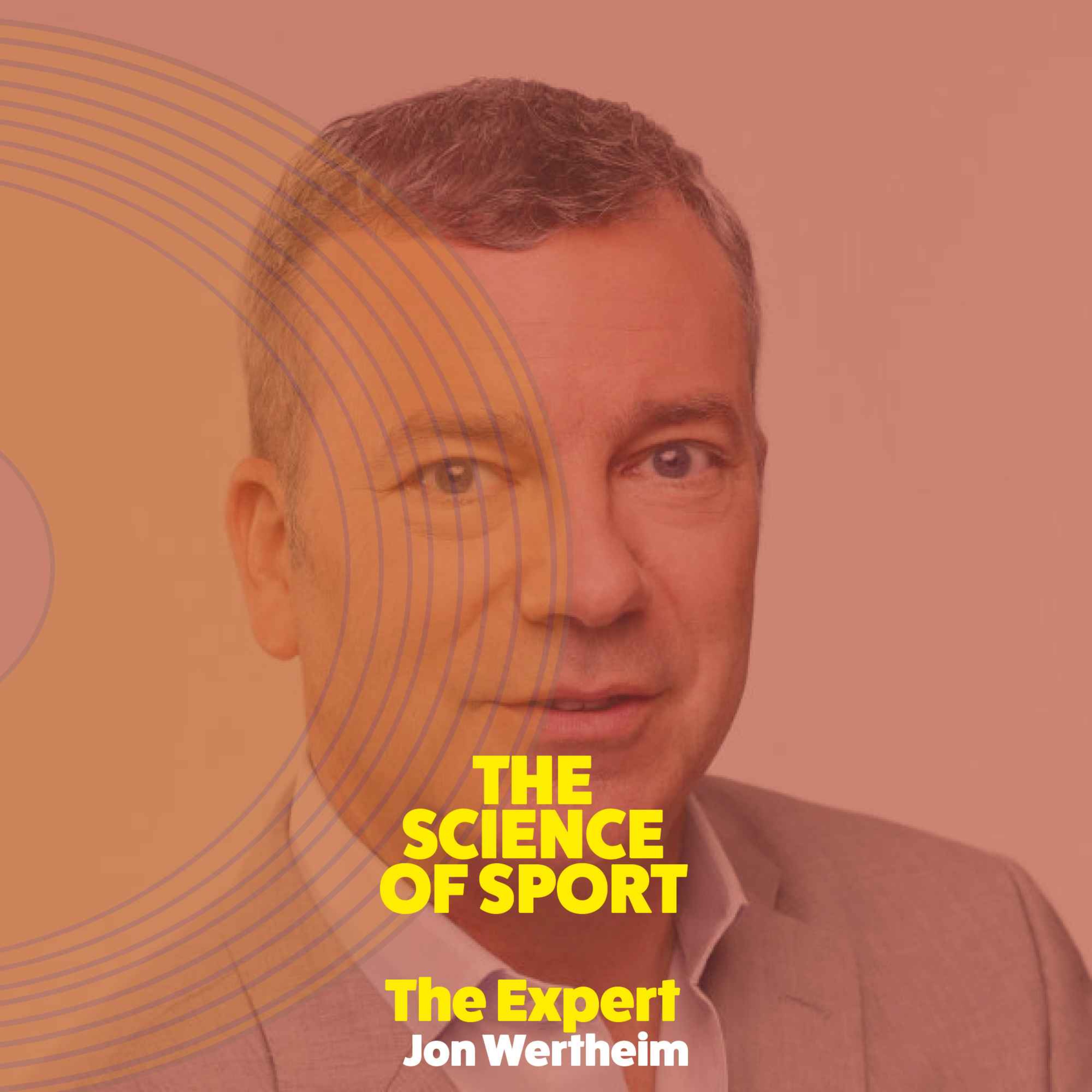
How relevant are the Olympic Games in the modern era and can they stand the test of time? Join Ross and Mike, along with top US sports journalist and author Jon Wertheim, as they look back on the lessons learnt in history, the economics, the legacy and the potential future of the Games. Wertheim is executive editor and senior writer for Sports Illustrated US, focussing on the tennis beat, sports business and social issues, and enterprise journalism.In addition to his work at SI, he is a correspondent for "60 Minutes" and a commentator for The Tennis Channel. He has authored 11 books and has been honoured with two Emmys, numerous writing and investigative journalism awards, and the Eugene Scott Award from the International Tennis Hall of Fame. Wertheim is a longtime member of the New York Bar Association (retired), the International Tennis Writers Association and the Writers Guild of America. He has a bachelor's in history from Yale University and received a law degree from the University of Pennsylvania. He resides in New York City.Show notesJoin our Discourse community by becoming a Patron of the Podcast, and tap into the Olympic fever with like-minded fans. Once signed up, you'll have access to this Discourse pageJon's book on the Glory days of 1984 can be found hereHere is an excerpt of the book, published in SIIf you're a tennis fan, you can follow Jon's Sports Illustrated Mailbag, here's one example Hosted on Acast. See acast.com/privacy for more information.
Science of Sport Spotlight 6: How Pro Cyclists Use Carbon Monoxide / Pogacar's Superhuman Numbers
bonusIn a recent article on the Escape Collective, claims were made that Tour de France cyclists are using carbon monoxide to enhance their performance. But is it really that big a deal or is there more to this story? Mike and Ross break down how carbon monoxide is used and potentially abused as cyclists looked for any means to get an advantage. The team also break down some the incredible numbers being pushed out by Tadej Pogacar at Le Tour and ask the question on everyone's lips: Can we believe it?SHOW NOTES:Carbon monoxide use:The original Carbon monoxide article A paper on how Hb Mass is related closely to VO2max One of the first published studies that describes how breathing CO might unlock performance enhancement. In this study, college student football players also breathed in 1ml per kilogram body weight before all sessions. It drove an increase in EPO, haemoglobin levels and VO2max.Another study, by Schmidt, where moderately trained subjects inhaled CO five times a day. Haemoglobin mass increased, they made more reticulocytes, and VO2max increased (though not significantly)Some sources for power output estimates at the Tour de France:Ammatti on TwitterThe detailed analysis of the Plateau du Beille stage, and comparison against historical performances Hosted on Acast. See acast.com/privacy for more information.
Science of Sport Spotlight 5: The Research Studies That Shaped Sports Science Knowledge
The spotlight falls on the most influential sports science research ever published. A recent paper produced a list of the 100 most influential sports science papers of the last 100 years. Gareth and Ross choose a handful of them, discussing what they found, what their authors didn't know at the time (and got wrong), and what it means today. We discover that the arc of sports science knowledge runs through all these studies, connecting people from AV Hill to Noakes, and themes including oxygen debt, lactate, altitude, pacing strategies, fatigue, and even the 2-hour marathon !Show notesBecome a Patron here, and then join the discussion on on Discourse CommunityStanding on the Shoulders of Giants: The paper that inspired the episode, a collection of 100 influential sports science articlesThe AV Hill Paper on muscular exertion, oxygen and 'lactic acid'. The OG of sports scienceGeorge Brooks proposes the Lactate ShuttleNoakes, St Clair Gibson and Lambert explain the concept of complex regulation. This is the summary and conclusion paper. The more detailed papers are:Why the "catastrophic model for fatigue" fails to explain real-world performance physiologyEvidence for complex systems integration and regulation of muscle activityHow fatigue and performance help control homeostasis during exercisede Koning and Foster explain how pacing is regulated during exercise, using the RPE and duration remainingMichael Joyner applies his physiological determinants of the marathon to the sub-2 hour questionLundby's review questioning the performance benefits of altitude trainingA more recent review on altitude training that covers how periodization, managing training, repeat visits and smarter nutrition may help create and increase the effectA more detailed paper on the role of nutrition when at altitude Hosted on Acast. See acast.com/privacy for more information.
S6 Ep 17Paris 2024: How to Make an Olympic Athlete
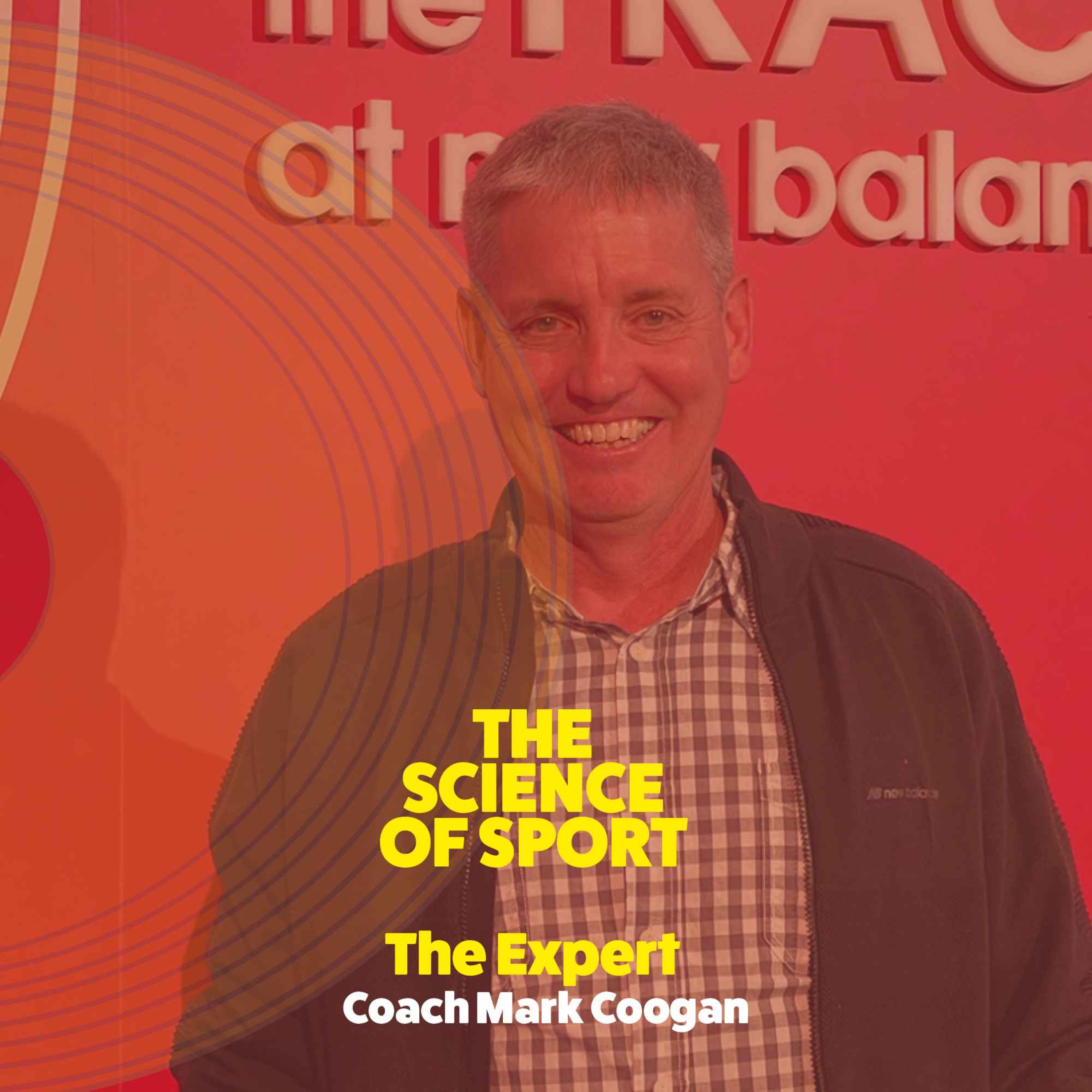
Mark Coogan has been there, done that and got the t-shirt. As a former track athlete, sub-4 minute miler, Olympic marathoner and author of the book 'Personal Best Running', Coogan is passing on his wealth of talent to some of America's top track and field stars with much success. In this discussion, Coogan talks candidly about the process of developing Olympic-level elite athletes, how to spot elite-level talent, what makes a champion athlete, how to train athletes for events as important as the controversial American Trials and the Olympic Games and whether the sport is in a good place globally. Coogan works in the engine room of top-class athletics and his insights will inspire all levels of sports people.Follow MarkInstagram & X @mark_coogan Hosted on Acast. See acast.com/privacy for more information.
Science of Sport Spotlight 4: Shining a Tour de France Light On Exercise In The Heat
In this Spotlight, the team discuss exercise in the heat, using the challenging conditions and travails of Mark Cavendish and others in the Tour de France's first two stages as the catalyst. We explore why athletes 'fail' in the heat, and how the brain pulls a physiological ripcord to protect us when we either don't pace ourselves appropriately, or can't lose the heat we need to in order to avoid critical hyperthermia. We also briefly assess the state of the Tour's yellow jersey battle, where the first shots were landed by Pogacar on the Galibier in yesterday's Stage 4. But will they be decisive, and how likely is Vingegaard to bounce back and improve as the race progresses?Show notesBecome a Patron and join the Discourse communitySome papers on heat stroke and limiting hyperthermiaA position statement on heatstroke, including details on risk factors and pathology. Find out about "leaky guts" here!One of the Danish studies that shows how the hot brain just stops activating muscle and causes us to fail at exerciseAnother paper showing that perceived exertion is altered by hyperthermia during exercise in the heatTour de France insightsThis is the best podcast you'll listen to on the Tour, in my opinion. That is, if you really like a deep technical dive into the tactics of the raceThe analysis of Pogacar's record climb of the Galibier yesterday. Note that it was a hard stage, and so a real test of durabilityThe record was also broken on San Luca on Stage 2. Here's that analysis and power estimateThe Olympic Sport bracket that Gareth mentioned on the show - will road cycling bounce back and beat the marathon in the popularity stakes? Hosted on Acast. See acast.com/privacy for more information.
Science of Sport Spotlight 3: TDF 2024 Preview
The Tour de France begins Saturday and in this Spotlight, Ross and Gareth gaze into their crystal balls to discuss whether Jonas Vingegaard, the two-time defending champ, can recover from his April accident to challenge race favourite Tadej Pogacar? They explore how his injuries will have set back his preparation, and the challenges he'll have faced to balance recovery with adapting for the demands of a Grand Tour. They also explain how his 'durability' may be compromised, and how Pogacar may look to exploit this tactically, to kill the contest in Week 1. Add in some speculation and predictions we both hope are proven incorrect, and you have a TDF teed up for discussion and debate!Become a Patron and join the Discourse communityOur TDF Fantasy League is open - here are the detailsThe physiology of the Grand ToursWhat happens to the hormone levels during a Grand tour?Review of the physiology of the Tour, with some high level overviews of the requirements to race a Grand TourPerformance requirements of racing a Grand Tour, with some nice power data from the very best cyclistsDurability in cycling, as discussed on the showA field study of durability in elite cyclists, showing a 3% (average) drop in 20 min TT power after a fatiguing bout. Note that the fatiguing bout used (10 kJ/kg/hr) is equivalent to an easy-to-moderate mountain day in the Tour. UAE will want rivals to do a LOT more work than this before attacking in the final 20 minutesA nice study looking at how fatigue affects the power-duration curve in elite cyclists. This shows that World Tour riders are more "durable" than Pro Tour riders, and that the greater the work before "the test", the greater the decline. Again, a cue for a rider who wants to win the Tour to put his rivals under pressure before the final climbResource for power estimates in the TourPogacar's best climb of the Giro, because of the work done before it, and the altitudeCrazy high numbers from Switzerland on the short 43km stage where fatigue was not a factorRoglic's best Dauphine performance, contextualized against Pogacar at the Giro - just a few percent off where it needs to be to match Pogacar Hosted on Acast. See acast.com/privacy for more information.
S6 Ep 16The Real Science Of Hydration During Exercise
Dr Tamara Hew-Butler is the Queen of Hyponatremia (@hyponaqueen on X). What's hyponatremia, you may be wondering? It is a condition that is far more dangerous than dehydration, and which can develop when we drink too much fluid during exercise, with potentially lethal and often tragic consequences. We have been conditioned to fear the health and performance risks of dehydration during exercise, to believe that we cannot afford to lose fluid, and that by the time we are thirsty, it's too late. But Hew Butler, a world authority on fluid requirements during exercise, is here to set the record straight, to explain how exquisitely our bodies regulate our sodium and fluid levels, and why we can and should trust our physiology instead of the marketing messages of sports drinks and water companies. This is an episode that will challenge beliefs, and set the record straight on exercise hydration.Show notesBecome a Patron and join the Discourse communityLinks to articles on the subject matter of the podcastTami is lead author on a series of consensus statements on Exercise Associated Hyponatremia. This is the most recent version of that consensusThe Men's Health article mentioned on the show, discussing overhydration and quoting TamiA review article by Tami, published in 2017, with details on the physiology, treatment and prevention of hyponatremiaA 2022 paper by Tami, on the Physiology, Psychology and pathophysiology of overhydrationA study Tami was involved in looking at soldiers doing a 40km march, showing that drinking to thirst avoided the dangers of both hyponatremia and dehydrationIn the show, we spoke about research we did at the Comrades Ultramarathon. Here is one of the papers from those studies in the medical tentTwo papers on what typically happens during ultra-endurance exercise, first in Ironman athletes, by Sharwood et alA second paper describing over 2000 endurance athletes and the changes in body weight, sodium levels and hydration statusThe first case series of hyponatremic athlete in the Comrades, going all the way back to the 1980sTami's X handle: @hyponaqueen Hosted on Acast. See acast.com/privacy for more information.
Science of Sport Spotlight 2: Kenya's doping induced credibility crisis
Kenyan athletes are being banned, literally, by the hundreds. The country that produces many of the world's outstanding distance performers has a huge credibility crisis. It is clear that doping is widespread, but frustratingly, despite dozens of athletes being caught and banned every month, we are no closer to identifying how what have been described as "sophisticated doping regimes" are being managed and delivered to many of the best Kenyan athletes. In this Spotlight, the second episode of the Series, Ross and Gareth talk about the extent of the problem, the challenges faced by authorities who are casting their own spotlight on Kenyan running, and the shadow that sadly looms over Kenyan medals and records.Show notesSign up to become a Patron of the show and join the conversationThe latest AIU list of banned Kenyan runners, as at 1 June 2024. This list has since grown by about 30 namesA year ago, Kenyan government pledged to fight the doping problem with a significant investment. The bans now may be the result, but is it the solution?Rhonex Kipruto is one of the biggest Kenyan names banned to date. Here is the AIU Reasoned Decision describing the ban, including the results and graphs discussed by Ross and Gareth on the showOlympic surveys:Here is the survey we have created for you to rate every Olympic sport's "athleticism" and attributesHere is the "bracket", where you choose your favourite Olympic sport in a series of Head-to-Head battles. We are now in Round 2 Hosted on Acast. See acast.com/privacy for more information.
S6 Ep 15The Science and Art of Good Running
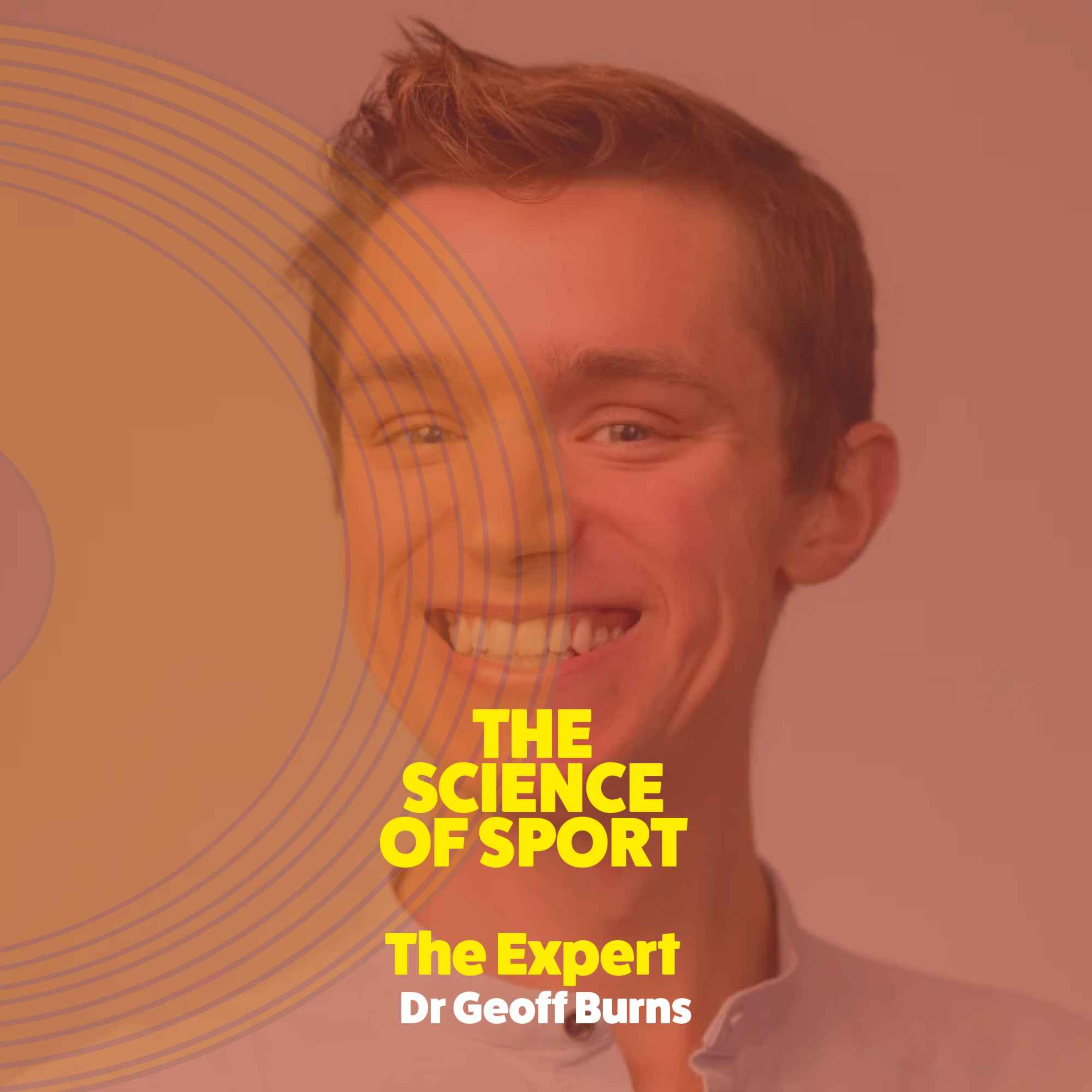
Dr Geoff Burns lives and breaths running. From his own accomplishments as an elite-level ultra racer, Burns has spent years researching the biomechanics of running, the science behind what makes great runners and the impact of the new super shoes in this new age of running. Burns has a PhD in Sports Science, is a physiologist with the US Olympic and Paralympic Committee (USOPC) and is a researcher and engineer with a special interest in running.SHOW NOTESFollow Geoff on TwitterThe paper that describes the relationship between calf circumference and running economy The Japanese study comparing the tendon function of Kenyans to Japanese runnersA paper that looked at cerebral oxygenation in Kenyan runners, another where the effect of being a good runner is hard to tease out from being a Kenyan effectGeoff and ROSS collaborated on this paper, as discussed on the show, looking at barefoot vs shod running in elite vs recreational runnerswww.geoffreyburns.com/stream Hosted on Acast. See acast.com/privacy for more information.
Science of Sport Spotlight 1: Lia Thomas loses case against World Aquatics
Today we introduce the Science of Sport Spotlight, a category of podcast that we intend to use to round up all the big sports stories with a sports science angle, and then share those insights with you. Today, we discuss the news that transgender swimmer Lia Thomas has lost a case brought against World Aquatics' transgender guidelines at the Court of Arbitration for Sport. But it's not entirely as it seems - the case was dismissed because Thomas is not eligible to bring the case as Thomas is no longer a member of US Swimming. In this Spotlight episode, Professor Ross Tucker explains why that is frustrating for World Aquatics and other sports, and why the Thomas case would have made an interesting test in the court.Notes:Sean ingle's article on the decisionThe research paper by Senefeld that analysis Thomas' performance changes with testosterone suppression, alluded to in the showAnother research paper, on which I am a co-author, which explains why the IOC Guideline on the trans issue is so misguidedPatrons only: The discourse thread that mentions the Ultra cycling race won by a trans woman this past weekendYou can join the ongoing sports science conversation, and support our work, by becoming a Patron member at this link.That Patron membership gives you access to our Discourse channels, where like-minded enthusiasts discuss sports science and news Hosted on Acast. See acast.com/privacy for more information.
S6 Ep 1450 Days to Go: Let the (build up to the) Games begin
With 50 days to go to the Paris Olympics, it's all systems go for athletes, coaches, and media. Sean Ingle will be covering his 7th Olympic Games, and he joins us from Rome's European Track and Field Championships to talk about some of the themes we expect to make the news at these Paris Games. They include tech's pervasive and unavoidable influence on performance, a simmering feud in the world of anti-doping, and the evolution and relevance of the Olympic Games in the face of both external and internal pressures. We also present The Official Science of Sport surveys in which you get to vote for your favourite event of the Games, and our ambitious consensus project to classify the Olympic Sports by their physiological and psychological demands. A busy period of great sport starts here!Show notes:Here is where you sign up to become a Patron and get access to our awesome and informative Discourse communityThe Discourse page, for those who are already Patrons of the pod (you sign in with your Patron log-ins)If you want to join our survey to rate the Olympic sports for their athletic components, here is the link to the once-off surveyOur 'bracket' challenge to pick your most engaging, popular specific eventWe spoke of tech in cycling on the show, and here's an announcement from Team GB/Lotus about their track bikes for their Paris campaignHere's the paper with Kenenisa Bekele has a co-author, that recognizes that the new era performances, powered by super shoes, and aided by wavelights, need an asterisk alongside themFollow Sean Ingle on Twitter/X Hosted on Acast. See acast.com/privacy for more information.

The Habits of Good Sleep
bonusJoin host Mike Finch, co-host Prof. Jill Warner and Dr Dale Rae, Director at Sleep Science and a Senior Lecturer in the Division of Physiological Sciences at the University of Cape Town, as they discuss what good sleeping habits look like, what constitutes a good sleep routine, catching up on sleep, the effects of sleep deprivation and why sleep dictates mood regulation, body health and even weight gain. Hosted on Acast. See acast.com/privacy for more information.
S6 Ep 13The Sceptics Guide To Sports Science with Dr Nick Tiller
Dr Nick Tiller literally wrote the book on it, The Skeptics Guide to Sports Science (available from Amazon HERE). As an exercise scientist at Harbour-UCLA in the US, columnist, writer and author, Tiller challenges many of the claims made by marketers and others, in the name of sport science. With the team Tiller delves into the details of questionable sports science, how to spot the good from the bad and the areas where sports science is most vulnerable.Follow Nick: Web: www.nbtiller.com Instagram: @nb.tiller X: @NBTiller Hosted on Acast. See acast.com/privacy for more information.
S6 Ep 12The Science of Weight Training
The team is joined by Professor Stuart Phillips from the Department of Kinesiology at McMaster University and one of the leading experts on resistance training. Phillips is the Director of the Physical Activity Centre of Excellence (PACE), the McMaster Centre for Nutrition, Exercise and Health Research and Lab Lead for the Exercise Metabolism Research Group. In this episode Phillips explains the amazing benefits of weight training, why even a little can reap big benefits for everyone and what sort of training suits best depending on your age, sport and goals.SHOW NOTES:Join us on Patreon for more content including access to our Science of Sport Discourse platform, and join the conversation!Follow our guest Prof Stuart Phillips on XStuart's recent paper on the coming of age of resistance training as a primary form of exercise for healthA previous article on Stuart's resistance training research from his universityA few of the specific papers on strength training that were discussed on the show:Resistance exercise load does not determine training-mediated hypertrophic gains in young menTraining for strength and hypertrophy: an evidence-based approachLow-load high volume resistance exercise stimulates muscle protein synthesis more than high-load low volume resistance exercise in young menEffects of once- versus twice-weekly eccentric resistance training on muscular function and structure in older adults: a randomised controlled trialInstagram handle for Avery Faigenbaum, Professor of Pediatric Exercise Science, who Stuart mentioned as a good source of information Hosted on Acast. See acast.com/privacy for more information.
S6 Ep 11DISCOURSE: China's Swimming Doping Controversy / Marathon Season Latest / Should Olympic Medallists Get Prize Money?
A wrap-up of the best stories on our Discourse channel: Spring marathon season: The top performers / Should Eliud Kipchoge go to the Paris Olympics? / Why track and field athletes are earning prize money in Paris for the first time / Is the UCI doing enough to ensure the safety of pro cyclists? / China's doping controversy sparks division in the anti-doping world. SHOW NOTES: The Guardian story on prize money in athletics at the Paris Olympics The Guardian story on the 23 Chinese swimmers who won Olympic golds after testing positive for banned drugWADA statement on the case of the 23 swimmers Travis Tygart from USADA releases a statement about WADA statement WADA statement following comments by Tygart Hosted on Acast. See acast.com/privacy for more information.
S6 Ep 10INTERVIEW: How to Fuel For Maximum Endurance Performance
Building on from our previous discussions on optimal fuelling for endurance exercise, in this episode we go deep into the details of why carbohydrates are the rocket fuel for our bodies, and how we can take advantage of metabolic agility and different fuel strategies to unlock performance gains. To do this, we are joined by Dr Jamie Whitfield, a postdoctoral researcher in exercise nutrition and an expert in muscle physiology and metabolism. We explore how your body ‘chooses’ whether to burn fats or carbs as fuel and which carbs it prioritizes as we change our intensity and diet. We discuss whether fasting or feasting before exercise is beneficial, and we learn whether ketogenic diets hinder or enhance exercise performance.SHOW NOTES:Jamie’s X account: @jwhitfieJamie’s page at the ACUThe article by Jamie and a former guest, Prof Louise Burke, responding to Prof Tim Noakes on Keto diets and performance. The entire point-counterpoint is available at the link: https://pubmed.ncbi.nlm.nih.gov/38485731/A research study that Jamie referred to that looked at how ingesting carbohydrates at different rates affected total carbohydrate use during exercise: https://link.springer.com/article/10.1007/s00421-022-05019-w Hosted on Acast. See acast.com/privacy for more information.
S6 Ep 9Safety vs Spectacle: Rugby at a Crossroads
In this special episode we join an exclusive panel discussion - in partnership with World Rugby - to debate the future of the sport as it battles to find a balance between the welfare and safety of players and the enjoyment of the game by both participants and spectators. On the panel is Dr Eanna Falvey, World Rugby’s Chief Medical Officer, and former British & Irish Lions Team Doctor; Kate Zachary, the experienced American women's captain and veteran of two World Cups; Ugo Monye, an English rugby pundit/commentator and former rugby union player who played 14 times for England, 241 times for his only club Harlequins and played twice for the British & Irish Lions on their 2009 tour to South Africa; English Test player Sarah Bern, who was shortlisted for World Rugby’s Women’s Player of the Year award in 2019 and our very own co-host Prof Ross Tucker, who is also a Research Consultant and Independent Scientist with World Rugby.SHOW NOTES:The videos from the entire Welfare Week, not just those preceding this session, will be available on the World Rugby site soon. They're not out just yet, unfortunately, but check back here in the next few days for the specific links. Hosted on Acast. See acast.com/privacy for more information.
S6 Ep 8Rugby's Radical Law Change Proposals / The IOC And Their Controversial Trangender Policy
It's one of the hottest topics on our Discourse channel but can World Rugby's new law proposasl preserve the spectacle of the game while still ensuring player safety? The team dig into some of the changes being trialled and proposals for more changes.Plus ultra runners Camille Herron - who broke six world endurance running records on her way to a new women's six-day record - and Jasmin Paris - who became the first female to finish the legendary Barkley Marathon - have raised the question of how women compare to men in endurance sport. Is the gap closing?Plus why did a group of 26 independent scientists (including Ross) publish a paper to refute the IOC's framework and academic paper on transgender athletes?Support our work on Patreon HERE at and get free access to our Discourse channel HERE SHOW NOTES:Rugby rule changes on our Discourse group.https://scienceofsportpodcast.discourse.group/t/world-rugby-new-plans-for-the-game/1197/4Reassessing the use of the TMO in rugbyWorld Rugby wants to overhaul TMO protocol which has come under widespread criticism for bringing too many lengthy stoppages to the game. Women's Ultrarunning Discourse discussion on the Barkley marathonSean Ingle's article on Jasmin Paris' Barkley successTransgender PaperThe academic paper refuting the IOC's Framework and scientific argumentOur Discourse discussion on the paper and the issuesMore than 100 elite British sportswomen have told the BBC they would be uncomfortable with transgender women competing in female categories in their sport. Hosted on Acast. See acast.com/privacy for more information.
S6 Ep 8How Maddie Won The Zwift Academy
Never-say-die Maddie le Roux may have been forced to give up her dream of becoming a professional cyclist until the Zwift Academy changed her life and her career. Here's how hard work and pure determination helped this bubbly 27-year-old turn a dream into a reality. Hosted on Acast. See acast.com/privacy for more information.
S6 Ep 7Can We Trust Sport Science Research?
Is the field of sports science facing a credibility crisis? According to guest Dr Joe Warne, key instigator of the Sports Science Replication Centre at the Technological University in Dublin, most of the research done in the field is unreliable. So what is the true picture, how can studies be done better, what role do journals play in ensuring better standards and how do consumers discern the good from the bad?Show notes:Our Patreon page, where you can sign up for access to the Discourse and other benefitsThe Discourse discussion, for all the post podcast discussions, insights into sports science, and even training and injury prevention advice. For Patrons only!Joe Warne's original post on Discourse that inspired this episode (Patron only)Simona Halep is cleared to play. We'll wait for the full CAS Decision for more discussion of this decision, but if you want to read the previous decision that led to the four year ban, it's at this linkFor Patrons, via Discourse, more discussion about Halep's ban and clearing can be found hereArticle on the cycling race in Spain that saw 130 riders out of 182 not finish, and anti-doping had shown up. The degree to which the two are linked remains unclear, as discussedJoe Warne's Sports Science Replication Center websiteOne example of a paper that Warne's group has had published on this issue Hosted on Acast. See acast.com/privacy for more information.