
The Real Science of Sport Podcast
347 episodes — Page 3 of 7
🚨 SOS: It WAS Too Good To Be True: Marathon World Record Holder Chepng'etich Provisionally Suspended
Join Discourse - a small monthly pledge gives you access to the best sports science and sports insight community on the interwebs (yes, we are biased). Pledge here and join the conversation!In this emergency bonus episode, Ross reacts to the bombshell news: Kenya's Ruth Chepng’etich, who stunned the world with her record-breaking marathon in Chicago last year, has been provisionally suspended by the Athletics Integrity Unit after testing positive for a banned diuretic in March. The performance shocked the running community at the time — questions and doubts sparked a parliamentary inquiry in Kenya after a journalist’s pointed question at the press conference. We even released a podcast titled “Too Good To Be True?” analyzing the run.Now, that skepticism feels vindicated. Ross breaks down why the doubts were justified despite the usual defenses ("she's always been talented", "she worked hard"). He explains what a diuretic does, why this kind of doping bust leaves him cold and underwhelmed, and how it fits a familiar pattern in elite sport. We also explore the shadowy roles of agents and coaches — and ask why it's always the athlete left holding the bag?Finally, Ross reflects on the cycle of hope, hype, and heartbreak that defines modern sport — from the marathon course to the Tour de France, can we trust what we see? Why should we, when the characters and incentives remain the same? Same script, different stage.LinksThe AIU statement on Chepng'etich's provisional suspensionThe timeline as posted by Chris Chavez on XOur podcast on the performance at the time - we were highly, highly skepticalThe Discourse thread at the time of that performance - members onlyThe Discourse thread that is growing now, out of the announcement last night - members only Hosted on Acast. See acast.com/privacy for more information.
Staying Cool at the Tour - Gimmick or Gain? | Busting the Hype About Salty Sweat
Join Discourse by making a small monthly pledge, to double your Science of Sport experience!In a packed episode of Spotlight, we kick off with a Discourse Digest that begins on the grass of Wimbledon, where Jannik Sinner and a dominant Iga Świątek took home the titles. Then it’s to the rugby fields of South Africa, where the Springboks—led by the ever-innovative Rassie Erasmus—have once again found a tactical edge. But is it genius strategy or a rule-bending loophole?In Center Stage (17:10), the Tour de France is in focus. Jonas Vingegaard's muscle has matched Pogacar on short, punchy climbs, but can he hold his own as the race hits the high mountains? We also break down Remco Evenepoel’s pre-race cooling technique - placing hands and forearms in ice water - to explore what the science says about its effectiveness. Plus, we revisit the ongoing issue of concussions in cycling to explain the paradigm shift that is needed to buy space and time for better concussion identification.In Ross Responds (52:07), we revisit the topic of cramp and sodium loss, answering a listener question about 'salty sweat' with a dive into how our bodies prioritize the regulation of sodium concentration, and why sweat testing is nothing more than a measure of the body's systems working to defend physiological 'normal'. In Listener Lens (1:00:10), Tim is looking to break a barrier over 10km, and our Discourse community zeros in on the key to unlock that performance: pacing. We offer some advice to help him nail it.And finally (1:06:53), a Zwift racing series has Ross questioning the platform’s 'fairness'. Are the game's efforts to simulate equipment and drafting creating more distortion than accuracy?LinksArticle on South Africa's innovative midfield maul set upStanford study that finds that palm cooling (with a vacuum device) improves performance in bench press and pull ups. Too good to be trueConversely, study showing that palm cooling does not improve interval running performanceAnd conversely again, study showing that immersing the hands and forearm in cold water improves sprint performanceHealy's power numbers from the day, the trigger for our IF discussionCycling's concussion policyFor Discourse members only, Tim's question about his 10km quest and discussions on improving pacingDiscourse members talk cramp Hosted on Acast. See acast.com/privacy for more information.
S7 Ep 15The Science of Cramp
It's time to pour yourself some pickle juice and suck on a salt tab (or is it?) as we talk exercise-associated muscle cramps (EAMCs) - one of the most complex, and common, afflictions facing athletes. Difficult to research and predict, the causes of EAMC's can be varied depending on the individual, as are the solutions to fix them. In this episode, Prof. Ross Tucker and Mike Finch break down the most common theories around causes and then discuss the best long-term, medium-term and immediate solutions (yes, there are some!) to preventing this painful condition.DiscourseJoin Discourse now, and become part of the growing community whose stories and testimonies inspired much of the content of this (and other) podcast! You do so by making a small donation here on Patreon, and then the world of sports science insight and opinion will be yours!SHOW NOTESThe cramping thread on Discourse - members onlyAn Evidence-Based Review of the Pathophysiology, Treatment, and Prevention of Exercise-Associated Muscle CrampsSimilar review on crampsStudy showing how pickle juice works fast in low doses, via a neural reflexRon Maughan paper on muscle cramps, contrasting the hydration model with the neural theoryPeople who cramp have similar sodium and other electrolyte levels to those who don’t crampIf you drink more, your sodium levels drop, even if you drink an electrolyte containing drinkA paper that compares the two leading hypotheses for cramps: Hosted on Acast. See acast.com/privacy for more information.
Vingegaard's Muscle: No Match for Pogacar? | Who is to Blame for Tour Crash Chaos?
Discourse - the best thing about this Podcast, is all yours for a small monthly pledge. No exorbitant fee, no toilet paper advert every 510min, and access to hundreds of listeners who share great advice, insight, training strategies and opinion. Join now!The showThis week on The Real Science of Sport Spotlight world records fall and big questions rise. Faith Kipyegon and Beatrice Chebet lit up the track in Eugene—how fast can they go, and what happens if (or hopefully when) they clash over 5000m, 3000m, or possibly even 1500m? Their record-breaking performances headlined a meeting that showed track and field can be exciting, modern, and appealing to younger fans. Is the sport in better shape than critics thought? From spikes to strings, we then turn to Wimbledon, where Electronic Line Calling has come under fire. Is the system flawed, or just misunderstood? We break down the tech, the myths, and why perfection was never the point.In our Center Stage (27:44), we focus on the Tour de France, where concussions, broken bones, and questions of responsibility have again reared their head. Do race organizers or riders bear the blame? We explore the UCI's priorities, enforcement of their own rules, and creation of new rules with marginal benefits. We also discuss the race. Jonas Vingegaard says he’s heavier, more muscular, and more powerful than ever. Will that close the gap to Pogacar? The early signs, after the Stage 5 TT, suggest an emphatic "no"? Is he solving the 'wrong' problem, and how will that increased mass play out against a relentless Pogacar in the mountains?We also Spotlight listener insights in Ross Replies (52:00), with a focus on David Roche’s Western States DNF and his pre-race transparency. You wondered whether he created mental and emotional pressure on himself by being so open, and we discuss. In Listener Lens (58:25), we celebrate some Discourse success stories. And finally (1:02:16), are endurance athletes more likely to have daughters? A quirky study suggesting so closes the show.LinksUSADA statement on the father and son banned for testosterone useGuardian article on the tech failures and player mistrust of electronic line callingStrong criticism of the UCI/ASO for a hazardous stage finale in the raceThe Michael Woods Tour diary in which he describes the ASO approach to safety, including his thoughts on how to improve safetyVingegaard's comments about his power, weight and performance prospectsAre athletes getting older - for DISCOURSE only, Max's amazing analysis on age of elite athletes over the yearsEndurance athletes are more likely to have girls - the quirky paper we finished on Hosted on Acast. See acast.com/privacy for more information.
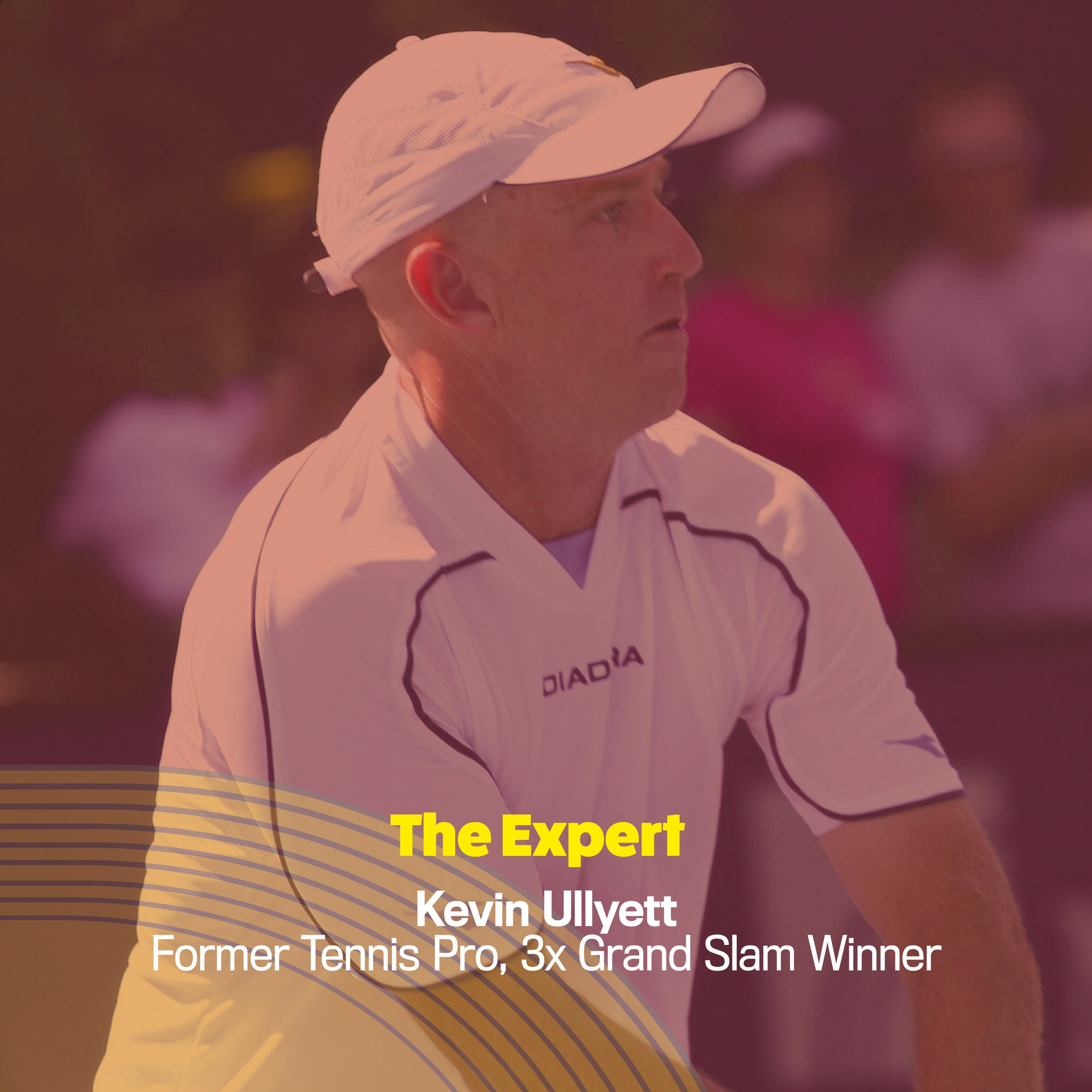
S7 Ep 14What It's Really Like to be a Tennis Professional on Tour
Kevin Ullyett has won 34 career tennis titles - including two doubles (2001 US Open, 2005 Australian Open) and one mixed (2002 Australian Open) Grand Slams - and had a world ranking of 107th in singles. So he knows what it's like to fight his way through the ranks and play among the best. In this interview with Ross and Mike, Ullyett explains what it takes to make it to the top tier of professional tennis, the daily and financial pressures of just breaking even, how players cope with loneliness and the ups and downs and how modern developments in string technology have changed the face of the game in the last 10 years. It's a fascinating insight into the realities of a career where unwavering determination is one of the most important qualities a player can have,SHOW NOTESKevin Ullyett's Wikipedia pageAndre Agassi's mind games with Boris BeckerAnother funny Agassi story about a young Rafael Nadal Hosted on Acast. See acast.com/privacy for more information.
Spotlight: Failing to Science the Sh*t Out of Running / A Legal Lens on Liability and Sports Injury
We kick off this Spotlight at the Western States 100, where much of the buzz centered on David Roche’s DNF. Roche, a polarizing figure who promised to “science the shit” out of the race, faced unfair criticism both before and after the race, and Ross reflects on how the scientific process often works best when the "hypothesis" fails, and why confronting failed hypotheses to explain under-performance is more beneficial than riding a wave of success .The "science the shit out of it" theme continues with Nike’s hyped attempt to help Faith Kipyegon break the 4-minute mile. It didn’t just fall short—it missed by a long shot, with Kipyegon never really giving the barrier a scare with a pacing strategy that reveals they all knew it was not truly feasible. Ross and Gareth unpack the science, pseudoscience and "hacks" behind the effort, with honorable mentions for the obviously flawed claims by scientists about drafting benefits, and criticism of many media who parroted hype points without critical thought. We wonder what the athlete who could break 4 looks like, and postulate that they probably don't exist. Yet. From ultra to ultra-short, we shift to the 100m, where Kishane Thompson clocked a blistering 9.75s—the fastest in a decade, leading Gareth to wonder why sprinting seems to have plateaued post-Bolt?In Center Stage (37:14), legal expert Matt Kemp joins us to dissect a recent rugby case where a player successfully sued an opponent for causing a spinal injury with a reckless off-the-ball collision. Could this open the door to more civil claims in contact sports? Matt explains the legal standards around recklessness and duty of care. Ross Replies (1:15:23) to Discourse member Paul on the purpose of sports science and what "truth" means when studies can't be replicated?And in Listener Lens (1:24:15), we explore ATP's role in exercise, wonder whether you can ever “run out” of it, and how the purpose of metabolism is to keep it in good supply. And Finally (1:31:17), we invite you all to join our Tour de France Fantasy League, and see if you can top Gareth and Ross' picks in our two leagues!Join DiscourseJoin the Discourse community, to hang out with the racers, analysts, legal experts, coaches and experts, by making a small monthly pledge at PatreonLinksAnalysis of the 100m event that inspired our 100m chatGymnastic medalists are getting olderReport on the decision ruling in favour of a player injured by opponentMatt, our new legal expert, is a partner at Becker Kemp Solicitors & AttorneysRoss' reply to Tony on the ATP depletion question - members onlyTDF FANTASY LEAGUE - play one of our two leagues Hosted on Acast. See acast.com/privacy for more information.
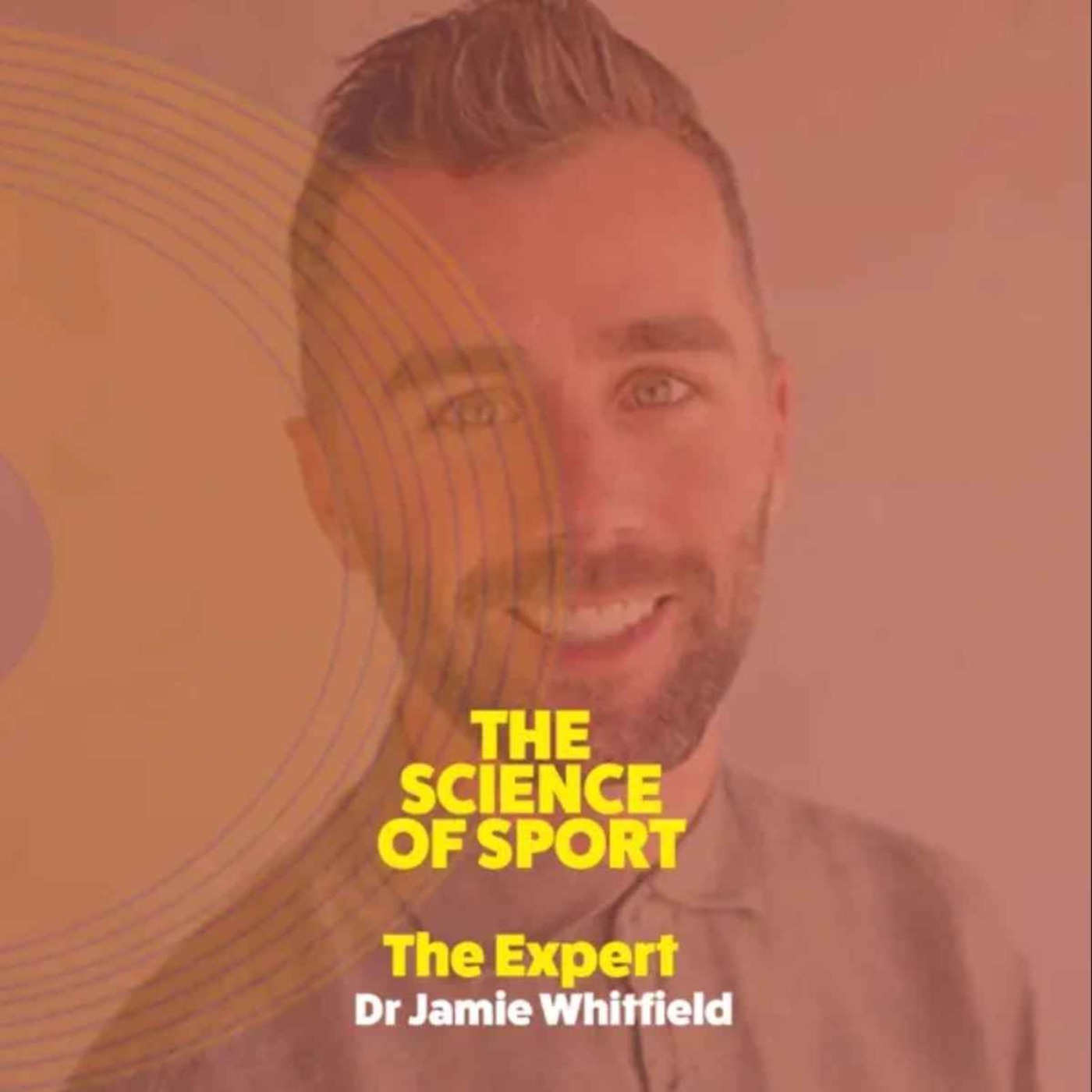
S7 Ep 13The Science of Fuelling: Inside the Carbohydrate Performance Paradigm
Carbohydrates have always been part of the endurance equation—but how much, when, and which types remain hotly debated. In this listener-driven episode, we tackle those questions and more, exploring a new paradigm in performance fueling that’s reshaping how athletes think about energy during exercise. Dr. Jamie Whitfield, Senior Lecturer at Australian Catholic University’s Mary MacKillop Institute for Health Research, joins us to break it all down.For years, endurance athletes were trained to conserve carbs by becoming better fat-burners—adapting diet, training, and supplements to spare glycogen. But that thinking is evolving. As Jamie explains, the focus now is on maximizing carbohydrate use. Why? Because carbs are a more oxygen-efficient fuel source than fat—providing more energy per unit of oxygen. That efficiency improvement is a performance advantage in itself—like a supershoe, but internal.We dig into how elite athletes are pushing 90 to 120 grams of carbs per hour, and what it takes to train the gut to handle it. Are there limits? What happens when intake exceeds demand? Where does the glucose go? Are there health risks? We also explore carb types and ratios, strategies for carrying fuel without excess weight, and how to tailor intake to your individual needs.Jamie brings clarity to the technical details, helping translate complexity into actionable insight. If you’re fueling training or racing, this episode will reshape your approach to performance nutrition—and maybe your results too.Show notes and linksDiscourse is our VIP community, and it was questions from those listeners that inspired this interview. If you want to be part of the conversation, driving the content, and then engaging with other listeners after the show, you can join by making a small monthly pledge.The Podlogar paper that compared 90g/h to 120g/h, informing some of our discussionThe Jeukendrup study Jamie mentioned that managed to provide 144g/h of carbs with a glucose-fructose mixone of the studies mentioned in which glucose ingested spared liver glycogen use during exerciseA study that looked at performance and tolerance of carb solutions with different ratios of glucose to fructose Hosted on Acast. See acast.com/privacy for more information.
Spotlight: Cramping Truths and Myths / Unscientific Trans Non-Advantage Claims / Sports Science's Trust Erosion
Join DiscourseDiscourse is our VIP community where listeners share insights, opinions and perspectives on the stuff we love to talk about. You can become a member by making a small monthly pledge hereShow notesIn a packed edition of Spotlight, we start our Discourse Digest segment with a dive into the men’s 5000m, where non-African athletes have taken control of the rankings and victories so far in 2025. Is this an aberration, or the beginning of a trend in distance running? We discuss what might be shifting in the sport to close the gap.Next, we explore the phenomenon of athletes switching national allegiance—this time with Jamaican sprinters now competing for Turkey. Ross and Gareth look at historical examples from track, rugby, cricket and football, while defending the right of athletes to make these switches, and the necessity for sport to minimize them. Discussion shifts to the case of a trans cricketer who has claimed “no advantage” based on test results and comparisons to females. Both the science and logic behind the appeal are bluntly rebutted by Ross, who explains how the science is being misused, and that these "data snapshots" actually reveal a mediocre male with advantage rather than a trans athlete without advantage. We also return to youth sport after Gareth flagged eye-catching performances by 10- and 13-year-olds in the UK. While their talent is undeniable, we ask whether early hype might do more harm than good?In Ross Replies (30:00), Ross has an 'off-week', because listener Ewan Morris' fascinating insights carry the segment. He explained how some young athletes experience an expiratory flow limitation during breathing, because lung growth outpaces airway development, as yet another challenge that adolescent athletes experience in the journey to adulthood.In Listener Lens (33:51), we respond to Sean's question about muscle cramps in an ultrarunner he coaches. Ross breaks down two theories—electrolytes vs. fatigue-induced failure of neural regulation—and explains why cramp is far more about the nervous system than sodium and magnesium. We also learn the fascinating reasons why pickle juice may work... but not for the reasons people think, and offer suggestions for what Sean might consider adding to the plan.In Center Stage (53:33), we revisit sports science's replication crisis. Gareth shares his frustration at the sciences, while Ross explores the structural issues behind shaky science, and offers a partial defence of the failures to produce robust science.And Finally (1:15:16), we look ahead to Faith Kipyegon’s attempt at a sub-four minute mile, which haunted Ross' dreams, and we make our predictions.Some linksDistance running shifts: Aberration or a narrowing gap?A review exploring the causes of muscle crampsStudy showing that electrolyte loss is not associated with muscle crampThe pickle juice effect Hosted on Acast. See acast.com/privacy for more information.
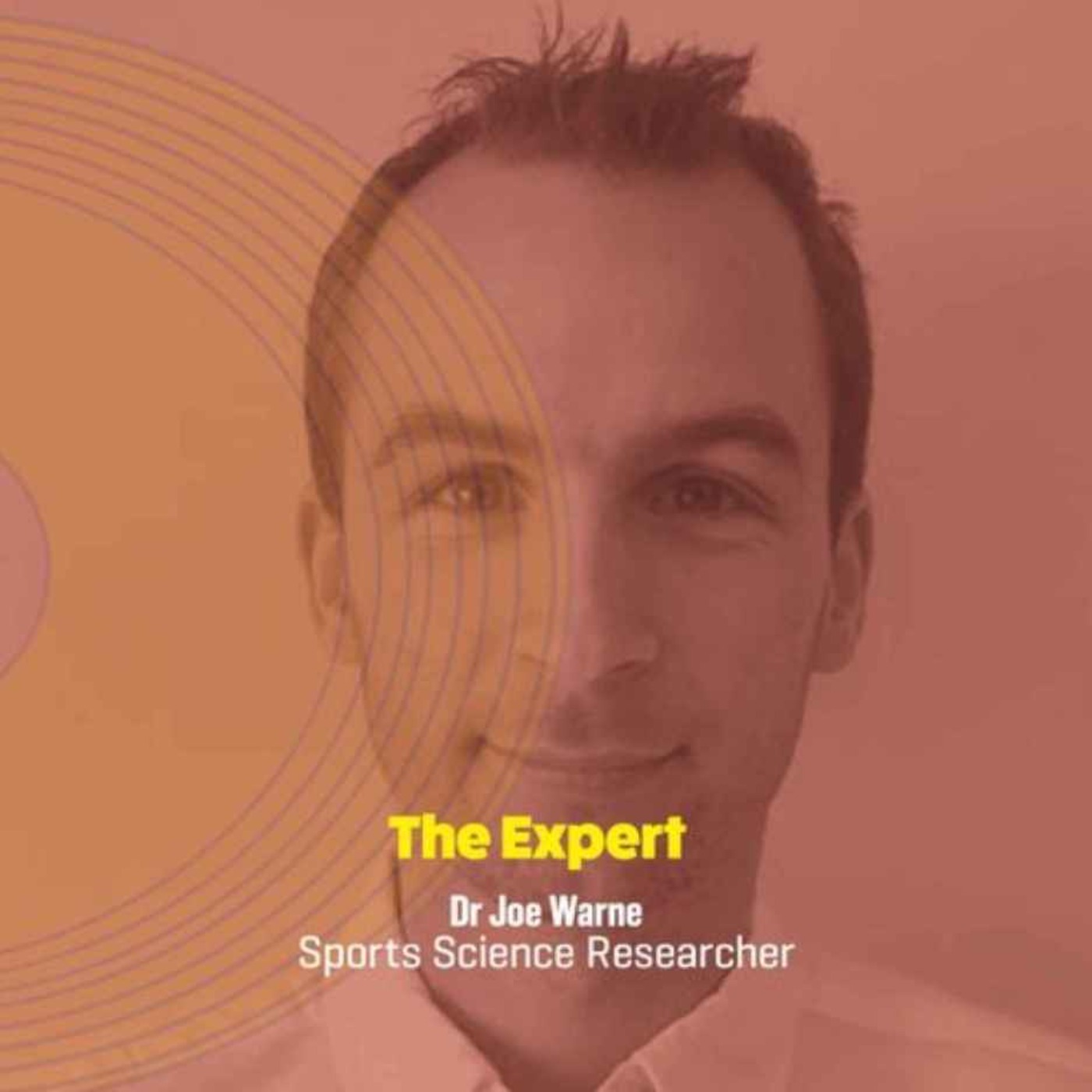
S7 Ep 12Most Sports Science Research is False: The Replication Crisis Hits Sport
In this episode, we’re joined by Dr Joe Warne, founder of the Sports Sciences Replication Center (SSRC) and senior author of a landmark new study that should send shockwaves through the world of sports and exercise science. Joe and his team undertook an enormous replication effort—repeating the methods of previously published research to see if the results hold up. The outcome? Just 28% of the studies could be replicated. Even more striking, the effect sizes dropped by an average of 75% when replicated.This isn’t just a dent in confidence—it’s a crater. Scientific journals are trusted as sources of truth, yet Joe’s work shows that the majority of findings in this field don’t hold water. Perhaps even more concerningly, only 14% of original study authors were willing to share data or collaborate on replications.We dig into how the SSRC pulled off this monumental study, why so many findings failed to replicate, and what it reveals about the deep structural issues in the field. From academic incentives to publish fast and flashy, to the natural resistance researchers have to being challenged and falsified, we explore how these forces fuel unreliable and unreproducible science.Finally, we ask the tough question: what should coaches, athletes, and practitioners do when research can't be trusted? Joe shares his candid thoughts on how science must change—and what needs to happen to restore faith in the evidence base.This is a must-listen conversation on one of the most pressing issues in science today.LinksMore of Joe - if you join Discourse by making a small monthly pledge here, you can be like the cool kids and hang out with Joe in our VIP Community!Meta analysis in Strength and conditioningA webinar Joe Warne did on these issuesThe three replication papers:The proposal that outlines the selection of papers in more detailThe 28% paper that outlines the findingsReflections from Joe and some of the team on the process and findings Hosted on Acast. See acast.com/privacy for more information.
Spotlight: When Talent 'Stalls' / The Carbs vs Fat Shifting Paradigm / The Fragile Future of Track
Join Discourse for moreDiscourse is the best Sports Science community on the internet, and yes we are biased. But if you want to see for yourself, membership is a monthly pledge away, and then you too can gain access to opinion, insight and analysis from The Real Science of Sport army!Show notesThis week in Spotlight, we kick of with a Discourse Digest exploring the UCI's equipment rules — most notably, 40cm minimum handlebar width. It may seem like a technical tweak, but the implications are significant: many female cyclists will now have to widen their bars to comply, sparking criticism that the rule is not only arbitrary but discriminates against women. We dig into what it says about decision-making at the UCI, and how governance in the sport appears to be crying out for systematic, deliberate and openly communicated processes.In Listener Lens (11:56), we tackle a great Discourse question from Liam, a coach working with a 13-year-old female runner whose progress has stalled. We explore why this happens to young athletes, especially girls, and how the short-term incentives we create in youth sports cause challenges for the most well-intentioned coaches and parents. It’s a conversation about patience, perspective, and reframing our expectations to accept that sporting development is very rarely linear.Then, in a new Ross Replies segment (29:20), a question from Nicol on how the body switches from fat to carbs during exercise opens the door to a deep dive into metabolic regulation. We break down what controls fuel selection during exercise, and why a new paradigm has emerged: instead of trying to promote fat oxidation to spare carbohydrates, elite athletes are now trying to minimize it. Why? To enhance performance by maximizing oxidation efficiency with carbs.In Center Stage 51:57), we discuss some of the tech details that have emerged in support of Faith Kipyegon’s sub-4:00 mile attempt, and wonder what the quiet collapse of the Grand Slam Track series means for the sport? And finally (64:54) Gareth notes that Mondo Duplantis' pole vault dominance shows no signs of abating, leading us to wonder why some dominance is lauded, while others are doubted, and to reflect on huge sporting mismatches.LinksArticle on the UCI's handlebar decisionPaper from Norway comparing how boys and girls improve in athletic events during the teenage yearsThe article that shows how rare it is to be top 100 ranked at 18, 20 and as an adult, and that most successful adults aren't at the same level as juniorsArticle covering fundamentals of adolescent development and its implications for sportHow the body shifts from fat to carbs (Discourse member access only)Sean Ingle described some of the tech Nike is putting into the sub-4 mile attempt Hosted on Acast. See acast.com/privacy for more information.

S7 Ep 11Sport and Skin Cancer: How Big is the Risk?
Most sport takes place outdoors, and with growing concerns around sun exposure, active people are at a higher risk of developing skin cancer than most. Dr Dagmar Whitaker, vice president of the World Melanoma Society and one of the leading authorities on the subject, breaks down the current trends, explains which countries present a higher risk, the most effective ways to prevent skin cancer (hint: you smear it on from a young age!) and the breakthrough treatments that are not yet available. Whitaker is also president of the Melanoma Society South Africa and Immediate Past President of the Dermatological Society South AfricaSupport The Real Science of Sport on DiscourseDiscourse is our VIP community, where listeners gather around to chat more about the topics we cover on the show, the sports news, and anything else that has grabbed their sports science attention. If you want to be part of that community, and get way more value from The Real Science of Sport, you join by becoming a Patron on the show for a small monthly donation! We hope you'll support the show, and join the Sports science conversation! Hosted on Acast. See acast.com/privacy for more information.
Spotlight: Carbs vs Fat in Comrades Champions? / Sinner’s Loss is Tennis' gain?
Join the DiscourseA small monthly donation gets you access to Discourse, our VIP community that informs these Spotlights, and exponentially adds value to your experience! If you want to support, and learn, you can donate hereShow notesThis week on The Spotlight, we put big claims, bold performances, and comeback stories under the microscope.In Discourse Digest (00:00), we discuss why Beatrice Chebet’s near-world record 5000m is not a miss, just a delay. Then we shift to the French Open, where Carlos Alcaraz outlasted Jannik Sinner in a classic. Gareth asks whether Sinner’s loss might be exactly what tennis (and Sinner) needed, and how their rivalry and reputations will shape the sport’s next era.Listener Lens (15:50) features a question from listener Simon, returning from an injury-enforced layoff. Ross offers guidance on regaining lost fitness, why retraining happens faster than we think (the 1:2 rule of thumb), and why doing less will eventually give you the right to do more.Center Stage (22:34) is all about carbs, fat, and fuel—sparked by a tweet from Prof Tim Noakes after the Comrades Marathon. Having watched the race, Noakes claimed that “not a single lead athlete tried to ingest 90–120g/hour of carbohydrates,” and that they “know they don't need carbs to win Comrades” because “fat can provide essentially all the required energy.” We put those claims under the Spotlight, and checked with the elites. Turns out, they were targeting exactly those carb intakes. We explore the science and discover a huge capacity to increase fat oxidation as a function of diet, training and exercise intensity. But that doesn't mean carbs don’t matter - we dig into evidence that carbs improve performance, delay fatigue, and enhance recovery. The real problem? Extremes. Whether it’s high carb or no carb, just because you can doesn’t mean you should.And finally (53:44)—Padel and Pickleball are booming. Why are they so popular, and will they dethrone tennis as the world’s favourite racket sport?LinksThe article Gareth discusses about Sinner's loss being a win for tennisExample of a study where retraining restores strength to pre-detraining levels in half the time taken to lose them (note this is a study on strength, but the principle remains)Our Podcast interview with Louise Burke, where she explains everything you need to know about fats and carbs, and why fat underperforms as a fuelThe Podlogar study discussed on the show, where we don't burn all the ingested carbohydratesBurke's race walker study, with fat oxidation rates three times higher after fat adaptation, but with reduced economy and impaired performance benefitsVolek's study on fat adapted distance runners, also showing huge fat oxidation capacity Hosted on Acast. See acast.com/privacy for more information.
S7 Ep 10The Science of Recovery
The science of recovery is more complex than you may think. When do you know you have recovered? What does recovery look like? How much do you need to recover? Mike and Ross delve into the subject to discuss the physiology of recovery, the most effective researched recovery methods, what science reveals about the numerous recovery products on the market, and how to utilise the right recovery protocol to enhance performance, long-term motivation and overall ability.LinksSystematic review on Recovery strategies in Endurance athletesAnother review on recovery, which provided us with our very academic definition of recovery! Research paper showing that anti-inflammatories inhibit the adaptation to strength trainingA systematic review on tart-cherry juice and its effects on recoveryJoin DiscourseDiscourse hosts The Real Science of Sport's VIP community, where like minded listeners gather and share their thoughts, opinions, discoveries and insights. If you want to be part of that, you can become a Patron of the Podcast here, make a monthly pledge, and the VIP room will be yours to explore! It won't cost you even 2% of what the Enhanced Games are charging, and our advice actually works, and is safe! Hosted on Acast. See acast.com/privacy for more information.
Perfect Bluff: How Yates won the Giro / Boxing’s New Sex Screening / How Science Revealed a Ultra Cheat
Join DiscourseThe Spotlight is inspired and informed by our Discourse community. If you want to be part of that, sharing insights and inspiration with listeners, you can become a Patron of the Podcast here, make a monthly pledge, and the VIP room is yours to explore! It won't cost you even 2% of what the Enhanced Games are charging, and our advice actually works, and is safe!Show notesAt 1:09. In the Discourse Digest news roundup, Gareth and Ross tackle three stories where science and policy collide. First up, the Enhanced Games’ latest scheme—inviting people to pay $399/month for performance-enhancing drug guidance under the guise of anti-aging and health. Then, a look at World Boxing’s new sex screening policy for the women’s category: what the language really means, why it matters, and how sport might manage it. Finally, a compromise attempt in California where extra medals are awarded to navigate the inclusion of trans-identified males in girls’ sport—Gareth and Ross explore what’s gained and lost in that trade-offAt 25:39. A new Listener Lens feature this week comes from Discourse member Tony, who asks: how should you judge your warm-up before a race? Ross and Gareth explore what a warm-up really prepares—neuromuscular readiness, not just heart rate—and share insights from fellow Discourse members who’ve fine-tuned their routinesAt 33:35. And Finally (not quite today!), British ultra runner William Goodge is under fire after suspicious data emerged from his trans-Australia record attempt. Ross recalls a similar case he investigated, and the duo asks: why, in an age of abundant tracking tech, are we still debating whether these runs really happened?At 42:58. This week’s Center Stage belongs to one of the most dramatic finales in recent Grand Tour history. Simon Yates won the Giro d’Italia with a stunning final mountain stage raid—equal parts science, strategy, and surprise. Mike and Ross unpack the physiology and tactics behind Yates’ triumph: Did del Toro and Carapaz concede the maglia rosa because they hit their physiological limits, or were they undone by tactical missteps and pacing errors? And what about Wout van Aert, the satellite rider whose power and presence may have changed the race’s outcome? From record-breaking efforts to tactical stalemates, we break down the science that decided the GiroLinksNick Harris on the Enhanced Games dealWorld Boxing announce the sex screening policyTony's question about Warmup HR, as discussed in Listener Lens (Discourse members only)Story of Rob Young's questioned ultra performance, with a link to the report I co-wrote on itAnalysis of Yates' record performance on the FinestereDerek Gee's Strava file Hosted on Acast. See acast.com/privacy for more information.
Spotlight: Breaking the Physiological Bank in Training, and Rethinking Rugby’s Red Card
Join DiscourseGareth Davies, Mayor of The Real Science of Sport, is ready to welcome you as a citizen of our VIP community! To join the conversation, make a monthly pledge at Patreon.com and get access to the shared expertise and passion of fellow listenersShow notesIn this week’s Spotlight, we tackle an intriguing training question from a listener in our Discourse community: do short surges during easy or moderate training days undermine the training benefit? To explore this, we look to the current Giro d’Italia, where Richard Carapaz and rising star Isaac del Toro offer real-world examples of how intensity, even in brief bursts, may create a significant physiological cost. While small deviations from planned intensity are not only acceptable but often necessary, trouble arises when these efforts become too frequent or too intense. We introduce the concept of a physiological budget, and how consistent overspending can lead to a kind of training “bankruptcy,” where the cost outweighs the benefit. We break down how it's the intensity that exponentially increases physiological stress, and how to manage that cost wisely in your own training.Then we shift gears to rugby, where the red card rule is about to undergo a significant transformation. Under the new law, a team will no longer play with 14 players for the rest of the match—after 20 minutes, they can bring on a replacement. In response to split opinion in the Rugby community, Gareth asks: “What’s the big deal?”. Ross explains why this change has divided the sport, delving into the broader context of concussion prevention, and how sanction was meant to carry the message for behaviour change. Ross shares insights from his newly published paper showing that women are concussed in the same way as men, adding a crucial layer to the ongoing head injury debate.In our news wrap, we stay on safety, where the NFL has decided not to ban the controversial "tush push". We examine how that decision parallels rugby’s own risk-management principles. Beatrice Chebet ran the second-fastest 3000m in history last week, putting herself onto a controversial list of Chinese names who had appeared to move that World Record out of reach. Ross offers a prediction that it's a matter of time before the WR falls to Chebet (along with others).And the Enhanced Games claim a “world record” performance of its own, leading us to again discuss the ethics, science, and inevitable sales pitch driving the campaign, and why giving oxygen to the now transparent anti-aging commercial objectives of the Games may not be a good idea.LinksThe question that inspired our Training Zone discussion - for Discourse members onlyRoss' recent paper on the risk of head injuries in elite women rugby playersThe NFL does not ban the 'tush push'. For nowArticle by Julian Savulescu on why doping should be allowed (an oldie!) Hosted on Acast. See acast.com/privacy for more information.
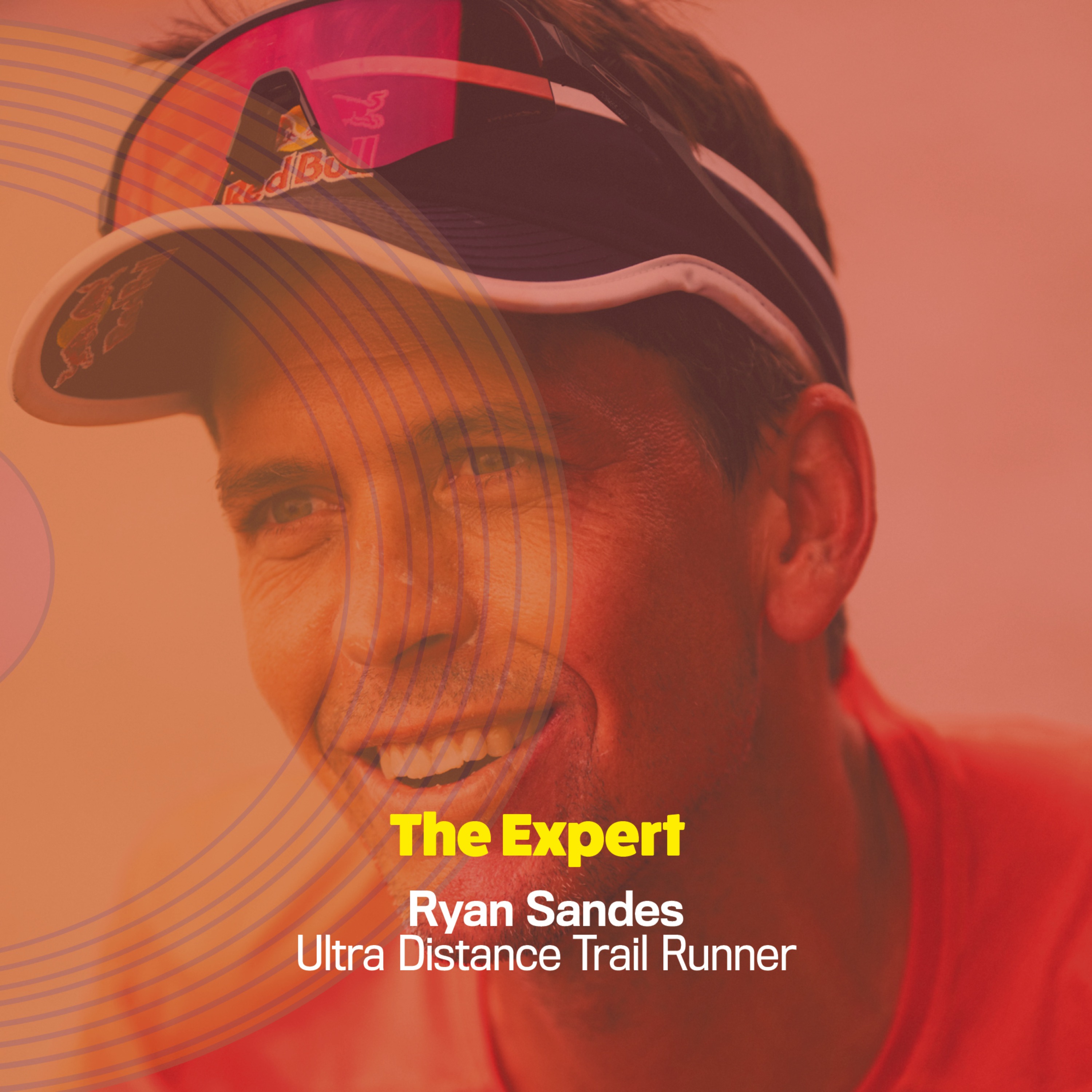
S7 Ep 9Ultra Endurance: The Science behind Conquering the 400km Cocodona Trail Run
The Cocodona 250-mile (402 km) trail run is one of the toughest endurance challenges in the world, as athletes battle the extreme distance, sleep deprivation, nutritional challenges, muddy trails and 12,500 m of elevation. Trail legend Ryan Sandes finished second in 2025 and talks to host Mike Finch and guest co-host Sean Robson about his motivation for competing, his training regimen and his own experience competing in this extreme challenge.NOTES:Check out more on the Cocodona 250 HERE Hosted on Acast. See acast.com/privacy for more information.
Spotlight: Peril, Pills, Promises & Potential: Sport's Performance and Ethical Battlegrounds
Join DiscourseNutrition tips, training insight, performance debates, sports opinions — if you’re into it, we’re talking about it. Become part of the “Science of Sport” Discourse community via Patreon.Show notesThis week on Spotlight, we take a tour through some of the big stories in sport and sports science right now—from race tactics and concussion protocols to doping ethics, expert credibility, and how we identify and develop talent.We start with a lively discussion on the Giro d’Italia and that gravel stage. Was it thrilling unpredictability—or dangerous chaos? As the General Classification gets a dramatic shake-up, we debate whether the pursuit of entertainment justifies what some see as random, unfair risk and compromised race integrity. Do stages like this belong in a Grand Tour, or are they an unwelcome injection of chance into a sport built on precision and control?From there, we shift to cycling’s ongoing concussion challenges. Jonas Vingegaard’s recent comments compel questions about whether current policies do enough to manage brain injuries. Despite a policy that asks multiple people in the race to identify possible cases, the sport appears to be struggling to accurately identify who gets tested, when and how. Are critical medical decisions still slipping through the cracks because the wrong people, with misaligned incentives, are being asked to make them under pressure?Then it’s time for our first featured topic: the evolution of the Enhanced Games. With swimmer James Magnussen chasing a chemically-aided world record and a million-dollar prize, we unpack the ethical and medical dangers of performance enhancement. What are the risks—for athlete health, for fairness, and for the messages it sends to the next generation?Next, we ask: How do you know who to trust? In an age of slick communication and pseudo-expertise, we explore the credibility of experts, and discover why true experts often sound less confident, not more. Ross explains how confidence can be a red flag, and why uncertainty and nuance are often markers of real scientific thinking.Finally, we dive into the messy reality of Talent ID. Ross explains four common errors—especially the “ghosts” created when resource-strained systems make early, high-stakes decisions that can harm both performance and people.We close with a brief segment on doping in Ironman, and why the “contaminated meat” excuse likely doesn’t hold up—though science says it’s not entirely impossible.LinksVingegaard on his concussion omissionThe UCI Concussion Policy that identifies all the right people to call for tests, but that frequently seems not to achieve thisDavid Epstein's recent article on fact checking and the illusion of expertiseOne example of the research studies used to sell BPC157, despite being in rats and showing nothing of the sort of promises companies make Hosted on Acast. See acast.com/privacy for more information.
Spotlight: High Carbs, High Speeds, High Times…and a Drip Too Far
Become a Discourse memberEnjoy the pod? Support us with a small monthly donation on Patreon and unlock access to our exclusive Discourse community—deep dives, hot takes, and smarter sport talk await!In this week’s Spotlight, we dive into the science behind an eye-watering nutrition number: 200 grams of carbohydrate per hour. That’s what elite Ironman Cameron Wurf reportedly consumed during a record-breaking bike leg in Texas. But does the body actually use it all—or is there a ceiling to sugar oxidation? Ross and Gareth break down a recent study comparing 120g and 90g per hour in trained cyclists, revealing how much of that fuel actually gets burned, and whether it has the purported effects on fuel use during exercise. Before we hit the carb overload, we’ve got a mix of big stories from across the sporting world:🎾 IV drips and bans in tennis – Australian pro Max Purcell has been hit with an 18-month doping ban for intravenous vitamin infusions. We unpack the rules, his case and discover some other athletes who have fallen foul of the IV rule🏏 Cannabis and cricket – South Africa’s Kagiso Rabada served a one month suspension for a ‘recreational drug’. We revisit the criteria WADA uses to ban substances and ask: should cannabis really be on the list?🏃♂️ The teen sprint takeover – A 17-year-old ran a wind-assisted 9.92s, with two ninth-graders just behind him, breaking 10.2s. They join Gout Gout as teen phenoms with bright futures🔬 Publish, perish—or post? – We reflect on a growing reality in science: if researchers aren't visible and able to communicate beyond journals, they risk irrelevance. Is it now “share or disappear”?Show notesThe long detailed piece by Ben Rothenberg on the Max Purcell doping banRyan Lochte got done for the same offence, no investigation needed - he served himself up on an Instagram post!A Newsweek article, published after Sha'Carri Richardson's cannabis ban, on how the drug came to be on the WADA listInteresting piece on Gout Gout's coach, Di SheppardArticle on Cam Wurf's Ironman fuelling strategy that kicked off today's main topicWADA's scientists defend cannabis' presence on the banned listRecent review showing no performance enhancing effects of cannabisThe Podlogar article comparing 90 to 120 g/h that we discuss Hosted on Acast. See acast.com/privacy for more information.
Spotlight: Talent, Trust and Testing Transparency
Join The Discourse CommunityIf you enjoy the podcast, you’ll love our Discourse community. Become a member of “The Science of Sport” community by joining with a small monthly pledge on Patreon — and be part of the conversation behind the conversation.Show notesIn this week’s Spotlight, we open with a brisk roundup of major stories from the world of sport and policy. We look at new developments following the UK Supreme Court ruling on the Equality Act, including the first tangible policy response. We also revisit the resolution of the tragic ice hockey case involving manslaughter charges, and World Athletics’ announcement of its “Ultimate Championship” event—an innovative idea, but not without flaws. Gareth raises some pointed criticisms about the competition format and the puzzling exclusion of key athletics disciplines.Next, we talk talent. The NFL Draft always offers a window into the world’s most elaborate selection process—but also its inefficiencies. We reflect on how early selection often produces more busts than brilliance, yet remains largely unchanged due to structural inertia. A 14-year-old’s blistering 35-ball century in the IPL leads us to discuss a surprising link between cricket scoring and endurance pacing, and how this informs the Duckworth-Lewis-Stern method.From there, we shift to the core topic of the episode: scientific integrity. Gareth reflects on our recent Spotlight's deep dive into how scientific papers are made, and our most recent feature podcast on the Boston Marathon and Mike's experiences testing Puma's new shoe. The conversation expands into questions of independence in scientific research and evidence, with specific reference to Puma’s bold claim that their new shoe is “the fastest ever", and why that statement is, at best, premature. But we also give credit where it’s due, praising the transparency and almost certain publication of the results of the brand’s testing, as well as the researcher's realism about trust in their lab's research.And amid it all, Ross shares some personal news—stepping away from his School Academy High Performance and development role, while reflecting on missed opportunities and unrealized HP philosophies.LinksThe Scottish FA acts to protect women's footballAnd the English FA are, apparently, considering itThe case against ice hockey player Matt Petgrave is droppedAn analysis of draft picks that shows how high the proportion of "busts" isHere's a preprint of the Hoogkamer evaluation of the Puma supershoe - this is not peer-reviewed yet, but I strongly suspect that a peer reviewed version of this is on the horizonThe best community discussion you'll read on Supershoes, courtesy our Discourse members (Members only access - you know what to do!) Hosted on Acast. See acast.com/privacy for more information.
S7 Ep 8MARATHON SPECIAL: London & Boston Round-Up / Pacesetters or Not? / We Test What is Claimed to be the World's Fastest Shoe
In this round-up of the two big spring marathons—Boston and London—Mike and Ross rate the performances of the top athletes while debating whether pacesetters should be used in major marathon events. The team then delve into the ultra-competitive world of shoe tech, where Mike gets to do a running economy test in a pair being touted as the world's fastest running shoes.SHOW NOTES:Results of the testing done by the University of Massachusetts Amherst on Puma's Fast-R 3Study on how shoe mass affects running economyThe study we discussed that shows how a 1.1% improvement in metabolic cost of running translates into a 0.78% improvement in performanceThe original Vaporfly study that got the ball rolling on the 4% benefit, for comparison of methods Hosted on Acast. See acast.com/privacy for more information.
Spotlight: The Birds & the Bees of Sports Science Research Papers. How Research is Conceived & Delivered
Join our Discourse CommunityThe Science of Sport is more than a podcast — it’s a growing community of curious, thoughtful people in sport and sports science. Join our Discourse by pledging on Patreon and tap into the deeper conversations.Show NotesWhere do scientific papers come from?In this week’s Spotlight, our main focus is a “birds and bees” conversation of the scientific world. Ross walks Gareth through how a research paper is conceived, conducted, and eventually delivered into the world through publication in scientific journals. We break down what is essential to how a paper fits into the larger sports science puzzle, and share some insider tips for reading research with a critical eye. We explore why the “why” behind a study matters more than most people think—and how every piece of research fits into a much bigger picture. Plus, we dive into the obligations and ethical requirements researchers face, and why transparency, study design, and disclosure are the foundations of real science.But before we get to that deep dive, we tackle a mix of stories from the world of sport:🏃♀️ A sub-4-minute mile for women?There’s fresh talk of breaking the barrier—but Ross is sceptical. Is this genuine progress or just another gimmick? We explore what it would mean if it happened, and what will need to be thrown behind the world's best athlete to make it possible.🚴♂️ Durability > sprint capacity?From Remco’s win over Wout in Brabantse Pijl to takeaways from the Boston Marathon, we examine how this underrated concept—producing a fresh performance while fatigued deeper into a race—plays out in real-world results.🎾 Doping rules, showers, and sample tampering.A new controversy in tennis gets us talking about anti-doping protocols, and some of the wildest attempts in history to game the systemIt’s science, scepticism, and sport—exactly how we like it.LinksThe two papers we discussed in our "Birds and Bees" section:Greg Roe's Rugby paper: Spot the DifferenceNic Tam's Barefoot running paper: We don't all adapt like the story book saidThe Breaking 4 campaign launchesTennis on the defensive about the anti-doping shower policy Hosted on Acast. See acast.com/privacy for more information.
Spotlight: The UK Supreme Court and Implications for Women's Sport / A Tour of World Records, Paris Roubaix and Discourse Achievers
We’ve got a blockbuster episode of Spotlight for you today.We kick things off with an important discussion around women’s sport and transgender athlete policies, following a landmark ruling from the UK Supreme Court on the legal definition of “woman” in the Equality Act. We know this topic won’t be for everyone, so if you'd prefer to skip ahead to the sports performance and race insights, you can jump straight to that action at about 1:07:12 in the podcast.For those looking for insight on this important topic, Gareth and I unpack the Supreme Court decision—a ruling with far-reaching implications. We’re joined by Helen Joyce, a leading women’s rights advocate who was in the courtroom for the verdict. She explains why the decision matters, what it means for sports governing bodies, and how it could reshape the future of competitive sport.Then we shift gears into performance talk: world records fell in the pool and in the discus, and we explore how weather and tech have combined to break new ground. Paris-Roubaix delivered two standout races. In the women’s event, race savvy beat strong legs (for once) as Pauline Ferrand-Prévot stormed to a solo victory in the Roubaix Velodrome. In the men’s race, we got another much-anticipated clash between Pogacar and van der Poel. We break down the physiology behind their efforts, the tactics—including van der Poel’s composed response to Pogacar’s crash—and how plain bad luck robbed the race of a deeper duel.Gareth also dives into the UK’s gym boom. With more people training than ever, we ask: is it all good news? Or is there more to the story? And finally, we celebrate our Discoursers—listeners and athletes around the world who’ve been tearing it up in races. Gareth shares some standout performances, and we invite you to join the community for world-class training insight and support.Show notesJoin our Discourse communityIf you enjoy the podcast, you’ll love our Discourse community. Become a member of “The Science of Sport” community by joining with a small monthly pledge on Patreon — and be part of the conversation behind the conversation.Links to topicsThe UK Supreme Court Decision discussed in the first part of the showThe FA's Transgender Policy, and the Appendix for Risk acceptance that trans men are required to signBBC piece discussion implications for sportArticle on Paul Biedermann's world record being brokenDiscus records galore in RamonaGareth's discussion on Discourse about the gym membership increase (Members only) Hosted on Acast. See acast.com/privacy for more information.
Spotlight: Fatigue as a Risk, a Requirement and a Red Herring / Grand Slam Track Reactions / New Olympic Sports
In this Spotlight episode, Ross and Gareth tackle a provocative question: should sports embrace fatigue to make the show better? We kick off with rugby union, where fresh legs off the bench and player welfare are fuelling debates about injury risks. But things quickly get philosophical. Some sports are basically designed to test how much fatigue you can take. Others are compromised when fatigue creeps in — skills drop, mistakes rise — yet fatigue also cranks up the drama and emotion. So, which sports thrive when athletes are running on empty, and which ones fall apart? And what would happen if you dialed up fatigue across the board — would it wreck the sport or make it even better?We also take a quick spin through the opening Grand Slam Track meeting in Jamaica, and peek ahead to the LA Olympics, where a bunch of new sports and events just got announced. Plus, concussion protocols and management are in the spotlight: a study from Scotland provides the first results on the lowering of tackle height in the community game; cyclist Elisa Longo-Borghini was pulled mid-race at Flanders; and Aussie cricketer Will Pucovski retired after his 13th concussion. Finally, we throw out a few predictions for Paris-Roubaix this Sunday. Got thoughts on these topics? Come chat with us on Discourse — link’s in the show notes!Show notesTo get stuck into these and other conversations in sports science, become a Patron of the podcast here, and then jump into the Discourse forum hereLinksThe Guardian article on the new events for the LA OlympicsWorld Rugby announces no evidence that the forwards-backs bench split needs to be changedIn 2023, I did a video presentation on the substitutes/fatigue injury risk issue, and you can watch that hereHere is Discourse member Hamish Gornall's paper on the tackle height findings from ScotlandReport on Longo-Borghini's Flanders crash and subsequent removal with concussionWill Pucovski's retirement due to repeat and worsening concussions Hosted on Acast. See acast.com/privacy for more information.

S7 Ep 7Heat, Hydration and 'Bum Clinics': The Science of Event Medicine
Join the team as they dive into the complex world of event sports medicine with guest Dr Darren Green. The team talk about the complexity of setting up a medical facility for major sporting events while tackling the challenges of extreme weather, hydration, injuries and cardiac incidences. Dr Green explains how medical teams work with event organisers to ensure competitor safety and gives practical advice on how participants should look after themselves to ensure they don't end up in a medical tent. There's also a detailed discussion on the infamous 'Bum Clinic' used at the Absa Cape Epic so be warned that this podcast does include some graphic content.Dr Green heads up the corporate events department for Mediclinic Southern Africa, which entails oversight of all medical support to major events, setting up the pre-hospital and field hospital infrastructure with niche expertise and ICU capability in remote sites. Dr Green functions as the Chief Medical Officer for many international sporting events including the World Cup Rugby Sevens, British and Irish Lions tour, Cape Town Cycle tour, Epic and Cape Town Marathon. He is an Alumnus of the University of Stellenbosch, where he completed both his undergraduate degree in Medicine and four years of postgraduate training in Neurology and, more recently, finished off a master’s in Sports and Exercise Medicine at the University of Stellenbosch. Hosted on Acast. See acast.com/privacy for more information.
Spotlight: Matters of the Heart / Heart Health in Marathon Runners / Max HR / Concussion and Coaches
It's a heart-to-heart on Spotlight today, as Gareth and Ross kick off by discussing a Discourse question about whether running marathons is bad for your heart? Ross describes five cardiac "risks" that have been documented, giving context and a bit of reassurance in response to theory that excessive endurance training is damaging to heart tissue. We then talk about maximum heart rate, and why it's an imperfect anchor for training prescription and a poor comparison between people. We shift from heart to brain to briefly discuss whether coaches should be sanctioned when players tackle poorly in rugby, and end off with a brief look at two teen phenoms competing in Australia last week, wondering whether their trajectories are inviting unreasonable pressure at too young an age.DiscourseAs always, Spotlight is inspired by your engagement in our Discourse community, and you can become a member by visting the Patreon site, and pledging a small monthly amount that gets you access and an opportunity to engage with, and learn from, fellow listeners.Show notesIan's question about heart risk from marathon running, and some excellent Discourse replies - Members onlyThe research paper on troponin elevation after marathons, which kicked off the Discourse discussion at the front of today's showGood insight and discussion on whether too much exercise is bad for you?Here's that article i mentioned where Tim Noakes punched some holes in the theory that marathon runners would be protected against coronary artery diseaseUltimately, sudden cardiac death in marathon runners is rare. Here's a review that explores just how rare, and explains the risksA Discourse thread on max HR and why it's a limited anchor and set ceiling for training prescription and managementHere's a paper that describes that sub-max HR test that can be used to identify training adaptation, overreaching and early signs of illness by looking at HR recovery after exerciseCompound Score revisited and re-explained - following last week's Spotlight, Ross shared more thoughts to explain the Compound Score. Here's that article, available to all, but initially on Discourse Hosted on Acast. See acast.com/privacy for more information.
Spotlight: A New IOC President / A New Tool To Protect Women's Sport / A New Power Metric
It's a bumper Spotlight in a bumper week of big sports news. To cover it comprehensively, Ross & Gareth are joined by Sean Ingle of The Guardian to discuss the election of Kirsty Coventry to lead the International Olympic Committee. We explore her path to victory, enabled by Thomas Bach's support, and how she might lead the organization through looming challenges, including the integrity of the IOC's bid/host city selection process, and women's sport. On the subject of women's sport, Sean also chats to us about World Athletics' announcement that it will introduce pre-clearance screening for athletes wishing to be eligible for the women's category. It's a move that forms part of Sebastian Coe's declaration to 'doggedly' defend women's sport. We explore how sex screening works, and issues it may raise, and solve.We then shift to cycling to discuss a remarkable Milan-San Remo performance by Tadej Pogacar, showcasing superiority and versatility not seen in cycling for a very long time. It tees up the compound score, accounting for power output and performance in both absolute and relative terms. A few odds and ends thrown in wrap up a big show.Show notesTo become a member of Discourse and be part of the conversation, including driving the content of these shows, here's your link to Patron (no wait, it's Patreon). A small monthly pledge gets you access to Discourse, and a whole lot more discussion that might make more sense than the pod! (sometimes!)Article by guest Sean Ingle on the big issues facing Kirsty Coventry as she enters the IOC frayAnother by Ingle, this time on the process and dealings behind the IOC Election, including Thomas Bach's roleArticle on Sebastian Coe's announcement of World Athletics' introduction of pre-clearance testing for female eligibilitySome analysis of the power numbers at the Milan San Remo race, as discussed on the podcast. Take the estimates with a pinch of salt - the high speeds introduce a lot of errorBrief abstract that introduces the Compound Score in cycling, and how it has the best predictive power for race resultsMore comprehensive research article on the compound score (needs access to journal for full read)The paper asking the question about "lactic acidosis", to which we all should know the answerThe answer to the lactate question Hosted on Acast. See acast.com/privacy for more information.
Spotlight: Teen Sprint Phenoms Accelerate / Talent Difference Makers / Community Rugby Concussion Insights
In this Spotlight, Gareth and Ross kick off by looking back at teen sprint phenom Gout Gout's latest performances, which continue to project a spectacular yet unknowable future. Across the Ocean, a young South African put down a teen-sprint marker of his own with a sub-10s performance, and we use those performances to discuss the nuanced, fluid and undefinable element of super-talents in sport. What matters, what doesn't, what is required for entry into the elites, and what makes a difference once there?We also discuss whether the addition of the Sydney Marathon (among others) to the prestigious World Marathon Majors dilutes their equity, which presents a chance to discuss heat and performance related to both marathons and the currently ongoing Cape Epic. Finally, we chat concussion in the community game, in the aftermath of some misinformed perspectives raised by politicians in the UK about the concussion risk with lower tackle height in the game.Show notesMel Breen wins the 2012 Stawell Gift race from scratchBayanda Walazas asymmetric running styleDiscourse is our VIP community, and if you'd like to be a part of that conversation, receive Gareth's Caught my Eye newsletter, and to interact with fellow listeners, the way to do it is to check out this link, and become a patron of the podcast for a small monthly donation. Thanks for all your support! Hosted on Acast. See acast.com/privacy for more information.
Spotlight: Physiological "Frugality", Power and Speed / Discourse Fuelling Success / Trans Sport Update
In this week's Spotlight, we swing the light from cycling to doping, via trans news updates and some success stories from our Discourse members. We kick off with a chat about whether we've been too obsessed with power numbers, and not talking enough about speed, as pointed out by Christoph Roodhooft of Alpecin's pro-cycling team. We discuss what it means to be an "economic cyclist", which allows Gareth to propose the concept of "physiological frugality", which we are 100% sure will take over from "durability" as the next-big-thing in elite cycling by 2027!We also chat briefly about positive fuelling experiences shared with us by Discourse members, who've managed to push their energy intakes up thanks to the experts we've heard from on the pod. We check in on some controversial topics, including the transgender athletes in sport debate, where a new paper, a legal decision and an imminent IOC election are all in the spotlight, and finally, we briefly discuss Shelby Houlihan's own words about her doping defence in an interview with Letsrun.com.Show notesAs mentioned, Discourse is our VIP Community where you can share bicarb recipes, tales of fuel success, and a whole lot more! You become a member by pledging a small amount on Patreon, which you can access here, and that will give you access to all the chat and sports science insights from members.LinksThe GCN segment discussed on the show, giving rise to Gareth's concept of "frugality"The Handelsman & Bermon paper that is discussed brieflyFull Decision in the Hamilton vs Telegraph press complaintThis is the full, in-depth analysis I did for Letsrun on the Shelby Houlihan decision, including the wrong application or misunderstanding of the Technical Document, and the carbon isotope ratio analysis that refuted Houlihan's argumentsThe interview Houlihan did last week with Letsrun, as alluded to by Gareth in the podcast Hosted on Acast. See acast.com/privacy for more information.
Spotlight: The Science of Improving Human Performances / Technological Advances in Sport / Talent Scouting Through Zwift
On today's Spotlight, we ask why runners are racing faster than ever? The same could also be said of cyclists, and we use an intriguing article by Amby Burfoot to explore and discuss the possible contributors, ranging from super shoes to the "Bannister effect". It leads us back to ground we've covered before (shoe tech, carbs), some areas we have yet to cover in detail (bicarbonate), and down some dark alleys that may contain the future (and possibly present) of doping methods.We also talk about technology in sport, and about which sports have seen the biggest, fastest leaps as a result of innovation, taking a quick tour of some other devices that have 'recalibrated' sporting performances and human limits.Finally, we discuss some of the science and performances in the Zwift Academy 2025, the latest iteration of a competition to identify and recruit aspirant cyclists into two professional cycling teams. We explore the tests used on the show, their value, and how hugely confounded the talent prediction is, even in a sport as measurable as cycling.Show notesAs mentioned, Discourse is where it all goes down, and here's where you click to become a member for a small monthly donation. Sign up as a Patron, and you'll have access to this community, and all the fascinating insights shared by fellow listenersLinksSean Ingle's article on that four-minute mile projectionAmby Burfoot's intriguing thought experiment canvassing opinion on what is driving faster running performancesThe paper mentioned on the show describing novel drugs to "manage classical heme disorders" - not a huge leap to performance enhancement, but the molecular switch approach to doping may be a concernThe podcast we once did on technology in sport - includes klapskates, swimsuits, and bicyclesThe BBC article on the increasing prevalence of obesity and overweightThe Lancet study described in the BBC articleThe first episode of the 2025 Zwift Academy, the rest can be found on the same channelSome normative power output from elite men, and elite women's cycling. Compare yourself to the pros. I'll put the summary tables up on Discourse for members Hosted on Acast. See acast.com/privacy for more information.
Spotlight: A Women's Sub 4-minute Mile? / A Tale of Textbook Heat Adaptation
In this Spotlight, Ross and Gareth become "bros" to discuss and critique a recent paper that forecasts a sub-4 min mile in women (specifically, Faith Kipyegon) if drafting strategies were improved. Ross explains his skepticism and reaction to straw man arguments in media about the paper, and the framing of the seven second improvement required as a "mental barrier". This ushers in a new segment for the show, "Grinds my Gears!".We also learn from a Discourse member, @pauliuspeciura, about how to execute a textbook heat adaptation strategy for a race he participated in recently. We talk about the physiology of heat adaptation, and how to implement a downscaled, but necessary approach to heat in your next race. We also briefly touch on two bits of news, one concerning an increasing lack of physical activity in children in the UK, and other a peculiar, though not unique, explanation for doping contamination in the recent case of triathlete Imogen Simmonds**Ross mentioned a USA Sprinter who was cleared of a positive drug test after using "passionate kissing" as a defence. That was Gil Roberts, not Derrick Brew as mentioned (article link below). Roberts, incidentally, got cleared of this positive result in 2017, but then had another doping violation in 2022 (16 month ban) and then another in 2023, and is now serving an 8 year ban!Show notesSpotlights are inspired by Discourse, and then the discussion continues there after! If you want to become a member of that community, here's the link to Patreon, where you sign up, and then it'll direct you to the Discourse Platform where the floor is yours!LinksArticle in the Guardian that talks about the decline in numbers of PE Teachers in BritainA paper in the BJSM on the physical activity issues and the need to optimize social factorsImogen Simmonds' post on the doping positive for Ligandrol. Time will tell whether there's more to itThe news piece on Gil Roberts and the passionate kissing defenceDiscourse Member Paulius Peciura discusses his heat adaptation strategy and race outcome here - Note: Discourse members onlyThe paper analysing Kipyegon's World Record, postulating the sub-4 is possible with a massive 75% drafting benefitThe New York Times piece on the sub-4 theory that contains the quotes that ground Ross' gears! Hosted on Acast. See acast.com/privacy for more information.
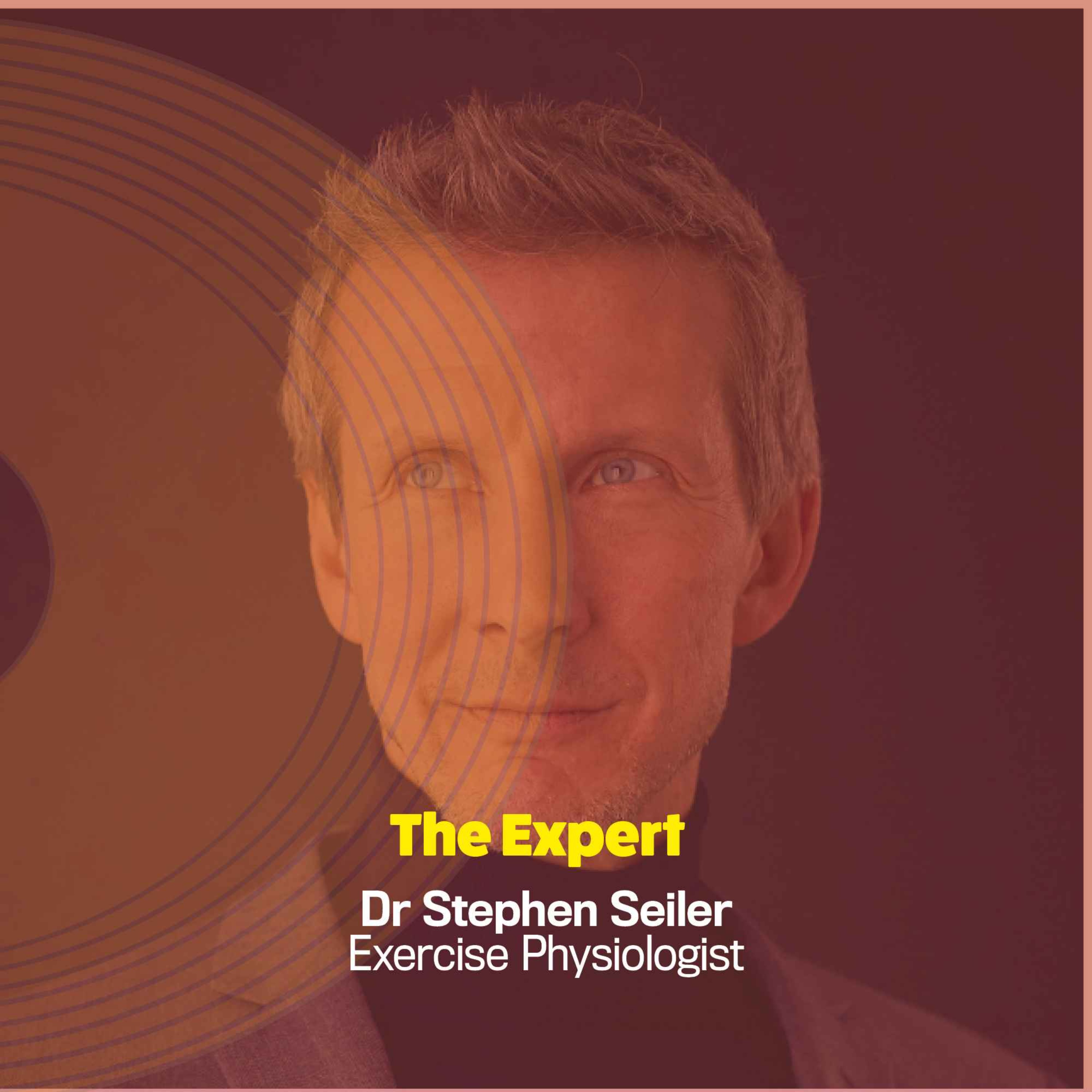
S7 Ep 6Rethinking Polarised Training with Dr Stephen Seiler
Dr. Stephen Seiler is arguably the world authority on endurance training, and popularized the concept of polarized training. But a new paper has revealed some fresh insights into training polarization which suggest that the training structure may only be suitable for certain types of athletes. Enjoy this deep dive into one of the most-discussed endurance topics as we break down the theory, look at the results of this ground-breaking systematic review, discuss how the results can inform training protocols and what future studies are needed. Seiler is an exercise physiologist and Professor of Sports Science from the University of Agder in Norway.SHOW NOTESTHE PAPER ON Training Intensity Distribution Intervention will Produce the Greatest Improvements in Maximal Oxygen Uptake and Time-Trial Performance in Endurance Athletes? A Systematic Review. Hosted on Acast. See acast.com/privacy for more information.
Spotlight: World Records Galore as Running's Recalibration Resumes / A Final Jannik Sinner Discourse
This week's spotlight turns to the indoor tracks and roads of the world, as we discuss the continuing recalibration of running performance. Every USA Men's Indoor distance record was broken in the course of a week, with two world records among the performances. One of those world records didn't last the week, as Jakob Ingebrigtsen broke it in France. Then on the roads, Jacob Kiplimo took the half marathon into a new galaxy with a sub-57 performance. The two-hour marathon is now clearly within reach. Gareth and Ross discuss those performances, and inspired to some Discourse, look back at a 2008 paper that analyzed race-horses and greyhounds to make predictions about how fast humans can still run. We check in those predictions to discover how shoe tech has moved some events ahead of the curve.We also shine one last Spotlight on the Janik Sinner three month ban, elaborating on a few matters that arose since our previous emergency Spotlight, and explain why some of the vilification of anti-doping's process may be unwarranted, and in some instances (Tim Henman!) completely detached from reality!Join DiscourseFor more conversation and insight, join our Discourse community where fellow listeners, experts and enthusiasts offer thoughts and opinions on this issue, and many more sports science topics. Membership requires that you become a Patron of the site, here, with a small monthly pledge to become part of our VIP communityShow notesThe Mark Denny study using horses and greyhounds to predict human limits, as discussedThe Iga Swiatek Reasoned Decision, where Points 40 and 41 explain No Fault and Utmost Caution principles Hosted on Acast. See acast.com/privacy for more information.
S7 Ep 5Can You Trust Your Sports Watch?
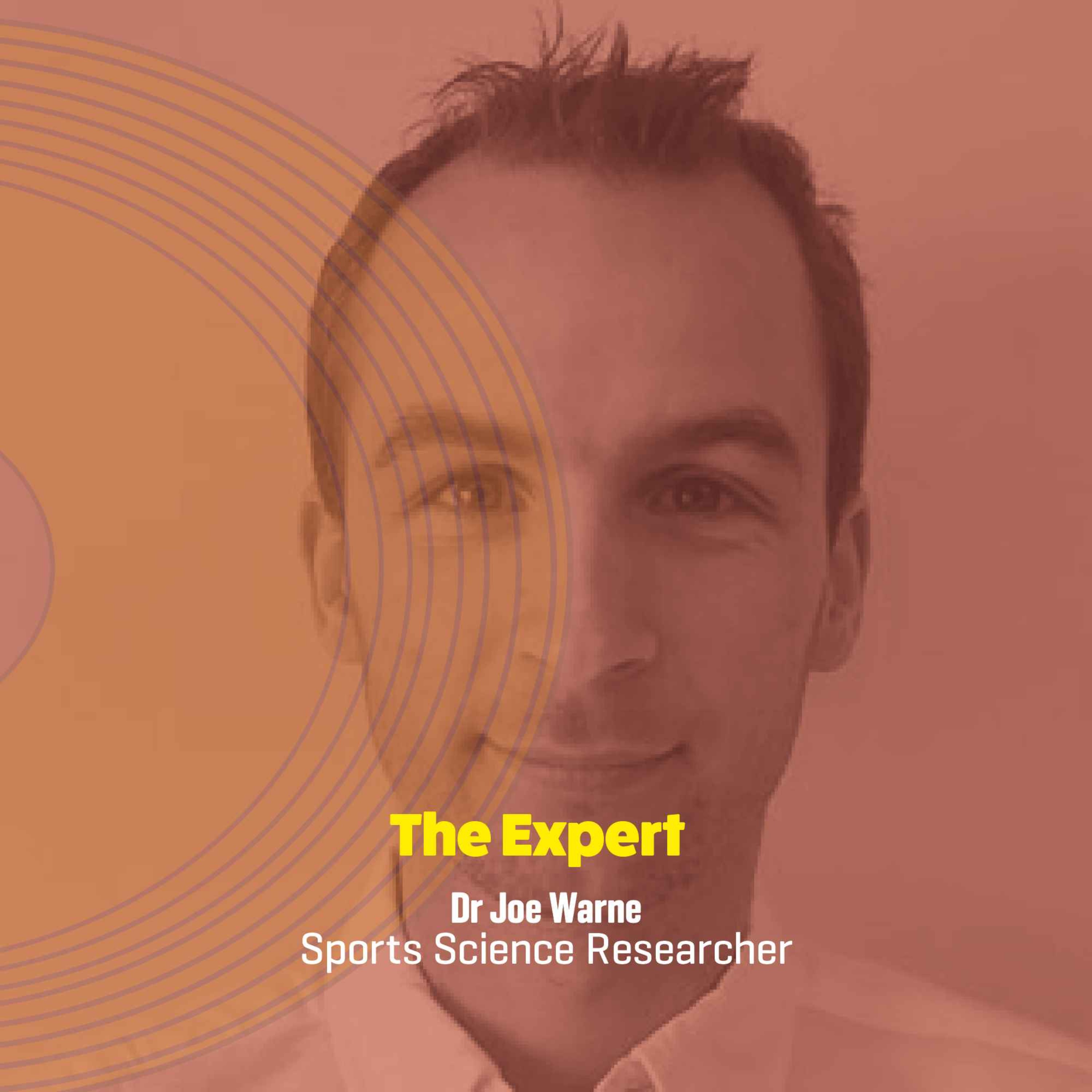
Dr Joe Warne is a former international athlete and the key instigator of the Sports Science Replication Centre at the Technological University in Dublin. Having also worked as a performance coach Warne has spent hours both testing and working with modern tech devices with a key interest in finding out how reliable and trustworthy the data is. In this interview, the team discusses the metrics you can best trust, how to interpret the data you get correctly, and what the future of wearable tech and exercise data could be. Hosted on Acast. See acast.com/privacy for more information.
Spotlight: Janik Sinner Banned For Three Months
Tennis star Janik Sinner has accepted an immediate three-month suspension for his 2024 clostebol positives. In this emergency Spotlight, Gareth and Ross discuss the agreement between Sinner and the World Anti-Doping Agency (WADA), and explain why both parties would have been incentivized to reach a settlement rather than go to arbitration at CAS in mid-April. We offer insights and early thoughts on whether, as claimed by Nick Kyrgios, this is "a bad day for tennis", or whether a three-month ban is justified and appropriate, giving the accepted facts of the case and what could be proven in previous tribunals.Join DiscourseFor more conversation and insight, join our Discourse community where fellow listeners, experts and enthusiasts offer thoughts and opinions on this issue, and many more sports science topics. Membership requires that you become a Patron of the site, here, with a small monthly pledge to become part of our VIP communityShow notes:WADA's full statement on the settlementBBC article on the settlement, as read in the podcastYouTube channel Tennis Talk, who we heard from in the podcast Hosted on Acast. See acast.com/privacy for more information.
Spotlight: Protecting Women's Sport - Update on New Developments and Policies From Around the World
In this Spotlight, we address some noteworthy recent developments in the regulation and protection of women's sport. In the most significant of these, World Athletics have announced proposals, still in consultation, that would compel elite female participants to undergo a screening test that looks for the SRY gene as an eligibility requirement. Ross explains why this step, inevitable and necessary for women's sport to deliver on its purpose, may be the most important one taken by any sport in the last few years. We also discuss other proposals that strengthen World Athletics' protection of women's athletics, as well as an Executive Order on women's sport signed by Donald Trump, the NCAA response to that EO, and what this all means for this ongoing controversial issue.Become a Discourse member and drive the SpotlightIf you enjoy the Spotlights, and want to weigh in on these and other topics, consider becoming a Patron of the show, and get full access to the Discourse community! Here's where you go to make a small pledge and become a Patron, and that'll open up this portal to a world of sports science, performance and health conversations!Links to topics and articles we discussed on the showWorld Athletics page explaining the proposals and the consultation process that includes the pre-clearance (cheek swab) methodThe full World Athletics document outlining proposed changes to eligibilityThe academic article that a group of us wrote last year, explaining how screening should be implemented to support protection of the female categoryGreg Brown's paper comparing boys to girls in running eventsSame author, same approach, different sport - here's Greg Brown's analysis of boys and girls in swimmingMarina Hyde's article that describes how issues are bundled rather than assessed on their merits, to the detriment, sometimes, of realityNCAA update on changes to their eligibility policy, where they take a step towards protecting women's sport, but fail to base it on biologyThe Executive Order signed by Trump earlier this weekThe larger Executive Order that helpfully defines sex, male and female with implications for policy Hosted on Acast. See acast.com/privacy for more information.
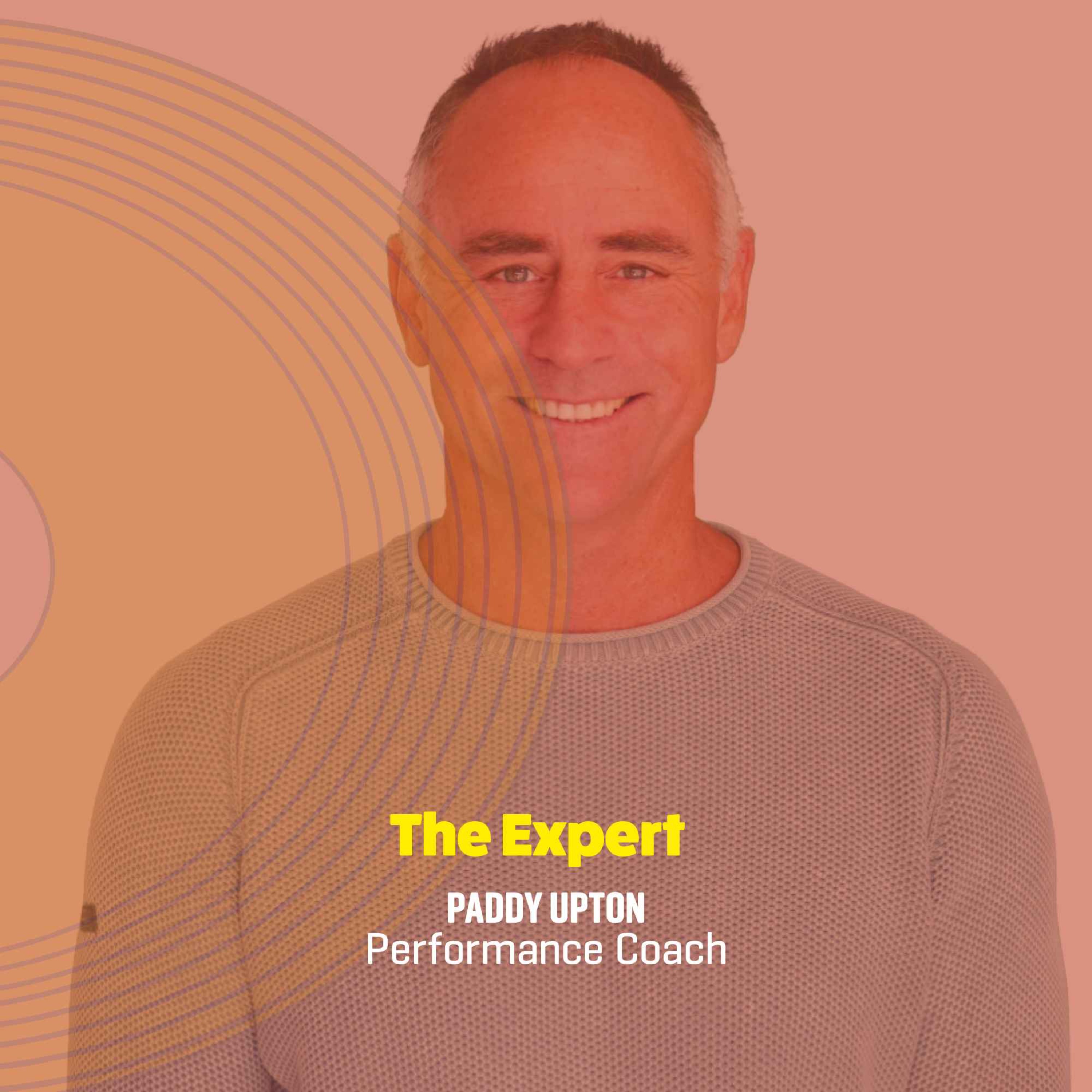
S7 Ep 4The Science of Mind Coaching in Sport
From international cricket to chess, boxing and hockey, Paddy Upton has helped the best sportspeople in the world achieve through his role as a performance coach. The team dig into how Upton has helped create the right performance mindset and explains how the best in the world handle mental pressure. Along the way Upton shares some remarkable success stories, explains how he went from a fitness instructor to a mind coach and whether BMT is really a thing. Upton's approach focuses on four core human aspects of high performance - leadership, culture, teamwork and individual performance - and combines his 30+ years of experience with degrees from four different universities along with an appointment as Professor of Practice at Deakin University (Melbourne, Australia). Upton has worked with over 350 professional and international level athletes from 21 different sporting codes, including six world champions from six different sports and 25 World Player Of The Year recipients. He has coached in five cricket World Cups and one Olympics (won bronze with the Indian men’s hockey team). He has also helped coach the Indian cricket team to become world test champions for the first time (2009) and win the 2011 ICC Cricket World Cup for the first time in 28 years. As Performance Director he has also helped coach the South African cricket team to become the first team ever to simultaneously hold the World Number 1 ranking in all three formats of the international game. He is also the author of the best-selling book, The Barefoot Coach (Life-changing insights from coaching the world’s best cricketers) Hosted on Acast. See acast.com/privacy for more information.
Spotlight: News Roundup / Forgiveness for Dopers? / Carbon Monoxide Banned / Yellow Cards For Head Injuries Only
We have a news-heavy Spotlight for you this week, with stories from athletics, cycling and Rugby League to discuss. Shelby Houlihan's return from a doping ban has Gareth wondering about second-chances and forgiveness for dopers? Cycling's authorities met at the Cyclocross World Champs in Lievin and agreed to regulate the use of carbon monoxide and to prevent its misuse for performance enhancement. We talk about that decision and its details, and how it's a positive step, despite some recognized limitations. Cycling safety is also under the spotlight, with the tragic deaths of cyclists around the world a reminder of the perils of the sport, particularly during training.Finally, Rugby League is considering a change to how players are sent off for high tackles, with a proposal to give yellow cards only when the player on the receiving end of the illegal tackle fails an off-field test indicating possible concussion. Proposed as a means to "get more consistency", Ross explains that if anything, it introduces a (for now) random, unpredictable outcome variable in the decision that will compromise consistency, and may detract from player welfare and behaviour change initiatives.But first, we kick off the show with our Discourse-first birthday announcement, a thanks to all our fabulous followers, and then revisit last week's Spotlight on carbohydrate requirements to explain why elites need to fuel at rates the rest of us needn't aspire to emulate.Join DiscourseIf you fancy a bit of the coaching, sports science and sports news conversations with our amazing members, consider a small donation to become a Patron of the site, and get access to our Discourse community, where you can join like-minded fans and sports enthusiasts to keep the conversation going.Show notesThe paper Ross alluded on the show, that gives an example of relative carb and fat use during exerciseArticle on the proposal to give yellow cards only when the ball carrier fails the head injury assessment in Rugby League Hosted on Acast. See acast.com/privacy for more information.
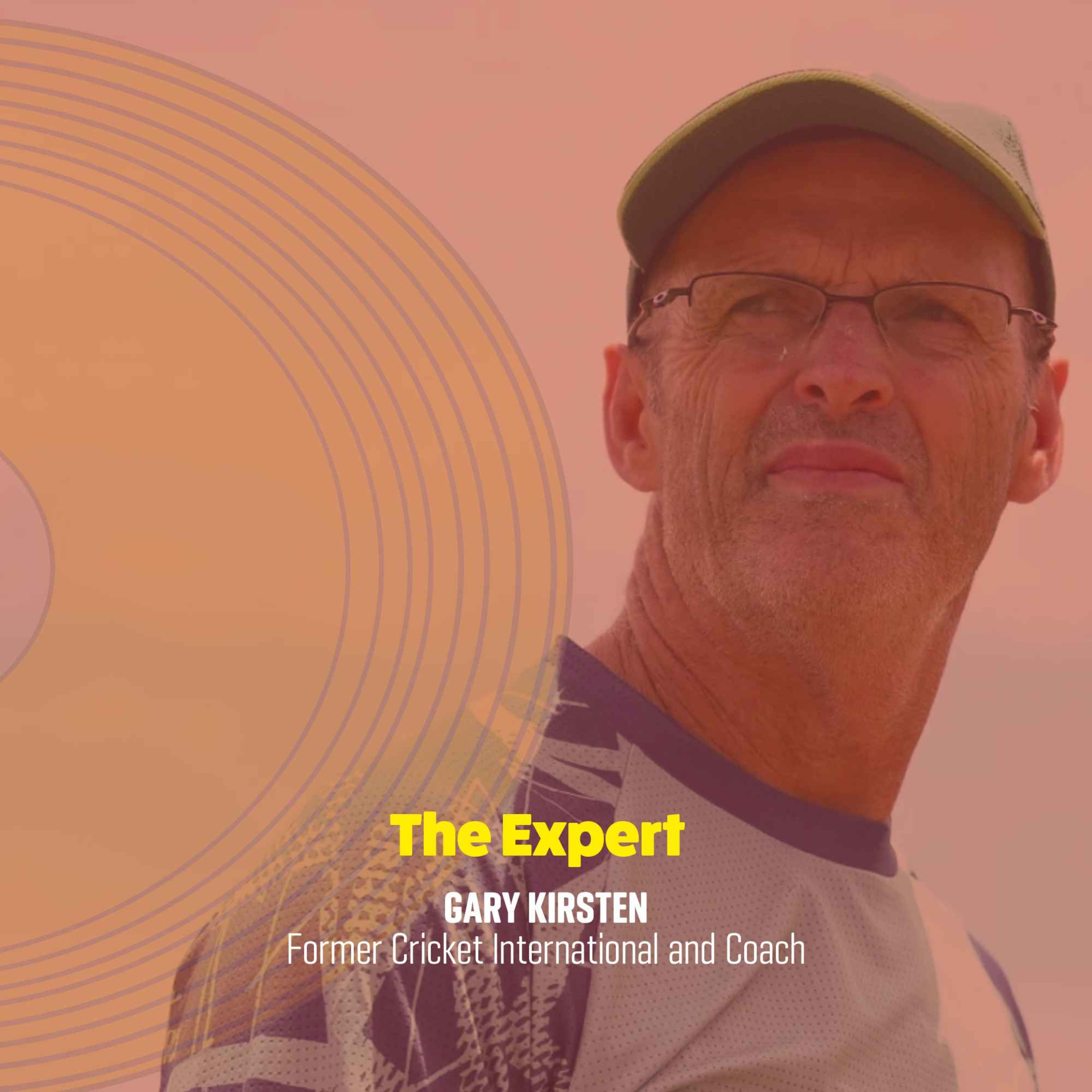
S7 Ep 3CRICKET SPECIAL: Is The Futue of Test Cricket Under Threat? / The Dying Skill of Fast Bowling / Coaching The Best From School To Elite
Former South African top-order batsman Gary Kirsten is one of the most respected voices in the modern game. After playing 101 Tests and 185 one-day internationals, Kirsten went on to a successful career as a coach. From 2008 to 2011 he coached India that included their win at the 2011 World Cup. Later in 2011 he was appointed coach of the South African team until August of 2013 and also had a brief stint with Pakistan in 2024, along with numerous coaching appointments in other formats including India's IPL. In this wide-ranging interview, Kirsten delves into some of the biggest issues facing the game: The threats facing the future of Test cricket, why the art of fast bowling is dying, the role of coaches at both school and international level and concerns over a proposed two-tier system in the global game.Note: We are aware of a small technical issue where some sections of the pod skip or "jump". We are looking to sort this out in a future upload/version of the pod. Sorry about that!Join DiscourseIf you fancy a bit of the coaching, sports science and sports news conversations with our amazing members, consider a small donation to become a Patron of the site, and get access to our Discourse community, where you can join like-minded fans and sports enthusiasts to keep the conversation going. Hosted on Acast. See acast.com/privacy for more information.
Spotlight: You Are Not Simon Yates. But You Can Learn From Him
In this episode, Simon Yates, carbohydrates and the applicability of sports science research to the masses are in our Spotlight. In an interview earlier this week, pro cyclist Simon Yates described a paradigm shift that has changed nutrition and training in the sport. Instead of five hour rides on "two eggs" and "water in the bottles" leaving him feeling exhausted, he talks about 120g/h of carbohydrates in training and racing leading to less fatigue, greater enjoyment, and significantly better performances. That's not new, of course - more carbs has been the name of the game for the elites for some time, as we've discussed in previous shows.Now, Gareth and Ross explore the extent to which elite practice and behaviours should guide what the rest of us 'mortals' do, and whether the pendulum of advice has swung too far? To do so, we use a recent paper by Louise Burke and her team to explain that sports science research, often done on recreational or moderately trained athletes, often fails to add value to elite athletes. Conversely, we discover that what elites do is not necessarily directly applicable to the rest of us, and that while Yates and others demonstrate important principles of nutrition (yes, you need those carbs for harder training), we need to understand context and circumstances in order to understand exactly how to apply their behaviours to our own situations, and to get the specifics right. Ultimately, we may all be bound by the same (physiological) rules, but we're often playing a different game. We explain how to translate and apply research to practice, and vice-versa.Plus, a brief look back at the Australian Open, how tennis analytics doesn't quite do justice to the 'adversarial' nature of the sport, and why players shouldn't be too fussed with perceived crowd and media hostility.Show notesThe tennis website Gareth mentioned, full of stats and analytics on performanceJoin our Fantasy League for the upcoming Men's Six Nations. Once clicked, you'll need a League ID - 142233 : SoS Discoursers, and a password: DWIVM"No bonks". Here is the interview with Simon Yates that reveals the carbohydrate shift in elite cycling, the main subject of today's SpotlightThe excellent article by Burke et al that describes why elite practice and research doesn't translate to us mortals, and vice-versaJoin DiscourseIf you fancy a bit of the coaching, sports science and sports news conversations with our amazing members, consider a small donation to become a Patron of the site, and get access to our Discourse community, where you can join like-minded fans and sports enthusiasts to keep the conversation going. Hosted on Acast. See acast.com/privacy for more information.
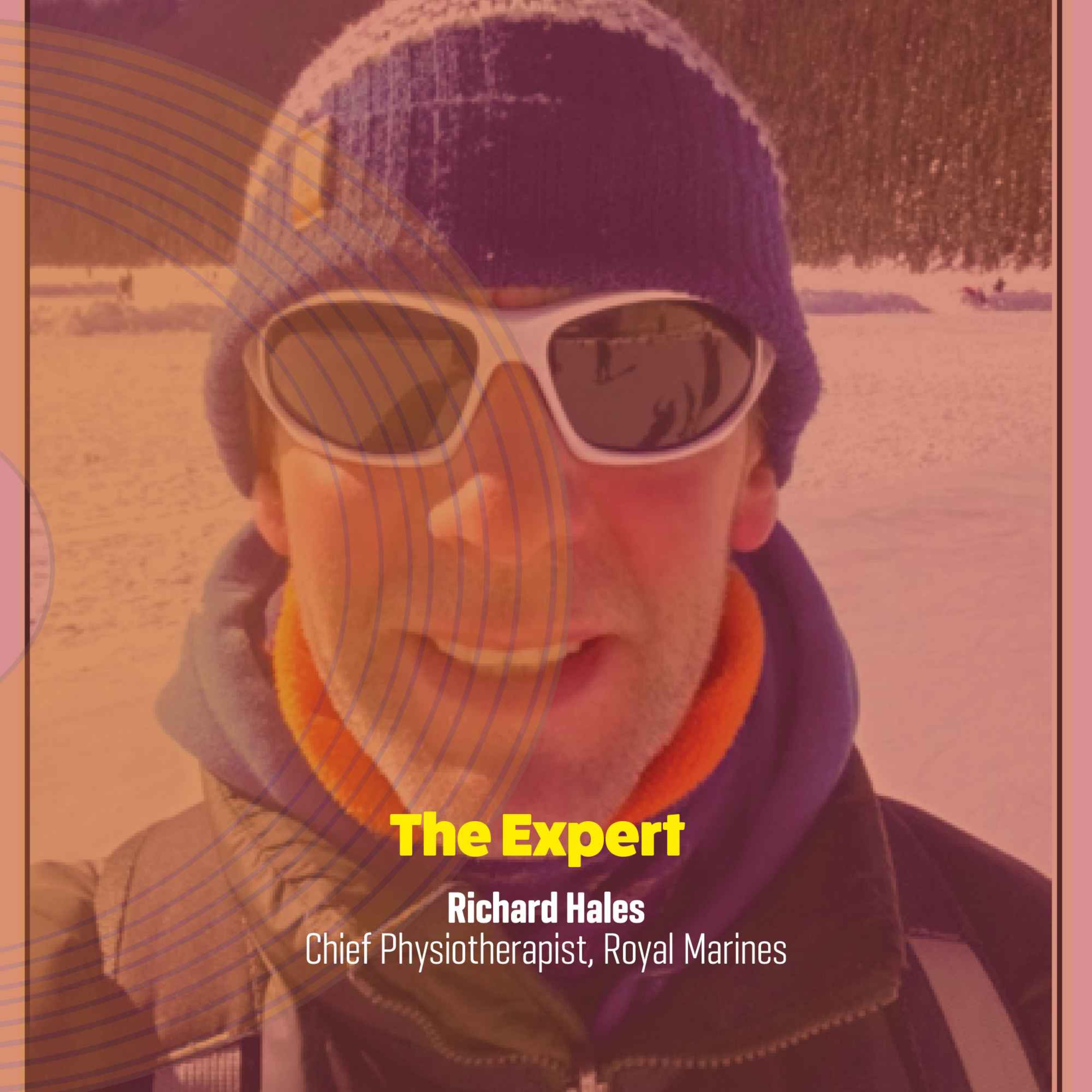
S7 Ep 2The Role of the Modern Physio: Lessons from the Royal Marines
Richard Hales has spent the last 22 years fixing Royal Marines at the Command Training Centre Royal Marines (CTCRM) Lympstone in the UK and is the Clinical Lead within their bespoke Exercise Rehabilitation Centre. So he knows a thing or two about the role of physiotherapy in a pressurised physical environment. The team delve into the role of a physiotherapist in both prevention and recovery; explains how data drives much of the research, why old-school physio techniques are questionable and whether biomechanics make a difference in causing chronic injury.Hales graduated with a Sports Science degree from Liverpool University in 1992 before qualifying as a Chartered Physiotherapist from Bath University in 1996.Having chosen to specialise in musculoskeletal rehabilitation his roles have included six years as Physio with Exeter Chiefs Rugby Union Club, and clinical co-ordinator for Amputee rehabilitation within ‘Adventure Rehab’, as well as Out-Patient work in both the UK and New Zealand before joining the military.He has just written a book about his time working with the Royal Marines entitled The NOD Fixer which is due out in Easter 2025.Join DiscourseIf you fancy a bit of the coaching, sports science and sports news conversations with our amazing members, consider a small donation to become a Patron of the site, and get access to our Discourse community, where you can join like-minded fans and sports enthusiasts to keep the conversation going. Hosted on Acast. See acast.com/privacy for more information.
Spotlight: Can We Trust Experts in Fitness and Health?
Can we trust "experts" in the fitness and health industry? We put this question under the Spotlight this week, inspired by a combination of Gareth's fell running exploits and virus scare, his quest to replenish carbohydrates after racing, and a fascinating insider Discourse chat about the credibility of the fitness industry. How can fitness, health and sports enthusiasts know who to trust, and can they ever be assured of credible, effective advice from personal trainers and fitness influencers whose intentions may be good, but whose knowledge is not always where it needs to be?Show notesJoin DiscourseIf you fancy a bit of the coaching, sports science and sports news conversations with our amazing members, consider a small donation to become a Patron of the site, and get access to our Discourse community, where you can join like-minded fans and sports enthusiasts to keep the conversation going. Hosted on Acast. See acast.com/privacy for more information.
S7 Ep 1What Will Sport Look Like in 2050?
A lot has changed since 2000 in sport but not everything predicted at the start of the Millennium has happened by 2025. So what may sport look like in 2050? Hosts Mike Finch and Prof. Ross Tucker - along with the Chief Sports Writer of The Guardian, Sean Ingle - look back at what was predicted in 2000 and what could happen 25 years from now. From age-defying world beaters to astonishing tech and the likely future and popularity of sporting events, sport looks set for some radical changes in the second quarter of this century.SHOW NOTESSean’s article looking back at the 2000 predictionsSean’s article predicting sport in 2050Another article by Sean in which he discusses the case for an Olympics every two yearsThe article that predicts that most records will reach a plateau by 2027Example of how digital twins are being used in sportSpeaking of digital twins, Des Linden has one, as explained in this articleAn article on how AI is changing sport. Hosted on Acast. See acast.com/privacy for more information.
Spotlight: Festive feedback
Gareth and Ross kick off 2025 with a brief Spotlight episode that looks back on the Festive season's interesting sports science news stories, and our own Christmas and New Year exercise achievements and sports-watching highlights. Discourse hummed along at its usual pace, with stories on doping, low cadence, cycling safety, and exercise challenges, and Gareth and Ross tackle those subjects in this 2025 'ice-breaker'.Show notesJoin DiscourseIf you fancy a bit of the coaching, sports science and sports news conversations with our amazing members, consider a small donation to become a Patron of the site, and get access to our Discourse community, where you can join like-minded fans and sports enthusiasts to keep the conversation going.Articles on topics discussed in this showIndependent scientific experts call China's conclusions on their 23 TMZ swimming cases "intellectually dishonest"Canadian coach calls for doping reform amid doubts over Women's Marathon WR, including bans for countries with more than 10 doped athletesNorway's Mountain Running World Champion accepts a doping ban after claiming contamination for a positive test Hosted on Acast. See acast.com/privacy for more information.
S6 Ep 25The 2024 Sports Year In Review
Who were the superstars, and what were the unforgettable moments of 2024? Who failed to launch, and who exceeded expectations? What are your hopes for sport and sports science in 2025? We draw a spectacular sporting year to a close with a look back at the highlights, lowlights, newsmakers and big stories of 2024. In a somewhat tongue-in-cheek "Sporting Awards" show, Mike, Gareth and Ross pick out their winners and losers, and the achievements that got us talking and debating. Inspired by the contributions and nominations from our Discourse community, we make our selections in categories ranging from the Moment of the Year to the Biggest Anticlimax of the last twelve months, with sports science insights and the big sports science stories covered in between.Join DiscourseIf you fancy sports science and sports news conversations with our amazing members, consider a small donation to become a Patron of the site, and get access to our Discourse community.Podcast highlights: Some of the podcasts from 2024 that came up in this show:Dr Joe Warne on the scientific theme of 2024: Can we trust sports science?The Skeptics guide to sports science - Dr Nick Tiller joined us to talk about how marketing undermines sports science, with a little help from sports scientistsAs Gareth noted on the show, the podcast topic that generated the highest volume of Discourse chat was VO2max, your most important training metricProf Louise Burke joined us to talk about why carbohydrates and not fats power most endurance athletes to better performanceProf Stuart Phillips on weight training - the one that changed Mike's exercise training routines.The science of hydration - this is the one that led to a really lively Discourse discussion about the scientific 'robustness' of hydration claims made on this showThe Olympic Controversy podcast recorded at the time of the DSD controversyRuth Chepngetich smashed the women's World Record, and the debate kicked off. We did a podcast on it in OctoberWe named BJSM as "Worst Team of the Year". This is the podcast we did on their shameful stance on women's sport and loss of scientific credibility Hosted on Acast. See acast.com/privacy for more information.
Elite Sport's Race to the Bottom, and Anti-Doping's Scramble for Higher Ground
In this Spotlight edition, Gareth Davies and Ross Tucker dive ever deeper into the abyss of sport's Talent Identification and Development inefficiencies. With a nod to our most recent podcast on Gout Gout's meteoric rise and anticipated trajectory to sprint dominance, we discuss how elite sport 'farms' talent in a 'race to the bottom' that characterises the ruthless pursuit of champions. We discuss the costs this creates, both financial and human, using talent pathway practices in cycling, football, rugby and tennis to illustrate why lost young athletes and inefficiencies are features of the system, rather than 'bugs'. We also discuss the latest developments in the world of anti-doping, where WADA have announced changes to contamination cases and accidental doping, and where the UCI have moved to ban carbon monoxide use for performance enhancement, but not measurement.SHOW NOTES:Join DiscourseIf you fancy a bit of the coaching, sports science and sports news conversations with our amazing members, consider a small donation to become a Patron of the site, and get access to our Discourse community, where you can join like-minded fans and sports enthusiasts to keep the conversation going.The article discussing the retirement of junior cyclists and the ruthless efficiency with which they are replacedA research article exploring how U23 performances predict elite cycling performance, perhaps not surprisingly, as discussed in the showMy 2019 article on the curse of the precocious athleteThe Gout Gout podcast referenced in our Talent discussionsThe very interesting Discourse topic in which Gareth and others talk about the changes in professional cycling (Discourse members only)A news article on WADA's announcement about intended changes to the Anti-Doping Code, including the discussed changes to contaminated product and accidental doping rulesThe UCI "bans" carbon monoxide use for performance enhancement, but not for measurement. Quite how is anyone's guess. Hosted on Acast. See acast.com/privacy for more information.
S6 Ep 24Exclusive: Is Australia's New Sprint Sensation the Next Usain Bolt?
Gout Gout is a sprint phenom. At only 16, he recently broke the Australian men's 200m record with a stunning 20.04s, second on the all-time list for under-18 sprinters. That followed 10.04 (wind-aided) and 10.17 100m clockings, as the Australian teen continued his meteoric rise to elite adult performances. The manner of his performances, with astonishing finishing speed, has created huge excitement, with anticipation of Bolt-like times and achievements in his future. But, teen prodigies come and go, many falling short of fully delivering on their exceptional promise. In this exclusive interview, his manager and agent James Templeton opens up about Gout's past, present and future, and shares the vision and specific plans he and Gout's coach have for one of the most exciting talents ever seen in the sport. Along the way, we discuss talent identification concepts,and learn lessons from David Rudisha's career about the dangers and traps that can ambush a young athlete, and how they plan to navigate those for Gout. We also discover how Gout Gout is handling new-found fame and being prepared for the hype, with the ultimate goal of taking on the world of sprinting in 2025 and beyond.SHOW NOTES:Join DiscourseIf you fancy a bit of the coaching, sports science and sports news conversations with our amazing members, consider a small donation to become a Patron of the site, and get access to our Discourse community, where you can join like-minded fans and sports enthusiasts to keep the conversation going.Video of Gout Gout's 200m Australian record of 20.04sThe wind assisted 10.04s that Gout ran, with special emphasis on the final 50mThe paper that shows the relatively low conversion of top 100 ranked U18 and U20 athletes into the top 100 adults, and vice-versa Hosted on Acast. See acast.com/privacy for more information.
S6 Ep 23What Tennis' Latest Scandal Teaches Us About Doping
World Number Two tennis player Iga Swiatek's positive test for a little-known product called Trimetazidine raises the issue of whether drug testing is going too far. Should there not be a threshold for the level of prohibited substances found in the body? Is there a performance advantage? What fault lies with the athlete? No matter the final outcome, an athlete remains tainted no matter their potential innocence, which could affect performance and sponsorship agreements. In this Spotlight episode, the team discuss the case, its similarities and differences compared to tennis' other high profile doping case, Janik Sinner, and what it means for anti-doping.SHOW NOTES:Join DiscourseIf you fancy a bit of the coaching, sports science and sports news conversations with our amazing members, consider a small donation to become a Patron of the site, and get access to our Discourse community, where you can join like-minded fans and sports enthusiasts to keep the conversation going.The ITA decision statementBBC story on Swiatek's one-month banSwiatek's statement on InstagramThe timeline of Swiatek's doping caseResponse from the manufacturer of the drugArticle on Jack Burke's KOMsWhen Burke broke the Alp d'Huez KOMJack Burke's Strava account Hosted on Acast. See acast.com/privacy for more information.
Science of Sport Spotlight 9: To Torque or Not to Torque, energy demands from the Women's Tour, and topical doping debates
In this spotlight episode, Ross and Gareth put some of the interesting discussions from our Discourse community in the spotlight. Gareth, master (and moderator) of Discourse, learned all about high cadence training from the coaches in the Discourse community when he tackled a Zwift cycling programme that had him spinning his legs. We discuss whether high cadence training has merit, or whether we should actually be looking at the other extreme - Torque training, with very low cadence, to develop cycling ability? A fascinating recent paper is the basis for that discussion. We also talk about a paper that documents the remarkable energy costs of cycling in the Tour de France Femmes - an incredible 7500 kCal per day, not met by energy intake in the case study. Finally, we tackle two doping stories. The first is a call by the UCI for WADA to "take a position" on alleged Carbon Monoxide misuse by elite cyclists, and the second is the latest step taken by the Enhanced Games, who, among other things, wish to classify aging as a disease. And they'll pay a cool million to a human who runs a sub-9.58s 100m, powered by any means necessary.Show notesJoin DiscourseIf you fancy a bit of the coaching, sports science and sports news conversations with our amazing members, consider a small donation to become a Patron of the site, and get access to our Discourse community, where you can join like-minded fans and sports enthusiasts to keep the conversation going.The research study that finds that low cadence training enhances performance more than self-selected (high) cadence training during an 8-week polarized training blockThe case study of energy demands in an elite woman in the Tour de FranceThe UCI calls on WADA to take a position on Carbon Monoxide useThe Enhanced Games message to Robert F Kennedy to declare war on aging Hosted on Acast. See acast.com/privacy for more information.
S6 Ep 22How Far Can You Push the Human Body? Lessons from a Royal Marine Doctor
Pushing the body to its limits can be the difference between life and death for a Royal Marine. So how far can you push recruits and what lessons can sport learn from the training they endure? In this interview with Dr Ross Hemingway, a Sports & Exercise Medicine Doctor at the Commando Training Centre for Royal Marines in the UK, we take a fascinating look at everything from heat illnesses to fatigue and injuries experienced by some of the fittest men and women on the planet. Hemingway explains how Marines are assessed and tells stories of recruits who overcome extreme hardship in their quest to be among the military elite. Hosted on Acast. See acast.com/privacy for more information.
S6 Ep 21Is the Credibility of Sports Science's Most Respected Journal Under Threat?
At the recent British Association of Sports & Exercise Medicine (BAsem) conference, the world's most respected journal in sports science - the British Journal of Sports Medicine (BJSM) - openly promoted a presentation done on the trans issue by the author of the controversial book Open Play: The Case For Feminist Sport, Dr Sheree Bekker. In the presentation, Bekker challenges the ideas around transgender sporting advantage despite persuasive scientific evidence to the contrary, raising the question of whether the BJSM has failed in its mandate to support robust scientific content. The team break down what the BJSM's role in sports science should be, analyse some of the outlandish statements made in the presentation and discuss the implications of what happens if credibility is lost.SHOW NOTES:The tweet by the BJSM on the presentation done by Dr BekkerThe photo claiming to show the TWSA and Feminist Approach to the gender debateDr Sheree Bekker's websiteA link to the BJSM websiteRoss's X thread reacting to the presentation Hosted on Acast. See acast.com/privacy for more information.